Product Hunt 每日热榜 2026-03-14

PH热榜 | 2026-03-14

#1
Agent 37
Your own OpenClaw instance for $3.99/mo
352
一句话介绍:一款提供全托管、隔离的OpenClaw AI代理容器的服务,以极低成本和60秒快速部署,解决了开发者在搭建和管理AI代理基础设施时面临的复杂配置和耗时痛点。
Productivity Developer Tools Artificial Intelligence
AI代理托管 自动化平台 无服务器运维 开发者工具 成本优化 快速部署 应用集成 容器服务 开源框架托管 按需订阅
用户评论摘要:用户普遍认可其极高的性价比和消除运维摩擦的价值。主要问题集中在:资源扩展性(工作负载增加如何处理)、数据持久性、内置调度功能(如Cron)、OAuth令牌刷新机制以及长期运行稳定性。开发者对技术实现和商业模式(如何维持低价)表示好奇。
AI 锐评

Agent 37的本质,并非技术创新,而是对现有开源工具链(OpenClaw)和云资源进行极致效率重组后,推出的“开发者体验”产品。其真正价值在于精准狙击了一个缝隙市场:那些有能力编写AI代理逻辑、却不愿或耗时于基础设施运维的个体开发者或小团队。

产品犀利地抓住了两个核心痛点:**时间成本**与**认知门槛**。将105分钟的配置压缩至60秒,不仅是效率提升,更是将项目启动的心理阻力降至最低,直接对抗“拖延症”。而预集成850+应用,则解决了集成阶段“最后一公里”的繁琐,这才是自动化项目从Demo走向可用的关键壁垒。

然而,其商业模式和长期能力面临尖锐拷问。每月3.99美元的定价,如同一个激进的用户获取钩子,其可持续性完全建立在团队声称的“超过50%的毛利率”上。这暴露了传统云服务商的巨大溢价空间,也意味着Agent 37的护城河在于其精算后的资源调度与运维自动化效率,这本身是脆弱的。一旦规模扩大,资源隔离、客户支持、安全合规的成本将非线性上升。

评论中的问题揭示了产品当前的“实验性”定位:硬性资源上限、对重启的披露、对扩展路径的模糊,都表明它最适合轻量级、非关键的背景任务。它不是一个企业级平台,而是一个“自动化副驾驶沙盒”。它的成功不在于技术多领先,而在于能否在用户因资源限制而“溢出”到更贵计划之前,建立起足够的体验粘性和网络效应。这是一场与用户增长速度和成本控制能力的精准赛跑。

查看原始信息
Agent 37
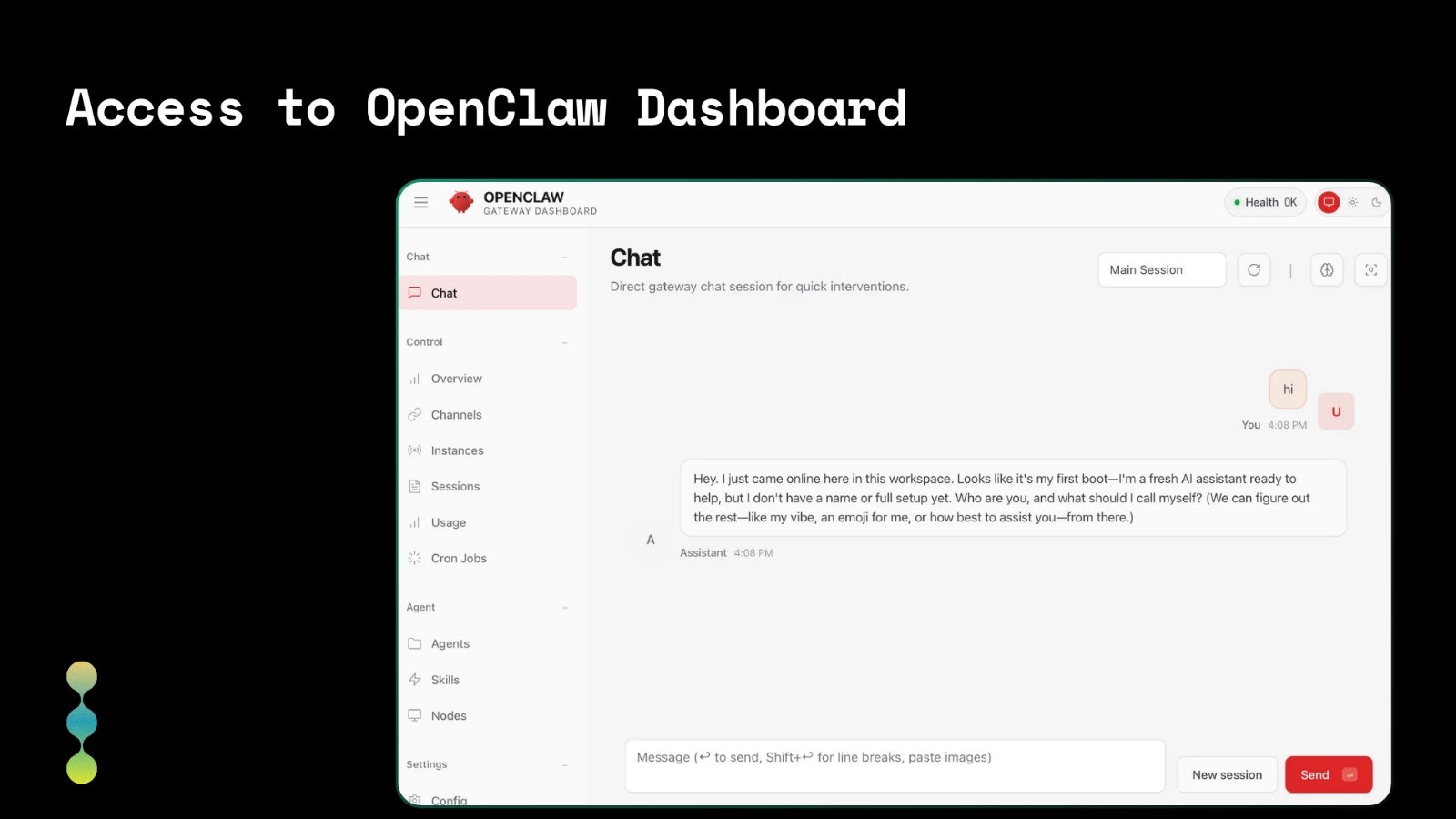
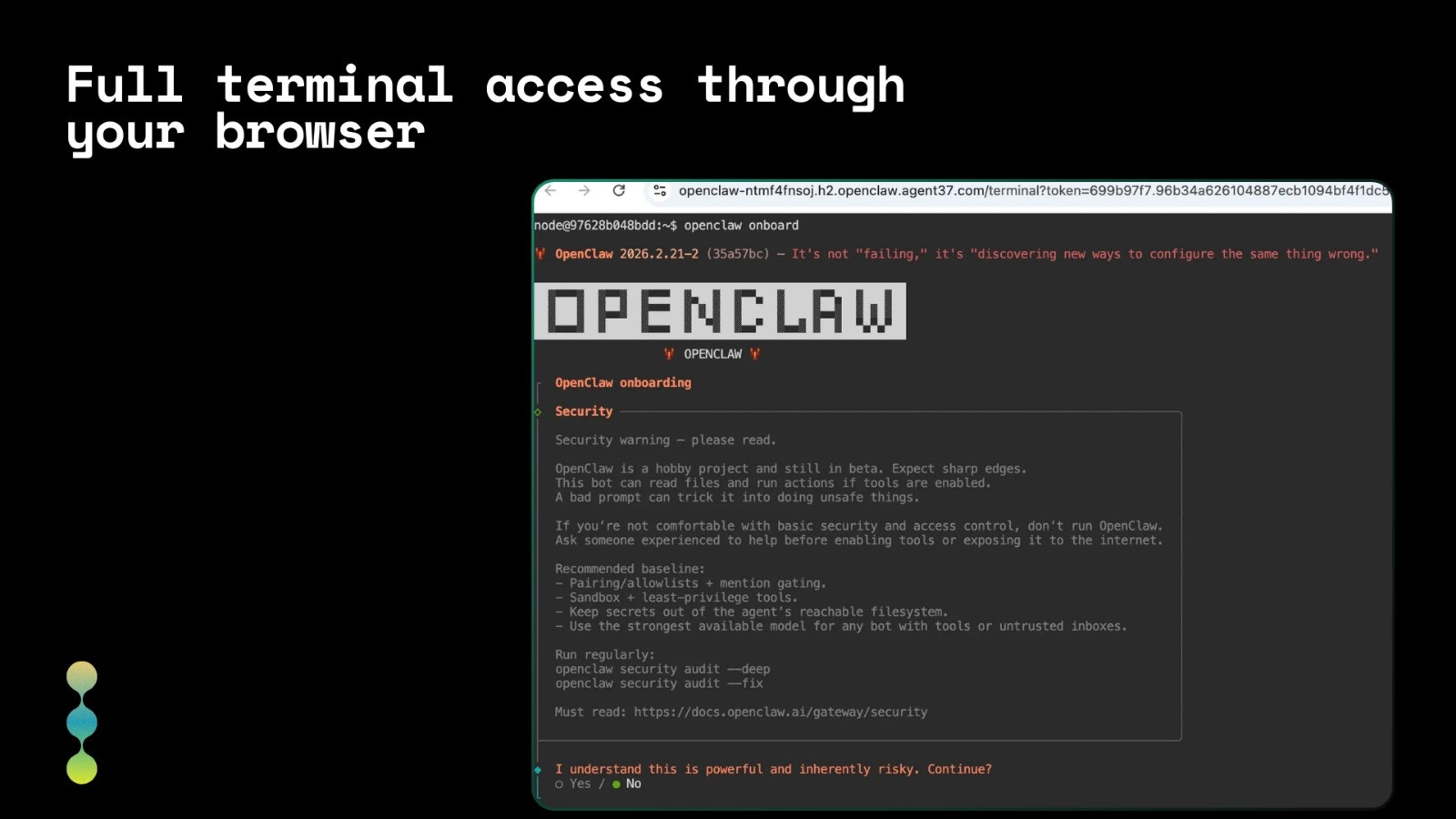
Why pay $20/mo for basic hosting? Agent37 gives you a fully managed, isolated OpenClaw container (1 vCPU + 4GB RAM) with full terminal access for just $3.99/mo. We used our DevOps chops to pass the server savings directly to you. Live in 30 seconds. Connect your agent to Gmail, Slack, and 850+ apps instantly. Get full terminal shell access and run background tasks, market scanners, and workflows 24/7 without breaking the bank.

Hey Product Hunt! I’m Amanda, maker at Agent 37 the easiest way to launch your own OpenClaw AI agent instance without server headaches.

If you’ve ever tried building AI agents that handle real tasks like emailing from Gmail, posting to Slack, or running scripts, you know the pain: hours (or days) wrestling with VPS setup, Docker installs, SSL certs, and API configs. We cut that to 60 seconds flat.

How It Works

Pick a plan and checkout. In 60 seconds, you get a private container with full web dashboard, TTYD terminal access, and 850+ apps pre-connected (Gmail, Slack, Notion). Bring your Claude/OpenAI keys and start building agents immediately.

Key Features

• Live monitoring and chat interventions from browser

• No Docker/SSL/API config—everything pre-wired

• Scales from solo testing to production workflows

• Secure isolation on shared infrastructure

Why Different

Traditional VPS setup takes 105+ minutes of Docker installs and cert fiddling. We handle infrastructure completely you just build and automate.

Try agent37.com and tell us: what’s your first automation? Drop feedback or questions below, we’re here to answer everything!

88
回复

@amanda_silmon @fmerian congrats on your launch!!

8
回复

@amanda_silmon  Cheers on your amaizng and interesting luanch. Best of luck!

1
回复

@amanda_silmon as a developer I have one question, is it with SSD along with 1CPU + 4gb dedicated server like we use VPS?

4
回复

Curious how the platform handles scaling if someone starts running heavier workloads or multiple agents.

2
回复

@christian_onochie Yup, this even happens unintentionally sometimes, but we have max caps on container resource usage to circumvent this.

0
回复

The pricing-to-value ratio here is hard to beat. As someone building an AI-powered SaaS myself, I know how much time goes into infrastructure setup before you even write a line of agent logic. The 850+ pre-connected integrations is what stands out to me; that's usually where the real friction lives, not just the container setup but wiring everything together.

Quick question: for agents that need to run on a schedule (like pulling data from an API every hour and processing it), is there a built-in cron/scheduler, or would you set that up yourself inside the terminal?

1
回复

As a non-tech guy, this is exactly what people like me need. I also like the approach: "95 spots left at $3.99/mo then $9.99/mo for new signups", I see what you did here ;) . If Agent 37 would be a stock, I would buy it right away. Good luck to the team.

1
回复

@davitausberlin Hahaha, thank you <3

1
回复

Cutting the VPS-to-running-agent setup from 105 minutes to 60 seconds removes the exact friction that kills most automation side projects before they produce any value. At $3.99/mo with 1 vCPU and 4GB RAM, what happens when an agent workflow spikes — is there burst capacity, or does the container hard-cap and queue tasks?

1
回复

@svyat_dvoretski Yes, exactly! And yup the container has hard-cap on resources like vCPU and RAM, so there shouldn't be a noisy neighbor problem.

0
回复

Love these types of clearly super useful projects, Best of luck!

0
回复

@demetre_mildiani1 Thank you :)

0
回复
@amanda_silmon @fmerian Congrats on the launch. Curious about the infrastructure layer behind this. When workflows scale across many users, are you running each agent inside ephemeral containers or maintaining persistent environments with state management? Handling isolation and resource allocation for AI agents seems like a tricky part of the stack.
0
回复

Love the idea of removing all the DevOps friction from running AI agents. The $3.99/mo price point is impressive for a dedicated container with full terminal access.

Curious about data persistence — if I'm running a background workflow that builds up state over time (like a market scanner), does the container's storage persist across restarts, and is there a storage limit?

0
回复

Just booked a spot. Congrats on launching, very promising product. Good luck, team.

0
回复

@muntasir_rashid Thank you for the support <3

0
回复
Setting up infrastructure is usually the most frustrating part of experimenting with AI agents, so turning that into a 60-second setup is a really nice improvement. Being able to spin up a private OpenClaw instance with integrations already wired in should make it much easier for developers to start building automations quickly. Curious what kinds of real workflows people are already running on their Agent 37 instances. Congrats on the launch.
0
回复

$3.99 for a managed container with terminal access is wild. Honest question what's the uptime been looking like so far, and is there a story for when someone outgrows the 1 vCPU / 4GB setup? That's usually where cheap hosting falls apart

0
回复

@samet_sezer Thanks! So far it's been pretty good. We do weekly updates where we update instances to latest openclaw version and so it needs to reboot and restart the gateway, so there's that.

Some usecases where you'd move beyond Basic instance is when you want to create many agents within openclaw and need more CPU/RAM resources, same for things like heavy browser use. Also the basic instance comes with limited LLM Search api calls, like Brave, App Integration Composio Calls etc. so whenever you hit those limits you might want to upgrade to unlock more usage resources.

0
回复
Congrats on the launch! Can I pay 3.99 and not bring my api key ?
0
回复

@dan_pak Thanks, you can bring your own API key, it even works with your own chatGpt or Claude subscription. On top of that we give about a dollar worth of free tokens with the subscription :)

1
回复
@vishnukool that’s good enough, great job!
0
回复

Hosting open-source agent frameworks usually means babysitting Docker containers and dreading AWS bills, so getting an OpenClaw instance down to a flat $3.99 monthly is a massive win. I am genuinely curious how you are managing the compute overhead on the backend without bleeding cash at that tier. This seems perfect for spinning up a quick background scraper for data pipelines without touching any infrastructure code.

0
回复

@y_taka We have more than 50% margin even at this price, so fortunately, we're not bleeding cash with growth. We basically rent VPS/BareMetal and do this from the ground up. Most people are surprised at how much margin, AWS and similar providers have on this. It's actually pretty huge and we're basically exploiting that.

2
回复

@y_taka How does Agent 37 handle OAuth token refresh for connected services like Gmail and Slack? In my experience running similar setups, that's the part that breaks quietly after a few weeks unattended.

0
回复

Interesting pricing. $3.99 for a managed OpenClaw instance sounds pretty accessible for developers who want to experiment without managing infrastructure. Curious how you're handling scaling and resource isolation as usage grows.

0
回复

@farhad_asbaghipour We enforce hard caps on resource usage like CPU and RAM, so that there isn't a noisy neighbor problem, but also have monitoring and alerts on host statuses. Devops has been my background so it helps tackle these issues.

0
回复
Hey Amanda, that 105 minutes of Docker installs and cert fiddling is painfully accurate. Was there a specific project where you were supposed to be building an agent but spent the whole day just fighting with infrastructure?
0
回复

@vouchy I can speak from my experience, I wanted to build something that tweets regularly but by taking inputs from my personal diary in Notion. And the friction of setting all this up was very high. And that is also one of the things we're solving with agent37, where we make things like connecting to Notion and Twitter etc. a button click with pre-configured integrations via Composio

0
回复

This looks like a very promising product! I hope it does really well.

0
回复

@vincentpruv Thank you, appreciate the kind word :)

0
回复
#2
Struct
AI agent that root-causes engineering alerts
273
一句话介绍:Struct是一款AI智能体,能在几分钟内自动根因分析工程告警,通过关联日志、指标、追踪和代码,帮助工程师快速定位和解决线上事故,减轻on-call负担。
Software Engineering Developer Tools Artificial Intelligence
AI运维 智能告警 根因分析 可观测性 事故响应 DevOps AI智能体 SRE工具 自动化运维 开发运维工作流
用户评论摘要:用户普遍认可其解决告警疲劳、缩短事故排查时间的核心价值。主要问题聚焦于:处理第三方服务故障等外部根因的能力、在多服务复杂架构下的实际效果、以及对小团队的适用性。官方回复证实其可通过网络研究识别第三方问题,并在多服务场景下通过关联ID等技术减少80%的排查时间。
AI 锐评

Struct的野心并非简单整合可观测性数据,而是试图封装并自动化资深工程师的“破案”逻辑——从假设生成、证据链追溯到最终归因。其宣称的“记忆架构调试模式”是潜在的技术壁垒,旨在解决团队知识随人员更迭流失的痼疾。产品将价值直接锚定在“从告警到根因”这一最耗时的环节,意图成为AI驱动开发工作流中承上启下的关键一环:上游承接各类告警,下游则可一键对接Claude Code等编码智能体实施修复,构建自动化闭环。

然而,其真正的挑战在于“信噪比”的控制。AI在复杂分布式系统中进行因果推断,极易陷入过度解读或遗漏关键线索的陷阱,尤其在涉及异步、消息队列等非直接因果的场景。评论中关于外部根因和多服务排查的提问,恰恰击中了此类产品可靠性的核心。当前80%的排查时间减少或许来自对模式化、高频问题的有效处理,但对于那些真正导致深夜紧急呼叫的、罕见的“诡异”故障,AI是否具备足够的洞察力和判断力,仍需在更复杂的生产环境中经受考验。若其能持续学习并固化各类“边缘案例”的排查路径,其价值将从“效率工具”升维为组织的“系统性知识资产”。

查看原始信息
Struct
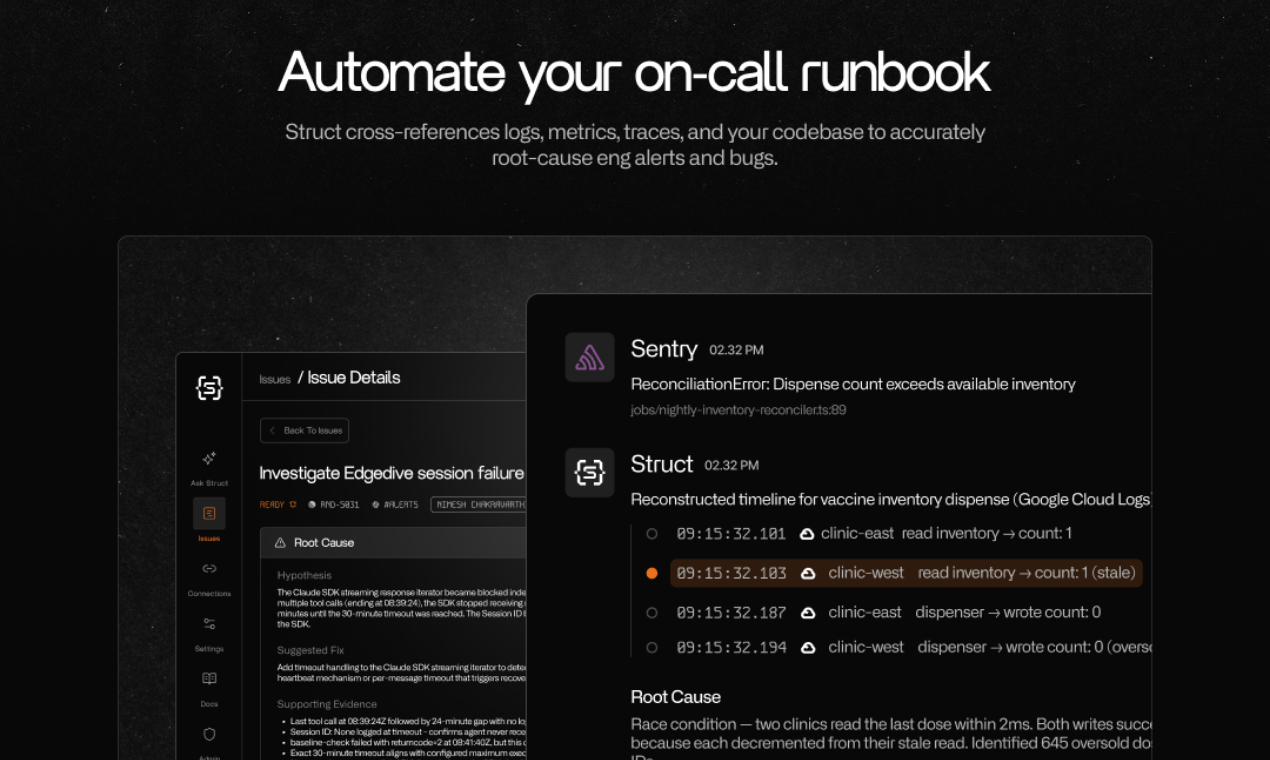
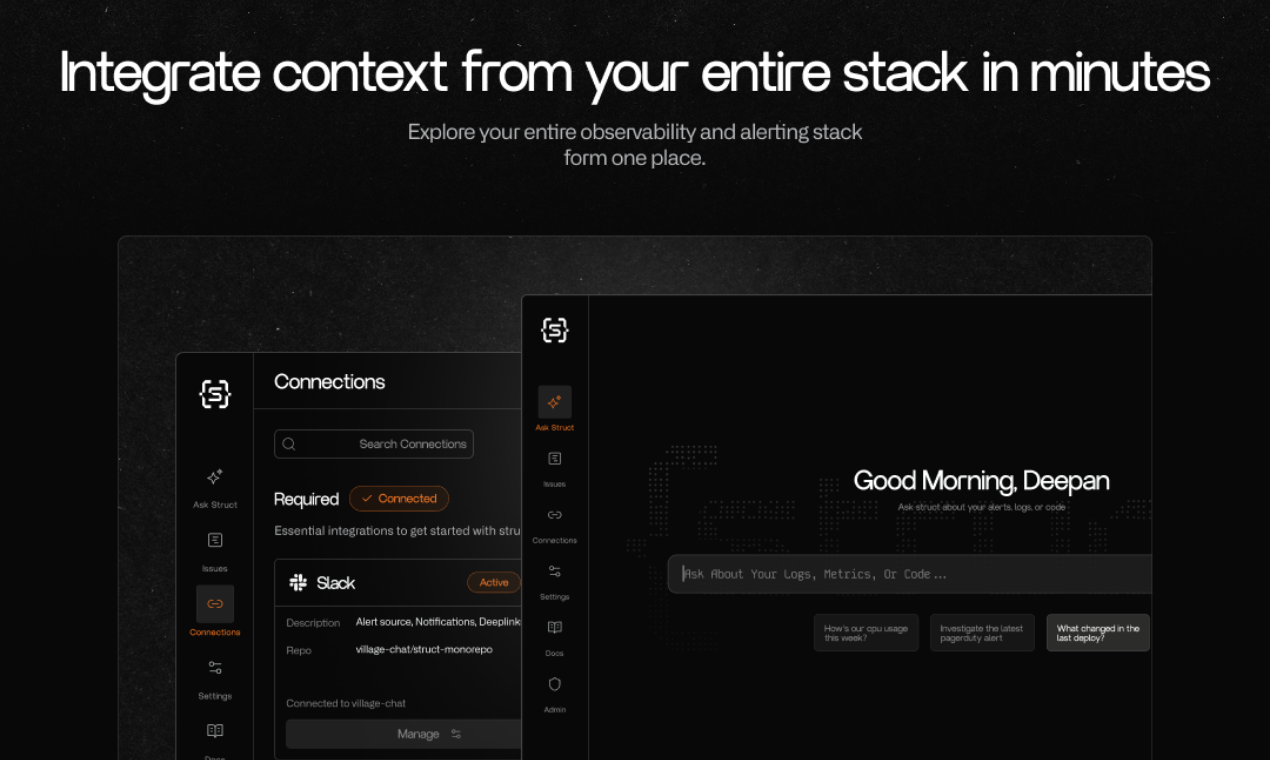
Struct is an AI agent that root-causes engineering alerts using logs, metrics, traces, and code. Resolve incidents faster with a composable, customizable system that deploys in minutes and works with your existing DevOps workflows.

Hey Hunters!

We're Deepan and Nimesh, co-founders of Struct. Today we're excited to launch the on-call agent every team deserves -- for free!

If you've been on-call, you know the drill: alert fires, you open Datadog (or Grafana, or whatever), hunt for spikes, grep through logs and code, loop in a senior engineer...rinse & repeat. Meanwhile, noisy alerts never get tuned and customer issues slip through.

Struct gets you from alert → root cause before you even open your laptop.

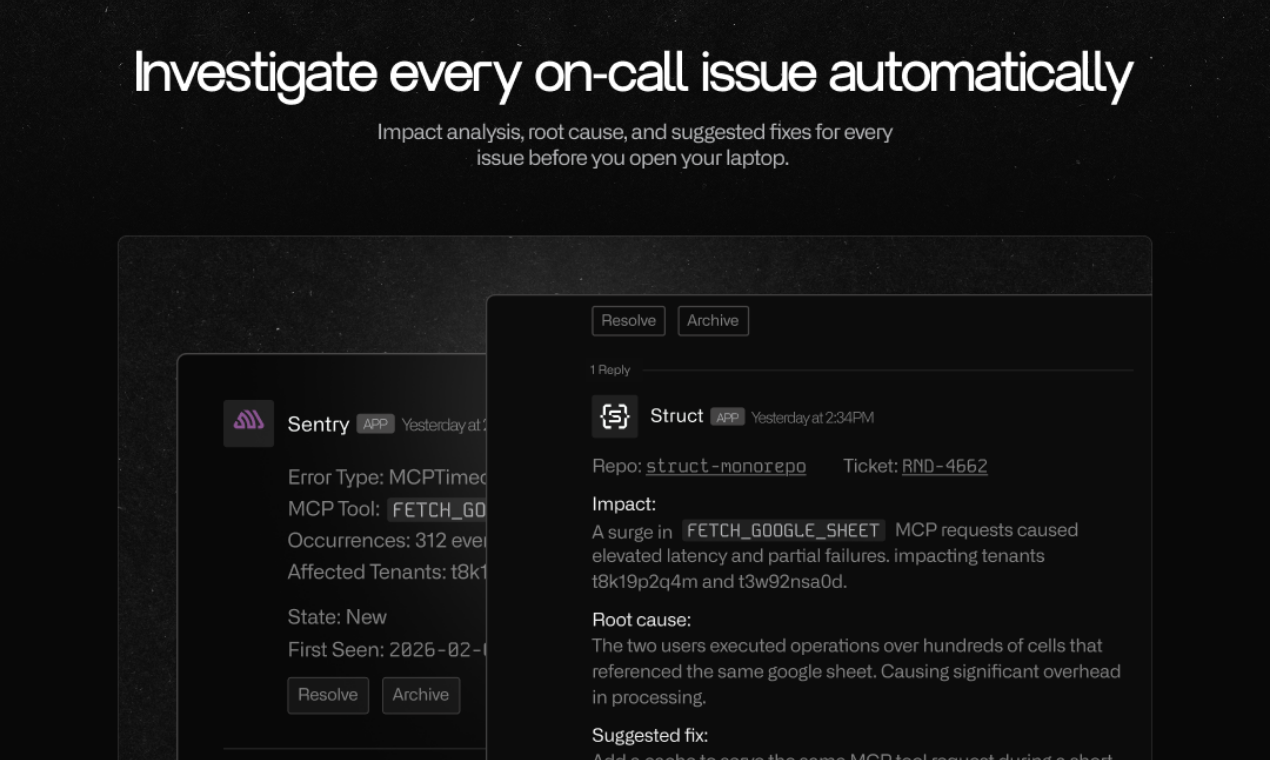
Within minutes of an alert firing, Struct:

✅ Pulls relevant metrics, logs, traces, monitors, and code

✅ Does a regression analysis and correlates anomalies and spikes

✅ Replies with with a root cause, impact summary, and pattern analysis

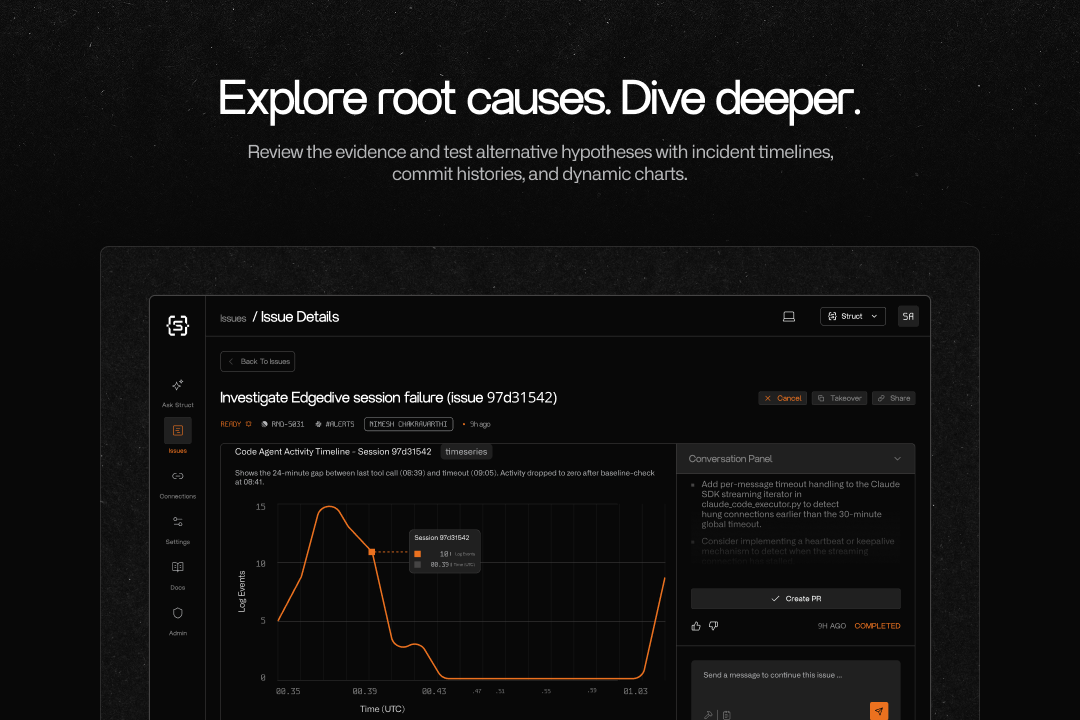
✅ Drafts a full incident report with dynamically generated charts, timelines, and commit histories

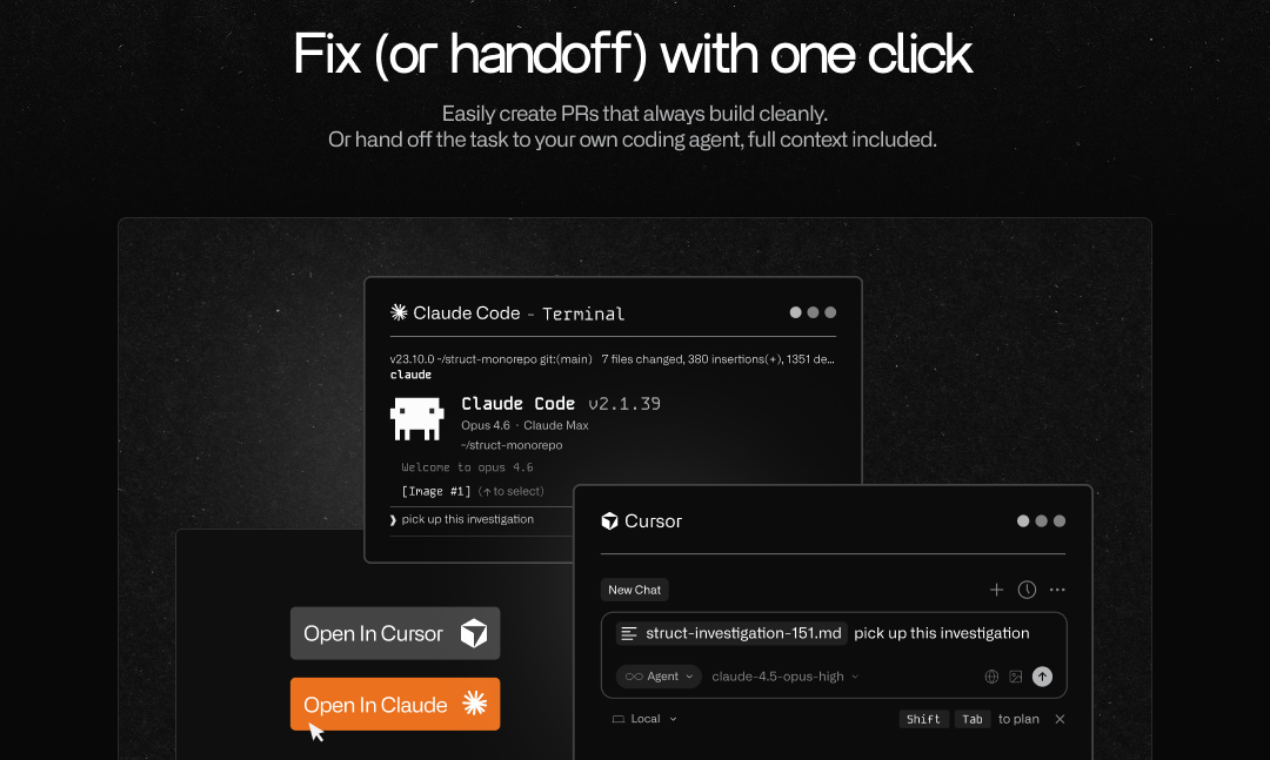
Dive deeper in Slack or our app. Or handoff the full context to your favorite coding agent to ship a fix in one-click.

We built Struct for lean teams without an SRE, and orgs going all-in on AI dev workflows — companies like FERMAT and Arcana already use Struct to auto-investigate thousands of alerts monthly and give every engineer the context to handle incidents on their own.

Five minute set up, integrates with every leading observability platform plus Slack, GitHub, Linear, Claude Code, and fully SOC 2 Type II and HIPAA compliant.

Get started free at struct.ai — no credit card required.

Questions? Hit us in the comments - we'll be around all day. Or shoot us an email at founders@struct.ai.

And as a special thanks to the Product Hunt community, if you upgrade to a paid plan, use promo code HUNTSTRUCT for 20% off for the next 3 months! 🔥

12
回复

@deepan_m Cross-service correlation is where this gets hard to build, especially when telemetry sources have different retention and sampling rates. Struct memorizing debugging patterns per architecture is the compounding part... most teams lose that knowledge every oncall rotation.

0
回复

@deepan_m this is so cool!

0
回复

Alert fatigue is the thing nobody warns you about until you're waking up at 4 am to a page that turns out to be nothing. If this can automatically trace an alert back to its root cause, that saves hours of digging through logs and dashboards. I've had incidents where the alert fired on a symptom three layers removed from the actual problem. How does it handle cases where the root cause is outside your codebase, like a third-party API degradation or a DNS issue?

3
回复

@aitubespark thanks for the question. the short answer is that it works surprisingly well!

because it's able to autonomously do web research, it can actually, for example, pull up status pages for third party services. it can often also identify flakiness vs. more serious regressions in third party APIs by examining patterns of failed and successful calls. last week, it actually identified a serious degradation in slack's web_mention webhook hours before they updated their status page.

the caveat is that it's limited by the context that it has access to.

1
回复

@aitubespark Could not agree more. Our agent operates iteratively, coming up with hypotheses, challenging them, and looking for evidence to validate or invalidate them at every layer. When it identifies degradation of third party services, it validates against authoritative sources, like status pages, to confirm outages.

1
回复

Great team!! I still remember the all-nighters we pulled dealing with both sides of the problem: noisy alerts and critical ones getting missed and escalated by customers. Using Struct has been a game changer!

Would love to hear more on the roadmap ahead though @nimeshmc @deepan_m

2
回复

@deepan_m  @kabra_sidhant So glad we've been able to save you guys engineering time. We've got a crazy roadmap coming up. To name a few:

  • Autonomous awareness of past & ongoing incidents

  • Reducing alert noise

  • Incident triage for agents

0
回复

Amazing team!

We signed up with them early on and have been a fan since. It's a game changer in terms, helps team ship fixes instantly and reduces the nightmare that on-call is

2
回复

@tarush_ Thanks so much Tarush! Keep crushing it -- we're loving supporting you guys on your meteoric rise!

0
回复

This is awesome! It would be great to manage my Sentry anxiety and take work off my plate. Are you all mostly for enterprise or does it work for small teams, too?

2
回复

@abbygrills absolutely! we built our self-service tier so small teams can get set up and running in <10 minutes for free. if you have any issues getting set up, just reach out.

1
回复

Really great team and product! We’ve been working with them through beta and it’s been an incredible experience. Huge congrats on the launch!!!

2
回复

@gil_feig It's been amazing partnering with you as well! Thank you so much for your support!

0
回复

The gap between "alert fires" and "engineer understands what actually broke" is where most incident response time gets wasted — correlating metrics, logs, and traces across services is exactly the kind of tedious cross-referencing that AI should handle. The one-click handoff to a coding agent to ship the fix is a compelling end-to-end vision — how well does that work today for non-trivial root causes that span multiple services?

2
回复

@svyat_dvoretski Great question! Multiple services is exactly where this becomes so powerful. Struct is able to string together logs across different services from different observability providers using encoded correlation techniques (e.g. querying by correlation ids, querying for known logs, sifting through a time range, etc.) which is ordinarily a tedious process. It constructs a timeline of the issue and iteratively goes deeper to establish a definitive root cause. It memorizes successful debugging techniques for each customer's unique architecture, which makes it get even better over time. Our customers working at a large scale with many services are already reporting an 80% reduction in triage time.

2
回复

killer team, super excited to see what they do!

1
回复

@david_garnitz thanks David! That means a lot to us.

0
回复

This is awesome!! Congrats on the amazing launch.

1
回复

@arjun_lalwani1 thanks Arjun!

0
回复

Huge launch, incredible product. Amazing work guys.

1
回复

@gb_cov_cat thanks Gabriel! Appreciate your support. Would love any feedback you have!

0
回复

We have been using Struct at Lekondo and its ability to understand the codebase and find actual bugs based on errors and alerts has been really impressive!

1
回复

@diogo_tandeta_tartarotti Thanks Diogo! Really cool to see how fast we’ve been able to get it working for your team.

0
回复

Congrats @deepan_m and @nimeshmc! We've been piloting Struct for the past couple months. It's been fun working alongside them and watching the product transform.

1
回复

@deepan_m  @william_namen thanks William! Your feedback has been so instrumental to how much better Struct has gotten the past few weeks

0
回复

I wish I had this years ago! Congrats on the launch guys, this will be an incredibly useful tool for teams of all sizes. Excited to see where you take it.

1
回复

@dgattey thanks Dylan! Such an unlock to enable teams to focus on what matters to their growth.

0
回复

Congrats on the launch - we are very happy users !

1
回复

@aditya_lahiri Excited to support you guys and your product's growing scale!

0
回复

Excited for this launch, we've been in Structs alpha, very impressed with Nimesh and Deepan, and Struct's capabilities. Its now my go to to triage alerts that are complex and stateful. Its a key piece of our infrastructure at Fermat as shipping velocity increases rapidly with coding agents.

1
回复

@shreyas_kumar4 we’re so excited to be able to help you tackle this new bottleneck of ensuring your code is working well in production, now that your dev output has exploded!

0
回复

Great product that we’re really enjoying using. Congrats on the launch!!

1
回复

@ay_ush We're so glad you guys are loving the product! Amazing customers also working on a great product ❤️

0
回复

I'm a software developer who works with AI. Could you give me a specific example of how your software could help me? I've read through your site, but I don't quite understand what exactly you do.

1
回复

@daniyar_abdukarimov Hi Daniyar! Of course. Many customers have a slack channel that they have alerts posted to when their monitoring tells them something might be wrong. We monitor that, investigating each one based on your code and the logs + metrics outputted in production and deliver an understanding of how it is impacting your customers and what specifically caused the issue. One example:

  • Alert comes in: out of memory crash occurred

  • Struct pulls the logs + metrics relevant to this alert and correlates it with what your code does

  • In 5 minutes, it posts a message back to the Slack thread with "Commit abcd1234 introduced a memory leak in the caching layer that increased memory usage over 30 minutes, eventually causing container restarts. 214 users received 5xx errors during container restarts."

0
回复

Does Struct actually build a dependency graph across your infra or just pattern-match on the alert text? I've got microservices that can fail in three different systems depending on the blast radius, and I'm curious if it traces downstream impacts or just points to the loudest screaming dashboard.

1
回复

@lliora Yes! It builds an internal understanding of how your services work together by utilizing your code and observability data. This isn't a simple surface level attempt at pattern matching known exceptions and alerted symptoms. Our agents trace through what actually happened in production, going iteratively through layers of services until they find definitive evidence of the root cause. Most of our customers have several services deployed in production with observability data in different places. We tie them all together.

0
回复

As someone who runs a production SaaS on Render with Sentry for error tracking, the alert-to-root-cause gap is real. I've spent more time correlating Sentry exceptions with Render logs and Supabase query patterns than I'd like to admit.

The fact that it drafts incident reports with timelines and commit histories is the part that caught my attention. That's usually the thing that gets skipped because everyone's too relieved the fire is out.

Does it work with Sentry as an observability source, or is it primarily geared toward Datadog/Grafana-style platforms?

0
回复

Congrats on your launch guys! Can you share any creative ways you've seen teams get value from Struct, or ways that surprised you?

0
回复

@adam_suskin Thanks Adam! Our customers are pretty awesome: some of them are using it to debug why their agents are going off the rails by pointing us to their agents’ traces as logs and asking Struct to analyze them!

0
回复
We’ve been early users and using Struct for our Eng alerts channel. It’s a game changer for quickly getting to the bottom of issues, especially when time is tight on an urgent issue. It’s helped on several issues to quickly rule out things that the on call engineer would have had to manually check. The team is also really receptive to feedback and iterates quickly. Give Struct a try!
0
回复

@kurtjheinrich Thanks Kurt! So glad we've been able to help you guys with your oncall process!

0
回复

Congrats on the launch! Curious how you'd position this vs the AI SRE features that observability platforms are starting to bake in natively (e.g. Better Stack's AI incident summaries). The key difference I'm guessing is that those are limited to the data within their own platform, while Struct can pull from logs + metrics + traces + code across multiple tools and actually trace the root cause end to end?

If that's the case, the composability angle is the real moat here, most real-world incidents span 3-4 tools and no single vendor sees the full picture. Nice work!

0
回复

@maks_bilski the composability is a critical part of what makes this fantastic, as you said. It makes it possible to actually analyze issues across services, cloud boundaries, etc.

Other important pieces unique to our platform: we are able to utilize historical and ongoing alerts to evaluate patterns and better root cause the real underlying issues, and you can use our MCP to pull context from historical incident analyses to inform projects in claude code, cursor, etc.

0
回复

This is exactly what on-call engineers need. The gap between "alert fires" and "understanding what actually broke" is where most incident response time gets wasted, and automating that correlation across logs, metrics, and traces is a huge win.

How does Struct handle alert deduplication when multiple monitors fire for the same underlying issue? Does it group them into a single investigation automatically?

0
回复

@borrellr_ yes you got it! Our agent has access to the ongoing stream of alerts and is able to evaluate historical and ongoing patterns to pull together multiple signals that inform the actual underlying root cause.

0
回复

As Struct users, can confirm this saves us tons of time for bug fixes that come up. Super nice that it lets you customize all of your pre/post checkout hooks so that it works with all of your pre-commit hooks, making it provide super high quality PRs

0
回复

@mrooters thanks Matt! Your feedback has been so critical to our product refinement.

0
回复
Debugging production alerts usually takes much longer than the actual fix because engineers have to jump between logs, metrics, and traces to understand what happened. A tool that can automatically correlate those signals and suggest the root cause sounds extremely useful. I like the idea of fitting into existing observability workflows instead of forcing teams to change their stack. Curious how Struct handles complex incidents where multiple services fail at the same time. Congrats on the launch.
0
回复

@alamenigma Glad you like the approach! Our agent searches across observability data (logs, metrics, traces) for all services in a methodical approach that leverages debugging references like correlation ids and expected logs from the code in a time range to get a holistic understanding of what happened.

0
回复
#3
Lemon
Voice-Powered AI Agent That Turns Voice Into Done Tasks
272
一句话介绍:Lemon是一款通过Fn键全局唤醒的AI语音助手,旨在帮助知识工作者通过语音指令快速完成邮件回复、文档创建、网络搜索等任务,无需切换应用或标签页,从而解决频繁上下文切换导致的效率痛点。
Productivity Task Management
AI语音助手 生产力工具 知识工作者 上下文切换 语音指令 流程状态 邮件助手 全局唤醒 效率软件
用户评论摘要:用户普遍赞赏其通过Fn键唤醒、无需切换标签的设计,认为其显著减少了上下文切换,提升了写作、搜索和邮件回复效率。主要问题与建议集中在:语音识别在嘈杂环境或专业术语下的准确性、多语言支持、隐私安全、定价策略、系统兼容性,以及AI写作风格能否个性化模仿。
AI 锐评

Lemon的野心并非做一个更聪明的Siri,而是试图成为操作系统的“语音层”。其核心价值不在于语音识别或大模型能力本身,而在于通过一个全局热键(Fn)实现的、近乎零摩擦的调用方式。这精准地刺中了现代知识工作的阿喀琉斯之踵:碎片化与上下文切换成本。产品将“语音”定位为一种超越GUI(图形界面)的、更本能的输入和指令媒介,旨在让用户停留在“心流”状态中完成跨应用任务。

然而,其面临的挑战同样清晰。首先,是“控制感”与“可靠性”的经典矛盾。语音交互在创作类任务(如写邮件)中,用户对风格、语调的控制需求极高,目前的“告知记忆”模式能否达到媲美手动打磨的精细度,存疑。其次,其“全局唤醒”和“访问一切”的特性,将隐私与安全问题无限放大,这必须通过极其透明的数据政策和本地化处理能力来化解。最后,其场景目前仍聚焦于“信息产出与检索”,这使其与现有的写作AI和搜索引擎助手存在重叠区。真正的壁垒在于能否将语音指令深度整合进更复杂的业务流程(如数据分析、项目管理),并建立起开发者生态。

本质上,Lemon是在赌一个交互范式的转变:从“手动点选”到“语音使能”。它若成功,不会只是一个好用的工具,而会成为数字工作环境中的一种新习惯。但其当前版本更像一个锋利的“特化工具”,而非通用平台。下一步,需在个性化、可靠性、安全信任及场景拓展上构筑更深的护城河,否则极易被集成了类似功能的操作系统或办公套件降维打击。

查看原始信息
Lemon
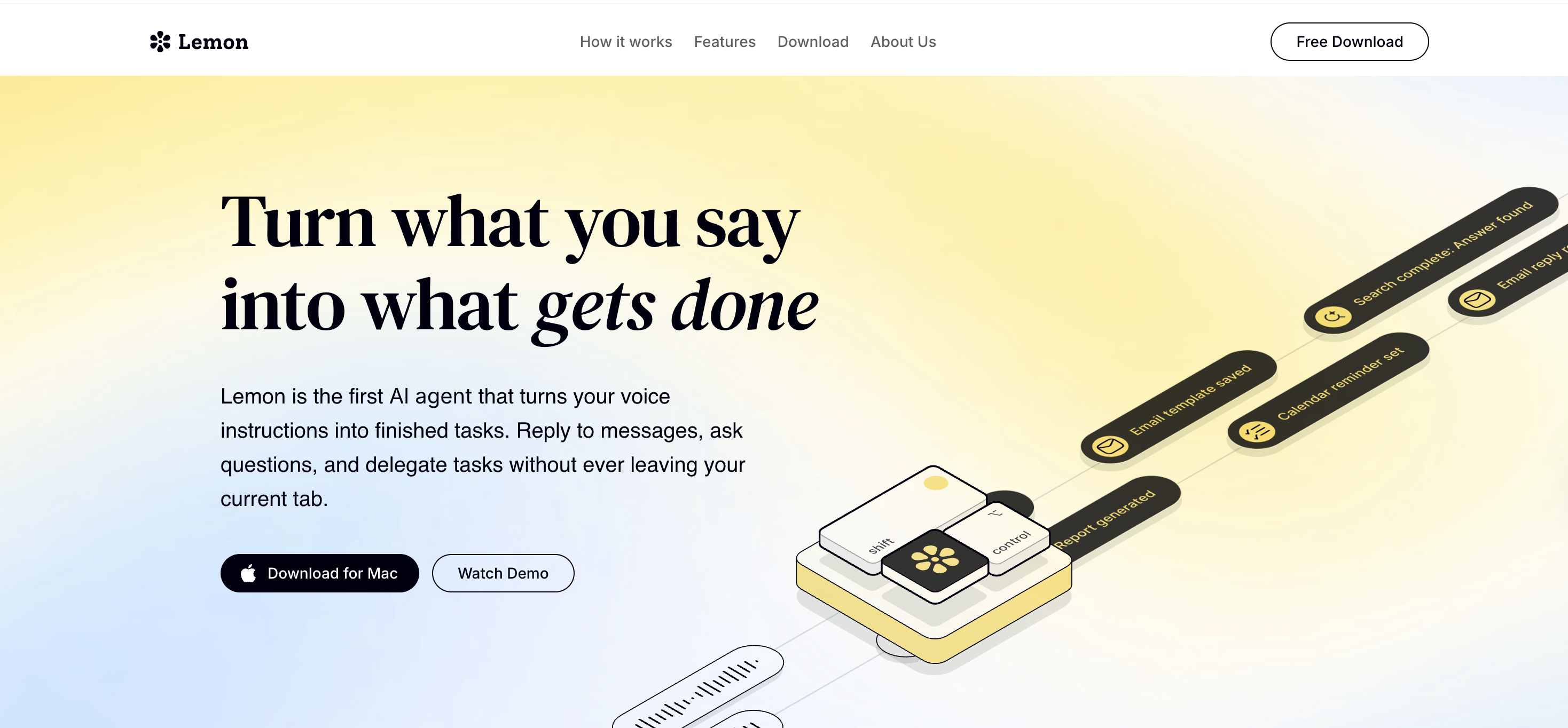
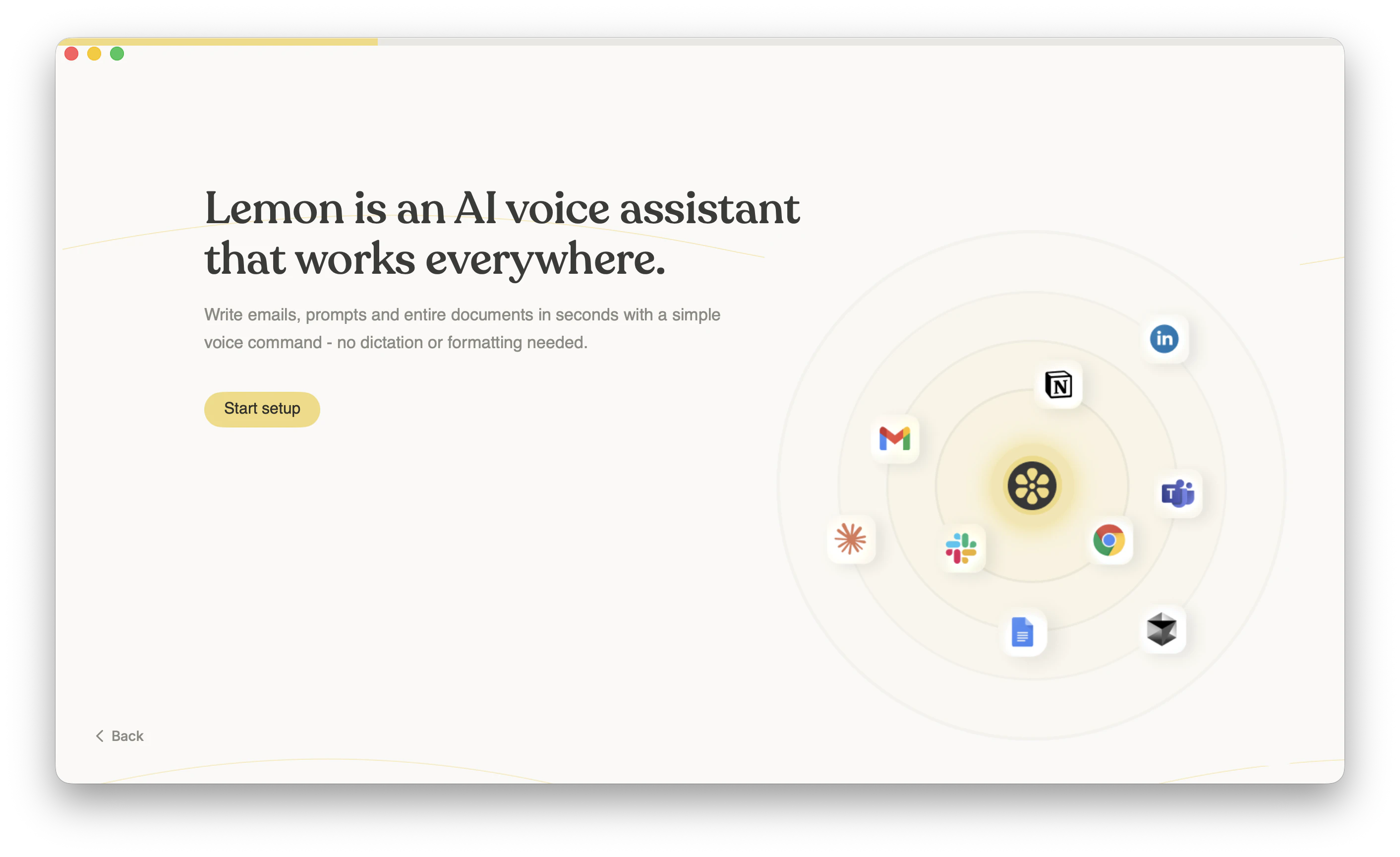
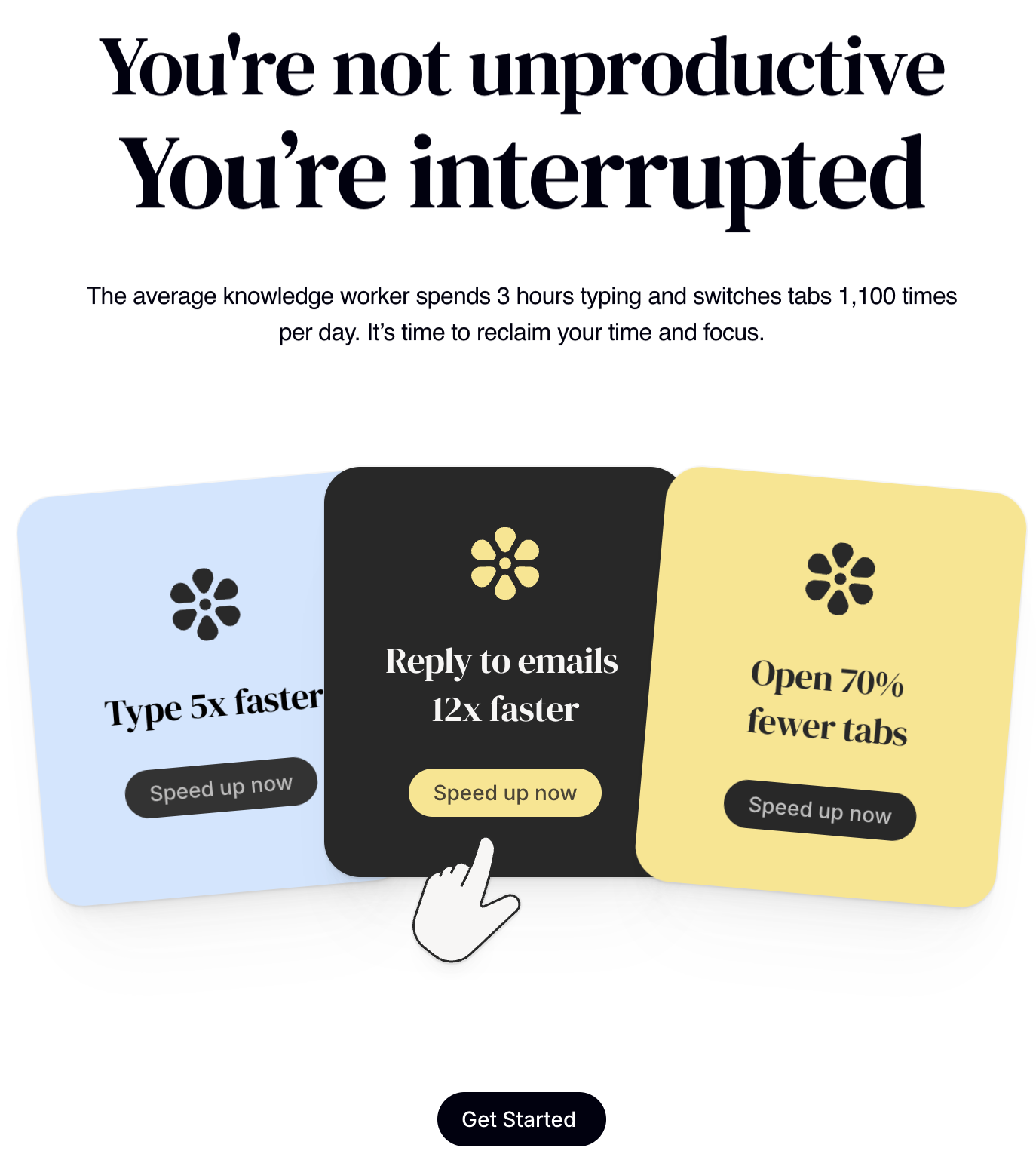
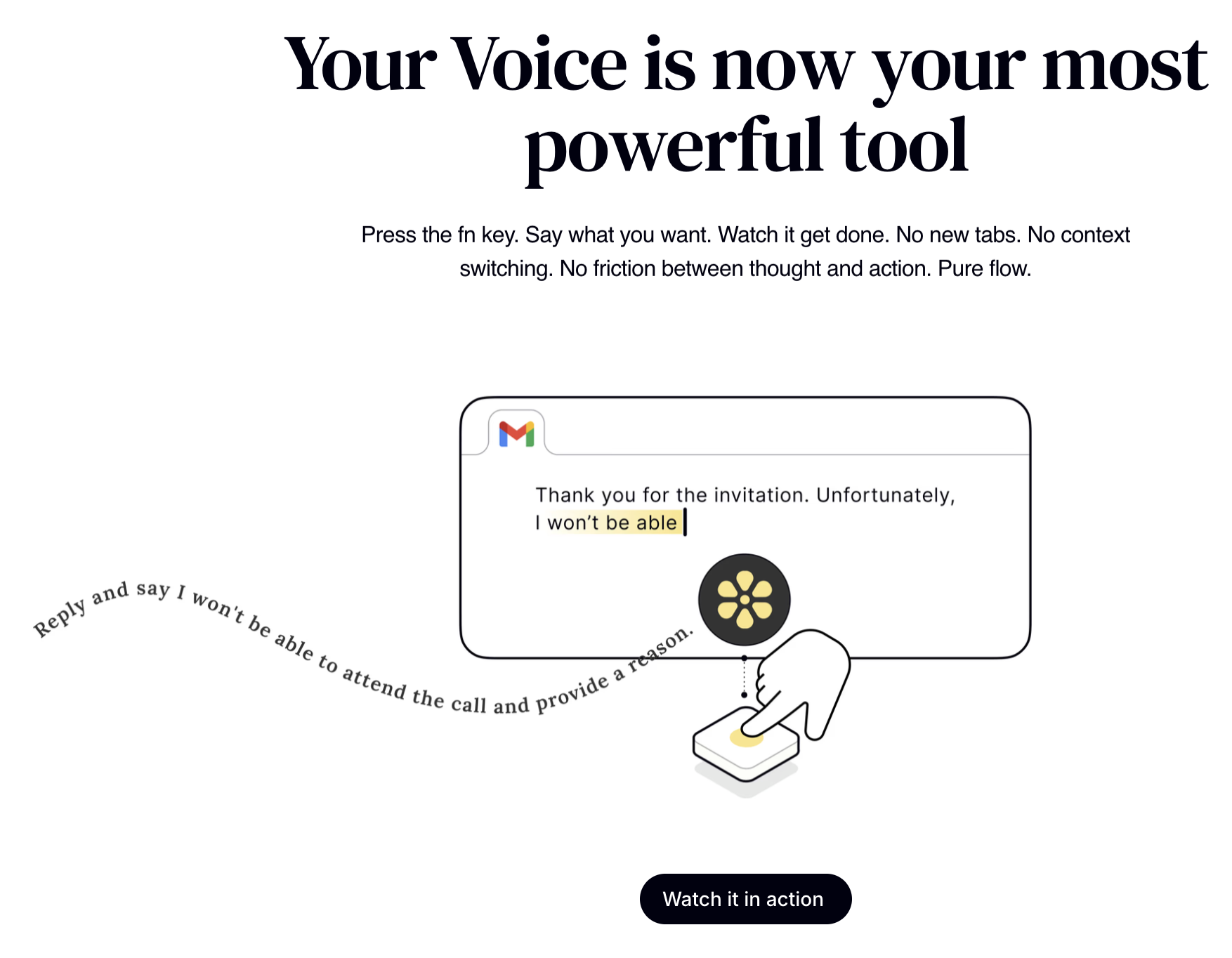
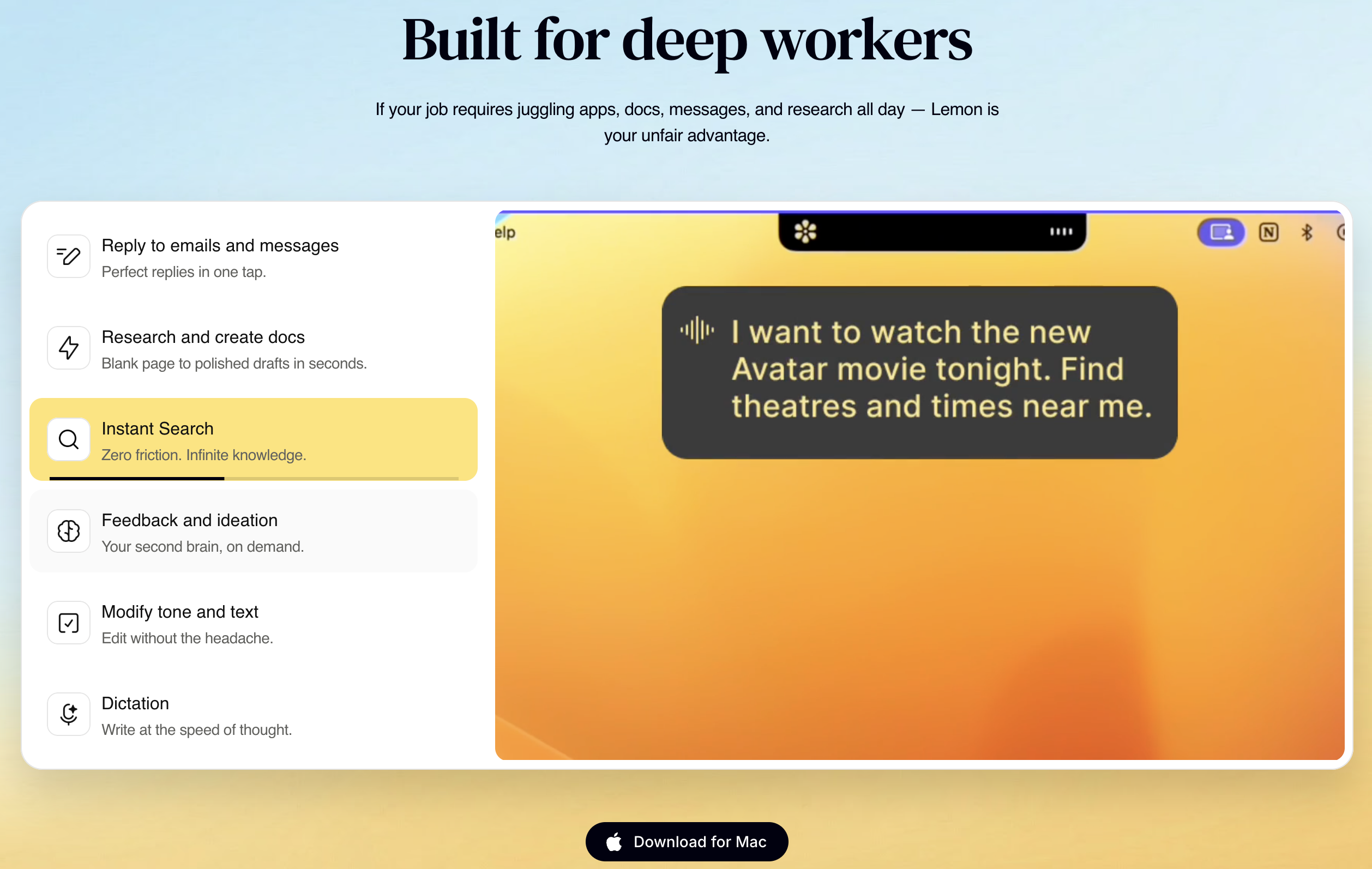
Lemon is an AI voice assistant that works everywhere. Press Fn key, speak, and complete tasks. Reply to emails 12x faster, create documents, search the internet without leaving your flow state, and delegate work with just a voice command. Built for knowledge workers drowning in context switching. No new tabs. Pure flow state. Much more is coming - Follow us on twitter or sign-up at our website.

The "press fn and speak" approach with no tab switching addresses the core productivity killer for knowledge workers — context switching between tools costs far more than the actual task execution. Replying to emails 12x faster via voice is a bold claim — does Lemon match your writing tone from previous emails, or does it need manual style training to avoid sounding robotic?

8
回复

@svyat_dvoretski it has memory you can tell it to write a certain way and it rememvers

1
回复

been using it for almost 2 weeks and this is one of the most unique AI products i've used. kind of like siri if it actually worked. best for writing and searching things quickly.

5
回复

Been using this for a week now. The context switching used to kill half my day, jumping between tabs just to do things I could describe out loud in 10 seconds. This actually closes the gap between speaking and tasks getting done. Not going back.

3
回复

there are a lot of different AI voice tools out there but this one is the best for responding to emails and messages

2
回复

@awaiskhanli Thanks man

1
回复

Nice video! AI produced?

1
回复

It's OpenClaw with key for recording voice? or? Congrats on the launch!

1
回复

@mcarmonas You should try the thinking mode.. working on more use-cases for it

1
回复

Once you start using Lemon it’s hard to go back. I used to write/edit all my work in Claude and then copy it to another window. I was switching tabs hundreds of times a day without really thinking about it. Lemon eliminates that entirely. Trying Lemon for the first time really felt like a ChatGPT or iPhone moment.

1
回复

changed all my workflows and productivity within days. Big fan.

1
回复

Think + Write + Search with just FN.

Check it out at heylemon.ai

1
回复

Heym kudos to you and your team. A quick q; how do you handle voice command accuracy in noisy environments or with technical jargon? Any training tips for knowledge workers to hit that flow state faster?

1
回复

@swati_paliwal Hey we have tried to optimize it for background noise but love to see what your experience is.

I personally have found it really good for all types of messaging, doing research and writing PRDs, and lastly leveraging preferences to ensure it knows my style.

Pro tip: You can copy paste stuff that is not on your screen even and ask it to edit it or save it in memory and go do something with it somewhere else

1
回复

Hey love this project and absolutely love the user experience especially on Mac. I'm not sure how Windows feel, but as someone who's been in development for twenty plus years and has a good sense all round. You guys have done an excellent job. So kudos for that and congratulations on the launch. Some questions if I may. There is no sign of any pricing. How does it work? Since it has pretty much access to everything on my computer, I would like to learn more about privacy and security.

0
回复

Voice very popular these days. Might check what you are doing for a bit tomorrow.

0
回复

I’ve been using Lemon for the past two weeks as a marketer, and it’s become surprisingly useful in my daily workflow. A lot of my work involves writing ad copy, brainstorming angles, summarizing research, and drafting quick responses, and Lemon makes that much faster. Being able to just press the fn key, say what I want, and instantly get structured output without switching tabs feels really natural. It’s helped me stay in flow while working instead of constantly jumping between tools.

0
回复

What's the minimum system requirement for Mac ? Not working on mine

0
回复

Are different languages supported?

0
回复

Where is the Pricing information? Thank you.

0
回复

The Fn key as a universal trigger is a smart design choice. Most voice tools force you to switch context just to activate them, which defeats the purpose. Keeping it at the OS level means it actually fits into a real workflow instead of interrupting it.

Curious about the email reply speed claim (12x faster): is that based on actual user benchmarks, or is it a rough estimate? Also, does it work with any email client or specific ones like Gmail/Outlook?

0
回复

been using this for a while. this is actually one of the most practical AI app out there. literally can't live without it any more

0
回复

I'm actually leaving this review using Lemon. Been using it for about the last two and a half weeks and definitely saved a lot of time. All the time, going between tabs, typing, and maybe copying and pasting the problems from my CLI terminal over into my Claude chat. So, so far, I'm impressed and look forward to using it in the future.

0
回复

Impressive, congrats!

Do you plan to add multi-language support?

0
回复

Congrats! Context switching is genuinely one of the biggest focus killers. Does it work across any app or do you need to set up integrations per tool?

0
回复
Voice feels like a very natural interface for AI agents, especially for quick tasks where typing slows things down. Turning spoken instructions directly into completed actions is a really interesting direction. Curious what kinds of tasks users are automating the most with Lemon so far. Congrats on the launch.
0
回复
#4
Socra
From Curiosity to Mastery: Socrates-Powered Learning
198
一句话介绍:一款基于苏格拉底问答法的AI学习平台,通过自适应对话与个性化辅导,引导用户从好奇走向精通,解决被动获取信息导致的理解浅层与知识留存率低的问题。
Android Productivity Education Artificial Intelligence
AI学习平台 苏格拉底教学法 自适应辅导 主动学习 知识结构化 教育科技 个性化学习 思维训练 技能掌握 生产力工具
用户评论摘要:用户普遍认可其“主动学习”理念与费曼导师模式,认为其通过提问促进深度思考是核心价值。主要疑问与建议集中在:与通用AI提示扮演导师的差异化优势、知识产物是否包含错误修正过程、长期学习弱项追踪能力,以及主页演示过于简单未能体现产品真实深度。
AI 锐评

Socra的野心在于对抗AI时代日益普遍的“知识快餐化”症状。其真正的价值并非创造了“苏格拉底式对话”这一交互形式——任何高级LLM通过精巧提示词都能模拟——而在于构建了一个**以掌握为目标、而非以答案为终点的学习系统**。这体现在三个结构化层面:一是对话的结构化,通过预设学习目标防止对话散逸,将随机的启发引导为定向的探索;二是输出的结构化,将非线性的对话即时沉淀为可复用的知识资产(备忘录、学习指南),完成了从过程到结果的闭环;三是评估的结构化,费曼模式本质上是将理解漏洞的探测机制产品化,其宣称的追踪用户薄弱环节,暗示其正尝试构建跨会话的“元认知模型”。

然而,其面临的核心质疑也在于此:这些“结构化”层究竟有多厚?如果其知识产物仅是对话内容的清洗与摘要,而非展现思维演变的“学习历程地图”,则其深度大打折扣。早期演示暴露的“逻辑鸿沟”风险,正是产品理念先进性与工程实现度可能脱节的缩影。Socra的挑战在于,它必须证明自己不是一个拥有更好提示词的聊天前端,而是一个能真正建模学习者认知状态、并提供动态干预的智能系统。否则,它极易被一个精心设计的提示模板所替代。其成败关键在于,能否将教育学理论与AI的持续追踪、评估能力深度耦合,打造出通用聊天机器人无法轻易复制的“学习脚手架”。

查看原始信息
Socra
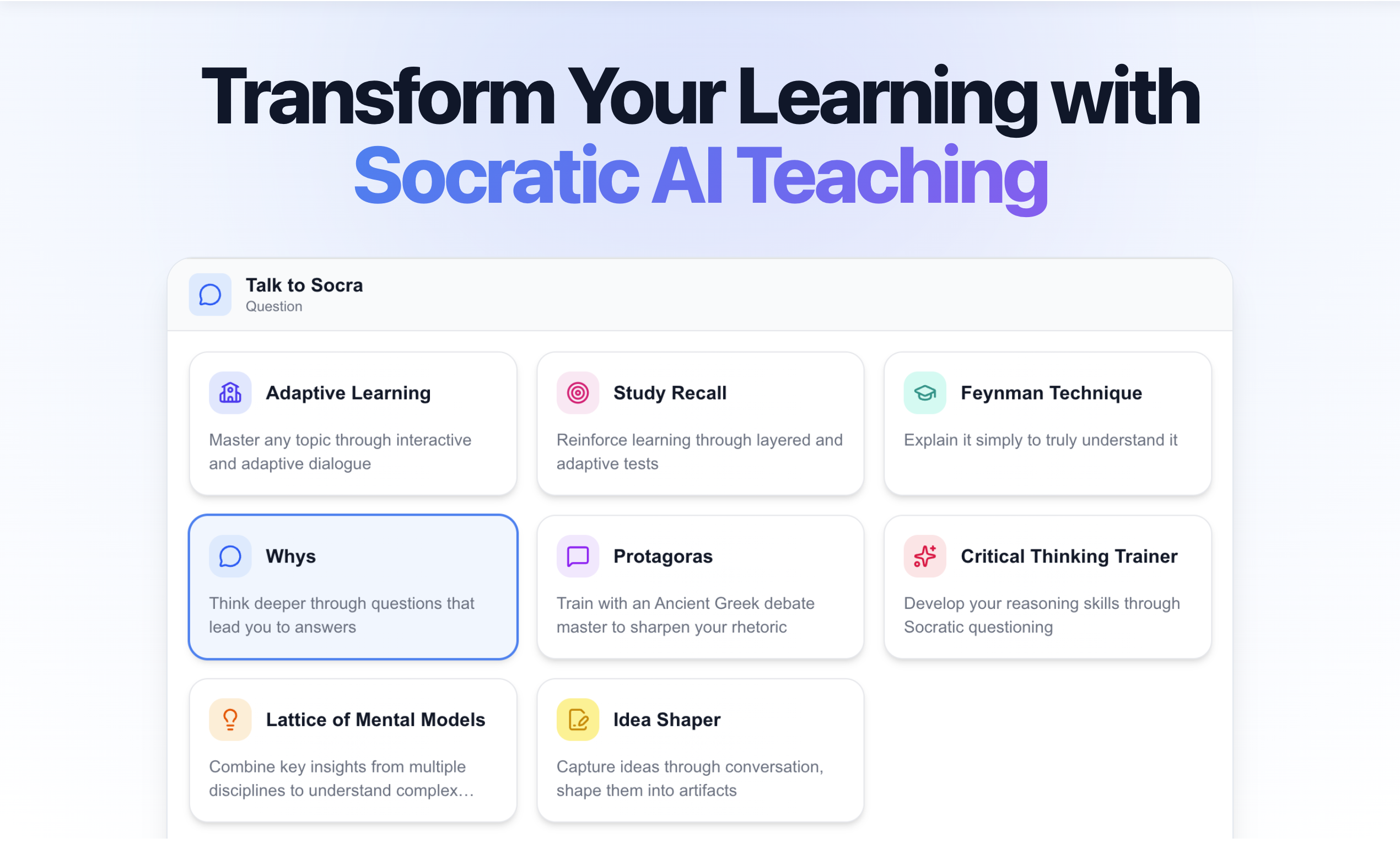
Experience a revolutionary AI learning & thinking platform with Socratic dialogue and adaptive tutoring. Socra transforms conversations into structured knowledge through interactive questioning, goal-oriented learning, and personalized feedback. Build deep understanding with your AI thought partner.
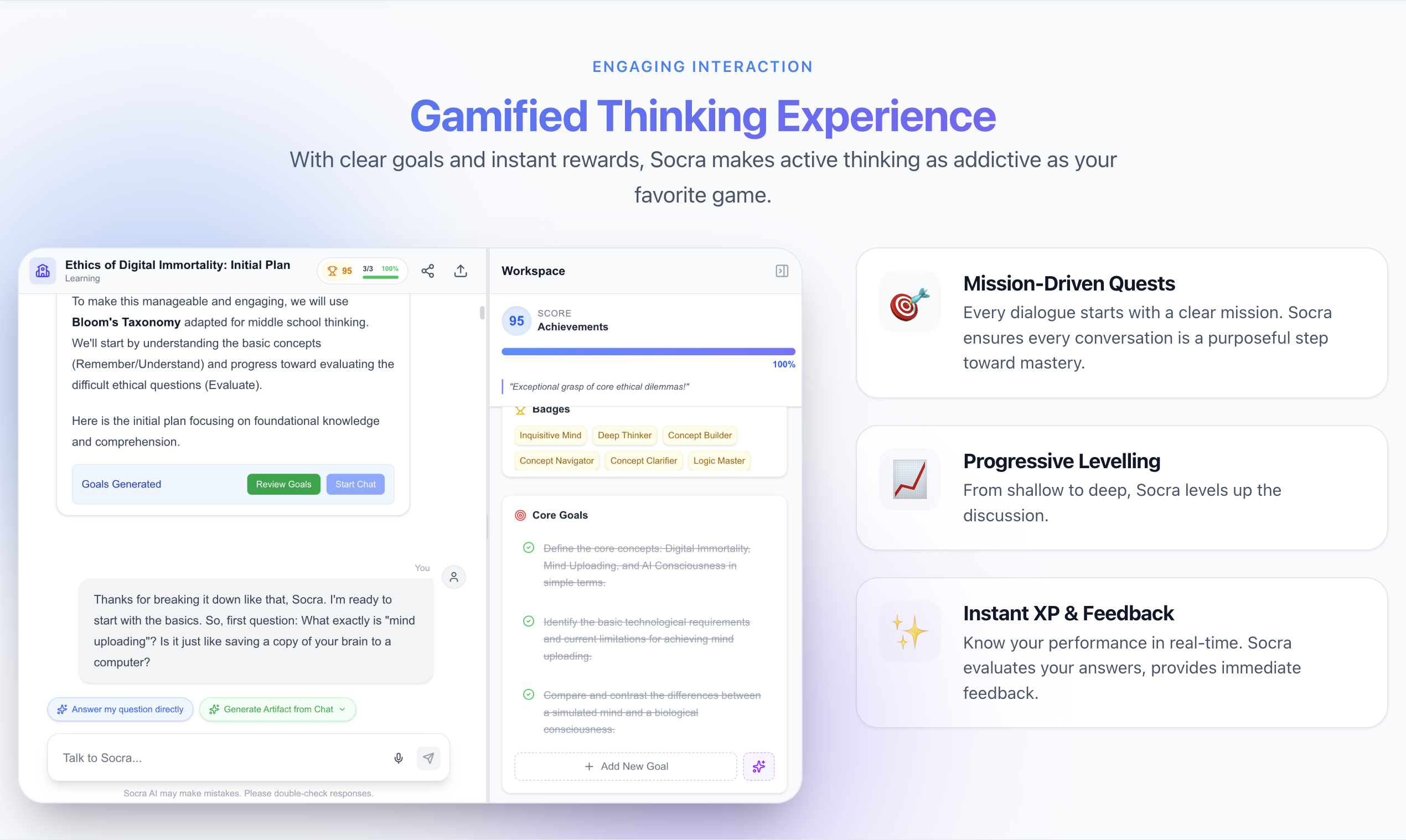
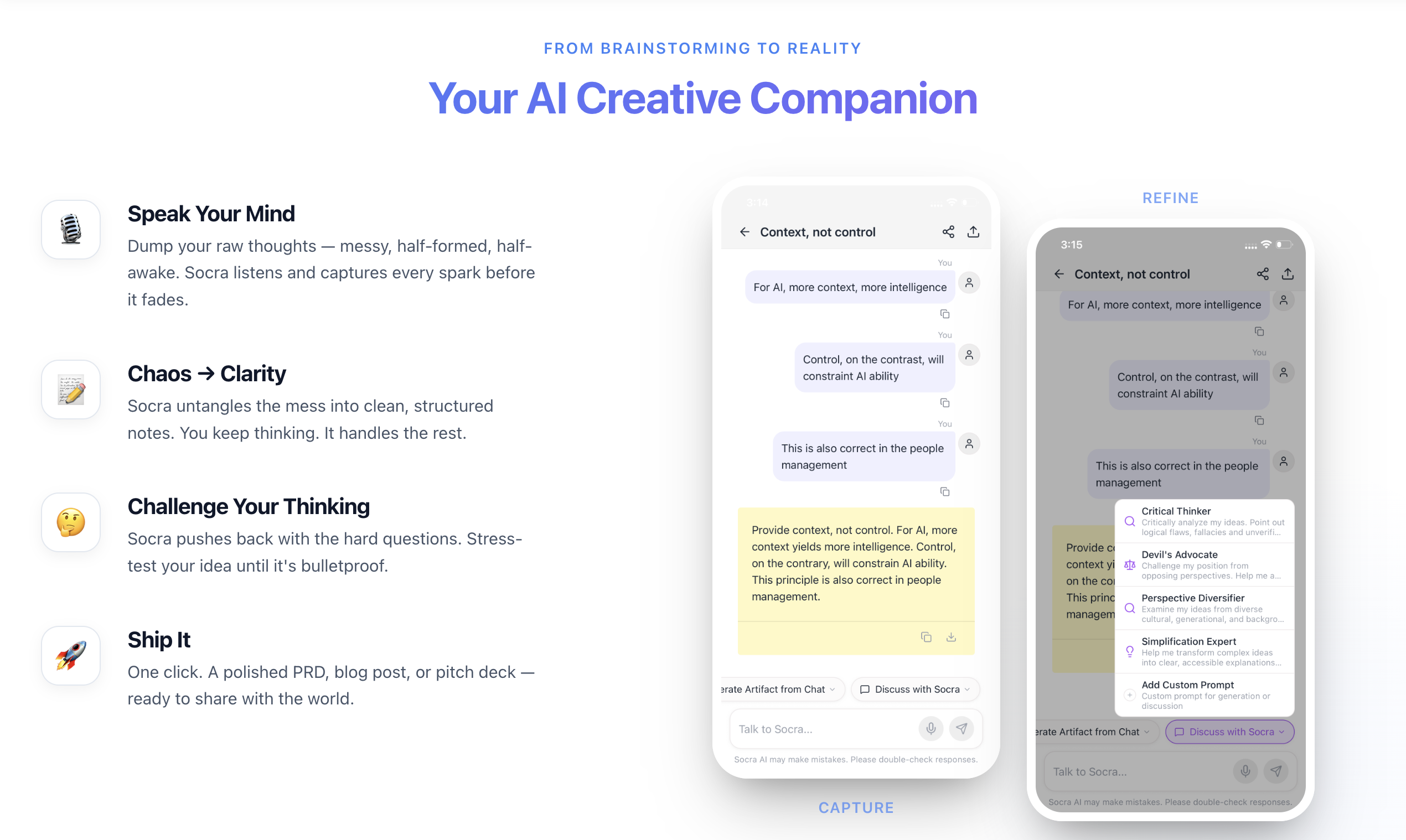
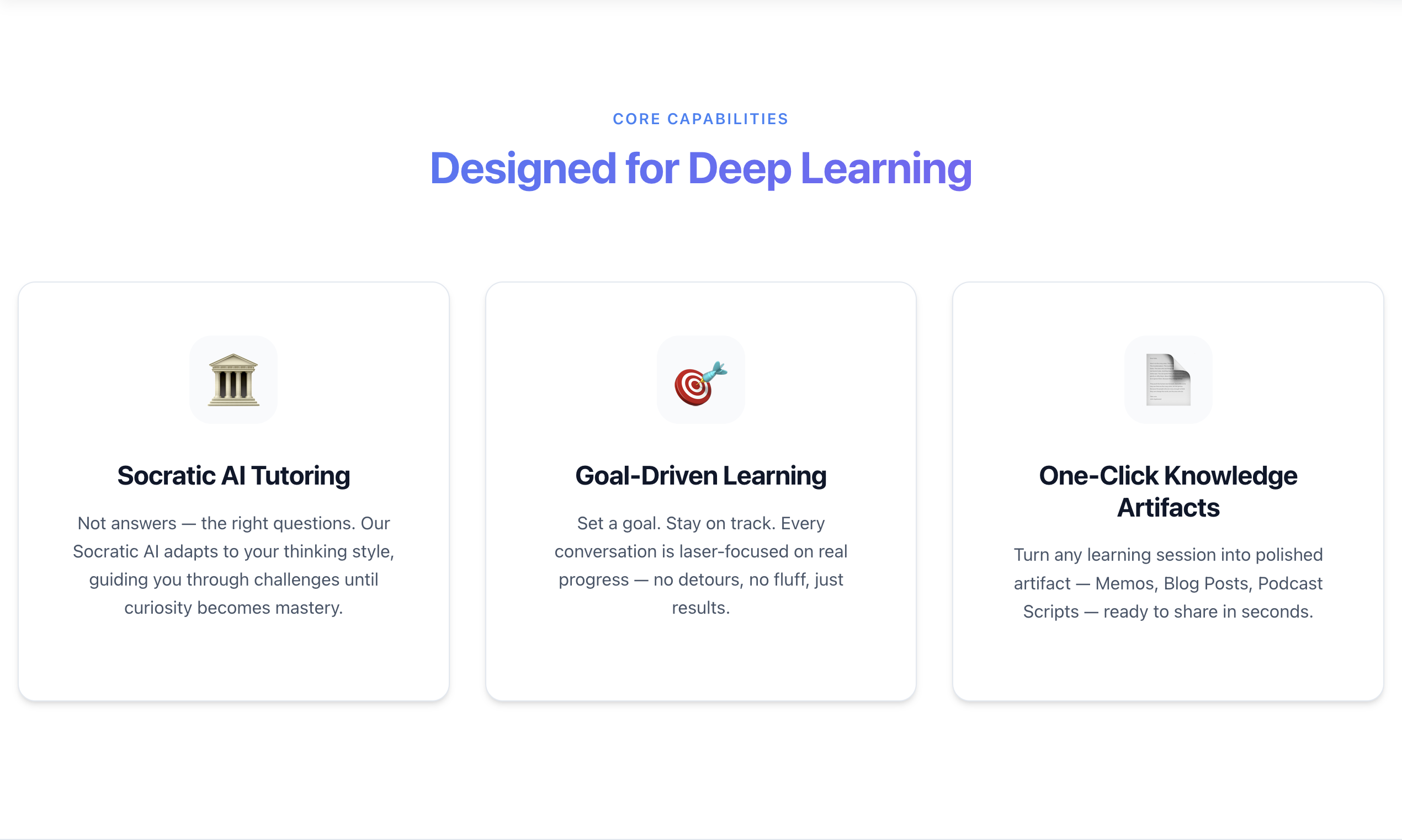
Hey, Product Hunt! I am Wood, founder & developer of Socra AI. Socra is an AI learning platform that uses adaptive Socratic dialogue and personalized tutoring to guide users from curiosity to mastery. 👋 What inspired me to build Socra? The inspiration stemmed from recognizing a fundamental limitation in existing AI tools: they often provide passive answers rather than actively fostering deep understanding. We saw people using chatbots just to get quick facts, bypassing the critical thinking process essential for true mastery. We wanted to build an AI that acts like a true mentor, using the time-tested Socratic method to guide users from curiosity to profound comprehension, much like a great human tutor would. 👋 What problems are we trying to solve with Socra? We are solving the problem of superficial learning and passive knowledge consumption. Traditional AI often leads to knowledge retention failure because it shortcuts critical thinking. Socra addresses this by replacing instant answers with adaptive, purposeful dialogue. We solve the challenge of turning fleeting insights into durable knowledge by immediately structuring learning sessions into tangible knowledge products (memos, guides) and ensuring users actively construct their understanding through challenge and reflection. 👋 What you can do with Socra? With Socra, you can: ✅ Engage in Socratic Dialogue: Receive personalized, adaptive tutoring that uses strategic questioning to build critical thinking skills rather than just delivering answers. ✅ Achieve Goal-Oriented Learning: Define clear educational milestones and follow a focused, gamified roadmap designed for efficiency and progress tracking. ✅ Generate Instant Knowledge Products: Transform interactive learning sessions into structured summaries, study guides, blog posts, or podcast scripts—instantly turning conversation into reusable assets. ✅ Master Concepts Via Active Recall: Utilize powerful techniques like the Feynman Tutor mode, where the AI actively probes your understanding gaps to solidify long-term retention. ✅ Design and Share Learning Paths: Educators and professionals can create specific, targeted conversational plans for customized teaching or training experiences. Whether you're a student, teacher, professional, or simply someone who has curiosity to mastery something, think deeper, Socra is for you. 👋 Try Socra for free and let me know what you think! 🚀
6
回复

@peng_wood Hi Peng. Your learning platform looks very interesting. I run a Market Research Company called Focus Pulse. Do you have an email address I could contact to discuss more what we do?
Thanks

0
回复

@peng_wood Socra sounds like a really thoughtful approach to learning—using Socratic dialogue to encourage deeper thinking instead of just giving quick answers is a powerful idea. I especially like the focus on turning conversations into structured knowledge outputs like guides and summaries.


Excited to see how people use Socra to move from curiosity to real mastery. Wishing you a great launch on Product Hunt! 👏

0
回复

@peng_wood This sounds quite promising, congrats. How have you seen Socra's Socratic approach help users turn learning sessions into shareable assets; any standout examples from early testers?

0
回复

I like the focus on active learning. Many AI tools make it easy to get information quickly, but they don’t always help with long-term knowledge retention.

2
回复

@kate_sleeman Thanks for your support!

0
回复

Using Socratic questioning instead of giving direct answers flips the typical AI learning interaction — most tools optimize for speed, but real retention comes from the struggle of working through a concept yourself. The Feynman Tutor mode where the AI probes understanding gaps is especially interesting — does it track which concepts a user consistently struggles with across sessions to build a long-term weakness map?

2
回复

@svyat_dvoretski Thanks for your positive feedback! Sure, it will track the struggles uses encountered and will help to come over it in the following dialogues.

0
回复

The Feynman Tutor mode is the standout feature here. Most AI learning tools reward you for asking good questions, but the real test of understanding is whether you can explain something back clearly. Flipping that dynamic so the AI challenges your explanation instead of just handing you one is a much harder problem to solve well.

I'm curious about the knowledge products feature. When it generates a study guide or memo from a learning session, does it capture the progression of your understanding (including the wrong assumptions you corrected along the way), or is it more of a clean summary of the final correct concepts?

1
回复

@behnam_sherafat Thanks for your feedback! Yes, Socra capture the progression of learner's understanding as well as a clean summary of the final correct concepts

0
回复

The Feynman Tutor mode is really clever. Most AI learning tools just dump information on you, but forcing users to explain concepts back and then probing the gaps is how real understanding gets built.

I'm curious about the knowledge products feature. When Socra turns a learning session into a study guide, does it also capture the wrong assumptions the user had along the way? That context of "what I thought vs what's actually true" is often the most valuable part of learning.

1
回复

@carmonamar51249 Thanks for your idea! We'll improve the feature as you suggested

0
回复

This is a really interesting product, congrats! I actually wanted to ask what inspired you to build this, then I saw you explained it in the first comment. Onwards and upwards 🔥

1
回复

@andreitudor14 Thanks for your support!

0
回复

Congrats on the launch! Love the concept. I literally did a Socratic deep-dive session with Claude yesterday and it's crazy how much better you retain stuff when the AI asks you questions instead of just dumping answers.

Honest question though, what's the delta here vs just prompting an LLM with "act as a Socratic tutor, ask me probing questions about X"? Because for a single session that already works surprisingly well.

I'm guessing the real value is the structured layer on top, tracking what you've understood across sessions, adapting difficulty over time, turning conversations into persistent knowledge instead of something that disappears when you close the tab. Would love to hear more about how that works under the hood.

1
回复

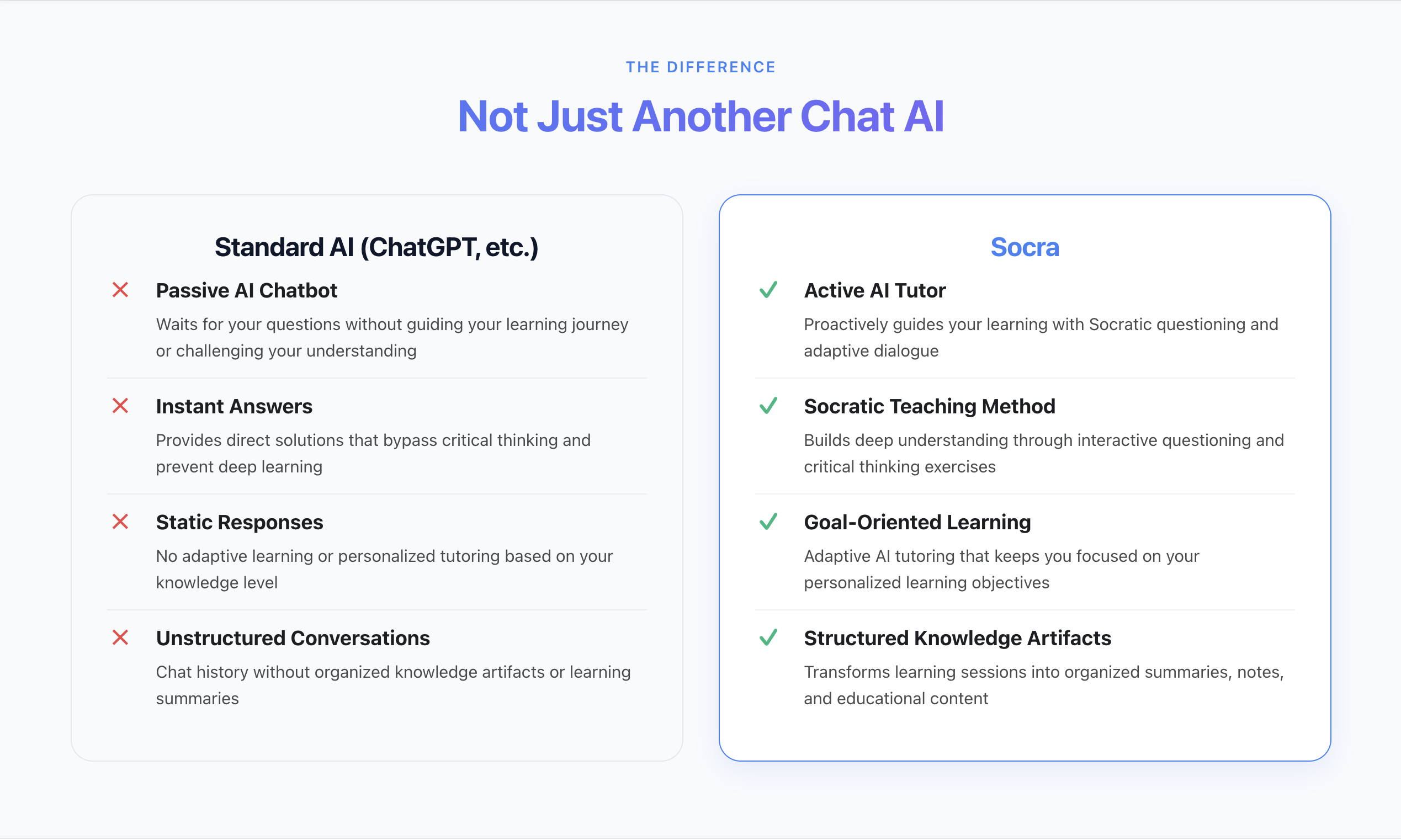
@maks_bilski Thanks for your support! Totally agree with you that Socratic method is perfect for learning! Socra goes beyond chat AI, like ChatGPT, Claude, Geimini:

* Ready-to-Use Socratic Tutoring: Socra offers an out-of-the-box Socratic experience, eliminating the need to repeatedly input complex "Socratic prompts"—a skill that most users may not have mastered or found intuitive.

* Goal-Oriented Dialogue: At the start of each session, Socra establishes a specific objective. It then guides the conversation around this goal, ensuring the Socratic dialogue remains focused without drifting off-topic.

* Rich Post-Conversation Artifacts: After the discussion, Socra generates valuable "Artifacts," such as memos or blog posts. This transforms the dialogue into a structured, organized format that is easy to review and reflect upon.

0
回复
The idea of AI agents acting as actual teammates instead of just chat assistants is really interesting. Giving them assignments, context, and persistent memory feels like a more natural way to collaborate with AI on real projects. I like the focus on coordination and decision-making instead of just task tracking. Curious how teams are structuring their workflows between human members and AI agents inside Socra. Congrats on the launch.
1
回复

@alamenigma Thanks for your support!

0
回复

Congrats on the Socra launch, @peng_wood!

I just visited the homepage. There's a massive logic gap in your 30-second demo. For a tool built on deep mastery, that example is way too easy. It makes the engine look like a basic chatbot.


You're hiding the real power of Socra behind a weak demo. I've got a sharp thought on how to fix this.

1
回复

@taimur_haider1 Thanks for your feedback! It will be great if you can provide some suggestions

0
回复

Wow Wood! Socra sounds super cool thinking on structured data and tutoring pple through a simple conversation. How do you think to monetize it?

1
回复

@german_merlo1 Thanks for your support! We have paid subscription plans in the product for different level of usages

0
回复

Congrats on the launch!

I like the focus on moving from curiosity to real understanding through dialogue. Most AI tools optimize for quick answers, but the Socratic approach encourages people to think, question, and build knowledge step by step. Curious to see how people use Socra in practice.

1
回复

@maria_polesh Thanks a lot! That's how we think AI should do to learners.

0
回复

Congratulations

1
回复
0
回复

This looks great and very important! Thanks for sharing

1
回复

@ali_goldberg Thanks a lot!

0
回复
#5
Campee
Your estimations, frictionless
159
一句话介绍:Campee是一款无需注册、无广告的极简规划扑克工具,为敏捷团队在需求估算会议中提供快速、私密且无干扰的协作体验,解决了传统工具流程繁琐、界面臃肿的痛点。
Meetings Tech Remote Work
敏捷开发工具 规划扑克 团队协作 极简设计 隐私保护 无需注册 实时估算 轻量级应用 免费工具 用户体验
用户评论摘要:用户普遍赞赏其无需注册、无广告、极简快速的核心体验。主要建议与问题包括:询问是否支持斐波那契以外的自定义点数序列;提议增加异步投票功能以适应跨时区团队;询问无账号下的会话持久化技术实现;建议添加估算结果导出功能。
AI 锐评

Campee的“减法”哲学是其最锋利的价值主张。在SaaS工具普遍陷入“功能膨胀”和“数据围猎”的当下,它反其道而行之,以开发者自身的痛点驱动,剔除账户体系、广告、追踪与复杂UI,将工具还原为“即用即走”的纯粹效用。这并非功能缺失,而是一种针对特定场景(实时、共地的敏捷估算会议)的精准设计,用技术手段(匿名认证)在“无状态”与“会话持久”间取得了巧妙平衡。

然而,其价值与局限同根同源。极致聚焦于“实时”与“极简”,固然赢得了追求效率的团队的掌声,但也主动放弃了分布式、异步协作等更广泛的现代工作场景。创始人明确拒绝添加异步功能,这固然是保持产品纯洁性的坚定选择,但也可能将其市场天花板限定在“共时协作”的细分领域。用户提出的“结果导出”建议,恰恰揭示了工具与下游工作流(如Jira)整合的潜在摩擦——一个完全封闭、无记录的极简会话,可能将记录成本转嫁给了用户。

本质上,Campee更像一个精心打磨的“抗议性产品”,它用自身的存在批判了主流工具的臃肿与贪婪。它的真正成功,不在于颠覆整个赛道,而在于为市场提供了一个清晰的价值基准:当团队厌倦了复杂性,这里有一个干净、免费的避难所。它的长期挑战在于,如何在坚持“少即是多”哲学的同时,以不破坏核心体验的方式,接纳那些真正关键的“多”,例如更灵活的导出选项。这考验着创始人对“简约”与“简陋”界限的把握。

查看原始信息
Campee
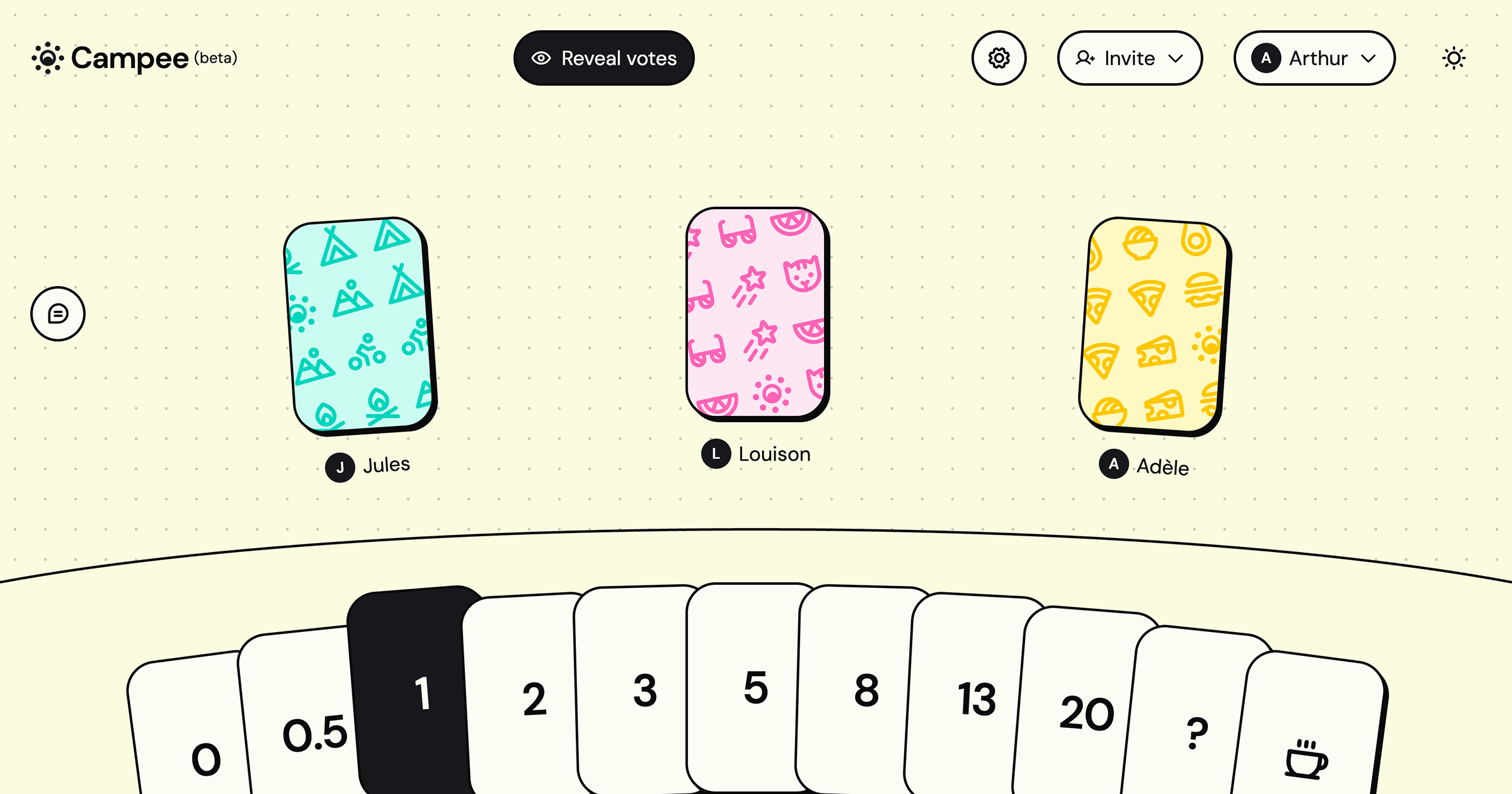
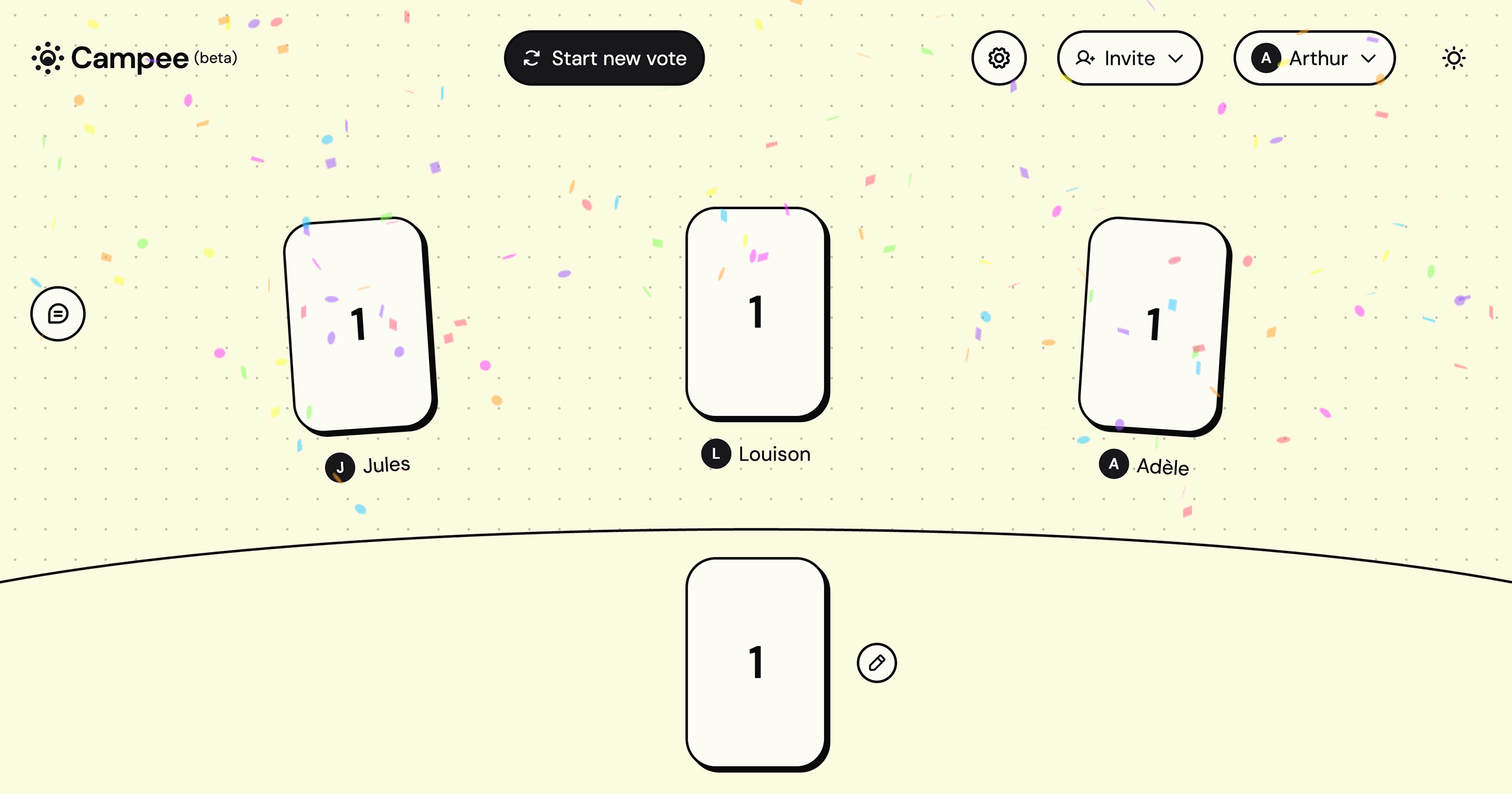
Campee stands out by stripping away the friction found in most planning poker tools. Unlike existing solutions, it is 100% ad-free and requires no account creation, allowing teams to start a session in seconds. The focus is on speed and privacy: no data tracking, no banners, and a minimalist UI. It is a lightweight, free alternative built by a developer for agile teams who value a clean, distraction-free estimation process.
I built Campee because I was tired of the friction in my own team's grooming sessions. Most online Planning Poker tools are either buried under ads, require mandatory accounts, or feel like bloated corporate software. I wanted something that felt like a clean, open-source-style utility: fast, private, and free. The goal was to create a tool that stays out of the way. I focused on making the transition from "joining a room" to "voting" as instantaneous as possible. During development, I stripped away every non-essential feature to keep the UI minimalist and mobile-friendly. Campee is my contribution to the agile community. There is no business model, no tracking, and no noise. It is just a simple, reliable way to estimate tickets. I would love to hear your feedback on the flow and if there are any small features that would make your sprint planning even smoother.
4
回复

Nice, congrats on the launch and the product! Really like how you spotted a problem and directly created a solution. Gotta share this with a few devs I know, they will most probably appreciate the clean approach.

0
回复

Sometimes you just want a tool without logins and complicated setup. This looks exactly like that 😊

0
回复

Congratulations on the launch! Really love the minimalist approach, it's refreshing to see a dev tool that just works without all the bloat.

Quick question: does it support custom card decks beyond the standard Fibonacci sequence? Some teams prefer T-shirt sizes or custom scales for different types of estimation.

0
回复

@borrellr_ Thank you so much!

Regarding your question: yes, it does! The app currently supports three different voting systems to fit various team preferences:

  • Scrum: 0, 0.5, 1, 2, 3, 5, 8, 13, 20

  • Fibonacci: 0, 1, 2, 3, 5, 8, 13, 21, 34

  • T-shirt Sizes: XS, S, M, L, XL

You can easily switch between them depending on the type of estimation you're doing. Hope that helps!

0
回复

Congrats on the launch, @kevinpainchaud . I like the minimalist interface. Your focus on privacy is great.


I noticed one small thing on the page. You mention it is for teams who value speed. Right now the text focuses on the card game. It might miss the busy lead who just wants to save time.


Rooting for you.

0
回复

@taimur_haider1 Thank you very much! I appreciate the feedback.

1
回复

No signup, no ads, instant session you just described every dev's dream estimation tool. Are you thinking about adding async voting for distributed teams across time zones, or keeping it strictly real-time? That'd be a real differentiator.

0
回复

@samet_sezer Thank you! I totally get why async voting is a game-changer for distributed teams, but honestly, I’m leaning towards keeping it strictly real-time.

It’s a deliberate choice to avoid overcomplicating things. My main goal is to ensure the app stays as simple and frictionless as possible. I’ve found that by keeping the feature set minimal, I can guarantee that 'instant session' feel without the UI turning into a cockpit. Sometimes, keeping it 'basic' is the best way to stay fast!

0
回复

Interesting idea. Removing account creation is actually a smart move — most tools add unnecessary friction.

how do you handle session persistence or team collaboration if users don’t sign up?

I’m currently building Zuppibuy, a local classifieds platform, so I’m always interested in products that reduce friction in user onboarding.

0
回复

@prathiganesh Thanks a lot for the feedback!
To answer your question: I handle session persistence using Supabase’s Anonymous Sign-Ins. Essentially, users are authenticated anonymously the moment they create or join a session.

This allows the session to persist as long as they use the same browser and don't clear their cache. It provides a seamless "logged-in" experience without the barrier of a signup form.

0
回复

It has beuatiful minimalistic design :) Like it :)

0
回复

@busmark_w_nika Thank you very much! I'm glad to hear that!

0
回复

No account, no ads, no tracking — this is exactly how developer tools should work, and the fact that you stripped it to the essentials instead of adding features is a design decision most makers struggle to commit to. One small feature that could be valuable: a quick "estimation history" export per session so the team can paste results into Jira or Linear without manual copying — would that fit the minimalist philosophy?

0
回复

@svyat_dvoretski Thank you! You’ve perfectly captured the philosophy behind the tool—keeping it lean, fast, and distraction-free. I’m glad the 'less is more' approach resonates with you.

Your suggestion for a session history export is spot on; it solves a real friction point. I’ll look into a way to integrate this subtly, ensuring it stays true to the minimalist design. Thanks again for the thoughtful feedback!

0
回复
#6
Tellus
Grandpa’s stories, preserved for his grandkids
139
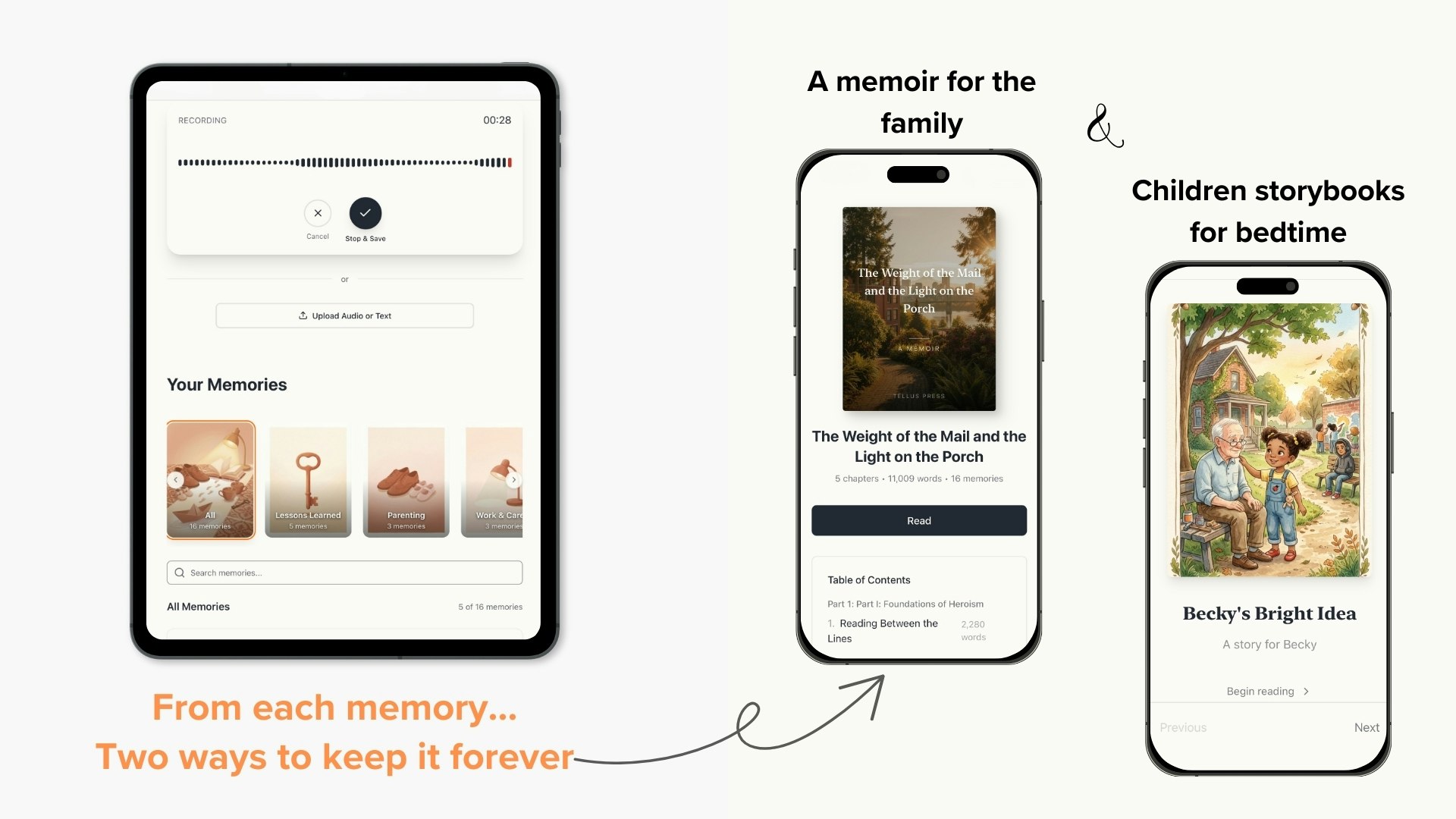
一句话介绍:一款AI驱动的应用,通过将长辈的口述回忆自动转化为精美的回忆录和插画儿童故事书,在非正式、无压力的场景下,解决了代际故事因记录门槛高而永久流失的痛点。
Writing Kids
代际传承 AI语音转写 家庭记忆 个人回忆录 儿童故事书 情感科技 数字遗产 内容生成 多语言支持 亲情连接
用户评论摘要:用户高度认可产品解决“三代人”故事传递痛点的价值,赞赏其“只需说话”的低门槛模式。有效建议包括:在营销中更强调“不作为的代价”(恐惧感);关注多语言与文化语境处理;明确账户与数据安全保障。创始人透露多语言支持与本地化已在规划中。
AI 锐评

Tellus表面上是一款结合语音识别、NLG和AIGC的“情感科技”产品,但其真正的锋利之处在于精准地解剖了一个普遍的家庭社会学困境:存在于祖辈与孙辈之间的叙事断层。它没有创造新需求,而是用技术溶解了旧障碍——将“撰写回忆录”这一充满心理负担和形式感的宏大工程,降解为“随口聊聊”的日常行为,并同时产出面向成人的结构化“遗产”和面向儿童的趣味化“故事”。这种“一输入双输出”的设计是精妙的,它用同一份原始情感材料,满足了家族内不同代际成员差异化的情感消费模式。

然而,其深层挑战也由此浮现。首先,是叙事的“失真”风险。AI在转译、润色并重构为儿童故事时,如何保持原始口述中的个性、时代细节与文化特异性?评论中关于多语言和文化语境的担忧正是于此。当AI成为家族史的“编辑”,其内置的通用模型是否会无意中抹平那些最独特、最“不标准”却最珍贵的记忆棱角?其次,是其商业模式的可持续性与数据安全的永恒命题。用户对账户丢失的担忧,直指其作为“数字遗产”保管者的核心责任。产品的长期价值不仅在于生成,更在于跨越数十年的安全存储与可继承性,这对其运营提出了近乎信托级别的要求。

总体而言,Tellus的价值远超一个有趣的AI应用。它是一个试图用技术对抗时间与遗忘的社会实验,其成功与否将不仅取决于技术流畅度,更取决于它能否在规模化处理中守护住每一份记忆的“灵魂”,并赢得家族世代托付的信任。它触碰的,是人性中最柔软的部分,也因此必须锻造最坚韧的可靠性。

查看原始信息
Tellus
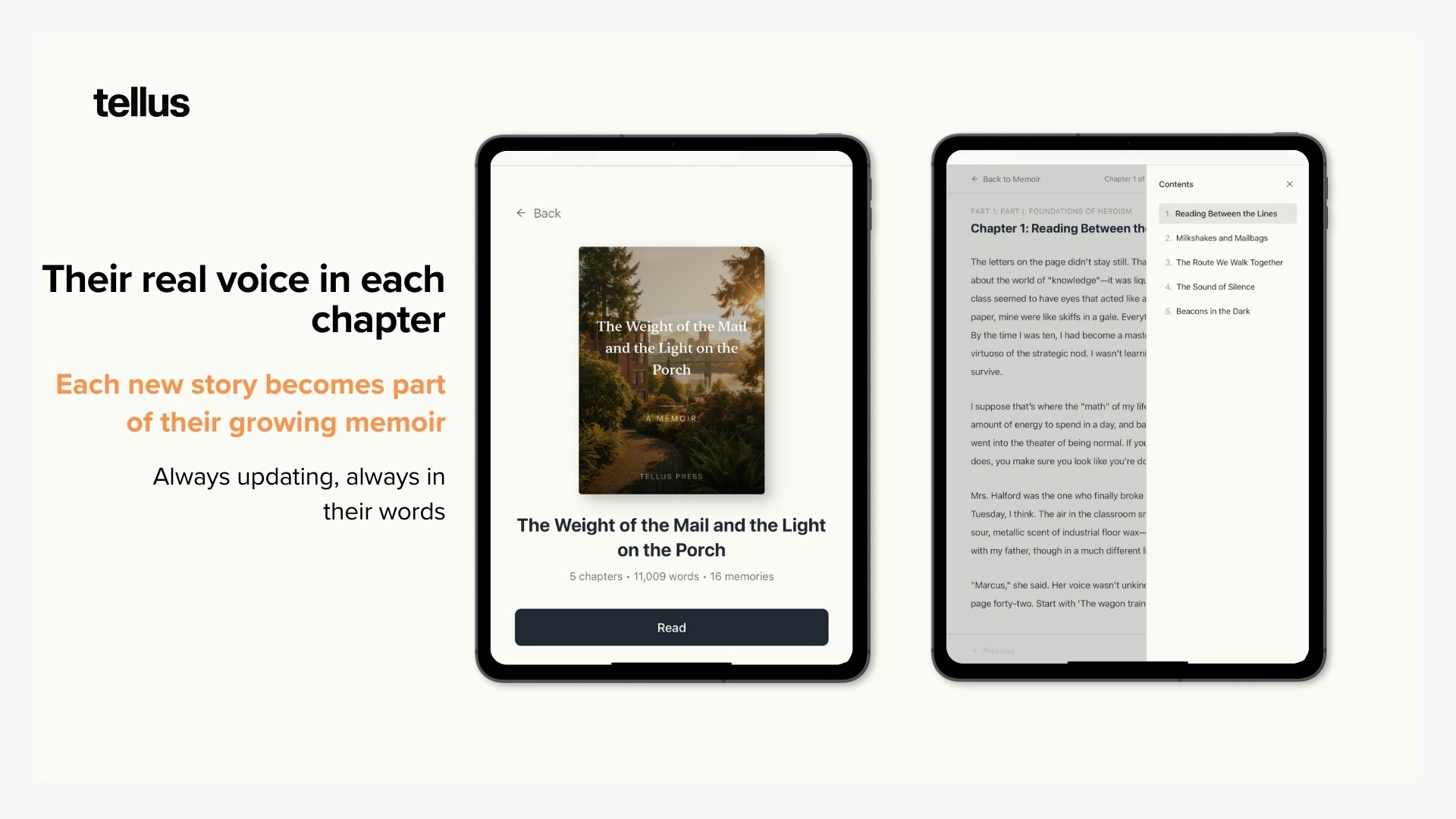
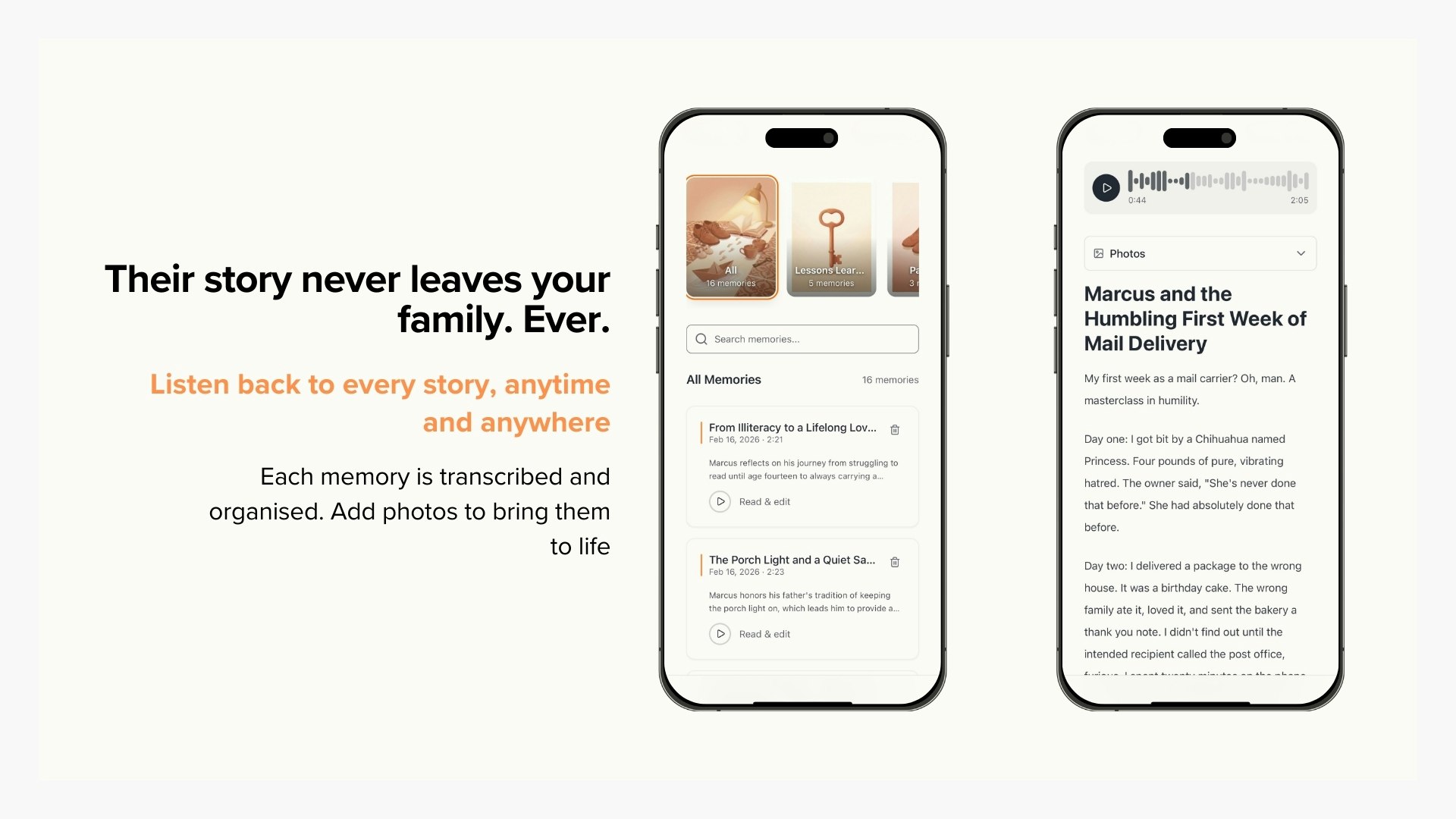
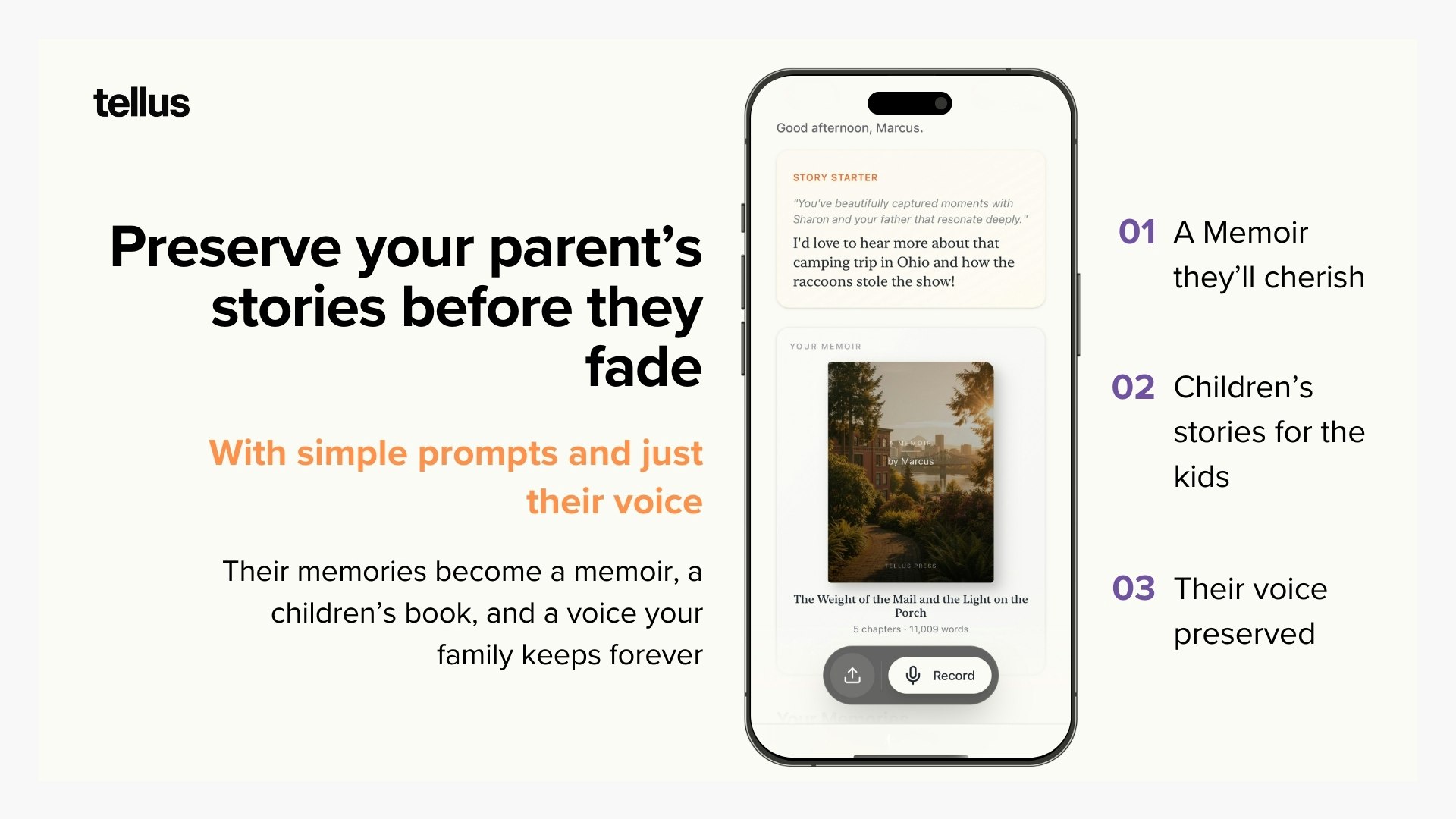
Turn your parent's spoken memories into a beautiful memoir and illustrated children's storybook. AI-powered voice recording, no writing required. Preserve their legacy today.
I'm Nick, part of Hong Kong's startup community where I first came across Mawuli and Tellus. This product hits on something I think a lot of us feel but never act on. Our parents and grandparents carry extraordinary stories. Lives lived across different countries, different eras, things we'll never fully know unless someone captures them. The problem is there's never a good moment to sit down and record it. It feels formal. It feels like an interview. And then time passes. Tellus removes all of that friction. Your parent just talks. And something lasting comes out the other side. I think about my own family and how much I'd give to have my grandparents' stories preserved properly. Not just remembered, but actually written down and passed on. That's what Mawuli has built here. Worth trying, worth sharing with anyone who has a parent or grandparent with stories worth keeping. Congratulations on the launch!
10
回复

Hey everyone, I'm Mawuli, the creator of Tellus.

My dad is 73. He's lived an extraordinary life. Born in Ghana, fluent in Russian, witnessed Princess Diana en route to the royal wedding, built a bank from scratch. He always wanted a memoir. But he's not keen to type, so it never happened.

So I built the first version of Tellus for him. He talks, and it writes.

I now know so much more about my own father than I ever did. And most of the anxiety I had around losing him someday is gone, because I have his voice and his stories with me forever.

Then his grandkids, my nieces, wanted in. So we built a way to turn his memories into illustrated children's storybooks. Now they get to know their granddad at bedtime.

That's the three-generation problem. Grandparents have extraordinary stories. Grandchildren would love them. But the adult in the middle can't make the connection happen. There's no format for it. Journals stay blank. Recorders feel like interviews. Video is intimidating. So the stories quietly disappear.

Tellus fixes that. Each voice recording becomes a polished memoir chapter and an illustrated kids' storybook. One for their legacy, one for bedtime.

It's free to try. I'd love your feedback: what works, what's missing, what would make you actually use this every week.

This one means a lot to me.

Mawuli

8
回复

My paternal grandparents passed before I ever thought to ask about their lives. Where they grew up, what made them laugh, the hardships they carried quietly. Those stories are just gone. That void is exactly why I believe so deeply in what Tellus is doing.

I've had a front row seat watching this thing get built from the ground up. The late nights, the pivots, the moments of doubt and then breakthrough. Being by his side through all of it made me realise how personal this mission truly is.

All a grandparent (or parent) has to do is speak. No writing, no technology stress, just talking. And their voice, their memories, their legacy gets preserved for the grandkids who will one day desperately want to know who they were. Don't wait until it's too late.

So proud of you my love. Excited for the next chapter of this 💛

3
回复
@cynthia_lamp yeah, I feel the same way about not getting to know my grandparents who passed away early. Precisely why we’re building this so every family can keep their stories forever 😊
0
回复

Congrats on the launch, @nzieber. I think your Just Talking approach is the winner.

I noticed one thing on the page. Your text focuses on the bedtime story. That is the joy. But the real driver here is the fear of losing these memories. I think if you hit that "Cost of Inaction" harder in the hero section, your signups will jump.


I hope this hits the top spot today.

2
回复

This is such a refreshingly human use of AI! I’ve watched Mawuli pour his heart into this project and I can’t wait to onboard my grandma and start collecting her stories.

2
回复
@justinling can’t wait to have you, grandma and your parents enjoy Tellus! The continuously updating memoir is definitely going to leave a lasting impression for you and your family
1
回复

The three-generation gap framing is spot on — grandparents have the stories, grandchildren want them, but the format never existed to bridge that naturally. Turning voice recordings into both a memoir chapter and an illustrated bedtime storybook from the same session is a beautiful two-output approach. How does the AI handle stories told in multiple languages or with cultural context that might not translate directly?

2
回复
@svyat_dvoretski thanks for the shout and great question! Adapting to different languages was something we realised would be crucial for cross generation storytelling. Currently, the app starts in English but immediately switches to the language of the storyteller once the first story is told. All content: memoirs and children’s stories are in the language of the story teller. Next on the roadmap is definitely localisation and translation
0
回复

This is exactly the startup idea i would love to build few years back.. but no problem, I will recommend this product to someone in kids group. (lol I'm your secret target audience group anyways at 29 :P)

2
回复
@vamskrish_ haha! Your comment highlights how much this is needed! As my secret target group, use TELLUS-PH at checkout for 50% off 😉
0
回复

Tellus is truly deep. Rare to see technology capture such a human experience, I have been using it for quite a while and super excited about sharing it with more people!

1
回复
@benedict_quartey thank you Benedict! Your early feedback was super helpful. Looking forward to how Tellus helps your entire family hold on to the stories you hold so dear!
0
回复

The fact that it turns voice recordings into illustrated storybooks is such a smart move — way more approachable than asking grandparents to sit down and write. My grandma had the best stories but never would have written them down. This solves that perfectly.

0
回复

Imagine we lose access to logged account / mail, how do you ensure that we will preserve all these memories?Congrats on the launch!

0
回复
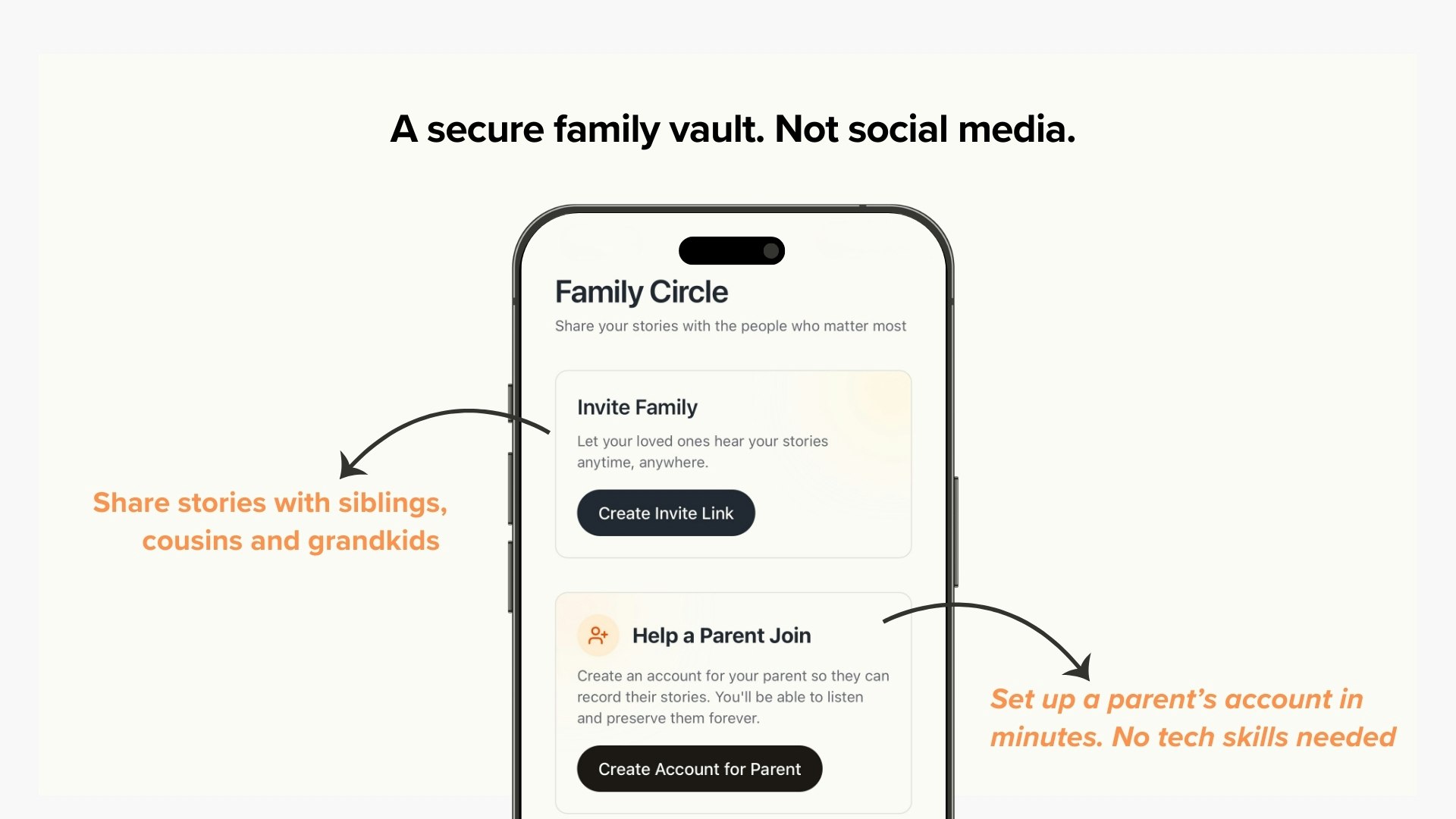
@mcarmonas thank you so much! that’s a good question. Account recovery is always possible either with in app resets, or just contacting support. Even more, Tellus works to give other selected family members permission to listed/read stories from their own account. So the stories will always be preserved in the family no matter what happens! 🙏
0
回复
#7
OpenMolt
Let your code create and manage AI Agents (OpenSource)
130
一句话介绍:OpenMolt是一个开源的Node.js框架,允许开发者以代码优先的方式构建具备思考、规划和执行能力的程序化AI智能体,解决了在SaaS后端等生产环境中将AI智能体作为可触发、可控制的服务集成,而非聊天助手的核心痛点。
Open Source Developer Tools Artificial Intelligence GitHub
AI智能体框架 开源 Node.js 代码优先 程序化智能体 后端集成 权限管控 生产就绪 规划与执行
用户评论摘要:用户普遍认可其“代码优先”理念、能力权限模型及作为后端服务的定位。主要问题与建议集中在:商业可持续性、执行中动态重规划能力、权限的动态范围控制、内存持久化机制,以及寻求更具体的生产用例验证。
AI 锐评

OpenMolt的出现,剑指当前AI智能体开发中的一个关键断层:从炫技的演示场景到可靠的生产系统的跨越。它没有沉迷于构建另一个聊天前端,而是清醒地抓住了“智能体即后端服务”的本质,将智能体降级为一种可通过API调用的计算资源,这是其最犀利的洞察。

其宣称的“代码优先”哲学,实质上是对“低代码/无代码”智能体平台泛滥的一种反动。它并非否定抽象的价值,而是将控制权彻底交还开发者,将智能体的指令、工具、记忆和权限用代码定义,使之可版本化、可测试、可组合。这看似提高了使用门槛,实则精准筛选了目标用户——那些真正需要在复杂业务逻辑中嵌入自主决策能力的工程师。能力权限模型更是直击生产安全要害,将“智能体胡作非为”的风险从制度上进行了约束。

然而,其真正的挑战在于“规划”的可靠性。评论中关于“中途失败如何动态重规划”的提问,戳中了当前基于LLM规划器的普遍软肋。在简单工作流中表现良好的智能体,在复杂、长链路、外部依赖不稳定的生产环境中,其规划的健壮性和容错性将面临严峻考验。这并非OpenMolt独有之困,却是它必须回答的核心问题。此外,作为开源项目,其长期活力取决于能否围绕核心的“程序化”理念,构建起一个强大的工具与集成生态,否则易沦为又一个需要大量胶水代码的“半成品”。

总体而言,OpenMolt是一次有价值的范式探索。它不试图取悦所有人,而是为特定场景下的技术决策者提供了一个更具工程严肃性的选项。它的成功与否,将验证“代码定义智能体”是否真是规模化部署AI智能体的必经之路。

查看原始信息
OpenMolt
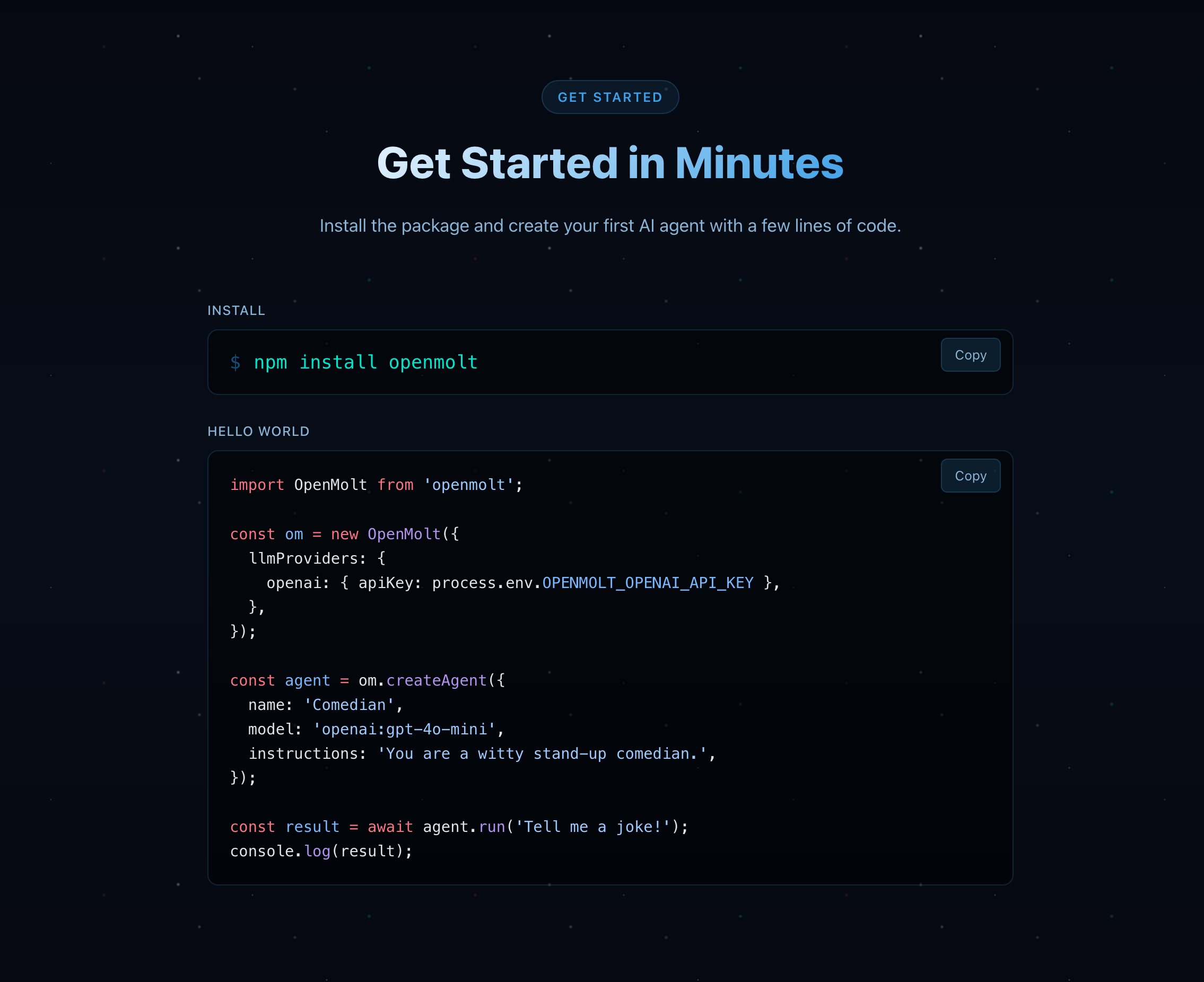
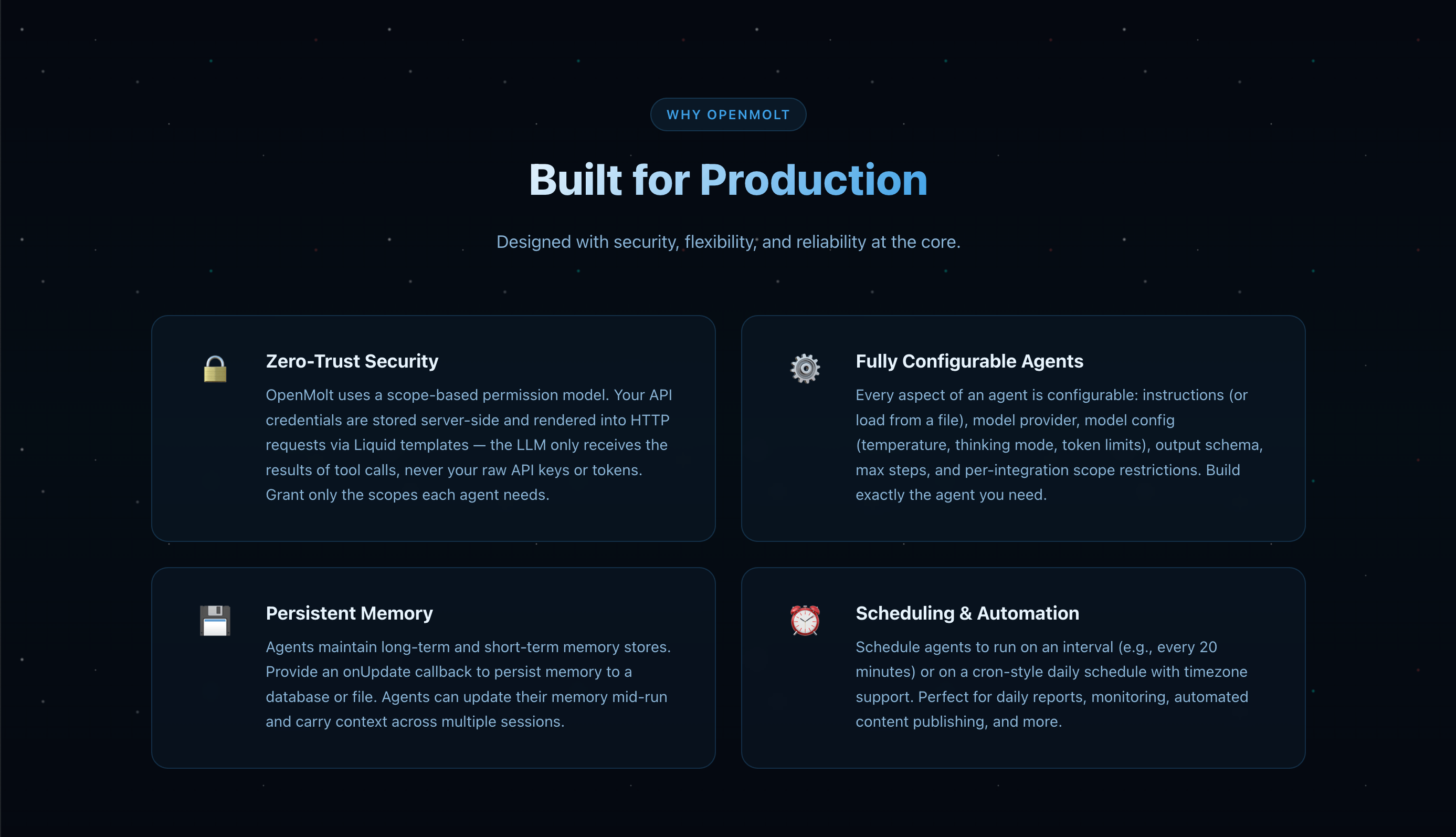
OpenMolt lets you build programmatic AI agents in Node.js that think, plan, and act using tools, integrations, and memory — directly from your codebase.

Hi everyone 👋

I'm @ybouane the creator of OpenMolt, the 4th project I'm launching on 2026! (Feel free to follow my build in public journey on X)

I started building it because most AI agent tools I tried were designed primarily as chat assistants. That works well for personal workflows, but it becomes harder to use them inside real applications.

For example, imagine a SaaS backend receiving a request like:

POST /generate-report

Instead of running a fixed pipeline, an agent could decide how to complete the task:

  • gather data

  • call APIs

  • generate outputs

  • update systems

That’s the idea behind OpenMolt.

It’s an open-source framework for programmatic AI agents in Node.js, where agents are defined directly in code with:

  • instructions

  • tools

  • integrations

  • memory

When triggered, the agent runs a planning + execution loop, deciding which tools to use to complete the task.

Some current features:

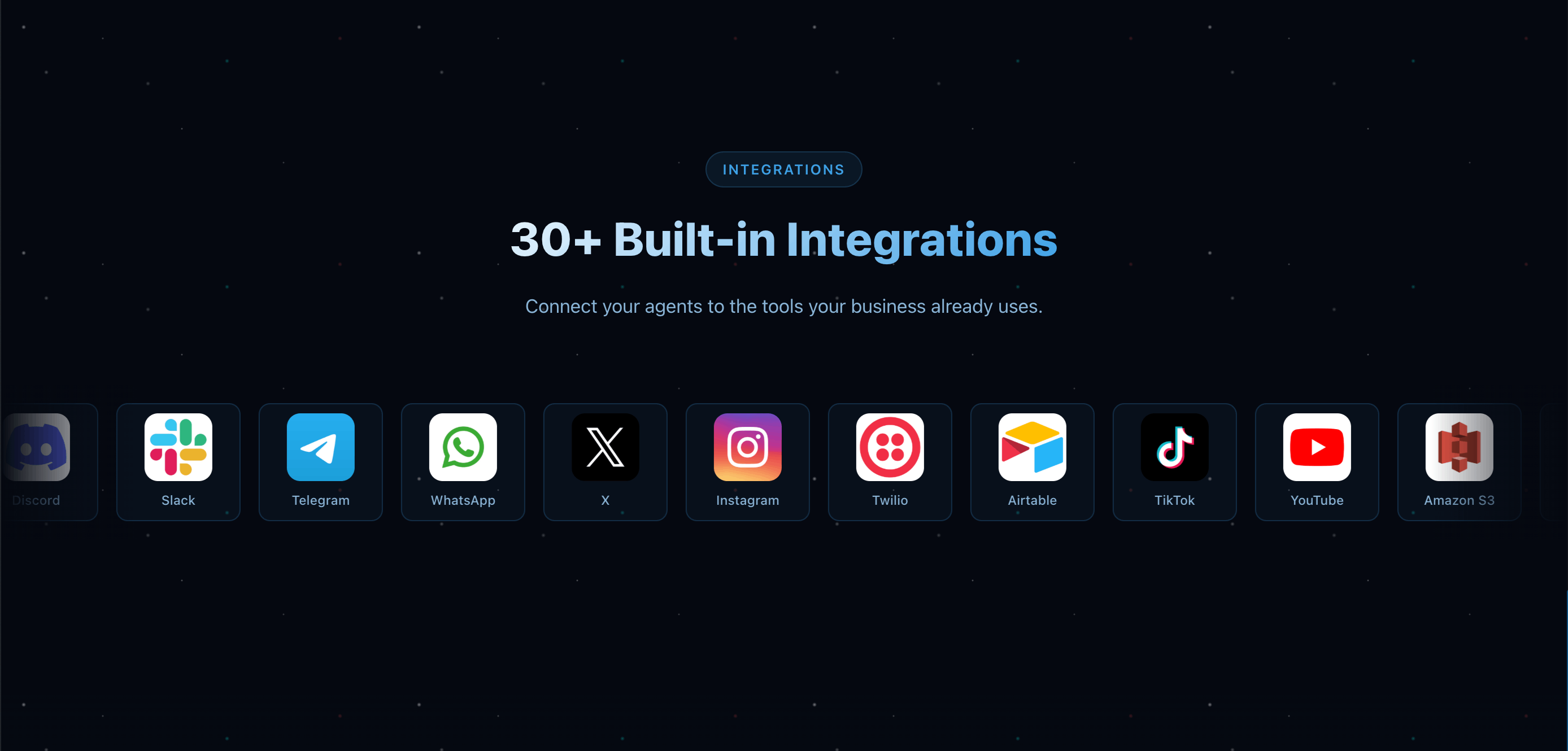
  • tool and API integrations

  • short-term and long-term memory

  • scheduling

  • CLI runner

  • capability-based permissions (agents only access the tools you explicitly allow)

The goal is to make AI agents behave more like software systems than prompt scripts.

OpenMolt is still early, and I’m really interested in hearing from developers:

  • Would you use agents like this inside a backend or SaaS product?

  • What integrations or capabilities would you expect?

Happy to answer any questions or dive deeper into the architecture.

Thanks for checking it out 🙏

4
回复

@ybouane Congratulations on the launch! Just a quick quest: what's one real-world SaaS backend use case you've tested with OpenMolt, and how did its planning loop handle edge cases like API failures?

0
回复

Code-first agent definition in Node.js is the right call. Most agent frameworks add abstraction layers that make simple things easy but complex things impossible. Being able to define tools, memory, and permissions directly in your codebase means you can version control your agents the same way you version control everything else.

The capability-based permissions model is what separates this from "just call an LLM with tools." Giving an agent access to your database without scoping exactly what it can touch is a non-starter in production.

Question: for the planning + execution loop, how does it handle cases where the plan becomes invalid mid-execution? For example, if step 2 of a 4-step plan fails and the fallback changes what step 3 should be, does the agent re-plan from scratch or patch the existing plan?

1
回复

The tension between "code-first" and "no-code" positioning is fascinating and feels like you're carving out a middle ground for technical users who want control without rebuilding from scratch. Open-source in the agent space is still rare enough to be differentiating but curious how you're thinking about commercial sustainability. Are you targeting self-hosted enterprise deployments or building managed services on top? MENA markets especially struggle with vendor lock-in on Western platforms, so portability could be a huge unlock.

1
回复

@ielrefaae No plans to commercialize it for now. The goal is really to just build a useful opensource tool to let programmers leverage ai agents in their programs.

0
回复

Treating AI agents as backend services triggered by API endpoints rather than chat interfaces is the right abstraction for production use — most real-world automation needs to run headless without a human in the loop. The capability-based permissions model is a smart safety default — does OpenMolt support scoping agent permissions dynamically per request, or are they fixed at agent definition time?

1
回复

@svyat_dvoretski Code-first agent definition is underappreciated. Most frameworks force you into YAML or proprietary DSLs. Using Node.js for instructions and tools means you get proper IDE support and can compose logic naturally. OpenMolt's planning + execution loop handles state through long-term and short-term memory stores with persistence callbacks, which helps agents carry context across multi-step workflows and sessions.

0
回复

Really glad someone built this as open source. I've been stitching together LangGraph + FastAPI for agent-powered endpoints and it's messy. The permission scoping per agent is a nice touch — I learned the hard way that giving an agent full filesystem access "just for testing" is a terrible idea lol. One thing I'd want to know: how does memory persistence work between restarts? Like if I deploy this on a basic VPS, does the agent remember previous runs or do I need to wire up my own storage?

0
回复

Treating AI agents as backend services rather than chat interfaces is the right abstraction for production use. Most real automation needs to run headless without a human in the loop, and the fact that you can trigger agents from API endpoints makes this immediately useful for SaaS backends.

The capability-based permissions model is a nice touch for security. Can you scope permissions per-request, or are they fixed at agent definition time? Being able to dynamically restrict what an agent can access based on the incoming request context would be a big win for multi-tenant setups.

0
回复
#8
Startup Archive
Stop burning money keeping your startup online
124
一句话介绍:一款帮助创业者在关闭项目前,为其网站生成可嵌入个人作品集的视觉化静态存档,解决项目“僵尸化”后持续消耗服务器成本却难以展示的痛点。
Freelance Side Project Vibe coding
项目存档 作品集工具 成本节约 创业工具 SaaS 静态快照 网页截图 数字遗产 独立开发者 产品生命周期管理
用户评论摘要:用户高度共鸣“僵尸项目”持续烧钱的痛点,认可产品将“关闭”转化为“存档”的情感价值。核心关注点在于:存档是否为多页面静态快照、未来恢复的可能性,以及建议增加“创业项目公墓”公共画廊功能。
AI 锐评

Startup Archive 切入了一个微小却尖锐的利基市场:数字时代的“项目殡葬业”。它表面上卖的是技术工具(自动截图与嵌入代码),实际兜售的是一种“心理许可”——允许创业者体面地宣告项目死亡,而非任其在云端失血而亡。其真正的颠覆性在于,它重新定义了“失败”项目的价值终点:从线上持续消耗成本的尴尬存在,转变为线下作品集中一个可展示、可讲述的静态勋章。

产品巧妙地将“成本中心”(关闭服务器)与“价值中心”(丰富作品集)捆绑销售,解决了创业者最深层的矛盾心理:对心血的情感依恋与对现实成本的理性认知之间的冲突。评论中“承认失败”与“展示学习成果”的对比,精准印证了这一点。

然而,其商业模式的天花板也清晰可见。作为工具,其功能壁垒不高;其“静态快照”的本质,也引出了关于交互性丢失与未来“复活”可能性的疑问。它更像一个特定生命周期(项目终结期)的止痛药,而非贯穿始终的维他命。长远看,其最大价值或许不在于存档本身,而在于通过聚集大量“失败”案例,形成一个独特的“创业墓志铭”数据库,这或许是其评论中建议的“公共画廊”的深层价值——从个人心理安慰,升级为行业集体记忆与经验学习的宝库。当前产品是解决个人痛点的优雅方案,但若止步于此,则易被模仿且增长有限。

查看原始信息
Startup Archive
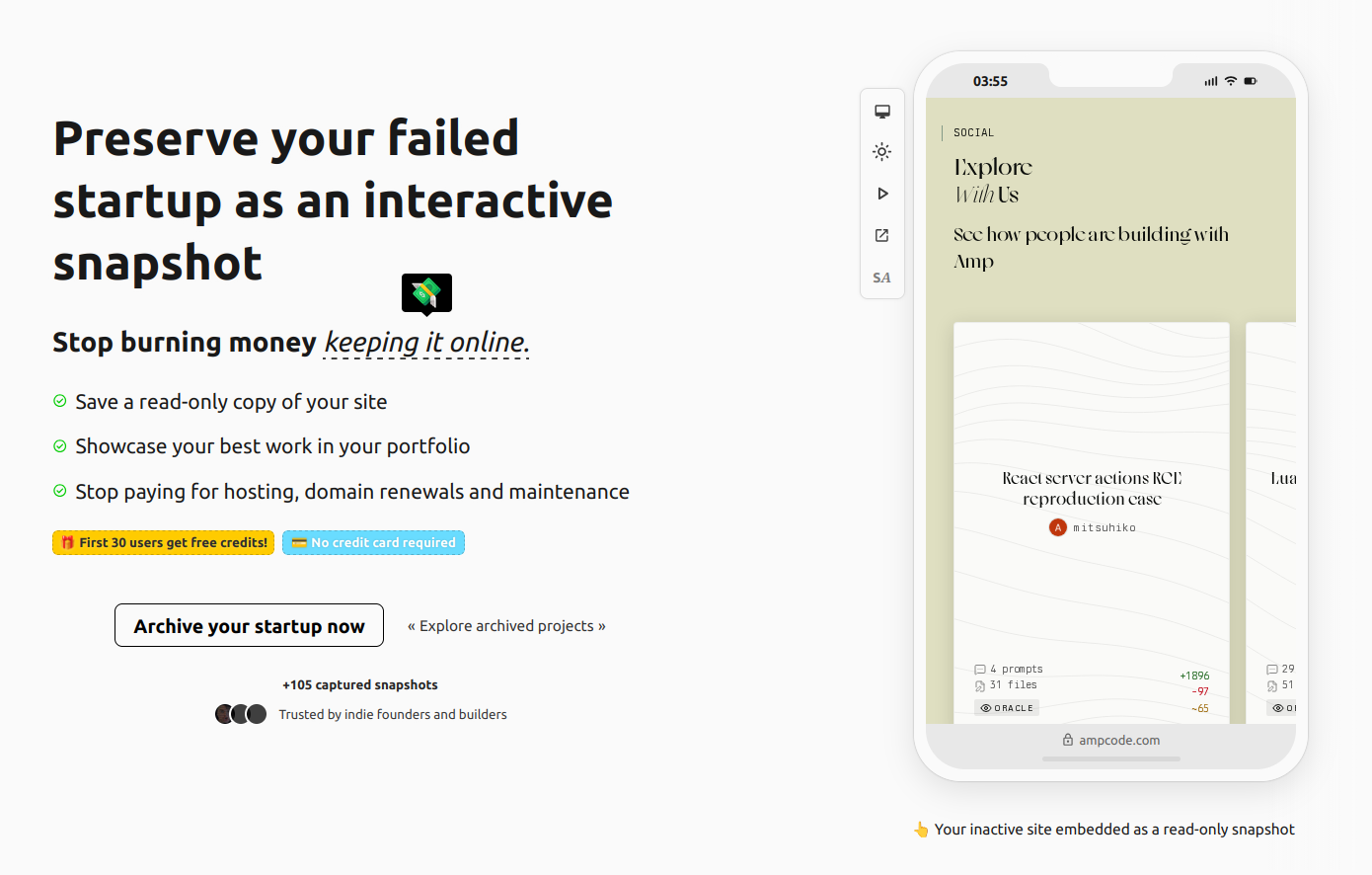
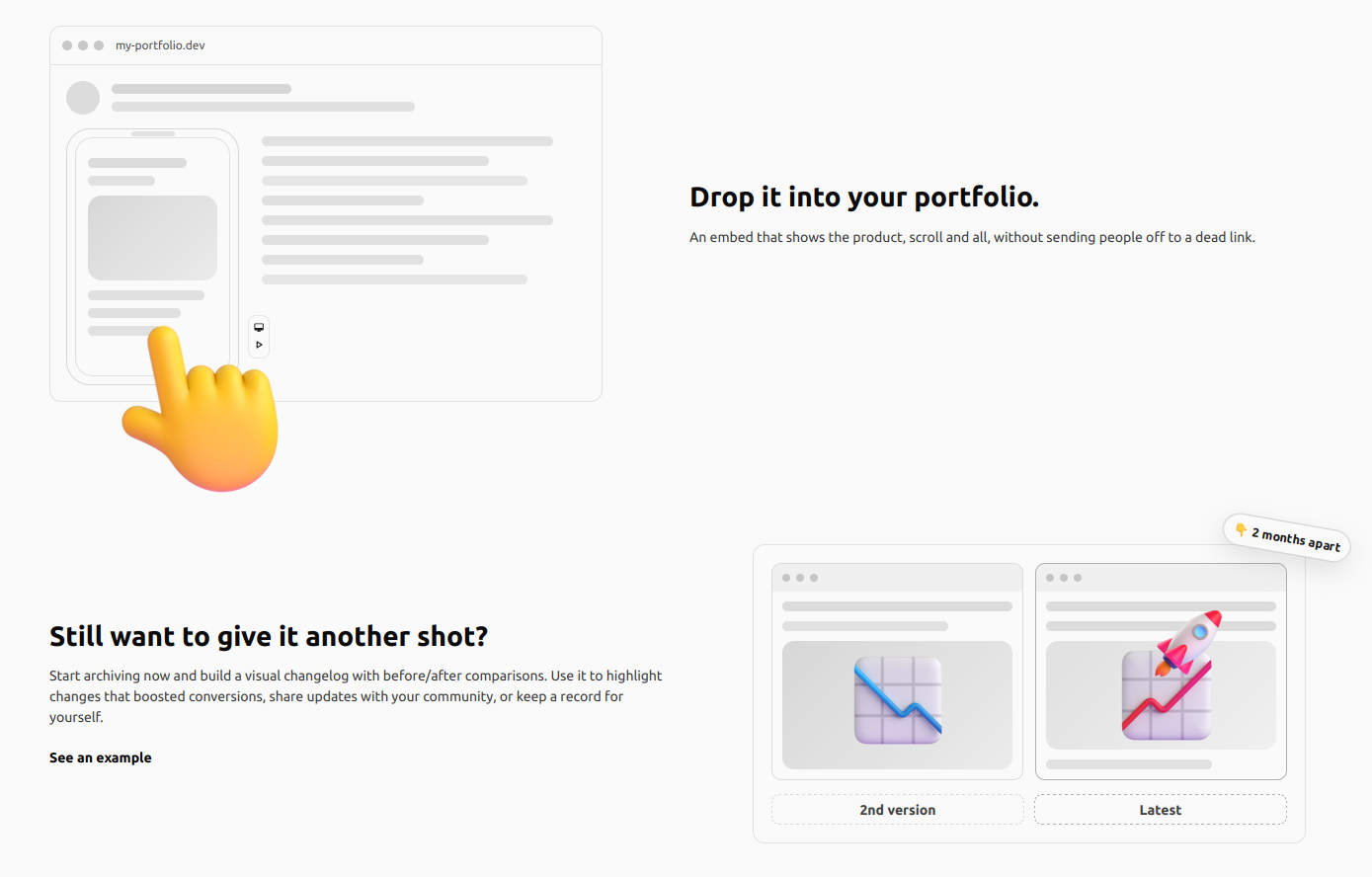
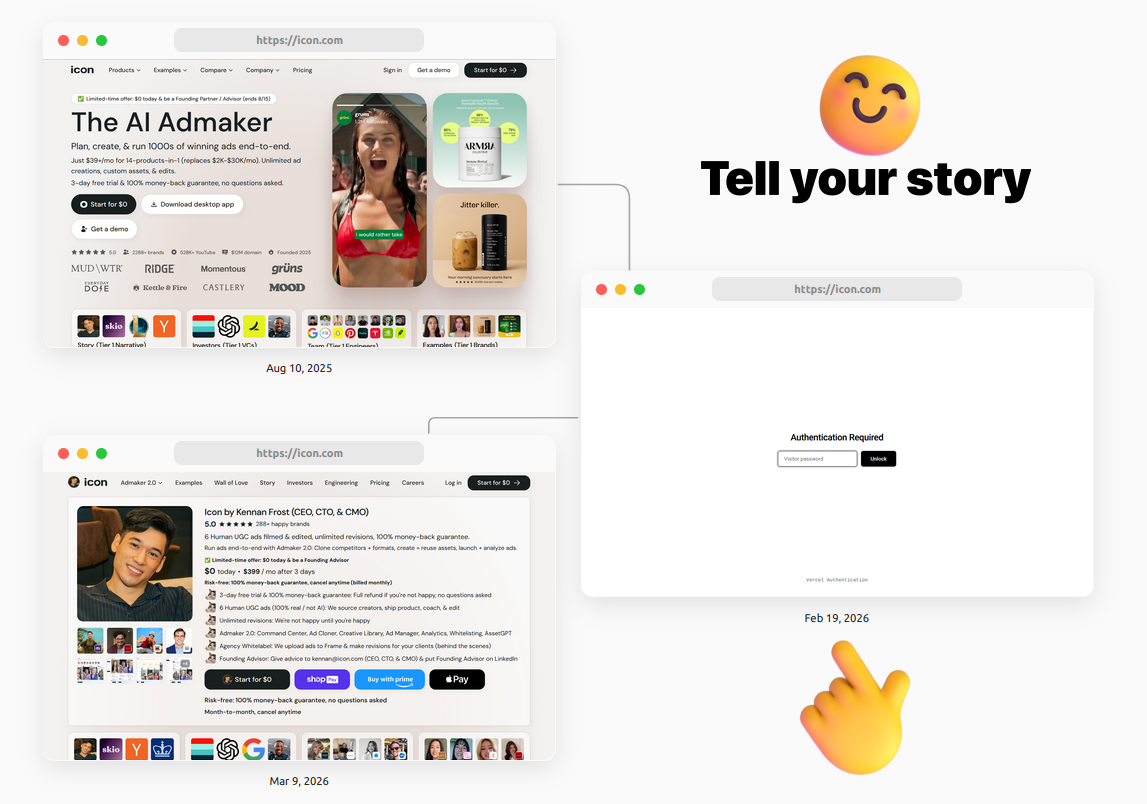
Capture a visual snapshot of your startup before you shut it down. Embed it in your portfolio, and compare changes over time.

Hi! I've been running a few side-projects ("startups") for some time, even way after they stop receiving any traffic. This is costly and depending on the project it could be a few bucks a month, or a surprise bill after bot traffic, a DDoS attack, etc.

In my case it was StoryScapeAI.app (the domain was supposed to have expired already, but I forgot to disable auto-renewal 🤦). Last traffic was sometime in 2024, and I was still paying for an always-on database instance.

I had to shut it down (I didn't) to save some money, but I also wanted to showcase it on my personal site (portfolio), since it's a "recent" project and the first one with actual users and revenue.

That's why I built Startup Archive: to take one last snapshot before shutting it down and moving on to the next one.

You can easily embed your archived project on your site. It supports different frames, light and dark mode screenshots, and auto-scrolling.

Give it a try! You can archive one startup for free with the above discount code :)

2
回复

Every indie developer has that graveyard of side projects still silently burning hosting costs because shutting them down feels like admitting defeat — this reframes the shutdown as a proper archival moment instead. The embeddable portfolio snapshot is the key feature that makes this actionable rather than just sentimental. Would be great to see a "startup graveyard" public gallery where makers can share their archived projects and the lessons learned.

2
回复

@svyat_dvoretski Hope this helps :)

1
回复

Ha, I literally have a project sitting in docker compose down on my server for months because I can't bring myself to delete it. Still paying for the disk space. The portfolio embed is what makes this more than just a screenshot tool — it's actually a reason to finally pull the plug. Can it capture multiple pages or just the landing page? Some of my dead projects had cool inner pages that I'd want to show off too.

1
回复

@vibewrench It works for up to 5 extra pages. Give it a try!

0
回复

Nice one! I will share it with a few builders. Everyone wants to keep their projects visible somehow, and indeed, sometimes this might not be worth the cost if they are only consuming resources.

Congrats on the product and the launch 🔥

1
回复

@andreitudor14 Yup, we've all been there :)

Thanks for the support <3

0
回复

Man, I was just looking at your homepage, @abpxa_. The way you show those ghost server costs is too real. I’ve definitely paid for domains and databases I forgot were even running just because I didn't want to lose the work.

The interactive frame you built for the snapshots looks clean. Huge upvote for this!👏

1
回复

@taimur_haider1 Glad you like it 🤠!

Thanks for the support <3

0
回复

This hits close. I know at least two founders who continue paying $50- $ 100/month in hosting for a project with no traffic because they haven't shut it down. Letting go of something you built is harder than it sounds. What does "archive" look like in practice? Is it a static snapshot of the site, or does it preserve any functionality? And what happens if you want to bring it back live — is the reverse process straightforward?

1
回复

@aitubespark Yup. It's a static snapshot. Reversing would be nice :)

0
回复

That's actually a really cool idea. Everyone is taking their shot and showcasing what you learned building something, even if it didn't blow up is nice.

1
回复

@erik_markk Thanks for the support <3

0
回复
#9
AI Website Redesign by Shuffle
Watch multiple AI models redesign your website side-by-side
117
一句话介绍:一款允许用户输入网址和设计愿景,并实时、并行对比多个顶尖AI模型(如Claude、GPT、Gemini、Kimi)网站重设计方案的在线工具,解决了设计师、机构在获取灵感、向客户提案时效率低下、方向单一的痛点。
Design Tools Developer Tools
AI网页设计 多模型对比 设计灵感生成 网站重构 设计提案工具 实时预览 代码导出 效率工具 AIGC应用
用户评论摘要:用户普遍赞赏多模型并行对比的创意与实用性,尤其认可其在客户提案和灵感生成场景的价值。主要建议包括:需提供模型选择的决策逻辑以防用户陷入选择困难;核心关切是生成的设计是否可编辑及导出代码,官方回复确认支持可视化编辑及多种技术栈代码导出。
AI 锐评

这款产品巧妙地避开了“哪个AI更强”的无谓争论,转而将差异本身商品化。它的核心价值并非AI的“设计能力”——这仍是黑箱且质量不稳的——而在于创造了一个**可比较的决策环境**。通过将多个主流模型的输出并置,它将抽象的“AI设计”转化为具象的、可供客户浏览和选择的“方案A/B/C/D”。这正是其评论中“客户提案是杀手级应用”一语的深层逻辑:它卖的不是最终设计,而是**高效率的决策流程和令人信服的演示材料**。

然而,其风险也隐含于此。首先,作为“灵感生成器”或“提案加速器”它是出色的,但若想深入设计工作流,其“一次性生成”的特性(尽管可后续编辑)与专业设计过程所需的反复、精细调整仍有鸿沟。其次,正如敏锐用户指出的,提供“更多选项”可能加剧决策瘫痪。产品目前将选择权完全交给用户,未来需进化出基于业务目标(如提升转化率)的推荐逻辑,才能从“选项展示台”升级为“智能决策伙伴”。

本质上,这是一个市场定位精准的“杠杆工具”。它不替代设计师,而是用极低成本为设计师和机构批量生产“设计种子”和沟通筹码。其真正的护城河或许不在于接入的模型数量(这易被复制),而在于能否构建一个围绕优质提示词和生成案例的社区,以及能否将可视化编辑与代码导出体验做到无缝,从而真正扣住从灵感到落地的完整链条。

查看原始信息
AI Website Redesign by Shuffle
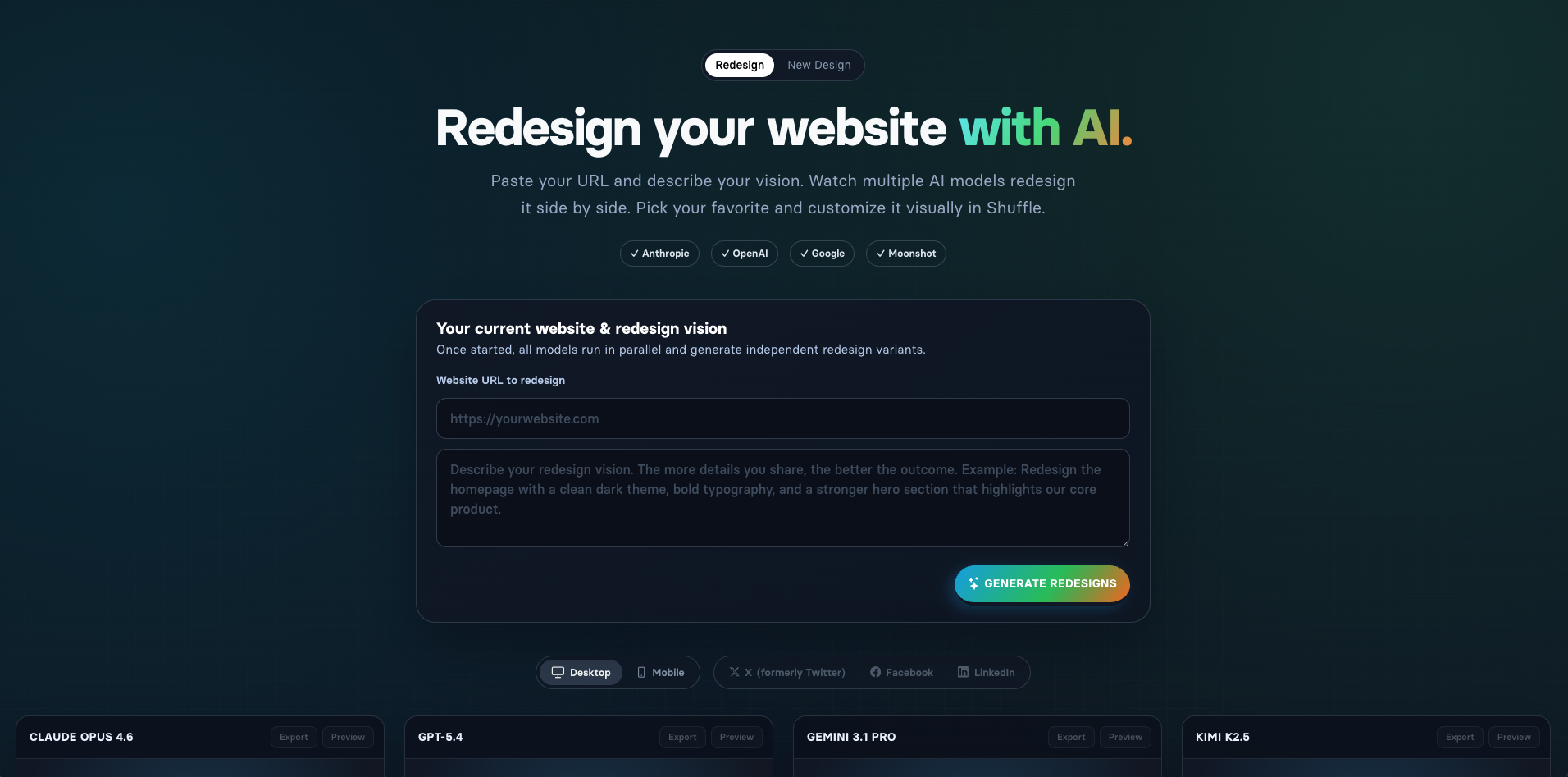
Paste a URL and describe your vision. Watch multiple AI models redesign your website side by side.

Hey 👋

We just added a new product with a multi-AI view: AI Website Redesign.

Paste a URL and see how leading AI models redesign it in real time.

The first users use it for:
✅ Redesigning outdated sites
✅ Pitching redesigns to clients
✅ Generating design inspiration

At the moment, it supports Claude Opus 4.6, GPT 5.4, Gemini 3.1, and Kimi 2.5

Share your prompts & results (each has a unique link), and we’ll post the best ones in example sections!

2
回复

@dawid_andrzejewski Hey! 👋
This looks awesome — the multi-AI redesign view is a really cool idea. Being able to compare outputs from Claude, GPT, Gemini, and Kimi side-by-side sounds super useful for design inspiration and client pitches. Excited to try it out! 🚀

0
回复

Congrats on the launch, @dawid_andrzejewski.

The parallel model approach is amazing. It is rare to see Claude and GPT working side-by-side like this.


I noticed a strategic risk on the page. You are selling More Options. However, for a business owner, more options usually means more indecision. I think your messaging misses a huge opportunity to talk about Selection Logic. If you show them how to pick the version that drives the most revenue, your retention will stay high.

I want to see this tool win.

1
回复

Interesting idea comparing multiple AI redesigns side-by-side. Seeing different model outputs for the same site could actually make design decisions much easier. Curious which models perform best for real-world websites.

1
回复

Each model has its own "taste". ☺️ You need to try it and choose the one that works best for your use case.

1
回复

Incredible ! and very generous free tier (I'm not affiliated, I just enjoyed using it)

0
回复

I pasted one of my pages just to test it out and man... it was surprisingly useful when I saw multiple AI redesigns side by side. It's definitely a good way to quickly explore different design directions.

0
回复

Great idea! Watching multiple AI models redesign a website side-by-side is a powerful way to compare creativity and choose the best design. AI Website Redesign by Shuffle could make web design faster and smarter.

0
回复
The client pitch use case is clever. Generating multiple redesign directions in minutes instead of days of mockup work could save agencies a lot of time. Can you iterate on a specific model's output, or is it a one-shot generation?
0
回复

Sounds interesting. Are you limited to some specific CMS, no-code website builders and frameworks, or its technology agnostic?

0
回复

Generated designs can be edited visually in the Shuffle Editor. You can then export the source code for Next.js, WordPress, and other popular technologies.

2
回复

Running Claude, GPT, Gemini, and Kimi side-by-side on the same URL turns model comparison from an abstract benchmark into something designers can actually evaluate visually in context. The client pitch use case is the killer angle here — showing three redesign directions generated in minutes beats spending a week on speculative mockups. Can you export the generated designs as editable code, or is it primarily for visual inspiration?

0
回复

@svyat_dvoretski Hey, yes, and we support multiple export formats. You can export code as Next.js project, Laravel (with Blade templates), Symfony (with Twig templates), plain HTML, or as a WordPress theme.

0
回复
#10
Rainfrog
Mix, match, and create stunning consistent campaign visuals
113
一句话介绍:Rainfrog是一款通过节点式混搭系统,让用户无需复杂提示词即可快速生成风格统一、符合品牌方向的高质量营销视觉资产(如时尚大片、产品图、UGC内容)的AI工具,主要服务于时尚品牌、营销人员和创意机构,解决了AI生图难以保持视觉一致性和精准艺术指导的行业痛点。
Fashion Artificial Intelligence Social media marketing
AI图像生成 营销视觉资产 时尚摄影 节点式编辑 品牌一致性 创意工作流 无提示词设计 设计工具 内容创作 效率工具
用户评论摘要:用户普遍认可其源于真实设计机构工作流的可信度,以及节点混搭系统对保持视觉一致性的价值。核心关注点在于:如何具体保障大批量生成的品牌一致性(如色彩、版式锁定)?系统如何处理品牌指南约束?以及工具在真实工作流中的实际采纳情况。
AI 锐评

Rainfrog的亮相,与其说是一款新的AI生图工具,不如说是一次对当前“提示词工程”主流范式的精准反叛。它敏锐地刺中了AIGC在商业应用中最深的伤口:单张图像的惊艳与系列化、品牌化视觉资产所需的高度可控性、一致性之间存在巨大鸿沟。其宣称的“无需提示词”,本质是将控制权从不可靠的文本描述,转移到了更接近设计师思维方式的“可视化参数系统”——通过对角色、产品、环境、风格等模块的节点化组合,将抽象的“品牌调性”转化为可重复调用的工程组件。

产品的真正价值,不在于其技术底层是否具有颠覆性,而在于其产品哲学源于一线设计机构的“血泪教训”。这使其避免了纯技术团队容易陷入的“炫技陷阱”,直指商业生产的核心:速度、可控与批次一致性。然而,其面临的挑战也同样清晰:首先,“节点”系统在降低提示词门槛的同时,是否会构建起新的学习曲线?其次,将风格“工程化”的背后,是依赖于对现有风格库的封装,还是能真正理解并灵活演绎品牌基因?这决定了它的天花板是高效的“风格模板套用机”,还是真正具有艺术指导能力的智能伙伴。

用户评论中关于“如何锁定品牌指南”的追问,正是击中了要害。如果Rainfrog能将其“一致性”优势,深化为对品牌色彩体系、字体规范、构图逻辑的刚性约束与柔性学习能力,它将从一个优秀的批量生产工具,升级为品牌数字资产的治理平台。它的成功与否,将验证一个关键命题:在商业创意领域,AI的价值终点或许不是极致的“开放自由度”,而是提供一套兼具灵活性、可靠性与速度的“高质量约束系统”。

查看原始信息
Rainfrog
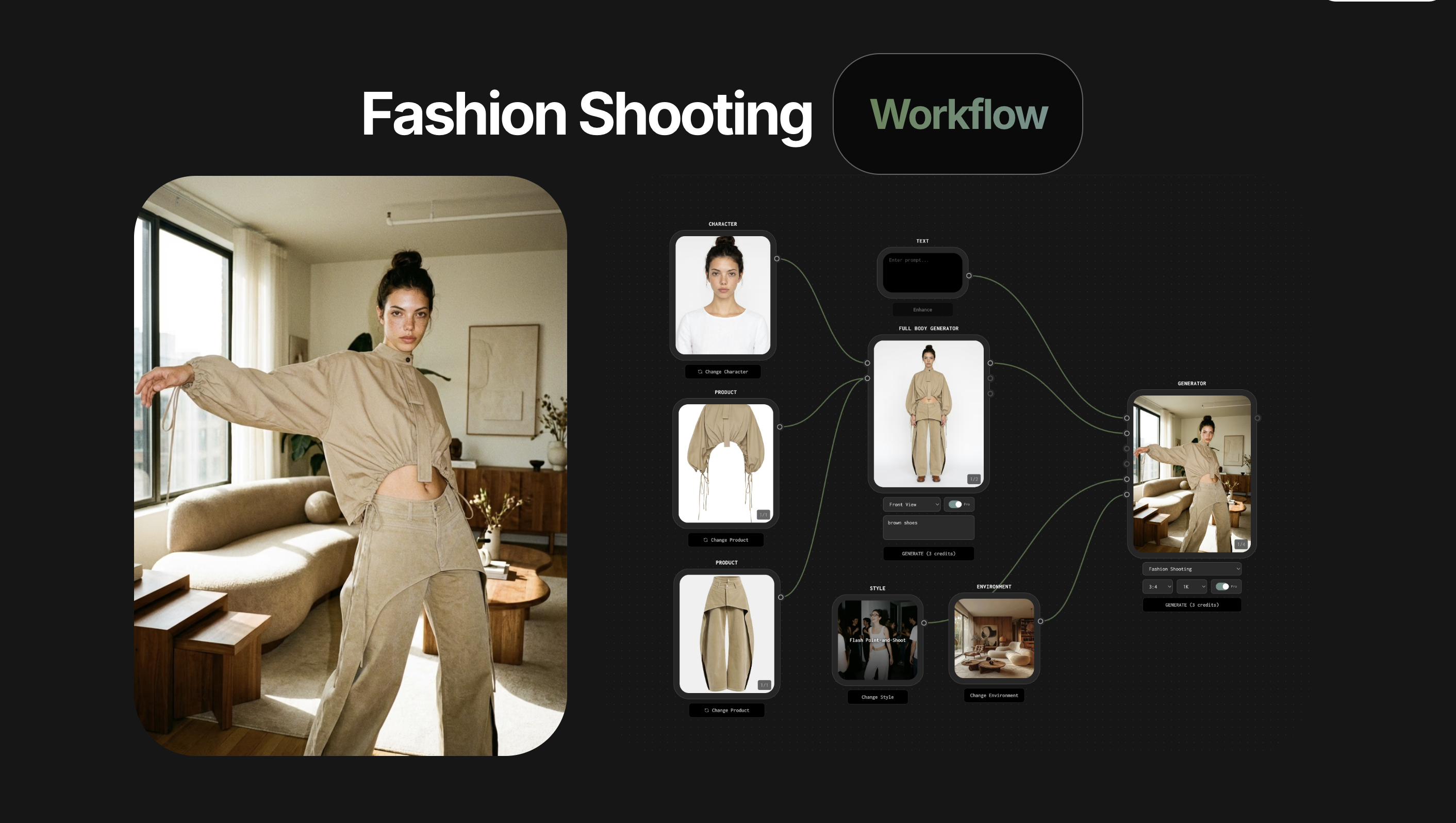
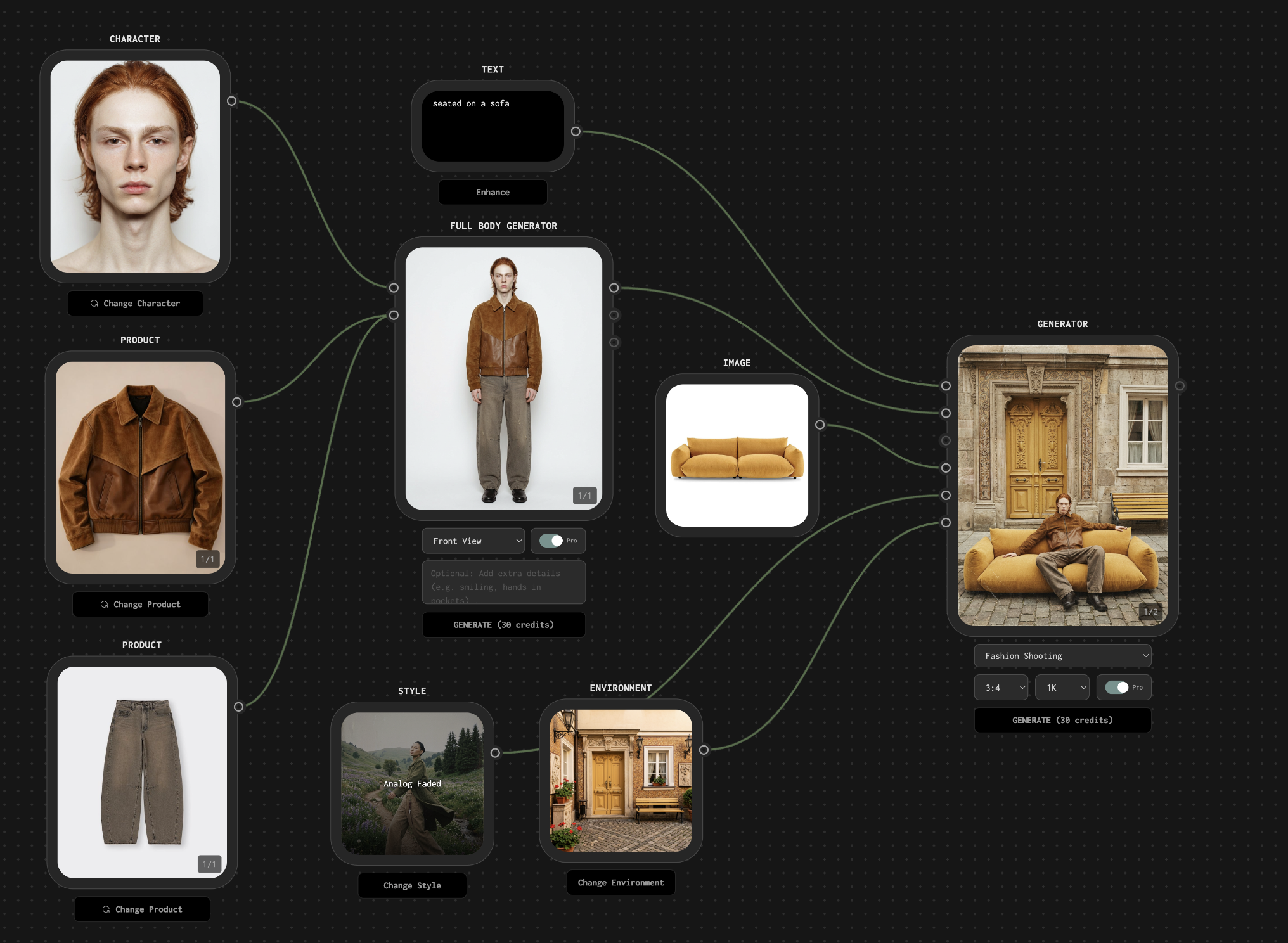
Give only directions—no more wrestling with prompts. Rainfrog intelligently combines your chosen characters, products, environments, and styles to engineer perfect, campaign-level visuals in seconds. Built for fashion shoots, product campaigns, UGC, and interiors: fast, consistent, and fully controllable.

Hey Product Hunt! 👋 I'm Filippo (@FiloPietra), co-founder of Rainfrog.

A few weeks ago we launched Rainfrog, born directly from the daily workflow at my brother/co-founder's digital design agency, Pezzo di Studio (pezzodistudio.com)—where we craft fashion campaigns, 3D art, and digital experiences for brands every day.

We kept hitting the same bottlenecks: clients wanted fast, consistent, on-brand visuals for fashion shootings, product placements, UGC, e-comm drops, and full campaigns... but constant prompt engineering killed speed and "taste." AI tools gave pretty images, but rarely the exact directional control or coherence brands need.

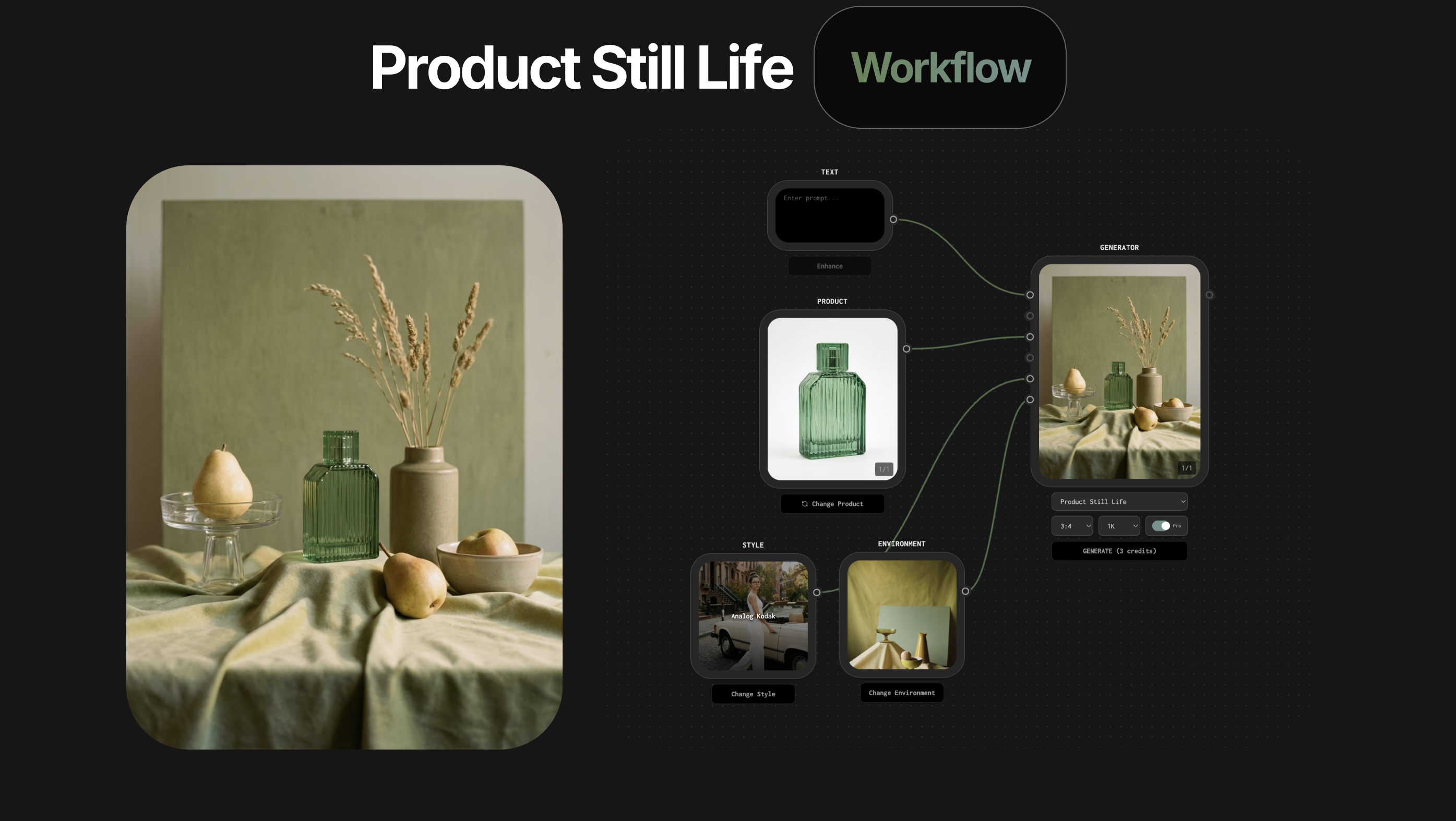
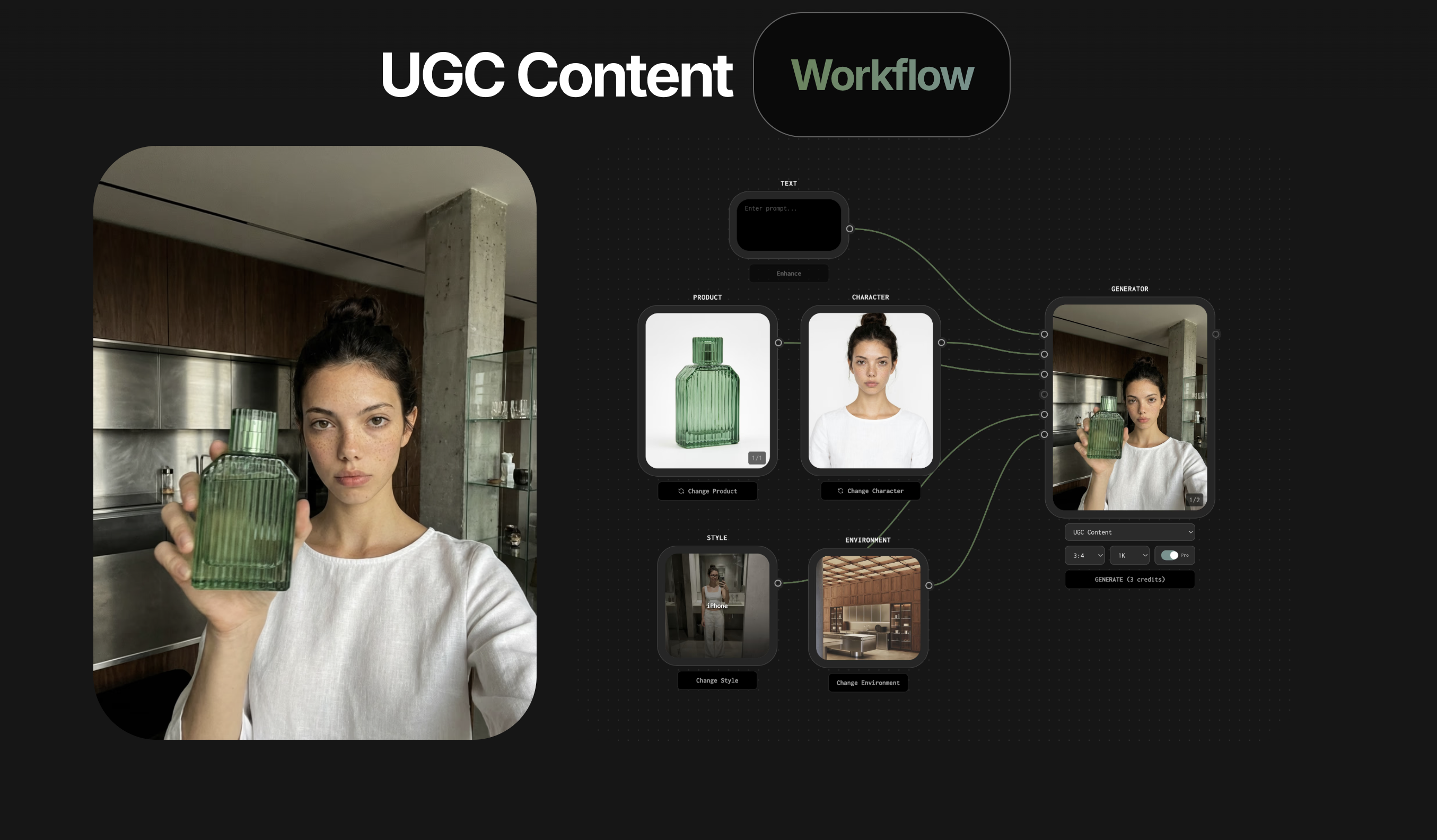
So we engineered the taste and consistency into the backend. Now with Rainfrog, you just upload your assets (characters, products, etc.), mix & match elements in a node-based system—characters + outfits + environments + styles—no prompts required.

Get photoshoot-ready, campaign-grade visuals in seconds, every time aligned to your vision.
Built for fashion brands, creators, marketers, and agencies who want pro results without the AI headache.

Sign up here 👉 https://www.rainfrog.ai and use code PHFROG-50 to get 50% off your first month of Pro 😍


Since we've been live a bit, we'd love fresh eyes: Does this solve your real workflow pains? What's the first campaign or UGC you'd build? Feedback on speed/consistency/taste?

Upvote if it clicks, drop a comment—I'll reply to all! 🚀

Thanks for hunting, let's make fashion visuals effortless. 🌟

5
回复

i like how it focusus on real campaign work like UGC, product shots, and interiors. That’s exactly where fast visuals are needed the most.

1
回复

@mathew_chang yes, appreciate it!

0
回复

The node-based mix-and-match system for combining characters, products, and environments without prompt engineering solves the biggest pain point in AI-generated campaign visuals — consistency across a series of images. Born from an actual design agency workflow gives this real credibility over tools built by pure technologists. How does Rainfrog handle brand guidelines — can you lock specific colors, typography rules, or composition styles as constraints?

1
回复

@svyat_dvoretski yes we can do all of that and we ship updates daily. We love building with our customers!

0
回复
This is a really interesting direction for creative AI tools @filippo_pietrantonio Most image generators focus on prompts, but real brand workflows depend on consistency, art direction, and repeatability. Turning that into a node-based system instead of prompt engineering feels much closer to how designers actually think and work. Curious to see how agencies adopt this for campaign production.
1
回复

@arti_yadav4 thank you so much 🙏

0
回复

Born from an actual agency workflow -that's the part that gives me confidence. How many images can you generate in a single campaign batch while keeping the visual consistency?

0
回复

Nice launch!

How does Rainfrog maintain visual consistency across campaign assets when combining different characters, products, and environments? Is there a style-locking or reference conditioning system behind the scenes?

0
回复

@davitausberlin we handle that on the backend :)

1
回复
#11
Docket
Like Jira but for indie devs and AI agents
112
一句话介绍:一款专为独立开发者和AI工作流设计的发布与任务追踪工具,通过深度集成App Store Connect和提供CLI/MCP服务器,在单一平台内统一管理从编码、发布到营销的全流程,解决了多工具切换与信息孤岛的痛点。
Productivity Developer Tools Maker Tools
独立开发者工具 任务管理 发布追踪 App Store Connect集成 AI工作流 CLI工具 MCP服务器 营销日历 原生苹果应用 产品生命周期管理
用户评论摘要:用户高度认可ASC同步和AI集成价值,认为其真正区别于普通看板。核心关注点在于AI代理与人工操作的冲突预防、CLI功能完备性,以及营销与开发时间线的可视化统一。开发者回复确认了数据一致性保障和功能扩展计划。
AI 锐评

Docket的野心不在于成为另一个Jira,而在于重新定义“独立开发者的工作台”。它敏锐地捕捉到了一个趋势:当AI智能体成为开发流程中的“协作者”时,项目管理工具必须从“为人设计的界面”演变为“为人和AI共同设计的API”。

产品的真正锋利之处在于其三重整合:第一,垂直整合苹果生态,将ASC的官方数据管道变为己用,把分散的商店事件、推荐提名转化为可管理的任务项,这构建了壁垒。第二,流程整合,强行将技术发布(版本构建)与市场动作(博客、PH启动)在时间线上对齐,直击“开发完成、营销滞后”的经典脱节问题。第三,也是最颠覆性的,是交互整合。它通过CLI和MCP服务器,将项目管理能力注入开发者终端和AI编码助手的上下文。这意味着,任务创建、状态更新不再需要跳出心流状态,AI可以根据代码上下文直接生成或管理相关任务。

然而,其挑战同样明显。其价值深度绑定苹果开发生态,市场天花板清晰。所谓“为独立开发者服务”的定位,也可能与Pro版本的商业化产生张力。更重要的是,其核心的“AI代理协作”场景仍处早期,解决冲突的“状态机”能否应对复杂现实场景,尚需考验。它并非通用解决方案,而是为特定群体(苹果系独立开发者、重度AI工具使用者)提供的、高度定制的效率手术刀。成功与否,取决于这个群体是否足够庞大,且痛点是否足够深切,愿意为此支付溢价。它展示了一条新路:工具不再仅仅是管理的终点,而是成为连接人与AI、连接开发与运营的智能中间层。

查看原始信息
Docket
Release and task tracker for indie developers. One place for ideas, App Store events, nominations, and marketing content like blog posts and PH launches. Syncs with App Store Connect to import your apps and events. Includes CLI & MCP server for AI workflows - let Claude Code manage tasks from the terminal. Use the global capture to write down thoughts/ideas without switching context. Native on Mac, iPad, and iPhone with iCloud sync. Free for your first product, 40% off during launch week.

Hey PH!

Over the past year I shipped a dozen iOS and visionOS apps and the messy part is not the code but everything that comes after: future release plans, App Store events, featuring nominations, blog drafts, Product Hunt launches, you know the drill.


I wanted to build a place where everything - from bug fixes to midnight ideas - could live, overlay the calendar, and sync with App Store Connect. I didn't care for sprints, story points, or collaboration features. Just needed a tool to ship my apps more efficiently. We need more developer tools built by indie devs who actually understand the pain of shipping, so Docket is my contribution to that ecosystem.

What makes it different from Trello et al: it connects to ASC directly, has a CLI and MCP server so @Claude Code and other AI tools can manage your tasks from the terminal, and tracks launch content (PH posts, HN threads, blog posts) alongside releases. Free for your first project, 40% off Pro for launch week.

What's the messiest part of your shipping workflow?

2
回复

@valzevul Docket's App Store Connect sync is the detail that makes this more than another task board. Exposing a CLI and MCP server so Claude Code can manage tasks directly is smart for solo devs juggling multiple apps. The tricky part is conflict resolution when an agent updates via CLI while you're editing in the UI.

0
回复

The MCP + Claude Code combo is what got me here honestly. I already live in the terminal for most of my dev work and switching to a board app just to move a card always felt like wasted time. Does the CLI let you set priorities or tags when creating tasks? Would be nice to have Claude auto-tag stuff as bug/feature while I'm in the middle of coding.

0
回复

@vibewrench yes, almost everything (including tags) that can be done via UI is accessible via MCP and/or CLI. If there is something more advanced that I didn't cover but Claude Code needs, there is `docket --json` that gives a convenient way to get access to pretty much all raw data stored in the app.

I've been running it for my projects in this exact setup (claude code + CLI, as MCP needs more tokens) and so far didn't hit any constraints. The next release will have support for webhooks as well, so if you log a task manually (e.g via the global hotkey, Ctrl+Shift+Space), an AI agent can be notified automatically and vice versa.

0
回复

The ASC sync is what makes this interesting. For my current launch I'm juggling App Store submission, ASA setup, PH prep, and Reddit posts across Notes, App Store Connect, and random text files. Having that in one place tied to the actual release timeline would save a lot of context switching.

To answer your question: the messiest part for me is coordinating the marketing side with the technical side. The app can be ready but the screenshots, store description, and launch posts are always trailing behind on a separate track with no connection to the build status.

0
回复

@krisba95 Thank you for sharing, hopefully Docket can save you some context switching!

0
回复

When building and shipping is instant, isn't Docket future a pit stop for agents to coordinate and be organized? Congrats on the launch!

0
回复

@mcarmonas thank you! Yes, I think it's nice to have something that keeps you visually up-to-date on projects' progress instead of leaving a bunch of changelog and markdown files I need to query and diff/compare to each other to figure out what's going on behind the curtains.

0
回复

How does Docket coordinate tasks created by AI agents via the MCP server or CLI with manual edits from the UI, and how do you prevent conflicts or duplicate updates in the task state?

Good luck today!

0
回复

@konstantinalikhanov thanks, that’s a great question! There is a single source of truth (the database) and access is controlled via a state machine to prevent race conditions and locks, so AI agents and the developer can collaborate on the projects simultaneously.

0
回复

The App Store Connect sync is the feature that separates this from yet another task board — indie iOS devs juggling release notes, featuring nominations, and marketing timelines across separate tools is a real workflow mess. Having Claude Code manage tasks via MCP directly from the terminal closes the loop between coding and project management without context switching. Does the calendar overlay show ASC events alongside your custom milestones in a unified timeline view?

0
回复

@svyat_dvoretski thanks for checking Docket out! Yes, indeed, the calendar overlay shows your scheduled releases, blog post drafts, ProductHunt launches, etc and also pulls events and nominations from App Store Connects.

0
回复
#12
Lingofable
Language learning, one story at a time
106
一句话介绍:Lingofable是一款通过推送可读性约98%的短篇故事,动态适配用户语言水平,解决中阶语言学习者寻找既有趣又难度合适内容痛点的移动应用。
Education Languages Online Learning
语言学习 分级阅读 自适应学习 短篇故事 移动应用 词汇追踪 i+1理论 教育科技 内容个性化
用户评论摘要:用户高度认可其解决“i+1”内容空缺的核心价值,认为动态调整难度是关键优势。主要反馈集中在内容库的扩展上:询问现有故事体裁、用户能否自主选择主题(如科幻、生活),以及除英语外其他语言的支持时间表。
AI 锐评

Lingofable切入了一个精准且长期存在的市场缝隙:语言学习者的“中阶绝望之谷”。其宣称的“~98%可理解性”直接对标语言习得中的“i+1”理论,这并非噱头,而是抓住了从教科书到原生内容过渡中,驱动持续学习的关键——可理解的输入与内在动机的结合。

产品的真正价值不在于“故事”本身,而在于其承诺的“动态调整”引擎。如果其词汇追踪与难度算法足够精准,它将从一款静态的“分级阅读器”进化为一个个性化的“语言输入流”调节器。这解决了传统分级读物更新慢、题材窄、无法伴随用户成长的核心痛点。创始团队从阅读网络小说达到高水平的亲身经历,为产品注入了“实践出真知”的务实基因,这比纯粹的教育理论更有说服力。

然而,其面临的挑战同样尖锐。首先,技术层面,如何精准定义和测量“98%可理解性”?这涉及复杂的自然语言处理与个性化建模,其算法可靠性需要经受大规模用户检验。其次,内容生态的构建是另一座大山。要持续提供题材多样、质量上乘且版权清晰的“i+1”级别故事,成本与运营压力巨大,这远非一个技术平台能单独解决。最后,商业模式存疑。在已有众多综合语言平台(如Duolingo)和社区(如多邻国故事)的市场中,一款聚焦“阅读”的独立应用,其用户付费意愿与市场规模需要谨慎验证。

总而言之,Lingofable构想犀利,直击要害。但它能否成功,取决于其算法引擎的“智商”与内容供应链的“体力”能否同步跟上。它可能成为语言学习者的“内容过滤器”和“成长加速器”,也可能因内容匮乏或调整失准而沦为另一个美好的概念。其下一步的关键,在于快速验证其动态调整的有效性,并建立起可持续的内容生产或引入机制。

查看原始信息
Lingofable
When learning a language, it's really difficult to find content that is both engaging and at your level. To solve this problem, Lingofable is a mobile app that delivers short stories to you that you actually want to read (from sci-fi to r/AmITheJerk-style posts) at the perfect, pedagogically backed, ~98% comprehensibility! By tracking all of your vocab, we're able to dynamically adjust to your level as you read and improve.
We're college students studying Computer Science and Linguistics at Cornell, as well as a couple of language lovers! We built Lingofable to solve a problem we kept running into: finding content at that perfect i+1 level that's actually enjoyable. After all, there has to be a middle ground between Peppa Pig dubs and hardcore native movies (although to be honest, kids content is pretty tough!). Simon reached C1 Mandarin in three years — turns out, binging xianxia webnovels counts as studying. On the other hand, my bookshelf is full of novels I'm slowly but surely working my way up to, and that's kind of why we built this. Our experiences have convinced us both that reading is the most underrated way to learn a language. We hope Lingofable helps you on your own path to fluency!
6
回复

Any feedback is good feedback! Super pumped to have the community give us a whirl :)

1
回复

The i+1 comprehensibility approach is exactly right. Finding content that's slightly above your level is the hardest part of language learning, and the fact that you track vocabulary to dynamically adjust the difficulty is a huge differentiator from static graded readers.

Really cool that this came out of real experience with xianxia webnovels! What genres are available right now, and do users have any control over the story themes they get? Being able to choose between sci-fi, slice of life, or something like the AmITheJerk style would keep reading sessions really engaging.

0
回复

The i+1 content gap is so real. You hit a point where textbook dialogues are boring but real books/shows are still overwhelming. Stories at your level is honestly the missing piece for most language learners — glad someone is finally building for this specifically.

0
回复

Are any other languages available?

0
回复
@busmark_w_nika we’ll be rolling out other languages over the next few weeks, based on waitlist interest from our website!
1
回复
#13
MyNextBrowser
Make any browser agentic and automate workflows
99
一句话介绍:MyNextBrowser 是一款将现有浏览器转变为智能工作空间的AI扩展,通过自然语言指令自动化处理研究、内容创作、表单填写等重复性任务,解决了用户在跨工具、多标签页操作中效率低下和流程割裂的核心痛点。
Chrome Extensions Writing Artificial Intelligence
浏览器AI助手 工作流自动化 本地优先 隐私保护 生产力工具 智能扩展 内容生成 研究辅助 表单自动填充 一体化工作空间
用户评论摘要:用户普遍认可其“本地优先”的隐私设计理念和将浏览器变为“智能工作空间”的实用性。具体反馈集中在:赞赏仪表盘和演示文稿生成功能;深入询问了“提示词增强器”的工作原理及本地处理与外部服务调用的边界;对扩展拥有高权限下的数据安全表示关切。
AI 锐评

MyNextBrowser 的野心不在于替代浏览器,而在于“寄生”并重塑其交互范式。其真正价值并非罗列的单个功能,而在于试图成为浏览器层面的“AI中间件”——一个能理解用户意图、并调度本地与云端AI能力来直接完成任务的智能层。

产品巧妙抓住了两个关键矛盾:一是用户日益增长的AI需求与在多个独立AI工具间频繁切换的繁琐之间的矛盾;二是对自动化效能的渴望与对高权限扩展数据泄露的恐惧之间的矛盾。其“本地优先”的口号是获取初始信任的关键筹码,但评论区的追问也暴露了其核心挑战:复杂任务(如研究、内容生成)很难完全脱离云端AI模型,如何清晰界定并让用户感知“本地”与“云端”的边界,将是维持信任的关键。所谓“提示词增强器”技术,本质是面向特定平台的Prompt工程优化,其效果严重依赖对目标AI工具的理解深度,这可能成为其通用性的瓶颈。

从长远看,它描绘了一个“以浏览器为操作系统、以自然语言为交互界面”的诱人前景。但其成功与否,取决于能否构建一个足够强大、可扩展的本地AI代理架构,而非沦为一系列API调用的简单聚合。当前版本更像是一个功能集合,其宣称的“智能体”自主性和工作流连贯性,仍有待市场验证。

查看原始信息
MyNextBrowser
MyNextBrowser turns your current browser into a supercharged AI assistant. Skip repetitive typing, research smarter, rewrite better, summarize tabs, create slides, dashboards & fill forms all in plain language. It stays private, works locally, and enhances any AI you use. Your browser finally works the way you think. Try the future of browsing.
Meet MyNextBrowser the AI-powered browser built for execution, not just browsing. We’re stuck juggling 30+ tabs, switching between research tools, form fillers, presentation apps, dashboards, and AI chats… just to get one task done. MyNextBrowser eliminates that chaos by turning your browser into an intelligent workspace. Instead of just opening websites, it helps you research, create, automate, and execute all in one place. ✨ What MyNextBrowser can do:🔍 Deep Research across the web in seconds 🧠 Prompt Enhancer for smarter AI outputs ✍️ Text Enhancer for instant content improvement 📊 Dashboard Creation from simple prompts 📑 Presentation Generation automatically 📝 Smart Form Fill (save time on repetitive inputs) ⚡ AI-powered productivity tools inside your browser 🧩 Unified workspace to reduce tab overload 🔒 privacy and local first, all your data remains in the browser 🔏 Will Never train on your data🎯 No Third party tracker or analytics inside the extension No more copy-pasting between tools. No more context switching. Just one AI-native browser that thinks and works with you.Built for founders, developers, researchers, and power users who want to move faster on the internet. 🚀 Launch Offer (Limited Time)We’re offering early access at just $4 (originally ~$20) for a limited time — only 300 seats available. Yes, there’s also a free tier so you can try the core experience before upgrading.If you believe the future of browsing is AI-first, this is your chance to get in early before the price increases.Stop browsing passively. Start executing actively with MyNextBrowser
8
回复
Nice launch. The idea of making the existing browser more agentic feels practical and timely. The privacy angle is especially interesting — would love to know how much happens locally versus through external services.
4
回复
@hiro15 Thanks Hiro! 🙌 MyNextBrowser is designed to be local-first, so all your generated content remains on your browser. External services are only used when needed for specific AI tasks. The goal is to keep privacy, speed, and user control at the core.
4
回复

The local-first, privacy-focused approach is the right call for a browser extension with this level of access — users will rightfully be cautious about giving an extension permission to read and modify all their tabs. The dashboard and presentation generation from prompts is an interesting angle that goes beyond typical browser automation into actual content creation. How does the prompt enhancer work — does it analyze the target AI tool's strengths and tailor the prompt accordingly?

3
回复
@svyat_dvoretski Thanks Sviatoslav 🙌🏻, The Prompt Enhancer works using multiple parameters. First, it analyzes the user’s prompt along with the platform where it is being used. Then it identifies the objective behind the prompt using a custom fine-tuned model. Finally, it detects missing elements and enriches the prompt based on perplexity optimization so the AI model can generate the most relevant and high-quality response.
3
回复
Tried the dashboard feature and really liked it. The visuals look great, and the real-time data connection makes it feel genuinely practical. Most compelling feature that I've discovered yet.
3
回复
@sumit57 thanks sumit
2
回复
#14
Gramms
Screen-free bedtime stories personalized to your child
36
一句话介绍:Gramms是一款通过AI生成个性化睡前故事的APP,在睡前场景中为家长提供了无需屏幕、安全且温馨的音频故事方案,替代了容易导致儿童过度使用屏幕的娱乐方式。
Parenting Kids
儿童教育科技 AI生成内容 睡前故事 个性化推荐 屏幕戒断 家庭教育 音频内容 亲子互动 情感科技 隐私安全
用户评论摘要:用户反馈积极,认为生成的故事质量“相当扎实”,孩子很喜欢。评论多为称赞,未发现具体问题或改进建议。创始人主动征集反馈,但用户尚未提出实质性痛点。
AI 锐评

Gramms精准切入了一个当代育儿的高频痛点:将“睡前仪式”从屏幕争夺战转化为安全、温馨的音频陪伴。其真正的价值不在于“又一个AI故事生成器”,而在于它充当了一个“数字缓冲区”和“情感转译器”。

产品设计上“反屏幕”的坚持是它最犀利的洞察。它没有试图在互动性和视觉刺激上与短视频平台竞争,而是退一步,回归音频的本质——想象与专注。这看似是一种功能限制,实则是其核心护城河:它贩卖的不是内容本身,而是“家长的控制感”和“孩子的安全感”。AI在此的角色不是炫技,而是高效、低成本地实现个性化,将孩子的基本信息转化为专属叙事,满足了儿童对“自己是故事主角”的永恒渴望。

其最具潜力的功能“声音克隆”则触及了更深层的情感需求。它将工具从“内容提供”升级为“情感连接保存”,尤其对于跨地域家庭或纪念已故亲人,提供了难以替代的情感价值。这使Gramms超越了普通育儿工具,踏入了“数字遗产”和“情感科技”的领域。

然而,其挑战同样明显。首先,故事生成质量的长期可持续性是关键,AI容易陷入模式化,儿童的兴趣点却不断变化。其次,“无屏幕音频”的体验壁垒较低,极易被大型流媒体平台或智能音箱集成类似功能所覆盖。最后,其商业模式依赖订阅,但“每周3个故事”的免费额度是否足以形成习惯,而“无限故事+声音克隆”的付费点是否足够强劲,仍需市场验证。

总体而言,Gramms是一次优雅的“降维打击”。它没有在红海中拼杀,而是重新定义了战场:从“争夺注意力”到“归还安宁”。它的成功与否,将检验现代家庭是否愿意为一份数字时代的、有温度的控制权买单。

查看原始信息
Gramms
Create magical bedtime stories featuring your child. AI generates personalized stories with warm, grandparent-like narration in 60 seconds. Download free on iOS!

The stories that it generated are pretty solid.

1
回复

@aswin_kumar Thanks Aswin! Keep the feedback coming! :)

0
回复

Excellent app. My kids loved the stories it generated.

1
回复
@supreet_tare thanks so much Supreet! Glad to hear the kids liked it!
0
回复

Pretty cool 🙌

1
回复
@iamarnob6543 thanks so much Arnob!
0
回复
Love the idea 👌
1
回复
@suhasmotwani thanks Suhas! 🙏🏽
0
回复

Hey Product Hunt! I’m Robin, founder of Gramms.

Here’s the problem that made me build this: bedtime has become screen time. Parents hand kids a tablet, YouTube autoplay takes over, and 20 minutes later they’re watching unboxing videos or something weirdly age-inappropriate that slipped through the algorithm. Nobody feels great about it — but after a long day, what’s the alternative?

 Gramms is that alternative.

You add your child’s name, age, and interests. Create your own story (or let AI surprise you). In about 60 seconds, Gramms generates an original bedtime story, creates unique cover art, and narrates it in a warm, emotive voice — all personalized to YOUR kid.

 Then you put the phone down. It’s screen-free by design — background audio, like a podcast for bedtime. No animations, no tapping, no algorithmic rabbit holes. Just a voice telling your child’s story.

 What makes it safe for kids:
 • Every story is generated with strict age-appropriate guardrails — no violence, no scary content, nothing a parent wouldn’t read aloud themselves
 • Content is tuned to the child’s actual age (a story for a 3-year-old reads very differently from one for a 9-year-old)
 • No ads, no in-app social features, no user-generated content. Just stories
 • No data shared with third parties without explicit parental consent

And the feature I’m most excited about: voice cloning. A grandparent (or anyone really!) records ~30 seconds of speech, and their actual voice narrates every story after that. For families where grandparents live far away — or are no longer around — it’s something really special.

 Free: 3 stories/week. Premium: unlimited + voice cloning.

Would love feedback from parents, grandparents, and anyone who’s ever felt guilty about handing a kid a screen at bedtime. What would make this better for your family?

0
回复
#15
Namespace SEO Studio
Instant SEO audit for any webpage
26
一句话介绍:一款在浏览器内即时运行、无需联网的SEO审计扩展,为开发者和营销人员提供一站式页面SEO问题诊断与修复建议,解决了多工具切换和数据隐私的痛点。
Chrome Extensions Analytics Marketing SEO
SEO审计工具 浏览器扩展 本地化运行 技术SEO 页面分析 结构化数据检查 隐私安全 开发者工具 营销工具 即时诊断
用户评论摘要:用户认可其便捷性和隐私保护。主要问题集中于对结构化数据/GEO/AEO等高级SEO功能的支持程度。开发者回复确认涵盖基础结构化数据检查,并计划未来深化AI搜索优化分析。
AI 锐评

Namespace SEO Studio 精准切入了一个被忽视的缝隙市场:轻量、即时、隐私优先的本地化SEO审计。其核心价值并非功能堆砌,而是对“工作流中断”和“数据安全焦虑”的敏锐回应。在SEO工具普遍云端化、订阅化、功能臃肿化的当下,它反其道而行,主打“本地运行”和“浏览器内完成”,这不仅是技术路径的选择,更是对特定用户群体(如重视数据安全的开发者、需要快速抽查的营销人员)心理的精准把握。

然而,其“锋利”之处也可能成为其天花板。完全本地化虽保障了隐私与速度,但深度分析(如历史数据对比、竞争对手基准测试)能力必然受限,这使其定位更偏向于“SEO手术刀”而非“SEO雷达”。从评论互动可见,用户已不满足于传统SEO指标,开始追问GEO/AEO等前沿需求。开发者的回应展现了前瞻性,但将这些需要大量数据处理和AI理解的复杂分析融入本地架构,将是巨大挑战。

本质上,这是一款优秀的“验证”和“即时诊断”工具,但难以承担“战略分析”角色。它成功地将复杂的SEO审计简化为一个即点即用的动作,但若想从“有用工具”跃升为“必备工具”,必须在“深度”与“本地化”的悖论中找到新的平衡点。其未来不在于追赶全能型平台的功能,而应持续深化在速度、隐私和核心指标解释力上的独特优势。

查看原始信息
Namespace SEO Studio
Namespace SEO Studio is a browser extension that performs a full on page SEO audit directly in your browser. Instantly analyze meta tags, content structure, links, images, accessibility signals, and technical SEO factors that affect rankings. The extension runs more than thirty checks across six categories and provides a clear score with actionable fixes. Includes SERP preview, heading structure map, quick win suggestions, scan history, and PDF export. Everything runs locally no API calls.
Hi Product Hunt 👋 I built Namespace SEO Studio because I was tired of jumping between multiple tools just to understand why a page was not ranking well. Many SEO tools are powerful but they often require accounts, subscriptions, or sending your website data to external servers. I wanted something simple, fast, and completely private that developers and marketers could use directly in their browser. Namespace SEO Studio runs entirely locally and performs a professional on page SEO audit in seconds. It analyzes meta tags, content structure, links, images, accessibility signals, and technical SEO factors that affect how search engines crawl and rank a page. The goal was to create a practical tool that not only finds problems but also explains why they matter and how to fix them. I would love to hear your feedback What SEO checks do you think every audit tool should include?
1
回复

Nice idea. Instant SEO audits inside the browser could be really useful for quick page analysis.

Does the extension also help identify structured data issues or schema errors?

As someone building a product, SEO insights like this are always valuable. @abdulnour

0
回复
@prathiganesh Yes, structured data is part of the analysis. The extension scans the page for Schema and JSON LD structured data and shows whether structured data is present, missing, or potentially incomplete. This helps quickly verify if a page is exposing the information search engines and AI systems expect. It also highlights related signals that often affect how structured data is interpreted, such as: • Presence of JSON LD blocks in the page • Type of schema detected such as Article, Product, Organization, FAQ • Placement and visibility of structured data in the DOM • Basic structural issues that could prevent parsers from reading it properly The goal is to give developers, SEO specialists, and site owners a fast validation layer directly in the browser without needing to open external tools for every page they check. Deeper schema validation and richer diagnostics are planned for future updates, including clearer detection of schema completeness and potential improvements for better visibility in search results and AI powered answer engines.
0
回复

Is this tool also helpful for GEO & AEO? SEO is good but without these two, brand visibility is subpair

0
回复
@davitausberlin Great question. Yes, the tool is helpful for SEO, and many of the signals it analyzes are also directly relevant to GEO (Generative Engine Optimization) and AEO (Answer Engine Optimization). Modern AI driven search systems and answer engines rely heavily on structured, well organized, and machine readable content. The audit includes several elements that influence how AI systems understand and surface content, such as: Content and semantic structure Clear heading hierarchy, semantic HTML, and well structured content help AI models extract answers and summaries more accurately. Structured data The extension checks for schema and JSON LD, which are important signals used by search engines and AI systems to understand entities, products, articles, and FAQs. Technical accessibility Elements like canonical tags, robots directives, language attributes, and clean DOM structure affect how both crawlers and AI retrieval systems access and interpret the page. Content depth and clarity Word count, readability, and content organization influence whether a page can serve as a reliable source for answer based results. The current focus of the tool is on solid technical and on page foundations, which are prerequisites for strong SEO, GEO, and AEO performance. Future updates are planned to include deeper analysis for AI oriented visibility, such as answer extraction readiness, entity clarity, and content structure optimized for generative search systems.
0
回复
#16
Sendrise
Launch high-converting cold campaigns in minutes
26
一句话介绍:Sendrise是一款AI驱动的冷邮件营销平台,帮助销售团队在单一工具内完成潜在客户查找、邮箱验证、AI个性化撰写与邮件发送,解决多工具堆叠、成本高昂且流程割裂的痛点。
Email Email Marketing SaaS
冷邮件营销 销售自动化 AI个性化 潜在客户挖掘 邮箱验证 一体化平台 SaaS工具 销售赋能 邮件送达率优化 生命周期优惠
用户评论摘要:创始人亲自发布产品,阐述开发初衷是解决冷邮件推广复杂、昂贵和工具碎片化的问题。评论为产品发布公告,未包含外部用户的直接反馈或建议。
AI 锐评

Sendrise切入的是一个拥挤但痛点明确的市场:销售外联。其宣称的“一体化”是核心卖点,直指当前用户需在数据源、验证器、写作助手和邮件发送器之间手动切换的“工具炼狱”。这确实能吸引被碎片化和叠加订阅成本困扰的中小销售团队或初创公司。

然而,其真正的挑战与价值考验在于几个深层维度。首先,“一体化”往往意味着在每个细分功能上难以做到极致,邮箱验证的准确率、AI写作的本地化与说服力、发送基础设施的稳定性和送达率,每一个环节都是专业壁垒。其次,冷邮件生态正面临收件箱规则日趋严格、用户隐私意识增强以及AI垃圾邮件泛滥的逆风。高送达率承诺在长期大规模使用时将面临严峻挑战。最后,其通过“终身制”优惠启动,虽是获客策略,但也可能折射出在传统月费模式上面临着强大的现有竞争对手(如Lemlist、Smartlead等)的压力。

它的价值不在于某个单点技术创新,而在于对“用户体验”和“总拥有成本”的重构尝试。能否成功,取决于其集成功能的深度而非广度,以及能否在日益敏感的邮件生态中,帮助用户实现合规、精准且有效的触达,而非仅仅是更快的垃圾邮件轰炸。如果只是将平庸的功能捆绑在一起,它很快会沦为另一个可替代的中间件。

查看原始信息
Sendrise
Scale your cold email outreach with AI-powered personalization, smart automation, and high deliverability. The #1 cold email tool for sales teams.
Hey Product Hunt 👋 We built Sendrise because cold outreach felt unnecessarily complicated, expensive, and fragmented. Most founders, agencies, and sales teams end up juggling too many tools, one for leads, one for verification, one for writing emails, one for sending… and costs keep growing fast. So we asked ourselves: What if cold outreach could feel simple again? 🚀 Sendrise helps you: • Find and organize leads • Verify emails • Write personalized outreach with AI • Launch campaigns from one place And today, we’re launching our Lifetime Deal because early users helped shape this product, and we wanted to make adoption easy for people who believe in building early with us ❤️ This launch means a lot personally, many iterations, many late nights, many rebuilds, and a lot of learning to reach here. If you try it today, I’d genuinely love your feedback, every comment helps us improve 🙌 Thank you for checking us out and supporting indie builders 💙
4
回复
#17
Billable for macOS
Fastest time & task tracker for solo founders & freelancers
20
一句话介绍:一款专为独立开发者和自由职业者设计的macOS菜单栏轻量级时间与任务追踪工具,在用户沉浸于创意工作时,实现秒级记录工时与快速生成账单,解决行政事务打断心流的核心痛点。
Productivity Freelance Time Tracking
时间追踪 任务管理 效率工具 菜单栏应用 macOS原生应用 自由职业者 独立开发者 轻量级 数据隐私 发票生成
用户评论摘要:用户对原生应用体验表示肯定,并提出了两项核心功能建议:一是希望增加离开检测功能以应对工作中断场景;二是询问未来是否支持通过iCloud同步的iOS客户端。开发者回复确认了睡眠自动暂停计时,并明确将开发iCloud同步功能。
AI 锐评

Billable 精准切入了一个被效率工具巨头忽视的缝隙市场:高创意属性独立工作者的“计费厌恶症”。其价值不在于功能堆砌,而在于对“最小化摩擦”的极端追求。它将自身定位为“菜单栏上的隐形助手”,本质上是将计费这一“必要之恶”从一项需要切换上下文、启动应用的任务,降维为一个近乎无感的系统级操作。

然而,其“数据100%留存于设备”的隐私卖点是一把双刃剑。在彰显安全与独立性的同时,也主动放弃了跨设备无缝体验这一现代效率工具的标配,这与用户对iCloud同步的强烈需求形成了直接矛盾。这揭示了产品哲学的内在张力:是坚守极简、本地的纯粹性,还是向便利性妥协?开发者的积极回应显示其选择了后者,但同步功能的加入是否会破坏其引以为傲的“轻量”与“即时”感,将是一个关键考验。

从市场角度看,其聚焦“独立创作者”的叙事聪明且犀利。它贩卖的不是管理,而是“保护”——保护创意时间,保护心流状态。这比单纯推销计时功能更能引发情感共鸣。但长远来看,其护城河可能较浅。一旦巨头们在其重量级产品中增加一个“极简模式”,或出现类似定位的竞品,Billable 必须证明,其原生体验与对细分人群心智的深度理解,能构成足够坚固的壁垒。它目前更像一个优雅的解决方案,而非一个颠覆性的平台。

查看原始信息
Billable for macOS
A lightweight task and time tracker that lives in your Mac menu bar. Built for solo founders and freelancers who want instant access and deep focus. Plan work, log billable hours, and generate invoices without switching tools. Fully native, keyboard-friendly, and private — your data stays 100% on your device. 14-day free trial, no card required.
Hey everyone 👋 Ajith here -- maker of Billable. A client recently asked me, “Why haven’t you invoiced for the last 2 months? Don’t you need money?” Any normal person probably would’ve sent those invoices long ago. But I’d been buried in design work -- the part I genuinely enjoy. The admin side -- tracking tasks, logging hours, generating invoices -- always slipped to the bottom of my list. Not because it’s difficult. Because it creates friction and breaks flow. I wanted a tool I could open instantly, track instantly, invoice instantly -- without context switching or juggling multiple apps. I tried a lot of tools, but nothing felt natural enough to stick. So I built Billable for myself -- a lightweight menu bar app for macOS that helps solo founders and freelancers track work and get paid without letting admin steal their creative energy. Would really love your thoughts and feedback 🙏 What’s the most frustrating part of billing or time tracking for you today?
1
回复

A dedicated native macOS app is way more appealing for time tracking than keeping another heavy browser tab open. Do you have any idle detection built in for when I inevitably step away from my desk to debug something? That feature would make this an absolute no-brainer for my daily client work.

0
回复
@y_taka Yes, the timer auto stops if your mac sleeps!
1
回复

Looks like a cool app, Congrats on the launch. Do you have plan to support a companion iOS app that syncs from iCloud ?

0
回复

@whiletruelearn Hey, yup, definitely shipping a sync with iCloud feature :-)

0
回复
#18
Letterbase
Email marketing that actually converts
10
一句话介绍:Letterbase是一款为中小型企业设计的电子邮件营销工具,专注于提升转化率,通过简化联系人管理、活动创建和效果跟踪流程,解决用户在复杂营销工具中难以高效运营邮件活动的痛点。
Newsletters Email Marketing Marketing
电子邮件营销 转化率优化 中小企业 营销自动化 联系人管理 数据分析 简化工具 AWS SES 免费增值 新闻简报
用户评论摘要:开发者坦诚产品处于公开迭代阶段,寻求社区反馈。用户肯定其聚焦“实际转化”的定位,并询问与竞品(如Instantly、Lemlist)的差异化。开发者回复明确区分了产品定位:专注于面向自有列表的营销活动,而非陌生销售推广。
AI 锐评

Letterbase的发布透露出一种务实的“反精致主义”策略。在功能近乎完备时便公开亮相,其核心价值主张并非技术颠覆,而是市场切分的精准与执行层面的简化。它聪明地避开了与Instantly、Lemlist等在“陌生推广”赛道的红海厮杀,转而锚定中小企业的“自有列表营销”这一看似传统却需求稳固的场景。

产品标语“actually converts”直指行业通病——众多工具沉迷于报告“打开率”“点击率”等中间指标,却模糊了最终商业转化的核心目标。这一定位能精准吸引那些对营销ROI有直接焦虑的业主。其承诺的简化体验、透明定价(含免费层级)以及依托AWS SES保障送达率,共同构成了对主流臃肿平台的价值解构。

然而,其真正的挑战在于“简化”与“功能深度”的永恒悖论。中小企业在成长过程中,其营销需求必然趋于复杂。当前“管理、创建、跟踪”的基础功能矩阵,能否形成足够深的护城河?当用户需要更复杂的自动化流程、更精细的分群或A/B测试时,Letterbase是选择保持极简(可能流失用户),还是走向功能膨胀(背离初心)?此外,在Mailchimp等巨头已提供强大免费套餐的生态中,仅凭“聚焦转化”的叙事和简洁UI,获取和留存用户的成本不容小觑。

本次Product Hunt发布热度(10票)平淡,更像是一次精准的早期用户测试与定位宣言。其成败关键在于,能否在“为自有列表营销提供极致简单、转化导向的体验”这一狭窄切口上,做到体验与效果的双重碾压,并构建起可持续的商业模式。这条路需要的是深度而非广度,是克制而非扩张。

查看原始信息
Letterbase
Letterbase - Email marketing that actually converts. Send beautiful campaigns, manage contacts, and track performance. Built for small and mid-sized businesses.

Launching something new always comes with a temptation to polish it endlessly in private. I decided to take the opposite route.

Today I'm sharing Letterbase publicly on Product Hunt while it's already functional but still evolving. Instead of waiting for "perfect", I wanted to build in the open, learn from real users, and improve based on real feedback.

Letterbase is built for people who want a simpler way to run email campaigns without unnecessary complexity. The goal is straightforward: make it easy to manage contacts, create campaigns, and understand your email analytics without getting lost in bloated tools.

The product is already almost fully working, and this launch is about starting the conversation with the community that can help shape where it goes next.

If you check it out, I'd genuinely appreciate your thoughts, feedback, and suggestions. Every comment helps make Letterbase better.


Thanks for taking the time to look 🙌

— Builder of https://www.letterbase.net

1
回复

Most email tools talk about opens and clicks. Focusing on actual conversions is a better angle.

0
回复

How you guys compete in this very crowded market. In other words, what's the difference or benefits, compared to tools like Instantly, Lemlist etc. Anyway, good luck

0
回复

@davitausberlin

Hey Davit, thanks for the question.

We’re actually focused on a different use case: Letterbase is built for email marketing (newsletters, campaigns to existing subscribers, product updates) rather than cold outreach. Tools like Instantly and Lemlist are geared toward outbound sales sequences.

For small and mid-sized businesses that want to run campaigns, manage lists, and track opens/clicks without complexity, we offer simple pricing (including a free tier), AWS SES for deliverability, and a straightforward dashboard. If you’re mainly doing cold sales outreach, those tools are a better fit; if you’re doing marketing to your own lists, we’re a good option.

Thanks for the good luck — same to you.

2
回复
#19
MindStash
Never lose a thought again.
8
一句话介绍:MindStash是一款AI驱动的智能笔记应用,通过自动分类、识别意图与预测提醒,在用户产生零散想法或待办事项的瞬间,以极低摩擦的方式捕获并智能化管理,解决了信息易丢失和组织成本过高的痛点。
Productivity Notes Artificial Intelligence
智能笔记 AI生产力工具 个人知识管理 无压力记录 自动分类 意图识别 智能提醒 信息再浮现 对话式搜索 思维管理
用户评论摘要:用户反馈正面,认可其“无压力捕获”和“自动再浮现”的核心价值。创始人分享产品初衷是解决“思维流失”问题。有效建议/问题包括:关注数据规模扩大后的搜索延迟、希望支持按特定创意时间段推送想法。
AI 锐评

MindStash的野心不在于做另一个笔记仓库,而旨在成为思维的“预测性中枢”。其真正价值并非简单的AI标签化,而在于构建了一个“设定后即遗忘”的信任系统,通过10个智能信号对碎片信息进行意图建模,试图将用户从“记忆与整理”的认知负荷中彻底解放。产品决策犀利:500字符限制是精妙之举,它通过约束形式来确保输入轻量与AI处理的经济性,直击传统笔记应用“过度组织”反而导致“思维坟场”的症结。

然而,其挑战同样清晰。首先,“自动判断”与“用户控制”之间存在永恒张力,AI对“紧急”或“相关”的误判可能导致信任崩塌。其次,评论中提及的搜索延迟问题指向了核心:随着数据积累,简单的过滤标签是否足够?其宣称的“对话式AI代理”将成为关键瓶颈,也是从“好用工具”跃升为“认知伙伴”的价值分水岭。当前它更像是为“知识工作者”设计的精密外脑,但其长期成功取决于AI能否在复杂、模糊的个人语境中,持续做出令人惊喜的“相关再浮现”,这需要深度的个性化训练,而非仅靠规则与初始分类。它避开与Notion等全能巨头的正面竞争,在“捕获-提醒”这一垂直链路上做深,是一条明智的路径,但天花板也清晰可见。

查看原始信息
MindStash
Most note apps just store things. MindStash understands them. Drop any thought! AI assigns category, detects urgency, predicts when to remind you, and resurfaces it when it matters. 10 intelligence signals per item: intent, priority, time context, action required, and more. Plus a conversational AI agent to search and manage your entire knowledge base in plain English. Think less about remembering. Think more about everything else.
I built MindStash because I kept losing my own thoughts. Not in big, noticeable ways, but through small, steady losses. An idea that came in the shower. An article I planned to read later. A task I assumed I would remember. A restaurant a friend recommended. By the time I finally tried to write them down, they had already slipped away. I tried everything like Notes, Notion, Pocket, random browser tabs. None of it worked long-term because the friction of organizing was always higher than the value of retrieving. Things became graveyards. So I built the opposite: a tool where capturing takes under 10 seconds, and the AI handles everything else. Category, urgency, tags, when to remind you, how often to resurface it. All automatic! You just dump the thought and trust the system. What surprised me during development was how much intelligence you can extract from a single sentence. "Call John about the football match on Sunday" tells you: it's time-sensitive, action-required, person-related, and should generate a Saturday evening reminder. The AI picks all of that up without you specifying anything. The 500-character limit was a deliberate product decision, not a technical constraint. It keeps capture frictionless, controls AI costs, and forces clarity. Turns out most real thoughts fit in 500 chars. If you've ever lost a good idea because the moment passed, MindStash is for you.
1
回复

Notes that resurface on their own when they are actually relevant is a much better model than searching through everything manually.

0
回复

@utkarsh_singh64 Thanks for boosting feedback! Please try our app and share the experience :)

0
回复

I always end up using a messy markdown file for quick brain dumps, but it becomes impossible to parse when I revisit it later. Having a dedicated inbox just for raw, unstructured ideas could easily replace my current habit of sending Slack messages to myself. I would love to hear how you are handling search latency as the number of saved thoughts scales up over time.

0
回复

@y_taka Nice observation Takahito! Support you have 100 saved items over the period of time and lets say you have marked only 20 as completed. But having 80 items in dashboard is still headache. to resolve this, I have give "Today" tab that will only show items that you should look into for present. moreover there are advanced filter given, so you can see items based on category. And lastly if none of this work for you, then you will always have our AI chat agent at your service!

1
回复

The concept of 'thought graveyards' hits home. As a builder focused on deep creative flow, I know how easily a fleeting idea can vanish if the capture process is too heavy. Limiting it to 500 characters is a genius move to reduce friction. Does MindStash have a way to resurface these thoughts during specific times of day when we're most creative?

0
回复

@linapok  Yes Lina, It going to identify which day and what time the specific item should resurface. Give this product a shot. would to hear you after use feedback :)

0
回复
#20
SuprFlow
Speech to Text dictation for your Mac at $30 for lifetime
7
一句话介绍:一款在Mac上完全本地运行、保护隐私的语音转文本听写工具,通过一次性买断和社区驱动路线图,解决了用户对云端数据泄露和订阅制厌倦的核心痛点。
Mac Productivity Privacy
语音转文本 Mac应用 隐私安全 本地处理 买断制 社区驱动 AI工具 听写软件 可定制化 离线工作
用户评论摘要:用户高度赞赏其本地处理带来的隐私安全和买断模式。有用户因此取消了竞品订阅。主要疑问集中于商业模式(如无账户如何保护IP)及与竞品(如Wispr)的技术差异。开发者回应澄清了首次激活需联网,后续可完全离线。
AI 锐评

SuprFlow切入的是一个被“云订阅”模式统治已久的成熟市场,其真正的颠覆性并非技术,而是价值观与商业模式的组合拳。它精准狙击了当前用户的两大焦虑:数据隐私与付费疲劳。通过宣称完全本地运行和一次性买断,它将自己塑造成云端AI服务的“道德对立面”。

然而,其宣称的“社区驱动路线图”是一把双刃剑。对于早期小众产品,这是构建铁杆用户群的利器;但若用户需求发散,极易导致产品定位模糊和开发资源分散,这与它强调的“你的工作流”所暗示的高度定制化存在内在矛盾。其技术架构支持换用自有模型是亮点,但这实际上将部分技术复杂度转移给了进阶用户,主流用户可能仍依赖其内置模型。

最脆弱的环节在于其商业模式。一次性收费结合“永久授权”在长期维护、模型更新和持续开发方面存在经典可持续性质疑。虽然通过“购买即获得塑造产品席位”的话术试图提升购买附加值,但这本质上是一种预售未来的承诺,考验团队长期运营的诚意与能力。

总体而言,SuprFlow是一款典型的“价值观优先”产品。它在红海中开辟了一个注重隐私、厌恶订阅的细分市场,但能否从情怀导向的工具成长为可持续的商业产品,取决于其团队如何在“社区声音”、“技术债务”和“收入可持续性”之间找到平衡点。它更像一次对主流商业模式的抗议,其成功与否将验证这个细分市场的实际规模与付费意愿。
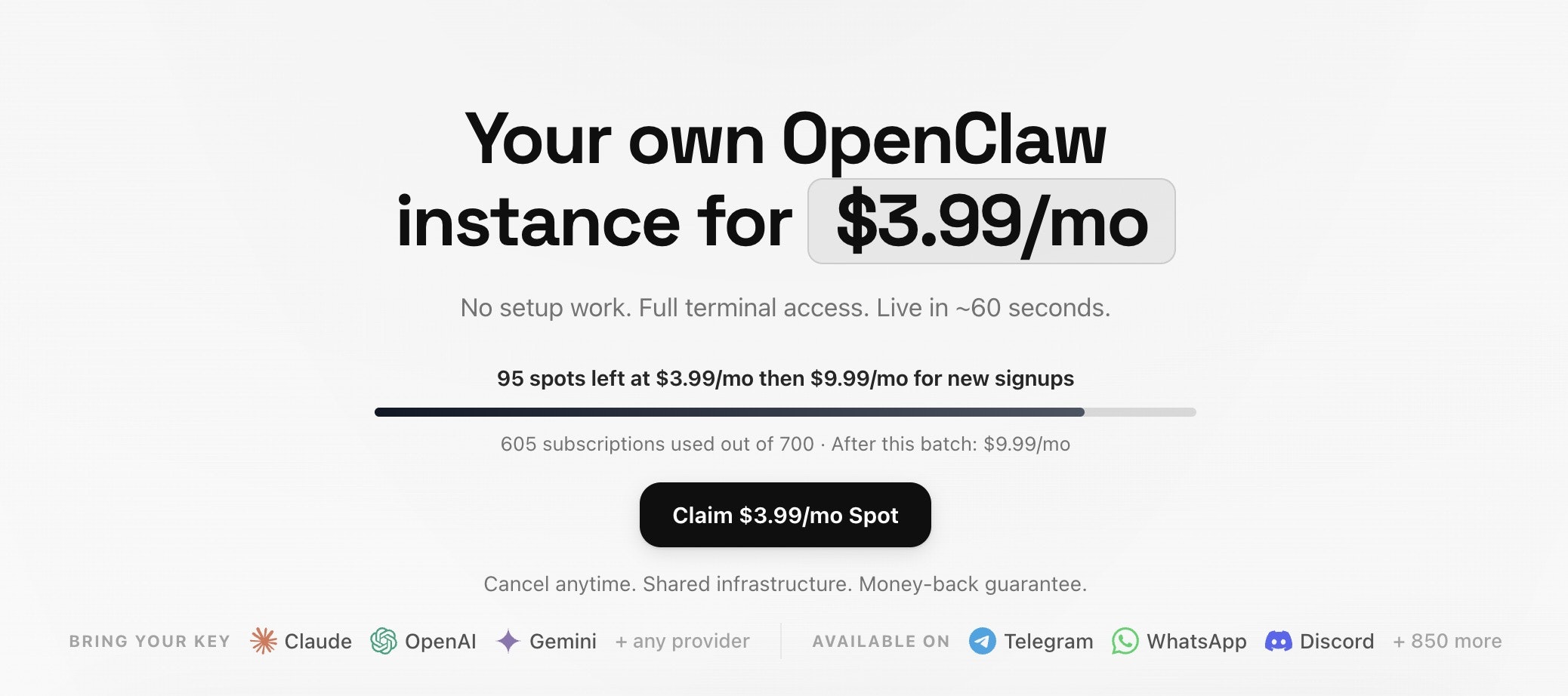
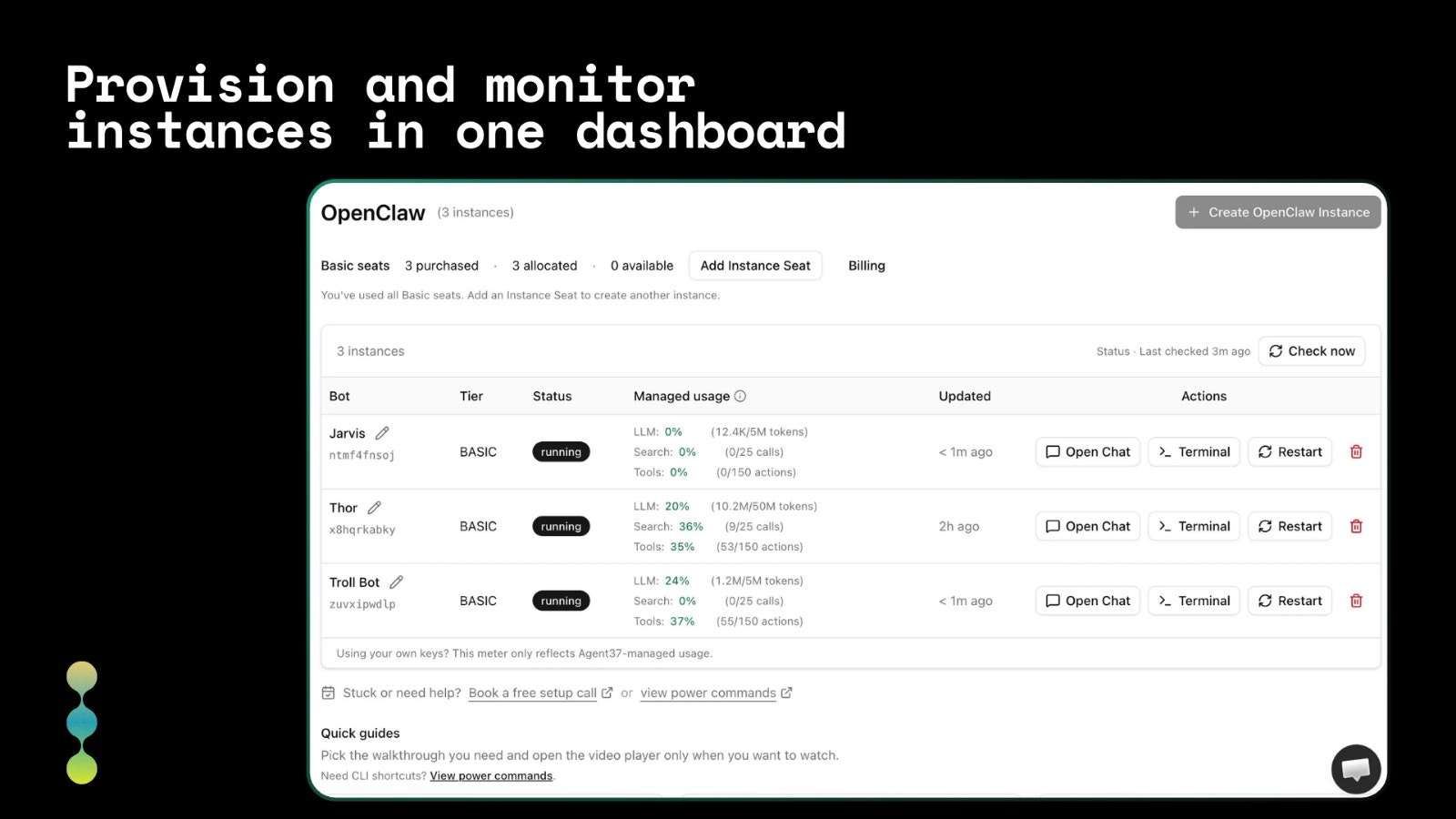
查看原始信息
SuprFlow
SuprFlow is a privacy-centered speech-to-text dictation app for your mac. Your customizations, your workflow, your rules. Most apps work one way and that is that. We are building something you can truly make your own. You decide the roadmap and we build what the community needs. Buy SuprFlow and get a seat to shape what gets built next. Two founders, 40 yrs combined experience.
Hey Product Hunt! I built SuprFlow because I kept running into the same problem: every voice-to-text tool either sent my audio to the cloud or locked me into a subscription. SuprFlow is an AI harness that runs the full speech-to-text pipeline locally on your Mac. Nothing leaves your machine. No account, no server, no exceptions. What makes it different is the model flexibility. You can use the built-in offline ASR models and get going in seconds, or swap in your own. We support multiple ASR pipelines so you are never locked into one approach. It is a one-time purchase. $49.99, yours forever. But more than that, we are building this with the community. If you have a workflow you want supported, a model you want integrated, or a feature that would make this fit your setup better, I want to hear it. The roadmap is literally shaped by what people tell us. Happy to answer anything. What would you build with this?
3
回复

I’ve been using SuprFlow for about two months during the beta, and I’ve really enjoyed it.

What I like most is that everything runs locally on my machine. No accounts, no cloud uploads, no subscription.

After using it for a while, I actually cancelled my Wispr Flow subscription. SuprFlow just fits my workflow better.

Excited to see how this evolves.

2
回复

@vjdj28 Thank you for your feedback & support ❤️

0
回复

Cool business model innovation! Does Wispr not do the processing locally already? It always seems so fast I assumed the model was local.

Also curious how you are protecting your IP without accounts. Don't you need that for purchase verification at a minimum?

1
回复

@john_brozena If your internet is disconnected, Wispr fails to work :) But they definitely do a lot of cutting edge stuffs to make it so snappy, no doubts!

Great point on the IP, you are spot-on! Just to clarify, while an internet connection is needed for the initial installation (for license validation and setting up your account), SuprFlow works completely offline after that. The account is purely for tracking your license and accessing support, no ongoing connectivity required. So once you're set up, you're good to go even without internet!

0
回复

Finally, a dictation app that isn’t just one-size-fits-all. Curious to see how the community shapes the roadmap over time 😄

1
回复

@ian_powell2 That's exactly the spirit we're building with! The community roadmap is something we're really excited about. Every user gets a vote on what gets built next, so the product genuinely grows based on real needs. Would love to hear what features matter most to you!

0
回复