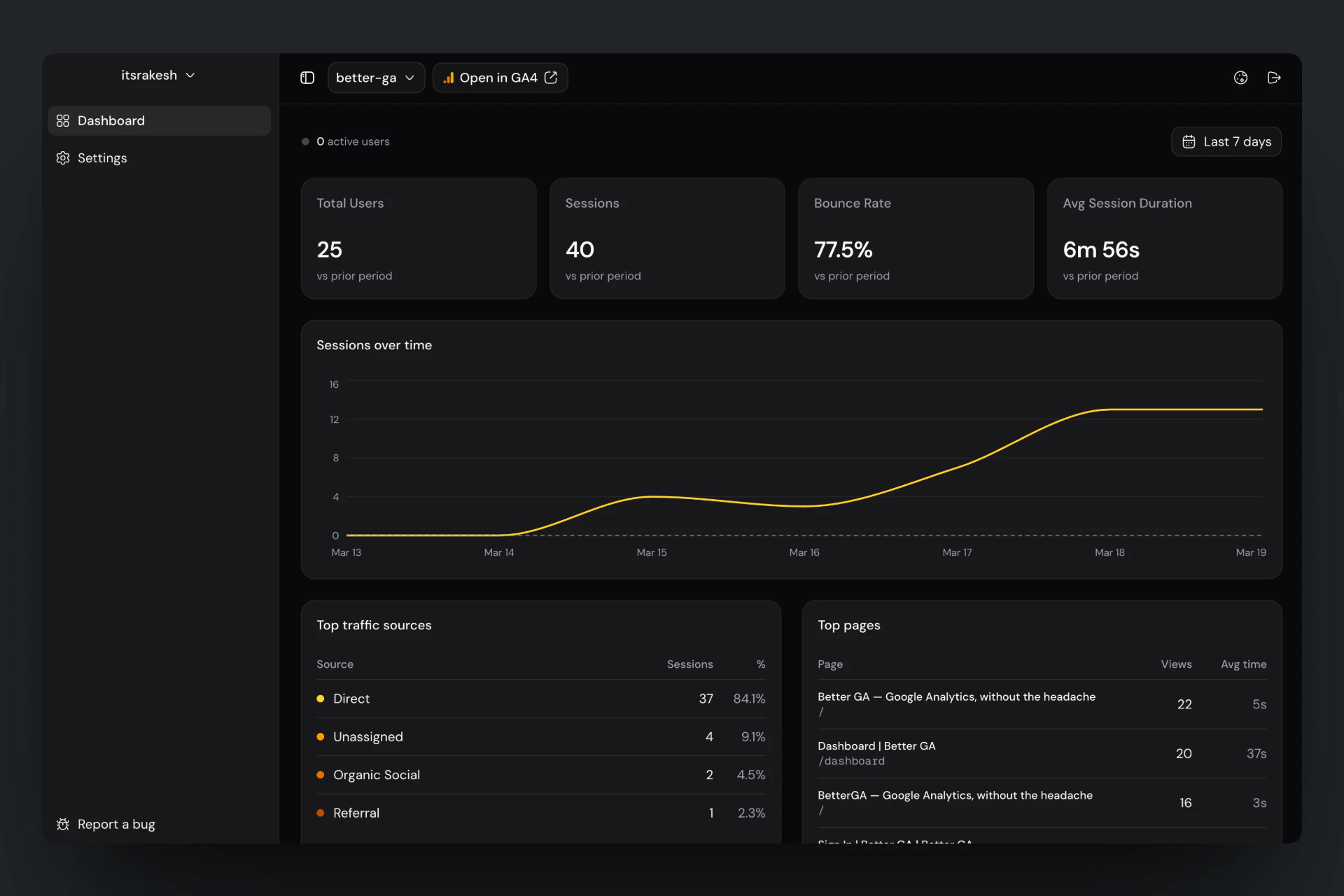
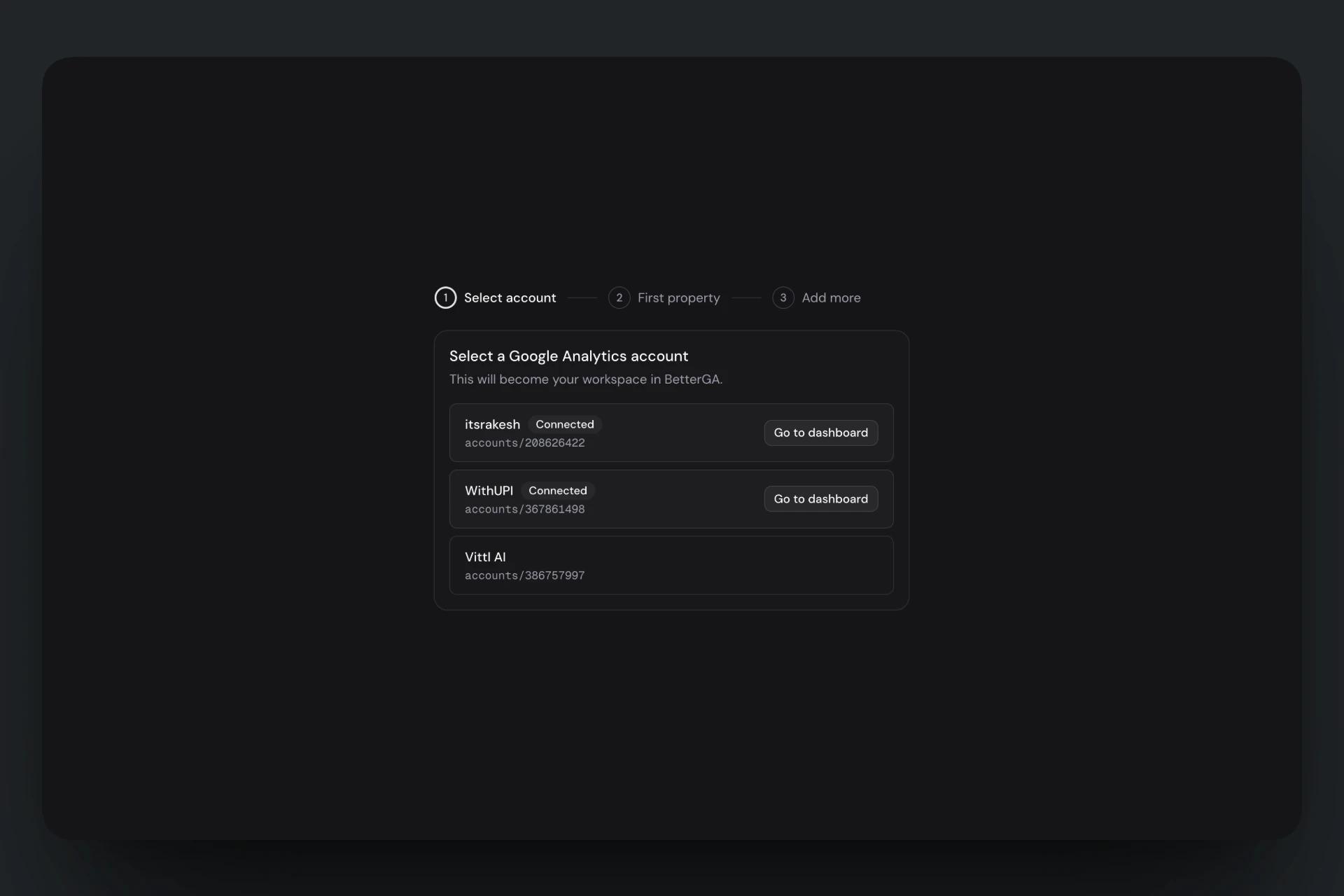
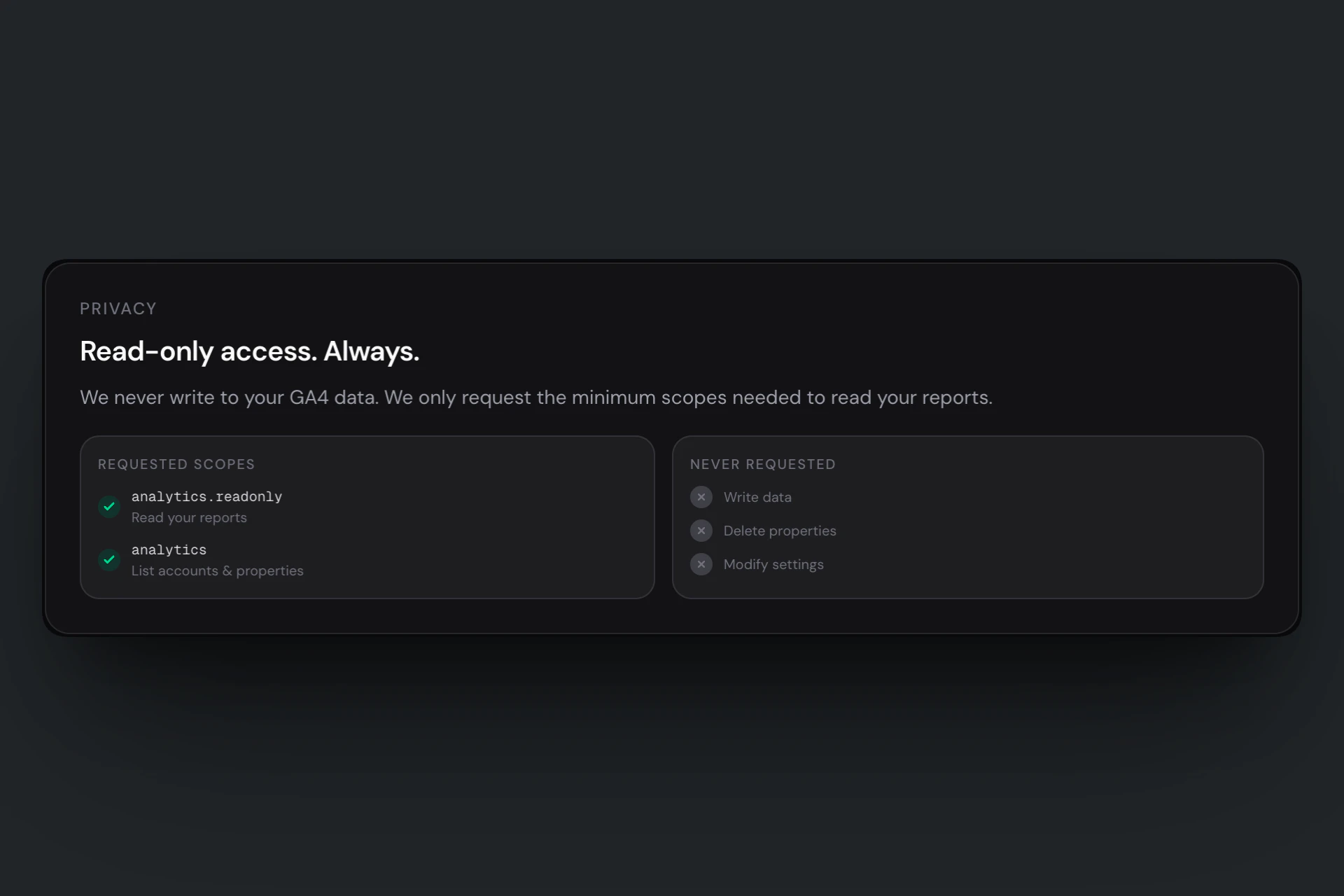
Product Hunt 每日热榜 2026-03-21

PH热榜 | 2026-03-21

#1
Design Agent by Lokuma
The designer for your AI agents (Openclaw, CC, Codex)
381
一句话介绍:Lokuma Design Agent 是一个专为AI智能体(如OpenClaw、Claude Code)设计的智能设计层,通过赋予AI对版式、字体、视觉平衡的推理能力,解决AI生成内容功能完备但缺乏设计感和视觉一致性的核心痛点。
Design Tools Artificial Intelligence Tech
AI设计工具 智能体设计层 设计系统 视觉自动化 网页生成 设计智能 AI辅助设计 多智能体协作 设计一致性 排版引擎
用户评论摘要:用户普遍认可产品方向,认为其解决了AI生成界面“能用但不美观”的难题。主要问题与建议包括:如何防止设计变得“通用化”、与Google Stitch等工具的区别、对团队协作和自定义主题功能的期待,以及希望看到更多前后对比案例以证明价值。
AI 锐评

Lokuma Design Agent 的发布,精准地刺中了当前AI应用繁荣表象下的一个深层矛盾:生成能力与设计品味的脱节。它不满足于成为“又一个AI网站生成器”,而是野心勃勃地定位为“AI智能体的设计层”,这标志着一种范式转变——从为人服务的工具,转向为AI智能体服务的工具。

其真正价值不在于替代人类设计师,而在于成为AI工作流中的“设计约束系统”。当前AI生成的内容,往往在逻辑和功能上正确,却在视觉层次、间距关系和整体协调性上溃败,呈现出一种“机械的正确性”。Lokuma试图将成熟的设计原则(如栅格系统、视觉重量平衡、排版比例)编码成AI可理解和调用的逻辑,本质上是为野蛮生长的AI创造力套上“设计规范”的缰绳。

然而,其面临的挑战同样尖锐。首先,“设计智能”的度极难把握。过于严苛的规则会导致输出模板化,陷入其试图解决的“2018年Bootstrap”困境;过于灵活则可能丧失提升一致性的初衷。创始人提到的“防止通用化”原则,将是其核心技术壁垒。其次,生态依赖性极强。它的生存完全依附于主流AI编程智能体(如Claude Code、Cursor)的采用与接口开放程度,命运并不完全掌握在自己手中。最后,从“设计工具”到“团队设计协调层”的愿景虽好,但涉及更复杂的系统设计、资产管理和审阅流程,远非一个设计推理API所能涵盖。

总体而言,Lokuma是一次极具前瞻性的卡位。它赌的是“智能体优先”技术栈的未来,试图在代码、研究、执行等智能体相继出现后,填补“设计智能体”的空白。成败关键在于其设计逻辑的“玄学”能否成功转化为稳定、可解释且效果显著的“工程学”,并在这场智能体基础设施的军备竞赛中,找到自己不可替代的生态位。

查看原始信息
Design Agent by Lokuma
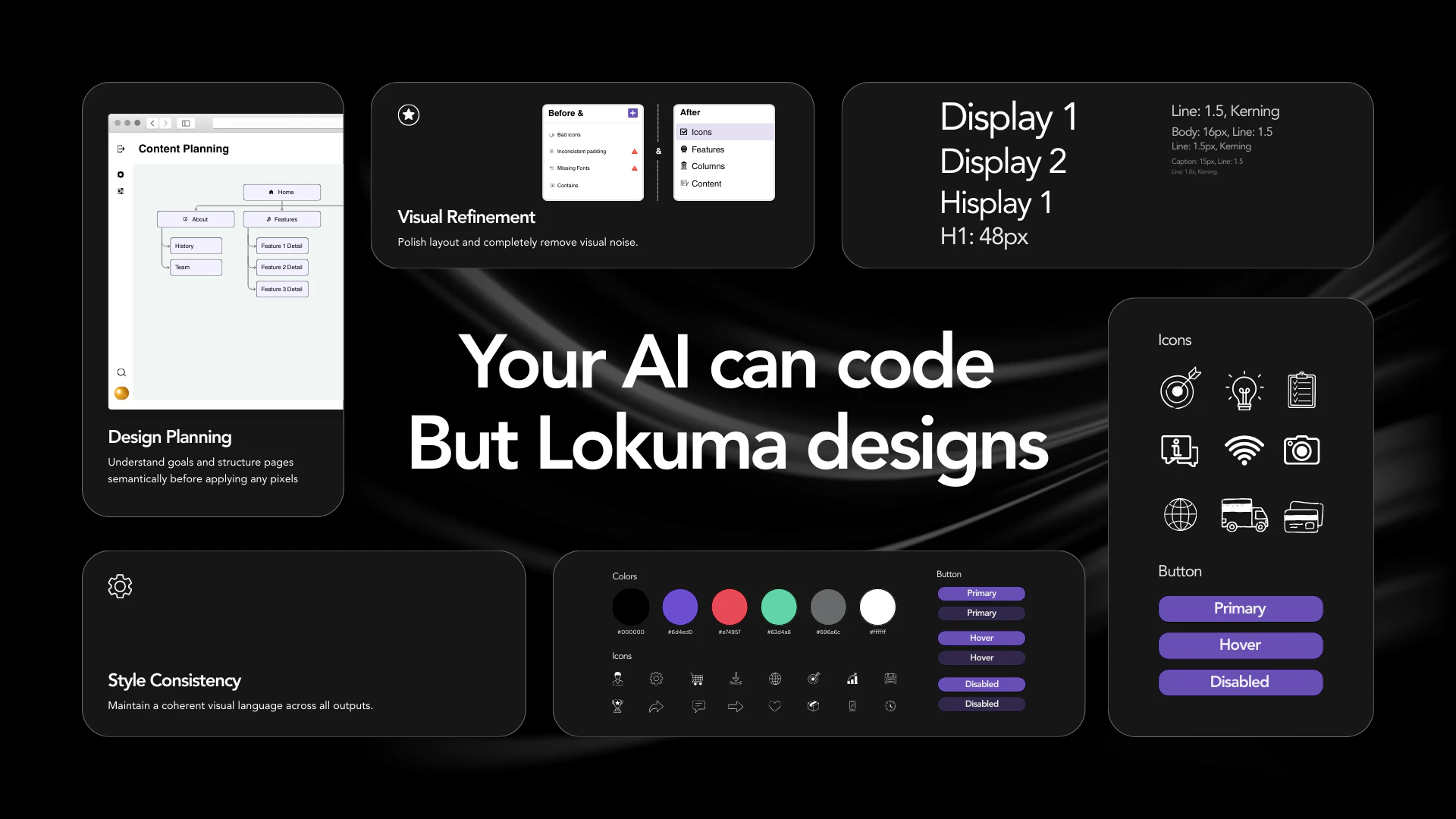
Lokuma Design Agent, is an AI designer your agents can call, a design intelligence layer for agents like OpenClaw, Claude Code, or Codex. AI can generate almost anything. But generation isn’t design. Turning raw outputs into something clear, structured, and visually refined still requires design thinking. Built by design tool makers, Lokuma helps AI reason about layout, typography, and visual balance — transforming outputs into landing pages, websites, and campaign pages that feel designed.

Hi Product Hunt,

I’m Mu, founder of Lokuma.

Before this, I built Readdy and Creatie — tools used by over 500,000 designers and creators. Most of my work has been around design systems and how products actually feel, not just how they function.

This time, I’m working with a small indie team — a mix of designers, AI researchers, and people from growth and marketing.

Recently, something started to shift.

Tools like Claude Code, Cursor, Codex, and even things like Google Stitch, are changing how software gets built.

We’re no longer just using tools ourselves.

We’re starting to work with AI, and AI is starting to use tools on our behalf.

That changes the interface.

The new “user” of many tools is no longer a human - it’s an agent.

And most tools today aren’t built for that.

AI can generate almost anything.
But generation isn’t design.

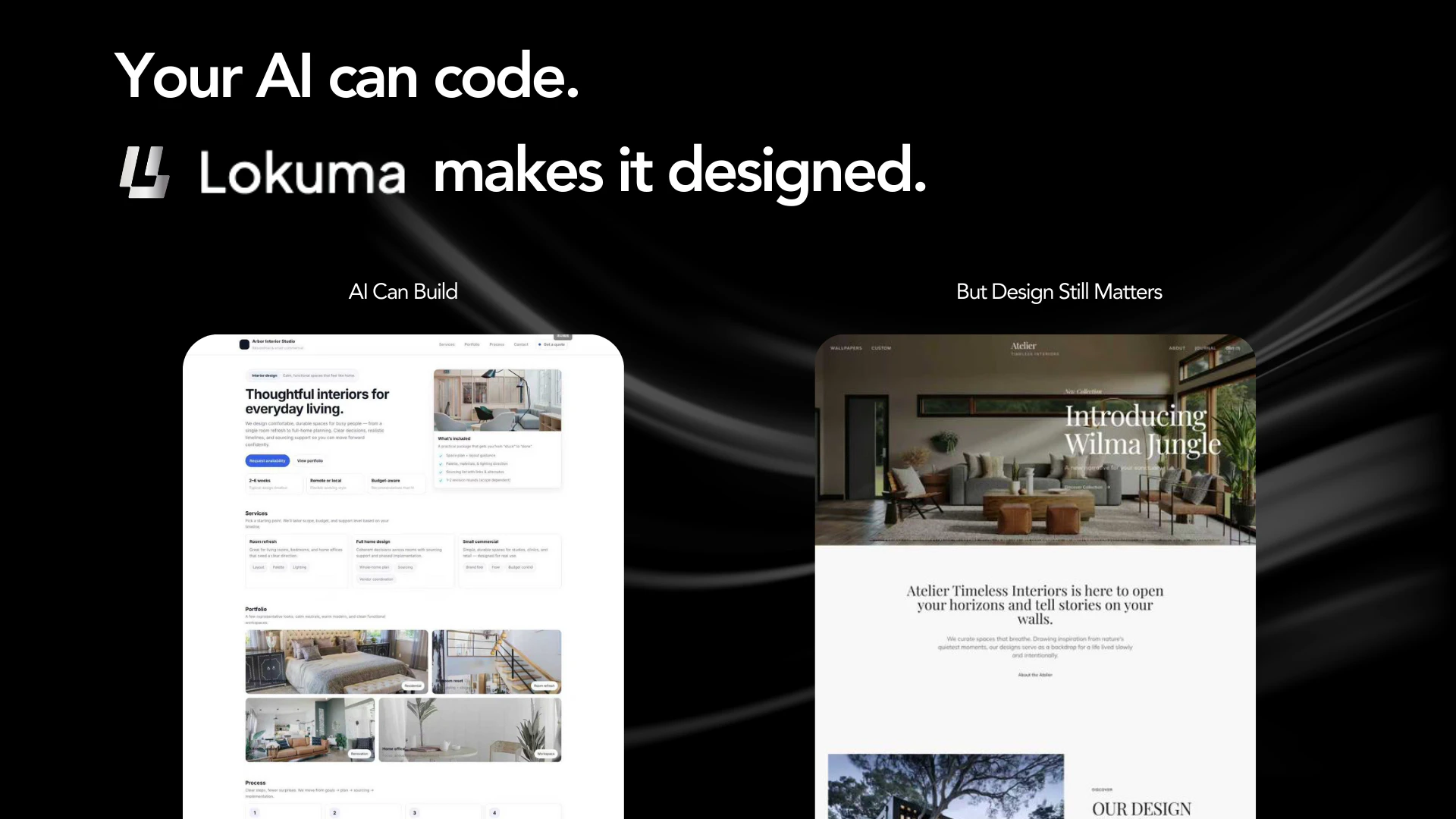
What we see today, including a lot of outputs from varied AI agents, is that AI can produce UI, code, layouts very quickly.
But the results often lack structure, hierarchy, and visual coherence.

They work.
But they don’t feel designed.

That gap becomes much more obvious when AI is the one building.

So we started thinking:

If agents are going to build products,
they need something closer to a designer, instead of just another generator.

That’s why we built Lokuma Design Agent.

It’s a design intelligence layer for AI - something your agents can call to reason about layout, typography, hierarchy, and visual balance.

Your AI handles logic and generation.
Lokuma handles how it actually comes together.

Why now?

Because we’re entering an agent-first stack.
Coding has agents. Research has agents. Execution has agents.

Design is still missing.

Why us?

Because our team brings together experience across design tools, real product building, AI systems, and growth.

We’ve spent years understanding what makes interfaces actually feel right, and now we’re translating that into something AI can use.

We’re still early, just a small indie team moving fast. But this feels like a new category:
tools built not for humans, but for AI.

Curious how others here see it:

If your AI is already writing code,
what’s still missing for it to ship something that feels complete?

— Mu

16
回复

@mu_li Congrats on the launch. What's one specific design principle you've encoded into Lokuma that prevents AI-generated UIs from feeling "generic," and how could founders test it in their agent workflows today?

6
回复

@mu_li Congrats

0
回复

@mu_li Love this direction. Design layer for agents makes a lot of sense. Excited to see where this goes! 🚀

6
回复

I've been part of the marketing team on two AI website builder tools. We watched the category explode and then hit a ceiling. The category grew fast, but the outputs started converging. Generic layouts, same patterns. Hard to keep up with what actually feels current. AI got really good at generating. It never got a good sense for design.

So when Lokuma decided not to build "yet another AI website builder" and instead focus on being the design layer for AI agents, I thought that was the right call. Crowded category and it really was the yesterday's problem.

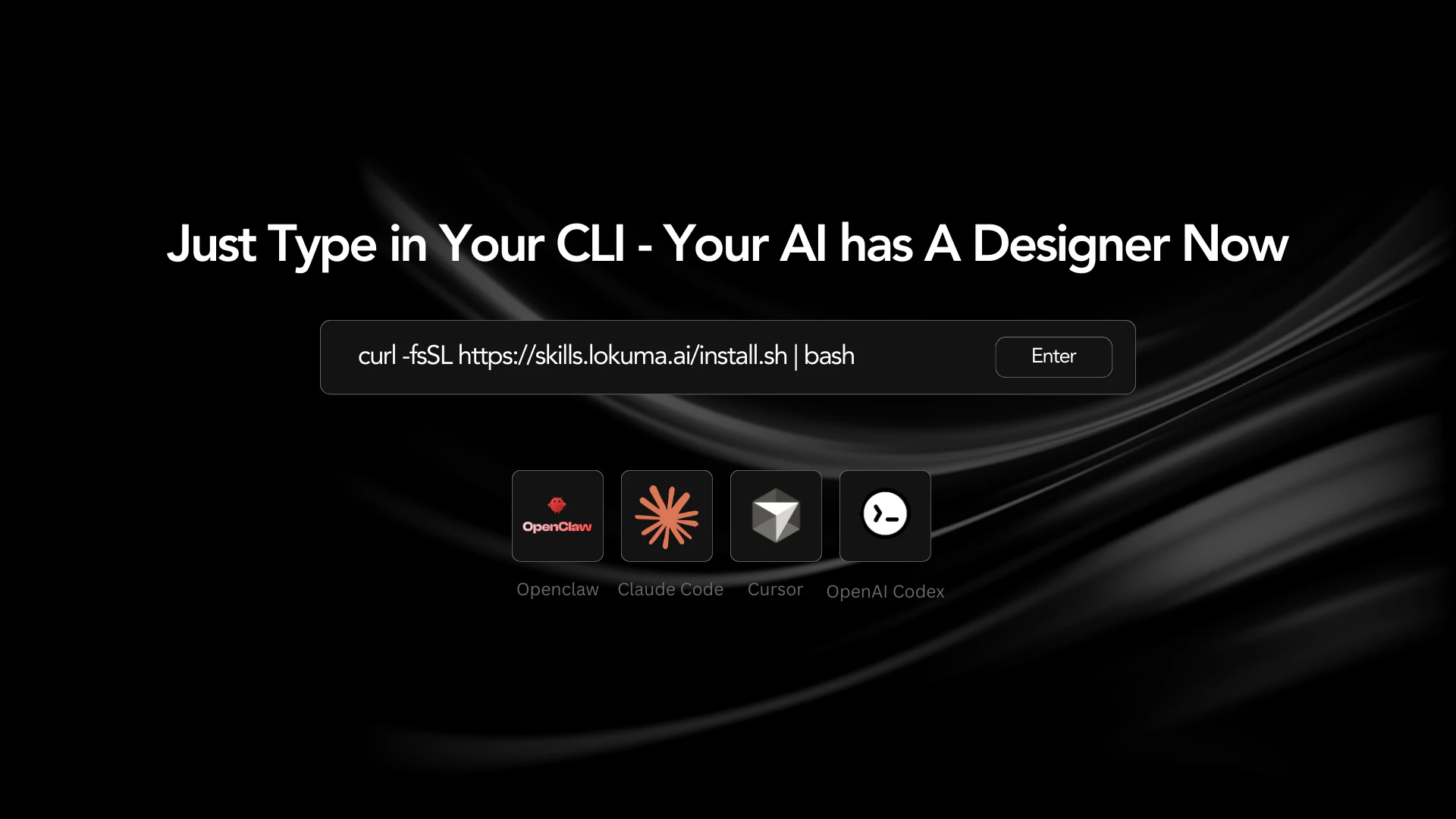
It works as a skill that your AI agent can directly call. You just tell Claude Code or Codex to " install and design with Lokuma," and it actually reasons through the layout before generate anything.

It's still early, and to be honestly there's a lot Lokuma can't do yet. But the overall direction feels right to our team. Your agent handles the logic, Lokuma handles how it actually comes together. Hierarchy, balance, what guides the eye.

7
回复
Congratulations on the launch! We work in the same industry and fully understand the need to use AI agents in the right way. Can I create an agent for the whole team of 20+ designers to manage the progress and share feedback?
6
回复

@olya_vasilevskaya Great question! And yeah, this is exactly where things get interesting.

Short answer: yes, that’s very much the direction we’re building toward.

Right now, agents can already plug into workflows and help with generation + iteration. For a team of 20+ designers, the real value comes from having a shared layer — where the agent understands your design standards, keeps outputs consistent, and helps with feedback loops instead of everyone working in isolation.

We’re actively thinking about:

  • team-level context (so the agent “knows” your system)

  • shared assets / patterns

  • lightweight ways to review and iterate together

Would love to learn how your team currently manages design feedback. It feels like there’s a lot we can build here together.

2
回复
Yesterday, Google launched stitch 2.0 which has already got most of capabilities. How do you differentiate your USP now?
6
回复

@ishwarjha Stitch gives humans AI-powered design.

Lokuma gives AI agents design intelligence.

They’re not competing — they actually fit together pretty well.

As more building shifts to agents, design can’t stay human-only. Tools like Stitch help people create faster, while Lokuma makes sure what agents produce actually feels designed.

Both matter. And together, they cover both sides of where things are going.

6
回复

Hello everyone, I'm Joy, co-founder of Lokuma.

Before starting Lokuma, I was running a branding and marketing agency focused on helping SMBs build their online presence covering social media, branding, and website development. But over time, I noticed a recurring problem: many SMBs were stuck with either an outdated website or no website at all, simply due to limited budgets and resources.

But things are shifting. I saw many entrepreneurs now having AI agents such as OpenClaw, Claude Code to help them. And this is why we're building Lokuma Agent. Simply install our agent with any of yours be it Claude Code, Cursor, Codex and watch your own agent design website in seconds using Lokuma's intelligence.

This will really help individuals to offload heavy lifting tasks to our agents and equip your personal AI agent with website development intelligence to build websites that TRULY knows design & conversion logic!

This is a groundbreaking function in the world of AI agents and we have received many positive feedback.

We'd love to have you to try it and offer us any feedback!

6
回复

@joyzhanlokuma 

Hi Joy,

I came across your post about Lokuma on Product Hunt—what you’re building is really interesting. You’re solving a big problem for business owners who struggle with creating a functional, conversion-focused website, especially with limited budget or resources.

One thing I noticed is that even when the build problem is solved, many founders still struggle with what the website actually says—the messaging, positioning, and how it drives conversions.

That’s where I believe you can strengthen Lokuma even more.

You could make a blog post around something like:
“Why Most Business Websites Don’t Convert (And How AI + Better Messaging Fix It)”
or
“From Website to Sales Machine: Where Most Founders Get It Wrong”

This would help you:

  • Educate your users

  • Position Lokuma as a complete solution (not just a builder)

  • Show how better messaging + your tool can drive real results

Best,
Emmanuel

0
回复
Hey Mu, that line about AI outputs that work but don’t feel designed is such a good distinction. Was there a specific moment where you looked at something an agent built and thought technically this is fine, but something’s just off?
5
回复

@vouchy Yeah, we kept seeing outputs that were functionally correct but visually unresolved.

Like the agent knew what to build, but not how it should feel as a whole.
Everything was there, but nothing really related.

And sometimes, it was too correct - almost mechanical - which made it feel less designed, not more.

That gap between correctness and coherence is basically what pushed us to build this.

4
回复

been running openclaw for a week now and the one thing missing was decent UI for the agents' output. this fills that gap nicely. does it support custom themes per agent?

4
回复

@hikaruai_ Appreciate it, Hikaru! That’s exactly the gap we’re aiming to fill.

Not fully per-agent themes yet, but you can already steer style via prompts. We’re expanding the design capabilities and scope pretty quickly. Would love to hear how you’d want to use it.

2
回复

Been building stuff with Claude Code lately and the design gap is real. Everything comes out looking like a bootstrap template from 2018 lol. The idea of plugging in a design layer instead of manually fixing spacing and typography every single time is exactly what I need. Gonna test this out today.

4
回复

@abdullah_mohamed14 Haha REAL! That's literally why we built Lokuma, tired of watching agents write perfect logic and then ruin it with garbage spacing. Let us know how it goes, genuinely curious what you're building!

1
回复

This is a really interesting direction.

AI can generate fast, but “good design” is still the missing layer — structure, spacing, hierarchy, all the things that make something actually usable.

I like how Lokuma positions itself as a design intelligence layer for agents instead of just another generator. If this works well in practice, it could become a core piece of the agent stack.

Curious to see more before/after examples — that would make the value even clearer.

4
回复

@zenlee Thanks Zen, this means a lot. Feels like generation is solved “enough”, but structure, spacing, hierarchy are still where things break. That’s really what we’re focused on. Thanks again for your kind support!

1
回复

@zenlee Thanks! That's exactly the gap we're going after; as we said we're launching Lokuma as a design smart layer for agents, not just another generator. defiantly will create more before after examples coming soon!

2
回复

it’s time to get SMB really powerful design agent! Congrats Mu and Joy launching this new product!

3
回复

@kellyann3644 Thanks a lot, Kelly! That’s the goal. Helping team from all size get to a much higher design baseline with less effort.

2
回复

Hey everyone! Tech Lead at Lokuma here. 🛠️

We built Lokuma because we were tired of AI-generated websites that looked like templates from 2010. Design Agent provides a sophisticated design layer that any agent can call via a simple API.

Works with: OpenClaw, Claude Code, Cursor, and more.
Does: Aesthetic reasoning, typography, and visual balance.

We’re excited to see how you integrate this into your agentic workflows. I’m here for any questions on the tech stack or our future roadmap. Let’s make the AI-generated web beautiful! ✨

3
回复

@big_claw Love this! And, honestly, none of this would exist without you.

S1NON and the underlying algorithms are the backbone of Lokuma.
All the “design intelligence” people see on the surface is really the result of a lot of deep thinking on systems, models, and how agents actually reason about design.

Grateful to be building this with you. Let’s push it further.

3
回复

as someone who don’t know design, his product helped me a lot

2
回复

@billsun_ai Thanks man, really appreciate it. Making design more accessible is a big part of why we started this.

1
回复

Really strong positioning.

AI can generate fast, but making outputs feel clear, usable, and visually refined is still hard.

Love that you’re focusing on the design intelligence layer instead of just more generation.

Congrats on the launch and upvoted.

2
回复

@kaixin_fengThanks so much for your kind comments, especially coming from someone with your design background.

Yeah, generation is the easy part now. Making it actually feel right is the hard part. That’s exactly where we’re trying to spend time.

Thanks a lot for your kind support , Kay!

0
回复

Would’ve loved to have this a few projects ago!

2
回复

@yj_guo Haha, same here! Honestly why we started building it.

1
回复

I’m not surprised this came from Mu’s team. They’ve always been sharp on product feel, not just functionality.

2
回复

@xiaoyin_qu2 Thansk Xiaoyin! We love Skillboss and Heyboss too! We’ve been thinking a lot about “product feel” lately, especially in the context of agents. Feels like there’s more to explore here.

1
回复

Huge congrats to Mu Li and the team! This is very impressive work, and I can't wait to try it soon. Well done!

2
回复

@bryantchen Thanks Bryant. Would love to hear what you think once you try it 🙏

0
回复

Well done @mu_li !! It moves fast without sacrificing craft.

Most AI outputs feel like rough drafts. Lokuma feels closer to something you’d actually ship. The structure, spacing, and visual decisions make a real difference.

Feels like giving AI a sense of taste.

1
回复

@trashcannot Thanks Ruolan!! We’ve always talked about this gap, right? AI can get something out fast, but getting it to a place you’d actually ship is a different game.

Glad the “taste” part comes through - still a long way to go, but this is exactly what we’ve been trying to push on.

Next time we should jam on this properly :)

Best,

Mu

0
回复

Congrats on launch. Just a friendly suggestion, but it triggered my OCD hahaa, please center "Random Typography" vertically on: https://agent.lokuma.ai/group/group-2-before.png

1
回复

@yodalr Haha good catch! Really appreciate you spotting that, Lennart!

That section is meant to show some of the “before” roughness, but this is exactly the kind of detail we want to smooth out. Thanks for calling it out, very much where we’re headed at Lokuma.

0
回复

Very Very cool! let me try it today! I really need a designer to uplift my sites right now :P

1
回复

@nilni Let’s go:) curious how it feels in your workflow.

0
回复

Congratulations on the launch! I truly believe that design is a weak spot of today’s agents — happy to try Lokuma in action.

1
回复

@vlisitskii That’s exactly our take as well - agents can generate a lot, but design is where things still fall apart.

Curious to hear how it feels once you try it. Thx!

0
回复

Typography is surprisingly good here.

1
回复

@brandon_zhang Thanks Brandon! Glad you noticed and typography is a big part of what our design layer focuses on.

0
回复

This is very good product, I'm eagerly waiting to try

1
回复

@prajol_annamudu Thanks Prajol! Would love to hear your thoughts after you try.

Thanks,

Mu

0
回复

On Design Agent by Lokuma, the generation-vs-design framing is the part that lands. Agent outputs that technically work but don't hold together visually is exactly where trust breaks down with AI-built products. If Lokuma can enforce design system consistency across outputs from different agents - Claude Code, Codex, Cursor - that's the hard problem worth solving.

1
回复

@piroune_balachandran That’s exactly how we’ve been thinking about it.

Generation gets you something that works - but if it doesn’t hold together, it’s hard to trust or ship. That gap is what we’re trying to close.

And yeah, consistency across different agents is a big part of the problem. Still early for us, but that’s the direction we’re pushing toward.

Really appreciate you putting it so clearly!

Thanks,

Mu

0
回复

the rare combination of taste and tech. well done lokuma team!

1
回复

@michael_shang That’s a high bar. Thank you, Michael. Glad it comes through.

0
回复

Super interesting! I’m going to check this out!

Congrats on the launch!

1
回复

@calvin_lim_1 Excited for you to try it! Let us know how it feels in practice.

0
回复

Finally, a designer for my agents! I use OpenClaw and Codex daily, and having a way for them to actually reason about hierarchy and balance instead of just spitting out generic components is a game changer. Huge congrats to the team for identifying this missing piece!

1
回复

@lidongze91 Love this! Thanks Ben, you captured it perfectly. Speed is mostly solved, but hierarchy and balance are a different layer. That’s exactly what we’re trying to bring in.

Would be great to see how it plays with your OpenClaw/Codex workflow!

Cheers,

Mu

0
回复
Congrats! Really amazing product
1
回复

@nyn531 Thanks Steven, really appreciate it. Been following Creatify for a while and love how you’ve made creation feel so effortless. Means a lot coming from you!

Cheers,

Mu

0
回复
This is so clean, and my coding agent needs this badly already! Thx for the work!
1
回复

@zongziwang Haha thanks man! Would love your take once you play with it!

Best,

Mu

0
回复

This fits the moment.

1
回复

@jiaqichen Appreciate that, Jiaqi. It feels like the timing finally caught up with the idea. Curious how you’re thinking about this shift on InsForge too.

Best,

Mu

0
回复

Really like this.

It feels pretty clear at this point that agents are becoming a real product layer, not just a feature. We’ve been thinking about the same shift at Lokuma from the design side — if agents are going to change how products get built, then design can’t stay as a separate, manual step in the old workflow.

That’s a big part of how we think about Lokuma as a design agent — a system built to turning intent into actual creation in a way that feels native to this new era.

Great launch.

1
回复
#2
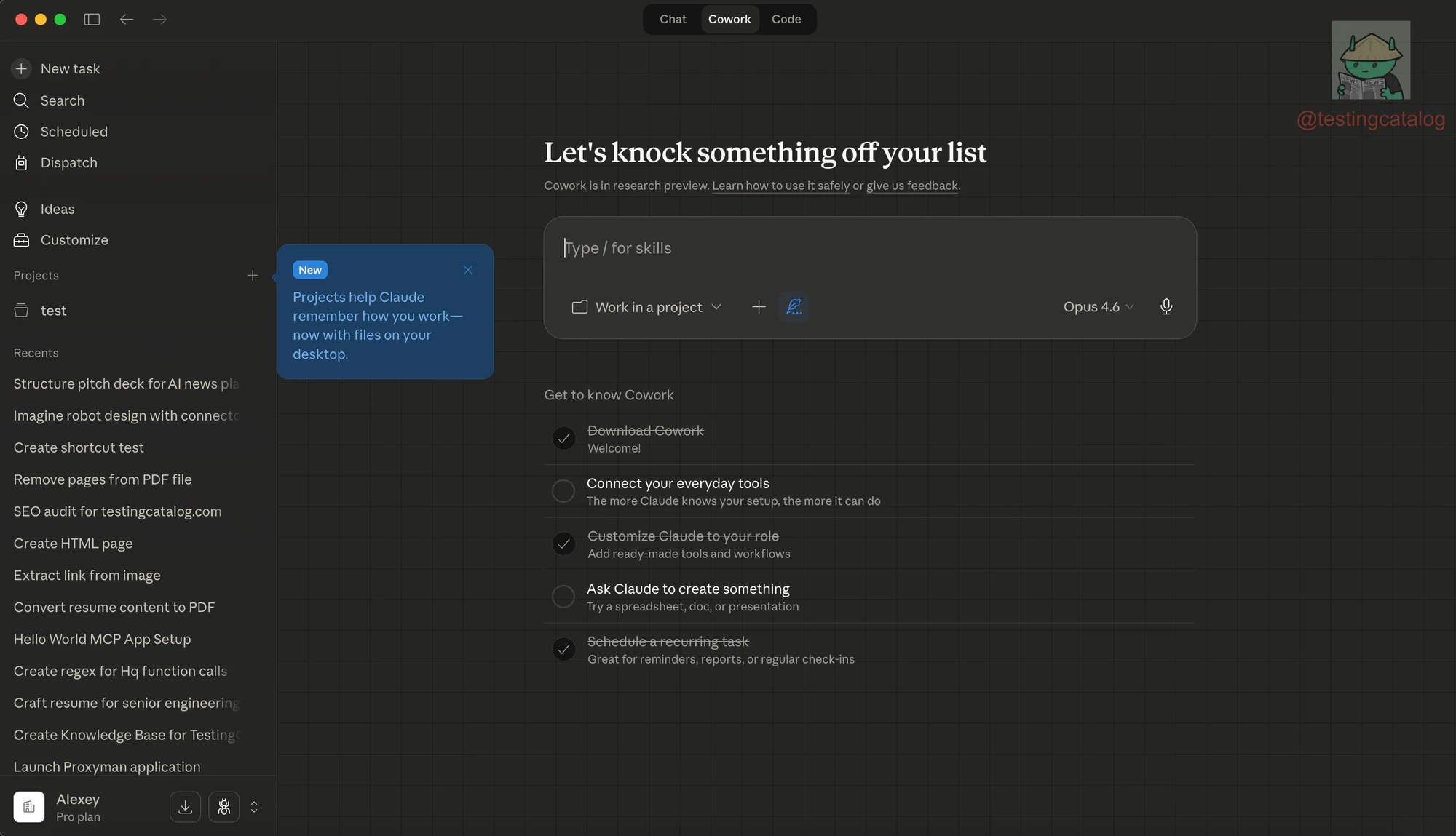
Claude Cowork Projects
Tasks, context, and files organized in one workspace
359
一句话介绍:一款为Claude Desktop设计的本地优先AI工作空间应用,通过项目制管理整合任务、文件、指令和记忆,解决了复杂、可重复AI工作流中上下文断裂和流程碎片化的核心痛点。
Productivity Task Management Artificial Intelligence
AI工作空间 项目制AI协作 本地优先 任务自动化 上下文持久化 知识工作流 团队AI操作 桌面端AI应用 结构化AI交互
用户评论摘要:用户普遍认可其“项目替代聊天”的结构化思路与本地优先、上下文持久化的价值,认为能解决工作流混乱问题。主要疑问/建议包括:团队设备间同步机制、与Claude现有功能的差异、对大代码库的支持、任务失败处理、以及本地文件管理可能带来的版本混乱新问题。
AI 锐评

Claude Cowork Projects并非简单的功能叠加,而是试图对“人机协作范式”进行一次外科手术式的改造。其核心价值在于将AI交互从“对话式”的、离散的、易丢失的聊天模式,强行锚定到“项目式”的、持续的、可累积的本地工作环境中。这直击了当前AI应用,尤其是代码生成、数据分析等复杂工作流的最大命门:上下文连续性。

产品强调“本地优先”是一把双刃剑。优点在于隐私、可控和摆脱网络依赖,契合了企业对敏感数据处理的需求。但评论中暴露的“本地文件混乱”和“团队同步疑虑”恰恰是这一选择的阿喀琉斯之踵。它本质上是用传统的本地项目管理复杂度,置换了云端聊天记录的混乱度,并未彻底解决协作与版本管理的经典难题。其宣称的“革命性”,更多体现在对AI工作流的“结构化约束”上,而非底层技术突破。

更深层看,该产品试图将AI从一个“即问即答的参谋”重塑为“驻留在项目中的自动化执行管家”。通过项目级的记忆、指令和定时任务,它让AI具备了初步的“状态保持”和“主动触发”能力。然而,从评论中关于“任务间上下文泄露”和“失败处理”的担忧可以看出,这种项目级的粗粒度封装是否足够智能和可靠,仍有待检验。它迈出了从“对话工具”到“工作平台”的关键一步,但能否真正成为复杂工作流的“操作系统”,而非另一个需要被管理的“文件夹”,将取决于其后续在智能上下文隔离、错误恢复机制以及团队协作维度上的精进程度。

查看原始信息
Claude Cowork Projects
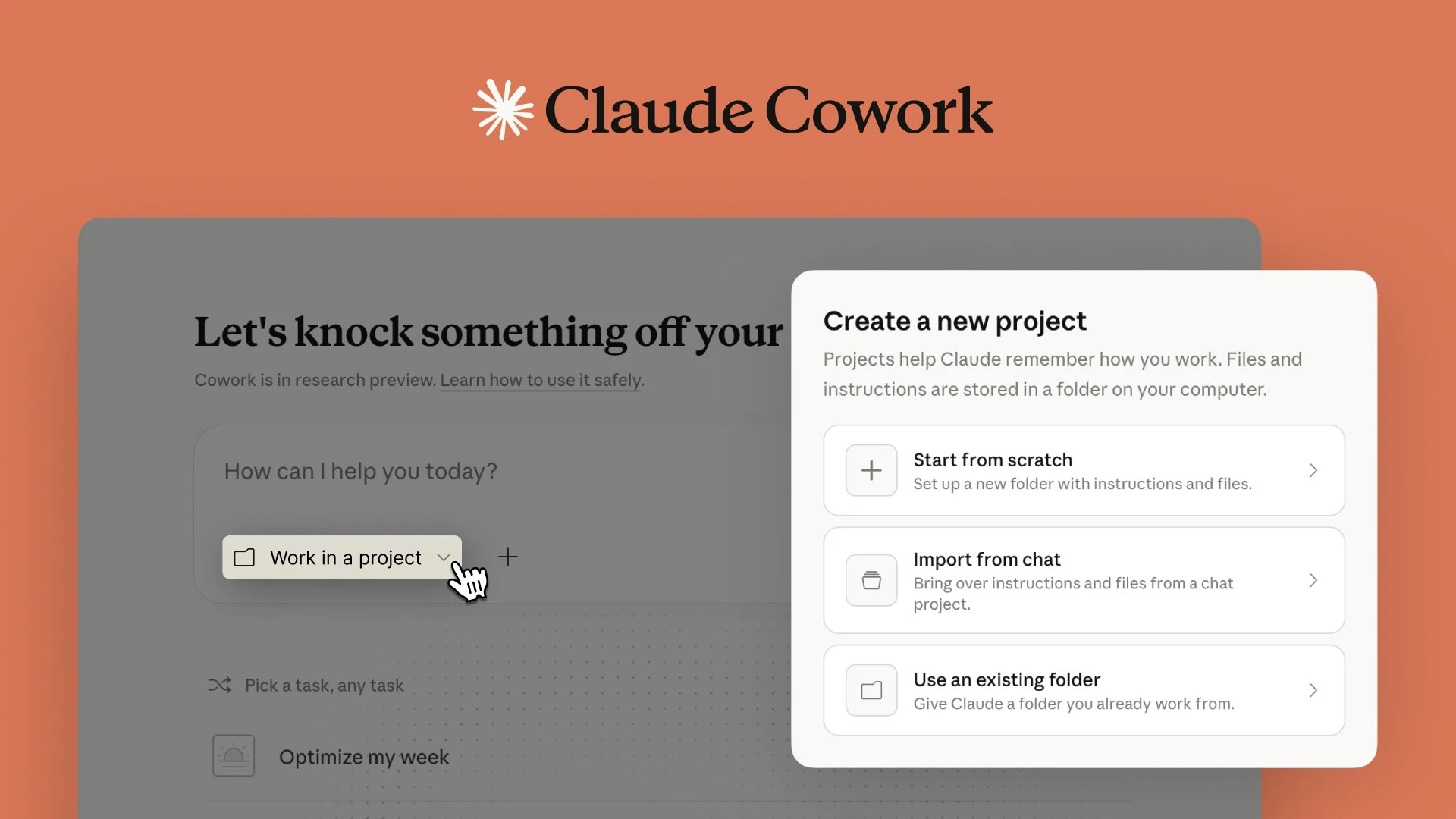
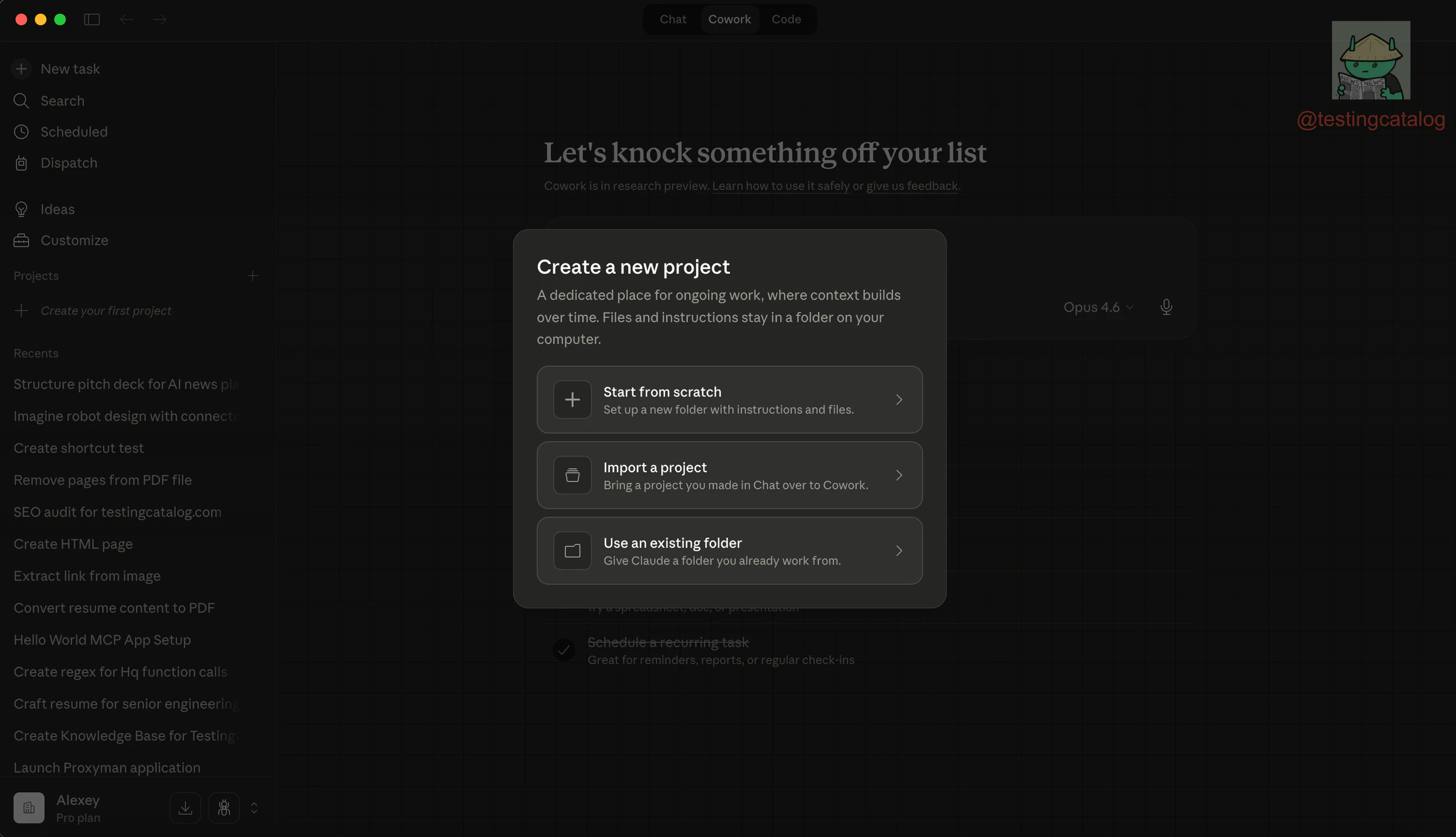
Projects in Claude Cowork bring your tasks, files, instructions, and memory into one focused workspace on your desktop. Built for individuals and teams managing complex workflows, it keeps everything local, organized, and reusable so you can work faster with consistent context across tasks.

Claude Cowork Projects turns Claude Desktop into a structured workspace for ongoing AI tasks.

Instead of one-off chats, you can organize work into project-based environments with local folders, instructions, memory, and scheduled tasks solving the chaos of fragmented workflows.

What makes it stand out is its local-first, project-scoped approach with persistent context and memory, plus recurring task automation inside each project.

Key features include project-specific instructions, memory, scheduled tasks, and folder-based context.

Perfect for researchers, operators, and teams running repeatable workflows like reporting, analysis, or knowledge work.

P.S. I hunt the latest and greatest launches in tech, SaaS and AI, follow to be notified @rohanrecommends

10
回复

@rohanrecommends Great job on the launch! Love the local-first project structure for taming AI workflow chaos. How does it handle syncing memory/instructions across team devices without losing context?

0
回复
@rohanrecommends it sounds good but how different is it from the current project feature of Claude? The fact that it uses agents to automate tasks in your local setup?
2
回复

@rohanrecommends This actually feels way more usable than normal AI chats.

The whole “project instead of chat” thing just makes sense. Chats get messy fast.

Having memory + tasks inside a project sounds like a big upgrade.

0
回复
Very interesting direction! I will definitely give it a try!
2
回复

Yes, finally there is my dream come true. Because this was for meh the mail issue.

2
回复

The issue I have with Cowork and also with local projects is, that my local file system is a mess. I have several versions of the same file and it's hard for anyone who is not me, to figure out which is the most current version. While in the usual online projects, I work clean and always delete and replace the most current one. It's not just file versions, but also the overall focus that's different. I still try to find a way to fit Cowork into my workflow and figuring out what the advantage is compared to online projects.

1
回复
This capability was very much needed. Today morning only I was searching for it and felt why it's missing in the Cowork.
1
回复

the context management is the part that matters most. i run a full business off claude code and the biggest friction is keeping project context across sessions. how does this handle large codebases?

1
回复
I started using Cowork again yesterday after taking some time away from it. I’m blown away with how good it is now.
1
回复

Having consistent context across tasks is the part that really resonates. Right now I juggle between so many tools and lose context constantly. The local-first approach is a nice touch too.

0
回复

Anyone noticed the video recording doesn't actually work. It shows an error - "Due to capacity constraints..."

0
回复

The local-first approach with persistent context is the right call — the biggest pain with AI workflows isn't capability, it's continuity. Every session restart wipes your mental model. I've been building in this space and context bleed between tasks is the #1 productivity killer. What I'd love to see: explicit context scoping per task (not just per project), so you can run parallel subtasks without them leaking into each other. Also curious how you handle scheduled task failures — does it surface errors with enough context to recover without starting over?

0
回复

Really interesting concept.

I noticed some UX friction around project structure and how users understand the difference from standard Claude workflows.

Happy to share a quick teardown with suggestions if useful.

0
回复
#3
Vite+
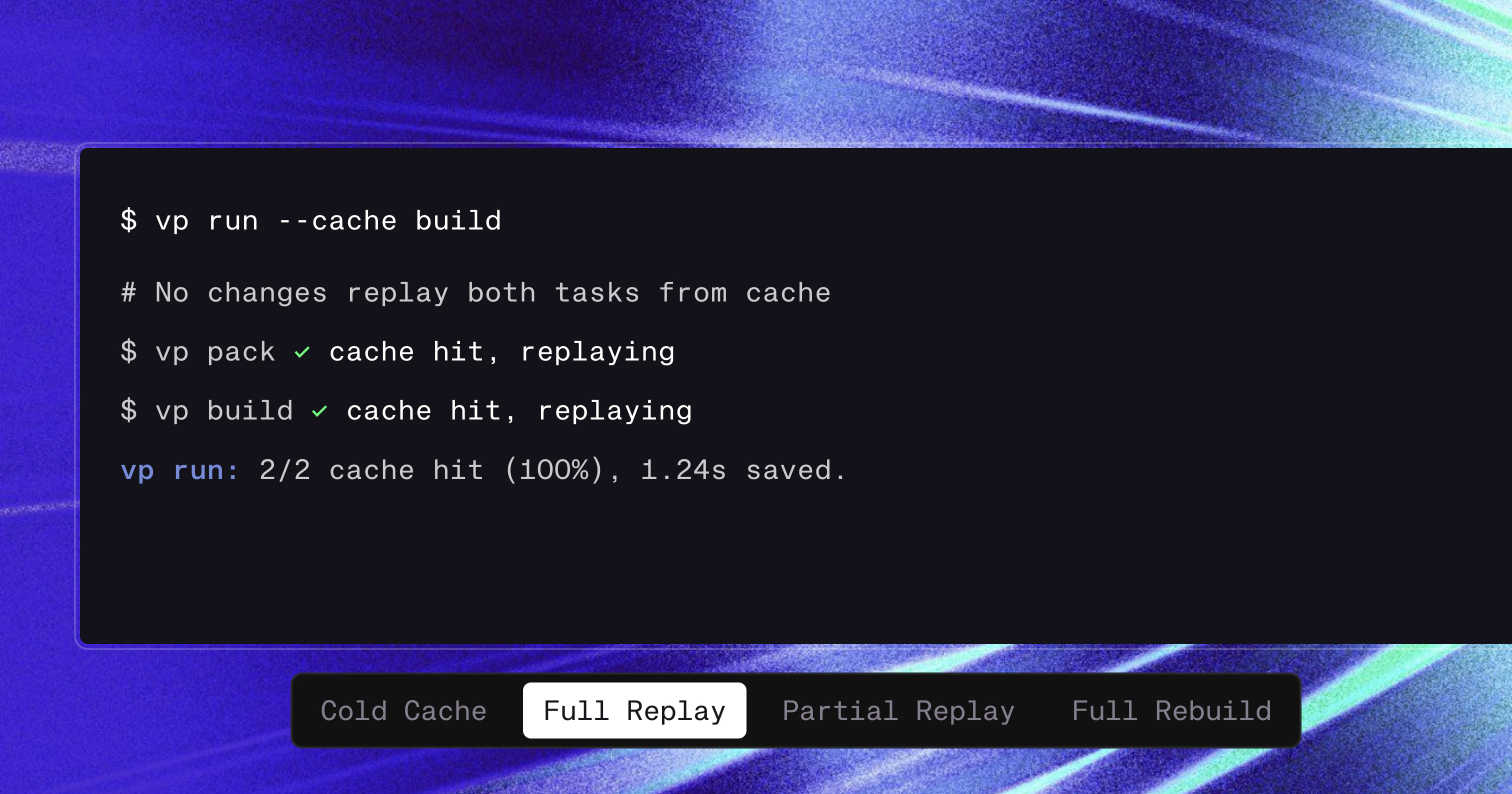
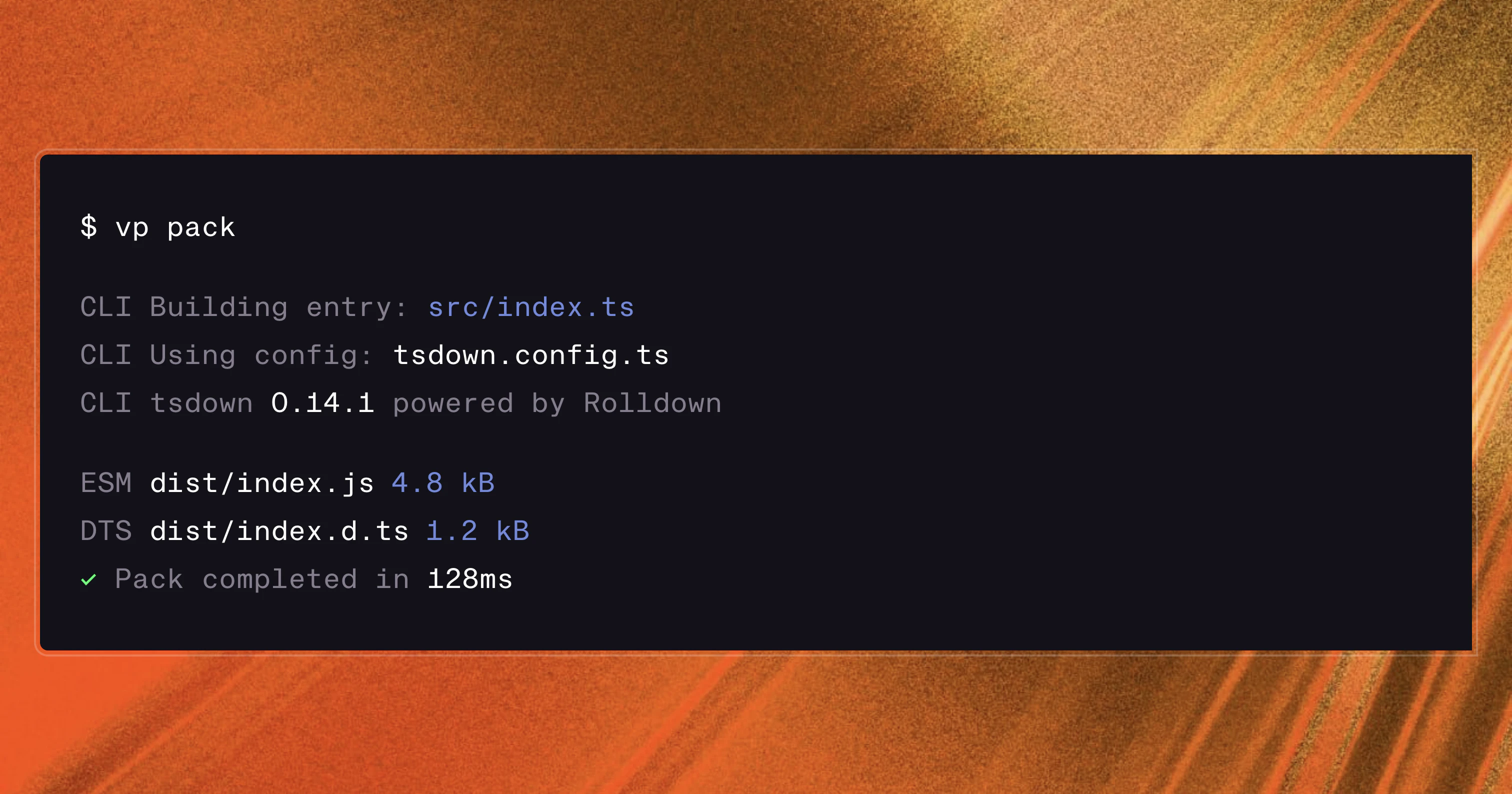
The Unified Toolchain for the Web
238
一句话介绍:Vite+ 是一个统一的前端工具链,通过单一CLI管理运行时、包管理器及前端技术栈,解决了开发者在新项目初始化时因多工具配置繁琐、协同困难而耗时费力的核心痛点。
Open Source Developer Tools GitHub
前端工具链 开发工具 构建工具 统一配置 开发者体验 开源 CLI工具 项目脚手架 代码质量 开发效率
用户评论摘要:用户普遍赞赏其统一配置、简化项目初始化的核心价值,对开源表示欢迎。主要疑问集中在:1) 其与现有工具(如Volta、fnm)的边界和替代关系;2) 对框架特定规则(如React/Vue)的linting支持是否完善;3) 新用户的理解与上手成本。
AI 锐评

Vite+ 所标榜的“统一工具链”并非简单的功能堆砌,其真正的野心在于重新定义前端开发的“入口点”。它试图将“选择与配置”这一分散的、消耗心力的前期成本,压缩为一个权威的、开箱即用的决策包。这直指现代前端工程化的核心顽疾:工具繁荣背后的配置疲劳与上下文切换损耗。

从评论看,其价值已得到初步验证:开发者厌倦了在ESLint、Prettier、测试框架和构建工具间疲于奔命,Vite+ 提供的“一站式”体验切中要害。然而,其面临的挑战同样尖锐。首先,“统一”与“灵活”天生存在张力。当它用自研的 `vp env` 替代 nvm/Volta,用 Oxlint/Oxfmt 替代 ESLint/Prettier 时,实则是用自身的“强观点”收编了生态。这固然能提升一致性,但也可能将用户锁入一个新的、由Vite+定义的生态子集,用户担忧的框架特定规则支持问题正是此矛盾的体现。

其次,其成功与否的关键,不在于功能的多寡,而在于“抽象层”的设计能否足够优雅和透明。它必须既能提供简洁的默认路径,又能为高级用户留出足够的逃生舱口。否则,它只会从“混乱的分散”走向“僵化的集中”,成为另一个需要被“配置”和“绕过”的工具。

本质上,Vite+ 是在售卖一种“秩序”和“时间”。它赌的是,大多数开发者愿意用一定程度的自由选择权,来换取项目初始化时那“第一个小时”的绝对高效,以及后续维护中工具链同步的零成本。这是一场关于开发者体验与生态控制力的豪赌,其成败将取决于它能否在提供极致简洁的同时,不失生态的包容性与演进活力。

查看原始信息
Vite+
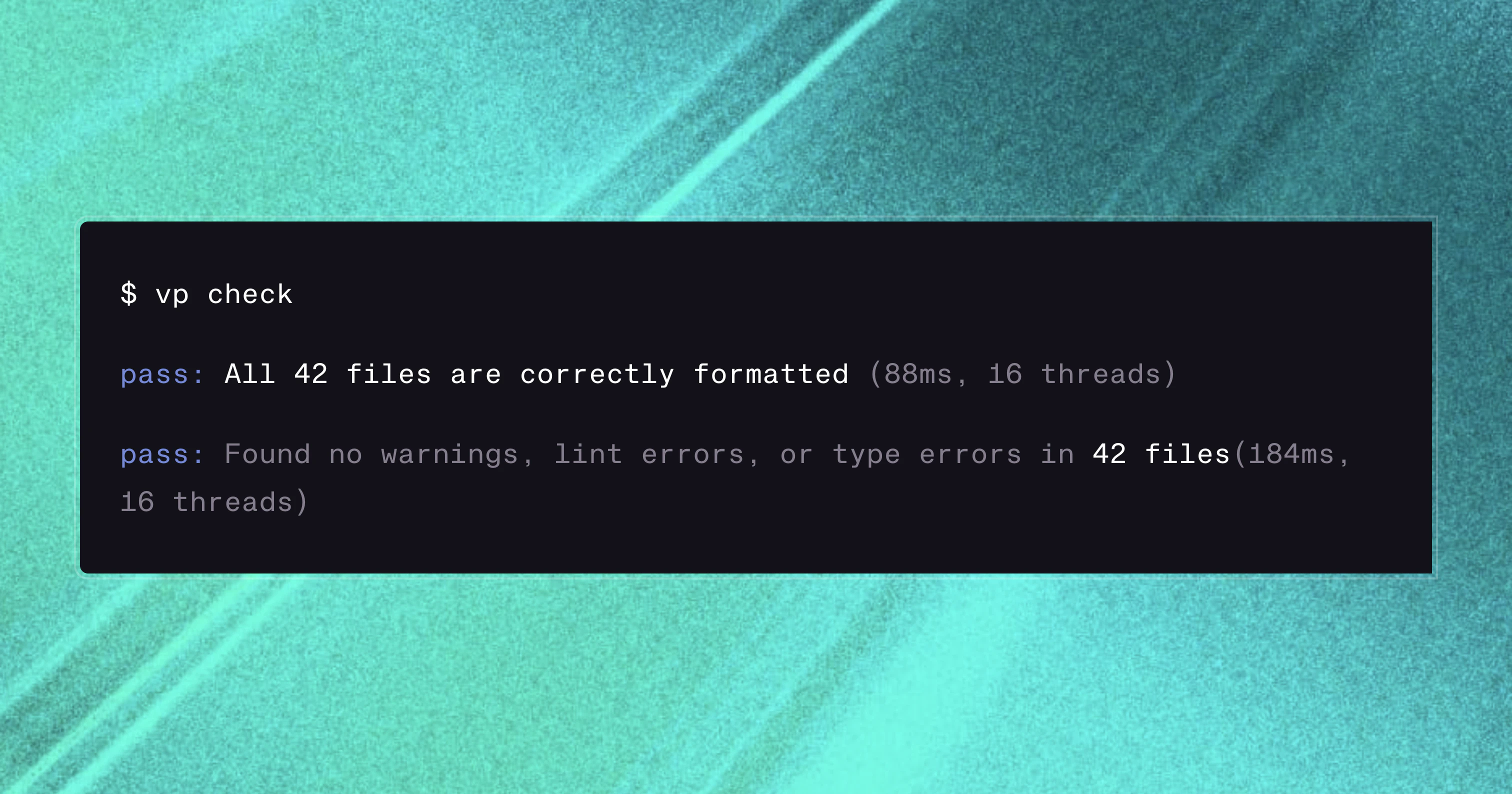
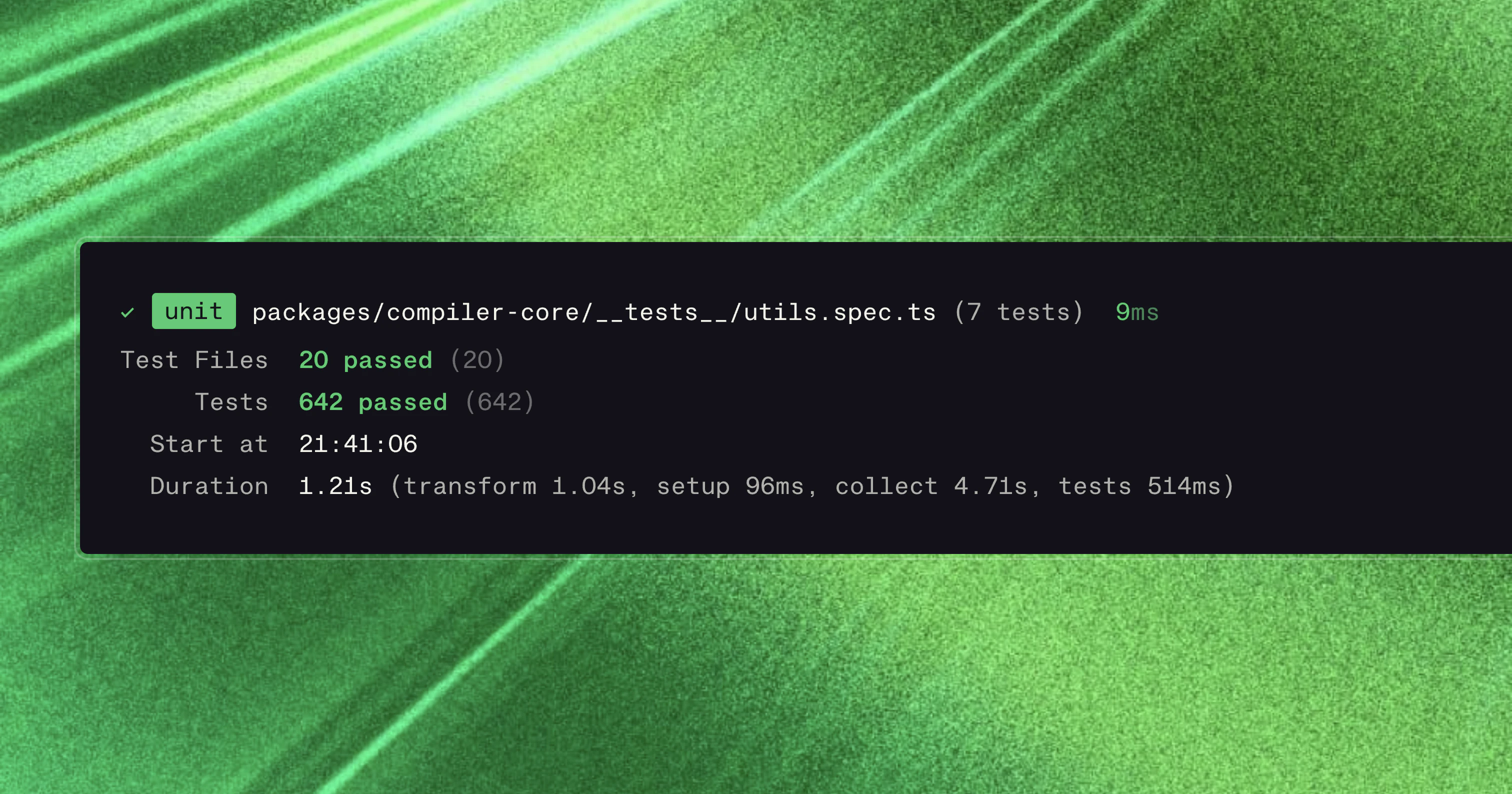
Vite+ is a new unified toolchain and entry point to web application development. Manage your runtime, package manager, and frontend stack with one tool. curl -fsSL https://vite.plus | bash
Free and open-source. It's never been a better time for builders!
8
回复

Having Vite, Vitest, Oxlint, and Oxfmt all unified under one CLI is huge. Right now my projects have separate configs for ESLint, Prettier, Vitest, and the build tool – and keeping them in sync is easily 10% of my setup time for any new project.

One thing I'm curious about: how does `vp check` handle framework-specific linting rules? For example, React has its own set of rules (hooks rules, JSX accessibility), and Vue has theirs. Does Oxlint cover those out of the box, or would you still need to layer on additional plugins for framework-specific checks?

5
回复

@aaron0403 , You can specify the plugins in the vite config.

0
回复

@aaron0403 That’s a great point — I noticed similar friction when thinking about onboarding and clarity for new users.

0
回复

Runtime + package manager + frontend stack in one entry point is a bold scope. Where does Vite+ draw the line - is the goal to replace something like Volta or fnm for runtime management, or is it more of an opinionated layer on top of them?

4
回复

@spunchev Vite+ is there to fully manage your Node runtime, so you can replace nvm/fmt/Volta with it easily. `vp env` is a standalone implementation.

0
回复

Oh this is nice. Setting up a new project always feels like I'm spending the first hour just picking and configuring tools instead of actually building. If this actually unifies all that into one step I'm sold. Starred the repo.

4
回复

switched to vite last year and never looked back. curious what the + adds — is it mainly the unified config or are there perf wins too?

3
回复

:) Been a Vite user for a long time. Hope this one delivers too

0
回复

Really interesting direction.

I noticed some potential friction around how new users understand the scope and differences vs existing tools (like Vite setup, linting, etc).

Happy to share a quick teardown with suggestions if helpful.

0
回复

Really like seeing Evan You go all-in on the unified toolchain approach. As someone who's wasted too many hours wrangling ESLint + Prettier + Vitest configs on every new project, having one CLI that handles all of it is exactly what the ecosystem needs. The Oxlint/Oxfmt integration is the cherry on top — Rust-based tooling speed with zero config overhead.

0
回复
#4
Fractal
The fastest way to ship exceptional ChatGPT apps
236
一句话介绍:Fractal是一个AI原生应用开发平台,旨在帮助开发者快速构建、测试和部署面向ChatGPT等AI助手的上下文感知、可执行动作的应用程序,解决在AI智能体生态中高效开发和分发的痛点。
Productivity Developer Tools Artificial Intelligence
ChatGPT应用开发平台 AI原生应用 低代码开发 智能体应用商店 快速迭代 上下文感知 AI编程助手 应用部署 产品开发工具 AI生态系统
用户评论摘要:用户反馈积极,认可其理念与易用性。主要问题集中在:平台风险(过度依赖ChatGPT)、架构控制与调试灵活性、B2B场景下的逻辑划分建议,以及自定义代码能力。创始人回应强调了速度、架构推荐和模拟测试等优势。
AI 锐评

Fractal敏锐地捕捉到了一个范式转移:AI智能体正从问答工具演变为工作主界面,其自身正在成为一个新的“应用商店”。它的真正价值并非仅仅是“更快地开发ChatGPT插件”,而是为开发者提供了一套符合AI原生交互范式的开发框架。它强制或引导开发者思考三个关键特性:上下文感知、动作执行和UI增强,这恰恰是区分“套壳网页应用”与“真正智能体应用”的核心。

其风险与机遇同样明显。机遇在于,它试图成为AI智能体生态的“基础设施”,通过抽象化最佳实践,降低开发者进入新分布渠道的门槛。其“架构规划”功能若足够智能,能显著避免早期设计错误,价值不菲。但风险也高度绑定于OpenAI的平台政策与生态稳定性,评论中关于“平台风险”的担忧非常尖锐。如果ChatGPT的“应用商店”发展不及预期,或规则突变,Fractal的生存根基将受挑战。

此外,其宣称的“全流程处理”是一把双刃剑。在追求“分钟级上线”的同时,如何为专业开发者保留足够的架构控制权、代码透明度和调试入口,将是其能否从“玩具”走向“工具”的关键。目前看,团队更倾向于提供“黑盒式”的效率解决方案,这可能吸引独立开发者和初创团队,但难以满足复杂企业级应用的需求。Fractal的成败,将是对“AI时代开发流程应如何重构”这一命题的一次重要试水。

查看原始信息
Fractal
Fractal is the fastest way to ship exceptional ChatGPT apps. ChatGPT is becoming the AI app store, and those who ship first and iterate fastest will capture the opportunity. Fractal handles architecture planning, coding, testing, and deployment so you can focus on building something people love. Build exceptional ChatGPT apps in minutes, not weeks.

Hey Product Hunt 👋 

I'm Hanh, co-founder of Fractal.

We were early participants in the ChatGPT Apps working group when we noticed a shift: people don’t just ask AI questions, personal AI agent (like ChatGPT, Claude, etc) are becoming the main interface for getting work done, and distribution is moving from the web to the AI agent people use every day. That is why ChatGPT apps matter. If your product is not something the agent can discover and use, you are missing out on a distribution opportunity.

But ChatGPT apps aren't just web apps inside an iframe. Great apps are:

• Context-aware: take into account conversation history and user memory

• Action-taking: translate intent into actions

• UI-augmented: easy for both human & AI to interact with

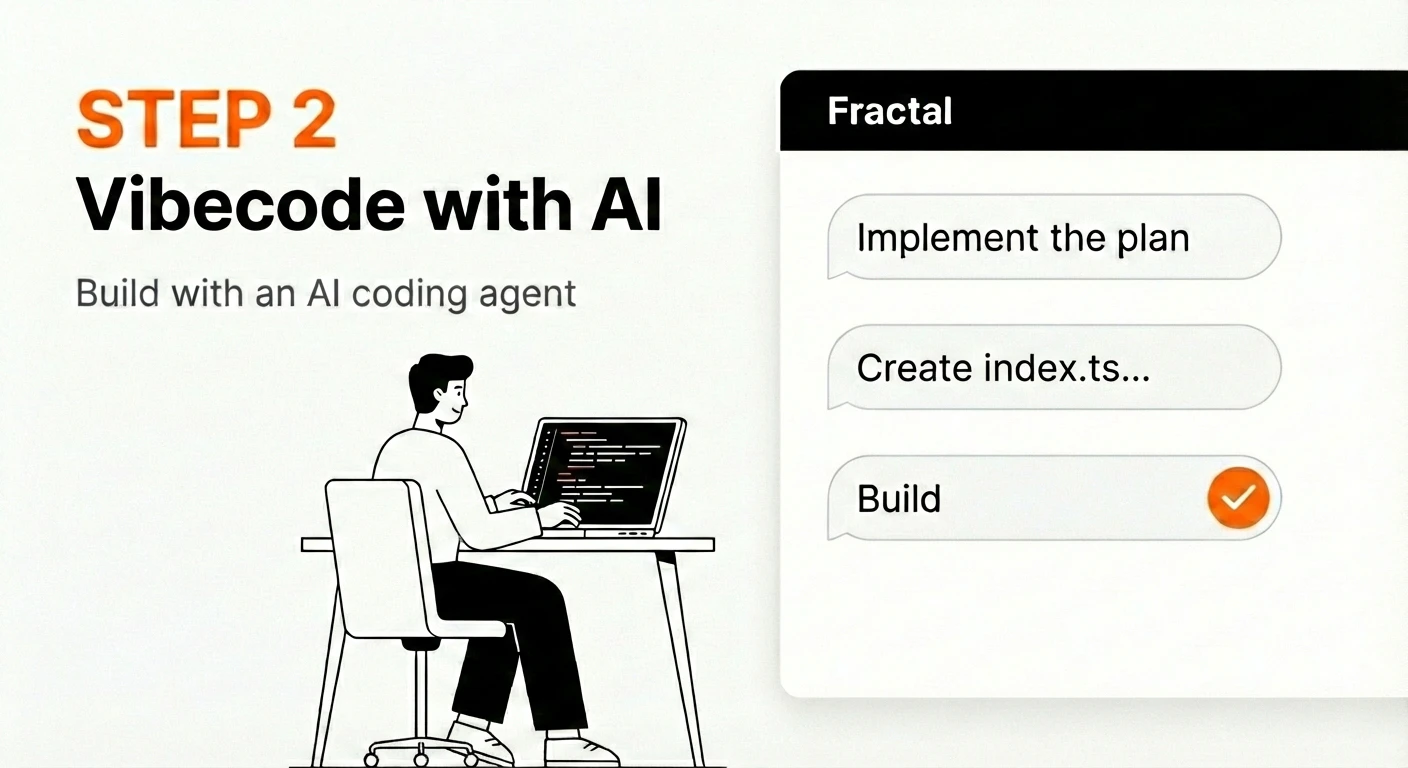
So we built Fractal, a platform specifically for building outstanding ChatGPT apps:

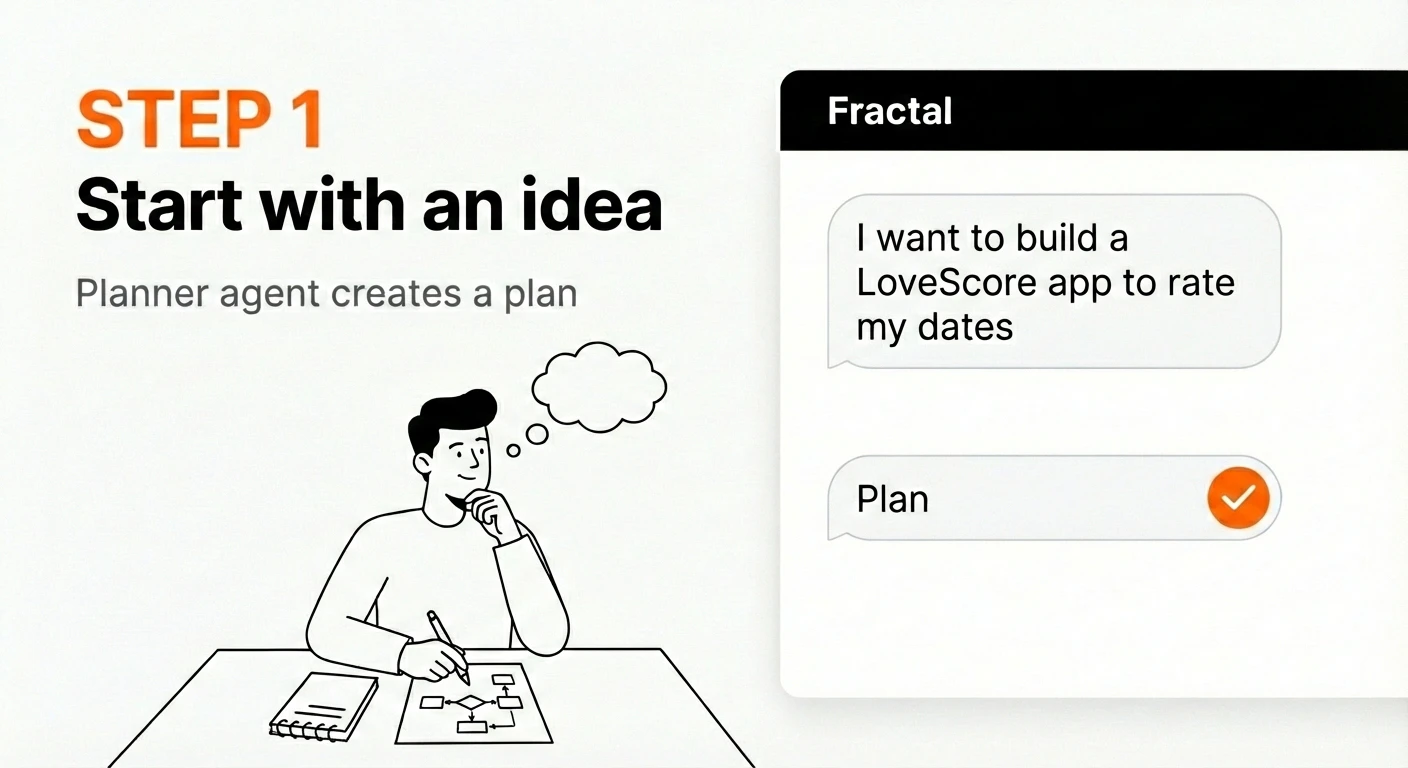
• Plan: a smart architecture planner that recommends best practices, including what belongs in the app vs what to delegate to the model

• Build: a specialized AI coding agent that understands context, actions, and UI constraints

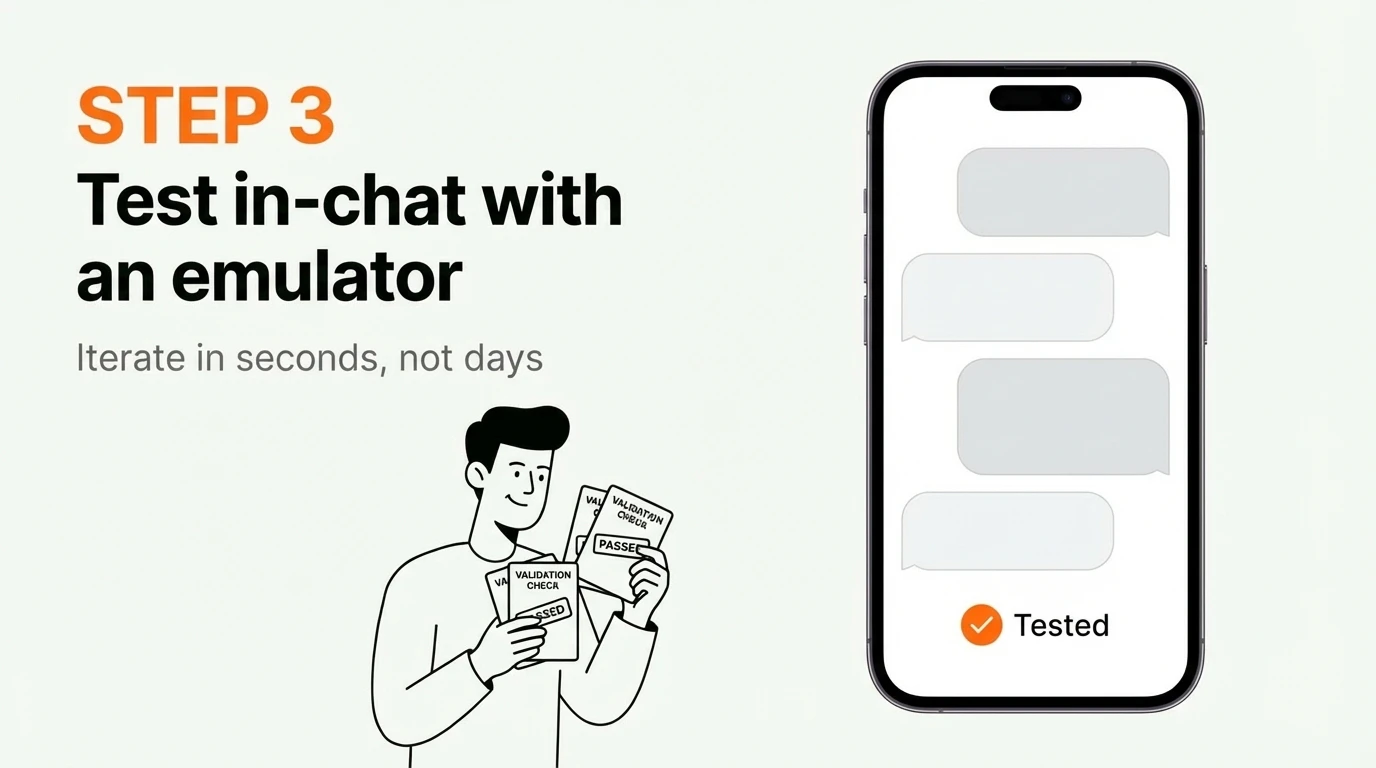
• Iterate: a native chat emulator so you can test without reconnecting to ChatGPT every time

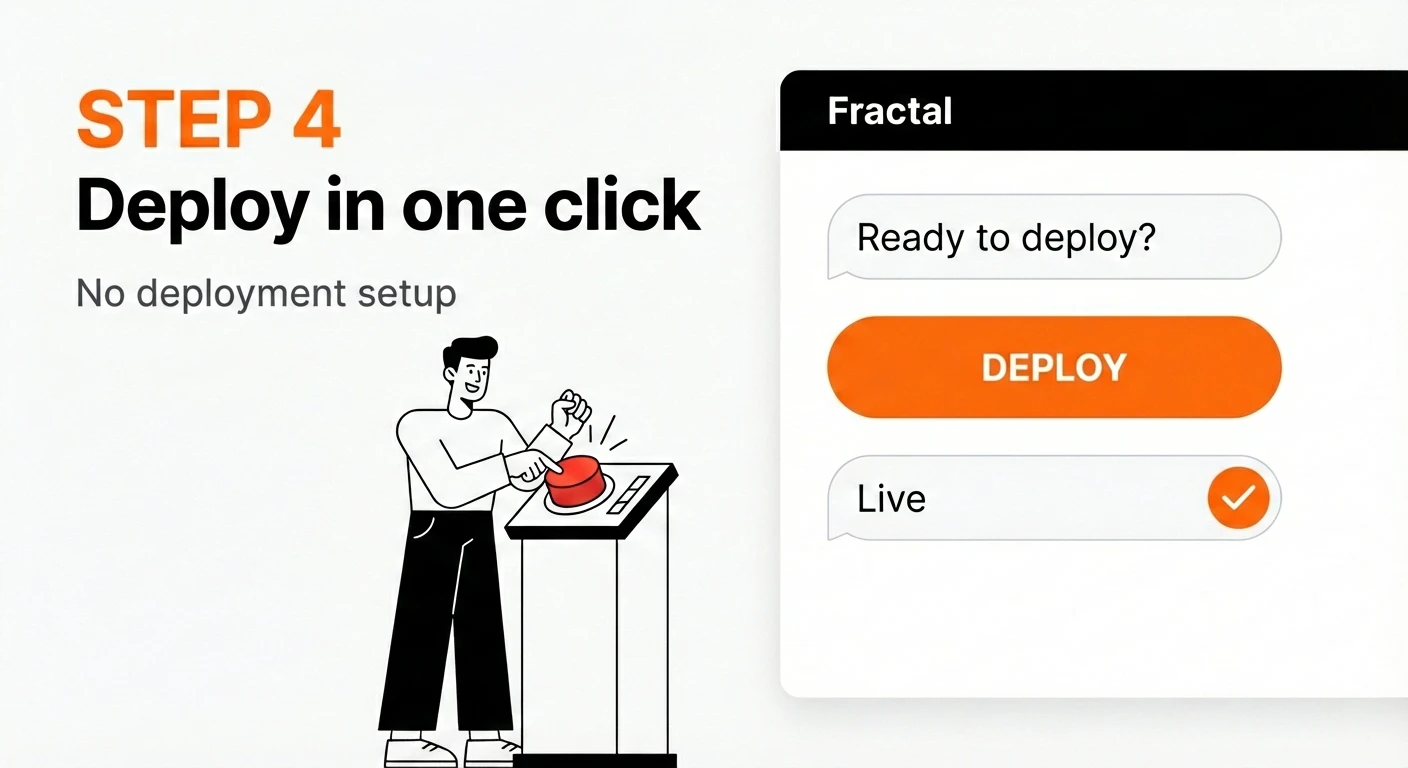
• Ship: one-click deploy

We are the Lovable of ChatGPT apps: in the AI era, it's not enough to be lovable, you need to be frac-able 😉

We’d love your honest feedback, and we’ll be around all day answering questions.

🎁 Product Hunt launch offer: 20% off Pro with code PH20

👉 Join our Discord: https://discord.gg/PyKaykcH

22
回复

@hanh_nguyen Love the focus on context-aware apps. Congratulations on the launch! Quick question: For someone building a B2B tool, how does Fractal's Plan feature recommend splitting logic between app actions/UI vs delegating to the model, and what's a common pitfall it catches early?

0
回复

@hanh_nguyen , congrats 👏 👏 👏 team @Lovable

0
回复

@hanh_nguyen Yeah this is interesting.

If users stay inside AI, then distribution changes completely.

Feels like early days of a new layer.

1
回复

This is really interesting, how customizable are the apps we can make with Fractal? Can we implement custom code and more heavy duty applications as well?

4
回复

@kyanchiang Yes! Try it out and tell us how it goes!

0
回复

Interesting idea. How do you balance speed with reliability when Fractal is handling everything from planning to deployment? For example, how much control do developers have over the architecture and code quality, and how easy is it to step in, modify, or debug parts of the system without fighting the abstraction?

P. S. Good luck!

2
回复

@steffen_rehmann Hi Steffen, we focus on helping our customers make the best app possible for their use case. The speed comes from vibecoding (fast), architecture recommendation (reduce iterations and basic mistakes), in-platform emulator (reducing the time connecting/disconnecting with ChatGPT), and submission helper (we scan your submission to identify areas where OpenAI may reject your app)

3
回复

I've been building a couple of chatgpt apps too - excited to give this a try!

1
回复

@thisissukh_ yes please give us a try and let me know if there is anything we could improve

0
回复
Looks very cool and promising, congrats @hanh_nguyen
1
回复

@mikita_aliaksandrovich Thank you so much!

1
回复
Love the video🫡
1
回复

@meet_patel24 Thank you so much! I hope you enjoy the battlestar galatica reference

0
回复

Love that video in the style of Wallace & Gromit! :D

1
回复

@busmark_w_nika Thank you! We also added a reference from Battlestar Galatica, and obviously Silicon Valley

0
回复

I have tried Fractal for a few days and have had a nice experience so far! It is very easy to navigate and the vibecoding is pretty robust. Hopefully there will be more options for customization to work with the vibecode.

There can still be some risks relying on the ChatGPT platform alone, but I think there is great potential in this space to grow.

Anyways, nice product!

1
回复

@binh_nguyen32 Thank you for trying our products and I'm glad you liked it

0
回复

Love the focus on speed + iteration, feels like that’s the real edge right now.

Curious how you think about platform risk though, if everything lives inside ChatGPT, how do builders hedge against that long-term?

0
回复

Congrats @hanh_nguyen !! Fingers crossed 🤞😼

0
回复
Actually this feels like the Apple App Store 2007. Those who were early are the ones benefiting most from
0
回复

So lucky to get to try this early on. Loving it so far!

0
回复

@hanh_nguyen how is it different from codex?

0
回复

@hanh_nguyen how is it different from codex?

0
回复

@hanh_nguyen how is it different from codex?

0
回复

speed to ship is everything right now. built a saas mvp in 4 days with claude code — tools like this that cut the boilerplate are exactly what solo builders need.

0
回复

@hikaruai_ exactly!

0
回复
Congrats @maxockner and @hanh_nguyen on the launch! 🚀 Love the video! - I’m definitely going to be vibe coding a custom ChatGPT app on fractal. You guys have made an amazing product.
0
回复

@maxockner  @asadatnoodle Thank you so much!

0
回复

Very cool congrats @hanh_nguyen

0
回复

@eva_lawrence Thank you so much!

0
回复

the best no code chatgpt app builder out there - we've been using fractal since the early days and its been amazing for us to both quickly ship apps and also prototype and test new features with our enterprise clients. congrats on the launch team!

0
回复

@elliot_garreffa1 Thank you so much!

0
回复
#5
Cursor Glass
Unified agent workspace with seamless cloud handoff power
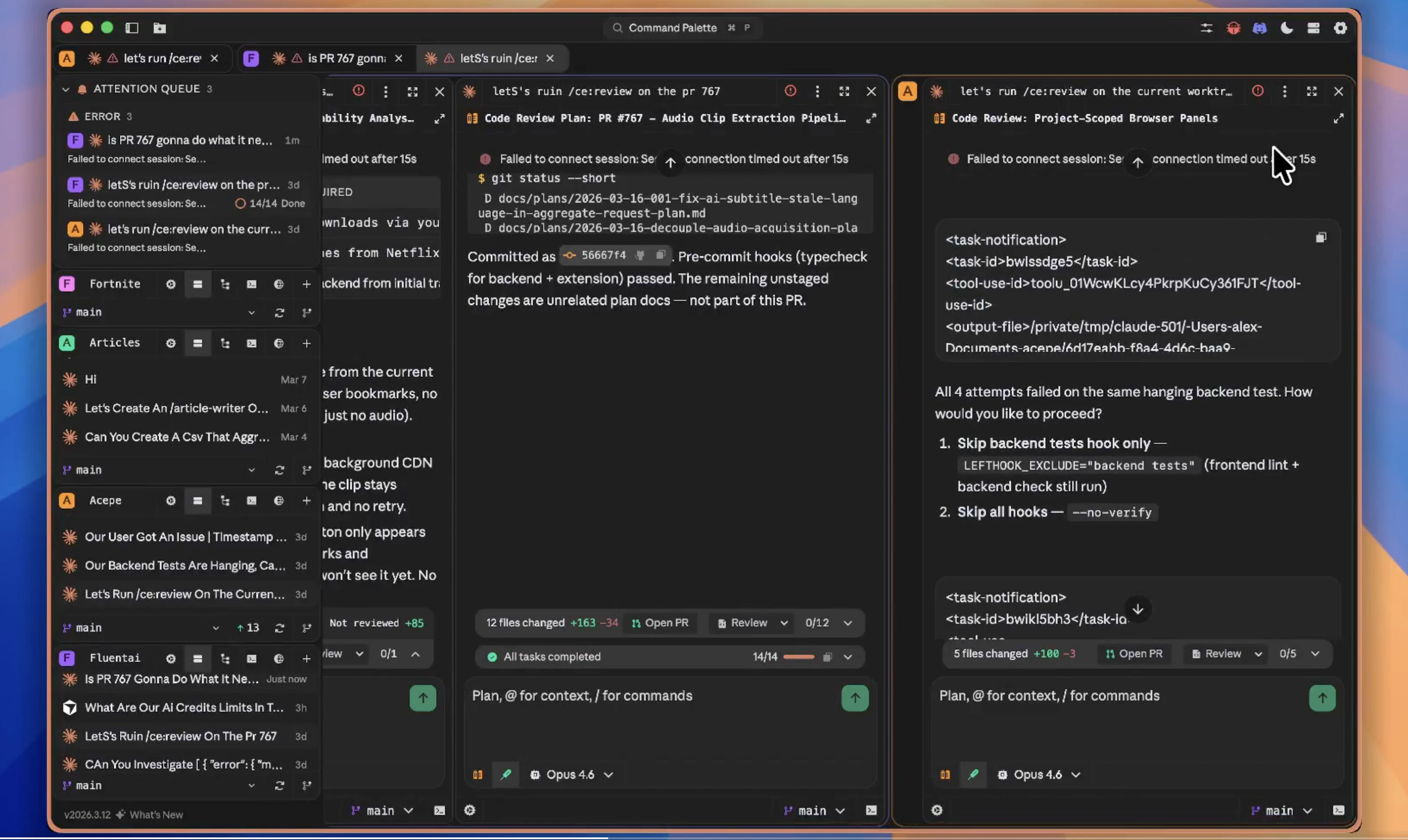
215
一句话介绍:Cursor Glass 是一款面向工程师的统一智能体工作空间,通过在任务执行中无缝切换本地与云端环境,解决了多智能体并行开发时工作流中断与管理混乱的核心痛点。
Developer Tools Artificial Intelligence Development
智能体开发平台 统一工作空间 云本地切换 多智能体编排 开发者工具 AI编程辅助 工作流自动化 云计算集成
用户评论摘要:用户肯定其解决了本地与云端多智能体管理的痛点,赞赏Composer 2的性能与速度。主要疑问集中在当前是否可下载,以及如何保证跨环境切换时的性能一致性与网络鲁棒性。
AI 锐评

Cursor Glass 的推出,远不止是界面更新或性能提升,它实质上是试图在AI智能体开发日益复杂的当下,重新定义“开发者环境”的边界。其核心价值“Cloud Handoff”,将“环境”从固定的物理或云端位置,解构为一个可动态迁移、状态持续的任务执行上下文。这直击了当前多智能体协作与混合部署模式中最棘手的“状态断层”问题——智能体无需因算力或资源限制而中断、重启,理论上实现了工作流的“无损漂移”。

然而,其宣传中避重就轻的恰恰是最大的技术挑战:一致性保证与网络幽灵。评论中用户的质疑一针见血:在不可靠的网络和异构的计算环境中,如何确保任务状态同步的强一致性?延迟和中断是否会引发难以调试的分布式状态错误?这并非单纯的产品优化,而是涉及底层架构哲学的根本性难题。若处理不当,“无缝切换”可能沦为美丽的幻象,反而增加运维复杂性。

此外,将其简单视为“对Codex的回应”是肤浅的。Cursor的战略意图更可能是构筑一个高粘性的“智能体操作系统”级平台。通过统一工作空间锁定开发者的智能体生命周期管理,其商业野心在于成为下一代AI原生工程的事实标准。Composer 2带来的成本优势是诱饵,而真正的壁垒和长期价值,在于能否建立起一个稳定、可信的跨环境执行层。目前来看,它描绘了一个诱人的愿景,但工程上的魔鬼细节,将是决定其从“有用工具”升维为“关键基础设施”的唯一试金石。

查看原始信息
Cursor Glass
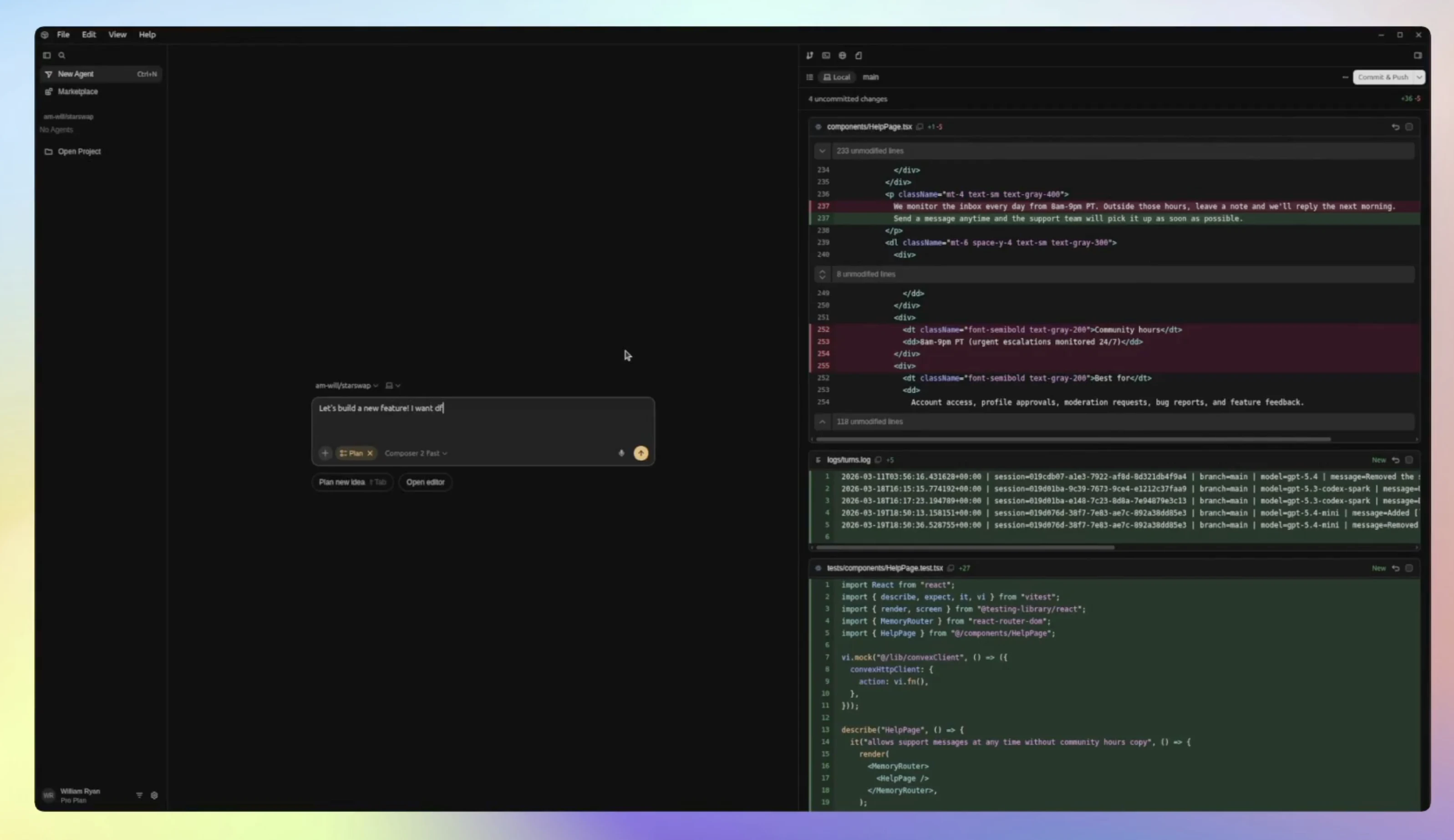
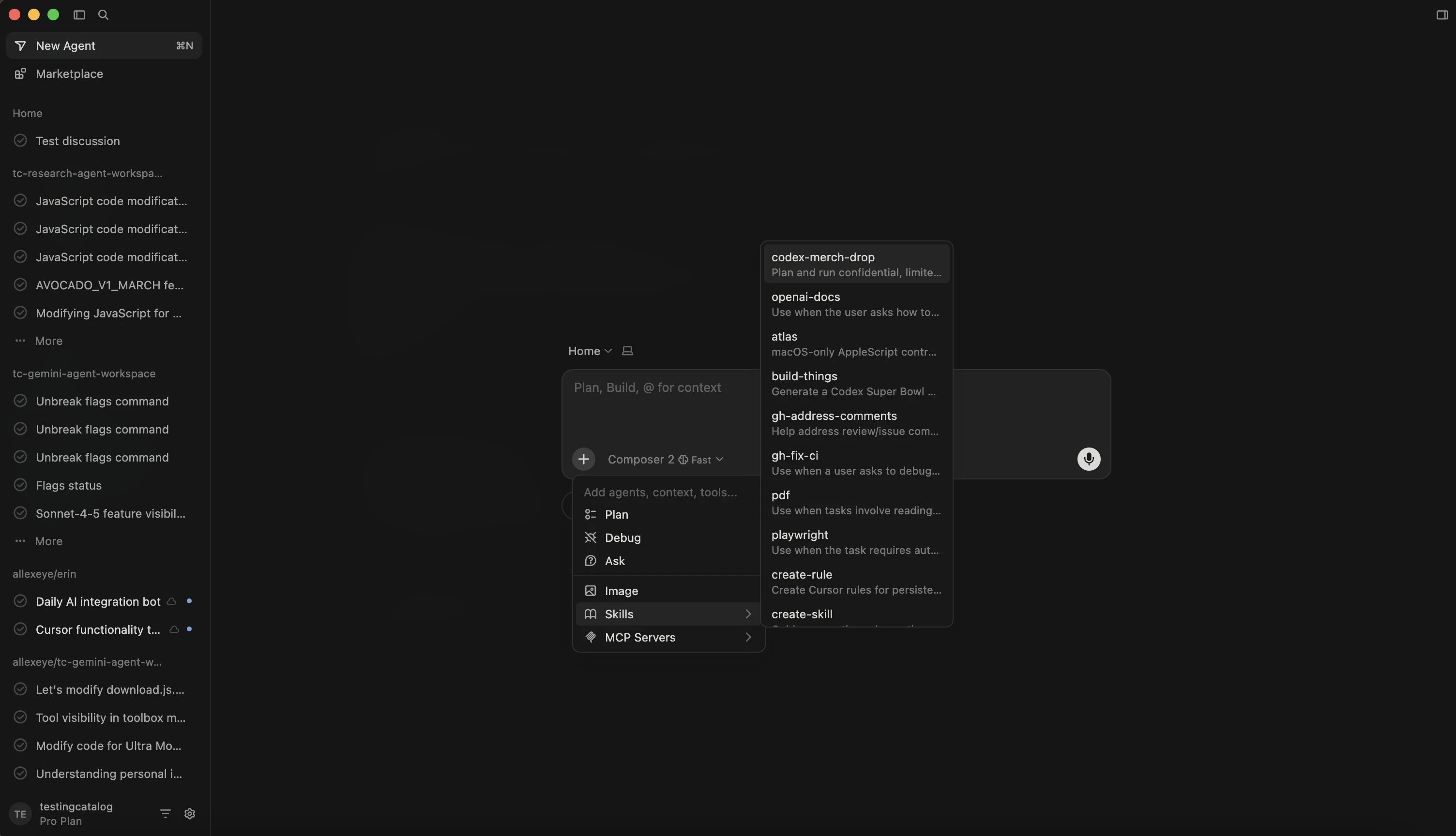
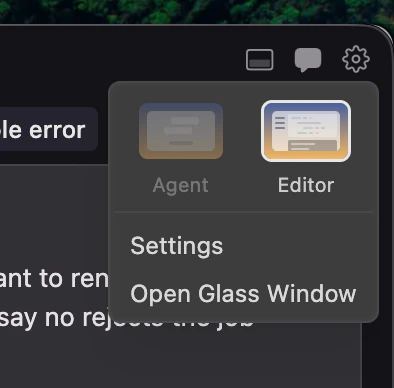
Cursor Glass introduces a unified interface for managing agents, repositories, and cloud tasks in one place. With Cloud Handoff, agents can seamlessly switch between local machines and cloud environments mid-task, eliminating workflow breaks. Powered by Composer 2, it delivers strong coding performance at lower cost. Built for engineers running parallel agents, Glass reduces context-switching and brings real visibility.

Cursor Glass is a new interface for agentic development that solves a real pain: managing multiple agents across local and cloud environments without losing visibility.

With a unified workspace for agents, repos, and tasks plus Cloud Handoff to switch between local and cloud mid-task, it reduces context-switching and keeps workflows seamless. Composer 2 adds strong performance at lower cost.

Built for engineers running parallel agents at scale especially useful for multi-agent workflows and cloud orchestration.

P.S. I hunt the latest and greatest launches in tech, SaaS and AI, follow to be notified @rohanrecommends

4
回复

@rohanrecommends Seems like Cursor's reply to OpenAI Codex.

1
回复

@rohanrecommends With this update alone, Cursor is back in the top tier. It might be time to renew my subscription.

0
回复

This is a great release by Cursor Team. So, this is actually filling the gap where all the other models were doing really well, and I tried the Composer 2. It's fantastic. The speed is amazingly fast.Kudos to the team and well done.

0
回复
Is this available for download now?
0
回复

What's the approach you're taking to ensure consistent performance and seamless handoff between local and cloud environments, especially considering potential latency or network issues?

0
回复
#6
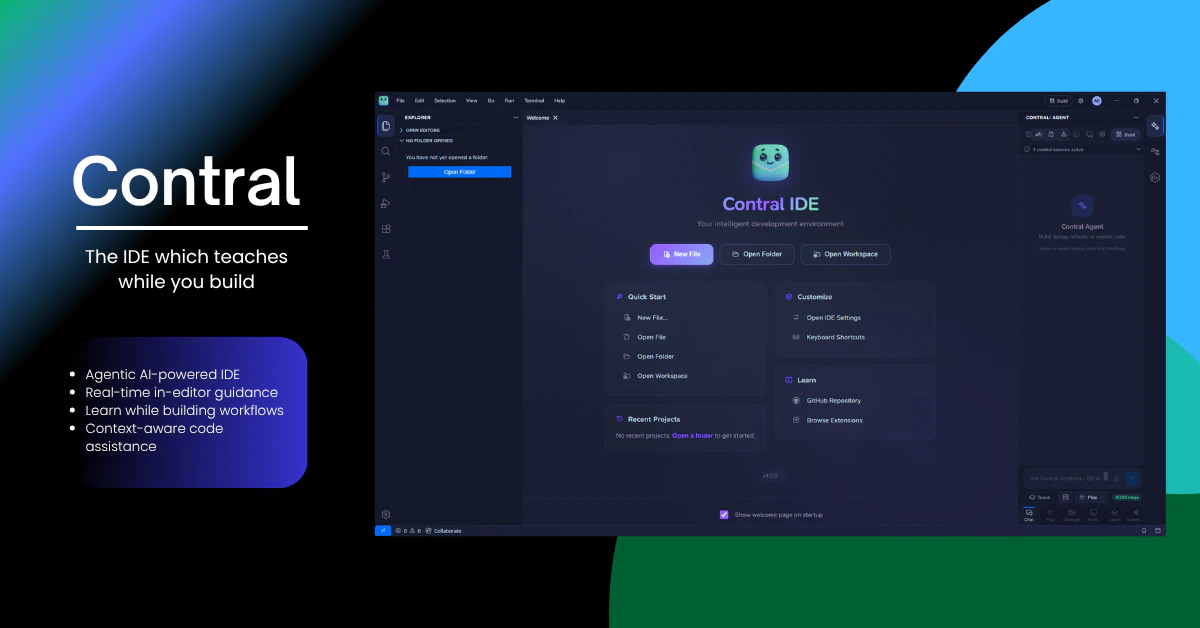
Contral
The agentic IDE which teaches while you build.
141
一句话介绍:一款将AI编程与实时教学深度集成的智能IDE,在开发者“边建边学”的场景下,解决了AI编码工具只产出代码却不解释逻辑、导致开发者知其然不知其所以然的痛点。
Education Developer Tools Artificial Intelligence
AI编程助手 智能IDE 编程教育 边建边学 实时解释 代码分析 学习路径 开发者工具 代理式编程
用户评论摘要:用户肯定“边建边学”理念,认为其区别于仅生成代码的现有工具。主要疑问集中于:与Cursor等AI助手的具体差异;Build模式的介入时机;Learn模式如何适配已有语言基础但学习新框架的场景。亦有评论质疑其问题是否已被现有IDE插件解决。
AI 锐评

Contral的野心并非单纯做一个更高效的代码生成器,而是试图成为编程认知的“副驾驶”。其核心价值在于直面当前AI辅助编程的最大隐忧:开发者对AI产出的代码丧失理解和掌控力,沦为“氛围编码”的提词员。产品通过“构建模式”与“学习模式”的双核设计,试图将“知识传递”硬编码到开发工作流中,实时解构AI的决策逻辑,这戳中了许多依赖AI却感到底层技能空心化的开发者的焦虑。

然而,其面临的挑战同样尖锐。首先,差异化定位模糊。如评论所指,现有工具通过复杂配置或提示词工程,也能实现部分解释功能,Contral需证明其提供的系统化教学与即时测验能带来质的效率与认知提升,而非体验优化。其次,教学介入的智能度是技术关键。在“构建模式”中,如何精准判断开发者何时需要指导、何时需要自主探索,是平衡学习效果与开发流畅性的核心算法难题,过早或过度的解释会令人烦躁。最后,其商业模式与天花板问题。产品介于工具与教育平台之间,若侧重工具属性,则需在功能深度上硬撼巨头;若侧重教育,则需构建更结构化、更庞大的课程体系,其“分析千万行代码库生成测验”的功能展示了向企业培训延伸的潜力,这或许是更性感的叙事。

总体而言,Contral是一次有价值的范式探索。它不再将AI定位为替代开发者的“黑盒执行者”,而是将其重构为“可解释的协作者与导师”。其成败关键在于能否将“教学”这一高认知负荷的任务,以近乎无感的方式深度融入高强度、快节奏的开发实践中,实现真正的“认知同步”。如果成功,它或许能定义下一代智能开发环境的新标准。

查看原始信息
Contral
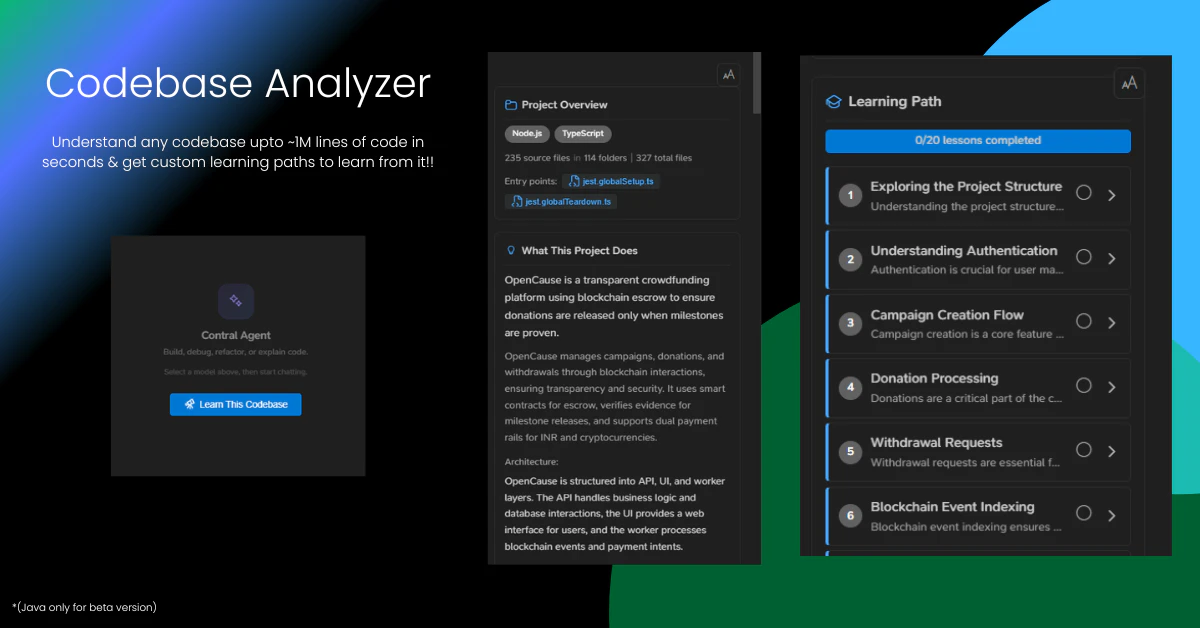
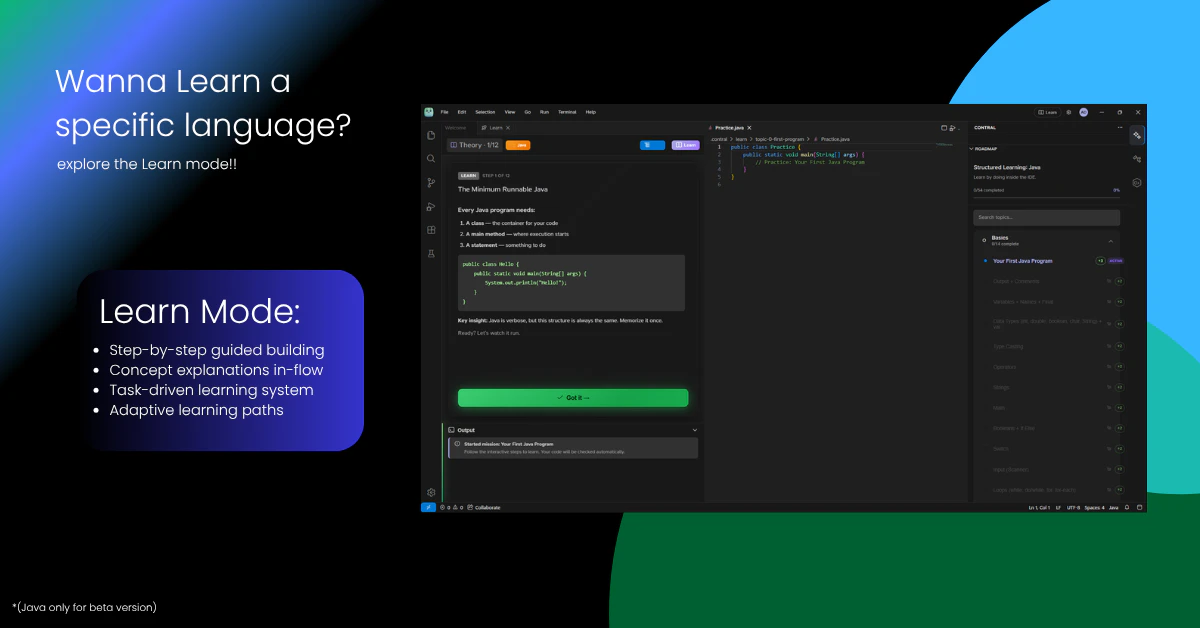
Contral - The IDE that teaches you while you build. With Build Mode, you apply everything independently with context aware assistance that supports your thinking. Build with AI agents and learn along the way as you build. With Learn Mode, learn specific languages. You get step by step guidance, real time explanations, and direction as you work on actual tasks. 200+ developers are already on the waitlist. This is the first step towards changing how developers learn.
Curious to hear from everyone here: When you were learning to code, what was actually harder for you understanding concepts or building something on your own from scratch? A lot of people can follow tutorials and understand what’s happening, but the moment they try to build independently, things start breaking down. That gap between learning and building seems to be where most people get stuck. What was your experience like? Where did things start getting difficult for you?
2
回复

Hey Product Hunt 👋

I'm Devansh, 18 year old engineering student from India. Me and my co-founder Samagra built Contral over the last 6 months with zero funding.

The problem we kept hitting: we were vibecoding entire projects and couldn't explain any of it in interviews. The AI made every decision and never explained a single one.

So we built the fix directly into the IDE.

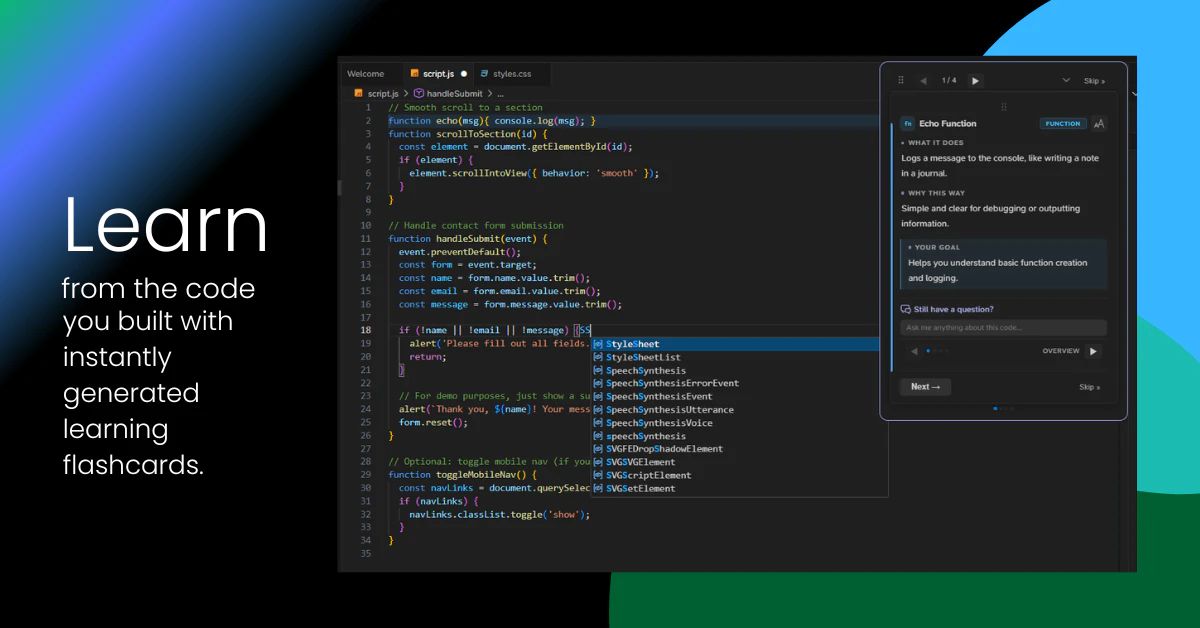
Contral teaches you every line while AI codes your project. Not after. Not in docs. Right as it happens.

Key features:

AI writes the code. You learn while it does.

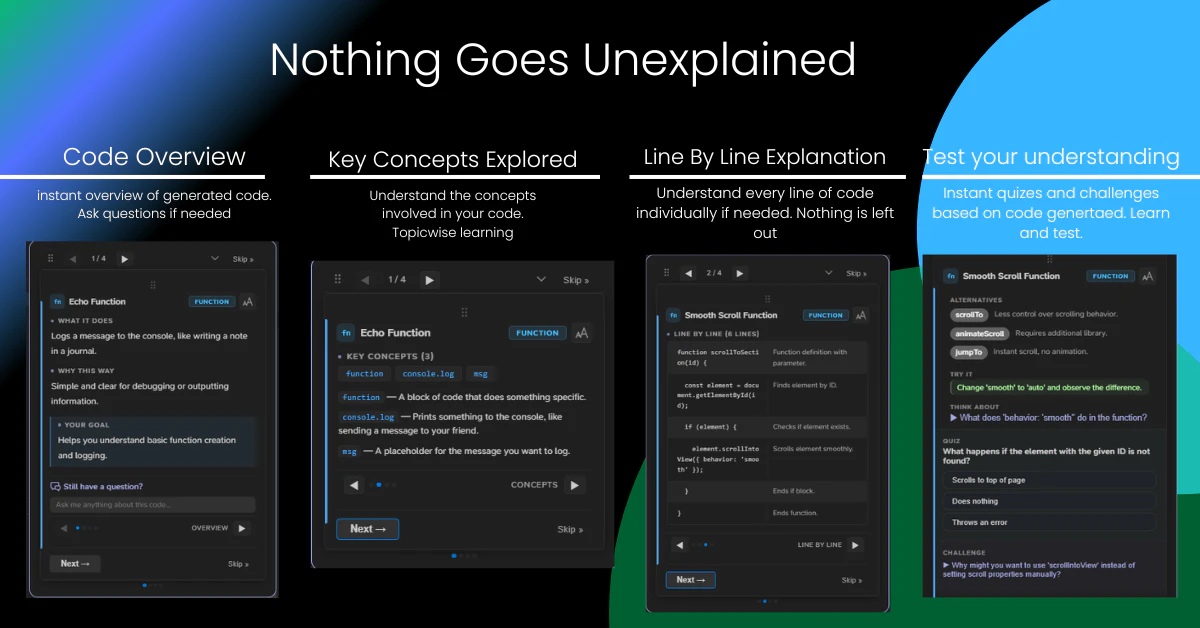
→ Teaches every function and architectural decision in real time

→ Codebase Analyzer: tested on a 10M+ line repo, mapped full architecture and generated quizzes from actual production code
→ Learn Mode: structured curriculum starting with Java

Download today at contral.ai/download

Would love your honest feedback, brutal is fine, we can handle it. Ask us anything 🙏

2
回复

I'm so happy I found your product! I'm a solo founder and built my product entirely with the help of AI. At first, I watched a ton of tutorials on YouTube and even took a paid course, but I didn't really get it because you have to try everythin out in practice right away. Eventually, I managed to figure out GSD, and it built the app for me. But I’d be lying if I said it went even halfway smoothly. No, it constantly forgot what we were doing, mixed up tasks, and just didn’t understand me. And I didn’t understand it. I still don’t. I’d love to test your product.

2
回复

@allurepixel that's what we faced too, and thats why we made it. The product is in BETA and we will be improving the product everyday, you can checkout the product at https://contral.ai/download

0
回复

@samagra_gune Really interesting direction, especially the “learn while building” inside the IDE itself.

One thing I noticed from the discussion here is that people are slightly confused about how Contral is fundamentally different from existing tools like Cursor or other AI coding assistants.

Have you thought about making that difference more obvious visually or through a simple before/after use case?

Feels like once that clarity clicks, the value would be much easier to grasp instantly.

1
回复

@samagra_gune Also had a quick thought on simplifying how the “learn while building” part is communicated in the first few seconds.

I think it could improve first-time clarity a lot — happy to share a quick concept if you're open 🙂

0
回复

How does the Learn Mode adapt when you're already familiar with a language but just new to a specific framework? Congrats on the launch!

1
回复

@borrellr_ Learn Mode for now is mainly focused on just familiarising the user with a specific language and mastering it. We haven't made it so that it adapts and teaches specific frameworks.

But that sounds like a brilliant addition. We'll surely work on this and add it on there.

0
回复

Congrats on the launch Samagra! quick questsion, how does Build Mode decide when to step in with assistance versus letting you work through something on your own?

0
回复

this is such a smart approach — most AI coding tools just do the work for you, but Contral actually helps you understand what's happening while you build. the Learn Mode concept is brilliant, especially for developers who want to level up without sitting through tutorials. the fact that 200+ devs are already on the waitlist before launch says a lot. excited to see where this goes, congrats on the launch!

0
回复

But if we create a rules file for the ide we use ( ex : Cursor ) , it remembers our choice of getting the code explained to us , so after every code / file it make changes , the AI itself would write an explanatory blog or technical muse for our understanding.
just for serving a purpose of learning while vibe coding ~ this can be get done by existing IDEs & AI plugins... i am still not convinced abt the product fit for the problem you are solving, cuz its a solved problem.

Writing this cuz you asked for a genuine review , besides that - forking a open source IDE and adding AI integration is a skillful task tbh , good job !

0
回复

@suryeah a simple explanation in the chat by the agent is very different from what we're making here. Its an entire system that doesn't just explain but also helps you build your skills.

Cursor or other platforms won't explain the code line by line, analyse codebases, or generate instant quizes and challenges on what you generated.

Give it a try and i think you'll maybe see the difference in our vision.

And hey, thanks a lot for the support still.

0
回复
#7
murmur
practice tough phone calls with AI before you make them
132
一句话介绍:一款iOS应用,允许用户在真实通话前与AI进行拟真语音对话练习,并提供即时反馈,旨在缓解用户在进行医疗咨询、薪资谈判、求职面试等压力通话前的焦虑和准备不足。
iOS Artificial Intelligence Career
AI语音模拟 通话练习 社交焦虑缓解 面试准备 沟通训练 情绪智能体 iOS应用 角色扮演 即时反馈 生活技能
用户评论摘要:用户普遍认可产品概念,认为其解决了真实痛点。主要建议包括:优化应用商店搜索、调整付费墙策略以提供更清晰免费体验、增加语音语速等自定义设置、拓展商务谈判等场景,并希望看到更直观的产品演示。
AI 锐评

Murmur精准切入了一个被主流AI应用忽略的隐秘痛点:非即时通讯世代对实时语音通话的结构性恐惧。其价值不在于语音技术本身,而在于构建了一个“安全失败”的环境,这恰恰是传统角色扮演或文本练习无法提供的。产品真正的锋利之处在于其AI被设计为“会推诿、会犹豫、会拒绝”,而非一味迎合,这模拟了真实通话中的权力动态和不确定性,是建立有效心理韧性的关键。

然而,其面临的挑战同样尖锐。首先,它本质上是一款“反流量”产品——用户成功即意味着不再需要。这对其用户生命周期价值和增长模式提出了严峻考验。其次,从评论看,其商业模式(付费墙设置)与核心价值验证(需亲身体验)之间存在矛盾,过早的付费拦截可能扼杀转化。最后,其场景虽具体,但壁垒不高,极易被综合型AI助手(如ChatGPT的语音功能)以附加功能形式覆盖。

它的机会在于将“通话模拟”深化为“高压力沟通模拟”,并拓展至B端(如销售、客服培训),或与职业培训平台、心理健康服务深度结合,从一次性工具转向系统化训练方案。当前,它是一个解决特定焦虑的“创可贴”;未来,它能否成为个人沟通能力的“健身教练”,将决定其天花板。

查看原始信息
murmur
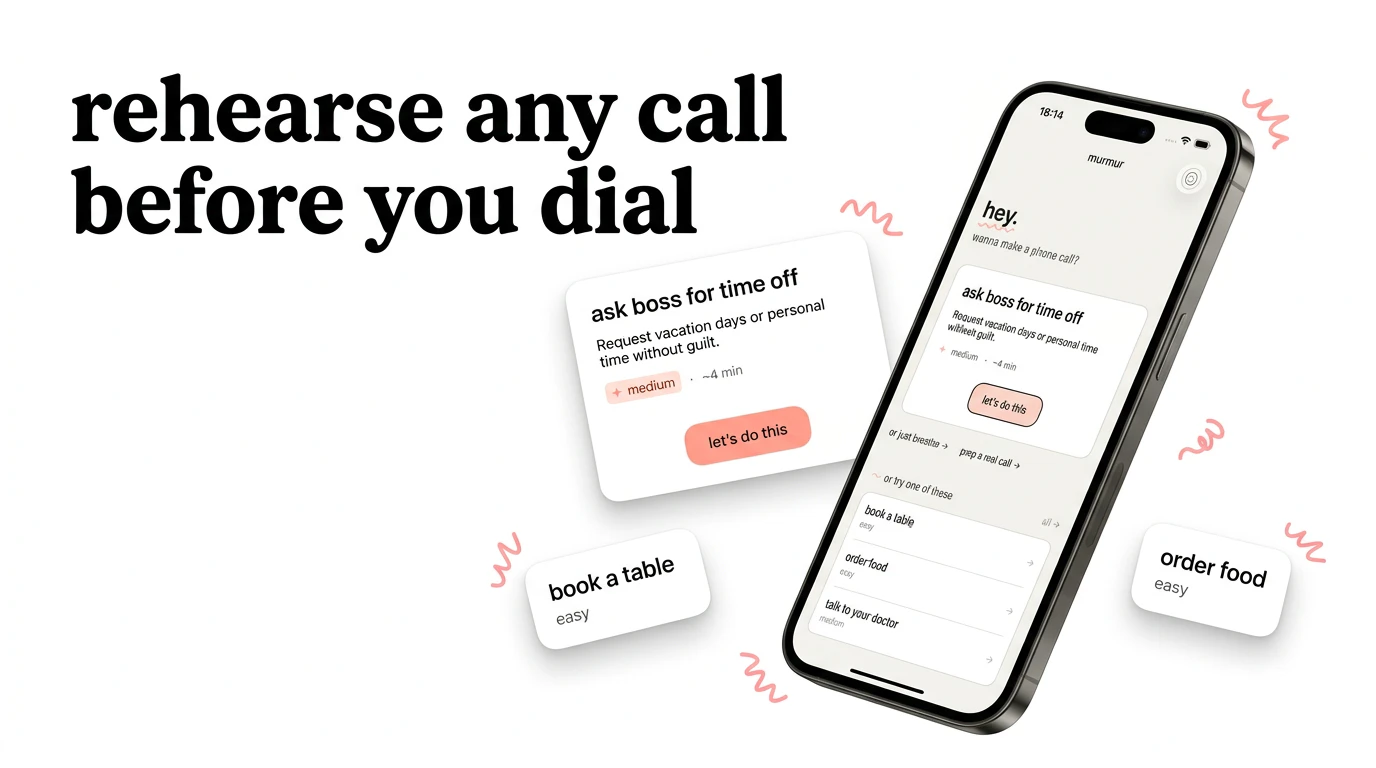
Dreading a phone call? Practice it first. Murmur is an iOS app that lets you rehearse real-life phone calls with AI before making them for real. Call your doctor about test results, negotiate rent, prep for a job interview, or handle a difficult return - in a safe, judgment-free space. Pick a scenario (40+ built-in, or create your own), have a real voice conversation with AI, get instant feedback on what you said and how to improve. Not a chatbot - a real voice call simulator with AI coaching.

Hey Product Hunt!

I grew up texting. My generation booked things online, ordered through apps, and found every possible way around talking to strangers on the phone. So most of us never really learned how to be comfortable making calls.

Not the "I hate small talk" kind of uncomfortable - more the kind where you rehearse what to say to a doctor's receptionist for twenty minutes, then hope they don't pick up. Job hunting made it worse: phone screens, salary conversations, follow-up calls - each one felt like a test I hadn't studied for.

So I built murmur: an iOS app that lets you practise stressful calls with AI before making them for real. The AI plays the other person with a real voice, and gives you feedback after. Doctor's appointments, landlord negotiations, awkward returns, mock interviews, salary talks - and custom scenarios if you have a specific call you're dreading. The AI shows emotions, hesitates, pushes back, and tries to behave like an actual person on the other end.

Murmur got featured in the App Store's "Best New Apps and Updates" a few days ago, and it's for anyone who has ever made a phone call in their head before making it for real. Would love to hear what call you'd practise first.

7
回复

@valzevul Love this for Gen Z/Alpha job hunters dreading recruiter screens. Have you practiced any salary negotiation scenarios yet? How does the AI handle pushback on counteroffers?

0
回复

@valzevul This is super relatable — the “hoping they don’t pick up” part hit hard 😄

Really like the idea of practicing real conversations with an AI that actually pushes back. One thing I was wondering — have you explored showing a more “live” feel of the experience on the landing?

Like a quick simulated call flow or visual example of how a conversation evolves could make the value click instantly for first-time users.

Feels like once people *see* the experience, they’d be much more likely to try it.

1
回复

@valzevul Also had a quick thought on highlighting the “real conversation feel” more clearly in the first few seconds — I think that could significantly improve first-time user conversion.

Happy to share a quick concept if you're open 🙂

0
回复

@vinayverma thanks, that's a great idea to make the landing more interactive! As I am building a mobile app, not a web-service, my primary goal is to get users to download the app first - at which point they get to see the demo onboarding and try the real live call.

0
回复

Congrats on the launch! The "rehearse before you call" concept is something a lot of people need, but I believe nobody has built well until now? At least, for me, it's the first time seeing it like this - great work!

Curious whether you've considered business scenarios like investor calls or client negotiations. At CoreSight, we work with founders who'd probably use this before a fundraise.

0
回复

Hello!
I tried murmur and I have some notes,
1.It was very hard to find the app on the appstore, I had to search for murmur ai because lots of apps had the same name, maybe you wanna change it to murmur practice or something that helps users get there faster
2.In my case i was not able to test it properly as it directed me to the demo and later on it asked me to make a payment, I was not able to test it in any way, i believe is hard to get users to pay if you dont give them even a small sneak peak.

3.UX: I feel its very closed, I cant access anything , cannot setup my language preferences, speed of speech anything (maybe this changes with the premium features but im not sure)

would love to test it out though!

0
回复

@carolinahunts thanks for giving it a try! The title of the app depends on your App Store language, but generally it's "murmur: ai practice calls". The paywall you encountered during the onboarding is one of the a/b tests I am running - but it can be dismissed, you should still be able to try the app for free (please drop me a message if not, then this is a bug).

Appreciate the feedback regarding UX - at the moment the language preferences and speed of speech are not customisable, the agents will reply in the language you speak, and they will speed up/slow down if you ask them to. I will explore adding more clear controls though, thank you!

0
回复

I'd actually use this for practicing calls in a second language. When I was in the US, making phone calls in English for things like appointments or reservations was always way more stressful than it needed to be. Being able to practice the exact conversation beforehand would have helped a lot. Does it support other languages like Japanese, or is it English only for now?

0
回复

@ray_artlas great question, thank you! Right now all scenarios/instructions for agents are in English, but if you start speaking in a different language, the agent will switch too. I will eventually localise the app itself as well, but users can already practice conversations in foreign languages to make those less stressful.

0
回复

This is such a clever use case for voice AI. The "rehearse in your head before dialing" thing is so universal — turning that into an actual practice session with feedback is brilliant. Love that the AI pushes back and shows emotions instead of just being agreeable. That's what actually builds confidence for the real call.

0
回复

@letian_wang3 thank you, I hope you give it a try - feel free to leave a review if it helps you build up the confidence!

0
回复

The "hopes they don't pick up" thing is so real. What makes this interesting to me is whether the AI actually pushes back - most roleplay tools are too agreeable and you walk away feeling more confident than you should. Does murmur simulate the person being annoyed, distracted, or just saying no outright? That is the scenario that actually trips people up.

0
回复

@mykola_kondratiuk it does, and there are scenarios where the user has to work around the outright no (e.g if you try to book a table at a restaurant, one of the objectives is to ask for a window table, but the scenario tells the agent that all window tables are already booked and they can only offer a waitlist). That being said, we keep things PG-13, so even when the agent gets annoyed or agitated, it sticks to certain constraints.

0
回复

This hit close to home, Vadim 😄 I still rehearse "hi, is this a good time?" before calling my own bank. The part about hoping they don't pick up — way too real.

The idea of AI that actually pushes back and hesitates is what makes this special. Most practice tools feel like talking to a wall. This sounds like it actually builds real confidence.

Congrats on the App Store feature! Trying this before my next client negotiation call for sure 🚀

0
回复

@pranay_mudigonda haha yeah, that’s me as well! Thank you for giving it a try.

0
回复
#8
Replit Agent 4
Build design, and ship anything AI fast in one flow
131
一句话介绍:Replit Agent 4是一个AI驱动的创意协作平台,通过在统一环境中实现设计、构建与发布的“一站式”流程,解决了软件开发过程中流程割裂、协调成本高、难以保持创作心流的痛点。
Developer Tools Artificial Intelligence Development
AI原生开发 人机协作 一体化开发平台 无限画布设计 并行智能体 任务自动编排 低代码/无代码 快速原型 团队协作 生产力工具
用户评论摘要:用户肯定其一体化流程与并行执行能力,但提出关键疑问:1. 对非开发者,其与Notion等工具的集成是否真正无需代码?2. 在项目中期需重大调整时,AI能否理解现有逻辑进行智能修改,而非推倒重来?这触及了AI开发工具的深层能力瓶颈。
AI 锐评

Replit Agent 4的野心,远不止是又一个“AI生成代码”的工具。它试图用“无限画布”和“并行智能体”重新定义创作本身的工作流,其核心价值在于“维持心流”。它将碎片化的沟通、切换、等待等“脏活累活”交给后台智能体调度,让创作者停留在抽象和创意层面。这直击了现代知识工作,尤其是软件构建中最大的效率黑洞——上下文切换。

然而,其宣称的“智能排序”与“冲突解决”能力,在真实的、混乱的、充满技术债的中大型项目中能走多远,是巨大的问号。用户评论一针见血:AI擅长从零开始“画饼”,但面对一个进行到60%、结构可能已不甚优雅的“烂尾楼”,它是否有能力进行“精装修”而非“爆破重建”?这考验的是AI对复杂系统状态的深度理解与推理能力,而不仅仅是代码生成能力。

此外,其“一体化”环境既是优势也是枷锁。它试图成为一切的中心,但现实中的团队早已被各种专业工具(Figma, Linear, Notion)割据。它的集成能力深度,将决定它是成为一个真正的协作枢纽,还是又一个需要被集成的孤岛。对于非技术PM,能否真的通过自然语言驱动复杂集成,而不陷入配置泥潭,是检验其“去忙化”承诺的试金石。

总之,Agent 4描绘了一个诱人的未来:人负责想象和决策,AI负责执行和协调。但它目前更像是一个为“绿地项目”和快速原型打造的精美工具。其能否跨越从“演示惊艳”到“生产可靠”的鸿沟,能否处理软件工程中真正丑陋和复杂的“中年危机”,将是决定它能否从一款优秀的生产力工具,蜕变为一个颠覆性平台的关键。

查看原始信息
Replit Agent 4
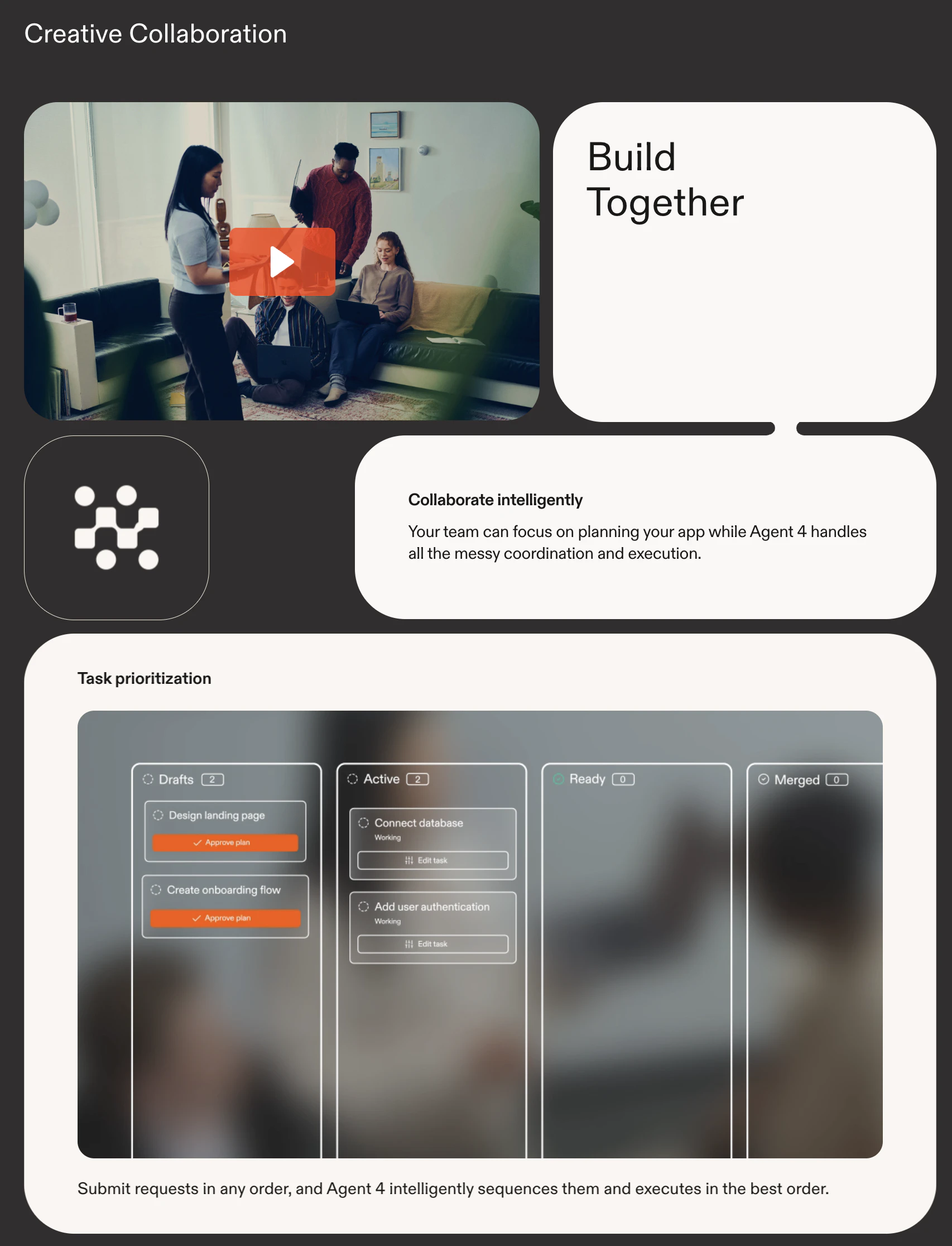
Replit Agent 4 is the first AI built for creative collaboration between humans and agents. Design on an infinite canvas, work with your team, run parallel agents, and ship working apps, sites, slides & more, it removes busywork so you can stay in flow and create faster. Submit requests in any order, and Agent 4 intelligently sequences them and executes in the best order. Creative flow, protected.

Replit Agent 4 is an AI-powered builder that lets you design, build, and ship apps, websites, and more... all in one place.


Building software today is fragmented, slow, and full of coordination overhead. Agent 4 solves this by handling execution in the background so you can stay in creative flow.

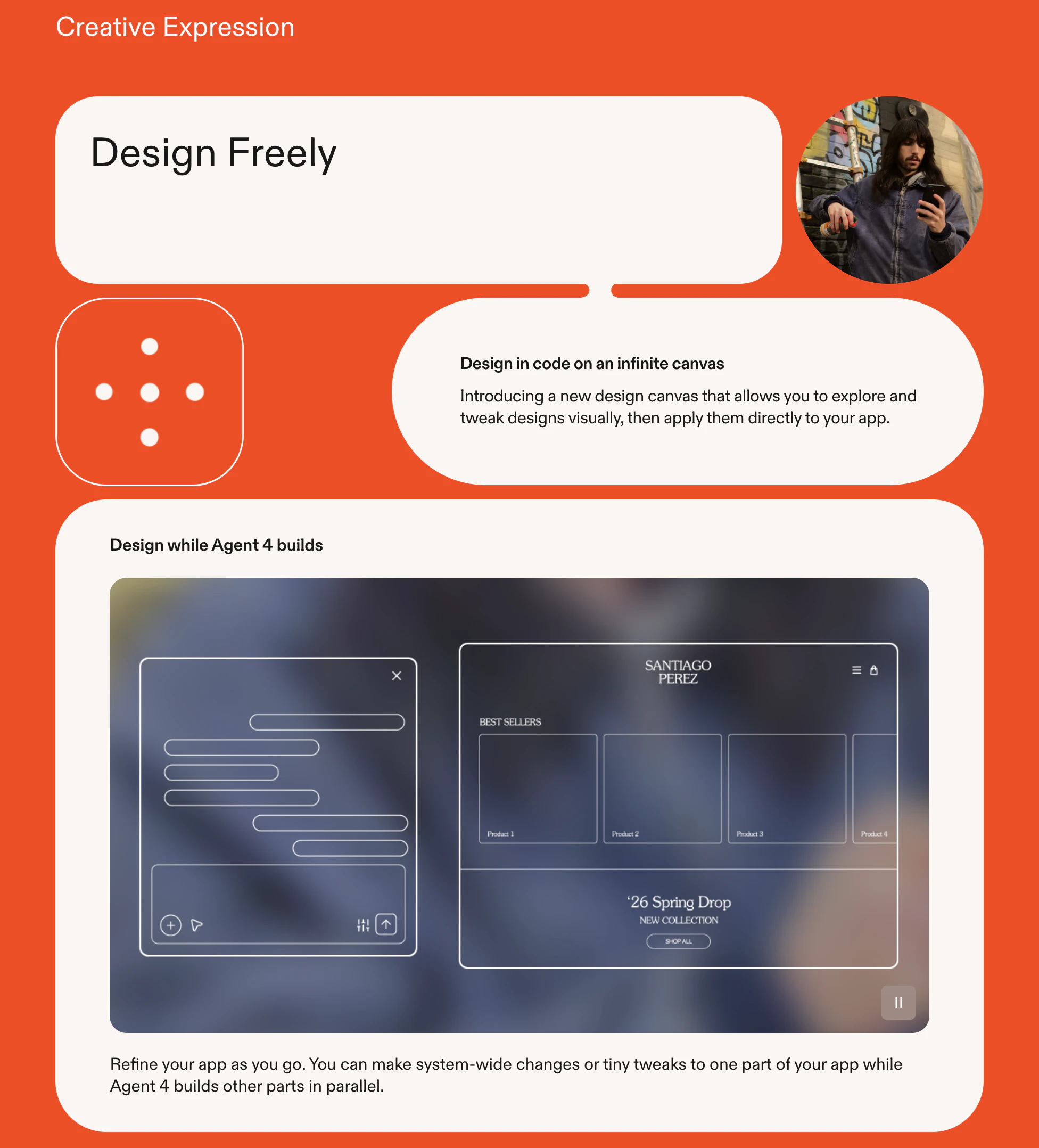
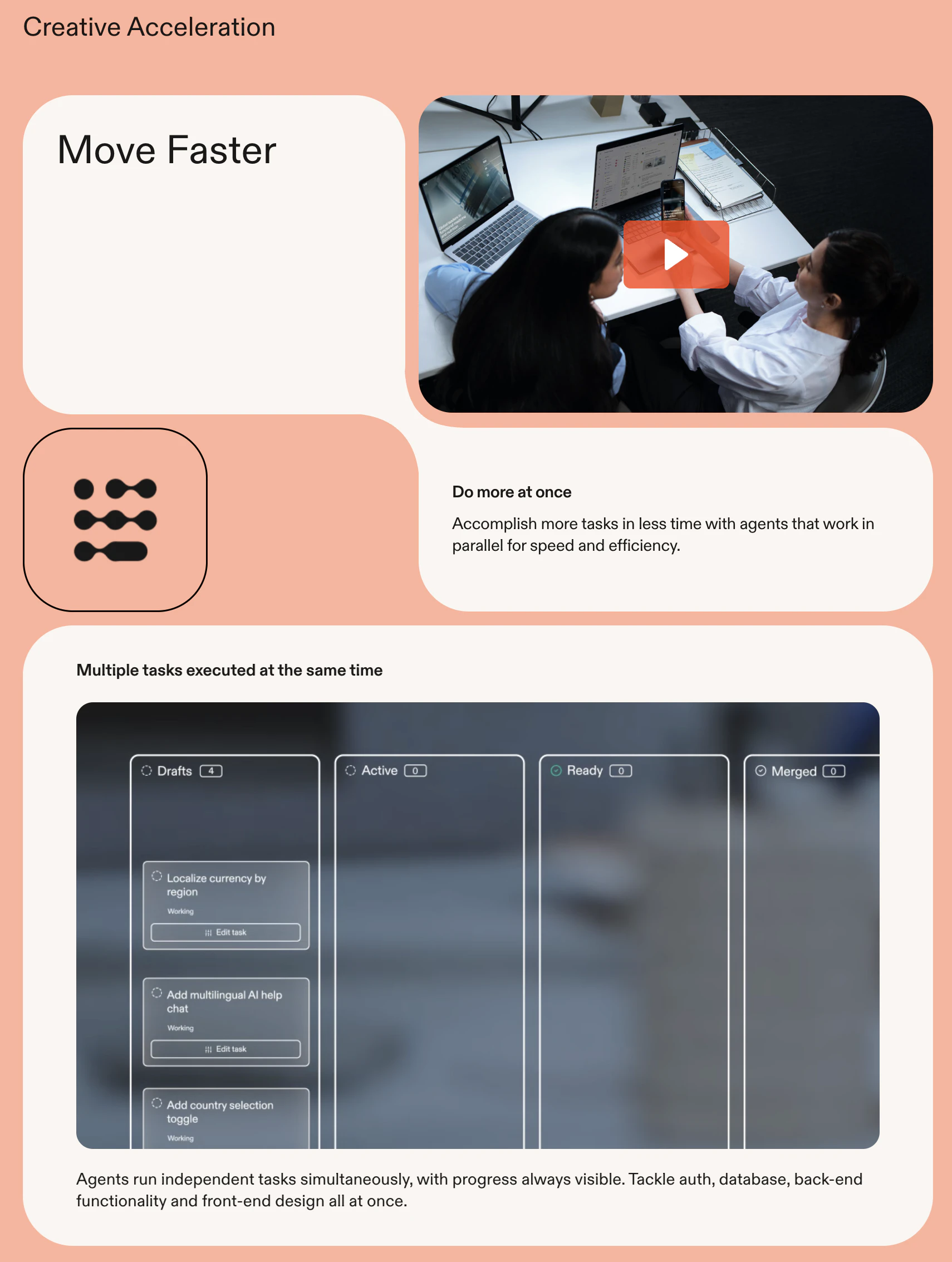
What makes it different is the unified environment + parallel agents. You can design on an infinite canvas while the agent builds, run multiple tasks at once, and ship everything from apps to decks, inside a single project.

Key features:

  • Infinite design canvas with UI variant generation 🎨

  • Parallel task execution with automatic conflict resolution ⚡

  • Smart task sequencing submit requests in any order 📋

  • Web apps, mobile apps, decks, data apps from one project 📱

  • Integrations with Linear, Notion, Databricks, and more 🔗

The benefit: faster iteration, less context switching, and way more progress per minute.

Perfect for builders, PMs, teams, and anyone who wants to go from idea to production faster. If you’re building anything, this is worth trying.

P.S. I hunt the latest and greatest launches in tech, SaaS and AI, follow to be notified @rohanrecommends

7
回复

@rohanrecommends Always love your hunts! One query tho; how well does Agent 4 handle custom integrations (e.g., with Notion or Linear) for non-dev PMs iterating on MVP decks or data apps without code tweaks?

0
回复

The "one flow" pitch makes sense for greenfield builds but I am curious how it handles mid-build pivots - when you are 60% done and realize the data model needs to change. That is where most AI builders I have tried fall apart, they are great at starting but bad at the messy middle. Does Agent 4 have a way to reason about what exists before making changes, or does it mostly rebuild?

1
回复

I really liked the idea, it's a truly successful initiative, congratulations!

0
回复
#9
Mindspend
Track how you feel about spending, not just the numbers
122
一句话介绍:Mindspend是一款通过情感标签追踪消费感受的极简APP,在用户困惑于“钱花到哪去了”却抗拒传统复杂记账的场景下,帮助其通过情绪反思洞察消费模式,实现自我调节而非被动限制。
Lifestyle Personal Finance Budgeting
情感记账 消费心理 个人财务管理 极简主义 行为洞察 消费后悔追踪 主观预算 习惯养成 心理健康 消费意识
用户评论摘要:用户普遍认可其情感追踪理念,认为比传统记账更诚实、少负罪感。主要问题与建议包括:希望分析“感觉一般”支出的长期变化趋势;建议增加支付方式追踪和“必要支出”标签;询问是否支持与现有财务工具同步及数据可视化模式;探讨未来与电商平台情感评价整合的可能性。
AI 锐评

Mindspend的聪明之处在于,它进行了一次精准的“问题降维打击”。传统预算工具失败的核心,往往不是数学模型不精确,而是它们试图用理性框架(分类、限额)去强行约束非理性的消费行为,制造了持续的认知失调与执行疲劳。Mindspend则绕开了这场注定失败的战争,它不评判对错,只记录感受,将复杂的财务管理简化为一个每次消费后2秒的情绪快照。

这背后的真正价值,是它从“财务工具”悄然转向了“行为干预工具”。其干预机制并非前置的规则设定,而是后置的、温和的感知放大。通过将模糊的“花钱如流水”具象化为“32%的消费带来后悔”,它利用人对认知一致性的本能追求(减少“后悔”标签,增加“值得”标签),促使用户自发调整行为。这是一种“助推”(Nudge),而非强制。

然而,其锐利的切入点也构成了其长期发展的天花板。首先,其数据维度过于单一,缺乏金额、支付场景等客观上下文,这使得“情感”分析浮于表面,难以深入。用户“后悔”一杯咖啡,是因为价格、口感,还是购买时的心态?应用无法给出答案。其次,正如评论所指,“必要支出”与“情感支出”的二元性被忽略,水电煤缴费的“无感”与冲动购物的“后悔”在价值上完全不同,但在此模型中被等同视之。这限制了其对用户真实财务健康的全景描绘。

未来的想象空间在于数据层的深化与整合。短期看,它需要引入基础的事实维度(金额、支付方式、粗略品类),让情感标签有所附着;长期看,若能与开放银行或电商平台数据结合,实现“群体情感基准”对比(如“购买同款耳机的用户中,85%认为值得”),则可能从个人反思工具跃升为颠覆性的消费决策基础设施。目前,它是一个极具启发性的最小化可行产品(MVP),成功验证了“情感记账”这一需求痛点,但要从一个聪明的心理学实验成长为坚实的财务健康伙伴,它还有很长的路要走。其最大的挑战将是:如何在增加必要复杂性的同时,不牺牲此刻令人着迷的极简与轻盈。

查看原始信息
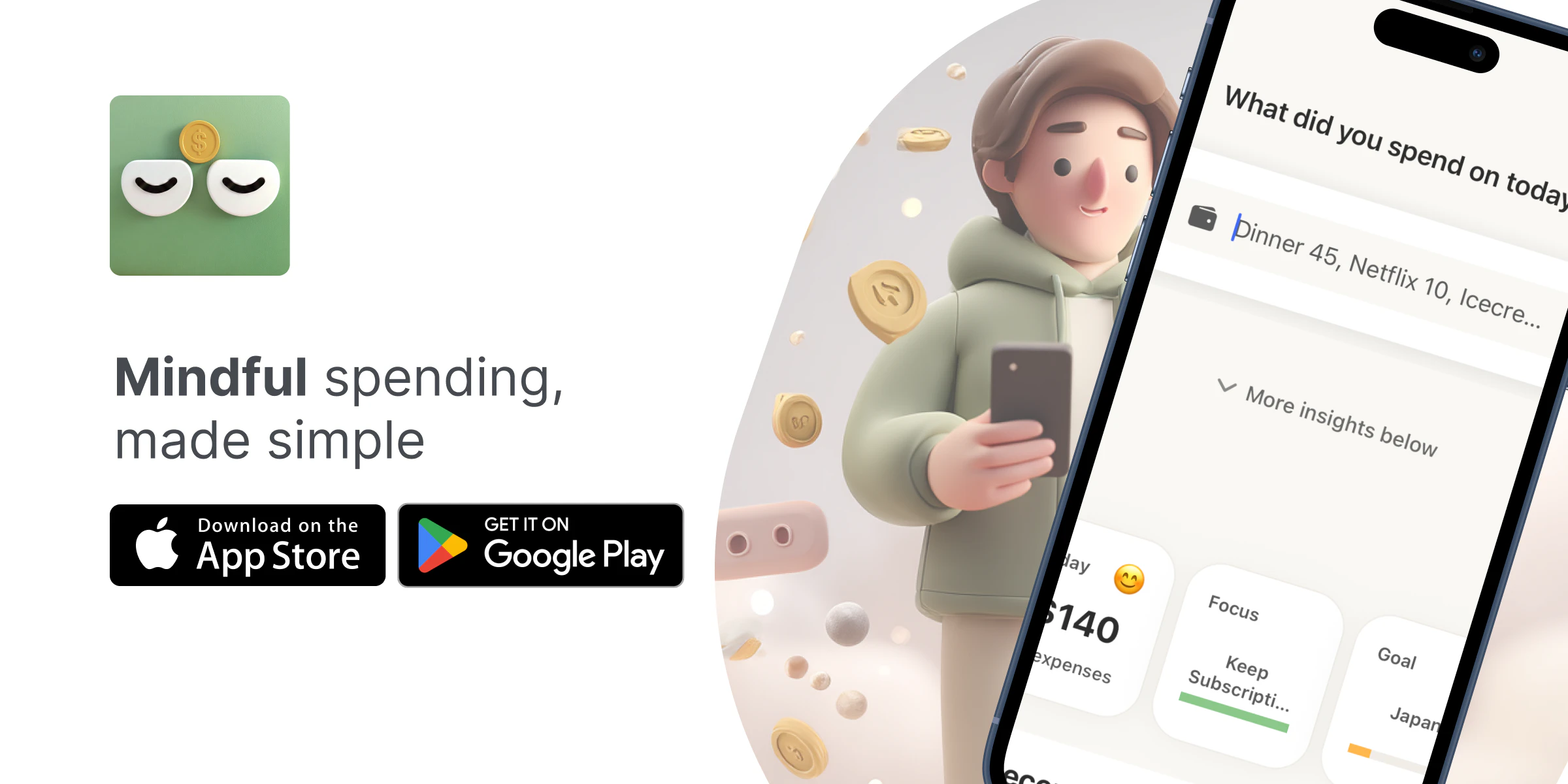
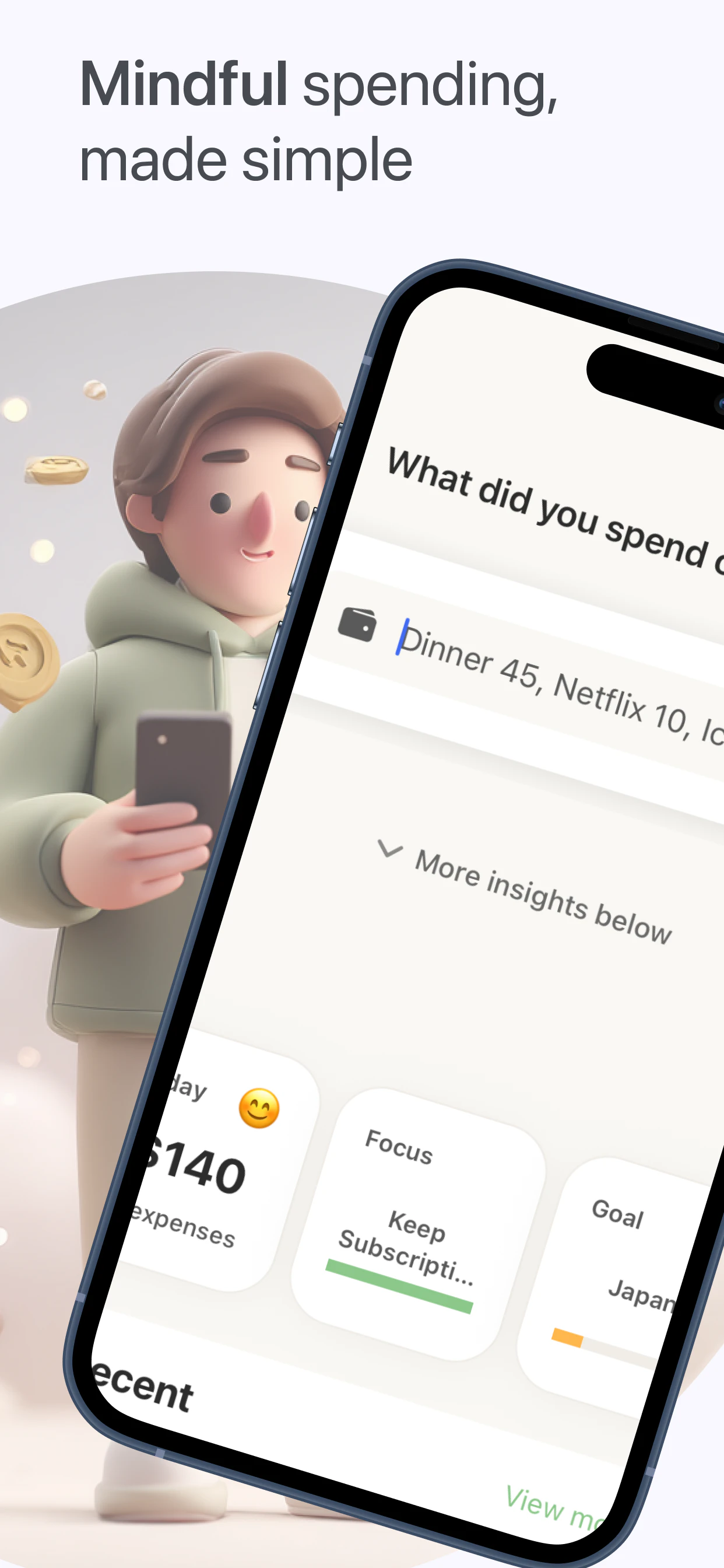
Mindspend
Most budgeting apps track where your money goes. Mindspend tracks how you feel about it. Every purchase gets one of three emotion tags: worth it, okay, or regret. No categories, no bank linking, no complicated setup. Just one simple question after each purchase: how did that feel? After a few weeks, you see your spending patterns through a completely different lens. It's not about restricting yourself. It's about understanding yourself.
Hey PH! I'm Alex, dev behind Mindspend. Quick backstory: I've always been okay with money on paper, but never really felt in control. Like, I'd check my bank and think "where did all that go?" Not because I was overspending on anything crazy. Just a bunch of small stuff that added up. I tried budgeting apps. You know the drill. Connect your bank, set 15 categories, feel guilty when you go over. I'd last maybe a week before uninstalling. So I tried something different. What if instead of tracking categories, I just tracked how I felt about each purchase? Worth it, okay, or regret. Three options. Takes 2 seconds. Turns out that's all I needed. After a couple weeks I could literally see that like a third of my spending was stuff I regretted. Not big purchases. Just random stuff on autopilot. Once I saw the pattern, it kind of fixed itself. I built it into an app because my friends kept asking for it. It's free right now, no ads, works on both iOS and Android. Honestly just excited to share it and hear what you all think. Happy to answer any questions!
4
回复

Curious what happens with "okay" over time - does it tend to drift toward regret or worth it as people use the app longer? That middle category feels like where the most interesting behavioral data would live.

1
回复

@spunchev That's exactly the kind of question I love, you're thinking about it the right way. Honestly, I don't have enough long-term data yet to say definitively, but my hunch is that 'okay' is where the most interesting shifts happen. It's the category where awareness does the most work, once you see how much of your spending lives there, it either gets reframed as 'actually worth it' or quietly moves to regret. The middle ground is rarely neutral forever. Would love to revisit this in a few months with real data 😄

0
回复
Working about feelings lead humanity to progression.keep up
1
回复

@vato_mikaberidze Thank you, that means a lot! 🙏

0
回复

Congrats on the launch! The "how did that feel?" approach is way smarter than categories - it's honest.

Does it show you patterns over time? Like "you regret coffee shop purchases but not restaurant dinners" kind of thing?

0
回复

Hello Alex!
I hate the feeling "where did my money go?" and I have noticed when I pay cash/transfer, I am more responsible, while when im paying with credit card im extremely irresponsible. So I was thinking it would be great to be able to track the method of payment, so if i really see a trend with my CC I would start leaving it at home!.
Besides that I would like to add another choice on the feelings like "Needed it" there are some things I hate to pay but its necessary, not like a subcategory but an expense that is a non negotiable in my life and cant be decreased (or changed), for example my student loan monthly fee, rent, insurance , etc. I honestly dont feel at my best paying it, but its a non negotiable.

0
回复

Sounds like a great idea to solve overspending, and it would be nice for it to sync with budget trackers people already may use (e.g. Notion) for bigger picture budgeting / factoring in necessary spending such as rent and utility bills. How does Mindspend know your transactions, do you have to manually input them?

0
回复

This is a really interesting angle on budgeting. I'd love to see this go further. Imagine if it could integrate with e-commerce platforms and show how other buyers felt about the same product over time. Like an emotional review layer on top of your purchase history. With sites like Amazon flooded with fake reviews, something like this could become a genuinely trustworthy way to judge whether a purchase is worth it.

0
回复

Really interesting angle — most budgeting apps make you feel guilty about spending. Focusing on how it felt instead of just the category is a much more honest way to understand your habits. Congrats on the launch 👍

0
回复
#10
Novi Notes
Local-first AI note app for Mac zero config via MCP
102
一句话介绍:一款本地优先、通过MCP实现零配置AI集成的Mac笔记应用,为频繁切换开发环境的专业人士提供了统一、私密的知识管理方案,解决了笔记碎片化和工具配置复杂的痛点。
Productivity Notes Artificial Intelligence
笔记应用 Mac软件 本地优先 AI集成 MCP协议 零配置 一次性买断 知识管理 开发者工具 隐私安全
用户评论摘要:用户对“本地优先+一次性买断”模式表示赞赏,MCP集成带来的零配置体验是核心吸引力。主要问题集中于价格、未来是否支持其他AI模型、大规模笔记的搜索性能,以及开发者在实现无缝MCP集成时遇到的具体技术挑战。
AI 锐评

Novi Notes 精准切入了一个细分但关键的缝隙市场:将“本地优先”的隐私承诺、反订阅制的商业模式,与当下最热的AI能力(通过MCP)进行了看似矛盾却直击痛点的结合。它的真正价值不在于做了另一个笔记应用,而在于充当了一个“AI就绪”的本地知识库接口。

其“零配置”标语极具诱惑力,但这恰恰是它最大的赌注与风险所在。MCP (Model Context Protocol) 目前仍是新兴协议,主流化进程存疑。产品将核心体验重度捆绑于Claude及MCP生态,这是一把双刃剑:短期内实现了与AI交互的极致简化,建立了壁垒;长期却可能受限于单一AI模型的发展与协议本身的普及度。评论中关于是否支持其他AI的疑问,直指这一核心依赖风险。

产品定位“为开发者而生”,从其解决“CLAUDE.md文件散落各项目”的初衷可见,它本质上是开发流程的副产品管理工具,而非通用笔记应用。这决定了其天花板明显,但初期用户画像极为精准。一次性买断制在赢得好感的同时,也为独立开发者的长期维护和功能迭代带来了可持续性挑战。

总而言之,Novi Notes 是一次对“AI时代个人知识基座应如何构建”的犀利实验。它摒弃了臃肿的云同步和插件生态,试图用最轻的协议连接最强的AI。若MCP生态崛起,它可能成为标杆;若不然,它或许只是一个优雅的小众解决方案。其成功与否,将部分取决于协议之争,部分取决于开发者能否在“极简”与“可持续”之间找到平衡。

查看原始信息
Novi Notes
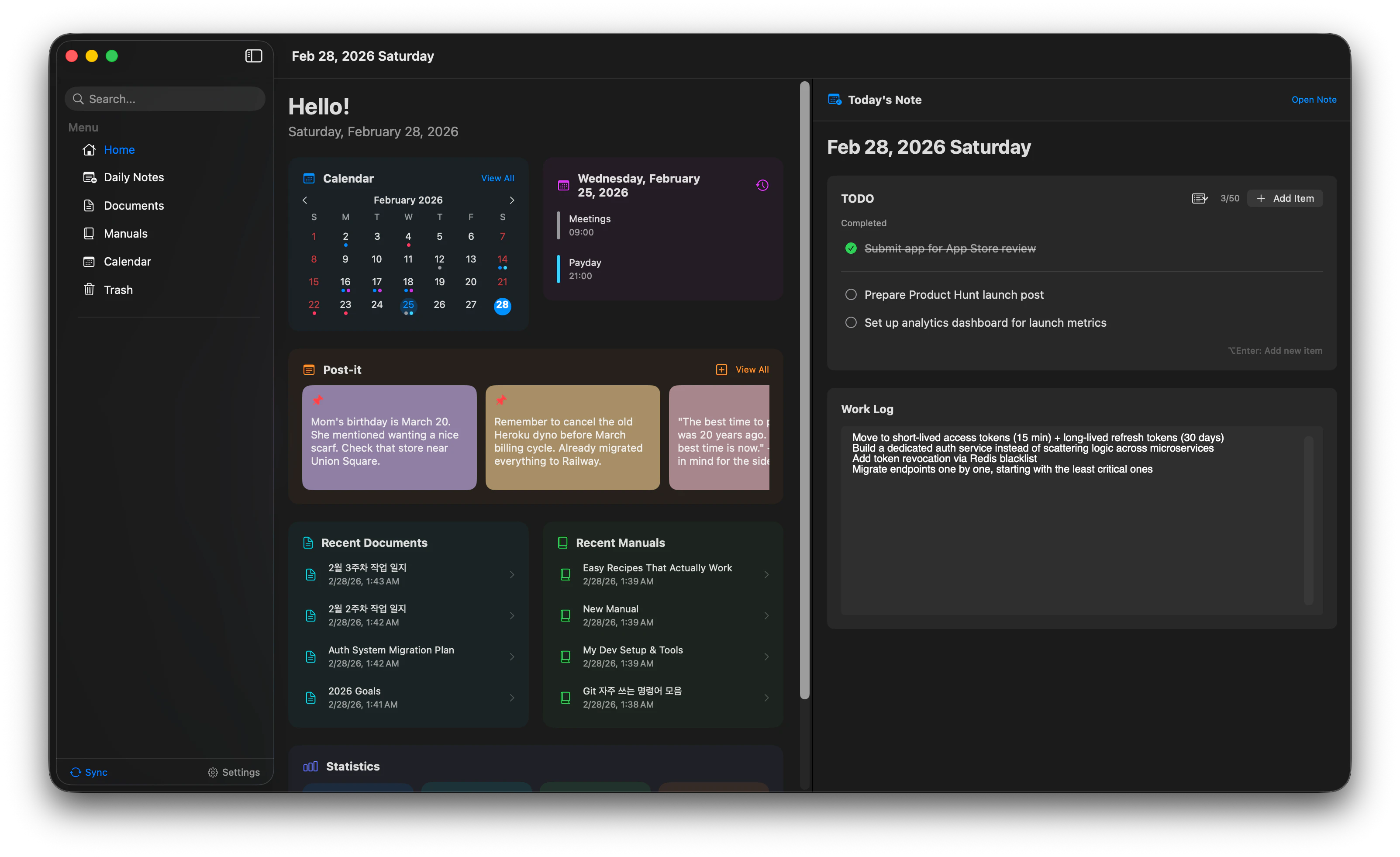
Novi Notes is a local-first Mac note app with built-in AI via MCP. Just install, open Claude, and ask — Claude reads and writes your notes directly. No plugins, no API keys, no config. Features: AI-native via MCP, 100% local and offline, daily notes, manuals, post-its & calendar, one-time purchase with no subscription. Built by an indie dev in Seoul.

Hey everyone! 👋 I'm Hojong, the solo developer behind Novi Note.

Why another note app?

I'm a backend developer working across TypeScript, Kotlin, and Swift every day — jumping between different IDEs and projects constantly. When I started using Claude Desktop and Claude Code in my workflow, something unexpected happened: markdown files started piling up everywhere. Skills, agent configs, project notes, CLAUDE.md files — scattered across dozens of project directories. Version controlling them was a nightmare, and every time I set up a new project, I had to dig through old folders to find and reconfigure everything.

I needed one place to keep it all together. Meeting notes, code snippets, daily logs, reference manuals — not spread across 15 different repos.

So I tried everything. Notion, Obsidian, Evernote, Bear, SimpleNote, even Coggle for mind maps. They're all genuinely great tools. But either they required a subscription for the features I needed, or they couldn't quite match the workflow I had in mind.

So I thought: why not just build the note app I actually want?

And here's the funny part — after spending months building Novi Note, I finally understood why those other apps couldn't do what I wanted. Turns out, building a note app that fits your exact workflow is... really, really hard. 😅

What makes Novi Note different:

  • 🤖 AI Native via MCP — Connect Claude to your notes with minimal setup. I worked hard to make the MCP configuration as painless as possible. Your AI can read, create, and organize your notes directly.

  • 💰 One-time purchase — No subscriptions. Ever. That's a promise, not a marketing line.

  • 🔒 Local-first — Your data stays on your Mac. No cloud dependency. Full offline support.

  • 📋 Built for work — Daily notes, manuals, documents, post-its, calendar — the structure a working professional actually needs without Notion-level complexity.

I built this for people like me — developers who live in the terminal and IDE all day, use Claude as a daily companion, and just want a clean, private place to keep everything organized without fighting their tools.

Would love to hear your thoughts. What's your current note-taking setup? I'm genuinely curious!

3
回复

@fresh_topping Congrats on the launch. Super excited about the local-first + AI combo. Just a quick q: what's one workflow challenge you ran into while making the Claude MCP setup truly painless for devs jumping between IDEs, and how'd you solve it?

0
回复

Congrats! Building the tool you couldn't find elsewhere is the best reason to ship something tbh.

Curious whether you're planning to expand beyond Claude to other AI assistants, or keeping it Claude-specific by design?

0
回复

Looks interesting. What's the price?

0
回复

Local-first AND one-time purchase? Take my money honestly. I've been bouncing between Obsidian and Apple Notes for months and neither fully clicks. The MCP integration with Claude is what got my attention though , being able to just talk to my notes without some janky plugin setup sounds great. Downloading now.

0
回复

Zero config setup is underrated — most note apps make you spend an hour tweaking before you can actually use them. How does it handle search across large note collections?

0
回复
#11
Sanota
Stories, beautifully crafted
96
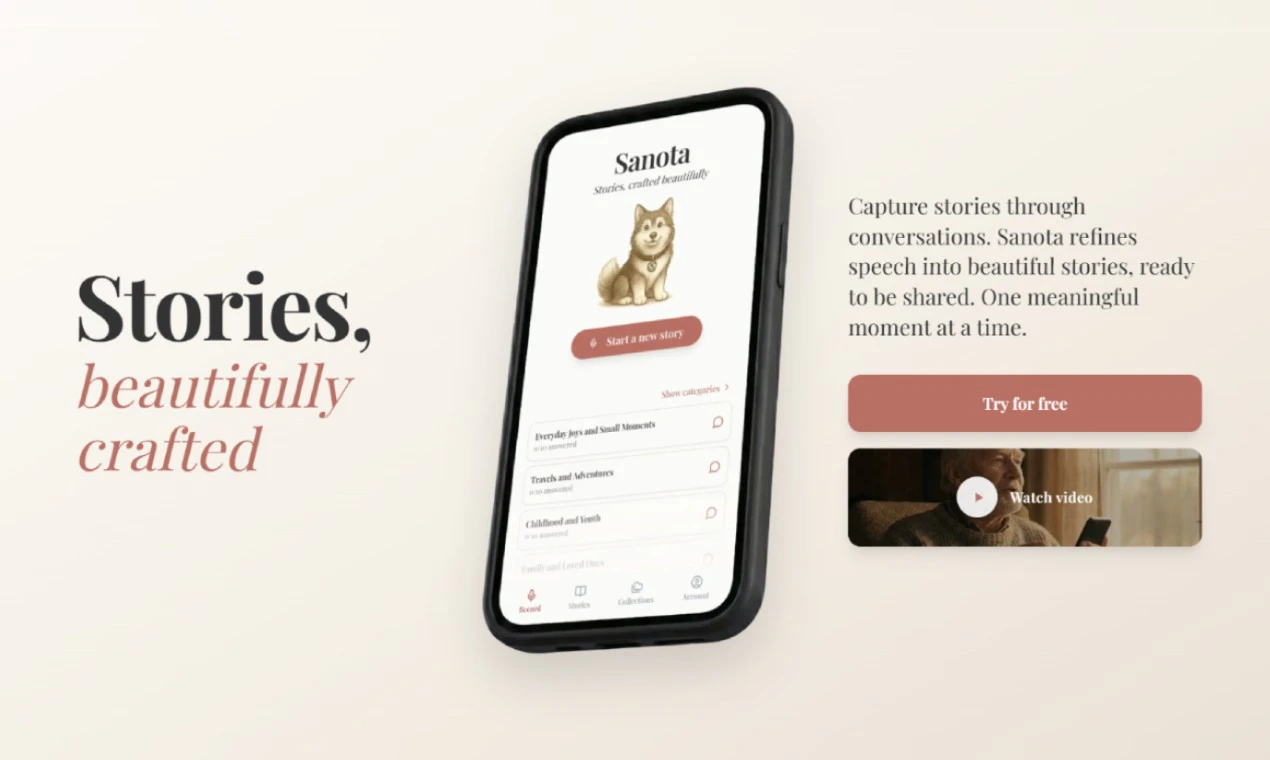
一句话介绍:Sanota是一款利用对话式AI帮助用户轻松记录、润色并即时分享家庭故事的工具,解决了传统家族史记录耗时费力、难以即时共享与互动的痛点。
Writing
家庭故事记录 AI辅助写作 记忆共创 异步协作 语音记录 内容发布 家族史 叙事工具 情感连接 私密社交
用户评论摘要:用户普遍赞赏其“即时分享”理念和电话录音的适老设计。有效问题集中在AI如何保持叙述者原声、是否支持多人异步共创,以及AI访谈风格是否会因人调整。开发者确认了多人协作功能。
AI 锐评

Sanota的聪明之处在于,它没有将自己定位为另一个“数字遗产档案馆”,而是敏锐地捕捉到了当代家庭叙事中最关键的断层:**即时性**与**共创性**的缺失。传统家族史记录是一项浩大工程,结果往往成为滞后的、单向的“遗产”。Sanota则将其解构为可即时消费的“故事流”,通过AI引导的对话降低创作门槛,利用共享链接实现异步共创,这本质上是在构建一个**私域、异步、以叙事为核心的轻量级家庭社交网络**。

其“电话录音”功能是一个深思熟虑的破局点,它并非单纯的技术降级,而是精准地排除了数字鸿沟对核心用户(长辈)的阻碍,确保了故事源头的供给。然而,其核心挑战也在于此:AI的“润色”与“保持原声”之间存在天然的张力。过度润色会失去个体的语气与温度,沦为同质化的鸡汤散文;介入不足则无法体现产品价值。这要求其AI必须具备细腻的语境理解和风格模仿能力,而非简单的文本优化。

真正的价值不在于“保存过去”,而在于**激发当下的连接**。它让家族叙事从一项背负道德压力的任务,转变为一种可随时发生、有即时正反馈的轻社交行为。其商业模式与增长潜力,也将取决于能否从“故事制作工具”成功转向“家庭互动平台”,让故事的阅读、评论与衍生互动形成闭环。目前看来,它迈出了反直觉却正确的一步。

查看原始信息
Sanota
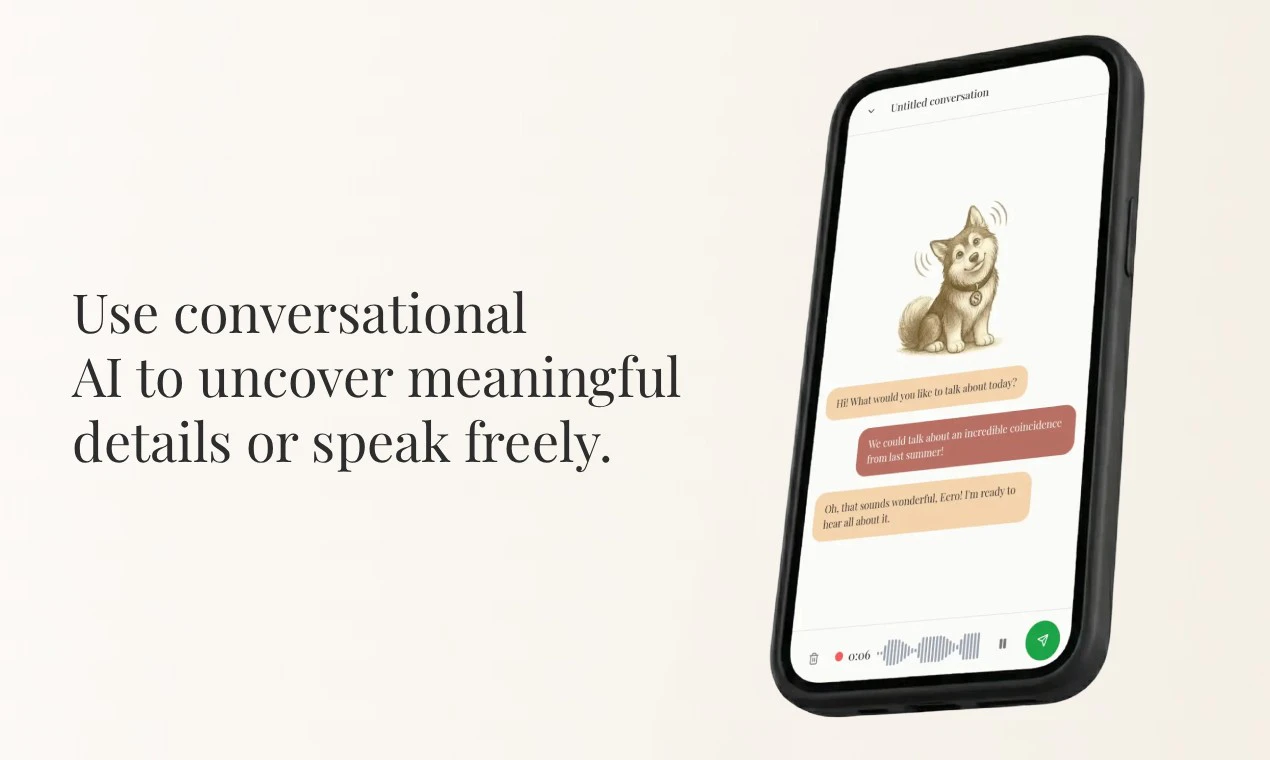
Publishing family history shouldn't take years. Sanota lets you publish stories one by one as they are ready, connecting loved ones today instead of just preserving the past. A conversational AI uncovers meaningful details and crafts each story in a tone most suitable for you. Co-create memories from multiple perspectives. Record in your browser or via a standard phone call so no smart devices are needed. The result? Stories, beautifully crafted.

Hi Product Hunt! 👋 I’m Eero, the maker of Sanota.

Family stories shouldn't be dusty archives saved only for the future. They should connect us today. There is no better feeling than a loved one sharing their latest story into the family WhatsApp group. Knowing they had the time to reflect on a memory, polish it with Sanota, and share it to spark conversations right now. That’s the magic we wanted to create.

Try it out, give voice to the most important stories, and fall in love with the experience ❤️

P.S. In Finnish, "Sanota" means to give voice to your thoughts.

3
回复

@eero_ronkko Beautiful idea, Eero, giving voice to family stories before they're lost is always magic. And it's really unique. Just a small question for you: how does Sanota's AI help polish raw reflections like a grandparent's chat into shareable gems without losing their authentic voice?

0
回复

Can multiple family members contribute to the same story from different locations, or does one person record at a time? Beautiful concept, good luck with the launch!

1
回复

Hi @mcarmonas, thank you! Yes, they can. It works through a single shared link. You just send the link to your family members, and everyone can jump in to tell their part of the story at their own pace.

0
回复

Storytelling is all what we need! Really congrats on this level of solution. Wish you all the best here Eero!

1
回复

Thank you so much, @german_merlo1

We completely agree! Storytelling is at the core of human connection and We wanted to craft something that makes sharing those stories as effortless as possible. Really appreciate the support and kind words! 🙏

0
回复

Congrats on the launch! The idea of publishing stories one by one as they're ready rather than waiting for a finished archive is a genuinely better way to think about this.

The phone call recording option is a thoughtful touch for older family members. Does the AI adapt its interview style depending on the age or comfort level of the person recording?

0
回复

Lovely idea, congratulations on the launch!

0
回复
#12
Caplo
Real-time AI captions & translation for any iOS app
93
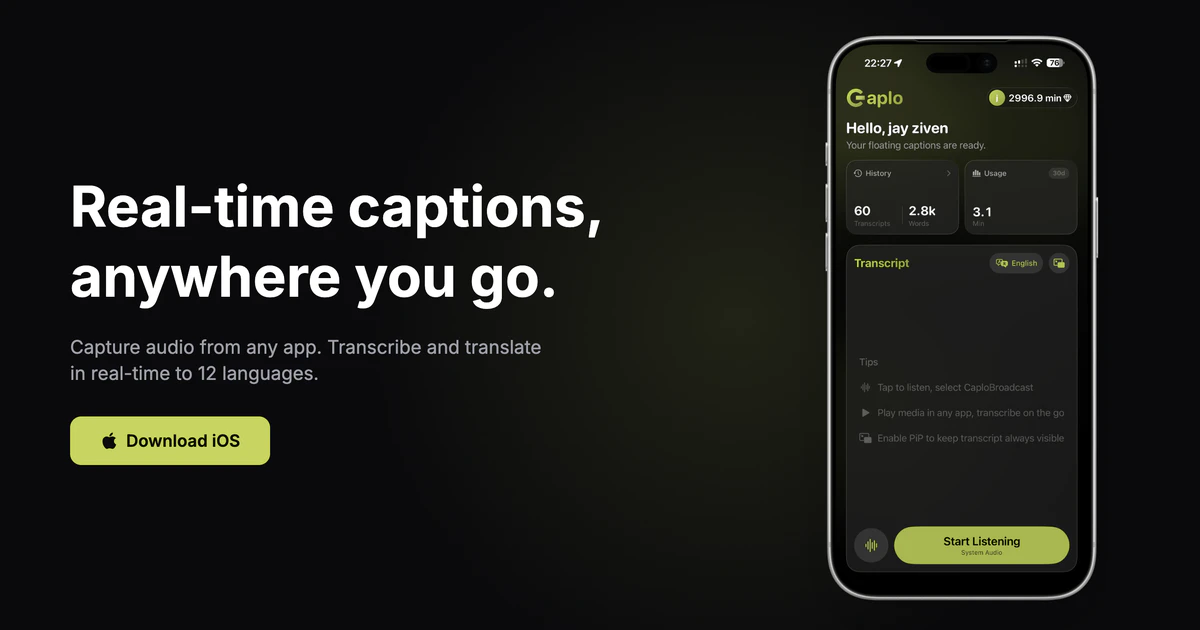
一句话介绍:Caplo是一款通过实时AI字幕与翻译,为任何iOS应用内的音频提供悬浮画中文字幕的工具,解决了用户在观看无字幕外语视频、参加国际会议等场景下的语言理解障碍。
iOS Productivity Artificial Intelligence
实时字幕 实时翻译 语音转文字 无障碍工具 生产力工具 iOS应用 画中画 跨应用兼容 AI音频处理 语言学习
用户评论摘要:用户反馈主要集中于产品实际使用的准确性和稳定性问题,如在嘈杂环境或语音消息下的转录失败、缺少操作引导。同时,用户也关心技术细节(如口音处理、历史记录功能)和未来发展方向。开发者积极回复,承认部分功能缺失并承诺考虑改进。
AI 锐评

Caplo的核心理念“系统级音频捕获+悬浮PiP”是其在技术实现和产品设计上最锋利的一刀。它巧妙地绕开了为每个应用单独做集成的浩大工程,试图将自己打造成iOS系统上一个通用的“听觉辅助层”。这种“寄生”于系统音频的定位,使其理论上具备了无限的应用场景想象力,从流媒体、会议到游戏、社交语音,这正是其宣称的“Universal”价值的根基。

然而,理念的先进无法掩盖落地初期必然的粗糙。用户评论揭示了其作为早期产品最脆弱的两个环节:其一,在复杂真实环境(噪音、口音、语速)下的AI识别与翻译准确度存疑,这是所有语音AI的终极战场,一句“使用了最先进的AI大模型算法”的回复显得苍白且回避实质;其二,产品交互与用户预期管理存在缺口,“零结果”反馈和缺乏引导说明,暴露出其将技术能力转化为稳定可靠用户体验的路径尚未跑通。

其真正价值不在于当下略显单薄的转录功能,而在于它验证了一个极具潜力的入口:一个系统级的、实时音频理解与交互中心。未来的想象空间远不止字幕,可以是实时笔记、对话摘要、语音指令响应,甚至是一个跨应用的AI语音助手前置入口。但前提是,它必须首先在“字幕”这个核心功能上做到极致稳定和准确,否则一切延伸都是空中楼阁。当前93个投票数,也反映了市场仍在观望其技术承诺的兑现程度。

查看原始信息
Caplo
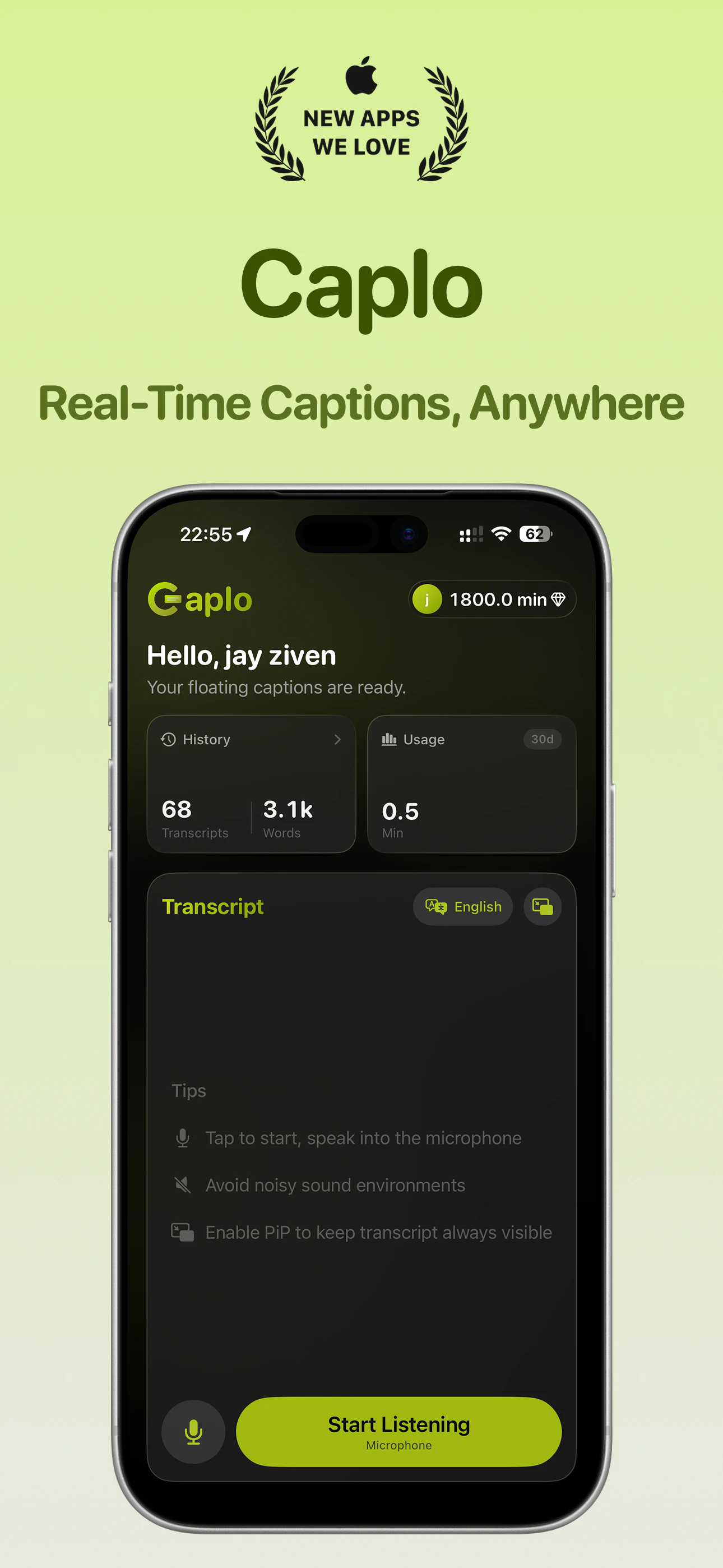
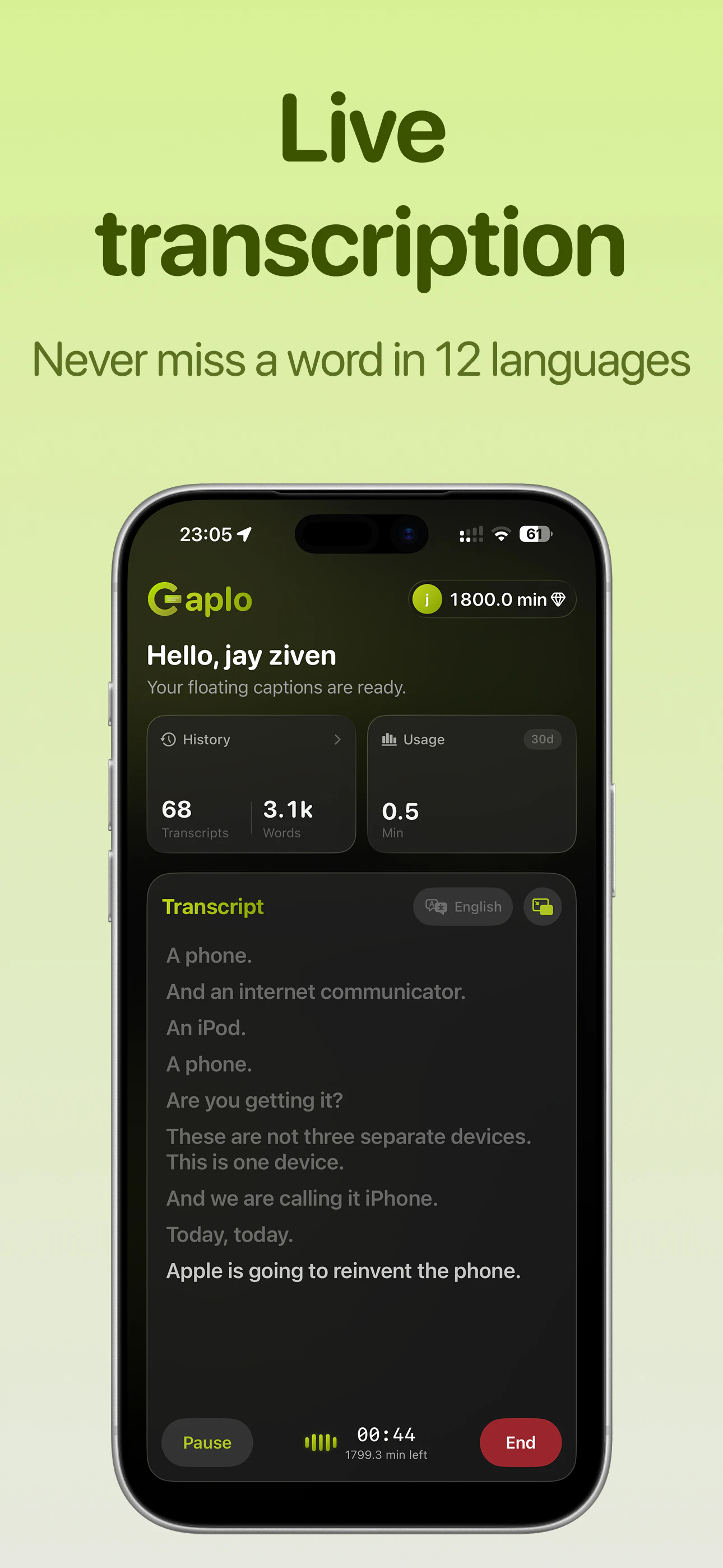
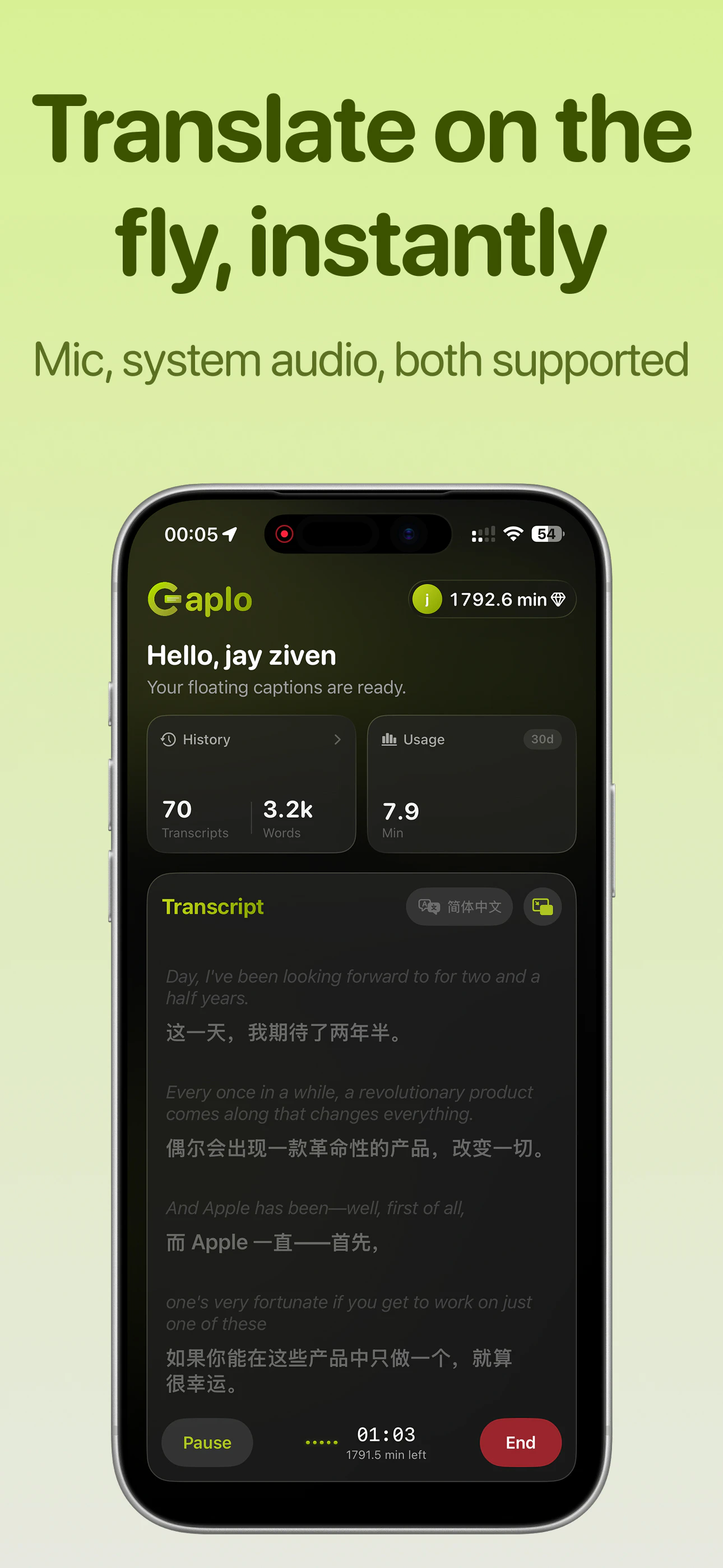
Caplo brings real-time AI captions & translation to any iOS app. it captures system audio to provide live subtitles in a floating Picture-in-Picture (PiP) window—perfect for foreign streams, meetings, or anime. • Floating PiP: Overlays any app you use. • 12+ Languages: English, Japanese, Chinese, Spanish, etc. • Universal: Works with YouTube, Zoom, Netflix & more. • AI-Powered: Fast and accurate transcription. Break the language barrier on your iPhone!
Hey Product Hunt community! 👋 I’m the maker of Caplo. This project started from my own frustration: I love watching foreign content and attending global tech meetups, but I often found myself lost when there were no subtitles. So I built Caplo. The goal was simple: If you can hear it on your phone, you should be able to understand it. Caplo can "read" audio from ANY app without needing internal integrations. Combined with a floating Picture-in-Picture window, it feels like a native part of your OS. I’ll be here all day to answer your questions. Let me know what you think! 🚀
2
回复

@socekin Kudos on the launch. Just a QUICK Q: how accurate is Caplo's translation for live audio in noisy settings, say a crowded conference?

0
回复

Hello!

I tried to check it out in my husband's family group on whatsapp (they are Syrian, im Mexican), I played some voicenotes, some recordings but when I came back to Caplo the record mentioned zero words! I also tried with youtube and same zero answer.
I tried several ways but the app never came back with any results. Am I doing something wrong? Maybe It would be useful to have a small tutorial at the beginning or some visuals that show what to expect.

0
回复

Super impressive, congrats on the product and the launch!

What's next on your roadmap? Do you want to focus on covering more languages, add other complementary features, or something else?

0
回复

Real-time translation for live calls is genuinely hard to get right. How does it handle strong accents or fast speakers?

0
回复

@kaito_builds We used the most advanced AI large model algorithms to solve this problem.

0
回复

If I rewatch a video I've already transcribed before, does it use up my minutes again? Or can I access the previous transcription from the session history?

0
回复

@sj_lee15 Thank you for your suggestion. Caplo currently provides real-time transcription subtitles, and does not read and display from historical session. I will consider this proposal.

0
回复
#13
optimo
effortless media optimizer for the web
89
一句话介绍:Optimo是一款基于ImageMagick和FFmpeg构建的免费开源CLI工具,通过自动化优化图片和视频体积,解决了Web开发中媒体文件占用过多磁盘与带宽、拖慢网站速度的痛点。
Productivity Open Source Developer Tools GitHub
媒体优化 图片压缩 视频压缩 命令行工具 开源软件 性能优化 Web开发工具 FFmpeg ImageMagick
用户评论摘要:用户赞赏其基于成熟工具且开源免费。主要反馈集中在未来形态偏好(API、桌面应用、GitHub Action)、批量处理能力,以及是否保留EXIF等元数据。展现了向工作流集成和自动化方向发展的明确需求。
AI 锐评

Optimo的发布,折射出一个老生常谈却从未被完美解决的行业痼疾:媒体资源优化。它聪明地选择了正确的“轮子”——ImageMagick和FFmpeg,这确保了技术底线的可靠性,但也瞬间暴露了其核心价值并非技术创新,而是体验整合。

其真正锋芒在于“consistent”(一致性)这个关键词。开发者厌倦了在各种工具、参数和格式间进行碎片化、结果不可预测的手动调优。Optimo的价值主张,是提供一个标准化、可预期的优化输出,将“玄学”变为工程纪律。这对于追求自动化部署和性能基线保障的团队而言,意义远大于单个压缩率的提升。

然而,其当前的CLI形态既是优势也是枷锁。优势在于极简、易集成于脚本,与开发者初始场景高度契合。但用户评论迅速指向了更深层的需求:无缝工作流集成。无论是API、GitHub Action还是桌面应用,呼声都表明用户需要的不是一个孤立工具,而是一个“优化服务层”。这揭示了产品未来的分水岭:是继续作为一个优秀的单点工具存在,还是进化成为一个覆盖开发、构建、部署全链路的媒体优化基础设施?

开源免费模式为其赢得了 indie 开发者的初步好感与社区扩散潜力,但如何构建可持续的商业模式,将是其从“有趣项目”迈向“关键依赖”道路上必须回答的尖锐问题。若能在提供稳定、批量化、可配置的元数据处理能力(如EXIF保留)的同时,拓展其作为云服务或企业级解决方案的维度,它才有可能从优化“文件”,升级为优化整个“媒体工作流”。

查看原始信息
optimo
Images and videos are bigger than they should be. They eat disk, bandwidth, and slow everything down. We tried the usual mix of tools, flags, and formats. It worked… sometimes. We just wanted something consistent. So we built Optimo: a CLI that makes media smaller, every time. Built on ImageMagick + FFmpeg. Free and open source.
Hey 👋 Optimo is a CLI today, but that’s just the starting point. Would you prefer to use this as: - a desktop app - an API - a GitHub Action something else? Curious how you’d want to integrate it into your workflow.
4
回复
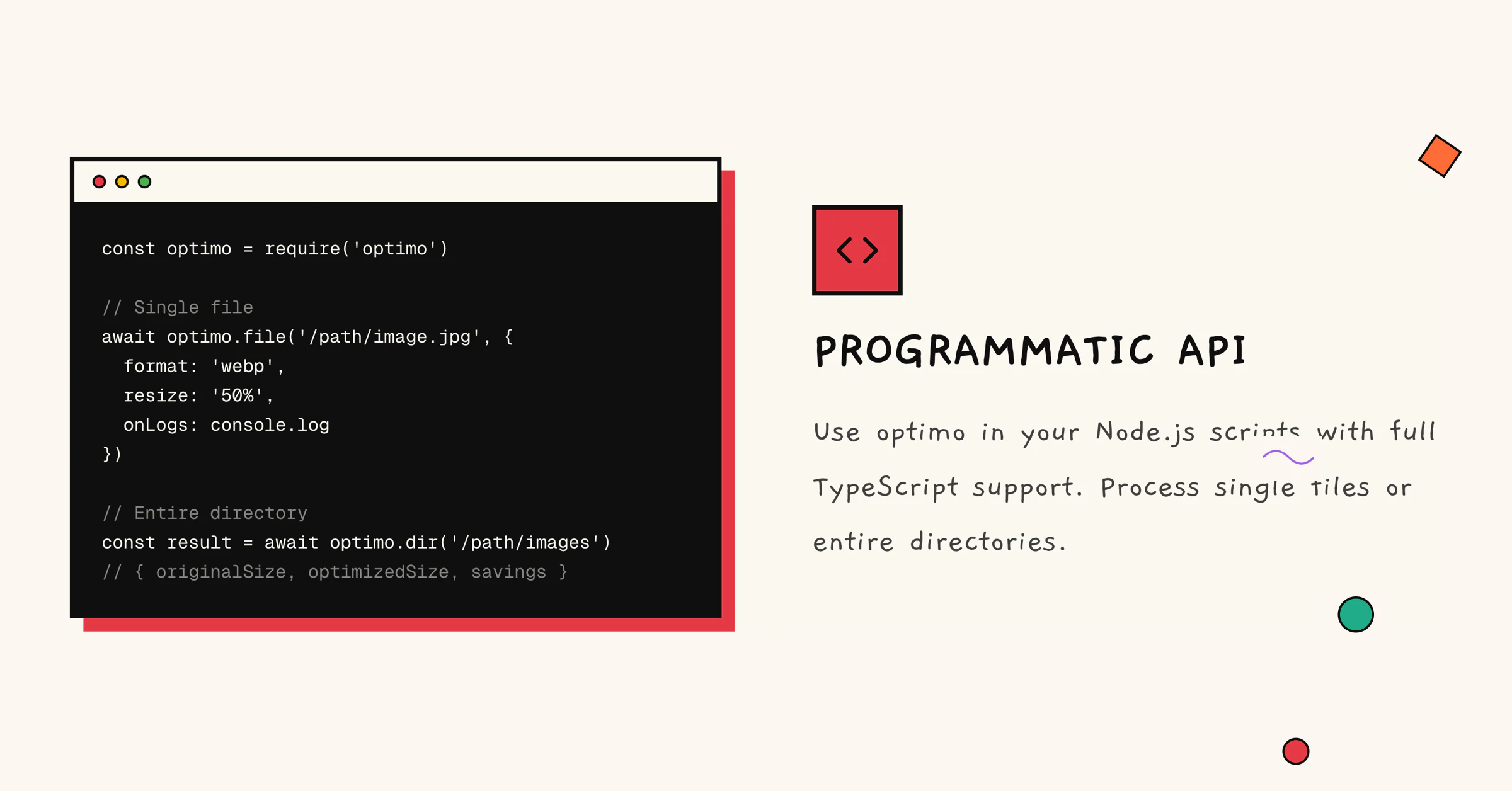
@kikobeats API would be great to add as part of web dev or blog automations
0
回复

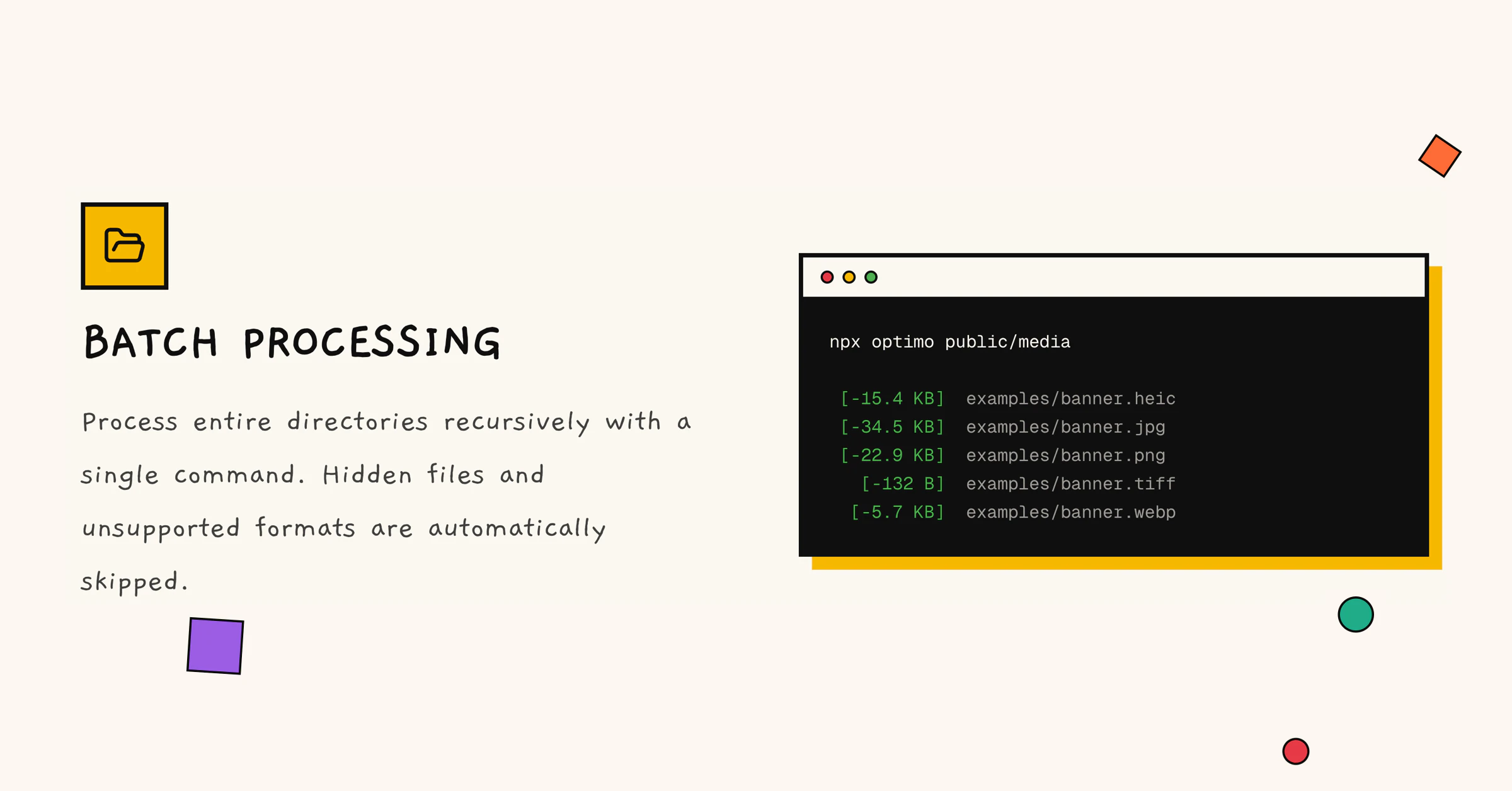
Love that this is built on ImageMagick and FFmpeg — battle-tested tools wrapped in a modern, effortless interface. Media optimization is one of those things every web developer needs but nobody wants to spend time configuring manually. The fact that it's open source and free is a huge plus for the indie dev community. Does it handle batch processing well? I often need to optimize dozens of assets at once when shipping updates for my browser extension.

0
回复

Does optimo preserve metadata like EXIF data after compression, or does it strip everything by default? Nice open source tool, congrats on the launch!

0
回复
#14
Educato App
Personalized exam prep, now in your pocket
87
一句话介绍:Educato App通过AI生成个性化备考计划、提供海量真题与模拟测试,为全球上万种专业考试(尤其是小众考试)的考生,解决了传统备考服务覆盖窄、成本高、学习内容缺乏针对性的核心痛点。
Android Education
在线教育 考试备考 个性化学习 自适应学习计划 专业资格认证 医学考试 法律考试 工程考试 题库应用 移动学习
用户评论摘要:用户肯定其解决小众考试痛点的模式,并关注内容质量(如专家审核机制)。主要建议/问题包括:如何为小众考试寻找专家、增加社交/学习小组功能、提供更具体的案例以建立信任、是否支持用户自创题库。
AI 锐评

Educato的宣称价值在于用技术平权,但其真正的颠覆性可能在于对“备考经济”模型的解构。传统巨头依赖规模经济,只服务考生基数巨大的“头部”考试。Educato声称覆盖万种考试,其核心假设是通过技术(如AI分析考纲、生成内容)将单场考试的备考内容边际成本压至极低,从而激活了被传统商业模式判为“不经济”的长尾市场。这是一个典型的“利基聚合”策略。

然而,其宣称的“万种考试”既是最大卖点,也可能是最大风险点。深度与广度难以兼得。对于医学、法律等高风险认证考试,内容的绝对准确性与权威性是生命线,依赖“专家审核”能否在万种考试规模下持续保障质量?这对其运营和品控体系是巨大考验。评论中关于“信任建立”和“专家来源”的提问,直接击中了这一软肋。

此外,产品目前聚焦于“工具效率”,即帮用户更聪明地备考既有内容。但考试培训的另一个核心价值是“信息与社区”,即最新的考情动态、同辈压力与互助。评论中多次出现的“学习小组”、“学习伙伴”建议,恰恰指出了其作为纯工具可能面临的用户粘性与完课率挑战。若不能构建学习闭环或社区生态,它可能只是一款更智能的题库应用,而非颠覆性的备考平台。

其真正成功的关键,不在于技术多炫,而在于能否在“万种考试”的浩大工程中,找到保证内容质量与商业可持续的精准平衡点,并从一个效率工具,演进为一个备考生态的入口。

查看原始信息
Educato App
Use the Educato App for personalized exam prep for 10,000+ tests worldwide: medical, law, engineering, and more. Get everything you need to pass: a personalized study plan, practice questions matched to your exam, timed mock tests, and clear progress tracking. Try free!
Hey Product Hunters 👋! I'm Tudor, GTM at Educato. We saw that exam prep industry has a structural blind spot: it only serves a fraction of the world's exams. The reason? Traditional test prep requires months of manual content development per exam. At that cost structure, a 6,000-candidate exam will never justify the investment. The unit economics only work for exams with hundreds of thousands of test-takers. We needed a different approach. So we built Educato - and today we're launching the app on iOS and Android. Here's how it works: - Tell us your exam, your target score, and your deadline - Educato builds an adaptive study plan around you, focusing on your weak spots and adjusting as you improve - Every question is aligned with the official syllabus and exam blueprint, built through analysis of past exams, textbooks, and expert notes - All content is reviewed by subject-matter specialists before you see it - Spaced repetition brings back concepts before you forget them We'll be here all day to answer questions and share our mission. Let's chat!
4
回复

Always happy to see an education-related app launching on PH! Congrats - onwards and upwards 🔥

I like the approach of having all the content reviewed by subject-matter experts. I'm curious, for niche exams with smaller pools, how do you find the right SMEs?

Aaand also curious - have you considered expanding towards peer study groups? Learning can feel isolating, and it could be an interesting extension given your focus on personalized content.

1
回复

Prepping for a computer architecture exam right now, and drowning in course slides makes me realize how desperately the education space needs this. A tool that curates that kind of chaos into a personalized study plan with instant explanations is exactly what's missing when studying solo late at night. Huge congrats on the launch, Tudor!

0
回复

@tudor_bularca Really interesting approach, especially solving for smaller/niche exams where traditional prep doesn’t work.

One thought — since you're covering 10,000+ exams, do you think new users might need a bit more “proof” or clarity when they first land?

Like showing a very specific example (e.g. how Educato prepares someone for one exact exam step by step) could make the value click instantly.

Feels like once that trust is built early, conversions could improve a lot.

0
回复

Congrats on the launch and on the mission!

Making quality exam prep accessible to students who may be priced out or simply overlooked, in my view, is genuinely important work.

Would you ever consider a 'study buddy' mode where two people prepping for the same exam can track progress together?

0
回复

Do you plan to let users import their own question sets for niche exams that might not be covered yet? Looks great, good luck with the launch!

0
回复
#15
Everest AI
Building the world’s fastest IPMI single board computer
86
一句话介绍:Everest AI推出的C1是一款高性能、低功耗的ARM64服务器单板计算机,旨在为工程师和企业在边缘侧提供强大的AI推理、集群部署和自主基础设施能力,以摆脱云服务商的锁定和高昂成本。
Hardware Developer Tools Artificial Intelligence
单板计算机 ARM服务器 AI推理 边缘计算 节能静音 自主基础设施 Kubernetes原生 高性能计算 硬件创新 企业级IPMI
用户评论摘要:创始人阐述了产品旨在解放工程师、摆脱云锁定和噪音的初衷。有用户对无风扇设计在持续高负载下的散热能力提出具体技术性质疑,官方回复提供了外加风扇或水冷等灵活散热方案。
AI 锐评

Everest C1的叙事极具吸引力:将数据中心的性能塞进一块静默的单板,并高举“反云锁定”和“工程师主权”的大旗。其核心价值主张在于试图重新分配算力所有权——让性能、控制权和成本效益回归本地。

产品参数确实亮眼,尤其是集成的80+ AI TOPS NPU和128GB统一内存,直指当前最热的边缘AI推理和轻量化Kubernetes集群场景。宣称的“云成本几分之一”是其最锋利的营销刀刃,但这一论断高度依赖具体应用的电费、折旧和运维成本核算,需用户自行验证。

然而,光鲜参数下存在值得深究的工程现实。用户对无风扇设计下75W持续散热能力的质疑,直接命中了高性能与静音、紧凑设计之间的经典矛盾。官方的回应“可以自己加风扇或水冷”虽然务实,却在一定程度上消解了其“开箱即用、静默一体”的初始魅力,暴露出理想原型与工程妥协之间的缝隙。

更深层看,C1的真正挑战不在于硬件本身,而在于其试图构建的生态位。ARM服务器生态在软件兼容性与工具链成熟度上,与传统x86王国仍有差距。对于追求“主权基础设施”的工程师,硬件自主只是第一步,更艰巨的是确保整个软件栈能在ARM64上无缝运行。产品强调“Kubernetes原生”是明智的,容器化确实能屏蔽部分底层差异,但绝非万能。

总而言之,Everest C1是一款野心勃勃的硬件宣言,它精准地捕捉了市场对云成本、数据主权和边缘智能的焦虑。但它能否从一款出色的开发板,成长为稳定可靠的企业基础设施组件,不仅取决于其散热方案的最终效能,更取决于它能否催化或融入一个健壮的ARM服务器软件生态。它是一颗投向云计算铁幕的破甲弹,但最终能炸开多大的缺口,仍需观察。

查看原始信息
Everest AI
Everest C1 is the world’s most powerful ARM64 server APU, built for engineers who demand uncompromising performance. Driven by the Snapdragon X2 Elite Extreme with 18 cores at 5 GHz, 128 GB unified memory, 80+ AI TOPS NPU, and enterprise IPMI. Silent, under 75 W, and Kubernetes‑native. The C1 delivers AI inference, edge clusters, and sovereign infrastructure at a fraction of cloud costs.
I founded Everest to liberate engineers from cloud lock‑in and inefficient, loud server rack. As a systems architect at heart, I saw the future in ARM efficiency and the power of AIoT. I started building the C1 to give creators, startups, and enterprises the power of a data center in a silent, compact board, owned, controlled, and built by engineers, for engineers.
1
回复

How does the C1 handle thermal management at sustained workloads given the 75W envelope and fanless design? Really cool hardware, good luck!

0
回复

@mcarmonas Thanks for the question Martí! You can buy one or make your own from a spare fan. You can also use a whole case air/water cooling solution if you're using C1 in a cluster.

0
回复
#16
EEVEE - EV Charging for Self-Employed
Track & reimburse EV charging, powered by vehicle data
28
一句话介绍:EEVEE通过直接连接电动汽车,自动追踪每次充电会话并生成合规报销报告,解决了自由职业者因家庭充电难以精确计量和报税而引发的税务风险痛点。
Freelance Human Resources Electric Cars
电动汽车充电管理 税务合规 自由职业者工具 充电报销 车辆数据平台 SaaS 财务自动化 审计报告 能源管理 出行科技
用户评论摘要:用户高度认可其解决的核心税务合规痛点,并详细阐述了问题与方案。同时有用户询问能否区分家庭与公共充电成本以便比价,团队确认此功能已实现。
AI 锐评

EEVEE切入了一个精准且被忽视的监管合规缝隙——自由职业者使用公司电动车进行家庭充电的报销税务问题。其真正的价值并非技术创新,而在于对现有数据流的合规性重构。它敏锐地捕捉到政策关键变化:“简化操作被允许,但猜测不行”,将车辆本身已有的充电数据转化为符合监管机构(如CREG)要求的审计证据链,从而将模糊的私人消费行为转化为可抵税的公司运营成本。

产品“无需硬件”的卖点实为双刃剑。它降低了使用门槛,但也将自身牢固捆绑在车企开放数据接口的意愿与稳定性上,这构成了其长期发展的潜在风险。其商业模式本质是“合规即服务”,深度依赖特定国家的税务解释和会计实践,这为其跨区域扩张带来了复杂性。

从评论看,用户已开始关注更深层的成本分析功能(如区分家庭与公共充电),这揭示了产品从“被动合规工具”向“主动成本管理平台”演进的潜在路径。然而,其当前价值核心仍在于风险规避而非成本节约。能否在确保合规这一刚性需求的基础上,挖掘出更具普适性的数据价值(如充电效率分析、电网负荷优化建议),将决定它能否从一个利基市场的合规产品,成长为更具想象力的电动汽车数据服务商。目前,它是一个解决特定问题的高效方案,但护城河尚浅。

查看原始信息
EEVEE - EV Charging for Self-Employed
Freelancers and self-employed EV drivers risk tax issues when reimbursing home charging. EEVEE automatically tracks every charging session and calculates compliant reimbursements, based on vehicle data, so no hardware required.
⚡ The problem If you're a freelancer driving an electric company car, you probably charge at home. But here’s the issue: - You can’t easily measure exact kWh - Energy prices fluctuate - And without proper documentation, reimbursements can be flagged as taxable income Recently, experts warned that incorrect reimbursements can create serious fiscal risks. 👉 In short: simplification is tolerated, guesswork is not. ✅ The solution EEVEE connects directly to your car and automates everything: - Tracks every charging session (home, work, public) - Calculates correct reimbursement (CREG-compliant) - Generates audit-proof reports for your accountant ✔ No smart charger ✔ No installation ✔ No extra hardware Just connect your car and you're set. 💼 Why freelancers love it Most freelancers think they need expensive infrastructure to stay compliant. They don’t. The data already exists, inside the car. EEVEE simply unlocks it.
27
回复

Great point, @steffen_brans! Thanks for sharing your insight.

1
回复

Can EEVEE track charging costs separately for home vs public stations so you can compare cost per kWh easily? Congrats on the launch!

0
回复
@borrellr_ yes it does. Thanks!
0
回复
#17
dailytips.dev
Code is the easy part.
25
一句话介绍:一款面向开发者的免费每日通讯,通过5分钟阅读的实用建议,解决开发者“只懂写代码,不懂做产品”的痛点,帮助其将代码转化为人们真正使用的产品。
Email Newsletters Maker Tools
开发者通讯 产品思维 每日学习 创业指导 技能提升 免费订阅 效率工具 内容订阅
用户评论摘要:用户反馈积极,认为其解决了真实痛点(如避免构建无人使用的产品),内容实用且易于坚持阅读。主要问题集中于内容来源是纯个人经验还是包含对其他创始人的采访。
AI 锐评

dailytips.dev 精准切入了一个被海量编程教程所掩盖的深层市场:开发者从“工匠”到“建造者”的思维转型困境。其真正价值不在于提供了多少惊天秘笈,而在于以“每日微剂量”的轻量形式,系统性对抗开发者长期沉浸技术细节后形成的产品与商业盲区。

产品标语“Code is the easy part”本身就是一句犀利的行业批判,直指无数项目失败的根源。它的内容定位——决策、逻辑、分发——恰恰构成了“产品化”的核心三角,这些都是传统技术教育几乎不涉及的“沉默知识”。从商业模式看,以免费通讯作为前端,其路径依赖清晰:建立精准的开发者社群信任,未来向深度内容、课程或工具导流顺理成章。

然而,其挑战同样明显。首先,内容质量的可持续性与独特性是生命线。评论中关于“经验来源”的提问已触及要害:若仅基于两位创始人的有限经验,知识广度极易枯竭;若转向聚合,则可能失去个性与深度。其次,目标用户存在“知行鸿沟”:认可其价值的开发者,未必是急需产品思维的人;而最需要的人,可能尚未意识到问题所在。最后,作为内容产品,在信息过载的当下,维持用户长期的打开率与心智占有率,是一场与无数干扰因子的艰苦战斗。

总体而言,这是一个定位巧妙、切入点极佳的产品。它不贩卖焦虑,而是提供一种平静而持续的解药。其成功与否,将验证一个假设:有多少开发者愿意在每日敲代码之余,抽出五分钟来“补上这堂缺失的课”。这本身就是一场关于开发者心智与市场成熟度的有趣实验。

查看原始信息
dailytips.dev
A 5-minute daily read on decisions, logic, distribution, and the thinking that turns code into products people use. dailytips.dev is a free daily newsletter for developers who want to get better at everything that happens around the code.
Hey Product Hunt! We're Jon (@joncphillips) and Marko (@denicmarko), and we've been building on the web for over 30 years combined. Developers have no shortage of resources for learning code. Frameworks, syntax, tools, it's all covered. But the stuff that actually determines whether a project goes anywhere? Almost nothing. How do you decide what to build? How do you get people to actually use it? How do you think through distribution when you have no audience? How do you know when something is ready versus when you're just stalling? That's the gap dailytips.dev is built around. Every day we send one short, focused tip on decisions, distribution, logic, strategy, and the thinking that turns code into products that people actually use. Max 5 minutes to read, and of course, it's always completely free. We launched it because we wished it existed 10 years ago. A lot of our failed projects weren't failures of code, they were just failures of everything that happened around the code. If you're a developer who's tired of building things nobody uses, we hope you'll join us. Happy to answer any questions. And if you're already a subscriber, thank you! Jon & Marko
6
回复

DailyTips.dev is one of those simple ideas that quietly solves a real problem: staying sharp as a developer without burning hours scrolling docs or tutorials.

Great work and good luck!

2
回复

@nicklaunches Thank you so much Nick, appreciate this!

2
回复

As a bootstrapping product maker I can't recommend this newsletter enough. Great work team. Good luck with the launch

2
回复

@devluc Thank you so much Lucian! Glad you find it useful!

2
回复

I get emails from this newsletter and each single on I end up reading, one of the best newsletters to subscribe to.

2
回复

@leodev Thanks for the vote of confidence man!

1
回复

Been subscribed for a while and love the daily insights 🔥

1
回复

Congrats on the launch guys!!

0
回复

Hands down one of the most practical newsletters for founders. I read every single issue from top to bottom.

0
回复

Are the tips based on your own experiences shipping products or do you also interview other founders for real world examples? Looks like a great resource!

0
回复
#18
Buystocklot 2.0
AI-powered B2B marketplace for wholesale stocklots
24
一句话介绍:一款以AI匹配为核心、提供供应商KYB验证的B2B批发库存交易平台,通过自动化撮合与零佣金模式,解决了批发贸易中信息不对称、信任缺失及交易效率低下的痛点。
User Experience Artificial Intelligence E-Commerce
B2B电商 AI匹配 批发库存 零佣金平台 KYB验证 供应链对接 跨境电商 中东市场 企业服务 贸易平台
用户评论摘要:用户反馈积极,创始人详细介绍了AI匹配算法如何应对模糊或多品类查询,通过意图理解、相关性评分和交互学习来优化匹配效果。核心关注点在于AI的实际处理能力和精准度。
AI 锐评

Buystocklot 2.0的“AI核心”叙事,直指B2B批发交易长期存在的结构性痼疾:信息碎片化、信任成本高、匹配效率低下。其价值主张并非简单的功能堆砌,而是试图用技术重构交易流程。

产品真正的锋芒在于“Bix Match”AI匹配与“KYB验证”的组合拳。这并非单纯的算法推荐,而是通过验证建立可信数据池,再以AI进行精准撮合,旨在取代WhatsApp/邮件群发的低效漫游模式。零佣金模式是其颠覆性的一步,它放弃了传统平台最直接的收入来源,这暗示其战略可能转向增值服务或数据服务,但也对其长期可持续性提出了尖锐问询。

然而,其挑战同样清晰。首先,AI匹配在非标、复杂的批发库存交易中的实际精度,尤其是面对模糊、多品类需求时,仍需经受大规模真实交易的检验。其次,平台冷启动难题:在买卖双方均达到关键规模之前,AI的匹配优势难以充分显现。最后,其区域定位(阿联酋,辐射欧、非、拉美)意味着需应对跨地域、跨法规的复杂贸易环境,KYB验证的全球普适性是一大考验。

总体而言,这是一次针对传统批发贸易的精准技术化改造尝试。其成败不在于AI概念本身,而在于能否在特定垂直领域(库存尾货)构建起高信任、高流动性的双边网络,并找到零佣金之外的稳健商业模式。若成功,它可能成为垂直领域供应链效率的新基础设施;若失败,则可能仅是又一个未能击穿行业惯性的技术解决方案。

查看原始信息
Buystocklot 2.0
Buystocklot is back — completely rebuilt with AI at its core. What's new: • Bix Match — AI that automatically matches buyer requests with seller stock • KYB-verified sellers via Persona (same platform used by LinkedIn & Etsy) • RFQ Board — post sourcing requests, get quotes from verified suppliers • Encrypted B2B messaging • 0% commission — we never take a cut Built for serious wholesale traders. UAE-based, globally connected. Free to join.
Hey Product Hunt! 👋 Two years ago, we launched Buystocklot as a simple wholesale directory. It worked, but it wasn't enough. So we went silent and rebuilt everything from scratch. The problem we saw: wholesale trading is still stuck in the WhatsApp/email era. Buyers spam groups looking for stock. Sellers have no way to reach verified buyers. There's zero trust, no verification, and deals fall through constantly. Our solution: an AI-powered marketplace that actually works. Here's what we built: 🎯 Bix Match — Our AI scans every listing and buyer request, then matches them automatically. You get notified when there's a deal waiting for you. 🔒 KYB Verification — Every seller is verified through Persona (the same platform LinkedIn and Etsy use). No anonymous businesses. 📋 RFQ Board — Buyers post exactly what they need. Sellers respond with quotes. Direct connections, no middlemen. 💰 Zero commission — We don't take a cut of your deals. Ever. We're based in the UAE and serving traders across Europe, Middle East, Africa, and Latin America. Would love your feedback — what would you want to see in a wholesale marketplace? 🙏
5
回复

How does the Bix Match AI handle cases where a buyer's request is vague or spans multiple product categories? Congrats on the rebuild!

2
回复

@borrellr_ Great question, Ignacio! Really appreciate the kind words!

So Bix handles vague and multi-category requests in a few ways. First, it goes beyond keyword matching. If a buyer says "I need summer fashion stock for my boutique," Bix understands that could mean clothing, footwear, and accessories, and surfaces relevant listings across all those categories.

Each match also gets a relevance score. For vague requests, Bix casts a wider net but ranks results by how closely they align with the buyer's intent, purchase history, and saved preferences.

When a request is too broad, like "I want wholesale products," Bix asks smart follow-up questions in chat: What categories are you interested in? What's your typical order size? This narrows things down without making the buyer fill out a long form.

And the best part is it learns over time. The more a buyer interacts (views, saves, sends offers), the better Bix gets at understanding what they actually want. Someone who consistently looks at Grade A used clothing in Europe will get those matches prioritized automatically, even if their initial request was vague.

We're continuously improving the matching algorithm. The goal is to make finding the right deal feel effortless, no matter how specific or broad the request is.

0
回复

@borrellr_ Thanks! Really appreciate it. I'm Nas from Buystocklot.

Bix is built to handle those broader or slightly vague requests without making things harder for the buyer. Instead of relying just on exact keywords, it looks at the overall intention behind what someone is searching for. So even if a request spans multiple categories or isn’t super specific, it can still find relevant listings that actually make sense.

On the buyer side, rather than scrolling through endless stocklots, you start seeing the right deals come to you as they’re listed.

For sellers, it helps fine-tune listings, suggest better pricing, and connect them with the right buyers more quickly.

Also, it keeps improving over time. The more people use it, the better it gets at understanding what buyers mean, even when they’re not totally precise.

0
回复
#19
People Loop
AI chatbots that know when to call for backup.
18
一句话介绍:一款内置真人接管机制的AI客服聊天机器人,在客户服务场景中,通过智能识别用户挫败感并自动无缝转接人工,解决了传统AI客服陷入死循环、无法提供兜底服务的核心痛点。
SaaS Artificial Intelligence Business
AI客服 聊天机器人 人机协作 无缝转接 客户支持 SaaS 无代码 LLM选择 企业服务 自动化
用户评论摘要:创始人亲自介绍产品初衷与核心差异点。主要有效评论仅有一条,询问AI决定将对话升级给人工的具体判断标准,这是关乎产品核心智能的关键问题。
AI 锐评

People Loop瞄准了一个真实且日益凸显的“AI客服天花板”问题:当对话超出AI能力范围时,用户体验会断崖式下跌。其宣称的“无缝转接”和“全上下文传递”是正确方向,旨在填补自动化与人性化服务之间的鸿沟。

然而,其真正的技术壁垒与商业价值核心,恰恰隐藏在一条零赞评论的提问中:“AI根据什么标准决定升级?” 这绝非简单的关键词触发。一个优秀的升级策略需要精准识别用户情绪(挫败、愤怒)、意图复杂性、多次失败交互的历史,以及对问题是否属于“可解决范围”的判断。如果标准过于宽松,会导致人工成本激增,使产品沦为昂贵的“人工呼叫器”;如果过于保守,则又回到了它试图解决的“死循环”原点上。产品介绍对此关键算法语焉不详,是其主要风险点。

此外,其“无代码”、“多LLM选择”等功能,在当下已逐渐成为行业标配,而非差异化优势。其真正的卖点在于“人机协作”的工作流设计,但这套流程的效率和成本控制,高度依赖于前述的智能升级算法。创始人自称“非开发者”的背景,在彰显产品易用性的同时,也可能引发市场对其技术深度的审视。

总而言之,People Loop概念精准,切中要害,但其宣称的“知道何时停止”的AI,其决策智能的成熟度与可靠性,将是决定它是一款平庸的工具,还是一个能真正重新定义服务边界产品的关键。市场会密切关注其实际案例中,人工接管比例与客户满意度之间的平衡数据。

查看原始信息
People Loop
AI support that actually knows when to stop. People Loop handles the routine stuff, then escalates to a real human before the customer gets frustrated. Seamless handoff, full context, no repeating themselves. Finally. Train your AI on your own docs, deploy in minutes, and choose from GPT-4o, Claude, or Llama 3. Free plan to get started, paid plans from $39/mo with a 14-day trial.
Hey PH! I'm Dean, the solo founder behind People Loop. I built this because every AI chatbot I tried had the same problem — when it couldn't help, the customer was just... stuck. No way out. No human to talk to. Just a bot going in circles. People Loop fixes that. You train an AI agent on your business data, deploy it on your site, and when a customer gets frustrated or asks for a person, the system hands off to a real human automatically. Full conversation history, zero context lost. What makes it different: Human escalation is built in, not an add-on No-code setup — I'm not even a developer and I built the whole thing Choose your LLM (GPT-4o, Claude, Llama 3) Free plan to try, 14-day trial on paid plans I'd love your honest feedback — what would make you try this?
2
回复

What criteria does the AI use to decide it should escalate to a human instead of continuing the conversation? Excited to try this out!

0
回复
#20
BetterGA
A Simpler & Faster Google Analytics Experience
11
一句话介绍:BetterGA 是一款将复杂GA4数据简化为单一仪表盘的工具,为多站点运营者、营销人员等用户解决了GA4界面臃肿、数据获取效率低下的核心痛点,实现了关键数据的快速概览。
Productivity Analytics
谷歌分析仪表盘 GA4简化工具 数据可视化 多账户管理 营销效率工具 SaaS 数据看板 一键切换
用户评论摘要:用户主要询问了自定义日期范围对比等高级功能的支持情况,开发者确认支持。评论整体数量较少,但揭示了潜在用户对数据灵活性的关切。发布者的自述评论详细阐述了产品解决GA4使用繁琐的初衷。
AI 锐评

BetterGA 瞄准了一个真实且普遍的痛点:GA4在提供强大功能的同时,也带来了令人望而生畏的复杂性。其价值主张清晰——化繁为简,回归监控核心指标的初心。产品“单一屏幕”的定位和快速连接现有数据的设定,精准打击了用户“只想快速看看数据”却不得不进行“数据探索”的挫败感。

然而,其深层挑战与机遇并存。从评论看,用户已不满足于基础指标的罗列,转而追问如周期对比等进阶分析能力。这暴露出“简化”与“深度”之间的天然矛盾:产品若过于简化,可能沦为“玩具”,无法满足用户成长后的需求;若不断添加功能,又可能重蹈GA4“功能膨胀”的覆辙。其真正的考验在于,能否在极简交互的框架内,智能地嵌入可扩展的分析维度,走出一条不同于官方GA4的、以用户场景和效率为核心的差异化路径。

此外,其“多站点一站式管理”的功能是亮点,切中了专业用户的实际工作流。但作为建立在GA API之上的工具,其长期稳定性和数据延迟问题无法回避,且命运与谷歌平台政策深度绑定。总体而言,BetterGA 是一次有价值的“体验重构”,但它必须证明,自己不仅仅是GA4的一个“皮肤”或视图,而能通过更优的信息架构和交互设计,为用户创造不可替代的洞察效率。在数据工具领域,“简洁”是强大的吸引力,但唯有“简洁下的强大”才能构筑持久的壁垒。
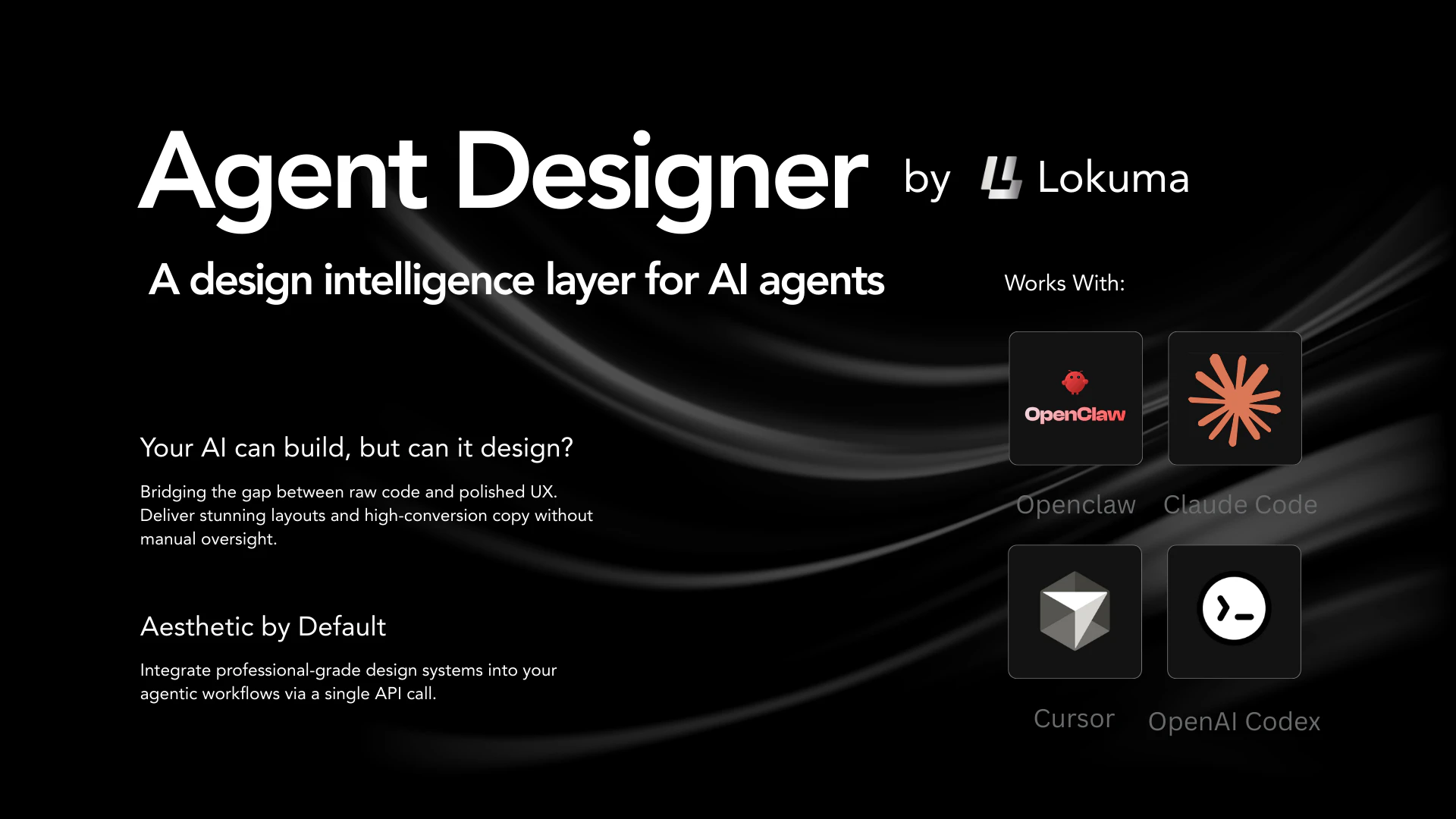
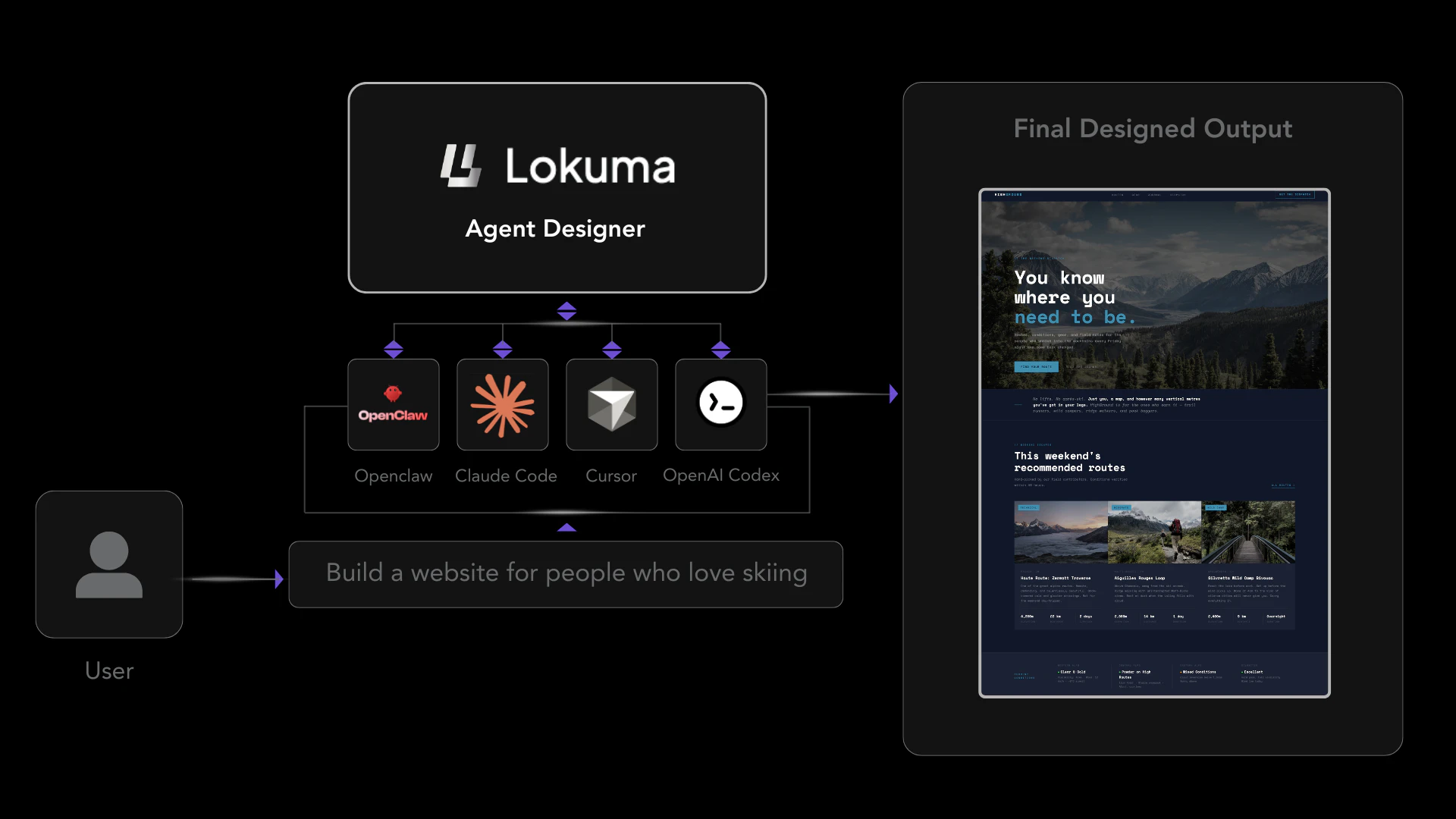
查看原始信息
BetterGA
The one-screen Google Analytics dashboard you actually want. Connect your GA4 accounts in 30 seconds.

Does it support custom date range comparisons, like this week vs same week last month, all in that single screen view? Clean idea, good luck with the launch!

1
回复

@mcarmonas Yes, it does support previous vs current period.

0
回复

Hey PH! 👋

GA4 broke something that used to be simple.

You'd open Analytics, see your numbers, feel good (or bad), close it. Done. Now you need a PhD in data exploration just to find out how many people visited your site yesterday.

I got tired of it. So I built better-ga.

Connect your existing GA4 accounts - takes 30 seconds, no new tracking script, your historical data stays intact. What you get on the other side is a single screen that actually makes sense. Users, sessions, pageviews, top pages, top sources, real-time visitors. All the stuff you were opening GA4 to find anyway, just... right there.

The part I'm most excited about: if you're running multiple sites (and let's be honest, you probably are), you can see all of them in one place. Switch between accounts/properties in one click. No more logging in and out, no more 14 open tabs.

It's free to start. I'd love to hear what you think, especially what I should build next.

0
回复