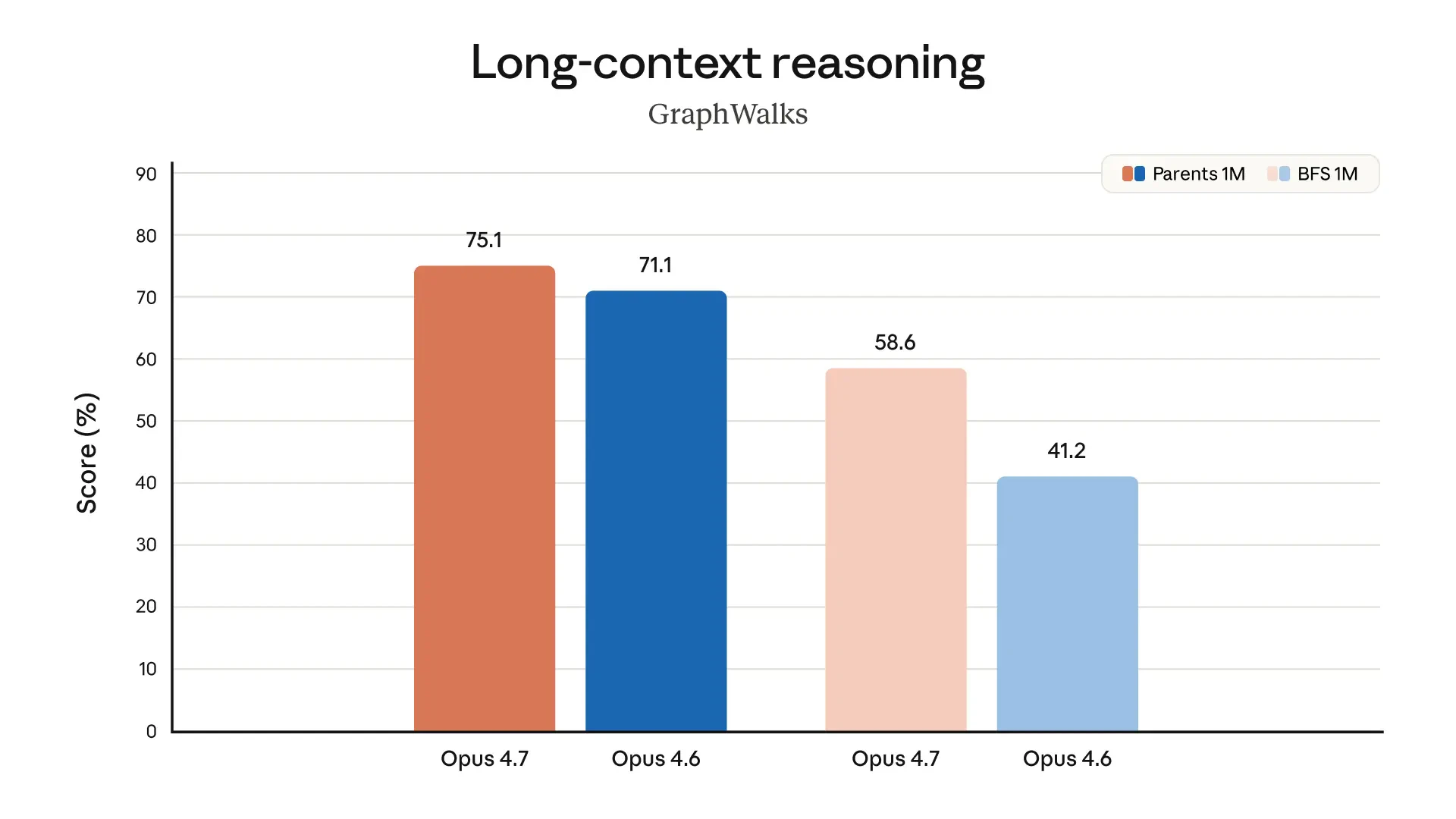
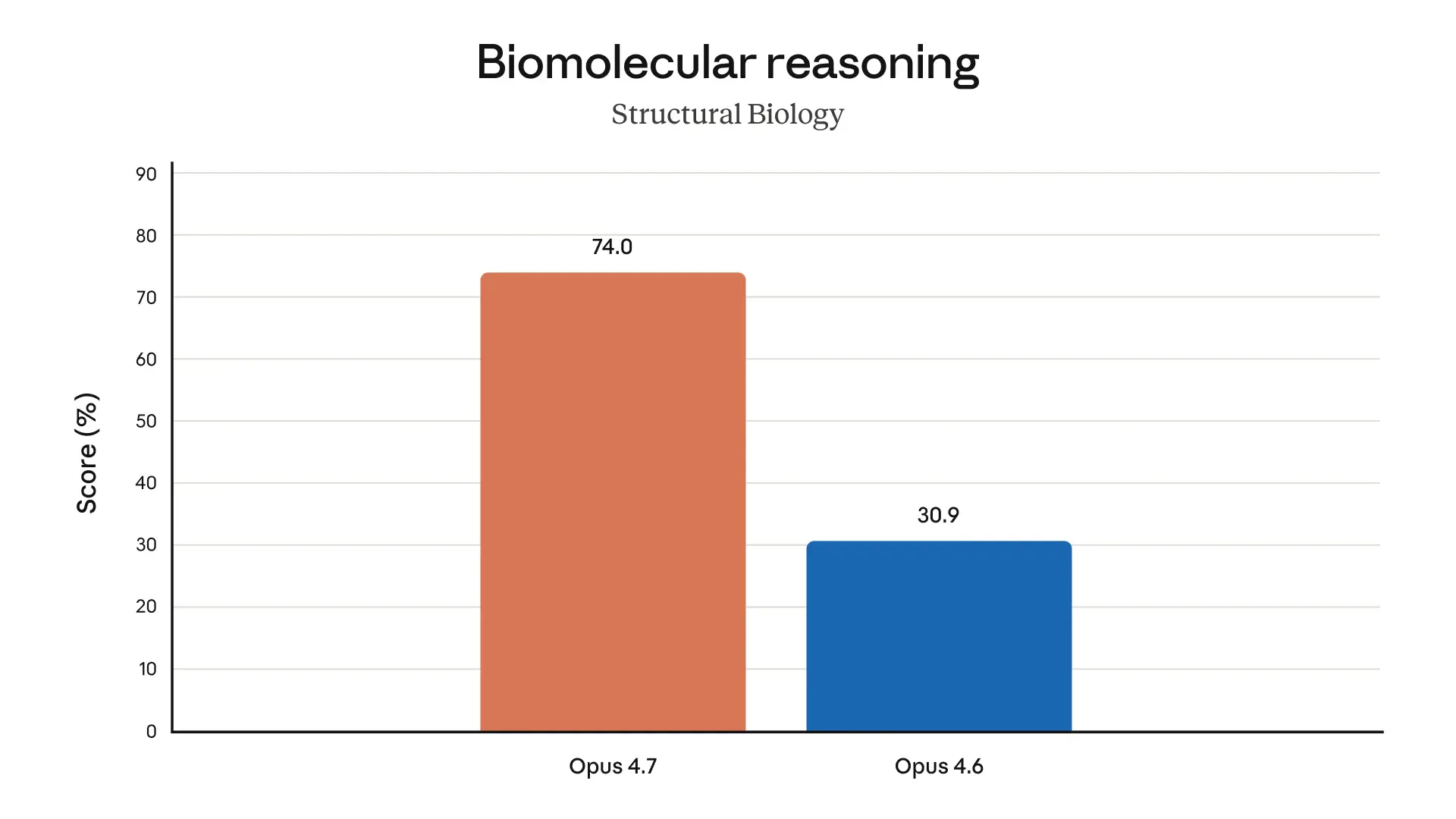
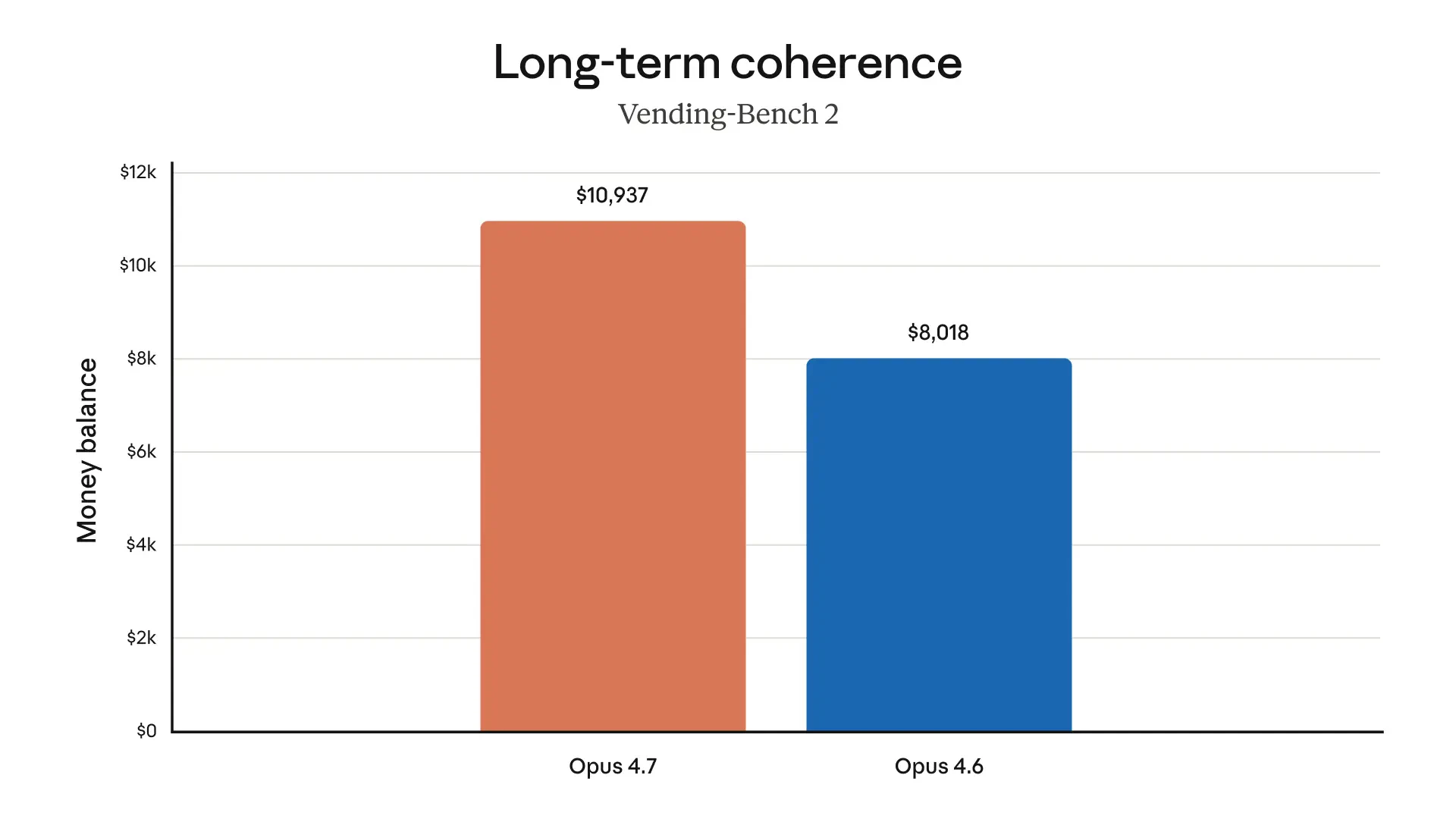
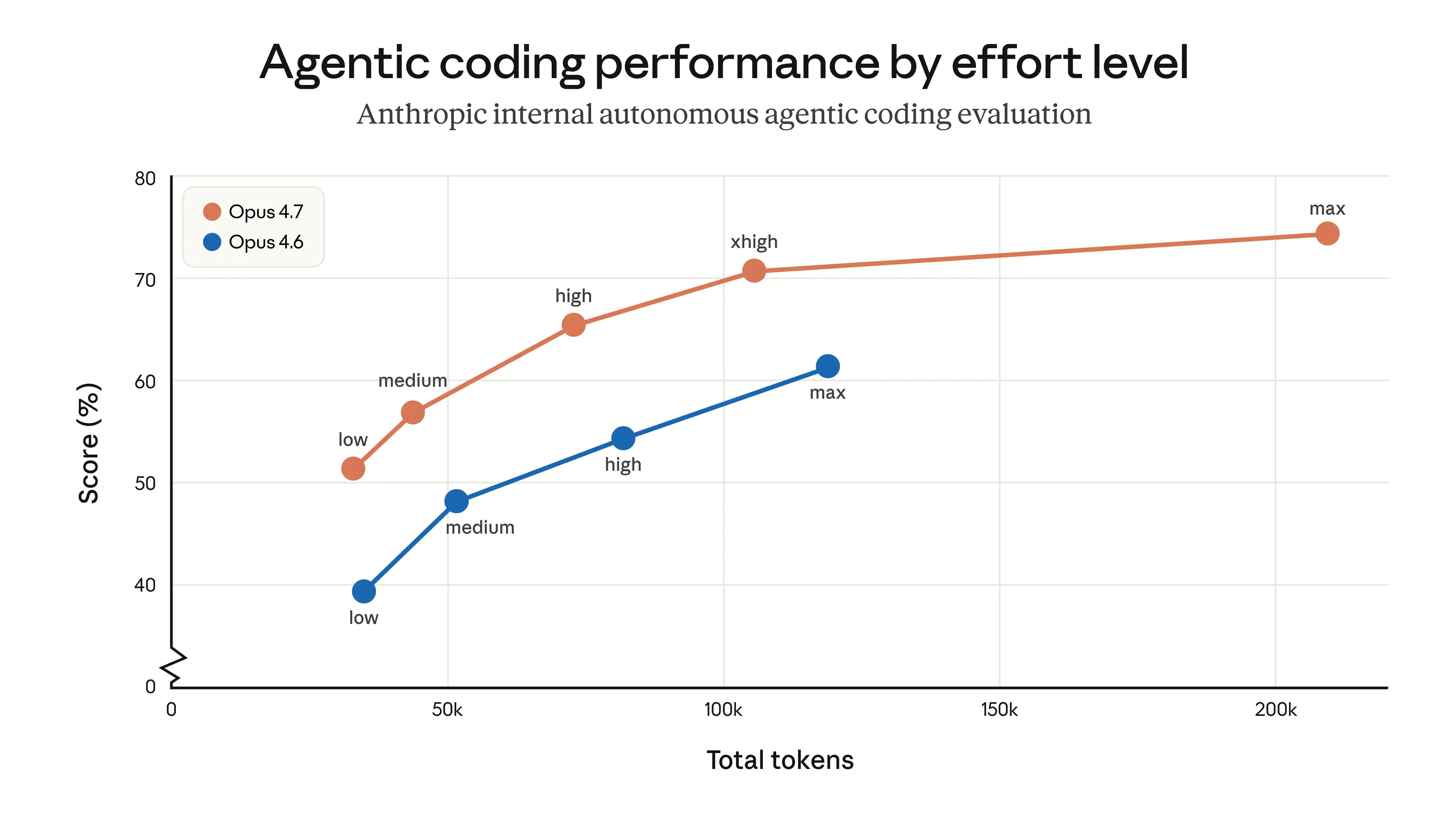
Product Hunt 每日热榜 2026-04-17

PH热榜 | 2026-04-17

#1
Claude Opus 4.7
Claude’s most capable model for reasoning and agentic coding
436
一句话介绍:Claude Opus 4.7是Anthropic最先进的AI模型,通过增强的复杂推理、自主代码验证与长程任务处理能力,为开发者和知识工作者解决了在构建AI智能体与处理多步骤、长时间工作流时需要持续人工监督的痛点。
API Artificial Intelligence Development
大型语言模型 AI智能体 自动编程 复杂推理 多模态视觉 长上下文记忆 企业级AI 开发工具 工作流自动化
用户评论摘要:用户普遍认可其在复杂编码、长任务处理和跨会话记忆方面的显著提升,尤其赞赏其输出自我验证功能。主要担忧集中于新分词器导致的token消耗激增(约1.35倍)可能带来的成本问题,并对其在非编码任务(如战略头脑风暴)中的挑战性表示疑虑。部分用户期待更透明的知识截止日期与验证机制说明。
AI 锐评

Claude Opus 4.7并非一次炫技式的技术狂欢,而是一次精准的“工程化”跃进。它直指当前AI应用从“玩具”迈向“工具”的核心瓶颈:可靠性、持续性与可控性。

其真正的价值不在于基准测试分数的微涨,而在于将“智能体”工作流从概念推向了可用的工业级场景。自我验证输出机制,本质上是为AI引入了初步的“质量检查”环节,试图用计算成本换取可信度,这比单纯追求更大规模参数更具现实意义。跨会话记忆的改善,则是在对抗AI的“健忘症”,旨在将对话式交互升级为可持续的项目协作伙伴。

然而,产品的“犀利”之处也暴露了行业的深层困境。为换取可靠性而引入的“xhigh”努力模式和新分词器,直接导致了token消耗的飙升,这无异于将技术成本毫不掩饰地转嫁为用户的财务成本。这清晰地揭示了一个现实:当前AI能力的每一次实质性进步,依然严重依赖算力堆砌,尚未出现革命性的效率突破。此外,模型在编码任务上高度优化,却在创造性挑战任务上被指“过于顺从”,暗示其能力可能正走向“工具化”的窄化,与通用智能的愿景产生微妙背离。

总之,Opus 4.7是一次强有力的迭代,它证明AI正从“能做什么”转向“能可靠地完成什么”。但它也是一面镜子,映照出通往真正自主智能的道路上,成本、能力泛化与可靠性之间的艰难权衡。它服务于今天的实干家,而非明天的梦想家。

查看原始信息
Claude Opus 4.7
Claude Opus 4.7 is Anthropic’s most advanced generally available AI model, built for complex reasoning and agentic coding. It handles long-running tasks, follows instructions precisely, verifies outputs, and delivers high-quality results across coding, research, and workflows.

Claude Opus 4.7 looks like a serious leap forward for AI-powered development and knowledge work. It tackles a key problem: handling complex, long-running tasks that previously required constant human supervision.

With stronger instruction-following, better multimodal vision, and improved reasoning consistency, it enables users to confidently delegate harder workflows.

Why it stands out:

  • Verifies its own outputs for higher reliability

  • Maintains coherence across long, multi-step tasks

  • Improved high-resolution image understanding

  • Better memory across sessions for ongoing work

Key features:

  • Advanced coding + agentic task handling

  • `/ultrareview` for deep code reviews

  • Effort control (high → xhigh) for better reasoning vs latency tradeoff

  • Available across API, Claude apps, and major cloud platforms

Who it’s for & use cases:

  • Developers building AI agents and automations

  • Analysts working on finance, research, and modeling

  • Teams handling complex docs, workflows, and long-running tasks

If you’re building AI agents or scaling complex workflows, this feels like a meaningful upgrade.

P.S. I hunt the latest and greatest launches in tech, SaaS and AI, follow to be notified @rohanrecommends

12
回复

@rohanrecommends How does the /ultrareview feature + xhigh effort mode change your daily dev workflow for agentic tasks, like repo-scale refactors? Any quick win you've spotted already?

0
回复

@rohanrecommends 

I hope I don't need to re-explain may architecture to it again and again.

0
回复

@rohanrecommends Really impressive release 👏 — Opus 4.7 feels like a meaningful step toward truly delegatable AI work. Love the focus on reliability and long‑running workflows; this is exactly what builders and teams have been waiting for.

0
回复

Anthropic released Opus 4.7 today. Same pricing as 4.6 ($5/$25 per million tokens), available across API, Bedrock, Vertex AI, and Microsoft Foundry.

What changed vs 4.6:

  • Coding. Biggest gains on long-horizon software engineering tasks. Model now verifies its own outputs before reporting back.

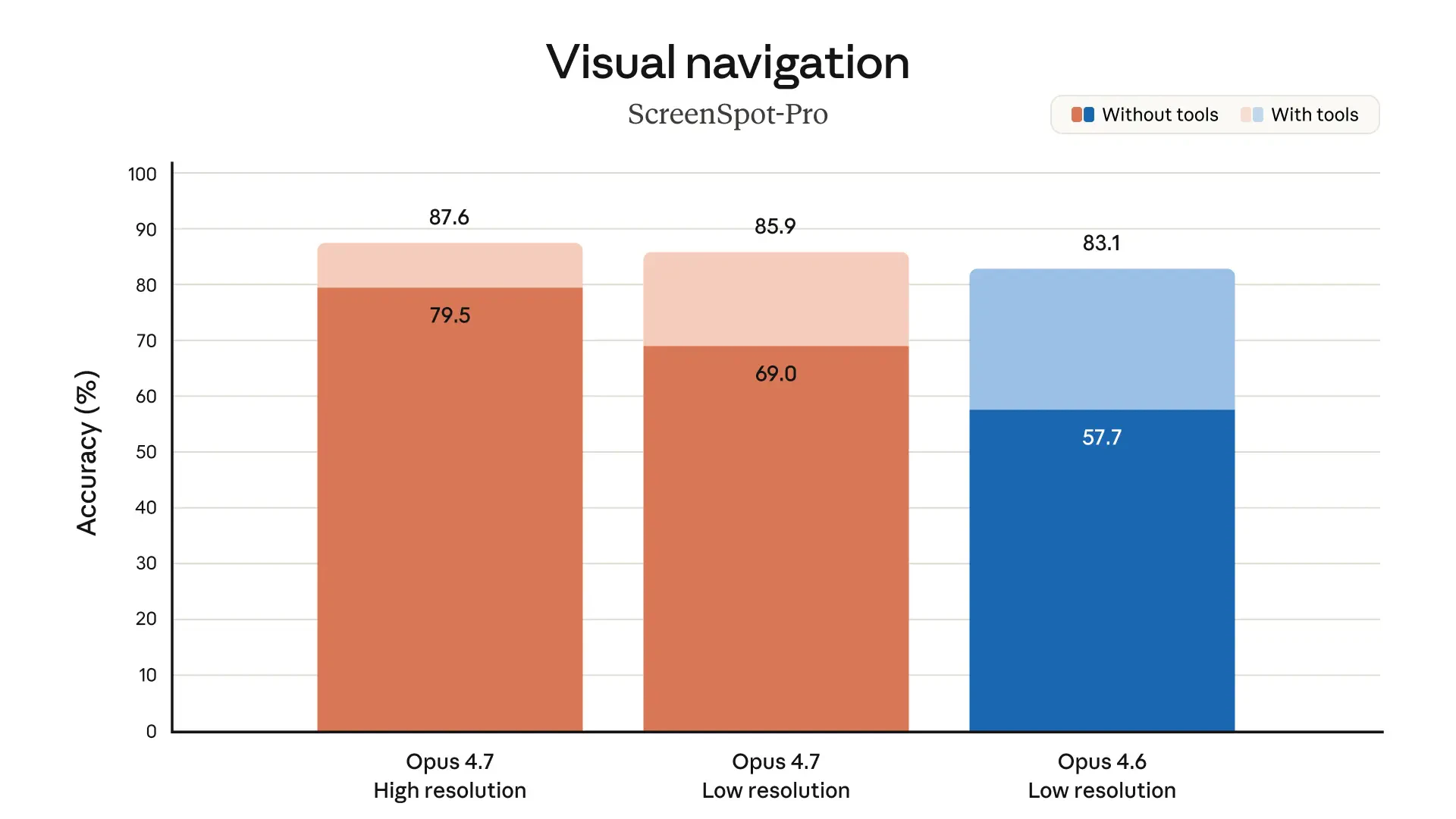
  • Vision. Accepts images up to 2,576px (~3.75MP)- over 3x more than any prior Claude. Key unlock for computer-use agents and diagram extraction.

  • Instruction following. Now interprets literally. Anthropic warns: prompts tuned for 4.6 may break — re-tuning needed.

  • Memory. Better at file system-based memory across long multi-session work.

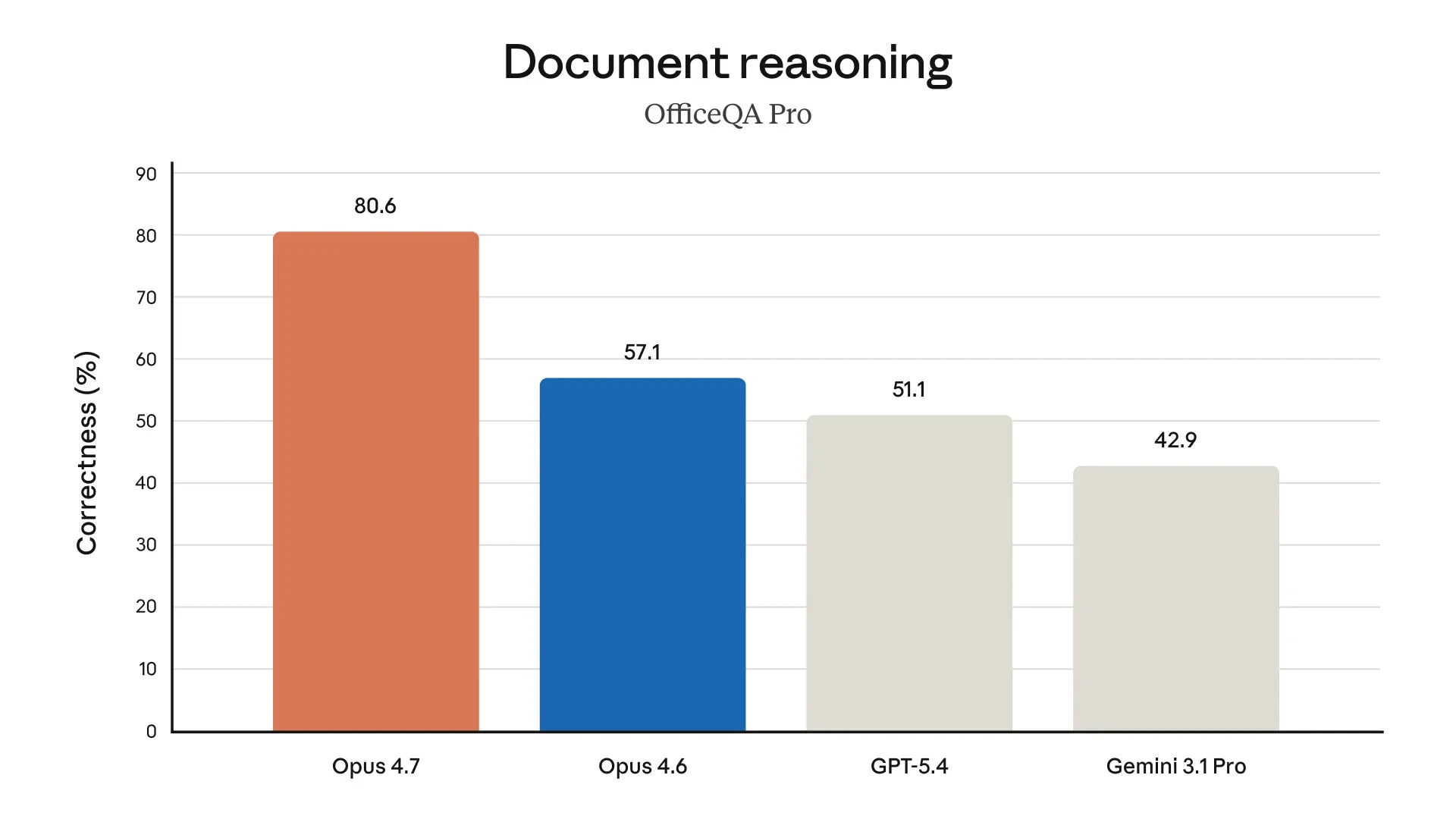
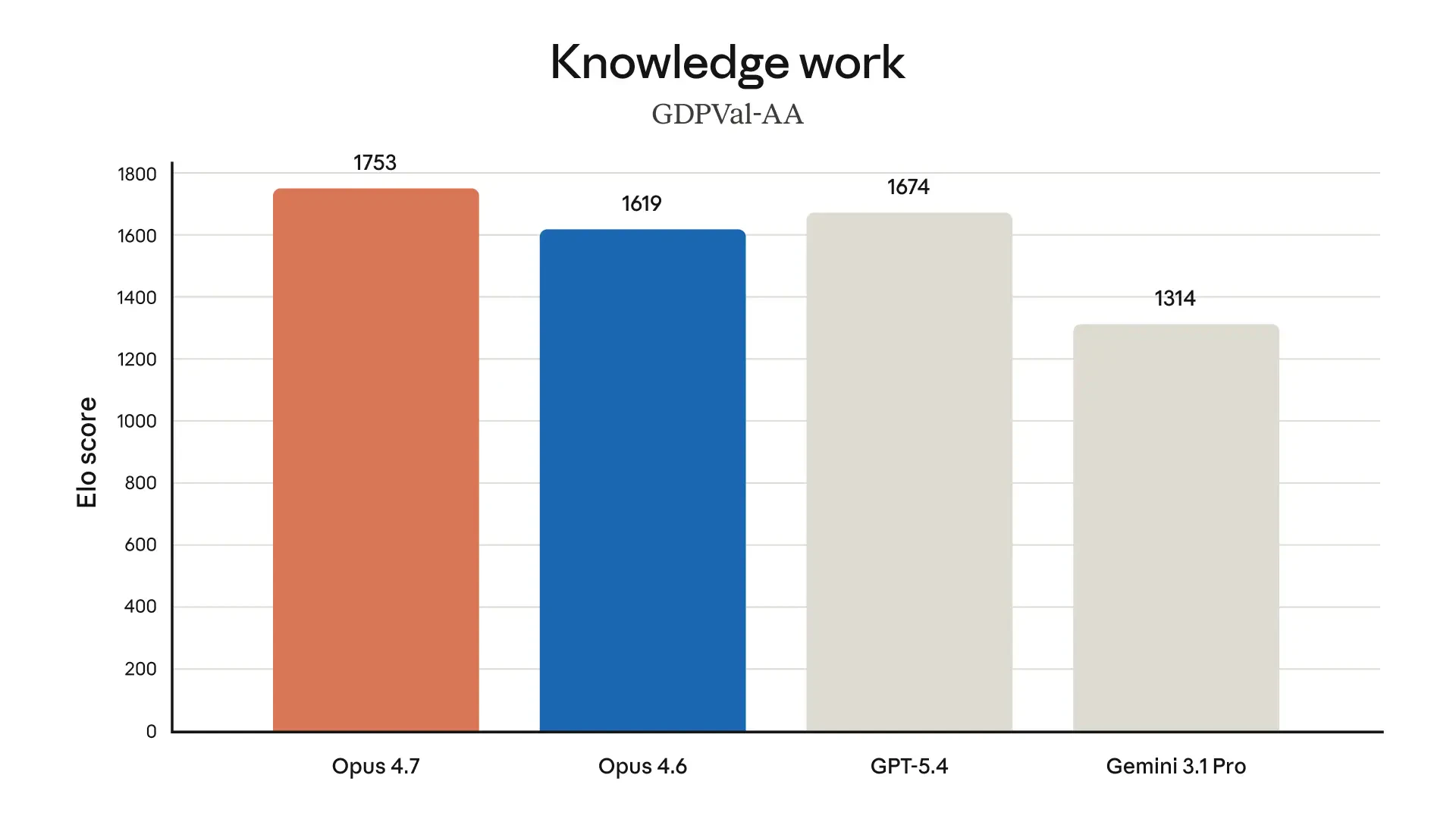
  • Real-world knowledge work. State-of-the-art on Finance Agent eval and GDPval-AA.

New features:

  • xhigh effort level between high and max - finer control over reasoning vs. latency. Claude Code default is now xhigh for all plans.

  • Task budgets in public beta on the API.

  • /ultrareview in Claude Code - dedicated review session flagging bugs and design issues. Three free for Pro and Max users.

  • Auto mode extended to Claude Code Max users.

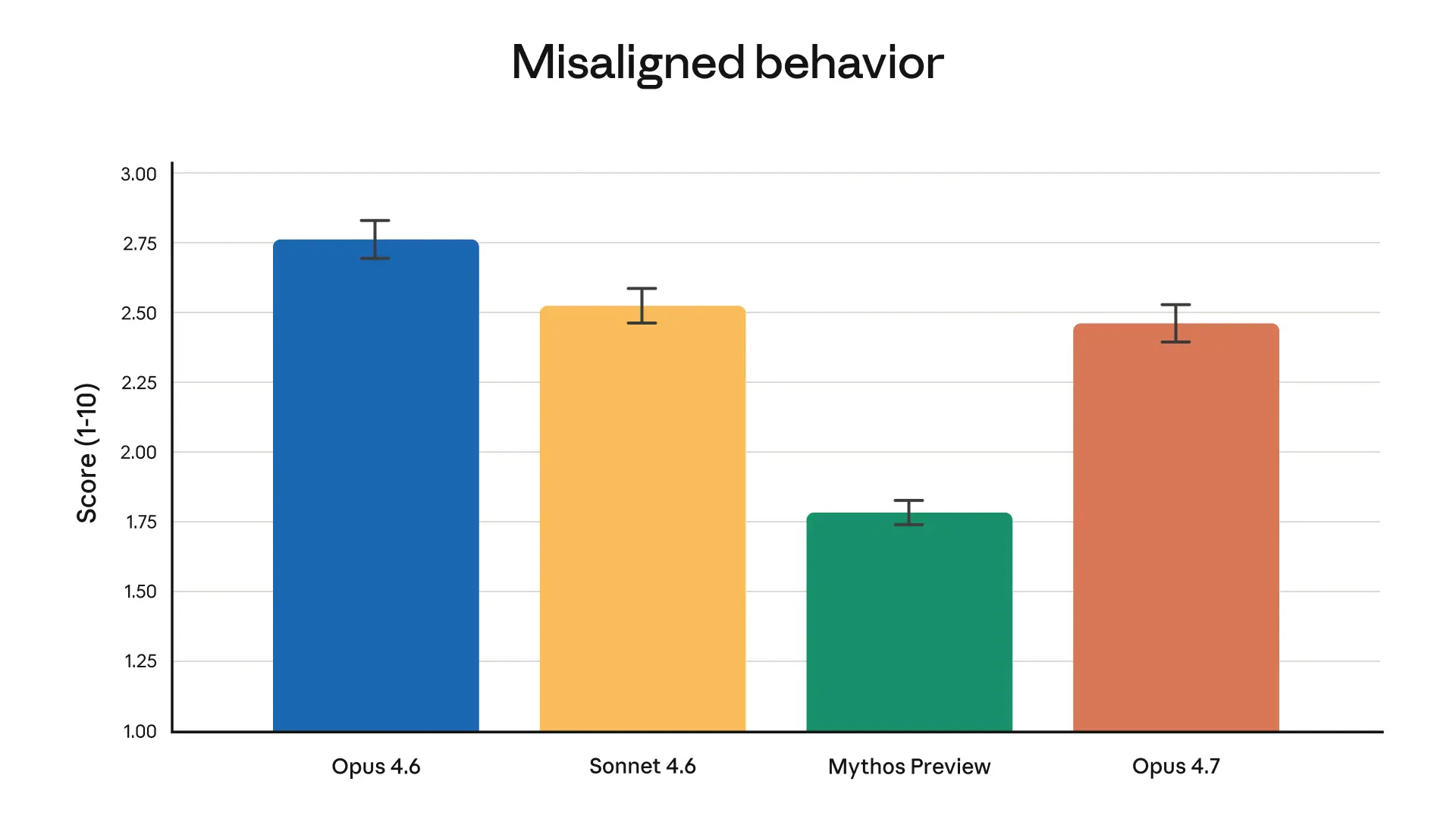
Honest caveats: New tokenizer → same input maps to up to 1.35x more tokens. Opus 4.7 thinks more at higher effort levels, especially on later agentic turns. Safety profile is roughly similar to 4.6 — improvement on honesty and prompt injection resistance, modestly weaker on harm-reduction advice for controlled substances. Still less capable than Claude Mythos Preview, which remains on limited release.

Bottom line: Meaningful upgrade in the three places that matter most- agentic coding reliability, vision for computer-use agents, and knowledge work benchmarks. Solid iteration, obviously shy of Mythos.

7
回复

The session memory improvement is the feature I've been waiting for. Working on a large codebase with Claude Code, the biggest pain was re-explaining architectural decisions every new session. If Opus 4.7 actually retains context across multi-session projects, that alone justifies the upgrade. Curious how the new tokenizer affects costs in practice — 1.35x more tokens on the same input is worth watching.

6
回复

@ethanfrostlove Same, I ended up upgrading from Pro to Max and still faced those limitations (at least to an extent) but what I've been doing to circumvent that issue is by paying attention to the context cap. When there's 5% left I ask it to commit everything in the last hour or so to memory and have memory exported to a location of my choice.

When the context windows is maxed out and compacting or I simply start a new conversation I'll point Claude to that memory bank and tell it to continue where I left off. This seems to work fluidly for me.

0
回复

I tried a quick brainstorm on some strategic direction, but didn't really like the response. It was not challenging me, even with explicit instructions to do so. Curious to what others are experiencing. Could it be that this model is even more tailored to e.g., coding than Opus 4.6?

2
回复

The jump from Opus 4 to 4.7 in agentic coding is massive. I've been using Claude Code daily and the difference in how it handles multi-file refactors and complex debugging chains is night and day. The extended thinking really shines when you give it architectural decisions to reason through.

2
回复
I‘m super excited to test it out! Do you know what the date of knowledge database is? Especially if MacOS / iOS 26 Liquid Glass code is natively supported? With 4.6 I always had to use several mcps to get the right look of my implementations… Thx!
2
回复

the verification step is interesting. most models just output and hope for the best. how does Opus 4.7 actually verify its own code outputs - static analysis, test generation, or something else?

2
回复

First impression was very, very positive! As I was preparing for my launch yesterday, it pretty much saved the day! It caught errors that 4.6 was ignoring for long time, helped me design some really valuable scripts and designed some really cool graphics & flows for me.

Maybe I'm just hyped and excited, but I felt like I couldn't do it without this. Came exactly on the right time!

2
回复

I’ve been using Claude pretty regularly for coding and problem solving, and one thing I’ve really appreciated is how well it handles longer, more complex tasks compared to most tools.

There have been quite a few times where I didn’t have to keep re-explaining context, which made a big difference when working through multi-step problems. Curious how much further 4.7 pushes this, especially around maintaining context and reasoning across longer workflows. Excited to try it out.

1
回复

@Caveman included?

1
回复

to quote @leerob: "I really like this model for general agentic work outside coding. It is definitely expensive though."

a product like @Edgee might be a great combo in this context imho

1
回复

Going to start today 4.7, I have been using Opus 4.6 and have been very happy with its output and performance!

1
回复

BIG STEP UP, have used it so far!! Watch out though!! Will eat your tokens LOL

1
回复

Multiple people here mention token consumption being brutal. What's the rough token count on a typical multi-file refactor compared to Opus 4? Trying to figure out if the quality jump justifies the cost jump before committing to it for longer sessions.

0
回复

the agentic coding benchmarks look wild — curious how it handles really long-horizon tasks in practice vs. the SWE-bench numbers. anyone tried it on multi-hour agent workflows yet?

0
回复

Opus 4.7 sounds impressive for complex reasoning tasks. I'm curious about the agentic coding capabilities - when Claude is running long-running tasks autonomously, I'm wondering how others find it handling decision-making any better when it encounters ambiguous requirements or edge cases. Does it ask for clarification or make intelligent assumptions any better?

0
回复
I've Been testing 4.7 both coding in Terminal CLI and chatting about my projects on Claude.ai and at least it feels like there is a great leap in understanding of complex dynamics. 4.6 was already Impressive but this seems to be yet on another level. On the Claude.ai chat side I feel like Opus is now pushing me even more towards getting things done and ready for my launch and this is the first time that it took the iniative to really hash out all the angles about what we've been developing, and for the first time I didn't had to ask it to read the project files and am actually impressed in the way it understood some intricacies that I've been explaining again and again to 4.6 even when those small details have been saved in the project memory several times. Now we got straight to the point without me having to explain where we are. Would be great to know how the awareness of the context between a project's chats has changed and how it's managed? Now some chats with old details that have changed in later chats didn't become a problem that I'd have to address. Impressive. On the coding side especially with the complex code base and interactions that I'm working on, for the first time I had the same experience as with the chat side of Opus actually remembering the small details and priorities we've set and actually serving me with choises that are really toward the goals we've set and it pulled from the code base stuff that I've previously had to hash out every time to get to a proper plan. Unfortunately the update nuked my terminal chats from the past 7 months but I got over it fast because when I continued the work with Opus 4.7 and had to start hashing out some stuff that were ready to implement in serveral different chats before the nuke, we actually got those done in one go without any spoon feeding and hand holding. How have people felt about this change and am I imagining this? 😂👍 Ps. I had to change the effort level to max and token limit to 200k in terminal CLI. The json got cleared on the update so the thinking got a downgrade and at first I was disappointed
0
回复
It’s a powerhouse for design. Been using it since the launch. But it consumes mad tokens
0
回复
#2
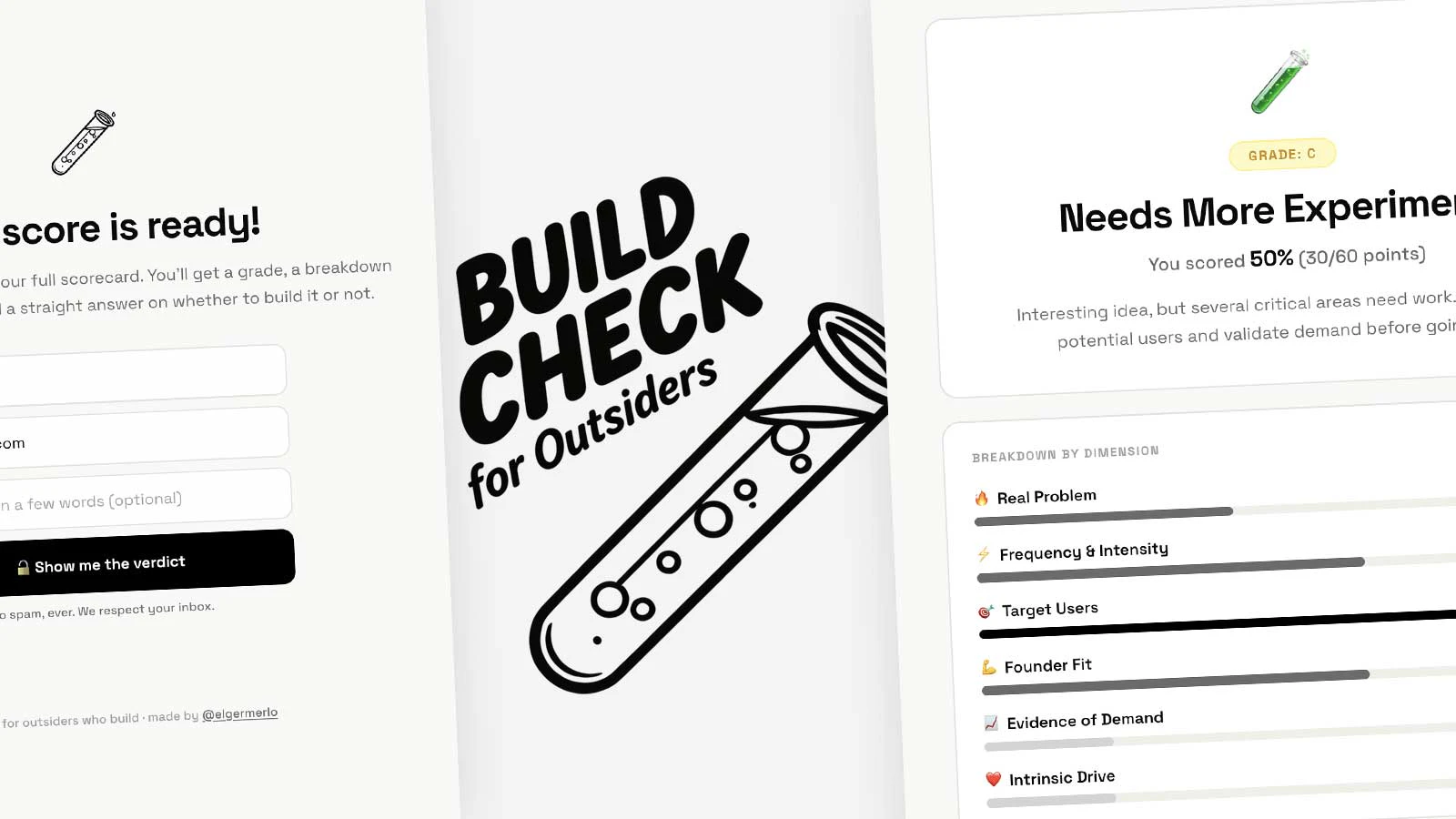
Build Check (for Outsiders)
Is your app idea actually worth building?
368
一句话介绍:一款为“圈外人”和“氛围程序员”设计的免费快速测验,通过6个维度为应用想法评分,帮助用户在投入大量时间开发前,判断其是否值得构建。
No-Code Vibe coding Vercel Day
产品创意验证 想法筛选 创业工具 可行性评估 独立开发者 圈外人创业 AI分析 快速测验 决策辅助 免费工具
用户评论摘要:用户普遍认可其核心价值,认为能节省时间、提供具体行动步骤。主要问题集中于评分算法原理(是否为AI)、对全新创意的评估方式、以及长期商业模式。开发者回应评分目前为确定性算法,AI用于后续分析,并考虑通过对接教练、推广技术栈等方式盈利。
AI 锐评

Build Check 精准切入了一个被忽视但正在扩大的市场:具备领域知识但缺乏技术产品化经验的“圈外人”。其真正价值并非在于那个看似科学的“60分制”评分——这更像是一个引导用户进行系统性思考的“仪式感”载体。产品的犀利之处在于,它用极简的交互(12个问题)完成了对用户想法最初步的“祛魅”,迫使提问者从模糊的“我感觉有个痛点”转向思考市场、用户、可行性等具体维度。

然而,其核心矛盾也在于此。评论中“高分会否只是让人们对搁置的想法感觉更良好”的质疑一针见血。产品目前更像一个“信心检查”或“结构化思考”工具,而非真正的预测引擎。它的评分缺乏经过验证的数据背书,对于“无先例”的全新想法更是束手无策。这使其面临“玩具”与“工具”的定位风险:对严肃创业者而言,它过于轻量;对好奇的圈外人而言,它可能只是一个趣味测试。

开发者的路线图(对接教练、行业手册、验证实验)揭示了其真正的野心:并非止步于评分,而是成为“圈外人”构建数字产品的入口和导航仪。商业模式也隐含于此——未来可能的教练匹配、技术服务推广等,都是比向提问者收费更顺畅的变现路径。成功的关键在于,能否将轻量级的“检查”与后续重度的、可信的“行动支持”无缝衔接,构建一个从“想法筛选”到“落地支持”的完整信任链条。否则,它可能只是互联网上又一个有趣的、但最终被遗忘的“小测验”。

查看原始信息
Build Check (for Outsiders)
A free quiz for outsiders and vibe coders. Score your app idea across 6 dimensions and find out if it's worth building — before you spend weeks on it.

👋 Hey Product Hunt!

I’m German. I build a lot, I learn a lot, and I’ve noticed a massive shift.

The "Outsiders" are coming. Managers, lawyers, and even employees who see real problems but don’t know if their solution makes sense as a product. I’ve answered the "Should I build this?" question 100+ times this year.

So, I vibecoded a 'solution'.

Build Check is a <2min filter designed to help you stop overthinking and start shipping. It’s not a complex business consultant; it’s a gut-check for your idea.

Why I built this:

- The Idea Maze: Most people quit because they don't know where to start.
- Personal Utility: I use it myself to filter the "magic" ideas from the profitable ones.

- Launch lessons: I'm sharing all the process so everybody can know about it.

Who it’s for:

The domain experts. The people in sales, law, accounting or whatever who found a "pain" but need a tech-roadmap to solve it. Now they can make it real through AI but sometimes it's nonsense.

What's next:

- Matchmaking: Connecting ideas with the right coaches or devs.

- Benchmarking: Researching competitors and industry leaders.

- ICP Snapshot: one paragraph describing the ideal first user

- Domain selling: After some suggestion, linking with platforms like Godaddy, Cloudlfare.
- Actionable Guides: Tailored playbooks based on your specific industry.
- Validation experiment: a single 48-hour experiment to run before writing a line of code.
- Gurus' validation: Tech influencers giving feedback to beginners.

I built this for saving my time, but I’m realizing the impact it has for those outside the "bubble."

It's 100% FREE - not looking for profit.

Would love your feedback—what’s your buildability score? 🚀

3
回复

@german_merlo1 Do you see people actually dropping ideas after the quiz, or is it more of a confidence check?

1
回复

Nice launch! Which model scores the idea, and on what criteria across the 6 dimensions?

2
回复

@byalexai currently the score isn't AI — it's deterministic. Your answers to the 12 questions map directly to points across 6 dimensions (10 pts each, 60 total). AI only kicks in after your score to generate the competitor benchmark, ICP snapshot, next steps, and validation experiment. Given the feedback I'm getting here, I have several ideas to improve it

3
回复

Looks like very useful for indiehackers/builders :) @german_merlo1

2
回复

@neelptl2602 thanks Neel! Hope it's truly useful so I can keep improving it.

0
回复

Went in skeptical, came out with 3 concrete things to do this week on my idea. That's a win.

2
回复

@silva_pabloj thanks man! tbh I went skeptical too but builders are finding it useful. I'll work on that way!

0
回复

Great idea but how do you score each dimension? Did you build own algorithm or rely on AI? From business point though, are you planning to monetise this app (because for me it's hard to understand how you can build recurring revenue here)? Congrats for launch and good luck!

2
回复

@konstantinalikhanov Currently it's a mix of my own algorithm and AI analysis. Are 12 simple dimensions and are too simple to answer (and understand). As I said it's a quick first filter.

There're several ways to get it monetized. Linking coaches with builders, tech stack suggestions (promoted), launchpads, and so on

1
回复

As someone who's built a few too many things that are not worth my while, this seems like a good idea.

1
回复

@jacinto_salz thanks man! I also did the same. So I know how that actually feels

0
回复

Cool! Where do you want to deliver your quizes? (I mean any aspiration to pub quizes, schools etc?) :)

1
回复

@busmark_w_nika Yeap! would love to introduce this kind of framework on schools but I'm not sure if would work. For now, I added an embed option to make it accessible everywhere

1
回复
Nice I'll for sure try this when I've got more time on my hands! If something is a totally novel idea with no "prior art" how is the answer derived in that case?
1
回复

@janne_vakkilainen probably the answer will be you need to go and validate if demand actually exists! But I'll keep thinking on different options to face that situation

1
回复
@german_merlo1 Yeah that's a complex task for sure. I'll give it a spin
0
回复

What is you future plan about sustaining it? I my view, this should not have any cost for participants. And you'd need a strong iedntity verification system. Plus, this can become a marketing platform as well. A lots to think about. I'm sure you did your study. Great idea. Congrats.

1
回复

@humayoun_kabir1 yeap! First approach is to give a better clear roadmap to build/launch if the idea is well scored. Matchmaking with partners, tech stacks or coaches is also I'm analyzing.

1
回复

Love the focus on outsiders specifically. That perspective is usually what teams are missing. What’s been the most surprising insight people have gotten from using it so far?

1
回复

@uxpinjack I feel people is more surprised when score is good than the opposite. Seems like we tend to look for a reason to stop (or not) doing something

0
回复

Can sure be helpful for a lot of people! The questions look sensible to me. I'd add doing a comprehensive web search to check if a tool that can solve the problem does exist already.

1
回复

@konrad_sx thanks! Loved it. I'll work on that way

1
回复

this is great tool to save 2 years building something nobody wants.

1
回复

@jiteshghanchi probably not 2 years but a big bunch of time and energy! Thanks Jitesh

0
回复

How often does your application say that an idea is not worth building.

1
回复

@jake_strack like this

0
回复

the outsiders angle is real like half the best products come from someone who got tired of a problem at their day job.

but the "should i build this" question is usually cope, people who ship don't need a filter they need a deadline. curious if a high score actually predicts shipping, or just makes people feel smarter about sitting on the idea

1
回复

@saad_el_gueddari aren't predicting shipping, just a quick filter for now. I'll keep working on the directions the feedback tells me

1
回复

Congratulations. And happy product launch. @german_merlo1

1
回复

@huisong_li Thanks Huisong! I'm truly happy to be here again launching, learning and validating. Hope I can share some lesson then!

0
回复

Interesting and useful idea! Congrats!

1
回复

@fyuhkust Thanks Fei! Hope it's useful for many builders over there. At least saving a little bit of time and energy!

0
回复

Cool idea! Validation part is super important, but not many founders pay enough attention to that

1
回复

@danshipit Yeah Daniil! It's just a very beginning but I'm sure the product can iterate so It can help many founders over there. Thanks for your support!

0
回复
#3
Codex 2.0 by OpenAI
Codex now runs apps, automates tasks, codes & more
266
一句话介绍:Codex 2.0 已从一个代码生成助手进化为一个能操作电脑、连接多款工具并自动化长期任务的AI工作伴侣,旨在解决开发者在复杂工作流中频繁切换上下文和手动操作的核心痛点。
Productivity Task Management Artificial Intelligence
AI工作伴侣 自动化代理 软件开发工具 智能助手 多工具集成 工作流自动化 背景执行 上下文感知 代码生成 任务自动化
用户评论摘要:用户普遍认可其从编码助手向全能工作流代理的转型,认为能极大提升效率。主要疑问和建议集中在:长时自动化任务的异步交接如何处理、本地依赖管理等技术细节、记忆功能的作用范围是否跨项目,以及担心功能泛化可能导致核心体验下降。
AI 锐评

Codex 2.0的发布,标志着OpenAI正将其最先进的模型能力从“生成”激进地推向“执行”与“代理”的深水区。这远非一次简单的功能叠加,而是一次战略升维:试图将Codex打造为操作系统之上的“元操作系统”,一个能直接操控数字环境、串联各类SaaS工具的智能中枢。

其真正价值不在于又多集成了90个插件,而在于“记忆”、“背景执行”和“上下文感知”所共同构建的“持续性”。这使它有可能打破传统自动化工具(如Zapier)基于即时触发的、片段的自动化逻辑,转向管理跨越数天甚至数周、带有状态保持和演进能力的复杂工作流。例如,它能将一个三周前的产品需求文档与今天的代码评审关联起来,这正是评论中那位用户所敏锐指出的“真正不同之处”。

然而,风险与野心并存。其一,复杂性诅咒:从专注编码到“取悦所有人”,可能稀释其作为开发者利器的锋利度,早期“简洁优雅”的体验可能被臃肿的界面和复杂的设置所取代,已有用户表达了对此的担忧。其二,可靠性幽灵:在本地环境中自动处理混乱的依赖、执行数据库迁移脚本,其容错率和安全性将是巨大考验,一次错误的自动化操作可能导致灾难性后果。其三,生态定位:它既是JIRA、GitLab等工具的连接者,长远看也可能成为它们的替代者。这种“友敌”关系将如何演变,值得观察。

总之,Codex 2.0描绘了一个诱人的未来:AI不再是副驾驶,而是逐渐接管驾驶舱。但当前版本更像是一次大胆的宣言,其工程实现能否匹配其战略构想,能否在提供强大能力的同时保持足够的可控性与简洁性,将是决定它能否从“惊艳的演示”走向“可靠的基础设施”的关键。

查看原始信息
Codex 2.0 by OpenAI
Codex is evolving into an AI-powered work companion that goes beyond coding. It can operate your computer, interact with apps, generate images, connect with 90+ tools, and automate long-running tasks. With memory, context awareness, and background execution, it helps developers and teams manage workflows, iterate faster, and stay on top of work across the entire software lifecycle.

Codex is no longer just a coding assistant, it’s becoming a full workflow agent. It solves context switching and manual work by operating your computer, integrating with tools, and automating ongoing tasks.

Here's what's new:

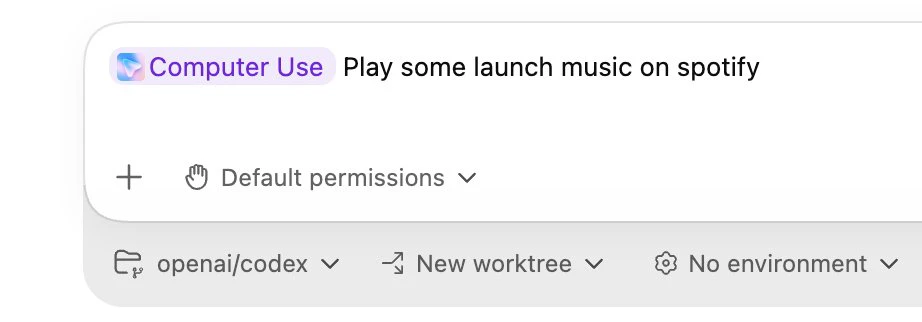
  • Computer use on Mac: Codex can see, click, and type across apps

  • In-app browser for faster frontend, app, and game iteration

  • Image generation with gpt-image-1.5

  • 90+ new plugins across tools like JIRA, CircleCI, GitLab, Microsoft Suite, Neon, Render, and more

  • GitHub review comment handling

  • Multiple terminal tabs

  • Remote devbox support over SSH in alpha

  • Rich file previews for PDFs, sheets, slides, and docs

  • Automations that can resume existing threads over days or weeks

  • Memory preview for preferences, corrections, and reusable context

  • Proactive suggestions for what to pick up next

Perfect for developers, builders, and teams managing complex workflows.

P.S. I hunt the latest and greatest launches in tech, SaaS and AI, follow to be notified @rohanrecommends

7
回复

@rohanrecommends How does it handle long-running automations across async handoffs?

0
回复

@rohanrecommends 
Your project is excellent.
I am a professional full stack and AI developer, and I am very happy to meet you.

I have extensive experience successfully completing many projects in the past.

If you encounter any difficulties in project development or are looking to hire a developer, please contact me immediately.

I would be grateful if you could introduce me to any startup founders you know who are currently developing or looking for developers.

0
回复

The transition from just generating code to actually executing apps in the background is a massive workflow upgrade. I am really curious to learn how the engine handles messy local package dependencies when running these automated tasks. I will definitely be using this to spin up and test my database migration scripts without having to constantly context-switch.

2
回复

Honestly, it feels like complication for the sake of complication. It used to be an excellent app. Now it seems to be drifting off course. It’s trying to please everyone, but there’s a chance—and a risk—that developers will actually end up worse off.

1
回复

Tried to create a modern task reminder app in Material 3 Expressive design. It built a web 2.0 infancy like webpage as the app's home page. 🤦

1
回复

Memory and context awareness across "the entire software lifecycle" is a big claim. Does the memory persist across separate projects, or is it scoped per workspace/repo? Genuinely different product if it can connect context from a planning doc written three weeks ago to a PR being reviewed today.

0
回复
#4
E.Y.E. by Expert Chase
Where human life runs with AI
225
一句话介绍:一款由个人AI助手驱动的“生活操作系统”,旨在通过一个统一的对话界面,整合并自动管理日程、任务、健康、财务等生活各方面数据,解决用户因使用多个独立应用而导致的数据孤岛与效率低下痛点。
Productivity Artificial Intelligence Vercel Day
生活操作系统 个人AI助手 日常管理 应用聚合 数据整合 对话式交互 订阅制 生产力工具 智能生活
用户评论摘要:用户肯定其整合生态的愿景,尤其赞赏与现有日历/提醒事项的同步能力。核心关切集中于数据隐私与安全。功能上,用户期待更深度集成(如Notion)、语音交互、AI人格定制,并询问AI在动态生活场景中的主动决策能力。
AI 锐评

E.Y.E. 描绘了一个诱人的“生活统一场理论”:一个能理解上下文、记忆持久的AI作为核心,串联起散落的生活数据流。其真正的价值主张并非功能堆砌,而是试图成为用户与数字世界交互的“智能层”或中枢神经系统,通过对话取代手动操作。

然而,其面临三重尖锐挑战。首先,**数据护城河的悖论**:产品宣称“不盲目取代现有工具”,而是通过连接构建价值,这固然是降低用户迁移成本的明智之举,但也使其可能长期沦为“聚合器的聚合器”,深度与体验受制于第三方API。若想真正“取代”,则需构建不可替代的核心数据能力,这从早期用户青睐的饮食扫描和财务追踪功能已现端倪。

其次,**隐私与价值的终极权衡**:产品将访问全部生活数据定义为“价值前提”,但评论中反复出现的隐私质疑是它必须跨越的信任鸿沟。仅承诺“数据安全”、“用户控制”是行业基线,远不足够。它需要向用户透明地证明,这种史无前例的数据集中所换来的个性化服务,远超过潜在风险。否则,它只会吸引少数隐私钝感的重度效率爱好者。

最后,**AI能力的边界与预期管理**:产品将AI定位为能“主动管理一切”的智能体,但用户已犀利地问及“优先级快速切换”等动态场景的处理逻辑。这触及了当前AI的软肋:在模糊、多目标冲突的真实生活决策中,它能否提供超越基础自动化(如安排会议)的真正智慧?还是最终会退化为一个更复杂的指令输入界面?

总而言之,E.Y.E. 的野心值得尊敬,它瞄准的是“消费级AI”的圣杯。但其成功不取决于技术整合的广度,而取决于能否在某一垂直生活场景(如健康或财务)凭借AI驱动,提供远超单一工具的组合洞察与自动化,从而建立首个不可撼动的“桥头堡”。否则,“万能应用”的陷阱,历史上已屡见不鲜。

查看原始信息
E.Y.E. by Expert Chase
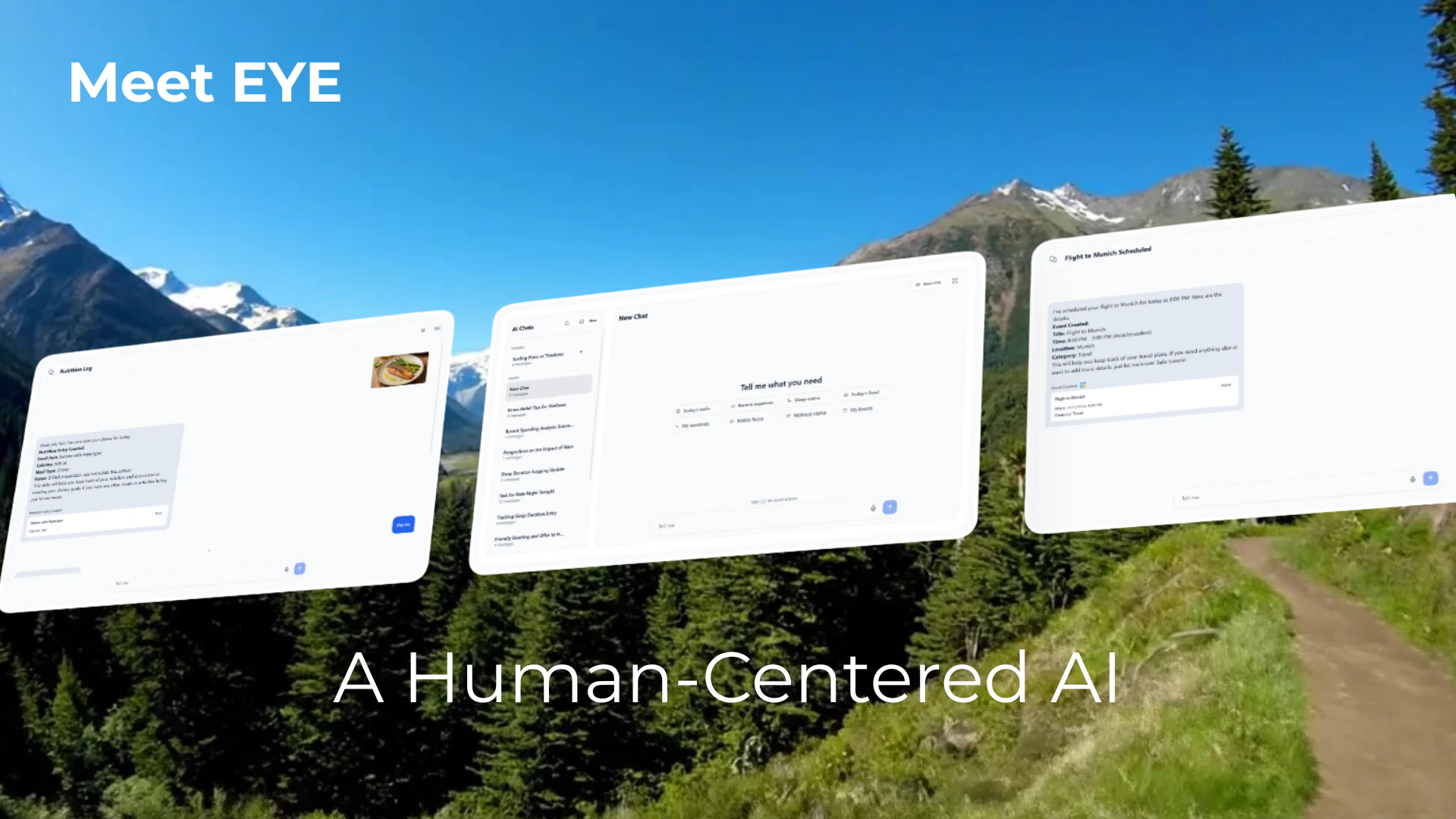
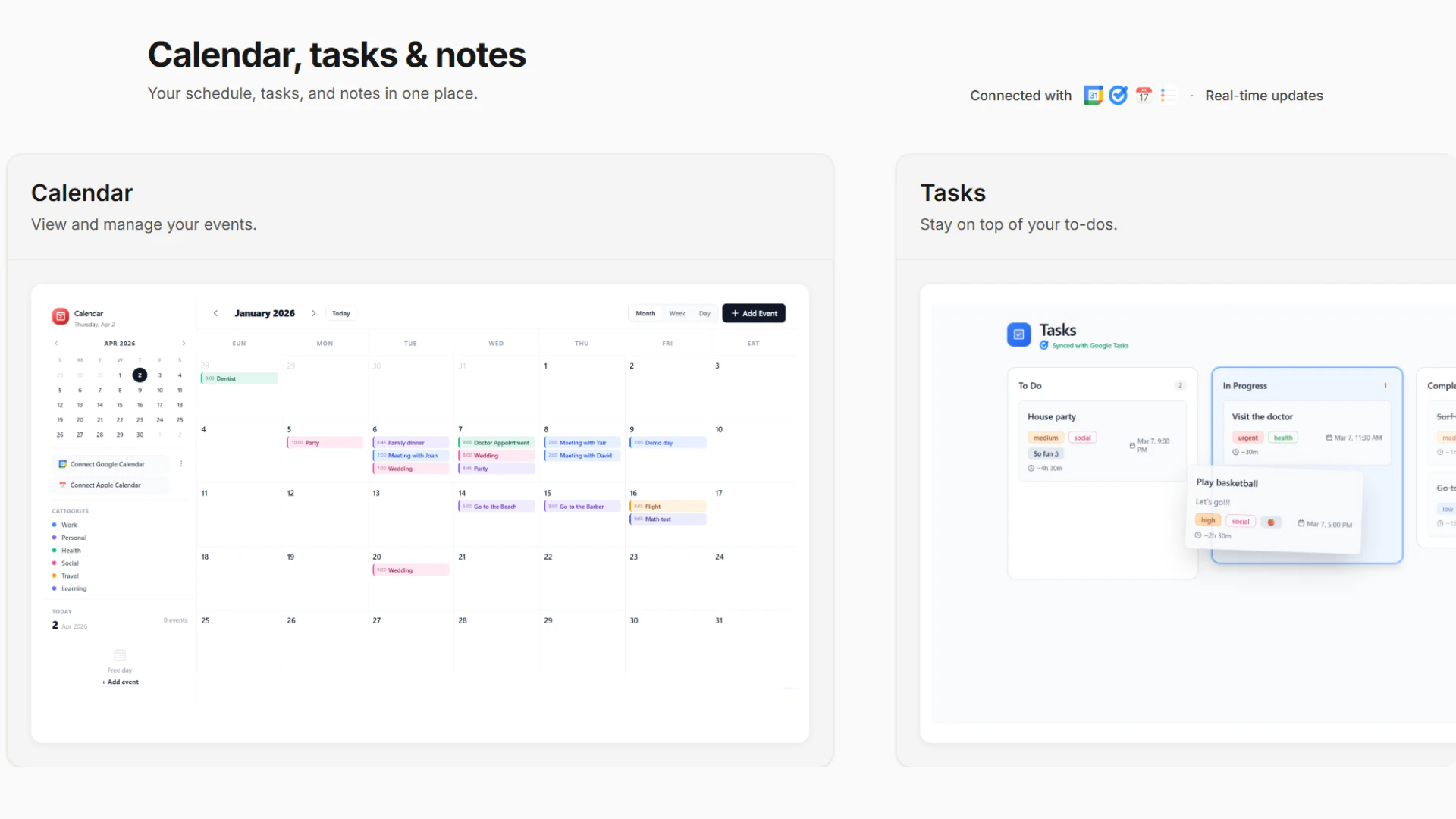
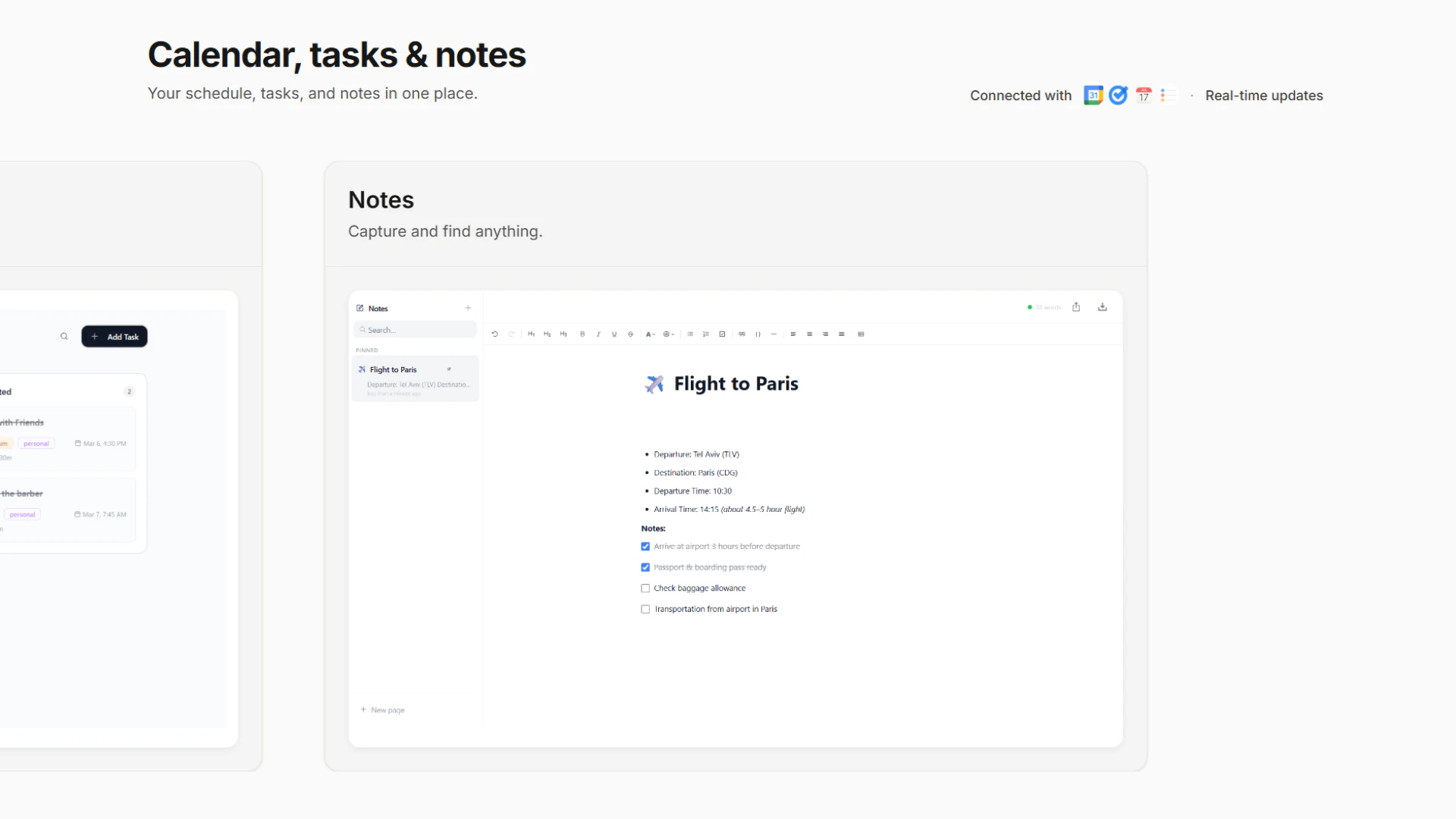
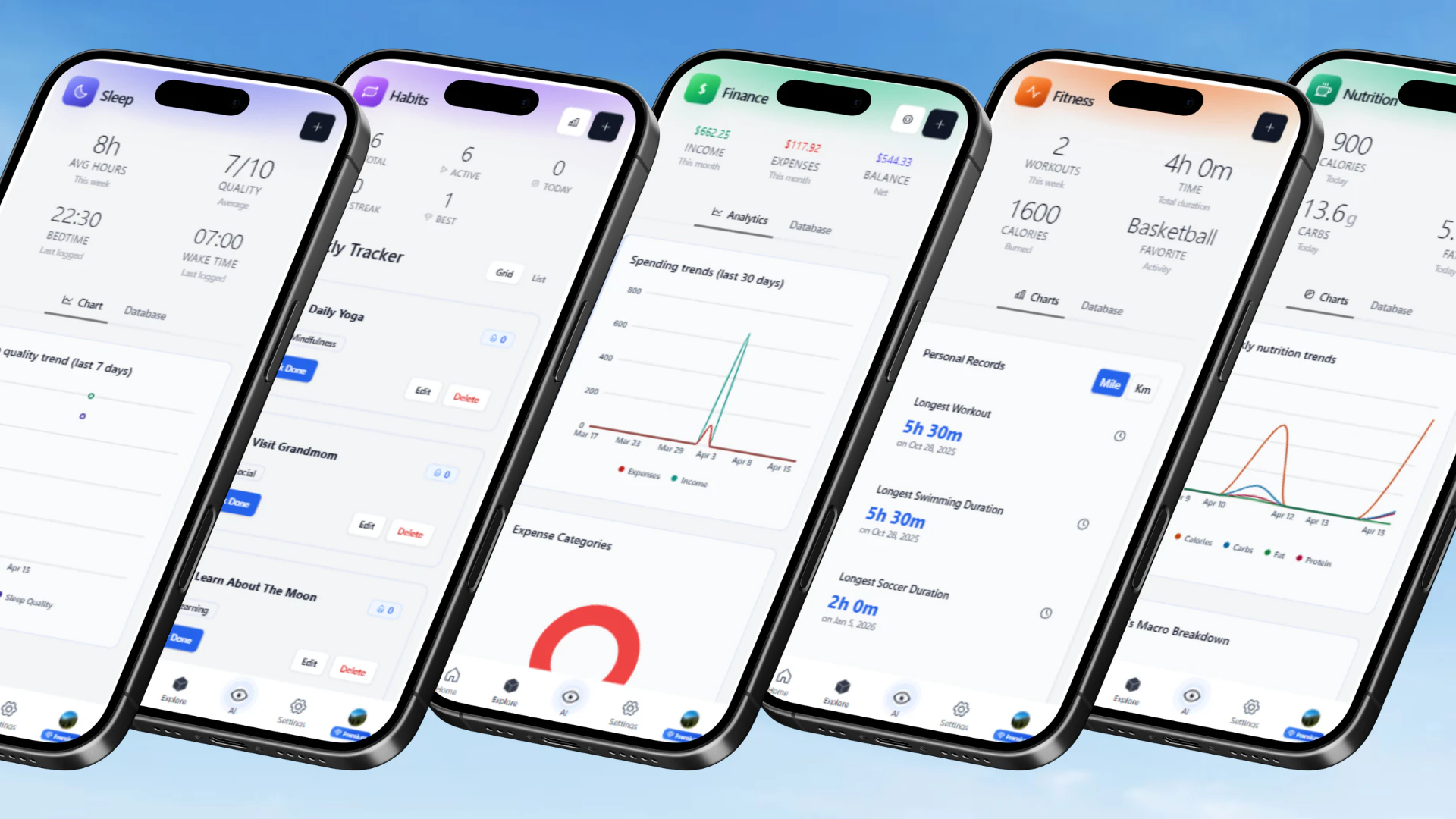
We're on a mission to make AI actually useful in real life. We help people organize every aspect of their everyday life in one place with our AI, E.Y.E. He draws on users’ real-life data and answers based on that data, not generic responses. We’re here to replace all to-do apps, calendar apps, food trackers, sleep trackers, habit trackers, finance trackers, fitness trackers, notes, everything. One subscription. Unlimited AI. Plus Integrations. btw EYE stands for “Empower Your Everyday”.
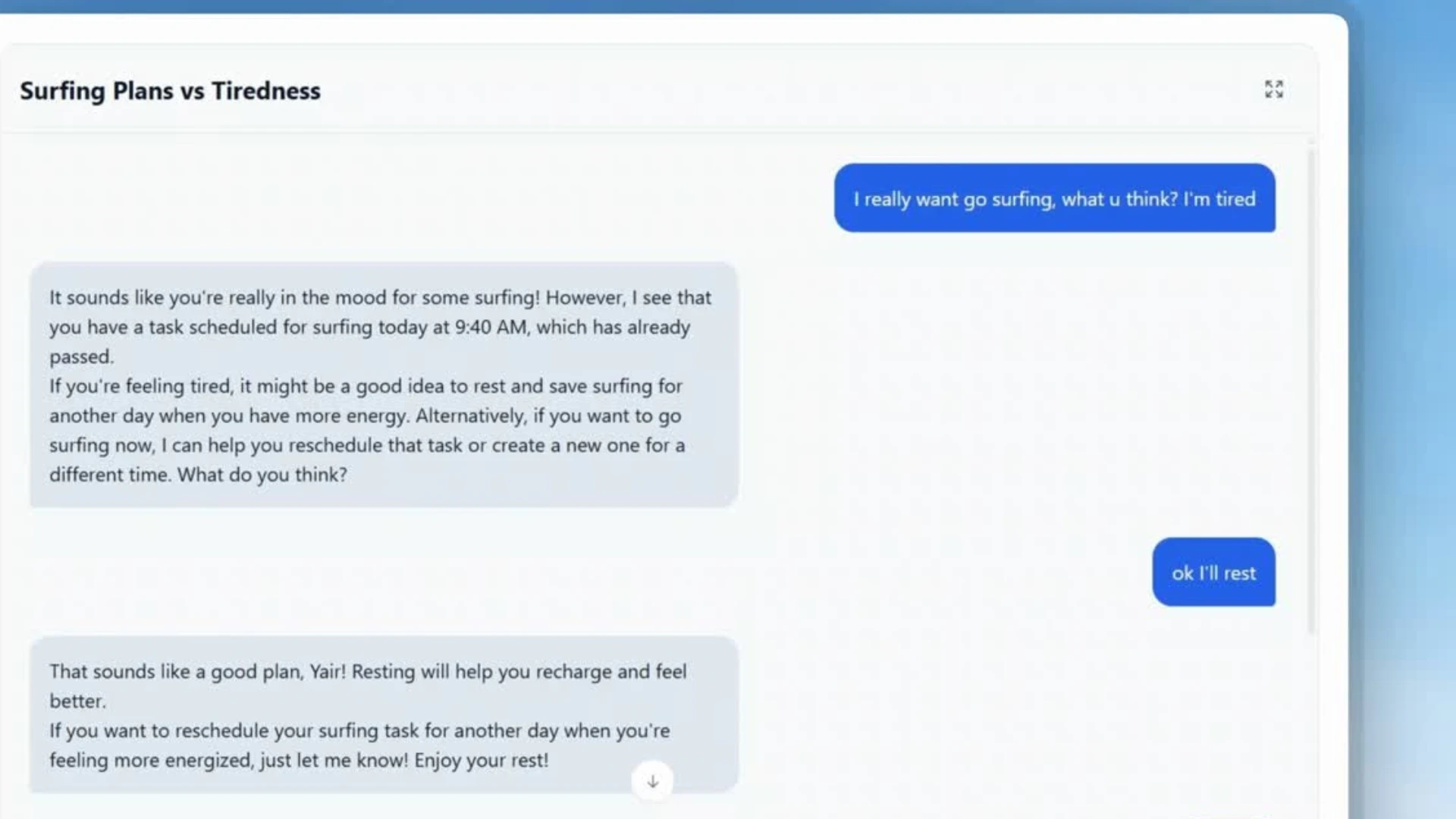
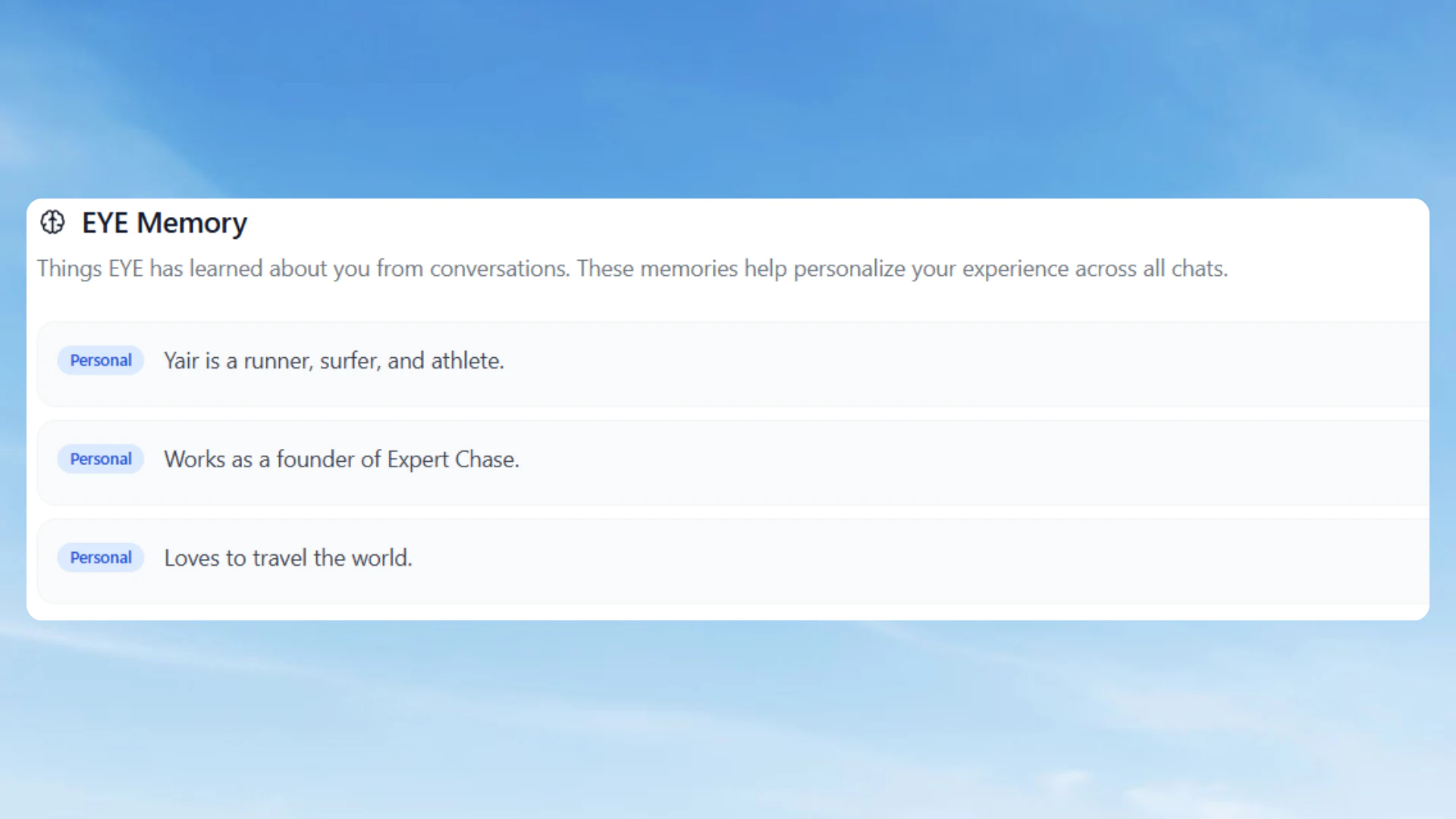
I’m launching something new. app.expertchase.com A new kind of app for everyday life. Expert Chase, Inc. The Life OS. A new category I call the ‘everyday app’, powered by E.Y.E., a human-centered AI. Expert Chase brings Consumer AI into how people actually live. The goal is simple: make AI truly useful in real life. We help organize every part of your life. We’re here to replace all your to-do apps, calendar apps, food trackers, sleep trackers, habit trackers, finance trackers, fitness trackers, notes, everything. One subscription. Unlimited AI. Plus integrations. E.Y.E. remembers you. He knows who you are, and he also draws on your real-life data. You interact naturally with your AI through conversation while he helps manage your everyday life, including managing your calendar, creating and organizing tasks, building habits, logging workouts, tracking nutrition (you can even log meals directly in the AI chat using the camera to scan food), monitoring sleep, logging financial transactions, and much more. All through simple conversations with an AI that understands context, remembers you, adapts as you interact with him, suggests, gives insights, summarizes, analyzes, and plans. EYE answers based on your data. Not generic responses. Soon, you will be able to connect your entire digital ecosystem in one place. Google Calendar & Tasks and Apple Calendar & Reminders are already available to connect, keeping your schedule and tasks automatically in sync. Next, financial transactions will be available to sync securely, and health data will be available to connect across fitness and sleep, so your workouts and sleep hours are tracked seamlessly. Everything in your life will be connected and run automatically, while you stay in control. At the core, E.Y.E. acts as the central intelligence for your life. He understands context, maintains persistent memory, connects your data, and actively manages everything together in real time. Expert Chase is where your life runs, with AI. 2026 is the year Consumer AI begins. ■ expertchase.com ■ app.expertchase.com
18
回复

@eye Congratulations 🎉

0
回复

@eye already connecting apple reminders... that's a good start. usually these 'all-in-one' apps try to lock you in, but keeping the sync with existing ecosystems is the only way i’d actually stick with it. supported 🙌

3
回复

@eye Quick question: How does E.Y.E. handle those messy "life moments" where priorities shift fast? Does he proactively reschedule/analyze on the fly, or suggest trade-offs based on your past patterns?

0
回复

Sounds groundbreaking and very ambitious. Do I understand correctly that as a user I dock this app with my various apps, be it health, finance etc. and the AI makes decisions based on real data? Do you think people will be willing to share all their private data with LLMs? Good luck today!

5
回复

@davitausberlin Really appreciate this, and great question.

Yes, that’s exactly the idea. You can either connect the tools you already use, or simply tell the AI and let it help you directly with what you need. When you do connect tools, the AI can also work on top of your own data to support your day-to-day life in a way that feels personal and relevant.

On the privacy side, this is something I take very seriously. Data is secure, connections are permission based, and the user is always in control of what’s connected and what’s not. The AI doesn’t “own” the data, it only uses it to respond when needed. Over time, I think people are willing to share data when they clearly see the value and understand how it’s handled.

Thanks for the thoughtful question, really appreciate the support.

4
回复

Do you plan to integrate more tools? E.g. notion etc.?

5
回复

@busmark_w_nika Yes Nika 💎👐 that’s a big part of the vision.

We’re building E.Y.E. to connect with the tools people already use, not replace everything blindly.

4
回复

@eye AI is already here, and it’s great to see new services using these technologies to make people’s lives easier.

Good luck

4
回复

@maria_anosova Thanks so much for saying that :) It’s my mission to bring AI for humans and make it useful for everyday people, including non-tech users. Thanks, Maria 🙏

3
回复

This looks amazing, ambicious yet balanced. Cant wait to try it. How are you handling privacy concerns?

2
回复

@geckogt Really appreciate it 🙏
Your data in Expert Chase is tied to your account, and we’re not using your chats to train our own models.

3
回复

does the ai handle the calendar management directly or does it just 'suggest' times? i’d love to just tell it 'book a 30 min workout' and have it find the slot based on my health data. that's the dream for 2026 @eye @E.Y.E. by Expert Chase

2
回复

@priya_kushwaha1 Yes, exactly what you described. The AI understands your intent and can handle both tasks and calendar events depending on what you ask.

If it’s something like a workout without a specific time, it would typically create it as a task. If there’s a time or scheduling context, it can then find the best available slot in your calendar and schedule it automatically. (and yes, it works precisely with the user’s time zone). You can also manage, update, or remove events with your confirmation.

4
回复

Congrats on the launch!

Which "tracker" your early users end up leaning on most: is there one that pulls them into the ecosystem, and the rest follow?

1
回复

@byalexai Appreciate it 🙏

So far users shared with me they love the nutrition tracker (food scan inside chat) and the finance tracker that supports multiple currencies.

2
回复

i love app like this that focus on daily activities like habit tracker and food tracker

1
回复

This feels really useful for getting fast, reliable answers without digging through forums. What kinds of topics or categories are seeing the most demand so far?

1
回复

I have tried it, but the AI doesn’t support voice responses. I wish I could customize its persona and voice and have real-time conversations with it. Do you think adding these features would be a good idea?

1
回复

@new_user___0632026ced409ba91c37d78 Thanks for giving it a spin, really appreciate the feedback. Voice, persona, and real-time chat are exactly the kind of upgrades that make it feel more alive, and we’re definitely moving in that direction. No promises on timing, but you’re right to want it.

4
回复

If you nail the data layer, this could replace half the apps on my phone.

1
回复

@shota_h That’s exactly the direction we’re aiming for 🙏

2
回复

@shota_h Me too :)

1
回复

How do you make sure the AI actually understands my real context well enough to replace all these separate apps, and not just feel like another layer on top?

0
回复

@maya_elor When you talk to EYE, he’s looking at what’s already yours in Expert Chase: what you’ve logged, what you’ve told him across your chats with him, and anything you’ve let him remember. That’s how we ground him in your real situation instead of generic advice. He’s wired into the same data you keep in the app, so the goal is one place that actually knows your week, not a pretty layer on top of five silos.

1
回复

If you don't add voice command is not going to work as expected. Do that and it's really going to be what. you want.

0
回复

Tried the demo – the "EYE" AI feels smooth, and having calendar, tasks, and notes in one place is nice. But I'm curious: how does it handle privacy when the AI has access to everything (calendar, notes, real‑time context)? Is data processed locally or on your servers?

0
回复

@wasil_abdal Data is processed securely on our servers, not locally.

2
回复
#5
Submit.DIY
All-in-one AI launch platform for makers
202
一句话介绍:Submit.DIY是一款集成了AI副驾驶的一站式产品发布平台,帮助创作者和初创团队在发布新产品时,高效解决跨平台内容生成、发布渠道管理及进度追踪等繁琐的物流问题,将精力聚焦于产品构建本身。
Marketing Growth Hacking Vercel Day
产品发布平台 AI内容生成 营销自动化 初创者工具 多渠道管理 发布追踪 效率工具 SaaS 增长黑客 一站式解决方案
用户评论摘要:用户普遍认可其解决发布流程混乱的痛点。主要反馈集中在:希望增加免费试用层以降低使用门槛;关心AI生成内容如何避免千篇一律并保持品牌真实性;询问平台是否协助进行提交优先级排序;以及确认其是否涉及违规自动提交。开发者回复强调了DIY手动核心与灵活的过滤功能。
AI 锐评

Submit.DIY的本质,是将过去三年间从“Product Launch AI”中沉淀的、关于“如何成功发布一款产品”的隐性知识进行了产品化封装。它提供的远不止是AI写稿或渠道列表,而是一个结构化的发布“操作框架”。其真正价值在于,它试图将一次成功的产品发布从一门“艺术”或“运气”,转变为可规划、可执行、可追踪的“科学流程”。

产品聪明地避开了“全自动提交”的雷区,坚守“DIY”定位,这既是出于对平台规则(如避免被标记为垃圾提交)的尊重,也巧妙地规避了自动化难以解决的个性化沟通难题。它将AI定位为“副驾驶”(Sidekick),专注于解决最耗时的内容初稿生成和信息整合,而将策略决策(如渠道选择、排序)留给人本身。这种“AI增强”而非“AI替代”的思路,在当前阶段更为务实和可持续。

然而,其面临的挑战也同样明显。首先,其核心功能模块(内容生成、渠道发现、看板追踪)并非不可替代,单个功能都有众多专注工具存在,其护城河在于“整合”的深度与体验的无缝程度。其次,用户评论中关于“付费墙恐惧”和“内容同质化”的担忧直指要害:对于预算敏感的独立开发者——其核心目标用户之一,定价策略需要更精细的设计;而AI生成内容的“模板化”风险,可能使其在追求品牌独特性的高端用户面前吸引力不足。最后,该平台的成功将高度依赖于其渠道数据库的质量、时效性与推荐算法的精准度,这需要持续的运营投入和数据积累。

总体而言,Submit.DIY是一款切中刚需、设计思路清晰的产品。它能否从“有用的工具”成长为“不可或缺的平台”,取决于其能否在“标准化流程”与“个性化需求”之间找到最佳平衡点,并构建起基于数据与网络效应的真正壁垒。

查看原始信息
Submit.DIY
Your all-in-one toolkit to plan, execute, and track product launches. Powered by an AI Sidekick that generates ready-to-publish copy for every channel in one click. No more scattered info across docs, to-do-lists etc. Multiple features that's required to plan a product launch is under one platform.

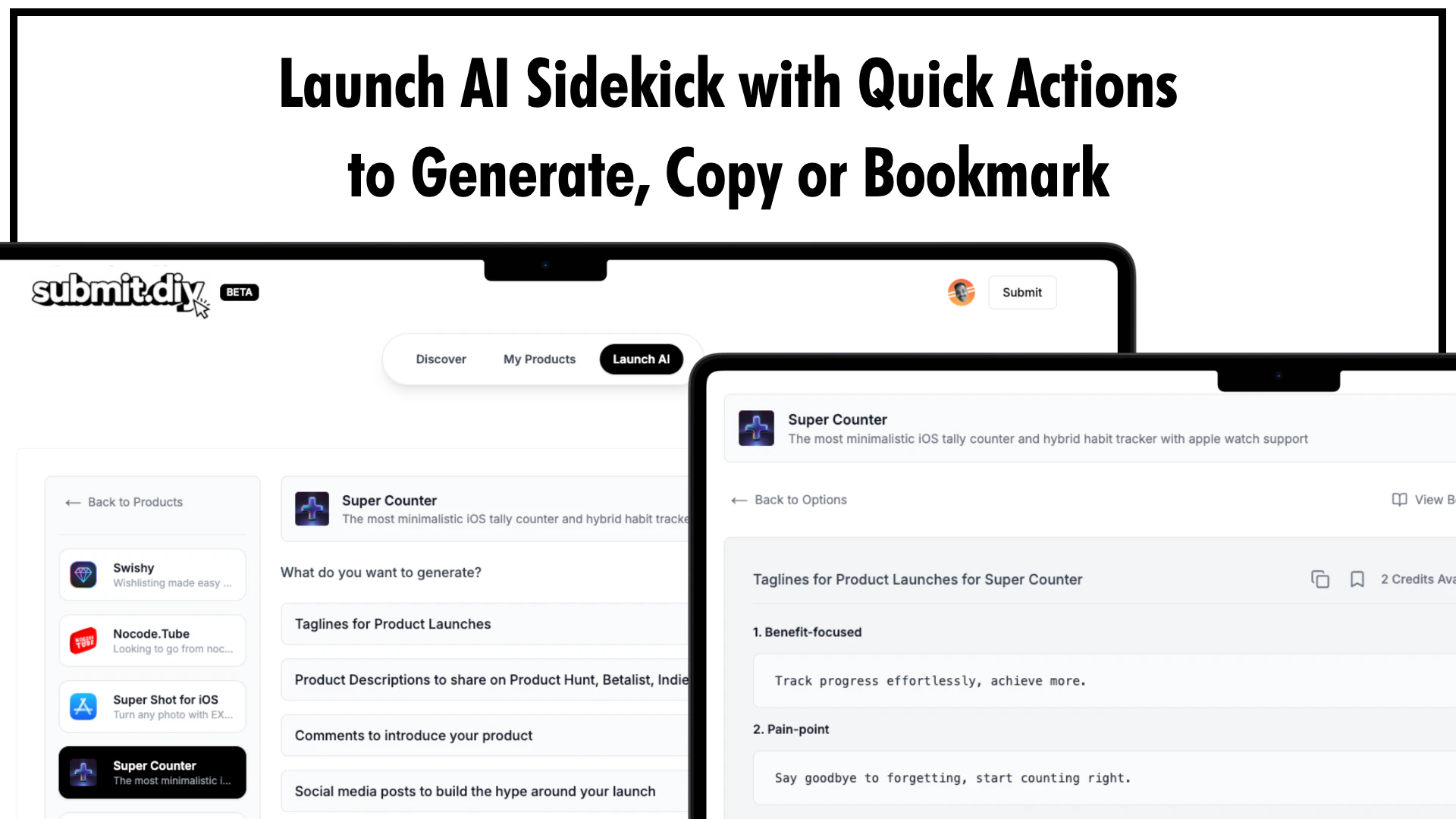
Submit.DIY takes the grind out of product launches. Paste in your product details, and the AI Sidekick generates ready-to-publish taglines, descriptions, pitches, and social posts — tailored for each platform, in one click.

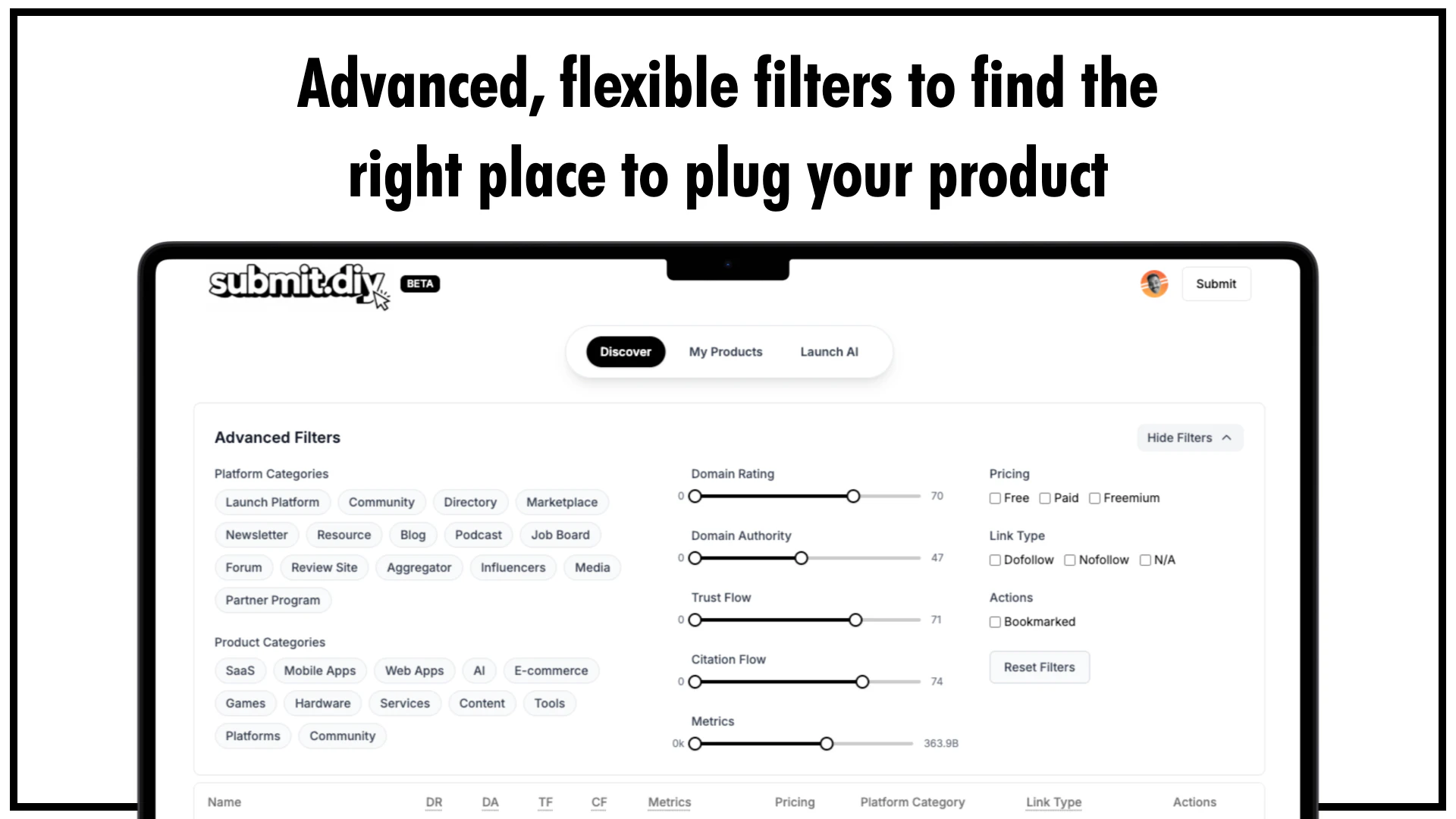
Then use the rest of the toolkit to find, track, and manage submissions across 160+ launch platforms, blogs, newsletters, and communities, matched to your goal, whether that's a strong backlink, a blog feature, or an influencer mention.

Submit.DIY evolved from Product Launch AI, one of the top 10 products during its launch day on Product Hunt around 3 years ago. Through Product Launch AI, we helped first-time founders and developers create the right content for their first launch. That knowledge, learning, and feedback is now packaged into a complete toolkit.

What's included:
- AI Sidekick: generate and bookmark platform-specific copy, social posts, and community messages instantly
- Platform discovery: launchpads, newsletters, communities, and influencers with DR, pricing, and link type at a glance
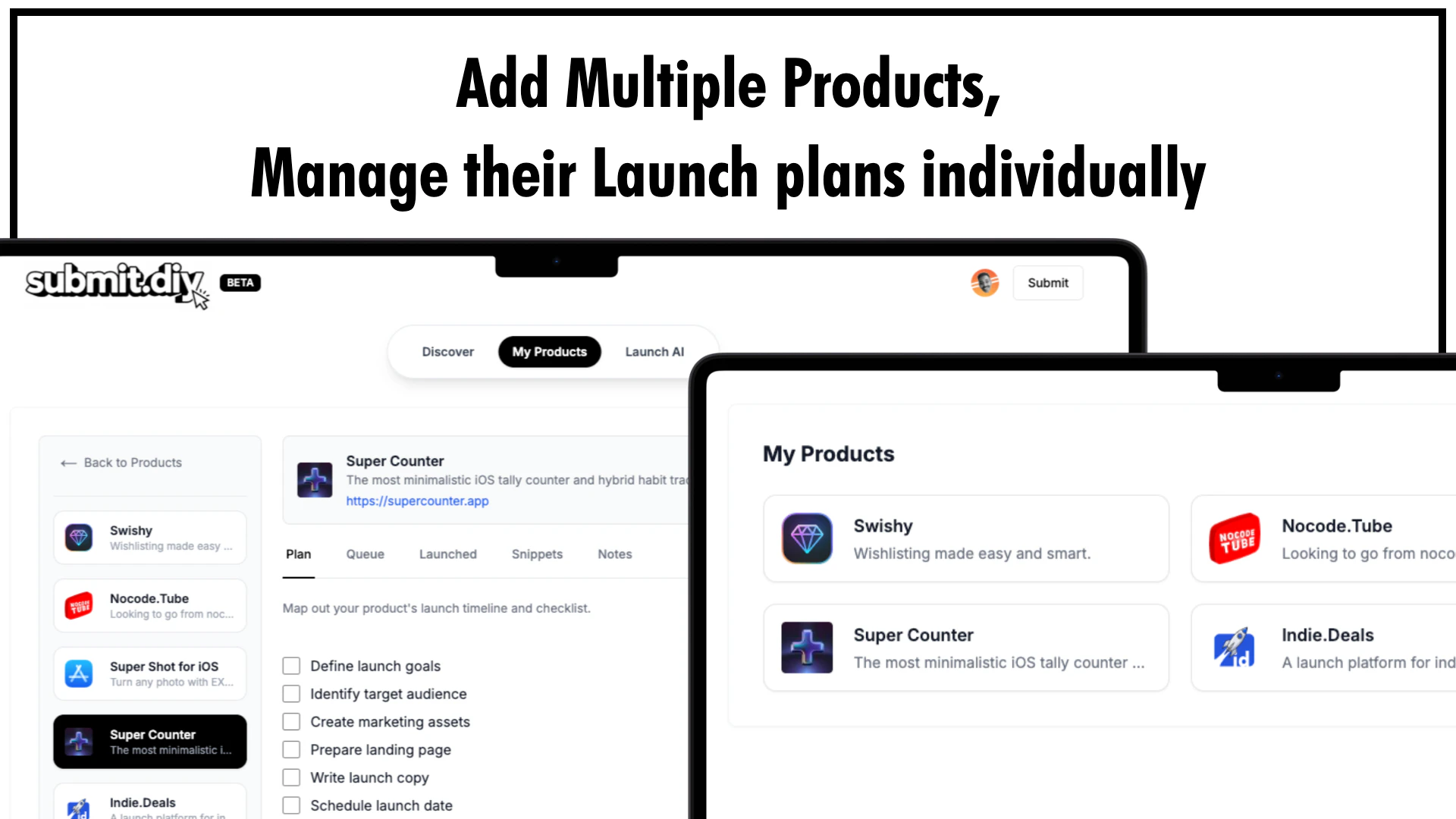
- Centralized planning: manage products, timelines, and launch checklists in one place
- Submission tracking: queue platforms, mark as launched, and stay on top of every submission
- Notes and launch journal: keep context for every platform and product organized

So you spend less time on launch logistics and more time building. Submit.DIY handles the planning, the copy, and the tracking, so your product gets seen.

8
回复

@adithya This is so cool, Adithya! Congrats on the launch!

We’re seeing a lot of Product Hunt "siblings", and it would be great to have them listed here so people can discover them alongside launch platforms like Product Hunt.

By the way, I’m the moderator of r/GrowthHacking. We’re happy to have founders share their products there as long as the posts are use case driven, talk about the specific problem you solve and how you solve it, rather than just listing features.

I am sharing this with my maker friends who are looking to build backlinks, gain awareness and initial users / customers for their products. :)

3
回复

@adithya wow, that is interesting! Congrats on the launch! Wish I knew about that a few days ago. 😆

My honest feedback as a solo builder who just made my first launch is that the paywall is scaring me away... Have you considered a free tier or trial with limited scope? (f.e. first launch / just one channel) Guessing that if someone launches one product, they will soon launch another, then another... So getting a good first-time experience will lock them in for the long haul.

2
回复

@adithya For founders blending personal branding with product drops, how does the AI Sidekick adapt pitches to feel authentic across both worlds without sounding generic?

0
回复

This is a really practical idea. Launching is always more chaotic than building. Having everything in one place with tracking and content support makes a lot of sense. How do you help people prioritize which platforms are actually worth submitting to?

1
回复

@uxpinjack At this point, we let the maker prfioritize because too much AI for everything isn't good ;)

But yes, you would be able to exactly narrow down based on your product's category and the platform category you are looking for and then further filter down based on metrics, DA etc.

For example, your product category is mobile app, the platform category that you are looking for could be newsletters, blogs and communities. You can mix and match these options along with specific number filters to exactly pick where you want to submit or plug your product.

The goal isn't to share at 100s of places, but to share about it in 5 of them for example that's worthy enough.

0
回复
Congrats on the launch! Would this get rejected as auto submission by directories?
1
回复

@i_dino We do not do auto submissions hence it is DIY. We will help you find not just directories but other places and platforms to plug your product. And the launch kit and AI Sidekick helps you in planning, drafting and consolidating everything you require to execute your launch.

Hope this answers your question.

0
回复

Congrats on the launch! How do you keep the AI from sounding generic when every maker uses similar prompts?

1
回复

@ermakovich_sergey The maker doesn't have to use any prompts at all - that's why it is a launch sidekick ;)

Once you add your product name, description and link - it has enough context to provide you the relevant recommendations based on the goal and question you pick. We revisit once every couple of weeks to optimize it for the best results ultimately to help the maker before/during and post launch as well.

0
回复
This is so cool! Was preparing a launch myself for the past weeks, and I wish I saw this one earlier 🫣
1
回复

@natalia_zak Thank you. Bookmark us, will definitely be useful for your future launches ;)

0
回复
Must have for anyone who launches a lot of products… well done Adithya 🙌
1
回复
@ayushtweetshere Thank you Ayush for your support. Your early feedback definitely helped change things a bit for better.
0
回复

We have a launch coming up soon and the logistics always take longer than expected. Does Submit.DIY help with sequencing, like what to submit where and when? or mainly with the copy and tracking? Congrats ont he launch!

0
回复

@jared_salois  Thank you.

We do not automate sequencing because each maker would have their preferences. But we have something called as queues, you can mark "where" you would like to launch which get's added to the queue (you can include a note too if required) so you clearly know what to execute and when and once done, you can mark it as complete which automatically removes it from the queue but still shows under the launched queue for you to keep track.

1
回复
#6
Canva AI 2.0
AI that creates with you, and connects to your world
161
一句话介绍:Canva AI 2.0将设计平台转变为对话式智能创作助手,在团队从构思到发布的完整工作流中,通过理解品牌、连接外部工具并生成可分层编辑的设计,解决创意产出效率低、协作断层及品牌一致性维护难的痛点。
Design Tools Artificial Intelligence Graphics & Design
AI设计平台 对话式AI 智能创作助手 品牌一致性管理 团队协作工具 可编辑AI生成 多工具集成 工作流自动化
用户评论摘要:用户肯定其向“智能创作工作空间”的转型愿景,期待可编辑的AI输出能提升价值。主要质疑集中于AI生成结果的可靠性与实用性(V1输出质量差需手动重做),并关切2.0是否为底层模型升级、能否无缝整合进已有项目以及付费模式。
AI 锐评

Canva AI 2.0的野心远不止于添加几个生成式功能,其核心战略是打造一个“智能体化”的创作操作系统。它试图攻克当前AIGC工具的核心缺陷:生成结果与专业设计工作流的脱节。通过引入“记忆”(品牌智能)、“连接”(外部工具集成)和“对话式迭代”,产品瞄准的是团队创意生产中更痛苦的“最后一英里”——即从AI初稿到最终成品的反复修改、协作与发布环节。

然而,用户评论犀利地指出了理想与现实的裂缝:前代AI输出的低可靠性与低可用性,让用户不得不手动重做,这直接动摇了“提升效率”的根本承诺。因此,2.0成败的关键在于其宣称的“分层可编辑输出”是真正的底层设计模型能力飞跃,还是仅仅在旧模型之上叠加了交互层。若属后者,它可能仅是一个更流畅的“包装”,无法解决质量本源问题。

其真正价值在于构建一个闭环生态系统:将生成、编辑、协作、发布和品牌管理捆绑于一体,提高用户切换至其他工具的成本。这不再是与Midjourney或DALL-E竞争图像生成,而是与Figma、Adobe等争夺“完整工作流”的入口。风险在于,若AI核心能力不达预期,这些宏伟的集成与协作功能将成为空中楼阁,被用户视为华而不实的负担。Canva必须证明,其AI是真正理解设计的“创作伙伴”,而非一个仍需大量人工收尾的“随机灵感生成器”。

查看原始信息
Canva AI 2.0
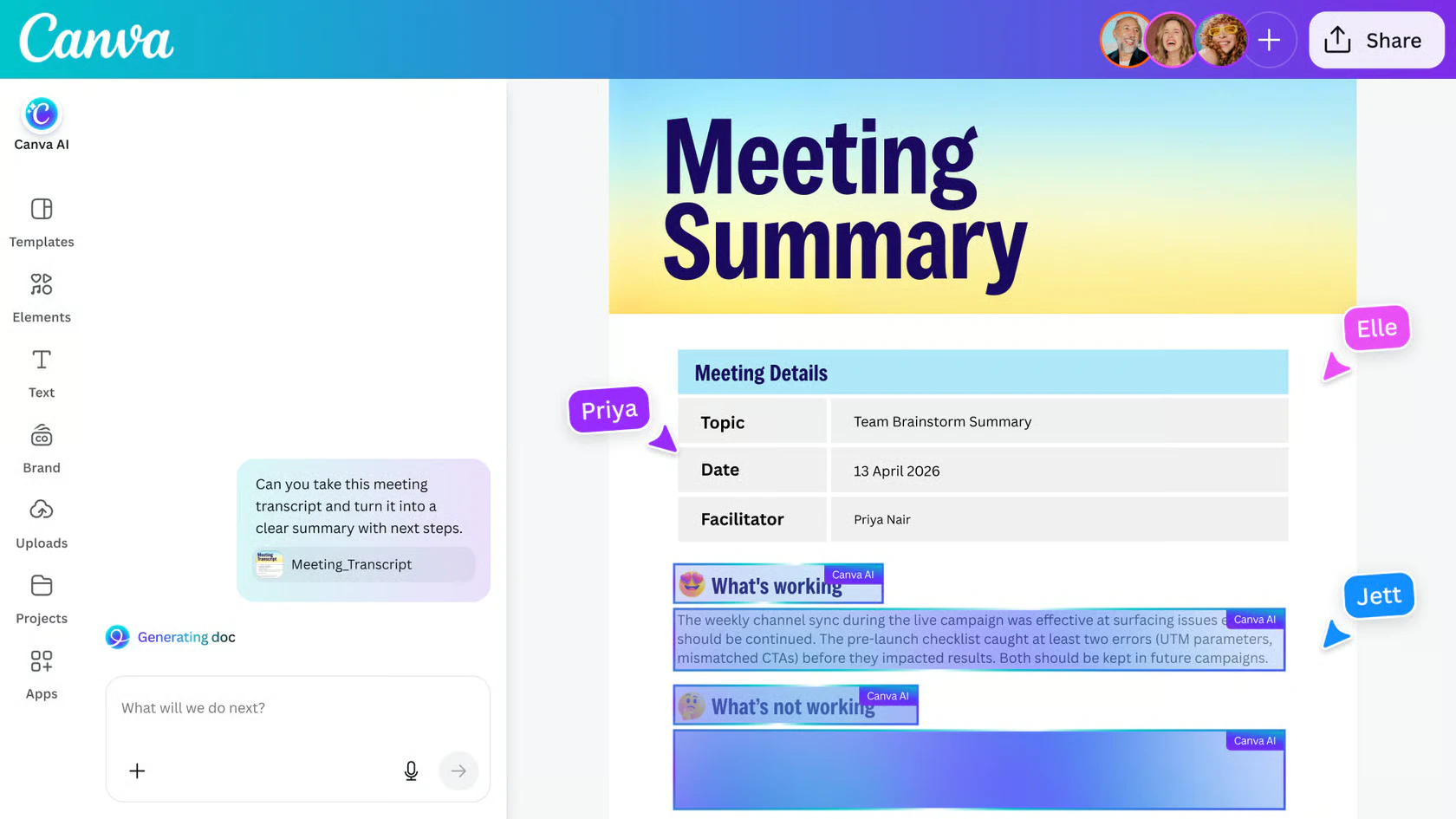
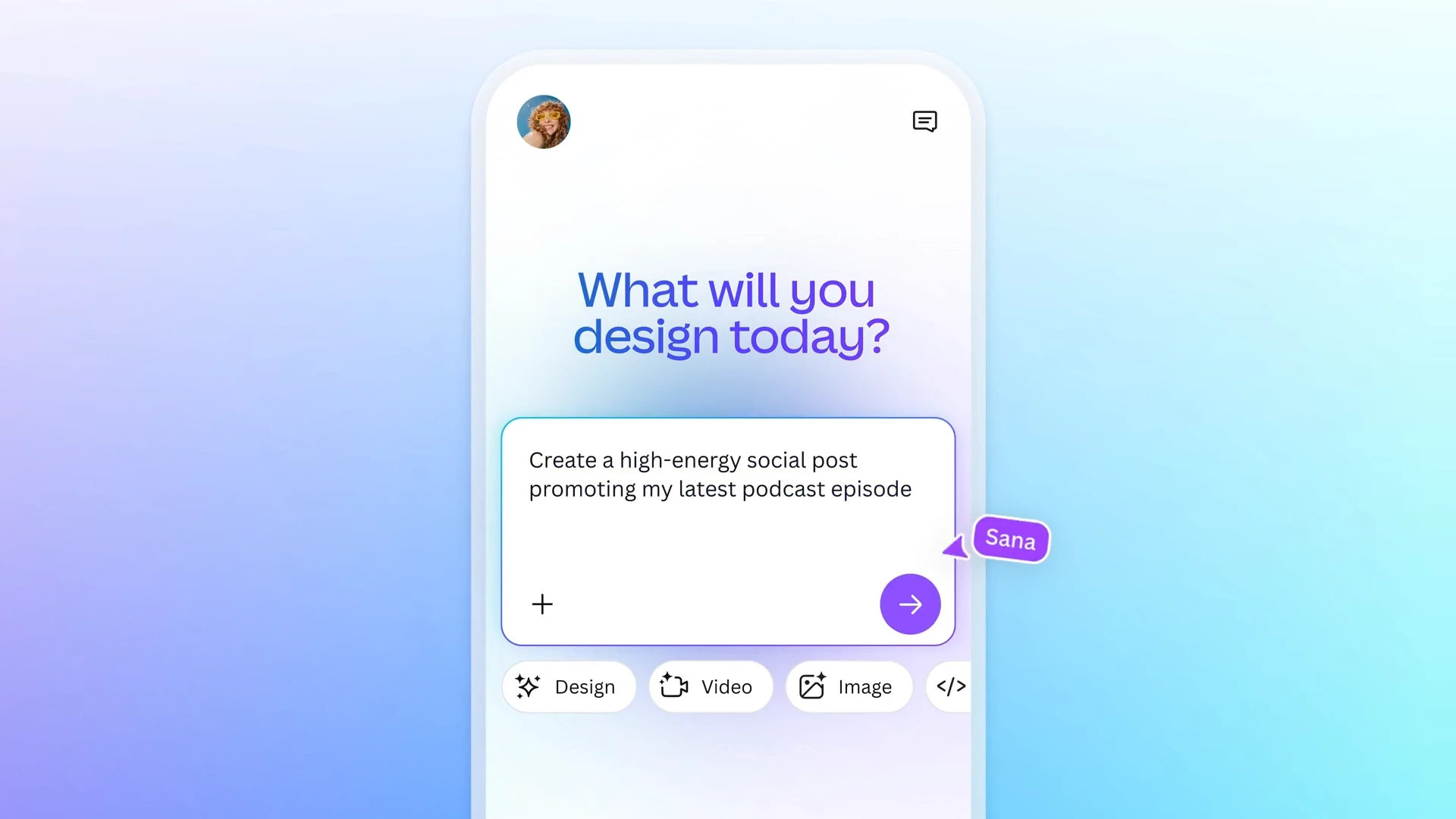
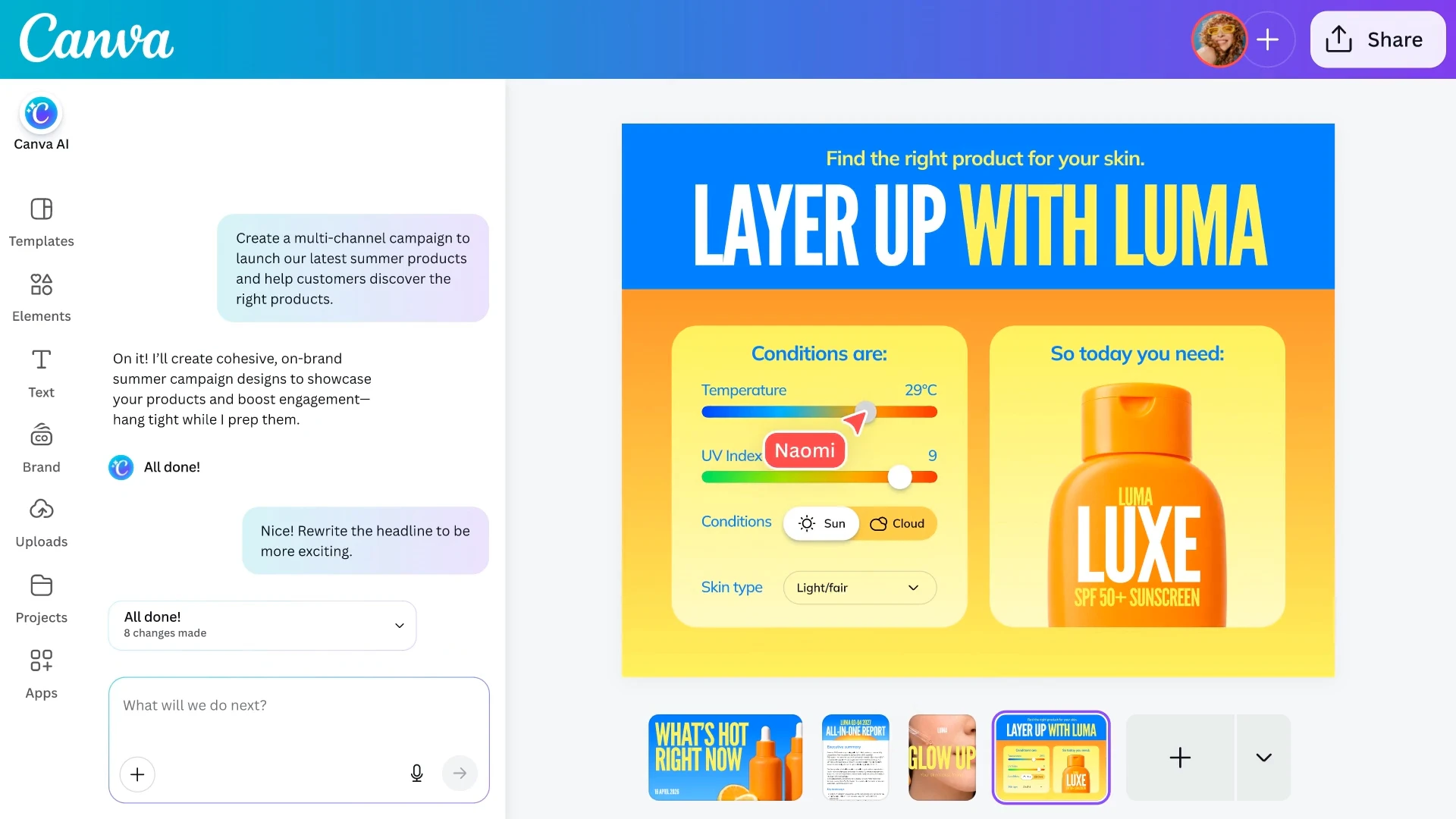
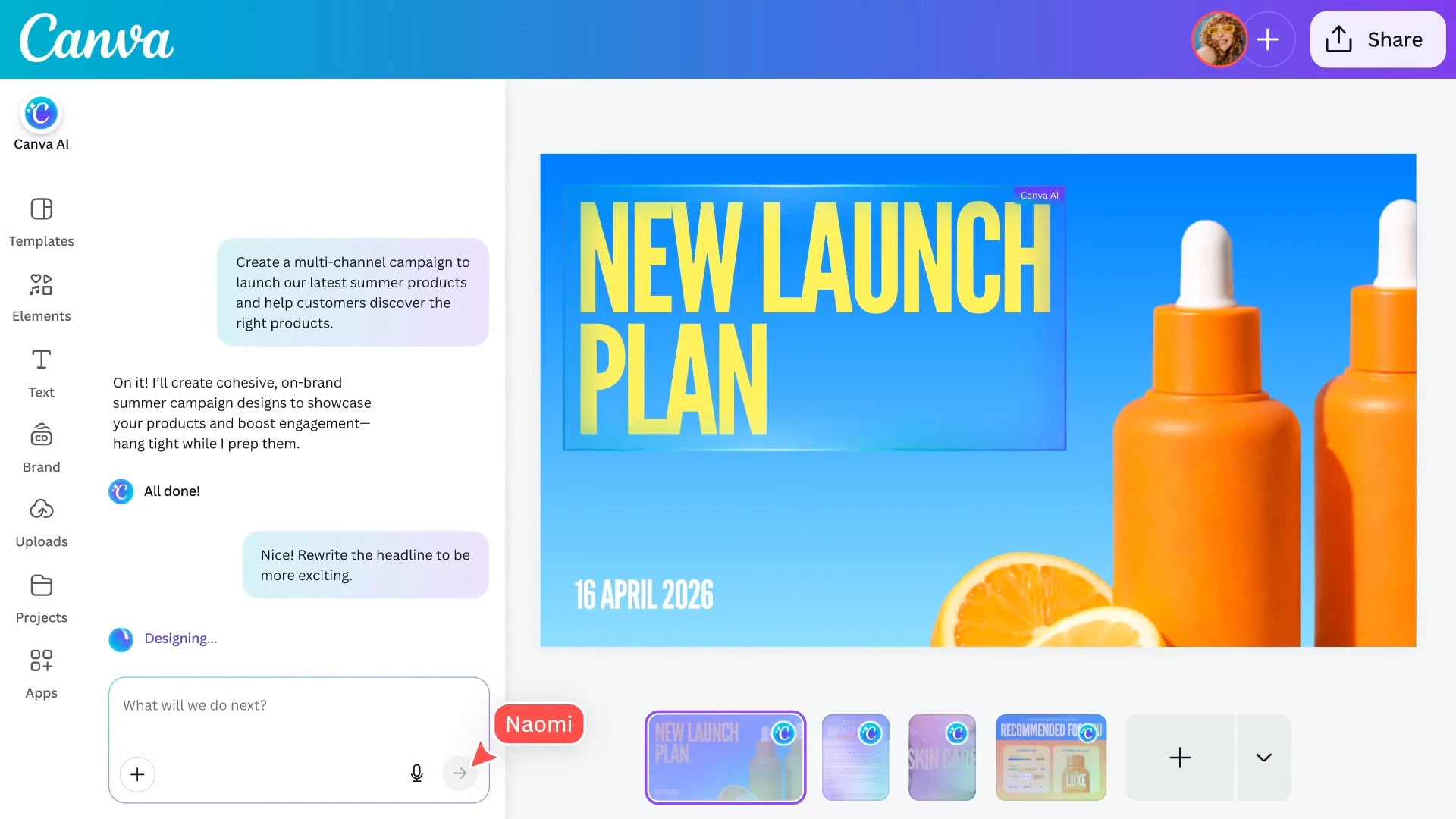
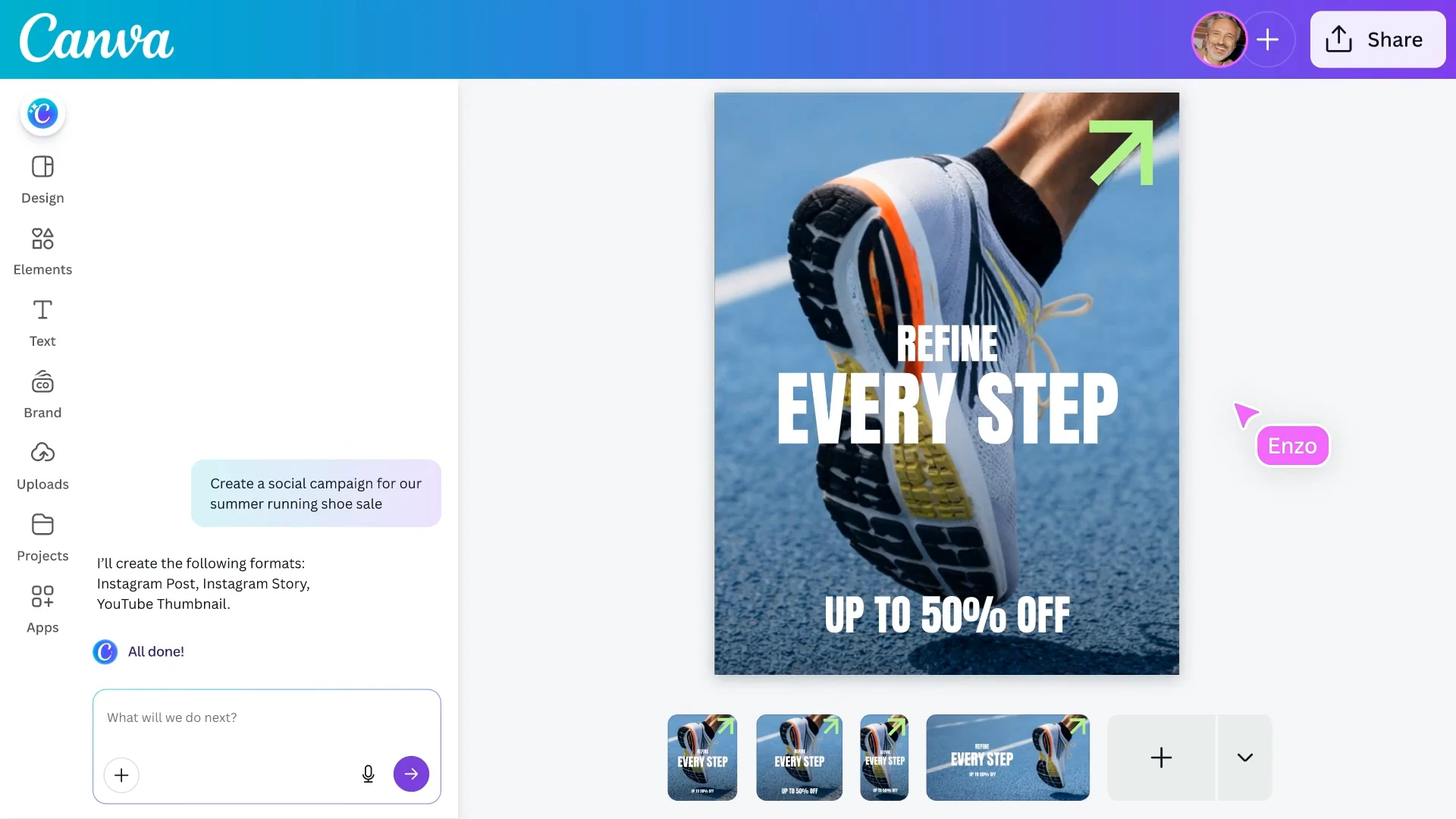
Canva AI 2.0 turns Canva into a conversational, agentic creative platform. Powered by Canva’s design model, it can generate layered editable designs from a prompt, remember your style and brand, connect to your tools, and help teams move from first idea to final publish in one place.

Hi everyone!

Canva AI 2.0 is a much bigger move than “more AI features.”

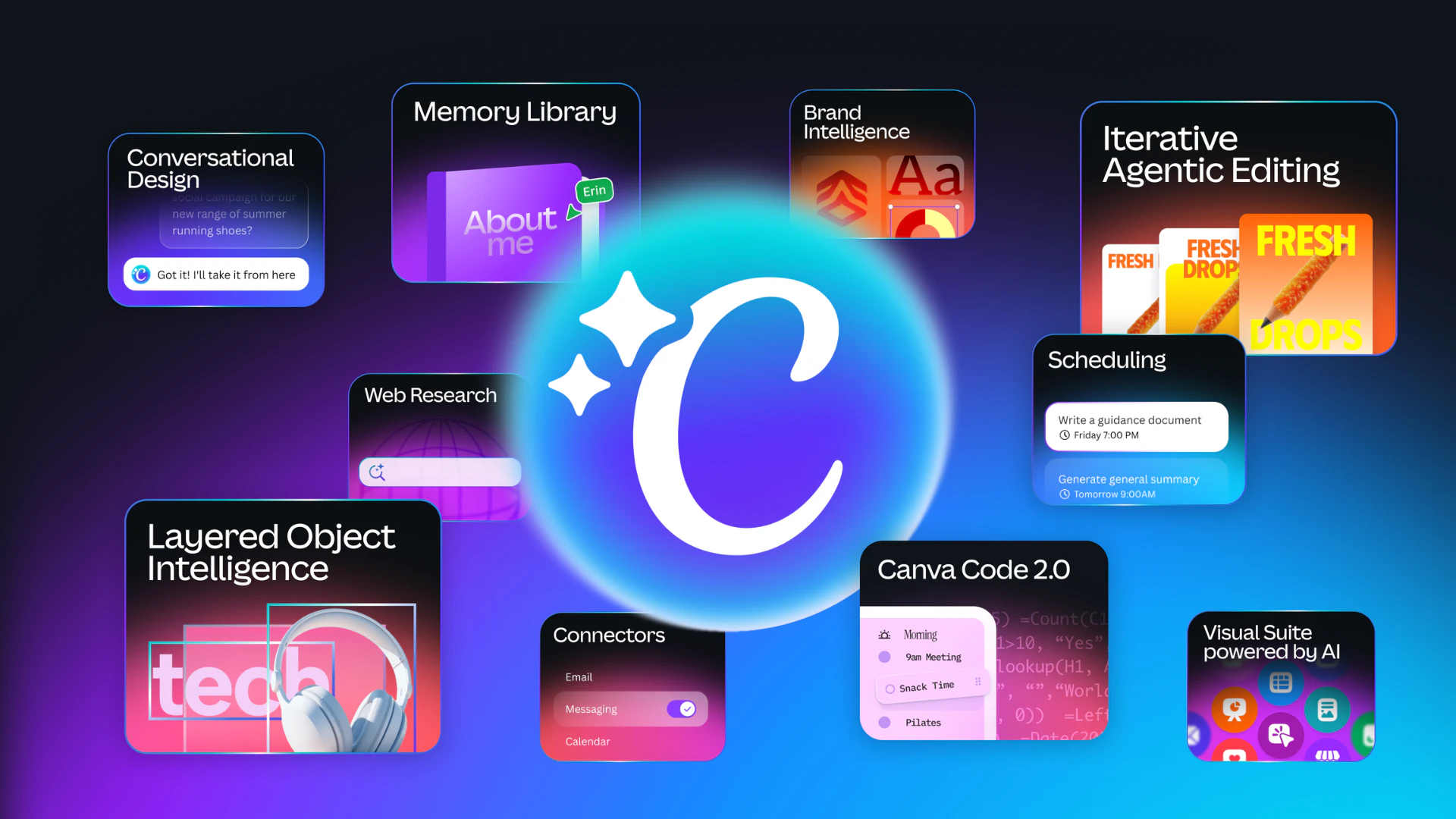
What Canva is really doing here is turning itself into an agentic creative workspace: conversational design, layered editable outputs, memory, connectors, scheduling, web research, brand intelligence, Sheets AI, and Canva Code 2.0 all tied into one system.

Rather than stopping at one-shot generation, Canva is trying to stay present through the whole creative process. You start with an idea, refine it through conversation, pull in context from the tools you already use, and still keep everything fully editable and on brand.

They are going after something more valuable: being the place where teams still do the last mile of editing, collaboration, and publishing.

3
回复

@zaczuo Seems like its going to be worth paying for Canva Pro. The new features are exciting especially the one that says we can edit the AI generated images / outputs.

0
回复

@zaczuo How's Canva AI 2.0 handling the handoff from agent-generated drafts to human polish? Any workflows where it actually speeds up the feedback loop with non-designers?

0
回复

Has it been tested and confirmed that Canva AI is reliable? I use Canva everyday and I end up doing all the manual work since the AI gives a completely different response to what we request.
Can it also be used on projects one has already began working on? For example in mind maps displaying 7 examples. Is it reliable enough to refine the options to nine and still leave it as an editable template?

2
回复
@shemojs Good questions - I use Canva every day also and agree with you - I've ended up never using the AI as its outputs are consistently poor. Was hoping we'd get a 2.0 out of Canva Create - looking forward to trying it.
0
回复

do people with premium get it or everyone

0
回复

as others pointed out, v1 outputs were hard to use without redoing most of the work manually. is 2.0 a new underlying design model, or the same one with better orchestration and memory on top? the answer changes how much to expect from it tbh

0
回复
#7
Hello Aria
Turn chats into tasks, reminders & notes — instantly.
159
一句话介绍:一款集成于WhatsApp、Telegram等日常通讯工具内的AI生产力助手,通过自然对话或语音即时创建任务、提醒和笔记,解决了用户在多应用间频繁切换、信息碎片化的痛点。
Productivity Artificial Intelligence Vercel Day
AI生产力助手 对话式交互 任务管理 语音转任务 应用集成 跨平台同步 减少工具切换 个人效率 团队协作 智能助理
用户评论摘要:用户普遍赞赏其基于现有通讯工具的低门槛使用和语音转任务功能。重点关注问题包括:跨平台上下文同步能力、长期使用的信息组织逻辑、对Meta等平台API的依赖风险。创始人详细回复了技术架构与应对策略。
AI 锐评

HelloAria的聪明之处在于其“渠道无感”的产品哲学。它没有选择创建一个需要用户改变习惯的“中心化生产力平台”,而是将自己拆解成一个去中心化的“AI大脑”,寄生在用户最高频的通讯场景中。这本质上是对“工具膨胀”时代的一次精准反击——用户不是需要第6个管理应用,而是需要前5个应用能无缝联动。

其真正的技术护城河并非AI解析语音或文本的能力(这已是红海),而在于其宣称的“状态统一架构”:让各个通讯渠道成为无状态的交互界面,而将用户意图、任务状态和记忆维护在中央层。这解决了多端生产力工具最棘手的“状态分裂”问题。从评论中创始人透露的细节看,他们已为此付出了不小的重构代价。

然而,其商业模式隐含着双重风险。首先是“功能价值稀释”风险:作为寄生型工具,其核心功能(创建提醒、任务)实则是将手机系统级能力(如Siri)或日历应用的核心体验,包裹了一层对话式交互。这种体验优势在初期惊艳,但容易被原生平台或巨头通过简单迭代所覆盖。其次是其“中间件”定位的尴尬:对于个人用户,它可能只是一个不错的效率玩具;对于团队,其当前功能深度又远未达到Asana、Notion等专业协作工具的水平。评论中提及的“会议纪要”功能或许是一个能体现其AI附加值的突破口,但需证明其摘要质量能超越单纯的录音转文字。

总体而言,HelloAria是一次优雅的“场景偷袭”,它精准地捕捉到了工具疲劳下的用户情绪。但其长期价值,取决于它能否从“在聊天中创建任务”的便捷工具,演进为真正理解用户工作流、并能主动协调多平台资源的“智能中枢”。否则,它可能只是另一个在效率红海中,凭借巧妙切入点获得短暂喝彩的过客。

查看原始信息
Hello Aria
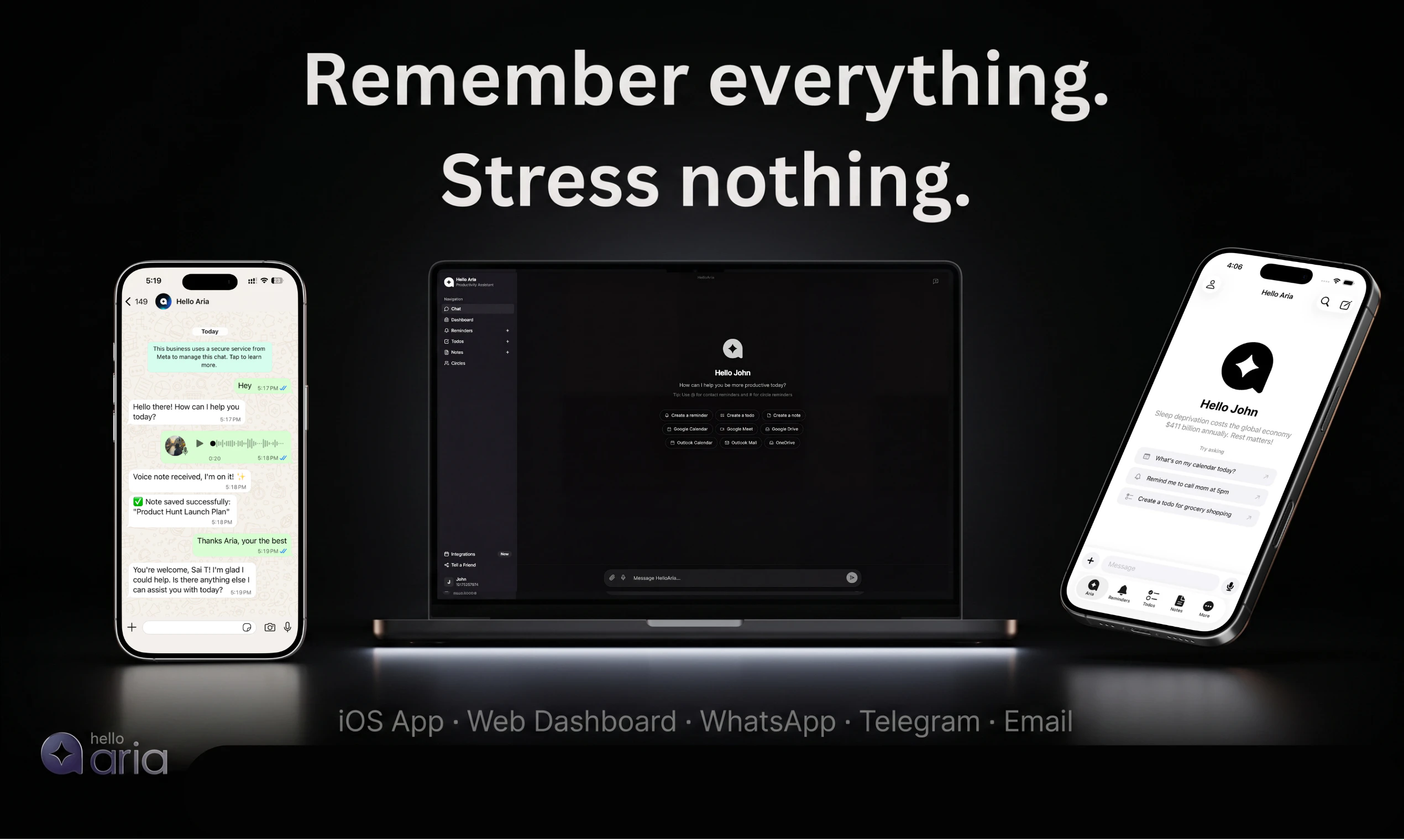
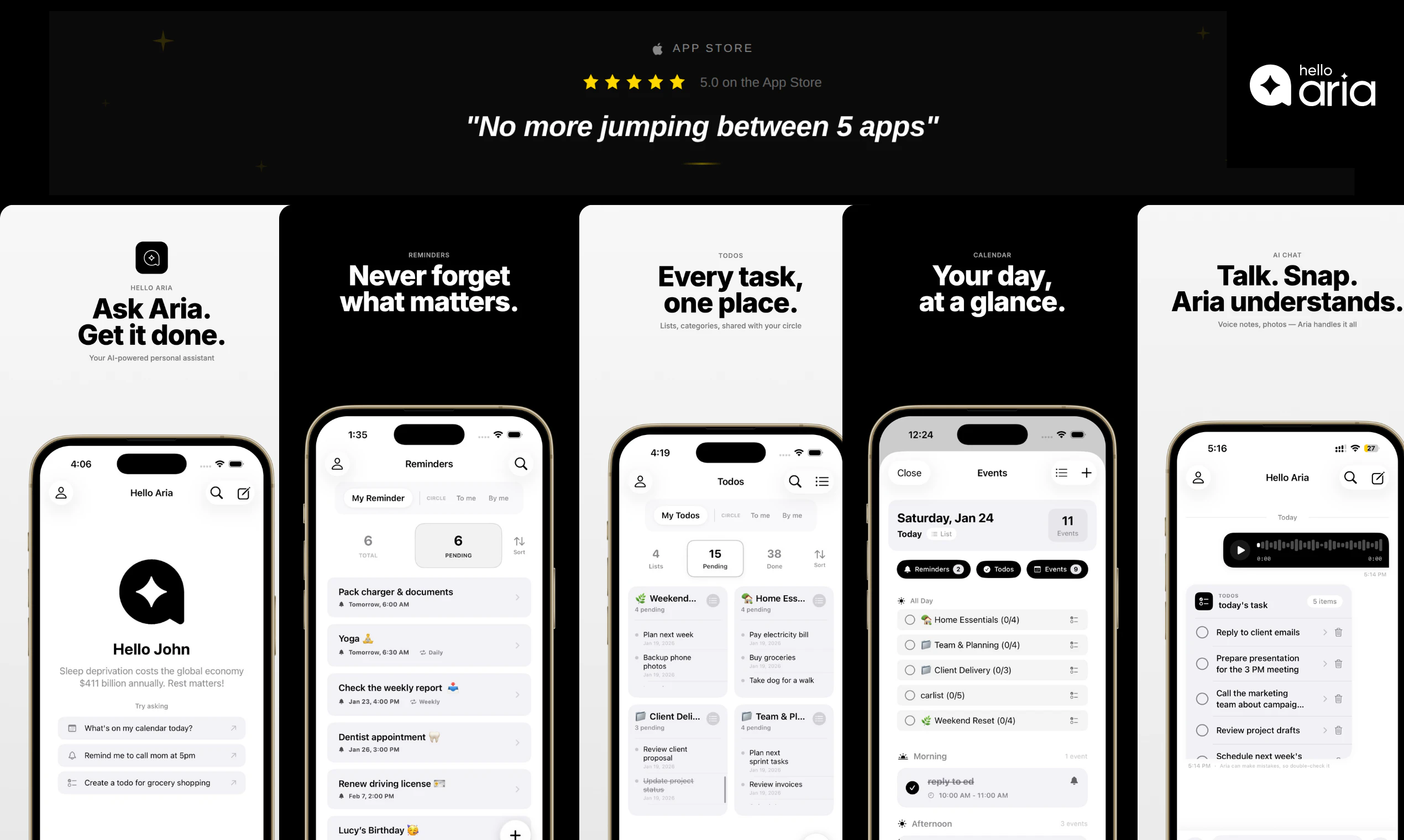
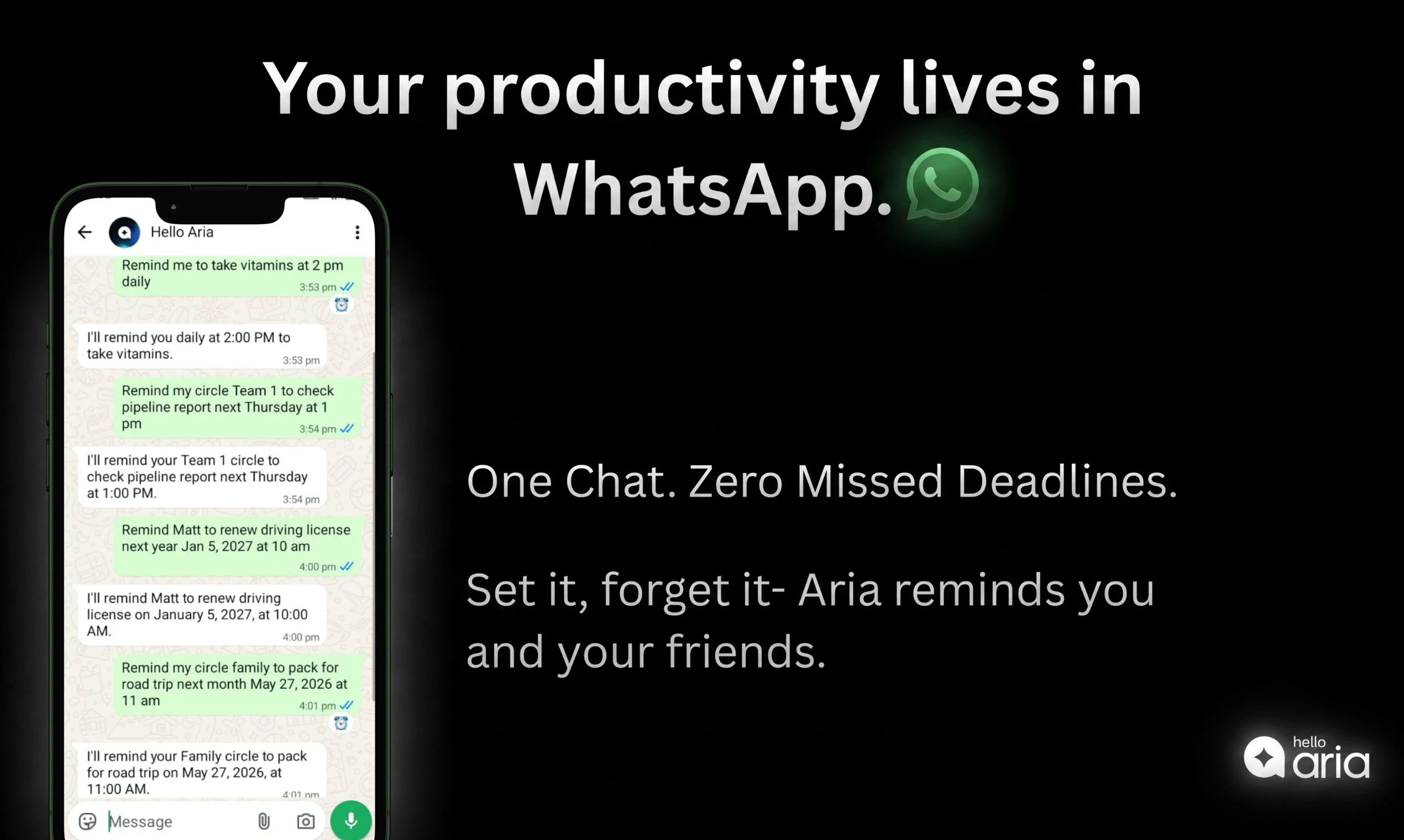
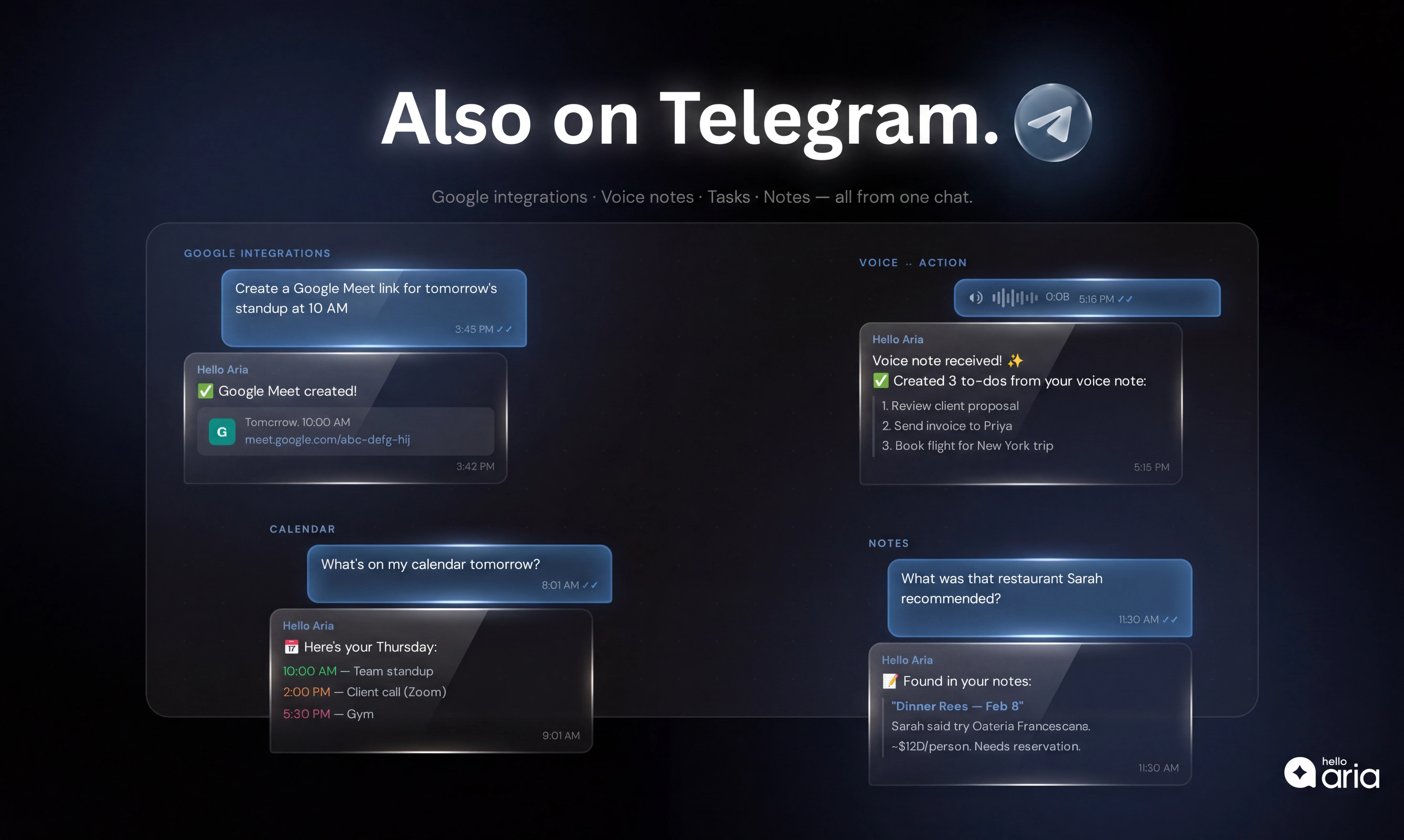
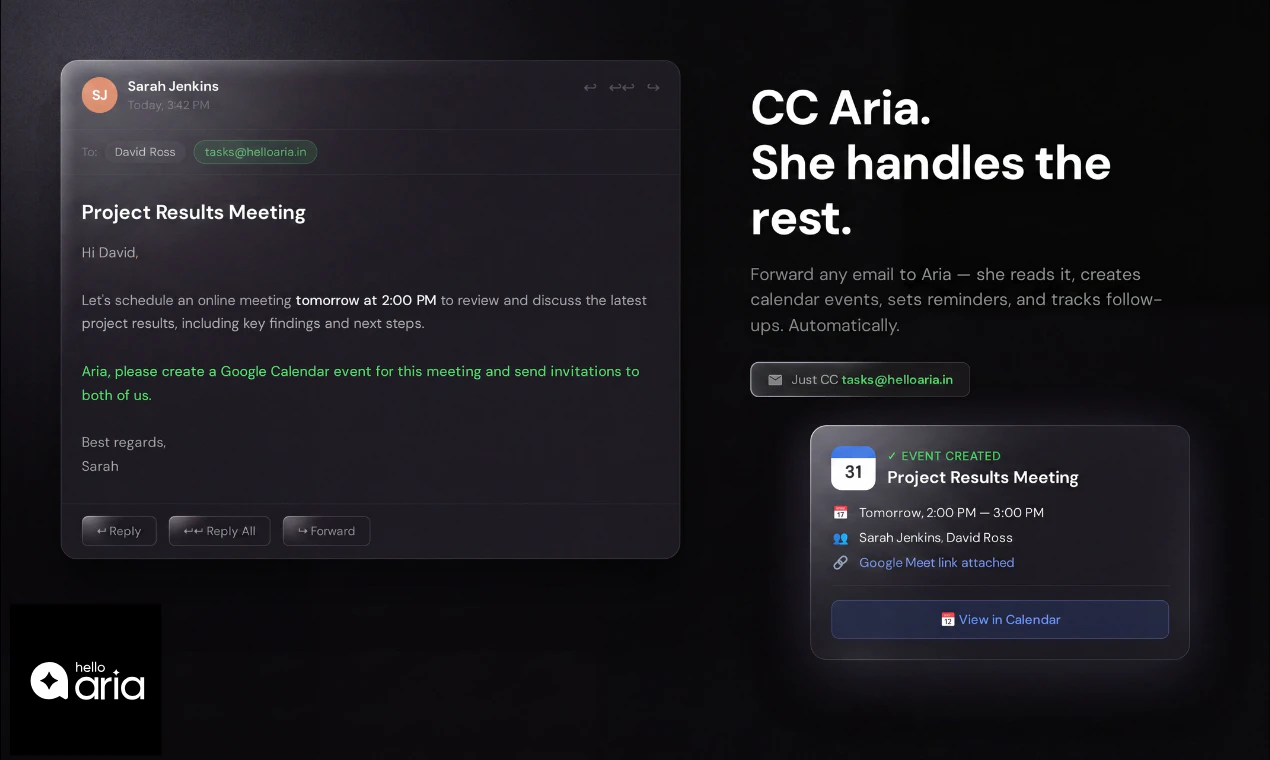
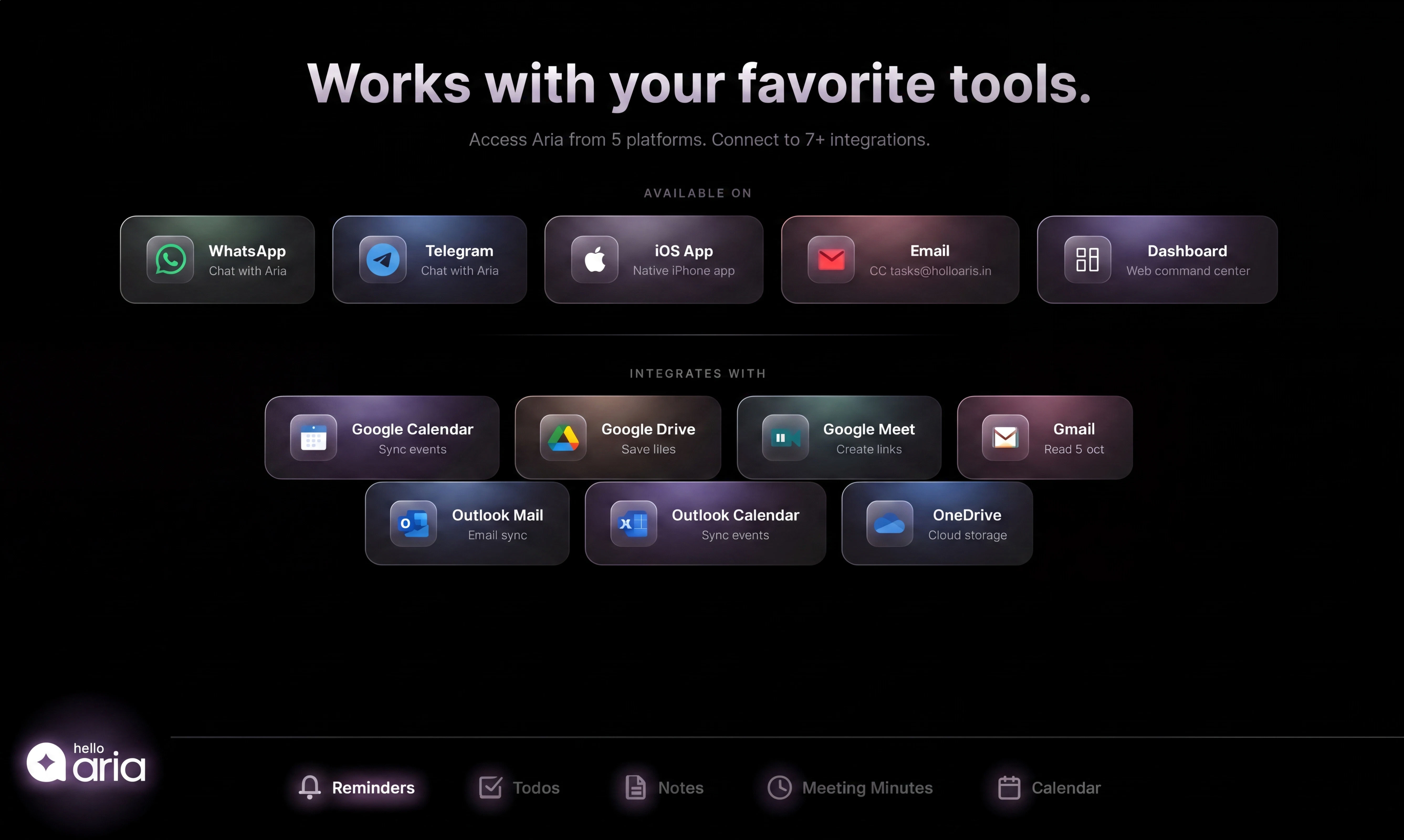
Stop switching between 5 apps. Just message Aria. HelloAria is the AI productivity assistant that lives inside WhatsApp, Telegram, email, and your iOS app. Manage reminders, tasks, calendar, notes, and meeting minutes — all from a single chat. Too busy to type? Send a voice note — Aria turns it into tasks, notes, and action items automatically. Syncs with Google Calendar, Drive, Meet, Outlook, and One AI. Endless uses. All your productivity in a single chat.

Hey Product Hunt! 👋

I'm Tharun, founder of HelloAria.

I studied robotics at NYU — spent years building systems that automate complex tasks. Ironically, my own life was a mess. Todoist for tasks, Apple Reminders for quick stuff, Google Calendar for meetings, Notion for notes — and I was STILL forgetting things. Five apps open. Nothing in sync. I'd set a reminder in one app and miss it because I was living in another.

One night I thought — I spend all day on WhatsApp anyway. What if I could just text someone and say "remind me to call mom on Sunday" and it just... happened?

That's how HelloAria started. Built it for myself first. Then friends wanted it. Then strangers started asking for it.

🛠 What it does: Message Aria on WhatsApp, Telegram, or email — she creates reminders, to-dos, calendar events, meeting notes, and follow-ups. Everything syncs to your iOS app and web dashboard. Too busy to type? Send a voice note — Aria turns it into tasks and action items automatically.

What makes it different:

  • No new app to learn — works inside apps you already use daily

  • AI that understands context: "remind me to call mom every Sunday at 5pm" — done

  • Voice notes → instant to-dos, notes, and reminders

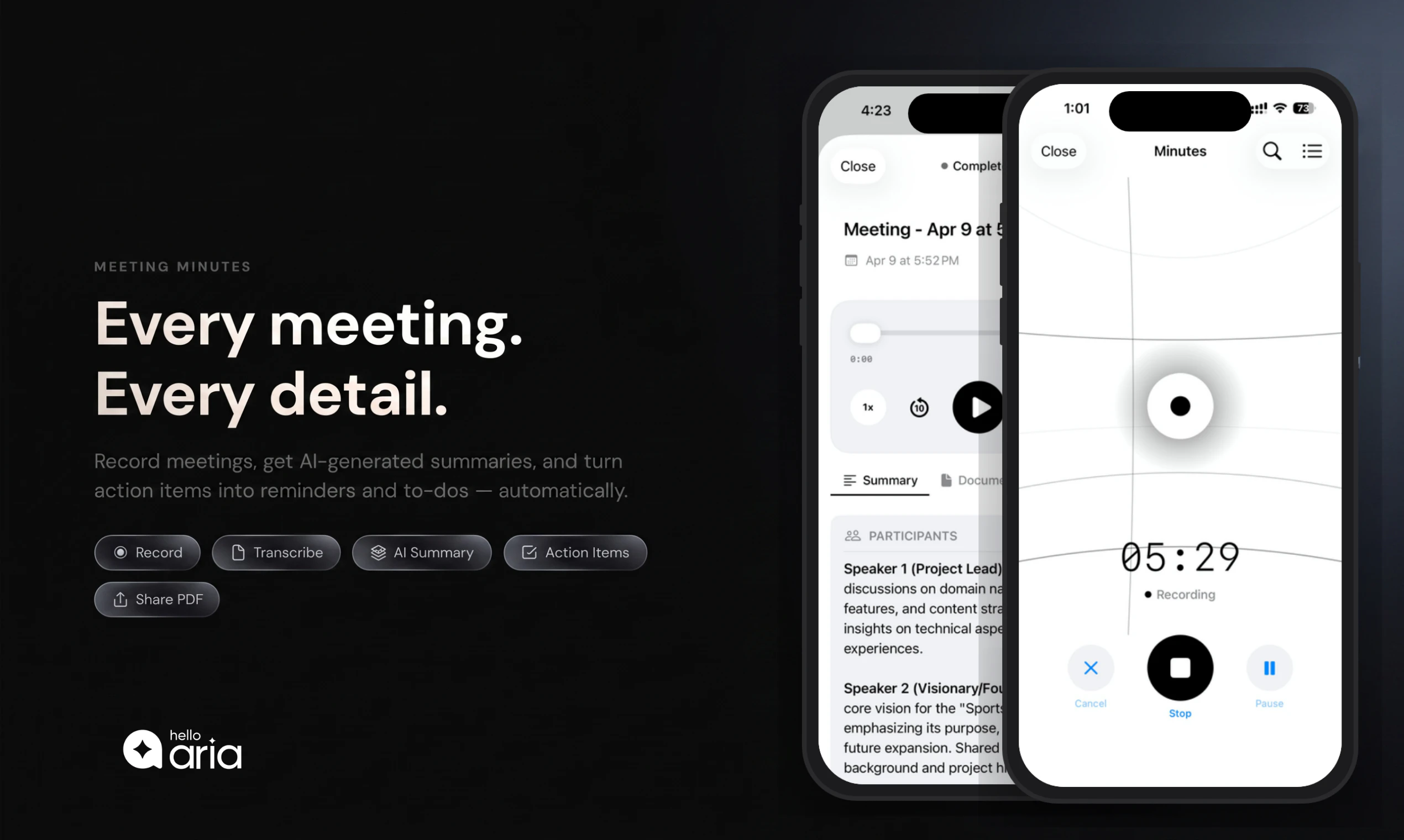
  • Meeting recording with AI-generated summaries and action items

  • Google Calendar, Drive, Meet, Outlook, OneDrive integrations

🎯 Who it's for:

  • Busy professionals drowning in app-switching

  • Freelancers managing clients, invoices, and deadlines

  • Founders and solopreneurs wearing 10 hats at once

  • Teams that want shared reminders and meeting minutes

  • Students juggling assignments, deadlines, and group projects

  • Parents coordinating family schedules, school events, and errands


    🎁 3 Months Free for the PH community:

    📱 iOS usersClaim here

    💬 WhatsApp & Dashboard users → Email us at info@realityrift.co with subject "Product Hunt" and we'll activate it for you.

I'd genuinely love your feedback — what productivity problems would you want Aria to solve for you?

— Tharun

19
回复

@sai_tharun_kakirala the 'MOM Mode' (meeting minutes) from voice notes sounds incredible for small teams. we spend more time writing summaries than we do in the actual meetings sometimes. rooting for you guys.

7
回复

@sai_tharun_kakirala This is very useful. I've connected my Google Calendar to HelloAria. Now I can add events with just a voice note, no app switching or typing required. A simple setup that makes managing my day much easier. really impressed with the product.

1
回复
This looks really powerful 🔥 It can turn chats into tasks, reminders, and notes instantly — which saves a lot of time. The best part is it works inside WhatsApp, Telegram, and email, so no need to switch between apps. Voice note to task conversion is also a huge advantage for busy people. Plus, syncing with calendar and drive makes it a complete productivity tool 🚀 If it works smoothly, this is a serious game changer!
0
回复

Happy launch! So basically a super-chat App, which connects with various other messengers, calendar and so on and helps to manage all the conversations from one place? I guess this would work pretty well for B2B as well (outlook, Slack etc. all in one place), did you think about it?

3
回复

@davitausberlin 
Thanks Davit 🙏

Small but important distinction — HelloAria isn't a chat hub that aggregates conversations across apps. It's an AI assistant that lives inside the messengers you already use (WhatsApp, Telegram, email), and turns what you say into structured output — tasks, reminders, calendar events, meeting notes.

So instead of "one inbox for all chats," it's "one brain that understands what you need and executes it across tools."

On B2B — 100%, it's already a big use case. Outlook is live today, along with Google Calendar, Drive, Meet, and OneDrive. What's coming next is deeper team functionality — shared reminders, meeting minutes with auto-tagged action items per person, and proactive nudges like "hey, you promised the deck to Sarah by Thursday."

Slack + Teams integrations are on the roadmap too.

What's your biggest B2B coordination pain right now? Genuinely curious — we're actively shaping that roadmap.

Good luck with Banyan AI Lite 🚀

3
回复

Love the simplicity here! Especially the voice note. As a parent with little kids, I never have free hands to type when I remember something I need to do

2
回复

@julialeffler 
Oh this one hits 🙏

Parents were genuinely one of the use cases that surprised us most. We built Aria thinking "busy professionals" — and then a bunch of moms and dads wrote in saying "I finally added the dentist appointment because I could voice-note it while holding the baby." That reframed the whole thing for us.

If you try it: voice-note something like "remind me Thursday at 7am to pack Emma's water bottle" — Aria will parse the day, time, and your kid's name and just handle it. No typing, no switching apps.

Would love to hear how it holds up in real kid-chaos — that's the feedback that shapes the roadmap most 🙏

Thanks for being here on launch day ❤️

2
回复

Congrats on the launch! Love the idea of consolidating productivity into messaging apps where people already spend time. Quick question - how does Aria handle context across different chat platforms? For example, if someone starts a task in WhatsApp and needs to reference it in Telegram later, does it seamlessly sync, or do users need to manage that manually?

1
回复

@osakasaul 
Thanks 🙏 and this is genuinely one of the hardest problems we've solved — love that you zeroed in on it.

Short answer: fully seamless, zero manual management.

How it works under the hood: the channels (WhatsApp, Telegram, iOS, email) are just interfaces. Aria's "brain" sits above all of them — a single user context with unified memory, task state, and history. You're not talking to "WhatsApp Aria" or "Telegram Aria," you're talking to Aria, who happens to be reachable through those channels.

So the flow you described works exactly as you'd hope:

→ Create a task on WhatsApp → "remind me to send Q3 report Friday"

→ Later on Telegram → "what did I need to send Friday?" → Aria recalls it instantly

→ Mark it done from the iOS app → all channels reflect the update in real time

The key architectural choice was making the channels stateless and the brain stateful. Most multi-channel tools do it the other way (each channel maintains its own state, then they try to sync) and it's why those products feel fragmented. We learned that the hard way in v1.

Biggest unsolved part we're still working on: cross-channel conversation continuity — picking up a half-finished conversation mid-thread when you switch devices. Much harder than state sync.

What made you ask this specifically — are you building something adjacent?

1
回复

Congrats on the launch @sai_tharun_kakirala and Sophia! The multi-channel approach (WhatsApp, Slack, Telegram) is smart! You meet users where the habit already lives.

Curious which channel your users actually stick with long-term once the reminder routine kicks in?

1
回复

@byalexai 
Thanks so much 🙏 and yeah, that's honestly one of my favorite questions to get asked because the answer surprised us.

Intuition said WhatsApp wins — it's where people live, lowest friction, instant habit.

Reality: WhatsApp wins for acquisition, but iOS wins for retention.

What we see: users onboard through WhatsApp (because that's where the friction is zero), then graduate to the iOS app within 2-3 weeks for anything involving multiple reminders at once, voice-note meeting recordings, or reviewing their day. WhatsApp stays as the "quick capture" layer — the "remind me to call mom" moment while walking.

So it's less "which channel wins" and more "which job-to-be-done lives on which channel":

→ WhatsApp/Telegram = capture (fast, one-shot, voice or text)

→ iOS = review + meeting recording (richer UI, full context)

→ Email = reports, summaries, anything you want to archive

The biggest surprise: power users end up using ALL of them, daily, without thinking about it. Aria syncs the context across, so they don't feel like separate tools.

What's your context for the question — building something channel-first yourself?

1
回复

This feels like a nice shift toward reducing tool overload. Having reminders, notes, and calendar all in one conversational layer makes a lot of sense. How do you handle keeping everything organized as usage scales?

1
回复

@uxpinjack 
Thanks 🙏 and yeah, "tool overload" is exactly the framing we keep coming back to — people don't need another app, they need fewer.

On scale: the short answer is Aria treats memory like a human assistant would, not like a database. Three layers working together:

→ Short-term context — what you're talking about right now (this week's meetings, today's to-dos)

→ Mid-term memory — recurring patterns Aria picks up (your Monday 9am standup, the grocery list you rebuild every Sunday, your kid's swim class)

→ Long-term knowledge — the stable stuff (your family's names, your work projects, recurring contacts)

Retrieval is semantic, not chronological — so when you say "remind me about that thing Sarah mentioned," Aria searches intent, not keywords.

The honest challenge at scale isn't storage, it's forgetting gracefully — knowing when an old reminder is no longer relevant vs when to surface it again. Still actively tuning that one.

Great question — what kind of usage were you imagining when you asked? Teams, personal, something else?

0
回复

best of luck with the launch !!!, also meeting minutes from voice notes is a clever wedge honestly, feels like the feature that actually sells the rest of the product. the risk long-term is platform dependency, since like whatsapp business api policies can shift overnight and kill entire workflows.

any backup plan there or is that just the cost of doing business on top of meta ?

1
回复

@saad_el_gueddari 
Thanks 🙏 and yeah — that's exactly the conversation we had internally about 8 months in.

HelloAria actually started as WhatsApp-first AI. It was getting traction, users loved it, but every time Meta shifted a Business API policy I was losing sleep. One policy change away from an entire user base being locked out wasn't a risk we were willing to ride long-term.

So we rebuilt the architecture to be channel-agnostic. Today Aria lives on:

→ WhatsApp

→ Telegram

→ iOS app (our own platform, fully controlled)

→ Email (SMTP — nobody can take this away)

→ Web dashboard

Same AI brain, same user context, same data — users pick the channel that fits their life. If Meta changes something tomorrow, our WhatsApp users migrate to Telegram or the iOS app in one tap and keep all their tasks, reminders, and history.

It cost us 3 months of engineering we didn't really have, but channel dependency is one risk I don't want to carry into a Series A conversation.

Good eye on this — most people don't spot it until it's already a problem 🫡

1
回复

The voice note → tasks workflow is the one I keep thinking about. What's the latency like? If I'm rattling off 10 things from a parking lot voice memo, how long before they show up as structured tasks? And does Aria make judgment calls about what's a task vs. a reminder vs. a note, or does it ask you to clarify?

0
回复
#8
CalendarPipe
Programmable calendar sync for humans and AI agents
146
一句话介绍:CalendarPipe是一款可编程日历同步工具,通过可视化或代码方式创建数据管道,智能过滤和转发日程事件,解决了多日历管理混乱及AI代理与人类日程无缝协作的痛点。
Productivity Calendar Vercel Day
日历同步 可编程自动化 生产力工具 AI代理集成 无OAuth同步 日程管理 数据管道 SaaS 企业协作 API驱动
用户评论摘要:用户普遍认可其解决多日历冲突和可编程性的核心价值,对“无OAuth邀请”机制表示赞赏。主要疑问集中在AI代理的身份验证、事件冲突解决逻辑、与现有工具的互操作性,以及邀请邮件送达的稳定性等技术细节。
AI 锐评

CalendarPipe表面上是一款日历同步工具的“优化版本”,但其真正的颠覆性在于两点:一是用“数据管道”的工程思维重构了日历同步逻辑,将僵化的镜像同步变为可编程的事件流处理,这实质上是为个人时间数据提供了ETL能力;二是其颇具野心的“AI代理基础设施”定位,通过提供REST API、CalDAV和MCP服务器,它试图成为AI体协调与行动的“时间层”操作系统。

产品巧妙地用“邮件邀请”绕过了企业OAuth审批和安全壁垒,这种务实的设计显著降低了部署门槛,但评论中关于邀请送达可靠性的质疑也直击其命门——它把复杂性从权限管理转移到了邮件生态的兼容性上,这是一场危险的赌博。其宣称的“无代码AI描述创建管道”功能,在当前AI技术背景下,很可能仍是一个需要大量调试的“半成品”卖点。

总体而言,CalendarPipe的价值不在于它今天能多完美地同步日历,而在于它率先为AI时代的人机协作,定义并抢占了一个关键的基础设施接口:**可编程、可互操作的时间协议**。如果成功,它将成为连接人类日程与数字智能体的关键中间件;如果失败,则会沦为另一个过度工程化的自动化玩具。其146票的Product Hunt热度,反映的正是市场对这种前瞻性尝试既兴奋又观望的复杂心态。

查看原始信息
CalendarPipe
CalendarPipe syncs Google, Outlook, and Apple calendars through programmable pipes that filter, transform, and route events. Build pipes visually, describe them in plain English with AI, or write TypeScript. Events flow as real invitations — no OAuth needed on the recipient side. AI agents get a REST API, CalDAV, and MCP server to spin up their own calendars and send invites.

Hey Product Hunt 👋

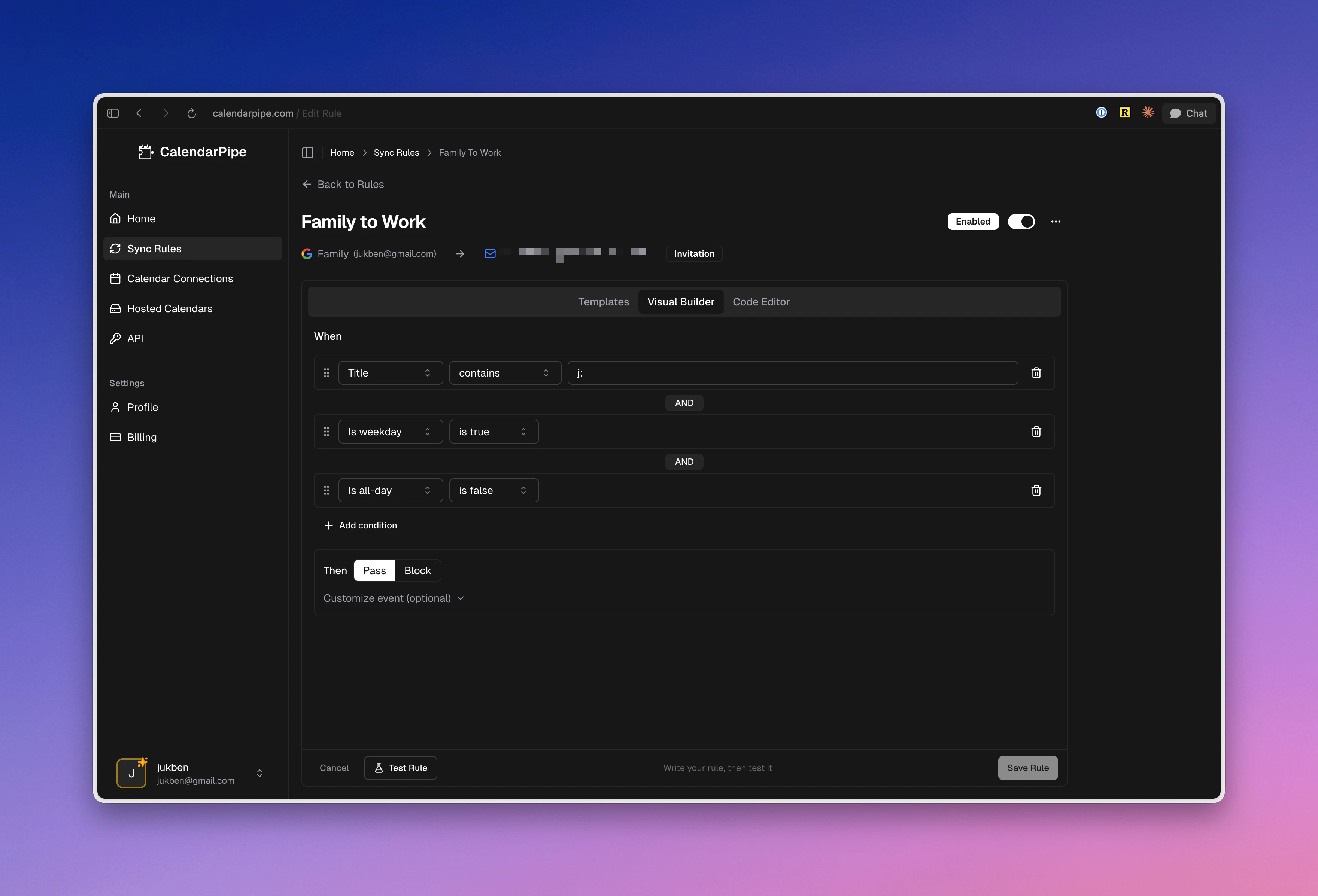
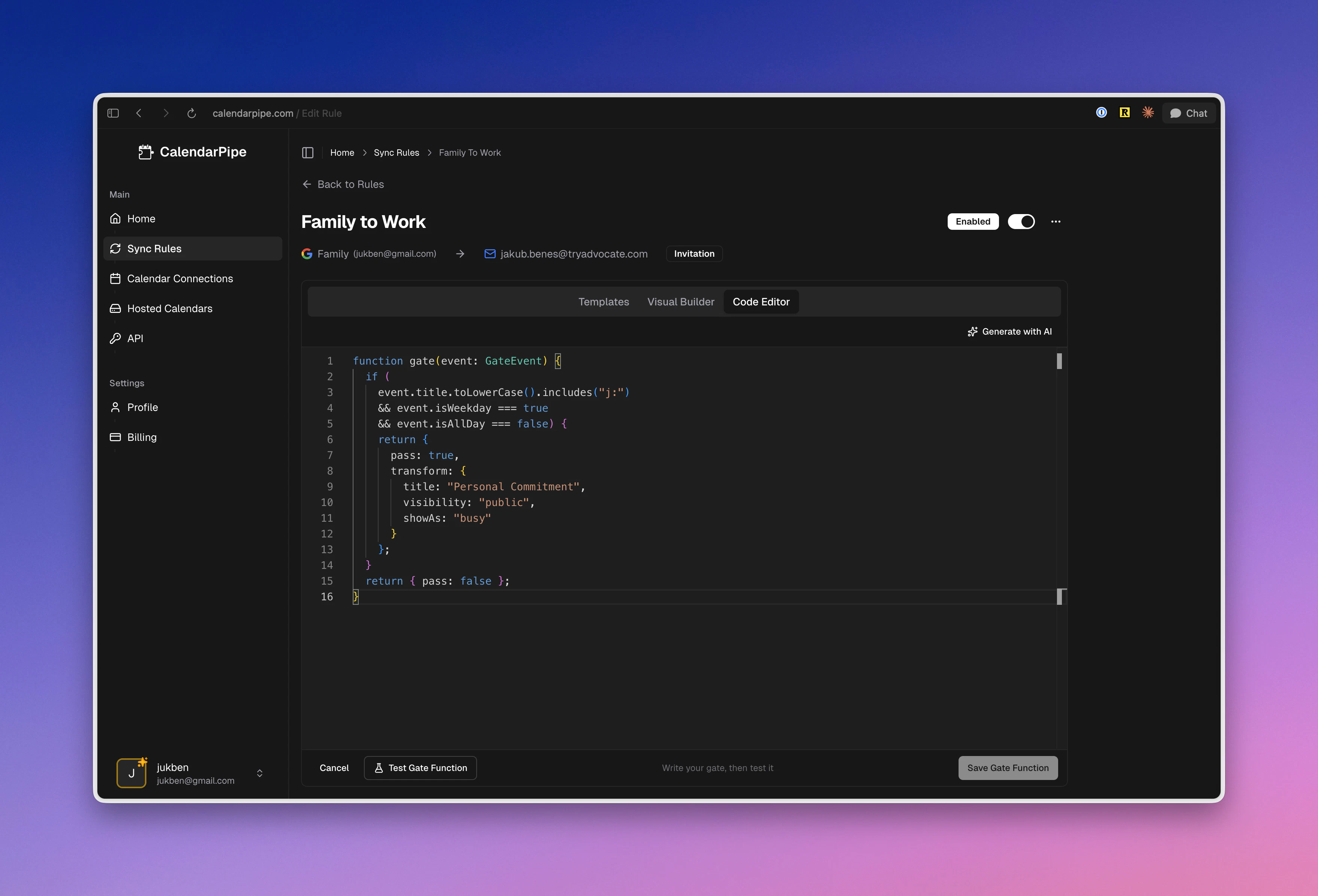
We built CalendarPipe because my work calendar didn't reflect my family calendar. Every week, I had to manually update blocks in my work calendar to ensure availability for errands or taking care of kids. Existing sync tools mirror everything or some parameters but aren't programmable. In my case, events in my family calendar starting with "J:" need to block time on my work calendar - and nothing else should leak through.

Another problem: my company doesn't approve apps connecting via OAuth to calendars directly. So we built a smart workaround that manages calendar invitations via email, avoiding the need for security approval entirely.

The core concept is a pipe, a pure function that takes an event in and decides what comes out. Block it, pass it through, redact the title - the configurability is almost endless 🧑‍💻.

For AI agents 🤖: CalendarPipe ships a REST API and ready-to-use skills. Agents can spin up their own hosted calendar and deliver real email invitations to any inbox.

Would love your feedback - especially on the pipe concept and the agentic workflows. AMA!

EDIT: Don't forget to use the promo code if you want to experiment with Pro features! 🙏

2
回复

@jukben My calendars are now nicely organized and following all the little weird quicks of my personal time management. Let's go 🚀

1
回复

Calendar sync for agents is a sharp unlock — every time I try to let an agent book or reschedule, the conflict-resolution logic is the part that falls over. How do you handle it when a human moves an event an agent is watching? Congrats on launch 🚀

2
回复

@mariomonteiro We did not want to build any custom agents for this so that you can easily integrate it with whatever you already use today, be it Claude Code/Cowork or OpenClaw it is pretty much up to you to prompt the agents what to do with the changing events.
@jukben created a nice skill describing how to use CalendarPipe so you don't have to start from scratch https://github.com/calendarpipe/skills

0
回复

I’ve struggled with juggling multiple calendars, so this idea really clicks for me. I like that I can define rules instead of constantly fixing conflicts.

2
回复

I've been hacking this together manually for 3 years, WHERE WAS THIS??

1
回复

@petrbrzek Somewhere deep in our backlogs 🙈 We can only thank the AI advancement for items getting out of there 🙃

0
回复

oh this is cool — the "calendar sync for AI agents" angle is interesting. does it expose a webhook or API so an agent can react to incoming events, or is it mostly bidirectional sync between calendar providers?

0
回复

Congrats on the launch! This is genuinely clever - the idea of events flowing as real invitations without OAuth friction is a game-changer for adoption.

Quick question: when an AI agent sends calendar invites through CalendarPipe, how do you handle the identity/verification side? Does the invite appear to come from the agent itself, or from a proxy account?

0
回复

Nice! 🔥

0
回复

oh yes, it's like we are living in the "future" while my cal still runs on conflicts without me ever noticing them

0
回复

This is pretty clever! I've faced similar issues before and just went with Zapier or the native email fwd'ing/automation tools but I'd image CalendarPipe feels much more native? Curious how you landed on building this vs using an existing automation tool.

Well done @jukben btw, I'm going to give it a try!

0
回复

@jukben  @gabe Oh definitely feels more native. It just works. You set it up in 5 minutes and then you can forget about it forever. I tried many more manual approaches as well as alternative products, but it always lacked the flexibility & simplicity that a simple code snippet provides.

0
回复
Invitation-based delivery is a clever way around OAuth and “recipient doesn’t need an account,” but invites/ICS can be fragile across Outlook/Gmail/security gateways. What have been the hardest interoperability or deliverability issues to handle, and what guardrails/debugging have you built for users when an invite doesn’t render or RSVP correctly?
0
回复
#9
Cloudflare Email Service
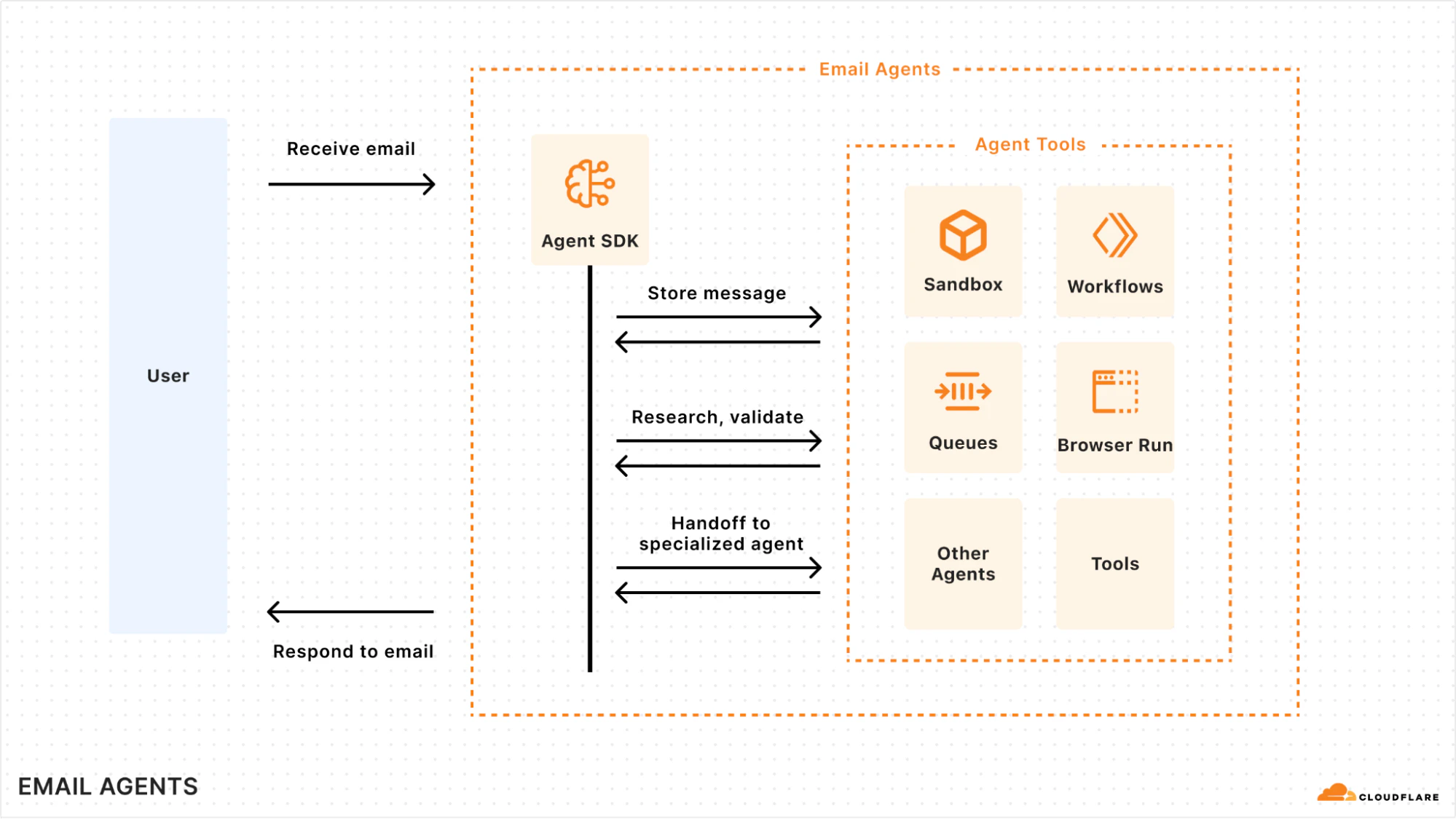
Turn any email inbox into a native interface for AI agents
144
一句话介绍:Cloudflare Email Service 提供了一个基础设施层,使开发者能直接在AI智能体或应用中集成邮件收发与处理能力,将普及的邮箱转变为AI智能体的原生交互界面,解决了智能体多通道部署中邮件渠道接入复杂、成本高的痛点。
Email Email Marketing
邮件API 智能体接口 无服务器计算 云基础设施 多通道AI 开发者工具 邮件处理 Cloudflare Workers 公测产品 集成服务
用户评论摘要:用户关注与Workers KV等服务的集成、邮件会话状态管理、未来是否支持传统SMTP协议。部分用户认为概念初期较难理解,但认可其定价和对初创企业的价值。
AI 锐评

Cloudflare Email Service 的发布,远不止是增加一个邮件发送API。其核心价值在于,它试图将最古老、最普适的互联网通信协议——电子邮件,系统性地改造为AI智能体的标准化“输入/输出”外围设备。这步棋看似平淡,实则犀利。

当前AI智能体生态面临“场景碎片化”难题,每个新渠道(如Slack、Discord)都需定制开发。Cloudflare此举,本质上是将邮箱这个最高渗透率的“超级入口”进行了基础设施化抽象。开发者无需再纠缠于SMTP服务器、递送率、反垃圾邮件等泥潭,而是通过简单的Worker函数,就能让智能体获得一个全球可达、稳定可靠的电子邮箱。这极大地降低了AI应用触达最广泛用户群体的技术门槛。

然而,产品也暴露出其当前的“半成品”属性。用户评论尖锐地指出了关键缺口:会话状态管理。真正的智能体对话需要上下文,而邮件天然的异步、多线程特性对状态保持提出了挑战。如果每次 inbound 邮件都触发一个全新的Worker,意味着智能体将是“失忆的”,这严重限制了复杂工作流的实现。此外,与Cloudflare自身生态(如KV)的集成深度,将决定其能否支撑个性化、多步骤的严肃商业场景,而不仅仅是发送通知。

Cloudflare的竞争策略清晰:它不直接制造AI,而是立志成为“AI时代的水电煤”。通过将网络、安全、计算、存储,再到如今的邮件通信,全部打包为无服务器、按需付费的模块,它正在构筑一个极高的开发效率壁垒。其真正对手或是AWS SES等传统邮件服务,而是所有试图构建封闭生态的AI平台。如果智能体可以轻易地通过邮箱与任何系统对话,那么平台锁定的价值就会被削弱。当然,这一切的前提是,Cloudflare需要尽快补齐会话管理、更灵活的协议支持等能力,否则“邮箱即界面”的愿景,可能只会停留在一个高效的邮件推送工具层面。

查看原始信息
Cloudflare Email Service
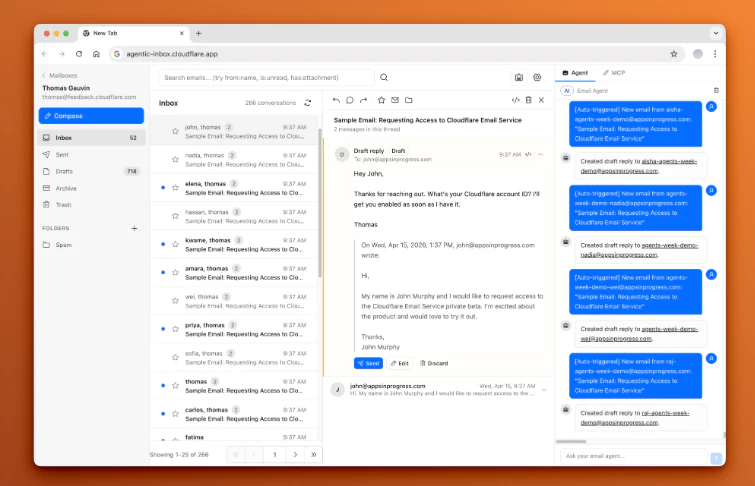
Agents are becoming multi-channel. That means making them available wherever your users already are — including the inbox. Today, Cloudflare Email Service enters public beta with the infrastructure layer to make that easy: send, receive, and process email natively from your agents.
Cloudflare Email Service is now in public beta 📧 Send and receive emails directly from Workers or REST API with global delivery on Cloudflare's network And just in time for you to build email agents with the Agents SDK!
3
回复

@saaswarrior For those of us creating multi-step workflows, how seamless is chaining this with Workers KV for personalization at scale? Any gotchas from your beta testing?

0
回复

email as an agent interface is such an underrated channel — every user already has an inbox. curious how you're handling threading and state when an agent replies across multiple messages. is there a session concept baked in, or does each inbound just trigger a fresh Worker invocation?

0
回复

I wonder, if traditional SMTP credentials (protocol) would be available at some point.

0
回复

Kind of confusing what this really is even after reading the blog post.

0
回复

@emil_hajric - a bit. Once at their console it becomes clear how to send emails:

  1. switch to workers to paid ($5/mo) plan plus usage

  2. provision token allowing to send emails for a domain

  3. and then simple http request from any app can allow for email sends.

Good pricing and after this is live for some time - it will be a great help for startups. Especially ones on AWS being denied by SES.

0
回复
#10
Visual PR Testing with AI
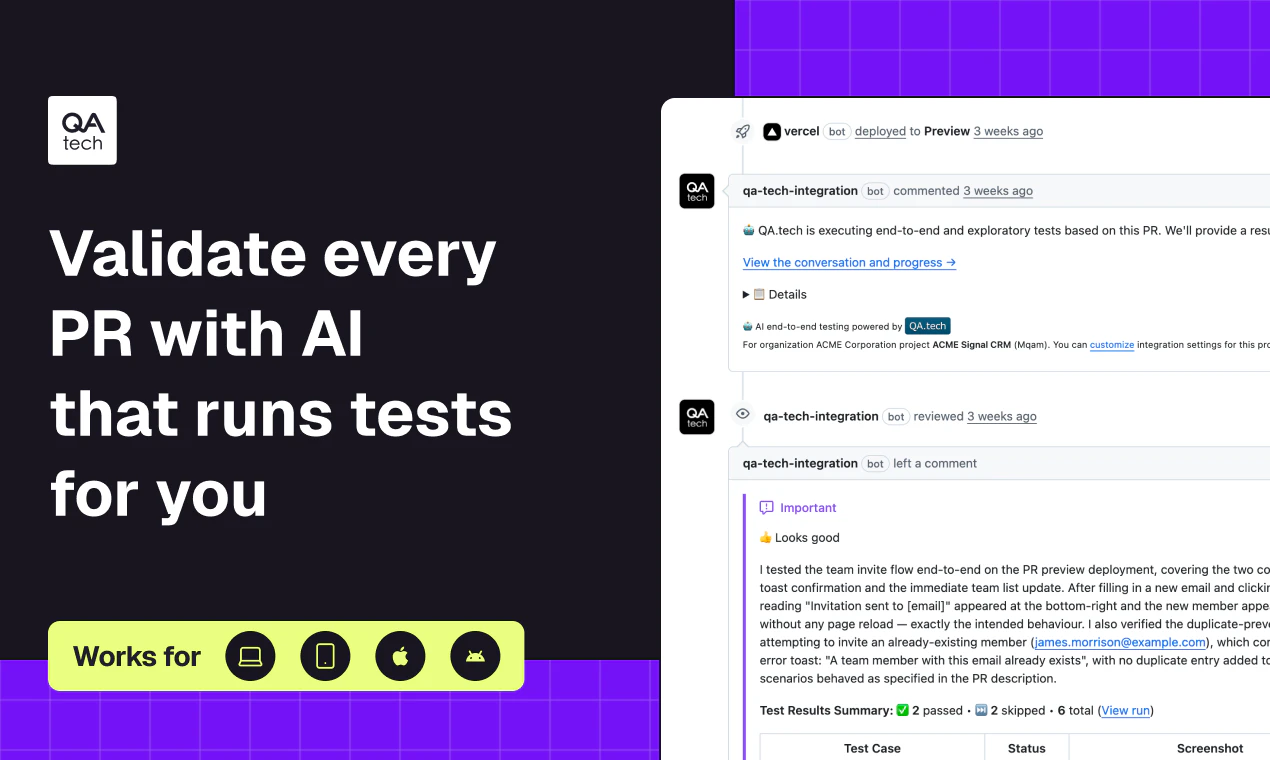
Validate every PR with AI that runs tests for you
130
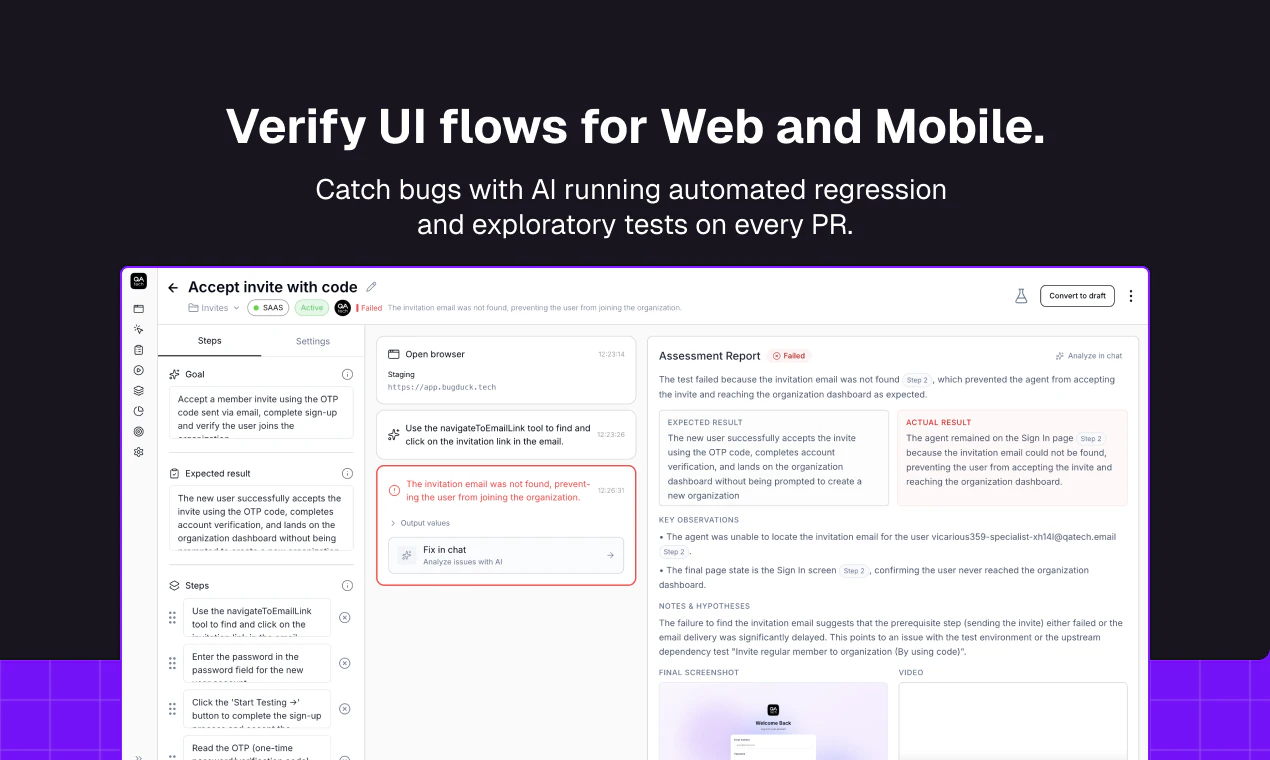
一句话介绍:一款在代码合并前,通过AI代理在真实浏览器中自动运行动态回归和探索性测试,以验证PR变更、加速开发反馈与调试的QA工具。
Developer Tools Artificial Intelligence Vercel Day
AI测试自动化 PR质量门禁 动态回归测试 探索性测试 预览环境测试 智能QA代理 开发运维 持续集成 软件质量保障 AI辅助开发
用户评论摘要:用户普遍认可其解决PR审查瓶颈的痛点。主要疑问集中于:AI测试的误报率/漏报率、对不稳定测试的处理、对复杂业务逻辑的测试能力,以及如何从AI生成PR中提取测试需求。团队回复称聚焦真实回归问题,并会由代理评估结果后再上报。
AI 锐评

QA.tech的亮相,直指现代软件开发流程中一个经典悖论:追求敏捷与确保质量之间的永恒张力。它并非简单的测试自动化,而是试图将“质量左移”和“AI代理”两个热门概念进行实质性缝合,其真正价值在于重构PR环节的信息密度。

产品逻辑清晰且犀利:利用预览部署环境,让AI代理模拟真实用户流进行主动探索,而非仅仅执行预设脚本。这相当于为每个PR配备了一个不知疲倦、覆盖路径随机的初级QA工程师。它将测试从“验证已知”部分推向“发现未知”,尤其针对当前AI生成代码的PR激增,提供了一种自动化的制衡机制。

然而,其面临的挑战与潜力一样醒目。评论中的核心质疑——误报率、测试稳定性、复杂逻辑理解——正是其技术深水区。AI测试的“幻觉”问题在QA领域可能表现为误报或漏报,一旦频繁发生,极易导致开发者信任崩塌,使工具沦为“狼来了”的摆设。团队回应的“由代理评估后再上报”是正确方向,但这本质上将信任问题从测试生成转移到了结果过滤AI的可靠性上。

更深层的价值在于,它可能正在悄然定义一种新的“质量信号”。传统的CI/CD流水线信号(构建成功/失败、单元测试通过率)是结构化的、二元的。而QA.tech提供的,是带有截图、日志和网络活动的“叙事性失败报告”。这种富上下文报告不仅能加速调试,更能将模糊的“感觉有问题”转化为可追溯、可讨论的具体证据,从而提升整个团队(开发、QA、产品)围绕质量进行沟通的效率。

其成功与否,不取决于AI能否完全替代人类测试,而在于它能否成为一个高信噪比的、持续运行的“风险雷达”,将人类从重复的回归验证中解放出来,聚焦于更复杂的测试场景与质量策略。这是一场关于精度与效率的豪赌,赌赢了,便是开发工作流的一次重要进化。

查看原始信息
Visual PR Testing with AI
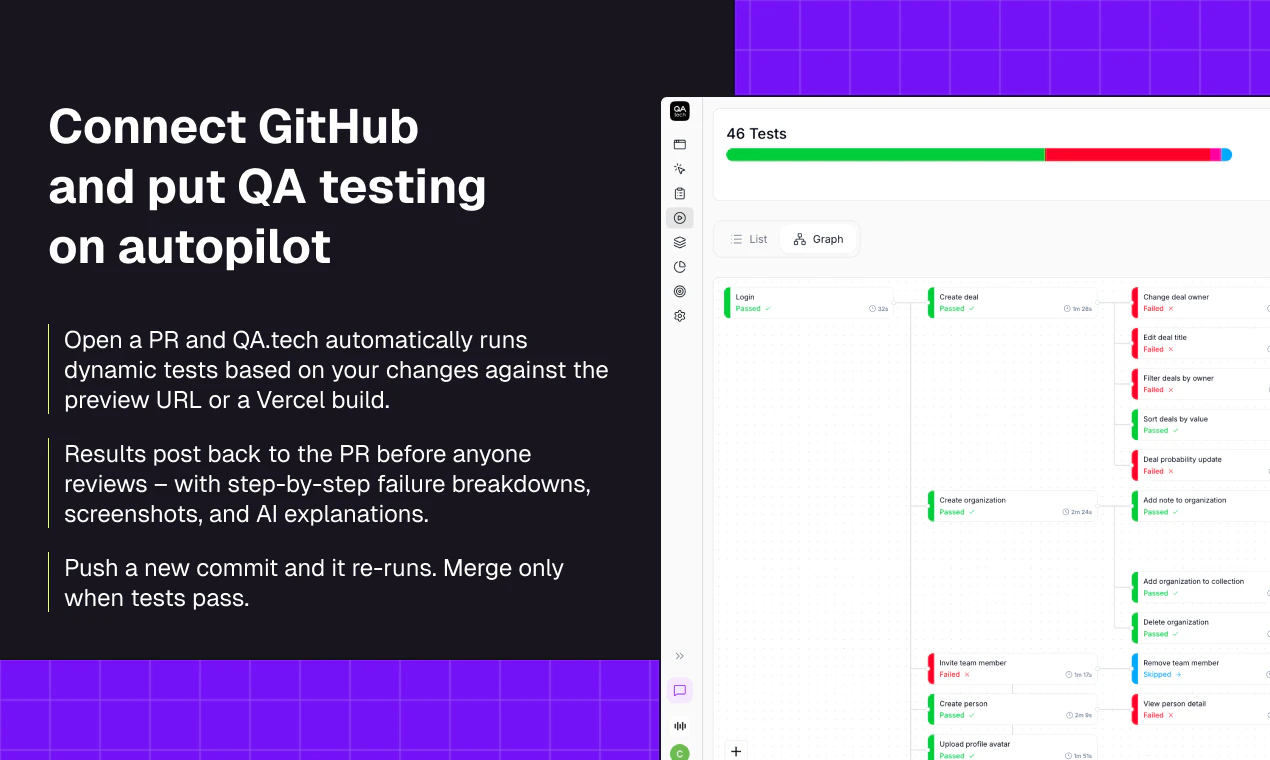
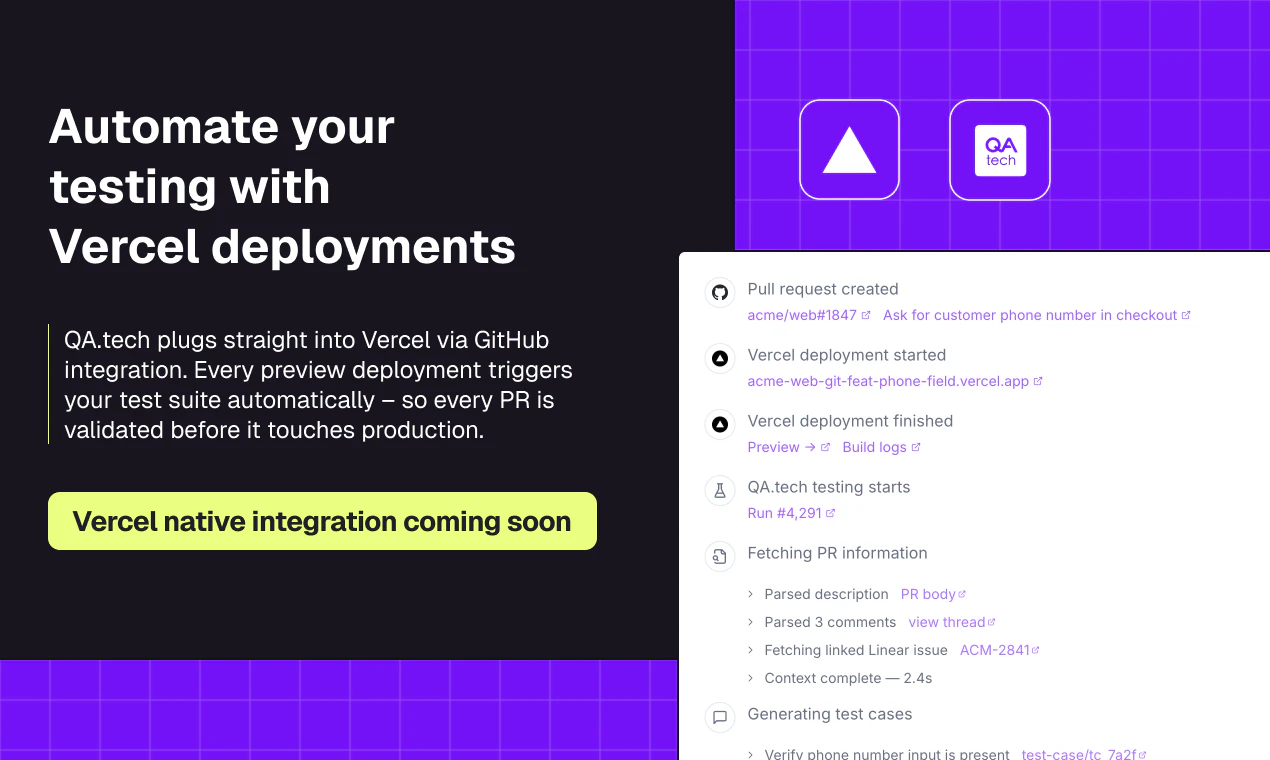
QA.tech runs dynamic regression and exploratory testing on every PR preview – automatically. AI agents validate your changes against real user flows in a real browser, posting results back to the PR before anyone reviews or merges. Every failure comes with screenshots, logs, and network activity so your team debugs fast. Push a new commit and it re-runs. Merge only when tests pass.

"That's weird. It works on my machine." If I had a cent for every time I've heard that, I wouldn't need to work anymore.

We're fixing one of the most painful parts of development: testing new things while they're still being built.

From the developer side, you want fast feedback, clear repro steps, and all of it while you're still in the zone. From the quality side, we bring your requirements into one place and help make sure every PR meets the bar, whether it was written by a human or generated by AI.

Built on Vercel (vercel functions, ai-sdk, nextjs hosted on vercel) and works out of the box with Environments and Preview Deployments.

Give it a try and let me know what you think!

8
回复

@daniel_mauno_pettersson 
Your project is excellent.
I am a professional full stack and AI developer, and I am very happy to meet you.

I have extensive experience successfully completing many projects in the past.

I would be grateful if you could introduce me to any startup founders you know who are currently developing or looking for developers.

0
回复

@daniel_mauno_pettersson For AI-generated PRs, how does it auto-generate those repro steps or requirements from just a prompt?

1
回复

PR review is the bottleneck every team complains about but no one fixes. Curious what the false-positive rate looks like in practice — does the agent flag cosmetic changes (whitespace, renames) as issues, or only real regressions? Congrats on launch 🚀

5
回复

@mariomonteiro Thanks for your support! We can flag some cosmetics if you prompt for it but we focus on real regressions. False positives can happen but it's more likely with false negatives although we try to filter those and just mention somethings were left untested if our agents can't figure it out.

1
回复

Ahh that sounds cool. so is it like: 1. Login commit change. 2. AI writes tests to focus on login UX 3. Runs tests in headless CI browser. 4. Shhows result in pr?

4
回复

@conduit_design Yes pretty much it - and then we write a comprehensive review and suggestions on things that could be improved!

0
回复

@conduit_design You got it! Feel free to try it out.

0
回复

running AI regression + exploratory tests on every preview deploy is such a good use of agent time — way more valuable than yet another chat ui. how flaky are the runs in practice? curious if you've had to build in any self-healing or retry logic for transient UI stuff.

0
回复

Congrats on the launch! This is a compelling take on QA automation. I'm curious about how QA.tech handles the nuances of testing products with complex user flows or those requiring specific business logic validation. Do your agents learn from existing test cases, or do they generate test scenarios from scratch by exploring the product?

0
回复

how do you handle flaky tests eating the pr signal?

every team i've seen roll out automated pr checks ends up with devs reflexively re-running until green, at which point the whole system is just theater. wondering whats the stance is

0
回复

@saad_el_gueddari We let the agents assess the results before posting to the user so we know it's real issues actually impacted by the code changes and not unrelated.

2
回复
#11
Arky
The canvas for thinking with AI
125
一句话介绍:Arky是一款AI思维画布应用,它通过结合自由画布与结构化文档,在构思、写作、产品规划等需要梳理复杂想法的场景中,解决了传统工具在思维发散与结构化输出之间难以顺畅过渡的核心痛点。
Writing Artificial Intelligence Vercel Day
AI思维工具 数字画布 结构化写作 头脑风暴 思维整理 产品设计 知识管理 Markdown 生产力工具 创意工作流
用户评论摘要:用户普遍认可产品解决了“想法散落各处、难以结构化”的痛点,赞赏画布与文档结合的模式。核心建议包括:增加跨文档链接(如Obsidian)、支持思维导图快捷键、开发协作功能、实现聊天内容直接转为画布卡片。
AI 锐评

Arky的野心不在于成为另一个“AI写作助手”,而在于抢占“AI思考环境”这一心智高地。它敏锐地切中了当前生产力工具的两大断层:线性文档工具(如Word)扼杀发散思维,而无限画布工具(如Figma、Milanote)缺乏收敛结构。其宣称的“从混乱到结构”的流程,本质上是将人类非线性的思考过程产品化,并让AI扮演“思维架构师”而非“文字秘书”的角色。

然而,其真正的挑战与价值也在于此。首先,它试图调和“自由”与“结构”这一对天然矛盾。评论中用户将其与Milanote、Obsidian、MindNode对比,恰恰说明了它正冒险闯入一个需求高度分化的市场,需要教育用户接受一种新的混合范式。其次,其AI的深度整合是成败关键。如果AI仅能进行表面整理或文本生成,则产品与“画布+大纲编辑器”无异。它必须证明AI能真正理解画布上元素的语义关联,并辅助用户完成思维跃迁。

从评论看,早期用户多为“视觉思考者”、“创始人”、“研究者”,他们是高价值但挑剔的群体。产品目前精准地满足了他们“思维前戏”的需求,但如要扩大市场,必须回答:这种深度、个人的思考工具,其协作场景如何设计?如何避免沦为另一个精美的个人笔记仓库?Arky的答案或将定义下一代思考型工具的边界。

查看原始信息
Arky
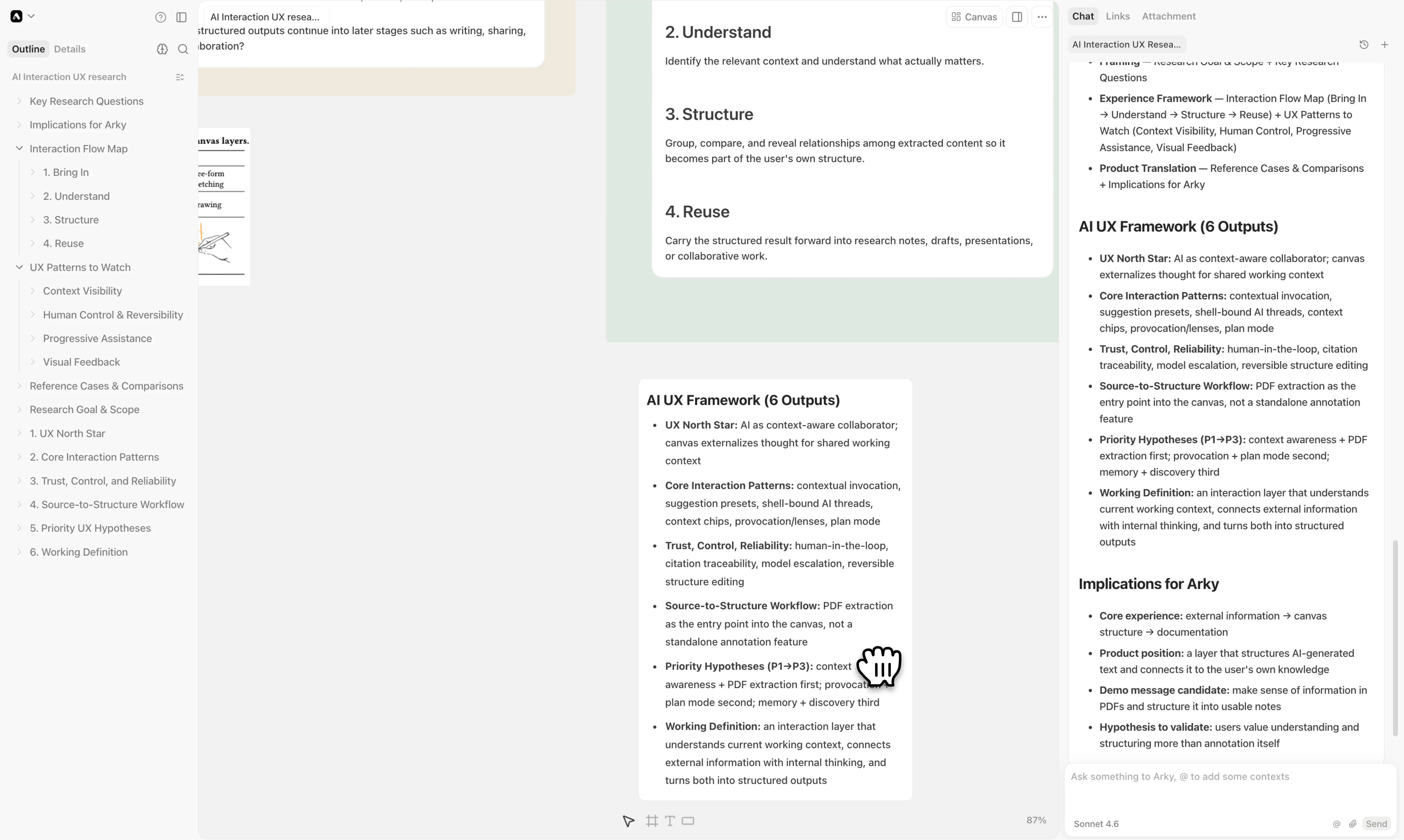
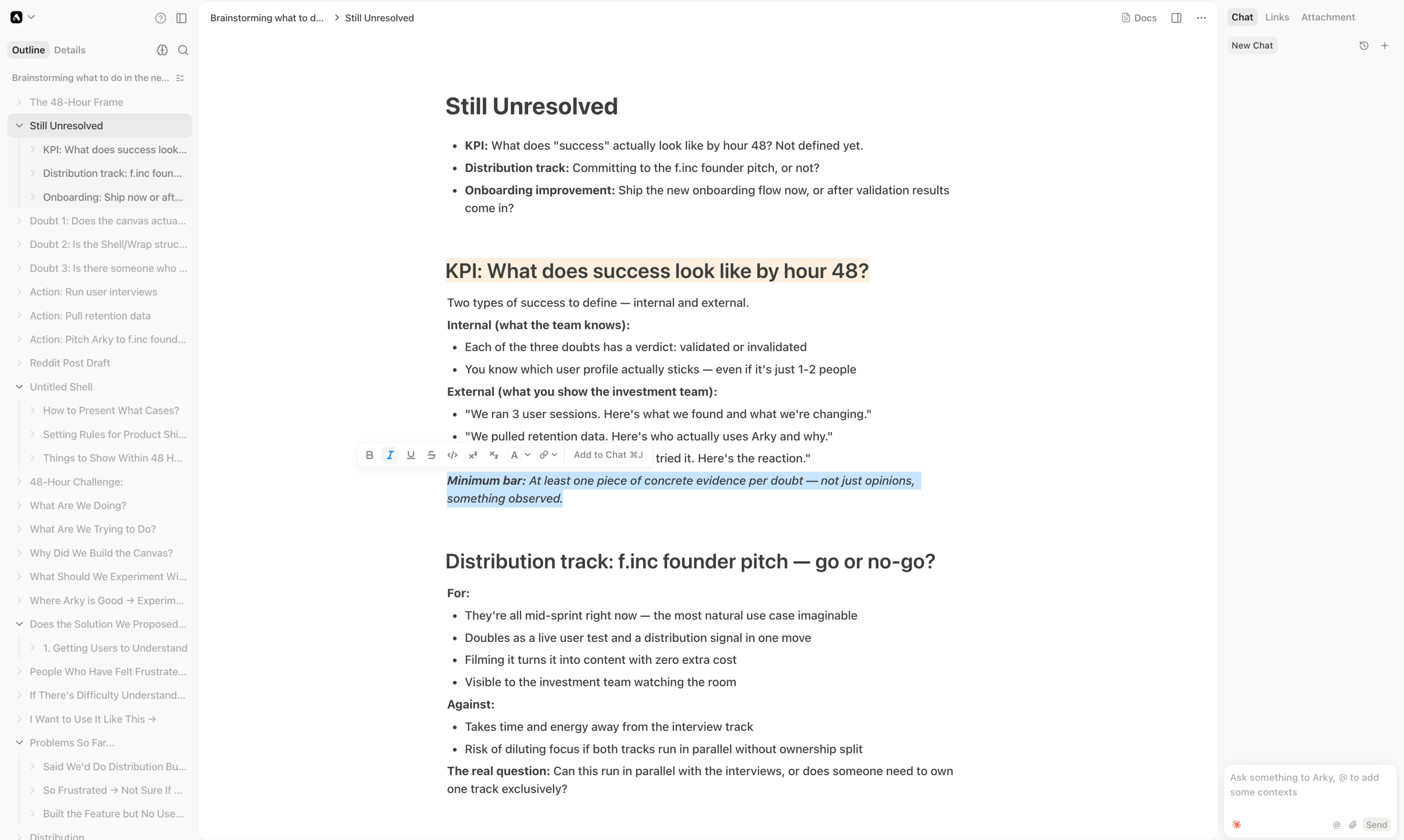
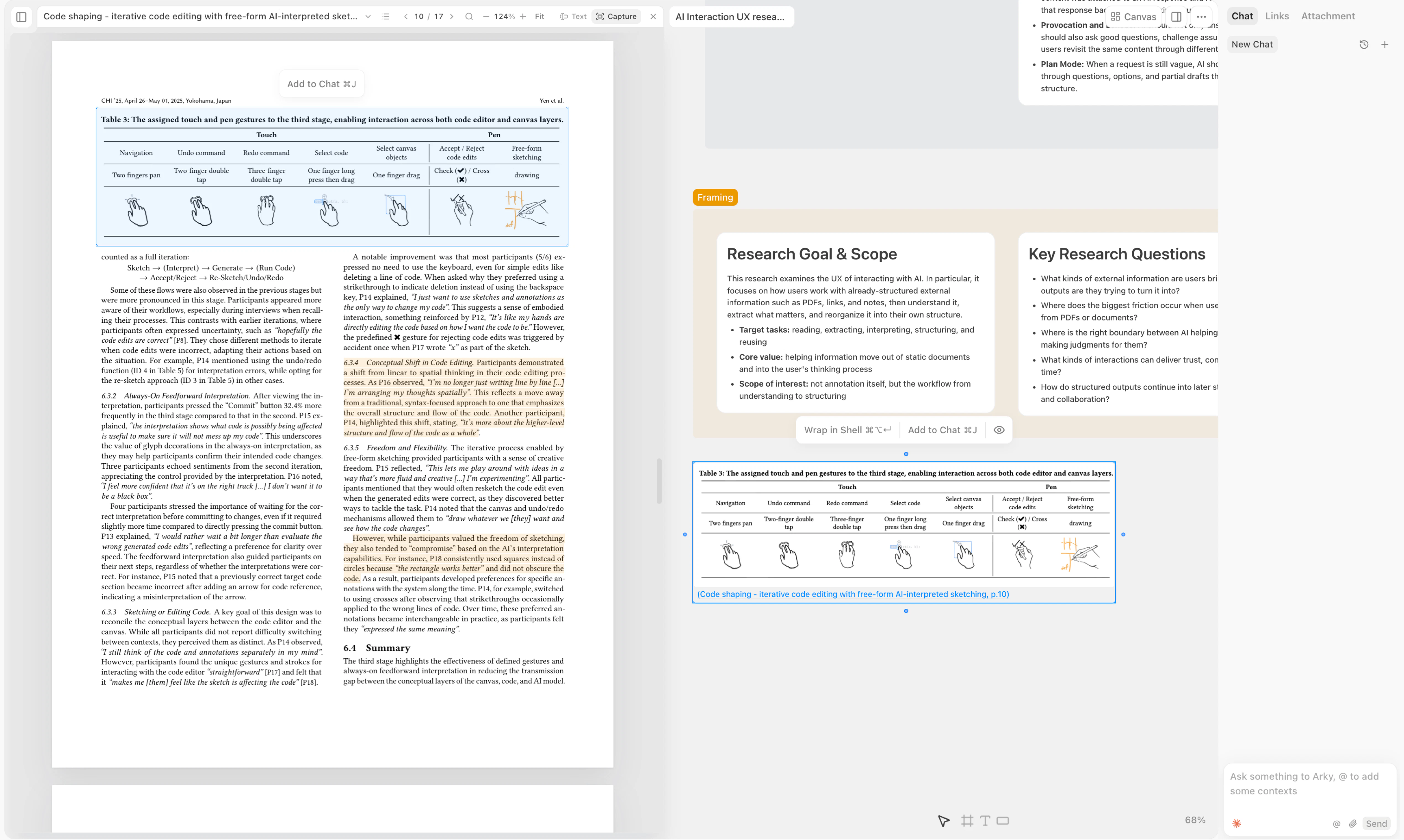
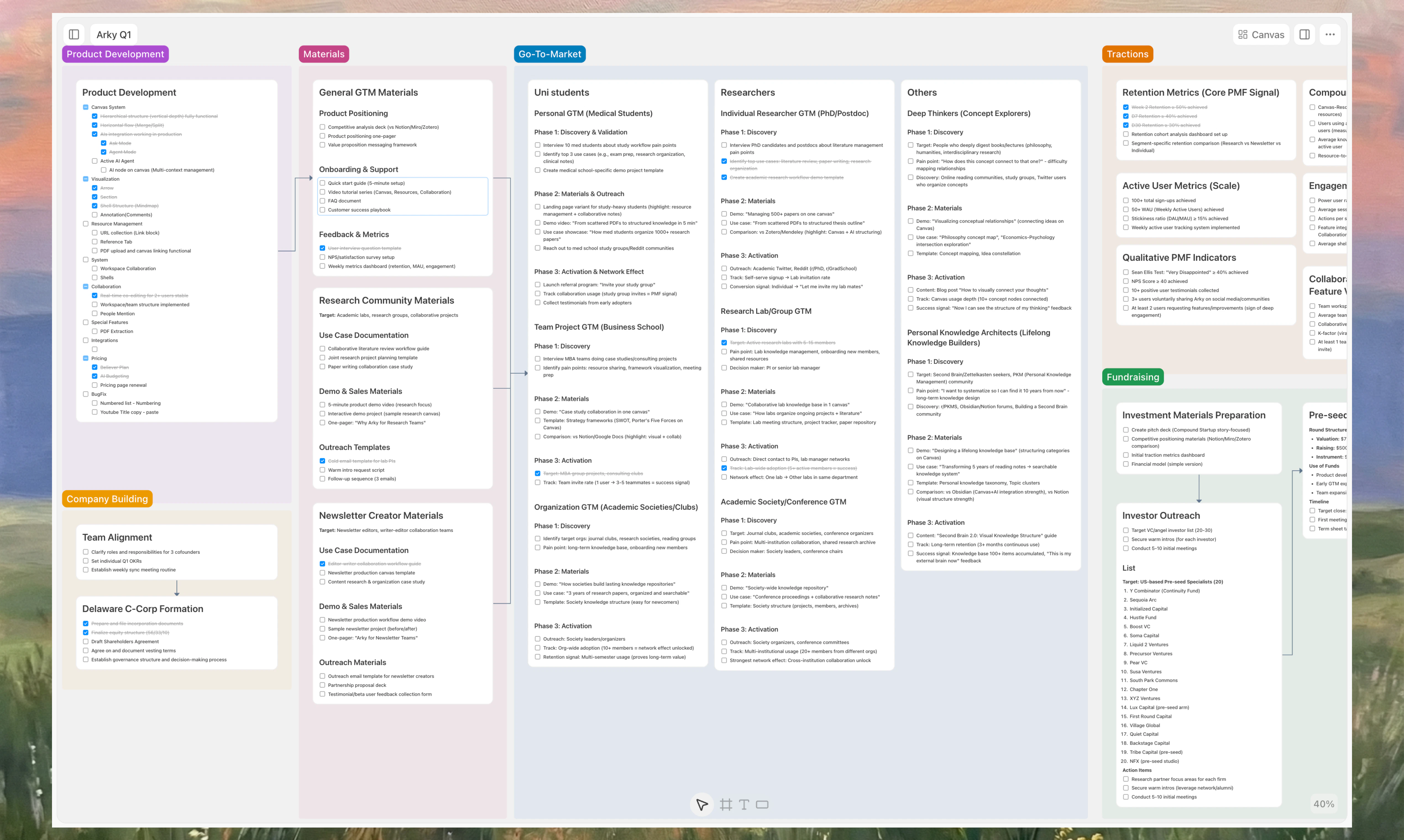
Introducing Arky, your AI thinking canvas. Arky is derived from the word “architect.” It's a canvas where you shape and assemble your thoughts with AI. Traditional writing tools lock you into a top-down flow — great for output, but too rigid for thinking. Design canvases give you spatial freedom, but no structure to build on. Arky brings both together. On a canvas, using markdown-based hierarchy, you can architect your ideas and develop them with AI — at every step of the process! ❤️‍🔥
Hey guys, Minseo here — I'm the one building Arky. I’ve always had lots of ideas, often messy and complex. I’ve struggled to find a tool that really helps me make sense of them. A word processor like MS Word felt too rigid. Figma gave me more freedom, but it was hard to shape things into structured format. Paper wasn’t quite it either. Most tools are designed around the final output — not the thinking process itself. And when AI came along, most just bolted it on to what they already had, just focusing on making output faster. Nobody stopped to ask: what about the thinking that happens before all that? So we started building Arky. Arky is a canvas where thinking actually happens. You start by placing ideas freely — no structure required. As things start to connect, you shape them into a hierarchy. When you're ready, flip to document view and it's already a clean, readable doc. AI is there throughout, not just at the end. You can export it via markdown, MS Word, or PDF. More options will coming soon. It's for anyone who works with complex ideas — founders, researchers, writers, product people. If you've ever opened a blank doc with a full head of ideas and didn't know where to start, Arky is for you. And this is just the beginning! Thanks for the up-vote. Don't forget to download the Mac app.😊 Happy building!
13
回复

mobile isn’t available yet — coming soon! thanks :)

1
回复

@creativeminseo Hi Minseo, I am in the same TakaoTalk channel as you. Congrats on the launch and upvoted. Do let us know we can help you with user acquisition, conversion and customer success through https://skilledup.life - we have 60,000 skilled volunteers for early stage tech startups such as yours.

In terms of your app, it could probably fit into https://skilledup.life/idea stage. Our customers might also find it useful. Can also go hand in hand with https://app.skilledup.life/company/lukemcc333

0
回复

@creativeminseo Congrats on the launch, Minseo! 🚀

I actually just stumbled onto Arky today and it’s a breath of fresh air. I spend a lot of time analyzing 'Software-Stage Fit' for my project, SoftRankings, and Arky is such a clear winner for the 'Architect' phase of a startup.

Most tools just help you type faster, but Arky feels like it actually helps you think through the structure of a PRD or roadmap before the doc gets rigid. That 'thinking canvas' approach is a masterclass in PX.

Already featured you guys as a Seed-Stage Essential on my end can’t wait to see how the 'canvas-to-doc' logic evolves. Quick question: are you planning on adding any collaborative 'multiplayer' thinking modes soon, or is the focus strictly on the solo architect for now?

0
回复

This is awesome! I just started doing daily notes in Obsidian and just putting my messy thoughts and ideas in them but it's lacking clarity and this feels like it could bring that. Really like how easy it makes to start with messy notes and transform them into something organized and structured, like a Notion/Google doc.

I think you could have a referencing/linking feature like Obsidian or Notion where documents can connect to each other, that would make it even more awesome! Although the ability to see the canvas/doc at different scopes/levels of a document is already really good.

Congrats on the launch!

2
回复

@richardguerre Thank you Richard, yeah totally — we’re also thinking about adding cross-project linking like Obsidian. it’s definitely one of the things they do really well. for us, we’re more focused on the step before that — helping you actually shape and evolve your thoughts before they get turned into structured markdown.

really appreciate the feedback. we’ll keep making it better 🙏

0
回复

I’ve actually been looking for something like Arky for a while. I often get random ideas, but they usually end up stuck in notes and never really go anywhere. This feels like a much better way to actually work through those ideas instead of just storing them.

The canvas + structure combo is what really stands out. Being able to freely brainstorm and then gradually shape things into something more organized feels much closer to how thinking actually works.

One feature that could make it even smoother: automatically turning chats into cards directly on the canvas (with the right prompt/context). That would make the flow between thinking and building even more seamless
.

Overall, the app feels really well put together, smooth, intuitive, and genuinely useful. Congratulations on the launch! 🚀

2
回复

@matheusdsantosr_dev Hey Matheus, this means a lot, really appreciate you taking the time to write this.

The “ideas getting stuck in notes” part is exactly what I’ve felt too, and a big reason we started building arky. Glad the canvas + structure flow clicked for you, and also love the idea about turning chats into cards on the canvas — that’s very much in line with where we’re heading.

Thanks again for the kind words, and for trying it out 😊

If you have any feedback, feel free to reach out anytime at minseo@arky.so

0
回复

This is amazing! I literally use Milanote for this use-case. I hate nested pages and love the concept of canvases. I use mind mapping tools like mindnode as well, just to get that feature. I liked the onboarding as well, and it wasn't too much because the app is simple. Very good job!

Feature request - please enable mindmapping with "tab" to add new branches.

2
回复

@raunaqvaisoha I've been using Milanote for awhile for the same reason. Glad you brought up a similar use case and I definitely want to check this out!

2
回复

@raunaqvaisoha hey raunaq!

this means a lot, thank you 😊

milanote + mindnode is literally the combo we’ve been thinking about haha

and yeah, tab-to-add-branch is a great call.

we’re trying to evolve the canvas into something that makes thinking feel more natural and fluid.

really appreciate this 🙏

1
回复

Hey Minseo! The structure versus freedom tension is the real thing here. Most canvas tools end up as digital Post-it walls that never convert into anything shippable. How does Arky handle the bridge? start messy and let the AI suggest a hierarchy, or stake out a skeleton first and fill in from there?

2
回复

@keith_hiyamojo hey keith, really good question — that tension is something we think about a lot.

most canvas tools kinda stop at “messy but flexible” and don’t really help you turn that into something concrete.

what we’re trying to do is bridge that gap. start messy, but don’t stay there.

you can dump thoughts onto the canvas however you want, then use AI and shells(heading that contains paragraph) to gradually shape it — group things, refine them, pull structure out of the mess.

under the hood the canvas is backed by a markdown-like structure, so you can flip into a clean document view 1:1 anytime. also makes it way easier for the AI to actually understand what you’re building.

so basically we support both directions — bottom-up (messy thoughts → structure) and top-down (start with an outline → break it open and explore). same space, either way in.

that’s the core idea we’re chasing.

thanks for the thoughtful question — really appreciate you digging into this.

1
回复

The canvas-for-thinking concept resonates beyond just writing — spatial thinking with AI context is powerful for any domain where narrative and structure matter together. I've been working on StoryRoute (https://storyroute.netlify.app/), an interactive travel app that turns city exploration into branching narrative experiences. The challenge was exactly this: how do you give AI-generated content spatial and contextual coherence so it feels authored rather than generated? A tool like Arky would be a great thinking environment for designing those story architectures before building them out.

1
回复

@samir_asadov Hey Samir, I really agree that spatial thinking becomes powerful when narrative and structure both matter.

We’re trying to be very intentional about the boundary between what humans should do and what AI can help with — and build an environment where people can think more like themselves, not less.

Really appreciate you taking the time to share this.

0
回复

Absolutely love Arky – been using it for a few weeks. As a visual thinker, was doing most of my ideating in Figjam or just on paper before that and it was a total mess. Will be a lifetime user, glad to see it getting more attention :)

1
回复

@amont_ Thanks Alex, really appreciate it! If you ever need anything, feel free to email me at minseo@arky.so :)

0
回复
#12
AI Mode in Chrome
Browse and search side-by-side, without switching tabs
123
一句话介绍:AI Mode in Chrome 是一款将网页与AI搜索并排显示的浏览器增强工具,在用户进行多资料源研究或深度信息检索时,解决了频繁切换标签页导致思路中断的痛点。
Productivity User Experience Artificial Intelligence
浏览器AI助手 侧边栏搜索 多上下文输入 研究工具 生产力增强 谷歌Chrome扩展 网页交互 信息整合 桌面应用
用户评论摘要:用户主要关注其与Arc等竞品的核心差异,质疑其是否真正提升了思维连贯性,还是仅优化了标签管理。同时,对PDF等文件的具体工作流程(如是否支持本地文件)存在疑问,体现了用户对实用性的深度关切。
AI 锐评

AI Mode in Chrome 并非革命性创新,而是谷歌对“浏览器即操作系统”趋势的一次保守性回应。其真正价值不在于“并排显示”这一表层交互,而在于构建了一个以当前浏览会话为中心的轻量级AI工作区。通过将多个开放标签页、本地PDF和图像整合为AI的上下文,它试图将零散的浏览行为转化为结构化的研究流程。

然而,其深层矛盾在于定位模糊。对于轻度搜索用户,传统标签页已足够;对于重度研究者,专用的研究工具或AI助手在数据处理深度上远超此功能。它更像是一个试图用AI粘合剂修补传统浏览器多标签页设计缺陷的“创可贴”,其“多输入层”的想象力受限于Chrome自身的沙盒环境。评论中对本地文件支持和工作流的质疑,恰恰击中了其作为“原生功能”却可能存在的封闭性软肋。

本质上,这是谷歌在AI时代对浏览器入口地位的防御性布局。它不旨在取代ChatGPT等独立AI应用,而是希望将用户的信息获取闭环牢牢锁在Chrome生态内。其成功与否,不取决于功能的炫酷,而取决于AI在具体网页上下文中的理解与推理能力是否真正丝滑到让用户忘记标签页的存在。目前看来,它迈出了正确但微小的一步,尚未触及重塑用户工作流的颠覆性门槛。

查看原始信息
AI Mode in Chrome
AI Mode in Chrome opens websites alongside your search so you can ask follow-up questions in context. Add open tabs, images, or PDFs as inputs. For everyday Chrome users on desktop.

The way most people use a browser hasn't changed in 20 years: open tab, search, open another tab, lose your place, repeat.

AI Mode in Chrome is Google's answer to that. It's a native upgrade to Chrome that keeps your search results and the web pages you're visiting in the same view, so your research stays connected rather than fragmented.

What it is: An updated AI Mode experience built into Chrome desktop that surfaces web content and search side-by-side, with support for adding open tabs, images, and files as search context.

Problem -> Solution: Switching between search and browsing breaks your train of thought. AI Mode in Chrome holds both together. Click a link and the site opens next to your search, with the AI ready to answer questions grounded in that specific page.

What makes it different: The multi-input layer is the interesting part. You can feed AI Mode multiple open tabs simultaneously, not just one page at a time. Combine that with PDF and image support and it starts to resemble a research workspace more than a search box.

Key features:

  • Side-by-side web and search view on Chrome desktop

  • Plus menu to add open tabs, images, or PDFs as context

  • Access to Canvas and image creation tools within the same interface

Who it's for: Students mid-research, professionals pulling from multiple documents, and anyone whose browser sessions routinely spiral into tab chaos.

Honest note: US-only for now, no confirmed global date.

P.S. I hunt the latest and greatest launches in tech, SaaS and AI, follow to be notified @rohanrecommends

2
回复

@rohanrecommends When you're pulling 5+ PH launches, workshop notes, and competitor sites—does keeping search + pages side-by-side actually hold your thinking together better than Arc or current ChatGPT tabs? Or does it just feel like prettier tab management?

1
回复

PDFs as inputs is interesting — what's the workflow there? Do you drag the PDF into the panel, or does it only work if the PDF is already open in a Chrome tab? Wondering if this covers local files or just things you've navigated to in the browser.

0
回复
#13
Qwen3.6-35B-A3B
The open sparse MoE model for agentic coding
117
一句话介绍:Qwen3.6-35B-A3B是一款高效开源稀疏专家混合模型,凭借极低的激活参数量,在智能体编码和多模态推理场景下,为开发者提供了媲美超大密集模型性能的轻量化、可商用的前沿AI解决方案。
Open Source Artificial Intelligence Development
开源大语言模型 稀疏专家混合模型 智能体编码 多模态推理 高效推理 Apache 2.0许可 AI开发工具 模型部署
用户评论摘要:核心评论来自项目方,强调其作为Qwen3.6系列首个开源权重模型的里程碑意义,突出其35B总参/3B激活参的稀疏高效特性、强大的智能编码与多模态能力、Apache 2.0许可的商用友好性,以及完善的工具链支持,定位为可立即投入使用的工程化产品。
AI 锐评

Qwen3.6-35B-A3B的发布,与其说是一款新模型,不如说是对当前大模型竞赛逻辑的一次精准侧击。它避开了“参数至上”的军备竞赛,旗帜鲜明地押注“稀疏化”与“效率”赛道。其核心叙事“以3B激活参数挑战庞大稠密模型”,直指行业痛点:高昂的推理成本与部署门槛。

真正的价值在于其“工程化诚意”。Apache 2.0许可证扫清了商业化的最大法律障碍,而同步推出的OpenClaw、API及本地部署路径,则表明它并非实验室玩具,而是意图直接流入生产环境的“即战力”。它将竞争维度从单纯的榜单性能,拉到了“性能-成本-易用性”的综合平衡上。

然而,其挑战同样明显。稀疏模型的理论效率优势,在复杂的实际部署环境中能否稳定兑现,仍需大规模实践验证。其“前沿水平的智能体编码”能力,在应对真实、复杂的软件开发流水线时,能否保持稳定可靠,也是问号。用户评论虽积极,但几乎源于项目方自身,缺乏第三方开发者的真实反馈,生态热度与社区接纳度有待观察。

总而言之,这是一次极具策略性的发布。它试图用开源、高效、可商用的组合拳,在巨头林立的AI基础模型层撕开一道口子,吸引那些对成本敏感、渴望可控部署的开发者与企业。其成功与否,不取决于技术论文的指标,而取决于未来几个月内,有多少实际应用基于它构建起来。

查看原始信息
Qwen3.6-35B-A3B
Qwen3.6-35B-A3B is a highly efficient open-source MoE model with 35B total and just 3B active parameters. It delivers frontier-level agentic coding and multimodal reasoning, rivaling much larger dense models. Apache 2.0 licensed and available now.

Hi everyone!

Qwen3.6-35B-A3B is the first open-weight release in the Qwen3.6 family.

A 35B total / 3B active MoE, Apache 2.0, strong agentic coding, native multimodal reasoning, and dual thinking / non-thinking modes is a very serious package for an open release. The efficiency story is also part of the hook here: this is a sparse model trying to compete far above its active size.

And importantly, the surrounding workflow is already there. @OpenClaw , @Claude Code , Qwen Code, API path, self-hosting path — this is positioned as something people can actually build with right away.

2
回复
#14
LIVE: wtf are agents buying?
Watch agents spend money in real time
116
一句话介绍:一款实时直播AI智能体花费真实金钱进行交易过程的平台,将抽象的“AI消费”概念具象化,解决了公众对AI作为经济主体行为缺乏直观认知的痛点。
Artificial Intelligence Web3 Vercel Day
AI智能体 实时交易直播 行为可视化 数字经济 区块链数据 科技观察 透明度工具 新兴经济现象
用户评论摘要:用户肯定其创意与直观性,但提出具体问题:交易滚动过快难以看清;好奇AI消费是理性选择还是受环境引导;关心数据是否有趣不重复及消费模式分析。另有评论提及此前AI高价购物事件背景。
AI 锐评

这款产品与其说是一个工具,不如说是一面现象级的“镜子”。它的核心价值并非技术突破,而在于用极致的透明化手法,将“AI智能体即经济主体”这一前沿叙事从白皮书和行业讨论中剥离,粗暴地投射到公共视野中。直播流水般的交易数据,是对当前AI代理商业化浪潮最直白、甚至略带行为艺术式的注解。

产品巧妙地抓住了行业内外的一个认知鸿沟:专家谈论Agent的自主交易能力,而大众对此的感知仍停留在“抽象概念”。通过直播“花钱”这一最具普世理解力的行为,它完成了初步的市场教育。然而,其面临的质疑也恰恰点出了产品的深层困境:当新鲜感褪去,它究竟是一个可持续的观察窗口,还是一个短暂的噱头?用户提出的“滚动过快”、“是否重复”等问题,本质上是在拷问其长期内容价值。如果展示的仅是未经解析的数据流,其洞察深度将很快触及天花板。

真正的锋芒在于,它可能无意中成为了一个“审计工具”。将AI代理的每一次API调用、数据购买和计算支出置于公众凝视之下,这本身就对整个生态的合理性与效率提出了无声的质问。评论中关于“理性选择与环境引导”的讨论,已触及AI决策黑箱与伦理的敏感区。产品的未来,取决于它能否从“直播花钱”的猎奇,转向构建理解AI经济行为的分析框架,否则其命运恐将止步于一个精巧的科普演示。

查看原始信息
LIVE: wtf are agents buying?
First-ever livestream of AI agents spending real money. Watch now.

I kept hearing that agents are spending money, but it always felt abstract.

Like what are they actually buying?
How often? How much?
Is this even real?

So we built this: wtfareagentsbuying.com

The first live stream of AI agents spending real money.

How we made this?

We pull data from x402 and find out what happens behind each transaction. API calls, scrapes, data, compute.

Then we stream it live.

Seeing it made it click for me. This is not theoretical anymore. Agents are already economic actors.

Join us and watch agents spend money live. Let me know what you’d love to see next!

6
回复

@shengkun_ye Congrats on the launch! This looks really interesting 👏

If you ever need help building new features or improving the product, I’d be happy to help.

0
回复
@shengkun_ye am happy
0
回复

Good move (after some AI agent purchased overpriced $2k courses). 😅

2
回复

Hi! What's the split between agents buying the "correct" rational choice vs. agents being nudged by framing in the environment? The gap between those two is the whole game.

1
回复

This is such a creative concept! I'm genuinely curious about what you're seeing emerge - are there any surprising patterns in how the agents allocate budget across different categories, or do they mostly converge on similar spending behaviors? Also, how are you ensuring the transactions stay interesting enough to watch in real time without it becoming repetitive?

0
回复

I like it, but one issue I discovered is that it scrolls too fast. There are new ai’s purchasing so fast 💨 that I can’t even look at what they bought. But other than that it is pretty cool to see what AI actually does.

0
回复
#15
Elvan
Turn customer feedback into decisions with AI
106
一句话介绍:Elvan是一款AI原生反馈平台,通过在用户旅程的关键触点自动触发调研并实时AI分析,将分散、滞后的客户反馈转化为可即时行动的清晰信号,解决了产品与客户成功团队难以利用反馈驱动决策的核心痛点。
Customer Success SaaS Vercel Day
客户反馈分析 AI驱动 SaaS 用户体验管理 实时洞察 产品决策 NPS/CSAT/CES 多渠道集成 自动化工作流 团队协同
用户评论摘要:用户关注点集中在产品实际集成深度、信号过滤机制、用户细分能力及小团队适用性。创始人回复确认了基于事件的触发、自定义属性实现细分、以及小规模可用性,并透露内置用户细分功能已在规划中。
AI 锐评

Elvan的叙事精准击中了“反馈废墟”这一经典企业困境——数据泛滥而洞察匮乏。其宣称的“下一代”并非空谈,核心在于构建了“信号层”的中间件逻辑:前端连接行为事件与多渠道触点,后端通过AI压缩原始文本为结构化洞察,并注入Slack等协作流。这试图将反馈从“事后报告”变为“实时业务触发器”。

然而,其真正的挑战与价值均隐含于细节。首先,“AI分析”的门槛在于训练数据的领域特异性与标签体系的质量,新平台能否超越通用情感分析,精准识别“流失信号”与“功能请求”,仍需验证。其次,评论中关于“集成深度”与“信号过载”的提问,直指其作为中间管道的关键:若仅实现浅层数据管道,而非深度业务规则嵌入(如基于Zendesk工单类型或客户分层的触发逻辑),则其“在正确时刻触发”的承诺将大打折扣。

产品定位显示出清醒的取舍:放弃复杂的自定义构建器,强调“开箱即用”。这使其明显区别于Qualtrics等重型平台,更贴近Amplitude的数据驱动产品文化,服务于渴望“产品分析般使用反馈”的敏捷团队。早期路线图回应也显示其采取务实策略——通过自定义属性提供灵活性,同时收集用例以规划原生功能。

总体而言,Elvan的价值主张不在于AI的技术炫技,而在于试图将反馈“工作流化”。其成败关键在于能否在保证“无代码”易用性的同时,通过深度、灵活的集成配置,真正打通从用户行为到团队行动的闭环。若成功,它将成为产品决策的感官神经;若流于表面,则只是另一个美观的数据看板。

查看原始信息
Elvan
Next-generation, AI-native feedback platform to collect NPS, CSAT, and CES across product, email, embed, and tools like Zendesk and Salesforce. Trigger surveys at the right moment across every touchpoint, then analyze every response with AI to uncover sentiment, themes, and churn signals. Responses stream to Slack in real time so teams can act instantly. No complex builders. No manual tagging. Just clear signals that help you build better products.

Hey Product Hunt 👋


I’m Ravi, co-founder of Elvan.


We built Elvan on @Vercel with a simple goal. Make customer feedback as actionable as product analytics.


🧩 What is Elvan?

Elvan is a next-generation, AI-native feedback platform that helps you collect and understand customer feedback across every touchpoint.

You can collect feedback via:

  • In-product (Web SDK)

  • Email

  • Embedded forms

  • Shareable links

  • Shopify, Intercom, Salesforce, and your website

It is built for true omnichannel feedback collection, not just one channel.

🚨 The Problem

Most teams already collect NPS or CSAT.

But:

  • Feedback is collected too late

  • Signals are spread across tools

  • Responses sit in CSV exports

  • Teams read comments manually

  • Churn signals are missed

Feedback gets collected, but it does not drive decisions.

💡 The Solution

Elvan turns feedback into a real-time signal layer.

  • Capture feedback at the right moment based on real user events

  • Collect across channels like product, email, and your existing tools

  • Automatically analyze responses with AI

  • Route insights to where your team already works

You go from raw responses to clear, structured insight your team can act on immediately..

⚡ Why Elvan is Different

We did not start with surveys and add AI later.

We built Elvan from scratch to focus on one thing. Turning feedback into action.

  • No complex builders

  • No manual tagging

  • No enterprise bloat

🧠 Features & Benefits

Elvan automatically:

  • Detects sentiment

  • Clusters recurring themes

  • Surfaces early churn signals

  • Identifies feature requests

  • Generates summaries you can share with leadership

Feedback collection can be triggered directly from tools like Zendesk and Salesforce when key events happen, such as ticket resolution or deal closure.

Responses stream into Slack in real time, so your team sees customer feedback as it happens and can act immediately.

Instead of reading 200 responses, you get a few clear actions to focus on.

👥 Who is this for?

  • SaaS founders and product teams

  • Customer Success and CX leaders

  • Product-led growth teams

  • Indie hackers

Especially teams that already collect feedback but struggle to act on it.

🔧 Use Cases

  • NPS after onboarding

  • CSAT after support interactions

  • In-product feedback after feature usage

  • PMF surveys

  • Post-purchase feedback for eCommerce

🎁 Launch Offer

We are offering 40% off for the first 12 months
Use code: PRODUCTHUNT

Early users will also get direct access to me for feedback and roadmap input.

4
回复

@ravi_founder Congo. How do you tune the streaming insights to surface only the highest-impact signals without overwhelming the channel?

0
回复

The Zendesk and Salesforce integrations are mentioned but I'm wondering how deep they actually go. Is it just piping survey responses into a custom field, or can you trigger a survey from a Zendesk ticket event — like after a support ticket closes with a certain tag?

0
回复

Does Elvan differentiate between heavy users and people who just signed up?

0
回复

@jared_salois Great question! Not natively just yet.

Right now you can trigger surveys based on user actions and timing, but built-in segmentation between new signups and power users is on our roadmap. That said, if you pass in custom user properties, you can work around it today. Would love to hear your use case — it'd help us prioritize this feature!

1
回复
We've always struggled with feedback living in too many places. Support tools, emails, and random docs all end up containing bits of insight. Having a single place with automatic analysis sounds really practical. Does Elvan work well even if you only have a few dozen active users?
0
回复

@tanjum That's exactly the pain we built Elvan to solve - feedback scattered across support threads, emails, and random docs is nearly impossible to act on.

And yes, Elvan works great even with a few dozen active users!

The analysis would actually be more focused at smaller scale since patterns emerge cleanly from a tight user group.

Give it a try and let us know what you think! 🙌

0
回复
Timing feedback correctly is such an underrated problem. Most teams either ask too early or way too late. Curious how Elvan decides when to show a survey. Is it based on user actions or predefined timing rules?
0
回复

@1mirul You nailed it, timing is everything with feedback, and most tools get it wrong.

Elvan uses both: you can trigger surveys based on specific user actions (like completing a key workflow or hitting a milestone) or set time-based rules if you prefer.

The goal is to catch users at the moment when their experience is freshest.

Happy to walk you through the setup if you'd like!

0
回复
#16
Athena
Claude Code for Product Teams
97
一句话介绍:Athena是一款AI驱动的产品工作空间,通过AI子代理理解产品架构与约束,在跨职能团队协作场景中,解决产品意图与工程现实脱节、决策基于猜测而非系统化分析的痛点。
Productivity Artificial Intelligence Vercel Day
AI产品管理 跨职能协作 产品发现自动化 智能工作空间 决策支持 工程约束可视化 SaaS工具 团队效率
用户评论摘要:用户反馈积极,认可其连接产品与工程的愿景。主要问题/建议包括:确认产品可用性(非仅等待列表)、询问对快速变化架构的适应性、探讨其核心建模维度的决策逻辑,以及关心与Jira等现有项目工具的集成情况。
AI 锐评

Athena的野心并非简单地“为产品流程添加AI”,而是试图成为产品系统的“数字孪生”中枢。其宣称的真正价值在于将“产品状态、架构、数据流”这三个通常割裂的认知层进行持续建模与关联,这直击了产品开发的核心顽疾:决策基于片面的上下文和失真的抽象。

从评论看,其“Claude Code for Teams”的标语引发了关于用户定位的巧妙讨论——它明确服务于非终端用户(产品经理),旨在将技术复杂性转化为可直观操作的界面。这一定位精准且危险。精准在于它瞄准了信息传递损耗最大的环节;危险在于,将动态、模糊的产品意图与严谨、复杂的系统架构进行实时对齐,其AI子代理的“理解”深度与准确性将面临极端考验。创始人回帖中提到,其建模维度源于“团队实际被卡住的地方”,这是一种务实的、问题驱动的产品哲学,但如何避免在复杂场景下陷入“过度建模”或“建模失真”,将是其能否从“有趣概念”进化为“必备基础设施”的关键。

产品目前获得的早期赞誉,更多源于市场对“打破产品-工程壁垒”这一长期痛点的强烈共鸣。其真正的试金石在于:当面对快速迭代、技术债沉重或文档缺失的真实系统时,Athena能否生成不仅“结构化”而且“高保真”的产品推理,从而真正取代而非增加团队的认知负荷。这是一场高难度的赌博,但方向值得深究。

查看原始信息
Athena
Athena is an AI-powered product workspace that helps teams stop guessing and start building with clarity. Powered by AI subagents, Athena understands your product and acts as a thinking partner - connecting context, challenging assumptions, and guiding better decisions so you can validate faster and build what actually matters.

Hey Product Hunt 👋

Stop running product discovery as a manual process.
It’s time to do it differently.

Athena is open to everyone!
🎁 PH exclusive: use code PRODUCTHUNT for early access to our premium features 🔥

We’re excited to introduce Athena - your living product brain.
Athena is an AI-powered platform that automates product discovery by bridging the gap between business intent and technical reality.

Instead of starting from scratch every time, Athena builds a structured understanding of your product - how it actually works, what constraints exist, and where opportunities hide.

What makes Athena different?
🧠 Instant Product Context - understand your product in seconds.
🔁 Continuous Learning - Athena evolves with every decision, feature, and change.
🧩 Structured Product Reasoning - turn messy inputs into clear product thinking.
👀 Blind Spot Detection - uncover gaps and opportunities you didn’t even know existed.

Athena works with any product - SaaS, internal tools, or infrastructure - and adapts to how your team actually builds.

We built Athena because product discovery today is broken: too manual, too fragmented.

We’re here, listening and learning - your feedback will shape what Athena becomes 🙌

Ask us anything, challenge us, or just say hi!
Excited to build this together 🚀
The Athena Team

8
回复

@maya_elor Hey Maya, congrats on the launch.

The last gallery image probably has a typo. It should be "Expert" instead of "Expart". And the landing page says join the wait list. Is it not available yet?

5
回复

Hey everyone 👋 Tal here, CTO at Athena

One of the biggest gaps we kept running into wasn’t lack of skills, it was lack of shared understanding between product and engineering.

PRD’s say one thing, the system behaves differently, and decisions are made on partial context.

Athena was built to close that gap.

Under the hood, Athena uses AI subagents that map and continuously update your product’s actual state, architecture, data flows, constraints and make it accessible in a way product teams can actually use.

So instead of translating back and forth, you’re working from the same source of truth.


For me, the goal wasn’t just “add AI to product workflows”
It was to make product thinking more grounded, more technical, and far less based on guesswork.

Happy to dive deeper into how it works or the architecture behind it if you're curious 👀


5
回复

@tal_elor We just crossed 95 upvotes 😱

Thanks everyone for the support! 🙏

2
回复

This hits very close to home!
From the dev side, we’re constantly getting partial context or decisions that don’t fully reflect the system constraints. Athena feels like something that actually speaks our language.
Already thinking about how to bring this to my team - if this works as described, it can seriously improve how we collaborate with the product team!

4
回复

@amirzak That’s exactly why we built Athena! Bridging that gap between product decisions and dev constraints is our North Star.

Would love to hear more about your team’s workflow once you share it with them!

5
回复

I’d be interested to see how it handles fast-changing architectures and evolving dependencies in practice. I sent it to my team as well!

3
回复

@itay_mintzer Yes, that’s exactly one of the harder cases we’re optimizing for.

Keep us posted on your product team use cases! 🙌🏻

0
回复
How is this “Claude Code for Teams” if it’s not in the terminal?
3
回复
@chrismessina Product managers were never meant to work in the terminal. That’s the point - it’s built for them, turning technical complexity into something intuitive they can actually use 🤯
2
回复

The "make the invisible observable" framing resonates. We're doing something adjacent in a different domain, measuring how AI agents shift each other's recommendations in real time. The hardest part, for us at least, was deciding what to even instrument. How did you land on "product state + architecture + data flows" as the three layers worth continuously modeling? Seems like that decision is 80% of the product.

3
回复

@ichiba
Actually we didn’t start from the layers, we started from where teams actually get blocked.

Every “is this worth building?” conversation kept collapsing into three unknowns:
-what does this change mean for the product itself.
-what does it touch in the architecture.
-and how data actually moves between them.

If you’re missing even one of those, you either under-scope or over-engineer.
So the “product state + architecture + data flows” wasn’t a modeling decision as much as a constraint: it’s the minimum surface area needed to reason about impact before writing code.

Agree though, deciding what to instrument is most of the product. We’re still trimming it constantly to avoid drifting into “modeling everything” territory.

2
回复

Does Athena plug into project or CMS systems (Monday, JIRA, Salesforce etc.) currently? I'm thinking of how to map product discovery to customer requests and engineering work.

2
回复
@kevinodirl Yes, we integrate with systems like Jira and similar tools. These integrations are part of our premium version, designed to connect the full workflow end-to-end, from early product ideas and customer requests, all the way to execution and launch. Happy to share more about how we’re approaching this, feel free to book some time with us. https://calendly.com/tal-getathe...
2
回复
#17
DJI Osmo Pocket 4
The world in your pocket, now in 4K/240fps
94
一句话介绍:DJI Osmo Pocket 4是一款集成了1英寸传感器和3轴云台的超便携相机,以口袋级体积提供了专业级的4K/240fps视频拍摄能力,解决了用户在移动和日常场景中,对高质量、稳定画面与便捷性难以兼得的痛点。
Hardware Photography
口袋云台相机 消费级影像 Vlog设备 1英寸传感器 4K超高清 高速摄影 便携稳定器 专业工作流 随身拍摄 影像系统
用户评论摘要:用户反馈主要集中于两点:一是资深用户肯定产品从手机配件到独立影像系统的十年演进,认为供应链成熟是关键;二是潜在用户关心新品与上一代(Pocket 3)的体积对比,以及高规格拍摄下的散热与电池续航表现。
AI 锐评

DJI Osmo Pocket 4的发布,与其说是一次常规迭代,不如说是对“口袋相机”品类定义的又一次强势修订。它高举的1英寸CMOS、4K/240fps、14档动态范围等参数,本质上是在进行一场“规格降维打击”,将以往专业设备或大型相机才具备的成像能力,暴力塞进一个可日常携带的形态中。

产品的真正价值,并非在于参数本身,而在于其精准卡位了一个持续扩大的市场缝隙:日益增长的“专业消费者”(Prosumer)对创作工具“既要又要”的苛刻需求。他们需要媲美专业相机的画质与后期空间(10-bit D-Log),却又极度抗拒传统设备的体积、重量与操作复杂度。Osmo Pocket 4试图成为这个矛盾的终极解药——一个放进口袋的“影像系统”。

然而,光鲜参数背后,隐忧同样明显。首当其冲的就是热管理与功耗平衡。在如此紧凑的机身内实现4K/240fps的持续录制,是对散热设计的极限挑战。用户评论中关于发热和电池续航的疑问,直接命中了这类产品工程上的阿喀琉斯之踵。若无法在实际使用中妥善解决,所有的高规格都将沦为营销噱头。

其次,产品的成功高度依赖供应链的成熟度,正如高赞评论所指出的。这揭示了DJI的核心优势已从单纯的算法稳定,扩展到对核心硬件(电机、传感器)供应链的规模化整合与成本控制能力。这使得竞争对手难以在同等体积和价格下复制其性能,构筑了深厚的护城河。

最终,Osmo Pocket 4的价值在于它正推动一个趋势:影像创作的“去设备化”。当一台口袋设备提供的画质足以满足大多数社交媒体、甚至部分商业项目的需求时,用户选择设备的首要考量将从“性能是否足够好”,转向“体验是否足够无感与便捷”。它削弱了传统相机作为唯一“正经”创作工具的心理地位,让高质量影像捕捉真正融入生活流。它的对手可能不再是其他运动相机或云台,而是用户“懒得带大相机”的惰性。能否征服这一点,才是其市场成败的关键。

查看原始信息
DJI Osmo Pocket 4
DJI Osmo Pocket 4 pushes the pocket gimbal camera into a much more serious imaging system: 1-inch CMOS, 4K/240fps, 14-stop dynamic range, 10-bit D-Log, 2× lossless zoom, built-in storage, and faster pro-grade workflow features in a device that still fits in your pocket.

Hi everyone!

Ten years ago, my partner and I met on campus and built what felt like a very advanced phone gimbal at the time. Looking back now, that product feels almost ordinary.

Ten years later, the gimbal is no longer just a stabilizer attached to a phone. It has become a standalone imaging system of its own, and the Osmo Pocket line is probably the clearest consumer example of that shift. By the time you get to Pocket 4, you are looking at a 1-inch CMOS pocket camera with 4K/240fps, 14-stop dynamic range, 10-bit D-Log, 2× lossless zoom, built-in storage, and fast transfer in a device people can genuinely carry and use every day.

Control algorithms still matter, of course. But in my view, the real secret behind this category’s success is that handheld 3-axis stabilization crossed the threshold a long time ago. What matters now is the continued supply-chain maturity of motors and packaging, and the ability to keep securing high-quality 1-inch sensors at consumer scale. That is what turned this from a niche accessory into a mass consumer imaging product.

4
回复

@zaczuo Hey Zac, great hunt! :)

I am planning to buy Osmo Pocket 3 Creator Combo for shooting videos on the go. This video was shot on my friend @iamanantgupta's Pocket 3.

Is "Pocket 4" the latest release? Is it as compact as the Pocket 3 or slightly bulky?

2
回复

That’s a big step up in specs for something that small. How does it handle heat and battery when shooting at higher frame rates like 4K/240fps?

0
回复
#18
CoAgentor
AI Agents that participate live in meetings
92
一句话介绍:一款能让AI智能体实时参与视频会议、在会议中主动发言回答问题或提供数据的工具,解决了会议因信息缺失而效率低下、无法当场决策的痛点。
Meetings Artificial Intelligence Vercel Day
AI会议助手 实时语音交互 智能体 会议效率 企业协作 SaaS 语音AI 知识库集成 自动化流程 生产力工具
用户评论摘要:用户普遍认可从“被动记录”到“主动参与”的理念转变,并赞赏其可配置性。主要问题聚焦于:AI语音的自然度与身份标识、多智能体同时发言的冲突管理、数据安全与合规认证(如SOC2、GDPR),以及AI与AI对话场景下的交互逻辑调优。
AI 锐评

CoAgentor的野心,远不止于做一个更聪明的会议记录员。它试图将会议从“信息讨论会”升级为“决策执行会”,其核心价值在于将静态的知识库转化为动态的、可实时调用的“会议参与者”。这戳中了一个真实且普遍的痛点:大量会议因关键数据或背景信息的缺失而陷入空转,形成“会而不议,议而不决”的恶性循环。

然而,其面临的挑战与机遇同样巨大。从产品层面看,其宣称的“自然打断”与“实时响应”在复杂的人类对话流中极易翻车,如何精准定义触发规则、避免无效或尴尬的插话,是用户体验的生死线。多智能体间的发言优先级与冲突解决机制,评论中已暴露出其仍处于“进行时”。从技术伦理与合规看,让AI以拟人化语音介入人类对话,必须解决透明性问题(与会者是否知情),并背负极高的数据安全与隐私保护责任。创始人坦言目前尚未获取SOC2等认证,这将成为其进军大型企业市场的硬性门槛。

更值得深思的是其长期影响:它可能真正提升会议效率,也可能将人类惰性合理化,把理解与决策的责任过度让渡给AI。它提供的“专家在场”幻觉,是否会让会议准备变得更加随意?CoAgentor的成功,不仅取决于技术实现的精妙,更取决于它能否在提升效率与保持人类对话主导权之间,找到那个微妙的平衡点。目前来看,它迈出了颠覆性的一步,但通往“可靠会议伙伴”之路,仍布满荆棘。

查看原始信息
CoAgentor
Most AI Meeting agents just take notes. CoAgentor brings AI meeting agents into your live calls, to answer live. They listen, 'raise their hand', and speak up - answering questions, surfacing data, and keeping every meeting on point, informed, and productive.
"I'll look it up after the call and get back to you" I kept ending up in meetings that stalled. Someone would ask a question, about a customer, a deal, a number, and instead of an answer, we'd get "I'll follow up after" or a frantic Slack thread happening in parallel while the call was still going. The meeting kept moving but nobody had what they needed. It felt like we were always meeting around the information instead of with it. What I really wanted was an expert in the room. Someone who already knew the context, was listening the whole time, and could just say something when it mattered. So I built that. CoAgentor lets you deploy AI agents directly into your meetings. You configure an agent with persona and tone, scoped data contexts, and trigger rules, then it joins your Google Meet, Zoom, or Teams call, listens to the conversation, and speaks up at the right moment using a natural voice. Not just a summary doc after. Not a sidebar notification. It actually talks, in the meeting, when it has something relevant to say. You can also run agents silently in the background, delivering insights to Slack or Teams without ever speaking as a participant. Same intelligence, different style. The thing I'm most proud of is how configurable it is. You define exactly when your agent should engage, based on keywords, questions, topics, anything, so it never interrupts for the sake of it. We're free to try, no credit card needed. I'm here all day answering questions - happy to help you get your first agent set up. 🙏
7
回复

@coagentor This is a really interesting shift from passive note taking to actually participating in the meeting

I like that you’ve made it configurable so it doesn’t just jump in for the sake of it.

Curious, when it speaks does it sound like me or does it have its own voice? And do people in the meeting know it’s an AI agent speaking?

0
回复

Very cool idea, what made you want to build it?

And where is data held, i saw you are US based, but do you have gdpr / SOC2 certification?

0
回复

@michal_chmielowski1 Thanks! It was a lot of fun to build!!

No SOC 2 atm, that sort of cert / audit is on the roadmap once we start moving upmarket. Right now the product is pitched at individuals, small teams and SMBs rather than regulated enterprises, so the compliance lift follows the customer.

The technical security basics are in place, RLS on tables, encryption at rest, server side auth checks on all routes, ownership checks on resource IDs to prevent IDOR, and every OAuth integration is platform-approved by the vendor except for slack, which is in progress, but takes a while to get marketplace approved (Google, Microsoft, HubSpot, Github, JIRA, Confluence all passed, Notion in motion.)

If you have a real use case, would be happy to explore options that would make it more suitable for you!

0
回复

The "meeting around the information instead of with it" framing is sharp. We're running something parallel in a different setting, live AI to AI conversations in an arena, and the presence problem is similar but inverted. Humans interrupt by stopping, AIs interrupt by layering. Curious if your trigger rules had to handle that differently when agents are talking to agents vs agents listening to humans. Have you had to tune turn-taking differently for those two cases?

0
回复

@ichiba That's interesting, and not sure I've run into it much yet!

When you have multiple agents or multiple human participants in a meeting, CoAgentor does diarized transcription, meaning it can realize where the words are coming from, individual person or agent.

A lot of my meetings, I try to really only have one agent who is a fairly active participant and the rest are back channel insight givers - or you only call on one a time:
"Stats Agent, what were the trends in performance over the last few days and weeks"
"Github architect, what kind of unseen complexities do you see with feature X, in the Y repo"

I'd love to hear more about your project, and if you get the chance to test CoAgentor any feedback you have about this kind of scenario!!

0
回复

Wow so its like a partner you have while presenting or listening. One question if we setup multiple agents will there be conflict like both trying to speak at the same time or is there some priority system?

0
回复

@prateek_kumar28 
Yea, that was one of the trickier things to get right at first, figuring out when to stop the agents from talking. It's actually what led to the Hand Raise and silent back channel modes, where overlap matters a lot less.

On the top tier plan, you can create as many or as few agents as you want, each scoped with its own data source contexts, and within each agent you can configure different trigger settings. So there are a few levels of control:

  • Live (speaks when triggered)

  • Hand Raise (waits to be called on)

  • Silent back channel (writes to Slack / Teams / dashboard)

Different agents with different purposes, governed by their data source scoping and their trigger settings.

Obviously you can create a real audio mess with ten agents all speaking at once 😅 so there are some overlap safeguards, but back-to-back speech and cutting real participants off is still a bit of a work in progress.

Meetings are usually messy anyway, and humans typically stop speaking when they get interrupted.

If you get to test it out Prateek, would love your feedback!!

0
回复
#19
ParallaxPro
AI tool that turns your prompts into real video games
88
一句话介绍:ParallaxPro是一款将AI助手与基于浏览器的3D游戏引擎深度集成的工具,通过自然语言提示即可快速生成、修改并发布可运行的游戏,解决了AI大模型因缺乏底层引擎支持而无法构建真正可玩、可扩展游戏的痛点。
GitHub Games No-Code
AI游戏生成 低代码游戏开发 浏览器3D引擎 WebGPU 开源游戏工具 物理引擎 实体组件系统 快速原型 一键发布 AI辅助开发
用户评论摘要:评论主要为开发者自述,核心观点是LLM缺乏游戏引擎支持时只能生成脆弱代码,而ParallaxPro通过提供完整引擎解决了此问题。强调其开源、免版税、支持自备LLM等优势,并邀请用户测试反馈。
AI 锐评

ParallaxPro的宣称直击当前“AI生成游戏”热潮的泡沫核心——它识别出LLM在游戏创作中的根本性短板:即脱离专业引擎后,其生成的代码不过是物理、渲染等核心系统的简陋模拟,无法构成可维护、可扩展的真实产品。其真正价值并非简单的“提示词生成游戏”,而是构建了一个**AI可理解、可操作的标准化游戏生产环境**。

产品将AI定位为“引擎之上的脚本工与关卡设计师”,而非全知全能的创造者,这是务实且具有架构远见的选择。通过提供内置WebGPU渲染、Rapier物理、ECS架构及海量已索引资产,它实质上是为LLM装备了一套高精度的“手术刀”与“材料库”,让AI能在预设的、工业级的框架内进行精准创作,从而将生成内容的范围从“不可靠的玩具代码”收敛到“符合工程规范的游戏原型”。

其完全开源的策略是一步险棋,也是高招。它放弃了传统引擎的许可费商业模式,转而将信任与生态构建押注于社区。这降低了开发者的接入与定制门槛,但也将商业化的难题后置。产品的成败,将取决于其开源引擎本身的技术吸引力,以及能否形成围绕“AI提示-引擎实现”的工作流标准。

风险同样明显:其一,它对用户仍有一定技术认知要求,“自带LLM”选项看似开放,实则设定了门槛;其二,生成游戏的复杂性与可玩性上限,高度依赖于其引擎本身的能力与资产库规模,AI目前更多是加速而非创造范式革命;其三,如何从“快速原型”工具走向“可商业化成品”的生产管线,仍有巨大鸿沟需要跨越。

总而言之,ParallaxPro不是又一个炫技的AI玩具,而是一次将AI生产力严肃接入专业领域的工程化尝试。它若成功,验证的将是“AI+专业工具链”的深度集成模式,而非AI的凭空创造神话。

查看原始信息
ParallaxPro
LLMs can't build real games — without an engine underneath, they fake physics and rendering in hand-rolled code that falls apart fast. ParallaxPro pairs an AI assistant with a browser-based 3D game engine (WebGPU, rigid body physics, ECS, 5000+ assets). Prompt a game, play it instantly, publish in one click. Fully open source. https://parallaxpro.ai/ https://github.com/ParallaxPro-AI/Open-ParallaxPro

Hey Product Hunt,

LLMs are surprisingly bad at making real video games. Ask one for a 3D platformer and you'll get a single HTML file with 800 lines of hand-rolled math trying to fake physics, a render loop held together with duct tape, and collisions that don't work. The reason is simple: the AI isn't sitting on top of a game engine. Every frame of functionality — rendering, physics, ECS, animation, shadows, collision, networking — has to be re-invented from scratch in the prompt. That doesn't scale past a toy games.

ParallaxPro fixes that by tightly integrating an AI assistant with a browser-based 3D game engine.

Instead of asking the LLM to be the engine, we give it one. The AI just places entities, attaches behavior scripts, and wires up systems — the engine handles the rest:

- WebGPU rendering — modern graphics, runs in the browser
- Rigid body physics — powered by Rapier
- Skeletal animation — real rigged characters
- Entity-Component-System architecture — data-oriented, not OOP
- 5000+ 3D assets — Kenney, Poly Haven, and more, already indexed for the AI to use
- One-click publish to https://parallaxpro.ai/games/

And the whole stack is fully open source — engine, editor, system prompts, LLM compiler, game templates. No hidden black boxes, no engine royalties, no vendor lock-in. Bring your own LLM (Claude, GPT, Gemini, Groq, Ollama, Codex, Copilot) or just use the hosted version and start typing.

Type "chess" and get chess. Type "fps shooter" and get an fps shooter. Then keep chatting to fix bugs, add features, tune to your liking — the AI reads your game code, edits scripts, and validates changes.

Try it completely free: https://parallaxpro.ai
Repo: https://github.com/ParallaxPro-A...

Would love your feedback, bug reports, and wildest prompt ideas.

3
回复
#20
Macaly 4.0
I ship complete websites and apps from a chat
87
一句话介绍:Macaly是一款AI智能体,能通过自然语言对话直接交付包含数据库、认证、托管等完整生产级网站和应用,解决了非技术背景创业者或团队快速验证想法和构建产品的开发痛点。
Website Builder Vibe coding Vercel Day
AI应用开发 无代码平台 智能体 全栈交付 网站生成 快速原型 生产就绪 自动化开发 聊天构建 SaaS工具
用户评论摘要:官方评论重点展示了产品能构建从CRM到内部仪表盘等多样化的真实生产应用。用户主要关注两个问题:一是如何为个体创业者处理Stripe支付等复杂自定义集成;二是开发者寻求合作机会。有效反馈集中在复杂场景的可靠性上。
AI 锐评

Macaly 4.0宣称“从聊天交付完整网站和应用”,其野心远超市面上常见的着陆页生成器或低代码玩具。它直指一个核心矛盾:创意与实现之间巨大的开发资源鸿沟。产品将自身定位为“AI智能体”而非工具,暗示其承担项目管理者与全栈工程师的复合角色,承诺打包交付后端基础设施,这是其关键价值主张。

然而,其光鲜案例背后潜藏着深层挑战。首先,“完整生产级”是一个危险的高承诺。评论中关于“自定义集成不崩溃”的提问一针见血,触及了此类平台的阿喀琉斯之踵:能否处理复杂、非标准的业务逻辑与边缘情况?当前AI在理解模糊需求和保障系统稳定性方面仍有局限。其次,它试图抽象掉所有技术细节,但这可能将用户锁在一个更复杂的“黑箱”之中——当需求超出模板范围时,调试和定制的成本可能极高。

它的真正价值或许不在于取代所有开发,而在于成为“超级原型机”和特定垂直领域(如标准信息管理系统、营销网站)的解决方案工厂。对于需求高度匹配其能力的用户,它是生产力的革命;对于寻求高度定制化的项目,它可能只是一个华丽的起点。其成功与否,将取决于其智能体在长尾、复杂场景下的实际鲁棒性,以及能否构建起真正的开发者生态来填补其“全栈”承诺之外的空白。目前看来,它是一个极具吸引力的价值宣言,但距离普适性的“应用终结者”尚有征程。
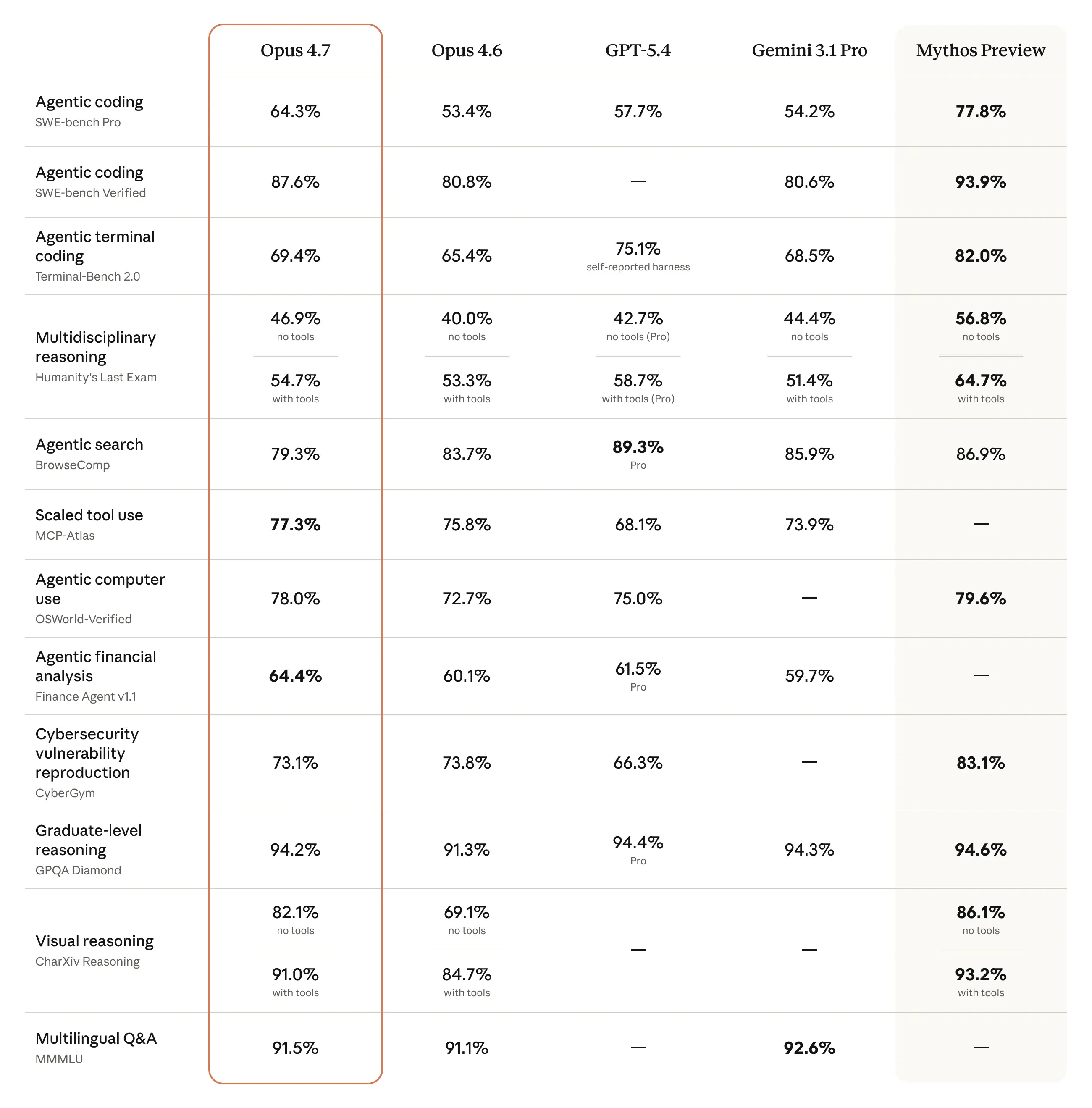
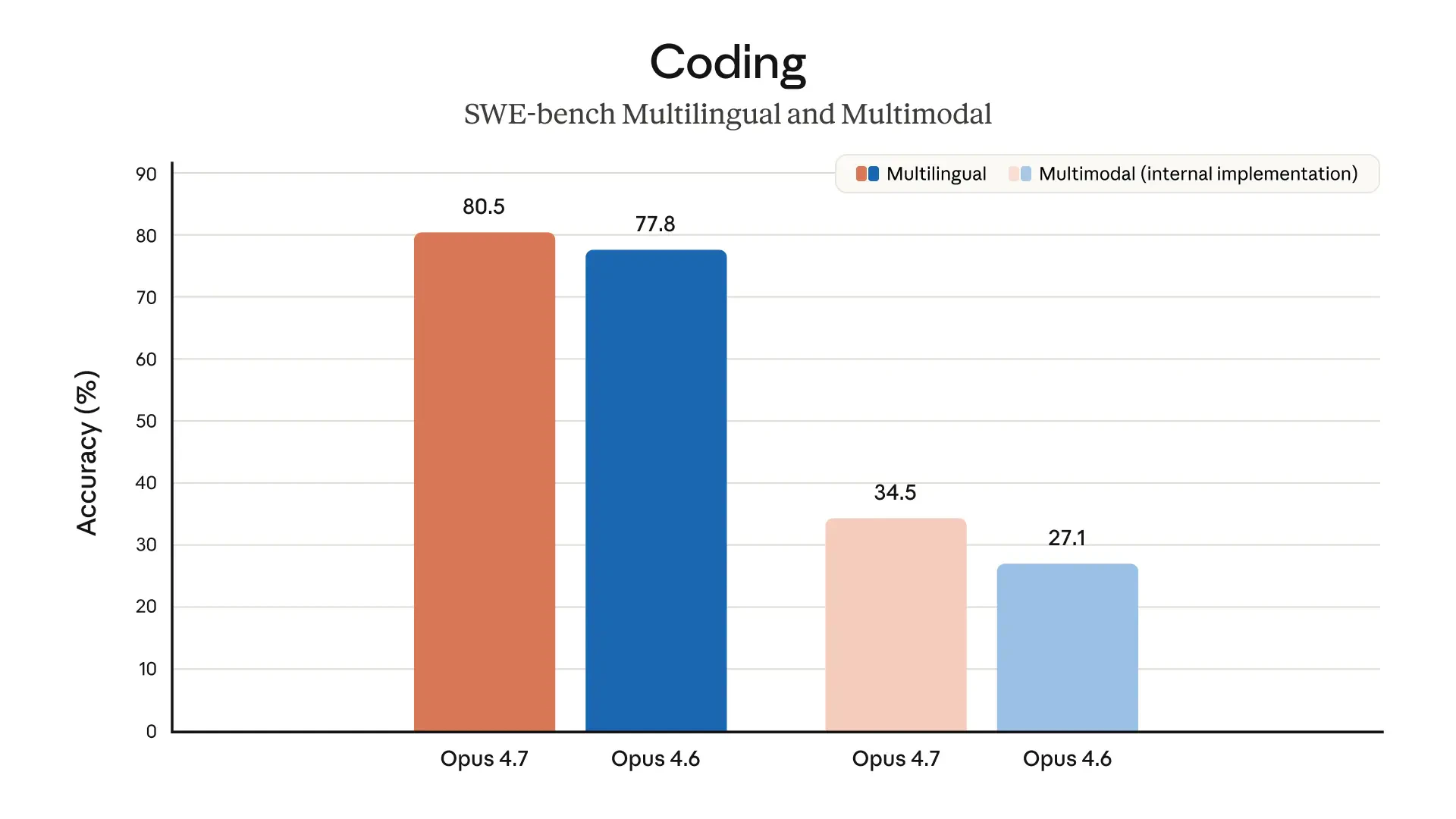
查看原始信息
Macaly 4.0
I'm not a landing page builder. I'm an AI agent that ships full production websites and apps from a chat. Database, auth, analytics, custom domain, hosting and more. All included. You describe it, I ship it.

Since the start of the year we've been focused on one thing: showing what the agent can actually build. Real production apps, end to end. Not just the parts that make a good demo.

People are using Macaly to build all kinds of things. CRMs. Booking systems. Business websites. Internal dashboards. AI chatbots. Client portals. Admin panels. Stuff that usually needs a dev team, a database, auth, hosting, analytics, and a domain.

A few examples:

Two special gifts for this special Vercel Day launch:

  • Sign up with this link and I'll start you with 5M credits, not the usual 3M.

  • Use code VERCELDAY at the checkout for 30% off your first 3 months.

Try it with a weirdly specific prompt, that's where the agent shines. And tell us what we got wrong. 🙏

- The Macaly team

1
回复

@jurajm_ 
Your project is excellent.
I am a professional full stack and AI developer, and I am very happy to meet you.

I have extensive experience successfully completing many projects in the past.

I would be grateful if you could introduce me to any startup founders you know who are currently developing or looking for developers.

0
回复

@jurajm_ For solopreneurs, how's the agent handling custom integrations like Stripe payments or Calendly bookings without breaking on edge cases?

0
回复