Product Hunt 每日热榜 2026-04-27

PH热榜 | 2026-04-27

#1
Orange Slice
Automate any sales task with AI
398
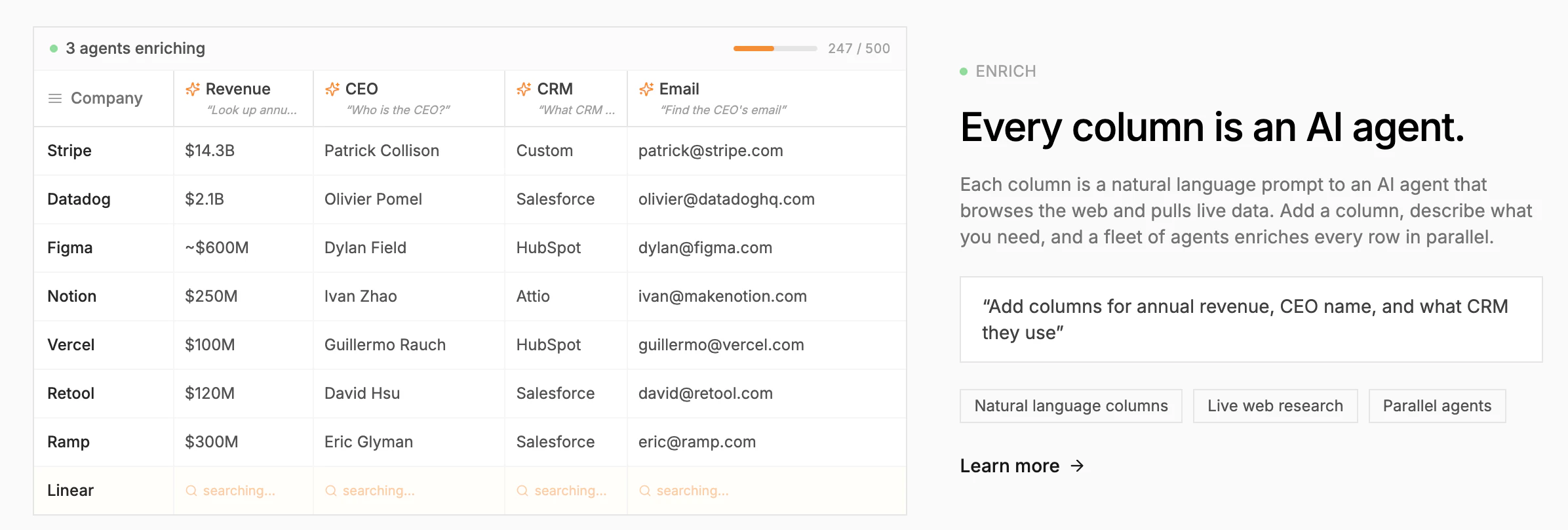
一句话介绍:Orange Slice是一款AI驱动的GTM(市场进入)自动化工具,帮助销售团队通过自然语言描述目标客户,自动完成线索挖掘、数据丰富、筛选和流程执行,解决传统手动拼接多工具、低效寻找“在市场中”客户的痛点。
Sales Marketing Growth Hacking
AI销售自动化 市场进入 线索挖掘 意图数据 客户画像 自然语言查询 工作流自动化 实时数据 B2B销售 销售工具
用户评论摘要:用户普遍认可其对“在市场中”客户的定义能力和非外拓场景的灵活性。但存在批评:首次使用界面引导不清晰(“无法添加”被误解为功能限制);定价模式(积分制)和数据准确性(尤其是意图信号)存疑;用户希望看到工作流前后对比案例,并明确哪些任务仍需人工介入。
AI 锐评

Orange Slice的“野心”不止于又一个销售数据工具,其核心价值在于将GTM流程从“手动筛选静态数据库”迁移到“动态语义搜索+实时意图推理”。用自然语言描述理想客户,而非堆砌布尔条件,这确实击中了销售团队在数据清洗和工具拼凑上的痛点。

但犀利的观察是:它本质上是“AI包装版的SCV/Clay”——用大模型将分散的实时信号(论坛、招聘、社交)与结构化数据(Crunchbase)整合。其壁垒并非技术独创,而是对“非标准化销售流程”的灵活适配能力。创始人承认“重建多次”和“记忆功能差点搞垮我们”,说明在将模糊的“在市场中”概念产品化时,召回率与准确率平衡仍是巨大挑战。用户对定价和意图信号准确性的追问直指软肋:积分制可能因复杂查询成本激增,而实时爬取数据的噪声(如YC demo中提到的“手指数量”梗)会稀释信任。

真正的考验在于:当销售团队用它跑完首批线索后,是否真能感知到“时机>努力”的转化率提升?还是像其他AI工具一样,沦为“看起来很酷但最终仍需人肉校验”的演示品?目前评论中“秘密武器”的粉丝与“界面误导就劝退”的用户并存,表明它适合有技术素养的早期采用者,但距离主流销售团队“替换Excel”还有产品化鸿沟。如果创始团队能持续打磨意图信号的颗粒度,并公开定价的可预测性,它有望在“AI原生GTM”细分赛道建立立足点;反之,可能被Salesforce或HubSpot快速复刻的Copilot功能淹没。

查看原始信息
Orange Slice
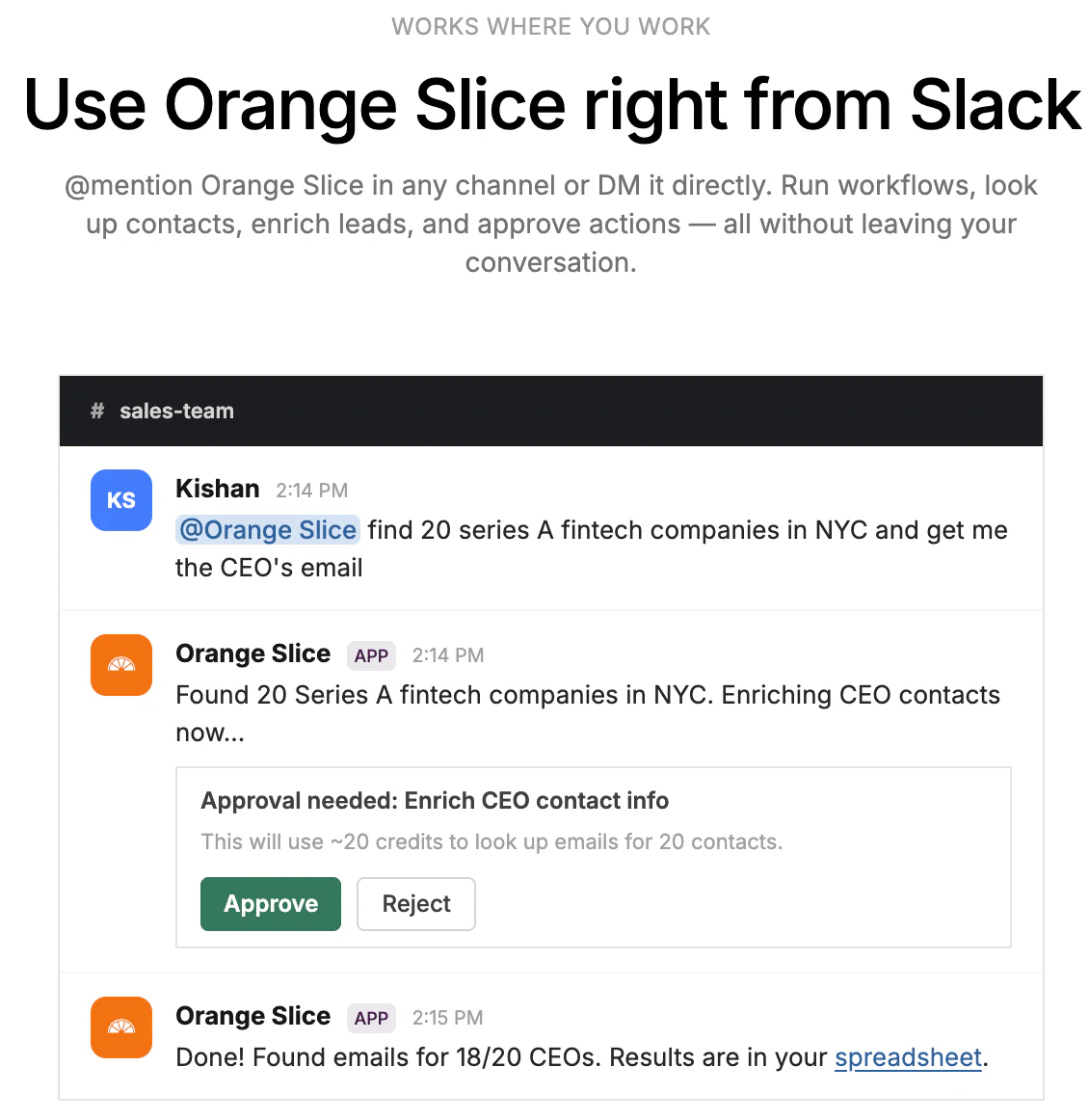
Build go-to-market workflows with AI. Prospect, enrich, qualify, and automate GTM execution in Orange Slice.

Hey everyone, Vihaar here, one of the founders of orange slice

really appreciate you checking us out today

we didn’t start this company because we wanted to build “another sales tool”

we started it because we kept running into the same problem over and over again

every go-to-market motion we tried (whether it was outbound, partnerships, hiring, events) always broke at the same place

finding the right people at the right time

not a big list
not more data

just… actual in-market companies

and the frustrating part was the workflow

copy pasting people into spreadsheets
running the same enrichments over and over
stitching together 10+ tools
hoping something sticks

it just felt… dumb

so we started building what we actually wanted:

a system where you can just describe who you’re looking for

and it finds them for you
researches them
enriches them
filters them
updates continuously

all in one place

over the last few months we’ve:

  • rebuilt the product multiple times

  • shipped a self-serve version after doing a lot of agency work

  • broken things (a lot… memory in chat almost killed us last week lol)

  • and most importantly, started seeing people use this in ways we didn’t even expect

some are using it for outbound
some for market research
some for partnerships
some for completely random workflows

that’s been the coolest part

we’re still super early

but if you’ve ever felt like go-to-market is way more manual than it should be
or that timing matters way more than effort

i think you’ll get what we’re trying to do here

would genuinely love feedback - good or bad

and if you want, comment your companies website

and i’ll reply with a custom GTM play
that will help you get more customers!!!

38
回复

its so lonely here :(

11
回复
@vihaar_nandigala not anymore
0
回复

It is a good sighn that users are applying it beyond outbound. That usually means the system has some flexibility built into it.

14
回复

@shania_jennings rebuiding multiple times tells a lot 🙂 it usually means you are learning directly from real usage instead of assumptions.

1
回复

@shania_jennings if the system can consistently surface the right opportunities at the right moment, that alone can change how teams approach growth 👍

0
回复

@shania_jennings the shift from manual prospecting to describing your ideal target is interesting. It removes a lot of repetitive work that usually slows teams down.

1
回复

Anyone NOT seeing this? First step of onboarding I'm told they cannot do this right now - on launch day...?

9
回复

Hey @osakasaul , the "I can't add this right now" is actually a button that you can press if you do not want to add it (we should make this more clear for sure). Once you click one of the choices (Personal, Organization, or agency) then add your company domain, the continue button will light up so you can continue

4
回复

Congrats on the launch @vihaar_nandigala I believe the timing angle is underrated in GTM - most tools optimize for volume, not relevance.

How are you defining “in-market”? Is it behavioral signals, firmographic triggers, or something else?

7
回复

@kate_ramakaieva Thanks Kate 🙏

The core idea behind Orange Slice is that “in-market” isn’t one-size-fits-all — especially in GTM.

We let you define what that actually means for your business.

That said, here’s how we think about it internally:

1. Behavioral intent signals
Things that show someone is actively evaluating: hiring for roles tied to your use case, competitor comparisons, stack changes, launch posts, complaint/replacement language, etc.

2. Firmographic guardrails
ICP filters (size, industry, geo, tech stack, motion maturity) so you don’t chase noisy but irrelevant signals.

3. Recency + velocity
When the signal happened + whether multiple signals cluster together
(timing > static fit)

6
回复

@vihaar_nandigala  @kate_ramakaieva A clear comparison would help here. Showing the workflow before and after using this could make the value easier to understand.

1
回复

Congrats on the launch @vihaar_nandigala !

When you say "automate any sales task," what's the most repetitive sales workflow your beta customers have fully offloaded to the agent?

And on the flipside, what's the sales task that still needs a human in the loop today?

6
回复

@byalexai Here are some examples of both!!!

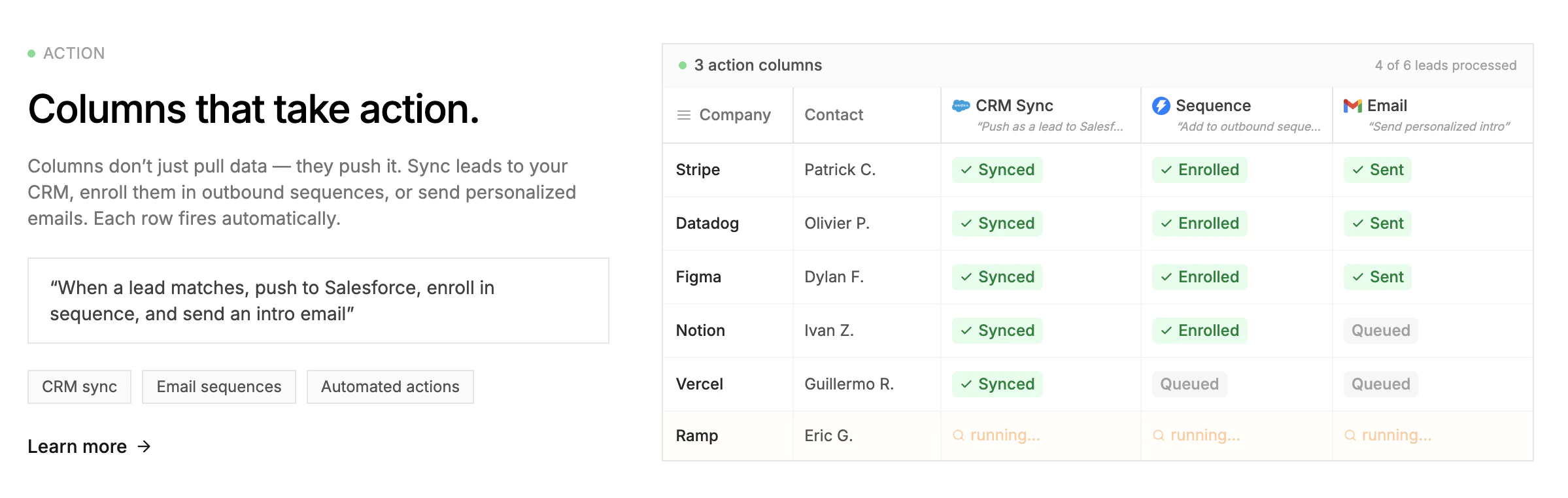
Most fully offloaded workflow: building and refreshing outbound target lists end-to-end (researching ICP-fit accounts, enriching contacts, writing personalized first-touch drafts, and pushing everything into the team’s CRM/sheet automatically).

Still human-in-the-loop: final strategy and judgment calls — especially messaging for high-value accounts, objection handling, and negotiations.”

4
回复

Curious how this handles the research layer when you're running outbound across multiple e-com brands at once.

Do you pull brand-level signals recent ad spend patterns, new growth/CX hires, post-funding activity or is it mostly contact-level enrichment? Because when you're managing 10-15 stores the prioritization layer matters as much as the messaging itself.

4
回复

@romain_delgado For prioritization, it is actually what you decide or what you want to build. If there's a certain signal or data source you want the system to go through first, you can actually customize it and create it how you want it.

That's one of the core philosophies we believe at Orange Slice: that there's no right way to do sales, and every sales motion is going to look a little bit different.

2
回复

Hey @romain_delgado - the research layer you can customize yourself! If you want to pull recent growth/CX hires or know of any post-funding activity, you can directly ask our agent to create the enrichment columns.

Also I agree, the prioritization layer for choosing when to contact a company is just as important as what is said in the messaging!

1
回复

Hi, a few questions -
1. How does the pricing work? If it's credits-based/usage-based, then how do you define that exactly?
2. How accurate is the data + how recent? What sort of data providers do you use? Especially intent signals are notoriously inaccurate for "things like people with 4 fingers as you say in YC demo" haha
3. How does it handle vague/intent based queries instead of traditional filter style queries? If I say something non-filter style like "find me users who are on the lookout for Instagram marketing automation tools"

4
回复

@kshitij11 I love these questions keep them coming. I can tell you actually looked at the product and thought about them thank you so much!!!!!! <3

1. Pricing (credits-based)
Credits map directly to data usage.

For example:
• enriching a company = small credit cost
• running deeper research (scraping, AI analysis) = higher cost

Before you run anything, we show the estimated cost — so it’s predictable, not a black box
We also show pricing for individual actions (e.g. tech stack lookup, custom scrape) directly in the UI.

2. Data accuracy + recency
Two parts here:

Structured data → comes from providers like Crunchbase, BuiltWith, etc.
Unstructured / intent data → pulled live (web, social, etc.) at query time

So instead of relying only on static databases, we’re constantly refreshing data based on what’s happening right now.

We also cross-check across multiple sources (up to 20–30 in a single workflow) to improve reliability.

3. Handling vague / intent-based queries
This is where the agent really shines.

If you say:
“find people looking for Instagram marketing automation tools”

we don’t just apply filters — we:

• search for real conversations (posts, forums, social)
• detect pain signals + intent language
• enrich those users/companies
• rank them by relevance

So it behaves more like a researcher than a filter builder.

TLDR:
most tools = static filters on static data
Orange Slice = dynamic search + reasoning on live data

6
回复
@vihaar_nandigala Thanks super insightful. And just for an idea how does the price compare to vis a vis clay on an average use? I know it depends on the use case but if you have any average or rough estimates from your early clients. Congrats on the launch!
3
回复

Has been an awesome tool for building out lead lists and easily plugs into the rest of my tech stack. great founding team too

2
回复

@jacob59 Thanks Jacob for the support!

0
回复

Been using orangeslice for a couple weeks and have really enjoyed it! As a gtm leader for a very small startup its a fast way to find leads and reach out to people in our ICP. @vihaar curious about seeding for linkedin/reddit I was messing around with those templates. I was hoping to get connected with someone from your team to help me maximize my capabilties of your product. Congrats again think what you are building is awesome!!

2
回复

@hersh_singh Thanks for your support, Hersh. Love to connect with you personally and even see what you're trying to build and help you out. if you're on our Slack, you can directly DM me there as well. Here's the Slack join link as well. https://join.slack.com/t/orangesliceai/shared_invite/zt-3nhp4pjo0-AuT8t2gEjzFbP1zqsvyW4Q

0
回复

I wish they hadn't revealed this. This has been my secret weapon in finding the best targets for my company. I've built out some workflows that as SUPER niche and i swear OrangeSlice hasnt missed yet. 🥶

1
回复

@mark_dusseau Thanks Mark has been such a pleasure working with you. Your one of our most creative users as well!

0
回复

Love this direction. Pulling in real-time signals from across the web instead of static lists makes a lot of sense. What sources have been the most useful so far?

1
回复

@uxpinjack Honestly, Google is surprisingly the most useful GTM tool we've seen that's still underutilized. People often rely on big static databases like Zoom Info or Apollo, which is great for things like contact information, but for general data Google is kind of the king. Automating and doing that at scale is just something sales people aren't doing right now that we want to help out with.

0
回复

Congrats on the launch! Plain English ICP descriptions to a qualified lead list is a really clean workflow, no more Boolean wrangling. Curious how the system handles edge cases when the criteria gets really fuzzy?

0
回复

Interesting take @vihaar

Feels like the hardest part here is actually figuring out who’s really in-market, not just matching filters

Curious how you’re handling that?

0
回复

@munevver_ertuncccc The beauty of Orange Slice is how adjustable it is. You can set it up by tracking any signal to see if someone's in market.

We believe sales are not a one-size-fits-all sort of solution where each company should have to do something specific for them.

In-market can mean a lot of different things for different companies. We don't just match filters.

We can scrape for any information that you need, and each company or each user can create their own definition of in-market on Orange Slice. That's the beauty of the product.

0
回复

love the table interface. what was the decision around that vs chat-based?

0
回复

@kohnigel it is chat first! the table is there to help you quickly see all your leads and visualize the flow of data in one place!

0
回复

@kohnigel We believe that the table interface is the best way to display data in sales since you want to be able to skim through large amounts of data for a sanity check (i.e. job titles, revenue ranges, linkedIn urls etc.).

Also, if an enrichment were to fail on a specific run, with the table interface, you have direct visibility into all cells and can rerun them individually if necessary.

Of course, the main editor of the table is still the chat so I wouldn't separate us entirely off of a pure chat-based interface. The table is more of a scratch pad for the chat and for you when you're using the product.

0
回复

This is brilliant.

Currently running GTM for two clients, and despite a lot of efforts, it still feels kinda janky.

Rooting for you guys!

0
回复

@favour_yusuf1 We started as a go-to-market agency, so we totally feel your pain. We need this exact tool for it. Let me know how we can make the product better. Happy to send over some free test credits as well, but what are some of the GTM plays you're running for your two clients?

0
回复

Congratulations on the launch. Are you listening to other sources than reddit?

0
回复

@avz We can listen to any publicly available website. We can listen to Reddit, Instagram, X, LinkedIn, Facebook for social listening, but we can also listen to government websites like SEC filings, anything you can think of. Your imagination is the limit for what you want to listen to.

1
回复
#2
Jet AI Agents
Build business AI agents in minutes
294
一句话介绍:Jet AI Agents 是一个无代码AI代理构建平台,让业务团队能基于200+工具和自有数据,在Slack/WhatsApp/Telegram等聊天工具中快速创建并直接执行工作流的AI助手,解决非技术团队依赖工程部门实现内部自动化的痛点。
Developer Tools Artificial Intelligence No-Code
无代码AI代理 业务流程自动化 Slack集成 数据驱动AI 团队协作工具 内部工具构建 工作流自动化 AI聊天机器人 自助AI平台 SaaS工具集成
用户评论摘要:用户普遍认可“非技术团队自助构建代理”的价值,但关键疑虑集中在:读写权限安全控制(如BigQuery写回)、多代理并发数据访问的冲突管理、200+集成的实际覆盖面和深度、知识库数据的自动同步机制。用户希望明确代理动作的作用域和权限粒度。
AI 锐评

Jet AI Agents 的定位精准地切中了企业软件市场的“中间地带”——既不是面向开发者的低代码平台(如Retool),也不是纯对话式AI(如ChatGPT)。它试图用“聊天界面+无代码构建”的范式,将业务人员从“提需求等排期”的囚徒困境中解放出来。其核心亮点在于“行动”,而非“回答”。让AI代理能真正写入数据库、触发工作流,这对企业效率的提升是质变级的。

然而,产品面临的最大挑战并非功能,而是“信任与治理”。评论区的核心追问集中在权限、冲突和安全上——这正是此类产品从“玩具”走向“生产工具”的生死线。目前来看,Jet 允许对每个代理进行精细化的读/写/删除操作授权,并支持通过工作流定义数据作用域,这在架构设计上是正确的,但实际部署中的合规性审计、操作回溯、以及应急熔断机制仍是待验证的盲区。

此外,“200+集成”是典型的双刃剑:覆盖面广能降低试用门槛,但深度不足会导致重度用户失望。Jet 声称通过“自定义HTTP集成+AI辅助”来弥补缺口,但本质上将复杂度转嫁给了用户。对于真正的企业级落地,其杀手锏可能在于能否提供主流SaaS深度集成的“开箱即用”模版。

总而言之,Jet 提供了一个极具吸引力的价值主张,但它目前更像一个优秀的“沙盒”或“快速原型工具”。要成为企业信赖的“AI同事”,它需要在权限模型的透明度、数据同步的一致性、以及失败处理的可靠性上,证明自己经得起真实业务流量的拷打。能否从“让团队自己能做”进化到“让团队放心地让AI做”,才是决定其天花板的关键。

查看原始信息
Jet AI Agents
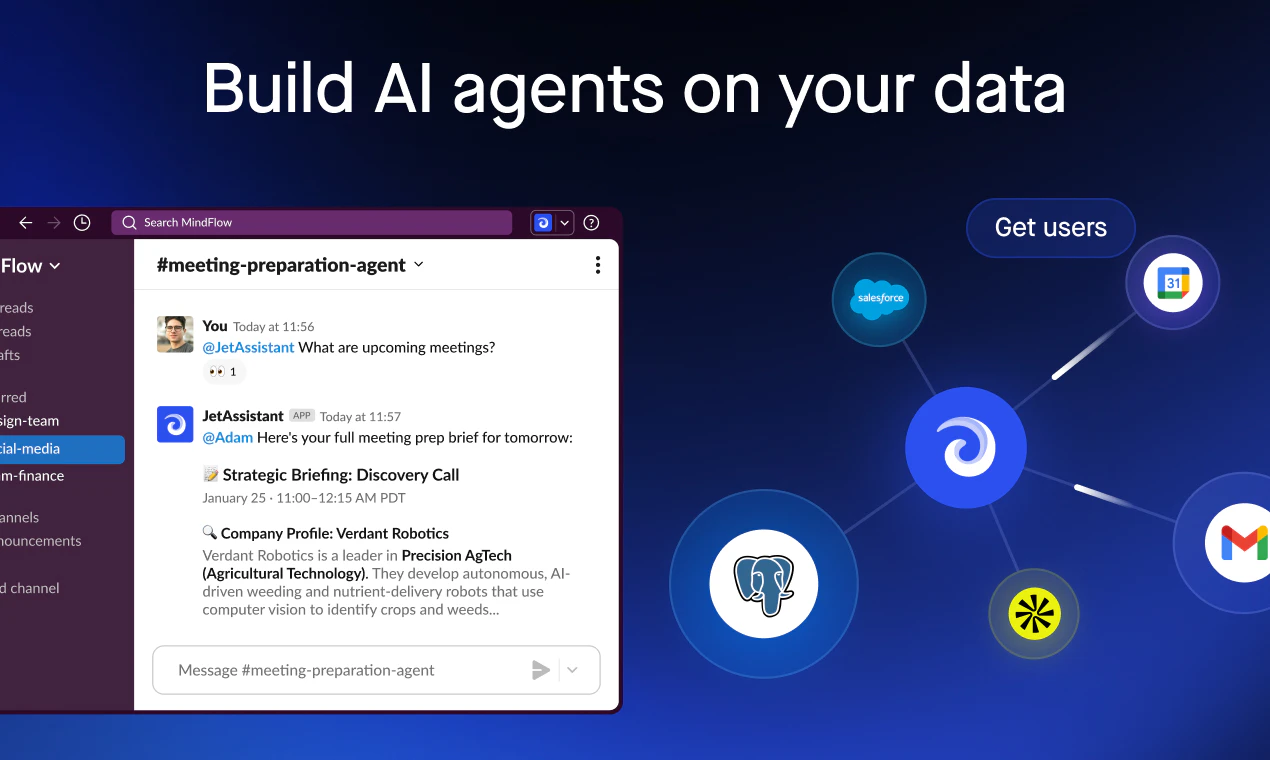
Jet AI Agents is the AI builder that lets teams create business apps and AI agents on top of 200+ tools — without code. Work with agents like teammates directly in Slack, WhatsApp, or Telegram. Marketing, sales, operations, and support teams use Jet to build AI agents, AI workflows, and apps that don’t just display data — they take action. Teams use Jet to automate the workflows that matter most. AI agents your team will trust — because they built them themselves.

Hey everyone 👋

We built Jet AI Agents because most teams still:
- jump between tools
- manually run workflows
- rely on engineering for simple internal tools

So we asked:
👉 what if business teams could build their own AI agents — on top of real data — and actually automate work?

With Jet, you can:

- build ai agents without code

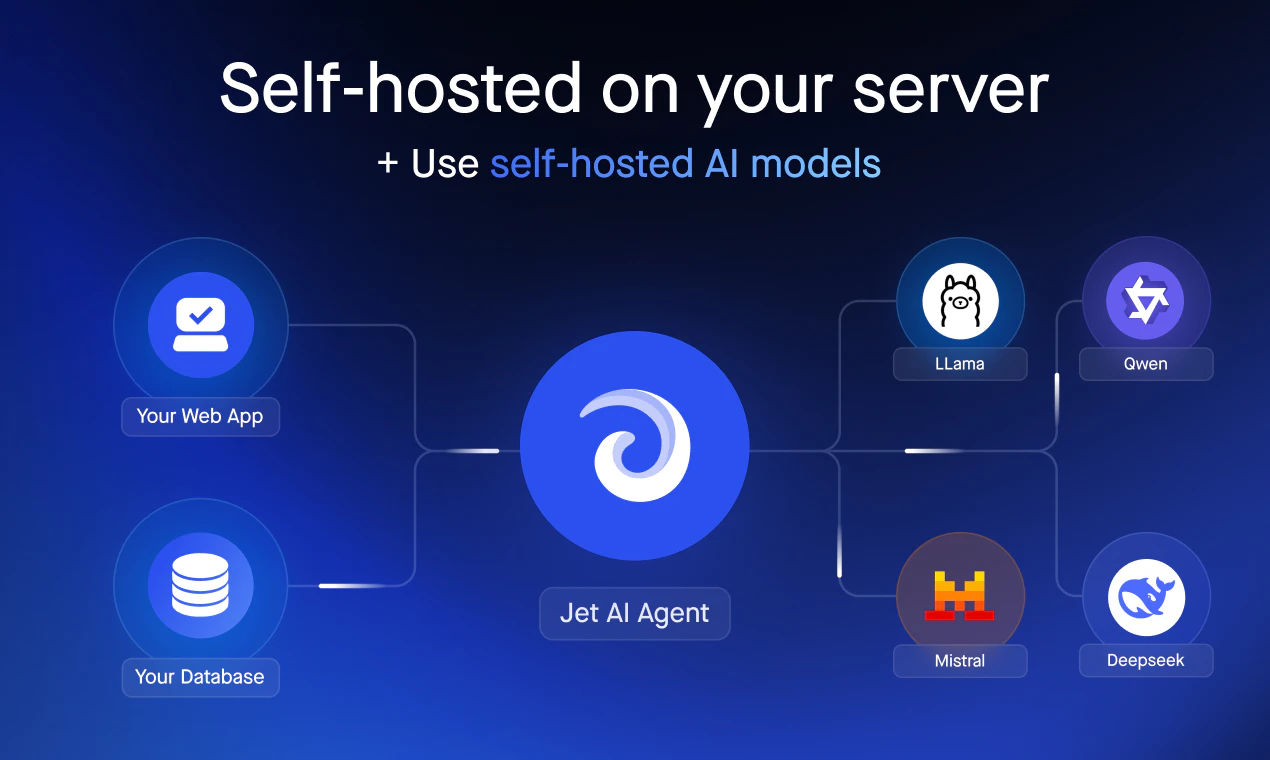
- enrich AI with your data & 200+ integrations

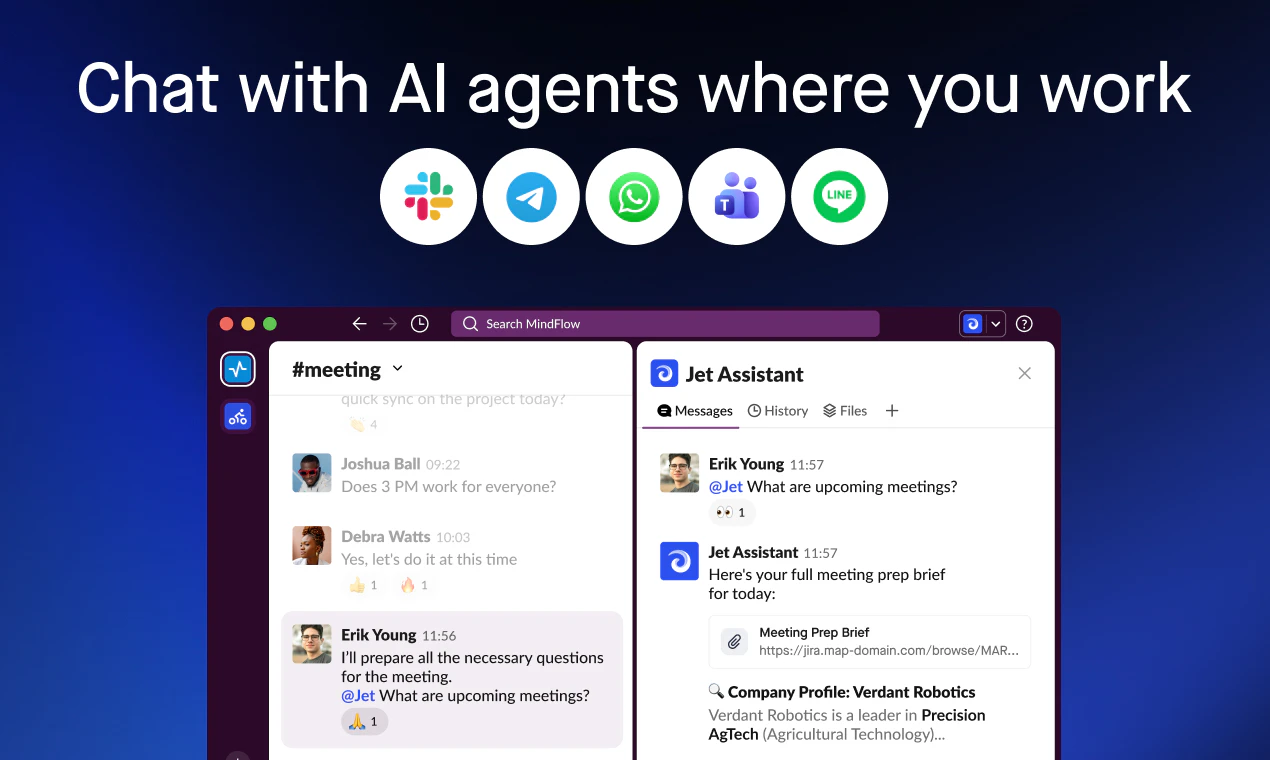
- let them answer questions and take action in Slack, Telegram, WhatsApp and more

- instantly generate visual reports

- self-host in your own environment

- use open-source AI models

- bring your knowledge into AI — from files, drives, websites, and multiple formats like DOCX, PDF, JSON, MP3.

We’ve also created a few templates to help you get started (the real magic is in customizing them ✨):
📊 Data Analysis Agent 👉 https://www.jetadmin.io/agent-templates/bigquery-data-analyst

🗓️ Meeting Preparation Agent 👉 https://www.jetadmin.io/agent-templates/meeting-prep-agent

🎧 Support Agent 👉 https://www.jetadmin.io/agent-templates/customer-support-agent

📝 Meeting Analysts Agent 👉 https://www.jetadmin.io/agent-templates/meeting-notes-agent

Would love your feedback:
👉 What’s the first workflow you’d automate?

14
回复

@anton_svetlov This hits a real gap — no‑code AI agents on real data, with actions, not just answers. Nicely done 👏

0
回复

The 'relying on engineering for simple internal tools' line is the story of my life. My backlog is 6 months deep with 'just one more internal dashboard' requests. If Jet lets my business ops team build their own BigQuery analyst without touching a line of code, you’ve just saved me 20 hours a week. Does it handle write-back permissions safely?
@anton_svetlov

8
回复

@priya_kushwaha1 thanks for question! sure, you can either specify agents read/write/delete operations granularly per each collection or even create exactly workflows with applied filtering, sorting, etc. which agents can use

8
回复

interesting take on bundling workflows + agents under one platform. one thing i'd be curious about — when you have agents calling into the same data layer simultaneously, how do you handle scope conflicts? in my own setup (claude code on a nuxt 3 + go-zero stack) i ended up writing per-folder AGENTS.md files just so concurrent sub-agents wouldn't step on each other.

does jet handle that internally or is it more about the orchestration layer? curious about the design choice.

8
回复

@ethanfrostlove thanks for question! for cases when you need fixed flow or data segments applied - we suggest adding exact Workflows to Agent instead of adding full resource/collection, in Workflows you can apply any filters, sorting, etc. depending on Agent or other conditions using our no-code or AI workflow builder

4
回复

"AI agents your team will trust - because they built them themselves" hits different. we've had mixed results with off-the-shelf AI tools in healthcare workflows, but letting domain experts build their own makes sense. what's the learning curve like for non-technical users?

6
回复

@piotr_pasierbek thanks, and you nailed it on generic AI tools in regulated workflows.

The learning curve is surprisingly gentle: most non-technical folks ship their first agent in 5-10 minutes, especially when starting from a template. It's a visual builder (no code), and you can ground the agent in your own SOPs and PDFs so it speaks your domain from day one.


Would love to hear what use case you'd tackle first! 👀

4
回复

the Slack integration is smart - we've been looking for something that lets our team build agents without pulling devs away from core product work. curious how the 200+ tool connections handle auth and permissions? does each team member need to connect their own accounts or can you set up shared service accounts?

6
回复

@piotreksedzik thanks for feedback and question! Permissions are specified per Agent, while service accounts are connected to Agents. You can think of each Agent as a separate employee with its own permissions. Different users can have access to different Agents depending on their role.

3
回复

The knowledge ingestion piece is interesting. When you bring in docs from drives and websites, how does the system handle freshness? Is it a one-time import or does it stay in sync with the source? That feels like the part that makes or breaks trust in agent answers over time.

4
回复

@najmuzzaman thanks for question! for Google Drive and Websites you specify sync interval in minutes, for static files it is one-time import.

0
回复

As a founder, I’m tired of asking my engineers to build simple internal automations. If I can connect our BigQuery data to a Slack agent without a ticket, it changes our speed entirely. Grabbing the PH exclusive now to test this out. @f1nal @Jet Admin

1
回复

@vikramp7470 thanks a lot for your feedback! feel free to ask any questions

1
回复

congrats on the launch. the "answer questions AND take action" piece is the part i'd want to grill when an agent has write access through 200+ integrations, how does jet handle action scoping ? does the business user who builds the agent have to whitelist specific actions per integration, or is it all-or-nothing per connection ? a poorly scoped agent firing into the wrong slack channel or messaging the wrong whatsapp contact is the failure mode that scares me as a builder.

1
回复

@vincentf thanks for feedback and question! you can specify granularly which collections/actions agent has access to or even create exact workflows (where you can limit/specify parameters/filters/sorting etc.) agents will use using no-code builder or ai assistant

0
回复

This feels like a solid alternative to stitching together multiple tools. Especially for things like admin panels and client portals. How do you see this fitting into more engineering-heavy stacks?

1
回复

@uxpinjack thanks for question! right, we believe that combining different products inside one platform could give new oportunities. For example, on our platform you can even build internal tools / client portals that will use agents to display data or execute workflows, but we are not focusing on this use-case in this PH launch. As for extensibility - we always focus on providing ways to integrate Agents/Apps/Workflows into other environments by providing APIs, custom code embedding or embedding our Apps inside others.

0
回复

genuinely curious where the 200 integrations thing breaks down in practice. Every tool says that and then you find out your specific tool is the one that doesn't work. what are the gaps rn?

1
回复

@ahmadhajj thanks for question! I believe every service with so many integrations would be missing some tools/parameters/etc. So it is a matter of how fast companies can improve their integrations or provide workarounds. We do both - we are actively improving our integrations (within days thanks to AI) when users ask and there is always Custom HTTP support where you can integrate any API using no-code or AI assistant

0
回复

Love this. Building agents that actually live inside Slack and WhatsApp instead of yet another dashboard tab is the right call. Curious which integrations teams reach for first when getting started?

0
回复
#3
Logic
Build and operate fleets of agents
244
一句话介绍:Logic通过结构化规格描述代理行为,自动生成可观测、可回滚、跨模型路由的生产级AI代理,解决从Demo到稳定部署的“基础设施地狱”问题。
Productivity Developer Tools Artificial Intelligence
AI代理开发平台 智能体编排 模型路由 Eval评估 可观测性 多供应商备降 合规(SOC2/HIPAA) Prompt治理 自动化工作流
用户评论摘要:用户高度认可结构化Spec思路和跨模型路由功能,关注点集中在:调试回溯难易度、恶劣决策根因定位、Spec演化版本回滚流畅度、IFBench性能增益来源、医疗场景下行为一致性保障。
AI 锐评

Logic的逻辑,本质上是在做AI代理开发领域的“抽象层”生意。当前AI应用层最大的认知陷阱是“模型能力 == 产品能力”,团队沉迷于调Prompt和拼SDK,却忽视了生产环境的复杂度——Eval、回滚、可观测性、成本控制,这些才是决定项目成败的隐形高墙。Logic聪明地选择了“结构化Spec”作为核心抽象,用一个元描述替代一堆碎片化的Prompt、重试逻辑和工具函数,直接输出一个带监控、带测试、带版本管理的托管Agent。这确实砍掉了3个月基础设施弯路。

但犀利点在于:这是一个“先甜后苦”的架构。用户从“全栈自建”切换到“使用Logic的抽象层”,意味着要交出底层控制权——当Spec无法覆盖的边缘情况出现,或Logic的模型路由策略在新模型迭代中出现偏差时,用户的排查链条会变长。另外,IFBench 83.3%的分数很亮眼,但这是“Logic harness + 同一基座模型”的组合成绩,若用户自选模型或后续基座模型升级,这个分数优势是否还能保持?目前的回答是“体系协同”,这不够具体。

产品真正的护城河不是那6%的IFBench增益,而是行业合规(SOC2/HIPAA)+ 版本化的回滚体系 + 生成的合成测试。这恰好戳中了医疗、金融、内容审核等高合规领域最痛的“不敢信任Agent”的痛点。对于只想快速验证Agent想法的中小团队,Logic推出免费层级是明智的拉新策略。

翻译成大白话:它帮你把“流浪狗”训成“警犬”,但最终能否上街巡逻,还得看Spec写得有多细。

查看原始信息
Logic
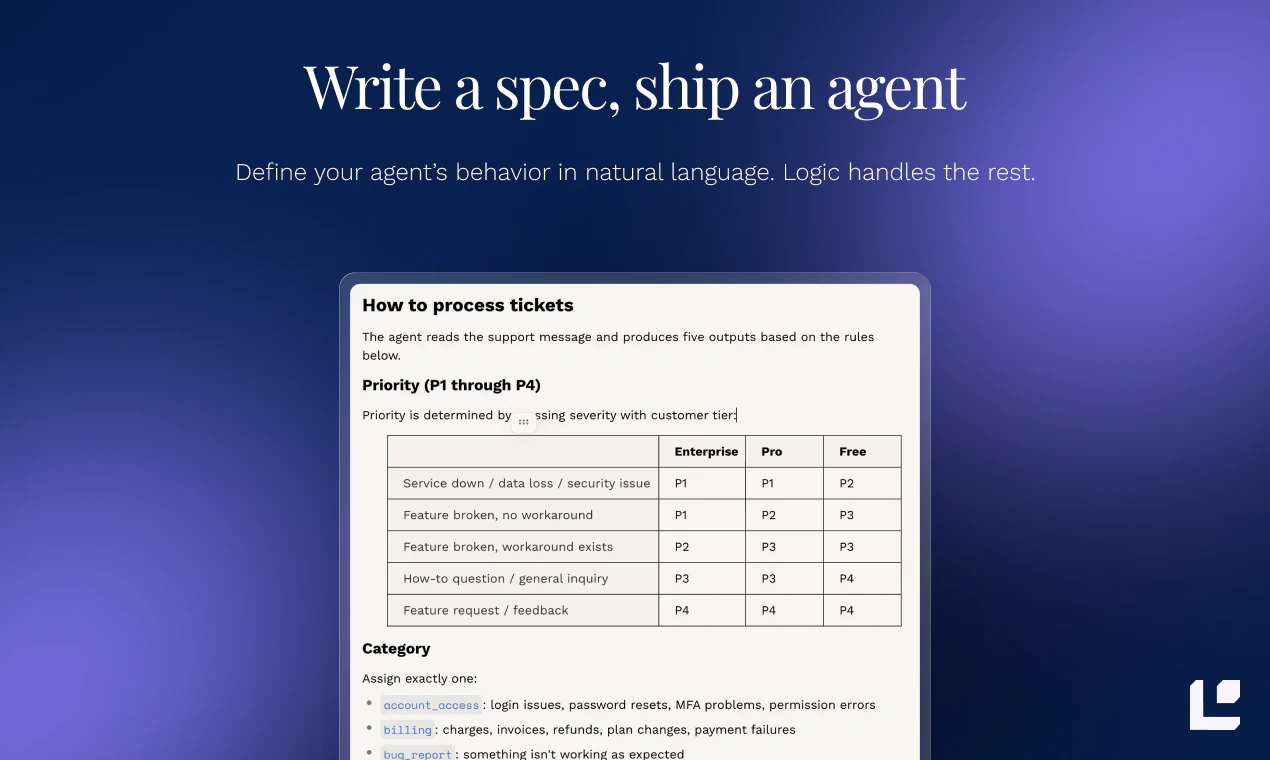
Shipping a real AI agent can mean weeks of wiring up prompts, retries, eval harnesses, and logging before you see production. Logic solves that. You write a structured spec that describes what the agent should do, and Logic gives you a fully managed agent, with evals, observability, model routing and more built in, ready to be called from anywhere.

Hey Product Hunt. I'm Steve, co-founder of Logic.

When you build an AI agent, the call to the LLM API is the easy part. The hard parts are evals, RAG, observability, prompt refinement, model selection, fallback, cost and latency tuning, system integrations, and giving the agent tools to do useful work in the rest of the world.

Logic gives you an out-of-the-box answer for all of that, while also improving how reliably your agents follow instructions.

With Logic, you write a simple spec that explains what the agent should do. We give you back a managed agent that can be called via MCP, REST, a web UI, or a dedicated email address. We generate well-typed schemas and synthetic tests, handle versioning, observability, and RAG, and give your agents a "batteries included" tool suite:

  • Real-World Capabilities: All Logic agents can read 130+ document formats, fill out PDF forms, semantically search your knowledge library, send and receive email, do research, generate and annotate images, and call HTTP APIs.

  • Smart Model Routing: Route across OpenAI, Anthropic, Google, and hardware-accelerated open-source models, with fallback and cost/latency tuning, so you can improve reliability without being locked into one provider.

  • Deep Integrations: Easily connect to external tools like Linear, Notion, and any MCP endpoint.

We make your agents smarter.

When Logic's agent harness was measured against Allen AI's IFBench, one of the hardest public tests for precise instruction following, Logic scored 83.3% – higher than any model on the Artificial Analysis leaderboard. This is a six-point gain for the agent harness above the same base model (Gemini 3.1 Pro) when called directly.

So far, 250+ organizations have automated over 4M agentic tasks with Logic. Common use cases include things like content moderation, document parsing, data extraction, medical coding, and user onboarding.

Logic is SOC 2 Type II and HIPAA certified, there's a free tier, and paid plans that scale with usage.

Jess, my co-founder and CTO, and I will be in the comments. We're excited to see what you build with it, and we'd love to hear what else you wish it could do.

Thanks for taking a look.

12
回复

routing across multiple providers is a strong feature. vender lock-in has been a real concern lately, so this helps reduce that risk.

4
回复

@nitesh_kumar98 one thing i would want to understand better is debugging. When an agent makes a wrong decision, how easy is it to trace back and fix the root cause?

1
回复

@nitesh_kumar98 one thing i would want to understand better is debugging. When an agent makes a wrong decision, how easy is it to trace back and fix the root cause?

1
回复

@nitesh_kumar98 Thanks Nitesh, that was definitely the point. We wanted teams to be able to route across providers so they are not tied to one vendor’s pricing, rate limits, or availability.

0
回复

The spec-driven approach is the right abstraction here. When I was CTO scaling from 15 to 120 engineers, the biggest pain with internal AI tooling wasn't the LLM call itself - it was everything around it: eval harnesses that nobody maintained, prompt versions scattered across repos, and zero observability into why an agent started failing on Tuesday. The fact that Logic handles model routing, versioning, and evals out of the box means teams can skip the 3-month infrastructure detour and actually ship. Curious how you handle spec evolution - when a team realizes their agent needs a fundamentally different approach mid-production, how smooth is the transition between spec versions?

4
回复

@avrisimon thank you! The transition is actually pretty smooth. Teams update their spec, Logic keeps the API contract stable, runs generated tests and evals, and lets you publish with approval if needed. Each version is immutable. If it regresses, you can roll back in one click and inspect the execution history to see what changed. If the new approach is better, it ships instantly without any code deploy.

It ends up feeling much more like a versioned release process than prompt editing in production. You can even use multiple versions of the agent in parallel at the same time.

4
回复

The SOC2 HIPAA angle is important if this is truly targeting enterprise adoption.

1
回复

@elliot_grant1, we completely agree! If you're asking teams to trust agents in real workflows, security and compliance can't be an afterthought.

1
回复

Really like this direction. Turning plain English specs into production-ready agents is a big unlock. How are teams typically structuring their specs to keep outputs consistent?

1
回复

@uxpinjack The teams getting the most consistent outputs usually keep their specs very explicit: clear inputs, a strict output shape, direct decision rules, and the edge cases they care about. We’ve also found it helps to keep shared reference material in the knowledge library instead of stuffing it into every spec, then use tests to catch drift before publish. And thank you, that’s exactly the unlock we’re going after.

0
回复

Spec-driven agents with versioned rollback is rare. How much of the IFBench gain comes from the harness vs the synthetic test generation step?

1
回复

@mcarmonas Thanks, Martí. The short answer is we have not broken the gain out into a clean harness-versus-synthetic-test percentage split. The harness gives us the reproducible execution, typed validation, versioning, and rollback layer, but the synthetic generation step is doing real work too, because it creates scenario-based tests from the spec and pushes on edge cases people usually miss. In practice the IFBench lift comes from the system working together, not one isolated trick.

There's more detail here in our recent blog post: https://logic.inc/resources/logic-scores-83-3-on-ifbench-beating-every-model-on-the-public-leaderboard

0
回复

model routing caught my attention. are you handling fallbacks automatically when one model is down, or is it more about cost/performance optimization? seems like a huge operational headache to manage manually across different providers.

1
回复

@piotreksedzik Hi Piotr - we offer both! As you mention there are two different dimensions here: performance and reliability.

0
回复

the structured spec approach is interesting - how granular can you get with the agent behavior definitions? we've been building healthcare agents and the biggest pain is always the gap between "here's what it should do" and actually getting consistent behavior in production.

1
回复

@piotr_pasierbek Piotr, pretty granular. You can define exact inputs, outputs, validation rules, edge cases, and processing guidelines, whether that starts as a 3 line prompt or a much longer spec. The part we care most about is what happens after authoring: we turn that spec into typed contracts, auto generate tests, block publishes when tests fail, keep immutable versions, and let you pin models when consistency matters. That gap between intent and production behavior is exactly the problem we built around, especially for high stakes workflows like healthcare.

0
回复

This is a big unlock for teams shipping agents. Writing a spec instead of stitching together prompts, retries, and eval harnesses sounds like a huge time saver. Any plans for letting teams share or remix specs across orgs?

0
回复

Looks awesome. Getting an agent to actually work in production is a whole different challenge vs vibe coding automations, and this feels like it removes a lot of that headache. Excited to try this as a PM.

0
回复

@robmcarpenter, we appreciate that. We built Logic for exactly that jump from a cool demo to something a team can actually ship and sleep well at night knowing it'll just keep working.

1
回复

the 6 point gain on IFBench over the base model is pretty impressive. what's actually happening in the harness that improves instruction following that much?

0
回复

@ahmadhajj Thanks, Ahmad! We wrote up a detailed description of exactly that in a recent blog post: https://logic.inc/resources/logic-scores-83-3-on-ifbench-beating-every-model-on-the-public-leaderboard

1
回复

The structured spec approach is a smart bet. Most agent frameworks right now ask you to wire everything imperatively, which makes it really hard to reason about what the agent is supposed to do versus what it actually does. Curious how the spec handles cases where an agent needs to adapt its behavior based on context it did not have at definition time. Is there a way to express conditional logic in the spec, or does that get pushed into tool implementations?

0
回复

@najmuzzaman Appreciate that. Our view is: put adaptive judgment in the spec, put deterministic actions in tools. The spec can describe how the agent should behave under different conditions, and at execution time Logic can pull in context from the knowledge library, similar past runs, or external systems before responding. So conditional logic does not have to get pushed down into tool code by default. We usually only push it into tools when you need exact side effects, strict business rules, or system-specific operations. That keeps the agent flexible without turning it into a branching workflow graph.

1
回复
Deep integrations + smart model routing = agents that actually work in production, not just demos. Great job Logic team!
0
回复

@odeth_negapatan1 Thanks, Odeth. That was exactly our goal. Appreciate the shout-out!

1
回复

multi-provider routing with fallback is usually the thing that gets rebuilt from scratch on every project. either you're locked into one provider or you've added a custom routing layer on top of whatever sdk you started with. having it in the agent harness directly is the right place for it.

0
回复

@webappski Thanks, Alex! I couldn't agree more. Every LLM-based project needs fallback, as well as the ability to switch models for specific features.

0
回复
#4
Waitlister
The waitlist software to launch your product
228
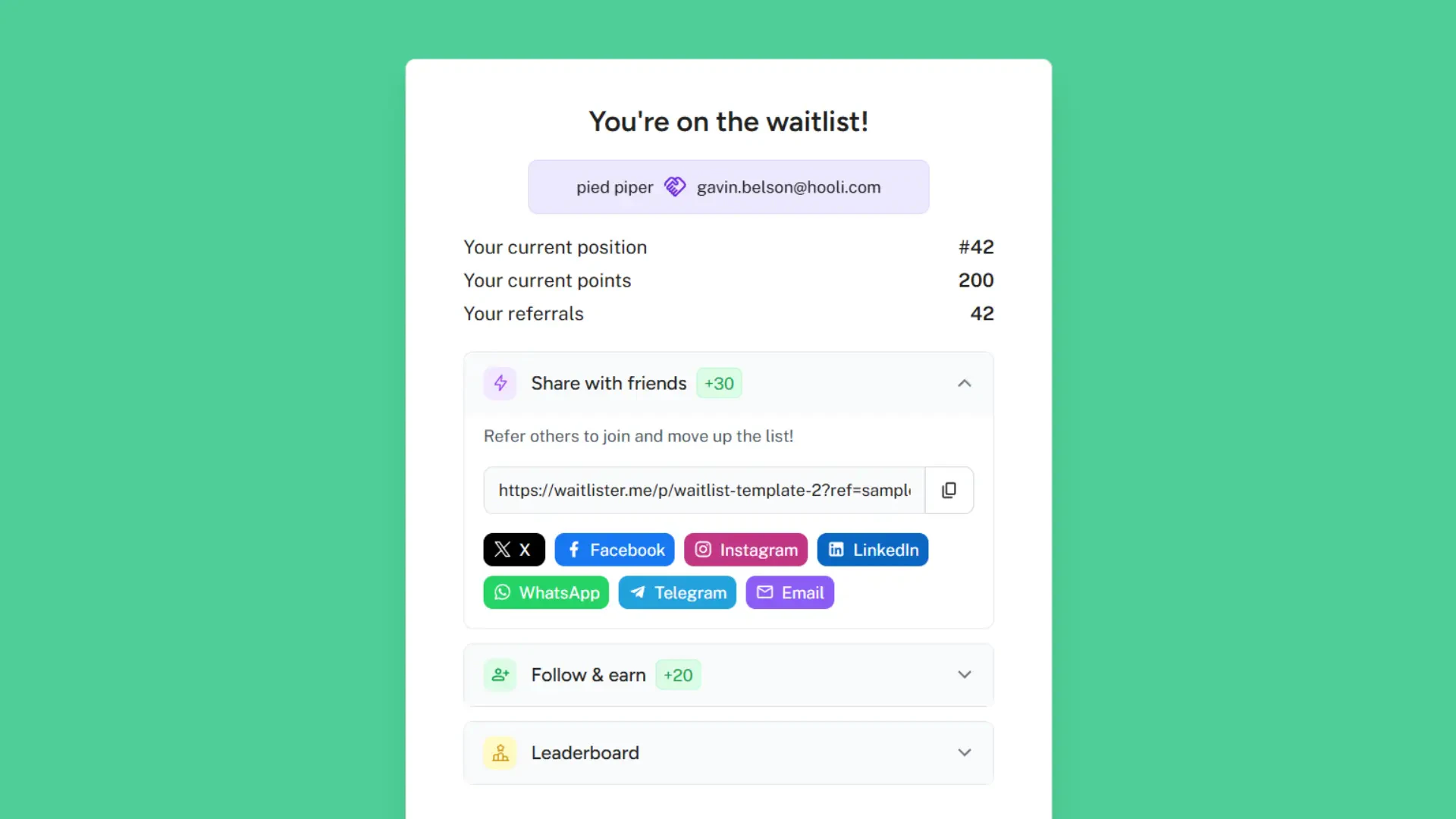
一句话介绍:Waitlister是一款无需编程、可快速创建带推荐奖励和邮件自动化的病毒式候补名单落地页工具,帮助创业者在产品正式发布前高效获取和转化早期用户。
Productivity Email Marketing Marketing
候补名单软件 落地页生成 推荐奖励系统 邮件自动化 AI建站 无代码 产品发布 用户增长 欺诈检测 SaaS
用户评论摘要:用户赞赏推荐系统、AI建页和设备指纹反欺诈功能,提出希望原生支持按注册顺序分段定价(如首50名优惠),以及付费模式应考虑一次性收费而非订阅。也有用户反馈免费版限制多、落地页在高分辨率显示器上排版变形,并质疑候补名单用户的实际转化率。
AI 锐评

Waitlister在“候补名单”这个看似狭窄的赛道里,精准击中了早期创业者的一个核心痛点:在产品尚未交付前,如何用最低成本完成最小单元的验证与蓄水。它将落地页、推荐机制、邮件自动化、域名绑定、Webhook甚至AI建页打包成一个“即开即用”的套装,对于非技术创始人而言,这确实是“高杠杆”的工具——能把发布前的零散动作系统化,让增长在正式上线前就发生。

但“All-in-One”的另一面,是每项功能都无法与专业工具正面抗衡。AI生成的内容仍需要大量人工修改,逻辑更像一个开头的“模板生成器”而非真正的“内容引擎”;推荐系统虽然引入了设备指纹反欺诈,但用户的真正疑问始终悬而未决:这些涌入的“候补名单”用户,最终有多少会变成付费客户?如果只是堆砌一个漂亮的注册数字,那它本质上与社交媒体上的点赞无异。

评论里最尖锐的批评直指定价模式:用户只想为“发布前”这一阶段付费,而非每月订阅。这暴露了产品逻辑与用户需求之间的错位——Waitlister的核心价值是“阶段性工具”,但收费模式却是“永久性SaaS”。如果无法提供更灵活的付费方案或向后衔接产品正式上线后的用户激活与管理功能,它很容易被用户用完即弃,沦为“一次性的增长工具”,而非真正的“增长平台”。真正的价值不在于让人注册,而在于让注册后的人真正成为你的用户。

查看原始信息
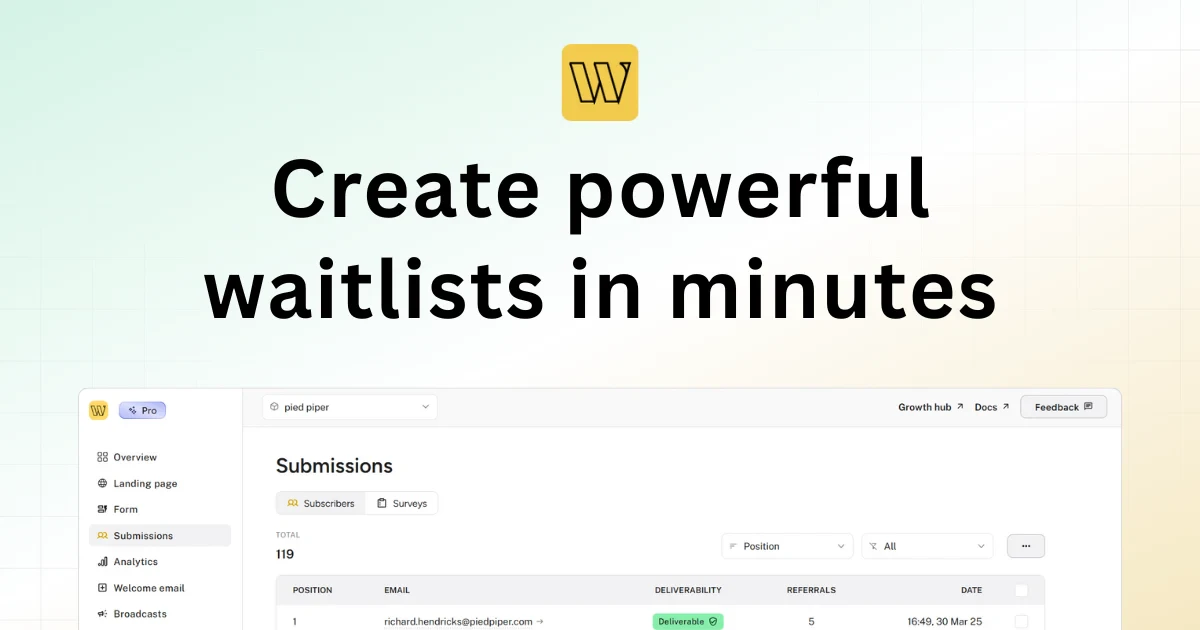
Waitlister
Build a viral waitlist in minutes. Free landing pages, referral system, and email automation — no code required. Start free, no credit card needed.
Hey Hunters! 👋 I launched Waitlister on Product Hunt a while back as an easy way to spin up waitlist landing pages. Since then, it's grown into a full platform powering waitlists for thousands of users. What's new since last time: 🔌 Native plugins for Framer, Webflow, WordPress, and Wix 🤖 AI landing page builder that generates a full waitlist page from a one-line description 🌐 Custom domains + custom email sending domains so your waitlist looks like part of your brand 🔗 Webhook events (signups, referrals, milestones, unsubscribes) for connecting Waitlister to anything 🛡️ Smart referral fraud detection with device fingerprinting + multi-signal scoring ...and more The thesis hasn't changed: waitlists are one of the highest-leverage things a pre-launch product can do, and many existing tools either cost too much or do too little. Free plan is generous, and if you remember it from last time, Pro now does a lot more at the same price. Hit me with questions, ideas, or feature requests 🙏
6
回复

@devin_dev Congratulations on the launch.

0
回复
Do you have an SDK or API for engineers building pages?
1
回复

@jon_vogel1 Yes, we have an API. More here: https://waitlister.me/docs/api

0
回复

Does Waitlister cover opt-in for B2C marketing? I didn't bother with a waitlist for my product but now I only have the setup to generated & communicate with B2B leads. Would've been great if I captured B2C opt-in's prior to launch using a waitlist.

1
回复

@naumaan_zahid Yes, you can use double opt-in for B2C emails.

Or were you thinking about consent/compliance specifically, or more about capturing and separating B2C leads pre-launch?

0
回复

congrats on the relaunch. prepping my own PH launch in 2 weeks and the question i actually care about does waitlister natively segment signups by order ? trying to do honest founding-member scarcity (first 50 at price A, next 50 at price B, then standard) without faking a live counter. saw you have webhook events so worst case i wire the cutoff myself, but native would be cleaner. and fwiw the device fingerprinting on referrals is the spec i wish more tools had had to roll my own trial-fingerprint table for similar reasons.

1
回复

@vincentf Appreciate it, and good luck with your launch 👊

It's not native, but signup order + timestamps + tagging are all there, so you can handle tiered cutoffs pretty cleanly.

0
回复

Really like this focus. Building a waitlist before launching is still underrated. How are people typically driving traffic to their waitlist pages once they’re set up?

1
回复

@uxpinjack Ads and social media are popular, but the largest waitlists are typically grown with UGC.

0
回复

the AI landing page from one line is either going to be really good or really generic. curious what the output actually looks like — does it pull in real copy or is it placeholder vibes until you edit it?

1
回复

@ahmadhajj It can do a decent job. That said, at the current state, I always edit heavily AI generated copy and design.

0
回复

Congratz on launch. Just some feedback about the page design. Basically I like that it is full screen width, but these elements get stretched out on 2560x1440p monitors so that the illustrations and text-boxes are at the opposite sides of the page making it look kind of wonky:

1
回复

@yodalr You are right. Thank you for pointing this out!

0
回复

Really dig the approach here. Going live in 10 minutes with referrals and email automation baked in is exactly what most early-stage founders need. Curious how the referral system tends to perform compared to plain signup flows?

0
回复
Everything is locked behind a paywall. It makes you wonder why even have a free version in the first place… also, another small gripe I have is why does every company go for the subscription model? It’s getting real tiresome needing to subscribe to everything and racking up hundreds of dollars in subscription payments every month for something I’ll only use for a limited time… this would fall into that category unless I plan to stay in waitlist mode forever, eventually I’m going to launch and I won’t need the software anymore. A better pricing model in my opinion is charging a one time fee per waitlist since you can’t change the name once it’s set so if someone is creating multiple products they have to pay a fee for each. You would be able to charge more, make more, and acquire more users
0
回复

Waitlists sound great on paper, but a lot of them end up being just a list of emails that never really convert

The hard part is what happens after someone signs up

Would be interesting to hear how this performs when it comes to actual users, not just signups

0
回复
#5
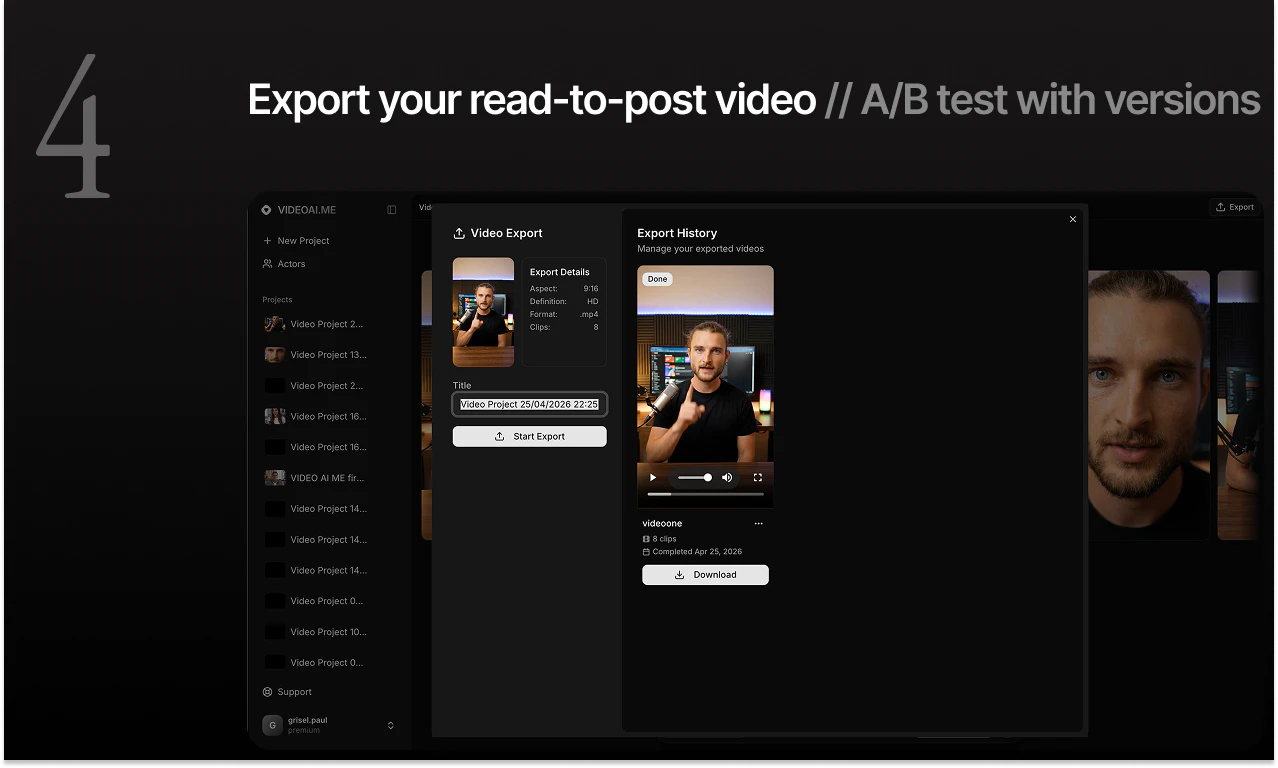
VIDEO AI ME
Create videos with AI actors that sound and look real
185
一句话介绍:VIDEO AI ME 让用户通过自拍或输入脚本,快速生成由AI演员出演的真实感视频,帮助不想出镜的创始人、营销人员等低成本制作广告、讲解等内容,解决视频生产耗时、门槛高的痛点。
Marketing Artificial Intelligence Photo & Video
AI视频生成 虚拟演员 数字人 营销视频制作 UGC广告 内容创作工具 多语言视频 AI克隆 产品推广 短视频营销
用户评论摘要:用户认可其解决了视频制作效率低、出镜尴尬的痛点,但关心AI演员的“恐怖谷”效果、对人物表情和节奏的控制。有用户质疑AI生成内容的信任度和转化效果,另有人担忧未经许可使用他人形象训练模型的风险,官方回应需用户自拍或获得明确授权并设安全验证。
AI 锐评

VIDEO AI ME 切入的是一个真实且切肤的痛点:视频内容的高转化率与生产者的“社恐”及时间成本之间的矛盾。创始人从自身需求出发,用工具跑通了15k粉丝的TikTok账号和付费广告案例,这比任何宣传都更具说服力。产品价值很清晰——它不是在创造一个新的内容形态,而是让“不想面对镜头的人”也能参与高转化的视频游戏,本质上是一种“生产力平权”。

但问题也在这里。从评论看,目前最核心的挑战并非功能,而是“信任”与“效果”。用户担心“恐怖谷效应”和AI视频的“廉价感”,这直接决定了广告转化率。虽然官方引导看示例页面,但如果示例无法在高分辨率、微表情控制上达到与真人类似的自然度,AI演员就始终是个“玩具”,而非广告主的“武器”。此外,对人物表情和节奏控制能力的缺失被用户明确提及,这限制了对脚本的精准演绎能力,是技术深度的待补短板。

更深层来看,产品路径依赖“量”(多语言、多模板)来掩盖“质”(演技、真实感),这在竞品迭出的AIGC赛道是高风险策略。安全机制虽在评论中承诺严格,但自动化和规模化过程中对侵权内容的检测仍是睁一只眼闭一只眼的难题。VIDEO AI ME 的终局不是做“AI视频模板工厂”,而应聚焦在“生成可信任的、高转化率的广告内容”这一个窄而深的单点。如果不能提供让消费者“看不出是AI”的视频(在UGC场景中尤为关键),它只会沦为又一个“生成容易,发出去没人看”的工具。

查看原始信息
VIDEO AI ME
Create stunning AI videos with realistic actors. A selfie, a prompt, a product photo, a script, a reference clip, feed the platform anything and get ads, explainers, talking content, courses, shorts ads and viral content in 70+ languages.

Hey Product Hunt 👋

I built VIDEOAI.ME because I needed it myself.

Here's the truth: video is the #1 channel right now, but most of us hate being on camera.

Founders are heads down shipping. Marketers don't want to be the face of the brand. Ecom owners don't have time to film, light, edit, reshoot.

So we all just… don't post. And we lose to the few who do.

I started making AI videos just to solve my own problem.

Then it worked too well to keep to myself:

- Grew a TikTok channel to 15k followers using videos made with this tool

- Ran winning UGC ads for top ecom and SaaS brands (the kind that actually scale)

- Use it daily for my own user acquisition

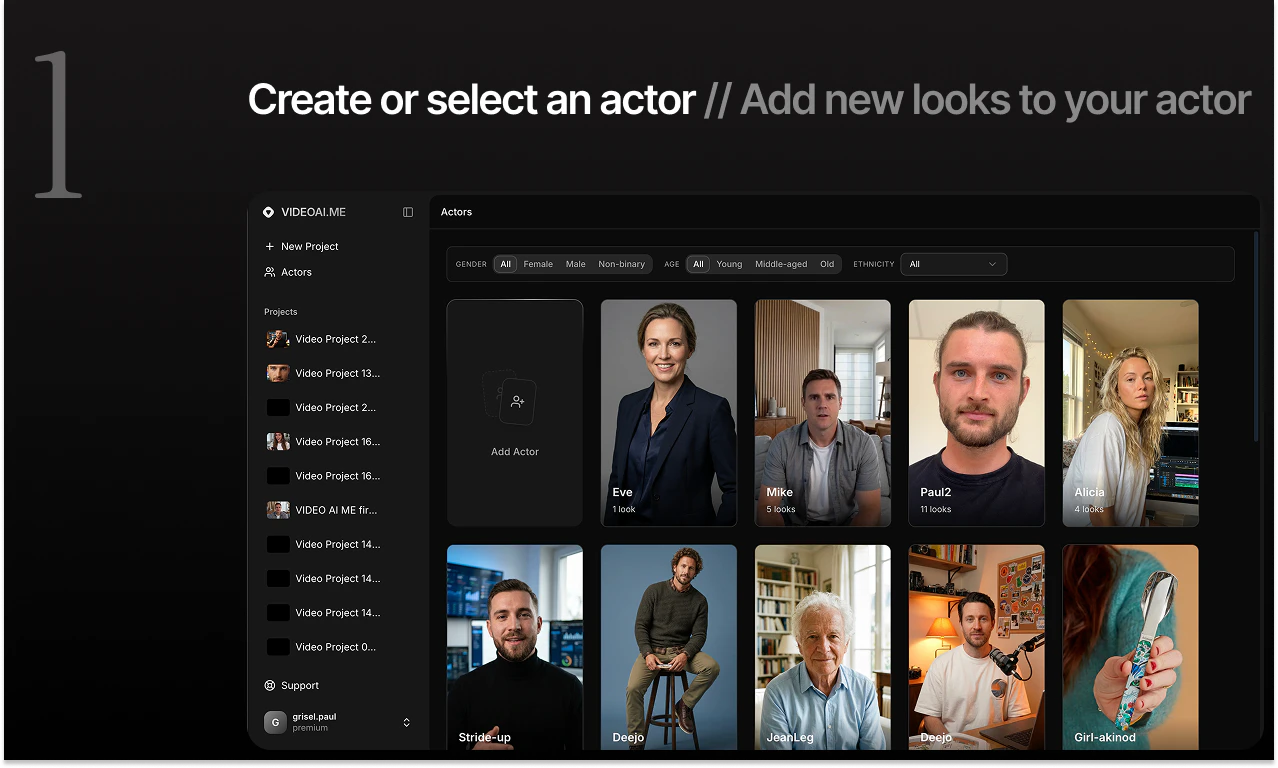
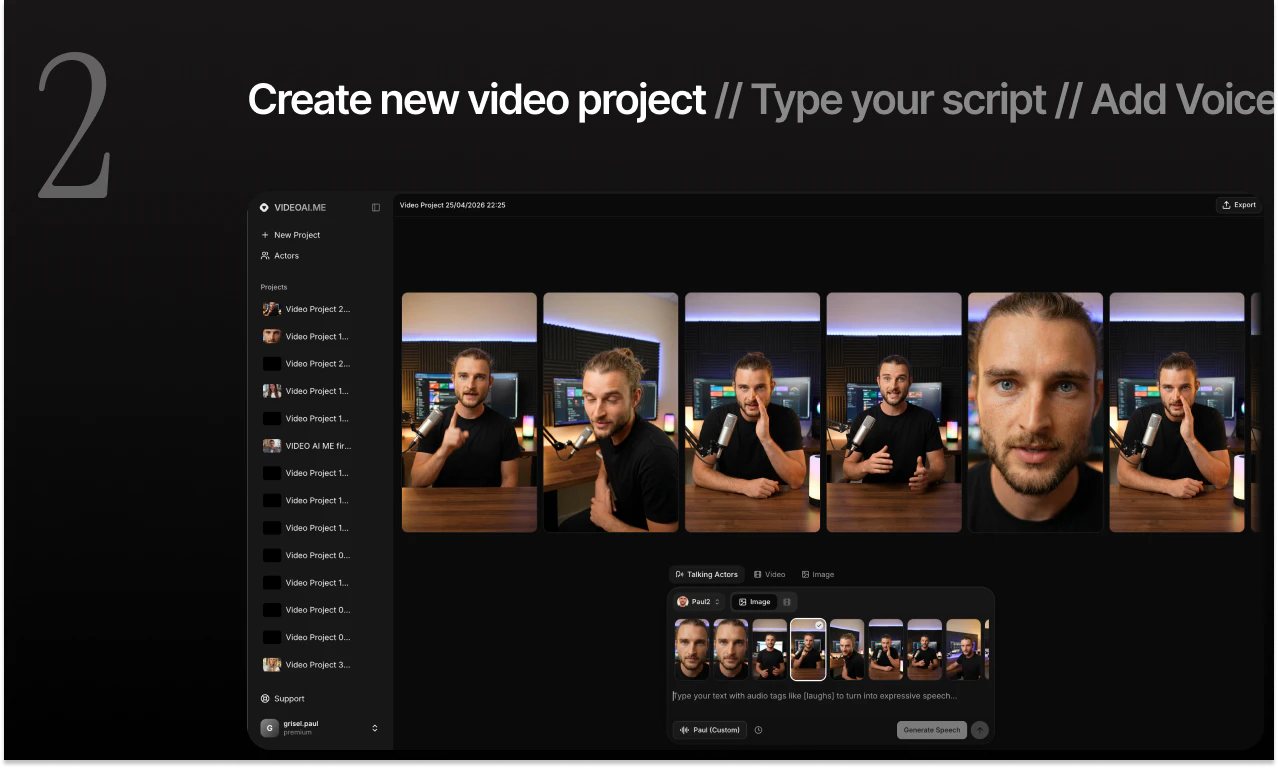
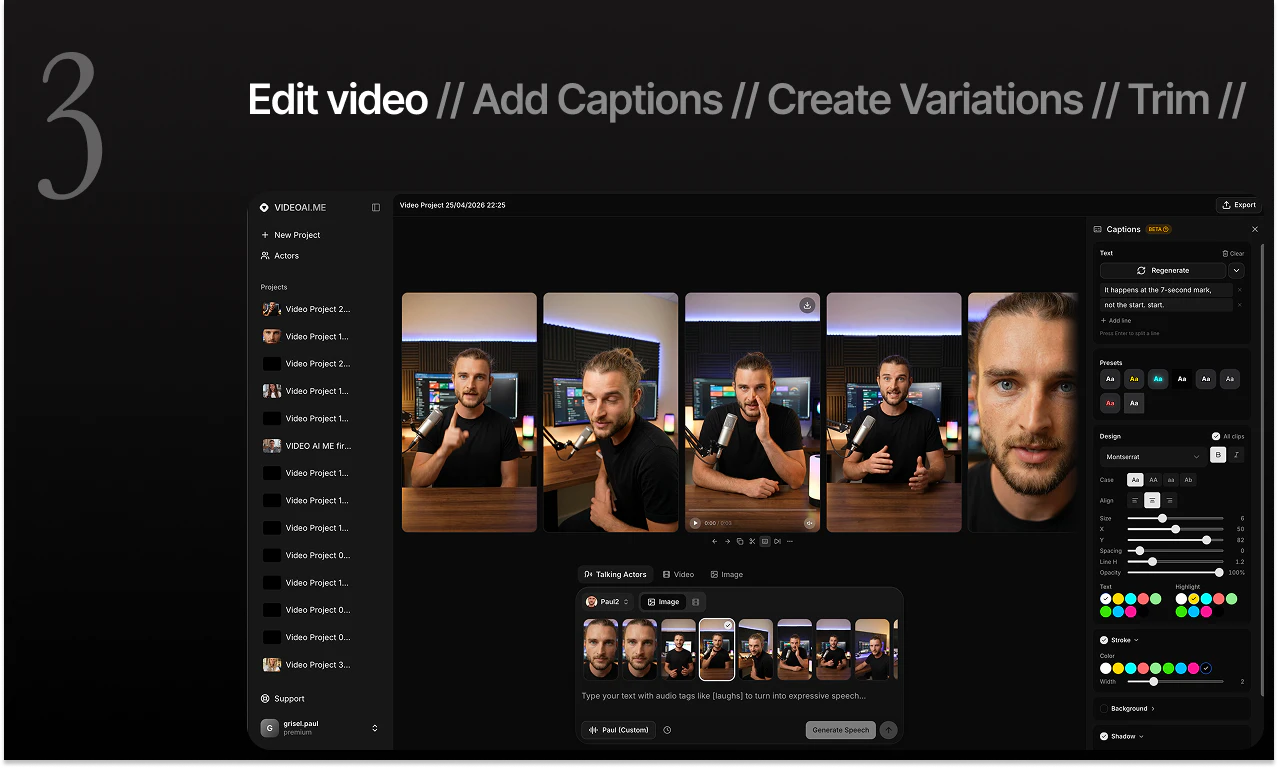
VIDEOAI.ME lets you create your own AI actor (or a cast of them), give them new looks, and turn a script into a real talking video. No camera, no studio, no awkward takes. Just type, generate, post.

If you're a founder, a marketing team of one, or an ecom owner who knows you should be doing video but keeps putting it off, this is for you. Stop being shy, start shipping videos!!!

Would love your feedback, thanks for the support of this special day 🙏

6
回复

@grsl_fr You describe a real issue. That's me, to put it simply.

1
回复

The friction you're solving is real—most teams know video converts but the production overhead keeps them from actually doing it. Curious how you're handling the uncanny valley problem with the AI actors, since that's usually where people get skeptical on first impression.

2
回复

@osakasaul Thanks Saul! Check our examples from our landing page to see by yourself :) + check the quality also go on page /examples, there is a lot of video ideas generated with VIDEO AI ME

1
回复

Honestly this hits a real pain point. I've tried forcing myself to record videos before and it's always a mess or just takes too long... so I end up not posting atall. This feels like something I'd actualy use consistenly, especially if the actors don't look too AI-ish. Gonna give it a try and see how it performs for ads!

1
回复

@oghustain That’s exactly the goal of VIDEO AI ME:
not having to buy filming equipment > learn how to use it > do a 1st shoot… start over > fail x 10 > get discouraged > end up posting : nothing

Now you can get an idea and 5 imuntes later you ahve your video ready to post

AI actors are getting better and better, faster and faster, and cheaper and cheaper… it works really well for ads and explainer videos (how-tos, documentation, SaaS demos, product showcases...).

0
回复

What if someone wants to train an AI model on a person who didn't permit it to do that?

1
回复

@busmark_w_nika good question! Users agree at signup to only create actors from their own photos (Ai generated or selfie for examples) or with explicit consent (to prevent deepfakes!). We add security filters at every step with email, card veirfication, business ID and content checks. Safety is non-negotiable for us (and for our different provider, like payments! so we are very strict on this point)

1
回复

This project looks really realistic ! Interesting, looks really realistic!! bsaed on the videos on your landing page, it could really replace UGC.

1
回复

@alice_guionnet thanks :) this is the top 1 use case: UGC and ads and second use case is mostly explainer videos :)

0
回复

Congrats on the launch! Spinning up an AI clone from a single selfie and shipping native-feeling videos in 70+ languages is wild. Any plans to add more control over actor expressions and pacing?

0
回复

Everyone’s trying to solve the “making videos easier” part
But feels like the harder problem is whether people actually watch and trust AI-generated content long enough to convert

A lot of content gets produced, not much of it sticks @grsl_fr

0
回复
#6
Atech
Snap-together electronics built from a chat
151
一句话介绍:Atech通过“硬件模块+AI生成固件”的方式,让用户像搭乐高一样快速实现电子创意,彻底省去焊接、查数据手册和固件调试的繁琐过程。
Robots Hardware Artificial Intelligence
AI硬件 模块化电子 无代码硬件开发 固件自动生成 硬件乐高 创客工具 原型加速 IoT开发 硬件抽象层
用户评论摘要:用户普遍认为理念新颖,是硬件界的“vibe coding”。核心关注点集中在:AI生成固件出现错误时能否手动编辑;如何调试时序敏感的逻辑;模块固件版本如何管理以避免LLM重写破坏配置;以及简化新手沟通的指引设计。团队回应采用“模块固件预置+系统逻辑生成”的混合方案。
AI 锐评

Atech的巧妙之处在于精准抓住了硬件开发中最反人性的两个环节——焊接与固件调试,并用“乐高模块+AI写作”的组合拳试图一次性解决。从评论看,它确实引发了硬件老炮和软件新手的双重共鸣。

然而,“看起来很美好,用起来看细节”。核心质疑在于:调试环节依然是软件逻辑,硬件一旦焊错是物理损坏,而Atech将错误移到了AI固件生成的不确定性上。当用户说“我开始觉得硬件应该比vibe coding简单”时,其实暴露了一个深层矛盾——硬件出错的成本远高于软件。如果AI写出的固件让电机烧了、传感器失控了,用户能像撤回代码一样轻松吗?极客们可以“reroll prompt”,但普通用户可能会直接放弃。

此外,模块兼容性、供电稳定性、实时性中断处理等硬件底层问题,是LLM目前难以优雅建模的。Atech的“混合确定+生成”路线是务实选择,但这也意味着产品的上限取决于预置模块的丰富度和生态,而不是AI的“无所不能”。当下它更像一个“AI增强的模块化原型平台”,而非“硬件即写即用”的终极方案。

Atech最大的价值可能不在于解决“极客做产品”的痛点,而是打开了“普通人做玩具”的想象力——让产品经理、学生、艺术家能快速交付一个动起来的展示品。至于真正量产,依然需要专业工程师介入。这本身是一个利基但真实的市场,配得上一句“勇气可嘉,前途尚远”。如果它能持续迭代模块库并优化AI生成的可靠性,或许真能成为硬件界的“GitHub Copilot”,而非昙花一现的噱头。

查看原始信息
Atech
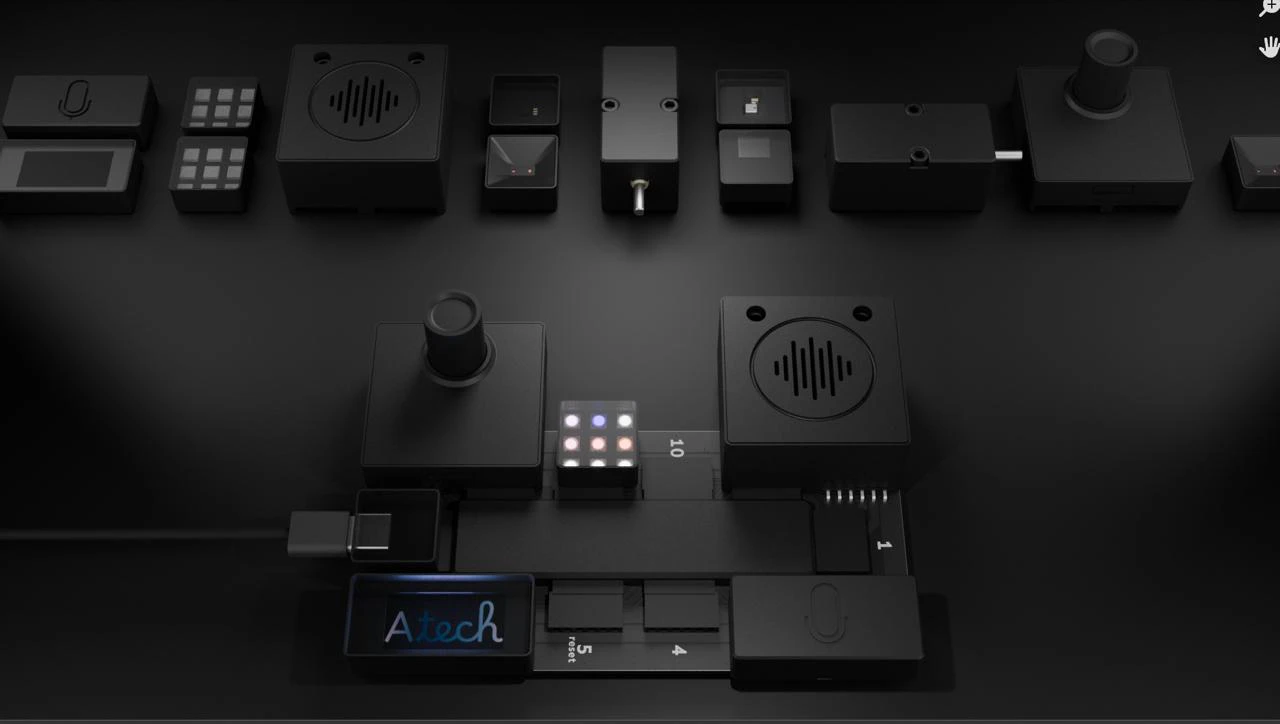
Hardware is still built with processes that are 10-100 years old. Software got layers of abstraction decades ago while hardware never did. Atech is Lego for real electronics. Snap modules together, describe what you want it to do, and we generate the firmware. Idea to working device in minutes. No datasheet deep-dives, no soldering, no wondering "why doesn't it work?"
Hey Product Hunt! We built Atech because getting from "I have an idea" to "working electronics" still takes weeks of soldering, datasheets, and firmware debugging, even for engineers. And It shouldn't. Atech is collection of hardware modules + AI that writes the firmware for you. Describe what you want, and Atech picks the modules and generates the code. Snap them together. Done. We're starting with makers, students, and hardware tinkerers, but the bigger vision is making electronics as approachable as Lego, real projects, for ordinary people Would love your feedback, especially: What would you build first? What modules would you like to see introduced? Happy to answer anything else as well! The Atech team
5
回复

yo this is unreal, can't wait to build my cat feeder with atech🚀

5
回复

@nafis_amiri Thaaaanks! Make sure you share it with us when you do!

1
回复

Genuinely unique idea. I've spent way too many late nights hunched over Arduino boards, scrubbing through bad YouTube tutorials trying to build stuff that should not be that hard to build. Looking back in a few years this idea is going to seem sooooo obvious - hardware shouldn't be harder than vibe coding. Loved the vision so much I just vibed my first hardware on the site. Can't wait for the kit to show up and test the upper limits?! I wanna vibe build freaking rockets 😅

5
回复

@christian_vestergaard Rocket module coming soon!;)

1
回复

Woohoo, congrats on the launch! 👏👏👏

4
回复

@endore8 Thank you!!!

1
回复

This is such an amazing way to bring the playfulness of LLM into the world of hardware design!
Good luck with the launch!

4
回复

@tonyb Thank you Tony!!!

1
回复

This is the first time hardware has actually felt vibe‑codable to me. As a software + real estate guy, I usually avoid soldering and firmware entirely. Very excited to follow this along!

1
回复

@kgodbey1 Thank you Kevin! Hardware for everyone is the spirit! Atech real estate monitoring system upcoming???

0
回复

The framing of hardware never getting the abstraction layers software did really lands. Curious about the boundary you draw between what the chat layer generates versus what is baked in at the module level. When I add a new sensor module, does the model see the schema and rewrite firmware on the fly, or is it more declarative than that?

1
回复

@najmuzzaman Thank you and great question! I’d call it hybrid deterministic on the module level and generative on the system level. Plug in a temp sensor and say alert me if it exceeds 40°C, the module firmware is baked in, the logic tying it to your alert system is written on the fly.

0
回复

@najmuzzaman Thank you and great question! I’d call it hybrid deterministic on the module level and generative on the system level. Plug in a temp sensor and say alert me if it exceeds 40°C, the module firmware is baked in, the logic tying it to your alert system is written on the fly.

0
回复

Snap-together hardware with auto-generated firmware is a fresh take — most "easy electronics" stops at a USB cable to your laptop. The bit I'd want pressure-tested is the firmware-by-prompt loop. When the generated code doesn't quite work on a specific module, can you inspect and edit it, or do you reroll the whole prompt? And how does it handle timing-sensitive logic where AI-generated code can quietly miss interrupt windows?

0
回复

The idea of making hardware feel like LEGO is really interesting. But feels like the real challenge starts when things don’t work as expected.

Debugging in hardware is usually where most of the friction is. Curious how you’re thinking about that part?

0
回复

This is a really interesting idea, the key will be how do you communicate it in simple English!

Are you targetting the people that already know they have this problem or are you trying to generate awareness?

For example I just tried to use the query on the website front page and I got confused by the first card that popped up talking about how many ports, also I cannot seem to get past this screen?

0
回复

Hybrid deterministic modules with generative system logic is a sharp split. How do you version module firmware so an LLM regen does not break existing setups?

0
回复

@borrellr_ Thanks! We write our own custom firmware for each module.

0
回复
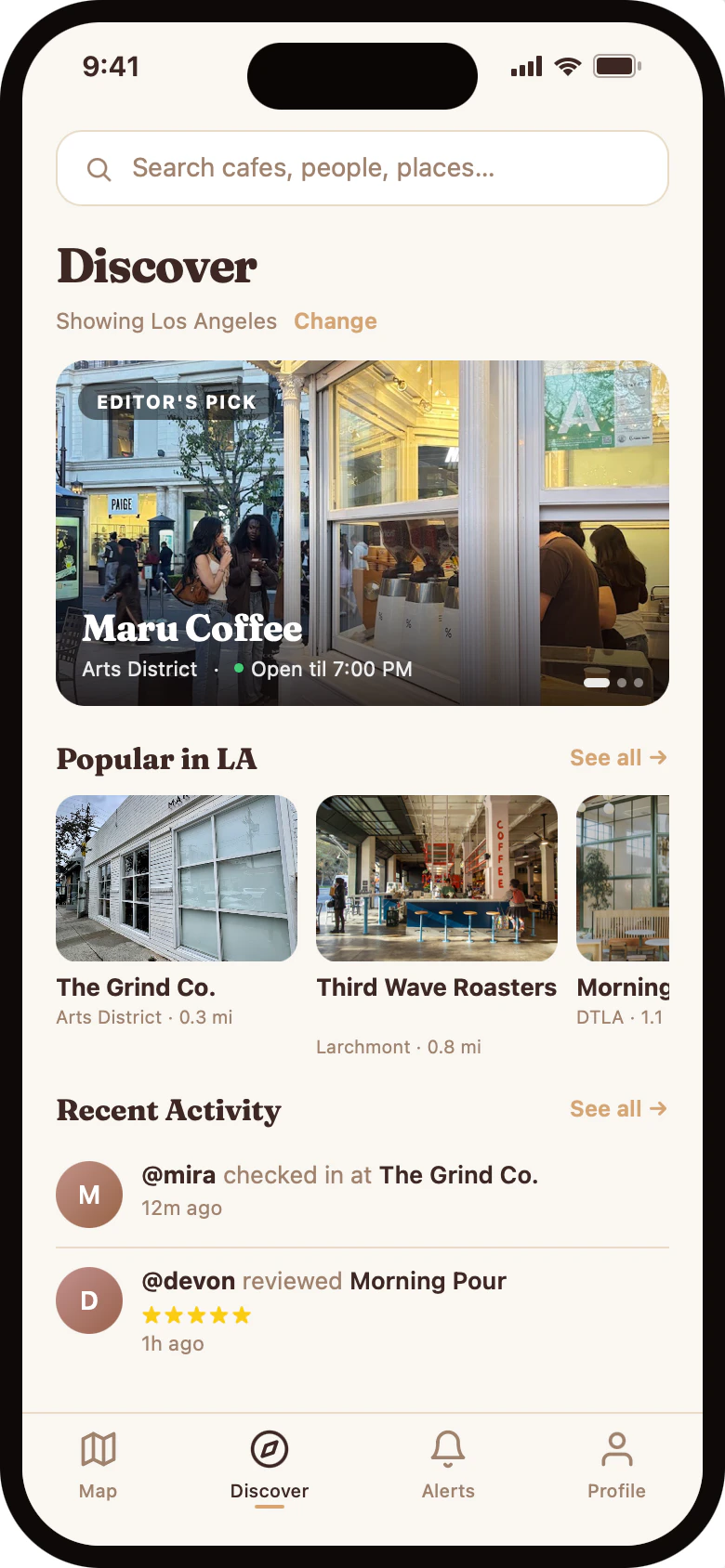
#7
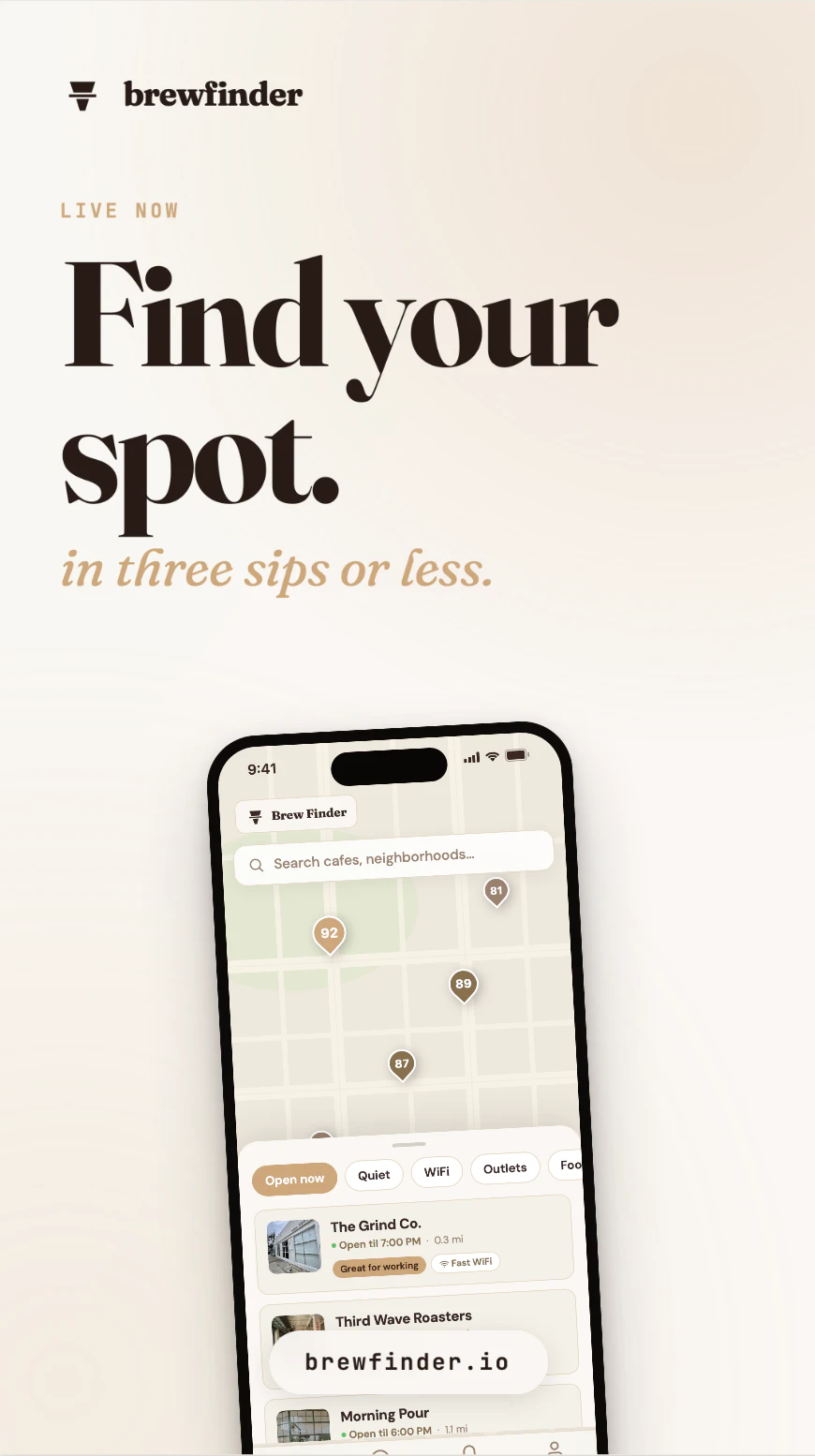
Brew Finder
Discover the best coffee shops to work at around you
137
一句话介绍:Brew Finder 是一款帮助远程工作者和数字游民实时筛选适合办公的咖啡馆的工具,解决了“到了地方才发现没插座、WiFi差、人太多”的痛点。
Social Network Coffee Maps
远程办公 数字游民 咖啡馆搜索 办公空间 实时数据 WiFi质量 插座可用性 人流量 社区签到 生活工具
用户评论摘要:用户普遍认可WiFi和插座信息的价值,但担忧冷启动阶段数据可信度和实时性(签到三小时后数据是否过时)。有用户反馈定位服务报错,建议增加噪音和氛围筛选。开发者回应计划增加过滤功能,并已通过邮件联系咖啡馆店主维护数据。
AI 锐评

Brew Finder 切中了一个极其具体且高频的痛点——那些“看起来像咖啡馆,实际上不适合干活的雷区”。它没有试图成为另一个大众点评或谷歌地图的平替,而是精准定位在“工作友好型”这个子品类上,这恰恰是巨头们不愿深耕的缝隙。

产品的真正价值在于将“模糊的体验”转化为“可量化的决策因子”:WiFi速度、插座数量(而非“有/无”)、实时拥挤度。这比星级评分和用户游记要有效得多。然而,其致命弱点在于数据网络效应的形成门槛。评论区点赞最高的回帖一针见血:一个空荡荡的咖啡馆,没有人签到,数据就是死数据。开发者想到的“联系咖啡馆店主维护”方案,在运营成本和店主配合度上都是巨大挑战。这本质上是个需要“地推+众包”的苦活,而非纯粹的产品技术活。

此外,当前版本过于功能化,缺乏黏性。社交功能是双刃剑:做重了偏离工具属性,做浅了(类似Foursquare的“到此一游”)又无法构建护城河。未来真正的壁垒可能不在C端,而在B端——如果它能证明自己可以为咖啡馆精准引流(比如在非高峰时段),那它就能从“找店工具”升级为“流量分发平台”,但这是下一阶段的叙事。目前来看,它在小众爱好者圈子中有明确价值,但要突破“用完即走”的宿命,仍需在数据真实性和场景运营上下一番苦功。

查看原始信息
Brew Finder
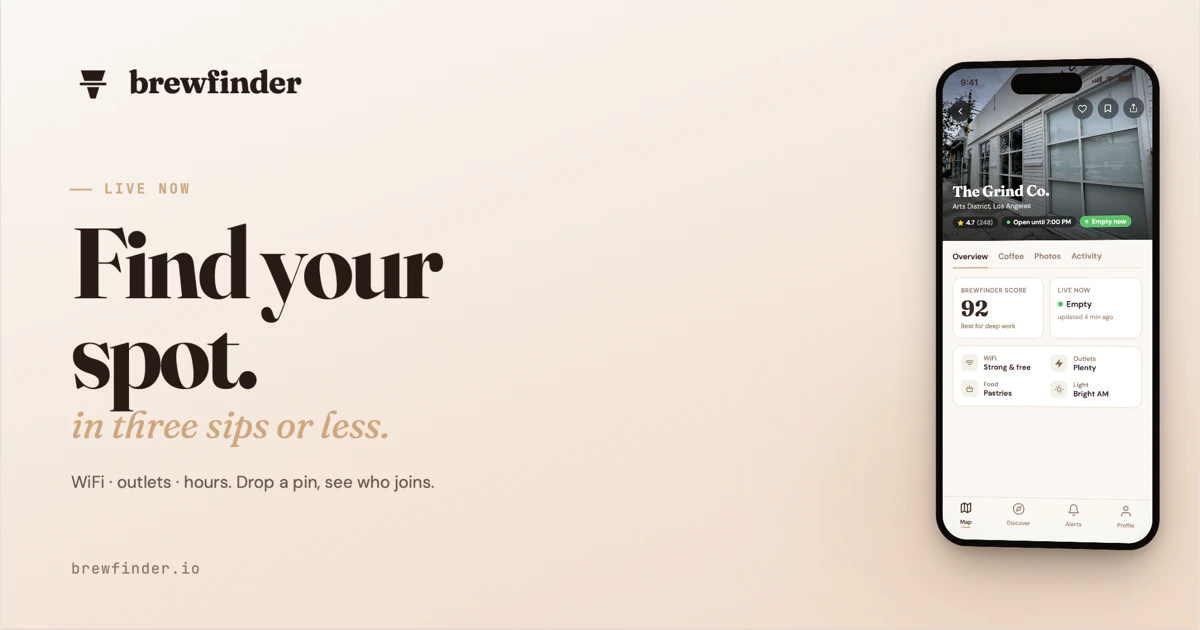
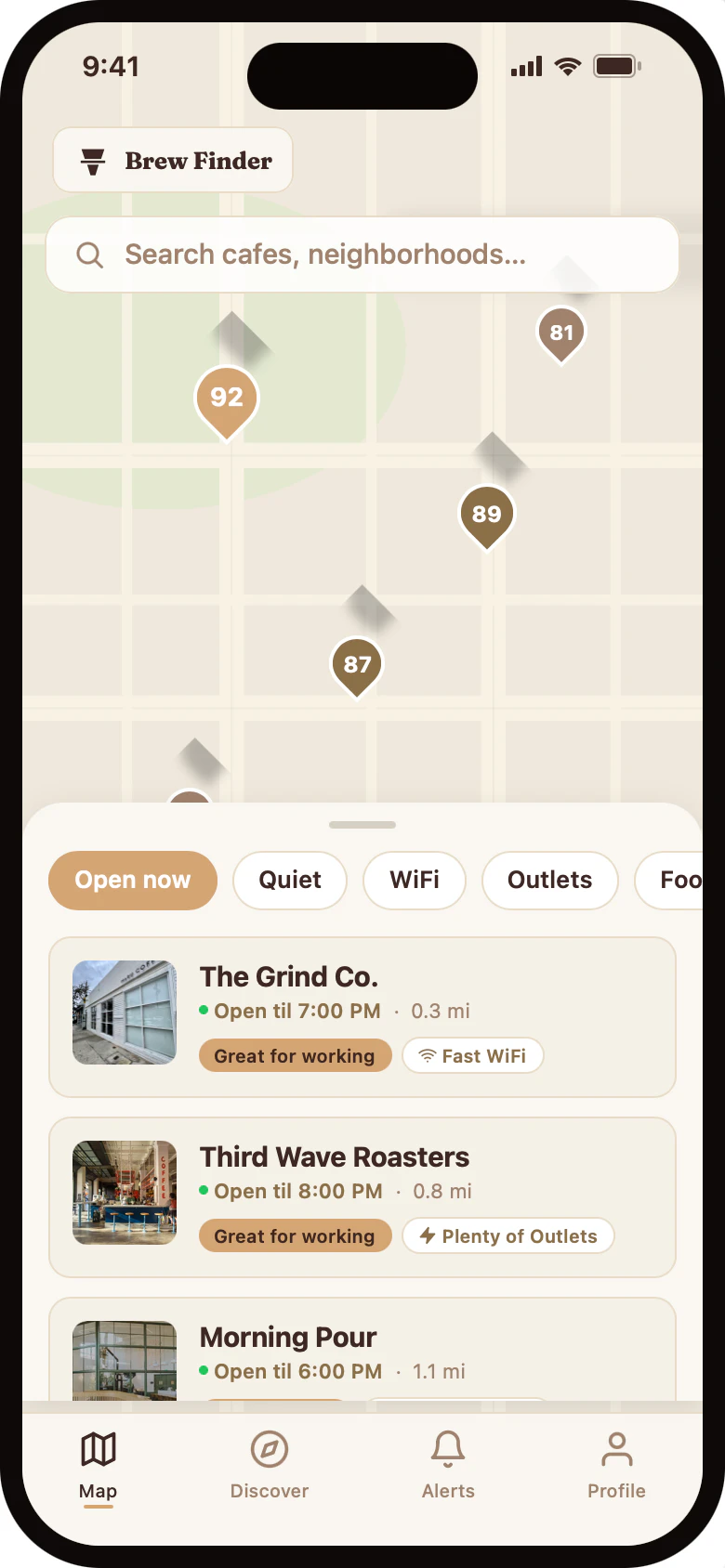
Discover the best coffee shops around you. Check real-time crowd levels, seat availability, WiFi quality, and power availability.

Congrats on your launch! Real-time crowd levels and WiFi quality in one place is something that is super necessary to know when picking the right coffee shop to do your work at. As someone who works half remote and basically lives out of coffee shops, the amount of times I've shown up somewhere packed with no outlets is too many to count. The check-in feature is a great touch for keeping the data actually accurate. Are there any plans to let users filter by noise level, or vibe, like quiet vs. lively spots?

4
回复

@aya_vlasoff The social layer could be a strong differentiator. Seeing that someone is currently there makes the into feel more reliable.

8
回复

@aya_vlasoff - Yes I am planning on adding better filtering in the near future

0
回复

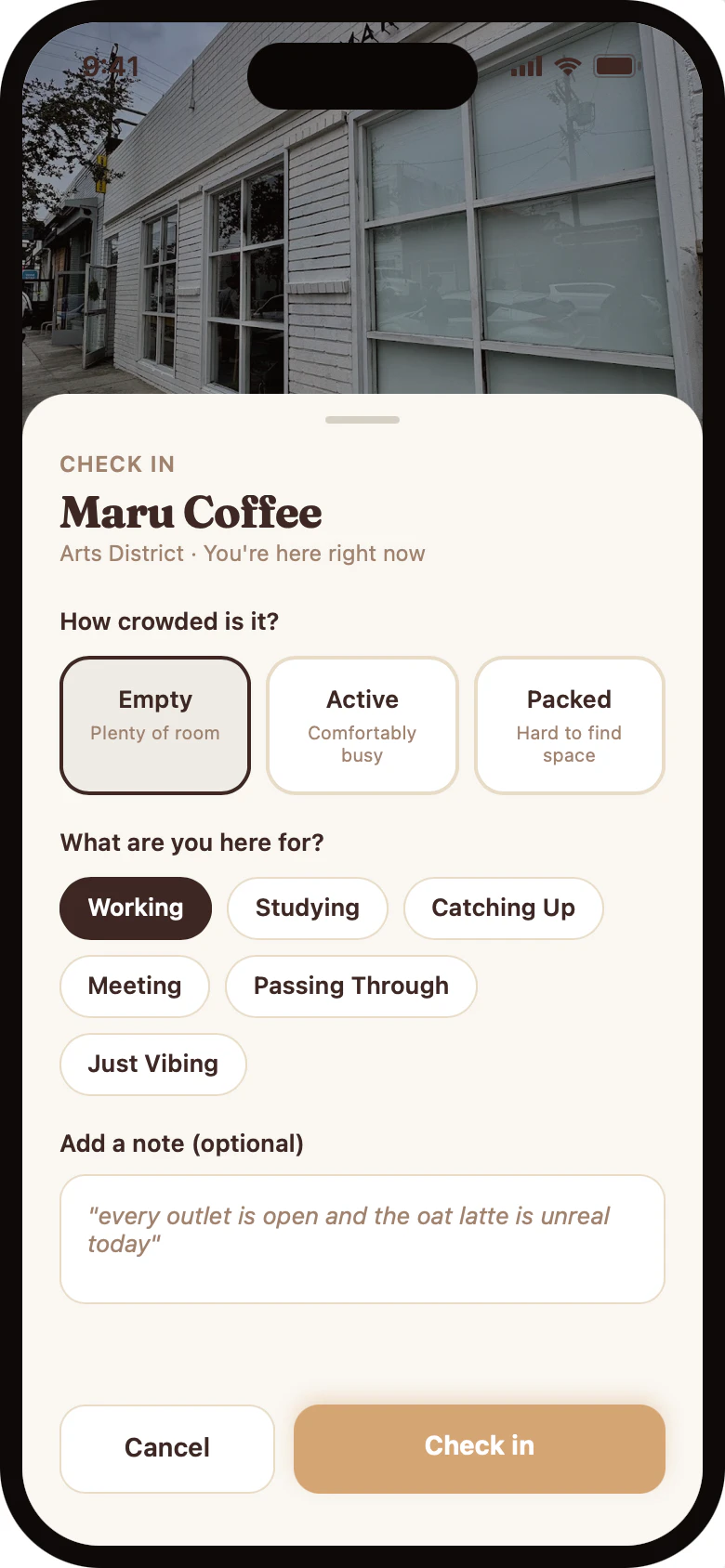
I work from home and I started going to different coffee shops to work and be around people, but I quickly realized that there are a lot of cafes that don't have plugs, good wifi or good coffee so it was always a toss-up. As a result I ended up building a tool where people can get better information about cafes before going there. Then I added a new feature where people can check-in and tell others that they are there and how busy it is and that became brefinder.io.

This is the first product I build, and I am hoping to release it as a mobile app soon but would love any feedback any of you have for me. I also have some good social feature updates coming soon and will have more info on cafes available!!!

3
回复

The wifi-and-plug data is genuinely the gap nobody fills — Google Maps reviews are useless for "can I actually get four hours done here." Cold-start is the part I'd worry about though. In a city where Brew Finder is new, how do the first few real-time signals get bootstrapped before there's enough check-in volume to be trusted? And does stale data decay fast — if someone checked in three hours ago saying it was empty, does that still show up at peak hour?

0
回复

Tried it out but keep hitting the ‘Location information is unavailable’ message even with access turned on.

As a dev, curious if this is built on Google Maps API with restaurant/cafe tags or using a different architecture.

0
回复

finding good spots to work is always harder than it should be

but feels like the tricky part here is keeping the data actually up to date in real time

if that works well, this becomes super useful

0
回复

@munevver_ertuncccc - Yes that is something I have been staggering my mind with but then I realized that the people who will want to keep the cafe information up to date are the same people who will want people at their cafes SO I wrote code that emails the different cafes to fill out their cafe profiles and manage it!

0
回复

Genuinely useful.

Got all the signals that matter when I think "can I actually work

here"?

  • Wifi reliability

  • Plug count

  • Noise level

These are never on Google reviews!

If you are crowdsourcing those three, that is the moat!

0
回复

@naumaan_zahid - thank you!

0
回复

Love this idea. How oriented is this to customer experience versus coffee quality?

0
回复

@jacinto_salz - I definitely have to say it is more oriented to customer experience over coffee quality at the moment.

0
回复

I want this for Lisbon!!

0
回复

@alara_akcasiz This works in Lisbon! You should try it and let me know!

0
回复

As a person who works from home, I'd love this to become a bit more social :D

Does it work for places outside of massive urban centers, and for balkan countries?

0
回复

@kastelicjakob - I use the google apis so if google has it and its a coffee shop it'll be on here.

0
回复
#8
GitBar
Every pull request, one menubar. GitHub, GitLab & Azure
120
一句话介绍:GitBar 是一款 macOS 菜单栏应用,将 GitHub、GitLab(含自托管)和 Azure DevOps 的拉取请求(PR)集中管理,解决开发者因多平台、多账号切换导致的 PR 遗漏与审查延迟痛点。
Productivity Developer Tools Menu Bar Apps
macOS菜单栏工具 开发者工具 代码审查 拉取请求管理 PR聚合 多平台支持 效率工具 开源辅助 GitHub集成 GitLab集成
用户评论摘要:用户普遍认可“Mine/Review/All”三标签划分,与开发者心智模型吻合。批评点少,开发者已在3分钟刷新间隔与并行审查同步机制上回应。有用户提及CI状态卡片可减少高频上下文切换。建议:优化同步频率与推送机制。
AI 锐评

GitBar 解决的并非“找不到PR”,而是“心理认知负担”——开发者不再需要手动检查5个页面和200条未读消息去确认自己该做什么。其“Mine/Review/All”三标签设计精准对应了“我创建的、等我审的、全动态”这一日常三问,实质上是一种“轻量级开发工单大脑”。

产品的真实护城河在于“跨平台+多账号+单菜单栏”的聚合能力,这在团队从15人膨胀到120人的规模增长中尤其致命:通知淹没在浏览器标签页和Slack频道里成为沉默杀手。GitBar 通过将PR状态编码为icon徽章(批准、草稿、冲突、CI状态),把“打开/检查/关闭/切换”的4步循环缩减为单次菜单栏点击,在毫秒级消解了工程师每日数十次的无意识上下文切换。

然而,目前的3分钟轮询策略仍显拙劣,尤其在多人并行审查场景下极易产生状态滞后。若无法实现event-source或webhook级实时更新,其“即时感”将进一步褪色。此外,定位停留在“看板”而非“操作”,缺乏在菜单栏内直接批准/评论/合并的能力,这是与完整工作流平台的本质差距。MAC原生市场小而精,GitBar 找准了缺口,但必须加速从“监控器”进化为“遥控器”,否则随时会被浏览器侧栏插件或TUI工具蚕食。

查看原始信息
GitBar
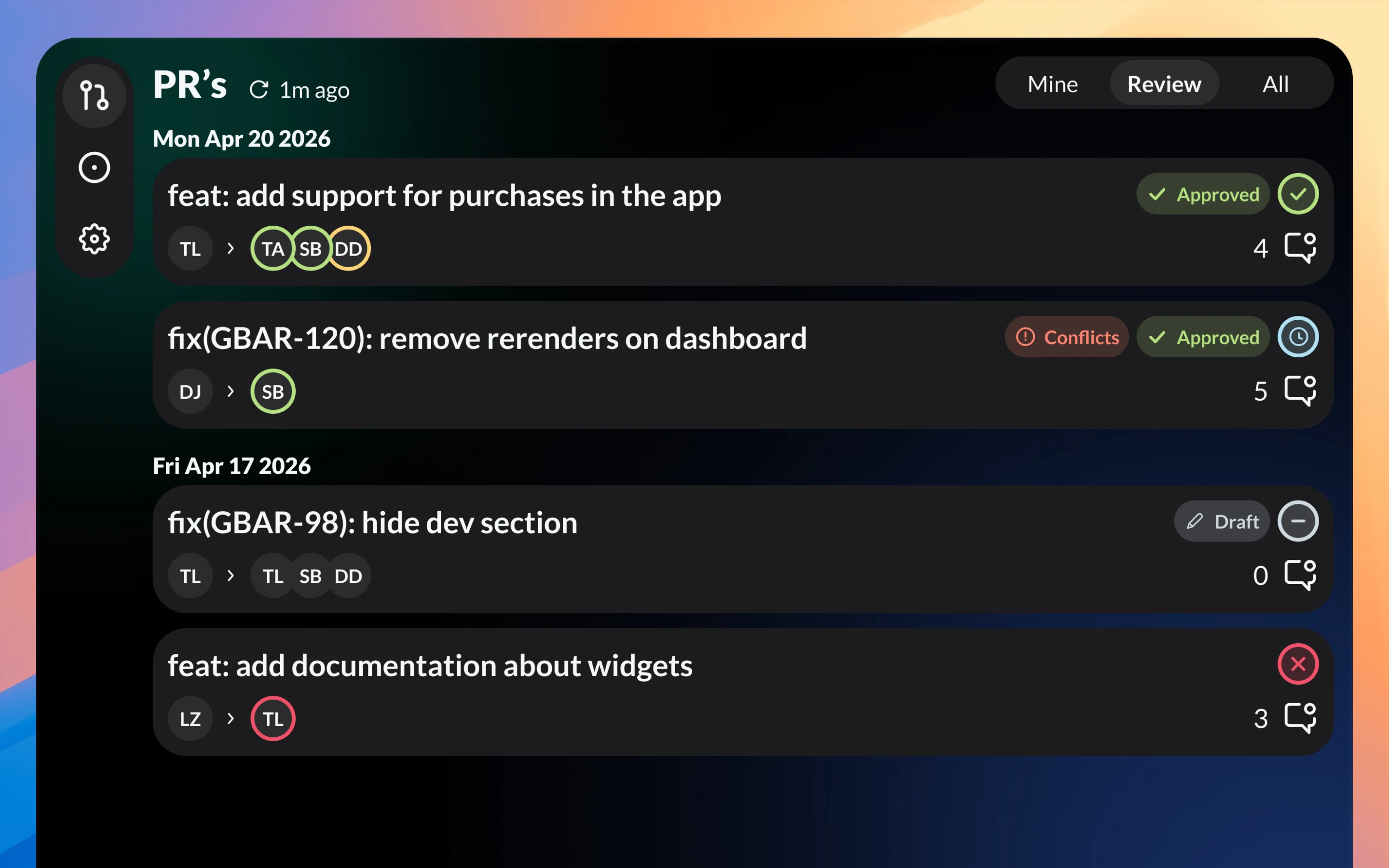
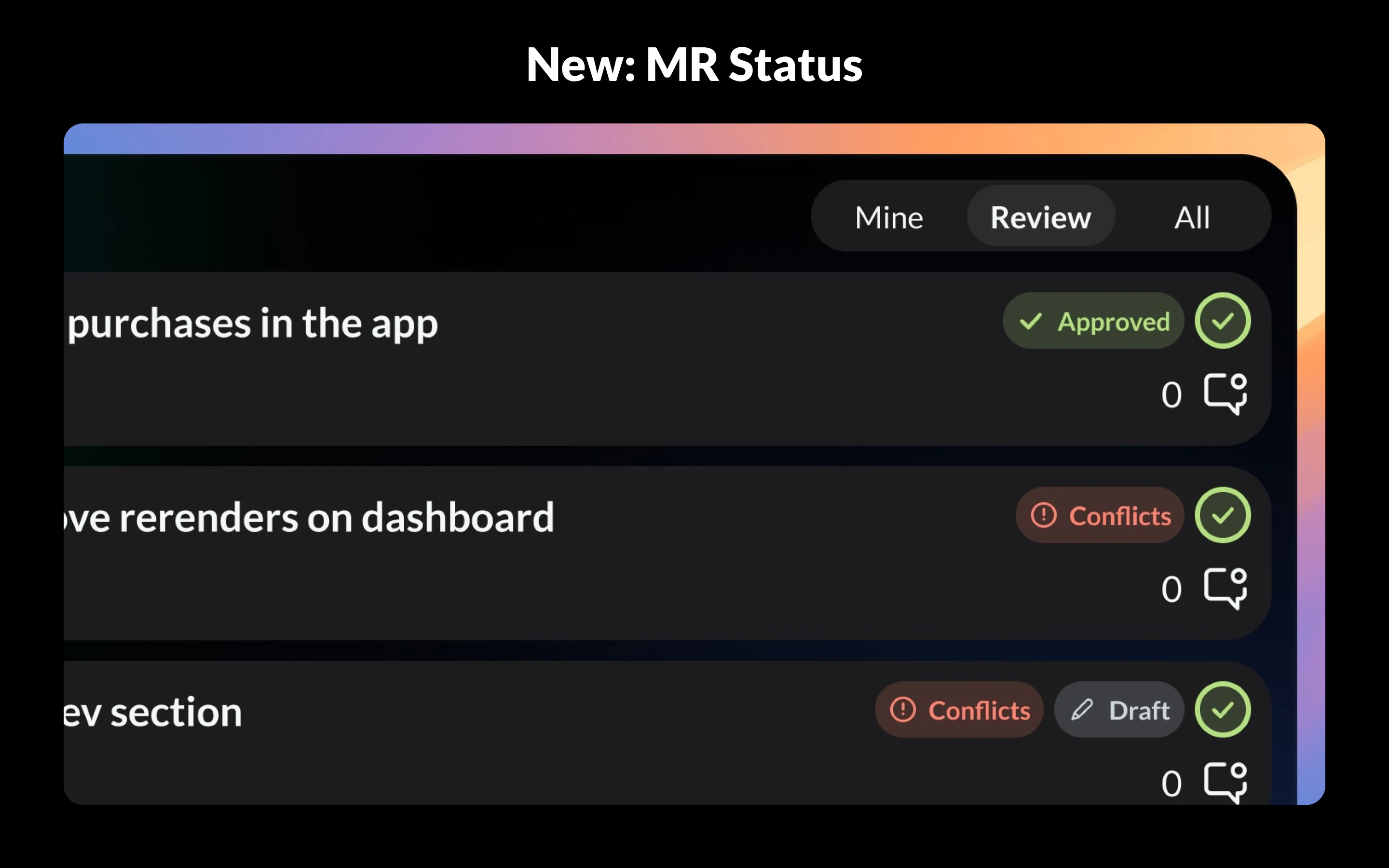
GitBar is the macOS menubar app for pull requests. Connect GitHub, GitLab (cloud or self-hosted), and Azure DevOps across any number of accounts, and every PR you care about is one click away. See what's yours, what's waiting on your review, and what's happening across your team. Status badges show approved, draft, conflicts, and checks at a glance. A live PR count lives in your menubar. Built with React Native for macOS. Free on the Mac App Store.

Hey Product Hunt!

I built GitBar because I was tired of juggling PRs across GitHub, GitLab, self-hosted GitLab, and Azure. Five browser tabs, a Slack reminder, and I was still missing reviews.

GitBar lives in your menubar. A number tells you how many PRs need you. Click it and you get a list split into three tabs: Mine (PRs you authored), Review (PRs waiting on you), and All.

Key features:

  • Multi-platform. GitHub, GitLab (cloud and self-hosted), Azure DevOps.

  • Multi-account. Personal and work, side by side.

  • Mine / Review / All tabs. With filters you can tune in settings.

  • Status badges. Approved, draft, conflicts.

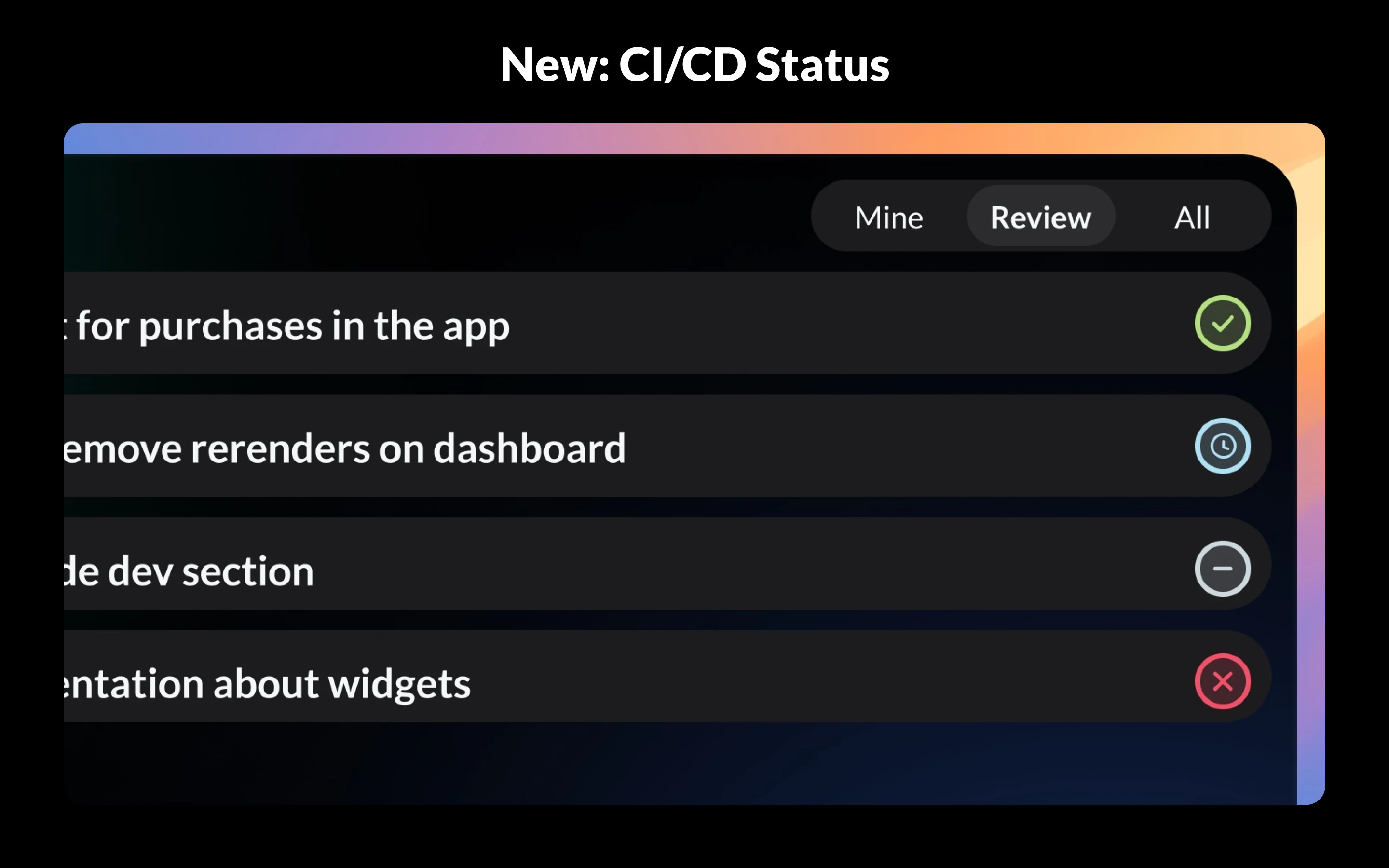
  • CI status on the card. So you know when a PR is ready to review.

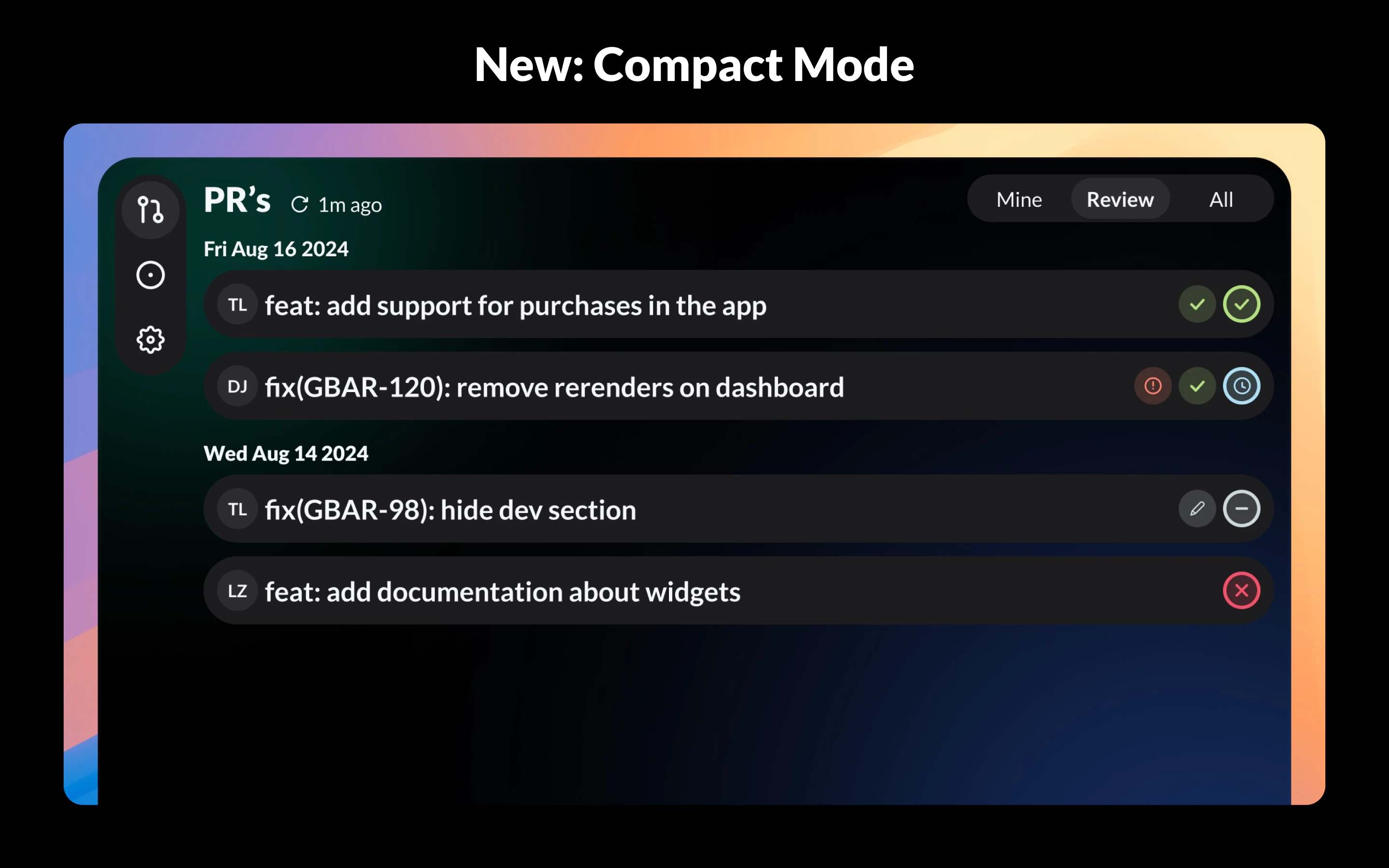
  • Compact view. Fit more PRs on screen when you're juggling many at once.

  • Hide PRs. Right-click to hide them from Mine & Review.

  • Live menubar count. Glance, don't click.

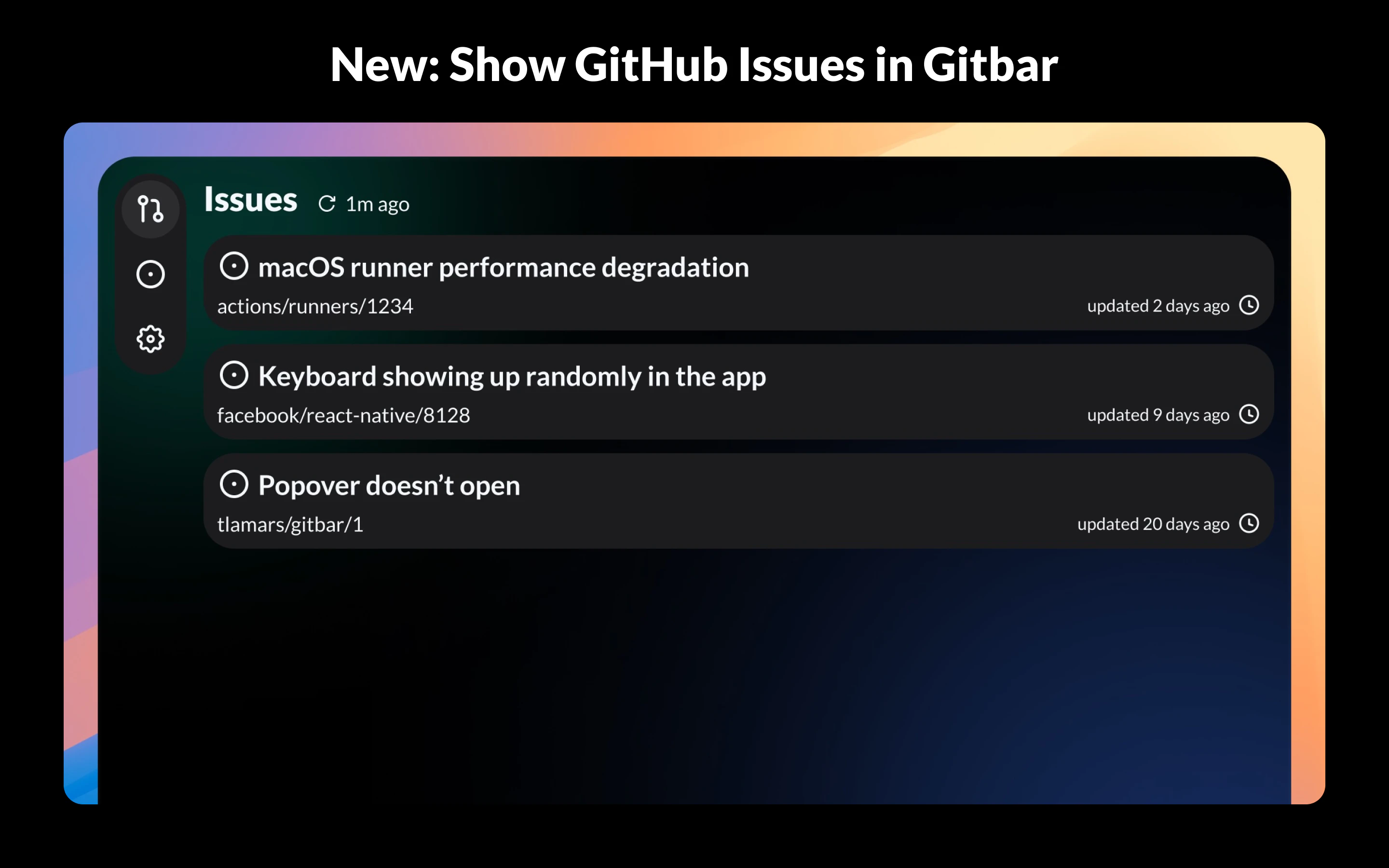
  • GitHub Issues. For the work that isn't code review.

  • Native notifications, launch at login.

Today I'm shipping 2.0. New Mine / Review / All tabs, redesigned cards and onboarding, new app icon, GitHub Issues, and it's running on React Native's new architecture, so it's noticeably snappier than v1.

Free on the Mac App Store. Would love to hear what's missing.

4
回复

@tlamars a Huge props for moving to the React Native new architecture You can really feel the difference in 'snappiness' with v2.0. A native menubar tool should be light and fast, and GitBar nails it.

1
回复

This solves a real pain point. When I was running engineering at a company that grew from 15 to 120 engineers, PR review latency became our silent killer - not because people didn't want to review, but because the notification was buried in a browser tab they forgot about or a Slack channel with 200 unread messages. Having it in the menubar with that Mine/Review/All split is exactly right because the mental model matches how engineers actually think about PRs. The multi-platform support is clutch too - we had teams split across GitHub and self-hosted GitLab and the context-switching between them was brutal.

2
回复

CI status on the card is the quiet feature in this launch. the loop without it: open browser, check if CI passed, close tab, go back to what you were doing. repeat. having that in the menubar removes a small context-switch that happens more times a day than i'd like to admit

1
回复

Love this. Makes daily dev work feel lighter already.

0
回复

This is super cool, I've built a tui to handle this at git-switchboard.com, but having it right in the native menubar is a really nice addendum

0
回复

Having every PR consolidated across providers in one menubar is the kind of thing I keep meaning to build for myself and never finish. Curious how you handle review state synchronization when reviewers are working in the actual web UIs in parallel. Do you poll on focus, or is there something smarter going on under the hood?

0
回复

@najmuzzaman it currently refreshes every 3 minutes. I’m looking into ways to improve that, but for now it should work well

0
回复
#9
Odyssey-2 Max
Physical accuracy takes a leap in world models
119
一句话介绍:Odyssey-2 Max 是一款能够实时交互模拟的通用世界模型,通过自回归物理预测解决了模拟环境缺乏物理真实性和长期稳定性的痛点,适用于机器人、游戏和仿真系统开发。
Artificial Intelligence 3D Modeling Video
世界模型 物理模拟 实时交互 自回归预测 机器人仿真 游戏引擎 AI智能体 交互式AI 生成式模拟 物理智能
用户评论摘要:用户点赞产品将模型定义为“预训练物理智能”,认为其能学习场景演化、物体运动和交互结果,虽然仍早期,但为机器人、游戏和仿真系统提供了更易理解的技术方向。
AI 锐评

Odyssey-2 Max 的卖点很明确——用自回归“下一状态预测”替代传统物理引擎的硬编码规则,试图让模拟世界学会“肌肉记忆”。这种思路本质上是将物理定律“模糊化”,以牺牲微米级精度换取大规模实时交互的流畅性。但问题在于:它到底是在“学习物理”,还是在“记忆物理表象”?当前演示可能更接近高帧率视频补间,而非真正理解牛顿力学。对于机器人仿真,一次滑倒或撞墙后的错误记忆积累,可能比传统引擎的崩溃更致命。此外,“通用”二字是双刃剑——什么都模拟往往意味着什么都不精,尤其在需要精确碰撞反馈的工业级场景。不过,其商业切入点颇为聪明:避开与NVIDIA PhysX等传统引擎在物理精度上的正面竞争,直接瞄准需要开放世界叙事和低成本实时交互的独立游戏和元宇宙Demo。这种“足够好”的物理体验,配合快速迭代的交互逻辑,确实可能催生一批新型动态沙盒应用。长远看,若其模型能衔接强化学习中的奖励函数设计,将可能取代部分Gym环境,成为AI原生模拟器的雏形。但在此之前,还需摆脱“黑盒物理”的信任危机。

查看原始信息
Odyssey-2 Max
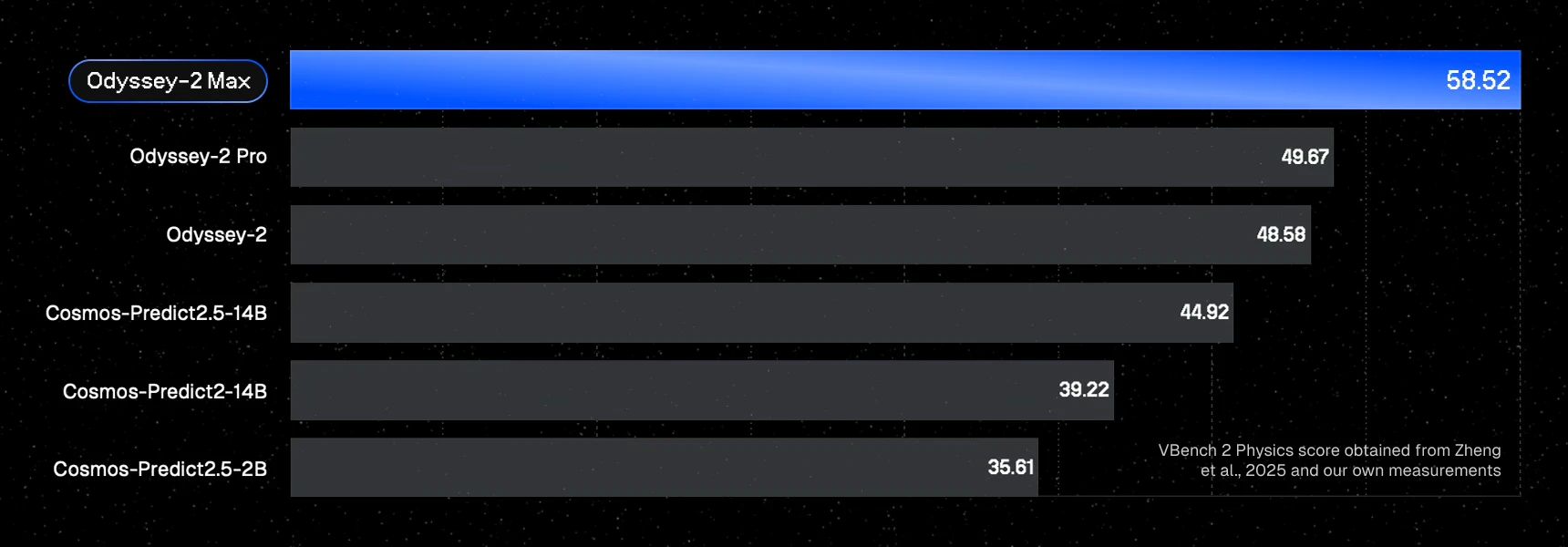
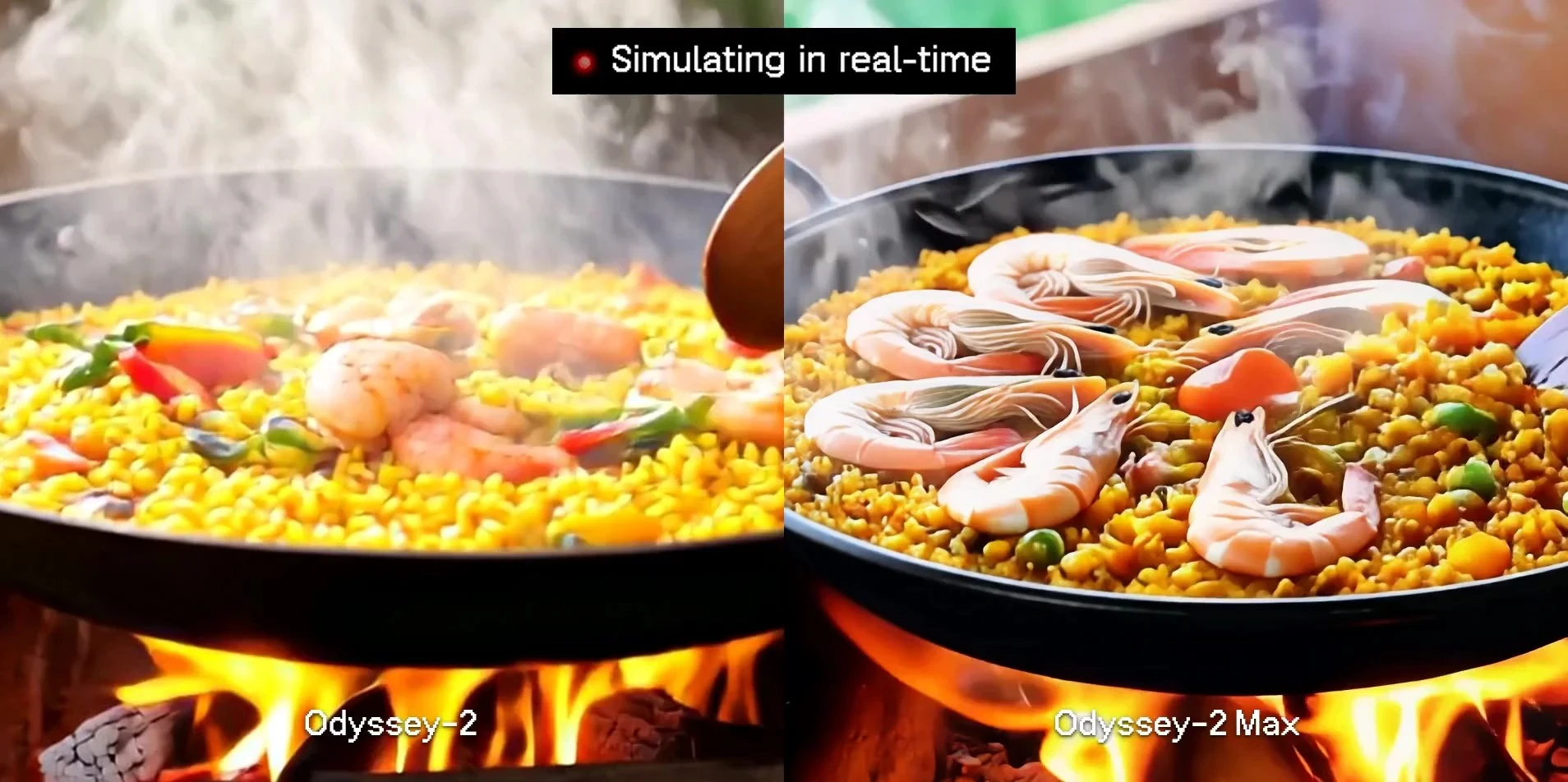
Odyssey-2 Max is Odyssey’s largest general-purpose world model yet, built for real-time interactive simulation. It uses autoregressive next-state prediction to improve physical accuracy, long-horizon stability, and open-ended interaction across worlds that evolve with user actions.

Hi everyone!

I like @Odyssey’s framing of this as pretrained physical intelligence.

The model learns how scenes evolve, how objects move, how interactions play out, and how the world holds together over time. Odyssey-2 Max is still early, but this direction makes the robotics, gaming, simulation, and interactive systems angle much easier to understand.

3
回复
#10
SNEWPapers
The World's First AI Newspaper Archive
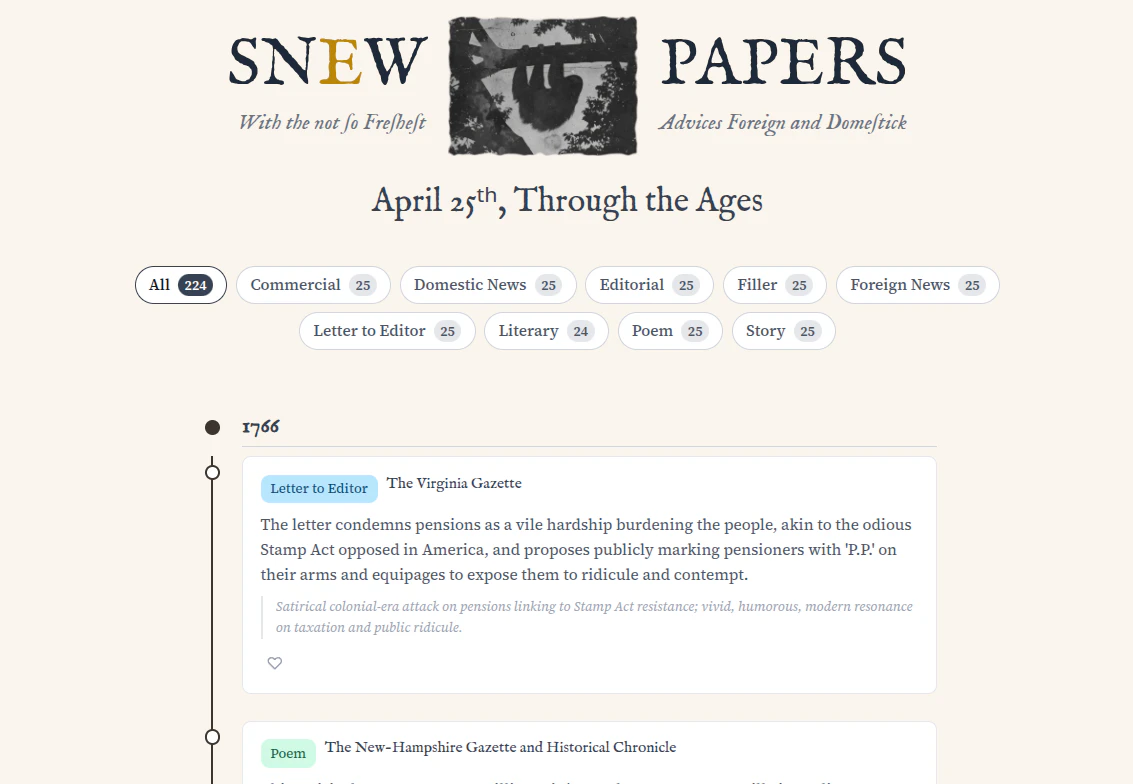
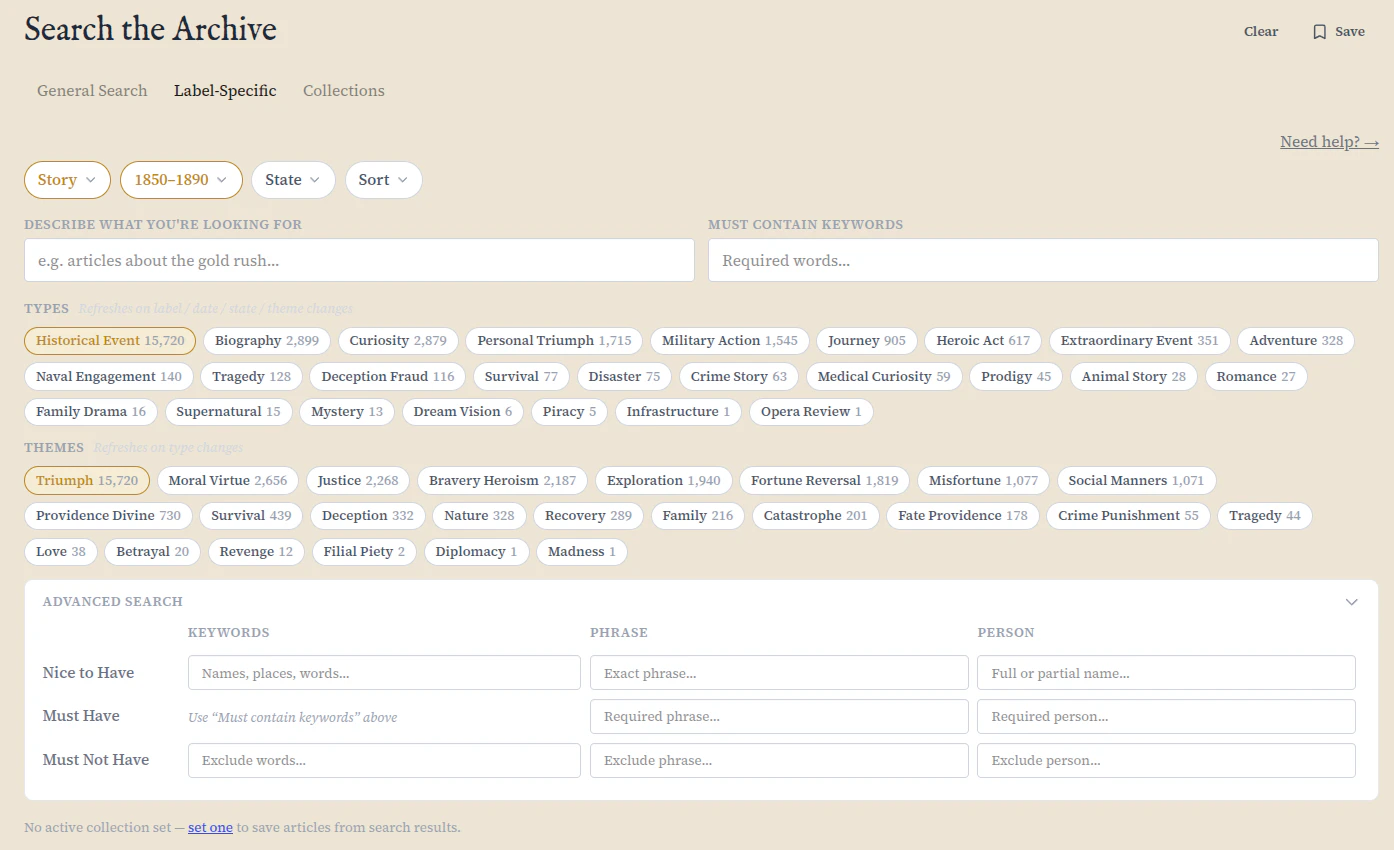
117
一句话介绍:SNEWPapers是全球首个AI报纸档案库,通过语义搜索和AI研究助手,让历史研究者、家谱学家等从扫描版报纸中高效提取和理解250年间600万+条真实故事,解决传统档案搜索慢、结果乱、缺乏上下文的问题。
Education Artificial Intelligence Data & Analytics
AI档案 历史报纸 语义搜索 OCR增强 AI研究助手 数字人文 家谱研究 美国报纸 集合分享 数据集
用户评论摘要:用户主要关注内容扩展(支持其他地区/国家报纸提交、添加到现有数据流程)和实际使用反馈(如每日历史推送是否有吸引力)。开发者也回应了数据集成与验证的难度,并开放了部分功能给非订阅用户试用。
AI 锐评

SNEWPapers的犀利之处在于,它没有去跟Google或LLM军备竞赛,而是精准切入了历史研究领域一个长期被忽视的“暗数据”痛点:数百万张高清报纸扫描图,被OCR和传统索引者抛弃。它用自研多模态系统(文章分割、版式理解、定制OCR+LLM清洗)将“图片”变成可检索的“语料”,这是把数据从“库存”推向“资产”的关键一步。

但产品最大的命门在于数据集限制。目前仅覆盖美国报纸(1730s–1960s),且数据源为“公共领域高分辨率图片”,这意味着非美国的、非公有领域的、或需要付费许可的报纸库(如英国的《卫报》或《泰晤士报》档案)将很难纳入。用户评论中已经出现“能否添加其他国家和地区”的呼声,如果扩张速度无法跟上,它将永远是一个“美国本地化的有趣垂直工具”,而非全球数字人文基础平台。

另一个隐忧是定价策略。虽然创始人在预热中说“比传统档案便宜50%”,但传统档案大多由大学或机构打包订阅,而SNEWPapers看起来面向个人用户。7天免费试用后,单人订阅费能否形成规模效应存疑。对比Google Scholar或收费的Open Access数据库,用户是否愿意为“更好用的搜索”长期付费,取决于它的AI研究助手Sleuth能否提供超越普通关键词检索的独特价值,比如自动生成主题时间线、交叉引用分析等更接近“智能助理”的能力。

技术上赞许其工程投入(44.7B token处理、GPU GB小时等),但“将人工验证放入强化学习循环”才是未来真正的护城河。如果能像评论者提到的Recaptcha那样,利用用户行为形成反馈闭环优化模型,SNEWPapers就有可能从“一个聪明人的项目”进化为“活着的数据体”。否则,它终将困在不断增加的数据量和不断衰减的新用户活跃度之间。

查看原始信息
SNEWPapers
I taught machines to read newspapers, gave them 250 years of data, extracted everything (6 million+ stories so far), separated the ads from the content, and categorized it all. You can search semantically or with you own AI research assistant and get the actual articles with full text extraction, as well as build and share collections. As far as I know, this has never been done before, the data isn't on Google or in any LLM, only on SNEWPAPERS

Can someone else submit newspapers?

2
回复

@busmark_w_nika I hadn't thought of this, but it's a good idea. If there are high res images in the public domain we could create a request process to add them to our pipeline, ideally it wouldn't be just one issue, but the whole history that we could grab, or more ideally other archives that want to use our tech could request for us to process their entire dataset and we host the data and provide SSO for their users. There's a lot of them out there... https://en.wikipedia.org/wiki/Wikipedia:List_of_online_newspaper_archives#United_States

1
回复

Hey Product Hunt! 👋

I'm excited to share SNEWPapers — the world’s first AI-powered historical newspaper archive. We’ve read and organized 6 million+ stories from 250 years of American newspapers (1730s–1960s) so you can finally explore history by meaning, not just broken keywords.

Maybe the biggest news since sliced bread for digital humanities, historians, researchers, genealogists?

I built this after trying to research references in The Fourth Turning. Traditional archives dumped me into faded page scans with terrible search. So I created my own.

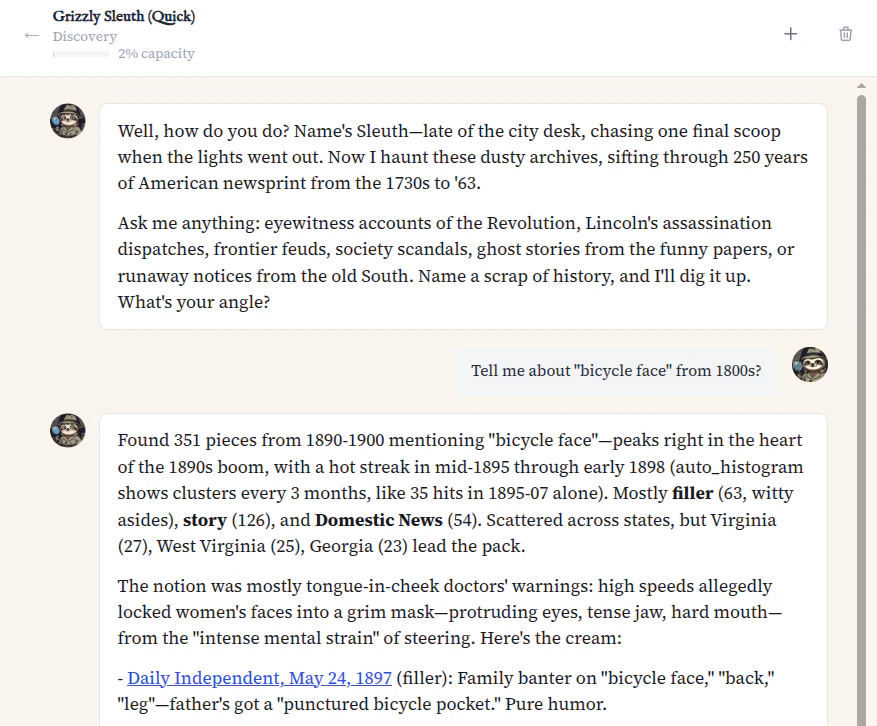
The result: clean, summarized articles and nearly perfect full-text OCR extractions + The Sleuth (your personal AI research assistant), smart categorization (24 categories / 1,000+ sub-categories), Collections for sharing, and a fun Today in History daily feed.

Quick start (10 minutes): → Tutorials

A few things I’d love your thoughts on:

  • Today in History — Would you actually open this daily?

  • Search + Sleuth — How useful is semantic search and the AI assistant for your research?

  • Collections — Would you use/share public collections?

Pricing: 7-day free trial. I priced it ~50% below traditional archives because we actually deliver usable, intelligent access. Product Hunt special: Use PRODUCTHUNT20 for 20% off any plan (valid until May 8).

Huge technical journey. I had to figure out how to acquire, store and process nearly a million high-resolution newspaper images, build custom multi-modal systems to detect and segment articles, massively improve OCR on centuries old ink, train models to understand newspaper layout and context, run prompt engineering at scale, balance cost vs quality with LLMs and vLLMs, build semantic and agentic search infrastructure that actually works on millions of documents, and scale a cost-effective GPU fleet.

Some “AWS-ish” stats so far:

  • 115,000+ GPU GB-hours (OCR / Layouts)

  • 26,000+ Lambda GB-hours moving data around

  • 44.7 billion LLM/vLLM tokens processed

  • 7 months of 80+ hour work weeks (organic neural network compute)

Would love your honest feedback and discoveries you make in the archive! 🫡 (here or hello@snewpapers.com)

1
回复

Honestly, this is quite cool!

Do you plan to expand the newspaper libraries to other countries?

1
回复

@markocki Thank you! I just opened up the "Today in History" summary page a moment ago for any authed-but-not-subscribed users (only the full extraction details are behind the subscription wall now), feel free to check that out! There's plenty more US papers to get to first, but UK would probably be easy as well, and other languages that read left-to-right and have latin character sets. Partially it's also harder to do data validations when you don't know the language, but all possible

1
回复

Cool!
What APIs did you use to scrap all the Newspaper archive?

0
回复

Incredible scale!
You mentioned training the model to handle degraded paper and faded ink. Google famously used recaptcha v1 for the same problem, having millions of users unknowingly label words from old NYT archives. How have you coped this issue?

0
回复

@oleksandr_utkin Haha I didn't know about the recaptcha story, that's very clever. There are quite a few decent OCR tools out there that are open source, a lot of getting it to work right is first to understand the settings and limitations, ideal DPI for character recognition, GPU settings for aspect ratios, then of course LLM and VLLM tech can help clean things up, then human verification, which you could then turn into a reinforcement loop for transfer learning on an open weights model

0
回复
#11
Replyless
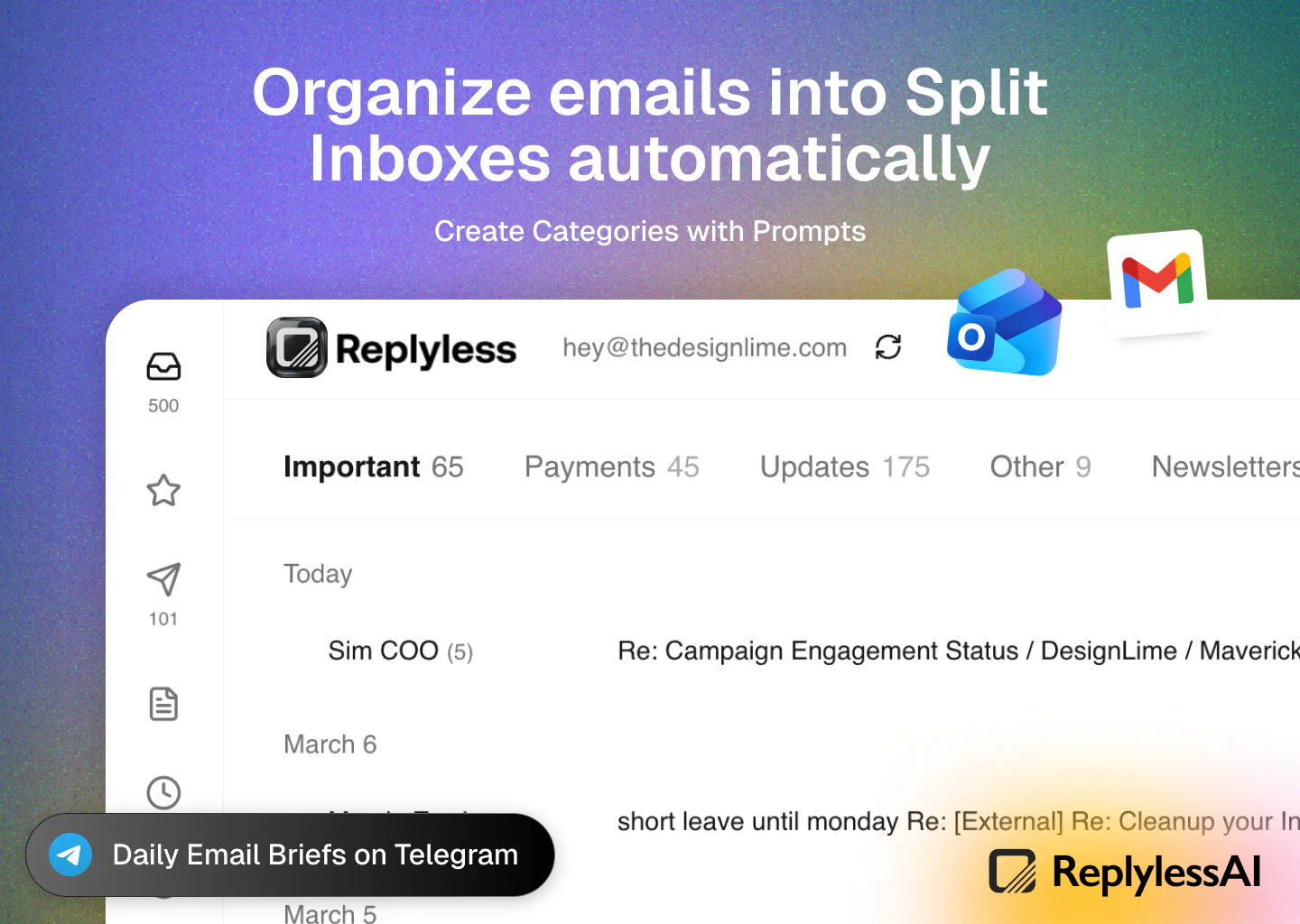
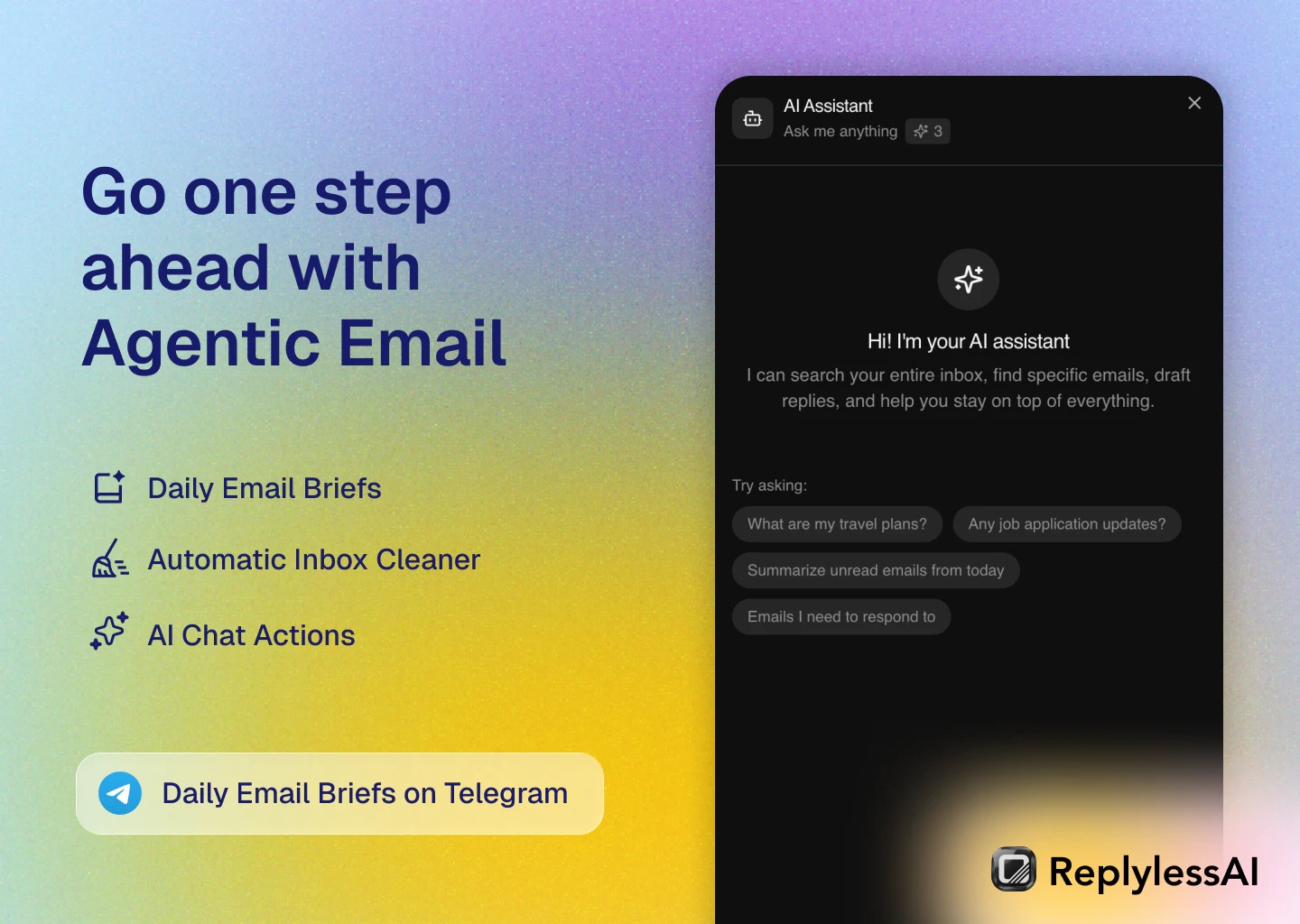
AI Email app that sends daily email briefs on Telegram
109
一句话介绍:Replyless 是一款AI驱动的邮件客户端,通过智能分箱、AI草稿和每日Telegram简报,帮助用户从Gmail/Outlook的收件箱过载中解脱,快速实现“收件箱零”状态。
Email Productivity Artificial Intelligence
AI邮件客户端 收件箱零 智能分箱 电报简报 Gmail/Outlook 生产力工具 AI草稿 邮件清理 效率应用 个人管理
用户评论摘要:用户主要关注其解决邮箱过载和实现收件箱零的能力。评论中Maker Sree强调产品基于此前被收购经验,并开放50个终身许可席位,吸引早期支持者。未见具体问题或批评,多为产品体验期待。
AI 锐评

Replyless 的巧妙之处不在于AI本身,而在于它把AI的“降维打击”精准命中了现代人最痛的邮件焦虑。通过将收件箱拆解为“智能分箱”和将日常简报迁移到Telegram,它实质上重新定义了邮件的消费场景——从被动“处理”转为主动“浏览”。这种“去中心化”思路(Telegram作为出口)既避开了传统邮件应用的厚重负担,又利用了即时通讯的高频触达属性,堪称“邮件界的RSS阅读器”。

但值得警惕的是,其核心卖点“AI自动整理”和“每日简报”并非独家技术。不少同类产品(如Superhuman、Missive)已在做类似工作,而Gmail自身也提供了智能分类。Replyless 的差异化在于将“轻量化”做到极致:只保留最关键的收件箱、零状态壁纸和Telegram简报,而非试图成为全能办公中心。这种“做减法”的策略对重度邮件用户(如创业者、投资人)确实具备吸引力,尤其适合那些厌倦了传统邮件客户端但又不愿迁移整个工作流的群体。

然而,产品的长期价值取决于两个关键点:一是Telegram简报能否真正替代实时邮件处理,避免用户因错过紧急通知而返回到Gmail;二是“AI草稿”和“清理”功能在复杂商务场景下的准确率。Maker Sree此前项目被收购虽有光环,但邮箱赛道已被多个巨头和独角兽(如Superhuman估值11亿美元)占据,Replyless 若不能凭借“极致简约+Telegram生态”打出破圈效应,极易陷入“小而美但难盈利”的陷阱。开放终身许可确实能快速积累种子用户,但后续订阅制转化才是检验产品粘性的试金石。

查看原始信息
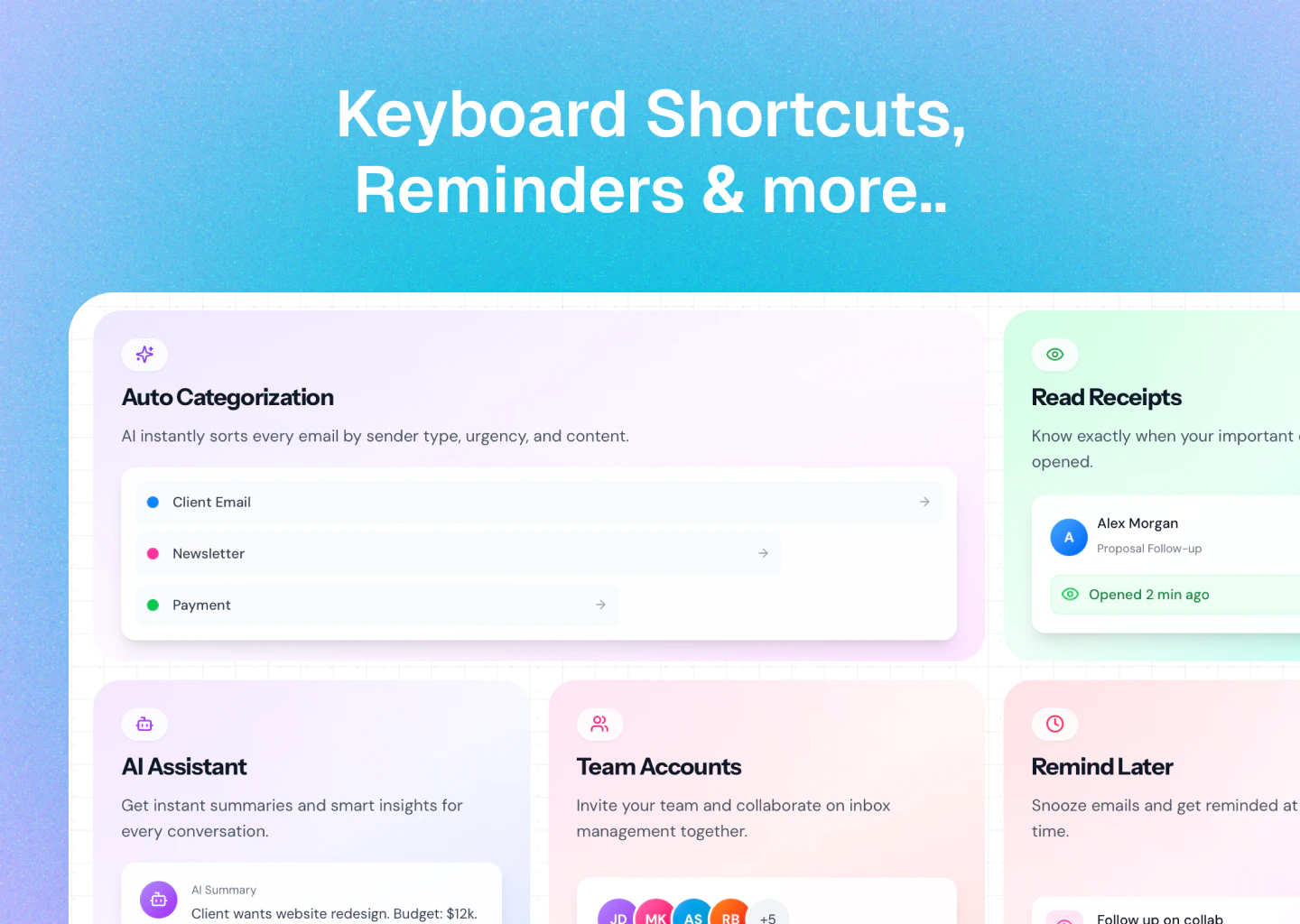
Replyless
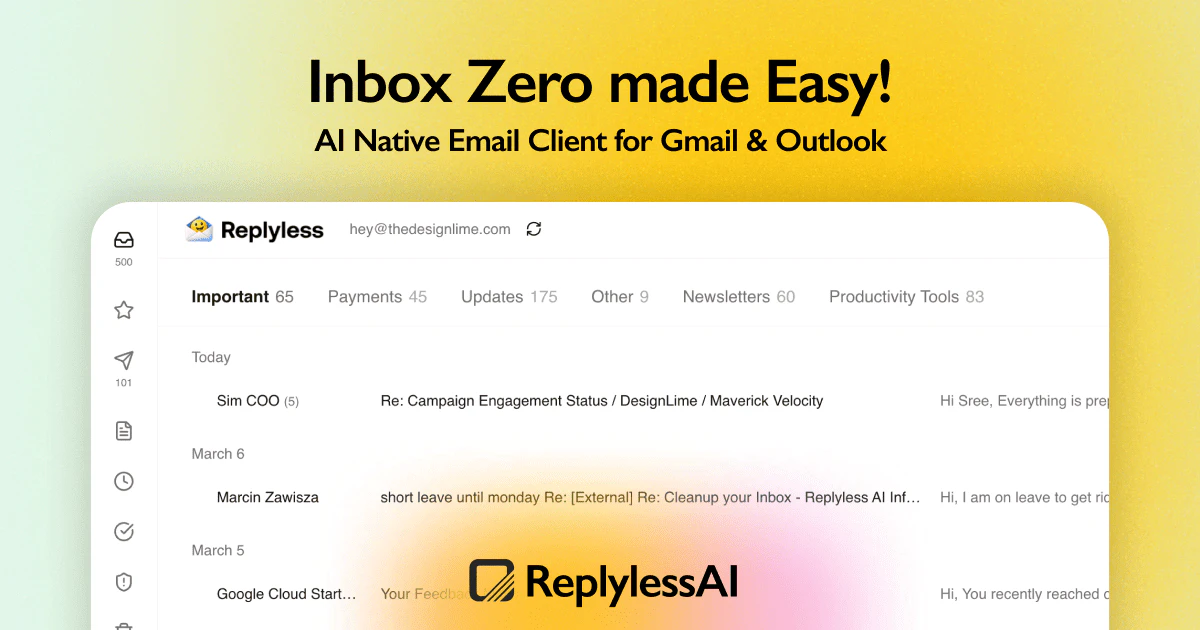
Replyless is a beautiful and productive AI email app. Save hours, free your mind space with prompt-based split inbox setup, inbox zero wallpapers & AI agent. Connect email accounts and Replyless automatically organizes your emails into Split Inboxes. Now with daily email briefs on Telegram.
Hey Product Hunt 👋 I’m Sree, maker of Replyless. I built Replyless because email has become a second job. Replyless is an AI-native email app for Gmail & Outlook that helps you reach Inbox Zero faster with smart split inboxes, AI drafts, clutter cleanup and daily briefs. I previously built Super.page, which was acquired by a YC-backed company. Now I’m building Replyless to make inbox overload feel manageable again. We’re also opening 50 limited lifetime licenses for early supporters. Ask me anything, answering all the QnA today! ❤️
1
回复
#12
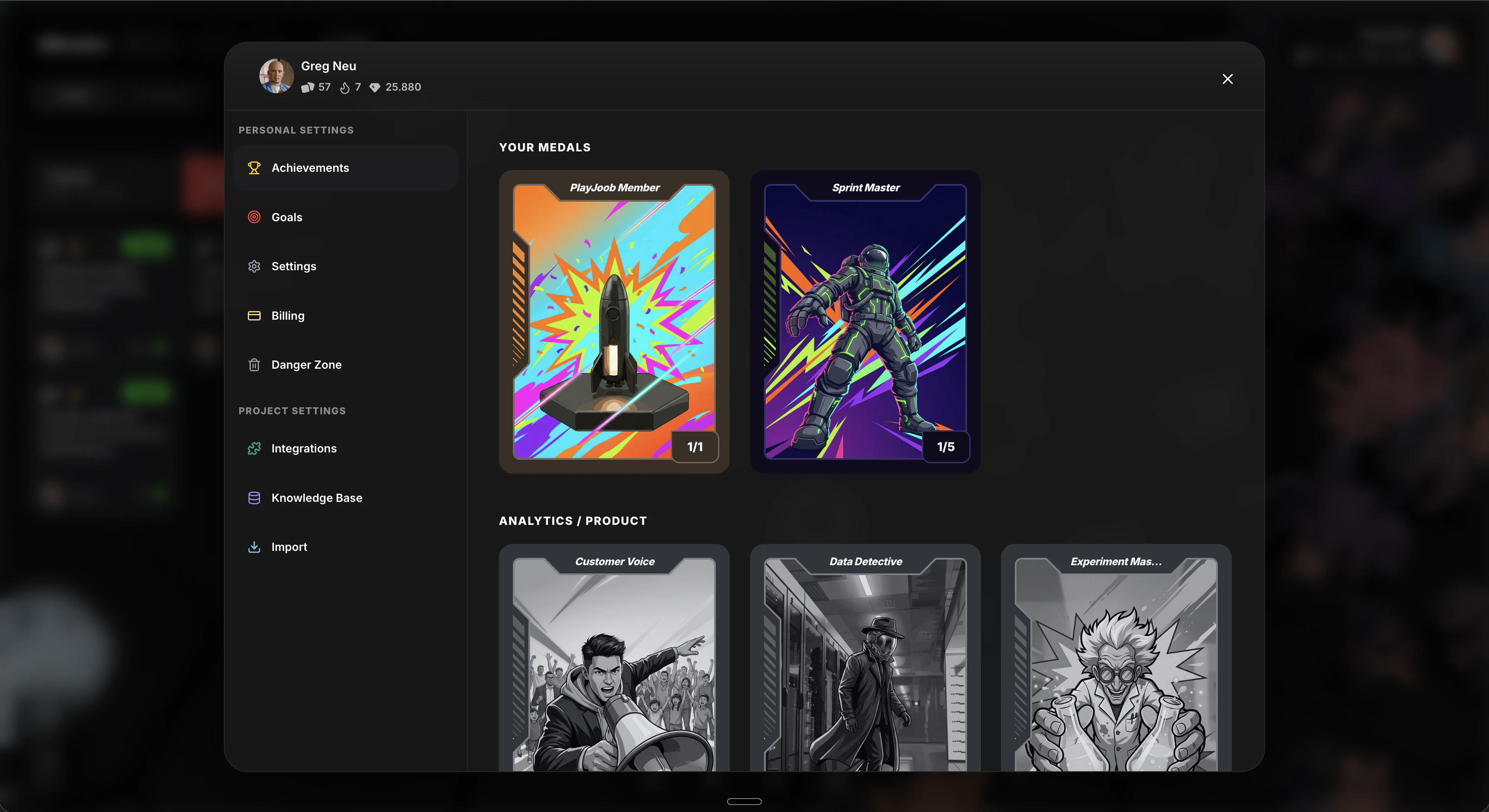
PlayJoob
turns dead task boards into a shared strategy map
107
一句话介绍:PlayJoob将枯燥的任务看板转化为互动策略地图,帮助小型产品团队在冲刺中直观看到团队前进的轨迹与成长,解决传统项目管理工具缺乏动力感和可视化进度的问题。
Productivity Task Management
项目管理 产品团队 可视化看板 团队协作 游戏化 冲刺管理 任务地图 进度追踪 创业工具 交互式工作台
用户评论摘要:用户指出Jira等工具让任务看板变成“墓地”,缺乏动量和可见进度。核心疑问是:游戏化元素(地图、技能卡、成长树)在新鲜感消退后的长期效果如何?创始人回应正在收集数据,并邀请试用两周冲刺。
AI 锐评

PlayJoob的切入点精准——它不试图在功能上硬刚Jira、Asana等成熟工具,而是直击它们最顽固的软肋:用户的心理疲劳。这些传统工具把工作“去魅”,变成一行行冰冷的工单;PlayJoob则努力为工作的过程“加魅”,用地图、成长树、技能卡等游戏化元素,把一个抽象的项目进度重新包装成一个有空间、有叙事、有反馈的“旅程”。

这种设计哲学的转变具有深层价值。它将项目管理从“监工”视角(还剩多少活没干)转向“冒险”视角(我们已经走了多远,下一个里程碑是什么)。对于5-10人的小团队,尤其是早期创业团队,这能显著缓解“永远做不完”的焦虑——每一次完成任务都能看到一个像素点的移动,这在心理层面是一次微小的正向强化。

然而,产品的核心风险在于“游戏化成瘾”的边际效应递减。正如评论所质疑的,到了第八周,当“技能卡”变成日常、地图上的位置不再新鲜时,PlayJoob是否依然能支撑团队熬过痛苦的需求变更或高强度冲刺?创始人目前的回答略显空泛(“第二周更嗨”),这暗示产品可能缺乏系统性的长期粘性设计——比如地图是否可以由团队共同自定义绘制?游戏化奖励是否可以与真实业务目标(如用户增长、代码部署)挂钩?如果不能将外层激励内化为团队的“意义感”,PlayJoob很可能沦为又一个主题皮肤的更花哨的看板。

真正的价值在于,PlayJoob测试了一个可能性:项目管理工具能否从“跟踪记录”进化为“情感基础设施”。目前它还只是一次勇敢的尝试,但方向值得关注。

查看原始信息
PlayJoob
PlayJoob is a visual workspace for product teams where sprints and tickets live on an interactive strategy‑style map. Each completed mission shows how you move across the world, grow your shared “tree of progress,” and collect skill cards that mark what you’ve learned together.
Hey Product Hunt! 👋 I built PlayJoob because classic boards are great for structure but terrible for motivation. You see endless tickets, not real progress. In PlayJoob, your sprint lives on an interactive map: tasks become missions on a shared world every completed mission visibly moves your team across the map you grow a shared “tree of progress” and collect skill cards for what you’ve learned It’s for small product teams and startups that want a serious project management workflow, but a more engaging way to see progress together. I’d love feedback: what frustrates you most about your current PM tools, and what would your ideal “motivating” sprint view look like?
1
回复

You're onto something real here. I managed engineering teams for years and watched Jira boards become graveyards - hundreds of tickets nobody looked at, zero sense of momentum, and sprint retros where everyone just shrugged. The core problem isn't the tool, it's that task boards show work as an infinite list rather than a journey with visible progress. Reframing tasks as missions on a shared map is a clever way to give teams spatial awareness of where they are and where they're heading. Curious whether you've seen this change how teams handle scope creep - when progress is visual like this, does it make it harder for stakeholders to quietly add tickets without anyone noticing?

1
回复

@avrisimon Exactly, you nailed it. Right now I’m in the early beta stage and collecting data to make the product more robust and more useful. It’s also important to understand how much team engagement has increased and how much stress levels have decreased when using Playjoob.

0
回复

Week one with a tool like this is easy. The map view can be really motivating. But I'd want to know what week eight looks like? When the skill cards feel routine and the tree of progress is just... there. Does PlayJoob still carry teams through a rough sprint?

Congrats on the launch!

0
回复

@jared_salois Thanks a lot, that’s a great question! Actually, week two feels even more euphoric (assuming your sprint is two weeks 🙂, because that’s when you really launch the rocket...all planned tasks are done, and for completed tickets your team can plant more forest, get new cards, or upgrade existing ones.

To be honest, I can’t rely on data I don’t have yet, so I’d be really happy to invite you to plan a two-week sprint in PlayJoob! 🚀

0
回复
#13
Wafaa.io
Create secure digital contracts in minutes
107
一句话介绍:Wafaa.io让非法律用户也能在几分钟内创建、签署和管理具备防欺诈功能的数字合同,解决了紧急场景下合同流程复杂、工具分散且缺乏安全性的痛点。
SaaS Legal
数字合同 电子签名 合同管理 防欺诈 中小企业 远程协作 SaaS 按需付费 小额合同 低频率高时效
用户评论摘要:用户对“非法律人士定位”表示兴趣,认为现有工具太复杂;有用户关心身份验证是否增加摩擦,开发者回应采用轻量验证(OTP+设备元数据)而非强制KYC,并注重审计溯源;也有用户认可集中管理合同避免遗漏的价值。
AI 锐评

Wafaa.io切中了一个真实但常被忽视的市场缝隙:那些需要快速、安全地订立合同,却又不需要律师或企业级订阅工具的“中间用户”。其价值核心并非颠覆法律流程,而是将“合同”从沉重、正式的工具隐喻中解放出来,转变为一种轻量级、可追溯的沟通确认机制。产品敏锐地将“防欺诈”与“简化流程”捆绑,用技术手段(时间戳、设备指纹、OTP验证)建立一份事实上的“链下存证”,而非试图解决司法级身份验证问题——这恰恰是明智之处,避免了陷入KYC泥潭而丧失易用性。

然而,风险同样存在。当前的自陈身份+轻量验证模式在真正涉及较大金额或纠纷时,司法效力存疑。一旦用户遭受欺诈,Wafaa的“审计追踪”实际更接近“增强型日志”而非法律认可的数字证据,这可能导致其核心卖点“防欺诈”在极端案例中沦为营销话术。此外,作为典型的“低频率高时效”场景产品,用户留存与付费转化高度依赖关键时刻的体验,病毒传播潜力有限,且面临DocuSign等巨头降维打击的威胁。Wafaa必须尽快证明其“简单”并非“简陋”,例如与第三方存证机构或公证服务打通,形成更稳固的价值闭环,否则很容易沦为又一个漂亮的工具,而非真正的生意。

查看原始信息
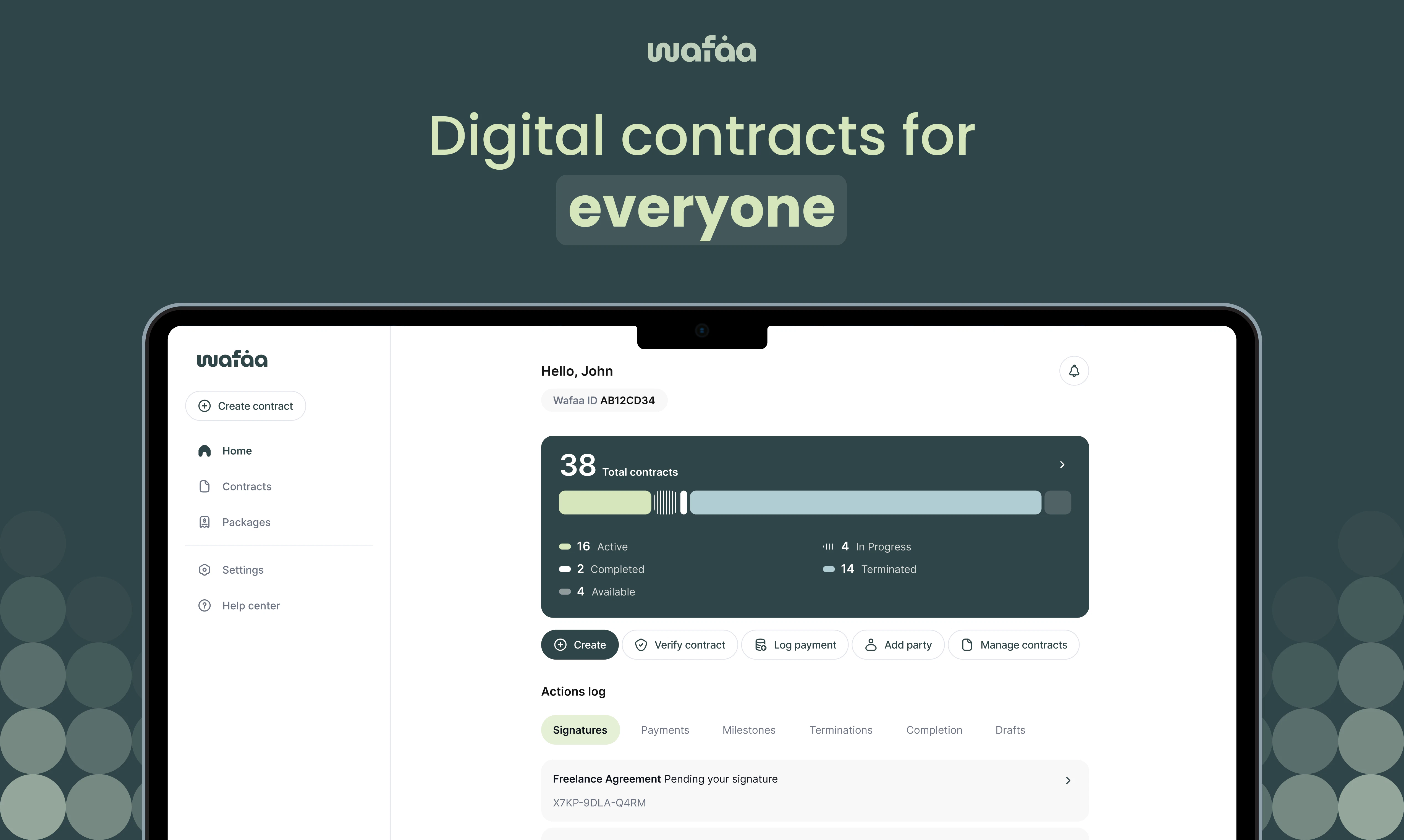
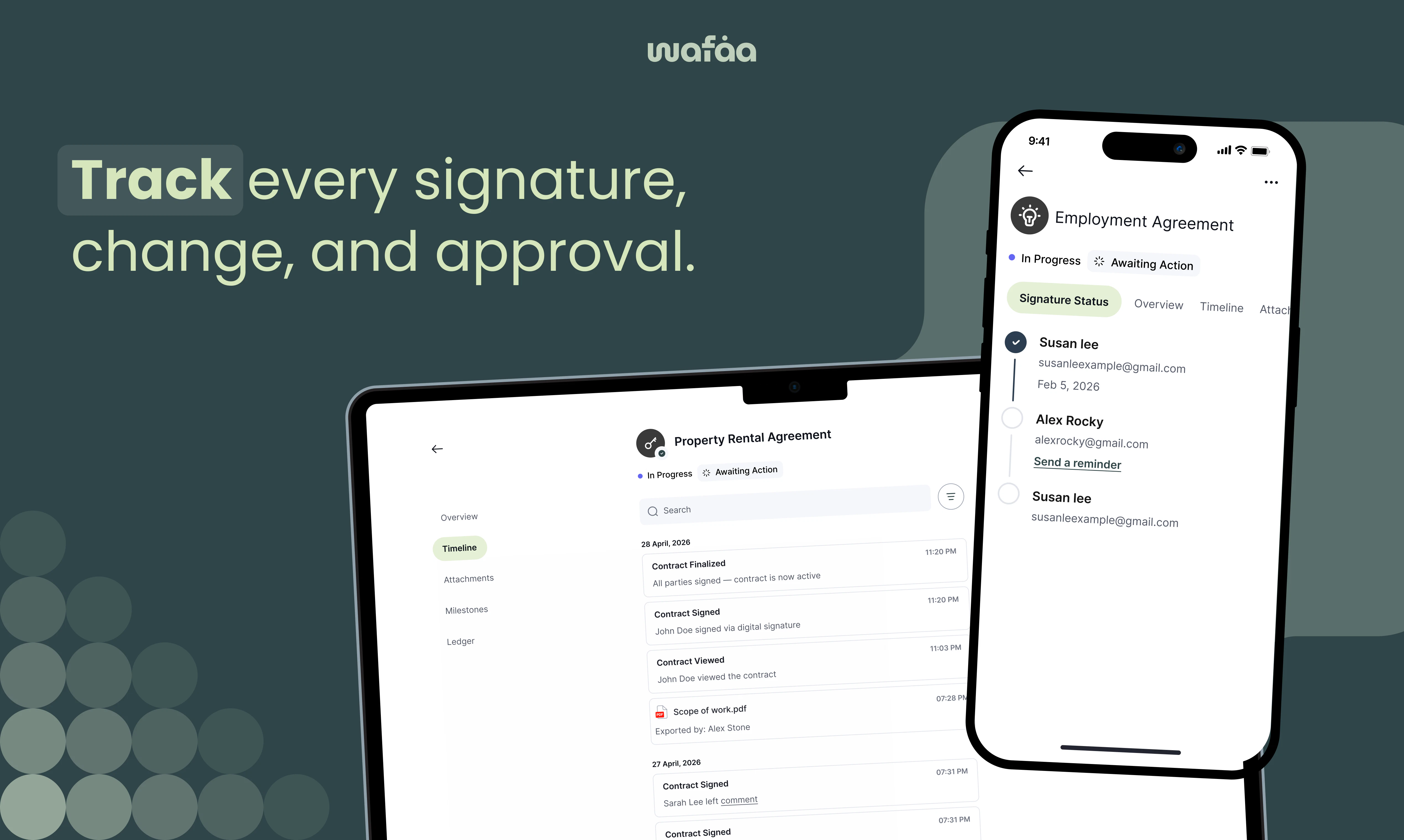
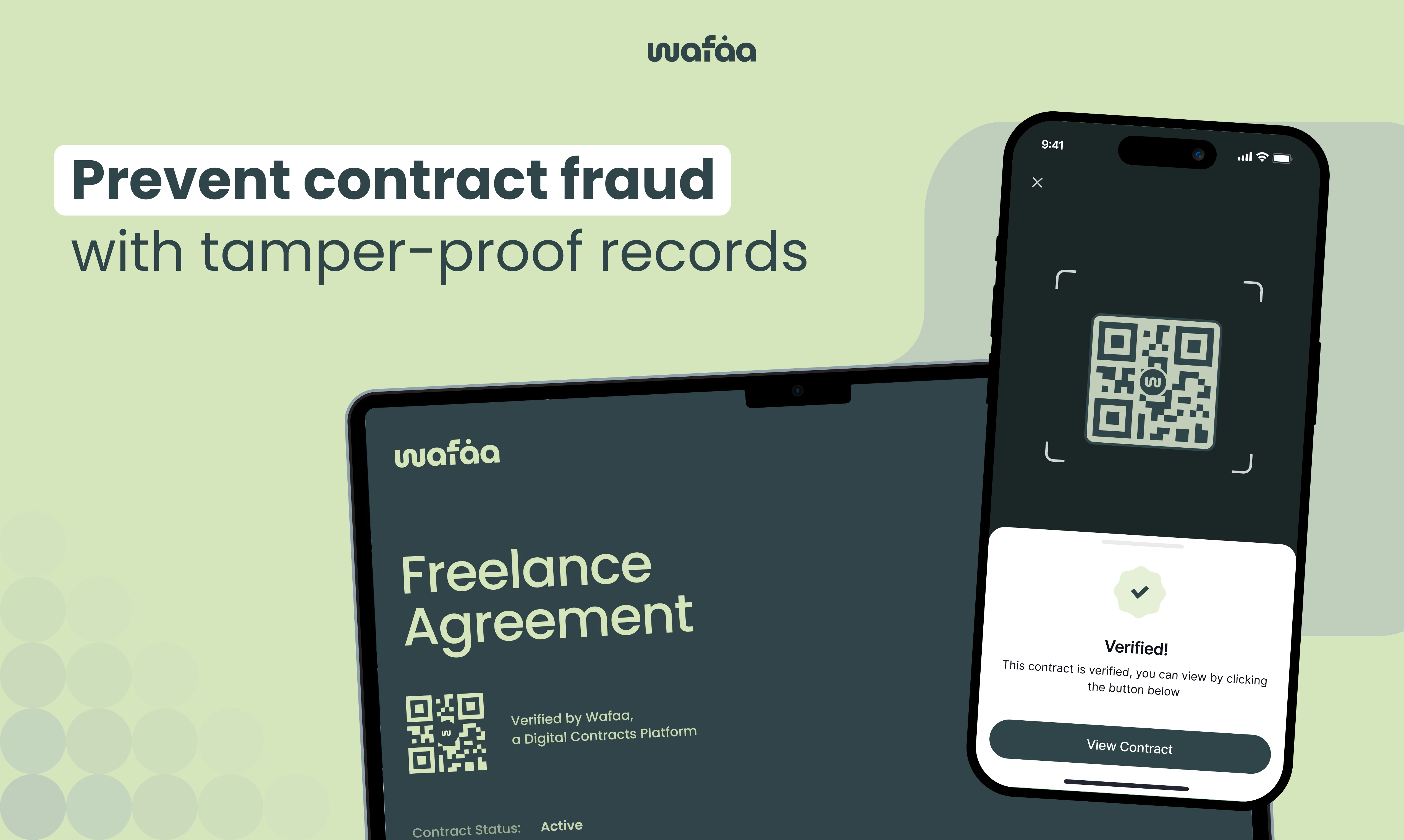
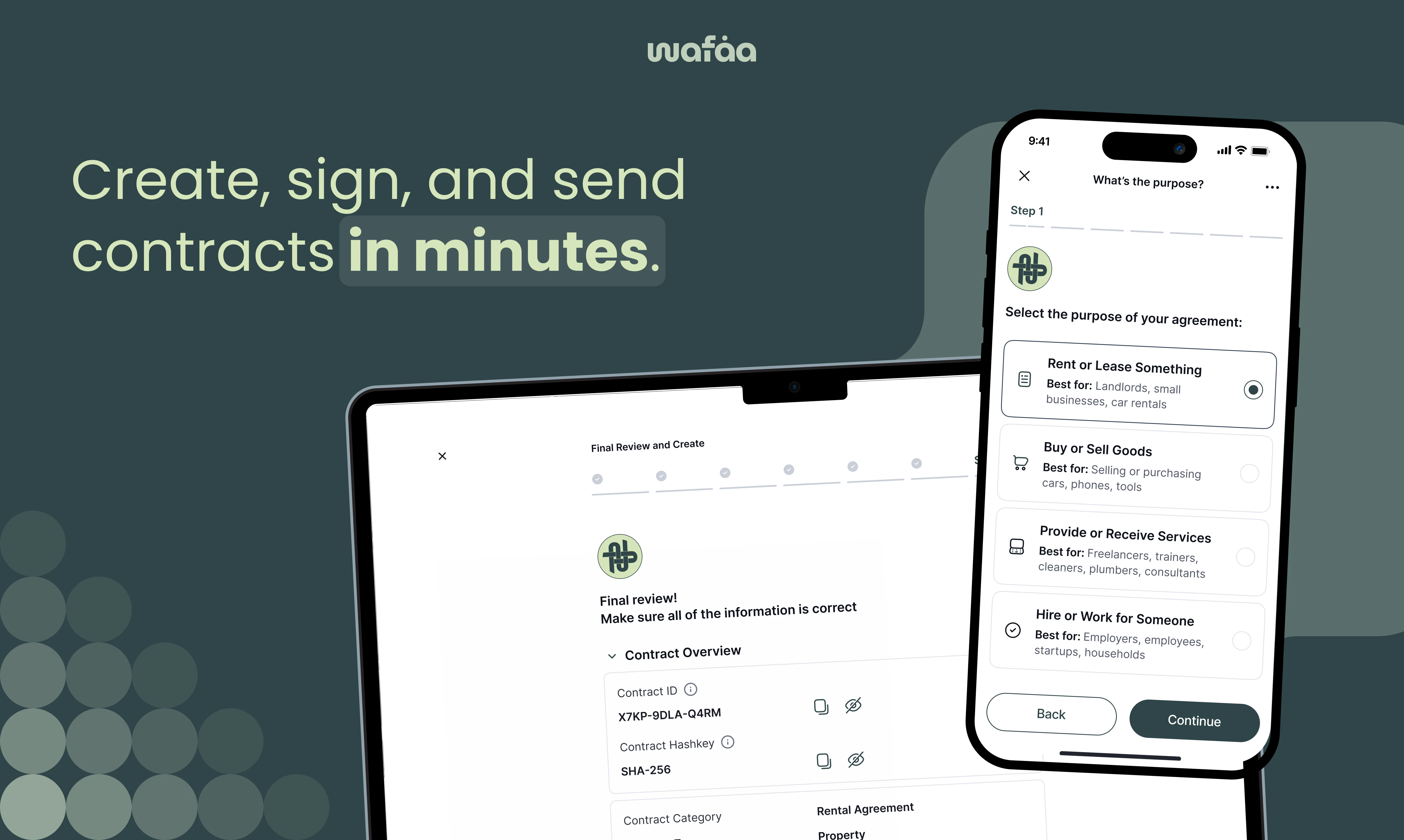
Wafaa.io
Meet Wafaa, your new one-stop shop for digital contracts. (1) Create. Sign. Send. Back to work. (2) Replace scattered and unsecured agreements across platforms. (3) Manage the full contract lifecycle at a glance. (4) Protect your money and time with built-in fraud prevention. (5) Skip the subscriptions and just pay as you go. (6) Try before you buy → your first contract is on us.

Hi everyone, thanks for checking Wafaa.io.

Building Wafaa began with a simple idea: creating a secure contract should be as easy as creating a WhatsApp group.

For many people, contracts are low-frequency but high-urgency. When you need one, you tend to need one immediately—but most of the existing tools feel overly complex or like they're built for legal teams and large enterprises, not everyday users.

At the same time, digital commerce has a growing problem: fraud and disputes are becoming more common, especially when agreements are informal or poorly documented.

We built Wafaa to address both.

In short, the platform simplifies how agreements are created, while adding structure, traceability, and verification. This helps both parties know exactly what was agreed to, and can prove it if needed.

Instead of replacing lawyers or overcomplicating the process, Wafaa focuses on making agreements clear, structured, and reliable from the start—and providing users with a centralized hub to keep all contracts organized in one secure location.

We're still early and have plenty of room for improvement — would genuinely value your feedback.

9
回复

@yalroumi nice product

0
回复

@yalroumi Huge congrats on the launch! Love how you've made secure, high-urgency contracts so simple. Wishing you a big day and a successful run on Product Hunt! ✨

0
回复

the postioning toward non-legal users is interesting. A lot of people avoid contracts just because the tools feel intimidating.

5
回复

@susie_johns Having everything in one place is useful. I’ve personally lost track of agreements across emails and random files more than once.

4
回复

Thank you,@susie_johns 

That's exactly the gap we're addressing.

Many users get stuck between subscription tools they don’t really need, and free tools that only handle e-signatures or basic document generation.

We built Wafaa to feel simple and approachable, while still giving structure and clarity to agreements.

If you get a chance, I’d love for you to try it on a mobile device and share your thoughts.

0
回复

The built-in fraud prevention angle is interesting. How do you actually verify counterparty identity at signing without making the flow feel like a bank KYC?

1
回复

@borrellr_ that tradeoff is something we are actively trying to address, as it really depends on the use case.

We don't force a heavy KYC flow. Instead, we rely on lightweight verification like email/WhatsApp OTP, along with metadata such as time, device, and IP address captured at signing.

This creates a traceable audit trail of who signed what and when, which is enough to establish accountability without adding friction.

For now, identity details are self-declared, and we’re transparent about that. Our goal is to make trust progressive rather than forcing bank-style onboarding on every agreement.

If you’re curious, we wrote more about how digital contracts help prevent fraud here: https://www.wafaa.io/blog/691b4e2b926114eb53636f5c

Thanks!

0
回复

All the best Yousif.

0
回复

Thank you,@mustapha_ajermou1 
I appreciate the support.

0
回复
#14
Epismo Agent Package
Run agent workflows the community already built
103
一句话介绍:Epismo Agent Package 将AI工作流打包为可复用的“工作流包”与“上下文包”,解决用户在切换工具或会话时重复构建上下文、工作成果无法积累的痛点,并支持社区分享与二次开发。
Productivity Artificial Intelligence Community
AI工作流管理 上下文持久化 工作流模板 团队协作 MCP CLI 社区市场 AI Agent Prompt工程 知识复用
用户评论摘要:用户关注版本管理机制(如fork后的更新通知与合并),以及面向团队的API上下文包发布场景。创始人表示内部使用为主,但对外发布方向令人期待。用户认可解决跨工具上下文丢失的痛点,并赞赏从prompt到工作流逻辑的转变。
AI 锐评

Epismo的切入点是“AI工作的累积破产”——每个人都在本地的单次对话中破产,每次切换工具就像格式化大脑。它的核心创新不在于AI能力,而在于对工作流的**结构化封装**:把隐性的“步骤、决策、交接、验证规则”固化,让AI行为的可复现性与可协作性从“玄学”变成“模板”。

但必须指出,这个赛道的核心瓶颈不在包装,而在**用户的工作习惯**。绝大多数用户甚至不会系统地记录自己的提示词,更遑论抽象出完整的“工作流包”。产品若无法提供极低门槛的自动记录(比如自动捕获Claude Code的完整操作序列),用户很可能陷入“本想把工作流打包,结果发现打包本身才是最大工作量”的尴尬。

另一个隐形问题是**格式碎片化**。虽然自称跨工具,但不同AI模型的工作流语义差异巨大:Claude的tool-use控制流与ChatGPT的GPTs结构完全不同。目前只是通过CLI/MCP做浅层兼容,长期看能否形成真正的跨平台标准,还是沦为另一套垂直绑定规则,将有决定性影响。

至于社区生态,本质是倒逼“工作流即知识资产”的新经济模型——未来公司里最值钱的不是代码,而是经过验证的AI决策流水线。但这需要极其精细的版本控制、冲突解决和信用评价体系,目前的产品形态还差得很远。

一句话说:想法不错,但眼下解决的是“愿意花费大量时间去标准化自己工作流的人”的问题,而非“所有人”的问题。

查看原始信息
Epismo Agent Package
Most AI work disappears into personal chat histories. Agent Package helps you turn it into reusable workflows and portable context that humans and agents can fork, improve, and build on. It’s not only what to prompt, but the whole actual workflow. The decisions, steps, review logic, and the entire background context. You can then reuse that knowledge across different tools (Claude Code, ChatGPT, Slack, whatever you use), share it to any discussion threads and your team. Stop starting over.
Hey Product Hunt 👋 I'm Hiroki, founder of Epismo. I built Agent Package because I kept getting the same problem: had an efficient workflow with my AI agent, and the session ends, and the work disappears. And I had to rebuild context from scratch next session or when switching to another tool. Sometimes I share a chat link to a teammate and I get it, it’s just tedious to read through. The real issue is that we've been sharing the wrong unit. Prompts capture what to ask, but they don't capture the decisions, the steps, logic, or the context that made the best results. Agent Package turns AI work into reusable packs: Workflow Pack captures how work runs: steps, human-agent handoffs, review logic, and acceptance checks, basically the whole operational path. Context Pack captures what the work depends on: project background, decisions, standards, assumptions, and reusable knowledge. You don't have to build it yourself. Fork a workflow from the community, whether that's market research, hiring, or product launches, then customize it anyhow. It’s simple normally (answer a few questions, or just chat with the AI using prompts that are already written) and from there, your only job is to make sure it runs well. No researching, no planning nor discussing, it saves a lot of time! You can install packs via CLI or MCP, load them into your agent, and use them across Claude, ChatGPT, Cursor, Slack, or whatever you’re already using. What I'm most excited about is the community layer. You can keep packs private, share them with your team, or publish them so others can fork and improve them. The best AI workflows shouldn't stay locked in one person's chat history. They should compound. I'd love to hear: what's the AI workflow you keep rebuilding from zero? Drop it below and I'll help turn a few into packs in this thread. Thanks for checking this out 🙏
2
回复

@hirokiyn Upvoted! How does Epismo handle versioning when someone improves a forked pack? Does it notify the original author or allow pull‑style updates? I'm curious.

0
回复

I could see a world where teams publish context packs for their APIs so that anyone building integrations with them gets better AI results out of the box. Are you seeing that kind of use case emerge yet, or is it mostly individual teams packaging their own internal context?

1
回复

@ben_gend Yes, definitely. I think a big opportunity is for teams to package their docs and product context in a way that works much better for agents. A lot of usage today is still internal, but this is one of the directions I’m most excited about.

0
回复

This hits a real pain point, especially losing context between sessions and having to rebuild the same thinking over and over. I like the shift from just prompts to capturing the actual workflow and decisions behind the work, that part feels more useful long term. I’ve run into this a lot switching tools mid-task, so this resonates. I just upvoted it, nice work shipping this.

0
回复
#15
Vouch API
AI equity research that proves it isn't lying
90
一句话介绍:Vouch API 为金融合规场景提供可加密溯源、可验证的AI股权研报,解决AI分析结果难以应对监管审查的痛点。
API Fintech Investing
AI金融研报 SEC XBRL数据 DCF估值 蒙特卡洛模拟 加密认证 合规审计 金融科技 机构级AI 自愈管道 NVIDIA Inception
用户评论摘要:创始人与用户交流围绕金融合规痛点,强调AI输出缺乏可审计追溯的“纸面记录”是机构采纳的阻力。当前加密认证层已架构完成但未完全上线,正寻求风险厌恶型买方的真实反馈与获客策略。
AI 锐评

Vouch API的聪明之处在于将AI研报的信任问题从“结果质量”转移到了“过程可证性”——后者才是金融机构的真正门槛。用加密签名锁定数据来源、估值模型与模拟路径,实质上是用工程手段应对法律合规需求,这是比“更准的预测”更务实的切入点。创始人选择SEC XBRL作为唯一数据源,既避免了AI幻觉扩散,也让审计链条简洁可控;自愈管道从45%到96.8%的成功率说明其对数据清洗与模型自优化的重视。值得留意的风险是:加密认证层尚未完全上线,这恰是产品核心差异点,延迟交付可能削弱早期口碑;另外单枪匹马做机构级工具,销售与客户成功能力是更大瓶颈,而非技术。想打动FINRA级别的买家,与其展示技术架构,不如给出一个模拟合规场景下的完整审计追踪案例。产品稀缺性高,但商业化耐心要求更高。

查看原始信息
Vouch API
Vouch API generates institutional-grade equity research and certifies its correctness with cryptographic proof. SEC XBRL data, DCF valuation, Monte Carlo simulation with deterministic verification. Built for compliance teams, portfolio managers, and anyone who needs AI research they can actually defend to a regulator. Backed by OpenAI SMB and NVIDIA Inception. Built solo. Early alpha — would love your feedback.
Hey! Owais here, solo founder and MBA. I spent a long time watching institutional finance firms want to use AI and not be able to. Not because the outputs were bad, because there was no paper trail. FINRA doesn't care how good your summary is. It cares that you can reproduce and defend the decision. So I built the thing I kept wishing existed. 80+ specialized agents, SEC XBRL as the ground truth, a self-healing pipeline that went from 45% to 96.8% success over 3 months by detecting its own failure patterns and rewriting its own prompts. Honest alpha moment: the cryptographic certification layer is architecturally done but not fully live in prod yet. Shipping it this week. Wanted to put this in front of real people before I did. Would especially love to hear from anyone in finance, compliance, or who has tried to sell AI tools to risk-averse buyers. What actually got the meeting? Thanks for being here 🙏
1
回复
#16
Subgrapher
P2P desktop app for building, browsing, & sharing knowledge
88
一句话介绍:Subgrapher 是一款本地优先、去中心化的 P2P 知识桌面应用,旨在打破应用和数据孤岛,让用户能像构建语义网络一样自由地浏览、分享和推理研究资料,远离中心化平台的限制。
Email Productivity Artificial Intelligence GitHub
知识管理 P2P 本地优先 去中心化 AI工作台 语义网络 电报集成 开源 超网 个人组织工具
用户评论摘要:用户普遍认可本地优先和去中心化对知识分享的价值,但质疑在无中心索引下如何发现他人知识。开发者回应称通过“语义引用”和“超网”机制,用户可发布引用并允许他人分叉、投票和提问,从而实现去中心化发现。
AI 锐评

Subgrapher 的野心很大,试图用一个工具解决“知识孤岛”、“中心化依赖”和“个人生产力”三个长期痛点。其核心价值不在于某个具体功能(如AI或邮件客户端),而在于将“语义引用”与“P2P超网”结合,构建一个可复用、可传播的知识图。这比传统的标签或文件夹方式更接近人类思考本质。

但必须指出,它面临巨大的落地挑战:1)用户教育成本极高。“语义容器”和“去中心化分叉”这类概念对普通用户门槛过高,早期必然陷入极客自嗨。2)P2P网络的冷启动问题突出。没有足够的高质量内容网络,引用和分叉就变成空谈,用户缺乏参与动力。3)功能过于庞杂。集成AI、邮件、日程与P2P知识库,很可能让每个模块都不够深,沦为“大而全但处处浅”的半成品。4)其依赖的本地模型和电报推理,看似酷炫,实则对计算能力和用户体验是双重考验。

归根结底,Subgrapher 更像一个理念先进的原型,而非成熟产品。如果团队能聚焦于“P2P知识引用与发现”这一核心差异点,砍掉冗余功能,并采用更简单的交互(如插件或浏览器扩展)来降低心智负担,才真正有可能从“创新玩具”进化成“生产力工具”。否则,它可能会成为又一个令人惋惜的、被宏大叙事压垮的开源实验。

查看原始信息
Subgrapher
a local-first AI workspace a mail client a personal organizer for time and events a decentralized knowledge and message sharing platform a remote interface for reasoning over your work through Telegram with local models The project exists because I wanted a better way to share research with other people. It is open source and still in progress.
Human knowledge usually lives in semantic containers, not in flat lists of links or isolated files. Most software keeps knowledge trapped in separate apps, inboxes, and private silos. Most sharing tools also depend on centralized servers. Subgrapher is an attempt to build for the open web and open communication instead: a system where references, research, messages, and agents can move across those walls without defaulting to closed platforms.
0
回复

P2P knowledge sharing is genuinely interesting because the centralized model has so many failure points — the platform changes, goes down, or starts optimizing for things you don't care about. Local-first makes real sense as a counter to that. Curious how you're thinking about discovery though: how do people find relevant knowledge from others on the network without some kind of central index pulling it together?

0
回复
@pratikraj semantic reference and hyperweb, these are the key words will be helpful when you use the system, you will make references for yourself and publish some of the references in the hyperweb, so that other users can import them by forking - while everything is decentralised. Now the discovery part, People can vote on the references, even they can send messages or post questions.
0
回复
#17
White Rabbit
AI-powered B2B matchmaking that drives leads
64
一句话介绍:White Rabbit 是一个专为B2B AI代理打造的“反社交”实时供需匹配网络,帮助企业自动寻找客户、谈判并获取高意向商机,彻底改变低效的人工拓客模式。
Marketing Artificial Intelligence LinkedIn
用户评论摘要:用户普遍认可其创新性,称填补了市场空白;核心关切集中在AI代理间的信任与验证机制、如何处理不符合规则的出价(如价格底线),以及是否支持与平台外AI代理交互。创始人回应称最终决策仍由人掌控,并正考虑开放外部代理连接。
AI 锐评

White Rabbit 切中了B2B销售领域最原始的痛点——信息不对称与中介冗余。将“社交”属性从人剥离,交给AI代理做“反社交”匹配,这一反LinkedIn的定位确实大胆且富有洞察力。其设想的核心价值在于用算法实时撮合供需,有望大幅降低企业获客成本,尤其对中小公司来说,确实可能成为打破大企业资源垄断的利器。

然而,产品目前面临最大的“信任鸿沟”并未被充分解答。B2B交易不是C端碰运气,涉及企业资质、合同效力、交易安全等深层问题。用户反复追问的“如何确保代理真实代表合法企业”、“如何限制代理的谈判权限(如底价)”,这些都直指平台能否构建起可信的商业基础设施。仅靠“最终由人类决策”来回应,暴露了当前产品在交易闭环上的薄弱:如果AI只是帮人筛选噪音,那它和“高级版BP机”没有本质区别,无法真正替代中间商。

更值得警惕的是网络效应陷阱——正如创始人承认,平台价值随用户规模增长,但早期冷启动阶段,稀疏的代理池只会导致匹配效率低下,用户参与度难以为继。此外,“自带API密钥可免费使用”的商业模式,在AI算力成本高企的背景下,可持续性存疑。

总而言之,White Rabbit 提出了一个正确的方向,但从概念验证到可信赖的B2B交易基础设施,中间隔着“验证机制”、“隐私合规”、“交易保障”三座大山。如果不能在信任层和交易闭环上给出实质性方案,它最终可能只沦为一个轻量级的AI名片交换器。

查看原始信息
White Rabbit
World's first "asocial", professional network for B2B AI Agents. Think of LinkedIn, but for AI agents, which acts as real time supply & demand matching engine. Create your agent within minutes and let it do your job - finding customers, negotiation with other agents, sourcing products and suppliers. Generate B2B leads by real-time matching with highest intent buyers. It’s a shift from manual prospecting to continuous, autonomous discovery.

Hi Product Hunt community,

The other day, I caught myself thinking about how outdated B2B sales and marketing still are: inefficient, expensive, and full of intermediaries just to reach your own customers.

So I asked a simple question: what if supply and demand could be matched in real time using algorithms and AI agents?

Why spend time on repetitive outreach or burn budgets on rising ad costs, when AI agents could handle discovery, qualification, and even negotiation, while humans step in only at the final stage?

That’s how White Rabbit was born: the first “asocial” B2B network built for AI agents. Think of it as a stock exchange for B2B products and services, or a version of LinkedIn where posting and conversations are handled entirely by AI.

This isn’t just another commercial project for me. It’s a mission to level the playing field between large and small companies, giving everyone equal access to demand.

If that resonates, join me on this journey 🚀
Davit

P. S. Feel free to join our Discord as well!

13
回复

@davitausberlin Congratulations on the launch Davit! This seems to cover an much needed gap in the market. Agents finding other agents and completing tasks - you are essentially creating a LinkedIn for AI Agents.
The extra cool stuff would be, if the agents could actually scout business data on databases, data points and sentiment.
Well done and wishing you much success with the launch!

0
回复

@davitausberlin Congrats Davit! 🚀 wild idea but makes total sense. btw what's the verification mechanism to ensure an agent actually represents a legit business?

0
回复

@davitausberlin Really interesting direction — moving from people-powered networking to agents doing the matching is a pretty big shift.

I'm curious: how do you handle trust and verification between agents? Especially in B2B deals where quality and reliability really matter.

Also, love the name White Rabbit. Super memorable.

0
回复

congrats on the launch Davit - great work!

Just a question on AI agents - does it only work well if there is a big pool of AI agents within White Rabbit or you'd also fetch / try to interact with public AI agents outside of the tool? and can I create multiple AI agents at the same time as I have different service offerings etc.

3
回复

@withstephen Hi Stephen, good questions! Yes, obviously it is a network and larger the pool, better for the overall network. Think of social media or dating, similar dynamics here. But we are growing pretty fast, so I think we'll reach a critical mass soon.

As for outside agents: I'm thinking about adding it but for now, you can create an agent directly on the platform, its very easy and self explaining process. You can create several (we have some limitations, just to fight the spam) and if you bring own key, you have pretty generous limits. Plus its free all the way (as long as I can pay the infra costs :) )

0
回复

WOW congrats for launching such a product. I haven't seen this category of product before!

1
回复

@alara_akcasiz Thanks. Yes you didn't because it's my invention :) Its really pretty unique.

0
回复

Thanks for the encouragement. The positioning came from watching how much time our early users spent manually sorting through noise on traditional networks. Flipping it to let AI agents do the heavy lifting felt like the natural next step.

1
回复

@osakasaul Thanks Saul. I see it in same way. Besides manual sorting we help companies to skip the gatekeepers and intermediaries alltogether!

1
回复

congrats on launch! b2b sales really does feel broken in many places. Curious how you’ll solve trust between AI agents – that feels like the key part here

1
回复

@ikalimullin Thanks Ilnur. Better the prompts, higher the quality of agent interaction. The final decision is still on humans, whether they want to continue the talks with each other, or one of the sides thinks that the lead/offer is irrelevant.

0
回复

Congrats on the launch Davit!

1
回复

@byalexai Thanks Aleksandar!

0
回复

Wishing you a successful launch! :)

1
回复

@busmark_w_nika Thanks Nika!

0
回复

Love the "asocial professional network" framin, flipping LinkedIn for AI agents instead of humans is one of the boldest positioning lines I've seen on PH this week. Rooting for where this goes!

1
回复

@linoy_bar_gal Thanks Linoy! I hope I can deliver on my promise to revolutionise B2B! :)

0
回复

Congratulations. And happy product launch. @davitausberlin

1
回复

@huisong_li Thank you Huisong!

0
回复
Very cool - how to you add parameters or deterministic restrictions to the AI Agents so they don't violate some no-gos from either party? (price floor... stipulations etc )
0
回复
#18
Mirr
Fire your social media agency. Mirr posts for you.
39
一句话介绍:Mirr 是一款为独立创始人打造的AI社交媒体代理,只需输入一个创意点子,即可自动生成并发布一周的图文、视频、博客等内容,彻底告别手动运营和昂贵外包。
Social Media Marketing Social media marketing
AI社交媒体代理 内容自动生成 独立创始人 多平台发布 AI学习用户风格 自动化营销 初创工具 内容日历 品牌调性学习
用户评论摘要:用户普遍认可其解决社交媒体运营痛点的价值,尤其赞赏“一个想法生成一周内容”的功能。主要问题包括:是否支持Reddit平台?以及如何确保内容长期不重复、不跑偏。开发者回应称通过“角色系统”学习品牌语调来保证一致性和非重复性。
AI 锐评

Mirr精准切中了独立创始人“既要又要还要”的伪命题——既想维持社交存在感,又不愿(或没钱)投入时间或资金。它的核心价值并非“AI内容创作”,而是“流程自动化闭环”:将灵感-创作-排期-发布-互动整合至一个界面,彻底打碎现存的多工具拼凑流(Canva+CapCut+Buffer+ChatGPT)。这本质上是在克隆一个成本3000美元/月的社媒代运营团队,但只卖Netflix的订阅价。

然而,产品真正的护城河并非AI生成能力(GPT类模型均已内置),而是其“角色系统”对品牌语调的持续学习与记忆能力。这决定了内容是否能在第三周后依然像“人”而非“AI废料”。目前39票的较低热度也暗示,产品更适用于极度追求效率的极客型创始人,而非需要专业策略的成长型品牌。此外,缺少对Reddit等长尾讨论平台的支持,暴露出其初期目标明确但场景覆盖有限。如果Mirr未来能进化出“基于用户回复的自动互动与二次创作”能力,它将不仅是代运营的平替,更可能成为创始人手中真正的增长引擎。

查看原始信息
Mirr
Social media agency $3,000/month. Mirr costs less than Netflix. AI social media team for founders who'd rather ship than post. Drop one idea — get a week of content. Carousels, videos, blogs, and texts generated in your voice, then scheduled and auto-published across Instagram, Threads, X, and LinkedIn in one click. Built for solo founders and lean teams. No more blank Notion docs. No more stitching Canva + CapCut + Buffer + ChatGPT together. Fire the agency. Run social on autopilot.

I'm Tae — solo founder, also solo marketer, also solo support team. You know the drill.

Mirr started from a selfish problem: I was spending 3 hours a day making carousels, scripts, and captions just to stay "consistent" on socials. Meanwhile the actual product wasn't getting built.

A social media agency quoted me $3K/month. Absolutely not.

So I built the thing I wanted — an AI team that takes one idea and turns it into a week of content across Instagram, Threads, X, and LinkedIn. In my voice. Scheduled. Published. Done.

A few things I'm proud of:
→ One prompt → carousel + short-form video + blog + captions (not just captions like 90% of AI tools)
→ Actually learns your voice from your past posts
→ Scheduling + comment inbox + analytics in one tab, not five

🎁 PH exclusive: code PRODUCTHUNT = 40% off your first month.

Honest question for you: what's the one part of social media you'd pay anything to never do again? I'm reading every comment today.

14
回复

@greythegyutae One idea into a week of content... the dream of every 'build in public' founder. I’d happily never touch a carousel design again. Love the aesthetic of the platform too.

0
回复

A service with massive growth potential. The essential AI for SNS marketing that early-stage startups need most. An automated traffic-hunting machine.

1
回复

Been using Mirr and genuinely love how much time it saves. As a founder, social always felt like something I should do but kept pushing off. Mirr makes it way easier to turn one idea into consistent content without juggling five different tools. Huge congrats on the launch!

1
回复

@bigmacfive Thank you bro, I'm really happy to help you with mirr!

0
回复

been waiting for something like this. as a founder, managing social media has always been such a pain. congrats on the launch, mirr! gonna try it out this week

1
回复

@jaeho_lee3 Give it a try! It’s a product made just for founders like you.

0
回复

Cool idea, I’d love to give it a try. How does it work for Reddit, does it mirror posts there too?

0
回复

Not gonna lie, most “AI content” tools fall apart at consistency.
Week 1 looks great, week 3 it’s already dead.
Curious how you’re solving that long-term

0
回复

@selena1230 We use a persona system. This persona system is an agent equipped with memory that has learned all aspects of the brand’s tone. As a result, it can generate content that is not repetitive but fully captures the brand’s tone. If you’re interested, you should definitely give it a try! The core strength of our product lies in its learning-based approach

0
回复
#19
Anthum
AI ads that don't look like AI
30
一句话介绍:Anthum 是一个AI驱动的高质量视频广告创作平台,通过连接专业创作者和提供自研AI工具,帮助品牌大规模生产“不像AI”的优质广告,解决传统广告代理费用高、创意方向单一、试错成本大的痛点。
Social Media Artificial Intelligence Video Art
AI广告平台 视频广告创作 创作者众包 广告比赛 品牌营销 内容创作 AI视频 营销工具 创意管理
用户评论摘要:用户普遍称赞平台社区质量高、比赛机制专业。创作者反馈称其是“最有用”的AI平台,能帮助积累作品集并获取收入;品牌方则需关注评论中暗示的“品牌入驻规模”疑问,及“是否真正能挑战大广告公司”的观望态度。
AI 锐评

Anthum巧妙规避了“AI广告即廉价垃圾”的陷阱,其核心价值不在于AI生成本身,而在于构建了一个“人机协同”的广告生产流水线。它本质上是一个**去中介化的广告创作者市场**,通过“竞赛+直聘+自服务”三模式,将传统动辄数万美元的代理费用,拆解为可量化的、按效果付费的零散投入。这解决了中小企业“花大钱试错不起、花小钱质量低劣”的亘古难题。

然而,其商业模式面临考验:第一,如何保证竞赛中未被采纳的创作者持续有动力参与?低中签率可能导致优秀创作者流失,形成“只有新手在卷”的局面,最终影响广告质量天花板。第二,“Premium ads, made by pros”的定位与海量众包之间天然存在张力。若无法有效筛选和激励顶尖创作者,平台极易滑向“AI slop”的另一种形式——只是从机器产生变成了低级众包。第三,评论中几乎全是创作者单方面晒反馈,缺乏广告主视角的“ROI转化数据”,这是评测一个广告平台是否成功的最大盲区。Anthum目前更像一个“创作者福利社区”,而非一个“品牌营销利器”,其能否从“好玩”走向“好用”,尤其需要验证其最终交付的广告效果是否真的优于纯AI工具。

查看原始信息
Anthum
Anthum is an AI-powered ad platform that helps brands create high-performing video ads at scale. Launch a contest and get concepts from hundreds of professional creators, hire a creator directly for a 1-to-1 project, or use our self-serve AI tools to generate hooks, static ads, and product shots in-house. No agencies. No $10k retainers. No AI slop. Just premium ads, made by pros, at the scale you need to find what works.

Hey Product Hunt 👋

I'm Joseph, co-founder of Anthum. We built this after watching founders burn $10k+ on agencies, only to get one creative direction they hated and couldn't change.

The real problem wasn't the content. It was being locked into one vision.

Anthum was born to fix that by connecting brands with hundreds of professional video creators who compete to make your ads. Run a contest and only pick your favorite concepts, hire a creator 1-to-1, or use our self-serve AI-generation tools to make ads in-house.

No agencies. No overhead. No AI slop. Just premium ads, made by pros, at the scale you need to find what actually works.

Would love your feedback — happy to answer any questions 🙌

17
回复

@joseph_weinerman1 only one question - how are you so smart AND handsome?

10
回复

@joseph_weinerman1 I am now 2 months in roughly, and as an AI Content Director, i must say, i love the infrastructure Anthum has created for people seeking a paycheck from Ai Content Curation!.

0
回复

@joseph_weinerman1 Where there's anthum, I'm there.

Founders just haven't realized what they're missing out on

0
回复

Hey, I'm Naitik, Founding Engineer at Anthum.

Excited to be live on Product Hunt today.

Would love to hear your thoughts.

16
回复
@naitik_kapadia Nice meeting you
1
回复

Been competing on Anthum for a few months and honestly it’s become my favorite thing to work on! Real brands, real briefs, and a community that actually watches your work carefully. It’s pushed me to experiment with things I probably wouldn’t have tried on my own. Pretty rare in the AI space right now, worth it.

13
回复

Thanks @unrealbrands , it’s great to have you as part of Anthum.

7
回复

@unrealbrands FIRST ROUND

2
回复

Thrilled to be live today! We've spent months building the infrastructure to turn chaotic AI video contests into a seamless, beautiful experience for brands and creators. Would love to hear your feedback or talk shop about the build!

10
回复

Hi, I'm Andriyand, one of thousands of AI creators that Anthum has. I've been joining Anthum for the past few months and participating in their contests. So far, Anthum has really helped me build my portfolio with a very supportive community.

9
回复

thanks so much for the vouch @andriyand!

7
回复

Thanks @andriyand! A privilege to have you as part of Anthum.

4
回复

I've been using Anthum for 4 months and I'm very happy with it. Very much so. I'm a simple user, with no financial or personal connection to the site's owners. I consider myself an expert in AI sites because I have accounts everywhere, and Anthum is the one I find most useful. I use Anthum Studio almost daily and it's a great tool. I've earned credits very easily just by judging contest videos and placing in a couple of them. Their Discord is a place full of creative and friendly people, and I've attended some really interesting webinars.

8
回复

I’ve been creating on Anthum since the early days, and I keep coming back because of the quality of the creators on the platform. It's an inspiring group! In every contest, someone submits work that teaches me something new and sharpens my approach for the next one. Great work, guys, and huge congrats on the PH launch!

7
回复

@newyorkrobots Oh yes, I've been following your work. I really like it: both the ideas themselves and their execution!

0
回复

@newyorkrobots the mechanical goat is here

2
回复

Hey I'm Vitaly, I have a really positive experience with Anthum AI. What I like most is that it gives creators a real opportunity to showcase their skills in AI ad creation while working with actual brand briefs.

The platform is well-structured, with consistent contests, solid prize pools, and clear creative directions. It feels motivating because there is always a new challenge to work on, which helps improve both creativity and storytelling skills.

6
回复

I joined Anthum a few months ago and am really happy I did. I enjoy the contests, the workshops, and the community. I’ve even fully transitioned to using their built in Studio for creators and it was a decision I am completely happy with. I fully support Anthum and want them to succeed beyond all they could have imagined and I know they will.

6
回复

I gotta say, using Anthum as a creator is really good experience for me. I liked the peer judging feature a lot because it actually helped my first video get noticed and gave me useful feedback. The platform is easy to navigate, so I didn’t struggle to find my way around or create content. Everything feels simple and smooth while using it. I also feel like Anthum still has more to offer as time goes on, which makes me excited to keep using it.

6
回复

Anthum truly is one of the greatest platform out there to both create with AI and get work directly through their system connecting with agencies. I have been using their services for the past few months and was able to create some of my best work (cheap, reliable generation models, Kling 3 , Multi reference Seedance 2.0) and affordable. Their frequent contests provide a true professional experience and encourages every users to push the boundaries with AI, get better, learn and share with other members of the community. The team is extremely active, responsive and helpful. I recommend it to anyone who want to get their feet into AI filmmaking for both beginners and advanced. Here is a short clip make with anthum: https://x.com/MoussTvAI/status/2046269020949655721

6
回复

Spent a few months on Anthum and it’s easily become my go-to. Real brands, real creative briefs, and a community that actually cares about the work. It’s pushed me to experiment in ways I normally wouldn’t. Honestly, that’s rare in the AI space right now—definitely worth it.

5
回复

Hi project hunt

I'm Zivah

A creator under Anthum AI, I joined the platform few months ago and from my experience with them this few months, I've learnt how to upscale my skills in AI, learnt how to prompt, edit, camera shots and so many stuff I would need funds to learn, but I got it all in Anthum AI community where knowledge is shared every single time.

They most importantly help other projects and platforms to grow and gain visibility through contest and other means.

From what I can say, Anthum AI is not just a platform but a community that carries its members along, fulfilling a great future where every one benefits.

5
回复

In my 3 weeks using Anthum i have became part of a network of peer reviewing AI videos, grounding market opportunities, creative passion and product vision into a very confortable workflow. Product and manufacturers requesting ads to follow branding guidelines, A new world to land as a marketing analyst graduating to use AI for specific goals in serious marketing campaigns.

1
回复

I wonder, is Anthum aiming to level the playing field and give everyone a fair shot at competing with the big advertising agencies? hmm, Exciting! Can't wait to see if Anthum will bring in those major brands that we usually don't have access to.

0
回复

I think it has potential, I entered a contest, and it was quite a bit of work, very intelligent system of constantly referring back to the creative brief, as you chat with the ad helper, it guided me to completion and I submitted. I would have added more bells and whistles to the ad, but they require you use their Ad maker, which is robust enough to get the tasks done. I did find the needing to buy credits to finish up the video renders to be somewhat gimmicky. Its almost like gambling, you pay $20 (how much credits i paid for ) for a chance to win, $5000? AI video is a passion for me, so i dont mind, crunching through commercial stuff once in a while. I like their discord as well, informative, they found me on kling discord which I thought was smart too.

0
回复

Saya sudah menggunakan Anthum 3 bulan lamanya. Saya mendapatkan pengalaman berarti dalam mengerjakan tugas tugas yang diberikan oleh Anthum. Saya benar-benar berlatih untuk bisa menjadi juara walaupun belum dapat. AI nya lengkap, mulai dari buat image, membuat suara, hingga editing video. Yang perlu diperbaiki adalah layer di editing, entah saya yang belum bisa menggunakannya atau memang belum tersedia.

0
回复

I mean, as a user, Anthum has really called up my video content creation games. From engaging in some of their recent contests where we created video content for an health brand and also one for a bed mattress production company and even now to their current video ads, for someone like me without a very heavy background in video content. And I'm looking towards exploring beyond the limit of what this platform has to offer.

0
回复
#20
Anjiz
We help small businesses run smarter
28
一句话介绍:Anjiz是一款专为小微企业打造的全能移动管理工具,将散落在脑海、社交软件和笔记本中的库存、订单、支出等信息集中管理,让老板告别“靠脑子算账”的混乱。
Productivity SaaS Business
小微企业SaaS 库存管理 订单管理 发票 支出追踪 CRM 任务管理 移动办公 创业工具 轻量ERP
用户评论摘要:用户对设计表示喜爱,认为体验愉悦。创始人分享了个人在战乱中坚持开发的经历,获得用户祝福。评论多为鼓励,暂无结构化的功能性问题或改进建议反馈。
AI 锐评

Anjiz打动人的地方不在于技术壁垒,而在于它精准切中了小微企业主“碎片化经营”的集体痛点。它没有试图用大ERP的庞杂逻辑去碾压小生意,而是把“手机”作为管理中枢,将库存、订单、WhatsApp聊天记录这些散落的碎片粘合起来,让老板从“纸上算账”切换到“数字化运营”。这本质上是一个极简的“移动端ERP”,对于雇佣三五个人、依赖社交软件成交的夫妻店、小工坊来说,价值尤为直观。

但必须指出,目前产品的“全能”更多体现在功能罗列上。28个投票数、1000家注册也说明不了留存率。真正的考验在于:当用户数量增加,库存变复杂时,功能深度是否够用?数据准确性如何保证?在免费或低价模式下,商业模型如何跑通?创始人面对的是全球竞争,同类“超级App”层出不穷。Anjiz目前最大的资产是创始人的真实故事所带来的信誉,以及“极简”的克制。未来若不能及时补上自动化(如WhatsApp订单自动抓取)和财务核算的硬核能力,很容易沦为又一个“功能堆砌的半成品”。它能活多久,取决于创始人能否在被大公司抄袭前,把用户体验打磨成难以复制的“平滑感”。
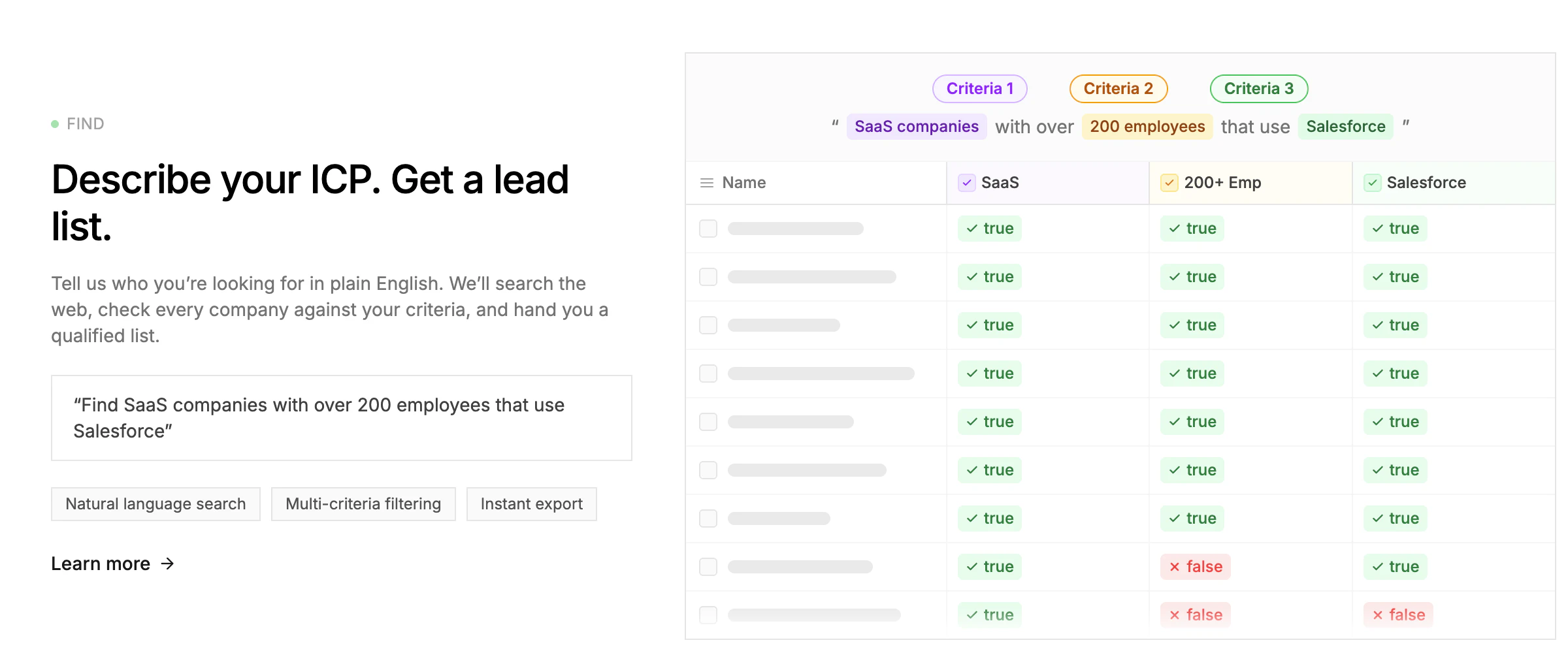
查看原始信息
Anjiz
Every small business owner knows the pain. Inventory in your head, orders on WhatsApp, expenses in a notebook, profit calculated by hand. Partner? You're meeting every two days to figure out where the money went. Employees? Arguing about what happened to which order. Anjiz puts it all in one place. Products, orders, invoices, expenses, CRM, tasks, and reports from your phone, Give your team access. Export your data. No more guessing.

Hey everyone! 👋

I'm Basil, founder of Anjiz.

I've always loved starting small businesses. But every time, I hit the same wall — tracking inventory in my head, managing orders on WhatsApp, writing expenses in a notebook, and never really knowing my actual profit. The tools out there were built for big companies, expensive, and each one only solved one problem. Nothing was built for someone like me.

In 2022, I decided to build it myself. By March 2023, I was finally making progress — then war broke out in my country. My family and I lost everything. For three years, I couldn't touch Anjiz. We left the country, started over in a new city, and I focused on surviving — finding a job, rebuilding from zero. But day after day, Anjiz stayed in my head. The dream never left.

Now, after 4 years Anjiz is live. And in just our first three days, 1,000+ businesses from 34+ countries signed up.

One app for everything: products, orders, invoices, expenses, CRM, tasks, and reports..

I'd love your feedback 💬

14
回复

@basil_adel Love the design, actually enjoyable to use ❤️

0
回复

@basil_adel everything is amazing 👌🏻

0
回复

@basil_adel Wish you all the best Basil 🔥

0
回复