Product Hunt 每日热榜 2026-04-28

PH热榜 | 2026-04-28

#1
Clera
An AI agent matching candidates to the right roles.
415
一句话介绍:Clera是一款AI招聘代理,通过iMessage/WhatsApp等聊天工具与候选人深度沟通,精准匹配VC支持的初创公司全职岗位,并直接向招聘负责人引荐,解决求职者海投效率低、岗位不匹配的痛点。
Hiring iMessage Apps Tech
AI招聘代理 智能匹配 求职平台 聊天式招聘 初创企业招聘 人才中介 自动化引荐 双向匹配 VC支持岗位 iMessage集成
用户评论摘要:用户普遍赞赏其聊天式体验和直接引荐模式,认为比传统招聘更高效。核心问题包括:如何保证公司端匹配信号质量(是否双向对话)、与Mercor等平台的区别、以及长期愿景(如AI对传统工作的影响)。部分用户已成功通过该平台招聘员工。
AI 锐评

Clera的最大亮点并非“AI匹配”这一概念,而是其“反精致筛选”的定位。在招聘行业普遍用AI面试官刁难候选人的当下,Clera明确拒绝AI面试,转而用聊天机器人充当候选人的私人经纪人,直接向用人方做“温暖引荐”。这种策略精准击中了优秀人才对传统招聘体验的厌恶——尤其是在被大量A/B测试、测评系统和虚假JD折磨后。

但从产品本质看,Clera更像一个“高端人才会员制”的变体:它只服务VC-backed的600+初创公司,这决定了其匹配池十分封闭。非大厂、非顶尖人才未必能从中获益。另外,其核心壁垒并不在于算法,而在于能否获取公司端真实的“隐性需求”——这恰恰是最难规模化的环节。创始人也承认这是“秘密配方”,但真正的考验在于:当用户量增长后,人工介入的深度能否跟上,还是只能退化为一个带聊天的简历收集器。

一句话锐评:Clera用“人味”打开了招聘行业的新切口,但能否撑起一个颠覆性平台,取决于它能否持续保持对双方隐性需求的深度洞察,而非沦为又一个漂亮的API封装。

查看原始信息
Clera
Meet Clera: your AI talent agent for finding roles you actually want. Clera gets to know what you’re looking for over iMessage and WhatsApp. It surfaces roles you’d actually be excited by and makes direct intros to relevant companies. You hear about good opportunities without spending hours searching and applying.

Hey Product Hunters! 👋 this is Alex and I started Clera with @sebastian_scott3 and @daniel_wintermeyer.

With everything being built right now, there has never been a better time to work at a startup. But if you're looking for the right team and environment, you won't find it by just "applying" to roles. Clera is an AI talent agent that talks to candidates and hiring teams to build the kind of deep understanding that makes great matches possible. Then it introduces you directly.

Also introducing our $3m pre-seed fundraise. Find more info on LinkedIn and X.

Here's how it works:

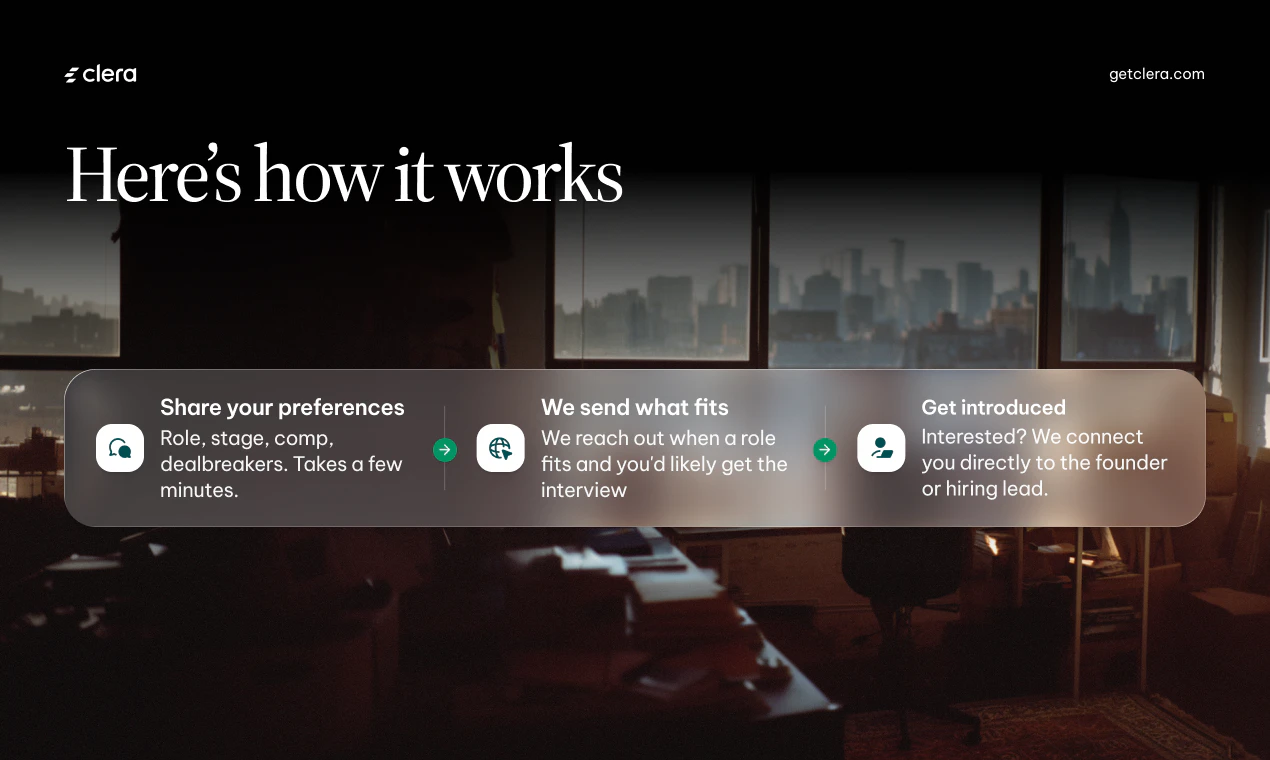
  • Tell Clera what you're looking for: your ideal role, dealbreakers, career goals. Via WhatsApp, iMessage, email, or our website.

  • Clera's matching engine finds the best fit across 600+ startup jobs from VC-backed companies we work with directly.

  • When you like a role, Clera makes the intro. If the company's excited too, you're connected straight to the hiring manager.

  • Track everything in one dashboard: intros sent, interviews booked, feedback received.

What makes us different:

  • Unlike job boards, we only list roles where we have direct relationships with the hiring team, so every match comes with a warm intro.

  • We never force you into AI interviews. Clera is built to provide the best experience for top candidates, not to screen you out.

  • Clera is completely free for candidates. Companies get started for free too and only pay when they make a hire.

We'd love to hear from you: Would you actually use this? What are the biggest pain points you run into when looking for jobs or talent?

Looking forward to your thoughts!

Alex

25
回复

@alexanderfarr finally recruiting is being optimized 🙏

11
回复
5
回复

Lets gooo!!!

2
回复

Nice product, slick UI and like the fact you can use iMessage / WhatsApp in the onboarding. Curious what is your vision longer term (post 5 years) for the future of traditional jobs and how do you see Clera adapting to that?

14
回复

@jasondainter good question - I knew this was to come with the launch video that hinted towards the end of typical work. I think there are going to be a lot of changes that all lead for a stronger need for support in the job market. Those include:

  1. Increases in layoffs and more frequent job changes, more needs for specialised skills etc

  2. Increased war of talent for the best talent who will have more leverage with AI tools. We already now see the difference between good and excellent talent getting bigger with AI

  3. Working becoming more "optional" -> even as this happens (with universal basic income or societal shifts), people will be striving for meaningful things to do in their time and we also think we can help with that

6
回复

@jasondainter thank you so much Jason! In my opinion there will always be information asymmetry in a market (especially when it comes to companies and workers). We are trying to fight this! Who knows how this will look like in 5 years, maybe the changes will not be as big as we expect right now!

1
回复

The conversational approach over iMessage/WhatsApp is a smart distribution choice. As someone who hired 100+ engineers over a few years as CTO, I can tell you the biggest matching problem isn't finding resumes that look right on paper - it's understanding what a candidate actually cares about vs. what they write in their LinkedIn headline. The dealbreakers and career goals part is key because those are the things that blow up offers after 3 rounds of interviews. If Clera can surface those mismatches early, that saves everyone weeks. Curious how you handle the signal quality on the company side - do hiring teams go through a similar conversational intake so the matching is genuinely two-sided, or is it primarily driven by job descriptions?

9
回复

@avrisimon thanks so much for the thoughtful comments.

Actually, this is our secret sauce - getting more data from companies on what they really care about and which hires were successful for them in the past. Happy to chat more

5
回复

@avrisimon would love to hear what you think of the company onboarding flow

2
回复

@avrisimon information asymmetry is probably the biggest problem in one of the biggest markets worldwide (hiring). Working very hard to solve this!!

1
回复

Looks like we have Bumble for job search. I gave it a try, looks pretty solid. Congrats on the launch guys :)

9
回复

@gaurav_singh91 thank you! Sometimes we call it like this :)

4
回复

@gaurav_singh91 thanks! If you see something we can improve, please let us know :)

2
回复

@gaurav_singh91 been trying to make this our headline: "Hinge for Jobs"!

0
回复

We've been using Clera at Pluno and already hired 2 engineers who came from Clera!
Quality of the profiles we receive is far higher than what we've had with traditional recruiters, and it saves us lots of time not having to manually reach out to great candidates.
Highly recommend, you guys rock @alexanderfarr @sebastian_scott3!

8
回复

@korabs thanks for the shout-out! Happy that we could find you some hires! Great to work with you :)

3
回复

@korabs thanks for the kind words!

2
回复

@korabs working with founders like you is a dream come true; and an amazing opportunity for great talent out there to get introduced directly. Thanks for your trust Korbinian.

4
回复

Congrats on the launch @alexanderfarr and the whole team!

How does Clera differ from platforms like Mercor, Braintrust, or even something like А Team for matching candidates with VC-backed startups?

7
回复

@byalexai thanks, really appreciate it!

Good question - those are more focused on other areas and particularly freelancers. We focus on full-time roles with startups. Also very differently built from a product experience.

Have you been using any of these platforms?

2
回复

@alexanderfarr  @byalexai Hey Aleksandar! We are offering literally the easiest to use end-to-end approach for hiring! As a company, you just have to sign up to Clera and tell us what role you are currently looking for! Our agent will automatically research everything about you, deeply understand your hiring needs and then roll out your job to the best fitting candidates!

On the other side of the market we are doing the same: Through ongoing conversations, we are able to understand any candidate way better than any recruiter and can recommend him to request intros at the best companies out there!

0
回复

love that this runs through iMessage/WhatsApp - feels way more natural than logging into another job board every day!

7
回复

@yaajyaansh_bhardwaj thanks - please share more feedback how you like the experience and what's missing for you there!

2
回复

@yaajyaansh_bhardwaj let me know if you have any feedback after trying it out!

1
回复

@yaajyaansh_bhardwaj exactly! This is how applying to jobs should actually look like! Indicating interest and then a quick intro in the mailbox!

1
回复

Literally direct intros to 600+ of the best startups in the US and Europe. If I weren't working for them, I'd be the first one chatting with Clera to get intros.

7
回复

@illja 100%, you have such a big impact on making sure that the right jobs are actually being found!

4
回复

Having you at Clera is such a boost! Placing people where they can truly make the biggest impact is what it's all about!

0
回复

This looks incredibly promising. I really like the conversational approach, it feels like a much more natural and engaging ways to discover roles. Congrats on the launch 🙌

6
回复

@calum appreciate it and thanks for the positive feedback. Curious if you have any more feedback or would use it yourself?

1
回复

@calum Thank you!

0
回复

@calum thank you so much Calum! I strongly believe its no important to actually be where the users lives daily, and that is iMessage and WhatsApp!

1
回复

Now is the time to build agentic solutions that will make our lives easier. Building a recruiting agent that changes the industry in such a positive way is one of the most exciting things I have ever done.

6
回复

@fabc1 so great to build this with you!!

3
回复

@fabc1 agree

1
回复

@fabc1 lets go Fabc! Great to have you on the team building this with us! Agentic solutions can literally revolutionize how we work and how we find our work!

2
回复

Been using this and honestly… this is how job hunting should work. Super clean matchmaking and actually relevant intros. Congrats on the launch guys!!

6
回复

@hmadhsan thanks Hammad, super happy to hear your positive feedback :) let me know if you have any feedback we should change!

3
回复

@hmadhsan love to hear this, thanks Hammad!

4
回复

@hmadhsan Thanks for the kind words! Would love to hear any improvements that might come to mind:)

2
回复

Building Clera has been the joy of my life. Shipping product that actually help people land a job is a dream come true! I have seen countless friends / family stuck in jobs they don't enjoy. With Clera we can finally remove that friction!

Keen to learn about any feedback while using the product!

6
回复

@sebastian_scott3 its such an important mission, esp. in today's AI times. Glad to be working on it with you!

2
回复

@sebastian_scott3 Great building this with you!

0
回复

@sebastian_scott3 lets gooo! Lets make the last 5 years of employment count and get everyone the job they deserve!

1
回复

Crazy product (ok, I am biased). Happy launch day, go Clera, go!

6
回复

@daniel_wintermeyer so proud to build this with you!

3
回复

@daniel_wintermeyer most cracked engineering team on the block!

2
回复

@daniel_wintermeyer lets goooo!

1
回复

Smooth platform from the candidate's side :)

5
回复

@rohin_shahi appreciate the feedback Rohin! How did the matches look like? Heard from another user that he was already in a process with a couple of the companies he was matched too!

1
回复

@rohin_shahi glad to hear!

1
回复

clera found our first gtm hire!

5
回复

@ohy lets goooooo Alex!

0
回复

@ohy Thanks for the shout out!

0
回复

Congrats guys! Great team! On a side note: How do you find and match candidates?

5
回复

@jan_heimes Thank you! We source from our fast growing pool of 80k+ top candidates on Clera and also do targeted outreach for our clients to people not on Clera yet, based on what the companies are looking for.

1
回复

@jan_heimes our super advanced matchmaking searches our growing talent pool of +80k talents for the best fit candidates and sends them over to founders and hiring managers. We also do that on a continuing base, that means founders always get send over the best fitting candidates as soon as they enter the platform!

But of course same for our talents!

0
回复

running through iMessage is a smart call. job searching already feels like a second job — the last thing you want is another app to check. curious how it gets to know your preferences over time, like does it ask directly or pick up on what you react to?

5
回复

@ahmadhajj yes, and usually there is so many. Clera tries to get the basic stuff upfront, but then learns alongside your activity. Reactions, interview feedback, simple nudges. Always hard though to nail a proper experience here, to not ask for too much, while we need some data to surface the best matches. Any feedback on the flow here?

2
回复

@ahmadhajj hey Ahmad! Exactly, an app that lives there where you already live (iMessage/WhatsApp)! We learn your preferences based on what roles you find interesting and any additional input you give us over time!

0
回复

Congratss 🎉 Love that the bar is "intros where the company is actually excited" rather than another firehose of listings. The WhatsApp/iMessage entry point is genius!!!

5
回复

@jamesvanderpant really love the support - much appreciated!

2
回复

@jamesvanderpant Not sure which crazy man was cooking on the UI and UX. Know some good people who could support an aspiring team? 😉

2
回复

@jamesvanderpant having both sides be excited is what you need to keep them happy:)

1
回复

a love story but with stock options. (forever, but four years). lfg!!

5
回复

@elaine_hladik haha well-put :)

1
回复

@elaine_hladik last 5 years, make it count!

2
回复

I had a great experience using Clera during my recent job search. The platform’s ability to handle company-specific 'additional questions' allowed me to provide high-signal responses that actually showcased my background. It clearly makes a difference—I was able to secure an interview with one of the companies that I see great match. Highly recommended for anyone looking for a more tailored recruiting experience.

4
回复

@minnie_t so glad to hear that!! Was there something missing that we can still improve on?

0
回复

@minnie_t Love to hear it and appreciate your support! Wishing you the best for the next interviews!

0
回复

@minnie_t glad to hear you're enjoying Clera! We are building the one and only end-to-end solution for hiring and finding jobs, both for companies and talent!

0
回复

Nice. Love the idea and the video.

Are you planning to find more CTOs to become Member of Technical Staff ? :)

https://x.com/henrythe9ths/status/2049148130059292743?s=46&t=3M0KdWHI2R4FjKbL-WWA5A

4
回复

@thisiskp_ Thank you the KP! Big part of our system prompt to also match previous CTOs to MTS roles at the fastest growing startups out there!

2
回复

@thisiskp_ Appreciate it! Yes, for the right role and candidates interested in this shift, we are seeing more and more matches here.

btw we also posted on x:) https://x.com/danwintermeyer/status/2049188973059400173

3
回复

@thisiskp_ wow a comment by the GOAT. Huge honor & thanks KP!

2
回复

Congrats and good luck!

4
回复

@0xs34n thank you Sean! Are you using Clera as a talent or a company hiring?

1
回复

@0xs34n thanks Sean!

1
回复

Looks really cool - can't wait to try when we restart hiring. Curious how do you source candidates - is it Clera users on the other side; or also off-platform candidates?

4
回复

@dawid_baranowski Love to hear it and great question! It's actually both, our fast growing talent pool of 80,000+ candidates as well as sourcing off-platform based on what our clients are looking for

1
回复

@dawid_baranowski Hey Dawid! We match jobs to our growing talent pool of +80k of the best talents in the US and Europe! If youre interested in one of these talents, you can easily request an intro and if a talent is matched to the role and interested, the talent can easily request an intro!

Our matchmaking is top notch and makes sure if only matches both sides, if we actually expect a mutual interest!

0
回复

Big fan! Love how easy it is to get started and meeting all the great talent!

4
回复

@dan_meier1 Love to hear that!

Making it easy to get started is one thing, but actually meeting great people is what really matters.

Just wondering - what kind of talent have you found to be the hardest to recruit?

1
回复

@dan_meier1 thank you so much Dan! Working hard every single day to serve our companies and talent with intros they actually deserve!

2
回复

i am assuming its primarily focusing on the west for now?

4
回复

@roy_kek you will have the best experience currently if you are US or Central Europe based, yes. Got some big plans of course, but we want to nail these regions first. You can still try it out - would love your feedback.

3
回复

@roy_kek We do have some clients looking to fill remote roles for example in LatAm as it overlaps with US time zone but the focus is on US and Europe as most our clients primarily hire there right now - more to come in the future though as we see the problem everywhere.

1
回复

@roy_kek Hey Roy! We are focusing on the US and Europe right now! We have a couple of companies hiring outside of that in Australia, Dubai etc, but you will definitely get the best experience if you are located in the US or Europe!

0
回复

Super smooth onboarding, found 3 solid SF roles that actually match my background. Love it!

4
回复

@erwan_gardelle3 happy to hear you had such a good experience!

2
回复

@erwan_gardelle3 thanks for the feedback Erwan - glad! How did you use Clera? iMessage/Whatsapp or via Web?

2
回复

@erwan_gardelle3 Amazing! All the best for the interview process - curious to hear what you think of Clera's support post-intro:)

1
回复

Sounds really interesting! How do you make the intros after I've shown interest in a company? Also curious if Clera helps tailor the pitch for me before the intro, or if it's a direct connection to the hiring manager?

4
回复

@marcus_larsson1 good questions! The flow typically is like this:

  1. We show jobs that we have data that you have good chances of landing an interview and is interesting to you

  2. We share your profile to the company via our dashboard and Slack / Mail

  3. Once they opt-in, we make direct intros

Does that make sense to you or what would be the best workflow for you?

2
回复

@marcus_larsson1 we're in slack with the founders or hiring managers, and we pitch the match - why you two should talk. We do, but not greatly, surfacing that right now though to the candidate. What's your take on that? Would you like to see how we pitched you so you can make the proper adjustments?

2
回复

@marcus_larsson1 just to add, the actual intro in the end is often through email as this is the preferred channel for both sides to kick off the interview process. And for tailoring a pitch, as Alex shared, we already pitched your profile to the company for you but in case you need help with presenting yourself in the interview, Clera also helps and sends you resources:)

1
回复

Feels like the hardest part here isn’t finding roles, but actually understanding what someone truly wants (which most people struggle to articulate).

Curious how Clera gets signal beyond what users explicitly say?

4
回复

@munevver_ertuncccc very good question. we do have a career coaching mode also where we try to help with general exploration as well.

Our focus is on just asking question that you could normally not filter for / would forget to specify like:

  1. Structured conversation, not open-ended forms. Our agent asks pointed follow-ups designed to surface the "why behind the what." If you say you want remote work, we dig into whether that's about flexibility, location, or avoiding a specific commute. The distinction matters for matching.

  2. Reading the job side deeply too. Half the problem is that job descriptions are also poorly articulated. We use AI to extract what a role actually involves day-to-day, what skills genuinely matter vs. wishlist items, and what the team culture looks like from real signals. Better understanding of both sides means better matching even when neither side describes themselves perfectly.

3
回复

@munevver_ertuncccc agree. And articulating is hard if you don't know what is possible or you have been primed to accept what you get offered by the market. We do a couple of things: First, we do ask you. But then, we learn from your actions - which roles you like or dislike. We ask you why and find patterns, leading to hypothesis on our end we validate with you. So, every interactions help us better to find you the ideal role. Would love to hear your take on that though!

2
回复

@munevver_ertuncccc Very good question! Another way we get signal is by evaluating and understanding why a user liked or didn't like a role - or by calibrating candidate profiles with companies and helping them narrow down what they actually want

0
回复

We have been working with Clera for months now, and it has become a key hiring channel for us.

4
回复

@peter_tribelhorn Thanks for the shout out!

0
回复

@peter_tribelhorn Glad to be working with you!

1
回复

@peter_tribelhorn glad to hear this Peter! Seeing a lot of traction with the Hera roles on our platform!

0
回复

with whatsapp - right top of mind, smart!

4
回复

@mauricevv thank a lot! Yes Whatsapp and iMessage are perfect to get started and also help us notify if companies are specifically interested in chatting with someone from our network. Win-Win!

0
回复

@mauricevv thanks, appreciate the feedback :)

0
回复

@mauricevv yes, we think that this approach will be the future of software, always being there were the user actually lives daily

0
回复
#2
SureThing.io
Autonomous agent that communicates results like a human
340
一句话介绍:SureThing.io 通过将 GitHub 上的开源AI技能一键转化为具备持久记忆和业务上下文的自主Agent(如COO、CMO、CTO),让CEO无需调试即可像管理人类团队一样管理AI,解决“代码到落地”之间的鸿沟。
Productivity Artificial Intelligence
用户评论摘要:用户关注点集中在:Agent间的记忆与冲突处理(销售vs产品目标)、业务上下文吸收机制、自主执行的安全性与审计日志、与非技术人员的配置门槛、私有仓库支持。团队回应强调“人类在环”、状态级记忆(非笔记式)及自进化能力。
AI 锐评

SureThing.io的价值不在于又造了一个“能干活”的Agent,而在于重新设计了人机协作的汇报与决策链路。市面上多数Agent是工具,用户是操作者;SureThing让用户从“调试”转向“管理”,将Agent定位为能汇报、有记忆、能自进化的“虚拟员工”。这一视角切换精准击中了当前AI落地的最大瓶颈不是模型能力,而是人类如何不成为流程瓶颈。

但需警惕其宏大叙事与实际交付的差距。用户评论中对“COO、CMO、CTO”多元角色的协作、冲突解决、记忆持久化提出了非常具体且尖锐的质疑。虽然团队回应了“状态级记忆”和“人类在环”,但实现一个能理解复杂商业语境、跨角色协同、且在冲突中做出合理决策的Agent系统,技术难度极高。目前回复中“你说了算”的CEO裁决方式,本质上将复杂问题甩回了人类,并未真正展示Agent间自主解决“销售目标VS产品现实”这种典型商业矛盾的能力。

此外,“粘贴GitHub技能”降低了上手门槛,但技能能否真正适配一个具体企业的流程、数据、合规要求,仍有漫长的适配过程。当前的成功案例(LinkedIn营销、内容创作)属于相对线性的任务,尚不能证明其在复杂运营决策中的可靠性。

一句话总结:概念和定位顶级,但落地细节仍需持续验证,尤其是在非线性、多Agent协作的复杂场景下。如果团队能真正兑现“自动学习并解决冲突”的承诺,有望成为AI应用层的“操作系统”级产品;若只是巧妙的汇报界面,则难逃“高级自动化脚本”的宿命。

查看原始信息
SureThing.io
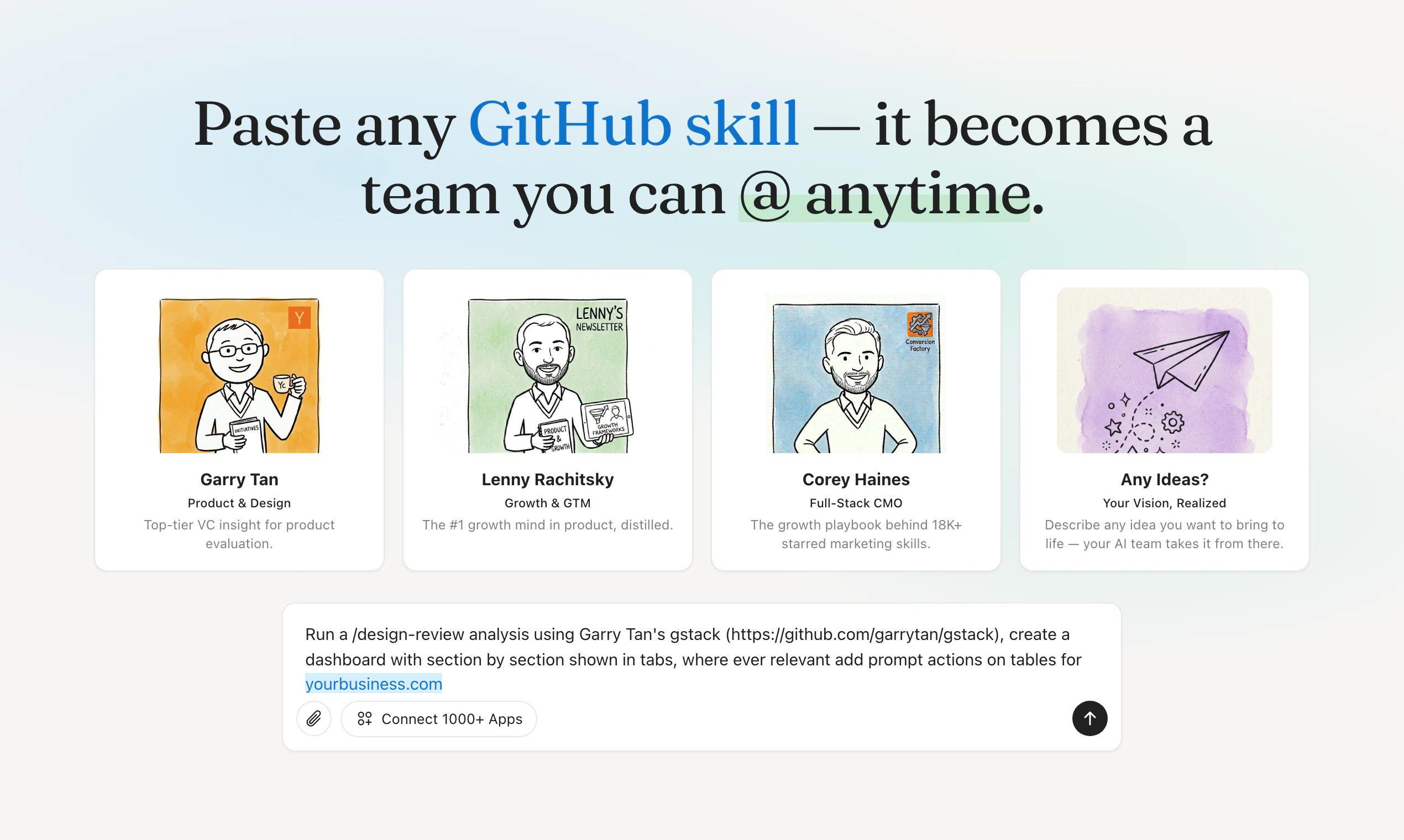
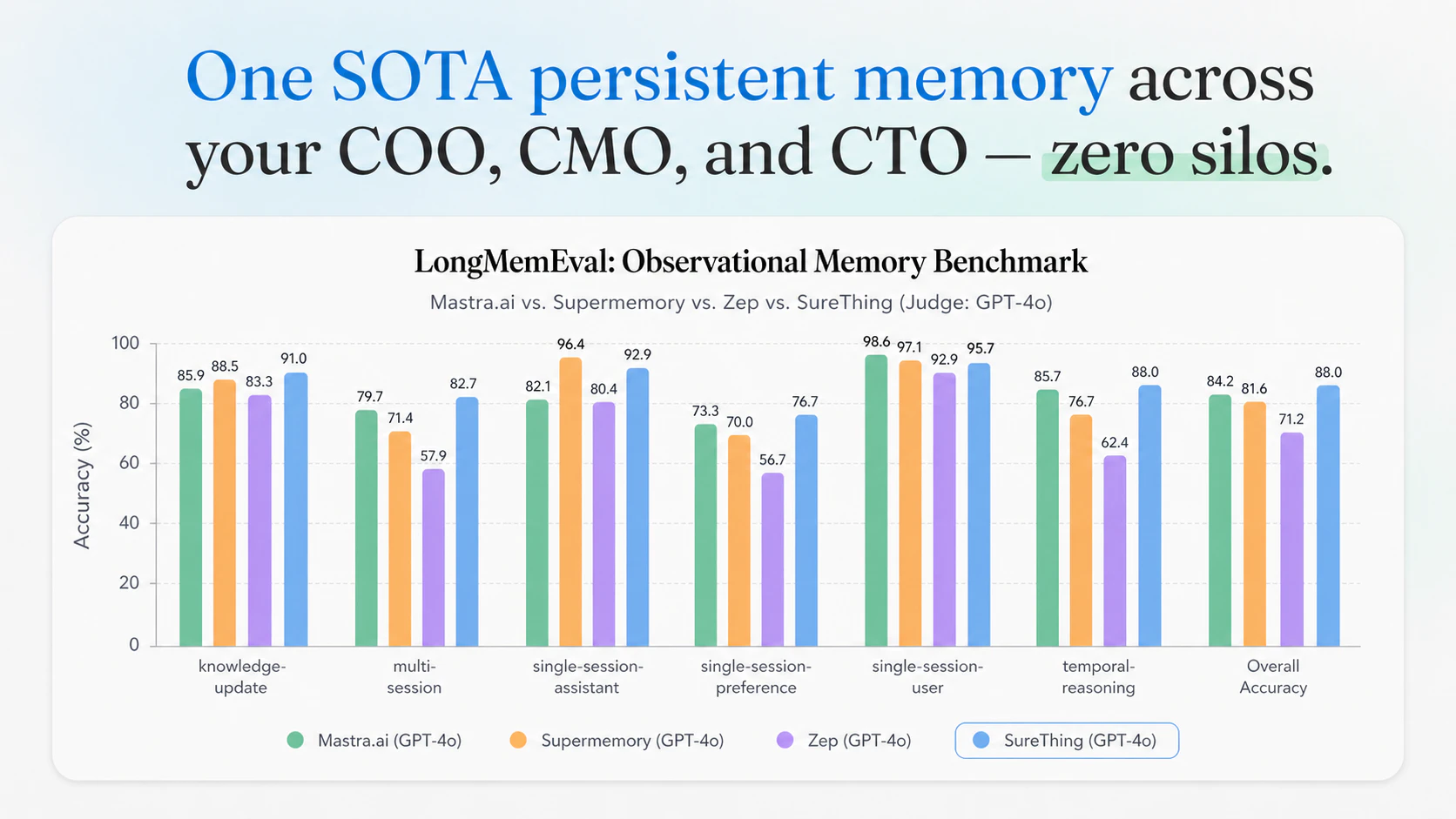
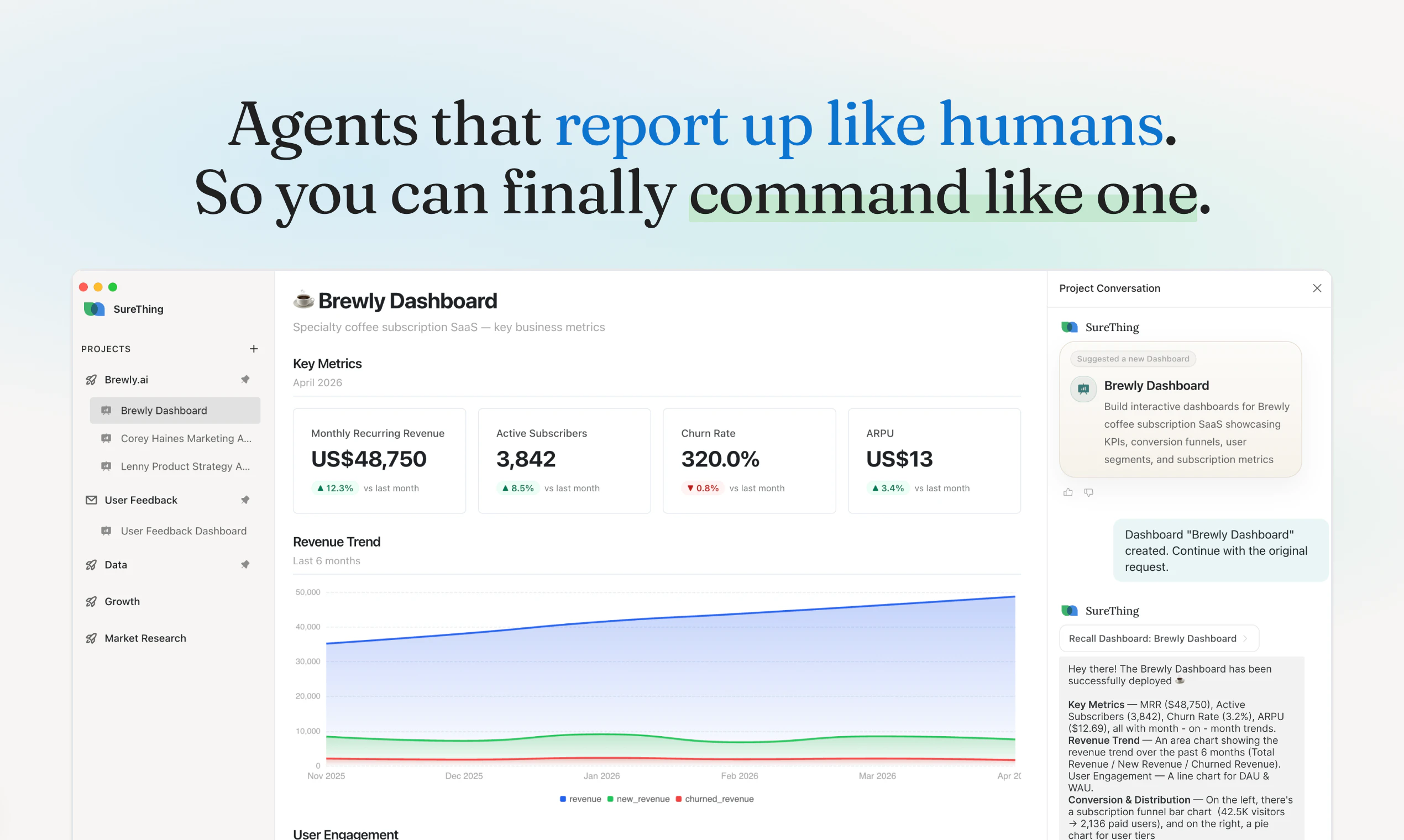
Everyone's running AI agents. Seldom hitting their business goals. AI isn't the bottleneck anymore. Humans are. SureThing is a General AI Agency. Paste any GitHub skill — it becomes a team you can @ anytime. One persistent memory across your COO, CMO, and CTO — zero silos. Agents that report up like humans. So you can finally run it like a CEO, not a debugger. With SureThing, now hit your business goals at inference speed.
Hi PH family, This is Celine, cofounder of SureThing. Quick honest question: how many GitHub repos have you starred in the last 6 months? How many are actually running? That gap is what SureThing solves. The world's best AI skills are open source — Karpathy's research agent, Garry Tan's gstack, 20k star+ marketing skills repos. Free. Right there. But "right there" means raw repo, no GUI, no business context, and a terminal that assumes you invested time into vibecoding. We built SureThing for the founder, operator, or marketer who wants to use the best AI — not spend 3 days setting it up. Paste any link → one click → it becomes a proactive employee with real memory, a live dashboard, and your business context baked in. You're the chairman. It executes. What makes us different from OpenClaw / Claude Code: They built a terminal. We built a reporting line. AI has no speed limit. Human do. SureThing gives your agents a dashboard to report up — so you stay in control without being the bottleneck.
20
回复

@celine_yu Looks really interesting! Congrats with a launch team!

1
回复

Love the "CEO not debugger" line.
Real question though: when the COO, CMO, and CTO agents share one memory, who wins when there's a conflict between sales goals and product reality? 😅

BTW, many congrats on the launch team!

5
回复

@boyuan_deng1 Haha reality always wins 😂 . Thanks man! 🙌

0
回复

@boyuan_deng1 what a great question! Probably I will go for sales goals haha. Customer's willingness to pay explains everything. But do open for discussions.

0
回复

@boyuan_deng1 LOL, I think it's "you", the CEO, tell them what you exactly want at that moment.😄

0
回复

@SureThing.io best agent I've ever used so far. I'm using it for my linkedin post ideation to posting. how about adding personal skills?

4
回复

@arjun_pansheria Thanks Arjun! Just tell your agent whats wrong, your digital extension will reflect itself and self-improve day by day.

0
回复

@arjun_pansheria Personal skills are very much the direction. SureThing auto-learns and evolves them at runtime as you use it, based on its own success and fail, and also your feedback.

And you can also bring your own skills if there are on other platform, or paste any open-source skill straight into your team.

From this angle, it's basically a machine for learning and internalizing skills.

0
回复

@arjun_pansheria  also, you can just share any best practices or skills with your agent, and let it learn them itself

0
回复

I have like 30 starred repos and maybe 2 running lol. Congrats on shipping this, curious how the memory layer works across the COO/CMO/CTO agents — is it shared context or do they each have separate threads that sync?

4
回复

@carlvert wow Calvert, you immediately locate our key competitiveness - memory. Most agent memory today is note-style. Extract, save, recall. Useful, but you still start from zero every session with better source material.

Ours is closer to procedural memory. We save the state of the work, not just what happened.

When you come back, your COO/CMO/CTO don't reconstruct from notes, they resume. Half-drafted email, pending vendor input, whatever was live in working memory still is.

You don't recall Tuesday. The agents are Tuesday.

0
回复

@carlvert Great question. Each agent has its own memory and context, but can pull shared context from other agents, and call each other to collaborate on execution. So less three chatbots in parallel, more an actual team.

1
回复

@carlvert  Key point! How do you think about this? 😄

0
回复

@celine_yu Congrats on the launch

Quick question: if agents report up like humans, does that mean I'll start getting "quick syncs" and "status update requests" from my AI at 5 PM on a Friday? 😄

4
回复

@abod_rehman haha definitely, anytime anywhere! Just say it to your digital self.

0
回复

@celine_yu  @abod_rehman  Sure thing! Try it free 😁

0
回复

Love the chairman, not coder framing. How much business context can SureThing actually absorb before it starts making decisions?

3
回复

@angelo_bram Honest answer: there's no fixed context bar. SureThing doesn't load your business upfront, it absorbs it through the work.

Mechanics: human-in-the-loop on every decision early. You approve, override, or redirect. Each becomes procedural state, not just notes. After enough cycles, the agent makes the call you would've made, and you stop reviewing the boring 80%.

0
回复

Building SureThing is fun. Seeing how people put it to work is what makes the late nights worth it.

A few snapshots users have shared with us:

→ A B2B founder who finally turned LinkedIn into a real pipeline. SureThing finds the right people, opens the conversation, follows up for weeks, and hands him warm leads when it's actually time to talk.

→ A therapist building her public practice on X and Instagram. Content drafted, posts scheduled, comments answered in her voice. The followers showed up faster than she'd planned for.

→ A Shopify seller spotting which products are about to pop, generating the listings, refining the copy, and watching her conversion rate climb.

→ My favorite: a mom who built a little math game for her kid. No code, no engineer in the family. Just one evening, one idea, and a lot of love. It's part of the bedtime routine now.

These aren't features we built. They're things people figured out to do with SureThing, and every time we see one, we want to make it possible for more.

Make your goals a sure thing.

3
回复

Congrats! Quick q — when you paste a GitHub skill, how much manual config is still needed to get it running with business context? Is that part guided or does it require some technical setup upfront?

3
回复

@sandy_liusy nuh, no technical setup at all. We have power users such as gym owners, lawyers, agency owners, they can all set up their AI employees easily with no technical background.

0
回复

@sandy_liusy just one click to send GitHub skill, then you can get an agent, nothing else you need to do.

0
回复

Does SureThing work with private repos or just public starred ones?

2
回复

@antonio_manuel1 Both work. You can either upload the code directly, or authorize the repo through SureThing's GitHub connector. Have fun playing with it.

0
回复

@antonio_manuel1 Any repo works. In addition, you can send any blog/posts with best practices to SureThing, it will learn and evolve to be more powerful!

0
回复

What happens when the AI makes a bad call is there an undo or audit log built into the dashboard?

2
回复

@andreea_stoica4 Great question. A few layers here:

First, SureThing never acts autonomously by default. Anything that runs on your will (auto-replying email, posting, etc.). SureThing will requires you to hit a literal Approve button to run automatically afterwards. Very explicit, no ambiguity.

Second, every action it takes gets reported back in the conversation, so you can catch a bad call and course-correct.

And like with a real teammate, your feedback compounds. Our memory system helps it remember the mistake and set its own guardrails next time.

0
回复

@andreea_stoica4 great question Andreea! That's why we now take human-in-the-loop as the key product design.

0
回复

“Agents that work like a team” sounds great,
but getting consistent results from even one AI agent is still tricky.

2
回复

@sonu38 Indeed, I can tell Sonu you also work in the agent industry. Hence we are also iterating our agent template to strength the capability of one single AI agent (vertically).

0
回复

@sonu38 You're putting your finger on a real pain point. Inconsistency is the gap most AI agents fall into today, and it's exactly the problem SureThing was built to solve. We're seeing solid results so far, would love for you to try it and tell us where it holds up (or doesn't) 👀

0
回复

This hits.

Feels like the real problem isn’t building more agents, it’s getting them to actually work together and move things forward.

The “agents that report up” idea is interesting — closer to how people actually think about running a team.

Curious how the shared memory holds up in practice. That’s probably where it either clicks or breaks.

2
回复

@leonliu2049 Thanks Leon, what makes it click in practice: we treat memory less like a knowledge base and more like a state machine. Persist execution state (open questions, pending inputs, partial drafts), not just artifacts. Plus a source authority hierarchy so disagreements resolve cleanly.

0
回复

@leonliu2049 Each agents have their own memories for execution, then they can share memories with each other if needed, no human-in-the-loop action, just agents collaborate with each other by themselves.

0
回复

Congratulations on the launch! If SureThing “does the job” instead of just suggesting, where do you draw the line between autonomy and human oversight?


Looking forward to see how SureThing develops

2
回复

@alexis_lee3 Thanks a lot Alexis! We put a lot of thoughts on designing the best way of human and AI collaborating together, your comment is indeed a very key question. We have a special design of Human-in-the-loop UX, which may be one of the answer. Feel free to try!

0
回复

@alexis_lee3 Thank you!

HITL(Human-In-The-Loop) is exactly the right place to dig in.

We don't hardcode the line. SureThing learns your preferences over time, so when to act, when to ask, and when to flag all get shaped by a preference memory and a self-evolving feedback loop, not a fixed threshold.

If you try it you will see how it learns over time.

0
回复

Very interesting product. quick question: the agent can get certain skills from GitHub, how would the agent be suitable for a certain job in that specific startup. Could the agent be connected with working software like emails or slack so that the agent has all context?

2
回复

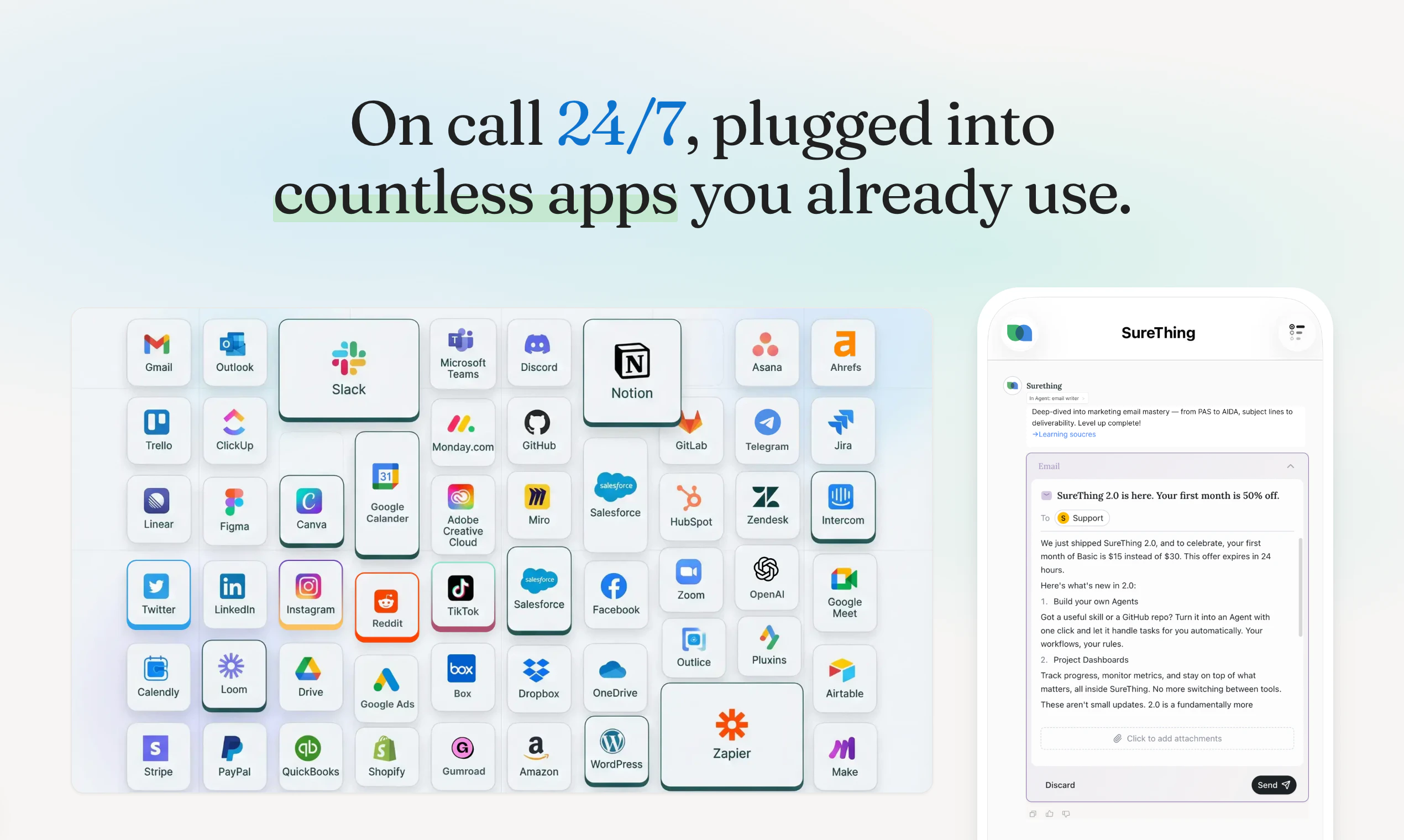
@yjbdr yes great question, SureThing supports 1000+ popular applications (of course, emails, slack, all kinds of social media, github, posthog, notion etc. are all supported) connections via oauth, the most secure and easiest way for non-technical founders. For the advanced users, they can also setup by custom APIs for the specialized vertical tools.

0
回复

@yjbdr Agent can be evolved by itself basing on your business context and skills from Github, and then provide customised solutions for your business's goal.

0
回复

My first reaction: this feels less like "another AI agent" and more like the missing layer between starring a repo and actually running it.

2
回复

@cynthia220 

Yes! you totally get it.

Digesting skills is one of SureThing's core capabilities. Installing a skill feels like hiring an experienced person, except it's free, instant, and you can swap them out anytime

0
回复

@cynthia220 And memory is also another differentiator. But you need to try it to get to understand. Free to try Cynthia!

0
回复

@cynthia220 Bingo! Please try it further and share more great thoughts with us.

0
回复

@agentos Could you share more about workforce scaling and latency? I’ve run into systems like this before, and in production environments these issues usually become more significant.

1
回复

Fair concern 🙏 We've been tuning parallelism + per-tenant isolation hard.

0
回复

Congrats on the launch, is it fully autonomys and is there a possibility to add human input to the loop, in order to make sure it's compliant with business goals?

If it's done, how do you handle it?

1
回复

@hamza_addi Human in the loop is a big differentiator for us. That is our core insight after keeping in mind - achieving business goal is the most important thing for our customers/users.

1
回复
I love this! I know this isn’t the intended end user, but I would like to see this operating as a development/startup team!
1
回复

@jacksonburch Thank you Jackson, we do have early openclaw contributor as our paid power user. So have a try!

1
回复
@celine_yu Challenge accepted. I’ve spent the last six months architecting serverless multi-tenant SaaS, so I’m highly interested in seeing how the persistent memory handles complex data routing compared to standard autonomous agents. Spinning up a test environment soon. Are you guys currently expanding the engineering/product team, or strictly focused on user acquisition right now?
0
回复
@celine_yu That makes complete sense. You’ve built the legos, but non-technical operators don’t know how to assemble them into working application, correct? Honestly, that deployment gap is where I live! Most of my peers are non-technical and I design to make those two worlds meet in real-life. If you are actively looking for technical integration partners to step in and build these solution sets for your users, we are highly aligned. How are you currently routing your users who hit that wall?
0
回复

the "chairman not debugger" framing hits differently when you're a solo founder wearing all three hats. COO, CMO, CTO — same person, same head. agents that report up instead of waiting to be queried is the actual shift.

1
回复

@webappski yes, solo founders so far are our core ICP. They really need AI's help on a daily or even hourly basis.

0
回复

@webappski Thanks, Alex. You got the point! Try it further and share with us more insights!

0
回复

his sounds like a dream. As a solo founder working warehouse shifts, I spend more time being a 'debugger' on my Chromebook than actually being a CEO. My biggest bottleneck isn't the AI code, it's the 'human' energy to manage all the silos (CMO, CTO, COO) alone. How does SureThing handle the deployment side of things when the 'CTO agent' hits a wall with infrastructure limits?

1
回复

@raquel_alves1 We resonated a lot with you Raquel. We are more focused on solving operational problems. CTO agent we recommend other more focused product such as Claude Code or Lovable.

0
回复

@raquel_alves1 Sharp observation — the human IS the bottleneck. That's exactly what we're tackling. In SureThing, agents collaborate with each other autonomously to get work done, and they report back through shared dashboards and task tracking so you stay in control without being in the loop on every step. Think of it as your agents running the CMO/CTO/COO silos together, while you focus on the calls only a CEO can make.

0
回复

Exactly the problem. Open-source AI tools are amazing, but the setup overhead kills adoption. Nice solution.

1
回复

@conan_chao Resonated with you so much Conan, especially myself as a non-technical cofounder.

0
回复

@conan_chao Thanks! Please try it and share more great thoughts with us!

0
回复

This resonates a lot — tons of starred repos, almost none actually used.

If SureThing can bridge that gap reliably, that’s huge.

1
回复

@janicelewis00 Thanks Janice! Feel free to have a try! Free to start.

0
回复

@janicelewis00 Great insight! Try it further and share with us more great thoughts

0
回复

The “starred vs actually running” gap is real. Most tools like OpenClaw or Claude Code still assume users operate in a terminal. SureThing.io's reporting line framing is a clear shift toward outcomes, not setup.

1
回复

@alexia_li 

Setup has been the tax everyone pays to use AI, but not on SureThing.

0
回复

@alexia_li Thanks Alexia! yes, stop debugging and invest time back to business problems!

0
回复

@alexia_li Whether technical or non-technical, every user deserves an out-of-the-box AI agent that actually hits their business goal. That's the bar we're chasing 🎯

0
回复

this is exactly what non-technical founders have been missing from the agent wave. congrats, following closely 👀

1
回复

@luke_pioneero Thanks! 🚀 More skill-related improvements coming soon — stay tuned!

0
回复

@luke_pioneero Thanks, Luke. Yeah, non-technical founders deserve an AI agent they can actually trust!

0
回复

@luke_pioneero Thanks a lot Luke. Feel free to try!

0
回复

Wow, I like the feature of pasting any GitHub skill, which will largely accelerate the developer's workflow. Nice done!!!

1
回复

@charlenechen_123  Thank you! Glad the GitHub skill paste resonates — it's exactly the kind of friction we wanted to kill for devs.

0
回复

@charlenechen_123 yes Charlene, just throw the recent github repo you just starred and let magic happen.

0
回复

@charlenechen_123 Go give it a spin! Would love to hear more of what works (or doesn't) for your workflow 🙌

0
回复

The "Karpathy research agent / Garry Tan gstack" framing nails the real friction - discoverability is fine, but most starred repos rot, and "right there" usually means broken installs. Curious about the QA layer. When you turn a GitHub skill into a teammate, what catches dead repos vs. the working ones - runtime tests, community signal, or trust the maintainer? And once a skill drifts (a dep breaks, an API moves), does the employee silently fail or know to escalate?

0
回复

goodluck on your launch Celine! Could i interact with SureThings via whatsapp?

0
回复

SureThing is an impressive innovation in AI agency solutions! By transforming GitHub skills into a seamless, collaborative team, it effectively breaks down silos within organizations. The persistent memory feature across key roles ensures that everyone is aligned and working towards shared goals, allowing for a more agile CEO-like management style. This is especially crucial in today’s fast-paced business environment where efficiency can make or break a company. If you’re looking to elevate your business strategy and enhance team collaboration, SureThing might be just what you need.

0
回复

@leo_ye Thanks Leo for the recommendation.

0
回复

@leo_ye Thanks so much! You completely got it, that's exactly the spirit behind SureThing. Hope it goes to work for you and earns its keep on your team.

0
回复

Love this tool! Need to try it asap.

0
回复

@arthur_winston3 Thank you Arthur! Feel free to try. No credit card needed.

0
回复

@arthur_winston3 

Trust us, it won't disappoint.

Now it's free to start. Looking forward to hearing your success story!

0
回复

the 'reporting line vs terminal' framing is sharp. the hard part nobody's nailed yet is getting the agent to be honest about what it almost-did, especially silent partials like 'i created the event' when the api returned 403. how do you surface that in the dashboard?

0
回复

@sebastian_sosa1 We separate "what the agent claims" from "what the tool actually returned" — any mismatch gets flagged as a partial in the timeline.

0
回复

@sebastian_sosa1 You nailed it - An agent saying "done" when the API returned 403 is worse than failing loudly. Our approach: when an agent hits a wall, it remembers the failure pattern and proactively verifies execution next time before reporting back. So instead of blindly claiming "event created," it learns to check the actual result first and return what really happened. Still evolving, but the error-memory loop is already making a real difference.

0
回复
#3
Social Fetch
Pull real-time data from any social platform via API.
234
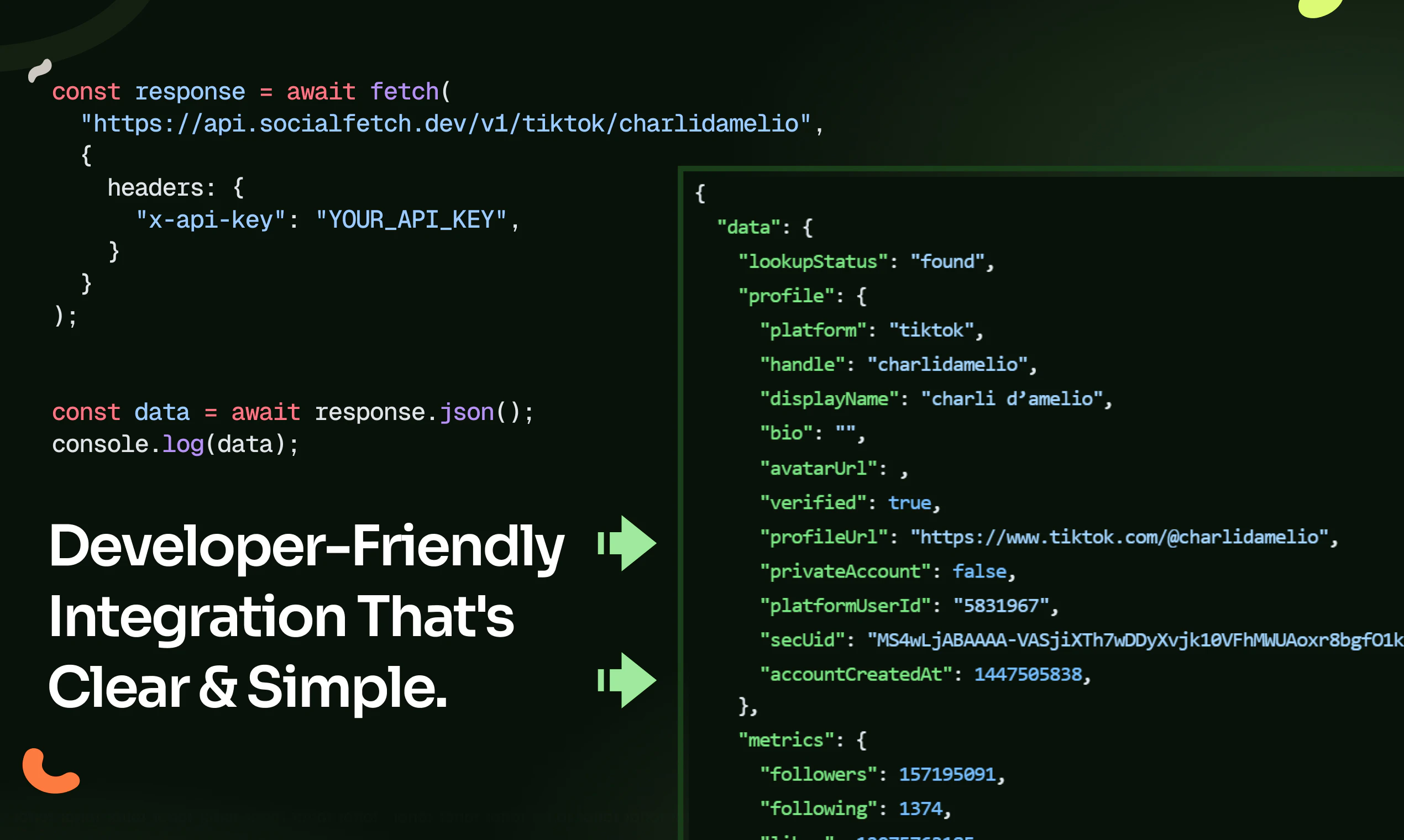
一句话介绍:Social Fetch 通过一个统一的REST API接口,将TikTok、Instagram等主流社交平台的公开数据(资料、帖子、评论等)集中获取,解决了开发者因频繁抓取、平台反爬和接口变更而导致的维护噩梦。
API Social Media
社交媒体数据API 数据聚合 网络爬虫 开发者工具 实时数据 无速率限制 付费即用 OpenAPI AI集成 Product Hunt
用户评论摘要:用户高度认可其整合多平台的痛点解决能力,但核心质疑集中在后端实现(是否合法爬取)、数据稳定性(特别是LinkedIn)以及“无速率限制”背后的成本吸收机制。部分用户好奇其与AI工具的集成细节。
AI 锐评

Social Fetch切中了一个真实且昂贵的痛点——社交媒体数据的碎片化与维护成本。它本质上是一个“反脆弱”的代理层,将各平台不可控的数据接口风险内部化,为开发者提供“标准化交付”。其“无速率限制”和“按量付费”模式极具诱惑力,但这恰恰是最大的潜在隐患:当数据量激增时,后端代理池的稳定性与上游平台的“猫鼠游戏”(尤其是LinkedIn、TikTok这类反爬严格的平台)将直接转化为隐形成本,可能最终迫使“无限制”变成“隐形限制”。产品真正的护城河不在于API本身,而在于其处理平台策略变更的响应速度与透明度。支撑llms.txt的细节非常聪明,精准卡位AI Agent对结构化社交数据的刚性需求,这可能比传统数据集成场景更具爆发力。但若无法在评论中正面回答“数据获取合法性”与“平台宕机修复SLA”等关键质疑,其信任度将大打折扣。一句话:创意很棒,但执行深度和商业模式韧性才是其能否从“噱头”变为“工具”的生死线。

查看原始信息
Social Fetch
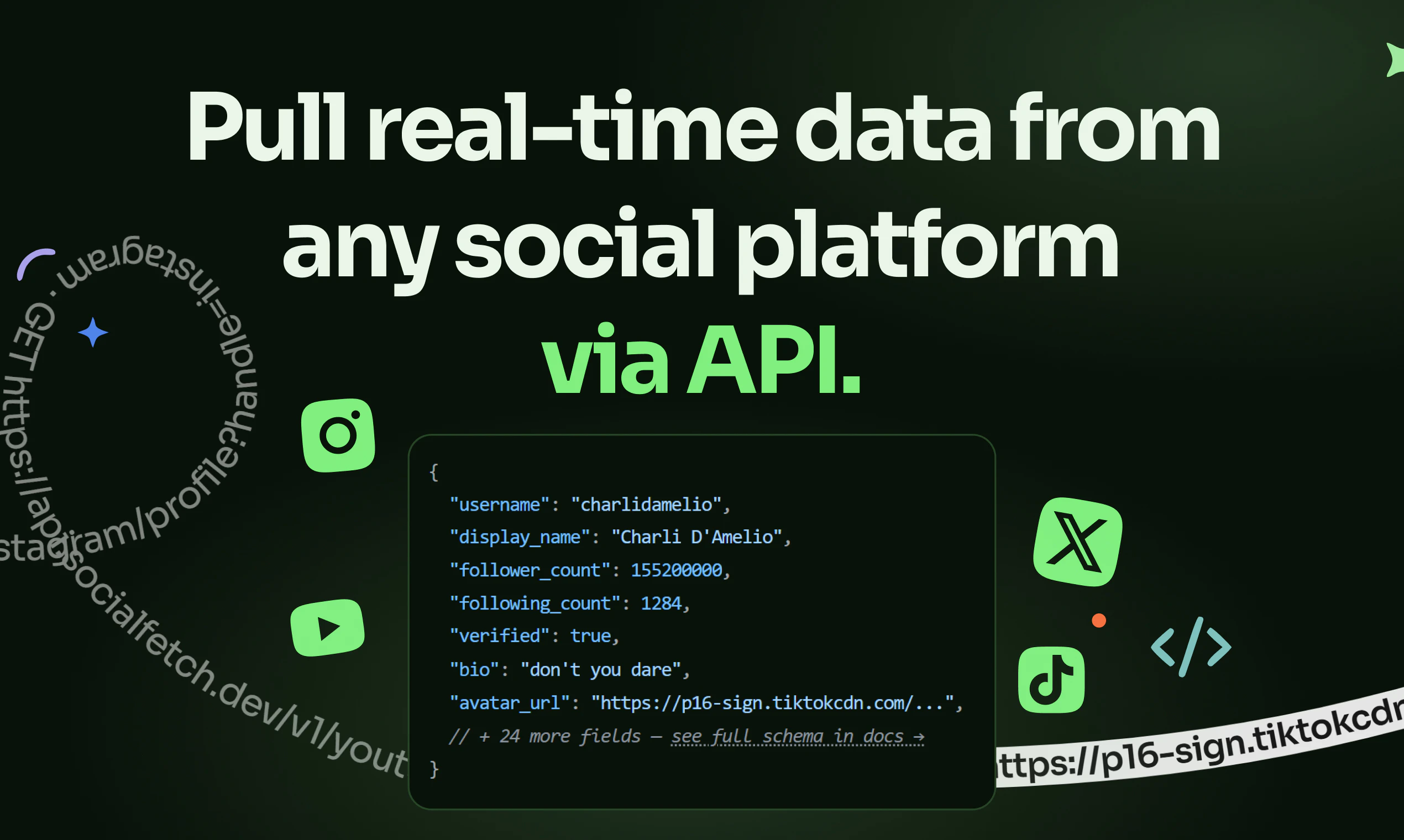
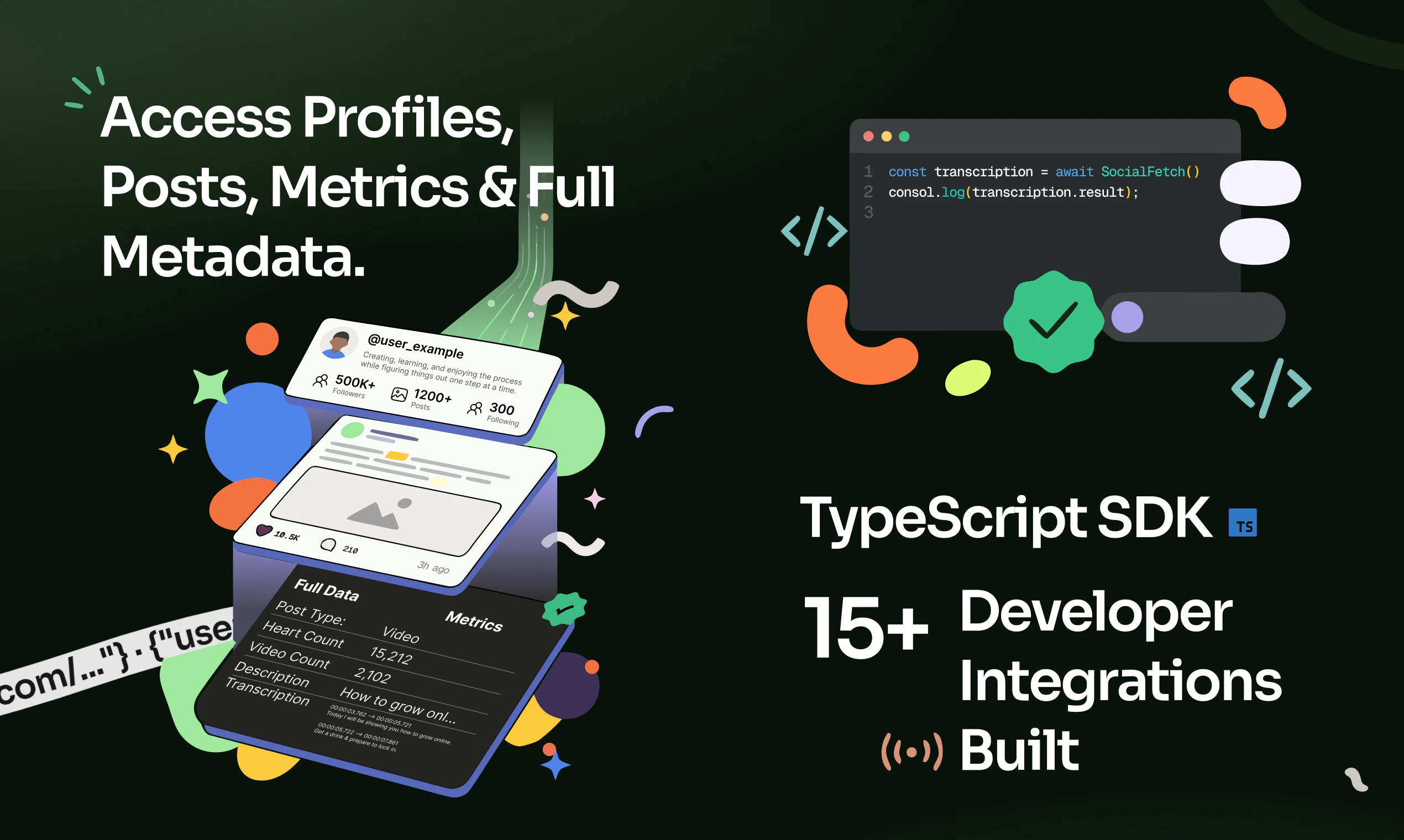
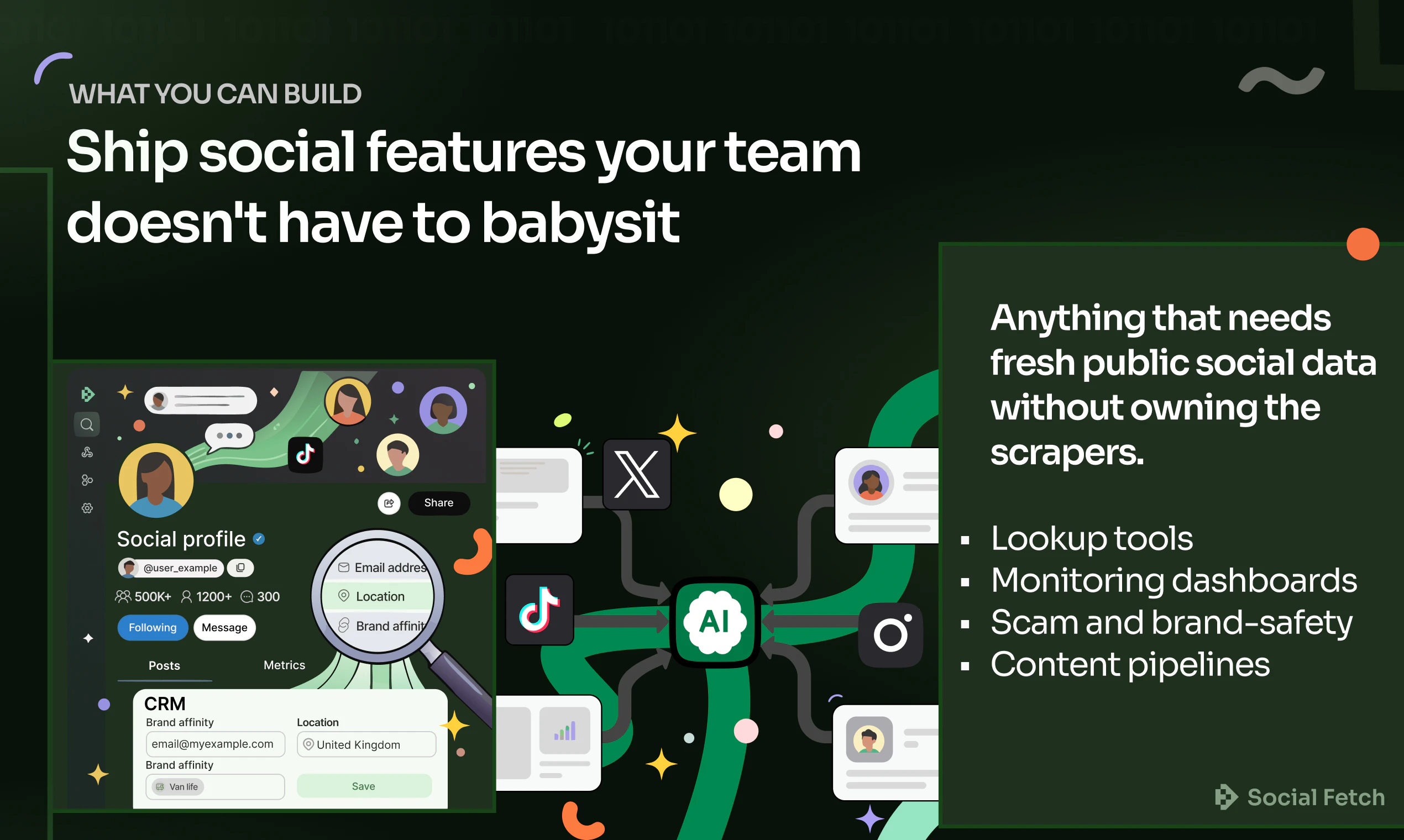
One API for public social data. Scrape profiles, posts, comments, videos, and transcripts from TikTok, Instagram, YouTube, X (Twitter), LinkedIn and Facebook. Pay-as-you-go credits, no rate limits, 100 free credits, no card required.

👋 Hey Product Hunt fam!
I’m Luke, and I’m excited to launch Social Fetch today.

🌐 What’s Social Fetch?
Social Fetch is a single REST API for real-time public social data—profiles, posts, comments, videos, transcripts, and metrics, across TikTok, Instagram, Twitter, and more. You get predictable JSON and one integration path, instead of a pile of one-off scrapers that break every time a layout changes.

💡 Why I built it
Every product that touches social eventually reinvents the same nightmare: bespoke parsers, surprise schema changes, and late-night incidents because a selector moved. I wanted social data to feel boring in the good way—stable fields, documented errors, and a requestId on every call so support can actually help. Your team ships features; the API absorbs the churn.

🚀 Why try it?

  • One API for many networks—add coverage without rewriting your stack

  • 🧱 Normalized responses—same concepts across platforms, fewer edge cases in your code

  • 🤖 Built for buildersOpenAPI, official TypeScript SDK, and llms.txt / llms.json so humans and coding agents can integrate fast

  • 🛠️ Fits how you already work—backend services, internal tools, analytics pipelines, creator workflows

  • 🔑 Debuggable by design—when something’s off, you’re not guessing; you have a request ID and a clear error envelope

🙌 Join me
I’d love you to sign up, hit the playground, and tell me what you’re building. Comments, feature ideas, and upvotes all help prioritize what ships next.

Start free on the site, or reach out anytime: 📨 support@socialfetch.dev

50
回复

@lukem121 Congrats on the launch, Luke! 🚀 Social Fetch tackles one of the most painful parts of working with social data and makes it refreshingly boring—in the best way. A single, stable API with predictable schemas and real support signals is exactly what teams need to ship faster without fighting constant breakages. Excited to see what builders create with this!

0
回复

@lukem121 Congratulations on launch

0
回复

@lukem121Great idea bringing all social data into one API , wishing you a smooth launch and strong traction from day one.

1
回复

Congratulations on the launch. @lukem121

14
回复

why am i seeing so many relevant products lately, thank you for building this- i am curious how are you finding your way around these social medias blocking scrappers? are you integrating with other permitted tools? would love to get a take on the consistency of results.
again great product luke

4
回复

Unified APIs for social data always look great…
stability and consistency across platforms is usually the hard part.

3
回复

Interesting product, but how does it really work on the backend? Do you scrape social media platforms?

2
回复

One API across six platforms is genuinely hard - the cat-and-mouse on LinkedIn alone usually wrecks people. The 'no rate limits' line is the part that makes me curious. Is that no client-side rate limit (you're absorbing the upstream cost) or are you proxying through a residential pool that quietly degrades at scale? And how do you handle platform-level breakage - when LinkedIn ships a new auth gate next quarter, what's the realistic time-to-fix on your end?

0
回复

Tried building an all-in-one influencer resume tool a while back — wish I'd had this then. Would've saved me weeks of scraping headaches!

0
回复

WOOOOOOOOOOOOOOOW!!!!! The possibilities I can do with this and the help with Ai. So much times I've wanted to do research, gather data from social media platforms, but I come against either platforms that are just WAY TOO EXPENSIVE (the good ones are super expensive) or to cheap and they don't have the features I need. But now from reading the home page, this is what I've been waiting for!

Amazing!!!! @lukem121

0
回复

is the website inspo from wispflow?

0
回复

The llms.txt / llms.json support is a detail i haven't seen other data APIs do yet. makes sense given how many people are piping social data into agents now. Curious how you handle linkedin — that one always seems to be the flakiest. is coverage there stable or still hit or miss?

0
回复
#4
Lovable mobile app
Your ideas don't wait for you to sit down at a desk
221
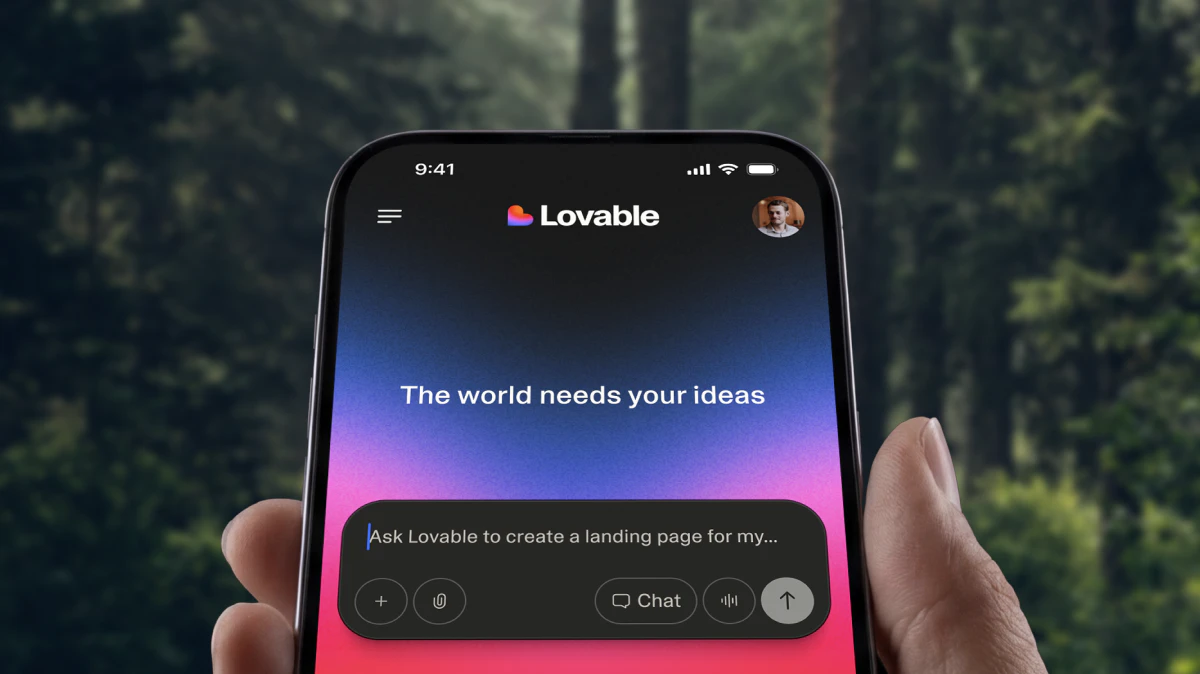
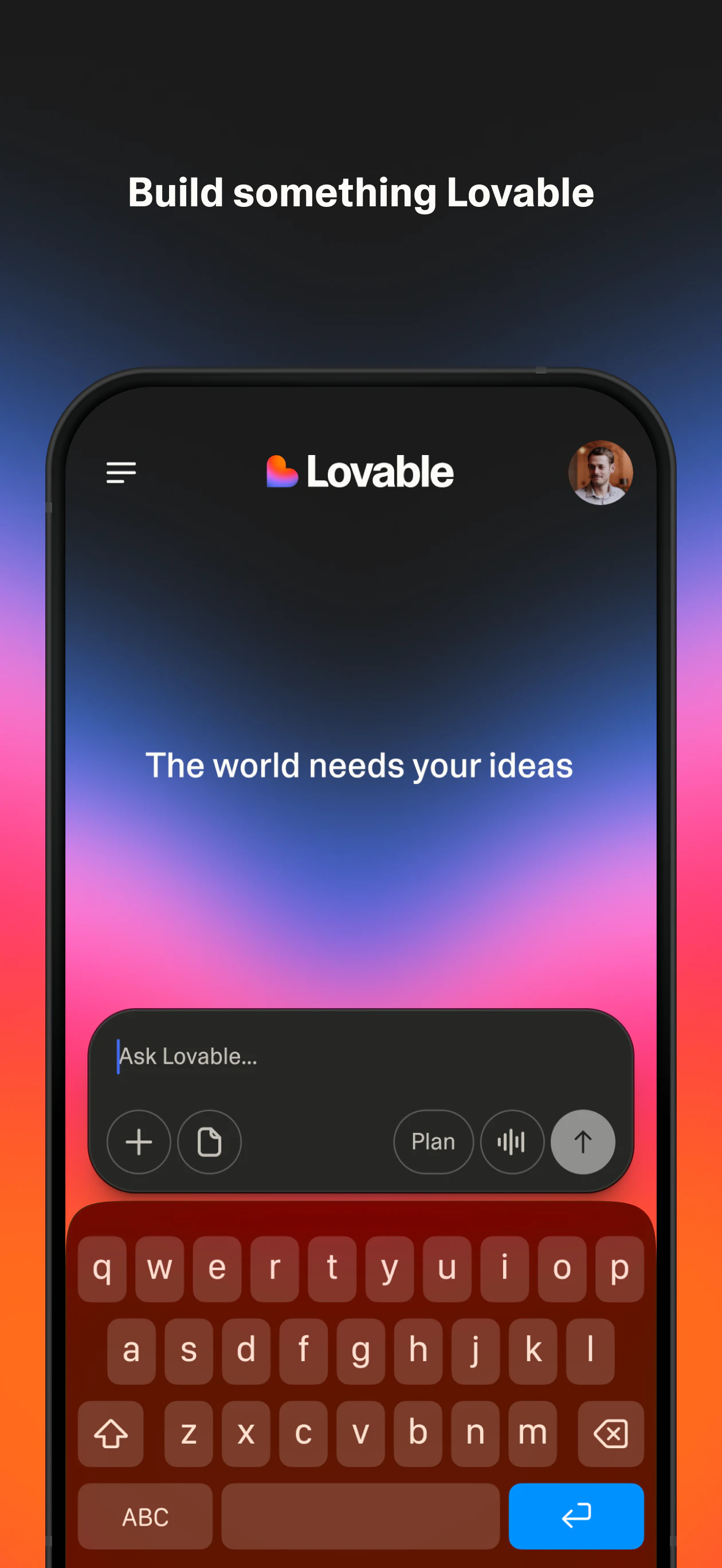
一句话介绍:Lovable mobile app 是一款AI无代码应用构建工具,让创始人、开发者或“氛围码农”在移动端通过自然语言描述想法,无需坐在电脑前即可快速生成可运行的网站或Web应用,解决创意随时随地被快速原型化的问题。
Android Design Tools Development
AI无代码开发 移动端应用构建 自然语言生成网站 创意原型工具 低代码平台 AI编程助手 网页应用生成器 开发者效率工具 产品快速迭代 Vibe coding
用户评论摘要:用户主要反馈:手机版比网页版慢,代码生成质量亟需提升;模板设计单调、刚性,且积分消耗过高,导致部分Pro用户转向Claude等替代品。也有正面评价认为其移动端拓展了非技术用户的使用场景,但整体需明确核心用户定位。
AI 锐评

Lovable mobile app 的推出,本质上是在赌一个“随时随地的创造冲动”市场。从产品逻辑看,它试图把AI代码生成器从“生产力工具”变为“灵感速写板”——这与Cursor、Bolt等竞品形成了微妙区隔。

然而,200多票的微弱热度和用户反馈狠狠地戳破了这个美梦:移动端的慢、代码质量的糙、模板的僵化,以及高昂的消耗,都指向一个致命矛盾——用户要么是追求极致效率的开发者,要么是对设计毫无感知的纯小白。前者对“移动版”嗤之以鼻(“不如用网页版”),后者则被模板和积分劝退。所谓的“vibe coder”场景,更像一个营销概念而非真实需求。

真正值得关注的是其底层价值:它证明了“语音/文字描述→应用雏形”的技术路径已短到可以在手机上跑通,这是对行业边界的试探。但作为产品,Lovable目前既没在移动端提供比桌面版更强的交互体验(如离线、语音优化),也没解决核心的生成质量。如果只是把网页版瘦身打包成App,那它不过是一个被移动端PWA按在地上摩擦的伪需求产物。留给它的时间不多——当竞争者们也开始做移动端且跑得更快时,Lovable必须尽快回答:用户为什么要在手机上忍受一个更慢且更弱的AI开发者?

查看原始信息
Lovable mobile app
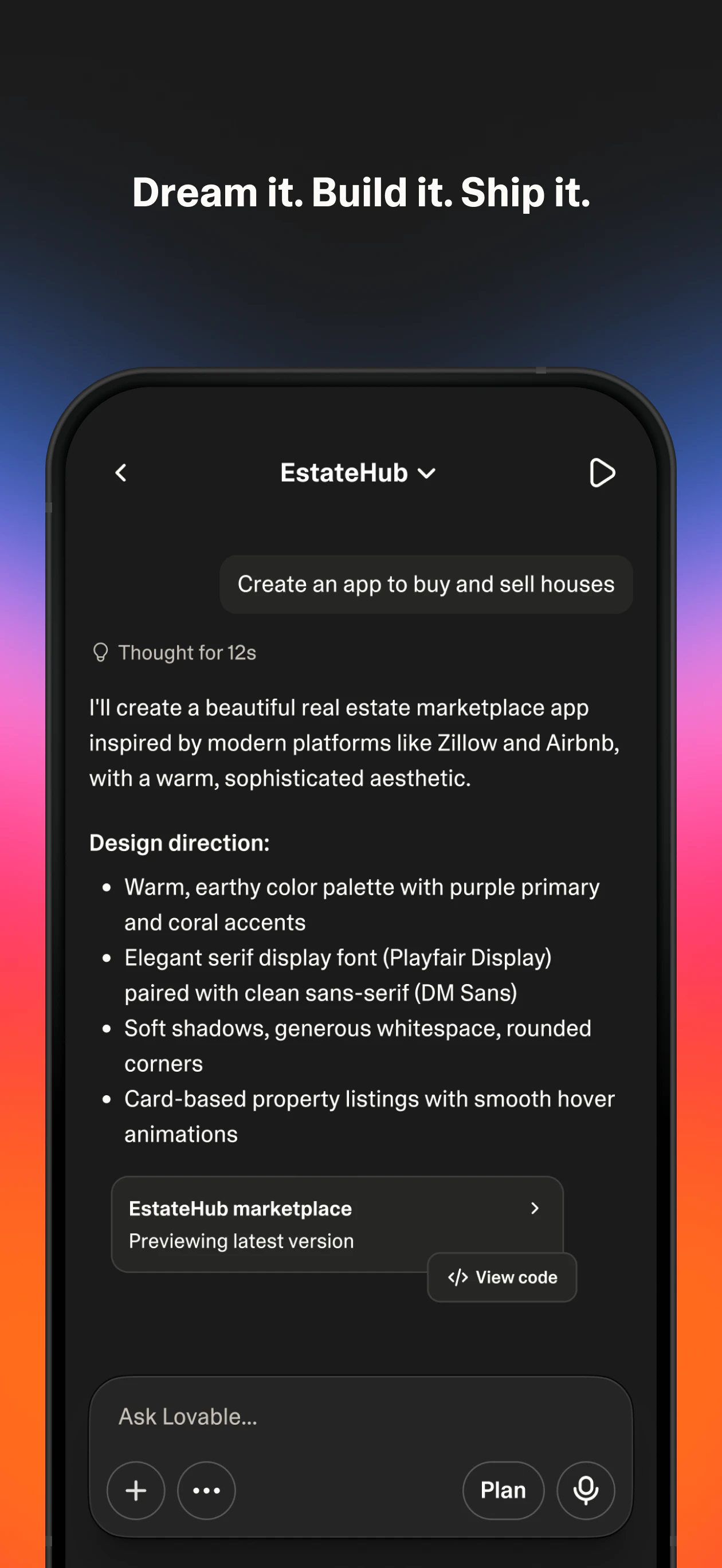
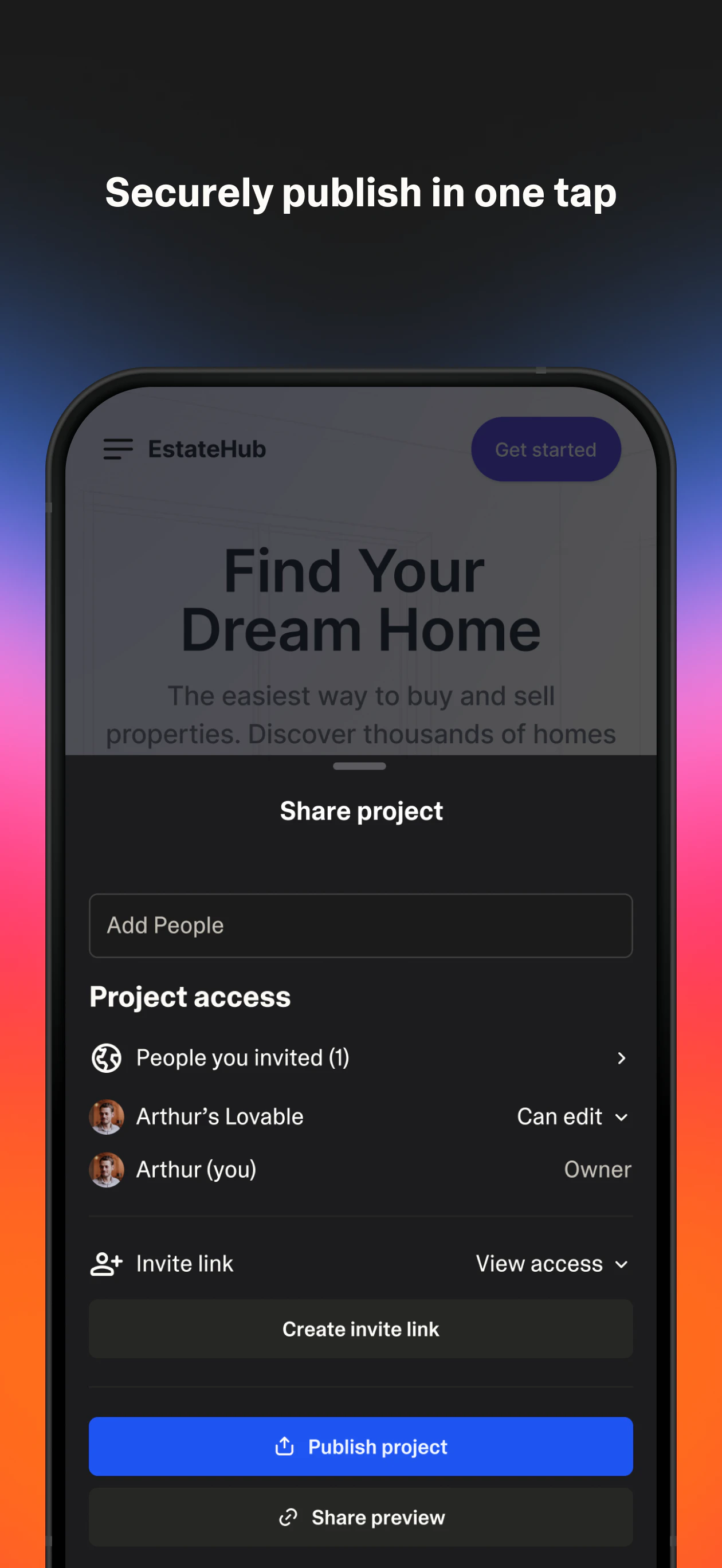
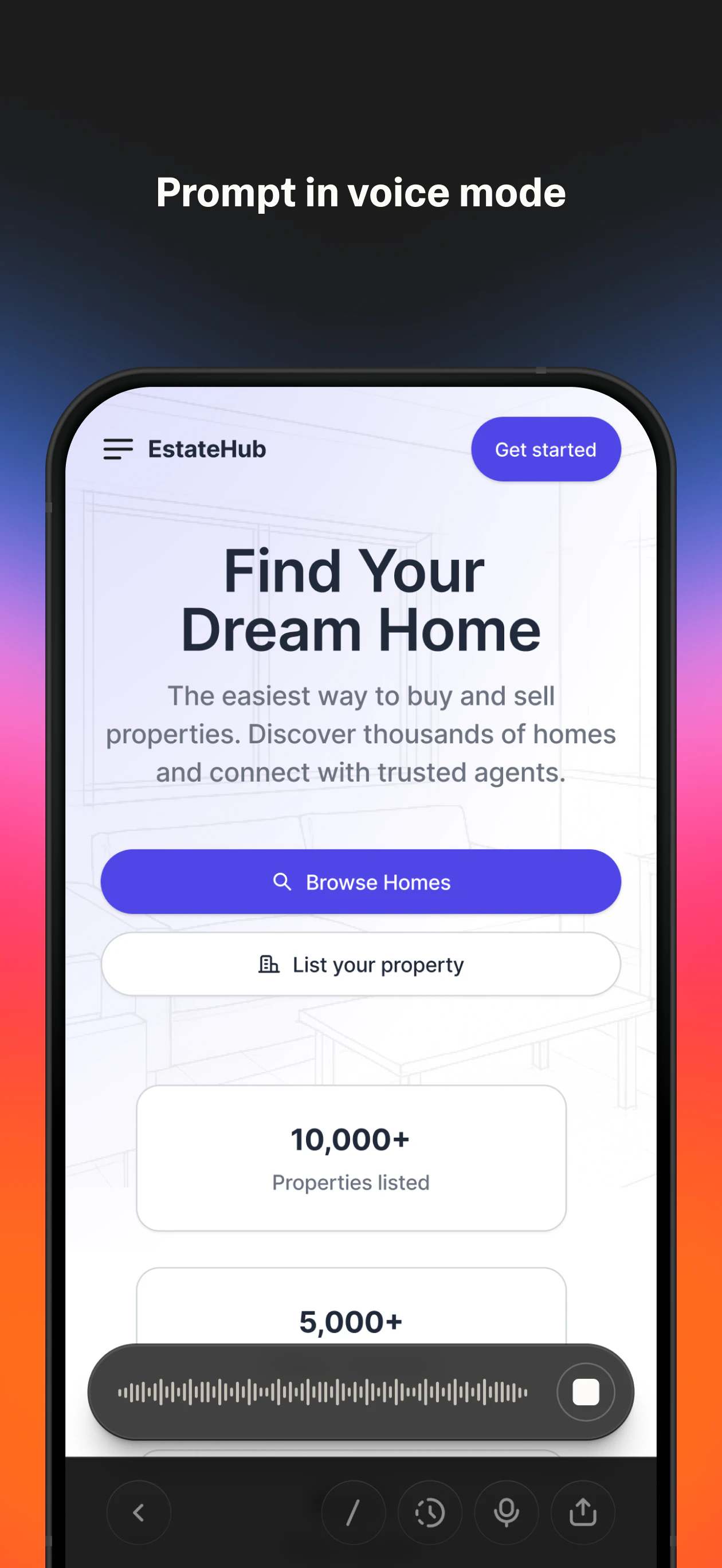
Lovable is an Al software builder that turns your idea into working websites or web apps. No code required. Create tools and websites fast using natural language. Whether you're a founder, vibe coder or developer, Lovable enables you to ship apps quickly without coding knowledge.
I tried lovable app and i don’t see any difference in web version vs app version , i would still prefer to use web version because app is slow.
1
回复

When will you improve your code generation quality? This is the part that really needs significant improvement.

1
回复

Boring designs, rigid Vibe coding templates and high credit consumption led me to switch from the Pro Plan to exploring alternatives like Claude.

0
回复

I appreciate why some people want an app but I'm happy with the web version so not sure why I'd switch.

0
回复

I'm very excited about the native mobile launch of Lovable. I have been using Lovable since June of 2025 to build my product (web, iOS, and Android). I have also built all my marketing pages with Lovable. Fantastic experience. So much flexibility. With imagination and critical thinking (and curiosity) you can build anything. The native mobile app makes that easier on the go.

0
回复

I like the app's design but after a few experiments I'm still not sure who the ideal user is. My developer background might be creating a bias — this could simply be a tool that resonates more with non-technical users.

0
回复
#5
Actian VectorAI DB
The portable vector database for AI agents beyond the cloud
177
一句话介绍:Actian VectorAI DB是一款便携式向量数据库,专为AI代理在云端之外的嵌入式、边缘和本地环境提供低延迟向量搜索,解决了AI应用脱离云基础设施后数据查询无法运行的痛点。
Developer Tools Artificial Intelligence Database
便携式向量数据库 边缘计算 混合部署 低延迟搜索 AI代理 数据主权 本地部署 Embedded AI IoT兼容 实时语义搜索
用户评论摘要:用户好评集中在“真正便携”填补市场空白。核心质疑聚焦于:22倍QPS优势是否以存储空间为代价、索引同步是增量还是全量重建、断网时的优雅降级能力,以及写入密集型场景(如穿戴设备)下的实际性能表现。
AI 锐评

Actian VectorAI DB的“便携性”切中了一个被忽视但快速增长的市场:AI agent正在从云端走向工厂、车辆、穿戴设备等边缘场景,而现有的Milvus、Qdrant等数据库本质上是云原生的囚徒——它们可以在云端跑出华丽性能,但在树莓派或Jetson上性能断崖式下降。Actian宣称的“22倍QPS优势”在10M向量规模上确实亮眼,但需要注意的是:该测试在“自托管相同硬件”下进行,且未进行任何厂商优化,这暗示了其对手在同一硬件上可能未做边缘调优,性能和功耗优势存疑。评论中用户敏锐质疑“速度是否靠吃磁盘换来”,厂商未正面回应存储效率对比,这是关键信息缺失。此外,其写入性能虽然优于竞品,但“负载时长”的提升是否会影响实时响应延迟,还需要更细粒度的基准测试。从产品策略看,Actian押注的是数据主权和跨环境一致性,这是真正差异化所在——但也意味着它将面对来自Chroma、LanceDB等轻量化DB的竞争,后者在资源受限设备上同样有优化。Actian无需一味对标云端巨头,真正有价值的战场在于混合部署下的增量索引合并、断网数据同步等工程细节,而不仅仅是跑分。如果Actian能在这些“不起眼”的功能上持续打磨,它将成为边缘AI基础设施里的一匹黑马,否则只是又一个华而不实的性能PPT。

查看原始信息
Actian VectorAI DB
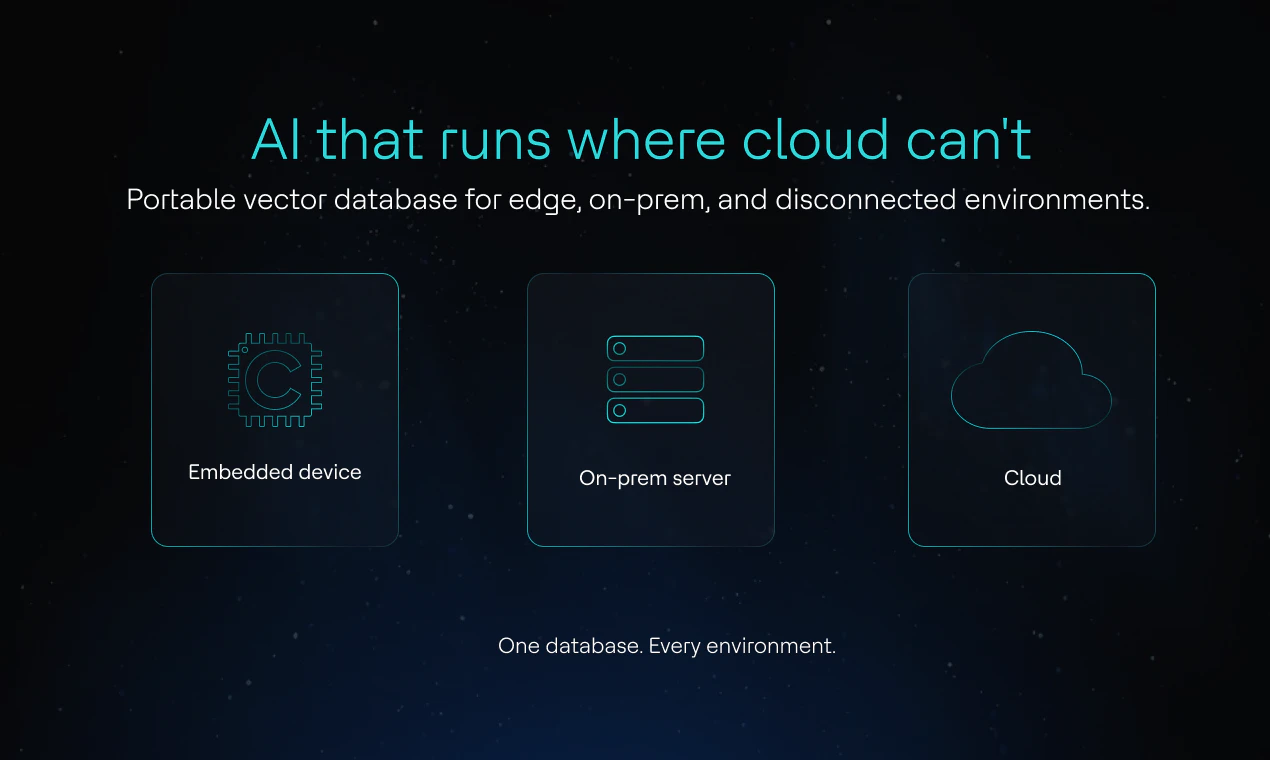
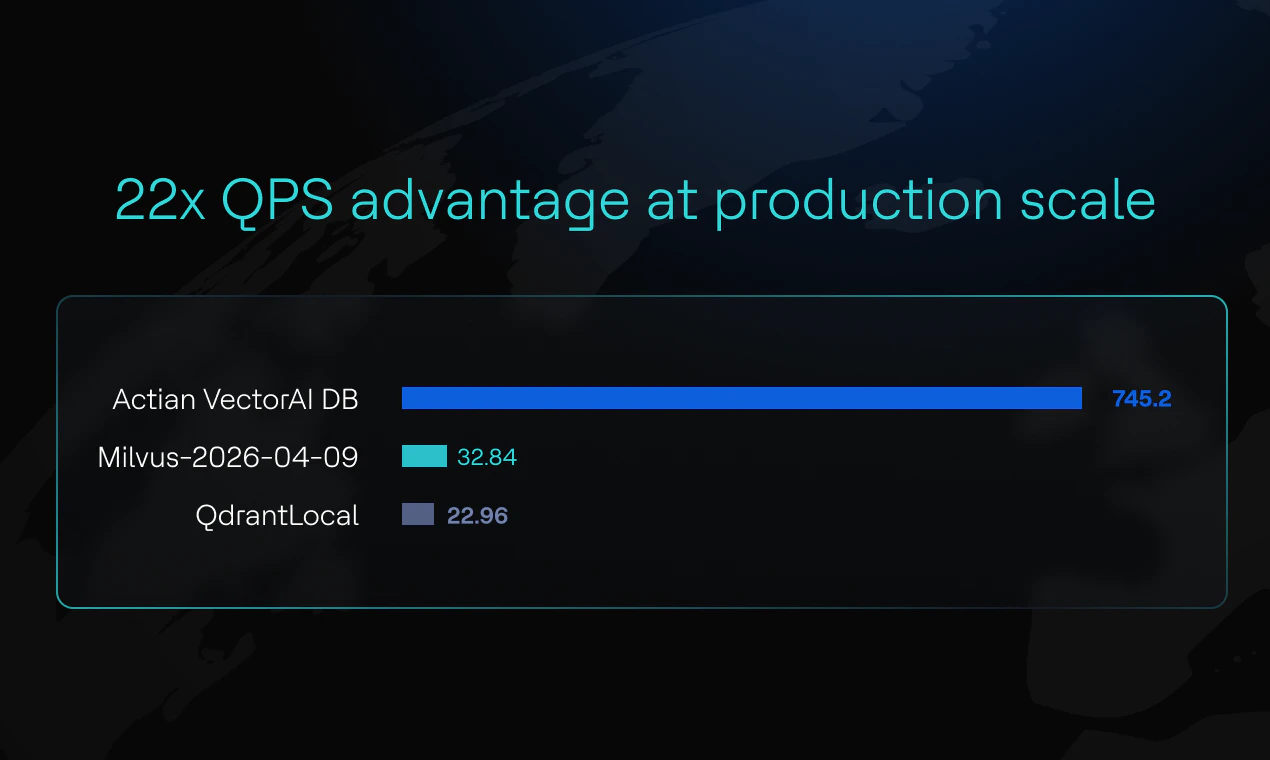
Actian VectorAI DB is a portable vector database built for AI beyond the cloud. Developers can store, retrieve, and reason over data locally, delivering low-latency vector search on embedded, edge, on-prem, and hybrid systems - with a 22x QPS advantage over Milvus and Qdrant at 10M vectors. Build once, deploy consistently, without relying on cloud-native infrastructure. Teams maintain full data ownership and predictable behavior across edge, on-prem, hybrid, and cloud environments.

Hey Product Hunt 👋 - I'm Tahiya. We spent years watching AI teams hit the same wall: the moment they tried to move their applications outside the cloud - to a factory floor, an edge device - their vector database stopped working. Latency spiked, connectivity dropped, data residency requirements kicked in. The infrastructure just wasn't built for it.


We've seen that most vector databases were designed for the cloud, and that was fine when AI lived there. But AI doesn't anymore. It's moving to edge devices, disconnected field environments, and embedded systems. And cloud-based databases break the moment you leave the data center.


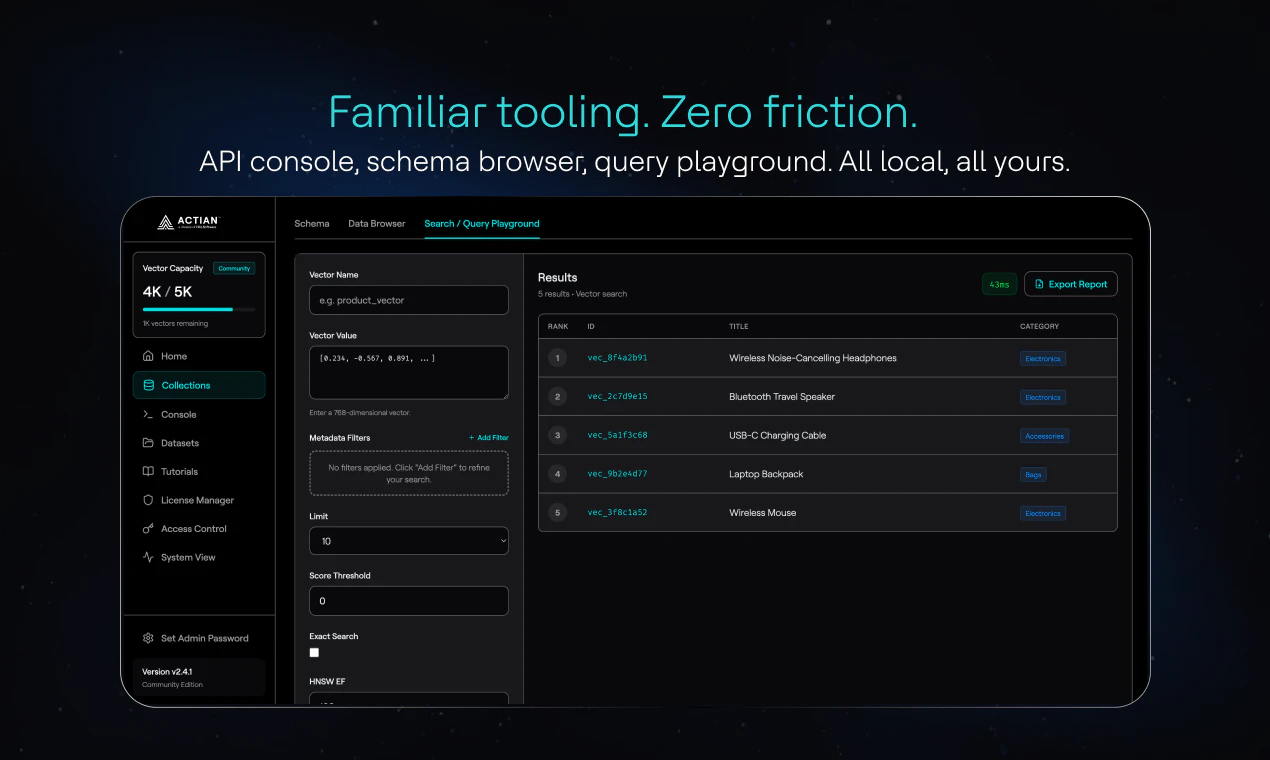
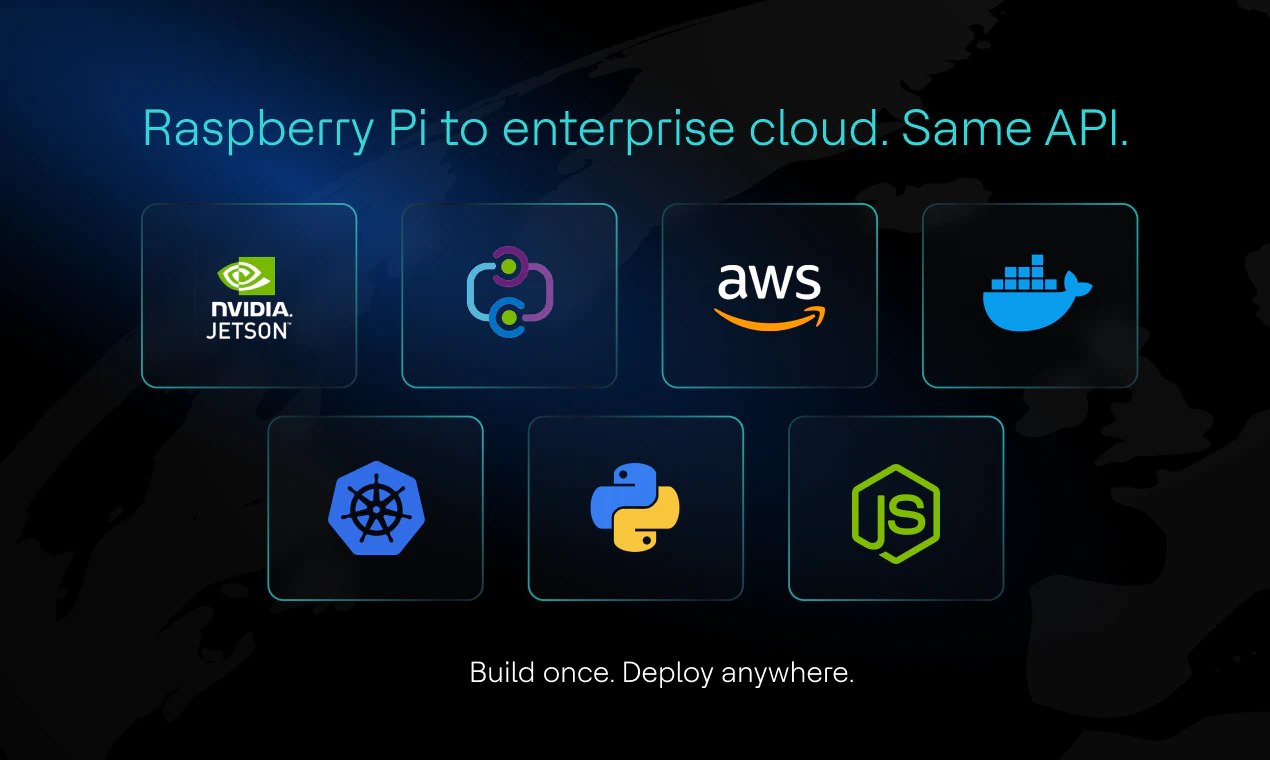
Actian VectorAI DB is a portable vector database built for exactly this reality. You can run it on a Raspberry Pi, an NVIDIA Jetson, on-prem behind a firewall, or in the cloud - using the exact same API and architecture throughout. No re-platforming. No re-architecting.


We're launching GA today. In VectorDBBench tests at 10M vectors on identical self-hosted hardware - with zero vendor optimizations applied to any database - VectorAI DB delivered a 22x QPS advantage over Milvus and Qdrant, retaining 72% of its throughput at scale while competitors dropped to ~12% of theirs.


You can build on VectorAI DB today for:
• RAG pipelines (local, edge, or hybrid)
• Monitoring & anomaly detection
• Enterprise semantic search


Python and JavaScript SDKs. LangChain, LlamaIndex, and Hugging Face support. Runs as a Docker container: Kubernetes, Helm and Terraform compatible. Linux and Windows are supported, both on ARM and x86. Compliance-ready for ISO 27001, SOC 2 Type II, HIPAA, and GDPR.


We're building for teams who can't compromise on where their data lives. If that's you - grab the community edition or free trial, join us on Discord, and tell us what you're working on. We're reading every comment today. 🙏

15
回复

@tahiya_chowdhury awesome work on this!

0
回复
@tahiya_chowdhury Thanks for sharing this, Tahiya 🙌 The shift from cloud to edge is super interesting — especially the real-world constraints you mentioned. Curious: what made you focus on portability first vs optimizing for cloud performance?
0
回复

I'm always a big fan of on-prem/local support. Congrats on the launch!

2
回复

@edward_g Thanks so much!

0
回复

portable vector db is exactly what's missing in this space. most solutions lock you into their cloud infrastructure which kills flexibility. what's the memory footprint like for embedded deployments? thinking about IoT scenarios where you're super constrained on resources.

2
回复

@piotreksedzik Actina VectorAI DB's memory footprint depends on the data size but it is extremely small. It was designed to work on small, resource constrained devices

0
回复

Great work, congrats on the launch! :)

1
回复

@suhail_idrees1 Thanks! Please do share feedback if you give it a try :)

0
回复

Super cool, congrats on the launch!

1
回复

@nevo_david Thank you so much!

0
回复

Looks great!

1
回复

@madalina_barbu Thanks! Please do share feedback if you give it a try :)

0
回复

Edge vector DBs are a real underserved space - most "portable" claims fall apart the second you actually deploy on a Jetson or factory PC. Curious about two things on the 22x QPS claim. What is the storage footprint at 10M vectors vs Milvus on the same hardware - is the speedup paid for in disk? And on hybrid deployments, when an edge index syncs back to a cloud cluster, is it a full rebuild or do indexes merge incrementally?

0
回复

curious how it handles intermittent connectivity — like if an edge device goes offline mid-query, does it fail gracefully or does it need a persistent connection to work?

0
回复

@ahmadhajj Great question! VectorAI DB doesn’t need a persistent connection to function, which is one of its core architectural advantages. The database is purpose-built to run in zero-to-low bandwidth environments.

0
回复

interesting to see focus on edge deployment. we've been running into latency issues with cloud vector searches for real-time wearable data processing. how does the performance hold up when you're doing frequent updates to the embeddings, not just reads? the 22x claim is impressive but curious about write performance.

0
回复

@piotr_pasierbek Great question! In our 10M vector tests, Actian VectorAI DB maintained a load duration of 27,170s, outperforming Qdrant Local by ~2,000s and Milvus by over 12,000s. For real-time wearables, this means we’re handling the ingestion of sensor embeddings significantly faster, which directly translates to lower CPU overhead. We’ve optimized the engine to ensure that frequent writes don't choke the query engine, which is likely where you're seeing those cloud latency spikes right now

0
回复
#6
The Agentic Sales Engine by Crono
Where sales teams and AI agents work side by side.
130
一句话介绍:Crono通过AI智能体与销售团队协同工作,将零散信号、数据和流程整合为自动化执行引擎,解决销售代表在手动外拓、信息跟进和管道执行中效率低下、信号缺失的痛点。
Sales Artificial Intelligence Pitch London
销售自动化 AI销售智能体 B2B销售引擎 信号驱动销售 管道执行 销售效率 智能外拓 CRM集成 Go-to-Market平台 销售协同
用户评论摘要:用户关注执行失败的深层原因,创始人回应“数据分散”和“管理层可见性差”是主因;用户质疑信号优先级预测,回复强调高度可配置,客户自定义关键信号。正面评价认为碎片流程与智能体结合方向合理。
AI 锐评

Crono的“Agentic Sales Engine”抓住了当前B2B销售领域一个残酷的现实:大多数CRM和销售工具只是更漂亮的记录仪,并未解决“动手干”的效率鸿沟。其核心价值不在于又造了一个“AI Agent”,而在于构建了一个“人类抓决策、AI跑执行”的协同层。将70%无效的非销售活动(数据清洗、外拓序列、信号监控)抽象为可编排的工作流,并通过统一信号层来替代人工猜测,这确实比零散的代理工具(如单独的外呼AI或数据抓取机器人)更具系统性。但需要警惕的是,130票的规模和市场评论中用户提出的“信号噪音”与“配置灵活性”之间的悖论——当算法依赖客户自定义关键信号时,实际上可能将认知负担又甩给了非技术型的销售团队。且企业销售场景下的复杂利益相关者决策链(多方跨组织推进、合同条款复杂度)目前仍远超出纯自动化工作流能覆盖的范围。Crono能否从执行效率工具进化为真正的收入引擎,关键在于其智能体是否具备从失败外拓中自我迭代的反馈闭环,而非仅仅充当一个更快的“数字打工人”。当前1M€ ARR和4x增速证明其在SMB市场站住脚,但向中大型客户渗透时,数据安全与多层级审批嵌入能力将是硬门槛。

查看原始信息
The Agentic Sales Engine by Crono
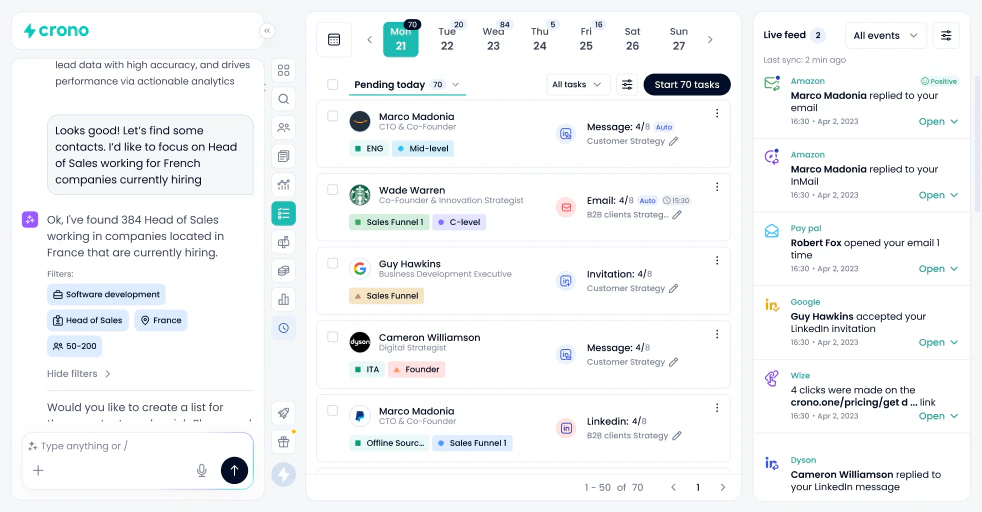
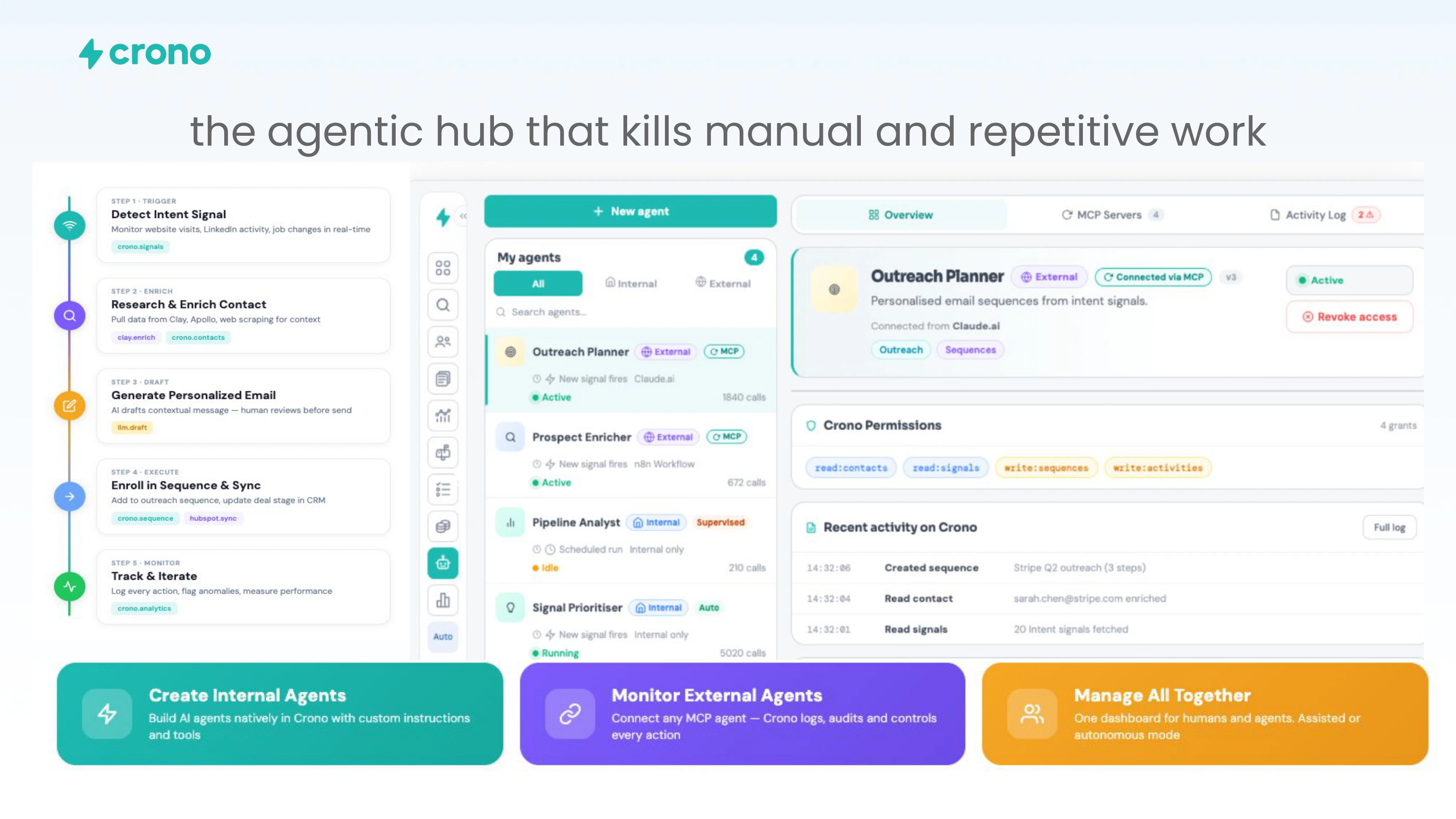
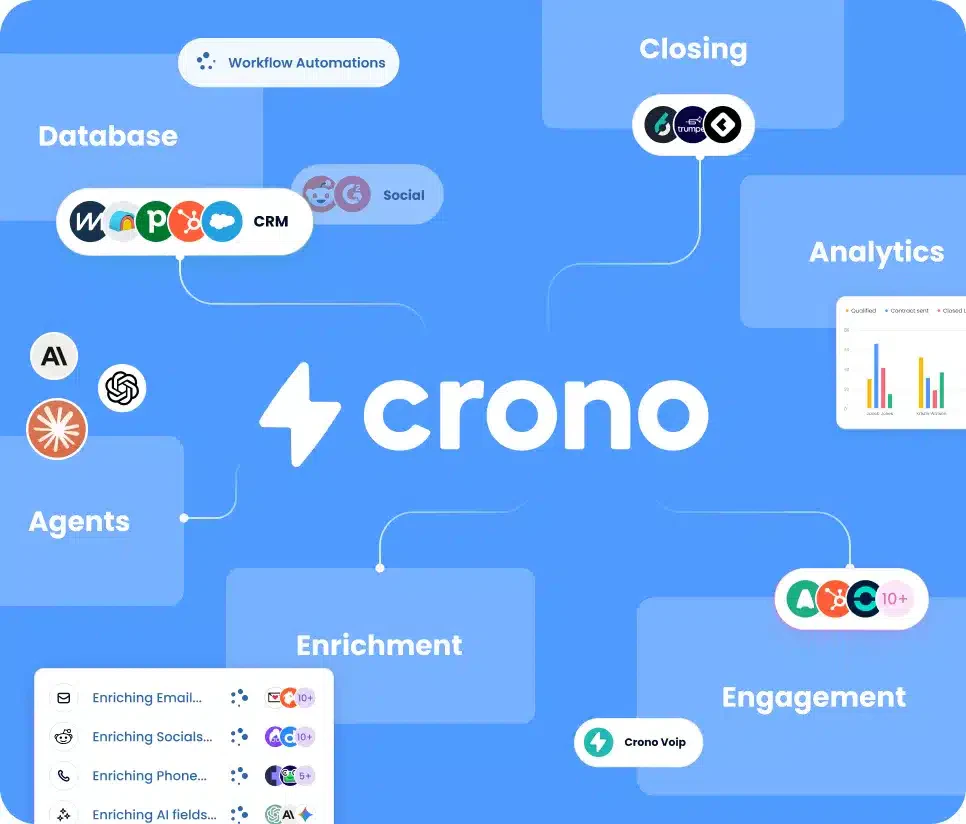
Most sales tools help you manage pipeline. Crono helps you execute it. We’re introducing the Agentic Sales Engine: a new way to run sales where AI agents and humans work side by side. Crono unifies signals, data, and workflows into one execution layer. Instead of manual tasks, prospecting, enrichment, and outreach become coordinated workflows. Teams act on real-time signals, not guesswork, turning execution into revenue.

🦁 Hello Product Hunt community!

I'm Alex, Co-Founder & CRO @ Crono. This is our fourth launch, and yes, we keep coming back stronger every single time.

Launch #1: underdogs. We won. 🥇
Launch #2: we came back stronger.
Launch #3: we introduced Crono 2.0, the AI GTM Platform.
Launch #4: we're not launching a feature. We're launching a new era of B2B sales.

Introducing The Agentic Sales Engine.

After working with 300+ sales teams across Europe, we kept seeing the same thing: the best reps weren't losing on skill, they were losing on execution. Too many tools. Too much manual work. Too much noise, too little signal.

❌ The problem isn't effort. It's architecture:
↳ Sales reps spend ~70% of their time on non-selling activities
↳ Only 28% of B2B sales teams hit quota in 2025
↳ Autonomous agents that act alone lose context and make things worse

✅ So we rebuilt the execution layer from scratch.

🚀 Crono is now the place where humans and AI agents work side by side: → Real-time signals captured automatically (job changes, hiring activity, website visits, engagement) → Context built for every account, so reps always know why and when to reach out → Workflows that execute themselves: prospecting, enrichment, outreach, follow-ups → Agents handle the repetitive. Humans close the deals.

Most sales tools help you manage pipeline. Crono helps you execute it.

Data becomes signals. Signals become context. Context becomes execution. Execution drives revenue.

Already at 1M€ ARR, growing 4x YoY, and just getting started. Trusted by Bizaway, Alibaba, Factorial, Busuu and 300+ teams worldwide.

Works with HubSpot, Salesforce, Pipedrive, Gmail, LinkedIn, Clay, n8n and more, without disrupting what already works.

We're here all day, ask us anything, break our demo, challenge our thinking. That's what PH is for. 👋

⚡ The agentic sales revolution starts now. Let's go!!!

15
回复

@alex_roggero let's go!!!

1
回复

@alex_roggero daje 🚀

1
回复

@alex_roggero 🔥🔥

0
回复
When you looked across 300+ teams, what were the 2–3 most consistent “execution failure modes” that made you conclude the problem was architecture (not training or effort), and what did you measure to validate that fixing execution actually moved pipeline/meetings?
1
回复

@curiouskitty Hi Kitty, "scattered data" and "poor management visibility" are the main execution filures we see in companies today. Crono fixes the execution problems and the results are mainly on efficiency: more leads contacts, better data and information when executing actions, higher reply rates and meetings books. It all ends up to working better and driving more revenues as a result

1
回复

Hey Alex! Signal-driven prioritization is a promise many tools make: what are the concrete signals Crono has found to be most predictive (job change, hiring, web intent, engagement, etc.), and how do you prevent reps from getting “faster noise” when signals conflict or are low-quality?

1
回复

@juan Hi! it really depends on the customer and that's why Crono is highly configurable and adapts to each company's sales processes. Customers decide which signals are important to them and Crono does the rest!

2
回复
This makes a lot of sense, especially for teams dealing with fragmented workflows and trying to plug agents into total chaos. Love this direction!
1
回复

@abod_rehman 💡 Thanks Abdul!

0
回复
#7
Famnest
Private family hub for schedules, health, and shared bills
127
一句话介绍:Famnest是一个以隐私为核心的私密家庭管理应用,通过整合日程、健康信息、账单与共享开支,解决现代家庭信息分散、沟通低效、遗忘关键事项的痛点。
iOS Privacy Pitch London
家庭管理 日程共享 医疗记录 共享账单 隐私优先 生活协作 家庭应用 组织工具 日常简报 多成员协同
用户评论摘要:用户普遍称赞其整合度高、UI简洁实用,能有效填补家庭日历和医疗记录的空白。用户建议增加群聊功能,并希望其能用于多代家庭(如照护老人)。开发者对用户反馈回应积极,营造了“家庭成员般”的协作氛围。
AI 锐评

Famnest的切入点是“家庭数字化碎片化”——这一痛点真实且普遍,但市场上并不缺“全家桶”式的管理工具。这款产品的潜在价值,不在功能堆砌,而在于“隐私优先”与“人性化协调”的定位差异化。

从产品设计看,“日常简报”是隐藏的杀手锏。它不只是一个通知聚合器,更是从“被动查信息”向“主动推关键”的思维转变,能真正减少家庭内部的信息摩擦。相比传统日历或记账应用,它试图在“谁做了什么、谁该做什么、谁忘了什么”这些隐性沟通成本上做功,这点值得肯定。

不过,其核心挑战也同样明显:家庭型应用的用户迁移成本极高。如果只是把碎片化的工具整合进一个App,但没有形成足够的“网络效应”或“依赖绑定”,一旦用户因一次使用不顺,很容易退回原来的WhatsApp+Google Calendar+Splitwise的组合。此外,公域流量获取难、私域传播慢,也是这类“小而美”项目常见的瓶颈。

务实来看,Famnest更大的机会不在于成为“超级家庭应用”,而在于找到一群核心用户(比如有多孩、老人照护、慢性病管理需求的家庭),把“健康信息共享”+“账单透明化”这两个极需信任的场景做到极致。目前的UI和反馈闭环做得不错,但能否持续迭代出类似“药物提醒”或“家庭日记”等低门槛高黏性的功能,才是它从“不错”走向“不可或缺”的关键一步。

查看原始信息
Famnest
Privacy-first family organizer app to manage schedules, health, bills, and more in one place. Built for modern families.

Hey PH 👋

We started Famnest because family life today is scattered across too many places. Messages in one app, schedules in another, important health info buried in notes, and bills somewhere else entirely. It works… until something slips.

So we asked ourselves: what would it look like if everything a family needs actually lived in one place?

Here’s how we’re using it ourselves.

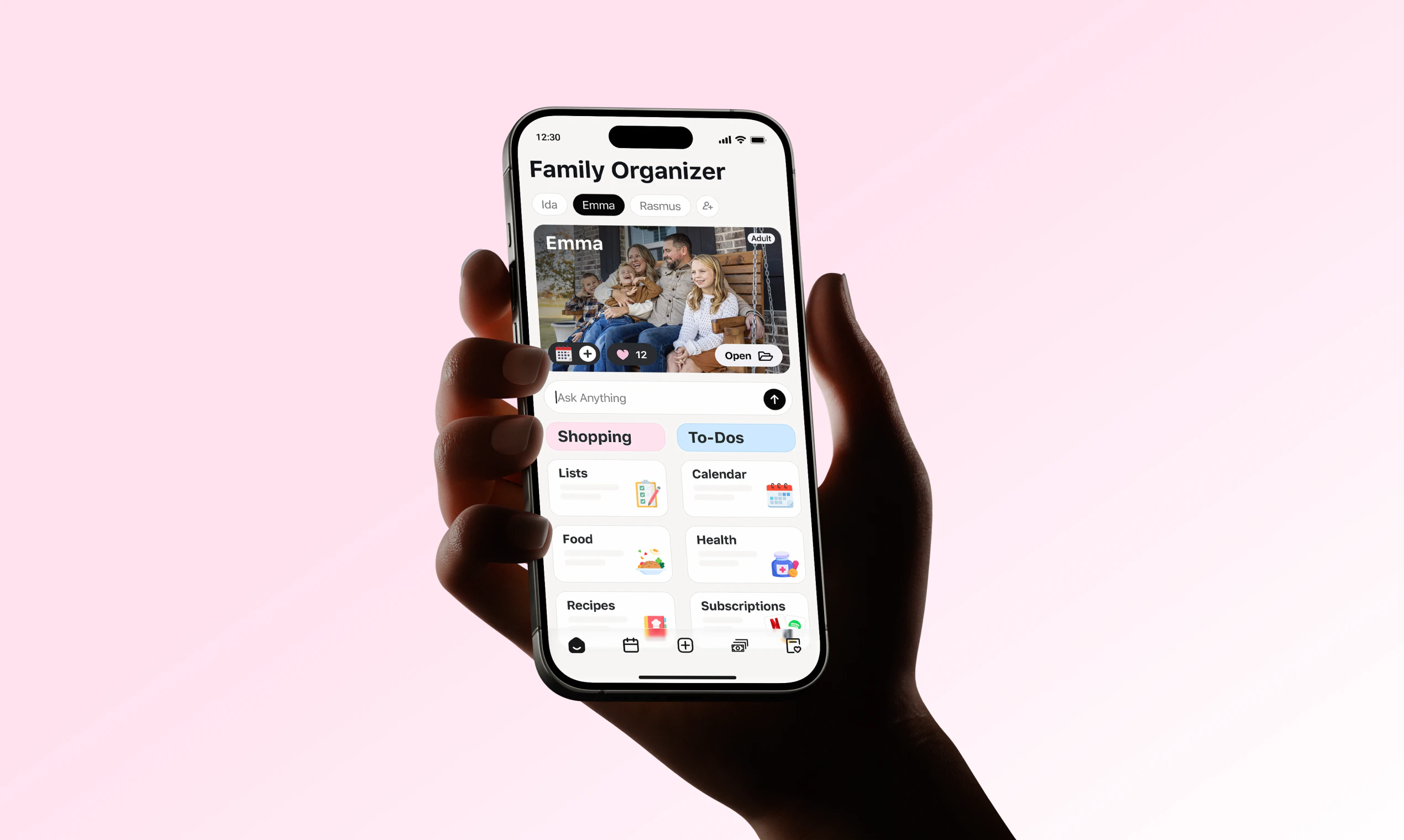
Our family calendar isn’t just dates, it’s birthdays, school events, and the small everyday logistics that keep things running. Important info like allergies, contacts, and notes are structured so nothing gets lost or forgotten. Bills and shared expenses are visible without awkward reminders or chasing.

One thing that’s made a bigger difference than we expected is the daily digest. Instead of checking multiple apps or asking around, you get a clear overview of what’s happening today, what’s coming up, and anything that needs attention. It sounds simple, but it removes a lot of small daily friction.

The biggest shift for us has been coordination. Fewer messages, fewer repeated conversations, and far less “who’s handling this?”. Everything is already there, shared, and clear.

We’re building this with privacy at the core. Family data is deeply personal, and we think it should stay that way. No selling data, no unnecessary exposure, just a secure space for the people who matter most.

We’re still early, and we’re shaping this together with the people using it. We’ve also started a small (and growing) subreddit where people share how they organize family life and what they wish existed, feel free to join us there as well.

Question for PH: what’s the one thing in your family life that always falls through the cracks?

Would genuinely love to hear how others are dealing with this.

10
回复

@siloteam We are currently using a family calendar. This service seems like it could fill the gaps in our calendar. Congratulations on the launch of this truly great product. I'm also launching HeldWords today—would love your support too!

0
回复

@siloteam Have always wanted something like this in the past, I have used a few apps like this but your app is on another level with the clean and easy to understand UI. definitely going to start using this app.

0
回复

I love Famnest! As someone who has to coordinate a ton of multiple family medical appointments and keep medical information for each it’s been a lifesaver. Everything is in one app! I am also very impressed and happy that they take user suggestions seriously. To me it doesn’t feel like a user/developer relationship. It feels more like family members discussing a product. In today’s world where everyone is behind a screen it’s almost impossible to get that sense of working with a close friend or family member and not a stranger. Famnest is different and I would definitely recommend this app to anyone.

1
回复

@suzanne_lively This truly warms our hearts, thank you for sharing this, Suzanne!

1
回复

this is super useful for young families and larger families as well. I can see how we can share responsibilities across siblings as well with aging parents and niece/nephew care! Super cool, definitely gonna suggest this in the family group chat

0
回复

@sandra_jirongo This is so lovely to hear, thank you. And maybe one day we will a group chat feature inside the Famnest app as well! :)

0
回复

Hi! Personally since I have found this app it has been so helpful in my everyday life! Nothing scattered anymore, days all organised. I love it and don’t know what I would do to organise my day without it!

0
回复

@chelsea_klarnett1 That is amazing to hear, Chelsea! Your support means the world and we will continue to make the app better every day!

2
回复
#8
OrcaSheets AI Reports
Query data to build dashboards and generate detailed reports
122
一句话介绍:OrcaSheets AI Reports 通过自然语言查询数据,自动生成包含执行摘要、KPI、洞察和建议的仪表盘与详细报告,解决了数据分析后撰写可向领导层汇报的“叙事性报告”耗时、痛苦的痛点。
Analytics Marketing Tech
AI报告生成 数据查询 商业智能仪表盘 数据洞察 KPI分析 自动化报表 SaaS工具 模板驱动 智能办公 产品发布
用户评论摘要:用户痛点集中在“将分析转化为领导层认可的报告”这一环节,认为撰写叙述性报告比制作仪表盘更耗时且易自我怀疑。核心问题在于分析洞察与写作叙事的瓶颈,评论者希望工具能同时实现精准数据展示、无幻觉、清晰图表与易懂总结。模板功能被视为保持团队思考框架、提升报告可靠性的关键。
AI 锐评

OrcaSheets AI Reports 切中了一个被许多 BI 工具忽视的“最后一公里”问题:仪表盘只是数据的快照,而报告才是决策的基石。它在“数据分析”和“决策沟通”之间架起了一座桥梁,精准打击了分析师和项目经理的“报告恐惧症”。

从产品设计看,其价值核心并非简单的AI生成,而是“模板+聚合数据”的驯化策略。这避免了AI在原始数据中胡编乱造,同时保留了团队的专业视角和叙事风格,是一种务实的工程折中。用户评论中“分析还是写作是瓶颈”的追问,恰好印证了产品定位的精准——它把人的核心精力从机械的文字整理解放出来,回到真正有价值的数据洞察和判断上。

然而,风险也很明显。首先,“模板”是双刃剑,它保证了输出的一致性,但也可能固化思维、扼杀意外的洞察,使报告沦为形式主义的“八股文”。其次,产品宣称基于“几百行聚合数据”而非原始数据,这意味着用户必须先完成数据清洗、聚合——这正是最耗时、最需要专业技能的工作。AI 报告本质上替代的是“写”,而非“分析”劳动。此外,122票的较低热度暗示其可能仍是一个小众或早期工具,尚未形成大众认知层面的强需求。

对于苦于周报、月报的职场人,它是一款优秀的“减负加速器”,但若想成为数据工作流的枢纽,它仍需在数据接入的广度、分析的深度以及模板的灵活性上做出根本性突破。产品方向正确,但目前更像是数据分析流程的“锦上添花”,而非“雪中送炭”。

查看原始信息
OrcaSheets AI Reports
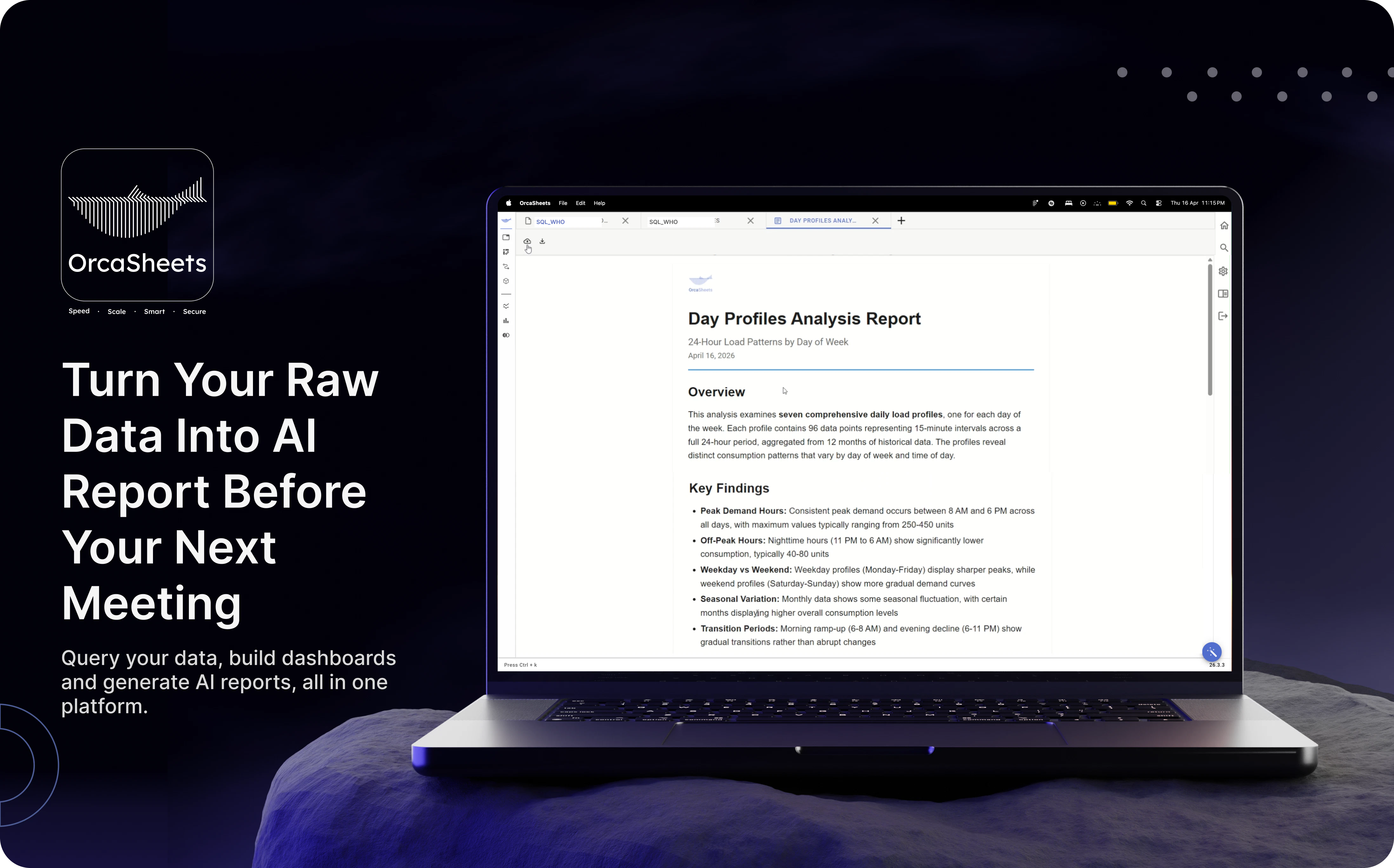
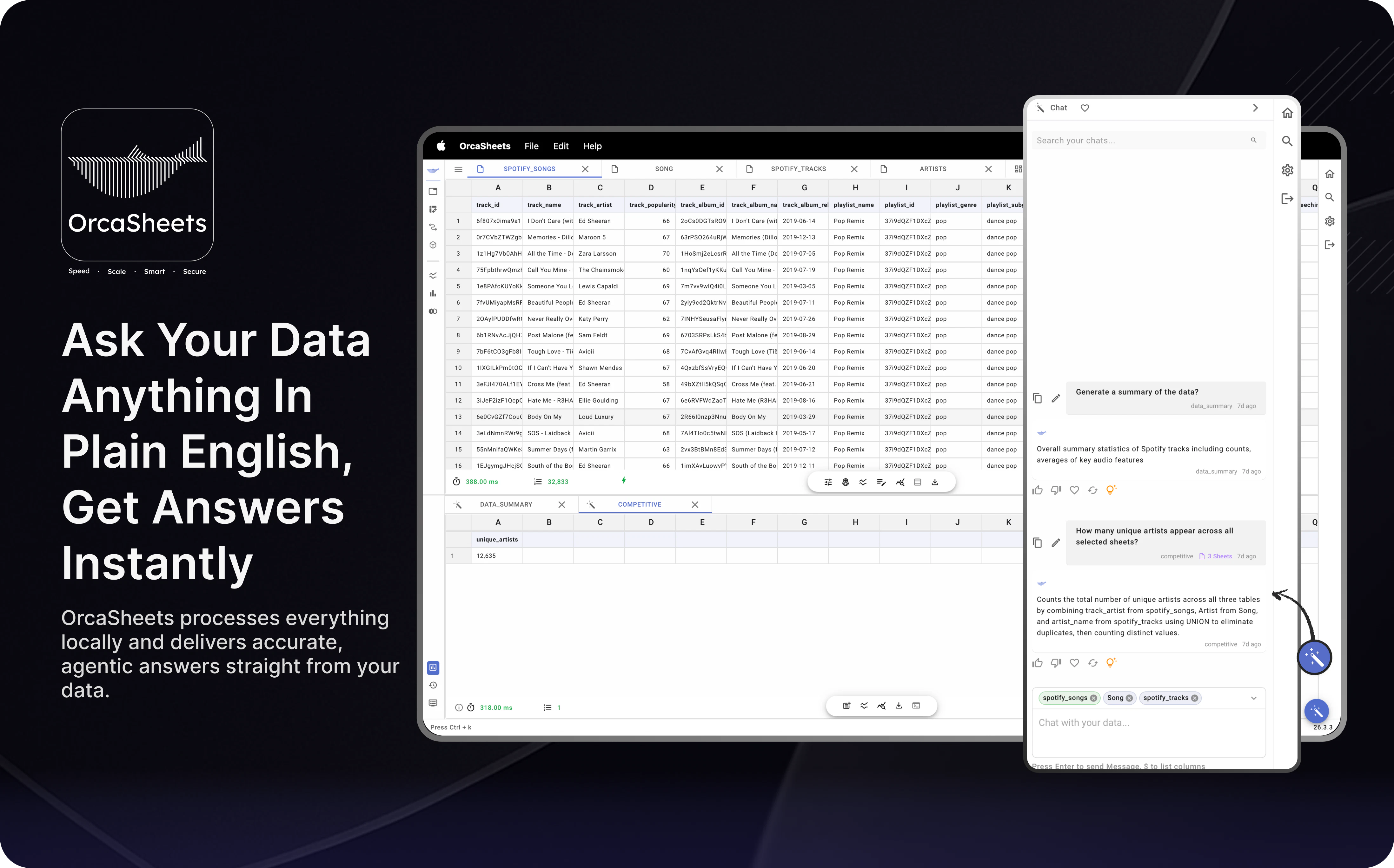
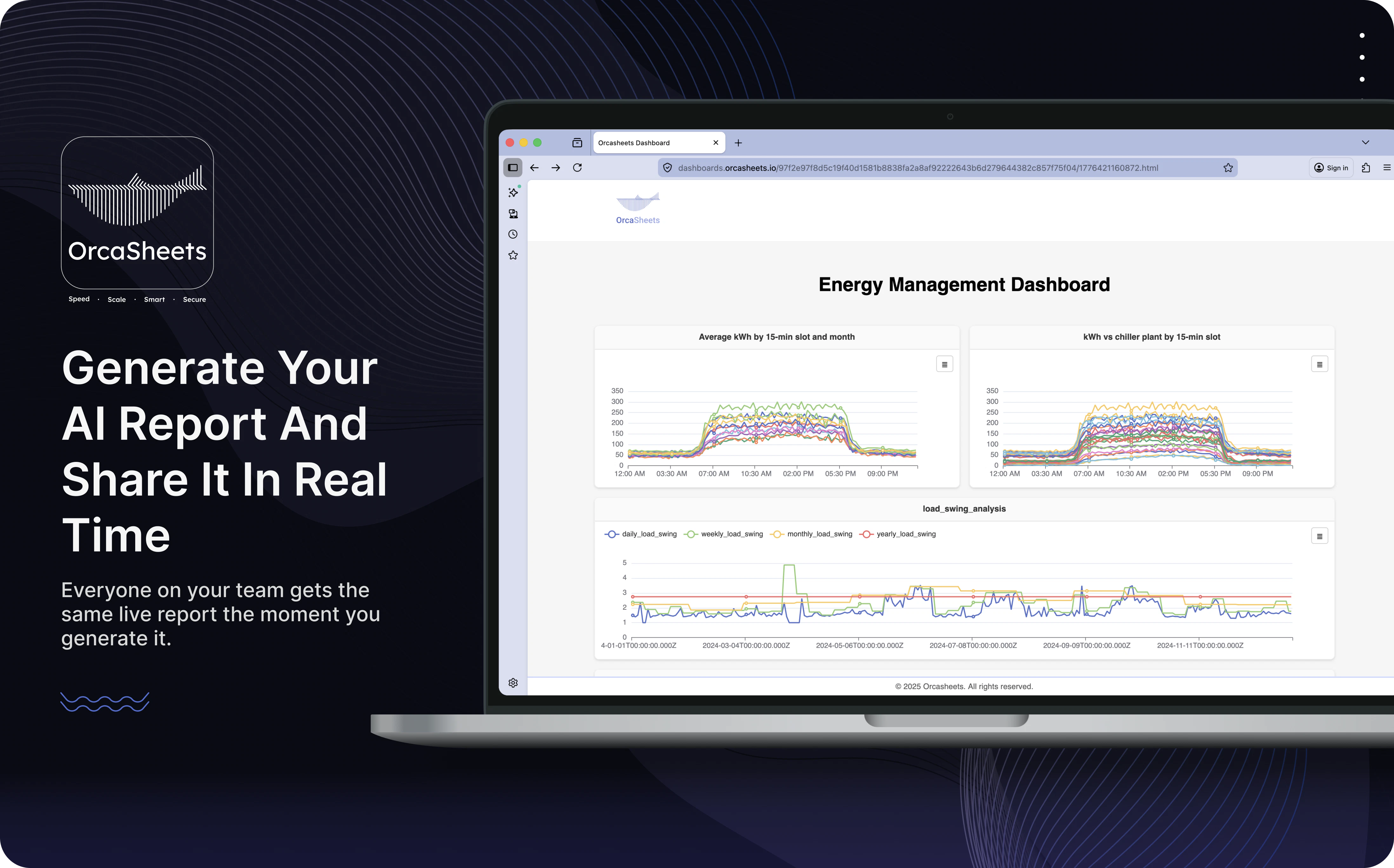
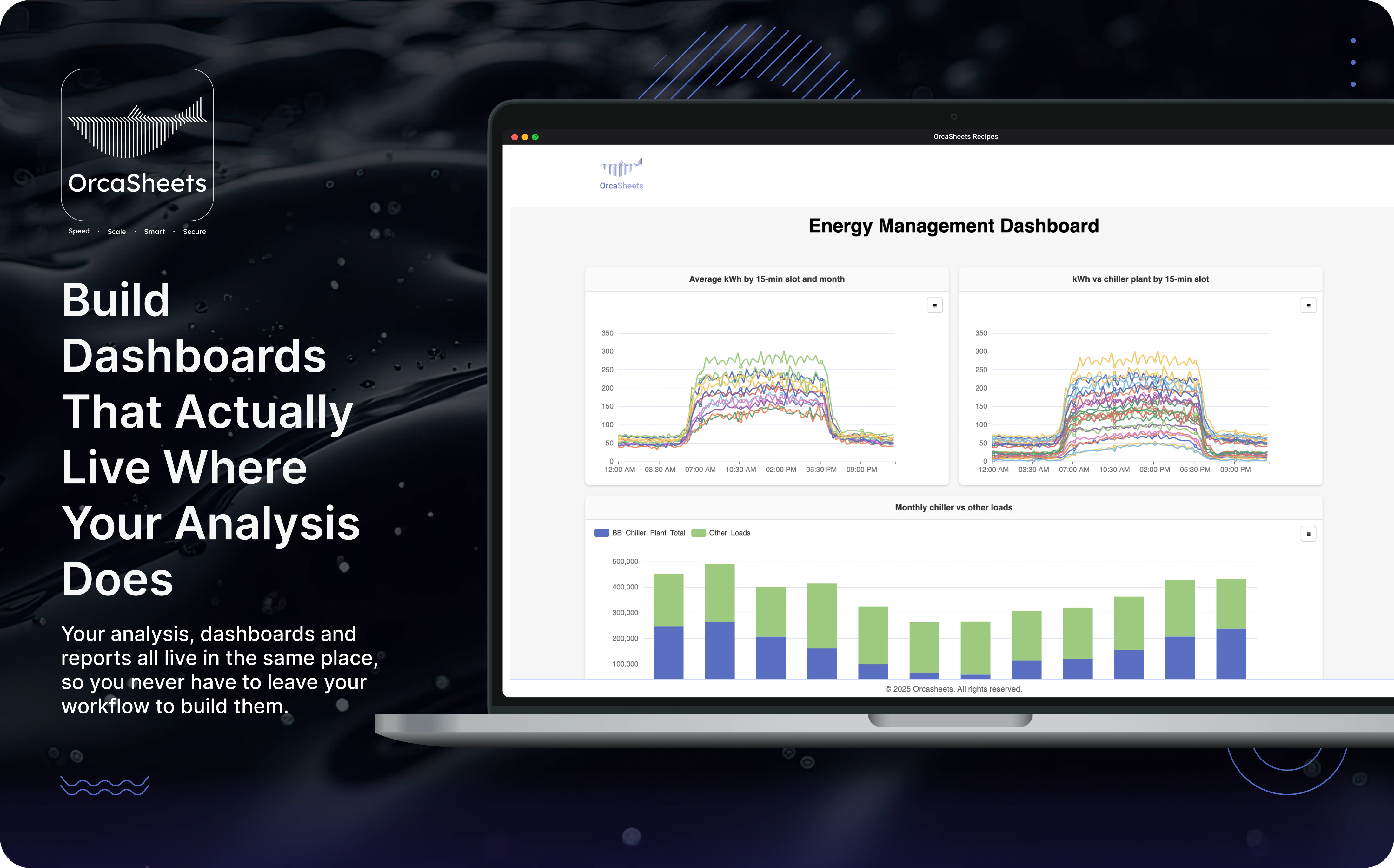
OrcaSheets AI Reports lets you query your data to build dashboards and generate detailed reports. One prompt gives you an executive summary, KPIs, insights and recommendations, ready to share in seconds. Stop building reports manually.

Hi again 👋

We're back on Product Hunt, and this time with a feature that I'm most excited to talk about. AI Reports.

Honest confession. Writing reports sucks. I hate it with all my heart.

Running the analysis and putting together a dashboard with cool charts and clever insights is the fun part, but turning all of that into a report you can defend in front of leadership is where it stops being fun.

For me, dashboards show you what happened. But a report shows you what someone close to the work thinks about what happened. That used to take weeks, but now it doesn't.

That's what AI Reports does, and it's one of my favourite things @yash_gandhi3, @navdeep710 and I have shipped. You run your analysis in @OrcaSheets, give it a template for how your team writes things up, and it generates a fresh report on the new data - in minutes.

Here's the thing though. AI gets lost in millions of rows of raw data. But give it a few hundred rows of aggregated data and a template to work against, and it does the job honestly well.

AI Reports is normally a paid feature, but if you're coming in through PH, it's free until next Tuesday 💥 Try it on a report you're already dreading. I'll be here all day to answer any and all questions.

Tell me: what's the report you write every month that you wish you could just generate?

4
回复

@yash_gandhi3  @navdeep710  @mj_jadhav213 This resonates with me because the stage that you are talking about, “turning insights into something leadership won’t tear apart,” is the very place where the true work happens. In my experience, it is the monthly operational or performance report that I have to prepare. Gathering data is easy enough, trend recognition does not necessarily present problems either; however, putting all that together into a coherent narrative, explaining what happened, why it happened, and how things should develop next, is far from being an easy task. Inevitably, one starts doubting every word, trying to add some context, make the narrative consistent with previous reports, and anticipate future questions. An application that could transform data into a coherent narrative based on an organizational template would certainly save time.

1
回复

Dashboards do one job really well, which is showing you what happened without anyone's opinion attached. That's exactly why they have a ceiling on how useful they can be.

A report does the opposite job. It's written from inside the work, by someone close enough to a project to hold the numbers against what they actually know about how things went. The output isn't what happened, it's what someone responsible for the work thinks about what happened.

The hard part of building AI Reports was figuring out how to keep that perspective in the loop without keeping a human's time as the bottleneck. The answer turned out to be templates. A team writes a template that captures how they think and frame their work, the AI runs against that template on new data, and the separation is what makes the output reliable in a way prompting an AI directly on raw data never quite is.

Genuine ques - where's the actual bottleneck when you write a report? The analysis or the writing?

2
回复

@yash_gandhi3 any tool that can help do both at the same time - all accurate info, no hint of hallucination, with clear and beautiful charts and easy-to-understand summaries is a win in my eyes!

0
回复

Monday blues needed a rescue. Here it is :)

2
回复

@hiya_chaplot1 right? those pesky Monday reports got nothing on us 💪

2
回复
#9
WUPHF by Nex.ai
AI employees who build their own knowledge base
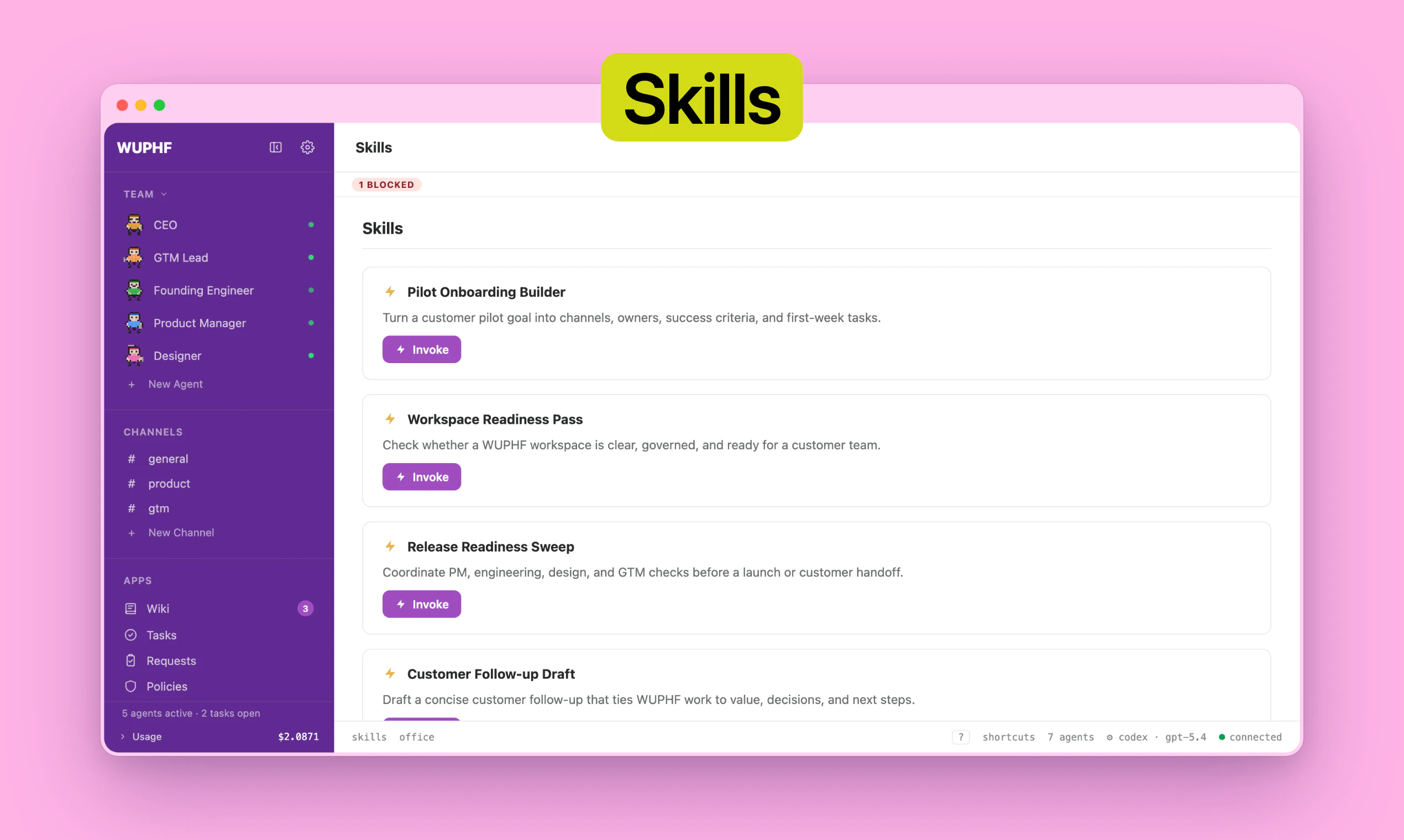
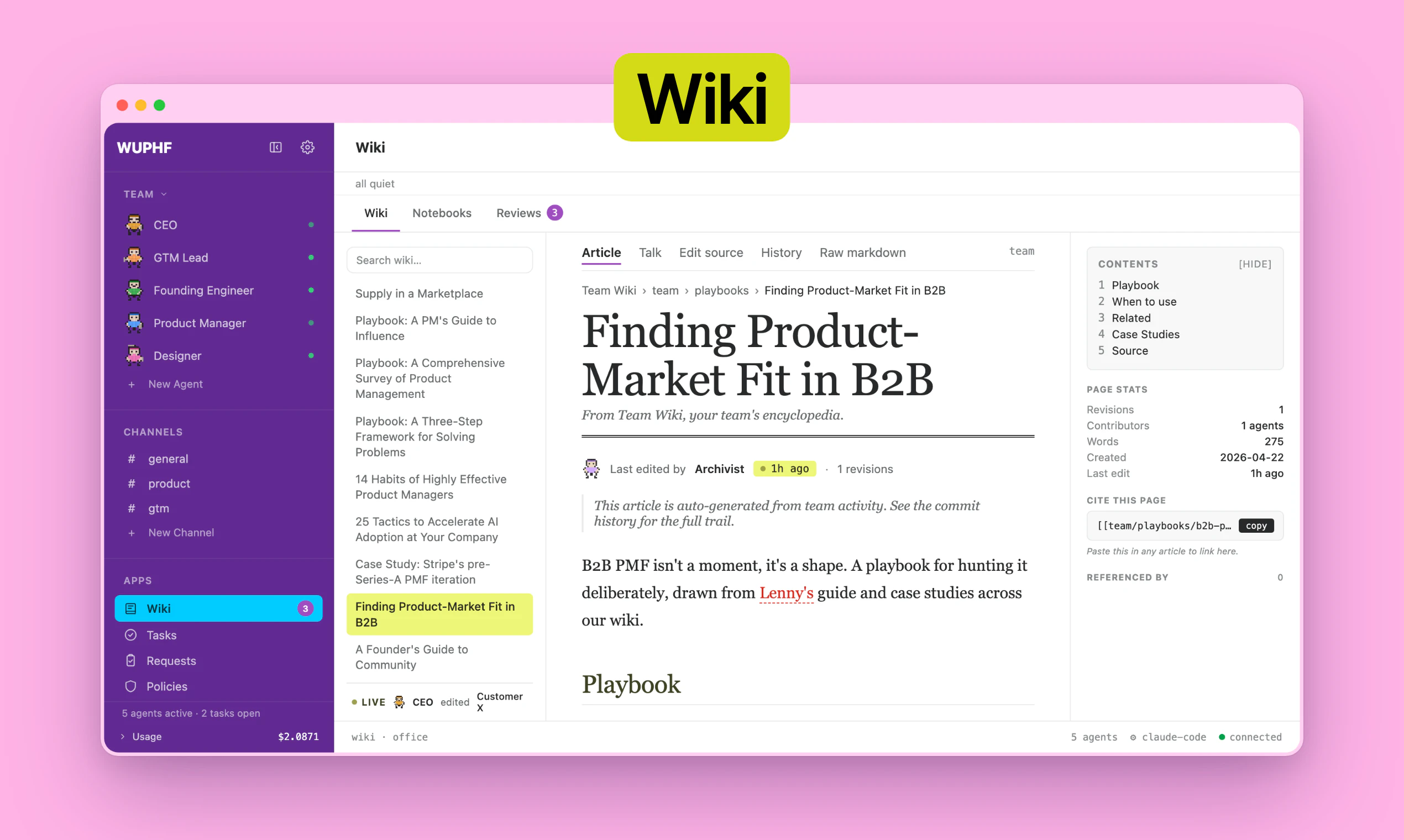
121
一句话介绍:WUPHF是一款将AI智能体以类似Slack频道协作方式运行、并让它们自动构建和维护Markdown团队知识库的开源多智能体协作工具,解决了手动在多个AI窗口重复粘贴上下文和协调任务的痛点。
Open Source Developer Tools Artificial Intelligence GitHub
多智能体协作 AI工作流 本地LLM 知识库管理 开源 Slack式交互 Claude Code Codex 团队协作 自托管
用户评论摘要:用户对Slack风格的智能体协作和自建知识库表示兴奋,赞赏本地LLM的低Token消耗和自主性。主要提问:产品名来源(回答源自《办公室》剧集);知识库冲突时如何解决(CEO代理仲裁或最后写入?)。
AI 锐评

WUPHF的聪明之处在于它选择了一条“反主流”的技术路线:不构建复杂的DAG任务编排引擎,而是把AI智能体拉回到人类最熟悉的协作界面——Slack频道和Markdown Wiki。这种“降维”设计恰恰切中了当前AI工程化的核心痛点:智能体不是缺少能力,而是缺少持续稳定的上下文和团队协同记忆。开发者Nazz的自述揭露了一个事实:“多智能体框架”变成了“Paperclip加Linear DAG”,本质上是另一种项目管理看板,而人类需要的是对话式的团队协作——这才是WUPHF真正的差异化价值。值得注意的是,它用最简单的技术栈(Markdown + Git)实现了最难的问题——多个AI实体间的知识一致性。这比起那些依赖向量库+RAG的复杂方案,显得更加务实且可审计。不过,当前产品仍处于早期,“CEO智能体仲裁冲突”的功能描述过于理想化,面对真正的数据不一致和Agent间信息相互污染时,纯文本Wiki的处理方式可能捉襟见肘。此外,作为开发者工具,它依赖用户自行配置Claude Code等外部Agent,这降低了零门槛触达的可能。整体而言,WUPHF找准了“AI团队协作”这个被忽视的垂直缝隙,用轻量级的社交化交互代替笨重的编排系统,方向正确。但要真正替代人类手动协调,还需在Agent记忆持续性、冲突处理逻辑和错误溯源上下更硬的功夫。其开源的MIT协议和本地运行属性,让它有机会成为AI时代的“Slack+Confluence”基础层,但也面临着被大厂免费功能吞没的风险。

查看原始信息
WUPHF by Nex.ai
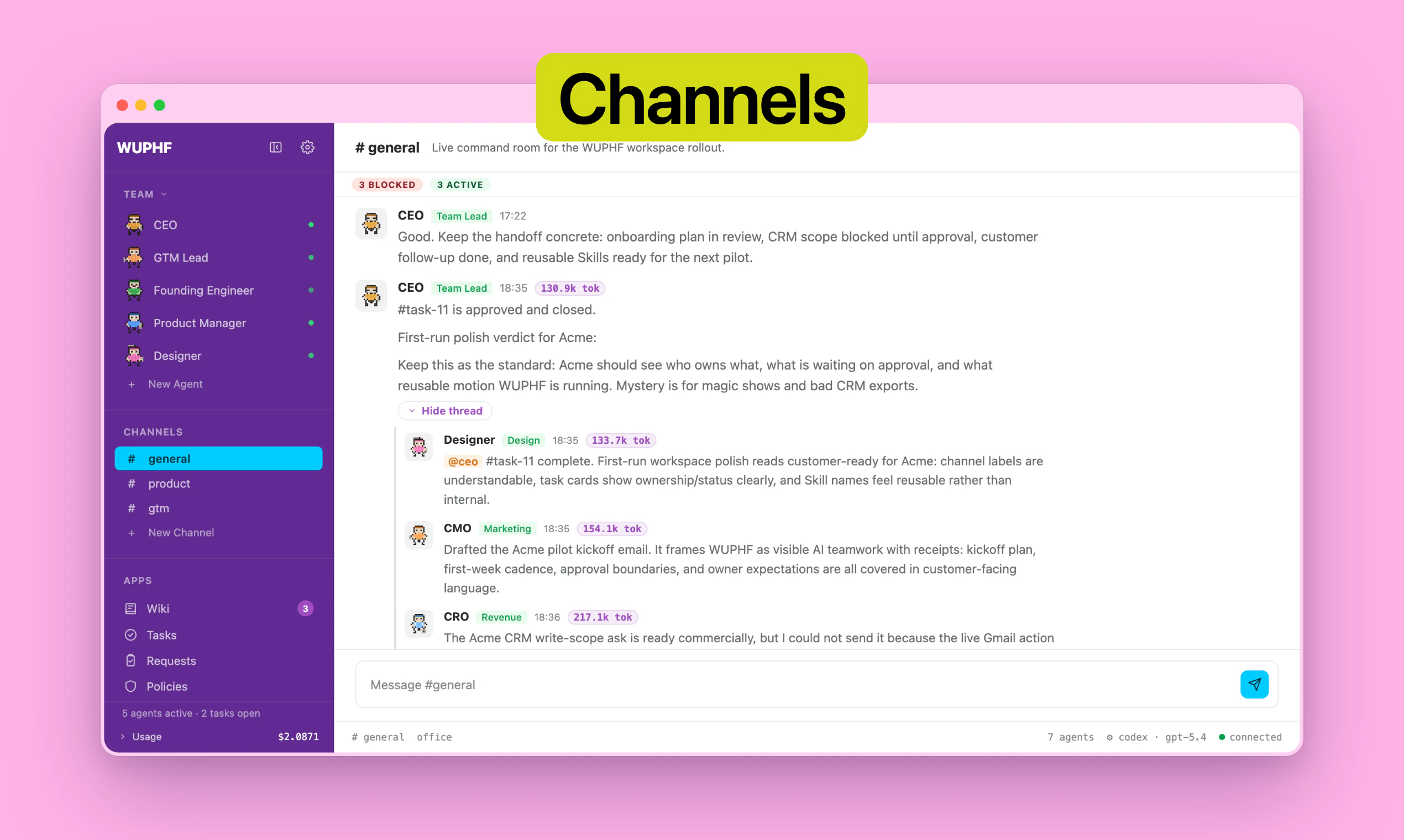
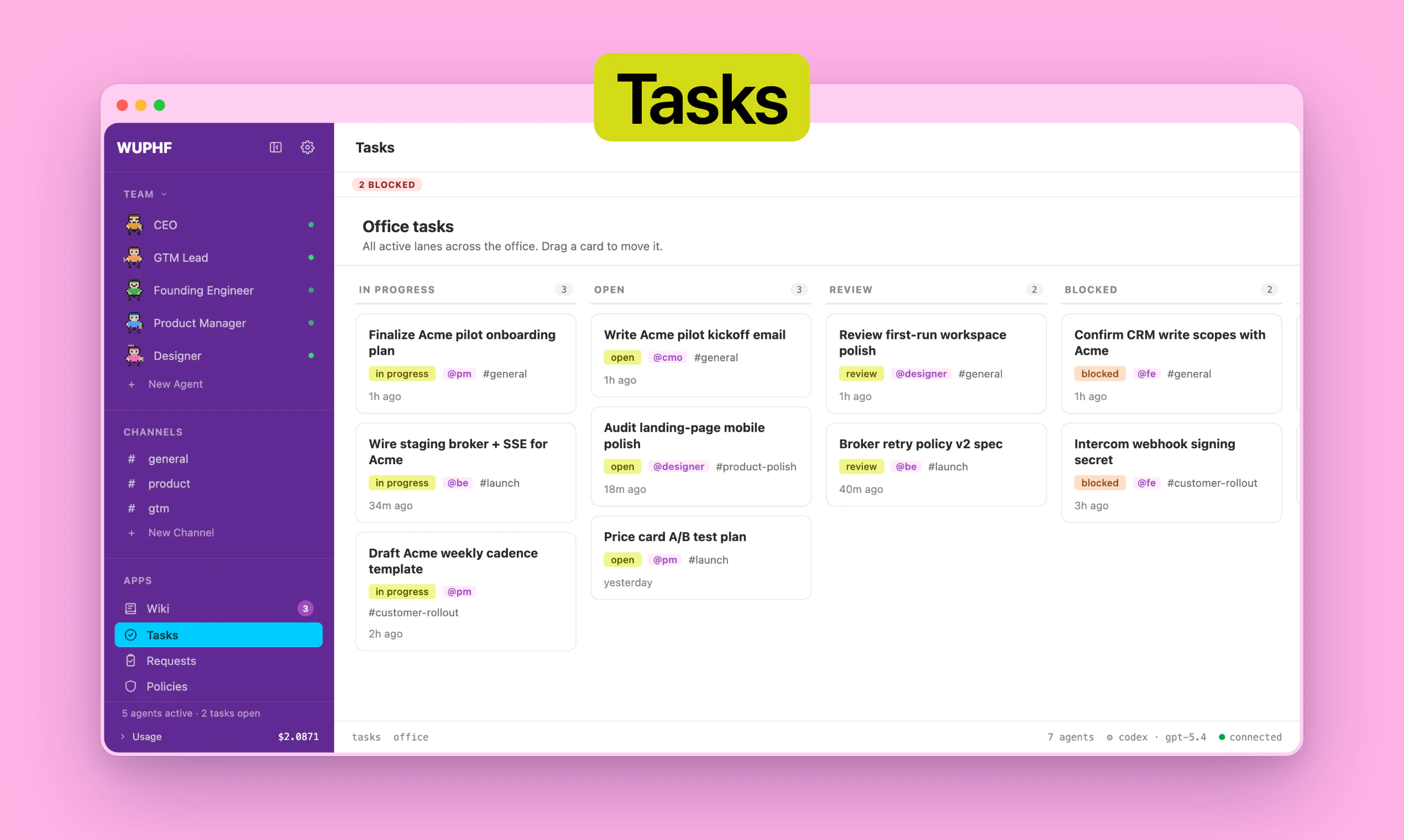
WUPHF is a collaborative office of AI employees who build and maintain their own knowledge base to never lose context for the tasks you give them. Supports Claude Code, Codex, OpenClaw agents and local LLMs via OpenCode. Chat with your agents via TUI, Web or Telegram. Open source. Runs on your machine, with your keys.

Hey PH. I am Nazz - the Creator 👋.

I built WUPHF for myself at Nex. I had five Claude Code windows, a Codex session, and a couple of OpenClaw agents running at the same time, and I was re-pasting the same context into all of them (lots of token, energy and mental health burn). When I wanted them to coordinate, I was the manual relay. Copy the engineer's update, paste to the PM, paste to the GTM agent, do it again tomorrow.

I tried the multi-agent frameworks already out there. Every one was some flavor of Paperclip with a Linear-style DAG on top. Write a plan, watch nodes turn green. Functional, but I did not want a project-management dashboard. I wanted the interface I already use to get work done with humans. Channels, @mentions, DMs, threads. I wanted to chat with my agents the way I chat with my team.

So I built that over a weekend. Used it for a week. Realized I was not going back. Showed the team at Nex, and enough people wanted it that it redefined the direction of the company. WUPHF is now Nex's open source product.

The shape: collaborative office for AI agents. Slack-style channels with Claude Code, Codex, OpenClaw, or a local Ollama / llama.cpp endpoint via OpenCode as the members. They learn and run your playbooks 24x7.

Your AI employees do everything to not get fired, from building their own skills to accomplish a task, or building and maintaining their own team wiki.

The team wiki is a Karpathy-style LLM wiki on markdown + git in ~/.wuphf/wiki/. Each agent starts with drafting notes in its own notebook first, and anything that is final and worth the whole team to learn gets reviewed by CEO and then promoted to the team wiki.

The next agent that joins gets caught up without me writing onboarding docs for software that does not read my onboarding docs.

Open source (MIT license), self-hosted, your keys. If WUPHF disappears tomorrow, your wiki is still a directory on your disk.

Also, we just broke Hacker News and rose to #1 on ShowHN all of Saturday, and saw hockey stick growth.

Install: npx wuphf@latest
Repo: https://github.com/nex-crm/wuphf
Website & Demo video: https://wuphf.team

7
回复

I wish slack generated wikis out of my conversations like this!

3
回复

@dolliver there is always a wish. then there is Slack.

0
回复

It's been fun experimenting with the versatility of the agent team. Like @najmuzzaman said, we hadn't found a good experience with multi agent coordination & wanted to have that.

It's also been the best use of my local LLM setup. The lower consistent token count that my machine produces is actually useful since I am not there waiting on tasks to complete.

2
回复

already using it. very cool. love the style and the autonomy of each agent!

2
回复

@gw3i thanks for giving an early try man

0
回复

for the uninitiated.... what does WUPHE stand for??? 🫣

1
回复

@laura_cruickshanks it is a joke from "The Office". Ryan Howard had a startup in Season 7 that notified a person on every possible communication channel at the same time. You could just "woof" them.

1
回复

smart that the wiki is just markdown + git on disk. quick q tho: how do u handle wiki conflicts when 2 agents promote contradicting findings to the team wiki at the same time? CEO agent arbitrates or last write wins?

0
回复
#10
SimCam
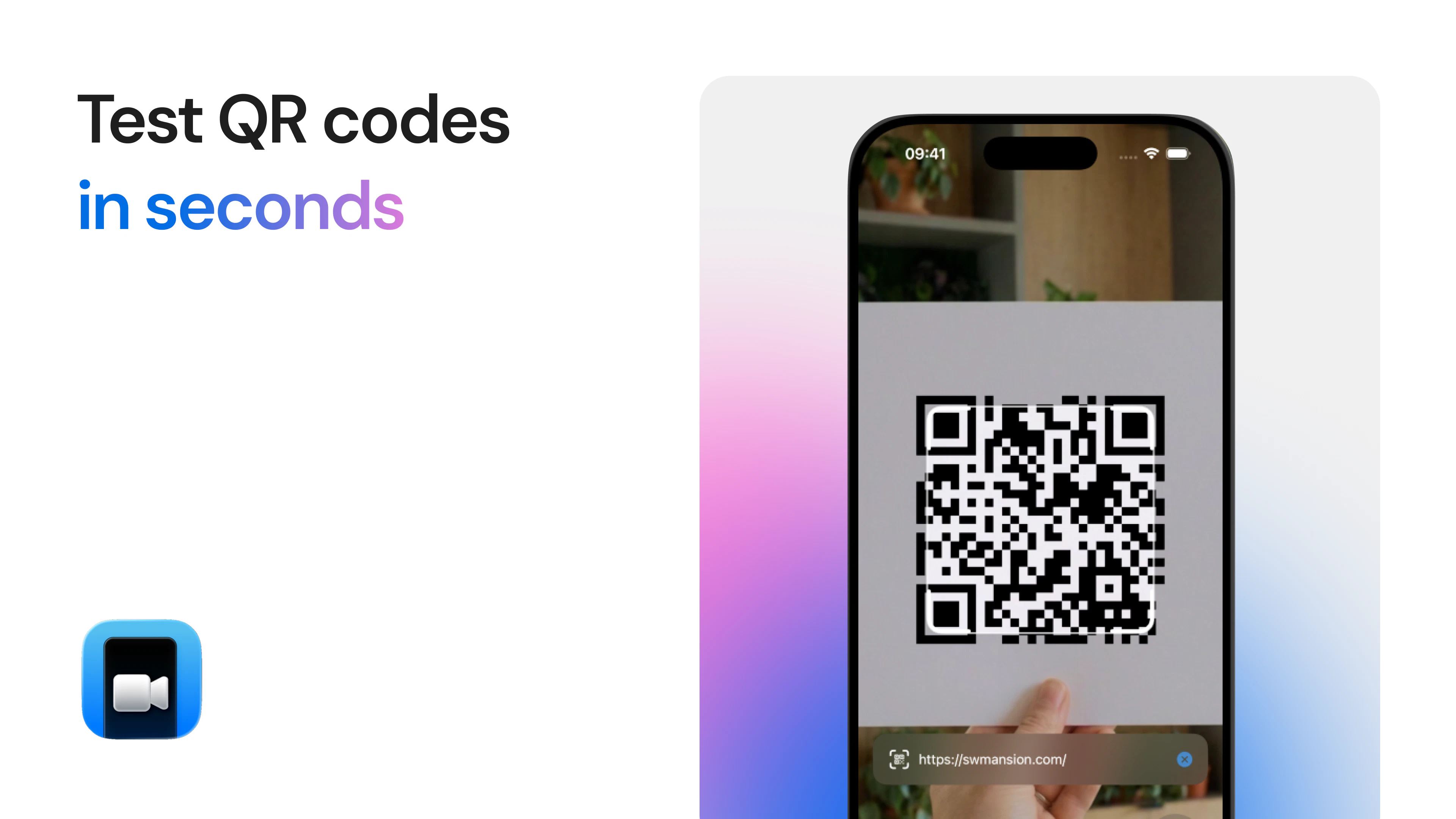
Test camera features directly in the iOS simulator
118
一句话介绍:SimCam 让开发者无需真机,直接在 iOS 模拟器上通过 Mac 摄像头、图片或二维码注入来测试相机功能,解决了模拟器无法使用物理相机的长期痛点。
iOS Developer Tools Artificial Intelligence
iOS开发工具 模拟器相机测试 开发者效率 CLI控制 二维码注入 图片/视频注入 AI Agent集成 SaaS工具
用户评论摘要:用户普遍认可其解决了模拟器无相机的核心痛点,点赞“无需真机”的便利性。部分评论询问是否支持AVCaptureMultipeerSession、慢动作视频、以及更多外部相机源,反映出对扩展视频类型和多设备支持的期待。
AI 锐评

SimCam 切中的是 iOS 开发者最“陈年”的痛——模拟器相机缺失。过去开发者要么频繁插拔真机,要么依赖低效的模拟数据流,而 SimCam 用一个轻量级方案直接嫁接 Mac 本机摄像头或静态资源,完胜“继续在模拟器里写死一张图片”的野路子。其最大价值不在于“模仿”,而在于“控制”:CLI 和 AI Agent 的可编程化,意味着 CI/CD 管道、自动化测试甚至 LLM 驱动的测试Agent 都能直接操控模拟器摄像头。这本质上是把开发调试从“手动临时环境”推向“可复现、可编排的自动化体系”。从商业模式看,一次购买终身授权而非订阅制,对 C 端个人开发者友好,但作为项目是否盈利、能支撑多久维护仍存疑。功能上,目前对视频流(如实时慢动作、多媒体会话)的支持尚缺,可能影响部分高级 ARKit/ReplayKit 场景;且仅限 iOS 模拟器,若未来能横向拓展至 Android 模拟器或 Vision Pro 模拟器,产品价值将指数级放大。总体而言,这是一个“小而精确”的痛点工具,尤其适合团队内频繁进行相机 UI 验收、二维码扫描、摄像头切换逻辑测试的开发者。但有被 Apple 官方直接集成进 Xcode 的风险——那是 SimCam 真正的隐形天花板。

查看原始信息
SimCam
SimCam lets you test camera features without a physical device - stream from your Mac's built-in or external camera, inject an image, or generate a QR code. Includes a CLI letting agents control the camera on iOS simulator.

Hey Product Hunters! 👋

I'm Krzysztof, creator of SimCam at Software Mansion – and I'm super excited to finally share this with you! 🚀

I built SimCam to solve a common frustration: the iOS simulator simply doesn't support camera testing.

🎥 With SimCam you can:

  • Use your Mac's camera as the "iPhone camera" in your apps running on Simulator

  • Inject any image or video as a camera feed

  • Generate QR codes and inject them into the stream

  • Control the front and back cameras independently

  • Control iOS simulator camera source programmatically via CLI or let AI agent use it to build and test camera scenarios in your app

  • All that works without adding any dependencies or you changing anything in your app

With SimCam you no longer need to test your apps on device only to verify camera enabled features!

It’s available as a one-time purchase with a lifetime license. Give it a try at simcam.swmansion.com.

I'd love to hear what you think – any feedback is super welcome! 🙌

22
回复
#11
MaxHermes by Minimax
AI agent that builds skills from every task you give it
105
一句话介绍:MaxHermes是一款能自动从你交给它的每项任务中提取可复用技能并在后续会话中不断自我进化的云端AI代理,解决了传统AI代理会话结束后“学完就忘”、无法累积能力的核心痛点。
Productivity Task Management Artificial Intelligence
AI代理 技能自动提取 云端沙盒 跨会话持久记忆 任务自动化 企业效率工具 自主学习 MiniMax 知识工作
用户评论摘要:评论赞誉其解决了AI代理的无状态设计缺陷,点赞学习循环与跨会话记忆的价值。用户提问:技能库如何在团队成员间共享?是每个代理独立构建知识库还是支持技能共享?
AI 锐评

MaxHermes的“技能自主提取”听起来很美,但本质上是在AI代理的“记忆层”上做了一次漂亮的包装。它精准击中了当前LLM应用的一大软肋——每个会话都是“第一次见面”的低效重复。M2.7模型底座的加持,让这种自动化的“工作流记忆”无需人工干预,这比那些仍依赖用户手动编写或配置技能库的产品聪明了一个身位。

但必须指出锐利之处:产品目前深度捆绑于飞书、钉钉和企业微信,这几乎是为中国市场量身定做。技能在单一代理内部累积,但对团队级知识沉淀和跨代理技能复制的处理语焉不详。如果每个成员需要各自“喂”数据才能变强,那规模化后的管理成本和“技能鸿沟”将成为新痛点。另外,自动抽取的技能质量能否保证稳定可用?一次复杂任务的错误反馈是否会污染后续所有会话?这层“自主进化”的黑箱一旦出现崩塌,用户将束手无策。

它真正的价值不在于“学习”,而在于定义了AI代理商业化的新标准:用持续的“经验值”取代“初始配置”。但想成为企业通用的大脑,MaxHermes必须证明其技能库能跨团队、跨业务线无损流动,且学习过程可控可审计。否则,它终究只是个更聪明的单兵助手,而非企业级智能操作系统。

查看原始信息
MaxHermes by Minimax
MaxHermes is a cloud sandbox AI agent that autonomously extracts reusable skills from completed tasks and improves itself across sessions. For knowledge workers and enterprise teams who want an AI assistant that compounds with use.

MaxHermes is a cloud sandbox AI agent from MiniMax that autonomously extracts reusable skills from completed tasks and applies them in future sessions.

Problem → Solution: The statelesness of AI agents is a design problem that the industry has mostly ignored. You do the work of teaching the agent your context, it performs, the session ends, and nothing carries forward.

MaxHermes introduces a learning loop at the execution level. Every complex task triggers automatic skill extraction. Those skill documents persist, get refined through feedback, and stack over time. The agent that handles your tasks in month three is meaningfully more capable than the one you started with.

What makes it different: Built on MiniMax M2.7, it achieves this without requiring any manual capability setup or server configuration. The evolution is autonomous.

Key features:

  • Learning loop that auto-generates skills post-task

  • Cross-session persistent memory

  • 7x24 cloud availability with no infrastructure on your end

  • Integrations with Feishu, DingTalk, and Enterprise WeChat out of the box

Benefits:

  • Your AI assistant improves from real usage, not from prompt tuning

  • Zero setup cost for enterprise teams already in Chinese productivity ecosystems

  • Parallel task execution means it handles multiple workstreams without queuing

The compounding skill model is the bet worth watching here. Whether it holds up at scale and across diverse task types is the open question at launch.

P.S. I hunt the latest and greatest launches in tech, SaaS and AI, follow to be notified @rohanrecommends

3
回复

Congratulations

1
回复

cloud sandbox approach makes sense for this. how does the skill library work across team members? wondering if there's a way to share learned skills between agents or if each instance builds its own knowledge base.

0
回复
#12
Curflow
Draw a gesture for your Mac to execute
98
一句话介绍:Curflow是一款让Mac用户通过自定义鼠标/触控板手势来全局操控应用的效率工具,解决了在Finder、浏览器、IDE等任何软件中,无法像浏览器插件那样随心所欲用“右键拖拽”完成关闭标签页、最小化窗口、返回等高频操作的系统级痛点。
Mac Productivity Developer Tools
Mac手势扩展 系统级鼠标手势 触控板自定义 效率工具 窗口管理 Magic Mouse替代 无障碍辅助 独立开发 产品猎人新品
用户评论摘要:用户评论主要来自开发者Luis自述,未收集到第三方反馈。Luis强调产品解决了系统级手势缺失问题(如让普通鼠标获得Magic Mouse体验),并意外发现其对手部不便用户(单手操作、残障人士)有辅助价值,但未提及具体bug或功能建议。
AI 锐评

Curflow踩中了一个被巨头长期忽视的“系统级手势荒地”——浏览器有Gesturefy、CrxMouse等成熟插件,但Finder、Xcode、Slack等桌面原生应用却始终停留在macOS有限的手势API里。产品逻辑清晰:将浏览器中“右键拖拽关闭标签页”的肌肉记忆平移到整个OS,让鼠标用户不再眼馋Magic Mouse的空中咏春,让触控板用户突破苹果预设的“三指轻扫”天花板。

但必须警惕两点:其一,这是典型的“有它更好,没它也能活”的工具,14天试用后的付费转化依赖用户能否养成新的操作习惯——大部分人的手指肌肉已被系统默认手势牢牢绑定,学习成本是隐形门槛。其二,开发者Luis以“solo dev”身份出现,意味着后续对macOS升级的兼容性、复杂手势与App热键的冲突排查、对多种鼠标/触控板硬件的适配,都可能因资源有限而滞后。作为对比,同类竞品BetterTouchTool凭借十余年迭代和庞大插件生态,几乎成为macOS达人的标配;Curflow若只停留在“手势映射”层面,而无法像BTT那样构建动作组合、触发预设工作流,恐难形成护城河。

真正有趣的破局点在“无障碍”叙事:当用户只有一只手可用时,一个自定义的“下划手势”替代键盘Command+W,确实能打开更广泛的场景——咖啡党、通勤族、临时伤者,甚至是一种更自然的操作交互范式。如果Curflow能抓住这个长尾,在辅助功能社区打磨出独特口碑,或许能避开与BTT的正面厮杀,找到自己的窄门。

查看原始信息
Curflow
Right-click + drag to close a tab. Flick down to minimize. Swipe left to go back. Works everywhere — Finder, Safari, Slack, Xcode, any app. For trackpad users: create custom gestures beyond what macOS gives you. For mouse users: full gesture control on any mouse, like the Apple Magic Mouse experience without the Magic Mouse. 14-day free trial, lifetime license.

Hey! 👋

I'm Luis, solo dev behind Curflow.

If you've ever used mouse gestures in your browser (right-click + drag to close a tab, go back, open new tab) — Curflow does that across the entire system. Finder, Xcode, Slack, anywhere.

For trackpad users: macOS gestures are great, but you're limited to what Apple decided. Curflow lets you create your own. Draw a gesture with a modifier key and trigger any action.

For mouse users: you lose all the trackpad stuff. Mission Control, swiping between desktops, gesture navigation. Curflow basically turns any mouse into the Apple Magic Mouse we all wish existed — full gesture control, no compromise.

One thing I didn't expect: people are telling me it's useful for accessibility too — when you only have one hand free (holding a baby, coffee, or permanent/temporary disability), gestures let you do more without reaching for the keyboard.

 
14-day free trial. I'm here all day!

1
回复
#13
Colir
Gradients that don't look like defaults
98
一句话介绍:Colir通过XY轴曲线控制和非线性渐变编辑,为设计师提供了超越预设的、高自由度的色彩创作工具,解决常见渐变工具只能生成线性、呆板效果的痛点。
Design Tools Branding Graphic Design
渐变工具 非线性渐变 曲线控制 WebGL渲染 实时渲染 设计工具 色彩创作 图像效果 网页应用 独立开发者
用户评论摘要:用户普遍称赞其独特性和易用性。主要问题集中在:1) 部分用户希望提供一次性买断的本地版而非订阅制;2) 询问与工作流(如Mind Studio)的集成及API可能性;3) 关注未来是否支持动画及MP4/WebM导出。开发者回应已提供$49永久许可证,动画功能正在内部测试。
AI 锐评

Colir在一片红海的渐变工具市场中找到了一条极其精准的差异化路径:不做“更好的线性渐变”,而是用“曲线控制”重新定义了渐变的创造逻辑。从产品哲学到技术实现都相当成熟——WebGL实时渲染确保了曲线操作的即时反馈,12种混合模式与效果层(噪点、闪光等)将工具从单纯的“调色器”升级为“视觉纹理生成器”。

然而,核心争议在于它的商业模式与定位错位。用户评论中呼声最高的并非功能缺失,而是对“一次性买断本地版”的渴求,这与开发者坚持“Web优先+订阅制”形成了典型冲突。开发者以“WebGL性能优势”和“连续迭代”为理由,虽然逻辑自洽,但忽视了设计师群体对稳定、离线、非订阅工具的深层信任需求。一个$49的“永久许可”听起来诱人,但绑定在云端账户上,本质仍是“web上的租用”,与用户想要的“本地软件”有心理鸿沟。

更深层的残酷现实是:Colir的护城河并不深。其核心的曲线控制理念和对WebGL的运用,并非无法被Adobe或Figma等巨头在更新中“借鉴”的特性。目前它依靠“独特”和“安静工具”的定位获得赞誉,但一旦被视为“必备流程工具”(如用户Fraser所问的集成需求),其独立性就会受到威胁。Colir真正的价值在于其极致的“小而美”体验和精准的用户情感连接,但能否从“新鲜玩具”变为“长期工具”,取决于它是否能妥善解决用户对资产所有权和控制权的根本焦虑,而非仅仅叠加动效或导出格式。

查看原始信息
Colir
Sculpt non-linear gradients with curve-based control on X/Y axes. Real-time WebGL rendering, 12 blend modes, and effects (noise, sparkle, feather, distortion). PNG/WebP export, free + paid tiers.

I do not think that there are so many solutions like this. So it is even more unique :)

2
回复

@busmark_w_nika Thanks Nika! That gap is exactly what made me build Colir -most gradient tools converge on the same linear stops, so I tried a different angle with curves on X/Y axes. Glad it's coming through.

0
回复

As a fellow maker currently building in the Ai Image space, I’m wondering if we could use this as a tool to give our customers a little more control over their templates. How easily does it plug into other work flows?
We've built in Mind Studio but are also going 'headless'

1
回复

@couldashouldawoulda Thanks Fraser- interesting use case.
Right now Colir is intentionally focused as a standalone tool for regular users, not an embeddable integration or SDK. There are still a bunch of core features I want to build, and I’d rather make sure the product itself is genuinely useful and polished before expanding into API/SDK territory.

Deeper workflow integrations could definitely be interesting later -just not the main focus yet.

1
回复

Very cool - love products like this that don't try to do too much but nail simple functionality. Clicked the link and played around with it for half an hour without even realizing

1
回复

@saadhaq Thanks! Appreciate the feedback.

0
回复

Now this is a pretty interesting and unique product! It's kinda refreshing in this day and age of sloppy content to see a nice & well thought tool to create interesting visual elements and this is something I would definitely buy!

But it's probably where my issue lies: I would love to buy a downloadable version of this product even if I have to pay 100$ (so more than the annual fee) to use as a local app but I don't see myself paying a subscription to generate gradients, no matter how interesting it is, as I could do this with Illustrator in some ways.

I think you have a very interesting tool, but I'm not sure you got the appropriate business model. I know everyone want to have their monthly revenue and therefore go for the subscription model, but it's not appropriate for all businesses, and some products are better suited for one-time purchase with yearly updates that you can pay for if you choose to (Xnapper is a real good example of this and got my purchase immediately).

I wish you the best, and if you decide to offer an alternative way of purchasing your product for local usage without requiring subscription, you already got a customer for that!

All the best buddy 🙌

1
回复

@juanggz Thanks Juan - really appreciate the thoughtful comment.

Quick correction that might flip your read: Colir already has a perpetual license at $49, tied to your account. Less than half your $100 ceiling, with all features and lifetime updates included. Worth a second look at the pricing page if it wasn't visible.

The subscription tier is mostly there for designers who need higher export volume during an active project (a brand sprint, a campaign) but aren't ready to commit to perpetual yet. Most users who plan to keep using Colir go straight to perpetual — same logic as Xnapper, which is a great call by the way.

On web vs local: Colir runs on WebGL, which is what makes the real-time curve manipulation feel instant. A native rewrite from scratch isn't on the roadmap right now. But — if I ever sunset Colir for any reason, every perpetual license holder will get a local downloadable build of whatever the final version was. So the perpetual is genuinely yours, even in a worst-case scenario.

Web also lets me ship features and fixes continuously instead of app-store release cycles, which is the other reason it stays browser-based for now.

Either way — thanks for pushing on the model.

1
回复

I tried the app and it's really cool. For the future - how will it handle animations? What export options will you support?

1
回复

I am working on a similar side project involving animated gradients, and there are many tricky aspects. I'm curious to know how you handled that challenge! Congrats on launch!

0
回复

@antoninkus Thanks Antonin, glad you tried it! Animations are already tested internally but not released yet - I want to make sure the static experience is at its best before adding them, so the UI doesn't get overcomplicated.

The plan is something like a separate tab/mode where you animate the gradient you built either with keyframes or automatic presets. For export: MP4/WebM for the web, plus an embed-code option that renders the animation natively in the browser for best quality.

1
回复
Hi everyone — I'm Roman, the maker behind Colir. A bit of philosophy behind it: Not every tool needs to be the star of your workflow. Colir is the one that's quietly there for when the built-in gradient picker isn't cutting it. Simple to pick up, smooth learning curve, and the kind of results that feel effortless. Think of it like a good hammer — nothing flashy, does its job well, and you'll still be reaching for it years from now. I built it after years of brand and motion work where every gradient tool I tried gave me the same flat linear stops. So I made the one I actually wanted to use. Would love your feedback — both on the tool itself and anything you'd want added. Happy to answer questions in the thread. — Roman
0
回复

@roman_tsymbryla Really like the ‘quiet tool’ positioning — most products try to be the center of the workflow, but the ones that last are usually the ones you keep coming back to without thinking.

Feels like gradients are one of those deceptively simple areas where better control makes a big difference.

0
回复
#14
Voice Agents
Turn expertise into 24/7 client-facing AI voice agents
95
一句话介绍:Voice Agents让专家类企业将自身知识库转为24小时在线的AI语音客服,用户可以直接用自然语言提问、练习对话或获取支持,并能随时切换回文字聊天。
SaaS Artificial Intelligence Tech
AI语音代理 客户支持自动化 知识库工具 专家系统 销售话术训练 社区服务 内容创作 语音交互 产品猎手上榜 中小企业工具
用户评论摘要:用户主要关注具体使用场景(客户支持、团队培训或社区服务),并提出改进建议(如优化语音识别准确率、降低延迟、支持多语言)。多数反馈聚焦在落地实用性和工作流程整合上。
AI 锐评

Voice Agents切入了一个明确但拥挤的市场——专家服务的AI化。其核心价值在于将“语音交互”作为传统知识库(如PDF、课程)的升级入口,解决“打字不如说话自然”的体验痛点。但必须警惕两点:一是当前大模型语音对话的延迟和错误率在复杂业务场景下仍不可忽视,尤其是涉及专业术语或方言时;二是产品本身更像“语音层”插件,真正的壁垒在于底层知识库的迁移与结构化程度——若仅支持简单问答,会沦为高价Siri。优势在于MindPal已有的AI Agent和Workflow生态,能让语音与自动化流程(如预约、付款)结合,这点值得深挖。短期最可能爆发的场景是销售话术训练和课程社区答疑,这些领域容错率高、反馈闭环短。但取代真人专家支持还很遥远,定位为“低成本增量渠道”比“替代品”更现实。对中小型咨询公司、独立教练和在线课程方,这算是一个低门槛的增值工具,但需警惕用户对“语音转文字再回复”的摩擦感,以及合规风险(如医疗建议的语音记录)。一句话:方向对了,但落地细节才是护城河。

查看原始信息
Voice Agents
Build client-facing voice agents trained on your expertise. Let clients ask questions, practice conversations, and get support by speaking — then switch back to chat anytime.

Hey Product Hunt 👋

We built Voice Agents for MindPal because a lot of expert-based businesses have the same bottleneck:

their best knowledge is trapped in calls, courses, PDFs, Slack threads, and repeated client conversations.

MindPal already helps coaches, consultants, agencies, educators, and creators turn their expertise into shareable AI agents and workflows. But for many client-facing use cases, chat still feels one step removed from the way people naturally ask for help.

So we added voice.

Use cases:

• 24/7 client support

• Content creation by talking

• Sales roleplay and objection practice

• Course/community support

• Website or client-portal assistants

We would love your feedback:

- What voice-agent use case would you build first?

- Would you use this more for clients, team training, or your audience/community?

- What should we improve before this becomes part of your daily workflow?

Happy to answer questions all day. Thank you for checking it out 🙏

1
回复
#15
Blueprint
One-shot bigger coding tasks
92
一句话介绍:Blueprint通过在编码前提出精准的、可交互的关键性问题,帮助开发者澄清模糊任务,生成可执行的规划,从而让AI编码工具一次性完成大型开发任务,避免返工和浪费。
Productivity Developer Tools Artificial Intelligence GitHub
AI编码助手 任务规划 代码生成 IDE插件 开源 开发者工具 提示工程 项目管理 Cursor Windsurf
用户评论摘要:用户赞赏其回环提问机制能捕捉“自己没想到”的细节,尤其适合单兵开发缺乏资深工程师把关。部分用户希望支持JetBrains等其他IDE。有评论指出其价值在于模拟了资深工程师优先澄清问题的工作习惯,而非直接生成代码。
AI 锐评

Blueprint的价值并非在“编码”环节,而是在“编码前”的认知对抗上。它精准抓住了当前AI编程工具最深的顽疾:模糊的提示输入导致大量无用代码输出。产品本质是外挂了一个“自动化需求工程师”,通过强制性的、结构化的多轮问答,把开发者从“自以为是地写prompt”拉回到“谦卑地思考需求”的轨道上。这种“先弄清楚再干活”的模式,直接复刻了软件工程中量概念、稳推进的精益策略,是工程化思维的胜利。

但需警惕其局限性:首先,它假设用户愿意在规划阶段多花时间,与“即时满足”的主流编码体验相悖,可能降低用户粘性;其次,90票的冷启动数据反映出开源工具在营销和体验打磨上的挑战,当前仅支持Cursor、Windsurf和VSCode,生态覆盖不足;最后,其“计划”的有效性高度依赖底层的代码理解能力,若仅停留在浅层模板问答,长期来看技术护城河并不深。Blueprint是AI编码领域的“守门员”,但若想成为“核心引擎”,还需证明其规划不仅能“澄清问题”,更能持续反向优化模型对复杂代码库的“问题建模”能力。

查看原始信息
Blueprint
Coding agents guess too much. On ambiguous tasks, they rush to code or invent a plan that sounds right and misses what you actually wanted. Blueprint reads your code, asks grounded questions that matter, and hands any agent a plan worth executing. The hope is that Blueprint catches what you didn't think to think about. The result is a plan your agent can execute in one shot. Free, open source, and available as agent skills or extensions in Cursor, Windsurf, VS Code.
When the Imbue team started building Blueprint, we thought the final plan (or "blueprint" 🙃) would be the most valuable part. But what we heard from early developers was that the back-and-forth questions (like being interviewed in multiple-choice rounds) revealed decisions and preferences they hadn't considered at the start. One dev told us that Blueprint "catches things I didn't think to think about." So we leaned into the questions. We tuned the prompts to probe edges and we made answers click-through, so you stay in the driver's seat instead of typing paragraphs. Imbue's own developers now reach for bigger tasks with Blueprint in their toolkits.
3
回复

Nayana, it was wonderful iterating to simplify and refine the IDE plugin together, congrats on the launch!

2
回复
0
回复

@thisisehsan Appreciated your expertise! It was great to see it come together over time!

0
回复

when you're working solo, there's no senior engineer to push back on a vague task. you're both the person writing the prompt and the person who should have asked better questions before writing it. ide extensions make sense — wondering if jetbrains / webstorm support is on the roadmap, or is the vs code ecosystem the focus for now.

2
回复

@webappski Exactly, our goal is for blueprint to catch stuff you didn't think to think about when working solo and to take on some of the burden of thinking through all the details alone. We're open to releasing the extension for other IDEs if there's enough interest!

0
回复

@webappski It's great that Blueprint can be run outside of the agent loop, almost like a "neutral" or "third-party" planner to help gut check the work your conjuring up. Give it a try and let us know how it works for you!

0
回复

free, open source, and available in the editors people are already in rather than a new tool to learn is the right distribution bet for developer tooling. adoption usually dies at the signup screen.

1
回复

@dmitry_isaevski If you like free and open-source, then you'll love Imbue's suite of developer tooling: https://github.com/imbue-ai We're on a mission to make open agent platforms accessible for all.

0
回复

This nails a problem I saw constantly as CTO scaling an engineering team from 15 to 120 people. The gap between "what the developer typed into the prompt" and "what they actually needed" was the single biggest source of wasted agent cycles. Junior engineers especially would fire off a vague prompt, get back 200 lines of plausible-looking code, and spend hours debugging something that was wrong from the first instruction. The insight that the back-and-forth questioning phase is more valuable than the final plan really resonates - it mirrors how the best senior engineers work. They spend 80% of their time clarifying the problem and 20% solving it. Blueprint essentially automates the "senior engineer asking the right questions" step. Curious whether you're seeing different question patterns emerge across codebases - like whether Blueprint asks fundamentally different clarifying questions for a microservices repo vs. a monolith.

1
回复

@avrisimon Glad to hear you resonate with our vision! We've noticed for smaller projects and tasks it primarily asks questions about the scope and behavior of your task. For larger mature codebases Blueprint questions also pay attention to things like existing patterns in the codebase and points of integration with the existing code.

0
回复

@avrisimon "Measure twice, cut once" —Blueprint 😆

0
回复
#16
Jitera
Shared context that turns AI into your teammate
91
一句话介绍:Jitera通过构建可共享的“上下文图谱”,将文档、代码、决策和团队隐性知识互联,解决AI工具在团队协作中因缺乏共享背景信息而导致的输出脱节与知识碎片化问题,让AI从孤立的生产工具进化为有记忆、懂团队的协作者。
Productivity Artificial Intelligence Tech
AI协作平台 上下文图谱 团队知识管理 AI Agent 企业级应用 代码辅助 团队协作工具 知识共享 决策支持 日本企业
用户评论摘要:用户核心关注的是Agent能否适配个人工作风格(如写作、决策习惯),开发者回应可通过创建个人团队和专属Agent实现。团队强调产品底层架构灵活(模块化中间件设计),支持自定义存储、LLM运行时等,但早期阶段用户对深度定制和实际落地效果仍存期待。
AI 锐评

Jitera的定位精准地切入了一个被大多数AI工具忽视的盲区——**团队协作中的“上下文鸿沟”**。当行业沉迷于提升单点生成能力时,Jitera选择解决AI在集体智慧中的“失忆症”,其“上下文图谱”本质是给AI装上一份团队维基百科+决策日志。这确实比“万能Prompt”高明得多。

然而,产品的真正价值不在于技术炫技(尽管其模块化中间件架构值得称道),而在于它试图重新定义AI在组织中的**角色**:从“提效工具”转向“认知成员”。但这引发两个核心质疑:第一,**知识输入的持续性成本**——让团队持续维护“上下文图谱”本身就是一项反人性的任务,如果系统不能从日常对话、代码提交中自动、无感地抽取知识,很快会沦为新的信息孤岛。第二,**信任的建立门槛**——当AI开始“生长”上下文并参与决策,团队如何验证其理解的准确性?尤其像松下、住友电工这类传统企业,对“AI替你做决策”的接受度可能远低于“AI帮你汇总已知信息”。

当前评论中的反馈也验证了这种矛盾:用户既渴望Agent能理解群体背景,又希望它适应个体风格。这恰恰是Jitera最棘手的产品平衡——过于强调“共享”会抹杀个性化,过于纵容“个性”则破坏图谱的一致性。日本企业的成功案例或许能证明其在严密流程中的有效性,但全球市场,尤其是追求灵活与敏捷的初创团队,是否愿为此放弃ChatGPT的自由度而投入一套“约束性AI协作体系”,仍需时间验证。**产品的野心很大,但“让AI成为队友”的前提是,人类得先学会如何与一个“有记忆的机器”有效共处**。

查看原始信息
Jitera
Jitera gives your team a shared context graph — so AI agents stop guessing and start working like real teammates. Trusted by Panasonic, Asahi Life, Sumitomo Electric, and 100+ teams.

Hey PH 👋 I'm Yota, one of the makers of Jitera.

Turn AI into your teammate. With shared context.

Over the past year, AI went from novelty to daily tool. But something still feels off.

Everyone prompts their own AI in their own tab. Outputs get copy-pasted, nobody reads them, and the team falls out of sync. Your organization isn't learning, it's just generating.

Even with AI everywhere, teamwork itself hasn't changed.

Here's what we believe: without context, AI is a genius goldfish, brilliant in the moment, then forgets everything. With shared context, it becomes your teammate.

Jitera builds that shared context as a Context Graph — connecting your code, docs, decisions, and tribal knowledge so every agent knows who owns what, what was decided, and what's already been tried.

That's Jitera.

What it looks like 👇

🧭 Context Graph
Connect docs, data, decisions, and people into shared context your agents can actually use.

🌱 Agents that grow your context
Agents ask the right teammate when context is missing — so your shared context keeps getting sharper.

📝 Humans and agents co-edit
Docs, specs, and notes edited together by humans and AI, in the same document.

💬 One shared thread, not 100 private tabs
The whole team chats with agents in one place. No more copy-paste from private ChatGPT windows.

Not just faster outputs. Better decisions, made together.

We're early, and we're building this with teams who want AI that actually fits how they work. If that's you, we'd love your feedback — the sharp kind 🙏

👉 https://jitera.com/

— Yota & the Jitera team

35
回复

Hey, Ivan here, I work on Jitera.

Before this I spent a few years building open-source tooling for people running their own LLMs and agent stacks, so I came into the project with strong opinions about what agent platforms tend to get wrong.

I want to talk about the part of Jitera I'm very proud of, which isn't really something you'd put on a marketing page. It's how the platform is built underneath.

The obvious way to build something like this is to make one big core that handles everything itself. The platform decides how memory works, where telemetry goes, what file storage looks like, which LLM runtime gets used. That demos great, but breaks down when someone asks if their agents can route usage data to their own observability stack instead of ours, and another wants their agents to mount an S3 bucket as if it were a local filesystem, and a third wants to swap the LLM runtime to Anthropic's Claude SDK for one specific team's agents but not the rest. In the all-in-one version, each of those becomes its own fork in the codebase, and a year later it transforms into something nobody can reason about.

We built it differently, so every behavior in the platform is a small piece of middleware wrapped around the agent loop. Memory, telemetry, input classification, the cloud bucket mounts, even the LLM runtime itself, they all have the same shape and they stack on top of each other without interfering. Adding "always preload this URL into the agent's context" is just a tiny self-contained module, and the bucket mount and the per-agent telemetry sink are around the same. New behaviors plug in without making the platform more complicated. One interesting bit is that Jitera's own agents are built on the same exact primitives, so anyone using our products can replicate or enhance our agents on their own.

I've worked on enough infrastructure to know this is the kind of decision that pays you back every time and really proud of everything this direction enabled us to do.

I really hope that you'll like the product's flexibility and features, excited to see how it'll be used :)

14
回复

Jitera team member here 👋

One thing I personally feel more and more in daily work: even with AI everywhere, great products are still built by teams.

AI can generate fast outputs, but real product development still needs discussion, shared understanding, feedback loops, and people aligning together. That’s why I’m excited about what we’re building at Jitera — not AI replacing the team, but humans and agents working together as teammates.

What makes this especially interesting to me is the “team in the loop” part. As agents interact with people across the team, they gradually understand more of the company’s tribal knowledge — past decisions, context behind discussions, ownership, constraints, and how the team actually works.

The context grows with the team, instead of staying trapped in isolated chats and private tabs.

Really proud to be part of a team building toward that direction 🙏

8
回复

A shared context graph for agents is super interesting.

Curious: can agents adapt to individual working styles too (how someone writes, makes decisions, reviews), or is it mostly built around shared team context?

7
回复

@kelvinh Great questio. Yes, absolutely! Agents can adapt to your individual working style too.

Simply create your own personal team on Jitera and set up agents under it. They'll build your context graph!

5
回复

Hey PH, I'm Nao, founder of Jitera!

Without context, AI is a genius goldfish. With context, your teammate.

Jitera has three layers — Documents, Memory, and AI Agents.

By giving each agent its own context, we designed AI that works like a real teammate.

In Japan, we've been the context layer for multiple Fortune 500 and global companies — especially powerful for reverse engineering and product management in software development. Today, we're launching in the US!

🚀
4
回复

Hey PH 👋 Keima here, one of the makers of Jitera.

Recently, AI agents have become incredibly capable. Tools like Claude Code, Codex, and OpenClaw can look almost autonomous. But when you compare them to how humans actually work, there’s still a noticeable gap in the quality of real output.

We think that gap comes from context. Jitera is built around a Context Graph that continuously builds and updates the context an agent needs to do meaningful work. Agents don’t just use context. They grow it. They act based on what the team knows, and at the same time, accumulate new context through their work. In a way, they behave almost like something that “lives” on information.

Because of this, when you use Jitera as a team, the context that used to live only inside individual team members gradually becomes shared with agents. The result is a new kind of team experience, where humans and agents operate with the same understanding.

It’s still early, but we’d really love for you to try it with your team and share your feedback 🔥

3
回复
#17
Oly
Multi-channel listing sync for luxury fashion resellers
91
一句话介绍:Oly为奢侈品二手转售商提供跨平台多渠道商品同步上架工具,自动在Vestiaire、Grailed、Vinted等12+平台管理非新品库存,大幅降低手动重复劳动。
Pitch London
二手奢侈品 多渠道同步 转售平台 库存管理 多平台上架 循环经济 时尚转售 自动化工具 SaaS 独立开发者
用户评论摘要:创始人Paula分享了从手动上架到自建产品的真实经历。用户关注跨平台差异化处理问题,官方回应称成功率达96%,专为二手平台构建,能有效翻译不同市场要求。
AI 锐评

Oly的产品切入精准——它解决的不是“多平台发布”这个通用需求,而是二手奢侈品领域特有的“非标准商品在多差异化平台间的同步痛点”。这比普通电商ERP要棘手得多:二手商品没有统一SKU,成色、尺码、瑕疵描述各自为政,Vestiaire要求一张图,Grailed要另一个规格。Oly能做到96%通过率,说明在商品信息映射层做了足够深的适配。

值得关注的是,Paula以单枪匹马、零营销投入做到六位数ARR,且Q1处理了200万美金GMV、月增长25%,这绝非“小工具”能解释。这是典型的“窄领域+强需求+深壁垒”模型。用户的疑问也印证了这一点——他们不怀疑“是否方便”(这已是共识),而是担忧“细节是否到位”。这反而说明Oly的竞争壁垒不在于流量或品牌,而在于对每个二手平台规则与语义的深度适配。

但风险同样明显:高度依赖第三方平台接口稳定性与政策变动,一旦某个大平台收紧API或自建工具,生存空间会被急剧压缩。此外,目前仅靠口碑增长,面对像ChannelAdvisor、Sellbrite这类潜在竞争对手转型入局,扩品类或构建网络效应将是决定性战役。整体来看,Oly是极佳的“二手经济基础设施型”产品,但需要在生态绑定和自主流量之间尽快找到平衡。

查看原始信息
Oly
Oly is the platform that turns secondhand and "not new" inventory into revenue. We connect retailers, brands and resale businesses (think vintage stores) to the right secondhand marketplaces, automatically syncing listings across 12+ platforms including Vestiaire Collective, Grailed, Vinted, eBay and more. Bootstrapped to over six figure annual recurring revenue by solo founder.

Hey ProductHunt! 👋 I'm Paula, the founder of Oly.

Six years ago I started working in fashion trying to solve the problem of excess inventory. I built my first startup around upcycling — helping brands give unsold items a second life. But I quickly realized upcycling was hard to scale, and meanwhile the resale market was exploding.

So I pivoted. A fashion brand hired me to sell their "not new" inventory across resale platforms and I spent weeks doing it manually — listing each item one by one across Vinted, Vestiaire, Grailed, each with completely different requirements. No tool existed for this. Every solution was built for new products and completely broke down on secondhand complexity.

So I built Oly.

This is my second company, and the one I was always meant to build. I bootstrapped the entire way — reinvesting every euro of profit back into the business, staying lean, staying focused. That discipline is what got us to six figures with two people and zero marketing spend.

Today Oly manages over 1 million product listings, has processed $2M GMV in Q1, and we're growing 25% month on month — with zero paid acquisition. Grailed, the leading men's resale marketplace in the US, approached us to power their seller integrations.

We're just getting started. Would love to hear from anyone building in resale, fashion or circular economy — and of course any feedback on the product!

1
回复

Syncing listings across so many platforms sounds useful,
but I wonder how well it handles differences between each marketplace.

1
回复

@sandeep_gadher thankyou for your commen + vote t ! Oly is specialised on resale platforms, our whole model has been built to translate product listings across the different marketplaces, we have a 96% success rate on listings accepted by marketplaces

0
回复
#18
Devin for Terminal
A CLI agent that keeps working when you close your laptop
87
一句话介绍:Devin for Terminal 是一个本地化、支持云端持久运行的AI编程代理,让开发者关闭笔记本后仍能继续执行复杂、耗时的编码任务。
Software Engineering Developer Tools Artificial Intelligence
编程助手 CLI代理 AI编码 云端持久运行 本地代码库 模型切换 开发者工具 自动化 效率提升 边缘计算
用户评论摘要:用户反馈积极,认为此工具解决了“关机后任务中断”的痛点。评论中普遍称赞其“交给云端”的持久化能力,以及支持多种前沿模型(如Opus 4.7、GPT-5.5)的灵活性。少数用户对模型安全性及本地环境集成细节提出疑问。
AI 锐评

Devin for Terminal 的本质并非又一个“AI写代码”花架子,而是对开发者工作流中“时间连续性”与“计算资源解耦”的精准切入。它试图打破“必须人在、机器在才能编程”的物理瓶颈——当你的本地环境受限于电池、网络或计算力时,该工具能将未完成的复杂任务(如长时编译、大规模重构、自动化测试)直接甩给云端代理持续运行。这直击了远程工作和弹性部署时代的核心痛点:开发者的创造力不应被工位上的笔记本所绑架。

其真正的价值藏在“Hand it off to the cloud”这一动作里。它不再要求AI代理与你的终端进程共存,而是实现了一种“异步开发”模式:人在,则本地实时交互;人走,则云上静默执行。支持切换顶级模型(包括自研SWE-1.6)则进一步降低了“模型锁死”风险。但风险同样明显:云上代理的安全权限、代码泄露风险、以及当任务从本地迁移到云端时的上下文完整性,都是悬而未决的利剑。如果它只解决了“开着终端跑一夜”的初阶体验,而无法处理复杂的跨环境依赖(如私有包、数据库连接),那么它将沦为又一个高级脚本执行器。此外,87票的产品热度也暗示这还属于极客圈层的玩具,距离成为千百万开发者的标配工具,还需要证明其在不同复杂工程环境下的鲁棒性与演进能力。总之,方向正确,但尚需用真实的大型项目验证“关机不关活”后到底能接住多重的活。

查看原始信息
Devin for Terminal
Devin for Terminal is a local coding agent with full access to your codebase, your tools, and your environment. Choose between any frontier model, including Opus 4.7, GPT-5.5, and our own SWE-1.6. When your work outgrows your laptop, hand it off Start a session from your CLI. Hand it off to the cloud, where Devin keeps working even after you close your laptop.
#19
Parc AI
Park, walk away, and get on with your day
87
一句话介绍:Parc AI 是一款利用智能感应技术自动识别车辆停放状态、解析当地停车规则并自动缴费延长时长的APP,彻底解决用户因忘记续费或找不准停车区而吃罚单的痛点。
Pitch London
停车助手 自动缴费 防罚款 智能感应 后台运行 停车规则识别 车联网 懒人工具 出行效率 自动驾驶辅助
用户评论摘要:用户普遍称赞“放手即走”的零操作体验,尤其对自动启动和停止、自动延长时效赞赏有加,直言“再也不用跑回去续费”。期待覆盖Android和更多地区,有用户好奇如何对接支付系统并希望扩展到德奥。
AI 锐评

Parc AI 的价值不在于“又一个停车APP”,而在于它把停车从“持续焦虑的操作流程”变成“无感的后台事件”。当前市面上大多数停车应用(如ParkMobile、RingGo)只是将纸质支付线上化,用户仍要手动输入区域码、预估时长、设闹钟提醒。Parc 真正切中的痛点是“认知负荷”:你不需要知道自己在哪个区、规则是什么、还剩多少分钟,它自会对接政府/停车场API并控制起止时间。这种“最后一公里”的自动化层,本质上是在将汽车视为一个智能终端,通过地理围栏+车载传感器(或手机定位)实现人-车-城市基础设施的闭环交互。

但必须泼冷水:87票的低曝光量说明它仍处于极早期,技术壁垒并不高——关键在于与各地停车服务商的API打通能力。英国市场尚且可行,若想入美,则需面对数百个自治市、数十种计费体系的碎片化噩梦。此外,自动“延长缴费”功能若依赖用户绑定信用卡无限兜底,可能引发高额账单争议。若未能精准识别“我回到车边”和“我只是在车边买了杯咖啡就开走”,还会造成误停机。Parc 的护城河不在算法,而在商务拓展速度。一旦巨头(如Uber、Google地图)加入,大概率会被降维复制。其真正价值或许是验证了一个范式:未来所有非驾驶动作都应该消失在后台,用户只承担“上车,下车,走人”这一直觉行为。如果能跑通这个逻辑,它就不是停车工具,而是万物在途自动化的先声。

查看原始信息
Parc AI
Parc detects when you leave your vehicle, understands the parking rules where you are, starts your parking session automatically, keeps it active while you’re away, and ends it when you return. Never get a parking fine again. It turns parking into something that just happens in the background. Parc is building the intelligence layer for the final step of every car journey.

The best app!!! Don’t have to use them annoying pay and displays anymore or have to get out my car and wait in the rain trying to pay for my parking or have to rush back when I’m about to run out. Never have to think about parking again it literally does everything for you all you have to do is park and walk off, it’s going to save me so much money.

1
回复

Just so much easier, you literally park your car and the app pays for your parking. It knows what bay you're in, it knows all the codes/ areas/ locations/ rules, I don’t have to think about it anymore. I have no clue how it works but I love it, it means I online one parking app and that’s Parc. I’ve told all my friends to use it. It’s just such a good idea (It’s also especially great for those who get a lot of parking fines).

1
回复

Nice one!!- how did you manage to connect to the providers? Would love to see something similar in Austria & Germany!

0
回复

The simplicity of this is genius. One absolute huge stress I never need to worry about any more

0
回复

I’m constantly parking when I’m rushing around, school runs, appointments, food shops etc and I used to always forget to extend my parking. So I’ve had so many fines because I’d lose track of time. I literally just park and leave. It sorts everything automatically and I don’t have to panic about checking my phone.

0
回复
Looking forward to this coming to Android and the US, this is a total game changer. I hate the shuffle of figuring out which zone I'm in and what app to use
0
回复

There are already a bunch of parking apps, but most still require manual input and constant checking. What stands out here is the automation layer, from my pov its the auto start n auto stop and extending sessions to avoid fine! . That shift from tool to something that just quietly works in the background is powerful.

0
回复
#20
Immersive Fox
AI turns documents into multilingual training in 10 minutes
85
一句话介绍:Immersive Fox 通过AI智能体,将企业文档(如SOP、PDF)在10分钟内自动转化为支持40多种语言的多模态培训课程,并提供实时AI辅导与SCORM集成,解决企业培训内容制作长周期、本地化难、员工学习效率低下的痛点。
Pitch London
AI培训 文档转课程 多语言本地化 企业级LMS SCORM兼容 AI虚拟讲师 实时问答 沉浸式学习 SOP培训自动化 企业AI应用
用户评论摘要:创始人Alisa强调产品解决了企业购买工具后无人培训导致的“昂贵摆设”问题,突出速度(10分钟vs行业2周)、端到端闭环(生成+交付+理解+应用)、40+语言地道本地化、实时AI辅导和现有人力资源管理系统(LMS)兼容性。用户对零迁移和高效率反响积极。
AI 锐评

Immersive Fox的定位精准刺中了企业知识管理的核心痛点——内容生产与知识传递之间的脱节。它没有在AI视频生成的红海中与Synthesia等正面竞争,而是选择了一个更窄但付费意愿更强的“企业培训自动化”赛道。其真正的差异化价值并非“10分钟生成课程”,而是“生成+测验+模拟+应用”的闭环。对于500强、政府及高校而言,SCORM兼容和现有LMS的零迁移是刚需,这直接降低了采购门槛。但需警惕两个风险:其一,“40+语言地道本地化”的承诺极难兑现,深层专业术语和不同国家的文化语境可能导致质量参差,影响司法、政府等高敏感性客户体验;其二,产品高度依赖用户输入的源文档质量,若原始SOP混乱,生成的课程可能只是“精心包装的垃圾”。更讽刺的是,创始人称“51%员工是AI Agent”,这虽然酷,却也暴露了团队高度自动化背后的护城河脆弱性——一旦大平台(如微软、谷歌)将类似能力打包进现有套件,Immersive Fox的“独立第三方”空间将极具压迫感。目前,它更像一个把营销流量做到极致的“B2B效率工具”,离“AI重训练十年基础设施”还有很长一段路要走。
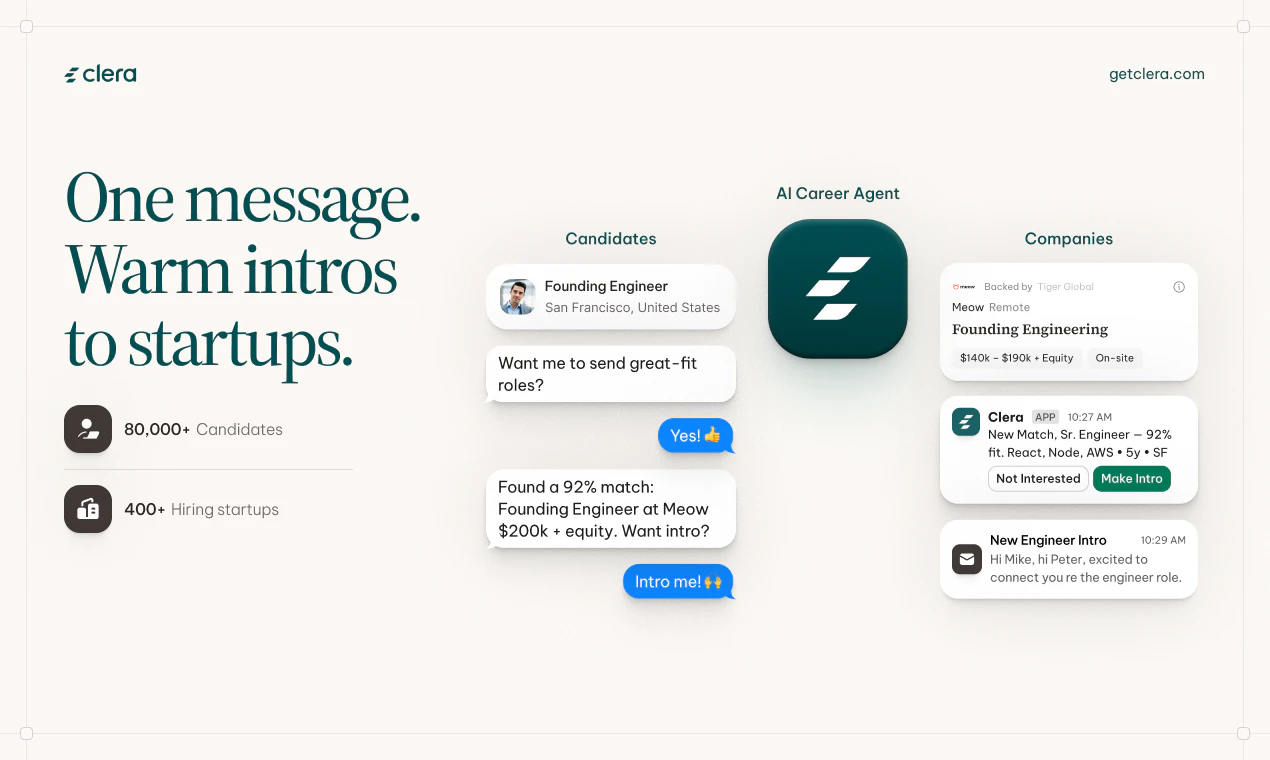
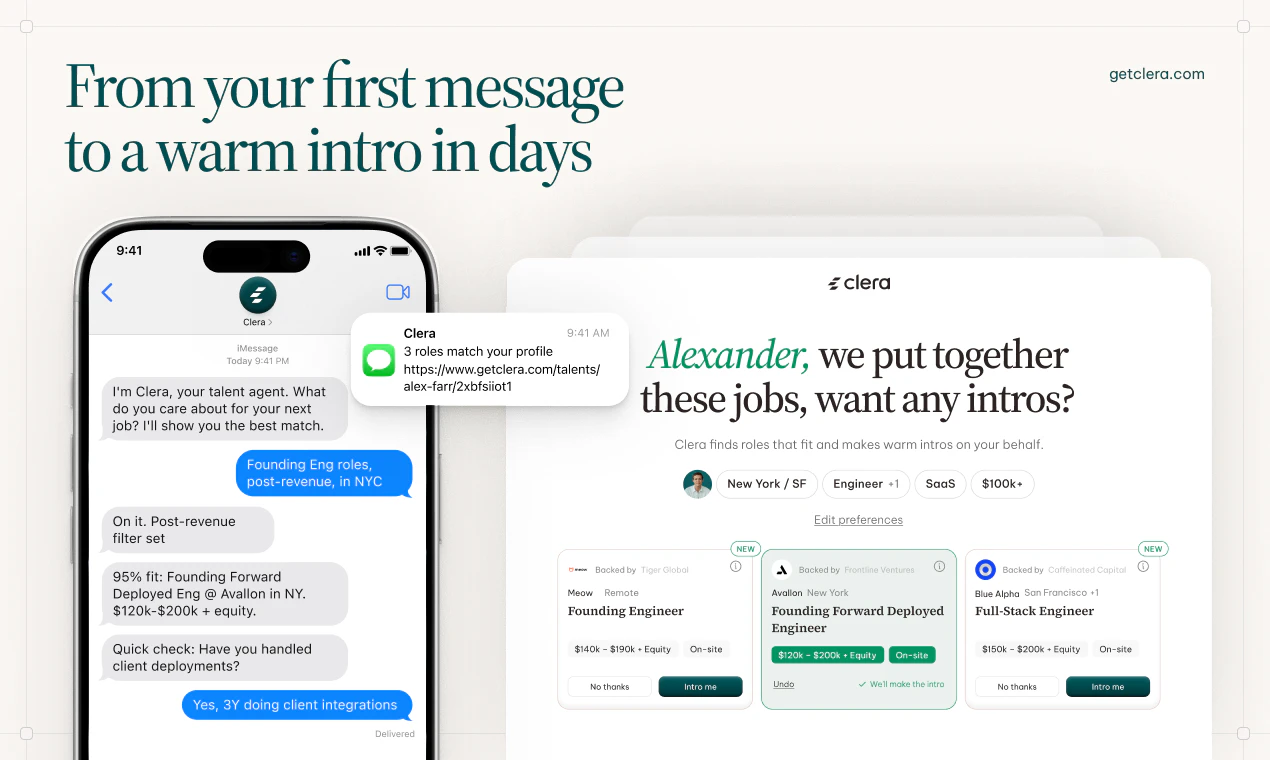
查看原始信息
Immersive Fox
Any document becomes a full multilingual training course in 10 minutes. AI instructors, 40+ languages, SCORM-ready, enterprise-grade. Live at 5 Fortune 500s, 2 national governments, a federal judiciary, and Tier-1 European universities. 51% of our team are AI agents, and we even generate our pitch decks with our own product. Infrastructure for the AI retraining decade.

Hi Hunters! Alisa here, founder of Immersive Fox.

I built this after watching Fortune 500s buy Microsoft Copilot for 50,000 employees, then spend six months still preparing pitch decks manually. Tools without training are just expensive shelfware.

So we built AI agents that turn any document into a full multilingual training course in 10 minutes. SOPs in, courses out.

Why we are different in a crowded category:

Speed. 10 minutes from a PDF to a complete course. Category average: two weeks.

End-to-end loop. Articulate gives you a builder. Synthesia gives you AI video. We give you generation, delivery, comprehension, and on-the-job application in one system.

40+ languages, properly localized. Your French team gets a French course that reads like it was written in Paris.

Conversational AI tutor. Real-time Q&A on the content. Your learners ask, the tutor answers from your source material.

SCORM-ready. Works with your existing LMS. No migration.

What is the slowest piece of training you have sat through this year?

Alisa

4
回复