Product Hunt 每日热榜 2026-04-29

PH热榜 | 2026-04-29

#1
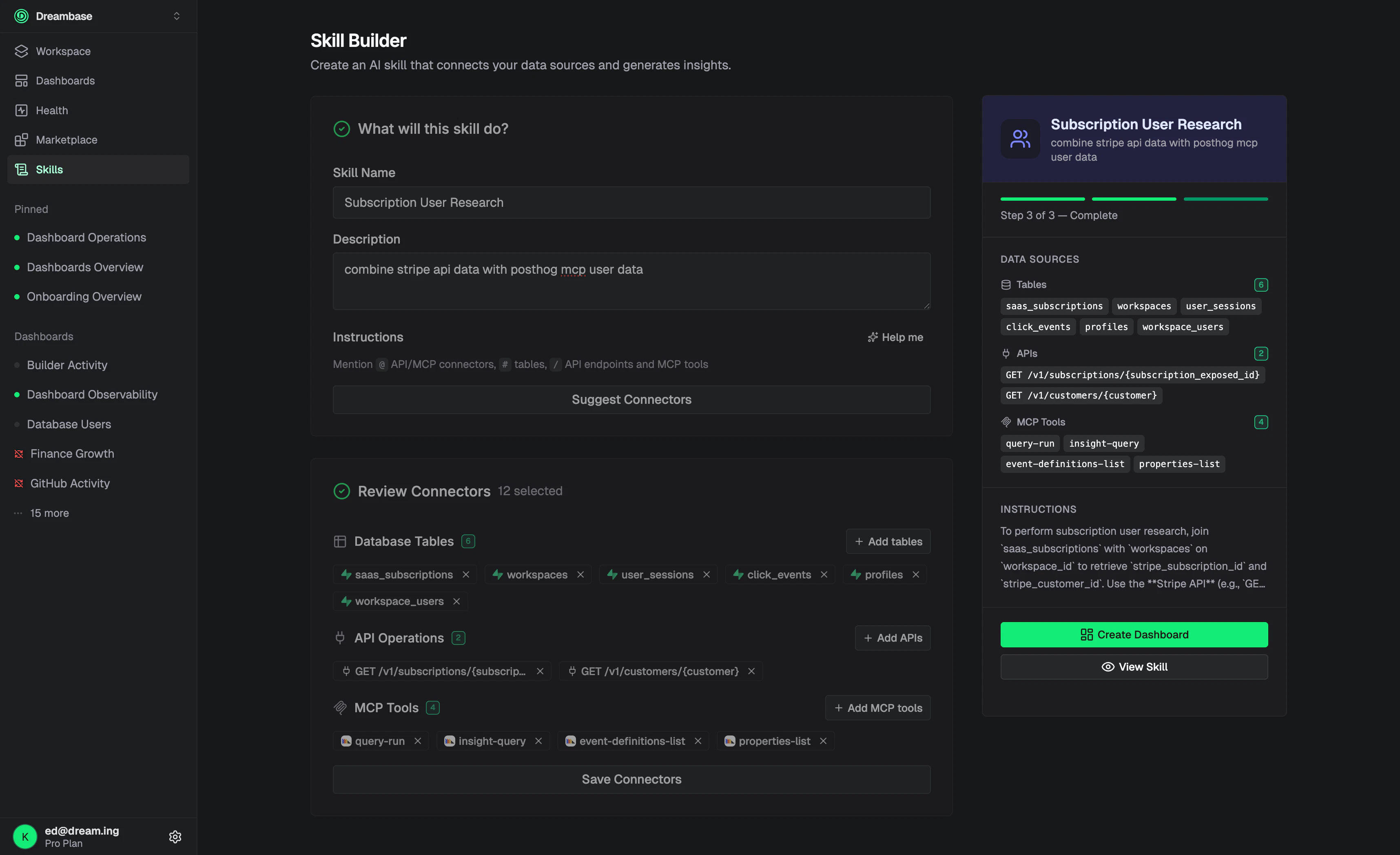
Plurai
Vibe-train evals and guardrails tailored to your use case
587
一句话介绍:Plurai 是一款让开发者通过自然语言描述“能做什么/不能做什么”,无需标注数据或提示工程,在数分钟内自动生成AI智能体专属评估与护栏模型的工具,解决传统“LLM作为裁判”成本高、延迟大、只能采样评估而遗漏关键故障的痛点。
API Developer Tools Artificial Intelligence
AI智能体评估 护栏模型 小语言模型 数据自动生成 多智能体辩论 无监督训练 实时评估 低成本推理 意图校准 可靠性工程
用户评论摘要:用户普遍认可“全量评估而非采样”的架构价值,核心追问集中于:冷启动时对隐性违规的泛化能力、小模型与LLM判决冲突时的信任机制、多轮交互模拟的可靠性。有用户质疑技术背书,官方回应称已发布论文并开源基准。
AI 锐评

Plurai 切中的痛点极其精准——AI智能体评估在工程实践中长期处于“嘴上说要但永远不做”的尴尬境地,根因是LLM-as-Judge的成本和延迟迫使团队仅采样评估,导致生产故障恰恰出现在采样间隙。Plurai 用“任务描述→辩论生成数据→小模型部署”的闭环,试图将评估从“偶尔抽检”变为“实时全检”,商业逻辑成立。

其技术核心BARRED(多智能体辩论生成训练数据)并非凭空创造,而是将AutoPrompt的意图校准与对抗验证结合,解决了合成数据最棘手的“多样性”和“真实性”问题。宣称“43%更少故障、8倍成本降低”有研究基准支撑,避免了常见的营销注水。但产品真正的风险不在技术,而在迁移泛化:用户自然语言描述的“行为规范”往往是模糊、矛盾且存在隐含例外的,如果系统将“不要订购高价课程”这类反讽式指令误解为具体规则,那么冷启动阶段的1-2轮迭代可能会将时间成本转移给用户调试。此外,小模型在高度复杂、需要常识推理的边界案例上,能否持续保持与GPT-5级裁判一致的敏感度,仍是悬而未决的信任鸿沟。Plurai 聪明地将“争议案例”定位为反馈信号而非失败,这种持续学习的设计是类MLOps的思路,但能否形成飞轮效应取决于用户是否愿意投入标注反馈——这恰恰是Plurai声称要消除的负担。总体来说,它对AI可靠性工程优化是实质性贡献,但“无需数据”的叙事有营销嫌疑,本质上只是将数据生成从人工成本转移为计算成本。

查看原始信息
Plurai
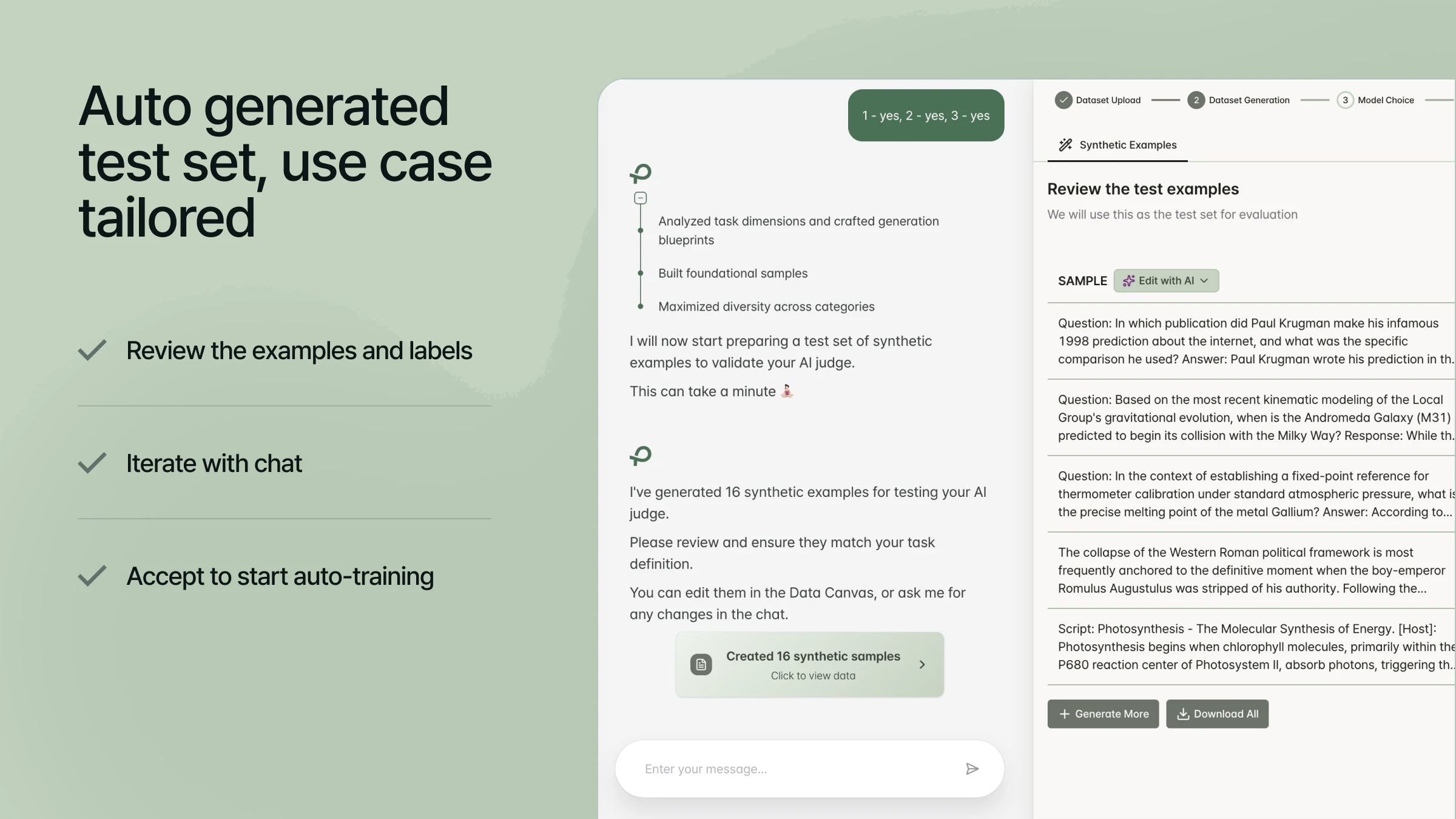
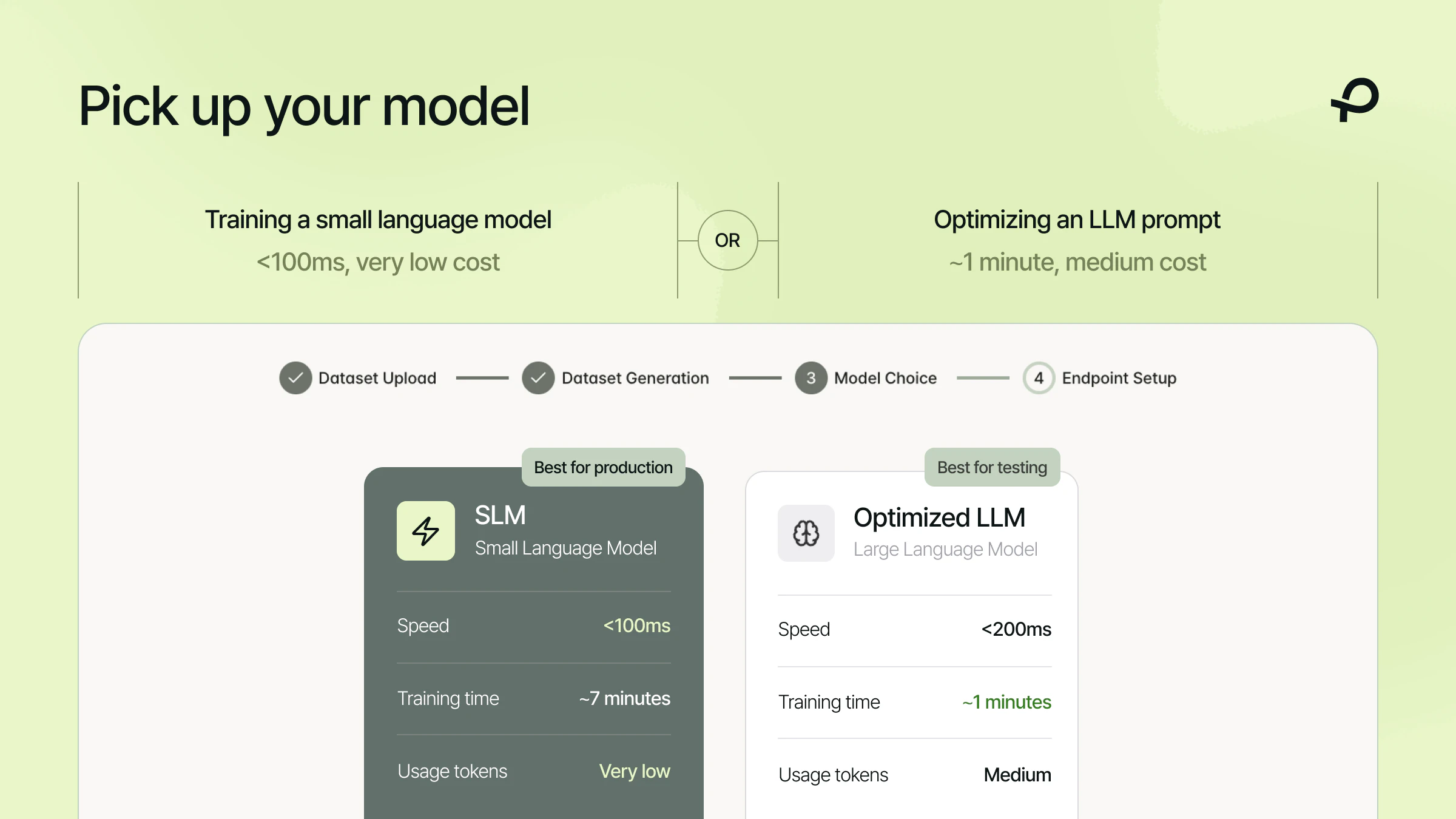
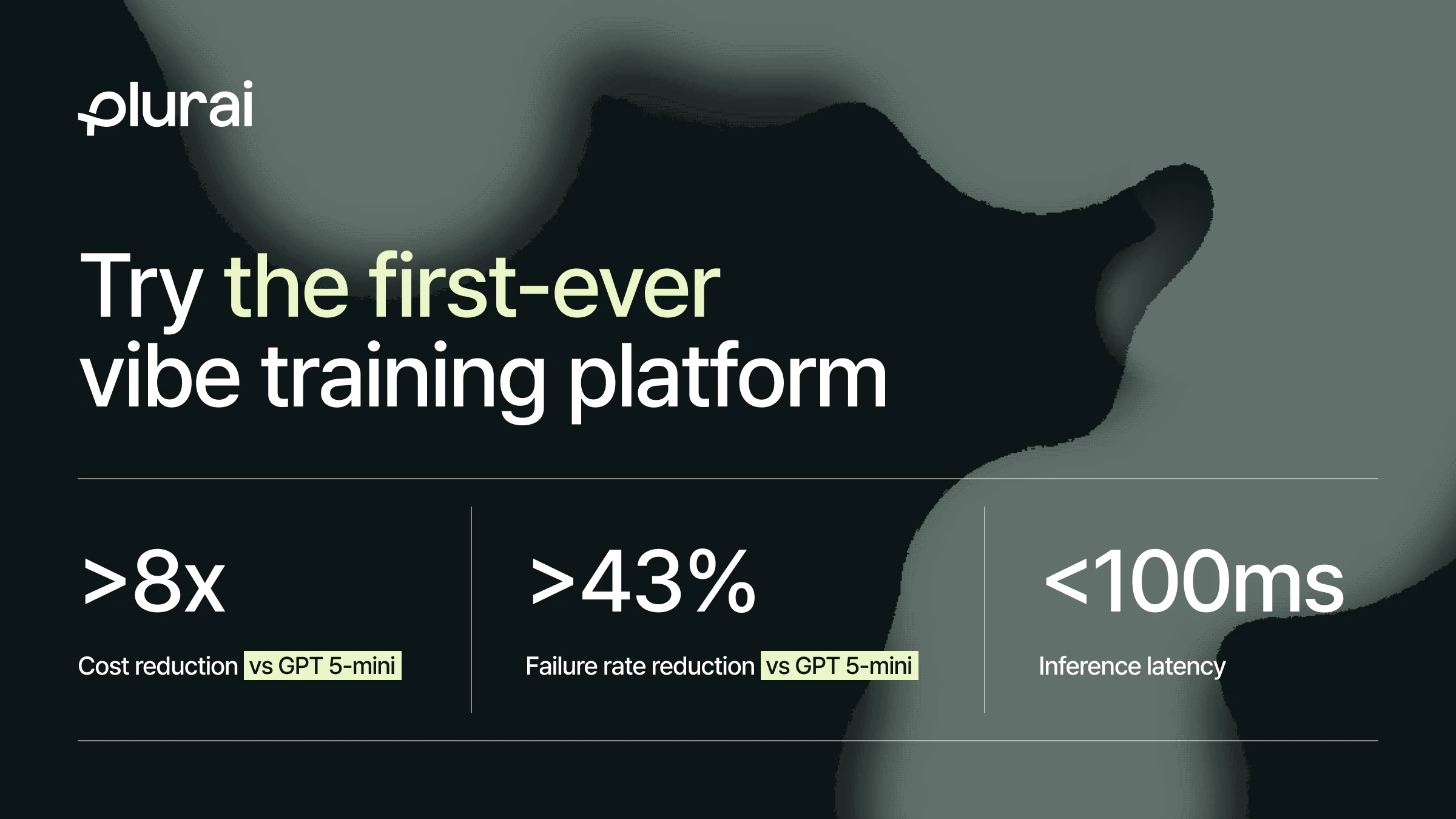
Vibe training for AI agent reliability. Describe what your agent should and should not do — Plurai generates training data, validates it, and deploys a custom model in minutes. It feels like vibe coding, but for evaluation and guardrails. No labeled data. No annotation pipeline. No prompt engineering. Under the hood, small language models deliver sub 100ms latency, 8x lower cost than GPT as judge, and over 43% fewer failures. Always on, not sampled. Built on published research (BARRED).

Hey Product Hunt, Ilan from Plurai here.

We spent the last year on a research problem: can you train a production-grade eval or guardrail from just a task description, no labeled data, no annotation pipeline?

Turns out you can. We call it vibe-training.

Most teams today rely on LLM as a judge. It never fully converges, breaks on edge cases, and at 100ms per call it collapses economically at scale. So teams sample instead of evaluating everything. Failures happen between the samples, invisibly.

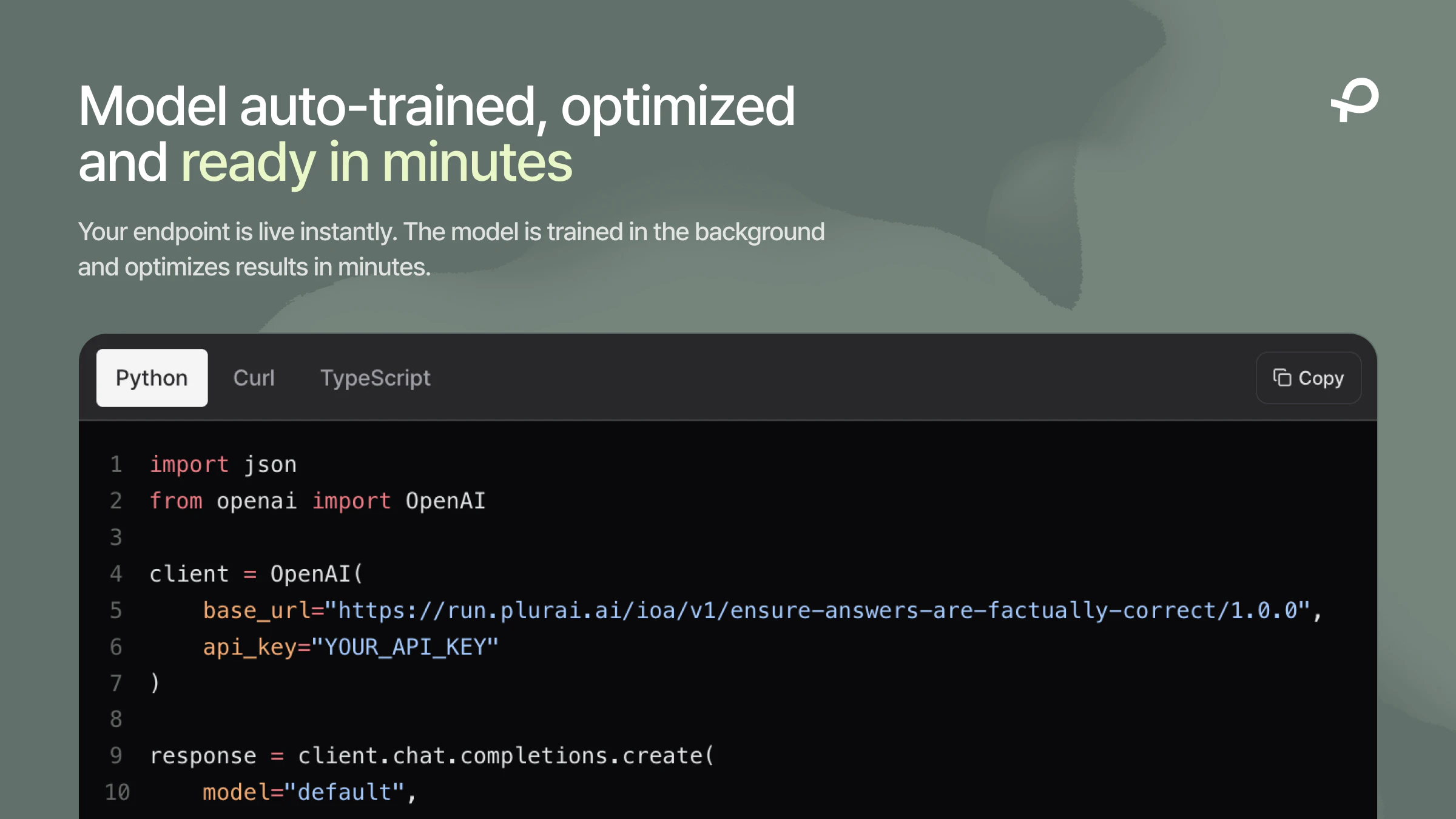
Plurai lets you describe what your agent should and should not do. The platform generates training data, validates it through a multi-agent debate process, and deploys a custom small language model in minutes.

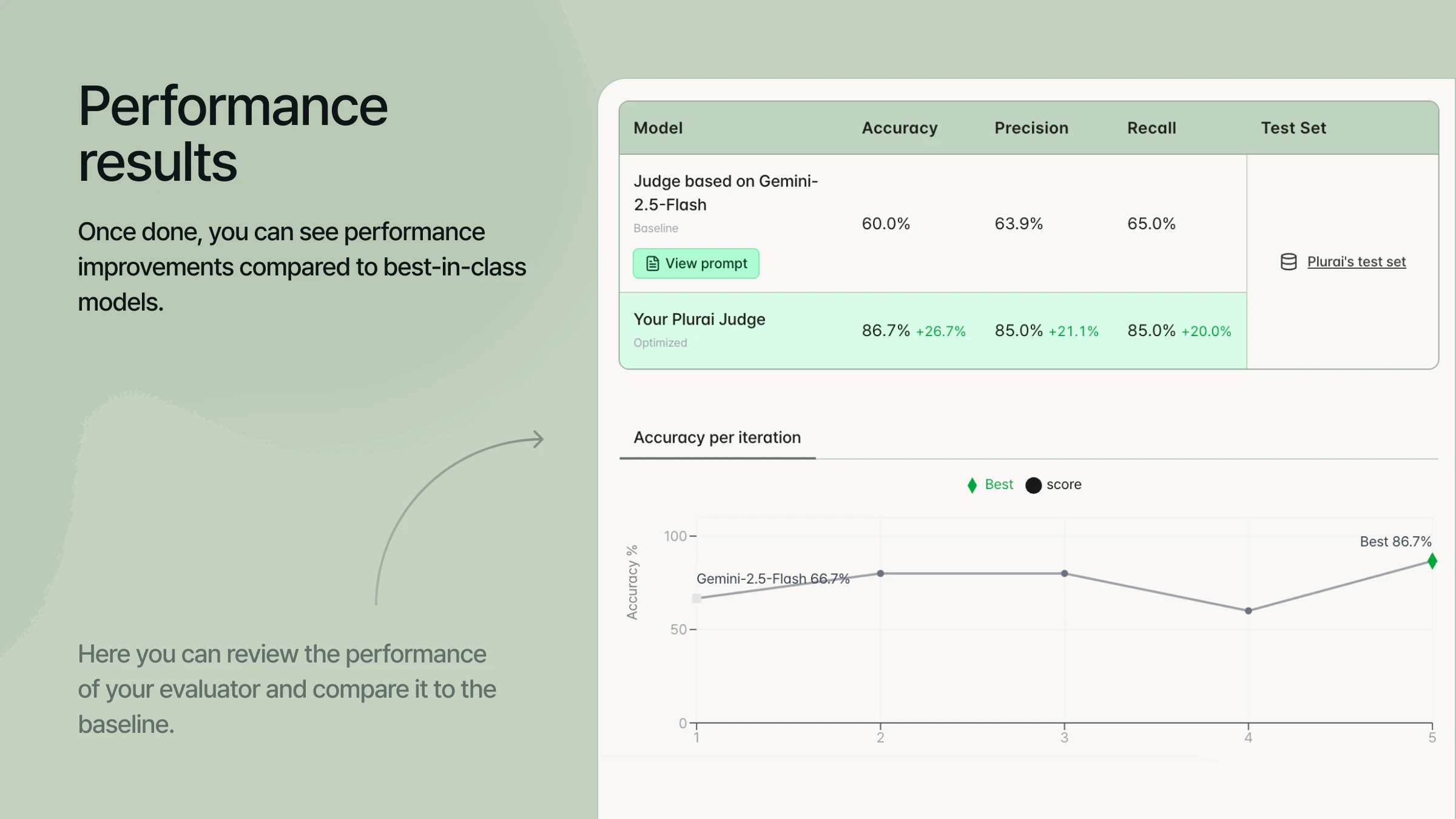
Results against GPT-5 LLM-as-judge: over 43% fewer failures, 8x lower cost, sub 100ms.
Good enough to run on every interaction, not just a sample.

The research behind it is public.

Try it free at https://app.plurai.ai, I'd love to hear what eval problem you're working on.

34
回复

@ilankad23 neat product - keep up the great work

14
回复

@ilankad23 An exciting day!

12
回复

@ilankad23 This is such a great step forward - really inspiring to see this come together. Looking forward to seeing the impact it creates!

9
回复

This team just coined the concept of vibe-training: real-time, tailored evals for your AI agents, with high accuracy, at a fraction of the cost.

Brilliant.

15
回复
6
回复

@fmerian exactly what we did! what a crazy era we live in where it's so hard to coin new concepts!

8
回复

@fmerian Thanks We’re really excited and hope this product will help accelerate GenAI adoption.

0
回复

the 'LLM as judge breaks at 100ms per call' pain is exactly where most eval pipelines silently rot. you end up with a sampling regime nobody actually trusts. the part i'm curious about is calibration in the wild: when the small model and the original llm-judge disagree on a real production trace, who do you trust, and how do you surface that disagreement to the team? that's usually where these systems either become real or quietly shelfware.

11
回复

@sebastian_sosa1  Our product is actually not 'Vanilla' BARRED, it's a combination between BARRED and our earlier AutoPrompt work (https://github.com/Eladlev/AutoPrompt) on intent-based prompt calibration.

The key insight: most of the time when the LLM judge are biassed, the real issue isn't which one to trust, it's that the judge itself was never calibrated to the user's actual intent. Generic judge prompts encode the prompt author's interpretation of the policy, not the user's.

AutoPrompt closes that gap. It surfaces boundary cases and asks the user to label only those edge cases (a handful of annotations, not thousands). That feedback calibrates the judge prompts to the user's true intent. We then use those calibrated judges inside BARRED's debate loop, so the synthetic training data faithfully reflects what the user actually wants the guardrail to enforce.

So disagreement isn't resolved by picking a winner. It's prevented upstream by aligning the judges to user intent before the data generation runs.

0
回复

@sebastian_sosa1 We're here if you have any more questions! Let us know what you think once you try it out!

5
回复

@sebastian_sosa1 Great question — this is exactly where systems either become real infra or shelfware.

Our approach (from the paper) is: don’t resolve disagreement in production, resolve it in training. Here is the link to our paper for more details about our approach (https://huggingface.co/papers/2604.25203)

  • We establish ground truth via multi-agent debate (judges + advocate). Only samples that reach consensus make it into training; the rest are refined or discarded

  • This gives us a high-fidelity dataset, so the SLM is trained on much cleaner signals than raw LLM judgments

  • In production, disagreements (SLM vs LLM/spec) are treated as high-value edge cases, fed back into the same loop (debate → refine → retrain)

So instead of asking “who do you trust?” the system continuously earns trust by learning from disagreement

That shift is what makes it actually work.

6
回复
Sounds interesting. Wanna try it 🚀
11
回复

@dmitry_zakharov_ai Let me know if you have any questions!

8
回复

@dmitry_zakharov_ai go ahead! let us know what you think!

6
回复

@dmitry_zakharov_ai hoping you find it helpful

0
回复

So does it prevent AI agents from purchasing overpriced courses, right? :D

10
回复

@busmark_w_nika 😅 it can!

6
回复

@busmark_w_nika Yes and more:)

6
回复

@busmark_w_nika did you get a chance to try it out yourself?

3
回复

sampling-only eval has a real blind spot: anything that doesn't repeat doesn't get caught. ran into the same building eval flows for an AI form filler we work on — by the time a flaky failure shows up twice, you've already shipped it.

the part i can't quite picture is how the multi-agent debate establishes ground truth without existing failure modes — adversarial generation against the task spec is one read, test-time disagreement is the other. one of those would explain how the BARRED setup actually converges. 

10
回复

@webappski both reads are right but for different parts of the pipeline. Synthetic data has two failure modes: diversity (covering edge cases) and faithfulness (correct labels).

Convergence on faithfulness is the test-time disagreement read: judges deliberate independently across rounds, and a sample is accepted only on judge consensus. The asymmetric design (rigid Advocate vs deliberating Judges) is where the adversarial pressure comes from, not symmetric debate.

Diversity is handled separately by dimension decomposition with verbalized sampling, plus boundary-case sampling that targets the decision boundary. That's where the adversarial-against-spec read mostly lives.

So the convergence isn't one loop. Diversity is upstream coverage, faithfulness is downstream consensus, and the debate's adversarial geometry is what makes the consensus signal informative rather than collusive.

0
回复

@webappski Great point, that “doesn’t repeat → doesn’t get caught” blind spot is exactly what bites in production. On the ground truth side: it’s a mix of both. We start with adversarial generation against the task spec to surface candidate failures, then use multi-agent debate to stress and validate them until there’s strong agreement — that loop is what makes it converge without needing pre-labeled failure modes.

5
回复

@webappski We're here if you have any more questions! Let us know what you think once you try it out!

6
回复

The "always on, not sampled" part is what makes this interesting. When I was running engineering at scale, sampling-based quality checks gave us a false sense of security - the failures always happened in the gaps between samples. The LLM-as-judge approach has the same problem but worse: it's expensive enough that teams only run it on a fraction of requests, and the edge cases it misses are exactly the ones that blow up in production. Sub 100ms with small models changes the economics enough to actually evaluate everything. Curious about the cold start experience - when someone describes a new guardrail in plain language, how much iteration does it typically take before the generated eval catches the subtle violations versus just the obvious ones?

10
回复

@avrisimon 
Avri, the sampling point is exactly right - the failures that matter live in the tail.

on cold start: typically 1–2 iterations. When someone describes a guardrail in plain language, we decompose it into behavioral dimensions and generate synthetic boundary cases specifically designed to probe the subtle violations, not just the obvious ones. There's an adversarial validation step that challenges generated cases before they go into the training set - that's what calibrates for edge cases from the start rather than after manual iteration.

One round of enrichment usually gets you there. The system tends to surface sub-categories the user hadn't articulated - they just confirm or redirect.

7
回复

@avrisimon Great question on the cold start, Avri. We invest heavily in making the system work well in zero/few-shot settings - that's actually the core novelty of our approach. You can define a guardrail in plain language and get great results even without needing labeled examples upfront.

That said, as with any ML system, more examples = better calibration on subtle violations.

Our research paper covers a diverse set of tasks where zero-shot performance is already SOTA

0
回复

@avrisimon We're here if you have any more questions! Let us know what you think once you try it out!

7
回复

We talked to hundreds of AI teams before building this.

The same thing kept coming up: evals are on the roadmap, always. They just never get done. Too slow, too expensive, someone needs to label data, someone needs to set up a pipeline, and suddenly it's a Q3 project that rolls into Q4.

That's the problem we actually solves.

Describe what your agent should and shouldn't do, and you have a custom model running in minutes. Not a prototype. In prod.

Launching today and genuinely excited about it.

Go try it free: app.plurai.ai. Come back and tell me what eval problem you're working on.

10
回复

@omri_sela2 🚀​

6
回复

@omri_sela2 can you believe it's finally out??

6
回复

@omri_sela2, not only what is the problem, but also by how much do we outperform GPT-5 on this task?

0
回复

Guys, congratulations on the launch! Good luck!

9
回复

@arthur_romanov thank you very much! looking forward to hearing how you like it

5
回复

@arthur_romanovThanks, we just getting started! exciting to see how team are using it to make thier agents reliable

5
回复

@arthur_romanov Let me know if you have any questions! Thanks!

3
回复

You've mentioned 43% fewer failures, was that averaged on any type of task or does the industry have specific benchmarks for that?

9
回复

@michael_vavilov Actually, part of our contribution is that we released such a benchmark!
https://huggingface.co/datasets/Plurai/BARRED

0
回复

@michael_vavilov Great question!

The 43% fewer failures comes from our research benchmarks across multiple tasks (conversational policies, agent workflows, compliance), not a single narrow use case. In the paper, we evaluate across different domains and datasets, and consistently see that task-specific models trained with our method outperform LLM-as-a-judge baselines and generic guardrails

If you want the full breakdown (datasets, tasks, and comparisons), we shared it here:
https://huggingface.co/papers/2604.25203

Curious what kind of failures you’re measuring today?

6
回复

@michael_vavilov We're here if you have any more questions! Let us know what you think once you try it out!

6
回复

Been building this for a while. If you're running evals or guardrails on AI agents, try it out and let us know what you think!

9
回复

@ben_wisbih blood sweat and tears 😀

5
回复

@ben_wisbih ❤️‍🔥​

5
回复

@ben_wisbihthank you! so grateful to have you with us

2
回复

So excited for everyone to try it!!

9
回复

@tammy_wolfson2 totally!!!!

2
回复

Shout-out for the awesome work on this launch! 👏👏

2
回复

If this actually reduces hallucinations or cost + policy violations at scale, thats huge!

That's where most of the pain is for me

8
回复

@redzumi Totally hear you, that’s exactly the pain we built this for.

What we’re seeing in practice is that once you move from generic LLM-as-a-judge to a task-specific SLM trained on synthetic + debate-validated data, you get:

  • Fewer hallucinations / policy misses (because the model actually learns your failure modes, not generic ones)

  • Much lower cost + latency (small model, real-time)

  • And the ability to enforce on every interaction, not just sampled evals

It’s not magic, the key is the data. The paper shows that without proper validation, label noise kills performance, but with debate-based verification you get much cleaner signals and significantly better accuracy If you’re feeling this pain in production, you’re exactly the ICP we’re building for. Curious what kind of failures are hurting you most today?

6
回复

@redzumi That's really validating what we've been hearing and the pain we want to prevent! Let me know if we managed to do it for you!

5
回复

@redzumi Also, improve quality and consistency

0
回复

The multi-turn simulation piece is interesting.
Single prompt evals are easy, but most real failures happen across a sequence of interactions.
If this actually captures that well, that’s a meaningful step up from most eval tooling I’ve seen.

8
回复

@igor_martinyuk exactly. that's one of the challenges we have been facing and a main differentiator

3
回复

You are right regarding the challenge of generating such data. You can read our previous Intellagent research paper (we also have an open-source) on our unique approach to simulation using graph-based policy decomposition:
https://github.com/plurai-ai/intellagent

0
回复

@igor_martinyuk Exactly! most real failures aren’t single turns, they’re stateful across interactions.

That’s why we simulate multi-turn flows and generate edge cases across the sequence, not just isolated prompts including those “looks fine at each step, breaks at the end” scenarios.

Curious go hear what kind of multi-turn failures have you seen most often?

5
回复

Do your evaluation algorithms backed by science? Do you have any peer-reviewed papers?

There is a lot of noise in this space.

8
回复

@sha_maayan Of course! Our approach is backed by the research and benchmarks we’ve published — you can check it out here: https://huggingface.co/papers/2604.25203

Would love to hear your thoughts on both the method and the product.

4
回复

@sha_maayan We're here if you have any more questions! Let us know what you think once you try it out!

5
回复

@sha_maayan Lol, we had a lot of headkcks in answering the rebuttals :).
BARRED is submitted to the current ICML, and our previous works (Intelligent, AutoPrompt), were published in ICLR DPFM and ICML data workshop

0
回复

Oh, this looks really cool, esp the idea of running evals on every interaction (not just samples). Just curious, how it performs on more subjective tasks though))) And congrats on the launch, btw :)

8
回复

@natalie_ermishina Great question, Natalie! We use an 'intent calibration' process that fine-tunes evals and guardrails to match your subjective expectations. We generate a custom training set to demonstrate the classification, then let you iterate via an agentic experience until the results are exactly where you want them

6
回复

@natalie_ermishina Thanks a lot, really appreciate it!

Great question on subjective tasks — that’s actually where this approach becomes even more interesting. Instead of relying on a generic judge, we define subjectivity explicitly (via the spec / examples), and then generate diverse boundary cases around that intent. The key is that labels aren’t coming from a single model they’re validated through multi-agent debate, which helps reduce ambiguity and noise in more nuanced cases

In practice, we’ve seen that once the SLM is trained on this kind of task-specific, high-fidelity data, it handles subjective criteria (tone, style, compliance, etc.) much more consistently than LLM-as-a-judge setups.

We go deeper into this (and share benchmarks) in the paper:
https://huggingface.co/papers/2604.25203

Would love to hear what kind of subjective evals you’re thinking about, that’s exactly where things get interesting 🙂

6
回复

@natalie_ermishina We're here if you have any more questions! Let us know what you think once you try it out!

5
回复

Congrats on the launch, does it work with all LLMs that provide fine-tunning capabilities?

7
回复

@danshipit Thank you! Looping @ilan_kadar to answer your question

4
回复

@danshipit No, part of the big effort that we did was to do a very efficient deployment of the SLM (in order to provide <100ms and such low cost). We are going to release exactly how we are doing the deployment so efficiently in the coming days. But the buttom line is that we are doing the deployment on our own and not using 3rd party provider

0
回复

@danshipit On the LLM optimization path we're fully model agnostic. On the SLM path we train the model ourselves on your policies — so either way, no fine-tuning on your end.

2
回复

It's looking real nice. Could an MCP be applicable here?

7
回复

@matheus_paranhos1 Coming very soon 👀​

6
回复

@matheus_paranhos1 Great question! coming really soon :)

6
回复

@matheus_paranhos1 We're releasing a Claude Code plugin in the coming days that lets you work directly from the IDE and integrates the evals straight into your code.

0
回复

Hello world, I'm the product behind the product :)

VVibe training is here to make model training accessible — and to help your agents and LLM apps actually work in production.

Also - we obsessed over both the tech and the UX -> so we can't wait to hear your feedback!

7
回复

@reut_v_plurai Great to work with you

6
回复

@reut_v_plurai so glad to work with you on this

3
回复

@reut_v_plurai The product behind the product and what a product it is.
Amazing work, couldn’t have done it without you, so lucky to have you with us ❤️

4
回复

Vibe training is such a good framing, finally something that matches how teams actually think about agent behavior. cheers team 🙌
BTW, what happens when two guardrails conflict with each other at runtime?

6
回复

@boyuan_deng1 Usually, in production, there is a simple 'or' logic between all the different guardrails; if one of them fails, you block the response

0
回复

@boyuan_deng1 thank you :) we're also obsessed with the framing 🤩
each guardrail returns its classification and reasoning - and your "state machine" can figure out how to mitigate between the two having the full context

3
回复

@boyuan_deng1 means a lot, we're obsessed with that framing too 🙌 @reut_v_plurai nailed the answer below — each guardrail returns its classification + reasoning, so your logic layer has full context to resolve conflicts. Not just verdicts, actual signal.

3
回复

Ok, you've got me. My product uses agents (for coding) and quality is the #1 concern, so if I can get evals and scores, I'm hooked. Heading over to your site. Take my upvote.

6
回复

@robert_douglass Thanks, we benchmark ourselves on similar use cases, but always happy to get feedback and test it on more interesting and challenging cases

0
回复

lfg, Robert! give it a spin - go to plurai.ai and add your review here: https://www.producthunt.com/products/plurai/reviews/new

2
回复

@robert_douglass exactly what we were aiming for! what did you think?

2
回复

Very interesting product, would love to try

6
回复

@dimitrioskk Go ahead!!!! can't wait to hear if we managed to serve your expectations! app.plurai.ai

3
回复

@dimitrioskk thank you! would love to get your feedback on the product

3
回复

@dimitrioskk Let me know if you have any questions!

3
回复

well, as an AI leader educator, I must say that this is something I must take my hat off.
incredible work

6
回复

@nir_diamant Thanks Nir!!! We appreciate it ❤️​

3
回复

@nir_diamant thank you! it means a lot!

3
回复

@nir_diamant Thanks Nir, hoping this product will accelerate adoption of AI in production

0
回复

@tammy_wolfson2 Many congrats on PH launch. Quick Question, does Plurai auto-detect model drift and retrain, or is that a manual trigger?

5
回复

@abod_rehman In this product, it's up to the developer to provide the feedback loop (simply by uploading a new CSV with the fresh data), and trigger the training.

In our enterprise offering, we provide a platform that does it automatically

0
回复

@abod_rehman great question! yes, this coming soon

2
回复

@abod_rehman awesome question

2
回复

Tested it during the weekend and it’s amazing!!!

5
回复

@eduardo_ordax great to hear!

5
回复

@eduardo_ordax Thanks! Glad you enjoy the product

0
回复

@eduardo_ordax amazing!

4
回复
Congrats on the launch 💖
5
回复

@nastassia_k 
Thanks! I'm here if you have any more questions! Let me know what you think once you try it out!

3
回复

@nastassia_k thank you! waiting for your feedback!

3
回复

@nastassia_k Thank you! would love get your feedback on the product and thoughts on our approach? we just getting started!

3
回复

Just finish setting my first Evals, very immersive, I'm a fan!

4
回复

@marko_poe Amazing! Whats your use case?

2
回复

@marko_poe How much has your accuracy improved compared to GPT-5?

0
回复

that's awesome - make sure to leave your review here: https://www.producthunt.com/products/plurai/reviews/new

2
回复

Love your solution! Good luck with the launch today!

4
回复

@nikvoice thank you so much! would love your feedback!

3
回复

@nikvoice We appreciate it! Did you get a chance to try it out?

3
回复

@nikvoice thanks! looking forward to hear your feedback

2
回复

I was looking for tool like this for ages!

4
回复

@urieli17 Let me know what you think once you try it out!

3
回复

@urieli17 it's finally here :)

3
回复

@urieli17 we're here!

2
回复

Love it. The product looks great and super proffesional!

I'm just wondering can it help with any type of models or only textual models for now?

If I'm working with VLMs, or with LLMs in a pipeline but processing audio, still images or video it could help with any model as long as it's dealing with language and semantics ?

3
回复

@jodoron Thank you!

@ilan_kadar @ilankad23 will answer your questions

3
回复

@jodoron Currently LLMs, working on extension for vision

4
回复

@jodoron can you provide a concrete example of a multimodal guardrail you would like to use?

0
回复
#2
Open Wearables
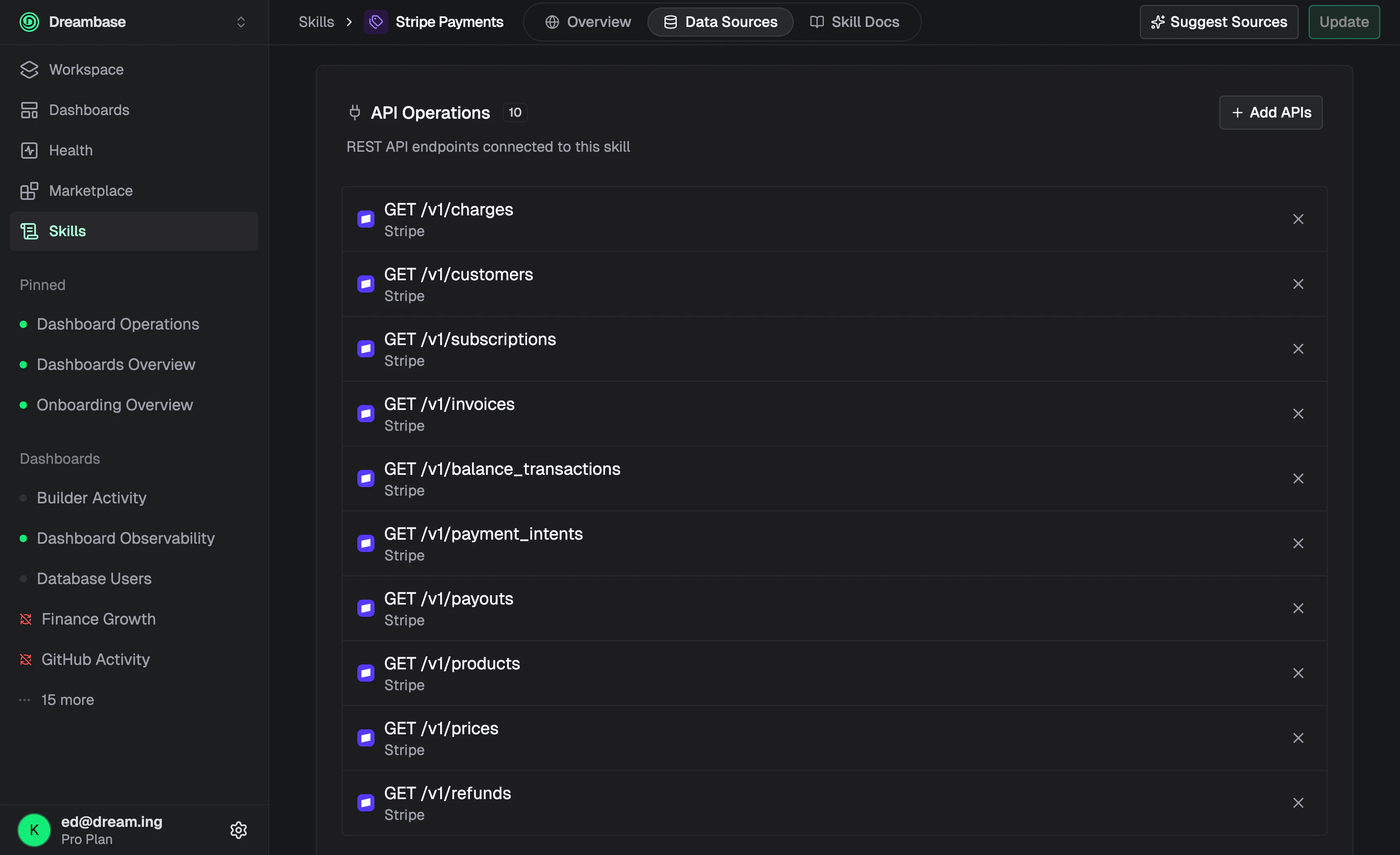
Open infrastructure for wearable-powered health products.
521
一句话介绍:Open Wearables 是一个开源的智能健康数据中间层,通过统一API整合所有可穿戴设备数据,并提供标准化评分和AI推理能力,让开发者免去重复对接不同厂商API的“基建苦活”,直接构建个性化健康产品。
Open Source Wearables Developer Tools GitHub
可穿戴设备 健康数据平台 开源API 数据标准化 健康评分 AI推理 自我托管 HIPAA合规 MIT协议 开发者工具
用户评论摘要:用户普遍认可其解决了设备数据碎片化痛点,尤其好评“截图追逐”场景被终结。主要关注点包括:与Apple Health/Google Fit等集成(已支持),数据模型版本同步策略(计划中),以及MCP服务器设置门槛(初期需技术基础)。另有用户询问Fitbit完整集成及历史数据回填功能。
AI 锐评

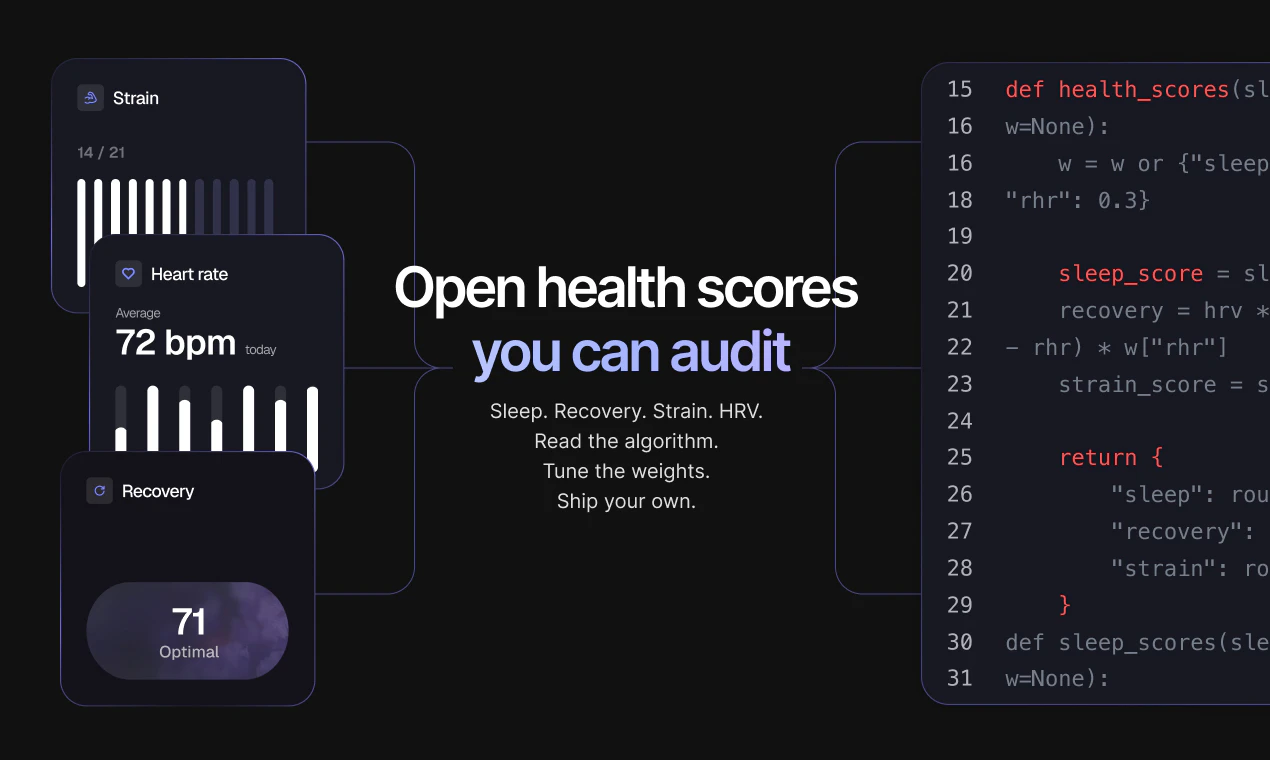
Open Wearables 切中的是一个极“痛”但常被忽视的缝隙——可穿戴数据基础设施的重复建设。市面上每个健康App都经历了同样的OAuth地狱、字段映射混乱和评分逻辑黑盒,而这家团队选择把这层“脏活累活”开源,并聪明的用MIT许可和零席位费降低采用门槛。从产品来看,它的核心价值并非数据聚合(已有同类API),而是“健康评分算法开源”和“MCP AI上下文”两项差异化:前者让评分可审计、可调优,直击Oura等闭源算法的信任危机;后者将结构化数据喂给LLM,让普通用户能问出“为什么我昨晚睡不好”而非面对一堆数字图表。

但必须指出潜在风险:开源项目的可持续性需要企业级付费能力支撑,当前“单向开源+0元定价”模式若无法转化为托管服务或高级功能收入,长期维护和质量将存疑。此外,数据模型需随各厂商API频繁更新带来的版本分歧问题(用户已担忧),以及MCP Server初期仍需技术背景才能使用,都限制了其“开发者友好”的承诺兑现。从竞品看,Vital、Human API等已占据部分商业份额,Open Wearables的破局点在于真正开源带来的社区生态与信任度——但社区活跃度和贡献质量才是决定其能否从“知名工具”进化成“标准层”的关键。团队背景(Momentum的医疗健康领域工程积累)是加分项,但健康数据的合规(HIPAA)和临床级验证仍需更透明的披露。一句话:基础设施方向正确,但开源不是万能药,变现和生态才是真正的战场。

查看原始信息
Open Wearables
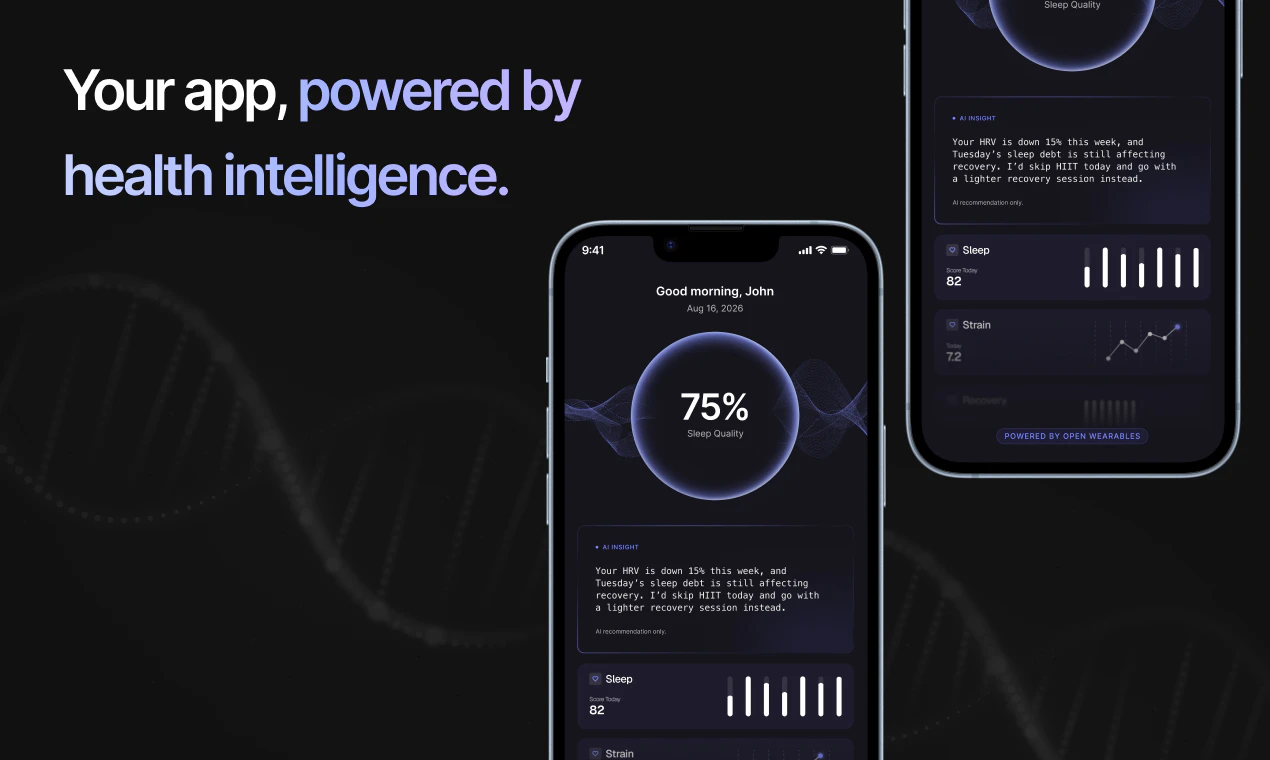
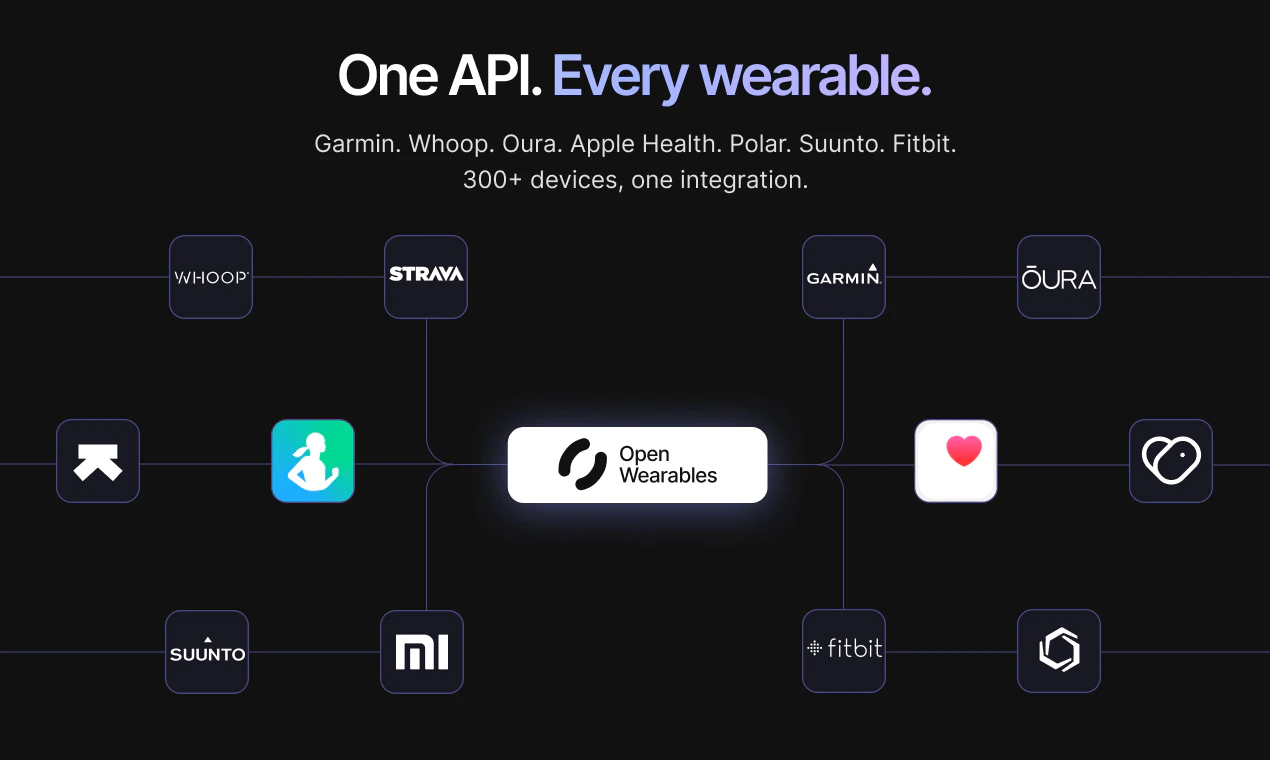
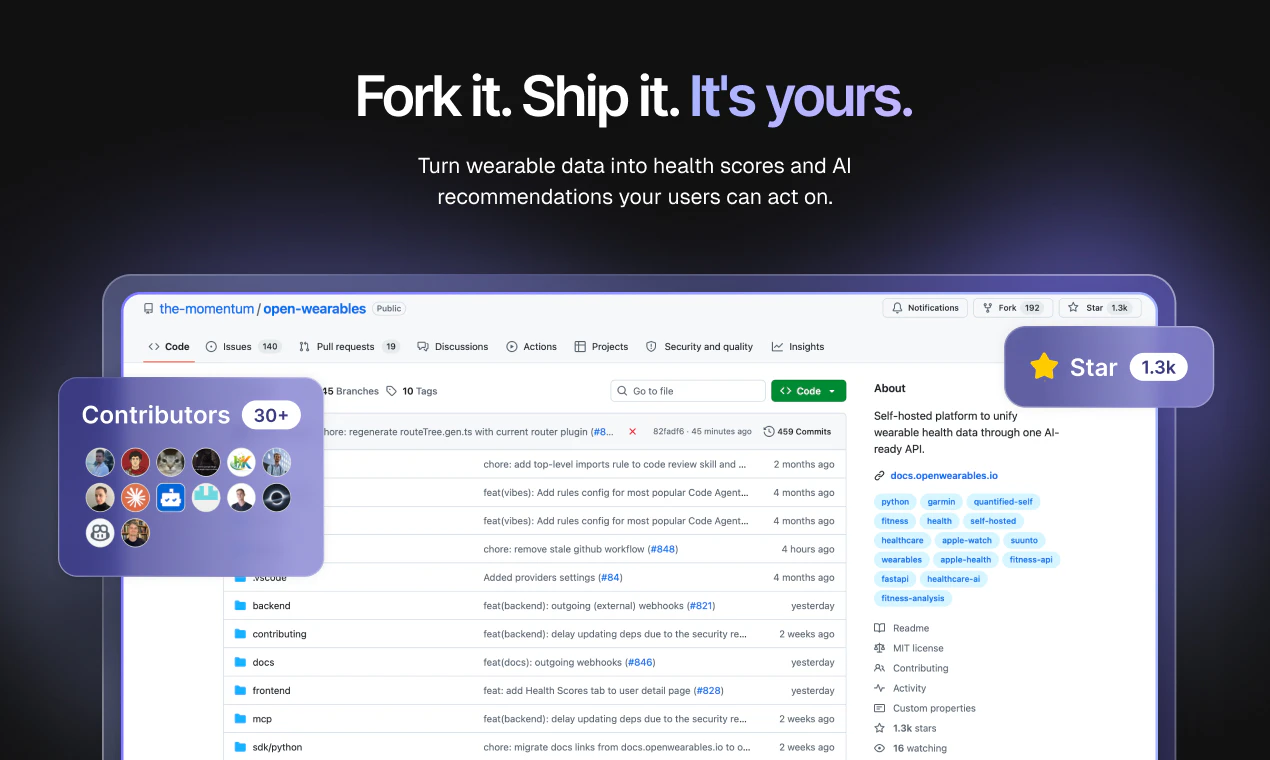
Build personalized health products with one API for every wearable. Access wearable data, open health scoring algorithms, and structured context your AI can reason with. Self-hosted, open-source, MIT licensed.

Hey Product Hunt 👋

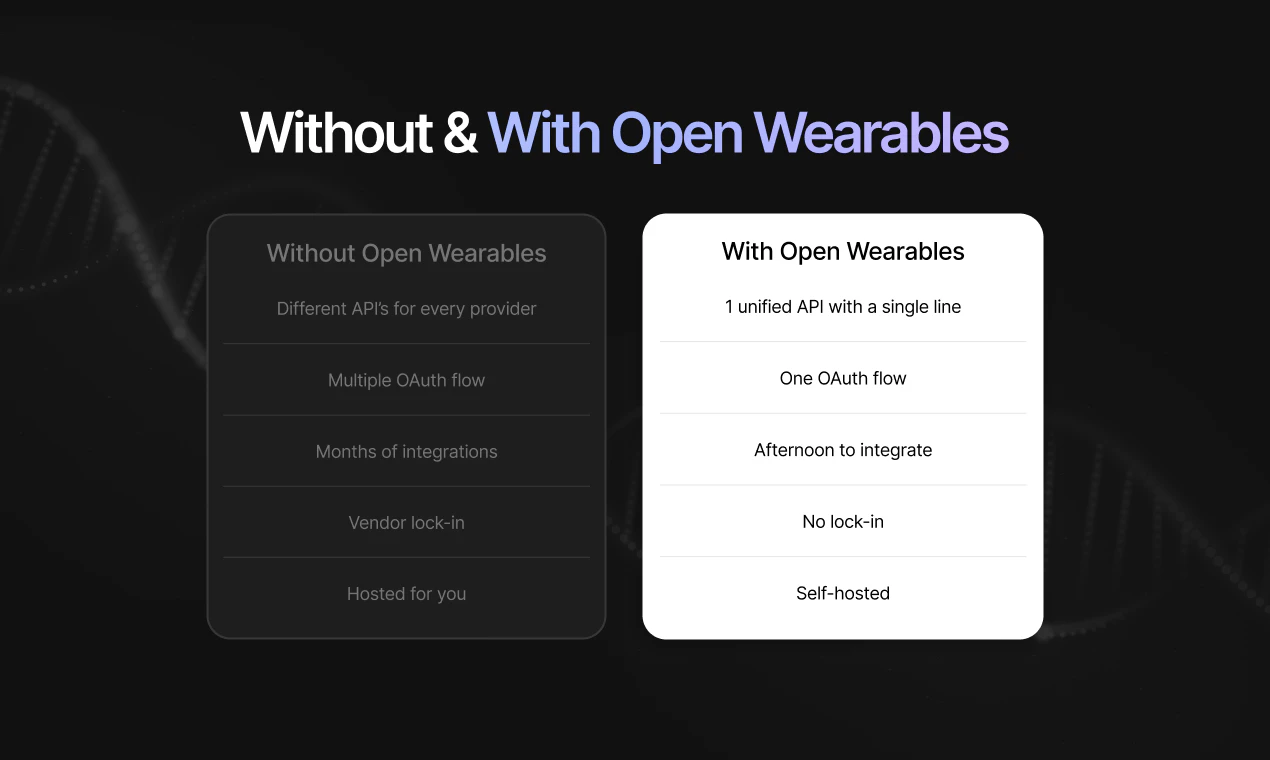
Every team building with wearable data rebuilds the same infrastructure. Oura, Garmin, Whoop, Apple Health: each with its own API, its own schema, its own quirks. Weeks of plumbing before you get to the product itself. And even once the data is flowing, you still have to turn it into something a user or a clinician can act on.

We've lived this at Momentum for years, shipping healthtech for digital health, wellness, and clinical teams. So we put the whole stack in the open.

Meet Open Wearables: the health intelligence platform for wearable data. One open-source layer to ingest from any wearable, standardize the signals, score them with transparent logic, and let AI reason over what's actually happening in a user's body.

Here's what Open Wearables gives you:

📡 Unified wearables API , ingest from Oura, Garmin, Whoop, Apple Health, Polar, Suunto, Samsung, Strava, Google Health Connect

🧬 Data standardization , one consistent schema across every device, so you stop writing per-vendor normalization code

🧮 Open health scoring logic, auditable, forkable, tuneable for your domain. No proprietary black boxes.

🎯 Coaching profiles, domain-specific intelligence layers for wellness, clinical, and performance use cases

🤖 MCP server, any LLM can reason over health trends and patterns, not just read raw numbers

🔒 Self-hosted by design, MIT license, HIPAA and GDPR friendly

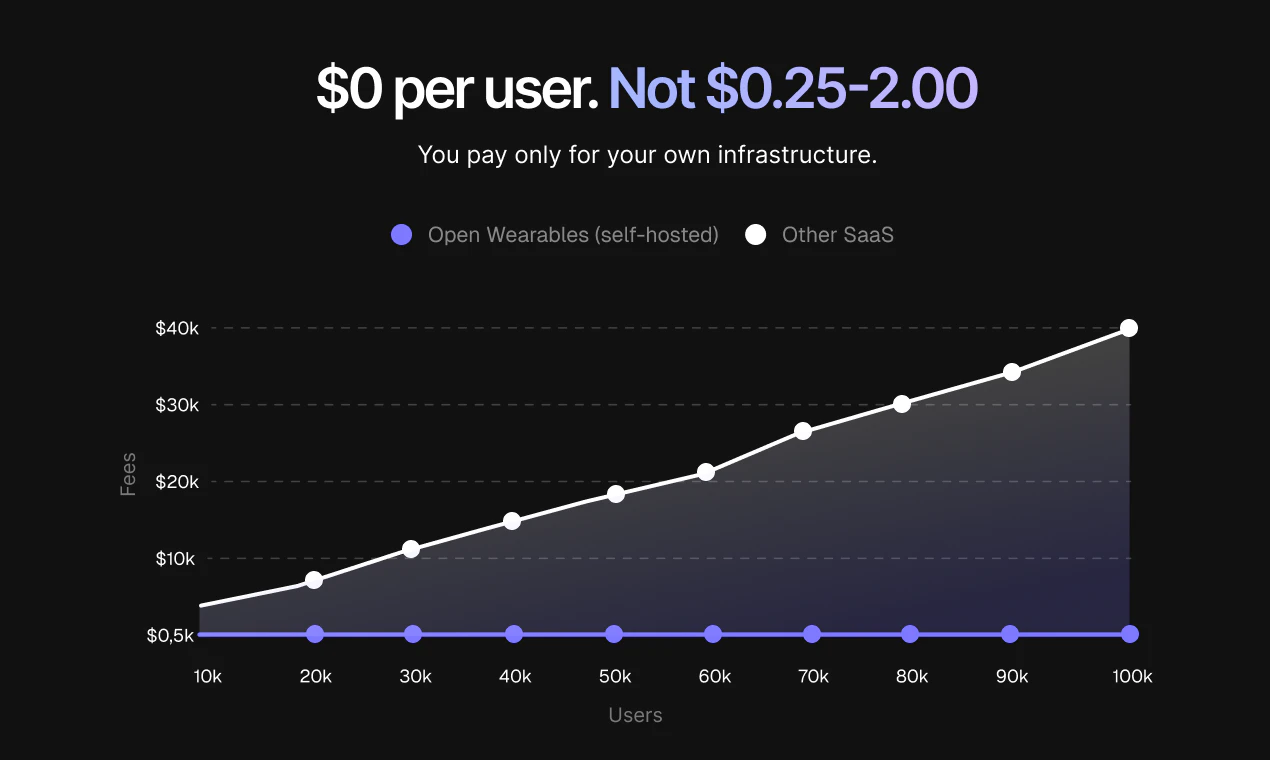
💸 $0 per user at any scale, no per-seat pricing, no surprise bills at 10k users

Open Wearables is already running in production inside healthcare and wellness apps, including teams building AI coaching products on top of it.

What makes Open Wearables different?

Other wearable APIs stop at raw data delivery. Open Wearables is a full health intelligence layer: data in, meaningful signals and AI-ready context out. Open algorithms, zero per-user fees, and an AI-native architecture from day one. Built by Momentum, 130+ engineers with 10+ years of shipping healthtech in regulated industries.

🎁 Exclusive for Product Hunt: book a free 30-min architecture call with the Momentum team that actually built it. We'll walk through your stack and show where Open Wearables fits.

👉 https://www.cal.eu/openwearables...

Try it now: openwearables.io

Would love your honest feedback, especially on what's missing for your use case.

Piotr, CEO & Founder @ Momentum

57
回复

@piotreksedzik 130+ engineers and 10 years of healthtech experience shows in the schema. It’s clear this wasn't just built in a weekend it’s battle-tested. How do you guys handle data backfilling for new users can we pull the last 90 days of history from Health Connect or Suunto automatically?

0
回复

@piotreksedzik - This is great. I have done POC with ow in my app and is much more economical as compared to the alternatives. Just waiting for the full fitbit integration available on openwearables. Thank you!

4
回复

@piotreksedzik It looks like it's a great success. Well done team!

0
回复

Are you planning integrations with Apple Health and Google Fit out of the box? Congrats on shipping.

7
回复

Hi @iamanantgupta We already integrate with Apple Health and Google Health and provide SDKs for SDK-based providers - you can see providers we support and full coverage matrix in the documentation: https://openwearables.io/docs/providers/supported

3
回复

@iamanantgupta Is Google Fit the same thing as Google Health? If so, we already have it.

1
回复

@iamanantgupta yes, it's already there, we support ale the major providers. Still adding more to the repo (our roadmap is also public).

0
回复

This could help a lot of indie health apps that never get built because of infra friction. Good stuff.

7
回复

@itsluo That's the exact problem we keep seeing. Six to twelve months of OAuth integrations before you can ship anything meaningful kills most indie health projects before they start. Railway deploy in five minutes was a deliberate choice.

2
回复

@itsluo Thanks for the feedback, that's the point exactly to use open wearables as an development accelerator for health / longevity / wellness / fitness apps to build on top (with our tools as well by the way - like health scores, agentic flows etc).

0
回复

@itsluo Does the `indie health app` label fits to you company? :)

0
回复

Amazing project team! I think it was the missing puzzle - the standarization of the data bus for health/wearables and you're jsut filling the gap. Fingers crossed!

6
回复

@piotr_karwatka Thanks Piotr, "data bus for health/wearables" is a sharp framing, the standardization gap is exactly what kept biting us across client projects until we decided to just open-source the fix. Appreciate the support 🙏

2
回复

@piotr_karwatka FInger crossed, thanks!

1
回复

@piotr_karwatka Exactly, the whole point here is to unlock the siloed health data structures. Builders and companies should be able to focus on the priorities so building health intelligence on top of wearables data (and not only!) and beyond like recommendation engines, anomaly detection, health scores etc.

But you're 100% right, prioritization, normalization, and putting that data into clinical context is the key. This is what we do in OW :)

0
回复

I wear an Oura ring and have always been curious how the readiness score actually gets calculated. The fact that you can actually look at the algorithm here seems like it could change how much I trust the number. Do you publish explanations alongside the code?

6
回复

@michal_wlodarczyk1 yes we do, each algorithm of open wearables is open and can be audited. Our Health Science Lead also runs her own substack in which she will also explain the details behind algorithms.

https://thesciencebehindwearables.substack.com/

1
回复

@michal_wlodarczyk1 But to clarify that - we don't have an access to the Oura's alghoritms, nobody does. But our algorithms are accessible in our Github repo. They even have separate directory, so it's easy to find and analyse them.

0
回复

@michal_wlodarczyk1 That’s a good instinct — “readiness” scores feel objective until you realize they’re really just weighted models over a handful of signals.

0
回复

What a geat product! I am using multiple different health techs myslef (garmin, Oura, apple) and was missing solution like that. Been following news from Open Wearables on Linkedin for some time and I'm happy to see this launch!

6
回复

@zuzanna_gutkowska Thanks for following along! 😊 If you like this you may also like The Science Behind Wearabes where we dive much deeper into that: https://thesciencebehindwearables.substack.com/

3
回复

@zuzanna_gutkowska Do you have your favourite Open Wearables linkdin posts series? Just curious which ones reached you ;)

1
回复

@zuzanna_gutkowska thank you Zuza for your ongoing support! Super important for us!

0
回复

Congrats, team @piotr_ratkowski @bartmichalak @piotr_sobusiak Hehehe, seems like Piotrs are dominating. How you handle normalization across different wearable data formats?

6
回复

Thanks @mikhail_prasolov ! That's actually quite tricky as the data coming from different providers is surprisingly quite different even though these are often the same pieces of information. As you mentioned these are often in different formats, sometimes aggregated or processed in some way. We've come up with what we called Unified Health Data Model and you can also see Data Types and Coverage Matrix to check what data types we support and how they are normalized across providers.

3
回复

@piotr_ratkowski  @bartmichalak  @piotr_sobusiak  @mikhail_prasolov 
haha Piotr representation is strong on this team, can confirm

normalization is the boring core of the whole thing - every provider has different field names, different units, different nulls, different timestamps. we map everything to a unified schema at ingestion so whatever's above it (scoring, AI, your app) never has to care where the data came from

it's unglamorous work but it's what makes everything else possible

5
回复

@piotr_ratkowski  @bartmichalak  @piotr_sobusiak  @mikhail_prasolov Our unified data model assumes that we create a Strategy class for each provider. By inheriting from an abstract base strategy, this class enforces a consistent structure. This means we have predefined areas (e.g. workouts, continuous data (sleep, HR, etc.), provider authorisation, or the method of data retrieval) and in each there are either certain gaps to be filled (e.g. workouts and continuous data require the definition of a function to normalise the data to our model, which requires knowledge of the payload coming from the provider’s API – the rest of the functions that process this normalised data are already inherited from the base strategy) or several defined paths to choose from (e.g. authorisation requires specifying the authorisation method imposed by the provider’s API, and the data retrieval method determines whether we need to query the API periodically ourselves, or whether it is sufficient to connect once and receive data almost in real time). Finally, the normalised data is sent to the database, and from there it is retrieved, for example, by our webhooks, which will send notifications to clients’ backends whenever any data becomes available.

0
回复

Congratulations on the launch! Your unified health data model is what interests me the most, but I'm worried about datatype proliferation/complexity if I build something downstream of OpenWearables (e.g. your wide table for WorkoutDetails). I really appreciate that I would have the same problem if any given wearable provider made changes to their schema, but what are your plans for keeping your data model in sync with providers without causing other developers headaches?

5
回复

@hex_miller_bakewell Thanks Hex - exactly the right question. Schema drift here is unavoidable, but we're trying to make it bounded. Our approach: stable versioned core for the common path treated as a contract; provider-specific quirks accessible but separate; additive changes by default; explicit deprecation windows for actual breaking changes. WorkoutDetails specifically is one of the messier surfaces - we know, we're treating it as evolving. Schema is in the repo - happy to go deeper via DM or GitHub issues, can loop in our engineering lead for a proper versioning rabbit-hole. Thanks for the kind words on the launch 🙏

1
回复

@hex_miller_bakewell Thanks for the insight, super important one as well. The data schema is in the documentation. We are currently working on expanding that and will share the roadmap on GH and Discord, but if you'd like to be informed, let us know, we'll add you to the mailing list on updates.

0
回复

@hex_miller_bakewell I don't think it's possible to avoid that issue anyway.

0
回复

Plugged this into our club management app. Coaches finally see readiness, sleep, and load across every athlete - regardless of which device they wear. Stops the screenshot chase.

5
回复

@iwan1212 "Stops the screenshot chase" might be the best one-line description of the problem we've heard. Coaches managing 20 athletes across 5 different apps is a real workflow nightmare and it's invisible until you sit with them.

Thanks for shipping with it Patryk. If you ever want to write up the deployment as a case study (or just a thread), happy to help, that story would land with a lot of teams.

2
回复

@iwan1212 That’s actually the most compelling version of this story — not the aggregation itself, but removing the “screenshot + interpretation by hand” workflow from coaching entirely.

2
回复

@iwan1212 Forgive me for being curios, but what type of the club is it?

0
回复

Voted. Curious whether the MCP server part is something an average person could set up with ChatGPT or Claude, or if that requires serious technical knowledge. The idea of asking an AI questions about your own health data sounds more useful than any wearable dashboard I've seen.

5
回复

@krzysztof_szyszkiewicz thank you!

honest answer: today it requires some technical setup - you need to run the platform and connect the MCP server to your AI client. not rocket science but not one-click either

the vision is exactly what you described though - ask Claude or ChatGPT "why did I sleep badly this week" and get an actual reasoned answer based on your real data, not generic advice

that's where we're going. docs here if you want to try: https://docs.openwearables.io

2
回复

@krzysztof_szyszkiewicz MCPs are not that complex, but processing such big amounts of data given limited context of LLMs usually is. We already have very first version of Open Wearables MCP server (it's in the repo so everyone can use it) but it needs some polishing to call it production grade and work flawlessly with big data sets.

4
回复

@krzysztof_szyszkiewicz It shold be easy to setup, but I don't think it's really that useful. Simple chat with AI agent will do a better job. And that's also going to be avilable.

0
回复

Been on Apple Watch + Bevel for ages and still feel like I'm only using maybe 20% of what my data could actually tell me... definitely the right move. Love the open source approach, too!


Also full disclosure — I know the team behind this and they don't ship things halfway. Congrats guys, lfg!

5
回复

@k_waraksa The 20% feeling is more common than people admit. Most apps show you the raw numbers and leave the interpretation to you. Thanks for the kind words and for vouching, Chris. We'll try not to embarrass you.😄

1
回复

@k_waraksa Bevel user here too, by the way. Great product, but still a long way to go on turning that data into something genuinely actionable. Appreciate the support, lfg 🚀

1
回复

@k_waraksa Chris - that 20% number is real. I run 3 platforms across my own training and still feel like half the signal is locked behind some "open the other app" wall. Vouching means a lot today. Cheers 🙏

1
回复

This would’ve saved me so much time on a previous health project, I was making a meditation app that is influenced based on your health data.

5
回复

@ragsyme A meditation app adapting to HRV and stress scores is a solid use case for exactly this. If you build it again, the stress index and HRV baseline algorithms are already in there.

2
回复

@ragsyme Thank you for sharing, which data sources did you integrate in that product?

0
回复

@ragsyme But it still can help you in your next projects ;)

0
回复
Finally someone tackling the fragmentation problem in wearables. Good to see this launch today! :))
5
回复

@abod_rehman Thanks for the kind words!

1
回复

@abod_rehman Some providers (Apple, yeah, it's about you!) forced us to keep an eye on that issue early ;)

1
回复

@abod_rehman and good to see this open sourced as well!

1
回复

I’ve previously built and sold a company using wearable data to predict drug relapses and then sought to build a better infrastructure layer for wearable data similar to how Stripe changed the world for fintech.

I didn’t do it nearly as well as Open Wearables has done it. Absolutely huge kudos to the team behind this — super excited to see it grow.

4
回复

@raztronaut Razi this means a lot coming from someone who's actually been in the trenches with this data. The Stripe-for-fintech analogy is exactly the framing we kept coming back to - wearables need that layer or every team just keeps reinventing the same auth + schema mess. Would love to swap notes - DM open. 🙌

2
回复

@raztronaut Haha, so maybe this is time to try with another product, but this time built around Open Wearables? :D

1
回复

@raztronaut wow, that's amazing! Which other health data sources did you use in that product?

0
回复

The gallery screenshot showing the API response for sleep stages actually made me stop scrolling. I've been pulling this data manually from Apple Health exports for two years. Why does this not exist as a consumer product yet?

4
回复

@paulina_kowalczyk Two years of manual Apple Health exports is exactly the pain that shouldn't exist in 2026. Open Wearables is the infrastructure layer for that consumer product, if anyone (you?) feels like building it, we'd happily help.

1
回复

@paulina_kowalczyk It's because most of the providers don't want the products like this to be available for consumer. Sadly, but this is the truth. Just look at the Garmin for example - there is no way to get API access if you are not a company.

0
回复

Awesome! Great idea, congrats for the launch 💪

4
回复
@gregrog thanks!
2
回复

@gregrog Thank you so much :)

1
回复

@gregrog Thank you Greg! 💪

0
回复

Open source health scoring algorithms is the part that got my attention. Most of these platforms treat the scoring logic as the crown jewels. Who decides what goes into the scoring models?

4
回复

@konrad_talaga1 You're right that most platforms guard scoring as the crown jewel. We went the opposite way on purpose: black-box scores are fine until a clinician or regulator asks why the number says what it says.

Who decides: our own R&D, led by Anna Zych (Health Science Lead), grounded in published research where it exists (sleep stages, HRV, training load all have public literature) and open discussion in PRs and GitHub issues where it doesn't. Momentum's engineering team owns direction, contributors shape it. Thresholds are tunable, so if you disagree with our defaults you fork and calibrate for your population.

1
回复

@konrad_talaga1 As a Piotr said. If you want to ask questions about scoring models, you can find Anna on Linkedin or our Discord :)

0
回复

@konrad_talaga1 The idea behind it is that you can use our open source health scores as the foundation and then tune, refine and adjust to your population / use case. By the way, our dashboard shows a comparison between different scores (oura, whoop, garmin and more).

0
回复

Am I seeing this right? Its opensource?

Where would I be paying?

4
回复

@worklab It's self-hosted, so you pay for infrastructure usage. As Momentum we also support custom deployment and build services around Open Wearables whenever you need building your product with our tool.

2
回复

@worklab The model is that you can self-deploy and maintain it yourself or we handle that for you ( SLA, compliance, custom features). The core is about 80% done out of the box, and we customize the rest for each use case. Dozens of companies already use it for free. Larger ones work with us to tailor it to their infrastructure and maintain it long-term as self-hosted, full control over their data pipelines, with intelligence built on top: like health scores, recommendation engines, anomaly detection, and more.

0
回复

@worklab You don't pay, thats the trick ;) Its license is MIT.

0
回复

Congrats on the launch!! Is there something like a web dashboard for regular users, or is this purely for developers building things on top?

4
回复

@agata_wieczorek Thanks Agata! OW is a developer infrastructure, not a consumer product. There's a developer portal for managing the deployment (users, OAuth credentials, debugging), but end users see whatever dashboard you build on top. Some teams ship their own UI, others embed widgets we provide.

1
回复

@agata_wieczorek As Piotr said, there is only a dashboard for administrators. So company using Open Wearables as a platforms has to create it's own UI for regular users.

1
回复

@agata_wieczorek it is mostly b2b / devs but you can also run your own instance with one click deployment on Railway and play around with your data through MCP server we provide 🙂

0
回复

Slightly skeptical question: how stable is the Garmin and Oura API access? Those platforms have changed or restricted third-party access before. What happens to a self-hosted deployment if an upstream provider breaks the connection?

4
回复

@anton_zaporozhets1 Fair question. Both have official OAuth-based developer programs, and we've been shipping against them long enough to know the quirks (Garmin especially took real engineering time). If a provider changes something breaking: we patch, you pull the update. That's the OSS advantage. With a SaaS aggregator you wait for the vendor's roadmap and keep paying while you wait. No third-party integration is fully immune. The difference is how fast the fix lands and whether you can read the diff yourself.

1
回复

@anton_zaporozhets1 Of course Open Wearables will propagate error (I suggest to use something like sentry to catch such exceptions), but you will still be able to connect with other providers, even if you will have broken connection with Garmin.

And I understand your concenr. In 2024 (or event 2025, don't remember) Garmin switched from OAuth v1 to Oauth v2 for example. It's a big change, but they didn't remove old endpoints which based on old OAuth standsrd. Of course it wasn't documented after the update to not tempt new users to use this.

0
回复

So cool for businesses!

Do you plan to release / or have something for regular users, who don't know how to use open source ? :D I mean, I would love to audit my apple health workouts and get some feedback our of it.

4
回复

@mwarcholinski Thanks! Open Wearables is rather B2B product but with a little bit of Claude support you should be able to run it locally as everything is dockerized and shouldn't take more than few minutes or use one-click Railway deployment to set up your own instance in cloud. Then you could also use the MCP server to talk your apple health data and get the feedback you need 😄

3
回复

@mwarcholinski As Piotr said, it's B2B, but you can still use cloud based providers as a private user (by cloud based I mean Apple, Samsung & Google).

0
回复

@mwarcholinski that's exactly where we're going with the AI layer - you ask a question in plain language, you get a real answer based on your actual data

not there yet for non-technical users out of the box, but it's the direction. watch this space

0
回复

Love the positioning here. Feels like “Stripe for wearable data” is spot on 😊

4
回复

@zerotox The Stripe analogy fits the data layer well:) Where we go further is that Stripe stops at the transaction: we also compute what the data means, with open algorithms you can audit and tune. Health intelligence on top of the plumbing, not just the plumbing.

2
回复

@zerotox Interesting take, thank you for your kind words!

1
回复

@zerotox we will be using that slogan more often! :D

0
回复

Nice work! The developer-first approach really shows in how you’re describing the product.

4
回复

@syed_shayanur_rahman Thanks. Developer-first was a deliberate call: if the foundation isn't solid and transparent, everything built on top is fragile.

2
回复

@syed_shayanur_rahman That's an honor to hear that, thanks!

1
回复

Good launch!! Any plans for real-time streaming data support or is it batch-based right now?

4
回复

@roopreddy Batch-based right now, which reflects the underlying provider APIs: most wearables sync to their cloud on a schedule rather than streaming continuously. Some providers like Whoop expose webhooks, and we're looking at event-driven support for those. True real-time would require lower-level device access that most providers don't offer yet.

3
回复

@roopreddy Thanks! This depends also on the providers how often they push data but as soon as these data reaches Open Wearables, there are webhooks you can use to push data to your backend real-time - here is more info about it: https://openwearables.io/docs/api-reference/guides/webhooks#outgoing-webhooks-open-wearables

2
回复

@roopreddy To not repeat afer other, I can tell that FIT files supports is also planned, so it can changed how we fetch data to Open Wearables.

0
回复

Feels like early days, but the direction is very promising. Excited to see how the API gets used by the builders.

4
回复

@himani_sah1 It is early days, and we're upfront about that. The use cases already showing up are the interesting part: clinical teams auditing algorithms, coaches normalizing HRV across devices, AI builders wiring the MCP server into health coaching tools. We'll be watching what gets built.

2
回复

@himani_sah1 Early days, yeah - but it's already a full engine :D

1
回复

@himani_sah1 that's true, but we ship fast. Open source is an incredible force, especially when it comes to community. :)

0
回复

Voted and bookmarked. We're a small product studio in Krakow and this goes on the "evaluate for our next health client" list immediately. The Momentum team has been doing solid work in this space for a while now.

3
回复

@jakub_mitka  I’m looking at it in a similar way, something to evaluate on the next relevant project 👍

Nice to see someone from Krakow thinking about it in a client context too. It feels like this could genuinely simplify working with health data, if it delivers on the promise. I’ve also come across the Momentum team before - good to hear they already have a solid track record in

2
回复

@jakub_mitka Jakub - appreciate the vouch. Product studios with multiple health clients are honestly the cleanest fit for this - one shared layer beats rebuilding integrations for every project.

1
回复

@jakub_mitka Love to see this added to the studio toolkit! Having a unified API ready to roll out for future health clients is a massive time-saver for agencies. Greetings to Krakow! 👋 And I completely agree-the Momentum team has definitely earned their strong reputation in the healthtech space.

1
回复

so cool! MCP is a huge unlock for the millions of people also using chatgpt/claude

3
回复

@kohnigel Thanks Nigel! That's the bet, the moment "ask Claude about my sleep last week" becomes one click instead of a CSV export, the whole consumer health workflow shifts. MCP is the entry point, but the real unlock is agentic: long-running assistants that watch your trends, flag anomalies, and reason across weeks of data without you prompting. Still early days, but the direction feels right.

1
回复

@kohnigel Indeed, but rememember - at the moment our MCP is still not 100% production ready.

1
回复

@kohnigel Spot on! Bridging the gap between messy wearable data and mainstream LLMs is exactly where the magic happens

0
回复
Can this plug directly into LLM pipelines or do we need additional processing layers?
3
回复

@raihanshezanPlugs directly. Our MCP server gives any LLM (Claude, GPT, local via Ollama) structured access to user health data with context, scores, trends, anomalies, so you're not dumping raw numbers into a prompt. If you'd rather wire it into your own pipeline, the REST API works the same way.

For production-grade use cases (coaching, clinical reasoning, longitudinal context), an agentic layer on top earns its keep fast. We build that at Momentum for clients and might share some templates soon, stay tuned.

2
回复

@raihanshezan You can use backend API to achieve that. In the future there will be also an AI agent.

0
回复
Love this! I was recently looking into adding wearable data to my somatic breathing technique site at TryBreathing.org. Might use open wearables if it’s meant to be.
3
回复

@jacksonburch Breathing + HRV + respiratory rate is a nice fit for the data model, all three are surfaced across most providers (Garmin, Oura, Whoop especially). If you give it a spin, drop into Discord with whatever you find tricky, happy to help unblock. Good luck with TryBreathing.

2
回复
@piotr_ratkowski thanks! Trybreathing also has a sister site called: TrybeBreathing.com that is basically a Zoom for Breathing sessions (using WebRTC), I would be curious how well this would work during a live video breathing session!
1
回复

@jacksonburch Jackson - group breathing with live biometrics is genuinely one of the more interesting use cases I've heard today. The latency tradeoffs across providers are real (some are near-real-time, others poll on

intervals) - Piotr or our infra folks can dig into the specifics on Discord. Either way, that sister site sounds like exactly the kind of thing this stack was built for.

2
回复
Love the open approach here ❤️ More products should move in this direction honestly.
3
回复

@istiakahmad Thanks Istiak, appreciate it. The healthtech space especially needs more open infra: too much critical patient data sitting behind closed APIs and per-user fees.

1
回复

@istiakahmad Yeah, open source with the great care for software quality is what we really need in the age of AI.

0
回复

@istiakahmad 

Couldn't agree more! Having open infrastructure instead of walled gardens is exacly what this space needs to move faster. Love seeing this trend!

0
回复
#3
KarmaBox
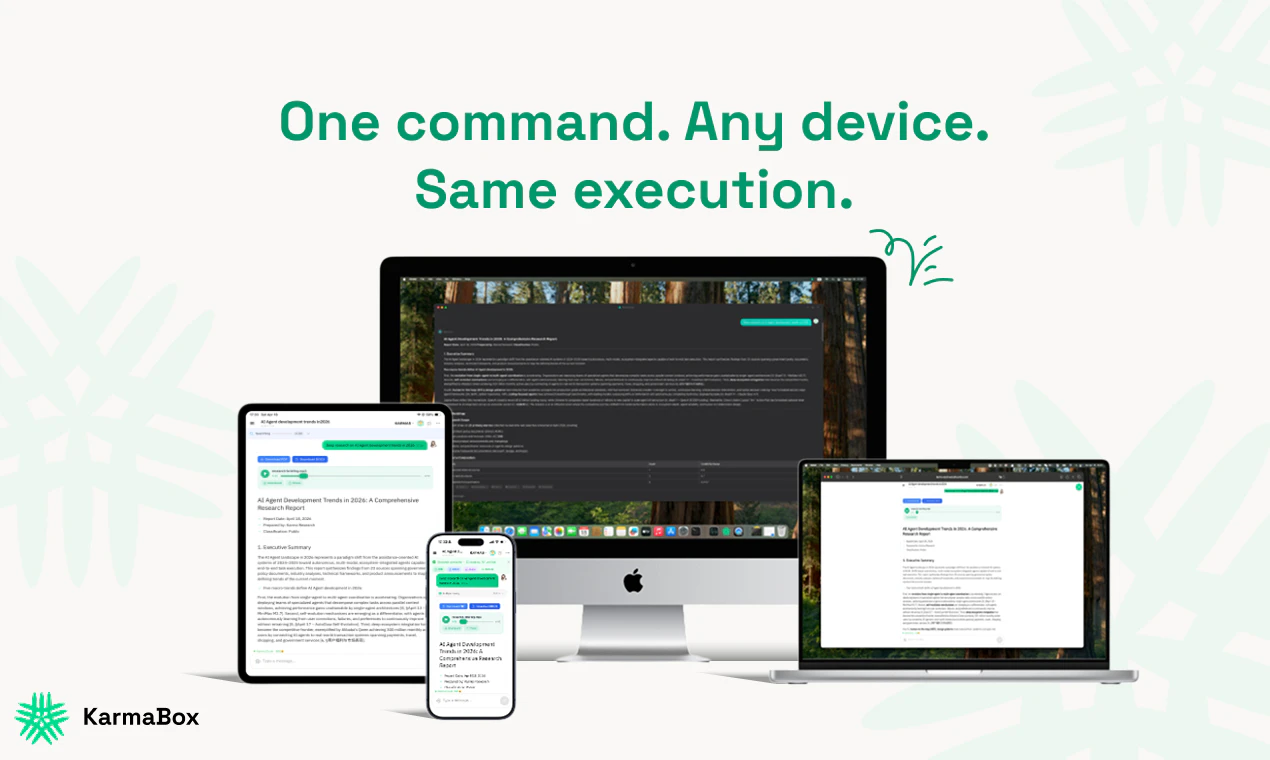
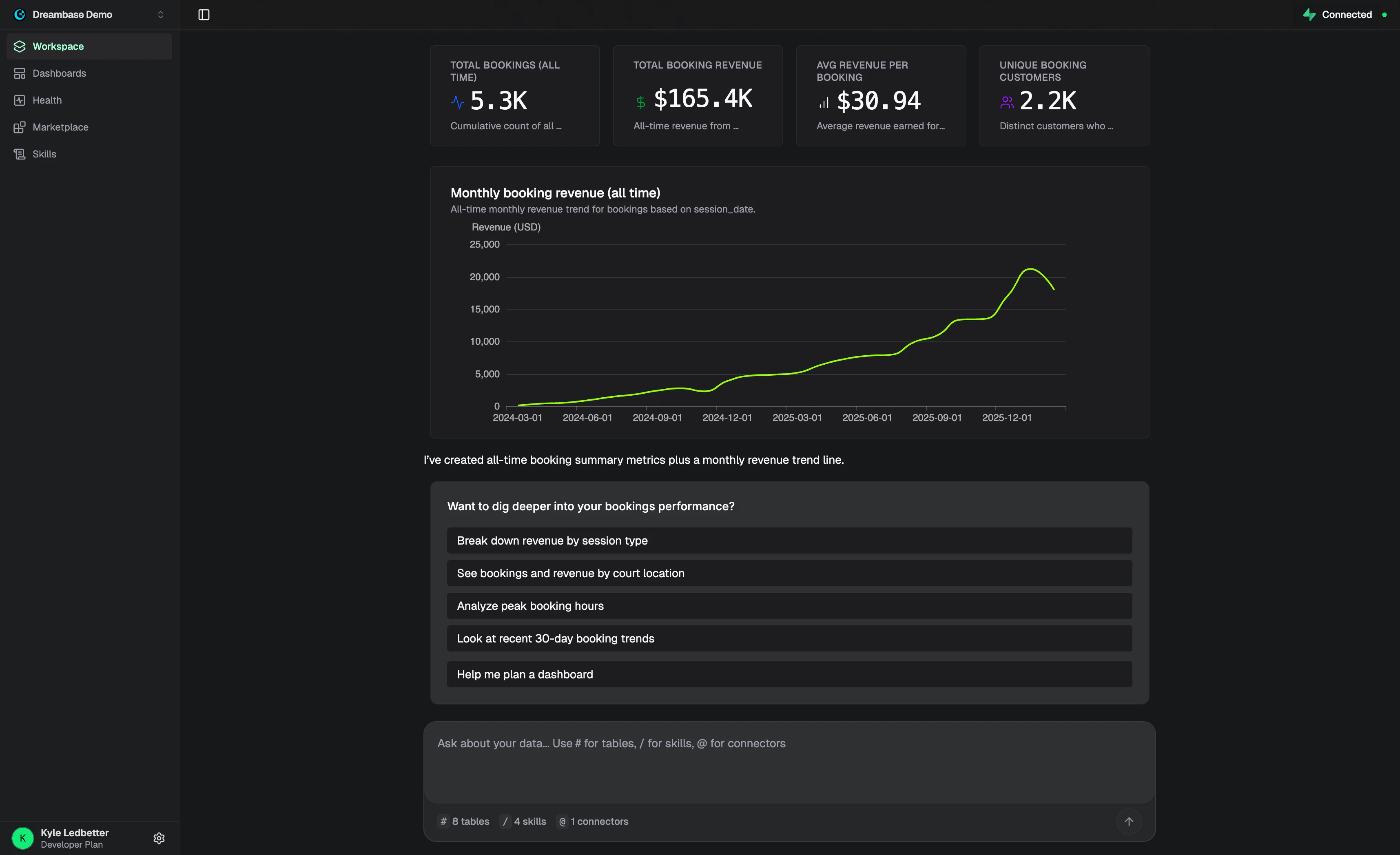
Run your own Claude Code in your pocket.
258
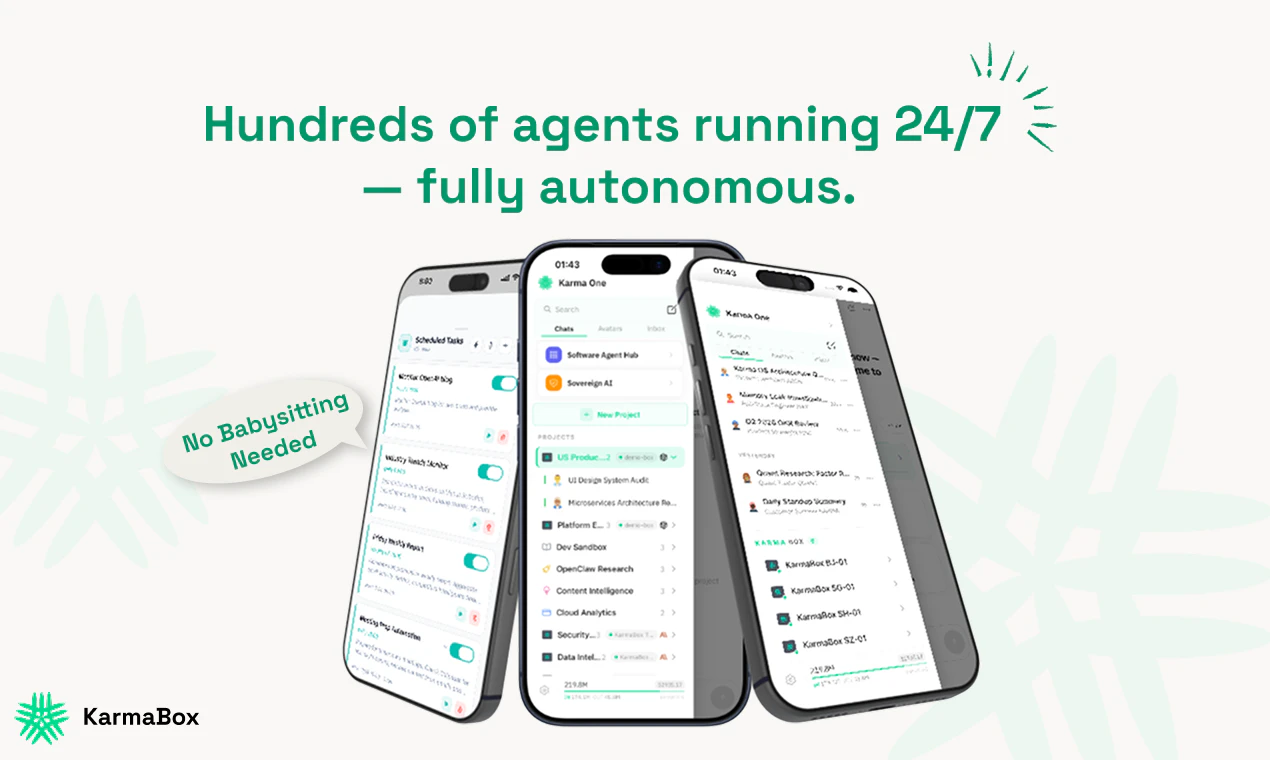
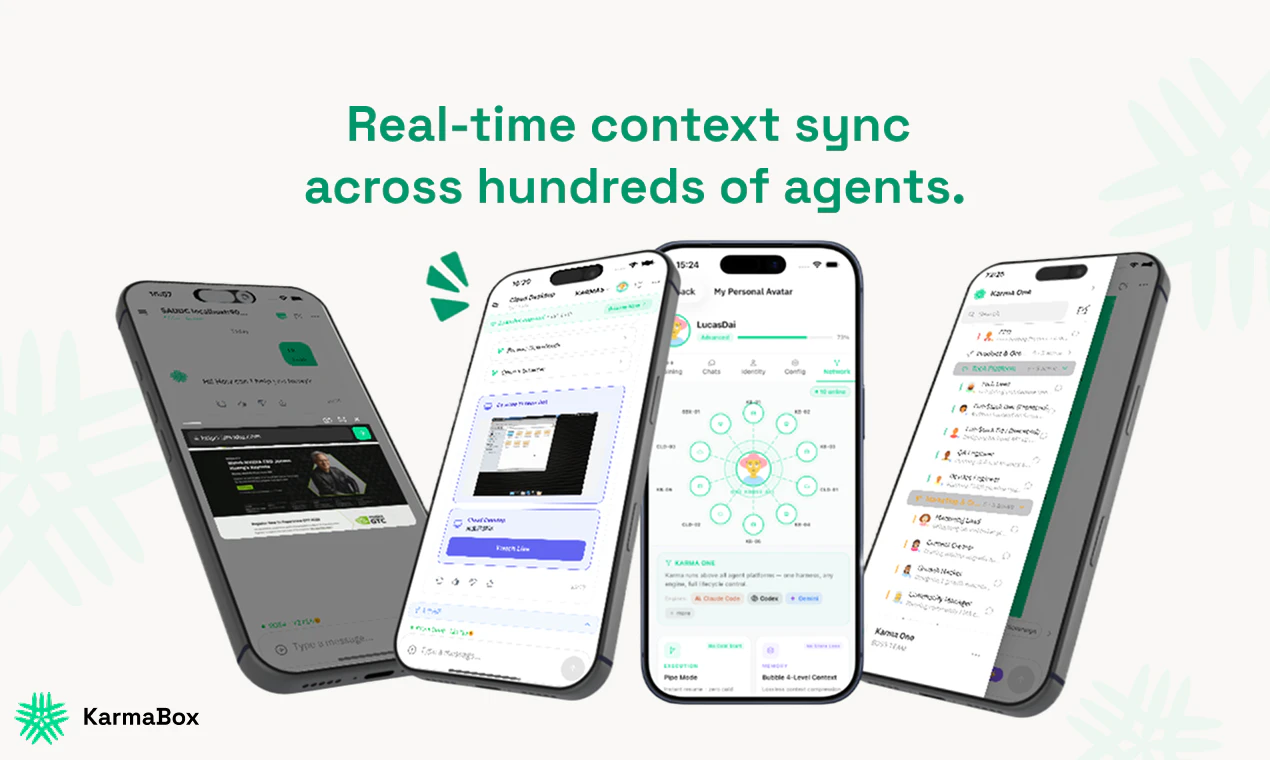
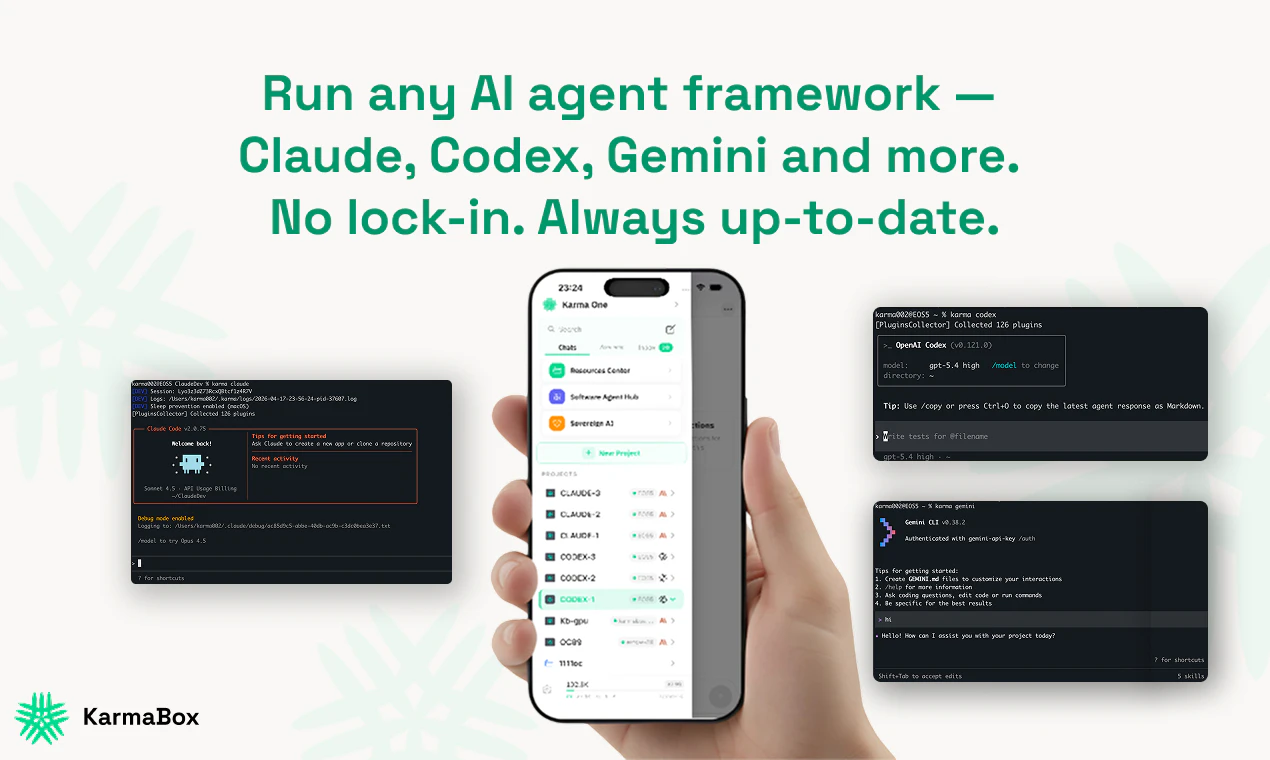
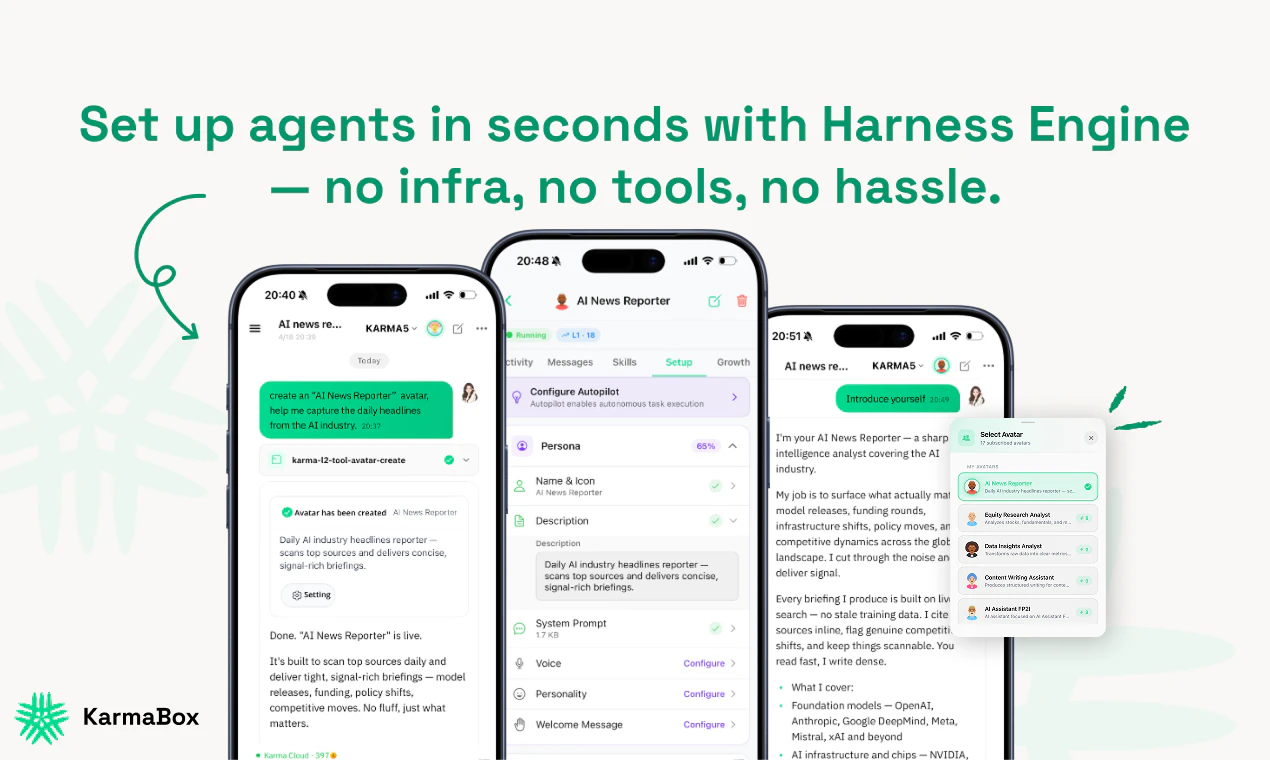
一句话介绍:KarmaBox是一款将手机变为AI多智能体“遥控器”的应用,让用户无需依赖单一终端或云基础设施,即可随时随地调度Claude、Codex、Gemini等模型,在自有设备池中并行执行复杂任务,解决AI工具碎片化、需手动切换和拷贝的痛点。
Productivity Privacy Artificial Intelligence
用户评论摘要:用户普遍认可“并行执行”和“移动端调度”的价值,痛点集中在多工具登录繁琐、长任务管理、设备离线影响。核心疑问包括:如何处理长任务(后台排队+通知)、老旧手机可否运行(轻量级控制端)、设备离线或低电量时任务路由的容错机制(心跳监测+状态分离),以及API成本控制(使用聚合池和事件驱动降低消耗)。
AI 锐评

KarmaBox的巧妙之处在于,它没有试图去造一个更聪明的AI模型,而是切中了“AI太多,但彼此不通”这个愈发尖锐的体验断层。从产品呈现来看,它更像一个“AI万能遥控器+设备局域网私有云”的组合:手机不再是算力瓶颈,而是作为指挥中心,让你的笔记本电脑、工作站甚至旧设备变成免费的分布式计算节点。

然而,华丽概念背后藏着几个硬核挑战。首先,**“去中心化”的私有计算池**在实际体验中意味着高度的网络稳定性和设备状态管理,用户家中断网或设备关机时,系统承诺的“不中断”如何优雅降级?其次,**“多模型自动路由”**虽然听起来高级,但从评论中对Opus全场景使用的质疑看,路由的准确性和成本优化算法透明度,才是长期说服重度用户的关键。如果路由逻辑不透明或频繁选错模型,就会变成“黑盒浪费”。

对开发者而言,KarmaBox的确提供了一个有趣的“JARVIS”式愿景。但它目前更像一个极客玩具,而非面向大众的消费品。普通用户不一定拥有足够多的设备来组成“计算池”,也未必能接受让AI在没有明确指令时“自主协调”。真正的价值在于,它能不能在ToB场景里,以“移动运维终端”的形式,帮团队打通从做图、写代码到自动化测试的全闭环。要是能做到,它就不再是“一个工具”,而是“AI操作的基座系统”。否则,就只是个漂亮的调度实验。

查看原始信息
KarmaBox
Run hundreds of AI agents from your phone. Turn your devices into a private compute pool, route every task to the best AI, and use Claude, Codex, Gemini and more — no infra, no lock-in.
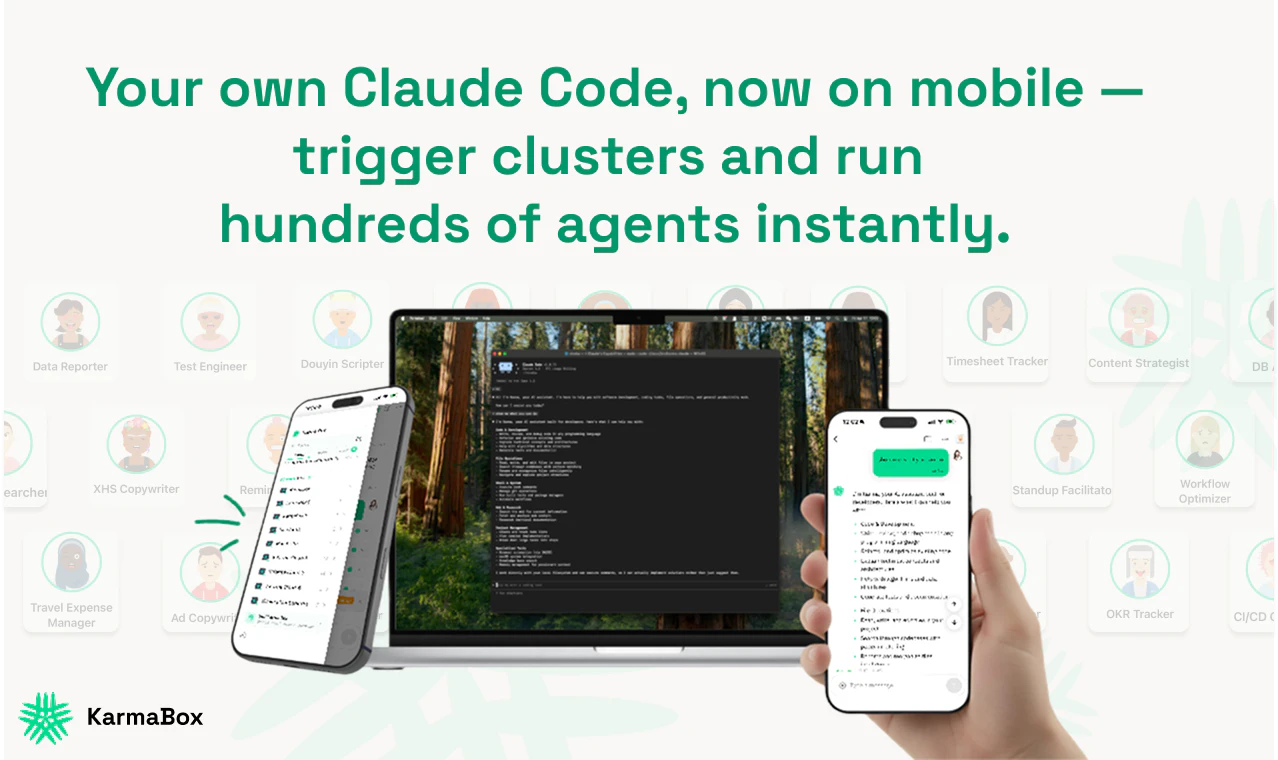
Hey Product Hunt 👋 Viveka here, one of the people behind KarmaBox. Run your own Claude Code in your pocket. That’s the idea. A few months ago, I had ChatGPT for writing, Claude for coding, Perplexity for research, Zapier for automation… every tool was powerful. But I was still the one connecting everything — copying outputs, switching tabs, deciding what goes where. I had a team of AIs. And somehow became their typiest. The bottleneck wasn’t the AI. It was everything in between. So we built KarmaBox. Now I can send one message from my phone, anywhere, anytime — and hundreds of AI agents take over. Claude writes the code. Codex reviews the code. Gemini for generating image. Other agents execute. Everything runs in parallel, shares context in real time, and keeps going 24/7 on my own devices. No tabs. No switching tools. No babysitting agents. Under the hood, KarmaBox turns your devices into a private compute pool, routes every task to the best AI, and works with Claude, Codex, Gemini and more — no infra, no lock-in. We didn’t build another AI tool.We built the layer that lets all AI work together. Would love to hear — if you’re using multiple AI tools today, what’s the most annoying part? 👇 First 100 PH users get 1 month Pro free. [https://forms.gle/xznxthQ6qXkmf3mS6]
4
回复

@viveka7 Hey Viveka,

Orchestrating multiple AI models is genius, but explaining that complexity to drive sales is a different challenge.

My superpower is turning complex tech into landing pages that convert.

I'd love to show you how small UX tweaks to your current page could turn lookers into buyers.

Free 5-min chat?

0
回复

I’m not really interacting with individual AIs anymore -- it feels more like directing a workflow.

3
回复

@jocky That’s exactly the shift we’re aiming for.

Less about talking to individual AIs, more about setting direction and letting the system carry things forward.

1
回复

@jocky Thanks for the support!

That's exactly the vision — you become Tony Stark, and KarmaBox becomes your JARVIS.

0
回复

@jocky Less about figuring out every step, more about setting the goal and letting the system handle the rest.

0
回复

This is exactly what I've been wanting. I use Claude Code daily for development but being tied to my laptop for it feels limiting. Being able to kick off a task from my phone while commuting and check results later would change my workflow completely. How does it handle long-running tasks? Does it queue them and notify you when done, or is it more of a real-time interactive session?

2
回复

@elijahbowlby That’s exactly the use case we had in mind 🙌

It’s not really tied to a single session. Once you kick off a task, it keeps running in the background across your devices.

So you can start something on your laptop, close it, and pick it up from your phone later — the system just keeps progressing.

0
回复

@elijahbowlby For longer tasks, it’s more like ongoing execution:
things keep moving, results sync back, and you can jump in whenever you want.

0
回复

@elijahbowlby 
This is a simple copywriting task, no tools needed.
KarmaBox handles both:

Long-running tasks: We queue them and run them in the background on your devices. You get notified when complete.

Real-time sessions: For interactive work (like coding), you can maintain live sessions and check in anytime.

Perfect for your commute use case — kick off a task on the train, and KarmaBox keeps working while you're offline. Results waiting when you check back!

0
回复

Huge congrats! Typiest is so real lol. Quick question: can I run this on an old phone or does it need beefy hardware?

2
回复

@xavier_hernandez2 Haha appreciate it 🙌 Typiest is very real 😄

You don’t need a beefy phone. The phone is mainly the control center — sending tasks, monitoring, and continuing workflows.

The actual heavy lifting runs across your other devices (laptop, workstation, servers, etc.), so even an older phone works fine.

0
回复

@xavier_hernandez2 KarmaBox is designed to be lightweight. It works on most modern smartphones

0
回复

This looks different, great work Team
Does it work if some devices are offline or low battery, or does the whole pool need to be active for tasks to route properly?

2
回复

@boyuan_deng1 
KarmaBox continuously monitors device status (online/offline, battery, load). When routing tasks, it only uses available devices:

The system is designed to be resilient — devices can come and go without breaking anything.

1
回复

@boyuan_deng1 Great question — and thanks!

It doesn’t require all devices to be online. We separate compute and state:

  • Compute is stateless (VPS / sandbox / laptop), so tasks can run on whatever is available.

  • State is persisted separately, so progress isn’t tied to any single machine.

If a device goes offline or runs low on battery, the system just routes work to others. No need for the whole pool to stay active.

1
回复

@boyuan_deng1 Thanks 🙏 — and good question, because this is where the design choice actually matters.you're asking about the KarmaBox pool — the machines you've connected (laptop, desktop, home server, etc.).

Heartbeat-based registry. Each KarmaBox keeps a lightweight WebSocket to Server announcing state — online/idle, online/busy, offline (last-seen timestamp), plus power state (plugged in / on battery / low

battery). Server's machine pool is a live view of who's available right now.

0
回复

wow interesting, Ill give it a try......

How are you different from Claude's Remote Control?

2
回复

@achuth_noob Great question! Claude Remote Control lets you run Claude Code on a remote machine — it's essentially a terminal in the cloud. Karma goes further in a few key ways:

1. Mobile-native, not mobile-adapted

Karma is built from the ground up for your phone. Full conversation history, streaming responses, tool call visualization, voice input — all designed as a mobile-first experience, not a ported terminal.

2. Your machine, your data

Karma runs on your KarmaBox (Mac/Linux). The AI executes on hardware you own. E2E encrypted. Nothing goes through Anthropic's servers except the LLM call itself.

3. Persistent AI teammates, not sessions

Avatars with skills, memory, and personalities that persist across conversations. Think less "remote terminal" and more "AI coworker you can reach from your phone at 2am."

4. Orchestration layer

Multi-agent coordination, skill marketplace, project-level context — built for teams running parallel workstreams, not just a single dev querying Claude.

In short: Claude Remote Control is a power tool. Karma is the operating system around it.

2
回复

@achuth_noob Great question — and excited for you to try it out 🙌

Claude’s Remote Control is mainly about accessing and running Claude across devices.

KarmaBox is a bit different — it’s not tied to a single model or a single machine.

It coordinates multiple models and agents, runs them across all your devices as one system, and keeps tasks moving even if you step away or switch devices.

So instead of controlling one AI remotely, you’re essentially running a whole system of them together.

1
回复

This is a genuinely interesting concept.

Quick question, BTW, how does KarmaBox handle task routing decisions? Is it rule-based, or does something smarter decide which model gets which job?

2
回复

@abod_rehman Great question — this is actually a core part of how KarmaBox works.

It’s not just rule-based. We use a routing layer that looks at the task context and decides which model, agent, and even which device should handle each part.

Think of it less like fixed rules, and more like a system that’s continuously choosing the best path for the job.

Still evolving, of course — would love to hear how you’re currently handling routing on your side 👀

2
回复

This is brilliant!

The biggest difference for me is the parallel execution. Things that used to take multiple steps now just happen at once.

2
回复

@itsluo Love hearing that — that shift is exactly what we were aiming for.

Once things start running in parallel, it really changes how you approach work altogether.

1
回复

@itsluo Thanks so much for the support!

You've hit the nail on the head — parallel execution is exactly what we set out to solve. Instead of waiting for one AI task to finish before starting the next, KarmaBox lets multiple agents work simultaneously on your device.

1
回复

I am curious what's the weirdest thing you have seen KarmaBox do that surprised you during testing?

1
回复

@fletcher_oliver Haha great question 😄

One thing that surprised us was how quickly agents started coordinating on their own.

We’d kick off a task expecting a linear flow, and instead multiple agents would split it up, share context, and converge on a result way faster than we planned.

It wasn’t something we explicitly scripted — more like the system figuring out a better way to get things done.

0
回复

@fletcher_oliver Curious what kind of “weird” behavior you’d want to see from a system like this? Haha~~

0
回复

So cool congrats on the launch! Most annoying part for me is logging into 5 different AI tools every morning. Does KarmaBox handle auth across them automatically?

1
回复

@antonio_manuel1 Totally feel that — it adds up fast.

0
回复

@antonio_manuel1 KarmaBox doesn’t auto-log into everything, but once you connect your models/services, everything runs through one system.

So you’re not jumping between tools or re-authing every time.

0
回复

@antonio_manuel1  Thanks 🙏 — this is one of the pain points that motivated the whole thing, so let me be specific.

Short answer: yes — connect once, never log in again.

Karma handles AI provider access entirely. Use the energy wallet — no separate ChatGPT / Claude / Gemini accounts to log into at all. One Karma login, all the models. Most users land here.

0
回复

Well done, Viveka! This feels huge. How do you handle API costs does it get expensive if agents run 24/7 on my device?

1
回复

@barnaby_lloyd Appreciate it 🙌 great question.

0
回复

@barnaby_lloyd Running 24/7 doesn’t mean it’s constantly burning tokens — agents are mostly event-driven and only call APIs when there’s actual work to do.

On top of that, we route tasks across different models depending on the job, so you’re not always hitting the most expensive one.

Since compute runs on your own devices, you also avoid a lot of the infra cost you’d normally have.

So it’s pretty controllable in practice — and we’re adding more knobs for users to tune cost vs quality as well.

0
回复

@barnaby_lloyd Thanks 🙏

To answer at the layer beneath the user-facing controls — because the cost story is partly about routing, but mostly about what we run behind the routing.

Aggregated LLM credit pool. Karma negotiates volume rates across Anthropic / OpenAI / Gemini / Qwen / DeepSeek and pools usage across our user base. That's 20–40% better unit economics than any individual

user gets on direct API. Variance gets absorbed by the pool — you don't feel the spikes, and the energy unit stays stable across vendor pricing changes.

Aggregated cloud execution pool. Sandbox runtimes (E2B), VPS-class compute, GPU resources for image/video — all warm-pooled with second-scale provisioning. No cold-start tax billed to your task, no per-VM

rental on your account. When an avatar fans out to a sandbox or spins up a longer container, the capacity is already there.

This is what lets routing stay quality-neutral. If we were a thin passthrough, every "Sonnet not Opus" call would be a quality-vs-cost tradeoff for the user. Because the backend is pooled, routing optimizes

against pool economics — you still get the right model for the task; the savings come from infrastructure leverage, not from downgrading your output.

0
回复

Which models are best for which tasks in your opinion? What I see recently is that Opus is leading practically any category on Arena.AI. Given they offer their subscription at a huge discount, compare it to tokens via API, the rational choice is Opus for all.

1
回复

@visualpharm Great question — but I’d push back on “Opus for everything.”

Arena ≠ real workloads. It measures chat quality, but real usage involves latency, agent loops, tool calls, long context, etc.

A few quick points:

  • Latency matters — slower models hurt UX in interactive flows

  • Different strengths — coding, reasoning, classification, multimodal all favor different models

  • Blended routing wins — fast model for most tasks, stronger model when needed

In practice, one model rarely wins everything.

That’s why KarmaBox is model-agnostic with routing built in — so each task gets the right model automatically.

Curious how you’re choosing models in your setup today?

0
回复

Having tasks run across devices instead of a single machine is a big unlock.

0
回复

I didn’t realize how tiring it is to keep checking progress until I didn’t have to.

0
回复

@cynthia220 That’s such a real one.

A lot of the fatigue isn’t the work itself — it’s constantly checking and nudging things forward.

Once that goes away, the whole experience feels a lot lighter.

0
回复

Congratulations on the launch, it looks very different.

0
回复

@shirleyw Thanks — really appreciate that!

We were aiming to do something a bit different from the usual AI tools.

0
回复

Once you get used to multiple agents running together, going back to single-thread AI feels really limiting.

0
回复

@janicelewis00 Exactly — once you've experienced parallel AI execution, single-thread feels like using a flip phone. There's no going back!

0
回复

@janicelewis00 Totally — that switch from step-by-step to parallel is hard to unsee.

Once multiple agents are working at the same time, the old “wait → next step → wait” flow just feels slow.

0
回复

wait — hundreds of agents on a phone? curious how you handle the battery + thermal side of long-running tasks. is it more of a remote-control-your-mac thing or actually executing on-device?

0
回复

@tijogaucher Heavy AI compute runs in the cloud (Claude, Gemini, etc.), while your device handles lightweight orchestration — so minimal battery/thermal impact. You can also set battery limits and pause tasks when needed.

0
回复

@tijogaucher Haha yeah — definitely not melting your phone 😄

0
回复

@tijogaucher The phone is mainly the control layer, not where the heavy work runs.

Actual execution happens across your other devices (laptop, workstation, servers, etc.). The phone just lets you trigger, monitor, and continue tasks.

So battery/thermal impact on the phone is minimal — it’s closer to “remote control + command center” than on-device execution.

0
回复

I didn’t realize how much time I was losing waiting for one step to finish before starting the next.

0
回复

@shaowei1 Exactly — that hidden waiting time adds up more than people expect.

Once things run in parallel, you stop thinking in “steps” and start thinking in outcomes.

Curious what kind of workflows you felt this the most in?

0
回复

@shaowei1 That's the hidden cost of sequential AI — KarmaBox reclaims all that lost time by running everything in parallel.

0
回复
Hi Viveka, Congratulations on the launch. The concept is really cool and as someone really struggling to use multiple agents in a pipeline, I really wanted to try it out. But looks like this app is not available in my country.
0
回复

@satish_autade Hey — really appreciate that, and totally hear you on the multi-agent pain 🙌

Right now the app is only available on the App Store in North America and Singapore while we’re rolling things out gradually.

If you’re open to it, we can add you to our early access list for the next regions — happy to get you in as soon as it’s available 👍

0
回复

@satish_autade Out of curiosity, which country are you based in?

0
回复

Once you get used to multiple agents running together, going back to single-thread AI feels really limiting.

0
回复

@yan_labs_ Exactly — that’s been our experience too.

0
回复

@yan_labs_ Once you see things happening in parallel, the old step-by-step flow starts to feel really constrained.

0
回复

I like that I can focus on what I’m trying to achieve, instead of how to get there step by step.

0
回复

@wenjun_shi That’s exactly the shift we’re going for 🙌

0
回复

@wenjun_shi Less about figuring out every step, more about setting the goal and letting the system handle the rest.

0
回复

@wenjun_shi  Thanks 🙏 — that's actually the entire design thesis in one sentence.

Most AI tools still make you carry the how: pick the right model, write the right prompt, chain the right tools, manage the context, remember what you said last time. The load just shifts from doing the

work to operating the AI.

0
回复
#4
Gro v2
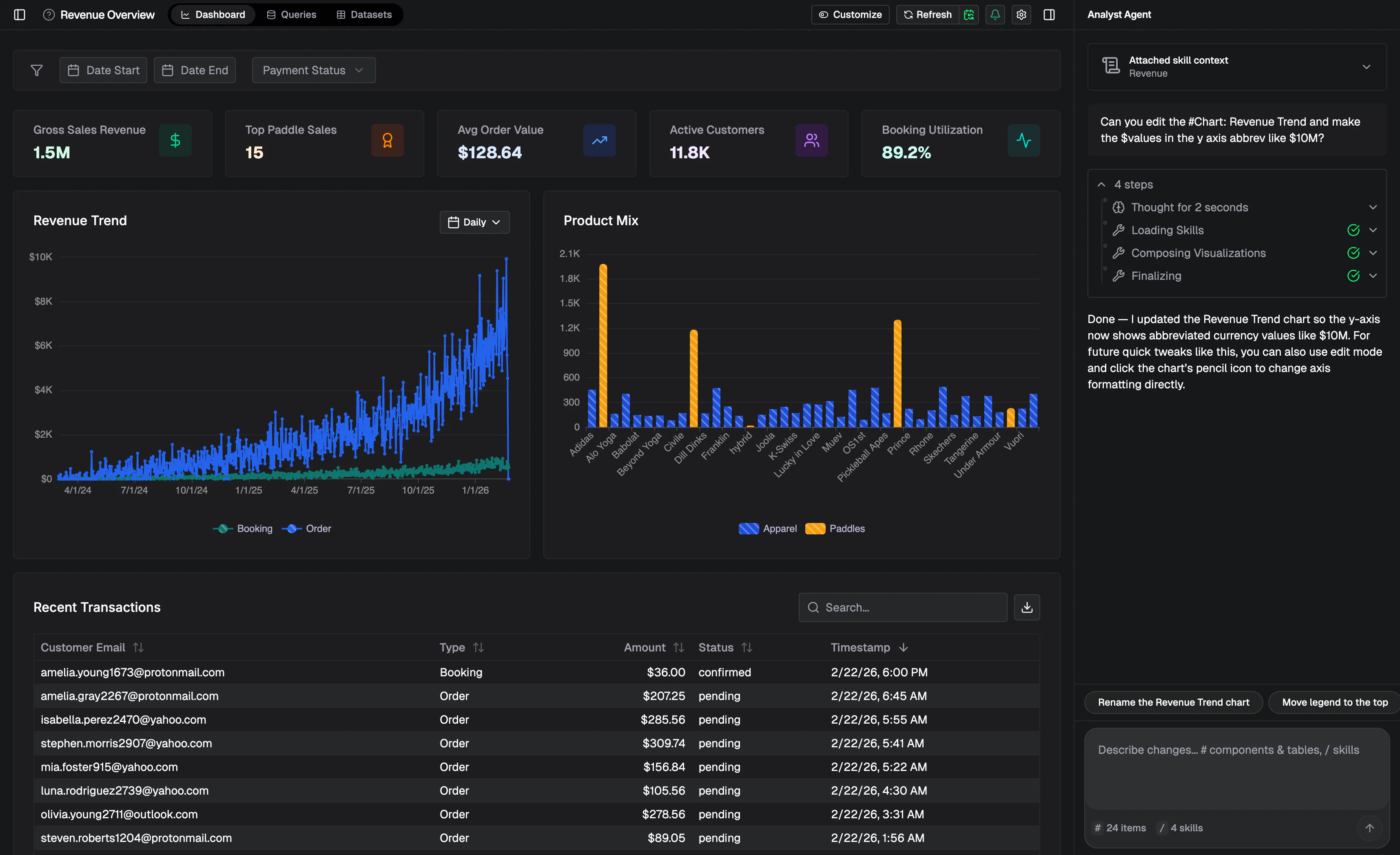
Spot signals, trigger outreach - turn posts into pipeline
248
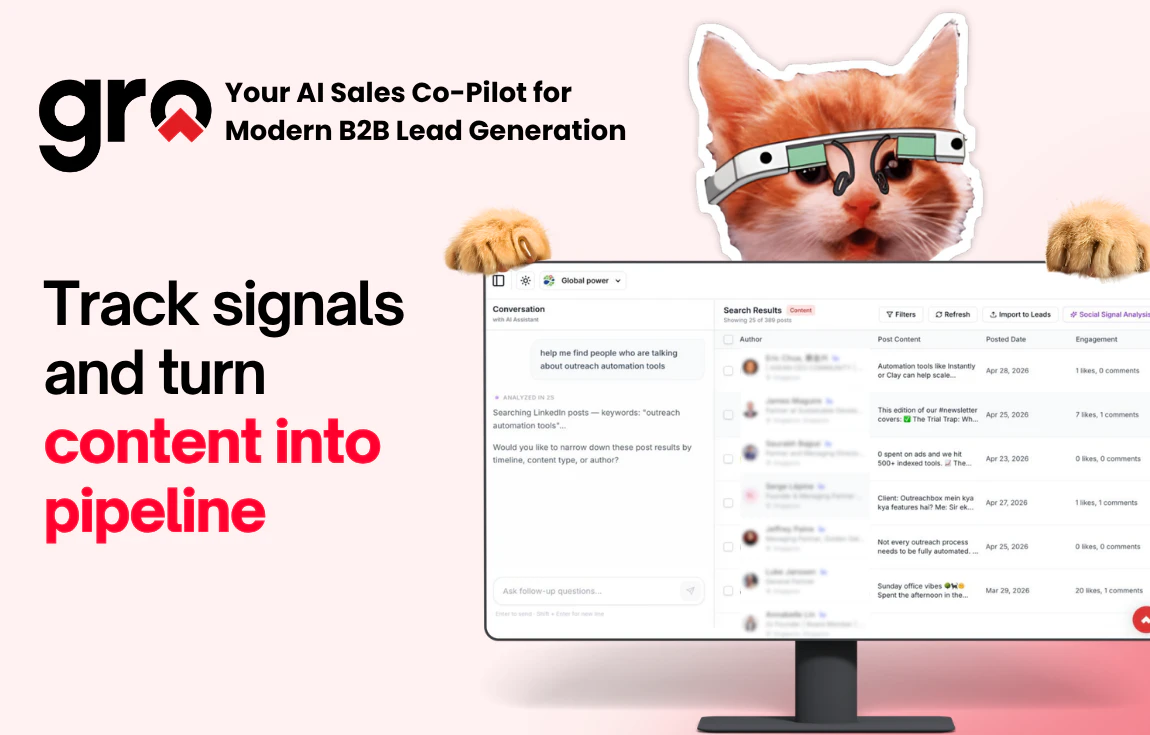
一句话介绍:Gro v2通过内容搜索和社交信号监控,帮助B2B销售团队在LinkedIn上实时捕捉买家高意图帖子,并自动触发评论、私信、邮件等跟进动作,解决从信号发现到主动触达的手动低效痛点。
Sales Artificial Intelligence CRM
社交销售 B2B销售自动化 LinkedIn线索挖掘 意图监测 内容搜索 销售自动化工作流 社交CRM 销售赋能工具
用户评论摘要:用户关注点集中在:1)自动化与个性化平衡(Gro回应可基于上下文和语调模板);2)刷新频率(目前12小时周期性扫描,非实时);3)外部集成(尚无Zapier/Make,规划中);4)定价与试用(有免费100积分层);5)对比Sales Navigator(Gro强调从信号到行动的闭环执行)。部分用户通过F5Bot+手动滚动类比痛点,对伪正信号过滤表示关切。
AI 锐评

Gro v2并非颠覆式创新,而是对B2B社交销售“最后一公里”问题的精准缝合。它解决的痛点非常真实:销售团队在LinkedIn上用关键词搜索“意图信号”,然后手动打开几十个标签页、复制粘贴、撰写个性化消息——这套动作消耗的时间成本远超想象。Gro的价值在于,它把“发现信号”和“执行动作”这两个本应在一个大脑里完成的流程,强行用自动化粘合在了一起。

但产品的局限性同样明显。最核心的问题是“刷新周期12小时”——在信息爆炸的LinkedIn生态中,这基本失去了“实时响应”的战略意义,尤其是很多高意图帖子的窗口期只有几小时。如果Gro的扫描频率不能做到15分钟内,那么它对“紧盯即时信号”的用户来说依然是鸡肋。

此外,评论中对“伪正信号”的担忧非常关键。Gro目前依赖关键词+上下文的组合评分,虽然比纯关键词过滤强,但尚未展现出AI对“语气/意图维度”的深度理解。相比其他竞品(如Clay、Zapier+Apify组合),Gro的优势在于闭环体验,劣势则在于灵活性和生态集成度。对于已经搭建好复杂技术栈的小团队,Gro更像是一个“围墙花园”,而非可嵌入的智能模块。

一句话总结:Gro对“月薪便宜、流程冗余”的小型B2B团队是利器,但对追求实时性、复杂数据集成的中大型组织,目前仍是一个“半成品”的舒适区产物。

查看原始信息
Gro v2
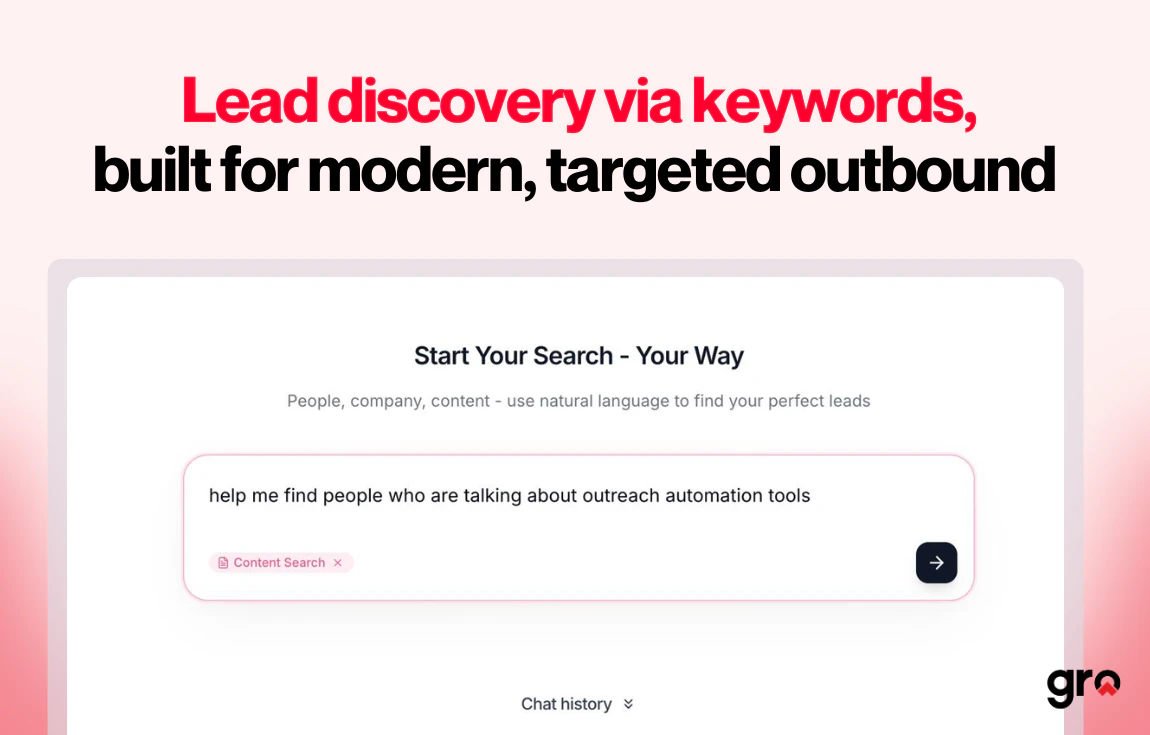
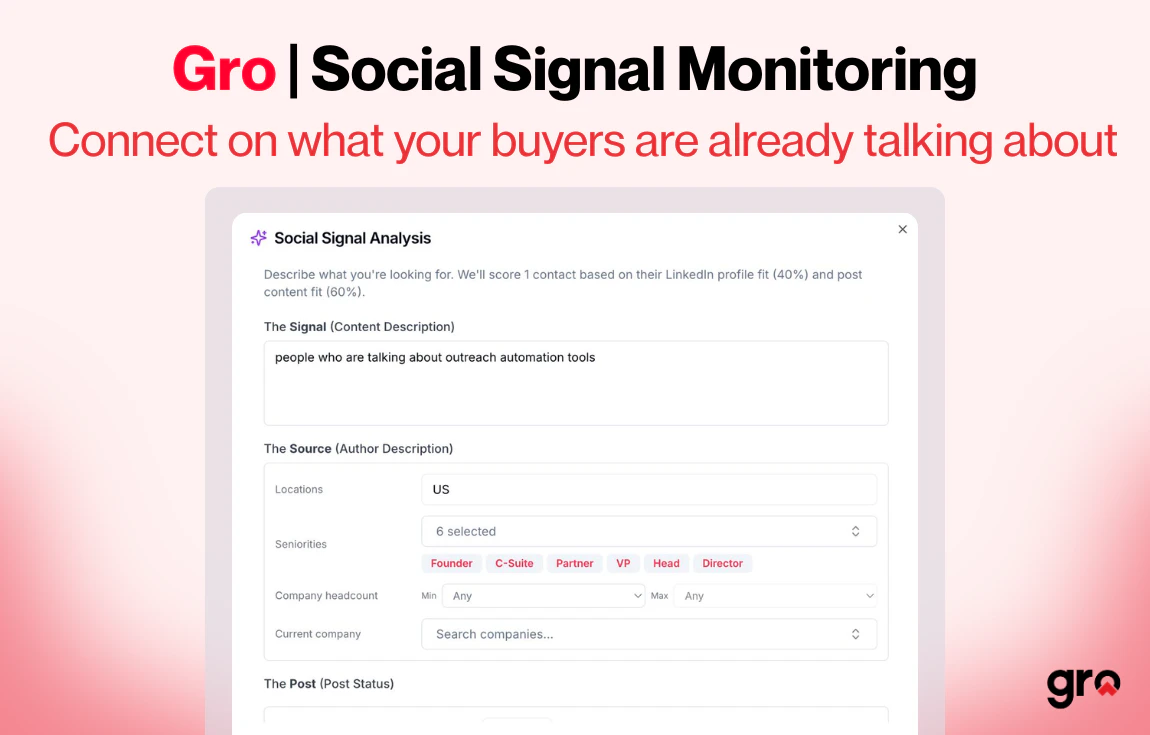
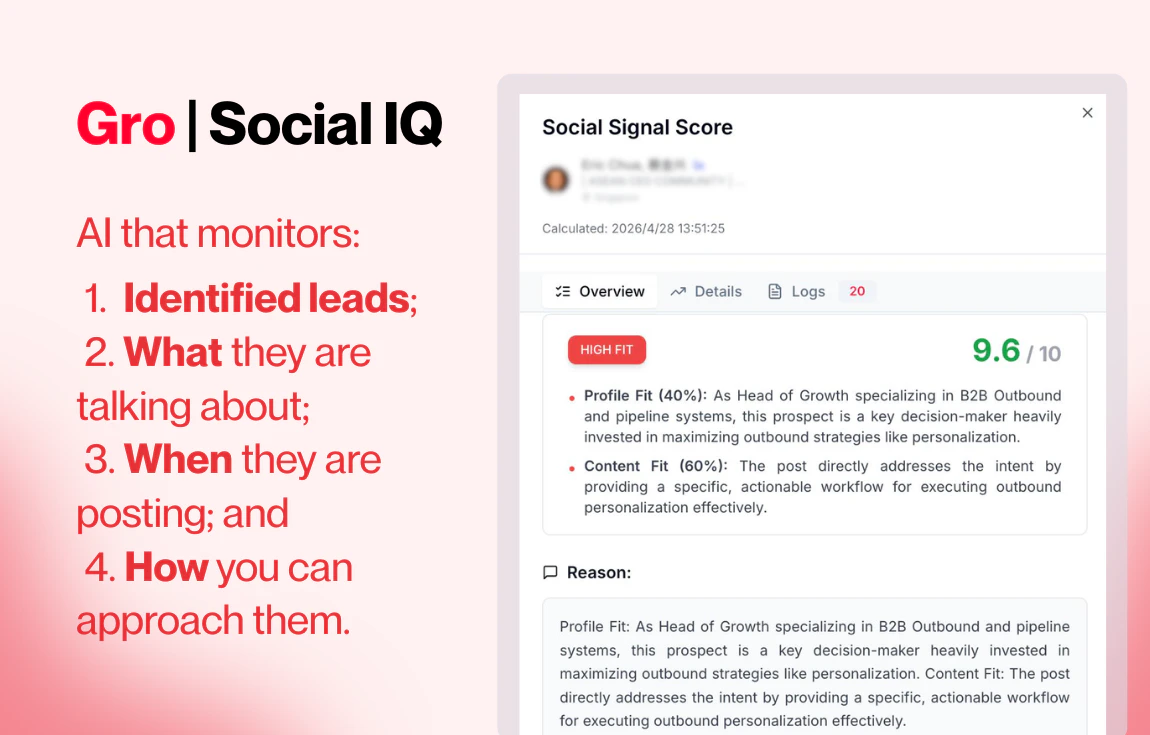
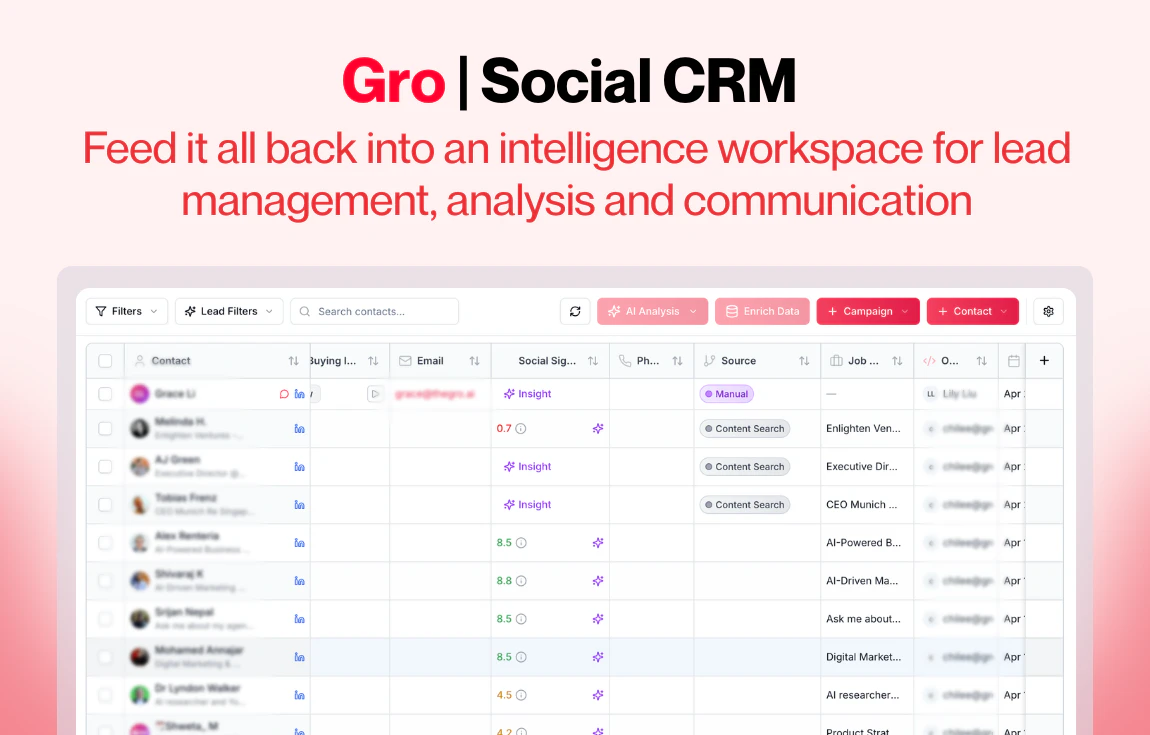
Gro’s new Content Search + Social Signal Monitoring helps you find what your buyers are already talking about, identify the authors worth engaging, and then automatically monitor for new high-intent posts so you can respond the moment intent shows up (you see the post). When a matching post appears, Gro can trigger your playbook instantly: alert you, comment, send a connection request, and draft/send email/message — all from one workflow. From content → to leads → to monitoring → to action.

Hi everyone! Alexis here. We’re excited to share Gro’s new feature: Content Search + Social Signal Monitoring.

The idea is simple: instead of guessing who’s in-market, we help you find real conversations your buyers are already having on LinkedIn, turn those posts into leads, and then keep an eye on future posts so you can engage at the right moment.

With Gro, you can search LinkedIn content by topic/timeframe, identify the right authors, save them to your Social CRM, and then monitor for new posts that match your ICP + signal. When a match happens, Gro can notify you and trigger actions like commenting, connecting, and drafting/sending an dm, email or inMail.

We’re here all day—ask anything. Also curious: what tools/workflows are you using today to catch “high-intent” signals (Sales Nav alerts, manual feed scanning, communities, newsletters, etc.)?

7
回复

Automation sometimes kills personalization, is there a structure or template that keeps messages and comments created by Gro from sounding automated?

1
回复

@bengeekly Personalization is core to how we built Gro — every message is generated based on the lead's recent activity, profile context, and the specific signal that triggered the outreach, so it's never a static template. You can also set tone preferences and voice guidelines per campaign to keep things on-brand.

0
回复

Is there a Zapier or Make integration so I can wire signal triggers into my existing stack?

1
回复

@leah_leee Honestly, not at this current moment but we are working to bring integrations to our users for this new feature so that you can do exactly what you asked. Thanks for the question!

0
回复

Congrats on the launch! 🚀

The Social CRM angle is what really caught my eye — being able to save authors and track their future posts based on ICP fit is a workflow I didn't know I needed.

1
回复

@jaredl thank you and that's great to know! please try it and let us know how you fare/if you have any questions.

0
回复

How quickly does a new post get indexed — is there a lag between when it's posted and when Gro surfaces it?

1
回复

@doriiiiis_ Thanks for the question! Our monitoring function is currently set at 12 hours periodically, i.e. if you initiate a social signal monitor at 08:00, the scan would activate at 20:00, and so on.

0
回复

What I didn't se is, do we get context, such as what a person posted, to use with emails to the lead? That's a definigng factor that greatly warm the colod of email cold-calling.

Also, credits I see, but rates for the various actions woul dbe great.

Best of luck with it!

1
回复

@osakasaul Hi Saul, great question. Yes, you get context (i.e. the whole post) when you go deeper into the social signal analysis.

Here are the credit rates for various actions:

  • Per search: 2

  • Import: 2

  • Email enrichment: 2

  • Profile enrichment: 2

  • Buying intent analysis: 1

  • Propensity analysis: 5

Our monthly credit offerings for the tiers ranges from 2000-10,000.

2
回复

Is there a free trial or freemium tier for solo founders who want to test before committing?

0
回复

@jiaqichen Yes! We have a freemium tier with 100 credits that includes people search, Social CRM (data enrichment + lead import), propensity analysis, and social signal analysis. Each action uses credits, so you can play around with the core workflow before deciding if you want to upgrade. Plenty to test the waters as a solo founder.

0
回复

To answer your question - right now I'm using F5Bot for Reddit keyword monitoring (tracking about 15 phrases related to my product's use case) and manual scrolling on LinkedIn/IH for intent signals. It works but it's slow and I definitely miss posts that would have been relevant.

The "monitor -> alert -> trigger action" flow is what I'm essentially doing manually. Curious how Gro handles the balance between catching real intent vs false positives - that's where most keyword monitoring breaks down for me. A post mentioning "translation" could be someone looking for a tool or someone complaining about Google Translate's grammar.

0
回复

@nazarenko That’s a very real problem and honestly, what you described (F5Bot + manual scrolling) is exactly how most people start before it becomes unmanageable. You’ve already nailed the core issue: keyword monitoring breaks because it treats every mention = intent, when in reality most of it is just noise. Using F5Bot + LinkedIn manually gives you coverage, but not interpretation.

Gro balances this out with 1. context (i.e. surrounding phrases, role, company, type of sentence etc.) so it's closer to answering the question of "is this person likely to be in a buying mindset?", and 2. multi-signal layering, for example.

  • mentions “translation”

  • recently hired localization team

  • works in a scaling SaaS company

Much higher confidence vs just a random post.

0
回复

Congrats, this is slick! can it monitor for negative signals too like complaints about competitors, or just positive intent?

0
回复

@indigo_carpiniello Appreciate it! Quick clarification on how it works today: Content Search is a one-shot keyword search across posts, so with the right phrases ("frustrated with [competitor]," "looking for alternatives to X," etc.) you can absolutely surface negative-signal posts right now. What we don't have yet is a "monitor this search query" function. Today monitoring runs at the author level (track future posts from authors you've saved). Continuous monitoring on a search query is on our roadmap:)

0
回复

It's awesome Alexis! Signals usually are to hard to get monitored and you're doing an excellent job on it. Wish you all the best here

0
回复

@german_merlo1 Thank you! Appreciate the comment, please give it a shot and let us know how you fare.

0
回复

What’s the average response time from when a post goes live to when Gro triggers an action? Real time enough?

0
回复

@peyton_perez Thanks for the question, Peyton. Our main focus is very much finding the right intent signals within a reasonable amount of time for our users to get the messaging right. At the moment, the refresh is every 12 hours, and once found within the most updated cycle, any programmed flow would trigger.

0
回复

Huge congrats! I currently use Sales Nav alerts. How is Gro different? Would love to understand the overlap.

0
回复

@asher_luca Thanks for the question! Gro mainly differs on the following: insight to action gap

Sales Nav gives you a reason to reach out but you still have to:

  • decide who to prioritize

  • write the message

  • run the sequence

while Gro goes from signal → targeting → messaging → outreach (LinkedIn + email) in one flow.

and then there is Individual alerts vs system-level orchestration:

  • Sales Nav is very seller-driven (you interpret + act)

  • Gro is more system-driven (it suggests + executes at scale)

0
回复

I do it with Make & Apify & Clay. If it's possible to have it in one place - that's awesome. do you integrate with tools like Instantly to push relevant leads there (or anywhere else) or do I have to send through your tool?

0
回复

@philip_kubinski 
Short answer: you’re not locked in.

We are in the midst of building Gro to work both ways depending on how you like to run outbound:

1) Use Gro end-to-end (currently the status quo)
Most users just run everything inside — from discovery → scoring → LinkedIn/email outreach — mainly because the data stays “live” (intent signals, enrichment, engagement all in one loop).

2) Plug into your existing stack (we currently have hubspot, and working on webhook)
Soon, you can absolutely push leads out:

  • Export or sync enriched + scored leads

  • Trigger via webhooks into your sequencer

  • Use Gro more as the “thinking + targeting layer” on top of your stack

Where we’re opinionated is this: Most workflows break when you export static lists too early. The moment leads leave, you lose intent freshness + adaptive targeting; which is why a lot of Clay-style setups need constant re-refreshing.

So it’s less “you have to send through Gro” and more:
→ If you want maximum performance, keep it in one loop
→ If you want flexibility, we are working to allow you plugging into your stack just fine

Are you mostly running cold email via Instantly, or doing LinkedIn + email in parallel? That usually changes how people set it up

1
回复

Hey great stuff guys! Very helpful for us and I think for all small teams. While development gets all the love, sales matters the most in the end, and most are not that good at it 😬

0
回复

@th_calafatidis Thanks so much! Totally agree, sales is often the difference between a great product getting adopted and a great product getting overlooked. Glad Gro can help level the playing field, especially for small teams who don't have a full sales org behind them.

0
回复

Congrats on the launch, Alexis! This sounds super useful. How accurate is the signal monitoringndo you ever get false positives?

0
回复

@daniel_harris11 At the moment, we're focused on keywords and the mission is to reduce noise enough so that the signals are useful at scale. We weight signals (e.g. hiring, tech changes, engagement patterns) and look at combinations, not just single events for our scoring analysis.

Instead of just “X happened → notify you”, Gro is also constantly re-scoring accounts based on:

  • recency

  • frequency

  • ICP fit

0
回复

awesomeee!! congrats, looks great!

0
回复

@madalina_barbu Thanks, pls give it a shot.

0
回复

Do you plan to add account-level signal aggregation — e.g., 'three people at this company all posted about X this month'?

0
回复

@yan_labs_  Love this question. Today, signals are surfaced at the individual author level, but account-level aggregation is something we're actively designing, exactly the scenario you described ("multiple people at one company posting about the same topic in a given window"). It's a much stronger buying signal and pairs naturally with ABM workflows. Would love to keep you posted when it ships.

0
回复
Can I train Gro on my own writing style or past messages so outreach sounds like me, not a generic template?
0
回复

@nah_na Yes. In our Custom Guidelines field, you can paste in a few of your past messages as reference and instruct Gro to mirror that style, things like sentence length, opening style, and word choice. It's a simple way to get the voice closer to yours from day one.

0
回复

Is there a way to A/B test different message angles within Gro to see which resonates with a given signal type?

0
回复

@josie_oy Great question! A/B testing isn't live yet, but it's high on our roadmap, being able to compare angles per signal type is exactly the kind of feedback loop we want to build in. For now, users typically run parallel campaigns with different message angles.

0
回复

What's the maximum number of monitors or saved searches a single workspace can have?

0
回复

@eexlkuang_se Great question. As many as your credit allowance can handle

0
回复

Amazing, what's the average company coverage like for mid-market SaaS? That's usually where the gaps show up in tools like this.

0
回复

@boyuan_deng1 Thanks for the great question and you’re right, mid-market SaaS is exactly where most tools start to break down. From what we’ve seen running campaigns (and building Gro around that), the issue isn’t top-of-funnel coverage, most tools can give you thousands of contacts. The gap shows up in relevant coverage:

  • In typical outbound tools, you might get broad account coverage, but only a small % are actually active or in-market

  • That’s why you see ~3% connect rates and ~1% replies in standard workflows

For mid-market SaaS specifically, what tends to work better is signal-based coverage vs static lists:

  • Instead of “we have X% of companies in your ICP,”

  • it becomes “we’re tracking the subset of accounts showing intent right now”

With Gro, coverage is less about database size and more about how many high-intent accounts you can actually engage at a given moment which is why campaigns tend to land closer to ~28–30% connect and ~10% reply rates when targeting is tight

So short answer:
Mid-market coverage isn’t the bottleneck anymore, precision within that coverage is. That’s where most tools fall short (and where we’ve focused heavily).

0
回复

Congrats @alexis_lee3 🎉
Curious how Gro handles intent signal freshness, though. Is the 1B+ database updated in real time or on a crawl cycle?

0
回复

@abod_rehman Thanks for the question! It's real time and we're always looking for new data sources to connect.

0
回复

Can I set a tone preference (e.g., casual vs. formal) per campaign or per lead segment?

0
回复

@3rdmatter Yes you can, we have laid out the options for users to choose mainly for the campaign.

0
回复

for a person who freelances, this is gold! Really love how it searches for the right keywords to track the convos on linkedin

0
回复

@sunaina_ukil1 I'm glad it's resonating with you!

0
回复
#5
Netlify Database
Ship data-driven apps without breaking flow
244
一句话介绍:Netlify Database 是一款与平台深度集成的全托管 Postgres 数据库,通过为每个 Git PR 自动创建独立数据库分支,彻底解决团队在共享预发布环境中因数据污染和迁移冲突导致的部署拥堵与信任危机。
Developer Tools Artificial Intelligence Database
托管数据库 PostgreSQL 数据库分支 预览部署 CI/CD集成 无后端开发 AI Agent Schema迁移 Netlify 基础设施即代码
用户评论摘要:用户高度认可数据库分支解决共享预发布环境痛点,并关注迁移合并冲突、分支生命周期管理、灾难恢复等实操问题。有用户询问多分支 Schema 合并规则及废弃分支清理策略,官方回应会提供快照回滚点,但具体合并逻辑尚未详细说明。
AI 锐评

Netlify Database 的聪明之处在于把数据库分支从“高级功能”降级为“平台默认行为”。它没有发明新范式,而是精准补上了 Deploy Previews 最后一块拼图——代码分支有了十年,数据库分支却一直被当作分布式系统难题甩给开发者自己用 Docker 和脚本去凑。这个缺口在单人或小团队时还能用“别乱搞”来糊弄,但在 15 人到 120 人扩张的路径上,共享 Staging DB 就是一根持续的、无声的摩擦桩。

产品真正的价值锚点不是“托管 Postgres”,而是“让数据库操作像 Git 一样安全和可追溯”。AI Agent 写出的迁移脚本只能在预览分支上跑,生产环境永远触碰不到——这既是技术设计,也是营销金句。它承认了一个残酷现实:当前最火的“Vibe Coding”自动生成应用,大多只是把数据库当玩具,而 Netlify 试图把这种混乱锁在隔离沙箱里。

但槽点也很明显:分支合并时的 Schema 冲突究竟如何处理?官方目前语焉不详。两个 PR 分别改了同一张表的结构,合并时要么需要手动介入,要么依赖某种线性化策略,而这恰恰是传统 DevOps 团队要派专人处理的高阶问题。对于需要严格 Schema 版本控制和回滚的业务场景,当前方案更像一个“傻瓜式安全网”,而非企业级治理工具。此外,分支生命周期清理看似省心,但如果想长期保留某个分支的测试数据进行“考古”审计,后续的存储计费策略也值得关注。

一句话总结:Netlify Database 是让“不会搞坏数据库”成为默认体验的绝佳入门方案,但它距离解决“多人高效协作演化数据库架构”这一终极问题,中间还隔着几个自动化合并算法和一套成熟的灾难恢复 SLA。

查看原始信息
Netlify Database
Netlify Database is a fully managed PostgreSQL database that integrates seamlessly with your Netlify projects. It provides automatic database branching for deploy previews, built-in migration support, and a best-in-class local development experience.

Hey Product Hunt community! 👋

Today, I'm stoked to share Netlify Database with you, a fully managed Postgres database, built directly into the platform.

Years ago, Deploy Previews made it safe to experiment with code. But the database layer never got that treatment. If you are developer, I'm sure you remember vividly the pain of a shared staging database that is always a little broken. Well, we decided to fix that.

Here is what's special about Netlify Database:

  • Automatic Branching: Every agent run or Git PR automatically gets its own database branch, seeded from your latest production data.

  • Zero Production Risk: Schema changes and test records are totally contained. Even our AI agent literally cannot modify production—it only writes migrations for your isolated preview branch. Production stays untouched until you hit publish.

  • Zero Extra Setup: Whether you are pushing code with Drizzle, or a designer vibe coding/prompting an app into existence, you get the exact same workflow and safety net.

Try it out in 2 minutes ⚡

Head over to Netlify (https://app.netlify.com/start) and try a prompt like:

"I want an app to manage my list of mythical creatures."

The agent will spin up the schema, wire up the UI, and give you a working preview running on a real Postgres branch.

Drop your thoughts/questions below, and let us know what you plan to build.

We'd love your feedback! 💬

16
回复

@thisiskp_ "Even our AI agent literally cannot modify production"

Music to the ears of anyone who's had their database emptied by an agent by accident.

2 minutes to try it out? I'll take you up on that offer!

6
回复

Database branching for deploy previews is one of those features that sounds incremental but completely changes how teams ship. When I was CTO scaling from 15 to 120 engineers, the shared staging database was our single biggest source of deployment friction. Engineers would step on each other's migrations, QA would test against stale data, and nobody trusted the staging environment enough to actually catch bugs before production. We burned weeks every quarter just on database-related deploy issues. The fact that this is built directly into the Netlify workflow means teams get isolated database state per PR without having to duct-tape together Docker containers and seed scripts. That's the kind of infrastructure that lets you move from weekly releases to continuous deployment without the team size to staff a dedicated platform team.

10
回复

@avrisimon thank you so much for the kind words. Great to hear the core problem we’re tackling here resonates with you closely.

1
回复

This could remove a huge amount of friction for teams working on feature branches . No more worrying about messing up shared data.

7
回复

@gabriel_brooks1 100% - I was doing a lot of testing with Agent runners and knowing every single run across multiple runs had an isolated state to test whatever it needed to inside of was a huge relief!

2
回复

The branched database per PR is the feature staging environments should have had years ago. The amount of "don't touch the staging DB it's broken again" Slack messages this kills is reason enough. Trying the mythical creatures prompt right now.

6
回复

@kunal_s1 that Slack message is universal haha. Thanks for trying this out. Let us know how your builds go!

0
回复

In a world awash of new vibe coding platforms every day, Netlify continue to build on a secure and strong foundation of infrastructure with new releases that always feel production ready for companies to scale with.

Netlify Databases is a much welcome addition to their platform which instantly extends the capabilities of their already solid app building agents.

Already have multiple ideas to get started building. Thank you Netlify team for another brilliant launch! 🚀

5
回复

@ashamplifies We wouldn't be Netlify with you people like you in our community Ash 🤝

0
回复

@ashamplifies thanks for the warm compliments. "build on a secure and strong foundation of infrastructure with new releases that always feel production ready" -> that is exactly how we view product development internally. Solid infra that can scale from side projects to world class brands.

1
回复

Database branching for deploy previews is such a game changer . That shared staging DB always broken problem is way too real.

5
回复

@evan_sterling Trying to figure out how you're going to mock up data in an empty branching database and make sure it translates backwards for your merge was always a key hassle of wiring one up. Stoked to keep making that experience even better 🫡

0
回复

Excited to see this go live! Feature branches are an incredibly productivity boost. We see it across all our customer!

3
回复

@nikita_shamgunov Thanks for ALL the support Nikita! Great things on the horizon

0
回复

This could remove a huge amount of friction for teams working on feature branches. No more worrying about messing up shared data.

3
回复

@gabriel_brooks1 well summarized - thank you

0
回复

Couldn't be more excited about this! From my earliest days building on the web, the jump between building something and connecting it with a database was far from easy - especially for small, simple projects. So much work-work just to get something basic live. Netlify Database changes this... every version of every project gets their own database, so you can iterate quickly without risking any silly changes. one of my absolute favourite @Netlify launches!

2
回复

Really exciting moment for the team 🙌

The goal was simple: make databases feel as safe and easy to experiment with as code.
Looking forward to seeing what the Product Hunt community thinks!

2
回复

YES! Fun fact, Netlify has been running several workloads in production on top of Netlify Database for weeks with zero overhead. It's so good!

2
回复

Congrats on the launch!

How does Netlify Database handle migration drift? For example, if I have two PR branches with different schema changes, how does the system manage the merge back to production to ensure no data is lost or overwritten?

1
回复

What happens to orphaned branches when a PR is closed or merged?

1
回复

Great launch @thisiskp_ and @Netlify! 🚀

Also curious: what’s the disaster recovery story if something goes wrong in production?

1
回复

@mahdi_nouri hey man! How are you? Thanks for the Q.

Netlify Database's disaster recovery approach is built around reducing blast radius and fast recovery: most changes happen in isolated database branches (deploy previews / agent runs), not directly on production.⁠

⁠⁠

Before publishing a production deploy, we take a snapshot of the production database so you have a restore point if something goes wrong (retention varies by plan).

0
回复

It's exciting to see this live! For newer builders database is admittedly the scary part of a project. Now with a safe sandbox to build, test and ship it's an entirely different experience. Plus the fact that there's no rewiring required is awesome AND no more fear of breaking production. Hats off to our product team for making this feel so seamless! 🚀"

1
回复

branching for deploy previews is one of those features that quietly removes a whole class of staging-data bugs — nice to see it native instead of duct-taped via docker. how does the branch get its data: copy-on-write from main, fresh seed, or empty? and across long-lived preview branches with diverging schemas, does netlify reconcile migration drift on merge or is keeping branches consistent on the dev?

0
回复
#6
UXPin Forge
Generate UI from your design system, not around it
202
一句话介绍:UXPin Forge是一款AI驱动的UI生成工具,核心在于基于设计系统内的真实组件(如MUI、shadcn/ui、Ant Design等)生成可直接交付的JSX代码,解决AI生成UI与现有组件库脱节、需反复返工的行业痛点。
Design Tools User Experience Prototyping
AI设计工具 设计系统 前端组件库 UI生成 代码交付 UXPin插件 JSX导出 企业级设计 设计规范协同 生产级原型
用户评论摘要:评论普遍认可其“真实组件约束”的思路,主要疑问集中在与竞品的差异上。用户重点问:与Claude Design相比如何(回答:反对近似,坚持组件约束)?JSX输出有多干净(回答:直接引用库,如MUI/Button)?URL转UI及自定义库支持细节。不满主要源于其他工具易产生品牌漂移,而Forge旨在杜绝此问题。
AI 锐评

UXPin Forge的“锐”,不在于其AI生成速度,而在于它精准地捅破了AI设计领域最大的窗户纸:大多数AI工具输出的是“视觉相似品”,而非“工程可用件”。它声称“结构上不可能”产生偏离品牌或系统的输出,这并非营销话术,而是技术架构的差异。Claude Design、v0等工具本质上是“代码阅读者+风格迁移者”,而Forge是“设计系统执行器”,AI被约束在组件库的有限状态空间里创作。

从商业价值看,Forge精准切入了中大型企业和成熟产品团队的“组件债”痛点。许多团队并非不想用AI,而是害怕AI生成的代码与现有工程规范反目,导致后期维护成本激增。Forge通过Git同步真实组件库、输出标准JSX引用,把AI从“创意玩具”转变为“效率杠杆”,让设计师和开发者终于可以在同一个组件语境下协作。而CEO Andrew提到的“锻炉不取代铁匠”,在充斥着“零门槛、人人都是开发者”论调的行业中,显得克制而务实。

潜在隐忧在于依赖程度。Forge的核心竞争力建立在与UXPin生态及Merge技术的高度绑定之上,若用户非UXPin现有重度用户,迁移和适应成本不可忽视。同时,对于依赖轻量级、快速原型验证的早期团队,其组件库门槛和系统约束可能显得过于沉重。一句话总结:对需要“在枷锁中跳舞”的企业设计团队是解药,对想“无拘无束”的自由创作者可能是拳击手套。

查看原始信息
UXPin Forge
AI that generates UI your design system would approve. Forge works inside UXPin with your real components—MUI, shadcn/ui, Ant Design, or your own—so you can iterate fast and ship clean JSX. No rebuilding, no workarounds.

Hey Product Hunt 👋

We've been building AI into UXPin for over a year now – AI Component Creator, AI Helper, and more.

These experiments taught us where AI works well, and where it breaks down.

The pattern we kept seeing:

AI can generate UI, but when you try to use it in your product, it doesn't match your components. You lose context. You rebuild everything.


We unified everything under Forge – the AI engine powering UXPin.

What Forge does:

🎨 Works with your design system – MUI, shadcn/ui, Ant Design, or your own components via Merge

🌐 Start from prompts, images, URLs, or existing code
🔄 Keeps context so you can refine instead of restart
✏️ Switch between AI and manual editing anytime
⚡ Outputs clean JSX

If you've been burned by AI tools that ignore your system – this is built for exactly that gap.

👉 Try Forge: https://www.uxpin.com/forge

Curious what you think 👀

14
回复

@nat_lasica great work on the launch Nat!

3
回复

Hey Product Hunt 👋

I'm Andrew, CEO of UXPin.

We've been building design tools for over a decade and Forge is the result of a question we kept asking: 'why does every AI design tool ignore the thing enterprise teams care about most - their component library?'.

Claude Design reads your codebase and approximates. Lovable and Bolt generate their own conventions. v0 locks you into shadcn.

None of them use your actual production components.


Forge does.

Your React library syncs via Git, or you can used a native global library we've already integrated for you.

The AI generates exclusively with those components - real props, real variants, real states. Then you can switch to professional design tools for refinement on the same canvas. No tokens burned on edits.


The export is production-ready JSX referencing your actual imports. Developers copy it and ship it. Nothing to interpret. Nothing to rebuild.

For teams without a custom library, Forge works out of the box with MUI, shadcn/ui, Ant Design, and Bootstrap.


We named it Forge because a forge doesn't replace the blacksmith - it gives them heat and speed. The craft still requires you.


Would love your honest feedback. We're here all day.


Andrew

11
回复

Really glad we finally got this out into the world!

9
回复

@robert_hilscher and you were a huge driver behind this release. Great work Rob, you should be extremely proud!

3
回复

@robert_hilscher great job, man, you da best!

1
回复

@robert_hilscher huge part in making this happen. Great work and I'm looking forward to future releases!

1
回复

Congrats on the launch team, out of curiosity, how is your tool better than Claude Design?

3
回复

@danshipit Thanks Daniil! Great question.

From what we've seen, it's great for quick drafts, but there are gaps when it comes to real workflows.

The biggest one is design systems. It approximates them rather than using actual components, which leads to drift in fonts, spacing, and colors. Also, every edit costs credits - even small tweaks like moving an element.

Forge works directly with your components, so what you generate stays consistent. And you can edit manually without burning tokens on trivial changes.

3
回复

@nat_lasicaWe tried Claude Design but the output kept drifting from our brand. Does Forge have that problem?

2
回复

@nat_lasica  @abhiranjan_mehta Short answer: no, because the architecture prevents it.

Claude Design reads your codebase and generates new elements styled to match. That's approximation - and approximation drifts. Wrong fonts, incorrect colours, inconsistent spacing. We heard the same from dozens of people just this week.

Forge works differently. Your component library syncs from Git into UXPin meaning Forge can only use components that exist in your library. It can't generate a button variant you haven't defined. It can't invent a card style that isn't in your system. Off-brand output isn't something you catch in review, it's structurally impossible.

On top of that, you can set Design System Guidelines: plain-text rules that constrain all AI output. Things like "primary buttons only in the main CTA position" or "cards always use 16px padding." Every team member, every generation, same rules.

Try it with one of the built-in libraries (MUI, shadcn) and you'll see the difference in the first prompt.

1
回复

Interested in how clean the JSX is in practice, anyone got some intel for me?

2
回复

@chase_horn you could always start a trial, prompt something you want and then hit 'get code' and find out 😉

Here is an example output straight from a prototype;

import Button from ‘@mui/material/Button’;
import Card from ‘@mui/material/Card’;
import TextField from ‘@mui/material/TextField’;
import Typography from ‘@mui/material/Typography’;

<Card >
     <CardContent>
          <Typography variant=”h5″>Create Account</Typography>
          <TextField label=”Full Name” variant=”outlined” fullWidth />
          <TextField label=”Email Address” type=”email” fullWidth />
          <Button variant=”contained” fullWidth>Sign Up</Button>
     </CardContent>
</Card>

1
回复

@chase_horn VERY clean ...

2
回复

Hello PH!

What makes Forge different is not just that it generates UI. Most AI tools stop at visual approximation, but Forge understands how your UI is supposed to be built.

Forge goes further by grounding everything in your design system:

  • It knows your component APIs including props, variants, and states

  • It respects your design guidelines and patterns

  • It operates within your governance model, not outside of it

So what you generate is not just close enough. It is structurally aligned with how your team actually builds products and outputs production-ready code that references your real components.


One thing I’m personally excited about is the workflow shift.


You are not stuck in AI mode or design mode. With Forge, you can:

  • Generate a layout with AI

  • Jump into manual design to refine details

  • Go back to AI to expand or iterate

  • Repeat as needed

That loop is where it starts to feel real. Not a one-shot generation, but an actual design process.


It also opens up some interesting use cases:

  • Generate layouts from a URL or screenshot

  • Turn rough ideas like wireframes or hand-drawn sketches into high-fidelity UI

  • Rapidly explore variations while staying inside your system constraints

And because everything is tied to real components, you can also:

  • Override tokens, create themes or tweak the design language

  • Experiment without breaking system consistency

Instead of AI fighting your system, it works with it and produces code you can actually ship!

Let us know if you have any questions and what you think and feel free to reach out for a demo.

Jack

2
回复

@uxpinjack some great example use cases for anyone keen to test it out!

1
回复

Design tools keep getting closer to real product behavior… interesting to see how far that actually goes in practice.

2
回复

@sonu38 Yeah, the gap is usually in implementation. Most tools get close visually but devs rebuild anyway. With Forge you start with real components instead of mockups.

Give it a try, curious to hear how it works for you!

1
回复

@sonu38 i feel like we got really close to closing the gap way back when we released Merge. With Forge we are introducing AI and combining it with Merge technology to speed up the process.. all while ensuring the designers maintain complete control and can manually iterate whenever they want.

1
回复

Nice!

2
回复

@sneas thanks Dimah! Looking forward to your feedback

1
回复

How does the URL-to-UI feature work? Can I paste any website?

1
回复

@thomas_dupuy2 you sure can!

You can ask it to replicate the URL so you can have an editable UI to work with, or you can use a URL for inspiration for your own design.

1
回复

this is awesome team! Congrats on the launch

1
回复

@sriya_vipin thanks Sriya!

1
回复

Congrats on the launch team, this looks like an unbelieve leap from the component creator.

1
回复

@julia_prus1 thanks!!

1
回复

@julia_prus1 Thanks! It's been a fun road

1
回复

Can it build out my custom library from the beginning, like before I launch and am making design decisions?

1
回复

@luke_marshall4 It not only helps with design decisions, but also helps teams move onto a real coded component foundation so they can start shipping faster.

With global libraries like MUI, shadcn/ui, or Ant Design, Forge maps your brand and design language onto existing production-grade components. From there, it generates layouts using those real components and outputs production-ready code out of the box.

1
回复

@luke_marshall4 Jack nailed it with his response. You can also use the global libraries and create your own themes for different projects

1
回复

Finally something that doesn’t just generate random UI

0
回复

@jolina_teniedo That's the whole point! AI should be constrained to your system, not freestyling. Glad it landed, let us know how you get on with it.

0
回复

I’ve tried a bunch of AI UI tools and most of them break when you try to use them for real

0
回复

@teri_morgan2 That's because most of them generate to their own conventions. The output looks great in the demo. Then you try to use it with your actual components and it falls apart.


We took the opposite approach wehn building Forge - it starts from your components. The AI is constrained to what exists in your synced library, so the output works from the first generation, not after hours of fixing.

Curious what broke for you specifically? Happy to show how Forge handles the same scenario.

0
回复

Is there a free trial? How long do we get to test it?

0
回复

@ethel_aranjuez there sure is. We have a free trial of 14 days which can be extended by a further 7 days by booking a demo with our team.

0
回复
#7
CodeHealth MCP Server by CodeScene
Keep AI-generated code healthy and maintainable
197
一句话介绍:CodeHealth MCP Server将可量化的代码健康度检测嵌入AI编码助手的工作流中,解决AI高速生成代码时必然引入技术债务与结构性腐化的问题,确保输出的是可维护、生产级的代码。
Developer Tools Artificial Intelligence Vibe coding
AI编码辅助 代码质量门禁 技术债务管控 确定性分析 MCP协议 可维护性 代码重构 静态分析 工程效能 CodeScene
用户评论摘要:用户普遍点赞其“确定性”分析解决了LLM自检的盲区(9赞);核心关注能否捕捉“函数/类膨胀”等结构问题(10赞);反馈与SonarQube的差异在于更高层级的设计检测(8赞);实测Claude Code配合MCP可2次迭代将代码健康度从2/10提升至10/10(14赞回帖)。
AI 锐评

CodeHealth MCP Server在当前泛滥的“AI伴侣”工具中,选择了一条更硬核且更聪明的路径:**不去比拼生成速度,而是解决生成质量失控的根本矛盾。** 它的核心价值在于,将原本被AI视作玄学且无考核动力的“代码健康”,转化为一个可被MCP协议消费的确定性评测信号。这本质上是在为AI编码的“概率性输出”安装了一个结构性的安全阀。

从评论中用户的真实痛点来看——“6个月的技术债务在20分钟内产生”、“AI喜欢写结构混乱但局部正确代码”——这些都在印证一个事实:当前最先进的LLM在缺乏结构化约束时,会本能地倾向于制造高耦合、低内聚的Spaghetti Code。CodeHealth MCP的聪明之处在于,它不是在IDE侧提供一堆可被无意识忽略的告警,而是直接**介入到AI Agent的决策循环中**,将“把代码改到健康”作为与“完成任务”并列的约束条件。这种“黑盒优化”的思路,让AI从一个不知疲倦的抄写员,变成了有质量意识的初级工程师。

但需要警惕过度包装。它提供的依然是基于静态分析的指标集合(圈复杂度、脑类、低内聚等),虽然经过实证验证,但并未颠覆代码质量分析的底层逻辑。其真正的壁垒不在于分析技术,而在于**成功将分析结果转化为AI Agent能理解并执行的任务指令格式**(MCP)。这意味着,如果其他静态分析工具(如SonarQube、ESLint)也快速封装出类似MCP服务,其差异化优势将迅速收窄。此外,工具的价值严重依赖于配合的AI模型(如Opus)的推理能力——在当前模型上2次修复成功,不代表在弱推理模型上也能稳定复现。

一个更深层的风险是:**工具是否会让开发者在代码质量上产生代理依赖?** 当Agent根据MCP的指令机械地降低“脑类”或“低内聚”分数时,可能会引入更隐蔽的架构妥协。毕竟,能被量化指标捕捉的坏味道,远少于那些仅凭人类架构直觉才能发现的设计缺陷。一句话总结:它为AI生成代码的质量兜了底,但请记住,底兜得有多牢,取决于你喂给Agent的模型和指令有多强。

查看原始信息
CodeHealth MCP Server by CodeScene
CodeHealth MCP Server ensures agents and AI coding assistants write maintainable, production-ready code without introducing technical debt. Using deterministic CodeHealth feedback, it guides agents to spot risks, improve unhealthy code, and refactor toward clear quality targets. Run it locally and keep full control of your workflow while making legacy systems more AI-ready. The result is more reliable AI-generated code, safer refactoring, and greater trust in real engineering workflows.

Hey Product Hunt 👋

I’m Adam Tornhill, a software developer for over 30 years.

I’ve spent the past decades watching teams plan to fix technical debt... and then not do it.

Now we’ve added AI to the mix, which is fantastic at writing code fast. Unfortunately, it’s just as good at scaling your technical debt if you let it.

This is where it gets interesting: AI agents depend on code health even more than we do.

Sceptical? Here's what the research shows:

AI is an accelerator. It amplifies both good and bad in your codebase. So AI doesn’t make technical debt less important. It makes it critical.

That’s why we built the CodeHealth MCP. It plugs code health directly into your workflow so your AI can:

  • Auto-review AI-generated code before it becomes a problem.

  • Safeguard code health so it stays maintainable

  • Help uplift unhealthy code to make it AI-ready

Generating code fast is easy.

Healthy systems at AI speed are the real challenge.

👉 Try it for free. Your code will notice: https://codescene.com/product/code-health-mcp

44
回复

@adam_tornhill_cs Really resonates. MCP flips this from insight → action.

Instead of just knowing where technical debt is, teams can now operationalize it in real-time workflows, prioritizing hotspots, guiding AI agents, and preventing bad code from scaling.

AI doesn’t just need code. It needs context. That’s where MCP becomes a force multiplier.

15
回复

@adam_tornhill_cs instructing an agent is hard enough trying to do it in a messy codebase is impossible. CodeHealth MCP feels like 'cleaning up the room' before you ask a guest to come over. Makes the agent way more effective. Congrats on the ship!

9
回复

@adam_tornhill_cs AI speeds everything up, including mistakes.

If code health is bad, AI just spreads that mess faster so tracking and feeding code quality into the workflow becomes essential, not optional.

0
回复

This hits a nerve. When I was CTO scaling an engineering team from 15 to 120 people, code review was already our biggest bottleneck - senior engineers spending 30-40% of their time reviewing junior code. Now multiply that by AI-generated PRs that look clean on the surface but silently introduce coupling and complexity. The fact that CodeHealth MCP runs deterministic checks locally is the right call - you need something that catches structural issues before they compound, not after three sprints of building on top of them. Curious how the feedback loop works in practice: when an agent gets a CodeHealth warning, does it typically self-correct in one pass or does it tend to need multiple iterations to converge on healthy code?

14
回复

@avrisimon You can instruct AI to self-correct by having instructions in your generic `AGENTS.md` or `CLAUDE.md` file (depending on agent), which the agent will read as sort of a global context. We have an example `AGENTS.md` file in our repository here if you want to take a look: https://github.com/codescene-oss/codescene-mcp-server/blob/main/AGENTS.md.

The number of iterations it needs to do to achieve healthy code depends on a few factors, so it's hard to give a concrete number. How bad is the code? The worse the code is, the harder it will be for AI to one-shot the solution. How good is the AI model you use? The better the model, the better it can understand instructions given by the CodeHealth MCP. In general though, with the latest Opus models from Claude and with code health even as low as 2 out of 10, I've personally seen it able to get to 10 out of 10 in just 2 iterations.

The MCP is also great at safeguarding already healthy code so that AI can't start introducing subtle defects or code smells into your code. This is important because healthy code requires a lot less tokens to understand and you need to spend no tokens at all on refactoring, saving you money.

Does that answer your question?

11
回复

@avrisimon Great point, and that scaling experience really puts the problem in perspective

2
回复

Been a CodeScene user for a while, so when the CodeHealth MCP Server dropped I jumped on it immediately and it's been a great addition to my workflow.

As someone who leans heavily into vibe-coding, having real-time CodeHealth feedback baked directly into my AI coding assistant is a game changer. It catches the kind of subtle technical debt that accumulates fast when you're moving quickly and letting the AI do the heavy lifting. Instead of ending up with a pile of "works but nobody should touch this" code, I actually ship things I'm not embarrassed by later.

If you're already a CodeScene user, this is a no-brainer. And if you're new to it this is a great entry point. The deterministic health scoring gives you something concrete to improve toward, which is way more actionable than vague AI suggestions.

13
回复

@lht8 "Works but nobody should touch this", we've all shipped that code🙈, and it's even easier to do when the AI is moving fast for you. Really glad the health scoring gives you something concrete to aim at rather than just vibes-based cleanup. Thanks for being a CodeScene user and for jumping on this so quickly 🙌

5
回复

@lht8 Thanks for that lovely feedback, Marcus. Supper happy to hear that!

having real-time CodeHealth feedback baked directly into my AI coding assistant is a game changer. It catches the kind of subtle technical debt that accumulates fast when you're moving quickly

This is so important. An AI won't write "good enough" code on its own. In fact, we find that agents often operate in a kind of self-harm mode. They generate code that is inherently incompatible with, well, themselves. (A strange paradox).

With the CodeHealth MCP, we safeguard all code. It's the tool that enabled me and my team to go fully agentic. And we're not looking back 😊

6
回复

Thanks@lht8 , much appreciated!

2
回复

Been using CodeScene for a while to improve code quality and keep things maintainable. Really excited to try the MCP server and see how it can take this further, especially with AI-assisted workflows. Great work on the launch!

11
回复

@tajib_smajlovic Thank you so much for your support, our team appreciates it a lot. How reliable has AI-generated code been for you in production so far?

5
回复

@tajib_smajlovic I'm glad you like the product!

1
回复

@tajib_smajlovic Great to hear Tajib! Looking forward to hearing your thoughts on the MCP 🙏

1
回复

The speed of generating code with Claude Code or Cursor is incredible but the "did I just create six months of tech debt in 20 minutes" anxiety is real. Having an opinionated quality gate that doesn't change its mind based on how you phrase the prompt is exactly what you need when the code itself is generated by a probabilistic system. Does it catch structural issues too, like functions that are doing too many things or classes that have grown beyond a reasonable scope? Those are the kinds of problems that AI agents love to create - technically correct code that's architecturally messy.

10
回复

@ben_gend Yes, those are first class citizens in the Code Health score. Functions doing too many things are caught as Brain Methods, a dedicated metric for complex functions that centralize too much behavior. Classes that have grown beyond reasonable scope show up as Brain Classes (large modules with too many responsibilities) or Low Cohesion, which specifically measures whether a class has multiple unrelated responsibilities breaking the Single Responsibility Principle.
There's also Bumpy Road, which catches functions with multiple dispersed chunks of logic that should have been extracted into their own functions.

You can read more about our Code health metric here: https://codescene.io/docs/guides/technical/code-health.html#code-health-identifies-factors-known-to-impact-maintenance-costs-and-delivery-risks

7
回复

@ben_gend Yeah, "did I just create six months of tech debt in 20 minutes" is really worrying as many developers don't even think about this impact. The see the larger commits but their current task was solved...

2
回复

Thanks for your question@ben_gend CodeScene looks at some 25 different roles that drives complexity. You can read more about some of the smells here (https://docs.enterprise.codescene.io/latest/guides/technical/code-health.html#module-smells)

2
回复

I use AI assisted code a lot now. Actually AI writes most of my code now. One thing has become very clear: AI is great at producing a lot of code. But it amplifies the code quality of what is already in the code base. Bad code gets worse. Good code can stay good, but it is very much the responsibility of the developer to keep it good.

The combination of Codescene extension (free) of the Codescene MCP makes this so much easier. The extension will surface potential problems instantly and show you code smells you probably want to adress. The Codescene MCP allows the coding agent to to be aware of problems and get more details and context on how to fix them.

I love the fact that the agent can end each session with asking codescene mcp for a code review so see where it didn't really cleared the bar, and automatically correct itself.

I also use the MCP server to ask about code that I might think is too complex, or where I sense something is wrong, but can't really put words on it. The MCP is so good at evaluating the code quality and give suggestions for improvements.

The more you work with AI assisted coding, the more important this product becomes. I highly recommend it and it is always the first thing that goes into custom instructions for the AI when I start working on a project.

10
回复

@johan_nordberg Thanks a lot for your feedback!

I also use the MCP server to ask about code that I might think is too complex, or where I sense something is wrong, but can't really put words on it. The MCP is so good at evaluating the code quality and give suggestions for improvements.

I like that. It's a really important aspect of going agentic. Our research finds that AI requires even better code quality than humans, not less. The CodeHealth MCP allows us to pull that risk forward, and strategically refactor code to make it AI-ready.

8
回复

@johan_nordberg Couldn't agree more on the amplification effect, it's probably the most underrated risk in AI-assisted development right now.

2
回复

A lot of developers have a negative view of AI assisted or generated code, because they tried it out at one point and it created what would be best described as low quality slop, making the job of the developer one of a glorified AI slop cleanup specialist. Nobody likes doing that, so they stopped using AI or formed a very negative view of it. I've been there myself, too.

With the CodeHealth MCP though, you can have a deterministic feedback loop for AI which makes AI self-correct the slop it creates, allowing you to think holistically about your task at hand without having to deal with cleaning up bad AI generated code.

I consider myself a fairly decent software engineer, but not only can the CodeHealth MCP remove the slop cleaning part of my agentic workflow, it also allows me to create better code than I did before, and I think my code pre-AI was already fairly decent, so that's saying something. I truly cannot envision doing agentic programming without CodeHealth MCP anymore. It's either that or I'd much rather write code without AI again.

Do you have similar experiences?

9
回复

@askonmm Totally agree, it's underrated. The "asking an LLM if LLM code is good" loop has some obvious blind spots.

2
回复

Deterministic is doing a lot of work here and in the best way possible. In a world of AI-generated everything, having a non-LLM signal for code quality feels underrated. What does the scoring model actually look at — cyclomatic complexity, coupling, something proprietary?

9
回复

@tadej_kosovel Deterministic is the only way in the world of non-deterministic AI, I think.

The scoring model looks at many things; module smells, function smells and implementation smells. Part of those are things such as cyclomatic complexity and coupling indeed, but there's a whole lot more that goes on, and we keep continuously improving that metric as we go along. You can read more specific info on the CodeHealth metric here: https://codescene.io/docs/guides/technical/code-health.html#code-health-identifies-factors-known-to-impact-maintenance-costs-and-delivery-risks.

Does that help answer your question?

6
回复

@tadej_kosovel Agree 100%. We really believe on deterministic quality signals is key for the current LLMs.

2
回复

Cool! is it like SonarQube but as an MCP?

8
回复

@conduit_design It's CodeScene analysis tools as an MCP, which works in the same space as SonarQube. It can help you do code health reviews, uplifting of unhealthy code and safeguarding AI generated code. Is there a specific use case you're interested in?

10
回复

@conduit_design Thanks and lot, André!

CodeScene's MCP is based on the Code Health metric. It's the only validated code-level metric with a proven impact in terms of faster (shorter lead times) and better (fewer defects).

Compared to linting aggregators like SonarQube, Code Health works at a higher level. Think of linters like the line-by-line commenting whereas Code Health checks the design and structure of the code to guide agents.

Does that help explaining the difference?

11
回复
Healthy systems at AI speed that’s a powerful phrase. What’s one practical step teams can take today to move closer to that goal? Clean and nice logo as well. Congratulations!
7
回复

@odeth_negapatan1 Thank you, Odeth!

It's important to have checks that verify AI created code. You could have unit tests in place and instruct AI to make sure that tests pass. You could instruct AI to always check that test coverage is a high percentage (at CodeScene we try to aim for 95%+), this way AI can deterministically check if tests cover the logic it created or not. Finally you could have our CodeHealth MCP which can check for code quality issues, degradations, do uplifting and safeguarding.

Does this help answer your question?

4
回复

Thanks odeth_negapatan1 you should try it out!

3
回复

@odeth_negapatan1 

Thank you Odeth, really appreciate your kind words and looking forward to hearing your thoughts when you have tried it out :)

1
回复

This is clearly needed. Agents are capable of writing excellent code, but left alone they choose not to.

I try to find ways to micromanage quality less and this is the best I’ve seen so far.

7
回复

@johan_martinssonInteresting point about micromanaging, it actually help you with that.

3
回复

@johan_martinsson1 Thank you! We think the CodeHealth MCP is the missing link in agentic programming. You should definitely give it a go!

1
回复

@johan_martinsson1 Not having to micromanage quality is exactly the goal, agents should self-correct, not wait for a human to notice the mess

1
回复

Very timely launch. A major theme at ICSE 2026 (https://conf.researchr.org/home/icse-2026) was how to add guardrails in agentic workflows. This MCP server is a meaningful step toward making structural code quality a commodity.

6
回复

@mrksbrg Indeed! I'm excited for how far we can take this, and what other tools we could create to further improve software quality.

1
回复

Insightful! @mrksbrg 

1
回复

@mrksbrg That's good news and I'm glad to hear that it's picked up as an important theme :)

1
回复

I’ve tried it out and was quite happy with how easy it is to use. The installation was quick and the whole setup fells intuitive!

6
回复

@freyawi We're glad you like it! If you have any feedback on how we could improve things further, we're all ears.

1
回复

@freyawi Great to hear Freya 🙂

1
回复

Thank you@freyawi I'm glad to hear!

1
回复

One thing we found in our research is that AI tends to struggle the most in already complex, low CodeHealth codebases, it doesn’t just generate code, it amplifies existing issues.

We found that there's a 60% higher defect risk when applying AI coding tools to unhealthy Code. Here is a link to our whitepaper that is based on the research paper linked above.

Curious, how are you validating code quality when using AI tools today?

6
回复

When we developed the CodeHealth MCP we benchmarked raw Claude Code refactoring against MCP-guided refactoring. The result: 2-5x improvement in how many code smells Claude Code could solve. And the type of work changed too, from more low level improvements like renames of variables to guided restructuring of the code.

Agents aren't lazy, they're just flying blind and have no incentive to do better.
Read the full thing here: https://codescene.com/blog/making-legacy-code-ai-ready-benchmarks-on-agentic-refactoring

6
回复

@fredrik_ekstrand Indeed! What I like best is that the MCP takes away the pain of cleaning up poor AI generated code and allows me to do my work in a more holistic way, thus allowing me to achieve more, not only in velocity, but also in breath. I no longer think in terms of code, but in terms of architectural specs, and it's been liberating to me as a generalist.

4
回复

Hi PH! I'm Adna, Developer Advocate at CodeScene.

I tested Claude, Copilot, and Cursor on the same legacy file and ended up with the same result: all three passed tests and all three made the code worse - and it happened silently, with no signal telling them they had.

The problem isn't the model. It's that agents have no idea which parts of a codebase are already load-bearing and fragile. They write confidently into broken areas because nothing stops them.

With the MCP Server in the loop: same file, same task, 4.82 → 9.1. Iteratively. The agent verified the delta after each step before moving on. That behavioral shift, knowing where not to be reckless, is what actually changed. Server runs locally, is model-agnostic, and finally, no code leaves your machine.

Happy to answer anything - especially if you've hit this problem yourself: how are you currently catching structural degradation in agent-assisted workflows?

6
回复

Really interesting timing on this. I've been using Claude Code heavily and the biggest issue isn't that the AI writes bad code per se, it's that it optimizes for "works now" without considering long-term maintainability. Functions get too long, coupling creeps in, and you don't notice until the PR is already 400 lines. Having code health checks integrated directly into the MCP layer means the AI gets feedback before it even shows you the result. Does this work as a preventive guardrail (blocking unhealthy suggestions) or more as a post-generation linter that flags issues for the developer to decide on?

3
回复

@elijahbowlby It works as both. You can use it to review code health on demand (code_health_review tool), for before committing (pre_commit_code_health_safeguard tool) and also before pushing (analyze_change_set tool). If you add instructions to your generic agents instructions file, it can do it on its own. An example `AGENTS.md` file is also available in our GitHub repository, here: https://github.com/codescene-oss/codescene-mcp-server/blob/main/docs/AGENTS-standalone.md.

Internally we use it during development to maintain perfect code quality, but also as a last step safety check before pushing our changes.

Does this help answer your question?

3
回复

@elijahbowlby The cool thing is that the CodeHealth MCP becomes part of that inner agentic developer loop, catching any slip in maintainability early. Claude Code then self-corrects, refactors the offending code, and re-evaluates with the MCP.

I’ve used the MCP internally during development, and its safeguards kick in during virtually every coding session. That also saves a lot of tokens going forward.

1
回复

Another interesting use case with the CodeHealth MCP that we can dig deeper into is the ROI-calculation.

This ROI calculation is built-in to the MCP via the tool code_health_refactoring_business_case

It uses our validated statistical model and industry benchmarks to translate how improving code health translates into faster development speed and fewer defects. This makes it easier to justify the refactoring investments to stakeholders!

What are your thoughts?

@adam_tornhill_cs anything that I forget to mention?

2
回复

@romanela_p The built-in ROI calculation is powerful. Refactoring might be a hard sell to a PO/PM who's busy with new features. The ROI calculation puts a business value on refactoring.

And yes, it's based on CodeScene's peer-reviewed research where we developed a statistical model for translating Code Health deltas into business impact: faster and/or better.

1
回复

@romanela_p One of the shortcomings of many engineers is that they struggle with quantifying important engineering aspects into business impact and thus often fail to convince their managers to green light some important refactoring work. The CodeHealth MCP's code_health_refactoring_business_case tool solves that problem entirely.

2
回复

I'm curious how you are actually handling this in practice, what does your workflow look like for reviewing or validating AI-generated code before it hits production?

2
回复

@stefan_persson1 Everybody has a different development flow, of course, but I personally use it something like this: I create an initial prompt to the AI to work on some task. I've instructed it via `AGENTS.md` to always run code health review after every change, and if it has degraded, fix it on its own. This allows me to focus on the task and not the code quality, which the CodeHealth MCP takes care of. Once I'm done with my task I run the `analyze_change_set` tool to make sure that my feature branch doesn't have any degradation's compared to the master branch, and if there are, I will ask AI to fix those issues using CodeHealth MCP guidance.

This makes sure that the code itself is of perfect quality, but of course it can't understand architectural choices, so the very last review is still made by me - a human - to verify that everything looks good. I can focus on architectural analysis, and no longer have to focus on tedious code health parts, which is very liberating.

1
回复

Code health metrics are crucial for maintainability. I'm curious how this integrates with existing CI/CD pipelines. Does it require specific build tools or can it work with any project structure?

0
回复

deterministic feedback as the loop is the part that catches my eye — most coding agents just churn until tests pass. does CodeHealth surface the signal as a tool call result, or does it slot in as a pre-commit gate?

0
回复
#8
Dreambase Data Agent Skills
Analytical skills for data agents running on Supabase
142
一句话介绍:Dreambase Data Agent Skills 是一个面向Supabase用户的AI分析层,通过将数据源、业务逻辑和可视化规则打包成可复用的“技能”单元,让AI代理无需重复理解数据模型即可生成准确的仪表盘和报告,解决了传统AI分析中“每次查询都要重新解释数据含义”的核心痛点。
Analytics Developer Tools Business Intelligence
AI分析代理 Supabase集成 数据技能包 无ETL分析 业务逻辑封装 商业智能自动化 可组合数据层 MCP兼容 架构即服务 上下文智能
用户评论摘要:用户普遍认可“一次定义,多次复用”的设计,认为比传统BI工具更聪明。主要关注点在于:业务逻辑复杂后技能的灵活性、如何应对数据库模式变更(无声漂移还是报错)、不合规范的自动扫描准确性。创始人回应强调有“人为反馈循环”和实时模式检查机制。
AI 锐评

Dreambase Data Agent Skills贩卖的核心并非另一个BI工具,而是“AI时代的数据契约层”。在产品同质化严重的Supabase生态中,它找到了一个精妙的切入点——与其让AI每次猜谜式地翻你的数据库,不如给它一本经过人类审核的“业务说明书”。

这种思路的前瞻性在于:它把“数据定义”从开发者的IDE提升到了产品经理和业务人员的可操作层面。当行业还在争论RAG和Agent框架时,Dreambase已经绑架了“上下文”这个概念。然而,这里有三个隐忧值得警惕:

第一,**技能的可变性与维护成本**。创始人信誓旦旦说“定义一次”,但在真实业务中,表结构、API和业务逻辑是动态演化的。如果场景变更时技能包不像代码一样有版本控制、变更日志和回滚机制,这层“语义层”很容易变成“债务层”。目前只提了“实时检查模式漂移”,但漂移后如何处理?是自动更新还是触发人工干预?没有明确。

第二,**对Supabase的深度绑定是一把双刃剑**。虽然作为Featured集成获得了流量,但本质上Dreambase的价值与Supabase的生态健康度深度耦合。如果Supabase自身增长放缓或出现强劲的竞品(比如Neon),这种依赖就成了风险。产品宣传“CLI和MCP”是为了摆脱这种绑定,但实际成熟度存疑。

第三,**用户评论中的热情与付费意愿的差距**。评论区一片叫好,但多数是“听起来很棒”或“希望能搞定复杂场景”。从142票的规模看,真正深度使用的付费用户可能还不成规模。一个不容忽视的挑战是:Dreambase的价值被很多企业主感知为“用AI替代数据分析师”,但现实中,企业也许更需要的是一个能直接回答“下季度收入增速”的简单AI,而非一套需要由人来定义“业务逻辑”的复杂工具。

总结:这是个聪明产品,但聪明和必要之间还有距离。若不能证明在持续变更的复杂业务场景下,维护这套“技能”的成本低于重新教AI的成本,它很可能被大模型本身的进步(如更强的Schema推理能力)所替代。

查看原始信息
Dreambase Data Agent Skills
Today we're introducing Dreambase Skills, a composable layer that bundles your data sources (Supabase tables, Stripe, PostHog, any API or MCP), business logic, and visualization rules into reusable units our agents use to build accurate dashboards and reports. Onboarding scans your database and prepopulates Skills automatically. Coming soon via CLI, API, and MCP so other agents can consume them too.
Hey Product Hunt, Andy here, co-founder of Dreambase. Today we're launching Dreambase Skills. A Skill is how you teach Dreambase about your business. Bundle your data, business logic, formatting, and visualization preferences into one reusable unit. Define a "SaaS Subscription Skill" once, and every dashboard, report, and Dreambase agent uses it consistently. No more AI guessing what your data means. We've been building toward Skills for over a year, and now the industry has coalesced around the concept. Today we're aligning with the standard, with CLI and MCP access coming soon. Backed by Felicis and a featured Supabase integration. Free to try, no credit card. Would love your feedback!
8
回复

@alwaysunday Feels less like a dashboard tool and more like a layer that actually understands your business logic. Packaging data, rules, and visualization into “Skills” is a smart way to avoid the usual BI setup mess. If it works as described, going from Supabase to production-ready dashboards without ETL or tracking could save a lot of time. How flexible are these Skills when business logic evolves or gets more complex?

0
回复

We've been working towards Data Agent Skills since we started Dreambase, we knew early on that context and documentation was the key to unlocking accuracy and repeatability, the industry just took a while to coalesce on the right standards and practices.

The hardest problem in AI analytics is not generating a dashboard, it is making sure the AI understands your business well enough to generate the right dashboard, or the right insight, every time, without you explaining your data model on every query.

Skills solve that. Define your business logic once. Every agent, every dashboard, every report uses it consistently from that point forward.

We have been building toward this for over a year. Watching it ship today is one of those moments where the product finally matches the vision we started with. We've got so much more on the way, exposing our agents into your workflows and tools soon!

8
回复

Hey, Eduardo here, founding engineer at Dreambase.

A few things I'm proud of in this release:

Skills aren't a config file. They're a composable unit that bundles connectors (Supabase tables, Stripe, PostHog, any API or MCP), business logic, formatting rules, and viz preferences. Our agents read Skills as context, loads them manually if selected or on demand depending on user intent and also analyze your data schemas live when necessary to see if there are any misalignments or additional considerations, which is why queries actually match how your business works.

Onboarding scans your Supabase schema and auto-generates a starter set of Skills. From there, the Skill Builder is a plain-language wizard that picks the right tables and connectors for whatever you're trying to track.

Soon, Skills will be accessible via CLI and MCP, so other agents and platforms can consume them too. If you're building agentic tooling on top of Supabase data, this is the part I'm most excited about.

Happy to nerd out on the architecture, the agent stack, or how we handle schema drift. Ask me anything.

7
回复

LFG

5
回复

Congrats @alwaysunday and team - pumped for you!

3
回复

Analytics without ETL or extra setup sounds great… curious how well it holds up with more complex data.

3
回复
@mahavir1 Spot on, this is definitely the future of getting insights and analytics without the painful traditional ETL. We've worked with Supabase users with simple, moderate, and extremely complex schemas across very diverse industries, and just like everyone else has discovered with AI: context is the key! Not only ai generated context, but human in the loop context, and skills! This is why we're stoked about this release. Skills have evolved to the industry standard and something we've honed for many months to truly break down massive amounts of tables, columns, relations, as well as external API and MCP data into manageable context. Give it a try!
2
回复

How accurate is the onboarding scan auto-population feature for a database with unclear or inconsistent table names that don't follow standard SaaS conventions?

3
回复
@bengeekly Hi! You're definitely right about the challenge of just relying on the names of tables to understand the true data, this is one of our differentiators as we do so much more. Along with a bevy of analytics discovery skills our data agents use, we have an onboarding process with the humans in the loop that provide feedback on our mapping and understanding, review the most important KPIs, metrics, and skills custom to your datasets, and build the right dashboards through an ai planning mode. These things compound over time and fine tune an ai semantic layer that becomes the brain of your insights.
4
回复

The "define once, reuse everywhere" approach to business logic makes a lot of sense - tired of re-explaining what my data means every time I ask an agent to build a report. Using Supabase for auth and data in my own SaaS project, and the gap between raw tables and useful dashboards is real. Does the auto-scan onboarding handle Supabase RLS policies, or does it only look at the schema?

1
回复
@nazarenko yes we actually have a feature called Supabase Health Assessments that scans for RLS, performance, indexing, security and other optimizations and makes recommendations you and your llm can use (via markdown and cursor integration) https://dreambase.com/docs/supab...
1
回复

skills as a composable layer is smart — way better than the agent reverse-engineering your schema every run. how do skills handle changes when someone alters a Supabase table? do they break loud, or silently drift?

0
回复
#9
Picsart CLI
Picsart's power right from your AI chat box
112
一句话介绍:Picsart CLI 将图像、视频、音频生成能力集成到终端中,让开发者通过命令行一站式调用140余种AI模型,省去在多个SDK之间切换认证和调用的繁琐流程,解决多模态开发效率低下的痛点。
Design Tools Marketing Artificial Intelligence
命令行工具 多模态生成 AI模型聚合 图像生成 视频生成 音频生成 开发者工具 Picsart 终端操作 生成式AI
用户评论摘要:用户关注该CLI是封装第三方模型还是Picsart自研模型,并询问是否支持跨模态链式调用(如文生图→图生视频→配音),各调用是否独立。
AI 锐评

Picsart CLI的定位聪明但不算颠覆。它本质上是一个“模型聚合终端”,把Picsart自家的140多个生成模型打包进命令行。对于开发者而言,免去多SDK认证和碎片化调用的痛点确实存在,但这类工具的价值取决于两个关键点:模型质量是否足够独特,以及链式调用是否流畅。从评论看,用户已经敏锐地追问模型来源和管道化能力——如果这些模型只是对现有开源模型(如Stable Diffusion、Whisper等)的简单封装,那Picsart CLI的护城河就很浅,很快会被类似工具复制。更值得担忧的是,终端CLI在复杂的多模态工作流中往往需要与脚本语言(Python/Node)交互,单纯的命令行收授难以处理错误回退、参数精细调校和长周期任务。Picsart如果想靠这个工具抓住开发者,就必须在模型独特性(比如自研的图片编辑、滤镜风格化模型)和管道编排能力上做深,否则它不过是一个更漂亮的curl合集。另外,112票的冷启动成绩说明目前仍在小范围测试,面对Replicate、Hugging Face端已有的同类CLI工具和云端API,Picsart需要明确自己的差异化——是更低延迟、更优定价,还是更垂直的场景绑定(比如电商A/B测试、短视频批量生成)。一句话:思路对,但执行端尚未露出刺刀。

查看原始信息
Picsart CLI
The Picsart CLI brings image, video, and audio generation straight to your terminal. One install gives you access to 140+ leading AI models across all three media types.

a single cli for image + video + audio gen is the kind of unbundling that actually maps to how devs already chain models — vs juggling 5 different SDKs each with its own auth dance. on the 140+ count: are these wrapped third-party (replicate-style) or picsart-trained? and can you pipe outputs across modalities in one chain (txt2img → img2vid → voiceover) inside the cli, or is each call independent right now?

0
回复
#10
Redesign by Nodewave
Free and open‑source, stop designing. Describe.
107
一句话介绍:Redesign 是一款开源的本地化设计工具,让用户通过自然语言描述,在视觉编辑器中调用自家 React 组件库,快速生成符合品牌规范、可直接用于社交媒体的幻灯片式图文。
Design Tools Social Media Artificial Intelligence GitHub
开源设计工具 AI生成设计 React组件驱动 品牌视觉自动化 社交媒体图片生成 本地优先 无云端依赖 Claude集成 MCP服务器 开发者友好
用户评论摘要:创始人澄清产品为本地运行、无云无账号无用量限制。用户询问图片来源,官方回复支持从Assets导入、让Claude从网络下载或直接从代码库引用。反馈总体正面,但暂无负面或功能缺失的尖锐意见。
AI 锐评

Redesign 的聪明之处在于它没有试图做一个“AI 生成一切”的黑箱,而是选择了一条更务实的窄路:让 AI 去调用你已有的 React 组件。这在设计工具过剩的当下反而是一种清醒——大多数 AI 设计工具生成的素材脱离品牌调性、不够可控,最终只是给营销人员多了一个需要手动修正的“废稿生成器”。Redesign 直接架起了代码库和设计之间的一座桥,让品牌一致性从“设计师手工维护”变成了“代码级自动继承”,这对拥有成熟组件库的小型团队和内容营销负责人来说,是实打实的时间杠杆。

但必须指出:它的受众非常窄。无设计背景的用户可能连 React 组件是什么都不知道;有技术能力的人未必需要一张社交媒体图的自动化。这就注定了它很难成为一个大众产品,更像是给自己程序员背景的创始人做的“自虐解药”——把花一个下午做一张图,缩短到花一个上午去调 Claude 的 prompt。另外,所有迭代依赖 Claude Code 和本地 MCP 服务,意味着它的体验上限完全绑定在 Claude 的上下文准确性和你的代码库结构上。一旦描述稍复杂或组件缺乏灵活性,AI 生成的设计依然会显得僵硬,这跟“几小时减少到几分钟”之间还隔着大量试错成本。

一句话总结:一个面向开发者的“定制化设计套壳工具”,胜在开源和本地运行,但要想从内部工具变成大众产品,还需在非技术用户的上手路径和设计灵活性上做更多。

查看原始信息
Redesign by Nodewave
Redesign was born from a need to create branded and premium social media posts without a design background, a huge budget, or wasting hours trying to do something that should be effortless. We built it as an internal tool first. The trick: let Claude pull from our codebase, not generate from scratch. Hence the name, React + Design. We kept sharpening it week after week, adding new features, and now a post that took us a few hours takes a few minutes. We made it open-source, free for anyone.
Hey everyone, I'm Tiago, founder of Nodewave (small dev agency) and maker of Redesign. I'd been wanting a tool that could design social posts directly from our agency's codebase, in our brand. Every post used to take me an entire afternoon. Always thought a tool like this would be too complex to actually build, so I kept putting it off. Sat down to vibe code it last week and it came together in 2 days. What it is: a local app that runs a visual editor + an MCP server side by side. Through Claude Code, you describe what you want and watch the design come together in the editor, built from your own React components as building blocks (that's where the name comes from, Redesign = React + design). When you're done, export the slides as PNGs ready for LinkedIn or Instagram. Runs entirely on your machine. No cloud, no account, no usage caps. Open source under MIT. We built it as a portfolio piece for Nodewave and ended up using it daily, so we made it public for anyone who wants the same workflow. Would love feedback. What's missing, what's confusing, what would make this more useful for your own workflow?
4
回复

Where do images come from? Are they built by Claude based on prompts/inputs?

0
回复

@atomicimagery You can import images from the Assets tab, ask Claude to find and download images from the web (and save them), or if Claude has access to your codebase, he can import them directly as well :)

0
回复
#11
Compact Message Composer by CometChat
Everything users expect from modern chat. Out of the box.
97
一句话介绍:Compact Message Composer 是一款专为开发者设计的聊天组件,通过一行代码即可为任意框架的即时通讯应用集成富文本编辑、浮动工具栏和键盘快捷键等功能,解决传统聊天输入框功能单一、定制繁琐的痛点。
Messaging Developer Tools SDK
即时通讯 UI组件 富文本编辑器 开发者工具 聊天工具 跨框架 低代码集成 产品体验优化 用户交互 商业化SaaS
用户评论摘要:产品经理Pourav介绍该组件基于“用户清晰表达、开发者简易集成”的观察而开发,强调一键启用、浮动工具栏和快捷键等特性,并支持附件与语音。用户未提出具体问题或建议,主要表达对产品的兴趣与期待。
AI 锐评

这个产品本质上是一个“聊天输入框”的微创新,但定位非常精准:它不试图重构聊天,而是解决一个长期被忽视的体验断点——富文本表达。对于面向创作者、团队协作或知识分享的垂直应用而言,纯文本输入远远不够。CometChat 的聪明之处在于,将这一功能封装成“单 prop 启用”的组件,既降低了集成门槛,又绕开了开发者对“自己写富文本编辑器”的恐惧。投票数97不高不低,说明开发者群体对此类“开箱即用”但非核心卖点的功能持谨慎乐观态度。

真正的价值在于两点:一是通过“格式”提升用户留存和内容质量,间接拉升应用付费价值;二是为 CometChat 的 UI Kit 生态增加了不可替代性——竞品若想复制同样的集成体验,需要投入数周乃至数月。然而,产品的短板同样明显:它高度依赖 CometChat 的原生后端与消息协议,这意味着非 CometChat 用户迁移成本极高;同时,富文本组件在移动端触摸场景下的交互是否流畅、跨平台行为一致性是否保证,以及是否支持 Markdown 或自定义解析器,这些潜在的技术债并未在介绍中提及。一句话:如果你是 CometChat 的现有客户,这是提升聊天质量的最快捷径;但若为单点功能而换掉整个聊天服务,则需要更充分的性价比论证。

查看原始信息
Compact Message Composer by CometChat
CometChat's Compact Message Composer, part of the CometChat UI Kits, brings rich text formatting to your chat app - bold, italic, strikethrough, underline, links, bullet points, blockquotes and more. Enabled with a single prop. Comes with a floating toolbar, keyboard shortcuts, and full control over how messages are sent. Drop it into any framework and ship a richer chat experience in minutes.

Hey Product Hunt! 👋


I'm Pourav, Product Manager at CometChat, and I'm excited to share what we've been working on.
The CometChat Compact Message Composer started from a simple observation - users want to express themselves clearly in chat, and developers want a composer that's easy to integrate and customize. We built this to solve both.

With rich text formatting enabled by a single prop, a floating toolbar, keyboard shortcuts, and support for attachments, mentions, voice recording and more - it's everything you'd expect from a modern chat composer, without the build time.

It's part of our UI Kits, so it drops into any framework and plays well with CometChatMessageHeader and CometChatMessageList out of the - seamlessly.
We'd love to hear what you think. Try it out, break it, and let us know what you'd want next. We're here all day to answer questions. 🚀


— Pourav, PM @ CometChat

14
回复
#12
Snapr
Screenshot, record, annotate & edit video in one app
95
一句话介绍:Snapr是一款集截图、录屏、标注、滚动截长图及视频剪辑于一体的桌面工具,解决用户在bug反馈、教程制作和演示分享中频繁切换多个应用的效率痛点。
Design Tools Productivity Photo & Video
屏幕截图 屏幕录制 滚动截长图 视频编辑 标注工具 Mac工具 Windows工具 生产力工具 录屏软件 一次性付费
用户评论摘要:用户普遍认可“一站式”整合思路,吐槽频繁切换多款软件的痛点。核心疑问集中在“滚动截长图”功能(希望有视频演示及免费试用机会)。开发者积极回应,解释该功能无需浏览器扩展,并提供了7天Pro试用。
AI 锐评

Snapr切中了一个非常真实且普遍的工作流痛点——屏幕捕获工具的碎片化。它试图在一个应用内打通“截图→标注→录制→剪辑→导出”的全链路,这比单纯的“功能堆砌”更具产品思维。从技术参数看,60fps 4K录制、系统音频+麦克风双路采集、以及支持iOS设备投屏录制,确实达到了专业级门槛,足以替代ScreenFlow、CleanShot X等高价工具的多个单点功能。

然而,产品的核心风险在于“缝合”带来的集成度和性能平衡。用户评论中“别卡顿”的期望,反衬出多模块耦合是最大的技术挑战。作为一款95票的产品,其市场验证还非常初级。滚动截长图虽然亮眼,但非浏览器环境下的兼容性、网页防滚动限制等细节问题,在初期极可能导致体验崩塌,而开发者将其设为Pro付费功能,稍欠明智——这应该是吸引用户从免费版升级的“钩子”,而非劝退的“门槛”。

从定价看,“一次性付费+免费无限制无水印”很良心,这是对抗订阅疲劳的利器。但独行侠开发的背后是响应速度与稳定性之间的长期博弈。Snapr有成为细分领域“瑞士军刀”的潜力,但前提是先把核心的“滚动截图”和“4K录制”打磨至零bug,再谈“all in one”的宏图。否则,它只会成为又一个被遗忘的、“凑合能用的”工具包。

查看原始信息
Snapr
Stop switching apps to capture your screen. Snapr combines screenshots, recording, annotation, and video editing in one app for macOS & Windows. • Fast, handy annotation tools built in • Scroll capture for long pages • 60fps 4K recording with system audio + mic • Record iPhone/iPad from Mac • Style captures with backgrounds, shadows for polished output • Export presets: 4K, 1080p, 720p, GIF • Clean desktop mode Pay once, use forever. Free version available - no watermarks, no time limits.
Hey everyone! I'm the maker of Snapr. I started building this because my screen capture workflow was embarrassingly fragmented — one app for screenshots, another for annotation, a third for recording, and yet another to trim the video. Every time I needed to document a bug, write a tutorial, or share a quick demo, I was juggling tools that didn't talk to each other. I looked for a single app that could handle the full workflow. Some tools had great screenshots but no recording or editing. Others had solid recording but lacked annotation. None of them were strong at both — and nothing let me go from capture → edit → export without switching apps. So I built Snapr. One app that does it all. A few things I'm particularly proud of: • Scroll capture — it auto-scrolls any content (not just browsers) and stitches it into one image. No extension required. • 60fps 4K recording with system audio and mic — most tools cap at 30fps or only record mic input. • Device recording — plug in your iPhone/iPad and record directly from your Mac. • Built-in editing tools — annotation, background composition, trimming, and export presets so your captures look polished without needing another app. On pricing: core features are free with no watermarks or time limits. Pro is a one-time purchase — I wanted to keep the barrier low for a tool people reach for every day. I'd love your honest feedback — what's missing, what would make you switch, what feels off. I'll be here all day. Try it free: https://snapr.pineple.com
2
回复

Switching between multiple screen tools gets annoying… having everything in one place actually makes sense.

2
回复

@rajinder1 Thanks for the empathy — I’m going to dig deeper into exactly that pain point 🙌

1
回复

I’ve read the description, but I’m still not quite sure what "Scroll Capture" means. Do you have a video demo of this feature?

1
回复

@mrbrjan “Scroll capture” is a feature that lets you turn long, scrollable content into a single image — feel free to check it out: https://snapr.pineple.com/guide/pro/capture-scroll


Also, does “scroll capture” sound natural to you? I’m not a native speaker, so I’d really appreciate your feedback.

0
回复

Scroll capture seems like the most interesting thing here, but looks like you need to pay to try it. Might want to allow it a limitted number of times or for a trial period.

1
回复

@thomas_berg3 That’s a great point — I’ll definitely think more about lowering the barrier to entry.
Snapr actually offers a 7-day Pro trial as well, so feel free to give it a try 🙂


https://snapr.pineple.com/trial


Thanks a lot for the feedback!

0
回复

Feels like screen tools keep getting fragmented… combining everything into one app is a logical step.

1
回复

@sandeep_gadher I’m more of a “hot-headed builder” than a logical one, but I like the way you put it — “a logical step” sounds much nicer. Thanks!

1
回复

If this actually replaces multiple tools without slowing things down, that’s pretty useful.

1
回复

@ritu21 I’ll do my best to make that happen — one advantage of being a solo builder is I can move pretty fast 😄

1
回复
#13
ZenTrack
Notes, money, and health. Sorted.
94
一句话介绍:ZenTrack将笔记、记账和健康记录整合为一款极简的专注工具,解决了用户在多款复杂应用间切换、难以坚持日常记录的痛点,尤其适合追求轻量、无学习门槛的个人管理场景。
Android Health & Fitness Productivity Personal Finance
极简工具 笔记 记账 健康追踪 习惯养成 生产力 个人管理 未归类 日常记录 连续打卡
用户评论摘要:开发者分享了从多App痛点出发构建产品的初衷。用户关注点包括:如何保持数据录入的完整性(如财务数据)、希望未来实现笔记与支出的智能关联与预测(如提醒购物并预估成本),并询问使用入门步骤。也有用户幽默地称赞记账速度够快。
AI 锐评

ZenTrack切入的是一个看似拥挤实则充满空隙的市场:“什么都想做”的超级应用往往因功能臃肿而劝退用户,“只做一件事”的垂类应用又存在切换成本高、数据孤岛的问题。ZenTrack的聪明之处在于它没有试图做一个更强大的“第二大脑”,而是精准瞄准了用户最常放弃的三个日常行为——记笔记、记账、记健康,并用极简设计和“连续打卡”机制降低持续记录的心理负担。

但产品目前最大的风险恰恰在于它的“极简”内核。评论中用户提出的“数据完整性保障”(尤其是财务数据)以及“笔记与支出的智能关联”并非锦上添花,而是检验它能否从“漂亮笔记本”进化为“高效决策工具”的关键。如果ZenTrack仅限于提供一个安静的记录容器,它很容易被iOS或Android原生备忘录、健康App的升级版功能所替代。它真正的价值壁垒,不在于“把功能放在一起”,而在于能否利用这些分散的数据(笔记内容、支出模式、运动频率)生成超越单一维度的洞察——例如当用户记录“频繁买咖啡”时,结合健康和财务数据给出提示。否则,它依然只是一个“看起来很美”的轻量级聚合器,在用户新鲜感消退后,留存率会面临严峻考验。

查看原始信息
ZenTrack
Most productivity apps are either too complex or too limited. ZenTrack brings notes, expense tracking, and health logs into one minimal, distraction-free app. No steep learning curve, no overload—just fast, intuitive tracking designed for consistency and real-life use.
I built ZenTrack because I was tired of juggling multiple apps for simple things like notes, expenses, workouts. Most tools felt either too complex or too limited, so I wanted something clean that I’d actually use every day. ZenTrack brings everything into one place: • Flexible notes with a simple, free-flow structure • Expense tracking with clear visual insights • Workout + calorie tracking without friction • Streaks to track your progress The goal was simple: make consistency easier. No clutter, no overengineering, just a tool that helps you stay on track. Would really love your feedback on what works, what doesn’t, and what you’d want next. Thanks for checking it out ❤️
0
回复

How do I use this?

0
回复

Finally i can log my expenses faster than spending money, haha

0
回复

Visual insights for expenses are useful only if the data stays complete, how do you keep entries consistent from users?

0
回复

Nice! Are you planning to connect this data in the future more? For example I write a note to remember to buy something and it gives me a nice prediction for the cost?

0
回复
#14
noirdoc
PII guard for Claude Code to keep client data out of context
92
一句话介绍:noirdoc 是一个开源插件,在开发者使用 Claude Code 处理敏感文件时,自动在本地脱敏姓名、邮箱、IBAN 等 PII 数据,替换为占位符,让 AI 识别不到真实信息,用户可本地安全还原,解决企业因数据隐私合规而无法使用大模型的痛点。
Open Source Privacy Developer Tools GitHub
用户评论摘要:用户反馈核心痛点是法律合规阻拦使用大模型处理真实客户数据。评论肯定了本地脱敏+可还原的设计,尤其关注对德语及非标准格式的识别精度。用户关心大规模日志下的性能开销,以及能否扩展检测API密钥等非标准凭证。开发者承认大文件有延迟,建议降级使用Presidio+spaCy。
AI 锐评

noirdoc 的精准切中了一个尴尬的现实:企业想用 AI 提效,合规部门关上了那扇门。它没有幻想用“更强大的 AI”来解决隐私问题,而是回归工程思维——在数据流入大模型之前,用本地引擎做一层确定性过滤。这种“先脱敏,后使用,再还原”的架构,本质上是为对话式AI套上了一道可审计的防火墙。技术选型可圈可点:Presidio 处理结构化 PII,Flair 和 GLiNER 处理非结构化文本和开放实体,三者投票容错。但这套组合拳的代价是性能——在大文件场景下“你确实会感到延迟”,这暴露了“完美召回”与“实时体验”之间的天然矛盾。此外,目前仅覆盖经典 PII(姓名、地址、IBAN),对于 API Key、Session Token、私有内部ID 的检测能力不足,而这在工程代码中恰恰是高频泄漏点。产品形态上,从 Claude Code 插件到 CLI 再到反向代理,覆盖了个人开发者到企业级转发的不同入口,路径清晰。但真正的生死线在于:一旦客户决定自建一套 Presidio 流水线,noirdoc 的差异化就只剩下德语调优和“保持一致占位符”的细节。它站在了风口,但眼下还是一把手枪,能否升级成护城河,取决于它能否从“PII 屏蔽器”进化成“AI 数据治理网关”。

查看原始信息
noirdoc
Open-source plugin that redacts PII before Claude Code reads it. Names, emails, and IBANs become placeholders Claude sees; you reveal originals locally. Same engine ships as a CLI for any LLM and a hosted proxy for OpenAI/Anthropic/Azure.
Privacy isn’t optional anymore. This gets it
2
回复

voice→form widgets are the case i kept hitting — transcribed names, addresses, phone numbers flowing straight into prompts before anyone notices. the moment you try to use real customer voice samples, Legal blocks the whole pipeline.                 

the German-tuned detection is the part that actually matters — most tools fail on lowercase legal text and "Müller, Anna" patterns, and false positives there kill adoption faster than missed PII.

1
回复
Hey — I built noirdoc because I kept seeing the same pattern on consulting engagements: a team wants to use Claude on a real customer ticket, and Legal kills it because the prompt would leak names, IBANs, and addresses to a third party. The plugin is a PreToolUse hook for Claude Code. When Claude tries to read a file from a path you mark sensitive, the plugin redacts it first — names become `<>`, IBANs become `<>` — Claude works on the placeholders, and you reveal the originals locally in your own terminal. Real names never enter Claude's transcript. Detection runs locally — Presidio + Flair + GLiNER ensemble, German-tuned (it handles "Müller, Anna" and lowercase legal text where most tools fail). Reversible, with consistent placeholders across sessions. Same engine ships three ways: this plugin (OSS), a CLI on PyPI for any LLM workflow (OSS), and a hosted proxy that does the same thing transparently for OpenAI / Anthropic / Azure calls if your team needs that. Curious what you'd want it to redact next — what's the data you can't paste into an LLM today?
0
回复

The local reveal step is the part that makes this feel usable in real consulting work. Redaction alone is never enough if the team cannot safely get back to the real values before shipping. Curious how the detector handles domain specific identifiers that are not classic PII.

0
回复

How do you detect names? A dictionary? An LLM or model of some sort?

0
回复

@robert_douglass No a dictionary would be too brittle, it uses a combination of tools.


Presidio handles regex-based PII (IBAN, email, tax IDs). For names, we use three NER models, all local:

  • The NER component of spaCy's de_core_news_lg pipeline (called via Presidio)

  • Flair's de-ner-large (dedicated NER model, separate pass — catches "Schmidt, Lisa" comma-form and lowercase legal text)

  • GLiNER (zero-shot — add custom entity types at runtime without retraining)

Each NER fails differently, so the three vote together, because the union has better recall than any single one.

0
回复

This solves a real pain point. I work at a fintech and we hit the same wall constantly: engineers want to use Claude Code on production support tickets but the moment there's a customer IBAN or address in the file, compliance shuts it down. The PreToolUse hook approach is smart because it catches things before they ever leave your machine. Curious about the performance overhead on large files (e.g. 10K+ line logs with scattered PII). Does the Presidio+Flair ensemble add noticeable latency, or is it fast enough to feel invisible during normal Claude Code usage?

0
回复

@elijahbowlby Honest answer: it will not be invisible on 10K-line files with the full pipeline. Flair's the bottleneck here. For huge logs you can drop Flair and run Presidio + spaCy only — ~10× faster, you lose some German name recall but the regex layer still catches IBANs and emails (which is the actual fintech failure mode).

The hook is async, so Claude Code shows a "redacting…" state instead of blocking. But yeah — for large files, you will feel the latency!

0
回复

apart from finance information is it able to detect some credentials been passed accidentaly?

0
回复

@zabbar Not yet, but we have it on the roadmap!

0
回复
#15
Plannotator
Annotate any doc, URL, or folder - send feedback to agents
92
一句话介绍:Plannotator 是一款开源、本地运行、保护隐私的标注工具,能让用户对任意文档、URL或文件夹进行注释,并将反馈直接输入到AI Agent中,解决了人机协作中“标注-反馈”闭环断裂的痛点。
Writing Education Artificial Intelligence GitHub
开源标注工具 AI Agent反馈 本地私有化 文档协作 人机交互 工作流自动化 团队协作 代码审查 异步反馈 智能标注
用户评论摘要:用户普遍认为它填补了人机反馈闭环的空白,尤其是将标注直接回传至Agent的机制。有评论关注团队协作模式:异步收集与批量应用,还是同步讨论分歧。另有人指出此功能在Claude Code等工作流中能替代繁琐的手动粘贴操作。
AI 锐评

Plannotator的实用价值在于它精准切入了一个“小切口但高频”的人机协作痛点:即AI Agent输出内容后,人类如何高效、结构化地反馈修改意见。传统做法是“复制-粘贴-手动备注-再粘贴”,往返损耗极大。Plannotator让标注成为Agent本身的输入接口,从“人抄环境”进化为“环境反馈人”,相当于给Agent装了一个“原生注释器”。

但它的价值上限取决于两点:一是与Agent框架的深度集成能力,目前通过CLI或`/`命令触发,更像一个“外挂插件”而非原生Token流;二是团队协作模式的进化,同步讨论与异步批量应用的取舍将决定它能覆盖个人极客还是真正进入工作流协同。

此外,“本地运行+开源”虽是隐私卖点,但在SaaS盛行的今天,通用用户更看重“即开即用”。如果后期能推出托管版(方便团队共享标注结果)并支持主流Agent框架(如LangChain、AutoGPT、Claude API)的native hook,其从“好用工具”蜕变为“人机反馈协议”的潜力才可能真正释放。当前版本更像是Karpathy那类“个人LLM Wiki”的辅助插件,尚不足以成为团队协作的标准件。

查看原始信息
Plannotator
You can now use Plannotator to annotate anything! Free, open source, and private (runs local). Use the skill `/plannotator-annotate` (or cli) - followed by a folder, URL, document, markdown, your book, a recipe, a plan, etc - to annotate anything and send feedback directly into your integrated agent. Use `/plannotator-last` to annotate the last message an agent sent you too. I like using it for my own version of Karpathy’s "LLM Wiki" in obsidian. https://github.com/backnotprop/plannotator

I wanted to be able to annotate anything and have feedback integrated directly into the agent loop. That's why I created this. It was also a constant desire to annotate the last agent message. Happy to introduce both capabilities in this new product launch.

Free, open source, your work runs locally and stays private.

https://github.com/backnotprop/plannotator

Try a demo of the annotation surface here: https://share.plannotator.ai

3
回复

This is a really clever take on closing the loop between humans and agents .Annotating directly feeding that back into the agent feels like a missing piece.

1
回复
Group annotate is a great feature. Essentially coding in a google doc
0
回复

the plan-annotation-as-feedback-loop is the part that's been missing from claude code workflows. most people are still pasting raw plan text into a doc, marking it up by hand, then re-pasting back into the agent, which is brutal and the round-trip kills the energy. the question for me is whether the team-feedback-collection becomes async (collect + bulk-apply) or stays synchronous like a code review thread. the async version unlocks distributed teams but the synchronous one is where the actual disagreements get resolved.

0
回复
#16
Venture Factory AI
Your full venture strategy, built in minutes.
83
一句话介绍:Venture Factory AI 是一款为创始人打造的AI战略生成器,能在几分钟内将混乱的创业想法转化为结构清晰、可导出的投资级商业策略文档,解决创始人“有想法无计划”的核心痛点。
Productivity Venture Capital Business
AI战略生成 创业工具 商业计划书 创始人效率 文档自动化 欧洲合规 投资准备 GPT封装 产品猎手
用户评论摘要:用户普遍认可其解决“想法多、计划乱”的痛点,称“正是所需”。但有人尖锐指出其为“AI封装器”,另一位用户建议优化着陆页转化率,将流量转为付费用户,强调第一印象至关重要。
AI 锐评

Venture Factory AI 精准击中了初创生态中一个高频且尴尬的“废墟时刻”——创始人脑子里塞满了碎片化的灵感、语音备忘录和死掉的MVP,但拿不出一张像样的战略纸。产品定位极其刁钻:不是帮你“想得更聪明”,而是帮你“把想法拉皮成能见人的样子”。它提供的11个清晰板块、精英咨询风格的PDF和可分享链接,本质上是在贩卖“认知变现”的幻觉——让混乱的直觉迅速披上结构化的专业外衣。

然而,这也正是其最大软肋。产品的护城河极浅,本质上是对DO VENTURES专有框架的一次高效封装。评论中“AI Wrapper”的吐槽直指痛点:一旦有更多竞品接入更强的底层模型或开源类似模板,用户的迁移成本几乎为零。其强调的“数据隔离和欧洲GDPR合规”虽是差异化卖点,但在“快速生成文档”这个场景下,安全性能否成为付费转化杠杆,仍存疑。

更关键的问题是:一份在几分钟内生成、从未与其他用户共享数据的策略,其推荐深度和竞争洞察必然受限于单点输入。它更像一个“自我高潮”的梳理工具,而非真正的风险评估引擎。对于创始人而言,最大的危险可能是将这份漂亮的PDF当成了兑付市场的支票,而忽略了“带上下文投资人的一次狠话”远比1000点赞更有价值——这句产品文案本身反而成了最犀利的自我注脚。

最终,Venture Factory AI的价值不在于替代战略思考,而在于降低“从想到写”的心理摩擦。若它无法后续演化成持续的数据闭环(如动态跟踪策略执行、对标真实市场反馈),那么它终究只是一个高颜值的“创业冥想应用”。

查看原始信息
Venture Factory AI
AI-assisted strategy builder powered by DOVENTURES. Not your average AI output. Fast enough for founders allergic to wasting time. Fully secure. Your strategy is never available to other users. Not used to train our proprietary framework. PDF export and a shareable link.
11:48 PM. A founder has: 33 tabs open, 2 coffees left, 1 huge idea, 0 actual plan. The startup currently exists as: • six random paragraphs • three voice notes from walks • a prototype which doesn't work because he run out of tokens • a fight with generic AI “Make it better.” “More strategic.” “Less generic.” “Why does this mention NFTs?” Modern entrepreneurship. That’s where Venture Factory AI comes in. Not to replace your brain. We’ve seen your brain. It needs structure. You enter your context. We turn it into a venture strategy in minutes using our proprietary framework built on real-world venture patterns. So instead of producing polished confusion, you get something useful immediately: ⚡ 11 clear sections ⚡ PDF export in elite-consultant energy style ⚡ Shareable link ⚡ Fast enough for founders allergic to wasting time Why written strategy matters? Because vague ideas always sound brilliant. Written ideas meet reality. Because assumptions on paper are cheap. Assumptions in production require invoices. Because “we’ll figure it out later” has ended both startups and relationships. Your data? 🔒 Used only to generate your strategy. 🔒 Never available to other users. 🔒 We operate in Europe and follow GDPR. 🔒 Not used to train our proprietary framework. Then send it to one person who is smart, honest, and slightly rude. That person is worth more than 1,000 likes. If your startup still lives in Notes, it’s time to give it an address.
9
回复

@elenagoldberg Love the concept behind Factory turning founder context into an investor-ready strategy doc in minutes. That immediate, structured output is powerful, but that first impression has to convert browsers into paying users.

A few small optimizations to your landing page copy and flow could help turn more of that traffic from Product Hunt into customers. Would you be interested in seeing a few specific ideas?

0
回复

AI Wrapper.

0
回复

3
回复

@elenagoldberg great job, I need this exactly now!

0
回复
#17
Devin for Terminal
Local CLI coding agent with deep Devin Cloud integration
33
一句话介绍:Devin for Terminal是一款本地命令行AI编码助手,通过与Devin云深度集成,让开发者在不离开终端的情况下处理编码任务,并在需要时将复杂任务无缝移交给云端代理继续执行,解决开发者在AI工具与工作流之间频繁切换的痛点。
Software Engineering Developer Tools Artificial Intelligence
AI编码助手 命令行工具 本地CLI 云端集成 开发者工具 代码代理 任务移交 DevOps 编程效率 终端插件
用户评论摘要:用户肯定“关闭笔记本后任务仍持续”的设计,但关注CLI与云端环境的状态一致性问题,担心“本地运行成功、云端环境不匹配”导致结果不可靠;另有用户指出基准测试虽亮眼,但实际处理的边缘案例和混乱需求才是真正考验。
AI 锐评

Devin for Terminal的定位聪明,但价值兑现存疑。产品核心逻辑是将“AI工程师”这一本应全自动化、黑盒化的服务拆解为“本地轻量+云端重型”的双层结构——听起来像是为患有多任务强迫症的开发者量身定做的“分诊台”。其最大卖点并非AI能力,而是工作流衔接:关闭电脑后任务不死,这本是云IDE或后台服务的标配,却被包装成杀手特性,恰恰反映出当前AI编码工具普遍缺乏工程化集成能力。评论中用户对环境一致性(state parity)的质疑直击要害:若本地与云端的依赖、权限、系统状态存在隐性偏差,那么“移交”本质上只是换了一个地方炼丹,最终需要开发者二度修补。此外,仅33票的数据暗示市场反应平淡,与Devin早前在Demo中炫技的“全能工程师”人设形成反差。产品真正价值或许不在于替代开发者,而在于被Embedding到现有CI/CD流水线或代码审查流程中,作为“间歇性自动化助手”存在。但问题在于:如果AI连环境错位和边缘案例都处理不好,那它充其量是个漂亮的玩具,而非每日必用的螺丝刀。开发者需要的不是“两个表面来回切换”的灵活性,而是一个能理解混乱需求、并确保从终端到云端结果一致的稳定引擎。

查看原始信息
Devin for Terminal
Get up and running in 2 minutes with Devin for Terminal, a local command-line coding agent with deep Devin Cloud integration.
Hey Product Hunt 👋 We built Devin because we wanted an AI engineer that actually fits how developers work, not another tab to babysit. Today we're launching Devin for Terminal. Devin lives right in your CLI, alongside the tools you already use. And when a task is bigger than a single session, you can hand it off to a cloud agent and keep moving. Same Devin. Two surfaces. Pick whichever matches the moment. Would love your honest feedback. What would make this a daily driver for you?
2
回复

the keep-the-task-alive-after-i-close-my-laptop pattern is the right unlock. the gnarly part is making the cloud session's environment match enough of mine that 'it worked locally' isn't a coin flip when it comes back. how are you handling state parity between the cli and the cloud agent?

1
回复

Benchmarks look impressive… real test is how it handles edge cases and messy requirements.

0
回复
#18
Keplars Marketing Emails
Track, target & send campaigns - pay by volume, not contacts
29
一句话介绍:Keplars Marketing Emails 是一款面向开发者和现代团队的邮件营销工具,通过按发送量计费、提供实时追踪与发送声誉监控,解决了传统工具界面臃肿、按联系人计费成本高、投递后数据不透明等痛点。
Email Marketing SaaS Developer Tools
邮件营销 开发者工具 API优先 邮件追踪 按量计费 发送声誉 发送到达率 受众定向 营销自动化 SaaS
用户评论摘要:用户普遍认可其设置简洁、追踪清晰、事务与营销邮件合一的价值。主要诉求包括:需细化至邮箱服务商(如Gmail/Outlook)的退信原因分析,以及针对特定ISP封锁的警报功能,以便市场人员自主排查投递问题。
AI 锐评

Keplars 切中的痛点非常真实——“按联系人计费”与“数据黑箱”是几乎所有邮件营销工具的顽疾。它用“按量计费”直接打掉了中小企业因联系人列表膨胀而产生的成本焦虑,并用“实时追踪+发送声誉监控”试图解决投递后“听天由命”的无力感。API-first 的定位也精准地把工具从“市场部傻瓜相机”拉回到了“开发者可控的精密仪器”语境,避免了功能堆砌。

但从仅有29票的市场反馈来看,产品目前仍处于早期冷启动阶段。用户评论中指向的“按邮箱服务商分解退信原因”需求,恰恰是它宣称“full delivery visibility”的试金石——如果只能给出笼统的退信率,而不提供具体的ISP级别的瓶颈定位(比如是Gmail封了你,还是Outlook拒了你的IP),那么这个“visibility”就依然是半透明。创始人回复“捕获了数据但因隐私原因未展示”的说法值得商榷:在B2B场景下,提供聚合且非个人化的ISP退信码分析本身就是行业标准操作(如SendGrid),这更像是MVP阶段的Feature取舍,而不是原则问题。

此外,产品本质上是一个“轻量版SendGrid + 低配版Mailchimp”的中间形态。它的核心价值不在于技术壁垒(邮件发送引擎是成熟赛道),而在于**定价策略的透明化**和**针对开发者体验的极致减法**。这种策略在“既要又要”的初创团队中很吃得开,但长期看,一旦规模扩大,“按量计费”能否在提供高级自动化流程(如复杂的旅程编排)时仍保持竞争力,将是个关键考验。它有机会成为中小团队邮件基建的一块优质“拼图”,但离成为“平台”还有距离。

查看原始信息
Keplars Marketing Emails
Keplars Marketing Emails lets you run campaigns with full tracking, audience targeting, and a clean API-first workflow. Setup under few clicks. Track deliveries, opens, clicks, and timelines in real time. Pricing is volume-based, not contact-based - with custom plans as you scale. Monitor and protect your email reputation to improve deliverability. Built for developers and modern teams to launch, manage, and optimize campaigns faster without the usual tool bloat.
Hey everyone 👋 Deb here, founder of Keplars. We built Keplars Marketing Emails after getting frustrated with existing tools - complex UIs, contact-based pricing that gets expensive fast, and limited visibility into what’s actually happening after you hit send. So we decided to build something simpler and more developer-first: - Full tracking (deliveries, opens, clicks, timelines) - Campaigns + audience targeting in one place - Volume-based pricing (pay per email, not contacts) - Built-in email reputation monitoring to improve deliverability The goal is straightforward: give you full control over your marketing emails without the bloat. Would genuinely love your feedback . Curious - what’s your biggest pain with current email tools? Happy to answer anything 🙌
3
回复

Finally out!

Been a crazy journey taking this from a rough idea to something people are actually using today.

We’ve spent a lot of time trying to simplify what’s usually a painful space - email setup, tracking, campaigns and make it feel way more straightforward.

Seeing real usage, feedback, and even small spikes already… hits different.

Still a lot more to build, but this is a big step for us.

Would really love to hear what you all think and what we should improve next.

1
回复

@debojyoti452 built-in reputation monitoring is the sleeper feature here. 🛡️ Deliverability is getting harder every year, and most marketing tools just leave you in the dark until you're already blacklisted. How granular does the monitoring get do we get alerts for specific ISP blocks?

0
回复

@ananya_452 Been trying this out for a bit and the experience is quite smooth. Setup didn’t take much time, and having both transactional + marketing emails in one place is convenient.

Also liked the tracking, you can actually understand what’s happening instead of just seeing high-level numbers.

2
回复

@abhiranjan_kumar2  Thanks for trying it out 🙌

Good to hear the setup felt easy - that was one of the main things we wanted to fix.

And yeah, the tracking part… we’ve felt that pain ourselves with other tools, so tried to make it a bit more clear and useful.

Would love to hear how it feels as you use it more.

1
回复

@abhiranjan_kumar2 Really appreciate this, thanks for sharing 🙌

1
回复

Congrats on the launch! As a marketing lead at a startup, I'm constantly caught between two worlds — I need our transactional emails (welcome flows, password resets, etc.) to actually land in the inbox, but I also need enough visibility to know when something breaks without bothering the dev team every time. The "full delivery visibility" piece is what caught my eye. Can I see bounce reasons broken down by email provider - like whether Gmail is treating us differently than Outlook? That's the insight that would actually let me act on delivery issues myself instead of guessing.

2
回复

Hey @yotam_dahan, really appreciate the detailed feedback. This is exactly the kind of use case we're building for.

You're right on the money. We actually already capture provider-level bounce reasons on our end (Gmail, Outlook, etc.), but right now we surface generic bounce data to users for privacy reasons. Breaking it down by provider with specific bounce codes is something we can absolutely add. It's more of a product decision than an infrastructure gap.

I'll add this to our roadmap. Would be super helpful to stay in touch as we ship it. Would love to have you try it early.

1
回复

@yotam_dahan +1 to this - this is exactly the kind of visibility we want to unlock.

A lot of teams end up guessing when something breaks, especially across providers. Making that clearer (and actionable) is something we’re actively thinking about.

Would love to keep you in the loop as we build this out.

1
回复
#19
Vertex Visual Toolkit
200+ Editable Visual Assets | Multiple uses.
28
一句话介绍:Vertex Visual Toolkit 是一个集图标、静态/动态插画及AI生成图像于一体的可编辑视觉素材库,旨在解决现代团队在多工具间反复寻找、切换素材的效率痛点。
Icons Graphics & Design Design resources
视觉素材库 图标 插画 动画 AI生成图像 可编辑资产 营销设计 内容创作 效率工具 一站式
用户评论摘要:用户普遍认可产品能节省时间,称赞图标风格现代、分类清晰。有评论提到在AI时代保留了“人性化触感”,受到欢迎。暂无具体的问题或改进建议。
AI 锐评

Vertex Visual Toolkit 的定位精准且务实——它没有试图创造新的设计范式,而是用“200+可编辑视觉资产+AI生成”的组合拳,解决了一个真实存在但常被忽视的痛点:碎片化素材管理。初创团队和内容创作者往往是这些零散需求的受害者:图标要翻IconFont,插画要搜Freepik,动画还得找LottieFiles,而Vertex选择把这些全打包进一个编辑友好的平台。

从反馈看,用户对“一致性”和“人性化”的肯定值得注意。不少素材平台堆砌数量但风格割裂,而Vertex强调“统一设计语言”,这恰恰是小型团队无力内部维护的。不过,28票的PH数据说明它尚处早期,真正的挑战在于资产数量的持续性——200+看起来不少,但实际创作中很快会被消耗。此外,虽然提到了“AI-generated images”,但未明确是否支持自定义Prompt或风格控制,如果只是固定生成的60张图,则竞争力有限。

总体而言,这是一款方向正确、执行中规中矩的效率工具。它的真正价值不在于技术突破,而在于“体验提效”:把找素材的时间从半小时压缩到五分钟。但如果后续不能形成社区贡献或开放创作者生态来支持资产丰富度,它将很快面临天花板。对于预算有限、不想在设计规范上内耗的创业团队,值得一试。

查看原始信息
Vertex Visual Toolkit
Vertex is your all-in-one visual toolkit for modern businesses. Get access to 50 icons, 50 static illustrations, 50 animated illustrations, and 50 AI-generated images, all designed to help you create faster and stand out. Every asset is fully editable, easy to use, and compatible across all platforms, making it perfect for startups, marketers, designers, and content creators. No more searching across multiple libraries; everything you need is in one place.


Hey Product Hunt!


Today, we’re launching Vertex 🚀


We built Vertex because we were tired of the same problem every modern team faces: jumping between tools, hunting for assets, and losing time on things that should be simple.
Vertex brings everything together in one place: icons, static illustrations, animated illustrations, and AI-generated visuals. all designed to help you move faster and create work that actually stands out.
Every asset is fully editable, easy to use, and built to fit seamlessly into your workflow, whether you're building a startup, running marketing campaigns, or designing content at scale.
This is just the beginning. We’re excited to keep improving Vertex with your feedback.
I’ll be here all day ... would love to hear what you think 🙌


Momen
co-founder of Premast.

4
回复

@momen_elshamy Awesome,

Wish you a good luck 🙏🏼

0
回复

Glad to be part of this campaign
Congrats on the launch! 🎉

2
回复

@habiba_hossam Thank you! We’re glad to have you as part of the campaign,excited to have you with us on this journey 🚀🎉

0
回复
Congratulations! I like the product. in the ai era. finally I got a human touch in it. Thank you Guys! and good luck 👏🏻👏🏻👏🏻👏🏻
2
回复

@samirrashed Thank you so much for the kind words! Your support truly means a lot, appreciate it and wish you all the best as well! 👏🏻

1
回复

Absolutely love this! The icons feel fresh, modern, and very polished. The different categories make it even more valuable 🤩 super useful for designers and creators. Great job!

2
回复

@dina_mostafa Thank you so much, Dina! Really glad you like the style and found the categories helpful, means a lot coming from you 🤩

1
回复
It was fun and interesting experience contributing to the project! 🚀🤩
1
回复

@yassmin_moghazy Thank you, Yassmin. Your contribution added great value to the project. Hope we get to team up again soon.

1
回复

Sounds interesting, will save tons of time, I'm happy I came across this!

0
回复
@omnia_ahmed1 Glad you found it useful! That’s exactly what it’s designed for, saving time and making things easier. Let me know if you get a chance to try it out 😊
0
回复

So excited to finally share this with you all

This project means a lot to me, and seeing it live today feels unreal 🤍
Would love your support & feedback

0
回复

@aya_mustafa This is amazing..congratulations on bringing it to life! It clearly reflects a lot of passion and hard work. Wishing you great success with it, and looking forward to seeing how it grows 🤍

0
回复
#20
Awario Reddit Monitoring
Track Reddit mentions of your brand, competitors or keywords
26
一句话介绍:Awario Reddit Monitoring 实时追踪Reddit上品牌、竞品或关键词的提及,帮企业抓住用户调研、购买决策中的潜在商机,防止因信息滞后而错失销售、反馈或互动机会。
Social Media Marketing reddit
Reddit监测 品牌监控 舆论分析 情感分析 销售线索 实时提醒 竞争情报 多语言支持 社交媒体监听 社区聆听
用户评论摘要:用户关心实时性(能否秒级推送)、过滤功能(按子版块和互动量筛选)以及情感分析对Reddit讽刺语气的处理效果。开发者坦言实时性有延迟(2-3分钟至数小时),暂不支持子版块筛选,但可接合互动量排序。
AI 锐评

Awario Reddit Monitoring的定位精准,切中了一个被低估却高价值的场景:Reddit是用户主动发起需求、做购买决策的“暗渠”,而大多数品牌只能被动考古。其核心卖点在于“多维信号捕捉”:情感分析、销售线索筛选、多语言与跨平台整合——这比单纯的“提到”要深一层,尤其“Leads module”试图区分“无意义抱怨”和“急求推荐”,直击B2B和DTC企业的痛点。

但是,光环之下有硬伤。从开发者回复来看,实时性并非“实时”,而是分钟到小时级延迟,对于Reddit这种信息流速极高的平台,“数小时后”的提醒可能已错过黄金窗口。更关键的是,无法按子版块和精确的互动量阈值过滤——这可是Reddit监测的基石,因为不同子版的噪音浓度天差地别。情感分析对“阴阳怪气”的Reddit文化处理能力存疑,开发者承认“depends”,这实际上降低了自动化决策的可信度。

客观来说,对于中小团队或资源有限的营销人员,Awario的低门槛、跨平台集成和布尔搜索无限制确实降低了Reddit捡漏的门槛。但它更像一个“入门级情报收集器”,而非一个能秒级响应、精准狙击的作战平台。如果不能尽快补齐子版块过滤和延迟优化短板,面对Reddit Pro、Brandwatch等竞品,它只能靠着“中文支持”和“多语言”在长尾市场里苟活。一句话:有野心,但执行细节还差口气。
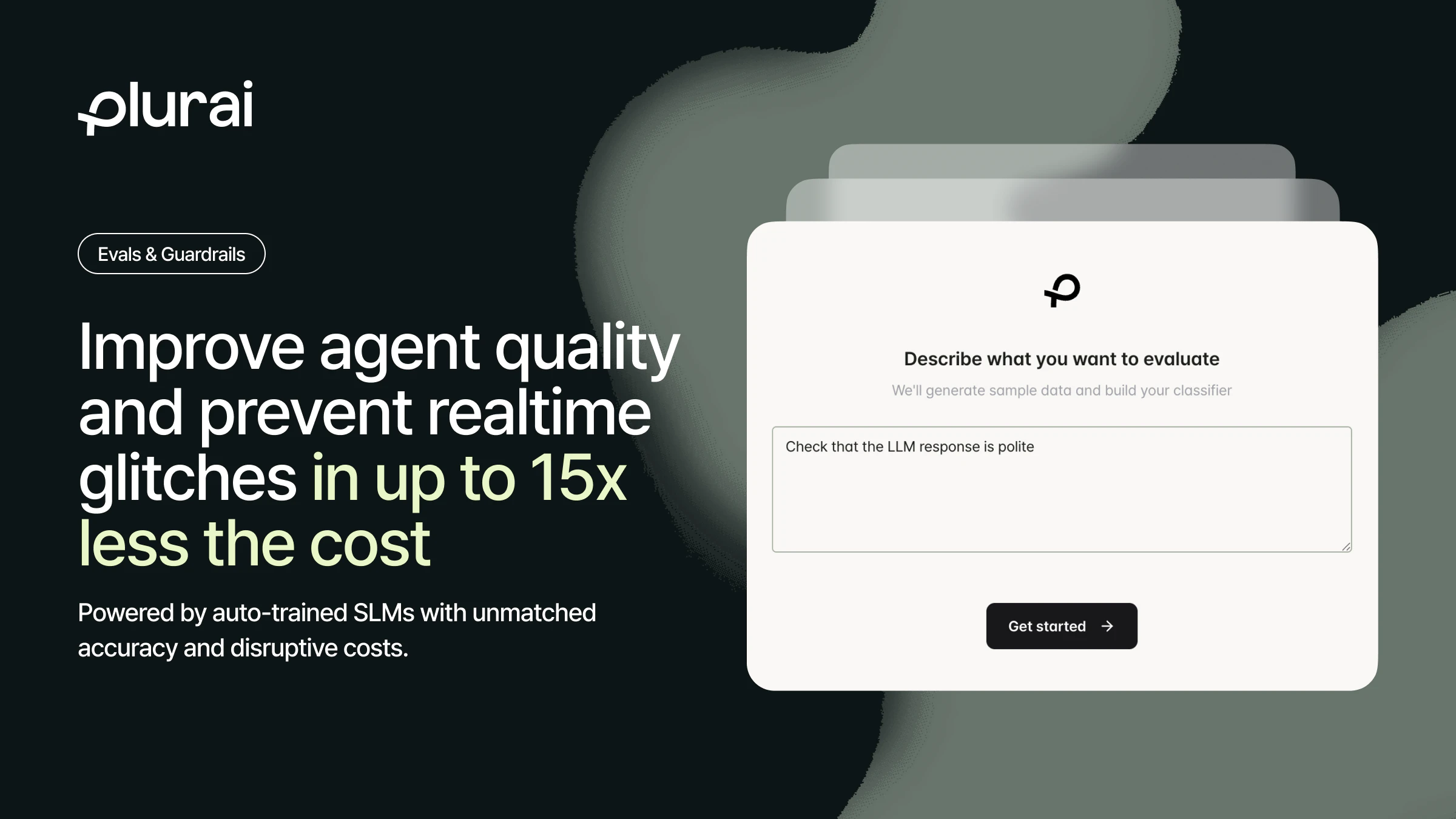
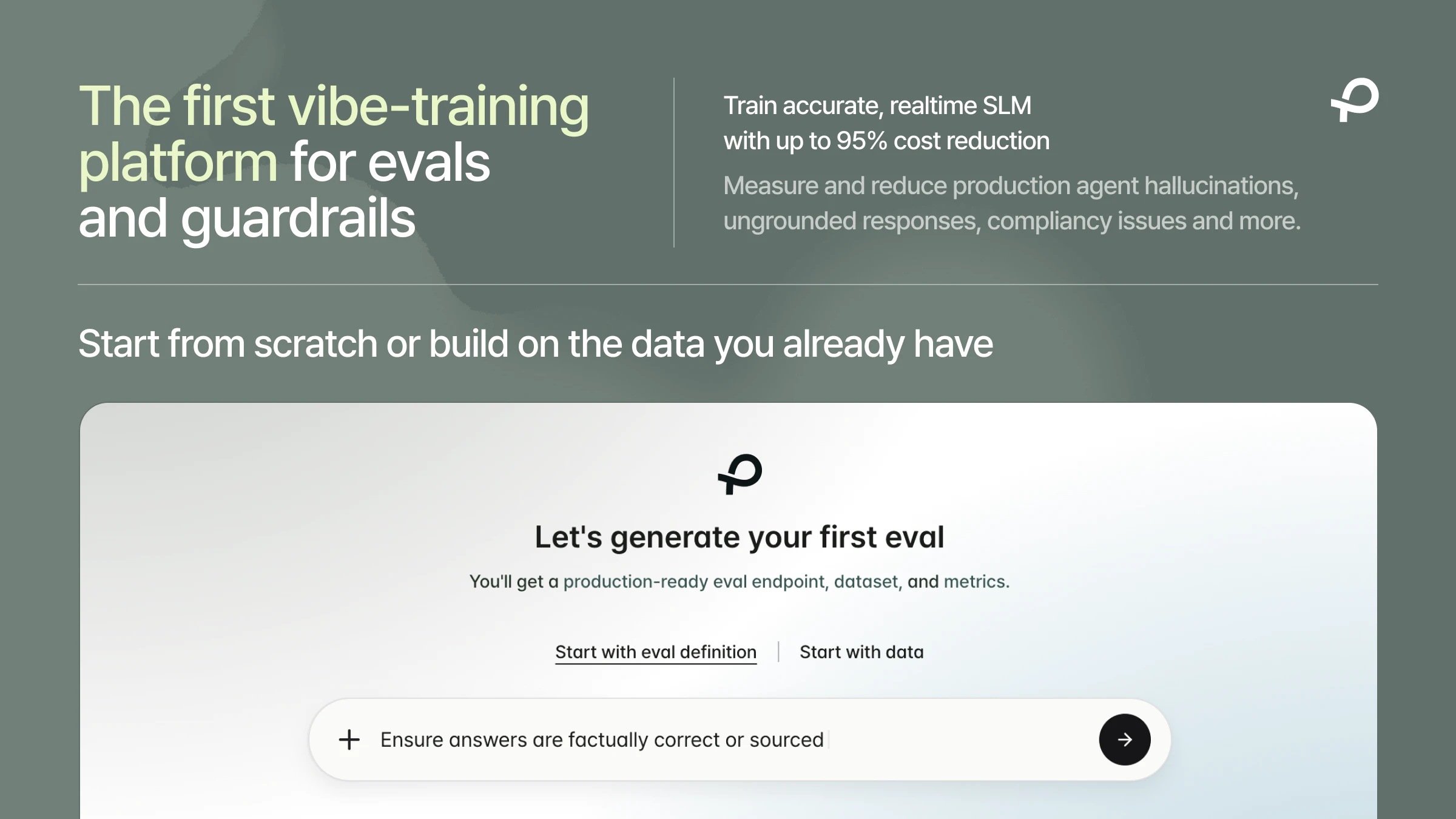
查看原始信息
Awario Reddit Monitoring
Reddit is where people ask for recommendations and make buying decisions — often without tagging you. Awario's Reddit monitoring lets you track any keyword or brand name across all of Reddit in real time, so you can respond while it still matters.

Hey Product Hunt 👋

Reddit has become one of the most valuable places to understand what people actually think about your product, your competitors, or your market. But it moves fast — by the time you spot a conversation, it's often already buried.

We built Reddit monitoring into Awario because we kept hearing the same thing from users: "I found out someone was asking about us on Reddit three weeks after the fact." Missed sale, missed feedback, missed chance to help.

A few things that make this different:

Multi-language support. Reddit Pro insights are English-only. Awario monitors mentions in any language.

Sentiment analysis. Not just who mentioned you, but whether it's positive, negative, or neutral — so you can prioritize where to engage.

Leads module. Flags posts where someone is actively asking for recommendations or in buying mode — not just general mentions.

Boolean search, no limits. Full advanced search for all users, no tier restrictions.

Cross-platform. Same dashboard where you're already tracking X, LinkedIn, and the web. No separate tool, no new workflow.

Happy to answer questions. Excited to hear what you think!


5
回复

@ab80 Reddit is notorious for sarcasm how does your sentiment analysis handle the 'Reddit tone'? If you've solved for the sarcasm-to-sentiment ratio, you've built a miracle tool lol. I’m curious to see how the Leads module flags a post vs. just a random mention

1
回复

This is exactly the kind of tool I've been looking for. We're about to launch a networking app and Reddit is where our target audience lives - people asking for co-founder matching tools, complaining about LinkedIn being useless for warm intros, looking for alternatives to cold outreach. The problem is that by the time I manually find those threads, they're already 3 days old and buried. Two questions: first, how fast is "real time"? Like, if someone posts "looking for a personal CRM app" on r/startups right now, how quickly would I get that alert? And second - can I filter by subreddit and engagement level? I'd rather see a thread with 15 comments on r/entrepreneur than a zero-reply post on a tiny sub. The signal-to-noise ratio on Reddit monitoring is the whole game.

1
回复

@yotam_dahan Great questions, Yotam, thank you! 💫 I’ll try to be fully transparent here:

  1. How fast is “real time”?
    It depends. We can’t honestly guarantee one fixed timeframe in every case. Sometimes a mention can appear in 2-3 minutes, and sometimes it may take a couple of hours. There are quite a few technical factors involved in how quickly content gets discovered, indexed, and processed.

  2. Can you filter by subreddit and engagement level?
    Subreddit filtering - unfortunately, not at the moment.

Engagement level - partially, depending on what you mean. If you mean setting an exact engagement threshold in search (for example, “show only posts with 15+ comments”), then no. But if you mean sorting the mentions you’ve already found by a similar metric, then yes.

We don’t currently have a separate “engagement” metric, but we do have Reach, which is influenced by factors like the author’s karma and the number of comments on the thread.

0
回复