Product Hunt 每日热榜 2026-06-17

PH热榜 | 2026-06-17

#1
Framer 3.0
With Agents, Branching, Community, and an all-new design
437
一句话介绍:Framer 3.0 通过AI Agent、分支协作和创作者社区,让团队在无代码网站设计、内容撰写与版本管理时,能够安全实验、高效协作并实现内容变现。
Design Tools Website Builder Artificial Intelligence
无代码网站构建 AI设计助手 团队分支协作 AI代理 版本管理 创作者经济 网页布局智能生成 Framer社区 AI生成内容 UI设计工具
用户评论摘要:用户普遍认可分支功能对安全实验和团队协作的价值。核心问题包括:AI对复杂嵌套布局的处理能力、与组件约束冲突时的解决方法、以及是否支持品牌风格指南训练。官方回应代理在分支上工作,支持无限嵌套和组件复用。
AI 锐评

Framer 3.0 的发布,本质上是在Webflow与Wix等成熟工具的夹击下,试图用“AI Agent + 分支协作”构建差异化护城河。产品体验上,Agent直接嵌入画布并提供自动分支机制,精准切中了设计师“怕改坏、不敢试”的心理痛点,比竞品横向对比时的“AI辅助生成”更具工程安全性。但需冷静看待其AI能力:从用户对布局处理、风格指南训练、设计系统版控的追问可以看出,现有Agent的智能程度很可能仍停留在“模板式生成+简单编辑”层面,对响应式结构的自动推导、对现有复杂组件树的解析能力尚未得到验证。此外,社区模式的“分享与变现”虽然迎合了独立创作者和小团队的生存诉求,但品控与版权问题大概率会在用户量增长后爆发。真正的护城河在于:能否把“Agent + 分支”这套协同机制打磨成稳定的设计行为约束层,让AI不只是“自动填充工具”,而是真正理解设计意图并自动适配系统的“准团队成员”。否则,一旦主要竞品也接入类似能力,Framer的新鲜感将迅速消退。

查看原始信息
Framer 3.0
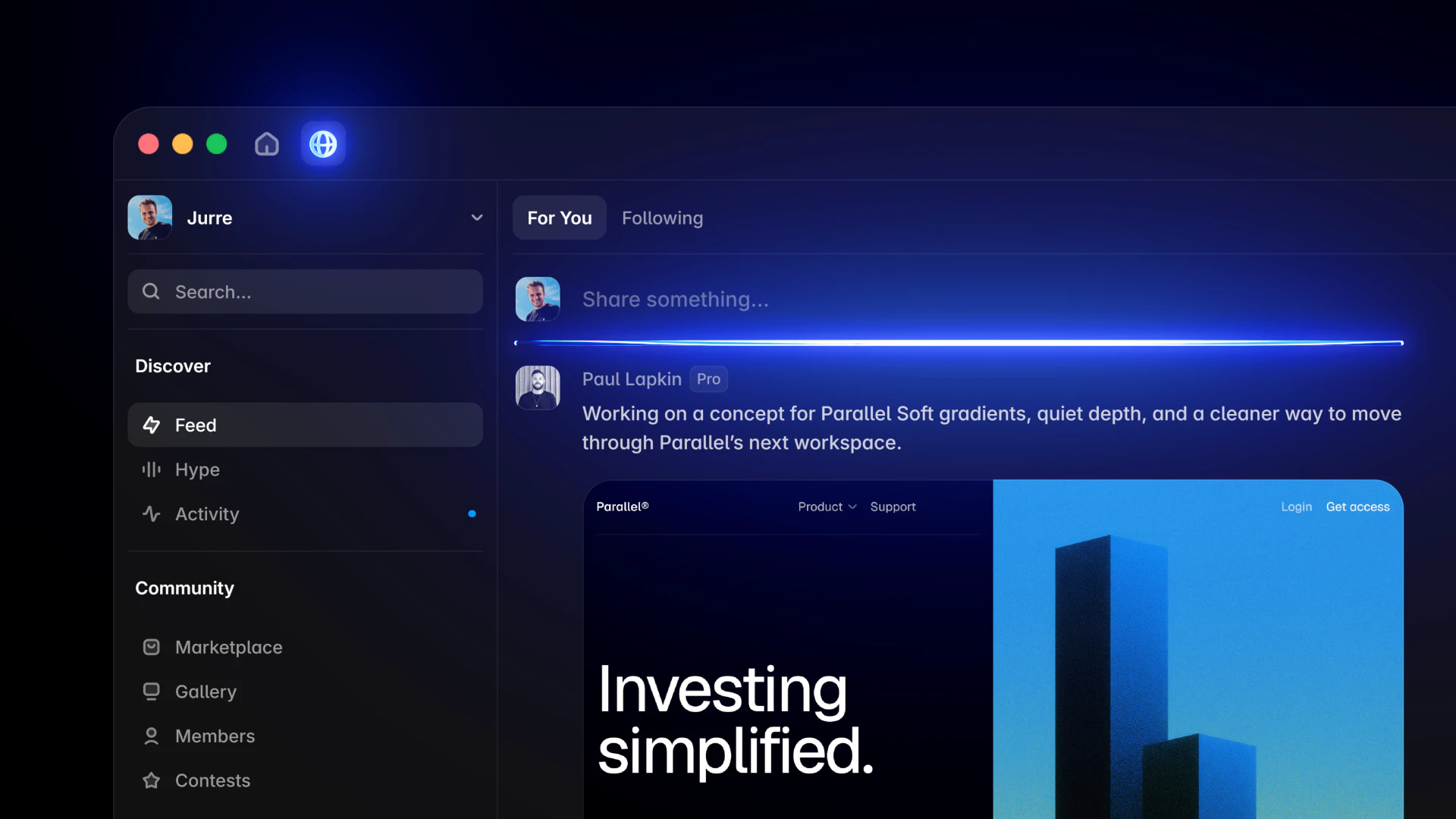
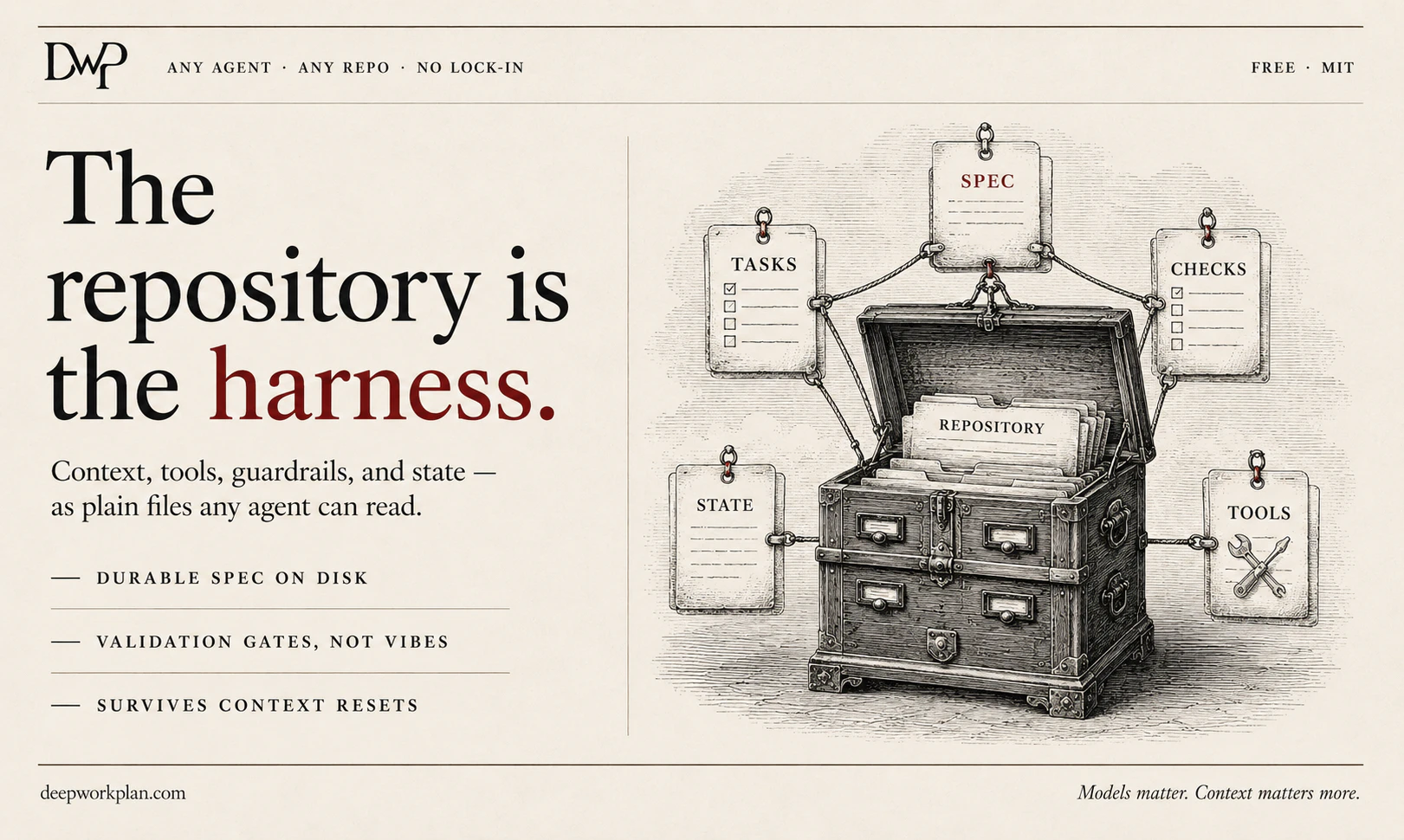
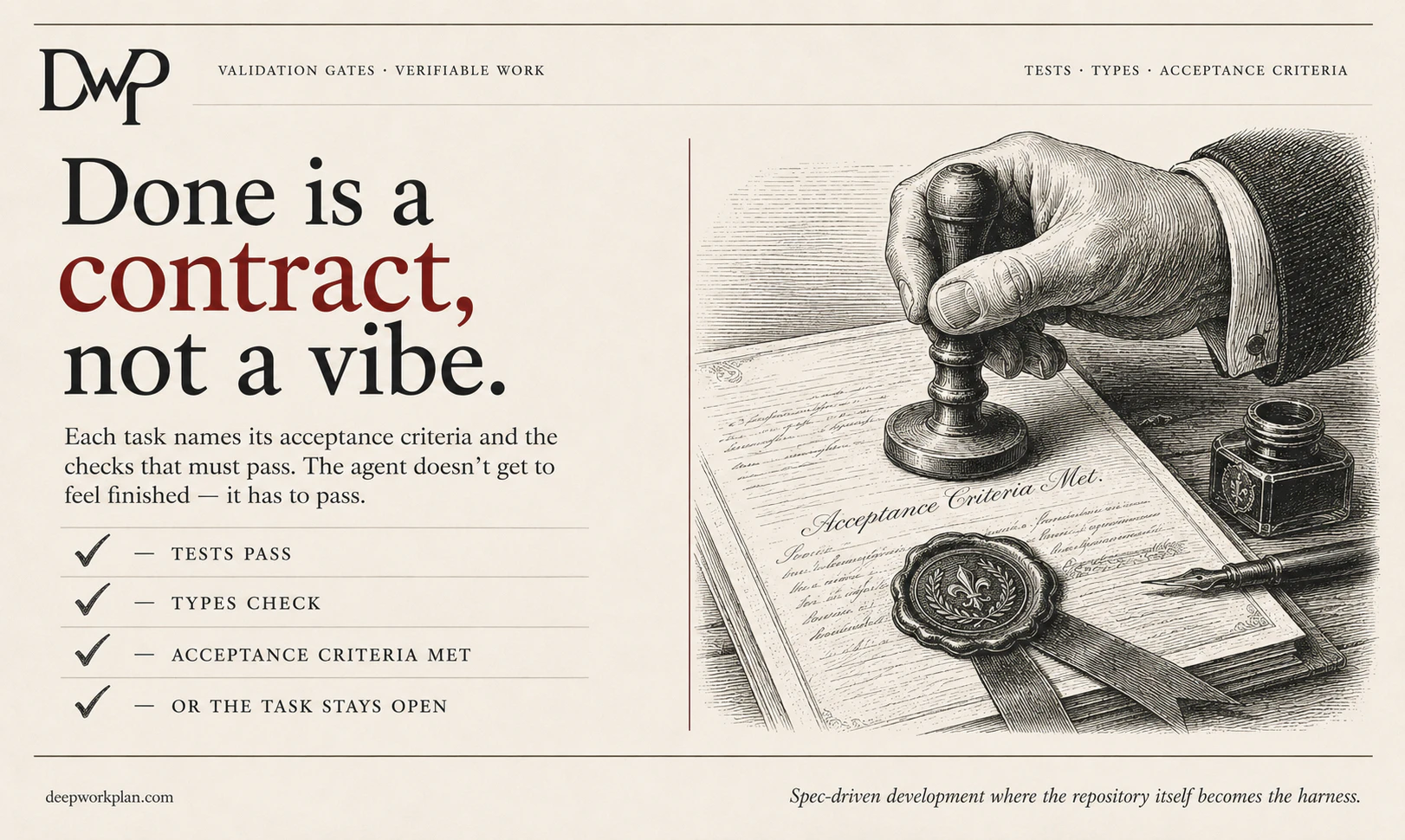
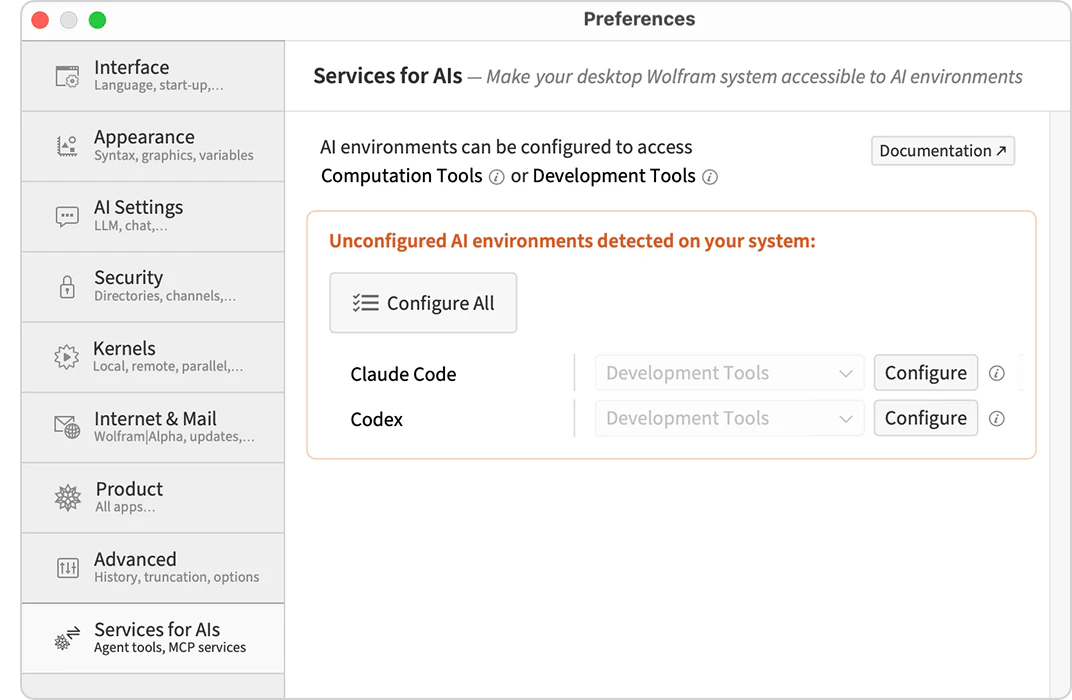
Agents bring AI to the canvas to help you design, write, analyze, and organize your sites. We’re also launching Branching, a new way for teams to explore ideas before they go live, and unveiling the new Framer Community, where creators can share and earn. Together, these launches change how teams create, maintain, and scale websites. We think you’ll love it.
Hey everyone, we’re shipping three huge Framer updates today. 1. Use Agents on the canvas to design, write, analyze, and organize your site. Including ways to connect your own AI’s like Claude Code or Codex to Framer. 2. Branching gives your team a safer way to try ideas before you publish. 3. The new Framer Community gives creators a place to share work and earn from it. Try them out and tell us what you think!
23
回复

@jurrehoutkamp Framer 3.0 looks incredible! The branching feature for AI edits is brilliant. How do the agents handle complex layout structures like nested grids or stacks when redesigning a section? Do they generate clean, responsive structures out of the box?

0
回复

Congrats! Curious on how does Framer handle conflicts when the AI's design suggestions clash with existing component constraints?

6
回复

@crystalmei Up to you as the prompter. The agent can either make edits, make new components, or re-use existing elements and styles.

2
回复
Congrats on the launch heroes! Was looking for such tool for long time
2
回复

Can branches be nested or is it limited to one level deep from the main published version?

2
回复

@ivory_xuxu They can be nested infinitely.

1
回复

@ivory_xuxu As many levels deep as you want

0
回复

what sets it apart from other website builders?

1
回复

Love that Agents can design, write, and organize all in one place, but what guardrails exist to prevent the AI from accidentally breaking responsive layouts during automated edits?

1
回复

@mia_qiao Agents auto-branch so your main site never breaks.

0
回复

@mia_qiao Agents always work on branches so you can see the edits they made before you merge it into your main branch

0
回复

The Branching feature is a game-changer. We're a small nonprofit team building our donor-facing platform and being able to try different page layouts without risking the live site is exactly what scrappy teams need. Congrats on the launch.

0
回复

congrats on the launch. branching is the feature i didn't know i needed until now. letting teams explore without touching prod is the kind of thing that quietly unblocks a lot of back-and-forth. excited to see where the agent stuff goes inside the canvas.

0
回复

So happy to see Framer launch their new version. Developers may feel differently, but as a designer, Framer is just so delightful and easy to use. Sure, there's a slight learning curve, but its overall UI and functionality is very similar to Figma, so once you get into it, it will start to click. In comparison, Webflow feels like using Geocities (reference for fellow elder millennials). Can't wait to start testing out and integrating the AI features into my sites.

0
回复

Stunning update! Regarding the AI agents assisting with copy writing on the canvas—can we train the agent on an uploaded brand style guide or specific company voice data, or is it relying on standard, generic prompts for text generation?

0
回复

The branching feature caught my eye. I build my own pages and the thing I always dread is testing variations without breaking what already works. Looking forward to trying this one.

0
回复

Very interesting approach. Do you think AI website builders eventually become the primary interface, with designers acting more like editors and creative directors, or do you see them remaining productivity tools for experienced designers?

0
回复

This is cool but how does it handle agent drift? Is there a design system page? Or best practice around this?

0
回复

Congrats on the huge Framer 3.0 launch! Bringing AI Agents directly onto the canvas to help with layout organization and writing sounds like a massive workflow acceleration

0
回复
#2
Swytchcode CLI
Give agents reliable access to 2,000+ APIs w/ durable state
357
一句话介绍:Swytchcode CLI 是一个位于AI智能体与外部API之间的执行层中间件,通过提供模式验证、幂等性、重试策略及持久化状态,解决智能体在生产环境中调用2000+API时可靠性差、调试困难的痛点。
API Developer Tools Artificial Intelligence
AI代理执行层 API网关 开发者工具 幂等性保障 模式验证 CLI工具 智能体可靠性 2000+API集成 无重写集成 生产级AI
用户评论摘要:用户普遍赞赏其解决API调用不可靠的痛点,特别是模式验证和幂等性设计。但多位用户追问:缺乏多步骤工作流的部分回滚/补偿机制;在多租户场景下策略和凭证的隔离方式;以及从本地CLI到生产部署时的运行时托管问题。建议增加企业级密钥管理集成。
AI 锐评

Swytchcode CLI精准切入了一个被过度炒作却鲜有落地的AI工程化痛点:智能体“会想”但“做不准”。大量AI产品死于API调用的随意性——无效载荷、重复执行、权限泄露。Swytchcode的价值不在于“连接API”,而在于为这些调用注入企业级的事务性保障(幂等性、模式校验、策略执行)。

然而,必须指出该产品的局限性。首先,**它本质上是一个增强型的API代理网关**,而非智能体编排引擎。它无法解决智能体本身的推理错误,只能降低因API调用引发的“二次伤害”。开发者仍需自行处理工作流逻辑。其次,其2000+API的覆盖广度意味着大量API的适配深度存疑,尤其是针对非标准或私有API,自定义manifest的维护成本会迅速上升。

评论中用户对“多步骤工作流回滚”和“多租户策略隔离”的追问非常致命。缺乏补偿机制意味着任何中段失败都可能导致数据污染,这对于金融、电商等场景是不可接受的。而将凭证策略混在manifest中,在多租户生产环境下将直接引发安全灾难。当前设计更像一个出色的开发原型工具,而非可直接上生产的可靠基础设施。

一句话总结:Swytchcode CLI解决了“让智能体不乱调用”的工程问题,但要达到“让智能体在复杂商业场景下可靠执行”的成熟度,还需要在编排、容错和安全隔离上走更远的路。对于中小团队快速原型验证,它极具价值;对于大型企业,它目前只能算一个不错的起点。

查看原始信息
Swytchcode CLI
Write agent logic, and skip the plumbing. Give AI agents reliable access to 2,000+ APIs with retries, idempotency, policy enforcement, and durable state.

Hey Product Hunt, Swytchcode CLI is live today! 🚀

Over the last year, we kept seeing the same pattern. Building AI agents was easy. Getting them to reliably execute actions in production was not.

Agents would call APIs with invalid payloads, fail because of auth issues, retry actions that shouldn't be retried, or break when an API changed. Debugging these failures quickly became a bigger problem than building the agent itself.

The agent wasn't the problem. The execution layer had zero protection.

That's why we built Swytchcode CLI.

Swytchcode sits between your AI agent and every API it calls.

  1. Schema validation before every request. Field renames and breaking API changes don't silently break your agent.

  2. Authentication handled. OAuth, API keys, and enterprise SSO without exposing credentials to the agent.

  3. Idempotency guarantees so duplicate executions don't create duplicate outcomes.

  4. Policy enforcement to keep agents operating within defined guardrails.

  5. 2000+ APIs out of the box, including Stripe, GitHub, Slack, Resend, HubSpot, Notion, Jira, Twilio, OpenAI, Anthropic, Gemini, Binance and many more.

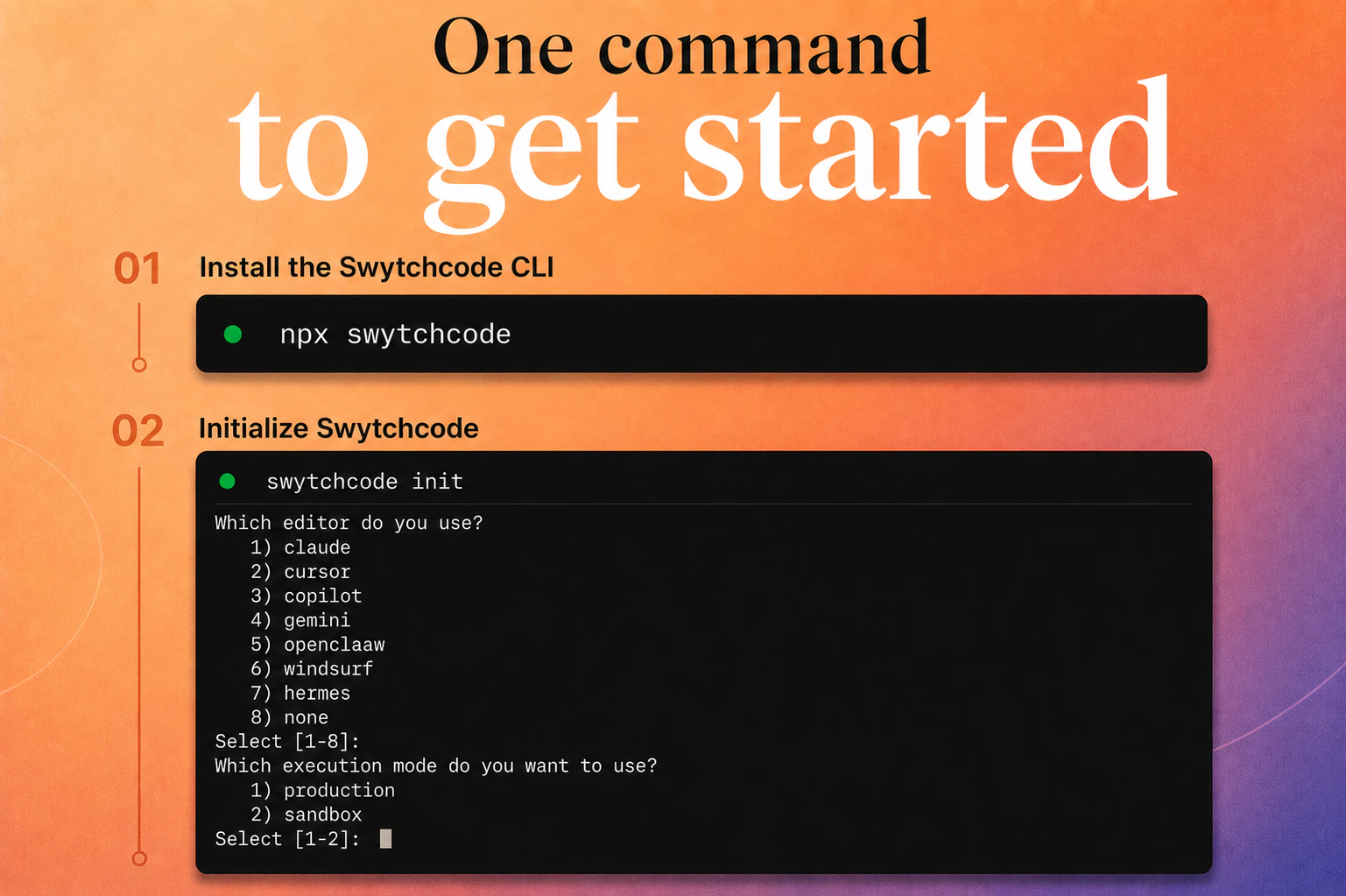
Works with Claude, Cursor, Copilot, Openclaw, Gemini, windsurf , Hermes agents. No rewrites. No new infrastructure.

We believe the next wave of AI products will be defined not by how well agents think, but by how reliably they execute in production.

Try it now:

npx swytchcode

We'd love feedback from AI engineers, agent builders, and anyone experimenting with agentic workflows.

Join our Discord community : https://discord.com/invite/zuSXSv5GWs

Explore the docs and get started : https://docs.swytchcode.com
Explore usecase examples: https://github.com/swytchcodehq

14
回复

@chaitrali_kakde1 Hi,

Do you get any traffic from Reddit?

Most websites are missing out on it. I help businesses drive organic Reddit traffic through real community engagement no paid ads, no bots.

Could open up a new traffic channel for your website.

Worth a quick chat?

0
回复

@chaitrali_kakde1 Congrats on the launch guys. may be add direct integration with popular secret vaults eg Doppler or AWS Secrets Manager for enterprise ICPs down the road?

1
回复

Congrats! Curious how does Swytchcode standardize idempotency handling when each API has wildly different native mechanisms or none at all?

7
回复

@crystalmei Thanks for your interest. Idempotency is inbuilt with Swytchcode CLI. We have a manifest file to manage idempotency, retries, and environment. Also, really soon we are coming up with custom rules for each workflow

5
回复
The npx swytchcode approach is super clean. Being able to just spin it up and test it without a massive architectural rewrite is a huge selling point, stoked to see support for Windsurf and Cursor out of the box. Amazing launch 👏
6
回复

@istiakahmad Thanks for the encouraging words. Do try it out.
We also support Claude, Codex, Openclaw, Hermes, and many others. I would really love your feedback

1
回复
Congrats on the launch! 🚀
5
回复

@ruvik_milkis Thanks a lot! Really appreciate it. If you get a chance to explore Swytchcode, I'd love to hear your feedback. It would mean a lot to us! 🚀

2
回复
@chaitrali_kakde1 I will 100% check this out👍
2
回复

Solid niche to own! Curious about the long tail: for the APIs in your 2000 with no native idempotency key, are you synthesizing one off a payload hash and deduping on your side? Overall, congrats on the launch!

5
回复

@artstavenka1 thanks a lot. We have a manifest file where you can define custom idempotency for your API calls along with retries and environment handling. Please feel free to try out our product. Happy to hear your feedback.

2
回复

Heyy, I love the Product direction here , breaking api changes silently killing priduction agents is in noght mare scenario beouse the llm just try to hallucinate a workaround if it gets a 400 error. Schema validation at the gate is the right way to handle this, congrats for CLI launch 👏

5
回复

@priya_kushwaha1 Thanks a lot, Priya. Please do try the CLI and give us feedback.

4
回复

that’s a real pain point. awesome to see this evolution of the product

4
回复

@kritikasinghania its a real pain point for sure. Feel free to try out and give us feedback

1
回复

interesting product!

4
回复

@madalina_barbu thanks Madalina

1
回复

Hi Chaitrali, curious to know how you guys standardize idempotency handling when each external API has wildly different native mechanisms. great to see CLI launch

4
回复

@vikramp7470 Great question, Vikram!

Idempotency is built into the Swytchcode CLI. We use a manifest file to standardize idempotency, retries, and environment configuration across APIs. We're also adding custom workflow rules soon for even finer control. 🚀

3
回复
@chaitrali_kakde1 thanks for clarification 👍
4
回复

Really cool! Can I use this on my projects? Like instead of me writing this protection layer swytchcpde handles that

3
回复

@lak7 yes you can use this in your project, Swytchcode support popular coding agents like Claude, co-pilot,cursor,codex etc.

0
回复

@lak7 would love to speak to you Lakshay and understand your use case and take feedback. Sending you a linkedin connect

2
回复

This is exactly the execution layer that's been missing from most agentic stacks. The fact that agents can now get schema validation, idempotency, and policy enforcement out of the box — without rewriting any logic — is a huge deal for anyone shipping AI products to production. The 2,000+ API coverage is impressive too. Congrats on the launch! 🚀

Quick question: how does Swytchcode handle rollback or compensation when a multi-step agent workflow partially fails mid-chain — for example, if step 3 of 5 hits a policy violation after steps 1 and 2 already executed?

3
回复

@doganakbulut this is a brilliant idea. Today we don't have rollback feature. Will see how we will implement this.

Would love to connect and discuss. Will ping you on Linkedin

2
回复

Congrats on the launch. The direction makes sense: execution failures are usually boring plumbing until one creates a real business side effect.

I am curious about the multi-tenant edge. When the same agent pattern runs across different customer workspaces, do policies and credentials live per workspace, per user, or in the manifest?

3
回复

@blah_mad It's as simple as a typical node project. We store all the information inside the ".swytchcode" folder. Whenever you ship the project, you ship the ".swytchcode" folder.
Also, similar to the npm install command, we have the "swytchcode bootstrap" command so that we ship only the metadata (to reduce the overall package size).

1
回复

@blah_mad policies live in the manifest, credentials are managed by user either locally or through a vault.

0
回复

This is going to be a game changer for devs work with tons of integrations. Congratulations with the launch guys. I will always support you.

3
回复

@malithmcrdev Thank you, Malith, for your support.

1
回复

Congrats on the launch! Great product!

Do you have approximate (or maybe case study specific) numbers on how much swytchcode saves money for AI agent builders or for end users?

2
回复

@sergii_kozyrev from what we observed earlier Swytchcode saves time like 90-95% for end users. We need to do a cost savings study, thank you for feedback.

0
回复

For a community launch workflow, I’d test an agent that collects Discord feedback, opens GitHub issues, and sends follow-up emails without redoing auth plumbing. The .swytchcode folder as a project boundary makes sense, but I wonder about handoff between local dev and production. When deploying from a CLI-built agent, does Swytchcode provide a hosted runtime, or is it expected to ship inside our own worker/server?

2
回复

@hazy0 thank you for the support and asking this, swytchcode gets shipped inside your worker/container.

0
回复

Nice job! Need of the hour

2
回复

@pooran_prasad_rajanna thank you for your support.

0
回复

the npx approach is the right call - being able to drop this into an existing agent setup without architectural rewrites is exactly how this kind of tooling should work. durable state across API calls is the piece most CLI tools get completely wrong. curious how conflict resolution works when two agents are hitting the same endpoint concurrently - that's usually where state layers fall apart in practice

2
回复

@galdayan Hey Gal, I think we didn't convey the messaging properly. The thing is, Swytchcode CLI helps agents write the integration code inside your project via MCP and rules. The generated integration code then calls the CLI to fetch data from the API (and all the rules are honored). So in a way, we are just a library that makes the API request for your project. Hence, the conflict doesn't appear.

Would be happy to show a demo and get feedback from you

0
回复
All the best team 🚀
2
回复

@suhasmotwani thanks Suhas

1
回复

Standardizing this layer of the stack for agents looks very promising. There is so much unseen functionality behind the scenes of these types of integrations that can become a huge challenge to manage.


Which integrations are you seeing in practice the most?

Congrats on the relaunch!

2
回复

@anthony_latona Thanks for the kind words. Today we see most integrations around fintech apis and deployment apis

2
回复

This is a strong framing: the agent is not the hard part, reliable execution is. In B2B workflows, policy enforcement often needs business context, not just API/schema context. Can Swytchcode scope policies by role or risk level, for example allowing an agent to update HubSpot freely but requiring approval before sending customer-facing messages or changing billing data?

2
回复

@rahulbhavsar Yes this is a brilliant idea. Today we are implementing the policies for individual methods and libraries. This should be up in our next release.

Do give the CLI a try and would love more such feedback

1
回复

The part I like here is treating execution as a separate reliability layer, not as prompt quality. In production agent work, retries, auth, idempotency, and policy are where the expensive failures hide.

2
回复

@krekeltronics Thanks a lot ❤️ really appreciate it!

Would love if you could try it out sometime and share your feedback, it would genuinely help us improve 🚀

1
回复

The emphasis on idempotency and durable state is massive. In marketing automation, the absolute last thing you want is a glitch causing an agent to double-trigger an email sequence or webhook to a customer. How does Swytchcode handle those retry loops cleanly under the hood?

1
回复

"The agent wasn't the problem, the execution layer had zero protection" is so true. I build voice agents that call tools mid-conversation, and the failures are almost never the model, they're retries firing twice or an API quietly changing its schema. Curious how you handle auth across 2,000+ APIs when the agent is acting on behalf of different end users, do you manage per-user OAuth tokens and refresh, or is it mostly single-account keys for now?

1
回复
#3
Daemons by Charlie Labs
Keep PRs, issues, CI, and docs moving with AI agents
222
一句话介绍:Daemons为使用AI编码Agent的工程团队提供持久化AI守护进程,自动处理PR审查、CI修复、文档维护等操作债务,让编码Agent创造的工作能真正落地完成。
Software Engineering Developer Tools Artificial Intelligence
AI代理 工程效率 开发者工具 代码审查 CI/CD 文档维护 问题跟踪 操作债务 团队协作 Sentry集成
用户评论摘要:用户普遍认同解决操作债务的定位,关注守护进程的冲突处理、攻击性调节、长时间记忆漂移。提出跨平台状态一致性、守护进程间协调成本等问题,对Markdown定义角色和免费计划表示认可。
AI 锐评

Daemons精准击中了当前AI编码工具链中最痛的真空地带——Agent只管生不管养。当主流叙事仍在鼓吹代码生成速度时,Charlie Labs冷静地指出:更快地产生代码意味着更快地积累操作债务。这个洞察本身就是对行业浮躁风气的有力反击。

产品的核心价值不在于它有多智能,而在于它重新定义了AI在工程团队中的分工角色:从单次响应的“工具”升级为持续负责的“团队成员”。每个守护进程被限定在明确的Markdown边界内运行,这比通用Agent更可靠、更可审计。实际案例中,CI修复守护进程主动行动,文档守护进程懂得沉默——这种差异化的行为设计恰恰体现了产品设计的成熟度。

然而,问题也很明显。用户担心的守护进程间协调成本绝非杞人忧天,当几十个守护进程同时运行,它们之间的认知冲突和资源竞争会迅速从线性增长变成指数级灾难。Charlie Labs目前的解决方案——让守护进程互相关注、让Charlie帮助代理清理——听起来更像是打补丁而非架构设计。从长远来看,缺乏对守护进程生态系统的元治理机制将是致命短板。

另一个被忽视的风险是,守护进程的持久化运行意味着隐私和审计跟踪的巨大挑战。它们持续监控仓库的所有活动,如果产生幻觉或被恶意利用,可能造成比单一Agent更大的破坏。产品对安全性、权限控制、回滚机制的介绍几乎为零,这不能当作默认正确。

总体而言,Daemons是AI辅助开发工具链中一个极具前瞻性的方向性产品,但能否从有趣的概念进化成可靠的工程基础设施,取决于Charlie Labs能否在技术创新之上建立足够坚实的治理和安全框架。对已经深陷Agent后遗症的团队来说,值得一试,但请保持清醒。

查看原始信息
Daemons by Charlie Labs
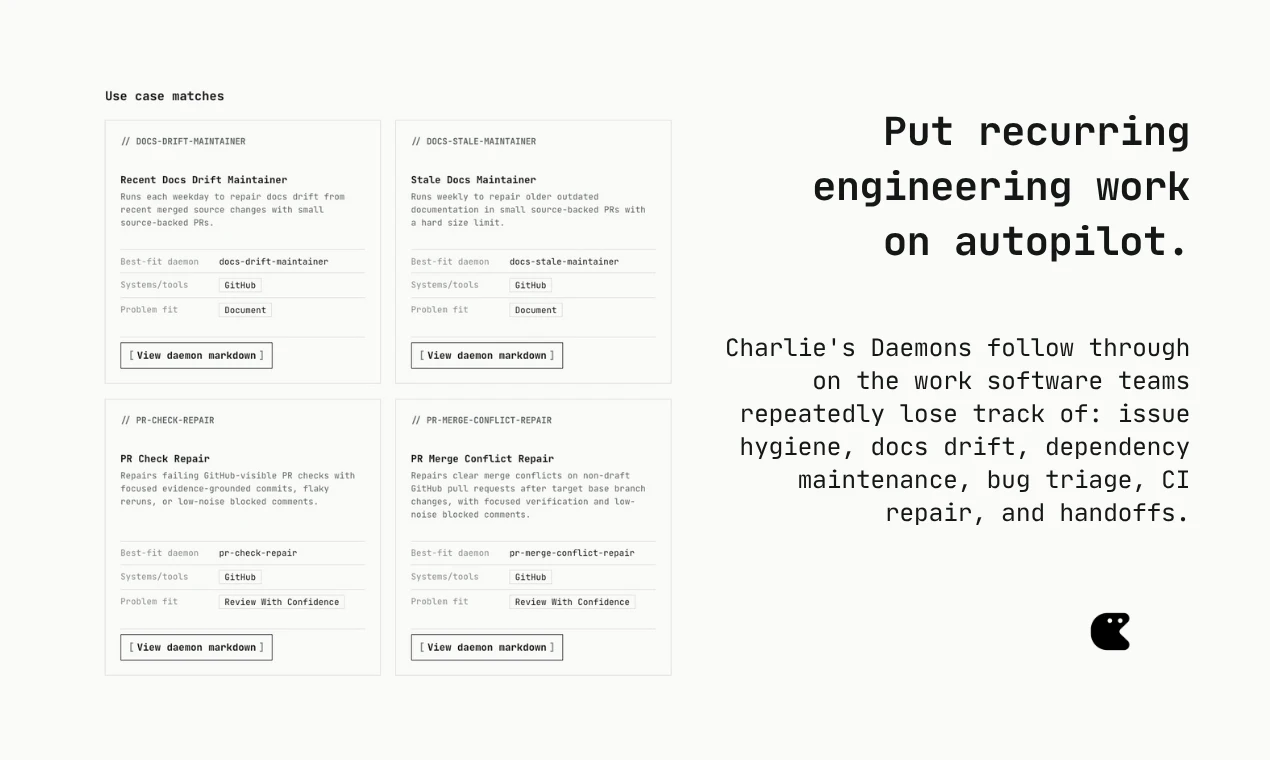
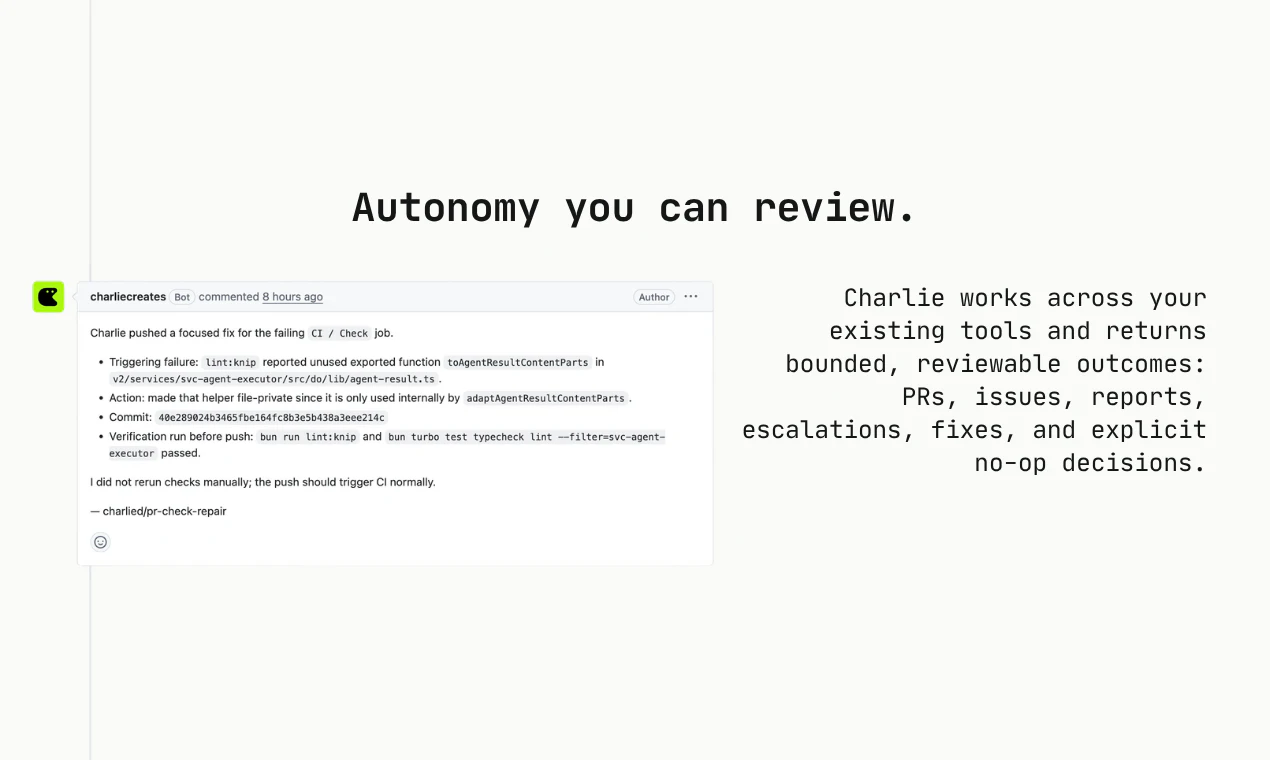
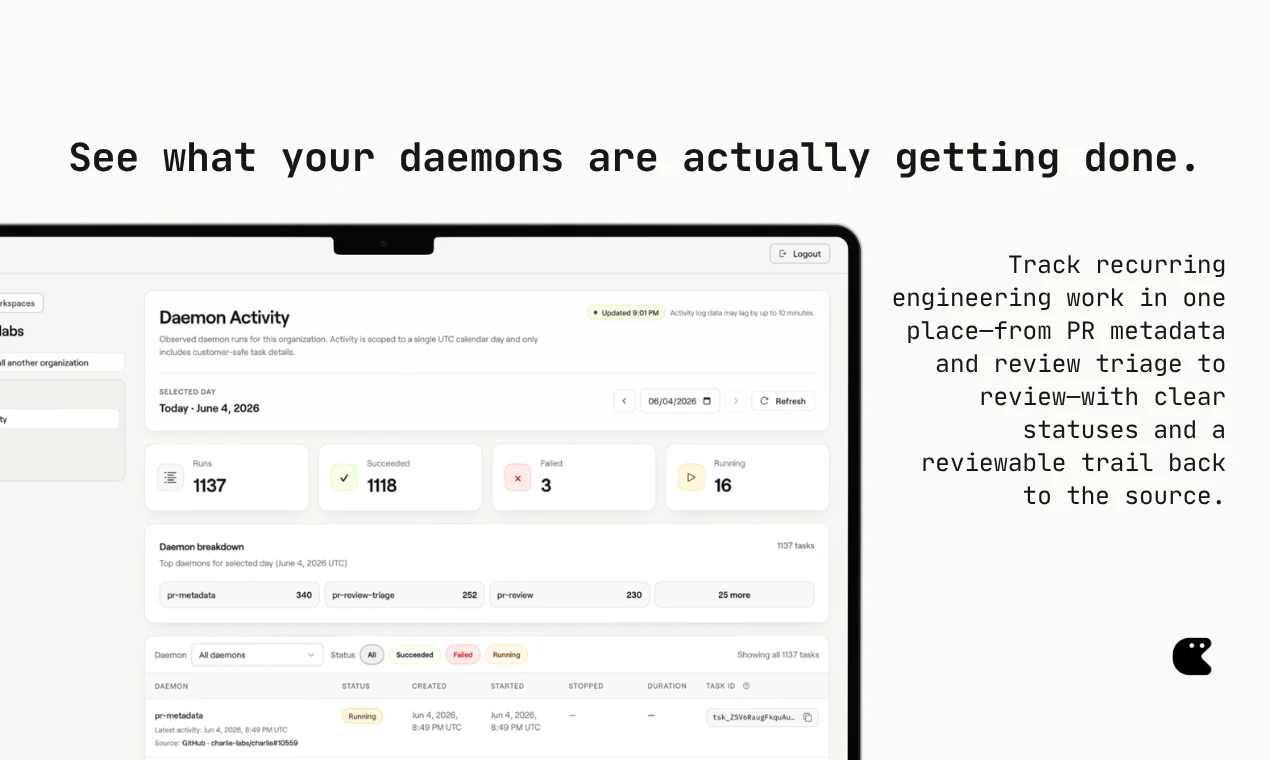
Charlie Labs gives engineering teams always-on AI daemons that keep work moving after coding agents create it. Define recurring roles in your repo, then let Daemons monitor PRs, issues, CI, docs, and Sentry errors over time. Instead of waiting for another human prompt, Daemons leave reviewable updates where your team already works: GitHub, Linear, Slack, and Sentry.

Hi Product Hunt — we're Charlie Labs and we built Daemons for software teams that are already using coding agents and discovering a second-order problem: faster code creation also creates more operational debt.


Daemons are persistent, role-scoped teammates that work across GitHub, Linear, Slack, and Sentry.


📜 Our thesis is simple: agents create work. Daemons do the rest.


How it works:

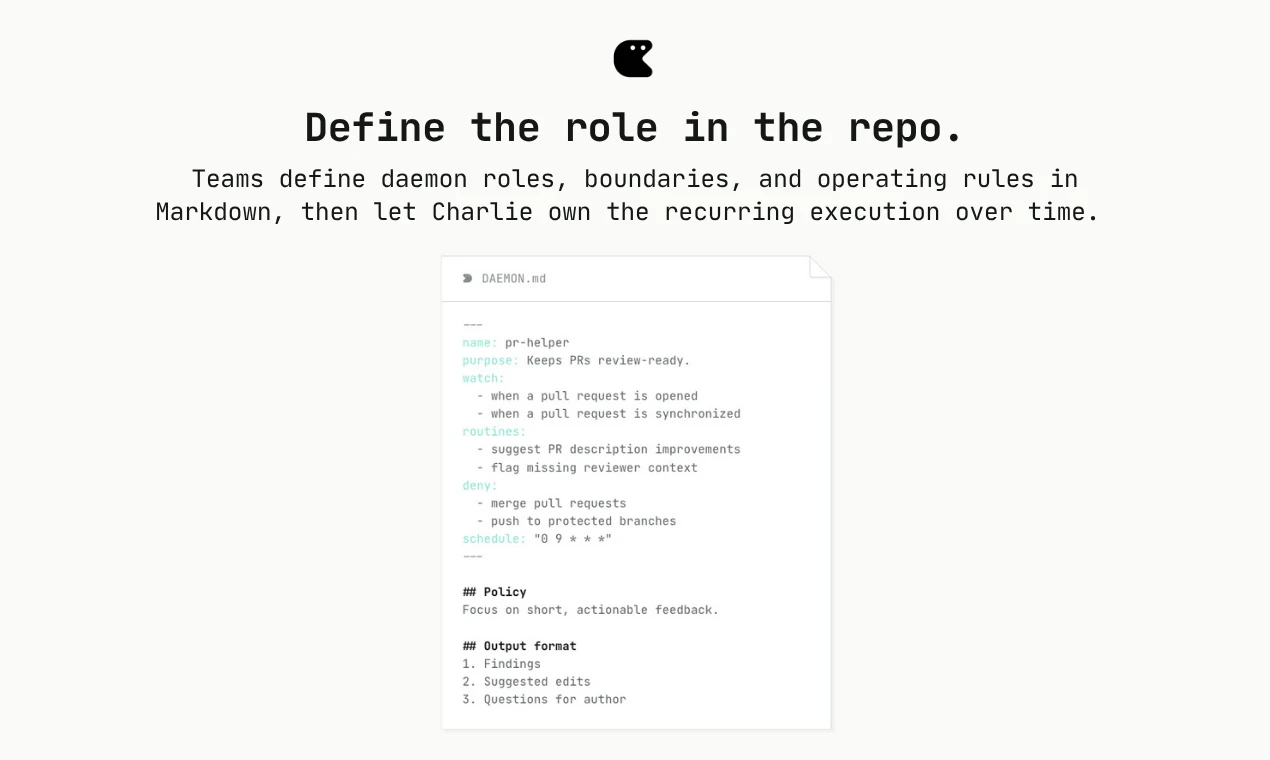
  1. Teams define the roles and boundaries in Markdown.

  2. Daemons then keep recurring loops moving — issue hygiene, docs and dependency maintenance, bug triage, CI repair, and follow-through — with reviewable PRs, issues, reports, escalations, fixes, etc.

  3. Continue to improve the underlying Daemons with Charlie's help

We would especially value feedback from teams using coding agents today: which recurring engineering or operational loop is still falling between the cracks for you?

Most teams can run several daemons consistently on our free plan.

Start here: https://charlielabs.ai/

46
回复

@jerrod_engelberg Ahan , that is such a great launch , I really appreciate.

0
回复

@jerrod_engelberg This feels like a natural extension of coding agents, focusing on the messy on operational side that usually gets ignored.👍

6
回复

@jerrod_engelberg Love the concept. :)

We are rapidly entering a world where we need AI to manage the output of other AI, and Daemons targets this perfectly.

Defining roles and boundaries in Markdown is very elegant. I'm curious about how you handle context window drift or 'hallucination' over long, persistent loops? For example, if a Daemon monitors Sentry errors over weeks, how does it stay anchored to the original boundaries without getting distracted by edge cases?

This feels like the missing layer in the current agent ecosystem. Congrats on the launch! 🎉

0
回复

Love this framing. Coding agents have gotten good at creating work but not at shepherding everything that comes after (PR reviews, CI failures, stale issues). Do the daemons leave a comment and wait when the right action is ambiguous, or do they try to resolve it automatically? Congrats on the launch.

10
回复

@i_sanjay_gautam thanks Sanjay!

The short answer to your question is that Daemons can do both, and can be tuned to be more or less aggressive to act.

Here is an example of a daemon (resolving failing CI checks) that will be more aggressive in acting because the trigger is clear (failing CI): https://github.com/charlie-labs/daemons/blob/master/daemons/pr-check-repair/DAEMON.md

On the other hand, here is a daemon (docs drift) that will be more modest about when it comments because often, if your docs haven't drifted, you don't really want to hear from this daemon 😊: https://github.com/charlie-labs/daemons/blob/master/daemons/docs-drift-maintainer/DAEMON.md

7
回复

@Daemons by Charlie Labs This feels like a practical step beyond code generation , keeping the follow through work moving is where many teams still struggle .

9
回复

@nora_bennett2 That's true

1
回复

@nora_bennett2 We've noticed that ourselves, and in the early trials people have been reporting back on with Daemons, it's been noted that adding Daemons helps agent work go faster and be less of an operational burden.

0
回复

Love the role-scoped approach. Clear boundaries plus persistent execution seems much more practical than adding another general-purpose agent.

4
回复

@oreofe_oluwatipin1 We totally agree! We hope you try it out and let us know what you think!

0
回复

The daemon model is clever here. Persistent watchers that accumulate context over time solve the state gap that one-shot agents miss. Building async coordination pipelines, you'll realize fast that handoffs degrade without a continuous observer. How do you handle conflicting writes when two daemons simultaneously target the same PR thread or Linear issue?

3
回复

@anand_thakkar1 good question. A design decision really important to us early on was to have the daemons, respectively, have visibility into other daemon runs. The knowledge then becomes context of the existing daemon run.

2
回复

Finally someone tackling the operational hangover. Free plan means no excuse not to try it.

3
回复

@tipin_timray I couldn't have said it better myself 🙏

1
回复

In my experience the operational debt quietly stacks up behind the create step but everyone's still optimizing that create step. How's the aggressiveness dial? The docs-drift deciding when to shut up is the hard one. Is that threshold hand-tuned in your md.file? Congrats with the launch!

2
回复

@artstavenka1 Thanks, Art! Yes, how often a Daemon runs, and the condition it runs on, are all tuned via the markdown file. For more info, check out the Use Cases page here which has various Daemon definition Markdown files on it https://charlielabs.ai/use-cases/

1
回复

Liked the approach of "operational hangover" created by coding agents. My concern or rather a query is; as organizations will deploy dozens of specialized daemons, does the coordination cost between daemons become the next bottleneck? In other words, who manages the managers? thoughts on that ?

2
回复

@faisal_2420010 that's a very good question and one that we are even running into internally --> we now have dozens of daemons set up on our largest repo and typically run several hundred daemon jobs per day.

A few things that can help:
1.) Daemons are not in a silo, they have access to other daemon runs from Charlie and have enough intelligence to bring that awareness into their own run.

2.) If you start getting overwhelmed, you can always add our built-in agent, @charliehelps to your Github as a collaborator and ask @charliehelps for daemon clean up or look for potential overlap.

3.) If you want to go really meta, you can write a daemon to keep your daemons up to date 🤯 / not conflicting with one another

1
回复

Strong thesis. Most teams are focused on code creation, not the maintenance burden that comes after.

2
回复

@oreofe_oluwatipin1 it aint much but it's honest work 🤠 🧹

0
回复

With persistent teammates working across GitHub, Linear, Slack, and Sentry simultaneously, how does the system maintain state consistency when the same issue gets updated in multiple platforms at once?

2
回复

@crystalmei I think I understand what you're asking but can you clarify? Do you mean specifically, for example, that when a PR is merged in Github it may also update the relevant Linear issue as well automatically and you'd receive both alerts as a user?

1
回复

Just ran the terminal prompt—under 60 secs is no joke. Agent replied on Teams and held context when I responded. Solid.

1
回复

I like the role-scoped teammate framing. This feels close to the real future of agents: not one-off prompts, but recurring responsibilities with boundaries and reviewable output. How are you measuring daemon performance over time, fewer stale PRs, faster CI recovery, fewer ignored issues, or something closer to an “owner” score for each role?

1
回复

The useful framing is not “AI writes code.” It is that unresolved operational queues finally have a worker with context and memory. PRs, issues, CI, and docs only get safer if the daemon is constrained by explicit runbooks and review gates.

1
回复
Congrats on the launch! 🚀
1
回复

I like that Daemons by Charlie Labs focuses on a specific workflow instead of trying to be a broad all-in-one tool. The part I would want to understand better is the first-time setup: how quickly can a small team get from a blank workspace to a useful result?

0
回复

the 'agents create work' framing is spot on. every team I've seen go heavy on coding agents ends up drowning in the review/triage overhead nobody planned for. curious how you handle the trust question — do teams typically start with daemons on low-stakes repos first, or jump straight in?

0
回复

Amazing! I have tinkered with self maintaining docs earlier and this looks like a much cleaner way to give more control on when the tasks are invoked. I am assuming teams could choose to make them a CI/CD gate or choose to do retrospective cleanup? Can they be customized beyond the .md to run custom scripts etc?

0
回复

the "after coding agents create it" framing is exactly right, that's the gap most teams feel but can't articulate yet. curious how Daemons handles CI failures that are flaky vs actually broken by the agent's changes, that's usually where async signal gets noisy and the daemon would need to know the difference to avoid spamming reviewers. congrats on the launch.

0
回复

Congrats on the launch. The bit I’d watch is not only when a daemon should act, but how it proves the loop is actually done.

For CI/docs/issue cleanup, do you store a small receipt of trigger, context, action taken, and verification result, or is that mostly visible in the GitHub/Linear trail?

0
回复

Love the name.

0
回复

"Agents create work, daemons do the rest" is a sharp framing. To answer your question: the loop that falls between the cracks for me as a solo builder isn't code creation, it's keeping things alive after they ship, dependency and cert renewals, a deployed service that silently dies overnight, the small maintenance no one schedules. Curious how you set the autonomy boundary: how do you decide what a daemon fixes on its own versus what it just flags for a human to approve?

0
回复
Love the idea of Daemons picking up the chores agents leave behind—like the responsible roommate who actually does the dishes. Faster code is great, but someone has to clean up the CI mess and feed the docs. Curious, which loop have you found teams most relieved to hand off first: bug triage, dependency wrangling, or issue hygiene? Congratulations!
0
回复

The "agents create work, Daemons do the rest" thesis is spot on — it tackles the second-order problem that most teams don't see coming until they're drowning in stale PRs and ignored CI failures. Defining daemon roles in plain Markdown is a smart choice too; it keeps behavior reviewable and version-controlled. Congrats on the launch! 👏

Curious: as teams scale up to many daemons running in parallel, how do you prevent alert fatigue? Is there a way to set a "quiet hours" policy or prioritize which daemons get to surface updates vs. just silently act?

0
回复
#4
Quartz
AI email client built for focus. Runs locally on your Mac
212
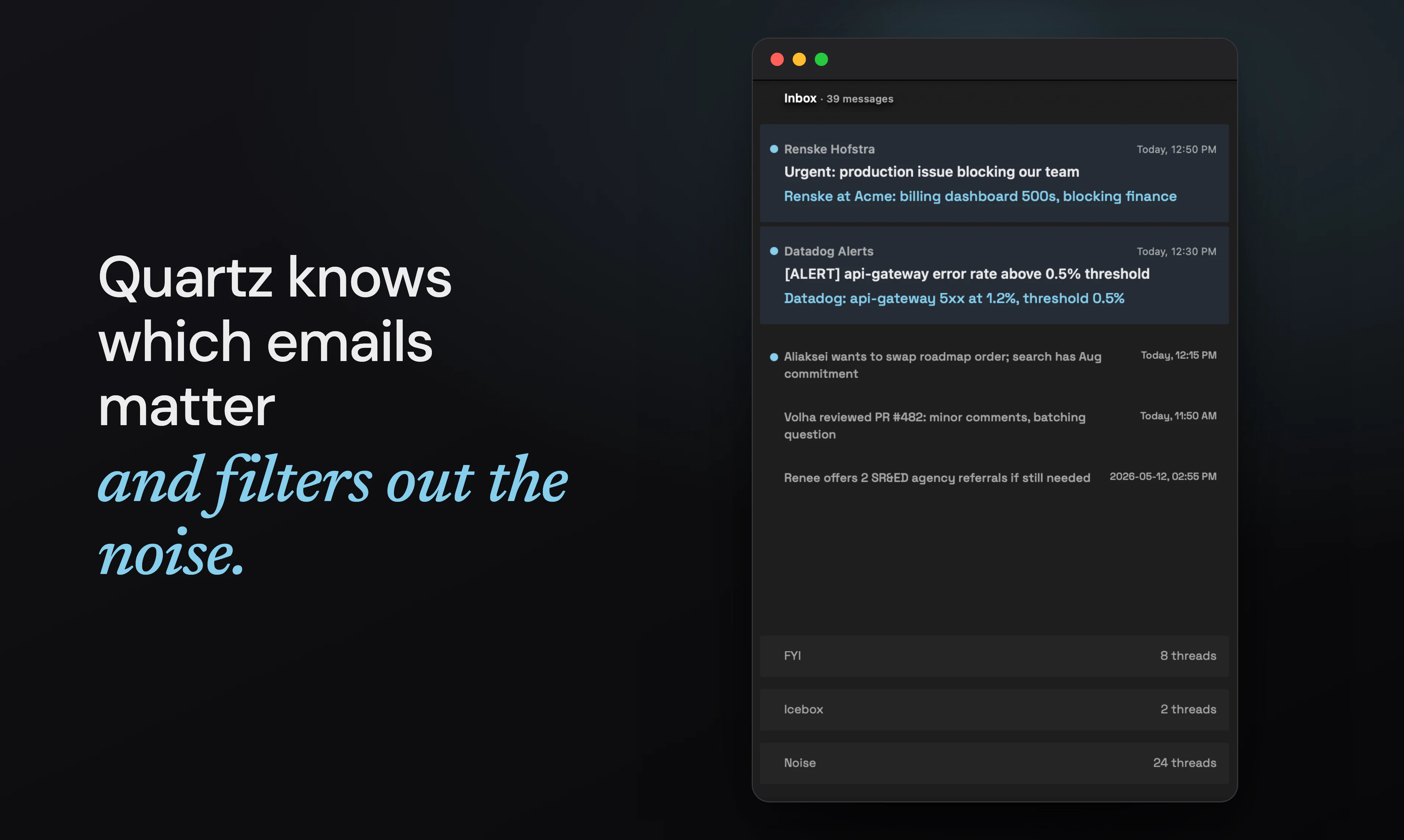
一句话介绍:Quartz是一款在Mac本地运行AI模型的电子邮件客户端,通过智能分级和学习用户写作风格,帮你在混乱的Gmail收件箱中聚焦真正重要的邮件,同时保证数据隐私不外泄。
Email Productivity Artificial Intelligence
AI邮件客户端 本地AI 隐私优先 收件箱管理 写作风格学习 Gmail客户端 Mac应用 专注力提升 智能分级 生产力工具
用户评论摘要:用户普遍赞赏本地AI与隐私加密,但对写作风格的学习时间存疑(回复称仅需几封邮件),并询问自定义分类(已回复仅支持五级重要性,自定义在路线图中)。其他问题涉及多账户支持(已支持多Gmail)、过滤机制(基于用户画像与反馈)及未来定价(可能为固定年费)。
AI 锐评

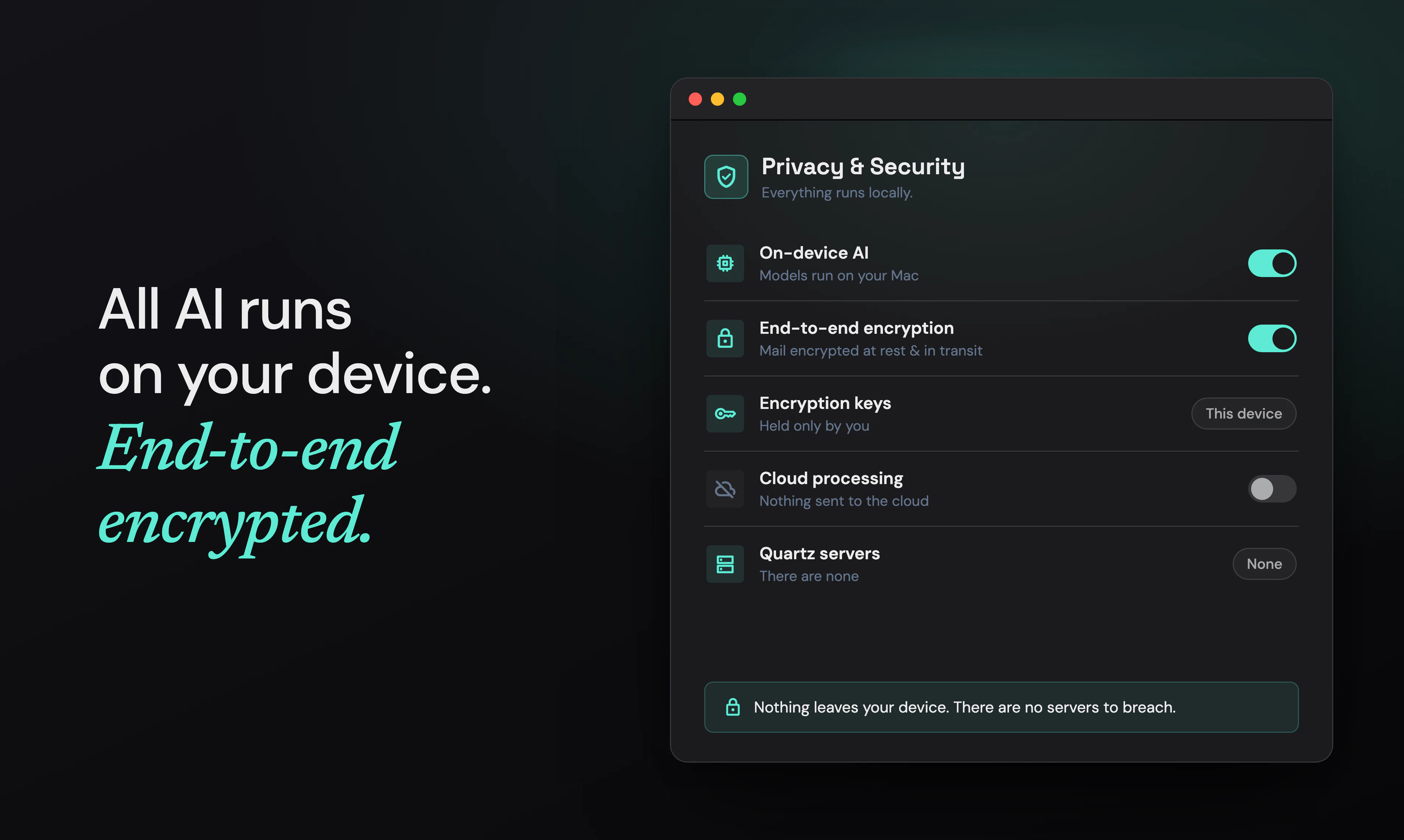
Quartz在“AI+邮件”的拥挤赛道上打出了一张差异化的好牌——本地运行。当大多数AI邮箱服务(如Superhuman或Shortwave)将用户数据上传至云端模型时,Quartz选择用Mac本地的Gemma 4 E4B模型处理一切。这不仅是卖点,更是壁垒:对B端客户、隐私敏感用户、以及厌倦了“为了去噪而引入更多噪声”的中小团队而言,数据从不离机意味着零信任合规和端到端加密不再是口号,而是架构事实。

但产品仍处于早期“道义胜利”阶段。从评论回复看,“学会用户口吻”这个核心KOL功能仍依赖有限样本(同线程>同联系人),且不抓取已发邮件,这意味着初期体验大概率会“翻译腔”明显,对高频收发者可能延迟满足。自定义分类缺失、不支持非Gmail账户、以及对Mac硬件性能的隐性要求都是实用门槛。若最终定价成为年费制,它将面临Superhuman(30美元/月)一样的付费心理战:用户是否愿意为“不被打扰”和“不上传数据”支付溢价?

Quartz的真正价值不在于帮你看完5k封未读(它自己都承认暂时做不到),而在于重新定义“AI助手”的边界——把AI从云端SaaS商那里“夺回”到用户手中。这一逻辑若跑通,将对整个AI应用生态产生示范效应:对用户隐私的尊重,可以不是功能上的妥协,而是技术上的升级。但前提是,Quartz得先让本地模型跑得够快、学得够准,否则“隐私”只是空头支票,“本地”就是性能桎梏。目前来看,它是值得私密工作者一试的“清醒剂”,但尚未成为主流替代方案。

查看原始信息
Quartz
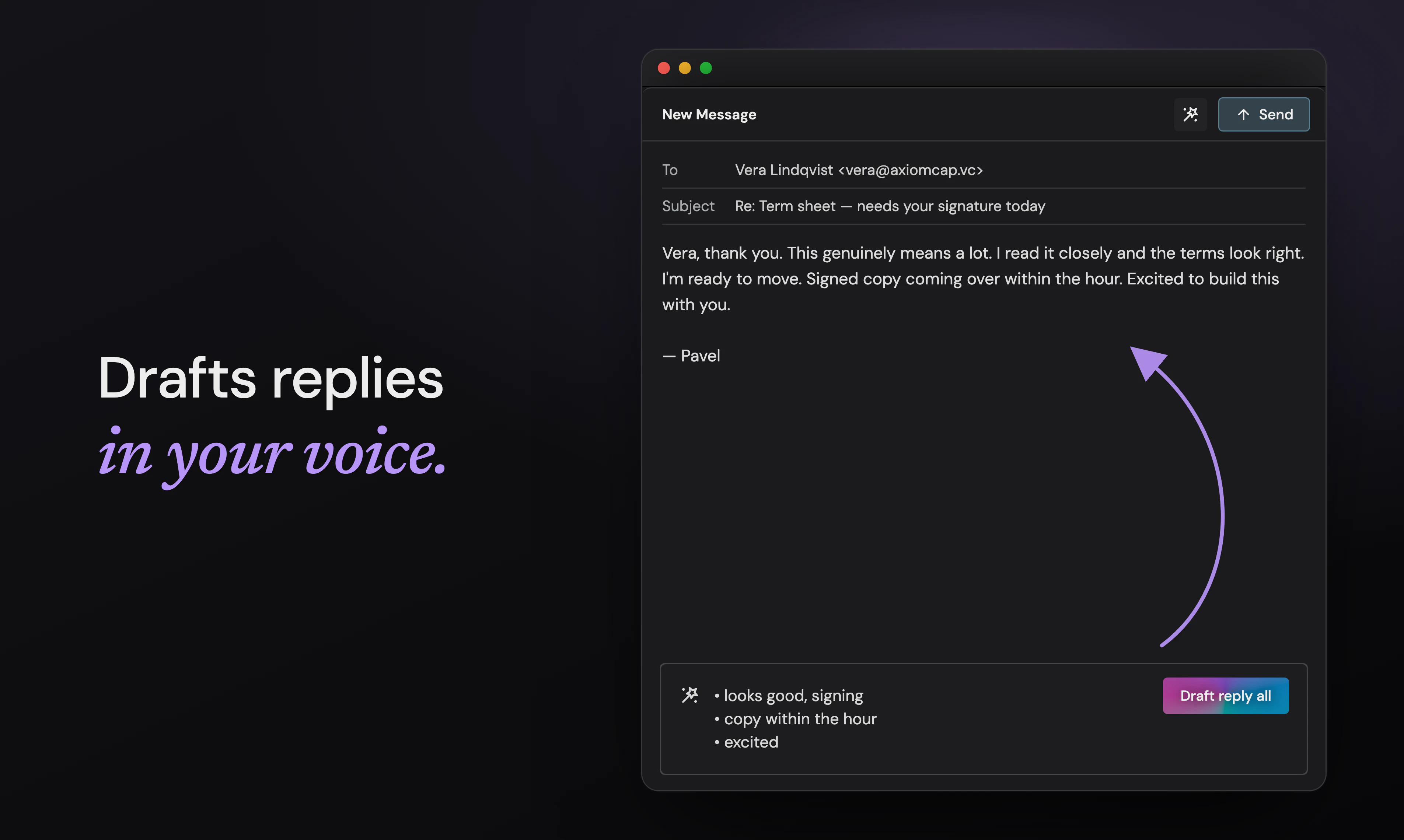
Quartz turns Gmail into a focused inbox. It sorts every message by importance, and learns what matters to you over time. When you reply, it drafts in your own voice. And the AI runs entirely on your own Mac, so your mail stays end-to-end encrypted and never shared with AI providers.

Hi Product Hunt!

We built Quartz because our own inboxes had become impossible to keep up with.

AI made it easier than ever to send emails at scale. We think AI should also help people defend their inboxes from that noise.

Quartz is an AI-native email app that protects your focus and helps you get through email faster. It learns your style and preferences over time, so it gets better the more you use it.

And because email is private, Quartz runs entirely on your device. Your emails are not sent to AI providers.

Excited to share it with you today. We’re currently in public beta and free to use.

We’d love to hear what you think!

15
回复

@pavel_demeshchik Love the focus on local-first and reducing notification noise—that's the real productivity killer for anyone managing multiple client projects. How does Quartz handle email threading and categorization across different client work? I imagine freelancers and agency teams would benefit from organizing by project rather than traditional folders.

0
回复

Running the AI locally and keeping emails end-to-end encrypted is the right call — most people don't realize how much of their inbox ends up on third-party servers. The "learns your voice" for drafts is the feature I'm most curious about.

How long does it take for Quartz to actually learn your writing style — is it noticeable after a few replies or does it take weeks?

5
回复

@doganakbulut, good question. Steering model to produce decent email draft in user's voice or at least not cringe was one of the hardest challenges and we're not done yet.

Right now it should be noticeable after just a couple of sent emails. Important thing is that we don't fetch sent emails from Gmail at the moment and rely only on emails sent from the app. The model would try to learn first from the email you already sent in the same thread, than from emails you sent to the same person, then from others.

3
回复

@doganakbulut ah, it's also possible to give more context about yourself in "Writing style", it should help immediately.

1
回复

Hey folks, I'm really excited to try out some fresh email AI innovations -- most providers feel boring and don’t do what I need. Let's rock!

4
回复

@saicheg, let us know how it goes. I'll be curious to know if we also don't do what you need.

0
回复

How does the filtering work? This would be extremely useful if it had some learning mechanism that delivered personalized results.

3
回复

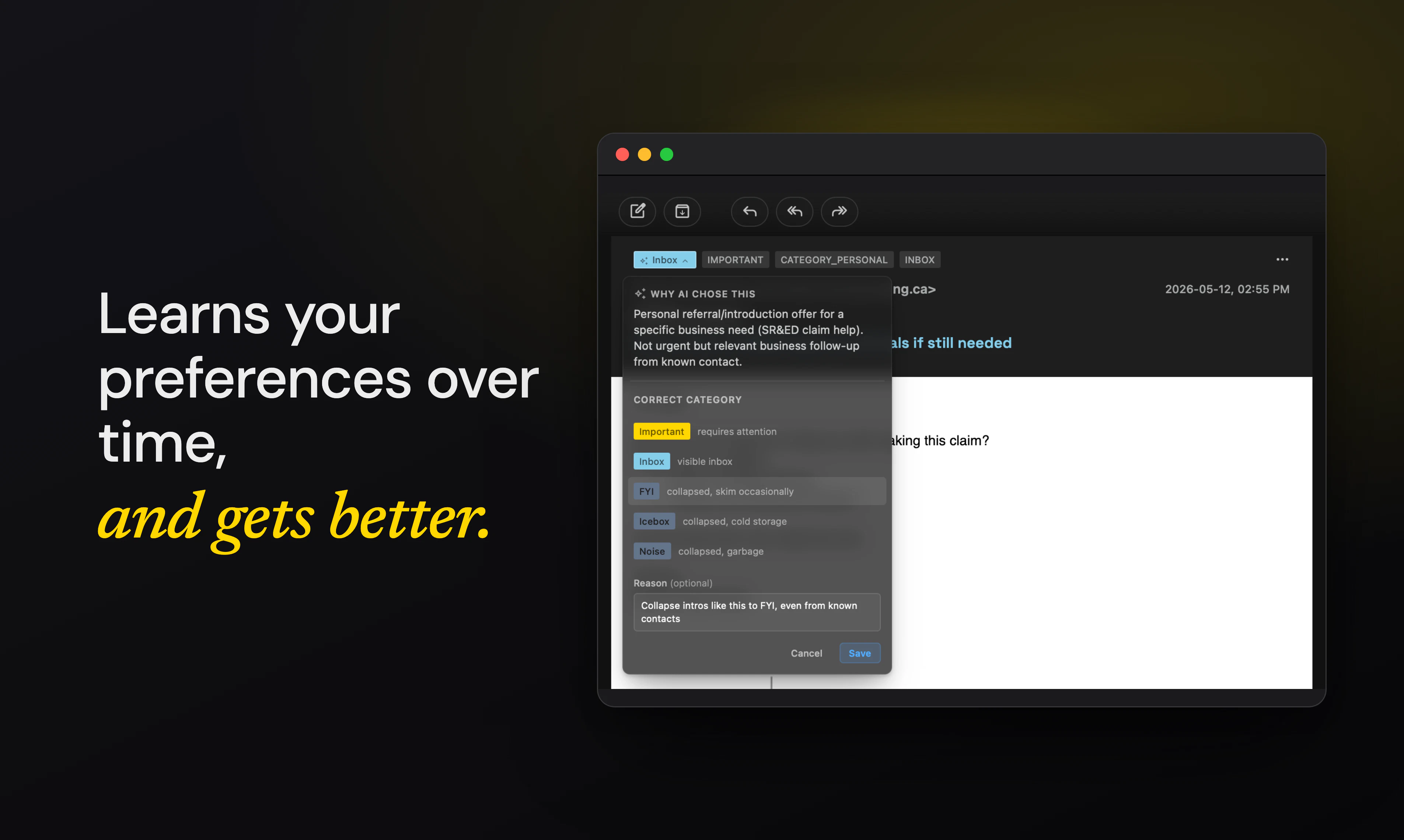
@rileytomasek good question! Filtering is personalized based on your profile (think about it as your Claude.md) + learnings over time. You can correct AI filtering and provide feedback which it take into account next time it sees a similar email

2
回复
@rileytomasek mostly from your direct feedback: when you correct filtering and share feedback next time you receive an email from similar sender or with similar content it will load your feedback in context
1
回复

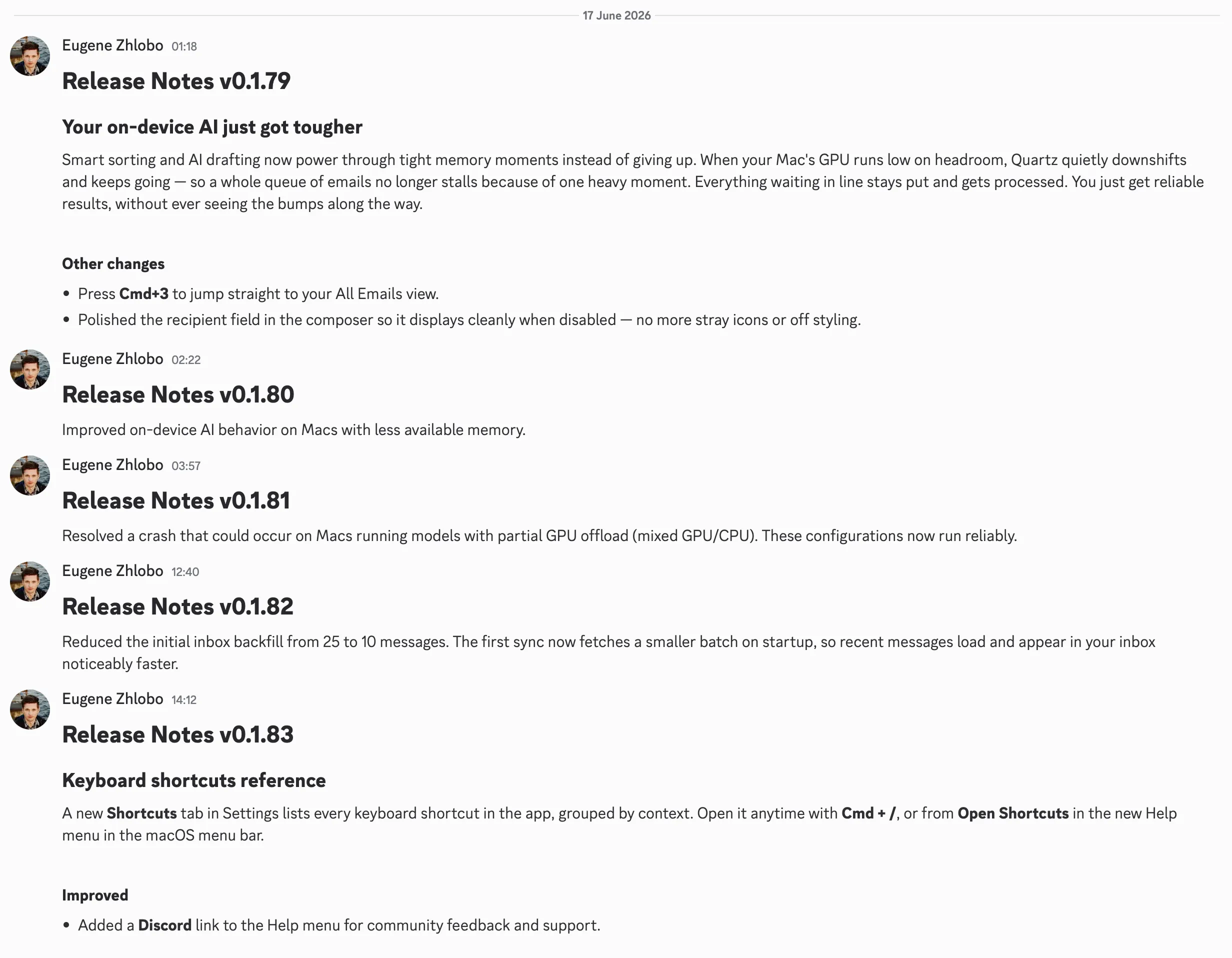
We just shipped v0.1.84 and it's a nice mix of "finally" fixes and quality-of-life polish. A few highlights:

🔗 Links in plain-text emails are now tappable. Bare web addresses in plain-text messages are live, clickable links now — no more copy-pasting URLs into your browser. Just tap and go.

🍎 Sign-in is reliable again on older macOS. Connecting your account could crash on macOS 14.0–14.3. That's fixed, so sign-in works no matter which version you're on.

Plus a round of refinements:

  • Recipient names with commas or quotation marks now display correctly — no more split-up addresses or stray escaped quotes in recipient chips.

  • Draft with AI now has a clear submit button, so it's obvious how to send your prompt.

  • Settings panels share consistent, polished typography for a cleaner, more cohesive feel.

  • The Telemetry panel shows your analytics ID as a read-only field — handy for privacy checks and support.

2
回复

Appreciate not having to add yet another service to the chain just to get the AI-powered goodies in the email client. Local LLM is the way. Congrats on the launch! 🚀

2
回复

@vshkl thank you ❤️

0
回复

Whoa, this looks really slick! Big kudos on making the AI fully local, too 👍👍👍 I might actually stand a chance at processing my 5k unreads 🤔

2
回复

@izayats thank you!
We don't process your existing backlog in beta: crunching 5k+ emails can take a while depending on your hardware. But switch to Quartz today and you'll never build up a backlog like that again!

2
回复

the 'drafts in your own voice' bit locally is what i'd watch — no per-user training step means few-shot on your sent mail, so the voice match lives or dies on which examples get picked.

2
回复

@qifengzheng you're absolutely right, the remark is on point.

I think decent drafting experience was (and still is TBH) one of the hardest challenges we had. We're still working on it and continue improving it.

Speaking about examples we choose, we try to pick outgoing emails from the same thread first, then emails sent to the same contact, then the rest of emails. It's also possible to describe your style and give more context about yourself in settings.

1
回复

Been dreaming about this for a while but for comms more broadly: telegram, whatsapp, etc. I think Eric (former YC partner) tried this. Good luck!

2
回复

@flreln Thank you! Email felt like the most painful place to start, but the long-term vision is much broader. I want Quartz to become a personalized attention layer that understands what’s important to you across email, messaging and eventually every channel competing for your attention

0
回复

Congrats on the launch! This tool would definitely make my life easier. Does it support adding multiple emails/domains, to tackle everything at once?

2
回复

@skottur, thank you ❤️

It supports adding multiple Gmail accounts. I personally have 2 Google Workspaces accounts and one personal Gmail account added.

0
回复

Our changelog for today so far

2
回复

It looks like there is a chance I'll finally start reading my emails :D

2
回复

@stolyarov, that's cool to hear ❤️. Let us know if you have any feedback ;)

0
回复

Really interesting local first approach. Just curious, which model(s) are you running locally?
Also, can I define any custom categories? Like emails about credit card transactions or UPI payments?

2
回复

@ashish_parab good questions!
We're running Gemma 4 E4B on-device. Custom categories aren't in yet, right now it's the standard five importance levels, but they're on our roadmap!

0
回复

Very excited to try this out! Would that send a push notification when an email is very important so I can respond asap?

2
回复

@nikita_sakau1, indeed we send notifications for emails that get into important category.

One thing I think we probably should showcase more is that you can change categories of emails manually and this will be remembered (locally, data is visible in settings for review) and would influence categorization of the following emails. If an important email slipped into non-important category, you can fix it manually and next time similar email would go to important and you'll see a notification.

0
回复

@nikita_sakau1 thank you! Yes, that's the whole idea. You won't see push notifications unless it's important. And "important" is defined by you, Quartz will get more accurate over time as it learns more about you!

0
回复

Hey, congrats with the launch! What's your vision on future pricing? Downloading and testing the app anyway 💪

2
回复

@anna_golovchenko, thank you ❤️

We want to know if there's any interest first. In the future I think it could be a fixed yearly payment.

2
回复

Local first AI on Tauri for inherently private data (email here, but the pattern generalizes to trading, health, code) is the architectural answer to "I want AI but not in the cloud." The hardest part isn't the model. It's the bundling and update story. How are you handling the Gemma 4 E4B model size in the Tauri bundle, shipping it bundled, downloading on first launch, or external dependency? And how do you handle model updates without re-downloading the entire 4GB+ weight file each time?

The "learn from sent emails in this thread first, then to same person, then others" hierarchy is a smart loop. I'd be curious what happens for users with very short reply history. Does the model fall back to a base "professional but warm" voice, or does it just produce neutral drafts until enough signal accumulates? The cold-start problem is the part most local-first AI tools handle poorly.

Congrats on the launch.

1
回复

@joshua_santiago2 thank you! All valid questions, appreciate them! Gemma 4 is downloaded as you complete the onboarding process. Right now we don't have any optimizations in place for model updates, so yes, it'll re-download the entire 4 GB file. But thanks for highlighting that, it's definitely something we need to take care of.
We address the cold start problem with a proper onboarding. We allow users to specify their categorization preferences and writing style via their profile (think of it as CLAUDE.md for Claude Code)

0
回复

Great project! You mentioned how cold emails create clutter and this tools helps dealing with that.

Do you think we can expand this into agent2agent communication? Like both sides essentially have AI messaging each other and if things make sense, the issue gets escalated to humans.

One of the reasons we treat cold emails as spam is because there are so many of them. However, if there is a proper processing layer, I actually do wish people to reach out to me and let me know how they can bring value.

1
回复

@vugar_javadov I think eventually we'll get to agent2agent communication: my personal AI agent will be speaking to yours and both of us will only get involved if there's something of common interest. My big vision for Quartz is building personal attention layer across all communication channels (email, WhatsApp, Telegram, etc), email is just the most painful channel as of now (no regards to privacy)

0
回复

Any plans for Windows anytime soon?

1
回复

@ladefalobi Thanks for asking!

We definitely plan to support Windows. With the huge variety of hardware and system configurations, it’s much harder to guarantee a great user experience, so we decided to focus on Mac first and get that right before expanding.

0
回复

Local-on-Mac with Gemma on-device is a great privacy angle, that's exactly why I run my own AI tools on my own machine too. One thing I haven't seen asked: since the model runs on the Mac, what happens to sorting and drafts when the laptop is asleep or closed? Does it catch up the moment you reopen it, or do you need it awake to keep processing? Congrats on the launch.

1
回复

@david_marko, when the lid is closed, the app is hibernated and we don't do any processing. The app should resume the processing as soon as you open the lib back up.

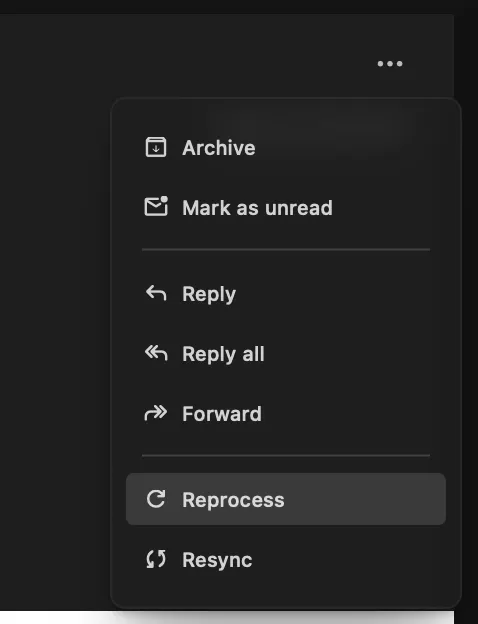
So it'll resume automatically but won't process anything when laptop is asleep. In rare case when something gets wrong and processing fails, it's possible to trigger re-processing of an email manually.

0
回复

Focus and privacy in the same product is rare for an email client. Does it handle multiple accounts in one inbox?

1
回复

@suzychase, yes, it does. Unfortunately, only Gmail for now. I use multiple accounts myself.

1
回复

Local-first is the right instinct for email agents. The hard part is less summarization and more trust: what can act, what only drafts, and how quickly a user can audit why something happened.

1
回复

@krekeltronics that's why show AI reasoning in the app and let users correct it. This way Quartz learns from its mistakes and gets better over time. Thank you for checking us out!

0
回复
Interesting! Congrats on the launch
1
回复

Thank you @ruvik_milkis ❤️

0
回复

Hi! 🚀 🚀🚀

Congrats on the launch! Looking forward to seeing how this grows.

1
回复

@lptnbrg, thank you ❤️

2
回复

An email product built around focus! I love that:)

Is there a way to identify which emails are important besides manually marking them myself?

0
回复

@hun_kim thank you and good question! You can describe it via your user profile first and then teach Quartz with corrections and feedback. It will get better the more you use it!

1
回复

How about integrating them with office emails? Mostly office emails consist of 1000+ unread emails, which needs sorting and prioritizing. Any idea how we can integrate with office emails?

0
回复

@sumit_maiti are you on MS Outlook / Microsoft 365?
Currently, we support Gmail only but other providers are on the roadmap. Tell me your exact setup and I'll see how we can help and bump it up the list.

0
回复
#5
Android 17
Android becomes an intelligence system
179
一句话介绍:Android 17将操作系统升级为智能系统,通过AppFunctions和MCP协议让应用暴露本地功能给AI助手,解决在多设备场景下应用功能碎片化、无法被智能调用的痛点。
Android Artificial Intelligence Development
智能系统 Android MCP AppFunctions AI代理 应用工具化 跨端适配 隐私控制 媒体API 内存优化 Agent平台
用户评论摘要:用户肯定AppFunctions和MCP是最大亮点,认为Android开始向Agent平台进化。但有人担忧App自定义工具会导致发现性混乱,类似iOS捷径的碎片化问题;对多表面适配长期“画饼”表示怀疑,缺乏具体架构验证案例。
AI 锐评

Android 17的野心清晰——从“应用启动器”转向“智能中间件”,让App能力可被AI调用。AppFunctions+Android MCP的组合确实比现有捷径或Siri Intent更底层、更自由,理论上能实现应用间无UI协作。但评论中的担忧绝非杞人忧天:每个App自行定义工具,无异于建造一座没有索引的图书馆——当数百应用各自暴露数十个action,MCP的发现与冲突消解机制将成为致命短板。Google从未证明自己能管好生态碎片化(想想Android分发、权限管理历史),而此次架构的成败,恰恰依赖一个理想化的全局协调层。

更致命的是,多表面自适应从折叠屏元年就开始喊,至今仍是Compose上的样板间功能。如果Android 17只是把“适配责任”推给开发者,而缺乏运行时可靠的形态切换保障,那么“智能系统”就只是一次大型IDE促销——利好Chrome OS和Gemini团队,但对普通用户和中小开发者而言,学习成本与收益不成正比。

真正的价值在于:Android 17在赌一个“AI优先”的交互未来——当用户不再需要手动打开App,而是直接指令执行操作,那么应用就退化为可调用的工具函数。这个方向没错,但Google需要回答一个核心问题:谁来保证这个“智能层”不会沦为下一个碎片化的Intent系统?如果不能,它不过是用AI的糖衣包装了旧有的混乱。

查看原始信息
Android 17
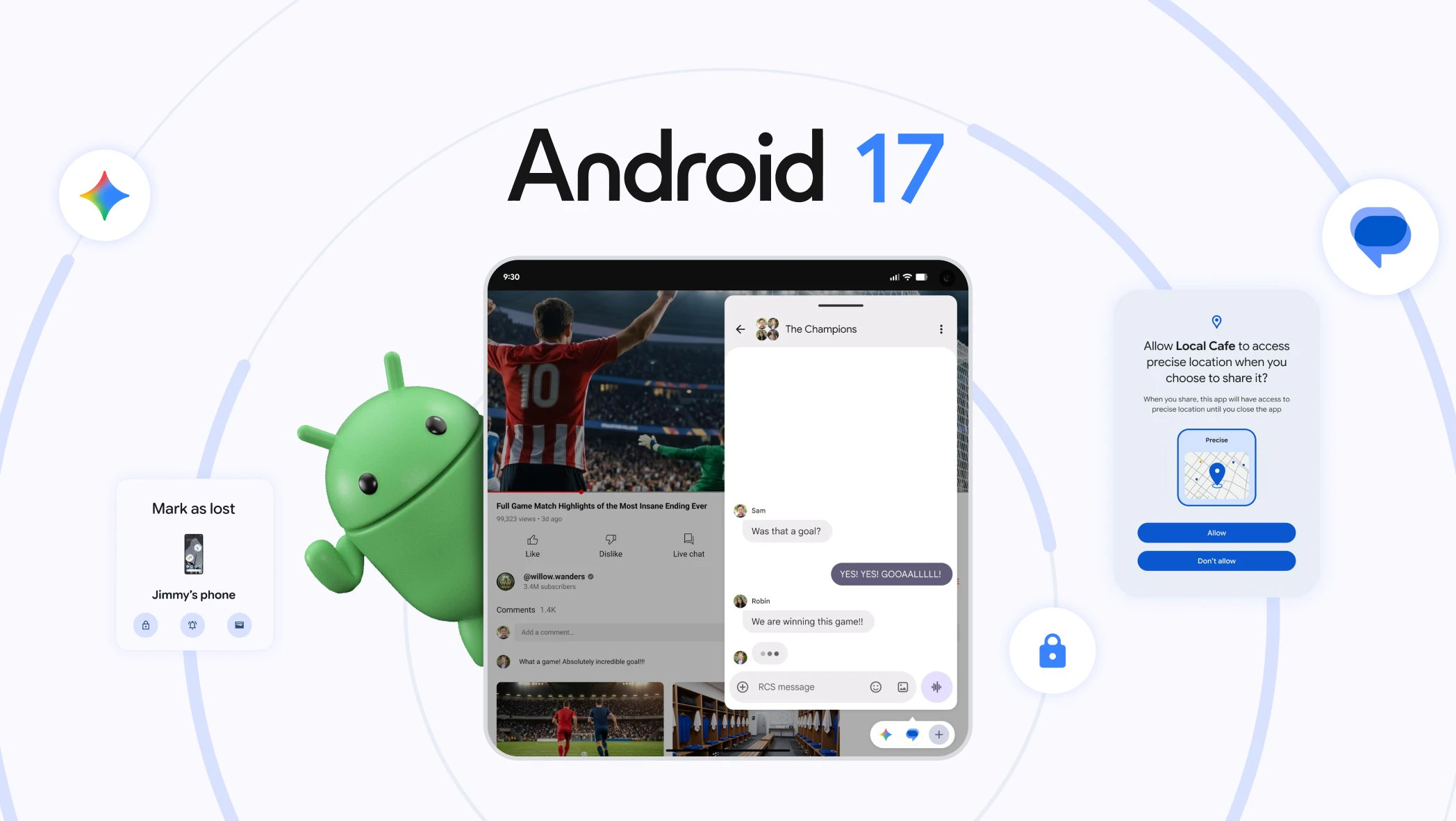
Android 17 brings AppFunctions, Android MCP, adaptive-first app requirements, App Bubbles, Continue On, stronger privacy controls, memory limits, performance improvements, and new media/camera APIs as Android starts shifting from an operating system into an intelligence system.

Hi everyone!

Android 17 puts apps closer to the agent layer.

With AppFunctions, an app can expose its own actions as local tools for Android MCP. @Gemini and other assistants can discover those actions and run workflows with access to the app’s local state.

The UI still matters, but the app’s core capabilities can now become callable system-level tools.

It also changes the baseline for app design. Developers now have to assume their apps may run across phones, tablets, foldables, desktop windows, floating bubbles, and handoff surfaces, and @Google is pushing Compose as the default way to build for that world.

4
回复

@zaczuo Hi,

Do you get any traffic from Reddit?

Most websites are missing out on it. I help businesses drive organic Reddit traffic through real community engagement, no paid ads, no bots.

Could open up a new traffic channel for your website.

Worth a quick chat?

0
回复

@zaczuo Hi 👋. If you loved android 17 (me too) , you'll definitely love twent.xyz . Its my biggest passion project so far. I call it the Autopilot Agent for Android. Nice name, right? 😅 . It has SOTA agentic memory, an Ubuntu Terminal UI Automation, MCP + AGENT SKILL supoort, Workflow automation, AI-generated Mini-apps, in-chat Generative UI, background agents, Agent CLIs support, browser to browse ACP-compatible Agent CLIs, supports BYOK and local models,

0
回复

the AppFunctions story is interesting but feels like it'll fragment badly in practice - every app defining its own tools means discoverability just becomes chaos at scale. iOS shortcuts went through this exact problem and it never really resolved. also the multi-surface adaptive layout thing has been 'coming soon' since the first foldables launched. show me one concrete use case that only works because of this specific architecture and i'll be more convinced

0
回复

AppFunctions and Android MCP are the most interesting parts here. If apps can expose real local actions to assistants, Android starts feeling less like a launcher and more like an agent-ready platform.

0
回复

Thant Awesome! Can't wait to try it

0
回复
#6
Dopami
Household chores without the mental load for ADHD
151
一句话介绍:Dopami 通过行为算法和游戏化机制,为 ADHD 人群、家庭及室友在共享家务场景中推送小任务,解决由执行功能和决策疲劳导致的启动困难与心理负担。
Productivity Task Management Home
ADHD辅助 家务管理 游戏化任务 行为算法 心理健康 家庭协作 游戏化 习惯养成 效率工具
用户评论摘要:用户普遍认可“任务”而非“家务”的表述和按房间/时间/精力推送的设计。主要问题包括:是否支持独立配置文件(官方确认支持)、提醒与通知功能(已实现循环任务)、平台兼容性(Android/iOS 待明确)。部分用户对实际执行力存疑,但肯定趣味性对 ADHD 的吸引力。
AI 锐评

Dopami 的聪明之处不在于“做家务”,而在于精准找到了 ADHD 群体的认知痛感——不是懒,是启动时的“零决策力”与“多巴胺饥饿”。它的核心价值不是在功能堆叠,而是把 TikTok 的“注意力劫持算法”逆向用在自控场景:不要求用户自律,而是让算法自适应你的能量波峰。这本质上是一种“对抗性设计”,以对抗现代数字原住民的神经多样性缺陷。

但危险也同样出现在这里。产品用游戏化、XP 系统、排名奖励做引导,本质是用“外部刺激”替代“内部动机”,长期来看,这对 ADHD 用户可能形成新的依赖回路——只有在奖励反馈存在时才行动,一旦游戏新鲜感消退或算法出现误判,系统会迅速失效。另外,“每月 9.99 美元”的定价点很微妙:比同类工具略高,但对标的是“帮助省下认知带宽”,这本身就是最难量化的价值。初期通过免费 Beta 和“集人赢公仔”的病毒传播积累用户数据,是聪明的冷启动策略。但最终决定黏性的,不是公仔,而是算法能否真正读懂“你今天连动都不想动”的那一天。

查看原始信息
Dopami
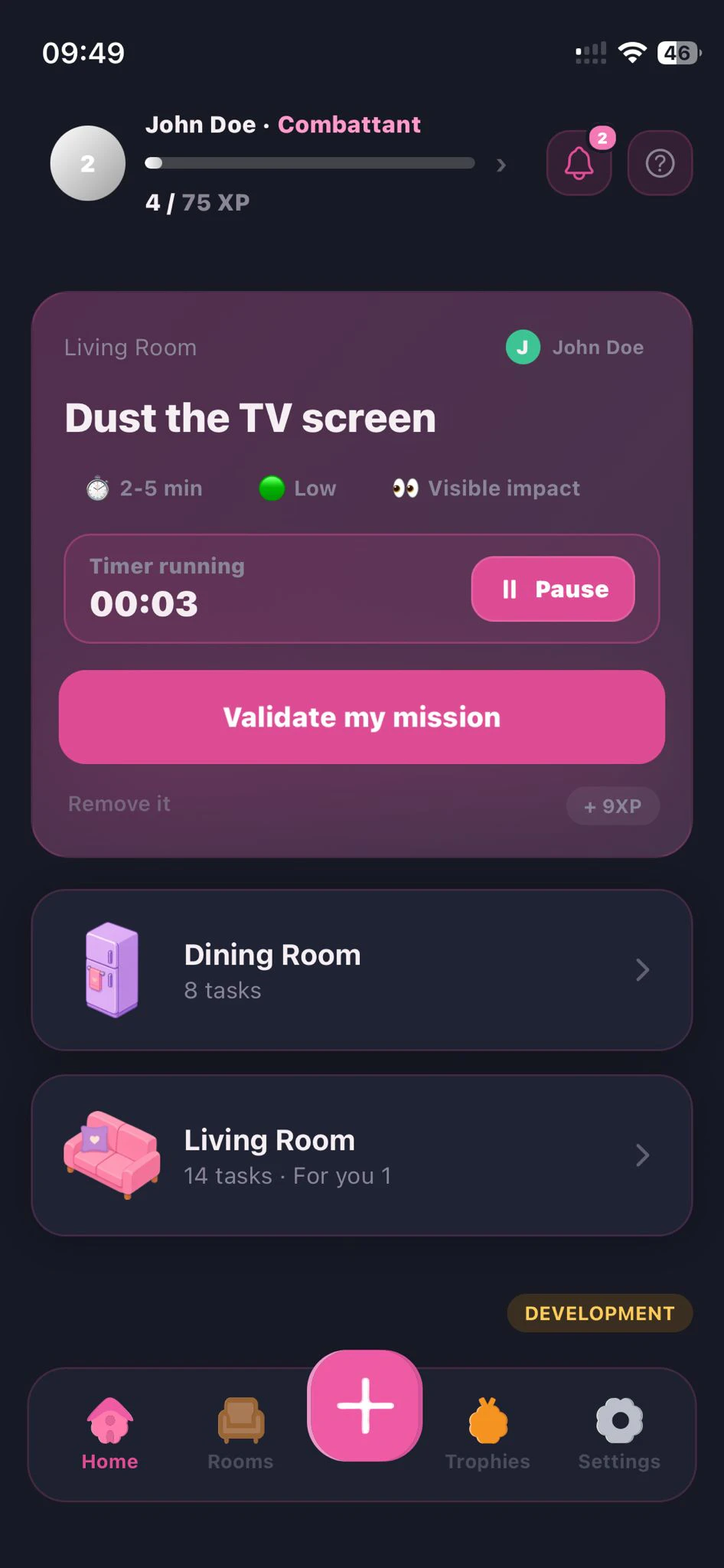
Dopami helps ADHD families, adults, and roommates handle household chores without mental load by suggesting small missions based on room, time, energy, and shared home context.

Love the framing of "missions" instead of chores — that reframe alone makes it way less overwhelming for ADHD brains. The room/time/energy context is a smart touch too.

Do shared households get separate profiles per person, or is the task list shared across everyone?

3
回复

@doganakbulut Thank you 🩷 Separate profiles, shared roof that's exactly how it works. Everyone in the household has their own missions and their own progress, so nobody's list gets tangled with someone else's. Way less of the "whose task was this?" chaos that ADHD brains know too well :)

1
回复

Hey Product Hunt 👋

We built Dopami because we kept asking the same question: why does TikTok know exactly when to grab my attention, but my to-do list doesn't?

The answer is behavioral algorithms. TikTok learns your habits, your active windows, your patterns and serves content at the exact moment you'll engage. It works flawlessly. The problem is it works against you.

We built the same engine. But instead of serving you a Reel, it surfaces the right chore at the right moment.

Here's what that means in practice:

No alarms to set. No rigid routines to maintain.
Dopami observes when you open the app, which missions you complete, in what order, at what time.
The more you use it, the more precisely it knows when to nudge you not with a generic reminder, but with a specific mission calibrated to your energy right now.
The rest of the product:

Chores organized by room → zero decision fatigue
Every task earns XP, unlocks levels and trophies → your brain gets the dopamine hit it needs
Due dates feed the algorithm → deadlines drive priority automatically
Up to 6 household members → everyone sees what needs to be done, not just you
Dark-mode-first design → built to calm, not overwhelm
Who it's for: Adults with ADHD, parents managing households, roommates who are tired of the mental load falling on one person.

Where we are: Currently in closed beta free while we learn. Launching at $9.99/month with a 30-day free trial.

We're two founders one ADHD, one not which means the product gets stress-tested from both sides every single day.

If you've ever stared at a pile of dishes for three days knowing you needed to do them but couldn't start: this is for you.

Would love your questions and feedback. We read everything. 🧠

Nathan & Néo, co-founders of Dopami

2
回复

Such a cute mascot that a chore will feel more like a game :)

2
回复

@busmark_w_nika ahah thanks ! If you want a chance to win our plush mascot, get as many people as possible to sign up using your referral code :)

1
回复

Not sure it would actually get me to do the chores but looks fun!

2
回复

@louislecat Haha fair! 😄 But that "looks fun" part is kind of the whole point for ADHD brains, the issue usually isn't laziness, it's that boring tasks give zero dopamine, so starting feels impossible. Dopami adds the reward up front so your brain actually wants to begin.

0
回复

Love the concept! Quick question — does Dopami also help with scheduling tasks and sending reminders/notifications if we forget to complete them?

1
回复

@priyanktyagi Hello, thank you for your message. It's entirely possible with a system of recurring tasks :)

1
回复

The mental load framing is the part that gets me. It isn't the chores themselves, it's the constant background tracking of them.

1
回复

@suzychase Hey ! For ADHD The "open tabs that never close" feeling. That invisible background process is the real exhaustion not the dishes themselves. Offloading it is the whole point. 🩷

1
回复

would be better if you add your x handle on the website

1
回复

@jackleeio Thanks ! We fix that :)

0
回复

Android or iOS?

0
回复


We are glad that you like the application so much; feel free to invite as many people as possible to increase your chances of winning a free plush toy :)

0
回复

We're doing something a little unhinged to celebrate our launch here

We just opened a waitlist lottery the more people you invite, the higher you climb, and the better your prizes.

Top spots win exclusive Dopami Founder Packs: early beta access, limited mascot collectibles, and a lifetime head start before we go public.

It's exactly the kind of mission your ADHD brain will actually want to complete.

https://www.do-pami.com/beta/

Every person you bring in = one more entry. The leaderboard is live. Go. 🧠⚡

0
回复
#7
Tapfree for Chrome
Voice dictation that adapts to what’s on your screen
124
一句话介绍:Tapfree 是一款为 Chrome 浏览器和 ChromeOS 打造的语音优先键盘,它通过理解网页上下文来精准转写口语,解决了传统听写工具无法处理修正、格式混乱和语境错乱的痛点,让用户在任何文本框中都能实现“即说即所得”的高效输入。
Chrome Extensions Productivity Artificial Intelligence
语音输入 听写工具 上下文感知 Chrome扩展 ChromeOS AI键盘 效率工具 语音转文字 免提输入 办公效率
用户评论摘要:用户称赞其智能修正和上下文理解能力,并关心:隐私政策(上下文是否存储)、是否支持所有网站及Linux应用、触屏与快捷键支持。部分用户希望进一步优化在编程环境中的变量名识别。
AI 锐评

Tapfree 的价值不在于又做了一款语音转文字工具,而在于重新定义了“听写”的人机交互范式。它摒弃了传统工具“你说什么我打什么”的机械忠诚,通过引入LLM对语义的深度理解,实现了对口语中自然停顿、自我修正、语气转述等行为的智能还原。这恰恰是生产力工具从“执行指令”进化到“理解意图”的关键一步。

但冷静来看,其“杀手锏”隐私声明中的“ephemeral”模式虽能安抚用户,却也意味着需要消耗本地或云端算力去实时运算上下文,这对低配Chromebook是个隐形成本。同时,创作者强调的“编程环境适配”目前仅停留在“不错”的程度,与真正能辅助代码生成的AI Agent相比尚显稚嫩。在产品形态上,作为一个Chrome扩展,其天花板也显而易见——它无法接管系统全局的输入,也无法服务重度本地应用用户。

作为一款独立开发者作品,Tapfree在切入点的选择上堪称老辣:瞄准了主流大厂忽略的Chromebook和网页输入场景,用“上下文理解”这一差异化功能撕开了一道口子。但它目前的护城河并不深,一旦谷歌原生Assistant或Microsoft SwiftKey集成类似功能,独立工具的生存空间将面临严峻挤压。总的来说,这是一款值得叫好的“小而美”产品,但若想成为生存下去的“小而强”,还需在垂直场景的深度和商业化路径上给出更有力的答案。

查看原始信息
Tapfree for Chrome
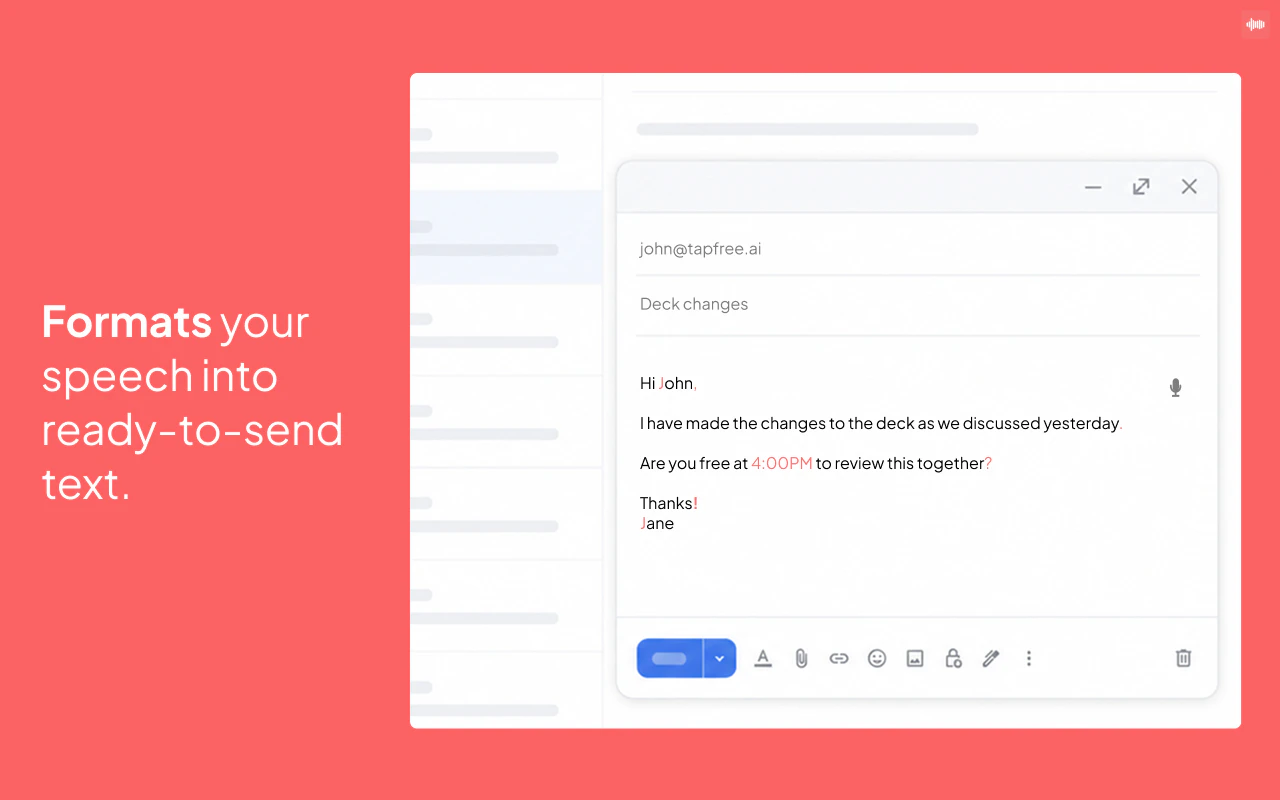
Typing on the web has not evolved. Tapfree fixes that. Tapfree is a voice-first keyboard for Chrome text fields and ChromeOS that lets you write messages, notes, docs, and emails by speaking naturally - without dictation errors, awkward formatting, or constant corrections. It understands context, not just words.

Hey Product Hunt 👋

I'm Mansehej, the maker of Tapfree.

I built Tapfree for Chrome because typing on the web, especially on my Chromebook felt really clunky. When you're moving fast, your ideas don't arrive as perfect sentences. They come as fragments, quick reactions, and rough thoughts you need to shape into something coherent.

Most dictation tools don't help much. They transcribe words literally, miss context, butcher names, and leave you fixing formatting by hand. Writing an email, a chat reply, or a document all need very different handling. They also struggle with touch support, failing to provide a well integrated user experience.

What makes Tapfree different is how it understands context. Tapfree uses the webpage context, not just the tab you're in, to produce cleaner, more relevant dictation. It subtly appears itself in the text fields you need it the most, without disrupting your flow.

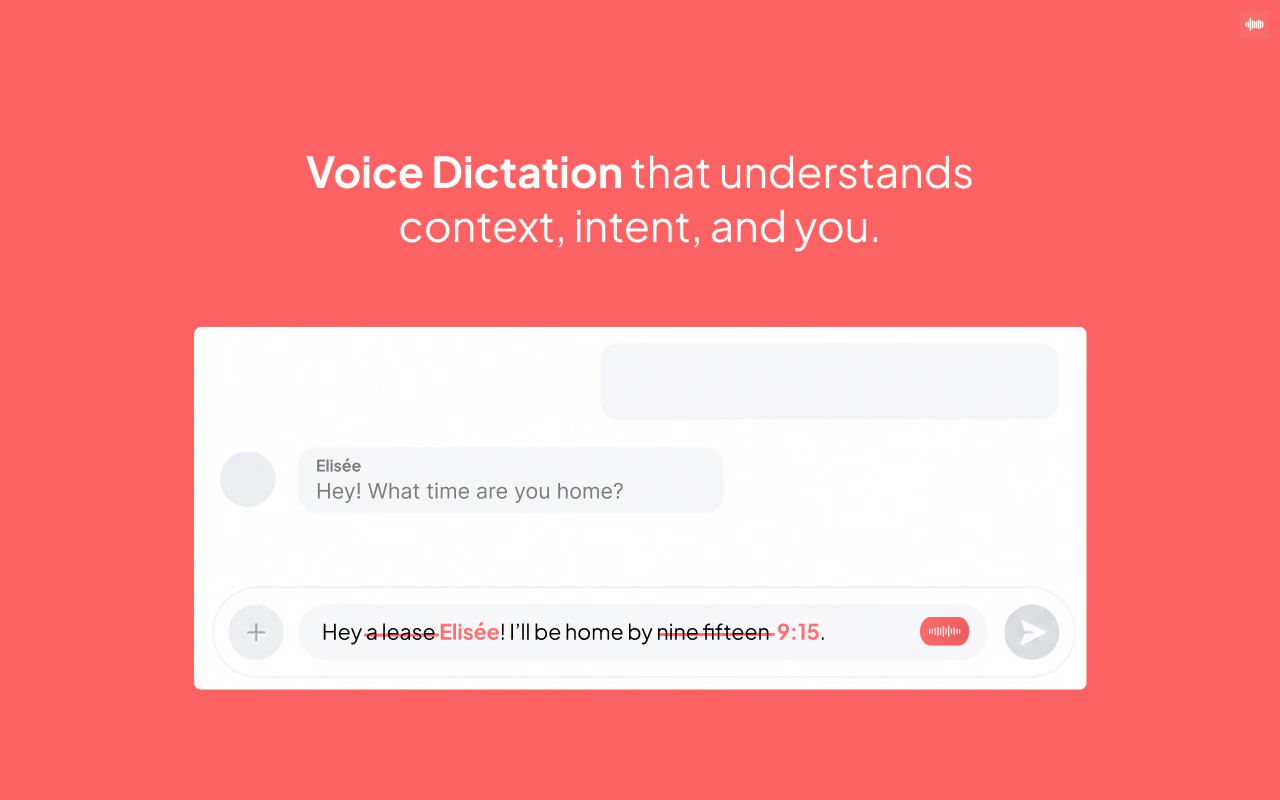
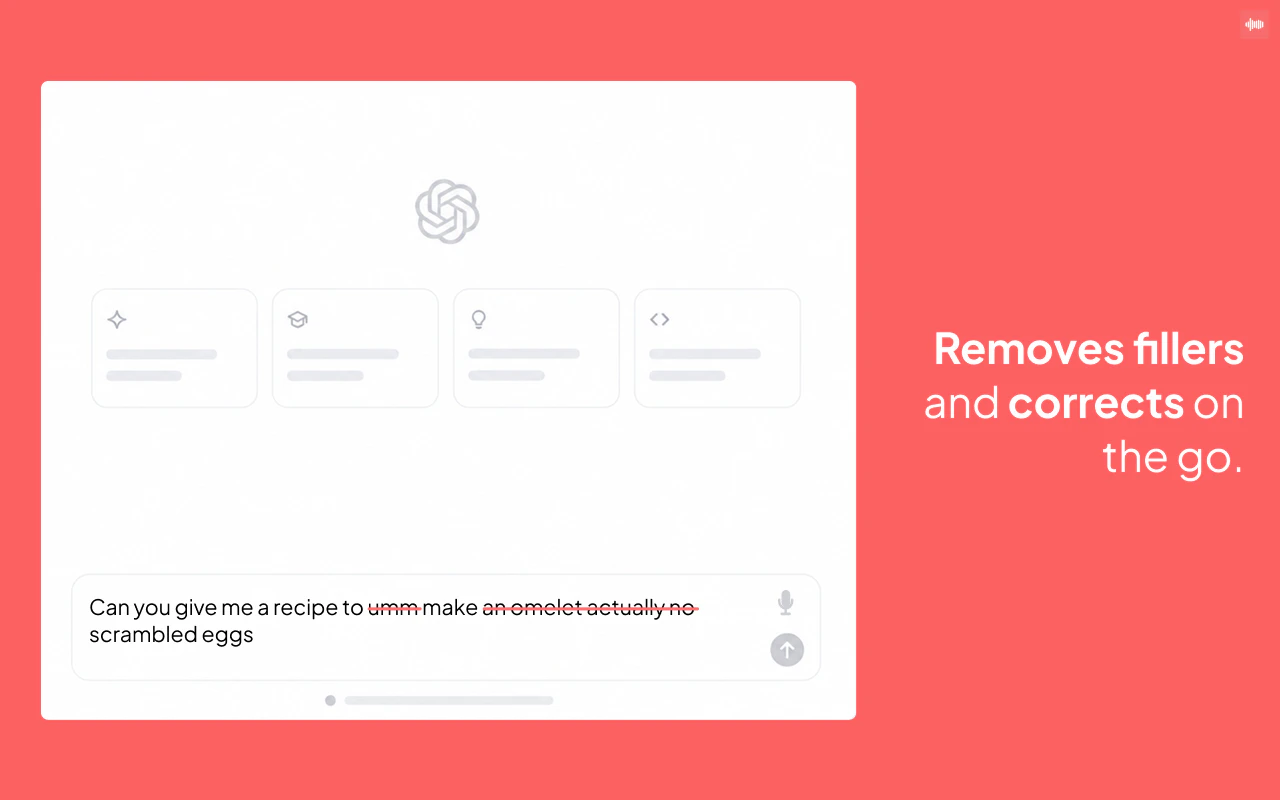
It also handles the way people actually talk. You say "Could you get some coffee... sorry, tea on the way back?" and Tapfree writes: "Could you get some tea on the way back?". It catches your corrections mid-sentence so you don't have to go back and fix them.

Tapfree also works natively, system-wide on ChromeOS.

If you give it a try, I'd love specific feedback:

How do you feel about the "there when you need it" approach to integrating into the text field?
Any "wow" moments with the context understanding?
What would make it even more useful for you?

Thanks so much for checking it out!

Feedback from this community means the world to a solo builder! 🙏

- Mansehej

13
回复

@mansehej Congratulations on the ChromeOS launch!

1
回复
Oh cool, is it the similar to using voice chat options in LLM ?
4
回复

@harini_mukesh Similar, but with the difference being that Tapfree is available across all of the websites you use and uses the context of the page to ensure that the dictation is well formatted, and names are spelled correctly.

Similar to how you would have a dictation button in ChatGPT, you would now have a dictation button in Facebook, GMail, etc. with your emails automatically getting formatted for you as an example.

1
回复

Does it support Chromium based browsers like Dia?

4
回复

@piyush_gupta25 Yes, it does. I'm writing this reply to you using Tapfree on Dia as well!

0
回复

Awesome product! Tried a bunch of things like this but not really clicked with any of them. This applies page context more intelligently, and doesn't change what I'm trying to say like a lot of the alternatives. Sometimes I'll look at a Wispr flow dictation and wonder how on earth it arrived at the transcription, but Tapfree consistently captures the intention of what I'm trying to say.

3
回复

@nightingale That's very lovely feedback, and I am very happy to hear it. This made my day, thank you!

0
回复

Interesting one! How does it decide a phrase was a retraction vs me thinking out loud? Did you tune that toward catching every correction?

3
回复

@artstavenka1 Thank you! It uses an LLM under the hood to understand the semantics of what's being spoken, and then make a decision on if it should be a correction accordingly.

As an example, if I am chatting with someone on Whatsapp, and I say:

'And then she said sorry I shouted at you'
This becomes
'And then she said, "Sorry I shouted at you"'
And does not become
'And then I shouted at you'

2
回复

Does this mean I can dictate in linux apps on my Chromebook?

3
回复

@sp_singh2 Yes! This was my main motivation for building this as well. I started off by wanting to dictate in the @OpenAI Codex CLI when ssh-ing into my VM using the terminal on my Chromebook and Tapfree then evolved to what it is today.

1
回复

What's the privacy policy like? Do you store the context anywhere?

2
回复

@aashishk404 Great question! All context used is ephemeral and not stored anywhere. It is not logged, and never will be. It's also opt-in, and Tapfree works in a still-pretty-good dictation mode without it!

1
回复

Voice dictation that actually reads the screen context is a game changer — so tired of dictation tools that have no idea what you're working on. This feels like the missing piece for hands-free productivity.

Does it work across all websites or only specific ones? Curious if it handles things like coding environments or doc editors well.

2
回复

@doganakbulut It works across all websites. It automatically injects a subtle mic button in relevant text fields that you can press (or just use the configured keybind) and speak!

Works very well in doc editors. Coding editors were one of the main pain points for me as well because I use a lot of agentic coding. Tapfree is pretty good at function and variable names, and I am trying to tune it even more towards coding environments.

Would love your feedback if you try it out for coding!

1
回复

solo built chrome extensions reading text fields across every site is exactly the kind of thing that needs tight permission scoping, since youre potentially sitting close to password fields and forms. congrats on the launch, just make sure the extension isnt grabbing more than it needs to

2
回复

@abdullah_bin_asad Yes absolutely! Tapfree explicitly completely ignores any fields with sensitive information. Additonaly, any context captured elsewhere is ephemeral

1
回复

With the move to desktop browsers, did you add global keyboard shortcuts to trigger the dictation without needing to click the injected mic?

1
回复

@varsha_vaidywan_h24058 Yes! The keyboard shortcuts (customizable) work anywhere in the browser for Windows/Mac/Linux, and work system-wide in ChromeOS.

0
回复

Yeah! Love this kind of solutions focused on save time on our daily routine. Voice dictation can change our performance and I'm sure many founders gonna take the most of it. All the best!!

1
回复

@german_merlo1 Exactly! Especially because a lot of small-business owners cannot afford Macs, and Chromebooks strike a perfect balance between productivity and price. This would be extremely helpful for them. And thank you!

1
回复

Congrats on bringing Tapfree to Android 🎉 Excited to see how this makes everyday tasks smoother, wishing the team big success ahead!

1
回复

@moon10 Thank you! Would love your feedback once you get a chance to try it out on Chrome/Android!

0
回复

Does it work with touchscreens?

1
回复

@harjyot_kaur Yes! Tapfree subtly injects a mic in every text field where you would want to dictate, making it super simple to press it to dictate without losing your flow

0
回复
#8
Deep Work Plan
Models matter. Context matters more. Give your agent a plan.
110
一句话介绍:Deep Work Plan将开发规范直接写入代码仓库,为AI智能体提供持久化、可验证的原子任务计划,有效解决长时间任务中AI智能体容易“漂移”和执行上下文丢失的痛点。
Open Source Developer Tools Artificial Intelligence GitHub
AI智能体 任务编排 上下文管理 代码规范 工作流引擎 开源 开发工具 质量门禁 状态持久化 MIT
用户评论摘要:用户普遍关注计划不会因代码变更而过时,认为将规范写入仓库是解决智能体漂移的正确架构。核心问题包括:计划能否自动更新、非技术用户是否易用、验证门禁的具体实现方式,以及如何在不丢失状态的情况下编辑中期任务。
AI 锐评

Deep Work Plan的价值不在于又一个AI编码助手,而在于它切入了一个鲜有人触及却极其关键的环节:为AI智能体的工作流定义“契约”。它敏锐地指出,“模型重要,上下文更重要”,并用一个结构化的方案,将原本漂浮在聊天窗口中的“意图”固化为代码仓库中可执行、可验证、可回溯的“规范”。

这背后的逻辑值得深思:我们往往过度神化模型的智能,却忽视了大模型当前的核心短板——缺乏长期记忆和结构化执行能力。一个再聪明的模型,在长达数小时的开发任务中也难免迷失方向。Deep Work Plan没有试图改进模型本身,而是通过外部系统(即仓库中的计划文件)来约束和引导模型行为,这是一个更务实、更工程化的解法。

其核心亮点在于对“状态”和“验证”的设计。将计划与状态分离,使任务中断后能以最小代价恢复;将“验证门禁”作为任务完成的唯一标准,而非模型的自我感觉,从根本上杜绝了“代码能运行但偏离目标”的漂移。这与当前流行的“Vibe Coding”形成了鲜明对比,后者鼓励凭感觉创作,而前者则强调纪律和可交付成果。

然而,其局限性与亮点同样明显。首先是心智负担:它要求开发者在使用之初就具备“编写规范”的抽象能力,这对非技术用户并不友好。虽然工具提供了模板和自进化机制,但“将模糊想法分解为原子任务并定义验证标准”本身就是一项专业技能。其次,它假设了“好规范”的存在。正如评论者所言,“垃圾门禁进,垃圾结果出”,如果初始计划本身就存在缺陷,工具并不能辨别。最后,作为一款开发者工具,它通过“开源”和“无厂商锁定”的策略规避了用户的后顾之忧,但其能否在Cursor、Copilot等集成度更高的IDE生态中独立生存,仍是一个不小的挑战。

总的来说,Deep Work Plan提供了一个极具价值的“工作流脚手架”,它为AI生产力的协作建立了一条可落地的“纪律线”。它不是让AI变得更聪明,而是让AI的工作成果变得更可信、更可管理。对于深陷“AI自动生成垃圾代码”泥潭的团队而言,这或许是一剂对症的良方。

查看原始信息
Deep Work Plan
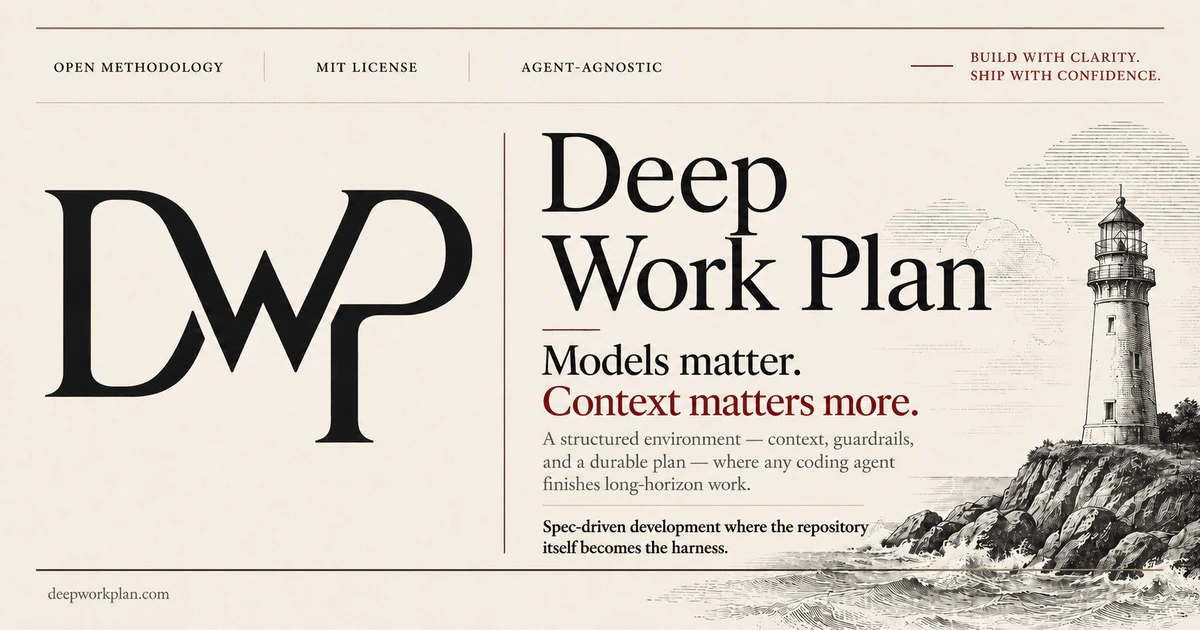
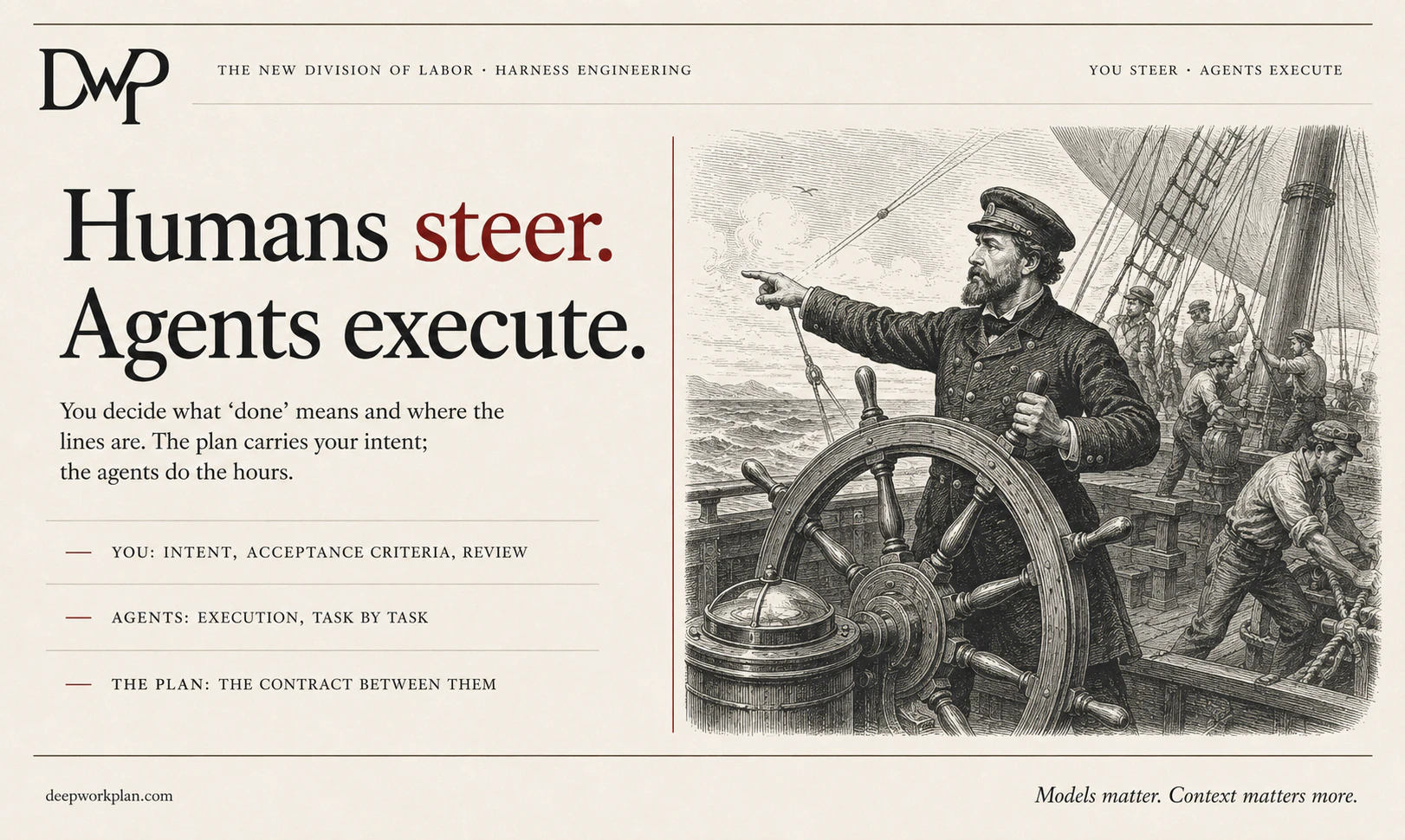
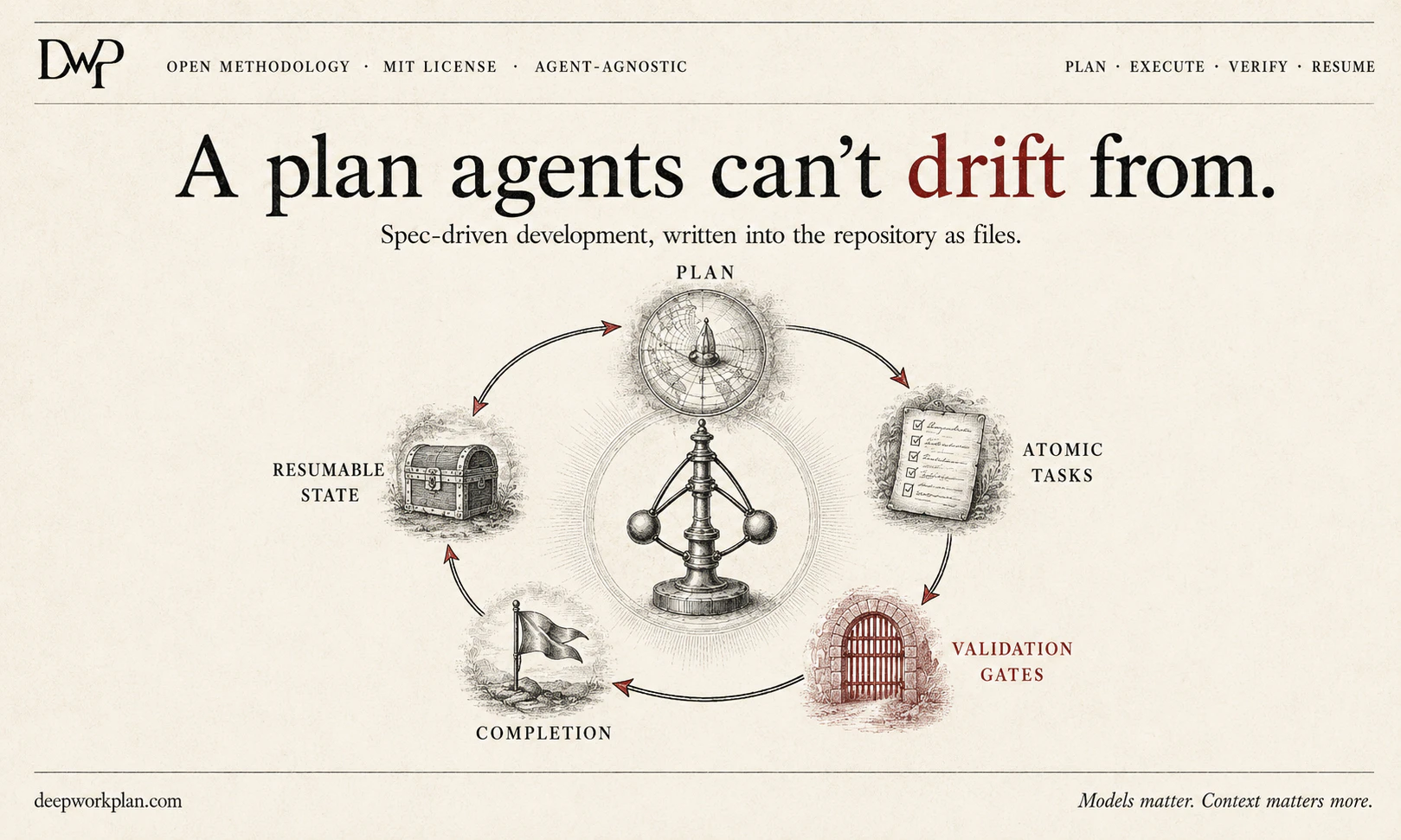
Deep Work Plan turns any repo into a harness with the context of your best engineer — so any AI agent codes like your smartest model and can't drift from the plan. Not a chat window it forgets, a spec written into the repo: atomic tasks, acceptance criteria, validation gates, resumable state. Long runs survive context resets; any agent picks up where the last left off. Point an agent at it, walk away, come back to work you can verify. Any agent, any repo, no lock-in. Open Source, MIT.
Hi Product Hunt 👋 Models matter. Context matters more. That one line is the whole reason this exists. I build with AI agents every day, and I kept hitting the same wall: an agent starts a long task brilliantly, then somewhere around hour three it quietly drifts. The diff still compiles — it's just not what I asked for. There was never a clean way to resume, because the whole plan lived in a chat window that had grown too long to trust. I stopped treating that as a prompting problem and started treating it as a structural one. The fix wasn't a smarter model. It was giving the agent a plan it couldn't drift from — written into the repository itself. That's Deep Work Plan. The idea is two moves: 1) Make the plan the source of truth, not the chat. Before any code, you write a spec: a goal, atomic tasks, and for each task explicit acceptance criteria + a validation gate. "Done" is decided by the gate, not by how the model feels. And it lives on disk, so it survives a context reset or a handoff to a different agent tomorrow. 2) Let the repository be the harness. The context (files), the tools (your scripts and tests), the guardrails (the plan and its gates), the state (on disk) — all of it lives in the repo as plain files any agent can read. So it's tool-agnostic: Claude Code, Codex, Cursor, or next year's agent can all run the same plan. No vendor to bet on. What I'm proudest of is that it's not a slide. It's dogfooded across three repos — including the site that documents it. It's MIT, and you can install it into your own repo in one step at deepworkplan.com/init. If your agents start strong and wander by hour three, I'd genuinely love your take. How are you keeping long-horizon agent work on track today?
4
回复

@xergioalex The premise that "context matters more" really resonates—I've seen teams spin up agents that fail because they lack proper context about project constraints and dependencies. How do you see this evolving for non-technical users who want structured AI help but aren't comfortable writing detailed plans? Do you have templates for common project types?

0
回复

The "repo as harness" idea is clever — giving agents durable context instead of a fresh chat window every time is exactly what long-horizon tasks need. Context drift is probably the #1 reason agent work falls apart mid-task.

Is the plan file something you generate once and manually update, or does it evolve automatically as the codebase changes?

1
回复

@doganakbulut Good instinct to ask what happens after the initial harness setup, that's where it actually gets interesting. The short version: it's neither of the two options you posed. You're not hand maintaining it, and it isn't blindly syncing itself to the code either. It's generated once, and then it keeps maintaining itself as part of the work, which is really the whole point of the methodology.

You start from a goal, and DWP decomposes it into atomic tasks, each with acceptance criteria and a validation gate. From there, that file is the source of truth. I deliberately don't auto-rewrite it from code diffs. If the spec just chases the code, the code becomes the truth and the spec turns into a lagging mirror, which is the exact drift we're trying to kill. So it evolves on purpose, not silently: every task's gate re-runs against the repo as it is right now, so when something changes between runs the gate fails loudly instead of rotting in silence, and that's the cue to `refine`. The agent does that refinement during the run; you mostly bookend it, approving the plan up front and reviewing the diff at PR time.

The part I'd really stress: keeping things current is work the plan does, not a separate chore. Any task that changes behavior also updates the `docs/`, `AGENTS.md`, and `.agents/` kit that describe it, and extends the tests that prove it, and that re-sync is part of the task's own validation gate. On top of that, every plan closes with a security-analysis pass and a skill-discovery step that turns what was just built into reusable skills. So the docs and tests evolve alongside the code by construction. The agent is continuously self-documenting, instead of leaving a stale spec behind.

It's basically the Boy Scout rule applied to the harness: every run leaves the repo a little more agent-ready than it found it, not more stale.

Longer take in the methodology write-up: https://deepworkplan.com/methodology/

1
回复

How do you keep the plan from getting stale as humans change the codebase between runs?

1
回复

@naimz Great question, honestly the failure mode I worried about most while designing this, because it's the one most "just write a spec" approaches quietly ignore. The plan isn't a snapshot of the code, so it doesn't rot like one. DWP handles drift on three fronts.

The first is that I write tasks as behavior, not edits. An acceptance criterion in a DWP task reads like "`POST /login` rate-limits to 10 attempts per IP per minute and returns 429 with a `Retry-After` header," not "add a Redis client in `auth.ts` and wrap the handler." So if a teammate swaps the store for an in-memory cache between runs, lifts the check into a CDN rule, or just renames the file, nothing in my plan is invalidated, the criterion is still expressible against the current code.

The second is that every task carries its own validation gate, and the gate re-runs against the repo as it is right now, not the repo as it was when I wrote the plan. So if someone broke an assumption between runs, the next run fails loudly at that gate instead of drifting silently, and that failure is my cue to `refine` before continuing, not to paper over it.

The third is that I made keeping the spec in sync with the code part of the work, not a separate chore. Any DWP task that changes behavior also updates the `docs/`, `AGENTS.md`, and `.agents/` kit that describe it, re-syncing the repo's agent-facing surface is part of the task's validation gate. On top of that, every plan ends with a security-analysis pass and a skill-discovery step that proposes new reusable skills out of what was just built. It's basically the Boy Scout rule applied to the harness, every run is meant to leave the codebase a little more agent-ready than it found it, not more stale.

If you want the longer take on why we built it this way, the methodology write-up walks through it: https://deepworkplan.com/methodology/

0
回复

"Context matters more than the model" is the lesson it took me a year of vibe coding to actually believe. My best and worst sessions use the same model... the difference is whether I handed it a real plan or just vibes. The part I still fight is drift, the agent quietly wandering off the plan three steps in. Does Deep Work Plan keep checking the work back against the plan, or is the plan mostly an upfront thing?

0
回复

@luca_capone You nailed the exact problem it's built for. The plan is not an upfront artifact you

write once and hope the agent honors, it's the thing the agent executes against, task by

task, and it doesn't get to declare victory until the work is actually validated.

Concretely, drift gets fought in three places:

1. One task at a time, not the whole goal at once. The plan is decomposed into small,

self-contained tasks. The agent works a single task, then has to stop and check itself

before moving on — so it can only wander one step, not three.

2. Every task carries its own acceptance criteria + a validation gate. "Done" isn't the

agent's opinion — it's a checklist plus the exact commands/tests that prove it (tests,

lint, type-check, build). The agent runs them before marking the task complete. If they

fail, the task isn't done, full stop.

3. Progress is written down in the repo as it goes. Each task gets an explicit status

marker (not started / in progress / done / blocked) and a log. So drift becomes visible

you (or the next agent, or the next session) can see exactly where it is vs. where the plan

said it should be, and resume from the first incomplete task without redoing finished work.

So to your question directly: the plan is a continuous check, not an upfront thing. And

yes, a plan isn't finished until everything validates, including mandatory end-of-plan

review tasks (e.g. a security pass over the whole change set). The agent can't quietly call it

done with a gate still red.

The honest caveat: it can't stop an agent from writing a weak acceptance criterion in the

first place. Garbage gate in, garbage gate out. But it makes drift loud instead of silent,

which, as you said, is most of the battle.

0
回复

spec-written-into-the-repo is the right model - a persistent plan that survives context resets and that any agent can pick up is fundamentally different from a prompt you're manually re-feeding each session. the acceptance criteria + validation gates combo is the piece most agent frameworks don't bother with. curious how it handles cases where the atomic tasks turn out to be wrong mid-run - can you edit and resume without blowing the state?

0
回复

@galdayan That comes up pretty often on real work, so handling it cleanly was a core design goal, not an afterthought. The methodology can refine a plan at any point, including after it's already been partially executed, without throwing away the work that's done.

Here's why that's safe: the state and the task definitions are kept separate. The plan is a checklist on disk plus a small state file, so which tasks are already done is recorded durably, independent of the task text. When a task turns out to be wrong mid-run, the agent doesn't push through. It marks that task blocked and stops, which surfaces the problem instead of burying it in a chat transcript.

From there you refine the plan: edit, reorder, split, or drop the tasks that haven't run yet, while the completed ones stay completed. The refinement only touches the open part of the plan, so nothing that already passed its validation gate gets blown away. Then you resume, and it rebuilds state from disk plus the actual repo and continues where it left off, re-running the gates so nothing that shifted underneath slips by.

So editing a plan mid-run is a normal, first-class move, not a reset. That's the whole reason the plan lives on disk instead of the chat: you can rewrite the route without losing the miles already driven.

Full loop here: https://deepworkplan.com/methodology/02-core-loop/

0
回复

Writing the plan into the repo rather than the context window is the right architecture. Durable state that survives model swaps and context resets is what makes long multi-step tasks actually viable. The validation gate pattern catches drift before it compounds. How are the gates implemented? Are they executable assertions the agent runs itself, or do they require human sign-off?

0
回复

@anand_thakkar1 Glad you went straight to the gates, that's where most of the design weight sits. Short answer: executable assertions the agent runs itself. Human sign-off bookends the run, it doesn't live inside it: a person approves the plan before execution starts, and reviews the final diff at PR time. Execution in between is autonomous, that's the whole point.

Every task has a `Validation` section that names concrete commands, typically the repo's own quality gate (tests + lint + type-check for a TS repo, `cargo test && cargo clippy` for Rust, `pytest && ruff` for Python). DWP doesn't impose a test runner, it reads whatever the project already considers "the code is healthy" and binds the task to that. A task isn't marked `[x]` done unless those commands exit 0, and tasks that change behavior have to extend the suite, so the gate isn't "existing tests pass" but "the new tests that prove this works pass too."

On failure, the task is marked `[!]` blocked and the agent stops. The failure surfaces in the progress log instead of getting buried in a chat transcript, which is the cue to `refine` the plan or pull a human in, not to push through.

One plan-level gate worth calling out: every plan ends with a mandatory security-analysis pass over the whole change set, plus a skill-discovery pass that proposes new reusable skills from what was built.

Take a look at the Core loop write-up with the full validation and completion protocol: https://deepworkplan.com/methodology/02-core-loop/

0
回复
#9
Dualora
Record in both 16:9 and 9:16 at the same time
108
一句话介绍:Dualora是一款让创作者在拍摄时同步预览并录制16:9横屏与9:16竖屏双格式视频的工具,解决了一次拍摄需后期二次裁剪、构图失准的跨平台发布痛点。
Android Social Media Photography Photo & Video
视频录制 双格式 创作者工具 跨平台发布 竖屏横屏 本地处理 无账号 产品效率 Android
用户评论摘要:用户普遍认可该功能解决了录制两次或后期裁剪失准的痛点。主要疑问:录制时是同时生成两个独立文件还是后期拆帧?开发者回应:为保性能,先录原始画面,再用队列渲染双文件。用户提出补充字幕安全区、UI叠加等建议,开发者已列入路线图。
AI 锐评

Dualora切入的痛点真实且具体——跨平台创作者确实长期被横竖屏内容的重复录制或后期裁剪折磨。产品“实时双画面预览+本地双文件导出”的设计简洁有力,直接跳过后期纠错的繁琐环节,且强调“无账号”“无云上传”,既降低了使用门槛,也消除了隐私顾虑,在当下用户对数据滥用高度敏感的环境里,这是一种聪明的信任建立策略。

然而,这款产品的问题同样明显。首先,其技术实现并非实时双流编码,而是捕获后渲染,这意味着录完到导出之间仍存在等待时间,对于追求即时发布的创作者而言,这一等待可能打断工作流,尤其是长视频场景。其次,产品目前仅聚焦于拍摄环节,但创作者完整的痛点链条还包括:如何规划构图中的人物/关键内容同时适配两种画幅?如何快速批量添加平台对应的字幕和水印?这些“下游”问题并未被解决,可能导致用户仍需跳转到其他工具补完流程。

评论区提及“Firework十年前就做过”尽管被反驳,但提示了一个核心风险:工具型产品往往面临“低粘性”困境。用户只有在拍摄特定内容时才会想起它,用完即走,没有社交关系链或云端资产绑定,很容易被系统相机自带的导剪功能或替代App所取代。如果想突围,Dualora必须从“临时拍摄工具”升级为“多平台内容的一站式拍摄与发布枢纽”,例如内置画幅构图指南、智能检测画面主体并给出最佳构框建议、或直接对接YouTube/Shorts/TikTok的发布API,将创作到分发的链条彻底缩短。

总之,Dualora方向正确,但目前只是一个“织了一半的锦”,距离成为创作者工作流的必需品,还差两个关键补丁:一是缩短导出时间至实时,二是从工具进化到解决方案。否则,它很可能只是又一个被收藏夹遗忘的“小众好物”。

查看原始信息
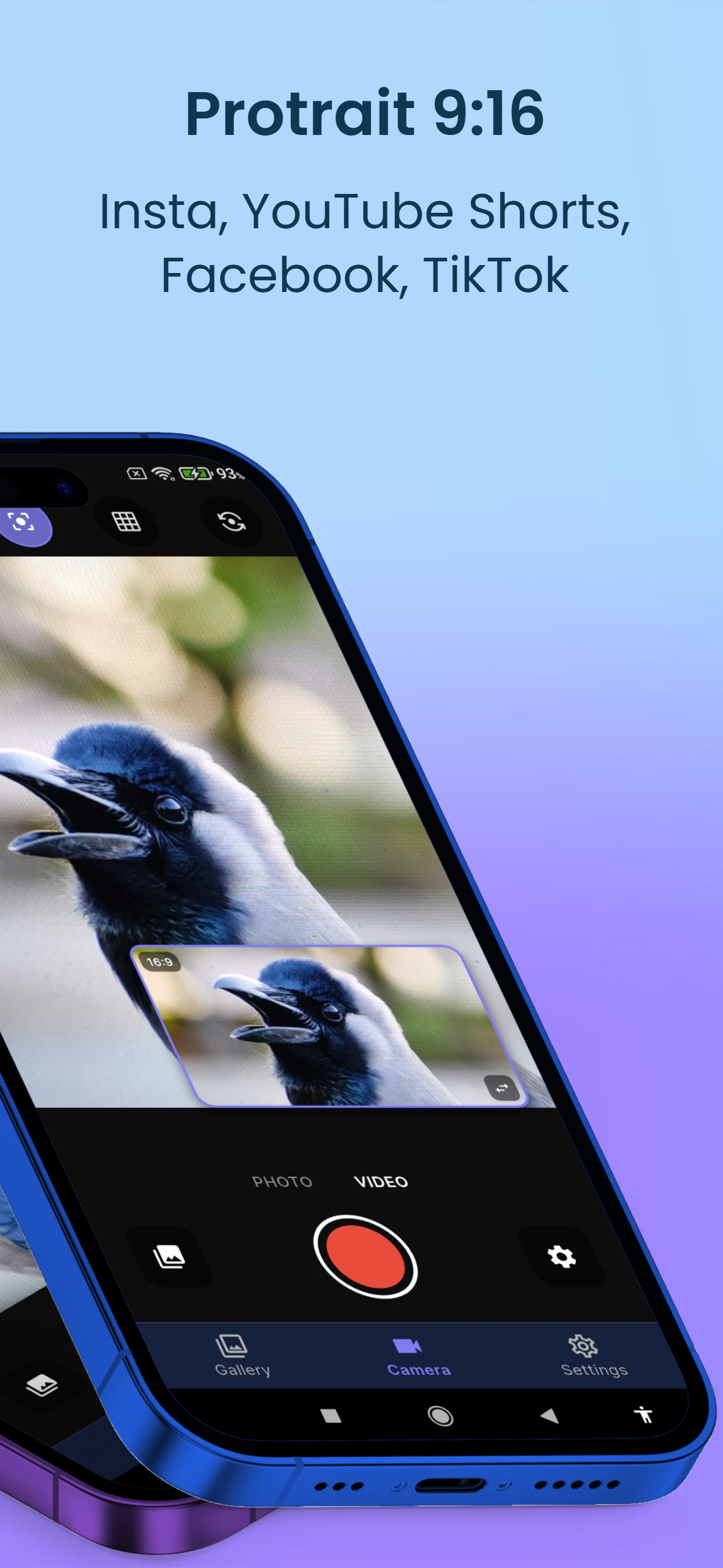
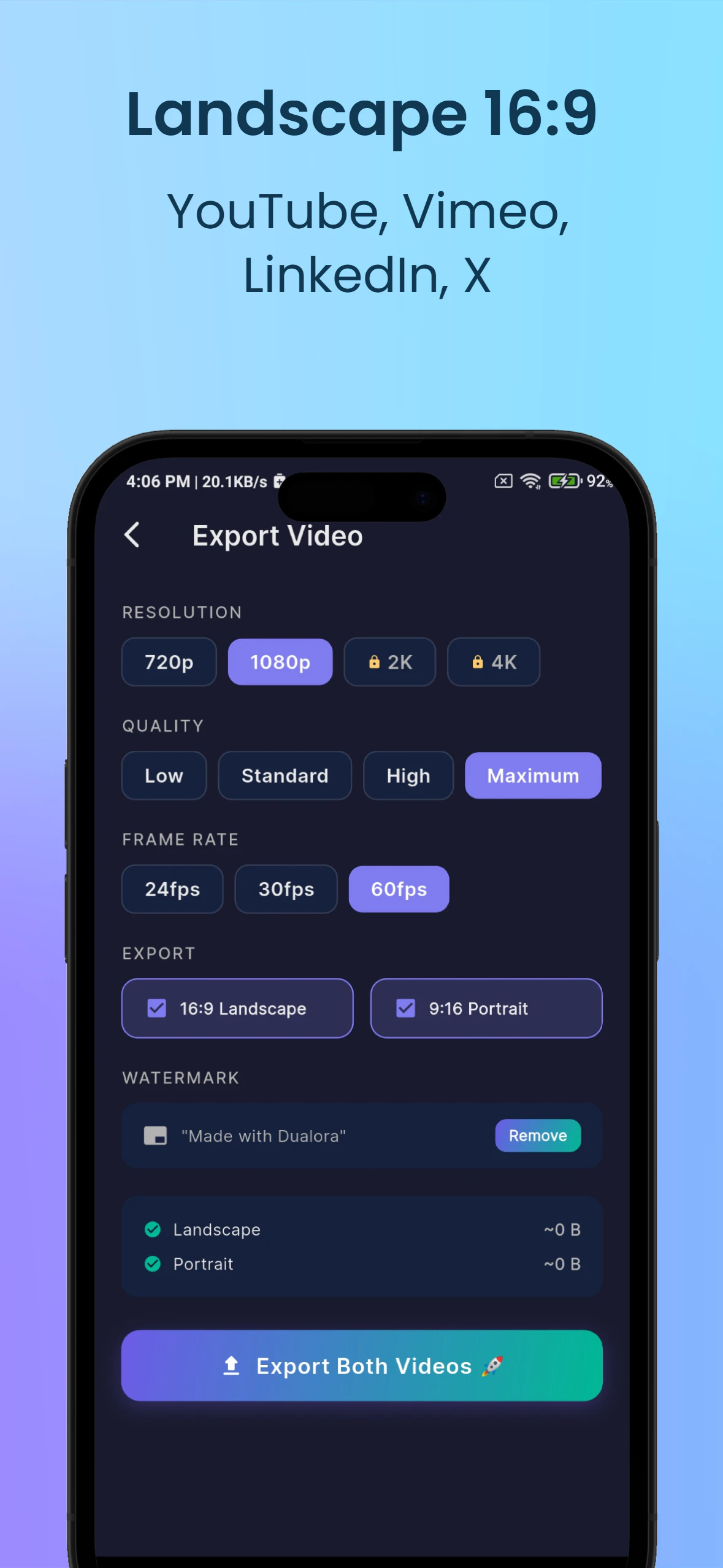
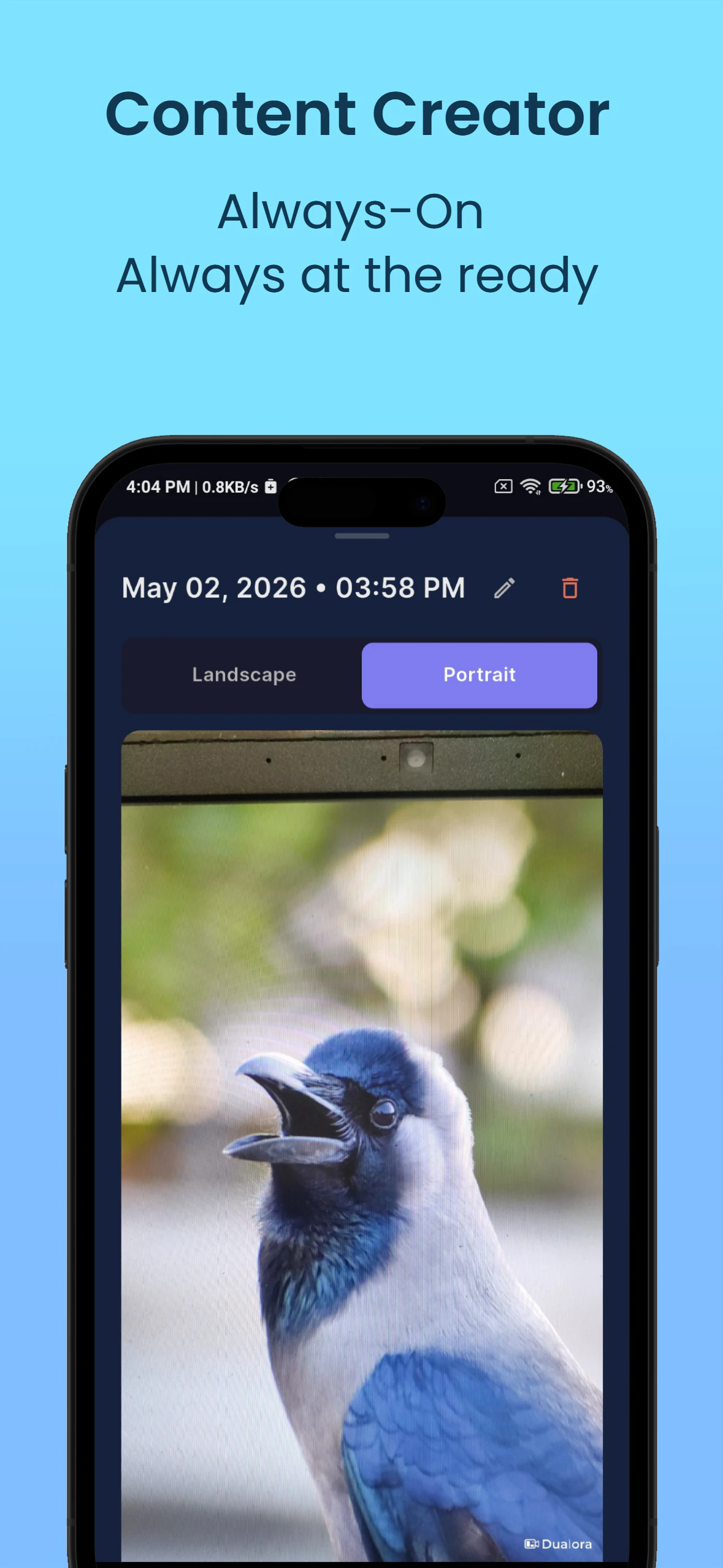
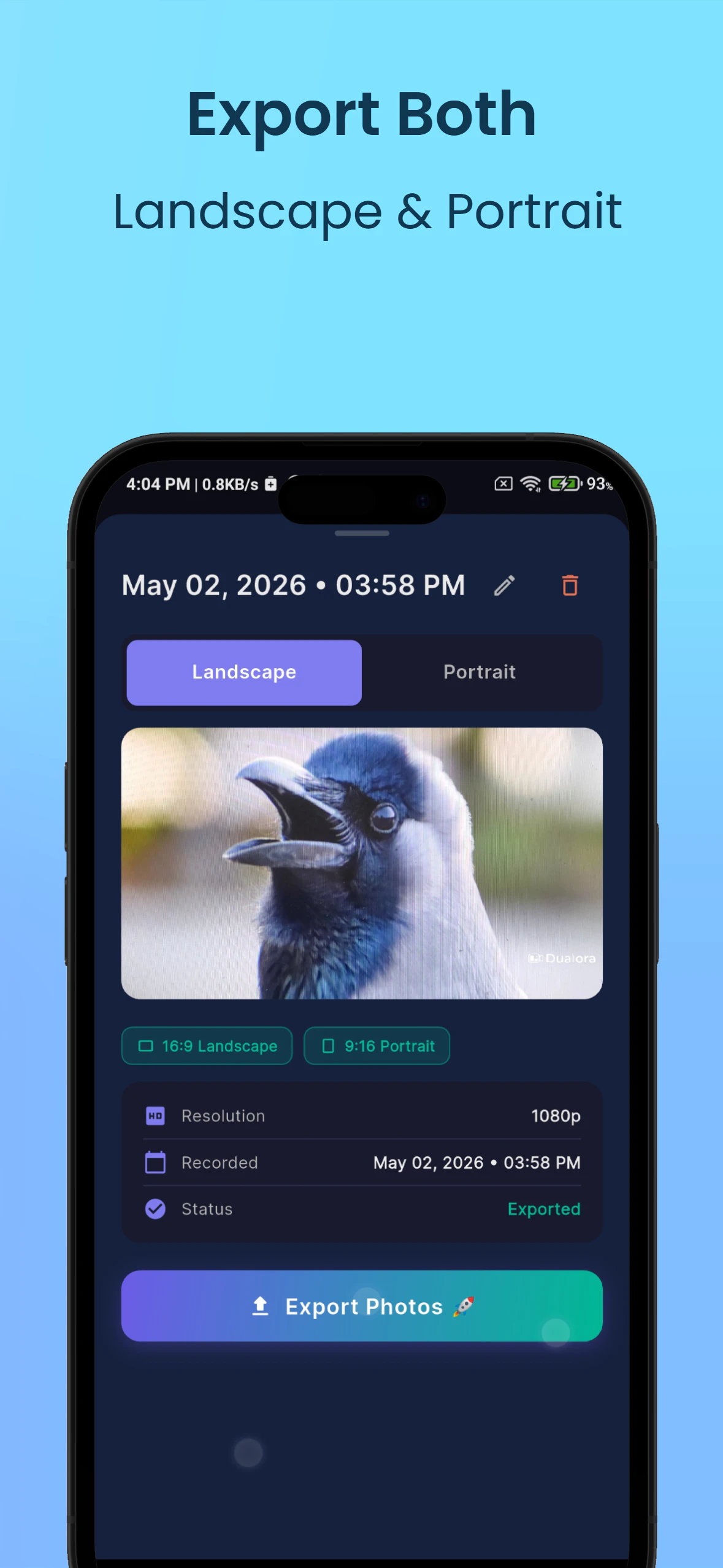
Dualora
Multi-platform creators have a broken workflow: record landscape for YouTube, flip the phone, record again for Shorts. Or record once and spend 20 minutes cropping a second version that still looks off. Dualora fixes this at capture time — not in post. Open the app and you see both 16:9 and 9:16 framing live on screen while you shoot — Split View or Picture-in-Picture. Hit record. Export two files. Upload to two platforms. Done. No guessing. No re-shooting. No desktop detour. No Account.
Hey Product Hunt! 👋 I'm Alik — indie dev from India. I built Dualora because I was tired of recording every video twice: once horizontal for YouTube, once vertical for Shorts. And cropping in post never works — you only find out you framed it wrong after you've already shot. So I built an app that shows you both 16:9 and 9:16 live while you shoot. Record once. Export both. Done. Everything processes on your phone — no cloud upload, no account, If you create for YouTube AND Shorts/Reels/TikTok or any kind of content— try one session and tell me if you'd ever go back to recording twice. Would love your honest feedback, bugs included. 🙏
4
回复
Firework did this more than 10 years ago. It didn’t take off. Perhaps it’ll be different this time.
2
回复

@lakshminath_dondeti 
A lot has changed in a decade especially the rise of short-form vertical platforms alongside traditional horizontal ones. It's a genuine workflow problem for modern creators who are tired of recording things twice or losing framing while cropping in post. Dualora is built specifically for today's multi-platform ecosystem, and I'm excited to see how creators use it!

1
回复

Finally, something where you don't have to go through seven circles of hell just to sign up!

1
回复

@jackdonovan Haha, thank you! We absolutely hate jumping through hoops just to try an app, so we wanted to make the entry as seamless and friction-free as possible. Great to hear that it stood out to you!

0
回复

This solves a real pain for creators — recording once and getting both formats natively is way better than cropping after the fact. The quality always suffers when you crop.

Does it split the feeds in post or actually record two separate video files simultaneously?

1
回复

@doganakbulutThanks for the appreciation
To answer your question: because we are focusing heavily on Android, performance stability during recording is our top priority. Rendering two high-resolution video streams simultaneously can heavily tax a phone's hardware and risk dropped frames.

Instead, Dualora captures the raw feed efficiently and then uses a queue to render out the two separate, native video files right after you finish recording. This ensures your phone stays cool and your recording remains perfectly smooth!

0
回复

I like that Dualora fixes this while recording, not after. Seeing both 16:9 and 9:16 live on screen feels much more practical than guessing and hoping the crop will work later.

Curious if you plan to add safe-zone guides for captions, UI overlays, or platform-specific crops in the future?

1
回复

@andrasczeizel TThanks so much for checking out Dualora! That's exactly why we built it—trying to guess the framing and hoping the crop works out in post-production is a massive headache for creators.

Your suggestion about adding safe-zone guides for captions, platform UI overlays, and specific crops is fantastic and highly practical. I am definitely adding that to our roadmap for future updates. Thanks for the valuable feedback!

1
回复

As a content creator this definitely caught my eye. It truly is a struggle finding a way to use landscape video as short form content as well. I can't wait to try this one out!

1
回复

@aditi37 Thanks, looking forward to you valuable feedback

0
回复

Why didn't i know Your app during recording my tutorials :( I did double job.

0
回复
#10
memi
The AI agent harness for product design teams
104
一句话介绍:memi 是一款 macOS 平台上的AI智能体中台,让设计团队在本地工作环境中直接调用Claude、Codex等AI代理,将产品规格、研究数据和Figma文件作为统一上下文,解决AI辅助设计中反复丢失项目记忆与设计意图的痛点。
Design Tools Developer Tools GitHub SDK
设计AI中台 macOS工作台 AI智能体编排 设计系统管理 代理冲突检测 设计记忆层 Figma协作 开放式AI工具 本地化AI设计 设计师助手
用户评论摘要:用户关心:是否强依赖Figma(回复:不需要);AI如何量化并学习主观“品味”(回复:构建动态偏好档案);多代理针对同一设计源产生分歧时如何裁决(回复:维持Figma作为真相源,输出差异作为提案,由设计师裁决并纳入项目记忆)。
AI 锐评

memi的核心价值并非“又一个AI设计工具”,而是为设计团队提供了一个“AI智能体操作系统”——它试图解决当前AI辅助设计中最棘手的非技术问题:**上下文的断裂与记忆的消逝**。

当前主流AI工具链的典型困局是:每次使用Claude生成代码或Codex处理设计稿时,AI对项目、风格、过往决策几乎毫不知情,导致大量重复劳动和审美漂移。memi的“记忆层(memory layer)”设计看似语义简单,实则直击要害——它将设计师的审美偏好、组件模式、拒收决策等非结构化数据,转化为可被多代理引用的结构化上下文。这种做法比单纯的“用更大模型”聪明得多:边际成本更低,且更新速度快。

更值得关注的是其对“多代理冲突”的处理逻辑。大部分竞品想通过一个超级模型包揽一切,结果往往是平均化、平庸化。memi默认代理会出分歧,并允许设计师以“仲裁者”身份介入,且将裁定结果反哺记忆——这实际上在构建**协同决策的飞轮**。对于内部有复杂设计系统的团队(如中大型SaaS公司、Web3产品团队),这个价值远胜过一次性出图功能。

不过,有两点值得警惕:第一,macOS独占意味着它主动放弃了庞大的Web和移动端设计师群体,以及CI/CD集成等自动化场景;第二,“品味”的学习能否在跨团队、跨项目时长周期内真正稳定输出,仍需案例验证。如果memi能解决跨环境兼容与品味收敛性,它就不只是“AI harness”,而是**设计资产的神经网络**。

查看原始信息
memi
A macOS workbench where Claude, Codex, and Hermes run on your specs, research, and Figma files.

Is Figma required? Where I struggle with design systems in AI-native development is maintaining and verifying against a single source of truth.

1
回复

@jgilbertson47 nope not required at all!

0
回复

Love the vision of an AI that understands your patterns and taste. I wonder how does memoire actually learn and quantify something as subjective as a designer's aesthetic preferences over time?

1
回复

@crystalmei I love this question because taste is the whole point. We do not try to turn a designer’s aesthetic into one magic score. memi builds a living taste profile from repeated signals: accepted vs rejected generations, recurring token choices, component patterns, spacing/type/color preferences, reference boards, Figma usage, and project-specific decisions. Over time it can say things like “this team tends to prefer denser layouts, sharper radii, quieter contrast, and editorial type” and use that as context for critique or generation. The quantification is really a memory layer plus receipts, so subjective taste becomes something the agent can reference and improve against without pretending it is objective.

0
回复
Hey Product Hunt 👋 I built memoire because I kept seeing the same problem: designers are being asked to work closer to code, AI agents, design systems, and product logic, but the tools around them still treat design context as something separate. memoire is an open-source AI agent harness for product designers. It helps connect your design workflow to Figma, GitHub, codebases, design systems, and AI agents like Claude, Codex, and other local or open-source tools. The goal is simple: make AI-assisted building feel less like starting from zero every time and more like working with a system that understands your project, your components, your patterns, and your taste. I’m especially interested in feedback from designers, builders, and indie hackers: What part of your design-to-code workflow still feels the most broken? Is it handoff, design systems, context switching, agent setup, Figma-to-code, or picking up an existing project mid-way? Would love your thoughts, critiques, and feature requests.
0
回复

Routing multiple agents against the same Figma source is the right call. Text specs drift from design intent the moment a file changes. It's a translation layer that doesn't survive iteration. When Claude and Codex generate diverging implementations from the same component spec, how do you surface and resolve those conflicts?

0
回复

@anand_thakkar1 Great question. The way we think about it is: Figma stays the source of truth, and agent outputs become proposals against that source, not separate truths. memi keeps the shared context around component specs, tokens, source frames, receipts, and prior accepted changes. When Claude and Codex diverge, the goal is to surface the delta clearly: what changed, which design intent it maps to, and where it conflicts. The designer can accept, reject, or revise, and that resolution becomes part of the project memory for the next run. So conflict resolution is less “average two agents” and more “keep design intent anchored while agents produce inspectable diffs.”

0
回复
#11
Typerino
Screenwriting and playwriting for movies, television, stage.
102
一句话介绍:Typerino是一款专为电影、电视和舞台剧创作者设计的专业剧本写作工具,通过原生应用实现“所见即所得”的行业标准格式排版,解决了传统工具操作复杂、写作体验卡顿的痛点。
Mac Productivity Writing
剧本写作 编剧软件 舞台剧创作 影视剧本 格式化 Mac Windows 所见即所得 行业标准 写作体验
用户评论摘要:用户普遍认可其设计感和打字流畅度,有用户期望添加主题和电子书导出功能。一位用户询问与Celtx等竞品的差异,开发者回应强调专为舞台剧优化且追求使用愉悦感。已有用户从StudioBinder导入脚本试用。
AI 锐评

Typerino在“愉悦感”上做对了,但警惕沦为小众情怀之作。

从产品设计上看,Typerino精准抓住了资深编剧的隐性痛点:当Final Draft、Celtx等工具的功能堆叠达到饱和,打字延迟和界面杂音反而成为创造力的敌人。它复制了Vellum在电子书领域的成功逻辑——将对工具的爱转化为对创作过程的尊重。102票的Product Hunt成绩说明,至少对“质感派”用户而言,这种“极简原生+格式自动化”的定位极具吸引力。

但其价值锚点存在风险。第一,定价策略(11.99美元/月)直接对标Final Draft,而非Fade In等更便宜的替代品。对于个人编剧,情怀能否支撑持续付费仍是问号;对于制作公司,缺乏协作和云端功能可能导致直接被过滤。第二,开发者自述“像初稿一样发布”,意味着1.0版在功能上还远未成熟。用户评论中提到的“主题”和“导出”尚在路线图,而更关键的“多设备同步”、“修订模式”等功能并未提及。

真正的价值在于,它让“专业写作工具”回归到了“写作”本身。如果Typerino能坚持“快、静、痛”的体验哲学,并迅速补齐协作和格式兼容性的短板,它或许能像Bear之于笔记、Ulysses之于长文一样,占领一个绝对垂直但付费意愿强的创作者市场。否则,它可能只是一款设计精美的“第一稿玩具”。

查看原始信息
Typerino
Industry-standard screenwriting and stage-play formatting for feature, television, and stage. No Markdown, no syntax: what you type is what gets exported. Mac and Windows. Free 14-day trial, then $11.99/mo, or $99/year.

Hey Product Hunt 👋

I'm Charlie, and Typerino is the screenwriting and playwriting app I wanted and couldn't find.
I love the craft and I've spent a lot of time inside the existing tools. I've spent my career as a software designer & builder, so naturally I built my own.

The writing engine is designed from the ground up around a single goal: that it should feel great and look great. Typing should feel crisp and delightful. No perceptible delay between thought and word on the page, even in a feature-length script. Industry-standard formatting is there, the writing surface is clean and quiet, and it runs natively on both Mac and Windows.

I'm calling this 1.0, but I think of it the way screenwriters think of a first draft — the thing you ship so you can start making it better. It's not everything I want it to be yet. It is something I trust you to write in. I'll be patching and adding fast, and I'd genuinely love your notes on what to sharpen next.

Easiest way to feel the difference: download it, open a blank script, and just type for thirty seconds.

4
回复
Congrats Charlie, I’ve been looking for something like this to accompany me in a screenwriting course I’m currently doing. Love the scene and character sidebars, as I personally sometime find it hard to hold onto structure on other writing tools. Will take this for a spin 🙏
3
回复
@ferdi_sigona Thank you so much! Will love to hear what you think. Getting it out into the world and seeing what others make of it means the world to me.
0
回复

This is so nicely designed. Have you thought about making themes or ereader export?

2
回复
@nabeel5 Thank you! And yes, more themes are definitely on the todo list.
0
回复

This looks really promising! I've already started to import my scripts from StudioBinder to keep working Typerino!

1
回复

@uxward Thank you Brandon! 🙏

0
回复

The “just type for thirty seconds” point is a good way to frame it. For writing tools, speed and feel matter as much as features, especially when someone is working on a long script.

1
回复

I am sure Typerino is a great product, just curious what makes it better than celtx or other tools? I have used Celtx for a couple of stage play scripts a few years ago.

0
回复

@maddy19 I've used Final Draft, FadeIn, Celtx, and a few others for years. They're all functional and each does some things well, but none of them felt like a pleasure to use. I was inspired by what Vellum did for ebook creation and wanted to bring that same care to screen and stage writing. And since you're writing stage plays... that's a first-class format in Typerino, not an afterthought bolted onto a screenplay editor, which is usually where other tools fall short for playwrights.

0
回复
#12
Mirlo
Social media for real connections. No likes, no algorithm.
96
一句话介绍:Mirlo是一款去中心化、无算法干扰的欧洲社交APP,专注于通过互相关注的机制,在熟人之间建立真实、私密且无压力的沟通场景,解决用户对现有社交媒体“消耗性体验”的倦怠。
iOS Social Media Social Networking
社交应用 无算法 隐私保护 订阅制 互相关注 欧洲制造 无广告 熟人社交 反沉迷 数字极简
用户评论摘要:用户普遍欢迎“无点赞、无算法”的纯净理念,但主要关注两个问题:一是如何在没有算法的情况下发现新朋友(当前仅支持名称搜索,路线图包括通讯录同步和好友推荐);二是对“裸露内容”审核机制的疑问;此外,非欧洲用户表达了强烈的使用期待。
AI 锐评

Mirlo 的“反算法”叙事精准击中了被传统社交平台异化的用户的情绪痛点,但其真正的价值不在于“无算法”,而在于它重新定义了社交网络的连接约束:通过“互相关注”和“无公开评论”把社交场景拉回私密熟人圈,彻底消解了表演性焦虑——点赞数与公开反馈是社交压力的核心放大器,Mirlo直接拆掉了这两道阀门。这种设计在理念上比只是“安静”的竞品(如Daylight、Minus)更激进,也更接近社交的本质(即信息交换而非声望竞争)。

然而,Mirlo的商业模型同时暴露了其致命悖论:订阅制(4.99€/月)和“无数据出售”保证了彻底的用户主权,却让冷启动变得几乎不可能。社交网络的价值随节点数量指数级增长,而“仅互相关注”意味着用户必须先有朋友加入才能获得价值,缺乏“推荐人”和“公共广场”机制进一步抬高了加入门槛。对于普通用户而言,花5欧元每月去“联系本就在微信/Telegram上联系的人”缺乏切换动机。目前,Mirlo更像是一个为“对社交媒体彻底失望”的极客团体准备的避风港,而非大众市场产品。其生死取决于能否在“纯净”与“可发现性”之间找到一个不破坏核心体验的平衡点——推荐系统如果加入传统模式,又会让它沦为另一个“安静的Instagram DM”。创始人面临的核心问题不是“如何做更好”,而是“人们为什么需要一个专门的新APP来做现在已在做的事情”。

查看原始信息
Mirlo
Mirlo is a European social app for real human connection. Built without engagement hooks: no likes, no public comments, no algorithm, no infinite scroll. Mutual connections only, so the conversation stays between the people in it. Hosted in the EU, no ads, no data sold. Subscription-only, 14-day trial. On iOS across 30 EU countries with wider rollout planned. Made for the people who quietly closed the apps that stopped working for them.
Hey everyone, I'm Mathijs. I built Mirlo because my own social apps stopped giving back what they were taking. Not in a dramatic way, just in a slow, daily way that I couldn't unsee anymore. Mirlo is what I wished I had instead. No likes, no public comments, no algorithm, no infinite scroll. Every connection is mutual, so the conversation stays between the people in it. It's calm on purpose. It's also subscription-only, €4.99 a month or €34.99 a year. If you're not paying for it, you're the product, and I didn't want that to be the model. The 14-day free trial lets you try it without committing. Everything is built and hosted in Europe under GDPR and the Digital Services Act. No ads, no data selling, no third-party tracking. A note on availability: Mirlo is currently live on iOS in 30 European countries (the EU plus a few neighbors). Android and wider international rollout are on the roadmap, not the launch checklist. If you're outside Europe and Mirlo sounds like something you'd want, I'd love to hear from you. That demand signal directly informs what comes next. Curious what you think, especially the design choices that feel different. What would you want from a social app that doesn't measure you?
4
回复

@mathijslemmers Congrats on the launch! Very cool concept - social media in its purity. Curious that you mentioned the "nudity" aspect on the website - could Mirlo be a competitor for OnlyFans?! If that's the plan, smart. If it's not, how would you monitor that?

1
回复

I miss the early days of social apps when they were mostly about keeping up with people you actually knew. Curious to see how this evolves.

2
回复

@varun1jan Same here😄 It's a sentiment I keep hearing over and over. I finally had enough about a year ago. Deleted my Instagram but quite soon felt like I was missing out on genuine updates from friends and family.

Really hoping we've got something here that can help people connect with their loved ones and not be glued to their phone 24/7.

0
回复

Genuinely refreshing to see a social app built around mutual connections and no public likes. Most attempts at "calm" social media still sneak in engagement mechanics. The European privacy angle + no data selling is a strong differentiator too.

How do you handle discovery on Mirlo — if there's no algorithm, how do new users find people they'd actually want to connect with?

2
回复

@doganakbulut Thank you for your comment! At this moment the answer to that is quite simple: discovery isn't handled.

You can search for people by name and/or username, but that's about it. There are features on the roadmap to improve this, but we want to be careful rolling these out. It's scarily easy to fall back into pushing certain content onto people.

What's on the roadmap:

  • Sync your contacts;

  • Recommended friends based on your current connections.

We're very open to listen to any ideas or brainstorm about this. Let us know your thoughts😊

2
回复

I'm from India and I'm really excited to try this out one day. I was an early Instagram user back when it was just about sharing photos before everything got so toxic. I really miss that simplicity and I hope Mirlo can bring it back, good luck!

1
回复

@rajanbuilds I'm so happy to hear that! We can't wait to role the app out to other countries. There seems to be a real want for people to go back to basics and just connect with their friends and family.

Thank you so much for sharing🫶

0
回复

Great initiative. A social media network that focuses on the ‘social’. I’ve installed the app and will try to get my friends use it!

1
回复
@syourt thanks Sjoerd, that’s greatly appreciated. Be sure to let me know if you have any questions or feedback👍
0
回复

こんにちは。リリースおめでとうございます。
わたしも少しだけ近い思想でSNSを構築しているので興味が湧きました。
実際にどのように他の人と繋がるのですか?すでに知っている知人同士のコミュニティとなるのでしょうか?
インスタグラムのDM機能だけを切り取ったようなアプリなのでしょうか。
お時間があれば教えていただけると嬉しいです。ありがとうございます。

1
回复

@orora  Thank you for commenting! I hope you don't mind me responding in English.

For the MVP, connecting with people is simply searching either their name or username, clicking on their profile and sending a connection request. The other user then has the choice to accept or decline the invite.

Once an invite has been accepted you both get access to each other's posts and the option to chat to each other.

There currently is no feature to promote connection more. But we are thinking about:

  • Sync your contacts;

  • Recommended friends based on your current connections.

In addition, each user has the option to hide their account from the search. Which means they alone can initiate connections.

Hope this helps, feel free to let me know should you have more questions😄

2
回复

the "mutual connections only" detail is the one that actually makes this different. every other "anti-algorithm" app still has public replies or likes, which just recreates the performance anxiety in a slightly quieter room. curious how you handle the cold start problem though, since that mutual-only constraint means it's pretty hard to find anyone until you already know someone on it.

0
回复
#13
Redactify
Automated profanity censoring for video & audio
94
一句话介绍:Redactify是一款自动检测并消音视频/音频中的脏话,同时模糊说话人嘴部画面的工具,专为需要在TikTok、YouTube等多平台发布内容却担心违规的创作者、播客主和媒体团队解决繁琐且易出错的审核工作。
Social Media Entertainment Video
视频编辑 音频处理 自动消音 口型模糊 内容审核 创意工具 媒体制作 播客工具 跨平台发布 AI辅助
用户评论摘要:用户肯定其“音频消音+嘴部模糊”的全面性,解决多平台合规痛点。主要疑问集中于:是否支持多语言(答:支持英西法德葡)、能否自定义脏词库、不同口音检测准确率如何、以及时间轴对齐和审核速度等细节尚有提升空间。
AI 锐评

Redactify的切入点非常精准:它没有在“脏话检测”这个已经被多家AI语音公司(如AssemblyAI、Rev)做烂的赛道上内卷,而是抓住了内容审核流程中一个被长期忽视的视觉痛点——“只消音不模糊嘴型”,这在唇语可读的视频平台(尤其是TikTok)上几乎等于白干。这种“音频+视觉”双通道遮蔽的逻辑,比单纯的音频消音更接近一个“完整”的交付方案,直击了创作者“一稿多投”时对不同平台严苛社区准则的恐惧。

然而,产品真正的护城河不在于检测本身(它依赖ElevenLabs的转录),而在于“检测-遮蔽-导出”这个全流程的自动化与编辑效率。目前用户反馈的核心矛盾点也在于此:检测准确率受口音影响,时间轴对齐无法手动微调。这说明目前的自动化更像一个“黑箱”,创作者一旦发现误判(例如把严肃访谈中的学术用词当成脏话),缺乏高效的修正工具,反而可能比手动消音更耗时。

从竞品角度看,市面上已有Descript、Riverside等一站式播客/视频编辑工具集成了音频自动清理功能(包括填充词和脏话),但它们更强调“剪辑”而非“遮蔽”。Redactify若想突围,不应止步于做一个“高级版Bleep按钮”,而必须向“政策合规自动化引擎”进化:比如让用户预设“TikTok严格模式”或“YouTube宽松模式”的不同标准,并利用用户反馈的纠错数据持续训练模型。

一个更深层的隐患是,过度自动化遮蔽可能让创作者失去对内容尺度的主观判断,导致“自我审查”过度。产品的价值远不止是节省时间——它是给平台内容审核的“潜规则”提供了一把能自动上锁的钥匙,但钥匙的齿纹(检测标准)是否合理,还需创作者集体校准。否则,它只是一台更高效的“精神自宫机”。

查看原始信息
Redactify
Bleep out swear words in your videos automatically, and blur speakers' mouths so nothing slips through. Built for creators, podcasters, and media teams shipping to TikTok, YouTube, Twitch and Spotify.
I know censoring content is a pain for editors, not only because it takes up valuable time, but because the typical way of doing it is extremely error-prone. It's a perfect example of 'busy work'. Stuff that needs to be done, but doesn't improve the art, or leave a lasting impact on the consumer. This is the exact type of work that can be handled via automation. Many existing solutions have handled this to some degree, delivering automated profanity censoring for audio. But none of them go as far as to blur the mouth of the speaker during a profanity. And I thought to myself, "what's the use of censoring the audio, if we're not going to blur the mouth too. That's the most difficult part of the process". Hence why I created Redactify. An all-in-one video & audio censoring tool to give content creators the confidence to post without feat of crippling their income, and to give media teams a tool that handles the 'busy work', so they can focus on quality whilst still meeting deadlines.
1
回复

Super useful for creators who want to stay brand-safe without manually hunting down every slip. The mouth blur on top of the bleep is a nice touch — covers both audio and video platforms.

Does it handle different languages or is it English-only for now?

1
回复

@doganakbulut Thanks! Yeah exactly, felt like it wouldn't be a proper solution without mouth blur.

To your question, yes it does! English is the most thoroughly supported language, but Spanish, French, German & Portuguese are also supported (with more coming in future)

1
回复

This solves a real headache for creators who post across multiple platforms with different content policies. Manual bleeping is tedious and easy to miss. Curious how it handles context — some words are fine in one setting and not another. Does it let you customize the word list or is it one-size-fits-all? Congrats on the launch!

0
回复

For audio/video tools, the edge cases are usually timeline alignment and review speed, not just detection accuracy. A profanity censor that stays frame-accurate and easy to audit is much more valuable than one that is merely clever.

0
回复

@krekeltronics Interesting — there are tools in the app for reviewing & editing, but for timeline alignment we rely on the outputs of our backend processing. Would be a welcome feature to let users edit the exact timing as well. Noted 📝

0
回复

This looks genuinely useful for creators and editors who spend way too much time on repetitive cleanup work. One thing I'd be curious about is how accurate the detection is across different accents and speaking styles.

0
回复

@henry_habib Hey Henry! Glad to hear you also see the value 😎

It's a great question, under the hood Redactify uses ElevenLabs, which (from what I've seen & experienced) seems to be best-in-class for transcription.

I've tested with a range of accents, but I'd be interested to hear your feedback if you get a chance to try it out yourself!

0
回复
#14
Wolfram Language 15
Computational language built for humans and AI agents
93
一句话介绍:Wolfram Language 15 作为一个可被人类与AI共同编写和读取的“计算语言”,解决了传统编程语言在AI生成代码时难以验证、理解和信任的痛点,让用户能直接检查并运行AI所理解的精确逻辑。
Artificial Intelligence Data & Analytics Science
计算语言 AI编程 符号计算 数值计算 可视化 知识库 物理学 数学 编程工具 开发者工具
用户评论摘要:用户主要表达了虽然Wolfram Language已有38年历史,但第15版仍在增加实质性核心功能;其核心价值在于AI生成的代码可被人类精确检查和信任。
AI 锐评

Wolfram Language 15 的发布,再次凸显了Stephen Wolfram对“计算语言”这一独特品类的坚持与偏执。从产品介绍看,其覆盖范围从LLM、AI到天文、化学甚至视频处理,堪称无所不包的知识工程巨兽。然而,这种“大而全”恰恰是双刃剑:对于普通开发者,学习曲线依然陡峭,社区生态远不及Python或JavaScript活跃。关键在于,本次更新真正值得关注的是“LLM & AI”板块——它试图解决大模型时代最棘手的信任问题:当AI生成代码时,人类能否理解并验证其推理?Wolfram Language 的符号化本质使得代码天然具备自解释性,这比黑箱式的神经网络输出更具审计价值。但必须指出,这种价值目前局限于技术精英与科研场景。在AI编程助手批量涌现的今天,如果Wolfram 不能降低使用门槛、增强生态互操作性,它极可能沦为少数极客的“精密玩具”,而非通用计算解决方案。真正的突破在于:能否让那些不精通形式化语言的业务人员,也能通过自然语言与这套系统交互并获得可审计的结果?否则,第15版不过是又一次令人敬畏的技术演示。

查看原始信息
Wolfram Language 15
New and updated functionality in Wolfram Language 15: LLM & AI, notebook & user interfaces, symbolic & numeric computations, visualization & graphics, geometry & graphs, astronomy, chemistry, life sciences, knowledgebase, video, PDEs & system modeling, core language, compiler & evaluation, repositories.

Hi everyone!

After 38 years, Wolfram Language 15 is still adding real core functionality.

Stephen frames Wolfram Language this way:

something beyond a programming language—it’s a full-scale computational language... intended not just to be written by humans, but also to be read by them, as a way to help formalize and crispen up their thoughts.

In his view, when AI generates Wolfram Language code, the value is that it shows “in precise terms” what the AI understood — something humans can inspect, run, and trust.

1
回复
#15
Tyto by ai-coustics
Audio insight that predicts voice AI performance
90
一句话介绍:Tyto 是一个轻量级音频洞察模型,能够实时或事后分析语音流,预测音频质量问题(如噪音、干扰声、丢包)对AI语音助手性能的具体影响,帮助开发者在嘈杂的真实场景中定位并解决因音频导致对话失败的根本原因。
Developer Tools Artificial Intelligence Audio
音频质量分析 语音AI监控 语音Agent故障预测 实时音频洞察 干扰语音检测 语音性能评分 通话质量诊断 开发者工具 AI-coustics
用户评论摘要:用户普遍认可其解决了音频问题“盲点”的痛点。主要疑问是:检测到干扰时能否自动触发Agent调整流程?运行是否会增加实时通话延迟?以及能否输出风险信号供下游策略(如转接人工)使用。官方回复解释了可配置阈值、传递标签,且不增加延迟。
AI 锐评

Tyto精准切中了当前语音AI落地中一个虚伪的“盲点”——大多数团队依赖ASR转录来诊断失败,却忽略了一个常识:转录文本不会告诉你客户背景里电视开得多大声。产品本身轻量、实时、开箱即用,定位清晰,技术上也比简单信噪比度量高级得多。

但关键在于,Tyto本质上是一个“告警器”而非“解决器”。它告诉你的Agent“你听不清了”,但让Agent去处理——这等于把球踢回给调用方。现实中,很多开发者连“音频不佳”这个信号都没有,而现在他们有了,却可能发现自己缺乏动态调整策略的工程能力或模型兼容性。这导致Tyto的上限高度依赖下游工程成熟度。

另一点值得警惕:它声称“不增加延迟”,但“逐块扫描”本身在实时交互中仍可能造成决策滞后。对于短促对话或超低延迟场景,这个“分析完再发分”的机制是否截断用户关键话语,需要实测验证。

总体而言,Tyto是一个好工具,但不是万能药。对于已经在对付复杂声学场景的团队是雪中送炭,对于仅希望“插个SDK就搞定一切”的团队,它可能只是另一个需要排查的数据源。真正的价值在于集成后的闭环优化能力,而非孤立的一套分数。

查看原始信息
Tyto by ai-coustics
Tyto is a lightweight model that runs on your audio stream and predicts whether the audio reaching your agent will cause downstream failures. It outputs a single score plus a breakdown across six dimensions: noise, speaker reverb, speaker loudness, interfering speech, background media speech, packet loss. Try it here: https://ai-coustics-tyto-demo--ph.modal.run/

Hi everyone, I'm Fabian, co-founder at ai-coustics.
The launch page covers very well what our newest product does but let me add here why we built it.

Voice agents are moving into the real world, where audio is messy: think cars, call centers, kitchens, noisy streets. And in the real world they fail in ways the transcript never shows. Especially competing voices - like a TV in the background or a far-field speaker - and artifacts like packet loss on a bad connection can throw off agent's performance. Teams see the bad outcome but have no idea the cause was audio. That blind spot is where trust in production voice AI breaks down.

Tyto (Audio Insight) is the solution for that blind spot. It analyses the input audio and scores it: how noisy, how reverberant, how much interfering speech, how likely the agent is to mishear. It's a signal you can actually act on.
It works in two modes: real-time monitoring so you catch failing calls as they happen or adjust the agent flow, and post-call analysis so you can finally answer what went wrong. And it runs on the same on-device ai-coustics SDK that's already shipped in production by voice AI teams.

Easiest way to feel it: point Tyto at a recording of one of your worst calls and watch it highlight exactly where the audio fell apart. Full write-up here. Link to documentation here.

We built this for the people shipping voice agents into hard environments. Tell us what's missing, we're reading every comment. 🙌

13
回复

Hey hey, Mila from ai-coustics here - I'm looking forward to seeing what you all think!

If you want to try it in your own infrastructure right away, you can get your SDK key here 😊
You can find full docs here: https://docs.ai-coustics.com/

9
回复

@ai_mila really cool launch!

2
回复

Congrats on the launch! I'm curious what specific agent flow adjustments can Tyto trigger automatically when it detects interfering speech mid-conversation?

8
回复

@crystalmei TLDR: Tyto gives you the raw metrics on how much interfering speech there is and gives Voice AI builders the flexibility to threshold those values and emit tags, which can be propagated to the LLM or voice agent to intervene.

Deeper Dive: Tyto outputs two interfering speech quality metrics respectively for in-the-room interfering speakers and devices playing content containing speech. They are both numerical values that go from 0 (clean audio) to 1 (lots of interfering speech). Crucially they are agent agnostic to give builders control over how they leverage them.

The flow we would recommend is to run Tyto over your user audio and threshold the interfering speech metrics at 0.35 (medium) and 0.6 (poor). These bands can then be used realtime to propagate information (e.g. textual tags like "High Background Speech" or "TV/radio/device detected") to your Voice Agent or LLM.

You can also preemptively flush the agent's turn when the threshold is exceeded and have it tell the user to move somewhere quieter. We've seen use cases like these with some customers, which is pretty cool.

Hope that helps! You can find lots more information in the Tyto guide in the ai-coustics docs :)

9
回复

It basically feels like the Voice AI agents are not deaf anymore! I think there was some degree of the Audio Intelligence in some of the STT engines such as understanding certain sounds etc but the acoustics awareness is a whole new level!

6
回复

For anyone who wants to try this hands-on: we’ve open-sourced the demo agent codebase so you can run it yourself or see how to integrate it into your own voice agent setup. Check it out here: [link]

5
回复

@corvj So cool, thanks for sharing this!

1
回复

Looks great! Does running on-device add latency to the live call, or is the scoring free?

3
回复

@louislecat In the 'real-time' mode, Tyto scans chunks of audio (depends how you set it, but for example 5 seconds progressively) and sends the scores after analyzing. It doesn't add latency to the call itself.

1
回复

This is a useful blind spot to solve. In sales and support voice agents, transcripts often hide the real reason trust broke down. Do you see Tyto feeding a live confidence/risk signal into the agent policy, like switching to confirmation mode, slowing down, or escalating to a human when audio quality crosses a threshold?

2
回复

@rahulbhavsar Exactly this. Tyto's major value add is that it gives you the headline Risk Score in realtime so you can trigger an intervention when it crosses a critical threshold.

It leaves you the flexibility to choose your intervention downstream and indeed that could be routing to a human, asking the user to turn off a TV or switching from automatic to manual turn-taking, for example. You can tailor the intervention based on the six more granular audio quality dimensions Tyto offers (interfering speech, media playing in the background, noise etc.)

Sales is a demanding use case for voice agents so this kind of acoustic awareness is exactly the edge Tyto aims to provide.

2
回复
#16
Locus Founder
Text an AI agent and it builds + runs your business
90
一句话介绍:Locus Founder 是一个能通过文本对话、从零到一全自动构建并运营一家完整商业实体的AI代理,解决了创业者从创意到业务落地之间的繁琐执行痛点。
SaaS Artificial Intelligence No-Code
AI代理 创业工具 无代码开发 全栈应用 自动化运营 Stripe支付 广告投放 供应链整合 YCombinator 商业自动化
用户评论摘要:用户普遍认可其“持续运营”而非仅生成资产的独特价值。主要疑问集中在:代理的自主权边界(如广告支出是否需要逐笔批准)、定价策略与利润率如何考量、以及产品货源(如一件代发)的具体实现方式。
AI 锐评

Locus Founder 的野心值得肯定,它试图解决的并非“做个网站”这种表层需求,而是创业过程中最令人厌烦的“中间地带”——域名、支付、供应链、广告、客服,这些琐碎但必要的环节。从产品介绍看,它确实不像Midjourney或Copilot那样只做辅助,而是尝试成为“代运营”的AI版本。

但真正的价值洼地,可能并不在“自动建站”或“对接Stripe”这些相对成熟的功能上。核心看点在于其“持续运营”能力:AI作为后台代理,负责日常运转,仅在需要决策或花钱时才通知人类。这种“人机协同”的模式,在理论上大幅降低了创业的试错成本和时间门槛。

然而,锐评必须指出其尚未被充分验证的短板:

1. **供应链深水区**:号称对接180万件商品,但一件代发的利润通常极薄。AI如何在价格战中自动为卖家挑选有利润空间的单品?评论中有疑问“是否考虑定价策略”,官方回复模糊,这很关键。堆砌SKU不等于经营能力。

2. **信任与决策的边界**:创业本质是无数模糊决策的集合(如广告语的调性、目标受众的选择)。AI如何确保“采访”用户后产出的是真正的“1 of 1”品牌,而非排列组合的伪定制?如果所有关键决策仍需人类批准,那“自动运营”的效率和价值会大打折扣。

3. **商业可持续性**:Y Combinator背书是亮点,但作为产品本身,它是一个面向“懒人创业者”的信用工厂。这类用户往往缺乏试错深度,一旦AI未能带来预期ROI,流失会很快。

一句话总结:Locus Founder 是一个聪明的“创业自动化”产品,它更接近一个“最小可行商业(MVB)工厂”,而非真正的“商业大脑”。对于那些对技术一窍不通但拥有明确且低门槛销售模式想法的人来说,它可能是最快的起跑线。但切勿高估AI解决“卖什么、怎么卖、卖给谁”等核心商业问题的能力。

查看原始信息
Locus Founder
Locus Founder builds and runs a whole business for you. Most AI tools only build you a landing page, Locus Founder interviews you, designs the brand, and ships a full-stack app. Locus Founder doesn't stop there; it sets up Stripe payments, sources your product, creates and publishes ads, and so much more. Locus Founder is always working in the background and pings you to approve any decisions or spending. No templates, no forms, no code. Locus Founder is backed by YCombinator.

Hey Product Hunt 👋

I'm Cole, founder and CEO of Locus

I started Locus because of a frustration I couldn't shake: the hardest part of starting a business isn't the idea, it's everything between the idea and a live business that actually takes money. Domain, landing page, payments, brand, ads, outreach, and finding the first customers. I watched so many good ideas die in that gap, including a few of my own.

So we built Locus Founder. It's an AI agent you talk to like a cofounder. You text it an idea, and it does the real work:

🧠 Interviews you about your audience and taste first, so you never get a generic template; every business is 1 of 1.
🛠️ Ships a real full-stack app with auth, a database, and payments
💳 Wires up Stripe so you can take money on day one
🎨 Builds and publishes your brand, ad creatives, and cold outreach
🤖 Then runs in the background and only pings you when it needs a decision or a spend approval

The thing I'm proudest of: you can run the whole thing from your phone over text, before you even make an account.

It's live today. Text your idea and watch it work live at locusfounder.com.

We're still early, and the feedback of this community means a lot to me, especially on the onboarding. What would it take for you to trust an agent to build and run a business for you?

3
回复

@cole_dermott Interesting vision. Most AI tools stop at generating assets, so the idea of an agent that continues running the business and only asks for approval on key decisions is pretty compelling. Curious how much autonomy users typically give it and which tasks still require the most human input.

0
回复

Super excited for this launch!

2
回复

The tool I wish I had back in high school. Super excited to take everyone from idea to first sale as fast as we can!

1
回复

What kinds of decisions does it ask you to approve most often, like ad spend and pricing or product changes?

1
回复

@karimbenkeroum Hi Karim, all of the above! Anything that involves spending requires human approval. That might be deploying a website, making a new product, or launching an ad. The human stays in the loop, so you know where your money is going.

1
回复

An interesting concept. I'd be curious to know what level of control and approval I have before it starts making decisions or spending money. Congrats on the launch!

1
回复
@henry_habib Hello
0
回复

@henry_habib Hey Henry, thank you! Regarding your question, a user has full control over where they are spending. Every time a spend occurs, the user must approve the spend, as well as being notified of how much was spent.

1
回复
Curious how granular the spend approval flow is, like, does it ask before every ad dollar, or only past a threshold? Also sources your product is doing a lot of work in that sentence, is that dropshipping integrations or something more? Would love to see a case study of a non templated output from two very different interviews.
1
回复

@madil Hi Muhammad! Before the agent ever spends, it always asks for your approval. From approving a website build or launching an ad, the user is always in control and knows exactly where their credits are being spent. Regarding your product sourcing question, yes! We have a dropshipping integration with multiple suppliers, including Printify, Wholesale2B, CJ Dropshipping, and more! This is a catalog of over 1.8 million products for a user to pick from!

1
回复
@andreas_lucas Appreciate it! With dropshipping margins typically thin, does the agent factor in pricing strategy or margin targets when it picks products, or does it leave pricing entirely to the user? The 1.8M catalog is amazing!
0
回复

Finally, builts an agent that actually does the grunt work instead of just handing me another generic to-do list. Love this. @cole_dermott

1
回复

great product!

0
回复

@adi_singh13 Wouldn't be possible without the amazing team at AgentMail!

0
回复
#17
ClipDone
Automatic short-form video editing
89
一句话介绍:ClipDone通过自动分析原始素材,一键生成带字幕、B-roll和动画的短视频,解决企业真人出镜内容剪辑耗时、成本高、流程复杂的痛点。
Social Media Marketing Video
自动视频编辑 AI剪辑 短视频制作 内容营销 热门短片 字幕生成 素材分析 出海工具 SaaS 效率工具
用户评论摘要:创始人Moritz指出手动剪辑与外包管理成本高、流程复杂,ClipDone旨在让用户只需上传素材即可获得成品。用户建议增加按条付费模式(如15美元/条),以满足低频使用需求。
AI 锐评

ClipDone切中了一个真实但危险的痛点:剪辑外包的“第二公司”陷阱。它试图将专业剪辑流程黑箱化,让企业主从“管理剪辑师”的泥潭中解脱。从产品看,其价值并非“剪辑”本身——任何AI工具都能剪——而是对“真人出镜”这一特定场景的深度支持:自动抓取最佳语段、匹配动态字幕与相关B-roll。这恰恰是传统AI生成视频(如Sora)难以替代的领域,也是营销资产中信任度最高的部分。

但风险同样明显。目前89票的反馈和“按条付费”的呼声暗示了两个核心问题:一是定价模型与用户实际使用频率脱节,订阅制可能扼杀尝鲜意愿;二是“自动剪辑”的质量上限——如何确保它不被坏素材误导,不产生意义不明的镜头组接?一旦某条视频因AI误判而显得滑稽,品牌方将直接买单。

ClipDone真正的护城河不在技术,而在“数据飞轮”:用户上传的素材类型和最终发布的剪辑结果,将构成剪法偏好的训练集。如果它只做简单的音频驱动剪辑(按声音波形切静默),那与剪映、CapCut内置的“图文成片”无异。唯有在“故事线重构”和“情绪节奏匹配”上逼近真人剪辑师,它才值得被当成工具而非玩具。否则,它只会是另一个“省掉沟通费、但支付理解费”的中间产物。

查看原始信息
ClipDone
Creating video content still takes too much work. The best marketing videos usually come from real people speaking to a camera, but manual editing is slow and expensive. It shouldn’t be easier to generate AI videos than to edit real ones. That’s why we built ClipDone. It automatically turns your raw footage into ready-to-post shorts. Just upload your footage and ClipDone edits it together, adds subtitles, b-roll, and animations.
👋 Hey! I’m Moritz, creator of ClipDone. Editing videos is still hard. That isn't surprising because it didn't really change for the last few decades. Learning to edit yourself takes time and will only work at first with few videos. So you need to hire. But that costs a lot of focus and flexibility. You need new people, which needs communication and managing. All the usual scaling up stuff... . Or you go with expensive and slow agencies where you have to send timestamped feedback in Slack. I helped build a marketing agency over the last few years and the editing team almost turned into a second company. I've heard of similar situations from other people. You basically need to build a whole editing agency internally. A lot companies then don't even consider doing videos themselves or offering them to clients because its too much effort. Ideally, you should be able to just drop your recorded footage somewhere and then get out a finished video. So you don't have to think about editing anymore. That's what we're building with ClipDone 1. You upload your footage. 2. ClipDone automatically analyzes and edits the clips, creates fitting animations, subtitles, zooms, ... everything needed for a finished short. 3. Download and publish the video. (Write feedback notes if you want anything changed.) Try it with your own footage at https://clipdone.app.
2
回复

Congrats with the launch!

ClipDone looks solid, good job! The only thing I can dream of is pay-per-clip pricing. I don't usually need to edit videos every month but I need it ocassionally. So I would be happy to pay 15$ per video instead of having a subscription.

0
回复
#18
Snapchat SPECS
Powerful computer built into lightweight see-through glasses
85
一句话介绍:Snapchat SPECS 将轻量化透明眼镜与独立计算能力结合,让你在不脱离现实环境的前提下,完成学习、工作与娱乐任务,解决的是智能穿戴设备“干扰沉浸”的痛点。
Virtual Reality Hardware Augmented Reality
AR眼镜 独立计算 智能穿戴 轻量化 增强现实 开发者工具 Lens Studio MCP Snapchat
用户评论摘要:用户质疑2195美元定价过高,认为华尔街不看好。有评论指出,核心价值可能不在消费者普及,而是开发者用MCP构建实用AR工作流。用户还追问日常佩戴的杀手级应用场景。
AI 锐评

Snapchat SPECS试图用“一步到位”的独立计算来颠覆眼镜形态,但2195美元的定价,几乎是一台高端手机+MacBook Air的总和,却只换来一副功能尚未被验证的眼镜。华尔街不买账,实属理性——因为要说服大众为“留在当下”买单,你得先证明它能比手机干得更漂亮。从评论看,真正看到机会的是开发者生态:Lens Studio接上MCP,有望让AR工作流(如远程协作、数据可视化)先在企业端落地。但这正中Snap的软肋——它的消费级基因与B端付费意愿之间存在鸿沟。SPECS的困境在于:想成为“下一个手机”,却连“手机配件”的实用门槛都没跨过。没有杀手级应用,它就是昂贵的技术秀。

查看原始信息
Snapchat SPECS
SPECS bring computing into the world around you, so you can learn, work, and play while staying present in the moment.

$2,195 for a stand-alone face computer.

Wall Street doesn't like it, even though Lens Studio now has MCP for devs!

2
回复

@chrismessina super interesting, well hunted!

the standalone angle is interesting, but $2,195 is a tough bar. curious whether the real wedge ends up being devs building useful AR workflows rather than consumer adoption

0
回复
Really cool to see Snap continuing to push AR forward. Curious… what use case do you think will make people wear smart glasses every day?
1
回复
#19
Cilantro
Watches your accounts and tells you what changed
84
一句话介绍:Cilantro 是一款只观察不管理的金融伴侣应用,自动监测银行账户中的异常扣款、账单变动和消费趋势,每周推送“变化摘要”,无需用户手动记账或设预算,尤其适合与伴侣共同监控家庭财务。
iOS Fintech Personal Finance
个人财务管理 银行账户监控 异常消费提醒 自动账单追踪 订阅管理 伴侣共享 无预算记账 只读模式 隐私安全 金融科技
用户评论摘要:用户普遍认可“只提示变化”的理念,认为比传统预算管理更贴近真实生活。核心反馈包括:希望系统能根据用户忽略或确认来学习优化推荐,询问是否支持发票上传,并肯定了只读模式和数据不售卖的信任构建。开发者回应已具备学习机制,并探索发票上传功能。
AI 锐评

Cilantro 的聪明之处在于精准切中了一个长期被大型记账应用忽视的细分需求:被动财务监控。对于相当一部分用户而言,他们既不想也不能成为高频记账的“财务管理员”,只希望在不被复杂功能轰炸的前提下,避免因异常扣费或订阅涨价造成的隐性流失。产品选择极简路径——不设预算、不强制分类,只输出“变化”,本质上是在做减法,反而凸显了核心价值的穿透力。

这种“观察即服务”的定位,加上伴侣间内嵌的“费疑”快捷沟通功能,解决了长期以来金融APP缺乏社交互动的痛点。从评论来看,用户对它的信任门槛较低,因为“只读模式+无广告+不卖数据”的组合将安全顾虑降到了最低。

不过,Cilantro 也面临“信息过载”的另一种风险:当账户越多,流水越复杂,异常发现的标准若过于宽泛,可能变成新的骚扰来源。目前产品主要依赖自动化规则与用户反馈学习,但如何在不增加用户负担的前提下精细化调优这一阈值,将是决定它能否从“打卡级产品”迈向“长期留存工具”的关键。

另外,仅靠“变化提醒”作为订阅付费点,用户是否愿意长期付费,仍需验证。毕竟“不报警=没价值”的潜意识很难被克服——除非它偶尔能帮用户追回一笔真正的损失。长期看,这类工具的最佳形态或许是嵌入到开放银行生态或支付平台的增值服务中,而非独立成app。

查看原始信息
Cilantro
Connect your bank accounts once and Cilantro does the watching - odd charges, bill creep, auto-detected trip recaps, and a weekly "here's what changed." No budgets, no tagging. Works solo, better with a partner. Read-only, no ads, no data sales.
Hey PH, I'm Gene, I built Cilantro solo. Every finance app I tried wanted me to *work* - set budgets, tag transactions, check a dashboard. I just wanted to know when something was off. Cilantro is the inversion of that: link your accounts and it surfaces only what changed - an unusual charge, a bill that crept up, a duplicate, a trip it recapped for you automatically. If you share finances with a partner, you can flag a charge and ask them about it inside the app (no more "what was this $80?" texts). It's iOS + Android, built on Plaid, completely read-only - it never moves money and I don't sell data. Free to try, subscription after a 7-day preview. I'd love feedback, especially on the observe-only bet - would you trade budgeting controls for "just tell me what changed"?
0
回复

@highloop Upvoted this. The idea of surfacing only what actually changed is refreshing, especially for people who don’t want another dashboard to manage. It feels closer to how most people naturally think about their money in real life. Good work on keeping it simple and read-only, that builds trust fast.

0
回复

For me, the most useful part would probably be catching quiet changes: a subscription going up, a weird duplicate charge, or something I forgot I was still paying for. That feels more realistic than expecting people to manage a full personal finance dashboard every week.

The partner flow is also smart. A lot of money questions are not really budgeting questions, they are just “hey, do you know what this was?”

Curious how Cilantro decides what is actually worth surfacing. Does the user train it over time by dismissing/confirming alerts, or is it mostly automatic from transaction patterns?

0
回复

@andrasczeizel it’s both. Cilantro automatically surfaces anomalies, and over time it also learns from user dismissals and confirmations to improve its recommendations.

1
回复

Congrats on the launch! Can you attach receipts to your transactions?

0
回复

Hi @luigi_receiptorai - we could definitely do that. How would you want receipts to be attached? Would you prefer to upload them one at a time in the app, have us automatically parse your emails and attach them for you, or use some other workflow?

0
回复
#20
MCP 2000
AI Drum Machine MPC in your browser
81
一句话介绍:MCP 2000 是一款在浏览器中运行的AI驱动MPC,让音乐人通过文字描述直接生成采样并即时编排,彻底省去翻找采样包的繁琐过程,解决灵感流失的痛点。
Music Artificial Intelligence Tech
AI音乐制作 MPC 浏览器工具 音频生成 AI采样 节拍制作 ElevenLabs 节奏序列器 免安装 音乐创作
用户评论摘要:用户整体反馈积极,享受即时生成和演奏的乐趣。有用户询问采样生成和AI技术细节,开发者回应使用了ElevenLabs生成音频,Claude生成序列。
AI 锐评

MCP 2000 精准切中了音乐制作人最核心的痛点之一:“声音狩猎”与创作灵感的断裂。它并非试图替代DAW,而是充当一个极速的灵感孵化器——将“搜索-筛选-加载”的冗长链条压缩成一个“提示-演奏”的瞬间闭环。其产品价值在于**降低了声音设计的心理门槛**,让用户从“我该用什么声音”的决策疲劳中解脱,转而专注于节奏与律动的即时创造。从技术实现看,利用ElevenLabs进行文本到音频的生成虽然便捷,但生成样本的质量、音色可控性及版权归属(尤其在商业化场景下)仍是悬而未决的问题。评论中仅有81票的点赞数也暗示其目前更偏向小众酷玩,尚未形成引爆大众的破圈效应。真正的挑战在于,AI生成的“crunchy snare”能否满足制作人对音色质感的挑剔“金耳朵”,以及产品能否从“快速起头”的功能向“深度编辑与导出”的完整工作流演进。若能解决音色的细腻度与专业导出问题,它有望成为Beatmaker的“AI瑞士军刀”;反之,则可能止步于一个有趣的浏览器玩具。
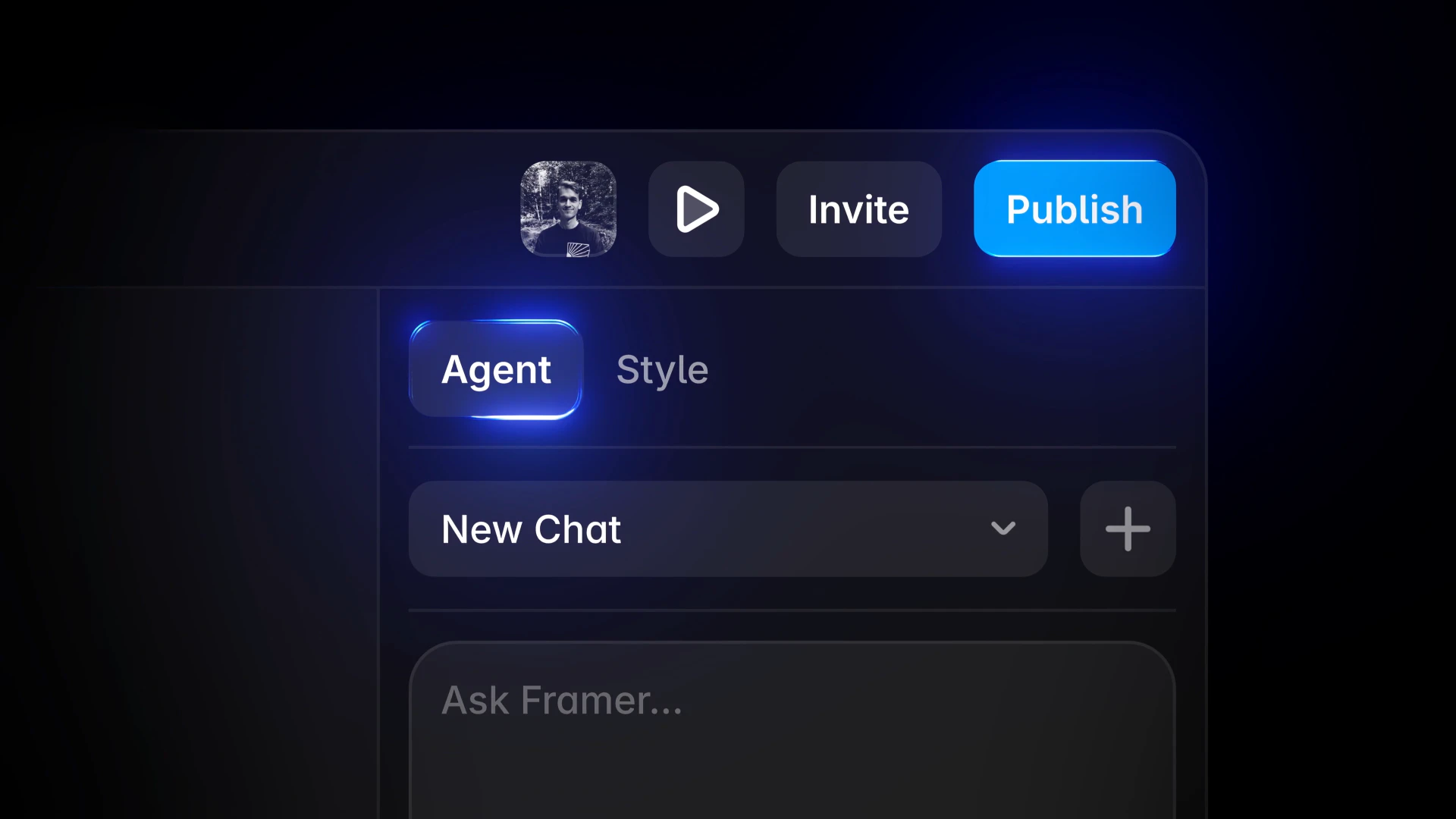
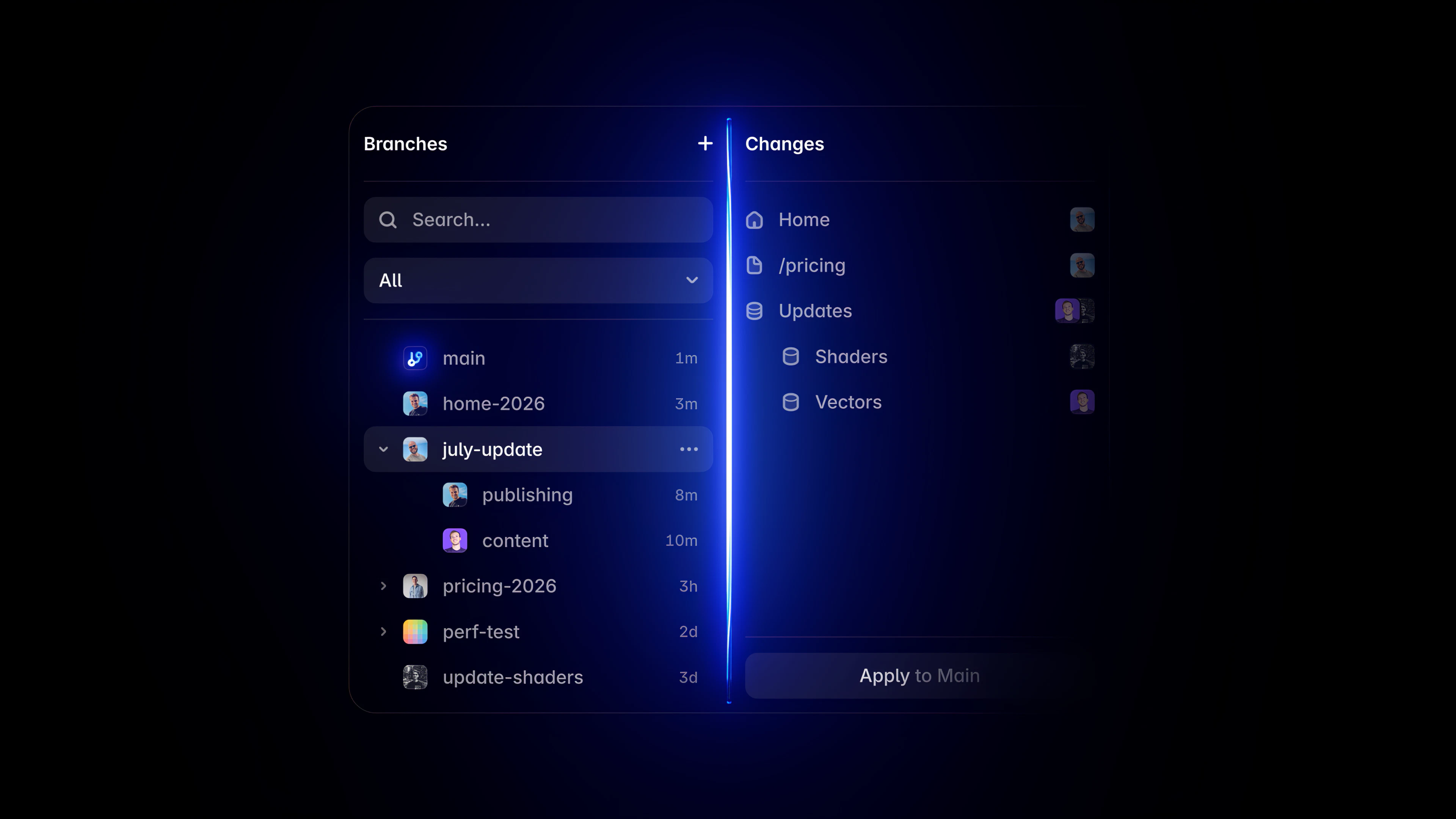
查看原始信息
MCP 2000
MCP2000 is an AI-powered MPC that lives in your browser. Type what you want to hear ("dusty boom bap kit with crunchy snares," "8-bar afro-house shaker loop at 120 BPM") and it generates the samples, drops them onto a 4x4 pad grid, and lets you finger-drum, chop, sequence, and add effects. No crate-digging, no plugins, no install. Just prompt, play, and build a beat.
I make beats, and the part I always hated was hunting for sounds. You spend 40 minutes scrolling sample packs to find one snare that's almost right, and by then you've lost the idea you actually had. So I made MCP 2000. You type the sound you want and it makes it. "Crunchy boom bap kit, vinyl hiss on the kick." "Shaker loop, afro-house, 120." It loads straight onto the pads and you just start playing. Mouse or keyboard, whatever's faster for you. It's a 4x4 MPC layout, so if you've touched an MPC or Maschine it'll feel familiar. Chop, pitch, sequence, run it through some effects. All in the browser, nothing to download. You can be making noise about ten seconds after the page loads. It's free. Go make something and tell me what sounds you'd want it to generate next.
0
回复

I had fun playing with it ❤️

How do you generate samples? What AI do you use?

0
回复

@dzhlobo Glad to hear it! It's using elevenlabs for the audio generation and claude for the sequencer pattern generation

2
回复