Product Hunt 每日热榜 2026-01-19

PH热榜 | 2026-01-19

#1
Noodle Seed
Connect your business to AI conversations in minutes
312
一句话介绍:Noodle Seed是一个无代码平台,帮助企业在ChatGPT等AI对话场景中快速构建品牌应用,解决企业在AI搜索时代“隐形”的痛点,直接捕获销售线索和完成交易。
SaaS Artificial Intelligence No-Code
AI应用构建 无代码开发 AI对话营销 企业发现 线索捕获 多平台部署 CRM集成 品牌体验 中小企业工具 GPT应用商店
用户评论摘要:用户反馈积极,认可其抓住了AI搜索的渠道转移趋势。有效评论集中在:询问技术实现细节(如与MCP协议集成、数据收集方式);探讨商业模式(与自建或雇佣agency的优劣);报告集成问题(如Shopify连接报错);建议聚焦垂直行业。团队回复详细,展现了技术深度。
AI 锐评

Noodle Seed的野心不在于打造又一个GPT包装器,而旨在成为AI原生时代的“新官网”部署平台。其核心价值并非技术炫技,而是精准卡位了一个关键生态缺口:当OpenAI等巨头忙于搭建基础模型和App Store“操作系统”时,Noodle Seed选择成为帮助海量普通企业“开发并上架应用”的“服务商”。

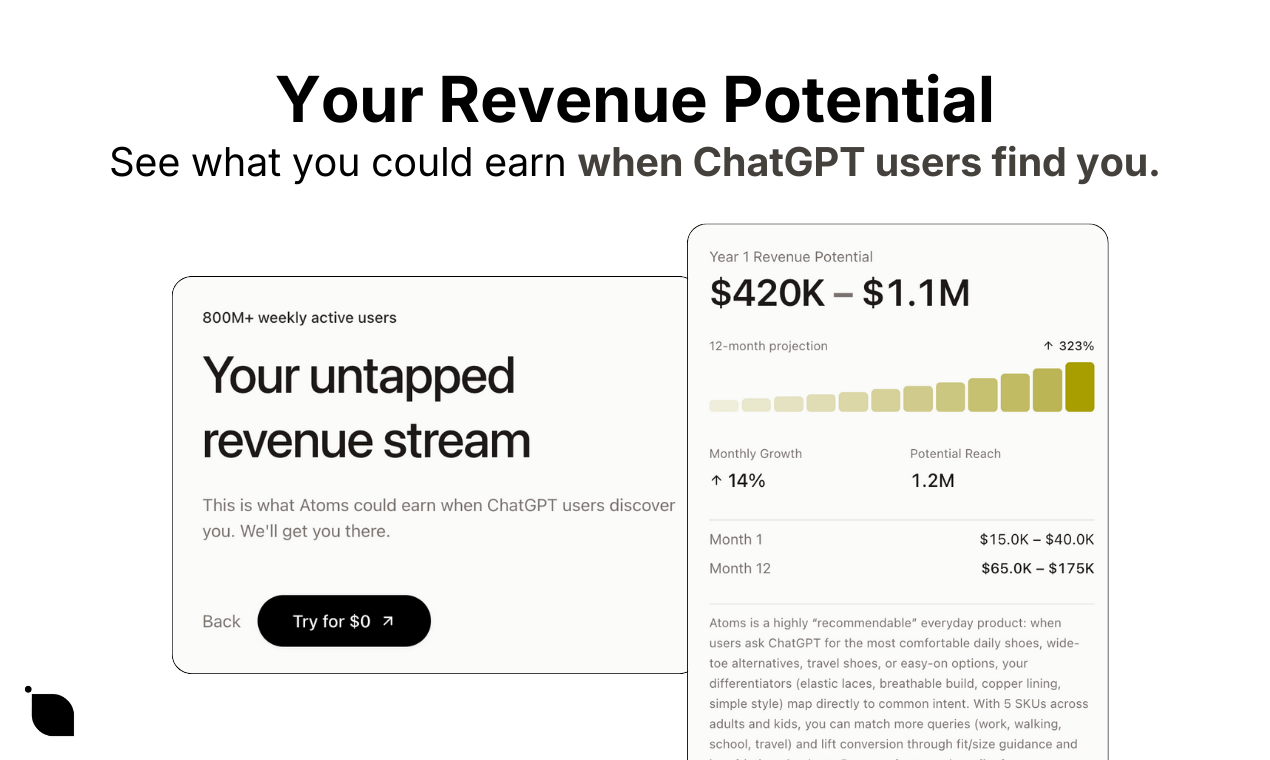
产品介绍中“800M+用户每周搜索”的表述极具诱惑力,但也是最大的风险点。它本质上将企业的流量命脉寄托于第三方平台的算法推荐与政策变动上,这与早期移动互联网对App Store的依赖如出一辙。团队在评论中将其类比为“iOS和Android应用”而非SEO,这一定位是清醒的,也意味着其商业模式将伴随平台生态的开放与封闭周期而起伏。

评论中团队对技术难点的阐释(如MCP协议的复杂性、“隐形管道”的构建)是其构建壁垒的诚实体现。然而,其面临的真正挑战并非技术,而是市场教育与企业预算的争夺。中小企业是否会为“AI存在感”这一尚未被完全验证的渠道持续付费?评论中“从印度到美国”的广泛客户群看似是优势,也可能意味着产品尚未找到最痛、最愿付费的利基市场。

总体而言,Noodle Seed是一次大胆且时机恰当的押注。它不是在解决一个现存问题,而是在预判并塑造一个即将成为主流的需求——在对话界面完成商业闭环。成败关键在于其能否在平台生态成熟前,快速建立网络效应与品牌认知,从“可选工具”变为“基础设施”。

查看原始信息
Noodle Seed
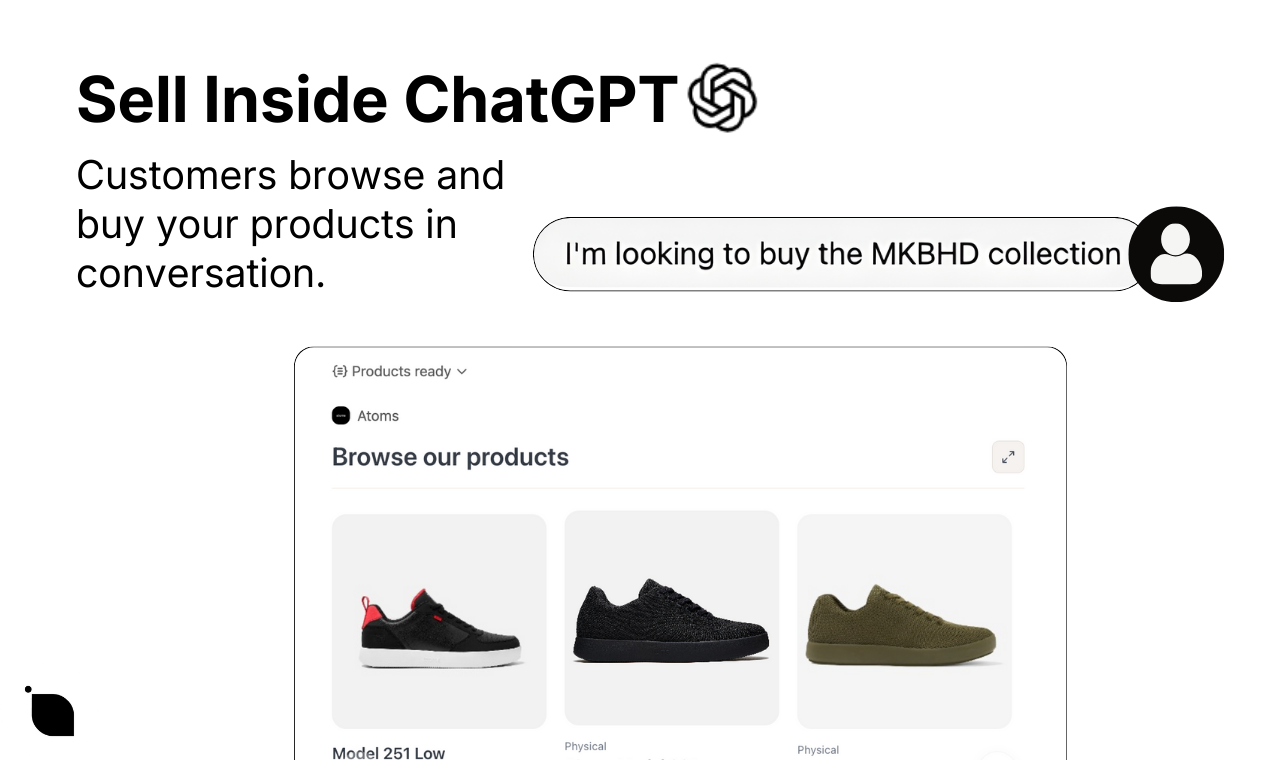
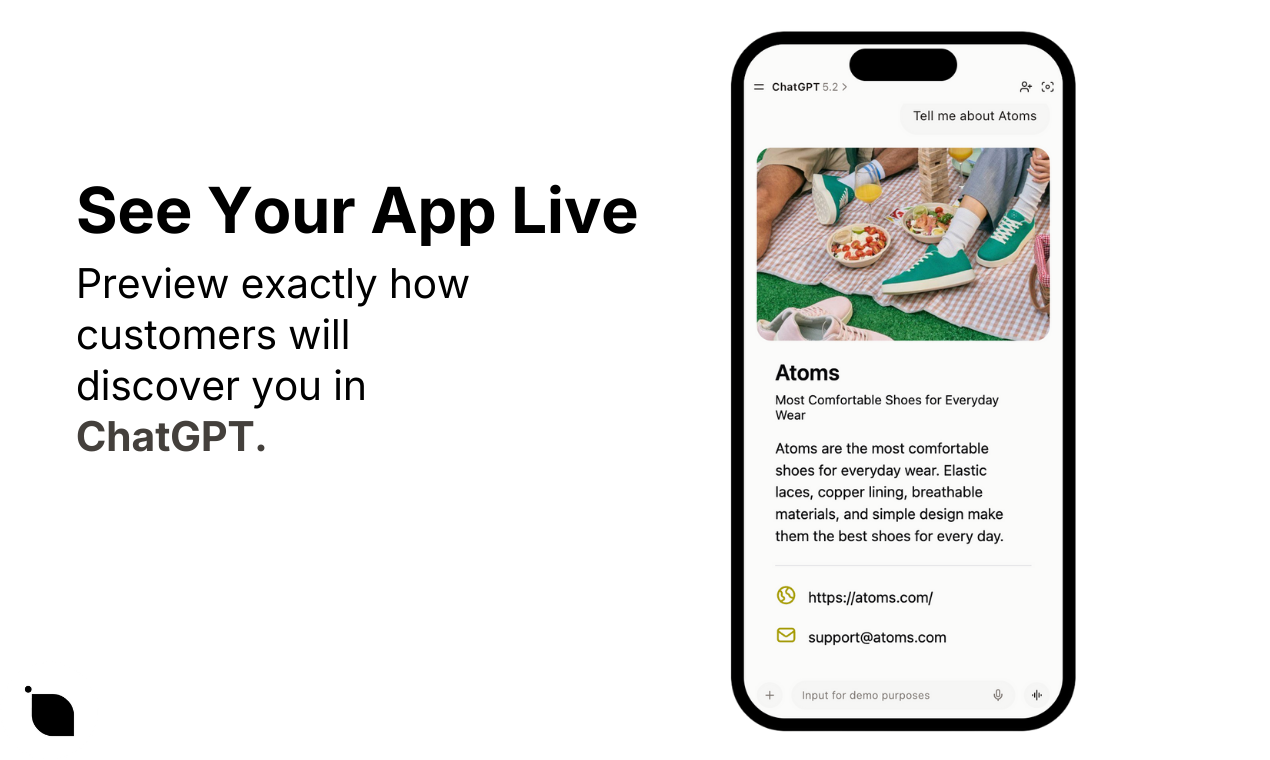
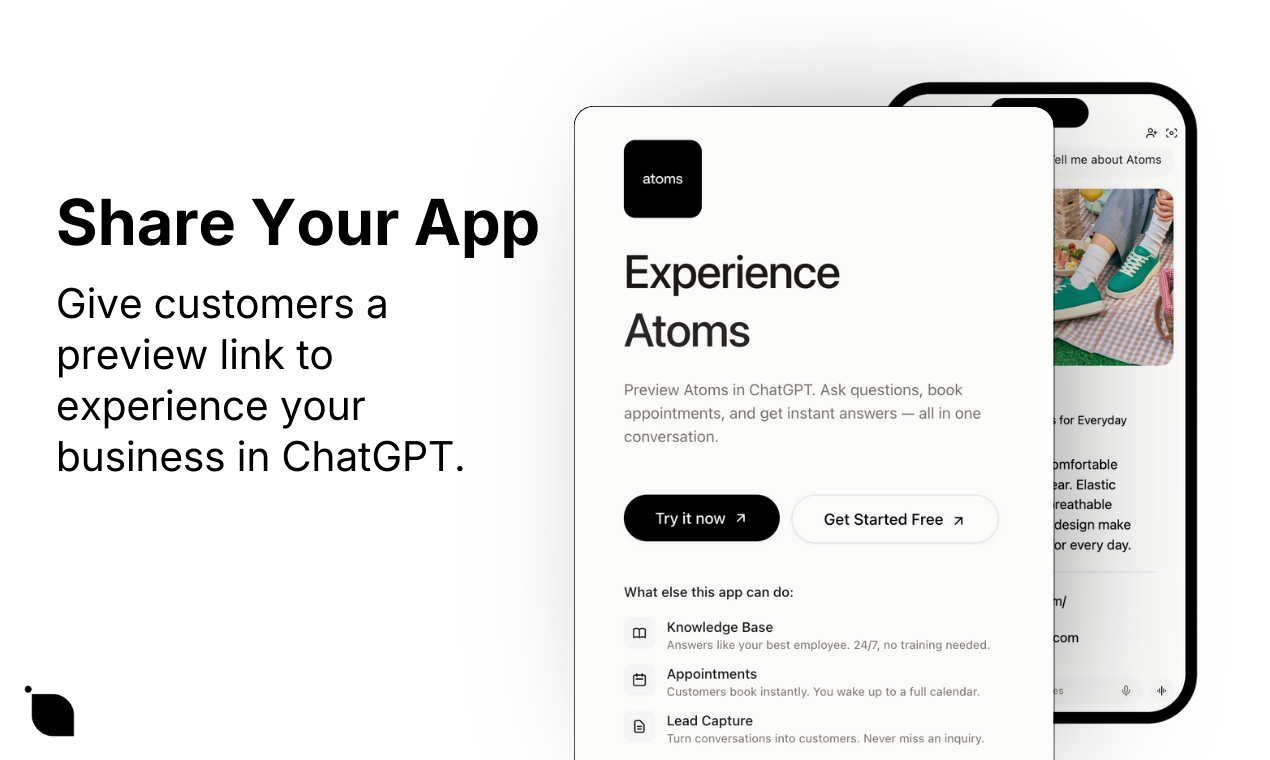
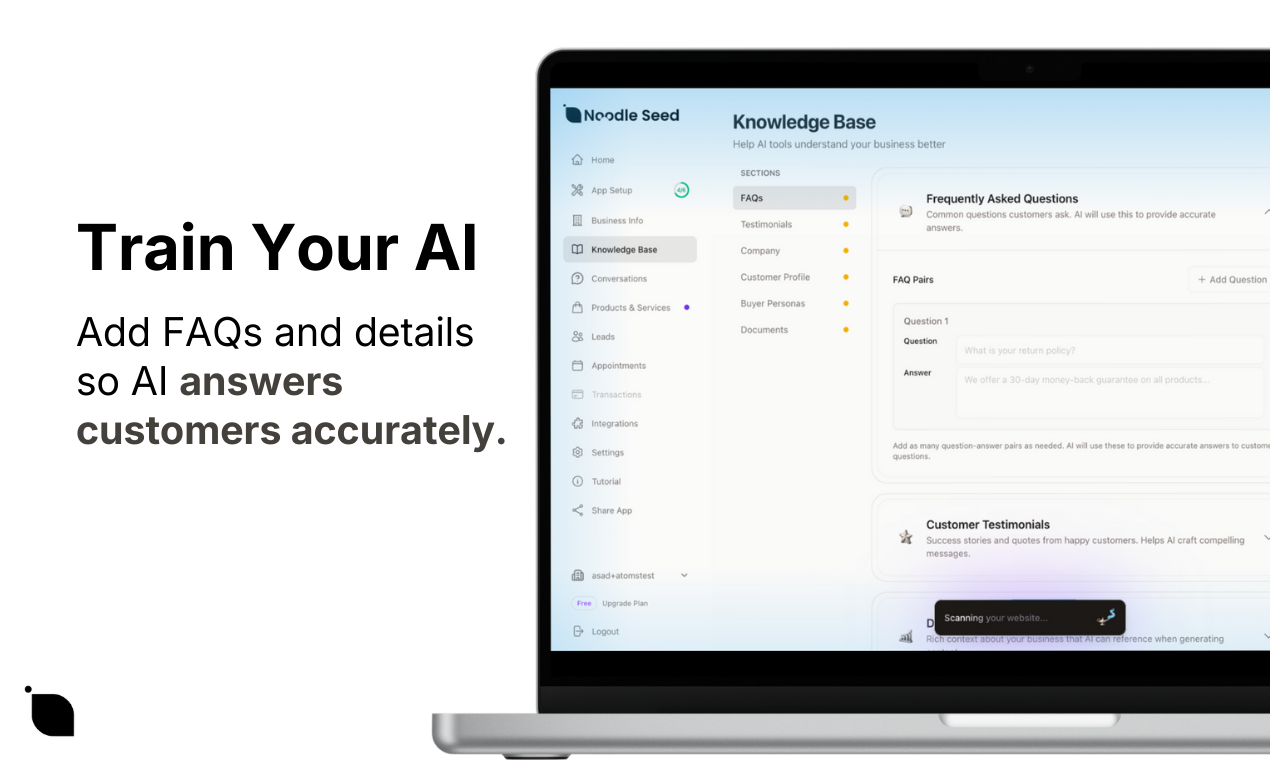
Get discovered where your customers are already searching. Build your branded AI app in minutes. No code needed. Start with ChatGPT, where 800M+ people search every week. Expand to other platforms as they open their app stores. Capture leads, book appointments, and sell products. Generate FAQs and testimonials with AI. Upload docs to make your app smarter. Sync to HubSpot automatically. Your customers are asking AI for recommendations. Be the answer.

Congrats on the launch!

Btw, where does the Noodle Seed name comes from anyway? ;)

14
回复

@miloszdun 

When starting the company, I didn't really have a good name in my mind. So I started thinking about the qualities that a name should have instead of the name itself. Then, I gave those qualities to an AI agent to give me suggestions of names with those qualities.

1. It should be extremely easy to spell and easy to remember so that if I tell someone "Noodle Seed," most people will get the spelling right, and it is so weird that they are likely to also remember it.
2. A top level .com domain name being available. I saw all of these startups and companies with .ai and other domain names but for some reason I wanted to keep it classic.
3. Last but not least, I wanted it to be a clean slate in people's minds. So when I tell someone Noodle Seed, they have no idea what it could be. If I name a company Neural Networks, Limited or something, it has a lot of prebuilt connotation of what kinds of things this company can possibly do. And I really wanted it to be a clean slate. It also allows us to really build a brand based on exactly what we do rather than trying to latch on to any existing biases that people have about certain names.

With this criteria, I started to iterate with ChatGPT. The name Noodle Seed came up early, but it didn't strike me at first. However, when I started looking at the list again and again, it grew on me, and I decided it was an interesting name. Time will tell if this was a good way to go :)

11
回复
@miloszdun appreciate the support X 🫡
6
回复
@miloszdun Thank you for the support!
1
回复

Hi Product Hunters,

We only started building this a few months ago.

Starting out in September 2024, we were just a few misfits building a vibe coding platform. By the time we launched, the market had moved on. Vibe coding turned out to be more niche than we thought. Developers still need real expertise despite the "anyone can code" promise.

First pivot: We built custom AI apps for small and medium businesses. Got one customer after months. The economics didn't work. Building wasn't the problem. Selling at a sustainable price was.

October 2025: Over a year burned. Two failed attempts. But we still had the team and the expertise.

Then ChatGPT announced their app store.


November 2025:

OpenAI will build tools for ChatGPT. Google for Gemini. Anthropic for Claude. The big platforms will build for their own ecosystems. But there's space for third parties to build cross-platform tools. Not vibe coding platforms where you build everything yourself, but actual ready-to-use tools that work everywhere.

We started building in November 2025. Two and a half months or so later, here we are.

The bets we're making:

Right now we're in ChatGPT. We're building components that let customers embed this on their websites. We're exploring Claude and looking into Gemini. MCP is the emerging standard today. Tomorrow if there's a different standard, that's just an adapter for us.

This is still an experiment. Time will tell.

The advice I ignored: (time will tell if that was a mistake)

People told me to focus on specific tools for specific verticals. But right now we're getting calls from everywhere. Different industries, different sizes, from India to the US to Mexico to Europe.

People also said solve discoverability before engagement. But AI optimization isn't like SEO. These platforms are so personalized to each user's history that there's no way to optimize globally. You build a really good product, make sure the metadata connects intent to your offering, and let the AI do its work.

Question for you:

If you're a founder who's pivoted, what was the moment you realized "this is it"?

And if you're thinking about using Noodle Seed: what business outcomes are you looking to achieve? What are we missing? We want the feedback.

Try it and give us feedback. We're submitting apps to ChatGPT's store for free for Product Hunt launchers.

Fahd

12
回复

Congrats on the launch! Love how Noodle Seed makes “be discoverable inside AI conversations” a no-code channel for real leads, not just a shiny integration.​

12
回复
@zeiki_yu Thank you!
6
回复

@zeiki_yu Thank you!

7
回复
@zeiki_yu thank you for the support!
1
回复

Hey Product Hunt! 👋🏼

I'm Asad, Co-founder of Noodle Seed. We're a platform that creates AI apps so your business gets recommended inside ChatGPT and other agents.

Here's the shift: In the early 2000s, businesses needed websites. After 2008, they needed mobile apps. Now, over a billion people ask AI for recommendations instead of searching. Most businesses are invisible there, and there's no SEO playbook when the AI just picks an answer. Noodle Seed is for local businesses, SaaS companies, and e-commerce brands that want to show up when AI recommends.

Here's what's included in your app:

💠 Your knowledge base, your voice. Talk to customers the way you want, not however an LLM paraphrases your content.

💠 Showcase products and services. Customers browse what you offer inside the conversation. Soon they'll be able to buy directly in chat too.

💠 Capture leads and book appointments directly in your Calendar

💠 One profile, every AI. Build once, show up in ChatGPT, Gemini, Claude, and whatever comes next.

To celebrate our launch, we're submitting apps created by Noodle Seed users to OpenAI for free.

Try it at noodleseed.com.

12
回复

@asadatnoodle congrats on the launch! Does this work solely for the ecomm businesses?

4
回复
@austin_heaton Thank you! - This works for businesses in various categories. For example we’ve even got two charity organisations as early customers (The Citizens Foundation and Child Life)
3
回复

Congrats on the launch, Asad — Noodle Seed makes “show up inside AI conversations” feel real: a branded ChatGPT app with your knowledge base, lead capture, booking, and CRM/calendar sync. This is the first no-code angle I’ve seen that’s actually about conversion, not just a wrapper.

0
回复

nice - does a user have to "add Guyal GPT" to the context explicitly in order for things to work within ChatGPT?

9
回复
@niyogi - Guyal will have an App inside ChatGPT. GPTs are different. The submission is currently in review by OpenAI, but soon you’ll be interact with it here https://chatgpt.com/apps
6
回复
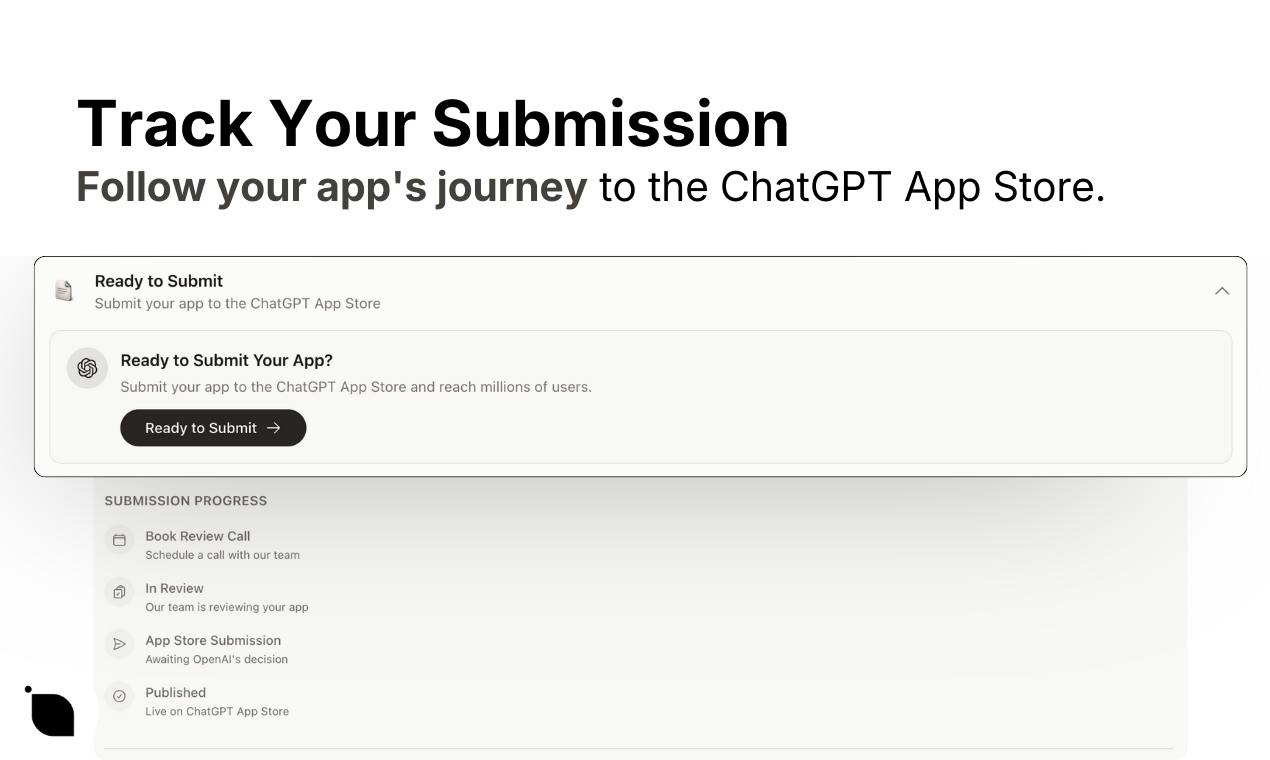
👋 Excited to see Noodle Seed live on Product Hunt today! As a Founding Engineer, I had the privilege of building much of the infrastructure and backend that makes this possible; from setting up MCP server configurations required for ChatGPT apps to seamlessly integrate, to powering key third-party integrations like Google Calendar and HubSpot that enable real business workflows. What we’ve built with Noodle Seed isn’t just another no-code tool, it’s a platform that helps businesses get their presence inside conversational AI like ChatGPT, Claude, Gemini, and more in a matter of minutes. By abstracting away the heavy technical complexity (OAuth flows, compliance rules, deployment pipelines, etc.), we’re enabling companies to meet customers where they’re already asking questions and making decisions right inside AI conversations. The vision is simple but powerful: empower every business to be discoverable, interactive, and transactional within AI assistants without needing a dev team. Proud of what the team has built and excited to keep pushing the boundaries of what’s possible in the AI-first era. 🚀 Would love to hear your feedback, and don’t forget to upvote if you believe in this direction as much as we do 🙌
9
回复

Hey Product Hut! Founding engineer at Noodle Seed here 👋

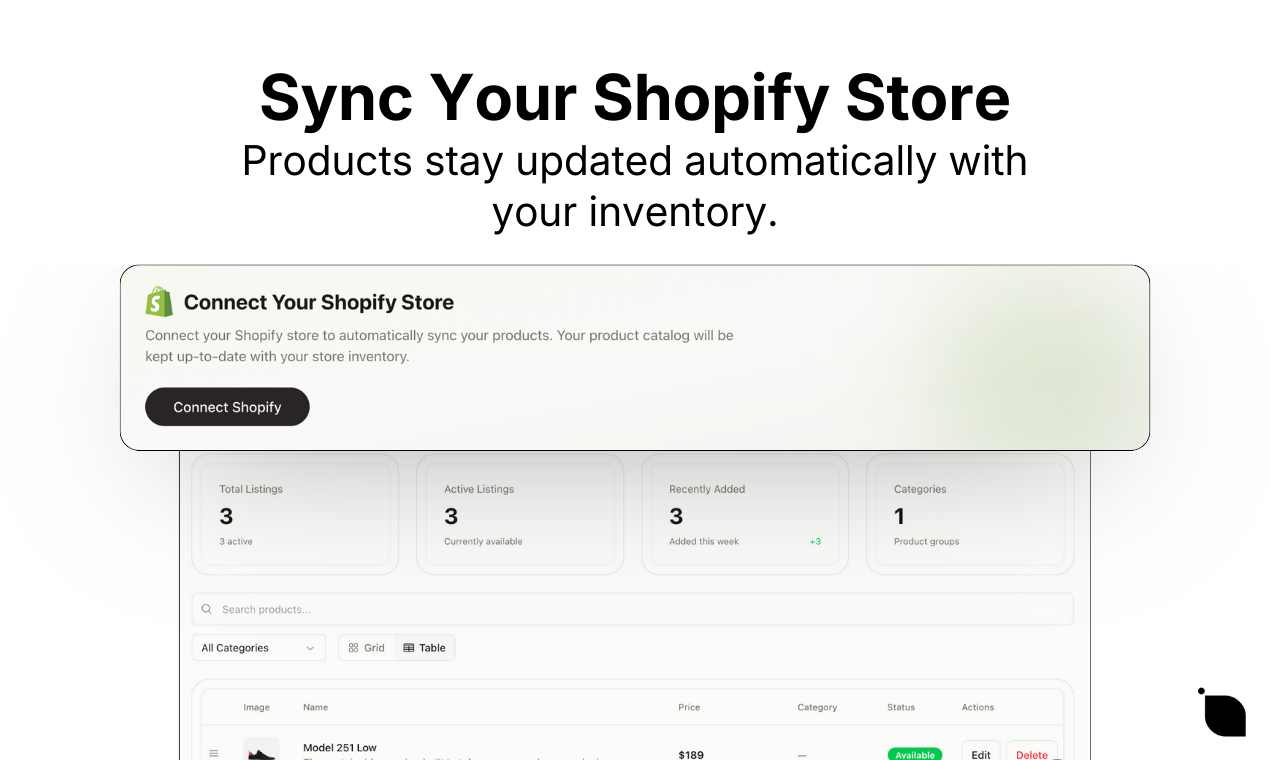
My focus was the frontend, UX, and the widgets that live inside AI conversations. ChatGPT has strict design guidelines, so making our widgets stand out while staying compliant was a fun challenge. We built a smart onboarding where users just enter their website and we fetch everything - branding, logos, products, business info - so they can sit back and watch their AI presence build itself. I also shaped the flows around our integrations (Google Calendar, HubSpot, Shopify), the multi-org system for businesses managing multiple brands, and our knowledge base analytics where businesses see real-time conversations to understand how their messaging actually performs.

But beyond the tech - what excites me most is the vision. We wanted to give businesses real value, not just "AI presence." Through our knowledge tool, they actually control how they're represented in AI conversations. Their voice, their messaging, their story - no more hoping the LLM gets it right. This shift to AI discovery is inevitable, and we built Noodle Seed to make it accessible for any business to tap into this new distribution channel with minimal friction.

Would love to hear your thoughts, happy to go deeper on any of this!

7
回复
Hey Asad, that shift from SEO to AI just picking an answer is a big one. Was there a moment where you searched for something in ChatGPT, saw it recommend a business, and thought wait, how did that get picked?
7
回复
@vouchy Hey 👋🏼 - Great question! I was having coffee with a friend who runs a business, and he mentioned that when you ask ChatGPT for recommendations in his space, his competitor shows up but he never does. That got me curious: how does this work? What determines who gets picked? That rabbit hole led me here. Happy to share what I’ve learned so far, but the big insight for me has been the ChatGPT Apps. I truly believe embedded brand experiences through these apps are how millions of small businesses will actually become discoverable in chat now.​​​​​​​​​​​​​​​​
6
回复

@vouchy 

It's not only about recommendation or even showing up as a reference. What we are doing is far deeper so that any business can actually start interacting with an end user with a user interface and start collecting information and providing services right inside ChatGPT. So while recommendation is a GEO problem, what we are doing is a far more embedded experience than recommendations.

This is more like iOS and Android apps than SEO.

7
回复

Bridging the gap between a conversational interface and actual "lead capture" is usually where generic GPT wrappers fail. Does the platform allow for structured data collection (like booking forms or qualification steps) that pipes directly into a CRM, or is it primarily analyzing text logs for intent?

7
回复
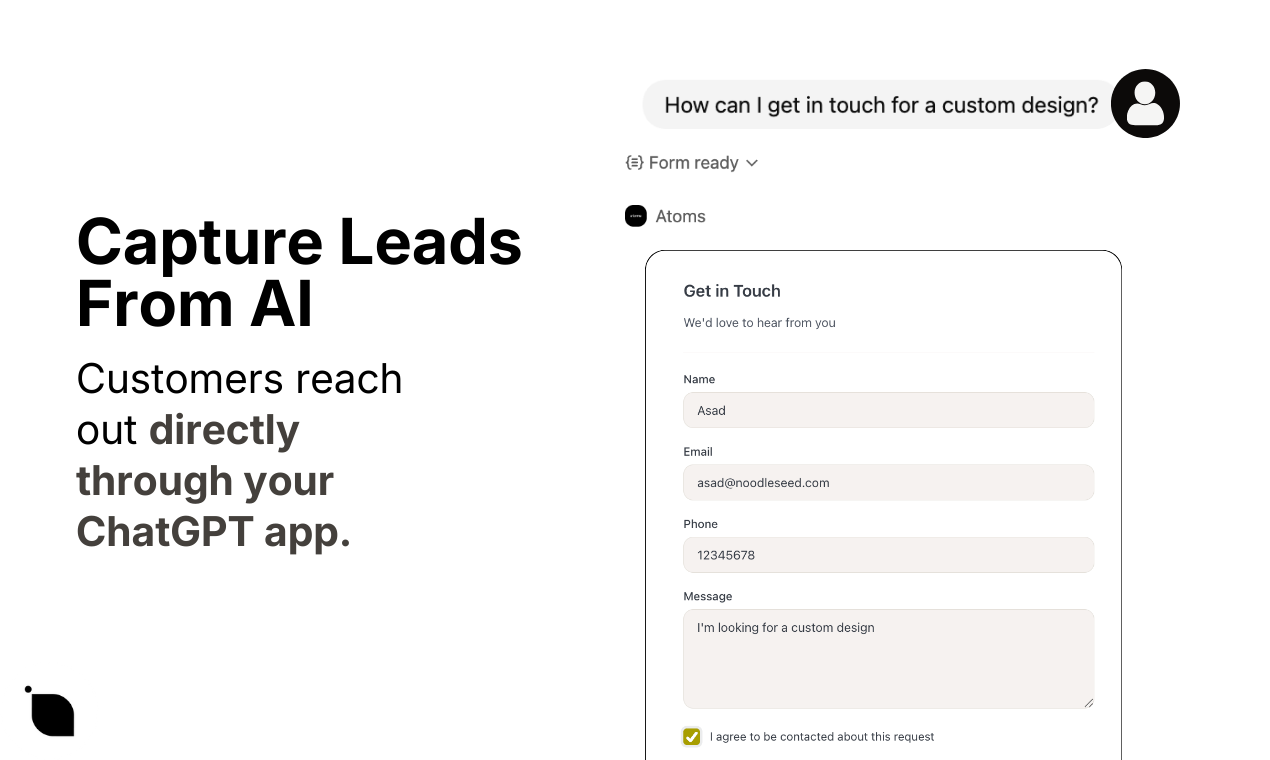
@samet_sezer Good question! And yes, indeed it does. Noodle Seed enables a "contact us" interactive widget inside ChatGPT for your business. When anyone submits a response, the details are piped to your connected CRM.
5
回复

@samet_sezer Hi!
Yes, we do allow structured data collection. Currently working on CRM integrations like hubspot and gohighlevel etc. We do use an integration platform that makes it easy to build any new integrations so that if any of our customers want a new integration, we can build it very quickly.
For structured data collection, we are also working on another customer request for custom forms, mainly for user onboarding so that some or all of the customer onboarding can be done right inside chatgpt and remove any friction for users.

6
回复
Being a founding engineer on Noodle Seed has honestly been one of the most fun and meaningful experiences of my career. What makes it special isn’t just the product, it’s the team. Everyone here genuinely cares about what we’re building and why we’re building it. A big part of our work has been rethinking what products look like for ChatGPT apps. Instead of traditional websites or dashboards, we’re building experiences that live directly inside conversations, flows, widgets, actions, and making them actually useful for real businesses. It’s been challenging and super exciting all at once. Seeing this live on Product Hunt feels surreal. Really proud of what we’ve built and even more excited about what’s coming next 🚀
6
回复

@rehan_ali40 Congrats on the launch!

0
回复
@rehan_ali40 congratulations
0
回复
When a business asks “Why shouldn’t we just build a custom GPT ourselves (or hire an agency)?” what are the 2–3 hardest problems you solve that remain painful even with modern tooling (actions/MCP/connectors), and how do you quantify that advantage?
5
回复

@curiouskitty 

Noodle Seed is not a custom GPT. We provide a rich branded experience and we build it in a way that you build once and deploy across ChatGPT, web and mobile apps and in the future enable it for Gemini, Claude, Perplexity and other platforms that enable app experiences and marketplaces in the future.

If you are a large business where it makes sense to make the investment in custom building, that is perfectly okay. But we have pre-built tools that a user can simply enable and use rather than custom building or hiring agencies etc.

4
回复
@curiouskitty Great questions! 2 hardest problems: 1. Distribution, Getting discovered is hard. It’s like the difference between opening a shop vs getting foot traffic. We get you listed in the OpenAI App Store where 800M+ weekly users are already searching and having conversations with high intent. 2. Staying connected. Your business changes daily. Prices, inventory, availability. Keeping your ChatGPT App synced with real data without breaking things is the part that looks simple until it isn’t. Working with a custom dev agency takes weeks of figuring out the details. We get your app ready for submission to the App Store in minutes.
4
回复

@curiouskitty Adding to what Fahd and Asad shared - there's a third problem that's easy to overlook because it's completely invisible when things work correctly:


3. The "invisible plumbing" - MCP isn't just another API

Custom GPTs use simple API calls. But the ChatGPT App Store uses something called MCP (Model Context Protocol) - a completely different way for AI to talk to your business. Think of it like the difference between sending emails (API) vs having a live phone line (MCP).


When you hire an agency or build yourself, they typically discover this complexity after starting:

 - Your widgets need a specific format ChatGPT understands (not regular HTML)

 - Every customer interaction needs real-time data isolation (your customers can't see each other's data)

 - The protocol requires specific handshakes and response formats


We've written 10,000+ lines of code that handles this plumbing. The "minutes to publish" part is possible because that code already exists and is battle-tested.


To quantify the advantage:

 - Agency timeline: 4-8 weeks to understand MCP + build + test + iterate

 - Our timeline: Configure your business info → publish → live in ChatGPT


The honest answer to "why not build it yourself" is: you absolutely can if you have the dev resources and MCP expertise. But most businesses would rather spend those 4-8 weeks (and $15-40K) actually running their business.

0
回复

This is brilliant! I can't wait to build this out. I'm getting an error that your app is not approved when I try to connect it to Shopify, though.

4
回复

Hey@paulgeller, we're working with Shopify to resolve the issue. We had such a large influx of users today and we want to make sure all the compliance stuff is squared away. We'll be back with an update very soon 😃

2
回复

Thanks so much! 🙌

Let's connect over email and we'll get you sorted. Drop me a line at asad@noodleseed.com and we'll take a look together.

2
回复

@paulgeller thank you so much! We'll update and sort this out for you ASAP.

4
回复

Congrats on the launch! This is a smart angle most people are missing. Search is shifting from Google to AI assistants. If businesses are not discoverable inside ChatGPT, Claude, or Perplexity, they effectively do not exist. Noodle Seed turns that shift into a service, not a theory.

The partner model makes sense. Recurring revenue, early access, and one platform instead of fragmented tools. This is positioning work for the next distribution layer, not a short-term growth hack.

For agencies and consultants, this feels like an obvious add-on before it becomes table stakes.

4
回复

@beginners_blog Appreciate you getting this so clearly. You nailed it - this is the next distribution layer, not some shiny object to chase for a quarter.

The fragmentation piece is exactly why we built it this way. Nobody wants to manage five different dashboards for AI discovery. One platform, one workflow, recurring revenue that actually sticks.

And you're right about agencies - the ones moving now will own this category with their clients. The ones waiting will be explaining why they didn't see it coming.

We've got a partner program as well for Agencies!

Thanks for the support 🙏

2
回复

@beginners_blog thank you for the support! And yes, it is exactly how you say it is, LLMs in the future will be much more than just plain text conversations. With such a huge user base (800+ million on ChatGPT) it was inevitable that an app store like infrastructure is made around the platform. ChatGPT did it today, other models will follow suit.
The best thing about this is that users would only have to build only once and have their presence visible across multiple distribution layers all from a single platform. Conversations with AI will never be the same anymore and businesses will definitely make the move towards utilising this new distribution layer as well.

2
回复
@beginners_blog spot on!
2
回复

congrasts on the lanuch! nice product. May I ask if we can intergrate our product features into chatgpt via your service (for exaple, our product can help people to create events)?

3
回复

@tyler_tian Hi Tyler,

While we don't have integrations into our customers' software at this point in time, we do plan to integrate end-user OAuth so that the end user can log in using their own credentials to our customers' service. This warrants a conversation if you are willing and up for it?
https://meetfahd.noodleseed.com

0
回复

congrats on the launch! it feels so useful for brands that want to be seen and, frankly speaking, I didn't even know that ChatGPT can recommend actual businesses! Noodle Seed sounds like a perfect opportunity for those who look for new customers and clients!

3
回复

@yellow_yetti thank you for the support :)

1
回复

@yellow_yetti Thank you for your support.

1
回复
@yellow_yetti Thank you! - The App Store by OpenAI is truly a game changer. So many people are already searching with intent in ChatGPT to make purchases. Now they won’t get blue link rather an interactive brand experience :)
1
回复

Hi Product Hunt!

I'm Naveed Rafi from Noodle Seed. I work directly with customers helping them to be discoverable on AI platforms and support the team look at data and insights for decision making.

Our customers help us realise Noodle Seed's vision of connecting every business with every conversation. I've spoken to several founders and everyone finds value across a variety of Noodle Seed's capabilities. Some love the idea of being discoverable on AI whilst others love the idea of having an always on agent who can answer their FAQs in a conversational way.

Do check out the capabilities and feel free to get in touch about what you liked and what you would love to see!

I look forward to seeing what you come up with and supporting you on your journey to being natively available on AI platforms.

Thanks,

Naveed

3
回复

Noodle Seed is like giving businesses a superhero cape :D

3
回复
@abod_rehman Think of us as Alfred from Batman! 💙
2
回复
@abod_rehman upwards and onwards! 🦸‍♂️
2
回复

@abod_rehman empowering businesses to become superheroes is what drove our efforts in making Noodle Seed :)

2
回复
#2
OS Ninja
Explore and learn open source using AI
287
一句话介绍:OS Ninja是一款AI驱动的开源代码学习平台,通过将复杂的代码仓库转化为交互式、AI引导的学习路径,解决了开发者在海量开源项目中难以入门、无从下手的核心痛点。
Open Source Software Engineering Developer Tools
AI编程导师 开源学习平台 代码学习工具 交互式教程 开发者教育 知识图谱 智能文档 技能提升 代码分析 个性化学习
用户评论摘要:用户普遍认可其降低开源学习门槛的价值,关注内容与代码同步的实时性、不同学习模式切换的连贯性,并询问其相较于通用LLM和静态文档的核心优势。开发者团队回应强调了实时同步、深度语义搜索和结构化沉浸式学习体验是其关键差异点。
AI 锐评

OS Ninja的野心不在于成为又一个代码检索或文档生成工具,而在于重塑开源知识的内化范式。它试图解决的,是“信息过载”与“认知转化”之间的根本矛盾。开源世界不缺代码和文档,缺的是将庞杂信息结构化为个人可吸收知识体系的“引导力”。

产品真正的锋利之处,或许在于其试图用AI模拟并外化资深开发者的“代码阅读心智模型”。无论是苏格拉底式的追问、费曼式的通俗化解构,还是传统的深潜,其本质是提供了多种进入复杂系统的认知路径。这比单纯提供智能聊天或生成静态wiki更进一步,它关注的是学习过程的“节奏”和“脚手架”。

然而,其面临的挑战同样尖锐。首先,“实时同步”承诺的技术成本与准确性是巨大考验,尤其在快速迭代的仓库中,AI生成的解读一旦过时或与代码失准,信任将瞬间崩塌。其次,从“有趣引导”到“深度掌握”之间存在鸿沟,工具能否引导用户从理解示例跨越到独立调试、贡献代码,是衡量其价值深度的关键。最后,其商业模式与生态扩展性存疑:覆盖主流仓库的广度、对长尾项目的支持能力,以及如何避免自身成为又一个需要维护的“知识孤岛”。

总体而言,OS Ninja的价值定位精准击中了开发者成长的隐性需求,其结构化AI引导的思路颇具前瞻性。但它能否从一款出色的“学习辅助工具”进化为不可或缺的“能力增长基础设施”,取决于其技术栈的坚固性、对学习科学更深层的融入,以及能否在开发者工作流中找到一个不可替代的锚点。它不是在提供信息,而是在试图设计“理解”本身,这是一个大胆且值得警惕(其难度)的方向。

查看原始信息
OS Ninja
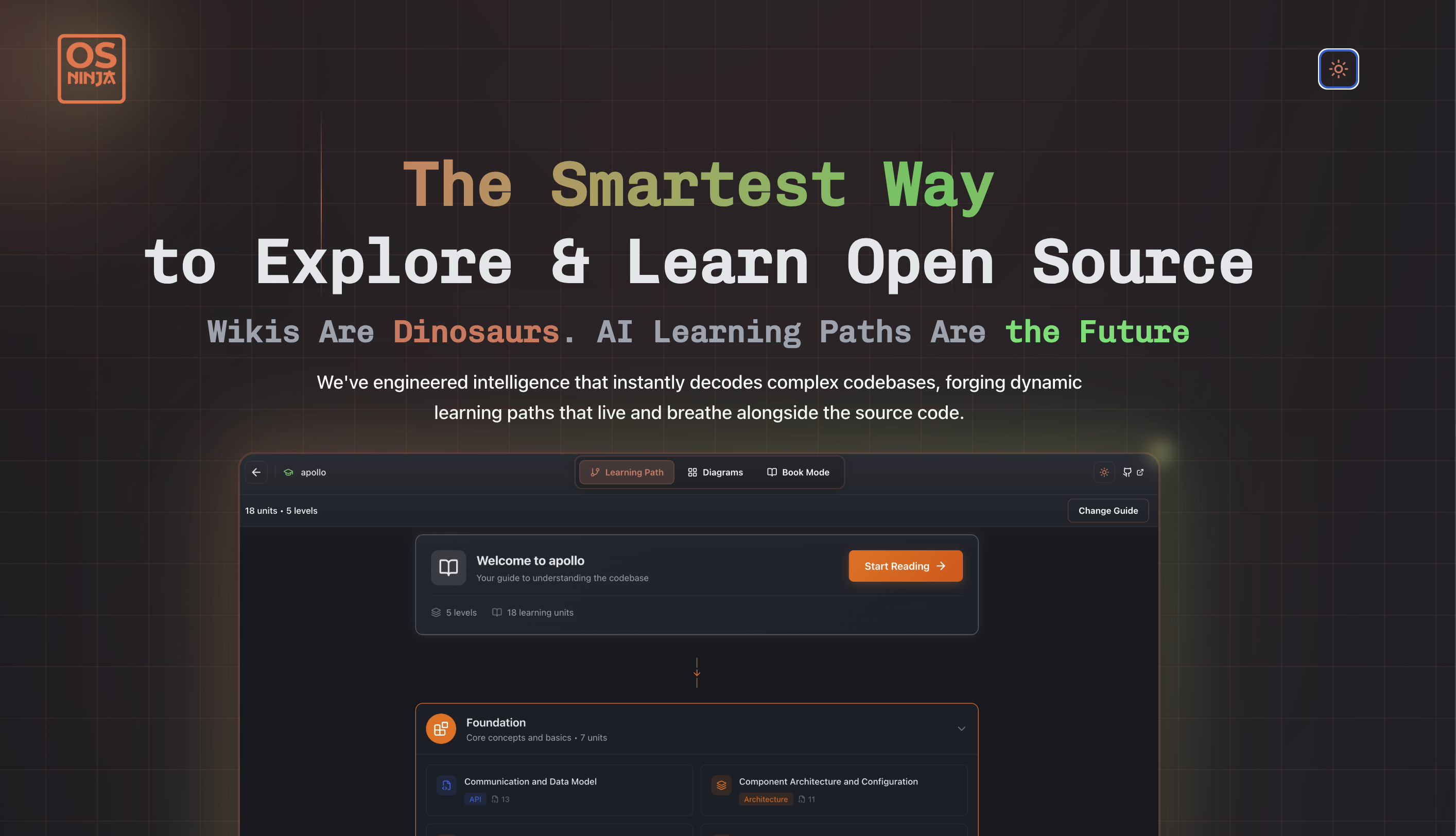
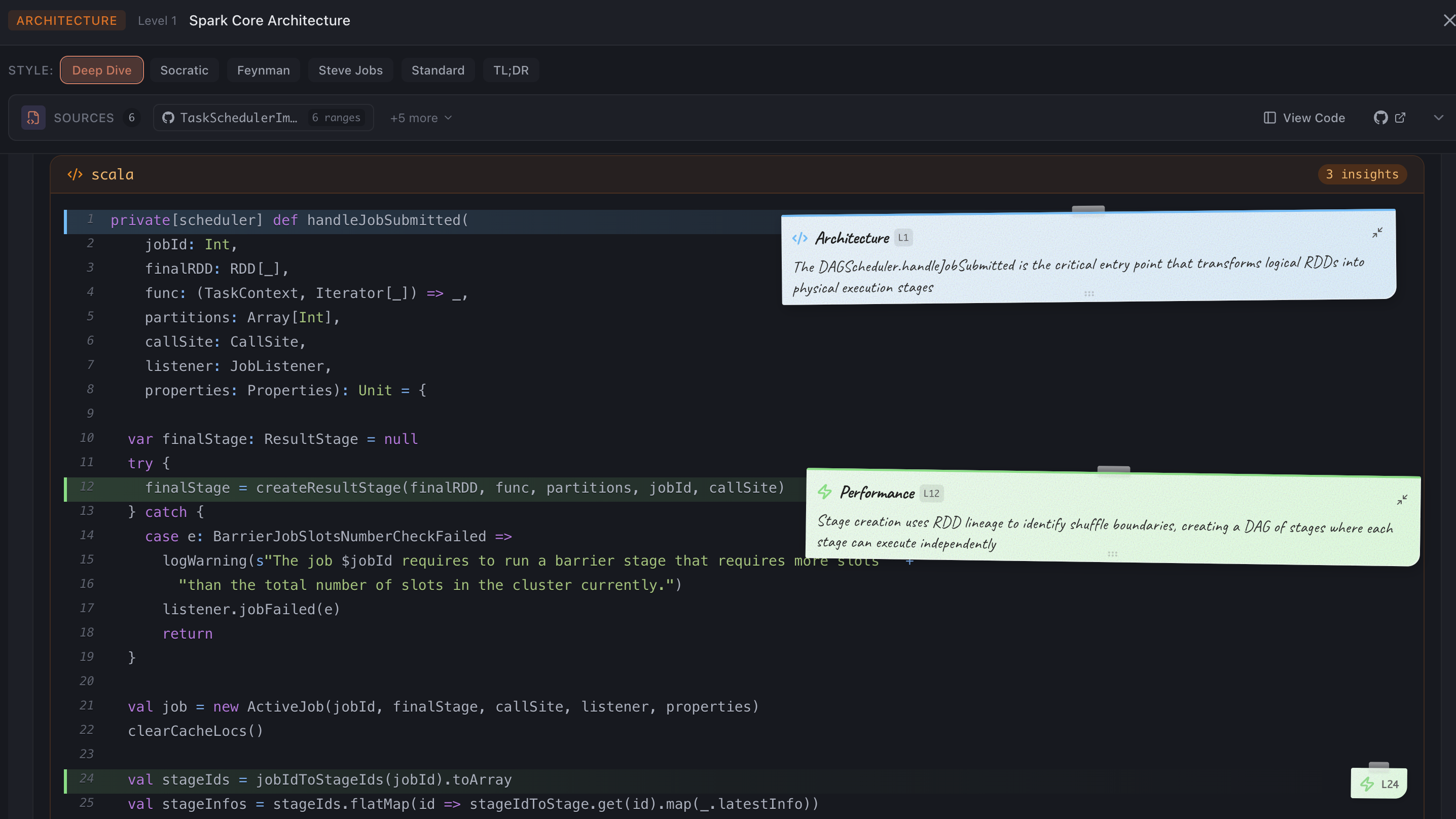
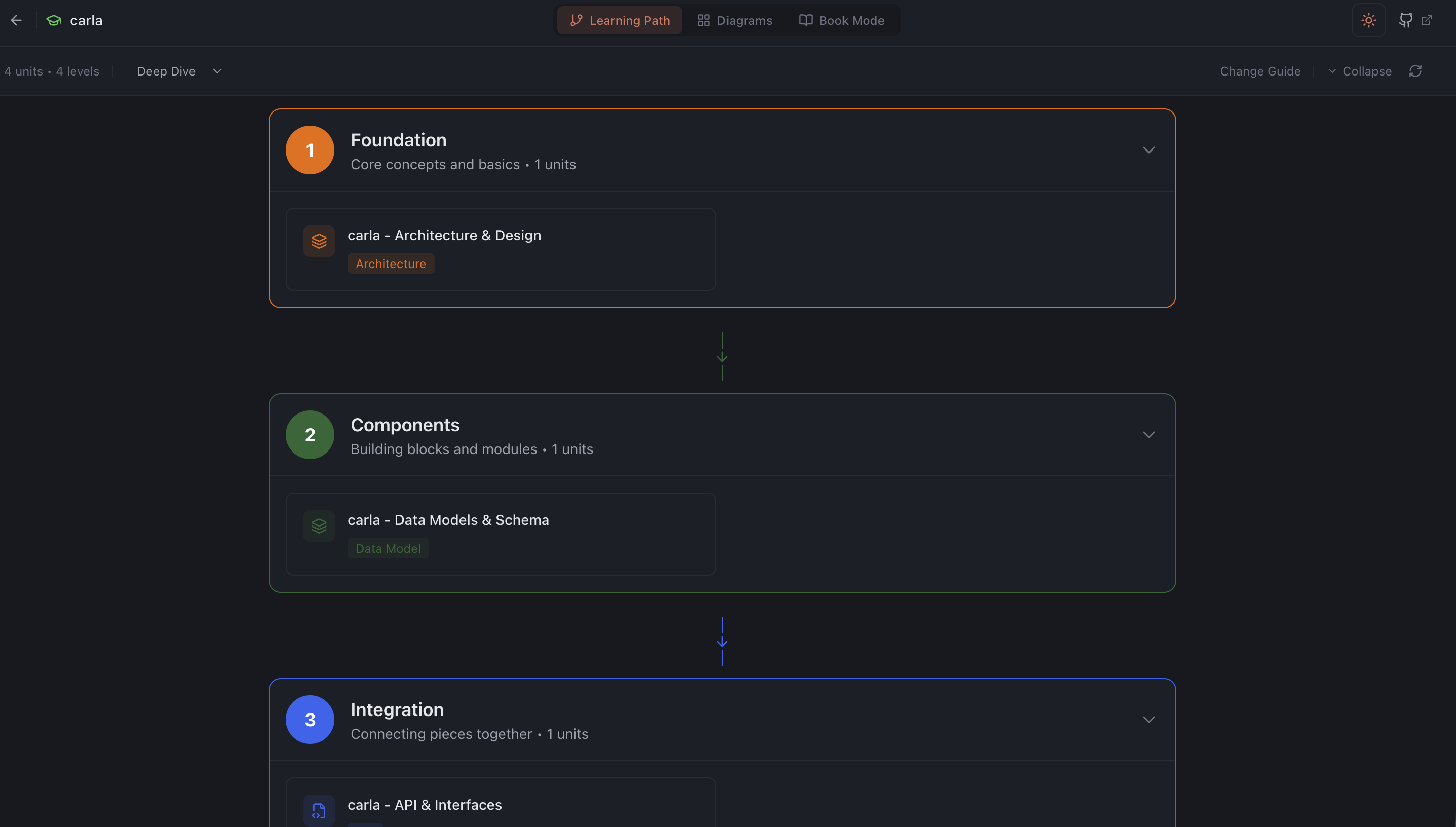
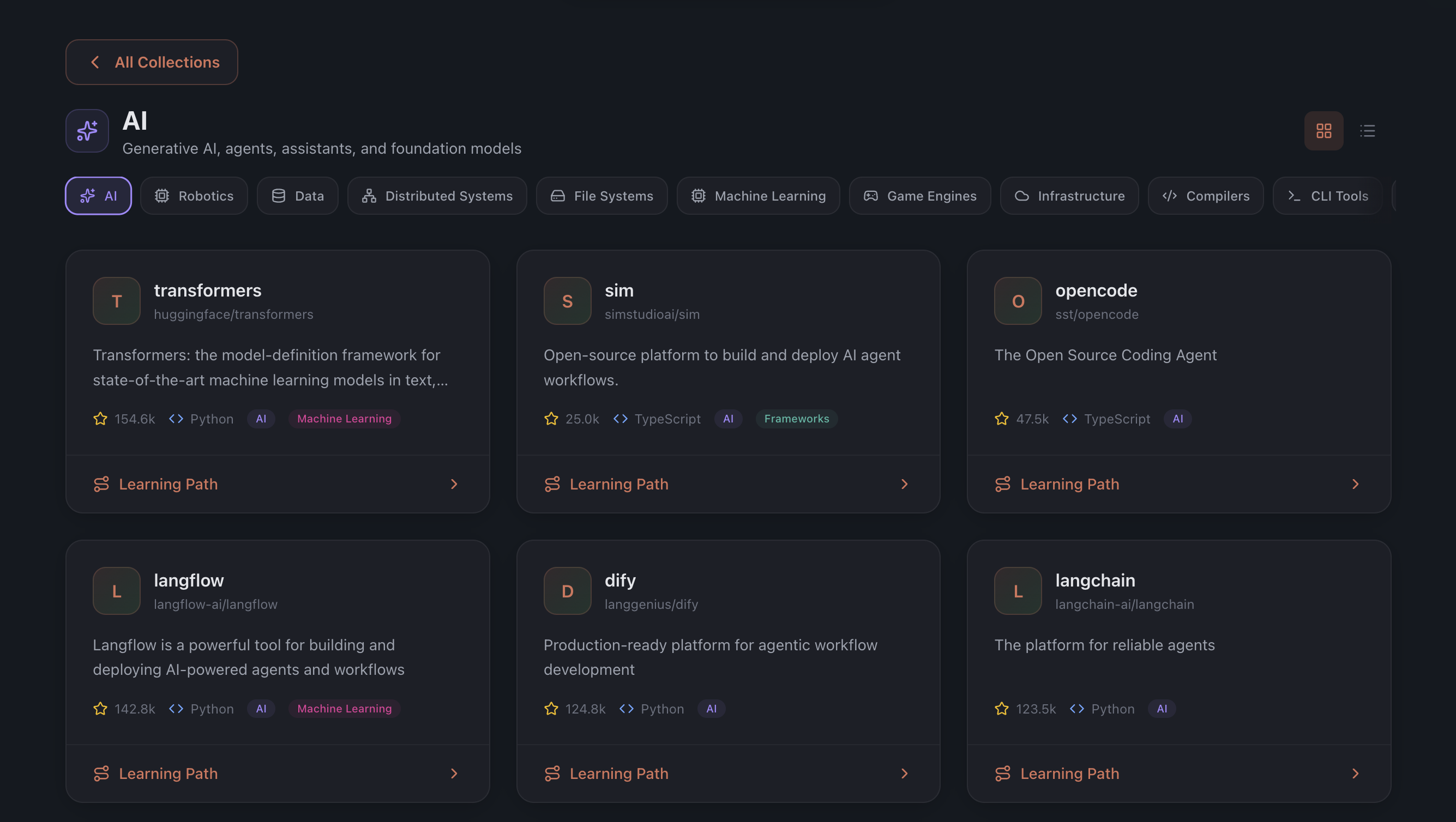
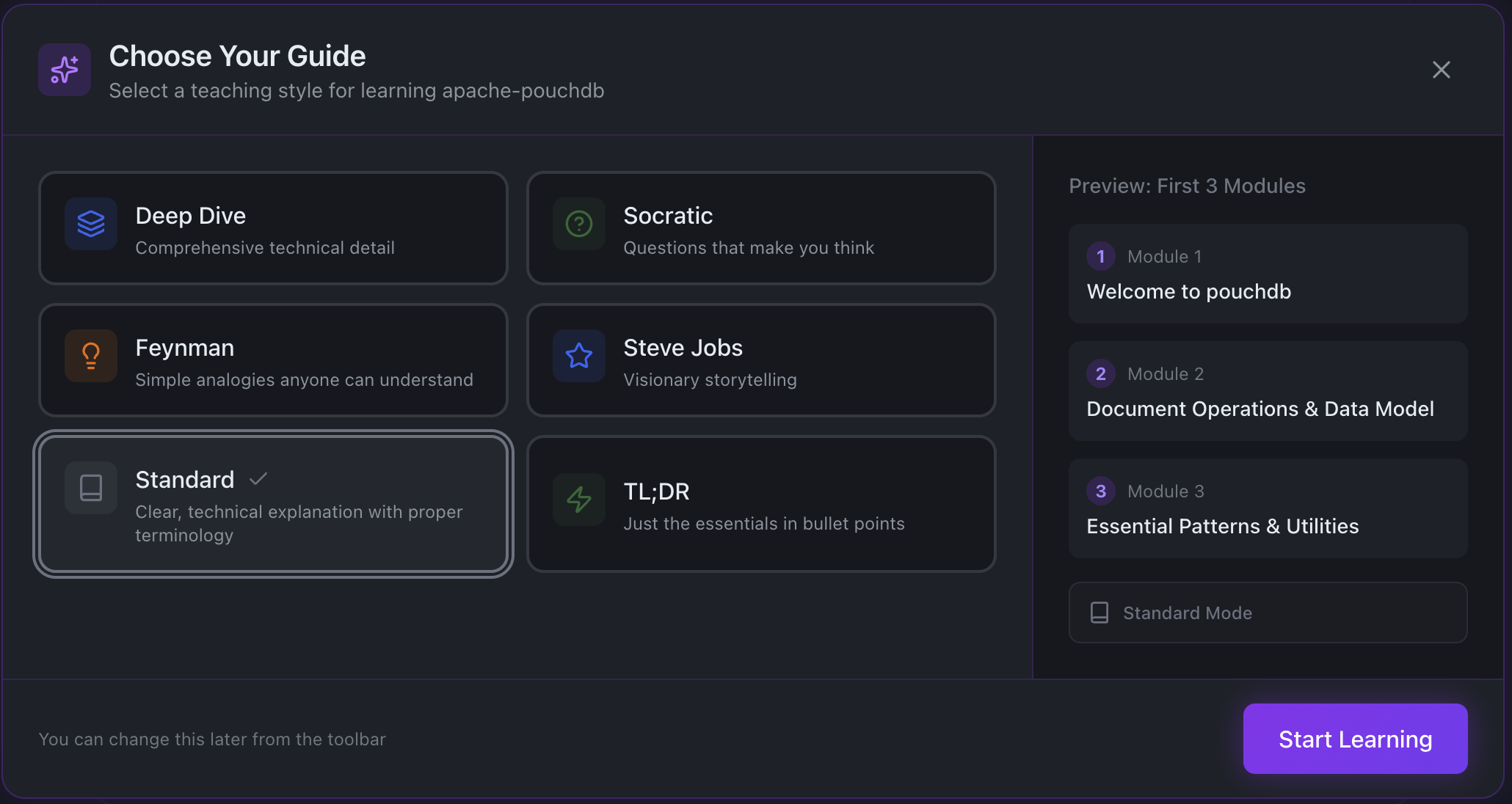
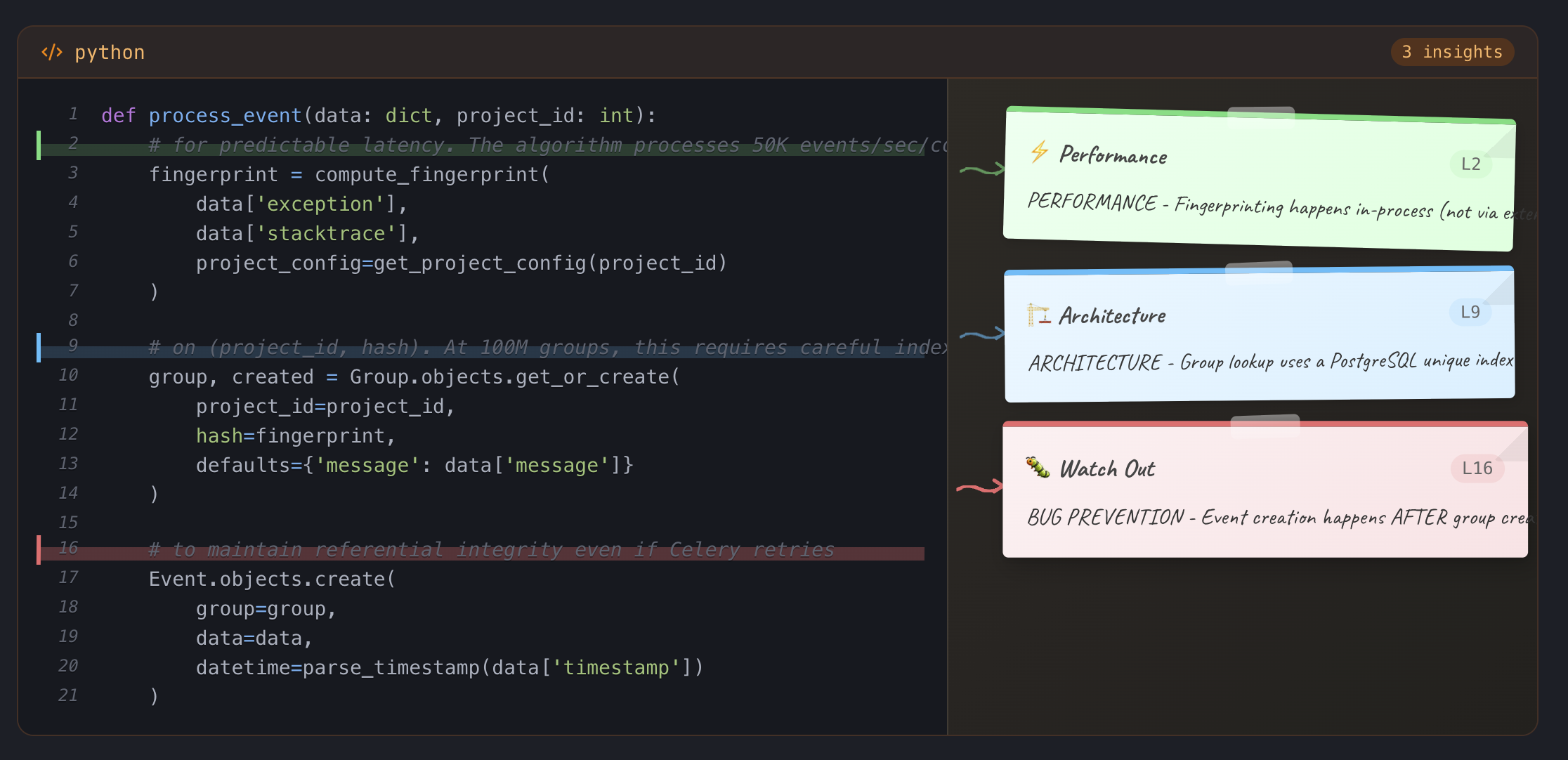
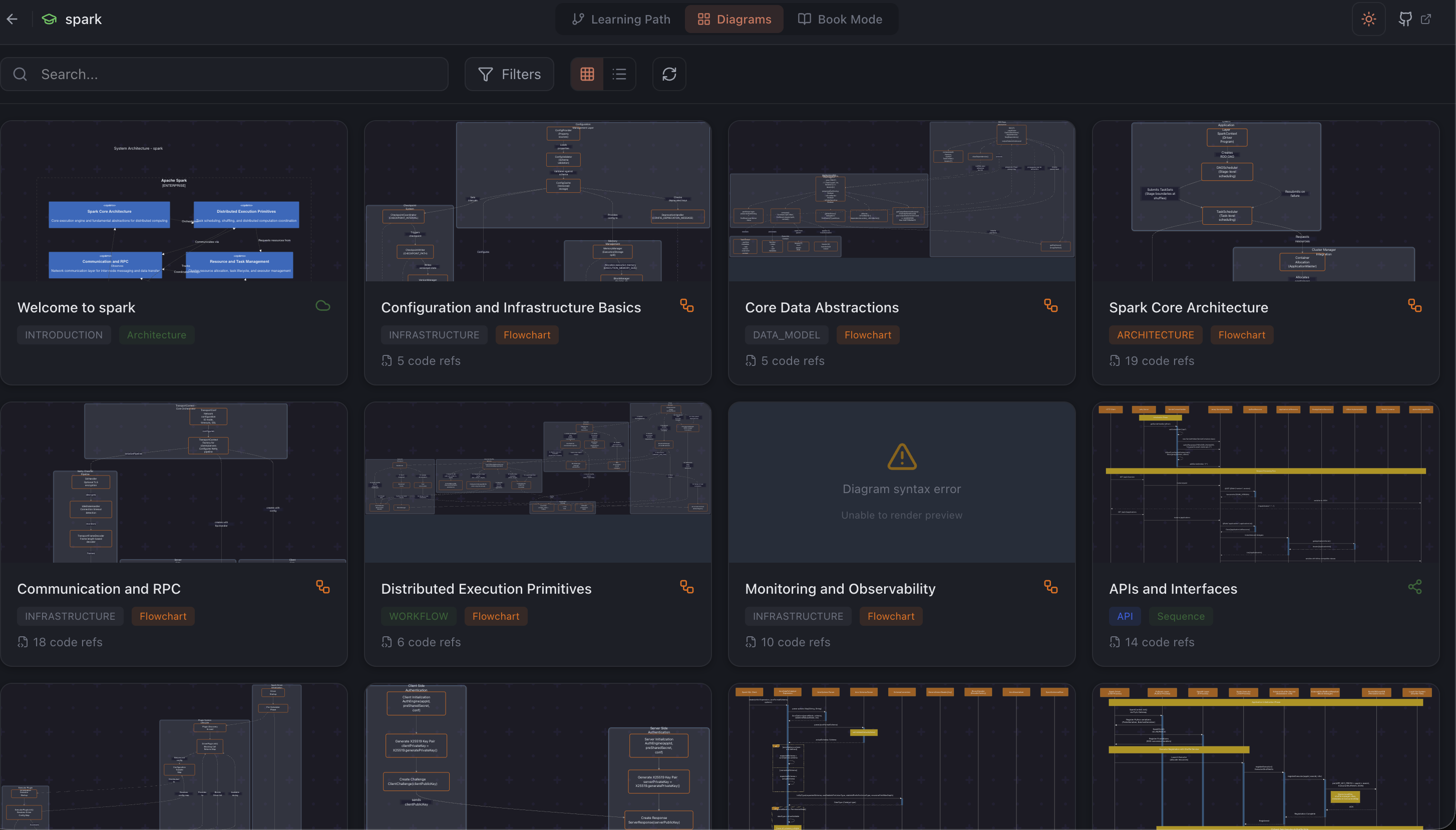
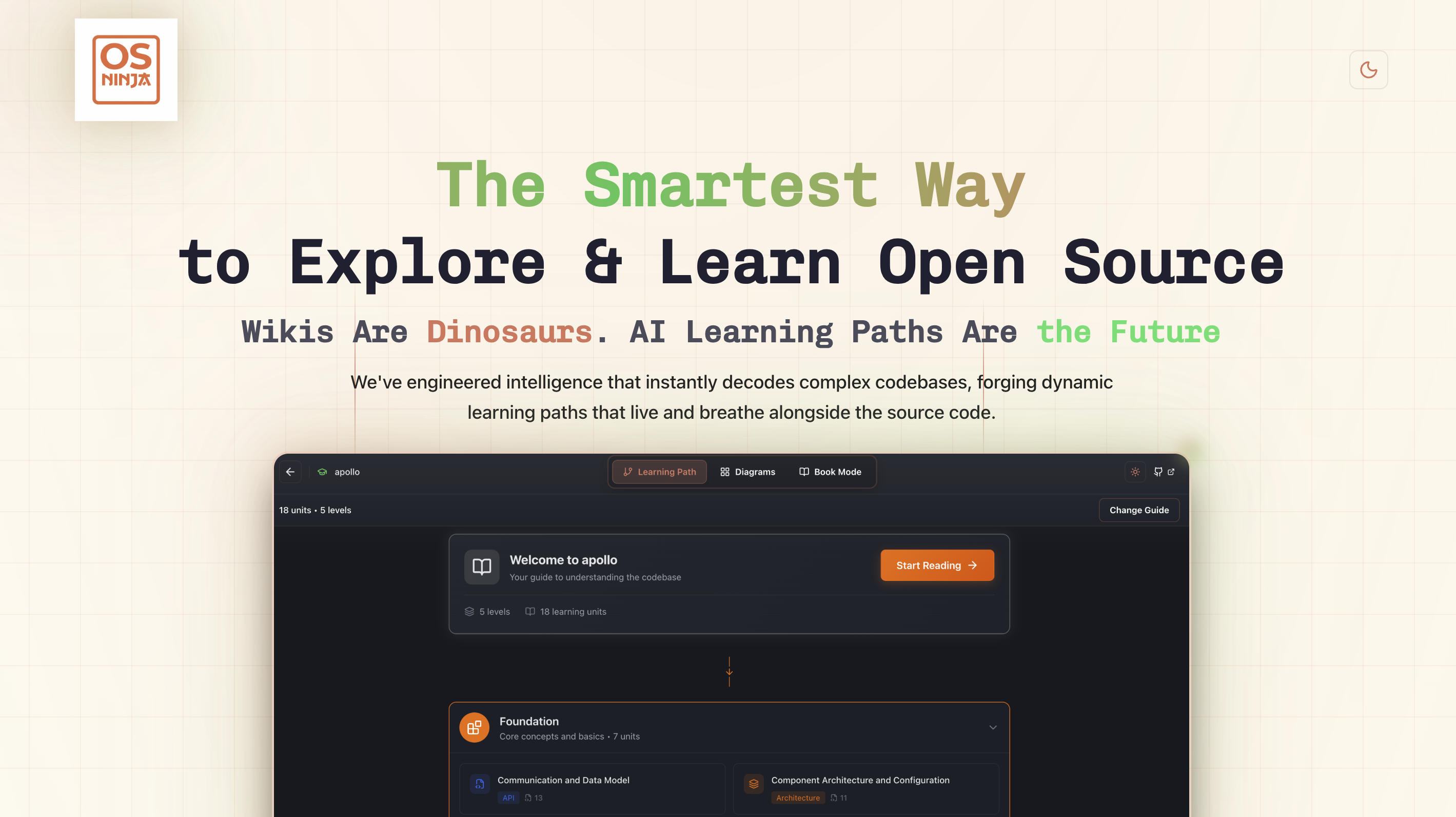
Our goal is simple but ambitious: to make deep-diving into code feel more like an adventure! Most of us know that Open Source is the backbone of the modern web, but finding the right project to learn from or contribute to can feel like searching for a needle in a digital haystack. Not anymore. We turn complex code repositories into interactive, AI-guided learning journeys. Choose how you learn best: Deep-dive, Socratic, Feynman, or traditional book format. No more 'wall of information' fatigue.

Hi Product Hunt! 👋

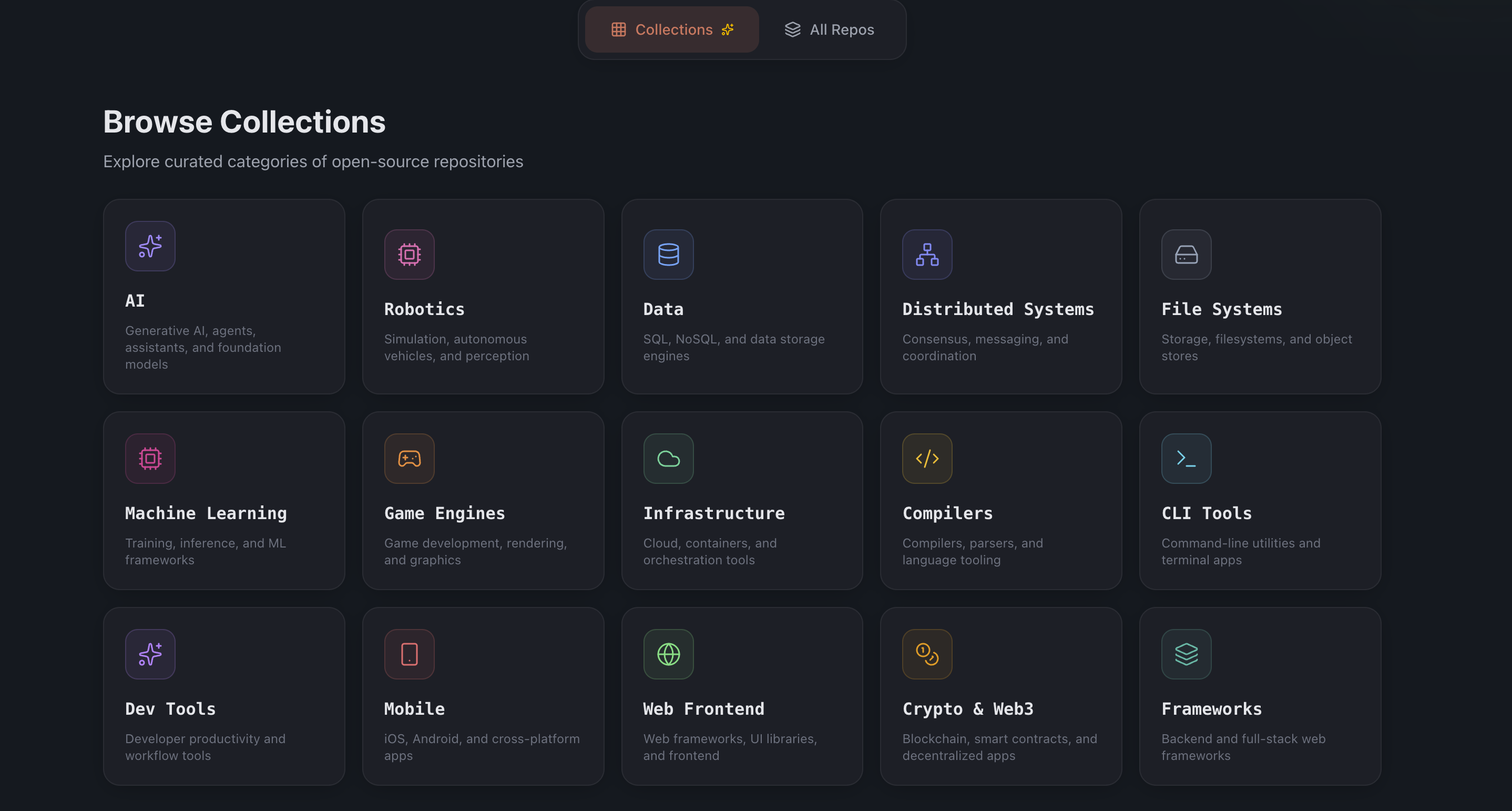
Most of us know that Open Source is the backbone of the modern web, but finding the right project to learn from, contribute to, or integrate can feel like searching for a needle in a digital haystack.

We built os.ninja because we wanted to stop "searching" and start "discovering." We wanted a way to navigate the massive ecosystem of OSS with the speed and precision of a ninja.

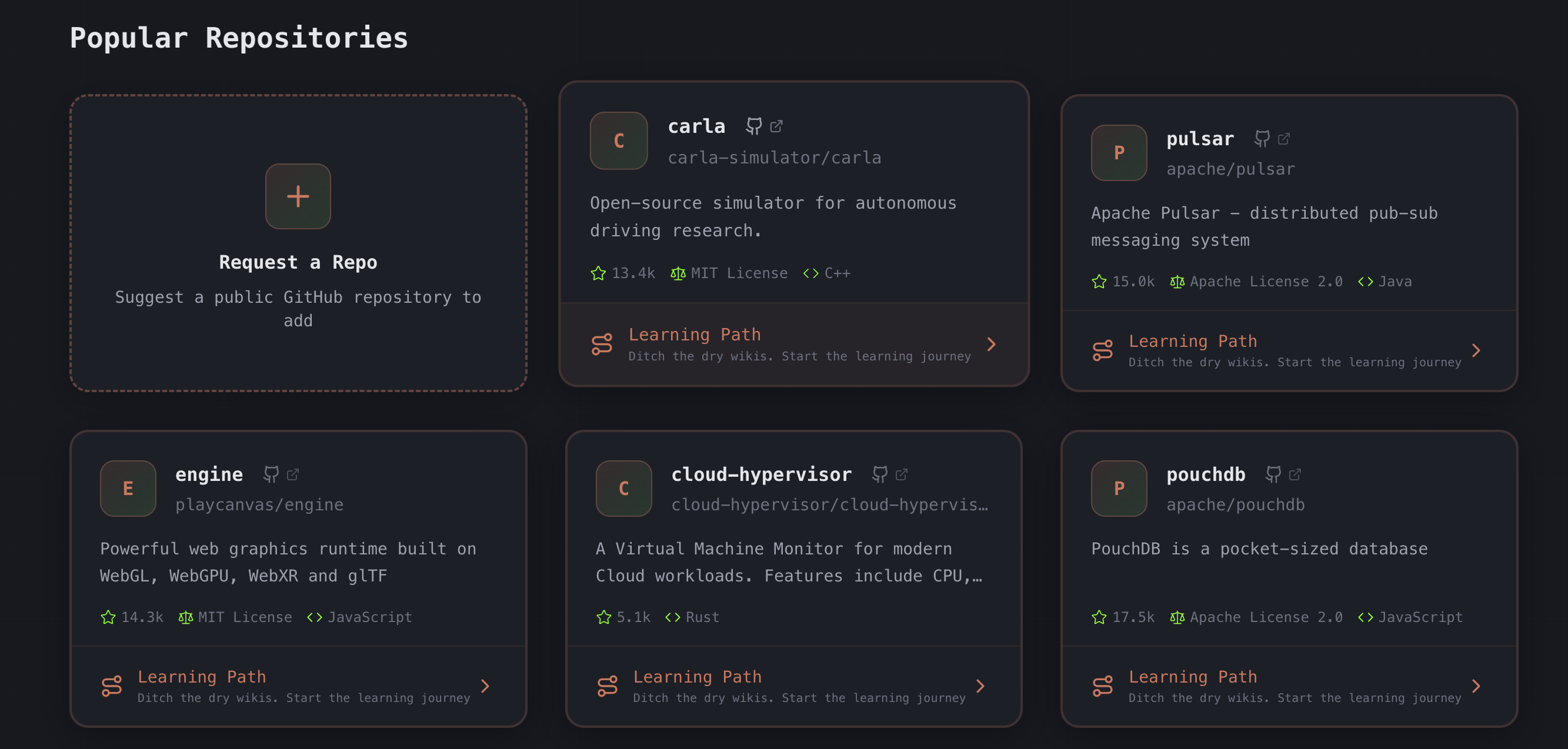
Our goal is to lower the barrier to entry for high-level software mastery. Open source shouldn't be intimidating—it should be your playground. By heading to os.ninja, you’re getting a curated, high-signal view of the open-source world with learning paths for hundreds of open source repos.

I’d love to hear your thoughts: What is the biggest challenge you face when trying to learn a new open-source stack? Do you have any suggestions to make the product more useful. Projects like Google CodeWiki and Devin's Deep Wiki throw out a lot of information but that's not how learning happens. Information is not education. We’re building os.ninja on the belief that learning requires a hook, not just a handbook.

I'll be here all day to answer questions and chat about the future of OSS learning and discovery! What's your #1 struggle with new projects? We're all ears for suggestions.


Happy hacking,
Team OS Ninja

27
回复

@puneet_singh25 This hits the mark. Open source is powerful, but starting out is often overwhelming.

The discovery-first approach with clear learning paths is what stands out. Biggest struggle for me is knowing where to begin in a large repo and what actually matters. os.ninja looks like a great step in the right direction 🚀

0
回复

@puneet_singh25 Discovery is great, but sticking is harder. What’s the earliest hook that actually gets someone to open the repo and start poking at code: a concrete task, a “fix this first” path, or seeing how real teams use it in production?

0
回复

Pretty cool! How do you keep the learning content in sync with fast-changing repos?

5
回复

@lak7 We do differential updates to all the content. Think of how dropbox works for changes to large files. We do something similar for codebase and all the content generated from the codebase.

4
回复

switching between Socratic and Feynman modes is such a smart unlock for docs fatigue. does the AI keep my context if I swap modes mid-stream?

3
回复

@samet_sezer  yes, it will remember your last used mode. We have been thoughtful about the different guides! My favorite is Socratic!

2
回复

Looks really cool! As a designer/coder I've wanted to understand tailwindcss a bit better to structure my design files and tokens to match, and this looks like a great way to learn that. I just submitted a request for the repo to be added!

3
回复

@gyan_lakhwani Thanks a ton! We will publish tailwindcss in 24 hours.

2
回复

Open Source Democratises Innovation, and I'm excited to see this project come to life. Congrats, Puneet!

3
回复
2
回复
When a developer is choosing between generic LLM chat, repo-wiki generators, and traditional docs/READMEs, what is the clearest point where OS Ninja wins—and what makes you confident users will switch rather than treat this as a one-time novelty?
2
回复

@curiouskitty I'll give a long answer. The clearest point where OS Ninja wins is at the intersection of scale and freshness. Generic LLMs and static wikis fall apart for large code repos. Generic LLMs only see a "snapshot" of your files from a specific moment. In a fast-moving repo, that snapshot becomes a liability within hours. The OS Ninja Difference: We integrate real-time content updates synced with your code changes. When you refactor a core module, OS Ninja knows immediately—no manual wiki updates or retraining required. Deep Semantic Search vs. Pattern Matching - Traditional docs and READMEs rely on you knowing exactly what keyword to search for. As a repo grows, finding "how we handle auth" across 50 folders is a nightmare. Instead of just matching strings, we map the intent of your query to the logic of your code. It doesn't just find the file; it understands the relationship between your functions. We do code indexing based on each programming language. We believe in high-fidelity engagement. A "novelty" tool in our humble opinion is a chat interface. Learning is not done using chat. Learning is done using a structured path or a guided map. We are moving beyond text to include integrated video walkthroughs, auto-generated innovative diagrams, and live sandbox to test out code changes for example. This transforms documentation from a flat file into a rich, immersive knowledge base that lives along the dev cycle. It’s like going from BART to a bullet train; from an internal combustion engine to an electric car

1
回复

This is really cool! Will you consider generating some video tutorials, similar to notebookLM?

2
回复

@weiuniverse thanks! Yes, we plan to add videos for important concepts in every repo.

2
回复
Can you add Linux?
2
回复

@monicasupa Yes, it will be done soon. Thanks!

2
回复

Helping people understand complex things without intimidation is hard to get right. What part of open source did users struggle with the most before you built this?

0
回复
Congrats.. interesting product .. all the best 🚀🚀
0
回复
#3
Updatest
Your new home for Mac updates.
215
一句话介绍:一款为Mac用户打造的更新聚合工具,通过统一管理Homebrew、Mac App Store等多源应用更新,解决了开发者与高级用户在多平台、多方式更新应用时面临的繁琐与混乱痛点。
Mac Developer Tools Menu Bar Apps
Mac软件更新 更新聚合工具 Homebrew管理 本地优先 隐私安全 批量更新 开发者工具 效率工具 macOS优化
用户评论摘要:用户普遍赞赏其统一更新源的便利性,尤其对“引导式Homebrew接管”功能印象深刻。主要问题集中在如何处理复杂依赖冲突、是否支持Tauri等新框架、以及更新日志与版本重要性提示。开发者回应积极,详细解释了技术原理与设计考量。
AI 锐评

Updatest看似解决了一个“小问题”,实则切中了macOS生态长期存在的结构性痛点:应用分发与更新渠道的碎片化。其真正价值并非简单的信息聚合,而在于充当了一个“更新路由层”与“管理范式转换器”。

它敏锐地捕捉到,高级用户的软件环境通常是App Store、Homebrew、手动安装等多种模式的混合体,而传统更新方式迫使用户在多个界面和命令行间切换。Updatest通过“引导式Homebrew接管”,不仅提供了更新,更在潜移默化中引导用户将杂乱的手动安装标准化为可管理的Homebrew cask,这是一种对用户软件管理习惯的优雅规训。其坚持本地化、无追踪的设计,与工具所处理的敏感系统权限形成了可信的呼应,这是其区别于一些“全能型优化工具”的关键。

然而,其挑战也同样明显。首先,其核心价值高度绑定Homebrew生态,对非技术用户门槛犹存。其次,面对Sparkle、Electron等框架的更新机制,它更多是“呈现”而非“解决”,当更新过程本身需要复杂交互或权限时,它仍需退居二线,将用户交还给终端或原生安装器。评论中关于依赖冲突和Tauri的提问,正揭示了其在覆盖广度与处理深度上面临的持续工程挑战。

本质上,Updatest是“终端命令GUI化”趋势下的一个精致产物,它试图在易用性与权力感之间为高级用户找到一个平衡点。它的成功不在于替代了Homebrew,而在于让Homebrew的管理理念更平易近人。其长期发展,取决于能否在保持轻量、可信的同时,消化更多更新源的复杂性,真正成为macOS软件生命周期中不可或缺的底层基础设施。

查看原始信息
Updatest
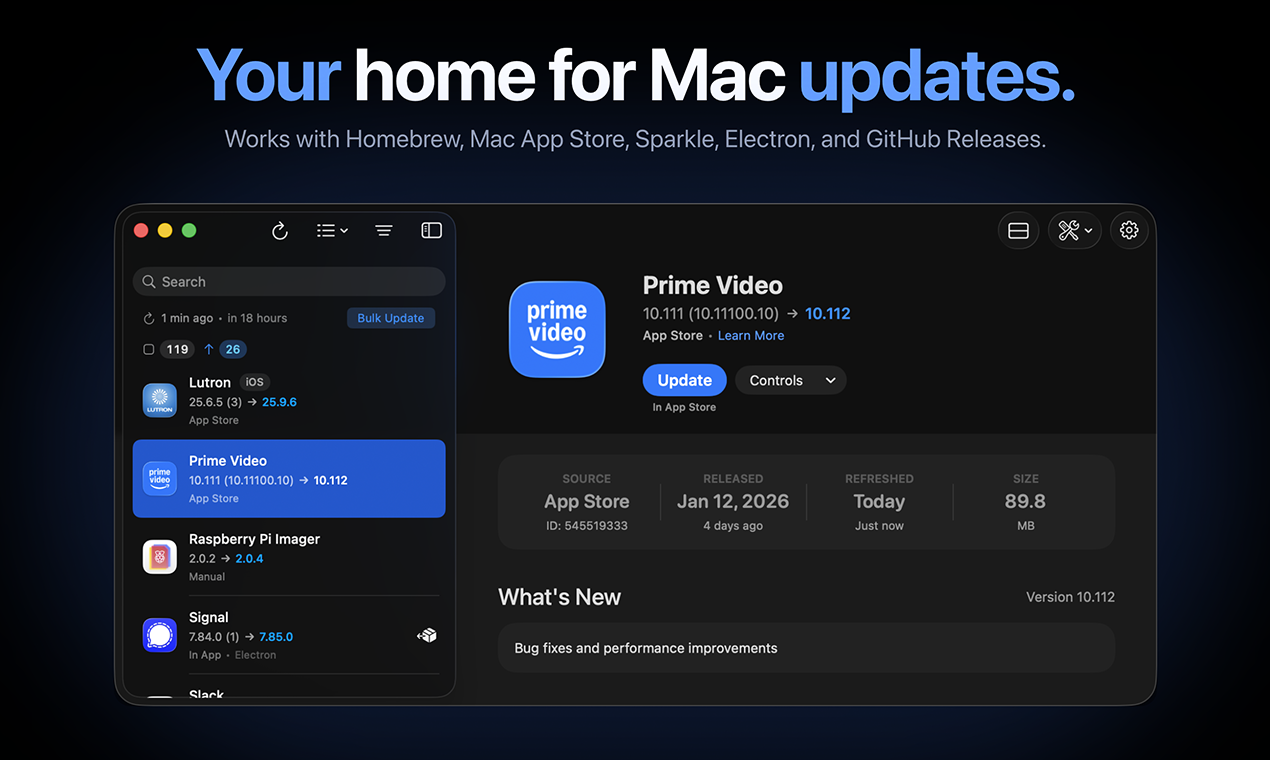
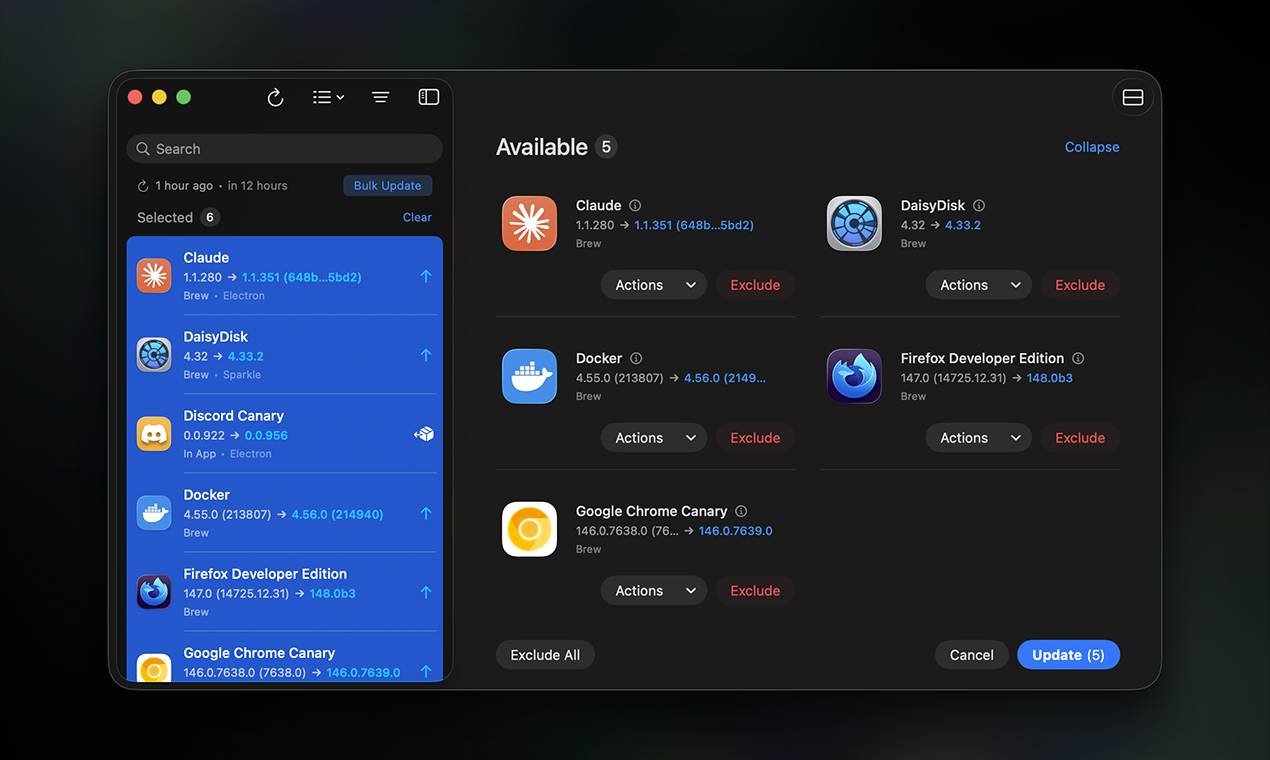
Updatest is a Mac app that unifies updates from Homebrew, Mac App Store, Sparkle, Electron, and GitHub Releases into one clean dashboard. Discover outdated apps, adopt manual installs into Homebrew, get security details, and bulk‑update with confidence—no sketchy update databases, your data stays local.

Hey Product Hunt 👋

I’m Jared, an indie macOS developer and the creator of Updatest.

Updatest is your new home for Mac updates. It unifies updates from Homebrew, Mac App Store, Sparkle, Electron, and GitHub Releases into one clean dashboard.

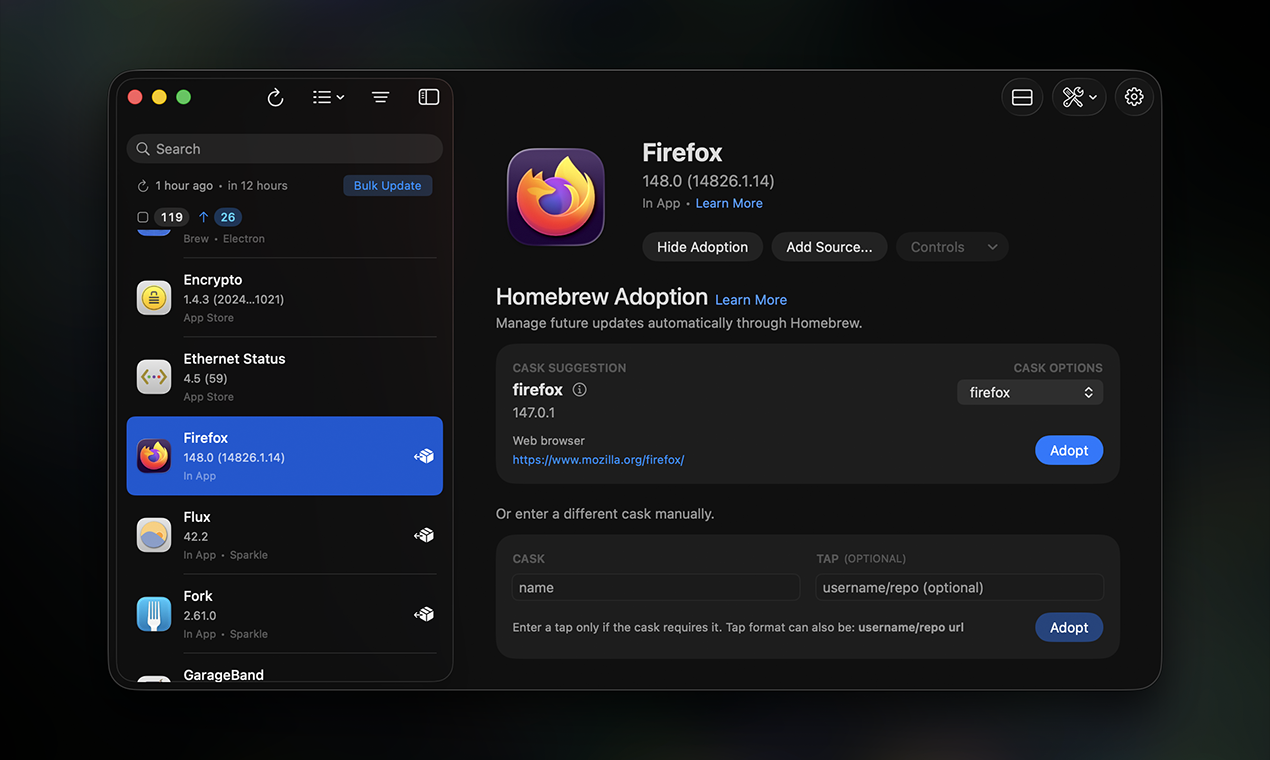
Updatest started as a small tool I built for myself to bring manually installed apps under Homebrew, making it easier to keep everything up to date without spending time in the terminal. Over time it grew into a single place to keep all my apps updated, regardless of how they update.

I shared the first version of Reddit, got more feedback, and most recently felt I really hit a nerve. We can even go all the way back in time to when Updatest was called Caskly.

The response showed this was a problem a lot of macOS users were running into, which helped drive the direction of the app. I’m excited to finally share it here now that it’s officially out of beta.

How it fits together
macOS apps update through many different systems, and some apps you install manually can also be managed by Homebrew later on. Updatest was the first updater to surface this capability in a clear, guided way, long before it became a common pattern.

What’s included?
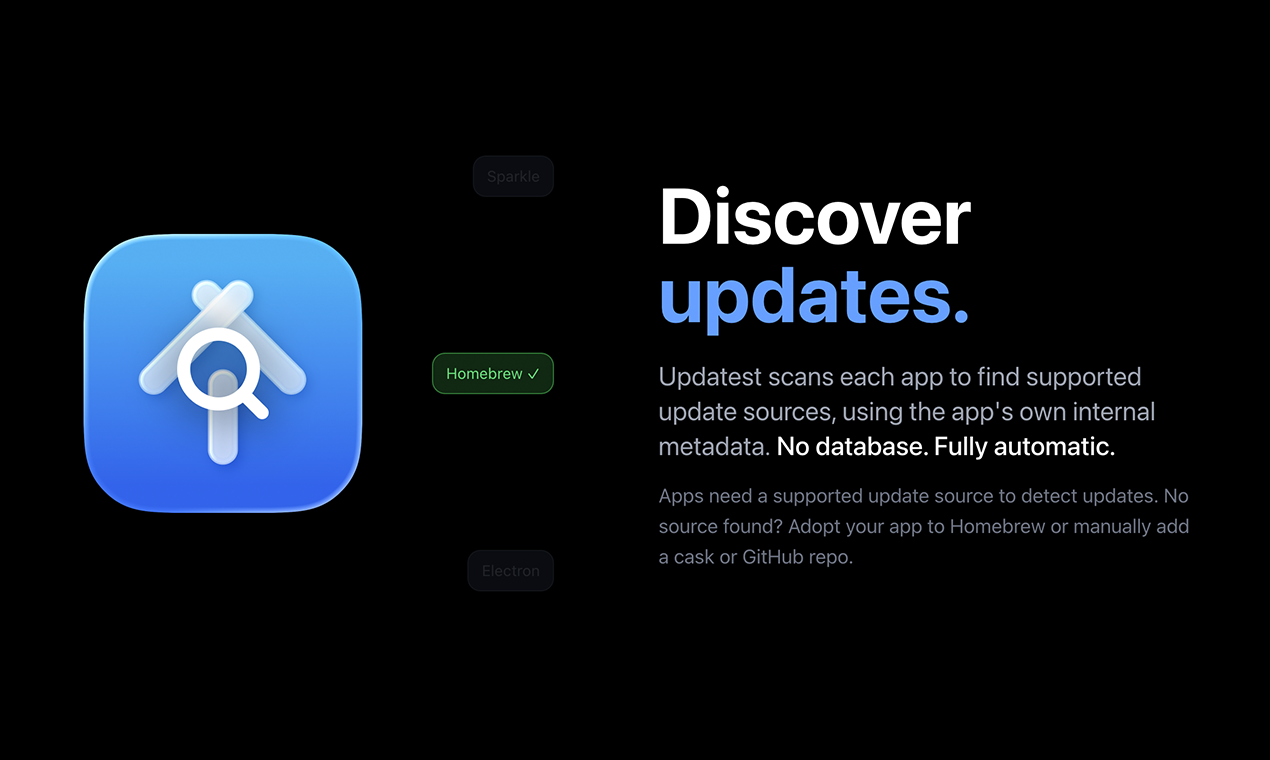
- Automatic detection of supported update sources per app
- Clear, guided Homebrew adoption for apps installed outside of Homebrew
- Homebrew formulae updates alongside app updates
- Source aware update checks that reflect how each app updates
- A fully native macOS experience with no tracking and no telemetry

The goal is simple: make macOS updates understandable without compromising privacy.

Would love to hear what you think, especially now that it’s out of beta.

7
回复

@hugeirl Oh wow! This solves a very real Mac pain! What’s the first “oh wow” moment users hit the app that finally shows up as updateable when it never did before, or the guided Homebrew adoption that removes the fear of breaking a manually installed app?

0
回复

Congrats on the launch! Love how Updatest unifies Homebrew, MAS, Sparkle, Electron, and GitHub updates into one trusted, local-first dashboard.​

3
回复

@zeiki_yu thank you, I appreciate it!

1
回复

This is basically a dashboard for people who hate juggling updates as I do. Can it also handle apps I installed years ago and forgot about?

2
回复

@abod_rehman great question!

It totally can. Updatest doesn't care where or when you installed your app, just if it has an update source, and an update. 🙂

2
回复
For a user with a messy Mac (manual installs, Homebrew casks/formulae, App Store apps), what’s the ideal first-week workflow you designed for—especially around adopting existing apps into Homebrew—and what are the failure modes you built guardrails for?
1
回复

@curiouskitty Great question!

I wouldn't consider that messy - I think that's pretty standard! Updatest's goal is to match all your apps to their appropriate sources and then provide you with updates for them when they come out.

If you want to centralize your apps (or, your apps don't expose a supported update source), Updatest allows you to adopt your existing manually installed apps to Homebrew so that Updatest can then provide you updates for them.

Some Homebrew adoptions require the users password, and Updatest doesn't see or ask for this password, instead providing you a one click button to execute the command in your Terminal on your Mac, where you can safely enter the password to complete the adoption. This also applies for any internal Brew commands Updatest needs to run on your behalf to install updates too, everything is delegated to the correct native MacOS application where applicable.

1
回复
@curiouskitty which formulae and casks are your favorites, as a robot cat?
1
回复

Love the thought. But some updates may be unnecessary, while some may include major new features that totally upgrade the experience. Will you also include such info?

1
回复

@jiawei_liu6 Hey there!

Yes! We have a major version warning letting users know when there's a major version update (to the best of our ability based on the version information). We also surface release notes where possible for users to compare before updating.

3
回复

how does the app handle Homebrew conflicts or dependencies that usually require manual terminal intervention, does that surface in the UI?

1
回复

@samet_sezer Hey there!

We surface all dependencies and dependants in the UI in both the sidebar and the detail view of the app, letting users know which formulae depend on what. 🙂

1
回复

Unifying updates without sacrificing trust is harder than it looks.

What update source caused the most complexity when you brought everything together?

0
回复

Have you considered Tauri apps? Electron apps are always 500mb because they ember chrome. Tauri is like Bun Is to NPM. Faster, Better, Stronger. And apps are super tiny, 10mb+++ Because they use native browser engines. TBH. Having used Tauri for a week now. Super impressed. It also has auto updates, so i recon its possible to pipe into somehow? Or just check app version with release tag in github or smth. Might be worth looking into. Curious, how do you know if electron apps are outdated or not?

0
回复

@conduit_design ooo interesting!

I'll take a look at what Tauri exposes, if there's a way for Updatest to see the updates for them then it's an easy inclusion!

For your question: Curious, how do you know if electron apps are outdated or not?

Same way we check for any other app updates! The apps themselves have information internally that Updatest can check to see if an update exists in some fashion, and then uses Updatest's own version comparison logic to detect if said update exists!

0
回复

Before @Updatest, I was using TrashMe 3 (terrible name!), Latest, the Homebrew Raycast extension (which I contributed to!), and in-app Sparkle updates and the App Store to keep my apps up to date.

But Updatest handles all of those sources and helps me migrate random apps I've installed to be managed by Homebrew, which is much more reliable and convenient.

@hugeirl has been cranking on Updatest to get to this launch, and the quality of his work shows.

If you use Mac apps and want to keep them up-to-date, you owe it to yourself to give Updatest a try.

I bought a license within minutes of downloading the app — and it's improved by leaps and bounds since then!

0
回复
#4
FlowGenie
Make building forms and automating workflows feel like magic
167
一句话介绍:FlowGenie是一款无代码可视化流程构建平台,通过节点式流程图编辑器,让开发者和技术团队在构建表单与自动化工作流时,能像编写代码一样清晰、直观地掌控逻辑,解决了传统自动化工具逻辑隐藏、调试困难、可控性差的痛点。
Web App Developer Tools No-Code
无代码平台 工作流自动化 可视化开发 节点编辑器 表单构建 开发者工具 流程编排 逻辑可视化
用户评论摘要:用户普遍赞赏其“逻辑可视化”的核心理念,认为它更接近真实编程。主要问题与建议集中在:希望提供更多流程模板以快速启动;深入询问与Zapier等工具的差异化场景;强烈关注调试、错误追踪与日志功能如何实现;并探讨用户从传统工具迁移可能面临的学习曲线。
AI 锐评

FlowGenie的野心,并非仅仅是又一个无代码自动化工具,而是一次对“无代码”哲学本身的修正。它精准刺中了当前主流平台如Zapier、Make的核心矛盾:为了降低门槛,它们将业务逻辑封装并隐藏在节点的配置面板中,这虽然简化了初始搭建,却导致了“黑箱”效应,让调试、维护和理解复杂流程变得异常痛苦,最终剥夺了技术用户最珍视的“清晰度”和“控制感”。

其宣称的“受虚幻引擎蓝图启发”,并非简单的UI噱头,而是一种根本性的范式转移。它将逻辑本身提升为一等公民,让条件分支、数据输入输出直接呈现在图面上,实现了“所见即所逻”。这实际上是在用可视化编程的语法,来弥合图形化配置与代码思维之间的认知鸿沟。它服务的核心用户画像非常明确:那些受困于传统工具“幼稚”抽象、渴望工程级严谨性与透明度的开发者、技术创始人和技术团队。

然而,其面临的挑战同样尖锐。首先,“逻辑可视化”在带来清晰度的同时,也可能带来视觉复杂性。当流程变得极其庞大时,节点图是否会变成难以管理的“毛线团”?这对其编辑器的人机交互设计提出了极高要求。其次,评论中反复被提及的调试与追踪能力,是此类工具能否用于生产环境的关键。目前看这仍是其短板,需要尽快补强。最后,其真正的护城河在于能否围绕“图即真相”这一理念,构建起独特的生态,如高质量的模板库、团队协作特性以及与企业系统的深度集成能力。否则,它可能只会成为小众技术极客的玩具,而难以撼动已形成网络效应的巨头。

简言之,FlowGenie的价值在于它试图重新定义“无代码”的权力边界——不是让用户远离逻辑,而是用一种更友好的方式将逻辑主权交还给他们。这是一条艰难但正确的道路,成功与否,取决于它能否在保持理念纯粹性的同时,攻克工程化与普及化的难题。

查看原始信息
FlowGenie
FlowGenie is a no-code platform for building forms and workflows using a visual, node-based flow editor. Inspired by Unreal Engine blueprints, logic lives in the graph, not hidden inside config panels. Build flows you can schedule, trigger externally, or run from form submissions. Designed for developers, founders, and technical teams who want automation without giving up clarity or control.

Hey Product Hunt, I built FlowGenie because I couldn't find a no-code tool that actually represented logic the way code works.

Most automation tools hide behavior inside the nodes, and inside config. FlowGenie does the opposite: inputs, outputs, branches, and conditions live directly in the flow graph. What you see is the logic.

I use it personally for things like generating daily engineering updates (Linear -> formatted Slack messages), internal forms and surveys, and we embed the form on our marketing sites.

It’s currently in beta: solid and production-usable, but not yet tested at large scale. I'm especially interested in feedback from developers who've tried Zapier, n8n, Jotform or similar and felt constrained.

Happy to answer any technical questions.

7
回复

@perrytheprogrammer tbh making logic visible is a bold choice :) When people come from Zapier or n8n, what’s the first thing they struggle with in FlowGenie, thinking in explicit branches, debugging flows, or resisting the urge to hide complexity again?

2
回复

Congrats on the launch! Love the Unreal‑style, node-based approach—keeping logic in the graph makes no-code automation feel much closer to real engineering.​

3
回复

@zeiki_yu Thank you Zeiki, I've been looking for a tool that works like that for a while now. The reason I want a no-code is to not have any code!!

0
回复

Any plans for templates for common workflows so I don’t start from scratch every time?

2
回复

@abod_rehman There is actually a Templates concept already. Any one can mark a form or a flow as a template, and then anyone can clone it. There isn't much in there now, but many more to come soon!

1
回复
Congrats.. that’s cool product 🔥🔥
1
回复
When someone says “I can already do this with Zapier/Make/n8n + a form tool,” what’s the specific scenario where FlowGenie’s graph-as-the-source-of-truth changes the outcome, and what’s the point at which switching becomes obviously worth it?
1
回复

@curiouskitty I think once you have to setup a custom integration, where the in-the-box stuff doesn't cut it, FlowGenie really shines.

But its also a preference thing a bit too. Some people may want smaller graphs, and don't mind writing config or some code. But I prefer for my no-code tool to actually be no-code 😃

1
回复

Using it internally for real workflows like Linear to Slack updates is a good signal. That usually surfaces real design tradeoffs early.

1
回复

@shreya_chaurasia19 Yeah absolutely, its a tool I've built for myself first and foremost, which has led to a lot of improvements and learnings.

1
回复

This looks promising for serious automations. How do debugging and error handling work in practice? For example, can users easily trace where a workflow failed or inspect intermediate states?

0
回复

@cathy_cc Thanks Cathy, ya there is some pretty decent logging available, but much better tracing is coming soon! This is definitely an area I'd love feedback on.

0
回复
#5
Tofu Maps
Create personal maps you can share without accounts
162
一句话介绍:一款无需注册、通过链接即可分享的个人地图创建工具,解决了用户在旅行规划、地点收藏等场景中信息分散、分享繁琐的痛点。
Maps
个人地图 无账户分享 隐私优先 旅行规划 地点收藏 轻量级工具 链接共享 离线可用 数据导出 独立开发
用户评论摘要:用户普遍赞赏其无账户、轻量化的核心理念。主要建议包括:增加地点列表的排序功能、明确数据存储与导出机制(已获解答)。开发者积极互动,透露未来将增加可选账户用于同步和协作,并强调产品定位是“个人工具优先”而非内容平台。
AI 锐评

Tofu Maps 看似是又一个地图标记工具,但其“无需账户”的激进选择,实则是一次对产品本质与增长逻辑的精准切割。它避开了与Google Maps等巨头在“地图功能”上的正面竞争,也绕开了Pinterest等平台在“内容发现”上的网络效应陷阱,转而锚定一个被长期忽视的空白地带:**纯粹私人的、功能性的地点信息管理**。

从开发者回复中透露的用户行为(为具体任务创建、添加非公开细节、离线使用)来看,其真正的价值并非在于“分享”,而在于成为个人空间的“数字备忘记事本”。它解决的是信息从碎片化(聊天记录、截图、笔记)到结构化(一张专属地图)的“最后一公里”问题,且这个过程是私密、无压力的。这使其早期用户画像非常清晰——“个人地点图书馆员”,一个需求真实但被主流平台服务不足的群体。

然而,其最大的挑战与机遇也在于此。将“隐私”和“无账户”作为核心卖点,固然形成了强大的初始吸引力,但也可能成为增长的天花板。无账户体系意味着难以构建用户黏性和跨设备体验,而“工具优先”的定位则使商业化路径(如协作、高级数据层)变得模糊。开发者的路线图(增加可选账户)显示了其清醒认知:必须在坚守“轻量、隐私”初心与提供“可靠、持久”价值之间找到平衡。若成功,它可能开创一种“由内向外”的增长范式——先成为用户不可或缺的私人工具,再自然延伸出分享与协作场景,而非相反。这是一场关于产品哲学的有趣实验,其成败将验证在数据敏感时代,一个极致简约、用户主权至上的工具能否占据一席之地。

查看原始信息
Tofu Maps
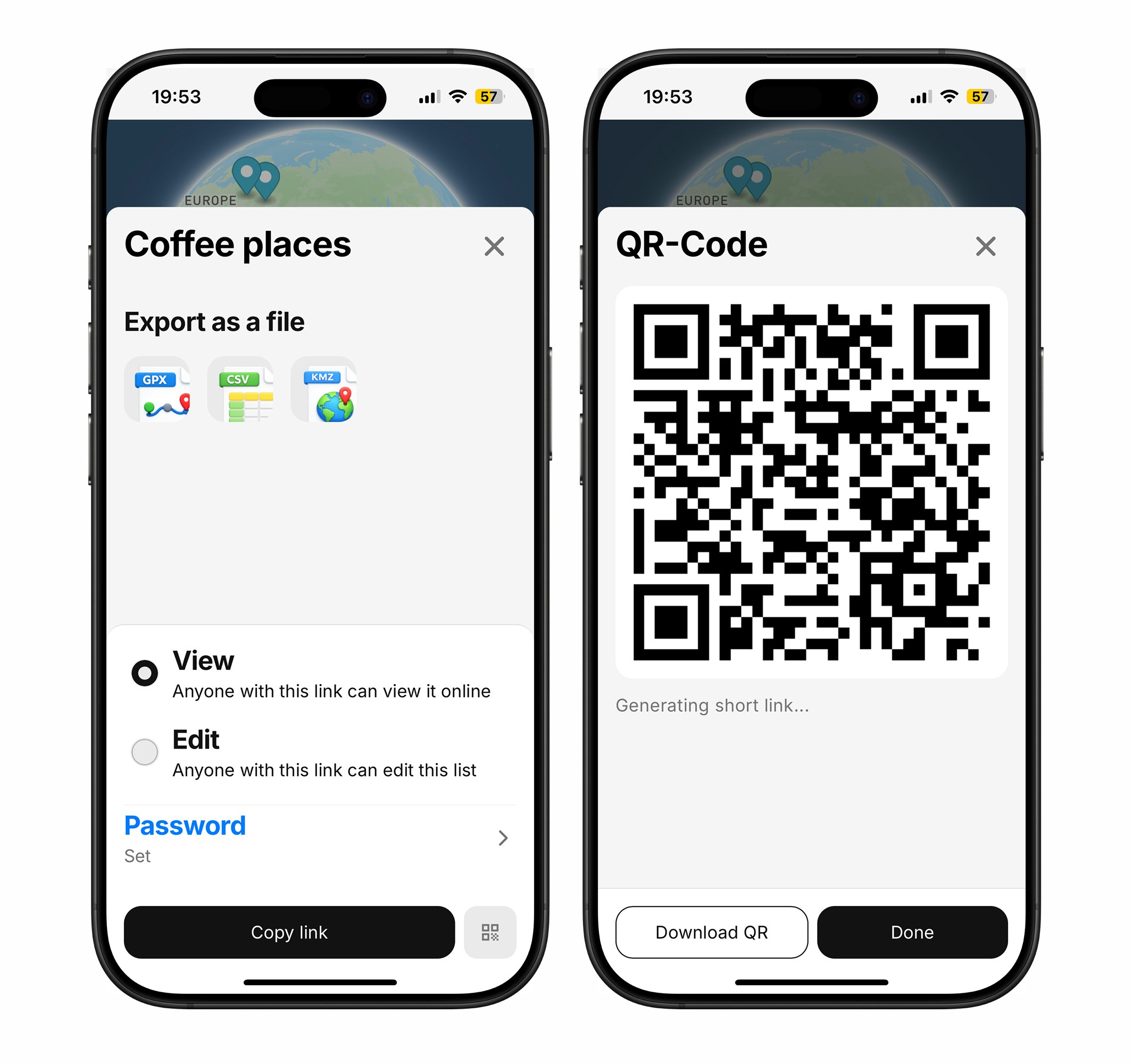
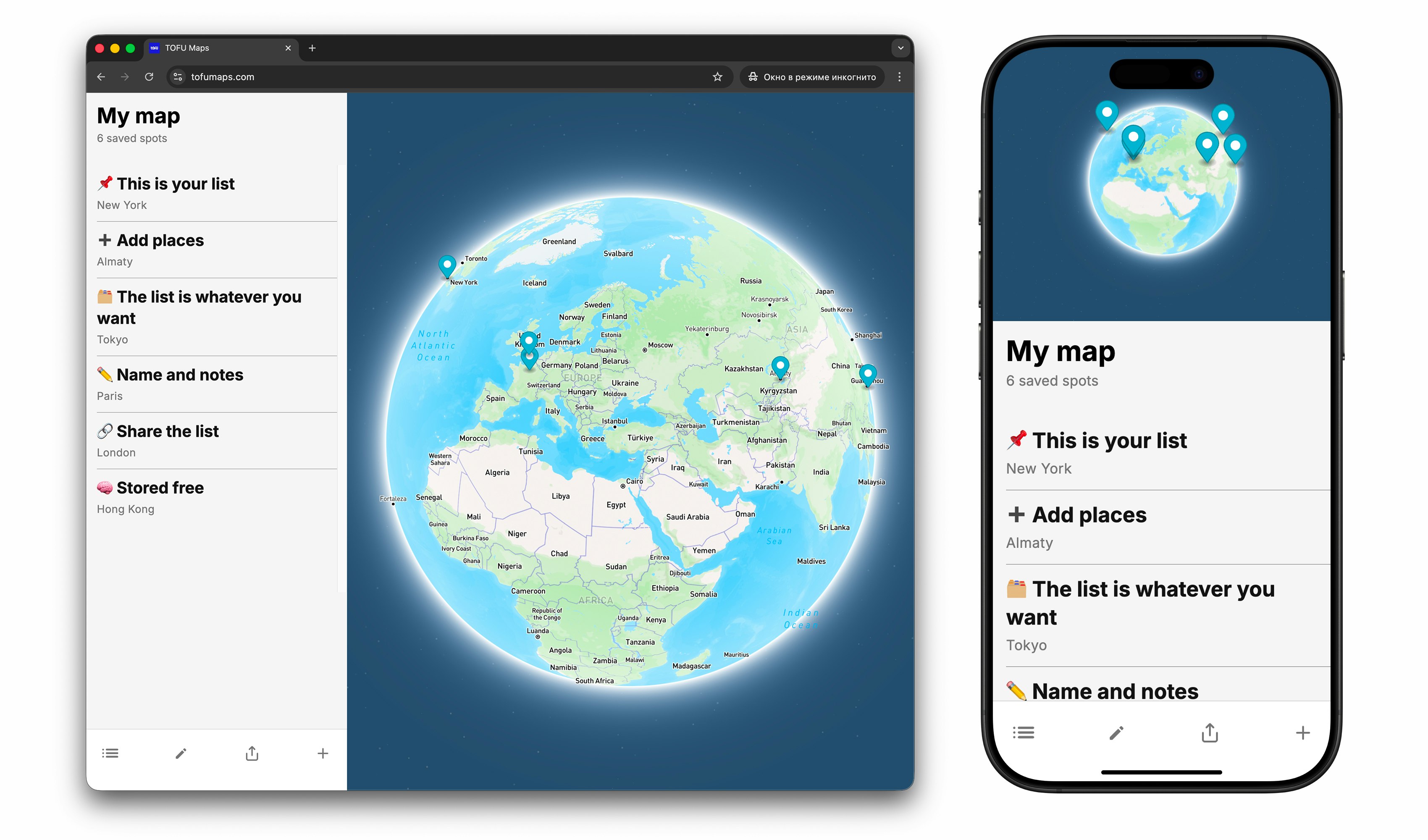
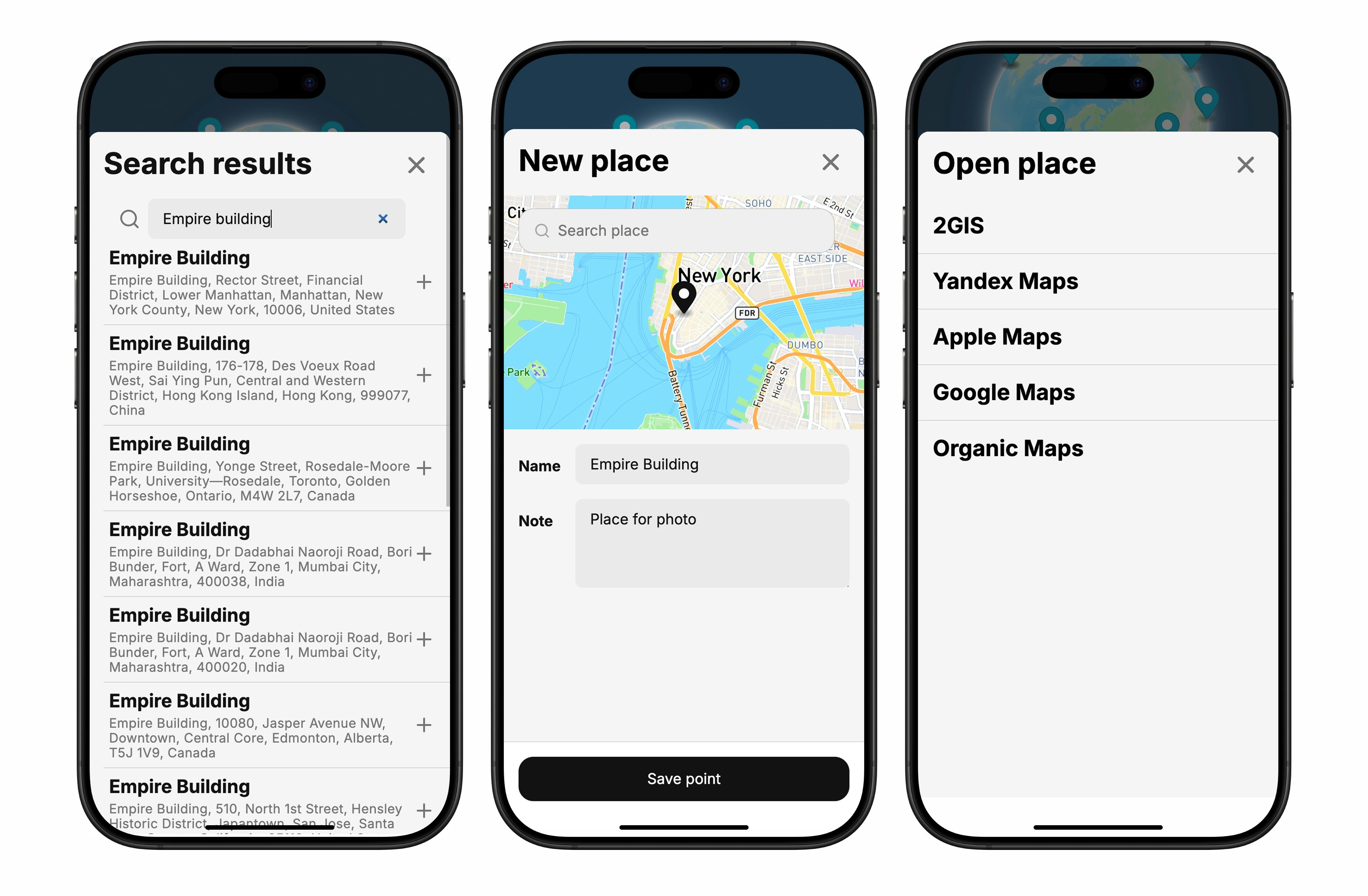
Tofu Maps lets you create personal maps, save places, and share them by link — without signing up. Perfect for travel ideas, city guides, filming locations, or personal collections of places. Simple, fast, and privacy-first.

Hi! I’m Ruslan, the maker of Tofu Maps.
The idea came from a simple frustration: I was constantly saving places everywhere — notes, chats, screenshots — but never in one simple map I could easily share. Most map tools felt too heavy: accounts, onboarding, cluttered interfaces. So I built Tofu Maps as a lightweight alternative — something that works instantly.


What I wanted to achieve:
- no signup, no friction
- create a map in seconds
- share it with a single link
- focus on places, not features


People already use it to:
- collect travel ideas
- share city guides with friends
- save filming locations
- keep personal place libraries


This is an indie project, built and designed by one person, and I’m actively improving it.
I’d really love to hear your feedback — what works, what feels missing, and how you’d use it.
Thanks for checking it out, and happy to answer any questions 🙌

9
回复

@ruslanfatikhov Love the idea, can't wait to try it out! Just wondering, why tofu?

0
回复
@ruslanfatikhov hi. Congrats I make customs make google and other for travels pre and post tours. Tofu is as u say. Quick and simple I like it. Please add option to change the order of the list as it is often an itinerary or places visited Sort by auto name number ascending / descending or manual That’s it. All the best
0
回复

Congrats on the launch! Love the simple, link-first approach to personal maps—perfect for lightweight trip curation and sharing without account friction.​

2
回复
Who is getting the most value today—travel planners, creators (filming/photo scouting), locals making city guides, or “personal place librarians”—and what patterns in their behavior tell you that segment is the best initial wedge?
1
回复

@curiouskitty Good question.

Right now, the strongest value is for “personal place librarians” — people who save places with context (notes, access details, photos, docs) for their own future use, often offline.

The behavioral pattern that stands out:

  • they create maps for a specific job or trip, not “for the internet”

  • they add non-public details (codes, instructions, reminders)

  • maps are small but dense (few places, lots of context per place)

  • usage is episodic but intentional (prepare → use in the field → keep)

That makes them a good initial wedge because:

  • value is immediate even with zero public content

  • no cold-start discovery problem

  • retention comes from personal utility, not likes or views

Travel planners and creators are interesting follow-ups, but they usually drift toward public sharing and discovery. We want to earn reliability and offline trust first, then expand outward.

0
回复

The previous startup l worked at was exactly doing the same thing with additional features.
I do not say your product is better or worse but if you dm me, l can share you the name of the app, it could be insightful for you maybe.
What l've learned from that: no content no remaining users, you have to create thousands of contents(maps), do not wait any user to come and create

1
回复

@eren_kiratli This matches what I’ve seen as well.

I’d be happy to learn about the app you mentioned — DM is welcome.

One key difference we’re exploring is treating maps as personal tools first, not as a content platform: many lists are private, utilitarian, and created for a specific job (field work, access notes, documentation).

That said, you’re absolutely right about retention — even private tools need immediate value and momentum. Learning from past attempts is exactly why feedback like this is useful.

2
回复

Is there an availabilty of creating an account?

1
回复

@busmark_w_nika Tofu Maps is designed to work without accounts by default. You can create, edit, and share maps instantly, with no signup, no profiles, and no tracking.

That said, optional accounts are planned for a future version — mainly for:

  • syncing across devices,

  • managing multiple maps,

  • and collaboration.

But they’ll remain opt-in, not required.
The core idea stays the same: Tofu Maps should always be usable as a lightweight, privacy-first tool, even without an account.

0
回复

Finally a place to store all my favourite parking lots! Just kidding, I'll defo try this out to share city guides. Currently storing them as a link tree in Notion.

Btw, going account-less looks like a trend - I'm seeing more and more of this on Product Hunt.

0
回复

positioning this as a lightweight, privacy-first alternative to bloated map apps is a great wedge. since there's no cloud account syncing, does the data live entirely in local storage, and is there an easy way to export (like KML or GeoJSON) if I want to back up my list?

0
回复

@samet_sezer Tofu Maps is privacy-first by default:
there are no accounts, no profiles, no tracking, and your data stays under your control.

How data works:

  • If you create a list normally, it lives locally in your browser (IndexedDB / local storage).

  • Nothing is uploaded anywhere unless you explicitly share a map by link.

  • Shared maps are read-only by default and can be protected.

Backups & export:

  • You can export any list at any time.

  • Currently supported formats: GPX, KML/KMZ, and CSV.

  • GeoJSON is on the roadmap, but the existing formats already work well with Google Maps, OSM tools, Garmin, and most GIS software.

The goal is to feel closer to a notes app or a personal library for places, not a social network — lightweight, portable, and fully under your control.

0
回复
#6
21st Fund
Agentic Grant Discovery for Founders
139
一句话介绍:一款AI驱动的非稀释性资金发现平台,帮助创始人、独立开发者和初创企业在不出让股权的情况下,高效匹配赠款、信贷和免费扶持项目,解决传统融资渠道门槛高、股权稀释严重的痛点。
Fintech Venture Capital Artificial Intelligence
非稀释性融资 AI资金发现 初创企业赠款 信贷匹配 创始人工具 融资平台 股权保护 企业服务 信息聚合 资源搜索
用户评论摘要:用户肯定“非稀释性资本”的定位,认为能节省寻找资金的时间。核心问题聚焦于AI的推荐逻辑:如何对机会进行评分(匹配度、投入产出比、时间线)并排序,避免引导用户陷入高投入低回报的“死胡同”,以及如何通过数据反馈优化算法。另有用户遇到搜索功能故障。
AI 锐评

21st Fund切入了一个精准且痛感强烈的细分市场:非稀释性融资。其价值不在于颠覆,而在于“降本增效”——用AI替代创始人手动搜寻和筛选海量、分散且规则各异的赠款与信贷信息。产品标语“Agentic Grant Discovery”暗示了其野心:不止于信息列表,更致力于成为能主动判断和推荐的智能代理。

然而,从评论中暴露的尖锐问题来看,这正是其面临的核心挑战与风险所在。创始人关心的“评分体系”和“防止高努力死胡同”,直指这类AI工具的灵魂:推荐模型的有效性。如果其AI仅仅基于关键词匹配,而不能深度理解资助方的真实意图、申请的成功概率与隐性成本,那么它本质上只是一个更花哨的搜索引擎,甚至可能因错误推荐而浪费用户宝贵资源。评论中“向量搜索冲突导致功能瘫痪”的技术故障,也揭示了早期AI产品依赖单一技术栈的脆弱性。

更深层看,产品的真正壁垒并非技术,而是数据与网络效应。它需要积累大量申请结果(成功/失败)的闭环数据来训练模型,并可能最终需要与资助方建立数据通道,才能实现精准的“信心评分”。目前阶段,它更像一个充满潜力的“信号聚合器”,但其宣称的“智能”能否经得起市场严酷的验证,将决定它是一跃成为创始人必备的基础设施,还是另一个在红海中挣扎的查询工具。创始人对风投游戏“被操纵”的批判为其赋予了道德光环,但商业上,它必须证明自己的算法是“公正”且“有效”的。

查看原始信息
21st Fund
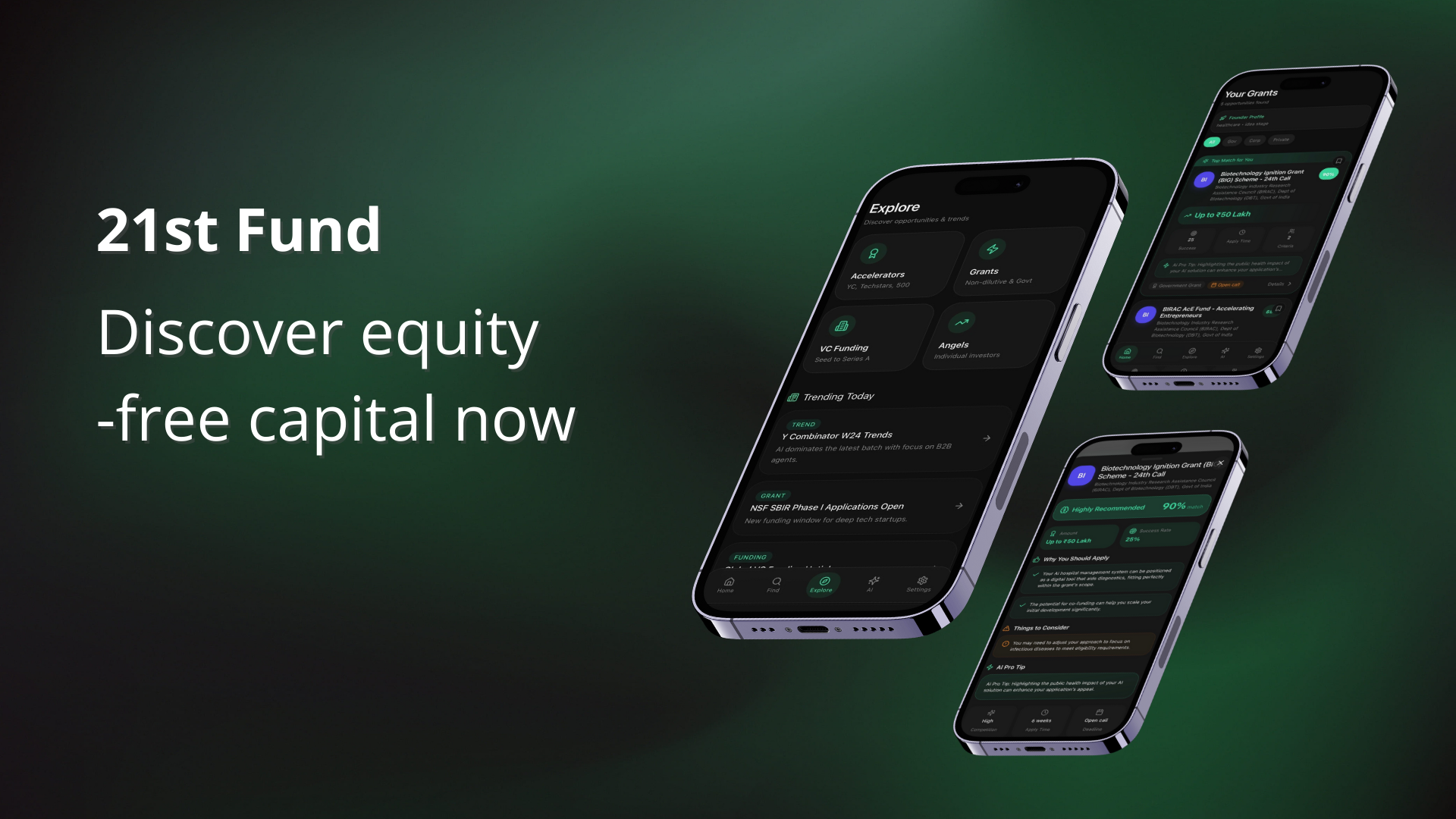
Discover non-dilutive funding, grants, and credits with AI-powered insights. By 21st.fund
Hi PH community, This is Udit, an ex-IB and today, I am shipping the beta for 21st Fund. Its a solution to bypass the system from within. I worked in this industry for 2 years just to know that venture game is rigged. Not all get a fair shot at the game the play. So, with very low expectations, I shipped 21st Fund - a capital discovery platform for founders, indie hackers, and startups. This platform don't find investors for you, lets be very specific. It finds non-dillutive capital which don't snatches equity from you - credits, grants, equity-free programs, etc. Everything over here.. Feel free to try it out once.
8
回复

@udit_autorel I like that, "capital discovery platform." Do you plan to expand beyond grants?

2
回复

@udit_autorel Congrats on shipping, Udit — the “non-dilutive capital” angle is 🔥. As a founder, I waste hours chasing grants that end up being a mismatch. How do you score opportunities (eligibility confidence vs effort vs timeline), and will you add alerts when new programs open? Happy to beta-test and share feedback.

1
回复

Interesting search tool for founders who are bootstrapping!

4
回复

@cruise_chen Thanks serr

0
回复

Congrats on the launch! Love the focus on agentic grant discovery and surfacing non-dilutive capital founders usually miss.​

3
回复

@zeiki_yu Thanks man!!

0
回复

You got me with your video! First run-through looks good! I'll spend more time with this! Thank you, Udit! More feedback to follow! Congrats on your launch!

0
回复
Non‑dilutive opportunities vary hugely in effort and odds—how do you rank/prioritize recommendations (eligibility confidence, expected value, effort score, timeline), and how do you prevent the tool from sending people into high-effort dead ends?
0
回复

How do you validate and update those scores over time do you rely on historical outcomes, user feedback, or real application data to avoid false positives?

0
回复

You may be out of AI credits, because on all queries, even the most general, I get

0
回复

@osakasaul hey thanks man!! I hadn't seen it.. just saw that we actually ran into a vector search conflict and it was blocking all search functions. Thanks for informing me about it.

1
回复
#7
Soch
Turn passive scrolling into active discovery
134
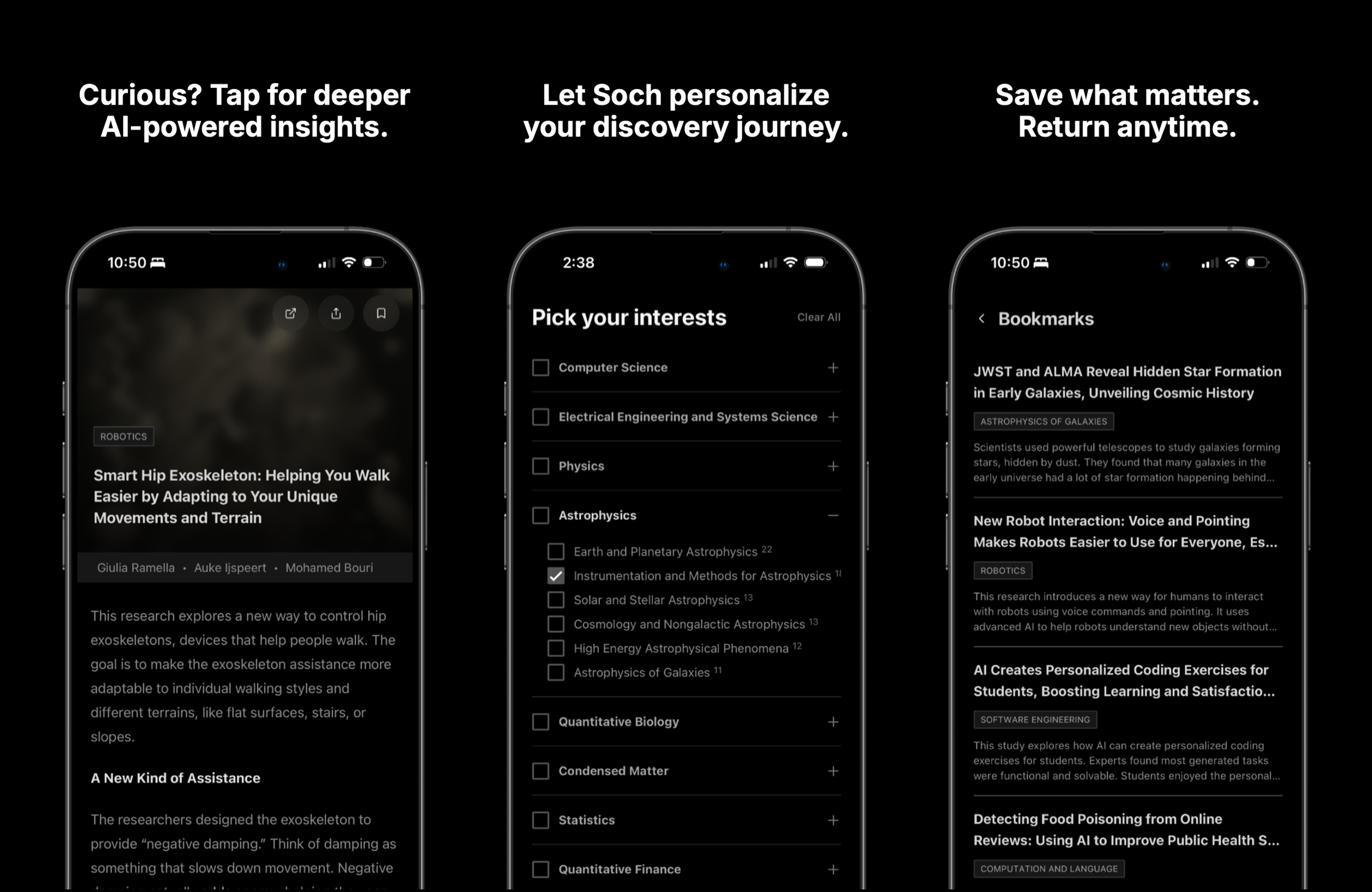
一句话介绍:Soch是一款利用AI将复杂研究论文转化为易于理解的图文摘要,并通过个性化信息流呈现的APP,旨在将用户被动的碎片化刷屏时间转化为主动的、有收获的知识发现时刻。
Education Artificial Intelligence Social Impact
知识发现 AI摘要 研究论文通俗化 个性化信息流 内容消费 反碎片化 教育科技 终身学习 注意力管理 信息降噪
用户评论摘要:用户普遍认可产品理念,但质疑其改变大众习惯的难度,建议转向学生/教育场景。主要问题包括:iOS应用内缺少明确的返回按钮;对长期学习效果与防沉迷机制的设计存疑;关注AI摘要的准确性与技术实现;期待安卓版及欧盟地区可用性。
AI 锐评

Soch的野心在于对抗“人性”——试图用AI重构信息流,将“刷”这一成瘾行为引向知识获取。其核心价值并非简单的“论文摘要”,而在于创造一种**低认知门槛、高信息密度的新型内容消费品**,试图在娱乐化碎片信息和严肃深度阅读之间,开辟一个中间市场。

然而,其面临的根本矛盾尖锐:产品形态(信息流)与核心目标(深度认知)存在内在冲突。信息流的设计逻辑本质是消磨时间、追求沉浸,而“获得启发”需要的是停顿、思考与内化。评论中关于“如何避免成为另一个注意力陷阱”的质问直击要害。若Soch的评估指标仍是用户停留时长与刷新频率,那么无论内容如何包装,它终将滑向它试图对抗的“注意力经济”模式。

当前版本更像是一个技术演示,证明了AI消化论文并视觉化的能力。但其真正的护城河在于:1. **内容筛选与解读的“策展”能力**,这决定了信息质量的天花板;2. **交互设计哲学**,能否真正设计出促进思考而非单纯滑动的交互。开发者提及的“教育场景”是更务实的方向,将“刷知识”与明确的学习目标结合,或许能化解其商业模型与核心使命的悖论。否则,它可能只是为知识焦虑者提供的又一剂“我已经在学习了”的心理安慰剂,并未真正改变信息消费的底层逻辑。

查看原始信息
Soch
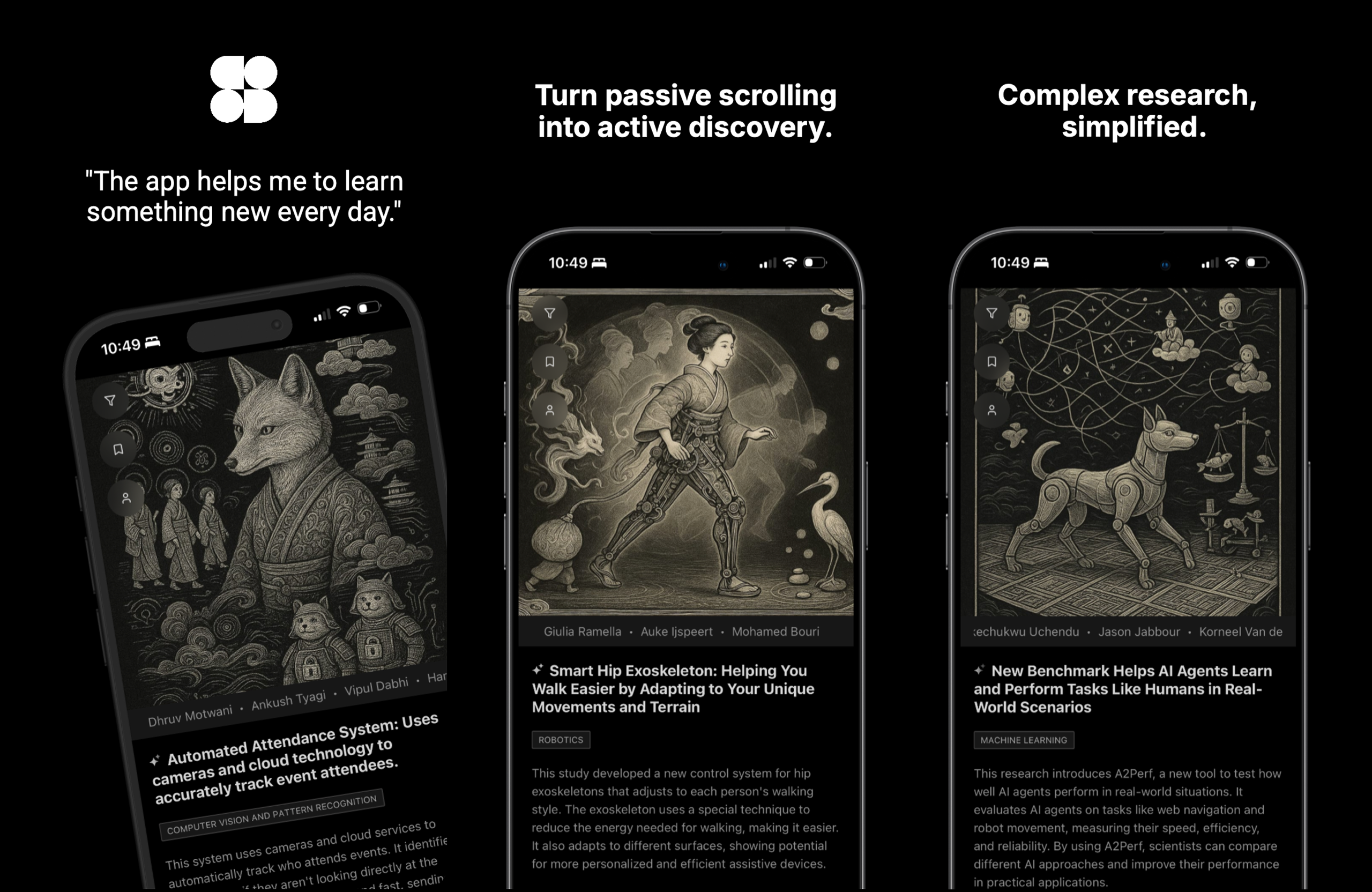
We scroll every day, why not learn something meaningful? Soch curates research articles using AI and presents them in a familiar, effortless feed. With simplified summaries, AI-generated visuals, and personalized interests, discovery feels natural, not overwhelming. Turn mindless scrolling into moments of insight.

The question is how to make people swap Instagram for Soch? 👀

5
回复

@busmark_w_nika maybe ASMR videos could be added to the background 🤫

0
回复
How do you design the experience so it doesn’t become another attention trap—what concrete product decisions did you make to optimize for “feeling informed” rather than maximizing time-on-app, and how do you evaluate whether you’re succeeding?
3
回复

applaud the bravery in developing this against the human nature haha!

bug: when i click into the detailed page of the research, seems there's no way to get out of it. (I'm using iphone 16 pro).

also echoing @busmark_w_nika 's comment, it's gonna be a huge uphill battle to convert the behavior of the mass. Maybe in the future a potential direction can be directed towards students/youth where these topics can be more tied to their curriculum? As a parent I'd be more at ease knowing they are scrolling something remotely related to their school works than tiktok...

3
回复

@busmark_w_nika  @colinhz Thanks Colin!

Regarding the bug, I believe you should be able to swipe right to go back to the previous screen? But I did notice earlier that it lacks an explicit back button. Thanks for the feedback, I will add the back button and it should be available as an OTA update.

Totally agree that securing mass adoption would be the biggest challenge. I met a school teacher while working in a cafe and she gave me the exact same feedback about how useful this could be if the content aligns with a class's syllabus. This is a great idea and I am taking down notes for the next iteration of the app.

Appreciate the feedback :)

0
回复
@colinhz Same here iPhone 13
0
回复

Love this concept—turning doomscrolling into curated research snacks feels spot on for how people actually use their phones today

3
回复

I'm also working on a solution to the same problem but l've admit your solution's creative
is android coming?

2
回复

@eren_kiratli Yes, been focusing on iOS first, but since I built using Expo, I should be able to get Android out soon!

1
回复
Hey Product Hunt! 👋 I built Soch because I think something fundamental has gone wrong with how we spend our time online. Today’s social media isn’t just a way to pass the hours, it actively steals them. By design, feeds warp our sense of time: endless scroll, unrelated posts, autoplay, and notifications make hours feel like minutes and leave us with almost nothing memorable to show for it. While thousands of fascinating research papers are published every day, most of us never read them because they’re dense and inaccessible. Soch is my answer to that. It uses AI to transform complex research into bite-sized, memorable content you can actually enjoy scrolling through: • Clear, human-friendly summaries (no PhD required) • AI-generated visuals to anchor ideas in memory • Optional deep dives when you want them • 165+ categories so your feed reflects you What if your scrolling didn’t make time feel shorter, but made you feel more alive and informed? That’s what I’m trying to build with Soch. I’d love your feedback, and more importantly, what topics would you explore first? 🚀
1
回复

Congrats on the launch @eccentricdz ! - Love the creativity and the idea of the product.

1
回复

@asadatnoodle Thank you!

0
回复

Congrats on the launch @eccentricdz

1
回复

Thanks @saad_zafar 

0
回复

Oh man I really love the design! Is there a personalization feature? The more you use it, the more personalized posts, visuals and language get for you?

1
回复

@amanudeshii That's my slightly longer term vision, to personalize the articles for the users. But so far it seems like this will have to be a paid feature so I can sustain the parallel streams of article generation. But in the current free version, users can select categories and sub categories , as the first layer of personalization.

0
回复

Super cool! Are there any plans to launch this on the play store?

0
回复

Congrats on the launch! I really like the intent behind Soch, reframing scrolling as something that leaves you with ideas instead of draining attention feels timely and refreshing. How you think about long-term learning here, does Soch optimize more for quick insight per scroll, or for helping certain ideas resurface and compound over time as people keep using the feed?

0
回复

The “research-as-a-feed” UX + Expo build is a clever way to make papers feel approachable.

At scale (tons of new papers daily), best practice is RAG grounded to the paper PDF with metadata filters + citation-first summaries (linking to exact sections) + confidence/“can’t verify” fallbacks to avoid hallucinations.

Are you storing per-paper embeddings + provenance (page/paragraph spans) for retrieval, and how do you evaluate summary accuracy/drift over time?

0
回复

Looks promising, sadly not available in EU 😭

0
回复

@pinkzanny I am going to do all it takes to make it available in the EU in the next build 🇪🇺

0
回复

Cool launch! Love the concept and definitely see the value in stopping doom-scrolling. Curious how you make the scrolling here not feel like homework

0
回复

Any plan on making your app available in Europe?

0
回复

@damien_declercq yes, I am going to do what it takes to meet the requirements for a EU launch in the next build!

0
回复

making dense research visually scannable is a massive unlock for accessibility. do you link back to the original source papers for users who want to verify the AI summaries?

0
回复

@samet_sezer yes, in an article's detail screen, user's have the option to navigate to the original paper.

2
回复
#8
Honter
Run design projects like a studio, even if you’re solo
121
一句话介绍:Honter是一款专为设计师打造的工作空间,通过结构化流程和AI辅助,在自由职业或小型工作室场景下,解决了设计师与客户协作过程中反馈零散、项目失控的核心痛点,让设计项目管理像专业设计工作室一样清晰高效。
Design Tools Productivity Freelance
设计师协作平台 设计项目管理 客户反馈管理 自由职业者工具 AI辅助设计 创意工作流 无摩擦客户体验 版本控制 情绪板工具 设计工作室数字化
用户评论摘要:用户反馈积极,认可其解决设计项目混乱的核心价值。有效评论集中于:1. 询问AI如何处理矛盾或不合理反馈(回复:AI不判断,但会高亮矛盾、辅助专业沟通);2. 关注如何融入现有工具栈而非增加负担(回复:旨在取代所有零散客户沟通,成为唯一事实来源);3. 关心安全性与定价(回复:采用可分享链接,正增加权限控制;定价约10-15美元/月,简单统一)。
AI 锐评

Honter的野心不在于成为又一个项目管理工具,而在于试图成为设计行业协作规范的“定义者”。它敏锐地抓住了设计行业,尤其是自由职业者市场中一个长期存在的悖论:创意工作本身高度专业化,但与之配套的客户沟通与项目管理却往往停留在原始、零散的“石器时代”。这种流程的失范,直接导致了项目风险、专业度损耗和设计师的精力内耗。

其真正价值体现在两个层面。第一是**结构化预设**。它将“简报-情绪板-版本-反馈-交付”这一专业设计流程固化为产品骨架,这本质上是在教育市场,强制提升双方(尤其是客户侧)的协作成熟度。这种看似简单的线性流程,实则是将内部工作室的最佳实践产品化、普适化。第二是**克制的AI应用**。其“安静AI”的定位非常聪明,它不越俎代庖做设计决策,而是充当“沟通翻译器”和“流程润滑剂”,致力于将模糊、情绪化的语言转化为清晰、可执行的任务。这精准击中了设计师最耗神的非设计工作——沟通与解释。

然而,其挑战同样明显。最大的风险在于它试图在“无摩擦体验”与“项目安全可控”之间走钢丝。目前依赖分享链接的简易模式,在面对复杂客户结构或敏感项目时可能显得脆弱。尽管团队已意识到并计划增加权限层级,但这可能会侵蚀其“无需客户注册”的核心体验优势。其次,它面临强大的“惯性壁垒”。设计师已有的工具栈(Figma, Slack, 邮件)已形成习惯,客户也更倾向于使用自己熟悉的沟通工具。Honter必须证明其带来的流程清晰度和时间节省,足以抵消切换成本和说服客户改变习惯的阻力。它能否真正成为“唯一需要检查的地方”,而非“另一个需要检查的地方”,将是其成败的关键。

总体而言,Honter是一款思路清晰、切入点精准的产品。它不卖弄炫酷的AI噱头,而是用技术解决一个切实、传统的行业痼疾。它的成功与否,将是对设计行业协作流程标准化程度的一次市场检验。

查看原始信息
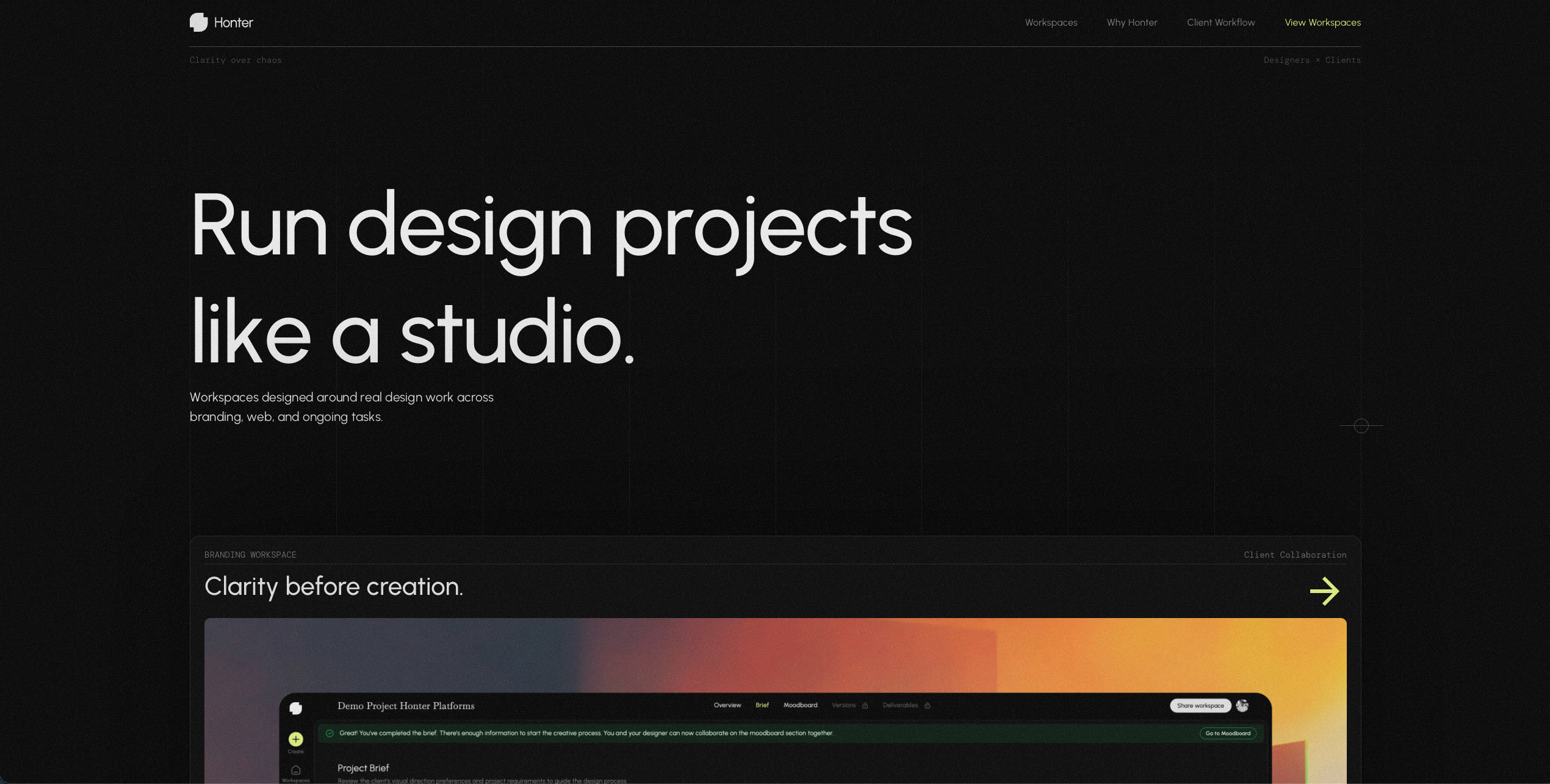
Honter
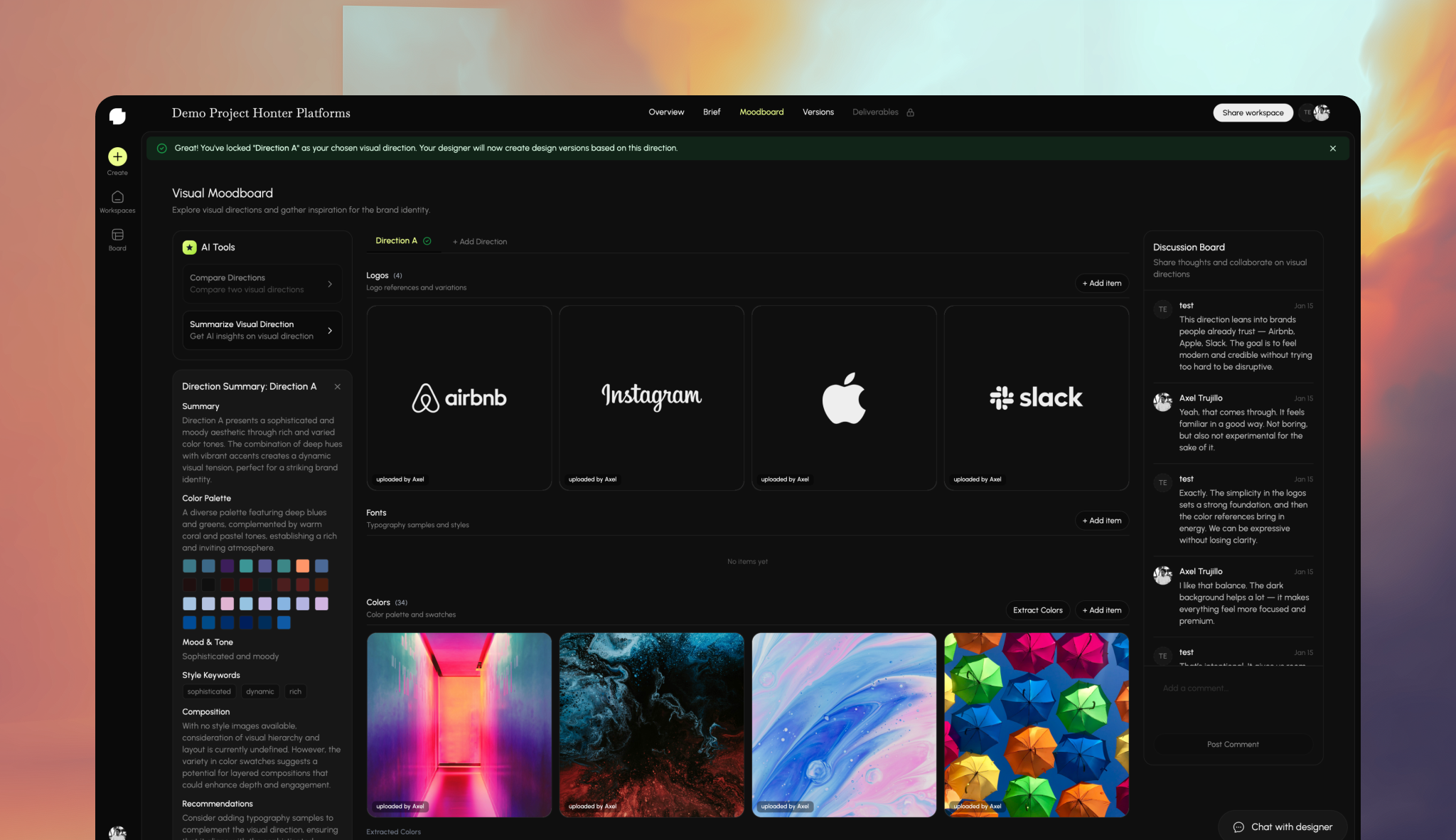
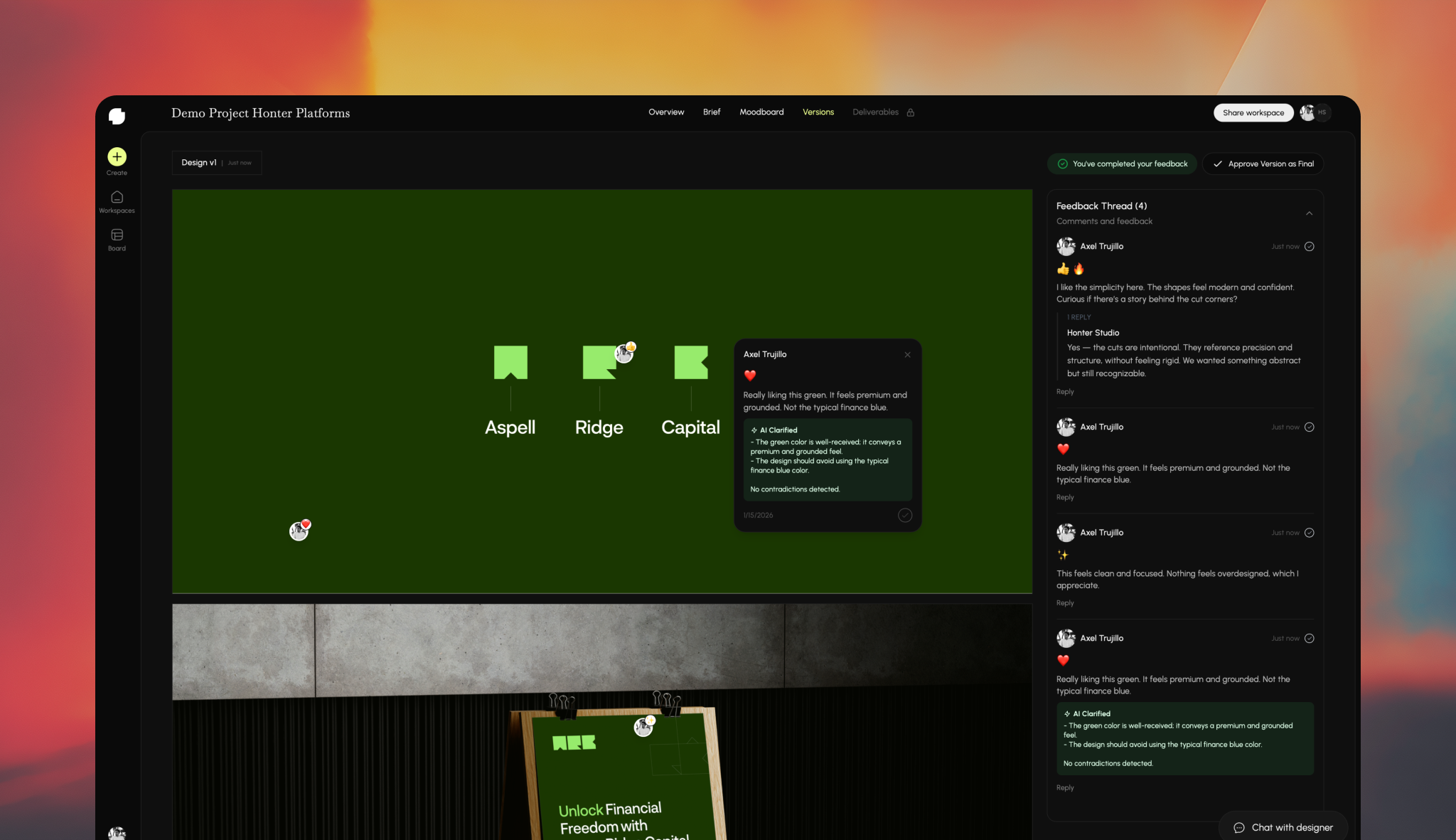
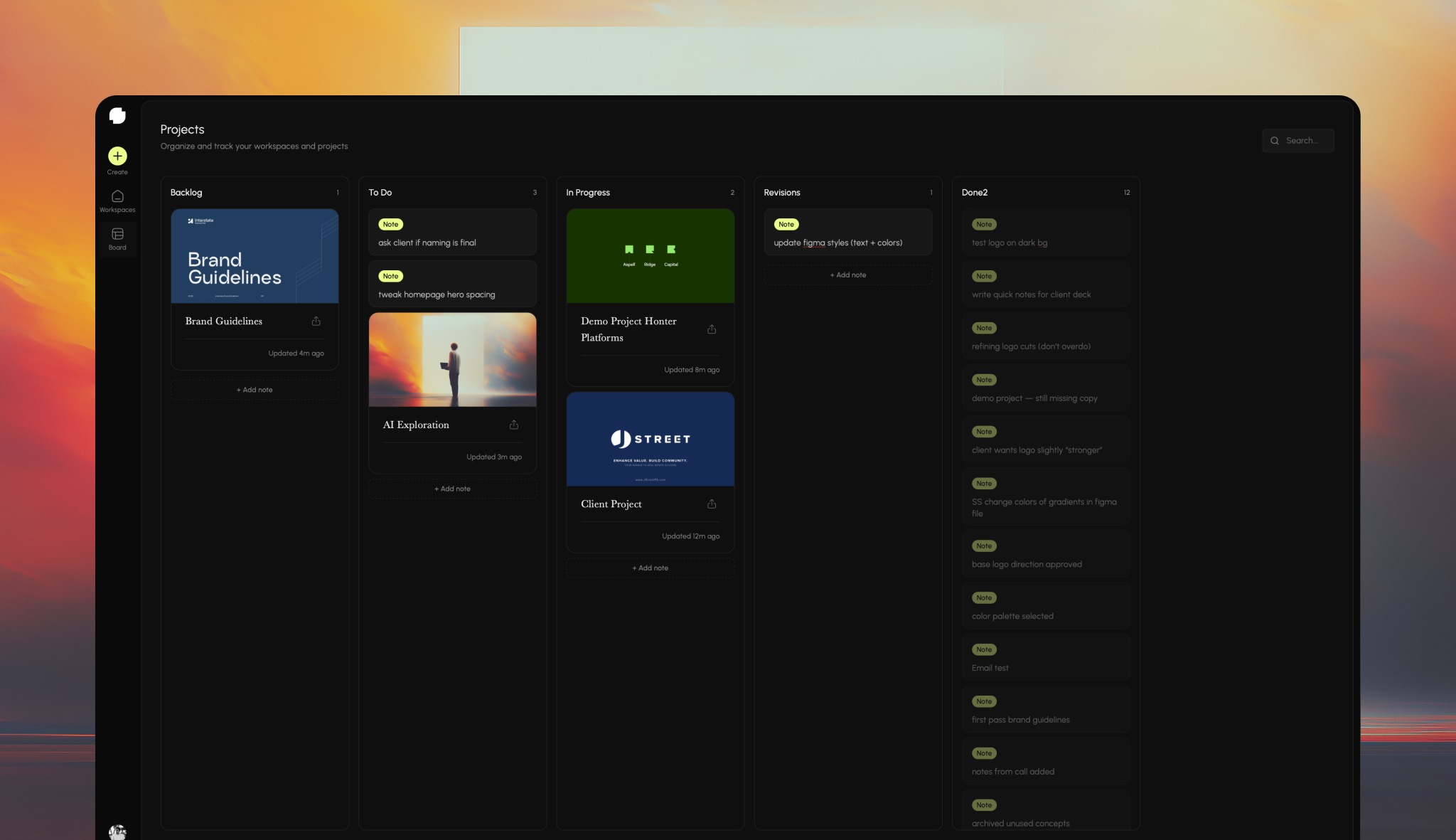
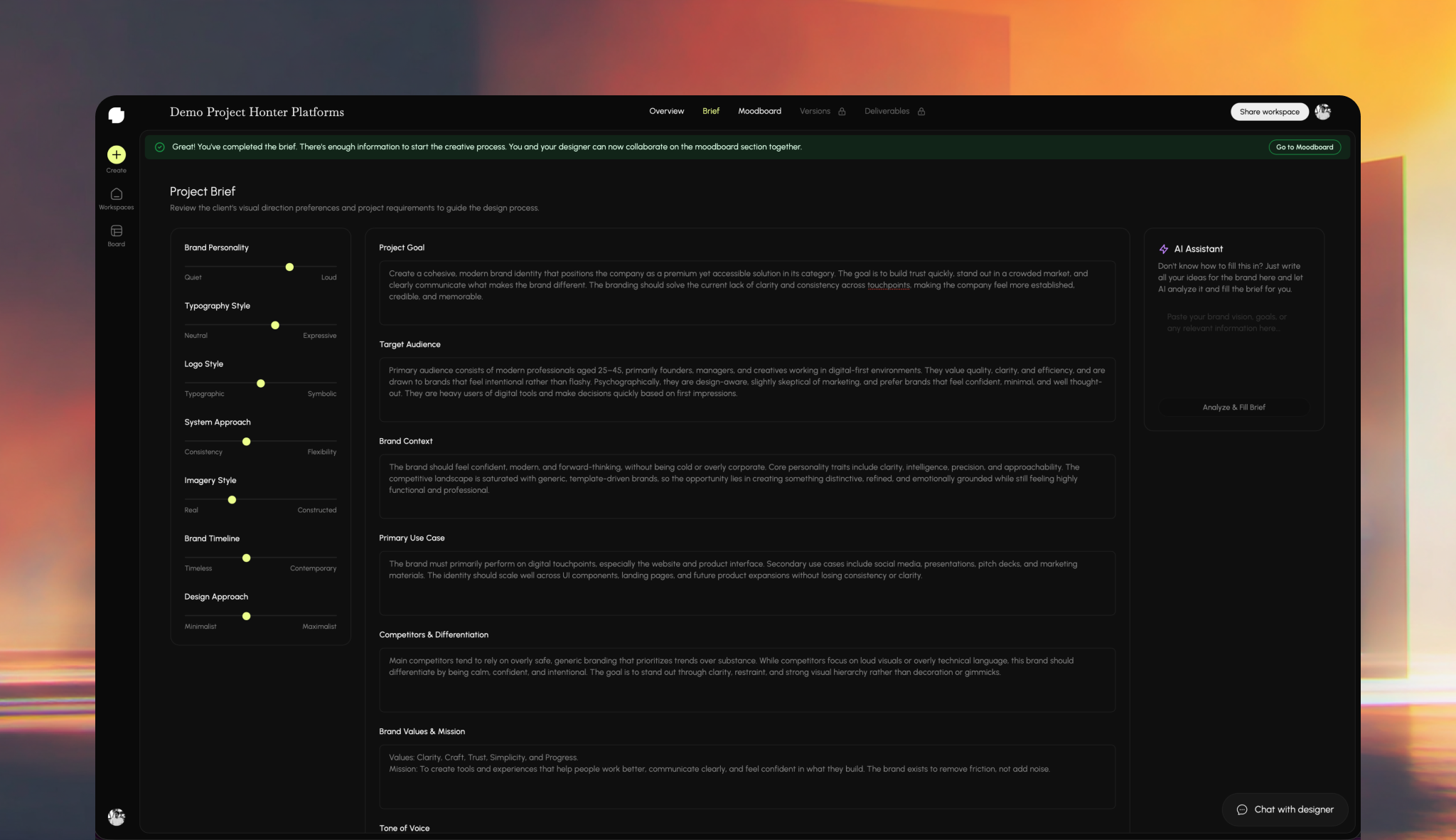
Honter is a workspace built specifically for designers to collaborate with clients in a structured, professional way. Instead of juggling emails, PDFs and scattered comments, designers manage briefs, moodboards, versions, feedback, and deliveries in one clear flow. Each workspace is designed around how real design projects actually work. AI is used quietly in the background to help clarify client feedback and draft quick responses, so designers spend less time managing and more time designing.
Hey Product Hunt, Axel here, founder of Honter 👋 I’ve been a designer for over a decade, working both freelance and inside companies. One thing always felt broken when freelancing: the work itself was fine, but the process never was. Client feedback lived in emails, WhatsApp, PDFs, Figma comments, and random notes, and the project slowly lost structure and professionalism. Inside companies, that chaos does not exist. There’s a clear flow, clear ownership, and clear expectations. Honter started as an attempt to bring that same studio-level structure to solo designers. Instead of generic project management, Honter is built around how design projects actually work: briefs, moodboards, versions, feedback, and deliveries, all in one workspace shared with the client. AI is there quietly to help clarify feedback and draft quick responses, not to replace the designer. This launch is still early, and feedback from designers really matters. If you freelance, run a studio, or work closely with designers, I’d love to hear what feels right and what doesn’t. Thanks for checking it out.
3
回复

@axeltdesign I feel that freelance projects usually go sideways at one specific point. What’s the moment Honter fixes best so far: messy first brief, scattered mid-project feedback, or the handoff at delivery when expectations suddenly shift?

2
回复

Congrats on the launch! Love the “tap to match” model—feels like a cleaner, less noisy way to pair teams with genuinely great‑fit talent.

2
回复

@zeiki_yu appreciate your comment man :=)

0
回复

The version-tied feedback + “quiet AI” clarity check is a smart way to reduce mid-project drift 🔥

As you scale to bigger teams/clients, the gnarly bit is secure guest access + auditability across briefs/moodboards/versions best practice is signed, expiring share links + per-version immutable audit logs + granular roles (view/comment/approve).

Are you planning native Figma version linking/diffing (file+frame refs) and how will you handle revoking/rotating client links without breaking the frictionless flow?

1
回复

@ryan_thill 

Great points. A lot of the drift is already reduced today through enforced structure. In our branding workspace, the brief has to be completed before the moodboard unlocks, and a direction has to be approved before versions unlock, etc. That sequencing alone prevents many “who approved what” issues.

What we’re still evolving is the explicit audit layer on top of that flow. As teams and clients get bigger, approvals, feedback, and version decisions need to be clearly traceable over time. That’s where signed or expiring links, role-based access, and stronger approval records come in, without breaking the frictionless, no-signup experience.

On Figma, we’re not trying to replace it. The direction is native linking to the exact file or frame that was reviewed, so Honter becomes the system of record for decisions and feedback, while design stays in Figma. For access revocation, the goal is link rotation and scoped invalidation, so designers can change access without resetting the workspace or forcing re-onboarding.

We’re being intentional about layering control as needed, rather than turning collaboration into a heavy security workflow.

0
回复

Congrats on the launch @axeltdesign and co!

1
回复

@saad_zafar 

Thank you man, congrats to you as well, your product is doing really good!!

1
回复

Bringing structure to the freelance chaos is a solid value prop. I'm interested in the AI implementation: You mentioned AI clarifies feedback—does it also help with conflicting/ unreasonable feedback?

1
回复

@jiawei_liu6 

Hii,

Great question. Right now, Honter’s AI is intentionally supportive, not autonomous.

It doesn’t decide what feedback is “right” or overrule the designer. What it does today is help turn messy input into something usable so designers can make better decisions faster.

Concretely, this is how it helps:

  • In the Brief, it analyzes client text and auto-fills structure, plus generates designer-facing insights.

  • In Tasks, it rewrites vague requests into clear, structured descriptions.

  • In Moodboards, it summarizes visual direction and compares options side by side.

  • In Versions, it cleans up vague comments, prioritizes feedback by effort, suggests what to focus on next, and helps draft a professional update back to the client.

  • It also runs a real-time clarity check on comments, nudging clients to be more specific as they write.

So for conflicting or unreasonable feedback, the AI doesn’t judge it. It highlights contradictions and vague input early, helping designers clarify expectations or push back professionally without emotional back-and-forth.

1
回复
Many designers already have a stack (Figma comments + email/Slack/WhatsApp + a PM tool). What’s the clearest scenario where Honter replaces part of that stack rather than becoming “one more place to check,” and what does a successful first week of adoption look like for both designer and client?
1
回复

@curiouskitty 

That’s exactly the risk we’re trying to avoid. Honter is not meant to sit next to everything else.

The clearest scenario where Honter replaces part of the stack is client-facing communication around the work itself.

Designers still design in Figma. They can still message internally on Slack if they want. But once a project starts, Honter becomes the single place where briefs, versions, feedback, and decisions live. That means no feedback in email, no “quick note” on WhatsApp, and no chasing comments across tools.

A successful first week looks like this:

For the designer:

  • One workspace per project.

  • The brief lives there, even if it evolves.

  • Each design version is uploaded there, and all feedback is tied to that version.

  • Fewer clarifying calls, fewer follow-ups, less second-guessing.

For the client:

  • One link, no account required.

  • They always know where to leave feedback.

  • They can see what changed, what was addressed, and what’s still open.

  • They stop asking “where should I send this?” entirely.

If Honter works, it doesn’t add a place to check.
It removes the need to check everywhere else.

Thank you for your question, we really appreciaate it

2
回复
Very interesting, but where’s the pricing? I also like the no sign up concept, but how are links secured against unautrhorized access?
1
回复

@umberto_abbatantuono 

Thank you for your questions.

Pricing:
We’re finalizing it right now, but the plan is intentionally simple. One subscription in the $10–$15/month range that unlocks unlimited workspaces and full use of the AI assistant. No per-project or per-client complexity. We want pricing to feel predictable, not like another thing designers have to manage.

Access & security:
Honter uses shareable links to keep the guest experience frictionless. Anyone with the link can access the workspace, which is a deliberate tradeoff to avoid forcing client sign-ups.

That said, we’re actively adding more control, things like link expiration, access levels, and workspace-level privacy settings, so designers can dial in how open or restricted each project should be. The goal is flexibility without turning collaboration into a login nightmare.

1
回复

yn the client side, do they need to create an account to view moodboards and leave feedback, or is it a frictionless guest experience?

1
回复

@samet_sezer We focus on a frictionless guest experience. Clients never have to create an account to review or collaborate. It is always optional.

If a client works with multiple designers and wants to keep all their workspaces in one place, they can choose to create an account. Otherwise, they can jump in and get work done without any setup.

1
回复
#9
Internet Makes Music
A public, global music experiment. Completely free
114
一句话介绍:一款允许全球用户通过放置像素点来共同创作音乐的免费在线实验平台,在匿名、无组织的网络场景下,探索陌生人能否通过简单协作产生和谐旋律。
Music
在线音乐创作 协作实验 像素艺术 陌生人社交 公共画布 声音可视化 网页应用 免费无广告 群体创作 互联网艺术
用户评论摘要:用户普遍赞赏其“r/place for sound”的创意与免费无追踪的立场。主要问题聚焦于:协作的约束机制(如180秒冷却、音阶范围设计)如何平衡自由与秩序;能否创建私人协作房间;以及未来是否会展示最佳作品集。
AI 锐评

“Internet Makes Music”与其说是一款产品,不如说是一场精心设计的、带有理想主义色彩的互联网行为艺术。其真正价值不在于技术或音乐产出,而在于它构建了一个极简的“社会契约”沙盒:在完全匿名、无身份、无沟通的前提下,仅通过一个放置像素的动作,观察全球陌生人能否自发形成秩序与和谐。

产品巧妙地设定了“隐形护栏”:预置的、和谐的音阶确保了任何随机放置都不会产生“噪音”,这暴露了实验的核心预设——它追求的并非绝对自由的混沌,而是在有限自由下的“可控涌现”。180秒的冷却时间,与其说是技术限制,不如说是对人性耐心的测试,试图过滤纯粹的破坏冲动,鼓励深思熟虑的贡献。

评论中关于“约束与自由”的提问切中要害。开发者选择在音乐性(音阶)上强约束,在行为(谁、何时、何处放置)上极弱约束,这恰恰是其社会实验的锋利之处:它想证明,只要在底层规则(音阶)上施加最基础的“善”,群体的无序互动也能导向一个可接受的结果。这是一种对互联网“公共性”的浪漫隐喻。

然而,其长期吸引力存疑。当“和谐”成为必然,惊喜感和冲突张力便会减弱,实验可能从“我们能否创造音乐”的悬念,沦为“我们又在播放同一段和谐音阶”的重复。它缺乏如r/place那般强烈的叙事冲突与部落对抗,而这正是后者引爆网络的关键。这款应用是互联网早期乌托邦精神的一次温柔回响,但在这个追求极致效率和个性化表达的时代,它的命运或许恰恰是其实验的一部分:测试一个纯粹、善意但简单的公共项目,能否在当下的互联网生态中持续占据任何人的注意力。

查看原始信息
Internet Makes Music
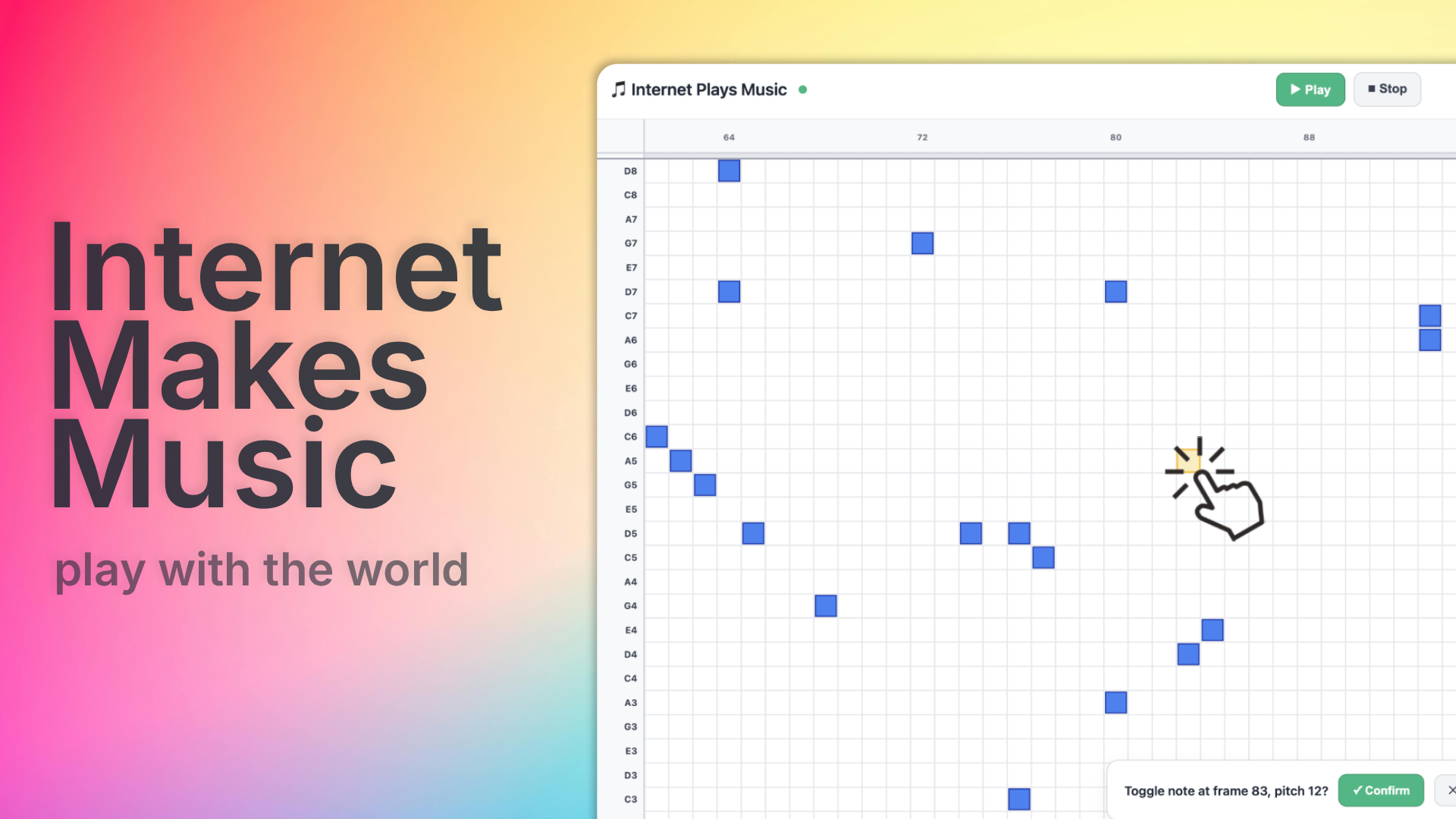
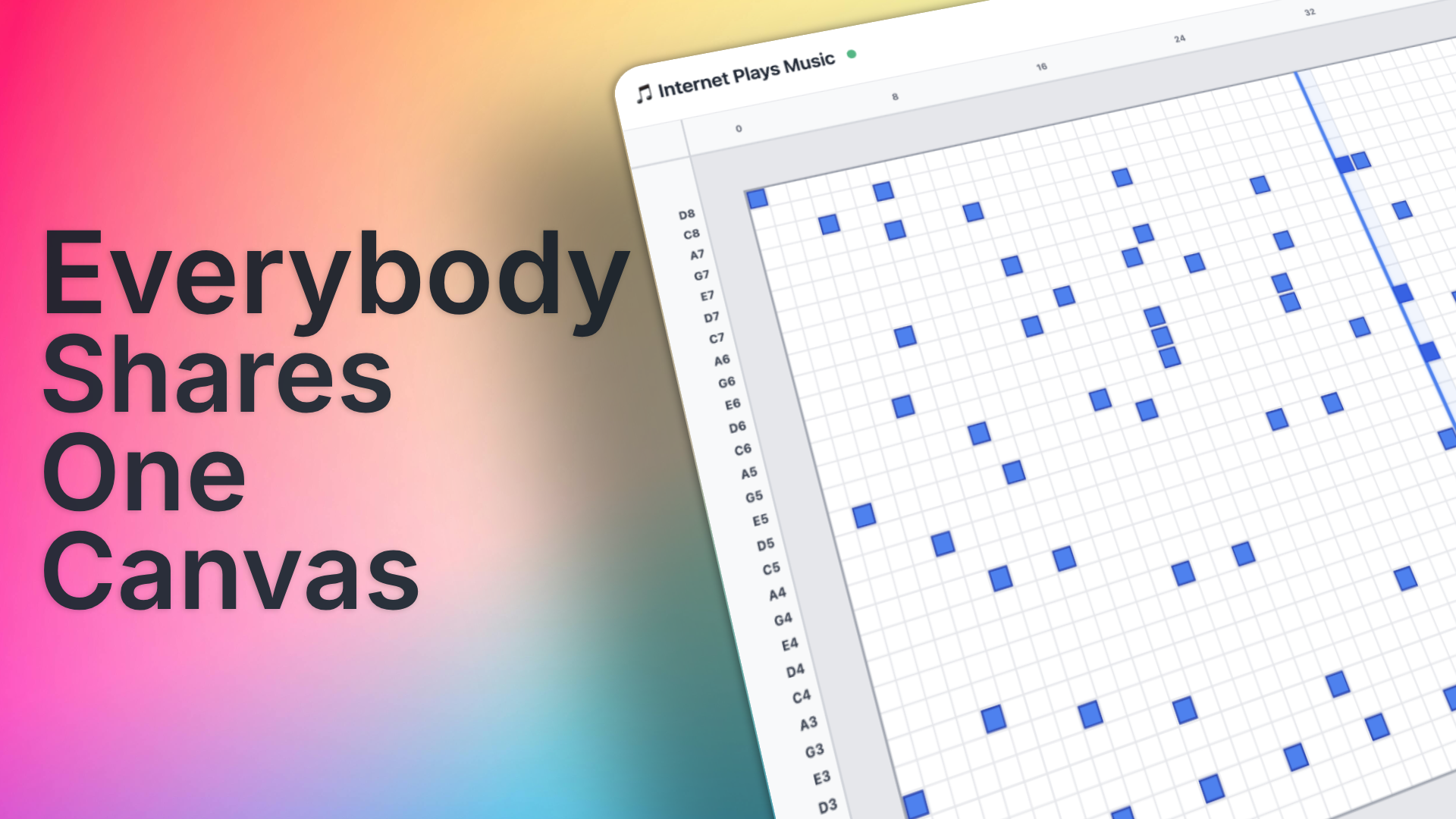
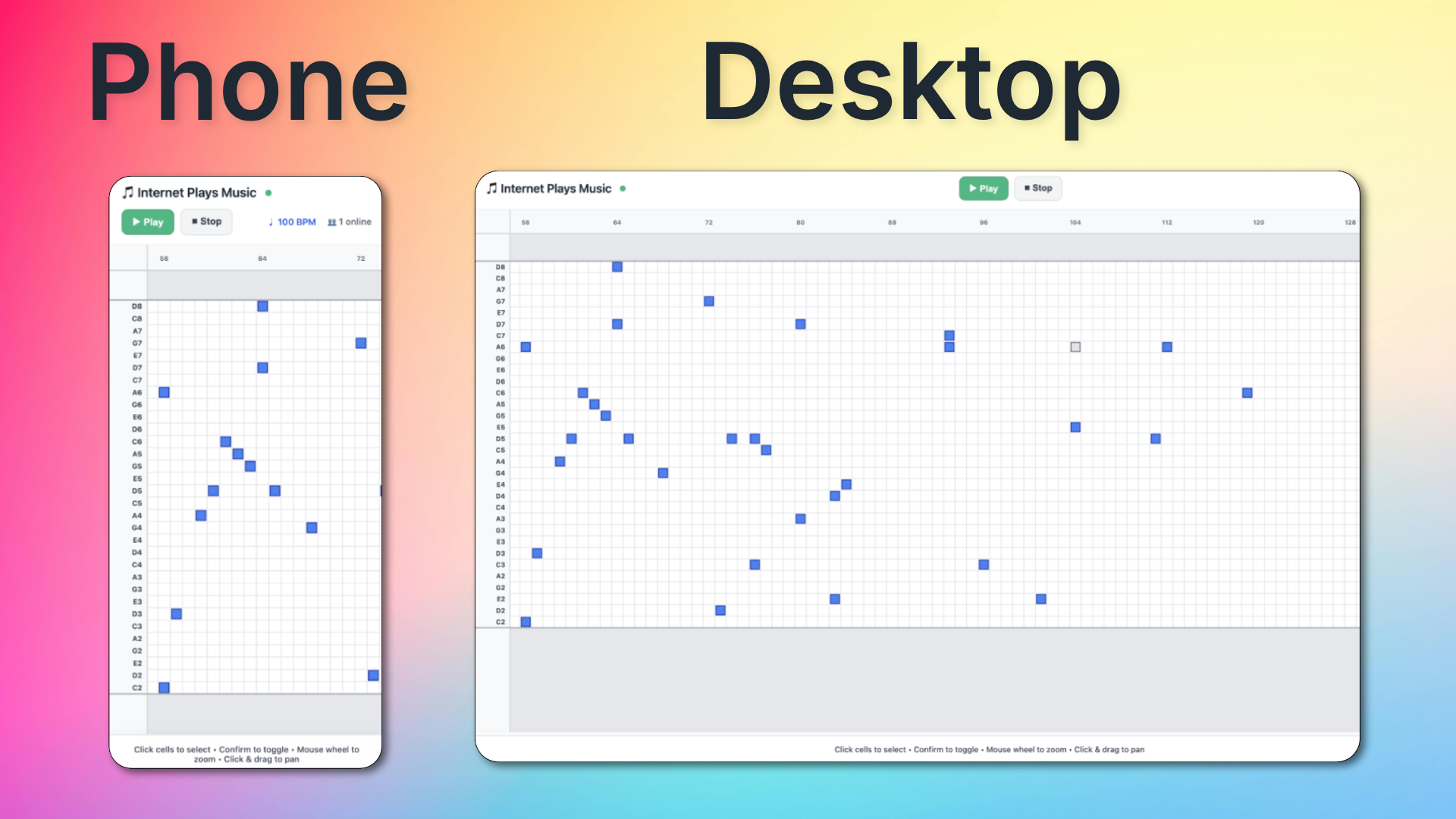
Anybody can place a pixel that produces sound, and anybody can listen to the result. The public experiment that I want to show to the world. Works on any device (Phone, Desktop). So, can strangers create music just by placing pixels?

Hi ProductHunt!

This is a 100% Free Public Experiment, which means that there are no ads, no monetization, no payments, and of course, no tracking, and even no logging, and will never be. Even free websites require some advertising. Soo.. That's why I'm here

I made this site because I wanted to have some collaboration with people, to see what strangers can make together, and it might be fun, actually. That's it, there's no other reason for doing it. Place pixels with a person who might be on the other side of the planet and create music together on one canvas.

The link goes straight to the experiment, so you might add your pixel or remove one right now.

3
回复

Congrats on the launch! Love this playful, collaborative pixel‑to‑music experiment—feels like r/place for sound, and the web-native, free-for-all vibe is perfect.

3
回复

@zeiki_yu Hi! Thanks, yep r/place was an inspiration for this project!

0
回复

This is giving me strong r/place vibes but for audio! 🎵 I love the concept of collaborative jamming with total strangers. It turns the chaos of the internet into a surprisingly harmonious loop. What a cool social experiment!

1
回复

@chen_dong_94 Yep! r/place was the inspiration

0
回复

congrats on the launch! the idea is extremely fun and interesting!
btw, if I'm right, you have the fixed range of sounds in the panel, and all of them work well together, so am I right that practically placing a pixel anywhere would not harm and would just add a sound that fits in?
and also was just curious what's the hypothesis of your experiment? what are you aiming for?
wishing you continuing success!

0
回复

Super cool! Is there a way to make a personal invite group where certain people can come and collaborate?

0
回复

Always love interesting collaborative crowdsourcing projects! Could you later share the most amazing songs made by strangers?

0
回复
The grid metaphor is intuitive, but public collaboration can quickly turn into noise: what constraints (scale/quantization, cooldowns, limits) did you choose to keep it “musical,” and what did you deliberately avoid because it would over-control the experiment?
0
回复

This is very interesting! What are the reasons for the cooldown of 180s after adding a note?

0
回复
#10
NotchDrop
A Dynamic Island experience for your Mac notch
108
一句话介绍:NotchDrop将MacBook的屏幕刘海区域转化为一个快速任务中心,通过集中管理文件拖拽分享、剪贴板历史、媒体控制等高频微操作,在用户需要频繁切换应用或工具的碎片化工作场景中,实现了零干扰、一体化的流畅体验,解决了效率中断的痛点。
Productivity Menu Bar Apps Apple
生产力工具 macOS优化 刘海屏应用 集中式工作流 本地文件共享 效率增强 菜单栏替代品 一次性买断 无感操作 系统集成
用户评论摘要:用户反馈集中于对“集中化枢纽”概念的认可,认为减少操作步骤有价值。核心提问在于:在已有独立工具(如AirDrop、剪贴板管理器)的情况下,用户迁移的强理由是什么?开发者回复其核心价值在于“将多个工具转化为单一习惯”,提供无需选择的便利性。
AI 锐评

NotchDrop的产品逻辑,本质上是针对“界面死角”的体验重构与“微工作流”的暴力整合。它将一个备受争议的硬件缺陷(刘海)重新定义为具有位置记忆和常驻属性的物理交互锚点,这比单纯的菜单栏应用更具场景暗示性——它恰好位于视觉焦点区域,却又长期闲置。

其宣称的价值“无需切换应用”直指一个深层痛点:现代效率工具本身正在制造新的效率损耗。用户拥有专业的截图工具、跨平台传输方案、剪贴板管理器,但每一次调用都是一次上下文切换和决策消耗。NotchDrop试图用地理位置的唯一性(刘海下拉)替代心智决策,将“用什么”简化为“从这里操作”,这是一种从“工具能力导向”到“肌肉记忆导向”的范式尝试。

然而,其面临的挑战同样尖锐。首先,它是“瑞士军刀”模式的现代变体,必然在单项功能深度上逊于专业工具,其生存依赖于用户对“足够好”的整合功能的持续使用。其次,其生态护城河薄弱:一旦系统层级(如macOS本身)或更强大的效率平台(如Alfred、Raycast)决定整合类似入口,其独立价值将迅速被侵蚀。最后,“一次性买断”模式在赞赏其克制的同时,也让人质疑其长期迭代动力与生态扩展能力。

真正的考验在于,它能否从“一个巧妙的点子”进化为“一个不可替代的习惯”。这要求它不仅在交互上无感,更要在数据层面形成粘性(如剪贴板历史、传输记录),并围绕“刘海”这个物理标志,开发出更深度的、系统级交互独有的功能,而不仅仅是现有功能的快捷面板。目前看来,它提供了一个优雅的解决方案,但尚未构筑坚固的壁垒。

查看原始信息
NotchDrop
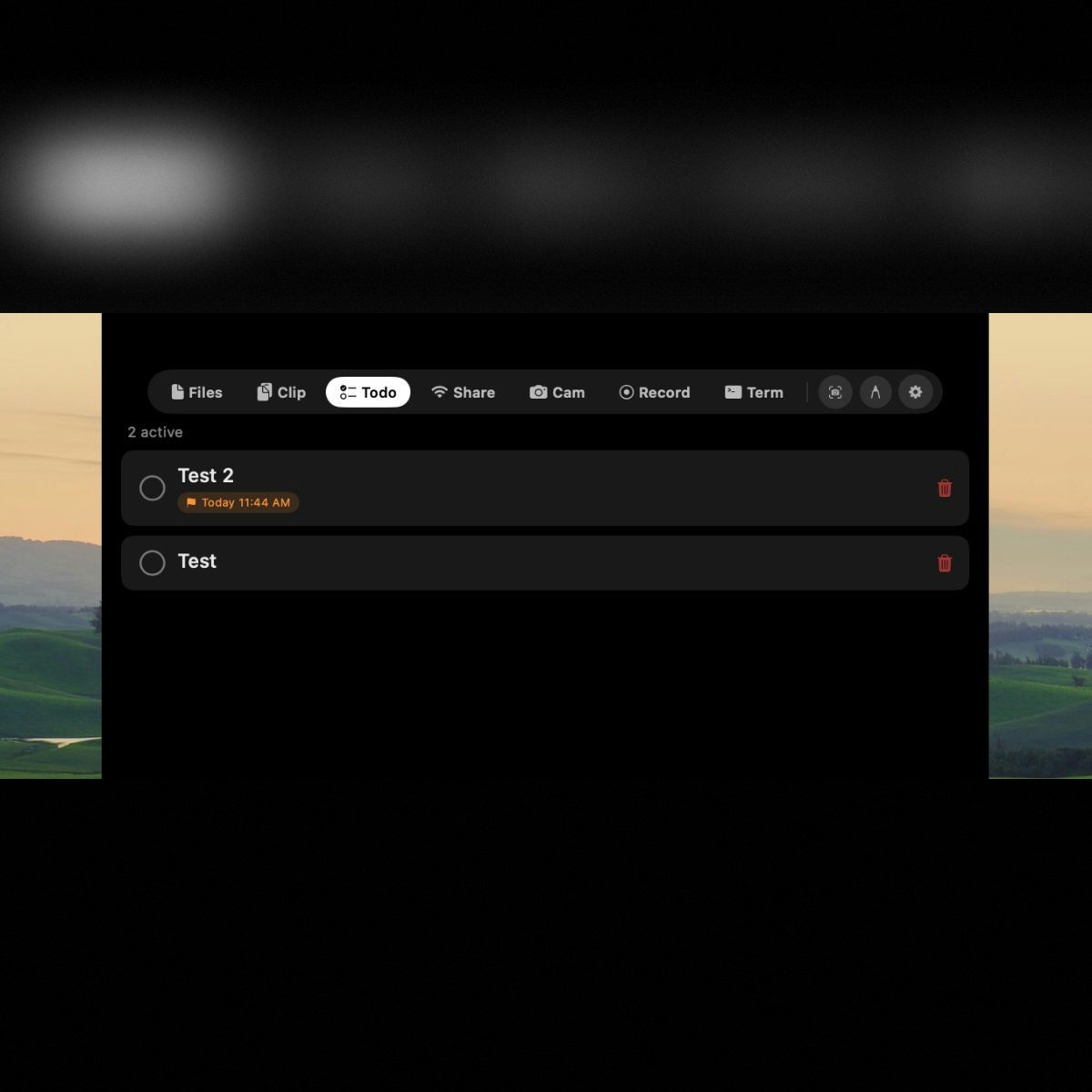
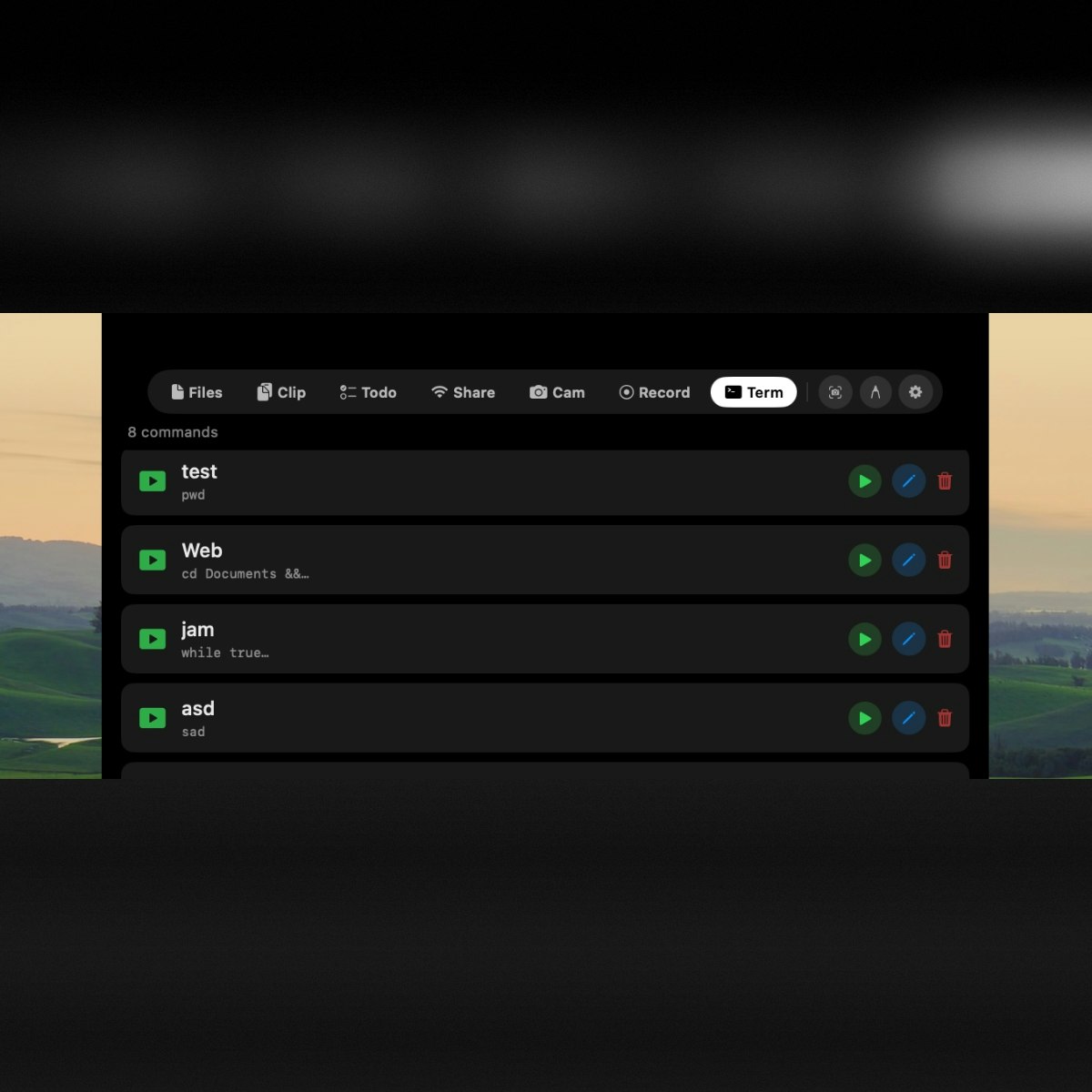
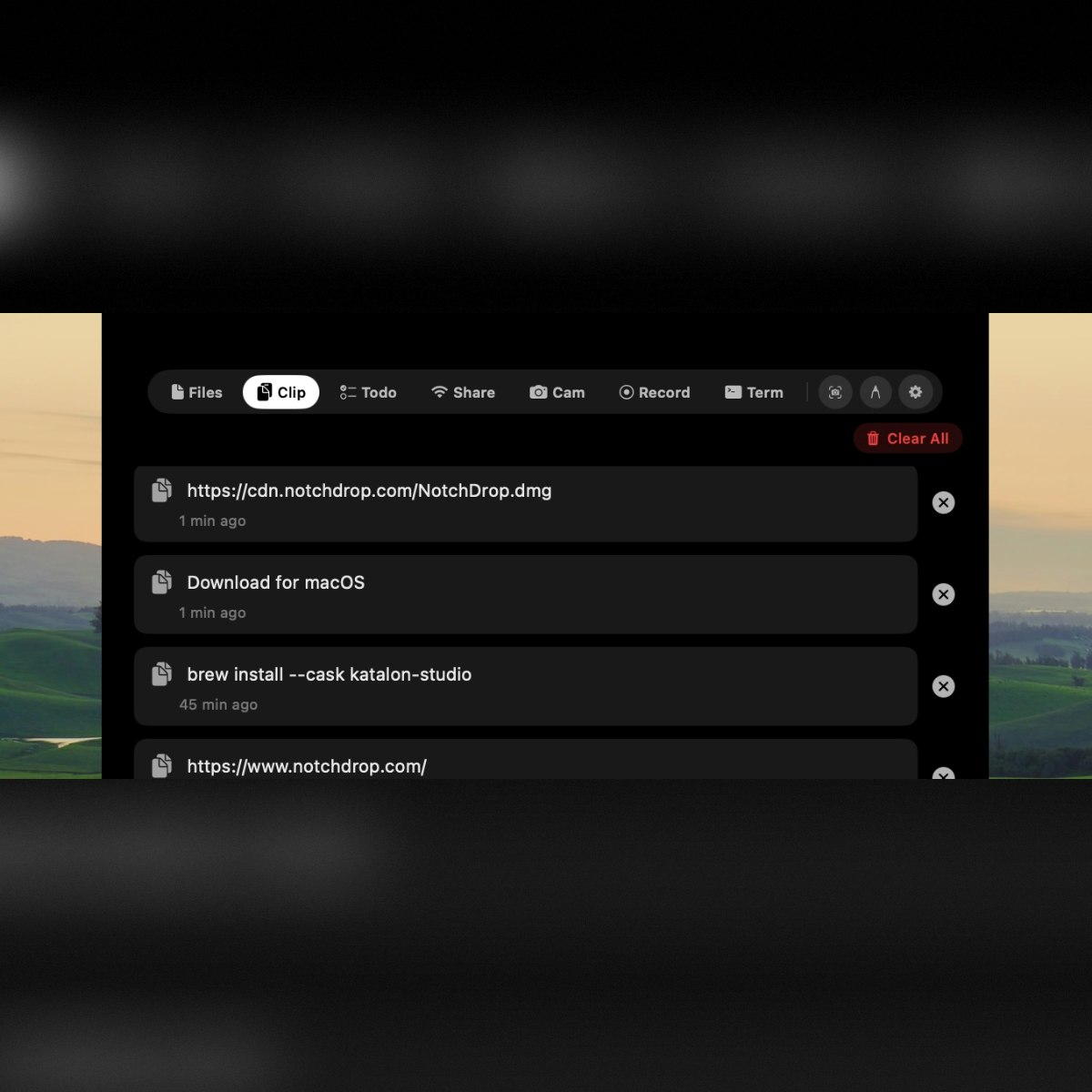
NotchDrop transforms your MacBook notch into a smart productivity center. Instantly drop and share files, access clipboard history, control music, record your screen, and annotate screenshots all in one seamless place. Share files locally across macOS, Windows, Android, and iOS without internet or cloud uploads. No app switching, no interruptions. Built native for macOS with lightning-fast performance and a clean experience. Turn unused space into your secret workflow weapon. One-time purchase.
Excited to share NotchDrop with the Product Hunt community! I built this tool to make the most out of the MacBook notch turning it into a fast, useful hub for everyday tasks like dropping and sharing files, accessing clipboard history, controlling music, and more all without interrupting your workflow. Would to hear what notch feature you want next, and thanks for checking it out!
2
回复

@muhammadsaddamnur Congratulations on the launch!

0
回复

Congrats on the launch!

0
回复

Like the idea of a centralized hub for small tasks. 1 step less always counts.

0
回复
A lot of people already have point solutions (AirDrop, menu bar clipboard managers, screenshot tools, LocalSend-type apps). In practice, what’s the strongest reason someone switches to NotchDrop and where do you think it’s not the right fit?
0
回复

@curiouskitty The main reason is convenience. NotchDrop turns several small tools into a single habit. You stop choosing apps and just use the notch.

0
回复
#11
Coderrr
Open source CLI-first AI coding companion
93
一句话介绍:Coderrr是一款开源、CLI优先的AI编程伴侣,在终端环境中为开发者提供代码编写、调试和重构支持,解决了开发者依赖重型IDE或闭源商业AI编程工具的成本与灵活性痛点。
Open Source Developer Tools Artificial Intelligence GitHub
AI编程助手 命令行工具 开源软件 开发者工具 代码生成 本地部署 可扩展插件 编程效率
用户评论摘要:用户普遍赞赏其CLI优先和开源特性,尤其关注对本地模型(如Ollama)的支持。核心问题聚焦于与竞品(如OpenCode)的差异化、处理大型代码库的上下文检索能力,以及跨终端会话的上下文持久化(防“上下文漂移”)方案。
AI 锐评

Coderrr的出现,精准刺入了当前AI编程工具市场的一个缝隙:在闭源、云API依赖的商用助手(如Claude Code)与追求本地化但体验各异的开源方案之间,它旗帜鲜明地树立了“CLI优先、开源、可插拔”的定位。其真正价值并非在AI能力上做出颠覆——这依赖于底层模型——而在于对开发者工作流“控制权”的归还。

产品将AI能力封装成可配置、可审计的终端命令,满足了资深开发者对流程透明、可脚本化和离线工作的硬核需求。支持Ollama等本地模型提供商,是其在“数据隐私”和“使用成本”上的关键差异化,这比单纯的“免费”更具吸引力。然而,从评论暴露的尖锐问题看,其作为“伴侣”的核心能力尚存疑点。处理大型代码库的上下文检索与跨会话记忆管理,是AI编程工具从“玩具片段生成器”迈向“真正开发伙伴”的技术分水岭。竞品OpenCode已构成直接对标,Coderrr若不能快速在架构上证明其处理复杂工程(如monorepo)和维持上下文一致性的优势,将很容易被淹没在同质化竞争中。

本质上,Coderrr是一场关于“形式”的创新。它赌的是,有一大批开发者宁愿在熟悉的终端里通过命令与AI协作,也不愿切换至GUI或IDE插件。它的成功,将取决于能否将这种“形式”的便捷性,转化为应对真实、复杂开发场景的“实质”性工程解决方案。目前看来,理念领先,但工程深度有待市场严酷检验。

查看原始信息
Coderrr
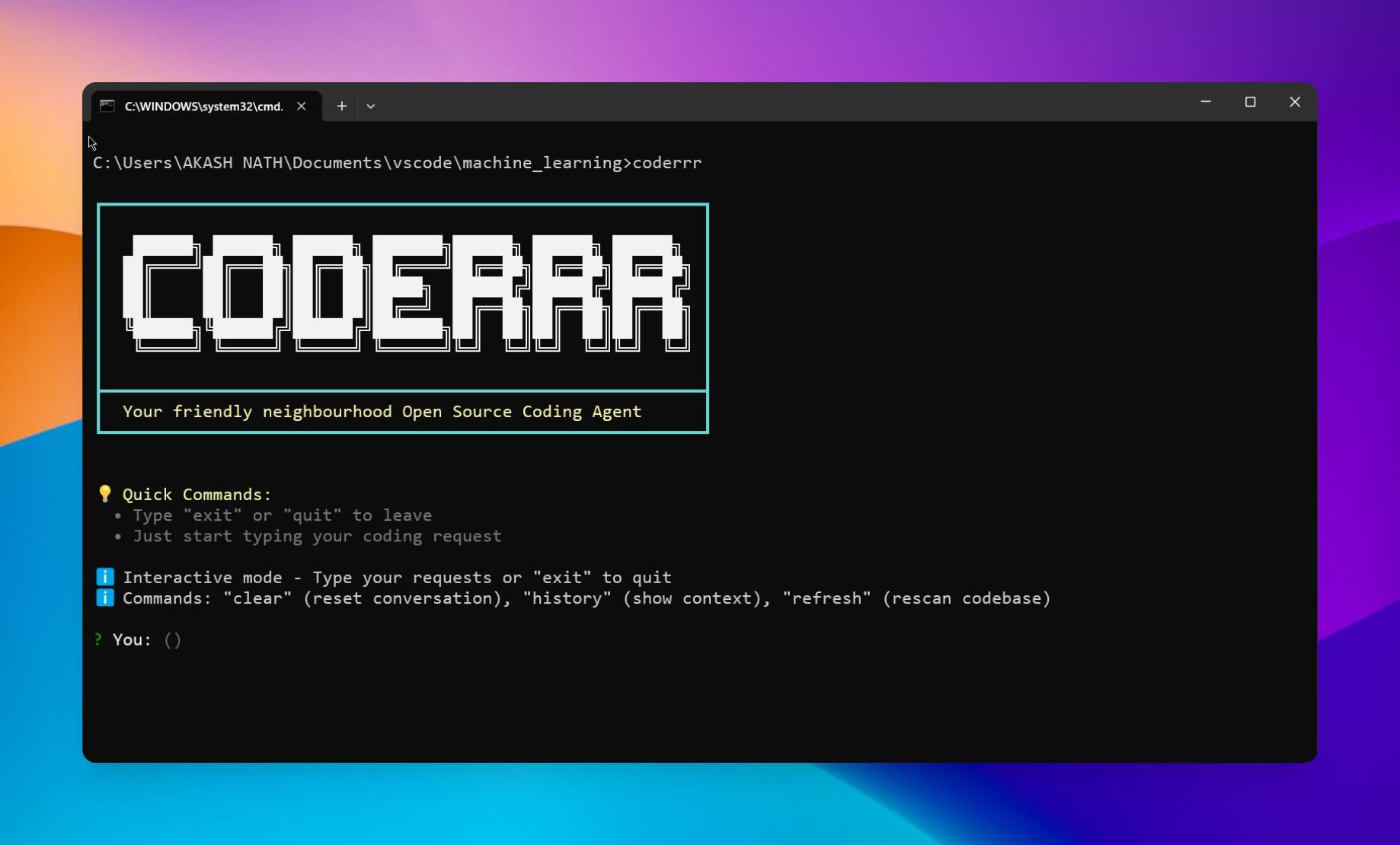
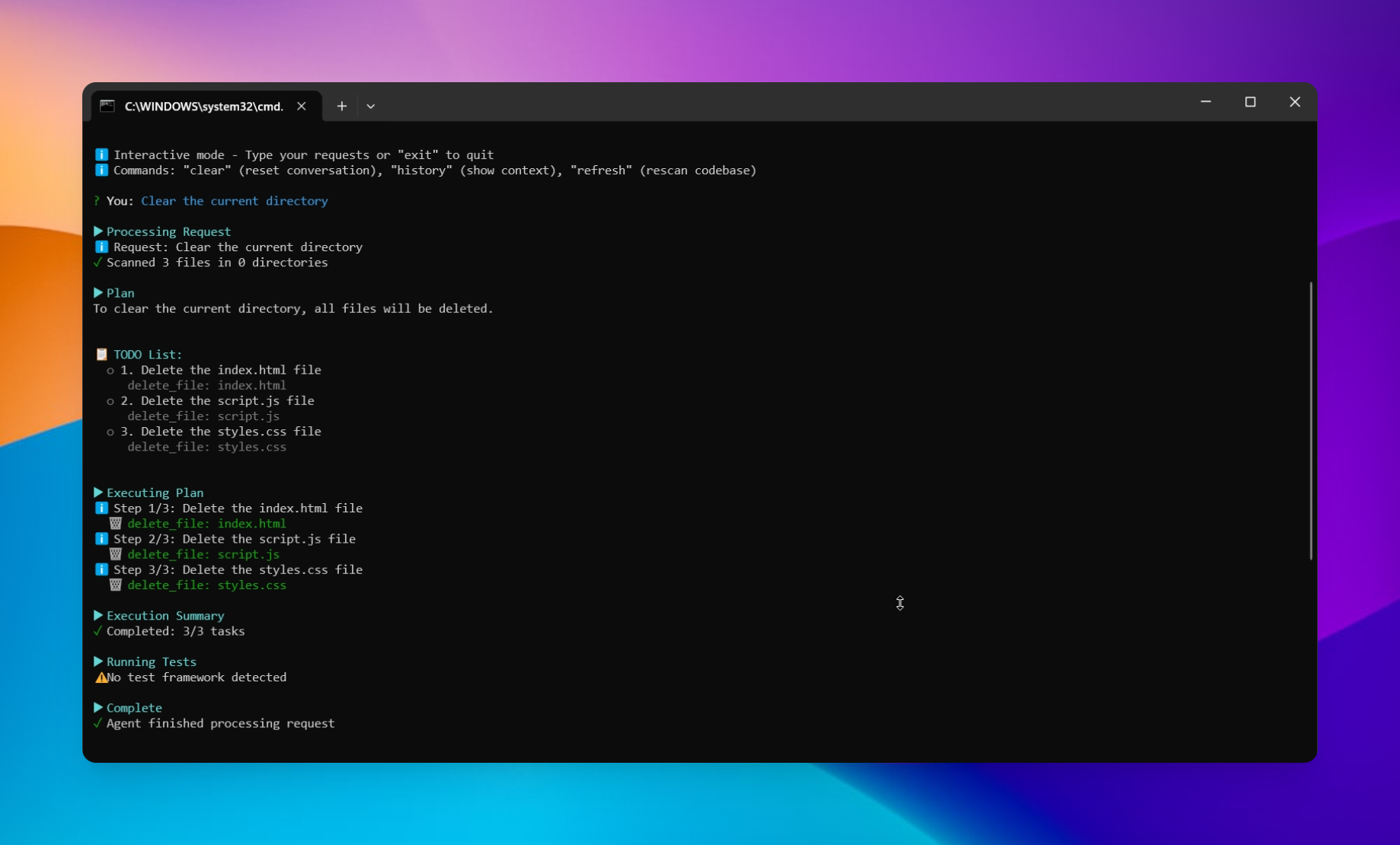
A powerful CLI tool that writes, debugs, and ships code alongside you. Like Claude Code, but free and open source. AI-powered coding agent that analyzes tasks, creates actionable plans, and executes commands.

Hey Product Hunt 👋
I’m Akash, the maker of Coderrr.

Coderrr started as a side project because I loved tools like Claude Code and OpenAI Codex, but wanted a free, open-source, CLI-first alternative that developers could actually inspect, modify, and extend.

Coderrr runs directly in your terminal and acts like an AI coding partner — it can understand your codebase, help generate or refactor code, explain bugs, and automate common dev tasks without needing a heavy IDE setup.

What surprised me is that after submitting this to an open-source contribution event, it started getting real traction from the community — which pushed me to polish it and launch here.

This is still early, and I’d genuinely love your feedback:

  • What workflows should Coderrr support next?

  • What annoys you most about existing AI coding tools?

  • What would make this part of your daily dev setup?

If you like open-source, CLI tools, or AI for developers, I’d love for you to try it out.
Thanks for checking it out 🙌

— Akash

3
回复

big fan of the CLI-first approach for those of us who live outside VS Code. since it's open source, does this support plugging in local models (like via Ollama) to keep the whole workflow offline and free, or is it tied to specific APIs?

2
回复

@samet_sezer 

Apart from default API, Coderrr supports different other providers (like openai, anthropic, Ollama, Openrouter) that user can configure based on their own need. You can have a local model serving in your system and use Ollama provider to keep everything offline and contained in your system.

Check https://coderrr.aksn.lol/docs/providers for more details about providers

1
回复

@samet_sezer Nice — local/Ollama support is a strong differentiator here. The real test, though, will be how well Coderrr handles context drift in long-lived CLI sessions (monorepos, multi-branch work, partial diffs).

Do you persist session memory across terminals, or is everything purely per-run?

2
回复

Huge congrats on the launch! 🎉 Coderrr looks like a super practical CLI‑first companion for real-world shipping, not just toy snippets—excited to see how it fits into devs’ daily workflows.​

2
回复

@zeiki_yu Thanks a lot! I really appreciate it!

Kindly share this with any tech enthusiast in your circle so they can try this out and give feedbacks 😊

0
回复

Congratulations on the launch, I guess the only question I have is how does it compare to OpenCode? which is the one I was initially thinking of using for local models now that my new Macbook is on its way. I'll test both once it arrives anyway but I want to know if there's already different workflows or features between the two

1
回复

@daniel_contreras1 Hey Daniel, to be very honest right now Coderrr isn't so different from Opencode except for a very minimal features. I made this project back in late October 2025, and left it as it is for a long time till I saw OpenCode launch.

Coderrr is open-source, and I invite all dev community members to contribute and solve all the problems people face during using Claude Code, Openai Codex or OpenCode

GitHub Link: https://github.com/Akash-nath29/...

1
回复

The CLI-first vibe is great for speed. I'm curious—how does Coderrr handle context retrieval for large codebases compared to heavier IDE plugins?

1
回复

@jiawei_liu6 Right now Coderrr doesn't support context retrieval and local context storage for large codebases. But this feature is under development right now, and will be ready to ship within next week!

0
回复

How is this different from opencode for instance?

1
回复

@janschutte Good question. From what I see, the key difference isn’t “better AI,” but CLI-first + fully inspectable stack. opencode leans more toward hosted/GUI workflows, while Coderrr feels built for engineers who want scripts, reproducibility, and local control.

Akash — what’s the single architectural choice that makes Coderrr fundamentally different under the hood?

1
回复

CLI-first + pluggable providers (Ollama/OpenRouter/etc.) is a solid “inspectable agent” direction 🔥

The scale pain is monorepos/long sessions → context drift; best practice is incremental repo indexing (tree-sitter + ripgrep) + lightweight embeddings + persisted session state keyed by git SHAs.

How are you planning retrieval + cross-terminal memory (local store like sqlite/duckdb + pgvector, or pure filesystem cache)?

0
回复
#12
Mac Cleanup Go
(Open-source) macOS Cleaner for transparent, safe cleanup
92
一句话介绍:一款基于终端的开源macOS清理工具,通过透明展示文件路径与大小,让用户在安全审查后自主选择清理内容,解决了传统清理软件黑箱操作带来的信任与安全痛点。
Mac Developer Tools GitHub Development
macOS清理工具 开源软件 终端应用 磁盘清理 透明化操作 隐私安全 系统优化 轻量化工具
用户评论摘要:用户普遍赞赏其透明、安全的清理理念和终端界面。开发者确认可清理包括“系统数据”在内的多种缓存。有用户将其与CleanMyMac对比,认为其更轻便。主要反馈是肯定其设计初衷与安全性。
AI 锐评

在充斥着“一键优化”黑箱工具的macOS清理市场,Mac Cleanup Go的亮相是一次精准的“信任反叛”。它没有选择用华丽的GUI或夸大的清理效果来吸引眼球,而是回归终端,用开源代码和文件列表这种近乎“原始”的透明方式,直击该类工具长期存在的核心信任危机——用户不知道删了什么,更担心误删关键文件。

其真正价值并非在于清理技术本身(清理缓存、日志的算法并无太高壁垒),而在于构建了一种可审计的清理范式。它将删除的决策权彻底交还用户,把过程从“魔术”变成“手册”,这尤其契合开发者、高级用户等对系统知情权有强烈需求的群体。从评论看,“安全”、“透明”正是最能引发共鸣的标签。

然而,这种极客友好的范式也构筑了其增长天花板。终端操作和手动筛选的门槛,注定它难以吸引主流大众用户。它更像是一个针对细分痛点的“手术刀”,而非覆盖全场景的“瑞士军刀”。它的成功,不在于取代CleanMyMac等商业巨头,而在于为市场提供了一个可信赖的基准,并证明了在特定用户群中,“控制感”是比“自动化”更高级的需求。其开源属性若能持续活跃,或许能成为系统工具领域一个值得关注的“干净”基础设施。

查看原始信息
Mac Cleanup Go
Most Mac cleaners work like a black box—you click "clean" and hope for the best. This one shows you exactly what it finds: file paths, sizes, and categories. You pick what goes, and everything moves to Trash. Terminal-based, open source.
I built mac-cleanup-go to make macOS disk cleanup transparent and safe. You can see exactly what takes up space, review paths and sizes, and choose what to delete before anything goes to Trash. Happy to hear feedback or suggestions!
6
回复

Congrats on the launch! Love the transparent, TUI-style approach to Mac cleanup—showing paths and sizes and only moving to Trash feels so much safer than black-box cleaners.

4
回复

@zeiki_yu Thanks! I’m really happy the intent came through. : )

1
回复

Does it also clean up the "Data system" that usually stacks up?

2
回复

@kamil_maksymowicz yes. It cleans app caches, logs, dev caches, Docker, and more - small things that can add up to GBs. many of these show up as "System Data" in macOS storage.

3
回复

Love this! I like how easy and lightweight it is - I usually use CleanMyMac but it's nice to have something terminal-based. Congrats on the launch!

0
回复
#13
flins
The universal skill and command manager for AI coding tools
87
一句话介绍:flins是一款AI编程工具技能与指令的通用管理器,通过类似npm的依赖管理方式,在多AI代理协作的开发场景中,解决了团队因不同代理技能管理方式不一致而导致的配置共享与维护困难痛点。
Open Source Developer Tools Artificial Intelligence
AI编程工具 技能管理 依赖管理 多代理协作 开发工具 标准化 CLI工具 团队协作 开源标准 DevOps
用户评论摘要:用户认可“npm for Agent Skills”的定位,认为统一技能管理是AI开发工作流的关键突破。创始人解释产品灵感源于团队协作中多AI代理并存的混乱。有用户表示将尝试与Claude Code集成。
AI 锐评

flins瞄准的是AI代理生态野蛮生长后必然出现的“整合层”需求。其真正价值不在于技术突破,而在于对行业痛点的精准卡位——当OpenAI、Anthropic等各大厂商的AI编码工具各自为政,所谓的“开放标准”在实际团队协作中往往形同虚设。flins试图成为事实上的中间层标准,这个野心比表面上的“依赖管理”更大。

但产品面临双重挑战:一是需要同时争取上游AI代理厂商的适配与下游开发者的采纳,冷启动难度极高;二是其核心价值随AI代理自身技能管理能力的进化而可能被削弱——如果未来Claude、Cursor等主流工具都内置了完善的技能生态,第三方管理器的生存空间何在?当前87票的关注度也反映出,这仍是一个面向早期技术尝鲜者的细分工具。

其成功关键在于能否快速构建不可替代的“网络效应”:既成为团队技能配置的单一可信源,又通过技能仓库生态形成粘性。否则,它可能只是AI开发工具链中一个短暂的过渡性解决方案。

查看原始信息
flins
Agent Skills is now an open standard, but each AI agent manages skills differently, making multi-agent workflows hard to maintain. flins acts as a dependency manager for agent skills, similar to npm. With commands like flins add, update, remove, list, and search, developers can manage skills consistently across multiple AI coding agents.
Hi Product Hunt, flins was inspired by working in collaborative environments where different people use different AI coding agents. Even though Agent Skills is now an open standard, each agent manages skills in its own way, which makes sharing and maintaining setups across a team difficult. We built flins to treat agent skills as dependencies. Similar to npm, it provides a consistent CLI to add, update, and manage skills across multiple agents, so teams can stay in sync even when using different tools. Curious to hear how you handle agent skills in team setups today.
4
回复

Congrats on the launch! Love the “npm for Agent Skills” positioning—centralizing skill management across agents feels like a huge unlock for serious AI dev workflows.

2
回复

@zeiki_yu Thanks, appreciate it!

0
回复

Congrats on the launch 🚀 @kimmyxpow - I'll give it a run with my Claude Code setup :)

1
回复

Thanks @asadatnoodle! Would love to hear your thoughts after trying it😄

0
回复
#14
Quetzly
Test, monitor, and visualize your location APIs in one place
79
一句话介绍:Quetzly是一款专为地理空间数据设计的桌面API客户端,通过将API测试、监控与交互式地图可视化集成于单一工作流,解决了开发者和GIS团队在调试位置API时需在多工具间频繁切换、手动复制数据的效率痛点。
API Developer Tools Maps
地理空间API测试 地图可视化 开发者工具 GIS工具 API监控 空间数据 桌面应用 GeoJSON WMS/WFS 工作流整合
用户评论摘要:用户正面评价其将测试、监控与地图可视化统一的工作流。创作者主动寻求反馈,询问用户常用的位置API类型及期望的关键功能,目前未见负面评论或具体功能建议。
AI 锐评

Quetzly瞄准了一个垂直且专业的利基市场——地理空间API的开发与运维。其核心价值并非简单的功能堆砌,而是对“空间数据”这一特殊数据类型工作流的深度重构。传统模式下,开发者需要在Postman(API测试)、代码编辑器(数据解析)和GIS查看器(可视化)之间进行繁琐的“搬运”,这是一种认知和操作上的双重断裂。Quetzly的“即时地图渲染”直接将JSON响应转化为空间视图,实现了从数据请求到空间认知的无缝衔接,这本质上是将“空间属性”提升为API调试的一等公民。

然而,其面临的挑战同样清晰。首先,市场天花板明显,专注于地理空间的开发者群体规模有限。其次,作为桌面端工具,它可能面临与更通用、云端化且生态庞大的API平台(如Postman)的竞争压力,后者通过插件或扩展也能部分满足需求。其“监控”功能目前看较为基础,在复杂的API生命周期管理中存在感不强。

真正的破局点可能在于两点:一是深度绑定特定生态(如ArcGIS、Mapbox),成为其官方推荐的开发调试工具;二是将工具属性升级为“协作平台”,融入团队API资产管理、版本化测试用例等企业级功能。目前其Beta状态和创作者主动求问的姿态是明智的,必须从早期专业用户中提炼出不可替代的“杀手级”场景,而不仅仅是“更方便”。它解决的痛点真实,但产品的护城河和长期价值,仍需在垂直领域做得更深、更不可或缺。

查看原始信息
Quetzly
Quetzly helps developers, GIS and IT teams test, monitor, and visualize geospatial APIs. Send http requests, adjust headers and query params, and inspect JSON with an integrated editor. Render WMS, WFS, GeoJSON and ArcGIS services on an interactive map, toggle layers, zoom to extents, and export data as GeoJSON or Shapefile. Track endpoint health to reduce downtime and keep location services reliable. Quetzly is currently in open Beta. Try it for free.

Congrats on the launch! Love how Quetzly unifies testing, monitoring, and live map visualization for WMS/WFS/GeoJSON into one workflow for geospatial teams.​

2
回复

@zeiki_yu thank you!

0
回复
Hi Product Hunt! I'm Mayro Najarro, the creator of Quetzly. As a GIS developer, I was constantly frustrated by having to juggle Postman, a code editor, and a map viewer just to debug a single location API endpoint. It was an inefficient, manual process of copying data back and forth. I built Quetzly to fix that. It's the first desktop API client designed specifically for spatial data and location services. What makes Quetzly different? When you make a request in Quetzly, you don't just get a raw JSON response; you get an instant, interactive map visualization. Here’s what the public beta helps you do: - Instant Map Rendering: Visualize GeoJSON, WMS, WFS, and ArcGIS Feature Services on the fly. - Workflow Efficiency: Ditch the time-consuming export/import dance between different tools. - Automated Monitoring: Set up simple uptime validation checks. I believe that debugging spatial APIs should be as easy as debugging any other API. I'd Love Your Feedback! Quetzly is launching in beta today to get real-world feedback from developers like you. We are eager to hear: - What location APIs are you currently working with (Mapbox, Google Maps, ArcGIS, something else)? - What feature would make this an indispensable tool in your daily workflow? I appreciate you checking us out and trying the beta! — The Quetzly Team
1
回复
#15
LiveSyncDesk
Real time collaboration with a mobile synchronized board
75
一句话介绍:LiveSyncDesk是一款无需下载和登录的实时同步白板工具,通过链接共享和同步缩放功能,在线教学、团队讨论和远程评审等场景中,解决了多人异地协作时图像标注与视角不同步导致的效率低下和体验割裂的痛点。
Design Tools Productivity Education
实时协作白板 在线教学工具 远程评审 图像标注 同步缩放 无登录协作 链接共享 独立开发者项目 实时同步 团队讨论
用户评论摘要:用户肯定了免登录、链接共享和同步缩放的核心价值,尤其适用于教学评审场景。主要建议集中在技术实现层面,询问是否采用CRDT/OT等成熟方案解决同步延迟与一致性,并提出了增加板权限和链接有效期管理的功能需求。
AI 锐评

LiveSyncDesk精准切入了一个被巨头忽视的“微协作”缝隙市场。它没有试图成为又一个Figma或Miro,而是将“实时同步视角”这一单一功能做深,直击远程指导、教学场景中“你看到的和我看到的不是同一个地方”的核心摩擦。其“无登录、链即用”的极简主义,极大地降低了协作启动门槛,是产品早期增长的关键杠杆。

然而,其光环之下暗藏隐忧。首先,其作为个人项目,技术架构的稳健性与可扩展性存疑。高赞评论一针见血地指出了实时同步在延迟下的技术挑战,这绝非简单的WebSocket可以完美解决,涉及操作冲突处理(CRDT/OT)与视窗预测补偿。若底层架构脆弱,用户规模稍增,产品最引以为傲的“完美同步”体验将瞬间崩塌。其次,其商业模式与功能边界模糊。“私人共享空间”的定位在面临内容安全、权限管理、数据留存等企业级需求时将捉襟见肘。目前它更像一个精巧的“功能原型”,而非一个完整的“产品”。

它的真正价值,在于验证了“同步视窗”作为独立产品价值的可行性。它未必能成长为参天大树,但极有可能被大平台以功能整合或团队收购的方式收割,成为其协作套件中的一个亮点模块。独立开发者的身份既是其灵活创新的源泉,也是其持续运营和应对竞争的最大软肋。下一步,它必须在“深化技术护城河”与“探索最小可行商业化路径”之间做出艰难而迅速的选择。

查看原始信息
LiveSyncDesk
LiveSyncDesk is your private shared space for friendly discussion, teaching, and explaining with images or synchronized board drawing in real time. Start a board, invite anyone with a link, and stay perfectly in sync while you sketch ideas, upload images, and use Synchronized Zoom to focus on the exact details together. Whether it’s online teaching, quick team discussions, or remote reviews, LiveSyncDesk is a personal project by an independent developer under active development.
Hey Product Hunt 👋 I built LiveSyncDesk because I kept facing some problems like: Whenever I had to explain something using an image (teaching / guiding / discussing), I had to save it, edit/mark it, and send it back again and again — it was slow and messy. So I wanted a simpler way: a private shared space where both people stay on the same screen. With LiveSyncDesk you can ✅ Start a shared board & invite anyone with a link ✅ Upload an image and annotate together in real time ✅ Use ZoomSync so both users focus on the exact same detail at same time. Its like looking both at the same frame on zooming. ✅ Perfect for private online teaching, quick discussions, and remote reviews It’s a personal project by an independent developer and it’s under active development. Would love your feedback + feature ideas 🙌
3
回复

No download , No login / register. Just copy invite link and send it to anyone.

0
回复

The no-login, link-based shared board + ZoomSync “same viewport” is a great teaching/review primitive 👏 The scale pain is keeping strokes/images/viewport perfectly consistent under latency; best practice is CRDT/OT for draw ops + event timestamps, plus viewport sync via WebRTC datachannel or WebSocket with client-side prediction + rate limiting. Are you using Yjs/Automerge (CRDT) or a custom op-log, and will you add per-board permissions + expiring links?

0
回复
#16
Viral SEO
Find competitors’ top-performing SEO pages in one click!
47
一句话介绍:Viral SEO是一款浏览器扩展,能一键发现竞争对手的高流量SEO页面,帮助内容创作者和营销人员在内容竞争中快速找到已验证的内容方向,减少内容策略的试错成本。
Marketing Growth Hacking SEO
SEO分析工具 竞争对手分析 内容差距分析 浏览器扩展 内容营销 流量挖掘 关键词研究 营销效率工具
用户评论摘要:用户肯定其“一键分析”的核心价值,并询问数据来源(如GSC、Ahrefs)、功能深度(能否生成内容聚类或摘要而非仅URL),以及未来路线图(是否支持多地区或AI搜索可见性分析)。
AI 锐评

Viral SEO 精准切入了一个拥挤赛道中最具痛点的缝隙:内容创作者的“灵感枯竭”与“竞争焦虑”。它的价值不在于提供另一个庞大的SEO数据平台,而在于将“洞察-决策”的路径极度压缩为“一键”,这本质上是将复杂的竞争情报工作流产品化、傻瓜化。

然而,其宣称的“一键”既是亮点也是风险点。评论中用户的追问直指核心:数据源的质量与透明度是这类工具的命门。若数据仅来自有限爬取或单一API,其推荐的“高绩效页面”可能产生严重偏差,误导用户。此外,仅提供URL列表只是起点,而非终点。高级用户需要的是进一步的语义分析、主题聚类和内容策略建议,这正是用户询问“能否输出聚类/摘要”的原因。工具若停留在“发现”层面,而未深入“解读”与“指导”,其价值天花板将非常低,易被集成度更高的平台功能所覆盖。

从市场定位看,它试图以轻量、快速的浏览器扩展形态,吸引厌恶复杂工具的中小企业主和初创团队。但这条路线的挑战在于,轻量可能等同于功能单薄,而真正的SEO竞争需要多维度的深度分析。产品未来的关键在于:能否在保持体验轻便的同时,通过智能处理(如AI摘要、机会评分)增加洞察深度,并建立可靠、透明的数据供应链。否则,它可能只是一个有趣的“流量小玩具”,而非不可或缺的“竞争武器”。

查看原始信息
Viral SEO
Viral SEO - Content Gap Analyzer by Viral Marketing Lab Find your competitors’ top-performing SEO pages in one click! Uncover what drives their traffic and create better SEO content on similar topics!
GetViralSEO helps founders identify high-performing SEO content ideas in seconds, so you can publish what already ranks and drives signups. No guesswork. No bloated tools. Just fast wins. 👉 Download extension at getviralseo.com P.S. Comment what you’re building, and I’ll give FREE access to the most interesting products 🔥
5
回复

@natiakourdadze Upvoted — love the “one-click competitor pages” idea. I’m building an AI gateway/LLM router, so SEO is a daily fight. Quick q: where do you pull performance signals from (GSC, Ahrefs/SerpAPI, scraping)? And can the extension output clusters/briefs, not just URLs? Any roadmap for GEO/AI search visibility too?

0
回复
#17
IndexMachine
A lightweight and super fast page indexer that just works
40
一句话介绍:一款轻量、全自动的页面索引提交工具,通过自动向谷歌、必应及LLM提交网站页面,解决了新发布网页长期不被搜索引擎收录的痛点,尤其适用于网站管理员和SEO人员。
Growth Hacking SEO Marketing automation
搜索引擎索引 SEO工具 页面提交 多引擎提交 404监控 网站收录 AI搜索优化 自动报告 轻量工具 终身套餐
用户评论摘要:用户认可其解决索引延迟的核心痛点,并赞赏其扩展至AI搜索的远见。主要反馈包括:询问免费试用(创始人解释为单人创业及低价策略故不提供)、建议官网首页应更侧重成果而非技术描述、以及询问关于重试提交页面的自动化策略。
AI 锐评

IndexMachine切入了一个微小但尖锐的缝隙市场:搜索引擎索引提交的自动化。其真正价值并非技术创新,而是在谷歌索引API关闭、许多同类服务停摆后,精准捕捉了市场残留的确定性需求——网站所有者对“收录”这一基础环节的失控焦虑。产品将“提交”这一简单动作产品化,并捆绑多引擎(传统搜索+AI搜索)和基础监控,本质是出售“确定性与安心感”。

然而,其商业模式存在明显张力。创始人强调“终身低价”和“单人运营”,这既是吸引早期用户的利器,也是增长和可持续性的枷锁。终身套餐虽能快速获取现金流,但严重限制了客户终身价值(LTV),且随着客户基数扩大,持续的服务器和提交成本将侵蚀利润。其拒绝免费试用的理由看似务实,实则暴露了服务边际成本不为零、且可能被短期大量使用“薅羊毛”的脆弱性。

产品定位“轻量”与路线图中的“深度SEO分析”存在矛盾。向更复杂的SEO分析工具延伸是自然的增长诉求,但这将直接卷入竞争激烈的红海,并与其核心的简单、廉价、自动化的定位产生冲突。当前其最大优势是聚焦与低价,但这也可能成为其未来构筑护城河的障碍。它更像一个在巨头生态缝隙中精巧生存的“功能型产品”,其长期命运取决于能否在保持核心功能极致性价比的同时,找到更高附加值的延伸服务,并平衡好单人运营的规模极限。

查看原始信息
IndexMachine
Stuck in "Crawled: currently not indexed"? IndexMachine automatically submits your pages to Google, Bing, and now even to LLMs like ChatGPT (so your content shows up in AI answers, not just search results). It tracks everything, sends you daily reports, and alerts you when pages 404. You just connect your domains and let it run on autopilot.

Hey guys!
If you've ever launched a new website, you know the pain — you publish a page, wait... and wait... and Google just ignores it. Stuck in "Discovered - currently not indexed" limbo for weeks. Sometimes months. Some pages never make it at all. Plus Google has terminated the Indexing API -> most companies around indexing have also shutdown.

I run several websites and got tired of manually pinging Google Search Console every time I published something new. So I built a small internal tool to automate this. It worked so well that I decided to polish it up and release it publicly.

IndexMachine automatically submits your pages to Google, Bing, and now even to LLMs like ChatGPT (so your content shows up in AI answers, not just search results). It tracks everything, sends you daily reports, and alerts you when pages 404. You just connect your domains and let it run on autopilot.

What makes it different:

  - Multi-engine indexing — Google, Bing, and LLM/AI search from one dashboard

  - Visual progress charts — actually see your indexing improve day by day

  - 404 monitoring — catch broken pages before they hurt your SEO

  - Free tools included — SEO analyzer and sitemap validator, no extra charge

But the biggest difference? Price. I looked at every indexing tool out there and made IndexMachine the cheapest option on the market — without cutting corners on quality. Same features, same reliability, fraction of the cost. If you find anything cheaper that does the same job, DM me at https://x.com/not_wowinter13 and I'll give you a discount. Simple as that.

We've already helped index thousands of pages for our users. The tool is simple, it does the job, and it keeps getting better.

What's next:

  - Deeper SEO analysis per page

  - AI recommendations for fixing indexing issues

  - More integrations based on what users ask for

Questions? Ask here or hit me up on X.

7
回复

Love the idea of your tool! Do you have a free trial?

1
回复

@alina_petrova3 hi, Alina! To be honest, no.

Two reasons for that:

  • I’m a solopreneur 🙂 So I don’t have venture funding to offer free trials or spend thousands of bucks on ads (CAC is better this way, because sometimes people with small projects can literally index ALL their pages in just 2–3 days, so I can’t offer a trial even for a couple of hours 😂)

  • The pricing is already the lowest on the market ($12.5 per site, while the cheapest competitors start at $25) plus this is a lifetime deal, so it costs literally pennies to try and improve your project’s indexing situation (and a refund is always an option)

1
回复

Hi,

The problem you’re solving is clear, but the homepage leans more technical than outcome-driven. For PH traffic, the value would land stronger if the top section framed concrete results (indexing speed, visibility, traffic impact) rather than process.

I work with SaaS founders on paid landing page audits specifically for Product Hunt launches, focused on positioning, above-the-fold messaging, and CTAs that convert early traffic.

If that’s relevant right now, I can share what the audit includes and how teams usually use it post-launch.

1
回复

to the mooon!!

1
回复

Congrats on the launch! This hits a very real pain point, especially the published but ignored indexing limbo that feels totally out of your control. I like that you went beyond just Google and are thinking about AI/LLM discovery as part of indexing, not a separate problem. How do you decide when and how often to resubmit or retry pages that are stuck, is it fully automated based on signals, or configurable per site/page type?

0
回复
#18
Moshi
the mobile interface for AI coding agents
37
一句话介绍:Moshi是一款iPhone应用,通过Mosh协议直连开发机,结合本地语音输入和一键快捷指令,解决了开发者在移动场景下无法持续为Claude Code等AI编程助手提供输入的核心痛点。
Development
AI编程助手 移动开发 远程终端 语音输入 会话持久化 本地化部署 开发者工具 iOS应用
用户评论摘要:用户普遍认为产品概念新颖,移动优先与语音输入契合真实移动开发场景。主要反馈集中在:1. 询问Beta测试方式(已获回复);2. 明确询问Android版本计划(团队确认有计划)。整体反馈积极,被视为“氛围编程”的体验。
AI 锐评

Moshi精准切入了一个被忽视的缝隙市场:AI编程助手工作流的“最后一米”移动化问题。其价值不在于技术创新上的颠覆(Mosh、Whisper均为现有技术),而在于对“人-AI代理”协作模式的场景重构。

产品真正犀利之处在于两点:一是**对“持续交互”本质的洞察**。当前AI编码代理并非完全自主,需要人类高频、低延迟的反馈(批准、拒绝、继续)。Moshi将这种交互从物理工作站解放出来,实质是将开发者的“决策权”移动化,而非仅仅提供一个移动终端。二是**技术选型的务实组合**。使用Mosh解决网络鲁棒性,用本地Whisper保障隐私与实时性,用FaceID管理密钥,这套组合拳规避了云端方案的成本与延迟,直击专业开发者对安全、稳定、可控的核心诉求。

然而,其天花板也显而易见。这本质上是一个服务于特定工作流(重度使用AI编码代理)的效率工具,市场基数取决于Claude Code等代理的普及度。其“无云化”是优势也是限制,要求用户自有且在线的开发机,增加了使用门槛。从评论看,团队已计划Android版本,这将是扩大用户基础的关键一步。

长远看,Moshi的价值可能成为未来AI原生开发环境的一个功能模块。它揭示了一个趋势:当AI成为编程的协作者,开发工具的设计重心将从“编辑代码”转向“管理AI代理”。谁能最流畅地桥接人类意图与AI行动,谁就能占据新工作流的入口。Moshi目前做了一个极简但深刻的示范。

查看原始信息
Moshi
Moshi lets you run coding agents like Claude Code from your iPhone. Agents need frequent input, but you can't always be at your desk. Moshi connects directly to your dev machine over Mosh — resilient UDP connections that survive network changes and device sleep. Speak commands with on-device Whisper instead of typing. One-tap shortcuts for Claude Code. Face ID for your keys. No cloud, no subscription — just you and your terminal.

Super cool to see a mobile-first interface for coding agents—Mosh + on-device voice feels perfect for real-world dev workflows on the go.

4
回复

Hey Product Hunt 👋


We built Moshi because coding agents like Claude Code need input every few minutes — and you can't always be at your desk. Step away for coffee, take a walk, or work from the couch, and your agent just sits there waiting.


Moshi gives you a native terminal on your iPhone that connects directly to your dev machine. The Mosh protocol keeps your session alive through network switches, spotty wifi, and device sleep. Your agent keeps working; you stay in the loop.


We added voice dictation with on-device Whisper so you can speak commands instead of thumb-typing on a tiny keyboard. There are built-in shortcuts for Claude Code — approve, reject, continue — one tap away. Face ID protects your keys.


No cloud relay, no subscription. Just SSH into your machine and keep shipping.


Would love to hear what features you'd want next 🚀

TestFlight: testflight.apple.com/join/yApyT263


Key Features

  • Built for Coding Agents — One-tap shortcuts for Claude Code: approve, reject, continue, interrupt

  • Voice Commands — On-device Whisper speech-to-text, speak instead of thumb-typing

  • Never Drops — Mosh protocol survives network switches, wifi changes, and device sleep

  • Session Persistence — Step away and come back, your agent session is still there

  • Face ID / Touch ID — Biometric protection for private keys

  • Direct Connection — No cloud relay, connects straight to your machine over SSH/Mosh

2
回复

Using on-device Whisper to talk to Claude Code from the couch feels like the peak 'vibe coding' experience :)

1
回复

Looks cool, how to join the beta?

1
回复

@colinhz Try this link and use TestFlight: testflight.apple.com/join/yApyT263

Any feedback is welcomed!

0
回复

Any plan for Android?

1
回复
0
回复
#19
Ads Research
Competitor ads, instantly on WhatsApp
33
一句话介绍:一款基于WhatsApp的广告研究工具,让效果营销人员无需切换多个平台即可快速查看和分析竞争对手在Meta、Google及TikTok上的实时广告,解决了广告调研过程繁琐、信息碎片化的痛点。
Marketing Artificial Intelligence Video
广告竞品分析 营销工具 WhatsApp集成 效果营销 实时广告监测 跨平台分析 效率工具 SaaS MVP
用户评论摘要:用户肯定产品将广告研究融入WhatsApp的创意,认为对机构和品牌是“游戏规则改变者”。主要反馈包括:希望增加邮件推送选项;询问如何从噪音中提取有效信号(如识别起量广告或长期模式)。开发者积极回应会依据反馈迭代。
AI 锐评

Ads Research 试图将广告竞品调研这一高频但离散的工作流,压缩进WhatsApp这一日常通讯工具中,其核心价值并非提供了全新的数据源,而是对现有公开广告库(Meta、Google、TikTok)进行了一次体验重构和动线整合。它瞄准的是营销人员“在多个标签页间反复切换、截图、转发”的物理性操作疲劳与信息涣散,试图将调研行为“习惯化”。

然而,其“真正价值”存在双重挑战。其一,工具价值深度存疑。目前它更像一个聚合转发机器人,其宣称的“发现实时广告”和“洞察模式”能否超越平台官方库的基础筛选,提供真正的“信号”(如素材起量趋势、投放策略推断),是产品从“便捷工具”升级为“智能洞察”的关键。评论中关于“如何凸显信号”的提问直接击中了这一软肋。其二,场景依赖与风险并存。重度依赖WhatsApp虽降低了使用门槛,但也将专业工作捆绑于个人社交工具,可能引发账号管理、信息过载、数据安全与合规的顾虑。

总体而言,这是一个典型的“工作流微创新”MVP,切入点巧妙,但护城河尚浅。其成功与否,取决于团队能否将“便捷聚合”深化为“智能分析”,并构建起基于工作场景的、独立于WhatsApp核心交互的不可替代价值。否则,它极易被大平台的官方工具更新或更专业的竞品所覆盖。

查看原始信息
Ads Research
A WhatsApp ad research tool for performance marketers to see and analyse live competitor ads across Meta, Google, and TikTok. Without endless scrolling or tab switching!

🚀 Hey Hunters & Builders!

We’re Akshat and Abinash, two builders who’ve spent years in performance marketing, growth, and building products for marketers.

If you’ve ever run ads, you know the drill:
scrolling Meta Ads Library, hopping into Google Transparency Center, checking TikTok Creative Center, saving links, forwarding ads on WhatsApp… and still feeling like you’re missing the bigger picture.

That frustration is exactly what led us to build Ads Research.

We wanted ad research to feel less chaotic and more like a natural habit. Something you can do quickly, with context, without opening ten tabs. So we built a WhatsApp-based tool that helps performance marketers discover live competitor ads and understand what’s actually working across platforms.

  • ✨ What makes Ads Research different:

  • 📲 Ad research directly on WhatsApp — no dashboards, no clutter

  • 🔍 Discover live competitor ads across Meta, Google & TikTok

  • 🧠 Spot patterns in hooks, formats, and messaging — not random inspiration

  • ⚡ Built for speed, context, and real-world workflows

This started as an internal tool we genuinely needed ourselves. Over time, it became clear that many marketers were struggling with the same problem — too much noise, too little signal.

This is still an early MVP, and we’re actively shaping it based on real feedback from marketers like you.

We’d genuinely love to hear your thoughts ❤️

Does this make ad research feel simpler and more usable in your day-to-day work?

3
回复

I would also welcome this option to get into my mail :)

3
回复

@busmark_w_nika Thank you very much for trying it out! We surely will keep on adding regular updates based on our user feedback!

1
回复

Really Epic!

1
回复

Congrats on the launch! Turning ad research into something that lives inside WhatsApp is a really interesting take, it feels much closer to how marketers already share and react to ads in real life, instead of forcing everything into another heavy dashboard. How you surface signal over noise in practice, for example, do you highlight ads that are scaling or recurring patterns over time, or is discovery more exploratory right now?

0
回复

Excited for the launch! This would be game changer for agencies and brands

0
回复
#20
Your Domains Wrapped 2025
See how much your side projects actually cost you
18
一句话介绍:一款为“域名囤积者”设计的工具,通过自动化汇总和分析其持有的所有域名及其年度续费成本,生成一份可分享的年度报告,在自嘲与反思中直面“为未完成项目持续付费”的财务与心理痛点。
Productivity Developer Tools Tech
域名管理 个人财务 成本分析 年度总结 生产力工具 开发者工具 趣味报告 痛点营销 数字囤积 副项目管理
用户评论摘要:用户反馈高度共鸣,普遍存在“域名囤积”行为并对其成本感到震惊。主要反馈包括:产品概念有趣且“扎心”,分享功能是亮点;希望了解更详细的成本分析维度;部分用户表达了尝试的意愿与对结果的恐惧。评论中未提出具体功能改进建议,更多是情感共鸣与数据分享。
AI 锐评

这款产品表面是一个趣味性的年度总结生成器,内核却是一面尖锐的“行为经济学”镜子。它没有试图解决域名囤积问题本身(如提供转让或停用服务),而是精准地放大了伴随这一行为的“沉没成本”与“未来承诺”之间的认知失调。其真正价值不在于技术或数据分析的深度(从描述看,技术门槛不高),而在于它创造了一种独特的“财务羞耻社交货币”。

产品巧妙地利用了“Wrapped”这一已被Spotify等验证成功的年度报告文化,将原本私密、分散且容易被忽略的持续性小额支出(域名年费)聚合、可视化,并赋予其社交分享属性。这迫使高度理性、擅长延迟满足的创作者与开发者群体,直面自己“为可能性付费”的非理性消费习惯。评论区中用户竞相“晒”出高额账单,正是这种“比惨式”社交认同的体现,它缓解了个人焦虑,并转化为产品传播的推力。

然而,产品的长期价值存疑。它更像一个“一次性止痛药”或社交玩具。用户在使用一次、经历震惊或自嘲后,其重复使用动力有限——除非持续囤积域名。它未能提供解决问题的闭环(如域名估值、出售建议、项目提醒),这限制了其工具属性的深度。其成功高度依赖特定社群(如Product Hunt用户)的共情传播,破圈难度较大。本质上,这是一个营销洞察驱动、执行轻量的“话题型”产品,其最大意义或许是提醒创业者:最刺痛人的痛点,往往藏在那些用户自己都已习以为常的“小习惯”里。
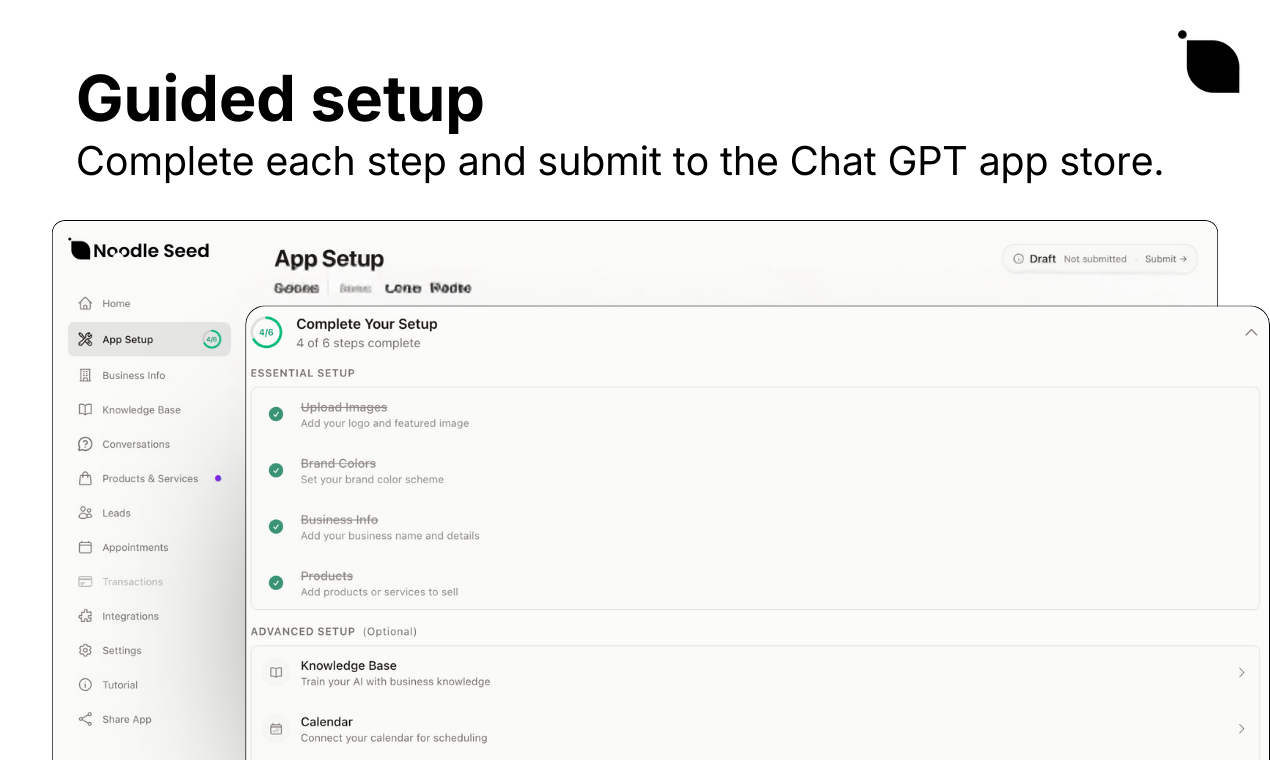
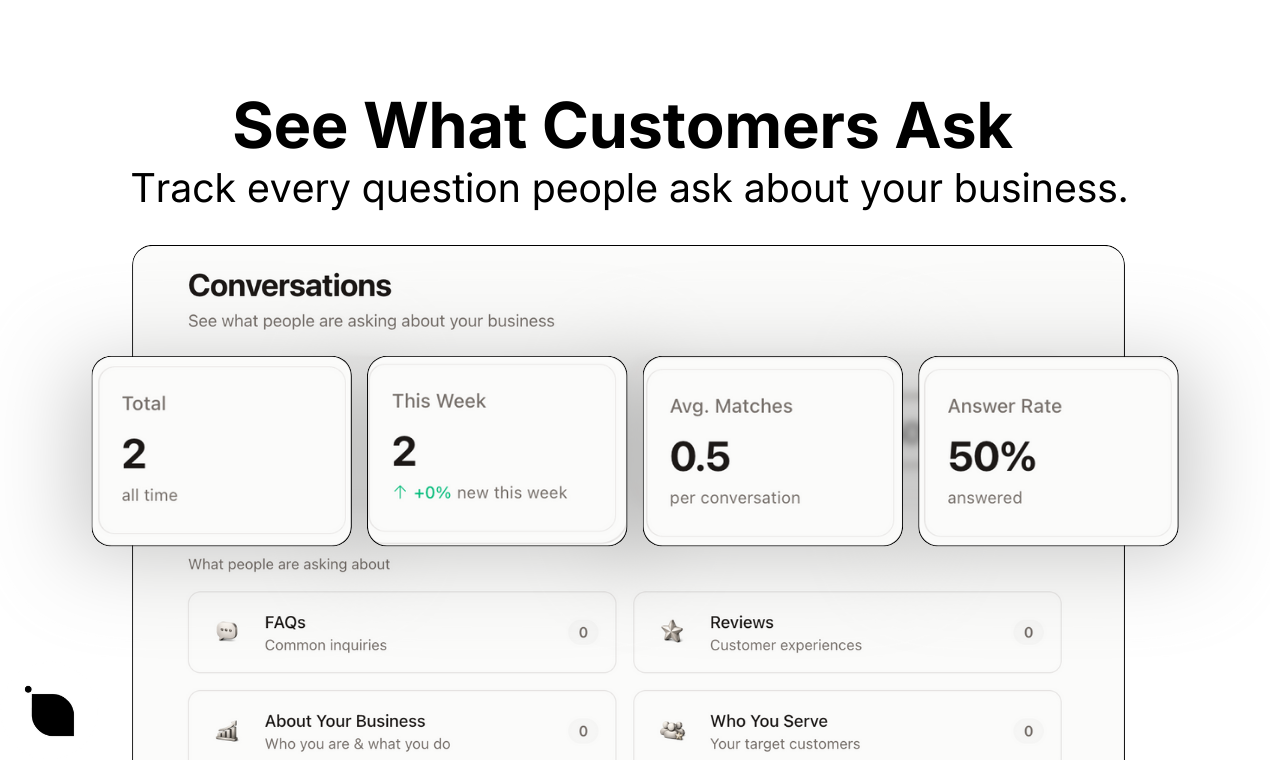
查看原始信息
Your Domains Wrapped 2025
You've spent years collecting domains like Pokémon cards. shipit.club, readme.ai, getfeedback.io. They're all sitting in your registrars, renewing automatically while you pretend you'll "get to it eventually". Your Domains Wrapped turns your domain habit into a shareable 2025 report card.

Hey PH 👋

I bought profile.cv three years ago. Renewed it twice. Never built a single thing.

Last month I decided to actually add up what I've spent on domains since 2020. €4,200.

For projects I never shipped. Features I never coded. Landing pages I never launched.

Figured if I'm going to have this problem, so does everyone else here. So I built Your Domains Wrapped - because if we're all collecting domains, we might as well turn it into shareable cards.

How it works:
- Copy your domains from any register (we'll detect them)
- Get roasted by your own numbers
- Share your Wrapped (or cry privately)

I've already seen some funny ones during testing. One person had 230 domains. Annual renewal: $6,900. Drop your Wrapped below and let's cry together.

I'll start: 71 domains, 53 parked, $2,100/year in renewals.

Who's got me beat? 👀

3
回复

Seeing how much i'm burning on unfinished business is confronting lol

1
回复

@nickforallnl This sounds so relatable haha!

0
回复

This hits a little too close to home 😅

I did the same thing last year and finally added up what my “harmless” domain collection was costing me. Turns out “I’ll build something with it eventually” is an expensive coping mechanism.

What I like about this is that it’s not preachy or productivity-bro about it. It just shows you the numbers and lets you sit with the regret (or laugh about it and share). The shareable cards are a nice touch too.

71 domains at $2.1k/year already hurts, but I’m 100% sure someone here is sitting on a triple-digit domain stash.
Who’s brave enough to post theirs?

Congrats on the launch, this is painfully relatable in the best way.

1
回复

@dormic Thanks Pim! Have you tried it already? Curious to hear your stats!

1
回复

Here to share my domain wrapped

0
回复

I am kind of afraid to find out 🫣. Really fun idea. Definitely giving this a shot.

0
回复

This is such a cool concept for domain hoarders like me! Does the 'Wrapped' feature include cost-analysis for the year, or is it focused mainly on the portfolio stats? Upvoted!

I’m also in the 'Launching Today' trenches with Prepmify—would love to get your take on our AI speech analysis if you have a moment later today

0
回复

110 domains here, using a handful of them 👀

0
回复

@rick_bossenbroek1 Wow, that's a lot! What is your estimated portfolio value?

0
回复

Cool product! More insights in how much those ‘just in case’ domains are costing me.

0
回复

@rienk First of all, I like your handle! Curious to hear: how many domains do you have that are just sitting there?

0
回复