Product Hunt 每日热榜 2026-02-16

PH热榜 | 2026-02-16

#1
Base44 Backend Platform
The Backend for the age of AI
348
一句话介绍:Base44 Backend Platform 是一个为AI智能体(如Claude Code、Cursor)原生设计的后端即服务平台,通过“技能”替代复杂API、一键部署和预置连接器,解决了AI编程工具在构建全栈应用时面临的后端配置繁琐、集成困难的痛点。
Developer Tools Artificial Intelligence GitHub
后端即服务 AI原生开发 智能体友好 一键部署 无配置 技能系统 预置集成 全栈开发 开发者工具
用户评论摘要:用户普遍赞赏其“无配置”理念与AI工作流的契合度,认为“技能代替API”是核心突破。主要询问包括:与现有项目集成、技术栈细节、定价、错误处理机制,以及平台底层是自研还是依赖第三方服务。
AI 锐评

Base44的野心并非仅仅是又一个BaaS。其真正价值在于试图重构“开发”的定义,从“为人编写代码优化”转向“为AI生成并执行代码优化”。这体现在两个关键设计上:一是用高度结构化、指令化的“技能”封装取代传统API文档,这实质上是为AI智能体创造了一种新的、可确定性执行的“编程语言”,旨在解决LLM在复杂集成和配置任务上的不可靠性。二是将部署和基础设施抽象到极致,其口号“The Backend for the age of AI”直指当前AI编码代理的最大瓶颈——想法到原型之间的“配置鸿沟”。

然而,其面临的挑战同样尖锐。首先,“技能”的边界决定了智能体的能力上限,平台必须在提供丰富预置技能与保持系统简洁可控之间找到平衡。其次,评论中关于错误处理、速率限制等“脏活”的提问,恰恰点中了AI原生基础设施的命门:智能体能否像人类一样优雅地处理异常?这需要平台在技能设计上注入更强大的状态管理和决策逻辑。最后,其“自研基础设施”的故事与规模化后的成本、性能及灵活性息息相关,这将是其与成熟生态(如Supabase)长期竞争的关键。

本质上,Base44不是在简化后端,而是在尝试让后端“消失”,让智能体成为直接的操作者。这是一场高风险高回报的赌注,赌的是AI驱动开发将成为主流范式。如果成功,它将从工具演变为标准;如果失败,则可能只是特定场景下的效率插件。

查看原始信息
Base44 Backend Platform
Complete backend for building apps with AI agents. Battle-tested by millions of production apps, now available as a standalone service optimized for Claude Code and Cursor. Deploy full-stack apps in one command, no backend setup, no configuration. AI agents use simple Skills instead of complex APIs. $ npx base44@latest create

Hey PH👋

Maor started Base44 as a side project late 2024, and it's now at millions of users.
Early on, Maor made a bet to build the entire backend infrastructure from scratch instead of relying on Firebase, Supabase, etc. That bet paid off.

Today we're releasing that same infrastructure as a standalone Backend as a Service - and it's fundamentally different from existing solutions.

The problem: If you've built with Claude Code or Cursor, you've hit this wall. The agent writes great code - then chokes on backend setup. That's not the agent's fault. Supabase, Firebase, and the rest were designed for human developers who read docs and configure things manually. AI agents don't work that way. The backend is still the bottleneck.

We built Base44 Backend from the ground up for agents:

🤖 Skills instead of APIs - AI agents don't read API docs the way humans do. Our Skills system gives agents simple, structured instructions they can execute natively. This is a huge difference in practice vs. throwing a Supabase or Firebase SDK at an agent and hoping for the best.

One command to deploy - database, auth, file storage, everything. No config files, no environment variables, no setup tax.

🔌 Built-in Connectors - OAuth-ready integrations to Gmail, Slack, Notion, Salesforce, HubSpot, LinkedIn, and more. Your agent says "post to Slack when a new order comes in" and it just works. No managing API keys or building OAuth flows from scratch.

🧠 App Agents -Built-in AI agents that live inside your app. They can read and write data, trigger backend functions, search the web, connect to WhatsApp, they're like teammates that ship with your product out of the box.

🚀 Battle-tested at scale - This isn't a new experiment. It's the same infra powering 10M+ production apps on Base44.

Who it's for: Developers using Claude Code, Cursor, or any AI coding agent who are tired of the backend being the thing that slows everything down. If you want your agent to go from idea to deployed app without you ever touching backend config, that's exactly what we built.

We're shipping fast and want to build this with the community. Tell us what's missing, what's broken, what would make this 10x more useful for your workflow.

Would love your feedback 🙏

30
回复

@ron_shahar This is awesome 🧡

0
回复

@ron_shahar Love this direction 👏

You’re not just launching another BaaS — you’re reframing the backend around how agents actually operate.

“Skills instead of APIs” is the real unlock here. Most infra assumes a human reading docs and wiring things manually. Agents don’t work that way — they need structured, executable primitives. That shift feels fundamental.

Also, removing OAuth and backend config friction is huge. For AI-native workflows, setup tax is the bottleneck.

If this truly lets agents go from idea → deployed app without backend babysitting, that’s a serious multiplier for tools like Claude Code and Cursor.

Curious to see how far the “App Agents” layer can go — that feels like the wedge that could differentiate you long term.

Excited to watch this evolve 🚀

0
回复

@ron_shahar Congrats on the launch Ron. One question, what challenges did you face building a platform that automatically configures backend services like hosting, database, authentication and deployment?

0
回复

Awesome platform!

5
回复

@elie222 thank you! we are doing our best to make the best platform for our users!

2
回复

Awesome, finally!

Is it possible to pick it up from an existing project and have two-way sync between the two? Or only start a new one?

5
回复

@guymanzur Not yet possible to work with the Base44 AI Agent on Base44 Backend projects, but we are working on it!
If you have an existing app and you want to try out the experience of a Base44 Backend project, you have the option to use `base44 eject` which would clone your existing app into a backend project. Check out the docs here:
https://docs.base44.com/developers/backend/quickstart/templates/quickstart-from-existing-app

Stay tuned to when we'll announce support for working with the Base44 CLI on your existing projects without ejecting.

10
回复

Like the no-setup angle. npx base44@latest create fits my Cursor/Claude workflow. Curious how Skills map to real APIs + auth and what the default stack is (db, queues, logs). Any cold start quirks? Might try it on a weekend toy agent.

3
回复

@alexcloudstar Give it a go and be sure to drop your feedback on https://github.com/orgs/base44/discussions.
Our backend offering comes with DB (which we call Entities), Auth, Backend Functions, AI Agents and more! You can check out the full feature set at https://docs.base44.com/developers/backend/overview/features

3
回复

I’ve heard a lot about Base44!!! and got a chance to try it, it’s perfect for building quick PoC apps. I am honestly shocked with how fast and intuitive it is

3
回复

@natallia_novik, thank you! We really appreciate your comment - keep on building!

1
回复
Love it! Quick question, do you provide backend infrastructure (e.g., database storage, pipelines) and frontend hosting? Or do you rely on third-party services like Supabase? How does the pricing work for those components?
3
回复

@linjing yeah it's all on our backend infrastructure which we are now offering to be used as a standalone backend-as-a-service which is our Base44 Backend Platform!
While our new backend platform is in its early days, our pricing for backend usage is based on the same plans we offer to all Base44 users at https://base44.com/pricing, using your subscription integration credits.
Happy building!

5
回复

Super cool.
Just took my app from localhost to deployed in a couple of minutes.
Niceeee

2
回复

Amazing@or_yolvi, now you can start using our agents, connectors, and many more capabilities available in the Base44 Backend Platform.

1
回复

Been using Base44 to build internal tools and MVPs, and the speed is honestly wild. The new Backend Platform feels like it removes the biggest pain point when working with agents in Cursor or Claude Code — no setup, no config, just ship. Congrats on the launch 🚀

2
回复

Thank you @omer_berman1 !

1
回复

Fantastic, platform, have built several apps with ease, from Habits AI, to SugarQuit, VibeCall, Dialectica, Mnemo AI, and many tools for use in my own organisations too.
Always impressed with the support offered, as well as the level of growth, and speed of growth, and functionality.
Have been with them for well over 6 months now and the community and support are performance are outstanding.
Well done.
Vibe2Day

1
回复

If agents like Cursor/Claude Code write the code, tools like Base44 becoming the backend makes sense remove infra, remove config, just give the agent primitives instead of APIs. That’s basically optimizing software for AI developers, not humans. Feels less like no-code and more like post code.

1
回复

Amazing team and tool! Each week as I continue to build @Grapevine Software on @Base44, I think of "I wonder if this is coming to Base44" and then BOOM! it shows up as an announcement before I can even request it. Base44 over ALL OTHER AI Coder platforms!!!!

1
回复

@zachwrightfromgrapevine that's so awesome to hear Zach! we're happy you're happy with the pace :)

0
回复

Do you pull token-level logs from each provider API, or are you reconciling against the invoice totals? That distinction matters because a single OpenAI account can have GPT-4o, embeddings, Whisper, and assistants all showing up as one line item. If ToolSpend breaks that down per model endpoint and maps it to the card charge, that's where it stops being another dashboard and starts being the thing finance actually trusts.

1
回复

Wrapping auth flows, pagination, and error handling into Skills so agents don't have to parse raw REST docs is where Base44 earns its keep. The hard part is what happens when a Skill hits a partial failure or rate limit... agents retry blindly unless the surface area tells them to stop. If that stays tight, it beats wiring up Supabase from scratch every time.

1
回复

@piroune_balachandran thank you. yes - we're doing our best to design it to be great UX for agents

0
回复
Prime example of something that’s *just* beyond my level of technical understanding, yet still remains extremely exciting & I’m sure I’ll end up using, whether I realize it or not 🤣
0
回复

That’s basically optimizing software for AI developers, not humans. Feels less like no-code and more like post code. This is fantastic. It looks like it’ll be easy to build your own and congratulations a lot

0
回复

This is cool taking ideas from concept to working app instantly is powerful. 💡

For me, the real test of a tool like this is when you hit a use case that requires specialized logic (like risk scoring, fraud detection, or complex data validation).

Have you tried building something like that with a no-code tool before? If so, what was the first thing that felt like a roadblock? And if not, what would make you trust a tool enough to handle something that critical?

0
回复

🔥🔥 This is going to be AWESOME for speed. Really excited to use this myself when it, hopefully, comes for existing projects with the requirement of ejecting!

0
回复
#2
Toolspend
Track AI spend, usage, and cost across tools
308
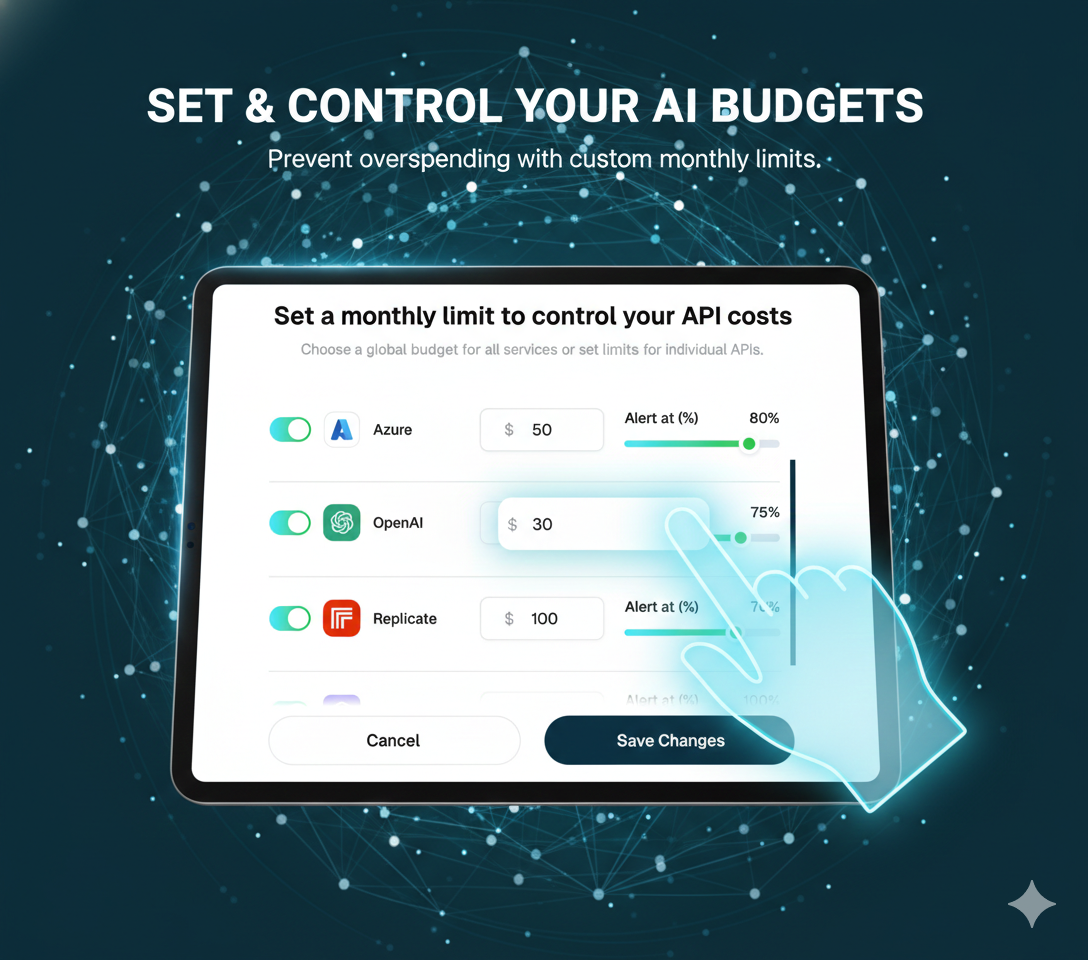
一句话介绍:Toolspend是一款AI支出管理平台,通过连接AI服务与银行数据,为企业提供跨工具的实时成本、用量及使用模式分析,解决因AI工具激增和“幽灵订阅”导致的财务可见性缺失与成本失控痛点。
Productivity SaaS Artificial Intelligence
AI支出管理 SaaS成本优化 财务可视化 订阅管理 用量分析 成本管控 企业工具栈 AI运维 FinOps 采购自动化
用户评论摘要:用户普遍认可AI支出不透明是真实痛点,期待工具能连接“用量”与“发票”。核心问题与建议包括:如何实现共享API密钥的成本分摊、是否支持成本预测与模拟、能否追踪个人卡消费及试用期、是否区分可变与固定成本,以及未来是否会提供白标解决方案。
AI 锐评

Toolspend切入的并非传统SaaS管理红海,而是瞄准了由生成式AI普及催生的新“财务盲区”。其真正价值不在于简单的订阅罗列,而在于试图弥合“技术用量”(Tokens)与“财务支出”(Invoices)之间的认知断层——这是AI时代成本结构异化带来的根本挑战。

产品逻辑直击要害:当AI工具的使用门槛降至一个API密钥,成本驱动便从集中采购下放至每个员工与团队,其变量(Token消耗)和定价模型的复杂性,使得传统基于席位和合同的SaaS管理工具完全失效。Toolspend试图成为连接工程与财务部门的“翻译器”与“仪表盘”,这不仅是一个效率工具,更是企业AI规模化进程中不可或缺的“成本基础设施”。

然而,其面临的挑战同样尖锐。首先,数据整合的深度决定价值上限。如何从众多AI服务商处获取颗粒度足够的用量数据?如何合规且自动化地关联银行交易?这涉及复杂的技术与商务对接。其次,成本归因(Attribution)是魔鬼细节。评论中关于共享API密钥的提问点明了核心难题:在追求敏捷的开发实践中,严格的成本中心隔离往往是后置的。Toolspend的“规则引擎”能否平衡管理的精确性与操作的便利性,将决定其能否融入现有工作流,而非成为额外负担。

最后,其商业模式从“可见性免费,优化建议付费”切入是明智的,将自身价值与客户的节费成果直接绑定。但长远看,它可能面临两大挤压:上游(云平台或AI服务商)推出原生成本管理工具,或下游(更广义的FinOps平台)将其功能整合。Toolspend必须快速建立数据壁垒与洞察深度,从“看见成本”进化到“预测并优化成本”,甚至成为企业AI采购与用量策略的智能决策中枢,方能构筑持久护城河。它解决的痛点真实且日益紧迫,但赛道刚启,真正的考验在于执行的深度与生态的构建速度。

查看原始信息
Toolspend
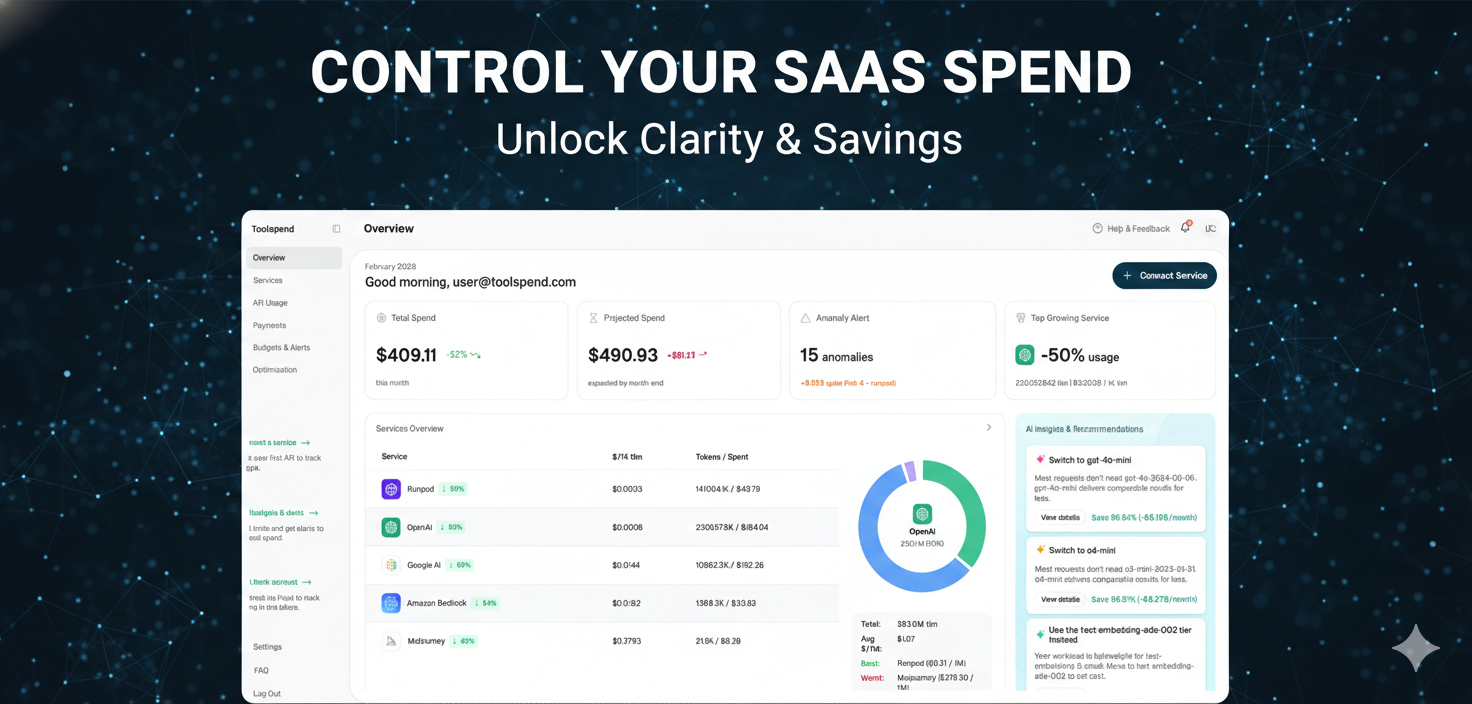
Stop losing money on forgotten SaaS subscriptions and "ghost" licenses. Toolspend is the ultimate command center for your stack, designed to give you 100% spend visibility without the manual upkeep. While other tools just list your apps, Toolspend deep-dives into your actual usage and spend patterns. We identify underutilized seats, detect duplicate tools across teams, and alert you before every renewal. Toolspend helps you automate the toil of procurement so you can focus on building!

Hey Product Hunt

AI tools are exploding inside companies.

What isn’t exploding? Visibility into what they actually cost.

Teams are subscribing to ChatGPT, Claude, Midjourney, Cursor, Perplexity, ElevenLabs… and finance only finds out when the bill hits.

The real problem?
AI usage (tokens) and actual spend are completely disconnected.

That’s why we built ToolSpend.

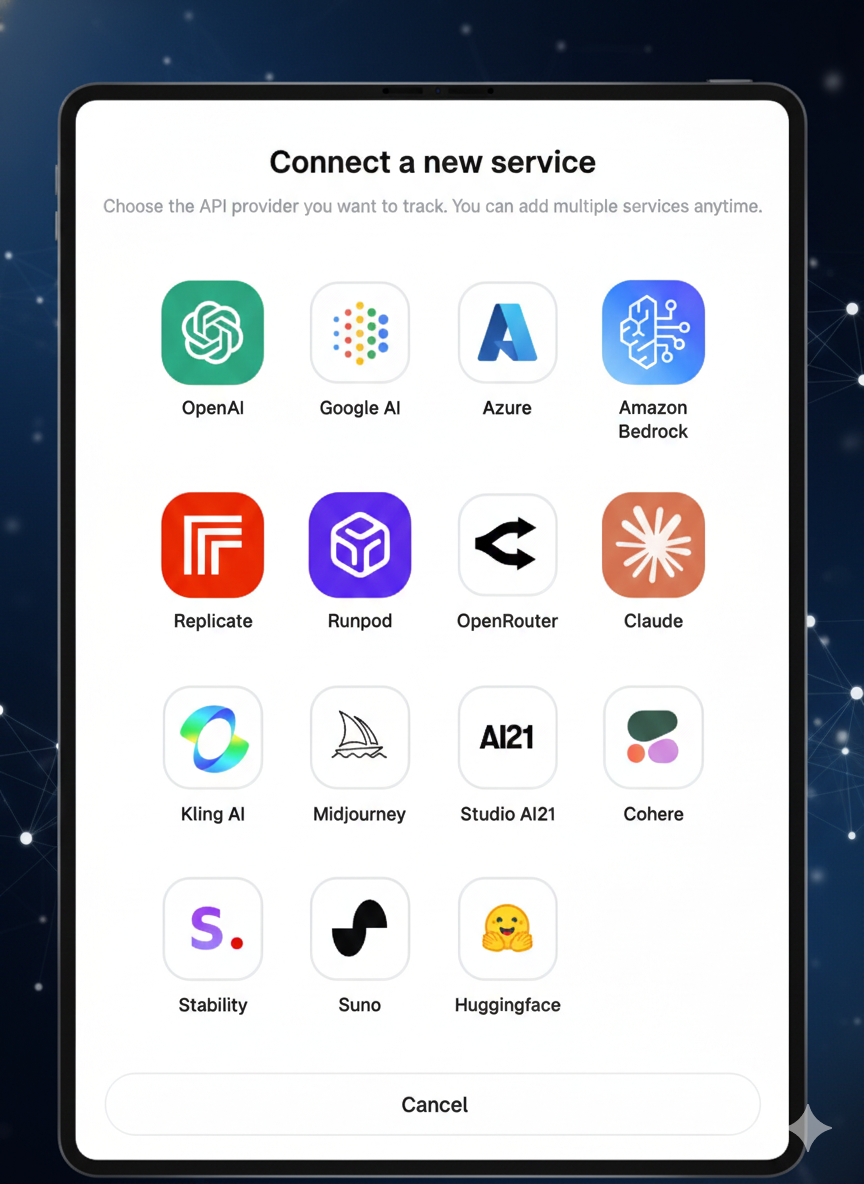
It connects your AI services + banking data and shows:
• What you're really spending
• Which teams are driving usage
• Where you’re overpaying
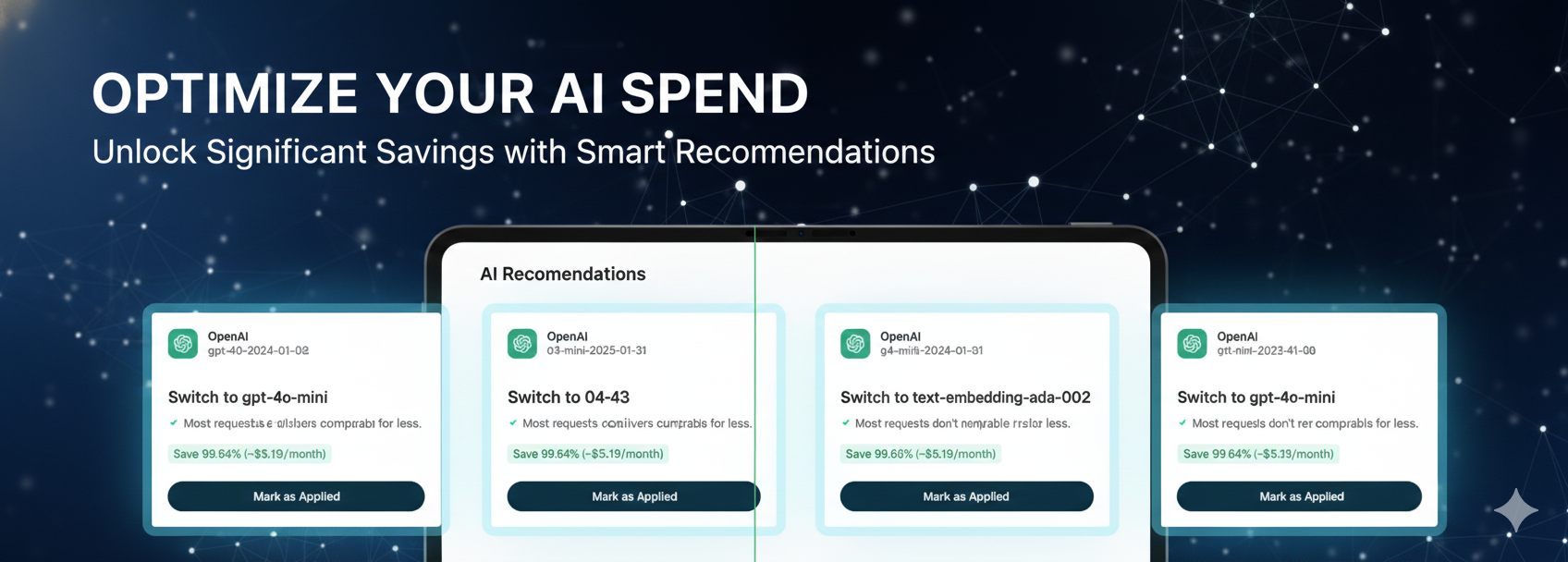
• Smarter model alternatives

AI shouldn’t be the next AWS surprise bill.

Excited to hear your feedback — especially from founders & dev teams already scaling with AI

9
回复

@visagar I partner with growing startups to take full ownership of their tech — backend, AI, infrastructure, and scalability — so founders can focus on product, hiring, and revenue. I optimize, stabilize, and scale systems as a hands-on developer.Please let me in any ways i can help you.

0
回复

Hey Product Hunt 👋

We’re the makers of ToolSpend - and we built this because we ran into the same problem ourselves.

Inside our own team, we were using ChatGPT, Claude, Midjourney, Cursor, Perplexity AI, and ElevenLabs across different projects.

Everyone was moving fast.

No one knew what we were actually spending.

Engineering saw token usage.

Finance saw card charges.

Those two worlds never met.

We realized AI spend is fundamentally different from traditional SaaS:

Usage (tokens) ≠ invoices

Teams experiment constantly

Model pricing changes fast

“Just $20/month” tools multiply quickly

So we built ToolSpend to connect AI services + banking data into one clear view:

Real AI spend across providers

Usage by team/project

Overlapping subscriptions

Smarter / cheaper model alternatives

Our goal: make AI spend observable before it becomes your next surprise bill.

We’re early and building this with founders & dev teams who are scaling fast with AI.

We’d love your honest feedback:

What’s hardest about managing AI spend today?

What metrics do you wish you had?

What would make this a no-brainer to adopt?

Thanks for checking us out 🙌

6
回复

@priyankamandal The chokehold I'm in with all our tools is bananas.

1
回复

@priyankamandal The “usage ≠ invoice” framing is spot on. Curious how ToolSpend handles forecasting vs. just reporting ! can teams simulate future spend based on current token velocity or model mix before costs spike?

0
回复

@priyankamandal I partner with growing startups to take full ownership of their tech — backend, AI, infrastructure, and scalability — so founders can focus on product, hiring, and revenue. I optimize, stabilize, and scale systems as a hands-on developer.Please let me in any ways i can help you

0
回复

Makes sense companies suddenly have 10+ AI tools per team and nobody knows who’s using what 😅 If it actually tracks real usage + catches ghost seats before renewal, that’s legit ROI. AI spend visibility is quickly becoming finance infra, not just ops tooling.

2
回复

@julia__watson Julia — 100%.

What’s changed is that now anyone can spin up a product with AI APIs. You don’t need a full engineering org anymore — just an API key and an idea.

That’s powerful… but it also means:
• more experiments
• more tools per team
• more shared accounts
• more silent renewals

Suddenly you have “micro-products” and internal automations everywhere — and finance has zero visibility into which ones are still active or delivering value.

That shift is exactly why AI spend visibility is becoming infrastructure, not just ops tooling.

Are you seeing more bottom-up experimentation in your circles, or is this mostly top-down AI initiatives driving the sprawl?

1
回复

Excited to hunt ToolSpend today 😎

Teams are rapidly adopting tools like ChatGPT, Claude, Midjourney, Cursor, and more but visibility into actual AI spend is lagging behind.

AI usage (tokens) and real cash out the door rarely live in the same place. That’s the gap ToolSpend is solving by connecting AI services with financial data to show what you’re truly spending and where you can optimize.

If you're scaling with AI, this is a problem worth paying attention to.

Congrats to the team on the launch 👏

2
回复

Just when you think there isn't a tool to track all your spending accurately ToolSpend pops up amazing!

0
回复

Congrats on the launch! We’ve definitely run into this with our startup team... once you’re using multiple AI models and tools, it gets challenging to understand what you’re actually spending vs. what you’re getting. Being able to chat with AI to see total spend, usage analytics, and optimization suggestions would be really valuable.

0
回复

This hits home. 💸 The 'ghost licenses' problem is real and honestly, it's the same mindset I bring to building tools.

You know what else suffers from the same 'set it and forget it' drain? Risk engines. Companies pay thousands monthly for enterprise risk tools, using maybe 20% of the features, while the other 80% is just bloat they never touch.

Quick question: When you look at your stack, what's the most painful 'ghost spend' you've discovered? And if you could wave a wand what would the ideal tool look like that actually respects your budget and gives you exactly what you need, nothing more?

0
回复

The number of tools I bought to test and forgot to cancel will have me bankrupt, especially browsing here everyday. this is such a smart idea!

0
回复

Very Nice and useful idea, will you consider offering a white label solution as well?

0
回复

Congrats on the launch! The gap between token usage and actual financial impact is very real, especially as teams experiment across multiple AI tools. How does ToolSpend attribute usage and cost to specific teams or projects when accounts and API keys are often shared across departments?

0
回复

@vik_sh great question. This is exactly where AI spend gets blurry.

You’re right: shared API keys and pooled accounts are common, which makes attribution tricky.

Right now ToolSpend works in layers:

• Financial layer (via Plaid): gives us the ground truth of what’s actually being paid and from which account.
• Usage layer: where providers expose token or project metadata, we ingest that and track usage patterns over time.
• Attribution rules: for shared keys, we support tagging conventions (project IDs, sub-keys, env variables) and are building allocation logic (usage %, time-based splits, cost center rules).

The goal isn’t just to show spend — it’s to connect spend → usage → team → outcome.

We’re still refining this based on how real teams operate.

How are you currently handling shared API keys internally — strict key isolation, tagging discipline, or more of a manual reconciliation process?

0
回复

Congratulations on the launch 🎉 🎉

0
回复

@shubham_pratap Thank you so much, Shubham! Really appreciate the support

0
回复

Cool initiative, do you also keep track of those free memberships and provide updates when the trial period is almost over?

0
回复

@viktorgems Honestly? We’re still winging parts of it — and heavily feeding off community feedback.

Right now, the focus is giving everyone visibility first. We want the core dashboard to be free so teams can actually see their AI usage and subscriptions without friction.

Long term, the plan is simple:
Access to your spend data → free
Optimization recommendations that reduce costs → paid (because they directly save money)

On the trial tracking question — yes, that’s definitely on our radar. Free memberships and expiring trials are part of the “silent creep” problem we want to surface better.

If that’s something you’d find valuable, would love to hear how you’re tracking trials today.

0
回复

This is super timely with everyone subscribing to 5 different AI tools. :D
Does the tool separate variable costs from fixed seat-based subscriptions?

0
回复

@valeriia_kuna Yes — that separation is core for us.

We split variable usage (like token-based API costs that can spike) from fixed seat-based subscriptions (which quietly stack up across teams).

Without that distinction, finance just sees one big number — and it’s hard to know what’s actually driving spend.

0
回复

Yep, rogue AI seats are killing us. Surprise Midjourney/Cursor/Claude charges and then finance pings me. If this actually maps tokens to teams + nudges before renewals, that’d help. Does it catch stuff paid on personal cards that get expensed later?

0
回复

@alexcloudstar Yep — Runway, Midjourney, Cursor, Claude are usually the usual suspects

ToolSpend connects via Plaid, so both company accounts and personal cards (that later get expensed) can be pulled in and don’t stay invisible.

From there we map usage to teams and nudge before renewals so finance doesn’t get surprise bills.

We’re actively adding more AI services over the coming days.

0
回复
Wow this looks like a great product for tracking my ai expenses!
0
回复

@iftekharahmad Thanks! 🙌 Honestly, it started as a way to understand our own AI spend better. Now we’re opening it up and learning from how teams actually use it.

0
回复

I think it is kinda useful for people who have like million subscription plans. :)

0
回复

@busmark_w_nika You’re right — at first glance it feels like this would only help people juggling a ton of subscriptions

But what we’re seeing is something slightly different.

It’s about how even one AI provider now behaves like 10 different cost centers.

Take OpenAI as an example. A single team might be using:

• GPT-4o for their customer-facing chatbot
• GPT-4o mini for internal automation scripts
• GPT-4 Turbo for long-context document processing
• Embeddings API for semantic search
• Whisper for call transcription
• Image generation endpoints for marketing assets
• Assistants API with tool calls for internal workflows

On the invoice, that all shows up as one line item: “OpenAI.”

But operationally, each of those is a separate cost driver.

For example:
– A developer switches a background job from GPT-4o mini to GPT-4o “temporarily”
– An embeddings process runs more frequently than expected
– A support bot accidentally defaults to a higher-cost model
– A script forgets to cache responses

Suddenly the invoice jumps — and no one knows exactly why.

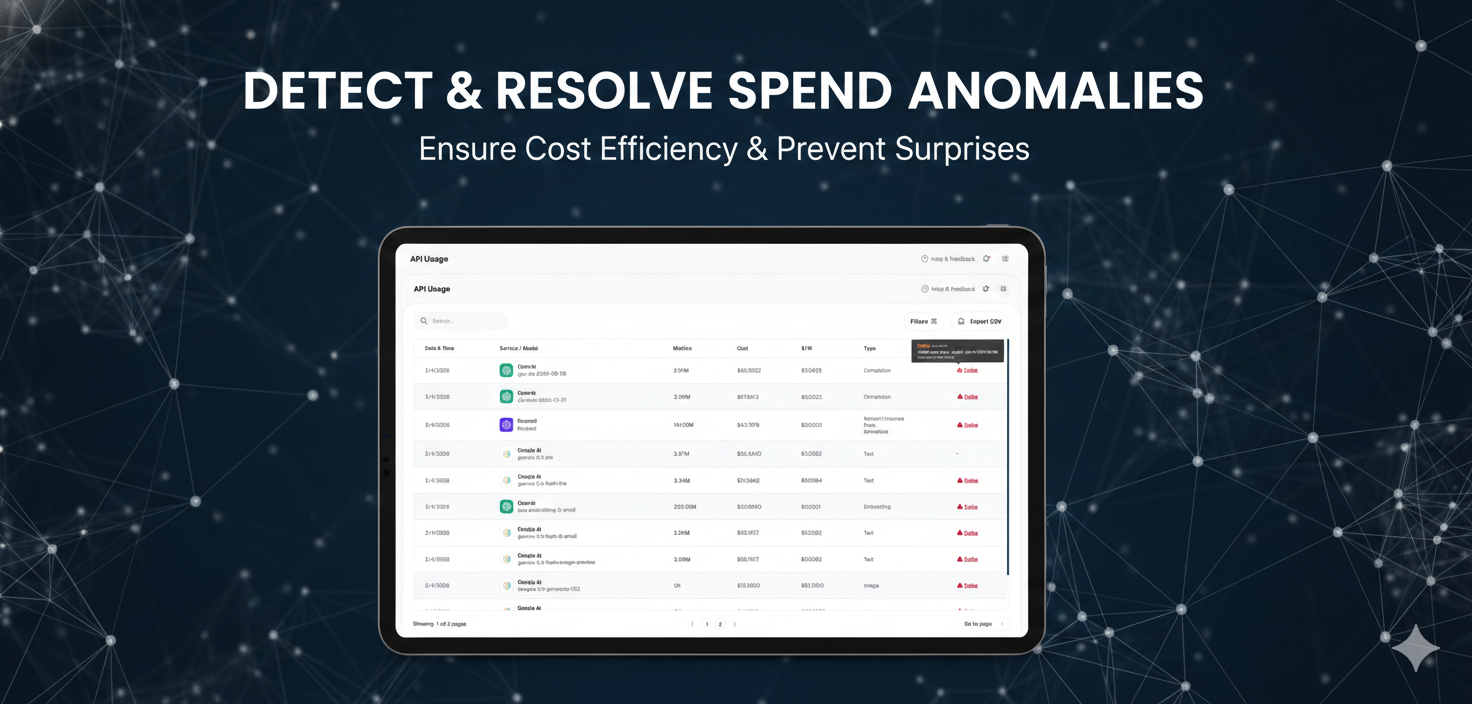
ToolSpend breaks usage down by model, endpoint, and token consumption so you can see what’s driving spend and whether a cheaper alternative could achieve similar results.

So it’s less about having a million subscriptions — and more about visibility inside the ones you already rely on.

1
回复

@visagar This is such a smart niche to go after! 👏 I (well, the whole team) use a lot of AI tools daily, and tracking what we’re actually spending manually… it gets messy fast. Love the idea!

I’m curious – how granular can the team-level visibility get? Can you attribute usage down to specific projects or cost centers, or is it mainly per tool / per team right now?

0
回复

@tereza_hurtova Love this question and honestly… I’ll give you the real answer.

Right now, it’s strong at:

  • Per tool visibility (OpenAI, Anthropic, etc.)

  • Per API key / account

  • Team-level rollups

  • Token + cost breakdown where the provider allows it

But project-level / cost-center attribution?

That’s where we want to go — and we’re figuring that out with users.

Truthfully, we didn’t want to overbuild assumptions about how teams structure AI spend. Some companies use separate API keys per project. Others share keys across everything. Some think in “cost centers,” others think in “clients,” others just want “who ran this model and why did it spike?”

So instead of guessing the perfect structure upfront, we’re starting with clear usage visibility and letting real usage patterns guide the next layer.

What we’re already seeing:
Even one provider (like OpenAI) behaves like 5–10 different cost centers depending on models, environments, and use cases. That’s the real chaos we’re trying to bring clarity to.

So short honest answer:
Granular at tool + key + team level today.

Project-level attribution is something we’re actively shaping based on feedback like yours.

If you had your ideal setup — would you want spend broken down by client, by internal product, or by something else entirely?

2
回复

Who you gonna call? Ghost-license busters!:D 2026 is officially the year of too many AI subscriptions. Love the model alternative feature. Any plans for a one-click cancel button inside the dashboard?

0
回复

@kostfast Thanks, Kostia — glad you like the model alternative feature.

A one-click cancel action is something we’re considering. Because cancellation flows differ by provider (and aren’t always supported via API), we’re prioritizing a safe “disconnect + stop spend” workflow first, then adding one-click cancel where possible. Which providers would be most useful for you?

0
回复
#3
NVIDIA PersonaPlex
Natural Conversational AI With Any Role and Voice
215
一句话介绍:NVIDIA PersonaPlex是一款全双工会话AI模型,通过提供可定制的声音和角色,在需要高自然度、拟人化交互的客服、娱乐、内容创作等场景中,解决了传统对话AI生硬、易打断、难以维持特定人设的痛点。
Open Source Artificial Intelligence GitHub Audio
对话式AI 全双工通信 语音合成 角色扮演 实时交互 开源模型 可定制语音 多轮对话 人机交互 NVIDIA
用户评论摘要:用户反馈积极,主要惊叹于其作为开源全双工实时对话模型的突破性,并认为演示效果令人印象深刻。有用户提出具体应用场景,如用于播客节目中的智能体对话。
AI 锐评

NVIDIA PersonaPlex的发布,与其说是一款新产品,不如说是对当前“会话AI”战场的一次精准火力展示。其核心价值并非简单的功能堆砌,而在于将“全双工”、“可定制角色与声音”、“抗打断”这几个关键特性,在一个开源模型中实现了高水准的工程化整合。

这直接刺中了当前对话AI的两大软肋:一是交互的机械感。多数模型仍是“你说完我再说”的半双工模式,缺乏人类对话中自然的插话、附和(backchanneling)等动态。PersonaPlex宣称对此的优化,意在夺取交互“自然度”的制高点。二是身份的单一性。固定的声音和人格限制了应用深度,而可定制的角色与声音,为其从通用助手向专业伙伴(如虚拟教练、品牌代言人、游戏NPC)渗透打开了通道。

然而,其真正的“犀利”之处在于“开源”。NVIDIA此举绝非慈善,而是一步战略棋。通过将此类高端能力开源,其一,能迅速吸引开发者和研究者构建生态,生成海量的应用场景和数据,反哺其模型能力;其二,树立行业技术标杆,迫使竞争对手在同样维度上比拼,而硬件(GPU)恰恰是NV的护城河;其三,为自身的AI代工服务(如NIM)和云平台提供最前沿的“弹药”。用户赞叹的“演示效果”,正是其硬件与软件协同优势的最佳广告。

风险与挑战同样清晰:在极度追求低延迟与高自然度的全双工场景下,其计算开销与成本控制如何平衡?开放的角色与声音定制,会否引发伦理与滥用风险(如深度伪造)?在“任务遵循”上超越现有系统,但面对复杂、多步骤的实际业务逻辑,其可靠性仍需验证。总之,PersonaPlex是一次炫技,更是NV在定义下一代人机交互基础设施标准上落下的一枚重子。

查看原始信息
NVIDIA PersonaPlex
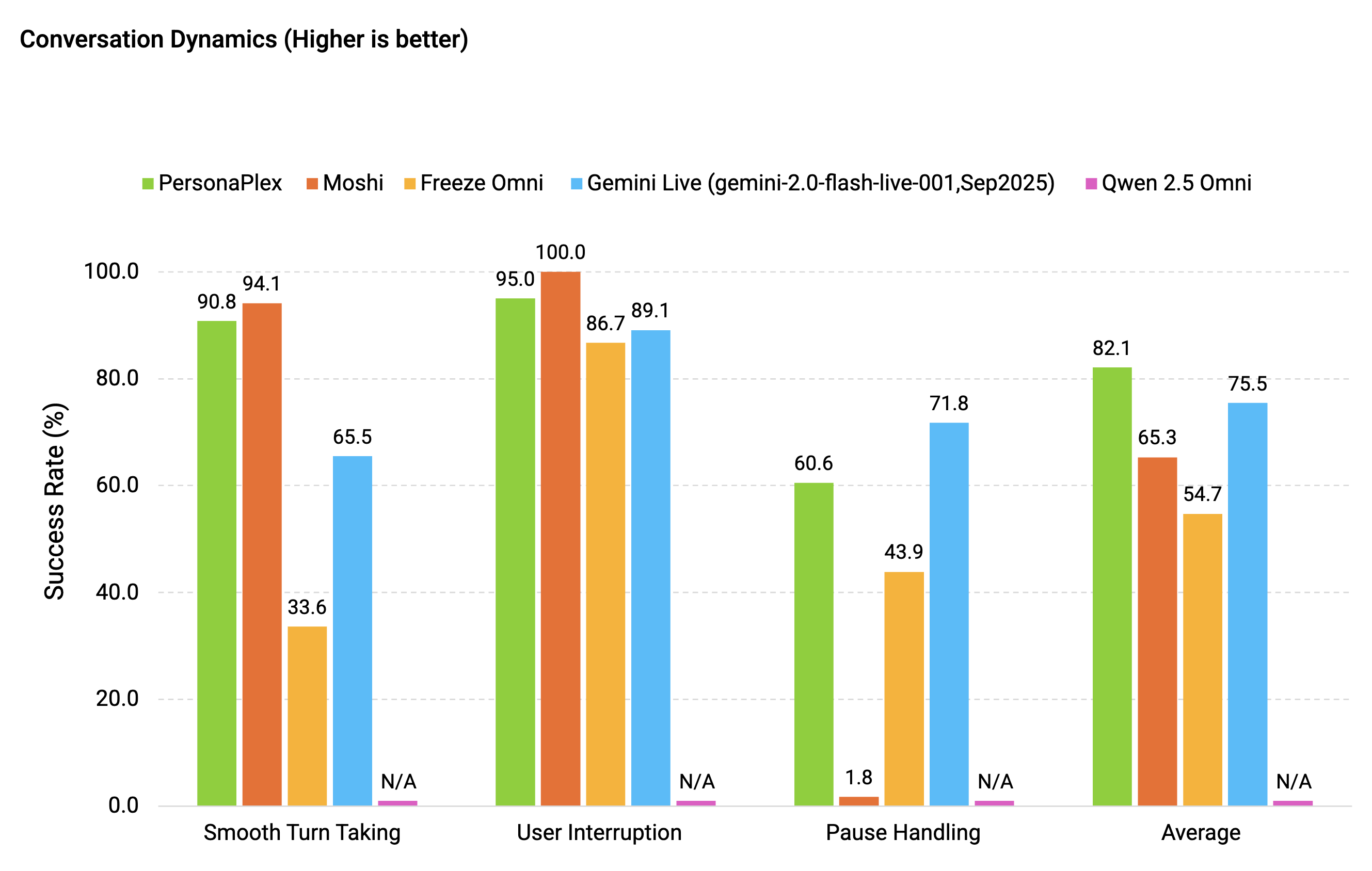
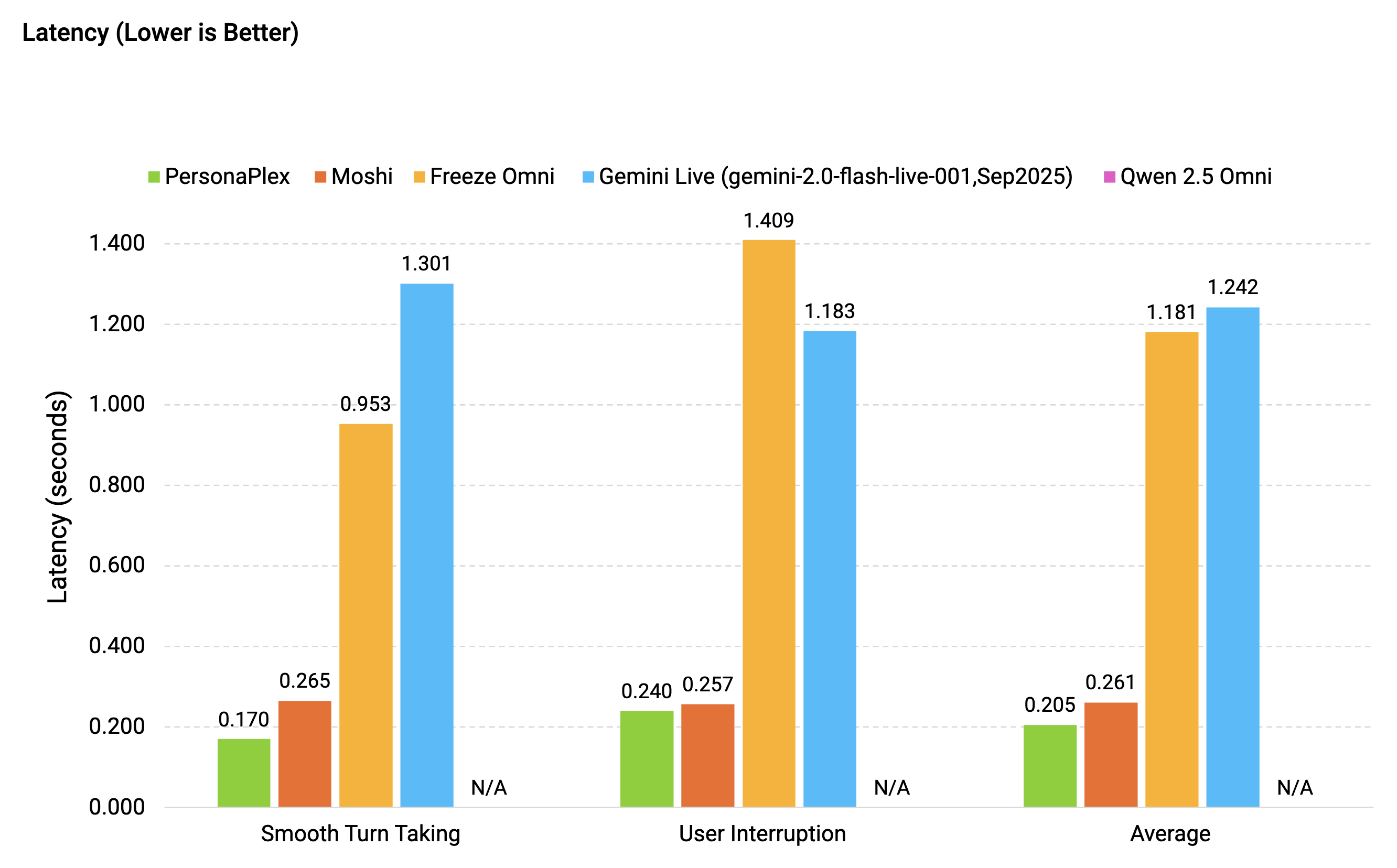
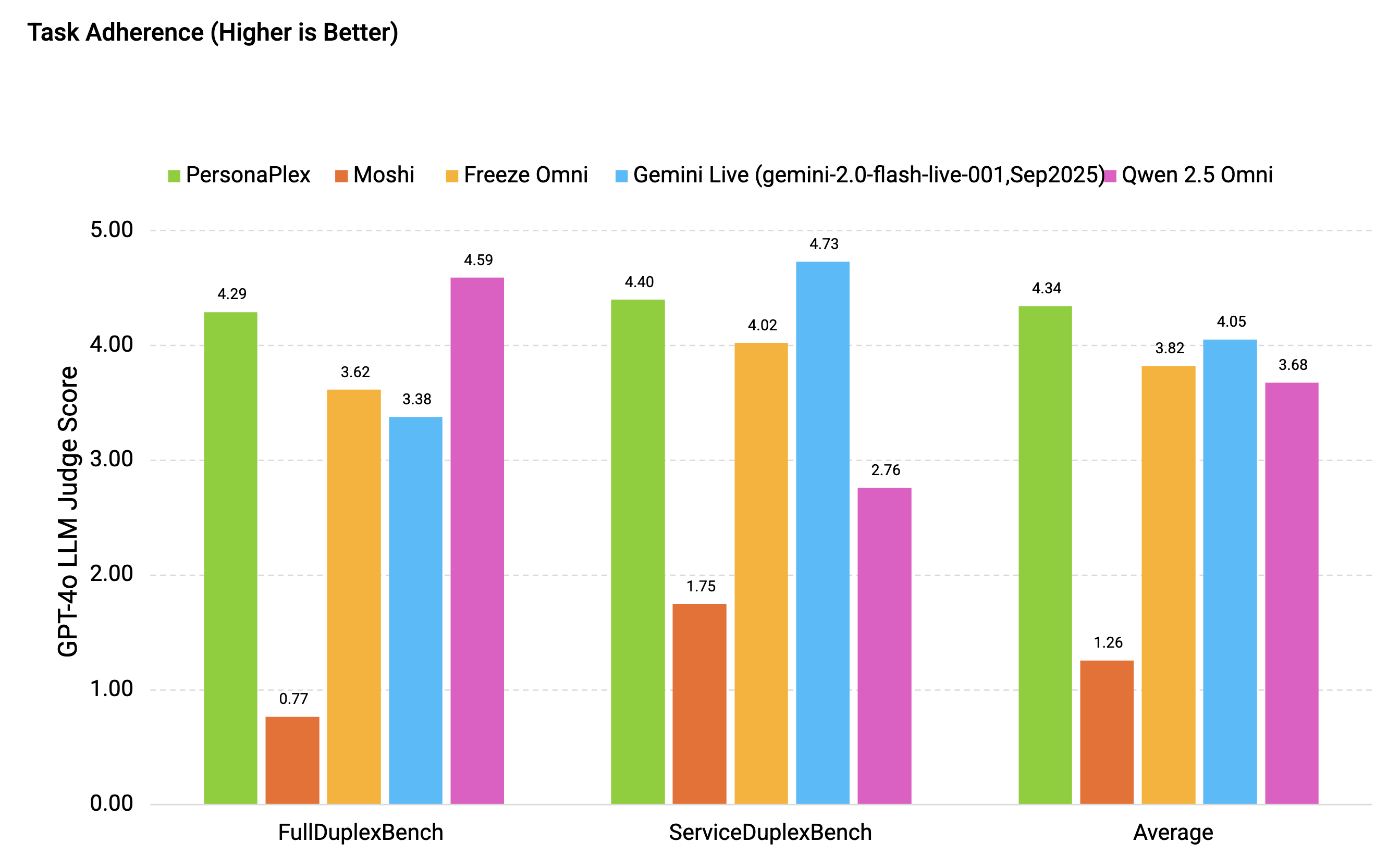
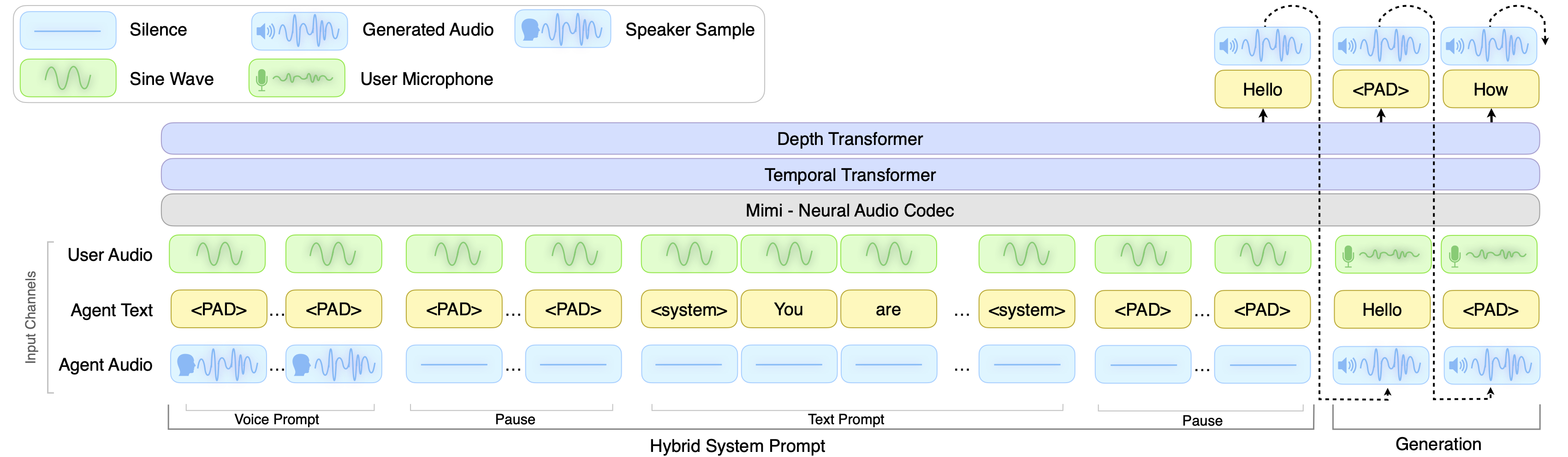
We introduce PersonaPlex, a full-duplex conversational AI model that enables natural conversations with customizable voices and roles. PersonaPlex handles interruptions and backchannels while maintaining any chosen persona, outperforming existing systems on conversational dynamics and task adherence.

This is remarkable — an open source, open weights, real-time duplex conversational AI model from NVIDIA.

Check out the demo to see how impressive this is.

3
回复

So cool, I will try it to podcasting between agents in @Oasi !

0
回复
#4
JDoodle.ai MCP
Build and deploy web apps straight from ChatGPT/Claude
174
一句话介绍:一款通过MCP协议与ChatGPT/Claude等AI助手深度集成的开发平台,允许用户在聊天对话中直接构建、迭代并实时部署全栈Web应用,解决了在AI代码生成后仍需手动整合、预览和发布的流程断裂痛点。
Website Builder Artificial Intelligence Vibe coding
AI原生开发 MCP集成 聊天驱动编程 实时预览部署 全栈应用构建 低代码/无代码 快速原型 Web开发 迭代开发 ChatGPT插件
用户评论摘要:用户肯定其从聊天直达部署的流畅体验。主要问题与建议集中在:强烈关注版本控制、团队协作功能的缺失;关心代码安全、沙箱执行与数据库迁移等工程实践;询问源代码可访问性;并探讨了通过MCP集成的深层产品策略考量。
AI 锐评

JDoodle.ai MCP 表面上是一个“在聊天中构建应用”的工具,但其真正的野心在于成为AI原生时代的“应用运行时”与“开发流水线”控制器。它并非简单地将现有低代码平台接入ChatGPT,而是通过MCP协议,将AI助手从一个“一次性代码生成器”重塑为可交互、可持续迭代的“开发主体”。其核心价值是**“状态维持”**:在传统的AI代码生成中,上下文丢失、项目状态无法延续是最大瓶颈,而该产品通过将项目状态持久化在自有平台,使AI对话变成了一个连续的开发会话,实现了“对话即提交,聊天即流水线”。

然而,其面临的质疑也直指要害。当开发权限以自然语言形式下放给AI时,传统的工程纪律如版本控制、安全沙箱、回滚机制、团队协作如何保障?官方回复虽提及自有平台具备这些能力,但通过MCP的轻量级连接能否无损传递这些关键约束,仍是巨大问号。这揭示了一个深层矛盾:AI追求的“自然流畅”体验与软件开发必需的“严格约束”之间存在天然张力。该产品若想从极客玩具走向生产级工具,必须在“赋予AI灵活性”和“施加工程化枷锁”之间找到精妙平衡。它的成败,将成为衡量AI能否真正接管复杂、长期软件工程任务的一块试金石。

查看原始信息
JDoodle.ai MCP
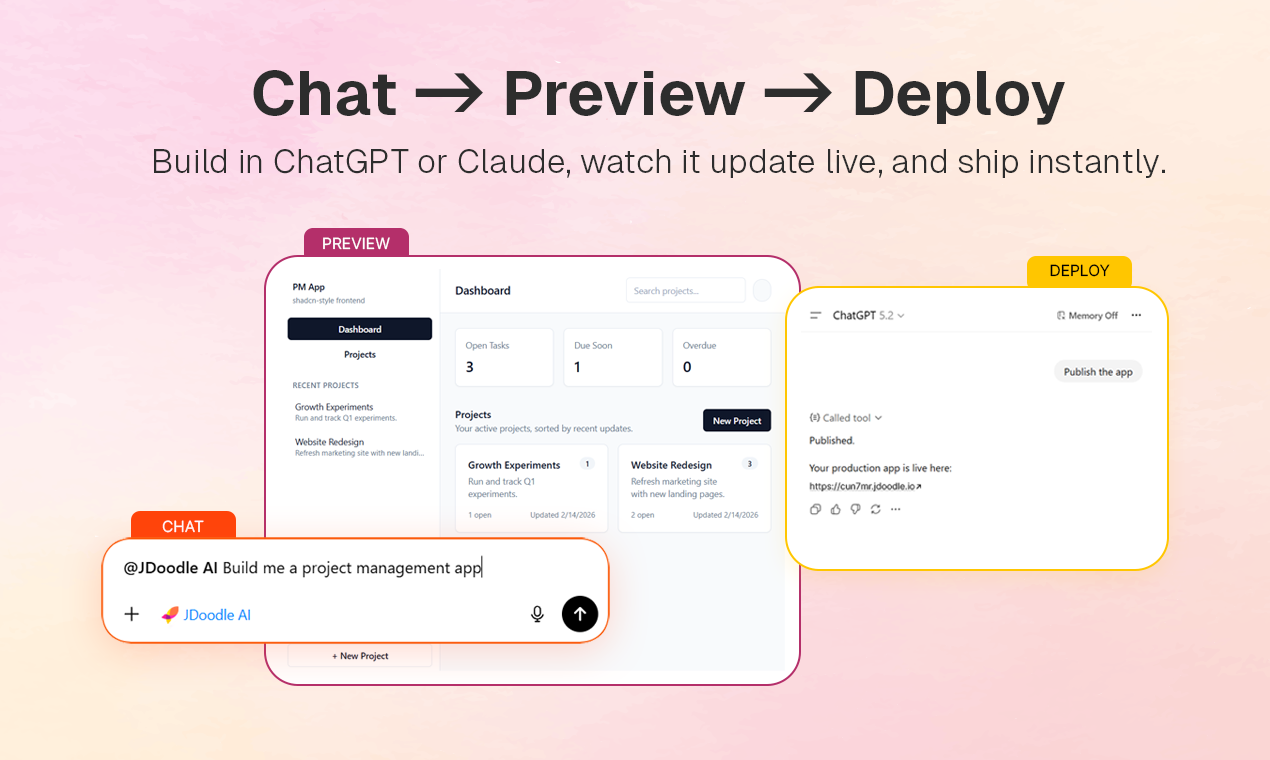
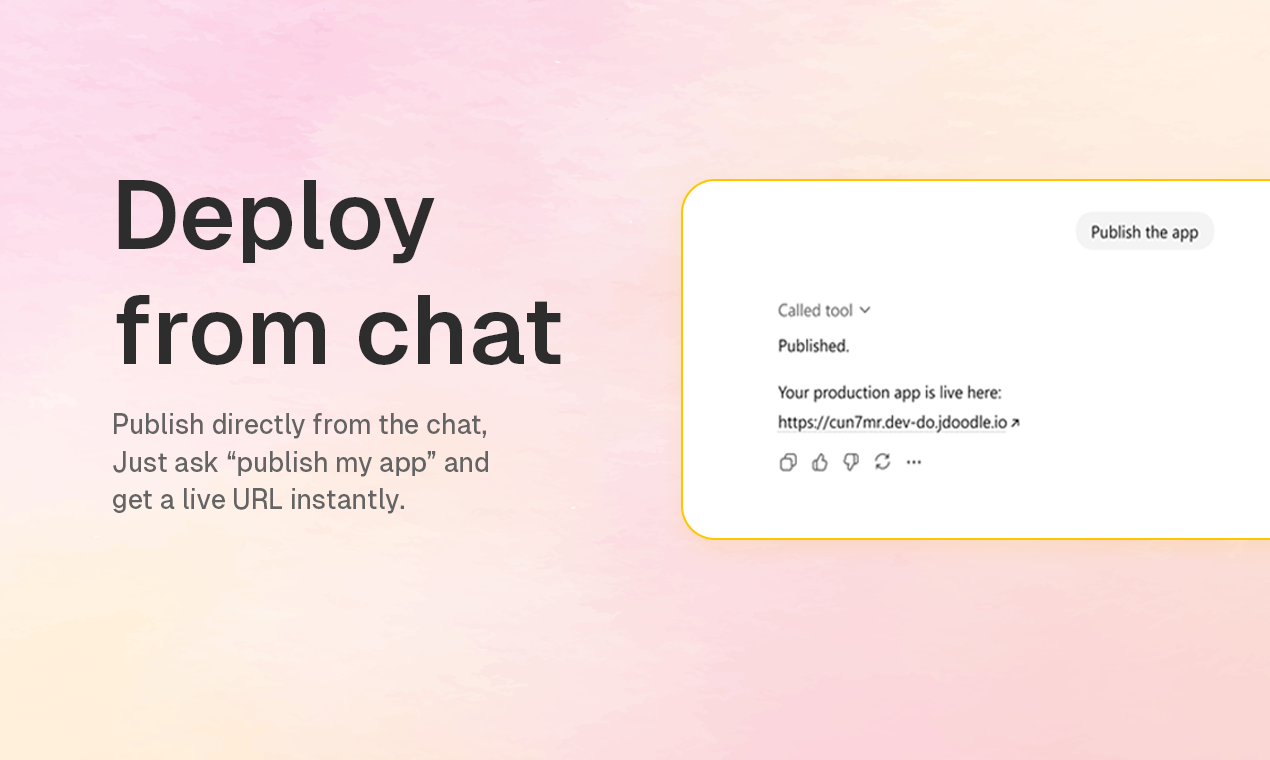
JDoodle.ai MCP connects with ChatGPT/Claude, so you can build websites and web apps directly through chat. You interact with ChatGPT/Claude like normal, while your project is created and updated inside JDoodle.ai with live preview. When you're ready, just ask the AI to publish and JDoodle.ai generates a live link instantly. Unlike one-time generation workflows, you can keep iterating, fixing issues, and shipping updates through chat. Build frontend, backend, or full-stack with database.

Hey everyone,

ChatGPT and Claude have become a huge part of our workflows.

So we built JDoodle.ai MCP to fit directly into that flow.

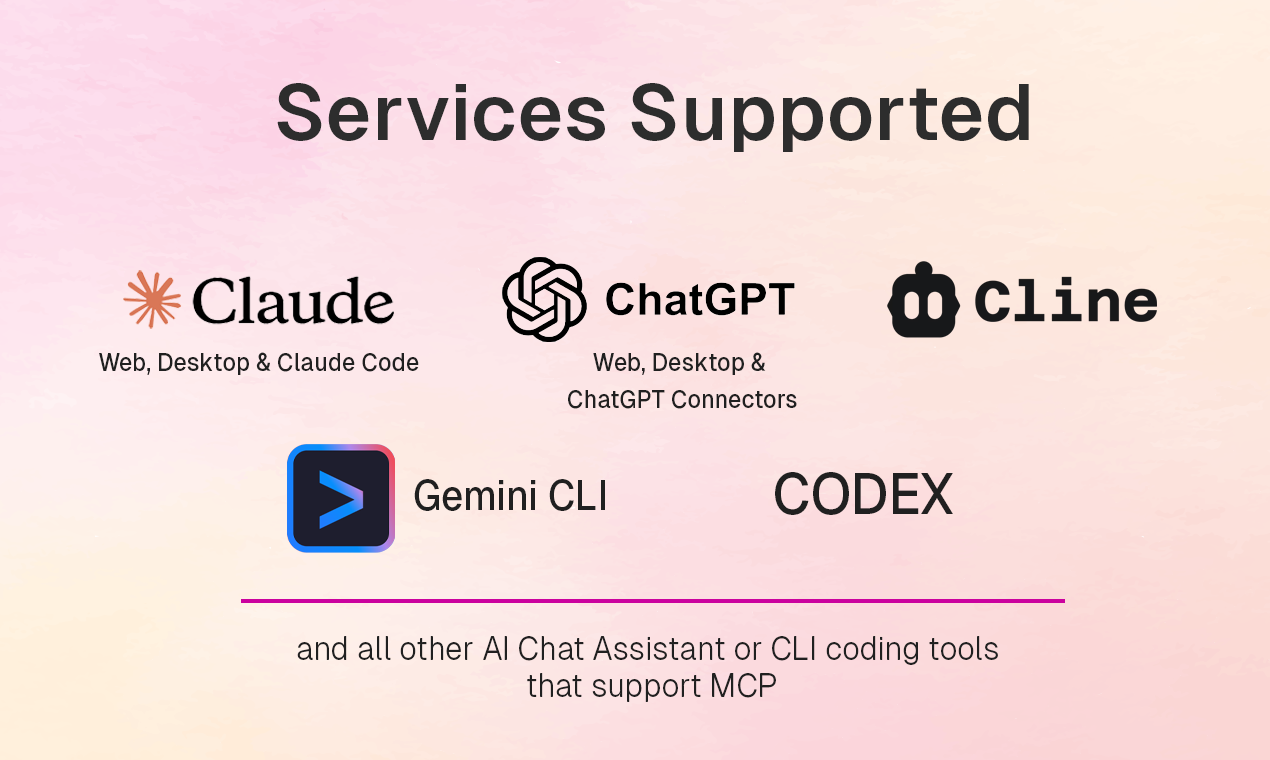
JDoodle.ai MCP connects with ChatGPT or Claude or anything that supports MCP, so you can brainstorm, plan, structure, and build websites and apps inside the chat, while seeing the live preview on JDoodle.ai.

As you chat, your project gets created and updated in real time, with instant preview and deployment.

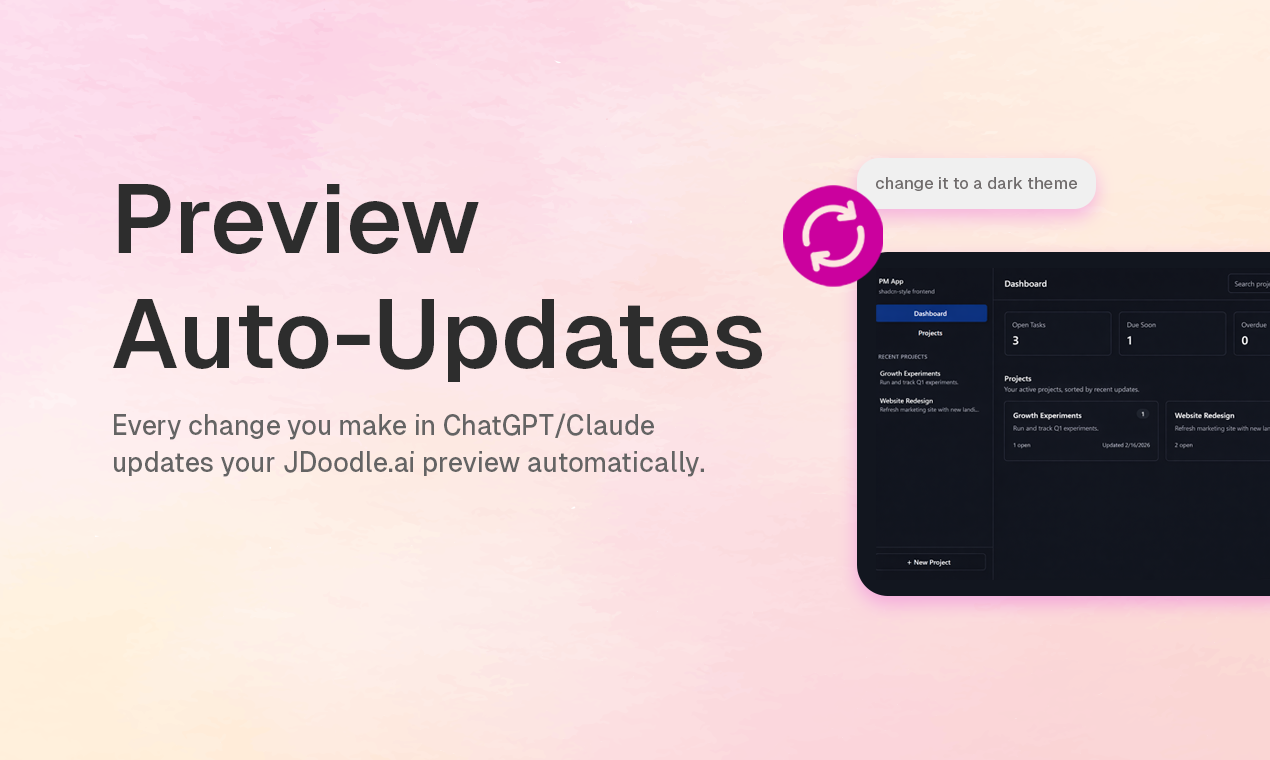
This is not just an initial generation. You can keep asking for changes, refining the UI, adding features, fixing issues, and shipping updates, all directly through ChatGPT or Claude.

Here’s an easy guide on how you can get started: https://www.jdoodle.ai/docs/mcp

Would love your feedback. We’ll be here all day answering any questions.

6
回复

@gokuljd all the best for the launch! Curious to know, Besides distribution, what other factors made you expose the product via MCP?

0
回复

@gokuljd Congrats! How do you manage version control, collaboration, and rollback for projects created via chat?

0
回复

@gokuljd I partner with growing startups to take full ownership of their tech — backend, AI, infrastructure, and scalability — so founders can focus on product, hiring, and revenue. I optimize, stabilize, and scale systems as a hands-on technical developer.Please let me know in any ways i can help you.

0
回复
Congrats on shipping this! Any plans to add team collaboration or version control integrations?
1
回复

@yerbolat Thanks Yerbolat, we will introduce them in the coming weeks, all the feature on JDoodle.ai will be available through MCP too.

0
回复
👏🏻👏🏻👏🏻
0
回复

JDoodle AI MCP is 🔥! Migrated 3 similar no-code→fullstack (Bubble→React+Supabase). Backend scaling hurt most. Tips? Paweł @ Inigra (Clutch 5★)

0
回复

the MCP integration is smart. being able to go from prompt to deployed app without leaving the chat is where vibe coding actually starts making sense

0
回复

chat-driven codegen plus “publish a live link” will quickly run into state drift and unsafe execution, especially when multiple iterations touch backend, DB migrations, and secrets in the same session. Best practice: treat each chat change as a Git commit and run it in an ephemeral sandbox (devcontainers or microVMs like Firecracker or gVisor) with CI checks before deploy, and follow MCP OAuth scoping and tool allowlists for least privilege. Question: when MCP requests modify code and schema, do you generate deterministic migration plans with rollback and a diff or PR style review, or is state tracked only inside JDoodle projects?

0
回复

@ryan_thill Thanks Ryan, This is what we do for the projects created on JDoodle.ai, runs on a dedicated sandbox, every change is a git commit, database changes have forward and rollback for each change, test before deploy/commit, etc. MCP projects will follow similar pattern eventually.

0
回复

Congrats!
I wonder if we can access to the source code of the projects which we made on the JDoodle

0
回复

@yaman_alahmad Hi Yaman, yes, we will add an option to download the code.

0
回复
#5
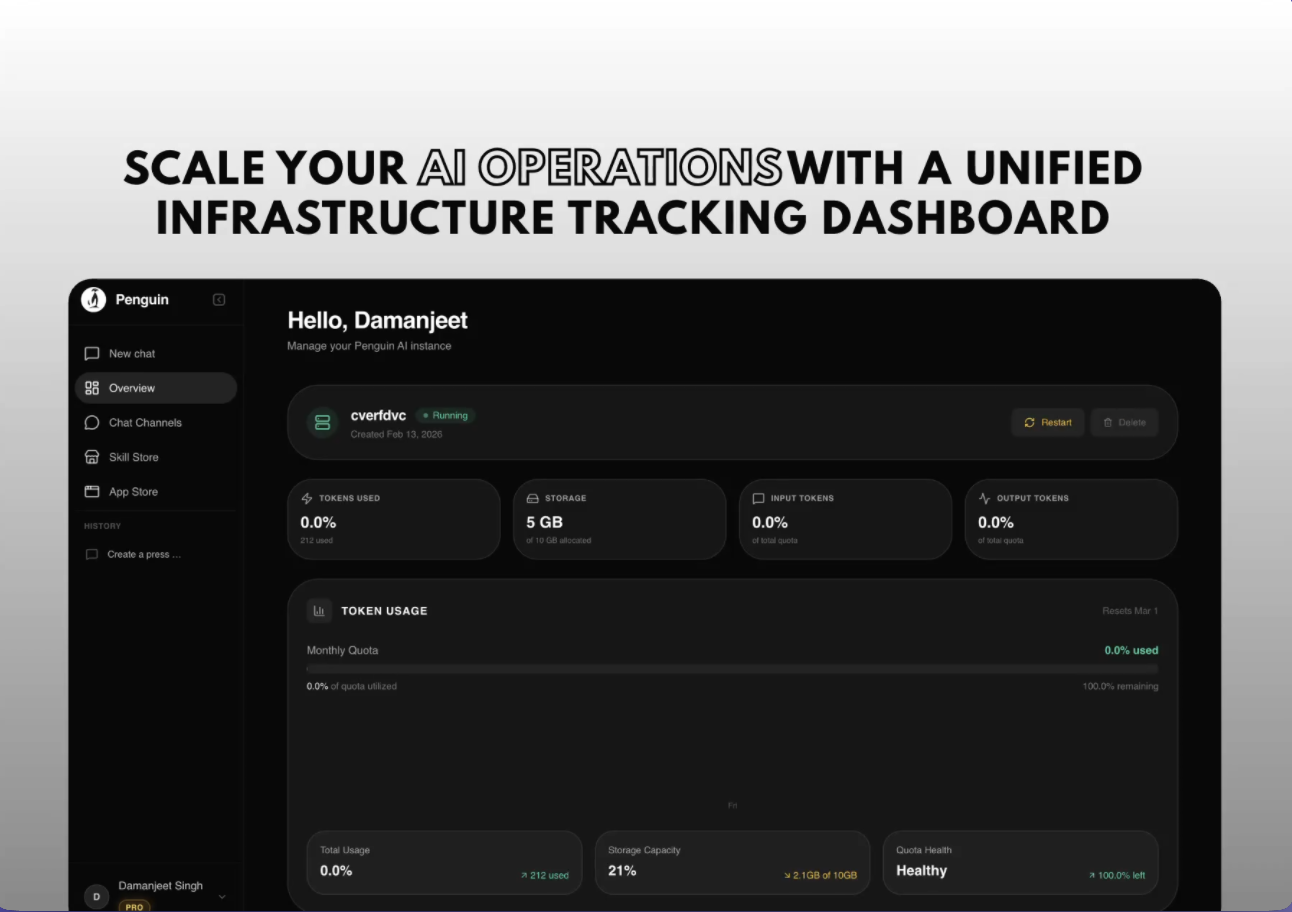
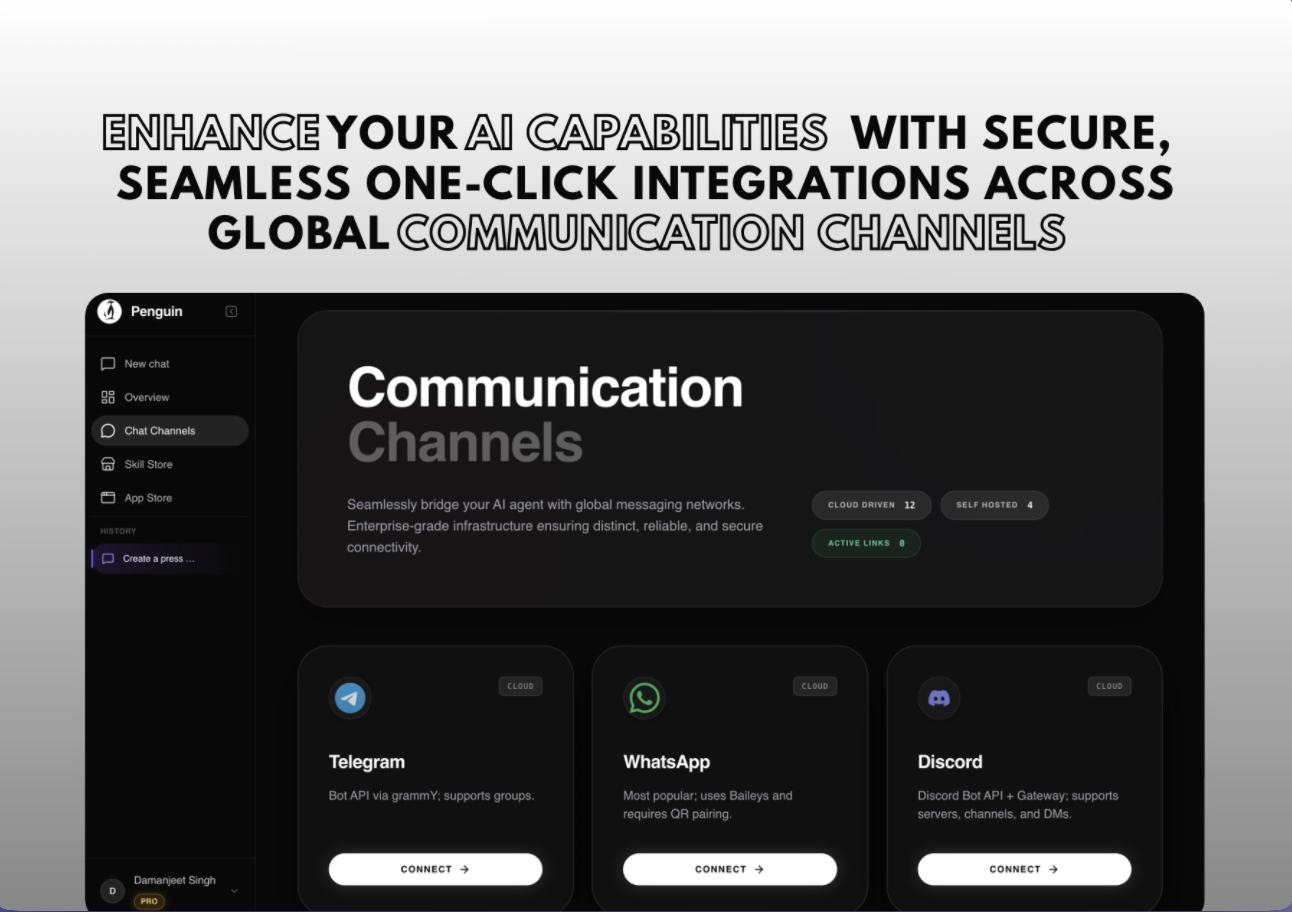
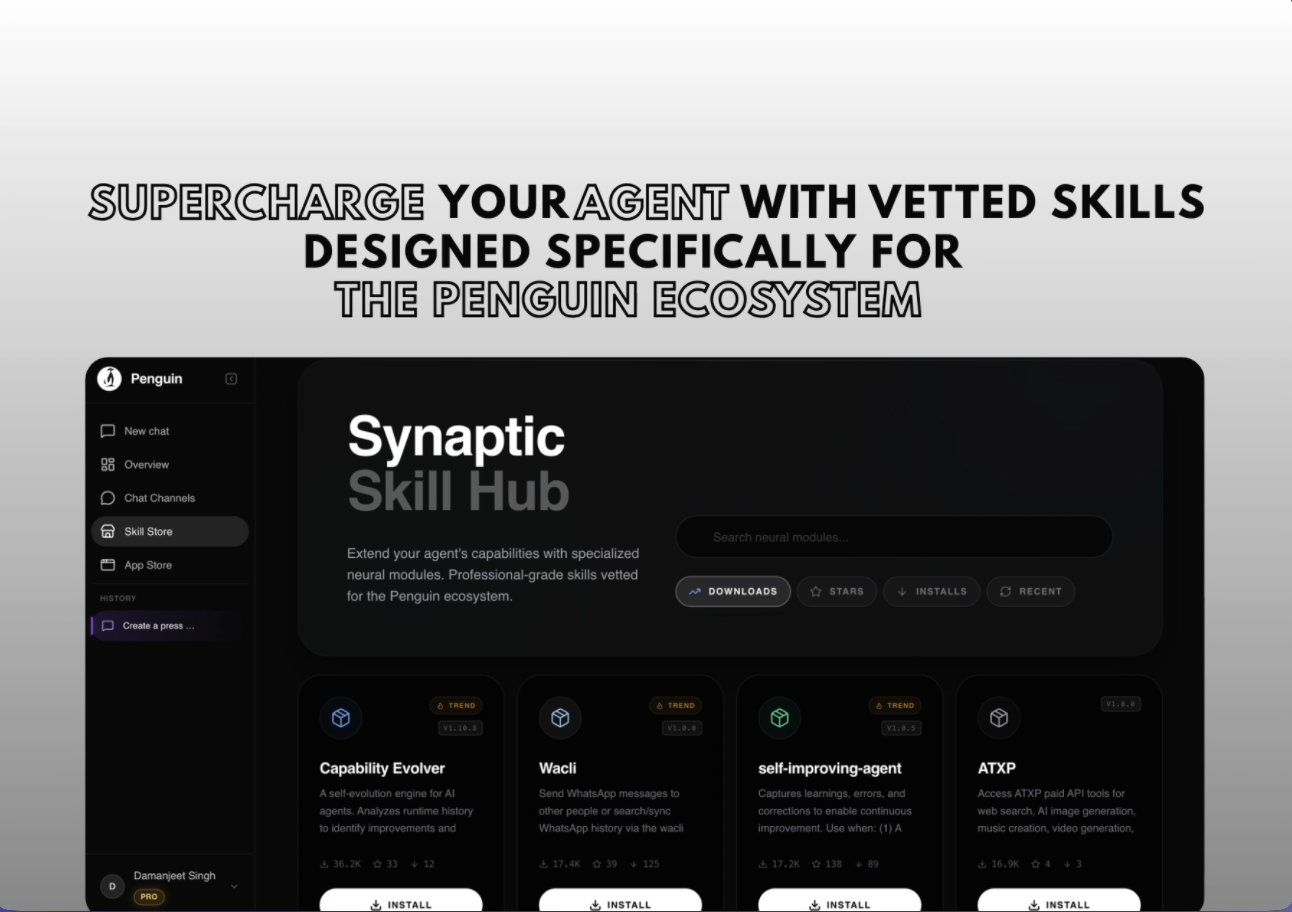
PenguinBot AI
Your AI-Employee Working 24/7
165
一句话介绍:PenguinBot是一款行动优先的AI员工,通过将自然语言指令自动转化为管理邮件、安排任务、创建文档和执行工作流等具体操作,在办公自动化场景中解决了用户需频繁切换工具、手动执行重复性任务的效率痛点。
Productivity Artificial Intelligence Tech
AI智能体 工作流自动化 自主执行AI 办公效率工具 任务管理 邮件自动化 文档生成 7x24小时运行 SaaS RPA
用户评论摘要:用户肯定其“自主执行”愿景,核心关注点集中在可靠性、安全性与集成度。主要问题包括:与n8n等工具的差异化、执行失败处理与状态回滚、高风险操作审批流程、成本控制、技能库定价说明,以及对技术架构(如持久化、幂等性)的深度质询。
AI 锐评

PenguinBot的亮相,直指当前AI应用从“对话与生成”迈向“自主执行”的关键拐点。其宣称的“减少提示,更多执行”确实切中了高级别自动化的核心诉求——将人类从繁琐的、定义明确的数字劳动中解放出来。然而,产品面临的真实挑战并非理念,而是工程与信任的深水区。

从评论反馈看,早期尝鲜者与专业开发者的关注点截然不同。普通用户关心“能否真正放手”,而技术背景的评论者则犀利地指向了自主代理(Agent)落地的经典难题:持久化工作流状态、跨步骤的幂等性保证、失败重试与副作用管理,以及高风险操作的审批门控。这些评论恰恰揭示了当前AI代理从演示走向生产环境必须跨越的鸿沟:可靠性(Reliability)与可观测性(Observability)。若无法妥善解决,所谓“24/7自主运行”要么代价高昂(需人工频繁核查),要么风险失控。

其与n8n等传统工作流工具的比较也值得玩味。团队回应强调“无需定义流程,给予目标即可”,这实质上是将流程编排的复杂性从用户界面转移到了AI模型的推理黑箱中。优势在于降低了使用门槛,但代价是可控性和可预测性的潜在下降。产品的真正价值或许不在于替代所有自动化工具,而是为那些非结构化、需轻度逻辑判断的重复任务(如邮件分类、信息归纳后创建任务)提供一种更自然的交互界面。

总体而言,PenguinBot描绘了一个诱人的未来,但其当前阶段更像一个大胆的宣言。它的成功将不取决于技能库的数量,而取决于其底层架构能否如评论者所建议,融入如Temporal等工业级韧性模式,并在“全自动”与“需批准”之间提供极其精细、场景化的控制粒度。否则,它可能只是另一个需要被“保姆式照看”的AI,与它所反对的“无尽提示”陷入另一种形式的循环。

查看原始信息
PenguinBot AI
PenguinBot is an action-first AI that turns conversations into real work. It manages emails, schedules tasks, creates documents, and runs workflows automatically. Just tell it what you need — it plans, executes, and keeps things moving in the background. Autonomous, secure, and built to run 24/7 so you can focus on what matters.
We built PenguinBot because most AI tools still stop at giving answers. We wanted an AI that actually does the work. PenguinBot turns simple instructions into real actions — managing emails, scheduling tasks, creating documents, and running workflows automatically in the background. The goal is simple: less prompting, more execution. This is just the beginning, and we’re building it closely with the community. I’d love your honest feedback: • What would you automate first? • What integrations should we build next? • What would make this part of your daily workflow? I’ll be here all day answering questions. Thanks for checking out PenguinBot — excited to hear what you think!
11
回复
0
回复

@aryanbains Love the “less prompting, more execution” vision. Curious how PenguinBot handles permission boundaries and failure states, when an action impacts email, docs, or workflows, how do you balance autonomy with approval, logging, and safe rollback?

0
回复

@aryanbains I partner with growing startups to take full ownership of their tech — backend, AI, infrastructure, and scalability — so founders can focus on product, hiring, and revenue. I optimize, stabilize, and scale systems as a hands-on technical developer.Please let me know in any ways i can help you.

0
回复

We built PenguinBot to go further — to actually do the work.

Give it a simple instruction, and it takes action:
• Manages emails
• Schedules tasks
• Creates documents
• Runs workflows quietly in the background

No endless prompting.
No copy-pasting between tools.
Just execution.

Our belief is simple: AI shouldn’t just assist you — it should operate with you.

PenguinBot is still evolving, and we’re building it hand-in-hand with the community.

9
回复

@yuvraj21 I partner with growing startups to take full ownership of their tech — backend, AI, infrastructure, and scalability — so founders can focus on product, hiring, and revenue. I optimize, stabilize, and scale systems as a hands-on technical developer.Please let me know in any ways i can help you.

0
回复

Excited to share PenguinBot’s long-term vision :

Today, PenguinBot helps users automate workflows and connect across the tools they already use.
Our future scope is to become a true cross-platform AI workspace companion:

  • Native apps on Android, iOS, Windows, and macOS for seamless access anywhere

  • Smarter multi-step automations that can plan, execute, and adapt in real time

  • Voice-first interactions for hands-free productivity

  • Better team collaboration with shared context and sync across devices

  • A growing integration ecosystem so PenguinBot fits into every workflow, not the other way around

Our goal is simple: make advanced AI automation feel effortless, personal, and available everywhere.
Would love your feedback on which feature you want us to prioritize next 🙌

8
回复
very cool! could you explain what penguin might offer over openclaw or Claude code?
5
回复

@alex_koo I'd hope it has any semblance of security protocols, which would put it far and away above openclaw. I'd be interested to see how the authors respond to this question though.

0
回复

Nice product. I love the design. However, I don't see any particular reason on why I should use penguinbot and not other AI orchestrating tools such as n8n or opencode. Would love to hear your opinions

3
回复

@nicco97 Thanks Niccolò, appreciate it!

Tools like n8n/OpenCode are great for building workflows, but PenguinBot is more about autonomous execution, you give it a goal, and it figures out the steps and runs them continuously, without setting up flows, and you don't have to define it what to do.

We’re focusing on minimal setup and long-running AI agents rather than manual orchestration. Happy to hear what would make it worth trying for you.

Regards,
Aryan Bains

2
回复

If PenguinBot actually runs workflows end-to-end (not just drafts emails), that’s where value is background execution, not chat. But reliability will decide everything: autonomy is amazing… until you have to double-check every action.

2
回复

I have a few questions. You mention 3000 skills, but on pricing you mention access to 30 skills. It's a bit confusing. Could you clarify?

Also, you mention an x/monitor skill. You have it on the front page. How does it work? From what I know, x restricts bots through API access.

2
回复

@fanis_poulinakis Great questions!

The skill confusion - 3000+ is our full skill library. The base plan includes access to 30 core skills at a time, and higher plans unlock more(which will be launched soon).

For X/monitor - it works via official OAuth + API access and operates within X’s limits. Automation and monitoring are allowed as long as they follow rate limits and anti-spam policies, and capabilities depend on the API tier and permissions. X enforces strict request limits and quotas, so the monitoring is throttled accordingly.

Happy to clarify anything specific you’re looking to track!

1
回复

I like the focus on actually doing things instead of just generating text. The real question is how much babysitting these agents need once they’re live. If it’s truly hands-off, that’s interesting

1
回复
Is this built on top of OpenClaw?
0
回复

Congrats on the launch, turning AI from answers into actual execution is a meaningful shift. Automating emails, tasks, and workflows in the background is where real leverage starts to show up. Curious to see which integrations users ask for most and how this evolves into part of everyday work.

0
回复

Voice-first is the way. We see 3x engagement with voice AI vs text chatbots. Would love to see PenguinBot add voice for customer support workflows.

0
回复

long-running agents doing real tool calls will hit reliability issues fast (retries, partial failures, duplicate side effects) plus auditability for “who did what when”. Best practice: put actions behind durable execution with idempotency keys and event sourcing, e.g., Temporal or Azure Durable Functions, and add tracing plus guardrails via the OpenAI Agents SDK. Question: how are you persisting workflow state and enforcing idempotent tool execution across OAuth refresh, retries, and multi-step plans, and do you support approval gates for high-risk actions?

0
回复

24/7 autonomy is powerful. Curious how you’re handling usage limits and cost control when the agent is making its own decisions — that’s going to matter a lot as these scale.

0
回复

The autonomous execution angle is interesting for repetitive BD work — follow-up sequences, meeting prep, document drafts. But when client-facing communication is involved, I'd need some kind of review step before anything gets sent. How does PenguinBot handle approval workflows for outbound messages?

0
回复
#6
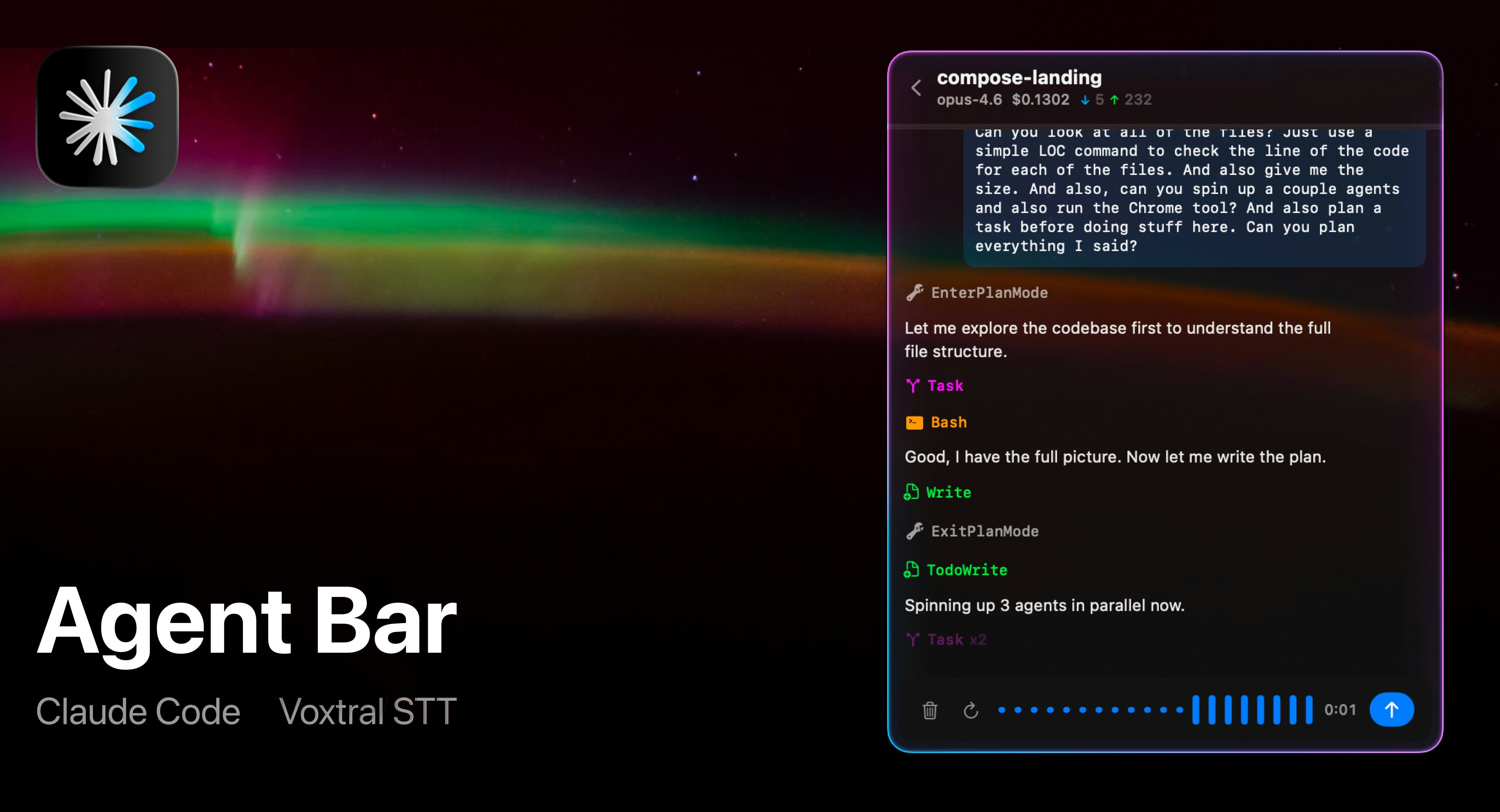
Agent Bar
Run Claude Code from your menu bar
132
一句话介绍:一款位于macOS菜单栏的原生GUI工具,让开发者无需切换终端即可快速启动、语音交互并实时监控Claude Code编程会话,解决了AI编程工具工作流割裂与操作繁琐的痛点。
Mac Developer Tools Artificial Intelligence
AI编程助手 macOS原生应用 菜单栏工具 Claude Code集成 语音交互 实时工具调用监控 开发效率工具 SwiftUI开发 成本追踪
用户评论摘要:开发者认为其解决了从终端频繁切换的核心痛点,显著改善了工作流。目前评论较少,主要为产品介绍和初步肯定,尚未出现具体功能质疑或改进建议。
AI 锐评

Agent Bar的本质,并非简单的“图形化封装”,而是一次针对AI原生开发范式的交互升维尝试。它敏锐地捕捉到了Claude Code这类“终端智能体”的核心矛盾:能力强大,但交互却被迫退回到命令行时代,造成了心智负担与流程中断。

其真正价值在于三点:一是**空间锚定**,通过菜单栏常驻,将AI编程能力从“需要主动进入的领域”变为“随时可调用的环境”,实现了从“工具”到“环境”的转变。二是**交互提效**,语音输入和可视化工具调用审批,将开发者从键盘敲击和文本日志筛选的体力劳动中部分解放,更符合AI协作中“构思-审核”的循环。三是**成本显性化**,实时追踪Token消耗,直面了当前AI开发中不可忽视的经济维度,赋予了开发者成本管控意识。

然而,其挑战同样尖锐。首先,其生存完全依赖于Claude Code API的稳定性与能力边界,生态位极其脆弱。其次,当前功能虽解决了“可用性”,但未触及“智能性”的深层需求,例如对复杂项目上下文的理解深度、工具调用的预测性建议等。最后,作为单一平台(macOS)、单一模型(Claude)的工具,其市场天花板清晰可见。它是一次优雅的局部优化,但要想成为开发者工作流的必备环节,仍需在项目理解深度、多模型支持乃至跨平台能力上构建更深的护城河。

查看原始信息
Agent Bar
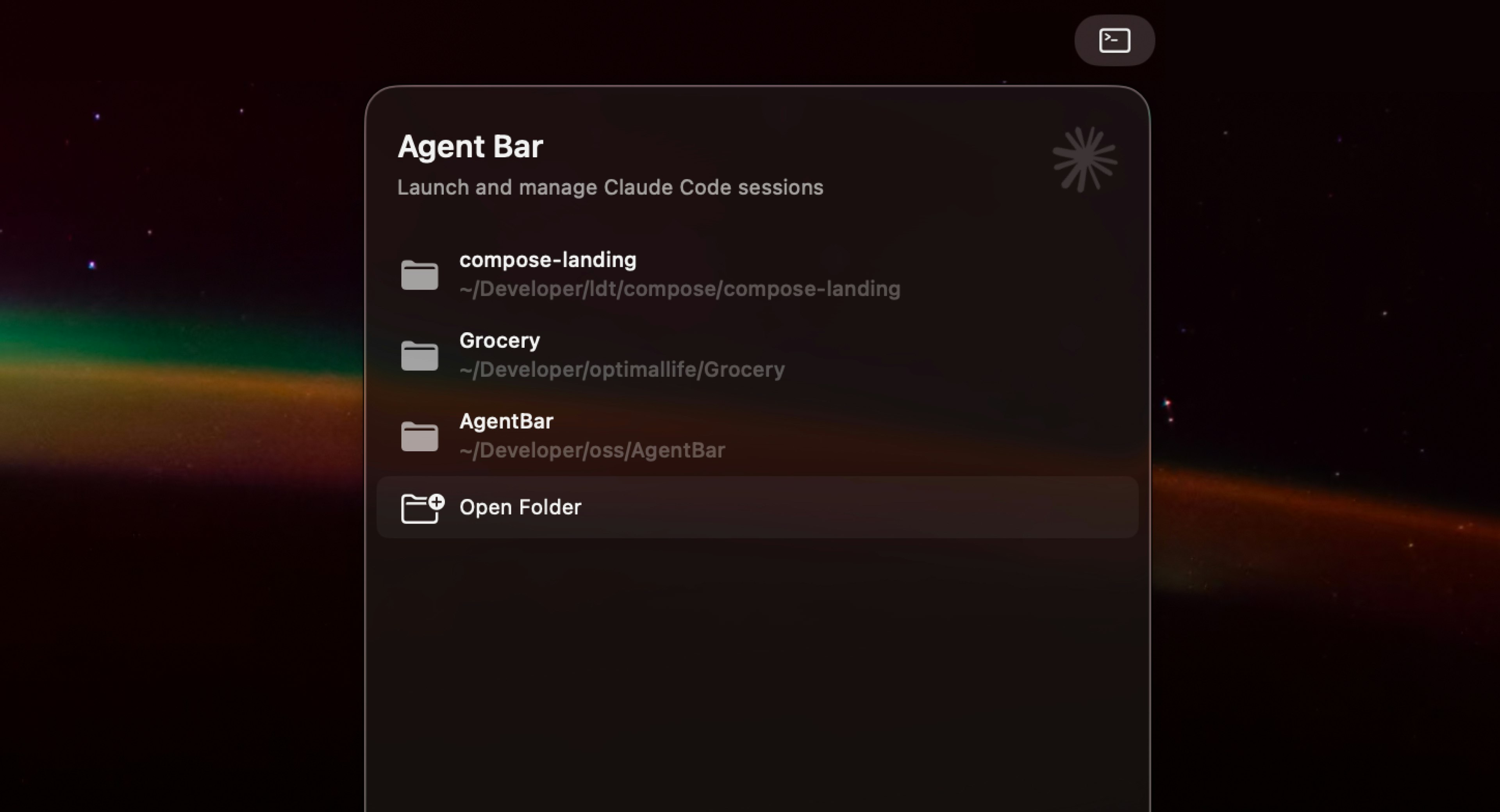
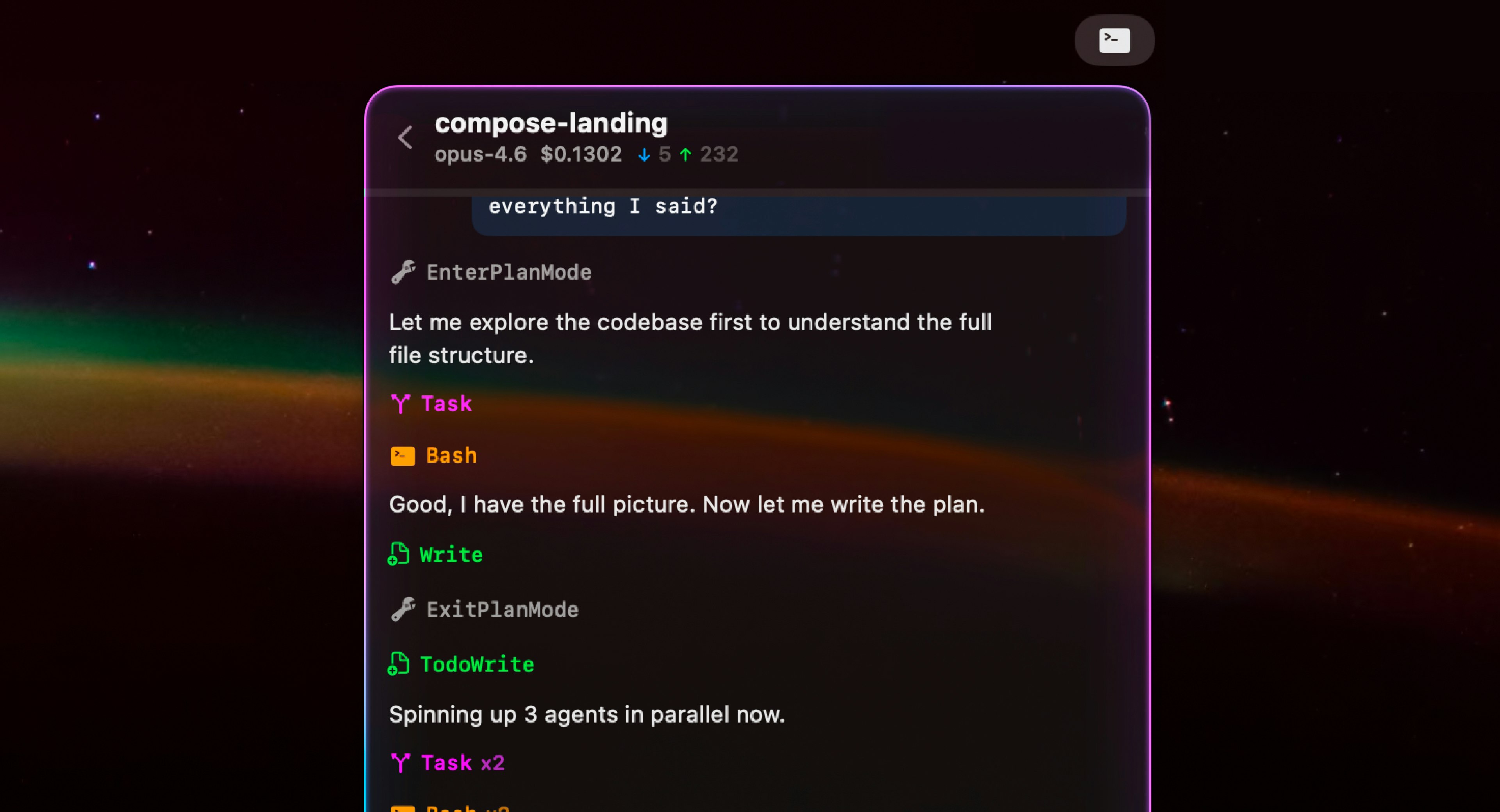
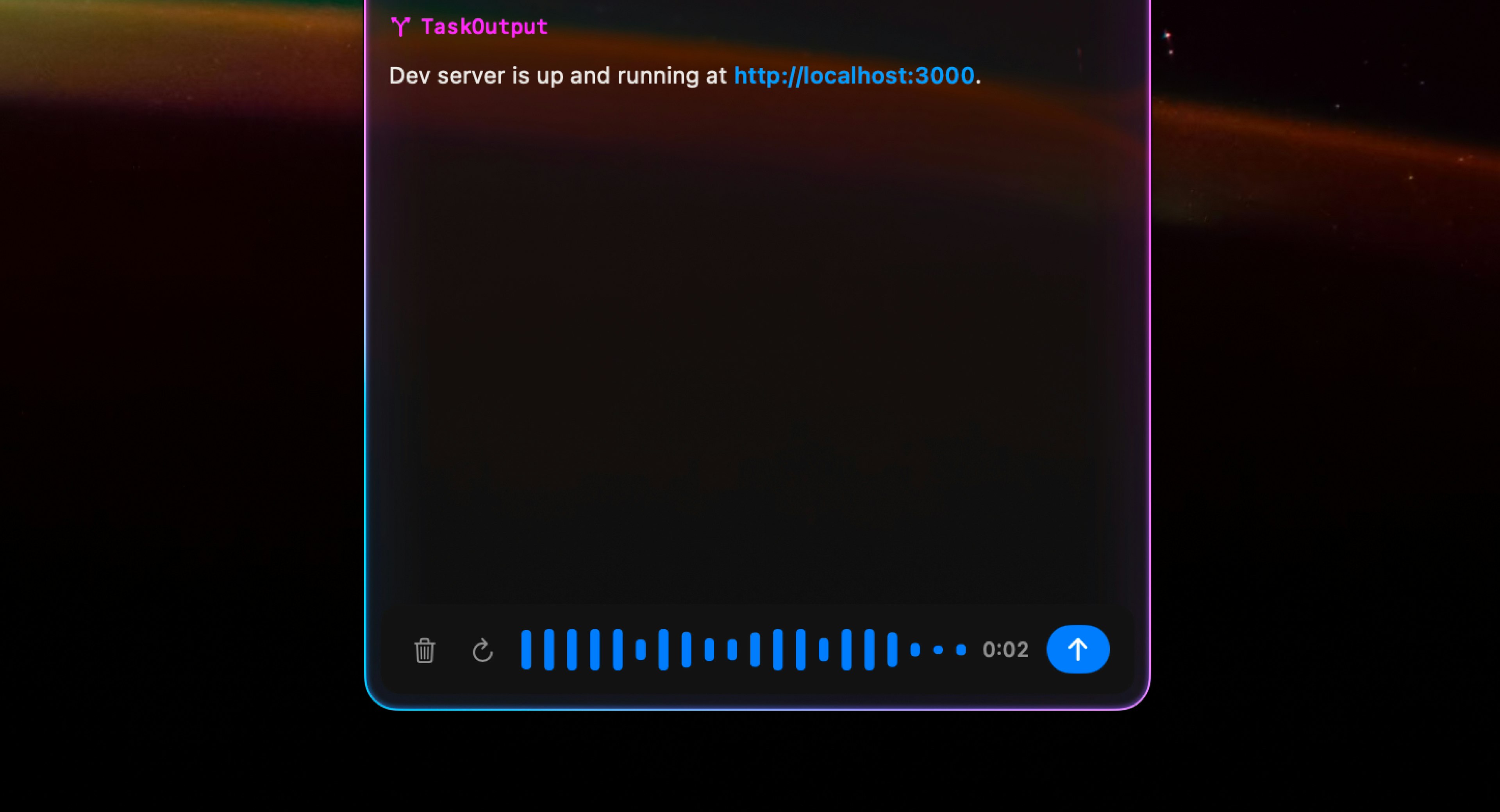
Agent Bar lives in your menu bar and gives you a native GUI for Claude Code. Pick a project, talk to it with your voice, watch tool calls stream in real-time, approve or auto-approve actions, and track token costs — all without leaving your desktop.
Hey Product Hunt! I'm Aayush, the maker of Agent Bar. I've been using Claude Code daily for months — it's incredible, but living in a terminal felt limiting. I wanted a way to: - Launch sessions from any project folder in one click - Dictate prompts with my voice instead of typing everything - See tool calls streaming in real-time and approve them visually - Track how many tokens and dollars each session costs So I built Agent Bar — a native macOS menu bar app that wraps Claude Code in a proper GUI. It's built with SwiftUI (no Electron, no web views), so it's fast, lightweight, and feels like it belongs on your Mac. I'd love to hear what you think. Happy to answer any questions!
3
回复

this is exactly what was missing. having claude code accessible from the menu bar instead of switching to terminal every time is a huge workflow improvement

0
回复
#7
Marketing Agents Squad
Find AI agents to delegate your daily marketing grind
131
一句话介绍:一款聚合了250多个专为营销场景设计的AI智能体平台,让营销人员无需构建和训练AI,即可根据具体营销任务快速选择并生成专业内容,解决了营销工作流程繁琐、重复性任务多的效率痛点。
Marketing
AI营销工具 智能体平台 营销自动化 内容生成 SEO工具 社交媒体管理 效率工具 SaaS Martech AI工作流
用户评论摘要:用户肯定其解决“即开即用”痛点的价值,赞赏其结构化设计。主要疑问与建议集中在:智能体是真正专业化还是简单提示词模板;如何实现跨任务上下文记忆;界面存在评分显示错误、按钮功能不明确等小bug;以及如何避免工具过多导致的选择疲劳。
AI 锐评

Marketing Agents Squad 精准地切入了一个喧嚣市场中的务实缝隙:在“人人谈AI”与“真正用AI”之间,为营销人员提供了一个看似“降维”的解决方案。其核心价值主张并非技术炫技,而是“去技术化”——将复杂的AI能力封装成250多个“即插即用”的营销“实习生”。这直击了大多数非技术背景营销人员的核心诉求:他们要的是产出,而非实验。

然而,产品介绍中“每个智能体都理解营销语境”的宣称,正是其面临的最大质疑与风险点。评论中“是专业智能体还是戴着不同帽子的提示模板”的提问一针见血。如果其底层仅是针对不同任务微调的提示词工程集合,那么随着用户深度使用,其输出的同质化、浅层化问题将迅速暴露,所谓的“理解语境”将沦为营销话术,导致“智能体过载”和用户失望。真正的护城河在于,这些智能体是否具备基于营销活动(Campaign)的连贯记忆与协作能力,以及能否深度集成并操作外部营销工具,形成自动化工作流。目前看来,这仍是未解之谜。

此外,250+的数量既是卖点也是陷阱。在缺乏精准推荐和强大分类逻辑的情况下,选择悖论将很快显现,工具疲劳可能抵消效率增益。产品的下一阶段进化,关键不在于增加智能体数量,而在于构建两样东西:一是基于用户数据和反馈的、动态的智能体推荐与排序系统;二是一个能让智能体之间真正协作、共享活动上下层的“战役级”管理面板。否则,它很可能只是一个体验更流畅的“营销提示词超市”,虽有一定工具价值,但难以形成颠覆性壁垒。其成功将取决于能否在“易用性”的沙滩上,快速构筑起“有效性”与“协同性”的护城墙。

查看原始信息
Marketing Agents Squad
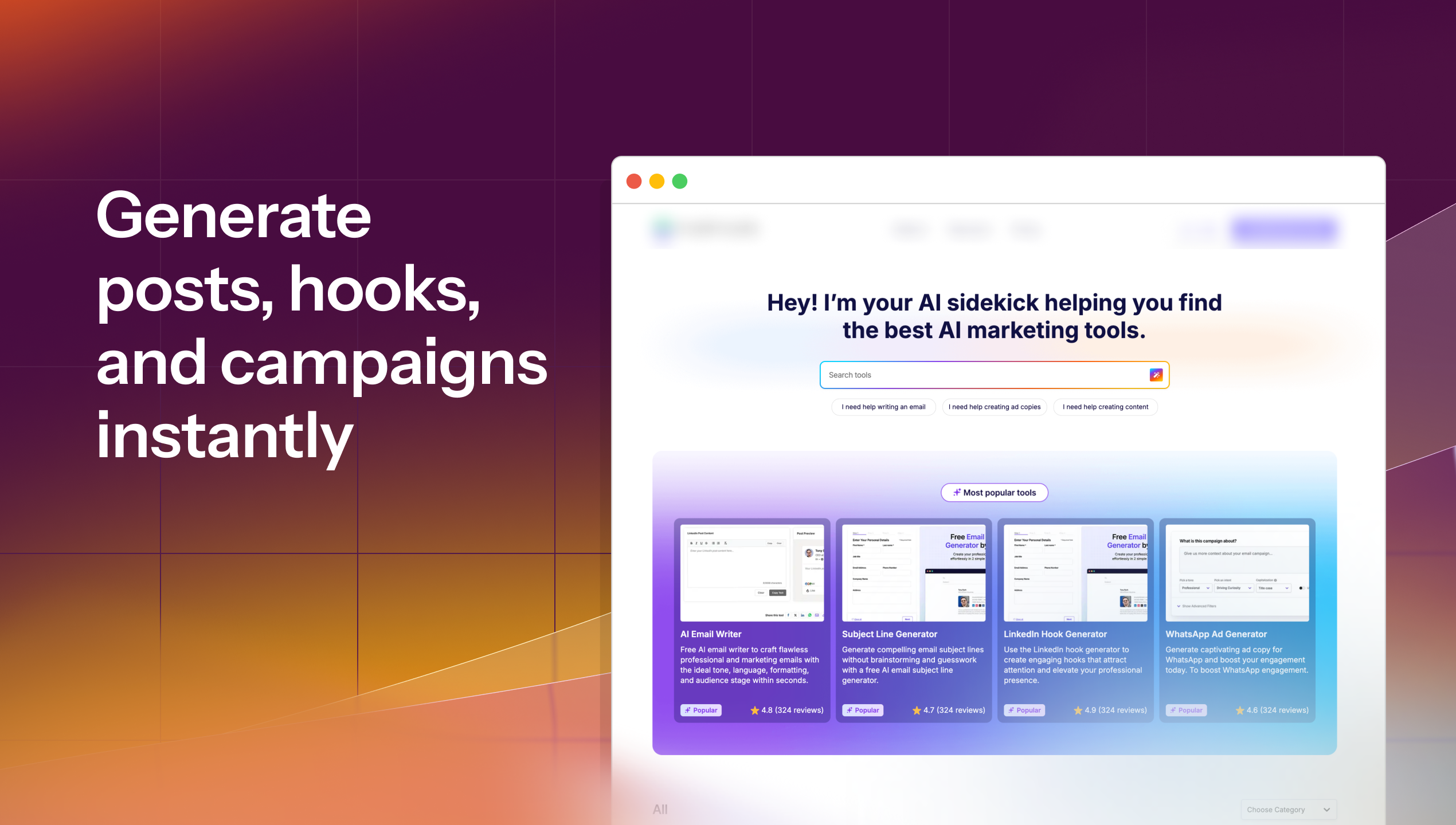
Meet Marketing Agent Squad: 250+ AI agents built for marketers. Each one understands marketing context, so you just pick an agent, describe your goal, and get professional output in seconds. Like having 250+ talented interns who never need training.
Hey Product Hunt Community! 👋 Last year, just about every business wanted to incorporate AI into its workflows. While some marketers spent time customizing their own AI solutions, busy marketers just wanted to get started quickly and get work done. That’s why we built 250+ AI to help busy marketers accelerate different parts of their marketing, from content creation and SEO to social media and email marketing. Being a marketing tool ourselves in the martech space, we understand the struggles of creating and launching a campaign. So each tool is designed to be instantly usable, with intuitive interfaces, helpful prompts to guide your inputs, and quick generation so you never have to wait. And now you can find all these tools organized in our Agent Squad. Here is how it works 1️⃣ Explore tools by category or marketing task 2️⃣ Pick the right tool for your workflow 3️⃣ Execute campaigns faster 4️⃣ Repeat for every project with minimal friction It really is that simple. Add it to your toolkit and let us know how it helps you save time and improve marketing results. We’re excited to hear your feedback.
4
回复

@aquib ongrats on the launch 👏

You’re solving a very real problem — most marketers don’t want to build AI systems, they just want AI that works immediately inside their workflow.

Organizing 250+ tools into an “Agent Squad” is smart. Choice is powerful, but structure is what makes it usable. The step-by-step flow (explore → pick → execute → repeat) makes adoption feel frictionless.

If the tools truly remove setup time and reduce campaign execution effort, that’s a strong value prop for busy teams who care about output, not experimentation.

Curious which categories are getting the most traction so far — SEO, content, or social?

0
回复

@aquib Its been so useful

0
回复

@aquib Congrats on the launch! How do agents share context or memory across tasks so that they behave coherently within a campaign?

0
回复

The real question is: are they actually specialized… or just prompt templates with different hats? If they truly understand marketing context, that’s powerful. If not, it becomes agent overload real quick.

1
回复

250+ agents is wild. As these start collaborating and triggering tools on their own, the real differentiator will be how you handle usage control and proof of execution. That layer is going to matter more than the prompts.

1
回复

Hey, I noticed that all agents have the same rating and number of reviews, is that a bug?

1
回复

@weiss_arnaud Thanks for pointing this out. We're currently working on it and fixing the issue.

0
回复

@weiss_arnaud I noticed that too

0
回复

I like how the tool shows results after typing, but I was a little bit confused by the button on the right (Is it supposed to do anything after pressing?)

1
回复

@busmark_w_nika thank you for bringing this to our notice. It's essentially the enter part and we're working on fixing it

1
回复

Congrats on the launch! Having 250+ AI tools in one place sounds powerful, especially for busy marketers who just want to execute fast. How do you prevent overlap or tool fatigue inside Agent Squad, and help users quickly choose the right tool without getting overwhelmed by too many similar options?

0
回复
#8
chowder.dev
Single API for launching OpenClaw instances.
123
一句话介绍:Chowder.dev 提供了一个统一的、OpenAI兼容的API,让开发者能够快速部署和管理OpenClaw实例,解决了在云端自行搭建和配置开源AI智能体(Agent)基础设施复杂、耗时的核心痛点。
API Developer Tools Artificial Intelligence
AI智能体基础设施 OpenClaw托管 开发者工具 API即服务 快速部署 无服务器架构 应用集成 云计算
用户评论摘要:用户反馈两极:肯定其“Heroku for Claws”的定位与降低摩擦的价值;质疑其定价过高(100美元/月),认为与开源软件成本不匹配。开发者承认定价失误并寻求建议。另有用户询问新手上手体验、安全性和具体应用场景。
AI 锐评

Chowder.dev 精准切入了一个正在爆发的细分市场:AI智能体(Agent)的部署与管理层。其核心价值并非技术创新,而是工程化封装与体验优化。它将开源项目OpenClaw的复杂部署流程,抽象成一个简单的、Heroku式的PaaS服务,并通过提供OpenAI兼容API这一“战略接口”,极大降低了开发者的集成门槛。这本质上是将“开源软件的部署与运维成本”转化为可预测的月费,其商业模式与早期的MongoDB Atlas、Redis Cloud等服务如出一辙。

然而,其面临的挑战同样尖锐。首当其冲的是定价策略与价值主张的匹配度问题。早期用户对100美元定价的“疯狂”指控,直指此类服务最脆弱的命门:当核心软件开源且易于在廉价VPS上运行时,你提供的管理便利性和API抽象究竟值多少钱?这需要团队清晰地量化并传达其节省的开发者工时、提供的稳定性、安全功能与扩展性价值。

其次,其发展严重依赖于上游OpenClaw生态的繁荣。如果OpenClaw本身未能成为主流智能体框架,或者出现更强大的竞品,Chowder的根基就会动摇。它必须思考如何构建更深层次的护城河,例如提供独有的监控、技能市场、团队协作功能,或是实现多云、混合部署支持。

当前,它成功扮演了“生态加速器”的角色。对于想快速实验OpenClaw的团队和个人,它能实现“一分钟部署”,极大促进生态采用。但要想从“有趣的周末项目”成长为可持续的业务,它必须超越单纯的基础设施封装,向更完整的智能体运维与生命周期管理平台演进,并找到一个让开源社区和商业客户都愿意买单的黄金价格点。

查看原始信息
chowder.dev
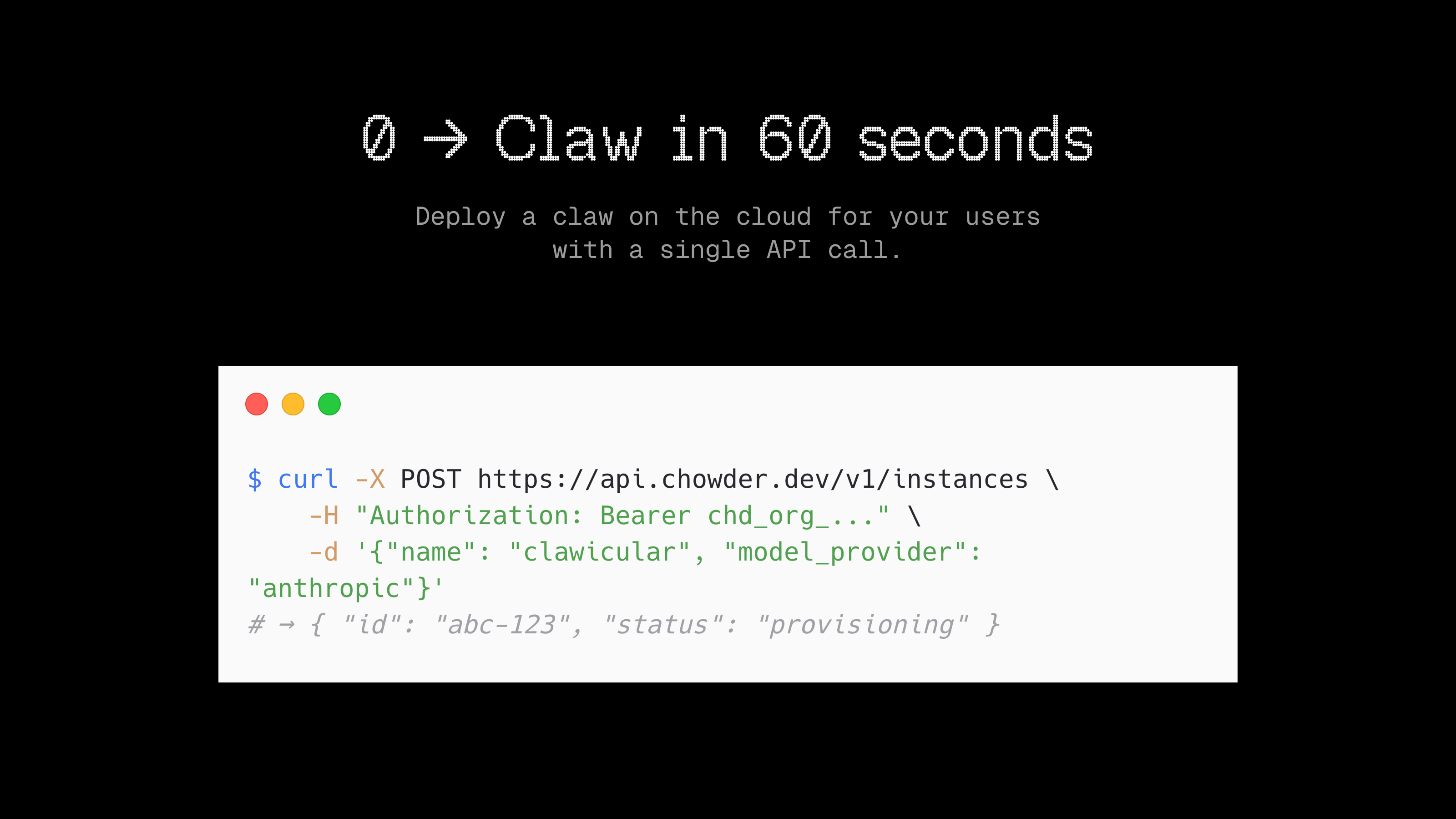
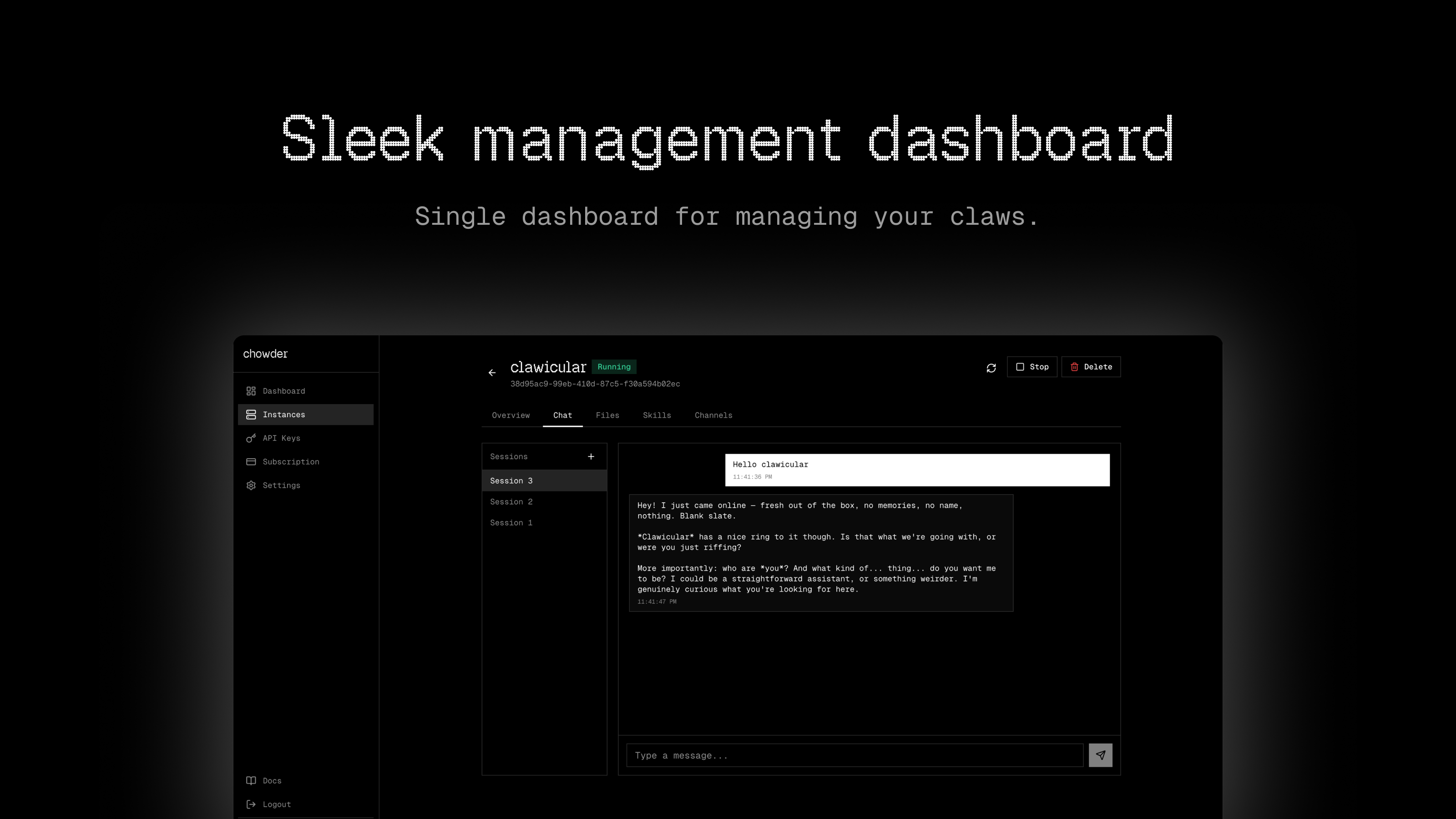
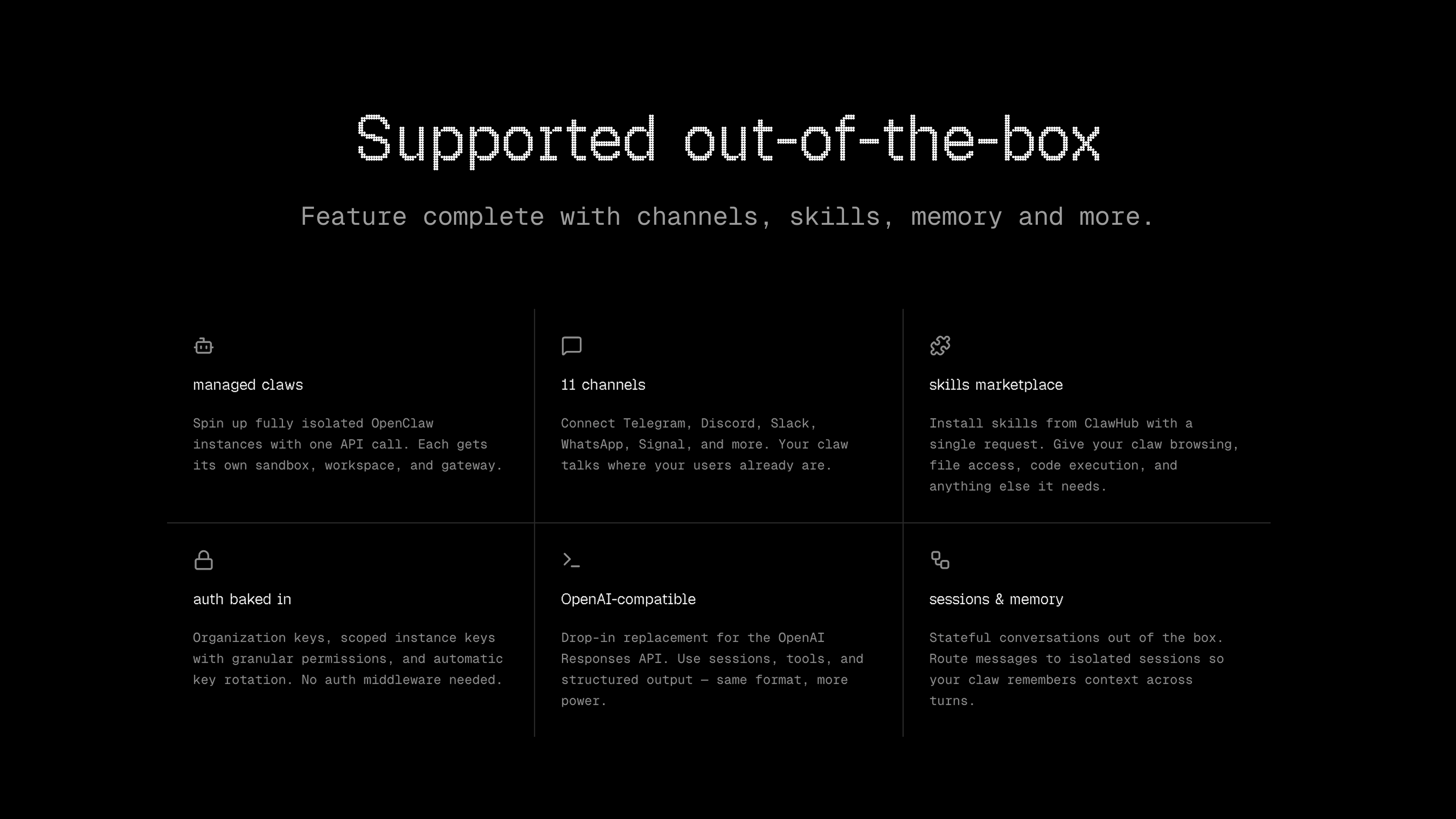
One API. Full Claw infrastructure. Chowder is the fastest way to deploy, manage, and talk to your OpenClaw instances — from anywhere. Spin up fully isolated claws in seconds. Connect them to 11 messaging channels. Install skills. Manage auth. Persist memory. All through a single OpenAI-compatible API. From zero to deployed in under a minute.
Hey PH.. recently I've been seeing a lot of startups building on OpenClaw When I tried playing around with it it seemed like setting one up on a cloud is a lot harder than it should be.. so I built Chowder Chowder is a single API for you to launch and configure claw instances.. for yourself, your team or your users It gives you all the claw functionality through a streamlined api so you can focus on building the rest of your infrastructure Docs -> docs.chowder.dev Enjoy the chowder.. GO RED SOX
5
回复

@gokhan_egri Congrats! What’s the on-boarding experience like for a developer who’s never used OpenClaw before? Do you provide on-boarding flows or starter templates?

0
回复

@gokhan_egri hey, it's chowdah, buddy.

0
回复

Interesting approach but pricing is insane though
100$ per month is crazy for something that is open source

considering you can take a 5-10$ server and run the same thing

2
回复

@vadimg agreed.. this was a weekend project so the pricing was a miss will readjust

what's a good amount that would be comfortable to pay for an api wrapping around it making it more comfortable to work with?

0
回复

If OpenClaw is the engine, chowder.dev feels like the Heroku-for-claws layer — spin up, isolate, wire to channels, done. The OpenAI-compatible API angle is smart too… lowers friction hard. If it really gets you from zero → deployed agent in a minute, that’s a strong dev unlock. The agent infra stack is getting real fast.

1
回复

Very cool - congrats! Where is it hosted? HOw do you think about security?

1
回复

@daniele_packard hey we're an aws partner so it's all hosted on aws.. the gateway is not reachable from the outside and can only be accessed through the chowder api which secures it standardly through api keys

what would you use chowder for daniele?

0
回复
#9
Enough Cream
Perfect coffee, every time.
122
一句话介绍:一款通过手机摄像头实时分析咖啡颜色并与预设偏好对比,指导用户精准倒入奶量,确保每次都能获得理想口感的移动应用。
iOS Coffee
生活方式应用 咖啡助手 实时图像识别 精准控制 日常工具 消费科技 趣味工具 习惯养成
用户评论摘要:用户普遍认可其解决了一个具体、有趣的日常痛点,赞赏其概念清晰、体验简单。主要问题与建议集中在:对不同光照条件的适应性、是否支持为不同饮品设置独立预设、能否提供更精准的倾倒量建议或实时视频指导,以及用户使用频率(一次性校准或每日仪式)的探讨。
AI 锐评

Enough Cream 是一款典型的“单点极致”型产品,其真正价值不在于技术壁垒,而在于对“微观挫败感”的精准捕捉与数字化消解。它将一个依赖模糊感觉和反复试错的经验过程(调配咖啡色泽),转化为可测量、可重复的标准化动作,本质上是将主观偏好客观化。

其聪明之处在于选择了“颜色”这一最直观、最易被手机摄像头处理的物理维度作为技术切入点,避开了复杂且不稳定的味觉分析,实现了低门槛的交互。这构成了其产品逻辑的闭环:具体行为(倾倒)+实时视觉反馈=即时满足与行为修正。这使其具备了成为“仪式性工具”的潜力,即用户可能为追求确定性的完美体验而重复使用,从而嵌入每日流程。

然而,其面临的挑战同样尖锐。首先是需求刚性存疑。评论中“我喝黑咖啡”的调侃虽显极端,却揭示了其目标人群的天然局限。其次,技术场景的鲁棒性面临考验,如复杂光照、不同杯具材质对反光的影响,都可能影响识别准确性,这也是用户最实际的担忧。最后,也是最大的风险在于其功能的天花板极低,极易被模仿或作为附属功能集成到更广泛的饮食、智能家居甚至手机原生相机应用中。

因此,Enough Cream 更像一个精巧的“概念验证”。它验证了通过极简技术优化日常细微体验的市场切入点依然存在。它的成功与否,将不取决于能否做出“完美咖啡”,而取决于能否将这种解决微观挫败感的愉悦感,转化为稳定的用户习惯,并在此单一功能点上构筑足够深的护城河或找到可行的延伸路径。否则,它很可能只是一个令人会心一笑、却难逃“一次性使用”命运的科技趣物。

查看原始信息
Enough Cream
Never ruin your coffee with too much cream again. Enough Cream uses your phone's camera to analyze your coffee's color in real-time, comparing it to your saved preference and telling you exactly when to stop pouring. Perfect consistency, every time. ☕
👋 I'm Evan, a software engineer at Shopify and coffee enthusiast. The Problem: We've all been there: you add cream to your coffee, and suddenly it's either too light or you've wasted perfectly good coffee trying to fix it. Our Solution: Enough Cream uses your phone's camera to analyze your coffee's color in real-time and compares it to your saved preference. The app tells you whether to add more cream, more coffee, or if it's perfect. Key Benefits: ☕ Perfect coffee consistency every single time 📱 Simple: just point your camera at your cup 🎯 Real-time guidance prevents mistakes We're launching on iOS and Android. We'd love your feedback! Thanks for checking us out! ☕
3
回复

@archetypically This is such a fun, specific problem to solve — and that’s usually where great consumer apps start 👏

You took a tiny daily frustration and turned it into something measurable and repeatable. That’s smart.

Using the camera for real-time color comparison is a clever wedge — simple behavior (pouring cream) + instant feedback = sticky habit potential.

Also love that it’s not trying to be a massive “coffee super app.” It does one thing: consistency.

The big question I’m curious about:
Do people use it once to calibrate their perfect shade… or every morning as part of their ritual? If it becomes part of the ritual, that’s powerful.

Fun idea, clear value, and very relatable

0
回复

Feeling nostalgic. This reminds me of Product Hunt culture back in the day.

3
回复
I take my coffee black. Problem solved.
1
回复

How do you account for different lighting conditions?

1
回复

@janschutte It’s a great question - we added a feature to turn on the torch to help smooth out some of the edge cases with lighting for now! We’re planning a future feature where we can detect (from camera peripherals) what the lighting conditions are like and factor that into the color comparison algorithm.

0
回复
Hey Evan, this is such a specific problem but I totally get it. Was there a specific morning where you ruined your coffee trying to fix the cream situation and thought okay this is ridiculous, there has to be a better way?
1
回复

My flat white and my latte use the same milk but if they end up the same color, something went very wrong. Can I save separate presets for different drinks, or do I have to pick a favorite?

0
回复

Creative idea 😀

0
回复

I make cappuccino with my Bialetti every single morning, so this hits home hard lol. Getting the cream ratio right is genuinely a daily struggle sometimes it's perfect, sometimes it's a sad beige disaster. The fact that you turned this into a real-time camera app is both hilarious and brilliant. Instant download for me.😻

0
回复
Simple idea, but very useful! Can it suggest how much cream to pour (not just whether to add it)? And does it support real-time video so it can tell me when to stop, instead of taking multiple photos?
0
回复
#10
Meteorite
A minimal & frictionless menu bar notetaker for macOS
118
一句话介绍:一款专注于即时、无干扰快速记录的macOS菜单栏笔记工具,通过全局快捷键和极简设计,解决了用户在专注工作时需要临时记录灵感、任务或片段信息而不愿切换上下文的核心痛点。
Productivity Notes Menu Bar Apps
菜单栏应用 快速记录 生产力工具 macOS 轻量级 键盘驱动 Markdown 本地离线 买断制 笔记软件
用户评论摘要:用户普遍赞赏其“隐形”的快速体验和键盘驱动工作流。主要问题与建议集中在:1. 对全局快捷键(尤其是全屏模式下)和分功能快捷键的支持;2. 未来路线图,如标签、提醒、同步(特别是与iOS的双向同步)和AI功能;3. 如何平衡简洁与功能蔓延,保持产品核心定位。
AI 锐评

Meteorite精准切入了一个被“重型”笔记应用和系统原生备忘录忽视的缝隙市场:瞬时、无结构的碎片信息捕捉。其真正的价值并非功能创新,而在于对“记录”这一行为本身的“降维”处理——通过菜单栏常驻和极速呼出,将记录的心理成本和操作成本降至无限接近于零,这正是其“隐形”口号的内核。

产品采用Tauri+Rust技术栈,强调本地与轻量,并采用“核心免费+一次性买断Pro”的商业模式,这既是对当前订阅制泛滥的巧妙反击,也精准迎合了其目标用户(注重效率、厌恶干扰的极客/专业人士)的价值观。从评论看,用户欢呼的正是这种“无感”的流畅体验,它成功复刻了Windows上“记事本”的原始便捷感。

然而,其面临的挑战与机遇同样鲜明。用户的期待(如iOS同步、标签管理)直指其“极简”哲学的悖论:一个成功的记录工具必然面临信息膨胀后的管理需求。开发者目前将自身定位为“捕获入口”而非“管理中枢”,并将Apple Notes等作为导出终点,是明智的边界设定。但长远看,如何在“保持瞬时捕获的纯粹性”与“满足用户自然增长的管理需求”之间找到平衡点,将是其能否从小众利器走向更大众市场的关键。当前路线图若盲目添加同步、AI等复杂功能,极易使其滑入另一个同质化竞争的红海。它的护城河,恰恰在于其“少”的勇气。

查看原始信息
Meteorite
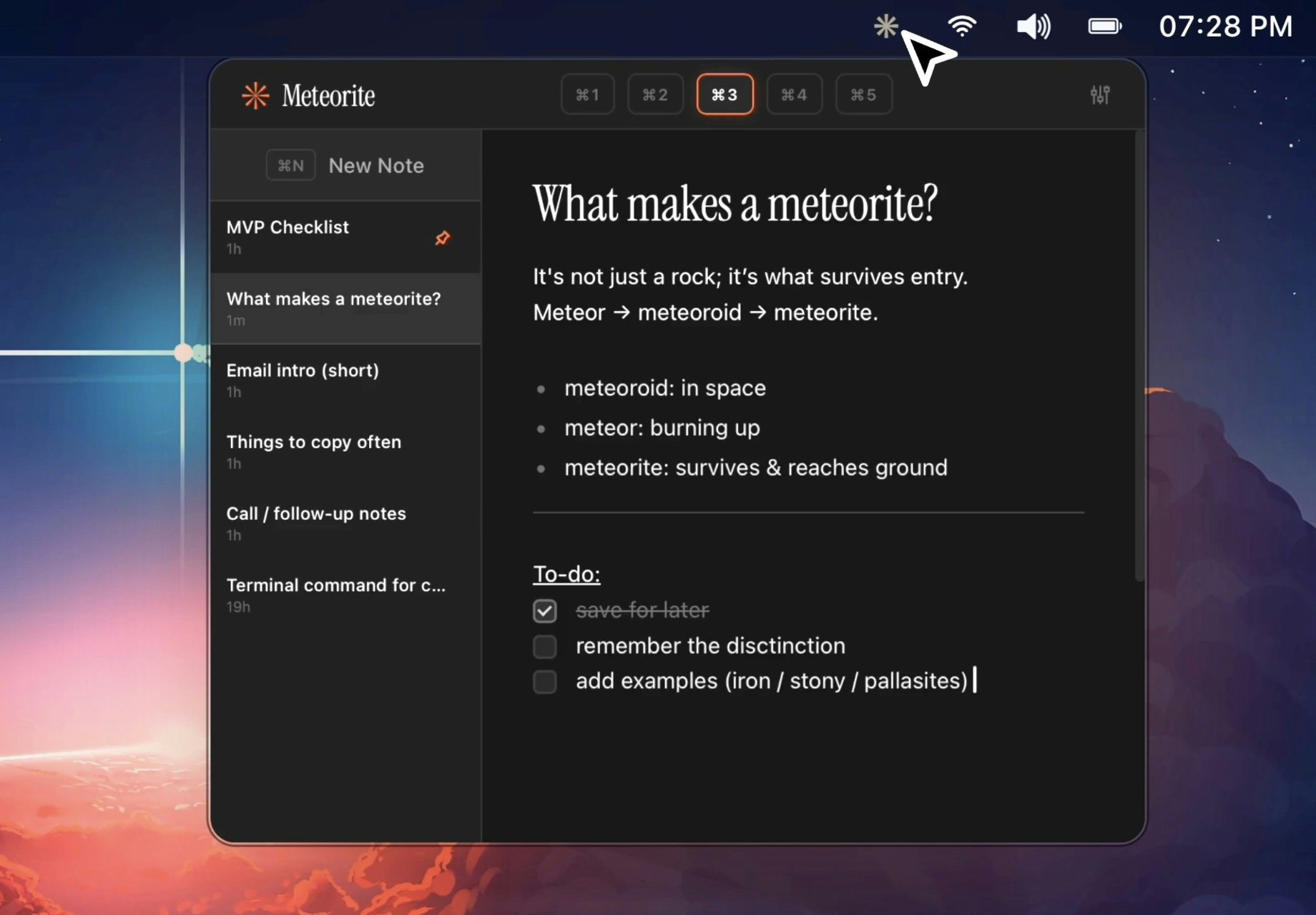
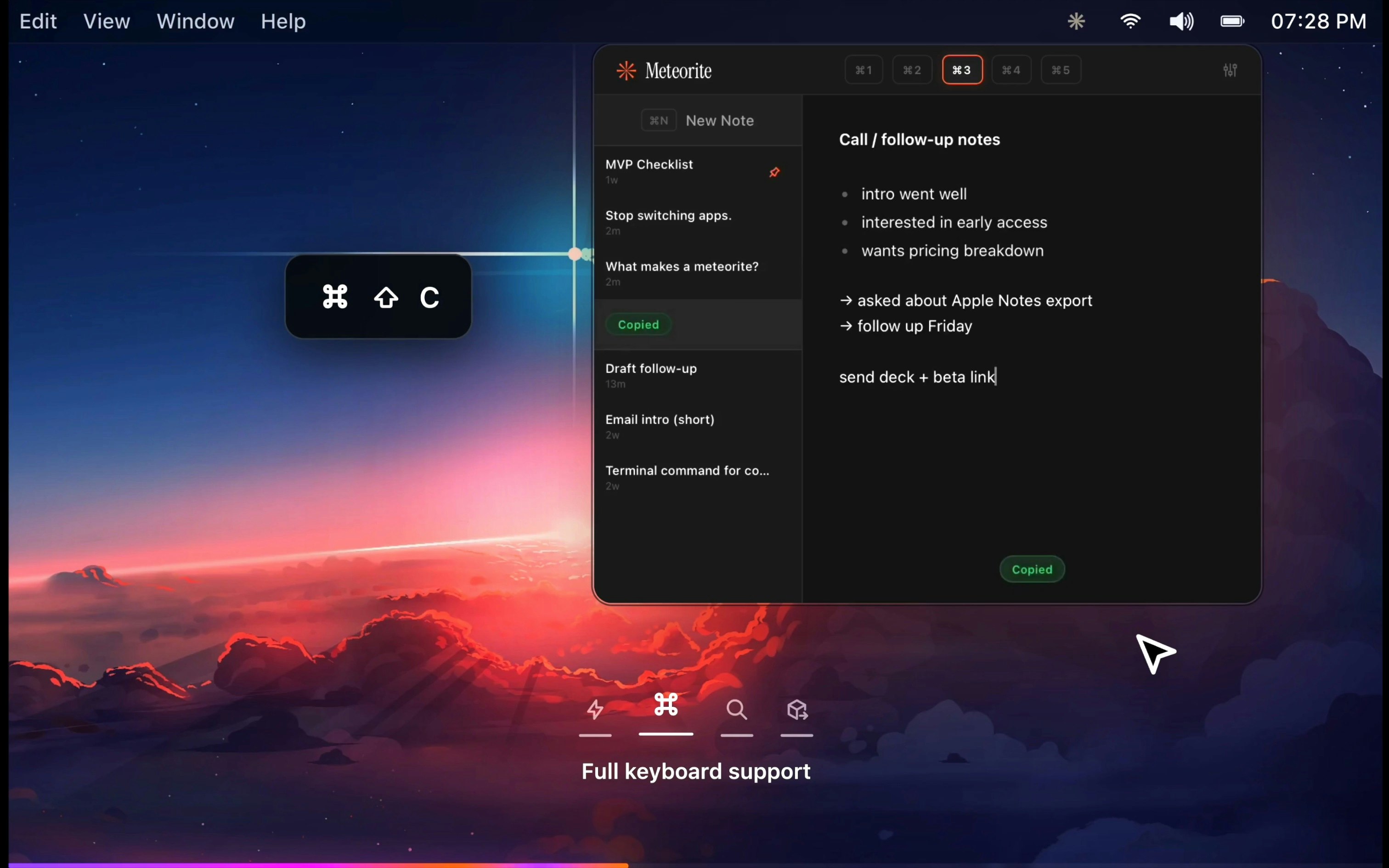
The minimal menu bar notetaker for macOS. Instant capture for notes, tasks, and snippets. Native, lightweight, and keyboard-first.
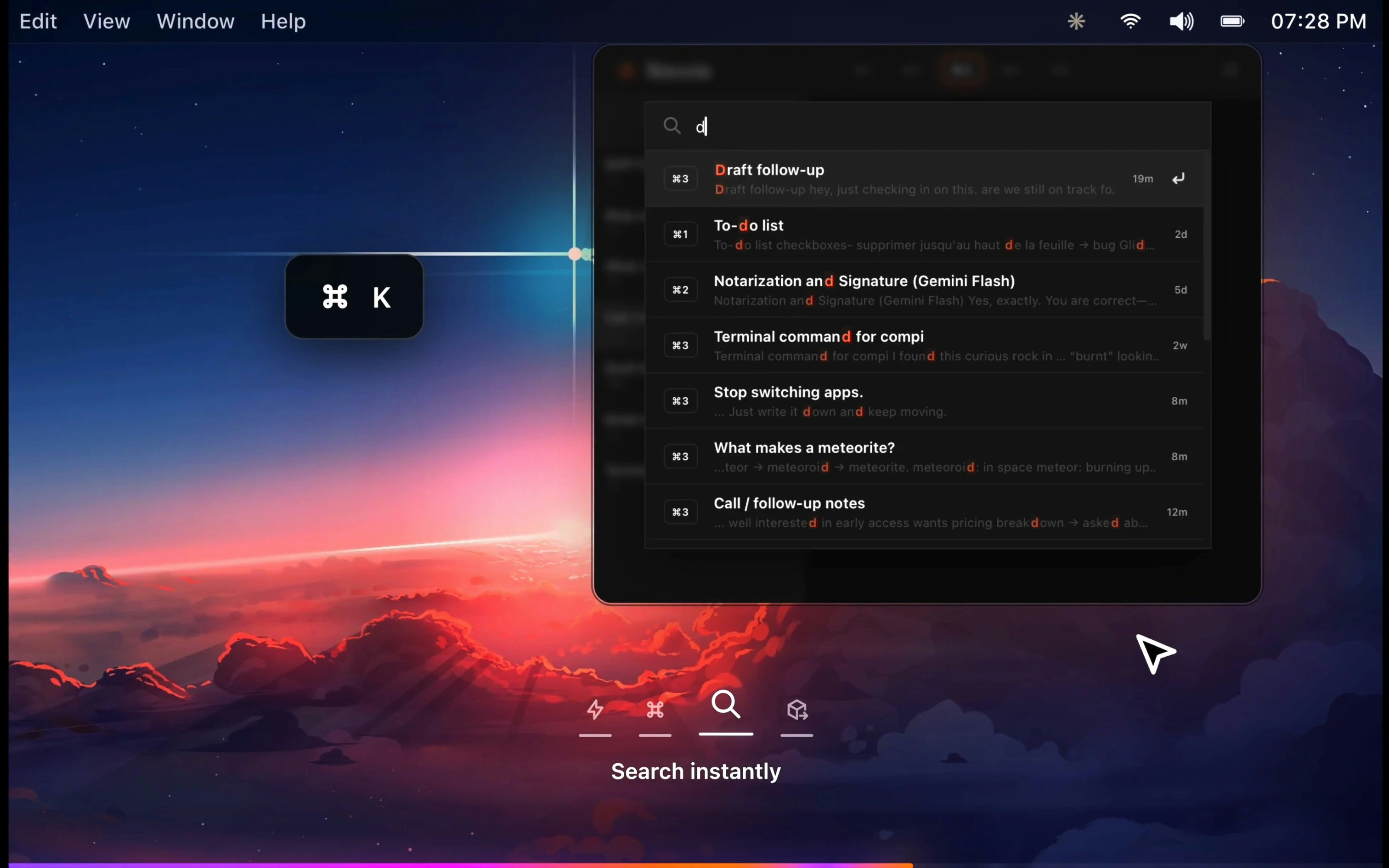
Hey Product Hunt 👋 I’m the maker of Meteorite. For a long time, I’ve wanted a faster way to capture short notes and snippets on macOS; something lighter than a full notes app, and immediate enough that writing something down doesn’t turn into a whole context switch. Meteorite is a minimal menu bar note tool built around that idea. It opens instantly with a shortcut, stays out of the way, and focuses on quick capture without adding structure or overhead. There are other menu bar note apps, but I wanted something truly keyboard-first and lightweight, fast enough that it feels almost invisible while still being powerful when you need it. What I focused on: • Instant access from anywhere • Fully keyboard-driven workflow • Markdown-style formatting • Instant search • Copy & export (including Apple Notes) • Fully local, offline & lightweight (built with Tauri + Rust) Pricing • Core is free with unlimited notes. • Pro is a one-time upgrade for advanced features ($7.99 launch, no subscription). If you give it a try, I’d love to hear your feedback!
4
回复

@flaskshade Love the almost invisible angle. Menu bar + instant shortcut is exactly what I want when I’m mid-task and just need to dump a thought. Quick question: do you support a global hotkey that works even when another app is in full screen and can I set different shortcuts for new note vs search?

0
回复

@flaskshade Congrats on the launch Roy! What’s on the roadmap? Are you planning features like tagging, reminders, auto-sync, or AI assistance?

1
回复

@flaskshade Congrats on the launch, Roy! Love the focus on instant capture — that ‘invisible speed’ feeling is so underrated. I built something in the productivity space too, and I totally relate to the challenge of keeping things lightweight without feature creep. Excited to see where you take it.

0
回复

nice approach...like it

1
回复

Just installed Meteorite and I love it. I’ve always missed that instant notepad experience from Windows and this brings it back perfectly on macOS. Super fast access, clean UI and smooth keyboard shortcuts. It already fits into my daily workflow.

1
回复

Vladimir, that makes me really happy to hear 🙏
Very glad it’s working well for you!

0
回复

That is something that could be really helpful for me! I already payed for the pro version! I always had scattered txt files across the computer.

1
回复

That means a lot @marti_serra_molina, thanks for the support! 🙏

That’s exactly the use case I had in mind. I really hope it helps make things simpler.

If you ever have ideas or feedback, I’d love to hear from you!

1
回复

hi @flaskshade "Fast enough that it feels almost invisible" that's a great design north star. The difference between a 200ms and a 800ms open time is the difference between "I'll jot this down" and "I'll remember it later" (spoiler: you won't).

Curious about the Apple Notes export.. is it a one-way push, or can you pull notes back from Apple Notes into Meteorite? Bi-directional sync with Apple Notes would be a killer feature for people who want quick capture on Mac but access on iPhone later.

1
回复

Thanks @diegodau,  really appreciate that! 😄

Right now, Apple Notes export is a one-way push from Meteorite, as the idea is to keep Meteorite focused on fast capture. Bi-directional sync is an interesting idea though! I'll keep it in mind.

1
回复
My god, I’m in love with the design of the homepage and platform; what’s that stunning font you’ve chosen??
0
回复

incredible app, congrats on the launch

Are you planning to release also an iOS version with sync between Mac and iPhone?
I would instantly make it my daily note app if that happens

0
回复

Congrats on the launch! A truly frictionless capture tool in the menu bar is surprisingly hard to get right. How do you decide what not to add? With note apps, feature creep is almost inevitable, what’s your filter for keeping Meteorite minimal without users eventually asking for structure, folders, or tagging?

0
回复
#11
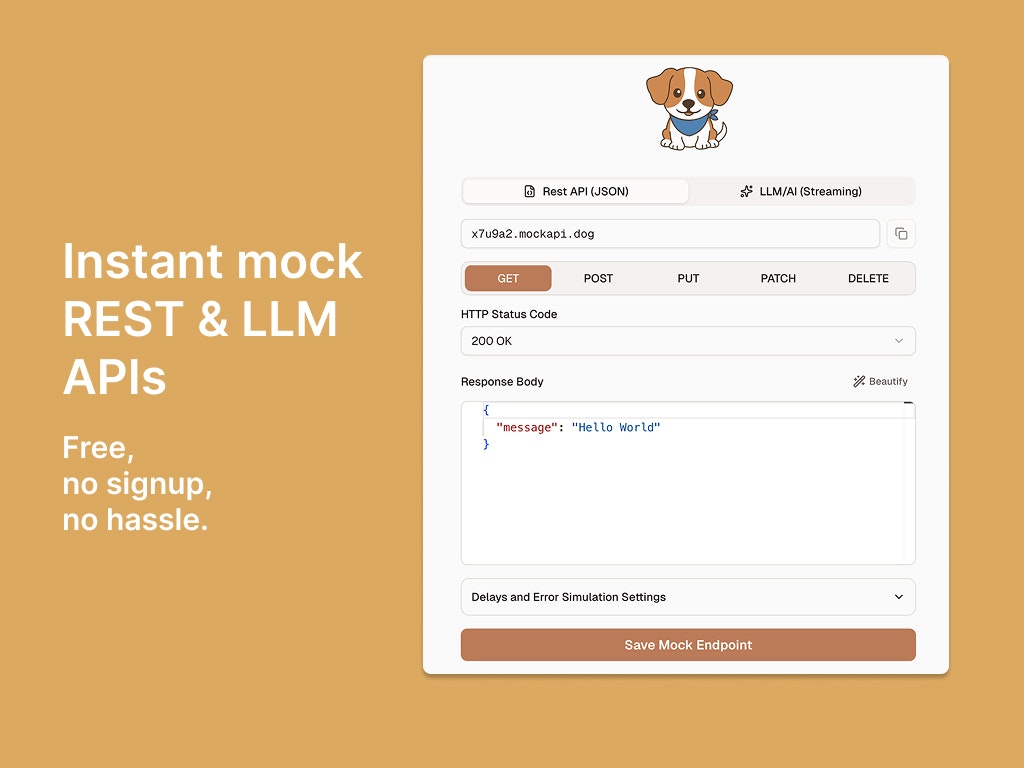
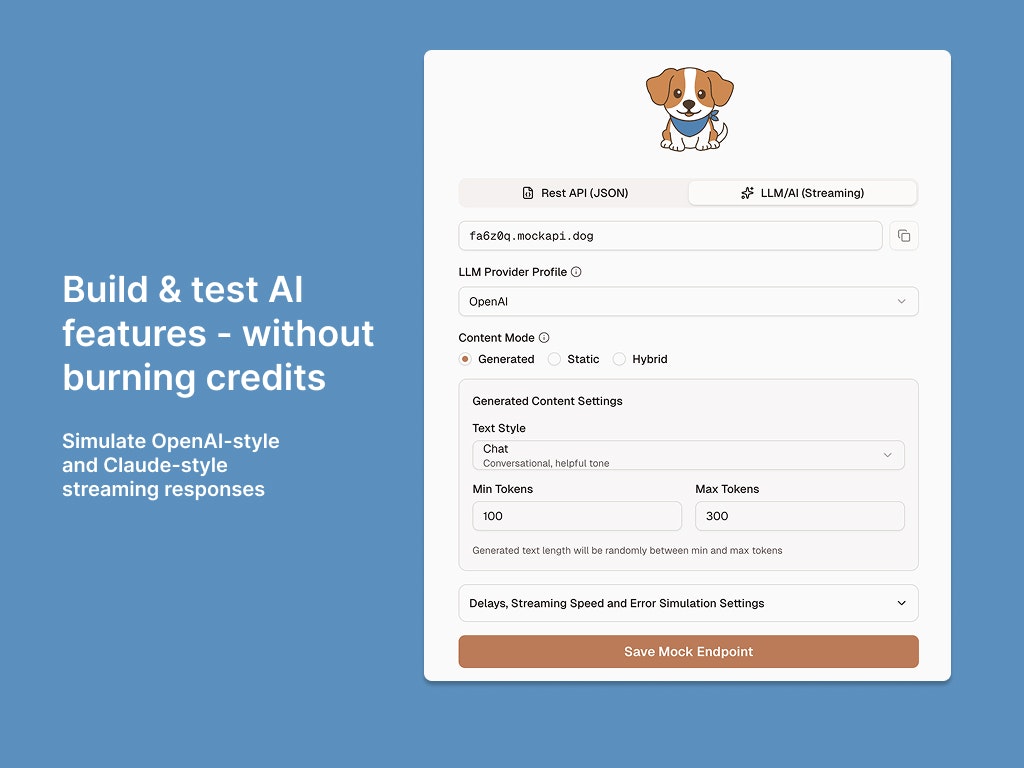
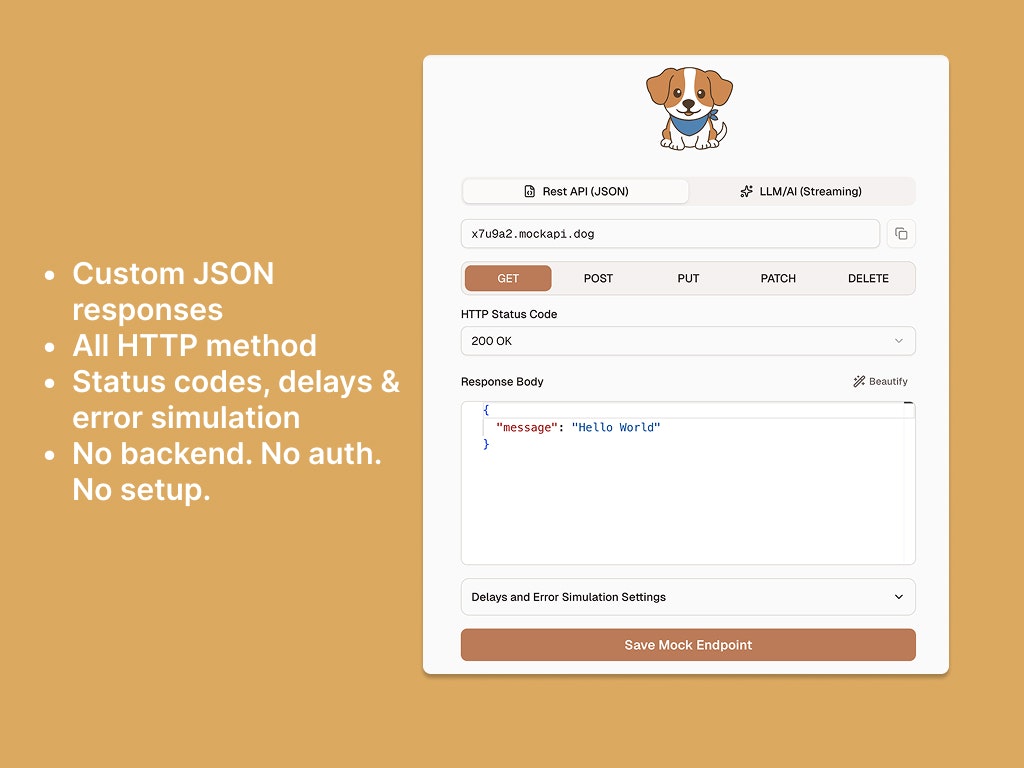
MockAPI Dog
Instant mock REST & LLM APIs - free, no signup required
114
一句话介绍:一款无需注册、完全免费的即时模拟API服务,为前端开发者、测试人员和AI构建者快速创建模拟REST API及LLM流式端点,解决了开发测试过程中依赖后端或真实API资源时的阻塞痛点。
API Developer Tools Artificial Intelligence
模拟API 开发者工具 测试工具 前端开发 LLM模拟 免注册 免费工具 快速原型 API Mock 流式端点
用户评论摘要:用户反馈积极,认可其解决“模拟不存在的API”和“快速测试边缘案例”的核心痛点,特别是模拟LLM流端点而不消耗API额度的功能被赞为巨大时间节省器。品牌形象(狗狗吉祥物)也获得好评。目前评论中未提出具体问题或功能建议。
AI 锐评

MockAPI Dog 精准切入了一个微小但高频的开发者痛点:在前后端或人机协作异步开发中,对接口的即时模拟需求。其真正的价值并非技术创新,而在于将“模拟API”这一古老需求的用户体验做到了极致——免注册、零配置、即时生成,并敏锐地扩展至当下最热的LLM流式端点模拟。

产品巧妙地站在了两个风口:一是开发者效率工具持续受捧的趋势,二是AI应用开发激增带来的新型模拟需求。它本质上是一个功能有限的“一次性”工具,但这恰恰是其优势所在。它不追求管理复杂项目,而是解决“此刻就要一个能跑的端点”的瞬时需求,用极低的认知和使用成本换取开发流程的顺畅。模拟OpenAI/Claude风格端点,更是让AI应用开发者能在不消耗宝贵API信用额度和密钥的情况下进行前端调试和概念验证,这击中了初创团队和个人开发者成本敏感、追求迭代速度的命门。

然而,其商业模式和长期竞争力存疑。完全免费、无账号体系,虽能快速获客,但也意味着用户零粘性、数据难沉淀,商业转化路径模糊。作为轻量级工具,它极易被同类平台(如Postman Mock, Beeceptor)以附加功能覆盖,或被更强大的开源方案替代。它的生存空间,取决于能否在“极简”与“必要功能”之间保持完美平衡,并持续比综合平台更快地响应开发者的新兴模拟需求(如模拟特定的API错误码、更复杂的响应模式)。当前它是一把锋利的手术刀,但想不被收入工具百宝箱,仍需构建更深护城河。

查看原始信息
MockAPI Dog
Create free mock REST APIs and LLM streaming endpoints instantly. Perfect for frontend devs, testers, and AI builders. No signup required.

Hey Devs! 👋

I built MockAPI Dog to solve a problem I constantly ran into as a developer: needing APIs that don’t exist yet - or needing to test weird edge cases and errors quickly.

MockAPI Dog lets you instantly create mock REST APIs and even mock streaming LLM endpoints (like OpenAI-style or Claude-style) without creating accounts, writing backend code, or managing keys!

It’s completely free and designed to get you unblocked fast.

Would love your feedback and feature ideas! :)

PS: I'm doing zero paid promotions and no random spamming on Reddit or Twitter. I hope people upvote if they find this tool useful.

1
回复

The dog branding alone got me clicking lol. I'm building a pet tech app so totally unrelated, but as a dev this is genuinely useful mocking LLM streaming endpoints without burning API credits is a huge time saver. Nice work and congrats on the launch!🚀

0
回复

@go_sakioka Thanks a lot, Go! :D Yeah, it was nice flexing my design muscles by making the mascot in Figma :)

1
回复
#12
SearchSeal
Track what AI says about your brand. Get recommended.
111
一句话介绍:SearchSeal是一款帮助品牌(尤其是营销机构)追踪其在各大AI聊天机器人(如ChatGPT、Claude等)中的被推荐情况,并通过长期趋势分析来优化AI推荐可见度的SaaS工具。
Marketing SEO Artificial Intelligence
AI品牌监控 AI推荐优化 营销机构工具 SaaS 竞争情报 数字营销 趋势追踪 多品牌管理 搜索引擎优化(SEO)演进
用户评论摘要:用户反馈集中于:1. 询问与竞品(如Peec)的差异化,创始人回应主打多品牌管理与机构客户。2. 关心如何处理LLM回答的随机性,创始人承认未做多次查询平均,而是侧重长期趋势追踪。3. 提出促销码无效等技术问题,创始人迅速响应修复。4. 建议扩展至语音助手监控,并关注如何证明推荐能驱动实际收入。
AI 锐评

SearchSeal敏锐地捕捉到了一个正在形成的市场断层:传统SEO与品牌监控在生成式AI时代已然失效。当用户的决策入口从搜索引擎框转向AI对话时,品牌在AI“心智”中的占位成为新的必争之地。产品将“被AI推荐”这一模糊概念转化为可追踪、可分析的数据指标,其核心价值并非提供绝对精确的实时快照(它自己也承认无法消除LLM的随机性),而是为品牌提供一种“AI推荐健康度”的长期趋势预警系统。

然而,其面临的挑战同样尖锐。首先,是“测量即干扰”的悖论:频繁的、结构化的查询是否会污染AI的训练数据或自身推荐结果,反而扭曲了真实的用户推荐场景?其次,价值验证链条漫长。评论中一针见血地指出,最难的是证明“AI提及”与“实际营收”的关联。品牌需要知道的不只是是否被提及,更是被谁(何种身份的用户提问)、在何种上下文、以及最终是否促成了转化。目前产品似乎停留在第一阶段。

创始人的坦诚(承认定价模糊、技术方案待优化)是一种聪明的启动策略,但产品要跨越早期采用者,必须从“监控仪表盘”升级为“优化执行工具”。它需要回答:监测到推荐排名下滑后,品牌具体能做什么来修复?是优化知识库内容,还是针对性地训练特定领域的AI?这要求产品更深地介入AI优化的工作流。目前来看,SearchSeal是一个出色的市场探针,证明了需求的存在,但它自身仍需在数据深度、归因分析和行动建议上完成更艰难的进化,才能从“趋势图表提供者”变为不可或缺的“AI时代品牌防御与增长引擎”。

查看原始信息
SearchSeal
I asked ChatGPT for the best coding tool and it recommended Claude Code. One year later, still using it. That's how buying decisions happen now. People ask AI for recommendations. Make sure you're getting recommended.

Hello, solo-founder here! I'm launching this on a supposedly unlucky day, Friday the 13th, because I want to spend time with my wife on Valentine's Day tomorrow. I owe that to her.


This is my first public launch. Zero (paying) customers and zero idea if the pricing is right. But I benchmarked every competitor I could find to make sure SearchSeal is the best it could be on Day 1. Fingers crossed everything (or anything) actually works.


Try it. Break it. Tell me what sucks. I need the feedback more than I need the ego protection. Get 50% off the subscription with the promo code "LAUNCH50"!


Feel free to reach out to me at michael@searchseal.com. I read everything, mostly because no one emails me yet. Happy Valentine's Day!

edit: thanks for the info Jafar on the promo code not working

3
回复

@michael_mustopo18 I partner with growing startups to take full ownership of their tech — backend, AI, infrastructure, and scalability — so founders can focus on product, hiring, and revenue. I optimize, stabilize, and scale systems as a hands-on technical developer.Please let me know in any ways i can help you.

0
回复

How is this different e.g. from Peec?

3
回复

@busmark_w_nika Hi Nika! Thanks for the question.

Peec and Otterly are solid products. I learned a lot from studying them.

Main difference: I built SearchSeal mainly for agencies managing multiple clients. Multi-brand tracking (up to 6), all 6 AI platforms included, unlimited team members.

Would love to know what features matter most to you. Cheers!

1
回复

Hi,

My first feedback would be that the promo code is invalid. I want to explore the idea more and find out if it is a good fit for me.

Anyway, it sounds like you have a good potional on the long term 👍

1
回复

@integriai Thanks Jafar!

Appreciate the feedback. Sorry about that. I added a new code: LAUNCH50.

Adding this directly in my pinned comments just in case!

If it still doesn't work, email me at michael@searchseal.com and I'll sort your account manually.

0
回复

Congrats on your first public launch!

Since LLMs can give different answers to the same prompt, how does SearchSeal handle this variance? Do you run the prompt multiple times and average the score to ensure the data is reliable?

1
回复

@valeriia_kuna Thanks Valeriia! Great question.

Honest answer: we don't run prompts multiple times to average. We run them daily and track trends over time.

LLMs are inconsistent, yes, but if your brand stops showing up for days or even weeks, that's a real signal. Not showing up for one bad day is noise, it starts becoming a problem when there's a longer-term pattern.

Still figuring out the best way to handle variance. Open to ideas if you have any!

0
回复

Congrats! nice, It could be very useful for agencies too

1
回复

@khashayar_mansourizadeh1 Thanks! Been testing with a friend's agency.

Would love your feedback!

0
回复

Smart idea tracking AI brand mentions. Curious if you also monitor voice-based AI assistants like Siri or Alexa recommendations? Thats becoming a huge discovery channel, especially for local businesses using voice AI on their websites.

0
回复

Feels like SEO is turning into “AI answer optimization.” The hard part will be proving which mentions actually drive revenue.

0
回复
Congratulations on the public launch! This is great I agree if you can get AI to recommend your product you are golden
0
回复

Congrats on the launch! I love the transparency here. Since you’re benchmarking competitors and still figuring out pricing, How are you thinking about validating pricing early on, are you optimizing for feedback volume, willingness to pay, or positioning against a specific alternative?

0
回复
#13
HookWatch
Automated webhook monitoring for indie hackers & small teams
97
一句话介绍:一款为独立开发者和中小团队提供的自动化Webhook监控工具,通过实时监控、日志记录和自动重试,解决Webhook、定时任务等后台服务故障时无提示、数据丢失的痛点。
API SaaS Developer Tools
Webhook监控 运维监控 SaaS 开发者工具 独立开发者 中小团队 自动化运维 可观测性 AI代理监控
用户评论摘要:创始人详细阐述了产品解决“静默故障”痛点的初衷与四大监控功能。一条有效评论询问了日志验证与防篡改机制,指出了在自动化计费等关键场景中,数据可信性与安全性同等重要。
AI 锐评

HookWatch的野心,远不止于做一个更好的Webhook监控。它试图将分散的后台“静默服务”(Webhook、Cron、WebSocket、AI Agent调用)的可观测性统一打包,切入一个精准的利基市场——厌恶企业级复杂度、又需要基础可靠性的独立开发者和初创团队。

其真正价值在于“集成”与“透明”。市面上不乏单一的Webhook监控或Cron监控服务,但将四者捆绑,降低了用户采用多款工具的管理成本和心智负担。“透明代理”模式是技术亮点,尤其对WebSocket和MCP的监控,无需修改代码即可实现双向流量捕获,显著降低了接入和调试门槛,这比单纯的事后告警更进一步。

然而,其面临的挑战同样清晰。首先,是场景深度与专业工具的竞争。对于某项有极致需求的用户(如复杂的分布式Cron调度),集成方案可能不如专业工具。其次,评论中提及的“验证与防篡改”直指要害。在支付、交易等关键领域,监控日志本身的可信度至关重要,产品若缺乏审计追踪或完整性保证,其价值将大打折扣。最后,“AI原生”的MCP监控目前是前瞻性功能,但该协议生态尚未成熟,其需求是否能转化为持续付费动力,有待观察。

总体而言,HookWatch是一款思路清晰、定位精准的“瑞士军刀”。它未必在每个功能上都最强大,但通过巧妙的整合与开发者友好的设计,为特定用户群提供了一个优雅的“一站式”解决方案。其成功关键在于能否在保持简洁的同时,深化核心场景的护城河(如数据安全与验证),并紧跟AI代理等新兴技术的实际采用步伐。

查看原始信息
HookWatch
Never miss a webhook again. HookWatch monitors, logs, and retries your webhooks automatically. Built for indie hackers and small teams. HookWatch monitors your webhook endpoints 24/7 and alerts you instantly when something breaks. Built for developers who need reliable monitoring without enterprise complexity. Simple setup, affordable pricing, peace of mind.

Hey Product Hunt! 👋

I'm thrilled to launch HookWatch today — a tool I've been building to solve a problem that's been driving me crazy for years.

The problem: Modern apps rely on webhooks, cron jobs, WebSocket connections, and now AI agents — but when they fail, they fail silently. No error page. No stack trace. Just... nothing happens. A Stripe payment webhook gets lost, a nightly backup script silently stops running, a WebSocket connection drops mid-session, an AI agent starts erroring out — and you don't find out until a customer complains or data is already gone.

I've been on the other side of that support ticket too many times. So I built HookWatch.


What is HookWatch?


It's four monitoring tools under one roof:

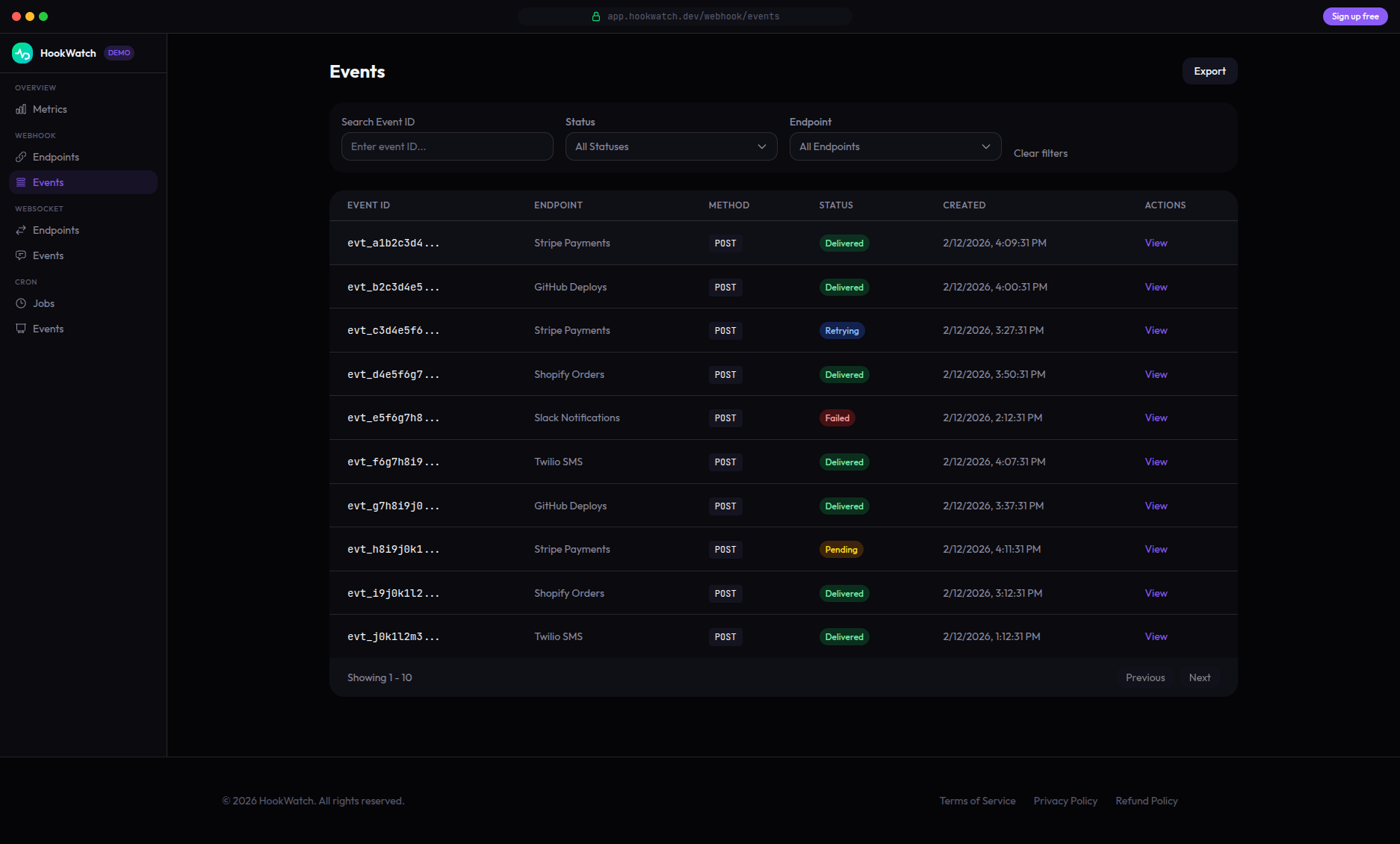
🔗 Webhook Monitor — Track every incoming webhook in real-time. Inspect full payloads, replay failed deliveries with one click, and get automatic retries with exponential backoff. We even have a unique request buffering feature: if your server goes down, HookWatch stores incoming webhooks and replays them when you're back online. Zero data loss.

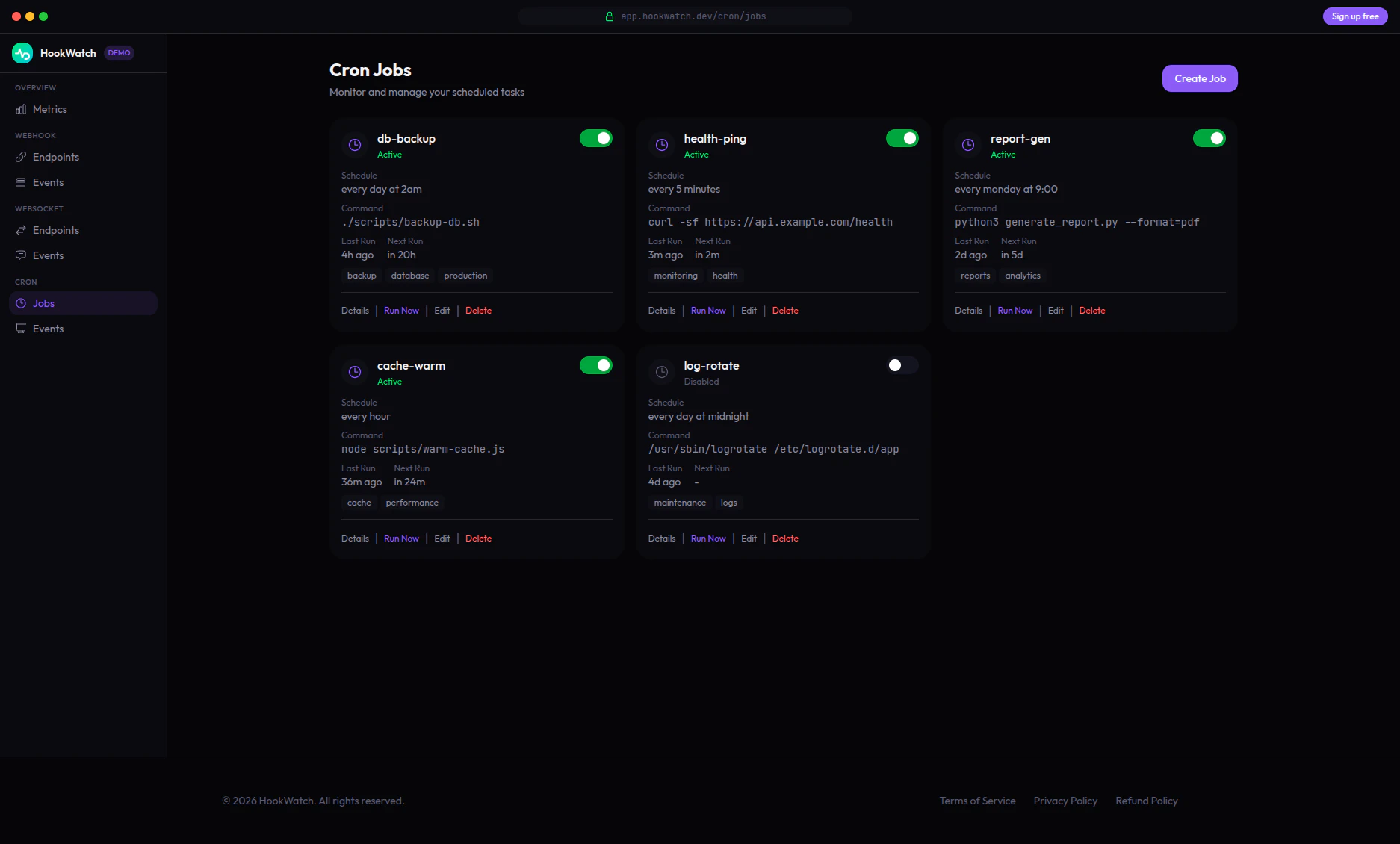
Cron Monitor — Schedule and monitor cron jobs with human-readable syntax. Write "every day at 2am" instead of decoding 0 2 * * *. Get full execution history with stdout/stderr, automatic retries, and instant alerts when something breaks. The CLI runs jobs locally with optional cloud sync — it works 100% offline.

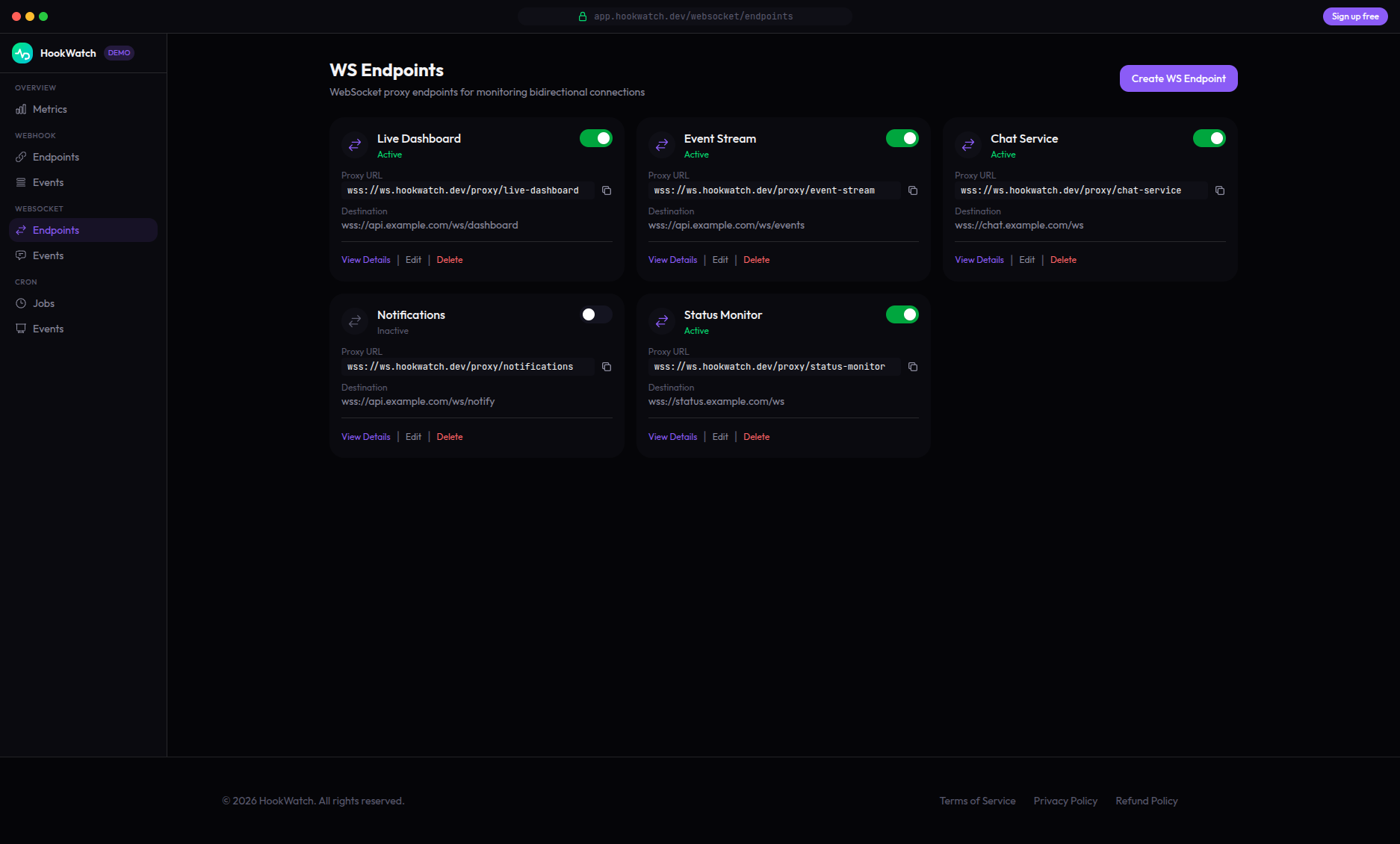
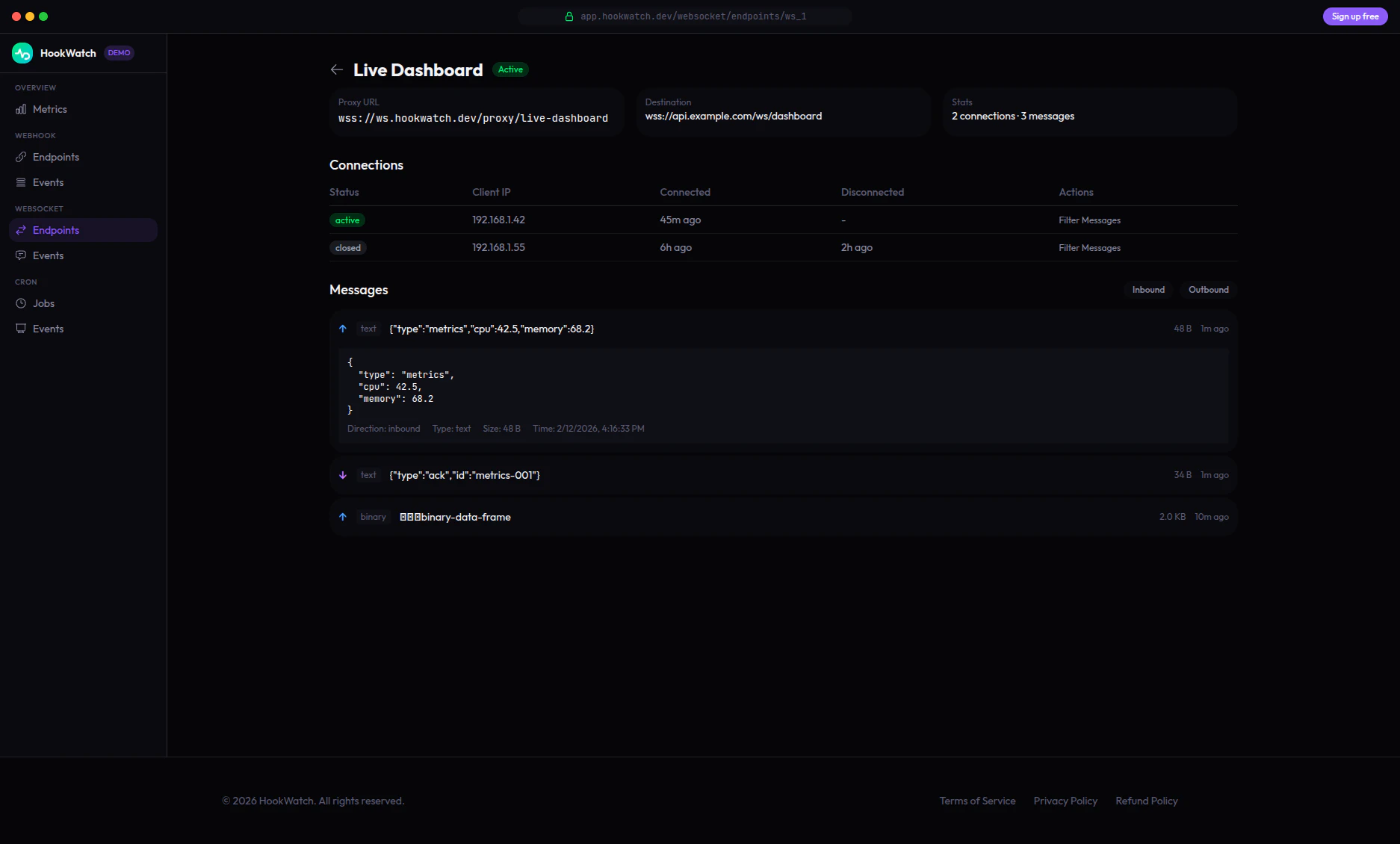
🌐 WebSocket Monitor — A transparent proxy for your WebSocket connections that gives you complete visibility into bidirectional traffic. Point your client to a HookWatch proxy URL instead of the original server — we forward everything transparently while capturing every message in both directions. See live connections open and close, inspect full payloads (text and binary), filter by direction (inbound/outbound), and review complete message history. Debug dropped connections, validate payload formats, and investigate incidents — all without changing a single line of your application code.

🤖 MCP Proxy — Observability for AI agent tool calls. Monitor every MCP request/response, track latency (p50/p95/p99), and get alerts when your agents hit errors. If you're building with Claude or other LLMs, this gives you the visibility you've been missing.

What makes HookWatch different?

  • Four tools, one dashboard. Competitors focus on just one. We bundle webhooks + cron + WebSocket + MCP monitoring together.

  • Local-first CLI. Not just a web dashboard — our CLI is a first-class citizen. Forward webhooks to localhost, run cron jobs locally, get JSON output for scripting. Works offline.

  • Transparent proxying. Both for webhooks (request buffering when your server is down) and WebSockets (full bidirectional message capture). Zero code changes required.

  • Human-readable schedules. Stop Googling cron syntax. Write schedules in plain English.

  • AI-native from day one. MCP observability is built in, not bolted on.

I'd love to hear your feedback — what features would you want to see next? What integrations matter most to you?

Happy to answer any questions in the comments! 🚀

2
回复

@gilfoyley Amazing share.I partner with growing startups to take full ownership of their tech — backend, AI, infrastructure, and scalability — so founders can focus on product, hiring, and revenue. I optimize, stabilize, and scale systems as a hands-on technical developer.Please let me know in any ways i can help you.

0
回复

Webhooks are the backbone of automated billing and agent workflows. Curious how you're handling verification and tamper-proof logs once events fire — that layer’s becoming just as important as uptime.

0
回复
#14
CoThou Autonomous Superagent
Reasoning from first principles to turn thoughts into action
78
一句话介绍:CoThou是一款基于第一性原理推理的自主超级智能体,能将用户的想法和复杂任务转化为可执行的交付成果,在需要长时间自动处理多步骤工作流(如市场研究、应用开发、业务运营)的场景中,解决了用户需手动分解、监控和执行任务的效率痛点。
Productivity Developer Tools Remote Work
自主AI智能体 第一性原理推理 任务自动化 智能助手 生产力工具 沙盒安全 长期运行任务 无监督执行 复杂任务分解 工作流自动化
用户评论摘要:用户反馈呈现两极。积极方面,用户高度认可其“个人超级智能体”的愿景,涵盖生活与工作的全方位自动化。消极方面,存在明显的注册与登录技术故障(邮箱、Google/Github登录报错),开发团队承认部分功能在修复中,并引导用户使用特定方式注册验证。
AI 锐评

CoThou描绘的“完全自主执行复杂任务长达24小时”的愿景极具冲击力,它试图将当前AI从“聊天与建议”层面推向真正的“思考与执行”层面,这是其核心价值主张。然而,其面临的挑战与愿景一样巨大。

产品逻辑上,它瞄准了高端生产力场景——创业、研发、市场分析,这些任务通常模糊、多步骤且需要调用外部工具。通过“第一性原理推理”和沙盒隔离,它宣称能保证任务分解的逻辑性和安全性,这是一个关键的差异化设计。

但从发布初期的评论来看,产品陷入了典型的“愿景超前,基础体验脱节”的窘境。在展示处理复杂业务宏图的同时,却连最基础的第三方OAuth登录和邮箱验证流程都未能跑通。这强烈暗示其产品可能仍处于非常早期的阶段,技术债务或架构稳定性存在疑问。

更深层的问题在于其宣称的“完全自主”。在24小时的无监督执行中,如何确保任务理解不偏离初衷?如何管理与敏感API的交互风险?如何定义任务的“完成”并保证交付质量?评论中关于安全和隔离的提问直接切中了要害,但回复并未给出具体的技术阐述。这让人怀疑其真正的成熟度。

总之,CoThou是一个大胆的概念验证,它指出了一个诱人的未来方向:AI作为独立的执行体。然而,在从“演示愿景”到“可靠产品”的道路上,它必须首先夯实用户入门的基础体验,并更透明地解释其长时任务的安全、控制和纠错机制。否则,它可能只是一个技术上雄心勃勃但用户难以触及的“空中楼阁”。

查看原始信息
CoThou Autonomous Superagent
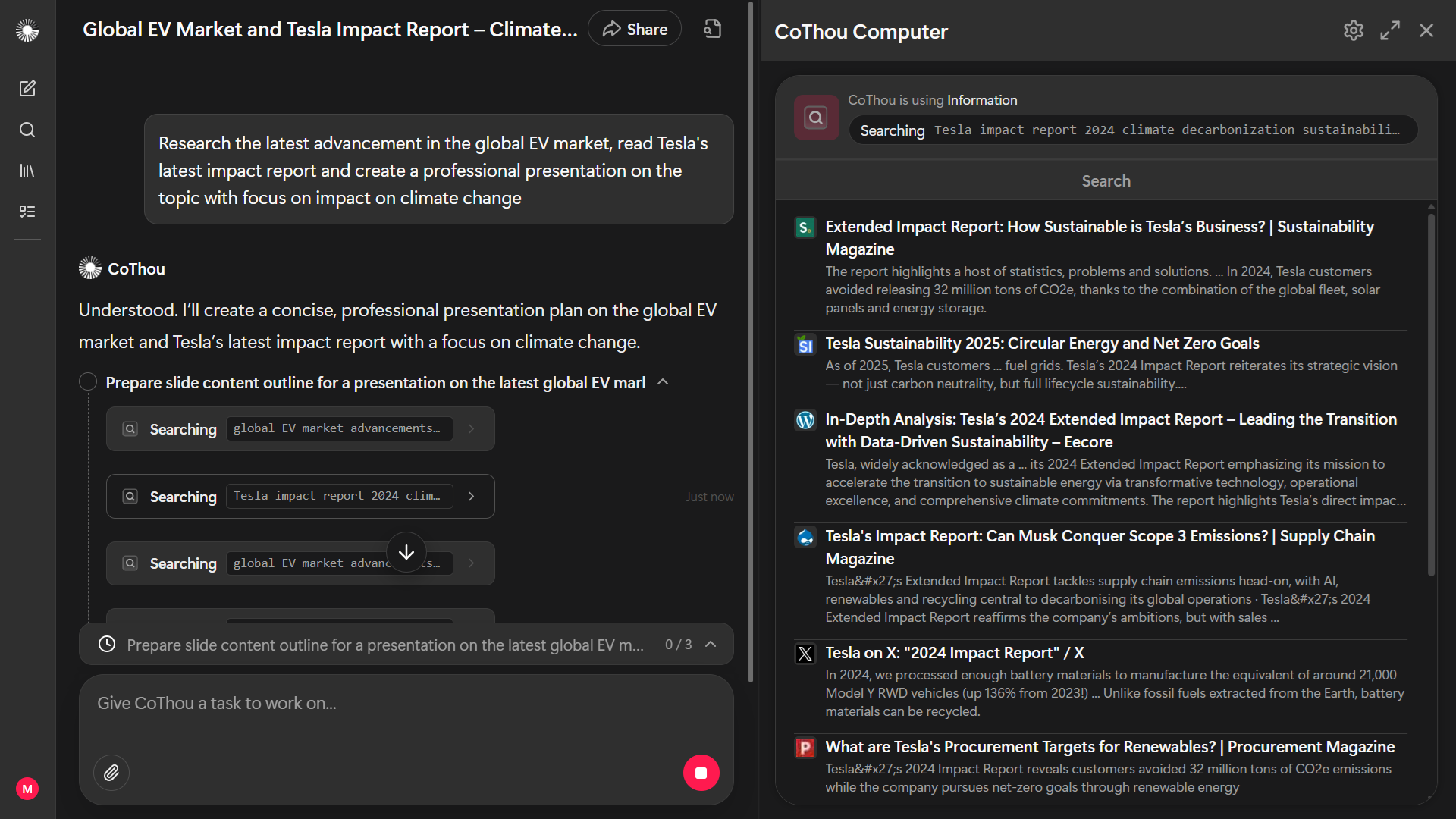
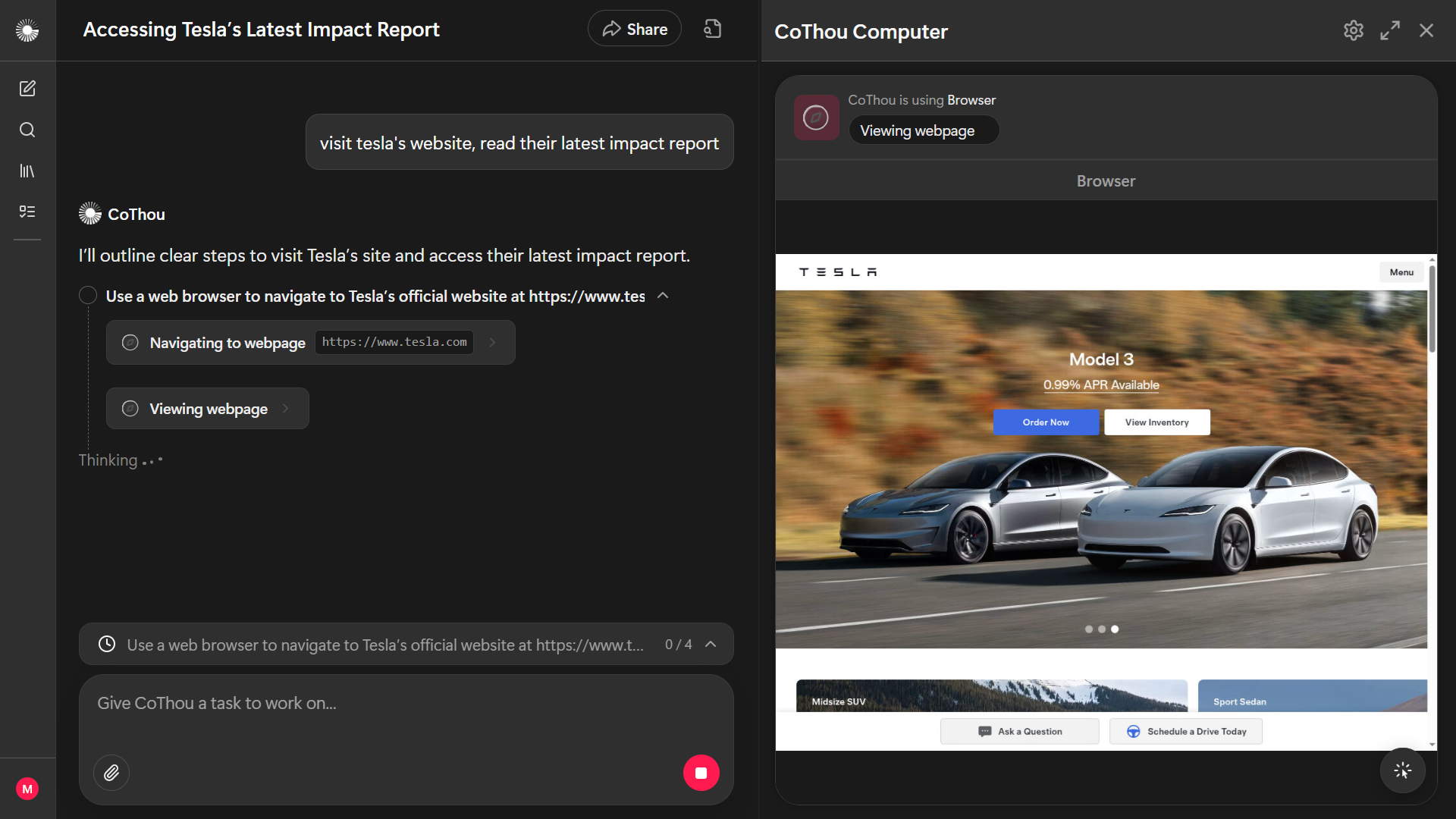
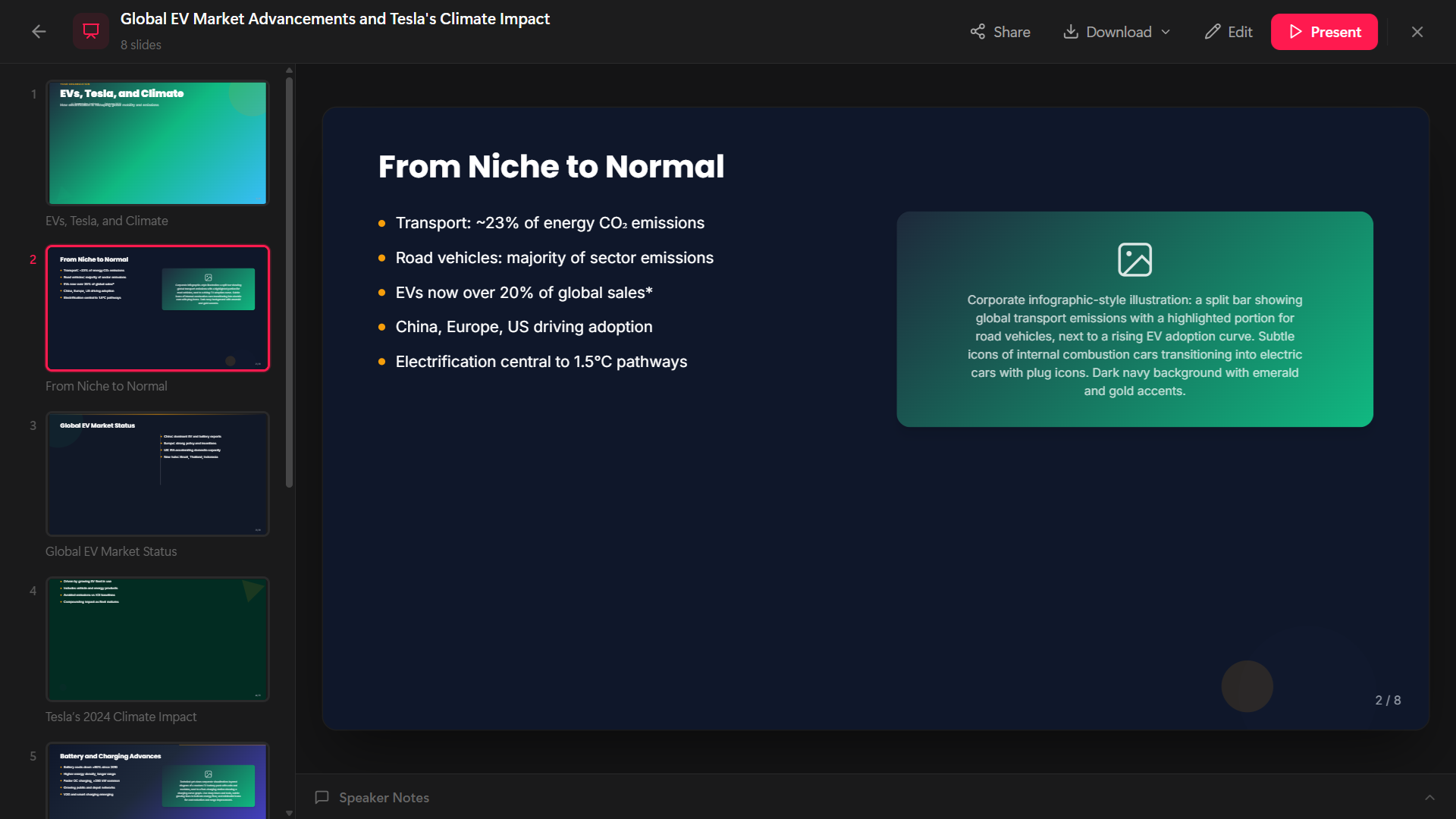
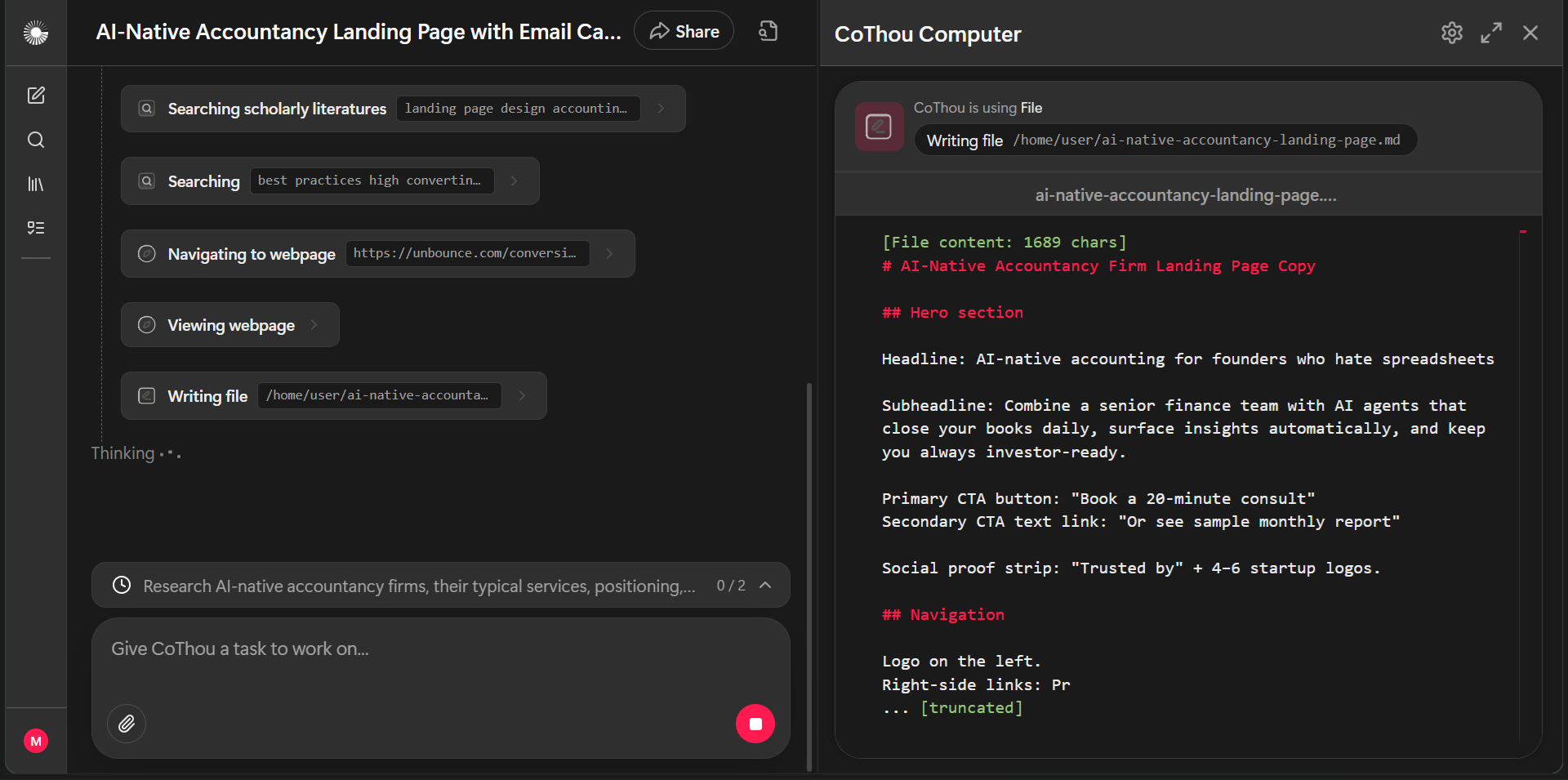
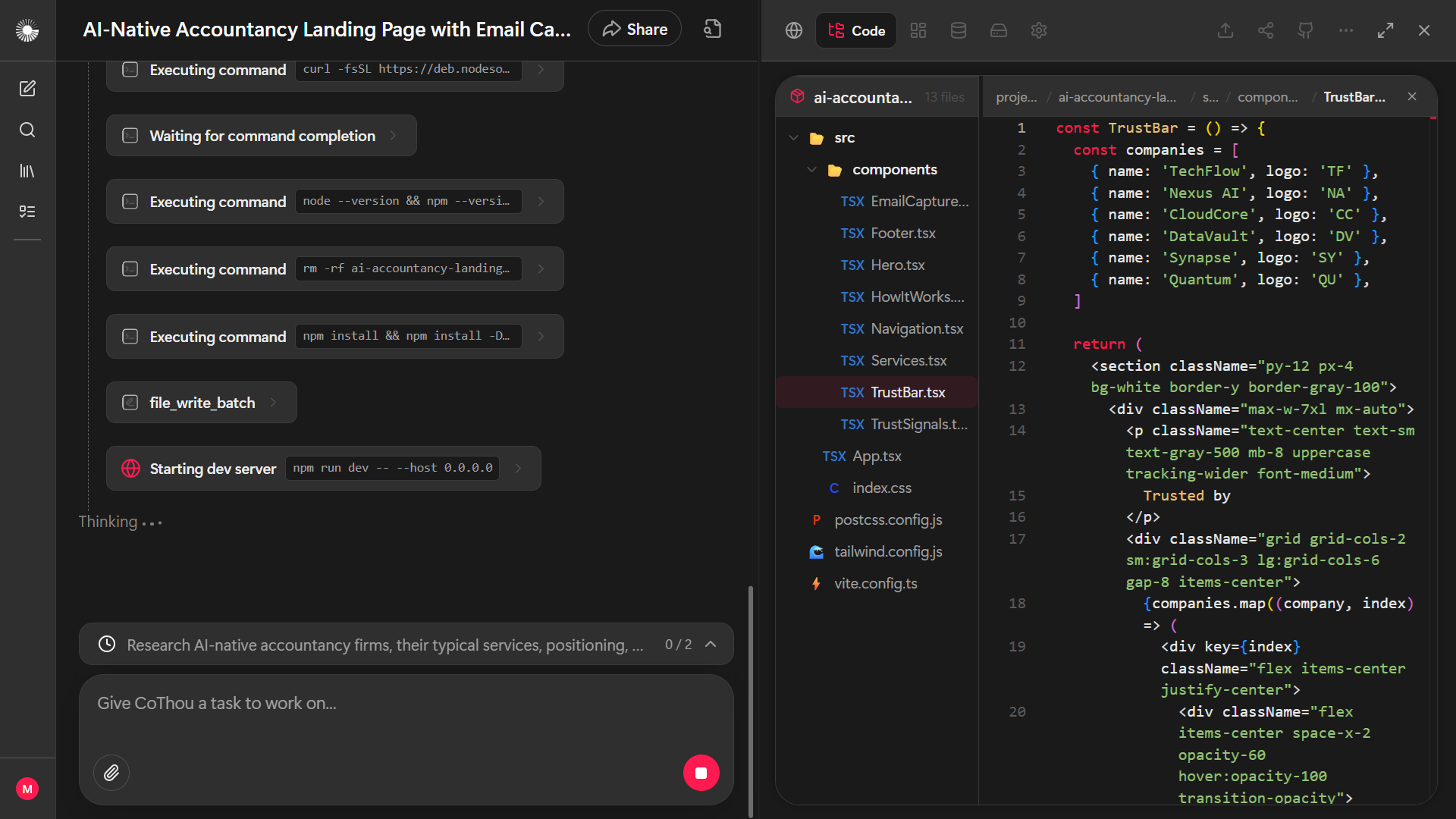
CoThou is an autonomous superagent that reasons from first principles to turn users’ thoughts and complex tasks into actionable deliverables. Each task runs in an isolated sandbox for maximum security and can work fully autonomously for up to 24 hours—without any human intervention—until completion.
In the future I envision, everyone has their own personal superagent that works on their behalf. From ordering groceries to managing calendars, meetings, and notes, scheduling life events, starting a business, researching markets, building websites or full apps, and even reaching out to customers, handling revenue, accounting, and taxes. A truly autonomous personal assistant for life, work, and everything in between. This is what CoThou is built for.
0
回复

@martyd How does the platform handle isolation and security for long-running tasks, especially ones that touch sensitive data or APIs?

0
回复

@martyd Congrats on the launch! Love the ambition behind building a truly autonomous personal superagent. The idea of turning high‑level thoughts into real actions is such a powerful direction for AI. I build in the productivity space too, so I really appreciate how hard it is to balance autonomy with reliability. Excited to see how this evolves.

0
回复

I get uglyerror messages when trying to sign up with email, Google or Github.

0
回复

@osakasaul I hear you.. there is ongoing development and fixes on this. Only the linkedin and the actual sign up form are active right now the rest is undergoing fixes.

0
回复

@osakasaul I saw you registered but didn't verified your email yet. You should have received an Welcome message with email verification so you can login properly. Let me know if there are any issues still

0
回复
#15
Fixure | Security Decision Intelligence
Turn security chaos into system clarity
45
一句话介绍:Fixure是一款安全决策智能平台,它通过整合与解析企业现有安全工具产生的海量、冲突信号,在复杂的网络安全运维场景中,为安全团队提供清晰的风险优先级和影响分析,解决“先修复什么以及为什么”的决策难题。
SaaS Developer Tools Security
安全运营 决策智能 信号聚合 风险优先级 安全协同 平台集成 漏洞管理 威胁情报 安全分析 效率工具
用户评论摘要:用户普遍对产品“整合现有工具、减少噪音、提供清晰行动优先级”的核心价值表示认可与期待。主要问题集中于:具体集成复杂度、是否有使用教程、以及其主动防御能力(是否直接阻止攻击)。开发者回复强调其定位是增强而非替代现有工具,专注于提供决策依据。
AI 锐评

Fixure切入的是一个典型的“丰饶中的贫困”困境——安全团队并不缺数据,而是淹没在数据中。其宣称的“安全决策智能层”定位,本质上是试图成为安全运营的“决策中枢”,而非又一个检测源。这步棋走得聪明,避开了红海竞争,直指高阶的运营效率痛点。

然而,其真正的挑战与价值并非在于技术层面的信号去重与关联,而在于其“业务上下文”的构建能力。将漏洞CVSS分数转化为业务风险,需要深度理解资产、业务流和数据价值,这恰恰是大多数组织内部都难以形式化的隐性知识。Fixure能否通过产品化手段,低成本、规模化地解决这一问题,是其成败的关键。

从评论看,用户最关心的仍是实用细节:集成是否繁琐、能否直接“防住”攻击。这反映了市场对“银弹”的惯性期待与对运营增效工具的认知落差。Fixure的回复清晰地划定了边界——不做阻断,只做决策支持。这种克制值得赞赏,但也意味着其价值必须在客户复杂的内部流程中得以证明,销售周期和教育成本不会低。

总体而言,Fixure概念颇具潜力,它瞄准了安全运营成熟度进阶过程中的核心瓶颈。但其成功不取决于算法多精妙,而取决于能否将模糊的“安全决策”过程,转化为可嵌入现有工作流的、极具说服力的清晰指南,并最终体现为风险降低的可见证据。这条路很长,但方向正确。

查看原始信息
Fixure | Security Decision Intelligence
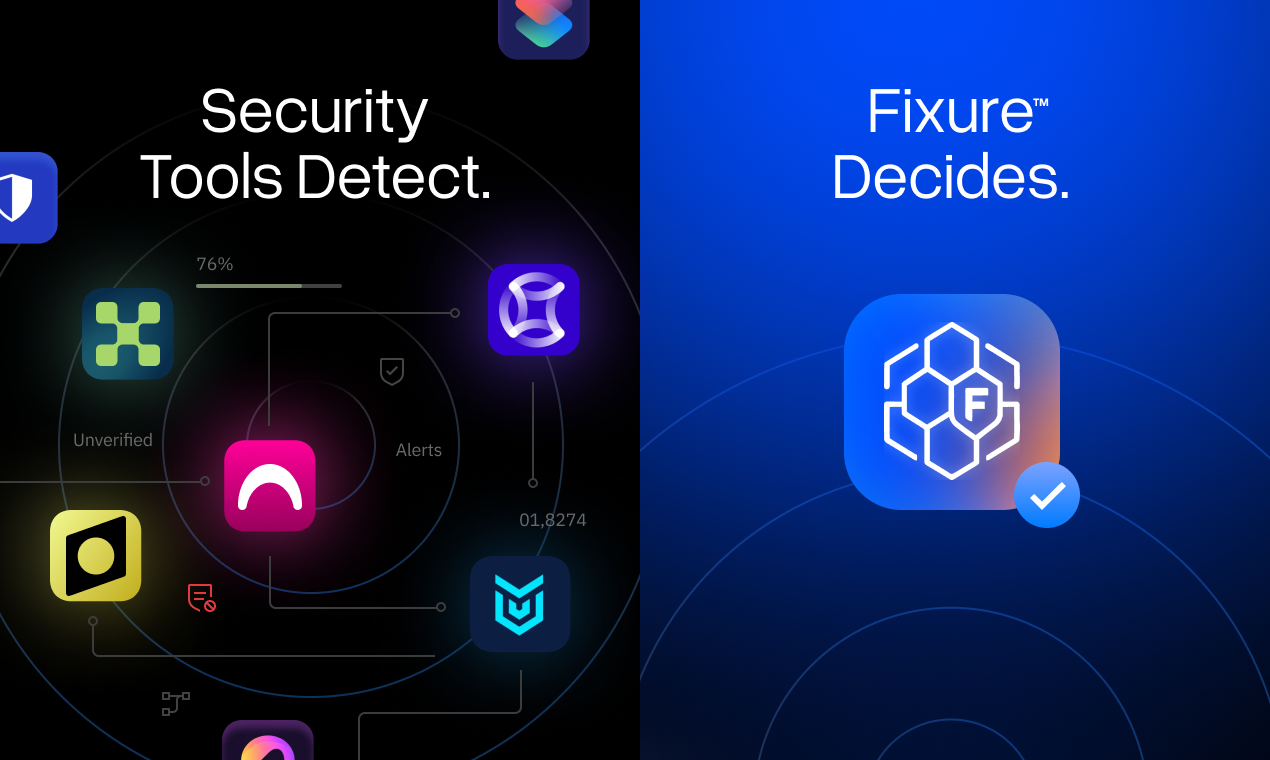
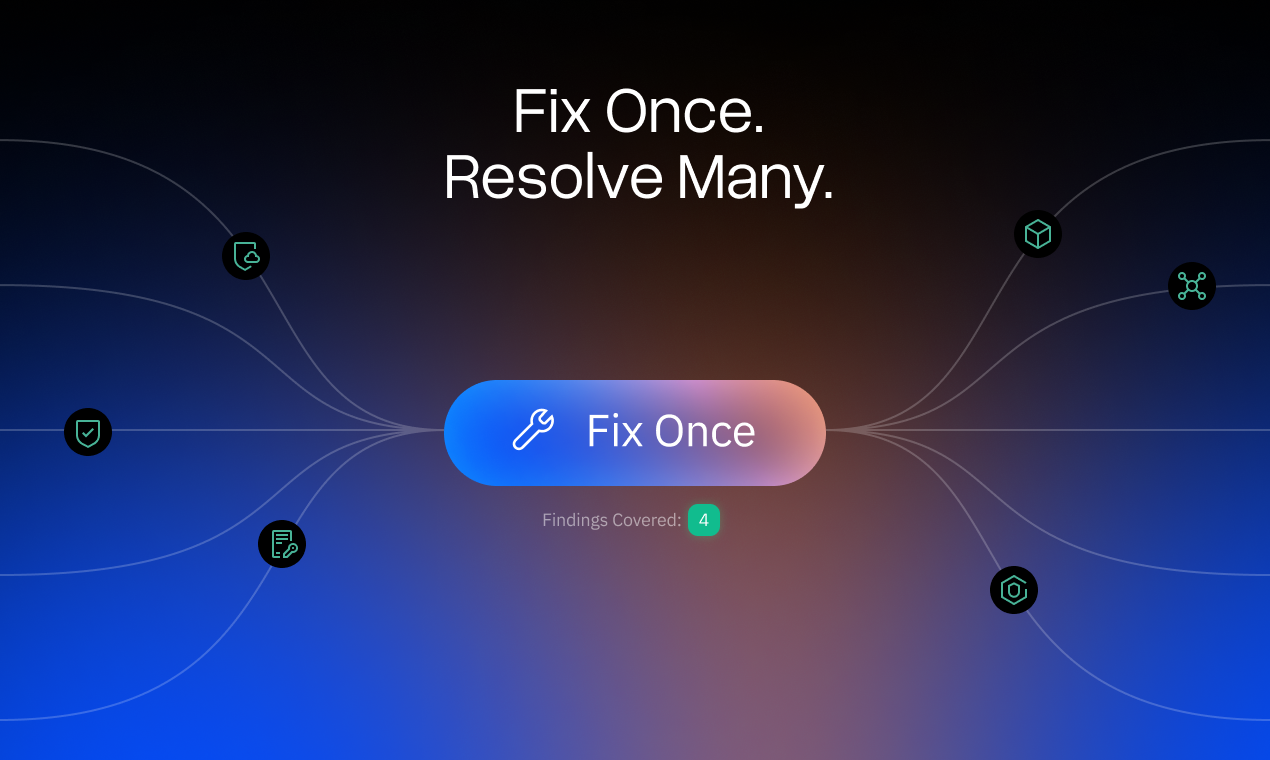
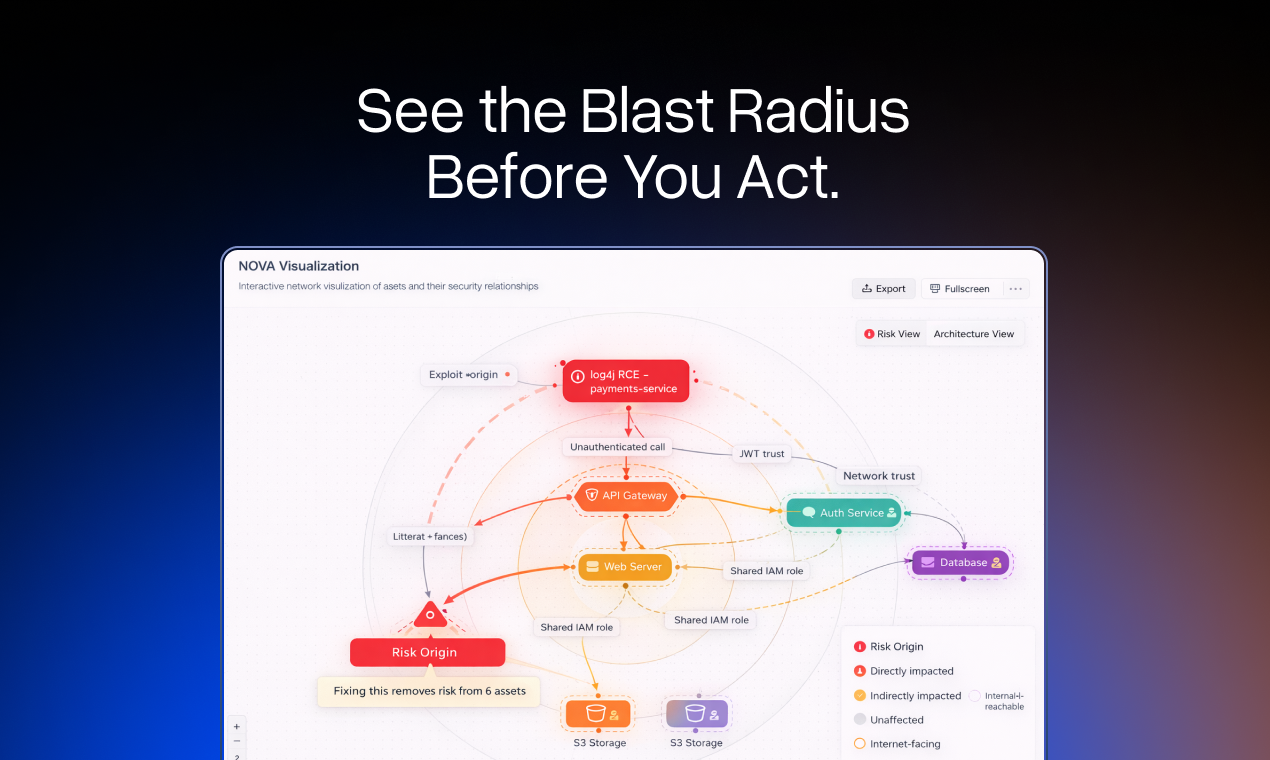
Security teams don’t lack data. They lack clarity. Fixure is a Security Decision Intelligence layer that sits above existing security tools. It reconciles duplicated and conflicting signals into a single model of reality, explains downstream impact, and helps teams understand what matters before taking action. Fixure doesn’t generate findings. It makes sense of what you already have.

Hey Product Hunt community 👋

We’re excited to share something we’ve been building for a while.

A product that answers the persistent question,”What should we fix first and why?”

There are tons of cybersecurity tools out there, but when it came time to make real decisions, something always felt off. We had plenty of signals but not enough clarity around what actually mattered versus what was just noise.

So as security engineers we built what we wished existed: a Security Decision Intelligence layer that sits above existing tools and helps teams reason about risk, not just detect it.

What Fixure does:

  • Reconciles duplicated and conflicting signals into a single system reality

  •  Explains downstream impact before action is taken

  • Helps teams decide which actions matter most and why

  • Compresses thousands of symptoms into fixable root causes

Fixure doesn’t replace scanners, it works with what you already have so teams can stop guessing at scale.

We’re opening up a beta and would genuinely love honest feedback from the community. If this resonates with your experience, we’d love to hear your thoughts and if there are other unique security products we should be learning from, please share.

Thanks for checking out Fixure!
Sameer

22
回复

@fixure  I'm excited to try this. With so many options out there, it would be nice to have a single product to use and fall back on. Do you have a tutorial for the use of your product?

1
回复

@fixure I am extremely excited for this !

0
回复

@fixure I liked the concept and the product seems modern and clean. Hope the integrations aren't too complex.

0
回复

Interesting cybersecurity platform augmenting current tools the team is already using.

It seems like it simplifies communication, threat detection, impact analysis, facilitates decision making and reduces double efforts.

Does it also prevent hacks by assessing weaknesses before attacks happen?

1
回复

@daniel_alonso2 Fixure doesn’t replace security tools or “block hacks” directly it makes them smarter. It connects all your existing security signals, removes noise, adds business context, maps potential impact, and tells you what to fix first so the issues most likely to cause a breach get addressed before attackers exploit them.

1
回复

Excited for this! Looks useful!

1
回复

@carlos__ Thank you!

1
回复

@carlos__ Thank you for the support

0
回复

I can see how this would be helpful! Much easier than having a laundry list of tasks without any real guidance on severity.

0
回复

I'm really intrigued by this, its always difficult to decide which problem is the most urget one. As someone who isnt tech savvy this will be very useful.

0
回复

So when the Fixure tool helps you with cybersecurity risks, does it take information from web data. From websites such as those that are regularly updated to show more recent cybersecurity threats and attacks, along with how they are done (such as birthday attacks)?

0
回复

@eduardo_chapa1 Fixure mainly works with the security data your organization already generates and turns it into prioritized, actionable decisions. We can integrate external threat intelligence feeds for additional context, but we’re not pulling general web data. The focus is clarity, prioritization, and remediation, not just more alerts. If you want to learn more go one Fixure.io and click on get beta access or schedule a demo.

1
回复

@eduardo_chapa1 We appreciate your feedback! We are the tool that unifies ALL the tools.

0
回复
#16
Drop in
Add real features inside the apps you already use
36
一句话介绍:Drop in 是一款通过自然语言描述,即可在现有网页应用(如HubSpot、LinkedIn)内部直接添加定制化功能按钮或视图的浏览器工具,解决了用户因软件功能缺失或集成不足而被迫使用低效变通方案的痛点。
Productivity SaaS Artificial Intelligence
无代码开发 浏览器扩展 生产力工具 应用自定义 流程自动化 自然语言编程 用户侧集成 SaaS增强 即时功能添加
用户评论摘要:用户反馈积极,认可其“用户自定义工具”的核心价值,认为解决了长期痛点。有效评论集中于确认应用场景(如构建即时集成)、赞赏其灵活性,以及询问技术细节。开发者回复重点强调了实现可靠集成的技术挑战。
AI 锐评

Drop in 提出的“用户侧应用改造”愿景,比简单的自动化工具更具颠覆性野心。它本质上试图将最终用户从软件功能的“消费者”转变为“共同构建者”,这直接挑战了传统SaaS产品“由供应商定义功能边界”的范式。其真正价值不在于单个“添加按钮”的动作,而在于构建一个允许团队将内部工作流知识沉淀为具体、可复用工具层的平台。

然而,其面临的核心挑战也异常清晰:首先是**技术债与稳定性**。作为覆盖在复杂第三方应用之上的“层”,任何目标应用的更新都可能导致自定义功能失效,维护成本将随支持的应用数量呈指数级增长。其次是**功能深度与安全边界**。目前演示集中于数据传递和简单UI添加,但一旦涉及复杂逻辑或敏感数据操作,其安全模型、权限控制和错误处理机制将经受严峻考验。最后是**从“玩具”到“工具”的跨越**。早期采用者乐于添加按钮,但团队级采纳需要严谨的权限管理、版本控制和审计日志,这些正是传统BPM或iPaaS解决方案的护城河。

当前产品巧妙地以“自然语言”作为低门槛入口,但长期来看,其护城河更可能建立在**对企业独特工作流的抽象与封装能力**上,而非NLU技术本身。它若成功,不会取代Zapier,而是会成为每个员工浏览器里的“即时轻量级iPaaS”。但这条路需要极深的工程化能力与对企业流程的深刻理解,其发展轨迹将验证“用户侧开发”是一个真正的范式转移,还是一个仅适用于边缘场景的精致补充方案。

查看原始信息
Drop in
Drop in turns the apps you already use into the apps you actually want. Instead of waiting on vendors or scripting, you describe your ideal feature in plain English: “Add an ‘Add to HubSpot’ button here”, “Create a qualification view in this CRM”. Drop in builds it into the page. Features persist, can be organized per site, and integrate with tools like HubSpot, Airtable, and Notion to move real data.

Hey everyone! I'm Gio, the maker of DropIn.

We built this because we were frustrated with all the "missing features" in tools we use daily.

Export button in ChatGPT? - Nope. Smart replies in Slack? - Nope.

So we built DropIn. Just describe what's missing, and it gets added to any web app.

For all early adopters: we're giving free AI credits so your custom features can talk to AI directly from the browser
(summaries, smart replies, auto-responses)
Try it out: http://usedropin.com/

More integrations are on the way 😎

Would love to hear what features YOU wish your favorite tools had! 🚀

3
回复

@georgii_bochorishvili Congrats on the launch! The idea of shaping the tools you already use instead of waiting on vendors is super clever. I build in the productivity space too, so I really appreciate how hard it is to make something this flexible without overwhelming the user. Well done!

0
回复

Hey Product Hunt 👋

We’ve all had that moment of staring at a tool thinking, “Why is there not just a button for this?”

Drop in is our attempt to fix that.

It’s an adaptive layer that sits on top of the web apps you already use and lets you add real features inside them. Buttons, panels, little workflow steps, even full views, just by describing what you want in plain English.

Instead of automating around tools, you change the tools themselves from the user side.

Example: you’re on a LinkedIn profile and want an “Add to HubSpot” button. You ask Drop in, it appears on the page, creates/updates the contact, logs a note the way your team wants it… and that button stays there for every profile you visit.

We’re still early, but the vision is big: let teams shape the software they already use, without waiting on vendors.

I’d love to hear: what’s the “I wish this had a button for X” moment you hit every week?

3
回复

Looks very promising!

2
回复
0
回复

Seems powerful, congrats! So it's primarily used to instantly build integrations from your custom app to a range of different providers (e.g. Slack, ChatGPT)?

1
回复

This is such a great tool! I was looking for this since long time.

Why did it took so long! 🙂

Congrats and great product. Much love.

1
回复

@cesare_d_adamo Thanks, appreciate that. Making integrations work reliably was a huge milestone.

0
回复
#17
SearchZ.ai
Search powered by AI - no ads, no SEO Manipulation
32
一句话介绍:SearchZ.ai是一款基于独立数据集的AI搜索引擎,在用户进行学术研究或日常信息检索时,通过无广告、无SEO操纵的纯净结果,解决了主流搜索引擎结果页充斥商业推广和内容污染的痛点。
Privacy Artificial Intelligence Search
AI搜索引擎 无广告搜索 独立搜索平台 纯净搜索结果 信息检索工具 研究辅助 反SEO操纵 隐私友好 效率工具
用户评论摘要:有效评论主要为创始人自述,阐述了产品开发初衷(对抗广告泛滥、寻求独立于谷歌/微软的替代方案)并邀请反馈。评论中未出现真实用户的体验反馈或具体建议,互动以感谢为主。
AI 锐评

SearchZ.ai的亮相,精准地切中了当前用户对主流搜索引擎的普遍不满——结果页的“广告即内容”化以及SEO生态带来的信息扭曲。其标榜的“独立数据集”与“AI排名”双引擎概念,是它试图构建的核心护城河,意在将自己与依赖Bing API的诸多“谷歌替代品”区隔开,直指行业“数据垄断”与“排名黑箱”两大顽疾。

然而,其宣称的“真正独立”面临严峻拷问。自建全网爬虫与索引的成本极高,对于一个新创产品而言,其数据集的广度、深度与实时性能否支撑起通用搜索的承诺,需要打上巨大问号。更可能的情况是,它聚合了某些特定开源或授权数据集,并在有限领域内应用AI重排,这使其更接近于一个垂直或实验性搜索工具,而非通用搜索的全面挑战者。

产品将“内置工具”(如天气、计算器)作为智能特性列出,这恰恰暴露了其核心搜索能力可能尚处早期,需要功能补充来提升用户粘性。目前社区反馈的缺失,使得产品实际体验成谜。它真正的价值,或许不在于短期内取代巨头,而在于其作为一项“概念验证”,揭示了市场对中立、可信信息检索渠道的渴望。它的成败,将取决于其“独立数据”的实质质量与AI排名算法能否真正带来颠覆性的相关性体验,否则极易沦为又一个在情怀呐喊后沉寂的注脚。

查看原始信息
SearchZ.ai
SearchZ.AI - Advanced AI-powered search engine delivering fast, clean, spam-free results. ✓ Truly independent - not controlled by Google or Microsoft ✓ AI-ranked results - Intelligently ranks the best answers for your query ✓ Zero clutter - No ads, no sponsored links, just pure search results ✓ Smart features - Weather, calculator, sports scores, Wikipedia, and more built-in Perfect for researchers, students, and anyone tired of wading through sponsored content to find real answers.
Hey Product Hunt! 👋 I'm Raj, and I built SearchZ.AI because I was frustrated with modern search engines prioritizing ads over answers. The problem: Google has become cluttered with sponsored content, and most alternatives still rely on Microsoft's Bing. There wasn't a truly independent option with clean results. The solution: SearchZ.AI uses completely independent dataset (not from Google/Microsoft) + AI ranking to deliver the best results without manipulation. What you can do with it: Get instant answers without ads Use built-in tools (weather, calculator, sports, etc.) Search with confidence that results aren't bought I'd love your feedback! What features would make this your daily search engine? Try it out and let me know what you think! 🚀
3
回复

thanks everyone

2
回复
#18
Paper Plane Simulator
Delightful game in which you throw a paper plane and watch
31
一句话介绍:一款3D纸飞机模拟游戏,让用户在纽约摩天大楼场景中投掷纸飞机并沉浸式观赏其飞行轨迹,在碎片化时间或压力场景下提供瞬间的放松与解压体验。
Indie Games Simulation Games Vibe coding
休闲游戏 模拟游戏 解压应用 3D视觉 纽约城市景观 纸飞机 放松 轻量级游戏 单机游戏 沉浸式体验
用户评论摘要:用户普遍认为游戏放松、有趣、原创。主要建议包括:增加飞行距离计数和排行榜功能;推出夜模式、更多城市地图和背景音乐;考虑加入键盘控制及VR支持。开发者积极互动,表示考虑扩展城市和功能。
AI 锐评

“纸飞机模拟器”本质上是一款“数字禅意花园”,其核心价值不在于游戏性,而在于提供一种低交互、高沉浸的感官按摩。产品精准切入了一个细分需求:在信息过载的时代,为用户提供一个无需思考、无需竞争、只需观赏的视觉流放地。它的“玩法”薄弱——投掷后即失去控制,这恰恰是其聪明之处,它贩卖的不是操作乐趣,而是“放弃控制”后的放松感。

从评论看,用户反馈分裂了产品的未来路径:一方要求增强游戏性(如排行榜、距离计数),这会将产品拖入与传统休闲游戏的平庸红海;另一方则要求深化体验(VR、更多城市、夜模式),这才是其护城河所在。开发者关于“纸飞机不该被过多控制”的回复,显示出对产品“反游戏”内核的坚持,这是正确的。产品的真正风险在于定位模糊:若试图同时满足“解压观赏”和“轻度竞技”两类用户,很可能两头不讨好。

其技术实现(据称全部由Claude Code生成)和“手 vibe 编码”的营销故事,比游戏本身更吸引科技圈关注,这揭示了其另一层本质:一个AI原生应用的概念验证。它的成功与否,将取决于能否将“观赏性放松”这一体验做到极致,并形成内容(城市、天气、时间系统)的可持续更新壁垒,否则极易被复制或沦为一次性新鲜感消费。当前版本是一个优雅的MVP,但它的天花板,取决于团队是选择深化“禅意”,还是妥协于“游戏”。

查看原始信息
Paper Plane Simulator
Throw paper planes from NYC skyscrapers in 3D

I was not invited to the Anthropic Claude Code Hackathon (https://x.com/cerebral_valley/st... only 500 participants), but decided to participate nevertheless.

Hand vibe coded. Zero lines of code written. All Claude Code (with Zenflow UI).

Let me in!

12
回复

@pablo_sanzo if they don't let you, you can just arrive on that plane! I love the idea and the implementation!

4
回复

@pablo_sanzo "hand vibe coded" lol, nice project!

0
回复

@rajiv_ayyangar is Product Hunt becoming "pay-to-win"?

Appreciate if you're honest with your take; it might be a challenge that you're facing, and the community could help:

3
回复

@rajiv_ayyangar from the beginning, this was in my post (4th image):

2
回复

Some players are telling me it should have a distance counter and a leaderboard; what do you think? 🤔

3
回复

@pablo_sanzo So relaxing to watch! Would be amazing with a night mode and more tracks.

2
回复
It's a very original game; it's both relaxing and entertaining. I love the music, by the way!
2
回复

this is actually pretty

disgustingly soothing

1
回复

@leon_imanuel hahaha thanks, man. I told you I love NYC.

1
回复

can you make it work for any city, not only NYC?

1
回复

@yegorgilyov I'm thinking to expand to more cities; you can vote for your favorite here

0
回复

very fun, would love to see an update with keyboard controls

1
回复

@riccardo_mazzarini Nice idea! Do you want to actually control the plane? But it's a paper plane, so maybe I don't let you control it too much 😄

0
回复

I really enjoy flying over different cities and seeing them from a bird’s-eye view. Have you thought about adding VR support? It could make the experience even more immersive!

1
回复

Cool! Love the music

1
回复

wow, it's a nice one — so relaxing! only drawback is that i didn't really want the plane to stop flying =))

1
回复

Nice idea! I felt like the plane is going to fall, but it continue to smoothly go down 😅

1
回复
#19
PromptScan
Turn One Sentence Into Complete Market Research
22
一句话介绍:一款AI驱动的市场研究工具,能将用户的一句话想法在几分钟内转化为包含竞争分析、用户画像、市场容量等内容的完整报告,解决了创业者、产品构建者在项目早期手动进行市场调研耗时数周、无从下手的核心痛点。
Marketing SaaS Business Intelligence
AI市场研究 创业工具 竞争分析 用户画像 市场容量测算 STP分析 MVP规划 产品验证 自动化报告 SaaS
用户评论摘要:用户肯定其快速验证想法的价值,并提出了具体问题与建议。问题集中于数据源透明度(如区域性市场数据)、竞品分析深度区分、以及报告的可信度验证。建议则聚焦于提升报告专业性,如增加来源引用、优化数据可视化、改善UI/UX和可访问性设计。
AI 锐评

PromptScan瞄准了一个真实且疼痛的缝隙市场:早期创业者的“预验证”焦虑。其宣称的价值并非简单的信息聚合,而是试图将创始人模糊的直觉,通过AI智能体实时搜索,结构化为一份看似标准的市场研究报告。这本质上是在售卖“速度”与“结构”,用以对抗创业初期最大的成本——时间与不确定性。

然而,其光鲜承诺之下,潜藏着几个必须直视的深层挑战。首先,是“垃圾进,垃圾出”的经典AI困境。一句模糊的句子,即使经过AI扩写,其作为研究指令的精确性存疑,最终报告的质量根基可能并不牢固。其次,其核心卖点“实时网络搜索”是一把双刃剑。在公开数据丰富的成熟市场或许可行,但对于利基或区域性市场,AI很可能陷入数据荒漠,导致报告空泛或失真。评论中关于数据源和深度竞争的质疑,直接击中了这个要害。

更关键的是,它游走于“洞察”与“幻觉”的灰色地带。真正的市场研究,其价值不仅在于收集数据,更在于专业的解读、批判性的交叉验证以及对数据局限性的清醒认知。当前产品形态更像是一个高速的“信息包装器”,而非“分析引擎”。用户建议增加源引用和可视化,正是试图为其注入本应具备的专业严谨性。若不能解决数据可信度与深度分析的问题,它可能只会为创始人提供一种“已做过研究”的心理安慰,而非真正可靠的决策依据。

它的真正机会,或许不在于取代专业研究,而是成为专业研究的高效“前哨”。即帮助创业者在投入重金进行深度研究前,快速梳理思路、建立初步框架、识别核心假设。要实现从“有趣工具”到“专业级力量”的跃迁,它必须在算法上更清晰地界定并标注信息的置信区间,在交互上引导用户输入更精确的指令,并像评论所建议的,将UX/UI设计全面向严肃的专业报告标准靠拢。

查看原始信息
PromptScan
Transform a one-sentence idea into a full market research suite — competitive analysis, deep personas, market sizing, STP analysis, MVP scope & more. Powered by AI agents that search the web in real-time.

Hey Product Hunt 👋
I’m Yassine, founder of PromptScan.

PromptScan helps founders and builders turn one sentence of an idea into complete market research in minutes — with competitor deep dives, customer personas, TAM/SAM/SOM, STP analysis, MVP scoping and exportable reports — all powered by real-time AI agents.

We built it because manual market research takes days/weeks — PromptScan delivers insights in under 2 minutes.

🚀 Try it for free (no credit card)

I’d love to hear what use-case you want to run first — e.g., competitive analysis, persona insights, TAM sizing? 👇

6
回复

@yassine_rahmani Turning raw ideas into structured market insight fast is something many founders actually struggle with, especially the validation pre-validation phase.

Congrats for the launch 🚀👏

1
回复

Congrats on the launch! Turning a single sentence into a structured research suite is a compelling promise, especially for early-stage founders who don’t know where to start. How does PromptScan differentiate between surface-level competitor mentions and true strategic competitors, so founders don’t base positioning decisions on noisy or loosely related players?

1
回复

@vik_sh Hi Viktor, thank you for your interest in PromptScan, PromptScan does not just analyze your competitor, it digs deeply into your direct/indirect competitors and analyzes areas where you could win and where they can win and what's the optimal position for you against them ( Supported by data like resources / features etc... ) ! This is available in the deep dive feature. Try it out and let me know your feedback !

0
回复

Market research for niche B2B segments usually means manually digging through G2, Capterra and LinkedIn for weeks. If PromptScan can shortcut that, it would be a real time saver. How well does it perform for smaller or regional markets where public data is limited?

1
回复

@klara_minarikova Hi Klara thanks for your interest in PromptScan. Yes, PromptScan does dig through all the sources you mentioned for competitive analysis ( especially if you use the deep dive feature on a specific competitor ). Regarding regional or smaller markets it relies on government publicly available data, social presence ( Facebook, Instagram, Threads ... ) reddit discussions ( if any ) ... We are working on improving its integration with regional research firms so that data would be more available.

0
回复

@yassine_rahmani Congrats on the launch! 🚀 The speed and depth of this market research tool are impressive my research about "the 'Italian diaspora in London" case study it generated for me was surprisingly detailed.

I have some suggestions for improving the reports and the UX/UI. Maybe for the post-launch roadmap :) :

  1. Source Citations: Since it’s an AI-driven tool, professional researchers need to verify the data (like the $14.21B market value). Adding footnotes or direct links to the web sources found by the agents would make the report more credible.

  2. Visual Charts: For the 'Market Sizing' section, auto-generating a TAM/SAM/SOM chart would be a killer feature to make the report 'investor-ready' immediately.

  3. UX/Accessibility areas in the 'Market Research' section that could be polished to make the reports more professional and easier to read:

    • Typography & Contrast: The font size in the main research body is a bit too small for long-form reading, and the font color is quite light. Increasing the size and using a darker, higher-contrast color would significantly improve readability.

    • SWOT Analysis UI: In the SWOT section, the 'Red on Red' color scheme makes the text very hard to decipher. A darker text color on a neutral/grey background would work much better.

    • Information Hierarchy: For sections with a lot of data, consider using dropdowns or accordions. This would allow users to collapse/expand specific fields and focus on one part of the research at a time without being overwhelmed.

    The product is solid and with small UI adjustments would turn a great tool into a professional-grade powerhouse. Looking forward to seeing how this evolves. Already upvoted!

1
回复

@giorgio_cignitti_phd Hi Giorgio, thank you for reviewing PromptScan. I am glad that you enjoyed trying it out ! For the source citations they can be found in the market sizing at the end of the report. I am working on storing the sources for export in CSV and PDF ( a new feature coming app ).
I will get working asap on improving the visual charts and ux accessibility !
Thank you so much for your feedback.

0
回复

Powerful tool for marketers

What sources does it use? Marketing websites? Product docs?

1
回复

@daniele_packard thank you daniele, it uses different sources depending on your prompt but mostly government statistics data, market research reports from firms, competitors websites, reddit, G2, Capterra, News Websites for PESTEL ...

0
回复

Congrats Yassine ! Such a great tool, I was looking for a tool like this lately to validate my idea !

1
回复

@itsmasa glad you liked it ! thank you for the feedback, now you will never worry about wether to enlighten us with your brilliant idea or not, promptscan got you 🫡

0
回复
#20
Jinee AI
Meetings of the Future
22
一句话介绍:Jinee AI是一款在视频会议中实时响应数据查询的AI助手,它通过接入Google Meet并连接企业内部系统,在会议现场即时回答数据问题,解决了因信息查找延迟导致决策效率低下的痛点。
Productivity Meetings Artificial Intelligence
AI会议助手 实时数据查询 语音交互 Google Meet集成 企业SaaS 生产力工具 智能协作 会议效率 企业数据整合 实时问答
用户评论摘要:用户普遍赞赏其“会议实时问答”的核心概念,认为能有效减少“会后回复”的拖延。主要反馈集中在期待试用、认可其与传统笔记工具的区别。核心关切是数据隐私与安全问题,以及未来与数据仓库等系统的集成能力。
AI 锐评

Jinee AI的野心,并非在已是一片红海的会议转录与摘要市场再添一个普通玩家,而是试图重新定义会议中的“信息在场”方式。它的真正价值在于将“决策延迟”这个会议痼疾,直接归因于“数据不在场”,并提供了一个激进的技术解决方案:让数据通过一个AI代理实时“开口说话”。

产品逻辑犀利地戳穿了当前多数AI会议工具的“事后诸葛亮”属性——它们记录过去,却无助于推动当下的讨论。Jinee试图成为会议中的“即时事实核查员”或“活体数据看板”,其挑战性在于技术、体验与信任的三重关卡。技术上,需实现低延迟、高准确率的语音交互与跨系统数据实时拉取,这对其上下文理解与数据接口的鲁棒性要求极高。体验上,如何让一个“AI同事”的插话自然而不突兀,是其能否被接纳的关键。创始人提到“实时语音AI终于足够快、足够好”,这既是机遇也是隐忧,因为用户对“类人”交互的瑕疵容忍度极低。

最尖锐的质疑来自数据隐私与安全。当AI能监听每一场会议,并随时调取核心业务系统(如Salesforce、Databricks)的数据时,它便成为了一个巨大的敏感信息聚合点与潜在泄漏口。评论中的担忧非常现实,这不仅是加密和合规问题,更涉及企业对其“会议黑匣子”的根本性控制权。Jinee若想从“酷炫demo”走向企业核心场景,其安全架构的透明性与可信度,甚至比其功能本身更为重要。

总体而言,Jinee AI展现了一个极具前瞻性的会议协作范式。它不再满足于做会议的“记录者”,而立志成为“参与者”。其成功与否,将不取决于语音技术本身,而取决于能否在企业复杂的权限丛林与数据孤岛中,搭建起一条安全、可靠、精准的“实时数据输送带”,并让用户习惯在会议中与一个非人类声音进行事实对话。这条路道阻且长,但方向值得关注。
查看原始信息
Jinee AI
Every meeting, someone asks a question nobody can answer. The data exists — in Slack, Databricks, your dashboards — just never where you need it. In the meeting. Jinee AI joins your call and speaks. Ask it a question, it pulls real data from your systems and answers out loud. Not after the meeting. Not in a follow-up. Right there. Not a note-taker. A participant.
Hey Product Hunt! Quick story. Last month, someone in our meeting asked "what's our pipeline at?" Four people looked at each other. One said "I'll pull it up after." Meeting moved on. Decision got delayed a week. The data was in Salesforce. Nobody had it open. That's the problem we built Jinee to fix. Jinee AI joins your Google Meet as an actual participant. It listens to the conversation. And when someone asks a question — it answers. Out loud. With real data from your connected systems. Not a note-taker. Not a summarizer. A teammate that speaks. 🚀 Launching the public beta today — free for the next 3 months for everyone who signs up from Product Hunt. Would love your feedback. And genuinely curious — How many times did you hear "let me get back to you" this week? LOL
19
回复

@arnavborkar Really loved the concept! Cant wait to try the product.

0
回复

Hey Product Hunt! 👋

I'm Chirag, co-maker of Jinee - an AI agent that joins your Google Meet calls and actually participates.

😩 The problem: We've all been in meetings where someone asks "what did we decide last week?" or "what's the latest ?" and the next 10 minutes are spent digging through docs, Slack threads, and memory. Meanwhile, meeting notes either don't get taken, or they're so sanitized they're useless.

🤷 Why existing tools fall short: Most meeting AI tools sit outside the call, they record, transcribe, and hand you a summary after it's over. That's useful, but it doesn't help you in the moment when you actually need answers.

✨ What Jinee does differently: Jinee joins your meeting as a participant. Say "Jinee" and ask a question; it listens, understands context, and responds out loud in real-time. Think of it as a teammate who's always prepared, never forgets, and never talks unless spoken to. 🤐

⏰ Why we built this now: Real-time speech AI finally got fast enough and good enough to make this feel natural, not gimmicky. The gap between "cool demo" and "actually useful in a real meeting" just closed.

🔑 Key benefits:

  • 🎙️ Answers questions live - no more "let me get back to you on that"

  • 🙌 Hands-free, voice-activated - no tab-switching or typing mid-conversation

  • 💻 Works inside Google Meet - no new app for your team to adopt

  • 📝 Meeting summaries delivered after the call so nothing falls through the cracks

We'd love for you to try it and tell us what breaks 🛠️ Seriously — we're early and every piece of feedback shapes what we build next.

16
回复

I really like how Jinee highlights key information in real-time during meetings. Throughout my career, I’ve heard “I don’t remember that” or “we need to refine the documentation” far too many times.

That said, when thinking about enterprise adoption, data privacy becomes critical. How is sensitive meeting data handled? What guarantees are there around storage, retention, and model training?


Integrating LLMs into work pipelines is powerful, but the risk of data leakage is a real concern for companies. I’d be very interested to learn more about how Jinee approaches security and privacy at scale.

5
回复

Tried it just now, the idea seems really cool. Can't wait to see how you integrate it with datawarehouses

2
回复