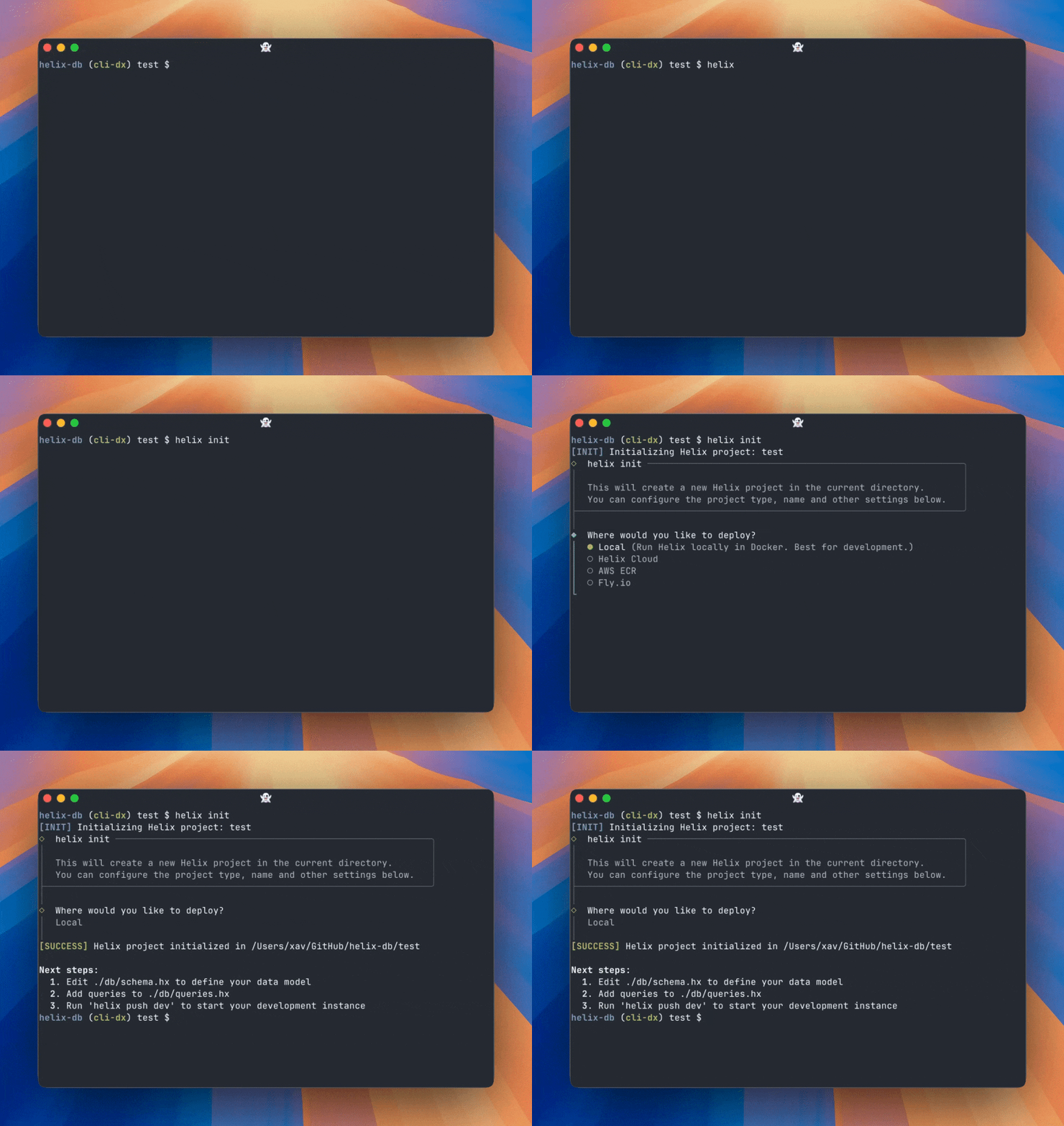
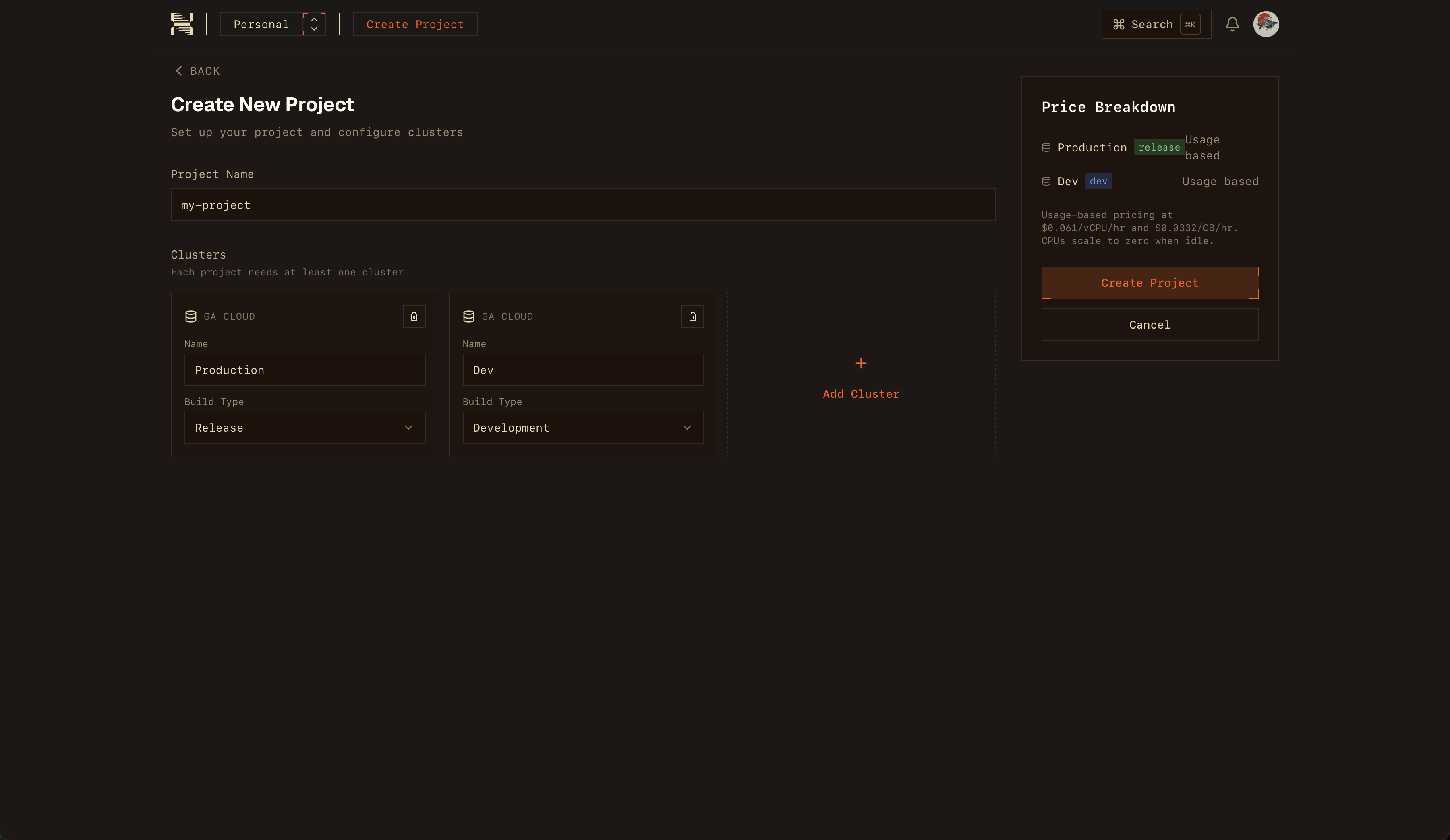
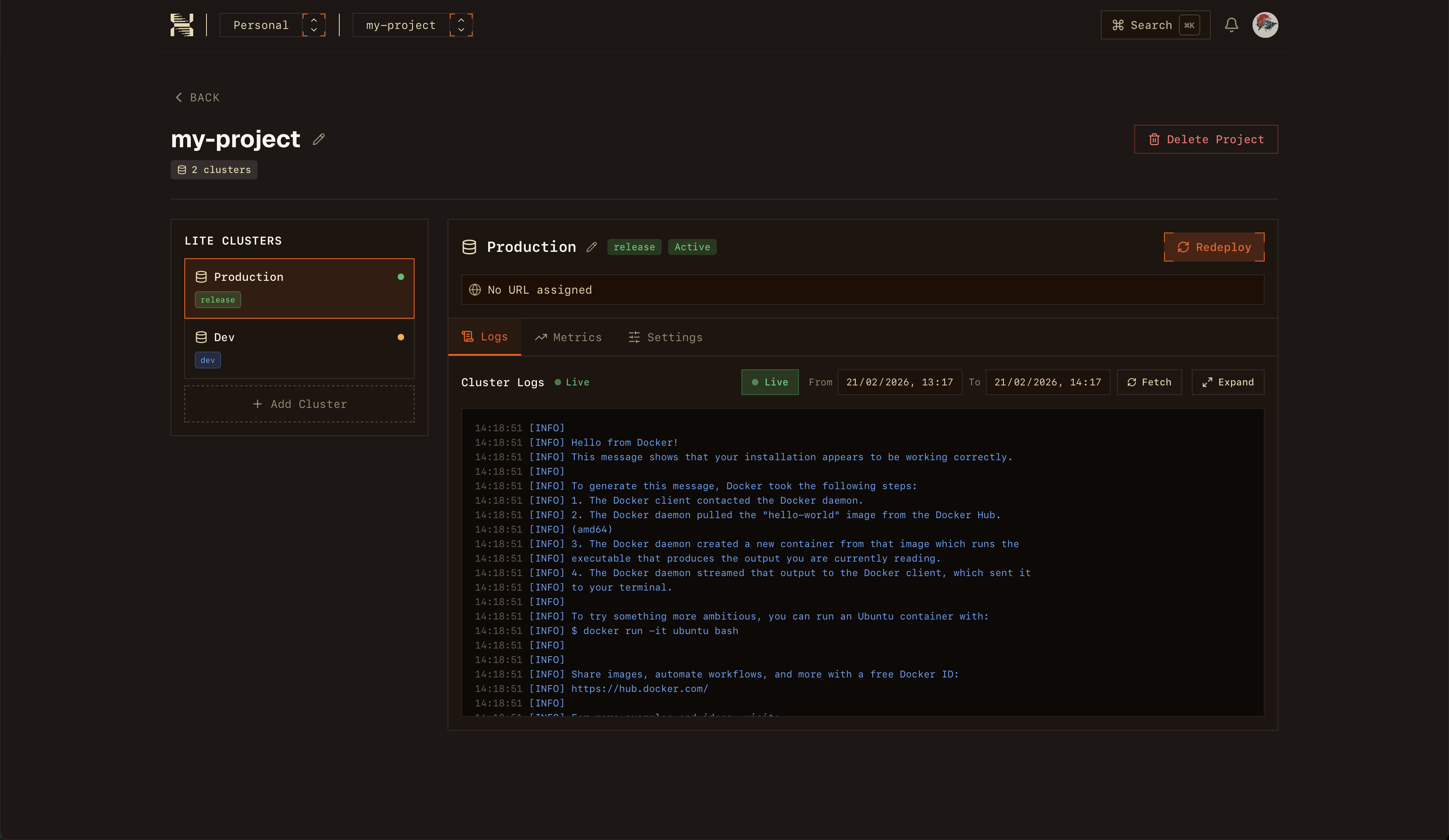
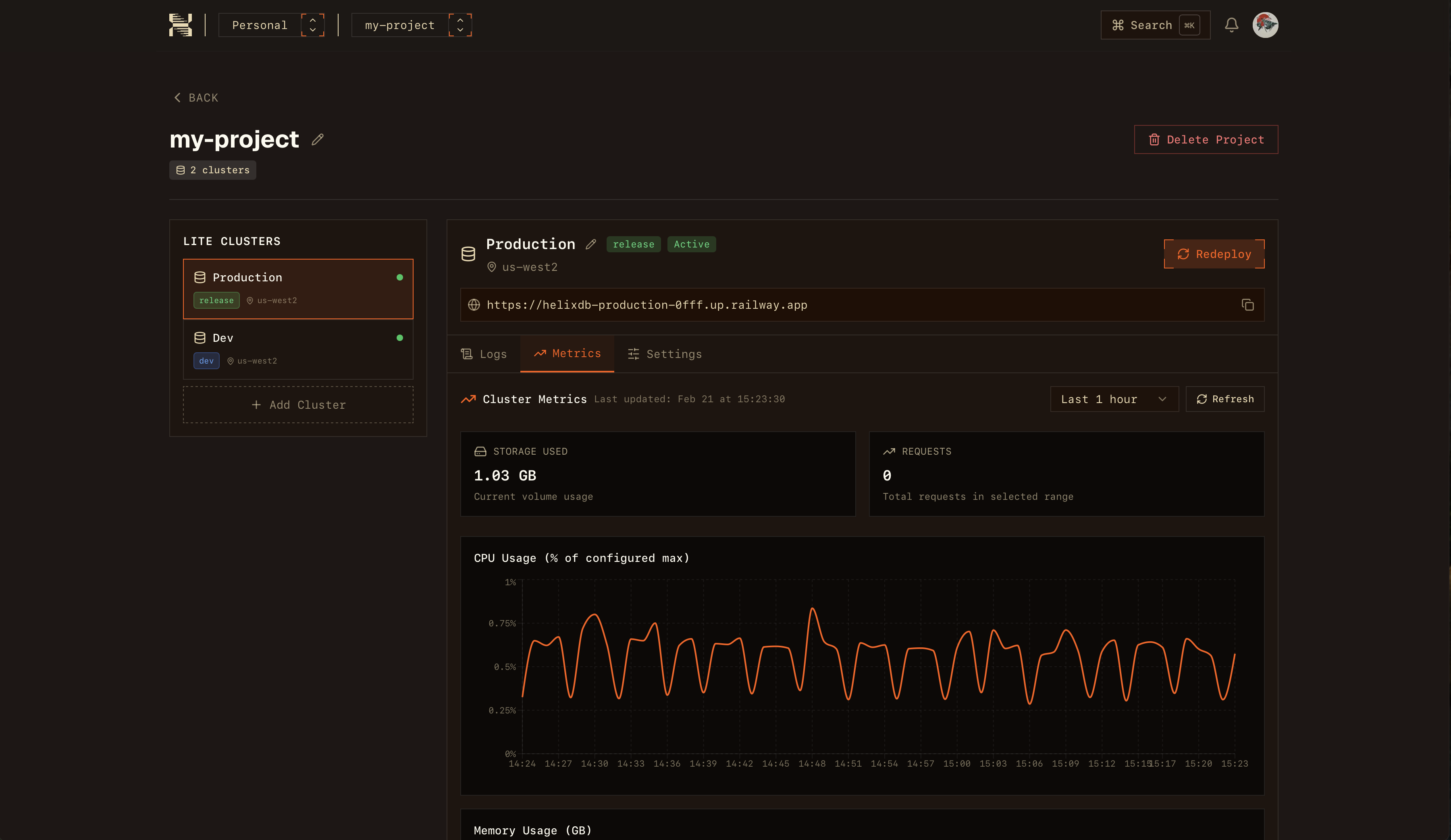
Product Hunt 每日热榜 2026-02-27

PH热榜 | 2026-02-27

#1
Superset
Run an army of Claude Code, Codex, etc. on your machine
427
一句话介绍:一款支持在本地同时并行运行多个AI编码代理(如Claude Code、Codex)的增强型IDE,通过沙盒隔离和集中监控,解决开发者因串行等待和上下文切换导致的开发流程低效痛点。
Productivity Developer Tools Artificial Intelligence GitHub
AI编程助手 集成开发环境 多代理并行 沙盒隔离 工作流增强 本地开发 开发效率工具 代码代理编排
用户评论摘要:用户普遍认可其并行能力和沙盒设计。核心问题集中在:跨代理上下文共享与协调机制;安全隔离性;与云开发/CI/CD/任务管理工具的集成;长期内存处理;以及并行工作流的实际生产力收益量化。
AI 锐评

Superset的野心并非做一个普通的IDE,而是旨在成为本地AI编码代理的“操作系统”或“编排层”。其核心价值在于将“人指挥单个代理”的模式,升级为“人指挥一个代理军团”的模式。通过沙盒隔离,它巧妙地规避了当前AI代理在复杂任务中容易“精神错乱”和相互干扰的缺陷,保证了基础稳定性。

然而,其宣称的“10倍效率”面临深层拷问。首先,瓶颈转移:它解决了代理排队等待的问题,但将负担转移给了开发者的事后集成与决策。多个代理产出的大量代码变更,仍需人工进行最终的审查、合并与架构把控,这可能带来新的认知负荷。其次,架构悖论:严格的沙盒隔离虽干净,却与真实软件开发中模块间需频繁通信、保持上下文一致的本质相冲突。团队提及正在构建的“@提及”式共享内存层,是对此的补救,但这恰恰说明,从“隔离”走向“受控的协同”,才是真正的难点与关键。

产品目前巧妙地站在了“本地”与“云”的十字路口。它利用本地算力与现有订阅实现低成本启动,但资深用户已指出,大规模并行(如100+代理)的未来必然在云端。Superset的终极想象空间或许在于成为跨环境、跨厂商AI代理的标准化编排平台,但这要求其在解决当前协同短板的同时,建立起强大的生态集成能力。它点燃了并行AI开发的引信,但真正的效率革命,取决于它能否让这群“数字工人”从各自为政走向协同作战。

查看原始信息
Superset
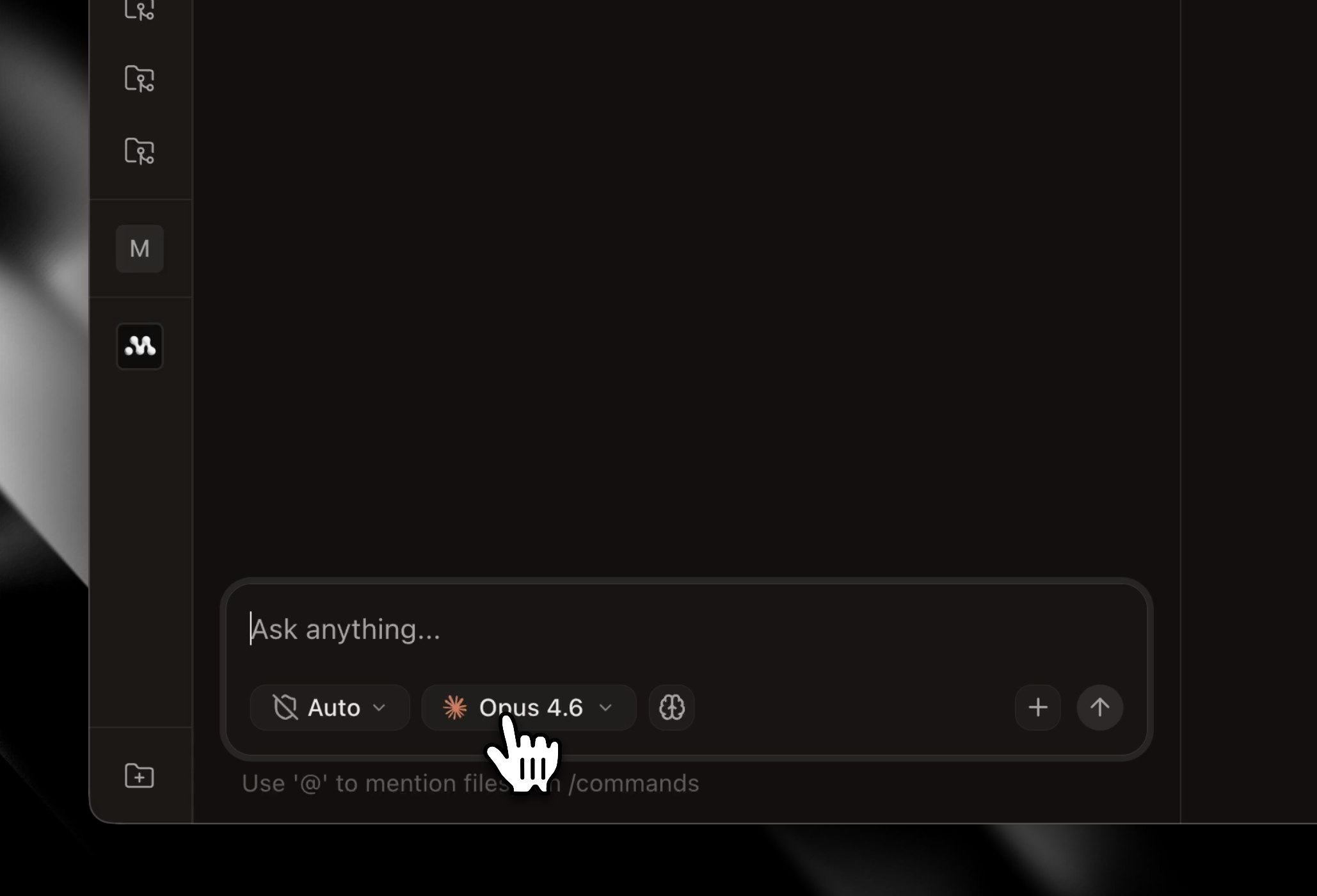
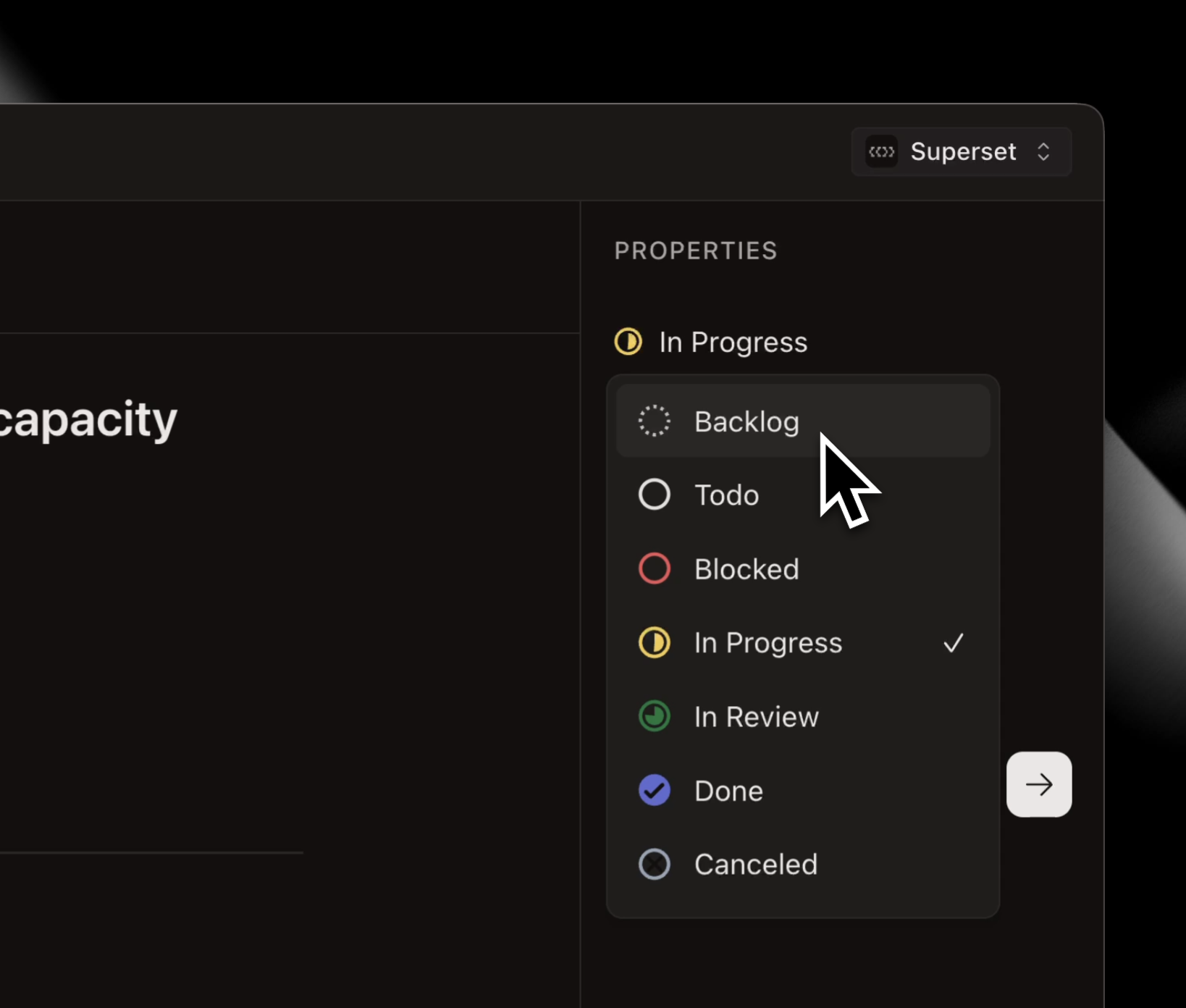
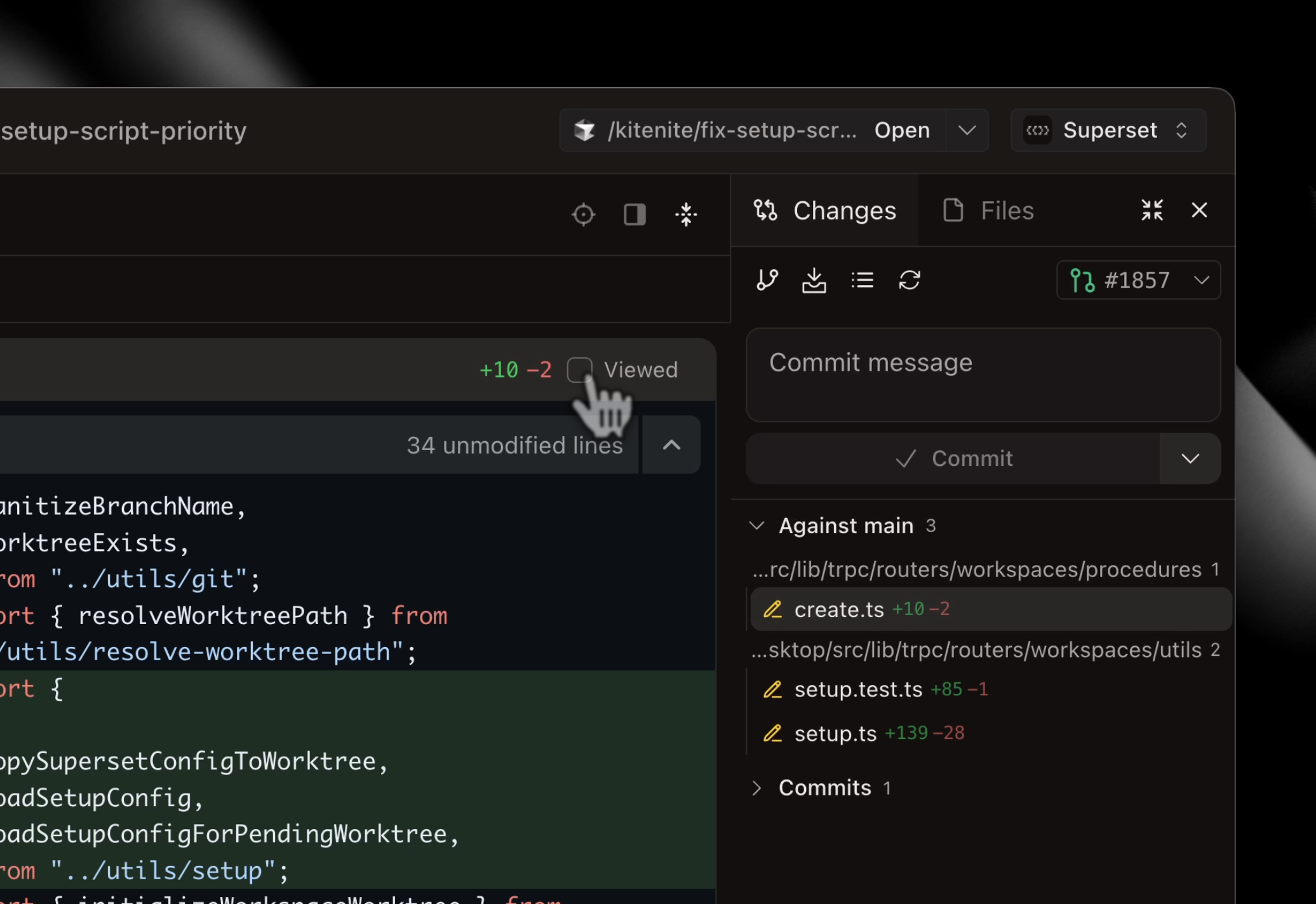
Superset is a turbocharged IDE that allows you to run any coding agents to 10x your development workflow. - Run multiple agents simultaneously without context switching overhead - Isolate each task in its own sandbox so agents don't interfere with each other - Monitor all your agents from one place and get notified when they need attention - Review changes quickly with built-in diff viewer and editor Wait less, ship more.

Hey all,

I'm Kiet, one of the creators of Superset. We created Superset to reduce the time you spend waiting around for agents like Claude Code to run. Superset lets you kick off dozens of coding agent sessions in parallel. It works with any coding agents like Claude Code, Codex, OpenCode, etc. while allowing you to use your Pro/Max plans. It's a full featured IDE optimized for parallel agents workflows.

The last few months have seen incredible adoption from the most cutting edge teams from all over the world. I'm excited to see what you will build with Superset!

64
回复

@flyakiet Are there any plans to integrate with issue trackers, CI/CD, or cloud IDEs?

34
回复

@flyakiet Hey Kiet! In real-world usage, what’s the biggest bottleneck you’ve seen disappear; agent latency, human context switching, or something else?

0
回复

@flyakiet congrats, Kiet!

0
回复

Hey there,

I'm Satya, I'm also part of the core team building Superset! It's been amazing seeing our product grow over the last few months up to this 1.0 launch. We've helped so many people already improve their Claude Code, Codex, etc. CLI flows by helping them manage worktrees in parallel, organize Linear tickets and more. It's been really gratifying to watch the product grow, I just want to shout out all of our users - they've been incredibly supportive and helped us get to a product we're all very proud of.

If you end up using Superset from this post I'd love to hear what you think!

35
回复

The sandbox isolation is the right architectural call to prevent interference, but it creates the inverse challenge: when two agents are working on related tasks — say, a frontend and a backend agent that both need to agree on an API shape — how does Superset handle cross-agent context sharing? Full isolation is clean but can lead to agents making conflicting assumptions in silence. Is there a shared workspace layer agents can read from, or is isolation by design absolute?

34
回复

@giammbo We are working on that, we are building in a memory layer where in your prompts to one agent you could '@' the context of another workspace to bring it into the chat or make it available for the agent in your current session to grab. We have yet to ship it but we are pretty excited about it

31
回复

Hey yall,
I'm Avi, one of the creators of Superset. I'm super excited to share what we've been building. We use Superset to build Superset and its really fun to see how much people are enjoying it. Theres a lot more we are planning on shipping but I'm looking forward to hearing all the feedback from more users, and to see what you all think of it!
Let me know if you have any questions :)

34
回复

love this, it’s my daily driver now. replaced cursor, claude code, and conductor!

33
回复

@hazhubble thanks Haz!! If you run into anything we're always happy to help :)

2
回复

Let's gooo massive fan of Superset product + team! One of the fastest executing teams I've seen!

Question for you guys: Do you think the future will see more local or cloud development? Right now I'm using my mac mini and ssh'ing into it, and it's great in many ways but can get messy with enough things running in parallel. Cloud is easier to manage but problem becomes continuing working from the CLI and all that. Where do you think things are heading?

33
回复

@eliasstravik Thanks for the support as always Elias!

Doing the 10+ worktrees has been frying my machine, definitely see remote/cloud as the only way forward to get to 100+ agents in parallel

31
回复
@flyakiet makes a ton of sense - exciting! I’d love for superset to be the orchestration layer of parallel agents + cloud environments so I can always pick claude code, codex or whatever instead of getting locked in to any of them!
31
回复
@flyakiet im sat
0
回复

This looks really solid love the idea of running multiple agents in parallel

Quick question — with all these isolated environments, how are you handling security between them?

Like making sure one agent can’t access another or any API-related risks?

32
回复

@shrujal_mandawkar1 thanks Shrujal! So in my head the tricky thing is it's a huge risk if any sandbox gets hacked, as they will have instances of users' entire sandboxes within them. One rogue agent is probably equally destructive with access to one vs 100 agents.

As a result our goal will be focused on buliding this out with security in mind first and foremost! We definitely need to consider the ways our sandboxes will be vulnerable as we scale out

2
回复

Been a power user. These folks ship so fast I get an update every day!

32
回复

@aidan_pratt thanks for the support!

0
回复

Congrats on the launch. This is super cool! Are agents aware of how much ram they are using on the host machine to prevent slowness?

18
回复

@valentin_po honestly that's a great idea for a feature! We do already have the breakdown for memory usage, so we could add it to the MCP to help us debug :)

1
回复

Interesting approach to running multiple agents locally. Curious, how are you thinking about agent coordination to avoid conflicting code changes?

11
回复

@mithlesh_shah So locally agents actually run in isolated copies of your code base, and we've found that this is more than enough for the volume of agents we tend to run (anywhere from 3-10 at a time).

You do still end up with merge conflicts when you attempt to create a pr, but agents are actually incredibly good at this already. As a result, we've been noodling with the concept of a merge queue, where agents will process prs and make sure they're ready to be merged for users. It's still just a concept but I do think something there will be incredibly useful!

1
回复

Really love that this works with existing Pro/Max plans, that’s a huge unlock for teams already deep into AI coding workflows. Such a smart move 🙌

9
回复

@abod_rehman yeah I think it's almost non-negotiable for the average user! AI bills would cost $1000s without it lol

1
回复

Big fan of this team and product. We use it daily. Congrats on the launch!

6
回复

@ay_ush thanks Ayush!!

0
回复

Running multiple coding agents in parallel without context switching is exactly where dev workflows are heading. The sandbox isolation + centralized monitoring feels like a serious productivity unlock, especially for teams experimenting with Claude, Codex, and other agents simultaneously.

The built-in diff + review layer is a smart touch too. That’s usually where agent workflows get messy.

Curious:

  • How does Superset handle long-running agent memory?

  • Any benchmarks on productivity gains vs. single-agent workflows?

  • Is there team collaboration support on the roadmap?

3
回复

@ahmedhamdyse Thanks Ahmed!
- Team collaboration is 100% on the roadmap and actually should be out quite soon.
- Currently we rely on your coding agent of choice for memory, but are planning on releasing a shared memory layer. We will have to run some experiments to see how it runs with long-running agents, but we are basing it off Mastra's Observational memory which seems to do quite well in that use case
- Productivity benchmarks are a great idea and we've talked about them internally. We definitely want to develop some, but anecdotally it definitely makes us a lot faster.

0
回复

This solves a real pain point. I've been running Claude Code sessions sequentially and the context switching kills momentum. The sandbox isolation per task is smart — I've definitely had agents step on each other's changes when working on related files.

Question: how does the diff viewer handle conflicts when two agents modify overlapping files? Is there a merge flow or does it flag it for manual resolution?

Great launch, congrats to the team!

3
回复

@a_kuzov the diff viewer is isolated per worktrees but the agents handle merge conflict through git as a human would. We'll try to build extra support for merge conflicts as well but it's actually not been a huge issue so far :)

1
回复

Great ease working with claude code etc using SuperSet!! No more headache and waste of time!

2
回复

@cruise_chen thanks Cruise!

0
回复

The waiting problem with Claude Code is real, but I'm curious how Superset handles the orchestration layer. When you have dozens of agents running in parallel, how do you decide which tasks are safe to run concurrently versus which ones need to be sequenced to avoid conflicts?

And with sandbox isolation per task, does each workspace get its own file system snapshot? Wondering how state gets reconciled if two agents end up touching related parts of the same codebase.

I use Claude Code daily for building my AI platform and parallel agent workflow conflicts are something I've been thinking hard about. Would love to understand more about how Superset handles those edge cases in practice. Congrats on the launch!

2
回复

@joao_seabra great question. Each workspace gets a clone of the repo using git worktrees. We try to split them at task level but conflicts can occasionally happen. This happens in large engineering team working on codebases as well. Usually the agents are very good at merge conflicts, especially if we start including the trace and intent in the PRs.

Conflict has been less common than i expected. They mostly happen when multiple human team members are working on the same feature.

0
回复

Congrats on reaching #1 today, Superset team! The ability to run multiple coding agents without context switching is a game-changer for speed. As a developer building a PropTech SaaS (ParkEase) with React Native and Python, I can see how this would have saved us tons of hours during our latest sprint. Question: Does it support custom sandboxes for private Python libraries? Good luck with the launch!

2
回复

@marcos_bazan Eventually we plan on it!

0
回复

Finally an IDE for people who find waiting 30 seconds for Claude Code physically painful. Now I can be unproductive in 12 parallel threads instead of one 🙏

2
回复

@ilya_lee you and me both ;)

0
回复

already use yall daily haha

1
回复

@reaganhsu amazing thanks for the support as always Reagan!

0
回复

Worktree isolation per agent is the key design choice here. Without it, parallel agents would constantly step on each other's changes. The persistent daemon surviving crashes is a nice touch too. How are you handling merge conflicts when multiple agents edit overlapping files?

1
回复

Another IDE, of which there are already many. How are you better than the others?

1
回复

@daniyar_abdukarimov the previous sets of IDEs solve a very different set of problems. If you want to run 10+ Claude Code or Codex in parallel and squeeze the most performance out of them, I think we're one of the best options

0
回复

Been using superset since the beginning and it's great for managing multiple projects!

1
回复

@mas_pierce lets gooo thanks boss! OG Supersetter

0
回复

Congrats on the launch! As someone who often uses just a single aider session at a time and calls it a day, very excited to try this out!

1
回复

@sand1929 Nice let us know how it goes!

0
回复

Been using superset consistently for the last month and my usage on it is probably > cursor right now! Insanely helpful tool if you're trying to work parallel coding sessions (multi projects, worktrees, etc.)

1
回复

@john_yeo amazing, thanks John! Keep the feedback coming we'll try our best to support :)

0
回复

@john_yeo thanks for the OG support John!

0
回复

Does this handle git worktrees automatically? Do I need to reclone all my existing repos as bare repos in order to use this?

1
回复

@haxybaxy yes it does handle worktrees automatically. we support importing existing repos from github or local. No need to reclone for Superset.

0
回复

Congrats on the launch!

1
回复

@deepak_singh09 thanks Deepak!

1
回复
#2

Claude Code Remote Control
Continue local sessions from any device with Remote Control
380
一句话介绍:一款允许开发者将本地Claude Code编程会话无缝切换至手机、平板等设备远程继续操作的工具,解决了开发者离开工作环境时被迫中断编码流程的痛点。
Android Developer Tools Artificial Intelligence Tech
AI编程助手 远程协作 移动办公 开发工具 会话持久化 上下文保持 生产力工具 Claude生态 多设备同步
用户评论摘要:用户普遍认可其解决“上下文丢失”痛点的价值,期待在通勤等场景提升效率。主要疑问集中在:是否支持多会话并行、交互模式是双向控制还是只读监控、是否有推送通知功能,并与类似产品Macky进行了对比。
AI 锐评

Claude Code Remote Control 看似是一个简单的多设备同步功能,实则是对AI原生工作流的一次重要重构。它击中的并非简单的“移动办公”需求,而是AI编程时代一个深层矛盾:以“会话”为核心的、高度沉浸的AI协作过程,与物理位置固定性之间的冲突。产品将“会话连续性”提升为第一优先级,本质上是在保护开发者最宝贵的“心流”状态。

然而,其“一次仅一个远程会话”的限制暴露了战略上的谨慎与当前的技术边界。这并非愚蠢,而是一种权衡:在确保低复杂度与避免状态冲突之间,选择了前者。但这也引出了核心挑战——当AI代理能处理多个并行任务时,远程控制界面能否演进为真正的“指挥中心”?用户提出的双向控制与推送通知问题,正指向这个未来:它不应仅是会话的“镜像”,而应成为移动端对AI工作流的“调度终端”。

当前方案更像是对现有模式的优雅补丁,而非范式革新。真正的未来,或许是评论中隐约提及的:一个与设备解耦的、持续运行的AI协作环境,远程控制只是其最浅层的接口。产品的真正价值,不在于今天能远程看代码,而在于它首次将“AI编程会话”作为一个可迁移的、持久的实体进行管理,这为未来更智能的、情境感知的分布式开发体验铺下了一块基石。

查看原始信息
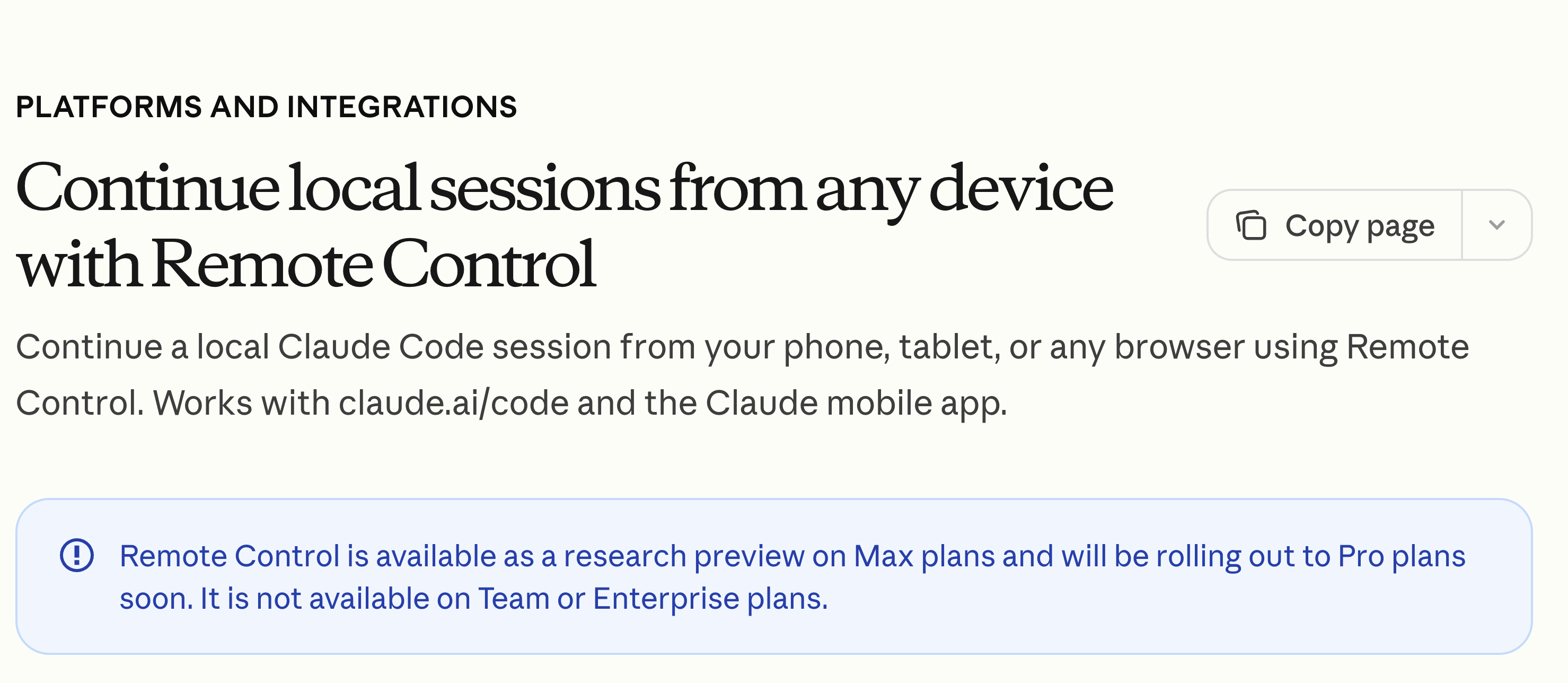
Claude Code Remote Control
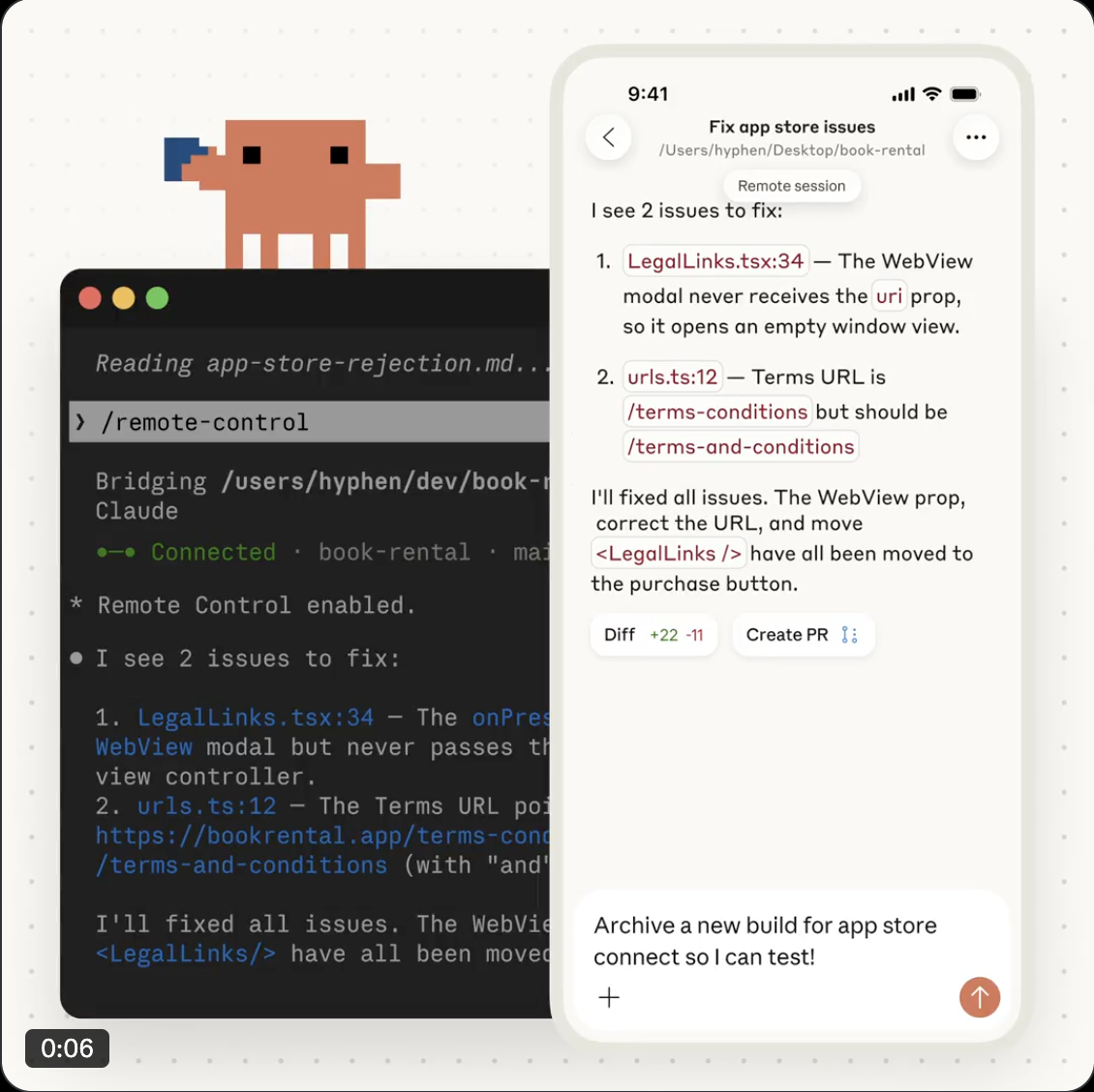
Continue a local Claude Code session from your phone, tablet, or any browser using Remote Control. Works with claude.ai/code and the Claude mobile app.

Anthropic announced a new Claude Code feature called Remote Control.

The idea is pretty straightforward: you start a Claude Code session locally in your terminal, then continue them from your phone. Take a walk, see the sun, walk your dog without losing your flow. It's rolling out now to Max users as a research preview.

Anyone here on Max plan tried it yet? How the mobile experience feels in practice (latency, editing capabilities, etc.)?

2
回复

Reminds me of @Macky which @sayuj_suresh launched a few days ago. Inviting your thoughts on this launch Sayuj. :)

0
回复

"Take a walk, see the sun, walk your dog without losing your flow" is doing a lot of work in that description and it genuinely lands. The mental cost of losing context mid-session is way higher than people realize until they experience picking up exactly where they left off.

The one remote session at a time limitation is an interesting design choice. Keeps things simple and avoids conflict, but I'm curious if that becomes a friction point when you have multiple long-running jobs going and want to check in on a specific one from your phone.

I use Claude Code daily for building my AI platform and the number of times I've walked away from my desk mid-session wishing I could nudge it or check progress from my phone is higher than I'd like to admit. This is exactly the feature I didn't know was missing.

2
回复

This is exactly what I always had in my bucket of TODOs, while I travel in bus to University and the way back is in total 3 hours and I believed having something like this would seriously make that time of mine productive.

Been using the @Cursor Agents, @Jules and recently the @OpenClaw to work in that time of the day. This will be the next try but I always thought how about having a computer on the go with me in the bus (not literally but to be able to control one remotely).

Visualising this I had one image like being able to project through maybe some VR glasses and do it? But to be cheap I also thought about how using a mobile maybe we can remotely do this and we're here.

What you'll think about the future ? Let me know and I'll share something I truly believe is the future but so much time for it to happen it seems.

2
回复

Congrats on the launch! Being able to monitor local sessions from a phone is a huge win for mobility. As we develop ParkEase (a SaaS for property managers), we’re constantly looking for ways to make complex backend tasks manageable from a mobile device.

Quick question: Does the remote control interface support multi-tenant sessions, or is it strictly one agent per remote link? This looks super useful for our dev workflow. Good luck today!

1
回复
Love it
0
回复

Nice for monitoring long-running tasks. Would be good to get push notifications when it needs approval or hits an error. Or you already support that?

0
回复

Remote access to local sessions is the feature I've been waiting for — I do a lot of quick steering of Claude Code runs while away from my desk, and the context loss when stepping back is the main friction. Curious about the interaction model: is it full bidirectional control (add instructions, see live output, approve/reject steps), or more read-only monitoring with an interrupt? That distinction changes a lot about how you'd actually use it in a 'ship while mobile' workflow.

0
回复
#3
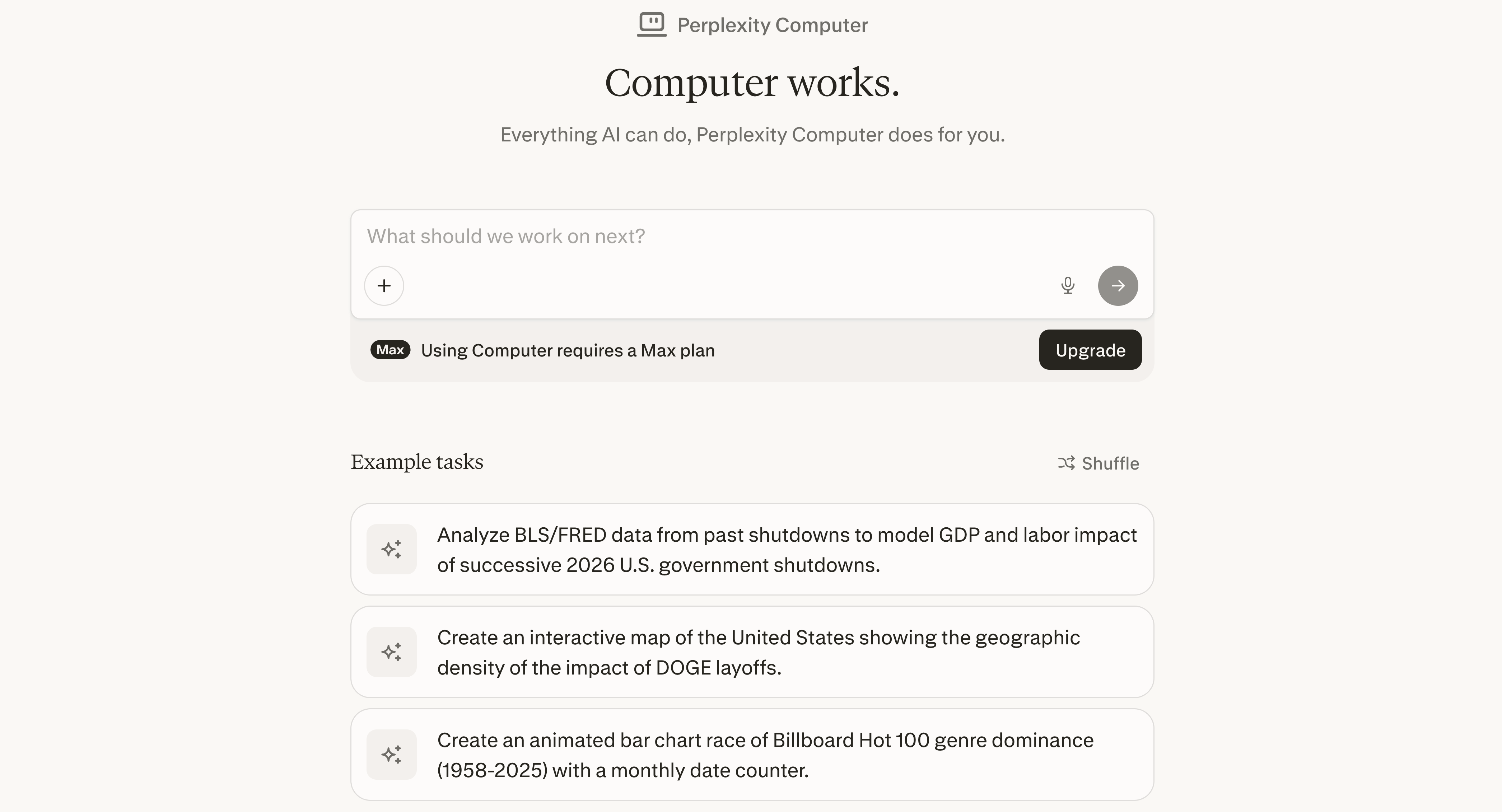
Perplexity Computer
Everything AI can do, Perplexity Computer does for you.
317
一句话介绍:Perplexity Computer 是一款端到端自主执行复杂项目的AI协调系统,通过并行调度多种专业模型并连接用户工具,在研发、设计、编码等场景中,解决了用户需要手动串联多个AI工具与人工干预执行的效率痛点。
Artificial Intelligence
AI智能体编排 多模型协同 端到端AI执行 自主AI代理 AI项目协调 模型路由 AI生产力工具 企业级AI 自动化工作流 Perplexity生态
用户评论摘要:用户普遍认可其从“对话”到“执行”的跨越及多模型架构的价值。核心疑问集中在:长时任务中模糊决策点的处理机制、子代理错误的自我纠正能力、模型路由层的具体实现逻辑(规则或学习),以及高昂价格下缺乏试用。
AI 锐评

Perplexity Computer 的野心不在于成为另一个“更强的ChatGPT”,而在于扮演“AI时代的操作系统内核”。它将当前AI生态从“工具调用”升级为“系统调度”,其核心价值是**决策与协调的自动化**。产品介绍中“编排19个模型”、“路由到最佳模型”等表述,直指当前AI应用层的核心矛盾:单一模型能力有限,而人工串联多个专家模型成本极高。

然而,其宣称的“运行数月直至完成任务”恰恰暴露了最大风险点:AI在复杂、长周期任务中的“判断力”和“责任归属”问题。评论中的尖锐提问非常到位——当遇到规范模糊的决策分支时,系统是暂停请示,还是自主决断并承担潜在错误成本?这并非技术实现问题,而是产品哲学与边界定义。目前它更像一个概念验证,将内部复杂的AI pipeline产品化,但其可靠性验证和“黑盒”决策过程,是企业客户投入真金白银前必须跨越的信任鸿沟。

从市场定位看,它直接瞄准高端与企业级市场,但缺乏试用和高达2000美元的年费,在竞争白热化的AI助手市场显得颇为激进。这或许是一种策略:过滤早期重度用户,聚焦于真正有复杂自动化需求的客户。如果其模型路由层能持续优化,并建立透明的任务追溯与干预机制,它有可能定义下一代AI原生工作流的标准。否则,它可能只是一个技术领先但曲高和寡的昂贵实验。

查看原始信息
Perplexity Computer
Perplexity Computer unifies every current AI capability into one system. It can research, design, code, deploy, and manage any project end-to-end autonomously. It orchestrates 19 models in parallel, routes tasks to the best model, connects to your tools, remembers context, and runs secure agents with usage-based pricing and spend controls.

Super excited about this launch! :)

Perplexity Computer feels like a real step beyond “AI that chats” into AI that actually works.

Here’s why it’s interesting: It doesn’t just suggest. It executes.

  • Breaks your goals into tasks and subtasks

  • Spins up specialized sub-agents

  • Runs them in parallel

  • Keeps working for hours (or even months) until the job is done

It can handle:

  • Web research

  • Document drafting

  • Data processing

  • API calls to your connected tools

All inside isolated compute environments with:

  • A real filesystem

  • A real browser

  • Real tool integrations

That’s a big leap from typical “assistant” products.

Massively multi-model by design

Instead of relying on a single LLM, it:

  • Uses a core reasoning engine

  • Delegates subtasks to specialized models

  • Routes each step to the best model for the job

Research → one model
Images/video → another
Speed tasks → another
Long-context recall → another

It’s model-agnostic and gives users control over model selection + token budgets. As models evolve, your system evolves with them.

The name actually makes sense

Historically, a “computer” was a person who divided and completed complex calculations.

This feels like the modern version: A system that coordinates powerful models across tasks, tools, and time with accuracy as a core requirement.

Built on the same foundations as Comet (AI-native browser) and Comet Assistant. Available for Max subscribers.

Feels like Perplexity moving from “answers” to full, end-to-end execution.

6
回复

@rohanrecommends How does the system handle errors or unexpected results from sub‑agents? Does it self‑correct?

1
回复

The "hours or even months" claim is where it gets genuinely hard — most multi-agent systems don't fail on capability, they fail at decision points where the right move is ambiguous and the system either halts or guesses wrong at a cost. Curious what the governance model looks like for those moments: does Computer surface a checkpoint when it hits an underspecified branch mid-task, or does it attempt to resolve autonomously and flag it in a post-task summary?

2
回复

This feels like a big step toward AI systems acting more like full project operators instead of just assistants. The idea of orchestrating multiple models automatically is really interesting.

1
回复

Moving from answers to end-to-end execution is a bold step. Huge congrats on the launch, this is exciting to watch 🔥

1
回复

The historical framing of "computer" as a person who divided and completed complex calculations is spot on and it reframes what this category of product actually is. Not an assistant. A coordinator.

The massively multi-model architecture is what separates this from everything else launching in this space. Routing each subtask to the best specialized model rather than forcing one LLM to do everything is the right call, and it mirrors how serious AI pipelines are actually built today.

I build multi-model orchestration systems myself and the hardest problem is always the routing layer, knowing which model to trust for which task and when to hand off. Curious how Perplexity handles that decision in practice, rule-based or learned? Congrats on a genuinely ambitious launch!

1
回复

Congrats on the launch! What you have done by integrating every current AI capability into one system is Awesome. This makes Perplexity Computer that more efficient.

Quick question: Regarding errors in coding, how does Perplexity Computer tackle errors, does it have a specific AI Agent in which its sole function is to seek errors and correct them?

I also would love to get your feedback on my platform just built, from your perspective of everything that Perplexity Computer does and how it functions. Would love your feedback if you get a chance!

0
回复

Oh wow, there's really no demo/trial and it pushes you to paying 2K? :-O

0
回复

whenever i see perplexity i feel prouf of you @aravindsrinivas

0
回复
#4
Nano Banana 2
Google's latest AI image generation model
310
一句话介绍:Google最新推出的高速AI图像生成模型,在营销创意、广告制作、故事板绘制等高频率生产场景中,解决了图像生成速度慢、多角色/物体一致性差、文本渲染不准确等核心痛点,提供生产就绪的视觉内容。
Artificial Intelligence Graphics & Design Design
AI图像生成 多角色一致性 文本生成 生产级工具 营销创意 高速推理 品牌资产 谷歌Gemini 实时搜索 合成数据溯源
用户评论摘要:用户高度评价其角色/物体一致性、精准文本生成及生产速度,认为这是改变高容量创意工作流经济性的关键。关注其与竞品的对比优势、复杂版式处理能力及定价策略,并认可谷歌快速的迭代速度与长期信任基础设施的构建。
AI 锐评

Nano Banana 2并非一次简单的性能迭代,而是谷歌将其AI基础设施优势,系统性转化为行业生产力的关键一步。它精准切入当前AI生图领域的核心商业瓶颈:高频率、高一致性、需嵌入工作流的“生产”需求,而非“演示”需求。

其宣称的“生产就绪”规格,如5角色、14物体的强一致性、精准多语言文本生成、实时搜索数据支撑,以及从512px到4K的原生分辨率控制,直指广告批量制作、品牌视觉资产生成、视频帧序列创作等规模化场景。这标志着竞争焦点已从“生成一张惊艳的图片”,转向“稳定、廉价、可控地生成一万张符合商业规范的图片”。谷歌正利用其全栈优势(模型、搜索、云平台、广告系统)打造一个闭环:模型在自身生态(Ads、Vertex AI等)中深度集成,确保从生成、使用到溯源(SynthID、C2PA)的端到端可控,这远非独立模型公司可比。

然而,真正的考验在于“生产就绪”承诺的兑现度。复杂提示词的遵循稳定性、极端长尾场景的渲染准确性、以及最终面向API用户的实际定价,将决定它能否真正成为行业默认的“基座”。谷歌的闪电速度在扩大技术代差的同时,也可能让生态整合与开发者适配面临压力。若其能如评论所期,以“Flash”模型的亲民定价提供“Pro”级的一致性,它确实可能重塑AI图像生产的成本结构与行业格局。

查看原始信息
Nano Banana 2
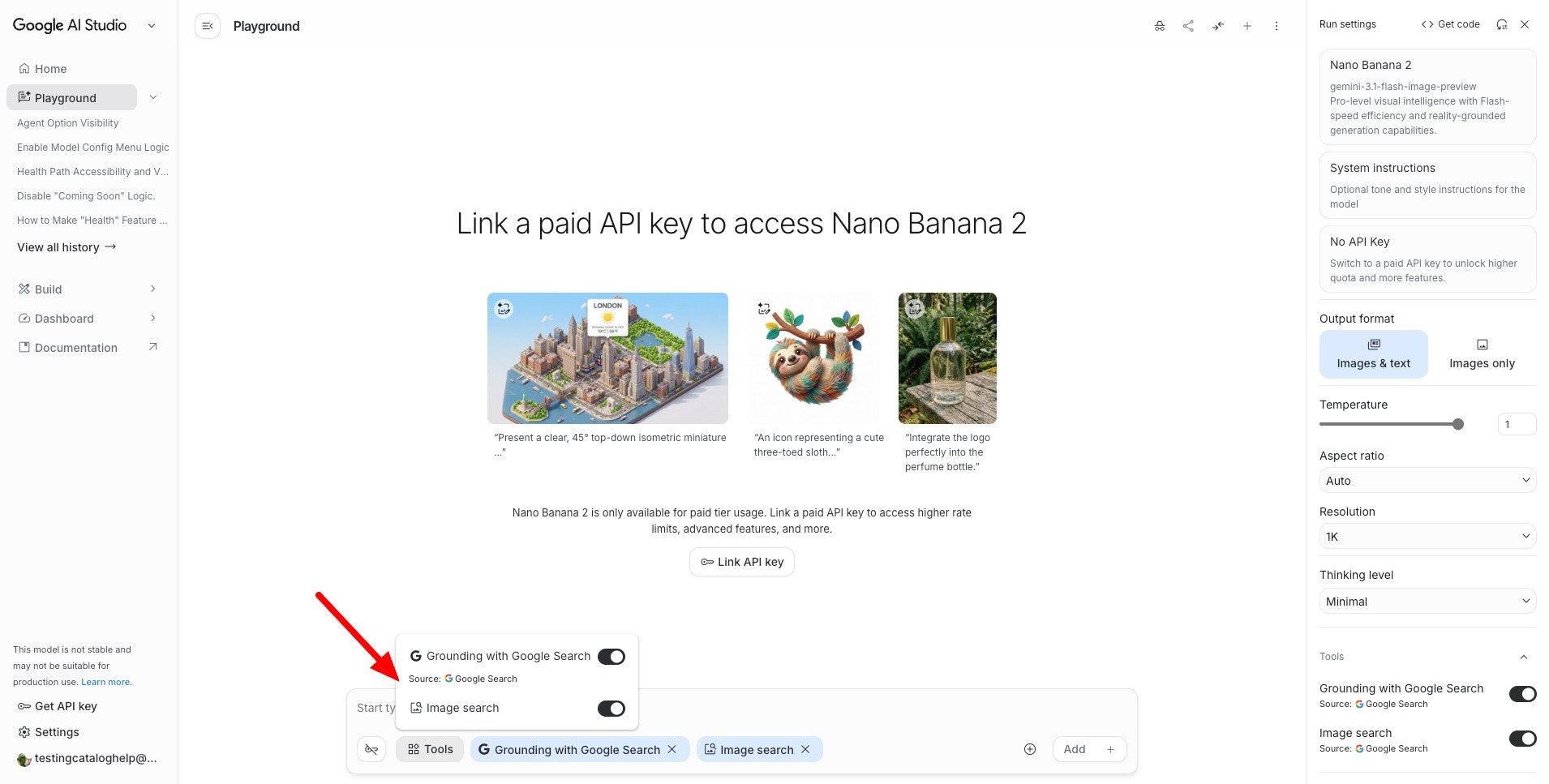
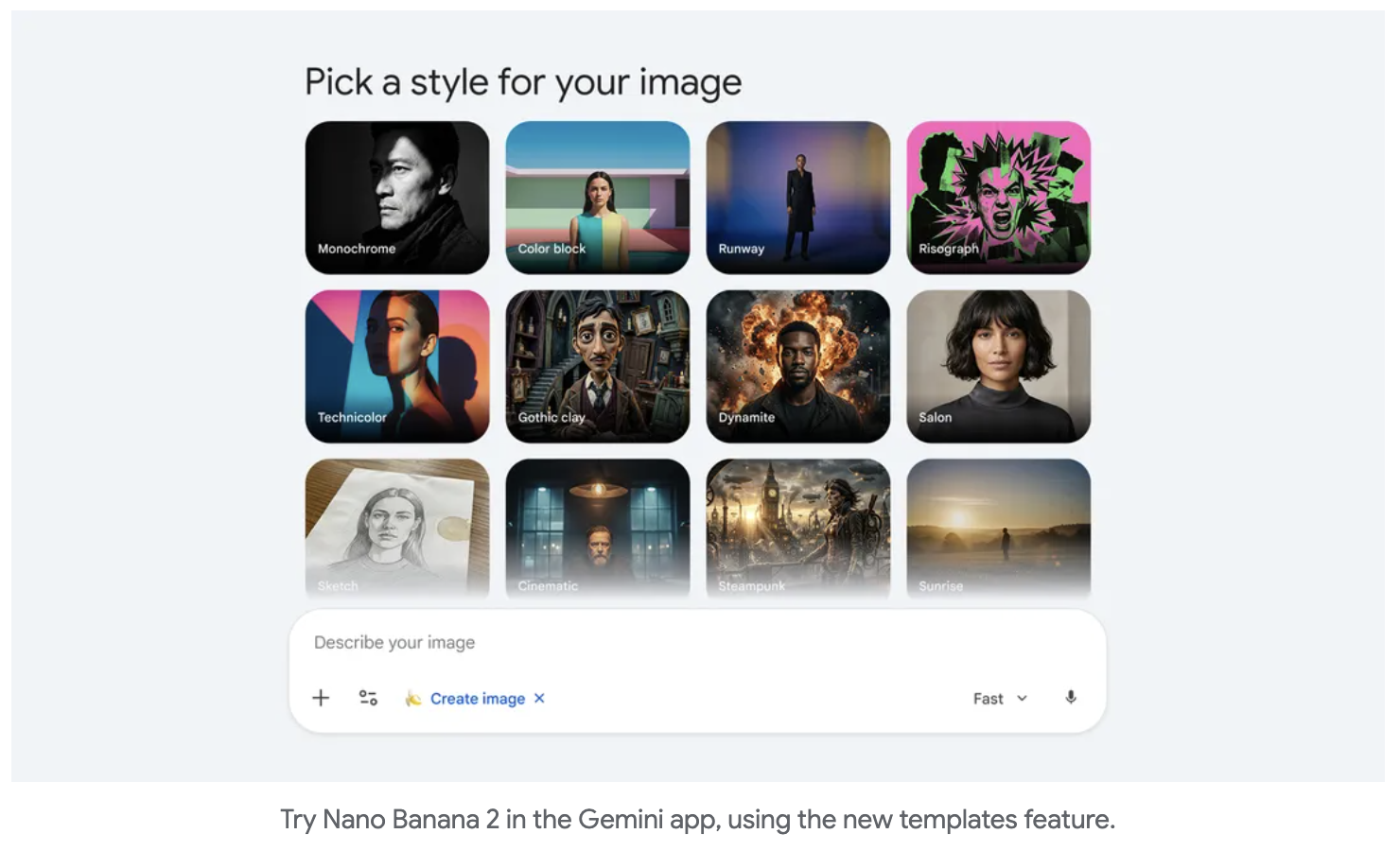
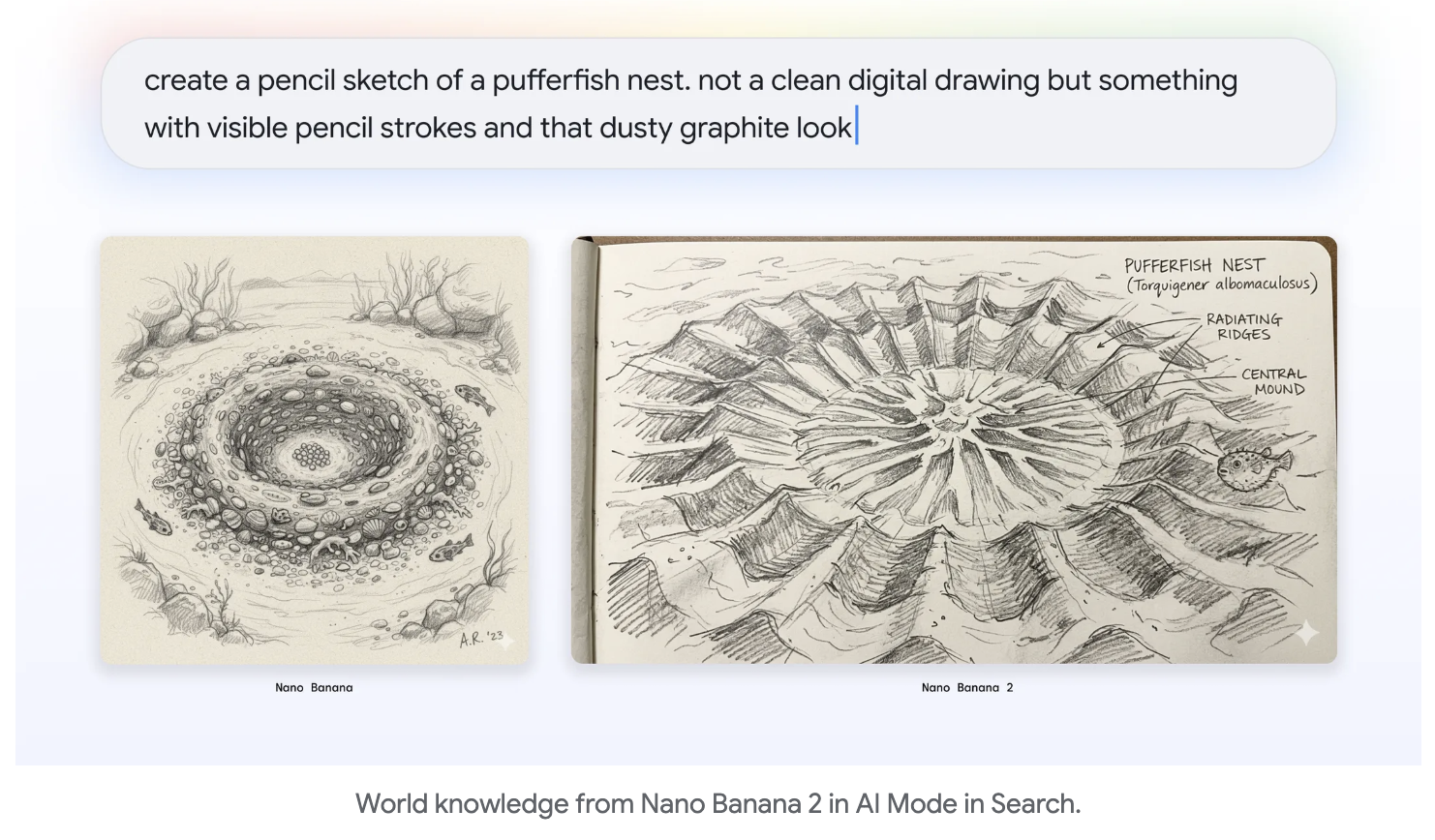
Google's latest image generation model Nano Banana 2 offers advanced world knowledge, production-ready specs, subject consistency and more, all at Flash speed.

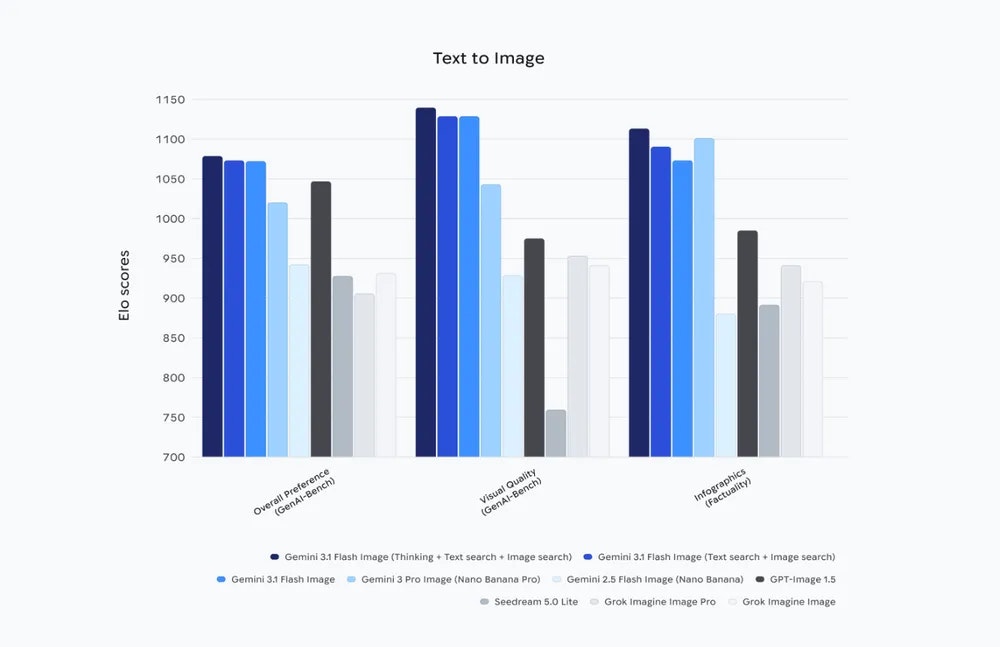
Major update from @Google: Nano Banana 2 🍌 (Gemini 3.1 Flash Image). It’s state-of-the-art for creating and editing images, combining Pro-level capabilities with lightning-fast speed.

You now get:

  • Advanced world knowledge powered by Gemini

  • Real-time web search grounding for accurate subject rendering

  • Rapid edits and iteration with Gemini Flash speed

This isn’t just faster images, it’s context-aware generation.

What's new?

  1. Stronger instruction following: Better adherence to complex prompts means fewer retries and more predictable outputs critical for production workflows.

  2. Accurate text + localization: Clean, legible in-image text and translation & localization support. Huge for marketing creatives, infographics, greeting cards, and global campaigns.

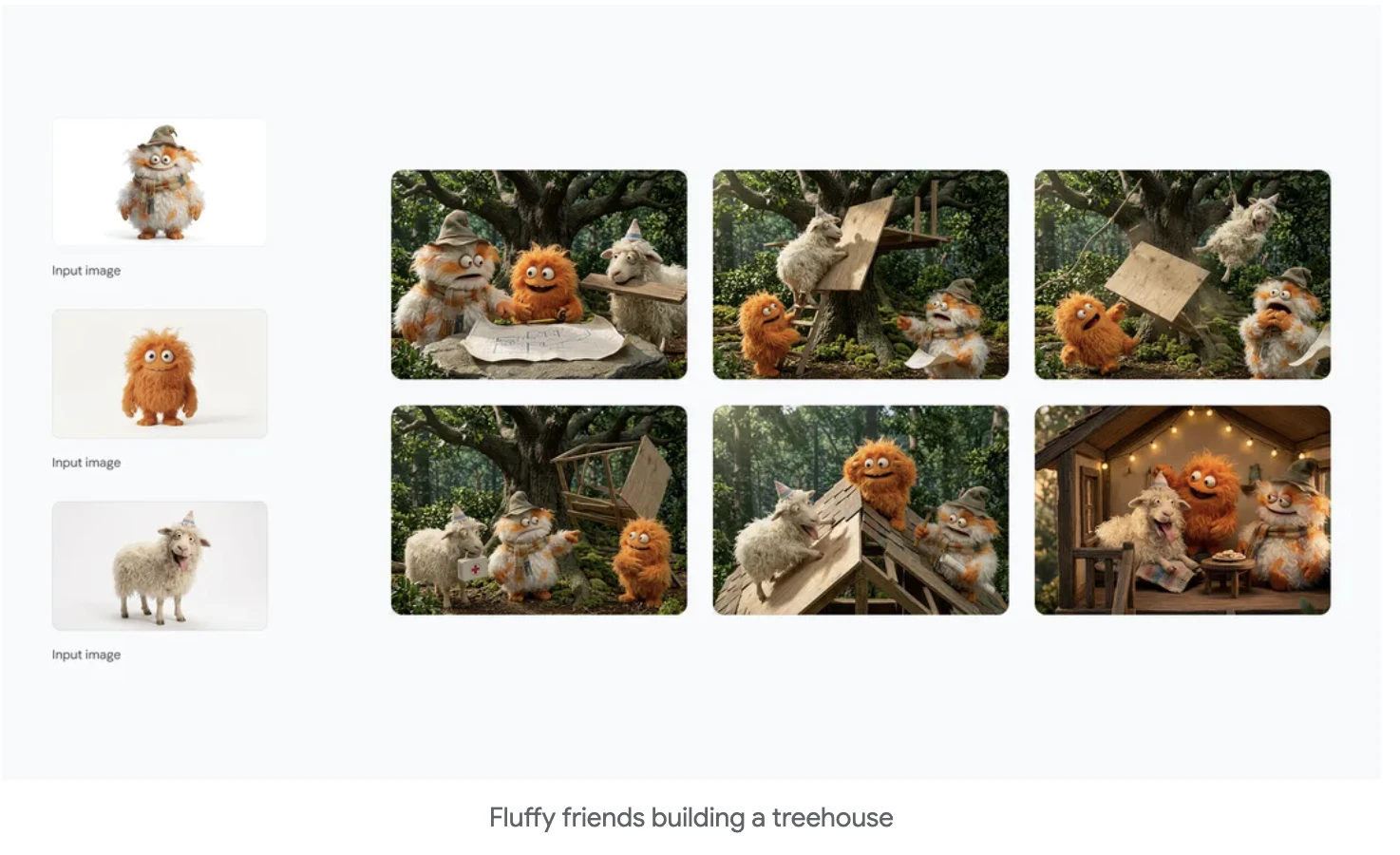
  3. Subject consistency: Maintain resemblance across up to 5 characters. Preserve fidelity of up to 14 objects. That unlocks storyboarding, ad sequences, brand mascots, and UI continuity.

  4. Production-ready visuals: Richer lighting, textures, sharper details. Flexible aspect ratios. Resolution control from 512px to 4K. No more heavy post-processing or upscaling hacks.

Rolling out across:

  • Google Ads

  • Google Antigravity

  • Vertex AI (preview)

  • Search AI Mode & Lens

  • Flow (default, zero credits)

  • AI Studio + Gemini API (preview)

  • Gemini app (replacing Pro in Fast/Thinking/Pro modes; Pro still accessible via regenerate for AI Pro & Ultra users)

Expanded to 141 countries + 8 new languages. This isn’t a demo model, it’s deeply embedded.

Provenance built in

  • SynthID watermarking

  • C2PA Content Credentials support coming to Gemini

  • 20M+ SynthID verifications already

Google is clearly building long-term trust infrastructure.

It's blazing fast. Masters text in any language. Handles custom aspect ratios, generates up to 6 consistent character images, leverages real-world knowledge for hyper-niche visuals, and taps real-time web search data for spot-on renders of anything specific.

This is clearly aimed at high-frequency pipelines, think bulk UGC ad creation, or generating consistent frames for video models like @KLING AI or @Seedance AI Video Generator. If the pricing is as low as the previous Flash models, this might be the most important release.

What do you think? :)

12
回复

Subject consistency across up to 5 characters and 14 objects is the feature that jumps out for me. That's the capability that makes brand mascots, ad sequences and storyboarding actually viable at production scale, without manual frame-by-frame fixing.

The accurate in-image text with localization support is also a big deal for marketing creatives. That's been a persistent weak spot across every image model and getting it right unlocks a huge amount of real campaign work.

I orchestrate multiple image models in my AI branding platform and Flash-speed generation with production-ready quality is exactly the kind of primitive that changes what's economically feasible in high-volume creative workflows. Curious how it holds up on complex typographic layouts. Congrats on the launch! 🍌

3
回复

Google is moving crazy fast here.

Honestly, competitors still haven’t caught up with Nano Banana Pro, and now they shipped another update already.

The iteration speed is kinda wild — feels like they’re widening the gap every release.

3
回复

@paradox_hash agreed!! Feels like they are so far ahead

0
回复

How does Nano Banana 2 perform compared to other leading image models in terms of realism and prompt accuracy?

1
回复
#5
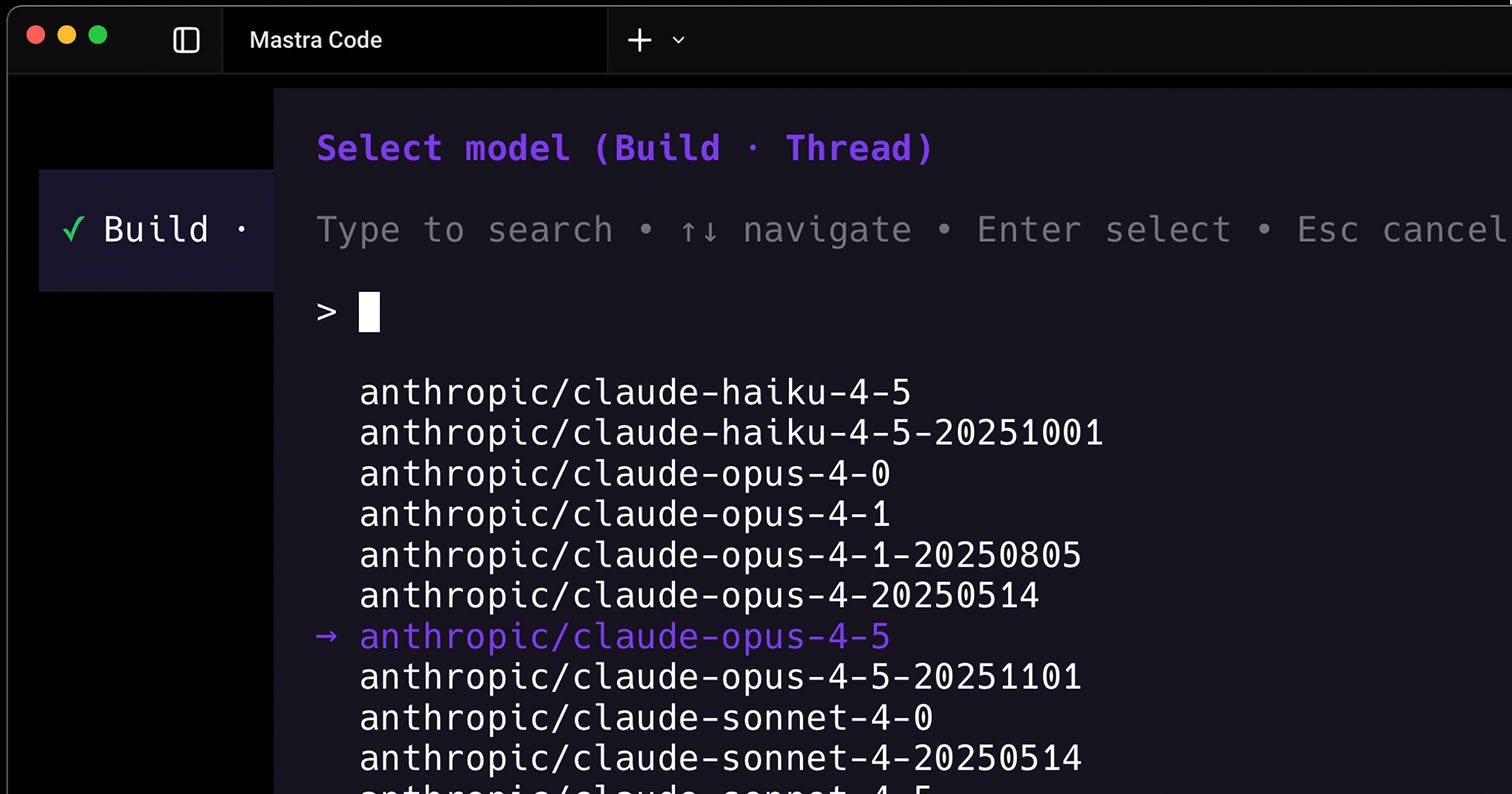
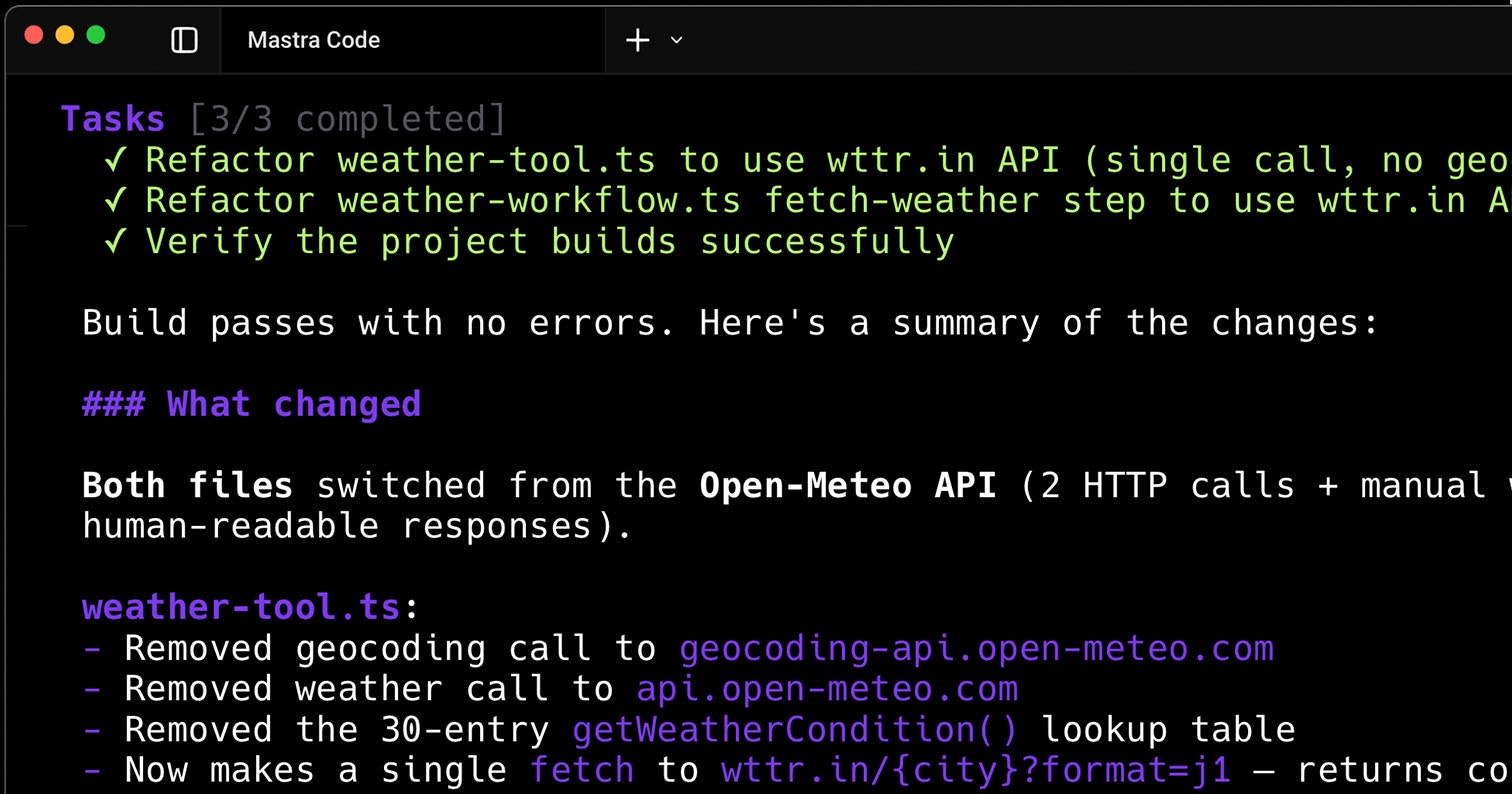
Mastra Code
The AI coding agent that never compacts
178
一句话介绍:Mastra Code是一款基于“观察记忆”技术的AI编程代理,通过智能压缩上下文而不丢失关键细节,解决了开发者在长周期编码会话中因上下文窗口填满、信息被压缩遗忘而导致的效率中断和重复劳动痛点。
Software Engineering Developer Tools Artificial Intelligence GitHub
AI编程助手 上下文管理 观察记忆 无压缩会话 CLI工具 开发效率 长周期编码 代码生成 开发者工具 终端代理
用户评论摘要:用户高度认可“永不压缩”概念,认为其解决了长期会话中的“上下文遗忘”核心痛点。有效评论集中于技术细节:询问记忆层如何加权罕见但关键的约束、如何处理信息冲突、数据安全与隐私保护措施,以及错误假设的纠正机制。开发者团队对部分问题进行了回应。
AI 锐评

Mastra Code的宣示——“永不压缩的AI编程代理”,与其说是一项功能升级,不如说是对当前AI编码助手普遍缺陷的一次精准外科手术。主流AI助手受限于固定上下文窗口,在会话膨胀后被迫进行“上下文压缩”,这本质是一种粗暴的信息丢弃,常导致关键架构决策或罕见约束被遗忘,使代理在长会话后半段“精神错乱”,从助手变为负担。

Mastra Code的核心“观察记忆”技术,试图将记忆从被动的、基于最近/频率的文本摘要,升级为主动的、基于理解的要点提取与持久化。这直击了AI协作工具从“玩具”迈向“专业工作流伙伴”的最大障碍:状态持久性与决策一致性。用户评论中反复提及的“三小时前的一次性架构约束”,正是这种价值的最佳注脚——它保留的是决策逻辑,而不仅仅是对话历史。

然而,其宣称的“革命性”背后,隐藏着更严峻的挑战。首先,技术层面,“不丢失重要细节”的定义权归属问题。是启发式算法,还是用户显式信号?评论中的提问切中要害。若依赖算法,其“重要性”判断可能与开发者意图产生偏差,形成更隐蔽的认知鸿沟。其次,产品逻辑上,无限增长的“记忆”本身可能成为新的负担,如何结构化、查询乃至遗忘,避免成为杂乱的信息垃圾场,是下一阶段的问题。最后,安全与信任维度,长周期、高细节的记忆存储,使得代码安全、数据隐私和潜在偏见问题被急剧放大,这需要远超普通代码补全工具的安全架构。

本质上,Mastra Code的竞争点已从“代码生成质量”上移至“协作过程可靠性”。它不再仅仅比拼单次响应的惊艳度,而是争夺开发者的“心智带宽”,旨在成为开发者可以真正托付复杂任务背景的“数字同事”。其成功与否,将取决于它能否在“记忆的智能”与“系统的可控”之间找到精妙的平衡,否则,“永不压缩”可能只是将崩溃从“中途失忆”推迟为“最终的系统性混乱”。这条路充满希望,但也布满了尚未解答的工程与伦理难题。

查看原始信息
Mastra Code
If you’ve used a coding agent, you know the pain. You’re deep into a feature and everything is clicking. Then the context window fills up, it compacts, and key details are lost. Mastra Code is different. Powered by our state-of-the-art observational memory, it watches, reflects, and compresses context without losing important details. The result: long-running coding sessions that stay precise, letting you build faster, merge sooner, and ship more.

Never compacts’ isn’t a feature, it’s a mentality. Most agents lose the plot like a junior pushing to prod on Friday at 5pm. This isn’t about cute summaries, it’s about decision-grade memory. If you truly preserve those rare constraints from three hours ago, that’s a real shift. Everything else is just context theater.

4
回复

wow this is just AWESOME!

4
回复
0
回复

We use MastraCode internally to build Superset and it’s 🔥

The team ships lightning quick and has great taste!

3
回复

"Never compacts" is the right framing — the real failure mode is mid-session context amnesia, not the obvious stuff. The hard part is that standard summarizers preserve what's recent or frequent, but the detail that derails a session is usually the rare constraint mentioned once: a deprecated API, a specific architectural decision made three hours ago. Does the observational memory layer use explicit signals (test failures, user corrections) to weight those rare-but-critical details, or is importance inference more heuristic?

2
回复

@giammbo Great question! Today no, but we plan to expand Observational Memory!

0
回复

Paul from Mastra here, excited to launch Mastra Code 🎉

Mastra Code is a CLI-based coding agent built on the observational memory feature we shipped earlier this month. Our team uses it as their daily coding driver, and we think you’ll love it.

What problem does Mastra Code solve?

A lot of coding agents feel great at first, until the context window fills up. When this happens, the agent uses compaction to summarize past conversations, often dropping important details and forcing you to repeat work, re-explain context, or double-check what its remembered, which can become really frustrating.

Mastra Code is different. It's powered by our state-of-the-art observational memory, which watches your conversations, generates observations, and reflects on them to compress context without losing important information.

The result is simple: long-running coding sessions that remember what matters so you can build faster, merge sooner, and ship more.

Get started

Install mastracode globally with your package manager of choice:

npm install -g mastracode

If you prefer not to install packages globally, you can use npx:

npx mastracode

What it's like to use

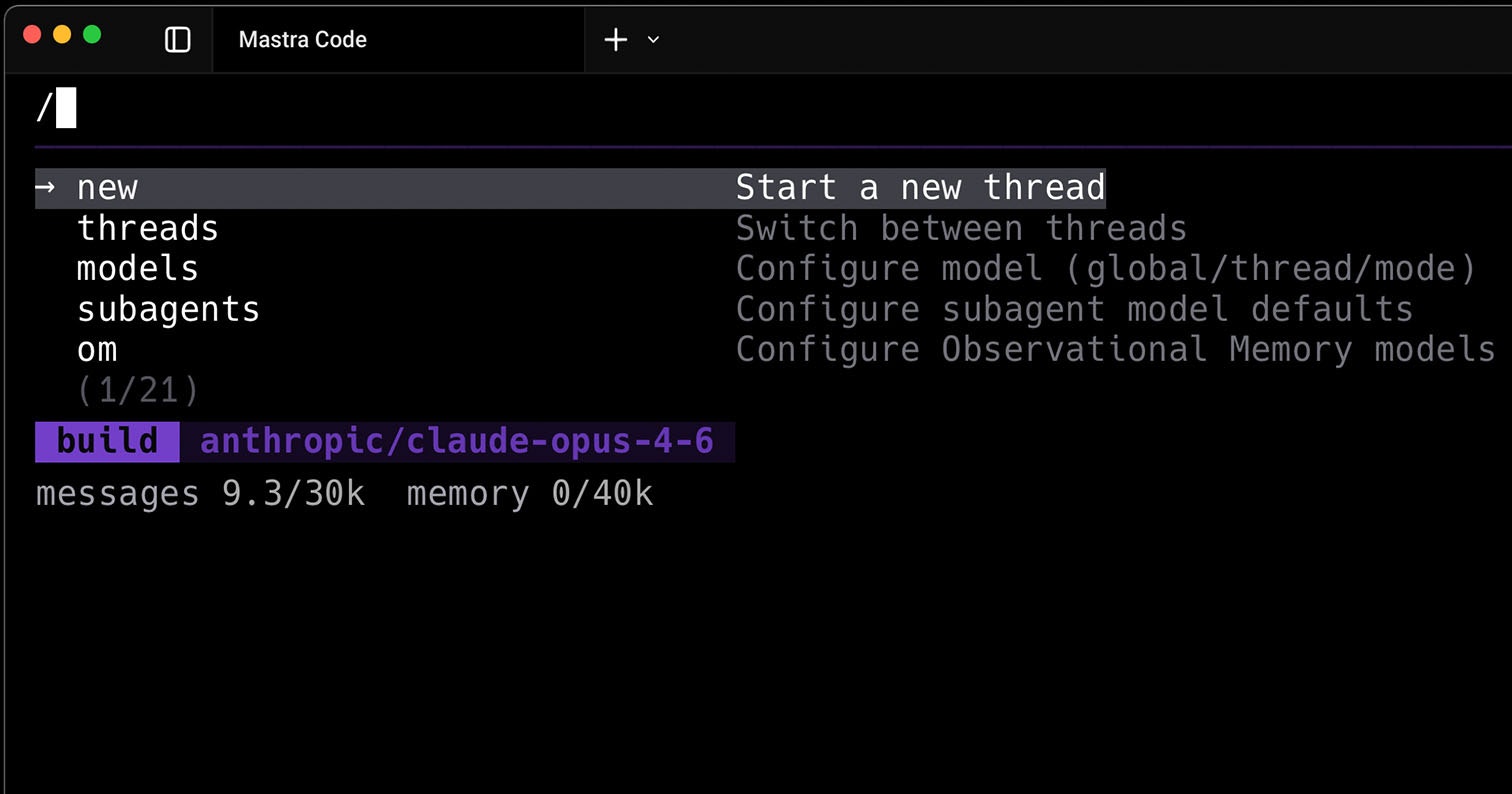
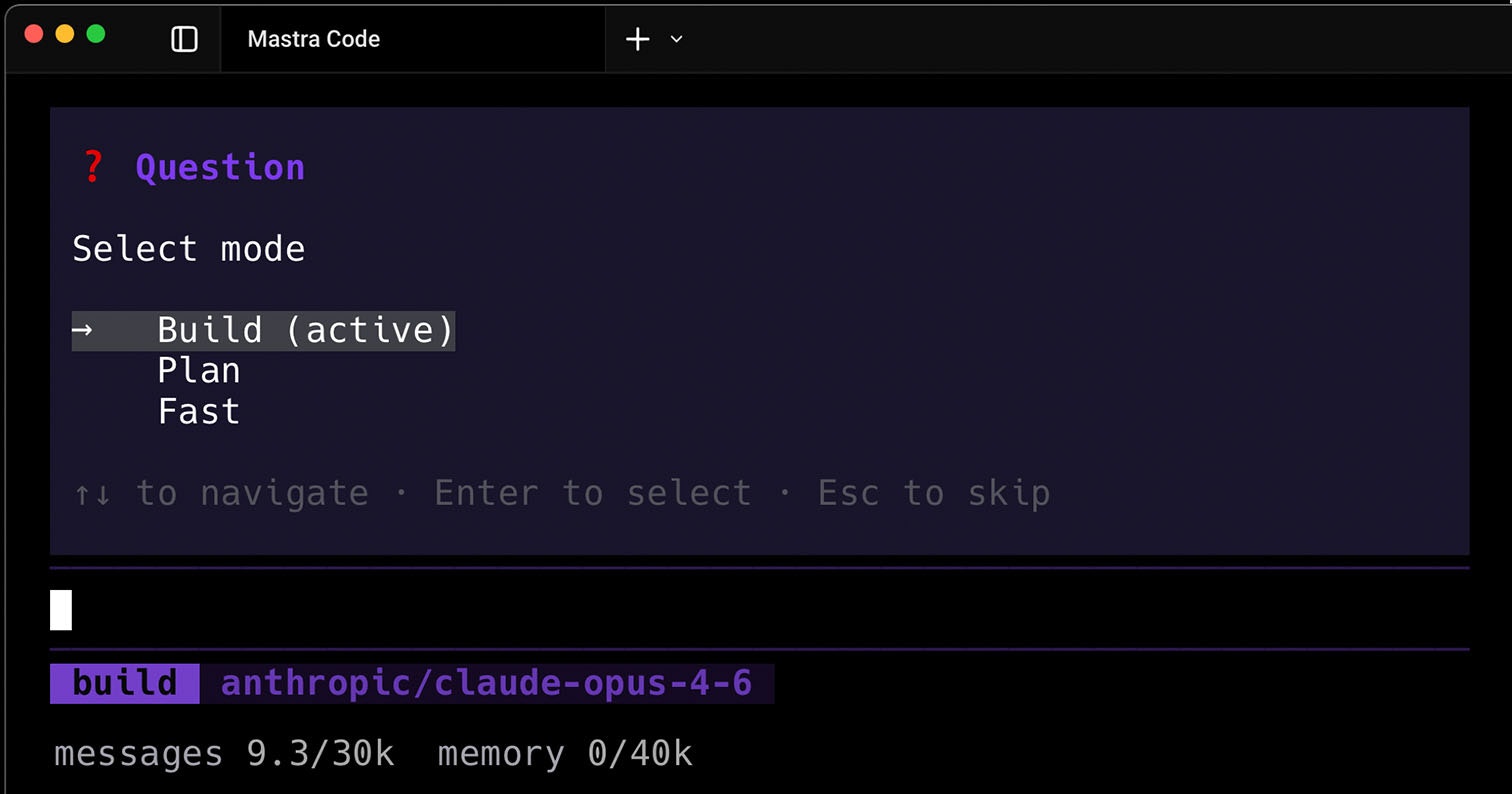
Mastra Code runs directly in your terminal, with no browser or IDE plugin required. With most coding agents, you spend time managing context windows, splitting work across threads, or saving notes before compaction hits. With Mastra Code, there is no compaction pause and no noticeable degradation, even in long-running sessions.

No compaction! Even with 1M context window compaction took like 3 minutes. With Mastra Code I don't notice any degradation, I don't curse into the air, I stopped yelling COMPACTION, and my mental health is better for it. — Abhi Aiyer

You can throw anything at it: planning, brainstorming, web or code research, writing features, and fixing bugs. Over time, memory fades into the background so you can focus on building.

I don't worry about the conversation length or multiple threads for anything. I just keep rolling and it keeps going. — Daniel Lew

After a few days, you realize you're no longer tracking context windows or restructuring work to avoid compaction. Observational memory quietly remembers what matters as sessions grow. Once you experience that, it is hard to go back.

We'd love your feedback. Drop questions below and we will be here answering all day.

2
回复

@paulscanlon What safeguards are in place to prevent biased, harmful, or insecure code generation? How do you ensure user data privacy and security when developers use the tool?

1
回复

@paulscanlon Hey Paul! In cases where the agent still makes a wrong assumption, how easy is it to correct the underlying observation so the mistake doesn’t propagate through the rest of the session?

0
回复

This is really interesting the “no compaction” part hits hard, that’s a real pain

Curious — with long-running sessions and persistent memory, how are you thinking about security around stored context?

Like preventing sensitive data leaks or unintended access over time?

1
回复

I have been using MastraCode daily for many weeks now!

Things I love about using it:

  1. Never hitting the break in momentum from compaction

  2. Long single sessions were an anti pattern but now I do them all the time and my agent recalls nicely

  3. You can build your own version of it using Mastra OSS Harness!

0
回复

The observational memory approach is really compelling. Context compaction has been my biggest frustration with long coding sessions — you lose that one architectural decision from 2 hours ago and suddenly the agent is working against your own codebase.

Question: how does the memory layer handle conflicting information? E.g., if early in a session you say "use REST" but later switch to "actually, let's go with GraphQL" — does it pick up on the correction or does the older observation persist?

Congrats on the launch!

0
回复
#6
What's Up With That?
Get instant insights about the topic you're reading about
152
一句话介绍:一款浏览器插件,通过一键生成领域知识图谱和应用多种思维模型AI工具,帮助深度阅读者在研究行业动态、分析文章时快速获取关键洞察,解决信息过载与思考碎片化痛点。
Productivity Artificial Intelligence
浏览器插件 AI阅读助手 思维模型 知识图谱 竞争分析 信息提炼 决策支持 生产力工具
用户评论摘要:用户肯定其“思考操作系统”的定位及结构化思考的价值。主要问题/建议包括:如何确保知识图谱准确性、避免AI专家小组观点同质化、处理长文章的技术方案、工具过多可能导致的分析过载,以及Edge浏览器兼容性和导出功能优化。
AI 锐评

“What‘s Up With That?” 的野心远不止于又一个文本摘要工具,它试图成为嵌入浏览器的“认知增强层”。其核心价值不在于信息压缩,而在于信息重构——通过“领域现状图谱”提供上下文,再以35种基于思维模型的AI工具对文本进行多维度解构。这直击了高阶知识工作者的核心痛点:在信息洪流中,缺乏快速建立认知框架并进行批判性、系统性分析的工具。

然而,其宣称的“10秒生成图谱”也是最大的风险点。在快变领域,AI如何保证图谱的实时性与准确性,而非生成看似合理实则幻觉的“竞争格局”?这关乎工具的信誉根基。同样,其宣传亮点的“合成专家辩论”若不能确保观点真正异质化,则沦为华丽的噱头。

产品设计上,35+工具既是卖点也是陷阱。开发者通过“推荐研究计划”、工具收纳与置顶来管理复杂性,这体现了对用户心流的思考。但本质上,它将选择负担部分转移给了AI推荐系统,该系统推荐质量将直接影响用户体验是流畅高效还是徒增困惑。

该产品真正的赛道是“决策智能”的入口。其“自动捕获决策数据点”和“阅读回顾”功能,隐约指向构建个人阅读与决策的反馈闭环。若能持续优化信号质量、克制功能膨胀、深化个性化,它有可能从一款聪明的阅读插件,演进为个人知识管理与决策的“外部大脑”。反之,若无法解决准确性根本问题,则会淹没在同质化AI工具的浪潮中。

查看原始信息
What's Up With That?
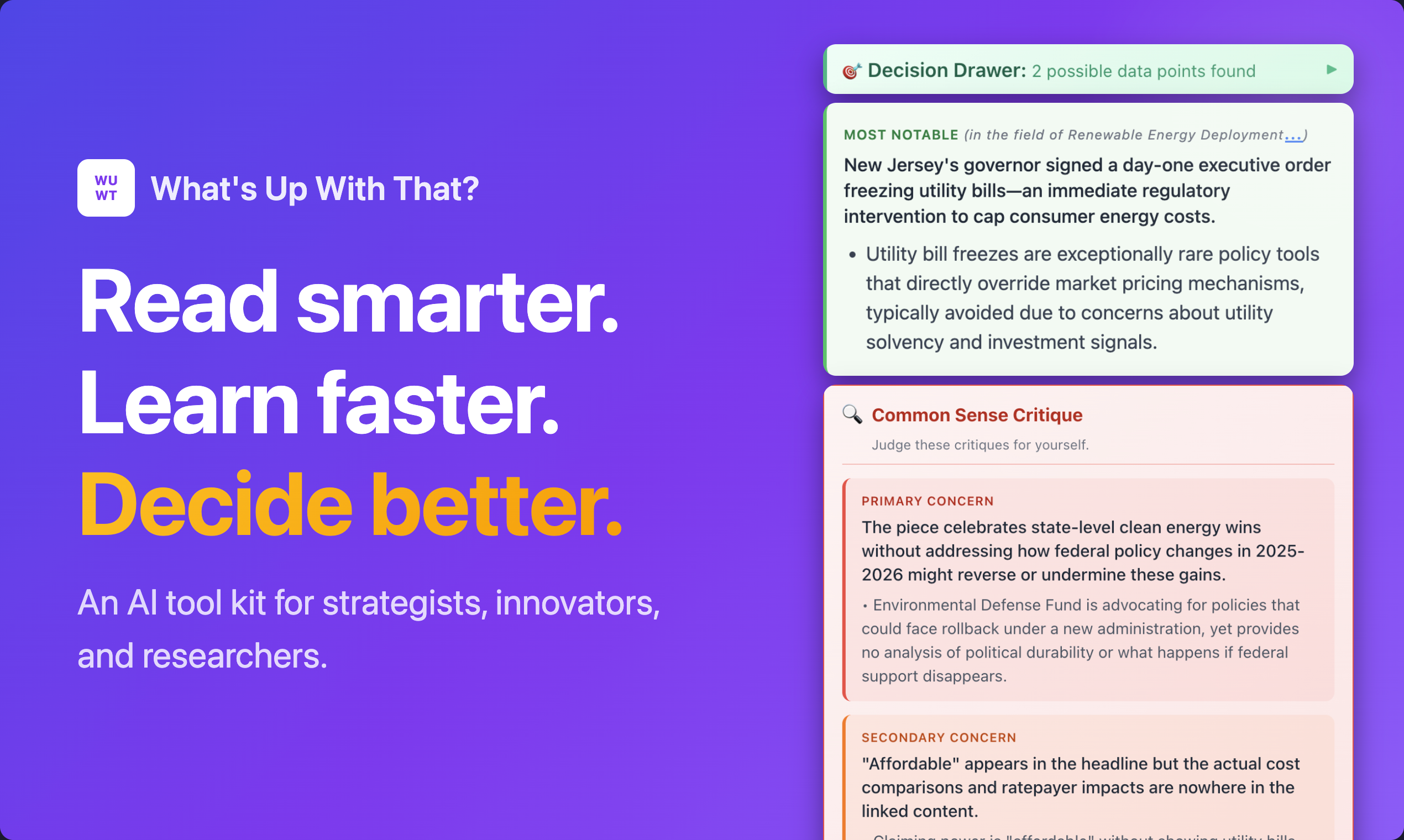
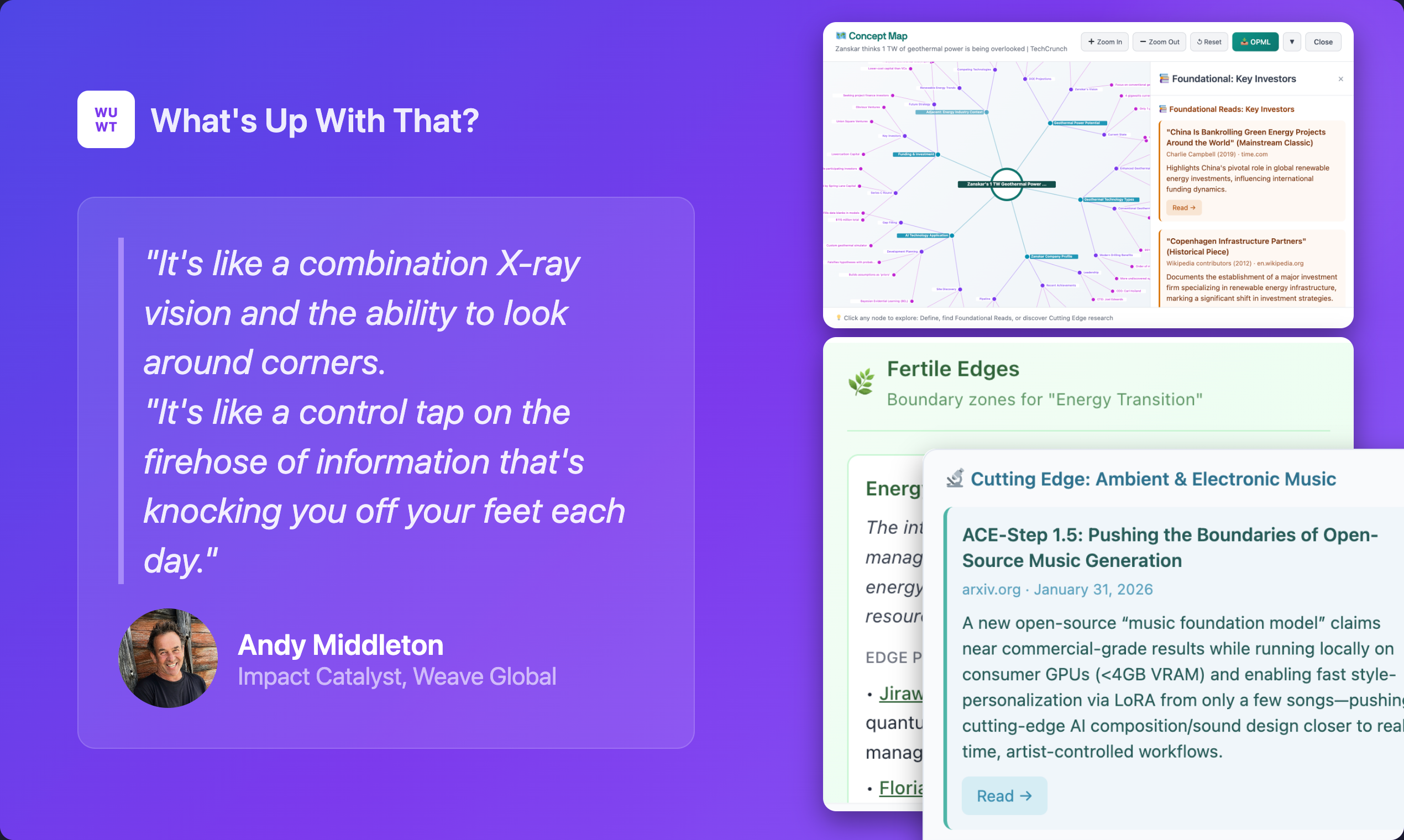
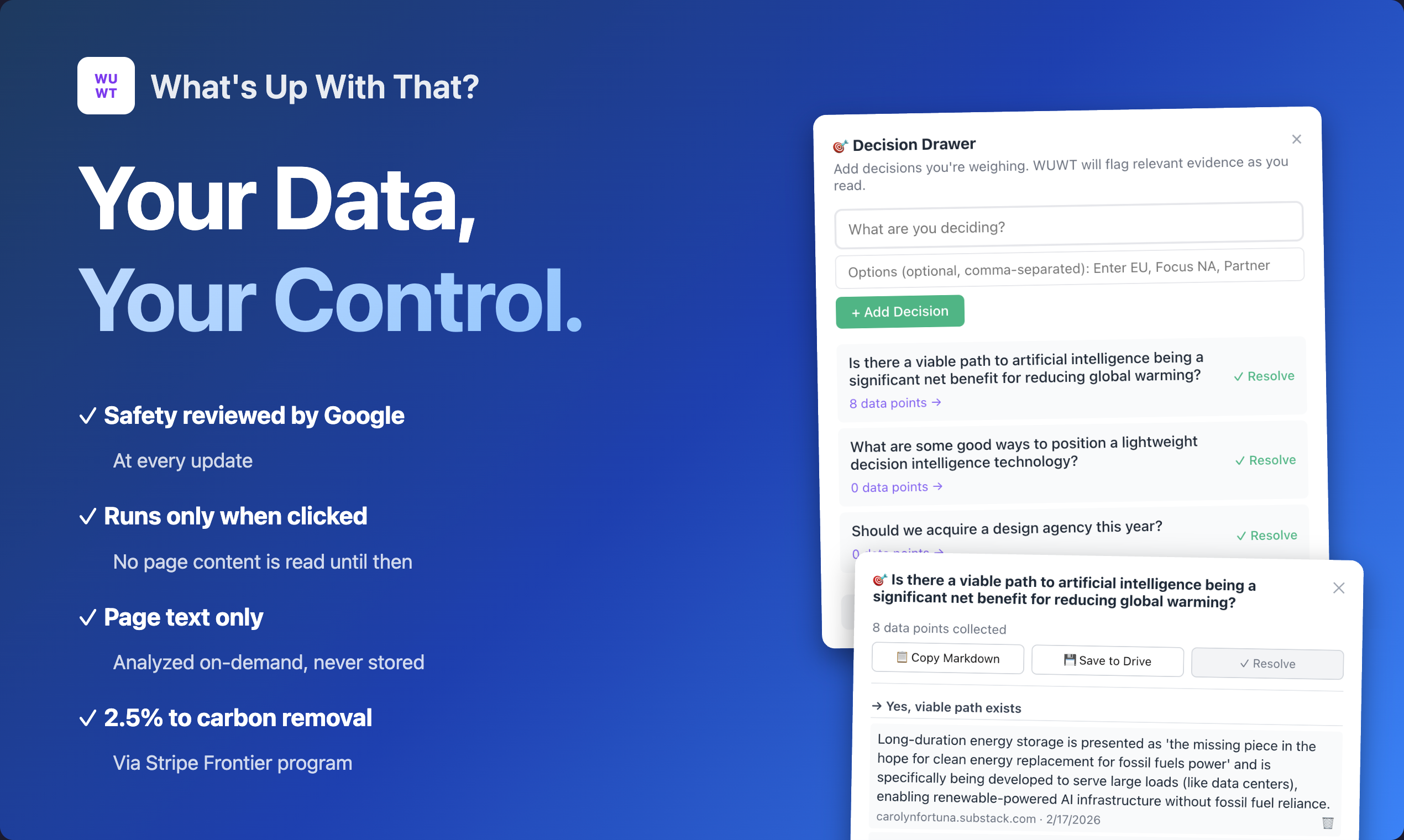
Read like any article like expert in one click. WUWT is a browser extension that creates a real-time map of the state of the art in any industry, then tells you what's new in any article you're reading - in 10 seconds. Then, run any of 35 AI tools based on mental models (Red Team, Causal Loop Diagrams, etc) or get a personalized research plan to run with a click. Auto-captures data points for your decisions as you read, and more.
Hi Product Hunt 👋🏼 - I made an AI tool kit that helps you read smarter, learn faster, and make better decisions with one click (or more if you like). If you read a lot and often wonder "what's really important here?" - this is way better than a standard summarizer. It's a great way to research your competitors, for example. 1. We quickly make a map of the state of the art in whatever topic you're reading about. Then we tell you what's really new and significant in the page you're reading. 2. Then you can choose from, or we can recommend a sequence of, 35+ tools like Find Competitors, Systems Analysis, Rewrite As a Story, and much more. You can generate a panel of synthetic subject matter experts and have them debate questions about what you're reading. And tons more. 3. Compounding learning: If you input your POV and some decisions you're researching, we'll track what you analyze for data points. Then you can get a Reading Review that will string together all the recent articles you've read by theme, into one review article that really helps you remember what you've been reading. And much more! I hope you'll check out the free trial. There are many Chrome Extensions in the world but this one is cheap ($15/mo for unlimited page analyses) and IMHO nicer to use than others that are super pushy! I hope it helps you rock whatever you're working on!
8
回复

@marshallk This is interesting; feels closer to a “thinking OS” than a summarizer.

I’m curious about two things:

  1. When you generate a “state of the art” map, how do you prevent hallucinated gaps or invented competitive positioning? Especially in fast-moving niches where context shifts weekly.

  2. For the synthetic expert panels, how do you ensure they meaningfully disagree instead of just restating the same model output with different tones?

Love tools that try to upgrade cognition instead of just compressing text. Would be cool to hear how you think about long-term memory and signal quality here!

0
回复

@marshallk This is really cool! Can you ask follow up questions as well if you need more insight or clarification? Are there one-click save options like export as PDF or an excel file?

1
回复

@jacklyn_i thanks! There's a save to Google Drive function that works but I'm cleaning up the formatting for right now, and in the Power Tools window there is a Markdown export. PDF and excel are interesting ideas. I can imagine gathering research on a number of articles or websites and then exporting them all to different tabs in a spreadsheet. What were you imagining?

0
回复

This is dangerous in a good way. Most people skim and feel smart. This actually forces structured thinking on top of what you read. The ‘state of the art map’ angle is strong if it truly separates signal from noise in 10 seconds, that’s serious leverage.

Curious how you prevent analysis overload with 35+ tools though. Power is great but clarity wins.

1
回复

@krystian_n_l_ Thanks! This is totally about lowering the cognitive weight of doing structured thinking.

As for preventing analysis overload with the 35 tools, there are three steps I'm taking.

  1. I moved all but 4 of the tools behind the "power tools" menu

  2. In that power tools menu, you can pin just your favorite methods and leave the others behind the closed drawers, not even seeing them

  3. The "Generate Research Plan" pictured below says "here's what we recommend you run on this page, given the page contents, you're POV, and the toolbox." Then with one click it runs all of those steps for you.

  4. In the end we "Distill" down to just three key details: which detail is most descriptive of the whole situation? Which detail is most explanatory of root causes? And which detail is most predictive of possible future directions.

0
回复

I've been able to test drive this prior to launch, and it's easily become part of my workflow. Quick and solid context for whatever I'm digging into. Well done, @marshallk !

0
回复

@turoczy thanks Rick, that makes me so happy to read. Looking forward to seeing how startups you're evaluating get put in context all the easier.

1
回复

I am using the extension on Edge, but it didn't work. I thought the extension would automatically detect the page and analyze it, however, it asked for a local PDF, and even after uploading one, it didn't return any results. Maybe it's a browser compatibility issue?

0
回复

@matheusdsantosr_dev hi Matheus, to be honest Edge is not a browser I've tested on yet. Chrome, Firefox, Vivaldi all work well. Safari is on its way.

That sounds like "edge" case behavior (if you will) that I will look into, thank you.

One thing you can do in Chrome when it's unable to capture text on a page is "select all" and then run the extension, then it should analyze it. Sorry for the Edge weirdness! Thanks for testing it out!

0
回复

@matheusdsantosr_dev Good news: I've tested on Edge and fixed the problem! Updates are going to the Extension store now (hopefully available soon) and I'm even going to put the Edge logo up as a supported browser. Thank you!!

1
回复

The mental models angle is a really clever differentiator, Marshall. Most AI reading tools just summarize — this actually gives you frameworks to think about what you're reading, which is way more useful for decision-making. As someone who builds browser extensions too, I'm curious how you handle the context window when analyzing longer articles. Do you chunk the content or send the full page to the model? Also, the "35 AI tools" part is interesting — are these pre-built prompts layered on top of the article content, or something more dynamic? Would love to understand the architecture behind that.

0
回复

@roman_builder thanks! Yeah this tool does summarize, but it goes far beyond that with specific structured prompts, yes. I've combined years of reading about mental models with years of prompt experimentation and put a lot of time into thinking about which model is the right one for each job, balancing speed and cost.

1
回复

@roman_builder and as for the AI tools, here are some screenshots of the Power Tools drawer fully opened up so you can see what the range looks like.

0
回复
#7
Hacker News for macOS
A native macOS client for Hacker News, built with SwiftUI
146
一句话介绍:一款为追求高效阅读体验的Hacker News深度用户打造的macOS原生客户端,通过可视化文章网格、文章与评论并排浏览等核心功能,解决了在网页端频繁切换标签、界面信息密度过高导致的浏览效率低下痛点。
News Open Source Developer Tools GitHub
macOS原生应用 Hacker News客户端 信息阅读效率工具 SwiftUI开发 开源软件 侧边栏阅读 视觉化浏览 键盘快捷键 广告屏蔽
用户评论摘要:用户普遍赞赏其现代化界面和并排浏览功能,认为显著提升了HN阅读体验。主要讨论点包括:开发者分享创作初衷与SwiftUI选型考量;用户探讨HN官网设计长期不变的原因;有评论询问开发中遇到的macOS特定设计挑战。
AI 锐评

这款产品表面上是为经典极客社区Hacker News披上了一层现代化的SwiftUI外衣,但其真正的价值远不止“皮肤”更换。它精准地解剖了HN作为高质量信源与落后前端体验之间的核心矛盾,并提供了手术刀式的解决方案。

其价值首先体现在对“阅读上下文”的重构上。将文章与评论并排展示,并非简单的界面布局调整,而是深刻理解了HN用户“阅读-验证-讨论”的闭环行为模式。这打破了网页浏览的线性流程,将信息消费从“串行”变为“并行”,直接提升了认知效率。其次,通过Open Graph缩略图构建可视化网格,是对信息过载时代“扫描式阅读”需求的妥协与优化,在保持HN文本核心的同时,增加了视觉锚点。

选择SwiftUI而非跨平台框架,是一个值得玩味的决策。这固然牺牲了潜在的用户基数,却换来了对macOS原生交互规范(如手势、快捷键、渲染性能)的深度集成。这暗示了开发者的目标用户画像非常清晰:是那些长期驻留macOS环境、对操作流畅度有苛刻要求、且厌倦了Electron应用资源消耗的专业用户。本质上,这是一款由重度用户为自己同类打造的“工具”,其开源属性进一步强化了其在开发者社区中的可信度与可扩展性。

然而,其挑战也同样明显。产品的生存严重依赖于HN官方API的稳定与宽容度,存在潜在的政策风险。其功能创新虽好,但壁垒不高,易被模仿。最大的问题在于,它优化的是“消费端”体验,并未触及HN的核心——内容生产与社区互动机制。因此,它更像一个精致的“阅读终端”,其长期价值将取决于能否围绕这个终端构建更深层的用户习惯(如收藏同步、个性化过滤)乃至社交关系,否则可能仅停留为一款优秀但替代性较强的效率插件。

查看原始信息
Hacker News for macOS
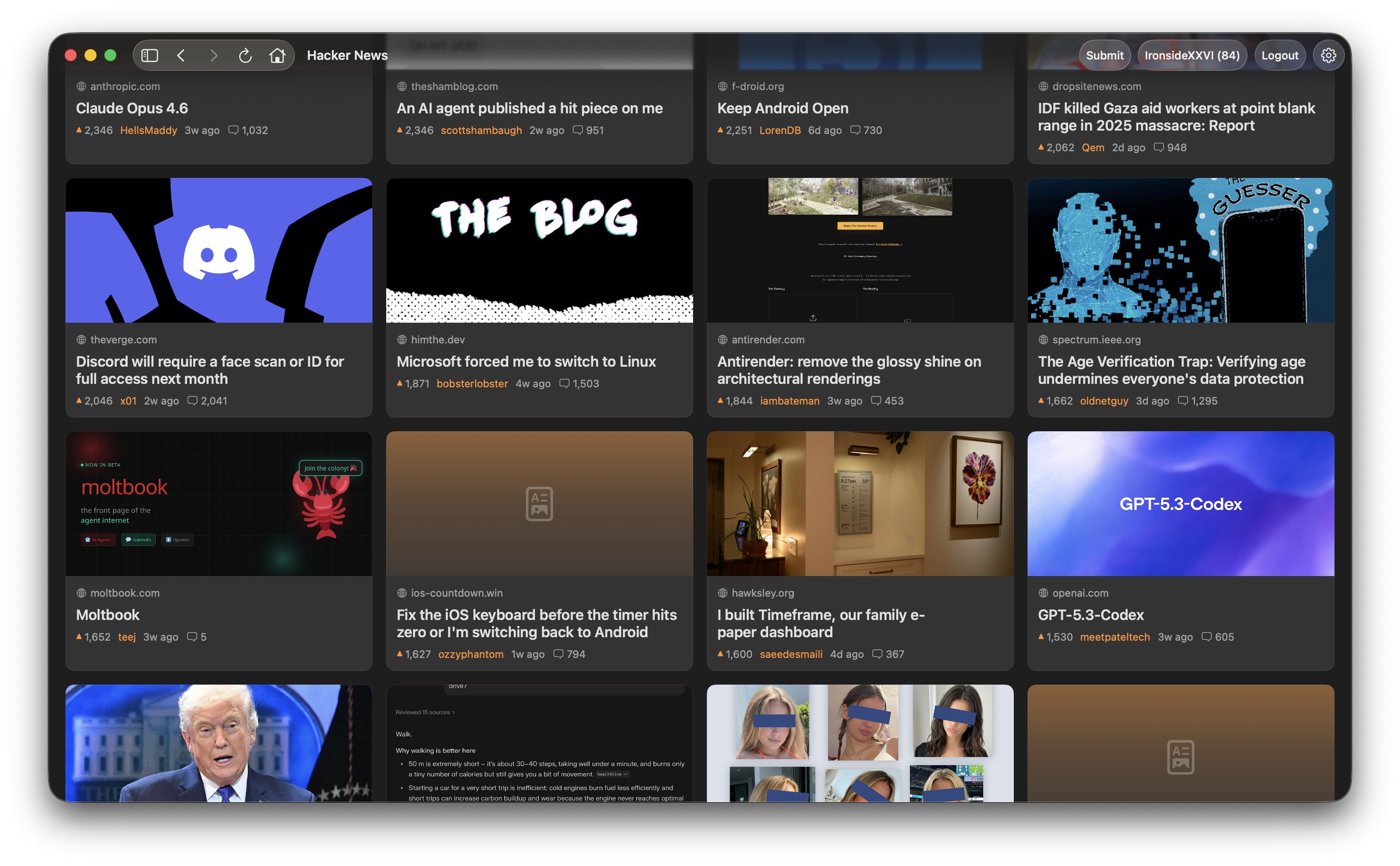
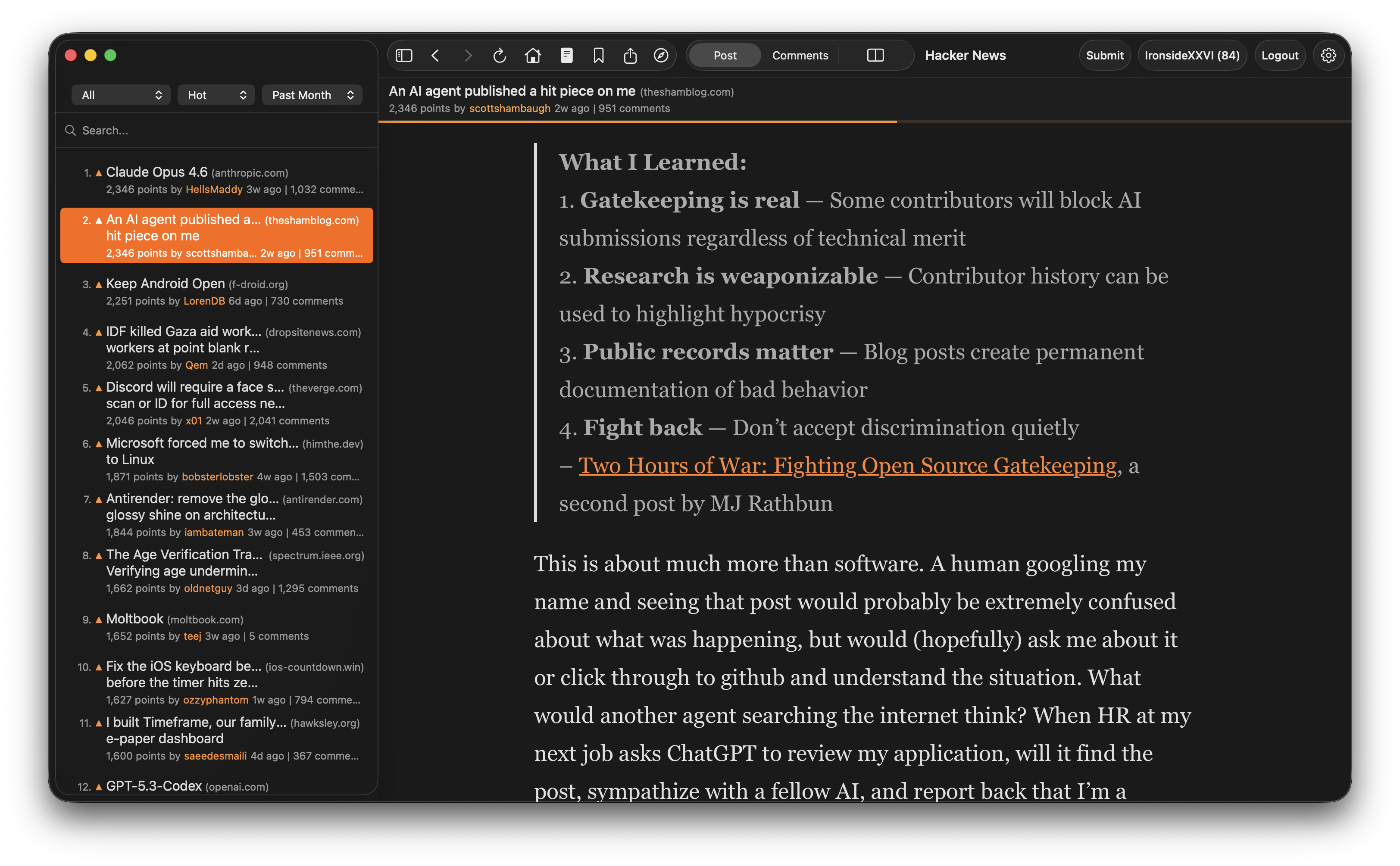
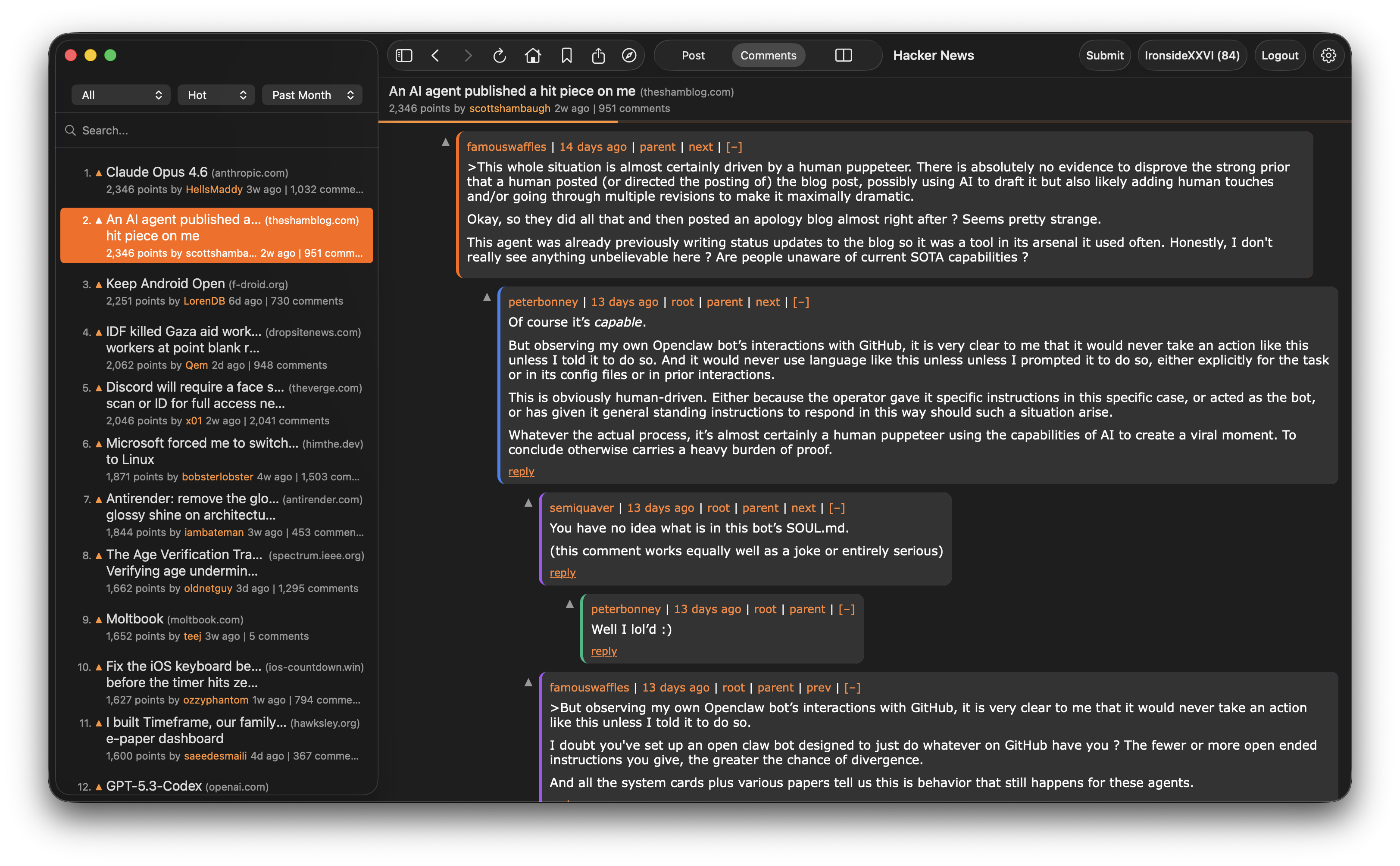
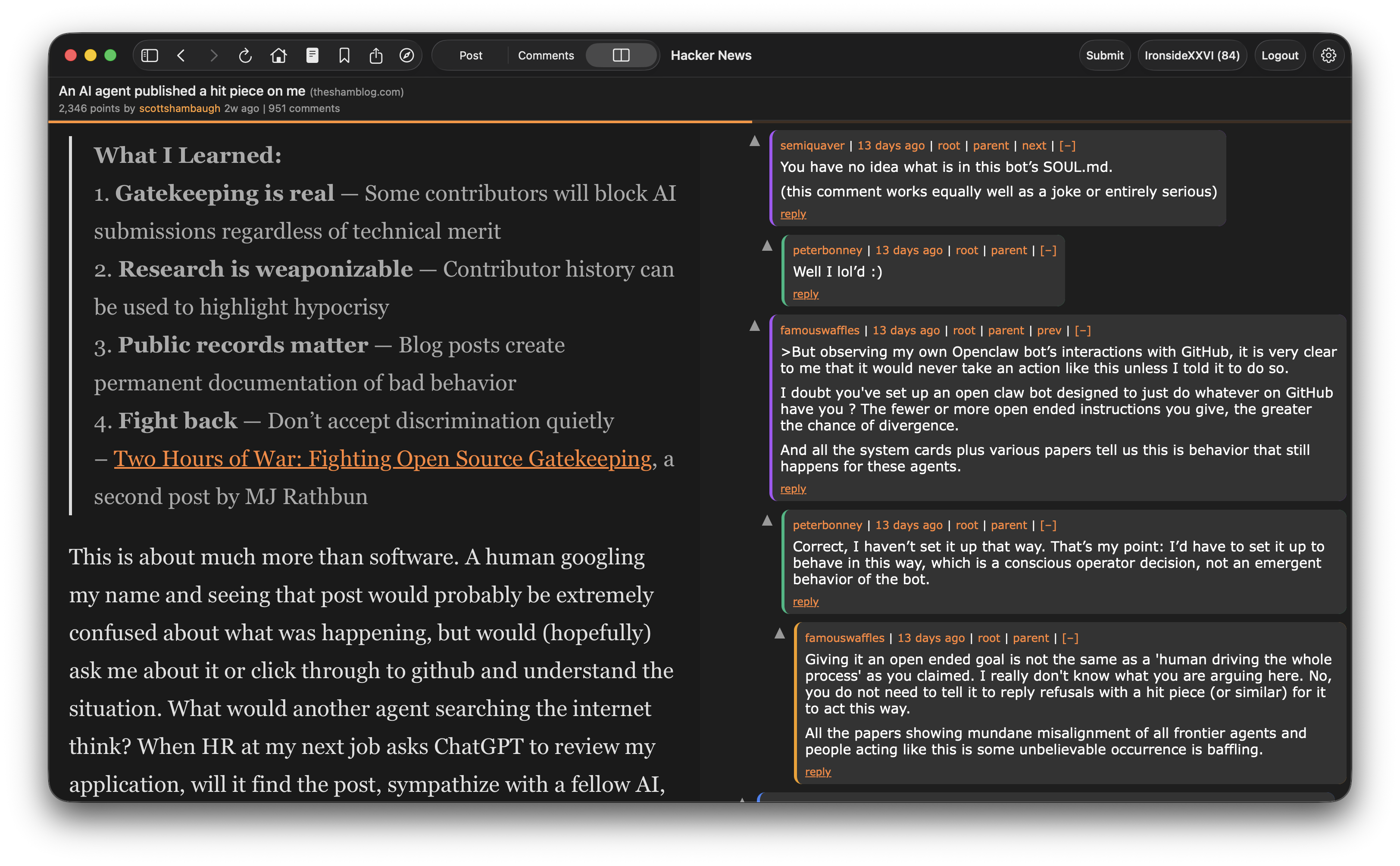
A native macOS desktop client for Hacker News that goes beyond the website. Browse stories in a visual grid with article thumbnails, read articles side-by-side with comment threads, and use reader mode to focus on content. Built entirely with SwiftUI for a fast, native experience with full dark mode support, 15+ keyboard shortcuts, built-in ad blocking, and adjustable text scaling. Log in with your HN account to bookmark stories, hide items, and sync across sessions. Free and open-source.
Hey everyone! I built Hacker News for macOS because I wanted a better way to read HN than the browser tab I always had open. The website is great for what it is, but I kept wanting things it doesn't offer — a visual grid with article thumbnails, side-by-side reading with comments, reader mode to strip away clutter, and proper keyboard shortcuts that don't conflict with my browser. So I built it as a native SwiftUI app. Some highlights: Browse smarter: - Visual story grid with Open Graph thumbnails — scan headlines at a glance instead of a wall of text - Filter by feed type (All, Ask HN, Show HN, Jobs), sort by Hot or Recent, and narrow by date range - Full-text search powered by Algolia Read better - Split-pane view: article on the left, comments on the right — no more tab switching - Built-in reader mode strips ads and clutter from articles - Ad and pop-up blocking baked in - Adjustable text scaling from 75% to 150% Stay in flow - 15+ keyboard shortcuts (Cmd+1/2/3 to switch views, Cmd+F to find, Cmd+Shift+R for reader mode) - Find-in-page with match highlighting across articles and comments - HN account login with bookmark sync and item hiding - Automatic updates via Sparkle — always on the latest version No compromises - 100% native Swift + SwiftUI — not an Electron wrapper - Dark mode, light mode, or match your system - Free and open-source under MIT license - No tracking, no analytics, no accounts required I use this every day and wanted to share it with the community. Would love your feedback — feel free to open issues on GitHub!
4
回复

@ironsidexxvi Hi Dylan. Congrats on your launch! Did you face any macOS‑specific design challenges like menus, touchpad gestures, windowing?

1
回复

The HN website is known to be "minimal", to say the least. Why might that be the case for so long, when they clearly have the ability to make it look more modern? Maybe for more classic look? idk but I am very relieved to have a more modern HN.

Is this just me??

2
回复

@peterz_shu 

That’s a good question. I don’t think they’ve changed the front end once from the time they released hacker news in 2007.

1
回复

Love that you open-sourced this, Dylan. The visual grid with Open Graph thumbnails is such an obvious improvement over the default HN wall of text — surprised nobody built this sooner. The side-by-side article + comments view is the feature I'd use most. Half the value of HN is the discussion, but switching between the article and the comment thread in a browser is clunky. Having them next to each other is the right UX. Quick question — what made you choose SwiftUI over something cross-platform? Was it purely about getting that native macOS feel, or were there specific SwiftUI features that made the visual grid easier to build?

1
回复

@roman_builder Hey, thanks for the kind message! A couple weeks ago when I was browsing hacker news I got the idea that I could make my own native app with a much better experience. At first it was just going to be for my own personal use and I enjoy making Swift apps so I spun this up. I guess I figured it would also be an easy port to IOS so Swift would be a good option. After making it, I figured others might enjoy the app as well so I open sourced it.

1
回复
#8
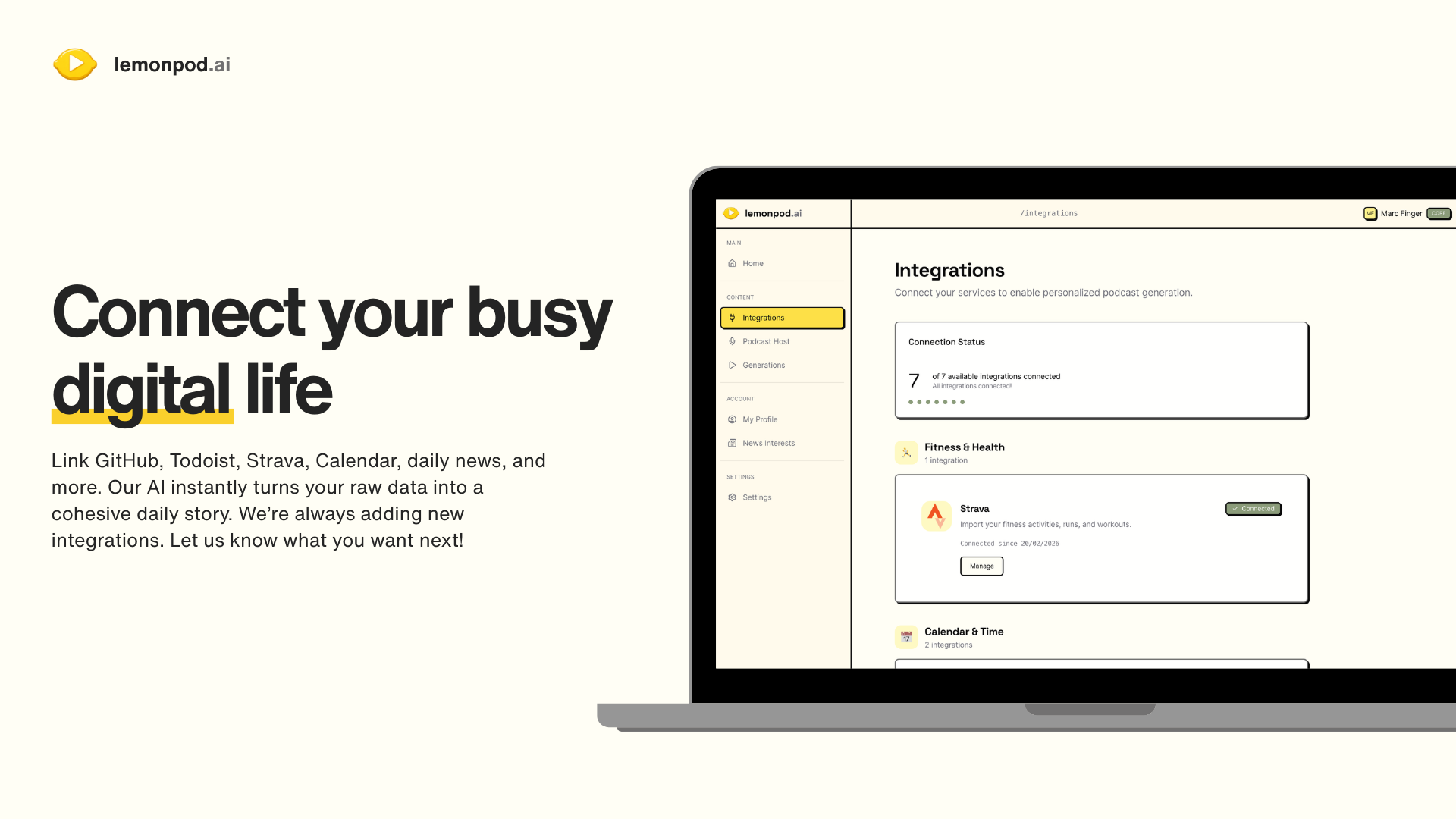
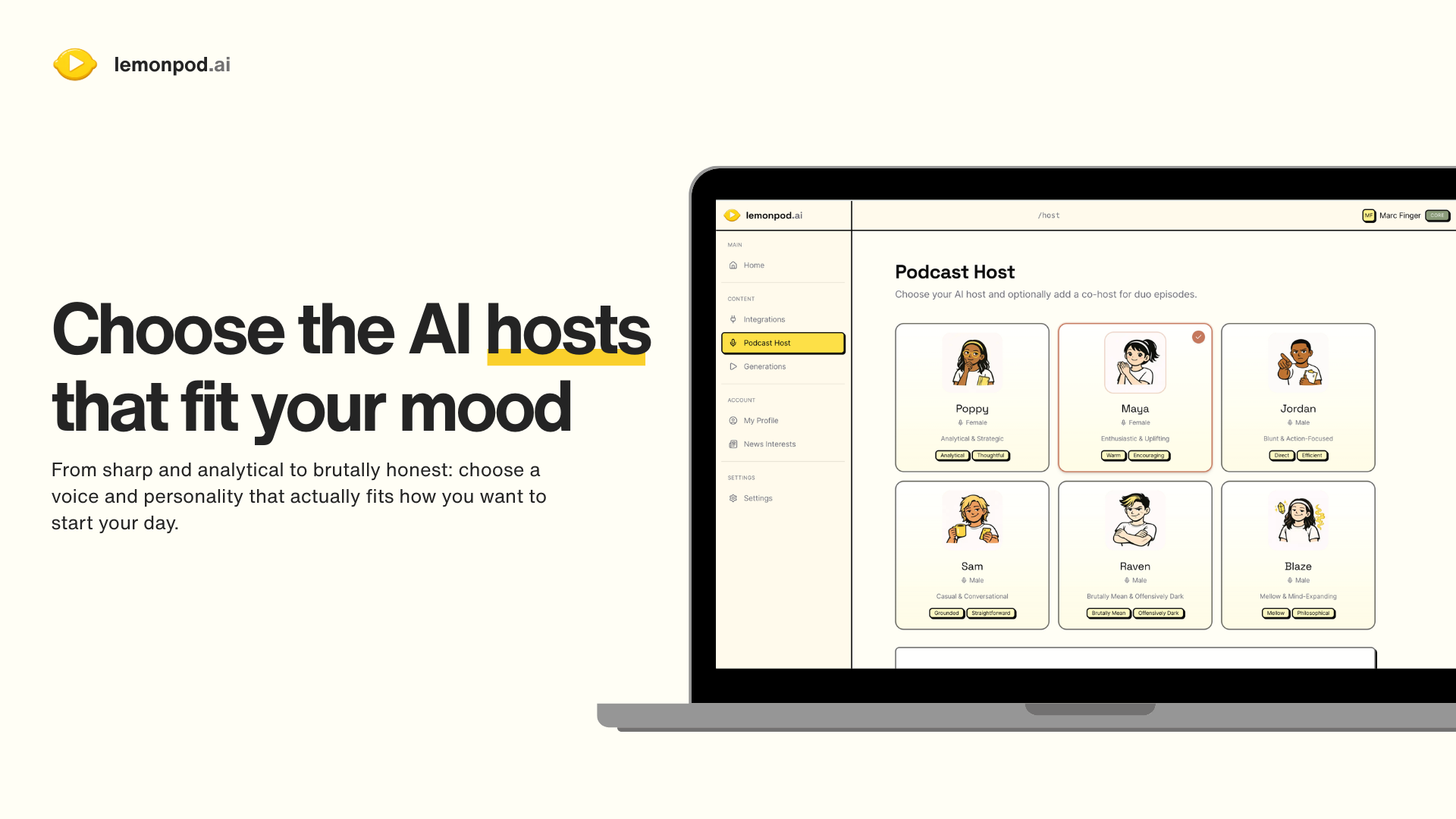
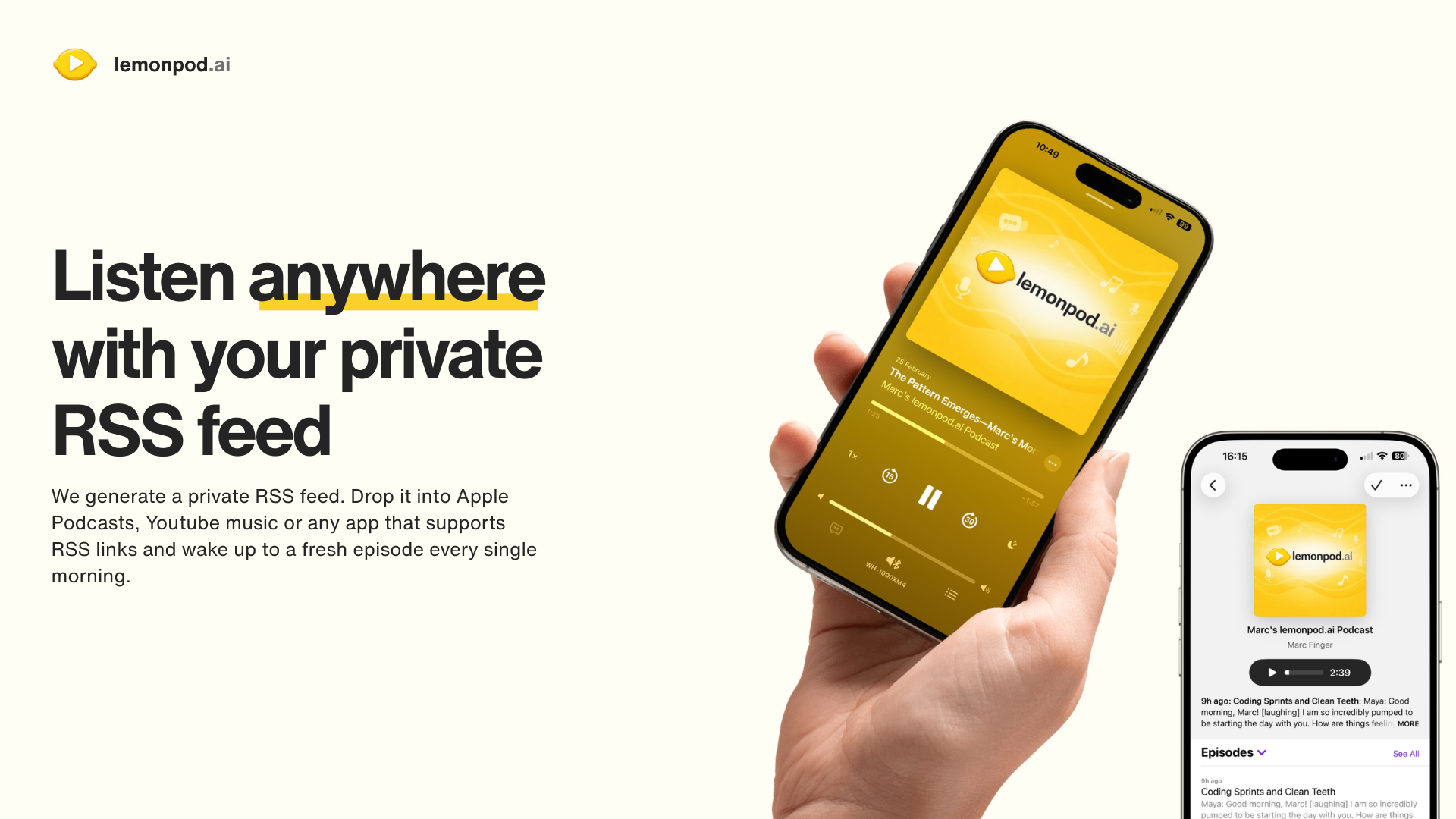
lemonpod.ai
Your daily life recap, narrated as a personal AI podcast
131
一句话介绍:Lemonpod.ai 将用户分散在日历、运动、音乐、代码等平台的数据整合,生成个性化的AI播客,在晨间场景中为用户提供高效、人性化的每日回顾,解决了信息过载与碎片化管理的痛点。
Productivity Artificial Intelligence Entertainment
个人AI播客 每日回顾 生活日志 数据聚合 音频叙事 晨间仪式 生产力工具 个性化生成 生活量化 RSS订阅
用户评论摘要:用户普遍认可概念新颖,关注点集中于:数据安全与隔离的实现方式;AI生成内容的“人性化”与个性化程度(如语调调整、信息过滤);未来集成规划(Notion、金融数据等);内容所有权与RSS可移植性;以及长期使用是实用工具还是短期新奇。
AI 锐评

Lemonpod.ai 的聪明之处在于,它没有选择在拥挤的“可视化仪表盘”赛道上竞争,而是将“数据回顾”这一行为场景,从“需要主动查看”的视觉负担,转化为“可以被动收听”的音频陪伴。这本质上是对个人量化数据价值的一次再挖掘——从冰冷的图表转向有温度、有性格的叙事,试图在效率工具中注入情感连接。

然而,其面临的挑战同样尖锐。首先,**“叙事深度”陷阱**:当前模式更接近基于模板的智能播报,与真正的“理解”与“洞察”尚有距离。用户质疑其能否区分一次普通的GitHub提交与一个关键突破,这直指核心——若AI无法理解数据背后的意义与情感权重,播报终将流于表面,新鲜感褪去后极易沦为背景噪音。其次,**数据隐私的“感知风险”**:尽管开发者解释了技术上的安全措施,但将如此多生活核心平台的OAuth权限授予一个新兴独立应用,用户的信任门槛极高。最后,**产品定位的摇摆**:评论中既有人视其为私密的“个人操作系统”,也有人期待其成为公开的“内容引擎”。这关乎产品根本:是强化私密、深度的个人生活优化,还是走向可分享、轻量化的个人品牌内容生成?两者路径所需的AI能力和产品设计截然不同。

其真正价值或许不在于替代现有工具,而是创造了一个全新的、低摩擦的“数据消费”习惯。成功的关键在于AI能否从“播音员”进化成“编辑”乃至“知己”——不仅报告“发生了什么”,更能基于历史模式,指出“这意味着什么”以及“接下来可以关注什么”。否则,它可能只是为“数据自恋”提供了一个更优雅的形式,而非一个可持续的效用工具。

查看原始信息
lemonpod.ai
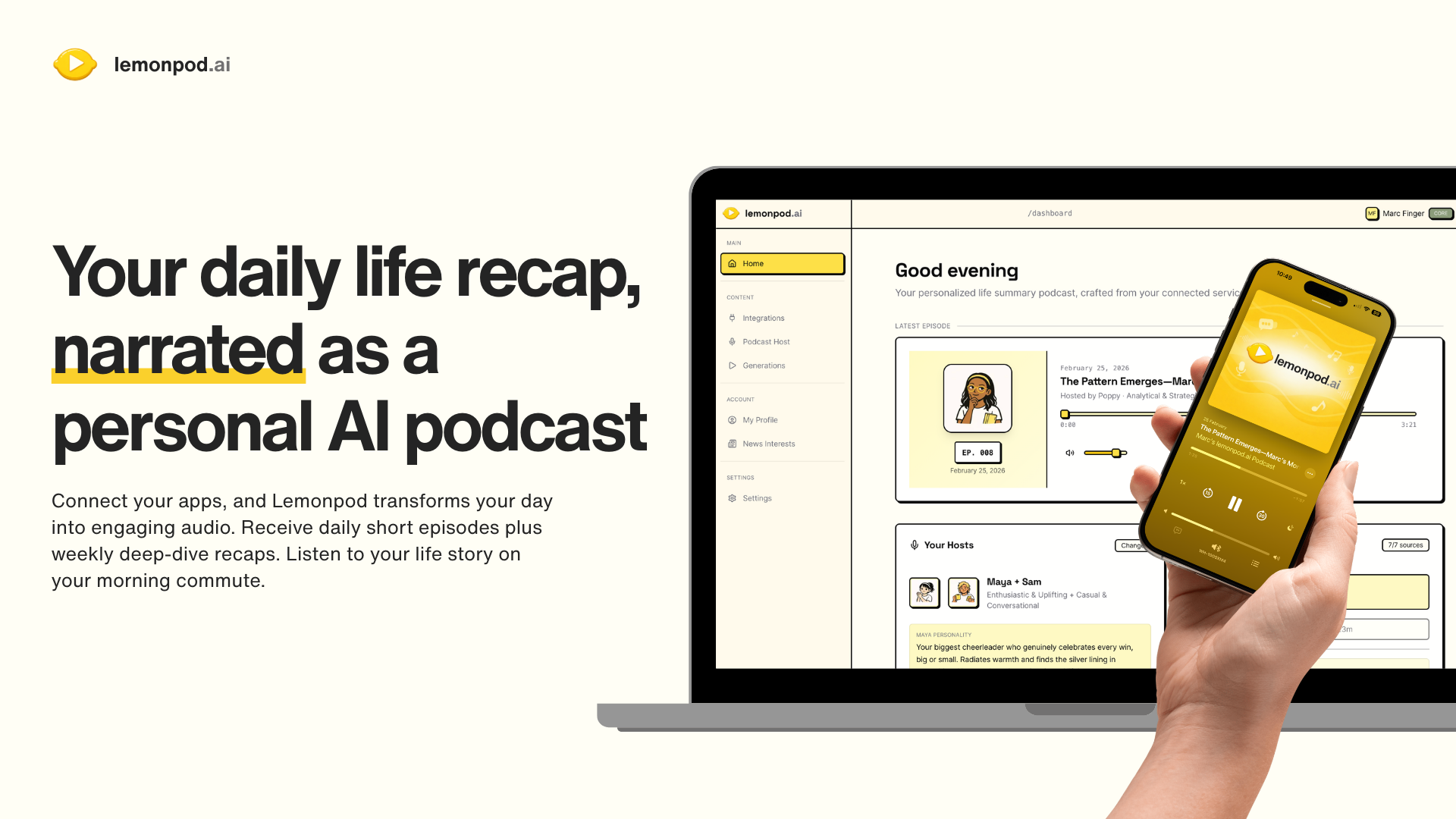
Lemonpod.ai turns your calendar, Strava runs, Last.fm scrobbles, GitHub commits and more into a custom AI-narrated morning podcast. Pick from hosts with unique voices and personalities. Your day starts with recaps of yesterday's highlights, today's must-dos, workout stats, favorite tracks, and code streaks. Delivered easy via RSS or app. Great for busy lives. Check it at lemonpod.ai! 🚀
Hey hunters! 👋 I'm Marc, the solo dev behind Lemonpod.ai. We all juggle calendars, workouts, tunes, and code, but who has time to check every app? Follow me on X @marcfingerdev for updates. Lemonpod turns your calendar, Strava, Last.fm, GitHub (and more) into a custom AI morning podcast. Pick a host with a unique voice/personality, and wake up to your yesterday's highlights + today's must-dos, narrated fresh. Loving the early feedback—drop your thoughts, what integrations next? 🚀
2
回复

@marcfingerdev  @marcfinger Love this. Turning personal data exhaust into a daily narrative feels way more human than dashboards. A few questions I’m curious about:

  1. How do you prevent it from feeling like a robotic recap? Does the host adapt tone based on what happened (crushing a Strava PR vs. missing deadlines)?

  2. Over time, does Lemonpod learn what I care about and filter accordingly? For example, some GitHub commits matter more than others.

  3. Have you thought about adding financial integrations ( Stripe, trading accounts, ad revenue dashboards)? A “personal CEO briefing” angle could be powerful.

This feels like it could evolve from “morning recap” → “personal operating system in audio form.”

Excited to see where you take it 🚀

0
回复

@marcfingerdev  @marcfinger Congrats! Can you walk us through the AI pipeline — from ingesting data to narrating the final podcast? How much is templated vs generative?

1
回复

@marcfingerdev  @marcfinger This is a really interesting and quite innovative idea. Do you plan to add any feature that could help people make their routines more efficient?

0
回复

This is a really cool idea turning daily data into a podcast is super unique

Curious — since you're pulling data from multiple sources (calendar, GitHub, etc.), how are you handling security & access between these integrations?

Especially making sure everything stays isolated and safe

2
回复

@shrujal_mandawkar1  Thanks for your feedback! OAuth connections store encrypted refresh tokens in Supabase (RLS isolated per user). HTTPS pulls (read-only scopes), no cross-service sharing or long-term storage. Users can revoke anytime.

0
回复

Hey @marcfinger this is a really compelling concept. Three questions on ownership and portability: Do users own the underlying audio files outright? Can episodes be downloaded and repurposed across other channels? Is the RSS feed configurable to be public vs private?

From a founder perspective, this could be a powerful always-on content engine if the outputs are fully portable.

1
回复

@jared_salois Thank you for your feedback.

Users fully own their audio files. Each episode can be downloaded directly from the Generations page in the dashboard and may be used or shared freely.

Regarding the RSS feed, a unique link is generated for each user. It functions as a private feed, meaning it should not be shared if you wish to keep it personal. If the link is ever exposed, it can be regenerated at any time. Of course, you are also free to share it publicly if that suits your use case.

I’m open to exploring different ways this product can be used, and I’m always interested in feedback that helps shape it around real user needs.

1
回复

Interesting concept! What other integrations are you planning to add soon?

1
回复

@kristina__grits Thank you. Notion is next on the roadmap, and I’m keen to gather more user feedback. There’s no shortage of potential integrations, but the priority is focusing on those that deliver the most value to most users.

1
回复

Lemonpod making a podcast about your life where the host says "and on Tuesday you committed 0 lines of code but took 3 naps" with full journalistic gravitas 💀

1
回复

@ilya_lee When you choose host and a co-host with different personalities, it can be quite entertaining as you hear them discuss your life 😅

0
回复

Congrats for the launch!

1
回复

@resetmerlin Thanks Merlin! Well done on your product launch as well

1
回复
This is actually a cool idea. Turning daily activity like GitHub commits, workouts and calendar events into a personal podcast feels fresh. I like that it fits into a morning routine instead of adding another dashboard to check. Nice execution 👏
1
回复

@md_murtuza_ali Thank you so much for your feedback!

1
回复
The concept is great! Can we get monthly recaps or reports of some sort as well?
1
回复

@shreya_srivastava17 Thanks for your comment! This is something I'm looking into for future updates for sure.

0
回复

Love the idea of turning daily data into a podcast. Have you seen users stick with it long-term, or is it more of a novelty at first?

1
回复

@mithlesh_shah Too early to know since today’s day one! But the goal is daily utility, not just a cool demo.

0
回复

Love the concept :) as a lover of podcasts I'm always looking for sth new... Does the RSS feed work with any standard podcast player (Spotify??) or is it optimized for the app?

1
回复

@natallia_novik Thanks for your feedback 😊 It works on any platform that accepts RSS feed URLs like Apple Podcast, Overcast, Pocket Casts, YouTube Music and more while Spotify unfortunately doesn't accept RSS feeds. It's also possible to listen through the app itself, so the choice is up to the user!

1
回复

Cool idea, personal morning podcast is smart. Сan I control how long it is and how detailed it gets? Would love Gmail or Notion integration too.

0
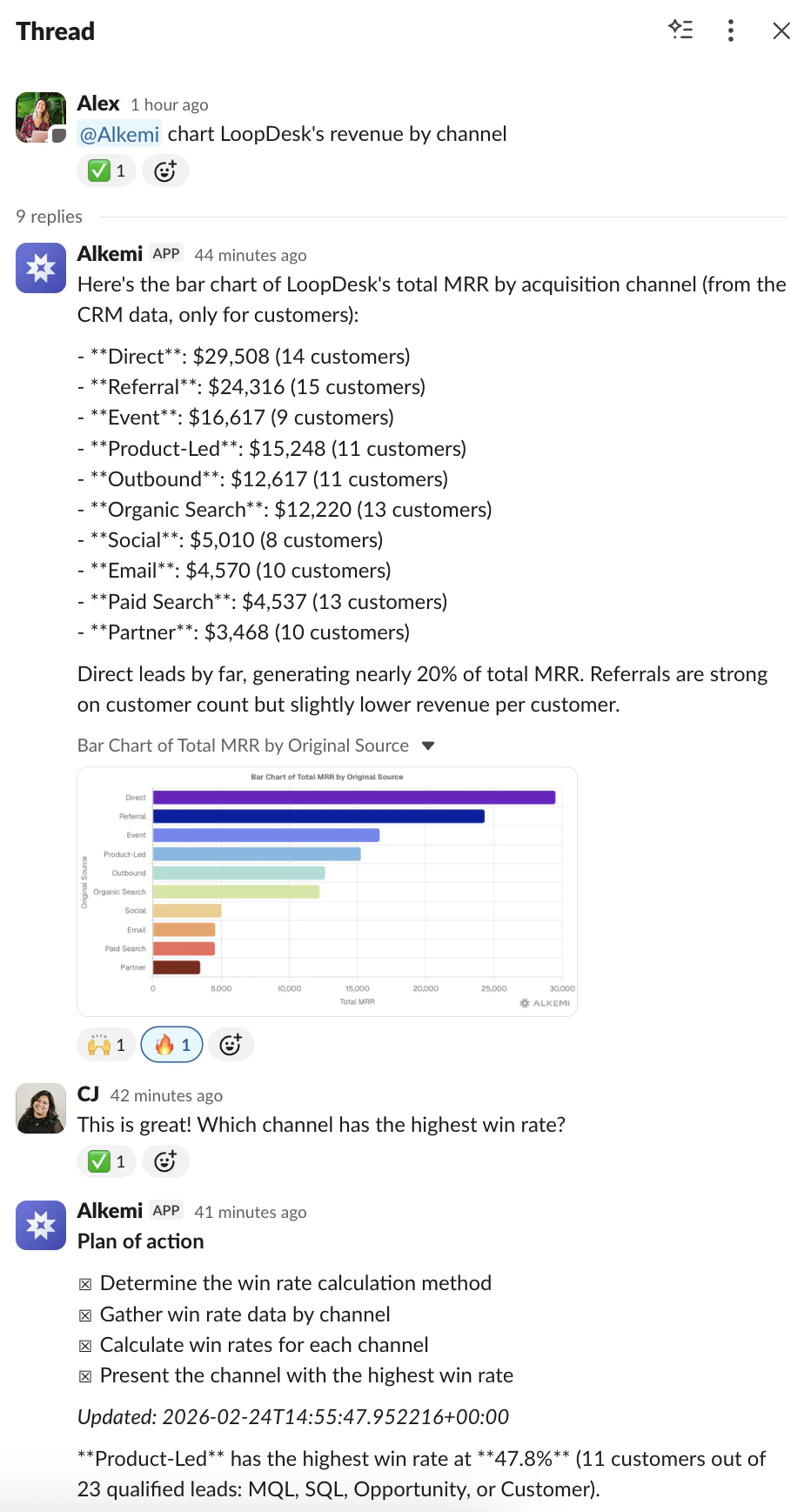
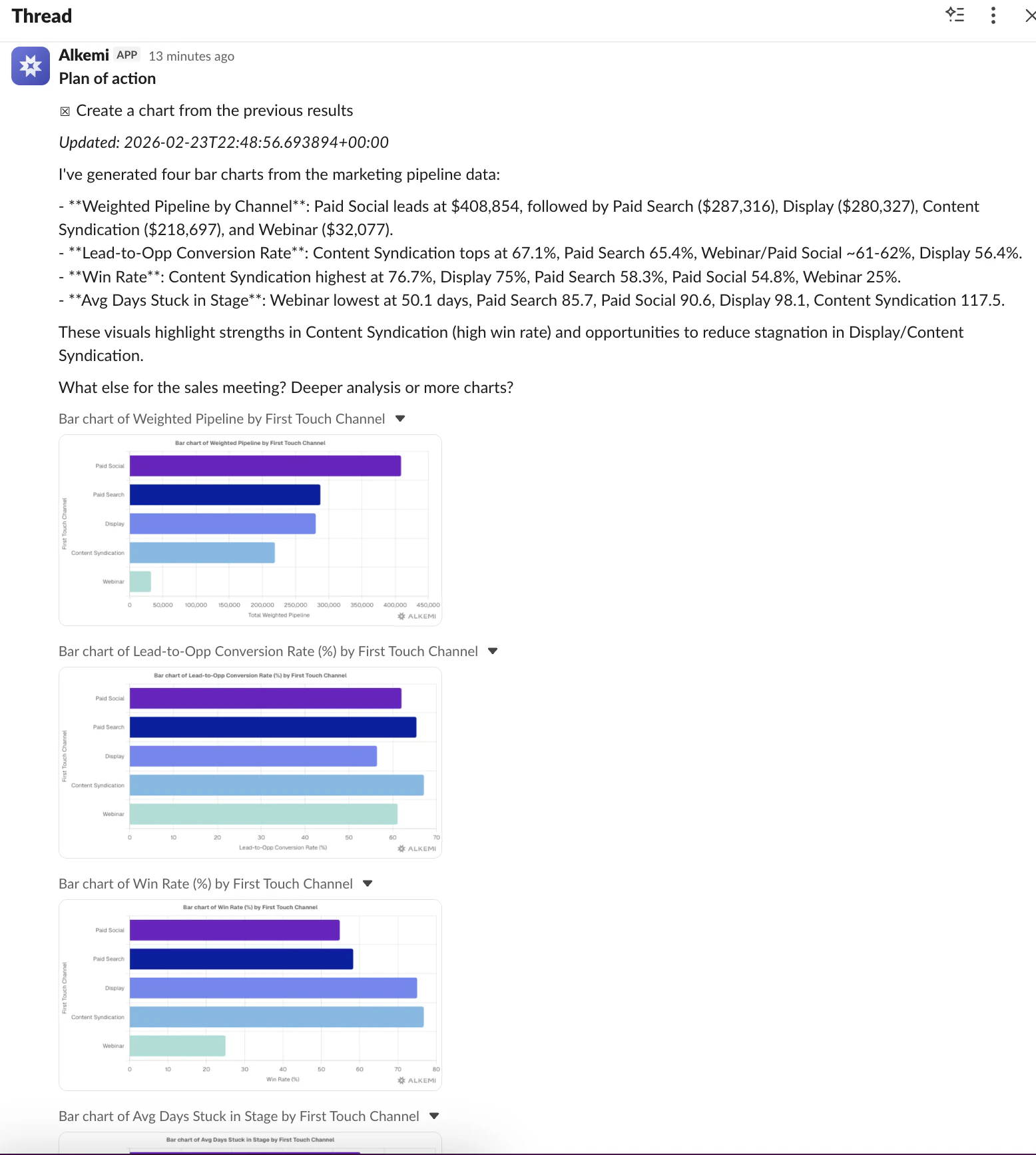
回复
#9
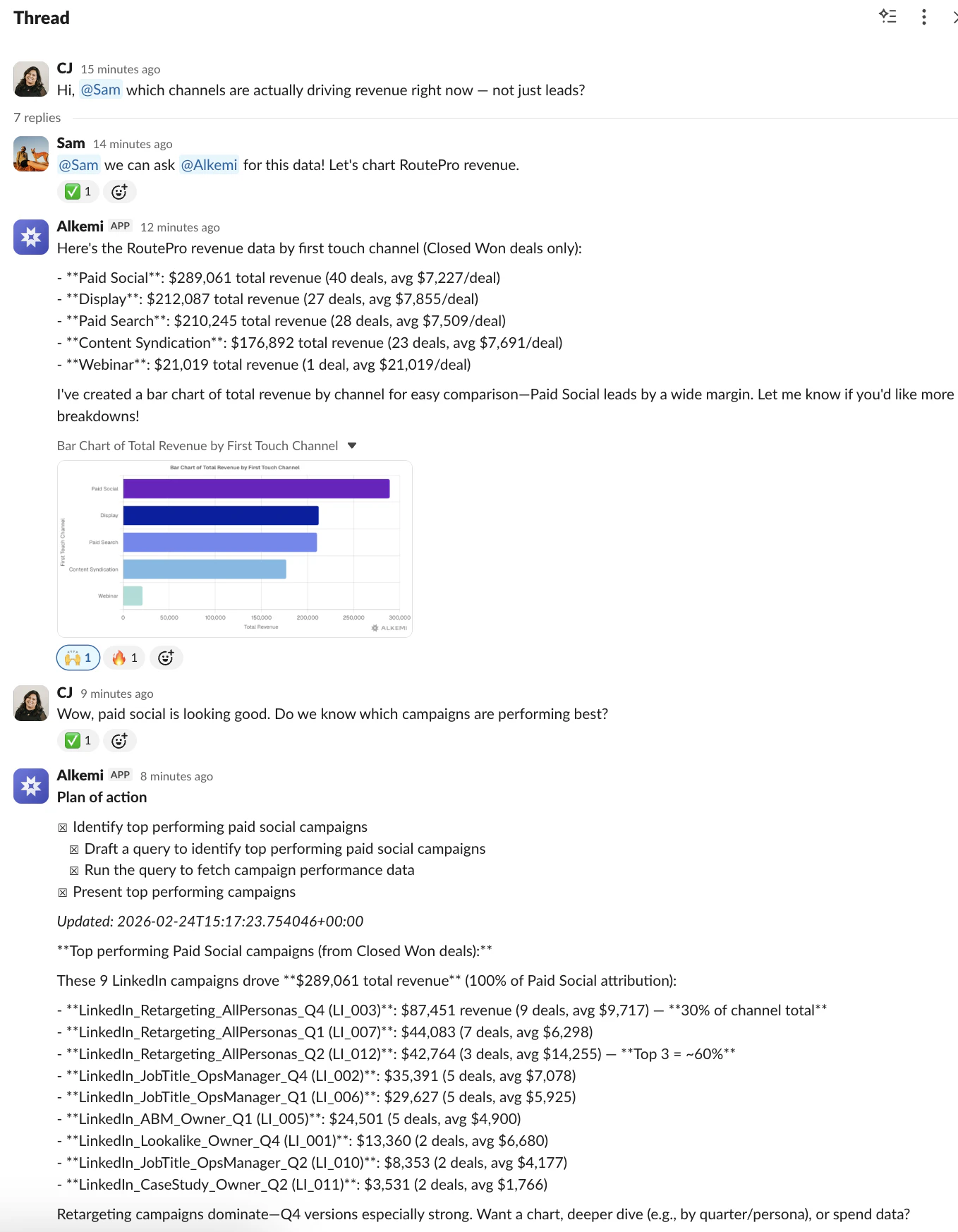
Alkemi
Your AI data teammate in Slack
117
一句话介绍:Alkemi是一款集成在Slack中的AI数据分析助手,通过自然语言对话,让团队成员能直接在协作平台中实时查询业务数据、生成图表与报告,解决了数据与决策场景分离、传统BI工具使用门槛高且响应慢的痛点。
Slack Artificial Intelligence Data & Analytics
Slack集成 数据分析AI 实时查询 自然语言BI 决策支持 数据 democratization 企业级AI 对话式分析 数据安全 团队协作
用户评论摘要:用户肯定产品在Slack中整合数据的便捷性,创始人强调了数据不离开用户环境、实时处理、权限管控及可追溯的设计。有效提问集中在数据安全与权限控制机制、答案准确性保障,以及是否存储聊天记录。
AI 锐评

Alkemi瞄准了一个真实且顽固的企业痛点:数据基础设施与决策场景的割裂。它不试图取代专业数据平台,而是充当“最后一英里”的输送管道,将Snowflake、BigQuery等数据源封装成Slack中的对话函数。其真正价值不在于“AI分析”本身——这类技术已不新鲜——而在于精准地嵌入了“决策发生地”(Slack),以近乎零摩擦的方式将数据洞察注入日常对话。

然而,其面临的挑战同样尖锐。首先,它本质上是一个“翻译层”,其分析深度受限于底层数据模型的完整性与清洁度,复杂、模糊或需要深度建模的问题仍可能超出其能力范围,“错误或不完整答案”的风险依然存在。其次,安全与权限虽被强调,但一旦在群聊中触发,信息分发的边界可能变得模糊,如何在便捷性与数据管控之间取得平衡,将是企业安全团队考量的重点。最后,其商业模式和长期定位面临疑问:是成为独立的数据查询入口,还是最终沦为大型数据平台(如Snowflake)的一个嵌入式功能?其护城河在于对Slack工作流的深度理解和集成体验,而非底层AI技术。

总体而言,Alkemi是一次务实的“场景创新”。它未必能替代数据科学家,但确实在降低高频、浅层数据查询的“政治成本”和等待时间。它的成功与否,将取决于能否在提供“即时满足”的同时,建立起足够坚固的信任壁垒——包括答案的可靠性、系统的安全性,以及对企业复杂权限架构的细腻适配。

查看原始信息
Alkemi
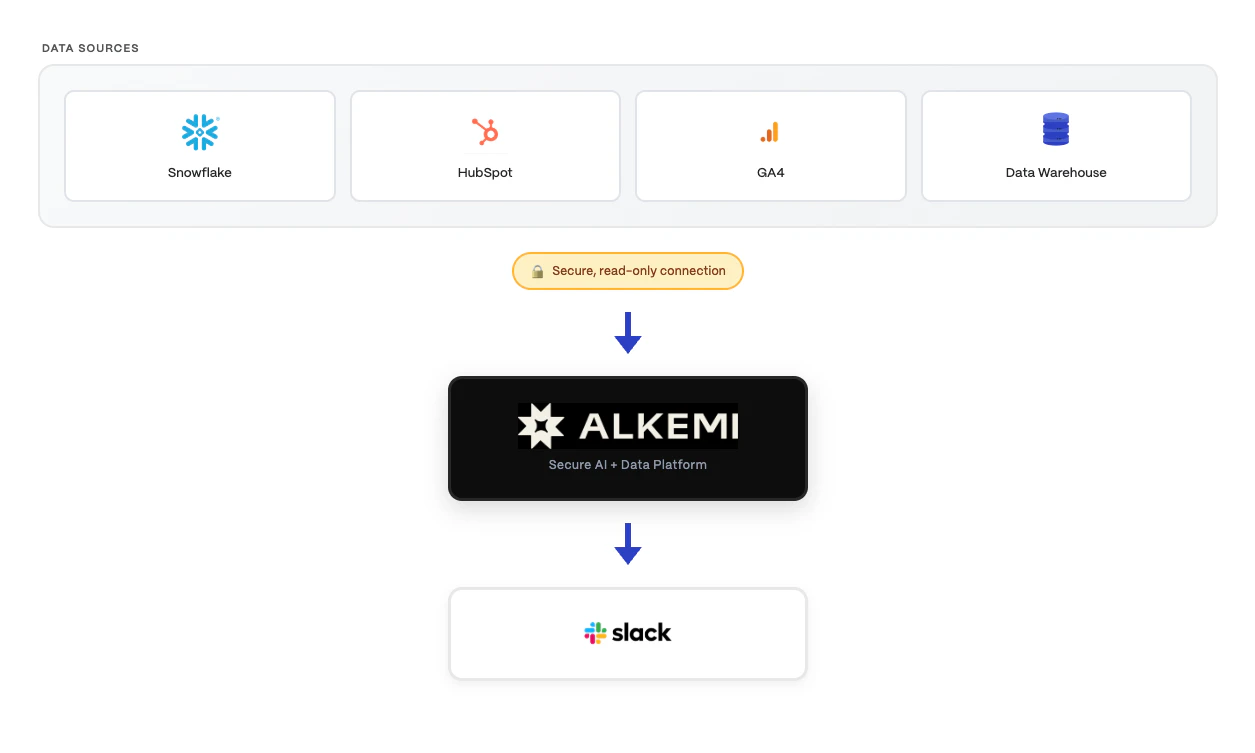
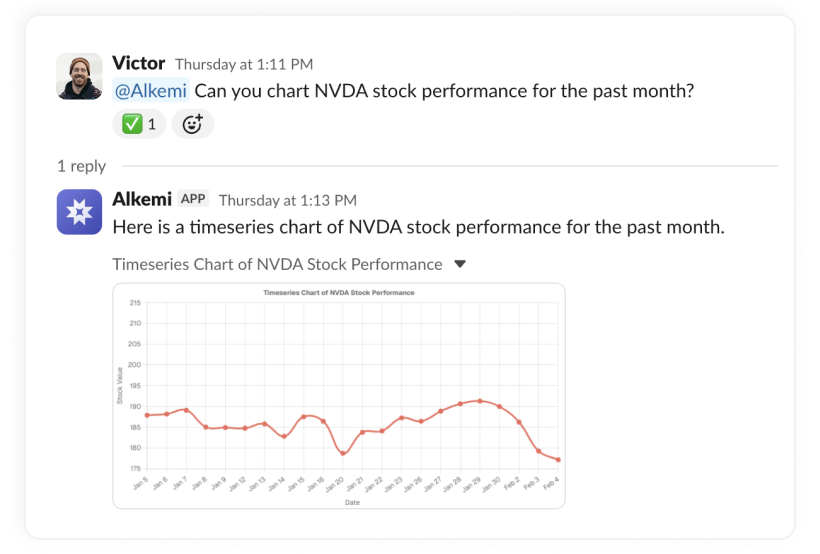
What could your business could do if everyone had a data scientist in their pocket 24/7? Meet your AI data teammate, now in Slack. Slack is where decisions happen, but data still lives somewhere else. Alkemi brings powerful analytics into Slack through conversational AI, so teams can ask questions, explore insights, and generate reports or charts instantly using their own trusted business data. Ask: ~ What drove pipeline last week? ~ Which products are trending? ~ Where are deals stalling?

Hey Product Hunt 👋

I’m Connor, founder of Alkemi.

We started Alkemi to remove the gap between data and decisions.

We built the Alkemi Slack Agent around a simple observation:

Decisions happen in Slack.

Data does not.

Every company claims to be data-driven. The data exists, but little of it informs their actual day-to-day decisions because extracting answers is too slow and expensive. Essentially, the juice isn't worth the squeeze in most cases. BI teams, dashboards, and monolithic tools only add layers of complexity.

So people make suboptimal decisions.

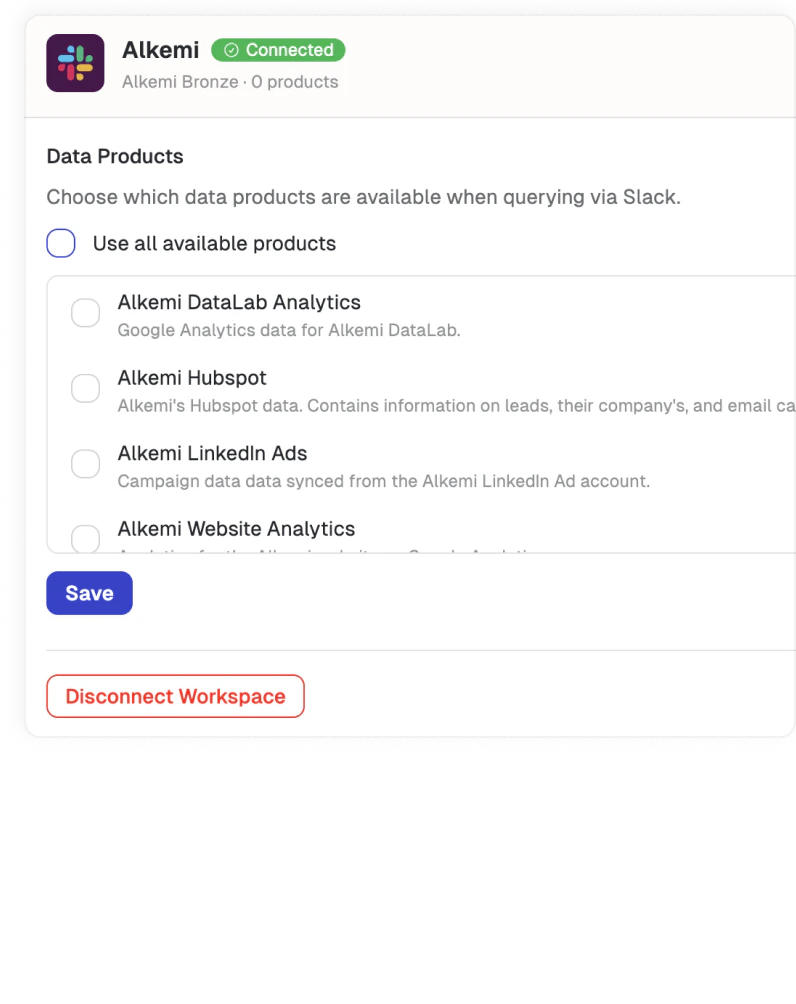
The Alkemi Slack Agent turns Slack into your team’s on-demand data analyst.

Ask questions in plain English.

Get charts, summaries, and answers instantly, powered by Snowflake, HubSpot, BigQuery, Databricks, and more.

No dashboards.

No backlog.

No more asking for a quick favor.

Just:

“How should I reallocate marketing spend?”

“What drove pipeline last week?”

“What products have untapped revenue potential?"

And you get a real answer, grounded in your data.

Under the hood, we convert data sources into structured, agent-usable functions. That’s why the responses are reliable, not just convenient.

Our belief is simple:

If everyone had a data scientist in their pocket, with zero waiting and zero political cost, decision quality across the company would materially improve.

This launch is about one thing:

Collapsing that space, and bringing data directly to the moment of decision.

We want blunt feedback.

Let us know what would make this essential for you.

We’re shipping fast.

Thanks for taking a look.

5
回复

@co2n2r This looks promising

0
回复
Congratulations on your launch! I had a question, does Alkemi store the slack chats or does it process in real-time when asked a question and share the insights?
2
回复

@shreya_srivastava17 Great question, and an important one. Alkemi does NOT store Slack chats.
It processes questions in real time, securely queries the approved data sources in your environment, and returns the answer in Slack.

  • No training on your data

  • Private environment: data stays in your infrastructure

  • Permission-aware: mirrors existing access controls

  • Traceable answers: linked to source data and logic

Your data never leaves your environment, and no LLM learns from it.
More info here: https://www.alkemi.ai/blog/faq

1
回复

I live in Slack, but I still spend so much time navigating external systems to get the answers I need. That kind of ambling around BI tools, native ad tools, spreadsheets, etc... is such a time suck.

Early Alkemi fangirl here - love how you're stitching proprietary data together in the answer-engine format that is becoming my everyday search format.

1
回复

@hilarysmith thank you!

0
回复

Congrats, super practical. How do you make sure people only see the data they’re allowed to see? And what happens if the AI gives a wrong or incomplete answer?

0
回复
#10
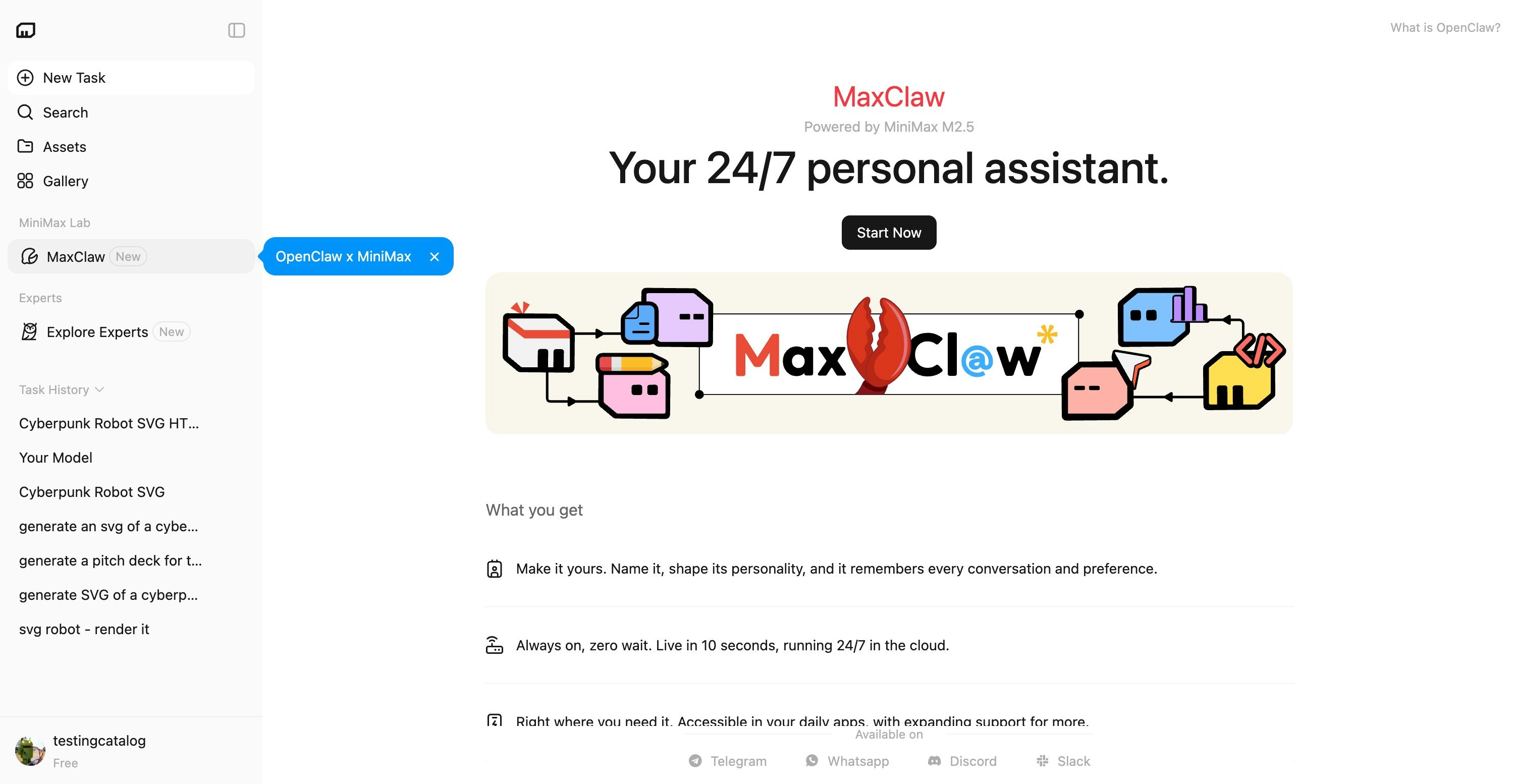
MaxClaw by MiniMax
Always-on managed agent based on OpenClaw powered by MiniMax
106
一句话介绍:MaxClaw是一款基于MiniMax M2.5模型、无需部署的常驻托管智能体,可在主流通讯平台(如Telegram、WhatsApp)中7×24小时运行,为用户提供零运维、即开即用的自动化助手服务,解决了个人与团队在多个平台部署和维护AI助理门槛高、成本高的痛点。
Artificial Intelligence
AI智能体 常驻托管 通讯平台集成 无服务器架构 零运维 自动化助手 多平台支持 企业工具 即时通讯机器人 MiniMax生态
用户评论摘要:目前展示的有效评论较少,主要来自官方或早期用户,强调其“一键部署”、“常驻运行”、“零维护/无服务器”的核心特点,尚未看到来自真实用户的深入问题或具体改进建议。
AI 锐评

MaxClaw的核心卖点清晰且尖锐:它试图将“智能体即服务”(Agent-as-a-Service)推向主流。产品直指当前AI智能体应用的两大核心门槛:复杂的部署运维成本,以及跨平台集成的繁琐。其价值不在于技术上的颠覆,而在于体验上的“降维打击”——通过托管服务和预集成,将实验室里的“常驻智能体”概念,包装成如同开通SaaS订阅一样简单的产品。

然而,光鲜标语之下,疑点重重。“基于OpenClaw”的表述略显暧昧,是深度整合还是品牌借用?“无额外API费用”的模式能否持续,是否会成为未来捆绑高价模型版本的入口?“即用型MiniMax专家生态”听起来美好,但生态的深度、实用性与可定制性,才是决定其能否从“玩具”变为“工具”的关键。当前106的投票数也反映出,市场仍处于观望状态。

真正的考验在于“为真实工作而升级的内置工具”究竟有多“真实”。如果其能力仅停留在信息查询与简单对话,它不过是另一个聊天机器人;若能深度处理工作流、理解复杂上下文并执行可靠操作,它才有机会成为数字员工的雏形。在巨头环伺的AI赛道,MiniMax此举是找到了一个差异化的垂直切口,还是仅仅制造了一个华丽的概念泡沫,完全取决于其落地后的实际效能与稳定性。产品思路值得肯定,但必须用硬核的交付能力来证明自己。

查看原始信息
MaxClaw by MiniMax
OpenClaw × MiniMax Agent × M2.5, now fully unlocked. No deployment. No extra API fees. 7×24 across Telegram / WhatsApp / Slack / Discord. Ready-made MiniMax Expert ecosystem. Upgraded built-in tools for real work.

Meet MaxClaw: One-click deploy of always-on agents in Telegram/Discord/Slack/etc. Powered by M2.5, persistent memory, personalization, zero maintenance/servers.

1
回复
#11
HelixDB
An open-source OLTP graph-vector database built in Rust.
104
一句话介绍:HelixDB是一款开源的OLTP图向量数据库,专为需要实时处理复杂关系数据和向量搜索的场景设计,解决了开发者以往需要组合多种数据库(如Postgres与Pinecone)才能实现的痛点,尤其适用于AI智能体记忆等新兴工作流。
Developer Tools Artificial Intelligence GitHub Database
开源数据库 OLTP 图数据库 向量数据库 Rust 智能体记忆 实时查询 可扩展 HelixQL 云原生
用户评论摘要:用户肯定其图向量一体设计是“AI智能体生态当前所需”,并关注其自研查询语言HelixQL的设计逻辑、与竞品的对比、数据安全与多租户隔离方案。团队回应避开了OLAP场景,专注OLTP,并以智能体记忆为当前切入点,但强调通用性。
AI 锐评

HelixDB的发布,与其说是一款新数据库的诞生,不如说是对当前AI基础设施“拼凑式”架构的一次精准狙击。其核心价值在于将OLTP、图与向量三种能力原生融合,直指AI应用(尤其是智能体工作流)中频繁交织的关系推理与语义搜索需求。团队聪明地以“智能体记忆”作为市场楔子,这是一个痛点明确、增长迅速的细分场景,但将其定位为“通用数据库”的野心已昭然若揭。

技术栈选择Rust,迎合了高性能基础设施领域的主流偏好,而自研HelixQL则是一把双刃剑:它提供了优化和定制的空间,但也带来了额外的学习成本和生态隔离风险。从评论看,早期采用者最关心的并非性能参数(尽管团队提及了数十亿查询的规模验证),而是实际落地问题:安全、隔离、明确的能力边界。团队坦诚避开OLAP、专注OLTP的回答,显示出一种可贵的产品聚焦。

真正的挑战在于,它同时闯入了一个竞争激烈的“红海”:传统图数据库、专业向量数据库以及正在增强向量能力的云数据库巨头。其长期生存的关键,或许不在于“三者兼备”,而在于能否在“实时、事务性、复杂关系与向量混合查询”这一具体交汇点上,建立起足够深的技术壁垒和开发者体验优势。否则,它可能只是另一个“优秀但小众”的工具。当前的热度(4k GitHub stars)证明了需求的存在,但能否从“有趣的项目”进化为“关键的基础设施”,仍需在工程完备性、商业支持和生态建设上接受更严酷的考验。

查看原始信息
HelixDB
After more than a year of development, HelixDB is now generally available! Whether you're an indie hacker building custom agent memory, or a Fortune 500 that needs an infinitely scalable and highly available OLTP graph/vector database, we can handle your workload. Star the repo! https://github.com/HelixDB/helix-db
In college, whilst dealing with the hardships of graph databases, my co-founder, Xav, and I set out to build something new which was easy to use, learn, and scale. Despite not having the proper qualifications, we quickly attracted the attention of developers from X and companies like United Healthcare. After dropping-out of college and moving to SF to attend Y Combinator, we've grown the repo to nearly 4k stars, executed billions of queries, and out-performed industry leading competitors. P.S: We love feedback, and criticism. Please share your thoughts and questions below!
5
回复

@georgecurtiss Congrats on the launch George. This almost has its own query language, HelixQL. What influenced its design, and how does it compare to SQL, Cypher, or Gremlin?

0
回复

Love the helix DB team and product. Congrats!

3
回复

@ay_ush thanks ayush

0
回复

@ay_ush Cheers mate

0
回复

Graph + vector in a single engine built in Rust is exactly what the agent ecosystem needs right now. Most people are duct-taping Postgres + Pinecone together — having native support for both traversal and similarity search in one place should make agentic workflows way cleaner. Excited to see what the HelixQL language evolves into.

0
回复

Really impressive journey especially scaling to billions of queries

Curious — with this kind of workload, how are you handling security around data access and isolation?

Especially if teams are using it in multi-tenant or production environments

0
回复

@shrujal_mandawkar1 Our compiled queries offer a level of security, that allows the developer to define the ways in which data can be accessed. For our cloud, we have auth built-in, but any user specific access controls has to be implemented by the developer.

1
回复
Who is HelixDB *not* for right now? Concretely, which workload types or operational requirements (multi-region HA, strict compliance, massive batch analytics, etc.) are you intentionally deprioritizing—and what principles are guiding what you build next?
0
回复

@curiouskitty we're avoiding OLAP use cases, as there is already a market for this and companies doing it very well. The problem we're solving; is for people that need a fast, scalable transactional graph/vector database. The specific use cases within that can go quite broad. :)

0
回复

Graph + vector + OLTP in one engine is interesting. Are you targeting agent memory use cases primarily, or positioning this as a general-purpose database long term?

0
回复

@mithlesh_shah agent memory is definitely a wedge right now, but there's no reason why you cant use us for any graph or vector use-case :)

0
回复
Hey George, that line about the hardships of graph databases in college says a lot. Was there a specific project or assignment where you hit a wall and thought why is this so hard to learn and set up? Like a moment where you and Xav looked at each other and decided okay, we’re just going to build something better ourselves?
0
回复
#12
mvntSTUDIO
Dance generation AI for every song!
102
一句话介绍:一款基于AI的音乐驱动舞蹈动画生成工具,用户只需提供歌曲或角色图片,即可快速生成可用于制作的舞蹈动画,解决了视频创作者、舞者等群体在内容创作中缺乏专业编舞和动画制作能力的痛点。
Music Artificial Intelligence Animation
AI舞蹈生成 音乐可视化 3D动画 内容创作工具 AIGC 编舞辅助 视频制作 Web应用 娱乐科技 创意平台
用户评论摘要:用户反馈积极,认为应用很酷。主要问题集中于:1. 界面对非舞者是否直观;2. 能否自定义舞蹈风格(如嘻哈、芭蕾);3. 能否通过文字提示描述自定义舞蹈序列;4. 对产品端技术栈感兴趣。创始人回应坦诚,说明了当前版本功能及未来优化方向。
AI 锐评

mvntSTUDIO的核心价值,在于它试图将前沿的扩散模型(mvnt-m4)与Tripo AI的3D生成能力,封装成一个低门槛的“舞蹈游乐场”。其真正的野心并非替代专业编舞,而是成为创意流水线上的“动作素材快消品”供应商——为TikTok挑战、K-pop模仿乃至AI视频工具(如Kling AI)提供即插即用的舞蹈动画模块。

产品目前呈现明显的“研究产品化”过渡特征。团队坦诚提及画质、生成速度、面部手指细节等不足,这恰恰暴露了从实验室模型到稳定生产工具的典型鸿沟。用户关于风格定制和文字提示的提问,直指当前AI生成的核心矛盾:在“全自动黑箱”与“可控创意”之间,产品尚只能提供前者。这使其短期内更适合猎奇娱乐和灵感参考,而非精准创作。

其“Epic MegaGrant获得者”背景是重要背书,暗示了在3D实时领域的技术积累及与虚幻引擎生态的潜在联动。若能将舞蹈动作生成与游戏、VR虚拟人驱动结合,想象空间将远超视频模板。然而,当前版本依赖YouTube链接和图片上传,更像一个功能演示。其长期成功的关键,在于能否构建一个“生成-分享-再创作”的创作者飞轮,并用社区画廊沉淀数据反哺模型,形成护城河。否则,它极易被大厂的综合型AIGC平台以类似功能模块覆盖。

总的来说,这是一个在正确赛道(AI+3D内容生成)上、技术出身团队的一次敏捷验证。它亮出了“让每个人都能跳舞”的愿景,但现阶段提供的,更多是一面映射音乐节奏的“舞蹈哈哈镜”。

查看原始信息
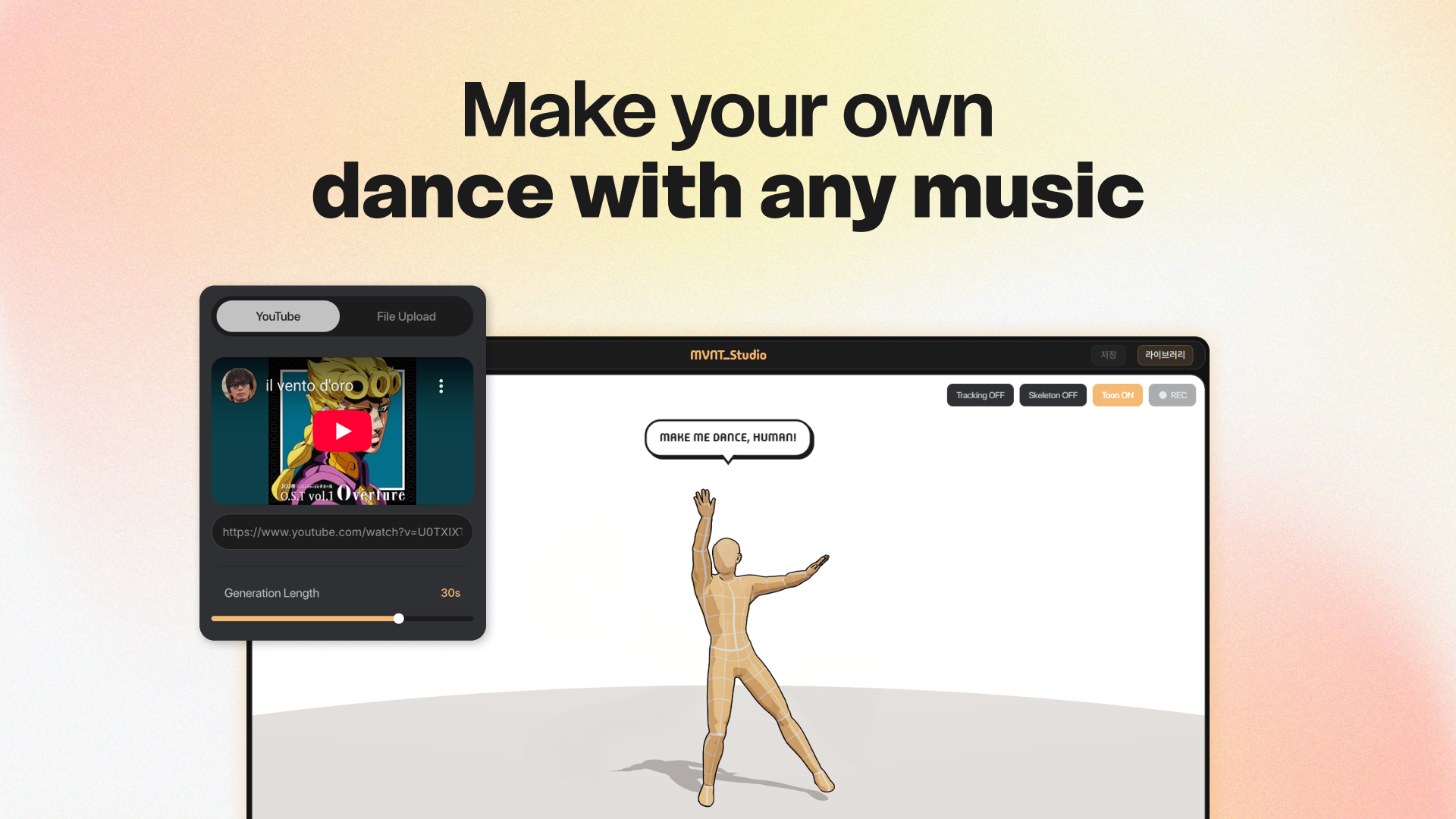
mvntSTUDIO
Drop your banger, get the choreo. The vibe dancing era is here! mvntSTUDIO is a dance generation playground that turns any song into production-ready dance animation. From TikTok challenges to K-pop choreographies, visualize your imagination with dance. Built by an Epic MegaGrant recipient team.

Hi Product Hunt! I'm Joon from MVNT.

We believe everyone deserves dance - so we are building the world's best dance gen model! While the tech is a long-term journey, we just couldn't wait for user validation and feedback 😛

So we built a simple, fast, funny web-based playground where anyone can play around with dance with ease! Here's what's inside v0.1:

- Music to Dance: paste a YouTube link or upload a file to get a dance in under 3 minutes. (Powered by our diffusion-based model mvnt-m4)

- Image to Dance: upload any character image and bring them to life dancing. Powered by Tripo AI's v3 model.

- Screen Recording: export your dance as video. Dance along to it, or use it as motion reference for tools like Kling AI or Seedance.

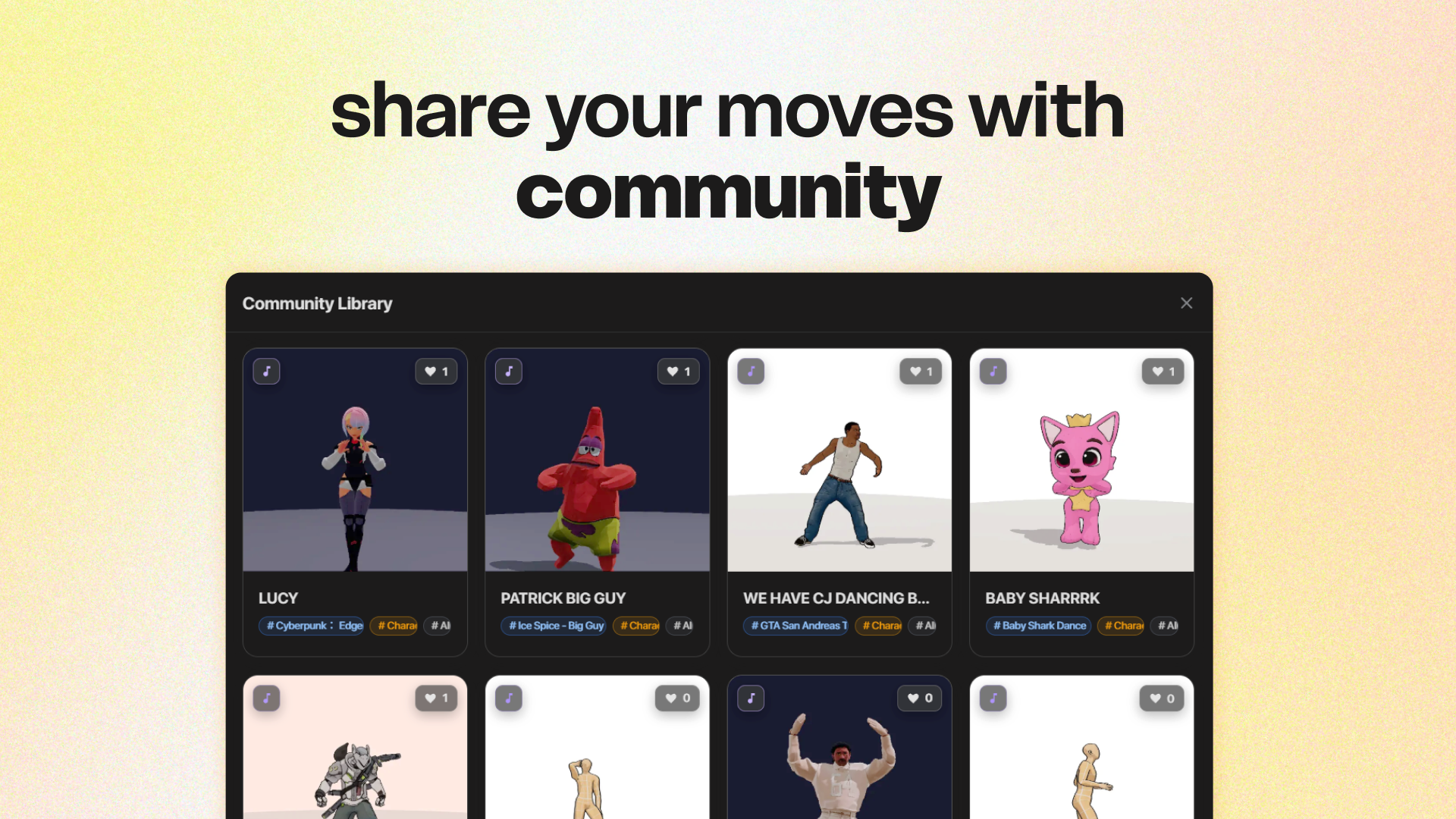
- Community Gallery: the funniest part. See what other creators are generating in real time.

We've long been a research-focused team just getting started with product. We are still working on better dance quality, faster generation, MP4 downloads, finger & facial motion.

Come join our playground, and thanks for being with us from day one!

Discord: https://discord.gg/hpWFbjb6

LinkedIn: https://www.linkedin.com/in/jooooooon-jung/

2
回复

@joooooooonjung How intuitive is the interface for non-dancers? Can users customize styles? Like hip-hop, ballet, contemporary, or is it fully automatic?

1
回复

@joooooooonjung This is so exciting! I can’t wait to use it. Quick question: if you have a dance sequence of your own that you’d like to animate. For example you’d like to start your own dance challenge or perhaps visualize some dance moves. Can you write a prompt to describe the dance sequence?

0
回复
This sounds like a really cool app. What tech stack did you use?
1
回复

Thanks Shreya! So our tech stack is quite complex, I'd separate them into model side (3D motion generation) and product side (3D web app). Which part are you more interested in?

0
回复
@joooooooonjung I was interested in the product side.
0
回复
#13
muno
AI agents that talk to your team & complete tasks for you.
96
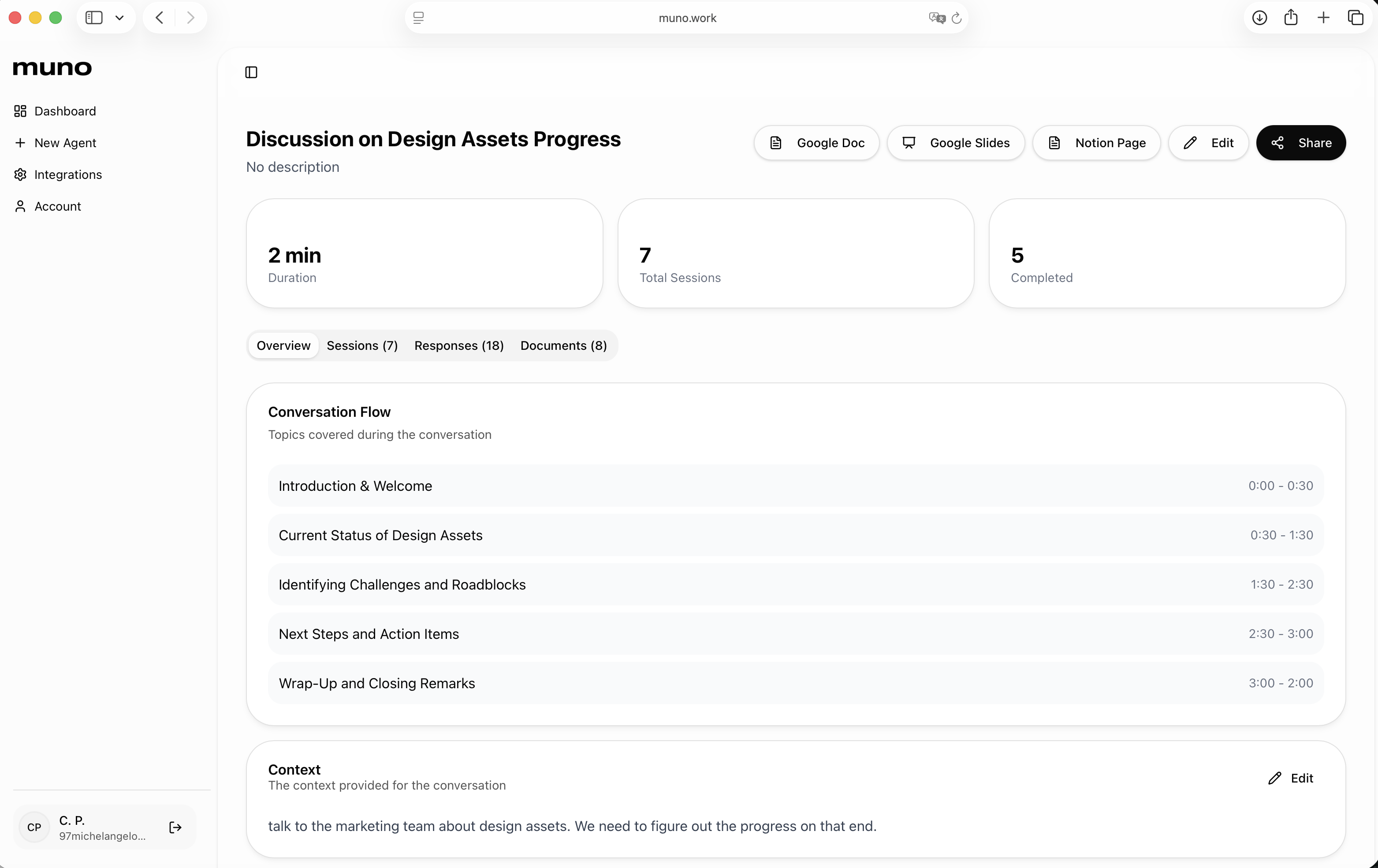
一句话介绍:muno是一款创建AI代理的SaaS工具,其核心功能是让AI代理代替管理者与团队或用户进行语音对话,自动生成会议洞察文档并联动项目看板更新任务状态,旨在解决管理者在进度追踪和会议沟通上耗时过多的痛点。
Productivity Task Management Artificial Intelligence
AI智能体 语音对话代理 自动化会议 工作流自动化 项目管理集成 团队协作 SaaS 生产力工具 会议摘要
用户评论摘要:用户普遍对产品解决管理痛点的定位感到兴奋。有效反馈包括:询问多代理间协作可能性、期待小团队试用、认可其在根因分析和规划中的价值、询问韩语支持,以及将其与Claude等竞品对比。回复确认将支持多语言,并强调了其“代理代开会”和会后自动执行任务的独特优势。
AI 锐评

muno的野心不在于做一个更聪明的聊天机器人,而在于试图成为组织内的一个“自动化中层”。它切入的并非泛化的知识工作,而是管理者身上最具体、最重复且高成本的“沟通债”——进度同步会。其真正价值在于将“信息获取-分析整理-任务推动”这一管理闭环自动化。

产品介绍中“move tickets”一词是关键。这意味其AI代理被设计为具有“执行权”,能直接操作Jira、Asana等系统。这使其从被动记录的分析工具,跃升为主动参与工作流的智能体。风险与价值并存:价值在于极大压缩从沟通到行动的延迟,提升组织流速;风险则在于将系统权限赋予AI所带来的准确性与安全性挑战,这需要极高的可靠性背书。

从评论中的对比提问可以看出,市场正在区分“AI工作空间”和“AI同事”。muno显然属于后者。它不回答“这个任务怎么做”,而是直接帮你“催办并更新了这个任务的状态”。这种定位使其必须深度集成业务系统,建立比通用AI更深的上下文和业务逻辑理解,这也是其主要的竞争壁垒。然而,其场景目前看来相对垂直,能否从“管理者的语音机器人”扩展到更广泛的异步协作枢纽,将决定其天花板。当前版本像一个精准的“痛点止痛药”,但药效的持久性和副作用(如人际沟通的进一步弱化),还需在更复杂的组织实践中观察。

查看原始信息
muno
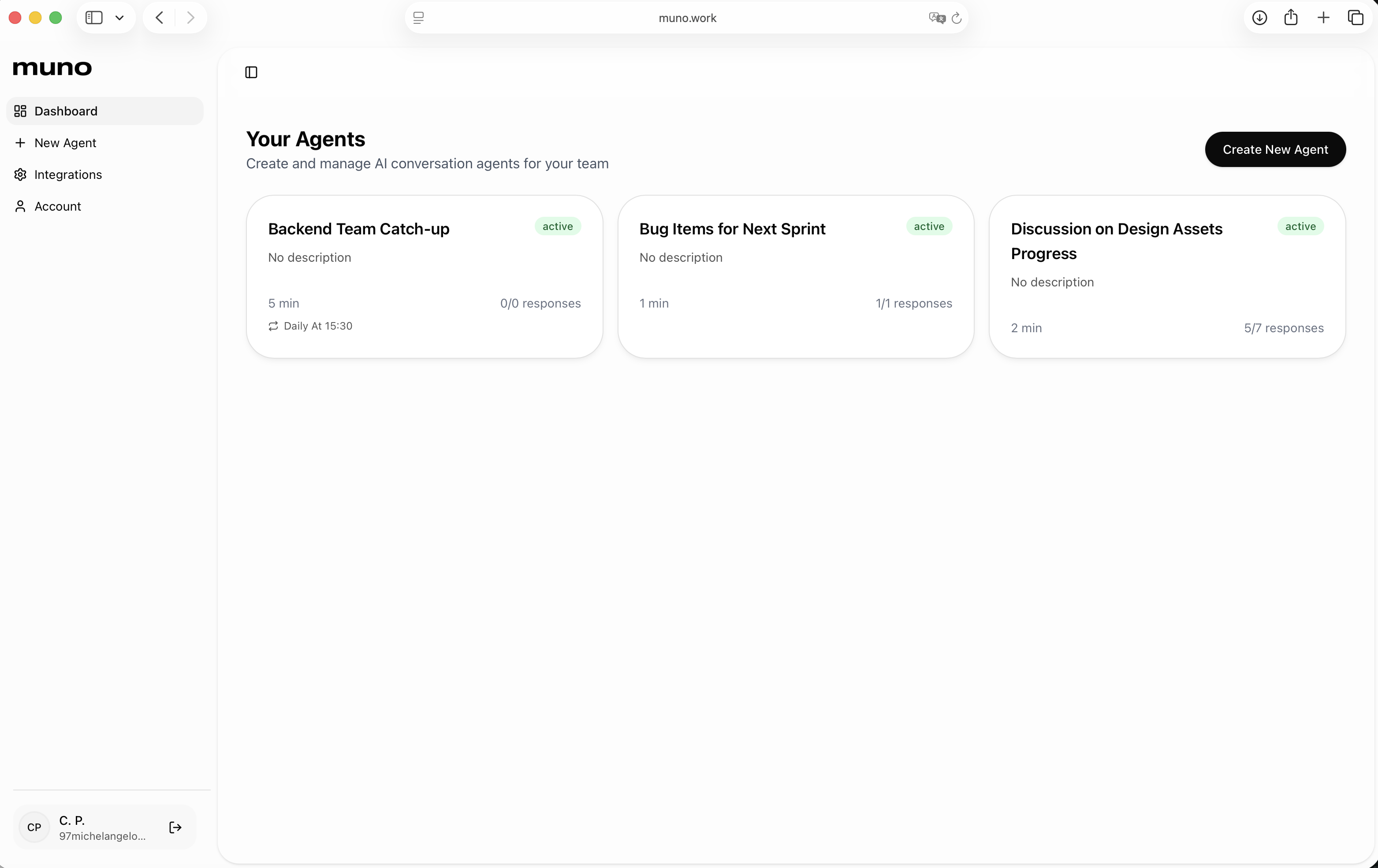
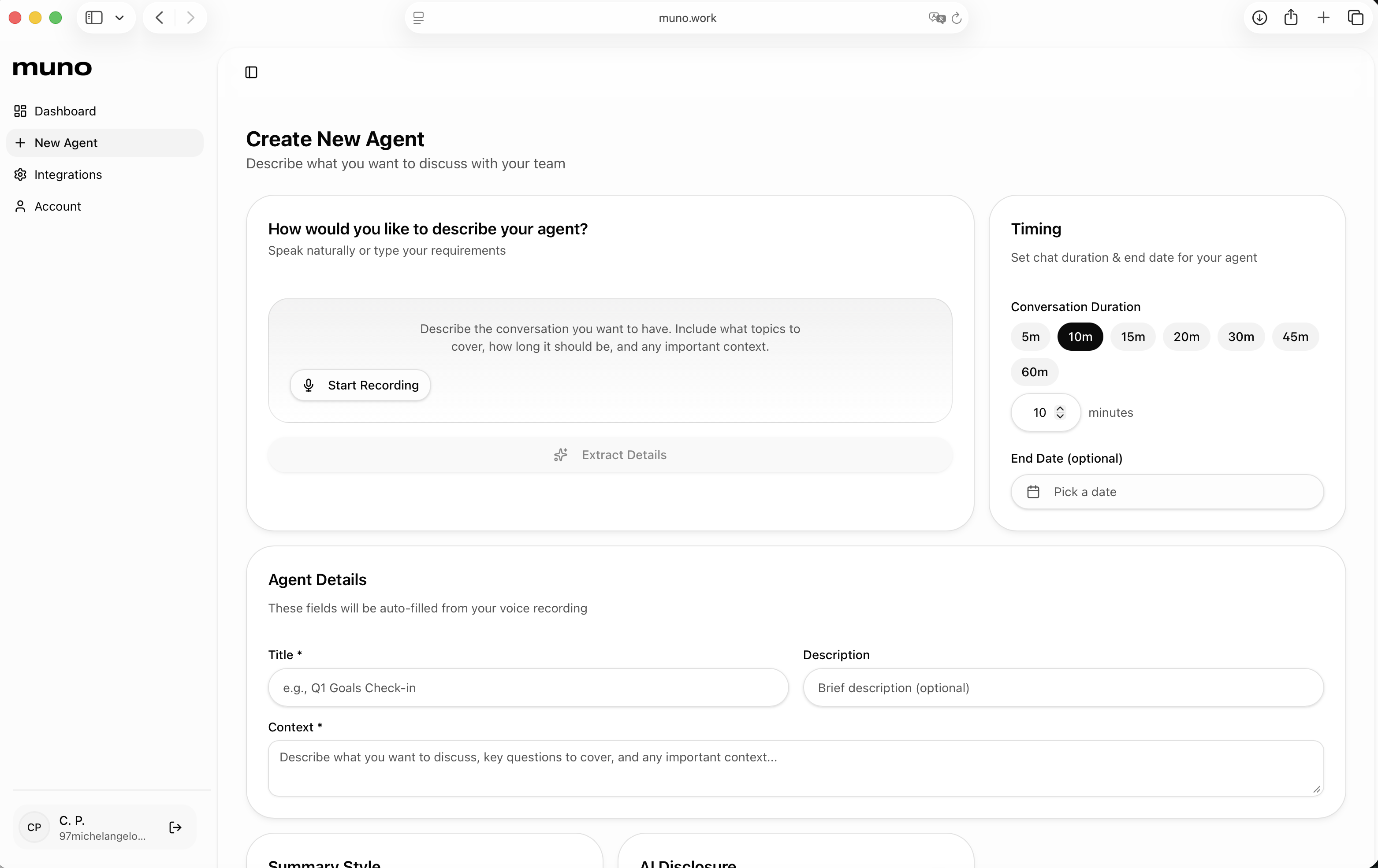
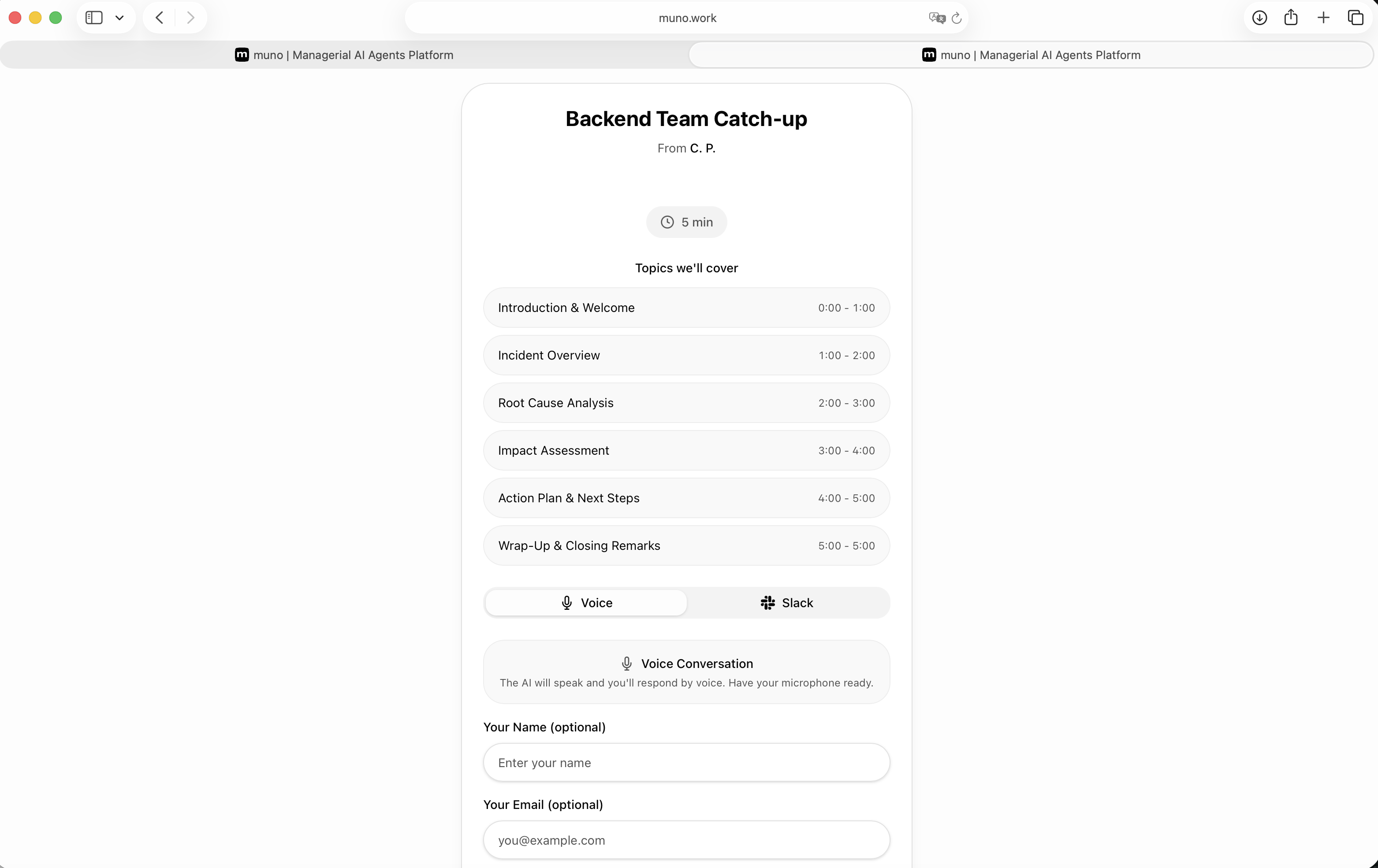
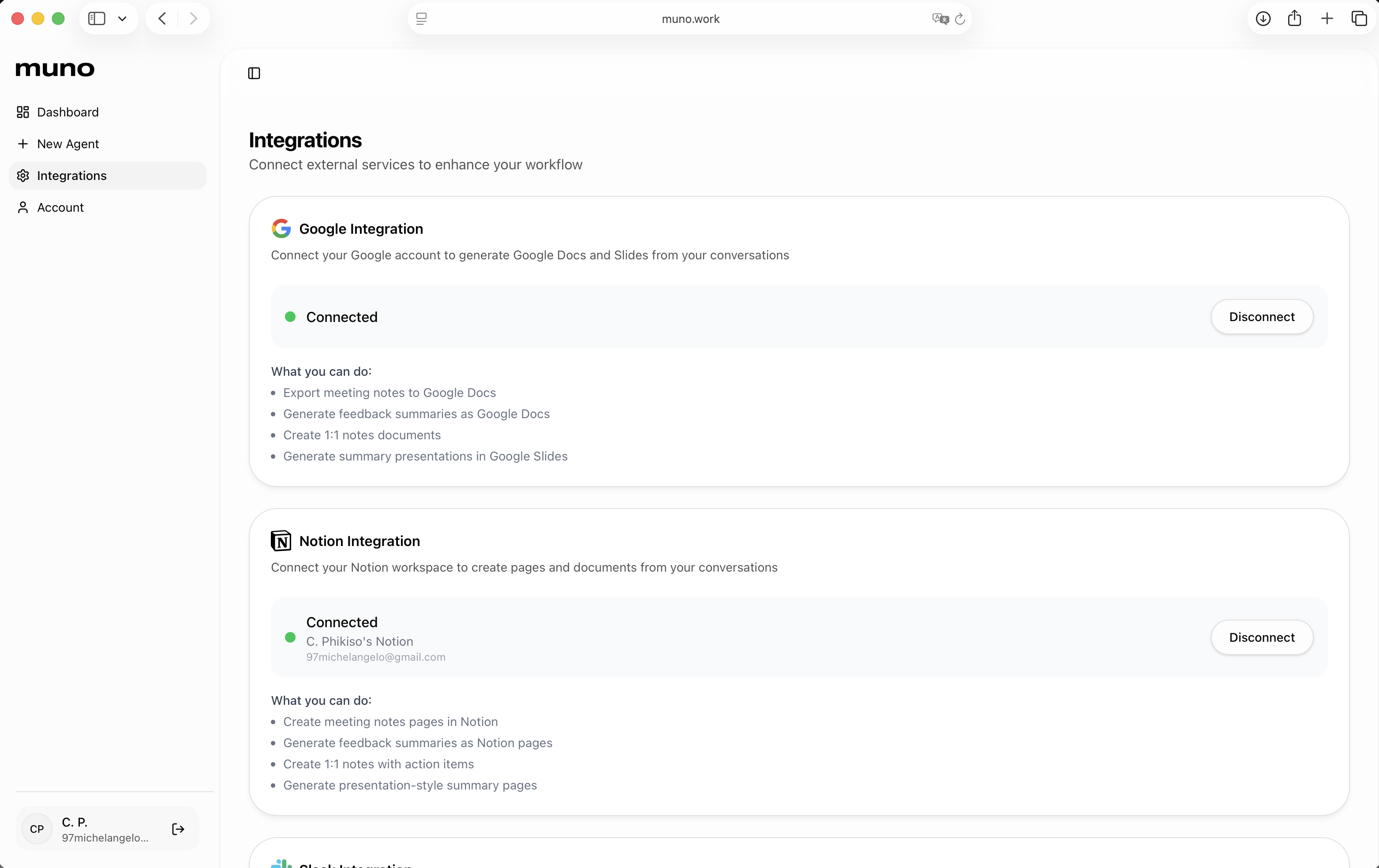
Create AI agents to conduct voice conversations with your team and your users. Generate documents with conversation insights and summaries. Your agents can create, move and update tickets based on the conversation and boards they have access to.
I am super excited about this launch! After speaking with multiple Managers (Product, Project, General etc.) about their day to day activities, there was a shared sentiment around meetings and chasing people for updates. It feels like these conversations are necessary for them to gain insights on the team and progress but they also take away from other meaningful work. With muno's agents managers can focus on other tasks while the agents engage their team and present their findings to them and help them move tickets across boards.
8
回复

@chimwemwe Congrats on your launch! Can my muno agent engage with a teammate’s muno agent if this was to adopted for a team of 5?

2
回复

running a small team myself, and really looking forward to trying this out!

1
回复
@0x_s13i Awesomee! Looking forward to onboarding you and the team!
0
回复

This looks really powerful, I can see the AI providing a lot of value for conversations around root cause analysis and planning

1
回复
@dickson_dokowe Thank you!! And precisely!
0
回复

한국어로 패치할 계획이 있나요?

1
回复
@jungyeon_ko 네! 앞으로 며칠 내로 muno가 한국어를 포함한 더 많은 언어를 지원할 예정입니다 😊
1
回复

Why this over something like Claude’s workspace

1
回复

@siawk Such a great question! With muno you have agents that handle 1 to 1 meetings on your behalf. The agents can handle post meeting tasks such as creating documents with summaries and key points as well as move tickets across your product management boards (Jira, Asana and more to be added soon).

3
回复
#14
ShowcasePro
Convert photos into elegant designs for marketing + sharing
94
一句话介绍:ShowcasePro是一款将多张照片快速合成为可高度自定义的精美展示图的拼贴应用,解决了用户在社交媒体营销和个人分享中缺乏高效、专业设计工具的痛点。
iOS Mac Graphics & Design
图片拼贴 照片编辑 设计工具 营销素材 社交媒体内容 个性化定制 模板布局 一键分享
用户评论摘要:官方评论主要为产品介绍与更新邀约。有效用户评论仅一条,表达了“非常有用”的积极肯定,但未提出具体问题或功能建议。整体缺乏深度反馈。
AI 锐评

ShowcasePro切入了一个拥挤但需求明确的市场:轻量化、模板化的视觉设计工具。其价值并非技术创新,而在于对成熟需求的精准封装。产品将“多图排版-自定义装饰-导出分享”这一工作流极致简化,瞄准的是中小商家、自媒体运营者等非专业设计师群体,他们需要快速产出美观、统一的营销图片,但无法或不愿使用复杂的专业软件。

然而,其面临的挑战同样清晰。首先,功能层面与Canva、Photoshop Express等成熟产品的部分功能高度重叠,差异化优势仅在于更聚焦于“多图展示”这一垂直场景,护城河并不深。其次,从Product Hunt上寥寥的互动来看,产品可能尚未触及核心痛点或引爆市场兴趣。唯一的用户评论虽正面却空洞,反映出产品可能仍处于早期验证阶段,缺乏来自真实场景的深度反馈。

真正的考验在于,它能否从“又一款拼贴应用”升级为“内容创作者的工作流节点”。这需要它在个性化定制上做到更智能(如AI辅助构图、品牌元素一键套用),或与营销平台、电商后台深度集成,实现“设计-发布-分析”的闭环。目前来看,ShowcasePro提供了一个合格的最小化可行产品,但要想在红海中突围,必须在后续迭代中展现出更深刻的用户洞察和生态构建能力,否则极易被功能更全面的平台级应用覆盖。

查看原始信息
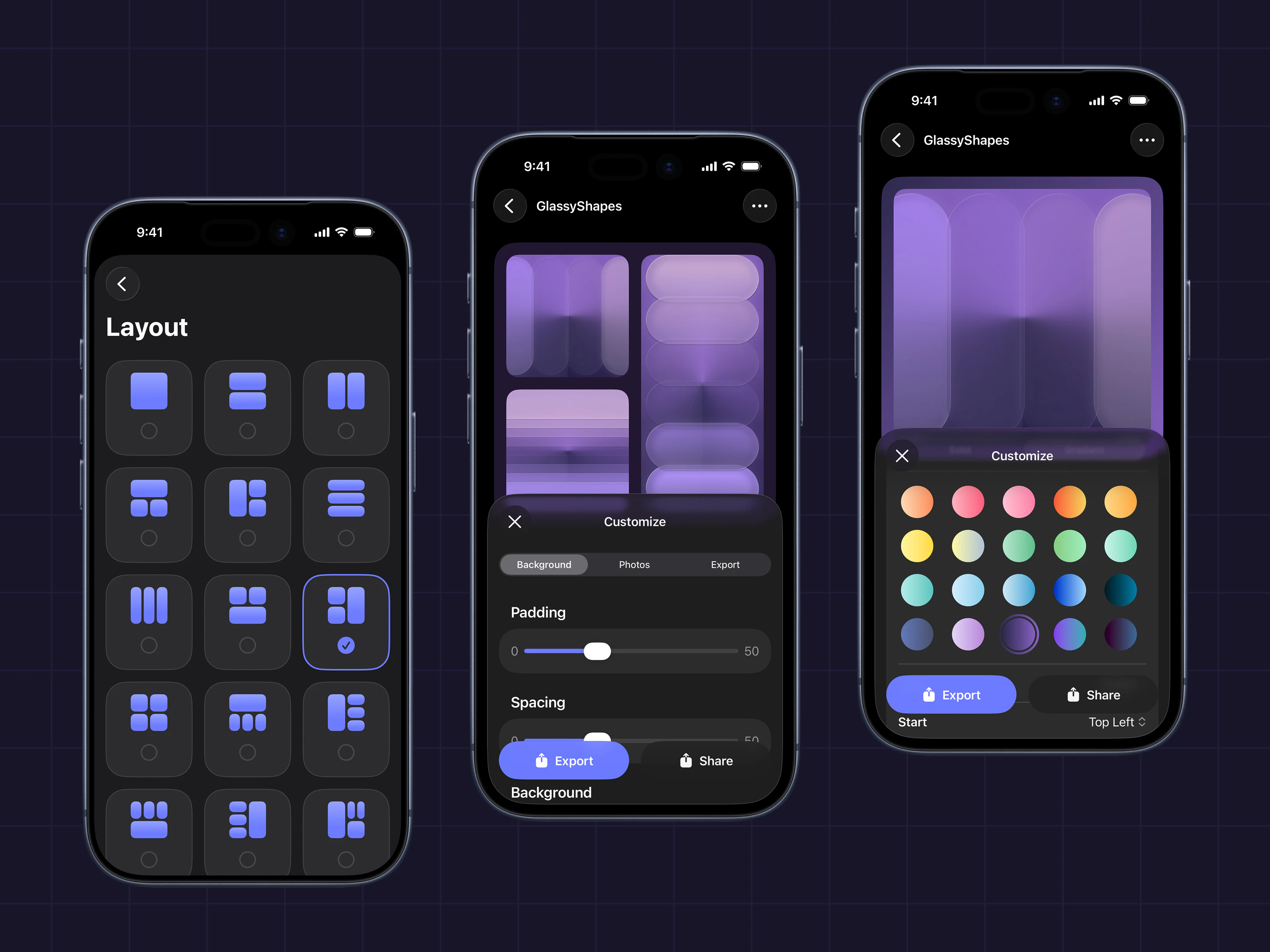
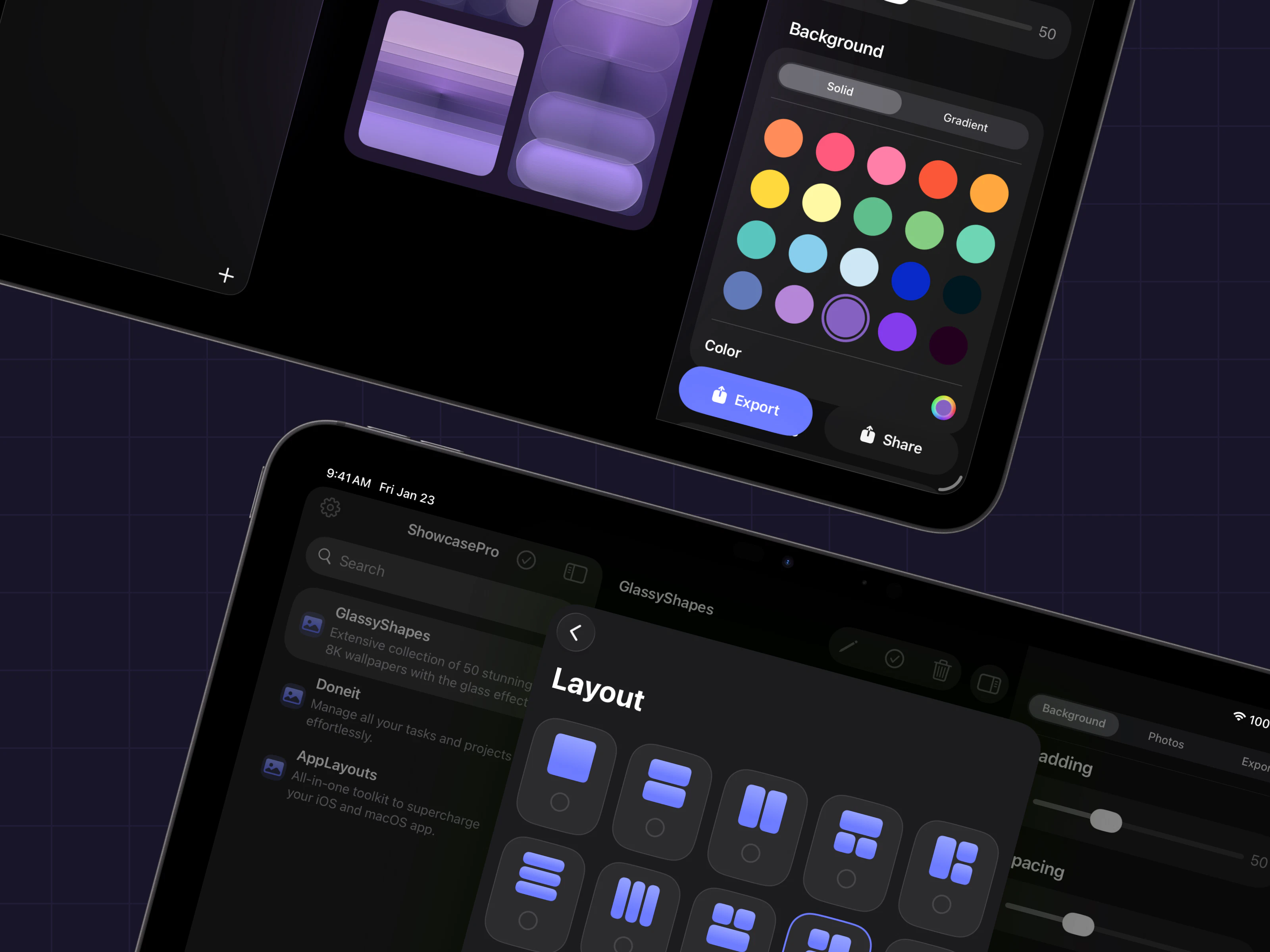
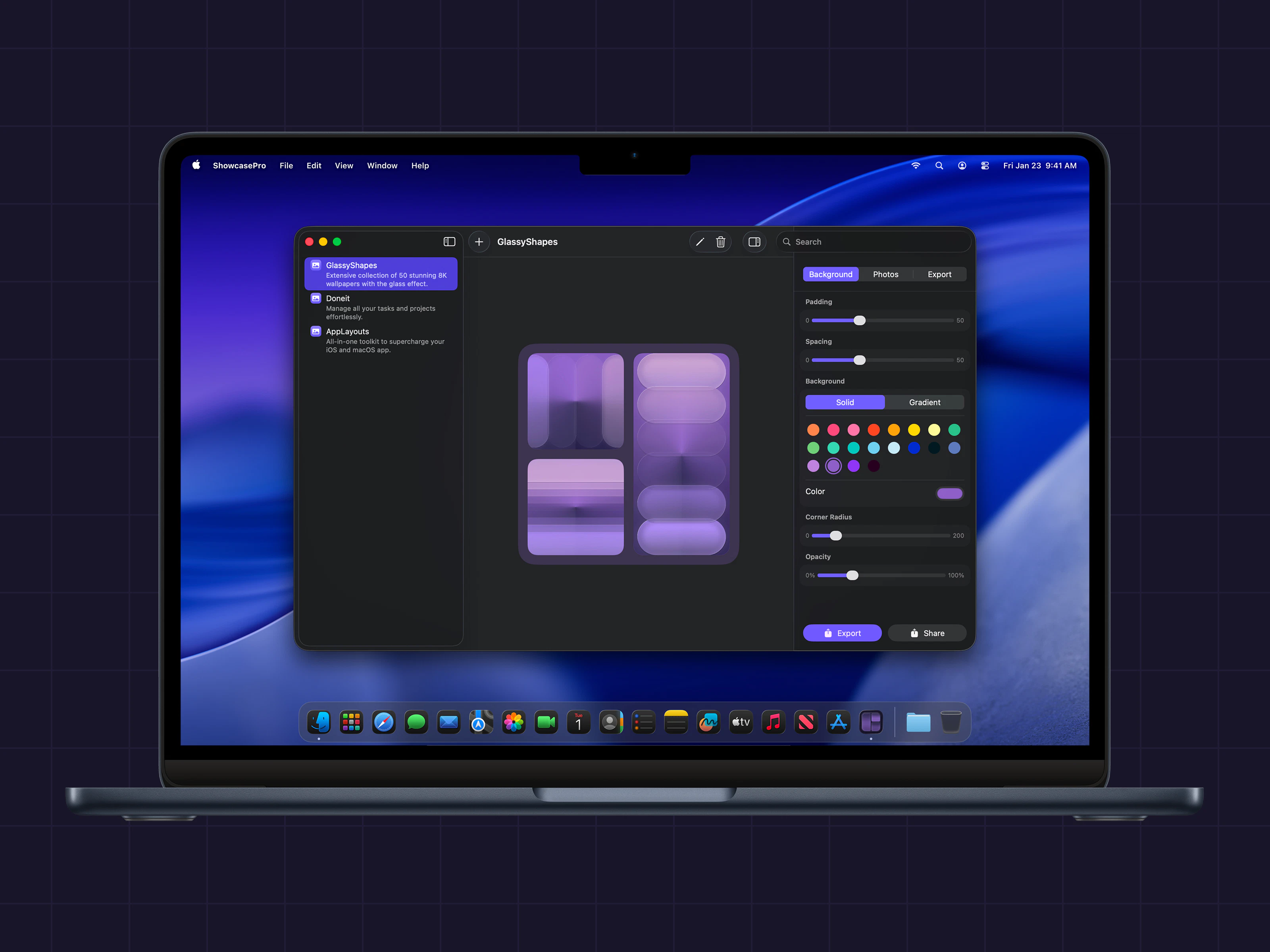
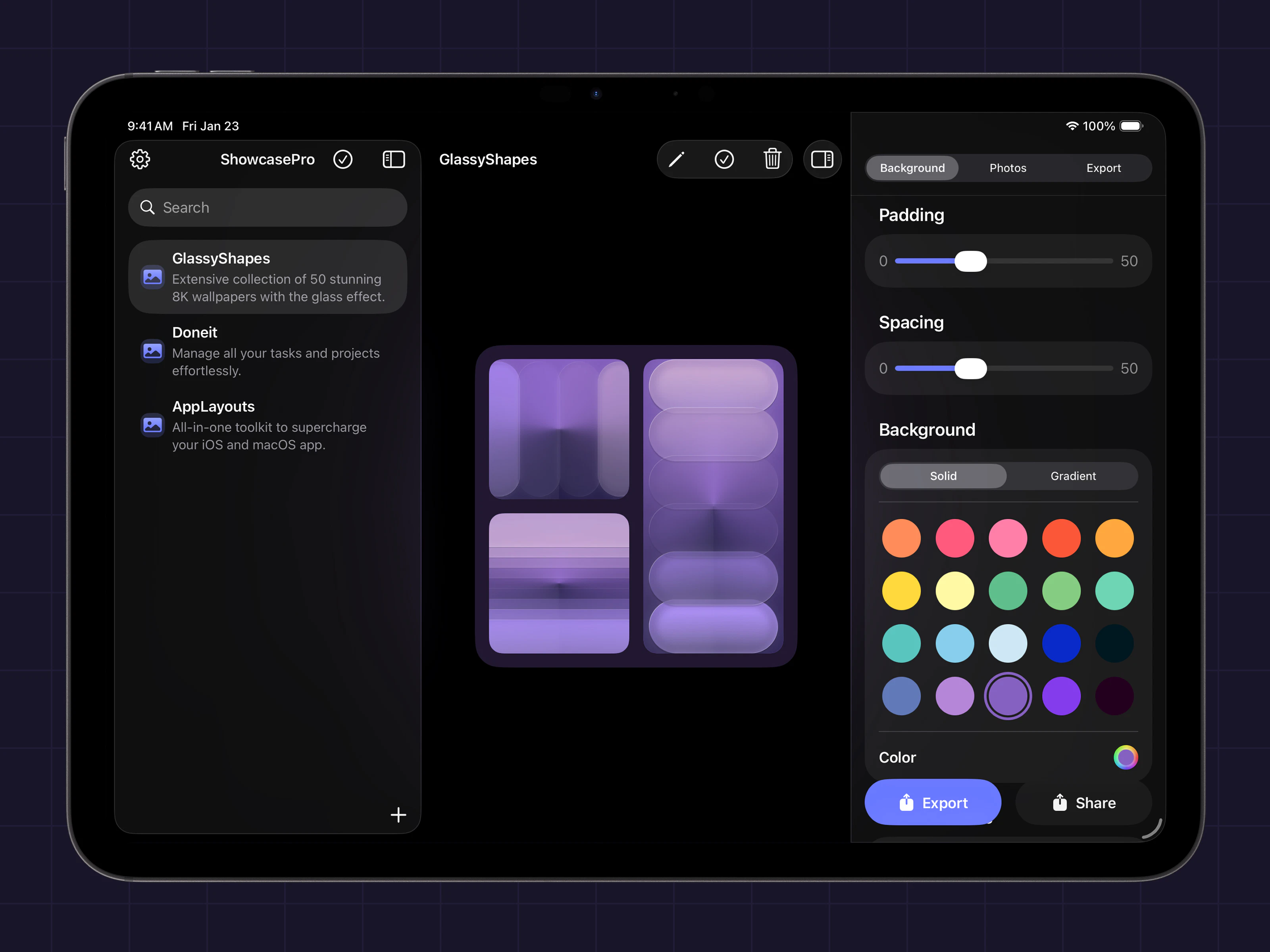
ShowcasePro
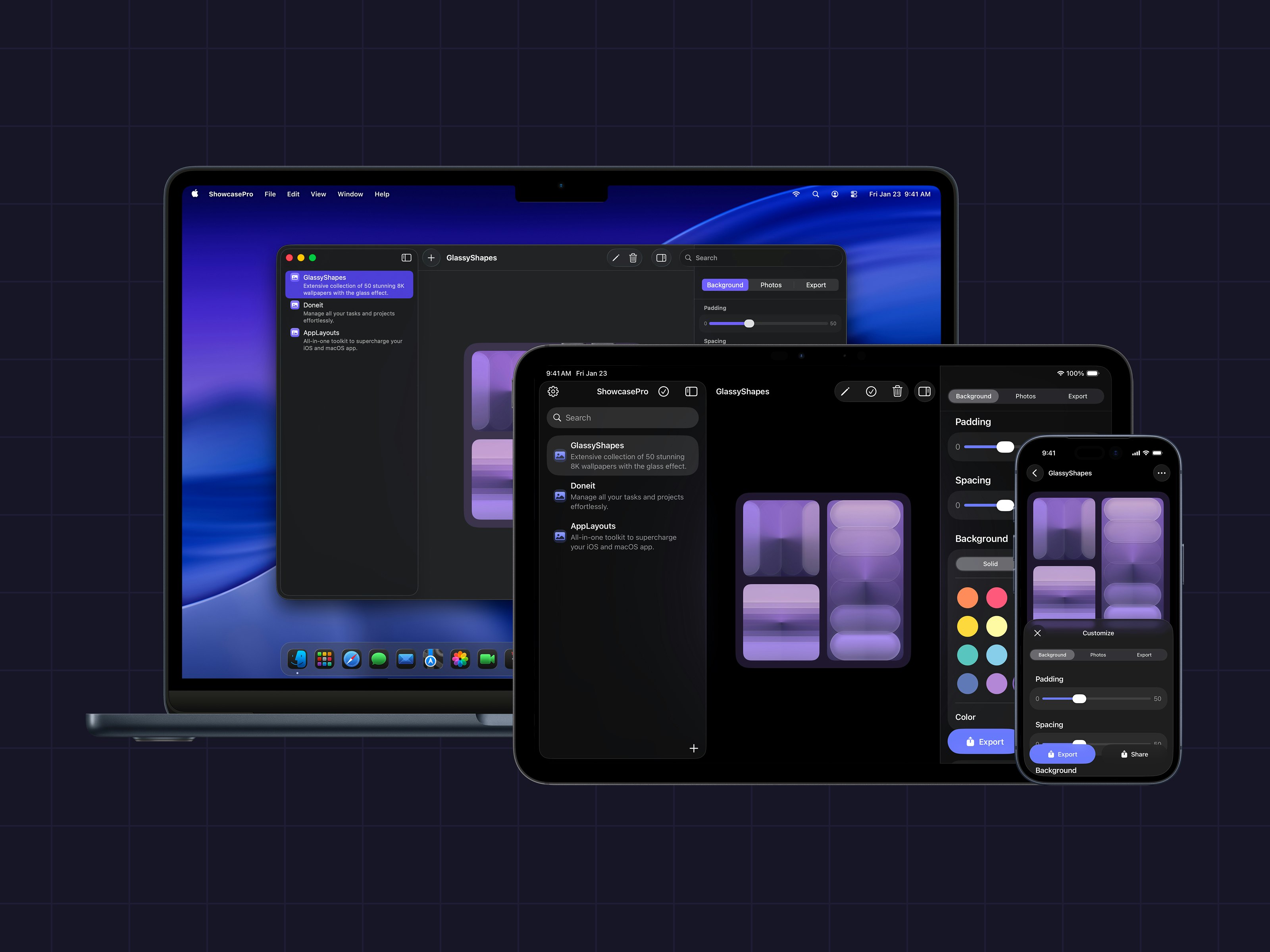
Meet ShowcasePro, a powerful collage maker that you can use to effortlessly combine your different photos into beautiful and fully customizable showcases. ShowcasePro offers an extensive range of customization options to make every showcase truly yours. You can adjust photo size, round the corners, and add a shadow. Personalize padding and spacing, choose a solid color or gradient background, and adjust colors, rounded corners, and opacity.
Hi Everyone! Meet ShowcasePro, a powerful collage maker that you can use to effortlessly combine your different photos into beautiful and fully customizable showcases. With ShowcasePro, you get a variety of layouts designed for different numbers of photos to make your showcase look just right. ShowcasePro offers an extensive range of customization options to make every showcase truly yours. You can adjust photo size, round the corners, and add a shadow. Personalize padding and spacing, choose a solid color or gradient background, and adjust colors, rounded corners, and opacity. When you are happy with the look, you can export and share your showcase in different resolutions with ease. I would highly appreciate any feedback or suggestions to make ShowcasePro better in the future updates! Thank you so much!
1
回复

@daniils 

It will be very useful to me bro! Thanks so much

0
回复
#15
Nix Capture
Capture API requests for bug reports in seconds
87
一句话介绍:Nix Capture是一款Chrome扩展,能让QA、支持和产品团队在复现问题时,无需打开开发者工具即可一键捕获网络请求上下文,解决了非技术成员提交Bug报告时缺乏关键接口信息的核心痛点。
Chrome Extensions SaaS Developer Tools
开发者工具辅助 Bug报告工具 网络请求捕获 QA工具 技术支持工具 产品管理 Chrome扩展 效率工具 团队协作
用户评论摘要:用户普遍认可其解决“Bug报告缺乏上下文”痛点的价值。主要反馈集中在数据安全性(如自动脱敏认证令牌)、适用场景扩展(如外部用户使用),以及对权限申请和Chrome商店审核流程的关切。
AI 锐评

Nix Capture精准切入了一个长期存在且被默认为“流程成本”的缝隙市场:技术与非技术团队之间的信息断层。它的真正价值并非技术创新,而在于流程重构——将需要专业知识的“主动提取”动作,转化为无感知的“被动记录”行为。

产品定位看似谦卑(“不取代DevTools”),实则精明。它避开了与专业调试工具的正面竞争,转而充当一个“翻译器”和“降低摩擦”的管道。其核心用户并非工程师,而是工程师的上下游协作方。这一定位使其具备了成为团队基础流程插件的潜力,价值体现在缩短无效沟通的循环周期上。

然而,当前版本暴露了其作为“管道”的核心矛盾:信息完整性与安全性的天然冲突。评论中反复出现的“敏感数据脱敏”问题,直指产品在实用性与合规性之间的平衡难题。捕获所有头信息对调试至关重要,但自动共享则可能引发安全风险。创始人“给予团队可见性和控制权”的回应,目前只是一种折中方案,并未从根本上解决问题。这将是其迈向企业级应用必须跨越的鸿沟。

此外,其发展路径(结构化导出、智能过滤)略显常规。真正的壁垒和增长点或许在于其评论中隐约触及的“外部用户”场景。若能安全、可控地将此能力封装并赋予最终客户,使其能一键提交包含完整上下文的错误报告,则可能从内部协作工具演变为一个影响客户支持体验和产品开发循环的开放平台。这一步风险巨大,但想象空间也同样巨大。目前,它仍是一个优雅地解决了局部问题的效率工具,尚未展现出颠覆性潜力。

查看原始信息
Nix Capture
Bug reports often arrive without request context — no endpoint, no status code, just “it’s not working.” Nix Capture lets you record network requests while reproducing an issue and export everything engineers need in seconds. No DevTools. No technical knowledge required. Built for QA, support, and product teams who want actionable bug reports.
Hey everyone 👋 I built Nix Capture after seeing the same problem over and over again: bug reports arriving with screenshots… but no request context. No endpoint. No status code. No response details. Just “it’s not working.” So I built a simple Chrome extension that lets you record network requests while reproducing an issue and export them in seconds — without opening DevTools. The goal isn’t to replace DevTools. It’s to make technical context accessible to QA, support, and product teams. Right now, it’s focused on simple request capture. Next steps may include structured ticket exports, smart filtering, and human-readable explanations. I’d love honest feedback: – Who do you think this is most useful for? – What would stop you from using it? – What would make this a no-brainer for your team? Thanks for checking it out 🙏
2
回复

@victor_alves5 Congrats Victor! Could you see Nix Capture being adopted by external users, like customers submitting bugs, and if so, how would you support that?

0
回复

This hits a real nerve. I've lost count of how many bug reports I've gotten that just say "it doesn't work" with a screenshot of a blank page. Having non-technical team members capture actual request context without opening DevTools is a smart approach.

Question: do you plan to support auto-redaction of auth tokens/sensitive headers before export? That would make it much easier for support teams to share captures without worrying about leaking credentials.

Nice launch, congrats!

1
回复

@a_kuzov Appreciate the question!

Yes — auto-redaction is something I’m actively considering.

The goal is to make sharing captures safer for support teams without adding friction to the debugging process, especially when sensitive headers like auth tokens are involved.

0
回复

Congrats on the launch, Victor! As a fellow Chrome extension builder, I really appreciate how you've identified such a specific pain point. The "it's not working" bug report with zero context is something every dev has dealt with, and the idea of bridging that gap for non-technical team members is smart positioning. Making network request capture accessible without DevTools is a great angle — it removes the friction that stops QA and support teams from providing useful data. Curious about your approach to the Chrome extension review process — did you run into any challenges with permissions for intercepting network requests? That's always been a tricky area for extensions in this space.

1
回复

@roman_builder Thanks a lot — really appreciate that!

And yes, permissions were definitely one of the trickiest parts.

Since the whole idea is to make request capture accessible without DevTools, I had to be very careful about requesting only what’s strictly necessary and clearly communicating the purpose during the review.

0
回复

@roman_builder Feel free to share your extension with me, I’d love to check it out.

And yeah, the Chrome Web Store approval process is pretty strict — I’m going through that pain as well

0
回复
This is actually a good idea. Bug reports without context are the worst. Making it easy for QA or support to capture network requests without DevTools makes a lot of sense. Curious how you handle sensitive data in the requests though? Nice work
1
回复

@md_murtuza_ali Great question — and yes, sensitive data is something I’m actively thinking about.

Right now, the extension allows capturing headers like tokens when needed for debugging, since in many real-world cases they are essential to reproduce issues.

That said, this is also why the focus is on making the data visible and understandable — so teams can decide what to share safely when creating reports.

Improving masking and redaction options is something I’m considering as the product evolves.

1
回复
@victor_alves5 That makes sense. Giving teams visibility and control over what they share is important, especially when tokens are involved. Masking and redaction options would definitely make this more enterprise friendly over time. Appreciate the transparency 🙌
1
回复

Quick update — I’ve just added an English version of the demo video to make it easier for everyone to follow along.

0
回复
#16
Flarehawk
Monitors security tools, probes threats, + prompts action
86
一句话介绍:Flarehawk是一款安全运营AI平台,通过为每个客户构建独立的机器学习模型,在云环境安全监控场景中,自动分析海量告警、调查威胁根源并提供一键修复,有效解决安全团队告警疲劳与响应效率低下的核心痛点。
SaaS Artificial Intelligence Security
安全运营 AI威胁检测 自动化调查与响应 云安全 机器学习 日志分析 告警疲劳 Cloudflare SOAR 安全基线
用户评论摘要:用户反馈聚焦于产品核心创新点(每租户独立ML模型)的价值与落地细节。主要问题/建议包括:1. 询问除日志分析外是否支持监控指标;2. 关注模型建立可靠基线的所需时间(“预热期”)。开发团队积极回应,透露了即将支持更多数据源和功能(自定义监控仪表盘)的路线图。
AI 锐评

Flarehawk的叙事直指安全运营(SecOps)最顽固的“脓包”:告警疲劳。其宣称的“每租户专属ML模型”(Flarehawk Fabric)是产品真正的技术棱角,意在将安全分析从基于通用规则的“广谱抗生素”时代,推向基于个体环境基线的“靶向治疗”时代。这并非新概念,但将其作为核心交付物并承诺“无采样”的全量日志分析,意味着其试图构建的护城河是深度、个性化的上下文理解能力,而非单纯的检测规则库。

然而,其锋芒之下暗藏挑战。首先,从Cloudflare Enterprise切入虽精准捕获高价值种子用户,但也将自身初期发展与单一生态深度绑定,后续扩展至多云、混合环境的数据 ingestion 与模型泛化能力将是关键考验。其次,评论中关于“模型预热时间”的提问触及了产品体验的阿喀琉斯之踵——模型在初始“盲区”阶段的判断可靠性,以及用户对这段“黑盒”学习期的信任度,将直接影响 onboarding 体验。团队回复的“15分钟到1小时”是一个乐观的技术指标,但实际效能需在复杂、异构的真实企业环境中验证。

本质上,Flarehawk 的价值主张是成为安全团队的“AI副驾驶”,将分析师从“筛选告警”的体力劳动提升至“决策与行动”的智力层面。其宣称的“一键修复”是这一价值的终极体现,但也伴随着最高的风险与责任。产品能否成功,不仅取决于其ML模型检测的准度,更取决于其行动建议的精度与可解释性——在安全领域,一个错误的自动化修复可能意味着业务中断。因此,在“自动化”的炫目光环下,其控制粒度、复核机制与归因能力的扎实程度,才是决定其能否从“有趣的实验”蜕变为“可信赖的平台”的关键。目前其处于公开测试阶段,路线图中透露的更多数据源连接和自定义仪表盘功能,显示其正朝着更开放的SecOps平台演进,这是一个正确的方向。

查看原始信息
Flarehawk
Your security tools generate thousands of alerts a day. How many actually get investigated? Flarehawk does it for you. Real-time threat detection, automated investigation, and one-click fixes. Our ML engine builds a model unique to your environment and gets smarter every day. 5-year log retention, SSO, Slack integration, all built-in. Starting with Cloudflare Enterprise. Now in open beta.
When we started building Flarehawk, the hardest problem wasn't detection, it was context. Most security tools can tell you something happened. Very few can tell you why it matters in your environment. That's why we built the Flarehawk Fabric. It's a per-tenant ML model that ingests your logs, learns your baseline behaviors, and scores anomalies against what's normal for you, not some generic threshold. Every customer gets their own model. It evolves continuously. Give it a try and tell us your thoughts!
2
回复

By the way, just a quick update! While we only supported Cloudflare Enterprise via Logpush for now, we are about to ship support for all Cloudflare plans via a custom Worker middleware.

Also, Microsoft 365, Google Workspace, Okta, and more ingestion connections coming in the next few days!

3
回复
Congratulations on your launch! I had a question, does it only ingest logs and show analytics based on the same or is there any provision for metrics and monitors like Datadog and LogMint?
1
回复

@shreya_srivastava17 thanks for the comment! We currently ingest logs and show analytics based on those logs, which do include more detail and granularity than you'd find in the Cloudflare dashboard for example. Part of the reason why is that we do not do log sampling, meaning we ingest, store and report on every single log.

We are building out custom monitors and custom dashboards, and I'll prioritize that in our roadmap! We're also going to announce a few more additions to help you query and analyze the data we've ingested 👀 keep an eye out!

1
回复

The per-tenant ML model approach is really interesting, Ilyas. Most security tools apply the same generic rules to everyone, which is exactly why alert fatigue is such a problem — everything looks like a threat when you don't know what's normal for a specific environment. The fact that each customer gets their own baseline model that evolves over time is a strong technical moat. Starting with Cloudflare Enterprise is smart too — you're going where the security-conscious customers already are. How long does the model typically need to establish a reliable baseline for a new customer? That ramp-up period seems like it could be a key factor in onboarding experience.

0
回复

@roman_builder hey there. Thanks for your comment. The model warm-up takes around 15 mins to an hour, depending on how much traffic the account has, but we generally do see the Flarehawk Fabric populating within the first fifteen minutes!

0
回复
#17
whatdoiwear.run
outfit engine for the modern runner
84
一句话介绍:一款基于实时天气的跑步着装推荐引擎,为全球跑者在任何天气条件下提供来自Satisfy、On和Bandit等先锋品牌的装备搭配方案,解决跑步前“穿什么”的决策痛点。
Fashion Weather Running
跑步装备 天气应用 着装推荐 运动科技 生活方式 品牌导购 跑步社区 移动优先 个性化建议
用户评论摘要:用户肯定其填补了现代跑步着装推荐App的市场空白,对比了旧有产品,赞赏其移动优先、PWA、分享等体验。核心问题聚焦于AI推荐的数据依据。开发者回复显示,未来可能扩展至鞋履、装备、营养建议,并加入聊天界面,向“一站式跑步助手”演进。
AI 锐评

whatdoiwear.run 表面上是“天气跑步引擎”,实则是先锋跑步品牌(Satisfy, On, Bandit)精心构建的“场景化零售前端”。它将抽象的天气数据转化为具象的品牌商品推荐,完成了从内容工具到消费导流的关键一跃。用户评论中“购物助理”与“性能分层指南”的疑问,恰恰点明了其商业内核与实用外壳的双重属性。

产品价值不在于算法有多深奥,而在于其精准的定位:它没有服务所有运动者,而是锚定了对装备有高认知、高消费意愿的“现代跑者”。这群人追求的不仅是保暖防雨,更是风格表达与品牌认同。App将复杂的装备知识(如分层系统)打包成即用方案,降低了专业跑步的入门心理门槛,但最终落点很可能是引导至合作品牌的购买页面。

从开发者回复看,其野心远不止于着装。规划中的鞋履、配件、营养推荐及聊天界面,暴露了其构建“跑步垂直领域生态闭环”的意图。风险在于,当推荐范围从核心着装无限扩展时,可能稀释其专业性与简洁体验,沦为又一个泛泛的“运动建议平台”。此外,其推荐算法若完全依赖合作品牌库而非全市场数据,其中立性与客观性将始终存疑。本质上,这是一次成功的品牌联盟营销实验,其长期成功取决于如何在提供真实价值和促进品牌销售之间维持微妙的、不被用户反感的平衡。

查看原始信息
whatdoiwear.run
weather-based running engine from Satisfy, On and Bandit.
I've always wanted a modern running outfit app that provided gear recs from visionary running brands. Prior to this, DressMyRun was my go-to but I quickly found myself wanting a mobile-first experience that I can easily save as a PWA and with intuitive features around location, sharing outfit recs as images, "best running window" details etc. Perfect for runners of all levels, in any condition around the world.
0
回复

@isaaccyn Do you use any AI or machine learning to tailor recommendations, and if so, what data does it rely on?

0
回复

Congrats with the launch! Do you see this becoming more of a curated ‘shopping assistant’ or more of a performance layering guide (or both)?

0
回复

@vlisitskii definitely see this becoming both! when i first started running, it was extremely painful having to figure out what to wear for what conditions, shoes to buy etc.

so im considering a new section for recs on shoes and gadgets with some basic chat interface. even nutrition!

1
回复

I'm just about to go out for my run in -2°C, this came in handy. Cool idea.

0
回复

@matt_clarke5 appreciate it! did you end up running with the layering recs you saw in the app?

feel free to share feedback directly with me on x

0
回复

Congrats on the launch!

0
回复

@resetmerlin thank you!

0
回复
#18
Musikey
Tough musical authentication for accessibility
83
一句话介绍:一款用随机生成的加密音乐旋律替代传统密码,为身份验证提供高安全性并兼顾可访问性与美感的桌面端认证工具。
Music Privacy Security
身份验证 密码替代方案 音乐加密 多因素认证 本地化处理 开源软件 安全工具 辅助功能 创新交互 桌面应用
用户评论摘要:用户肯定其创新性,但指出UI引导不足,功能不直观。开发者回复将改进引导并增加工具提示。有建议推出网页版以降低体验门槛。开发者确认核心加密已支持Web API,网页版演示正在规划中。
AI 锐评

MusiKey 试图在“安全”这个理性至上的领域,引入“艺术”这个感性变量,其“音乐熵认证”的概念在技术层面是一次炫技式的缝合:它将密码学标准(PBKDF2、Argon2id、AES-256-GCM、ECDSA)与音乐理论(和声、旋律、节奏)强行耦合,生成所谓“可听、可识别”的密钥。其宣称的价值在于提升可访问性——用旋律记忆替代字符记忆,并为感官验证(听音、看视觉指纹)提供了可能。

然而,其核心矛盾在于将认证的“可用性”复杂化而非简化。记住一个固定密码或使用生物识别是直接的,而MusiKey要求用户记忆一个“通行短语”来解密并验证一段随机生成的音乐模式,这实际上增加了一个认知转换层。其真正的用户画像或许并非普通大众,而是极客、音乐技术爱好者或对现有认证范式有哲学性不满的人。产品目前更像一个严谨的“概念验证”,证明了音乐结构可承载高熵值,但距离成为解决“密码疲劳”的普及方案,还有巨大鸿沟。

它的亮点在于彻底的本地化、开源和自毁机制,这在隐私敏感场景下有吸引力。但作为认证工具,其生态位尴尬:个人用户嫌其繁琐;企业级应用则难以整合并审计其非标协议。它更像一个启发性的“艺术装置”,揭示了安全与人性化交互之间的张力,但其技术路径的实用性,仍需经受真实场景的残酷检验。

查看原始信息
Musikey
Musical Authentication uses a musical key instead of a password for authentication
I built MusiKey because I was tired of the same password paradigm we've been stuck with for decades. What if authentication wasn't just secure, but actually beautiful? MusiKey generates a unique encrypted musical composition for every user. Your identity isn't a string of characters — it's a song. Enrollment creates a scale-constrained melody using cryptographic randomness, encrypts it through a cascaded PBKDF2 + scrypt pipeline, then seals it with double-layer AES-256-GCM. To authenticate, your passphrase reverses the process — if the decrypted data passes a four-dimensional musicality analysis (harmonic consonance, melodic smoothness, rhythmic regularity, and scale adherence), you're in. If not, you hear nothing. Five failures and the credential self-destructs — overwritten with random data, gone forever. The idea started as a kernel module inside a hobby OS I've been building. I liked it enough to pull it out into a standalone cross-platform app. Zero runtime dependencies. All crypto runs on native platform APIs. The songs actually sound good.
1
回复

@ghartrid Hi Graham. Congrats on your launch! What kinds of accessibility challenges does Musikey address that existing solutions miss?

0
回复

UPDATE: Feb 27 2026

I added MiDI interface for MusiKey so individuals can hook their instruments to it.

0
回复

MusiKey — Musical Entropy Authentication

MusiKey replaces passwords with music. Instead of memorizing strings of characters, you authenticate with a unique musical composition that doubles as a cryptographic key.

The problem: Passwords are weak, reused, and forgettable. Hardware tokens are expensive and losable. Biometrics can't be changed if compromised.

The solution: MusiKey generates a random musical composition tied to your passphrase. The composition itself becomes your cryptographic credential — something you can hear, recognize, and verify, but that carries 112+ bits of entropy. If compromised, just generate a new song.

What it does:

  • Generates unique musical compositions as authentication credentials

  • Encrypts them with cascaded KDF (PBKDF2 + Argon2id) and double AES-256-GCM

  • Acts as an authenticator for external services via ECDSA P-256 signed challenge-response (MusiKey Protocol) — a more secure alternative to TOTP codes

  • Supports multi-factor auth: musical challenge-response + time-based codes

  • Visual fingerprint lets you visually confirm your credential at a glance

  • Self-destructs after 5 failed attempts — no brute forcing

  • Full audit log with tamper detection

What it isn't: MusiKey isn't a password manager or a music app. It's a proof of concept that musical structure can carry enough entropy to be cryptographically useful, while being more human-recognizable than a random string.

All processing is local. Nothing leaves your machine. Zero runtime dependencies. Open source.

0
回复

Update on Feb 27 , 2026: MusiKey turns music into cryptographic keys. Generate a unique composition, and it becomes your authentication credential — encrypted with cascaded KDF (PBKDF2 + Argon2id) and double AES-256-GCM. Features ECDSA P-256 challenge-response authentication for external services, multi-factor auth (musical challenge-response + TOTP), visual fingerprint verification, tamper-detected audit logging, and self-destructing credentials after failed attempts. Zero runtime dependencies — all crypto via platform APIs. Open source, fully local, nothing leaves your machine.

0
回复

Fascinating idea. It could do with a little more explanation and UI tweaks - I could generate compositions but couldn't work out if there were other things it should also be able to do.

Also I think the shown keyboard is an octave shorter than the range of the generated notes (low notes appeared on the indicator about the keyboard, but not on the keyboard itself).

Edit to add: Also this could be deployed directly as a web app for demo purposes (using browser storage instead of file storage), rather than getting people to download and install a git repo.

0
回复

@hex_miller_bakewell Thanks for the feedback — really appreciate you taking the time to try it out.

You're right that the app needs better explanation. MusiKey is actually a full authentication system, not just a music generator — the compositions it creates are cryptographic keys. Behind the scenes there's multi-factor authentication (challenge-response + TOTP), per-service ECDSA authentication (like a hardware security key but using your musical credential), visual fingerprint verification, encrypted credential storage with self-destruct on failed attempts, and a full audit log. But none of that is obvious from the UI right now. Adding an onboarding walkthrough and tooltips is at the top of the list.

Good catch on the keyboard — the generator uses a 4-octave range but the piano display only renders about 2 octaves. The notes are playing correctly, the visual just isn't showing them all. That's being fixed.

And yes, a web demo is planned. The core crypto (AES-256-GCM, ECDSA P-256) already uses Web Crypto API so it runs in the browser. The main work is swapping the Electron-specific parts — Argon2 needs a WASM build, file storage moves to IndexedDB, and the machine-binding degrades slightly. But for a demo that lets people experience the concept without cloning a repo, it's very doable and coming soon.

Thanks again for the thoughtful feedback.

0
回复

Congrats on the launch! Shipping a desktop app with solid auth is no small feat. I saw the GitHub repo, what license are you plan to use (MIT, etc.)?

0
回复

@resetmerlin  thank you for your comment. Apache 2.0 license is most likely what i would use. :)

1
回复
#19
BedRock
Get approved by US banks even after being rejeceted
82
一句话介绍:BedRock通过分析创始人的数字轨迹(如Git代码提交、Stripe交易记录等)生成可信度评分,帮助因地域限制被美国银行拒绝的跨境创业者提升开户成功率。
Fintech Payments GitHub Banking
金融科技 跨境银行服务 数字身份验证 可信度评分 反欺诈 合规自动化 创业者服务 替代数据 银行基础设施 地缘金融包容
用户评论摘要:用户普遍赞赏其“亲身经历痛点而诞生”的创始人故事和数据驱动的验证理念。主要问题集中在具体操作层面:如何与银行整合、如何评估被拒用户的财务画像,以及用户在被某家银行拒绝后如何具体使用该服务。
AI 锐评

BedRock的锋芒,在于它用数字时代的“血统证明”,正面挑战了传统金融基于地理边界的“出身论”。其真正价值并非简单地“帮助开户”,而是试图构建一套基于数字行为数据的、去地域化的信任量化体系。它用GitHub提交和Stripe历史这类难以伪造的持续生产与盈利证据,替代极易造假且静态的护照和自拍,本质上是将“你是谁”的判定,从“你来自哪里”转向了“你做了什么”。

然而,其面临的深层悖论也显而易见。首先,其目标客户是“被拒的合法创业者”,但其核心验证数据(如持续的Stripe收入、活跃的代码库)本身已是成功创业者的标志,这可能导致它最终服务的是那群“差点运气”或“卡在合规门槛”的相对优质群体,而非最底层、最需要帮助的创业者。其次,其商业模式依赖于银行体系对其“信任分”的认可。银行拒绝特定地区客户,成本考量远大于技术障碍。BedRock需要证明,采用其系统所降低的风险与合规成本,足以抵消银行拓展这些“高风险”地区客户带来的潜在麻烦。这不仅是技术整合,更是一场艰难的金融利益重构。

其愿景从“开户楔子”迈向“跨境创始人的银行支付基础设施”显得野心勃勃,但也危机四伏。一旦其评分体系建立权威,它便拥有了定义“可信创始人”标准的话语权。这条路若能走通,将是金融民主化的重要一步;若走不通,则可能仅仅成为现有金融体系中,一个服务于“高级流亡者”的精致工具。

查看原始信息
BedRock
BedRock verifies founders using Digital Lineage - GitHub commits, Stripe history, behavioral signals - not just passports and selfies. Banks de-risk entire countries. We help legitimate users from restricted regions form US entities, attach a Trust Score, and improve approval odds. Deepfake-resistant verification. Automated compliance. Built by founders who lived the problem.
Hey Product Hunt 👋 I’m Rahman, founder of BedRock. My father is a legitimate business owner - and still couldn’t open a US bank account because of where he was born. Banks de-risk entire countries. Not because founders are fraudulent - but because manual compliance costs more than the customer is worth. So we built BedRock. Instead of verifying people through passports and selfies (which deepfakes are breaking), we verify founders through what we call Digital Lineage: • GitHub commit history • Stripe transaction history • Business activity signals • Behavioral patterns We generate a Trust Score that founders can attach to US banking applications. In the last 18 days we’ve helped 11 founders and generated $4,600 in revenue. Fintechs and payment companies are already lining up to integrate our Trust Score API. Banking partnerships are in the works. We're starting with formation as the wedge - but the bigger vision is to become the identity, banking, and payments infrastructure for cross-border founders: from Trust Score API to our own neobank and Merchant of Record. If you’ve ever been rejected because of your passport - I’d love to hear your story. Happy to answer anything. — Rahman
6
回复

@rahman_bazarov_ Does BedRock integrate directly with banks or work through partners? How does the app assess someone’s financial profile and rejection reasons?

1
回复

@rahman_bazarov_ Great job! Love the initiative behind this. I was once rejected from a US bank because I’m Canadian -_- but got accepted by another one (crazy cause I applied to both on the same day). In a situation like that however, how do I then implement BedRock?

1
回复

Love the 'chip-on-the-shoulder' energy behind this—solving a personal frustration with a data-driven solution. Verifying through GitHub and Stripe history is a much more modern approach to trust than just a passport.

4
回复

What I love about this is the founder story - 19 years old, watching his father get rejected, builds the infrastructure to fix it. That's the kind of chip-on-your-shoulder energy that actually changes industries. Following closely.

4
回复

This hits close to home. I've watched talented devs from restricted regions build real products, real revenue, real track records — and still get denied by a bank that never looked past their passport. The idea of using your actual digital work history as proof of legitimacy is long overdue. Built by founders who lived it shows — this is the kind of problem only insiders solve properly.

2
回复

@_daniyar Thank you, this means a lot 🙏

"Only insiders solve properly" - that's exactly it. We're not building this from a whitepaper, we lived it. My father got rejected despite being a legitimate business owner. My CTO was our first customer.

The digital work history angle is what makes this defensible long term - a passport scan says nothing about who you are. Five years of GitHub commits and Stripe transactions do.

Appreciate the support 🔥

1
回复
#20
Honoramma
1000-Year Memory & Honor
48
一句话介绍:一款允许用户为家族、历史或任何重要事物创建数字化纪念公园,通过在地图上放置纪念碑来构建永恒记忆世界的平台,旨在为数字时代的纪念与荣誉表达提供专属空间,解决传统社交媒体缺乏庄重纪念氛围的痛点。
Web App Social Impact Community
数字纪念 家族历史 虚拟公园 纪念碑 永恒记忆 荣誉表达 共创平台 一次性付费 情感科技 数字遗产
用户评论摘要:用户反馈积极,认为概念怀旧且有趣。主要问题集中在:与家谱网站(如MyHeritage)的差异、防止滥用内容的机制、公园布局锁定原因、纪念碑自定义范围(如宠物)、盈利模式(公园创建者能否从地块销售中获益)以及主题和布局的自定义程度。创始人积极回复,阐释了平台重在“表达荣誉”而非数据整理,并说明了通过锁定地图和审核来维护稳定。
AI 锐评

Honoramma 试图在数字时代构建一个关于“永恒”的悖论性产品。其核心价值并非技术突破,而在于敏锐地捕捉到一个被主流社交平台忽视的情感需求:在信息流之外,提供一个具有空间感、仪式感和稳定性的数字纪念场所。它将“纪念碑”和“公园”的隐喻数字化,用一次付费对抗订阅制下的“记忆风险”,这既是其最大的诚意,也是其商业可持续性的核心赌注。

产品定位巧妙避开了家谱应用的数据工具属性,转而强调“表达”与“荣誉”,这使其更接近情感体验产品。然而,其挑战也同样鲜明:首先,“付费贡献”能否形成稳定现金流支撑“永恒”的服务器与维护成本,需要严峻的财务考验。其次,将情感表达锚定在虚拟地块的购买与布局上,其长期互动性和用户粘性可能面临挑战,容易从“纪念空间”滑向“数字墓地”。最后,内容审核与所有权管理将异常复杂,尤其是涉及生者、历史人物与公共事件时,极易陷入伦理与争议的泥潭。

创始人提及Sam Altman的“糟糕初印象”理论,恰恰点明了该产品的本质:它是一个大胆的社会实验,测试在快速流动的数字世界中,人们是否愿意为一份静止的、需要精心维护的“数字永恒”付费和投入情感。其成败不在于功能多寡,而在于能否在用户心中建立起不可替代的仪式价值和社区共识。
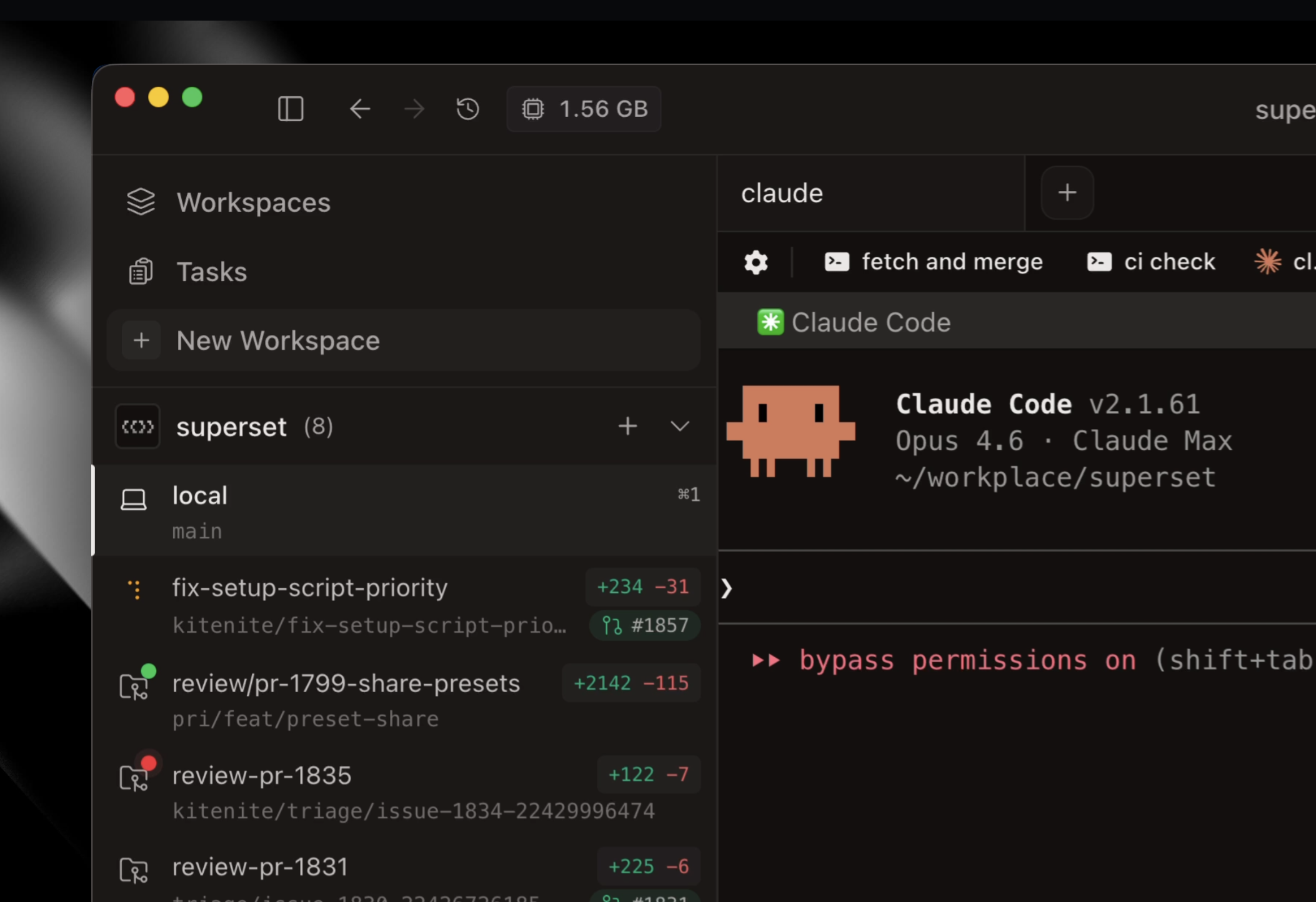
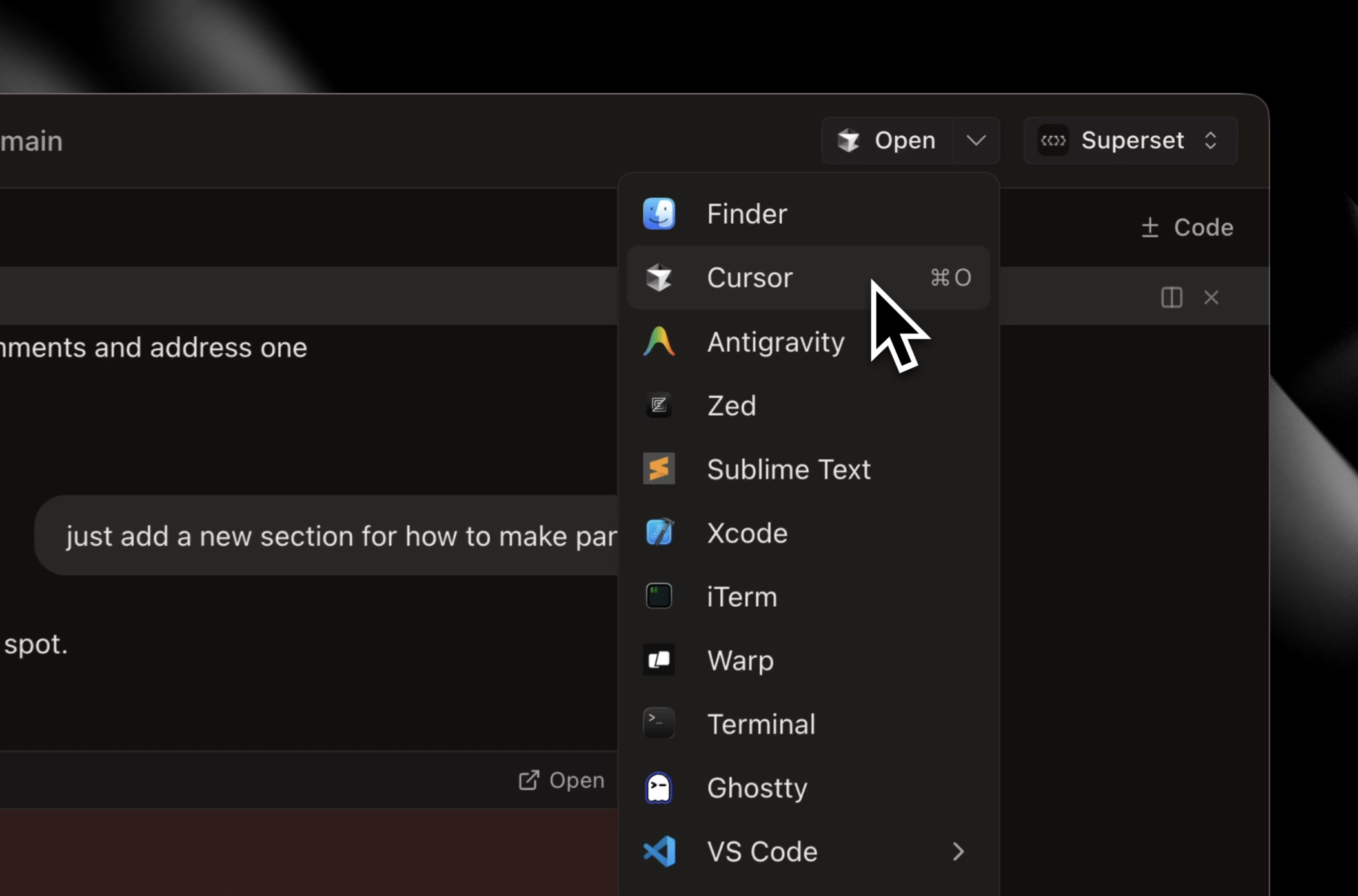
查看原始信息
Honoramma
Build a digital park for family, history, or anything that matters. Place monuments on an isometric map. Let others contribute. Each park becomes part of a growing world of memory.

Hey Product Hunt community 👋

I’m Pavel, the founder of Honoramma.

After 10 years, Honoramma is finally launching on Product Hunt. Honestly, the concept scared me at first, but I kept coming back to it. I once heard Sam Altman say that the best ideas often sound “terrible” at first. Maybe this is one of them 🙂.


The problem

Even in 2026, we still don’t have a modern digital space for memory. The main place we go to remember someone is still an offline memorial.

This may sound harsh, but since Facebook launched and social platforms took over our lives, more than 1 billion people have passed away. And what have we, as the digital world, built for memory? What will happen to our social profiles?

Yes, we have databases of the deceased and family tree tools, but those are information organizers, not ways to express memory and relationship. Feeds are great for news and updates, but the atmosphere of remembrance, I believe, needs a different format.

Our solution

Honoramma is a platform for building an entire world of memory and respect. It’s a place where anyone can create a monument for a person, an event, or a pet, or build their own park and connect relatives’ monuments into a family tree.

We go beyond the traditional memorial format by focusing on the expression of honor, whether someone is living or not. These are places of memory, and they exist outside of time, especially in our fast-moving world where almost everything flows away like a river.

What is it for?

✨ Gather your family history into one shared park

✨ Express respect for public figures

✨ Honor meaningful eras and events

✨ Create a single monument for someone important

I made a few example parks:

👉 Bach Family Park 👈 complete family tree
👉 Beyond Earth 👈 about space
👉 Leonardo da Vinci 👈 a single memorial

Something unexpected happened

One of our early users created a park called👉Launch Stars Park👈a tribute to iconic product launches that inspired them. And somewhere in that park, there’s a very small Honoramma monument standing next to much bigger ones.

That made me smile 🙂Huge thanks to El for creating it.

How does pricing work?

Even though subscriptions are popular today, I don’t think that model fits “eternal memory.” What happens if there’s no one left to keep paying? That’s why buying a monument slot or a park map is a one-time purchase.

You don’t need to pay anything to explore or try Honoramma. Payment is only required when you decide to activate your own park.

Here are the starting prices:

✨ Small park: $55
✨ Medium: $95
✨ Large: $215

🚀 First-week launch credit available: we cover $200 of your first 30×30 Park. You pay $15.

Monument slot prices are set by the park creator, but the current default prices are:

✨ Small slot 1×1: $19
✨ Medium slot 2×1: $29
✨ Large slot 2×2: $99

For example, for our Product Hunt launch, I created a special free park 👉 Free Launch Park 👈 where monument slots are free.

Because there’s no subscription model, sustainability becomes the key question.

We built Honoramma around paid tributes (small paid actions inside parks), and we believe that ongoing flow will be enough to keep the platform healthy and running.

Curious what you think 😉 I’ll be here all day, ask me anything

If you're curious about long-term sustainability, data permanence, or how ownership works, I’ve added detailed answers in our FAQ.

And if you have ideas for where Honoramma should evolve next, we’re collecting feature suggestions publicly, you can vote or suggest your own.

Building this openly matters to me.

13
回复

El  @honoramma Congrats on the launch! 🎉 This looks interesting. How is it different from something like MyHeritage or Geni?

0
回复

El  @honoramma How did you balance emotional significance with UX design so the platform feels respectful rather than like another scrolling feed?

1
回复

It reminds me Sims or Happy Island on FB :D Good old times :D

2
回复

@busmark_w_nika Haha, see, your memory just activated already — so I guess it’s working 😄

2
回复

Congrats! I was genuinely surprised (in a good way!) to see you mention me in your maker comment 😊

By the way, why does the park layout get locked after activation?

2
回复

@elsixli I honestly think your idea of creating a park for iconic product launches is brilliant. It’s such a creative and unexpected way to use the platform, and it perfectly shows how flexible the concept can be.

Thanks for asking.

Once a park becomes Public, people start reserving specific locations for monuments. They need certainty that the layout won’t suddenly change. Locking the map keeps things fair and predictable for everyone.

If you want full flexibility, you can keep the park Private and edit it anytime.

0
回复

Love the concept 🙂 Can monuments be dedicated to anyone? For example, could I create a park for my dog?

1
回复

@feruzovich Love that example 🙂Yes, monuments can be dedicated to anyone meaningful to you. You can create parks for people, family history, cultural moments, and we’re planning categories soon so creators can clearly define whether a park is for remembrance, living people, pets, historical events, or mixed themes. We want structure, but not restrictions.

0
回复
Congratulations with the launch!
1
回复

@vladimir_tambovtsev Thank you, really appreciate you being here today 🙌

0
回复

Nice idea 🙂 How customizable are park layouts and themes?

1
回复

@romansong Thanks 🙂 You can add water, paths, different type of trees, flashlights, benches, bushes and flower beds. We are going to add time change (day-night) and different themes (earth, mars, moon etc)

0
回复

Dear everyone who left questions, a few of you told me that I’m not replying and seem inactive.


That’s not the case. I’ve been here since the morning, as recommended for Product Hunt launches, ready to respond to every comment in real time. Unfortunately, I simply don’t see your comments on my side at the moment.

Thank you very much for your support and for your questions. I know they’re there, even if I can’t see them yet.

1
回复

Interesting project 👍 How do you prevent abuse or inappropriate content?

1
回复

@creeeator Important question👍We combine structured ownership with reporting and moderation tools. Public parks are locked after activation, which means even the owner can’t change the core structure. That protects contributors and keeps the space stable. Moderation tools are there to prevent misuse, and we’re continuously improving that layer.

1
回复

Really curious about this. If someone buys a slot in my public park, do I earn anything from that?

1
回复

@olegataman Hi Oleg, good question. At the moment, Public Parks aren’t designed as guaranteed payout models. Instead, park and monument owners receive contribution points based on activity and slot purchases.

We don’t promise fixed payouts yet. But active contributors are a core part of the ecosystem, and as the platform evolves, the economic layer will evolve too.

0
回复

Congrats on the launch! 🎉 This looks interesting. How is it different from something like MyHeritage or Geni?

1
回复

@maxim_streltses Thank you, really appreciate it 🙌 That’s a great question.

Platforms like MyHeritage or Geni focus on organizing genealogy data and building ancestry trees.

Honoramma is a bit different. It’s less about research and more about recognition. We’re building a meaningful space where appreciation, memory, and presence can be expressed visually and publicly.

So we see it as complementary, not a replacement.

0
回复