Product Hunt 每日热榜 2026-03-18

PH热榜 | 2026-03-18

#1
Claude Dispatch
Text Claude from your phone using “Dispatch”
491
一句话介绍:一款允许用户通过手机向运行在个人电脑上的Claude AI发送指令并执行本地文件访问、浏览器操作等任务的工具,解决了用户离开办公桌后无法远程操控桌面AI完成工作的痛点。
Android Productivity Task Management
AI远程控制 移动办公 桌面自动化 人机协作 沙盒安全 本地执行 任务调度 Claude生态 工作流增强
用户评论摘要:用户普遍认可其“移动触发、桌面执行”的核心价值,赞赏沙盒安全与手动批准机制。主要疑问集中在与Claude Code远程控制功能的异同、跨平台支持(如Linux)、任务执行前的预览能力以及具体高频使用场景。
AI 锐评

Claude Dispatch表面上是一款解决“离席中断”问题的移动遥控器,但其深层价值在于重新定义了人机协作的时空边界。它将个人桌面从一个固定位置的算力终端,转变为一个可由移动设备随时调度的“静默执行引擎”。这种“异步触发-结果验收”模式,并非简单地将AI对话移植到手机,而是切中了专业工作流中一个关键缝隙:那些需要桌面端全权限访问(本地文件、浏览器、专业工具)但灵感或指令又常在移动中迸发的任务。

产品最犀利的设计在于“沙盒化”与“手动批准”机制。这直接回应了当前AI代理工具普遍存在的信任赤字——用户并非不愿放手,而是需要可靠的制动系统。这种“默认安全”的哲学,是其区别于盲目追求全自动化的Agent工具的核心竞争力。

然而,其模式也隐含局限:重度依赖桌面端持续在线,本质上是一种私有化部署的“个人云”,在跨设备、多用户协作场景下可能乏力。评论中将其类比为Slack等协作工具的潜在功能,恰恰点明了其当前形态的过渡性。长远看,它的真正对手可能不是其他AI助手,而是深度集成到操作系统级的工作流调度系统。Dispatch的价值窗口,在于利用当前桌面AI生态的割裂期,以安全可控的远程执行作为楔子,抢占用户“混合位置办公”的心智。但若无法从“功能”演进为“平台”,其天花板将清晰可见。

查看原始信息
Claude Dispatch
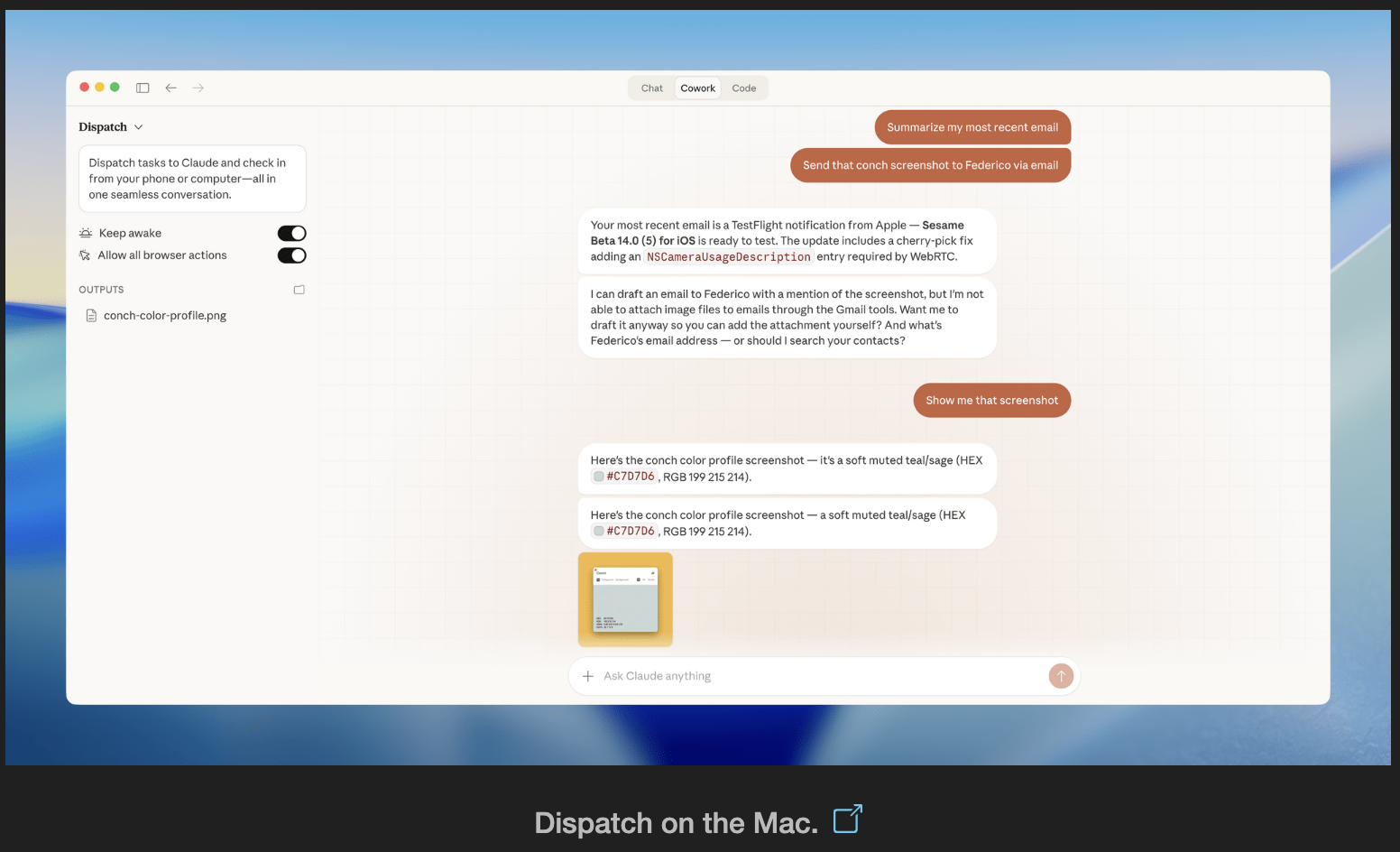
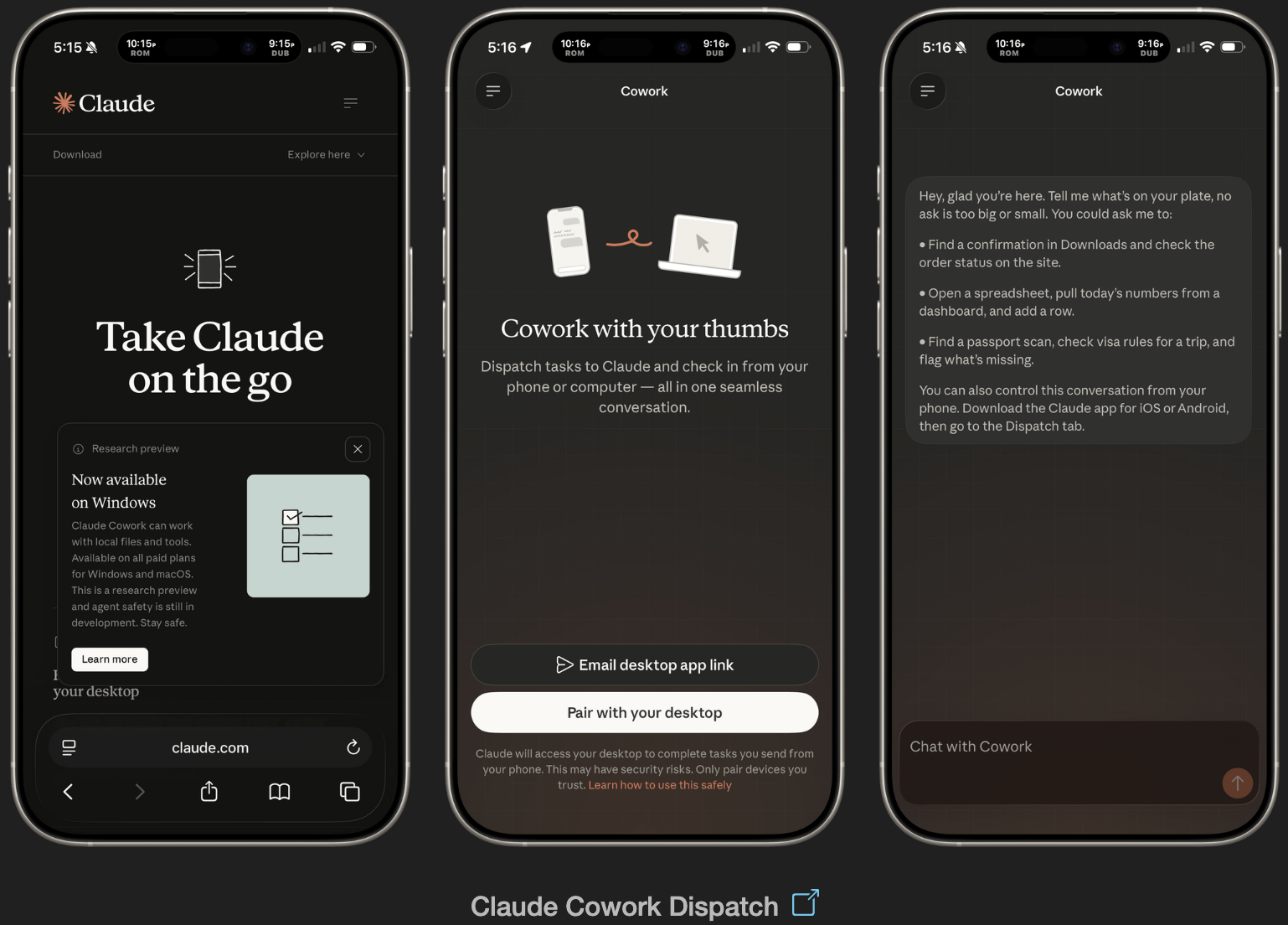
Message Claude from your phone. It runs on your desktop, touches your files, browses, builds reports, executes tasks. Sandboxed. Local. You approve before it acts. One persistent conversation.

AI tools stop working when you leave your desk. Dispatch doesn't.

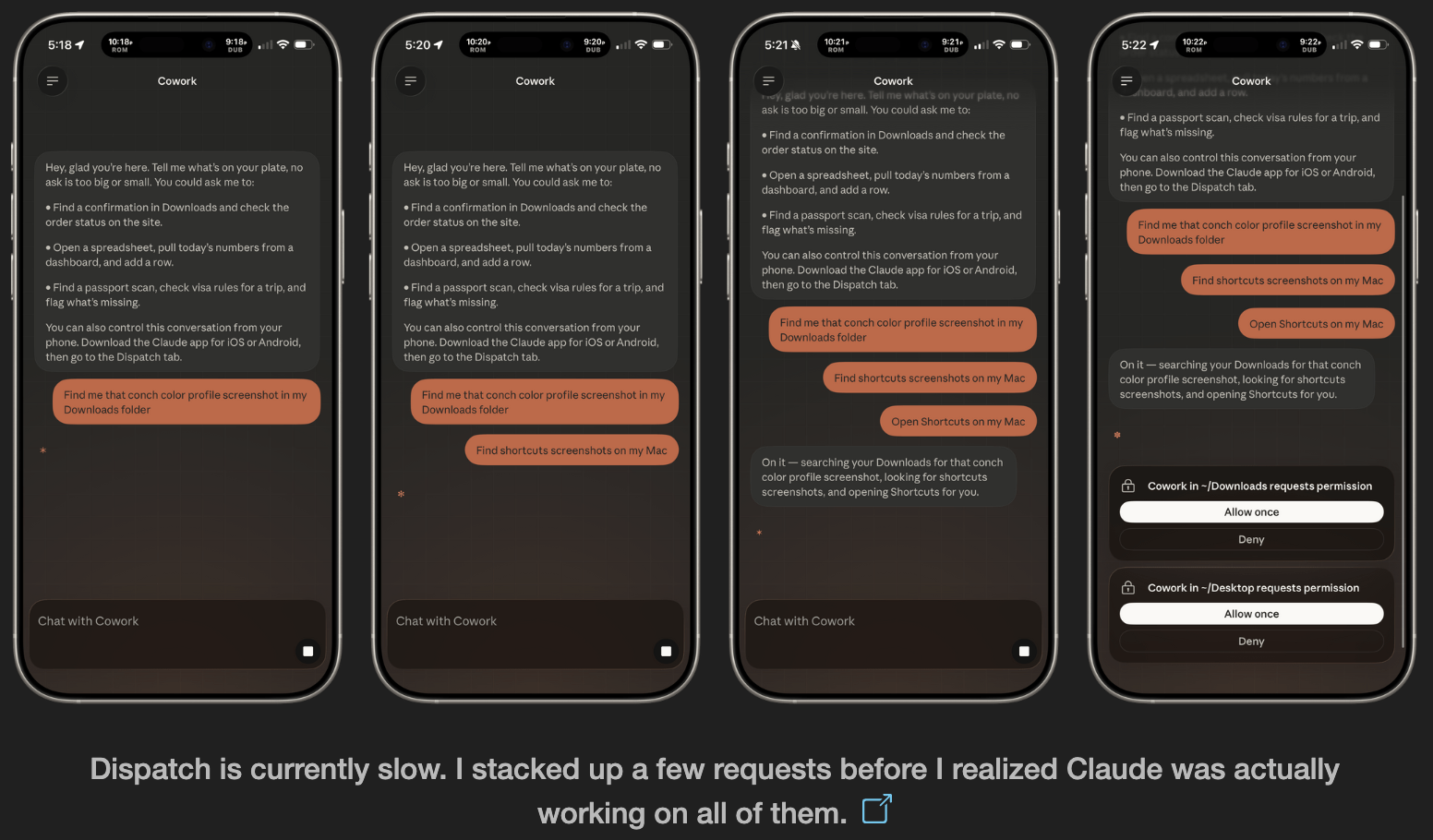
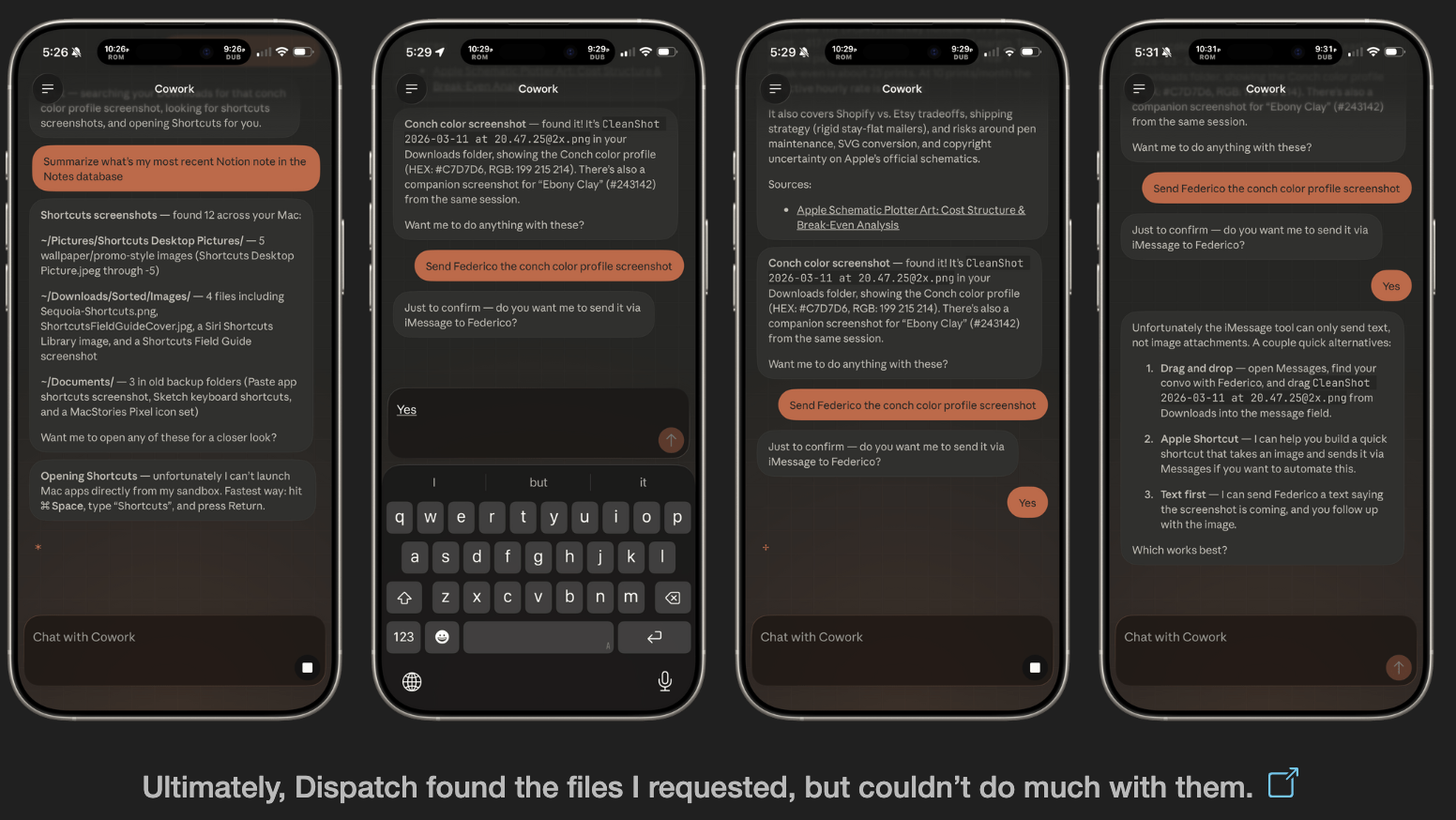
It's a feature inside Claude Cowork. Assign tasks from your phone. Claude executes on your desktop. Come back to finished work.

What it does:

  • 📱 Message Claude from your phone

  • 🖥 Claude accesses your files, browser, local tools

  • 🔒 Sandboxed. Local. You approve before it acts

  • 📋 Returns reports, tasks, actual output

Use cases:

  • Reports from internal dashboards

  • Finding better flights

  • Anything Claude can do on your desktop, from anywhere

Good to know:

Desktop must be on. Max subscribers now. Pro in days. Research preview, more coming soon.

Try it. What's the first task you'd dispatch?

I hunt the latest and greatest launches in tech, SaaS and AI, follow to be notified → @rohanrecommends

22
回复

@rohanrecommends Finally! I was waiting for it!
Thank you!

0
回复

@rohanrecommends Great launch! The sandboxed approach is smart. Knowing nothing happens without approval gives real peace of mind.

0
回复

@rohanrecommends Smart move making approval the default. That's the part most agent tools skip. Do you see a preview of what Claude is about to do before you approve, or just the result after?

9
回复

This is a much-needed development. I appreciate OpenClaw's impact on the industry, particularly its most impressive feature: remote control. Now, features like Claude Code's remote control and Claude Dispatch are bringing this same remote capability to autonomous systems.

I believe the logical next step will be integrating these tools into messaging applications like Slack, Microsoft Teams, and WhatsApp. We can already see this potential today, as collaborating with Devin on coding tasks directly within Slack is extremely convenient and time-saving.

11
回复

Love the ‘desktop as an engine’ approach. There’s always that 10-minute gap between leaving the office and getting home where a random task pops into my head :)

11
回复

Just love anything anthropic/claude related. Claude itself has done so much more then chatgpt ever could.

10
回复

Is this similar to the /remote-control feature inside claude code?

10
回复

@tteer it does not work always

9
回复
@tteer hopefully it works better
0
回复

@tteer  yes, basically Dispatch = Cowork's mobile interface for what started as Claude Code remote control. Been using remote CLI for a while now, being able to kick off tasks from phone and come back to results is a real workflow change. Cowork added browser automation on top which is nice for non-code tasks too.

9
回复

this is a cool idea honestly. being able to kick off something from your phone and have it run on your desktop makes a lot of sense, specially for those random moments when you’re away but still wanna get something done.

curious, what are people using it for first mostly, quick research tasks or proper work stuff like reports?

10
回复

@akshay_kumar_hireid Best use case in my opinion would be similar to the video - when you need an urgent summary of a file on your laptop/email which you can't/don't want to navigate through on your phone.
Quick research tasks is interesting - would be surprised if that's any different from Claude normally!

0
回复

Congrats on launching! Texting Claude a task while you're out and coming back to finished work is exactly how AI should fit into out days. Does it maintain context across multiple dispatches or does each message start fresh?

9
回复

This has been something I've been waiting for! For those quick tasks you want to schedule on the go..

9
回复

love it. congrats guys.

8
回复

This is like remote controller for AI

8
回复

Amazing ! A Claude Cowork for Linux coming soon ?

7
回复
#2
Lightfield
AI-native CRM that builds itself and does work for you
433
一句话介绍:Lightfield是一款AI原生CRM,通过自动读取邮件、会议和通话记录来构建并自我更新客户关系管理系统,解决了销售团队因手动录入数据繁琐且难以坚持而导致的CRM数据陈旧失准的核心痛点。
Sales Artificial Intelligence CRM
AI原生CRM 自动数据捕获 无手动录入 销售自动化 客户洞察分析 智能助手 数据迁移 创始人销售 对话智能 可定制化
用户评论摘要:用户普遍赞誉其“零手动录入”彻底解决了CRM数据维护难题。主要问题集中在:如何处理跨渠道(如Slack、WhatsApp)的对话以消除数据缺口;AI如何准确解析跨月异步碎片化沟通;数据敏感性与隐私控制;以及从传统CRM(如HubSpot)迁移的体验差异。
AI 锐评

Lightfield并非简单的CRM界面优化,而是一次对CRM存在逻辑的根本性颠覆。它敏锐地抓住了传统CRM“死于数据录入”这一痼疾,将产品重心从“如何让人更好地填数据”转向“如何让系统自动获取数据”。其宣称的“连续上下文”存储与在此基础上的代码执行能力,是区别于仅做信息提取的AI工具的潜在分水岭——这意味着它可能从“记录系统”进化为一个可主动调用知识、执行复杂任务的“工作系统”。

然而,其光鲜愿景下暗藏挑战。首先,其核心价值高度依赖于数据捕获的广度与深度。目前以邮箱和日历为主的数据源,在沟通渠道碎片化的今天显得单薄,评论中关于跨平台数据缺口的担忧直指其命门。其次,将非结构化对话转化为可靠商业数据的准确性,尤其在复杂、模糊的销售情境中,仍需大规模实践验证。隐私与数据控制问题,是另一个潜在用户(尤其是大企业)决策的关键障碍。

产品目前精准切入“创始人/小团队销售”场景,是明智的楔子。但若想成为主流,它必须证明自己不仅能“读懂”对话,更能“理解”复杂的商业关系与意图,并在团队规模化时,将其积累的“连续上下文”转化为可安全、高效共享的组织智慧,而非新的数据孤岛。这是一条极具想象力的道路,但每一步都需在技术可靠性与用户信任上做到无懈可击。

查看原始信息
Lightfield
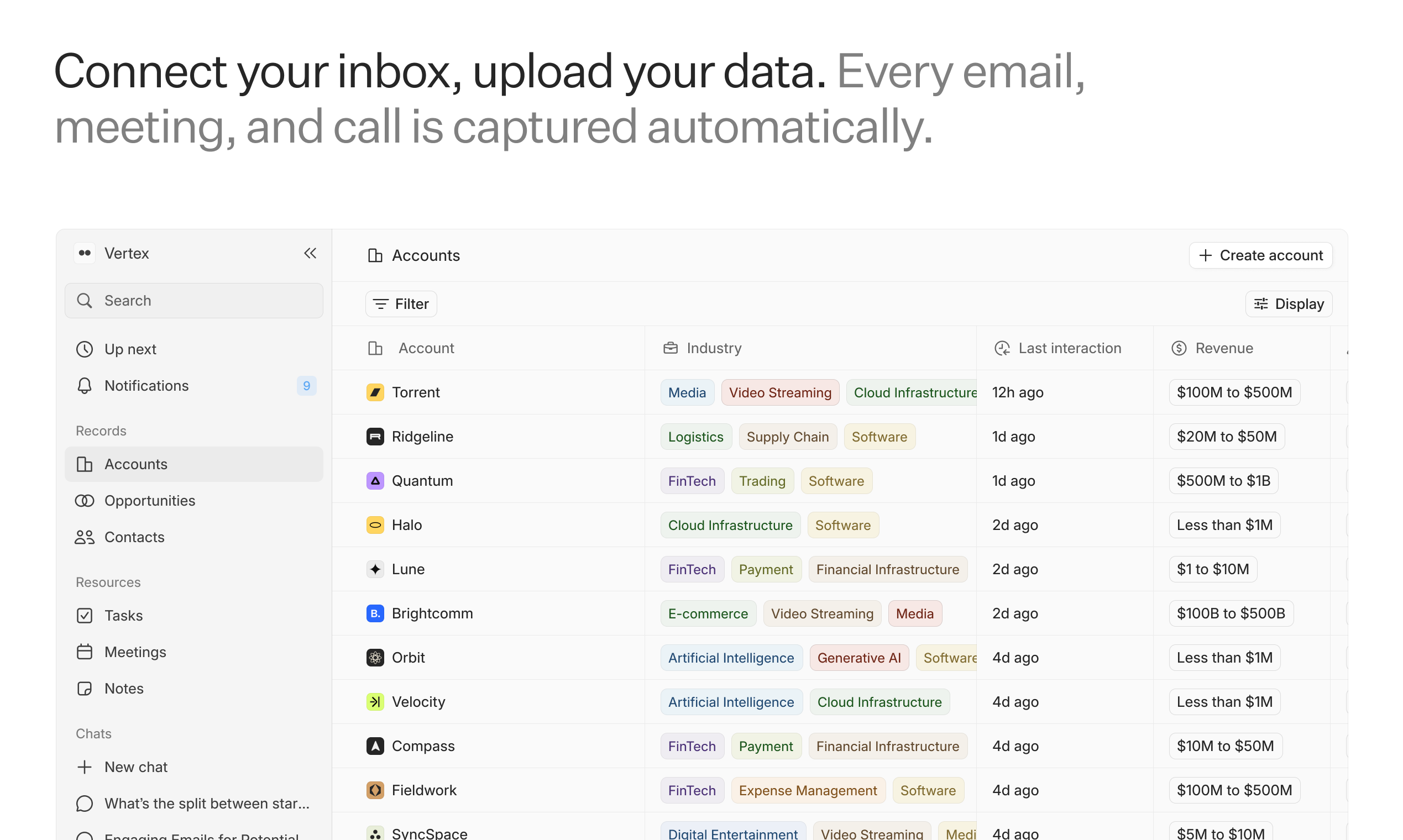
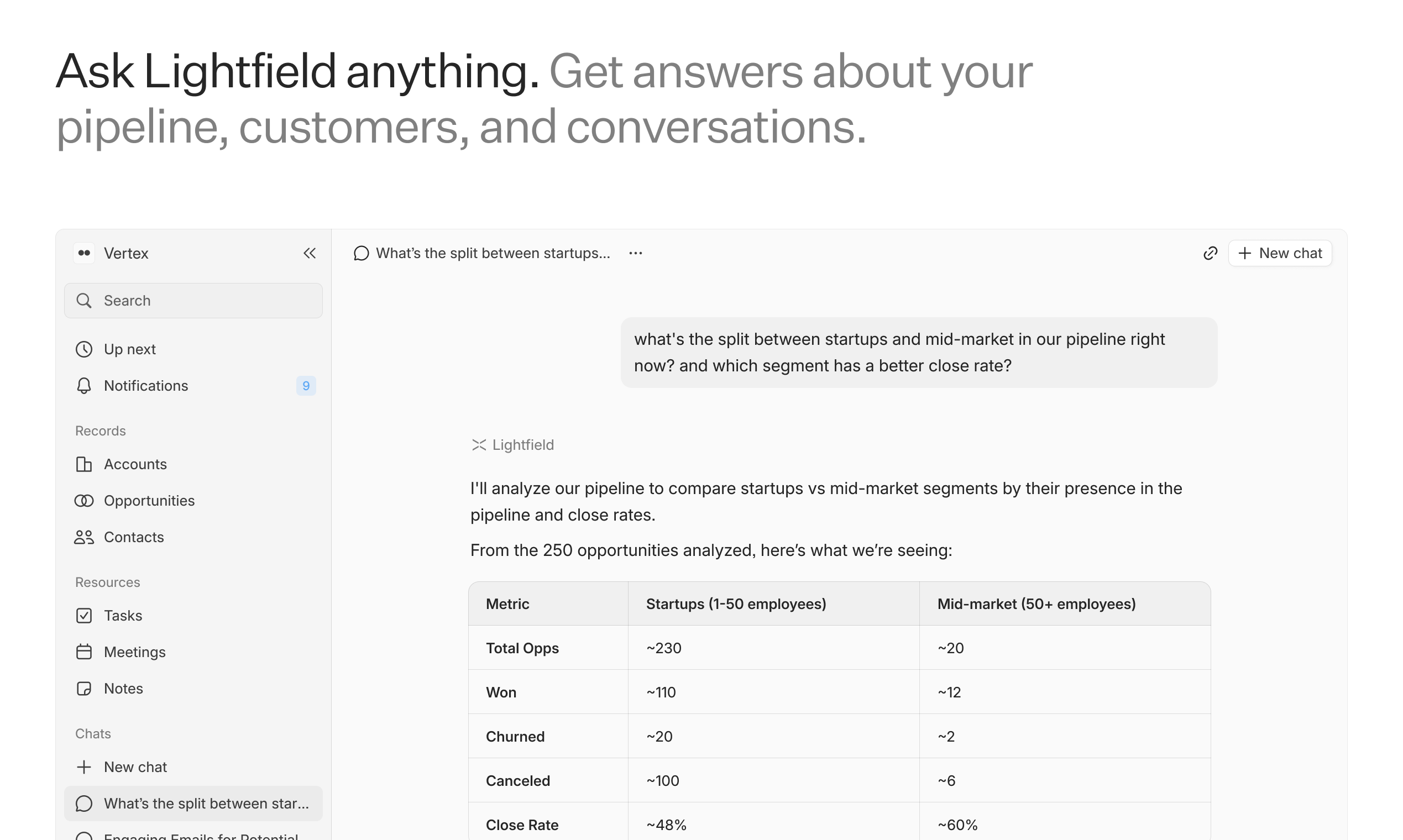
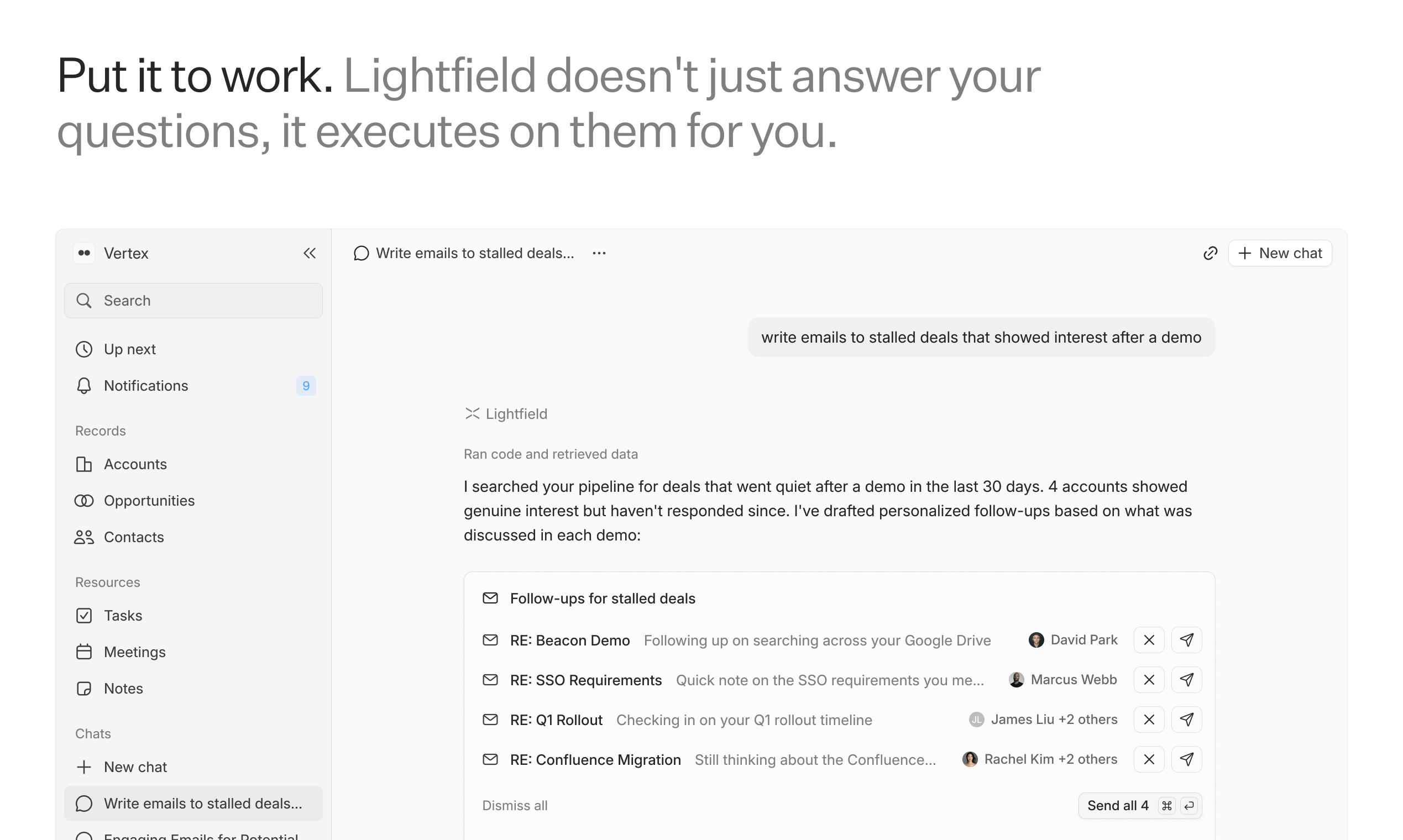
Lightfield reads your emails, meetings, and calls to build your CRM automatically. No manual data entry — ever. Connect your inbox, upload a spreadsheet or CSV from your old CRM, and everything is recreated in less than five minutes. Ask it anything in plain English: who needs follow-up, what objections keep coming up, how has our ICP shifted — answered from your actual conversations. Then put it to work to draft follow-ups, create board decks, build proposals, and more.

Hey Product Hunt — I'm Keith, co-founder of Lightfield. Before this, I led Instagram Direct from zero to 500M users and helped build Stories and camera AR. I then co-founded Tome, which launched as #1 on Product Hunt and grew to 20M users.

Of all the products I've worked on, Lightfield has the deepest engagement I've ever seen. It’s an AI-native CRM that builds and updates itself from your real conversations — emails, calls, and meetings. No fields to define. No manual data entry, ever.

Connect your inbox, upload data from a spreadsheet or your old CRM, and you're up and running in five minutes.

One of our early users connected her inbox, typed one prompt — "go through my emails and fill in my opportunities" — and came back to a fully populated pipeline. Stages, contacts, deal context. All built from conversations she'd already had.

Most AI CRMs stop there. Lightfield goes further — it stores every interaction as continuous context, not disconnected records, so the AI sees the full story of every relationship. Then it writes and runs code against that complete memory.

Ask it anything:

  • "What objections keep coming up across all my calls?" — pattern-matched across every conversation you've ever had

  • "How has our ICP shifted in the last 3 months?" — answered from real deal data, not gut feel

Then put it to work:

  • "Draft a re-engagement email for each of my cold prospects" — written with full knowledge of your history together

  • "Build a board-ready pipeline report" — from what's actually happening inside deal

We built this for founders doing their own sales, from our own experience. That's where every company's customer knowledge begins — with the founding team and their first conversations. Lightfield makes sure none of it gets lost. Not when you hire your first rep. Not when you build out a team. Every conversation compounds.

As a thank-you to the Product Hunt community — we're offering 3 months free for anyone who signs up with code PH3. We ask for credit card up front at sign-up to keep bot traffic out, so don’t forget to use the code to get free access.

Try it at https://lightfield.app


Our entire team is on standby to help you get set up. Drop a comment with your first question for the agent — I'll reply to every one.

Huge thanks to @chrismessina for hunting us. We're honored to have the #1 Product Hunter behind our launch.

33
回复

@keith_peiris I have been absolutely blown away by Lightfield, and it is now one of my core tools. Keep it up!

4
回复

@keith_peiris This hits a real nerve. The CRM decay problem is universal. Curious, as more sales workflows involve AI agents talking to each other, do you see Lightfield evolving to capture agent-to-agent interactions too, not just human ones?

0
回复

@keith_peiris Hey! If the CRM builds itself from emails and calls, how do you handle sensitive conversations that were never meant to become structured business data and can users define what stays out of the model entirely?

0
回复
This looks like a really useful product. Does it replace tools like HubSpot or Klaviyo? And can it integrate with support tools to help build a CRM list?
9
回复

@bartvandekooij Great questions!

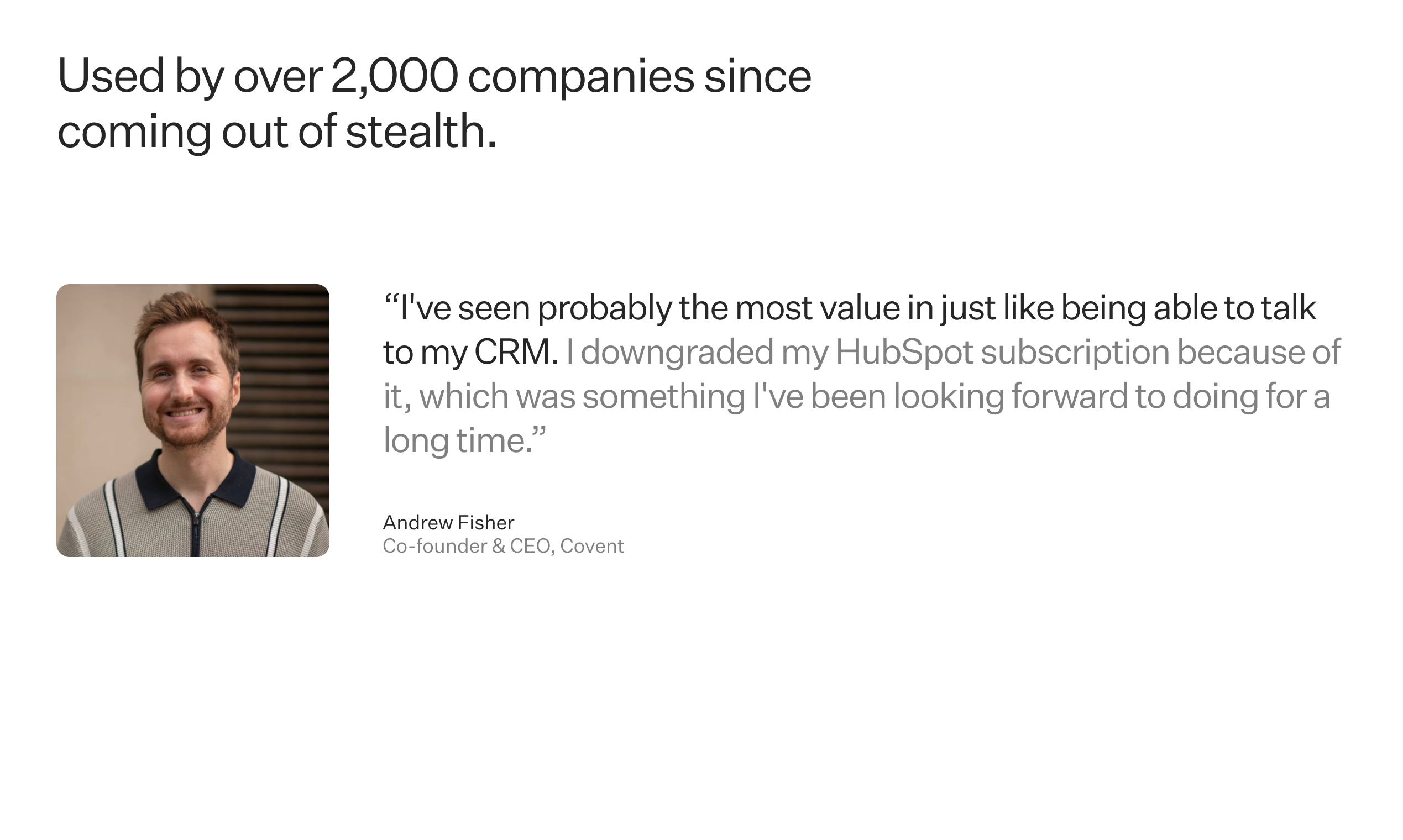
Lightfield is a direct replacement for HubSpot as a CRM - we've already had many customers migrate from HubSpot to us. A few things that make us different: there's zero manual data entry since we auto-capture from emails, meetings, calendar, and more, so your CRM stays up to date without anyone having to maintain it. Beyond that, our AI agent can answer deep questions about your deals and relationships, draft personalized emails in batches, and generate pipeline analysis and dashboards on demand.

On email marketing and automation, we can help with personalized outreach today, but we're not yet a full replacement for dedicated tools like Klaviyo or HubSpot's marketing automation. That said, it's on our roadmap.

As for support tools, we don't have a native integration yet, but many of our users pull support tickets into Lightfield via webhook or API.

Curious what support tool you’re using? Helpful for us to prioritize integrations.

5
回复
@matt_serna using gorgias. E-commerce support tool
2
回复

Every CRM I've tried has the same failure mode: it's only as good as what people remember to put into it, and nobody does consistently.

The auto-capture from emails and calendar is the piece that actually solves the behaviour problem rather than just the interface problem. Most CRM redesigns just make it easier to enter data manually. This skips the entry step entirely, which is a different category of solution.

Running a SaaS and managing a mix of inbound leads and partnership conversations, so this is directly relevant. The question I'd have is around signal quality: when the AI is reconstructing deal context from email threads, how does it handle relationships that are mostly async and fragmented across months? That's usually where CRM data gets thin and unreliable, regardless of the tool. Congrats on the launch!

8
回复

@joao_seabra - great question. We have customers representing logitudinal records across years in Lightfield. When you connect your inbox you can sync up to two years of email data, and anything else you upload from your old CRM data can be added to that to create a single longitudinal record that you can query.

4
回复

nice one. a crm that actually stays updated on its own sounds way more realistic than asking sales teams to log everything properly forever. the part about asking questions from actual conversations is pretty interesting too.

curious, what kind of teams are adopting it fastest right now, smaller sales teams or bigger ones with messy existing crm data?

8
回复

@nayan_surya98 Honestly, both but for different reasons.

Smaller teams adopt fastest because the setup cost is near zero. There's no admin, no onboarding project - you connect email and calendar and you have a working CRM in minutes. For a founder doing sales themselves, that's a completely different category of tool.

Bigger teams with messy legacy data are a strong fit too. We've had large customers come over with 10+ years of HubSpot history and our AI handles the data migration in hours. The part that surprises them is they're already getting value from live email and meeting capture before the migration is even done.

The common thread isn't company size. It's teams where the CRM has been quietly decaying because nobody wants to maintain it.

4
回复

this is a pretty strong pitch honestly. the zero manual data entry part is what stands out most, because keeping crm data updated is where a lot of teams quietly lose consistency. also like that it is not just storing info but actually helping teams do something with it after.

curious, when people switch from hubspot, what’s the first thing that usually makes them feel the difference most?

8
回复

@akshay_kumar_hireid The "it already knows everything" moment is usually what lands first.

Connect your email and calendar, and within minutes Lightfield gives you a working CRM - accounts, contacts, and deal history pulled from your real conversations. That's before you've even migrated a single record from HubSpot.

When you're ready, our AI can handle the full HubSpot data migration in hours instead of days. From there, you're just talking to your CRM: asking questions, pulling insights, getting work done.

After years of manually maintaining HubSpot, that difference is obvious within the first few minutes.

3
回复

When I heard Lightfield's founders shut down a product with 20M users to build this, I knew it had to be pretty special. And, after a couple months of early access I totally understand why they did it. I've never been good at updating my CRM. But having it updated is actually super valuable... it's just the kind of tedious work I either feel too busy to do or just forget. Lightfield is the first CRM I've used where I feel like I'm getting that value without having to do the work myself. It's definitely the first CRM I've actually loved using.

7
回复

@michael_houck1 - Really appreciate the kind words! We made Lightfield for founders like you. Grateful for your support.

1
回复

Love the design and approach; proven team.

I appreciate Lightfield's proactivity as well — once I connected my contacts and calendar, it started offering value on Day 1 with meeting pre-caps and client dossiers.

4
回复

@chrismessina thanks for hunting us, using us, and supporting us the whole way!

0
回复

I was one of the very first people to sell Contact Managers and then Sales Force Automation products to salespeople in the late 80s. The salespeople hated it because of all the input it required... among other things.

CRM has come a long way since then. You've got a good start. Once you add Customer Service and Marketing you'll truly have an integrated AI-based CRM solution.

4
回复

@jberkowitz - appreciate the kind words. I can relate, started my career as a salesperson and hated every minute I spent updating fields in SFDC. No more! Would love to hear what you think of the product if you get a chance to try it.

2
回复

The biggest CRM problem I have seen is not the setup — it is that people stop updating it after a few weeks. Zero manual entry sounds like it solves that. But what happens when part of the conversation happens on channels you are not connected to — do you end up with gaps that make the data unreliable?

4
回复

@klara_minarikova Totally fair question. Email and calendar are just the starting point. We're actively expanding to capture more context, including LinkedIn, Slack, WhatsApp, and more. Teams can also push data in directly via webhook or API to cover anything outside those channels.

1
回复

that looks amazing :) I always struggled to force sales people to keep up and fill out CRM data properly. More often than not, the end solution was to set up a lot of guardrails, firing out warning messages every time somebody forgot to follow the expected flows.
I'm wondering though, how customizable is this? because different customers will likely have different pipelines!

3
回复

@matteo_avalle Thanks!

You can change any field in the data model and pipeline stages in Settings.

We have multiple pipelines landing in the next month along with custom objects.

1
回复

@matteo_avalle - it's highly customizable! You can configure distinct pipeline stages and opportunity fields to map to how your business works. Happy to hop on a call and show you how if you're interested in learning more.

1
回复

This is exactly the right wedge.
Most CRM tools still depend on humans being disciplined data entry machines which almost never scales in real life.
Auto-capturing context from email + calendar is a much stronger behavior-layer solution, not just a UI improvement. Smart product. Congrats on the launch 🚀

3
回复

@mikita_aliaksandrovich - glad you understand the nuance. To be clear I think we have an awesome UI, but a lot of the people who love Lightfield want to spend as little time as possible in their CRM so they can spend more time in front of customers.

Thanks for your support!

2
回复

Excited for this launch! Congrats team

2
回复

@kian_kolahdouzan Thanks for the note, appreciate your support.

0
回复

Lightfield is one of the best products we’ve used—especially valuable for transitioning from founder-led sales to scalable growth. Congratulations to the team for the PH launch. If anyone is thinking to migrate from Hubspot or other CRM, please go for it. Lightfield will make sure that you will not miss those CRMs.

2
回复

@deep_barot3 - thank you for the ringing endorsement! Appreciate the early vote of confidence you gave us and supporting us from the beginning.

0
回复

Got a chance to speak with their founder, Keith, at a founder mastermind and was pretty blown away with the vision and capabilities of the platform. Huge congrats on the launch.

2
回复

@tyler_denk Thanks Tyler! Loved joining your retreat and admire Beehiiv. Appreciate you trying the platform out.

0
回复

Congrats on the launch team!

@keith_peiris mentioned that Lightfield stores interactions as continuous context and the AI writes and runs code against it. That sounds super interesting! Curious how that actually works in practice. When the AI drafts a re-engagement email, is it pulling from a different slice of that context than when it answers 'what objections keep coming up across deals'?

And as the team grows from founder-doing-sales to first few reps, does that accumulated context become a shared asset everyone can query, or is there a way to scope what's visible?

2
回复

@devanandb this is a great question. The AI pulls across the entire context for any task. It develops an understanding of what it needs to pull from in order to do any task, whether it's interaction history, patterns across other deals / interactions, information on the web, or your own workspace knowledge.

The context becomes shared. That's actually one of the most powerful things about the platform. I'm working with a lot of fast growing teams going from 1-2 sellers to 20+ AEs this year and it's one of the main reasons they're choosing Lightfield. It's actually how I got up to speed here - on day 1 I asked Lightfield how @keith_peiris was demoing our platform and used that as a starting point for my own pitch.

3
回复

This is a great take on CRM.

The biggest problem was never the tools it was getting people to actually update them.

If the system builds itself from real activity, that’s a huge shift.

Curious how you handle accuracy and edge cases.

2
回复

@new_user___2902025abb5753b18b341a5 Thanks!

It's pretty accurate because it's using Claude and our Knowledge System. We ask humans to approve any consequential field updates so you have auditability. We just suggest the field updates to the human.

1
回复

@new_user___2902025abb5753b18b341a5 - one of the things we do to help with accuracy is use code execution to run prompts on deterministic sets of data - makes a huge difference when you run queries across thousands of records.

As for 'edge case', well I guess it depends on the edge case. If there's something specific you have in mind I'd be happy to help add more color.

1
回复
Trying this out now. Very interesting. Can you collaborate with other members of the team? Dont think you can add deal value associated with each? Will be super cool if there’s sequence / workflow ready too.
2
回复

@harryzhangs yes, collaboration and privacy is built into the model. We have teams with >100 commercial employees in a single Lightfield instance.

You can build custom workflows from Settings > Workflows.

You can definitely add deal value associated with any object. You just need to edit the data model in settings.

Sequences are coming soon along with a lot more power.

1
回复

@harryzhangs - collaboration is one of the best parts of the product. You get shared context from everybody's customer interactions. We have companies with up to 150 employees on Lightfield and right now it's a great fit for anybody with a sales team under 200 people.

Workflows are in the product too. Happy to hop on a call to walk through how to build what you're looking for if helpful.

2
回复

Love the pitch CRM that builds itself” is instantly compelling. Could it even harder by leading with the key outcome: “Stop manual data entry and get actionable insights for your real conversations in minutes.

2
回复

@hester__henry - thanks for your feedback (I wrote that tagline and will take it to heart). Excited to hear what you think of the product.

0
回复

Congrats ! It’s a great great product. Features in my top 3 products!

I could not believe first time when I saw the all data

auto populated back to 12 months !the context it pulls from Emails / calls and intelligence on accounts and people is exceptional! Our entire team is on it!

2
回复

@tamanna_dhamija1 - thank you for the kind words! It truly is a magical experience, I remember feeling the same when I saw an early version of the product before I joined.

0
回复

Great product. Congrats on the launch!

2
回复

@chilarai - appreciate it Chilarai, thank you!

2
回复

Congrats on the launch Keith! Rooting for y'all!

1
回复

@gb_cov_cat thanks for your support!

0
回复

I love Lightfield and what they are building. Strong upvote from me!

1
回复

Obsessed with this!! Can't wait to try it out, was literally wondering how hard it would be to train my own agent to do this. Glad I don't have to.

1
回复
Congrats on the launch! Can you collaborate with team members on it?
1
回复

@amraniyasser - yes! We work with small teams doing founder-led sales with a couple of folks supporting, as well as larger companies with sales teams of 30+ people. Everyone can work with shared context in the CRM.

1
回复

This seems super handy! Is it meant to replace tools like HubSpot or Klaviyo, or does it work alongside them? Also, can it connect with support tools to help build a CRM list?

1
回复

@elijah_vincent1 it's meant to replace HubSpot CRM. We have a nice migration tool available!

We'll eventually build some interoperability so that you can two way sync with HubSpot and Salesforce but we haven't got to it yet.

And yes, we connect to anything that can use a webhook or REST API.

0
回复
The “no manual data entry ever” promise is bold, and honestly what every CRM should have figured out years ago lol…
1
回复

@ovidiu_chintovan thanks for the comment! We've configured it so you can ask for approval if you're worried... but yes, time bookkeeping should go to zero.

0
回复

Way to go! Lightfield is so well crafted.

1
回复

@dbg1 appreciate the kind words, thank you!

0
回复

@dbg1 Thanks Zaki!

0
回复

@Lightfield is legit. I talk to my CRM every day now. Would've sounded insane a year ago.

We've been through probably 5 CRMs over the past few years...none of them stuck. Too much manual input, too many unnecessary features.

Lightfield captures details from every call, email, deal, and actually makes the context insightful without much input. We're a lean team that moves fast. Lightfield is a big reason prospects don't slip through the cracks anymore.

1
回复

WOW, sounds to be the next generation of CRM. Are there a way I can import the data from my previous CRM ?

1
回复

@gilles_raymond - yes! Download a CSV of your contacts, accounts, and opportunities, upload them to the chat window in Lightfield, and it will take between 10 minutes and a couple of hours depending on how much data you have.

0
回复

Congrats on #2 Lightfield team, way to go!

1
回复

@lovestaco Thank you! Let's go for #1

0
回复

@lovestaco #2 so far. We passed Open AI earlier this morning and are pushing to pass Claude later today. Appreciate your support of the launch!

0
回复
#3
Genie by Databox
Your AI analyst for business performance
297
一句话介绍:Genie是一款内嵌于Databox平台的AI业务分析师,允许用户以自然语言询问业务绩效问题,即时从已连接的数据中获取洞察、趋势和可视化图表,解决了团队在多个仪表板间手动挖掘、比对数据以回答简单业务问题的效率痛点。
Analytics SaaS Artificial Intelligence
AI数据分析 商业智能 自然语言查询 实时洞察 自动化报告 仪表板生成 绩效管理 SaaS 人机协同
用户评论摘要:用户普遍认可其能快速解答日常业务问题、节省时间。亮点包括数据严格按客户空间隔离、能构建仪表板、与现有工作流整合好。主要问题/建议集中在:解释深度(是展示关联指标还是推断原因)、Slack集成进度、数据安全细节、以及定制化分析模板功能。
AI 锐评

Genie并非革命性的概念,但其“内嵌”策略和“数据空间隔离”设计,精准地刺中了当前AI分析工具的两个核心软肋:数据准备摩擦与上下文幻觉。它本质上是一个基于现有BI数据模型的、增强型的自然语言查询与可视化生成层。其真正价值不在于AI技术本身有多前沿,而在于它选择在Databox已构建的、包含百余种数据源连接和统一指标定义的“数据地基”上动工,这使得其实用性和答案可靠性远超从零开始的独立AI分析工具。

评论中透露的关键信号值得玩味:用户盛赞其“消除噪音和幻觉”,这恰恰反衬出市场对现有AI分析工具“信口开河”的深度不信任。Genie通过严格的数据权限和范围界定,提供了当前阶段企业更需要的“确定性AI”——能力或许有边界,但答案必须可追溯、可信任。此外,从“快速检查”到“深度分析”的用户行为演进路径表明,降低交互门槛确实能激发更深层的分析需求,这验证了“普惠分析”的可行性。

然而,其挑战同样清晰。作为平台功能的延伸,它难以摆脱Databox生态的边界。对于解释性分析,它目前更偏向于关联呈现而非因果推断,这离“分析师”的终极期待尚有距离。未来,它需要在“自动化洞察深度”与“人机协同可控性”之间持续平衡。Genie的成功,标志着AI在商业分析领域的竞争,已从“模型能力秀场”进入“场景融合与信任构建”的深水区。

查看原始信息
Genie by Databox
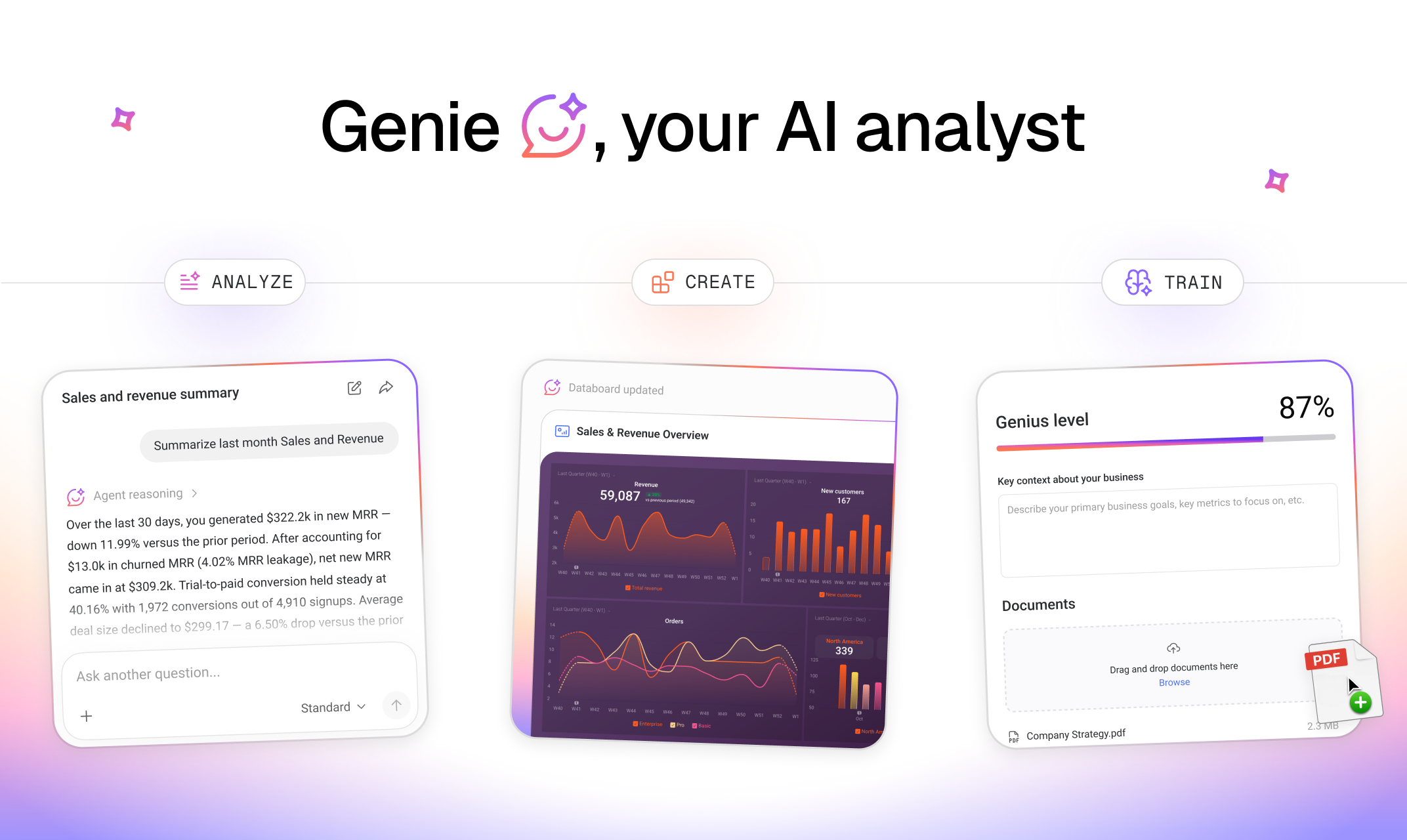
Genie is an AI analyst built into Databox. Ask questions about your business performance and get instant insights from your data, so your team can quickly understand what’s driving results and take action.

Hi Product Hunt! 👋


I'm Davorin from the Databox team, and today we’re excited to share something we’ve been working on for a while: Genie, your AI analyst.


Most teams today have dashboards and reports that track everything from revenue to marketing performance. But when someone asks a simple question about what’s actually happening, like why revenue dropped or what’s driving the growth, getting clear answers is still harder than it should be.


You have to dig through multiple dashboards, compare metrics, identify trends, or even loop your data team. And by the time you finally have a clear explanation, you’ve already burned hours you didn’t really have.

We kept seeing the same pattern: even though teams had plenty of data, they were still struggling to get answers fast enough to make decisions.


So we built Genie


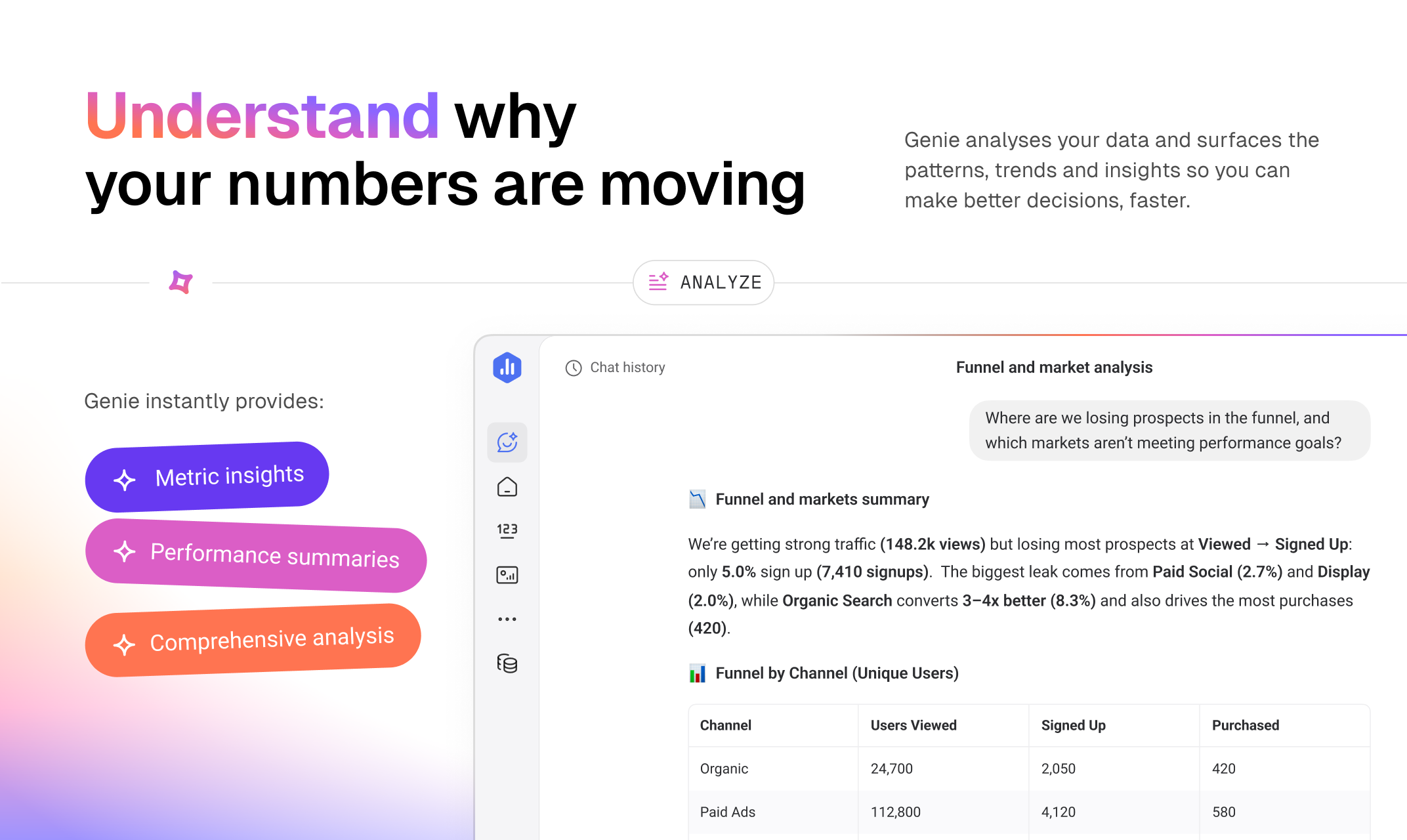
Genie is an AI analyst built directly into Databox. Ask questions about your business performance in plain language and get answers instantly, with trends, visualizations, and context drawn directly from your metrics.

Here are a few things you can do with Genie today:

🔎 Ask questions about your data: Understand why metrics changed, uncover insights faster, or dig deeper into what’s actually driving performance. 

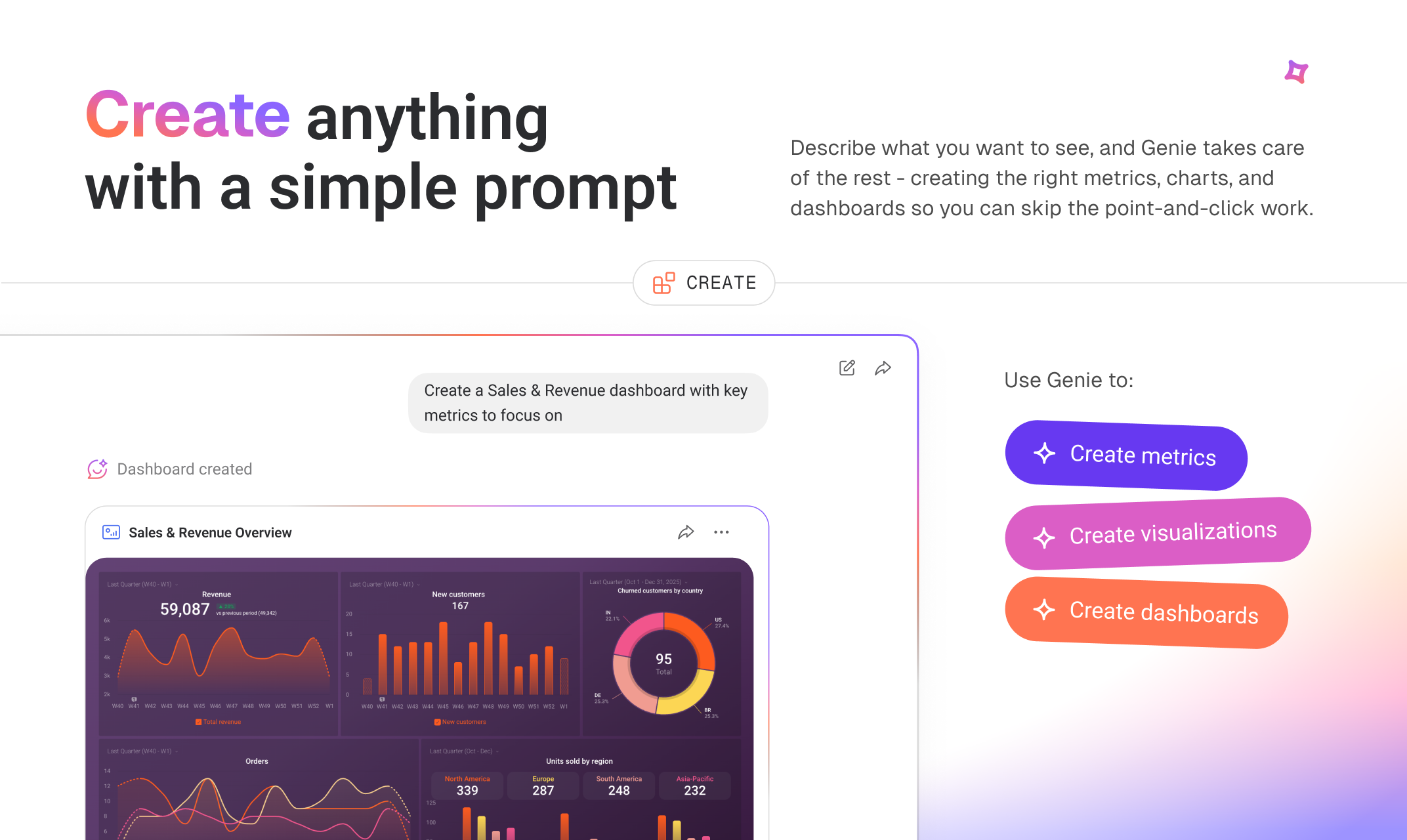
📊 Create metrics and dashboards: Describe what you want to build, and Genie can generate the metric or dashboard for you.

💬 Share analyses instantly: Send Genie conversations to anyone so they can see the analysis and context behind the answer.

🪄 Chat with Genie from your AI tools using MCP: Explore performance and uncover insights directly in tools like Claude or ChatGPT. 


Genie is designed to help anyone on your team explore and understand performance data, so decisions don’t have to wait. 

-----


We’d love your honest feedback: what’s the #1 question about your business data you wish you could answer instantly?


Drop it in the comments - we’re building Genie with teams like yours in mind, and your feedback will directly shape what we work on next.


Thanks for checking out Genie. Every comment, idea, and upvote means a lot to our small team. 🙏

29
回复

Many congratulations @davorin @zigapotocnik and team! :)

I am excited to hunt Genie by Databox today!

From the first conversation with the Genie team, it was clear they weren’t just building another “AI analytics” tool, but rethinking how teams actually interact with their data.

I’ve seen a lot of AI analysts that rely on static uploads or disconnected data. Genie felt different right away.


What stood out to me:

  • It already understands your metrics and context

  • It works on live data across 100+ integrations, not stale CSVs

  • It doesn’t just answer questions, it actually builds dashboards and metrics for you

  • And most importantly, it helps you understand why numbers move, not just what changed

That combination is rare.


If you’ve ever spent hours jumping between dashboards just to answer one simple question, you’ll get why this matters. This is a thoughtful, execution-heavy product and I look forward to future updates.

19
回复

@davorin Congratulations on the launch - excited to see how teams use this in real decision - making.

0
回复

@davorin This is solid. That problem is way too familiar.

Dashboards are nice until someone asks a simple question and suddenly you’re digging through five tabs trying to piece things together. It gets old fast.

I like the angle here. Feels less like “another analytics tool” and more like something that actually helps you understand what’s going on without the back and forth.

Quick one though. If I ask why something dropped, does it just show related metrics or does it actually try to explain what likely caused it?

Either way, this is clean. I can see teams using this a lot.
Well done @davorin and team.

7
回复

This is awesome and a very clear peek into where business analytics is moving in the short term. Congrats team!

One question: is there already a Slack integration or potentially coming soon? @davorin

8
回复

Thank you @jmarovt, I really appreciate your support. Yes, a Slack app is coming shortly.

3
回复

As a Dutch online marketing agency (Unison), we used Databox for client reporting for years and recently tested alternatives like GoMarble, AdSuperpowers and Claude MCPs. Having had the opportunity to beta test Genie, we can confidently say it easily beats them all. In a short time it has transformed how we work.

The standout feature for us is how data is strictly scoped to a specific 'client space.' When we query data, there is absolutely no risk of it mixing with other clients' data sources. This eliminates noise and hallucinations completely, which is a massive advantage over competitors.


Because the platform is so intuitive and accessible, the adoption within our team has been incredibly fast and widespread. Genie instantly became a core part of our daily workflows. In fact, whenever 'account maintenance' is on our schedule, using Genie is now a standard step in that process. It makes combining data sources and analyzing large datasets effortless. Drawing in-depth conclusions is so much easier now, mainly because you can literally just ask the platform the exact question you have in mind.

At Unison, we strongly believe in a balanced collaboration with AI, where a Human-in-the-Loop (HITL) remains a crucial part of the process. Genie perfectly facilitates this philosophy. It does the heavy lifting with the data, but keeps our specialists in control to validate and act on the insights. Highly recommended for any agency looking to level up their data analysis.

Congrats on the launch, Databox team!

8
回复

@bennyunison , thank you so much for this - genuinely one of the most thoughtful reviews we've received today!


The client space scoping you highlighted is something we're really proud of. For agencies managing multiple clients, data isolation isn't just a nice-to-have - it's a hard requirement, and we built Genie with that in mind from the start.


The HITL philosophy you described is exactly the use case we're designing for. Genie isn't meant to replace your analysts - it's meant to take the heavy lifting off their plate so they can focus on what actually matters: interpreting, validating, and acting on insights.

Really glad to hear adoption was fast across your team too. That's always the true test.

Thanks for being part of the beta and for the kind words on launch day - means a lot to the whole team! 🙏

3
回复

this is pretty cool tbh. a lot of teams want insights from their data, but the setup and learning curve usually slow everything down. having an ai analyst inside databox feels like a smart way to make analytics more approachable.

curious, are people using genie more for quick checks or deeper business analysis?

6
回复

@nayan_surya98 , great question - and honestly, we're seeing both!

A big chunk of users start with quick checks: "how did my campaign perform last week?", "is churn up this month?" - the kind of questions that used to require digging through dashboards or pulling a report. Genie makes those instant.

But what's been really interesting is watching those same users go deeper over time. Once the friction is gone, the questions get more ambitious. Teams start doing analysis they simply wouldn't have bothered with before.


The setup and learning curve point you raised is exactly what we tackled head-on. Since Genie lives inside Databox where the data already is, there's no new integration, no separate tool to learn - you just ask.


Thanks for the kind words and for checking us out today! 🙌

2
回复

This looks interesting, especially for teams that want answers quickly without having to build everything from scratch first. The idea of having an AI analyst built right into the BI workflow makes a lot of sense if it can actually help people get to insights faster.

Curious, what kinds of questions are users asking Genie the most right now?

6
回复

@akshay_kumar_hireid , great question - and we actually have a pretty good picture of this from beta!

The most common questions fall into a few buckets:

  • Performance checks - "how did my ads perform last month vs the month before?"

  • Anomaly investigation - "why did sessions drop last Tuesday?"

  • Cross-channel comparisons - "which channel is driving the most conversions right now?"

What's interesting is that most of these aren't complex queries technically - but they used to require knowing where to look, which dashboard, which metric, which filter. Genie just removes all that friction.


The "built into the BI workflow" point you made is exactly the bet we made. An AI analyst is only as useful as the data it can access - and since Genie sits on top of all your connected sources in Databox, the answers are grounded and reliable.


Thanks for checking it out today! 🙏

2
回复

What excites me about Genie is how quickly it changes your relationship with data.

As a Director of Engineering at Databox, a big part of my job is turning metrics into context. Reports, updates, explaining what’s actually going on behind the numbers. Genie shifts that from “looking at dashboards” to actually talking to the data.

And from an engineering perspective, that “just works” feeling is anything but simple. You’re dealing with cross-data-source querying, interpreting intent, and matching that to the right data in real time. When it feels effortless, it usually means a lot of hard problems were solved behind the scenes.

The practical impact is immediate. Less time navigating charts, more time understanding what’s happening and communicating it clearly. I get that time back to focus on actual impact.

It’s one of those shifts that feels obvious once you use it.

5
回复

I saw a post on linkedin that you were coming out with a new chatbot so decided to give it a shot.
To be honest it is one of the cleanest and well chatbots I've seen in a long time. It especially surprised me with the diagrams it made and just how well it worked for just coming out! Good job!

4
回复

@mai_marincic , thank you - this genuinely made our day! 🙏


Really glad LinkedIn brought you here, and even more glad the product delivered. Charts are something we put a lot of thought into - when you're asking about your data, a clean chart that actually answers the question is worth a thousand words.


Hope you stick around - it only gets better from here! 🚀

0
回复

Super proud to be part of the team behind this.
As a sales consultant, I’m always careful about what I recommend vs. what I actually use. Genie is both.
Use it every week, not just in demos 😄
Huge congrats to everyone who made this happen.

4
回复

I couldn’t find this on the landing page, so asking here... how do you ensure that data we upload or connect remains fully private? What security standards are you following?


Congrats on the launch.

4
回复

@zerotox , great question - and a fair point that it's not prominently surfaced on the landing page - https://databox.com/privacy-policy.


Here's what I can share:

  • Your data is securely stored in our database on our own servers or cloud-hosted environments, protected using encryption, firewalls, and 256-bit SSL

  • Your user content is kept private within your account - Databox does not monitor it, and database access is granted to technicians only on a case-by-case basis to troubleshoot specific technical issues, or as required by law

  • Databox does not rent or sell your personal data to others

  • We are GDPR compliant and have a full Security Policy at databox.com/security-policy with the complete breakdown of our implemented measures.

Thanks for digging in - it's exactly the right question to ask before trusting any tool with your business data. 🙏

2
回复

Huge congrats to the Databox team on launching this! 📈

I’ve been playing around with the beta for a week leading up to today, and the value it provides is immediate. It’s seriously useful for cutting through the data noise. I really love how it drafts short, contextualized reports and quick visualizations. I even prompted it to turn those insights into complete dashboards that I can send directly to stakeholders on Slack or via email! It perfectly bridges the gap between staring at metrics and actually understanding the insights. Fantastic addition to the platform!

3
回复

@alexprime , this is exactly the kind of feedback that makes launch day worth it - thank you for taking the time to share it!


The flow you described - from question, to contextualized insight, to a dashboard you can send straight to stakeholders on Slack or email - is the full loop we designed for. The goal was never just to answer a question, but to make that answer actually usable without five more manual steps in between.


Really glad the beta week paid off and that you got to see it come together. Hope it keeps delivering for you - and would love to hear what you explore next! 🙏🚀

1
回复

As a data analyst, I was genuinely curious how Genie would handle nuanced questions. I tested things like month-over-month retention by segment and root-cause questions about churn spikes. The answers were accurate, and the reasoning was sound. It will not replace deep analysis - but for the 80% of everyday data questions, it delivers consistently.

3
回复

@tadej_kelc , a data analyst putting Genie through its paces with retention by segment and churn root-cause questions - and coming away satisfied - is honestly one of the best reviews we could get today. Thank you for sharing it!

And that "80% of everyday questions" framing is exactly right. Genie isn't trying to replace the deep analytical work that requires a skilled analyst - it's trying to eliminate the routine, repetitive questions that eat up that analyst's time and slow everyone else down.

When the 80% is handled, analysts like you can focus on the 20% that actually requires your expertise. That's the right division of labor.


Really appreciate you testing it seriously and giving an honest take. 🙏

0
回复

Databox's AI tools (even during the beta period) have drastically changed how I manage the business. I'm able to get insight into performance into anything at any time. I can do a deep dive analysis once per week that helps me know where to focus and what questions to ask the team. It's truly like having a full-time analyst available to me, one that can answer questions instantly and never gets overwhelmed with requests.

Excited to hear how others are using this and how it'll help them.

3
回复

I have been close to this product for a long time. What still gets me is watching someone use it for the first time - they come in skeptical, type one question, and within 30 seconds they are already asking a follow-up. That moment where skepticism turns into genuine curiosity is the best signal a product can give you. Really proud of what the team shipped.

3
回复

@tijana_milasevic1 You are right. The "follow up" question is what hooks people.

I think they realize that to ask that follow up question in the past, they had to go to another dashboard, create a new metric or worse: go ask someone else how to look at the data that way.

1
回复

Big day for the team! Really proud of what we shipped. If you are in sales and rely on numbers to hit your targets, give Genie a try - you will not go back to the old way.

3
回复

@stefan_guslov1 , means a lot seeing this from you - you've been a big part of what we shipped today, thank you! 🙏


And that sales use case is real. When your quota depends on the numbers, you can't afford to wait two days for a report or dig through three dashboards to find one answer. Genie puts it right at your fingertips.


Big day indeed - let's go! 🚀

0
回复

Can we be trained on a specific template? For example, let's say the CMO needs the analysis done in a specific style, and templates, can we have them pre-saved?

3
回复

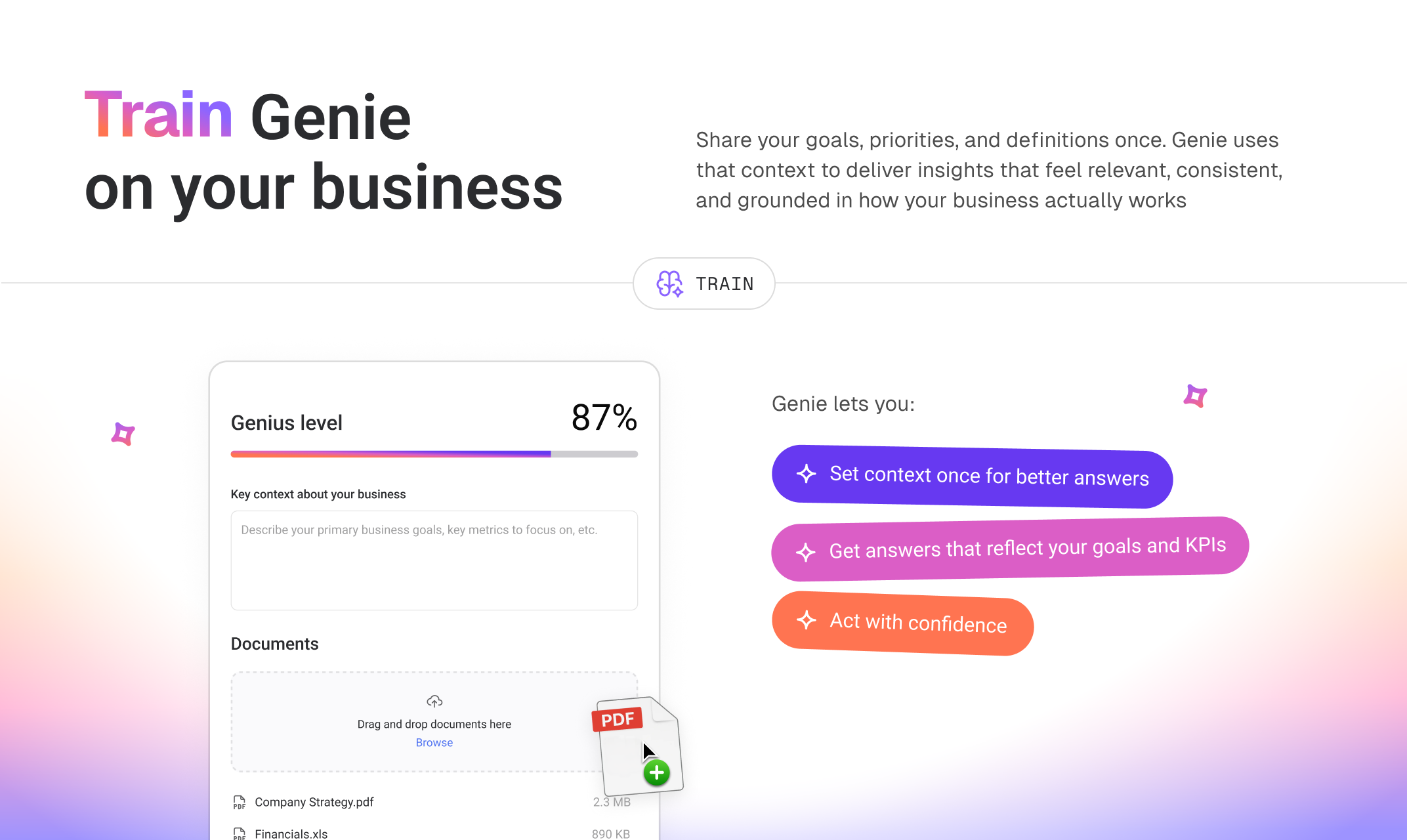
@nuseir_yassin1 This is something we're actively working on right now. It's part of our upcoming Train Genie feature, which will let you configure tone, style, formatting preferences, and more, so analyses can match exactly what your CMO (or any stakeholder) expects. Coming soon!"

3
回复

Congrats to the whole team on this launch. It has been a long road and seeing it out in the world is genuinely satisfying.
If you are a PM tired of waiting on the data team for every small metric, this one is for you.

3
回复

@uros_soukup , this one hits different coming from someone who's been on the journey with us - thank you! 🙏


And that last line is exactly the use case we kept coming back to during building. The PM who needs to know if a metric moved, why it moved, and what to do about it - but doesn't have a data team on speed dial. That back-and-forth is such a productivity killer, and it compounds across every team in the company.


Genie is very much for that person. Ask the question, get the answer, move on.


Really glad to see it out in the world too. Long road indeed - worth it! 🚀

1
回复

This is huge for my weekly and monthly marketing reporting. Dashboards are great, but Genie is faster and easier to get performance answers on the spot. I've already been using it for several weeks while in beta, and I now have a standard prompt I use to get weekly insights on our marketing leads, pipeline, and sources in less than 2 mins. Saves a tone of time AND helps me answer ad hoc leadership questions re: marketing performance much faster. Huge win!

2
回复

Feels solid but a bit generic AI-powered analytics + answers fast could describe 50 tools on PH. I’d make it sharper with a specific use case or user to stand out instantly.

2
回复

@daniel__joseph , fair point - and honestly useful feedback on the positioning.


You're right that "AI-powered analytics + fast answers" is a crowded description. The sharper version is probably this: Genie is an AI analyst built on top of 10+ years of structured, validated business data from 130+ integrations - so the answers are grounded in your actual metrics, not approximated from raw data you paste into a chat window.


The specific user: a marketing lead, ops manager, or CEO who lives in Databox already and needs answers without filing a request to their data team. Not a data engineer. Not someone who wants to write queries or build pipelines.


The specific moment: you're in a meeting, someone asks why revenue dipped last month, and instead of saying "I'll get back to you" - you just ask Genie and have the answer in 30 seconds.


Appreciate this kind of feedback; it makes the product and the story better. 🙏

0
回复

@daniel__joseph Valid point. Waaay too many LLM wrappers launching each day. However, Genie is built on strong pillars, architected over the years:

  • Strong integrations and data pipelines foundation

  • Analytics Query Engine, which is responsible for the correctness and completeness of the data

  • Semantic layer alongside the typical BI & Analytics features

All that we learned and gradually built, while serving hundreds of thousands of customers over 10+ years.

0
回复

Top! As someone on the sales floor every day, having instant access to performance data without needing a BI tool or writing SQL is huge. I asked Genie which deals are most at risk this month and got a prioritized list right away. No report to build, no analyst to ping. Highly recommend for sales teams.

2
回复

@ales_kotnik1 , the "which deals are most at risk this month" example is perfect - keep sharing those! 🙌

That's exactly the kind of question that used to require a BI request, a wait, and a spreadsheet nobody fully trusted. Now it's just... an answer. Instantly. And the sales rep can act on it the same day.


The fact that you're using it on the sales floor every day and finding that kind of value is the best real-world proof point we could ask for on launch day. Thank you for sharing it here! 🙏🚀

1
回复

Looks pretty slick! Does it handle role-based access control across teams and dashboards? Congrats!!!

2
回复

@syed_shayanur_rahman , great question - and yes, Databox has solid access control built in!


Here's how it works:

  • User roles - select between Admin, Editor, User or Viewer role

  • User permissions - you can add and manage permissions for your team, so you can define which data sources and dashboards they have access to

So whether you're a team that needs to keep marketing away from finance data, or an agency managing multiple clients, the access model has you covered.

Thanks for checking it out! 🙏

0
回复

Congrats on the launch!! Is there a page I can see the integrations possible? Thanks.

2
回复

@roopreddy , thank you! Yes - full list is at databox.com/integrations. We support 130+ integrations covering analytics, ads, CRM, ecommerce, email marketing, databases, warehouses, and more.

Hope you find what you need! 🙏

0
回复

Hi @davorin, congrats on the launch. You have 20,000+ customers and a wall of awards from G2, Capterra, Gartner. That's serious social proof. But it's all the way at the bottom. A founder landing on your page has to scroll past features, integrations, and use cases before they see why they should trust you.


That proof could do a lot more work for you if it hit people sooner.


Also noticed the "Unlimited users on every plan" line is buried in the "Before Databox / After Databox" section. That's a massive differentiator. Most BI tools charge per seat. That alone could be a hero line.

Just a thought. Excited to see where Genie goes. Good luck with the launch.

2
回复

@taimur_haider1 thank you, really appreciate this thoughtful feedback.

You are absolutely right that trust signals like customer count, awards, and proof points should work harder and show up earlier. The same goes for unlimited users. That is a meaningful differentiator and probably deserves much more prominence than it has today. I’ll make sure to pass this feedback along to our marketing team.

This is exactly the kind of outside perspective that is incredibly valuable, so thank you for taking the time to share it. And thanks again for the kind words about Genie.

0
回复

Congrats Databox team and Davorin. Looks great, super intuitive and can see exactly how I would use it to get immediate value. What integrations will you be supporting?

2
回复

@kirolus_ghattas , thank you - really glad it clicked for you!


On integrations - Genie works with everything already connected in Databox, which is a lot. We support 130+ integrations, covering pretty much every major category:

  • Analytics - Google Analytics 4, Adobe Analytics, Mixpanel, Amplitude, Matomo

  • Paid ads - Google Ads, Facebook Ads, LinkedIn Ads, TikTok Ads, Microsoft Advertising, Snapchat Ads

  • CRM & sales - HubSpot CRM, Salesforce, Pipedrive, Zoho CRM, Copper

  • SEO - Google Search Console, SEMrush, Ahrefs, Moz

  • Ecommerce - Shopify, WooCommerce, BigCommerce, Stripe, PayPal

  • Email marketing - Mailchimp, Klaviyo, ActiveCampaign, MailerLite

  • Finance & accounting - QuickBooks, Xero, FreshBooks

  • Databases & warehouses - MySQL, PostgreSQL, BigQuery, Snowflake, Redshift, and more

  • Spreadsheets - Google Sheets, Excel

And if you have something custom, you can push data via our REST API too.
Full list at databox.com/integrations.

Is there a specific tool you're looking to connect and then use Genie to analyze?

0
回复
Can’t wait to check it out Peter!
1
回复

Such a cool product!

1
回复

@tommyismyname , thank you! I'd be happy to give you a product tour if you like

0
回复

I always like being able to track back where the data source is being referenced from when AI completes their analysis. How easy is it to do that using Genie? Does it automatically always include an audit trail so that I can see where it pulled data or when it combined/manipulated data to get to a conclusion?

1
回复

@lienchueh Transparency and traceability are core to how Genie works. Genie always shows you which metrics it used and from which data source they came. When it's running an analysis on a dataset, it tells you exactly which columns it used and how it arrived at its answer. One improvement we're currently preparing is the ability to inspect each SQL query Genie writes, giving you a full audit trail from raw data to final conclusion.

2
回复

Congrats on the launch! Having an AI analyst that can just tell you why a metric has dropped without having to dig through a bunch of dashboards is such a huge time saver for any startup team. Can Genie pull from multiple data sources or is it limited to what's already in Databox?

1
回复

@simonk123 , thank you - and great question!

Genie works with everything already connected in Databox - so the scope is actually really broad. That includes 130+ native integrations (Google Analytics, HubSpot, Salesforce, Stripe, Facebook Ads, and many more), databases and cloud warehouses like BigQuery, Snowflake, and PostgreSQL, spreadsheets via Google Sheets or Excel, and any custom data pushed in via our API.

So in practice, Genie can pull from multiple sources at once - as long as they're connected in Databox. You could ask "why did revenue drop last month?" and Genie can look across your Stripe data, your HubSpot pipeline, and your ad spend from Facebook Ads simultaneously to give you a complete answer.


The more sources you connect, the more context Genie has - and the better the answers get.


Hope that helps - and glad the "why did this metric drop" use case resonated, that's one of our favorites too! 🙏

0
回复

The Genie AI Analyst is a smart move – asking questions in plain language instead of building custom dashboards lowers the barrier massively, especially for non-technical team members who usually depend on analysts for every ad-hoc question.

Curious about one thing: with 130+ integrations, how do you handle data consistency when different sources define the same metric differently (e.g. "revenue" in Stripe vs. QuickBooks vs. HubSpot)? Is that something Genie can flag, or is it on the user to standardize via Datasets first?

1
回复

@aaron0403 , this is one of the sharpest questions we've gotten today - thank you for asking it!


You're right that this is a real challenge. "Revenue" in Stripe, QuickBooks, and HubSpot can mean three different things depending on how each tool defines it, and blindly mixing them leads to exactly the kind of confusion that makes people distrust their data.


Here's how we handle it:

Genie works on top of the metrics and data that already live in Databox - so the standardization happens at the data layer, before Genie ever sees it. You define what "revenue" means for your business once - whether that's through a custom metric, a Dataset, or by choosing which source is the source of truth - and Genie queries that standardized definition consistently from then on.


So to directly answer your question: it's a combination of both. Datasets and custom metrics are where you do the standardization work upfront, and Genie then operates on top of that clean, trusted foundation. It won't mix Stripe MRR with HubSpot deal value and call it "revenue" unless you've explicitly told it to.


It's one of the things that makes Genie different from just pointing a general LLM at raw data - the data is validated and structured before it ever reaches the AI layer.


Great question - hope that clears it up! 🙏

2
回复

this will be a homerun application. Could use this on a small scale business to i supose?

1
回复

@sonny_van_wiele , absolutely - small businesses are actually one of the best fits for Genie!

You typically don't have a dedicated data analyst, so every time you need an answer about your performance, it either takes forever or just doesn't happen. Genie fills that gap - you just ask the question and get the answer, no technical skills needed.

0
回复

Grats on launching. How does the tool prevent hallucinations when generating insights from live data? And for live data does the dashboards update in real time?

1
回复

@himani_sah1 

Re: preventing hallucinations, it's because of how our system converts raw data into KPIs.

For years, we've been building robust integrations with popular tools and systems that let users define their metrics from raw data.

By having that step in between the data and an LLM, you can be confident that the math is being done correctly.

Try it out in a trial. You'll see how it methodically steps through three things before doing any analysis: identifying the data source, identifying the dataset, identifying the metric.

https://databox.com/signup

And re: data in real-time: we pull data every hour. However, if you need 15 minute syncs, they are available. In reality, we're often pulling data right when you're looking at the dashboard as we monitor usage and adjust sync schedules based on it.

0
回复

@himani_sah1 Exactly as @pc4media already pointed out. Genie, the AI Analyst, is built on top of strong pillars architected throughout the years:

  • Strong integrations and data pipelines foundation

  • Analytics Query Engine, which is responsible for the correctness and completeness of the data

  • Semantic layer alongside the typical BI & Analytics features

The data is automatically refreshed on a regular frequency as well.

0
回复
#4
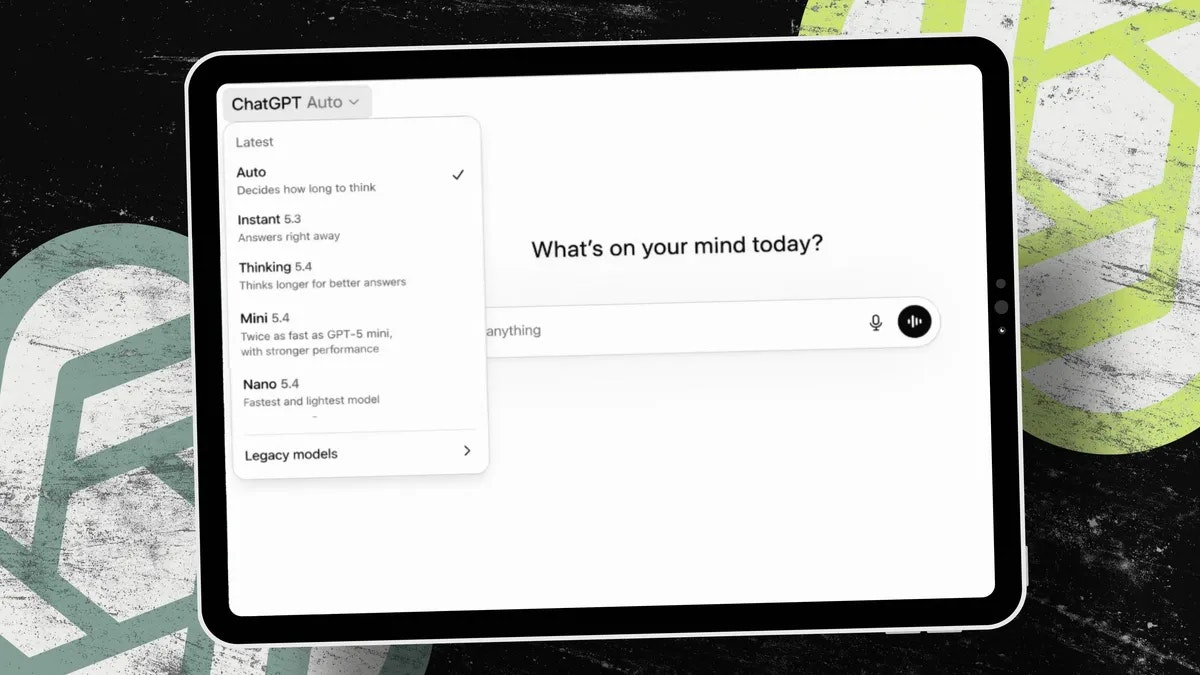
GPT‑5.4 mini and nano
Fast and efficient models optimized for coding and subagents
251
一句话介绍:GPT-5.4 mini与nano是OpenAI推出的高效推理模型,通过提供速度更快、成本更低的轻量化模型选项,解决了AI生产部署中的延迟与成本高昂的核心痛点,适用于编程、多智能体工作流及自动化任务等场景。
API Developer Tools Artificial Intelligence
人工智能模型 轻量化推理 成本优化 编程辅助 智能体工作流 多模态AI 生产部署 API服务 效率工具
用户评论摘要:用户普遍肯定“小而精”的方向,认为更实用。有评论指出其在编程场景中已替代旧模型,解释性更好。核心反馈是新产品有效解决了生产环境中的延迟与成本问题,通过主模型规划、轻量子模型执行的架构,实现了高性能与高效率的平衡。
AI 锐评

GPT-5.4 mini与nano的发布,远非一次简单的模型迭代,而是OpenAI对其产品战略与市场现实的一次精准回应。它标志着AI竞赛的重心正从一味追求“更大参数”的军备竞赛,悄然转向“更优性价比”的实用主义阶段。

产品的真正价值不在于其宣称的“前沿模型”光环,而在于其清晰的层级化设计:用旗舰模型(GPT-5.4)担当“大脑”进行复杂规划与推理,而让mini和nano这类轻量化模型作为高效的“四肢”去执行具体任务。这种架构直指当前企业级AI应用的核心矛盾——大模型卓越的能力与令人咋舌的推理成本、响应延迟之间的巨大鸿沟。它提供的不是万能解药,而是一套经济高效的“组合拳”,让开发者能够根据任务复杂度动态调配资源,这在追求规模化落地的今天,比一个单纯的“更强”模型更具吸引力。

评论中开发者提及在Cursor等工具中转向5.4系列,并肯定其推理解释性,这暗示了一个潜在趋势:当模型性能达到一定阈值后,开发者忠诚度可能更取决于API的稳定性、成本以及是否易于集成到现有工作流中。OpenAI此举,正是以“家族化”产品矩阵绑定开发者生态,构筑更深护城河。然而,这也带来隐忧:模型版本的快速更迭可能加剧碎片化,且“轻量化”是否以在未公开的特定能力上妥协为代价,仍需观察。总体而言,这是一次从技术炫技到商业服务的务实转身,但能否持续引领,取决于其能否在效率、能力与开放之间找到最佳平衡点。

查看原始信息
GPT‑5.4 mini and nano
GPT-5.4 brings powerful reasoning, coding, and agentic workflows into one frontier model, now live in ChatGPT, API, and Codex. With GPT-5.4 mini (2x faster) and nano (lowest cost), build responsive AI systems for coding, subagents, and multimodal tasks. Featuring computer use, web search, and massive context, it’s designed for real-world, high-scale execution.

GPT-5.4 mini & nano are @OpenAI’s newest fast, efficient models built for real-world AI workloads.

They solve a big problem: latency and cost in production AI. Instead of relying only on large models, you now get smaller models that are faster, cheaper, and still highly capable.

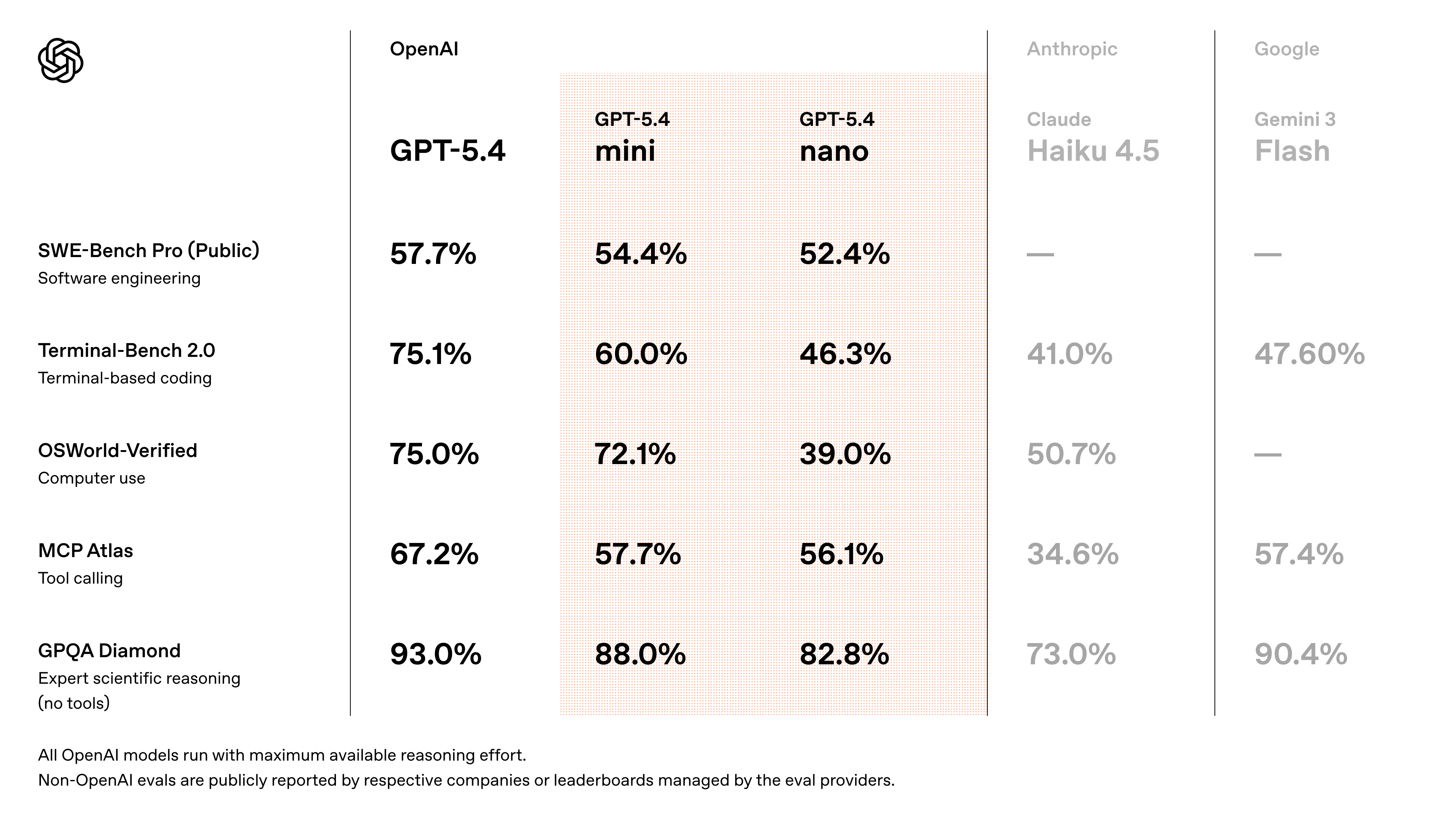
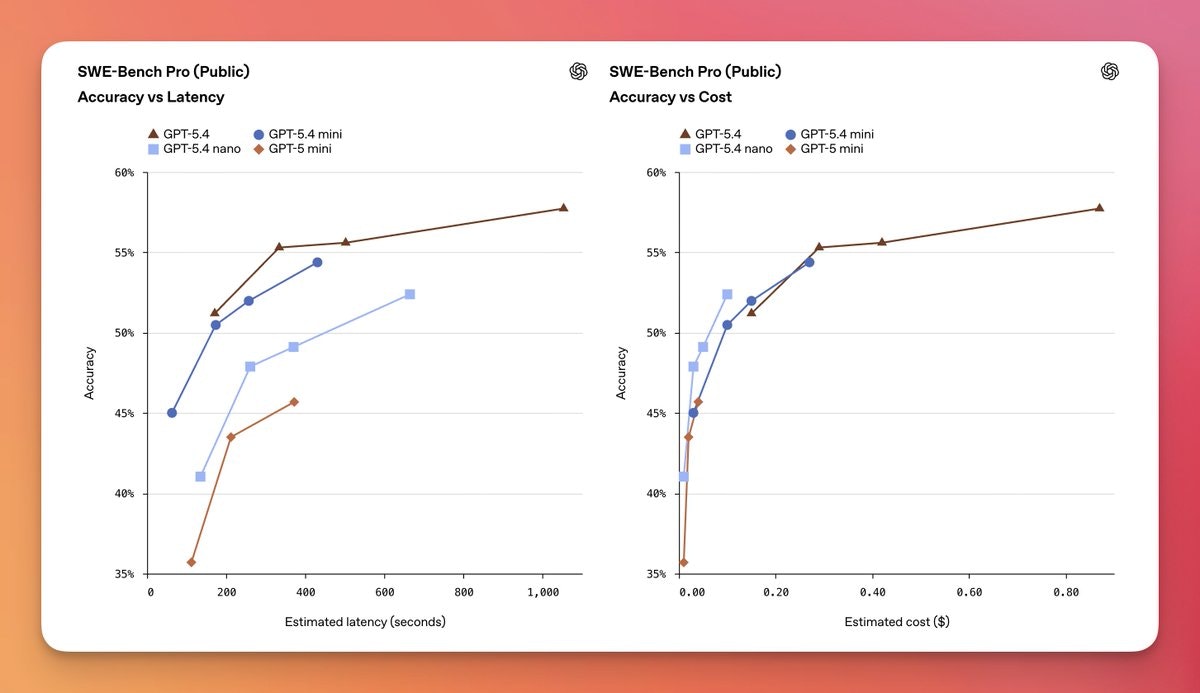
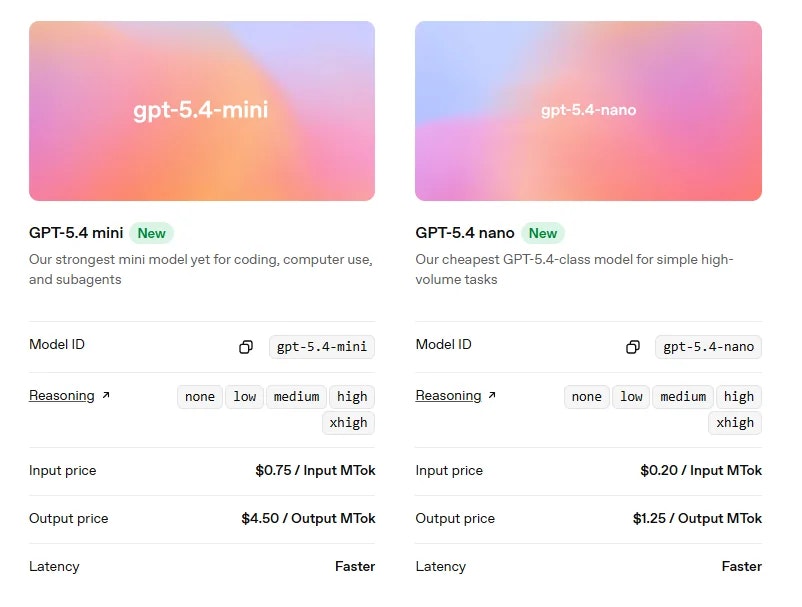
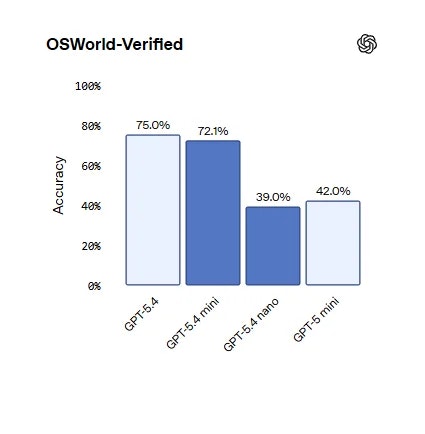
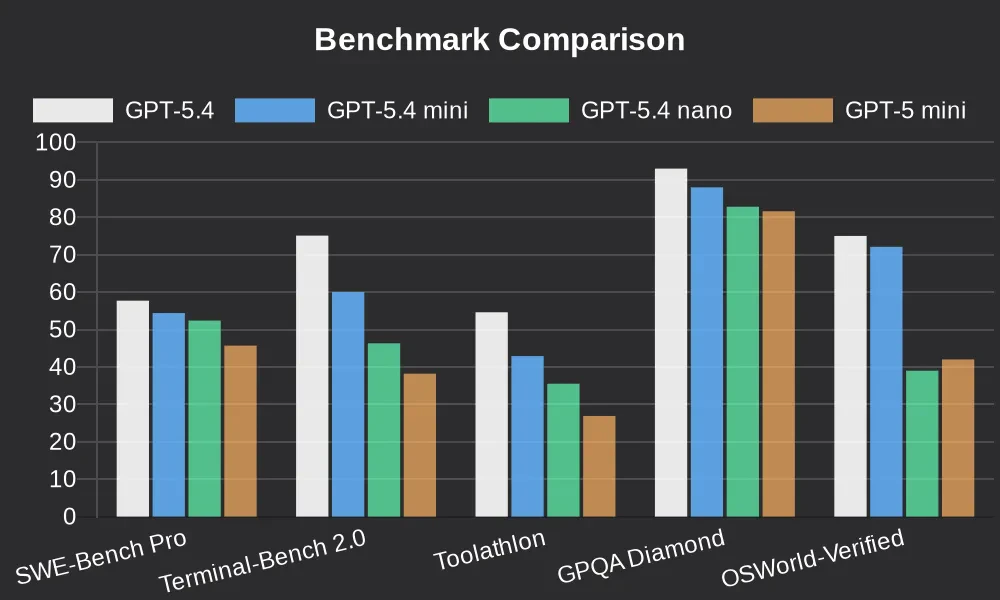
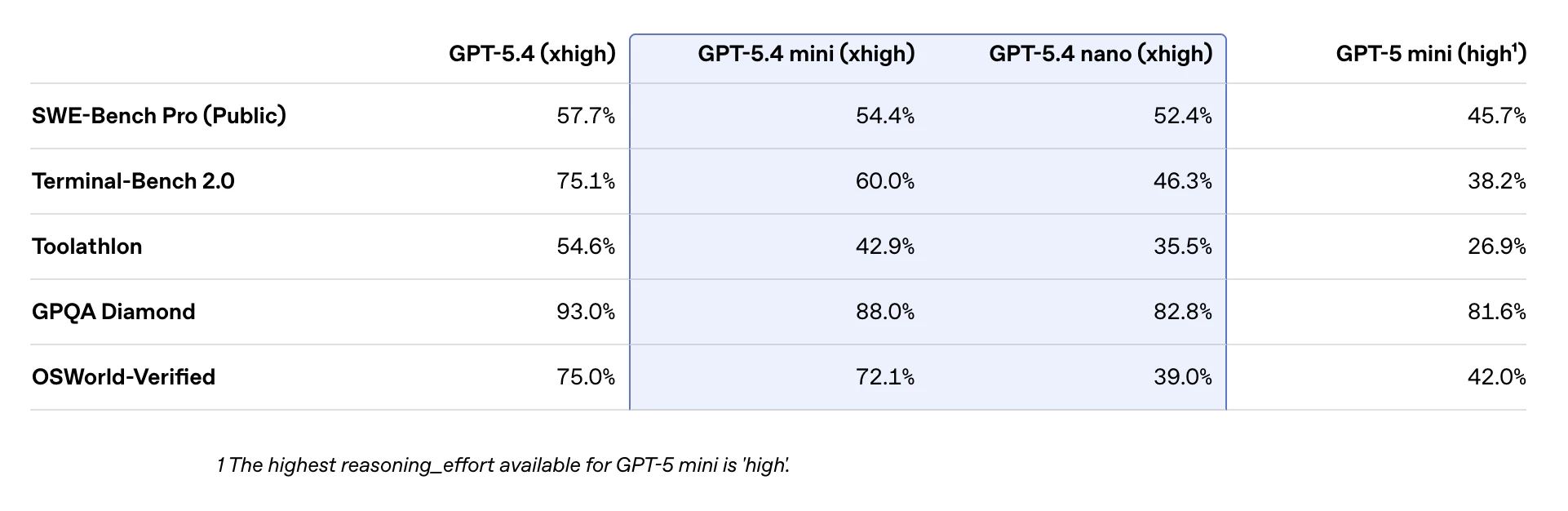
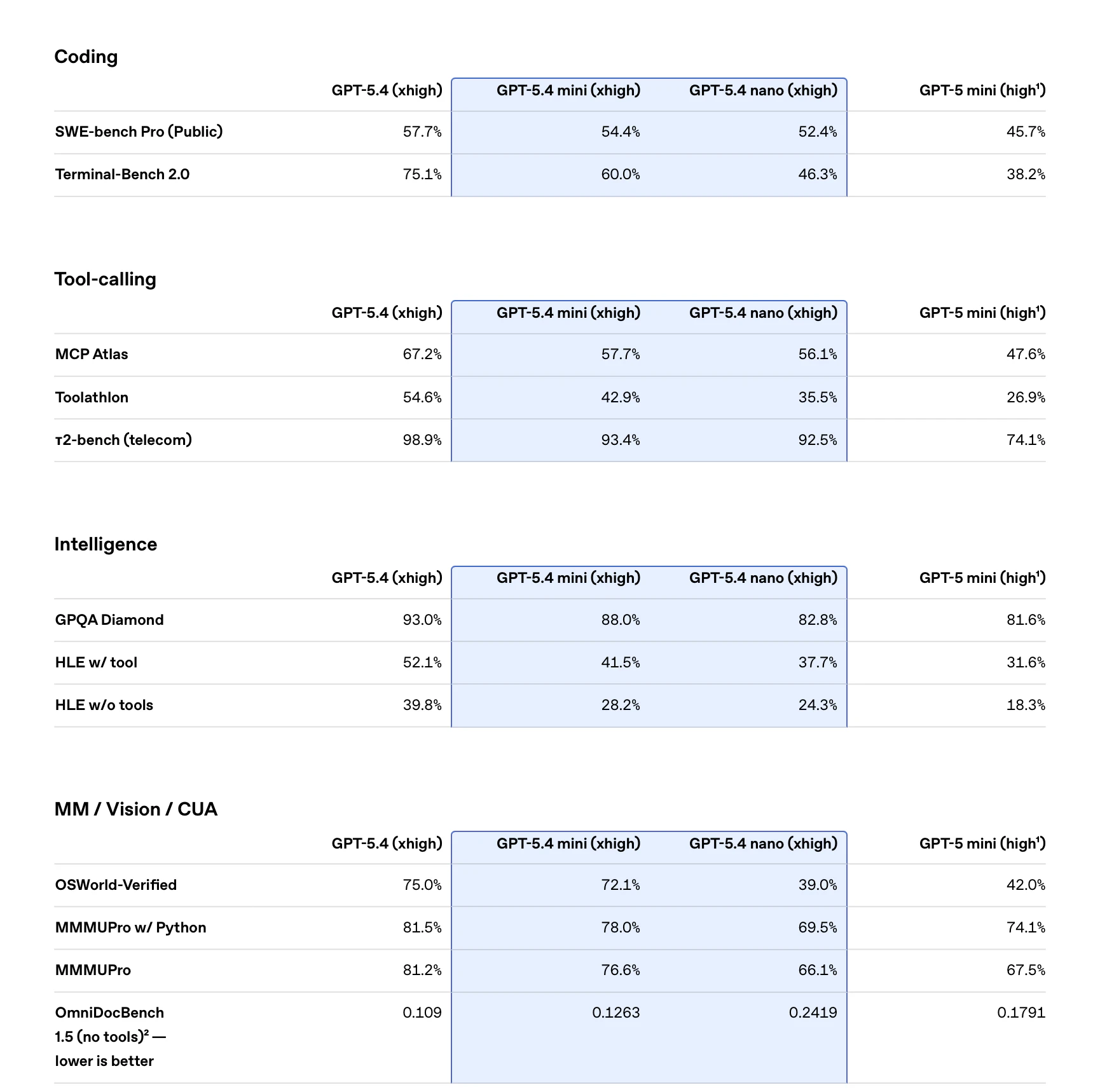
  • GPT-5.4 mini is 2x faster than GPT-5 mini and excels at coding, subagents, multimodal tasks, and computer use. It even approaches GPT-5.4 performance on benchmarks like SWE-Bench and OSWorld.

  • GPT-5.4 nano is the most lightweight and cost-efficient option, perfect for classification, data extraction, ranking, and simple coding tasks.

What makes this powerful is the system design: use GPT-5.4 for planning, and mini/nano as fast subagents to execute tasks at scale.

With features like tool use, web search, computer interaction, and massive context, this unlocks truly responsive AI systems.

If you're building AI products, coding tools, or automation workflows, this is a big upgrade. You can use GPT-5.4 mini and nano for most of your @OpenClaw use cases.

I hunt the latest and greatest launches in tech, SaaS and AI, follow to be notified @rohanrecommends

6
回复

I like this direction a lot. Smaller models that still perform well feels more practical than always relying on huge ones.

1
回复

Lately I've found myself switching to the 5.4 models in Cursor more often than the built-in 4.6 models. Code results are about the same, but GPT models seem to do a better job of explaining the reasoning.

0
回复
#5
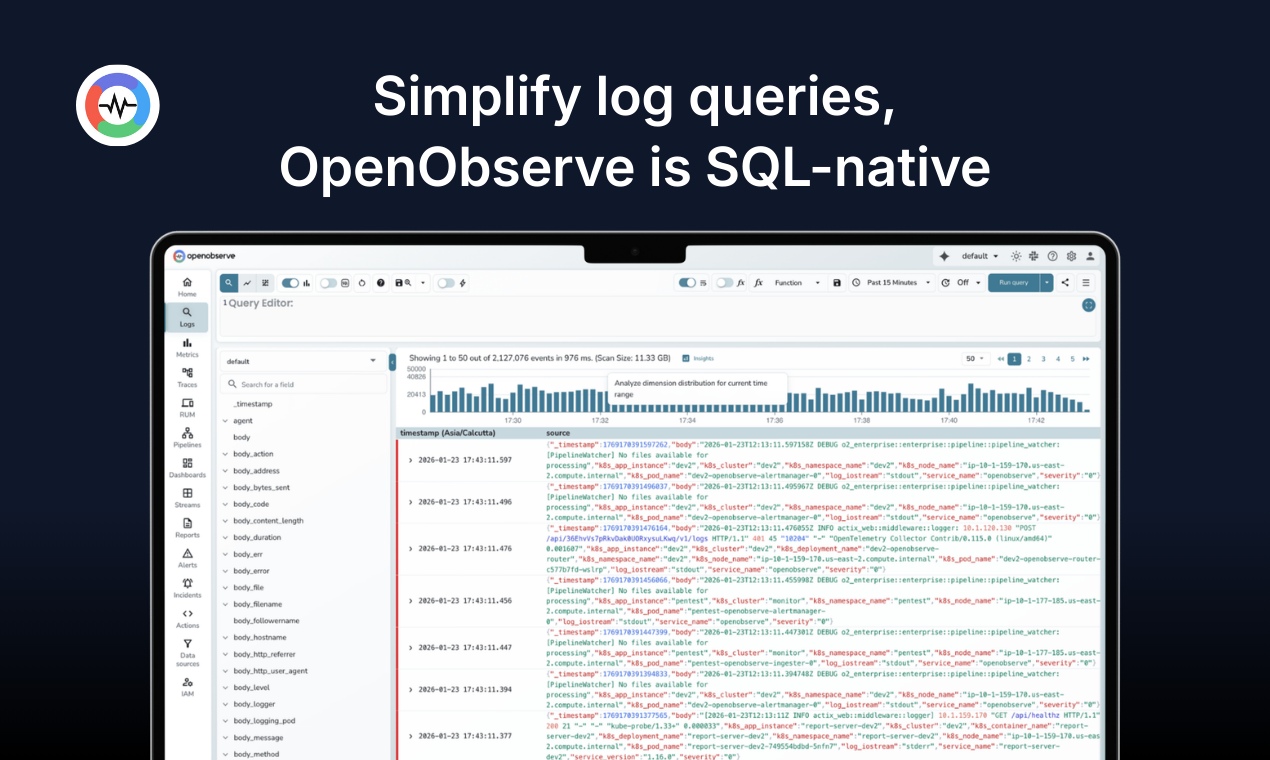
OpenObserve
AI-native, open-source Datadog alternative
243
一句话介绍:一款AI原生的开源可观测性平台,通过统一处理日志、指标和追踪数据,并利用对象存储大幅降低存储成本,解决了工程团队在监控系统复杂、资源消耗高和数据碎片化方面的核心痛点。
Open Source Developer Tools Artificial Intelligence GitHub
可观测性平台 开源软件 云原生 AI运维 日志监控 性能监控 分布式追踪 成本优化 DataDog替代品 Rust开发
用户评论摘要:用户普遍认可其易用性、低成本和作为DataDog替代品的潜力,并对AI功能表示期待。主要问题集中在AI关联分析的准确性、生产环境基准案例以及具体功能路线图(如异常检测)上。团队回复积极,展现了良好的社区互动。
AI 锐评

OpenObserve的亮相,精准地刺向了现代可观测性领域的两个核心顽疾:不断膨胀的复杂性与近乎失控的成本。其价值主张并非简单的功能堆砌,而是通过“Rust高性能引擎+无状态架构+对象存储”的技术三角,从根本上重构了数据存储与查询的经济模型。宣称相比ElasticSearch降低140倍存储成本,这不仅是性能参数,更是对现有商业逻辑的颠覆,直接挑战了以数据量计费的传统巨头。

然而,其真正的赌注押在了“AI原生”上。这步棋风险与机遇并存。从评论看,用户的兴奋与疑虑并存:AI能真正理解系统因果,还是仅呈现看似合理的相关性?平台将AI定位为“副驾驶”而非“黑箱”是明智的,但如何在高噪声的生产数据中实现可靠的事件关联与根因分析,仍是待验证的工程难题。一位用户关于“足球预测模型静默退化”的案例极具代表性,它点破了可观测性的高阶战场——从“服务是否存活”升级到“业务是否正确”。OpenObserve的AI SRE Agent若真能在此类场景中证明其价值,将从工具升维为业务保障层。

当前阶段,它更像一个“优等生”:开源、兼容主流标准、社区反馈迅速。但要真正撼动市场格局,仍需跨越从“好用”到“敢用”的鸿沟。这需要更多生产级基准测试和复杂场景下的成功案例来证明其可靠性与AI功能的实效性。如果成功,它开启的将不仅是一个更便宜的选择,而是一个更智能、更统一的可观测性新范式。

查看原始信息
OpenObserve
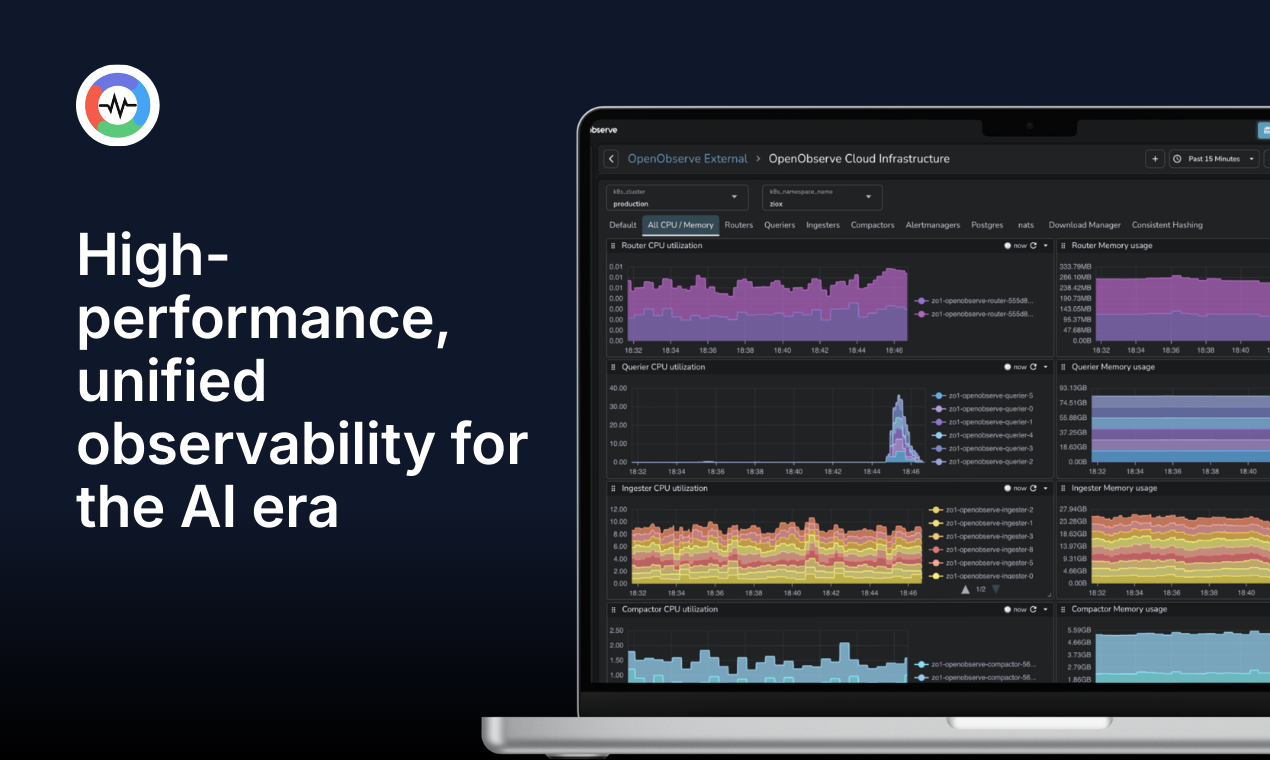
Fast, scalable and cost-effective open-source observability platform. Monitor logs, metrics & traces with 140x lower storage costs than ElasticSearch. Start in 2 minutes.

Hey everyone!

I’m Prabhat Sharma, and we’re incredibly excited to share OpenObserve with the Product Hunt community today.

Observability has become a massive operational burden for engineering teams. Between managing complex, resource-heavy stacks and the technical debt of fragmented data, the status quo is broken. We built OpenObserve because we believe you shouldn't have to choose between deep visibility and system simplicity.

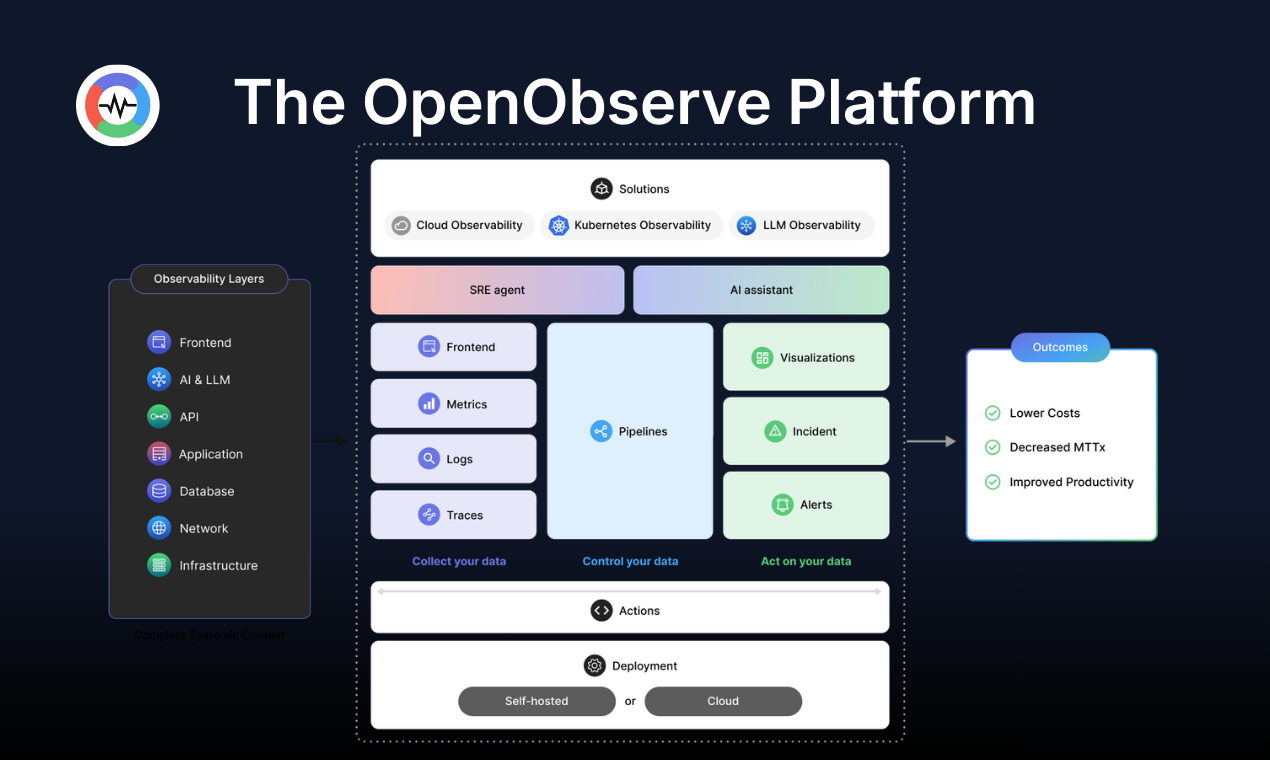
OpenObserve is a cloud-native observability platform built in Rust that handles logs, metrics, and traces in a single, high-performance engine. By using a stateless architecture and leveraging your preferred object storage, we’ve made it possible to manage petabytes of data with a significantly smaller infrastructure footprint than traditional tools.

Why OpenObserve?

  • Built for Performance – Written in Rust with a stateless architecture. It’s incredibly fast and remarkably light on system resources.

  • Storage Efficiency – Store your data on S3/MinIO/GCS instead of relying on complex block storage. Capture all your data without the need for aggressive "sampling."

  • Unified Experience – Query logs, metrics, and traces using familiar SQL. No more context-switching between three different tools to find one root cause.

  • Drop-in Compatibility – Use your existing collectors. We are API-compatible with Prometheus, FluentBit, OpenTelemetry, and Vector.

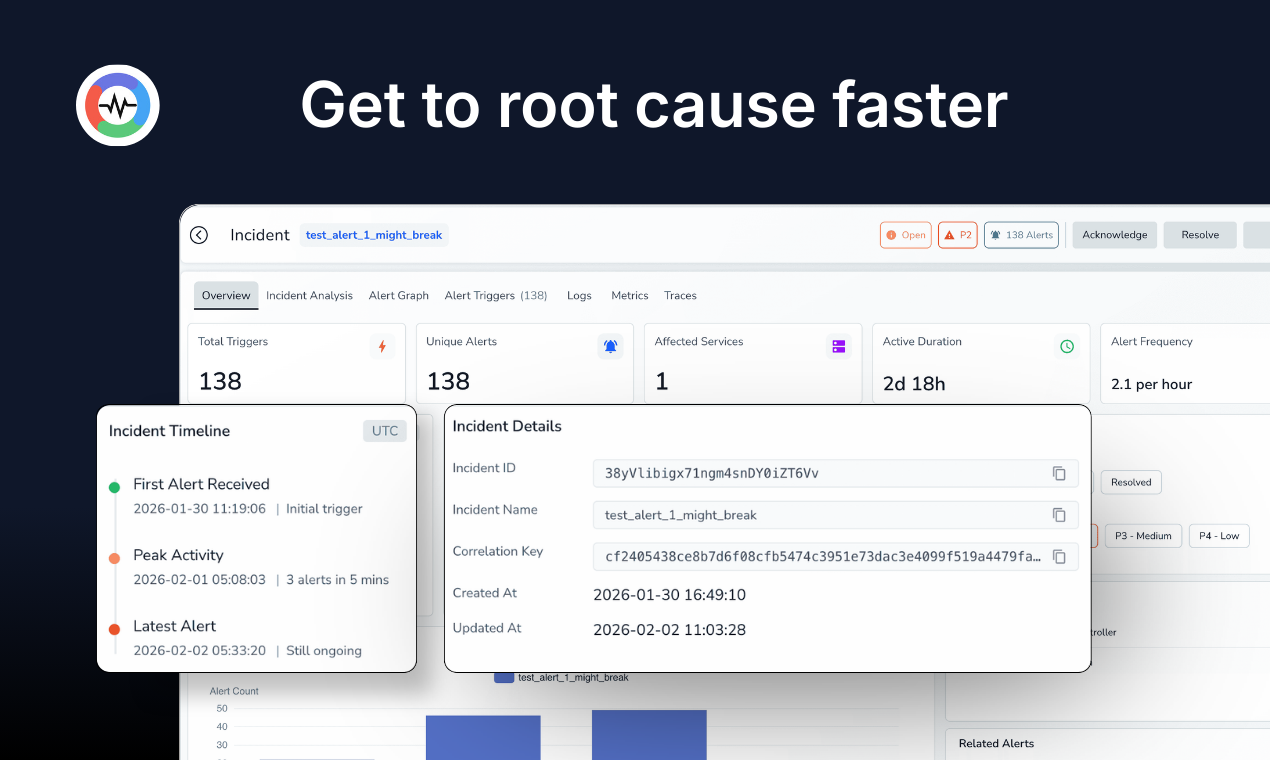
  • AI-Powered Insights – Use our native AI Assistant to query your data using natural language or let the SRE Agent correlate incidents automatically.

Whether you’re a startup looking for visibility from day one or an enterprise seeking a streamlined "log-and-analyze" workflow, OpenObserve is built for you.

We’re in active development and would love to hear your feedback, feature requests, and critiques!

Get started:

Check us out on GitHub:https://github.com/openobserve/openobserve

38
回复

@prabhat_sharma5 Hey ! When the SRE Agent correlates incidents automatically across logs, metrics, and traces, how do you prevent it from drawing confident-sounding causal connections that are actually just correlation in noisy production data?

0
回复

Hey everyone. We built OpenObserve to fix the headaches of complex observability, but the community is what actually shaped it. The GitHub stars, the feedback, the bug reports, the honest conversations.. we owe our continued success to you.

I'll be hanging out here - happy to answer any questions!

24
回复

I've been using OpenObserve for the last two years, and must say quite impressed with the features and functionality they were able to add over this time. In the beginning I longed for permissions, patterns, and parity. Lo and behold, they've implemented all that and more. Things have definitely gotten quite nice, and continue to improve daily.

OpenObserve comes through in the clutch, its alerts, notifications, and dashboards are powerful and very flexible. Ingestion is also very easy, you can either pass yourself via endpoints/kinsesis/curl, etc, or leverage standard system agents.

They are also very quick to take feedback and provide support as needed. I look forward to the new features and updates they're adding. Hopefully they remain focused on what is most needed in the platform to ensure continue growth, stability, and use.

At this point I would definitely consider it an almost drop-in replacement for most of the core DataDog logging and observability features, and in some cases they exceed them, such as the current alerts and dashboards.

There are some things I wish they supported sooner, and some things I push for them to support, but all in all a very positive experience and happy I was able to start fresh in several projects with O2 and leave DataDog (its obscene billing) and the others firmly behind.

17
回复

Thanks a lot @asherraph . You have been an early supporter and have helped us improve many features. Your support means a lot to us.

4
回复

@asherraph - Your feedback has been so important to us. Just wondering, is there any feature or release over the past year where you've seen your direct feedback applied?

3
回复

@asherraph thank you for your support!

1
回复

Hi everyone! 🙋 It's been a wild journey moving from our first lines of Rust code to this launch. OpenObserve was really shaped by our early open-source contributors who pushed us to make it API-compatible with things like Prometheus and OpenTelemetry.

We’re just getting started with our AI-native features, and I’d love to hear from this community: how can we make your on-call rotations or debugging sessions less painful? Drop your questions below!

17
回复

Expanding on our AI-Powered Insights: We’re big believers that AI should be a co-pilot, not a black box. While our automated SRE agent handles the heavy lifting of the analysis, we make sure to present every correlated signal. It’s all about keeping the human in the loop—giving SREs the full context they need to make fast, informed decisions with total confidence.

14
回复

Congratulations

7
回复

Thank you so much@madalina_barbu 

3
回复

@madalina_barbu Thanks a lot!

3
回复

@madalina_barbu Thanks a lot!

1
回复

Tried a few options before this. OpenObserve was the easiest to get running and the least annoying to maintain. Logs, metrics, and traces all in one place and storage costs are surprisingly low.

5
回复

@suresh_paulchamy Thanks for that Suresh, we love to hear that! What were some of the major challenges you faced before using OpenObserve?

1
回复

@suresh_paulchamy Thank you for the feedback!

1
回复

@suresh_paulchamy We are happy that you found OpenObserve easy to setup, and delivers promise of Unified observability with reduced storage costs.

1
回复

For teams adopting OpenObserve today, what are some practical entry points into AIOps, are you focusing more on anomaly detection, intelligent alerting, or incident summarization first?”

Curious to know.

5
回复

@abhishek_veeramalla1  we’re already seeing teams adopt AIOps in OpenObserve in a few very practical ways.

Today, a lot of the value comes from our AI Assistant and AI SRE agent, which help with things like query generation, debugging, and incident summarization, so teams can go from signal to understanding much faster.

On the alerting side, teams are using our flexible pipelines to build more intelligent, context-rich alerts, reducing noise significantly.

We’re also actively working on anomaly detection to make it easier to surface issues automatically as data scales.

2
回复

@abhishek_veeramalla1 Thanks for comment Abhishek,

To give you a quick idea of our AIOps approach: we built our AI SRE Agent to tackle the exact thing engineers hate most—alert fatigue and root cause analysis.

If a database fails, you don't need 50 separate pages. The agent (which runs alongside O2 and is bundled right into our Helm charts) correlates all that noise into one incident and tells you why it broke. Add in the MCP server we built for LLM integration and anomaly detection, and you have a complete AIOps stack ready to go from day one.

1
回复

@abhishek_veeramalla1 AIOps is the focus area for us , anomaly detection & intelligent alerting is WIP, will be available soon.

1
回复

Didn't know the project, but going to test soon! Very cool. One question would be if there is already implementation of (or plans to add) any LLM to automatically analyze errors and report them back?

4
回复

@andrew_correa how are you? Great question. The answer is yes there is. Here are some more details:
https://openobserve.ai/docs/integration/llm-applications/#configuration

2
回复

@andrew_correa Great question! These capabilities are some of the most exciting on our roadmap. Have you started to integrate LLMs with your observability strategy today?

2
回复

@andrew_correa we already support llm observability , llm evaluations will be in preview soon.

2
回复

140x lower storage cost is a bold claim 👀 If this holds up in real world usage it’s a massive win for teams dealing with observability at scale.

4
回复

@gordon_bennett - Bold claim indeed, check out this page on our docs for an apples-to-apples: https://openobserve.ai/docs/overview/comparison/

1
回复

This looks like a solid alternative to the big players! I’ve been looking for an observability tool that doesn't feel like a second job to manage. The 2-minute setup claim is bold—I’m going to spin up a cloud instance today and see how it handles my logs. Excited to see where the AI SRE agent goes!

3
回复

@new_user___07720267fad0ea729d0e1af thank you for your feedback, not only setup is easy , our upgrades are seamless.

2
回复

@new_user___07720267fad0ea729d0e1af You can try to turn OpenObserve on a cloud instance. However to start, just try following this doc on your laptop, and in under 30 seconds, you will have OpenObserve up and running with complete GUI, logs, metrics, traces, dashboards, and more - https://openobserve.ai/docs/getting-started/

You can use self-hosted or cloud - Either way, you will be up and running in 30 seconds.

0
回复

The value prop is strong but observability tools live or die by reliability and ecosystem support observability tools live . Would love to see more benchmarks and production case studies.

3
回复

@gregory_pierce Thank you for you suggestion, in the past we meanly focus on production improve, try to let it stable. we already have some great customers, we will tell the user story soon.

1
回复

@gregory_pierce - Great callout, we're working on these now. We're also always looking for community members to help share their own experience.

1
回复

@gregory_pierce thats a great callout, OpenObserve has been battle tested with PBs of data ingestion per day in production env, we can connect to discuss these case studies.

1
回复

Solid product! Great team and super responsive customer support - we’re a happy customer

2
回复

@debo_ray Thank you so much, we are happy with you too.

1
回复

@debo_ray - Thanks for the feedback Debo! Our customers help us get better everyday, we're grateful for you.

1
回复

@debo_ray Thanks a lot for your feedback Debo !

1
回复

For someone new to observability, what’s the best way to get started with OpenObserve? Is there a recommended order of operations when it comes to getting set up?

2
回复

@lienchueh Great question, Lien! The easiest way to start is to spin up a free cloud instance at cloud.openobserve.ai — no setup required. From there, we recommend connecting your first log source using OpenTelemetry or FluentBit, then exploring the dashboard. Our docs at openobserve.ai/docs are beginner-friendly and walk you through it step by step. Happy to help if you get stuck!

🌍 Try it now — pick your region:
🇺🇸 AWS US East 2 → https://cloud.openosberve.ai
🇺🇸 Azure US West 2 → https://us2.openobserve.ai
🇪🇺 AWS EU Central 1 → https://eu1.openobserve.ai

4
回复

@lienchueh OpenObserve is actually one of the friendlier tools to start with. No proprietary query language, no complex cluster setup, and the cloud version gets you running in minutes.

If I had to give a beginner a suggested order: start with logs. Logs are readable, require almost no instrumentation, and just getting them flowing into the platform teaches you how everything works. Once that clicks, add metrics. Then build a simple dashboard before you even think about alerts , you need to see what "normal" looks like before you can alert on "abnormal." Alerts come last, and when you do set them up, tie them to user-facing signals rather than raw infra stuff like CPU.

The official getting started docs are pretty solid for the first steps, and the dashboards guide is a good follow-up once data is flowing in.

3
回复

@lienchueh Great question Lien, the opensource project only takes a few minutes to set up. However, if you're going for ease of use, I'd sign up for a 14 free day trial and check out the cloud platform. You'll also have access to additional capabilities in the cloud.

Hope this helps and appreciate the question!

3
回复

The hardest observability problem in production prediction systems isn't spotting crashes — it's detecting silent degradation. We run football prediction models where a database ingestion delay of 20 minutes means the model silently operates on stale lineups. No error thrown, no alert fired, just subtly wrong predictions for a match already in play.

The 'start in 2 minutes' framing is what actually matters here. Datadog's onboarding overhead meant most data teams gave up on proper ML pipeline instrumentation and just watched error rates. Lower friction means teams actually instrument the signals that matter — feature freshness timestamps, transform latency per stage, distribution drift — rather than just infrastructure uptime.

Curious how the AI-native angle extends to anomaly detection on custom metric streams. Is the SRE agent mostly log correlation, or does it handle time-series anomalies on arbitrary business metrics too?

1
回复

@match_engine Nailed it. That 'stale lineup' example is exactly the kind of silent killer we’re obsessed with. If instrumentation is a chore, people just won't do it and then you're flying blind with 'green' infra but 'red' data.

1
回复

@match_engine Honestly, you hit the nail on the head—silent degradation is the real "final boss" of MLOps.

The SRE agent isn't just a log parser; it’s designed specifically to catch those "quiet" failures. While logs tell you if a service is up, the agent looks at the metrics and traces to see if the service is actually doing its job correctly. In your football example, the agent would be monitoring the time-series data of your custom business metrics—like that ingestion timestamp.

Instead of waiting for a hard error, it uses causal correlation. It can essentially "connect the dots" between a lag in the database and a shift in the prediction distribution. It recognizes that while the system is technically "healthy" (no 500 errors), the data is decaying.

We’re also leaning heavily into anomaly detection to handle the sheer volume of these custom streams. The goal is to surface these patterns to a human SRE before the match ends, providing the context they need to see why the model is drifting without them having to manually hunt through dashboards.

0
回复
#6
Banyan AI Lite
AI detecting & preventing SaaS churn
220
一句话介绍:一款通过AI统一分析CRM、账单、产品使用及支持等多源数据,在SaaS用户流失发生前进行预测和干预,从而帮助企业保住收入、发现增购机会的工具。
SaaS Artificial Intelligence Data & Analytics
SaaS运营 客户流失预测 收入留存 数据整合 AI分析 增长工具 B2B 客户成功 数据驱动决策 风险预警
用户评论摘要:用户普遍认可解决流失问题的价值。主要问题集中于:如何避免多数据源延迟导致误报;如何区分不同行业(如教育)的正常生命周期与真实流失信号;产品初期对中小规模客户的有效性。建议包括:优化产品标语,更突出“提前30天预警”等具体成果。
AI 锐评

Banyan AI Lite切入了一个经典的“知易行难”赛道——SaaS客户流失管理。其宣称的核心价值并非算法本身的颠覆性,而在于“数据统一”这一前置但极其痛苦的环节。通过所谓的“text-to-API”等方式降低集成门槛,本质是试图解决企业数据孤岛这一老大难问题,这是其真正的实用价值所在。

然而,从评论暴露的深层挑战来看,产品面临两个关键考验:一是“信号噪声”问题。将CRM、账单、产品使用数据简单聚合,极易因数据质量、同步延迟产生大量误报,反而消耗客户成功团队的信任。团队回复中提及结合季节性与多信号交叉验证,是正确方向,但工程复杂度极高。二是“行业普适性”陷阱。教育行业评论尖锐地指出,通用模型在定义“流失”时可能完全失效。这揭示了此类工具的核心矛盾:标准化产品追求规模,但流失的归因极具行业甚至企业特异性。团队回复中“允许团队基于自身模型调整逻辑”是关键,但这又将产品从“开箱即用”拖向了“需要配置”的境地,削弱其“分钟级上手”的吸引力。

其前景在于能否在“标准化预警”与“可配置上下文”之间找到最佳平衡点,并证明其AI不仅是在关联数据,更是在理解不同业务的用户旅程。否则,它可能只是另一个更美观的、聚合了多个仪表盘数据的看板,而未能提供真正可行动的、精准的洞察。对于早期SaaS公司(如评论提到的50-100客户),其数据稀疏性可能让预测模型英雄无用武之地,此时工具的价值更偏向于数据归集习惯的养成,而非智能预警本身。

查看原始信息
Banyan AI Lite
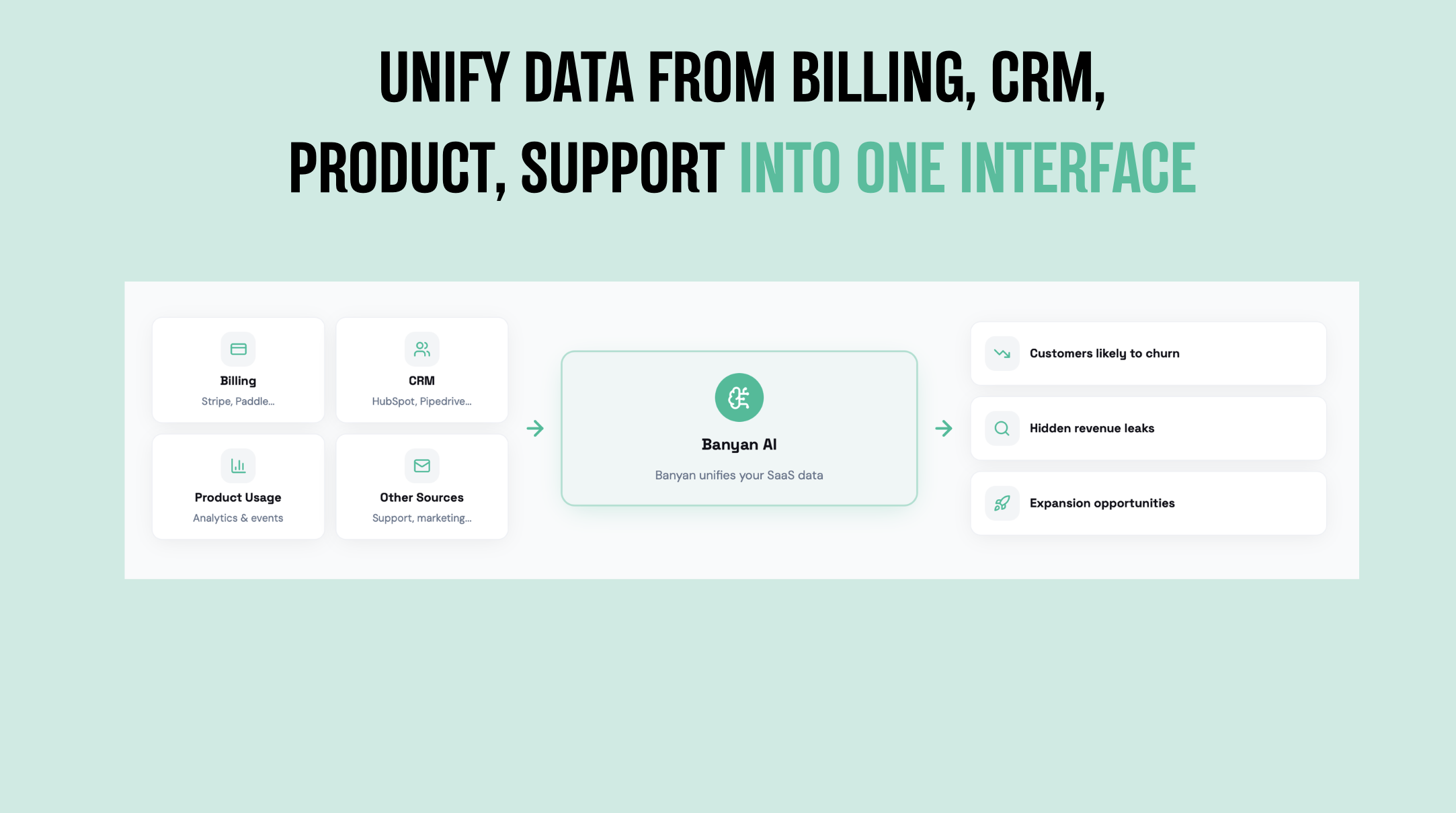
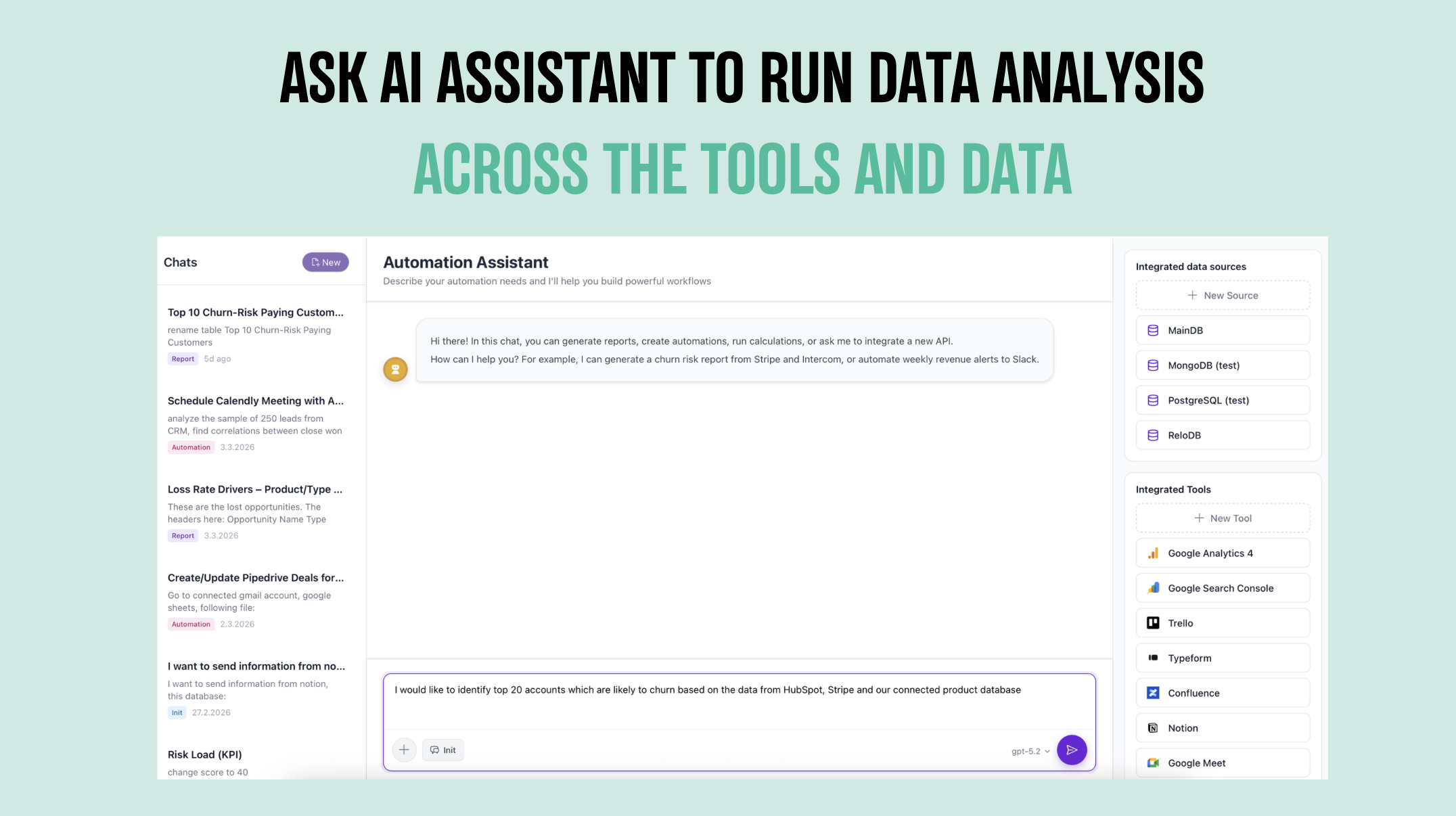
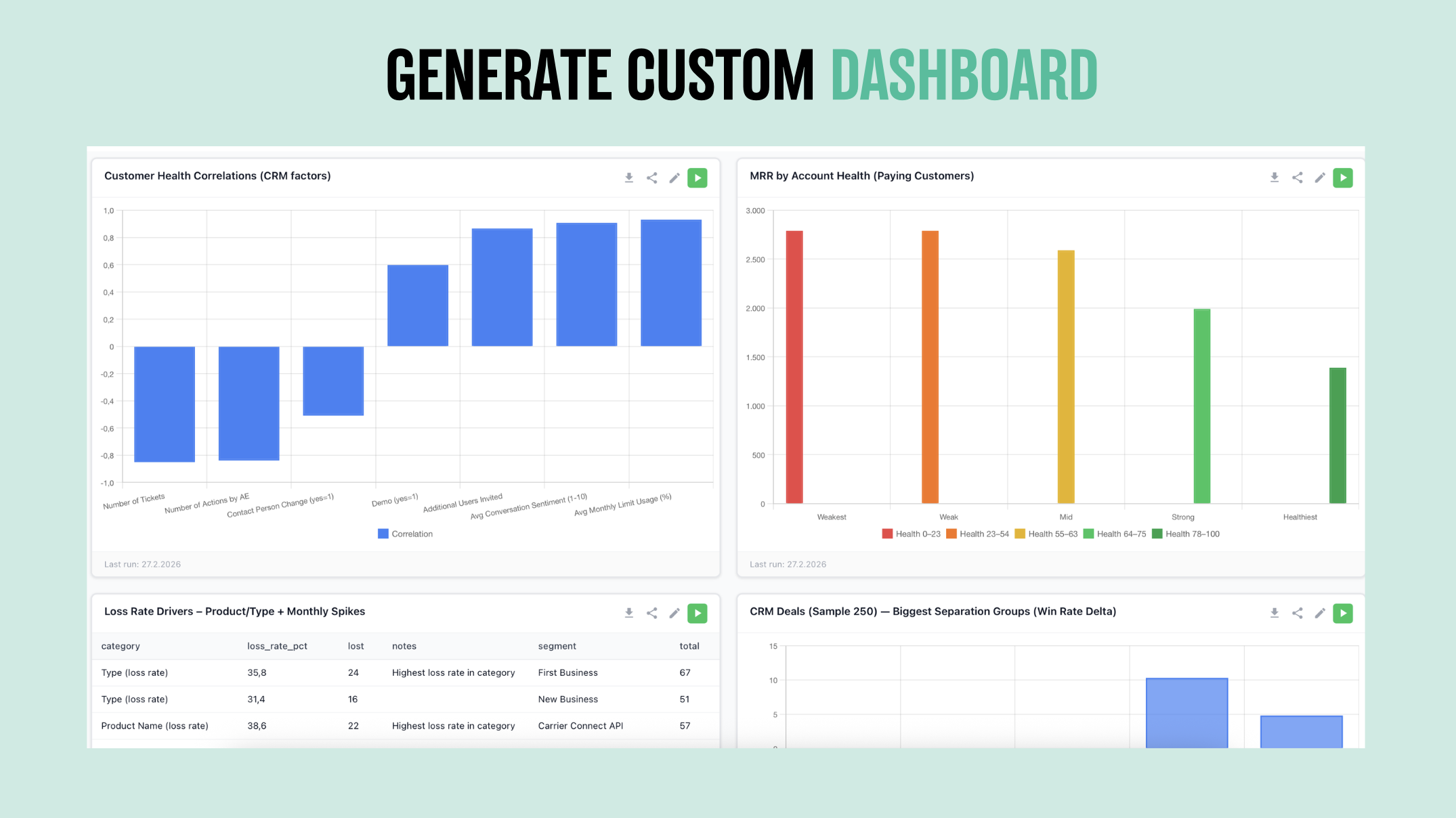
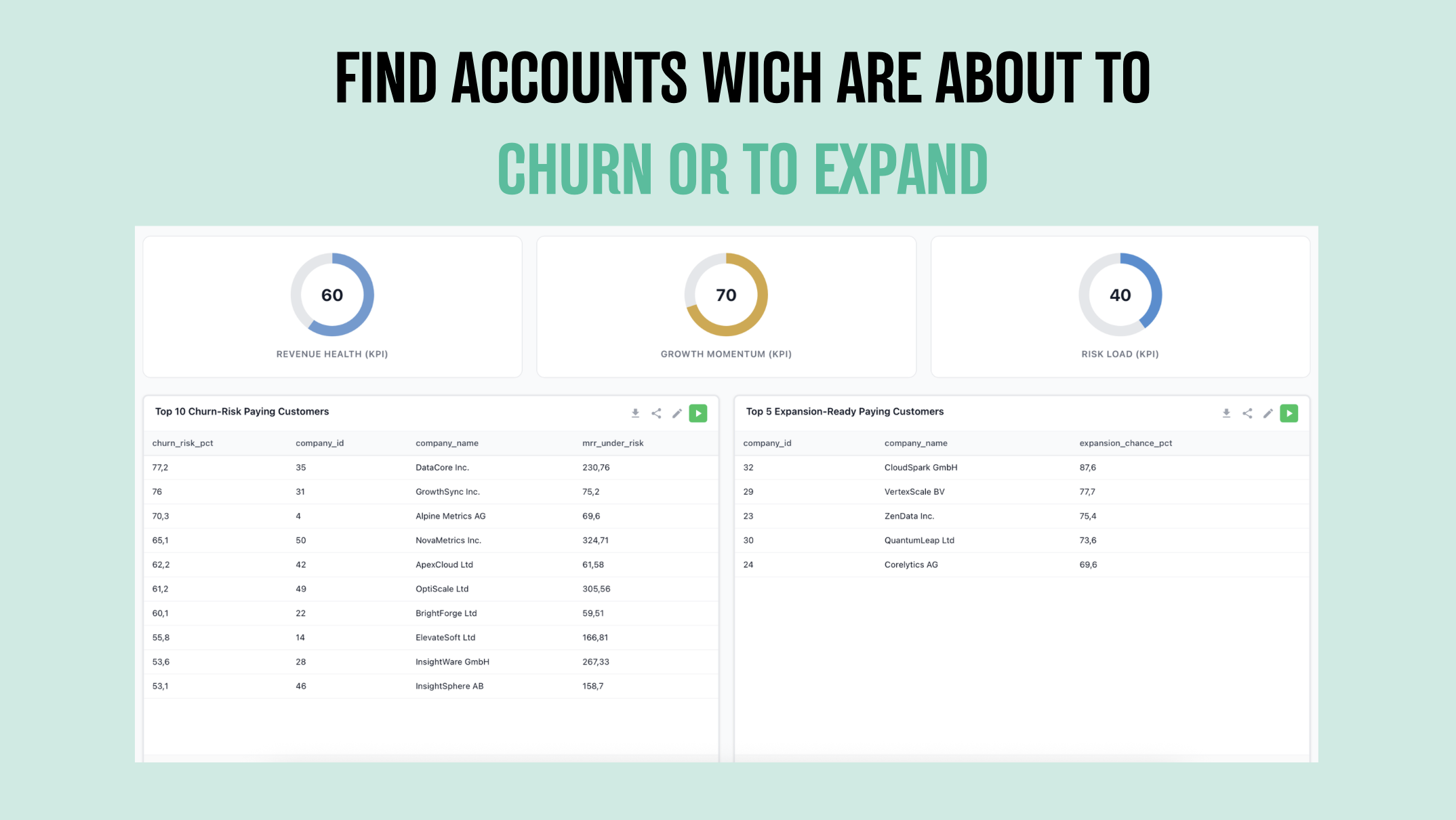
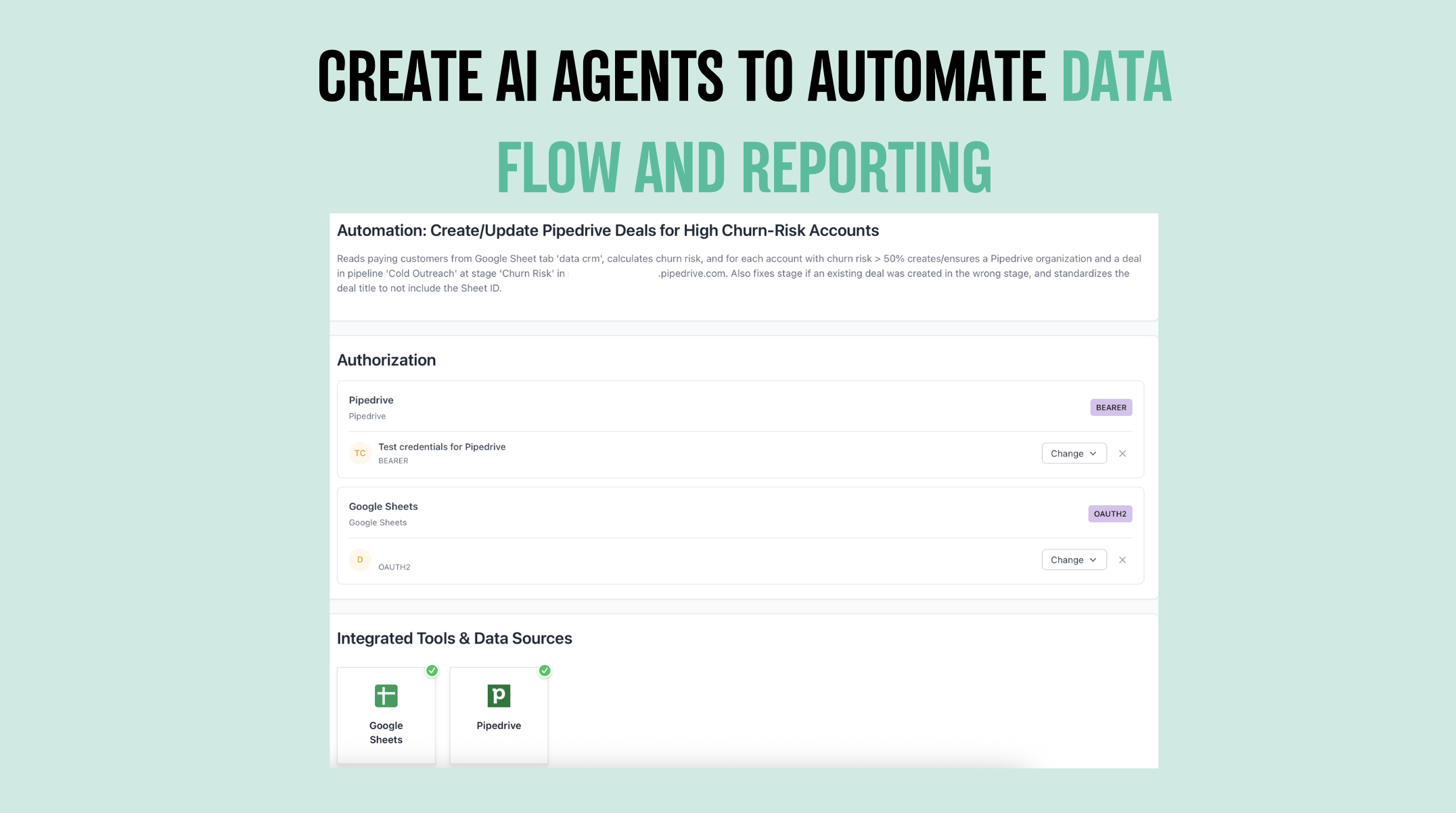
Churn is the #1 killer of SaaS. Up to 50% of SaaS struggle with high churn. Banyan AI is here to help. Our tool enables you to detect churn before it happens and prevent it. With Banyan AI, you can unify your most critical revenue data (CRM, billing, support, product usage) into a single interface. Based on this data, you can identify churn risks and expansion opportunities (customers ready to buy). Time to value: minutes. Results: measurable and quantifiable. Churn prevented, revenue saved.

Hey Product Hunt 👋,

I’m Davit, co-founder of Banyan AI, and we’re excited to launch here for the first time.

Did you know that a 5% monthly churn rate can reduce your annual revenue by nearly half? Or that many SaaS companies lose 2–5% of their revenue to leakage? New leads matter, but your existing customers are your real treasure.

If you're struggling with churn or finding it hard to expand revenue, we’ve got you covered. Welcome to Banyan AI 🌳🚀

Our platform unifies data across your tool stack (billing, CRM, product analytics, support) and detects signals that are scattered across those tools. Banyan AI automatically detects:

  • Customers likely to churn

  • Hidden revenue leaks

  • Expansion opportunities

Instead of digging through dashboards, you get clear AI insights about your revenue health and what needs attention. Check out our website or our blog.

I’ll be here in the comments all day. Thanks for checking out Banyan AI 🙏

12
回复

@davitausberlin When churn signals come from multiple disconnected tools, how do you avoid false positives where a customer looks at-risk just because their data is incomplete or delayed in one of the integrated sources?

0
回复

In education, churn looks different than in typical SaaS — a student finishes a course and leaves, which is not churn, it is a natural end. But someone who stops halfway through is a completely different signal. How well does the detection handle that difference, where inactivity does not always mean risk?

5
回复

@klara_minarikova Thanks for the question Klara! Well, if natural end can be counted as churn, all of us have 100% churn guarantee :D But jokes aside: a very good question. If customer was less active during last week, is he about to churn, or is he in vacation? You can add seasonality as variable, simply ask AI to calculate how customer behaviour might be related to seasonal behaviour in respective country. And then, most importantly, when you just watch one data stream (f. e. only billing, CRM, or product usage) then your insights are limited. But now add other info layers, f. e. how many support tickets during last week? Any failed payments? And you get clearer picture:

failed payment + less usage = churn signal

failed payment + less usage + many critical support tickets = strong churn signal

less usage + seasonality effect (summer) + recent upgrade = no churn signal

2
回复

@klara_minarikova Great point, that’s exactly where a lot of generic churn models break.

Banyan doesn’t treat inactivity as a universal risk signal. It looks at behavior in the context of expected lifecycle. In your example, completing a course and dropping off is “healthy”, while stopping mid-way is not.

In practice, this means we define expected patterns first. Things like typical course duration, completion rates, and engagement milestones. Then we compare each user against that path rather than against a global average.

So inactivity after completion is ignored, while inactivity before key milestones gets flagged. Same signal, very different interpretation depending on context.

This is also why we let teams adjust logic based on their model, because education, SaaS, and marketplaces all behave very differently here.

1
回复

@klara_minarikova Hi Klara, that's a good question. Most people don't think about churn that way.


You're right. A student finishing a course and leaving is a success, not churn. But someone stopping halfway through is a real risk signal.

The difference comes down to intent data. If a student stops engaging but still has weeks left in the course, that's a problem. If they stop because they finished, that's a win.

I'd like to see how Banyan handles that distinction too. Maybe something like allowing custom rules per customer type so natural endings don't get flagged as churn.

3
回复

nice one honestly. most teams talk a lot about getting new customers, but keeping the existing ones is where so much revenue gets lost quietly. i like that this seems focused on helping teams spot the risk earlier instead of just reporting on it later.

curious, are people finding more value in the churn detection side first or the expansion opportunity side?

4
回复

@nayan_surya98 Thanks Nayan! Most are interested in Churn indeed, since this is a silent killer nr. 1 of many SaaS companies. Have been there, seen that, that's why we have started this project. Expansion is a nice bonus.

2
回复

@nayan_surya98 Thanks, that’s exactly how we think about it. most teams are very reactive here.

In the beginning, churn detection usually clicks first. It’s more urgent and easier to grasp. If you show a list of accounts at risk with clear reasons, teams act on it immediately.

What’s interesting is what happens after. Once they trust the signals, they start paying more attention to expansion. Not just who might churn, but who is underutilizing the product, who is close to limits, or showing patterns that typically lead to upgrades.

So churn is the entry point, expansion is where a lot of the upside comes from over time.

1
回复

this is a useful space to be building in. a lot of saas teams only realize churn is becoming a real problem once the damage is already visible, so bringing billing, product, crm and support signals together makes a lot of sense.

curious, what kind of signal ends up being the strongest early warning most of the time, product usage drop, support issues, or something else?

4
回复

@akshay_kumar_hireid Thanks Akshay, product usage drop is one of major signals. If usage was low all the time but customer was paying, it is in fact less of the problem, compared to when usage dropped significantly over short period of time. This is one of major red flags (unless customer is simply in vacation ;) )

2
回复

@akshay_kumar_hireid Appreciate that, exactly the problem we’re seeing across most teams.

There’s no single “silver bullet” signal, it’s usually the combination that matters. That said, the most reliable early warning tends to be a drop in product usage relative to that customer’s own baseline, not absolute usage.

On its own, usage can be misleading. Some customers are naturally low-activity. It becomes powerful when paired with other signals, like:

  • declining engagement + no recent support interaction (silent churn risk)

  • usage drop right after a negative support ticket

  • reduced activity from key users or admins

Interestingly, support spikes are often a late signal, unless you look at sentiment and resolution patterns.

So in practice, Banyan looks at how these signals move together over time rather than picking one. That’s usually where the real early warning shows up.

1
回复

Good luck team! Cool idea. How long does the setup usually take if someone wants to connect their SaaS tools?

4
回复

@steffen_rehmann Thanks for asking Steffen. Normally it takes just minutes. Most tools can be connected via OAUTH2 or bearer token. Hardest part is (in some tools) finding these tokens. But once you have them, it takes a minute, give or take

1
回复

@steffen_rehmann Thanks a lot, appreciate it!

Setup is usually pretty quick. Most teams are up and running in under an hour. Connecting core tools like billing, CRM, and support is straightforward, and you start seeing first insights shortly after.

0
回复

Clear and compelling spotting churn before it happens is an immediate pain point for SaaS teams. I’d punch it up with the main outcome first: “Prevent churn and capture expansion opportunities in minutes, all from one unified dashboard.

3
回复

@allu__kurashi Thanks for suggesting and for your support!

0
回复

@allu__kurashi Agree, that’s much stronger. Leading with “prevent churn + capture expansion in minutes” makes the value immediate. We’ll likely move in that direction and keep the unified dashboard as the supporting layer behind it.

0
回复

Strong problem, but the hook feels a bit textbook SaaS I’d cut the stats and lead with a sharper outcome like spot churn 30 days before it happens. Time to value: minutes is great though lean harder into that and may be show one concrete example to make it feel real.

3
回复

@daniel__joseph Hi Daniel, we changed it probably 20 times, couldn't decide which one was better. Then I decided to go for pitch deck approach, problem, solution etc. Hard to say which is better, since no A/B testing possible. Thanks for the suggestion, I really appreciate it!

0
回复

@daniel__joseph Fair point. The stats are generic, the outcome is what matters. “Spot churn 30 days early” + “live in minutes” is much closer to how users think. We’ll likely replace the intro with a concrete example, e.g. detecting a usage drop + support spike pattern and flagging the account before it churns.

0
回复
Good luck!
3
回复

@dmitry_zakharov_ai Thanks Dmitry!

1
回复

@dmitry_zakharov_ai Thanks for your support!

0
回复
Bookmarked for later, but hope you built smth of use (because the idea is great)
3
回复

@je_suis_yaroslav Thanks, we tried our best :) Still improving

1
回复

@je_suis_yaroslav Appreciate that, thank you!

Hope when you come back to it, it’s not just a good idea anymore but something genuinely useful.

0
回复
Congrats team on the launch.🎉🥂
2
回复

@rbluena Thanks Rabii! Cheers!

0
回复

@rbluena Thank you so much! 🤝

0
回复

Great product that solves a real pain! Reducing churn is low-hanging fruit as long as you know how to detect it beforehand :)

2
回复

@leo_goldfarb Thanks Leo! I appreciate your feedback!

0
回复

@leo_goldfarb Exactly. The hard part isn’t fixing churn, it’s seeing it early enough. Once the signals are clear, teams can act. The challenge is connecting the data and surfacing the right accounts at the right time.

0
回复

Looks awesome. Congrats on the launch!

2
回复

@vaibhav_dubey3 Thanks Vaibhav!

0
回复

@vaibhav_dubey3 Thanks, really appreciate it! 🚀

0
回复

All the best guys, thats really a pretty cool idea!

2
回复

@hmadhsan Thanks Hammad, we appreciate your feedback!

1
回复

@hmadhsan Thanks Hammad!

1
回复

Congratulations on the launch 🎉 🎉

2
回复

@shubham_pratap Thanks so much Shubham!!

0
回复

@shubham_pratap Thanks Shubham!

0
回复

The "text-to-API" approach for connecting data sources is clever – removing the integration bottleneck is probably the single biggest thing that determines whether a tool like this actually gets adopted or sits unused after the trial.

One question: at what point does Banyan become useful in terms of data volume? If I'm an early-stage SaaS with 50-100 customers, is there enough signal for meaningful churn predictions, or does this really shine once you hit a certain scale?

2
回复

@aaron0403 Very good question! I guess, over 50 paid accounts it is already starting to get relevant. When you have 10-20 customers, you know everyone by name and still remember how you closed them and know what to expect. Once it gets more and more, you lose a track on "human level" and you need data. I think 50 accounts is good place to start. Especially if they pay not 10-20 USD/m but medium or big SaaS ticket

1
回复

@aaron0403 I agree with Konstantin's response. Once churn starts to hurt, time to turn to data-driven approach

1
回复

What signals do you look for to identify customers that are likely to churn?

2
回复

As one who is building my first SaaS product, this is really interesting! Particularly intriguing is the ability to identify clients or customers who are ready to upgrade.

2
回复

@merideth_thompson Glad to hear, that you like our product! Thanks a lot!

0
回复

@merideth_thompson Yes, while everyone looks at churn (for a good reason) people neglect expansion revenue, which is 5 times cheaper than new revenue! So yes definitely, we are proud to identify expansion revenue before average AE does :)

0
回复

Well after checking out this product and seeing the potential churn behind our own, this one helped us save a decent amount of our churn by being able to assist our own customers.

2
回复

@promptanything I'm so glad it's working for you! Nothing better than positive customer feedback after a so many months of hard work!

0
回复

@promptanything Thanks for kind words Richmond! We are happy when you are happy!

0
回复

Unifying billing, CRM, support and product usage into one view is the real value here. Most founders check these in 4 different dashboards. Congrats!

2
回复

@mehmet_kerem_mutlu Thanks Mehmet. AI makes it possible. Earlier it was hell of work, now its easy for our customers (but still hell of work for us)

0
回复

@mehmet_kerem_mutlu Thanks! Or they rely on single source of data and miss out other signals

0
回复

Being proactive as oppose to reactive is definitely the way to go. I'd love to see progress into remediating and taking actions to prevent churn. Congrats on the launch!

2
回复

@tteer Thanks Tod! The best part is, being proactive is easier than being reactive. Good luck convincing churned account to come back :)

0
回复

@tteer We have action layer as well, but we still have some work to do in this direction. Data & reporting side is great, action side rather basic.

0
回复
congratulations and wishing you a grand success 💐
2
回复

@ishwarjha Thanks so much!

0
回复

@ishwarjha Thanks a lot, really appreciate it! 🙌

0
回复

Hey, congrats on the launch! Churn is such an underrated problem in SaaS, and I like how you have combined all this data into one view. Makes a lot of sense. Curious to try it out! Do you get like instant notifications?

2
回复

@ivaylo_zahariev Yes, you can simply integrate Slack or whatever messenger you use and let Banyan notify you. And thanks for support!

0
回复

@ivaylo_zahariev Thanks, appreciate it! Yes, alerts are near real-time. You get notified as soon as key signals shift, like usage drops, failed payments, or support spikes. We support in-app alerts and can push to email or Slack, so teams can react immediately.

0
回复

Congrats on the launch, @davitausberlin.

That 5% churn stat you shared really hits me. I spent some time on your site. The comparison table with Gong, ChurnZero, and Clari caught my eye. That's bold. Most companies hide from comparisons. You put it right out there. I respect that.

One small thing I noticed. That table is tucked under a Comparison tab. A founder skimming the page might never click there. If it's one of your best trust builders, maybe give it more space.


Also the "2 Minutes from Sign-Up to Churn Detection" line is gold. That's exactly what busy founders want to hear.


Good luck with the launch. Excited to see where this goes.

2
回复

@taimur_haider1 Thanks again (I responded already to your other comment). We'll improve the website tomorrow, today hand full of working on PH. Keep in touch man!

0
回复

@davitausberlin  @taimur_haider1 Appreciate this, especially the note on the comparison table.

You’re right, hiding strong proof under a tab reduces impact. We’ll likely surface key parts of it directly on the main page. And yes, speed to value is core for us. If it takes hours or days, people won’t use it.

1
回复

Sounds interesting! How does it alert you about who is about to churn — through email, in-app notifications, or something else?

2
回复

@rati_soselia Rati, thanks for a good question. You chose it, you can add Slack to your workspace and get notifications via Slack. Or add email, or Teams or whatever, you name it, we either have it or you can integrate within 10 minutes.

1
回复

@rati_soselia Thanks!

Right now it’s mainly in-app, you get a clear view of accounts at risk, what changed, and why they’re flagged.

On top of that, we support alerts via email and can push signals into tools like Slack or your CRM, so the right people get notified where they already work.

0
回复

I've watched Davit and Konstantin work on Banyan over the past few months, and I have to say, what they're building is incredible. A business isn't sustainable if it can't tackle churn. Banyan makes it easy to tackle it head-on in an easy and accessible way. Having everything you need all in one place makes that possible, let alone the clever use of AI agents to make life as easy as possible! Looking forward to following you both and how Banyan evolves in to the future, Davit and Konstantin. This is the start of something special, i'm feeling it!

2
回复

@ryan_keeler1 Thanks a lot Ryan for your support all the way!!

1
回复

@ryan_keeler1 Really appreciate this, thank you for the kind words and for following the journey 🙏

Means a lot, especially at this stage. We’re just getting started, but feedback like this keeps us going.

0
回复

Hey Product Hunt 👋,

I’m Konstantin, CTO and co-founder of Banyan AI.

If you want to detect customers who are about to churn, or identify those with the highest expansion potential and real impact on your revenue, forget about building your own dashboards, stitching together dozens of APIs, or copying data into Excel.

We built Banyan AI so you don’t have to do all of that. With our tool, everything works within minutes — fast time to value, no technical skills needed. You ask, Banyan answers.

It sounds simple, but there’s a lot of engineering behind the scenes.

Happy to answer any technical questions here 👇

2
回复

congrats on the launch!

1
回复

@jan_heimes Thanks Jan, appreciate your support!

0
回复

How many customers must you have before you start valuing a tool like this? Congrats on the launch!

1
回复

@mcarmonas Thanks for support Marti. I guess, above 50 you can start thinking about solution like ours.

0
回复

Interesting positioning. Detection is everywhere right now, but prevention is where most tools fail. Curious what actually triggers action in your system, not just insights.

1
回复

Congratulations on your launch!

1
回复

@madalina_barbu Thanks a lot, appreciate it! 🚀

0
回复
#7
AutoSend MCP
The email platform your AI agent can operate.
165
一句话介绍:AutoSend MCP 是一个让AI智能体原生操作全功能邮件平台的工具,在构建AI驱动应用或智能体工作流时,解决了邮件发送基础设施集成复杂、需要额外代码和手动步骤的痛点。
Email Email Marketing Artificial Intelligence
AI智能体集成 邮件营销自动化 MCP协议 工作流自动化 无代码集成 事务性邮件 营销活动管理 电子邮件基础设施 AI代理工具 开发者工具
用户评论摘要:用户反馈积极,认可其为AI工作流嵌入邮件功能的实用价值。主要问题集中在:营销效果数据(如打开率)反馈、防滥用安全机制、模板灵活性与个性化、多步骤序列支持,以及对人工审核流程和邮件送达率保护措施的关切。
AI 锐评

AutoSend MCP 的发布,与其说是一款新产品,不如说是一次精准的“基础设施平权”运动。它的核心价值并非提供了另一个邮件营销平台,而是将成熟的邮件发送、管理和分析能力,以MCP协议封装成AI智能体的“原生能力”。这直击了当前AI应用开发的一个隐秘痛点:AI在逻辑和内容生成上越是强大,其与外部关键业务系统(如邮件)的“连接器”就越显得笨拙和割裂。

产品聪明地避开了与巨头在邮件SaaS功能上的正面竞争,转而扮演“赋能者”角色。它让Claude、Cursor等AI智能体无需跳出对话语境或依赖开发者二次集成,就能直接调度专业的邮件基础设施。这显著降低了AI工作流从原型到生产的门槛,尤其利好需要触发式通信(如用户注册确认、状态通知)的AI应用。从评论看,早期用户已将其用于真正的对外营销活动,这验证了其稳定性已超越内部工具范畴。

然而,光鲜的“Agentic体验”之下,潜藏着不容忽视的风险与挑战。评论中关于“防奔溃循环”和“伤害送达率”的担忧极为尖锐。将高权限的邮件发送能力赋予自主运行的AI,无异于给了它一枚“业务核按钮”。产品目前依赖发送前测试和列表核对作为安全措施,这在复杂的多步工作流中可能远远不够。未来的竞争壁垒,或许不在于集成多少AI客户端,而在于能否构建一套面向AI操作范式的、细粒度的权限、审批与实时熔断机制。此外,MCP生态本身仍处于早期,其协议稳定性和客户端普及度,也将直接影响该产品的天花板。

总体而言,AutoSend MCP 是一次极具前瞻性的赛道卡位。它不是在用AI做邮件营销,而是在用邮件营销能力喂养AI智能体,使其真正具备接管商业沟通的能力。但这条路能否走通,取决于团队能否在推动自动化的狂热与设置业务安全的冷静之间,找到精妙的平衡。

查看原始信息
AutoSend MCP
Give your AI agent native access to the full AutoSend platform. Build templates, create campaigns, manage audiences, and monitor delivery stats.
Hey Product Hunt! Akash here, co-founder of AutoSend. We just launched the AutoSend MCP server, and here's what it unlocks: - Send transactional emails from AI agents. Your agent handles the logic, AutoSend handles the delivery. No extra glue code, no manual steps. - Manage campaigns from Claude, Cursor, or any MCP-compatible client. Create, schedule, check analytics. All without opening the dashboard. - Full email infrastructure, inside your AI workflow. SMTP, API sending, domain management, analytics. It's all there via MCP. If you're building AI-powered apps or agentic workflows that need email, this is the missing piece. Happy to answer questions below.
6
回复

@designerdada Great Product! I would like to know if MCP can return key data such as the email open rate of each marketing campaign task. This will be very convenient for marketers to analyze the effectiveness and performance of email marketing.

0
回复

@designerdada Thrilled to see this rolled out, The agentic experience is essential these days, and integrating it directly into emails is such a game changer. Huge kudos to the team 🎉

1
回复

@designerdada When an AI agent triggers transactional emails autonomously, what's the safeguard against a runaway loop sending thousands of emails before anyone notices something went wrong?

0
回复

How flexible is the template system when controlled by an AI agent? Can it handle dynamic personalization easily?

2
回复

@hudson_blake Absolutely. Agents has access to contacts and their properties to figure out which contact properties can be used personalization and it will also include {{variables}} like so.

0
回复

this is actually a pretty smart direction. a lot of ai workflows sound great until email comes into the picture and suddenly you need extra setup, delivery infra, and a bunch of manual steps. making all of that accessible inside the same workflow feels really practical.

curious, are most people using this first for transactional stuff or proper outbound/campaign use cases?

2
回复

@akshay_kumar_hireid Our power users are using it for proper outbound/campaign use cases. But many teams have used it for migrating from existing ESP to AutoSend.

1
回复

Are people mainly using this for email campaigns , or does it extend to other channels as well ?

1
回复

This is cool. We use autosend a lot for both transactional & campaign email.

1
回复

@shubham_kukreti Thank you for being our early customer Shubham! 🙌

1
回复

How much human review is typically needed before sending out a campaign?

1
回复

@lienchueh You can for sending a test email to your email address before sending the campaign and list down everything like sender, contact list, etc to cross-check before sending.

0
回复

Cool concept letting your AI handle emails end-to-end is a neat shortcut. Could land stronger by leading with the benefit: Let your AI run campaigns, manage audiences, and track results automatically.

1
回复

Congrats on the launch! Email infrastructure inside your AI workflow is a game changer. Does the MCP sever support multi-step sequences or just one-off sends?

1
回复

@simonk123 We haven't built the tool for creating automation (multi-step sequence) yet and we're working on Automation V2 which is going to be extremely banger 😁

0
回复

Super happy to see this finally live! Agentic experience is a must have right now, and having it added to the emails is extremely useful. Proud of the team 🥳

1
回复

Nice idea. Embedding email sending directly into AI workflows without extra setup feels like a natural step for agent-based apps. The MCP integration across different tools is a strong touch. Can AutoSend automatically personalize transactional emails based on user data passed by the agent, or does that still need manual setup?

0
回复

The idea is powerful but email marketing is sensitive. one mistake can hurt deliverability would be great to see guardrails and approval workflows?

0
回复
#8
Permit.io MCP Gateway
Drop-in MCP Security Developers Love and CISOs Trust
149
一句话介绍:一款为MCP服务器提供零信任安全代理的网关,通过在AI代理与工具间插入透明层,无需修改代码即可为所有工具调用添加细粒度授权、审计与身份治理,解决了AI代理集成企业工具时的安全与合规痛点。
Developer Tools Artificial Intelligence Security
AI代理安全 授权基础设施 零信任网关 MCP协议 访问控制 安全合规 身份治理 审计日志 无代码集成 企业级集成
用户评论摘要:用户普遍认可其解决MCP安全痛点的精准性,对“仅替换URL”的无代码集成方式评价极高。主要问题集中于大规模部署的便捷性、性能开销、仪表板可视化能力,以及安全团队从“松一口气”到深入探讨“代理原生安全”的后续路径。
AI 锐评

Permit.io MCP Gateway的推出,精准刺中了当前AI代理生态中最脆弱的一环:野蛮生长下的安全真空。它没有选择重建轮子,而是以“透明代理”这一巧妙的工程设计,将自己楔入既有的MCP协议链路中,这体现了其深刻的市场洞察——在技术扩散初期,任何阻碍开发效率的“重型”安全方案都会被抛弃。其宣称的“零代码”集成,本质上是将复杂的授权策略、OAuth流、审计日志等治理能力,封装成一个简单的端点交换,极大地降低了安全能力的接入门槛。

然而,其真正的价值远不止于“便捷”。产品团队将多年来在传统应用授权领域的积累(如Zanzibar模型),适配到了动态、委托式的AI代理身份范式上。这触及了一个核心挑战:AI代理并非静态服务账户,其权限需要动态映射回人类用户、具备实时撤销能力、并记录完整的委托链条。网关对“委托链”的追踪和“权限天花板”的强制执行,正是在尝试构建一套“代理原生”的授权范式,这比单纯添加认证更有远见。

值得警惕的是,这种“透明代理”模式可能成为性能瓶颈和单点故障的潜在来源,评论中关于性能的担忧是合理的。此外,它将安全边界完全定义在了网络层面,对于协议本身的安全假设依赖过重。长远看,它更像是一个关键过渡方案:在教育市场、建立标准的同时,也为Permit.io将其授权引擎更深地嵌入到未来的MCP协议标准或运行时中,埋下了伏笔。它的成功与否,不仅取决于其技术的稳健性,更取决于MCP协议本身能否从“开发者玩具”真正进化为“企业级基础设施”。目前来看,它提供了一个让安全团队敢于放行AI代理进入生产环境的“保险丝”,这是其最现实的商业价值。

查看原始信息
Permit.io MCP Gateway
MCP lets AI agents connect to your tools, but its built-in auth is limited. There's no fine-grained authorization, no governance, and no connection to your existing IdP infrastructure. Permit MCP Gateway is a zero-trust proxy that adds what's missing to any MCP server without touching its code. Swap one URL and every tool call gets OAuth authentication, Zanzibar-style authorization, consent screens, and full decision logging. No SDK to install. No agents to rewrite. Works with any MCP server.
Hey Product Hunt! Gabriel here, VP of DevRel at Permit.io. This is our fourth launch here! Some of you might remember us from our other fine-grained authorization launches here. That community feedback shaped so much of what we've built, and we're excited to be back with something new. We've been building authorization infrastructure for a few years now. RBAC, ABAC, relationship-based access control, policy engines. Teams at Tesla, Cisco, and Intel run it in production. It's not glamorous work, but it's the kind of thing that breaks badly when you skip it. Over the past year we watched MCP take off. Developers started connecting MCP servers to Claude, Cursor, and internal agents. MCP includes some basic auth capabilities, but they're limited. There's no fine-grained authorization, no way to control what each agent can do at the tool level, and no connection to your existing identity and governance infrastructure. Security teams couldn't see what agents were accessing, at what permission level, or who authorized them. That's what we built the gateway for. It's a transparent proxy that sits between your agents and any MCP server. You point it at a server, it auto-generates authorization policies for every tool. Every call gets checked before it hits the upstream server. The entire integration is one URL change. No code changes to your servers or agents. The part we think matters most: the gateway tracks the full delegation chain between humans and agents. It knows which person authorized which agent, what trust level they consented to, and it enforces a ceiling so the agent can never go beyond what was granted. Every decision, allow or deny, gets logged with full context. If you're using MCP in production or thinking about rolling it out across a team, we'd love to hear how you're approaching the security side. We'll be here all day.
13
回复

This is a strong problem to go after. A lot of teams are excited about MCP, but the security and authorization layer is exactly where things start getting uncomfortable once real production access is involved. The fact that this works as a proxy and does not require rewriting agents or servers makes it feel much more realistic for actual adoption.

Curious, what tends to be the biggest blocker for teams right now when they start thinking about MCP security, visibility, fine-grained control, or integration with existing identity systems?

4
回复

@akshay_kumar_hireid Thanks — that’s exactly what we’re hearing from teams right now.

The biggest blocker usually depends on who’s driving the project.

For engineering, it’s mostly about getting around the fact that OAuth 2.1 and existing identity systems were designed for humans, not agents. Teams want MCP security without having to rewrite their agents or servers, but today’s stack makes that awkward.

For security, the bigger issue is knowing where to begin. They need visibility, fine-grained control, and governance, but they’re still figuring out how to evolve toward Agentic Zero Trust and IGA. In other words: how do you understand what an agent is allowed to do, on whose behalf, and how that maps back to existing identity systems?

That’s really the core problem we’re solving.

1
回复

Hey PH ! Or Weis here, co-founder and CEO of Permit.io. Fourth time launching here, and always great to be back.

We’ve been building in authorization for years, and the shift we’re seeing with MCP feels like one of those rare infrastructure moments. Every protocol starts a little messy. HTTP was messy. TCP/IP was messy. MCP is no exception. But it is quickly becoming the connective tissue between AI agents and enterprise systems, which makes it the right place to enforce identity, trust, and governance.

Most of the market looks at MCP and asks, “How do I push this through my existing stack?” We think that is the wrong question.

Agents are not service accounts with better branding. They need a new kind of identity: dynamic, delegated, auditable, and revocable in real time.

That is why we built Permit MCP Gateway.

Permit MCP Gateway is a drop-in trust layer for MCP. It helps teams secure AI agents connecting to tools and enterprise systems with fine-grained authorization, consent, auditability, and runtime enforcement — without rewriting their stack.

A few things we think matter:

  • fine-grained permissions for agent actions

  • delegated access on behalf of users

  • audit logs for every tool call

  • zero-standing-privilege approach

  • built on Permit, so controls can extend deeper into APIs, services, and data for defense in depth

This is a very natural evolution for us. Permit started with application authorization, and now we’re bringing the same philosophy into the AI era.

If you’re thinking about how to bring MCP into your organization without turning your systems into open desert, we’d love to talk.

We’re here all day — would love your feedback, questions, and skepticism.

3
回复

Hey Product Hunt! David here, Solutions Engineer at Permit.io.

We just published two walkthroughs showing the MCP Gateway in action:

Enforce per-user trust levels on Linear's MCP (Developer vs PM access): https://docs.permit.io/permit-mcp-gateway/demos/linear-mcp-gateway

Gate an n8n automation workflow with real-time trust controls: https://docs.permit.io/permit-mcp-gateway/demos/n8n-linear-mcp-gateway

No changes to the underlying MCP servers — just drop the Gateway in front and control who (or what) can do what. Both demos take just a few minutes to set up. Would love to hear what MCPs you'd want to see demoed next!

2
回复

okay yeah this makes a lot of sense. everyone wants agents to connect to tools now, but the second you think about who approved what and what that agent is actually allowed to do, it gets serious real fast. the one url change part is probably what will make people actually try it.

curious, what’s the first reaction you get from security teams when they see this, relief or more questions?

2
回复

@nayan_surya98 definitely a bit of both — but the first reaction is usually relief.

security teams immediately see that this is not another massive platform overhaul. the one-url change makes the experience feel approachable right away, and that lowers the barrier to actually trying it. that simplicity is a big part of the value: we worked hard to make something that is incredibly powerful under the hood, but feels almost frictionless to adopt.

then the next reaction is curiosity, because they realize this isn’t just “tool access for agents” — it’s a real security layer built for agentic systems. that’s when the questions shift to the agentic-native capabilities: agent interrogation through MCP, JIT agentic identities, fine-grained delegation, auditability, and how to enforce least privilege in a world where agents are acting dynamically.

so in practice, it’s relief first, then deeper engagement. and honestly, that’s exactly what we want: an experience that’s simple enough to get teams started quickly, but advanced enough that security leaders immediately see this is the kind of infrastructure they’re going to need as agents move into production.

1
回复

I like the direction here. Instead of building new systems, you’re improving what already exists and making it safer.

1
回复

The consent and authorization flow sounds strong. I’d just want to make sure it stays simple for end users and doesn't add too much friction.

1
回复

How easy is it to roll this out across multiple MCP servers in a larger setup? Especially for teams managing different environments.

1
回复

What stands out to me is the “no code changes” part. A lot of security tools require heavy integration, so just swapping a URL and getting full authorization control sounds very appealing.

1
回复

It would be helpful to see a simple dashboard or visual layer where teams can quickly understand who has access to what without digging into logs.

1
回复

One thing I’d want to understand better is performance overhead. Since every request goes through the gateway, does it introduce noticeable latency in high frequency systems?

1
回复

Wow, this is really impressive 👋I love that you’re tackling such a tricky but crucial part of the stack , authorization and security are easy to overlook until something breaks. The fact that it works as a transparent proxy without touching agents or servers makes it feel much more approachable for real world use.

I’m curious too , how do teams usually start tackling the visibility and fine-grained control challenges? It seems like understanding what agents can do, and who’s authorizing them, is where most of the headaches come in.

1
回复

Hmm , MCP is powerful, but auth and governance are definitely the messy part right now. Adding OAuth and fine grained permissions without changing the server code sounds super practical. The “just swap the URL” part is especially cool. Congrats on the launch .

1
回复

This feels like a must have for teams building AI agents or MCP based tools .Sharing this with couple of backend/security folks .

1
回复

How does this handle performance under heavy load ?Zero latency sounds great curious what that looks like in real world benchmarks .

1
回复

This is Great!

Def gonna try this out!

1
回复

The concept is strong but security tools live and de by trust .Would be great to see audits compliance certifications or deeper technical docs.

1
回复

Having audit trails is so important, so having the ability to know who authorized which agent is really nifty. Does Permit.io flag when policies fall outside standard best practices? Or does the auto-generation capability fully manage this such that no manual configuration is required after set up?

1
回复

@lienchueh it's hybrid. We generate contextual policies that you can then modify/extend per your need. You're more than welcome to try it yourself in the product 😉

1
回复

Agent interrogation - seems interesting but problematic, how can you trust the agent not to lie, or be coerced to lie ? How can this produce a consistent Identity?

1
回复

@on The key point is: we do not trust the agent to tell the truth.

Interrogation is not there to “believe” the agent. It is there to extract a behavioral fingerprint from the agent’s intent as expressed at that moment. In our framing, even if the agent lies, the pattern of answers is still useful: it gives you a stable enough signature to say “this is the same agentic identity within threshold” versus “something changed here.” That is why the model is not “trust the answer,” but “fingerprint the intent.”

That is also why coercion is actually part of the design, not a contradiction to it. If the agent gets prompt-injected, confused, or coerced into a materially different intent, its fingerprint should change. When that happens, the identity breaks, and you renegotiate consent or block access. In other words, instability is a detection signal. It is a feature, not a bug.

So how do you get a consistent identity out of something non-deterministic? By not relying on a single static property like hostname, model version, or token. Instead, the identity is composed from three things:

  1. the human delegator identity,

  2. the consent boundary the human granted,

  3. the agent’s intent fingerprint derived through interrogation.
    That combination is what persists through time, even when the underlying model, runtime, or context shifts.

And then we do the second crucial thing: the agent gets zero standing permissions. We do not give it broad credentials and hope for the best. Every time it tries to act, the gateway revalidates the identity and derives only the permissions needed just in time, based on the relationship to the human and the current policy. So even if the agent is imperfect, the blast radius stays small.

So the clean answer is:

We don’t trust the agent not to lie.
We trust a control plane that:

  • fingerprints its intent,

  • detects when that fingerprint changes,

  • revalidates it on each interaction,

  • and never gives it persistent credentials in the first place.

That is how you get a consistent identity out of an inconsistent actor.

2
回复
#9
Unsloth Studio
Open-source web UI to run and train AI models.
139
一句话介绍:Unsloth Studio是一款开源的无代码Web界面,让用户能在本地快速、低资源地训练和运行大语言模型,解决了开发者及爱好者因技术门槛高、隐私顾虑和硬件限制而难以微调定制AI模型的痛点。
Open Source Artificial Intelligence Development
开源AI工具 无代码开发 本地模型训练 大语言模型微调 低显存优化 私有化部署 数据集构建 可视化工作流 开发者工具 AI民主化
用户评论摘要:用户普遍赞赏其将复杂流程整合进一个直观UI、大幅降低使用门槛、并保障数据本地私密性的核心价值。主要建议包括:增加预置配置以便快速测试,以及关注其在处理大规模数据集和长时训练时的稳定性。开发者团队对反馈响应积极。
AI 锐评

Unsloth Studio的亮相,与其说带来了颠覆性的新技术,不如说完成了一次对开源AI工具链关键断层的精准缝合。它的真正价值并非其宣传的“2倍速度、70%显存节省”(这更多源于其底层Unsloth库的优化),而在于它试图将原本命令行下碎片化的“数据准备-训练-监控-导出”流程,整合为一个连贯的、可视化的本地操作界面。这直接刺中了当前AI平民化浪潮中最现实的矛盾:高涨的个性化模型需求与极高的工程化门槛之间的鸿沟。

产品聪明地抓住了“本地化”和“无代码”这两个增长中的敏感点。在数据隐私顾虑日益加重和云端API成本不可控的背景下,提供本地全流程解决方案构成了其坚固的护城河。然而,其面临的挑战也同样清晰:首先,作为本地工具,其性能天花板最终受限于用户硬件,处理“大规模数据集”的稳定性疑问正是对此的隐忧;其次,将复杂训练过程封装为GUI,在降低门槛的同时也可能遮蔽了关键参数调整的灵活性,可能使其在追求极致效果的专业场景中显得“不够专业”。此外,团队试图覆盖“从初学者到企业”的全用户光谱,这种广泛的定位在早期是优势,但长期可能模糊其核心用户画像,导致产品演进方向失焦。

总体而言,Unsloth Studio是一次极具意义的“体验层”创新。它未必能训练出比专业脚本更优秀的模型,但它极大地扩展了能够参与模型定制实验的人群基数。它的成功与否,将取决于其能否在保持简洁性的同时,逐步满足从爱好者小试到企业级应用衍生出的深度需求,并构建起可持续的生态。它加速的不仅是训练速度,更是开源模型社区的参与度。

查看原始信息
Unsloth Studio
Unsloth Studio is an open-source, no-code web UI for training, running, and exporting LLMs locally. It transforms unstructured files into datasets and lets you fine-tune models 2x faster with 70% less VRAM, all without writing complex training scripts.

Hi everyone!

Unsloth Studio just made fine-tuning models way more intuitive and accessible.

Instead of writing complex training scripts, you now get a clean GUI for the full workflow — dataset management from PDFs/CSVs, training config, real-time monitoring, and even auto dataset recipes. Everything stays local and private.

Unsloth already had a HUGE following for its super-efficient LoRA fine-tuning. Studio turns that into a full platform, lowering the barrier so way more people can experiment, customize, and have fun with their own models.

This is going to accelerate the whole open model scene!

4
回复

@zaczuo Thanks for posting about this!

1
回复

@zaczuo Thank you for the support appreciate it!

1
回复

It might be useful to have a few ready-made voice profiles for quick testing. Helps a lot when you just want to plug and play.

2
回复

@carlos_cruz34 Hello Carlos that's a great idea, we'll see waht we can do next time!

0
回复

I’ve seen tools that handle parts of this workflow, but having everything combined in one UI feels more practical than jumping between setups.

2
回复

@sophia_gartner Yes that's right Sophia, our main intention is to incoporate everything into one UI!

0
回复

Fine-tuning models feels way faster now. Less memory use makes testing multiple setups so much smoother.

2
回复

@jeremy_ellis1 Thanks Jeremy for the support <3

0
回复

Nice local AI plus and no code training hits a growing niche for privacy-conscious devs. I’d lead with the main benefit: Train and run AI models locally, faster and with less VRAM, no coding required.

2
回复

great job guys, cant wait to try this

2
回复

@erildo Thank you! We're open to any suggestions as well :)

1
回复

@erildo Thank you Erildo appreciate it, hopefully it works great for you. Let us know if you encounter any installation issues :)

1
回复

ngl the best part here is probably that it keeps things local. people are way more interested in experimenting with their own data now, but they still want privacy and don’t always wanna fight with setup for hours just to test something.

also curious, what kind of files are people usually starting with first, pdfs, docs, support chats or something else?

2
回复

@nayan_surya98 Yes it's fully local! You can add any docs! We also added Python + Bash code execution, Web Search via Duck Duck Go, Claude Code Artifacts so HTML rendering of HTML snippets, auto healing tool calling and more!

0
回复

@nayan_surya98 You can start with any file, you do not need a dataset to begin with. You can upload PDF, DOCX, CSVS, TXT, code, audio etc into the inference chat and it will render. Same is for the Data Recipes which converts those files into an actual structure dataset

0
回复

I know a couple of people who work with local models and are always looking for ways to simplify training. This looks like something I'd share with them.

1
回复

I’ve tried fine-tuning models before and honestly gave up halfway because of the setup. This feels like something that would actually make me try again.

1
回复

I’m curious how it handles larger datasets or longer training runs. Does performance stay stable as things scale?

1
回复

How well does it handle large date sets and longer training runs locally ?Any limits users should be aware of?

1
回复

@gregory_pierce It handles both actually. The only limitation is that training is not supported on Apple Devices but it's coming this month / early next month. For AMD and intel you can use the core Unsloth package

0
回复

Tried Unsloth to fine-tune some Qwen model with LoRA, loved it :)

1
回复

@zhas_srk Thanks Zhasulan glad you had a great experience :)

0
回复

This is super cool. have been thinking of building something like this for long time.

1
回复

@shubham_kukreti Thanks Shubham hopefully you have a great experience :)

0
回复

This could be a really interesting way to help companies better customize their own LLMs based upon their own company's context, processes, and culture. Is use of the Unsloth's Data Recipes the best way to tackle something like this?

1
回复

@lienchueh Yes Unsloth Data Recipes allows you to just upload any pdf or csv document and itll convert it into a useable dataset

0
回复

this feels like a pretty important step for open models honestly. a lot of people want to fine tune their own models, but the moment they see scripts, configs and setup headaches, they drop the idea. making the whole flow visual and local could open this up to way more people.

curious, who are you seeing get the most value from studio so far, hobbyists learning this stuff or teams actually training models for work?

1
回复

@akshay_kumar_hireid Thank you Akshay, we would say it's targeted for a very wide audience, beginners, hobbyists, in production, enterprise, businesses and more :)

0
回复

Excited to check it out - this feels so much more accessible to us folks who are semi-technical

0
回复

Love the idea but 2x faster +80% less memory sounds almost too good would love to see benchmarks across different models.

0
回复

@ethan_walker14 Hey Ethan we work often with Pytorch and Hugging Face on optimized Triton kernels with no accuracy loss. You can see our previous work e.g. here: https://unsloth.ai/docs/new/faster-moe

0
回复
#10
Grok's Text to Speech API
Grok's Text to Speech API is now available.
121
一句话介绍:Grok的文本转语音API提供自然音色与精细化表达控制,帮助开发者为应用快速构建拟人化、富有表现力的语音功能,解决传统TTS工具音质生硬、缺乏情感表现力的痛点。
Marketing Audio
文本转语音API 语音合成 自然语音生成 表达控制 开发者工具 语音交互 多场景适配 AI语音服务 语音代理 内容播报
用户评论摘要:用户普遍认可其自然音质与表达控制的价值,认为这是超越传统TTS的关键。主要建议包括:预设语音风格模板、支持多语言与自定义音色、明确主要应用场景(语音代理/内容播报)。定价透明获得好评。
AI 锐评

Grok此次推出的TTS API,看似是拥挤赛道中的又一个新玩家,但其真正的锋芒藏在“表达控制”这四个字里。它瞄准的并非基础语音合成,而是传统TTS长期以来的“情感赤字”问题——声音自然,但播报如同念稿,缺乏节奏、重音和情绪起伏,这在对话式AI、有声内容等深度交互场景中是致命伤。

产品价值不在于“又一个高质量语音”,而在于将“表达”参数化、API化,为开发者提供了调校语音“演技”的工具箱。这实质上是将原本属于高级语音设计师的工作能力,封装成了可编程接口。从评论中开发者对“预设风格”和“跨风格一致性”的关切可以看出,市场真正需要的是能够快速构建独特“语音人格”并保持其稳定的能力,而非无限精细的底层控制。

然而,其挑战同样明显。目前仅支持英语,极大地限制了应用场景和想象力。此外,“表达控制”是一把双刃剑,它赋予了开发者力量,也提高了使用门槛。如何平衡控制的粒度与易用性,提供直观的“风格预设”而非繁琐的“参数工程”,将是其能否从“极客玩具”走向“大众工具”的关键。在定价透明的优势下,若能在语言库和易用性上快速迭代,它有望成为构建下一代语音交互体验的基础设施,否则,可能只是技术爱好者手中另一把精致的“螺丝刀”。

查看原始信息
Grok's Text to Speech API
Start building with natural voices and expressive controls to bring your apps to life.

Overall, this looks like a solid addition for developers building voice features. If the controls are easy to use and consistent, I can see this being widely adopted.

1
回复

Hello, this looks promising. The expressive controls part really stand out because voice quality alone isn’t enough if tone and delivery feel flat.

1
回复

Natural voices make a big difference, especially for anything users listen to regularly.

1
回复

It would be great to have some preset voice styles (like conversational, formal, energetic) for quick use instead of configuring everything manually.

1
回复

I’ve used a few TTS tools before, and even when the voice sounds good, the lack of control over pricing and emotion becomes noticeable quickly.

1
回复

Getting the same identity across different styles in not easy. This looks solid.

1
回复

Curious what kind of use cases you’re seeing the most so far. Is it more around voice agents, or things like content narration and apps?

1
回复

this looks useful. the expressive controls part is what caught my eye because that usually matters as much as the voice itself.

curious, are you seeing more use for voice agents or general product experiences?

1
回复

@nayan_surya98 Yeah, I had the same thought. Expressiveness usually ends up being the limiting factor, not the voice itself.

0
回复

This is excellent news! The promise of natural voices and expressive controls is particularly appealing. I'm curious about the range of languages and accents supported, and whether there are options for custom voice branding.

0
回复

The pricing page shows $0.10 per 1000 characters - that's roughly 2-3 cents per typical API response. For a side project handling 10k requests/month, we're talking coffee money, not rent money. Refreshingly honest pricing in a space where everyone else hides behind "contact sales.

0
回复

This looks cool, can we clone the voice with custom premium voice with cinematic background and some sort of frequency settings?

0
回复

Only English is supported for now, right?

0
回复

nice one. natural sounding voices make a huge difference when people are actually going to listen for more than a few seconds.

curious, what kind of apps are people building with it first?

0
回复
#11
Soul 2.0
Fashion-Grade AI Photos Without the Camera Crew
119
一句话介绍:Soul 2.0是一款通过“Soul ID”身份锁定技术,为创作者、时尚品牌和内容工作室快速生成具有高度人物一致性的超写实、杂志级AI图像的工具,解决了多场景内容创作中角色形象难以统一和传统拍摄成本高昂的核心痛点。
Design Tools Fashion Marketing
AI图像生成 时尚科技 人物一致性 内容创作工具 品牌营销 无提示词工程 超写实图像 预设模板 工作流效率 低成本原型制作
用户评论摘要:用户普遍赞赏其解决了AI图像生成的“角色一致性”核心难题,认为对UGC创作者和品牌快速测试创意极具价值。主要疑问集中在Soul ID在极端光照变化下的稳定性、预设模板的灵活可调性,以及实际应用案例(品牌拍摄 vs 创作者内容)的偏重。
AI 锐评

Soul 2.0的野心,远不止于又一款精美的AI绘图玩具。它精准切入了一个专业且利润丰厚的缝隙市场:商业化视觉内容生产。其宣称的“身份锁定”(Soul ID)技术,本质上是试图将AI生成从“单次惊艳的偶然”变为“可重复、可预期的工业流程”。这才是其真正的价值所在。

当前AI图像工具在消费端已趋泛滥,但其在商业应用中的最大障碍正是“不可控”——品牌无法忍受今天生成的代言人明天换了一张脸。Soul 2.0直指此痛点,承诺提供“摄影感而非生成感”的稳定输出。这相当于为时尚品牌、广告公司提供了一个成本极低的“数字样片”和“创意原型”系统,其颠覆的并非顶级摄影棚,而是那些预算有限、试错成本高的中小品牌和独立创作者的生产模式。

然而,其面临的挑战同样尖锐。首先,技术壁垒的护城河有多深?一旦“身份一致性”成为行业标配,其优势将迅速被稀释。其次,评论中关于极端光照和复杂姿态下“身份锁”稳定性的质疑,触及了当前生成式AI的物理理解瓶颈,这将是其从“玩具”迈向“工具”的关键技术考验。最后,其商业模式将游走于版权与肖像权的灰色地带,如何界定“AI身份”的归属与授权,是悬在其头上的达摩克利斯之剑。

总而言之,Soul 2.0是一次有价值的专业化突围。它不再空谈“替代人类创意”,而是务实定位为“增强商业工作流”。它的成功与否,将取决于其技术深度能否构筑壁垒,以及能否在复杂的商业与法律环境中,找到清晰的合规化路径。

查看原始信息
Soul 2.0
Generate hyper-realistic, magazine-quality images in seconds. Soul ID locks your identity across any style, outfit, or setting. 50+ curated presets handle the aesthetics. No prompt engineering needed. Built for creators, fashion brands, and content studios.

Soul 2.0 is a game-changer for anyone tired of plastic-looking AI photos.

The magic is in Soul ID. You train it once with your photos, and you get consistent character fidelity across wildly different styles, lighting, and poses. That's not trivial.

50+ presets mean you skip the entire "prompt engineering hell" that kills most creators. Pick a vibe, write naturally, and boom. Magazine spread quality.

Who's this for? UGC creators building ad funnels, fashion brands prototyping lookbooks, indie artists moodboarding without a crew. Basically anyone who needs photorealistic consistency at scale.

The thing that moves the needle: it actually feels shot, not generated. Real grain, real light falloff, real fabric texture.

3
回复

@rohanrecommends Nice launch. The use cases are very clear, especially for fashion and UGC. I can see brands using this to test ideas quickly before actual shoots.

0
回复

This is honestly great for someone like me who loves fashion but hates the logistics of photoshoots. It lets me try hundreds of looks in minutes and everything feels real and polished. I’m exploring styles I would’ve never dared before.

2
回复

this looks pretty solid. the consistency part is what really stands out because that’s where a lot of ai photo tools still fall apart. if soul id can actually keep the same person feeling real across different looks and setups, that’s a big deal.

curious, what are people using it for most right now, creator content or proper brand shoots?

2
回复

I’ve tried generating images for content before, and keeping the same face consistent across output is always a struggle. This seems to solve that directly.

1
回复

Hello, this looks really impressive. The consistency part is what stands out to me because that’s usually where most AI photo tools fall short.

1
回复

Curious how flexible the presets are. Can users tweak them slightly, or are they more fixed styles?

1
回复

I know someone working on ad creatives who spends a lot on shoots just to test variations. This feels like something they'd want to try.

1
回复

The consistency challenge is huge for branding. One great AI image is easy but keeping the same character, lighting, and vibe across a whole campaign is tough. If Soul ID can do that, it’s a real game changer.

1
回复

Solving the consistency problem is genuinely interesting from a brand perspective. I work in branding and the single biggest friction with AI imagery for brand use is that you can generate one great image but can't 100% reliably reproduce the same character, lighting feel, or aesthetic across a campaign. If Soul ID holds across wildly different setups that's a real workflow unlock for brand shoots, not just creator content.

Curious about the edge cases: how does Soul ID handle significant changes in lighting direction, like moving from a softbox studio setup to harsh outdoor midday light? That's where identity lock tends to break down and where brand shoots get complicated.

1
回复

nice one. the part about it feeling shot and not generated is probably the most important thing here. a lot of ai images still have that weird artificial look, so getting the lighting, texture and identity consistency right changes a lot.

curious, which part took the most work to get right, the identity lock or the final photo realism?

1
回复

The output looks impressive but with AI generated visuals consistency over time is key .Would love to see term usage example.

0
回复

This is genius. The character fidelity is the biggest challenge in AI images and video. As much as I value the traditional production process, imagine all of the small brands and creators yet to be who can't afford production costs. We need to spread the narrative of AI focused on empowerment, entrepreneurship, and what it can do for people's dreams as opposed to what it takes away!

0
回复
#12
Comet for Enterprise
Perplexity’s Secure AI browser built for enterprise teams
117
一句话介绍:Comet Enterprise是一款面向企业团队的安全AI浏览器,通过将上下文感知的AI助手、任务自动化和工作流执行深度集成于浏览器环境,解决了团队因标签页过载、工具碎片化而导致的效率低下和安全风险问题。
Productivity Artificial Intelligence Search
AI浏览器 企业级安全 工作流自动化 团队协作 上下文感知 研究助手 统一工作空间 合规性 终端管理 网络安全
用户评论摘要:评论普遍认可其“AI原生浏览器”方向,认为将AI深度集成于浏览器是解决工具碎片化的自然演进。核心关注点在于:1. 数据隐私与合规性,尤其在金融、医疗等受监管行业;2. 具体的高价值初始用例是什么;3. 其企业级安全与管理控制层是推动团队采纳的关键。
AI 锐评

Comet Enterprise并非又一个浏览器插件或侧边栏工具,其野心在于重塑企业浏览器的定义本身。它试图将浏览器从一个被动的“内容消费与访问入口”,升级为一个主动的、具备理解与执行能力的“AI原生工作空间”。其真正价值不在于单个的“研究”或“自动化”功能,而在于将这些能力与**企业级的安全、管控和审计基础设施**无缝融合。

这直击了当前企业AI应用的核心矛盾:员工为提升效率,自发使用各类AI工具,导致数据泄露风险激增、IT管理盲区扩大。Comet通过MDM部署、访问遥测、审计日志以及与CrowdStrike的深度集成,为AI的高风险、高自由度应用套上了合规与安全的缰绳。它本质上是在企业防火墙内,构建一个可控、可观测的AI代理环境。

然而,其挑战同样明显。首先,是“浏览器”作为核心载体的局限性。复杂的企业工作流往往涉及专业桌面软件、本地文件与数据库,仅靠浏览器标签页上下文能否支撑深度的“自动化与工作流执行”存疑。其次,用户习惯迁移成本高,除非其AI能力(如信息检索、摘要、自动化脚本生成)产生压倒性的效率优势,否则难以让团队放弃现有的Chrome或Edge生态。最后,评论中关于数据隐私的质疑切中要害,跨标签页的上下文共享在技术实现上如何满足GDPR、HIPAA等法规的“数据最小化”原则,将是其在受监管行业推广时必须回答的尖锐问题。

总体而言,Comet Enterprise是一次有价值的范式探索。它预示着企业软件的一个未来方向:基础工具层(如浏览器、操作系统)将逐步AI化与智能化,并通过底层整合提供原生的安全与管理能力,而非总以独立应用的形式叠加。但其成功与否,取决于它能否在“强大的上下文感知能力”、“广泛的工作流自动化”与“严格的企业治理”这个不可能三角中,找到真正可持续的平衡点。

查看原始信息
Comet for Enterprise
Comet Enterprise is a powerful AI-first browser designed for modern teams. Built on Perplexity’s secure infrastructure, it enables research, automation, and workflows without leaving your browser. With enterprise-grade controls, admins can manage usage at scale via MDM, access telemetry, and audit logs. Integrated with CrowdStrike Falcon, Comet adds real-time protection against phishing and malware, bringing productivity and security together in one seamless AI workspace.

Comet Enterprise is an AI-powered browser built for teams, combining research, automation, and workflow execution in one place.

It solves the chaos of tab overload and fragmented tools by bringing context-aware assistance directly into your browser so teams can research, summarize, automate tasks, and prepare work without switching apps.

What makes it stand out is its enterprise-grade foundation: granular admin controls, telemetry, audit logs, MDM deployment, and deep security integration with CrowdStrike’s Falcon platform to protect against phishing and malware.

Key features:

  • Context-aware AI across tabs

  • Task automation (emails, meetings, workflows)

  • Centralized deployment & visibility

  • Advanced security + compliance (SOC 2, HIPAA)

  • Admin-level control over access and usage

Benefits:

  • Save time on repetitive work

  • Reduce tool-switching

  • Improve team productivity securely at scale

Best for: Enterprise teams, ops, analysts, and organizations managing complex workflows across multiple systems.

Strong step toward the “AI-native browser” future for teams. Do you think AI browsers will replace traditional enterprise workflows soon?

I hunt the latest and greatest launches in tech, SaaS and AI, follow to be notified → @rohanrecommends

3
回复

@rohanrecommends Congrats on the launch! 🚀

The idea of bringing AI directly into the browser instead of adding it on top of existing tools feels like a natural shift. Most teams today still deal with fragmented workflows across tabs, tools, and contexts, so having a more unified, context-aware layer inside the browser makes a lot of sense.

Definitely feels like a step toward more “AI-native” work environments rather than just adding another tool to the stack.

0
回复

@rohanrecommends Great launch! a quick q, how does Comet Enterprise handle data privacy during cross-tab AI context sharing in regulated industries like finance or healthcare?

1
回复

Solid positioning Where Knowledge Begins is clean and aspirational. Could be punchier by leading with the key benefit: Get answers and research insights instantly, wherever you are.

1
回复

this actually makes a lot of sense tbh. teams already have too many tabs, too many tools, too many places where work gets split up. doing research + actions + workflow stuff inside the browser itself feels way cleaner than bouncing around everywhere.

curious, what’s the first use case people usually get hooked on with this?```

1
回复

This is an interesting direction. A lot of enterprise teams are already living inside the browser all day, so combining research, automation, and execution in one secure workspace feels pretty natural. The security and admin layer is probably what makes this much more viable for real team adoption.

Curious, what kind of workflow are teams finding most valuable first, research-heavy work or more operational task automation?

1
回复
#13
Fantastical MCP for Mac
Manage your schedule directly with Claude
116
一句话介绍:这是一款将Fantastical日历与Claude AI深度集成的Mac连接器,允许用户在Claude对话中直接用自然语言管理和安排日程,解决了用户在AI助手与生产力工具间频繁切换、操作割裂的痛点。
Calendar Artificial Intelligence Apple
AI生产力工具 日历集成 自然语言处理 Claude生态 Mac应用 日程管理 工作流自动化 人机交互
用户评论摘要:用户普遍赞赏其自然语言解析能力强大,能处理模糊、含错别字的请求,并对复杂场景(如时区、重复事件)的可靠性印象深刻。开发者提及攻克“边缘案例”是最大挑战。主要问题/建议集中于具体技术实现细节和未来优化方向。
AI 锐评

Fantastical MCP for Mac 表面上是一款连接器,实则是一次对AI助手“能力边界”与“操作主权”的重新定义。其真正价值不在于“能安排日程”,而在于将意图识别(Claude)与精准执行(Fantastical)在用户最自然的对话流中无缝缝合,试图将AI从“信息顾问”推向“事务代理”。

产品巧妙地避开了自建日历功能的重复造轮子,选择与体验公认优秀的Fantastical集成,这是其成功的关键前提。然而,其宣称的“自然”体验,高度依赖于对海量边缘案例(模糊时间表述、跨时区冲突、复杂重复规则)的预处理能力。用户评论中流露出的“惊喜”,恰恰反衬出当前多数AI工具在从“理解”跃迁至“可靠执行”时存在的巨大断层。开发者坦言在此投入了大量迭代,这揭示了AI应用下一阶段的竞争核心:不再是模型本身的参数规模,而是对垂直领域复杂规则、用户真实场景混乱输入的工程化封装能力。

风险与挑战同样清晰。首先,它深度捆绑了两个特定工具(Clastical, Claude),其模式是封闭的,而非开放的协议。其次,将日程管理此等高风险操作(错约代价大)完全交由自然语言解析,需要近乎100%的可靠性,任何一次“翻车”都可能严重损害用户信任。当前热度源于科技爱好者的尝鲜,但其能否经受住大众用户在各种压力场景下的混乱输入考验,仍是未知数。

本质上,它是AI Agent 理念的一个精巧“单点突破”。它证明,在约束条件明确的单一高频场景下,AI可以完成从理解到执行的闭环。但这离真正的“通用智能助理”还有万里之遥,它只是将日历这个“轮子”接在了Claude这辆“车”上,而世界是由无数个形状各异的“轮子”构成的。

查看原始信息
Fantastical MCP for Mac
With the new Fantastical Claude Connector we're bringing scheduling right into your Claude conversation so you can plan and schedule without having to switch between apps!
The Fantastical Claude Connector is here! 🎉 Building the Fantastical Claude Connector was a genuinely interesting technical challenge. Getting the integration to feel natural — rather than just functional — took a lot of iteration. The goal was always that it should feel like a seamless extension of how you already use both tools, not an add-on you have to think about. Fantastical is well-designed, and pairing it with Claude's ability to interpret natural language intent made for a clean foundation to build on. Most of the hard work was in the edge cases: ambiguous scheduling requests, time zone handling, and recurring events — the things that seem simple until they aren't. Happy to answer any technical questions in the comments. We always appreciate feedback from real-world usage — that's where the interesting problems surface. Enjoy! 😊
5
回复

@macguitar How do you handle those tricky edge cases like ambiguous phrasing or cross-timezone conflicts in real user chats; any standout iteration stories or future tweaks planned?

0
回复
@macguitar Nice to see the innovation from the guys who’ve been building for a minute.
0
回复

Finally, a calendar app that understands "coffee with Sarah next Tuesday at that place we went last time" without requiring a PhD in click-through navigation. The natural language parsing is surprisingly tolerant of my 2am typo habits - it correctly interpreted "dentst appt tomorrw 3pm" which is either impressive or deeply concerning about how often I reschedule dental appointments.

1
回复

As a years-long Fantastical subscriber, I am super stoked about this. I can't wait to play!

0
回复

okay this is actually cool. calendar stuff always looks easy from outside, then one vague request or timezone mixup turns into a mess real fast. getting this to work naturally with claude must have taken way more effort than people think.

curious, what kind of command do people try first when they test it? recurring events, reminders, or just basic scheduling?

0
回复

This is a really nice fit. Scheduling is one of those things that sounds simple until you get into time zones, recurring events, and vague requests, so getting it to feel natural inside Claude is genuinely impressive. It also helps that Fantastical already has such a strong reputation for good calendar UX.

Curious, which edge case ended up being the hardest to make feel reliable in real usage?

0
回复

I've been waiting for the Fantastical MCP! This is great!

0
回复
#14
Lore
Cursor for your memory. 100% private, open-source & free.
115
一句话介绍:Lore是一款驻留系统托盘的轻量级“第二大脑”,通过快捷键快速捕捉想法、笔记或任务,并利用本地AI技术进行安全、离线的智能检索,解决了用户在依赖云端工具时对隐私泄露的担忧和思维流畅性被打断的痛点。
Productivity Open Source Artificial Intelligence GitHub
个人知识管理 本地AI 隐私保护 开源软件 离线RAG 快速捕获 第二大脑 系统托盘工具
用户评论摘要:用户普遍赞赏其隐私保护和本地化设计,认为“隐私税”概念精准。主要建议包括:支持更多数据源(本地文件、浏览器历史)、提供跨设备加密同步方案、关注长期数据增长后的性能与上下文处理。开发者回复坦诚,提及技术选型与未来考量。
AI 锐评

Lore的亮相,与其说是一款工具的创新,不如说是一次对当下AI应用默认路径的尖锐质疑。它精准刺中了“隐私税”这一日益凸显的痛点——即用户为获取智能服务,被迫以数据和思维隐私为代价。产品将“本地化”从可选项提升为核心架构,通过Ollama+ LanceDB栈实现离线RAG,这在技术理念上是一种回归,也是对用户主权的重申。

然而,其真正的挑战不在于理念,而在于生态。本地LLM的性能与成本(算力、存储)仍是大众门槛,这使其初期用户必然局限于技术偏好者。评论中关于多设备同步的纠结,恰恰暴露了绝对隐私与实用便利间的经典矛盾:一旦引入同步,信任链便从单点扩展到网络,加密方案与密钥管理将成为新的“隐私税”潜在课征点。开发者“目前零网络请求”的承诺,在功能扩张压力下能坚守多久,是个问号。

它的价值,在于充当了一个“纯净的参照系”。在各大厂商热衷于将一切数据云端化、服务化的浪潮中,Lore证明了完全本地、私密的AI辅助思考在技术上是可行的。它可能无法取代功能庞杂的云端笔记应用,但它为那些对隐私极度敏感、思维价值密度高的用户(如研究者、创作者)提供了一个“安全屋”。它的成功与否,将测试市场在便利性面前,对隐私的定价究竟几何。长远看,它更像是一面旗帜,其开源属性若能吸引社区共建,或许能在小众市场扎根,并持续对主流产品的隐私策略施加道德与技术压力。

查看原始信息
Lore
Lore is a lightweight "second brain" that lives in your system tray. Summon it with a keystroke to capture ideas, notes, or tasks instantly. Why Lore? 🛡️ 100% Private: Your data never leaves your machine. No API keys, no tracking. 🧠 Local AI: Powered by Ollama + LanceDB for secure, offline-first RAG. ⚡ Instant Recall: Ask questions in plain language and get answers from your own history. Own your memory. 100% local. Zero cloud.

Would be interesting to see support for sources like local files or browser history. That could make recall even more powerful.

1
回复

It could be useful to have optional lightweight syncing, maybe encrypted, for people who work across multiple devices.

1
回复

I’ve noticed I hesitate before writing certain things in cloud-based tools. That small pause you mentioned is real, and it does affect how freely you think.

1
回复

Overall, this feels like a thoughtful direction. If the local setup stays simple and performance holds up, I can see this becoming part of daily workflows.

1
回复

Nice launch. I like the system tray approach — it feels less intrusive than opening a full app every time you want to jot something down.

1
回复

Using Ollama LanceDB for offline RAG is a solid stack. Nice to see thoughtful architecture behind the scene.

1
回复
Hey Product Hunt! 👋 I’m Erez, the creator of Lore. I built Lore because I was tired of the "Privacy Tax." In 2026, if you want an AI that actually understands your thoughts, you're usually forced to upload your entire life to a cloud provider. I didn't want my private ideas, snippets, and daily journals sitting on someone else's server. I wanted a "Cursor for my memory": ⚡ Speed: Summon it with one keystroke (Cmd+Shift+Space). 🛡️ Privacy: 100% local. No API keys, no tracking, no cloud. 🧠 Intelligence: It uses Ollama and LanceDB to actually answer your questions using your own history. Whether you're a researcher, a dev, or just someone who thinks a lot—Lore is designed to stay out of your way until you need to remember something perfectly. Lore is 100% Free and Open Source. I believe the tools we use to think should be transparent and owned by the user. I'd love your feedback on: What "Source" should I support next? (Local Markdown? Browser history? WhatsApp?) How does the "Local LLM" setup feel on your machine? I’ll be here all day to answer questions! Let's take our memory back from the cloud. 🛡️ — Erez
0
回复

This makes a lot of sense. Most of our computers already function as a personal knowledge base, even if it's completely disorganized. It will take some time for trust to warm up to tools like this, but they seem inevitable. Even if the AI runs locally, having a way to easily wipe the AI's memory (clear cache, like a web browser) should provide peace of mind.

0
回复

Love the idea of a private, local “second brain” feels like the direction personal AI should be heading.

Simple, fast, and no tracking is a big win.

Curious, how does Lore handle context over time as data grows?

Great work 👏

0
回复

@faisal_saeed001 Lore uses a vectorized database which turns text into a vector and saves it, and when you search for something in plain text it creates another vector and searches for similar vector.

Thanks!

0
回复

Love seeing more open-source approaches to personal knowledge management! The privacy angle is huge right now, especially with AI reading our notes. How are you handling syncing across devices while keeping everything 100% private?

0
回复

@sai_tharun_kakirala In this version there isn’t any syncing going on between device, but that’s an interesting point.

I think that we only way to do that would be either p2p which wouldn’t work because not all device are always online, perhaps encrypting the data and giving only the user the key.

Honestly, not sure what I would choose, but I’ll make sure to keep the privacy of the user. Currently the software makes 0 request to the internet outside of downloading the models when you request that.

0
回复
Hey Erez, that phrase Privacy Tax is a good way to put it. Was there a specific moment where you were about to save something personal to a cloud-based tool and just stopped?
0
回复

@vouchy 

Hey. Yeah, honestly it wasn’t one big moment, it was a pattern. I’d write something personal or even just messy/raw thinking, and there was always that small hesitation before hitting send or save.

That hesitation is what I call the “privacy tax”, it changes how you think and what you’re willing to store. Lore is basically my attempt to remove that completely while improving the UX of knowledge management software, with a completely free and transparent product.

0
回复

ngl the "privacy tax" line hits. a lot of note and memory tools sound cool till you realize you’re basically handing over your whole brain to some cloud service. keeping it free, local and open-source makes this feel way more honest.

also curious, what made you choose the system tray quick capture style instead of going for a bigger full app first?

0
回复

@nayan_surya98 

haha yeah that’s exactly the feeling I had

I went with the tray + quick capture approach because I didn’t want it to feel like “opening another app to do work”. The goal is more like: it’s always there, you drop things into it quickly, and move on.

1
回复

This is a thoughtful direction. The idea of having an AI that understands your own notes and history is powerful, but the privacy concern is exactly what stops a lot of people from fully trusting these tools. Keeping everything local makes the whole product feel much more convincing.

Curious, what kind of users are connecting with Lore the fastest so far, people using it for work knowledge or more personal thinking and journaling?

0
回复

@akshay_kumar_hireid 

Appreciate that, that’s exactly the problem I felt too.

Up until today I have only shared it within my group of developer friends, and due to the nature of it being open source and available through GitHub I would expect that at least at the beginning it will be mostly for tech savvy users.

But I can definitely see people use it more like a thinking space for journaling, planning, just dumping thoughts and then querying them later. I think that’s where it gets really powerful once people trust it.

1
回复

@akshay_kumar_hireid Yeah, that’s a good point. I feel like trust is the main barrier here, not capability.

1
回复
#15
Bookshelf for NotebookLM
Add folders, search, and sync to Google NotebookLM
107
一句话介绍:一款为Google NotebookLM添加文件夹管理、搜索和跨设备同步功能的免费Chrome扩展,解决了用户笔记本数量增多后管理混乱、查找效率低下的痛点。
Chrome Extensions Productivity Artificial Intelligence
浏览器扩展 生产力工具 信息管理 笔记增强 Google NotebookLM 文件夹管理 跨设备同步 免费工具 用户体验优化 本地存储
用户评论摘要:用户主要反馈为产品解决了实际组织管理痛点,并询问其与官方UI更新兼容的稳定性风险。开发者回应会积极维护,且数据本地存储可保证安全。另有用户好奇核心需求排序,开发者确认文件夹管理是首要痛点,同步功能为多设备用户的关键需求。
AI 锐评

Bookshelf for NotebookLM 揭示了一个典型的“平台能力缺口”商机。其核心价值并非技术创新,而在于精准地扮演了“官方体验补完者”的角色。Google NotebookLM 作为AI驱动的笔记工具,专注于智能生成与推理,却在基础的信息架构管理上存在明显短板。这款扩展敏锐地抓住了这一矛盾:当AI赋能的内容创作降低了生产门槛、导致内容量激增时,落后的组织方式反而成了新的效率瓶颈。

产品思路清晰且轻量——通过浏览器扩展这枚“手术刀”,以最小侵入方式解决最迫切的文件夹、搜索、同步问题。其“数据本地存储”的设定是一把双刃剑:一方面迎合了用户对隐私和可控性的需求,并与Chrome同步机制结合实现跨设备;另一方面,其生存完全依附于NotebookLM的UI稳定性,评论中关于“官方更新导致失效”的担忧直指其最大风险。这本质上是一种脆弱的“寄生式创新”,其长期价值取决于官方是否会亲自填补此功能缺口,或将其收编。

更深层看,它反映了AI原生应用发展初期的一个普遍现象:基础体验的粗糙与核心智能的强大并存。开发者自称非专业工程师,借助AI工具完成开发,这本身也颇具时代隐喻——构建解决AI产品体验问题的工具,其门槛也在因AI而降低。该产品的真正成功,或许不在于其代码寿命,而在于它明确地为官方标注出了一个高优先级的用户需求坐标。

查看原始信息
Bookshelf for NotebookLM
Google NotebookLM is powerful, but it lacks folder management. As your notebooks grow, finding the right one becomes frustrating. Bookshelf is a free Chrome extension that fixes this: 📁 Folders & Subfolders — organize notebooks in a tree structure 🖱️ Drag & Drop — rearrange notebooks intuitively 🔍 Search & Sort — filter instantly by name or date ☁️ Cloud Sync — sync across devices 🌙 Dark Mode support 🌐 6 Languages (EN/JA/ZH/KO/ES)

Does the folder structure stay intact if Google updates NotebookLM or is there a risk of things breaking with UI changes?

2
回复

@gordon_bennett 
Great question — really appreciate you bringing this up 🙏

Since Bookshelf works as a Chrome extension on top of NotebookLM, there is always some risk if Google makes major UI changes.

That said, I’m actively maintaining it and keeping an eye on updates, so I can quickly fix things if anything breaks.

Also, the folder structure itself is stored locally (and synced across devices), so your data won’t be lost even if adjustments are needed.

Always trying to keep it stable and reliable!

0
回复

@gordon_bennett 
Great question — really appreciate you bringing this up 🙏

Since Bookshelf works as a Chrome extension on top of NotebookLM, there is always some risk if Google makes major UI changes.

That said, I’m actively maintaining it and keeping an eye on updates, so I can quickly fix things if anything breaks.

Also, the folder structure itself is stored locally (and synced across devices), so your data won’t be lost even if adjustments are needed.

Always trying to keep it stable and reliable!

0
回复
Hey Product Hunt! 👋 I built Bookshelf because I hit a wall with NotebookLM. After creating 50+ notebooks for research and writing projects, I realized there's no way to organize them — just a flat, endless list. I wanted folders. Subfolders. A way to keep work and personal projects separate. So I built this as a weekend project, and it became something I use every day. What's in v2.0: • Folders & Subfolders • Drag & Drop to rearrange • Search & Sort • Cloud Sync across devices • Bulk Edit mode • Dark Mode • 6 Languages Everything is stored locally in your browser — no external servers, no tracking. 📖 Full story behind this project: [https://medium.com/@south0120/i-...] I'd love your feedback! What features would make your NotebookLM workflow better? Thanks for checking it out 📚
1
回复

Congrats on launching and building! 🔥

This resonated with me because I'm also at a point where I have a lot of things in my NotebookLM, and I'm trying to find a way to keep everything organized 😅

1
回复

@ruxandra_mazilu 

Thank you so much! 🔥

That’s exactly the problem I ran into as well — things get messy really quickly as you add more notebooks 😅

Bookshelf was built to solve that, so I’d love for you to give it a try!

Would be really curious to hear how it works for you 🙌

0
回复

This is genuinely useful. NotebookLM becomes a lot harder to manage once the number of notebooks starts growing, so adding folders, search, and better organization feels like a very natural extension.

Curious, was folders the biggest pain point from users, or did search and sync come up just as often?

1
回复

@akshay_kumar_hireid 

Thanks, really appreciate it 🙏

Folders were definitely the most requested feature — almost everyone wanted a better way to organize things as their notebooks grew.

At the same time, I started hearing from users who work across multiple devices (like desktop and laptop, or home and on the go) that syncing would be really helpful.

I also felt that myself — I often switch between my MacBook and Mac Studio, and wanted everything to stay in sync.

So I decided to implement it, thinking it would make the overall experience much smoother.

Curious — how are you currently managing things?

1
回复

Hi everyone! I'm the maker of Bookshelf 👋

I built this because managing sources in NotebookLM quickly became messy as I used it more.

Bookshelf adds folders, search, and structure — making research workflows much easier.

Fun fact: I'm actually not a professional engineer. I built this using AI tools and a lot of trial and error.

Would love to hear your feedback or answer any questions 🙌

0
回复
#16
ClawMetry Cloud
See your OpenClaw agents' costs, activity & memory live
106
一句话介绍:一款为OpenClaw AI智能体提供端到端加密的云端实时监控平台,解决了开发者在离开工作环境后无法远程查看智能体运行状态、成本及记忆活动的核心痛点。
Developer Tools Artificial Intelligence Menu Bar Apps
AI智能体监控 可观测性 成本管理 端到端加密 远程访问 开发者工具 OpenClaw生态 SaaS 实时可视化 数据安全
用户评论摘要:用户普遍认可其解决了“离开工位无法监控”的真实痛点,并对端到端加密设计表示赞赏。主要反馈包括:建议文案更突出核心价值;提问远程监控时最常查看的功能(流程状态、令牌成本)及核心关注点(成本追踪为首要);询问技术细节如初始密钥交换流程。
AI 锐评

ClawMetry Cloud 的发布,本质上是一次对“AI智能体运维”这一新兴但关键赛道的精准卡位。其价值并非简单地给开源工具套上云端外壳,而是敏锐地捕捉到了AI代理从开发玩具走向生产工具过程中必然出现的“运维脱节”问题——当智能体在后台持续运行时,管理者却失去了对成本、行为和状态的感知与控制权。

产品最犀利的刀刃在于,它在提供云端便利性的同时,以“零知识架构”的端到端加密作为核心卖点,这并非简单的功能叠加,而是对监控数据敏感性(智能体可能访问邮件、文件等)的深刻理解。这巧妙地将“数据安全”这个潜在的用户顾虑,转化为了产品的竞争壁垒和信任基石。从评论看,用户对此的认可度甚至超出了开发者的预期。

然而,其深层挑战也由此浮现。首先,其命运与OpenClaw生态深度绑定,市场规模天花板清晰可见。其次,5美元/节点/月的定价模式,在面对运行大量轻量级或间歇性任务智能体的场景时,可能面临增长压力。最后,其当前价值更多体现在“实时监控”和“成本告警”这种即时性需求上,而评论中提及的“理解长期行为”这一更高阶的洞察价值,仍需依赖数据积累和更深入的分析功能来兑现。

总体而言,这是一款在正确时机、针对特定高价值场景推出的专业工具。它没有试图打造泛用的监控平台,而是通过解决AI代理运维中“远程”与“安全”这两个最尖锐的矛盾,在一个快速增长的小众生态中建立了坚实的立足点。其成败的关键,将在于能否伴随OpenClaw生态共同进化,并逐步构建起更深层次的数据分析护城河。

查看原始信息
ClawMetry Cloud
Your OpenClaw agent is running, but do you know what it's doing or how much it's costing? ClawMetry Cloud gives you live flow visualization, token costs, memory state, and sub-agent activity from any browser or Mac app. Two commands to connect: pip install clawmetry, then clawmetry connect. E2E encrypted, your data never touches our servers unencrypted. Open source locally, $5/node/month for cloud. 7-day free trial.

Hey Product Hunt! 👋

I'm Vivek, the maker of ClawMetry. A few weeks ago, I launched the open-source version here and you gave an incredible #5 Product of the Day. Thank you!

But after talking to dozens of users, one thing kept coming up: "I love the dashboard, but I can't see it when I'm away from my desk."

That's the problem ClawMetry Cloud solves. It syncs your AI agent metrics to the cloud so you can check on your agents from any browser, anywhere. The catch? We built it with end-to-end encryption, your data is encrypted before it ever leaves your machine. Even we can't read it.

What's new in Cloud:

• 🔒 E2E encrypted sync (zero-knowledge architecture)
• 🌍 Browser access from anywhere (https://app.clawmetry.com/)
• 📊 Multi-node monitoring (all your agents, one dashboard)
• 🍎 Native Mac app

Some context on traction:

• 75K+ PyPI downloads
• Built for the OpenClaw ecosystem (316K GitHub stars)
• 7-day free trial, then $5/node/month

I'd love to hear: What's the biggest pain point you have monitoring your AI agents in production?

Happy to answer any questions! 🙏

4
回复

okay this is cool. “can’t see it when i’m away from my desk” is such a real product moment lol. a lot of tools feel fine till you actually need to check something quickly from outside, then that gap becomes super obvious. also love that you didn’t ignore the privacy side while adding cloud sync.

curious, what’s the first thing people usually open clawmetry cloud to check when they’re away?

3
回复

@nayan_surya98 Ha, exactly. The gap only becomes obvious when you're at a resort on vacation and wondering what your team of 5 Mac Minis are doing back home. The first thing most people check: the Flow tab to see if the agents are still running, and the token cost for the last session.

But the real unlock is the Brain activity tab. After you send "can you fix this issue?", you can watch in real time: what it's thinking, which files it's reading, which tools it's calling, whether it went down the right path or got confused halfway through. "Did anything break, how much did it cost me, and did it actually do what I asked?" sums up the away-from-desk experience pretty well.

0
回复

Solid tool real-time observability for AI agents is super practical, especially for devs managing multiple sub-agents.
Could land stronger with the key benefit up front Monitor your Open Claw agents live costs, activity, and memory without any setup.

1
回复

@allu__kurashi Thanks for the feedback, I've updated the messaging!

0
回复

This is a smart extension of the original product. Local observability makes sense at first, but the moment agents start doing real work, being able to check on them remotely becomes much more important. The end-to-end encryption angle makes this a lot more convincing too, because monitoring data can get sensitive very quickly.

Curious, what tends to matter most to users once they go remote, uptime visibility, cost tracking, or understanding agent behavior over time?

1
回复

@akshay_kumar_hireid Akshay, great question. From what I've seen, cost tracking wins hands down once agents go remote. The "why did this run cost $12?" question comes up almost immediately. Uptime visibility is second, especially for people running crons overnight. Understanding behavior over time is the longer-term value but takes a few weeks of data before it clicks. The E2E encryption piece matters more than people expect too - once agents have access to email, calendar, and files, the monitoring data itself gets sensitive fast.

0
回复

congrats on the launch!

0
回复

Having E2E encryption built right into the monitoring layer is a massive relief for anyone running OpenClaw agents on untrusted networks. I would definitely use this to keep tabs on my remote scraping nodes without having to tunnel into each server manually. I am really curious to hear how you handle the initial key exchange process when provisioning a new agent from the command line.

0
回复

@y_taka thanks for the feedback! Regarding the E2E encryption, When you run clawmetry connect, the CLI generates a random AES-256 encryption key locally on your machine. This key never leaves your device. The CLI then authenticates with our API using your cm_ API key, and starts pushing encrypted snapshots. The encryption key is stored in ~/.clawmetry/config.json alongside your API key. When you open the dashboard in the browser, you enter (or paste) that same key once, and it's stored in localStorage. All decryption happens client-side in the browser via Web Crypto API. Our servers only ever see encrypted blobs, never the key, never the plaintext.

0
回复
#17
Forvibe for macOS
Everything between your build and the App Store
104
一句话介绍:一款原生macOS应用,通过本地自动化处理应用商店上架流程,帮助开发者在构建应用后,高效完成多语言本地化、商店素材、定价、法律文档等繁琐工作,使其能专注于产品开发。
Mac Productivity Developer Tools
应用商店发布 开发者工具 本地化自动化 商店素材管理 ASO优化 Mac原生应用 应用上架流程 效率工具 独立开发者 全球定价
用户评论摘要:用户普遍认可其解决“上架繁琐”痛点的价值,尤其关注本地化深度、自定义灵活性、与App Store Connect的版本协同,以及Windows版本计划。存在优惠码失效的实操反馈。
AI 锐评

Forvibe瞄准了一个精准且长期被忽视的缝隙市场:应用开发“最后一公里”的工程化问题。其真正价值不在于单个功能的创新,而在于将散落在无数浏览器标签页中的、非标准化的手动操作,整合为一个本地的、连贯的工作流。这本质上是为应用发布流程提供了一个“原生IDE”,将发布从“行政杂务”提升为可管理、可自动化的开发环节。

产品犀利地抓住了开发者的心理:构建是创造性的乐趣,而上架是消耗性的苦役。通过深度集成ASO建议、AI生成法律文本、一键多语言推送,它试图将开发者从“跨文化营销专家”和“法律文书撰写员”的角色中解放出来。然而,其挑战也显而易见:在追求自动化与标准化的同时,如何应对苹果、谷歌商店政策的不确定性及不同市场所需的精细化运营调整?评论中关于“自定义灵活性”的担忧正是对此的叩问。

此外,其坚定的Mac原生策略是一把双刃剑。它带来了极致的体验与性能,契合了核心目标用户(苹果生态开发者)的环境,但也可能限制了市场规模。将Windows用户导向Web版本,可能造成体验割裂。如果其能成功定义“应用发布工作流”的标准,并构建起开发者社群,它将不仅仅是一个工具,而有可能成为应用生态基础设施的一部分。但目前,它仍需证明其自动化输出的质量,足以替代经验丰富的开发者手动优化所带来的那部分“不确定的增益”。

查看原始信息
Forvibe for macOS
Focus on coding, not busywork. Forvibe is a lightning-fast, native macOS app that streamlines your App Store & Google Play launches right from your dock. Skip the slow browser tabs. We locally automate your localization, store listings, screenshot localization, landing pages, legal docs, and global pricing. We handle the heavy lifting alongside your dev environment so you can ship faster, scale globally, and create a great product.

Hey Product Hunters 👋, I'm Berat.

I've been building and publishing apps for over 8 years. Developing apps is the fun part, but dealing with the slow web interfaces that come after the build?

Managing releases, writing metadata for 40 localizations, creating screenshots, setting up legal pages... it's a tedious, multi-tab nightmare that eats hours you could spend coding.

That's why I brought Forvibe to your dock a native macOS app designed to handle everything between your Xcode build and the App Store. I built this specifically for Mac because your launch workflow shouldn't be interrupted by browser lag or clunky web portals.

With Forvibe for macOS, you can manage your entire release lifecycle without ever opening the App Store Connect website:

  • Native Speed: Edit app metadata and localize it across all supported languages in one click, right from your desktop.

  • Built-in ASO Engine: Discover high-performing keywords and optimize your visibility directly within the app.

  • Store Assets & Pricing: Set up In-App Purchases with smart, country-specific pricing, design stunning screenshots with ready-made templates, and push them directly to the store.

  • Instant Web Presence: Generate a professional landing page in seconds (no domain, no hosting, no code) and instantly publish AI-created legal pages like Privacy Policy, Terms of Use, and EULA.

  • Unified Support: Manage customer feedback and app reviews with our AI-powered native inbox, helping you respond faster without context switching.

In short: build your app in Xcode, and let Forvibe for macOS seamlessly ship everything else.

I’d love to hear your feedback and answer any questions you have! 🚀

1
回复

Love the idea but I'd be curious how customizable everything is.Automation is great, but sometimes store listings need very specific tweaks to perform well.

1
回复

So basically this removes the part of app development we all procrastinate on the 😅

1
回复

This would 've saved me hours on my last app launch. Especially the screenshot and pricing parts those always take way longer than expected.

1
回复

How deep does the localization go? Is just translation or does it adapt screenshots and copy based on cultural context too ?

1
回复

Would love to know when a windows version is coming.

1
回复

@arcanedgeai Hello, thank you for your question. We are not currently planning to develop a Windows application.

You can use it via forvibe.app.

0
回复

The localization and screenshot generation piece is what gets overlooked most. You spend weeks on the app and then rush the store listing in a day because you're exhausted. Anything that removes that friction is worth it for solo devs. Does it handle App Store Connect metadata versioning or is it one-way push?

1
回复

@stefansamne Hello, you can push the changes you make on Forvibe to the app stores with a single click.

1
回复

The PRODUCTHUNT60 code doesn't work.

1
回复

@designbyjm Hey Jacob, the code has expired. Can you try again now?

Thanks for reporting the problem.

0
回复

okay this one hits. shipping apps is fun till you get stuck doing all the annoying app store stuff in 20 tabs for hours. having one native mac app handle that mess sounds super useful.

curious, what’s the feature people get hooked on first when they try it, screenshots, pricing, or the landing page part?

1
回复

This is a very real pain point. Building the app is usually the exciting part, but everything that comes after that like store listings, localization, screenshots, pricing, and legal pages can easily turn into a full workflow on its own. Bringing all of that into a native Mac app makes the whole pitch feel much more compelling.

Curious, which part saves developers the most time in practice, localization, screenshots, or release management itself?

1
回复
#18
MetricMap
Track revenue, ads, web vitals, & user insights in one hub
97
一句话介绍:一款为SaaS和电商创始人打造的一站式分析平台,通过整合广告支出、营收数据和网站性能监控,在单一视图中解决数据碎片化问题,帮助用户清晰判断营销活动的真实盈利能力。
Analytics SaaS Marketing attribution
商业智能 SaaS分析 电商分析 数据整合 营销归因 营收监控 网站性能监控 创始人工具 一站式仪表板
用户评论摘要:用户普遍认可其解决“数据碎片化”痛点的价值,认为整合广告、营收和性能数据是核心优势。主要问题与建议集中在:归因准确性、产品对SaaS/电商的侧重、仪表板如何平衡简洁与深度,以及是否支持社区推荐等特定流量来源的追踪。
AI 锐评

MetricMap切入了一个精准且疼痛的市场缝隙:创始人的“数据疲劳”。它并非发明新的分析维度,而是扮演了一个关键的“数据连接器”角色。其真正价值不在于单个功能多强大,而在于它试图重构数据消费的工作流——将原本需要跨平台、手动关联的“调查”过程,转变为可即时观察的“洞察”呈现。

产品介绍中反复强调的“Ads + Revenue + Web Vitals”组合,是其最犀利的洞察。它将商业结果(营收)、运营动作(广告)和产品健康度(性能)这三个常被孤立审视的维度强行关联,直指一个本质问题:转化下滑,究竟是营销失效,还是产品“生病”?这从“寻找责任方”转向了“诊断系统问题”,是思维层面的升级。

然而,其面临的挑战同样清晰。首先,数据整合的深度决定价值天花板。评论中关于跨渠道归因准确性的质疑,点中了所有整合平台的技术命门。其次,在“一站式”与“简洁易用”之间存在天然张力。功能堆砌易,体验精炼难,如何让用户不被海量数据淹没,将是持续考验。最后,其“创始人中心”的定位既是优势也是局限。对于快速成长期之后的公司,其数据维度和治理能力可能无法满足专业团队的需求。

总体而言,MetricMap代表了当前工具市场的一个趋势:从提供单一锤子,转向交付一个解决特定工种(如创始人)全部问题的工具箱。它的成功与否,将取决于其集成生态的稳固性、数据关联的智能性,以及能否在功能膨胀中坚守最初“无噪音”的简洁承诺。它不是一个颠覆者,而是一个效率重构者,其市场空间取决于有多少创始人已对“在五个标签页间跳转”感到忍无可忍。

查看原始信息
MetricMap
MetricMap.tech: The all-in-one analytics for SaaS & E-com founders. Stop juggling tools. Track Ads ROI, Revenue (Stripe/Paddle/Lemon Squeezy), and User Behavior in one dashboard. From Web Vitals and Error monitoring to real-time Visitor Maps—get a full view of your product health. Key Features: Ads & Revenue: Connect marketing spend to MRR/Sales. Tech Health: Monitor Web Vitals & Errors. User Insights: Sessions, Events, and Behavior. Privacy-first: Simple setup, no noise.
Hi Product Hunt community! 👋 I’m Maksym, a full-stack BI specialist and a serial indie hacker. Building 10+ SaaS products simultaneously taught me one painful lesson: standard analytics tools are either too noisy or too disconnected. I found myself jumping between Google Analytics for traffic, Stripe for revenue, and Meta/Google Ads for spend, trying to manually calculate if I’m actually profitable. I built MetricMap to solve my own headache. I wanted a single dashboard that connects the dots between a click on an ad and a refund in Stripe, without losing sight of technical health like Web Vitals and Errors. Why MetricMap? Founder-Centric: No "fluff" metrics. Only what drives growth: MRR, ROI, Funnels, and Churn. Deep Integrations: Native support for Stripe, Paddle, Lemon Squeezy, and Polar. Full Context: Track not just how much you make, but why - by monitoring user behavior and site performance (Web Vitals) in the same view. Ads Intelligence: We are rolling out Ad spend tracking for Meta and Google Ads to help you see your true Marketing Attribution. As someone who bootstraps every project, I know how vital every dollar of ad spend is. I’d love for you to try MetricMap and tell me what’s missing for your specific workflow. Special Offer for PH: I’m excited to offer a special discount [or mention a lifetime deal/extended trial] for the Product Hunt community today! I'll be here all day to answer your questions. Let’s build better businesses with better data! 🚀 Best, Maksym
3
回复

this hits a real pain tbh. most people don’t wanna open 5 tools just to answer one simple question like “are we actually making money from this?” the ads + revenue + web vitals combo is what makes this feel different to me.

curious, did you build this more for saas first or ecommerce first?

2
回复

Thanks, @nayan_surya98 ! You nailed it—nobody wants to be a "human API" jumping between 5 tabs just to check profitability.

To answer your question: we built it with a "SaaS-first" DNA because of the complexity of recurring revenue and churn, but the architecture is perfectly optimized for E-commerce too.

The "Ads + Revenue + Web Vitals" combo is our secret sauce. Often, an E-com store owner wonders why conversion dropped, and MetricMap shows them it wasn't the ad—it was a spike in LCP or a specific frontend error that happened exactly when the campaign scaled.

2
回复

Exactly, @nayan_surya98 ! It’s all about seeing the "Full Funnel." When you realize the ad didn't fail but the LCP spike did, you save thousands in wasted ad spend.

That’s the BI-specialist approach I wanted to bring to every founder. If you have a moment, I'd love to get your thoughts on the dashboard.

Btw, the 20% launch discount is live if you want to test it on your current projects!

0
回复

This is a smart angle. A lot of founders don’t really have an analytics problem, they have a fragmentation problem. Revenue is in one place, ad spend in another, product behavior somewhere else, and making sense of it all takes more effort than it should. Bringing those signals together in one view feels genuinely useful.

Curious, what ends up being the biggest aha moment for users once they connect everything, ad ROI, churn patterns, or something else?

2
回复

@akshay_kumar_hireid Spot on, Akshay! "Fragmentation fatigue" is exactly what we’re tackling.

From what we've seen, the biggest "aha" moment is usually the unmasked Ads ROI. Founders often see high traffic or low CPC, but when they see that specific cohorts from an ad campaign actually have a high churn rate or low LTV within the same dashboard, it changes their entire marketing strategy instantly. It’s about moving from "vanity metrics" to "sanity metrics."

1
回复

 Cheers, @akshay_kumar_hireid! 👊 Glad we're on the same page. If you ever decide to dive deeper into your ROI data, MetricMap is ready for you (with a nice PH discount today). 🚀

0
回复

So this is basically the finally I know what''s going on in my in my business dashboard 😅

1
回复

For early stages SaaS this could replaces 3_4 tools easily .Stripe analytic error monitoring alone is a big win.

1
回复

The all in one angle is great but dashboards like this can get overwhelming fast. Curious how you're handling simplicity vs depth.

1
回复

Congrats on the launch! 🎉

The "stop juggling tools" angle really hits home — switching between GA4, Stripe, and ad dashboards every morning is genuinely exhausting.

One question: does MetricMap support tracking conversions from referral sources like Product Hunt or Reddit? As a maker tracking where my users actually come from, that would be the feature that gets me to switch immediately.

The web vitals + revenue combo in one view looks really powerful. Upvoted! 🚀

1
回复

 Thanks for the support, @yagnesh_hihoriya! 🙌

To answer your question: Yes, absolutely! MetricMap tracks referral sources out of the box. You can see exactly how many users came from Product Hunt or Reddit and, more importantly, how they convert into actual revenue.

We wanted to move beyond just "page views" from these sources and show you the real ROI of your community marketing efforts.

Since you’re tracking multiple sources right now, I’d love for you to try our dashboard and see how it simplifies your morning routine. Don't forget to use the 20% PH discount! 🚀

Would love to hear which source is usually the hardest for you to track accurately?

0
回复

 Thanks for the support, @yagnesh_hihoriya! 🙌

To answer your question: Yes, absolutely! MetricMap tracks referral sources out of the box. You can see exactly how many users came from Product Hunt or Reddit and, more importantly, how they convert into actual revenue.

Since you’re tracking multiple sources right now, I’d love for you to take MetricMap for a spin. We have a special 20% discount for the first 3 months for the PH community today!

Grab it here: MetricMap.tech — would love to hear which source is usually the hardest for you to track?

0
回复

How accurate is the attribution between ad spend and actual revenue ?Especially across multiple channels like Meta, Google, etc.

0
回复

Quick Update: New Landing Page Live! 🚀

I’ve just updated our landing page to better showcase our ecosystem. We’re doubling down on integrations to finally kill that fragmentation pain:

Live: Stripe, Paddle, Lemon Squeezy, Polar, Shopify, Dodo Payments.

🛠️ Coming Soon: Meta Ads, Google Ads, TikTok, Instagram & Threads.

Now you can see exactly how your revenue connects to your tech health in one view.

Check out the new look (and grab your 20% OFF for 3 months): 👉 MetricMap.tech

0
回复
#19
Doccupine
Open source AI-ready documentation platform.
94
一句话介绍:Doccupine是一款开源、AI就绪的文档平台,通过CLI将Markdown/MDX文件快速转化为美观的文档网站,支持自带AI模型和MCP集成,解决了开发者在文档工具成本高、技术锁定和难以融入现代AI工作流中的痛点。
Open Source Developer Tools Artificial Intelligence
开源文档平台 AI就绪文档 Markdown转换 CLI工具 自带AI模型 MCP支持 团队协作 自托管 开发者工具 文档即代码
用户评论摘要:用户肯定其开源、自带AI模型及MCP集成的方向,但普遍质疑其与现有工具(如Docusaurus)的核心差异化和付费价值。主要建议包括:更清晰展示成果(如前后示例)、明确AI功能的具体价值、优化新手上手体验,以及阐明免费自托管与付费托管平台之间的核心付费优势。
AI 锐评

Doccupine切入了一个看似饱和但实则存在结构性痛点的市场。其真正的锋芒并非在于“将Markdown变成漂亮文档”——这已是红海,而在于其前瞻性地将文档定位为“AI就绪”的基础设施。通过开源CLI、支持自带AI模型(BYO AI)和内置MCP服务器,它试图将文档从静态的展示层,升级为可直接与AI开发工作流对话的动态知识源。这步棋瞄准的是开发者对供应商锁定和黑箱AI的深层焦虑。

然而,其商业化的脆弱性在评论中暴露无遗。当核心开源版本已足够强大时,付费托管平台提供的“用户权限”、“可视化编辑”等功能,对于精打细算的开发者团队而言,是否值回票价,存在巨大疑问。评论中“$200/月 vs. 免费自托管”的尖锐对比,直指其商业模式的核心矛盾:如果付费功能只是开源功能的便利性包装,而非不可替代的能力,那么其护城河将非常浅。

产品当前的表述也陷入了“功能罗列”的陷阱,过于强调支持“12+模型”,却未清晰阐释“AI赋能文档”究竟为终端用户创造了何种具体、可感知的新价值。这容易让疲惫于“AI噱头”的开发者产生反感。它的成功与否,将取决于能否超越“另一个文档生成器”的定位,真正证明其作为“AI原生知识层”的不可替代性,并围绕此构建坚实的付费价值。

查看原始信息
Doccupine
Open source CLI turns your Markdown or MDX files into beautiful documentation. Bring your own AI model plus MCP support. Our hosted platform includes a visual editor, pending changes, custom domains, and team collaboration.

Really like the direction but I'm curious what makes this stand out vs existing tools like Docusaurus or Maintlify?the Feels like a crowded space, so differentiation will be key.

1
回复

Solid for devs turning Markdown/MDX into AI-ready docs with collaboration is handy. Could land stronger with the key outcome up front build beautiful AI powered docs from your files, with team collaboration and custom domains.

1
回复

Hi Product Hunt! I'm Luan, one of the founders here at Doccupine.

I've always struggled to find solid documentation tooling. Most solutions are too expensive or too complex. If that's not the case, they're locking you in with proprietary tech. None of them let you bring your own AI model or integrate your docs directly into AI development workflows.

Doccupine is an open source CLI (npx doccupine). It turns Markdown and MDX files into a complete documentation website. You can self host it on your server for free. You can also bring your own AI model. To start, we have 12+ popular models from OpenAI, Anthropic, and Google (and we will be adding more). Plug in your API keys and go. Doccupine also comes with an MCP server out of the box.

We're monetizing through our managed platform. It's for teams who want user roles and permissions, easy front-end editing, managed AI with transparent budget caps (you can also still bring your own AI model), zero-config deploys, and automatic updates. We're bootstrapped. Two founders, no VC. We answer every support email. 

We'd love your feedback. What would make Doccupine useful for you?

0
回复

@luangjokaj Really like the idea behind Doccupine especially how it simplifies turning Markdown into a full documentation site.

One thing I found myself wondering while exploring: the experience seems to start directly from setup (CLI, Node, etc.), which might make it a bit harder for someone new to immediately grasp what they’ll get on the other side.

How do first-time users typically move from landing on the site to actually trying it out?

0
回复

@luangjokaj If it is Open Source why the Prices

0
回复

How does it compare to @Documentation.AI?

0
回复

@syed_shayanur_rahman Doccupine is open source and developer-first (MDX/Git workflow, self-hostable, BYO AI model).

0
回复
Congratulations on the launch! One of the benefits of markdown is that it is stylistically simple but information rich, and your description isn't (yet) selling me the idea that turning it into a website is useful. Some more explanation, or some before-and-after examples, e.g. a repo containing the md files and a link to the compiled website, would help pitch it to me.
0
回复

@hex_miller_bakewell Fair point on the examples, and actually docs.doccupine.com is itself built with Doccupine, so that's a live before/after right there. Each page has a View/Code toggle so you can see the raw MDX behind it in plain text.

But I'd push back a little on the framing: pretty docs isn't really the pitch. Plenty of tools do that. What makes Doccupine different is the MCP server baked in from the CLI level, AI integration with no vendor lock-in (bring your own model, your own API keys), and a workflow that fits how developers already work. The docs are just the output, the value is in how they connect to your tooling.

1
回复

Congrats on the launch! 🎉

The MCP support is what really caught my attention — most documentation tools treat AI as an afterthought, but baking it in from the CLI level is a smart architectural decision.

Quick question: how does Doccupine handle versioning for docs? For example, if I'm documenting a web tool that ships updates frequently, can I maintain v1 and v2 docs side by side without duplicating everything?

The Markdown → beautiful docs pipeline looks really clean.

Upvoted and following to see where this goes! 🚀

0
回复

@yagnesh_hihoriya Thanks for the kind words and the upvote!

For versioning, the recommended approach is to use Sections. You can structure v1 and v2 as separate sections within the same project, keeping them side by side without duplicating your setup.

Glad the MCP architecture stood out, it was a deliberate decision from day one. Docs that can talk to your dev tooling directly just makes sense.

0
回复

Great launch, @luangjokaj. Open source doc tool with MCP support. That's something I don't see every single day.


I spent about 10 minutes going through the site. One thing caught my attention. You're leading hard with AI features. 12 models. Bring your own. MCP server. All good things. But here's the thing. Devs are tired of AI being the main character in every product. The part that got me excited was "npx doccupine" and done. That's the dream. No setup. No config.

Also looked at your pricing. $200/month for Pro with one project. Compared to self-hosting for free, I'm not sure what I'm paying for. AI-Powered Documentation Assistant sounds nice but what does it actually do? If it's just plugging in my API key, that's a tough sell.

Curious how you're thinking about this. Either way, cool to see someone building in the open.

0
回复

this is actually pretty nice tbh. docs are one of those things teams need badly, but the tooling around them often ends up being weirdly costly or too opinionated. i like that this gives people a simpler path and still lets them use their own ai setup.

curious, what kind of teams are getting into it fastest right now, solo devs shipping docs or proper teams replacing older tools?

0
回复

This is a strong direction. A lot of documentation tools either get expensive fast or box teams into their own way of working, so the open-source plus bring-your-own-model angle makes this stand out. The MCP support also makes it feel more aligned with where developer workflows are heading.

Curious, are most people starting with the self-hosted CLI route first, or going straight to the managed platform?

0
回复
#20
ClipLedger
Track views & payouts for YouTube Shorts creators
94
一句话介绍:一款为管理创作者活动的团队和机构设计的自动化工具,通过自动追踪YouTube视频(含Shorts)播放量并基于预设规则计算分成,解决了绩效制合作中手动统计繁琐、易出错的核心痛点。
Productivity Social Media Marketing
创作者经济 SaaS工具 绩效支付自动化 营销机构 UGC活动管理 数据分析 YouTube运营 团队协作 初创企业 MVP
用户评论摘要:用户肯定其解决了真实痛点(如节省时间、减少纠纷),并关注目标客户(机构/公司)、平台扩展计划(Instagram/TikTok)及数据准确性。主要建议包括:突出核心节省时间卖点、明确定价细则、增加面向创作者的数据透明仪表盘。
AI 锐评

ClipLedger切入了一个细分但关键的缝隙市场:创作者经济的中后台管理。其真正价值并非简单的数据抓取,而在于试图成为“绩效支付领域的Stripe”——通过自动化与规则引擎,将模糊、易生纠纷的创作者分成计算,转化为一个标准化、可审计的流程。这直接击中了营销机构和品牌方在UGC活动规模化后的管理盲区:信任成本。

从评论看,产品最犀利的洞察或许不是节省工时,而是那位用户指出的“当双方看到相同数据时,争吵就停止了”。这暗示其潜在价值是充当品牌与创作者之间的“中性数据仲裁层”,从而降低协作的摩擦成本,这远比效率提升更具商业想象力。然而,这也对其数据源的权威性、延迟与波动处理能力提出了近乎苛刻的要求,任何数据偏差都会直接摧毁其信任根基。

目前其策略明智:聚焦YouTube单点突破,与早期用户共建。但挑战也显而易见:其一,平台方API的权限与数据更新频率是最大外部风险;其二,从服务于采购方(品牌/机构)到可能提供创作者仪表盘,将微妙地改变其定位与商业模式;其三,当规则复杂度提升(如跨平台、跨活动去重),其引擎能否保持简洁可靠仍是未知数。它不是一个功能炫酷的产品,但其成功与否,将验证创作者经济从“关系驱动”迈向“流程驱动”过程中,基础设施类工具是否已到爆发临界点。
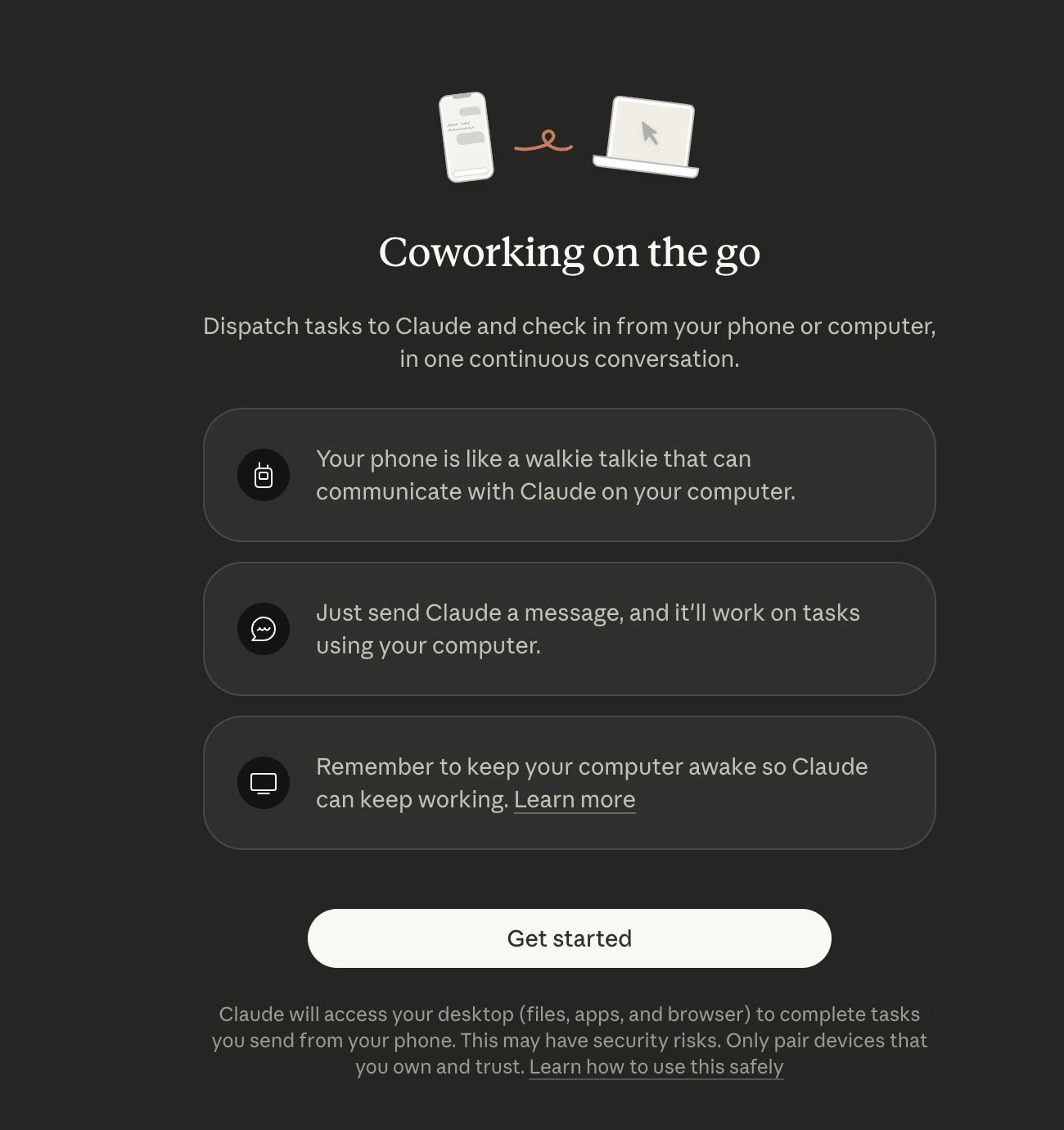
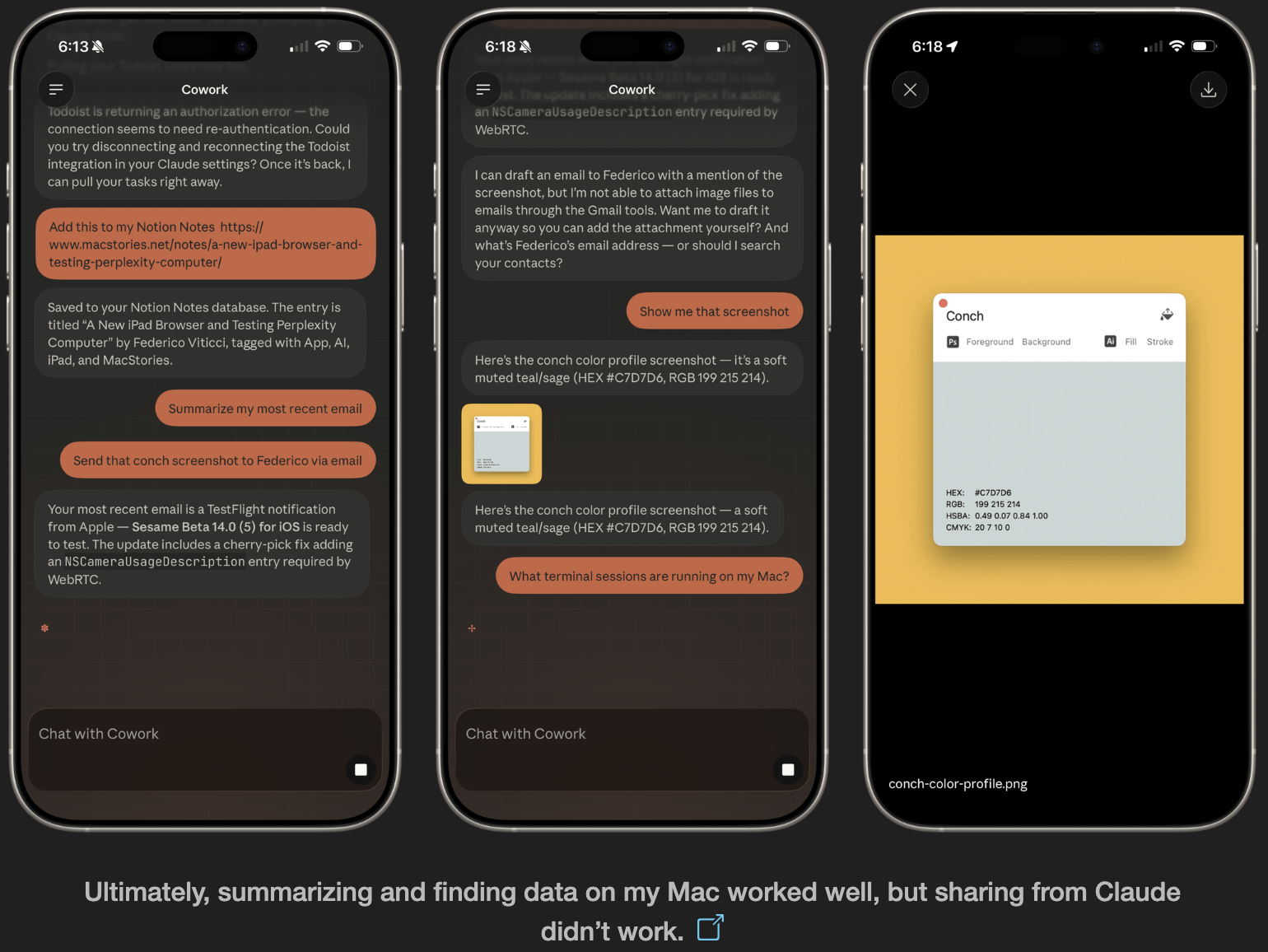
查看原始信息
ClipLedger
ClipLedger helps agencies and teams managing creator campaigns automatically track video views and calculate payouts. Instead of manually updating spreadsheets and estimating earnings, ClipLedger fetches view data and calculates payouts automatically based on your campaign rules. Built for teams working with multiple creators, UGC campaigns, and performance-based payouts. We’re onboarding early teams and offering free access (Pro plan) to the first 15 users.

Does it also track the normal video views or it just does it for YouTube shorts? Is Instagram on the roadmap?

2
回复

@himani_sah1 

Thanks for asking!

Right now, ClipLedger supports YouTube videos — both Shorts and regular videos.

Instagram and TikTok are on the roadmap. We started with YouTube to stay focused and get the core workflow right first

0
回复

Who is the target audience? The creator or the company that collaborates with creators?

2
回复

@busmark_w_nika Great question — right now the primary audience is companies and agencies managing creator campaigns.

ClipLedger is built for teams working with multiple creators and handling performance-based payouts, where tracking views and calculating payouts becomes time-consuming.

That said, it can also be useful for individual creators managing collaborations, but the main focus is on teams at scale.

1
回复

@busmark_w_nika Great question Nika, and smart answer Begaiym. I've worked with creator agencies long enough to know the real headache isn't just tracking views. It's the back and forth when creators question the numbers.

ClipLedger solving that with transparent data shared with creators might be even bigger than saving spreadsheet time. When both sides see the same numbers, the fights stop. That's the kind of trust agencies charge extra for.

Are you thinking about a creator-facing dashboard that shows them the same payout numbers you're using?

1
回复

I can see agencies running UGC campaigns benefiting a lot from this.Automating payouts alone could save hours every week.

1
回复

Which platforms are supported right now for pulling view data? Just YouTube or also TikTok/Instagram?

1
回复

This solves a very real pain. Managing creator payouts in spreadsheets gets messy fast especially with performance based campaigns.

1
回复

Hey @begaiym_adylbek_kyzy, congrats on the launch. I've worked with a few agencies running UGC campaigns and spreadsheets are still the default. It's painful.

I spent some time on your site. A few things stood out to me.


I like the "save 5-10 hours per week" stat. It's your strongest hook. But it's buried under a "Why ClipLedger" section halfway down. That number should be in the first sentence someone reads.

Also, the pricing page shows $19 and $49 but doesn't explain what active tracking means. If I'm an agency with 200 videos, do I need Pro? The jump from 100 to 500 to unlimited makes sense, but active tracking could be clearer.

And lastly the MVP approach is unique. Building with early users is the right move. I'm curious how you're handling creators who submit the same video to multiple campaigns. Is that something you're thinking about?


Either way, excited to see where this goes. Good luck with the launch!

1
回复

@taimur_haider1 

Thanks a lot, Taimur — your feedback is very valuable to us.

You’re absolutely right about the “5–10 hours” point — we’ll move it up and make it more prominent.

Also great call on pricing clarity. “Active tracking” has been a bit too internal as a term, so we’ll rework it and make it clearer how it maps to actual usage.

Regarding duplicate submissions — at the moment, it’s possible to submit the same video to multiple campaigns. We will address it in the next release.

Thanks again — really appreciate the thoughtful insights.

0
回复

this is actually useful tbh. anything tied to creator payouts gets messy real fast once multiple people and campaign rules are involved, and spreadsheets only work till a point. i like that you kept the scope tight with youtube shorts first.

curious, are early users mostly agencies or in-house teams managing ugc creators?

1
回复

@nayan_surya98 

Thanks, appreciate that.

It’s still very early for us, so we’re not seeing strong traction yet. We’re actively talking to both agencies and in-house teams to understand where the biggest pain is and who gets the most value.

Our current assumption is that companies and agencies managing creator campaigns will be the primary users, but we’re still validating this.

1
回复

This is a pretty practical problem to solve. Once creator campaigns start scaling, payout tracking turns into one of those messy backend tasks that eats way too much time and still leaves room for mistakes. Focusing on YouTube Shorts first also makes sense instead of trying to cover everything at once.

Curious, what part do teams struggle with most right now, collecting the view data or agreeing on payout rules?

1
回复

@akshay_kumar_hireid 

Thanks, appreciate that.

From what we’re seeing so far, both are painful, but in different ways. Collecting view data is time-consuming and manual, while payout rules tend to get messy once there are multiple creators and conditions involved.

We’re trying to simplify both sides, but especially the part where tracking and payouts connect.

1
回复
Hey everyone 👋 If you're managing multiple creators, especially on performance-based campaigns, payouts quickly become messy — most teams still rely on spreadsheets. ClipLedger automates this: – tracks YouTube Shorts views – calculates payouts based on your rules – gives full visibility over campaigns and earnings We’re onboarding early users and offering free Pro access to the first 15 teams in exchange for feedback. Right now ClipLedger is an MVP focused on YouTube Shorts — we’re building it closely with early users. Curious how you're currently handling payouts 👇
0
回复

Love the concept but accuracy is everything here .How do you handle delayed or fluctuating view counts across platforms?

0
回复