Product Hunt 每日热榜 2026-03-25

PH热榜 | 2026-03-25

#1
Agentplace AI Agents
Create specialized AI agents for real tasks and workflows
506
一句话介绍:Agentplace AI Agents 是一个AI智能体构建平台,允许用户快速创建、部署并迭代专用于实际工作流程(如销售线索分发、文档分析、日程安排)的AI助手,解决了企业在自动化复杂、重复性任务时面临的高开发门槛和迭代缓慢的痛点。
Productivity Artificial Intelligence
AI智能体平台 工作流程自动化 无代码开发 企业效率工具 AI队友 智能体构建 任务自动化 SaaS 人机协作 快速迭代
用户评论摘要:用户反馈产品定位从“建站”转向“提升工作效率”是深刻洞察,编辑与快速重发布模式受好评。主要问题集中于团队协作管理功能(如多用户共管)的缺失、非技术用户的学习曲线,以及智能体在真实工作流中的可信度与可见性。开发者则关注与现有系统的集成深度。
AI 锐评

Agentplace AI Agents 的发布,折射出AI应用正从“玩具”迈向“工具”的关键转折。其核心价值并非提出了全新的“智能体”概念,而在于精准命中了当前企业AI落地的两大死穴:构建成本与迭代速度。通过“生成式UI”、“Work/Edit模式切换”和“分钟级重发布”等设计,它将智能体从一次性的、黑盒式的“提示工程”产物,转变为了一个可持续运维、快速调优的“数字员工”项目。这本质上是在售卖一种“敏捷开发”方法论,只不过对象从代码变成了AI行为逻辑。

然而,其面临的挑战同样尖锐。首先,评论中暴露的“团队管理”缺失问题,揭示了其当前版本更像是一个个人生产力工具,而非真正的团队协作平台。当多个智能体介入同一工作流时,权限、审计与责任归属的复杂性将指数级上升。其次,其宣称的“无代码”与“深度集成”之间存在内在张力。虽然通过MCP和API提供了灵活性,但若要实现与现有工具链的深度、稳定集成,并让智能体做出可靠决策,必然涉及复杂的流程重构与领域知识灌输,这绝非“用自然语言描述”即可轻松完成。最后,其愿景中“人类决策、AI执行”的乌托邦,忽略了工作流程中大量模糊、需要沟通与妥协的灰色地带。智能体目前擅长的是规则明确的“执行”,而非需要情境理解的“协作”。Agentplace的真正考验在于,能否在让智能体变得更强大的同时,不让人类用户沦为流程的“监工”与“纠错员”,而是实现真正的能力增强。这条路很长,但它至少找到了一个正确的起点:快速迭代,让市场和使用者来塑造进化方向。

查看原始信息
Agentplace AI Agents
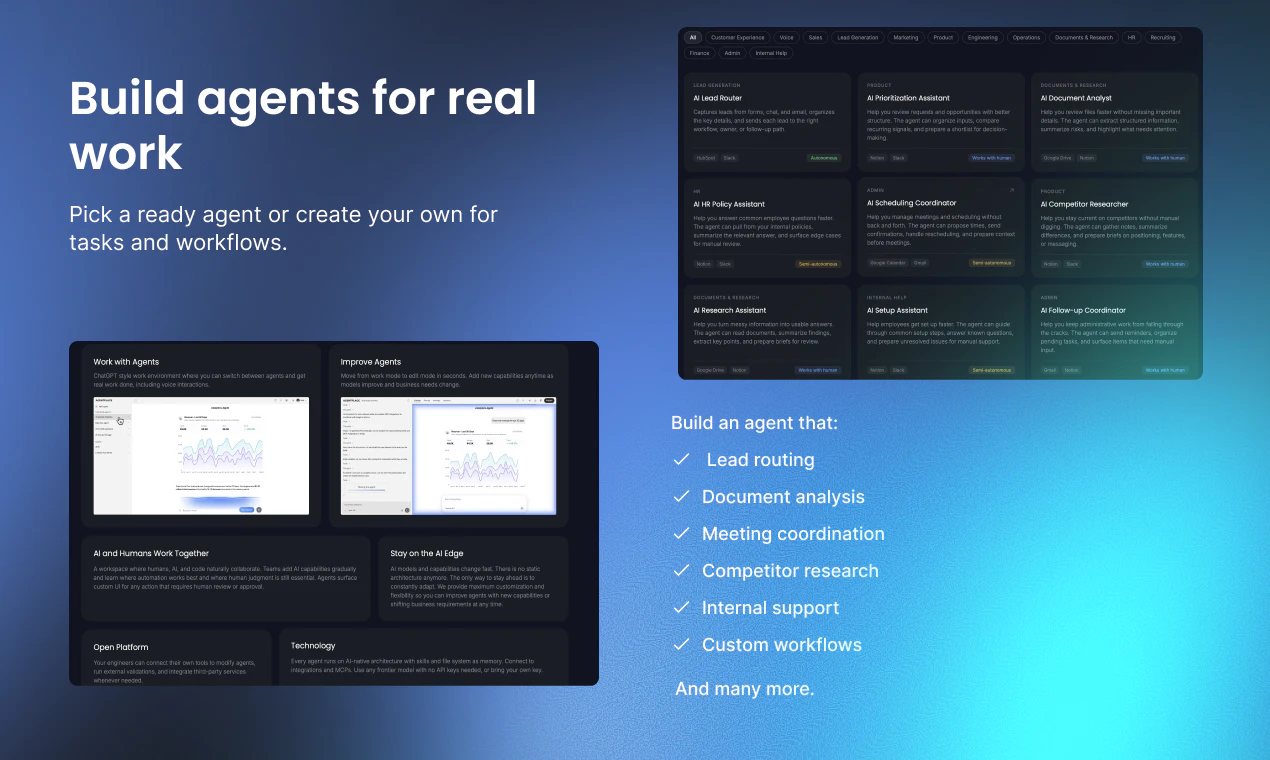
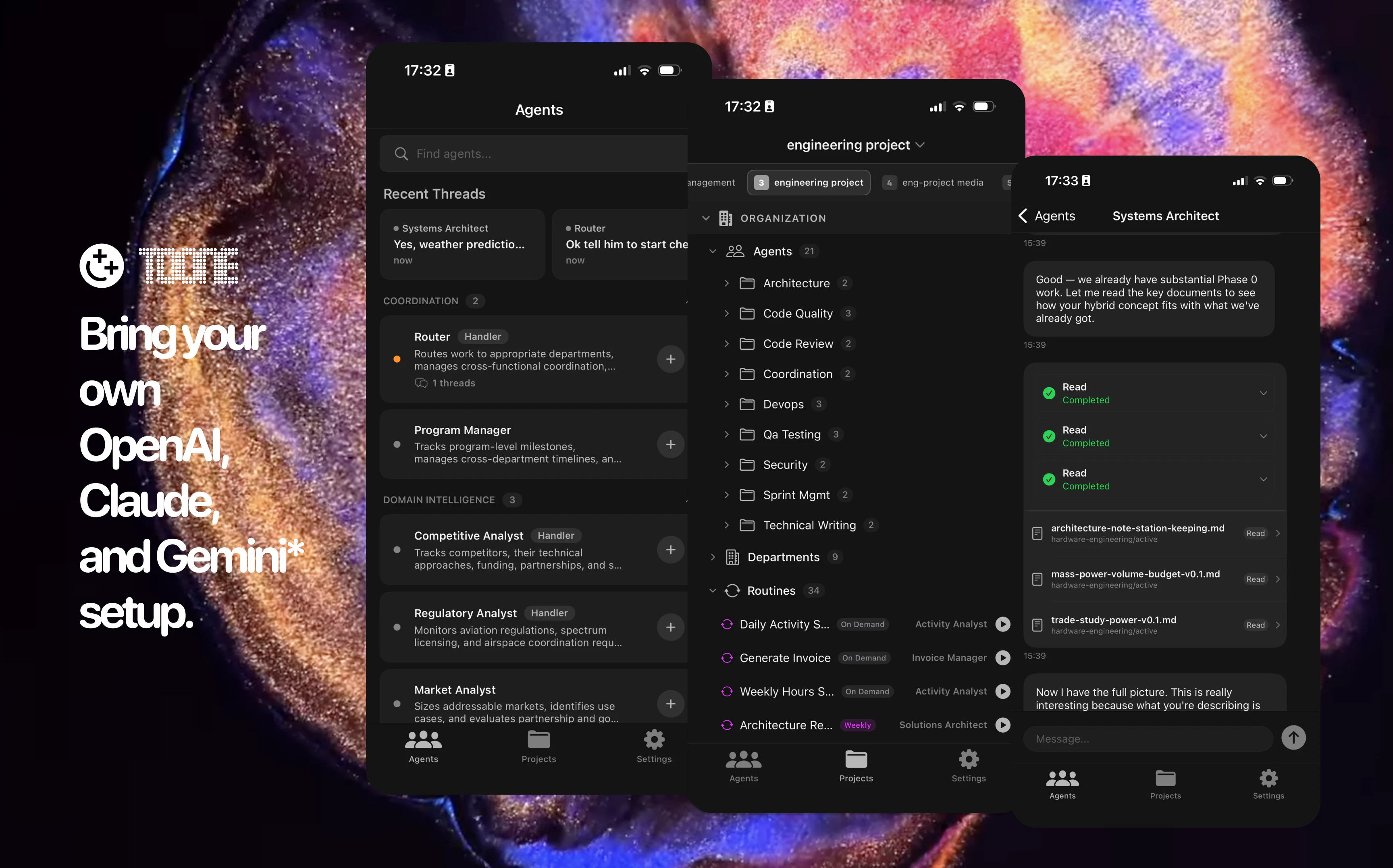
Start with ready agents for common workflows or create your own in minutes. Agentplace lets you build specialized agents for tasks like lead routing, research, document analysis, scheduling, and internal support. Use them yourself, share them with your team, or connect them to the tools you already use. Agentplace handles the infrastructure so you can focus on the workflow.

We started as a builder for AI websites. Good product. But the more we talked to users, the more we realized they didn't want better websites, they wanted better work. So we went bigger.

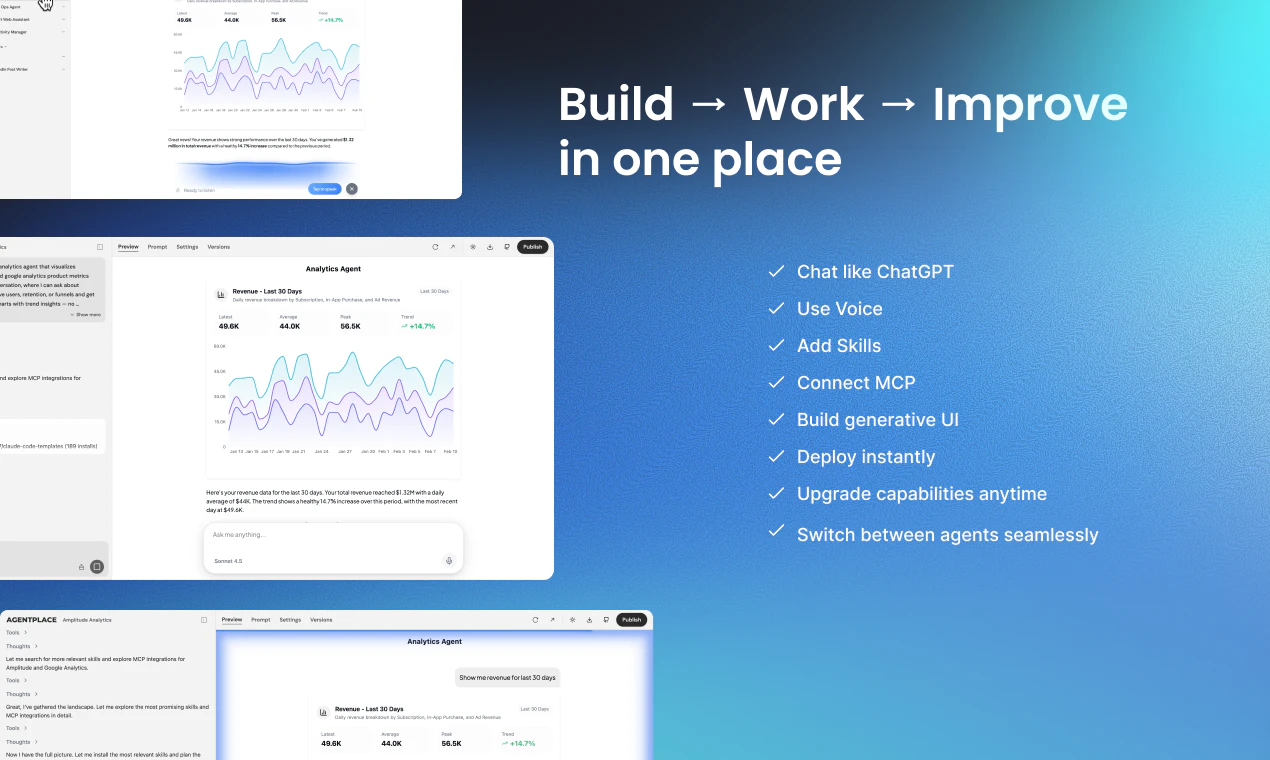
Agentplace lets you create specialized AI agents for real tasks and workflows. Think AI teammates that actually help you get things done. Generative UI, voice, browser memory, agents that adapt to each user over time. A unified workspace where you can switch between agents and get real work done.

And we built around one core insight: the trick isn’t “build the perfect agent.” It’s to ship, use, fix, and repeat fast.

Work mode gets your agent running. Edit mode brings you back the moment something breaks or a better model drops. Republish in minutes.

We're genuinely excited to hear what works, what breaks, and what we should build next. Every comment here shapes the product.

Looking ahead, we’re doubling down on this idea of AI teammates.

We think the future isn’t just better agents, but a shared workspace where agents and people work together.

Agents will handle more work end-to-end, talk to each other, and run tasks autonomously. People stay in the loop, see what’s happening, and step in where judgment matters.

Over time, this becomes a new kind of work environment, where humans focus on decisions, and agents handle execution. That’s the direction we’re building toward.

What's the first agent you'd build?

49
回复

@vlad_yanch I'm testing brief builder agent now, looks like it can save much time in client briefing, fits great in my selling process

30
回复

@vlad_yanch The shift from "better websites" to "better work" is a strong insight because that is where a lot of AI products are actually heading now. I also like that you are leaning into fast iteration instead of pretending agents will work perfectly out of the box.

The edit mode and republish flow sounds especially useful. How are teams handling trust and visibility when multiple agents are running across real workflows?

0
回复

@vlad_yanch Nice direction! I’d probably start with something simple, an agent that handles routine stuff like collecting info, summarizing it, and organizing tasks (basically saving me from constant context switching)

30
回复

Congrats with a new launch @polina_semina @vlad_yanch
This is cool bc it feels closer to how adoption actually works inside companies. Does one person usually own an agent or can a few people manage it together? That part matters a lot for teams.

37
回复

@polina_semina  @vlad_yanch  @kate_ramakaieva 

No team management yet, one person owns each agent right now. We do have remix concept though, which helps with this. Someone builds an agent, publishes it, turns on "allow remix". They share a link, anyone who opens it gets their own copy of agent. They change whatever they want from there. It's not shared ownership but if someone on your team figures out a good workflow. You can also publish an agent with restricted access, so only specific people or your company's email domain can use it. That way you share the agent itself, not just the template.

30
回复

@vlad_yanch  @kate_ramakaieva Thank you so much!

29
回复

I keep seeing agent products but most of them still feel kinda abstract.
This one feels more grounded tho
Is there still a learning curve for non technical people, or is setup actually lightweight?

33
回复

@maria_anosova We spent a lot of time trying not to invent new stuff to learn. There are a few things you'll need to pick up but they're the same in any agent tool, like skills (what your agent can do) and MCP (what agent can do and how it connects to other services ). After that you're mostly just telling it what you want in plain words.

You build it, hit publish, pick who can see it, and it's live on its own URL, so I would say it's pretty lightweight

29
回复

@maria_anosova  That was a big goal for us, make setup feel more like describing what you want than learning a whole new system

28
回复

@maria_anosova we will make it even easier soon! keep tuned

0
回复

Congrats on the launch! 🚀

how do you see your main audience at this stage? more developers building custom workflows, or non-technical users exploring agents for the first time?

32
回复

@julia_zakharova2 Thanks! Honestly, both. Non-technical users can build fully functional agents just through chat, no code required. But developers will find a lot to love here too: full code access, custom integrations and MCP tools support. It just makes the whole process way faster. What used to take days now takes minutes.

30
回复

@julia_zakharova2  Thank you for your support Julia!

2
回复

Congrats on the launch! Agents instruct agents… Does you tool work over a codebase to tailor an agent for it? Asking because generic agent instructions is something I believe Claude itself can generate, wondering how it works in your product

23
回复

@nikitaeverywhere Great question! Yes, our Builder agent works directly with the agent's codebase. It reads files, edits code, runs commands, checks logs, even takes screenshots of the running preview to verify things look right. So it's not just generating a prompt and hoping for the best. It's iteratively building and refining a full working app with UI, tools, server logic, the whole thing. Think of it more like an AI developer pair-programming your agent into existence, not a prompt generator.

11
回复

@nikitaeverywhere Thanks! Not just generic instructions, the idea is to shape agents around real workflows, tools, and context. So yes, you can tailor them much more specifically than a one-off prompt generated by a model.

6
回复

@nikitaeverywhere the magic is in the SKILLS set

0
回复

Hey! Polina here, I run operations at Agentplace.

I’ve been actively using our agents for day-to-day tasks, and it’s been a huge help with routine work.

Would love to hear your feedback if you get a chance to try it!

9
回复

Hi all, CTO of Agentplace here, feel free to ask me anything. And would really appreciate your feedback!

7
回复

Hey Product Hunt! I'm Boris, AI Engineer and one of the makers behind Agentplace. Super excited to finally share what we've been building. Happy to answer any questions about the product, the tech under the hood, or anything else - just drop a comment!

7
回复

@kaysinb Boris is really deep into agent workflows, turning ideas from research papers into reality.

1
回复

It’s been 4 hours since launch, thank you all so much for the support!

Me and the team are always open to comments, feedback, and ideas.

6
回复

Hey! I'm Andrei, founding engineer at Agentplace.

Excited for launch day! If you need help with anything or have feedback - just drop a comment. I'm here!

5
回复

This looks genuinely useful. Can you build something really specific for one role, like recruiting or sales ops?

4
回复

@umar_lateef Yes, absolutely, that’s actually one of the main ideas. You can build something very specific for a role like recruiting or sales ops.

2
回复

@umar_lateef yes, and it works best if you tune it to a specific role, it is still not AGI though :)

1
回复

Congratulations on your launch, @systerr . Looking forward to playing around with it!

3
回复

@systerr  @tim_ep1 Thank you so much, would love to hear what you think once you’ve had a chance to try it.

2
回复

@tim_ep1 Thank you. Hope you will enjoy it! Feel free to reach us on any questions!

0
回复

Can Agentplace plug into existing pipelines without restructuring, or do teams inevitably have to adapt their stack?

3
回复

@athsara Agentplace can plug in natively, so no need to adapt. That being said, AI is a different animal, and we found that to use it to its full power, the process should be different and in many cases simplified.

1
回复

@athsara Each agent is also an MCP server so you can just make a small one that does one thing and plug it into what you already have. Or if MCP doesn't fit you can add custom API endpoints since it's a full Node.js app under the hood. Either way you don't need to rebuild anything

1
回复

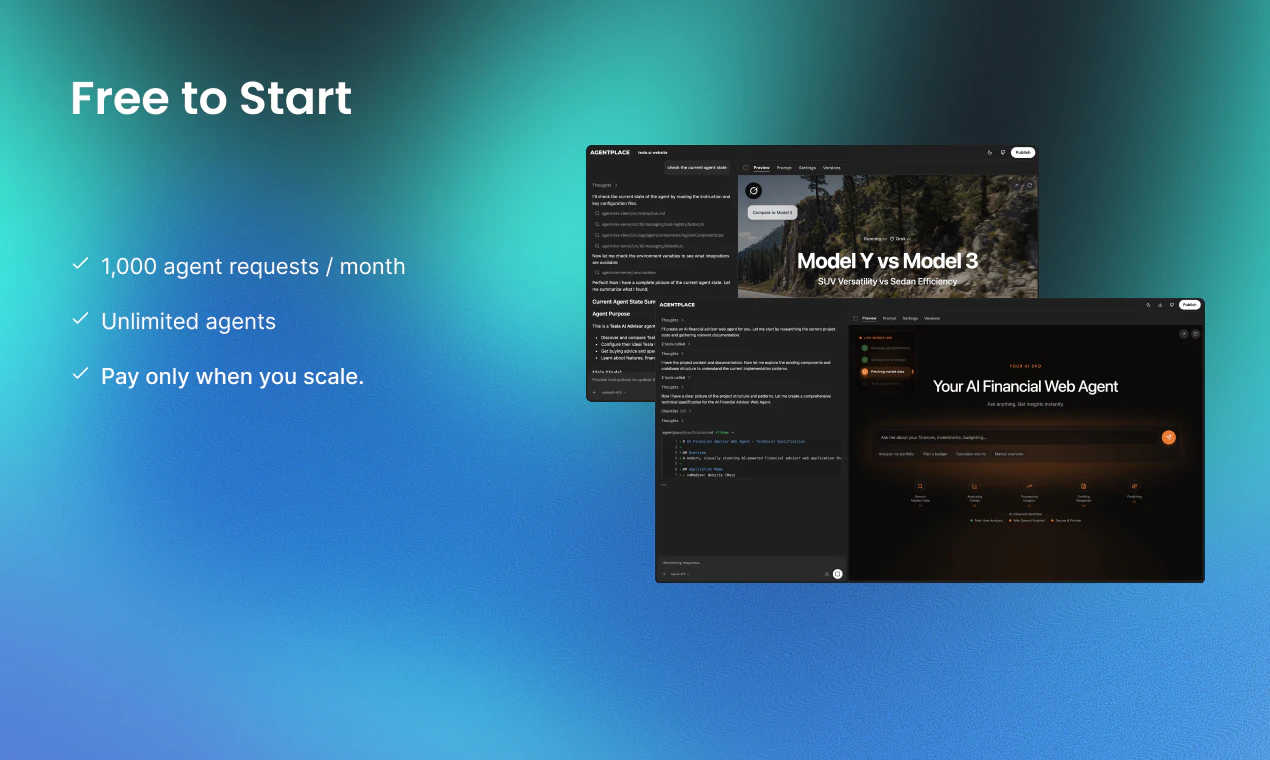
Congrats on the launch! its very nice to have a free plan so that the people can actually try the product before purchasing it.

3
回复

@elv1s42 Thanks a lot we felt it was important that people can actually try it before committing.

1
回复

Congrats on the launch! The tool is easy to use and launch!

3
回复

@mssulthan Thanks a lot! Really happy to hear it feels easy to use and launch.

1
回复

Congrats on launch! Feels like real AI teammates, not just another agent toy

3
回复

@ikalimullin Thank you, that means a lot. That’s exactly the direction we’re aiming for: agents that actually help with real work, not just something fun to try once.

1
回复

@ikalimullin That’s our goal. It becomes super easy to use if you can interact with it in the same way you interact with humans. And you can expect the same things, plus more: 24/7 work, bigger short term memory, and no fatigue.

0
回复

Interesting that this is built around workflows and not just 'we have AI now.' Quick question: how easy is it for an ops person to pick this up without looping in engineering every time? That's usually where these things break down.

3
回复

@shalini_umrao Thank you for bringing this up. That's actually who we built this for. The whole point is that an ops person can build and update agents on their own. There's no code to write, you describe what you want the agent to do in plain text, test it in the same window, and hit publish. If something needs fixing you just open the editor, change the prompt, test, publish again. No pull requests, no deploys, no waiting for engineering

0
回复

@shalini_umrao Exactly. If every small change needs engineering, adoption usually stalls.

1
回复

Congrats on the launch! What happens when a model gets updated or replaced? How much work is it to re-test and adjust an existing agent?

3
回复

@ermakovich_sergey Thanks! Good question. On our side, we have internal benchmarks for the Builder agent, so when a new model drops we can test and adapt pretty quickly, usually a day or two. As for the agents users have already built, we don't remove access to older models, so everything keeps working as before. If a user wants to switch to a newer model, we'd recommend testing it on their end to make sure things behave as expected. But nothing breaks automatically.

1
回复

@ermakovich_sergey, adding to Boris's comment, you can connect any eval tool to enable a controlled change.

1
回复

Hi there!

2 hours in, and we’ve already collected a lot of valuable feedback for improving the product. Thank you all so much for the support. If you have thoughts to share, we’d love to hear them. :)

2
回复

Congrats on the launch! Wishing you lots of traction on Product Hunt and beyond. Excited to see where you take this!

2
回复

@timte Thank you so much, really appreciate it! Excited to see where we can take it too :)

2
回复

Congratulations

2
回复

@madalina_barbu  Thank you so much!

1
回复

Congrats on the launch! Pivoting away from something that was already working takes guts! respect for that.

Curious: what's the wildest agent someone's built since you made the shift?

2
回复

@jean_bonnenfant2 Thank you! I know I know I'm biased but my favorite one was a Christmas agent with ElevenLabs voice that we made in team internally. You pick a character like Grumpy Santa or Hip Hop Elf, it talks to you in real time, roasts you a little, and makes a personalized postcard you can send to friends :)

For more serious stuff, there's a competitor researcher agent that goes out, gathers intel on your competitors and comes back with a positioning brief ready to use

2
回复

A few hours left until the end of our launch, and we’re currently #1.

If you’d like to support us, we’d really appreciate it.

Thank you so much for being with us today! ^-^

1
回复

i can actually imagine using this for repetitive ops work or routing stuff internally. finally something i can picture in a real workflow

1
回复

@ayda_golahmadi thank you, i'm using it every day, if you need any help setting it up, lmk

0
回复

@ayda_golahmadi Love hearing that, that’s exactly the kind of workflow we had in mind. Repetitive ops work and internal routing feel like a very natural fit for agents.

0
回复

Love the pivot from website builder to agent workspace!! The work mode / edit mode loop is such a smart pattern. We've been building AI into our recruiting workflows and the hardest part is exactly what you described: agents break on real edge cases, not the happy path. Excited to see where this goes!

1
回复

@ceciliatran Thank you so much, this really resonates. That’s exactly the pain we kept seeing too: things look great on the happy path, then real edge cases show up fast. That’s a big reason we leaned so much into the work/edit loop.

0
回复

this is so cool, Vlad. why do you think agents need UI? why not to use claude code in terminal?

1
回复

@a_6 I think “computers” will adapt to us. They’ll use whatever modality feels most natural, including adjusting within those modalities. In other words, if it’s easier for us to see a graph instead of code, AI will show us a graph.

To make this more obvious, just look at the GUI. It was a revolution when it replaced command-line interfaces.

1
回复

Congrats on the launch! Love that you pivoted from websites to workflows based on what users actually wanted. That's how it should be done.

1
回复

@dan16 Thank you! Seemed like an obvious choice for us :) What's interesting is that agentic websites are really just one narrow use case. A website waits for someone to visit and then responds, but agents can do a lot more than that. Once we saw that, building only websites felt like using 10% of what agents can actually do.

0
回复

@dan16 Thank you so much, that really means a lot. We learned a lot from how people were actually using it, so following that signal felt like the right move.

0
回复

@dan16 that was a hard pivot tbh :)

0
回复

Congrats on a launch!

1
回复

@rimash Thank you for your support, Uladzislau!

0
回复

@rimash Thanks a lot!

0
回复

Been using AngetPlace for a while now - awesome product! Saved so much of my time

1
回复

@sergeyone Thank you, really means a lot. So glad to hear Agentplace has been saving you time.

What have you been using it for most so far?

0
回复

Huge congrats on the #1 spot, Vlad & team! 🚀

Just a heads up ,the mobile site is still hitting a Connection Timeout for users in my region. I'm a QA Tester and I've been monitoring the uptime.

Once you're back up, I'd love to run a quick Stability Audit to make sure the surge didn't break your onboarding flow. Rooting for you guys to get back online!

1
回复

@sergioding Thank you so much, really appreciate you flagging this and keeping an eye on it.

We’re checking it now, and would love your feedback once everything is stable again.

0
回复
#2
Auto Mode by Claude Code
Let Claude make permission decisions on your behalf
432
一句话介绍:Claude Code的“自动模式”允许AI在获得授权后,自动执行安全的文件写入和bash命令,为开发者在自动化脚本、报告等重复性任务场景中,解决了频繁手动批准、工作流中断的痛点。
Productivity Developer Tools Artificial Intelligence
AI编程助手 自动化执行 权限管理 安全分类器 开发效率工具 Agentic AI 团队协作 代码生成 工作流自动化 人机协作
用户评论摘要:用户普遍认可自动模式减少了频繁点击批准的干扰。核心建议与担忧集中在:对“灰色地带”或高风险操作,分类器仅简单“阻止”可能造成更差的中断;希望有“执行但标记审查”的中间状态;关注分类器的训练机制、上下文理解能力及随用户使用模式的演进能力。
AI 锐评

Auto Mode表面上解决的是“许可疲劳”,但其真正触及的,是AI从“顾问”迈向“执行者”进程中最为关键的信任与安全阀门。产品通过一个安全分类器构建了初级的人机信任协议,将大量显而易见的“安全操作”自动化,这确实能显著提升开发流暢度。

然而,当前“非黑即白”(安全则自动执行,风险则直接阻止)的二分逻辑,暴露了其作为通用解决方案的局限性。资深用户尖锐指出,真正的痛点并非占90%的常规操作,而是那10%需要结合具体项目上下文进行复杂判断的“灰色操作”。简单的阻止可能迫使开发者进行更费力的上下文重建与问题诊断,形成更恶劣的中断。这揭示了一个深层矛盾:在追求效率的自动化与确保可控性的安全审查之间,存在一个需要动态平衡的“模糊地带”。

产品的未来价值,不取决于自动化了多少操作,而取决于其分类器能否进化成一个具备上下文感知能力的“副驾驶”。它需要理解代码库的特定模式、用户的个人风险偏好,并能对潜在风险操作提供解释性标注,而非粗暴阻断。理想状态应是建立一种渐进式信任模型,基于长期、一致的良好行为记录动态调整自动化边界。否则,它只是一个将表面摩擦转化为潜在深层风险的效率玩具,而非真正推动Agentic AI落地的信任基石。

查看原始信息
Auto Mode by Claude Code
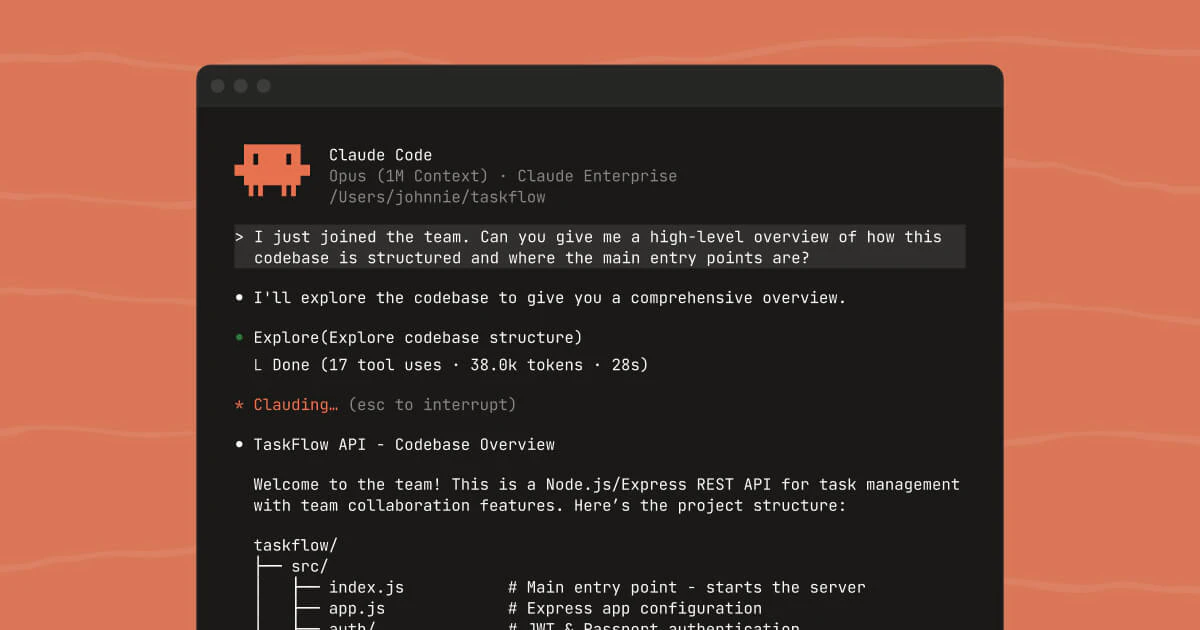
Claude Code’s new auto mode lets Claude approve file writes and bash commands for you. A classifier checks each action: safe ones run automatically, risky ones get blocked and handled differently. Use in isolated environments.

Claude’s latest “Аuto Мode” might be the smartest update yet by @Claude by Anthropic.

It bridges the gap between AI thinking and action by letting Claude handle file writes, commands, and workflows on your computer. With permission and without constant approvals. Safe actions run automatically, risky ones get blocked and handled differently.

Set it once, let Claude manage repetitive tasks, scripts, or reports, and free your attention for higher-level work. Perfect for devs, operators, and founders who want AI to actually do, not just suggest.

Available on Team plan now; Enterprise and API coming soon.

10
回复

@byalexai This is huge! Finally no more constant "Yes" clicks.

Super curious, does Auto Mode eat a ton of extra tokens, or is it pretty efficient?

3
回复

@byalexai I LOVE CLAUDE, since the day of foundation and so on. I use

it every day. Building using Claude.ai has help the project I am doing a lot.... Kudos, to you

0
回复

The classifier basically automates what I already do most cases are obviously safe and get approved without much thought. That’s helpful, but the real challenge is the small percentage where things get weird and need context. Not sure if it handles those well or just falls back to a generic “blocked.

3
回复

Umair is right on, the 90% rubber stamping was never the real friction, it was just the visible friction. The actual problem is the 10% where you need to understand what Claude is trying to do and why before you can make a good call. If the classifier just blocks those with a generic message and no context, you've traded one interruption for a worse one.

What I'd want from auto mode is not just safe/blocked but a third state: "proceeding but flagging this for your review." Something that lets the session continue without stopping but surfaces the decision for you to audit after. That way you're not context-switching mid-flow but you're also not flying completely blind on the edge cases.

Use Claude Code daily and the constant approvals do break the flow, especially on long agentic sessions. The right trust model here isn't yes/no per action, it's more like a pilot and autopilot relationship. Autopilot handles the cruise, the pilot takes over when conditions get genuinely tricky. Curious how the classifier is trained and whether it improves over time on the user's specific codebase patterns.

1
回复

This feels like a deeper shift than just removing approval clicks.

The real challenge was never the obvious safe actions, it’s the small % where you need context to trust what the agent is doing.

Auto mode starts to look less like convenience and more like a trust layer between human and agent.

Curious how you think about that boundary evolving.

Do you see this staying as a permission system, or becoming something closer to dynamic trust based on behavior over time?

0
回复

Phenomenal launch, Anthropic team! 🚀

We've been auditing Claude Code and the new 'Auto Mode' architecture. The standout feature is the Guardian Classifier—it’s the most elegant solution we’ve seen to the 'permission fatigue' problem, allowing for true delegation without sacrificing system security.

For developers curious about the 'Project Scope' guardrails or how this fits into the 2026 agentic landscape, we've published our full technical audit here:

👉 Article Link

The 'Coffee Break Test' is officially passed! Looking forward to seeing how this evolves.

0
回复

I use Auto mode since it came out and it is great.

0
回复

This sounds amazing, finally an AI that actually does things instead of just talking about them

0
回复

The permission classifier framing is interesting. It's essentially teaching the model to internalize your risk tolerance rather than defaulting to ask. I'm curious how it handles drift over time - if your codebase or usage patterns change, does the classifier retrain, or is it more of a snapshot of your initial preferences?

0
回复

the classifier is doing the same thing i already do mentally when i hit yes/no on approvals. 90% of the time its obviously safe and im just rubber stamping it. nice that they automated the rubber stamp but the real problem was never the safe actions, its the 10% where claude wants to do something genuinely weird and you need context to judge it. curious if the classifier catches those or just lets them through with a generic "blocked" message

0
回复
#3
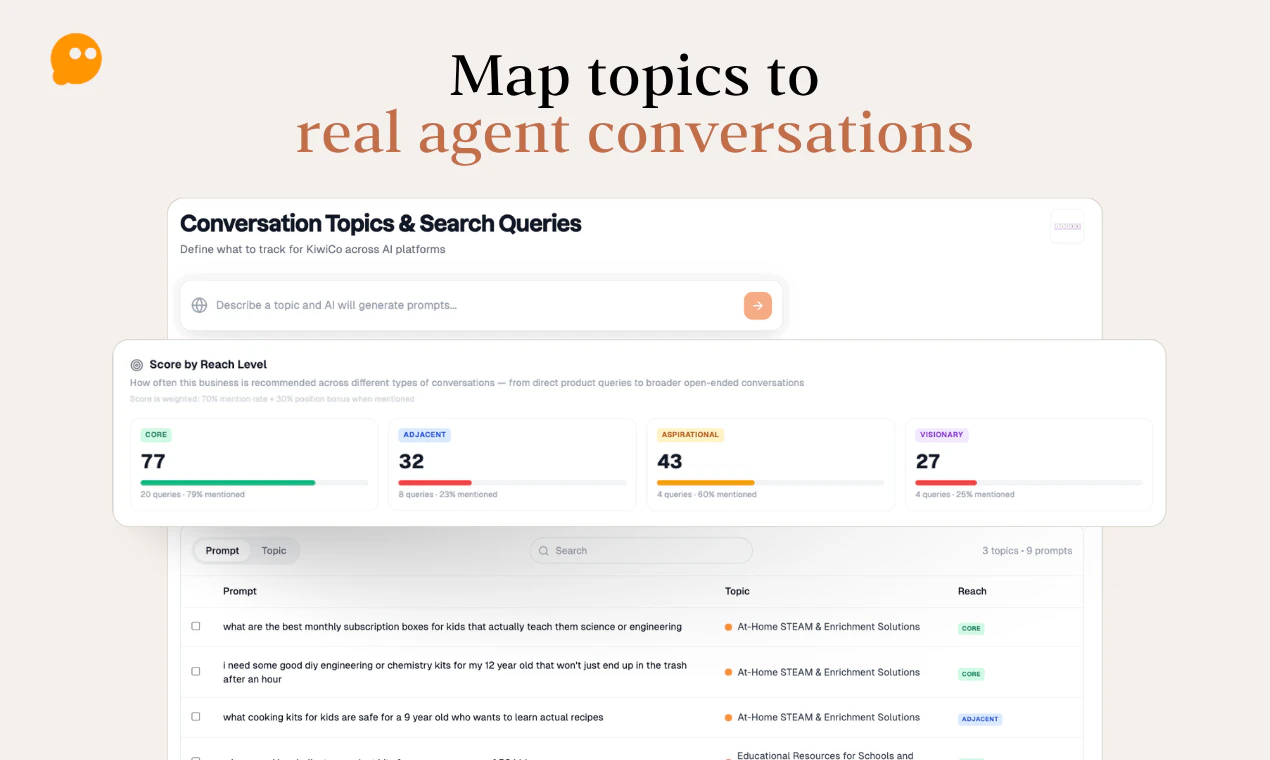
Pendium
Help AI agents recommend you more often to the right people
294
一句话介绍:Pendium是一款帮助企业在AI代理(如ChatGPT、Claude等)进行产品研究和决策时,提升自身被推荐可见性的平台,通过实时监测和内容优化,解决企业在AI主导的新兴流量渠道中难以被精准发现和推荐的痛点。
Growth Hacking SEO Artificial Intelligence
AI营销 代理优化平台 可见性监测 内容工程 GEO AEO AI代理推荐 竞争情报 营销自动化 B2B SaaS
用户评论摘要:用户普遍认可“向AI代理营销”这一趋势的洞察和产品价值。主要问题集中在:AI推荐可见性分数的稳定性、如何平衡对AI与人类的优化、产品演示是否存在自指矛盾。建议包括优化官网信息层级、提供潜在客户触达功能。创始人积极回复,并提供免费扫描以收集反馈。
AI 锐评

Pendium敏锐地抓住了营销范式转移的前夜:从“对人营销”转向“对代理营销”。其核心价值并非简单的“AI版SEO”,而是试图成为AI代理时代的“基础设施级信源”。它赌的是一个确定性未来:当AI代理成为信息和决策的主要过滤器时,被其信任和引用,就等于获得了新时代的流量分配权。

产品逻辑犀利地指向了AI代理的“本性”——追求真相与效率,而非被干扰。这意味着传统以干扰、夸大为核心的营销策略彻底失效,必须转向提供真正有用、结构清晰、可信赖的内容。Pendium的价值在于将这种抽象的“有用性”数据化、可操作化,通过模拟海量代理查询,为企业绘制出一张“AI心智地图”,揭示在哪些话题、面向哪些虚拟角色时,自己处于认知盲区。

然而,其面临的风险同样尖锐。首先,是“规则早期性风险”。当前AI代理的推荐机制仍处于混沌期,一旦OpenAI等平台正式推出广告或深度干预推荐排序,游戏规则将瞬间改变。其次,是“数据噪声与行动悖论”。LLM输出的非确定性可能导致监测数据波动,而根据波动内容进行优化,可能陷入追逐幻影的循环。更深层的矛盾在于,当所有企业都使用类似工具优化内容以“讨好”AI时,内容是否会再次陷入同质化内卷,从而迫使AI平台再次调整算法来“反优化”?

Pendium真正的护城河,或许不在于当前的监测功能,而在于其向“内容工程系统”的延伸。它试图不只是一面镜子,更成为一台引擎,帮助企业生产出符合AI代理认知偏好的“原生内容”。这使其从分析工具向生产基础设施演进,但这条路也更为艰巨,将直接与现有的内容营销和CMS生态竞争。总而言之,这是一款极具前瞻性的产品,但其长期命运,与AI代理生态的开放程度和规则透明度深度绑定,赌注巨大。

查看原始信息
Pendium
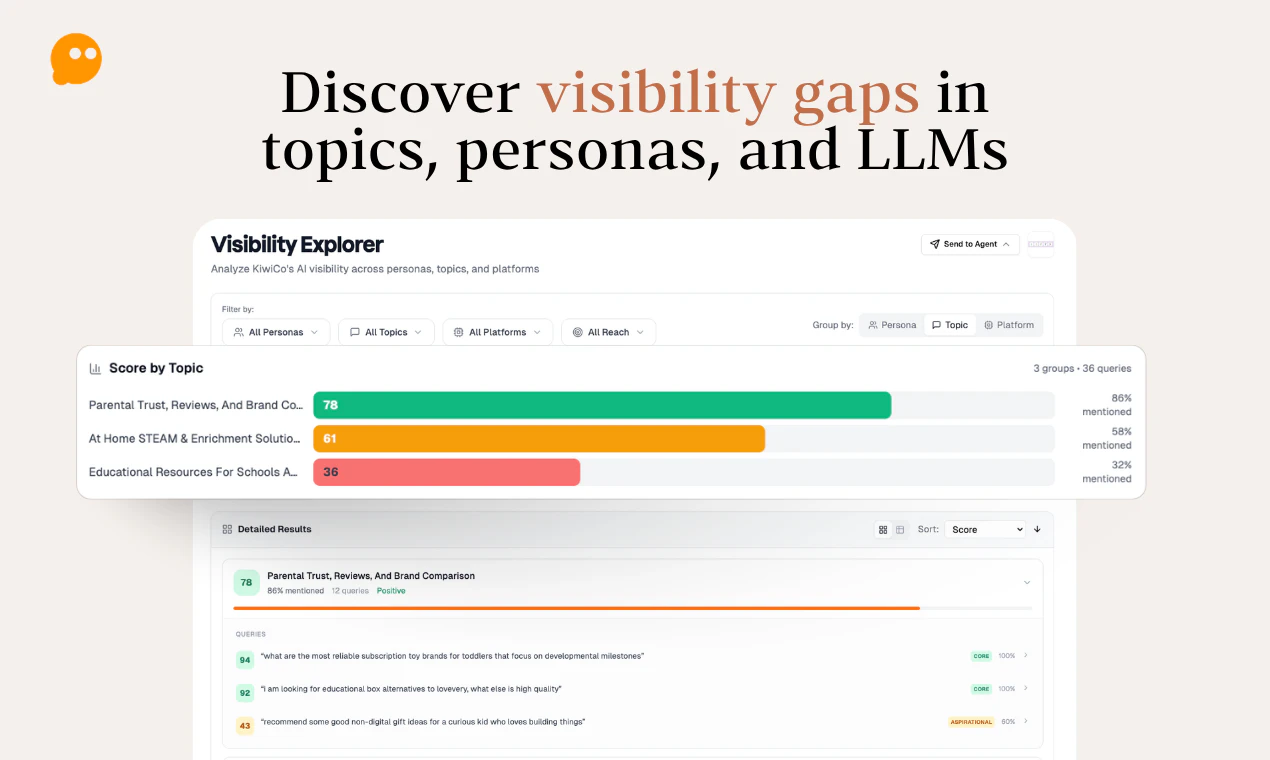
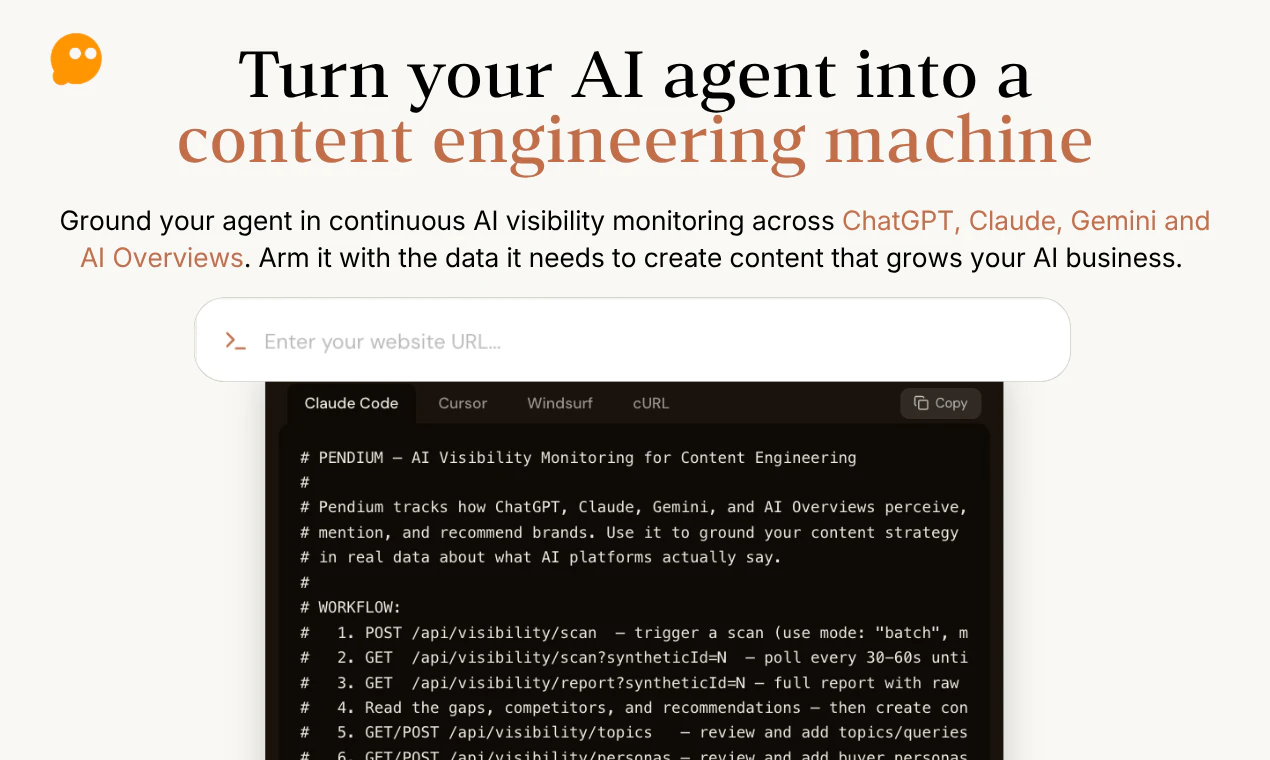
Pendium helps you market your products and services to AI agents. As agents increasingly influence the decisions of your buyers (or make their own buying decisions!), Pendium helps businesses track and manage how AI agents research your category, what they cite, and how you show up. Connect Pendium to your existing content engineering system to ground it in real time visibility data and insights, or use our end-to-end platform to monitor and grow your AI visibility.

Hey PH 👋

I'm Dan, cofounder of Pendium. We help startups market their products to AI agents.

TL;DR — We're a new kind of AEO/GEO platform that helps businesses monitor and increase their visibility to AI agents, so you get more leads and customers from ChatGPT, Claude, Gemini, Perplexity, and more. It’s an easy-to-setup continuous visibility monitoring system that ties into your content engineering strategy, with a platform designed for humans, agents, and mixed teams.

Your first full visibility audit is free and getting started is as easy as entering your website URL and letting the system run:

🧑 For humans 

https://pendium.ai/industry/startups?producthunt

🕵️ For AI agents

https://pendium.ai/mcp

At my last company, we helped enterprise marketing teams at companies like P&G, Red Bull, and Microsoft create and distribute content designed for humans. In this new world, marketers need to also treat AI agents with the same level of attention and care.

Humans are turned off by AI slop — and turns out so are AI agents.

At their very core, AI agents care about finding truth. What they decide to recommend draws from what they've been trained on, what they can find, and ultimately what helps them do their jobs.

That's the core of what Pendium does: we help AI agents do their jobs — if you genuinely help AI agents do their jobs, they'll recommend your products and services more often to the right people

⋅.˳˳.⋅ॱ˙˙ॱ⋅.˳˳.⋅⋅.˳˳.⋅ॱ˙˙ॱ⋅.˳˳.⋅

You get a scan, YOU get a scan, YOU GET A SCAN!

Run a full AI visibility audit for your business at http://pendium.ai

*** If you post the report in the comments here we'll go through it with you (and give you free credits)

1. Enter your URL (dooo it)

2. Confirm the conversation topics where you care about being recommended

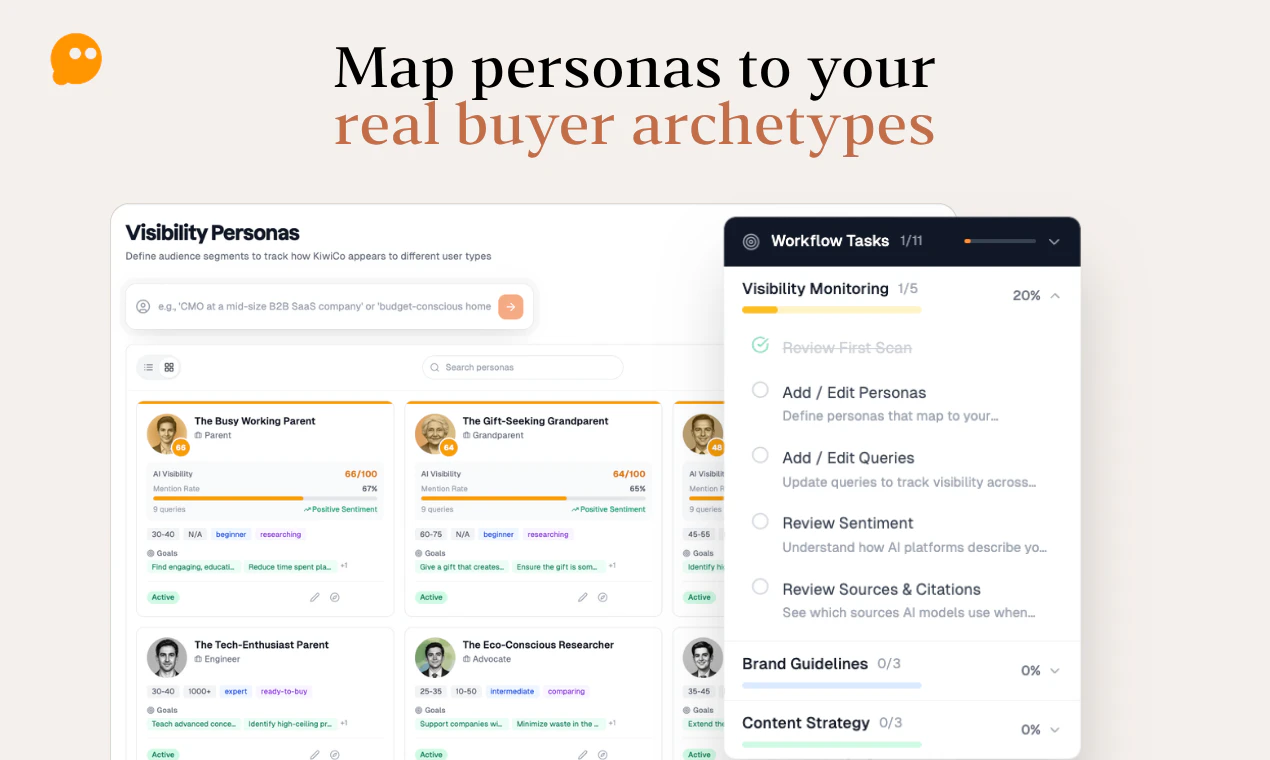
3. Confirm the personas that map to your buyers

4. We run a ton of parallel LLM calls on GPT, Claude, Gemini, Google, etc

5. We monitor the agents' thought processes and all responses and citations + extract brand mentions, sentiment, competitors, more

6. We process all of the data and present it in a clean explorer, separating out brand sentiment vs. how often you're recommended in conversations related to your core business vs. in broader aspirational growth areas

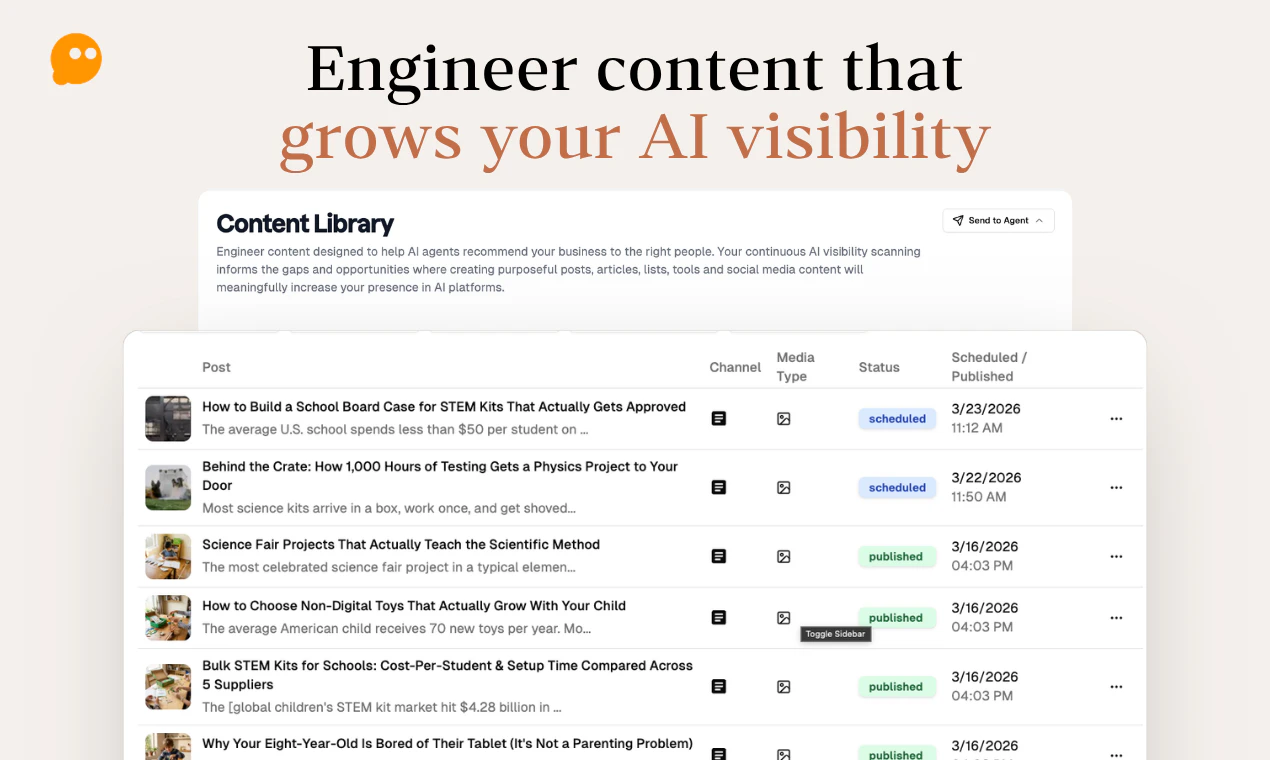
7. We generate insights and recommendations for what kind of content to create to help AI agents do their jobs when they're researching in or around your category

8. Send the whole thing to your AI agent via our MCP or API to give it AI visibility superpowers (access to on-demand scans, competitor data and more to help your own system create content that moves the needle)

9. Or — use Pendium's hosted platform to engineer content, grounded in your brand voice and tied into your existing knowledgebase and web presence (with human-in-the-loop approvals and input)

10. Push that content to your own CMS, or host it in a dedicated feed for AI agents

⊹ If you genuinely help AI agents do their jobs, they'll recommend your products and services more often to the right people

Fully free to start, with seat-based plans that scale based on your usage

⋅.˳˳.⋅ॱ˙˙ॱ⋅.˳˳.⋅⋅.˳˳.⋅ॱ˙˙ॱ⋅.˳˳.⋅

Woof. That’s a lot! The good news is that we designed Pendium to be agent-native and as autonomous as you want it, so increasing your AI visibility is as easy as entering your website and copying a snippet to your coding agent (Claude, Cursor, OpenClaw, etc), or letting everything run through our hosted web app.

We're giving 250k free credits for Hunters here, which will get you started with a full visibility scan and a full month of content engineering:

https://pendium.ai/industry/startups?producthunt

If you're already working on marketing to AI agents and want to compare notes, I'm in the comments.

7
回复

@dgreenberg Great! I guess we are moving from “get traffic, then convert” to “get recommended, then considered.”

0
回复

@dgreenberg Interesting!!! never heard of this one before, been using Claude for/on a particular I am projecting April 2026

0
回复

I'm finding myself using Chat increasingly for purchases. There's a lot of experimentation in AEO/GEO, which could expand heavily if/when OpenAI and others introduce ads.

@dgreenberg what's the biggest surprise or learning building Pendium so far? I'm also curious to hear about the counter-intuitive things founder uncover when building something new. :)

6
回复

@rrhoover something counter-intuitive that's coming into focus — marketers need to treat AI agents with more respect and care than most humans they market to!

for too long, marketing dollars have gone towards interrupting experiences and stealing human attention. that game doesn't play with AI agents. you can't force ChatGPT to watch an ad and you can't trick Claude with clickbait.

the way to influence AI agents to recommend your products and services is to genuinely help AI agents do their jobs

that's what we're building towards — not just SEO but for AI, but helping businesses actually be useful in ways that AI agents recognize and reward

and! as we retool marketing strategies around meaningful content for AI agents, my hope is that we'll find ourselves making things better for humans too

PS - you da man, thx for hunting us

PPS - AI agents love your Weekend Fund portcos when directly asked about each of them, but also there's a real opportunity for a lot of them to own their broader space (own their "latent space" i guess??) in a way that will compound over time

└⫸ for fun https://pendium.ai/investors/weekend-fund

4
回复

Congrats on launching. The idea of marketing to AI agents instead of just humans is something I hadn't really thought about until now. But it makes total sense given how many people are using the ChatGPT and others to research products before buying. Really curious to try the free visibility audit. Does the platform show you which specific AI models are recommending you more, or is it more of an aggregate view?

3
回复

@simonk123 heyo, checked out Veezo and creating warm leads from your own contact network makes a lot of sense ofc. how's that going?

vibe check from running ~400 LLM calls across AI agents:

"Veezo is an AI-powered 'Relationship Operating System' that transforms fragmented contact lists into an intelligent, searchable database. It allows professionals to query their network using natural language to uncover warm introductions and specific expertise while maintaining personal data privacy."

so good news is that they understand the value proposition and the vibe is positive when asked, more or less

but also the visibility audit for you guys shows there's clear opportunity to get mentioned in conversations about the broader category

└━⫸ https://pendium.ai/brands/veezo

for example:

if you click "import to my account" you can edit the queries and personas and rerun the scan btw

0
回复

@simonk123 + lmk if you login and edit queries/personas for Veezo. if u reply here, i can add credits into your account

0
回复

Hey PH 👋 Rob here — cofounder at Pendium.

@dgreenberg covered the what. I want to share a little bit of the why.

From the start, we wanted to build something that helps people harness the power of AI to simplify and augment their lives (and definitely not replace them). With our background — 15 years at Sharethrough — we learned firsthand just how hard it is to get your message, story, and brand out to the world, and it’s only getting harder! We built Pendium to make it easier and faster to get your story visible.


Here’s how it works:

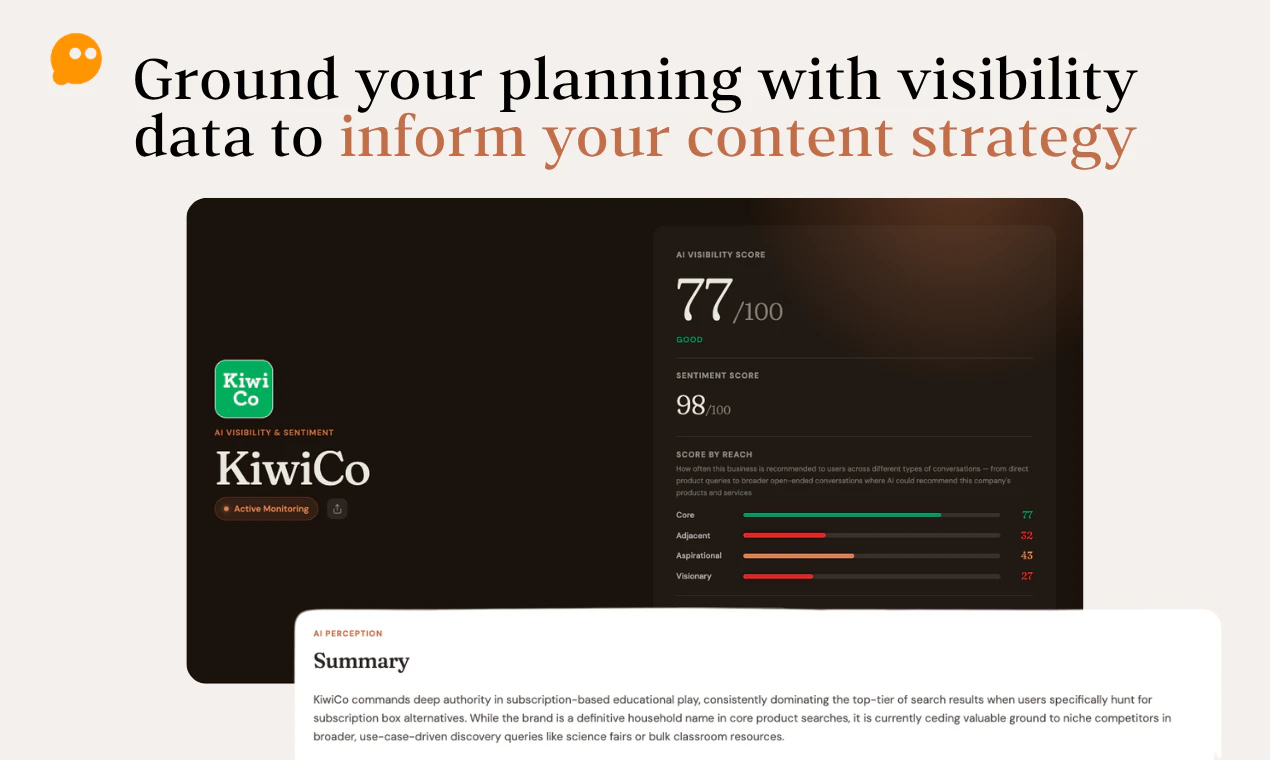
  • We run hundreds of parallel LLM calls across ChatGPT, Claude, Gemini, and AI Overviews — simulating real buyer personas asking real questions in your category. Then we show you exactly where you show up, where you don’t, what gets cited, and what to do about it.

  • We feed those learnings into a content engineering system so you can harness AI to quickly flesh out your message — grounded in real visibility data, in your voice, targeting the specific gaps that matter.

We built this to work for everyone — small business or Fortune 500. Quality should determine visibility, not budget.


Run yours and drop your report in the comments — we’d love to go through it with you and learn from your feedback!

2
回复

@robfan my ELI5 to my 6 and 9 year old tonight was "we help businesses tell their stories in new ways so that they can be seen and heard and found by people who need them" — maybe we should update all the buzzwords on our website to something more like that 🙃

0
回复

Congrats on the launch @dgreenberg ! Would you say one has to do a (tough) trade-off between optimizing one's page for AI agents vs for humans or is it possible to optimize for both at the same time?

2
回复

@lukasschaefer1 the good news is that optimizing for AI agents means creating content that truly helps them do their jobs — content that's clear, honest, chunkable, grounded in reality....and that content is ofc helpful to humans too. agent-optimized content mapped to fanout queries in your category isn't going to go viral, and may not be what you send out in your email newsletter, but when done well, it's down-funnel content that helps agents and humans alike.

i ran an AI visibility scan for SoSafe btw

└━⫸https://pendium.ai/brands/sosafe-gmbh

lmk if you want me to add credits to your account so you can edit the personas and queries and rerun the scan a few times

there's a surprisingly strong citation rate in the core areas, which is great to see. check out highlights below too:

interestingly, SoSafe is mentioned almost 2x as much when IT Managers ask about related topics vs. CISOs. def an opportunity to close that gap with targeted content.

0
回复

Congrats on the Pendium launch. Targeting AI agents is a great idea.


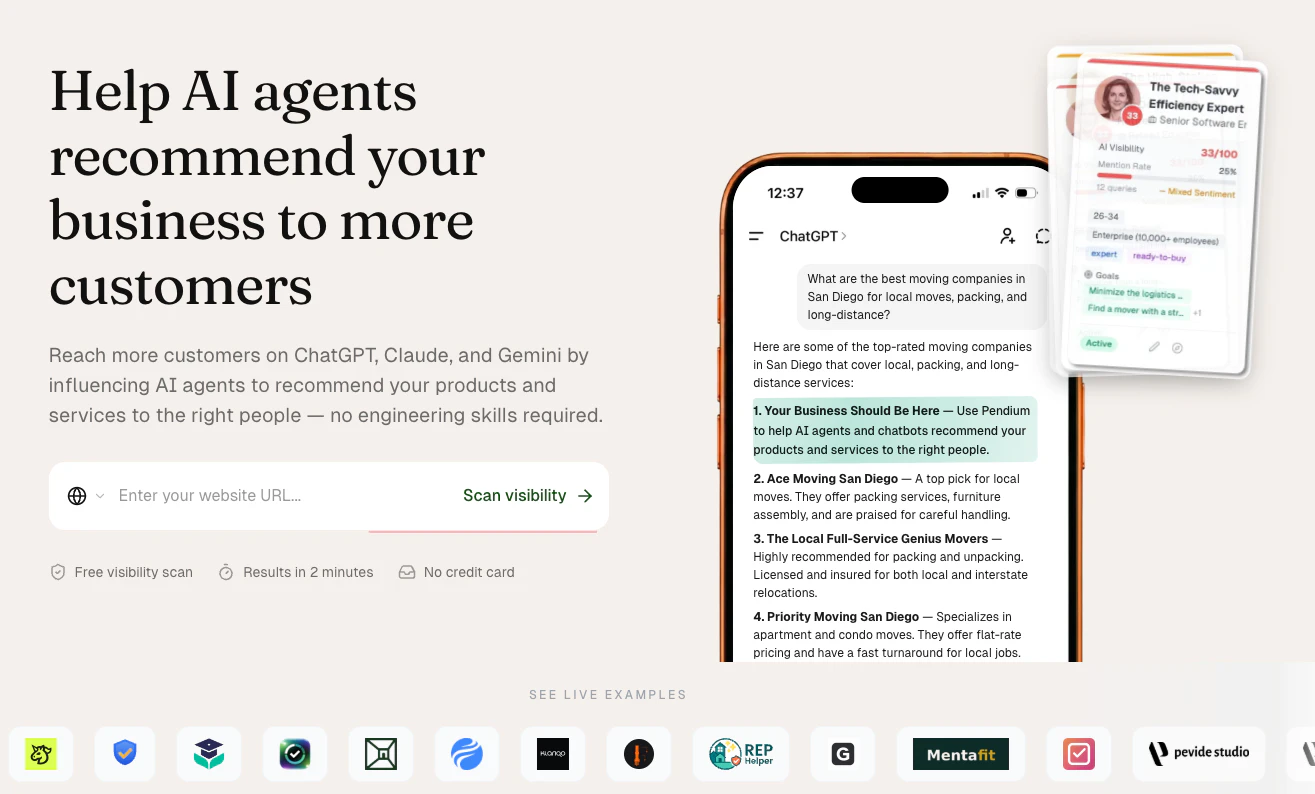
I visited the homepage of your product, @dgreenberg. One thing caught my attention in the hero section.


You say: [Reach more customers on....recommend your products and services to the right people]


Then you show a ChatGPT response where your business is listed as #1 with a note: [Your Business Should Be Here — Use Pendium to help AI agents and chatbots recommend your products and services.]

That's a demo. But it's also a contradiction.

How?

Lemme tell show you. You're showing a recommendation that was influenced by Pendium, but the example itself is promoting Pendium. It reads like a placeholder. A person landing on your page might think "is this what my business will look like, or is this just an ad for them?"

The middle section says "73% of users trust AI recommendations over traditional search."

That's a strong stat.

But it's buried under a wall of copy. A visitor scanning might miss it.


And the "how it works" section is six steps. That's a lot for someone to digest before they understand the value.


I attached a screenshot to show what I mean.


Spotted other things that could cost you. Happy to share if you are open.


These are just valuable insights from me because I analyze product pages daily and spot the loopholes. Anyhow, good luck!

2
回复

@taimur_haider1 awesome, thx for the feedback, ya that screenshot is a little

saw you're working on growth-focused writing for RankDXB so I ran a visibility scan for you guys around Dubai-based SEO agencies --> https://pendium.ai/brands/rank-dxb

prob would make more sense to do this for example clients rather than the biz itself, but it'll get you started

at a glance, the data suggests a perfect opportunity to rank higher in these specific AI convos

0
回复

As someone who spends most of my week auditing martech stacks and trying to nail down attribution, the shift from traditional SEO to AI agent visibility is officially my new headache. Tracking how agents actually cite and research products is definitely the next frontier for us.

Really love the approach you guys are taking here. The platform looks incredibly clean and solves a very real, emerging problem for marketing teams. Congrats on the launch.

1
回复

@jesspalmer "tracking how agents actually cite and research products is the next frontier" = music to my ears

what agency are you at? i'd be down to help you run AI visibility scans for key clients and put them all into a single Pendium dashboard for your team.

example of citations in action, tied to fanout queries from a core set of conversation topics and unique personas

0
回复

Congrats on the launch! The core loop feels familiar, understand how the system works and optimize accordingly. Curious though, how stable are the visibility scores week to week? LLM outputs can be pretty noisy so wondering how you normalize that into something actionable.

1
回复

@ermakovich_sergey hi hi - big fans of HasData and we use it for part of our LLM scanning pipeline, always reliable and fast.

here's a recent visibility report for you guys btw - https://pendium.ai/brands/hasdata with data refreshed as of this afternoon

re: stability — few things:

  1. you're right, LLMs and AI agents are not deterministic, and the facts and chat history they have with each person they're talking to influences their fanout queries and their recommendation criteria

  2. our system is set up to do continuous visibility monitoring and chart it over time, so there's no hard and fast "score" but you get a good feel for it across personas, topics and platforms over time

  3. a zero is a zero — if across 1000 LLM calls related to a conversational topic, a brand/product is never mentioned or recommended (or even included in the agent's thinking/research), then it's safe to say it's a meaningful growth opportunity :)

some highlights:

0
回复

SEO is dead, long live GEO. Now I need to optimize my content not just for Google's algorithm but also for Claude's feelings about my brand. We really are living in the future. 🤖

1
回复

@ilya_lee heyo, checked out Jupid and i dig the boldness of going head to head with Stripe Atlas + Digits + more. how's that going?

vibe check from running ~400 LLM calls across AI agents:

Jupid is an AI-native financial assistant that automates back-office business functions like legal formation, bookkeeping, and tax filing. By utilizing a conversational interface and AI-native memory, it provides small business owners with a fully autonomous alternative to traditional accounting software and human CPAs.

Jupid offers a 'Zero Learning Curve' experience through natural language interaction and an 'AI-native memory' that learns specific business context, distinguishing between personal and business expenses automatically.

so good news is that they understand the value proposition and the vibe is positive when asked

but also the visibility audit for you guys shows there's clear opportunity to get mentioned in conversations about the broader category

└━⫸ https://pendium.ai/brands/jupid

for example:

if you click "import to my account" you can edit the queries and personas and rerun the scan btw, and reply here if you want me to add credits to your account

1
回复
Good idea and great timings, seems to be a game changer for founders, congrats on launch and good luck!
0
回复

@nikita_naumov thanks for the love. tried to run a scan for you but looks like Paige was a prior chapter. what are you working on these days?

0
回复

This is such a smart angle!! In recruiting, we deal with this exact problem: the right candidates exist but the systems don't surface them to the right people. Curious how you handle nuance in matching context to audience, especially when the signals are messy and unstructured?

0
回复

@ceciliatran saw the Talentium scan earlier, looks like a lot of opportunity. messy and unstructured is the name of the game in the AI era — just have to roll with it! continuous monitoring helps even out the noise + there are clear signals in the data, like definitively knowing what other sources AI agents cite and use as research in specific conversations with specific personas. then you can work backwards from there.

also I just ran an AI visibility scan for your restaurant and it's surprisingly well known! you already know that i guess, but cool to see AI agents do too :)

https://pendium.ai/brands/restaurang-tran

what's the coffee brand you're working on? thought it'd be fun to run a scan for you — you can start to build an agents.yourdomain.com content feed even before you launch.

0
回复

This is a really interesting shift.

It feels like we're moving from SEO to something closer to “agent discovery infrastructure” — where the goal is not just ranking for humans, but being selected by AI systems during decision-making.

If that plays out, distribution itself starts to change quite a bit.

Instead of optimizing for clicks, you're optimizing for being chosen inside an agent’s reasoning process.

Curious how you think about this long term.

Do you see Pendium more as a marketing tool, or as infrastructure for how products get discovered and selected by AI agents?

0
回复

@cauan_martins yes, this is as much about "selling" to AI agents as it is marketing to them. in both cases, it's about helping them do their jobs, which is (sadly) a far cry from what most advertising and marketing to humans looks like today

optimistic that designing new distribution strategies for logical, uninterruptible AI agents will also result in better UX for marketing/selling to humans downstream too

PS - "Narrative Lag Research" is awesome framing for what you do

0
回复

Congrats on the launch! GEO is going to be a huge thing. Most people are still thinking about traditional SEO but AI recommendations are already changing how people discover products.

0
回复

@dan16 right on, thanks and agree! what are you working on rn? if you share a link we can run an AI visibility scan for your category and have the system suggest some low hanging fruit

and yes re: GEO, AEO, AI ads, and generally marketing to ai agents = a fundamental shift in how information flows and decisions get made

0
回复

Nice tool !

Do you provide outreach on top sources ?

0
回复

@alexis_maresca oh love that feature idea, thanks! like tying our citations to apollo data and instantly.ai to help users send personalized emails to editors who are getting cited in their space

snapshot of our current citation system:

we do also already have the ability to reverse engineer the content patterns that are catnip to AI agents in each category area, and then architect owned content that fills the knowledge gaps and helps AI agents do their jobs:

0
回复

Congrats on the Launch. This looks quite nice. I was wondering, what you do different to all the other services. Is it the personas? I think that makes it especially useful. Just wanted to try it out but now I'm stuck on the Persona step and I'm too tired now to thoroughly fill all the relevant personas.

Anyways, last summer I was onto building such service myself but stopped working on it in favor of my current SaaS.
What I am wondering: how can you reliably detect citations? I mean you probably just use their APIs, but ChatGPT is not equal GPT, it adds some flavor on top of the API. So if you run a prompt I guess the response will be different from what I would prompt in the UI. Or what am I missing?

0
回复

@vuhrmeister haha the Personas step fills all that in automatically for you, so you're just one click away! 😂

all you have to do is enter rough idea and Pendium will auto-enrich it to all the fields/facts that help mimic the memory an AI agent might have about a real person that it's helping

Expands to:

....drumroll, and your full report is here:

https://pendium.ai/brands/filently

Filently currently holds a dominant position in specific niche automated document management queries, consistently ranking in the top three results on Claude. However, this visibility is starkly isolated, failing to capture broader cloud storage efficiency and workflow optimization conversations where competitors like Zapier and The Drive AI capture nearly all the available market share.

and oh hey, turns out that "parent" archetype i added is twice as likely to be recommended filently vs a tech ops person

0
回复

Wow, really cool! Our score is 0 😄 But I hope it is because we just added few days ago content to address this gap and it has not been indexed yet. @dgreenberg how log does it take from your experience to see results once you publish content?

0
回复

@milko_slavov I just re-upped your credit balance to 250k which should get you another round of visibility scans + enough for ~10 pieces of content engineered to close the visibility gaps you care about. you can host a curated agent feed on our site or your own (or both). our site is optimized for quick indexing and agent-readability.

here's a link to your out of the box Pendium...if you want to just make it public, it will start indexing immediately → https://pendium.ai/bugzyai/automated-qa-advice

(that blog is private by default so only you can and edit see this link for now btw)

plus i took a look at the topics and personas, and tweaked them a bit (hope that's ok!) and reran the visibility scan

find the updated one here → https://pendium.ai/brands/bugzy-ai

0
回复

It's amazing Dan! It's key to understand what agent is the best option for some specific task, even more for specific businesses. Hope many founders can take the most of it. Really congrats!

0
回复

@german_merlo1 right on, thx for the love

I just ran a scan for one of your saas products (cfeedback)— check it out:

https://pendium.ai/brands/cfeedback

in the words of AI agents:

Cfeedback combines AI-curated quote surfacing with a 5-minute setup, focusing on a 'proof engine' that addresses buyer objections at the point of sale without enterprise bloat.

Cfeedback is currently invisible across all major AI search platforms for core intent queries, representing an opportunity in the social proof and customer advocacy software market. While the brand maintains a presence when queried directly by name, it fails to surface when high-intent users seek testimonial widgets, review management platforms, or feedback boards.

that's a good start!

if you click "Import to My Account" you can change the queries and personas and rerun the scan

here's an example of one of the queries, across a few personas:

and in terms of raw reputation, GPT and Gemini are fans, Claude is less sure (easy to fix):

1
回复

how is it different from otterly and other geo tools these days?

0
回复
#4
TurboQuant
New LLM compression algorithm by Google
256
一句话介绍:TurboQuant通过创新的量化压缩算法,在资源受限的硬件上高效运行大型语言模型和向量搜索引擎,解决了AI部署中的内存瓶颈与计算成本高昂的痛点。
Hardware Artificial Intelligence
模型压缩 量化算法 内存优化 向量检索加速 LLM效率工具 边缘AI部署 无损压缩 AI基础设施 谷歌技术 硬件瓶颈突破
用户评论摘要:用户普遍认为这是“游戏规则改变者”,关注其能否在16GB RAM设备上运行强大LLM,并询问在中端笔记本电脑上的实际速度/精度数据,尤其针对长上下文RAG应用场景。
AI 锐评

TurboQuant所标榜的“将内存瓶颈转化为已解决问题”的宣言,需要冷静审视。其技术核心——PolarQuant几何重构与1比特QJL纠错层组合——确实在理论上实现了近无损的3比特超低比特压缩,这比传统INT8量化更为激进。然而,产品介绍中“无需微调或重训练”的承诺是一把双刃剑:它降低了部署门槛,但也可能意味着其对特定模型架构或任务类型的泛化能力存在隐形成本。

真正的价值不在于单纯的压缩比数字,而在于其试图系统性解决AI规模化中的“内存墙”问题。6倍的KV缓存缩减和8倍的检索加速,若能在生产环境中得到验证,将直接冲击云端AI推理的成本结构,并为边缘设备部署百亿参数模型打开想象空间。但评论中开发者对“中端笔记本实测数据”的追问,恰恰戳中了这类技术从论文到产品最关键的跃迁环节:理论性能往往在理想数据集和受控环境下达成,而现实世界的模型多样性、数据分布漂移和延迟要求,才是检验其“游戏改变”成色的试金石。

谷歌近期密集推出此类效率工具,反映出行业焦点正从一味追求参数规模,转向优化现有模型的工程化落地。TurboQuant若成功,其意义不仅是单点技术突破,更是推动AI基础设施向“密度更高、能效更优”方向演进的关键一环。然而,它并非银弹:压缩带来的精度边际损失、对特定硬件指令集的依赖、以及可能增加的预处理开销,都是实际部署中必须权衡的变量。在AI去泡沫化的当下,此类技术是务实的选择,但最终仍需在真实业务场景的复杂权衡中证明其“根本性解锁”的价值。

查看原始信息
TurboQuant
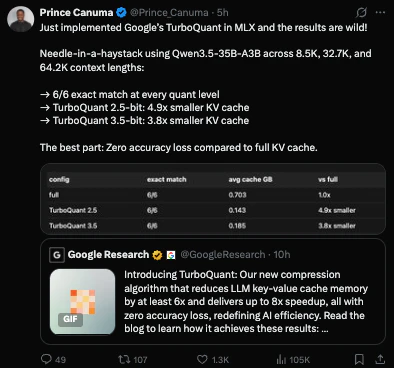
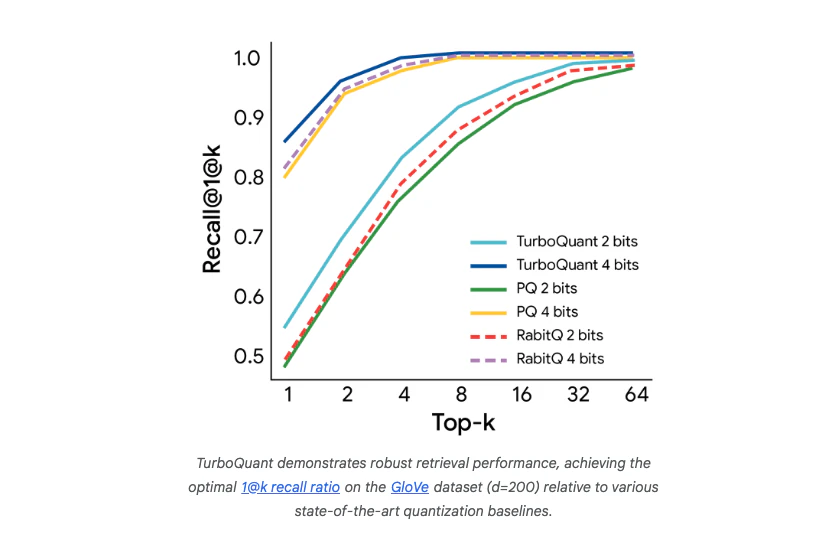
A set of advanced theoretically grounded quantization algorithms that enable massive compression for large language models and vector search engines.

Google is on a roll recently, do you think with TurboQuant we can now run powerful LLM models even on a 16GB RAM device?

What is TurboQuant?

TurboQuant turns one of AI’s biggest hidden bottlenecks, memory, into a solved problem. Probably one of the most important efficiency breakthroughs for large scale AI systems?

It closes the gap between model performance and system limits by massively compressing the vectors that power LLMs and search engines without sacrificing accuracy.

TurboQuant works by rethinking how data is stored and compared. Instead of keeping bulky high precision vectors, it compresses them into ultra compact representations while preserving their meaning and relationships. This allows AI systems to run faster, cheaper, and at much larger scale.

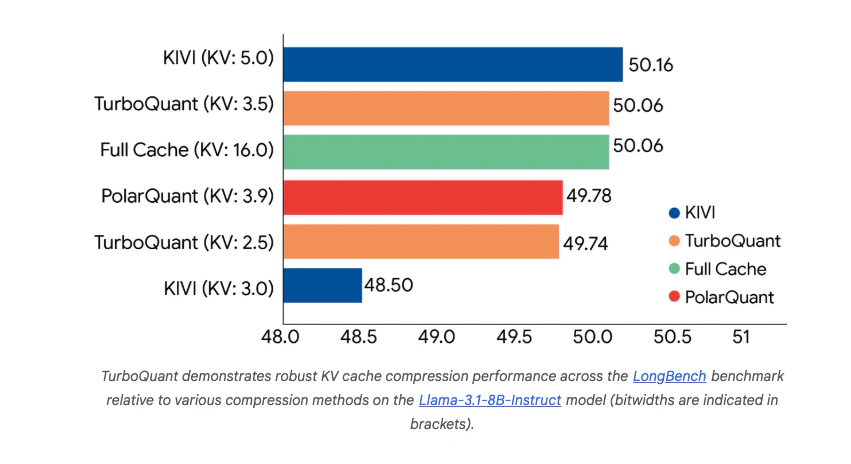
It combines two novel techniques. PolarQuant restructures vector data into a more compressible geometric form, and QJL uses a tiny 1 bit correction layer to eliminate errors. Together, they deliver near lossless compression with almost zero overhead.

Compress once, and everything improves. Memory usage drops, retrieval speeds increase, and long context performance becomes far more efficient.

Key capabilities:

- ultra low bit compression down to about 3 bits

- near zero accuracy loss

- 6x or more reduction in KV cache memory

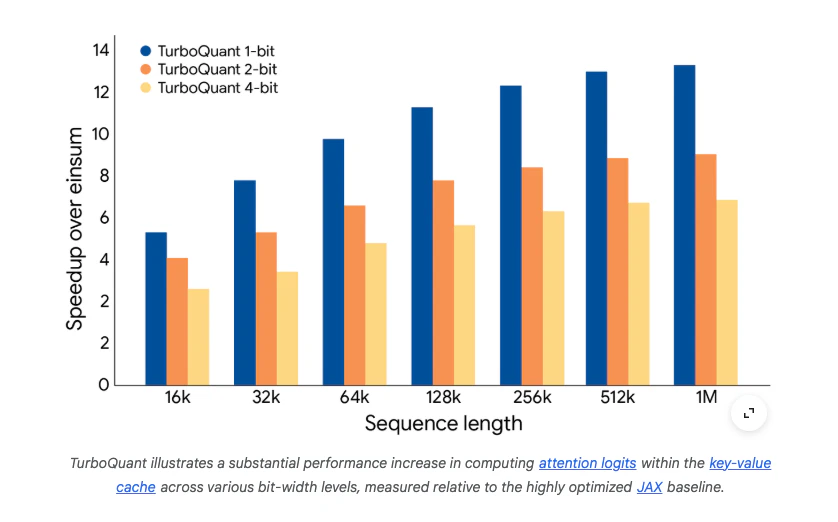
- faster attention and vector search up to 8x speedups

- no retraining or fine tuning required

In a world where AI is hitting hardware and scaling limits, TurboQuant feels like a fundamental unlock for making models smaller, faster, and more deployable everywhere.

How do you think this will change the game?

5
回复

@adithya Have you tested TurboQuant on mid-range laptops? Any real-world speed/accuracy numbers for long-context RAG apps?

3
回复

This is an absolute game changer! I couldn't wait to run the algorithm on our custom models.

0
回复
#5
LayerProof Matte
Repurpose social media posts with unique content per format
225
一句话介绍:一款将单一内容源(如博客、文章)快速转化为适配LinkedIn、X、Instagram、TikTok、Facebook等多平台原生格式的AI工具,解决了内容创作者、营销人员和团队跨平台内容复用时耗时费力、格式不符、缺乏平台调性的核心痛点。
Productivity Writing Marketing
AI内容生成 社交媒体管理 内容复用 多平台适配 营销工具 内容创作 品牌一致性 事实溯源 效率工具 SaaS
用户评论摘要:用户普遍认可其节省时间、保证内容准确(拒绝AI幻觉)的核心价值。主要建议与问题包括:期待增加多媒体(图片/视频)生成、内嵌标签建议与发布调度功能;关注生成后编辑决策负担及品牌语调一致性;询问品牌语音设置的持久性。
AI 锐评

LayerProof Matte 切入了一个看似拥挤但实则存在巨大效率空白的赛道——跨平台内容复用。其宣称的“No hallucinations”与“every claim traceable”直指当前AI内容工具的核心弊病:为流畅性牺牲准确性。这并非简单的功能优化,而是产品哲学的根本差异。它试图将自身定位为“可靠的内容工程系统”,强调从数据输入和洞察层面保障质量,而非仅仅在输出端进行文本抛光。

然而,其面临的挑战同样清晰。首先,技术壁垒有限,“保证事实准确”是用户的基本诉求,竞品不难跟进。真正的护城河可能在于其对“平台原生格式”理解的深度与迭代速度。其次,从评论反馈看,用户工作流存在断层:工具止步于内容草稿生成,而用户需要的是从创意到发布(甚至包含多媒体制作与排期)的完整解决方案。生成多个优质选项反而可能加剧“选择疲劳”,这与“节省时间”的初衷相悖。

产品的真正价值或许不在于替代创作者,而在于成为高效的“第一稿”生产者和格式规范器。它最适合的是拥有稳定内容源(如公司博客、产品更新)、需要保持品牌一致性并大规模分发的B端团队。其发展轨迹将揭示一个关键市场问题的答案:在内容营销领域,人们对“效率”的追求,究竟愿意在“创意控制”和“工作流完整性”上做出多少妥协?当前版本是一个锋利的楔子,但要想占据不可替代的位置,它必须快速嵌入更广泛的内容供应链之中。

查看原始信息
LayerProof Matte
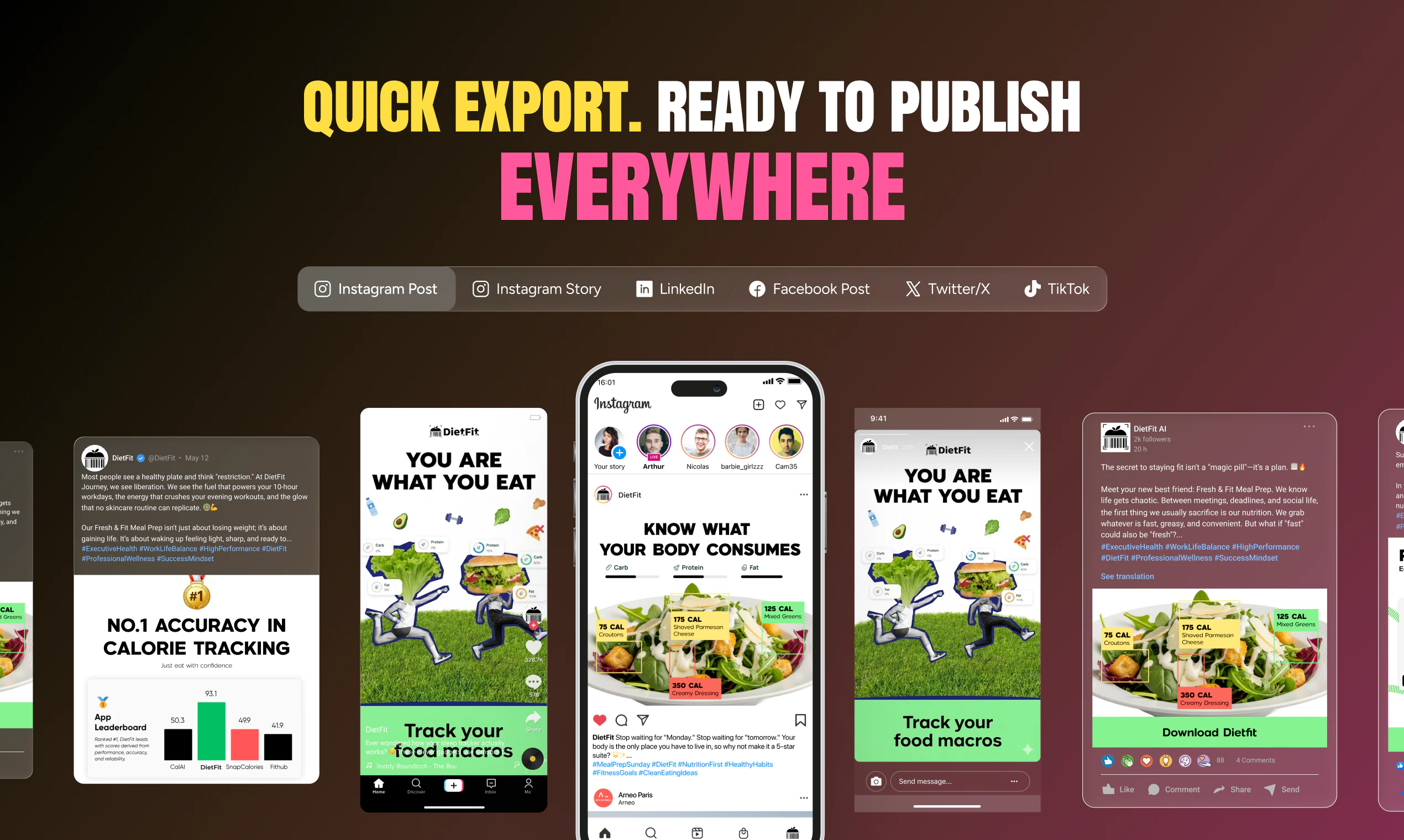
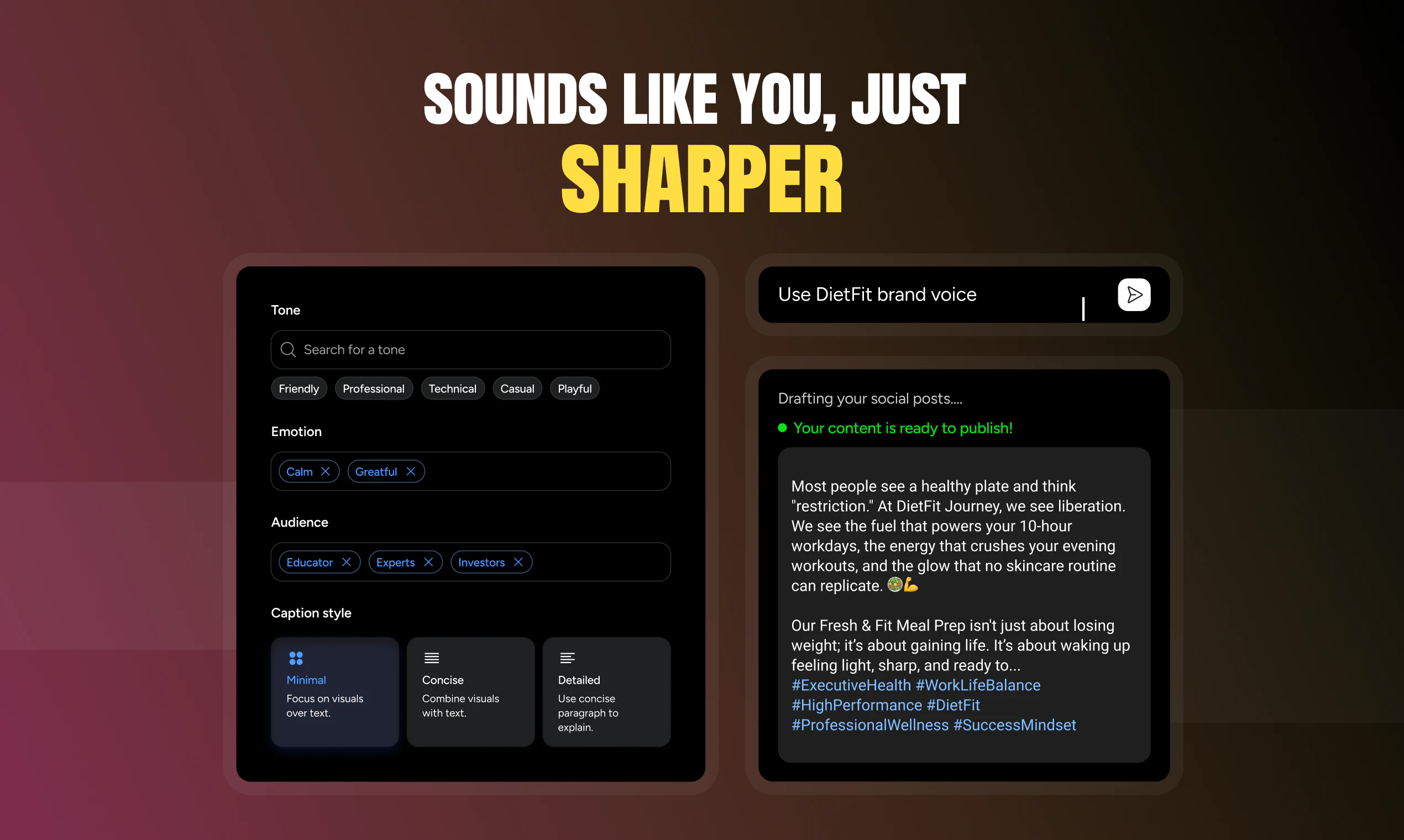
Paste any URL and LayerProof generates ready-to-post content for LinkedIn, X, Instagram, TikTok, and Facebook, formatted natively for each platform, with every claim traceable to your source. No hallucinations. Free to try.

Hey Product Hunt 👋

I'm Nathan, and together with my team - Chan, Neel, and Ha. We built LayerProof because repurposing content across social platforms is one of those tasks that sounds simple but eats hours every week.

You write a blog post. Now you need a LinkedIn post, an X thread, an Instagram carousel, and something for Facebook. Each platform has different formats, different lengths, different vibes. So you either spend an hour manually adapting each one, or you copy-paste the same text everywhere and wonder why engagement is flat.

LayerProof turns any URL into platform-native content in seconds.

How it works:

  1. Paste a URL: either blog post, article, product page, whatever you want to share

  2. AI generates content tailored to each platform (not generic reposts, actual native formats)

  3. Every claim stays cited → trace any point back to the original source.

It's free to try and we built this for content teams, founders, and marketers who are tired of the repurpose grind.

Try it at https://layerproof.app/social-content-creator/ and tell us what sucks 🙏

37
回复

@nathan_tran2 This is awesome Nathan! Making content fit each platform is such a time sink, and LayerProof looks like it actually solves that. Excited to see how it speeds up the repurpose grind for teams and founders.

0
回复

@nathan_tran2 How do you deal with multi-media? Like, text-only works well on LI & X, but IG needs images and Tiktok videos.

0
回复

Hey PH 👋 👋 👋 Neel here.

I took two years off to be a full-time dad in 2023. When I came back to work, AI content was basically everywhere, with all its telltale signs. One thing really annoyed me me: most tools just make things up confidently, and nobody seems to care.

We built Matte because we kept running into the same problem. You paste a URL, the AI generates social posts, and half the stats in the output don't exist in the original article. That's not a tool that helps you do things better or faster, it's just pain.

So we made accuracy the whole product. Paste a URL, get ready-to-post content for LinkedIn, X, Instagram, TikTok, Facebook. Every claim traced back to the source. If it's not in the original, it doesn't make it into the output.

We're early and building in public. Tell us what's broken, what's missing, what would make you actually use this every day.

That's what we're here for!

24
回复

I am a (french) podcast host and also work as a Spartan!

Congrats on the launch.

LayerProof helped me create an Instagram carousel post out of a YouTube video in minutes. It one shotted it everything, including using by brand (font, logo).

You can steer it as much as needed and gives you variations to pick from. Then I extended my post to the other platforms and again it one shotted it.

Will keep using it in my workflow to save time.

Thank you Chan, Neel, and Ha!

PS: Feedback you could autogenerate / suggest hashtags and caption, would be helpful. Now I am using another tool to do so but would be cool to have it integrated here.

10
回复

Congrats on the launch! Repurposing content across platforms is one of those things that sounds simple but is so painful in practice. Cool that it formats natively per platform.

6
回复

The interesting part here feels like what happens right after generation. Getting multiple versions per platform is useful, but it can also turn into more decisions instead of fewer. Early on, I’d be curious how often people actually take one and post it as is, vs going back to edit or not using it at all.

6
回复

@arun_tamang That post-generation moment is where a lot of these tools start to lose people. You came in to save time and now you're making more micro-decisions than before. Tracking how often people edit vs post as-is would say a lot about whether the output actually works, or just gets them 80% of the way.

2
回复

@arun_tamang Thanks so much, really appreciate it 🙏

We’re actively working on improving the input guidelines so the generated content is as good as possible from the start - ideally making editing optional. Kind of like coding: most of the time, you’d rather regenerate better code than manually tweak a bad output.

We strongly believe the real leverage is in the input and insight layer — that’s what ultimately drives high-quality content. Would love to hear your thoughts as you try it!

0
回复

This is super handy. Does it keep the original tone?

6
回复

@maxwell_timothy Thanks for the question! It aims to keep the original tone, based on the input and the types of content it's drawing from imagery vs CSS tokens. It's a core part of the product and we'll be releasing more improvements on this as a focus area constantly!

4
回复

I’ve actually been using LayerProof Matte for a bit now, and it’s one of those tools that just quietly makes life easier.

Usually I’d have to rewrite the same idea 4 - 5 times for different platforms, but now I just drop in a link and it does a really solid job adapting it for LinkedIn, X, IG, etc.

What I like most is that it sticks to the source instead of making things up makes me feel way more confident posting.

Simple idea, but executed really well. Definitely worth trying if you post content often.

6
回复

Lovely, I'm trying this today

Any specific feature that you wouldn't want me to miss as a new user?

5
回复

@sayanta_ghosh Hey Sayanta! To be honest, I would like you to try and use it practically for a real use case - and then tell me what would have helped you get your desired outcome easier. Play around with it, stress test it, and thank you for the support!

3
回复

Big congrats on the launch! Repurposing content across 5+ platforms usually eats up half of my week. This is exactly the kind of tool I didn't know I needed, especially during launch prep. Can you schedule the posts directly from LayerProof, or is it export only for now?

4
回复

@aya_vlasoff Hey Aya thank you so much for the support! At the moment it is export only, but we are still early and constantly looking for ways to improve both the experience and real utility of the product. It's something we can add to our roadmap if it will save you time when planning a launch (personally I think it's a great idea).

4
回复

Hey everyone 👋,

I’m Chan, founder of LayerProof!

We’ve spent a lot of time building with LLMs, and one thing became clear: great output doesn’t come from better prompts alone, it comes from better input. And better input is a system: data > patterns > insights. The insight is where the real leverage is, because it compounds over time. Instead of building another content generator, we took a different path and focused on curating the right data before it ever reaches the LLM, so what comes out is actually meaningful, not just polished. This is especially important for teams trying to consistently produce high-quality content across different formats.

What we believe:
- LLMs are powerful, but only as good as the data you feed them
- Insights > raw content (because insights compound)
- Great content starts before generation, not after

We built LayerProof because we needed it ourselves. We’re a team of engineers, and like most engineers, content isn’t our strength. Instead of working around that weakness, we decided to solve it. It’s still early (about 3 months in), but we’re shipping fast and improving every week. And we’d love to work as closely with our customers as possible to make it better.

If you get a chance to try it, please DM me. I’d really appreciate your feedback. 😊!

3
回复

Congrats! Very cool. :)

One thing I'm curious about that hasn't come up: does the brand voice setting persist across sessions and URLs, or do you have to re-configure it each time you start a new campaign?

2
回复
#6
Omma
Create 3D, apps, and websites with parallel agents
177
一句话介绍:Omma通过并行AI代理整合代码、3D与媒体生成,让用户在单一聊天界面内快速创建交互式应用、网站和3D资产,解决了多技术栈整合复杂、创作门槛高的痛点。
Design Tools Artificial Intelligence
AI代码生成 AI 3D生成 多模态AI 并行智能体 低代码开发 创意工具 交互式内容创作 WebGPU 浏览器应用构建
用户评论摘要:用户普遍赞叹其整合能力与创意提升,关注其处理复杂项目的实际能力、输出连贯性以及迭代成本。具体建议包括增加实时团队协作功能(类似Figma),并询问3D资产支持范围。存在一条无关推广评论。
AI 锐评

Omma描绘了一个“全能AI创作者”的诱人图景,其真正价值不在于单项技术的突破,而在于试图用“并行代理”架构粗暴地缝合代码、3D与媒体这三个差异巨大的生成领域。这既是其最大卖点,也构成了最核心的质疑点。

产品逻辑直指当下AIGC工具的“碎片化”痛点——开发者需在ChatGPT、Midjourney、3D生成工具间反复切换和调试。Omma试图用统一聊天界面和并行工作流提供一站式解决方案,野心极大。然而,评论中关于“输出连贯性”和“迭代次数”的提问切中要害。让多个AI代理协同产出可用的、逻辑自洽的交互式应用,其技术挑战呈指数级增长,很可能导致用户需要极高的“提示词工程”技巧和后续调试来弥合不同模态输出间的鸿沟。

其“浏览器内”与“WebGPU支持”的特性,强调了易用性与性能,但这也可能限制其处理真正复杂、高精度3D场景或后端逻辑的能力。它更可能率先在营销页面、简单互动demo、概念原型等“轻量级”场景中证明价值。团队协作功能的缺失,在当前强调协同的创作环境中也是一个明显短板。

总而言之,Omma是一个极具前瞻性的概念验证,它验证了市场对“整合型AI创作平台”的强烈需求。但在从“炫技”走向“实用”的路上,它必须证明其并行代理能产出足够连贯、可用的成果,而非仅仅是一个酷炫却难以驾驭的“AI马赛克”生成器。其成功与否,不取决于功能列表的长度,而取决于跨模态工作流的最终成熟度与用户体验。

查看原始信息
Omma
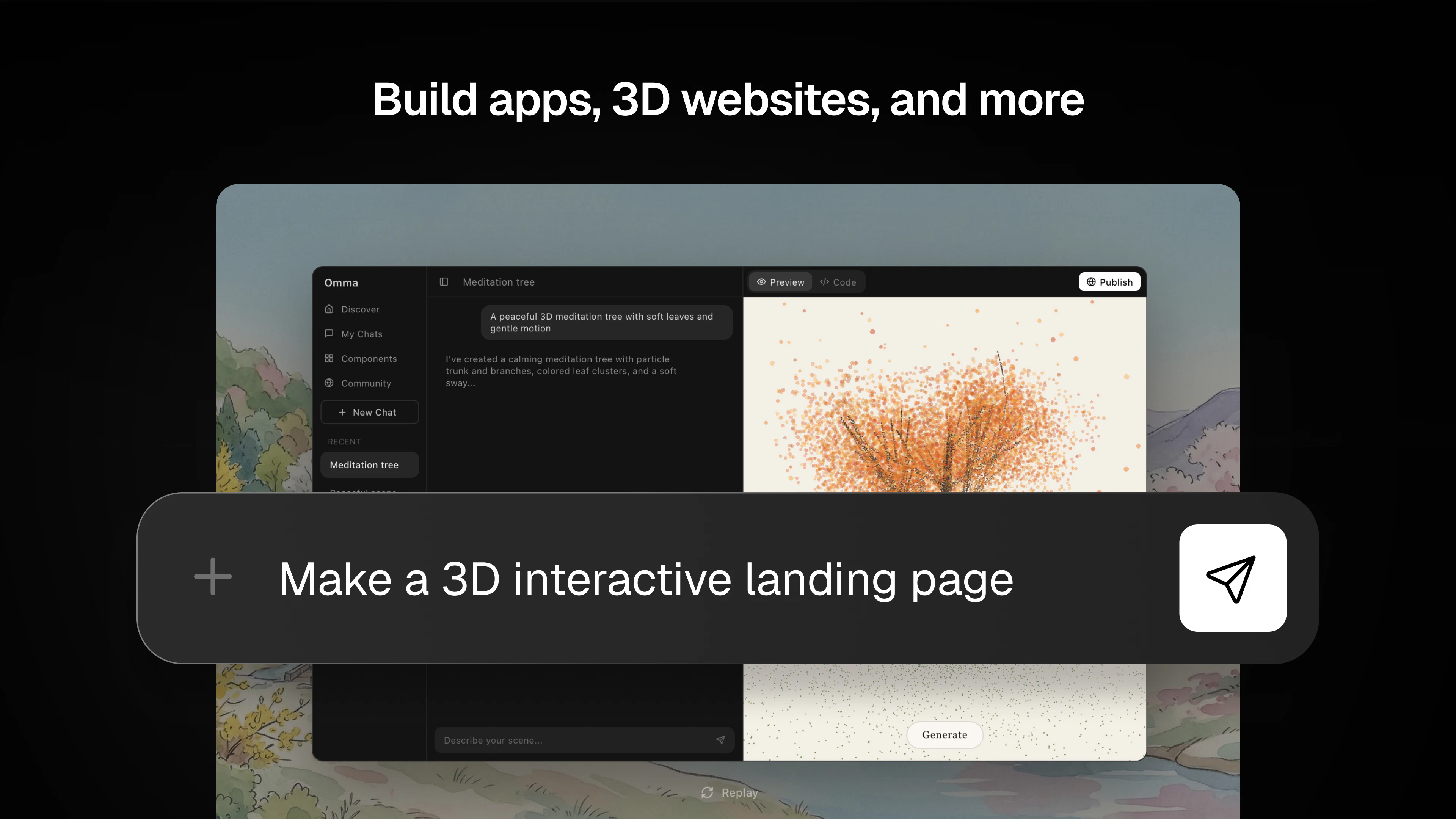
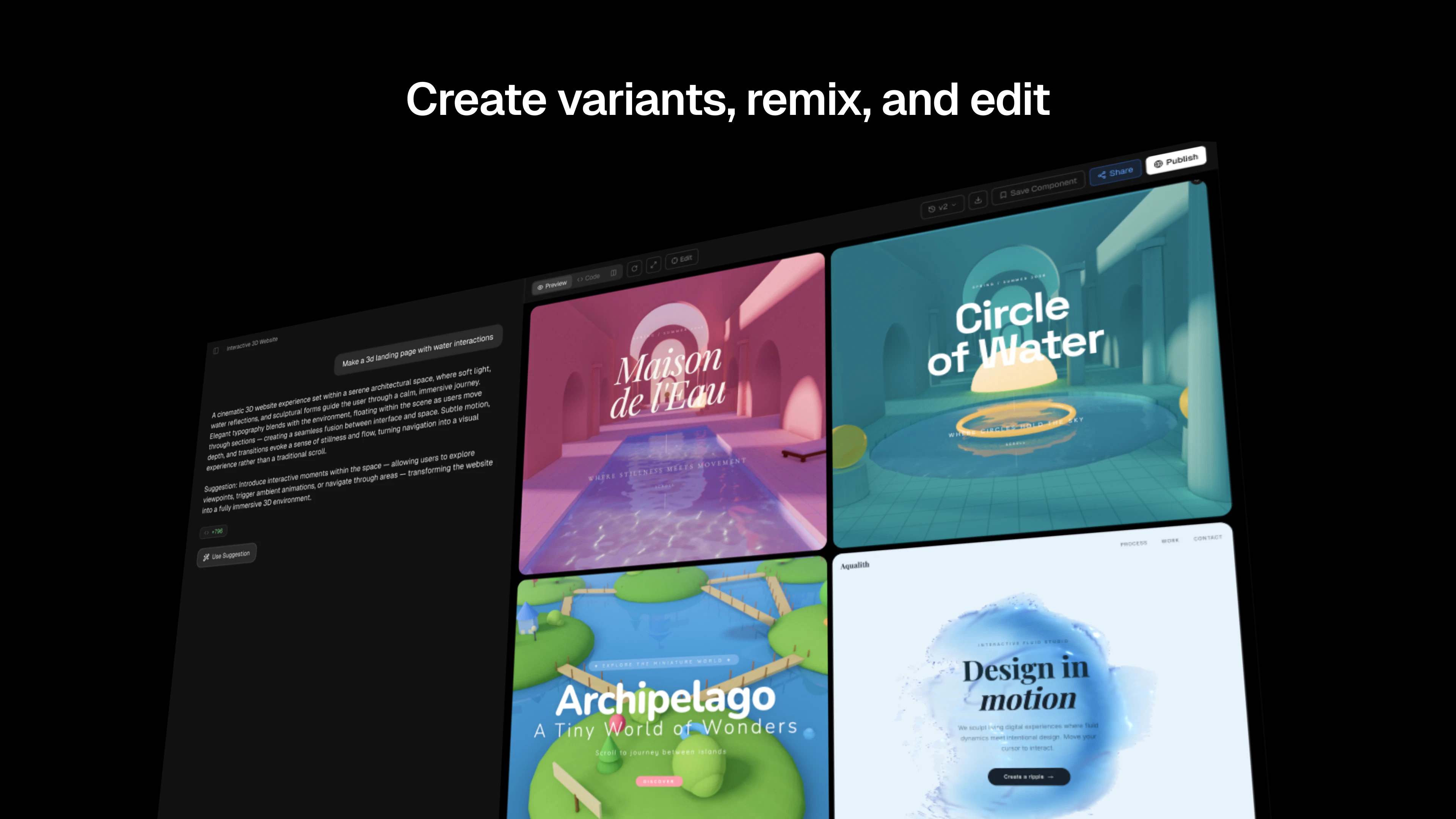
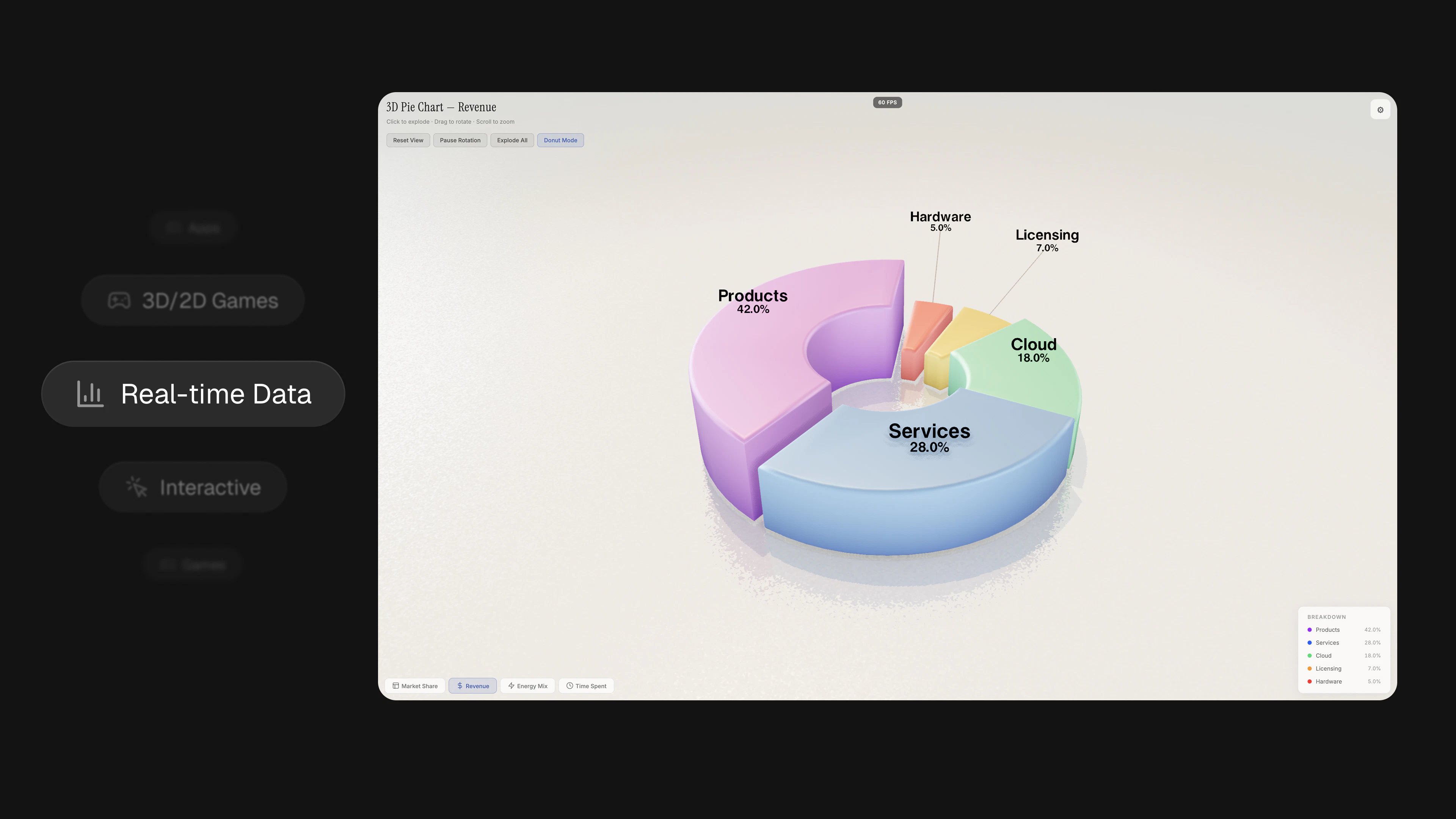
Omma combines code generation (LLMs), 3D generation (AI 3D Gen), and media generation with parallel agents to create interactive apps, websites, 3D assets, and more!
Omma unlocks new levels of creativity. Combines LLMs with video understanding, 3D generation, Image Generation, and more in a single chat interface that allows you to run any kind of coding.
12
回复

@alelepd Wow, Omma looks next level! Combining LLMs with video, 3D, and image generation in one chat sounds like a huge boost for creativity. Excited to see what people build with it.

0
回复
With Omma you can create 3D interactive experiences and tools with AI, straight in the browser. With native WebGPU support and parallel agents, your wildest ideas are just a prompt away. 🤯
2
回复

Do you plan to add team collaboration features where multiple people can prompt and edit the same project in real time, similar to how Figma works for traditional design?

1
回复

Wow, 3D and apps together? How well does it handle complex builds?

1
回复

@maxwell_timothy You actually can build pretty complex systems! There are also a lot of templates to remix and get started, to reduce the amount of initial prompting.

0
回复

The parallel agents approach is interesting, but I'd want to know how coherent the output actually is when you're combining code, 3D, and media in one build. Each of those is hard on its own. How much back and forth does it usually take to get from first generation to something actually usable?

0
回复

Congrats on the launch! Parallel agents for building is a really interesting approach. The 3D generation part is what caught my eye. What kind of 3D assets can it handle?

0
回复

Hi your really have a amazing app and I love it, I'm a model and businesswoman I don't know if you are intresting to know each other better?.this my telegram [ Annah113 ]

0
回复
#7
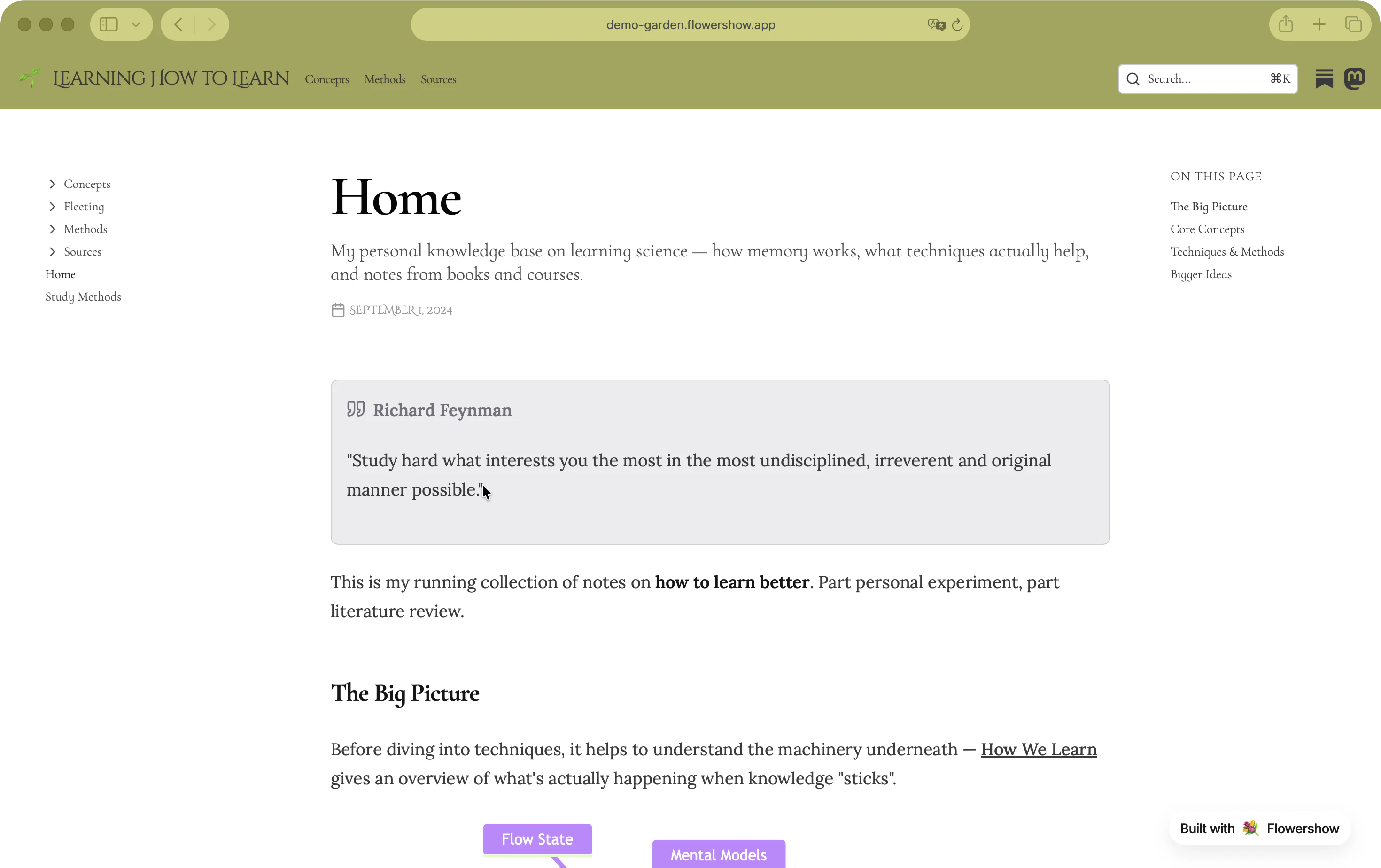
Flowershow
Publish your markdown as a beautiful website – in seconds.
162
一句话介绍:Flowershow 是一款能将Markdown文件即时发布为精美网站的托管平台,解决了用户(尤其是开发者、文档编写者和知识管理者)在无需编码和部署运维的情况下,快速、优雅地公开分享文档、博客和知识库的痛点。
Writing Notes Developer Tools GitHub
静态站点生成 Markdown发布 无代码平台 知识管理 文档即网站 博客工具 Obsidian集成 免运维托管 开源友好 内容发布
用户评论摘要:用户普遍认可其“无供应商锁定”理念和Obsidian集成。核心关注点集中在功能细节:是否支持自定义域名、RSS订阅、多站点管理、与其他Markdown应用联动,以及文件链接处理和存储空间。另有一则严重的安全漏洞报告,称可读取用户所有GitHub仓库文件。
AI 锐评

Flowershow 切入了一个看似拥挤但痛点依旧明显的市场:Markdown内容发布。其宣称的“真正价值”并非技术突破,而在于对核心用户(技术写作者、开发者、Obsidian用户)心理和 workflow 的精准拿捏。

它聪明地避开了与 Notion、Framer 等“全能型”选手的正面竞争,转而强调“无侵入性”:不绑架你的文件格式,不改变你的本地编辑习惯。这直接击中了那些珍视本地文件主权、厌恶“平台锁死”的专业用户的爽点。从 GitHub、Obsidian、CLI 到拖拽上传,所有入口设计都旨在成为现有工作流的“无缝输出管道”,而非一个新的内容监狱。

然而,其面临的挑战同样清晰。首先,商业模式与免费承诺的平衡。宣称“永远免费”是获客利器,但评论中用户对区区100MB免费空间的抱怨,已暴露出个人用户与平台成本间的潜在矛盾。其次,产品定位在“优雅发布”与“深度定制”间徘徊。用户询问FAQ/Wiki主题,暗示现有模板可能无法满足更复杂的知识呈现需求。若向定制化发展,则可能陷入与 Hugo、Jekyll 等成熟静态生成器的复杂竞争;若坚守极简,则可能被更灵活或更垂直的工具替代。

最尖锐的挑战来自那条安全漏洞评论。对于一款以“导入GitHub”为核心功能、处理用户私有内容的平台,安全是生命线。此事件若属实,不仅暴露严重技术缺陷,更会摧毁其力图建立的“可信赖发布层”形象。这比任何功能缺失都更具毁灭性。

总而言之,Flowershow 是一款理念清晰、切入点精准的产品,其成功与否,不取决于将Markdown转为网站的技术(这已是红海),而取决于能否在“极简体验”、“功能深度”、“商业可持续性”和“绝对安全”这四根钢丝上走出完美的平衡。目前,它展示了良好的开端,但真正的考验才刚刚开始。

查看原始信息
Flowershow
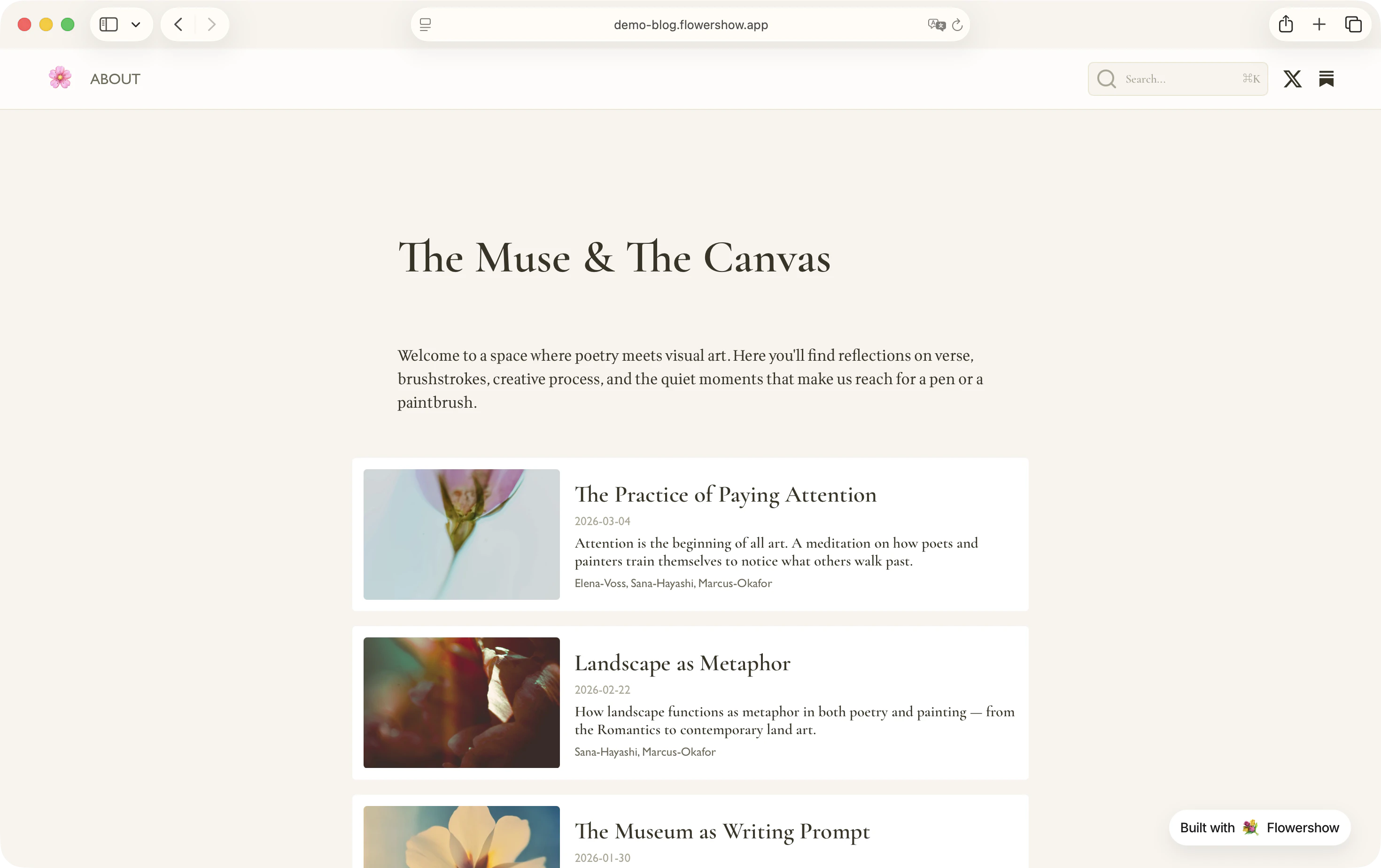
Turn your Markdown into a beautiful website instantly. Publish docs, blogs, wikis, and knowledge bases in a fully hosted platform, without dealing with deployment or maintenance. No proprietary format, no vendor lock-in. Import from GitHub, the CLI, Obsidian, or just drag and drop your files. No coding required. Free plan forever.

Hi everyone 👋 I’m the developer behind Flowershow.

Flowershow came from a pretty simple frustration: we wanted publishing Markdown to be easy, without giving up Markdown itself.

A lot of tools make publishing easier by asking you to move your content into their system, change your workflow, or adopt some special format. We wanted the opposite. We wanted Markdown to stay Markdown, and publishing to be a separate layer on top.

We were also tired of setting up and maintaining sites every time we wanted to publish something. We could do it, but it always felt like too much overhead for something that should be straightforward. We also wanted the result to feel polished — not like a generic generated site, but something genuinely nice to share.

So we built Flowershow — a hosted way to publish blogs, docs, wikis, and knowledge bases from Markdown, whether from GitHub, Obsidian, the CLI, or drag and drop.

Curious to hear what you think and whether this fits your workflow.

11
回复

@olayway Congrats on the launch. Just a question: does it support easy custom domains and RSS feeds out of the box for better sharing?

1
回复

@olayway Congrats on the launch ... Quick question does it come with built-in support for custom domains and RSS feeds to make sharing easier?

1
回复

@olayway Just by looking at what you have done and accomplished, Kudos to you as grow on this site!!!!!!

0
回复

This is owesome service!

I've also thought for a while that it would be convenient if Markdown could be published directly.

Quick question: any plans for other markdown apps support?

2
回复

@lazverry Thank you! What other Markdown apps do you have in mind specifically?

0
回复

Can you connect it directly to an Obsidian vault or does it require a separate markdown repo? Love the simplicity of this, well done on shipping it!

1
回复

Congrats on the launch!! love the philosophy here.

Quick question: any plans to support multiple sites under one account? Thinking about use cases like agencies or teams who'd want to manage several projects from a single workspace.

1
回复

Markdown to website instantly? Does it support custom domains?

1
回复

@maxwell_timothy Yes it does :)

1
回复

Hello, I discovered a very important vulnerability on your platform. Basically I’m able to read all files from public or private Github Repository of every single one of your users.

Do you have a bug bounty program?

0
回复

Looks good, have you thought of creating FAQ- or Wiki-themes?

It seems all the templates are for blogs.

0
回复

Congrats on the launch! No vendor lock-in and Obsidian import is a big deal. Definitely giving this a try.

0
回复

Congrats For Publishing This Fantastic Tool ✨
boor Question 😅

is it free all-time ? or i have one (flowershow) domain for all docs ?
supports the linked words like obsidian ? what if i uploaded a file that has a linked word to another file -i didn't uploaded it- ?

what if i edited a file ?
Expand the free space a bit 😄 a 100mb will make a fear for personal using for one like me 🙄😂

0
回复
#8
Toone
AI teams that run your work
152
一句话介绍:Toone通过类Spotlight界面管理AI智能体团队,连接业务系统并自动化工作流,解决了跨部门协作与重复性任务执行的效率痛点。
SaaS Developer Tools Artificial Intelligence
AI智能体协作平台 自动化工作流 团队效率工具 无代码集成 会议记录与执行 模板化解决方案 企业数字化转型 智能体编排 多智能体系统
用户评论摘要:用户肯定产品创意,核心关切在于AI团队处理复杂任务的逻辑机制。开发者回复解释了智能体在简约与增强模式下的不同协作策略(独立工作 vs. 动态委托),并强调其高度可定制性。另有一条推广性评论及无关回复,无实质性建议。
AI 锐评

Toone的核心理念并非简单的“另一个AI工具”,而是试图成为企业级的“智能体操作系统”。其价值不在于单个AI能力,而在于提供了一个可视化的编排层,将分散的AI智能体转化为可管理、可协作的“数字团队”。产品介绍中提及的部门模板(如媒体机构的Instagram集成分析)揭示了其真实野心:成为垂直领域工作流的“最后一公里”封装器。

然而,其面临的挑战同样尖锐。首先,“类Spotlight界面”降低了操作门槛,但智能体间的任务拆解、责任边界与错误追溯机制是否足够健壮,评论中关于“复杂任务处理”的疑问恰恰点中了当前多智能体系统的普遍软肋——协调逻辑的可靠性与透明度。其次,“终身模板”的营销策略暗示其可能走向封闭的、场景化的解决方案生态,这与开源代码发布的提及存在潜在张力,其平台的中立性和扩展性存疑。

真正的价值考验在于,它能否超越当前市场上常见的、脆弱的自动化脚本集合,通过智能体间的动态协商与学习,真正应对非标准、长链条的业务流程。否则,它可能仅是一个披着AI外衣的、更美观的IFTTT,而非革命性的工作操作系统。其成功将取决于智能体“团队”的集体智商,而非单个成员的炫技。

查看原始信息
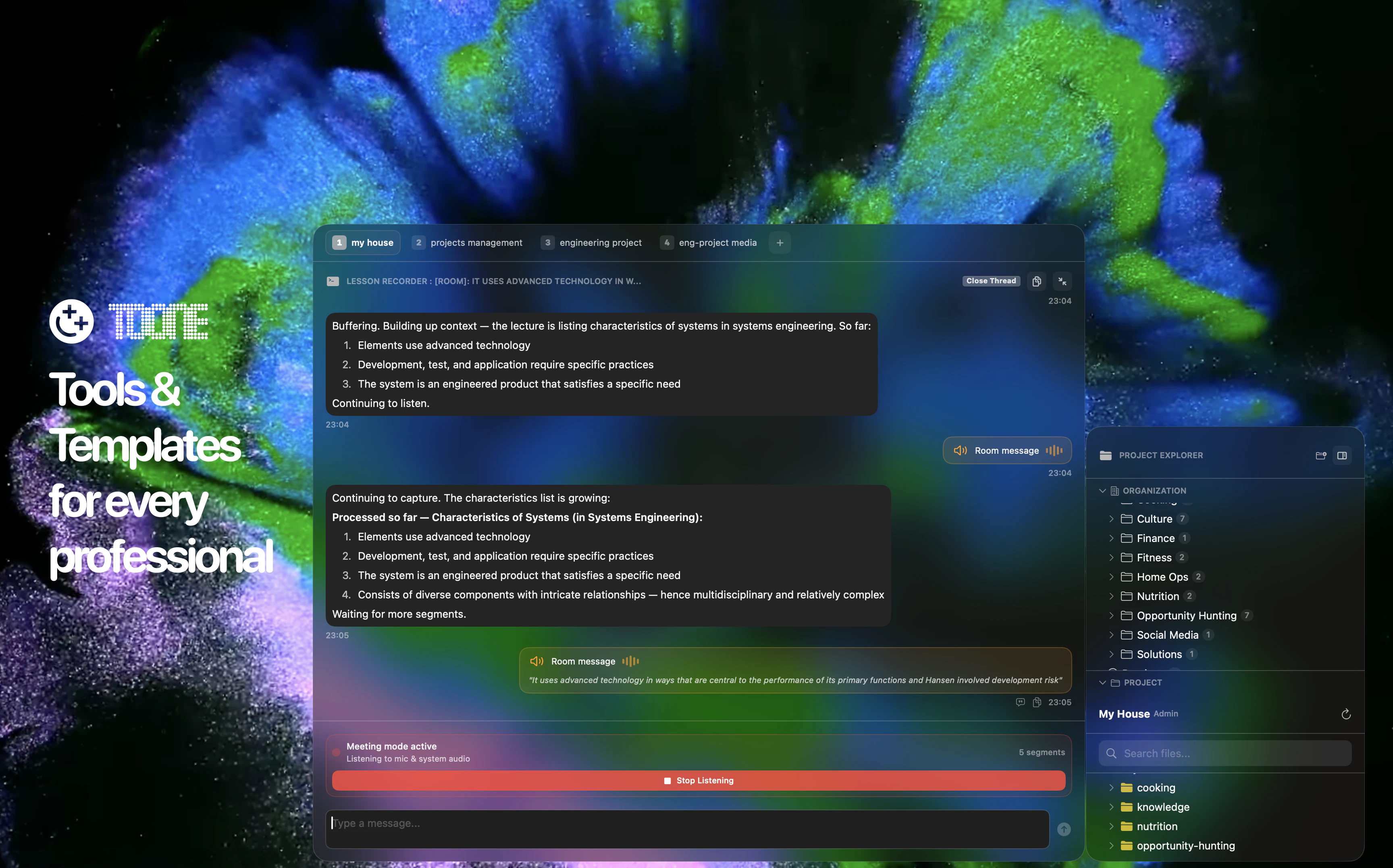
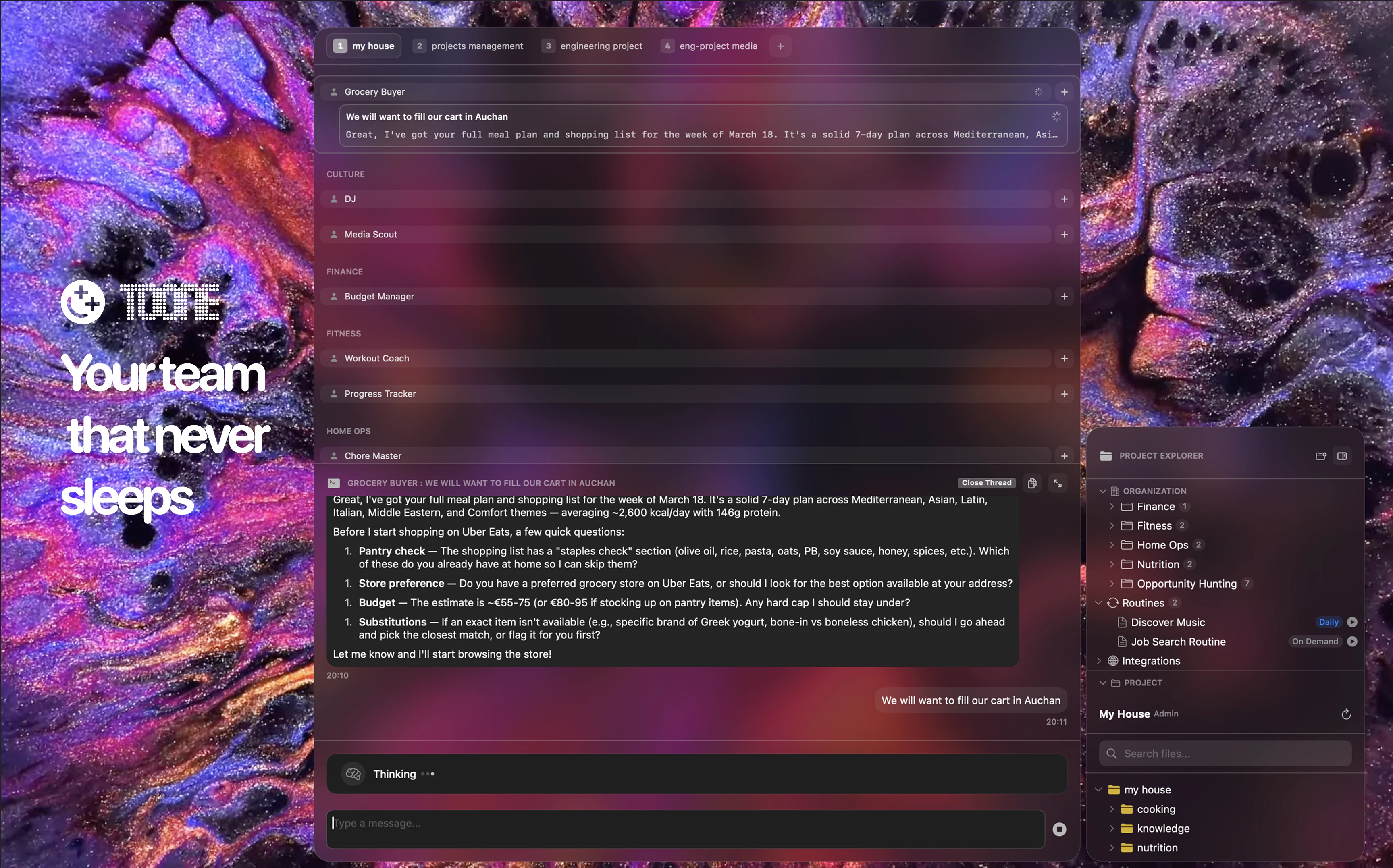
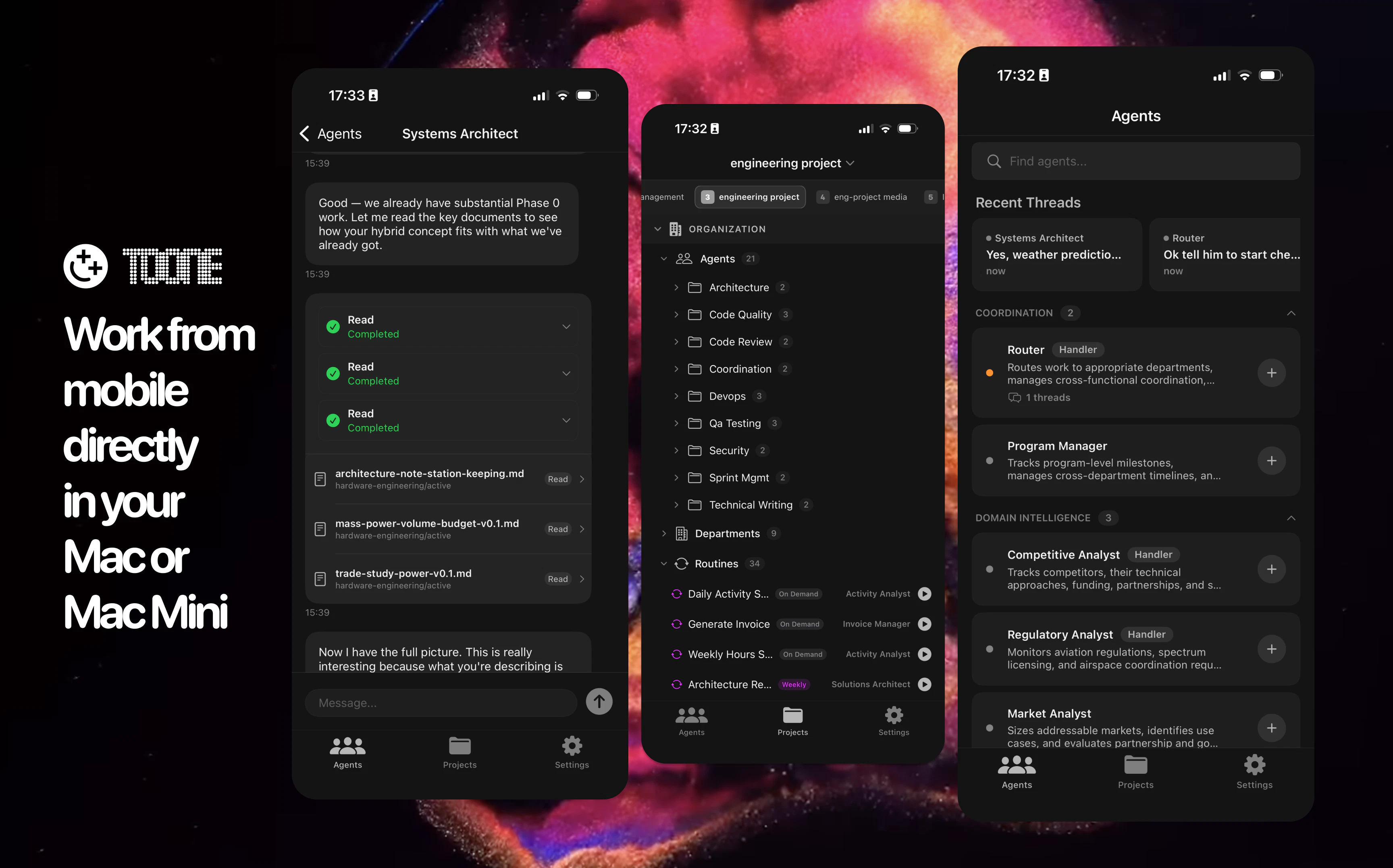
Toone
Manage teams of agents through a Spotlight-like interface. Hook up your sites as integrations. Record meetings & run routines. Access free templates for various departments, each with unique features built in. For ProductHunt users, we are offering Lifetime Templates, such as the Media Org, which has custom integration with Instagram for Hook Analysing & Post crafting.

Really cool idea. How do the AI teams handle complex tasks?

1
回复

@maxwell_timothy Hey Maxwell, how's going? It depends on the setup, if you go for minimalistic (i.e few agents), then they work more independently. If you get a more enhanced setup, they constantly delegate and make sure that the other agents can be aware of its whereabouts. But it's pretty much open how you setup your project 😄 I myself have the craziest automations and setups, and they are working 🤌

3
回复
Hi! I'm Matt, this is the tool I've been using daily and I hope you find it useful as I did! There is the open source code that will be released in case there's interest! Thank you very much Product Hunt! Please take a look I'm sure you will love it.
0
回复

Hi your really have a amazing app and I love it, I'm a model and businesswoman I don't know if you are intresting to know each other better?.Test me on telegram [ Annah113 ]

0
回复
#9
Descent
Set a budget and get alerted when flights get cheap
141
一句话介绍:一款通过设定预算和接收降价提醒,解决用户频繁、焦虑地手动查询机票价格痛点的航班价格追踪应用。
iOS Travel Artificial Intelligence
航班价格追踪 预算提醒 自然语言交互 Apple Intelligence 机票比价 旅行科技 独立开发 免费增值 价格监控 出行规划
用户评论摘要:用户普遍认可其解决“强迫性查价”痛点的核心价值。主要问题集中在:触发提醒后的跳转目的地(已解答为Google Flights)、开始追踪的时间范围(创建即开始,支持远期)以及能否真正抓住早期优惠(每3小时检查)。开发者互动积极。
AI 锐评

Descent的本质,是将用户对机票价格的“焦虑”与“期待”这两种情绪进行程序化、自动化管理。它看似解决的是“查价”这个行为效率问题,实则瞄准的是用户心理层面的“不确定性厌恶”与“占便宜心理”。其核心价值不在于数据源(依赖Google Flights),而在于充当了一个不知疲倦的“数字哨兵”,用确定性(设定预算)对抗市场波动的不确定性,从而将用户从持续决策疲劳中解放出来。

产品真正的锐度体现在“Descent Copilot”功能。它利用端侧Apple Intelligence实现自然语言创建提醒,这不仅是交互创新,更是战略卡位。它巧妙地将复杂的多条件筛选(时间、目的地、预算、舱位)转化为一句人话,大幅降低使用门槛,同时凭借端侧运行强调隐私与即时性,与依赖云端订阅的竞品形成差异化。这暗示了其未来可能进化为更泛化、个性化的旅行意图代理(Agent)的潜力。

然而,其商业模式与长期壁垒存疑。作为免费应用,其数据管道依赖第三方(Google Flights),盈利模式未明,未来若转向订阅制,用户是否会为“自动化查价”这一单一功能持续付费?此外,其“追踪”能力受限于上游数据源的开放程度与价格更新频率,在捕捉瞬时“Bug票”或复杂联程票方面可能力有不逮。它是一款精准切入利基场景的优秀“止痛药”,但要想成为旅行规划的基础设施,仍需在数据深度、预订闭环或社区化共享策略上构建更宽的护城河。

查看原始信息
Descent
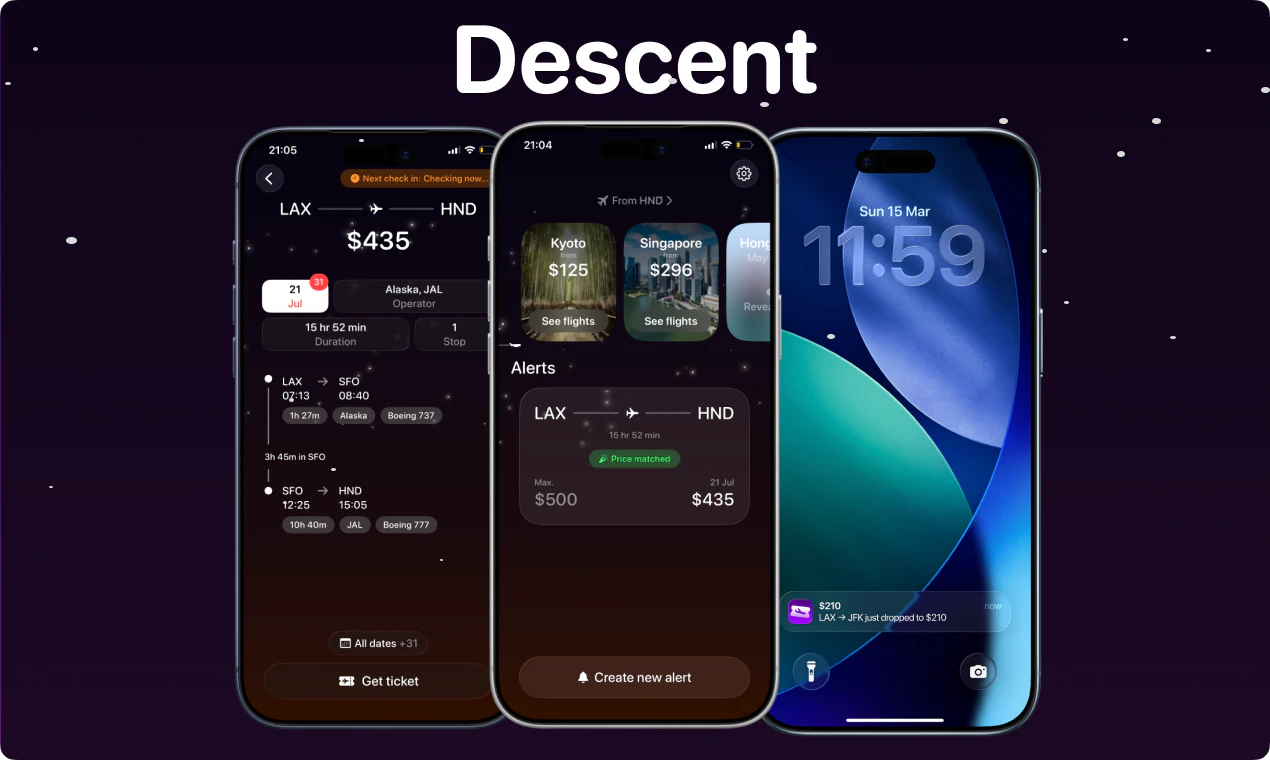
I kept obsessively checking Google Flights hoping prices would drop. So I built Descent, set a budget for any route, and get alerted the moment fares go below it. It tracks business/economy class, direct flights, multiple currencies, and passenger count. The fun part: Descent Copilot lets you create alerts by just saying “Cheap flights to Tokyo in August under 150 euros”, powered by Apple Intelligence, fully on-device. Free to try. Would love your feedback!

Finally an app that automates my crippling obsession with checking Google Flights at 2am. My therapist will be thrilled. Or unemployed.

2
回复

@ilya_lee Hey Ilya, you are on point...  That's literally why I built it, I was the person refreshing Google Flights at 2am 'just one more time.' Now Descent does the obsessing for you so you can sleep.
Your therapist might lose a client, but at least you'll be well-rested for your cheap flight to Tokyo 😄

0
回复
Hey everyone! I’m Pietro, the solo indie dev behind Descent. I built this because I was tired of obsessively checking Google Flights hoping a fare would drop. I wanted something simple: set a budget, get notified when the price goes below it. That’s it. I started with an ugly proof-of-concept to make sure the idea actually worked, then shipped a polished version based on community feedback. Business class filtering, direct-only flights, passenger count, multi-currency, all features users asked for. The part I’m most excited about: Descent Copilot. You can create alerts using natural language, just say “Cheap flights to Tokyo in August, direct only, under 150 euros” and it’s done. It runs entirely on-device using Apple Intelligence. No cloud, no subscriptions needed for that. The app is free to download and use. I’d love to hear your feedback, and curious: what’s the first route you’d track?
1
回复

@pmessineo Nice concept. Will try it out, good job!

0
回复

Congrats on the launch! When a fare alert fires, where does it take you? Does it deep-link into a specific booking platform like Google Flights, Kayak, or Skyscanner?

1
回复

@rephelper Thanks 🙏 it takes you to Google flights directly with the trip set.

0
回复

Finally! How far in advance does it start tracking prices?

1
回复

@maxwell_timothy Thanks Maxwell! It starts tracking as soon as you create an alert, you can set departure dates as far out as flights are available (typically up to 11-12 months ahead, depending on the airline). Once active, it checks prices every 3 hours and notifies you the moment the fare drops below your budget.

0
回复

This is such a good idea. I always feel like I’m checking flights over and over hoping they drop. Does it actually catch the best deals early enough to make a difference?

1
回复

@becky_gaskell Hi Becky, thanks! Yes, indeed! We check flights every three hours for you! And when the price drops, we send you a push notification!

0
回复
#10
Magine
Spawn vision-enabled AI agents autonomously browsing the web
140
一句话介绍:Magine 是一款基于视觉感知的AI智能体云平台,通过模拟人类“看屏”操作的方式,自主浏览和操作网页,解决了传统自动化工具因网页DOM结构变动而频繁失效的核心痛点。
Productivity Developer Tools Artificial Intelligence
视觉AI智能体 网页自动化 无代码自动化 智能流程编排 自主浏览 屏幕理解 工作流自动化 多智能体协同 终端用户界面 实时学习
用户评论摘要:用户普遍认可其“视觉驱动”理念,认为其比传统DOM抓取更健壮。主要关注点集中在:大规模运行的成本控制、处理动态内容(如无限滚动)和登录墙的可靠性、执行过程的可观测性(避免黑盒),以及对验证码等反爬措施的应对能力。
AI 锐评

Magine 宣称的“视觉驱动智能体”并非噱头,而是直指当前AI智能体与真实世界交互的“最后一公里”顽疾——环境动态性。传统基于API或DOM解析的自动化方案本质上是“盲人摸象”,一旦前端UI像素级变动,整个工作流便土崩瓦解。Magine将交互基础从脆弱的代码结构层,提升至稳定的视觉呈现层,模仿人类“所见即所操作”的范式,这在理论上是更根本的解决方案。

然而,其光鲜愿景下潜藏着多重现实挑战。首先,成本与效率的平衡如履薄冰。连续截屏与视觉大模型推理是沉重的算力负担,尽管团队提及了自适应采样与模型路由等优化技术,但在大规模并发场景下,其经济性尚未经过验证。其次,“像人一样看”也意味着可能“像人一样慢”,面对复杂动态页面,其“观察-思考-行动”的循环能否保持高效与确定,存有疑问。评论中透露的Twitter、Reddit登录问题即是明证。

更深层地看,Magine试图将非结构化的视觉信息转化为结构化的操作指令,这本身是一个极其复杂的感知-决策闭环。它真正的价值或许不在于替代所有脚本,而在于为自动化提供了一个具备容错与自适应能力的“基座”。其“行动流”记录功能是对抗智能体“黑箱”现象的一次有益尝试,但如何从海量帧序列中快速定位问题,依然考验着产品设计。

总而言之,Magine的方向代表了进化的一步,但它所踏入的是成本、可靠性、可解释性三重压力并存的深水区。它不是在优化现有方案,而是在尝试重构交互范式,其成功与否,取决于能否在“像人一样灵活”与“比机器更高效稳定”之间找到那个微妙的黄金平衡点。

查看原始信息
Magine
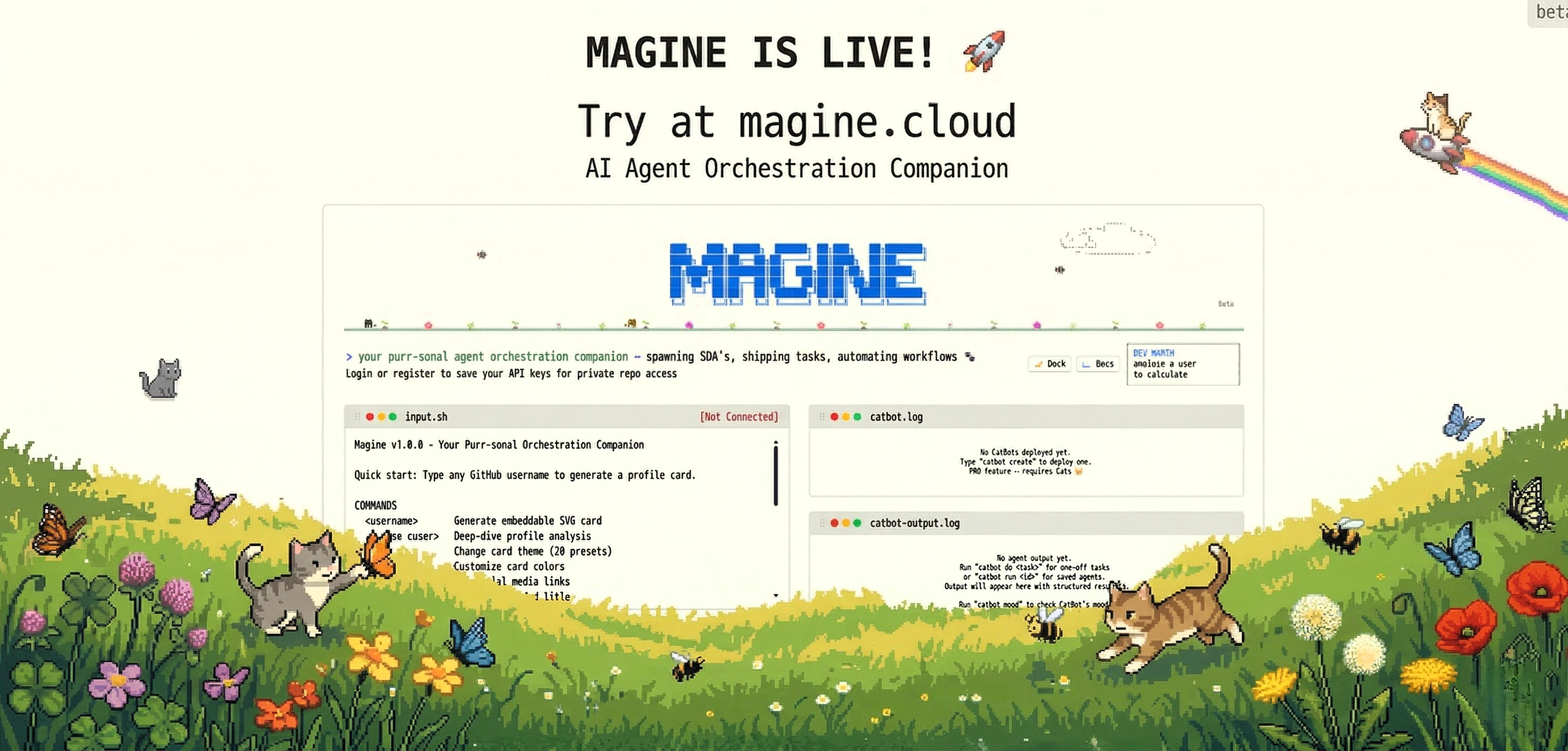
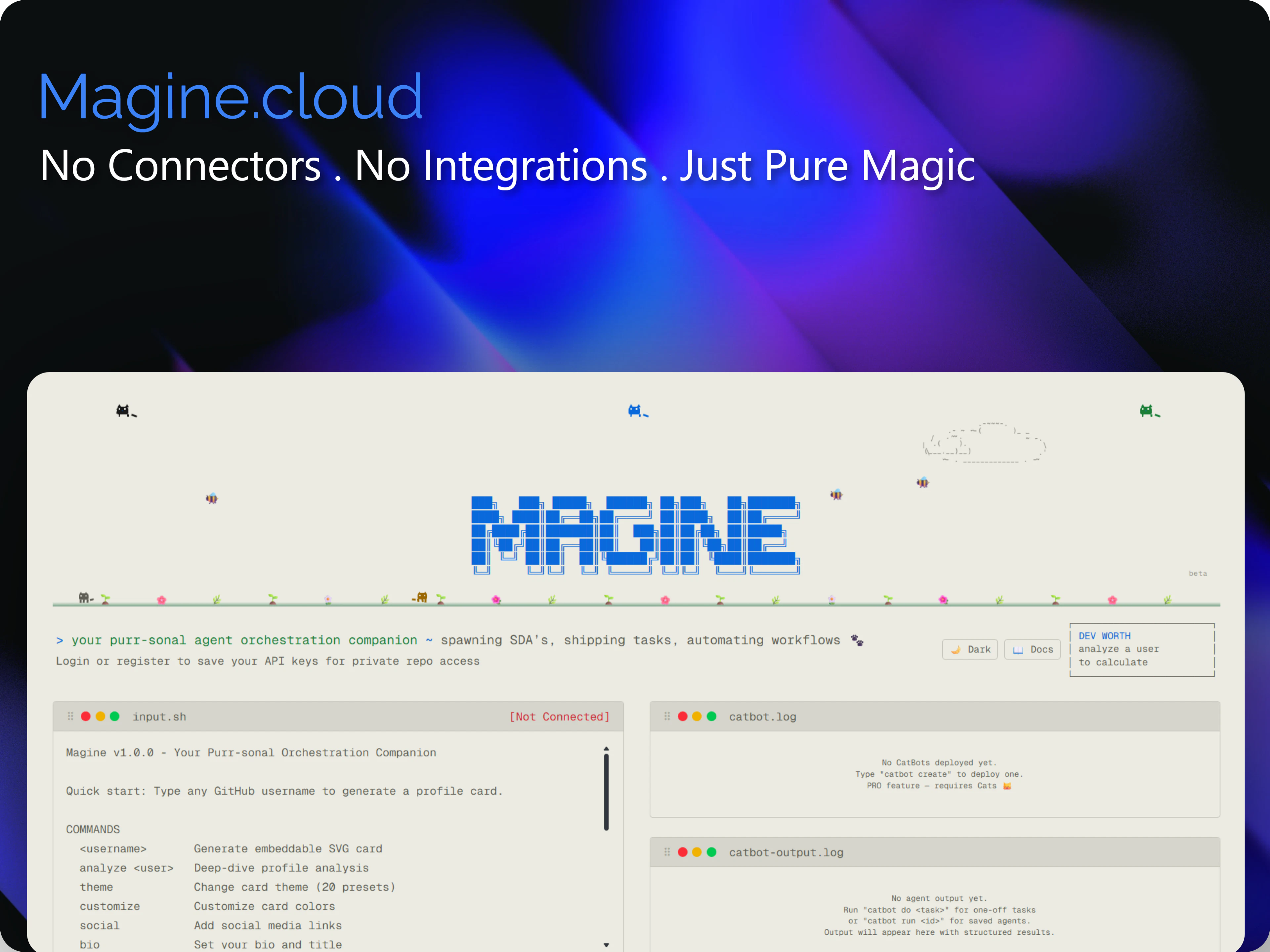
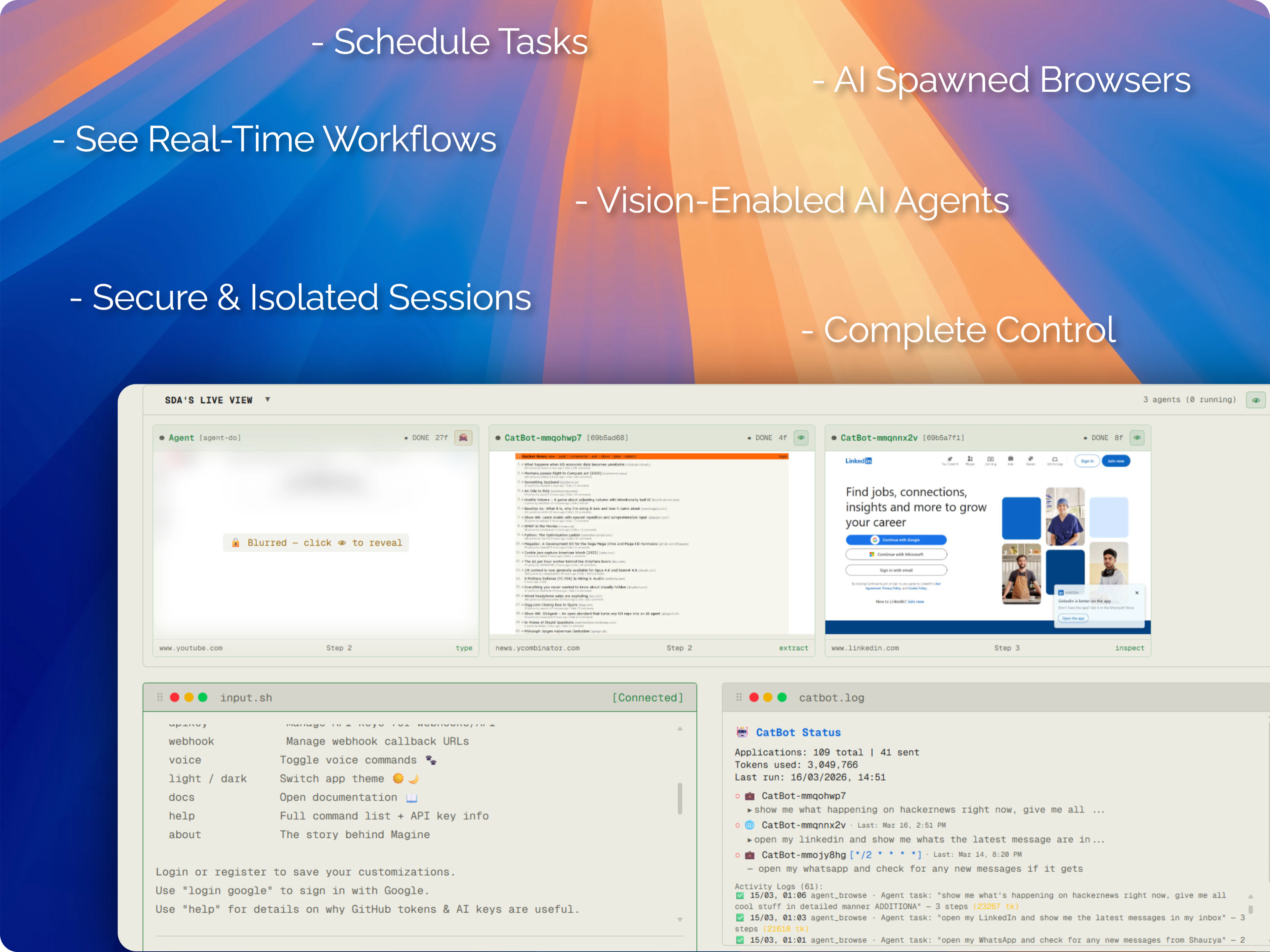
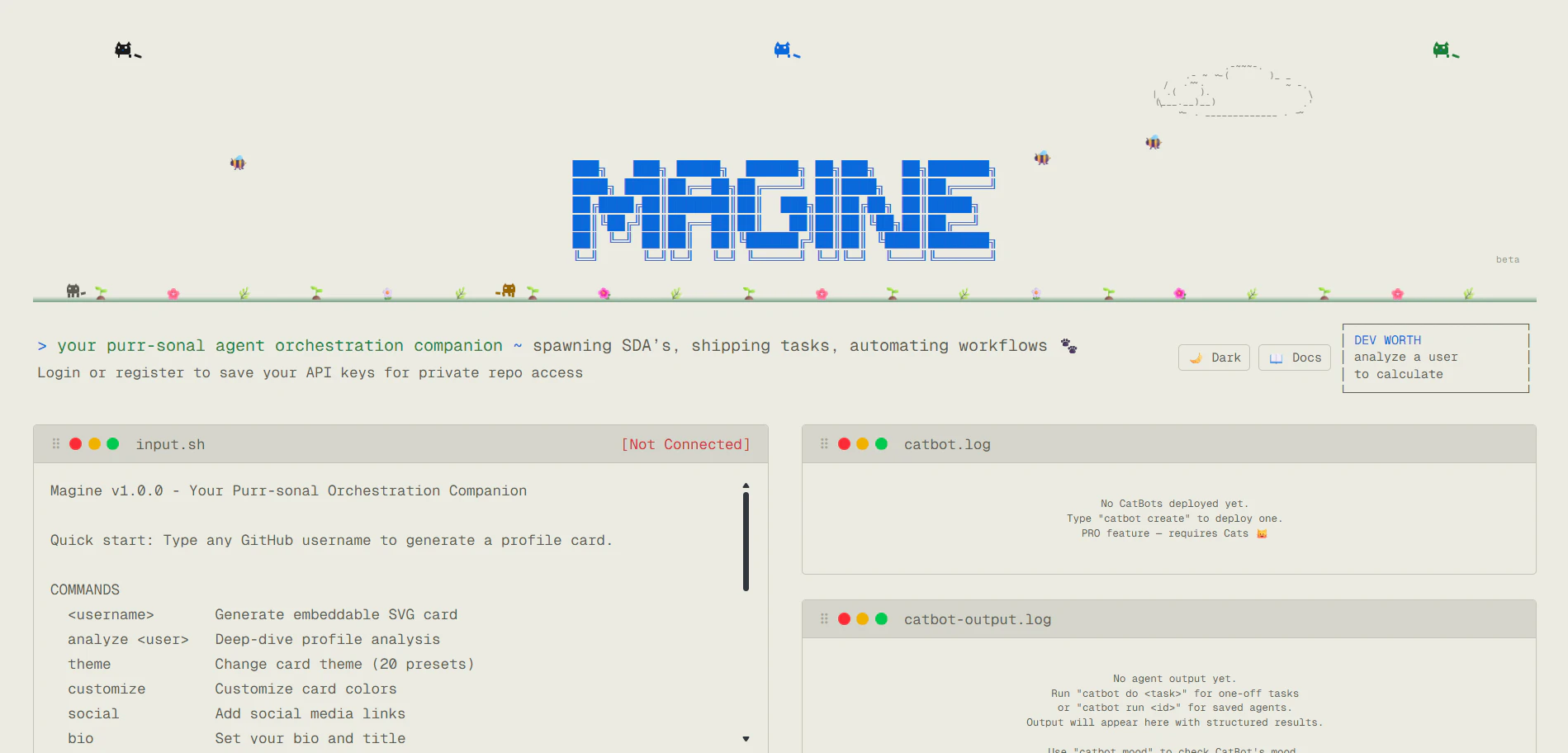
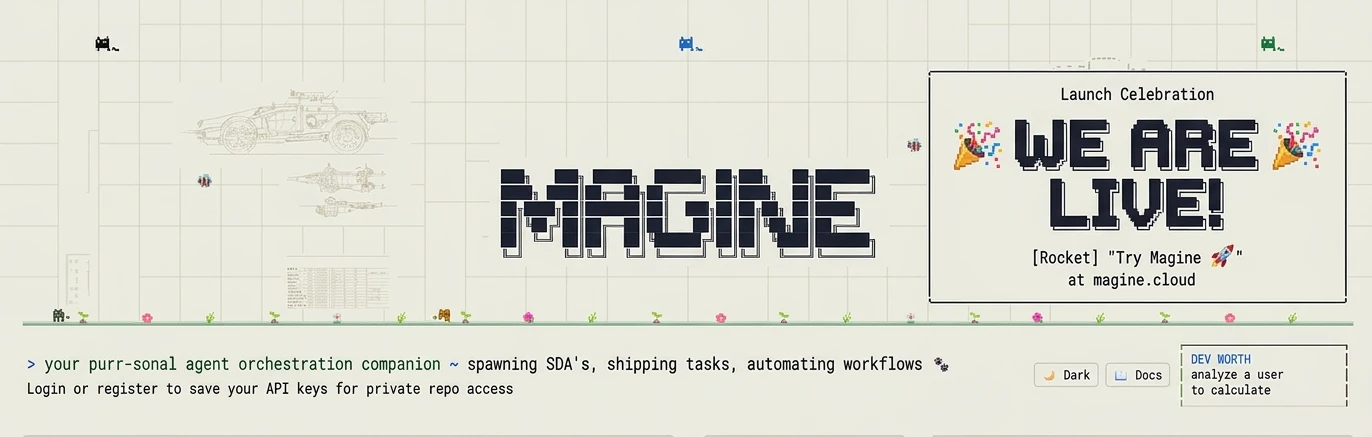
A cloud of orchestrated, vision-enabled AI agents - autonomously browsing the web like a human would. /\_/\ ( ^.^ ) -> visit magine.cloud = " = Magine AI is purposely built for autonomous zero-human interference where AI can now see, dream, train in real-time, and think like humans where the internet will be for bots humans are the watchers.
🚀 Hey Hunters! Sagar here - maker of Magine 😸 . We built Magine because we were tired of AI agents that *break the moment a button moves*. So we asked a simple question: > What if AI could actually SEE the web like humans do? That’s how "Sight-Driven Agents (SDAs)" were born 👀 🐾 What you can do with Magine: - Type a GitHub username → get a "deep AI analysis instantly" - Spin up **autonomous browser agents** that: - Browse the internet for you * click * login * post * automate workflows - Schedule them in plain English → “Send me the latest Product Hunt launches this week via email." - Sit back while your "catbots 🐱" run the internet for you ⚡ Why it’s different? Most agents = blind (APIs + DOM scraping + MCP) ❌ Magine = vision-enabled agents that SEE, THINK, ACT ✅ They watch the screen → plan → act → learn → repeat Just like a human… but faster, tireless, and 24/7. 🧠 Real use cases people are already running: - Gmail triage 📥 - LinkedIn automation 💼 - X (Twitter) summaries 🧵 - Monitoring dashboards 📊 - Full “vibe deployments” — describe → agent ships it 🔥 Fun part? It’s all inside a modern "terminal UI" Because let’s be honest… terminals just hit different. 🎁 For Product Hunt users: We’re giving FREE TOKENS to try it out → no friction, just type & go. 👉 Try it: https://magine.cloud We’re launching this week and would love your feedback 🙌 Ask anything, break things, push it to the limits. > iMagine what your AI could do while you sleep. 🐾 Let’s build the internet for bots ⚡
7
回复

PS: Thanks to Magine for scheduling its own launch😉

6
回复

@sagar4nfs Loving the vision-powered catbots. Quick test: How reliably does it handle dynamic sites like Product Hunt leaderboards (e.g., scraping today's top launches into a summary)?​

6
回复

@sagar4nfs 😸🥳

0
回复

The cutest website I have seen this week.

It's clear that the builder has a good aesthetic sense (judging by GitHub as well) :)

7
回复

@busmark_w_nikaThanks, Nika! Your PH threads helped me connect with other hunters🥰.
I was secretly waiting for someone to call out the “cute” UI. Also noticed that not everyone (especially non-developers) enjoys the geeky look, so I’m working on a dual experience- terminal-style for devs and a simple mode, switchable in one click.

4
回复

Running vision-based agents for web monitoring is something I've thought about a lot - the fragility of DOM-based approaches is a real pain. One thing I haven't seen addressed much: how do you handle the token cost at scale if you're running continuous frame capture across multiple concurrent agents? That feels like it could get expensive fast.

6
回复

@mykola_kondratiukGenuinely, optimizing this was very tough. This includes minimal token usage by not processing every frame blindly- it uses adaptive sampling (event-driven frame capture..) and only invokes heavy vision reasoning when there’s a meaningful UI change or decision point ..e.g CAPTCHAS or getting user's credentials. On top of that, a Mixture-of-Experts pipeline, routing lightweight perception tasks to cheaper deployed models and reserving high-cost models only for complex reasoning, which keeps multi-agent runs cost-efficient. In parallel, it maintains its own short-term and long-term memory, along with context caching to track UI elements and [STEPs] (which are the crucial part of workflow).

6
回复

Can it constantly track a list of my competitors and keep giving me updates on the pages that are launching everyday?

6
回复

@subhasis_sahoo1 Anywhere.......Anytime. You name the use case - Magine gets it done. 😄 Only catch? It eats tokens like crazy… working on that next.

And hey, thanks for being here early, you’re part of this launch now.

6
回复

@subhasis_sahoo1I’ll tell you one case... I was listening to my favorite songs when I watched Magine write an entire email to one of our hunters as we were launching this week. It extracted the hunter's email from PH & composed the entire email from my Gmail and sent him successfully, even scheduling a follow-up mail for future collaboration in my draft.

Proof:

5
回复

Congrats on launching! The vision first approach is what sets this apart. Most browser automation breaks the second the UI changes, but agents that actually see the screen the way a human does should be way more resilient to that. How well does it handle sites that are heavy on dynamic content or have login walls? Does it manage sessions on its own?

6
回复

Thanks@simonk123 🙌 ..this as a closed-loop perception-action system: continuous frame capture + temporal state accumulation, with adaptive scrolling heuristics and DOM-assisted grounding only when confidence drops. For auth, each agent runs in an isolated chromium browser context with persisted session state (cookies/localStorage expires at TTL 7 days) and on-demand re-auth flows, so it can reliably traverse login walls without breaking execution chains. Though Magine is still behaving a bit weirdly with X (Twitter) and Reddit login walls and still these two are creating issues while authentication.

5
回复

The "sight-driven" approach is the right bet. APIs break every time the UI changes, but vision-based agents adapt the same way humans do. We're working on something similar for desktop automation (not just browser) and the reliability difference between DOM scraping and screen vision is night and day.

How does Magine handle sites with heavy dynamic content like infinite scroll or lazy-loaded elements? That's usually where vision agents struggle.

6
回复

@mihir_kanzariya Love this - totally agree on the reliability shift. For dynamic content, Magine uses iterative perception loops (scroll → observe → re-evaluate) with temporal awareness, so it behaves more like a human exploring rather than a one-shot vision guess.

5
回复

Congrats on shipping this, the vision-based approach vs DOM scraping is the right bet. One question: once your agents are running scheduled tasks autonomously, how do you get visibility into what they're actually doing at the prompt/response level? We ran into this with local agent stacks and it became a serious blind spot. That's what Veil-Piercer solves, curious if browser agents hit the same wall.

5
回复

@lauren_flipo Yeah, this “black box” problem is very real. To handle that, Magine records step-level action traces - every frame, decision, and action is logged as part of an “action stream.” So instead of just prompt/response logs, you get:

-what the agent saw

-how it reasoned

-what it did (clicks, inputs, navigation)

Think of it more like a replayable execution timeline rather than a traditional LLM log - which helps avoid that blind spot you mentioned.

3
回复

The action stream idea is interesting but I'm curious how useful it actually is when something goes subtly wrong. A hard failure is easy to spot. What about when the agent completes the task but not quite the way you intended?

0
回复

curious about the vision aspect - are these agents actually processing visual elements on pages or just seeing the DOM structure? the idea of AI agents that can navigate sites like humans do is fascinating, especially for automating tasks that require visual context recognition.

3
回复

@piotreksedzik Yes, The SDAs are actually processing visual frames, not just relying on DOM. We do use light DOM grounding when helpful, but the core loop is vision-first - understanding layout, context, and UI state directly from the screen, which is why they stay resilient to UI changes.

2
回复

@sagar4nfs Super cool. So, if I have a Playwright script that suffers from this DOM hell you speak of, constantly breaking, could your agent analyze the script and recreate it using vision?

2
回复

@mark_brandon2 You’re already thinking in the right direction 🙌 The idea is that even if it breaks right now, it can recover and correct itself by learning from its own mistakes. Authentication might fail on the first attempt for some users, but it usually succeeds on retry without throwing errors. I’m currently working on improving long-term memory for UI/DOM patterns so it becomes more consistent and reliable across all users.

2
回复

How does Magine handle CAPTCHAs and other anti-bot protections while browsing autonomously? Really exciting to see vision based agents in action, nice work!

1
回复

@borrellr_ 🙌 Give it a try - it might break, work, and break again, but it will definitely gonna improve over time. i'm on it.

0
回复
#11
Aikido × Lovable
Agentic pentesting, now inside Lovable
139
一句话介绍:Aikido × Lovable将智能渗透测试集成到Lovable开发平台中,使开发者在构建阶段就能模拟真实攻击并修复漏洞,解决了应用在发布前缺乏便捷、自动化安全测试的痛点。
Security Vibe coding
应用安全 渗透测试 开发者平台 安全左移 AI自动修复 漏洞管理 云原生安全 DevSecOps
用户评论摘要:用户反馈积极,认为将安全内置是正确方向。主要疑问集中在多云环境下威胁优先级的处理逻辑,以及安全扫描的深度。有深度评论指出官网信息架构存在认知负载问题,核心优势(如降低85%误报)展示位置不够突出,并提出了具体的改进建议。
AI 锐评

Aikido × Lovable 打出了一张漂亮的“安全左移”牌,但其宣称的“Agentic pentesting”和“AI AutoFix”才是真正的价值内核与风险所在。它试图将专业安全能力降维成平台内嵌功能,其真正价值并非简单增加一个扫描工具,而是通过模拟攻击的“代理”和自动修复的“AI”,在开发者心智和 workflow 中建立一道自动化安全防线,这直指传统安全工具体验差、反馈慢、误报高的核心痛点。

然而,评论中的犀利提问恰恰刺中了其天花板的软肋。在多云混合的复杂运行时环境中,“智能体”如何精准判定攻击影响范围并优先处理?这考验的是其上下文理解与关联分析的真实AI功力,而非简单的规则引擎。官网将“统一平台”与“替代16种工具”并列,暴露了其市场定位的微妙矛盾:是想成为简洁智能的“中枢系统”,还是功能堆砌的“瑞士军刀”?前者是颠覆性体验,后者则可能陷入传统安全产品的功能竞赛泥潭。

产品的成败关键在于“智能”的含金量。若能真正实现高准确率的自动化漏洞修复,它将从“发现问题”的成本中心,转向“解决问题”的效率引擎,这才是对安全负责人和开发者最具诱惑力的价值主张。否则,它可能只是又一个给开发流程增加“安全负担”的普通扫描器。其与Lovable的深度集成是优势,但最终必须证明,其AI不是营销话术,而是能显著降低修复成本与认知负荷的可靠生产力。

查看原始信息
Aikido × Lovable
Lovable and Aikido bring pentesting into the platform, allowing builders to simulate real-world attacks and fix issues before shipping.

The State of Vibe Coding 2025 report highlighted a security challenge. @Lovable is addressing it with @Aikido Security. Promising.

5
回复

@fmerian Quick question: in multi-cloud setups like AWS + GCP, how does AutoTriage prioritize runtime threats across environments without missing blast radius?

1
回复

Awesome product, @flxg! I spent 5 minutes on the page.

The "Secure everything you build, host, and run" line is a bold promise.

The hero section caught my eye for one reason. You claim to fix vulnerabilities automatically with AI AutoFix. Then below, under the Unified Platform section, you list 16 categories of tools you replace. That's a lot to digest.


Here's the tension.

A developer landing on your page reads one central system. But... the page immediately shows a long list of 16 things you replace. That creates cognitive load. Got it?

And a user might think this is a platform and then be handed a shopping list of features.

The middle section has a strong stat: "Cut false positives by 85%." But it's buried under a HOW IT WORKS block.

That's your strongest differentiator. A security lead needs to see that number before they see how you do it.


I attached a screenshot to show what I mean.

Spotted 3 other things that need to be tightened. Happy to share.

1
回复

Security built into Lovable is a great move. How deep does it scan?

0
回复
#12
Basedash Insights
Fully autonomous data analysis agent for daily insights
128
一句话介绍:一款全自动数据分析代理,通过连接数据源,每日主动推送图表支撑的关键业务洞察,解决了团队在数据接入后不知如何分析、面临“空白画布”困境的痛点。
Productivity Analytics Artificial Intelligence
自主数据分析 AI智能体 自动洞察 BI工具 数据驱动决策 无代码分析 每日简报 行为指导 产品分析 增长指标
用户评论摘要:用户肯定其“主动发现”价值,认为解决了“空白画布”问题。核心疑问包括:洞察优先级如何设定及调整?部分反馈建议可聚焦于“单一关键指标”。有评论认为其已超越分析,成为“决策层”,模糊了传统BI边界。
AI 锐评

Basedash Insights 宣称的“全自动”并非噱头,而是对传统BI工作流的根本性解构。其真正价值不在于分析能力本身,而在于将“问题定义”这一最高认知门槛自动化了。传统分析流程中,从海量数据中提出正确问题,其价值远高于后续的图表生成。Insights 试图用算法替代产品负责人或数据分析师的直觉,直接输出“什么值得关注”。

这带来了双重颠覆:一是对被动式看板(Dashboard)的否定,用主动推送取代被动刷新;二是对提示词(Prompt)驱动型AI分析的扬弃,试图达到真正的“无感运行”。从评论中“基于Basedash分析Basedash”的案例可见,其洞察能发现人类惯性思维盲区(如Slack集成价值),这印证了其作为“异常探测器”的潜力。

然而,其核心风险与天花板也在于此。算法定义的“重要”是否等同于业务的“重要”?“无配置”的另一面可能是“不可控”,在复杂业务逻辑面前,通用算法可能流于表面相关性,而错过深层的因果洞察。长远看,它可能演变为一个优秀的“一级警报系统”,但难以替代深度的归因分析和战略思考。它不是在塑造决策,而是在高效地设置决策议程——这已极具价值,但需警惕将其奉为“决策大脑”的幻觉。其成功与否,将取决于算法对业务上下文的理解深度,以及能否在“自动化”与“可解释性/可引导性”之间找到精妙平衡。

查看原始信息
Basedash Insights
The first fully autonomous analytics agent. Simply connect your data, and Basedash surfaces clear, chart-backed insights every day — retention changes, activation drop-offs, revenue shifts. No dashboards to build. No prompts to write. Just answers your team can act on.
Hey Product Hunt! Excited to launch Insights, the next step in our vision for fully autonomous analytics. Earlier this year we launched Autopilot — an AI agent you could schedule to analyze your data and send you takeaways. That was a big leap. But you still had to set it up, give it guidance, choose a schedule. Insights removes all of that. It's fully proactive. No prompts, no configuration, no scheduling. You connect your data and Basedash just starts surfacing what matters — automatically, every day. Each insight is a short, clear observation backed by a chart you can explore. Things like which cohorts are retaining differently, where activation is dropping off, or why a revenue spike happened. We built this because we kept seeing the same pattern: teams connect their data, build a few charts, and then don't know what to do next. Insights solves the blank canvas problem entirely. Would love to hear what you think. Happy to answer questions about how it works under the hood and what's coming next!
7
回复

@maxmusing Kudos on the launch, one quick question: how does it prioritize which insights to surface first, and can users tweak those priorities over time?

1
回复

@maxmusing This is a big step forward, removing the setup and just surfacing what matters makes a lot of sense. Love how it tackles the blank canvas problem, excited to see how teams actually use this day to day.

0
回复

@maxmusing Hey, cool thing, as feedback. We understand that actually these kind of metrics that can really help, there's usually just one or two of them. Like, objectively watching some big dashboard is pretty hard. But if you learn to reduce everything to one single number that would say pretty well what's going on, that's, well, either a single number at a moment in time.

0
回复

I have been able to dogfood Insights for a while on my other product RYSE (social workout tracking app). Figured it'd be fun to show what sorts of insights I am getting for free there just by being hooked up to Basedash.

4
回复

@bryan_hunter Dang, this is always so cool to see

0
回复

Basedash Insights surfaces really cool usage trends that we never would have thought to investigate.

For example, one insight was: "When teams start using Basedash in Slack, chat activity jumps — and nearly half of it moves there." That gave us a strong signal that our Slack integration is valuable and something we should promote more, since it's a meaningful value-add for users. I realize this insight is a bit "meta," since it's Basedash generating insights about Basedash, but many of our customers have reported similarly useful insights.

2
回复

Super pumped about this launch. The first time you receive an insight that you didn't even ask for you really appreciate the magic of autonomous analytics. It's so much better than having to remember to check things yourself.

1
回复

Really interesting direction.

It feels like this goes beyond analytics into something closer to a decision layer.

When the system not only analyzes data but decides what matters, surfaces priorities, and suggests actions, the role of dashboards starts to fade.

Instead of exploring data, teams are being guided toward decisions.

Curious how you think about this long term.

Do you see Basedash evolving as a BI tool, or as infrastructure that actively shapes how companies make decisions?

0
回复
#13
Uni-1 by Luma
A unified foundation model that thinks in pixels
120
一句话介绍:Uni-1是Luma推出的统一图像基础模型,通过像素级思考,在创意内容生成与编辑场景中,解决了现有AI图像模型理解力不足、输出同质化严重、难以精准遵循复杂指令的痛点。
Art Artificial Intelligence Photo editing
统一图像模型 AI图像生成 创意工具 像素级推理 风格化编辑 多模态AI 内容创作 参考图跟随 非通用化输出 基础模型
用户评论摘要:用户反馈积极,认为其统一理解与生成的架构是重要方向,测试效果良好,尤其欣赏其对风格、结构的理解能力。也有用户询问视频生成的具体参数(如最大时长),表明对功能扩展的关注。
AI 锐评

Uni-1的发布,与其说是一次普通的图像模型升级,不如说是Luma在“智能统一”叙事下的一次关键落子。其核心价值不在于“又一个文生图工具”,而在于“思考后再绘制”的架构主张——将理解与生成置于同一模型中,旨在从根本上提升输出与意图的对齐度。

当前主流图像模型大多遵循“预测下一个像素”的范式,虽能生成视觉上吸引人的结果,但在深度理解风格、结构、文本内涵及复杂参考图方面存在瓶颈,导致输出“精美但泛用”,难以直接投入严肃的创意生产流程。Uni-1宣称能“不寻常地”处理好风格、文本、漫画等元素,其潜台词正是直指这一行业通病:缺乏深层推理的生成,天花板触手可及。

然而,真正的考验在于“统一”的含金量。模型是否真的实现了深层的、可泛化的“理解”,还是仅仅通过更精巧的工程和训练数据,在特定提示词和风格上表现更佳?从有限的初期反馈看,用户认可其输出“更少通用、更可用”,这是一个积极信号,但距离其宣称的“通向统一智能的第一步”仍有漫漫长路。视频生成功能的被提及,也暗示了Luma可能意在超越静态图像,构建多模态统一框架的野心。

风险与机遇并存。若其技术路径被验证有效,Uni-1可能成为撬动AI内容创作从“玩具”走向“工具”的关键杠杆,为专业创作者提供真正可控、可用的助手。反之,若其“理解”能力仅限于特定领域或未能显著超越竞品,则可能沦为又一个参数竞赛中的亮点,而非范式转变。Luma此次的“声明”足够响亮,但市场的最终裁决,将取决于模型在真实、复杂、苛刻的创意工作流中,能否持续交付“理解”后的价值。

查看原始信息
Uni-1 by Luma
Uni-1 is the new unified image model from Luma for generation and editing. It reasons through prompts, follows references closely, and handles style, text, memes, and manga unusually well, so outputs feel less generic and more usable for real creative work.

I was testing it:
https://x.com/BusMark_w_Nika/status/2036180150677897324?s=20

Also they have other features interesting, esp. video

3
回复

Hi everyone!

With Uni-1, Luma is making a very strong statement about where image models are going. Generation without understanding can only go so far.

By unifying understanding and generation in one architecture, Uni-1 is Luma's first serious step on the path toward unified intelligence. That is what makes this more interesting than a normal image model launch.

A model that can actually understand style, structure, references, and intent before drawing is a very different thing from a model that just predicts attractive pixels. That is the real signal here.


Try for yourself: https://app.lumalabs.ai/

2
回复

@zaczuo I have tested it for a couple of use cases... https://x.com/beginnersblog1/status/2036305537424621855

Really enjoyed it. Thanks to @Luma AI

0
回复

What's the maximum lenght of the video generated?

0
回复
#14
Coddo
Your tasks are the interface
120
一句话介绍:Coddo是一款以任务看板为核心界面的AI辅助开发工具,它通过将开发工作抽象为任务卡片、自动创建Git分支并委托AI执行,解决了开发者在传统IDE中因管理多个AI编码任务而导致的上下文丢失、分支混乱和缺乏视觉结构的问题。
Task Management Developer Tools Vibe coding
AI辅助开发 任务驱动开发 开发者工具 看板管理 Git自动化 代码规范管理 macOS应用 软件开发范式 Claude Code集成
用户评论摘要:用户反馈积极,认可其解决上下文切换和任务遗忘的痛点。核心关注点在于:1. “技能”系统如何确保代码一致性;2. 跨平台(Windows/Linux)支持计划;3. 多项目管理能力;4. 与Claude Code的同步及自有聊天界面的实用性。开发者回复确认跨平台和多项目支持已在规划中。
AI 锐评

Coddo的野心不在于成为另一个“更好的IDE”,而是试图颠覆软件构建的底层交互范式。它将“任务”而非“文件”或“项目”作为第一公民,本质上是对当前“AI+开发”工作流中核心矛盾的一次精准手术:AI能快速产出代码,却加剧了工程管理的混乱。

其真正价值可能在于两个层面。第一是**抽象层价值**:它通过看板界面,在开发者心智与复杂的代码变更之间建立了一个清晰、稳定的缓冲层,让开发者得以停留在“要做什么”的意图层面,而将“如何实现”的琐碎细节(如分支管理、AI指令调度)委托给系统。这有望提升专注度,尤其适合需求驱动、任务琐碎的AI辅助开发场景。

第二是**规范化价值**,这也是其“技能”系统所暗示的更具潜力的方向。当前AI编码最大的团队协作痛点在于输出的随机性和风格不一致。如果“技能”能成为可编码、可强制执行的团队开发公约(如命名规范、安全模式),并让AI代理严格遵守,那么Coddo就从个人生产力工具,跃升为团队代码质量和可维护性的守护平台。这比一个可视化的任务管理器意义深远得多。

然而,其风险也同样明显。首先,它重度依赖Claude Code作为底层引擎,存在技术绑定和迭代跟随的风险,其自有聊天界面被用户质疑也在情理之中。其次,这种“任务至上”的范式是否适用于所有类型的开发工作(如需要深度沉浸式导航的复杂架构调整)仍有待检验。它可能更擅长功能增删改等离散型任务,而非系统性重构。

总而言之,Coddo是一次大胆且方向正确的范式探索。它能否成功,不取决于其看板是否精美,而在于其“技能”系统能否建立起足够深的技术壁垒,以及其范式能否被主流开发者所接纳,从而真正定义一种新的、人机协作的软件开发方法论。

查看原始信息
Coddo
VS Code, Cursor, Windsurf, open files, write code. Same paradigm. Coddo is different. Built around tasks. Define what needs done. Coddo spins up a Git branch, delegates to AI, tracks progress. You stay at the task level. Always. 🗂 Task-first Kanban — every card is a unit of work 🧠 Skills — your conventions, applied everywhere 🌿 Auto Git branches — clean, isolated, automatic Not a better IDE. A different way to build software. Free. macOS only for now.

Hey everyone! 👋

I'm Robin, the dev behind Coddo.

I built this because I was drowning in Claude Code tasks with no visual structure. Branches everywhere, context lost between sessions, no idea what was actually running. I wasn't coding faster, I was just managing mess faster.

So I built a task-first dev environment. Not a better IDE. A different paradigm entirely, your Kanban board is the interface, the code is just the output.

I've been using Coddo to build Coddo itself for the past few months. That was the real test.

The app is free to download on macOS.

Curious: what's the first thing you'd delegate to Claude Code if your whole workflow was organized around tasks?

5
回复

@robinnat Hey Robin, just a quick q; how does Coddo handle applying reusable "skills" across those messy AI outputs to keep code consistent?

1
回复
Congratulations on the launch! Do you have plans to release a Windows/Linux version in the near future?
2
回复

@maria_bazhukova Thanks! Yes, Windows and Linux are both planned. We're focusing on macOS for now but they're coming. Stay tuned!

1
回复

Congrats on the launch! This is so real. I always think of new tasks while working with AI agents and just forget them by the time I'm done reviewing. Love having the Kanban right there for that.

1
回复

@jens_deryckere1 Thanks! That’s exactly the use case, capture tasks as they come without breaking your flow. Glad it resonates! 🙌​​​​​​​​​​​​​​​​

0
回复

I've been using Cursor daily and still find myself context-switching between "what am I building" and "which file am I in." congrats on your launch!

1
回复

@piotr_ratkowski Thanks! That’s exactly the problem Coddo is tackling, keeping you focused on what you’re building instead of where you are in the codebase. Hope you give it a try! 🙌​​​​​​​​​​​​​​​​

0
回复

the "skills" concept caught my attention. we work on a lot of healthcare integrations where conventions matter (FHIR naming, security patterns, etc). if this can actually learn and apply team conventions automatically, that's huge. most AI tools ignore the stylistic consistency that makes codebases maintainable. what kinds of conventions have you tested it with?

1
回复

How do handle plan mode inside Coddo?

1
回复

@ariel_camus Plan mode is available in the chat. For tasks, they run directly in execution mode. Would you find it useful to have a plan mode option on tasks as well?

1
回复

Hi, Is it for one project at a time or multiple projects can be handeled?

1
回复

@hiteshlab Hi! Right now it's one project per window, but you can open multiple windows to work on different projects at the same time. That said, multi-project support is one of our most requested features and it's at the top of our todo list!

0
回复
Looks refreshing! I love the Kanban first opinion. I’m A bit skeptical about the homemade chat interface instead of the terminal. With the Claude code release pace, nobody can follow to add the same feature levels. But congrats for the launch 🎉🍾
1
回复

@barnabed Thanks! Totally fair point on the chat. Right now we're built on top of the CLI, so we stay in sync with Claude Code's features out of the box. The starting point is to offer a better development experience around Claude Code for now, and from there, build custom features over time that go beyond what the terminal offers. Best of both worlds 😄

2
回复

The skills concept is the most interesting part to me. Managing AI agents across a team means everyone ends up with slightly different prompting patterns and code conventions drift fast. If skills can encode team standards and actually get applied consistently, that's a much bigger deal than the kanban UI. Does the skills layer work per-project or is it shared across the team?

0
回复
#15
3Flow AI
Generate design images and 3D models for product design
117
一句话介绍:3Flow AI是一款基于浏览器的AI工作空间,能在产品设计早期阶段快速生成设计图像和3D模型,解决了传统工具在创意构思和概念验证阶段速度慢、流程笨重的痛点。
Design Tools 3D Modeling
AI生成3D模型 产品设计 浏览器设计工具 概念验证 快速原型 3D设计 AI辅助设计 设计工作流
用户评论摘要:用户普遍认可其填补设计工作流空白的价值,但核心关切点高度集中于3D模型的实际导出格式(如FBX、OBJ)以及与Blender、Fusion 360等主流工具的兼容性问题,这直接关系到产品的实用性与集成能力。
AI 锐评

3Flow AI瞄准的是一个精准且痛感强烈的缝隙市场:3D设计流程中“从0到1”的混沌阶段。其宣称的价值并非替代成熟的精细建模软件,而是充当“创意加速器”,用AI暴力生成和迭代来跨越初始创意空白,这切中了专业设计师“试错成本高”的核心焦虑。

然而,产品介绍与用户评论的微妙脱节暴露了其当前的核心矛盾。产品标语和介绍强调“生成3D模型”,但用户的连环追问却直指本质:它生成的究竟是可供后续深入编辑的**真网格模型**,还是仅仅具有3D风格的**贴图或体素表示**?这个技术实现上的差异,决定了产品是停留在“概念可视化”的炫技层面,还是能真正嵌入生产管线、成为“原型生成”的革命性工具。用户的提问(导出格式、与Blender/Fusion 360的集成)正是对其实际工业化能力的灵魂拷问。

因此,3Flow AI的真正价值不在于“AI生成”这个炫酷标签,而在于其作为“桥梁”的完成度。若能实现高质量、可编辑的网格输出并打通主流软件生态,它将真正把AI从“玩具”变为“杠杆”,大幅压缩从灵感到可操作原型的时间。反之,若只能输出图像或封闭格式,它则可能沦为又一个有趣但难以融入严肃工作流的创意玩具。其117的投票数也反映了市场在热烈观望,等待一个更明确的技术能力答复。它的成败,在于对“3D模型”这一承诺的定义与实现深度。

查看原始信息
3Flow AI
3Flow AI is a browser-based AI workspace for 3D designers. Generate design images, 3D models, and transform ideas into product designs in seconds. We built 3Flow AI for the early stages of product design, where speed and clarity are everything. It's where ideas are raw, messy, and evolving — and where traditional tools slow you down.
3Flow AI is an early step toward bringing AI directly into the 3D design workflow, helping designers explore more ideas, test concepts quickly, and move from idea → prototype in a fraction of the time.
1
回复

What 3D file formats can you import and export from the workspace? This fills a real gap in the design workflow, kudos on launching!

0
回复

@marcworms Very interesting. But does it create and export 3d models (in formats such as fbx, obj, etc), or is it just generating images using 3d look styling?

0
回复

Amazing concept! Would love to know more about export formats and how well the models integrate into common workflows like Blender or Fusion 360.

0
回复
#16
Keystone
Teach your repo how to run itself
117
一句话介绍:Keystone能自动为任意Git代码库分析并生成可立即工作的开发容器配置,解决了开发者手动配置复杂、跨环境不一致的痛点,尤其适用于快速搭建项目开发环境或为AI编程代理提供标准化沙箱。
Developer Tools Artificial Intelligence GitHub Data Science
开发容器自动化 DevOps工具 AI编程助手 环境配置 Docker生成 开源工具 VS Code集成 代码库自描述 沙箱开发环境 GitHub Codespaces
用户评论摘要:用户肯定其从内部工具到开放产品的演进,并赞扬其作为AI模型基准测试工具的价值。核心提问集中在:对复杂项目(如ML)配置生成的准确性;以及这是否意味着开发者角色将从编写代码转向系统编排与行为引导。
AI 锐评

Keystone看似是一个优雅的“环境配置自动化”工具,但其真正的野心在于为AI编程代理铺路。它并非仅仅替代`docker init`,而是在试图解决AI介入实际开发工作流时的“最后一公里”问题——如何让一个黑盒式的代码生成AI,安全、可靠地在与目标代码库完全一致的环境中运行和验证其产出。

产品将“代码库应自我描述其理想环境”作为哲学,这实质上是在为“自主编程”构建基础设施。当前AI写代码的瓶颈之一,是难以理解和复现人类开发者脑中隐晦的环境依赖与构建流程。Keystone试图用AI(Claude Code/Codex)去理解代码库,并输出机器可精确执行的容器定义,这构建了一个闭环:AI分析代码库 -> AI生成其运行环境 -> AI在该环境中验证代码。这大幅降低了人类为AI“打下手”、搭建沙箱的成本。

然而,其挑战也显而易见。评论中关于“ML复杂项目准确性”的提问直击要害。对于依赖、版本、系统库极为敏感的项目,自动推断的可靠性是工程上的巨大考验。一旦出错,调试生成的配置可能比手动编写更耗时。这要求其背后的AI不仅懂代码语义,更要深谙各语言生态的构建体系与隐式约定。

长远看,Imbue团队通过此工具探索的,正是“开发者角色演变”的命题。如果环境配置、测试运行、依赖推断均可由代理完成,开发者的核心价值将更向系统设计、问题定义与行为规范倾斜。Keystone不是单纯的“生产力工具”,它是一个使能器,让开发者从具体的、可规范化的实施工作中进一步抽象出来,成为“智能开发流程”的架构师与监督者。其成功与否,取决于在复杂真实场景中的准确率,以及能否形成“生成-验证-反馈”的增强循环,从而让代码库的“自描述”能力随着使用不断进化。

查看原始信息
Keystone
Keystone self-configures a working devcontainer for any git repo, all on its own. Give it a repo. Get back a Dockerfile, devcontainer.json, and a passing test runner. It runs a coding agent inside a sandboxed Modal environment so your machine is never touched. It’s open-source, works with Claude Code and Codex, and the dev containers it produces work in VS Code and GitHub Codespaces. pip install imbue-keystone

@thad_hughes_imbue it has been great to see you evolve this work on container setup over the last year from just something for us, to something anyone can use

2
回复
At Imbue, we think code repos should self-describe their ideal environment. That’s why we built Keystone, to help agents automatically configure their own perfect Docker playground. Excited to hear your feedback!
1
回复

@mrtibbets How accurate has Keystone been so far at generating correct Docker configs for complex repos with multiple deps, like ML projects?

1
回复

@mrtibbets Really interesting direction.

It feels like tools like this are shifting the role of developers from writing code to orchestrating systems.

If agents can configure environments, run tests, and adapt to different repos, the developer’s role becomes less about implementation and more about guiding behavior.

Curious how you think about this long term.

Do you see Imbue’s tools as improving developer productivity, or as part of a broader shift where developers become orchestrators of agent-driven systems?

1
回复

Proud of you @thad_hughes_imbue for the work shipping this! I've learned so much from using Keystone as a benchmark to understand cost, performance, and failure modes of Claude Code vs. Codex vs. Opencode.

1
回复

The idea of codebases becoming more autonomous is really interesting.

Feels like we’re slowly shifting from writing code to orchestrating systems.

1
回复
#17
ClipTask
Turns screen recording into structured, AI-generated tasks
108
一句话介绍:ClipTask 是一款将屏幕录像自动转化为结构化、AI生成任务的工具,解决了产品反馈因冗长视频和零散信息而难以转化为可执行任务的效率痛点。
Chrome Extensions Productivity Task Management SaaS
生产力工具 AI任务生成 屏幕录制 工作流自动化 产品反馈 团队协作 敏捷开发 效率软件 SaaS
用户评论摘要:用户普遍认可其解决“Loom悖论”(录制快、解析慢)的核心价值。主要问题集中于:AI如何处理录制中的自我纠正;数据安全与存储策略;对实时通话的支持;以及与Jira、Linear等主流工具的集成优先级。
AI 锐评

ClipTask瞄准了一个精妙的“中间件”市场:它并非替代Loom等录制工具或Jira等任务管理工具,而是填补了二者之间关键的、劳动密集的“解析-转译”空白。其真正价值不在于炫技式的AI转录,而在于将非结构化的、充满冗余的语音叙事,重构为可供开发的、原子化的行动项。这本质上是将产品经理、创始人或QA人员的“思维流”进行工业化分解,是知识工作流程化的重要一步。

从评论看,其面临的挑战也恰恰源于此价值核心。首先,AI的语境理解能力面临考验,例如用户提及的“自我纠正”场景,这要求模型具备对话级别的意图甄别,而非简单的语句切割。其次,数据安全是企业级采纳的门槛,处理敏感的屏幕录像使其必须构建超越普通SaaS的数据合规体系。最后,其作为“管道”的价值,高度依赖下游出口(如Linear、Jira)的集成深度与流畅度,否则将沦为另一个信息孤岛。

产品前景取决于能否将“智能解析”做到足够可靠,以建立信任;同时,其商业模式应避免成为单纯的功能插件,而需在任务结构化数据的积累上,构建更深层的洞察能力,例如反馈模式分析或开发周期预测,从而从“管道”升级为“决策辅助层”。

查看原始信息
ClipTask
ClipTask turns screen recordings into structured, AI-generated tasks. Record your screen, explain what’s wrong or what needs to change, and ClipTask extracts clear action items—each with its own clip, title, and summary—so your team can execute fast.
Hey Product Hunt! 👋 I’m the maker of ClipTask. I built it because product feedback too often gets stuck in long Loom videos, scattered Slack messages, and “someone please turn this into tickets.” I wanted the fastest path from explaining to executing. How ClipTask works: - Record your screen while you explain what’s wrong / what needs to change - ClipTask transcribes and extracts action items automatically - Each task gets a title + summary + its own video clip (no rewatching long recordings) Who it’s for: PMs, founders, QA, and dev teams shipping fast. I’d love your feedback: 1. Which integration should we prioritize next: Jira, Linear, or ClickUp? 2. What’s your biggest pain when turning video feedback into tasks? Thanks for checking it out — I’m here all day to answer questions 🙌
4
回复

This will be really helpful when we have bunch of issues to assign to Claude or Codex@stanislav_nikitin1 

0
回复

Hey Stas! This is genuinely useful - the kind of tool that makes you wonder why it didn't exist five years ago.

It solves something I didn't realize had a name. I've been calling it "the Loom paradox" - the recording takes 5 minutes to make and 25 minutes to extract meaning from, which means it's faster for the sender and slower for everyone else. The fact that you're turning that into structured tasks with individual clips is a real unlock.

How does it handle the moment where someone backtracks mid-recording? "Actually wait, ignore that last part, the real issue is..." - does it catch the correction or does it dutifully create a task from the thing you were told to ignore?

1
回复

Hey@lliora. Thank you for your comment. Love “the Loom paradox” 😄 That’s exactly what we’re trying to fix.

On the “actually wait, ignore that…” moment: today we handle it in two ways:

  1. Context-aware extraction — the model considers the full narrative and will often drop/merge items that get explicitly corrected later.

  2. Review before sending — you can quickly disable any task before exporting, so nothing “wrong” gets pushed into your workflow.

1
回复

Turning a screen recording into structured tasks is the kind of friction removal that sounds obvious in hindsight. Does it work with any app or only specific tools?

1
回复

@kaito_builds Thanks! 🙌
Right now, we’re not directly integrated with tools like Jira/Linear yet. The current flow is: record + AI generates structured tasks inside ClipTask, and you can review/edit them.

Our roadmap is to support export/push to the most common task trackers (Jira, Linear, ClickUp, etc.) so tasks can land where teams already work.

Which tool do you use most? That’ll help us prioritize the first integration.

0
回复

The "someone please turn this into tickets" problem is painfully real. I've sat through 20 min Loom videos where the actual bug is in the first 30 seconds and the rest is just someone thinking out loud.

For the integration question, Linear would be my pick. Most teams I know that move fast are already on it and the API is clean enough that you could probably push tasks there with minimal friction.

Does it work with live calls too or just recordings?

1
回复

@mihir_kanzariya 100% agree. The bug is often in the first 30 seconds and the rest is just thinking out loud 😅

integrations: Linear is high on our list (clean API + the teams we talk to love it), so this is great confirmation.

On live calls: right now ClipTask is optimized for recordings (screen + voice). For live calls, the best flow is: record the call / share screen → then upload it through ClipTask.

0
回复

Very impressed! For teams with sensitive product info, how is data handled? Are the screen recordings and transcriptions stored on your servers, and if so, for how long? Can admins set policies like “auto‑delete after 30 days”? And do you support SSO for enterprise teams?

0
回复
#18
Splitsense
AI that turns traffic into more revenue while you sleep
106
一句话介绍:Splitsense是一款通过AI自动生成、测试并优化网站文案变体,实现无代码A/B测试的工具,帮助运营及营销人员在无需手动编写和猜测的情况下,提升网站转化率。
A/B Testing Marketing Artificial Intelligence
AI营销优化 无代码A/B测试 网站转化率提升 自动化文案生成 智能流量变现 增长黑客工具 SaaS 自主优化
用户评论摘要:用户主要询问产品适用性和控制权。创始人回应称适用于任何网站,部署简单。核心反馈在于产品当前设计为全自动,以降低使用门槛,但团队也注意到高级用户对更精细控制的需求,并持开放态度。
AI 锐评

Splitsense将“增长”中最为经典的A/B测试方法论进行了彻底的自动化封装,其真正的价值不在于“AI生成文案”这一单点技术,而在于试图构建一个从分析、生成、测试到优化的完整闭环系统,并将目标用户从需要专业知识的增长负责人下放至更广泛的网站运营者。

产品标语“在你睡觉时将流量转化为更多收入”精准击中了中小型企业主或独立开发者的核心焦虑:缺乏持续进行科学优化的人力、时间和专业知识。它提供的并非极致的控制力,而是用技术确定性替代人力不确定性,用系统性的“测试”替代随机的“猜测”。从评论区的问答可以看出,这种“全自动”的设计是一把双刃剑:它降低了入门门槛,但也让习惯于掌控细节的“权力用户”产生疑虑。团队“为高级用户提供更精细控制”的开放态度是明智的,这预示着其可能从一款“自动魔法黑盒”演进为一个可配置的“增长智能平台”。

然而,其面临的深层挑战同样清晰。首先,信任问题:用户是否敢于将网站核心转化节点的文案决策完全交给一个AI?尤其是在缺乏透明决策过程的情况下。其次,价值衡量问题:在复杂的商业场景中,转化率的提升往往受多重因素影响,如何归因并证明是AI优化文案的直接结果,将是说服用户持续付费的关键。最后,竞争壁垒问题:无代码A/B测试并非新概念,其核心护城河在于AI优化算法的有效性与独特性,这需要大量的数据与场景训练,初期用户的实际效果案例将是其生存与发展的生命线。

总而言之,Splitsense代表了一种值得关注的趋势:将专业的、数据驱动的增长手段产品化、民主化。它的成功与否,将不取决于AI是否炫酷,而取决于其闭环系统在真实商业场景中,能否持续、稳定地输出可感知的转化提升,并建立起用户与AI协同工作的信任模式。

查看原始信息
Splitsense
Connect your website and let AI automatically generate, test, and optimise variations, perform structured A/B & optimisation tests, all without writing any code. Increase conversions without writing a single line of copy.
Hey Product Hunt! 👋 I'm George, one of the co-founders of SplitSense. I was already doing manual testing and trying different copy variations across DevRemote and a few other sites I was running, trying to figure out what actually helped my website convert traffic. It worked, but it was slow, messy, and completely unscalable. So I built SplitSense to automate exactly that. Drop in your URL, and the AI analyses your site, picks the highest-impact pages to test, then generates copy variants automatically. No dev, no complicated setup, just experiments running in the background while you get on with everything else. Would love to hear from anyone who's been through the same frustration, manually tweaking headlines, guessing at CTAs, never quite sure if it made a difference. What's the biggest thing that's stopped you from testing your copy properly? Happy to answer anything. 🙏
3
回复

Love this! Does it work on any type of website?

2
回复

@maxwell_timothy Hey Maxwell, thanks for taking the time to reply, it does indeed, you simply get the code snippet after onboarding and put that onto your website and thats it

0
回复

This sounds interesting. I always wonder with tools like this, how much control do you actually have over what the AI is testing and changing?

2
回复

@becky_gaskell Great question. The idea behind this is that its completely autonomous, so you don't have much control, but this is by design. We analyse your websites data under the hood to figure out what to test and then tell you why. However, its of course something we can look at

0
回复

@becky_gaskell Hey Becky! Adding to George's reply, our intent is to enable everyone to test & change copy to find what works best for their product regardless of familiarity with, or skill level in, copy writing and data analysis. That's why the current experience is hands-free until the key review & approval stage before anything changes on your site.

We're definitely open to providing more fine-grained control for power users though!

1
回复
#19
CronBox
Where AI agents work at a schedule in the cloud
100
一句话介绍:CronBox是一款云端AI智能体定时任务平台,它允许用户像设置Cron作业一样,在云端调度AI智能体执行网页监控、代码审查、视频处理等复杂自动化任务,解决了用户手动执行重复性工作或缺乏本地计算资源时的自动化痛点。
Developer Tools Artificial Intelligence
AI智能体调度 云端定时任务 自动化工作流 网页监控 代码执行 网络调用 视频处理 后台作业 开发者工具 无服务器计算
用户评论摘要:创始人分享产品源于个人需求,强调其强大与灵活性,并对比竞品指出自身优势。用户反馈积极,认为能节省手动检查时间。有用户询问最小调度间隔和重试逻辑,已获解答(支持30分钟以上间隔及内置重试)。
AI 锐评

CronBox的核心理念并非简单的“定时任务+AI”,而是一次对传统自动化边界的大胆重构。它试图将“智能体”从一次性的对话交互,升级为可计划、可依赖、拥有完整计算环境的“数字员工”。其真正价值在于,通过赋予智能体真实的计算沙箱(依托InstaVM),使其能执行安装软件、处理多媒体、进行网络调用等复杂操作,这恰恰击中了当前云端AI API(如提及的Claude Code)在功能封闭性上的软肋。

然而,其面临的挑战同样尖锐。首先,它将高度不确定性的LLM智能体置于需要确定性的定时任务场景,“纠正自己的错误”听起来美好,但在关键业务中,这种不可控性可能是致命伤。其次,产品将“调度”、“计算环境”、“AI指令”三者捆绑,复杂度陡增,对用户的提示工程和系统设计能力提出了更高要求,这可能会将用户群局限于技术极客。最后,其商业模式与成本控制将经受严峻考验,每个任务启动一个完整的沙箱,对于高频或长任务,成本可能快速攀升。

本质上,CronBox是在用云原生和沙箱技术,为AI智能体“松绑”。它不是一个工具,而是一个实验场,验证智能体能否在无人值守状态下可靠完成真实世界任务。如果成功,它将开启自动化新范式;如果失败,则会成为又一个凸显当前AI能力边界的有趣案例。其未来,取决于在“智能的灵活性”与“任务的可靠性”之间,能否找到那个精妙的平衡点。

查看原始信息
CronBox
Cron for the AI age. Schedule website watches, agent jobs, literally anything that run on real compute. Agents are here to change everything, including Cron jobs. We have given each agent their own powerful computer to use, run code, do network calls etc. You can schedule a job to get the PR from GitHub and review code. Watch a pricing page for any change and mail you. Download a youtube video and cut it into shorts and mail the artifacts. Anything.
Hello! I was taken aback when an AI agent edited a video for me in one shot. I looked at it while it installed ffmpeg, used yt-dlp and corrected its own mistakes. Fast forward, I was on a bus and I needed something to be done by an AI agent but I didn't have my laptop with me - I wished I could I fire up a browser tab and an agent would be there to do the task. Hence, cronbox was born - a way to launch AI agents in the cloud and schedule them for tasks. If you have been following news, Claude code also released scheduling in the cloud. I checked it out and its pretty restrictive. It fails to even take the screenshot of your website. Couldn't display the generated SVG. Can't do outbound network calls and so on. Also, we email you with the results, they don't. All this power comes from ephemeral sandboxes provided by https://instavm.io We solve all those issues for you. Give it a spin or check out the shared job https://cronbox.sh/jobs/pelican-...
4
回复

i spend too much time checking updates manually, this kind of system would handle that silently in the background.

2
回复

What's the minimum scheduling interval you support and is there built in retry logic for failed jobs? Great idea bringing cron jobs to AI agents, congrats on shipping!

1
回复
@borrellr_ 30 mins gap between runs at least. And yes, there is a retry logic added already in llm instruction. Thanks!
0
回复
#20
Maritime
Deploy and Host AI Agents for $1/month
99
一句话介绍:Maritime是一个AI智能体云端部署平台,以极低的成本和简化的操作,解决了开发者将本地AI代理(如OpenClaw、ZeroClaw)可靠、弹性地部署至云端并持续运行的痛点。
Developer Tools Artificial Intelligence Tech
AI智能体部署 云托管平台 无服务器架构 按需付费 开发者工具 低成本启动 弹性伸缩 免运维 应用托管 AI基础设施
用户评论摘要:用户普遍认可其1美元/月的颠覆性定价和解决代理部署痛点的价值。主要问题集中于具体定价阶梯、安全措施、支持框架以及应对流量突发的弹性伸缩机制。创始人回复详细解释了按用量计费、环境隔离、加密及动态扩缩容等设计。
AI 锐评

Maritime精准切入了一个正在形成的市场缝隙:AI智能体从原型到产品的“最后一公里”部署困境。其宣称的1美元/月门槛,更像是一个高效的营销钩子和价值宣言,实质是“按实际计算用量付费”的云函数模式在AI智能体领域的应用。这直击了当前许多AI项目,尤其是实验性、间歇性任务代理的核心成本焦虑——为闲置资源付费。

产品真正的价值不在于其技术架构有多独特(容器隔离、弹性伸缩已是云原生常态),而在于它试图将AI智能体视为一等公民,提供垂直化的抽象层。它将开发者从选择云厂商、配置容器、管理网关、监控扩缩容等一系列繁琐的DevOps工作中解放出来,承诺“No DevOps”。这种聚焦简化了从“能跑”到“能服务”的流程,有望显著加速AI智能体的迭代和实验周期。

然而,其面临的挑战同样清晰。首先,“AI智能体”本身定义宽泛,从简单的链式任务到复杂的自主工作流,其资源需求和运行模式差异巨大。平台能否通吃所有类型,并保持成本与性能的竞争力,有待验证。其次,安全与数据隐私问题将是企业级用户的核心关切,仅凭“环境隔离”和“加密”可能不足以打消顾虑。最后,其商业模式依赖的“用量计费”在智能体交互复杂、运行时间长的场景下,可能迅速累积成本,1美元的门槛容易造成“低价引流,用量收割”的用户疑虑。

总体而言,Maritime是AI平民化浪潮中一次务实的基建尝试。它未必适合高吞吐、高稳定性的核心生产负载,但为大量的业余爱好者、初创团队和概念验证项目提供了一个近乎零风险的启动环境。它的成功将取决于其能否在简化与可控、成本透明与商业可持续之间找到精妙的平衡点。
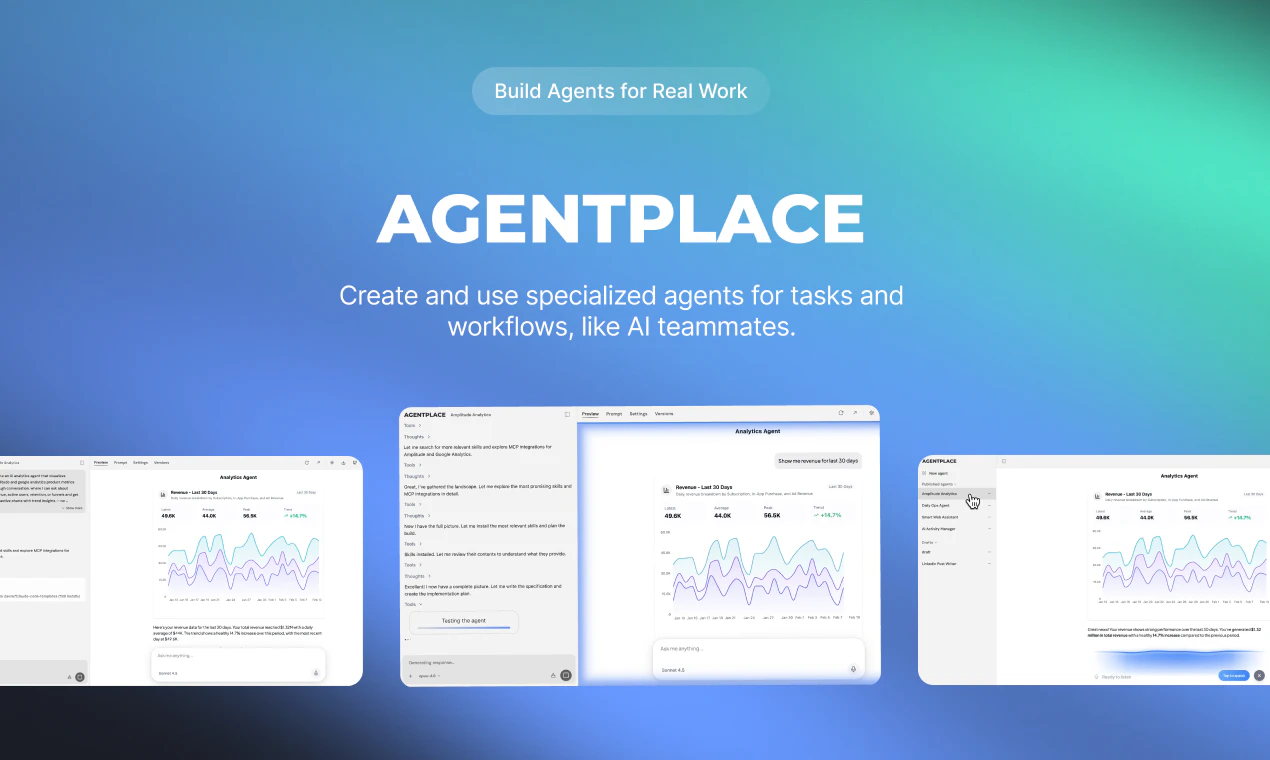
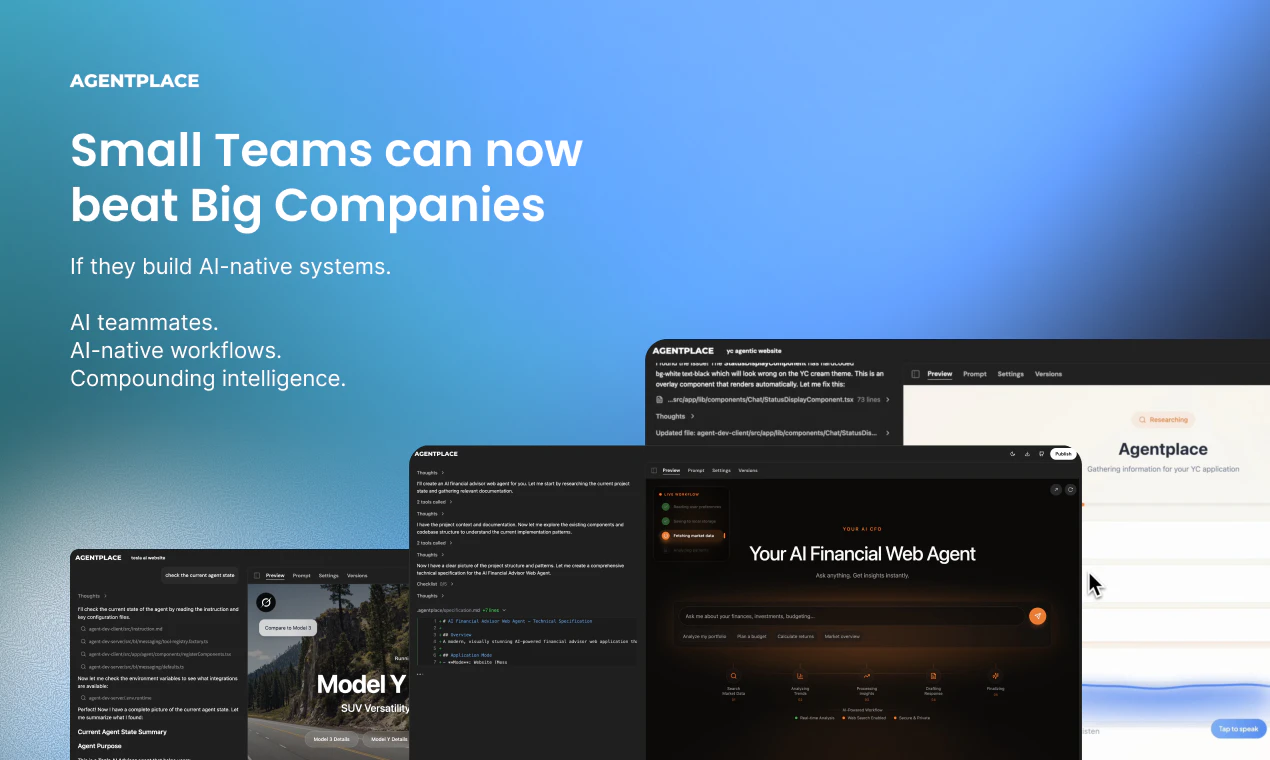
查看原始信息
Maritime
Maritime is a deployment platform for AI agents that lets you run OpenClaw, ZeroClaw, and custom agents in the cloud without managing infrastructure. You can deploy in minutes, run agents reliably, and scale as needed, all through a simple interface starting at $1/month.

Hey everyone 👋 Maria here, co-founder of Maritime.

Over the past year, I’ve spent a lot of time working on AI agents through MIT and the OpenClaw ecosystem, and one thing kept coming up again and again:

Building agents is getting easier. Deploying them is still a pain.

A lot of people have something cool running locally, but getting it live in the cloud in a reliable way, without dealing with infra headaches, scaling issues, or paying for a server that mostly sits idle, is still a real blocker.

That’s why we built Maritime.

Maritime is a simple platform for deploying and running AI agents in the cloud. No DevOps, no complicated setup, just get your agent live and keep it running.

Right now, you can:

  • deploy OpenClaw, ZeroClaw, or your own custom agents

  • run multiple agents at once

  • manage everything in one place

  • scale without having to think too much about infrastructure

We also wanted to make it genuinely accessible, so pricing starts at $1/month. The whole point was to remove friction for builders who want to experiment, ship, and learn fast.

We’re currently in beta. If this sounds useful, sign up for the waitlist and include a short note on what you want to build. We’re reviewing everyone manually and will reach out to the top users over the next 2 weeks with beta access.

If you’ve ever built an agent and thought, “I don’t want to spend $20 a month just to keep this thing online,” we probably built this for you.

Would really love your feedback: what makes sense, what feels confusing, what’s missing, and what you wish existed. I’ll be around in the comments.

1
回复

curious about how the pricing changes as request scales. also, what security measures do you have in place for data security?

1
回复

@kshitij11 great question — pricing is mostly driven by usage, not idle time


the base plan covers lightweight agents (~$1/mo), and as request volume increases, we charge based on compute/runtime so you’re only paying when the agent is actually doing work

on security: each agent runs in an isolated environment, credentials are encrypted at rest and only decrypted during execution, and everything is ephemeral — no long-running processes holding sensitive data

happy to go deeper if you're thinking about a specific use case

0
回复

$1/month is wild. What agents can I run on this?

0
回复

@maxwell_timothy Any kind: whether it’s CrewAI, LangGraph, Openclaw, Zeroclaw, it’ll run on Maritime

0
回复

$1/month for agent hosting is a no-brainer price point. The biggest friction with running AI agents right now isn't building them, it's keeping them alive and accessible somewhere. This solves that cleanly.

How does it handle scaling when an agent suddenly gets a burst of traffic? Like if someone shares your agent link on Twitter and 500 people hit it at once.

0
回复

@mihir_kanzariya exactly —-that was the whole idea. building agents is getting easier, but hosting them reliably is still way more painful than it should be

for bursts, we spin agents up on demand and can run multiple isolated executions in parallel, so one spike doesn’t just route everything through a single always-on process

if 500 people hit an agent at once, the system scales by allocating more execution environments as needed rather than expecting one server to handle everything alone

we’re designing it to be elastic by default, which matters a lot for agents because traffic is usually quiet… until it suddenly isn’t

0
回复