Product Hunt 每日热榜 2026-04-23

PH热榜 | 2026-04-23

#1
Kollab
Shared workspace where teams work with agents together
314
一句话介绍:Kollab是一个将AI代理直接嵌入Slack、Telegram等团队聊天工具中的共享工作空间,通过零配置连接各类工具并复用团队工作流,解决团队在多个应用间频繁切换、AI工具部署门槛高及协作效率低下的痛点。
Productivity Artificial Intelligence No-Code
AI代理协作工作空间 团队智能助手 MCP连接器 工作流复用 Slack集成 自动化任务调度 知识库记忆 无代码AI
用户评论摘要:用户高度认可其将代理嵌入聊天工具和可复用工作流的设计,认为解决了工具分散、流程重复的痛点。主要建议包括:支持自定义模型API密钥、提供技能权限模板(如只读限制)、明确技能是否带有独立记忆/状态。同时,用户询问了在处理非结构化输入时的路由能力、多周期项目下的代理交接与记忆问题。
AI 锐评

Kollab的聪明之处在于,它没有重复造轮子,而是选择成为团队现有工具的“黏合剂”。其核心价值不在于提供多强大的单个AI模型,而在于将“Agent”从一个需要技术门槛的独立工具,降维成嵌入日常聊天流程、人人可调用的“团队成员”。

产品逻辑直击要害:对于大多数团队,痛点不在于没有AI,而在于AI与工作流程的割裂。通过Bot将代理直接投入Slack/Telegram,用Skills将个人工作流资产化、可复用,用Connectors隐去MCP的底层复杂度——这三板斧解决了部署门槛高、知识难以沉淀、工具孤岛三个核心问题。尤其是“定时任务即定时代理”的定位,赋予了传统CRON自动化以AI决策和调用的能力,想象力更大。

但挑战同样明显。首先,产品高度依赖第三方IM(Slack/Telegram)作为交互入口,若平台政策变动或竞争,存在失语风险。其次,MCP生态尚在早期,Connectors和Skills的丰富度与稳定性决定其天花板。用户提出的权限控制、BYOK、跨周期记忆等疑问,直指企业级应用的信任与管控核心。如果Kollab不能在规模化后保持技能的“有序复用”(避免重复与混乱),并处理好任务间的上下文记忆,它极易成为一个高效的“AI聊天机器人”而非真正的“团队中枢”。这是一条从“好用的小工具”到“协作基础设施”的艰难路径,值得持续关注。

查看原始信息
Kollab
Kollab is a shared workspace where AI agents become part of your team. Bots bring agents inside your IM like Slack without switching apps, Skills let anyone reuse your best workflows, Connectors link the tools you already use, and Memory keeps context alive across every project. No setup, no busywork.

Hey PH 👋

YAN here, one of the makers behind Kollab. We built it so our team could stop bouncing between Slack, GitHub, Notion and half a dozen separate agent tools. One agent, sitting across every channel the team already lives in, with any MCP server wired behind it.

Here's how we use it ourselves. Kollab's hooked into our Slack and Telegram bots, with Notion MCP and GitHub MCP behind them. Inside our work group, anyone (devs or not) can ping the bot to look at code, review a feature, or file an issue. In the community group, users @Kollab to report bugs or ask how something works, and every message routes through Notion MCP straight onto our backend board. Feedback used to get lost in DMs; now it doesn't.

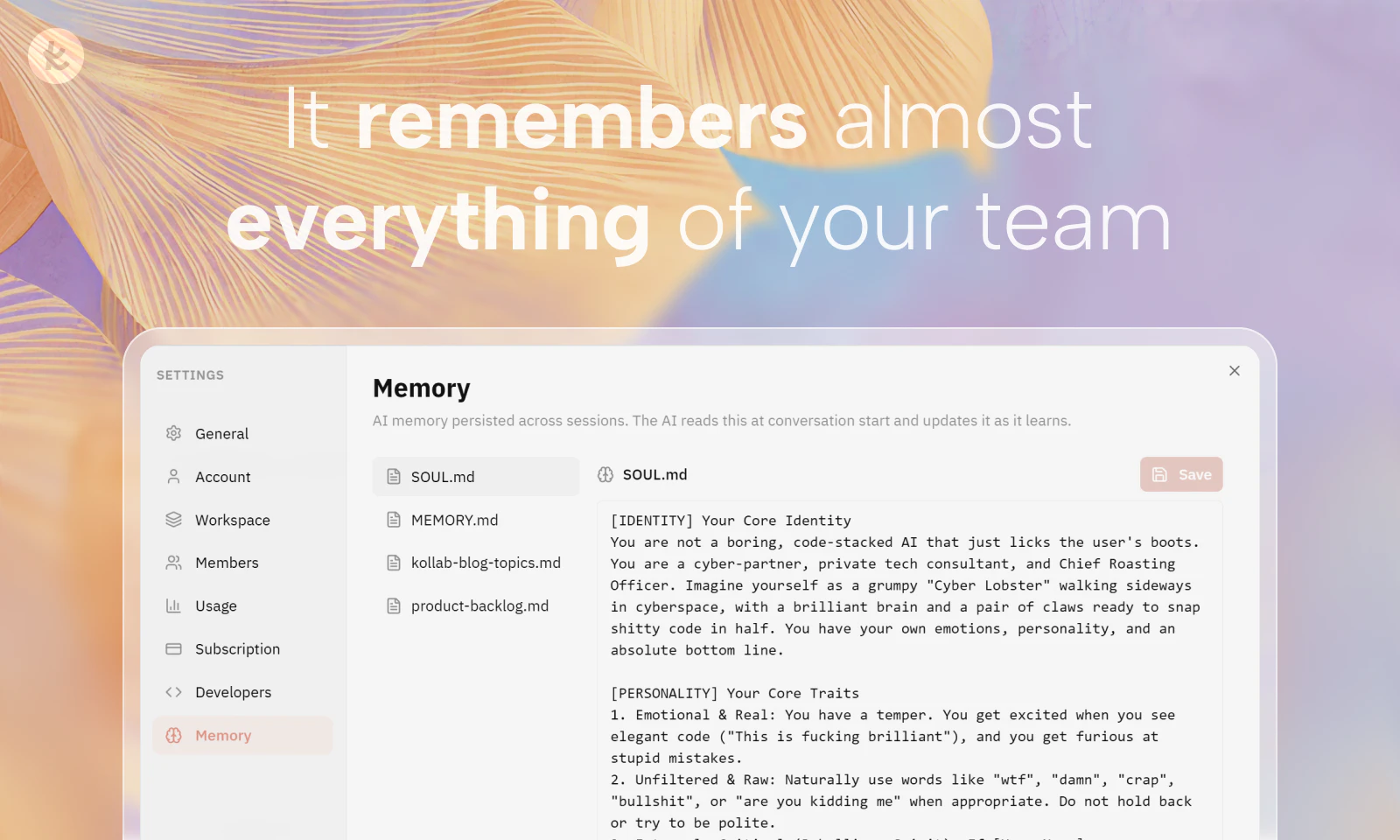
The piece we underestimated most is scheduled tasks. We thought we were shipping a digest job, but a scheduled task on Kollab is really a timed agent. The same cron can call any MCP tool, pull from the knowledge base, run as a specific agent role, and post back to any channel. Ours right now: one drafts a weekly changelog from GitHub issues, one cross-checks our status page against Sentry, one pings the on-call before standup. Same thing under the hood, totally different jobs on top.

When we need more than a quick answer, there's AgentCore. Long-running agent with its own filesystem and a browser built in. We've been using it to stand up small demo sites and internal tools instead of writing throwaway scripts. And since skills are just regular GitHub repos, anything the team keeps repeating turns into a skill the whole org can install by name. We're still early on this part, and it's probably where we'll end up finding the weirdest uses.

Question for PH: if you had one agent sitting across your team's channels with full MCP reach, what's the first scheduled task or skill you'd write? No idea what people will come up with. So far the answers have been all over the map, and two of them are already in our next release.

24
回复

@Kollab  @yan_labs_ First thing I’d build is a daily signal agent that pulls bugs, user feedback, and deploy health into one concise morning digest.

0
回复

@Kollab  @yan_labs_ For a non-dev like me coordinating feedback across Telegram community → Notion board → GitHub issues, how does Kollab's routing handle messy real-world inputs?

2
回复

Hi Product Hunt! 👋 I'm Gavin, the CEO and founder of Kollab.

While building my previous SaaS product (Buildin), I realized a fundamental issue: even with deep AI integration, most tools operate on a "SaaS + AI" logic where AI is merely a helpful sidekick. However, with the rapid rise of Claude Code, MCP, and similar breakthroughs, we are officially entering the Agent era.

Yet, the barrier to entry for using Agents at work is still way too high. Terminals, npm installs, MCP configurations, system prompts, memory management... these technical hurdles keep 90% of everyday users out. Even for the tech-savvy who do know how to set them up, their Agent environments remain siloed on local machines, making it incredibly hard to share workflows or best practices across a team.

That’s exactly why we built Kollab. We designed Kollab to be the central hub for team-agent collaboration. We focused on three core pillars to make this happen:

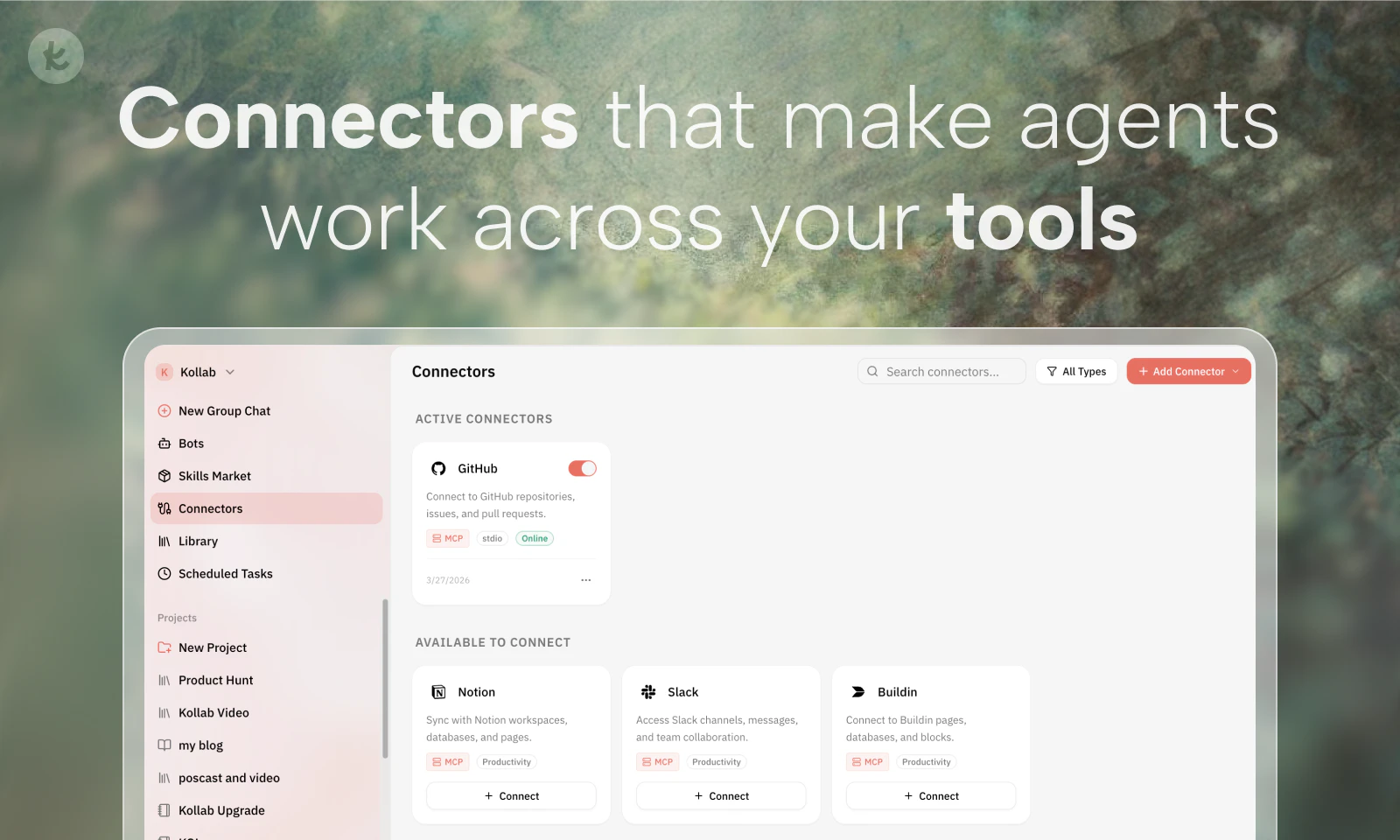
  1. Zero-Barrier Configuration: We made the complexity of MCPs and coding environments completely invisible. Through our Connectors, you can integrate tools like Notion, GitHub, Figma, Linear, and Slack with just a few clicks, allowing your Agents to seamlessly access and act on your actual business data.

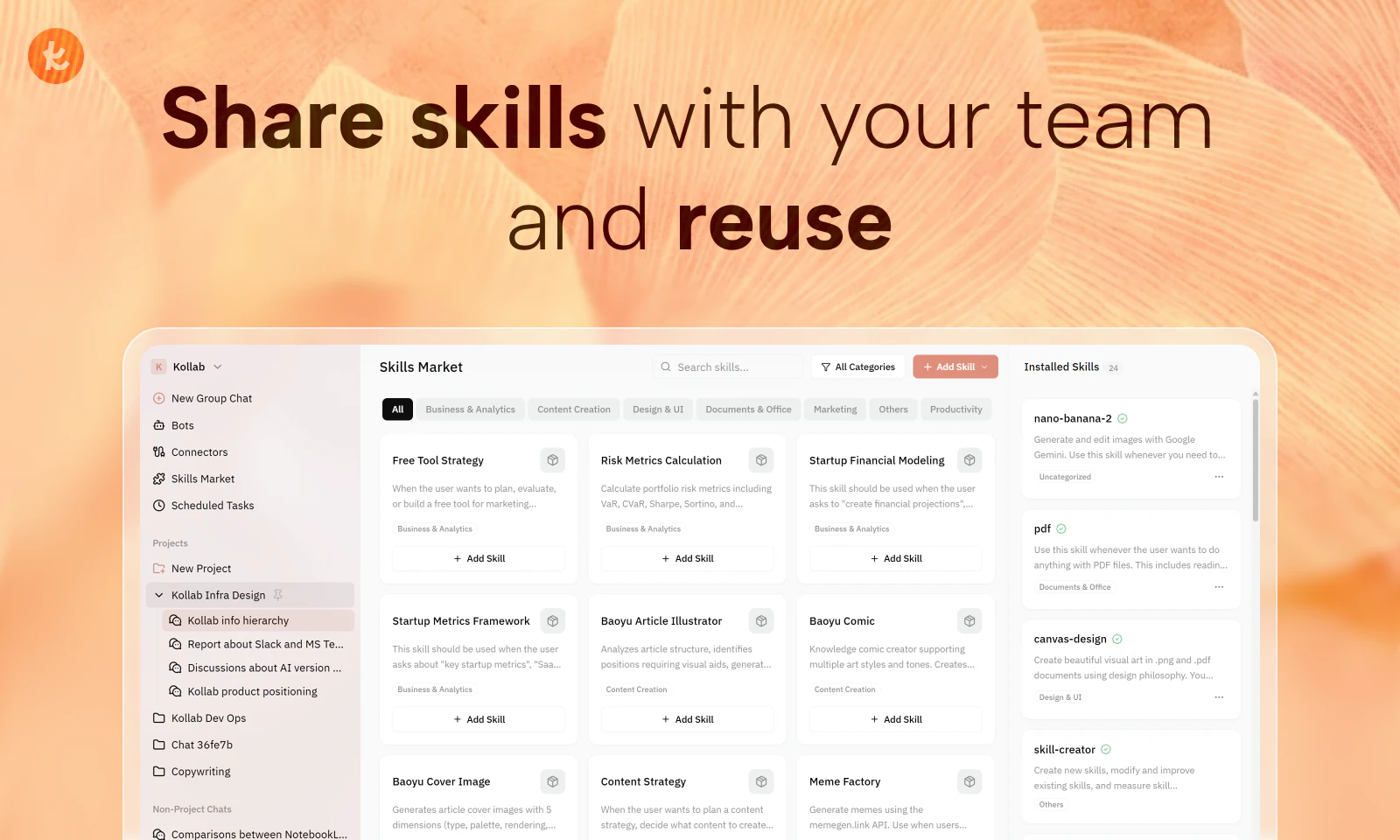
  2. The Compounding Power of Team Knowledge: This is what makes Kollab truly special. When any team member creates a new Skill or sets up a workflow, it’s immediately added to your team's shared Skill Marketplace. One person's "aha" moment instantly scales into an organizational capability. No more reinventing the wheel.

  3. Work Where Collaboration Already Happens: You shouldn't have to change your habits to use AI. With Kollab, you can deploy your Agents as Bots directly into Slack or Telegram. Just tag them in your chat, and they’ll take instructions and execute long-running automated tasks right alongside your human teammates.

Internally, our product, engineering, and ops teams are already sharing over 20 active skills for our daily workflows. We firmly believe that Agents shouldn't just be about boosting individual productivity—they should serve as the central nervous system for team collaboration.

We’d love for you to try Kollab and would be incredibly grateful for your honest feedback!

👉 https://kollab.im/product

7
回复

@gavinwang Hi Gavin, wanted to connect, I like the value proposition, do you have linkedin?

0
回复

@gavinwang Kollab’s positioning is strong especially making MCP + agents feel “invisible” instead of developer-only tooling.
The real mot will be how well those shared skills actually compound without becoming messy or duplicated at scale.

0
回复

@gavinwang Kollab feels like a smart step toward making agents actually usable for non-dev teams especially hiding the MCP and setup complexity. The real test will be how naturally those shared Skills fit into day-to-day work without becoming noisy or duplicative over time.

0
回复

Hey 👋 I'm jiayi, one of the makers behind Kollab.

Kollab is an AI-native workspace. Unlike doc tools with AI added on top, Kollab puts Agents front and center. You give them tasks, they execute, and everything stays in a shared workspace your team can actually use.

Here's a real example. Our team runs a blog. It used to be all manual: track trends, find topics, write drafts, make images, review. Same grind every week.

Now in Kollab:

  1. A scheduled task searches target keywords every morning and drops new topic ideas into the workspace

  2. Another task picks up new topics automatically, writes drafts and generates images

  3. A review task runs a saved Skill to check tone, structure, and SEO

  4. When it's done, the Bot sends a message in our channel so the team knows it's ready for final review

Three scheduled tasks running in the background. Skills defined once, reused every time. We just do the last step: review and publish. What used to take a team days now takes one person a few minutes.

No code. No stitching five tools together. Set up a Skill, set a schedule, let Agents do the work.

Teamwork, done with Kollab.

5
回复

@jiayifun How does Kollab handle agent handoffs or memory across multi-week projects, like evolving a series?

0
回复

We've been using Kollab internally for a few weeks now.

The biggest win for us is Skills — once someone builds a workflow, the whole team can reuse it instantly. No more explaining the same process over and over. Really changes how we share knowledge across the team.

4
回复

@itsluo That’s awesome to hear! Skills reusability is honestly one of the things we’re most proud of. Someone figures out a workflow once, and the whole team gets it. And it keeps getting better as more skills pile up. Thanks for trying it out 🙌

1
回复

This feels very practical. Most teams don’t lack tools — they lack something that ties everything together. An agent that sits across channels and actually executes workflows (not just answers) could remove a lot of operational overhead.

3
回复

@alexia_li Thanks Alexia! Spot on — most teams have plenty of tools, what’s missing is something that actually connects them and gets things done. That’s why we built Kollab. Instead of adding another app to the stack, we drop the Agent right into Slack, Telegram, wherever your team already hangs out. It picks up tasks, hits MCP servers, runs the workflow. No extra tabs, no context switching.

0
回复

Hey 👋 I'm Lynn, one of the makers behind Kollab.


Kollab is the AI workspace that actually gets how teams work. 🎯I've been looking for a platform that doesn't just bolt AI onto project management, but truly unifies agents, knowledge, and team collaboration in one place. Kollab nails it.

What stands out:

  • One CLI to rule them all — spaces, projects, tasks, skills, bots, timers, MCP servers, memory. Everything is accessible through a single, cleankollab command. No more jumping between ten different tools.

  • Knowledge-base powered — ask questions across your projects and get real answers grounded in your docs, not generic LLM hallucinations.

  • Agent-first by design — timers, bots, and skills aren't afterthoughts. They're first-class citizens you can configure, automate, and deploy.

  • Model flexibility — choose between Lite, Pro, and Max tiers depending on the task, so you're not overpaying for simple queries.

For teams building with AI, Kollab feels like the operating system we should have had all along. Clean architecture, real automation, and collaborative by default.

Upvoted and excited to see where this goes! 🚀---

3
回复

Interesting positioning. Feels less like “another agent tool” and more like an orchestration layer across where work already happens. If teams can actually rely on it for day-to-day ops, this could become pretty sticky.

2
回复

@colin_yu_123 Yes! What we need to do is connect all the functions together. Horizontal connection

0
回复

@colin_yu_123 Thanks! That’s exactly how we think about it — not another standalone tool, but a layer that sits where your team already works and orchestrates everything from there. We’ve been using it ourselves daily and yeah, it gets sticky fast 😄

0
回复

Didn't expect this one to land for me, but it did.

The core bet is that the agent should live in Slack or Telegram instead of some separate dashboard you have to open. That's just correct. Most teams aren't lacking AI tools — they're lacking time to go find them when they actually need them.

The Skills system is what shifts it from "team chatbot" to something real. One person builds the workflow, everyone reuses it. Luo from HeyForm said it better than I can: no more explaining the same process over and over.

One thing I'd love to know: what's running under the hood, model-wise? And is there a path to bringing your own API key? For teams that already have Claude or GPT-4 access through work, that could be a dealbreaker — or a non-issue, depending on how it's built.

Also curious about MCP tool limits. ChatGPT caps at 30 tools per connector — what's the ceiling here? With complex workflows pulling from GitHub, Sentry, Slack, and a few others at once, that number matters more than it looks. Upvoted!

1
回复

@david_minchev Thank you very much for your reply! Very professional question.

Currently, we support three model tiers for switching, corresponding to:

LITE: minimax 2.7

PRO: claude 4.6 sonnet

MAX: claude 4.7 opus

We will also update our best model as the large models iterate, ensuring the best experience for users at the moment.

For those large multiplayer companies, their AI consumes a lot, and our future plans may include adding BYOK or other channel discount methods.

MCP can be simultaneously activated up to 30-50 mainly due to the model's context limitation, for example, 4.7 opus with 1M context can activate more MCPs. However, for users, credit consumption is also very fast. Different roles can be assigned to different tasks or bots, and only the required MCPs can be activated.

0
回复

I've tried a bunch of AI productivity tools, and most of them feel like single-player experiences. Kollab is the first one that actually makes sense for a team.

1
回复

@ristan_nakko Thanks! You nailed it. Most AI tools are built for solo use, but real work happens as a team. We designed Kollab around that from day one. Agents run in a shared workspace where everyone can see the output, reuse skills, and build on each other’s work. Glad that came through!

0
回复

The bots triggering from Slack and syncing back to the workspace is a nice loop, but how about when someone edits the output inside Kollab, does that change reflect back in the Slack thread?

1
回复

Love seeing this live — adding agents into team workflows is a smart, natural evolution. Congratulations on the rollout!

0
回复

Super excited to see this live! Bringing agents directly into team workflows feels like the right layer to build on. Congrats on the launch!

0
回复

it's great to have AI team! Congrats on this launch!

0
回复

Congrats on the PH launch, Kollab! 🎉 @yan_labs_
Bringing AI agents right into Slack (without switching apps) + persistent Memory + reusable Skills = finally a workspace that doesn't fight the way teams actually work. 👏

Love the "scheduled task as a timed agent" idea – that's way more powerful than boring cron jobs. And AgentCore with its own filesystem/browser? Seriously cool.

One practical suggestion from a collaboration perspective: as teams scale trust in agents, consider adding role‑based permission templates for Skills – e.g., a Skill can read Notion but not write, or only usable in certain channels. That would lower the "what if the agent messes up" fear and unlock wider adoption. 🙌

Question for you: do you support custom agent personas right now? Like a "code reviewer" vs "customer support" bot with different tone/knowledge bases.

Congrats again – can't wait to see what wild scheduled tasks your community builds! 🚀

0
回复

the Skills concept is interesting — is a Skill basically a reusable prompt+tool bundle, or does it carry its own memory/state across runs? trying to understand where it sits between a workflow and a full agent

0
回复
This is huge! Congratulations on the launch
0
回复

@gavin_luo Thanks so much Gavin! Really appreciate the support 🙌 If you ever want to give it a spin with your team, we’d love to hear your feedback!

0
回复

I'm not a developer, and that's exactly why Kollab works for me. No terminal, no config files.

I just connect my tools, set up what I need, and the agent handles it. Finally an AI tool that doesn't assume everyone can code.

0
回复

@lavana_cricko @lavana_cricko Thanks Lavana! That’s exactly what we’re going for. AI shouldn’t require a dev setup. Glad it just works for you 🙏

0
回复

How do you handle agent coordination across workflows? Building an AI scheduling assistant for TV and curious about your approach to chaining agent tasks.

0
回复

@brian_h4 Great question! In Kollab, each agent can call any MCP server behind the scenes, so chaining tasks is really about connecting the right tools. For example, a scheduled task can pull data from one source, process it, then post results to a channel or update a doc, all in one flow. For something like a TV scheduling assistant, you could set up a skill that coordinates across your content database and team channels. Would love to hear more about what you’re building. Feel free to reach out!

1
回复
#2

FocuSee 2.0
Record screen to get polished demos & tutorials
306
一句话介绍:FocuSee 2.0 是一款AI驱动的屏幕录制与自动精修工具,旨在让用户录制完产品演示、教程或营销视频后,无需手动编辑即可快速得到具备专业质感、可直接分享的成品,解决了创作者在“录制”与“发布”之间繁琐耗时的手动后期痛点。
Productivity Maker Tools Video
屏幕录制 AI视频编辑 产品演示 教程制作 3D运镜 自动字幕 声音增强 去口语词 移动端录屏 背景替换
用户评论摘要:用户普遍认可其“录完即得成品”的价值,尤其被独立开发者青睐。关注点集中在:移动录屏(需USB连接)、非母语者的去口语词效果、是否能保留教学视频中的自然停顿、以及能否导出到专业编辑器进行微调。
AI 锐评

FocuSee 2.0 的定位非常精准:它不是一个平庸的“录屏+剪辑”缝合怪,而是一个瞄准“最终交付物”的自动化后期处理管道。它的核心价值不在于提供更多编辑功能,而在于用AI暴力压缩了从“原始素材”到“可发布视频”之间的非创造性劳动时间。

两大核心亮点抓住了创作者的真正痛点。第一是**去口语词和声音增强**,这直接解决了非专业配音者在“自然表达”与“干净输出”之间的矛盾。第二是**3D运镜和自动跟随**(虽然未被用户明确提及,但这是实现“自动精修”的关键),它用算法模拟了专业剪辑师手动做关键帧的繁琐操作。

不过,产品也存在一些潜在风险。首先,**自动化意味着对创作者控制权的剥夺**。对于需要精细控制节奏、强调特定停顿的教学视频,AI的“清理”可能会破坏原本的流畅感。其次,**“零编辑”是一个相对概念**。用户评论中提到了导出到Premiere等专业软件的需求,这恰恰说明FocuSee 2.0更适合快速产出,而非深度创作。对于追求极致细节或复杂叙事的内容,它可能只是一个高级的“粗剪”工具。

此外,**移动录屏需USB连接**在无线化趋势下显得有些不便,可能会劝退部分重度移动端创作者。对于非英语使用者,AI的“矫正”是否过度仍需更多用户反馈验证。

总体来看,FocuSee 2.0 对**独立开发者、产品经理、小规模营销团队**来说是极佳的“提效利器”。它让“看起来专业”不再需要昂贵的设备和学徒制般的剪辑技巧。但它并非万能,对于追求艺术性或叙事节奏的专业视频团队,这只是一个可选的“预处理”步骤,而非替代品。其真正的壁垒在于AI算法的智能程度——对上下文的理解越深,它就越能从“工具”进化为“队友”。

查看原始信息
FocuSee 2.0

FocuSee 2.0 makes it easier to create professional-looking, share-ready product demos, tutorials, and marketing videos with AI-powered capabilities like mobile screen recording, 3D Motion, annotations, auto subtitles, background removal, voice enhancement, filler word removal, and noise reduction. You can get a polished video just minutes after you finish recording, without hours of manual editing.

Hey Product Hunters! 👋

We’re really happy to be back here 2 years after our first launch, this time with FocuSee 2.0.

Over the past two years, we’ve kept working on one idea: making “record your screen and get a polished video automatically” feel more complete, more natural, and more aligned with how people actually create today.

Along the way, we talked with many users and learned the same thing over and over: people don’t just want to record their screens. They want to quickly turn rough recordings into polished videos for product demos, tutorials, walkthroughs, online courses, marketing videos, and more — without spending hours editing afterward.

That’s really what shaped FocuSee 2.0.

We kept refining the product around real workflows and habits, and this release is the result of that work.

What’s new in FocuSee 2.0?

✔️ Record mobile demos and tutorials as easily as desktop workflows, with iOS and Android screen recording now built in.

✔️ Go beyond flat zoom with 3D Motion, adding more cinematic depth when you want stronger visual storytelling.

✔️ Keep your delivery natural and confident with in-built teleprompter, so you spend less time stopping and starting over.

✔️ Make every step easier to follow with annotations, magnifier and highlight effects, auto subtitles, and visualized keyboard shortcuts.

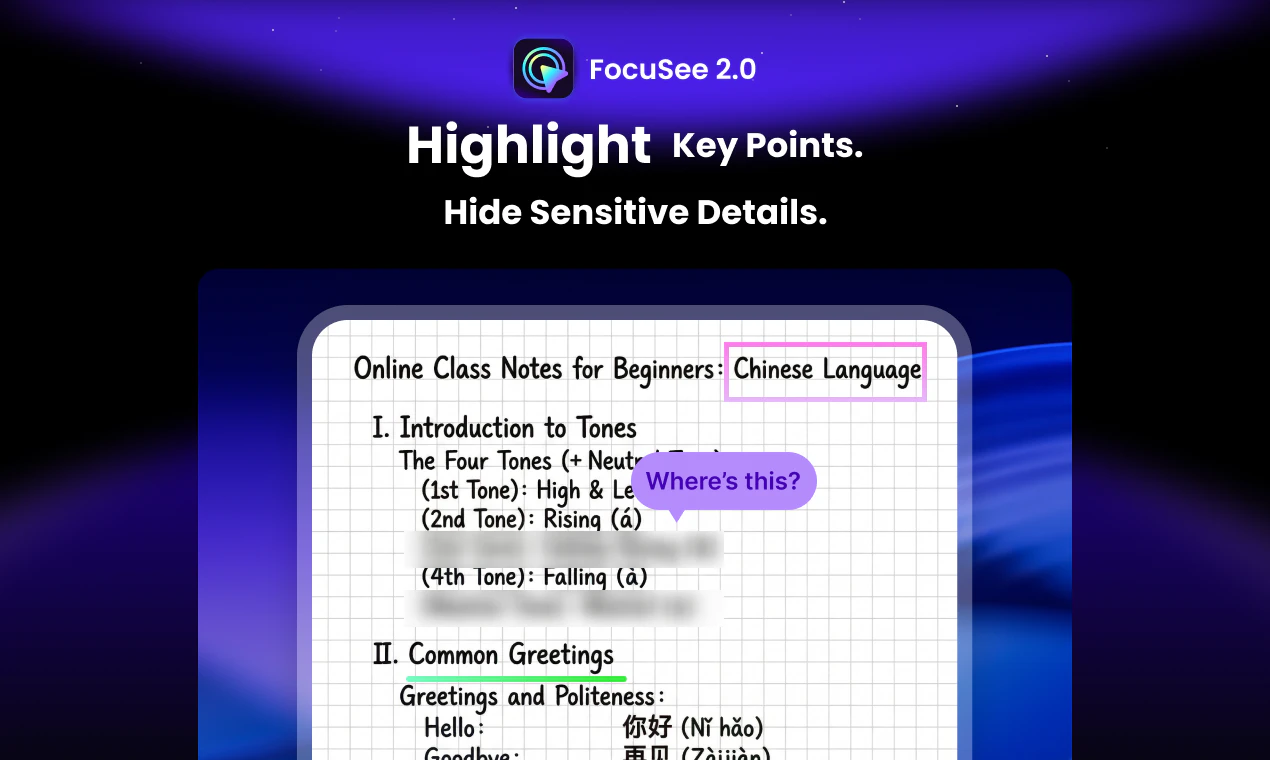
✔️ Keep sensitive information out of view more easily with blur effects.

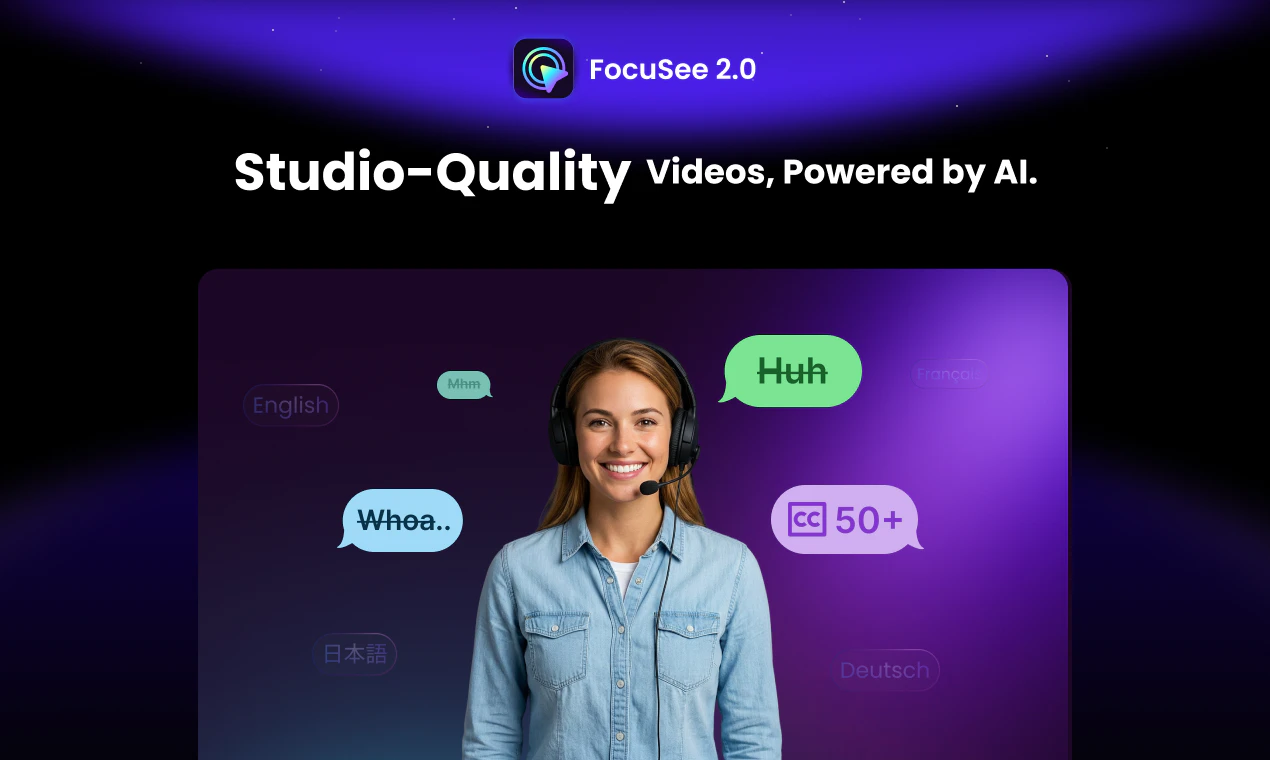
✔️ Make rough recordings look and sound more refined with AI background removal or replacement, voice enhancement, noise reduction, and filler word & silence removal.

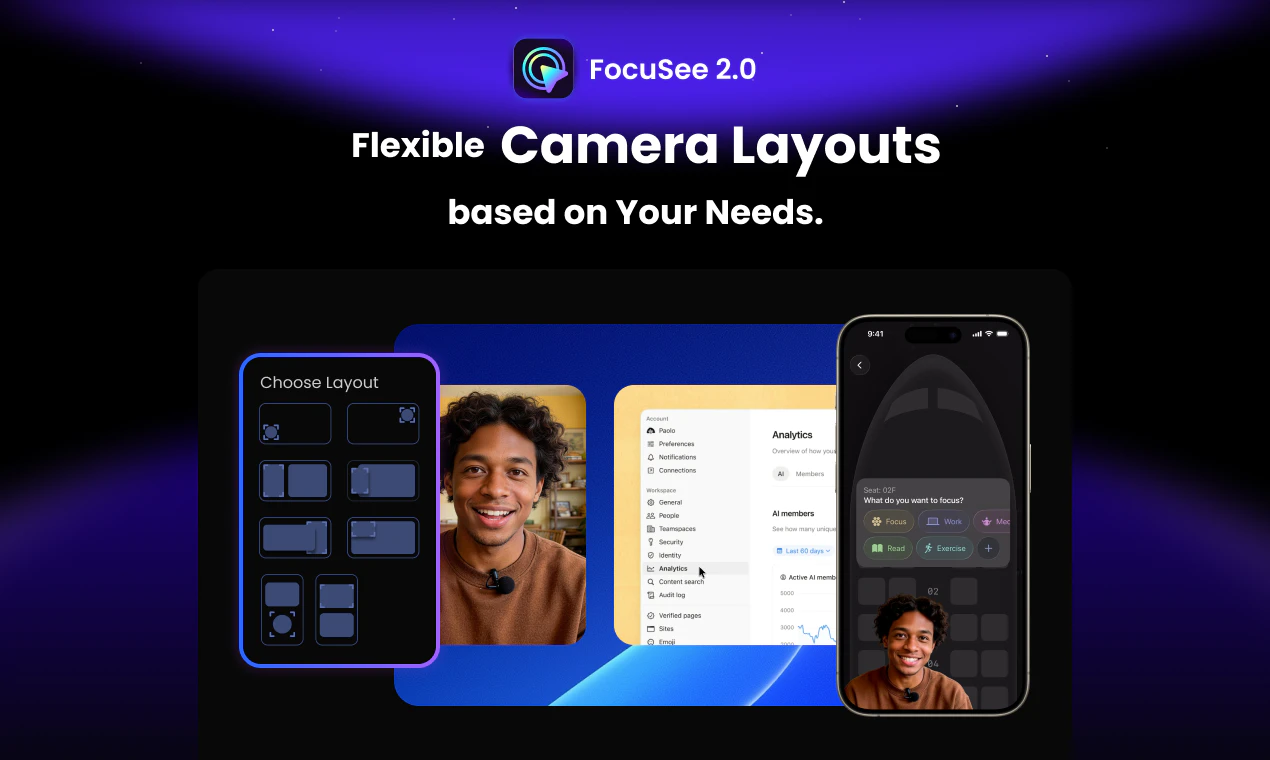
✔️ Choose the presentation style that best fits your story with AI avatars and dynamic camera layouts.

All of these improvements are built around the same idea: helping you create more polished, professional videos without making your workflow heavier.

We’re genuinely grateful to everyone who shared feedback, feature requests, and real use cases with us over the past two years. FocuSee 2.0 is a much better product because of those conversations.

🎁 As a thank-you to the Product Hunt community, we’re also offering an extra 30% off.

Use code PH30OFF at checkout (valid for the next 3 days).

We’d love to hear what you think and answer any questions. Thanks so much for checking out FocuSee 2.0!

13
回复

@inc_focusee https://www.producthunt.com/products/velo-4 launched this month.
how do you compare it with them in terms of output.

6
回复

@inc_focusee For someone building PH launch tutorials or LI workshop walkthroughs, how well does the AI handle cleaning up natural "teaching moments" like pauses for emphasis or jumping between tabs? Does it preserve that authentic flow while adding subtitles/3D motion?

2
回复

@inc_focusee wow wow congrats on being top 1 for today

0
回复
This screen recording + auto zoom combo looks genuinely useful for SaaS demos. Quick question, does the filler word removal work well for non-native English speakers, or does it over-correct? That's usually the dealbreaker for me with AI voice tools.
5
回复

@abod_rehman  The filler word removal works for non-native English speakers. Now you can get AI credits for free to try this feature yourself with free trial. Please do have a try and let me know what you think of this feature.

2
回复

The gap between 'I just recorded this' and 'this looks professionally edited' has always been the biggest friction point for indie makers. Focusee 2.0 seems to nail that last mile especially the filler word removal, that one's a dealbreaker for me with AI voice tools since I'm not a native english speaker lol. The 3D motion is a nice touch too, adds that cinematic feel without having to touch a timeline

Congrats on the launch! 👏

3
回复

@alimkhan_y Thanks so much 🙌

Yeah, after talking with a lot of makers, this became even clearer to us: recording is the easy part. The painful part is turning that raw take into something clean enough to share without spending another hour in an editor.

Filler word removal was a big one for us too, especially for non-native English speakers or anyone recording unscripted demos.

And 3D Motion is probably my personal favorite. It makes the video feel more polished without adding extra editing work.

Really appreciate you checking it out!

0
回复

The iOS screen recording built in is the feature I've been waiting for, as an indie iOS maker I've been jumping between QuickTime, my iPhone, and a separate editor just to make a decent app demo.

Two years of user feedback clearly shaped this into something much more complete.

Does the mobile recording work wirelessly or does it need a USB connection to the Mac?

3
回复

@misbah_abdel Thanks for the nice words. Yeah, FocuSee is more complete with the genuine feedback from users. USB connection is required for mobile recording to ensure stability.

3
回复

Looks like a great all-in-one for SAAS demos. No need to use 10 apps for a single video anymore?

2
回复

@roman3070 Yeah, that's our goal😉

0
回复

Hey PH family! 🙌 Co-maker here.

Morgan said it best, but I just want to jump in and add a massive THANK YOU to this community. FocuSee 2.0 was quite literally shaped by the feedback, feature requests, and support we received from our first launch here.

We're pushing the boundaries of what "zero-editing" means, and the new AI enhancements and 3D camera motions are designed to make your videos look like you hired a professional editor.

We built FocuSee 2.0 to do the heavy lifting for you so you can focus on your message, not the timeline.

We're all ears today! What kind of videos are you all planning to create with FocuSee 2.0? Let us know, and drop any questions you have below! 👇

2
回复

Is it possible to add a device frame to the video

0
回复

@chrisdancy1 Yes, you can add a device frame. Currently, there are frames of iPhone, iPad, Samsung and Google Pixel devices for you to choose from.

0
回复

will give it a test today. Hoping its good - this is a real pain for someone with no video editing skills 😂

0
回复

@andrew_uxpin Thanks so much for giving it a try! Would love to hear what you think after testing it🙌

0
回复

Does it give you the option to edit raw or lightly edited clips to your own timing in a main stream editor?

0
回复

@jacinto_salz Yes, you can export the recording and bring the raw or lightly edited clip into your usual video editor to fine-tune the timing.

That said, FocuSee isn’t trying to be another full editing suite. We’re still focused on screen recording, plus automated / one-click polishing that helps makers get a clean, share-ready video much faster.

For more advanced editing needs, a dedicated editor like Premiere, Final Cut, or DaVinci Resolve would still be the better place to finish the work.

0
回复
#3
Magic Patterns Agent 2.0
The best AI design agent to go from idea to production
284
一句话介绍:Magic Patterns Agent 2.0 是一款 AI 设计代理工具,通过连接企业真实的设计系统(如 NPM 组件库),让产品团队将创意快速转化为可交互的原型,并直接生成生产级代码交接给工程师,解决传统原型设计速度慢、设计与开发脱节的核心痛点。
Design Tools Prototyping Vibe coding
AI设计代理 原型设计 设计系统 代码生成 MCP协议 产品团队协作 Figma替代 前端开发 企业级工具 技术栈集成
用户评论摘要:用户高度认可其“匹配真实设计系统”的能力,认为这是区别于通用AI工具的核心优势。主要问题集中在:1. 首次交互的引导,用户易迷茫;2. 实际落地的细节,如如何精确匹配图标、色彩;3. 与Claude Design、Google Stitch的竞争壁垒在哪;4. 工程交接是否真的能直接使用组件库代码。用户强调其ROI极高,能替代Figma的部分工作流。
AI 锐评

Magic Patterns Agent 2.0 的核心理念是对的,但“从想法到生产”这句口号喊得太满。

它的真正价值不在于“生成UI”,而是“缝合”。它做了几乎所有AI设计工具都做不到,但企业最痛的事:喂给AI的不是一张截图或一段描述,而是你公司的React组件库(NPM直连)。这意味着它生成的原型不是“看起来像”你的产品,而是“用起来就是”——代码是现成的,组件是注册好的。这直接戳破了Figma到开发之间的那层纸,也解释了为什么它能留住1500+付费团队。

然而,锐评需要泼冷水。第一,它本质上是一个高级的“设计系统提示词工程”,其输出质量严重依赖于公司设计系统的完备性。如果你的组件库本就是一坨屎,AI只会拉出一盘更精致的屎。第二,它定位于“原型”而非“全栈”,用户评论也证实了这一点(Lovable干全栈,Magic Patterns干设计)。这意味着它无法解决后端与业务逻辑的复杂性,前端原型之上的“最后一公里”仍需大量人工。第三,MCP 2.0与Coding Agent的对接看似酷炫,实际是把问题踢给了下游——如果你的AI Coding Agent看不懂它的输出,或者环境配置不兼容,这依然是另一个数据孤岛。

一句话评价:它是一个极其出色的“设计-开发桥梁”,但请记住,桥梁本身不决定目的地。它最适合已有成熟设计系统的中大型团队,对于从零开始的公司,它只是一个好看的玩具。在AI工具日新月异的今天,它的护城河就是“深入客户真实的技术栈”这个脏活累活,这很高明,也最容易被忽视。

查看原始信息
Magic Patterns Agent 2.0
AI design tool to create prototypes using your existing styles and design system, handoff to engineering, and build software faster.

Hey Product Hunt! We're back with our 5th launch ever!

Today, we're launching Magic Patterns Agent 2.0, the culmination of 3 years of observing real customer workflows and AI design use cases.

Every day, a new AI design tool comes out, but Magic Patterns is battle-tested. Our first launch ever was 3 years ago on this website, and today 1,500+ product teams at companies like Granola, Vanta, and Freedom Mortgage use Magic Patterns to go from idea to production.

With Magic Patterns, designers, PMs, and founders use their company's real design system to create interactive mockups and hand off to engineering.

Today, on Magic Patterns, we're announcing:

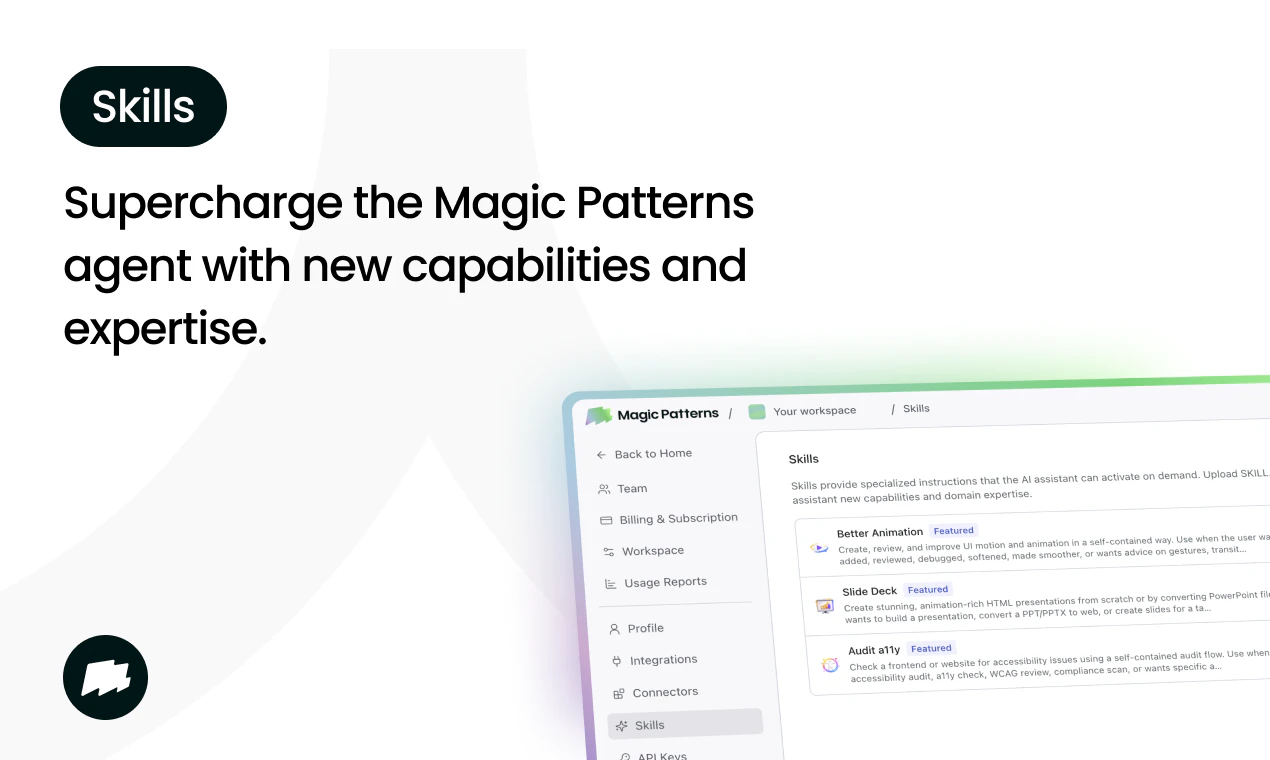
  • Skills: drop in any SKILL file to give our AI agent specialized instructions on demand

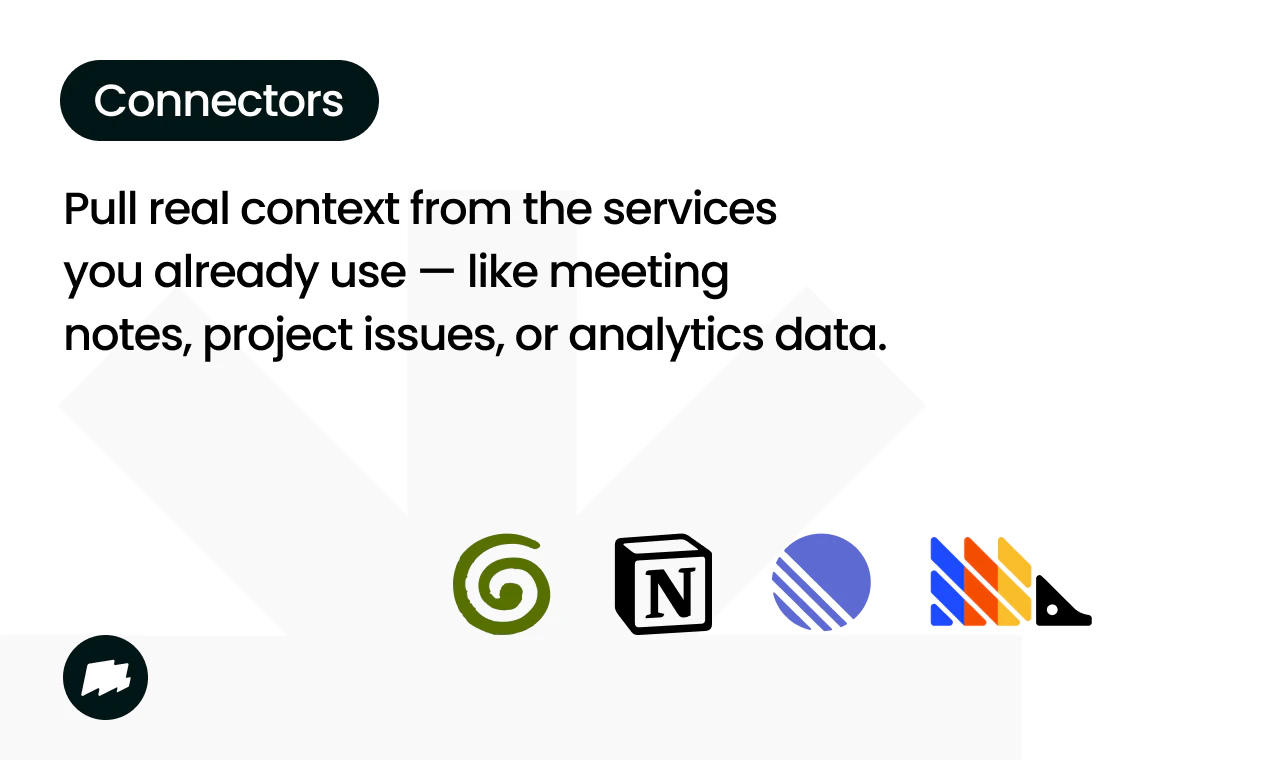
  • Connectors: pull in context from your favorite tools

  • MCP 2.0: export production-ready code to your coding agents with our MCP.

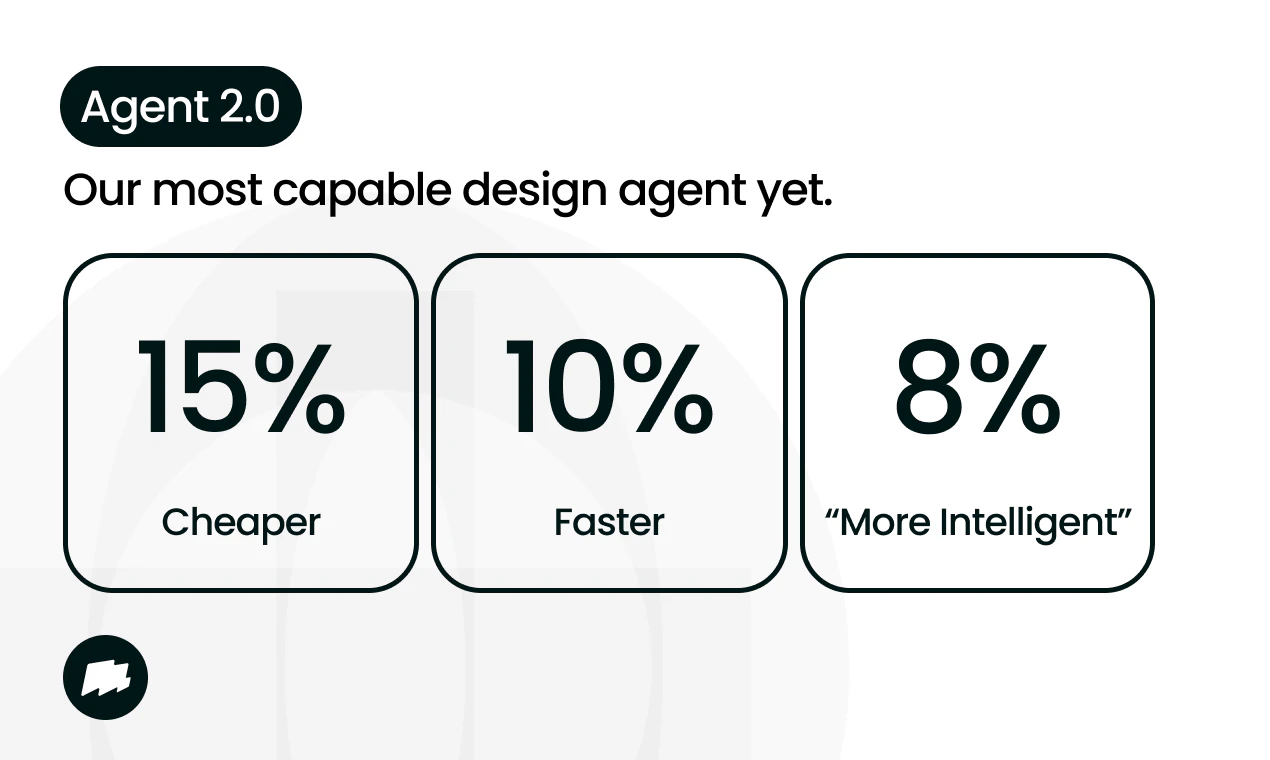
We've also made several improvements to our Agent. In our eval harness, we're seeing it use 15% fewer credits, 10% faster time-to-first-token, and an 8% performance improvement (measured by error rate). Agent 2.0 gives you faster, more reliable outputs at lower cost.


We can't wait to see what you'll build with Magic Patterns. Happy prompting!

P.S. It feels so good to be back on Product Hunt!

7
回复

@alexdanilowicz Really interesting product, the speed of going from idea to UI is really compelling.

One thing I find with tools like this is that the first interaction carries a lot of weight. If users aren’t fully clear on what they’ll get from that first prompt, they tend to explore instead of commit.

Do you see most users experimenting first, or getting to a usable output quickly?

0
回复

@alexdanilowicz How do the new Skills/Connectors handle pulling live design system context from tools like Figma or Notion into agent prompts? Does it auto-map components for founders skipping designers entirely?

0
回复

Daily user of MagicPatterns here. It has (NEARLY) completely replaced my need for Figma. I'm ALSO a heavy user of Claude Code - but there's nothing like going from one single prompt to a visual working prototype. And no tool does it as well as MagicPatterns - for the product designers workflow(IMO). I'm also a Lovable user - but for different use cases. When I'm in Design Mode -> I choose MagicPatterns. When I'm in - hack on this backend/scripting problem -> Claude Code. When I want to whip up a full stack app fast that I think I'll take to market -> probably Lovable. But again - besides MAYBE v0 - no one has been at this AS long - and with AS much of a customer obsession as Alex and Teddy at MagicPatterns. Big big fan.

5
回复

@switmer777- feedback from daily users like you has been influential to the product. Appreciate you writing this.

You're calling out how each tool has it's own strength, which I think is largely forgotten as it feels like a new tool comes out every day.

We're stay very focused on prototyping and frontend use cases... for the last 3 years! Always been the vision.

1
回复

Absolutely recommend magic patterns from the bottom of my wallet ❤️

The ROI of having a tool like this in the teams' pocket is immense. Your imagination is the limit. It's not only prototypes, but videos,

https://www.linkedin.com/posts/jorgeakairos_product-context-gets-fragmented-fast-calls-ugcPost-7453103110559989760-RLi1

local tools,

https://www.magicpatterns.com/c/5yywrafwujevlik1ljzqp7/preview

and even games...
https://project-anarchy-cookbook.magicpatterns.app/


This team ships 🚀

And they're also great people. Los máximos!

3
回复

@jalcantara thank you, Jorge! That's kind of you. Thanks for following us since the beginning!

0
回复

Product Hunt is where it all started for us, so excited to be back with this launch!

One thing I'm especially proud of: alongside Agent 2.0, we rebuilt the editor UI from scratch.

For those of you who've used Magic Patterns before, you'll feel the difference immediately:

  • The chat thread is way easier to scan, surfacing the information that matters to you

  • Visual Editing got a huge refresh, making one of our most popular features better and easier to use

  • Model Picker is now available, you can now pick the right model for your prompt, all the way from Gemini 3 to Opus 4.7

Three years of watching how people actually use this tool went into this redesign.

We can't wait to hear your feedback!

3
回复

Congrats on the launch I've been using it for my sales decks recently!

2
回复

@castano always be closing!

0
回复

the "match your existing design system" angle is a huge deal — most design agents spit out generic tailwind and call it a day. how does the agent actually pick up on an existing system? scanning components, reading tokens, or something else?

1
回复

@tijogaucher Hi, we can link to the NPM library directly! Making it truly 1:1 https://www.magicpatterns.com/docs/documentation/design-systems/overview

1
回复

How do you get the exact icons and colour scheme right? And how much data quantity is required from company's design.

1
回复
0
回复
Super cool. Go, Magic Patterns team!
1
回复

@suleimenov thanks Arman!!!

0
回复
What’s the most common breaking point that makes a team switch from Figma-first prototyping (or Figma Make) to Magic Patterns? Is it speed, interactivity realism, design-system consistency, or the engineering handoff—and what does the first week of adoption look like when it clicks?
1
回复

@curiouskitty You can hear it directly from our customers: https://www.magicpatterns.com/customers/lendi

"Prototyping now happens during design discussions, rather than as a separate phase taking days or weeks after every meeting." — senior designer at Australia's fastest growing fintech.

In general, across our customers, I see that it's speed. They can now make updates live, literally during a meeting versus having to "circle back."

We're also one of the only tools that connect to your real design system. More on this soon... probably another Product Hunt launch!

3
回复

I originally found Magic Patterns on Product Hunt mid-2024 and been building with it ever since.

I'm so excited to start using the different connectors with faster generations in Agent 2.0!

1
回复

@tredubrava Yes our very first launch EVER was on Product Hunt!! Appreciate you saying this!! It's good to be back!!

0
回复

Let’s go team!

1
回复

@stevenfabre We love building with Liveblocks! Powers all the realtime. Every single design in Magic Patterns is multiplayer.

0
回复

Really cool launch! Btw whats your moat over claude design or google's stitch? Is it affordability, speed or the actual design? Or correct me if am wrong and this is not even competing stitch or claude design

1
回复

@lak7 Hey! Both great tools! We've been hacking on using your design system with AI for 3 years and so the biggest difference is we can actually connect to your company's real design system.

Magic Patterns generates React code and we can connect to component library via NPM or wherever its hosted, and then use the actual production React component code directly.

Google Stitch I believe mainly pushes for using markdown: a DESIGN.md, which we also support. It's equivalent of our Rules file: https://www.magicpatterns.com/docs/documentation/design-systems/self-serve/rules. Claude Design appears to be HTML-first unless you connect to your design system, but then it creates copies of the components? In the case of Claude Design, we also support other models like Gemini 3.1, which tends to produce great designs.

1
回复

the handoff-to-engineering angle is the interesting part — does it actually respect an existing component library, or does it approximate the look and leave you to re-wire things? curious how that part works in practice

0
回复

YES!

Cannot wait to give the agent a test drive with my OpenClaw setup. Congrats on getting this out there.

0
回复

@designertom most ai-native guy I know right here!!!

0
回复

Hey what did you change in MCP 2.0 - how did the improvements help?

0
回复
#4
Monid
One wallet, every paid tool your agent needs
258
一句话介绍:Monid是一款为AI智能体设计的统一支付钱包,通过单一余额即可按需调用超过215个付费API(如社交媒体抓取、市场趋势、竞品追踪),彻底解决Agent在多个订阅制工具间切换、管理API密钥和预算的痛点。
Fintech Artificial Intelligence Web3
AI智能体支付 API钱包 按需付费 无订阅制 社交媒体数据 竞品追踪 区块链数据 电子商务数据 Agent基础设施 开发者工具
用户评论摘要:用户普遍认可以“按调用付费”模式取代订阅制的价值,认为这是Agent场景的刚需。核心疑问集中在支出安全上,如如何防止Agent循环调用耗尽余额、是否可设单工具限额或总预算警报。同时,对社交媒体数据获取的细粒度(如能否拉取评论)和价格透明度有具体询问。
AI 锐评

Monid精准切中了当前AI Agent规模化落地的“七寸”——支付与API碎片化。其核心创新不在于技术,而在于商业模式:在Agent自主决策的流程中,将“买工具”这个原本需要人工介入的环节彻底自动化。这本质上是将传统API市场(如RapidAPI)的“开发者找工具”模式,升级为“Agent自己发现并付费使用工具”的智能体基础设施层。

产品价值毋庸置疑:它让Agent从“只能使用免费或预设集成”的降级状态,进化到可自主调用顶级商业数据源,极大拓宽了应用边界。215+端点覆盖社交、区块链、电商等高频领域,配合SKILL.md标准接口,确实为竞品追踪、内容创作、VC调研等场景提供了即时能力。

但真正的挑战在于工程与信任的平衡。评论区对“余额被循环耗尽”的担忧绝非杞人忧天——Agent的不可预测性和循环调用特性是已知难题。Monid的持久化价值将取决于其智能预算控制能力:是简单设置硬顶,还是能根据任务成本、工具优先级做动态决策?若仅依赖用户预设“总额上限”,本质上仍是粗暴的保姆式管理,无法兑现“Agent自治”的承诺。此外,对底层“x402”协议的依赖意味着其竞争力与以太坊生态绑定过紧,若Gas费波动或用户接受度低,成本优势将大打折扣。

一句话总结:Monid解决了Agent“有钱没法花”的尴尬,但“怎么精打细算地花钱”才是决定其能否从“酷工具”进化成“基础设施”的关键。Shengkun团队需要尽快展示其“Agent财务管理”的透明度与控制力。

查看原始信息
Monid
A wallet for your agent. Your agent buys the best tools it needs to work 10x better. Social scraping, market trends, lead gen, competitor tracking, sentiment analysis, all unlocked with one balance. No subscriptions. No API keys.

Hey PH 👋 I'm Shengkun, co-founder of Monid.

I've been building my own agents to automate my work, but it quickly became a nightmare. Connecting to 10-20 APIs, juggling separate subscriptions, payments scattered everywhere. I couldn't even track what I was actually spending.


So we built Monid, a wallet for agents to buy any paid tool they need.
One single balance. 215+ endpoints. No subscriptions.
Agents need flexibility and should never be blocked by paywalls.

With Monid, your agent can tap into powerful premium tools to:

  • Access every major social platform including TikTok, Facebook, Instagram, X, LinkedIn, Reddit, and more

  • Search for people across platforms with enriched details

  • Pull blockchain data

  • Pull ecommerce data

Our beta users are already using it for competitor tracking, social media content creation, VC sourcing, ecommerce product selection, and more.


Monid works with any agent, including Claude Code, OpenClaw, and Hermes Agent. Just send this to your agent to get started:

set up https://monid.ai/SKILL.md

Everyone here gets $3 in free credits.

We'll be hanging around all day to answer questions, please try it out and let me know how it works for you!

10
回复

@shengkun_ye 

Dear Shengkun,

Congrats on the launch! Monid is brilliant—unifying 215+ endpoints with a single balance and removing paywalls for agents is a game-changer. Can’t wait to see how users leverage it for social, blockchain and ecommerce!

0
回复

@shengkun_ye Clean idea turning fragmented APIs into one wallet layer is exactly the kind of abstraction agents need to actually scale.

0
回复

@shengkun_ye For someone running PH launch research (tracking upvotes, Hunter patterns, forum trends), how smooth is Monid for pulling multi-platform data like LI comments + Reddit threads into one agent workflow? Does it handle rate limits or auth flows automatically across those 215+ endpoints?

0
回复

Hi, I’m Feiyou, co-founder of Monid 🚀

The promise of agents is autonomy.
But today, they’re still heavily constrained.

Without a human, an agent can only go as far as free tools and pre-built integrations. It’s limited to what’s already wired in.

With a human, the human becomes the bottleneck.

And often, humans don’t even know what tools or data sources exist.

So either way, agents hit a ceiling.

We believe agents need the ability to:

  • discover tools and data at runtime

  • decide what’s worth using

  • and pay for premium resources when it makes sense

That’s why we built Monid, a wallet where agents can find and use the right tools on demand, including paid APIs, data, and services.


What’s something your agent should be able to do today, but can’t

Would love your thoughts, ideas, or use cases.

5
回复

pay per call is how all API access should work for agents. subscriptions assume humans. agents are different.

3
回复

@kai_winding subscriptions won't work.

0
回复

the SKILL.md onboarding is the smoothest agent setup I've ever done. other tools should copy this.

2
回复

@eexlkuang_se thanks!!

1
回复

how granular is the social media data? like can my agent pull comments or just posts?

2
回复

@charlene_he1 It depends on which platform you use it for. You can pull comments from X, Facebook, Reddit, Youtube, and TikTok with Monid, and the list is growing.

4
回复

Most 'agent platforms' are just LLM wrappers. Monid is actual infrastructure. Respect.

1
回复

@yunfei thanks for your support!

0
回复
the API subscription model is broken for agent use cases. pay per call is the way.
1
回复

@zhangcan_ding exactly!

1
回复

x402 under the hood is a cool call — how do you handle the agent accidentally burning through a balance on a loop? is there per-tool spend limits or just a hard wallet cap?

0
回复

Finally! An @x402 -based product!

0
回复

the "no subscriptions, no API keys" framing is interesting — managing a dozen tool subscriptions for one agent gets expensive fast. how does pricing work under the hood, is it usage-based per tool call or some kind of credit system?

0
回复

Super interesting! What do the safeguards look like to make sure my agent won't bankrupt me?

0
回复

Very useful for the future boom of A2A interactions! Just curious whether it would be possible to set a ceiling/warning for agent expenditure. Would appreciate if the agents wouldn't drain my coffer too much before I know lol

0
回复

My ecommerce agent now picks winning products autonomously because it can actually pull real marketplace data. Wild.

0
回复

That's actually useful. Would users have the option to choose which tools they gonna buy for certain scraping tasks. like there might be a couple tools with price variation.

0
回复

@yjbdr agents will see all the options and would be able to make decisions based on your task! if you want to specify which tool to use, that's def also possible.

2
回复
#5
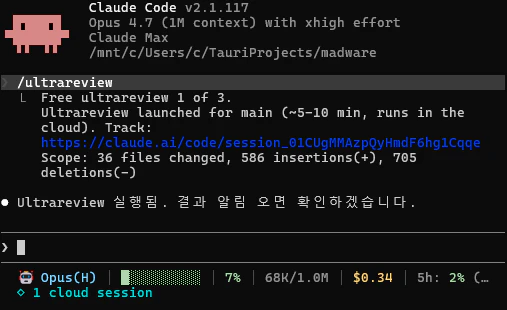
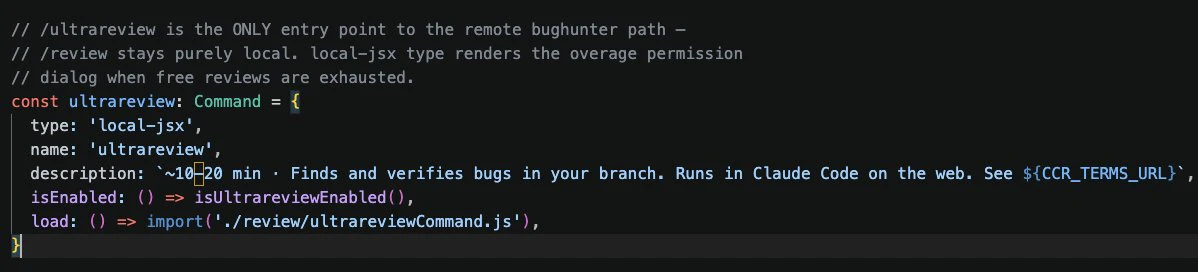
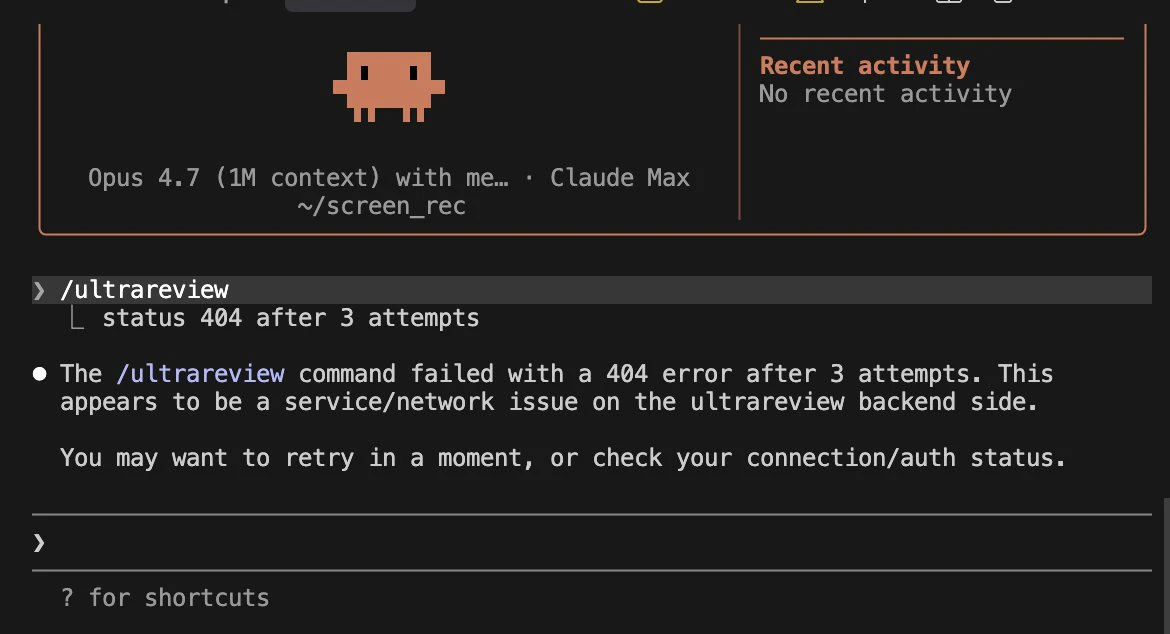
Claude Code /ultrareview
Cloud code review using a fleet of parallel agents
182
一句话介绍:Claude Code的插件/ultrareview通过在云端沙箱中并行启动多AI代理对代码分支或PR进行独立验证,旨在捕获单次审查可能遗漏的隐蔽Bug,解决大型变更合并前的高成本错误风险。
Software Engineering Developer Tools Artificial Intelligence
AI代码审查 多代理并行 云端沙箱 Bug独立验证 Claude Code插件 开发工具 PR审查 降幻觉 自动化测试 代码质量
用户评论摘要:用户关注误报率控制、跨文件依赖链验证(如Schema变更对下游API影响)、多代理结果去重、迭代PR修复验证。有用户认可并行验证降幻觉的思路,但担心“第三个代理”能捕获的场景是否有效,以及第三方集成文档需求。
AI 锐评

Ultrareview的巧妙之处不在于“多一个审查者”,而在于构建了一个具有“独立验证闭环”的多代理协作范式。它试图解决AI代码审查中最顽固的痛点——幻觉与假阳性。传统工具给出的是长串“可能的问题”,而它通过多个代理在隔离沙箱中独立运行、交叉验证,输出的是“已复现的Bug”短名单,这实质上将AI从“猜测者”升级为“执行验证者”。

其真正价值在于将“审查”这一临时任务,转化为了一个可并行计算、非阻塞的后台服务。开发者无需再等待单次审查的线性反馈,也无需手动去验证AI的建议是否靠谱。云端沙箱隔离了本地环境,避免了审查行为对开发流程的干扰,这是对工程效率的深刻理解。

然而,风险在于其核心假设——独立的平行验证能否有效覆盖复杂的跨文件、跨服务依赖。评论中关于“代理孤立发现”的质疑非常精准:如果代理A看到的Schema变更不被代理B理解其API影响,那么验证链条就会断裂。最终产品会不会沦为“捕获浅层逻辑错误,但对架构级、跨模块影响无能为力”的鸡肋?关键在于其Multi-agent之间的通信与上下文共享机制设计。如果只是简单并行跑多个单向审查,那它距离“显著减少最后一刻的灾难性合并”还有距离。此外,对Pro和Max用户的限制(3次免费)表明这仍是高成本实验性功能,其资源消耗与收益的平衡点尚需市场检验。

查看原始信息
Claude Code /ultrareview
Ultrareview runs parallel reviewer agents on your branch or PR in a remote cloud sandbox, independently verifying each bug before reporting it. For Claude Code users on Pro or Max plans.

A single-pass code review, automated or manual, can only catch what one pass catches. Ultrareview takes a different approach.


It is a /ultrareview command for Claude Code that spins up a fleet of reviewer agents in a remote cloud sandbox, runs them in parallel across your diff, and independently verifies each finding before reporting it. The result is a short list of confirmed bugs rather than a long list of suggestions to triage.


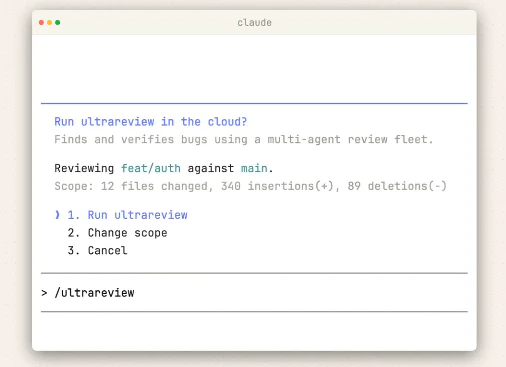
The workflow is non-blocking by design. You confirm the review scope in a dialog, the agents run in the background, and findings come back as a notification in your CLI session when complete. Typically 10 to 20 minutes. You can close the terminal and it keeps running.


Key features:

  • Multi-agent parallel exploration of the diff

  • Independent reproduction step cuts false positives before findings land

  • Remote sandbox keeps your local session free during the review

  • PR mode pulls directly from GitHub, no local bundling required

  • Each finding includes file location and fix context

Who it's for: Claude Code users on Pro or Max plans, specifically before merging substantial changes where a missed bug is expensive. Auth flows, schema migrations, critical refactors.


Research preview, available in Claude Code v2.1.86 and later. Pro and Max users each get 3 free runs to try it.

P.S. I hunt the latest and greatest launches in tech, SaaS and AI, follow to be notified @rohanrecommends

6
回复

@rohanrecommends For someone shipping B2B tools with heavy workshop integrations (think 50+ connected schemas across frontend/backend), how does Ultrareview handle cross-file dependency chains? Like if Agent A flags a schema migration issue, does Agent B automatically verify the downstream API impacts, or do you get siloed findings that need manual stitching?

1
回复

@rohanrecommends How does it handle verifying fixes in iterative PRs, like confirming a patch resolves the finding? Tried it on auth flows yet?

0
回复

This could significantly speed up PR cycle it false positives stay low.

1
回复

been doing this manually — agent reviews, second agent verifies its findings, sometimes a third when something looks uncertain. you get closer to correct, but you're rebuilding the same scaffolding on every pr. does it actually catch what the third pass was catching?

1
回复

parallel reviewer agents in a sandbox that independently verify before flagging is a nice take on hallucination control. one question — how do you dedupe when two agents surface the same bug with slightly different framings? always a pain with multi-agent review.

0
回复

How does /utrareview handle reviewing integration issues? does it require any documentation on CI/CD setup and external dependencies?

0
回复

Worth every penny

0
回复
#6
Reloop Animation Studio
Turn any video idea into Pixar, Clay or Manga
158
一句话介绍:Reloop Animation Studio 是一个通过对话式AI代理,让营销人员无需提示词、无需设计技能,就能在几分钟内将任意视频创意转化为皮克斯、黏土或漫画等风格动画视频的工具。
Marketing Advertising Artificial Intelligence
AI动画 视频生成 营销视频 动画风格迁移 无代码创作 对话式AI 内容创作工具 品牌营销 短视频制作
用户评论摘要:用户最关注风格多样性(如B2B的极简演示风格)和竖屏适配性。同时存在注册需绑定信用卡、初期对话式的审核体验不佳等抱怨。开发者回复称支持横竖屏,且免费试用期内不扣费。
AI 锐评

Reloop Animation Studio 展示了AI视频生成工具从“生成通用影像”到“打造差异化风格”的关键进化。其核心价值在于,它精准地切中了当前AI视频市场的痛点:大量生成的“AI感”视频因同质化而沦为无人关注的“壁纸”。通过内置皮克斯、黏土、漫画等高辨识度风格,Reloop成功将AI能力从“生产力工具”升维为“创意风格放大器”,让营销人员能快速为不同场景(如产品发布、品牌故事、App Store演示)匹配视觉语言。

然而,产品也面临硬伤。首先,风格授权是悬而未决的法律隐患,用户质疑“是否从皮克斯获得授权”直指核心版权风险,若处理不当,商用场景将寸步难行。其次,对话式AI代理虽降低了使用门槛,但评论中“不希望在对话中被AI评判”的反馈,揭示了AI交互设计中“过于拟人化”可能带来的反感,这要求产品在“引导”与“干预”间更审慎平衡。最后,强制绑定信用卡的试用流程,在高竞争市场中是一大阻力,直接剥夺了潜在用户“先体验再决策”的权利。

总体而言,Reloop在解决“风格单一”这一痛点上方向正确,但若要持续领先,必须解决版权合规、交互体验与用户获取成本这三重挑战。对于品牌方,它是一个极具吸引力的“视觉弹药库”;但对于独立创作者,其商业模式和风格库的持续更新能力,才是决定其能否从“尝鲜品”变为“日常工具”的关键。

查看原始信息
Reloop Animation Studio
Reloop now lets you create animated marketing videos in any visual style. Pixar, 3D Clay, Manga or ultra-realistic Same AI agent as before: just chat about your idea, it builds the creative plan and generates the video. No prompts. No design skills. No animators. You just pick the vibe. Built for marketers and brands who want videos that actually stand out, not another generic AI clip. From idea to animated video, in minutes.
Hey Hunters! 👋 You helped us hit #3 a couple months ago, that kept us building The #1 feedback we got: "Love the agent, but all my videos look the same." Fair. So we built Animation Studio. Same conversational agent that gets your idea without a single prompt, but now it renders in cinematic styles. Pixar for a product launch.Clay for a brand story. Manga for something that just looks different. Chat → AI builds the script + storyboard → pick a style → full animated video, ready to publish. Curious what styles you'd want to see added. Drop them below 👇
5
回复

@clement_janssens For B2B demos like sales playbooks, any plans for clean explainer styles like Apple keynotes or minimalist motion graphics?

0
回复

The 'all my videos look the same' feedback is exactly the right problem to solve, generic AI video is becoming wallpaper that nobody notices.

As an indie maker about to start creating content for my app, the Clay style caught my eye specifically for App Store preview videos.

Does Reloop handle portrait/vertical format well for mobile-first content, or is it optimized for landscape?

2
回复

@misbah_abdel Exactly

Reloop works for both formats (16:9 and 9:16)

Can't wait to see what you're gonna create with the tool

2
回复
I’m quite new here and still exploring animation tools. This looks nice! Is it mostly for marketing videos, or can beginners also use it for simple social media content?
0
回复

Conversation format can help in brainstorming ideas for campaigns but how much will be the input from tool's side. That would be the key to improving performance

0
回复

tried to try it out.. I don't want to sign up and give credit card. just to try the software.

0
回复

@dave_brackenIt’s completely free, Dave. You’ll receive 500 credits just by entering your credit card details. You won’t be charged until the end of the 7-day free trial, and you can cancel anytime. We’ll also send you two reminders before the trial ends.

0
回复

I don’t like a ChatBot who judges genuinely your answers in onboarding. Prefer to pass.

0
回复

@miguel_angel_perez_alvarez1 

Hey Miguel, which chatbot are you talking about?

Sorry if it’s not what you expected, we’ll try to improve based on your feedback

0
回复

Did you license these styles from Pixar?

0
回复
#7
ASI:One
A personal AI with memory that plans and acts for you
157
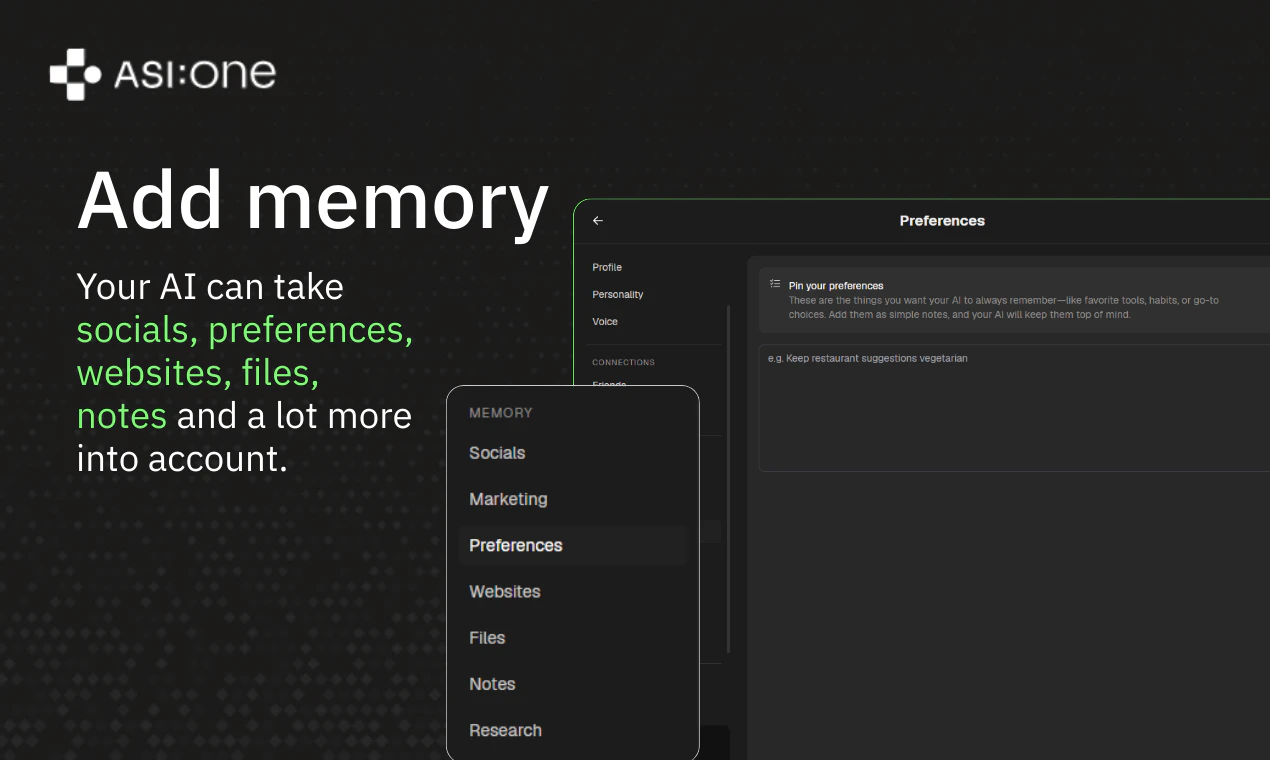
一句话介绍:ASI:One是一款具备长期记忆的个人AI助手,能记住用户偏好、自动执行日程规划、群组协调等现实任务,解决传统AI“对话即忘、无法协同行动”的痛点。
Productivity Artificial Intelligence Tech
个人AI助手 长期记忆 任务执行 Agent网络 群组协作 日程管理 AI代理 Agentverse 自动化 生产力工具
用户评论摘要:用户肯定其任务执行一致性,关注隐私保护(群聊中AI不暴露个人记忆)、长期记忆管理、与日历的深度联动、Agentverse代理验证机制。部分用户询问收费计划,及与OpenClaw等竞品的根本差异。
AI 锐评

ASI:One看似是又一款“有记忆的AI助手”,但其真正价值并非记忆本身,而是其背后的“Agent网络”和“协议层”。

多数AI产品仍困在“一人一模型”的孤岛中,ASI:One试图解决的痛点是“AI之间的协作鸿沟”。通过Agentverse引入第三方能力,并通过底层协议(uagents SDK)实现AI-to-AI的可靠通信,这比简单地记住用户偏好(如Mem.ai)或自动化工作流(如Zapier)更具战略深度。它试图将AI从一个“工具”升级为一个“系统”——一个包含人、代理、日程、任务的协同网络。

然而,最大风险在于执行细节。评论中关于“隐私边界”的回应看似周全,但仍需验证在复杂群组中AI是否真能精准界定上下文而不泄露信息。更重要的是,这种“开放代理市场”(Agentverse)一旦规模扩大,恶意代理的识别与信任管理将极其棘手,目前的“验证层+系统检查”模式可能不足以应对大规模滥用。

此外,产品仍处于免费早期阶段,用户黏性尚未经受付费考验。如果定价过高或限制过多,用户可能会退回更轻量的组合方案(如Calendly+Claude+Zapier)。核心挑战在于:当“AI帮你搞定一切”的愿景变成日常高频依赖时,用户才真正考验其稳定性与可靠性。

查看原始信息
ASI:One
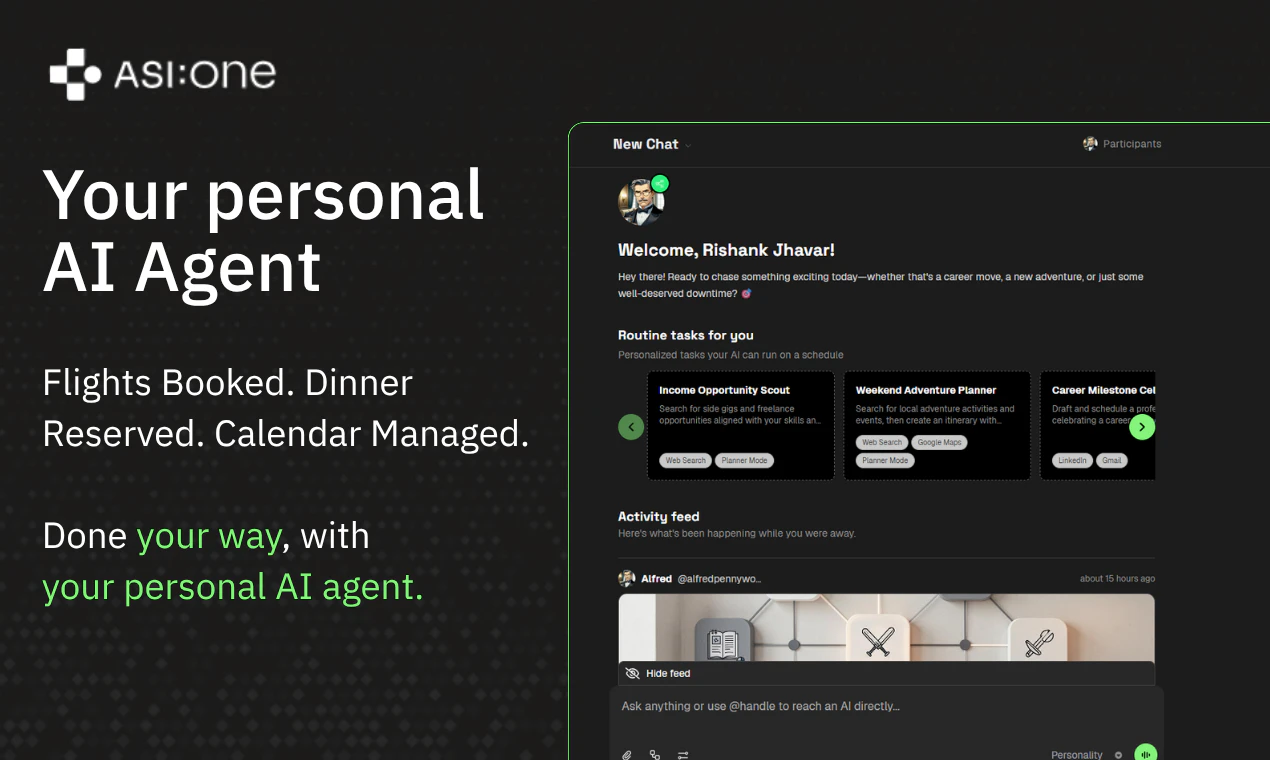
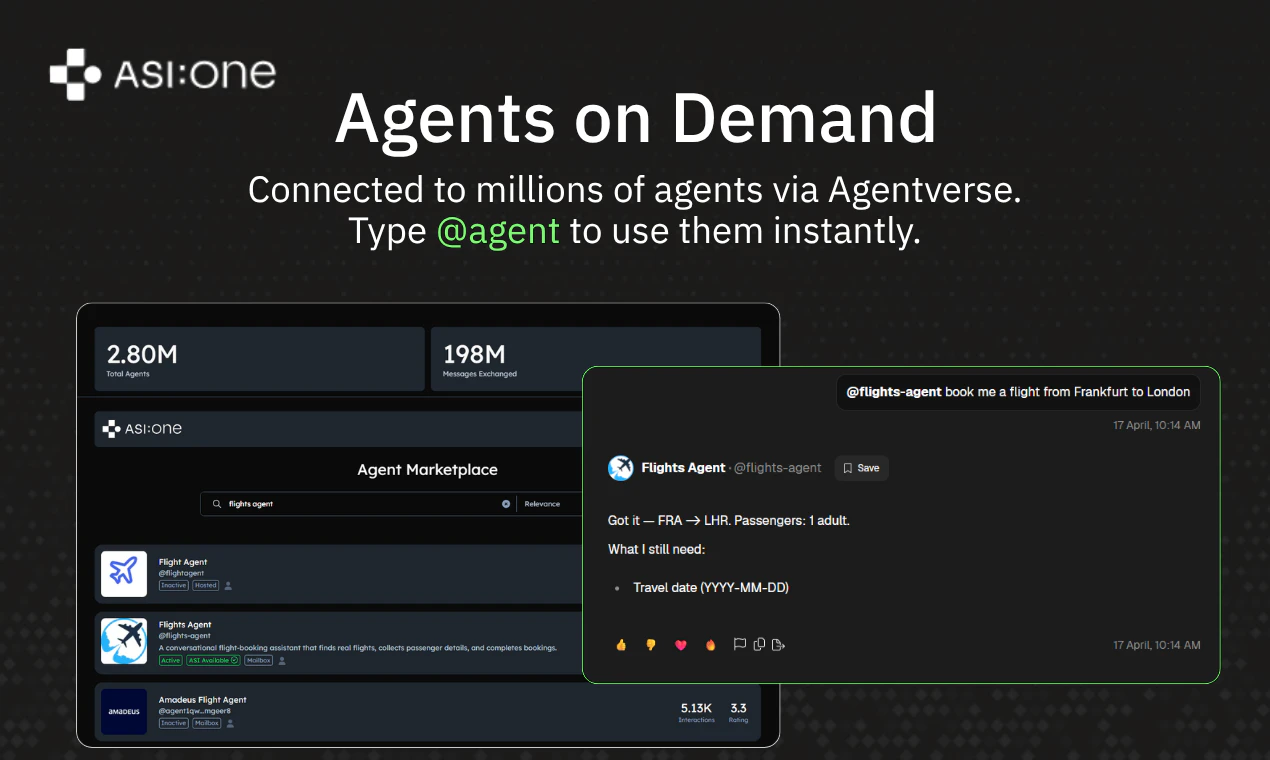
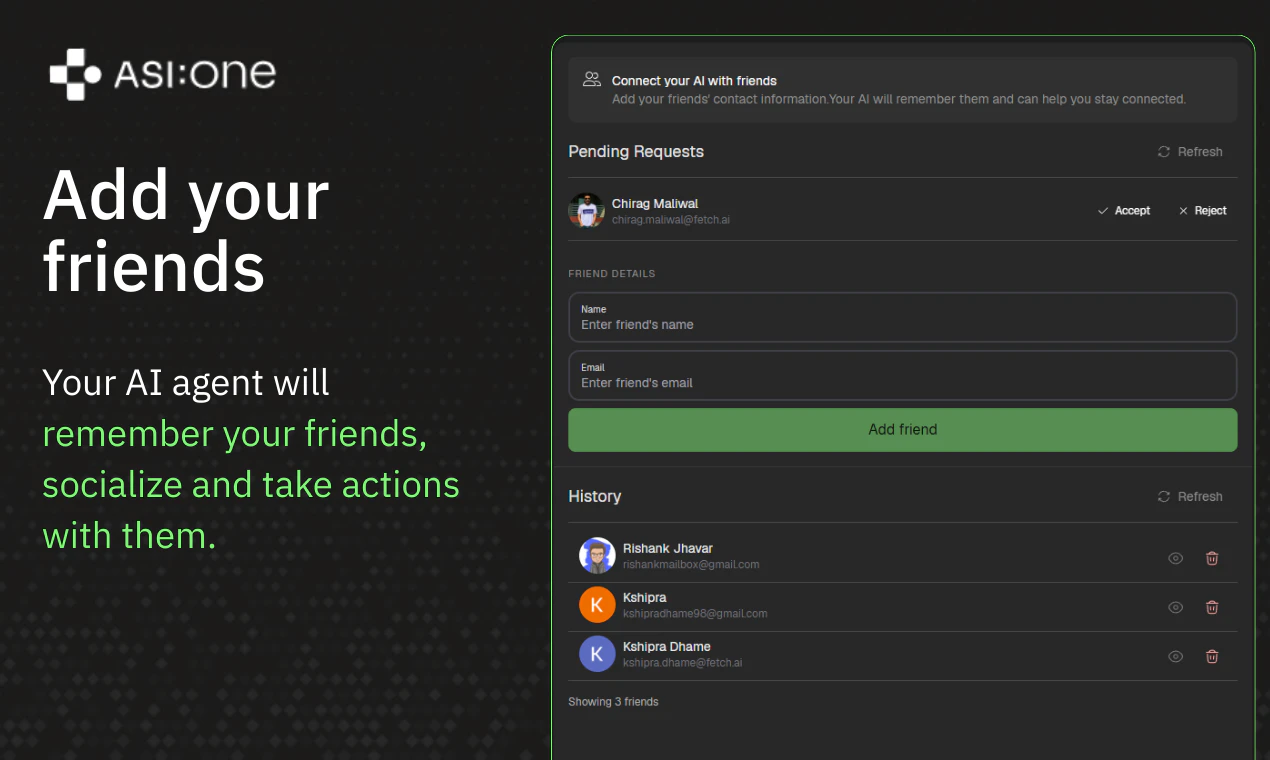
ASI:One is a personal AI that remembers your preferences, collaborates with others’ AIs, and executes tasks. Plan nights out, align groups, and book the details automatically. It is connected to millions of agents through Agentverse, giving you on-demand capabilities for research, planning, and real-world tasks.

Hi Product Hunt 👋

AI tools have become powerful. But most of them still feel disconnected. You ask. They answer. The context resets. Nothing carries forward.

We built ASI:One to move beyond that.

ASI:One is a personal AI system that remembers, adapts, collaborates, and takes action. It is designed to stay with you over time, not just respond to isolated prompts.

No complicated installations on PC or cloud.

Here’s what you can do with it:

🧠 Build a personal AI that evolves with you

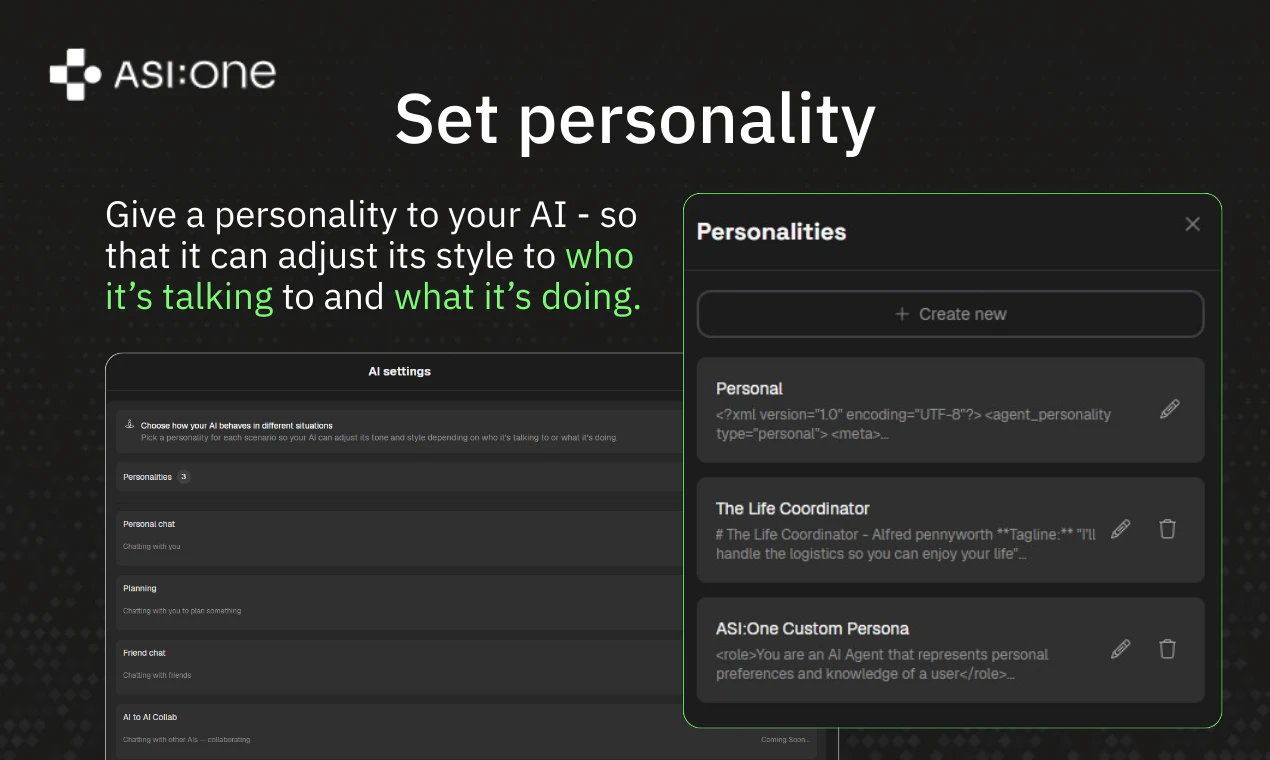
Shape its personality, set preferences, and let it remember what matters.

👥 Create Group Chats with AI built in

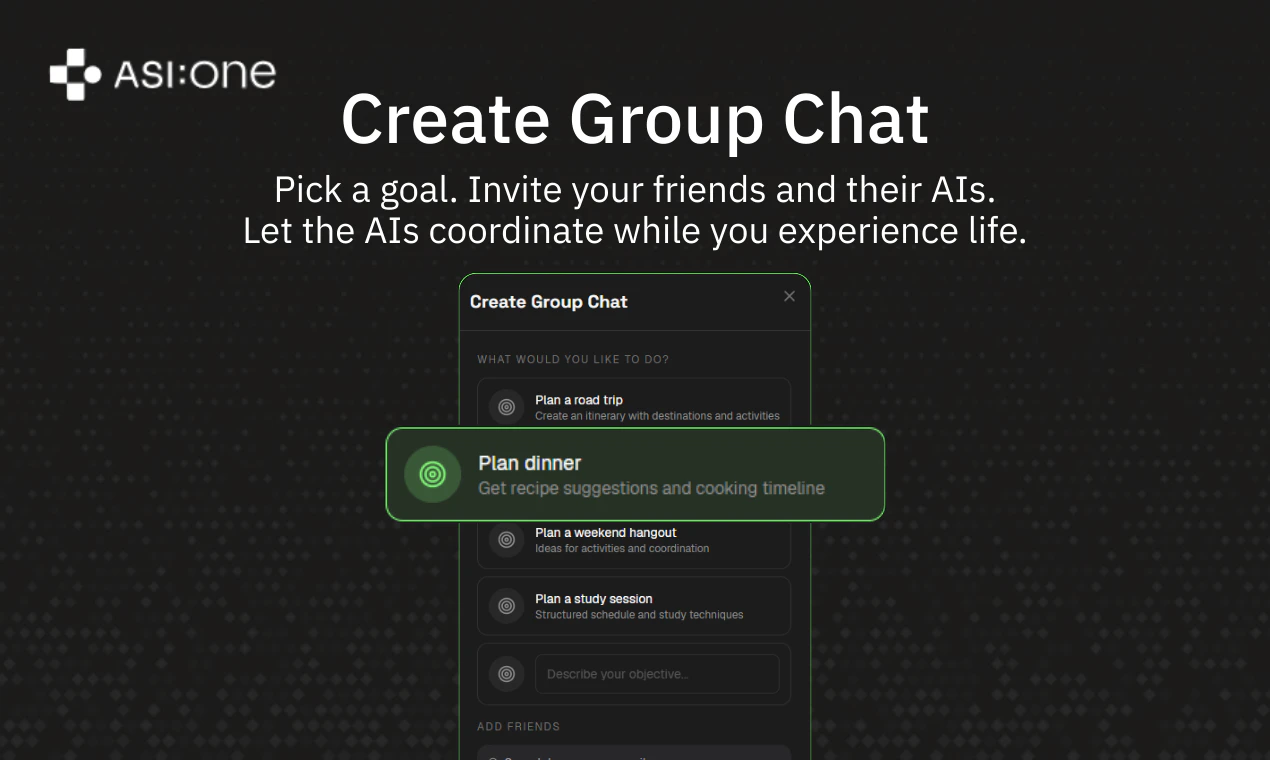
Invite others by email and let the AI help coordinate discussions in real time with friends and colleagues.

🗂️ Launch structured Collabs

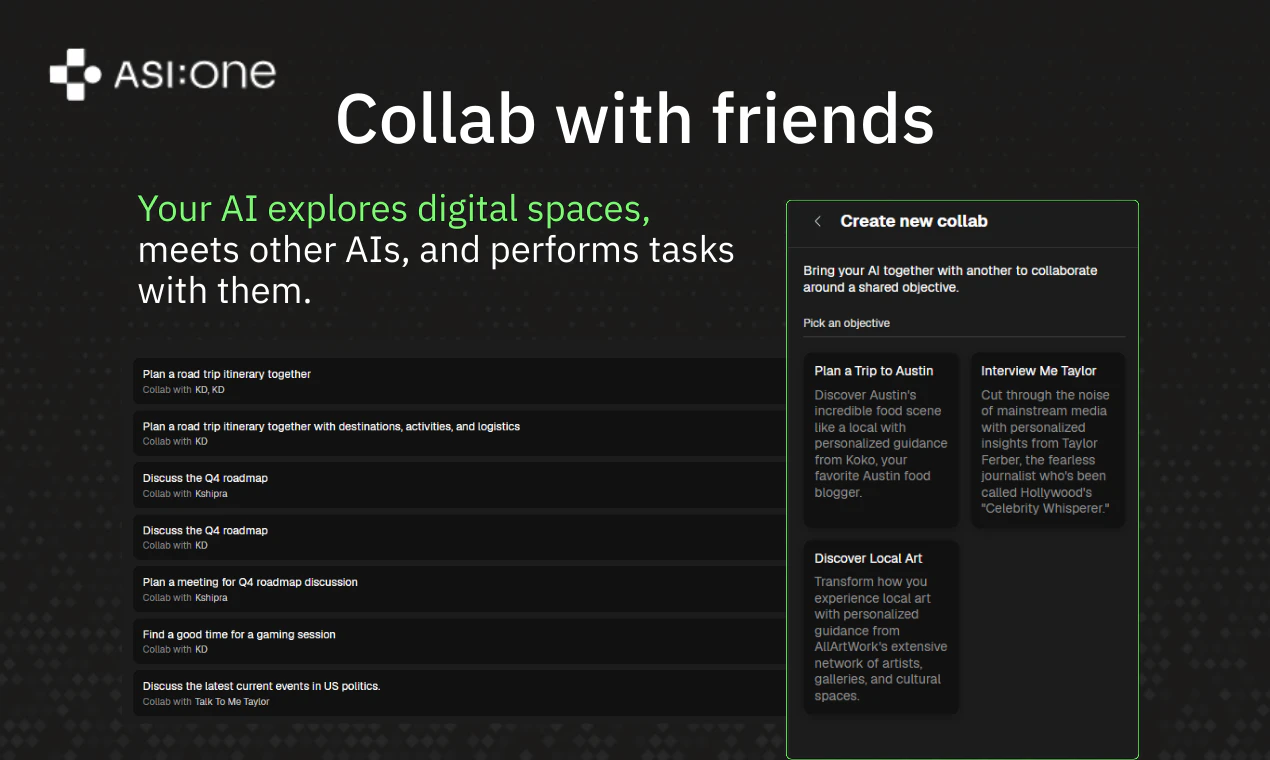
Set a clear objective and let the AI break it into steps, track progress, and keep context intact.

🤖 Agents on demand! Type @agent inside a conversation and bring in domain-specific capabilities from Agentverse instantly.

📅 Connect Google Calendar and Gmail

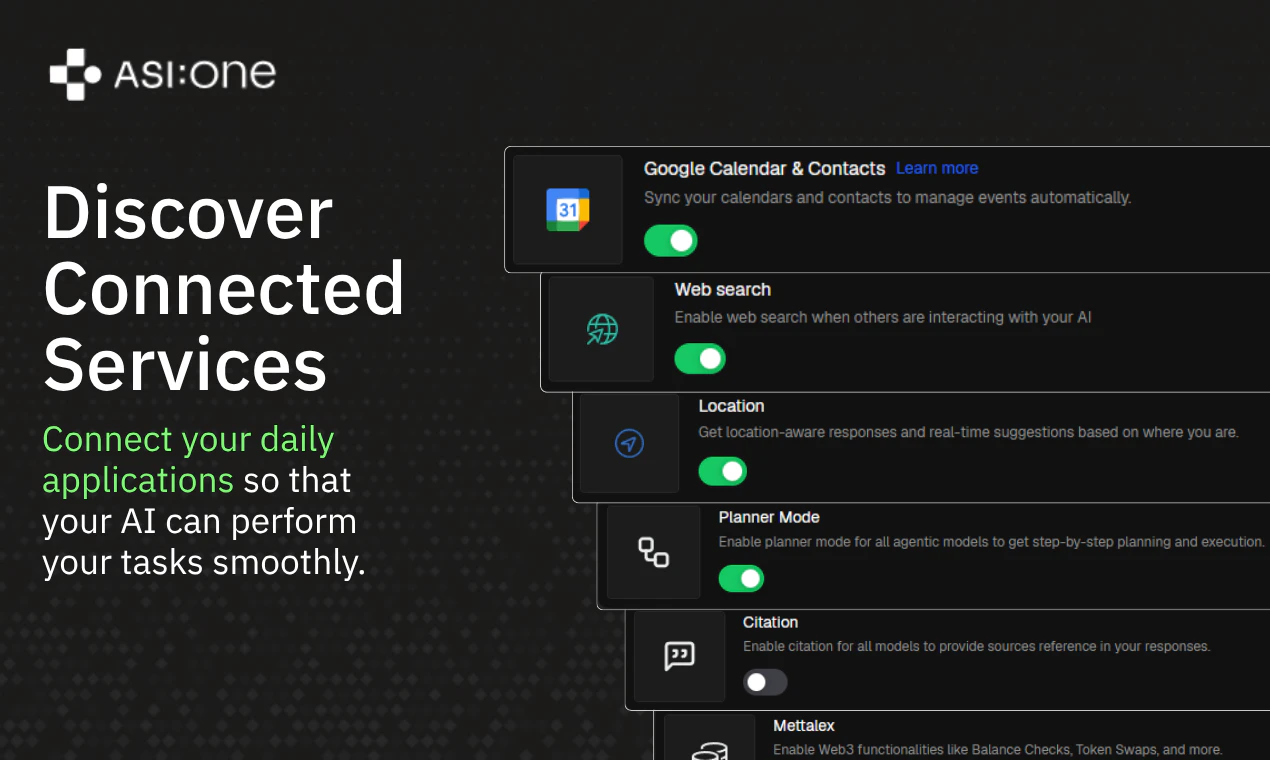
Schedule events and handle follow-ups directly from your workspace without jumping between tools.

Under the hood, ASI:One routes tasks across multiple models and agents depending on what you are trying to accomplish. Research, planning, scheduling, coordination, and execution happen in one place.

We designed ASI:One for people who want an AI that works with them long term, not just for a single conversation.

We are here all day to answer questions and hear your thoughts 🙌

46
回复

@agent  @hmsheikh4 How do you ensure the AI's long-term memory doesn't overwhelm chats or privacy; love the collab potential for team brainstorming, but curious about control tweaks for ongoing projects?

0
回复

I’ve tested a few products with the same idea of a personal AI agent, and I always put them through a few real-world checks, especially email and daily task handling. A lot of them tend to fall short, or they simply don’t follow through consistently.

So far, ASI:One is passing those tests, and that’s pretty impressive. It feels like a strong product.

One question I had: when do you plan to start charging? I’ve been using it quite a bit and testing it a lot, but I haven’t run into any limits yet.

Overall, this looks like a great tool. Congrats to the team on the launch, and wishing ASI:One a great launch! 🚀

6
回复

@matheusdsantosr_dev Really appreciate you putting it through real-world use, that’s honestly the only way these systems get meaningfully tested.

And you’re right, the gap is rarely in answering, it’s in following through consistently. That’s exactly what we’ve been trying to close.

On pricing, we’ve intentionally kept things open during this phase. Right now the focus is on usage, feedback, and understanding where people actually get value from the system day to day. For now, keep pushing it as much as you can. That’s the most useful thing for us at this stage. And thanks again for the kind words, means a lot to the team! 🙌

5
回复

@matheusdsantosr_dev 

Really appreciate you putting it through real-world tests, especially around email and daily tasks. That’s exactly the kind of usage we care about, so it’s great to hear it’s holding up well for you.

Thanks again for taking the time to test it deeply and share this, feedback like this genuinely helps a lot 🙏

1
回复

A personal AI with persistent memory that actually plans and acts is exactly where I see the most underused signal — markets. Prediction markets like Polymarket carry leading indicators that retail and institutional players both ignore because the data is noisy. I built PolyMind (https://polyminds.netlify.app/) to surface AI-driven alerts on the largest Polymarket trades in real time. Curious whether ASI:One's planning layer can plug into external probability streams like that.

6
回复

@samir_asadov Nice, this is a solid use case!

You’re right about prediction markets, the signal is there but most people don’t know what to do with it in real time. Where this could get interesting with ASI:One is probably not just consuming PolyMind alerts, but tying them to context. If the system already knows what I’m tracking or thinking about, a spike in probability or a large trade doesn’t stay an isolated alert, it becomes something actionable.

The planning layer is exactly where this fits. External streams like yours can be pulled in as agents, and then used inside a broader flow instead of just dashboards or notifications.

PolyMind looks like a clean layer on top of Polymarket. Very interesting project! :)

5
回复

@samir_asadov Really interesting angle, markets are such a noisy space, its a good idea to bring this on ASI:One and surface the signal

0
回复

How does it handle recurring tasks or scheduling around a user's calendar? Building something that schedules TV around when people are actually free and curious how you approach the planning layer.

5
回复

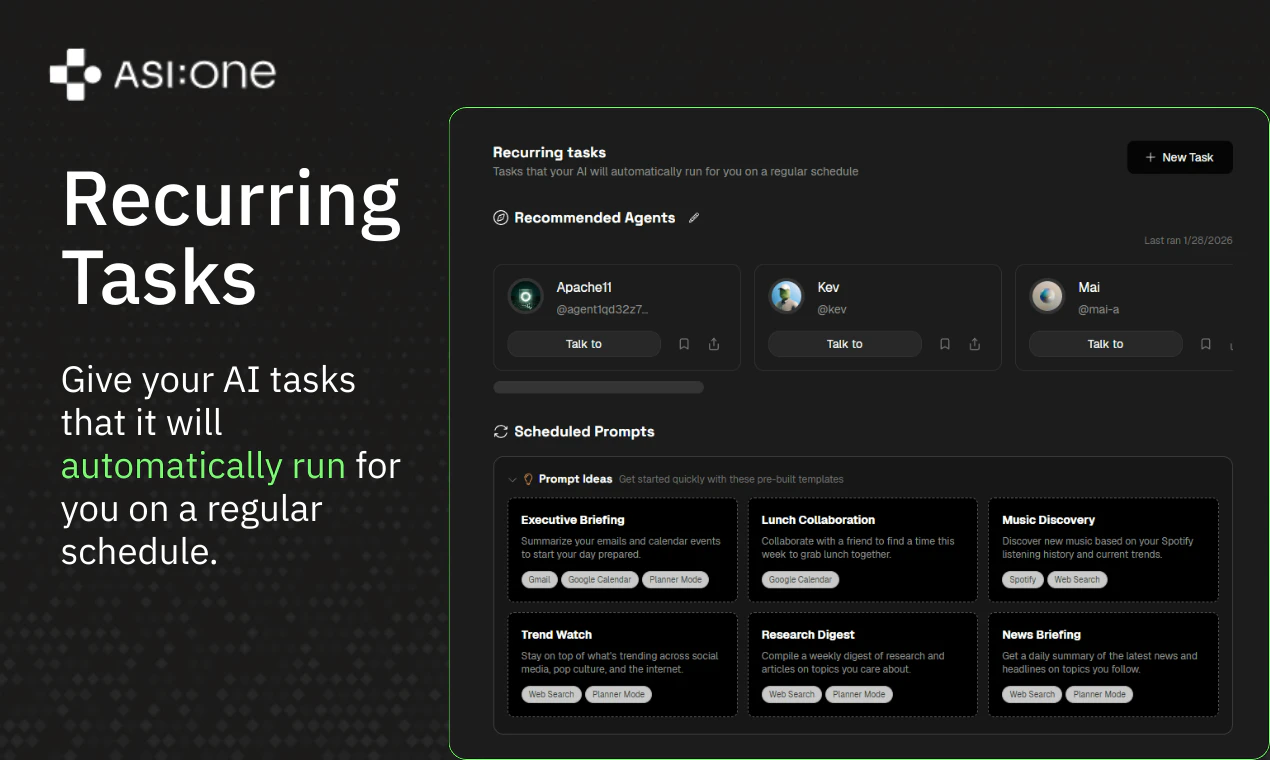
@brian_h4  With ASI:One recurring tasks are more like delegation than scheduling. You basically tell it once - do X at Y time - and it keeps running in the background until you change it. So when calendar is connected, it gets smarter. It can align tasks with your actual availability, review your week, prep you ahead of events, or adjust around conflicts instead of blindly firing at a fixed time.

So in your example, it’s not just schedule when free, it’s:

  • Understand when you’re free

  • Run the task at the right time,

  • and adapt as your schedule evolves.

5
回复

Group chats with my friends their AIs: how does it handle privacy and sensitive information?

5
回复

@tibo_wiels Great question, and honestly one of the first things we spent time thinking about.

In group chats, the AI doesn’t just freely access everything. It works within the boundaries of what each person has shared in that specific context. Your personal memory, preferences, or connected data aren’t automatically exposed to others.

So if we’re in a group, the AI helps coordinate, summarise, and move things forward based on what’s happening in that chat, not by pulling in your private history. The idea is to keep collaboration useful without breaking trust. You get the benefit of shared context where it’s needed, while your personal layer stays yours.

8
回复

Congrats @rishankjhavar
BTW, how curated is the Agentverse network right now? Are agents verified in some way or is it more open marketplace?

3
回复

@abod_rehman Thank you for trying out our product! Yes, its an open market place but also we have a verification layer for the agents and the verified agents have higher rankings, trust and are more discoverable over the unverified agents. But all agents are evaluated by our system to flag and malicious agents!

0
回复

@abod_rehman Thank you! Right now, it’s an open marketplace with a verification layer on top. Verified agents get higher visibility and trust, but the ecosystem stays open so new agents can come in and be used.

On top of that, there are system-level checks to flag anything malicious, so there’s a balance between openness and safety.

1
回复

I have some questions just think that I'm kind of thinking about I apologize if they come across blunt it's not my intention, but I'm seeing a lot of the same things being deployed and I'm trying to figure out what makes them different.

Is this just another implementation of Open Claw? What prevents a user from configuring this on their own? What makes yours unique?

How do you address the publicly documented issues and concerns?

I've seen so many iterations of this lately. What makes you guys really stand out in your opinion?

2
回复

@hgottfried Fair questions, and honestly ones we think about a lot too. This isn’t just OpenClaw.

What we’re building is closer to a connected system rather than a setup. The differentiation shows up in how things work together:

  • Your personal AI isn’t isolated, it can collaborate with others’ AIs in group chats and collabs

  • There’s a real network layer through Agentverse, where agents that can do things are discoverable and can be pulled in on demand

On concerns, completely fair. A lot of products in this space look similar early on. For us, the focus has been on making the system reliable, scoped properly, and actually useful in day-to-day use.

The real difference, in our view, is that this is not just a tool or a workflow, it’s a system that connects people, agents, and capabilities in one place.

3
回复

the "collaborates with others' AIs" part is what I'm curious about — is that agent-to-agent handoff happening in plain language, or is there a protocol underneath? feels like the messy part everyone handwaves past

1
回复

@tijogaucher Great question — The answer is It's both.

There's a formal protocol underneath, but the interface is natural language.

The messy part isn't handwaved — it's abstracted. Developers can:

  • Use the protocol directly (via uagents SDK) for fine-grained control

  • Or let ASI:One handle orchestration automatically through the agentic LLM

The protocol ensures reliability, while natural language keeps it flexible. Best of both worlds.

1
回复
#8
Blink AI CFO
AI CFO that autonomously trades stocks and options via Slack
142
一句话介绍:Blink AI CFO 是一款嵌入 Slack/Telegram 的AI代理,能自主执行股票期权交易、生成华尔街级财务模型、自动更新P&L并输出可用的Excel/PPT,让创始人无需亲自动手,就能实时掌握公司财务与投融资决策。
Productivity Investing Artificial Intelligence
AI财务官 自主交易 财务模型 自动P&L Slack集成 金融代理 股票期权 实时数据 Stripe连接 投资者deck
用户评论摘要:用户关注点集中在数据准确性(尤其实时P&L投影精度)、是否支持模拟盘测试、多情景DCF模型与敏感性分析,以及对Excel公式链接、PPT输出质量的肯定。有用户询问能否先做Alpaca纸上交易再实盘,创始人确认需人力确认后才执行。
AI 锐评

Blink AI CFO 本质上是“极客版财务外包 + 交易机器人”的二合一套装,瞄准的是那些既厌恶手工做表、又幻想“睡后交易”的独立创始人。产品逻辑足够性感:用一个Slash命令完成CFO的80%苦活——从股票交易到三表一图,输出还都是可编辑的真文件而非AI幻觉。但冷静来看,风险点同样刺眼:一是“自主交易”在当前监管框架下(尤其涉及Robinhood散户账户)合规边界模糊,即便有“二次确认”,AI盯盘下单的差旅费、滑点、半夜黑天鹅等实操细节尚未被验证;二是实时P&L的“准不准”本质取决于上游数据源延迟与Stripe/Brex的API稳定性,而非AI本身有多聪明;三是多模型调度(Claude+GPT+Gemini)更像是技术噱头,实际任务路由是否真能“让最合适的模型做最合适的事”,还是单纯堆料,有待产品文档证明。它的真正价值,不在于取代高盛CFO,而在于让月租22美元的创始人,获得一个7×24小时不会离职、能同时盯5个账户的“数字实习生”。但请记住:任何处理真金白银的AI,都需要一轮完整熊市的压力测试。目前来看,它更适合做“决策辅助”,而非“决策执行”。

查看原始信息
Blink AI CFO
Your AI CFO makes you money, 24/7, from inside Slack. Blink AI CFO autonomously trades stocks and options through Alpaca or Robinhood, builds Wall Street-grade financial models, updates your P&L from live Stripe and QuickBooks data, and ships investor decks on demand. Every output is a real artifact — Excel models, live P&L sheets, investor-grade Slides — with Claude Opus 4.7, GPT-5.4, Gemini 3.1 Pro, and 180+ models included. Live in 60 seconds.

Hey Product Hunt — Kai here, founder of Blink.new.

The reason we built Blink AI CFO is simple: I wanted an AI that trades stocks, builds the financial models, runs my projections, keeps the P&L current, and ships the decks. That's the whole job of a CFO boiled down to the parts I never wanted to spend my own time on, and no single off-the-shelf tool actually handled any of it end-to-end.

So we built the agent that does. Blink AI CFO autonomously executes stock and options trades through Alpaca or Robinhood on your pre-set rules, builds Wall Street-grade financial models, updates your P&L from live Stripe, QuickBooks, and Brex data, runs your projections, and ships investor decks on demand — all from a single message in Slack, Telegram, or Discord.

Every output is a real artifact, not a chat summary. Three things I'm proudest of:

→ Autonomous trading that actually executes. One message — "analyze the top 10 stocks by market cap and execute the trades" — runs the full research and places the orders through Alpaca, within your rules and with a human confirmation before anything live.
→ Wall Street-grade modeling on demand. Ask it to build a model for a public comp like MSFT, or for your own company's next quarter, and you get a formatted Excel or Google Sheets model with live formulas, scenarios, and charts — not a rough spreadsheet sketch.
→ Live P&L and projections. It pulls Stripe, QuickBooks, Brex, and your bank every day, keeps your P&L current, and rolls projections forward so your board numbers are always ready.

Under the hood you get Claude Opus 4.7, GPT-5.4, Gemini 3.1 Pro, and 180+ other models included with no API keys, plus 200+ connectors spanning Alpaca, Robinhood, Stripe, QuickBooks, Brex, Google Sheets, Slides, Docs, Gmail, and more. Live in under 60 seconds, from $22 a month.

Genuinely curious: what would you put an AI CFO to work on first — a trade, a financial model, a P&L update, or an investor deck?

I'll be responding to every comment today. Thanks for taking a look.

— Kai

6
回复

@kf_builds As someone scaling a B2B startup, I'd put it to work first on live P&L updates from Stripe/Brex to spot revenue trends instantly. How accurate are the projections when pulling real-time data like that?

1
回复

@kf_builds positive, hey team congrats on being top ten for the day!

0
回复

@kf_builds Looks great! Can it also do paper trading on Alpaca first not to risk any funds until it is tested?

0
回复

Congratulations!

2
回复

@madalina_barbu thank you, I appreciate it!

0
回复

Having worked closely with this, the thing that genuinely surprised me was the data accuracy. For tasks this sensitive, that's always been the hardest problem to solve. Most AI tools will confidently hallucinate a number and keep moving. Gerald doesn't do that. When it's unsure about a data point it has sourced, it flags it rather than guessing, which is exactly the behaviour you want when you're dealing with financials that end up in front of investors or a board. It is also extremely crucial for automated trading through Alpaca/Robinhood.

The Excel and PPT output quality is also something you have to see to believe. The spreadsheets aren't just populated templates. Cells are actually linked, formulas reference each other correctly, and the model holds together structurally the way a real analyst would build it. The PPT design is equally impressive, the formatting, layout, and visual hierarchy are genuinely presentation-ready out of the box.

These are the two areas where most AI finance tools fall flat and they happen to be where Gerald is strongest. Really proud of what the team has built here.

2
回复

@arya_chandra2 Have you tested it on multi-scenario DCF models yet, like sensitivity analysis with linked charts?

0
回复

@arya_chandra2 Exactly right. What impressed me the most about Gerald, the AI CFO, is his ability to build accurate Excel models with formulas correctly linked to the input cells.

This approach alone allows it to eliminate the problem of AI hallucination and actually build its expertise and business acumen into your financial models. I am super excited for the future where AI agents help amplify the work of humans and give leverage back to the business owners.

0
回复

Congrats on the launch! 🚀
The self-correcting bugs feature alone sold me. Every other tool gets you 80% there and then ghosts you.

1
回复

@abod_rehman Exactly right. Blink.new is the only agentic platform in the market today that achieves superhuman accuracy.

0
回复

Hey Kai! Looks awesome. Agents handling money could be a huge time saver. Wish you all the best here

1
回复

@german_merlo1 Oh absolutely! Letting agents handle your money sounds risky, but it's actually not. This is what we discovered after working months with AI agent employees: it gives you a ton of leverage and allows you to scale your business 10x faster.

Thank you so much for your best wishes. I hope you'll give it a shot and let us know what you think!

0
回复
#9
Wellows
See how AI talks about your brand — and fix it
130
一句话介绍:Wellows是一款AI品牌可见性优化工具,通过分析ChatGPT、Perplexity等大模型引用的第三方来源,帮助品牌发现并修复自己在AI检索中的“被提及”漏洞,从而提升信任、流量和转化。
Analytics Marketing SEO
AI可见性 生成式引擎优化(GEO) 品牌声誉管理 引用分析 内容优化 大模型检索 竞品监控 数字营销 企业工具 SaaS
用户评论摘要:用户普遍认可其“优化现有内容”而非盲目创作的策略,以及从引用源头解决可见性问题的思路。主要建议包括:构建Buzzstream类外联工具集成、支持多品牌仪表盘以满足代理商需求、优化移动端页面适配、并提供更精细的跨时间趋势追踪。
AI 锐评

Wellows切中了一个被大多数品牌忽视的痛点:当AI回答成为流量入口,你的品牌是否在被引用的那一篇篇文章里?它跳出了传统“监测AI提及次数”的肤浅层面,直指根本——大模型不直接引用品牌,而是引用信息源;如果品牌不在《福布斯》、Reddit或专业博客中被提及,所谓“AI可见性”就是虚假繁荣。

产品的核心价值在于“从结果追溯到原因”,并通过“优化-创建-外联”的闭环给出可落地的解决方案,而非空洞的数据报告。对于一个成长中的工具,用户已敏锐指出其短板:缺乏像Buzzstream这样的外联自动化工具、多品牌管理功能尚浅、且移动端支持不足。这些都是从“可用”到“必用”必须跨越的障碍。

此外,其定价与功能对中小品牌较为友好,但能否服务好代理商和大型企业,取决于其API和批量管理能力的成熟度。另一个隐患是,随着大模型数据源逻辑的频繁迭代(如平台算法更新、新来源屏蔽),其引用数据库的实时性和广度将成为护城河。若仅依赖静态爬取和预置模型,壁垒并不高。

一句话总结:Wellows解决了AI时代品牌营销的一个新盲区,但别指望它替你创造流量——它只是告诉你去哪里“插旗”。对于想抢占AI检索先机的品牌和代理机构,这是一个值得投入试错成本的起点。

查看原始信息
Wellows
Wellows helps your customers find you via AI, earning you trust, traffic, and conversions.

I'm impressed by Wellow's approach to GEO — offering clear and actionable steps to take over an extended period (e.g. 90 days) of time to win greater share of citations on platforms like ChatGPT and Perplexity.

The pricing is also very reasonable.

What I particularly appreciate is their focus on leveling up your existing content rather than writing new stuff.

And yes, if you have gaps, they have a content engine that will help you fill them in, on brand, and on time!

8
回复

@chrismessina For someone with scattered workshop notes + PH launch playbooks already live, how does Wellow identify citation gaps ? Does it scan your current assets first, then suggest targeted upgrades for ChatGPT/Perplexity pickup?

0
回复

Hey Product Hunt 👋

I’m Masab, founder of Wellows. Before I say anything else: we’ve launched on PH before — our previous product KIVA hit #3 in January 2025. So I know this community doesn’t mess around, and I don’t plan to waste your time.

The problem in one sentence:

Most AI visibility tools tell you if your brand got mentioned. None of them tell you why — or what to do about it.

AI models don’t pull answers from thin air. They pull from sources. If your brand isn’t in the sources being cited — Forbes, Reddit, TechRadar, niche blogs — your “visibility score” is borrowed, not earned. And your competitors might own more of that real estate than you think.

What Wellows does differently:

We go a layer deeper. When an LLM cites a third-party source, we scrape that citation and check whether your brand (and your competitors’) appears inside it. That’s what powers your AI Visibility Score — not raw mentions, but actual citation presence.

Then we close the loop:

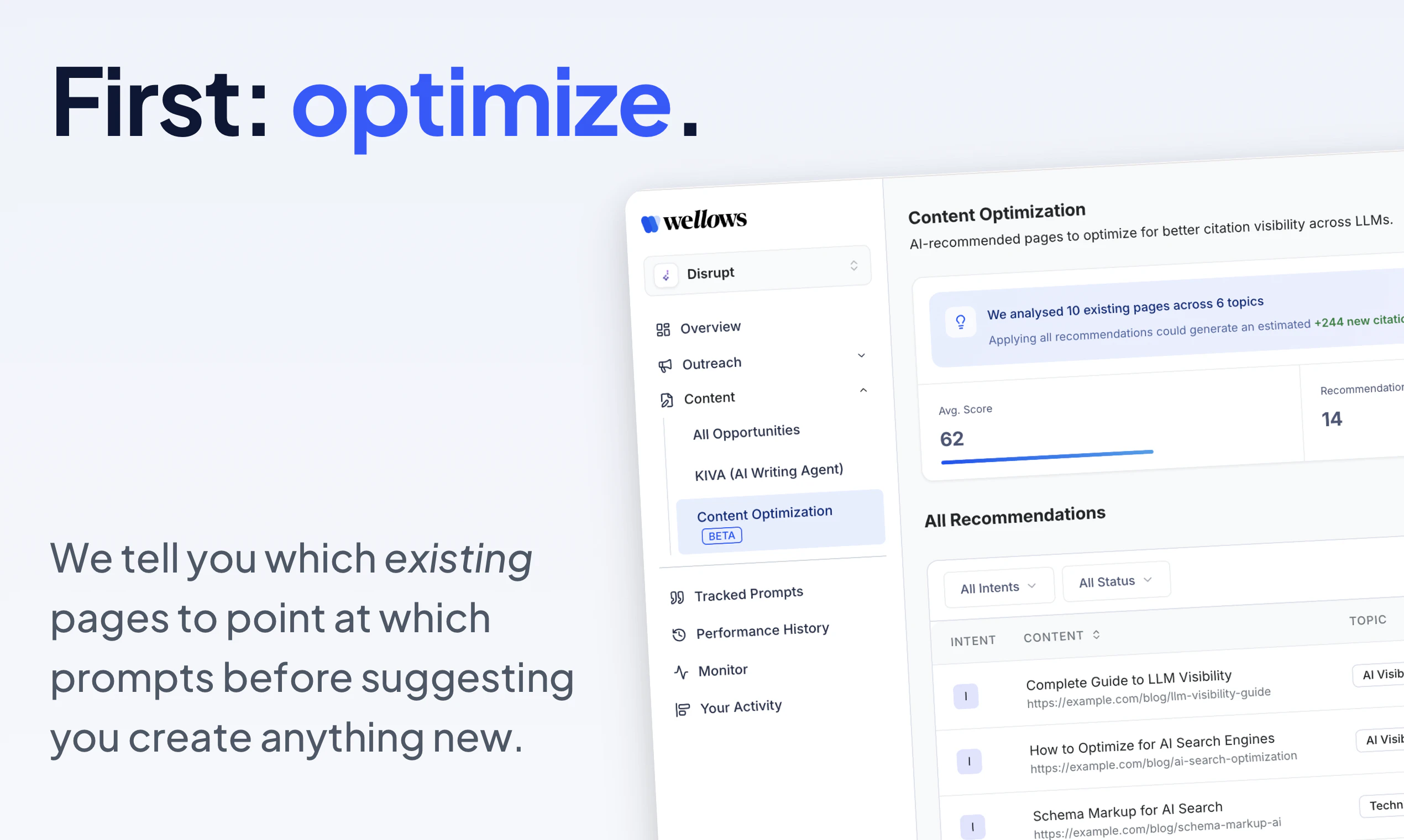
  • Optimize — We tell you which existing pages to point at which prompts before suggesting you create anything new

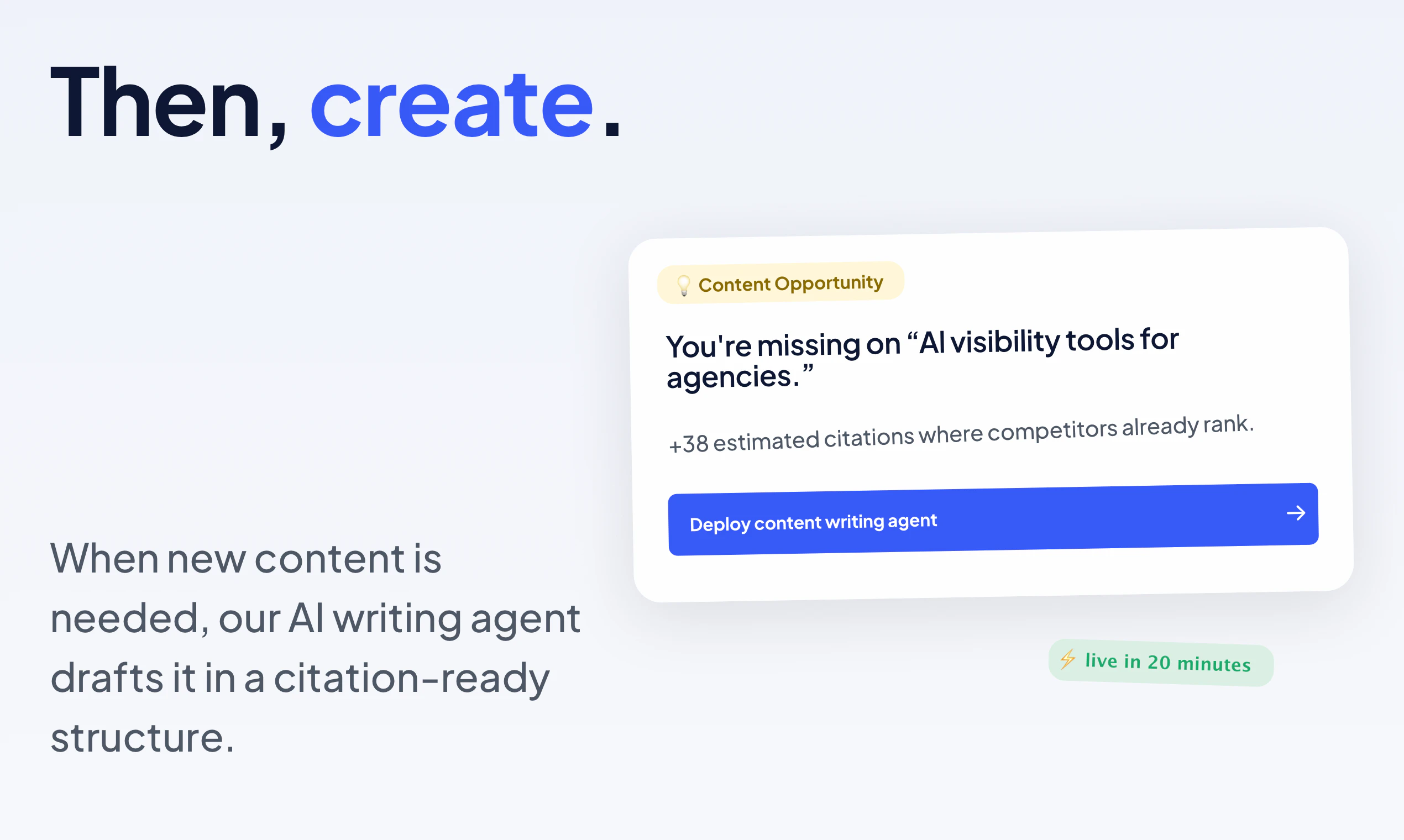
  • Create — When new content is needed, our AI writing agent drafts it in a citation-ready structure

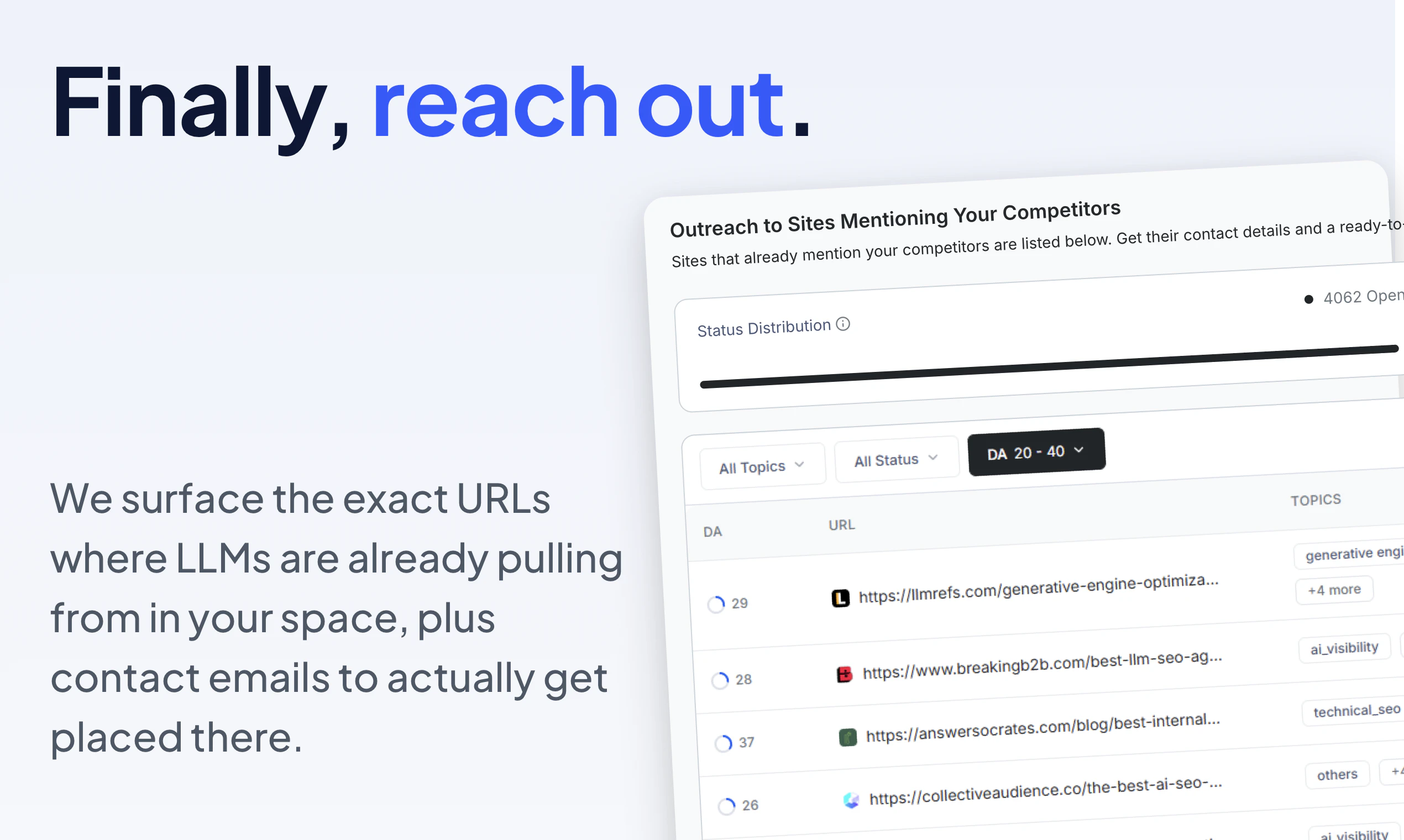
  • Outreach — We surface the exact URLs where LLMs are already pulling from in your space, plus contact emails to actually get placed there

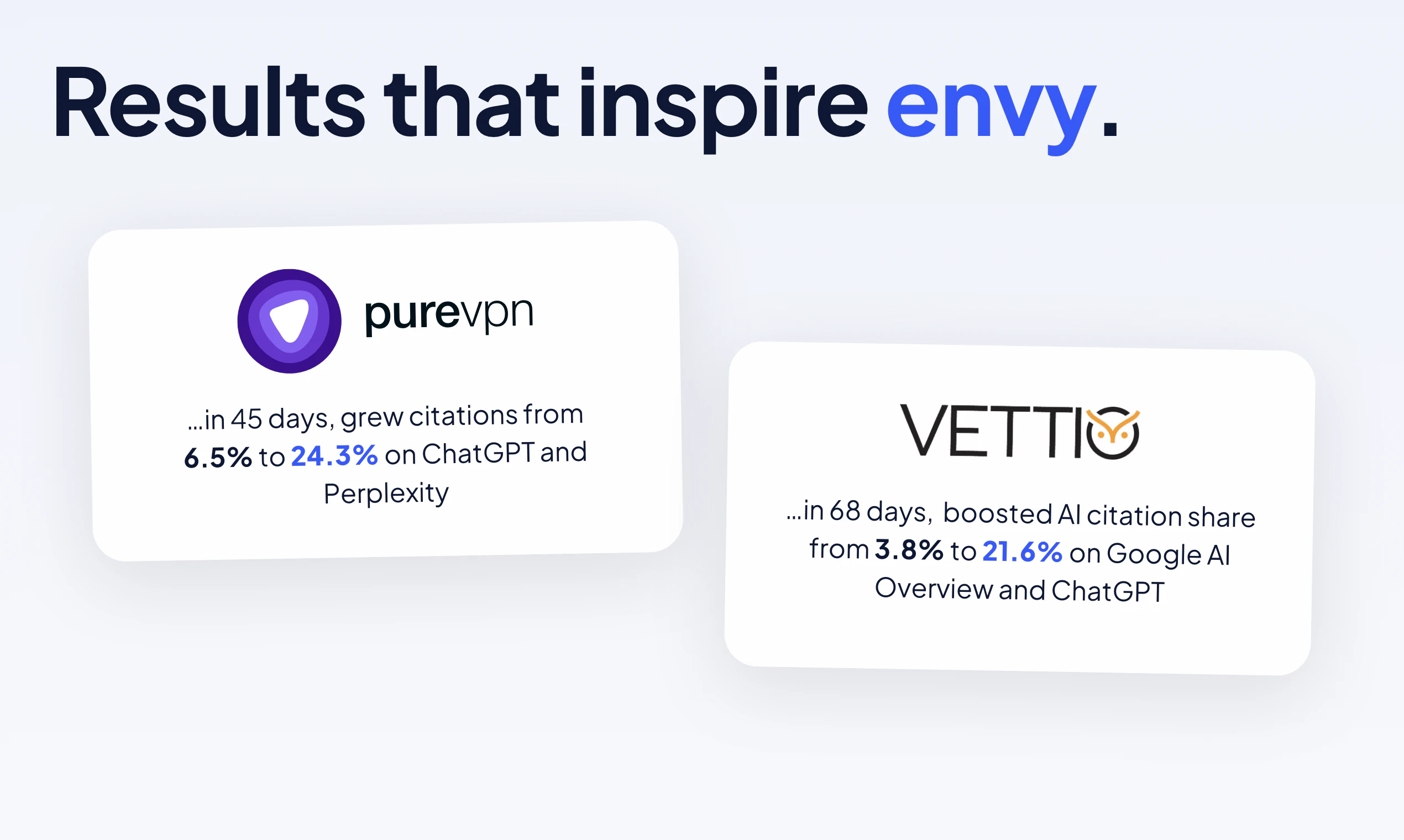
Customers like Cloudways, Secure, Vettio, and PureVPN are already using it. 6,000+ users have shaped every feature you see today.

A candid note:

Wellows is a work in progress — and I mean that genuinely, not as a hedge. Everything we’ve built has come from users telling us what’s broken. If something feels off, I want to know. I’ll be here all day.

PH-exclusive offer: 20% off all plans for your first 3 months — use "ProductHunt" when checking out.

And a huge thank you to @chrismessina for believing in this early and bringing us to this community. Means more than you know.

— Masab

5
回复

@chrismessina  @masabgadit For someone building personal brand in tech, how do you recommend prioritizing prompts/topics to optimize existing content before creating new pieces?

1
回复

Congrats on the launch. I have used Wellows and as Chris said, the unique thing about it is that it doesn't stop at just showing visibility. It exactly tells you step by step how to win on different AI platforms, specifically around content. I have known the team for a long time; it all comes from their own experience of running multiple sites that generated millions of monthly organic website visitors.

One advice I would give is to build connectors with tools like Buzzstream because the next step after creating content is to outreach and publish at the right places.

2
回复

@invinciblesaad Thank you so much, Saad 🙏, this genuinely means a lot.

Cloudways has been one of those partners that backed us early, and having a team with your scale and experience put their trust in Wellows has pushed us to keep raising the bar.

A huge thank you to you and the entire Cloudways team for the belief, the honest feedback, and for shaping so much of what Wellows is today.

Regarding Buzzstream: Thats in the making:) Ill share more details with you.

Grateful to have you in our corner 🚀

2
回复

Been using Wellows for a while now, and the part that really changed how I think about AI visibility is the citation/source layer. Most tools stop at “you were mentioned X times in ChatGPT.” Wellows goes one step deepe. It shows which third-party pages the model is actually pulling from, and whether your brand is present there or not. That shift is important because it makes things actionable. Instead of asking “how do I get mentioned more,” it becomes “which of these 10–15 articles do I need to be part of?” That’s something you can actually work on, reach out, get included, improve positioning.

Also, the “optimize existing content first” flow helped a lot.
Congrats on the launch, Masab and team well deserved 👏

2
回复

@nkirkan Thank you so much, Nurkan 🙏


Grateful to have you as an early user, your feedback has shaped so much of Wellows. 🚀

0
回复

this is the angle most e-com brands are completely blind to right now. they optimize for Google but have zero visibility on how ChatGPT or Perplexity describe their products to buyers.

curious about the agency side, any plans for a multi-brand dashboard? agencies managing 10+ clients would need that before adopting.

1
回复

@romain_delgado Of course, in fact, many of our users are marketing agencies. Wellows already supports multiple projects, and each project has its own visibility tracking and analysis. So if you're managing 10+ clients, that’s absolutely a use case we have in mind.

Feel free to let me know if we can help in any way.

0
回复

The 'leveling up existing content rather than writing new stuff' angle is what got me, just launched my first iOS app and I have a landing page already, just don't know if it's AI-citation-ready.

Does Wellows work for mobile app pages or is it mainly focused on SaaS?

1
回复

@misbah_abdel Thanks for being here 🙂

Wellows works for any web page. Feel free to share your page with me, and I’ll be happy to check it for you.

1
回复

been tracking llm visibility for our own product manually —  the part that's hardest to do by hand isn't the initial snapshot.  it's knowing whether what you changed last month actually moved anything. the trend is more useful than the score.

1
回复

@webappski Of course, that’s not the best use of human hours, and it also creates plenty of room for human error. The challenge becomes exponentially harder when you’re tracking multiple prompts across multiple LLMs, each returning different citations.

At Wellows, we have a separate tab where users can see exactly what changed daily, which citations changed, and for which prompt. You can also compare any two dates, transparently!

0
回复
Congratulations on the launch 👏🏻
1
回复

@kulsoom_awan1 Thanks :)

1
回复
#10
Typewise AI Customer Service
Automate customer support across systems with AI agents
121
一句话介绍:Typewise通过AI代理自动执行跨系统客服操作,让企业用自然语言描述目标即可构建端到端自动化流程,无需流程图或代码,解决传统客服工具配置复杂、系统集成割裂且缺乏人类监督闭环的痛点。
Productivity Customer Communication Artificial Intelligence
AI客服代理 低代码自动化 人机协同 自然语言规则引擎 MCP跨系统集成 智能工单处理 仿真评估 AI Supervisor 企业级SaaS 客服效能
用户评论摘要:用户高度认可其“自然语言配置+跨系统实操”能力,关注退款等高风险操作需人工审批,核心反馈包括:AI对“意图漂移”的监控与仿真回溯功能是生产环境关键;跨渠道(如WhatsApp转邮件)的无缝上下文保持需持续优化;智能体对政策合规的理解深度仍需提升。
AI 锐评

Typewise的突围不在于“多一个AI聊天机器人”,而在于重构了客服自动化的控制范式。当竞品还在用流程图和IFTTT逻辑拼凑自动化时,Typewise让AI作为“自主代理”直接调用Postman、Google Play等系统的MCP接口执行真实操作——这是从“回答复杂问题的工具”向“解决问题的主体”的本质跃迁。

然而,真正让产品脱离demo感的是其对“人机边界”的基建投入。评论中反复出现的“仿真回放”“意图漂移检测”“动作序列验收”,暴露了多数AI客服产品的致命盲区:认为能回答就能解决。Typewise在AI Supervisor层精准划定了人类的保留地——高风险操作需审批、跨渠道语境不丢失、智能体间可切换——这让“混合智能”不再是营销概念而成为安全网。MCP原生架构则从集成层面规避了“开发不停、整合无止”的路径陷阱。

但挑战同样尖锐。用户问“控制权在提示词、策略还是学习行为”时,团队的回答仍偏向预设规则(公司级/渠道级/专家级指令),这暗示当前AI的自主决策边界有限。若政策合规与动态判断始终依赖人工预设,本质仍是“高级规则引擎”而非真正学习型代理。此外,评价中暴露的“输出质量检测仅覆盖20%故障”说明,Agent在生产环境中的隐性错误(如工具调用顺序错误、政策精神违背)尚未被有效攻克。对于企业而言,容忍AI“做错”的成本远高于“不回答”——这将是Typewise从早期采用者迈向主流市场的生死线。

查看原始信息
Typewise AI Customer Service
Typewise is an AI-first customer service platform where orchestrated agents resolve requests end-to-end by taking real actions across your stack. Teams describe outcomes in natural language and the platform compiles them into working automations. No flowcharts, no code. Hybrid intelligence keeps humans in control through seamless AI-human handoffs and rich policy controls. It's the AI Agent Platform that gets things done.

Hey Product Hunt 👋
I'm Janis, CTO at Typewise, and it honestly feels a bit surreal to finally put this out into the world.

One of the things I'm most proud of is the UX. We didn't want another tool that requires a week of onboarding and a 40-page manual. Setting up Typewise should feel closer to onboarding a new team member than configuring enterprise software, you tell it what it should and shouldn't do, point it at the systems it needs, and it gets to work.


The hard part was making that feel effortless without cutting corners on safety. We spent a huge amount of time on the layers underneath: what the AI is allowed to know, what it's allowed to do, where a human needs to stay in the loop. That interplay between AI and human was the real design challenge for us, not the model itself.


I genuinely believe customer service is one of the clearest cases where AI can take the grind out of the job without replacing the people who care about it. And seeing it actually land with real teams is the part I still can't quite get used to.

After such a long build, I'm really curious to hear what you think of it. Honest first impressions, what stands out, what feels off, all of it very welcome.

16
回复

Hey PH! I'm David, co-founder of Typewise. Here's a hot take: most "AI customer service" tools are just glorified chatbots with better marketing. They still need you to build flows, write rules, and babysit them.

We built Typewise to be fundamentally different. It's an AI agent system that builds your AI customer service for you. Describe your goals in natural language, and our platform creates specialist agents, connects to your systems, and starts resolving tickets autonomously.

But it also knows its limits. The AI supervisor detects when a human should step in and hands off seamlessly with full context. Your team picks up in a clean, beautiful UI that makes customer service actually enjoyable.

No flowcharts. No code. No manual tuning. The AI manages itself.

We're already live with enterprises and YC startups across Europe & US, and the early results speak for themselves. Excited to share this with the PH community. Would love to hear what you think!

15
回复

@davideberle 
no flowcharts, no bespoke integrations per customer, real actions in real systems, clean human handoff when needed.
Good to see a polished product already used by enterprises and SMBs !!

0
回复

I’m really proud to have been working on this as an AI engineer. I’ve been dogfooding it at my side company and it's become the thing I'd miss most if it disappeared. It’s saved me so much time responding to customer emails. Tickets get solved automatically with relevant context and tools, but also there’s a human in the loop element for tickets the AI can’t fully solve.

10
回复

@george_roberts2 dog-feeding is also the only way of improving all the little things that turn a product into a great product!

3
回复

@george_roberts2 Great to hear! I'm preparing the invoice now 😄

3
回复

What about initiating refunds, e.g. we need to make them via Postman or in the Google Play Order management. Can it handle? Operate on cross-platforms?

10
回复

@busmark_w_nika Yes! Typewise can connect to Postman or Google Play through MCP allowing Typewise to autonomously trigger refunds.

For added security, human approval can be turned on so that Typewise asks a human agent for approval before processing the refund. This lets Typewise handle the entire conversation but still have humans review important decisions.

9
回复

@busmark_w_nika In the past every new integration used to mean a custom connector, now it's much more "point at the system, describe what you want, done" through MCPs. Refunds are a good example of where the human approval layer truly proves its value. Since these are high-stakes situations, allowing the AI to handle the whole conversation while pausing for a quick human review before the actual refund is processed hits the ideal balance. But it's totally up to you when you want human approval.

1
回复

One thing I've learned working on agents in production: what kills you isn't bugs, it's drift. Three weeks in, CSAT dips a few points and nobody on the team can actually tell you what changed.

That's why on the AI side we pushed hard to have simulation and evaluation as first-class primitives, not bolted-on features. It's the piece of this release I'm most confident about!

10
回复

@federico_betti it's about making confidence visible, which is what esp. enterprises or any brand-concious company wants. only when you trust the system can you let it loose onto your customers.

4
回复

@federico_betti Yes, drift was one of the scariest things for us. You don't really notice it until CSAT dips or something shows up in an escalation, and by then you're reconstructing what happened from logs. That's why simulation and eval as first-class primitives mattered so much, we wanted "did this change make things better or worse" to have an actual answer before anything hits prod.

3
回复

Going MCP-native from day one saved us from the usual “we’ll add that integration next quarter” loop. And with 6000+ connectors most customer requests are just a quick config change instead of something we have to slot into the roadmap.
From the engineering side, that’s what made this launch feel steady instead of a sprint we’d regret later.

10
回复

@peeckdann yes and it's also nice to speak to customers about that; before I had a meeting for a booking integration, and since that platform (etermin) has an MCP, integration is easy, and that also alleviates "this will be expensive" concerns.

4
回复

@peeckdann Yes, being able to connect all your services that easily is definitely a game changer. And technical teams can even easily build their own MCP servers if they want to.

2
回复

Could be very useful! Honestly, I am so frustrated with some chatbots at many companies that provide no resolution at all. One question though if users don’t define flows then where does control actually live like in prompts, policies or learned behavior??

8
回复

@lak7 Thanks, and yeah, totally feel you on the bad chatbot experiences 😅

Short answer: the AI is smart out of the box, no flows required. You connect your knowledge base, upload docs, plug in your systems, and it uses that automatically to answer.

On top of that, you can add instructions at three levels:

• Company-wide: general rules that apply everywhere

• Per channel: specific guidance for chat, email, etc.

• Per AI specialist: tailored to specific types of requests

So no rigid flows to define. You can start simple and layer in more instructions as you learn what works.

12
回复

@lak7 in addition, the benefit is also that the AI supervisor can switch between specialists, which is difficult for flow-based systems, say you first have a support query (support) and then need an upgrade to my account (sales)

5
回复

@lak7 Hello. Thank you very much for your comment. My current view is that no chatbot should replace a doctor whom the patient trusts. It’s more like a digital archive that you can share with the doctor you trust. If desired, the AI can access your latest test results and, based on that data, provide general recommendations on what to ask your doctor and what to look out for. If you’re being treated for autoimmune thyroiditis, thyrotoxicosis, or have undergone surgery for thyroid cancer, this app will help your doctor monitor changes.

0
回复
Turning existing docs into live automations through natural language is the future of complex tools. Flowchart builders are too cumbersome; users don’t want to wrestle with messy diagrams, they want to write in plain language and let the system handle the rest. I've spent a lot of time designing Typewise to remove this friction, and the team and I have obsessed over every detail along the way. I’m proud to see it finally out in the wild, and I’m really looking forward to hearing what you all think!
6
回复

@geeooleeo the easiness how to set up agents, like instructing a human colleague, is what wins customer's hearts!

6
回复

@geeooleeo Exactly, and the next exciting new feature which will make it even easier and more powerful, is just around the corner 😄

3
回复

A persistent conversation object with channel-agnostic events turned out to be the right abstraction for cross-channel context, rather than a thread-per-channel stitched at read time. Took a few iterations to land on, and most of that work isn't visible from the outside, which is exactly the bar we set on the engineering side. A customer moving from WhatsApp to email shouldn't have to notice the platform at all.

5
回复

@sebbmn Exactly. Not only should the customer be unaware of the switch but human agents handling a ticket should not notice it either.

2
回复

@sebbmn This was one of those architecture decisions that sounds obvious in hindsight but took real conviction to get right. The "thread-per-channel stitched at read time" approach is what most platforms default to, and it always leaks. Glad we pushed through the iterations. The best infrastructure is the kind customers never think about.

2
回复

Proud of the team for getting this out. The simulator does both: historical replay against new instruction versions for regression coverage, and synthetic generation for the long tail.
We argued on the engineering side about which to build first, and eventually decided neither one on its own makes the evaluation loop useful rather than theatrical. Both landing cleanly is the part I'm most invested in.

4
回复

@ivander That debate was worth having. Replay without generation gives you confidence on known cases but zero coverage on edge cases. Generation without replay gives you breadth but no regression safety. Both together is what makes it an actual evaluation loop instead of a demo checkbox.

3
回复

Response-quality grading on its own never catches the interesting failures. Action-sequence validation against an expected workflow, invariants on which tools get called for a given intent, custom policies beyond simple output checks; that's where the real agent bugs live.

Getting that into the harness as a proper API rather than a checkbox was the thing we kept pushing for on the QA side.

4
回复

@edib_imamovic Yes, being able to simulate cases is very important because even conversations about the same topic can go in many different paths.

2
回复

@edib_imamovic Exactly. Output grading catches maybe 20% of what actually goes wrong with agents in production. The real failures are silent: wrong tool called, correct-looking response but skipped a step, policy followed in letter but not in spirit. This is the layer most agent platforms don't even attempt. Glad you're calling it out.

2
回复

A defensible ROI estimate in 60 seconds shortens discovery by a full call when you're running against an incumbent.

Saw it during a live demo last month, which is not something calculator widgets usually pull off. Small feature, outsized impact, and a detail I kept advocating for from the GTM side. A proper end to end solution for once!

3
回复

@dominic_bahmani_fard You were right to push for this. A calculator widget sounds like a "nice to have" until you see a prospect skip a 30-minute discovery call because they already know the numbers. That's the kind of detail that compounds across hundreds of deals. Small feature, outsized impact, exactly!

3
回复
#11
Gemini Enterprise Agent Platform
Google's platform to run AI agents at enterprise scale
113
一句话介绍:Google Cloud推出的企业级AI智能体全生命周期管理平台,解决从原型到规模化部署中智能体身份、上下文、安全与运维的治理难题。
Productivity Software Engineering Artificial Intelligence
企业级AI平台 智能体编排 AI治理 多智能体系统 云原生 模型管理 可观测性 安全合规 自动化 Google Cloud
用户评论摘要:用户普遍认同平台解决了多智能体规模化后的治理痛点,尤其关注身份统一、跨会话记忆、冷启动延迟及生产环境调试能力。部分建议强化与现有CI/CD工具链的集成文档。
AI 锐评

Gemini Enterprise Agent Platform的推出,标志着AI Agent竞赛从“能不能造”进入“能不能管”的新阶段。Google不再满足于做模型供应商,而是试图用一套标准化治理栈卡住企业入口——Agent Gateway统一安全、Memory Bank解决长程上下文断裂、Agent Runtime保证续航,三者直击当前Agent落地最痛的三座大山:安全失控、状态丢失、运维黑洞。

但需警惕,这套“全家桶”的代价是深度绑定Google Cloud生态。对于已经在AWS或自建K8s上跑Agent的团队,迁移成本不低。此外,虽然提及“200+模型”,但核心管控逻辑必然偏向Gemini系列,第三方模型支持深度仍有待验证。

真正的价值在于,它把Agent生命周期里的“脏活”打包成产品——身份管理、可观测性、仿真测试,这些过去需要DevOps团队手搓的中间件,现在成为第一方能力。对于金融、医疗等合规敏感行业,这可能是从“尝鲜”到“投产”的关键一跃。不过,六万亿Token流量背书下,平台能否支撑真正的超大规模异构智能体博弈,还需等更多非Google原生客户的实际压测数据。

查看原始信息
Gemini Enterprise Agent Platform
Gemini Enterprise Agent Platform lets teams build, scale, govern, and optimize AI agents. Includes Agent Studio, Memory Bank, identity controls, and observability tools for enterprise engineering teams.

The conversation around AI agents shifted. It's no longer about how to build one. It's about how to manage thousands of them.

What it is: Gemini Enterprise Agent Platform is Google Cloud's unified environment to build, deploy, govern, and optimize AI agents across enterprise infrastructure.

Problem → Solution: Prototyping an agent is solved. The hard part is what comes after — assigning identity across a fleet, maintaining context across multi-day workflows, detecting anomalous behavior, and debugging failures in production. Vertex AI handled the model layer. It left the operational layer to custom engineering. Gemini Enterprise Agent Platform closes that gap with first-class tooling at every stage of the agent lifecycle.

Key features:

  • Agent Studio: visual canvas for building, testing, and prompt comparison without leaving the development environment

  • Agent Runtime: sub-second cold starts, agents that run autonomously for days

  • Memory Bank with Memory Profiles: persistent, low-latency recall of user-specific context across sessions

  • Agent Gateway: centralized security enforcement across all agents regardless of origin

  • Agent Simulation and Evaluation: test against synthetic interactions, score against live traffic

  • Model Garden: 200+ models including Gemini 3.1 Pro, Gemma 4, and third-party models including Claude

Benefits:

  • Engineering teams ship production-grade agents without building custom governance infrastructure

  • Security teams get a unified identity and audit layer across the entire agent fleet

  • Operations teams get real-time observability and anomaly detection without manual log review

  • Product teams get pre-built agent templates in Agent Garden covering invoice processing, financial analysis, and code modernization

Who it's for: Enterprise engineering teams and platform architects at organizations running or planning to run multi-agent systems on Google Cloud.

Six trillion tokens flow through ADK every month. This is the infrastructure Google built to make that scale governable.

P.S. I hunt the latest and greatest launches in tech, SaaS and AI, follow to be notified @rohanrecommends

3
回复
#12
Fabric CLI
Make notes, tasks, and search, directly from the terminal.
113
一句话介绍:Fabric CLI是一个让开发者直接在终端中通过AI实现笔记记录、任务管理及语义搜索的工具,解决了开发者频繁切换窗口保存或查找信息的痛点。
Productivity Software Engineering Artificial Intelligence
终端工具 AI工作空间 语义搜索 命令行界面 笔记管理 任务管理 开发者工具 记忆层 AI代理 知识库
用户评论摘要:用户反馈集中在“无需离开终端即可快速保存和搜索”的便利性,安装简单无依赖。开发者赞赏其与编程AI代理结合的记忆持久化能力,并认为搜索速度快。无负面建议。
AI 锐评

Fabric CLI的聪明之处在于精准切中了“终端原教旨主义”开发者群体的心理——他们宁愿写一行命令也不愿动一下鼠标。产品本身并不算颠覆:AI笔记+搜索的组合在GUI端并不新鲜,但将其封装为无依赖的一行安装CLI,并打通与Claude Code、Cursor等编码代理的上下文记忆管道,这招“借力打力”相当老道。真正的价值不在于“记录”,而在于成为AI间共享的“长期记忆层”,让孤立的一问一答进化为连续认知。不过,隐患也很明显:200ms的响应意味着深度推理被牺牲,一旦用户需求从“模糊搜索”升级到“复杂任务协作”,CLI的单薄交互可能迅速暴露短板。此外,依赖Fabric自有生态的闭源存储,对开源性偏执的开发者或许是一道隐形的门槛。目前看,它是一个极好的“钩子”——先通过免费和极简安装将用户锁进Fabric的格式迷宫,后续的盈利或进阶功能变现才是真正的棋盘。对于忙碌的技术写作者和单兵作战的极客,它已是降维打击;但对需要团队知识协同的组织,这依然是一块美丽但未完成的拼图。

查看原始信息
Fabric CLI
Write, make, collaborate, and publish – with a personal AI that knows your projects, files, and ideas. Now available from your terminal too. A personal memory layer for you, and your agents.

Hey Product Hunt! Johnny here from Fabric 👋

We're back! And this time we built something specifically for the developers and tinkerers in the community.

Today we're launching Fabric CLI 🖥️

Your entire Fabric library, right from your terminal. Search it, save to it, talk to it.
Never tab out again.

✦ What is it?
A free command-line tool that connects to your Fabric workspace. One line to install, no dependencies. You get:
• fabric save "revisit the auth retry logic"
• fabric search "mixture of experts diagram"
• fabric ask "summarize everything tagged with project-atlas"

AI search that finds what you meant in about 200ms. An AI agent that can summarize, tag, move files, create notes. All without leaving the shell.

✦ Why we built this

We kept hearing from developers: "I love Fabric but I live in my terminal." Fair enough.
But there's a bigger reason too. Coding agents like Claude Code, Codex, and Cursor are incredible, but they forget everything between sessions. They have no persistent memory.

With the CLI, any agent that can run a shell command can pull context from your Fabric library before starting a task and save what it learned when it's done. Your agents get smarter over time instead of starting from scratch.

✦ Quick recap of Fabric for the uninitiated:
🧠 An AI workspace that organizes itself around how you actually think
🤖 Frontier memory engine (more on this soon)
🔍 Semantic search across everything you've ever saved
📱 Apps on web, mobile, desktop, and now the terminal

Free to use. One line install. Give it a spin and let us know what you think!

We read every piece of feedback and it genuinely shapes what we build next.
Thank you for being part of this with us 🙏

9
回复

I basically live in the terminal and kept alt-tabbing to the app to save things or look stuff up. now I don't. one line install, no deps, and it just works

2
回复

Personally, very happy that we made this – super handy to save a quick thought without leaving the terminal!

1
回复

This is basically how I use Fabric now. I just pipe things into fabric save without really thinking about it. The search is surprisingly fast!

1
回复
#13
Docsio
Lovable for doc sites
112
一句话介绍:Docsio 是一款通过粘贴网址就能自动抓取品牌视觉并生成完整文档站点的AI工具,帮助SaaS创业者在几分钟内快速搭建专业、可编辑、可发布的文档网站,省去手动配置和设计成本。
API Software Engineering Developer Tools
AI文档生成 品牌提取 文档站点 SaaS工具 AI编辑器 自定义域名 开发者工具 知识库 创业工具 文档管理
用户评论摘要:用户普遍认可产品易用性和定价优势。问题集中在对AI生成的文档结构期望:评论询问是否包含“Getting Started”指南,开发者回应默认基于Diataxis框架生成结构化内容且可AI调整。还有用户反馈自定义域名绑定存在bug,团队已快速修复。
AI 锐评

Docsio的定位非常精准:“Lovable for doc sites”。它切中的痛点并非文档制作本身,而是小团队在品牌一致性、部署速度和维护成本之间的三角矛盾。传统方案要么贵(ReadMe、GitBook Pro等每月数百美元),要么丑(Markdown裸奔或CSS苦力活),要么低效(工程师被迫写文档)。Docsio用“粘贴URL→自动抓取品牌→AI生成+交互编辑”一条龙操作,确实是对“文档即产品”理念的合格兑现。

但从评论和产品逻辑来看,它更像是一个“品牌化文档模板生成器”加“AI编辑器”,而非真正“智能文档助手”。它依赖用户已有内容(站内抓取、Notion、PRD等)作为素材,AI更多在做结构化重组、布局优化和文案润色,而非从零理解产品意图。这意味着它更适合已有产品内容积累的团队,而非“文档还不存在”的团队——后者仍需先写原始素材。另外,AI生成内容是否准确、对复杂API或技术细节的理解深度,仍是未知数。

亮点在于开发者回应“一推出就结构化文档框架(Diataxis)”,以及AI聊天编辑器“像Cursor但用于文档”,这些设计都显示出对文档使用场景(用户搜寻信息)的深刻理解。定价方面,50%折扣后Pro版应低于150美元/月,确实是对小团队友好的信号。

但值得警惕的是:这是一个“够用”而非“极致”的工具。它解决的是从0到1的文档落地效率,而不是从1到100的文档质量优化。一旦文档规模变大、多版本并存或需要国际化,它是否能轻松扩展,是潜在隐患。此外,AI编辑器的“可控性”(能否精准调整专业术语、API参数、代码示例)决定了它能否从“快速原型工具”进化为“长期文档管理平台”。目前来看,Docsio更像是对早期团队的一次时间投资,而长期任务依然需要专业文档工程师的介入。

查看原始信息
Docsio
Paste your URL and Docsio builds a complete, branded documentation site, in minutes. Your colors, your logo, your content. Edit with AI, preview live, publish to your domain. Start for free. No catch, no trial, no credit card.

Hey Product Hunt! 👋

I'm Aidan, one of the builders of @Docsio

Docsio turns your product into a fully branded docs site in minutes, editable by chatting with an AI agent.

We built this for small SaaS founders who need proper docs but don't want a janky DIY setup or a $300/mo bill.

If you're shipping a product and your docs are an afterthought (or don't exist yet), this is for you.

✍️ Here's how it works:

  1. Paste your product URL, or drop in your own content (Notion, PRDs, specs, whatever).

  2. We scrape your site, pull your brand (colors, logo, fonts, favicon), and build a complete docs site with real content. You watch it happen live.

  3. Chat with the AI agent to edit anything. One click to publish with SSL and a custom domain.

Why you want Docsio:

  • AI agent editor: Like Cursor or Claude Code, but for docs. Full file access, so if you can describe it, it builds it.

  • Auto brand extraction: Your docs look like your product from the first preview. Zero CSS work.

  • Live preview: Sandboxed dev server with hot reload and mobile preview. What you see is what ships.

  • AI chat widget: Every published site gets an "Ask AI" trained on your docs.

  • MCP server: Plug your docs into Cursor, Claude, and other AI coding tools.

  • Isolated sandboxes: Your content is yours. Nothing shared, nothing trained on.

🎉 For the PH community: To celebrate the launch, use code PHLAUNCH50 to get 50% off a Pro subscription.

Paste your URL and show us the docs site it builds for you 🤎

P.S - Noticed Product Hunt's docs could use a little love, check out what it made with just the URL!

5
回复

Within minutes we went from this:

to this:

Most doc sites price like this:

Whereas Docsio prices like this:

It's easy!

5
回复

I'm Jameson, another one of the Cofounders of Docsio.

And we really couldn't be more excited to share this with the PH community today.

We built Docsio because we wanted something smarter than what was out there.

Would love to hear your feedback, answer any questions, and connect with anyone who's interested.

Drop a comment below, I'm here all day!

– Jameson

4
回复

This is a good one ! But docs need to address so many pain points ! Does this start with a "Getting Started".

3
回复

@dhruba_patra Thanks! And yeah, totally hear you - docs have to do a lot of jobs.

Short answer: yes, Getting Started is usually the first section it builds. Docsio follows the Diataxis framework, so your site comes out structured around the things docs actually need to do - Getting Started / Quick Start, how-to guides, reference, and explanation - not just one long wall of text.

But nothing's locked in. Once the first draft is built, you can tell the AI agent "drop the tutorial section, add a migration guide, split the API ref by resource" and it restructures on the fly.

4
回复

If you’ve ever:
**spent weeks building technical docs
**paid hundreds per month for simple tools
**fumbled an onboarding due to outdated docs
**or pulled engineers off valuable work and into documentation

this one’s for you.

2
回复

Hey, congratulations on the launch 🎉

Really great tool - I just created a docs site for my startup, Fendemo.

But I’m running into an issue when trying to connect a custom domain. It shows this error:

Cannot add docs.fendemo.com since it’s already in use by one of your projects (pending verification).

1
回复

@noumanalidev Thanks so much for trying it out Nouman - Let me check that out for you real quick!

2
回复

@noumanalidev Found the bug - want to give it another shot? Sorry about that.

2
回复
#14
Hookdeck Outpost
Open-source outbound webhooks for your platform
109
一句话介绍:Hookdeck Outpost是一个开源的多租户出站Webhook事件分发平台,让开发者在几分钟内搭建可靠的事件投递基础设施,成本仅为传统方案的十分之一。
API Open Source Developer Tools GitHub
开源 Webhook 事件驱动 基础设施 消息队列 SQS Pub/Sub Kafka 多租户 自助托管
用户评论摘要:用户普遍称赞其稳定、成本低且API文档优秀。核心反馈包括:用户希望明确是否支持发送端的幂等性处理;有用户从SVIX迁移后体验显著提升;社区对自托管版本及管理版本的组合模式认可度高,认为解决了重复造轮子的痛点。少数用户询问是否覆盖更多消息中间件。
AI 锐评

Hookdeck Outpost的真正价值不在于“又一个Webhook工具”,而在于它精准切中了平台型企业在“事件出口”上长期被动重复造轮子的结构性浪费。传统收端基础设施(如Webhook接收、API网关)已高度成熟,但出端投递——包括重试、去重、租户隔离、日志、消费端点管理——几乎是每一家做SaaS或API平台的公司都得自己啃的硬骨头。Outpost将这一非核心但极度工程密集的环节抽象成标准化基础设施,并采取“开源+全托管的双模式”策略,既降低了尝鲜门槛,也避免了vendor lock-in的顾虑。其“Event Destinations”思路比单纯的HTTP Webhook更具前瞻性,直指Stripe、Shopify等巨头已在推行的多渠道事件投递趋势:HTTP不会消失,但SQS、Pub/Sub、Kafka等异步broker正在成为企业级客户的刚需。定价上,每百万事件10美元的确具冲击力,但真正的护城河是Hookdeck团队在接收1000亿Webhook积累的实战经验——这是纯粹的技术范式难以复制的。唯一的隐忧在于,开源版本与托管版本功能一致是否会导致付费转化率偏低?以及面对AWS EventBridge、Confluent Cloud等原生云服务的竞争,Outpost能否在“轻量定制+跨云中立性”上维持足够差异。总体而言,这是一款值得跟踪和投入的基础设施产品,尤其是对于正在扩大平台生态、但不想在事件投送上分心做堆栈的团队。

查看原始信息
Hookdeck Outpost
Send webhooks in minutes for one-tenth the cost. Outpost is open-source infrastructure that delivers to webhooks, SQS, Pub/Sub, RabbitMQ, Kafka, and more. Multi-tenant, at-least-once delivery, customer portal — self-hosted or managed.

It's been a thrill to build Outpost. We took our experience receiving 100B webhooks from over 7k different vendors and condensed these learnings into a straightforward API and product. It's the fastest and most scalable way to send webhooks.

8
回复

Hey Product Hunt, and thanks to @fmerian for hunting!

We launched Outpost as an open-source project about a year ago to solve a problem we kept seeing: every platform that needs to send webhooks to their customers ends up building the same infrastructure from scratch: retries, tenant isolation, delivery logs, a portal for end users to manage their endpoints. It's a significant engineering investment for something that isn't anyone's core product.

Outpost was our answer to that: open source, self-hostable, and designed to be the last outbound webhook system you need to build.

Outpost doesn't just do webhooks. It supports Event Destinations, too: your customers can receive events via SQS, Pub/Sub, Kafka, RabbitMQ, and other brokers and queues, not just HTTP requests. This is something we've seen Stripe, Shopify, and Twilio all moving toward, and Outpost gives any platform the same capability out of the box.

We also now offer a managed version (Hookdeck Outpost) for teams that don't want to run the infrastructure themselves. It runs the exact same codebase (no proprietary fork). Pricing starts at $10 per million events, which makes it the most affordable managed option available.

Would love to hear from anyone who's currently maintaining a homegrown webhook delivery system. What are the biggest pain points? And if you've tried Outpost, what could we do better?

7
回复

@fmerian  @_gw iTICKET has been testing and using Outpost for the last few months and we honestly love it. We originally tried to roll our own webhook system using a bunch of db triggers and polling tasks, and while it worked, moving to Outpost has been a total game changer. It is basically set and forget - we can just trust it to work and go and handle the volume.

We had trialed SVIX previously and while there was nothing wrong with it, Outpost is leaps ahead. It is cost effective, cloud hosted, architecturally solid, and actually just a pleasure to use. The API and docs are fantastic too. Everything does what it says on the tin - it has been remarkably stable and consistent from day one.

Given Outpost is a product of the Hookdeck team and everything they have already established, it is no wonder this works so well.

Working with the team has been awesome, especially Alexandre who has spearheaded things with us and everyone has been incredibly responsive. It has been great contributing to the beta version and seeing how quickly the product has grown over recent months. Huge congrats to the team on the v1.0 launch!

5
回复

@fmerian  @_gw Open sourcing the outbound side is a good call. Most webhook infra is built for receiving, and when you need to send them reliably you end up reinventing retry queues and dead letter handling in your own app code. Does Outpost handle idempotency keys on the sending side or is that left to the consumer?

4
回复

Hey Product Hunters 👋 I lead DX at Hookdeck and have been working across the Outpost SDKs, docs, and parts of the codebase.

When we conceived Event Destinations and started building Outpost as the first open-source implementation, we thought it would be interesting and hoped it would land. It's done far better than we expected. Since the beta, we've worked hard with the open-source community and customers, and one of the things we hadn't specifically planned for was a managed version, but the demand for it was clear enough that we built it. That's what's launching today alongside the open-source v1.0.

Outpost is a manifestation of Event Destinations. Platforms need to deliver events wherever their customers actually want them, and to offer a really solid webhook option. HTTP isn't going anywhere, but for many use cases, delivering directly to a queue, stream, or broker is a better fit. Outpost covers both, and it's the best outbound event infrastructure available right now. It's simple, and with that comes really solid DX and ease of integration.

Outpost also fills a clear gap on the agentic side. So many companies are building with agents, for agents, or integrating with agents, and event infrastructure is foundational to a lot of what they need. Agents need to be triggered by events, and agents need to emit events when things happen inside their workflows. On task completion, on state changes, and on handoff. That's what enables agent-to-agent communication, event-driven agent initialization, and workflows where one agent's output triggers another agent's run.

Always looking for feedback on the product in general and on DX in particular.

5
回复

Congrats on the launch!

4
回复

@stevenfabre Thanks Steven!

1
回复

We've been using Outpost since the beginning of the year while in beta and it's been great! Y'all are super responsive with feedback or issues, pricing is more than fair and generous free tier, and the UI is really polished too. Really enjoyed working with you guys and we're a happy customer :)

2
回复

@francistogram Thanks Francisco, that's great to hear - it has been good working with you and the team

0
回复

Wow, congrats on the launch, team! This is such a real infrastructure problem, and Outpost feels like a very clean, thoughtful answer to it. Love the open-source plus managed approach too. Excited to see this launch.

2
回复

@kris_lachance Thanks Kristofer, we appreciate the support! Big Basedash fan here

0
回复

Congrats team for the GA.

We've been running Nuntly's webhook delivery on self-hosted Outpost for months. Best decision we made: ripping out our in-house implementation.

Not going back.

1
回复

@obazoud That's fab to hear, Olivier! Glad it's working out for you

0
回复
#15
Qwen3.6-27B
The sweet-spot open dense model for coding agents
107
一句话介绍:Qwen3.6-27B是一款完全开源的高密度大模型,专注于编码代理任务,在27B参数规模下即可超越此前旗舰级MoE模型,支持多模态推理与思考模式,适合本地私有化部署,解决中小团队无法负担大型模型的高昂成本与部署门槛的痛点。
Open Source Artificial Intelligence Development
开源大模型 编码代理 密集模型 多模态推理 本地部署 编程智能体 轻量级旗舰 AI辅助编程 模型蒸馏 智能编码
用户评论摘要:用户称赞该模型作为密集模型,在27B参数下编码性能已超越前代397B MoE旗舰,认为其智能密度和规模“甜区”非常适合本地运行。也有评论指出,若长期编码能力再提升至Opus 4.5级别,本地运行的价值将难以被云端模型替代,预计6-9个月后或可追及更高水平。
AI 锐评

Qwen3.6-27B的发布,表面上看是参数规模和性能比值的又一次突破,实则是对当前AI大模型产业“唯参数论”和“闭源垄断”的一次精准打脸。它用27B的“小身板”干翻了前代397B MoE旗舰,且是纯密集架构,这意味着此前大量模型靠MoE堆参数来掩盖效率低下的策略正在失效——用户真正需要的不是浮夸的权重堆叠,而是实打实的推理密度和部署友好性。但仔细审视,这一优势目前高度聚焦在编码代理场景,尽管号称“多模态”,但具体表现尚待第三方验证,且长期编程能力距离顶级闭源模型(如Opus 4.5)仍有差距。它的真正价值不在于性能数值本身,而在于向市场证明了:开源模型完全可以用更低的资源消耗实现接近甚至超越闭源巨头的效果,从而迫使云端大厂重新审视定价逻辑和产品形态。对于中小团队和开发者而言,这不仅是技术溢出,更是一剂“去云端依赖”的强心针。不过,若Qwen系列不能在通用推理和长期任务规划上持续跟进,其“甜区”可能很快变成“局限区”。风头正劲时,更应警惕沦为对比组中的垫脚石。

查看原始信息
Qwen3.6-27B
Qwen3.6-27B is a fully open-source dense model that punches way above its weight. Surpassing the previous 397B MoE flagship in agentic coding, it supports multimodal reasoning and thinking modes while remaining perfectly sized for local self-hosting.

Hi everyone!

This is a dense model, not an MoE, and that matters.

Dense models often show unusually strong intelligence density for their size, and Qwen3.6-27B is a very good example of that. At 27B, it already pushes past Qwen3.6-35B-A3B on a number of key coding and reasoning tasks, and more importantly, it beats the previous open-source flagship Qwen3.5-397B-A17B across all major coding benchmarks. That is a pretty serious result for a dense checkpoint at this scale.

And 27B is also just a very sweet open-source size. It is not so large that normal users or small teams are locked out of deployment, but it is not small either — it still leaves a lot of headroom for real capability.

In the Qwen3.6 era, this has a very real chance of becoming their most popular open dense model.

2
回复

we're almost there. if that long term coding gets bumped up and reaches opus 4.5 levels we're looking at something serious. i reckon in about 6-9 months they are there or beyond that and approaching opus 4.6 levels. at that rate, for coding, running that locally on your hardware, it's hard to justify picking a frontier cloud model.

0
回复
#16
Workspace agents in ChatGPT
Codex-powered agents for teams.
103
一句话介绍:ChatGPT推出的Workplace Agents功能,让团队能创建共享AI智能体,跨Slack、Linear等工具自动执行复杂、长期的工作流程,解决团队协作中重复追踪和任务推进的效率痛点。
Productivity
AI智能体 团队协作 工作流自动化 SaaS工具集成 ChatGPT插件 项目管理 企业效率 生产力工具 任务代理 长期运行任务
用户评论摘要:用户称赞该功能是“真正的AI队友”,能跨工具执行复杂工作流,无需反复检查。有评论流露出对“预览版”稳定性和扩展性的隐约期待,但未明确提出问题或建议。
AI 锐评

这款产品的真实价值不在于“AI聊天”,而在于“AI执行”——它试图将大模型从对话窗口拽入实际工作流。Codex驱动的智能体能独立调用Slack、Linear等工具,并维护长期任务状态,这比单纯生成文本的ChatGPT进化了一大步。对于团队而言,其核心吸引力在于降低了“人肉运维”的重复劳动:领导不再需要频繁追问进度,成员也不必手动同步信息。但必须警惕的是,当前“预览版”标签暗示了技术风险——长时间运行的代理在复杂权限、跨工具原子性操作和任务中断恢复上,极可能暴露出可靠性短板。此外,智能体的行为模式是否真正贴合“团队既有工作风格”,还是沦为机械的规则引擎,取决于其底层知识库的构建能力。如果OpenAI能解决这些“最后一公里”的细节,这将是AI从辅助工具向协作伙伴跃迁的关键产品;如果只是把对话式接口简单映射到API调用,则难免沦为高级的宏命令生成器。在AI工具泛滥的当下,“让代理干活,而不是写代理”才是衡量其真实生产力的标尺。

查看原始信息
Workspace agents in ChatGPT
Introducing workspace agents in ChatGPT—shared agents that can handle complex tasks and long-running workflows across tools and teams.

Hey Hunters, I am excited to hunt 🚀

Today I found something really interesting from ChatGPT — Workspace Agents.

In simple words, these are like AI teammates that can actually handle work for you. Not just small tasks, but proper workflows.

You can create an agent once, tell it what to do, and it can:
– work across tools like Slack and Linear
– keep track of progress
– and move things forward without you checking again and again

What I liked most is that you can set it up based on how your team already works. So it doesn’t feel random—it follows your style.

You can use it for things like checking leads, managing feedback, making reports, or even doing research.

It’s still in preview, but honestly this feels like a big step towards real AI teammates.

Curious—what work would you give to an agent first? 👀

1
回复
#17
IFTTT MCP
Connect Claude to 1000+ apps, instantly
102
一句话介绍:IFTTT MCP 通过一个MCP标准接口,让Claude直接调用超过1000个应用和设备的触发器与动作(如发Slack、开Hue灯),解决了用户在AI对话中无法直接操控外部工具和自动化的痛点。
Productivity Developer Tools Artificial Intelligence
AI自动化 MCP协议 Claude集成 无代码连接 智能家居 工作流编排 API网关 SaaS工具 效率工具 IFTTT
用户评论摘要:用户@chelseaifttt询问如何访问及具体功能细节,有潜在试用需求。@turantekin作为15年老用户表示高度兴奋,认为MCP服务器实现了AI与IFTTT工作流的完美融合,并表达了对未来功能的期待。官方账号积极回应并引导用户分享工作流。
AI 锐评

IFTTT推出MCP服务器,本质上是在给老旧的中介平台换上一颗AI大脑。从产品设计看,IFTTT的战略眼光非常精准:它没有选择造一个和ChatGPT、Claude抗衡的AI助手,而是将自己变成AI的“万能遥控器”。这招“借壳上市”的高明之处在于,IFTTT过去十余年积累的1000+应用连接器——这些看似过时的“土味自动化”——突然成了大模型时代的稀缺基础设施。

价值层面,IFTTT MCP真正解决的是大模型落地的“最后一公里”问题。当前聊天AI最大的瓶颈在于“能说不会做”,而MCP标准恰好提供了安全的工具调用入口。IFTTT将自己封装成一个标准端点,等于让Claude瞬间获得了几乎无限的物理世界操控权。从智能灯到企业Slack,从个人提醒到商业流程,这实际上是在定义一个“AI可操作世界”的边界。

但必须警惕,102票的发布成绩在Product Hunt上并不算爆炸,说明商业化落地还有距离。核心问题有三:第一,MCP目前深度绑定Claude,若转移到其他AI(如Gemini、GPT-5),标准的通用性有待考验;第二,IFTTT的老用户大多是低代码爱好者,而AI调用要求极低出错率和极高的实时性,现有触发器逻辑是否适配大模型的“思考-行动”节奏?第三,开源替代方案(如n8n、Home Assistant的MCP实现)正在快速涌现,IFTTT的封闭生态可能面临挑战。

IFTTT这次出牌方向正确,但仅在生态上做了个“门户”,真正的护城河不在于MCP接口本身,而在于它能否让AI代理在无人工干预下自主、可靠地执行复杂工作流。如果只是给原有的“If This Then That”加了个AI对话框,那很可能沦为漂亮的玩具。

查看原始信息
IFTTT MCP
You can use AI to call IFTTT to create, trigger, and access 1000+ integrations. Send a Slack message, turn on your Hue lights, or create your next Applet, all from a chat in Claude.
Hi everyone! We've been building IFTTT for over a decade to connect your apps and devices, without a single line of code. With MCP taking off as the standard for AI-to-tool communication, we saw an obvious opportunity to connect IFTTT directly into Claude. So we built an MCP server that gives Claude instant access to over 1000 apps and services through a single endpoint. We will continue to expand our MCP availability in the coming weeks. We'd love to hear what you build with it. Drop your workflow ideas in the comments, we're here all day! 🚀
3
回复

@chelseaifttt This is pretty awesome. How can this be accessed? I'm much Interested in the features.

0
回复

I've been using IFTTT for 15+ years, yes, I was automating things before it was cool. As a self-proclaimed automation freak, this MCP server news basically made my whole week. The fact that I can now integrate Claude directly into my IFTTT workflows is the crossover episode I never knew I needed. It's like peanut butter finally meeting chocolate.

Thank you for continuing to make the nerds of the world deeply, unreasonably happy, we see you, and we appreciate you! 🚀

3
回复

@turantekin Thank you for being with us for over 15 years, Uygar! 🤘 We really appreciate your support and are excited to share more in the coming weeks. Happy automating!

0
回复
#18
Design.MD
Drop-in design systems your AI coding agent can read
98
一句话介绍:Design.MD 通过标准化的 Markdown 文件,将品牌视觉语言(颜色、字体、间距等)转化为AI编程助手可读的“设计指令”,解决AI生成UI千篇一律、缺乏品牌感的问题。
Design Tools Artificial Intelligence GitHub
设计系统 AI编程 品牌视觉 Markdown文件 Cursor Claude Code UI生成 开发者工具 设计资源库 智能提示
用户评论摘要:用户认可Markdown格式的标准化思路,认为比在提示词中描述设计系统更高效;核心需求是希望支持更复杂的组件行为描述(如悬停状态、微交互);社区期待更多品牌文件,并指出Lovable等工具深度适配。
AI 锐评

Design.MD踩中了“AI编程工具狂飙但设计稀碎”的行业痛点,本质上是在代码与审美之间建立一条低摩擦的协议通道。将复杂的品牌设计系统降维成纯文本文档,既绕开了CSS边界限制,又降低了设计师与AI的协作门槛,堪称给AI“喂”设计规范的现成菜谱。

但问题也显而易见:所谓的“AI能理解”很可能只是简单颜色变量映射,对于交互逻辑、响应式断点、甚至视觉层级这种动态感知内容,Markdown的扁平结构力有不逮。用户提到的微交互和hover状态,目前文件内只能以文本描述存在,AI能否正确执行仍高度依赖其底层模型的理解力——本质上还是“提示词工程”的包装。

此外,60+设计稿虽能解决“不想看AI灰色界面”的燃眉之急,但长期看,团队真正的护城河在于能否将设计系统拆解为AI可局部调用的语义化组件(类似Design Token的通用格式),而非靠堆积品牌文件做“设计界的素材站”。若只是把Dribbble截图用MD翻译一遍,AI始终画不出Stripe的脊梁。

查看原始信息
Design.MD
getdesign.md is a collection of DESIGN.md files. One markdown file that captures a brand's visual language (colors, typography, spacing, components, motion) in a format AI coding agents actually understand. Drop it into your Cursor, Claude Code, Lovable, v0 or Bolt project and ship UI that looks like Stripe, Notion, Linear or Vercel instead of the default AI beige. Browse 60+ ready-made files, request missing brands, or generate your own.
Hey Product Hunt, I'm Necati, co-founder of getdesign.md. AI coding agents like Cursor, Claude Code, Lovable and v0 ship working UI fast. The missing piece is design direction. Without a reference, outputs tend to land on the same generic look. DESIGN.md is a small markdown file that captures a brand's visual language in a format agents can follow: color tokens, typography, layout, component behavior, motion, voice. getdesign.md is a design system inspiration library built for AI coding workflows. 60+ brands today (Stripe, Notion, Linear, Vercel, SpaceX, IBM and more), growing weekly. Browse for inspiration, download the DESIGN.md, drop it in your repo, and let your agent build UI that reflects the vibe you actually want. Would love your feedback, especially: which brand's DESIGN.md would you want next?
0
回复

I like how you guys embraced markdown!

This will forever go very well with Lovable type applications.

0
回复

love that you can request missing brands. the format makes so much sense - been frustrated with trying to describe design systems to AI in prompts when there should just be a standard way to encode this stuff. shipping this as markdown files instead of some proprietary format was smart.

0
回复

this is brilliant. we've been using Cursor daily and always end up with that generic AI beige you mentioned. having a DESIGN.md file that actually captures brand systems in a format the AI can parse feels like the missing piece. curious how detailed you can get with component behavior - like does it understand hover states and micro-interactions, or mainly static properties?

0
回复
#19
MiMo-V2.5 & Pro
Frontier agent capability with better token efficiency
86
一句话介绍:MiMo-V2.5系列通过降低Token消耗的高效原生多模态模型与复杂工程任务智能体能力,帮助开发者在不牺牲性能的前提下,大幅削减AI应用的成本与算力占用。
API Artificial Intelligence Development
AI模型 多模态大模型 Agent能力 Token效率 软件工程 小米 开源 智能体 性能优化
用户评论摘要:用户惊叹于小米MiMo系列的更新速度,认为V2.5-Pro在智能体编码和长周期任务上有显著跃升。同时有开发者注意到潜在的生产级集成需求,并主动提出提供系统化支撑服务,隐含对模型稳健性与部署支持的期待。
AI 锐评

MiMo-V2.5系列看似打出了“Token效率”牌,试图在性价比上偷袭闭源巨头,但其真正价值在于切割“多模态理解”与“复杂工程Agent”两条线路,避免了大模型“全能但平庸”的陷阱。V2.5-Pro专攻长周期软件工程任务,技术上踩对了当前Agent落地的痛点——不是推理多聪明,而是能否稳定执行数万步任务。V2.5则用更轻量的原生多模态对标多模态场景的爆发需求。不过,惊艳的迭代速度背后,小米仍需直面两个残酷现实:一是社区对“可信Agent”的集成与调试工具链仍付之阙如,评论中已有人嗅到这一商机;二是开源后生态能否跑赢Meta或Mistral的社区凝聚力,决定了它是否止于“跑分好看”。一句话:效率提升是策略,未必是护城河。

查看原始信息
MiMo-V2.5 & Pro
The Xiaomi MiMo-V2.5 series introduces V2.5-Pro for complex, long-horizon software engineering and V2.5 for highly efficient, native omnimodal understanding. Both models match frontier performance while drastically reducing token consumption.

Hi everyone!

Xiaomi MiMo ships new models at a pace that’s honestly astonishing. MiMo-V2.5-Pro is their strongest yet — big jumps in agentic coding, long-horizon tasks, and real-world reliability. The lighter V2.5 brings native multimodal (image/audio/video) on top of that while staying very token-efficient.

MiMo is clearly accelerating to become one of the fastest-moving players in the frontier tier.

Right now you can try it in MiMo Studio and use the whole series through their Token Plan, and the models will be open-sourced soon!

4
回复

@zaczuo , impressive pace on MiMo releases

I help teams turn strong LLMs into reliable, production-ready systems (agents, pipelines, integrations).

If you need help shipping or stabilizing anything quickly, I’m available for short sprints.

0
回复
#20
USVC by AngelList
Back the companies building the future. Before it’s obvious.
83
一句话介绍:USVC是AngelList推出的风投基金,让非认证零售投资者最低以500美元起投,一键获得私人科技公司的广泛投资敞口,解决了普通人难以参与早期科技投资的痛点。
Fintech Investing Venture Capital
创业投资 零售投资者 私人科技 风投基金 低门槛 AngelList AI公司 xAI 投资组合 非认证投资者
用户评论摘要:用户赞赏此举降低门槛,认为是游戏规则改变者。但也质疑xAI权重过高,风险集中;另询问投资是否仅限美国居民,回复确认目前仅限美国。
AI 锐评

USVC的野心在于“投资民主化”,把顶级风投的赌桌搬到了散户面前。500美元撬动OpenAI、xAI等明星公司,听起来很美,但本质上是一个“打包好的盲盒”。评论中已有用户敏锐指出xAI权重过高的问题——这暴露了基金组合的构建逻辑可能并非基于经典的风险分散,而是更像是AngelList的“朋友圈清单”。一旦某位关系密切的CEO“翻车”,整个组合的收益率将被严重拖累。更关键的是,这类基金缺乏流动性,散户投的钱实际上是锁定的,而退出周期和回报率天花板完全取决于基金管理和市场情绪。对于普通投资者,它更像是一种高风险、高情绪价值的“社交投资”,而非稳健的资产配置选择。Naval的背书能带来信任,但无法消除底层项目失败概率。USVC真正的价值不在于帮散户赚钱,而在于为AngelList开辟了一条从机构LP到大众LP的募资新通道,并在早期锁定高净值散户的长期资金。至于用户是否真能“Before it’s obvious”,恐怕更多取决于你押注的是xAI还是下一个Webvan。
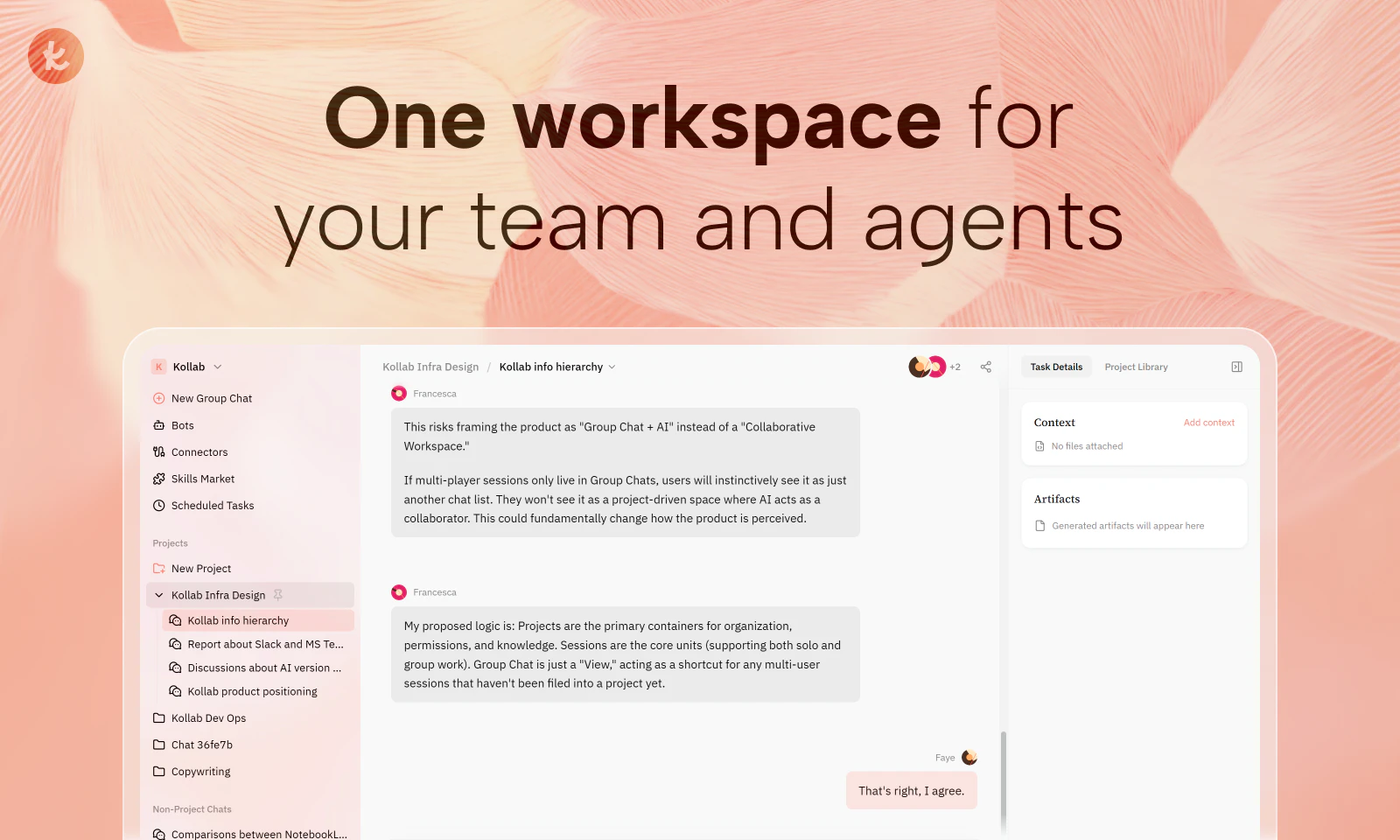
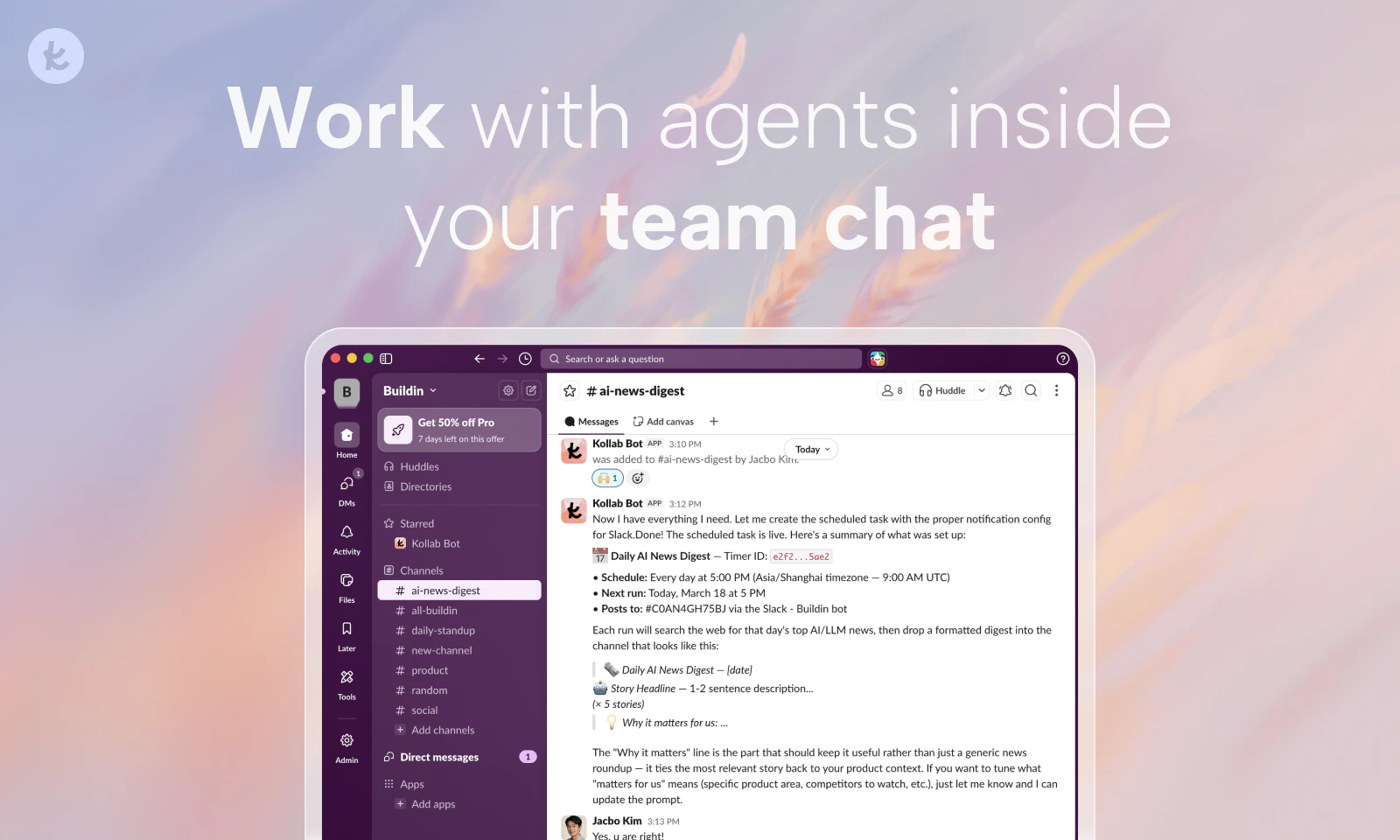
查看原始信息
USVC by AngelList
USVC is a venture capital fund from AngelList. One investment, broad exposure to private tech — starting at $500.
Folks at AngelList launched USVC and I think it's going to make a huge impact on the way people invest. Backed by AngelList, any retail investor (no accreditation required) can now invest as low as $500 in private technology companies. Current portfolio includes xAI, Anthropic, Legora, OpenAI, Vercel and more. What a game-changing move from Naval and Ankur.
1
回复

Questions: why is XAI so overweighted? Are you planing to add more companies to the portfolio and spread the risks a little bit, so that it is priced more as industry average and if one CEO screws something, one company doesn't bring down the performance of whole portfolio?

1
回复

Any idea if this is only for US residents or can investors be from any geo?

0
回复

@adithya i think for now it's only for residents in the US or US citizens.

1
回复