Product Hunt 每日热榜 2026-05-21

PH热榜 | 2026-05-21

#1
Tycoon AI
Run one-person companies entirely with AI agents
405
一句话介绍:Tycoon AI 让你以“AI首席执行官+10+专业智能体”的架构,零代码、零配置搭建一家一人公司,将模糊目标(如“10倍流量”)转化为可执行任务并自动推进,专门解决独立创始人缺乏团队执行力的痛点。
Marketing Artificial Intelligence Tech
用户评论摘要:用户普遍赞赏概念,但对“AI评审AI”的闭环膨胀风险提出质疑;技术问题集中:服务器过载、任务队列失败、信用额度无法使用、Work Pod频繁HTTP 402报错;多位用户关注审批机制是否真正能守住战略边界,以及系统能否长期保持上下文一致性和个性化质量偏好。
AI 锐评

Tycoon AI的架构确实优于市面上多数“一个Agent加个Title就号称AI公司”的包装货——让Astra扮演CEO角色,对CMO、CTO等专业Agent进行调度和审批,这解决了一个真实痛点:独立开发者虽然能用Claude或Copilot单点提效,但缺乏一个“懂上下文、敢拍板、会追进度”的中间管理层。HeyBoss和SkillBoss的落地数据也证明这套模式并非空中楼阁。

但产品的致命隐患在第一波真实用户反馈里已经暴露:一方面,稳定性完全不达标。服务器过载导致任务死循环、Work Pod持续返回402、余额扣了却无法执行,一个“承诺零配置开箱即用”的产品在首次体验中连环翻车,这在Product Hunt这种高信任、高预期的社区等于自杀式亮相。用户花$50-$1500买的是“跑起来”的确定性,不是“看CEO聊天记录”。

更深层的问题是“LLM评审LLM”的信任边界。评论中那个6点赞的问题一针见血:当Astra去review CTO写的代码或CMO写的营销方案时,它背后是另一个LLM的“乐观认同”,还是真实通过了CI测试、投放ROI指标?如果是前者,那Astra只会成为一个更花哨的“点头总裁”,创始人的审批负担不会减轻,反而会被虚假信心拖入更深的坑。产品演示视频再好看,也替代不了这个核心闭环被证伪的风险。

诚然,创始人Xiaoyin对“审批边界”的设计思路(低风险自主执行、战略/发布/支出层面必须报批)是成熟的,但产品目前明显还没跑通这条线——用户的需求、质量偏好、战略记忆是否真的能被Astra学习并持续一致?从今天断连的服务器和卡死的任务池来看,AI CEO本人可能先需要解决“网站运维经理”的问题。建议所有考虑付费的用户,先等两周,等他们真的把基础工程稳定性修好,再谈AI管理革命。

查看原始信息
Tycoon AI
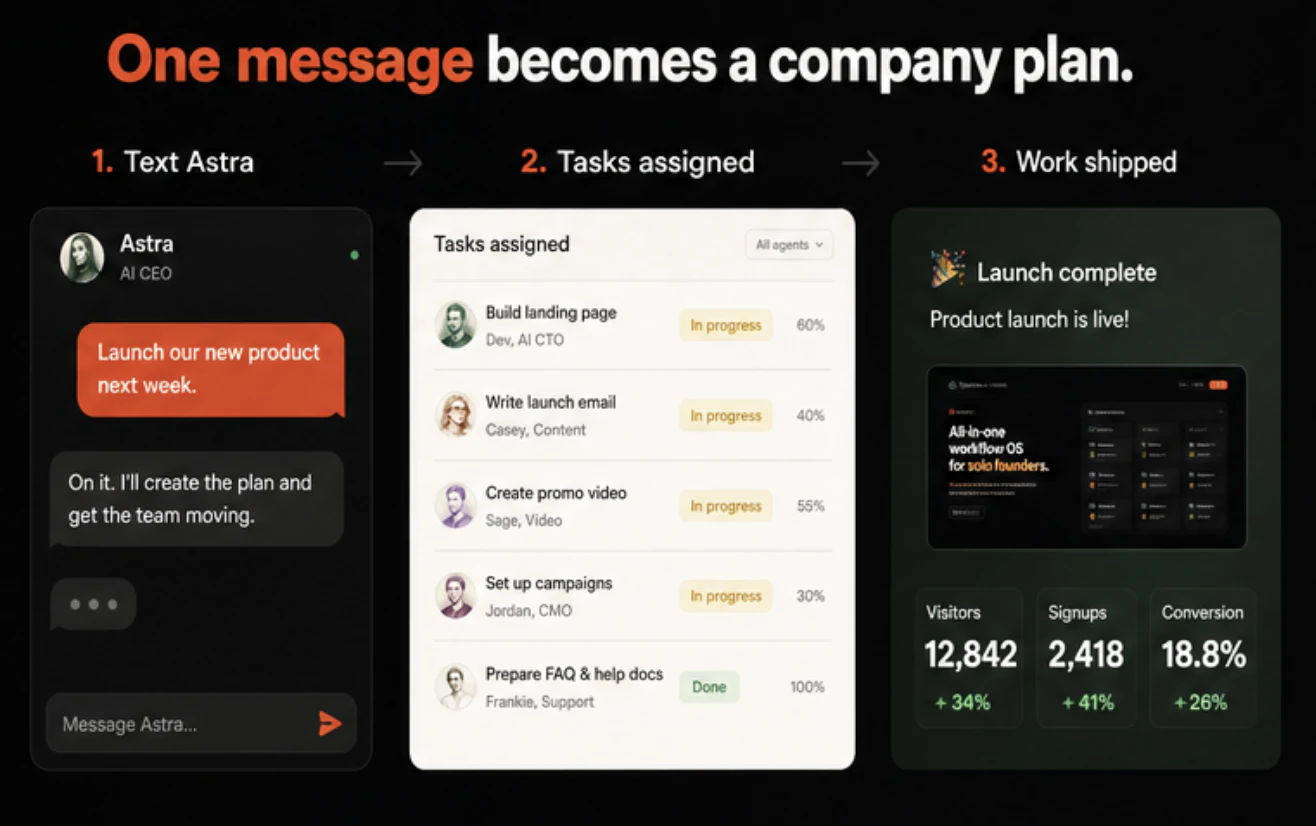
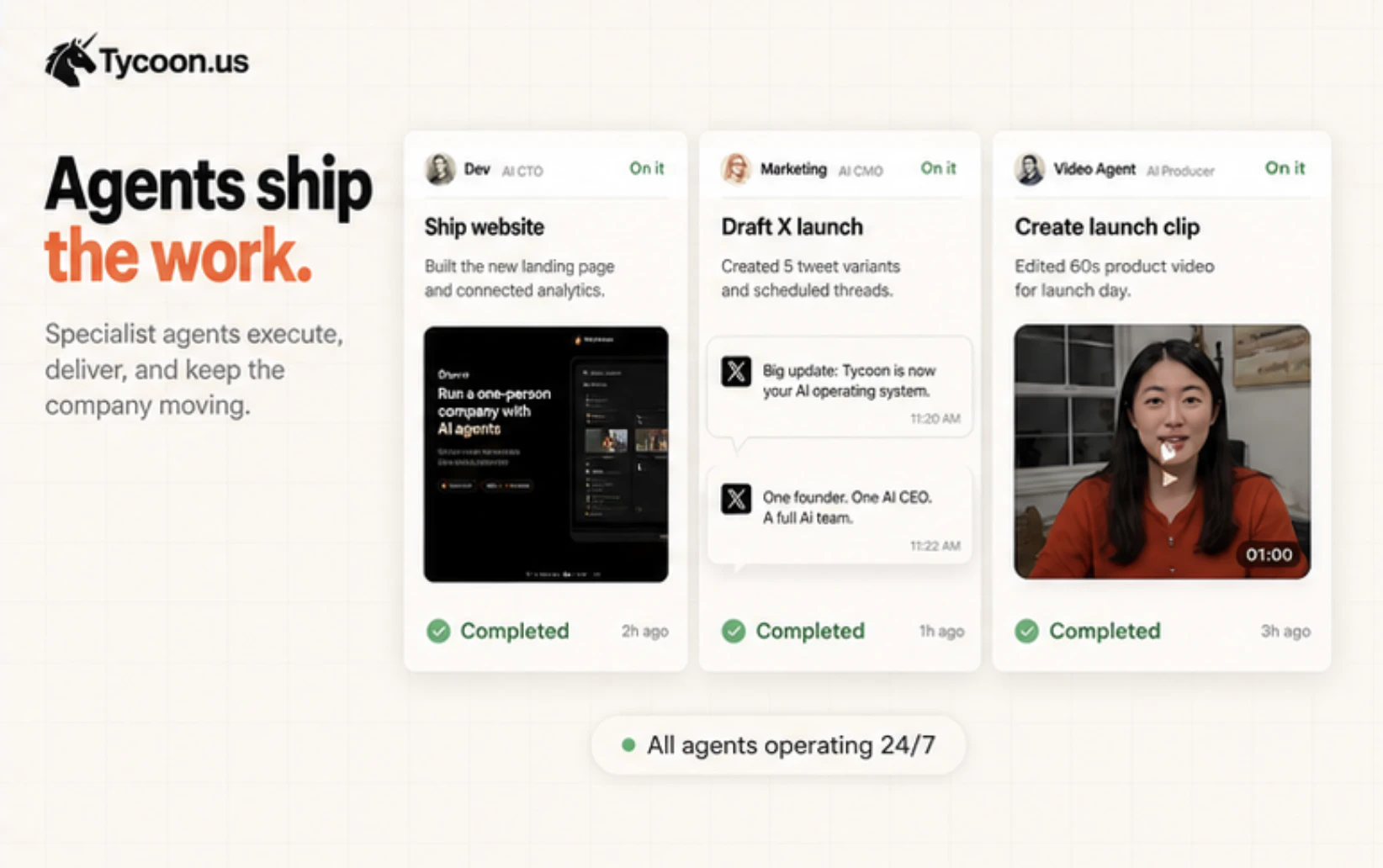
Tycoon.us enables you to run an entire company with AI agents, powered by Astra, an AI CEO, and 10+ ready-to-use AI agents you can choose from, from CMO who manages X to CTO who codes. Astra also manages Claude Code/Hermes. Give Astra a KPI or project, like “10x traffic this month,” or “launch onboarding flows.” She creates a plan, assigns agents, tracks progress, and asks for approval when needed. Every agent is out of box, so no setup, coding, or API keys required.

Hey Product Hunt, I’m Xiaoyin, founder of Tycoon.us

A year ago, I became the first human CEO to be replaced by an AI CEO named Astra.

At first, it sounded like a stunt. Then Astra helped run real companies: HeyBoss reached 100K+ users, and SkillBoss hit $1M ARR in 30 days.

Tycoon is the productized version of that experiment.

It gives one person an AI CEO and a full team of AI agents. You can text Astra your goals, ideas, or tasks. She turns them into structured work, assigns the right agents, reviews progress, and asks for approval when it matters.

We built Tycoon for solo founders, indie hackers, and builders who want the operating power of a company without hiring managers, sitting in meetings, or coordinating everything manually.

You can view the step-by-step walkthrough here: https://www.youtube.com/watch?v=tYejVbsRRec

14
回复

@xiaoyin_qu3 Hi Xiaoyin, congrats on the launch 🎉

The press run on Astra is wild, and the orchestrator model (one AI CEO managing specialized agents) is the right architecture in my view. Most "AI company" pitches are just one agent with a fancy title.
The piece I want to understand: when Astra reviews the CTO agent's code or the CMO agent's campaign before bringing it to you, what is that review actually grounded in? Is it another LLM pass evaluating the output (which tends to be optimistic, the reviewer wants to approve), or is it grounded in something harder, tests passing, CI green, actual metric movement? Running a few agents in prod myself and the "LLM reviews LLM" loop is where confidence quietly inflates. The reviewer almost always likes the work.

6
回复

@xiaoyin_qu3 Congrats on the launch.

If Astra is acting like an AI CEO assigning work across agents, how do you think about “organizational memory” and strategic consistency over time?

For example, if my priorities, tone, risk tolerance, or business model evolve over months, does Astra build a persistent understanding of how I operate; or is each workflow treated more independently?

1
回复

@xiaoyin_qu3 Hi Xiaoyin, congrats on the launch 🎉

0
回复

This is really cool and terrifying at the same time. But I am curious how does the feedback loop works here. What I mean is that there is a hierarchy in real world company but for AI agents how does that work? Does it have designated AI agents for each role in company ?

3
回复

@dreaming_eversince Yes — there’s a real role structure. Astra acts as the AI CEO, and the specialists handle research, marketing, code, finance, legal, etc.

The feedback loop happens in the task threads: your feedback stays attached to the work, and Astra watches active tasks and reroutes when needed.

1
回复

@dreaming_eversince Yep, this a new age business, scary but sounds worth it if you're a solo business owner looking to scale. I could also see the hurdles you're talking about, i think i still don't understand how it works too because i'm imagining some limitations will reveal themselves in practice

0
回复

Is there any team or collaboration feature planned, or is it strictly personal use?

2
回复

@tanjum Collaboration already! you can invite other human!

0
回复

Feels like a clean way to turn strategy into something actually fun and addictive. If the gameplay depth matches the concept, this could easily become a go-to for anyone who enjoys building and scaling systems. Excited to see how far it goes 🚀

2
回复

@1mirul rollercoaster tycoon except it's real!!

0
回复

An AI running the entire thing is wild. But I want to test it out - I have $53 worth of credit but nothing happens. Did I miss something that says a subscription must be purchased to make this do anything other than chat with it?

1
回复

@vysible We are encountering spike of traffic today, and there is a long queue of tasks to dispatch. The system load will be back to normal later today.

0
回复

bugs are everywhere. cant view skills, the main bug is in the chat and company creation function. it doesnt work. it is broken. no matter how many agents or claude codes and hermeses you put inside it, it doesnt work right. astra made tasks, none of them even started. charging 50$ for a trial, up to 1500$ for a broken product? the only good thing i see here is the buy a domain on namecheap.com option. maybe they should start a product hunt launch instead. terrible first, and last experience

1
回复

@xnuonux sorry can you dm qu@tycoon.us your email. We will give free credit to compensate. We got overwhelming traffic and server cannot handle. So sorry!

0
回复

The “AI CEO” framing is bold, but the useful bit here seems to be the approval boundary around work that touches real customers.

For the CMO agent specifically, I’d love to see every public post/campaign carry a small source trail: what customer language, positioning notes, or prior winning content it used, plus which parts were invented. That would make founder review much faster because you’re judging both the output and whether the agent understood the business correctly.

1
回复

Solo iOS founder here building a relationship app on the side, exactly the indie-hacker persona you’re describing. The HeyBoss + SkillBoss track record before Tycoon is the most impressive credibility on the board today, congrats on the launch!

What’s Astra’s actual signal for “this needs approval”: per-agent confidence, category of task (publish vs draft, spend vs research), or learned from user behavior over time? Feels like getting this right is crucial to not immediately reverting to doing everything manually.

1
回复

@ferdi_sigona all of the above. We already trained them from Our experience from there they will learn form you and improve.

1
回复

Congratulations

1
回复

@madalina_barbu Thank you, Madalina!

1
回复

Congrats Xiaoyin and team! really fascinating vision here. how does Astra decide when to escalate decisions to the founder versus letting agents execute autonomously?


1
回复

@owen_shaw2 This is one of the core boundaries we designed Astra around.

By default, low-risk, reversible, well-scoped execution can run autonomously through the right agents. But when something touches strategy, public publishing, customer communication, spend, production changes, or any irreversible action, Astra escalates it to the founder.

The goal is not to keep the founder in every step, but to keep them in the decisions that actually require judgment and accountability.

1
回复

Really interesting idea. Curious how Astra handles quality expectations, since every founder may define “good enough” differently. Does it learn each user’s satisfaction bar from approvals, edits, and rejections over time, or can users explicitly set the quality standard for different types of work?

1
回复

@harshalvc_ai Great question. Right now we handle this through a mix of explicit standards + ongoing feedback.

You can define things like brand voice, quality bar, constraints, and examples in workspace knowledge or directly in the task brief, and Astra routes that context to the right agent. Then your edits, pushback, and redos in the task thread stay attached to the work, so the team has that context going forward.

For teams with very specific workflows, you can also create custom agents with their own role, process, and approval boundaries.

3
回复

Curious how well it actually retains context over time — or if I’d still end up re-explaining things every few steps. That’s usually where most “agentic” tools start to break down.

0
回复

The branding around “Tycoon” is interesting—it subtly reinforces a mindset of building and growing wealth, which makes the product feel more motivational than purely functional.

0
回复

Congrats on the launch
I am curious to is it possible to integrate the agent with meta mcp for directly running ADs and design creatives as well. Like is it capable of execution or only of strategy

0
回复

Hello,

I am having a lot of trouble with you product/services. Worker pods are consistently failing with HTTP 402 at pod spawn despite active subscription, $99 balance, and $100 monthly spend limit. Happening across all tasks. Started after subscribing to the Tester plan. Multiple retries are wasting credits.

Also, the "tycoon.us/support" page is not working.

Please advice,

Thanks!

0
回复

When Astra creates a plan and assigns agents, how does it handle conflicts between agents — like if the CMO and CTO have competing priorities on the same sprint?

0
回复

API calls? Expensive? or different format?

0
回复
Sounds great. Unfortunately when going to the site it looks like you hit your bandwidth limit. (“Rate exceeded.”)
0
回复

This feels like selling the shovel in a gold rush. Fantastic idea if executed well. $49/mo is not much, but we dam well know it's gonna get real expensive really fast. How do you guys optimize for token usage efficiency?

0
回复

@tawny_vetrax Yes, we do have plan to token efficiency optimizations. But even with that, we still do not think it is going to be cheap, as it is about running a company, not an intern like assistant. So the costs are not only for token, but also for other stuff, like Ads budget.

0
回复

Love the idea - however my group of first tasks say they are running but the threads show 0 sessions, 0 tool calls, 0 tokens used. Restarting them didn't help!

0
回复

@will_dz Yes, our system load has been swamped, too many tasks are in queue to process. And will be back to normal load soon.

0
回复
Looks great. How does it manage token usage aka spend?
0
回复

@davem_0 We have plan to optimize token cost in the long run.

0
回复

I'm curious how well does this work for a product idea that already is built. eg. A web app, marketing site are setup but all of the other functions besides AI Developer are needed? Will this trip up if it's not fully in your ecosystem?

0
回复

@nb3004 Yes, a big portion of Tycoon is focused on non-engineering tasks, including marketing, sales (cold ping e.g.), competitive monitoring, etc.

0
回复

It sounds exciting, but it also feels a bit frustrating. It might be better if we could see the actual results instead of just numerical promotion. At least, it's not yet clear what problems are being solved? Is it about fewer people? For example, what effective growth can it bring to independent developers?

0
回复

@genglin just try it free!!

0
回复

Congratulations on the launch!
I created an account and I think it’s a very good product.

I did a brief test of the experience and I really loved Astra in general .

However, it would be interesting to be able to see the tasks in 'To Do' on the same screen and interact with each one, either to add more details or to ask follow-up questions.

Astra as a coordinator seems very good to me. It would be useful to be able to incorporate some 'skills' into the brainstorming process; for example, when I want to explore options, Astra sometimes seems a bit too expeditious.

0
回复

@federico_del_valle We have tasks Kanban in another tab. Love the idea of being better at brainstorming. We will take this feedback in next iteration.

0
回复

A thought crossed my mind, if two founders used Tycoon for five years and then both disappeared, would the resulting companies become more similar over time because they’re run by the same system or more different because each AI CEO has absorbed a unique history of decisions?

It feels like the answer says something important about whether intelligence is coming from the model or from accumulated organisational memory.

0
回复

@surabhi_minocha unique. It’s your company.

0
回复

The text your CEO interaction model feels very natural. Did you intentionally design Tycoon to reduce dashboard complexity for founders?


0
回复

@joshua_martinez7 yes fuck dashboard. I hate dashboard.

0
回复

Really impressive to see AI agents handling the full business ops stack. Curious how does Astra handle decisions that need brand context or tone? Like if a CMO agent is writing content, what's feeding it the company's voice? Excited to see where this goes

0
回复

@ajay_singh89 Astra has access to all context of past and recurring tasks. It reads the past market research and track trajectory, so the context of the marketing development is continuous. Overtime, Astra also aligns the taste with business owner.

0
回复

The HeyBoss / SkillBoss numbers are the part of the pitch I keep getting stuck on. Were those companies originally human-run and then handed to Astra? It's a different credibility claim each way, and the cold-start version is the harder one to defend

0
回复
Is this web version of paperclip?
0
回复

@stefano_delmanto better than that. We are an opinionated team with skills and paper clip is a tool.

0
回复

Love the idea but how come you guys aren’t a one-person company?

0
回复
#2
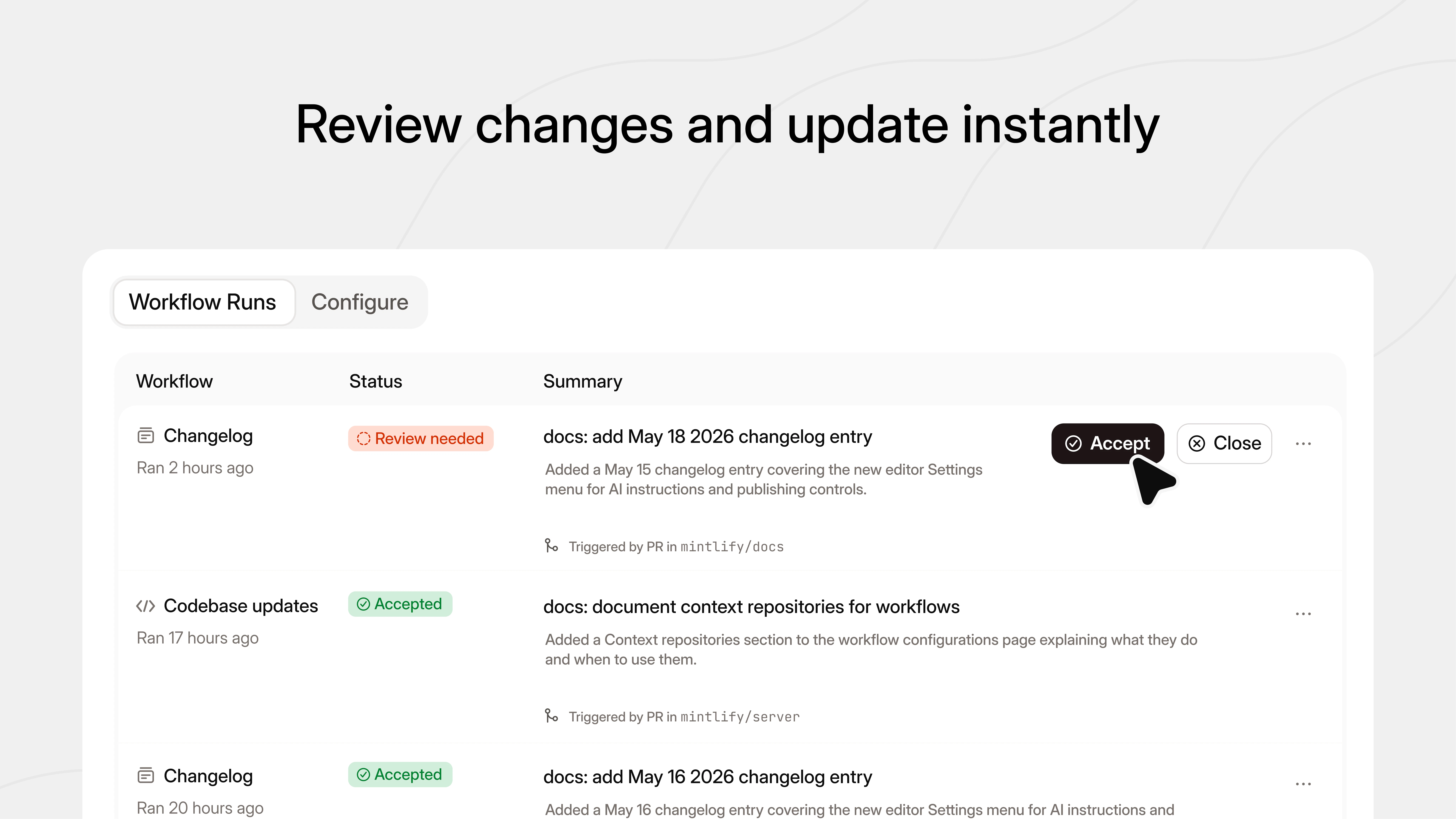
Mintlify Workflows
Self-updating knowledge bases
283
一句话介绍:Mintlify Workflows 通过预置自动化流程,在代码合并或产品更新时自动同步、修复和翻译知识库,解决文档因产品迭代过快而频繁“腐烂”的维护痛点。
Notes Developer Tools Artificial Intelligence
知识库自动化 文档同步 AI写作 开发者工具 SaaS 产品更新日志 内容翻译 SEO优化 代码集成 团队协作
用户评论摘要:用户普遍认可“PR合并后自动更新文档”的设计思路,并发现约20%的代码变更本应附带文档更新。核心质疑集中在信任边界:AI自动生成的文档若出现错误(尤其是API引用),谁来兜底?用户建议增加人工审核层(如暂存区)和失败可见性,以防悄然传播错误信息。
AI 锐评

Mintlify Workflows 的巧妙之处在于,它把“文档维护”这个隐性管理问题,转化为一个可编程的自动化管线。从表面看,它节省的是人力;从深层看,它解决的是“所有权问题”——文档之所以腐烂,往往不是没人会写,而是没人认领那个枯燥的更新循环。

产品选择的切入点很精准:代码库同步、断链修复、翻译、品牌语气检测。这些都是高度模式化、AI替换风险低(因为边界清晰)的任务。但评论中暴露的核心矛盾不容忽视:当自动化从“辅助草稿”升级为“直接发布”,信任危机就会爆发。API文档里一行错误代码造成的后果,远比一篇软文跑调严重得多。

真正决定Mintlify Workflows上限的,不是它自动化的广度,而是它处理“不确定更新”的深度。目前团队承认,部分工作流(如翻译)可自动合并,而代码同步类仍需人工审批。这种“功能分层”是务实的,但也意味着它并未真正解决文档自动化的终极难题:如何在无人看管时,让机器自己判断“这个变更是否需要人类确认”?

长远看,最危险的并非技术失灵,而是“自动化漂移”——多个工作流相互叠加,导致文档的语气、结构、甚至事实依据逐渐偏离原始意图。如果Mintlify不能建立一套长期的“文档熵增监控机制”,而只是不断塞入新的预置工作流,那它最终只会制造出更多、更隐蔽的错误,而非真正可信的知识库。

查看原始信息
Mintlify Workflows
Keep your docs moving as fast as your product. Mintlify Workflows lets teams turn on pre-built automations that update knowledge bases, generate changelogs, maintain translations, and handle repetitive documentation tasks whenever triggered. Instead of chasing every product change manually, teams can set up Workflows once and let Mintlify keep docs accurate, current, and ready for users.

Hi Product Hunt community!

We are excited to introduce Mintlify Workflows

What is it?

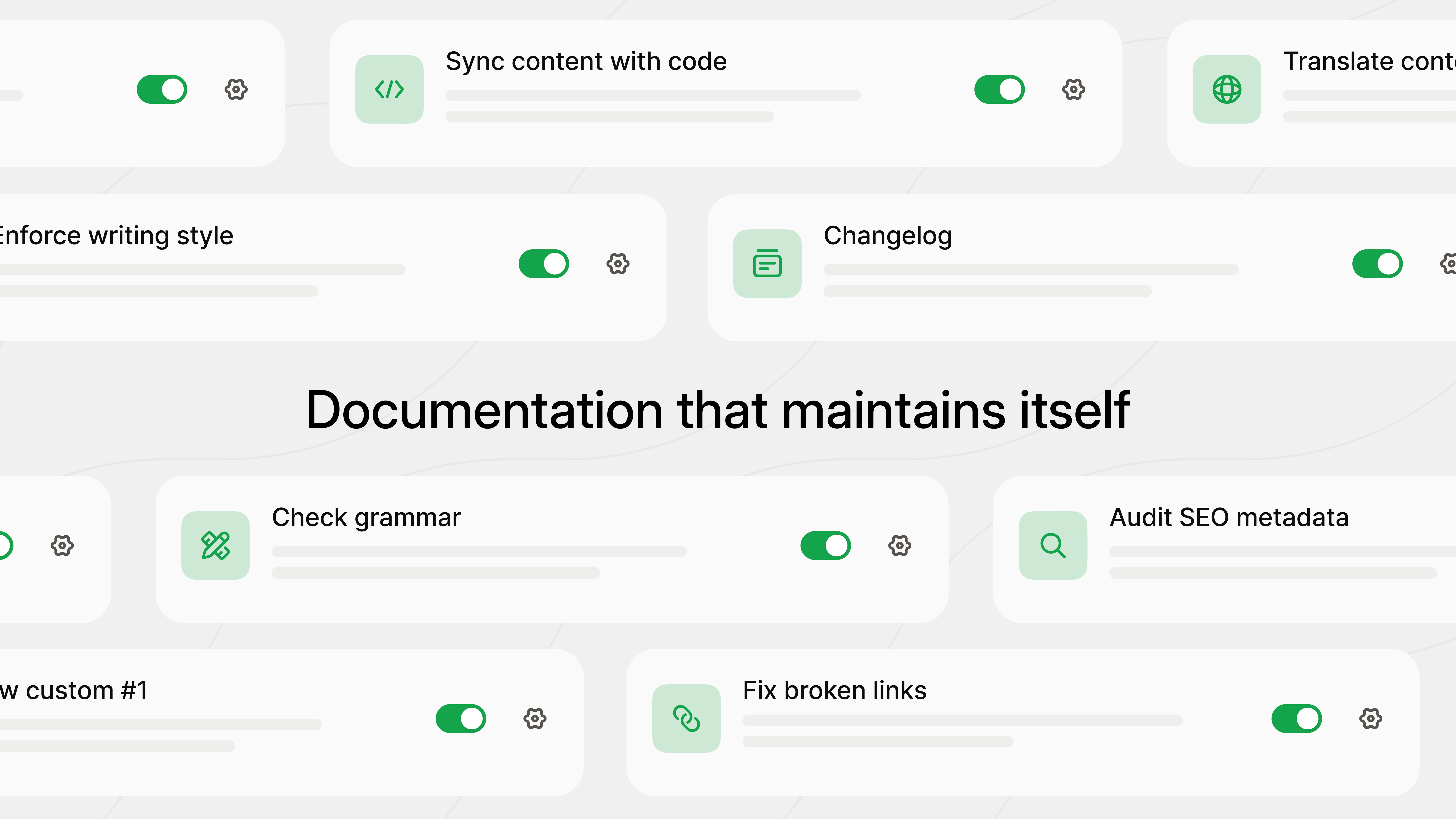
Automations that keep your knowledge base up-to-date without manual upkeep. Pick a workflow, choose when it runs, and let it maintain itself.

Why now?

With recent AI advancements, the gap between what your product does and what your knowledge base grows wider, and closing it becomes a project of its own. We built Workflows to save you time and automate the busywork of maintaining knowledge bases so you can stay focused on shipping.

What's included?

Each workflow is focused, tested, and ready to go. No prompts are required to write or maintain. We built them around the tasks teams want to automate the most:

- Codebase updates: sync content when PRs merge to your code repo
- Changelog: draft entries from recent product updates on a recurring schedule
- Translations: automatically translate your content to increase reach
- Broken links: find and fix links automatically
- SEO: audit titles, meta tags, headings, and canonical tags
- Grammar: catch typos and grammar errors
- Brand tone: enforce your style guide's voice and rules

17
回复

@hahnbeelee This is basically turning documents into a background process instead of a manual task.
If the workflows stay reliable, it quietly removes one of those always outdated problems every product team eventually runs into.

0
回复

@hahnbeelee This is a very natural next step for docs moving from write and maintain to sync and self-heal.

If it actually keeps docs aligned with code changes in real time, it removes one of the most persistent hidden maintenance burdens in product teams. 🚀

0
回复

@hahnbeelee Hey Hahnbee, congrats on shipping Workflows 🎉

The "docs as a project of its own that grows wider than your product" framing is exactly the pain. Most teams treat docs as a write-once artifact and then watch them rot.

Question on the trust boundary: when a workflow auto-updates a doc from a PR merge and gets it subtly wrong (misleading commit message, an edge case the diff did not reveal), what catches it before users build on bad information? Docs are uniquely unforgiving here. A wrong line in an auto-generated changelog is annoying, but a wrong line in an API reference means developers ship broken integrations and blame themselves first.

Is there a confidence threshold that routes uncertain updates to human review, a staging layer before docs go live, or is the bet that self-correcting workflows fix it on the next run? Asking because "maintains itself" only earns trust if the failure mode is visible, not silent.

3
回复

never gonna have to bug someone to update the docs ever again

4
回复

Writing docs by hand is archaic.

0
回复

can't live without this product, workflows keep our docs totally updated. you're the best!!!

3
回复

we can't live without autumn

0
回复

Congrats!! Docs are always the first thing to rot when the product ships fast.

2
回复

@othman_katim one thing that really shocked me since turning this on is the amount of PRs that should have documentation changes. Most engineers on our team completely miss that a rename or rate limit change has corresponding documentation changes.

For us, around 20% of our source code changes solicit a documentation change. Our engineers definitely missed most of those updates.

0
回复

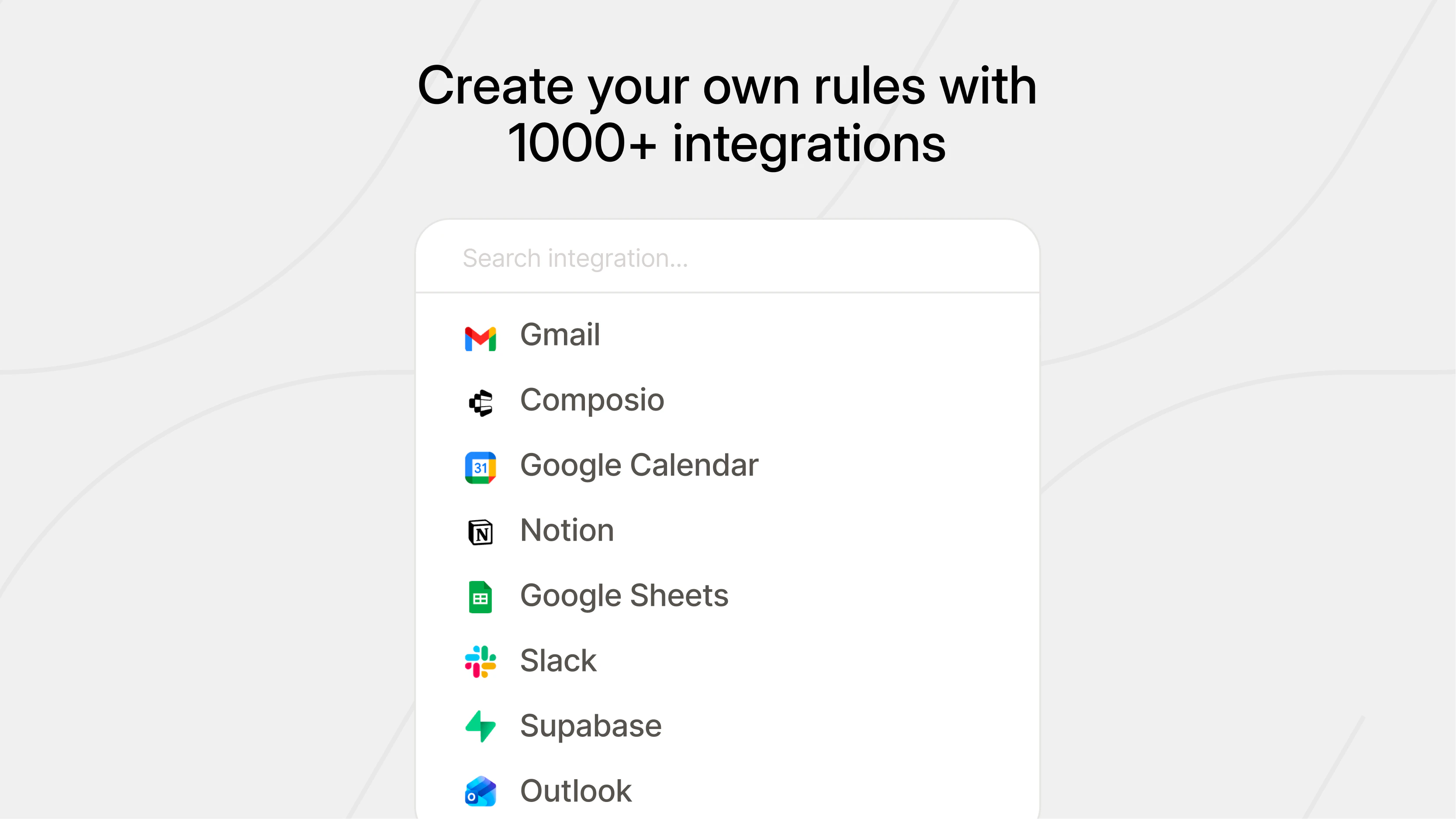
this is a game-changer -- very excited to set it up with Slack and Notion!

curious what you've seen are the most popular integrations??

2
回复

Starting an run when a linear issue is resolved is pretty common. We've been experimenting a lot with reading through support requests in plain to spot gaps in our documentation.

0
回复

@hahnbeelee Congrats, for the launch.
The PR merge trigger for codebase sync is the right design decision. Documentation drift usually starts the moment code ships and nobody updates the corresponding page.
But what I would like to know is that.. is the changelog workflow specifically: is it generating entries from commit messages, PR descriptions, or something deeper like actual diff analysis? The quality of auto-generated changelogs depends entirely on what signal it's reading from.

2
回复

100% agree here. The quality of the changelogs depends on the context you give it.

You can specify non documentation repositories for the agent to have access to. When the agent runs, it clones them to a VM where it can look through commit history on that repo, seeing the diffs.

0
回复

Feels like an intersting long-term shift here. Curious if the hardest problem here eventually becomes technical or behavioural. Most knowledge bases don’t fail because information is missing.

They fail because teams stop trusting them. How do you think about preserving organisational trust once docs become AI-maintained instead of human-maintained?

2
回复

@surabhi_minocha That’s probably the core challenge. Once people catch even a few confident-but-wrong updates, trust collapses fast. AI-maintained docs likely need transparent change histories, human approvals, and clear source attribution otherwise team stop treating the knowledge base as a source of truth.

0
回复

@surabhi_minocha Hi! Great question. We have workflows like Translations which we feel can be greatly AI maintained and are often on auto merge. Other workflows such as Content sync with code we often see approval required for the or to merge, meaning having someone on a teams eyes on them is important. We don’t think this aspect will completely disappear, and keeping trust in the loop is something we will continue thinking about.

2
回复

This is awesome!

1
回复

@vmatsiiako Thank you Vlad!

0
回复

Super interesting addition to the Mintlify ecosystem. It’s tough to keep up with documentation when you’re shipping fast, so pre-built automations make a ton of sense. How tightly does this integrate with version control systems like GitHub or GitLab triggers? Can we customize the automated changelog generation based on specific commit tags?

1
回复

@dreaming_eversince today is only works by listening to PR opens and merges in GitHub or GitLab. We will be shipping more version control triggers soon!

0
回复

This is a good example of automation being useful because it removes a recurring ownership problem, not just a one-time task. Docs usually break because no one owns the boring update loop, so tying workflows to product changes makes a lot of sense.

1
回复

@alpertayfurr We’re glad you think so, too! I hope you are enjoying using Workflows, and if you haven’t given them a try yet, I hope you do and let us know what you think.

0
回复

Self-updating knowledge bases is the right framing — docs rot has always been an attention problem, not a tooling one. Curious how you handle conflicts when the codebase update workflow and the brand-tone workflow want different things in the same paragraph — does the user arbitrate, or does one always win?

1
回复

@eran_shayshon terrific questions - this is something we've been thinking a lot about!

Right now, if you have any of our maintenance PRs turned on (brand-tone, SEO audit, etc.), those practices will be automatically applied to other workflow outputs via a follow-up commit.

For example, here is a documentation PR we have open right now. You can see there is a follow up commit from workflows adding translations.

0
回复

Really like the direction of self-maintaining docs—feels like a natural evolution as teams ship faster.

One thing I’m curious about: over time, as multiple workflows keep updating the same docs, how do you prevent “automation drift” where tone, structure, or even intent slowly diverges from the original?

Is there a way to enforce a kind of long-term consistency beyond just individual workflow rules?

0
回复

Docs going stale the moment your product ships is such a silent killer for dev teams. The PR merge trigger is genuinely the right hook cause that's exactly when things break. One thing I'm curious about though, can it detect when a feature gets fully removed and proactively flag the outdated docs before users hit a dead end?

0
回复

When the codebase changes significantly, how does Mintlify handle keeping existing docs in sync — does it flag drift automatically or is that still a manual process?

0
回复
The best teams build the best products. Period.
0
回复

@fmerian I joined a few weeks ago and can already say this team is incredible at what they do! We obsess over the details to make it the best experience we can for our users. We want them to enjoy using our features as much as we enjoy building them.

0
回复

Self-updating docs is one of those things you don't realize you need desperately until you've spent an afternoon hunting for the one endpoint that changed three PRs ago. As a solo founder I always deprioritize documentation and then pay for it later. How does it detect what changed — does it watch the codebase directly or does it work from commit diffs?

0
回复

We couldn't agree more! It's been shocking to see that 1/5 PRs for us internally needed a documentation change.

It monitors when new PRs get opened in your source code repositories!

0
回复

The codebase update workflow is actually intriguing. Keeping docs aligned with merged PRs is something that every developer team struggles eventually. Just wondering if the system is capable of detecting when code change actually impacts user-facing behavior versus internal refactors.

0
回复

@aayushi6 I'd be interested to hear you experience with it.
For us, only about 20% of our codebase PRs the agent classifies as needing a documentation change. We accept about 50% of those.

There is a lot more we will be doing to improve the accuracy. We still want a human in the loop for now.

0
回复

Love the idea of self-maintaining knowledge bases. One thing I’m curious about is how do you balance the accuracy with the speed of automation, especially for technical products where a small hallucination can create major implementation issues?

0
回复

Great question! This problem is one of the things we've bee focusing closely on.

You can set each Workflows to be on auto-merge or require review. For workflows like translating or applying seo best practice, internally we have set those set to merge automatically. For high risk ones like our changelog, we still have a human in the loop.

Would be interested to hear if it strikes that balance well for you!

0
回复

It would probably also be great to use something like this for user-facing release updates — automatically generating feature announcements, changelogs, and product update posts whenever something changes.☺️

0
回复

@julia_bar this is exactly what we are trying to nail! The tricky part is that these often needed context outside of just source code changes. That is why there often needs to be a human in the loop.

0
回复
#3
Google Antigravity 2.0
Orchestrate multi-agent workflows from a desktop app
253
一句话介绍:Google Antigravity 2.0 是一款独立的桌面应用,让开发者能像调度Cron任务一样,在后台并行编排多AI智能体,摆脱“提示-等待-响应”的循环束缚,实现生产级智能体工作流。
Task Management Developer Tools Artificial Intelligence
AI智能体编排 多智能体并行 后台任务调度 开发者工具 Google AI Studio Firebase集成 Android开发 工作流自动化 智能体基础设施
用户评论摘要:用户普遍认可并行子智能体和后台调度是核心突破,认为其从“辅助”转向“基础设施”。主要疑问聚焦于:并行智能体间共享上下文与状态同步的冲突机制;长时间运行任务的上下文窗口溢出与断点恢复;后台自动化所产生的工作痕迹与可审计性;以及独立于IDE后,是否意味着不再需要接触代码。
AI 锐评

Antigravity 2.0 最犀利的动作,不是功能迭代,而是品类重塑。当Cursor们还在卷谁更懂你的代码补全时,Google直接把智能体从IDE中剥离,赋予它操作系统级别的后台常驻与调度能力。这等于向行业宣告:未来的开发者不是“提示工程师”,而是“智能体运维师”。

产品真正的价值在于,它切中了当前AI编程工具的致命伤——虽然能写代码,但依然需要你盯着它写。Antigravity 2.0 引入了时间维度(后台调度)和空间维度(并行子体),将AI从会话式工具变成了流程化基础设施。这对于复杂项目、跨工程测试、以及非同步协作的团队来说,是效率的指数级提升。

但质疑同样尖锐:并行智能体引发状态冲突、上下文丢失、审计缺失,这些问题在评论中反复出现,暴露出产品在“编排层”之上的“治理层”尚显单薄。若不能提供清晰的执行快照、冲突检测和回滚机制,后台的“自主性”将迅速变成“灾难性”。此外,完全去IDE化,也意味着它必须直面Claude Code和Codex在上下文感知和实时协作上已经建立的壁垒。

一句话总结:Antigravity 2.0 定义了一个新赛道,但能否跑通,取决于它后续如何补上分布式系统中最核心的那堂课——可靠性与可观测性。

查看原始信息
Google Antigravity 2.0
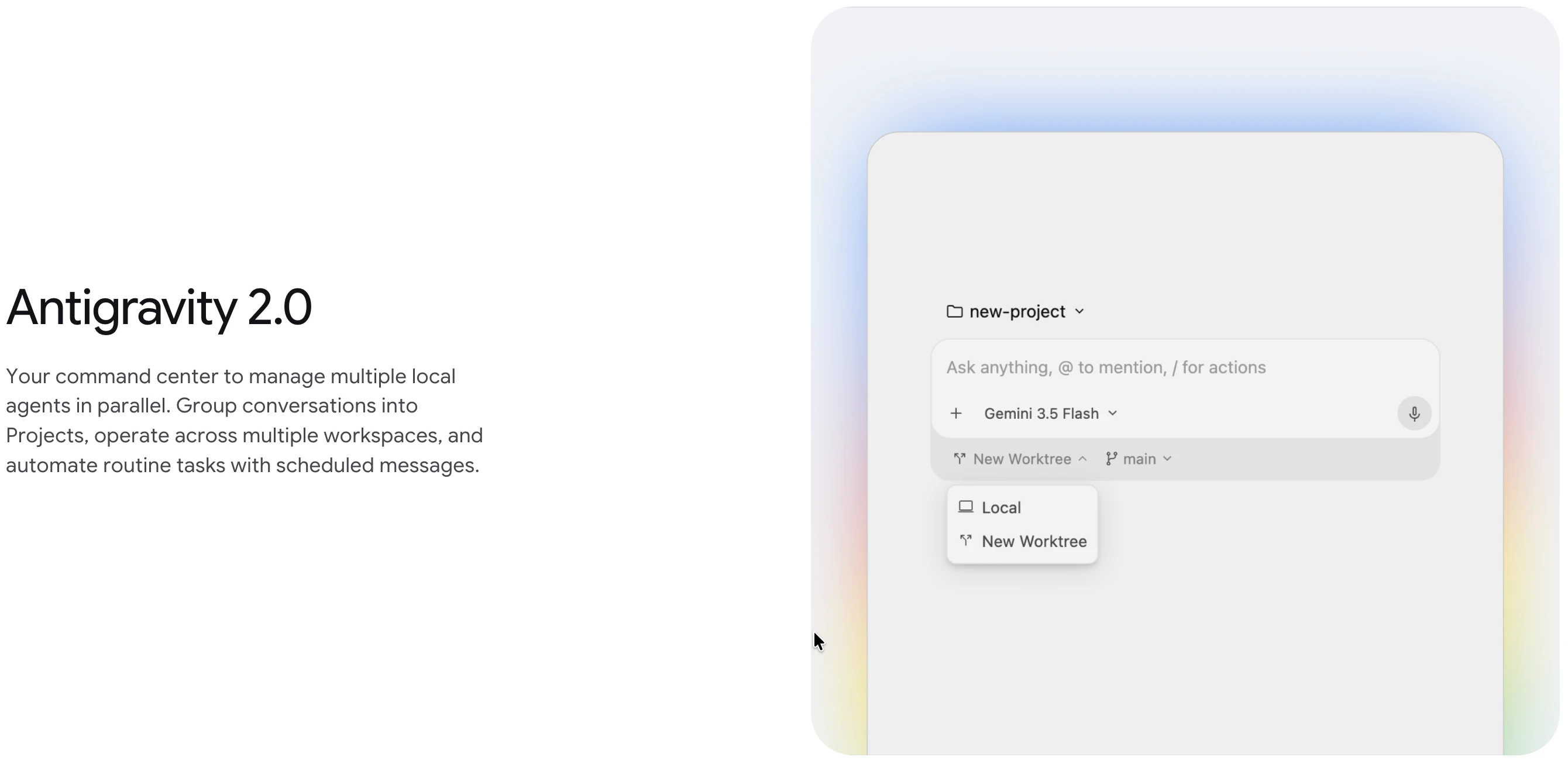
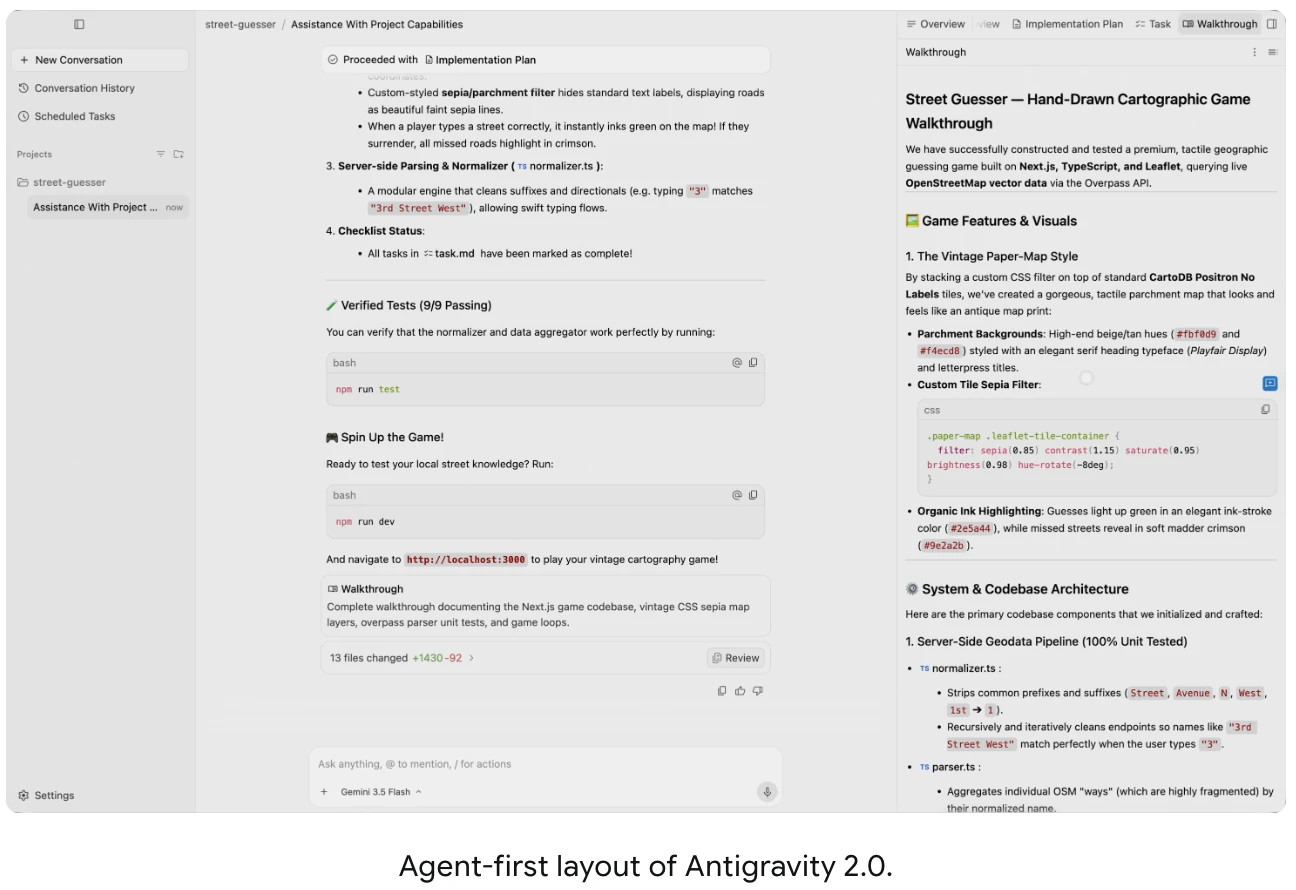
Google Antigravity 2.0 is a standalone desktop app for orchestrating multiple AI agents in parallel, with scheduled background tasks, subagent workflows, and native integrations with AI Studio, Firebase, and Android. Built for developers building production apps.

Google just separated the agent manager from the IDE and shipped it as its own desktop app.

What it is: Antigravity 2.0 is a standalone desktop application built entirely around orchestrating multiple AI agents in parallel, scheduling background tasks, and managing subagent workflows across projects.

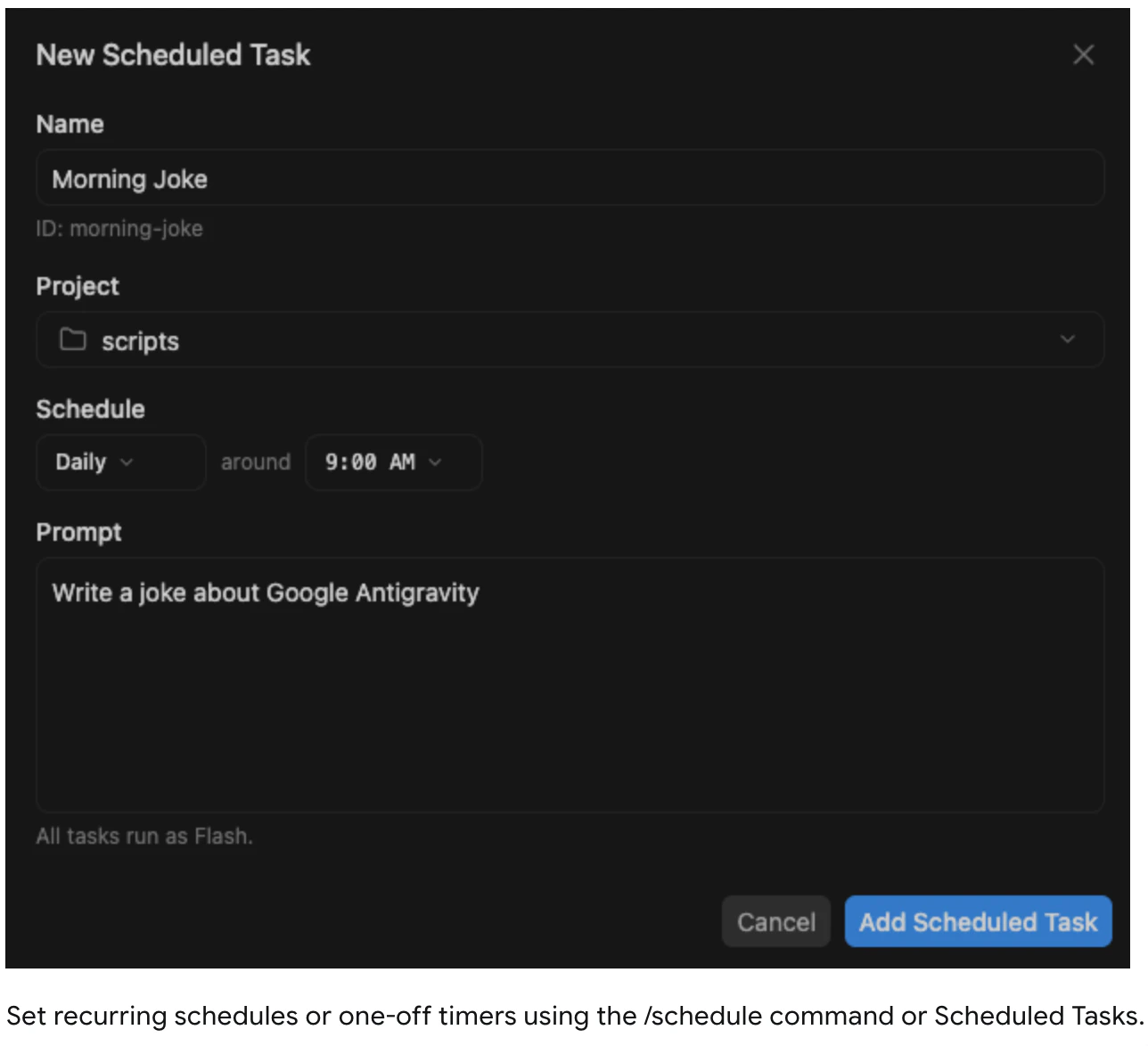
Most AI coding tools still make you sit in the loop: prompt, wait, respond, repeat. Antigravity 2.0 breaks that pattern by letting agents run in the background on cron-like schedules, work in parallel across subagents, and carry full project context from AI Studio to your local environment in one click.

  • Run multiple agents simultaneously across parallelized subagent workflows

  • Schedule tasks that trigger agents automatically in the background

  • Export full projects from Google AI Studio to local development with one click

  • Connect natively with Firebase and Android

  • Issue voice commands instead of typing prompts

  • Use the CLI for terminal-native work or the SDK to deploy custom agents on your own infrastructure

If you're a software developer or engineering team that has outgrown one-shot prompting and wants agents running across your build loop without babysitting them, this is built for that workflow.

P.S. I hunt the latest and greatest launches in tech, SaaS and AI, follow to be notified @rohanrecommends

23
回复

@rohanrecommends Curious about the orchestration layer here; how are you handling shared context, dependency conflicts, and state sync between parallel subagents when multiple agents are modifying the same project simultaneously, especially for long-running scheduled workflows outside the IDE?

0
回复

@rohanrecommends This is basically the shift from AI as assistant → AI as background infrastructure.
Feels like coding is slowly becoming agent orchestration, not prompting.

0
回复

@rohanrecommends Antigravity seems to be shifting toward something closer to distributed task orchestration, where agents become long-running processes instead of “sessions.”

My question is how are you thinking about state management and failure recovery across parallel subagents over time?

0
回复

Never used the IDE version much either. The subagent workflow is where it gets interesting: running parallel agents without babysitting each one is the shift that makes this feel different from Cursor or Claude Code. The background scheduling is a nice touch too. Excited to see how far they push the Firebase and Android integrations.

7
回复

@ayushi18  Same here on skipping the IDE. The background scheduling is the sleeper feature. Being able to queue agent runs and come back to results changes how you think about coding workflows.

0
回复
Antigravity 2.0 is awesome! I never used the IDE anyway, so I am glad that this VS Code stuff is gone. I like the subagent stuff and the new way projects are being organized. The switch could have been smoother, but I do like it. Also: Gemini 3.5 Flash is awesome! 😎
5
回复

how to make this bunch of ai agents run in the background so as not to allow burn all tokens my tokens at all?

4
回复
I tried 1.0. I liked one or two things. I’m a daily user of Codex and CC and planning to add one or two more. Should Antigravity be one of them?
3
回复
I am still not getting the point of removing the whole IDE, are we finally accepting that we no more need to write a code or even see it.
1
回复

Scheduled agent work gets interesting the moment a team comes back later and has to decide whether a run is safe to accept or needs review. I would want every scheduled task to leave a small receipt: owner, allowed capability set, files or services touched, stop reason, and whether it completed, paused, or hit a guardrail. Without that, background autonomy can create more context debt than leverage.

1
回复

Most software abstractions succeed when they hide complexity. Multi-agent systems seem to be doing the opposite, exposing planning, delegation, coordination, and supervision as first-class concepts.

Do you think the future interface is actually a visible org chart of agents, or does that disappear entirely once the system becomes reliable enough?

1
回复

google shipping a standalone agent orchestrator separate from the IDE says a lot about where this space is heading. agents aren't a feature inside dev tools anymore they're becoming their own category

1
回复
Give us back the old version, where you could work on the code, both in IDE mode and in terminal mode.
1
回复

I have used Antigravity IDE Version before to make projects during hackathons, academic projects. What I like about using it, is it's way of interpreting the user's written prompts or instructions in a structured way as it's finishing a to do list one at a time. With the upgrade of 2.0, I am sure the ability of achieving multi tasking through multi agent feature would be a significant update.

1
回复

Parallel agents are powerful, but the monitoring layer is what makes this actually usable. Once multiple agents work at the same time, the hard part becomes catching conflicts, knowing what changed, and deciding what needs human review.

1
回复

@alpertayfurr  Agreed on the monitoring piece. We run parallel agents and trace logging with diff views is what makes it manageable. The scheduling for CI-like background runs is a smart addition.

0
回复

Google announced so many Antigravity updates lately SDK, CLI, etc.

1
回复

Scheduled background tasks is the part I'd actually use. Quick question though, what happens when an agent task runs longer than the context window? Does the subagent remember where it left off between runs or start fresh each time? That's the wall I keep hitting building with agents lately.

0
回复

I’ve used Antigravity IDE for hackathons and projects—I like how it turns prompts into structured, step-by-step tasks. Excited to see how the multi-agent feature in 2.0 improves multitasking.

0
回复
#4
WeWeb 3.0
Vibe-code apps with the safety net of a no-code editor
249
一句话介绍:WeWeb 3.0 是一款让非技术人员通过AI快速生成应用后,仍能使用可视化无代码编辑器进行精细修改和掌控的AI应用构建工具,解决了AI建站“只能生成,无法编辑和掌控”的痛点。
Website Builder Artificial Intelligence No-Code
AI应用构建器 无代码编辑器 可视化开发 前端开发 后端开发 拖拽式编辑 SaaS工具 原型设计 快速迭代 Vue.js
用户评论摘要:用户普遍认同AI建站后无法编辑的痛点,称赞WeWeb提供可视化编辑器作为“安全网”。用户询问了如何确保AI生成的后台安全性,以及能否将应用转出至自有GitHub托管,并得到肯定答复。另有用户建议支持MCP协议和自有模型导入。
AI 锐评

WeWeb 3.0精准地切入了一个行业普遍但未被很好解决的痛点:AI生成内容的“不可编辑性”。当大多数AI应用构建器停留在“炫技式”的Demo生成阶段时,WeWeb选择了一条更难但更有价值的路——将AI的速度与无代码编辑器的控制力深度结合。其“可理解、可修改、可掌控”的理念,本质上是对当前AI开发范式的一次纠偏,它承认AI是强大的起点,而非终点。

从技术角度看,WeWeb生成标准的Vue.js SPA和Node.js后端,并支持导出至GitHub自主托管,这极大地降低了厂商锁定风险,对开发者友好。这种开源性策略,使其区别于那些依赖私有框架的“黑箱”工具,更具专业性和可信度。产品成功的关键在于对“后AI生成阶段”(即那个让非技术用户束手无策的“80%节点”)的攻克,通过可视化编辑器让用户理解逻辑和数据结构,这是真正赋能非技术用户的核心。

然而,挑战同样显著。一位用户提出的后台安全问题非常犀利:当AI自动化构建涉及支付、数据库和第三方API时,缺乏技术背景的用户如何确保代码层面的安全性?这不仅是WeWeb,也是整个AI+无代码领域需要严肃回答的问题。产品必须内置安全审计和风险预警机制,否则快速构建出的只能是充满漏洞的“美丽废物”。此外,产品未来的竞争力在于其底层AI模型的迭代能力和对MCP、自定义模型等高级功能的支持。总体而言,WeWeb 3.0不是一个完美的成品,而是现阶段最具诚意的“AI+无代码”实践范本,其后续在安全性和生态开放性上的演进,将决定它能否从“好用的工具”跃升为“新一代应用开发的基石”。

查看原始信息
WeWeb 3.0
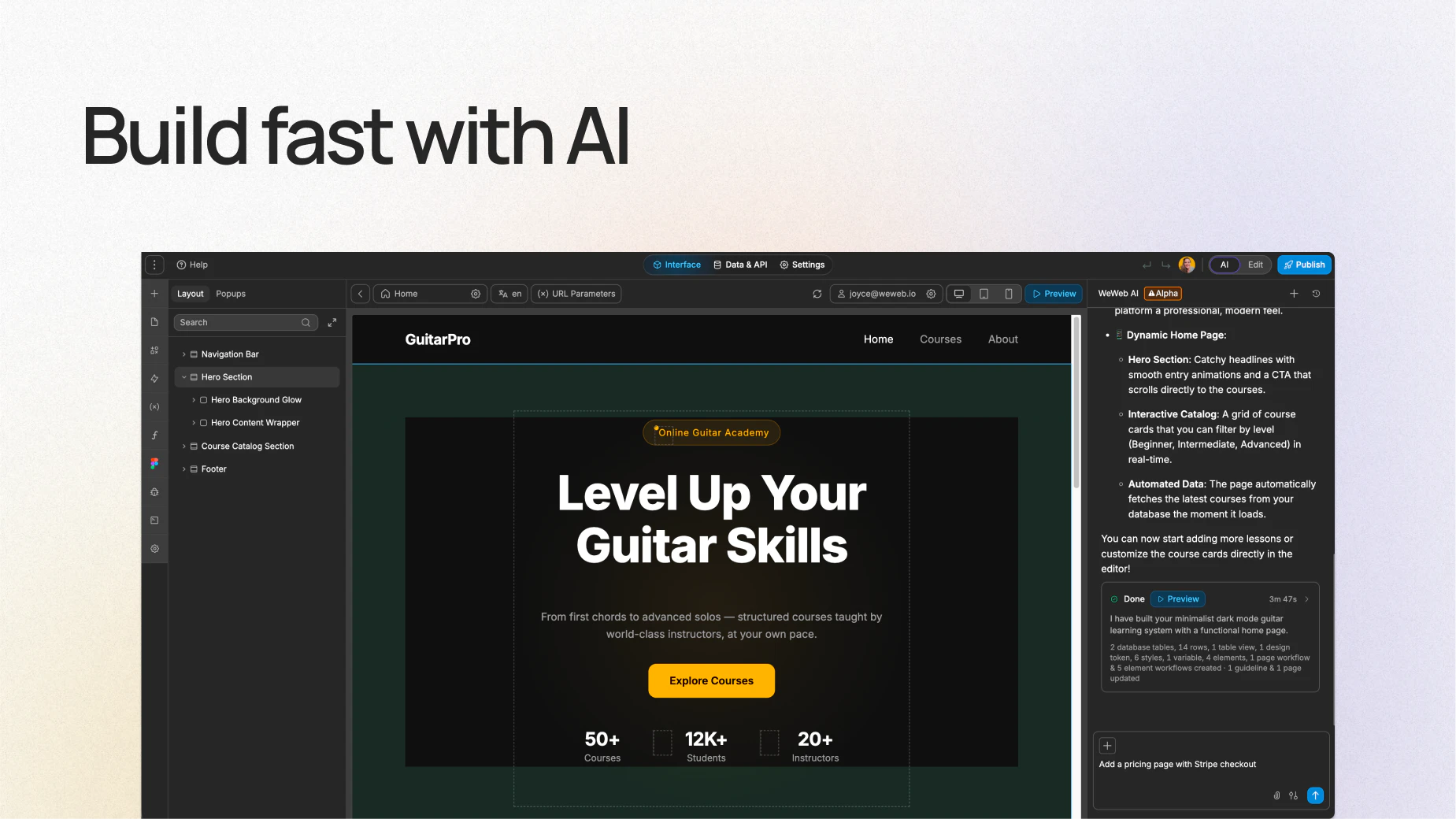
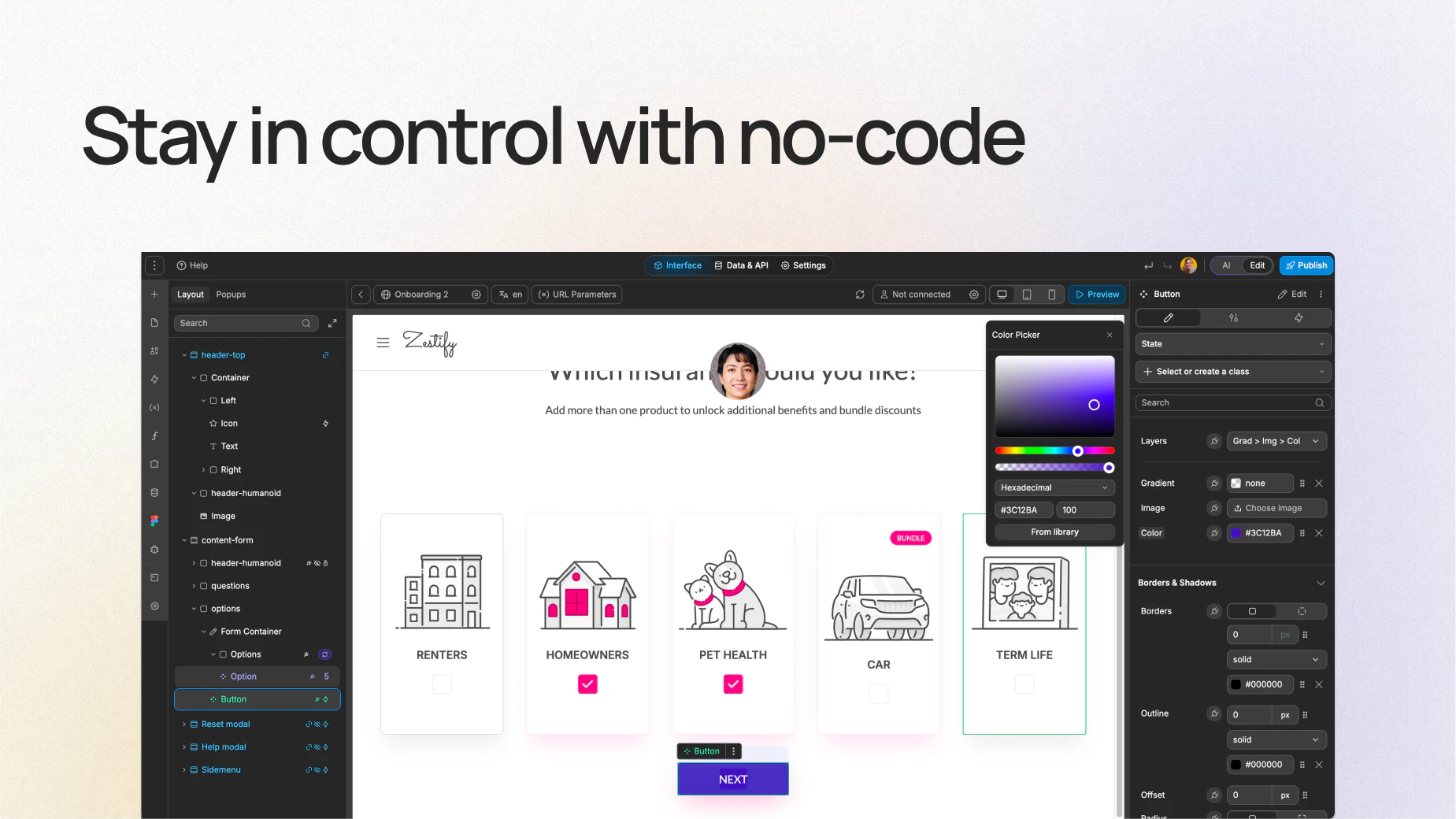
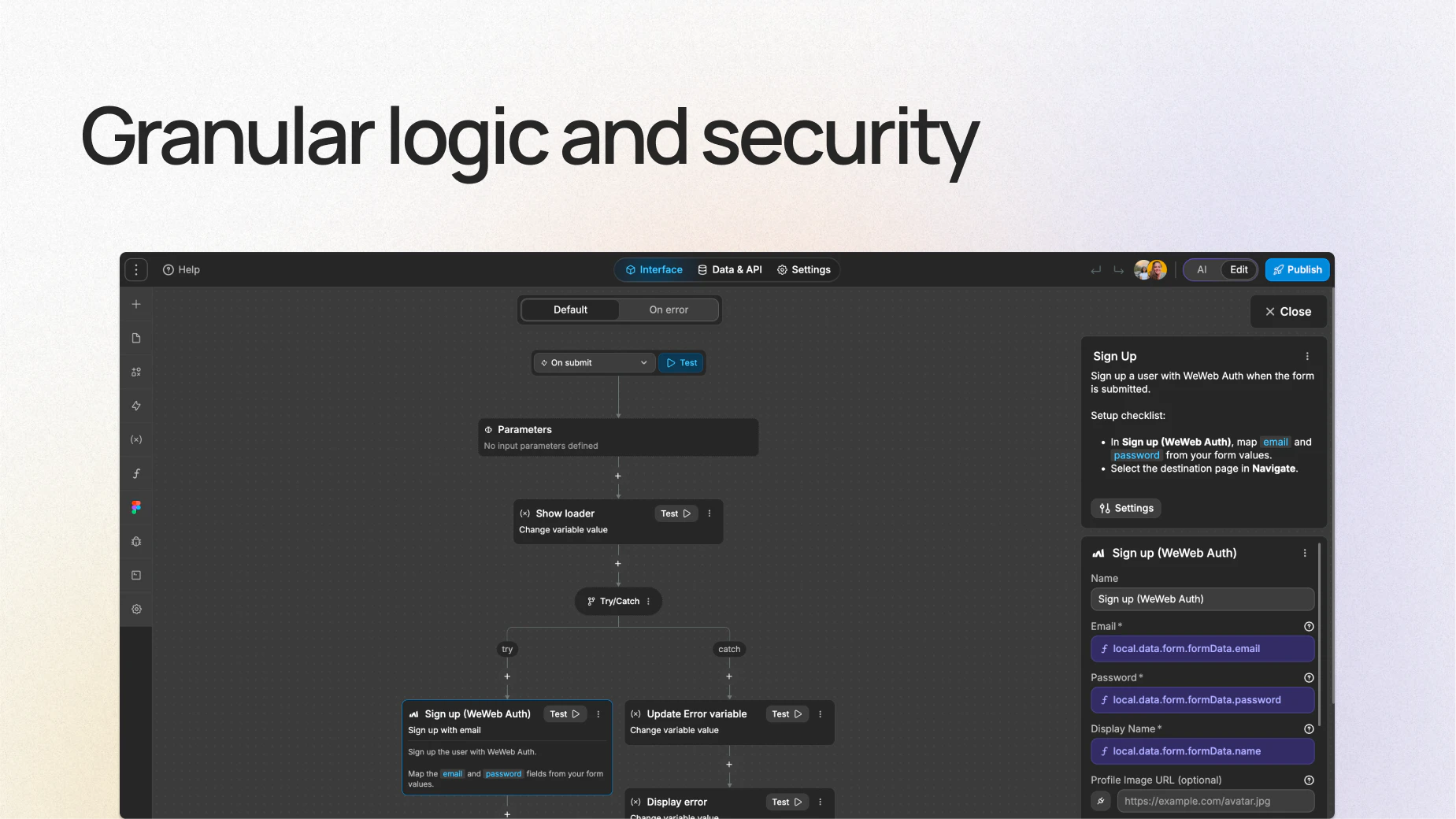
WeWeb is the only AI app builder that gives full editing control to non-coders. Prompt AI to generate your app, then refine every screen, workflow, and database in a powerful no-code editor where you always understand what’s happening under the hood. No more black box.

Hey Product Hunters 👋

Raphael, WeWeb CEO & co-founder here.

WeWeb is THE AI app builder for non-technical users: it lets you generate full applications with AI, then customize every part visually with a drag-and-drop editor.

Over the past year, we've all watched AI transform how fast you can build web apps.

But what happens after the prompt?

For most non-technical builders, AI generation hits the same wall: you create something impressive in minutes… then get stuck at 80%.

You can't really edit the output. You don't understand what's under the hood. One wrong click and everything breaks.

We are fixing that.

WeWeb is the AI app builder for people who want to understand what they're creating: where AI speed meets no-code control.

Generate full apps with UIs, workflows, and data structures in minutes.

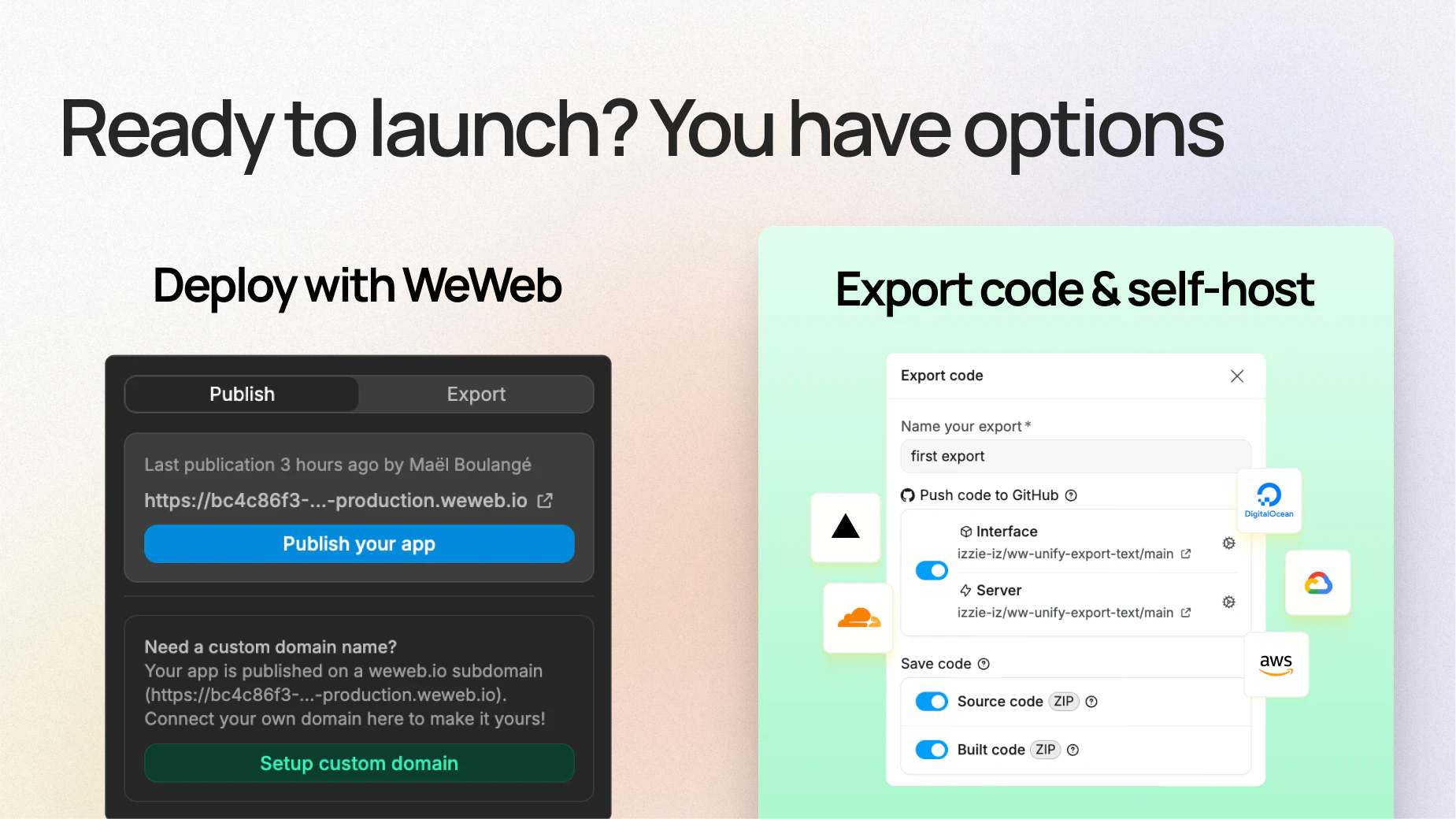
Then use the drag & drop editor to inspect exactly what the AI produced, modify any part visually, and publish your app in one-click.

What can you build with WeWeb?

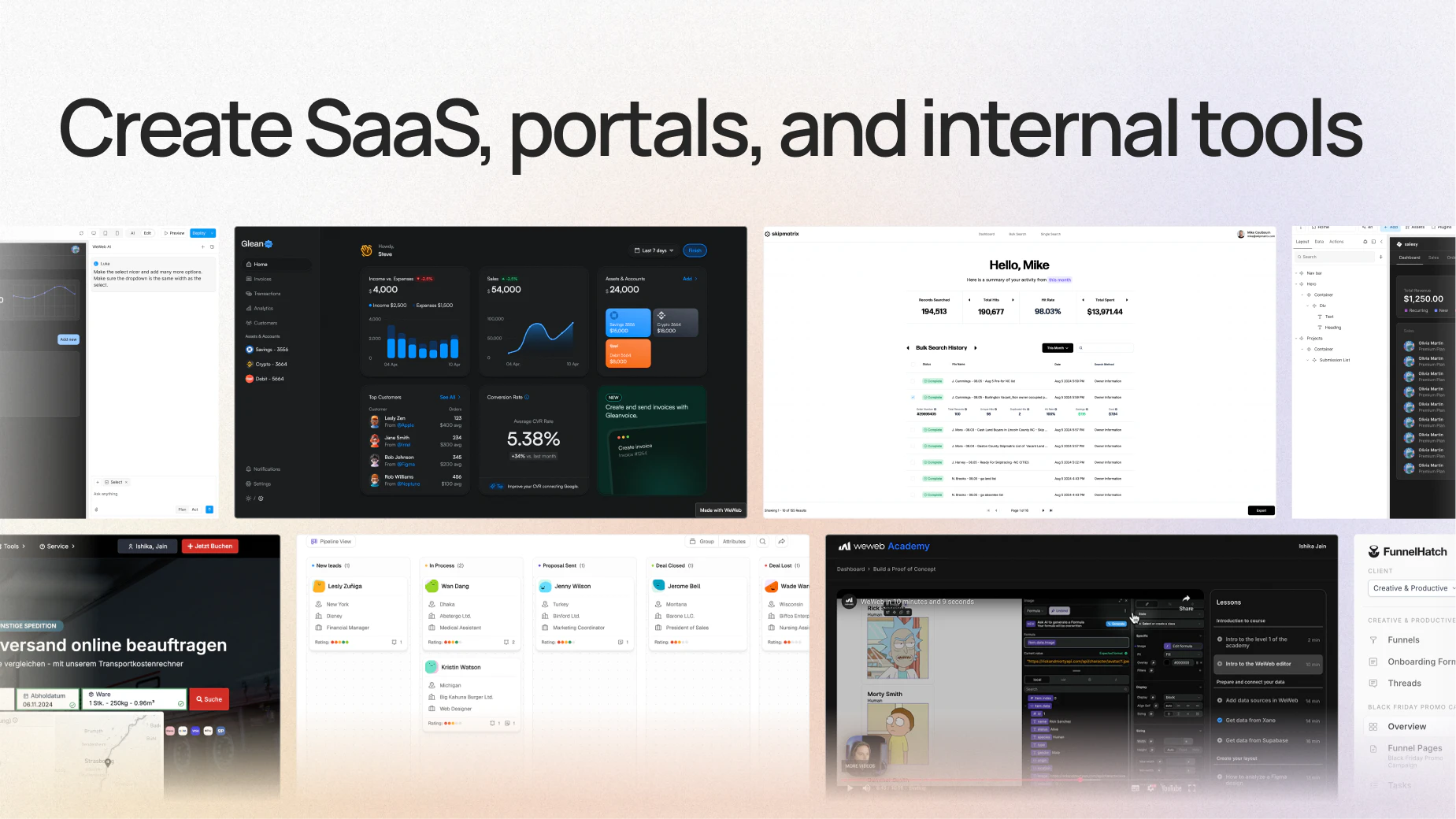
  • SaaS products that scale to millions of users

  • AI-native applications

  • Internal tools and operations platforms

  • Client portals, ERPs, and CRMs

Backed by YC, WeWeb is used by solo founders, startups, scaleups, and companies like PwC, L'Oréal or Décathlon to ship production-grade apps at scale.

I'd love to hear your feedback - ask me anything, I'll be here all day 🙂

🎁 Exclusive for the Product Hunt community: Use code PH2026 for 20% lifetime discount on any plan. You have one week to take advantage of this exclusive PH discount, don't waste time!

28
回复

@raphael_goldsztejn WeWeb is i think the gold standard in the world for building scalable secure production grade Progressive Web Apps. Their USP is their continuously growth centric attitude reflected in their upgrades, integrations and customer centric approach. Keep it up!

0
回复

@raphael_goldsztejn Hey Raphaël, congrats on shipping 3.0 🎉

The "AI gets you to 80% then you are stuck, one wrong click and it breaks" framing is exactly right, and the visual editor as the safety net is a smart answer to it.

One question on the part of "under the hood" that non-coders cannot see even with a visual editor: backend security. When AI generates an app that connects to Stripe, Supabase, or an external API, who guards against the generated config exposing keys client-side or leaving an endpoint open? A non-coder visually understands the UI and the workflow, but they cannot eyeball whether the data layer is safe. Does WeWeb sanitize that automatically, flag risky configs, or is the assumption that the user brings their own backend discipline? Asking because that gap is where most no-code plus AI apps quietly ship vulnerabilities.

4
回复

@raphael_goldsztejn Congrats on the launch

2
回复

Huge congrats on the launch 🎉

We built gamercoin.co / gamerperks.co on WeWeb to test an idea fast, with little coding experience between us. The pitch in this launch is exactly what made it work for us. We could get something real off the ground, then actually go in and edit the UI, logic, and data without staring at code we didn't understand. WeWeb is the reason we got past it.

Rooting for the team today 🚀

9
回复

This already made my day @alenzeli_ramji 🙏

So glad WeWeb helped you get past that first wall. Rooting for Gamerperks! 🚀

0
回复

Very cool@alenzeli_ramji, gamerperks looks amazing! 😀 "without staring at code we didn't understand" -> as a fairly technical non-coder, I feel you! Short code snippets I can usually understand and edit confidently but complex logic in a full-blown app? No way!

0
回复

Love what you built @alenzeli_ramji The UI is awesome 🔥
We’d be thrilled to feature gamerperks.co on our showcase page if you’re open to it 🙌

1
回复

We have been working hard on this and we will continue to work hard to provide the best AI experience possible for our users :)

6
回复

I see in your website that the app can be in Github. Does that mean I have the full app in Github and I can host it somewhere else ?
If that the case, is it your own framework or an existing one ?

6
回复

Great question @bengeekly! Yes, you can push the full app to your own GitHub and host it wherever you want. Under the hood, WeWeb generates standard Vue.js SPAs (no proprietary framework) with a Node.js backend, so you can run them through any CI/CD pipeline and deploy on any infra.

2
回复

A lot of AI tools can generate apps now, but the frustrating part comes after: editing things, understanding what was built, making changes without breaking everything 😅

Definitely going to try it!


Congrats on your launch WeWeb's team!

6
回复

So glad it resonates with you @cancan_aime ! Thanks for your support and let us know what you think about it!

1
回复

@cancan_aime yeah, I love vibe coding dashboards with Claude because it's so fast and I don't really care about the design or security when it's on my machine but I wouldn't trust myself to push it to production with all the appropriate security measures 😅 I definitely value our visual workflows then because at least I can clearly see what logic I built.

1
回复

Congratulations to the whole WeWeb team for the launch ! Go WeWeb🔥🔥🔥

6
回复
Thanks for you support @clem_le_c! Much appreciated 🤗
1
回复

Hey! AI guy here, here are some technical details about the AI capabilities in WeWeb to give you a better picture of how it works in practice :)

The AI is fullstack, meaning it can work across your entire project. Ask questions, get advice, or have it design, build, edit, or fix anything in your app!

Backend: It helps you design and create your database, set up security access rules, and handle all the backend logic (APIs, internal flows).

Frontend: It can build responsive pages from scratch while keeping a consistent design throughout your app, and it wires up the frontend logic (no-code workflows) linked to your backend (API calls, fetching data from the DB).

Of course, everything the AI generates can be visualized and edited in no-code!

If you have any questions on the topic, don't hesitate to ask! :)

5
回复

Hey team,

Amazing work on the v3! The backend part is truly impressive.

Is there any plans in the future for an MCP? Importing our skills or own models?

Congrats on the launch!

PS: so cool to see the product evolution since I left the company. You guys rock 🙌

5
回复

Thanks for the support @quentindty! "Is there any plans in the future for an MCP? Importing our skills or own models?" hehe, of course 😉 You know @wwflo ... He wouldn't be Flo if he wasn't already working on it 😄

1
回复

@quentindty Flo doesn't want us to share this but...CLI coming very soon...

1
回复

@quentindty you know what questions to ask :D

0
回复

Hi everyone! I'm Florian Briou Rolle, Co-founder & CPO at WeWeb.

I am incredibly proud of our team for the hard work they put into bringing this new version to life, and I absolutely can't wait to see what you all build with it!

Please drop your thoughts, questions, and feedback in the comments below. I’ll be hanging out here answering them today, and we are ready to iterate fast based on what you tell us. Let us know what you think! 🚀

5
回复

Hi all 👋,
I'm Matthew, Education Lead at WeWeb.

It's amazing to finally get the new full-stack AI experience live!
We'll be prepping a new academy over the coming months. It'll cover how to get the most out of WeWeb and build following web development best practices.

If there is anything specific you'd like to see, just let me know :)

5
回复

Launch day! 🚀 DevOps here, servers are warmed up, autoscaling is armed, and I've got coffee within arm's reach. Bring on the traffic, I've been waiting for this all sprint.

5
回复

@adriengarciadev let's gooooo 💪💪💪

0
回复

love the idea of being able to actually go in and tweak yourself! When the AI generates the app, can you also go back and re-prompt it later to make changes, or is it more of a 1-shot generation and then everything else happens in the visual editor?

5
回复

@louislecat You can use our AI both for the initial generation and for further iterations :)

2
回复

@louislecat You can also do things yourself in the visual editor at any point, then ask the AI for feedback, improvements, or additional changes !

2
回复

@louislecat looks very interesting! and I had the same question, actually curious about it

0
回复

Congrats on the launch!!
I've been freelancing on WeWeb for a few years now. The tool already provided with an amazing visual editor that made building webapps so pleasant. Now coupled with AI capabilities, it brings even more power to help developers build reliable applications! Speed up build time without sacrificing control over the what you create. I'm truly excited to craft in WeWeb 🔥
Keep up the amazing work WeWeb team ❤️

4
回复

Thanks so much,@jptrinh ! It means a lot coming from you 🤗 You're my #1 reference when it comes to web design! Love your taste and style 🙂

0
回复

@jptrinh "Speed up build time without sacrificing control over the what you create", very well put!

0
回复

I've been burned by too many AI builders that create something cool in 30 seconds and then completely fall apart the moment you try to change anything. like yes the demo looks great but then you're stuck because you have no idea what's actually happening under the hood and one wrong move breaks everything.

As a previous fullstack developer I was never against other AI builders, I just kept getting let down by it. the promise was always there but the reality was always the same: clunky output, limited customization, and this constant feeling that you were one edge case away from hitting a wall you couldn't get past

What got me with WeWeb is that it actually lets you go in and edit things yourself after the AI does its thing. not in a 'here's the raw code good luck' way but visually, so you can actually understand what was built and tweak it without everything falling apart.

I've been using WeWeb for years now and been watching this one come together and it's great to see it ship. Congrats to the team, this one's worth the wait 🎉

4
回复

@arwa5 oh wow, that's such a kind and thoughtful message. Thanks so much for your support Arwa, really appreciate it! 🤗

0
回复

What an amazing testimony@arwa5, thanks so much for sharing. We are lucky to have users like you!

0
回复

WeWeb is made for those who believe understanding what you're building still matters.

If you too can’t let go of the thrill of figuring things out and learning by doing, but still want to benefit from the AI speed boost, you're in the right place!

4
回复

When you dev on weweb you don't really need AI to speed it up. Weweb is quick enough :D
+1 Good luck team!

4
回复

@tomasz_wieczorek haha love it! 😀 I love having AI do the first generation, especially for the UI, but still prefer building the logic myself because it's quicker (and more reassuring) for me to build it from scratch than retro-engineer what the AI did.

1
回复

@tomasz_wieczorek Hey! You can still rely on AI for advice or to help understand implementation details when you're building with a team. AI can scan your project and understand it really well! 🙂

1
回复

Congrats on the launch @raphael_goldsztejn and team! WeWeb is the obvious choice for non-technical builders who actually want to confidently ship something with the help of AI. Y'all continue to impress and I can't wait to see what people build with it.

3
回复

Thanks so much for your support @welldundun !

0
回复

First time using an app builder AI. I went in expecting it to all fall apart after second prompt but WeWeb surprised. The app was very well put together. Loved the product and the AI.

3
回复

@dreaming_eversince I'm glad you had a great first experience! Keep building ❤️

0
回复

Been burned by black-box AI builders. This "full control" angle hits home. If the AI can scaffold screens + data cleanly and I can tweak workflows without weird hacks, that’s legit. Gonna try it on a small client tool this week.

3
回复

@alexcloudstar very cool! Let us know how it goes

1
回复

@alexcloudstar Glad it resonates, looking forward to your feedback!

1
回复

Developer at WeWeb here — really glad to see the interest! Happy to answer any questions if you have any!

3
回复

@raphael_goldsztejn Congrats on the launch. One question: is there an integrated design system to keep design consistent over time?

Cheers

2
回复

@raphael_goldsztejn  @germain_brugnon 100%! You can ask AI to create one, import it from Figma or build it from scratch. Whatever approach you choose, you can also edit it inside the WeWeb editor:

0
回复

@germain_brugnon yes! And to complete what Joyce said: your elements can be bound to this design system, so if you decide to change one color in the design system, the change will be automatically propagated across your whole app. Very useful to manage design consistency at scale!

1
回复

Looks amazing, I'm working on a much simpler landing page HTML builder project and can't imagine how much extra work is needed for all the rest, dynamic API database binding.

2
回复

@edgars_xx it's a challenge for sure! the team has been at it, learning and improving for 5+ years now. the last 18 months especially have gone by incredibly fast with gen AI becoming more and more central to how people build. rooting for you and your landing page builder project!

1
回复

I've been using WeWeb for projects lately and IMO they are the best for non-technical users. AI integrated, easy drag and drop, easy to build things and customize components. I use Supabase on the backend and it integrates really intuitively. Absolutely recommend trying WeWeb. I'm genuinely impressed by what they've accomplished and how intuitive they are.

1
回复

Thanks so much, @conner_bloyd ! Really appreciate it 🤗 Wishing you all the best on your projects!

0
回复

This is a really smart positioning — "the safety net of a no-code editor" for vibe-coded apps. I've been building my SaaS (YTubViral) mostly in code, but there are parts where a visual layer on top would have saved me days of iteration. Curious: does it handle dynamic data-heavy pages well? Like dashboards with charts, tables, and real-time updates? That's usually where no-code tools start struggling. Congrats on the launch!

1
回复

@ytubviral thanks for the kind words, Javier, really appreciate it :)

does it handle dynamic data-heavy pages well? Like dashboards with charts, tables, and real-time updates?

Yes, 100%! WeWeb actually started as a frontend-focused tool, so supporting those kinds of use cases has been a priority from the beginning and continues to be a core strength as the platform evolves.

By default, the drag-and-drop Add panel includes Chart.js components, but if you prefer another charting library, you can simply ask WeWeb AI to generate a custom coded component using the library of your choice.

0
回复

I’ve created lots of apps with WeWeb, but one of them is https://www.linkeflow.io/es/ – I built it to test the idea of automating everything on LinkedIn, and that idea led to many others.

WeWeb is undoubtedly one of the best platforms for creating apps without writing a single line of code, and it also lets you customise and tweak everything to your liking.

¡Let's go, WeWeb!

1
回复

@habid_ramiro_diaz_rico Love it! Thanks so much for your support 🤗 It's great to see projects like yours coming to life with Weweb!!

0
回复

Recently I read that venture investors have started refusing to invest in startups built with AI because they’re impossible to maintain in the future and everything will eventually need to be rewritten from scratch. How are you solving this problem? Or does this not concern you and is it the user’s problem?

1
回复

Hey @natalia_iankovych 👋 In the past, the same thing was said about companies using no-code to build their product. I'm sure it's true of some investors but I think a lot also appreciate the speed to market that no-code and AI allow.

In the case of WeWeb, I think the no-code builder ensures non-coders can maintain the app in the future.

0
回复

Really interesting approach with AI → JSON → App as a guardrail layer 👀

One thing I’m curious about: how do you handle state complexity and edge cases as apps grow?
For example, when workflows become highly conditional (role-based access, async flows, partial failures), does the JSON abstraction still stay manageable, or does it become harder for non-coders to reason about what’s actually happening?

Feels like that’s where many tools start simple but hit a ceiling.

0
回复
#5
Slideshot
Product demo videos, recorded by your AI agent
185
一句话介绍:Slideshot是一款通过AI代理自动录制产品演示视频的工具,让用户无需手动录制和剪辑,即可快速生成带缩放、光标特效和开场动画的精美演示视频与GIF。
Productivity Developer Tools Marketing automation
AI演示录制 产品视频制作 代理驱动录制 MCP集成 视频自动剪辑 产品营销工具 无代码演示 GIF生成 工作流自动化
用户评论摘要:用户普遍认可解决“功能上线快但演示制作慢”的痛点。主要提问:能否处理多步骤和认证流程?能否控制叙事节奏?编辑是否需手动?建议增加故事板功能。开发者回应支持多页录制和密码认证,未来计划加入AI叙事编辑和配音。
AI 锐评

Slideshot切入了一个微妙但真实的“效率断层”:当AI代理将功能开发速度拉到极致,功能演示的生成却仍停留在石器时代——手动录制、剪辑、加特效、转GIF,整个过程线性且耗时。它没有试图做另一个Screen Studio或Loom的竞争者,而是通过MCP协议将自己嵌入现有的AI工作流(Claude、Cursor等),让“开发代理”兼任“营销代理”,这步棋走得非常聪明。

但本质问题在于:Slideshot目前解决的更多是“效率”而非“质量”。从评论反馈也能看出,它擅长产生“干净、带特效的演示”,但缺乏叙事意图——一个优秀的演示视频,70%的价值在于怎么讲、强调哪部分、省略哪些细节,而不是纯动作回放。开发者意识到需要加故事板、配音甚至AI脚本,但这些都还停留在路线图里。一旦加入,才真正从“自动录屏工具”升级为“自动化营销内容生成器”。

另一个潜在风险是:演示视频的“真实性”与“剧本感”之间的平衡。完全由AI驱动的操作,容易产出一段精美却缺乏“人味”的演示——而很多销售、客户成功场景中,客户恰恰需要看到“一个真实用户的操作节奏”来建立信任。从评论看,部分用户对“最佳节奏”的需求就暗示了这一点。

定价上用按量付费而非月费订阅,对个人开发者和小团队很友好,但长期看,如果使用频繁(比如每周更新演示),成本可能反而不如固定订阅可控。当前阶段,对“需要快速批量产出演示、不太在意叙事深度”的产品团队来说,这是一个可行的效率杠杆;但对追求“有说服力”的销售演示和客户故事,短期内仍需人工介入。

查看原始信息
Slideshot
Give your AI agent a product flow to record. Slideshot drives your web app through MCP, captures the walkthrough, and returns a polished demo video and GIF with zooms, cursor motion, and custom intro animation. No manual recording or editing.

Hey everyone! 👋

Excited to launch Slideshot on Product Hunt today!

Huge thanks to @fmerian for hunting! As always, extremely appreciate your support 🙏

I built Slideshot from a simple realization. AI agents made it so much faster to ship features. At the same time, I felt the speed of how fast you can market these new features is lacking behind. Especially when it comes to video demo preparation. I'd need to manually walk through the flow, record it, then edit it, adding some nice zoom effects, then generate a GIF. It takes a while...

Slideshot is my attempt to make that workflow "agentic".

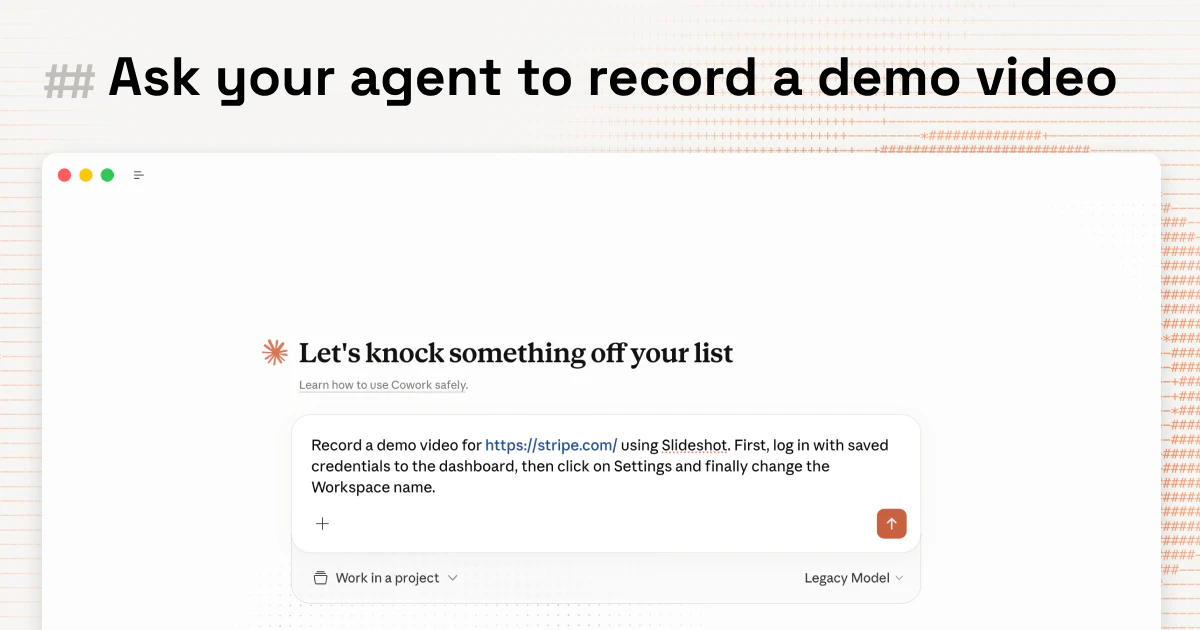
Instead of opening another screen recorder, you connect Slideshot to the agent you already use through MCP. It supports Claude, Codex, Cursor, ChatGPT, or any other MCP-capable agent. Then you describe the product flow you want to show.

The agent drives the browser, walks through your web app autonomously, records the demo, and Slideshot returns a polished video with built-in zoom effects, cursor motion, and an intro animation.

Here are the main use cases I'm optimizing for:

Product marketers creating launch videos, changelog assets, in-app educational videos, and feature announcements

Product teams keep demo assets up to date as the product changes. Think of a Help Centre that automatically shows how a video of the feature works in the latest version.

Customer success and support teams creating walkthroughs for help docs and customer education


What I’m most interested in is whether demo creation can become part of the same AI-assisted workflow as product building itself.

If an agent can help ship the feature, it should also be able to help market that feature.

It's is still early, so I’d love feedback from teams that regularly need product demos but do not want to spend time recording and editing them by hand.

---

Because I'm building Slidehsot as an agent-first tool, the pricing model is also different. Usually, video recording/editing tools charge a monthly subscription per seat. For Slidehsot, I opted for usage-based pricing. You only pay for the videos you generate.

For Product Hunt, the first 25 people who use the PH21SLIDE code at checkout will also receive $5 worth of credits for free.

7
回复

@fmerian  @geek_1001 Thanks for free credits!

1
回复

@fmerian @geek_1001 The point about demo creation lagging behind feature shipping is spot on. Once teams start shipping faster with agents, keeping launch videos, help docs, and onboarding visuals current becomes the real bottleneck.

0
回复

@fmerian  @geek_1001 This is a really strong idea the gap between “feature shipped” and “feature shown” is still way too manual right now. Turning demo creation into something agent-driven feels like a natural next step, especially if it reliably produces clean, polished output without editing overhead. 🚀

0
回复

absolute fan of Ahmed's work.

the maker of @Katalog and @Arcmark keeps cooking, introducing @Slideshot, a simple and elegant agent-driven screen recorder.

if you use @useloom or @Screen Studio and want to automate this work, give it a spin! you'll enjoy it.

2
回复

Do teams ever push back wanting truer pacing for onboarding or sales videos? Or it it more like everyone just wants the cleaned-up version? Congrats on a well-executed product

1
回复

@artstavenka1 Thank you so much! 🙏
Yeah, I'd say it's more about getting clean version with effects already applied, so they don't need to do that manually. But ensuring a good pacing (and overall timing) for the video is a nice thing to have

1
回复

congrats on the launch @geek_1001
Is the editing of video is ai driven or need manual intervention

0
回复

Product demo videos are the one thing I keep putting off. Recording, editing, re-recording when the UI changes... it never ends. Having an AI agent handle this would remove a real bottleneck. Question: can it handle multi-step flows? Like "user signs up → connects YouTube → sees their first dashboard"? That kind of walkthrough is what I need for my landing page but I've been too lazy to produce manually.

0
回复

@ytubviral Thank you Javier! Glad you liked the tool! 🙏

Question: can it handle multi-step flows? Like "user signs up → connects YouTube → sees their first dashboard"? That kind of walkthrough is what I need for my landing page

Good question! Generally, yes, it should be able to record multi step and multi-pages workflows. Under the hood it's the actual browser, so every newly opened page would be recorded as well.

But there might be some challenges with the "connects YouTube" part. Can you share a bit more about how you would need to "connect" it? Is it just copy-pasting the channel URL, or do you need to be authenticated into YouTube to approve it as OAuth?

As an example of a more complex flow, here is the video I generated for Slideshot with Slideshot to showcase how to connect the MCP. It was multi-page and also required double authentication. It's possible, but you just need to be very precise with your prompt because authorising into two different services isn't a workflow I optimised.


0
回复

This is a strong wedge. One place I’d watch is narrative intent: if the agent records exactly the flow you ask for, the demo can still miss the “why this matters” moment.

It would be useful to attach a tiny script/storyboard to each recording: audience, promise, steps to emphasize, parts to skip, CTA. Then the agent isn’t just capturing UI motion; it’s preserving the GTM/story context around the feature as the product changes.

0
回复

@jim_jeffers Thank you, Jim! Yeah, 100% agree. I do have post-processing and auto-editing, but it doesn't take into account the story you want to tell with the video yet.

Adding the ability to attach a storyboard would be really powerful once I have a more robust agentic editing. I'm definitely looking in that direction

I'm also thinking about adding audio effects and narration in the future (not just generic AI voice, but specifically the voice cloning), but it probably makes sense to add once the editing foundation is there

0
回复

Using MCP to let an agent drive the app rather than relying on brittle scripted shortcuts is clever. It's a guarantee that demos stay reproducible when the product UI shifts. How does it handle apps that need auth flows or complex stateful setups before the walkthrough can begin?

0
回复

@dhiraj_patel5 Great questions! There is built-in support for email-only and email+password authentication.

You can define the login credentials in the Slideshow web app; they are stored in an encrypted state, and whenever the agent needs to log in, we programmatically inject the credentials. This way, the agent never sees the actual values.

If it's an email-only login, then the agent would ask you to provide a magic link or one-time password to continue the login flow.

1
回复

Okay this is actually so cool — the fact that it drives your app by itself and just hands you back a finished demo video is wild to me. I'm always putting off recording demos because it takes forever to get right, and this just… does it for you. Really curious how it handles things like popups or slow loading screens though. Definitely upvoting this one.

0
回复

@vedika_kulkarni Really appreciate it, Vedika! 🙏

Really curious how it handles things like popups or slow loading screens though.

Yeah, there are so many nuances when recording a video like that via an agent. For long loading screens, I'm trying to either speed up these segments or cut them out entirely from the final demo in post-production.

Also, things like typing a really long text are sped up, so that the video feels more snappy.

When you kick off a recording, you'd get the edited demo video (the one with zoom effects, cursor, improved timing, etc.), and you also get the raw recording, which is basically exactly what the agent saw with the same timing. The raw recording is mostly there as a fallback, so if you really need to, you could edit the video manually.

0
回复

this would've saved me so many hours. recording product demos manually and then adding zoom effects and cursor animations in post is the most tedious part of marketing. does it handle multi-step flows where you need to show different pages or is it single page only

0
回复

@tina_chhabra Thank you! Really happy you found it useful! Let me know if you have any feature suggestions :)

Sure, it does handle multi-page flow as well. For example, here is the gif I generated for finding this launch page. It opened the search view, and then when clicking on the item, it showed a new page.

0
回复

Nice, great work @geek_1001 🙌

0
回复

Thank you so much, Oskar! 😊

0
回复

Wow! Can’t wait to try it out ✨

0
回复

@albychok Thank you, Alex! Really appreciate it 🙏

0
回复

Thanks for launching..

0
回复

@golaphazi Glad you liked it 😊 Let me know if you have any feedback!

0
回复
#6
WarmIntro
Free tool to find your warmest path into any company
183
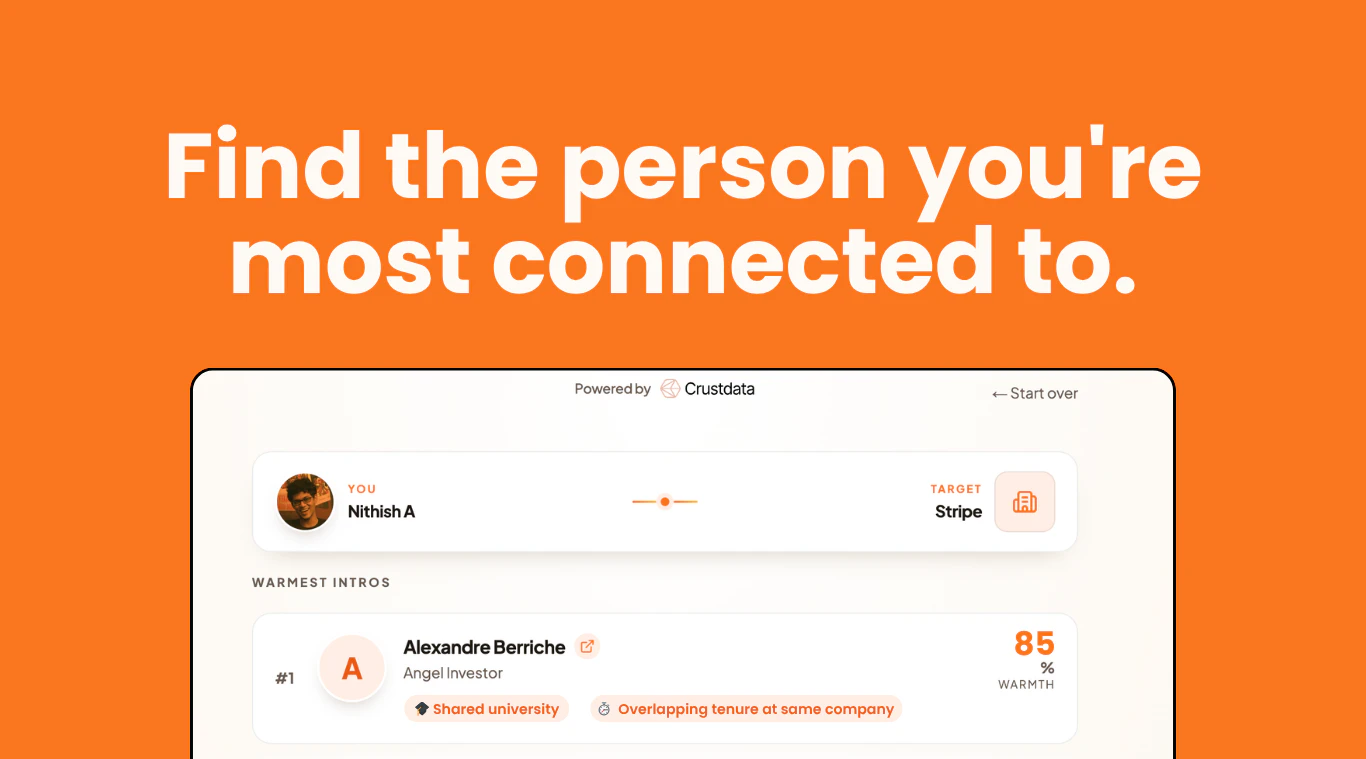
一句话介绍:WarmIntro通过分析用户LinkedIn资料与目标公司员工的背景重合度(如校友、前雇主、同城、同部门等),自动生成“温暖指数”排名,帮助用户找到最自然的切入点,将冷接触转化为有共同话题的破冰对话。
Sales Marketing Tech
社交媒体销售工具 B2B获客 人脉匹配 招聘工具 投融资对接 背景重合分析 LinkedIn工具 企业关系图谱 智能化触达 职场破冰
用户评论摘要:用户普遍认可产品价值,指出小bug已被快速修复。核心诉求集中在功能扩展:批量上传公司CSV导出匹配名单、整合邮件验证与自动触达流程、增加公共部门与创作者场景支持。部分用户担忧算法权重是否透明,以及AI生成“伪温暖”可能导致冷骚扰升级。
AI 锐评

WarmIntro切中了一个真实且昂贵的痛点:Cold outreach的转化率正在急剧下降,而“强关系”推荐依然是商业社交中效率最高的杠杆。该产品没有停留在简单的“校友查找”,而是引入了重叠任期、同部门、同城等多维信号进行加权排名,逻辑上比LinkedIn自带的“校友搜索”更精细,也更接近真实人际关系的评估方式。

然而,产品存在两个结构性风险。其一,数据来源的时效性与完整性。WarmIntro依赖Crustdata的API,而Crustdata本质上是对LinkedIn等公开数据的爬虫聚合,这会面临LinkedIn的反爬和法律合规风险,且部分中小公司数据可能不准确。其二,工具本身不生产“温暖”,只分析“共同点”——当所有人都能拿到这些匹配结果时,“共同背景”将从破冰点退化为新的垃圾话术模板。评论区中用户对此的担忧并非杞人忧天,这本质上是销售自动化工具的“军备竞赛”陷阱:每一次效率提升都会被市场迅速消化,从而推高下一条“及格线”。

从商业化角度看,产品目前是免费的获客漏斗入口,定位精准。真正有付费意愿的是B2B销售团队、猎头以及BD部门,他们需要的是批量操作、邮件集成和CRM对接,而非单次查询。当前用户评论区集中反映的“批量上传CSV”和“内置outreach功能”恰恰是产品从“有趣的小工具”走向“可依赖的销售基础设施”的关键一跳。此外,对于创投、招聘等高频场景,“温暖路径”的权重模型需要针对不同角色(如投资人看重的是共同投资人还是校友?销售看重是同行业还是同客户?)进行差异化调整,否则排名结果的实用价值会大打折扣。

总结:WarmIntro在概念上做出了漂亮的微创新,但缺乏数据和流程上的护城河。它更像一个“人脉搜索引擎”而非“关系管理平台”。如果停留在工具层面,很容易被LinkedIn、ZoomInfo等巨头复刻,或被内置于CRM中。真正的机会在于,能否在“找到谁”之后,进一步提供“如何说”的个性化建议,并形成“找对人-写对话-发对信”的闭环,否则它只是一个加装了一层“关系滤镜”的爬虫工具。

查看原始信息
WarmIntro
Cold outreach doesn't work. WarmIntro finds the employees at any target company who share the most with your background - shared university, past employers, city, and title so every intro starts from a place of genuine connection.
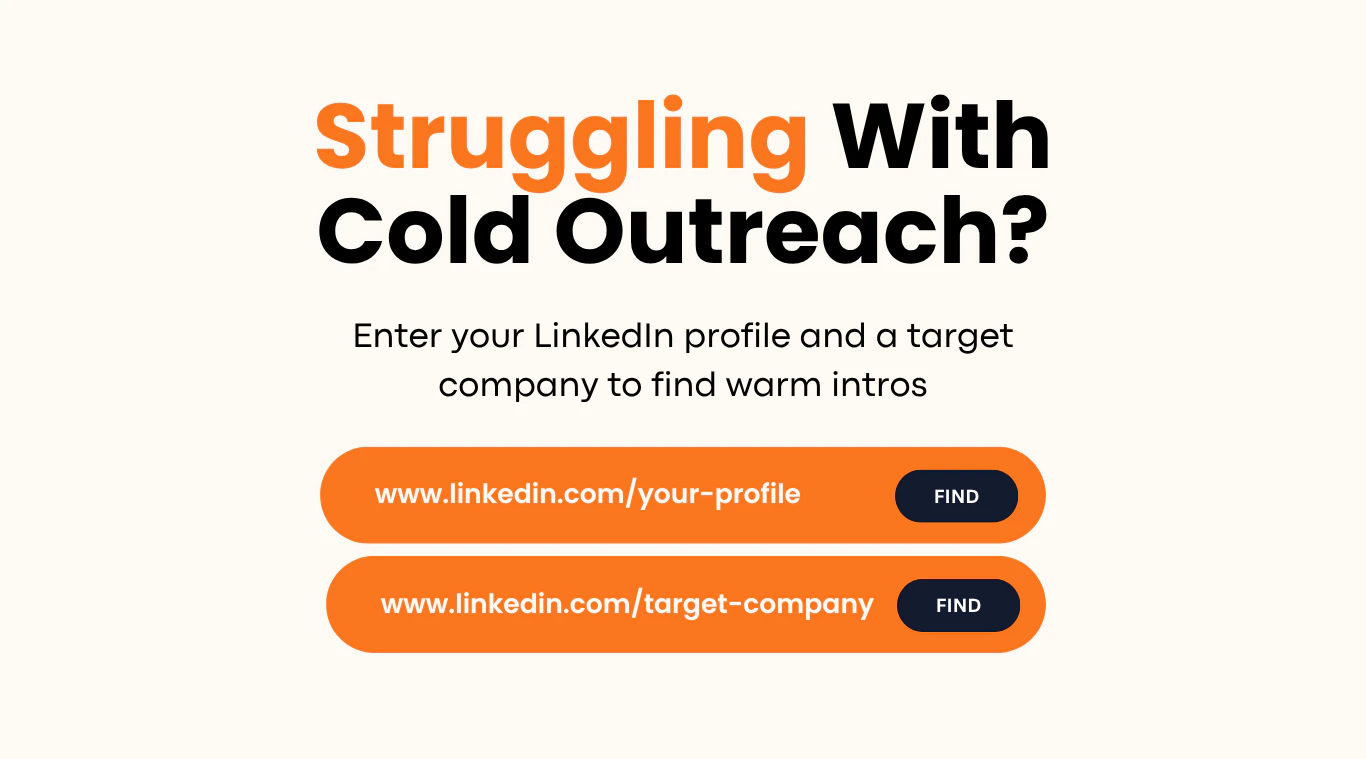
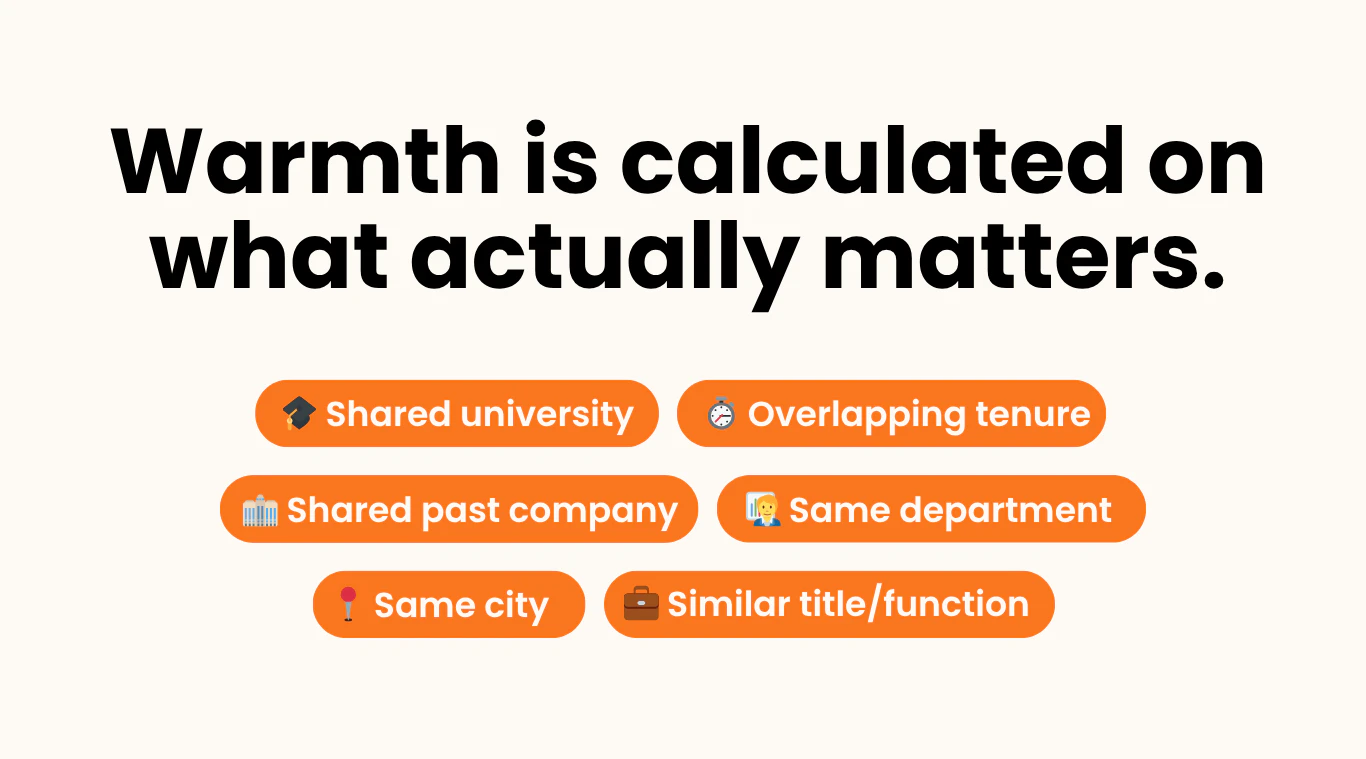
Hey PH! 👋 Cold outreach in 2026 doesn't work like it used to. Everyone knows it. The fix is warm intros but finding the right person to reach out to at a target company is harder than it sounds. You don't just want someone who works there. You want the person who has the most in common with you. Went to the same university. Worked at the same company at the same time. In the same department. Lives in the same city. Has done a similar role. That's what WarmIntro finds. Drop your LinkedIn URL and a target company and we instantly rank every employee by how warm your connection to them actually is, based on real shared signals: 🎓 Shared university: went to the same school as you 🏢 Shared past company: worked at the same place as you ⏱️ Overlapping tenure: they were actually there at the same time 🧑‍💼 Same department: worked in the same function, not just the same company 📍 Same city: based in the same location as you 💼 Similar title: worked in the same kind of role The result is a ranked list of the people at that company you have the most in common with, so when you reach out you are using the warmest possible connection. A few ways people are using it: 🚀 Sales teams stop cold prospecting into target accounts. Find the employee with the warmest connection to you and get a foot in the door through a genuine shared background. 🤝 Recruiters identify the best connected person at a target company to reach out to for intel, referrals, or passive candidate sourcing. 🤝 BD and partnerships finding the right person at a potential partner company is half the battle. Find who you're most connected to before the first conversation and skip the cold intro entirely. 🚀 Founders raising don't cold email investors. Find the warmest path into any VC firm or angel's network through someone who already knows you exist. 💳 Customer success trying to expand into a new department at an existing account? Find the person in that team you have the most in common with before you make the ask. 💼 Job seekers before applying anywhere, find the person at that company most likely to respond to you and get a referral before you even submit your application. 💰 Investors find the warmest path into any portfolio company or target startup before sending a cold email. 🔗 Anyone who hates cold outreach if you have a target company and a LinkedIn profile, you have a warm intro waiting. You just didn't know it yet. Try it for free at: https://tools.crustdata.com/warm...
21
回复

@nithish_a1 Curious from a technical side: how are you weighting different shared signals in the ranking model? For example, does overlapping tenure at the same company carry more importance than same university or same city, and does the weighting change depending on the use case; sales vs hiring vs fundraising?

0
回复

@nithish_a1 Nice idea, but if everyone starts using AI to manufacture ‘warm’ outreach based on shared backgrounds, what stops those signals from becoming just another form of cold spam?

0
回复

@nithish_a1 Many congratulations on the launch, Nithish, Mhimed, and team! :)

I had the chance to test WarmIntro yesterday as an early user, and while I spotted a few minor bugs, the team was impressively quick to address them.

What WarmIntro does: It solves a problem I see constantly in my work, makers asking me to facilitate warm introductions to certain companies or VC firms.

Instead of relying on manual networking, WarmIntro analyzes your LinkedIn profile against any target company and surfaces employees you actually have genuine connections with: shared universities, past employers, overlapping tenure, same cities, or similar roles.

It turns cold outreach into warm conversations by finding the people most likely to respond to you.

Why I'm endorsing it: I'm redirecting founders to this tool now because it's a smarter, scalable way to find those shared experiences that make introductions work. Rather than asking someone like me to play matchmaker, makers can discover their own warmest paths into companies which is faster, more authentic, and frankly, more empowering.

This is exactly the kind of tool the PH community needs for sales, partnerships, fundraising, and job hunting.

Well done, Crustdata team!

11
回复

Feature requests: verified emails, sample copies for outreach with desired intent and ability to run campaigns inside the platform.

3
回复

@iamanantgupta To add to this, I have a list of companies that I want to work with... my dream list. If I could upload a CSV and get some matches, I think that would be a good feature... to bulk search through CSV upload.

3
回复

@iamanantgupta Thanks Anant! Appreciate the feedback here. These are great features we'll ship for v2!

0
回复

This is cool, can be useful for prospecting or seeking jobs.

3
回复

@himani_sah1 Glad you found it useful Himani!

0
回复
I will use this for prospecting for my agency. 😄 Congrats 🙌🏻
2
回复

@abod_rehman Glad you found it useful Abdul. Keep us posted on how it goes!

0
回复

Congrats. Just curious as a builder, what are you using to match contacts? Is there an API for this??

2
回复

@syed_shayanur_rahman Hey Rahman, we're using Crustdata's people enrichment API for this.

0
回复

When I entered my profile and potential company to reach out to, it showed me an error. Please advise. (screenshot below)

2
回复

Curious whether anyone's used it to break into public sector or education. Does it work just as well when your target is a school, a nonprofit, or a government office? Congrats on the launch!

0
回复

Where do you pull the employee background data from, is it mostly LinkedIn, and how do you keep it current?

0
回复

While I like the idea behind it, there is an error that needs to be fixed. When I put my LinkedIn url and the company's name, it shows Drop your LinkedIn Url again. I tried it quite a few times. Please check this out.

0
回复

I tried it out and results were quite good. One thing I would love to see is the ability to bulk upload a list of companies and get all the matches exported in a file. Would save a lot of time.

0
回复

How about creator / personal introductions? You put in your profile URL and the person (creator, investor, talent, etc.) you want to directly reach out to. Then it matches based on shared interests and experiences. Could be extended to X and Instagram too.

0
回复

@nuseir_yassin1 Hey Nuseir, that's a great idea. We'll develop this for v2!

0
回复
#7
Vivaldi 8.0
New unified look for full customization
131
一句话介绍:Vivaldi 8.0 通过全新的“统一”界面设计,将浏览器所有工具栏整合到一个连续表面上,解决了传统浏览器界面碎片化、自定义自由度低的问题,为追求极致个性化与隐私控制的重度用户提供从头到尾的掌控感。
Productivity Privacy
浏览器 界面定制 隐私保护 主题美化 无AI追踪 重度用户 垂直标签 布局预设 生产力工具 桌面移动
用户评论摘要:用户高度赞赏新统一设计、布局预设和垂直标签体验,认为这是浏览器定制和生产力的一大进步。开发者强调此版本基于“浏览器适应你”的信念,无追踪、无AI干预,并鼓励社区反馈,现有外观主题可在设置中保留。
AI 锐评

Vivaldi 8.0的“统一”设计看似是UI层的一次审美升级,实则是其坚守小众极客路线的战略加码。在Chrome、Edge等巨头持续用AI和云服务“绑架”用户体验的当下,Vivaldi反其道而行之,将“无AI”、“无追踪”作为核心卖点,并通过对每一个像素的开放控制权来收拢核心用户的心智。这种做法很聪明,因为那些真正在意隐私和自定义的“浏览器重度患者”粘性极高,且具备强大的社区传播能力。

然而,产品经理必须清醒地认识到:**“统一”解决了美观和碎片化问题,但并没有解决Vivaldi最根本的获客难题。** 130票的PH热度侧面印证了它依然是少数人的狂欢。对于普通用户而言,“让浏览器适应你”的门槛过高——“所有工具栏都在一个连续面上”意味着更多选择,也意味着更陡峭的学习曲线。开发者强调“你的规则”,但在大众市场,多数人更希望浏览器开箱即用,而非花半小时研究六种布局。

与其对标Chrome的体量,Vivaldi更应该思考如何将“统一”理念进行有效转化:能否通过AI(注意是帮助用户自定义的AI,而非窥探用户的AI)来简化初始配置?能否在移动端和车机的跨场景一致性上做出真正差异化的体验?否则,这剂“用户决定一切”的强心针,最终只能圈地自萌,无法撼动主流格局。

查看原始信息
Vivaldi 8.0
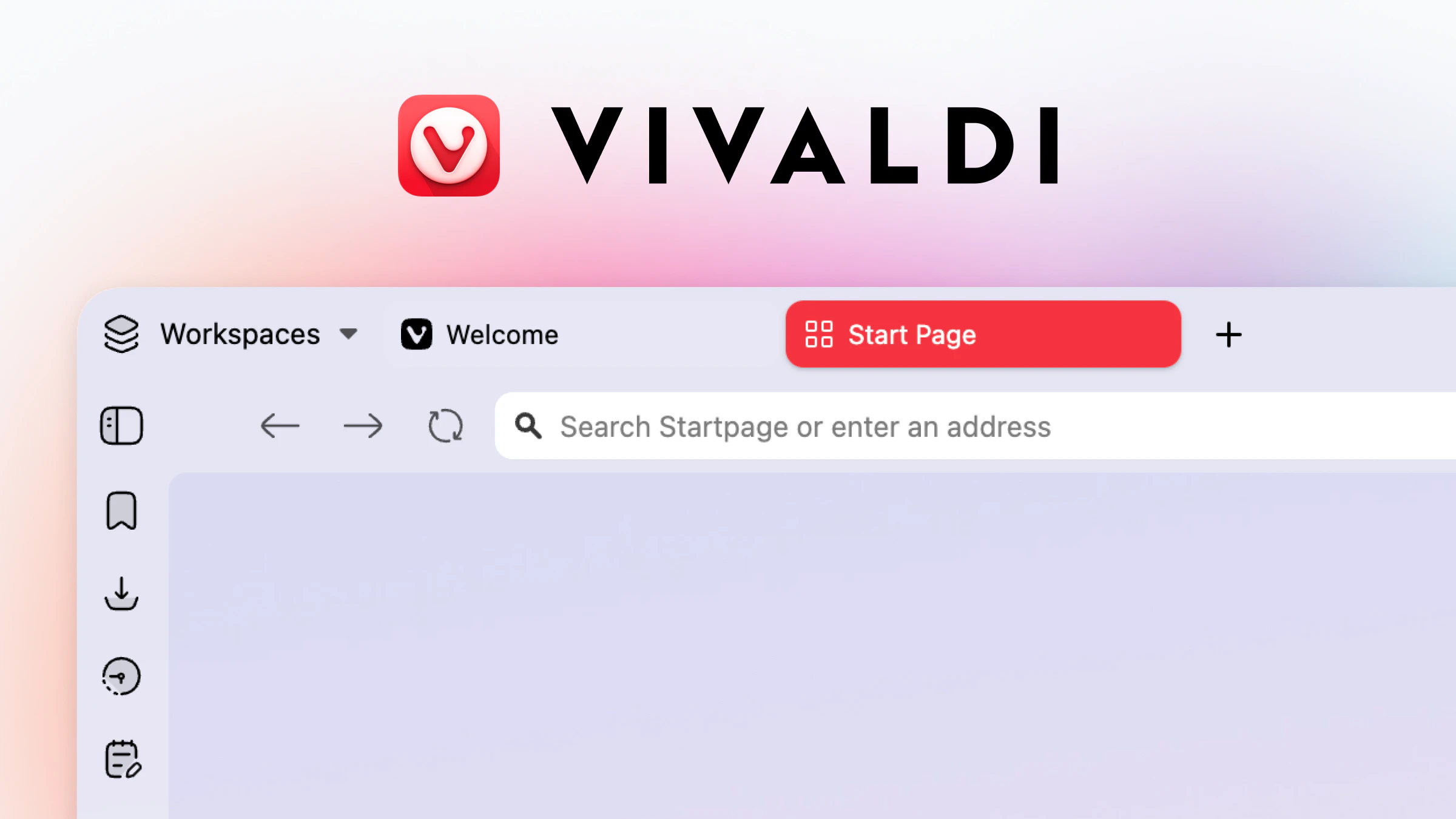
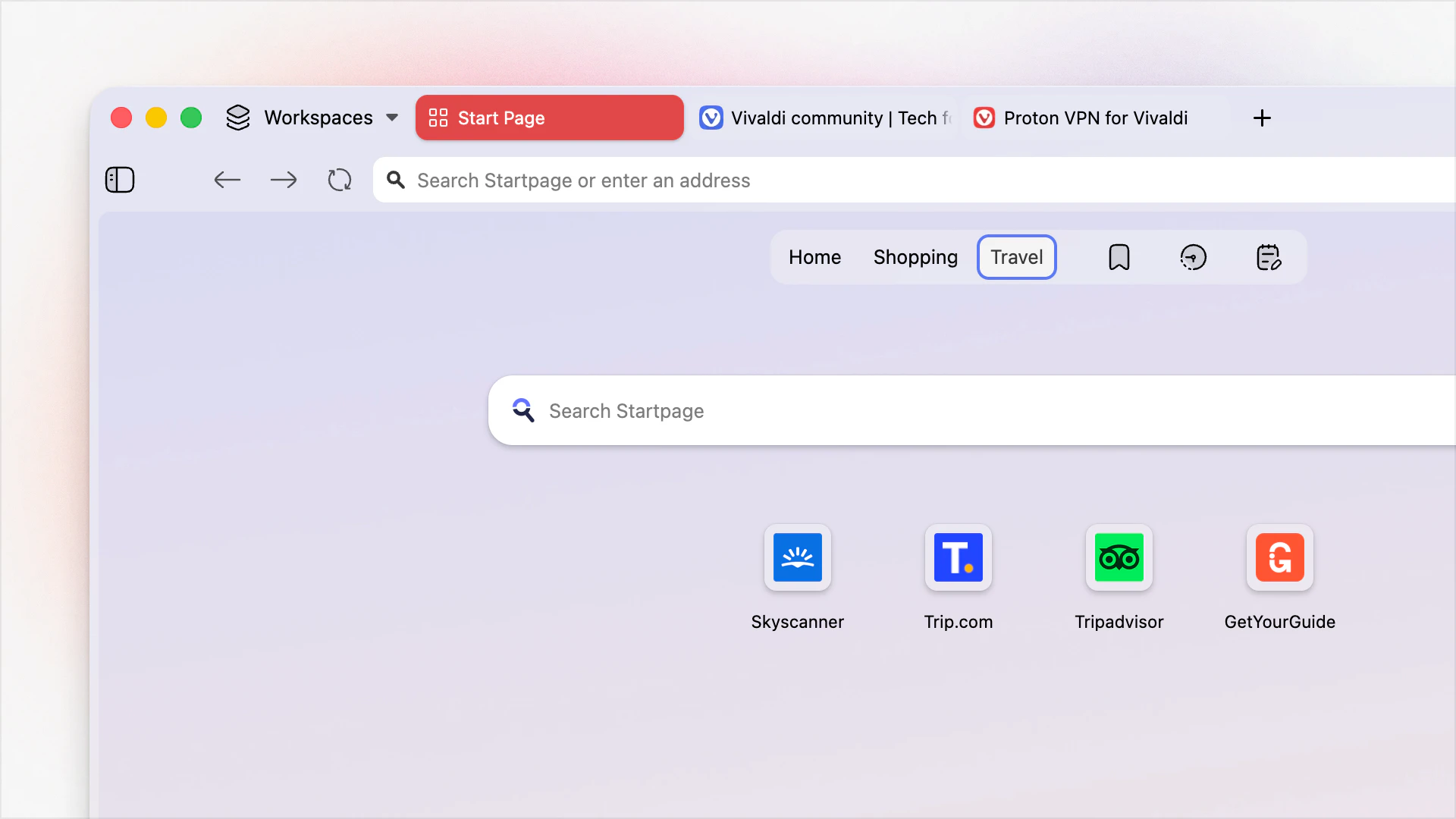
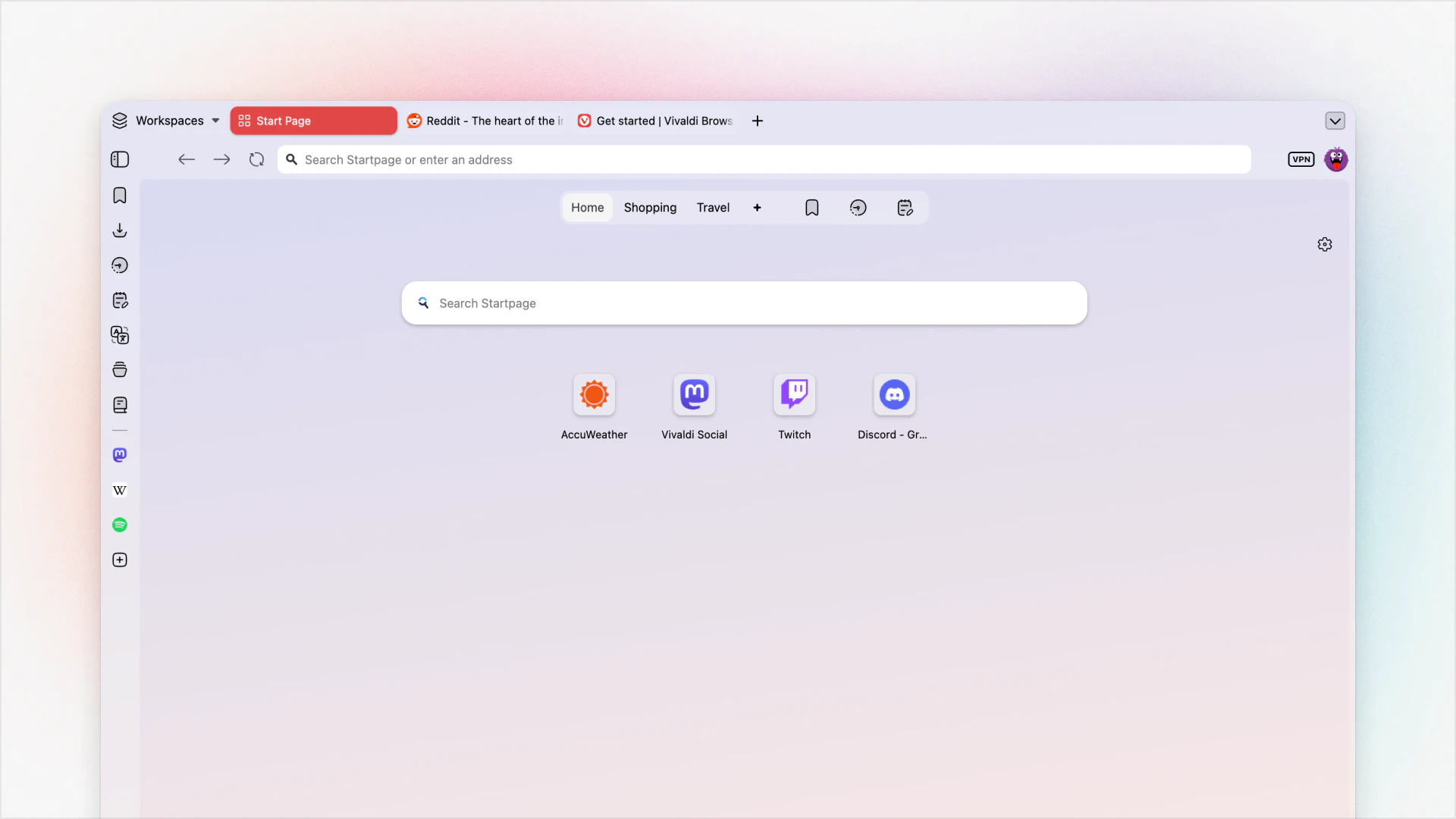
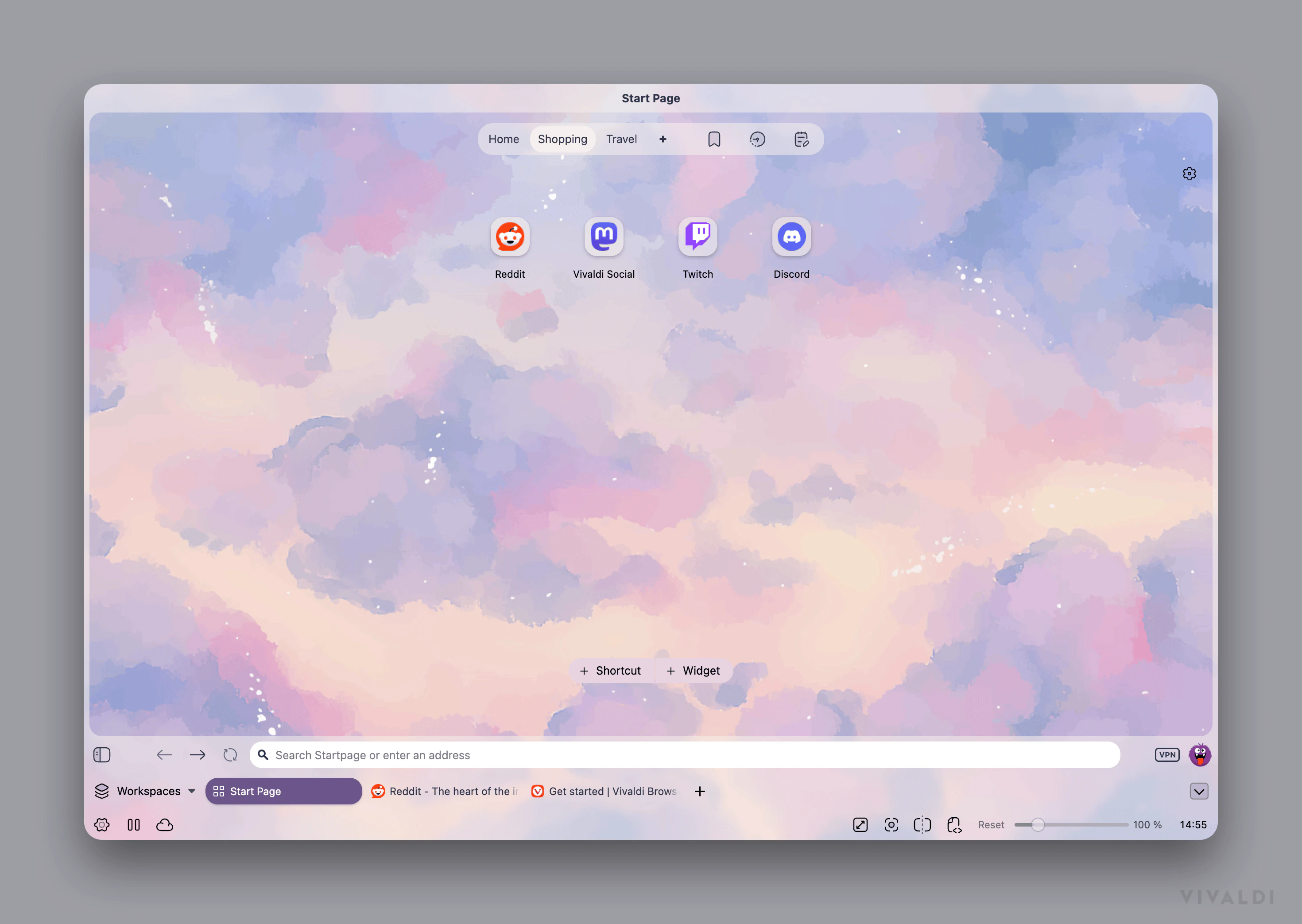
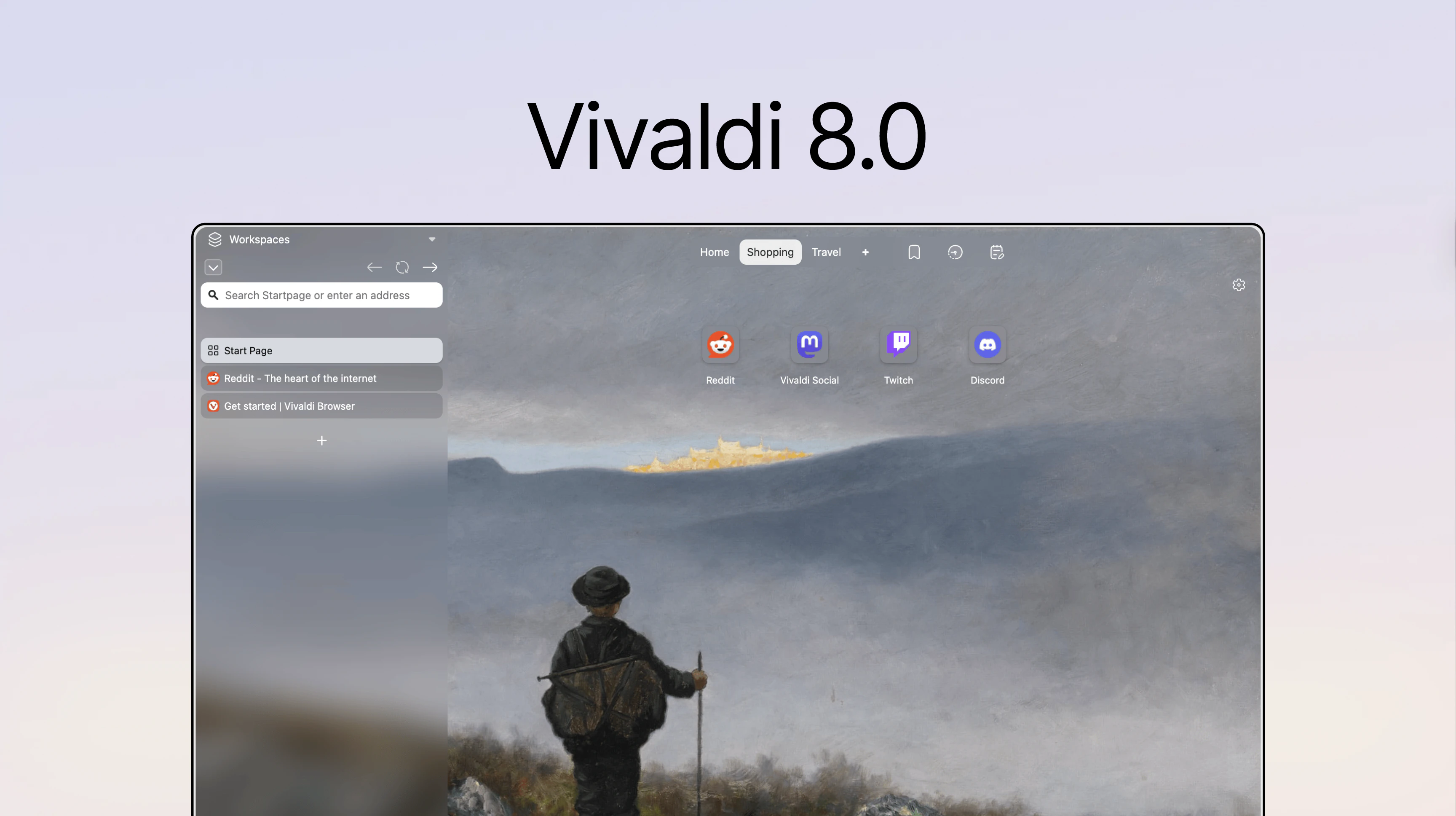
Thirteen years in, and we've just shipped our most ambitious update yet. Vivaldi 8.0 has a bold new look we call Unified. Every toolbar now sits on one continuous surface, giving you new ways to customize your browser across the whole window, edge to edge. With six layouts to start from - then make it all yours. Every color, every toolbar, every pixel. Your browser. Your rules.

Hey Product Hunt,

13 years building the same belief: your browser should adapt to you, not the other way around.

Vivaldi 8.0 is the biggest thing we've shipped in years, and it starts with how the browser feels.

We call it Unified.

Previously, Vivaldi's interface was a collection of layers (tabs, toolbars, panels, content), each subtly separated. Useful, but fragmented. With Unified, those boundaries are gone. Everything now lives on one continuous surface that wraps the entire browser. Alignment becomes more precise, spacing more intentional, and interaction more direct, because elements no longer sit in isolated layers.

If you love the look you've already got, it's still right there in Settings.

What's new in 8.0:

  • Your theme flows across the whole window, edge to edge 

  • Six layouts to kickstart customizing the browser to your needs

  • 7,000+ community themes to explore

No tracking. No AI sitting between you and the web deciding what you see. Just you and the web. On desktop, mobile, and yes, your car.

Your browser. Your rules.  

Tell us what you think! We read every comment here.

2
回复
Vivaldi 8.0 looks like a huge step forward for browser customization and productivity 👏 The new unified design, layout presets, and vertical tab experience already feel super polished. Love seeing a browser that still focuses on power users and privacy instead of just copying everyone else. Curious to see how the community adapts these new workflows! 🚀
1
回复
#8
Visual Usability Checker
Validate your design decisions instantly with AI insights
121
一句话介绍:Visual Usability Checker 是一款基于AI的Figma插件,在UX设计师无需离开工作流的前提下,通过眼动追踪数据预测用户注意力、发现认知负荷与可用性问题,从而在设计早期验证决策、减少主观猜测和反复返工。
Design Tools User Experience Artificial Intelligence
Figma插件 AI设计验证 眼动追踪 可用性测试 认知负荷分析 视觉层级评估 产品设计工具 用户注意力预测 设计决策 UX/UI优化
用户评论摘要:用户主要关注技术实现细节,询问如何基于图像识别特定元素(如人脸)并调用数据库统计来预测注意力。开发者回应称基于先前眼动追踪研究数据。整体评论数量少,无负面反馈或具体使用痛点。
AI 锐评

Visual Usability Checker 本质上是一个“AI可测试性”转化器,它将过去耗时昂贵的眼动仪实验压缩成了一个Figma快捷键。从产品逻辑看,它瞄准了设计决策过程中“直觉与数据”之间的巨大缝隙——这确实是痛点,且痛点足够高频。

但其真正的价值不能神化。它提供的“用户注意力地图”本质上是一个基于统计模型的概率预测,而非真实用户的认知反馈。用“数百万眼动数据点”训练出的模型,擅长预测通用视觉路径(如先看人脸、高对比区域),但很难应对文化差异、用户目标、非常规交互或套壳业务逻辑带来的认知偏移。换句话说,你大概率能比“拍脑袋”更准,但也远不足以替代A/B测试或定性访谈。

技术回答中提到“基于先前眼动追踪研究”,这解释了为何产品迭代速度会受限于数据的覆盖面和时效性。短期内它是一个优秀的“决策备书”和内部说服工具——设计师可以用这张热力图反驳“我觉得这个CTA不够大”;但长期看,要真正站稳脚跟,必须引入更多的行为数据反馈闭环(比如实时埋点、用户路径回放),否则它很容易沦为另一个漂亮的“伪权威”。

产品团队显然懂行业痛点,但值得警惕的是:过早用AI遮蔽了“不确定感”的设计流程,可能让新手设计师过度依赖模型裁决,反而丧失了对用户真实行为的敏感度。

查看原始信息
Visual Usability Checker
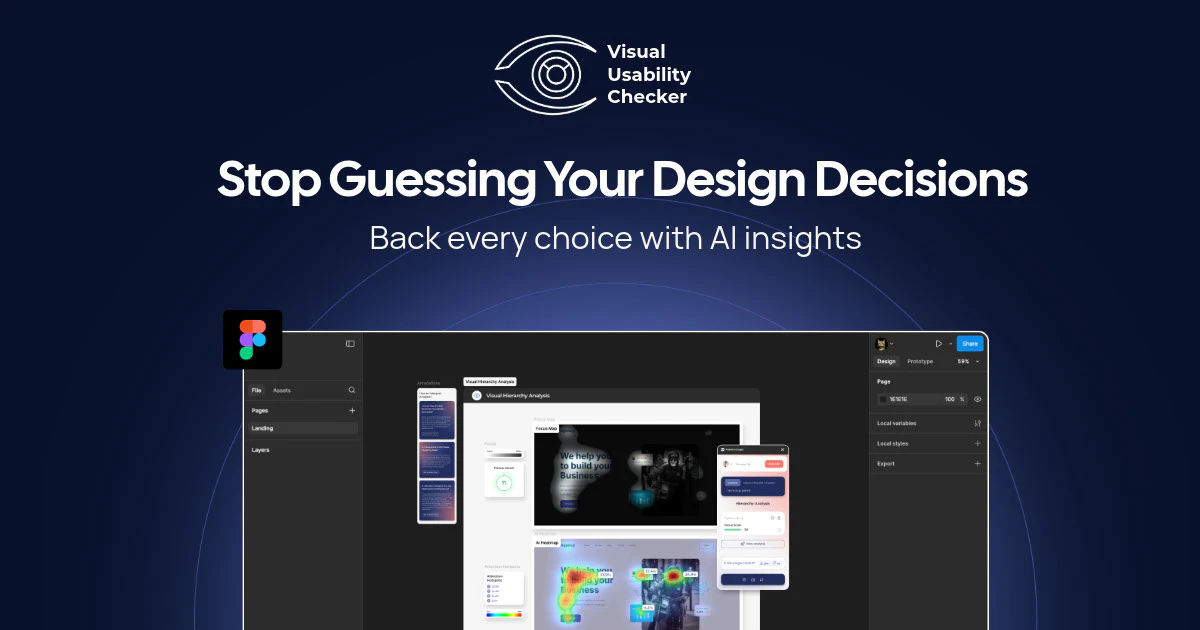
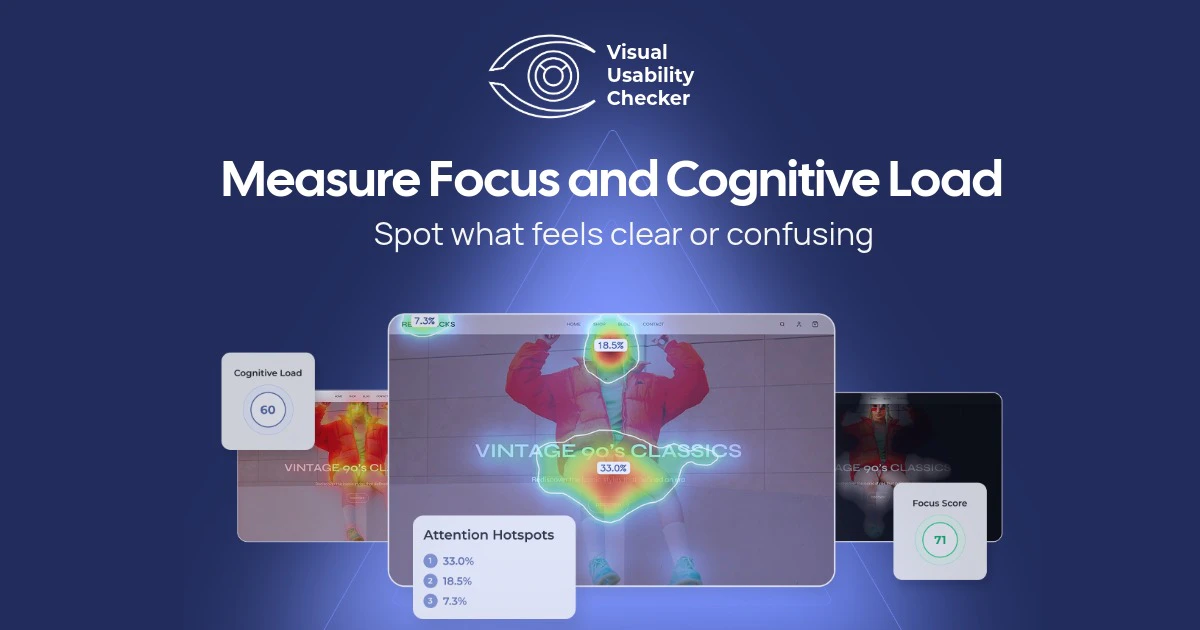
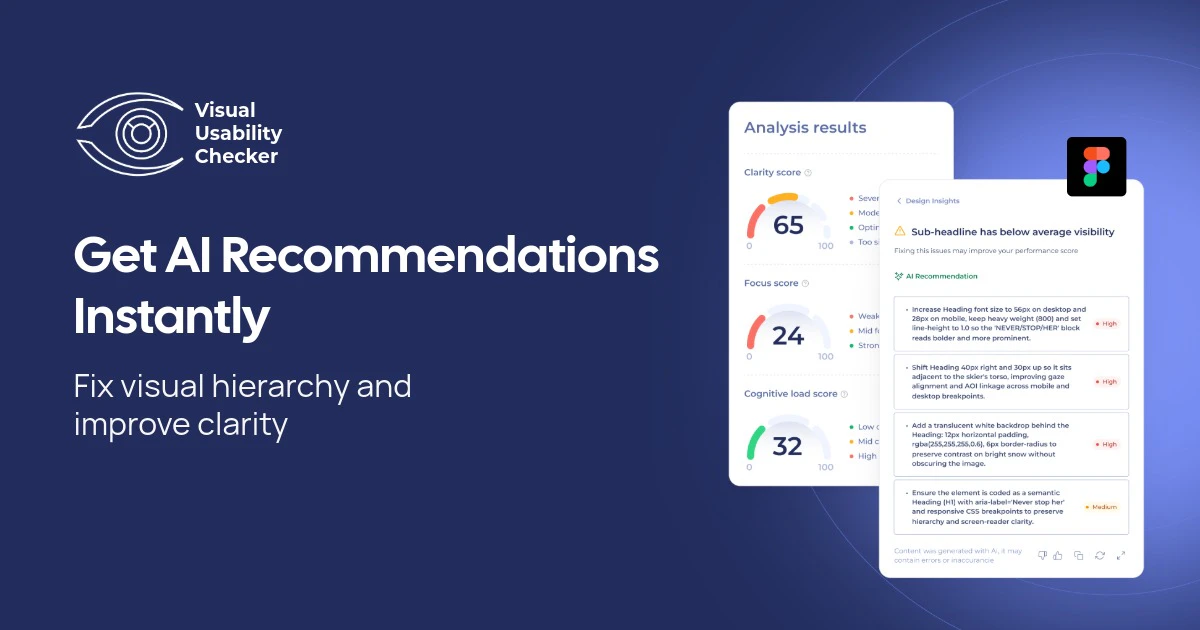
Get instant AI recommendations to improve your design. Detect cognitive load, see where users focus, catch issues early, and compare variations - so you can confidently make and defend design decisions with data-backed insights.

Hi, Product Hunt! 👋 I’m Darius, the co-founder of Attention Insight.

We built a new Figma plugin specifically for UX and product designers.
We spoke with hundreds of UX designers and product teams and found a clear need for a data-driven way to validate design decisions.

Because today, design decisions still look like this:
🤔 “Make the CTA bigger.”
🤷 “This layout feels better.”
🔁 “Let’s try one more version…”

And suddenly you’re moving elements around instead of actually knowing what works.

We wanted a way to validate design decisions earlier, before user testing, before development, and without leaving Figma.

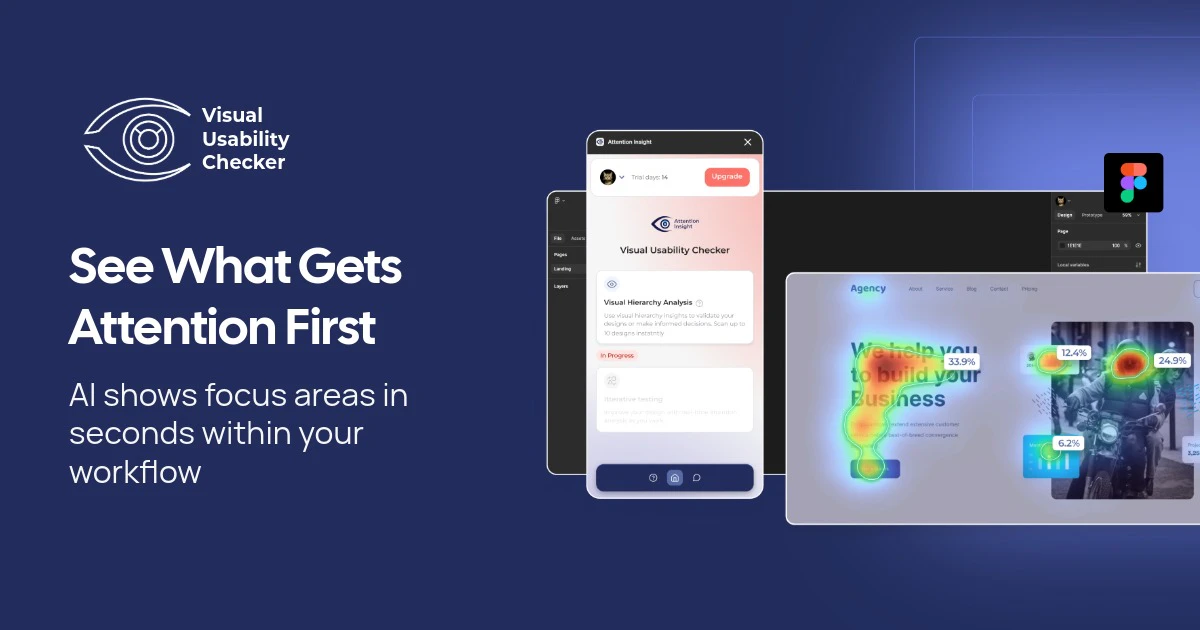
So we built Visual Usability Checker — an AI-powered Figma plugin trained on millions of eye-tracking data points to help you validate design decisions earlier with instant recommendations, cognitive load insights, and predicted attention.

With it, you can:
➡️ Get AI recommendations on how to improve your design instantly
➡️ Detect high cognitive load areas that may confuse users
➡️ See where users are likely to look in the first seconds
➡️ Spot weak visual hierarchy and usability issues early
➡️ Compare multiple design variations side by side

All without leaving your workflow.

Instead of guessing, you get clear, data-driven feedback you can act on immediately.

How it works:
Run the plugin → Log in or Sign up → Choose your testing workflow → Select a Figma frame → Get attention maps, scores, and insights in seconds.

You can iterate immediately and see how changes affect user attention.

Our goal is not to replace user research.
It’s to help designers catch problems earlier, reduce guesswork, and make decisions with more confidence.

We’re especially curious:
- What part of design validation still feels too subjective in your workflow?
- Where do you spend the most time debating instead of deciding?

- Who wants to get a discount?
Would love your feedback 🙌

5
回复

How does this work technically? Do you analyze frames/images, identify which elements are shown in them, and then pull statistics from a database? For example, we all know that in advertising people look at faces - if you determine that the image contains a human face, a dog, and a tree, then it’s easy to understand that a person will look at the face first, then the dog, and then the tree. How did you implement this?

0
回复

@natalia_iankovych we used data from previous eyetracking research. Check: https://attentioninsight.com/technology/

0
回复
#9
Mixpanel Headless
Programmatic access to product analytics for agents and devs
119
一句话介绍:Mixpanel Headless 是一款Python SDK,让开发者和AI代理无需离开IDE即可通过编程方式访问产品分析数据,将问答式分析转化为可复用的自动化脚本,解决从提问到获取答案之间的效率痛点。
Analytics SaaS Artificial Intelligence
产品分析SDK AI代理 Python工具 自动化报告 用户行为分析 无代码查询 可编程分析 IDE集成 MCP服务器 开发者工具
用户评论摘要:用户关注AI代理生成代码是否可预览后执行(获确认可)。有创始人提出希望代理人每日自动生成产品健康摘要。并质疑为何选择Python SDK而非MCP协议,官方回应称已提供MCP服务器,但Headless更节省工具调用成本,执行更快更廉价。
AI 锐评

Mixpanel Headless的巧妙之处不在于“用AI生成代码”——这种套壳能力早已泛滥——而在于它定义了“可复用的分析证据链”。它将临时性的问答升维成一份可以每周、每天稳定运行的Python脚本,相当于把分析师一次性的洞察固化成了能自我生长的自动化流水线。这精准命中了中大型产品团队的核心痛点:分析工作常常沦为数据抢修,而真正的商业决策需要的是可追踪、可复现、可自动预警的“产品体检仪”。

但产品自身存在两重风险。第一是定位摇摆:既想拥抱AI原生聊天的极简爽感(MCP),又眷恋Python SDK的高度可控与效率——事实证明在评论中已有用户对协议选择产生困惑。第二是生态绑架:它要求团队数据平台必须是Mixpanel,这注定只能服务于存量用户,而无法撬动竞品体系下的新客。更直白的挑战是,普通团队根本不需要“可编程分析”,他们真正需要的是一个能直接给出结论的AI看板。Mixpanel Headless虽然技术优雅,但商业上更像是一个为高级AI agent准备的“鱼竿”,而非多数人想要的“鱼”。

总体来说,这是一次值得敬重的底层能力开放,但产品经理和PLG运营才是它最该讨好的对象,而非广义的“开发者”。其长期价值取决于Mixpanel能否将这种“agent友好”的差异化转化为真实留存率。

查看原始信息
Mixpanel Headless
Mixpanel Headless is a Python SDK that makes the entire product surface programmable, so agents and devs can dig into data without leaving their IDE.

Hey Product Hunt! 👋

I’m Tiffany from Mixpanel, and we’re excited to introduce Mixpanel Headless, a Python SDK that makes the entire product surface area programmable and composable.

Builders can now access all the power of Mixpanel—from complex funnel analysis to attribution modeling—without leaving their IDE.

But what we’re most excited about?

You can now use agents to answer anything about your product. Ask a question in plain language, get working code in seconds, and execute it against Mixpanel data. Agents compress hours-long analysis into durable code you can run every week.

You can check out the docs and try out Mixpanel Headless today: https://docs.mixpanel.com/docs/m...

We’d love to know your feedback or thoughts!

1
回复

Hi. Do users get to review the generated query/code before it runs against production analytics data?

1
回复

@ihorperkovskyi Definitely!

0
回复

So pumped to see this live today! 🚀

As someone who's worked closely with how teams actually use Mixpanel, one of the biggest pain points has always been the gap between asking a question and getting an answer. You'd have to build a dashboard, wait for a data pull, or loop in an analyst.

Mixpanel Headless flips that. Now, whether you're building an AI agent or just want to script your own weekly retention report, you have direct programmatic access to the full analytics surface: funnels, cohorts, attribution, all from Python.

The agent use case is what really excites me. Instead of one-off answers, you get durable code that keeps running. This of course isn't for everyone, but for those that can leverage it, I've already heard some amazing ways that this makes life easier for Mixpanel users.

I'm happy to answer any questions about how this works under the hood or how to get started! What workflows are YOU most excited to automate?

1
回复
Indie iOS founder here. Different analytics stack today, watching this category closely. The “durable code” framing is the smart pitch, most agent-generated queries are throwaway and making them re-runnable weekly artifacts is a real shift. Answering Paul’s prompt: the dream automation for me is the daily product-health checkup. We currently run a manual ~10-min morning routine: scan for new decode errors, check the activation funnel, flag anomalies on a regression watchlist. An agent that compiled that into a deterministic “here’s what’s new vs yesterday” digest would buy back time. One question: why a Python SDK and not an MCP server? MCP is becoming the de facto agent <> external-data interface. Was the choice about Python ecosystem fit, MCP maturity concerns, or is an MCP server on the roadmap?
0
回复

@ferdi_sigona We also have a Mixpanel MCP server! https://docs.mixpanel.com/docs/mcp

We think developers will benefit from using Headless vs. MCP server as it requires fewer tool calls and more deterministic operations executed by Python, enabling faster and cheaper responses for certain use cases

1
回复
#10
Tacet
The brain monitor for cognitive health scores
113
一句话介绍:Tacet是一款利用手机敲击节奏追踪认知健康评分的应用,帮助用户无需昂贵硬件就能日常监测大脑状态与睡眠质量。
Android Health & Fitness Productivity Tech
认知健康监测 脑健康 行为追踪 睡眠质量 数字疗法 神经科学 无感监测 安卓应用 健康科技 数据分析
用户评论摘要:用户核心关注:1) 行为模式如何被捕捉,无需手动开启;2) 认知评分下降是否会引发焦虑,以及如何引导改善;3) 强烈呼吁iOS版本尽快上线,并提供TestFlight测试机会。
AI 锐评

Tacet巧妙地将神经科学论文中的“点击计时术”转化为消费品,其核心价值不在于硬件创新,而在于重新定义了“大脑监测”的门槛——从临床医院的口袋成本降到“点击一下”,从大型设备缩到手机应用。这在产品形态上是一次深刻的去中心化尝试。

然而,这种降维打击也暗藏风险。产品依赖的“敲击节奏”作为生物标记物,虽然学术上被证明与睡眠质量、认知处理速度相关,但“相关”不等于“因果”。用户在评论中担心“当分数下降时怎么办”,恰好点出产品最大的软肋:目前它更像一个“数据展示仪”而非“健康导航仪”。团队虽承诺提供科学文章辅助改善,但这远远不够。一旦用户连续数日看到“不稳定”标签却无从下手,焦虑感会碾碎健康动机,最终导致卸载。

从商业角度看,Tacet的变现路径清晰(订阅制),且用“两周训练基线”制造了粘性。但必须警惕伪科学质疑——毕竟,用“点击手机”推导大脑状态,听起来极易撞上“玄学”防火墙。其真正的护城河应该是:持续兑现临床级验证、对用户行为改善的直接反馈(比如建议“此刻休息10分钟”)、以及当分数持续异常时,无缝衔接专业医疗资源的路径。如果只停留在“好看的数据仪表盘”,它终将被遗忘在抽屉。值得肯定的是,团队来自学术背景且态度真诚,但走出实验室后,他们需要尽快证明:敲击信号不仅“有趣”,更要“有用”。

查看原始信息
Tacet
You track your steps. Your heart rate. Your calories. But what about your brain? Tacet gives you a daily cognitive fitness score and sleep quality tracking, drawn from the rhythm of how you tap your phone. Those timing patterns carry a surprisingly accurate signal about your cognitive state. No headset, no expensive hardware, no setup. Passive tracking, built on neuroscience research from Leiden University. Traditional brain monitoring is expensive. Tacet brings it to your pocket. Start today!

Hey Product Hunt! I'm Charlotte, CEO at Axite.

We are so proud of this launch and genuinely excited to share Tacet with you. Perfect for anyone who has always wanted a deeper look into their brain activity, without the price tag or the clinic visit!🧠

It turns out the way you tap your phone tells you something about your brain. Not what you type, not which apps you open, but the timing between your taps. That rhythm shifts when you are cognitively sharp, when you are fatigued, when your sleep has been poor. It is a signal that has always been there. We just built the software to read it.
Brain monitoring has always been locked away in expensive hardware and clinical settings. Tacet changes that. It runs quietly in the background, no difficult setup and no expensive headset, and turns that tap signal into something you can actually use.

Here is what you get:
📱 A cognitive fitness score that shows how sharp your brain is performing, whenever you like
💤 Sleep quality tracking based on your behavioural patterns
📈 Longitudinal trends so you can see how your brain changes over days and weeks
☕ A log to add context like stress, caffeine, or a bad night, so your data actually means something.

📏 The perfect tool to measure whether a lifestyle change is having a real effect on your brain's performance

One thing worth knowing: the scores get more accurate after about two weeks of use. The algorithm needs time to learn your personal baseline. So download it today, let it run, and see your cognitive scores appear over time. That is when things start to get really interesting!

We are building towards a full remote brain monitoring platform, but we wanted to get something real into people's hands now. A first glimpse into your own brain, accessible to anyone with an Android smartphone (we are still working on the IOS release!!)

🎉 Product Hunt exclusive: we are offering a special discount during the first week of launch: A one month free trial! Grab it while it lasts.

How to use: Download the app, make an premium account trough settings and add the code FIRSTTAP for one month free!

Download the app and tell us what you think. What would you want to learn about your own brain most? We would love to hear your thoughts!

14
回复

Hey Product Hunt! I'm Ruchella CTO of Axite.

🧠📱We built this app because we kept asking ourselves: why is it so hard to actually see your own brain health patterns? Tacet changes that. It passively monitors your smartphone behavior and shows you, your cognitive fitness and sleep patterns so you can make better decisions about your health.

During my PhD I worked with a group of talented scientists at Leiden University and University of Zurich who were researching how your smartphone behavior can be used to monitor your brain health. The algorithms behind this app has been published in multiple scientific publications.

Since then our team at Axite has been working hard to share the insights from these algorithms to you. We are excited to finally be able to share it today.

👩🏽‍💻Happy to answer any technical questions

11
回复

Huge congrats @charlotte_franenberg 🎉 and everyone at Axite for the launch!

I really enjoyed building @Tacet . It’s been super exciting to work on something that takes everyday phone usage and turns it into meaningful insights about sleep and cognitive performance.

A lot of work went into making the experience feel simple and effortless for users, while doing some pretty complex things behind the scenes 😄

Can’t wait to see what people think and how the product evolves from here. Proud to be part of it 🙌

9
回复

Hey Product Hunt! I'm Dirk, Data Scientist at Axite.

What excites me most about Tacet is that it makes something real and measurable out of a signal that has always been there. Every time you tap your phone, your brain is leaving a trace. Most people have no idea. The science behind this has been quietly building for years in research labs, and now it is finally in people's hands.

As someone who works with brain data every day, I find that genuinely thrilling. Your phone already knows more about your cognitive patterns than you do. Tacet just shows you what it knows.

Can't wait to hear what you think!

8
回复

Hello Product Hunt - We are so excited to finally be sharing Tacet with you! It has been a long journey to get here and I hope you love it as much as we do! Happy tapping!

8
回复
Downloaded! Curious about my scores..
6
回复

Can't wait to use the app! IOS coming soon?

5
回复

@maaac Hi Mac! Thank you for your enthusiasm. We hope that the IOS release will happen in a couple of months (after summer). Ofcourse we will keep you updated on PH!

2
回复

So happy we finally launched and that people can now use this amazing product! For me the coolest thing is seeing your cognitive scores change over time and figure out what lifestyle works best for you and your brain🧠 Gongrats team!✨

5
回复

Hi Product Hunt! I'm Nynke, Data Scientist at Axite. It's really exciting to see Tacet go out in the world.

Working at Axite, I’ve learned a lot about the brain and found it fascinating how much subtle stuff in how our brain functions can actually show up in data, often without us even realising it ourselves.

That’s also what I find so cool about Tacet; seeing those kinds of patterns become something people can actually see and explore for themselves from just their phone is pretty amazing.

Very excited to see what people think of it 📱

5
回复

How can those behavioural patterns be spotted? I understand that activity (mainly that physical one can be tracked by external devices - rings, watches), but what if I forgot to set my smartphone to track my brain activity?

4
回复

@busmark_w_nika Thank you for your question Nika! Tacet is based on peer reviewed scientific literature conducted in some of the top universities in Europe. The algorithms powering Tacet work on the concept Tappigraphy (selected articles: https://doi.org/10.1080/17489725.2022.2105410, https://doi.org/10.1038/s41746-019-0147-4) which has been used to quantify hidden human health variables such as sleep patterns, cognitive processing speeds, and human disease activities (such as in Epilepsy). Features of your taps on your smartphone, such as speed, accuracy, and time of day you tap on your phone can all be quantified to give us unique biological information about your cognitive functioning.

So, to answer your question - you do not need to turn on brain tracking on your phone, you simply have to use your phone as usual, and Tacet works away in the background to calculate your cognitive scores based on nothing but your taps!

I hope this helps you, and we are happy to see your interest in our App!

3
回复

Hi Product Hunt! I am Vasiliki, UX researcher at Axite. Happy to see Tacet officially live on Product Hunt today!

A lot of thoughtful work went into shaping both the product experience and the science behind it. Excited to see where the team takes it next. ✨

3
回复

I’m curious how you’ve worked through the wellness-scoring tension on the user side.

Cognitive scores are the single most anxiety-loaded thing to quantify, because brain decline is one of people’s deepest fears. What does Tacet do for a user whose score is trending the wrong way: stay observational, suggest action, surface professional help? And from early data, does the score motivate behavior change or mostly generate anxiety without corresponding levers the user can pull? Big congrats on launching!

1
回复

@ferdi_sigona Great question, and something we have gone back and forth on a lot. We know knowing your cognitive fitness can definitely be stressful for some people. However, in the same way not knowing can be stressfull for others as well. In the app we try to highlight that there methods to improve your cognitive functioning by providing science based information in articles.

We calculate a score between 0 and 100 and then display scores between certain ranges as a label for example, stable, thriving. We try to be careful with the language for downward trends so when someone's score is declining we say unstable. We chose the labels based on internal UX testing.

That being said, it is something we would love to continue receiving feedback on. Curious if you have any ideas on how to approach this?

2
回复

Heya, this looks cool. Would love to try a TestFlight build once on iOS! Consider posting that build to departures.to (free, I have no relationship with them, just have posted there and gotten lots of good beta feedback users, haha)

0
回复

@grey_seymour Hi! Thank you for the support, and for the suggestion! Will check it out!

0
回复
#11
CatchAll by NewsCatcher
Build any dataset from the web. Filtered to your criteria.
108
一句话介绍:CatchAll 是一款将自然语言查询转化为结构化数据集的网络搜索API,帮助数据分析师、情报研究员等用户,从海量杂乱网页中精准提取并清洗出可用于工作流和AI管线的真实事件数据,解决传统搜索引擎只返回链接列表、数据不干净、无法直接使用的痛点。
Developer Tools Artificial Intelligence Data & Analytics
网络搜索API 结构化数据集 自然语言查询 数据清洗 事件监控 情报工作流 网页爬取 去重验证 AI管线 NewsCatcher
用户评论摘要:用户肯定其自然语言查询与自定义过滤(时间、语言、地域)功能,如追踪日本政府新能源政策。有用户关心数据提取的可靠性,官方回应称每个结果附带源引用,提取前会聚类验证,并支持用户自定义校验规则,确保可追溯。
AI 锐评

CatchAll 在面对“数据工程老问题”时给出了一个相当成熟的工业级解法。它的核心价值不在于“爬取”,而在于“结构化”——将搜索引擎返回的链接噪音转化为可直接投喂给AI Agent或监控管线的干净事件记录。从融资到监管动态,这种“从网页到数据集”的自动化提炼能力,精准命中了对实时性、准确性和数据准备度要求极高的金融、风控、情报分析场景。创始人背景(五年底层基础设施建设)赋予了产品天然的技术可信度:支持自然语言查询、自定义校验、自动定时推送至Webhook,这些功能组合已超越简单的API工具,更像一个轻量级的数据PaaS。然而,产品真正的硬度仍取决于其底层“去重与验证”算法的实际召回率和准确率——官方虽承诺源可追溯和聚类验证,但面对中文互联网及非英文网站时,处理复杂语义、虚假信息和动态内容的鲁棒性仍需实战场检验。当前2,000免费积分策略巧妙,降低了首次尝试门槛,但若无法在首批用户使用中快速产出“在其他工具上拿不到”的高质量结构化数据,其商业转化会面临挑战。整体而言,CatchAll 是数据冗余时代的一把精密切割刀,但能否成为行业标配,得看它是否能把“一刀切”的通用方案,打磨成能在石油、法律、生物医药等垂域数据沼泽中游刃有余的特种装备。

查看原始信息
CatchAll by NewsCatcher
CatchAll is a web search API that builds structured datasets from the open web. Submit a query, and it scans thousands of web pages, validates every result, and returns clean, deduplicated records — not a ranked list of links, but a dataset of real-world events, ready for workflows and pipelines.

Such a beautiful website you have, guys! 😍

6
回复

@illya_krupenikov thanks to the most wonderful team! ;)

0
回复

支持自然语言查询,不需要复杂的语法。还能设置自定义参数(时间范围、语言、地区、域名过滤),我用它专门追踪日本政府官网的新能源政策,精准获取一手信息,排除第三方解读干扰

5
回复

@summer_dev thanks for sharing that great use-case! If you need the extra credits, just reach out.

0
回复

Hey Product Hunt! Artem here, co-founder of NewsCatcher.

Back in 2020, Maksym and I were data engineers who couldn't find a reliable way to get clean, structured news data — so we built our own infrastructure. Five years later, it powers intelligence workflows at banks, hedge funds, and risk platforms, continuously indexing billions of web pages.

Today we're launching CatchAll — a web search API that builds structured datasets from the open web.

The web is full of real-world events that never get assembled into usable data: which fintechs raised Series A rounds last quarter, which crypto exchanges faced regulatory action this month, which AI companies were acquired this week. CatchAll finds them all, validates every result, and returns a clean deduplicated dataset — not a list of links.

Submit a natural language query and CatchAll retrieves a massive candidate set, filters out noise, and returns structured records ready to pipe into an AI agent, a monitoring workflow, or an analytics pipeline. You can also set up a monitor to re-run any query on a schedule and push fresh results to a webhook automatically.

We're in early days and genuinely here for feedback. Sign up and you'll get 2,000 free credits to start. Share your use case in the comments and we'll 5x them.

5
回复

Whoa, I was browsing through some of your datasets. Fantastic!

3
回复

Love it!

1
回复

This is interesting but how do we make sure that extracted is legit?

1
回复

@ashishkingdom few layers to this:

  1. Every result comes with source citations — you can always trace back to the original publication

  2. Before extraction, CatchAll clusters related pages about the same event and applies validators to filter out irrelevant results

  3. You can define your own validation rules to tighten precision for your use case

It's not a black box — the sources are always there.

2
回复
#12
TongueType for macOS
Local dictation for macOS without the subscription
107
一句话介绍:TongueType是一款专为macOS设计的本地语音听写应用,通过快捷键触发Whisper AI实时转写,让用户在编程、写邮件、发消息等场景中摆脱打字瓶颈,实现“即说即得”的高效文字输入,无需订阅且完全离线。
Productivity Developer Tools Apple
用户评论摘要:用户肯定本地化与无订阅组合,但指出听写后“清理成本”高,需不同场景的后置规则预设;询问标点输入方式(如“逗号”、“句号”);希望明确免费与Pro版功能差异,并对30分钟/月限制有顾虑。
AI 锐评

TongueType的走红,本质上是“功能克制”对“订阅疲劳”的一次精准狙击。在AI工具普遍堆砌云端功能、按月收费的当下,它反其道而行:本地模型、无账户、一次性买断。这种极简哲学恰好戳中两类用户:一是对隐私敏感的创作者,二是厌倦“打字→辅助AI→再编辑”繁琐流程的效率党。

但需警惕其风险。Whisper小模型在噪音环境或专业术语下的准确率仍存疑,30分钟免费月限更像“试玩甜头”而非生产力解锁——重度用户可能仍需转向付费版(仅19.99美元),而低价格带是否可持续支撑维护与更新?此外,评论中“清理成本”是痛中要害:听写天然带口语冗余,若后置规则不够智能,反而增加二次纠错时间。若不能提供“语境预设”或“语气保留对比”等差异化功能,它可能沦为“热乎一阵”的效率玩具。

真正价值在于它验证了一种模式:AI垂直工具不必追求“全能云端”,而是要做成“剃须刀片”——本地运行、一碰即用、买断收费。但能否从昙花一现的“好点子”进化为长期依赖的“瑞士军刀”,取决于听写准确率瓶颈能否突破,以及后处理规则能否从“手动替换”进化为“学习用户习惯”。当前它更像一个“有趣的起步”,而非“完美的终点”。

查看原始信息
TongueType for macOS
TongueType is a macOS voice dictation app powered by Whisper AI running locally on Apple Silicon. No cloud, no accounts, no subscriptions. Hold a key, speak, release. Your words appear. Supports 12 languages and audio file transcription. TongueType gives you a configurable press-to-talk hotkey, audio and video file transcription, and configurable post-processing rules. It's customizable and fun (try Rainbow Mode!) and it's built to be the fastest dictation workflow possible.
I'm Cory. I've been doing web development for a long time, but TongueType is my first macOS app. In the age of AI, many developers find themselves typing words more than code. I type fast, but my fingers have become a bottleneck for many tasks. I wanted a solid dictation app that runs locally, responds instantly, and has the accuracy of a world-class AI model. TongueType sits in your macOS menu bar and starts listening as soon as you press a hotkey. It transcribes your words and pastes them into whatever app you're currently in. Press. Talk. Words appear. macOS has had built-in dictation for a long time, but in my experience it's just not very good. I was surprised to see so many third-party dictation apps tied to a subscription and a bunch of cloud features I didn't want. While dictation itself isn't unique, TongueType focuses on being seamless: it feels tightly integrated with the OS because it gets out of the way and just works. Under the hood, TongueType uses OpenAI's Whisper small model compiled to Core ML so it runs directly on Apple Silicon. Some additional info that sets TongueType apart from other apps: 💸 No subscription. Free to try. Pro is a one-time $19.99 for up to 5 Macs. Buy it once, keep it forever. 🔒 100% private. Local-only. Zero telemetry. No account. Nothing logged, nothing uploaded. 🎛️ Yours to shape. Custom post-processing rules, spoken symbols, cancel phrases ("scratch that"), 12 languages with auto-detect. 🌈 A little personality. 20 accent colors including Rainbow Mode. None of it was necessary. All of it was fun. (Turns out that's what makes an app feel like it's yours.) I use TongueType constantly for prompting LLMs, writing emails, sending DMs, commenting code, typing commit messages...basically anywhere the thinking is already done and all that's left is getting the words out (which turns out to be a surprising amount of my day). It's been surprising to discover that many people don't seem to like dictation apps. I'm not sure if that's because they haven't worked very well in the past or if it's just a hard habit to get into. (Admittedly, my kids helped me form the habit. They'd see my typing and rightfully ask "why aren't you using TongueType?!") I'm genuinely curious to learn: what's the one thing that's kept you from sticking with a dictation app?
0
回复

For me, the thing that breaks the dictation habit is the cleanup tax after the words appear.

Dictation is great for raw thought, but different surfaces need different levels of cleanup: an LLM prompt can stay loose, a commit message needs precision, and an email needs just enough polish without losing the spoken cadence. The post-processing rules feel like the right place to solve that.

One thing I’d want is per-context presets plus a quick raw transcript / cleaned text comparison. That would make it easier to trust the tool because you can see whether it’s preserving the thought or silently over-smoothing it.

0
回复

local-only and no subscription, rare combo! how do you handle the punctuation problem. say "comma" and it adds punctuation? how would "period" be decided as word or punctuation? congrats on your launch!

0
回复

@hiyamojo I've gotten used to not using it, to be honest. But you can go to Settings > Postprocessing and experiment with replacements there! A friend of mine added, e.g. "smiley face emoji"' => 😊 and similar.

0
回复

Congrats. Where do I see pro and free features list?

0
回复

Thanks! @roopreddy free includes every feature, but capped at 30 minutes of dictation per month and 10 seconds for file transcriptions. There's a Free vs. Pro page with more details.

0
回复
#13
Framed
Turn screenshots, videos, and code into polished visuals
104
一句话介绍:Framed 是一款 MacOS 原生应用,帮助独立开发者、产品团队快速将截图、视频、代码片段包装成适用于产品发布、应用商店、社交媒体等场景的精美视觉物料,省去传统设计软件的复杂流程。
Design Tools Social Media Marketing
MacOS应用 截图美化 视频包装 代码展示 社交卡片 产品发布 一次性付费 原型工具 设计替代 独立开发者
用户评论摘要:用户普遍认可“一次性买断”的定价模式。核心疑问集中在:与 Mockuuups 等模板工具相比有何独特优势?是否支持移动端录制?创始人回应称支持自定义框架和移动端录屏。另有建议指出其官网视觉质感与产品定位不符,影响第一印象。
AI 锐评

Framed 切中的是一个极其真实却常被忽视的痛点:**产品包装的“最后一公里”**。独立开发者(如创始人本人)在完成核心功能后,往往在截图美化、演示视频制作上耗费大量精力,而 Figma 这类全功能设计工具在这里属于“杀鸡用牛刀”。Framed 的“一次付费”定位,既是对用户心理的精准打击——厌倦了 SaaS 订阅制的开发者们天然愿意为“拥有”而买单,也是对其自身商业模式的诚实:这是一个窄而深的小众工具,用户基数有限,做订阅制反而难以维系。

但产品价值的真实现实在于:**它提供的并非核心设计能力,而是“批量规范化”的流水线能力**。也就是说,用户仍然需要自己准备优质的内容(截图、视频),Framed 只负责套上漂亮的框和动效。这意味着它无法解决“内容本身不好看”的问题——这是许多同类工具的陷阱。评论中用户指出的官网质感问题,恰恰暴露了这一点:如果创始人自己都无法用该产品包装好自家的 landing page,那么潜在用户自然会怀疑其实际效果的上限。

此外,与 Mockuuups 的对比中,创始人强调“自定义”而非“模板”,这既是优势也是劣势。对于追求高度一致品牌视觉的专业团队,自定义是刚需;但对于只想快速出图的无设计基础用户,缺乏优质预设可能意味着更陡的学习曲线。Framed 的真正机会,在于能否将“自定义”与“易用性”做到极致,同时在社区中沉淀大量可复用的配置模板——本质上,它需要提供的是一套“半成品设计系统”,而非仅仅一个工具。

当下,它更适合作为独立开发者或小团队的产品发布工具箱中的“副手”,但若想突破小众圈层,要么拥抱 AI 驱动的自动化排版,要么与 App Store 预发布流程深度整合,成为苹果生态下的官方推荐工具。否则,它很容易沦为一个“看起来很美”的短期解决方案。

查看原始信息
Framed
Framed is a MacOS app that helps makers turn raw product content into polished visuals for launches, App Store pages, landing pages, social posts, changelogs, code shares, and demo clips. You start with a screenshot, video, code snippet, or social post, then add frames, backgrounds, annotations, layers, motion, audio, and export-ready polish. Built for Mac, with a focused workflow that avoids the overhead of a full design app. One-time purchase, yours forever. No subscriptions ever.

I'm a solo dev and built this because I needed this and everything was subscription based or had very little control over the output.

I just want to make this the best app ever so if anyone has a suggestion please let me know!

I appreciate you downloading this so much!!

P.S you get 5 watermark free exports, during preview you'll see a watermark though. This is to prevent screenshots otherwise the app would just be easily exploitable lol.

4
回复

@brandon_s2

Hey Brandon, congrats on the launch. One thing stood out reading your post: Framed helps makers turn raw content into polished visuals for launches and landing pages, but your own launch page should carry that same level of polish. Right now that's the gap between a great product and a great first impression.

I build landing pages in Framer for solo devs and SaaS products. Did the site for Stackr (stackr.framer.ai), a developer tool with a similar audience to yours, and Inscribe (inscribe.framer.ai), a B2B SaaS launch.

If you're thinking about a proper site for Framed, I can turn around a full design and build in 5 to 7 days. Happy to sketch out a rough direction first so you can see the vision before committing to anything.

Worth a conversation?

Cheers, Kaine.

0
回复

Been on Mockuuups for a while. What's actually different here?

1
回复
@novamaker01 good question! Mine is more where you make your own mockups with different frames and editing so you can customize your video/screenshot way more. Mockuuups is more pre created templates which is freakin awesome but completely different!
0
回复

Works for mobile recordings too?

1
回复
@nuseir_yassin1 yep! Yep! You can screen record or import recordings!
0
回复

One-time purchase instead of yet another subscription - that alone sells it for me haha. How much time does it actually save compared to just doing this in Figma? Congrats on the launch!

0
回复
#14
Novi Notes 1.1
A local AI memory layer for your Mac
99
一句话介绍:Novi Notes 是一个为 Mac 打造的本地 AI 记忆层,通过集成 MCP 协议让 AI 助手(如 Claude、Codex、Gemini)直接读写你的笔记,并支持将重复提示词一键转化为“斜杠命令”,解决开发者管理和复用 AI 工作流时笔记散落、配置繁琐的痛点。
Mac Productivity Artificial Intelligence
本地优先 AI笔记 MCP协议 斜杠命令 开发者工具 隐私保护 一次性购买 Mac应用 知识管理 工作流自动化
用户评论摘要:用户主要关注技能版本管理、团队协作、移动端支持。开发者回应:技能无内置版本历史,建议用 Git 管理;团队协作依赖文件导出或仓库 Git 同步,非原生功能;确认无 iOS 计划,但可能开发仅限写入的快速捕获功能。
AI 锐评

Novi Notes 1.1 再次精准地啃下了一个硬骨头:在 AI 泛滥的“伪记忆”市场中,用“本地优先 + 斜杠命令”划出了一道鲜明的界限。它的核心价值不在于又一个笔记应用,而在于重新定义了“提示词”的资产化——从一个需要重复输入的心智负担,变成了可版本控制、可跨AI客户端部署的`.md`文件。

值得肯定的是,开发者 Hojong 保持了罕见的克制与诚实。从果断砍掉 iCloud 同步,到坦率承认缺乏团队共享和版本历史的短板,这种“剑走偏锋”的定位反而塑造了清晰的品牌认知:专为深度使用终端和 IDE 的单人开发者打造的“AI 外挂大脑”。

然而,锐利的刀刃也意味着狭窄的使用场景。99 票的成绩反映了其小众的本质。产品价值高度依赖用户是否愿意“玩”MCP 协议并编写 Markdown 技能文件,这门槛直接把绝大多数普通用户挡在门外。此外,AI Skills 的“跨客户端部署”看似强大,实则将体验碎片化交给了 Claude Code、Codex、Gemini 原生加载机制,Novi 只是“分发器”而非“指挥官”,这在一致性和故障排查上埋下了隐患。

长远来看,Novi Notes 的真正壁垒在于能否将“斜杠命令”生态化。如果仅仅是本地的文件管理工具,那么它很容易被 LLM 厂商自身的技巧库功能替代。只有当“技能”的编写、调试和分享形成社区网络(哪怕是通过 Git 协作),它才能从“工具”升维成“平台”。目前看,这似乎超出了独立开发者的能力范围,但这恰恰是其在“深度”迭代中必须面对的终极拷问。

查看原始信息
Novi Notes 1.1
Novi is your Mac's AI memory layer — a fast block editor for daily notes, docs, and post-its. Claude, Codex, or Gemini read and write your notes directly through MCP. No API keys, no cloud, no setup. New in 1.1 — AI Skills: turn a repeated prompt into a one-click slash command. Write it in Markdown, deploy to Claude Code, Codex, or Gemini. Plus GitHub backup and Markdown reading modes. Local-only. One-time purchase. No subscription.

The AI Skills feature is the part that caught me. Turning a repeated prompt into a slash command that deploys to Claude Code, Codex, or Gemini from one place is a real workflow fix. Curious how skill versioning works: if you iterate on a /weekly-review prompt, does the old version get overwritten everywhere, or is there any history? Also interested in whether the MCP server exposes a 'list all skills' tool so agents can discover what commands are available without you telling them first.

1
回复

@bhuvika_mehta 
Thanks — that "deploy from one place" bit is exactly the itch I was trying to scratch.

On versioning: there's no built-in revision history today. Editing a skill updates it in

place, and re-deploying overwrites the SKILL.md in each target you've pushed to (Claude

Code, Codex, Gemini) — so the previous version isn't snapshotted automatically. The upside

is that a deployed skill is just a plain SKILL.md file, so if you want history you can keep

it under git, which works especially well for project-scoped skills in your repo's

.claude/skills. A built-in version history isn't there yet — I'll note it as a request.

On discovery: the MCP server is scoped to your notes and documents, so it doesn't expose a

"list all skills" tool — and it doesn't need to. Skills deploy as native SKILL.md files into

each agent's own skills directory (e.g. ~/.claude/skills/), so Claude Code / Codex / Gemini

pick them up and list them through their own native skill loading. The agent already sees

what's available without a separate call.

The other direction is covered by a Refresh Skills button: it re-scans the on-disk skill

directories and reconciles them with Novi's list — importing skills that were added outside

Novi, detecting edits via a SHA-256 fingerprint, and flagging files that went missing or

conflict across roots (it marks them, never deletes). So Novi stays honest about what's

actually deployed, even for skills it didn't create.

0
回复

Can you share a skill with teammates, or is everything intentionally local?

1
回复

@naimz Honestly: I haven't built a dedicated team-sharing solution. It's local-first by design —

no Novi account or server in the middle — so there's no "share with your team" feature as

such.

What the current setup lets you do is lean on the fact that a skill is just a plain file:

- "Export to File…" writes it out as a standard SKILL.md that you can hand to a teammate to

import on their end.

- Project-scoped skills live in your repo's .claude/skills/, so if you already share that

repo, committing them means teammates pull via git and Refresh Skills picks them up.

But to be clear, those are general file/git workflows, not something I built specifically

for teams — and they're a copy, not a live link, so once imported each person manages their

own. A purpose-built sharing flow isn't there today; it's a fair gap to flag.

0
回复

Congrats on the iteration! As an iOS dev keeping a CLAUDE.md file in my repo right alongside the markdown chaos you described, the missing piece for me is mobile. Daily notes on Mac all day, but the moments I most want to dump thoughts into the memory layer are in transit. Is an iOS companion in the depth-vs-breadth tradeoff zone, or does the Mac-only constraint stay deliberate because cross-device sync would compromise the local-first promise?

1
回复

@ferdi_sigona Thanks for raising this — it's something I've been thinking about a lot, so let me give you the honest answer.

iOS isn't on the roadmap right now, mostly because of depth over breadth. I'm using the Mac app every day for my own work, and there's still a long list of rough edges I want to address before splitting focus across platforms. Sync is the other half of it — I actually shipped iCloud Sync early on and ended up removing it entirely, because any real fix means putting a server or account system between your devices, which is the exact thing Novi exists to avoid. So instead I've leaned toward markdown export + your-own-git-repo as the portability story. That seems to fit the way you already work, keeping CLAUDE.md right next to the code.

That said, what you described — "I'm in transit and I want to dump a thought into the memory layer" — is a narrower problem than full iOS parity, and probably the more interesting one. A write-only quick capture (Drafts-style: open app, type, it lands in today's Daily Note or an Inbox) is a much smaller sync surface and keeps the Mac as the source of truth. If iOS ever happens, it'll almost certainly look like that rather than a port.

Thanks for the framing — that depth/breadth lens is exactly how I think about it too.

1
回复
@fresh_topping I can totally see your constraints and would probably do exactly what you’re doing. Thanks for the reply!
1
回复

Hey again, PH! 👋 I'm Hojong, the solo dev behind Novi Notes — back with launch #2.

Where 1.0 left off

My first launch fixed one mess: my notes — and all my `CLAUDE.md` files, skills, and agent configs — were scattered across dozens of repos, and version-controlling them was a nightmare. So I built one local place where Claude could read and write everything over MCP. No cloud, no API keys.

That solved reading. But two itches stuck around: I was still retyping the same long prompts every session, and my Claude setup was still spread across project folders. So 1.1 closes both loops — let you build your own AI commands, and pull all your Claude assets into one place.

What's new in 1.1:

- 🤖 AI Skills — Turn a repeated prompt into a one-click slash command. "Write this week's review" becomes `/weekly-review`. Write it once in Markdown, deploy the same skill to Claude Code, Codex, or Gemini.

- 🗂️ Workspace — Every Claude and Codex project on your Mac in one tree. Read and edit `CLAUDE.md`, skills, and hooks right inside Novi Notes — no more digging through old folders.

- 🎙️ Meeting recording — Capture mic and system audio together; WhisperKit transcribes it on-device, then your AI shapes it into notes. Nothing leaves your Mac.

- 🔌 Zero-config MCP — Node is bundled in, so connecting is genuinely one click. 1.0 started with Claude; 1.1 adds Codex and Gemini.

- 💾 GitHub backup — Your notes, version-controlled in your own private repo. Your data stays yours.

And the promises haven't changed: one-time purchase, no subscription ever, everything stays on your Mac.

The funny part — making one skill deploy cleanly to three different AI clients in one click turned into its own rabbit hole 😅. But it's the thing I reach for most now.

I built 1.1 for the same person 1.0 was for — someone who lives in the terminal and IDE, leans on AI all day, and just wants one private, local place where their notes and their AI finally meet. Would love your thoughts: if you could turn one repeated prompt into a slash command today, what would it be?

0
回复
#15
Ente Locker
Shared vault for your most important documents
98
一句话介绍:Ente Locker 是一款端到端加密的共享数字保险箱,解决用户在发生意外后,重要文件无法及时传递给家人的痛点。
Storage Privacy Tech
数字遗产 共享保险箱 端到端加密 家庭密码管理器 文件继承 开源 隐私安全 紧急联系人 遗嘱工具 跨平台
用户评论摘要:用户普遍认可其“数字遗嘱”的实用场景,点赞其解决遗忘重要文件的痛点。但评论较少,目前无具体负面或建议反馈,主要停留在对产品概念的肯定上。
AI 锐评

Ente Locker 切中了一个被大多数人忽视但确实存在的“数字遗产”需求。它本质上是把加密云盘从“生前自用”的定位,精准转向了“身后传承”的刚需。这种叙事转换是聪明的,因为传统的密码管理器或云盘虽然也能实现类似功能,但缺乏“一键指定联系人+定时访问”的仪式感与操作闭环。

产品真正的价值不在于技术壁垒——端到端加密已是成熟方案,而在于对用户心理的精准拿捏:它不承诺“不死”,而是承诺“即便我不在,留下的重要东西也能安全送达”。这击穿了人对遗产管理的焦虑。

但必须指出其局限性。第一,用户基数问题:一个需要“死后”才能体现价值的产品,对活人缺乏高频使用的驱动力。这很考验Ente将其与照片备份等刚需场景融合的能力。第二,信任门槛高:用户要信任一个相对小众的公司,不会在关键时刻倒闭或数据丢失。开源和自托管虽然加分,但提升了使用门槛。

总体来看,这是一个小而美的精分产品,商业想象空间有限,但作为Ente现有生态的增值模块极具延展性。它不是在解决普通存储问题,而是在解决“情感与责任”的数字化移交。对看重家庭隐私和遗产传承的用户而言,它是目前最优雅的解决方案之一。

查看原始信息
Ente Locker
Most storage apps are incredibly complex and built for you while you're alive. But what happens after? Ente Locker is built for transmission of your important documents, passwords and notes. Add your loved ones as trusted contacts — for when your spouse needs the property deed and you're not around to send it. Locker is end-to-end encrypted and open source, so your information remains truly yours.

Hey PH,👋

While building our photos app, we noticed something: we obsessively back up our photos, but our most important documents, the ones that actually matter in emergencies, end up getting overlooked.

That's why we built Locker. It's an end-to-end encrypted vault for the few documents and records that really matter, giving your family access to them when you're not around.

Here's what's inside:

  • End-to-end encrypted document storage, not even Ente can read your files

  • Trusted contacts: add your spouse, sibling, or lawyer, so they can access documents when they need them

  • Organize documents into collections (Property, Medical, Financial, however you want to think about it)

  • Available on iOS, Android, macOS, Windows, Linux, and web

  • Fully open source, your data is yours to leave with, anytime. You can run it on your own server.

  • Built on the same encryption foundation that protects 500+ million photos for Ente users today

Do check out the product, we'd be grateful for any feedback!

5
回复
#16
AlliHat
Claude AI in your Safari sidebar
98
一句话介绍:AlliHat 是一款嵌入 Safari 侧边栏的 AI 助手,能实时读取当前页面内容,让用户无需切换标签页即可进行提问、解释、执行表单填写和自动化任务,解决了 Safari 用户缺乏优质 Claude 集成工具的痛点。
Browser Extensions Productivity Artificial Intelligence
Safari 扩展 Claude AI 侧边栏助手 AI Agent 自动化工作流 本地隐私 Apple Intelligence 表单填充 浏览器AI 无追踪
用户评论摘要:用户询问侧边栏切换标签时是否跟随,作者回应侧边栏固定在原页面。有用户建议增强自动表单填写功能,作者指出Agent模式已支持。另有用户对作者表示祝贺。核心建议集中在提升Agent模式的稳定性和扩大自动化场景。
AI 锐评

AlliHat 的推出精准地抓住了 Safari 用户对原生 AI 工具的渴望,尤其是那些因 Chrome 丰富生态而眼红、又不想放弃 Safari 流畅体验的“钉子户”。其核心价值并非“又一个 AI 包装器”,而是“浏览器原生的环境感知能力”。作者 Nate 的分享极具洞察力:用户要的不是顶尖模型,而是“开箱即用”的流畅体验。他通过引入 Apple Intelligence 作为免配置入口,显著降低试用摩擦,这个调整比技术本身更值得产品经理学习。

但产品隐忧同样明显。首先,29.99 美元/年的定价在众多免费或低价 AI 助手中底气不足,除非 Agent Mode 和 Workflow 能进化到真正替代效率工具(如自动填表、批量爬虫)。其次,Safari 缺乏正式的侧边栏 API,导致“标签页跟随”这一基本交互都缺失,这暴露了其体验的天花板——它不是系统级集成,而是页面内嵌的“寄生”应用。最后,依赖用户自备 API Key 是双刃剑:保证了隐私(数据直通 Anthropic)和低运营成本,但也将复杂性和成本转嫁给了用户,限制了其从“技术玩家”向“大众用户”的渗透。

AlliHat 是当下“AI+浏览器”趋势的一个精致切面,它证明了即使在一个封闭的生态(Safari)中,优秀的洞察和巧妙的技术 hack 仍能创造价值。但它能否从“精致的解决方案”进化为“不可缺少的工具”,取决于作者能否在 Safari 现有框架的枷锁下,用 Workflow 和 Agent 构建出足够强大的自动化闭环,让用户觉得这笔年费买的是“解放双手”,而非仅仅一个侧边栏聊天窗。

查看原始信息
AlliHat
Claude had a Chrome extension. Safari didn't. So I built AlliHat. Open the sidebar and it sees the page you're on. Ask anything. Highlight text for instant explanations. Agent Mode clicks, fills forms, and navigates. Workflows run repeated tasks in one click. Memory means you never re-explain yourself. History is saved per domain. Bring your own Claude API key, or use Apple Intelligence on-device. Your key goes straight to Anthropic. No tracking. No analytics. $29.99/year after a free trial.
Hey again! I'm Nate, the maker of AlliHat. I built this because Chrome had a great Claude extension but Safari had nothing. As a daily Safari user, the friction of jumping to a separate ChatGPT or Claude tab to ask about the page I was already reading was driving me nuts. The sidebar should just see what I'm looking at. A few things I learned shipping the first few versions: Originally I launched Claude-only, requiring users to bring their own Anthropic API key. Trial-to-paid conversion was rough, because most prospective users aren't API customers and bounced on "go set up an account at Anthropic first." I added Apple Intelligence as a no-setup fallback during the trial and conversion roughly doubled. The lesson I think wasn't "users want a specific model." It was "users want something that works in the first 30 seconds." and will quickly bounce with the extra LLM setup friction (Writing this up as a longer post for indie devs soon.) A few things I'm proud of: - Was worried this was just going to feel like another wrapper around an LLM, but it turns out super handy to have right inside Safari. I use it every day. All day. - Agent Mode lets Claude click, fill forms, and navigate Safari for you. Though of course this is finicky. Let me know if you have any problems with it. - Workflows turn repeatable tasks (translate, summarize, your saved prompts) into one click buttons - Memory and per-domain history so context isn't lost across visits - Everything runs on your Mac. Your key goes straight to Anthropic. No tracking, no analytics. I'm in the comments all day (Central time), ask me anything.
1
回复

@natekontny congrats on the launch!

1
回复

Hi Nathan! Claude in the sidebar feels like the right shape for browser-AI, congrats on your launch! Quick one: when i switch tabs mid-conversation, does the sidebar follow me to the new tab or stay anchored to where the thread started?

1
回复

@hiyamojo Thanks! The sidebar stays anchored where the thread started. The sidebar is actually injected into the actual web page. Safari doesn't have a "sidebar widget api" kind of thing like Chrome, so I had to get it into the page itself to have the experience I expected. One plus of this though, is that when you pull up your history of chats, and open one up, it feels intuitive that it opens up that original URL with the chat where you last left it there. It's kind of a neat new version of "bookmarks".

0
回复

Hey great for safari, you can also add a auto form filling feature to this. I think a good auto form filling feature is still awaited.

0
回复

@partha_gautam Totally. Did you get a chance to try agent mode? That's what that's for. It isn't super sophisticated yet but form filling is exactly what that is meant for.

0
回复
#17
InstaVM
Instant computers for AI agents
96
一句话介绍:InstaVM为AI代理提供亚200毫秒启动的硬件隔离虚拟机,解决其在生产环境中运行时面临的隔离性差、提示注入攻击、凭证泄露和状态不可控等安全与运维痛点。
API Developer Tools Artificial Intelligence
AI代理基础设施 微虚拟机 安全隔离 云基础设施 开发工具 Firecracker 运行时安全 持久化存储 可观测性 提示注入防护
用户评论摘要:用户关注的核心问题:1)提示注入下凭证如何安全下发及防止滥用;2)被污染的持久化卷重新挂载如何保证完整性;3)是否支持CPU/内存的细粒度配置及自动扩缩容以应对递归循环。这些指向了现有沙箱方案在安全与运维层面的不足。
AI 锐评

InstaVM切中了一个真实但尚处早期的痛点——AI代理在生产环境中的安全落地。其产品逻辑并非简单的“给AI一个容器”,而是将代理视为无信任的、可能被攻陷的进程,并以此重新设计基础设施的信任边界。将凭证与计算平面分离、提供可控出站和可观测性,直击了提示注入攻击下传统容器隔离失效的要害。

然而,产品价值能否兑现取决于两个关键问题。其一,亚200ms的Firecracker微VM启动速度虽快,但面对需要频繁编排、高频调用的实时代理场景(如聊天机器人),其延迟堆栈(网络、存储、热迁移)能否在真实负载下保持稳定?其二,也是最棘手的:产品依赖“技能系统”(`npx skills add`)来让代理调用自身,但依赖市场中的第三方技能代码运行在隔离VM内,这本身就引入了供应链攻击面。当前产品对“谁审核技能、技能能访问什么”的回答仅限于“Is it isolated?”,长远看这远不足够。

真正考验InstaVM的不是启动速度,而是它能否在“给代理自由”与“防止代理作恶”之间找到平衡,并提供一套可审计、可回滚的治理框架。如果只是把LXC换成Firecracker,而没有解决代理行为博弈的闭环,那它终究只是一个更快的沙箱,而非AI生产控制平面。

查看原始信息
InstaVM
The production control plane for AI agents. Run agents like production servers: isolated, observable, and controlled. Firecracker microVMs with sub-200ms boot.
Hello all, We have built instant computers for AI Agents. Cybersecurity world is abuzz with Shai-Huluds and Copy-Fail like attacks. The effect gets multiplied when you take into account the amount AI agents getting created and deployed in production. InstaVM is cloud infrastructure for AI agents. It gives every agent a real computer to use with strong isolation guarantee. Along with fast hardware-isolated VMs, persistent volumes, secrets injected on the fly, controlled egress, and live debugging for agents to run safely in production. But what we have built is not just a sandbox. And sandboxes are not enough on its own to get a useful AI agent: - Agents need a VM that is fast (quick to spin, snapshot, terminate), secure, and can install any dependency without restrictions (a computer with sudo). - Volumes are needed for long-term memory that outlives ephemeral sandboxes and can reattach to another run. - Secrets cannot live on the same plane as the VM due to prompt injection risk. This is new to the agent deployment pattern. - Network egress needs to be controlled to prevent agents from calling domains they should not. - Granular observability of state changes (filesystem, network, execution) for debugging, audit, and compliance. Do not miss our CLI! (pip install instavm / npm install instavm) Add via skills for your AI agents - npx skills add instavm/skills
4
回复

@mkagenius2 If the real risk is prompt injection and autonomous agents behaving unpredictably in production, why do you think existing container/sandbox infrastructure fundamentally fails instead of just needing better policy layers on top?

0
回复

Hey Manish, congrats on shipping 🎉

The line that stands out: "secrets cannot live on the same plane as the VM due to prompt injection risk." That is exactly the right instinct, and it is the part most agent infra gets wrong by treating secrets as just another env var inside the sandbox.

Building in an adjacent layer myself (security and permission control between agents and the apps they touch), so the question I keep circling: once secrets live off-plane, what does the agent actually hold at runtime? A short-lived scoped token per call, a broker reference it has to ask through, or does the VM get the real secret injected at execution time and the isolation is purely network-level? The distinction matters because controlled egress stops the agent from calling domains it should not, but it does not stop a prompt-injected agent from misusing a credential it legitimately holds for a domain it is allowed to reach.

Also curious where the skills system sits in the trust boundary, since npx skills add instavm/skills means third-party skill code runs inside that same isolated compute. Who vets what a skill can reach?

3
回复
@arturbrugeman The skills add command is there for your coding agent to use InstaVM easily. After adding this skill to say your claude code, you can ask it to spin up a sandbox or " deploy any app to InstaVm " etc.
0
回复
I am a huge fan and user of InstaVM. After having worked with other similar products the speed at which their sandbox starts is unlike any other solution and would recommend this to no end 🔥
2
回复
@zachx0 Thank you. Customer satisfaction matters a lot to us.
1
回复

Regarding resource allocation how granular can we get with CPU/memory limits per microVM via the control plane, and does it support auto scaling metrics if an agent gets caught in an expensive recursive loop?

1
回复
@dreaming_eversince You can adjust cpu cores, 1, 2, 4, 6 or 8. And memory can be adjusted with a 2 mb granularity.
0
回复

The persistent volumes angle is underrated in this thread — most agent infra discussions focus on isolation and secrets but gloss over the memory problem. If an agent's volume can reattach to a new run, that raises an interesting question: how do you handle volume integrity after a compromised run? If a prompt-injected agent writes malicious state to a volume that then gets reattached to a clean run, the isolation guarantee at the VM level doesn't help. Is there snapshotting or rollback on volumes, or is the assumption that the orchestration layer handles what gets reattached and when?

1
回复
@bhuvika_mehta Thanks, yes volumes are underrated. We do have checkpoint and rollback feature which addresses the second part of your question.
0
回复
#18
Basedash Skills
Reusable AI instructions for every Basedash surface.
94
一句话介绍:Basedash Skills 是一款让用户将关键业务指标(如MRR、激活率)定义为可复用的自然语言“技能”,供所有AI界面按需调用的工具。它解决了在多个Prompt中反复粘贴相同定义导致数据口径不一致的痛点,让AI像熟悉业务的分析师一样工作。
Artificial Intelligence Data & Analytics Business Intelligence
AI指令复用 语义层 指标管理 业务定义 Prompt工程 数据分析 SaaS工具 团队协作 知识管理 低代码
用户评论摘要:用户认可其作为“轻量级语义层”的价值,核心关注点是治理问题:技能更新后如何同步到所有引用面?如何解决技能内容随时间漂移或相互冲突的问题?官方回应将支持AI自动管理技能,并可通过自然语言指令批量更新应用。
AI 锐评

Basedash Skills 解决的是一个真实且普遍存在的“脏活”:让AI记住并正确使用团队内部那些定义模糊、口径常变的业务指标。它的核心创新不在于AI能力本身,而在于产品架构——将“一次性提示词”升级为“可持久化、可共享、自动关联的指令库”。这本质上是在AI原生应用里构建一个“轻量且活的语义层”,比传统数据字典更贴近业务语言,比写死规则更灵活。

然而,我们必须泼一盆冷水:这个产品的长期价值不取决于“写指令有多简单”,而取决于“治理能力有多强”。目前官方依靠“AI代理理解自然语言并批量更新”的方案非常理想化。当团队拥有数十个技能、数百个引用点,且指标定义随业务频繁迭代时,冲突检测、版本追溯、影响范围分析将变得极其复杂。如果治理上“谁改谁对,最后生效的赢”,这个语义层很快就会变成新一轮数据口径混乱的源头。这不是一个技术问题,而是一个严格的运维协作协议问题。

短期内,它非常适合小团队、初创公司或内部数据集市场景。但大企业在采用时,必须同步建立技能的生命周期管理规范,否则今天从重复定义中解脱的快乐,明天就会变成对所有AI输出结果的不信任。总的来说,方向正确,但别忘了给系统戴上紧箍咒。

查看原始信息
Basedash Skills
Skills are reusable bundles of instructions that every Basedash AI surface can read on demand. Define your metrics once and any AI agent in your workspace will pick up the skill when it's relevant. No more pasting the same caveats into every prompt. Each skill is a short, plain-language playbook for one concept. Admins manage them; everyone else's AI gets the benefit. Add them as you go — the more you teach Basedash, the more it acts like an analyst who already knows your business.
We've been quietly using Skills inside Basedash for the past few weeks. They turn out to be the most natural way to move definitions out of one-off prompts and into shared, durable context, closer to a lightweight semantic layer than a system prompt. The thing that won us over: every AI surface picks them up automatically. Build a chart, run an automation, get a daily insight, or just ask the chat agent a question. When a skill is relevant, the agent fetches it before answering. You see the tool call (e.g. "Reading Activation rate skill") in the thinking trace, so it's never a black box. If you've ever rewritten the same definition of MRR / activation / churn / cohort into five different prompts, this is for you. Try it out and let us know what you think!
2
回复

@maxmusing Hey Max, congrats on shipping Skills 🎉

The "lightweight semantic layer rather than a system prompt" framing is the right one. Most teams reinvent this badly as a growing pile of prompt caveats that nobody owns. Pulling definitions into durable, admin-managed context is the actual fix.

Question on the governance side: what happens when skills drift or conflict? Say an admin defined "activation rate" six months ago, the business changed how it counts it, but the old skill is still live. Or two skills define "active user" slightly differently. Does Basedash surface the conflict, version skills with a clear "current" pointer, or does the most recently fetched one just win? Asking because the value of a semantic layer is only as good as its freshness, and that is exactly where these systems quietly rot.

The visible tool call in the thinking trace is a great touch by the way. "Reading Activation rate skill" before answering is the difference between trust and black box.

2
回复

The origin of this was pretty unglamorous. We kept watching people paste the same definition of activation or churn into chat, then into a chart prompt, then into an automation, and every time they'd phrase it slightly differently and get slightly different numbers. The model was doing exactly what we asked but we were just asking five versions of the same question lol.

Skills came out of fixing that for ourselves. You write the definition down once, in plain language, and from then on any agent in the workspace reaches for it when the topic comes up. A new person can ask "how's activation trending" on day one and get the same answer the rest of the team would get, because the agent is reading the same playbook everyone else's agent reads.

If you've got a metric that means something specific at your company and you're tired of explaining it to the AI every single time, give it a try and tell us where it falls short!

1
回复

6 months ago I didn't understand skills. They're just... markdown files? They felt like a worse version of rules (where you can actually define when they're triggered). But the fact that they're so simple is what makes them so good.

Excited to now support them in Basedash.

1
回复

Moving definitions out of one-off prompts and into shared durable context is exactly the lightweight semantic layer most teams skip until they're already drowning in inconsistent metric defs. How do you handle drift when someone updates a Skill that's been silently feeding 12 different surfaces — version pin, broadcast, or both?

1
回复

@eran_shayshon totally agree, and soon we'll allow the AI to manage its own skills automatically so you won't even have to think about it. If you anyone updates a skill we make it easy to broadcast changes with our AI agent. You just tell it "I updated our NRR skill, please update all charts referencing this metric to use the new formula" and it will update everything for you.

1
回复

this is a very handy tool for founders, but I have a question on how are you handling large dataset like clickstream locally and does the data site locally even after ETL?

1
回复

Hey @harshalvc_ai we can either connect directly to certain sources like Postgres, BigQuery, PostHog, or we can ETL data from external systems into a hosted Basedash Warehouse that we manage for you. Either way we can handle large datasets securely and performantly so that our AI agent can work efficiently.

1
回复
#19
AutoSubtitles 2.0
AI subtitles & animated captions with faster editing
94
一句话介绍:AutoSubtitles 2.0 是一款在浏览器内直接运行、无需上传完整视频即可生成AI字幕与动态字幕动画的工具,专为短视频创作者解决传统软件编辑繁琐、渲染缓慢的痛点。
Productivity Artificial Intelligence Video
AI字幕生成 动态字幕 视频编辑 浏览器端处理 短视频工具 动画预设 字幕样式 自动表情符号 本地渲染 产品猎手
用户评论摘要:用户普遍认可产品简洁实用,尤其赞赏动画预设可节省在Premiere、CapCut上的时间。主要问题和建议集中在:对嘈杂音频或多说话人场景的识别效果、字幕能否自动避让画面主体/人脸、是否有适配TikTok底部UI的安全区预设、是否支持类似Descript的文稿驱动编辑。
AI 锐评

AutoSubtitles 2.0在产品定位上非常精准:放弃大而全的视频编辑,死磕“字幕与动态标题”这个垂直场景。其最大的护城河并非AI转写准确率(这是通用能力),而是“纯浏览器端+本地渲染”的技术路线。它巧妙规避了服务器高昂的视频处理成本,同时以“无需上传”作为隐私卖点,对注重数据安全的内容创作者有天然吸引力。从当前94票的启动成绩来看,产品完成度尚可,但评论中暴露出的核心短板不容忽视:AI对复杂音频(背景噪音、多人重叠)的处理能力是用户第一关切,这直接决定了它在专业场景下的可用性。此外,评论中提到的“自动避让人脸”和“TikTok安全区预设”更像刚需,而非锦上添花——如果字幕总是挡住主体,再炫酷的动画也是负优化。创始人在回复中透露已有“安全区”和“文稿编辑”的路线图,但功能落地速度将是拉开与CapCut、剪映AI字幕差距的关键。目前来看,它更像一个“极速字幕美化工具”,而非真正的“智能视频编辑器”。若想从“新奇工具”升级为“生产力必备”,必须在音频识别精准度和智能布局算法上实现质变,否则很快会被竞品的功能整合所淹没。

查看原始信息
AutoSubtitles 2.0
AutoSubtitles 2.0 is a next-generation AI subtitle generator for creating animated captions and engaging video content directly in the browser. Generate accurate subtitles, edit with a timeline and canvas editor, apply viral-style caption presets, add AI enhancements like automatic emojis, and export polished videos without complicated editing software.
Hey Product Hunt 👋 A while ago I launched the first version of AutoSubtitles - a browser-based AI subtitle generator for creating animated captions and engaging video content. Since then, I’ve completely rebuilt the product from the ground up. The new version introduces a redesigned workflow, subtitle timeline editing, direct canvas editing, AI enhancement tools like automatic emojis, improved animated caption presets, and much better customization controls. One of my biggest goals was making video editing feel lightweight and fast. AutoSubtitles uses client-side video processing, extracts audio locally for transcription, then handles subtitles, animations, styling, and rendering directly in the browser - without requiring large video uploads or heavy editing software. Would love to hear your feedback and feature ideas ❤️
0
回复

Congrats on the launch! Super clean concept! Subtitles are practically mandatory for short-form content now, so automation like this is incredibly useful. How does the AI handle audio with heavy background noise or multiple speakers overlapping?

0
回复

The animated captions and viral preset styles are such a time saver — usually you'd spend hours getting this right in Premiere or CapCut. Really like that it's all browser based so there's no software to download. Would love to see it handle auto-placement too so captions don't cover faces or subtitles.

0
回复

Portrait captions — do any presets keep text above the TikTok bottom UI, or is it manual every time?

0
回复

Hey@novamaker01, very good question! Yep so I'm actually working on safe zones as we speak, so not quite at the moment.

However, we do have the ability to save custom presets which means you can save the position of your subtitle so whenever you re-apply that preset it'll be positioned correctly.

0
回复

Are we able to also edit the videos from it's transcript like @Descript or this product specialises in subtitles and captioning only?

0
回复

Hey@himani_sah1 Not yet. Right now the product is very focused on subtitles and captions specifically rather than being a full editor like Descript.

That said, I do already have work planned around that kind of workflow because I would like AutoSubtitles to eventually have some lightweight editing capabilities as well. Things like transcript driven editing (and other features like auto clips) are 100% in the roadmap!

For now though, the focus has been on making the subtitle and captioning experience as fast and polished as possible 🙂

0
回复

First of all congratulations to the Autosubtitles team. I just went through your landing page and the feature breakdown looks incredibly clean. I noticed in your FAQ that the video processing stays entirely local on the device and only the audio track goes to the server for transcription. Like this fantastic approach to keep data private. A question came to my mind about the export process. Do you handle the local video burning directly in the browser using WebAssembly or FFmpeg.wasm.... or does the browser canvas handle the video stitching during export?

And definitely dropping an upvote for this. Wishing you the best on the launch today, @davidee.

0
回复

Thank you so much @taimur_haider1 , I really appreciate the kind words and the support.

And yes, exactly. The video itself never leaves the device. Only the extracted audio is sent for transcription, and then everything else is handled locally in the browser.

For the export process, it is currently done using canvas rendering together with Mediabunny for encoding and export handling. Keeping rendering local was a really important part of how I wanted to build the product from the start. Modern machines and even mobile devices are surprisingly powerful now, browsers have become incredibly capable for handling video workflows, and avoiding a full video upload makes the whole process much faster. You can go from importing a video to exporting the final result without waiting for large uploads or server side processing in the middle.

Really appreciate the upvote as well. Thank you 🙂

0
回复
#20
Rigyd
Simulation-ready 3D assets for robotics simulation, at scale
57
一句话介绍:Rigyd是一个自动生成物理属性精确的3D资产和仿真世界的平台,解决了机器人仿真到现实迁移中因缺乏规模化、物理可信3D数据而导致训练失效的痛点。
Robots Artificial Intelligence 3D Modeling
机器人仿真数据 物理精确3D资产 域随机化 Sim-to-Real OpenUSD NVIDIA Isaac Sim MuJoCo 3D资产生成 工业自动化 体感AI
用户评论摘要:用户高度关注资产格式支持(已支持GLB/FBX/USD等十余种),验证物理准确性(团队提供三层校验:架构标准+Isaac Sim倾斜测试+材质推断)。有用户反馈试用配额不足,获追加。也有用户询问视觉随机化能力,团队表示已支持。
AI 锐评

Rigyd切中了机器人行业一个日益尖锐的痛点:仿真引擎(Isaac Sim、MuJoCo等)已经足够成熟,但喂给它们的3D数据质量却严重滞后。传统上,机器人团队要么手工制作/标注每一件资产,要么忍受平台默认的物理参数并祈祷泛化成功,这两种路径都无法规模化——而规模恰恰是域随机化策略能否奏效的核心。

Rigyd的价值在于它重新定义了“3D资产”的质量标准:从“看起来逼真”转向“物理行为逼真”。它通过生成碰撞网格、质量、摩擦系数、恢复系数等关键物理属性,解决了机器人“穿过地板”、“抓空物体”的经典失败案例。其技术路径也值得关注——采用CoACD分解而非V-HACD,确保了在模拟器中的碰撞性能与精度平衡;基于OpenUSD和MJCF的标准化输出,避免了工具链碎片化,这在生态初期是明智之举。

然而,仍需警惕两个潜在问题:第一,物理属性推断的准确性本质上是一种“工程近似”,面对极端复杂的真实物体(如软体、异形材料),其拟合精度仍有待验证。第二,Rigyd目前更像是一个数据管道而非创造引擎——如何保证生成的域随机化场景既能覆盖足够变异性,又不偏离真实物理分布,避免在模拟中“解决不存在的问题”,是关键挑战。其商业模式与单一存储桶配额挂钩的定价策略,对于需要生成百万级资产的目标客户而言,落地成本和灵活性将是下一个博弈点。总体来说,Rigyd在正确的时间选了正确的赛道,但物理模拟数据的“最后一公里”往往比想象中漫长。
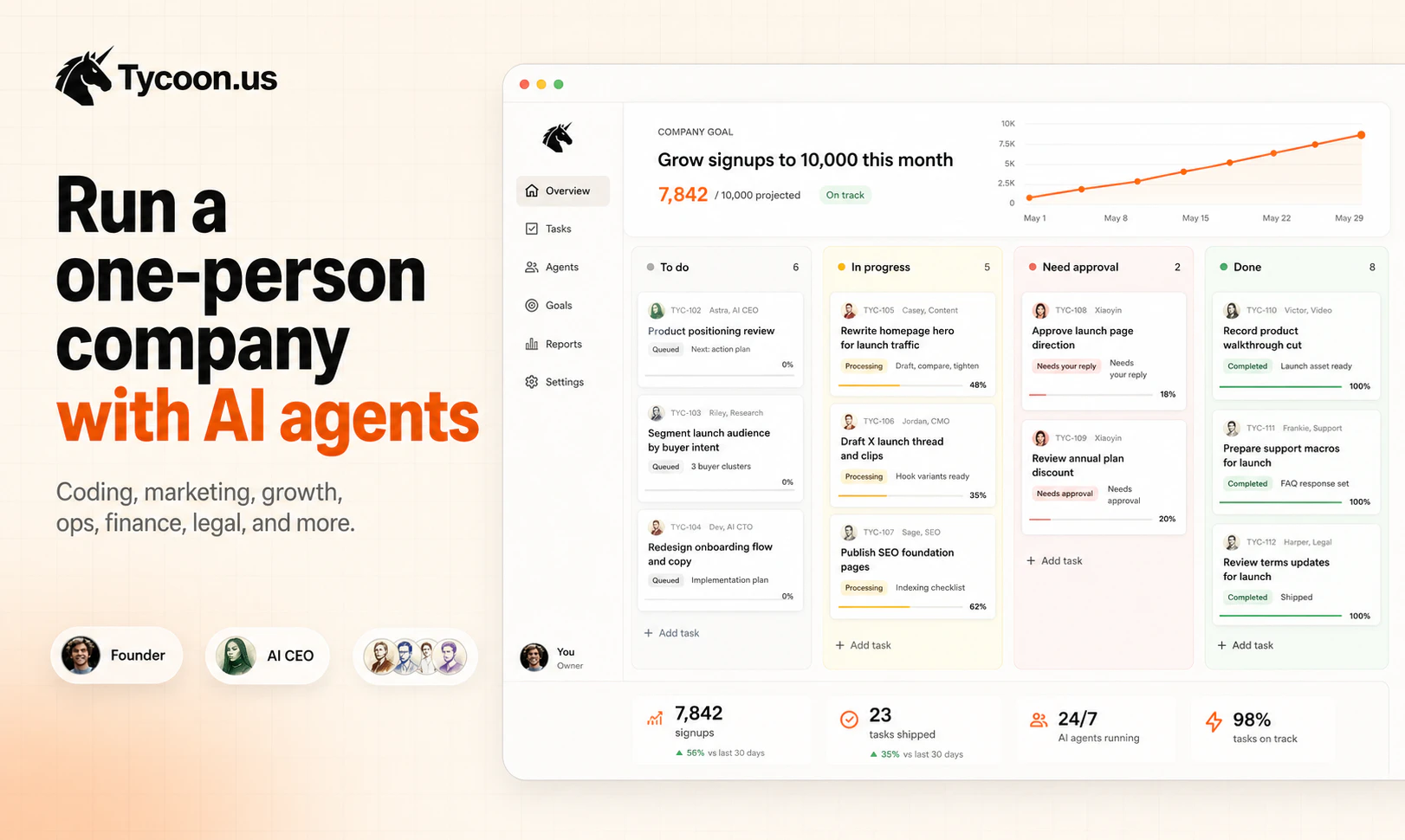
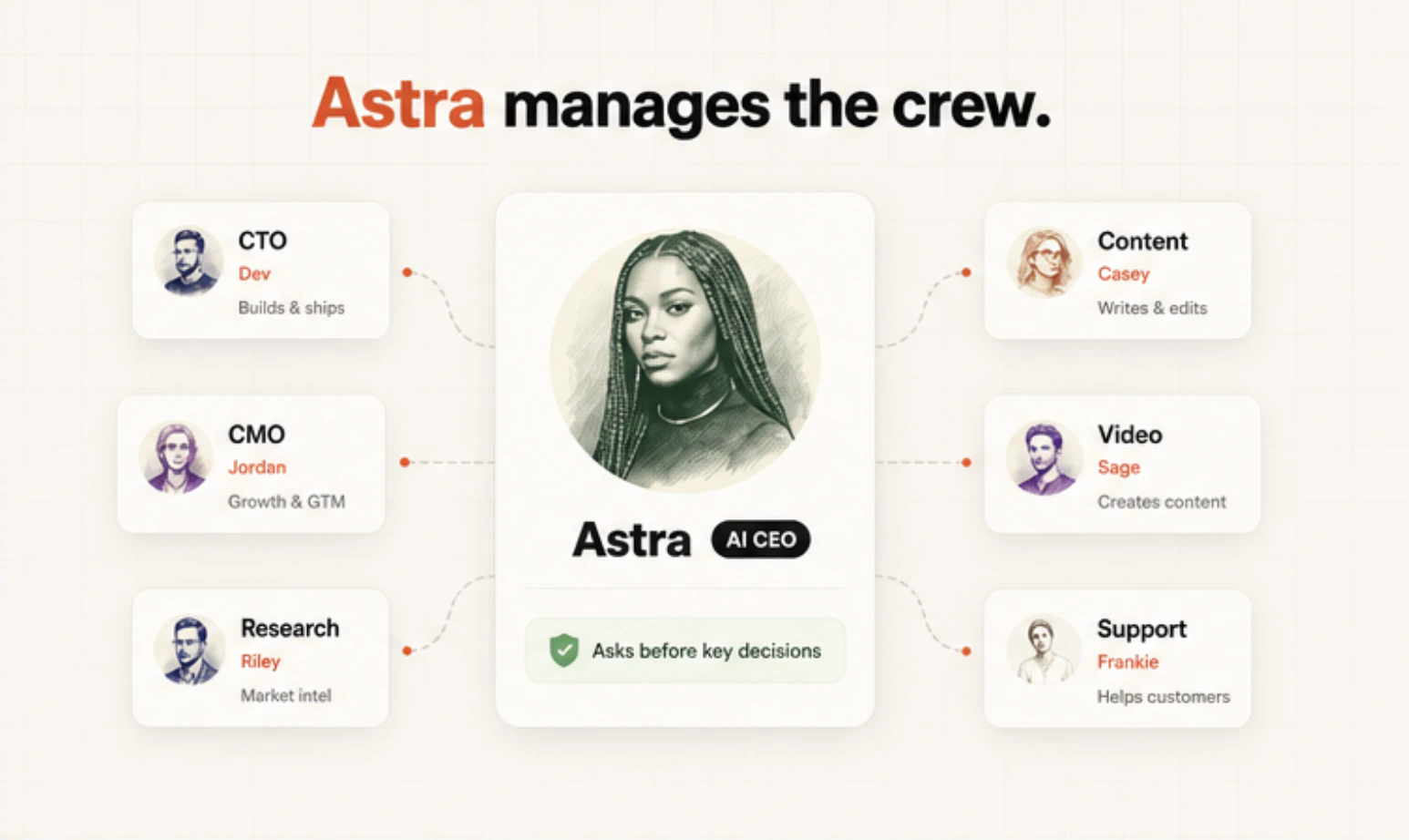
查看原始信息
Rigyd
Robot learning is only as good as its data. For sim-first teams, success depends on domain randomization. Train a humanoid in 1M simulated kitchens so it doesn't fail in the real one. Or train a robotic arm on thousands of objects of varying sizes, masses, and materials. Both require physics-accurate 3D content at scale. Most teams don't have it. Rigyd auto-generates and randomizes physics-accurate 3D objects and worlds at scale, unlocking sim-to-real scenarios that were previously impossible.

👋 Hey Product Hunt, I'm Ugur, co-founder of Rigyd.

For the past 4 years, we've built a platform that generates 3D visuals and powers AR try-on experiences for some of the largest footwear and retail brands in the world. We've processed 30K+ 3D assets and delivered immersive experiences to 10M+ users in the last 12 months at artlabs.ai. The goal was to give shoppers a photorealistic look, so we obsessed over mesh fidelity and texture quality.

Then robotics companies started knocking. They wanted millions of 3D assets to populate simulation environments. Sim-to-real transfer works through domain randomization: train your humanoid in 1M different kitchens and a real one isn't a surprise when it's deployed.

That's when we realized that looking right and behaving right are completely different problems. These teams needed proper collision meshes, physically accurate mass, realistic friction, and more. Not just pretty geometry and texture.

Most 3D assets weren't built for physics. A robot trained on them learns nothing useful. It falls through floors, grips through objects, and generalizes terribly to the real world.

And it's not the simulators holding things back. Isaac Sim, MuJoCo, and Gazebo are widely deployed. Newer engines like Genesis have arrived with even faster runtimes. The physics engines are mature. The 3D content going into them isn't.

The current fixes fall short. Teams either manually create or annotate every asset (doesn't scale) or accept platform defaults and hope the policy generalizes. Neither works.

So we built Rigyd. It ingests raw 3D, images, or text and produces validated OpenUSD (with USDPhysics schemas) and MJCF, with collision meshes, mass, friction, restitution, material properties, and semantic labels baked in. Works in Isaac Sim, MuJoCo, and Unreal out of the box.

No manual annotation. Weeks → minutes. From any input.

Our early users are already using it for
→ Warehouse automation
→ Simulating surgical rooms
→ Testing robotic arms before deployment

The UI is for exploration. The real surface is programmatic. Rigyd exposes tools so agents (or your own pipelines) can generate millions of physics-accurate sims directly inside NVIDIA Isaac Sim, MuJoCo, or wherever you train.

If you're building anything in robotics, AV, industrial automation, or embodied AI: claim the free credits on signup. All we'd ask is honest feedback. What works, what doesn't, what you wish it did differently.

If you've hit the sim-data wall and want enterprise/bulk API access, DM me. We're onboarding a small group of design partners in June.

If you just want to nerd out about OpenUSD, domain randomization, or sim-to-real transfer, we're in the comments all day.

Robotics is going to be the largest industry in history. We think the data infrastructure for it should be as easy to use as Stripe is for payments. That's what we're building.

Check it out 👉 rigyd.com

Ugur

15
回复

@uguryekta looks sick!

2
回复

@uguryekta This is next level type ish!!

1
回复

Congrats on the launch! Looks great. Curious what asset formats you ingest (OBJ, FBX, GLB, STEP, USD)?

4
回复

@furkan_dindar Hi Furkan! This is Damla, PM at Rigyd. Thanks for the support! 🚀

We’ve built a pretty flexible engine, we currently support .glb, .gltf, .fbx, .obj, .stl, .ply, .usd, .usda, .usdc, .usdz, and .zip files. We would love to hear what is the needed in workflows and make sure to adapt pretty quickly.

3
回复

How do you validate that the physics actually behaves correctly post-generation? Do you run automated sim rollouts, compare against ground-truth measurements, or rely on schema conformance only?

4
回复

@zeynep_yorulmaz we have built-in NVIDIA Omniverse asset validator in Rigyd. It checks tens of parameters from geometry to name convention. you can see it here: https://docs.rigyd.com/simready-validation/full-coverage/

4
回复

Hey @zeynep_yorulmaz ! Dogancan here, R&D Lead at Rigyd. Three layers:

  1. Every asset conforms to SimReady Foundation standards (USD/MJCF), catching structural issues at export.

  2. Each asset runs through a headless tilting-ramp test in Isaac Sim (0°–50° over 4s) that exercises all six physics properties in behavior: mass, friction, restitution, collision, COM, and inertia. If it falls wrong, slides wrong, or clips, it fails before shipping.

  3. We don't physically measure each object's mass or friction; instead our proprietary estimation engine infers physics properties from the asset depending on the materials and dimensions. For robot-learning workflows where domain randomization is the goal, a distribution of plausible physics is what you actually want, not one ground-truth value per object.

5
回复

Wow, quality of the generated assets are impressive. With all the materials and physics. 3 credits for trial is not enough though to test all the features.

3
回复

@ozgungenc Thanks Özgün! Glad you like it, I've added 20 more credits to your account to test all the features :)

0
回复

Congrats on the launch. Also love the OpenUSD angle. I believe like the ecosystem is converging around more standardized pipelines instead of every company building tooling around meshes && annotations :)

2
回复

@gorkemcetin we want them to focus on solving really hard problems by standardizing their content pipelines. Thanks for the support!

0
回复

One of the biggest bottlenecks in robotics today is not the model, it’s the data. Rigyd tackles a massive problem by making physics-accurate synthetic training environments scalable and practical.

Training across millions of variations is exactly what humanoid and robotic manipulation systems need to generalize in the real world. Excited to see where this goes.

2
回复

@alperguler1 Thanks for the support, Alper. The robotics field faces many challenges, with sim data being a major one, but we are dedicated to tackling them one by one.

0
回复

This is cool. Curious how are you generating collision meshes under the hood? VHACD-style decomposition, SDFs, or custom approximations?

2
回复

@serefyarar We went with CoACD. It improves on V-HACD which tends to over-simplify concavity, and we can tune the collision/performance trade-off via the concavity threshold. The hulls play nicely with both Isaac Sim's PhysX and MuJoCo's convex collision pipelines, which are our targets.

0
回复

Congrats and good luck on the launch! Looks amazing

2
回复

@mert_aktas hi Mert, thanks for your support!

0
回复

Congrats on the launch! Rooting for Rigyd today.

2
回复

@affan_dindar thanks for your support, Affan 🚀

0
回复

I love it!

2
回复

@osman_kocs hi Osman, thanks a lot!

0
回复

Do you randomize visuals too, or is Rigyd mainly focused on physics and geometry?

1
回复

@othman_katim we do! one of our early enterprise users demanded creating different texture variations for their warehouse and we shipped it. What kind of randomization do you need?

0
回复