PH热榜 | 2026-06-22
一句话介绍:Skybridge 是一个开源 React 框架,专为构建在 ChatGPT、Claude 等 AI 助手中运行的交互式 MCP 应用而设计,解决了开发者在不同 AI 主机间重复编写兼容代码、缺乏热加载调试工具和统一测试环境的痛点。
Open Source
Developer Tools
Artificial Intelligence
MCP框架
React
开源
AI应用开发
全栈工具链
ChatGPT插件
Claude集成
热模块替换
跨平台兼容
开发者工具
用户评论摘要:用户高度认可其“一次编码,到处运行”的跨平台兼容能力和热加载调试体验。主要关注点包括:不同主机间权限与上下文解析的一致性测试如何保证;抽象层是否会影响特定主机的自定义功能(框架提供了底层 API 解决);以及运行合规扫描是否必须依赖自家云服务(支持本地 CLI 审计)。
AI 锐评
Skybridge 本质上不是又一个“React 框架”,而是 AI 应用分发渠道碎片化催生的“管道胶带”。它精准切入了一个现实痛点:当 ChatGPT、Claude、Cursor 各自为政,每个平台都有一套别扭的实现细节时,开发者被迫把大量精力浪费在无价值的“兼容性胶水代码”上。Skybridge 通过抽象层解决了这个重复造轮子的苦力活,这是其核心价值。
但必须清醒看到,这是典型的基础设施红利。框架的成功完全取决于上游 AI 巨头们是否会持续开放并保持这种碎片化。如果 OpenAI 或 Anthropic 哪家明天推出官方的、大一统的跨平台 SDK(或者干脆收紧政策,限制第三方框架的能力),Skybridge 的抽象层价值会瞬间贬值。目前其宣称的“500K+ 下载量”和商店里的应用数量,更多是尝鲜红利,而非护城河。
评论中社区强调的“热加载”和“本地调试”体验改进才是真正的硬骨头。Web 开发者习惯了成熟的 HMR 工作流,但 MCP 应用开发此前还停留在“改代码-重启-刷新”的原始社会。Skybridge 把前端工程化的成熟经验搬进这个新领域,对提升开发效率是实打实的贡献。
但风险也很明显:过度抽象可能导致开发者被锁定在其生态中,一旦某主机推出更底层、性能更优的原生 API,绕过 Skybridge 直接调用可能成为最优解。此外,评论区对“测试一致性”的追问十分犀利——不同主机对授权和上下文的解释各异,框架能否提供真正的“一次通过,到处运行”仍有待验证。总体而言,Skybridge 是一个及时的商业赌注,但它更像一个“适配器中间件”,而非一个不可替代的技术平台。对于希望快速试水 MCP 应用的个人或小团队,它极具吸引力;但对于追求深度集成的企业,需仔细评估其长期成本与上层风险。
一句话介绍:AgentX 是一个为AI智能体提供类似CI/CD的评估、监控与一键修复的平台,帮助团队在生产环境部署前发现并解决智能体潜在的故障与性能衰退问题。
Analytics
Developer Tools
Artificial Intelligence
AI智能体评估
可观测性
CI/CD
性能对比
质量门禁
一键修复
多模型支持
质量漂移检测
用户评论摘要:用户高度认可其解决AI智能体调试与评估痛点的定位,尤其关注多步推理、工具调用准确性和质量漂移等难题。核心疑问集中在:如何处理非确定性输出、如何设置质量门禁、与现有工具的差异以及是否支持合成用例。团队回应强调了聚合评分、版本追踪和跨模型对比等能力。
AI 锐评
AgentX精准切中了当前AI Agent开发中“易建难信”的核心矛盾。其“CI/CD for AI agents”的定位非常巧妙,将软件开发中成熟的测试与发布流程引入混沌的Agent世界,直击“看不见的失败”这一最大痛点。
产品的真正价值不在于提供一个简单的测试工具,而在于构建了一套“可观测、可量化、可归因、可门禁”的Agent质量体系。从评论看,团队对“非确定性输出”和“质量漂移”等棘手问题的回应相当专业,没有回避Agent的非确定性,而是通过“平均分+方差”、“版本跟踪趋势”等更务实的统计学手段来管理风险,这比试图追求完美确定性更符合现实。支持跨模型性能/成本对比,则切中了企业在选型时的实际焦虑,是一个极具商业价值的决策锚点。
然而,挑战同样明显。AgentX目前更像一个事后分析平台,而“一键修复”的实际落地能力和对复杂多Agent链路的自动根因分析能力,才是其护城河。此外,面对Braintrust、Arize等已占据部分心智的竞争对手,AgentX需要更突出其在“Agent协同工作流”和“端到端业务任务”方面的深度,而非停留在单一的LLM调用层面。若能将评估从“写代码”推向“定义质量标准”的业务层,它或能真正成为Agent构建的标配基础设施。
一句话介绍:Alai 2.0是一款专注于品牌一致性的AI设计工具,通过深度捕捉品牌视觉系统(字体、颜色、布局等),帮助用户快速生成符合品牌调性的演示文稿、社交媒体帖子、广告等视觉内容,解决AI生成物“千篇一律、毫无品牌感”的痛点。
Design Tools
Productivity
Artificial Intelligence
AI设计工具
品牌设计系统
演示文稿生成
社交媒体视觉
企业级设计
AI模型选择
品牌一致性
手动编辑
版本控制
用户评论摘要:用户核心提问涉及:品牌系统能否严格锁定(避免手动清理)、数据隐私与安全性、跨团队协作时设计系统是否“漂移”、复杂表格/仪表盘的生成能力、以及在大厂(如Claude Design)竞争下的差异化。创作者回应强调“不训练用户数据、支持企业DPA”、“设计系统可灵活迭代”、“表格生成能力良好”以及“模型选择自由”是其护城河。
AI 锐评
Alai 2.0切中了一个极其精准且昂贵的痛点:企业日常大量产出的“视觉垃圾”——那些既不高效也不美观的PPT、海报和社交媒体物料,本质上是品牌资产的流失。它没有停留在“用AI生成漂亮模板”这种浅层套利,而是试图通过“深度品牌捕获”建立真正的护城河。这个方向对了,但挑战不小。
其核心价值在于“设计系统即权威源”,通过解析企业已有的PPTX、网站和规范文档,将隐性的视觉规则显性化。一旦这个系统建立,后续所有AI生成物都能锁定在品牌框架内,理论上解决了“AI出活快但像别人的”这一关键矛盾。同时,“自定义AI模型”和“手动+AI双编辑模式”赋予了用户对成本和节奏的控制权,这比那些封闭的“一键生成”工具聪明得多。
然而,评论中暴露的深水区问题才是真正的门槛:复杂表格/仪表盘的自动化、跨团队使用时的系统漂移、以及源头资产本身就混乱时的清洗策略。Alai目前给出的解决方案是“人工干预+用户迭代”——这很诚实,但也意味着它离“完全自动化”还有距离。另外,数据隐私是To B客户的生死线,虽然强调不训练数据,但需要更多技术背书(如本地化部署)来建立信任。
最终,Alai的胜负手不在于它能否生成漂亮的图,而在于它能否成为企业内部“品牌一致性的最后一公里”的基础设施。如果能从“工具”进化成“标准”,便有机会在巨头碾压前站稳脚跟。否则,一旦Google或Adobe在自家生态内推出类似深度品牌绑定功能,Alai的生存空间将被急剧压缩。
一句话介绍:HAQQ Legal AI 通过手机端上传合同、提问,利用“Justinian®”引擎提供结构化、分司法管辖区的法律推理与风险标注,让任何人都能低成本获得专业级法律分析,解决普通人“不懂法、问不起律师”的痛点。
Legal
Artificial Intelligence
法律AI
移动端
合同分析
司法管辖
风险提示
法律科技
普惠法律
Justinian引擎
结构化输出
低门槛
用户评论摘要:用户关注产品命名(HAQQ/JUST/Justinian)关系;询问多语言合同支持(回复称可生成30+语言、80+司法区文书);关心对SaaS合同条款(T&C、隐私政策)的跨国差异处理;追问高风险场景下的准确性保障;好奇Justinian相比基础LLM的增量价值;询问支持的文件格式(如xlsx)。
AI 锐评
HAQQ Legal AI 的突围思路很清晰:它不再重复“用大模型当律师”的旧剧本,而是将“法律结构化”作为核心壁垒。从评论中用户的追问可以看出,市场对“通用LLM法律化”的失望是普遍的——大多数产品只会生成一段漂亮但缺乏风险意识的文字。HAQQ通过Justinian引擎引入司法管辖认知和风险标注,相当于给法律AI装了“地方法规滤镜”,这直接解决了个人与企业最怕的“跨地区法律盲区”问题。
产品命名上的模糊(HAQQ、JUST、Justinian并存)可能造成认知摩擦,但背后的战略意图值得肯定:HAQQ是面向C端用户的“移动入口”,而Justinian才是真正的技术中台。这种分层设计给了未来B端API化很好的伸缩性。
不过,关键挑战在于信任构建。法律场景的容错率极低——一个错误的风险判断可能直接导致用户损失。评论中“wrong answer does real damage”的提问直指核心。目前的回答(如“30+语言合同生成”)并未正面回应准确率保障机制。如果HAQQ不能展示出经得起背书的错误率数据或行业认证,它很可能只能在“轻咨询”层面停留,难以突破高价值决策链。此外,对中小SaaS团队所需的合同条款跨国合规支持,目前披露的信息仍显笼统,这是B端付费意愿的关键分水岭。
总的来说,HAQQ方向正确、技术差异化明显,但“普惠法律”的宏大故事还需更严谨的落地证明——尤其是,AI给出的风险标记,到底是“提醒”,还是“免责声明”,用户需要更明确的答案。
一句话介绍:readywhen是一款24/7全天候AI“幕僚长”,自动捕获并跟进管理用户散落在Slack、邮件、会议和文档中的承诺与行动项,解决创始人、领导者在跨平台协作中承诺遗漏和跟进负担的痛点。
Productivity
Task Management
Virtual Assistants
AI助理
承诺追踪
行动管理
任务跟进
知识图谱
自动起草
生产力工具
商业智能化
创始人工具
协作效率
用户评论摘要:用户普遍肯定自动捕获承诺的价值,核心疑问集中在:如何区分“随口一说”与真实承诺?如何控制误报和优先级?高频率返回草稿是否变成新负担?团队通过知识图谱和反馈机制逐步优化,但用户仍关注扩展后的信任与效率平衡。
AI 锐评
readywhen切入了一个足够微小却极其真实的需求:承诺的散落与遗忘。它不是又一个AI笔记或任务清单,而是试图成为跨平台承诺的后端“记录+驱动层”。其聪明之处在于,不堆砌功能,而是聚焦“捕获—前置—审批”三环,把AI限制在“帮用户起草”而非“代替用户决定”,从而降低信任门槛。
但问题也明显。第一,AI判断承诺意图的能力仍是黑盒,用户评论中多次质疑“可能”与“一定”的区分,一旦误报过多,用户要么戒断要么麻木。第二,如果每位用户每天生成30条捕获和30条待审批,系统反而制造了新盲区——你从怕漏掉承诺,变成怕漏掉AI的“提醒”。第三,知识图谱和持续学习听起来合理,但用户实际投入的“教育成本”能否低于手动管理,存疑。
价值上,它是对“信息工作量逆增长”的一种精准反击:大多数AI工具在增加通知和告警,而readywhen试图减少用户必须处理的节点。这方向对。但执行上,它需要从“懒人版幕僚”进化为“真正懂你的幕僚”,而不是把分散的承诺聚集到一个地方后,仍然等着你逐一扫视。
一句话:解决了真实问题,但距离“减去思考”而非“集中思考”还差一个真正的优先级引擎。
一句话介绍:Cloudflare Temporary Accounts 允许AI代理在无需人类注册或登录的情况下,通过临时账户在60分钟内完成代码部署、测试和迭代,解决了代理在自动化工作流中被身份验证和账户设置环节卡住的痛点。
Developer Tools
Artificial Intelligence
临时账户
AI代理
无服务器部署
Cloudflare Workers
自动化工作流
短时凭证
身份验证
DevOps
攻击面缩减
开发者工具
用户评论摘要:用户普遍认可60分钟临时窗口设计,认为兼顾了效率与安全性。核心疑问集中在“认领”时的状态迁移:KV/D1/Durable Objects等绑定是否能完整继承?此外,无人认领的资源是否彻底清除,以及临时账户的恢复机制也引发关注。
AI 锐评
这个产品切中了AI代理执行复杂任务时的核心死穴——人类身份验证的中断。当一个代理需要部署时,它面对的通常是针对人类设计的OAuth流程、API令牌创建和仪表盘点击,这本质上是在用“人的流程”去卡“机器的脖子”。Temporary Accounts的优雅之处在于,它不试图改造人类认证体系,而是为机器创造了独立的“沙盒时间”,让代理在60分钟内像自主程序员一样工作,而非等待许可的提线木偶。
但犀利的质疑同样需要被正视:产品宣发中隐含“一键认领”的美好承诺,可能会在真实业务场景中碰壁。评论中反复出现的“KV/D1绑定是否能完整转移”绝对不是吹毛求疵,而是对“临时环境”与“生产环境”之间是否真的存在一条透明通道的拷问。如果认领之后需要开发者手动重建状态绑定,那么这个临时账户就沦为“功能演示工具”,而非真正的生产力加速器。此外,60分钟窗口虽然聪明地限制了攻击面,却也暴露了其设计对“长生命周期”代理任务的不友好——如果一个复杂的AI推理流需要更长跨度的部署验证,这个沙盒可能就成了牢笼。
Cloudflare用“临时账户”在人类与AI之间挖了一条沟,又用“认领机制”搭了一座桥。但桥的质量,取决于它是否能把临时环境中的一切“状态”安全、无损地搬到对岸。否则,这条“快车道”只会通向一片无人认领的代码坟场。
一句话介绍:在等待ChatGPT或Claude生成回复的3-8秒空白间隙,uwait以Chrome扩展形式展示精选广告,用户、内容出版商和平台三方共同变现这段“注意力空窗期”。
Advertising
Artificial Intelligence
Search
Chrome扩展
AI等待时间
注意力变现
广告分成
创作者经济
用户激励
出版商补偿
闲置时间利用
浏览器插件
微支付
用户评论摘要:用户普遍认可创意新颖,但聚焦几大疑虑:分成金额是否足以驱动用户留存(@reda_roqai_chaoui);广告是否会演变为“等待广告”的YouTube式体验(@elias_motionfy);AI训练数据的出版商归属如何精确核算(@andrasczeizel);以及广告轻量化和高门槛筛选能否在规模化后维持(@tina_chhabra)。创始人在回复中强调广告仅存在于加载间隙、且人工审核每一则广告。
AI 锐评
uwait本质上是在榨取AI基础设施的“剩余价值”,它找到的缝隙足够刁钻也足够诚实。从商业逻辑看,这并非一个颠覆性产品,而是一个极其精巧的流量套利工具:把用户本已习惯的无效等待时间资本化,通过三方分账降低各方敌意。但它的脆弱点也很突出。
首先,用户的支付意愿本质上是负的——他们不是为服务付费,而是被付费容忍干扰。这个模型能否跑通完全取决于“等待时间+广告”的组合是否比“等待时间”本身更让用户不堪。一旦用户觉得那3秒的广告比旋转的加载动画更烦人,留存即刻崩塌。目前的分成机制(50%给用户)听起来慷慨,但以广告CPM推算,重度用户月收入大概率不超过几美元,这能否构成正向激励存疑。
其次,对出版商30%的分成看似是道德补偿,却暗藏归因死穴。创始人声称基于AI回复中的“引用”来分配收入,但大多数AI对话并不提供明确引用,且模型训练数据源远比一次对话引用复杂得多。这种“精确归因”要么是营销话术,要么将导致大部分收入无法分配。更现实的情况是,初始阶段出版商分成会变成一笔滞纳的“黑箱金”。
最后,广告主端的价值命题其实最稳固——“AI重度用户”本身就是高净值人群标签,即便每次曝光仅3秒,注意力质量却极高。但问题在于,一旦广告主开始要求更长的展示时间或更精准的投放,这种“纯被动填补”的模式会迅速滑向破坏用户体验的方向。创始人口中“质量优先”的人工审核制,在规模化面前不堪一击。
总而言之,uwait是一个值得关注的实验,它证明了一个洞察:AI时代的新资产不是数据,是“等待”。但它更像是互联网早期“弹窗广告”的优雅变种,而非用户友好型创新。它的天花板,恰恰是用户愿意为了区区几分钱出卖多少“无聊的时间”。
一句话介绍:AirJelly是一款始终在线的桌面AI代理,通过持续观察用户屏幕活动,主动捕捉意图、整理任务并预测下一步行动,解决信息碎片化与跟进遗漏的痛点,减少认知负担。
Productivity
Artificial Intelligence
Virtual Assistants
桌面AI代理
屏幕上下文
主动任务管理
意图捕捉
关系记忆
隐私控制
生产力工具
智能助手
自组织知识库
用户评论摘要:用户关注误判后的纠正机制(4赞),担忧数据导出、应用级观察范围与敏感信息泄露(1赞)。其余评论认可跟进追踪、关系记忆等特性,认为工具随时间价值递增,但有意愿询问承诺识别的判定标准。
AI 锐评
AirJelly的“屏幕上下文感知”概念确实激进——它试图从“被动响应”跨越到“主动预判”,这在AI应用层算是一次大胆的进化。但产品介绍与评论暴露出两个核心矛盾:第一,用户反复质疑的“误判纠正”问题,这本质是AI概率模型与用户确定性需求的冲突。如果每次误读都需要用户手动校准,所谓的“第二大脑”会退化成“需要训练的宠物”,反而增加认知税。第二,隐私边界模糊化。产品强调“观察屏幕”,但多数用户明确希望限定观察范围(如排除特定APP或窗口),而目前回复中并未展现细致的权限粒度设计。这会让企业用户和专业工作者望而却步——毕竟没人敢让一个脱缰的AI监听Slack和邮件。真正的价值或许不在于“主动做事”,而在于“关系记忆”和“跟进追踪”——这是现有工具覆盖最差的环节,用户也明确投票支持。建议团队优先聚焦“高精度意图捕获”+“可控观察范围”,做成一个“只记录、不越权”的助手,而不是一个“什么都想猜”的管家。否则,即便投票破千,也会困在“知道你在看什么,却不知道你要什么”的尴尬里。
一句话介绍:MediaSeg 是一款 macOS 本地工具,能无损将超大音视频文件按目标大小切分成块,解决用户在上传至 NotebookLM 等有容量限制平台时反复遇到的上传超限痛点。
Mac
Productivity
Meetings
GitHub
macOS
视频分割
音频分割
上传优化
NotebookLM
本地处理
无损切分
FFmpeg
AI辅助开发
生产力工具
用户评论摘要:用户普遍认可其解决上传容量限制的真实痛点,赞赏本地处理且不重新编码。主要问题包括:当前不支持纯音频格式(WAV/AIFF),分割是否基于关键帧对齐以避免解码花屏,以及最大文件处理能力。开发者回应称后续考虑加入音频支持,目前仅按大小分割,测试最大文件为7.7GB MP4。
AI 锐评
MediaSeg 的叙事非常聪明——“本人痛点,两天用AI搞出来的”,这种“创作者即用户”的真诚感天然具备传播力。但从产品价值看,它本质是一个为 FFmpeg 加了一层漂亮 UI 的封装器,技术壁垒极低:stream copy 按大小分割是 FFmpeg 的标准功能,唯一差异化在于本地化和简洁体验。然而,缺乏关键帧对齐是其硬伤——正如评论中一位用户所指出的,当切分边界落在GOP中间时,下游解码器可能会产生花屏,这让“无损”在部分场景下打了折扣。对于 NotebokLM 这类语音转文字场景或许影响不大,但如果想扩展到更专业的视频处理场景,这是一个需要正视并修复的问题。另外,目前仅支持 MP4/WEBM,而采访、录音常用的 WAV/AIFF 被排除在外,说明产品的初始定位仍是为作者自己的视频需求而生,尚未真正覆盖更广的音频工作者。从商业角度看,这类任务一旦被主流操作系统或云平台作为原生功能集成,生存空间会迅速收窄。好在其“两天 AI 辅助开发”的叙事本身成为了一个营销卖点,并可能被复制到更多细分工具上,形成“快速验证 + 社区共鸣”的模式。总的来说,它是一个优秀的微创新 Demo,有价值,但上限清晰。
一句话介绍:Clawd是一款基于100%本地离线AI的浏览器桌面宠物,通过实时感知网页情感和内容,为用户在枯燥的浏览过程中提供趣味互动与陪伴,解决浏览器环境下缺乏个性化和隐私保障的痛点。
Chrome Extensions
Productivity
Developer Tools
Artificial Intelligence
GitHub
浏览器宠物
桌面伴侣
本地AI
隐私优先
情感感知
Chrome扩展
离线AI
ONNX Runtime
Gemini Nano
浏览器插件
用户评论摘要:用户普遍对本地离线处理和隐私保护表示认可,但核心担忧集中在性能开销上,包括CPU、内存占用以及对多标签页的影响。不少用户质疑其“情感感知”能否成为长期使用的驱动力,而非仅一时新鲜。开发者回应强调仅扫描标题和描述(限500字符),动画依托GPU,性能优化较好。
AI 锐评
Clawd精准地击中了两个群体的情绪:怀旧的“桌面宠物情结”和现代技术信徒的“隐私焦虑”。从产品设计看,它聪明地规避了AI功能落地的两大雷区。一是性能不可控:通过限定DOM扫描范围为
和<meta>(500字符上限),而非吞下整个页面,它在AI分析的智能性与浏览器资源占用之间找到了一个务实平衡点。这种“采样而非全量”的工程策略,让本地推理得以在毫秒级完成,回应了用户对内存和CPU开销的核心质疑。二是隐私信任:100%离线,不用第三方API,不仅是一个差异点,更是一种技术姿态——它让“隐私”从营销口号变成了可验证的工程事实,而回应中对开源建议的回避,反而留下了一丝疑虑。
</p>
<p class="ai-content">
然而,产品真正的挑战并非技术,而是“持续性”。Clawd面临的是所有“增强型互动工具”的终极考验:如何在新鲜感褪去后,依然让用户觉得它不可或缺?当前的核心机制——浏览时解锁动画与互动——本质上是一种“被动陪伴”。它确实比静态图标多了反应,但若不能让用户主动“想玩”,就极易沦为背景摆设。Voice Chat与自定义人设(如毒舌、Z世代)或许是一条出路,但目前尚未成为撬动用户日常交互的核心场景。
</p>
<p class="ai-content">
整体而言,Clawd在产品执行上合格,工程取舍老练,且找到了一个巧妙的利基市场。但要真正从“有趣的插件”进化为“浏览器的必备伴侣”,它还需要从“反应性陪伴”转向“主动性价值输出”,比如基于上下文提供更实质的效率建议或信息摘要。否则,它注定只是数字桌宠赛道上的一只“高智商金丝雀”——好看,但终究会忘了喂。
</p>
</div>
<div class="comments-section">
<div class="comments-toggle">
<span>查看原始信息</span>
<span class="toggle-arrow">▼</span>
</div>
<div class="comments-container">
<div class="comment-item">
<div class="comment-header">
<span class="comment-author">Clawd</span>
</div>
<div class="comment-content">Meet Clawd, the context-aware browser pet that truly understands your vibe. Clawd crawls your screen, reacts to website sentiment, and levels up to unlock 140+ animations. He’s more than just a mascot. Use the new voice-enabled Chat to talk to him in custom personas (Sarcastic, Gen Z), complete with Markdown support and text-to-speech! Best of all? It’s 100% offline and privacy-first. Your data never leaves your machine. Clawd is your ultimate browsing companion!</div>
</div>
<!-- 评论列表 -->
<div class="comment-item">
<div class="comment-content"><p>Hi Product Hunt! 👋<br><br>I’ve always missed the simple joy of desktop companions from the 90s (shoutout to Shimejis and BonziBuddy!), but I wanted something that felt truly "alive" in the modern web.<br><br>Clawd was born from a simple challenge: Can an AI pet be incredibly smart, highly interactive, and 100% private at the same time?<br><br>By leveraging Chrome's built-in Gemini Nano alongside on-device machine learning (ONNX Runtime), Clawd "vibe-checks" every page you visit entirely locally. He knows when you’re debugging a crash on GitHub, relaxing on YouTube or doomscrolling on social media—and he reacts to all of it.<br><br>What makes Clawd special:</p><ul><li><p>100% Private AI: Sentiment analysis and chat happen entirely on-device. No API keys, zero latency, and no data leaves your machine.</p></li><li><p>Interactive Voice & Chat: Speak to Clawd via your microphone or text. He replies using text-to-speech voice playback, Markdown formatting, and custom personas (Sarcastic, Gen Z, Encouraging, etc.).</p></li><li><p>Distraction-Free & Optimized: We know your browser footprint matters! Use the Focus Mode to completely silences Clawd or Ghost Mode to dynamically fade Clawd's opacity down while you are actively typing or scrolling, and toggle Performance Mode to cap the physics engine and save battery on low-end machines. </p></li><li><p>Custom Physics: He doesn't just sit there; he crawls the ceiling and snaps to edges.</p></li><li><p>Leveling & Progression: Earn XP simply by browsing to unlock 140+ animations, interactive toys, and rare cosmetic auras.</p></li></ul><p>I built this for anyone who spends their entire day in a browser and wants a little more fun and personality in their workspace. I’d love to hear your feedback on his new chat features, or any ideas for new toys and animations to add!</p><p></p><p>Happy browsing!</p></div>
<div class="comment-actions">
<div class="comment-vote">
<span>▲</span>
<span>5</span>
</div>
<span>回复</span>
</div>
<div class="comment-replies">
<div class="reply-item">
<div class="reply-content"><p><a href="https://www.producthunt.com/@fuijidevv" target="_blank" rel="nofollow noopener noreferrer">@fuijidevv</a> Did you make those cute-animations yourself??</p></div>
<div class="comment-actions">
<div class="comment-vote">
<span>▲</span>
<span>1</span>
</div>
<span>回复</span>
</div>
</div>
<div class="reply-item">
<div class="reply-content"><p><a href="https://www.producthunt.com/@fuijidevv" target="_blank" rel="nofollow noopener noreferrer">@fuijidevv</a> A browser pet that actually reacts to page context is a genuinely fun idea — and the offline-first approach is the right call for something that reads your screen.<br></p><p>Two things I'm curious about:<br></p><p>Memory footprint — how heavy is it in practice? Screen-reading + 140+ animations running in the background sounds like it could get hungry. What's the typical RAM usage?<br></p><p>On the privacy angle — since it reads screen content, have you considered open sourcing it? For a tool making privacy-first claims, an open codebase lets users verify that rather than just trust it. That could actually become one of your strongest selling points with the privacy-conscious crowd.</p></div>
<div class="comment-actions">
<div class="comment-vote">
<span>▲</span>
<span>0</span>
</div>
<span>回复</span>
</div>
</div>
</div>
</div>
<div class="comment-item">
<div class="comment-content"><p>The nostalgia angle is real - I grew up with Shimeji and BonziBuddy too. But my honest question is whether the "context-aware" part adds enough to make this a daily driver vs. a novelty you install, smile at for a week, and then disable. The local AI for sentiment analysis is cool in theory, but I'd want to know what the actual CPU/memory overhead looks like on an average laptop with 15+ tabs open. That's usually what kills these ambient extensions for me.</p></div>
<div class="comment-actions">
<div class="comment-vote">
<span>▲</span>
<span>0</span>
</div>
<span>回复</span>
</div>
</div>
<div class="comment-item">
<div class="comment-content"><p>the gemini nano + onnx split is the smart part — nano's gated behind chrome flags and a multi-gig pull on most machines, so the 67mb onnx model is what actually carries the 100%-local promise for everyone else.</p></div>
<div class="comment-actions">
<div class="comment-vote">
<span>▲</span>
<span>0</span>
</div>
<span>回复</span>
</div>
</div>
<div class="comment-item">
<div class="comment-content"><p>The 100% local offline processing is a real differentiator - curious what model is actually running under the hood and whether it performs well on machines without a dedicated GPU?</p></div>
<div class="comment-actions">
<div class="comment-vote">
<span>▲</span>
<span>0</span>
</div>
<span>回复</span>
</div>
</div>
<div class="comment-item">
<div class="comment-content"><p>Running inference entirely local inside a browser extension is a real engineering constraint. Gemini Nano with ONNX Runtime is a smart choice. Context injection from the DOM has to be selective or you'll overwhelm the local model's context window. How do you handle it when the page is large? Does Clawd summarize DOM sections or use a fixed token budget?</p></div>
<div class="comment-actions">
<div class="comment-vote">
<span>▲</span>
<span>0</span>
</div>
<span>回复</span>
</div>
<div class="comment-replies">
<div class="reply-item">
<div class="reply-content"><p><a href="https://www.producthunt.com/@anand_thakkar1" target="_blank" rel="nofollow noopener noreferrer">@anand_thakkar1</a> Clawd doesn't actually scrape the entire DOM body. Instead, he extracts only the <title> and <meta> description tags, which strictly truncate to a maximum of 500 characters. <br></p><p>This fixed character budget is piped to our Offscreen Document hosting the WebAssembly-compiled ONNX Runtime. This approach gives us just enough semantic meaning to evaluate the page's sentiment and intent accurately without ever risking token limit overflow, and it keeps CPU overhead incredibly low so we don't lag the user's browsing experience.</p></div>
<div class="comment-actions">
<div class="comment-vote">
<span>▲</span>
<span>0</span>
</div>
<span>回复</span>
</div>
</div>
</div>
</div>
<div class="comment-item">
<div class="comment-content"><p>The local/offline angle is the part that makes this interesting to me. A browser pet can get creepy fast if page context leaves the machine, so using on-device sentiment and Gemini Nano is a good boundary. The hard product question is making Clawd feel alive without stealing focus. Curious what signals trigger a proactive reaction versus keeping him quiet.</p></div>
<div class="comment-actions">
<div class="comment-vote">
<span>▲</span>
<span>0</span>
</div>
<span>回复</span>
</div>
</div>
<div class="comment-item">
<div class="comment-content"><p>Wait this is actually nostalgic. Desktop pets were the best part of the early internet. The fact that it runs fully local and reacts to what you're browsing is wild. Does it slow down Chrome at all though? My tabs are already fighting for memory.</p></div>
<div class="comment-actions">
<div class="comment-vote">
<span>▲</span>
<span>0</span>
</div>
<span>回复</span>
</div>
</div>
<div class="comment-item">
<div class="comment-content"><p>how heavy is the model to run?</p><p>are you not afraid that the name is too close to Claude and might be taken down by Anthropic?</p></div>
<div class="comment-actions">
<div class="comment-vote">
<span>▲</span>
<span>0</span>
</div>
<span>回复</span>
</div>
<div class="comment-replies">
<div class="reply-item">
<div class="reply-content"><p><a href="https://www.producthunt.com/@fberrez1" target="_blank" rel="nofollow noopener noreferrer">@fberrez1</a> It’s a quantized ~67MB download that caches locally. It only scans the page <title> and <meta> description (capped at 500 characters), so it runs in milliseconds. As for the name, it’s just a pun on 'claws'. The original open-source SVG asset library I adapted the art from was named clawd-pet by its creator, so I kept it to honor them</p></div>
<div class="comment-actions">
<div class="comment-vote">
<span>▲</span>
<span>0</span>
</div>
<span>回复</span>
</div>
</div>
<div class="reply-item">
<div class="reply-content">@fuijidevv yeah the maker of OpenClaw originally called it Clawd but changed to OpenClaw when anthropic tried to sue</div>
<div class="comment-actions">
<div class="comment-vote">
<span>▲</span>
<span>0</span>
</div>
<span>回复</span>
</div>
</div>
</div>
</div>
<div class="comment-item">
<div class="comment-content"><p>the 90s desktop pet nostalgia is real. the fact that it runs 100% local with no data leaving your machine makes it way more trustworthy than it needs to be for a browser pet. the sentiment analysis that reacts to what you're browsing is a fun touch too... curious if it judges me for my 3am wikipedia rabbit holes</p></div>
<div class="comment-actions">
<div class="comment-vote">
<span>▲</span>
<span>0</span>
</div>
<span>回复</span>
</div>
<div class="comment-replies">
<div class="reply-item">
<div class="reply-content"><p><a href="https://www.producthunt.com/@tina_chhabra" target="_blank" rel="nofollow noopener noreferrer">@tina_chhabra</a> haha, thanks! And yes, he absolutely judges you. On Wikipedia, he usually puts on his 'Scholar' hat to read along with you. </p></div>
<div class="comment-actions">
<div class="comment-vote">
<span>▲</span>
<span>0</span>
</div>
<span>回复</span>
</div>
</div>
</div>
</div>
<div class="comment-item">
<div class="comment-content"><p>What's the actual CPU and memory footprint when Clawd is analyzing pages in the background?</p></div>
<div class="comment-actions">
<div class="comment-vote">
<span>▲</span>
<span>0</span>
</div>
<span>回复</span>
</div>
<div class="comment-replies">
<div class="reply-item">
<div class="reply-content"><p><a href="https://www.producthunt.com/@crystalmei" target="_blank" rel="nofollow noopener noreferrer">@crystalmei</a> Animations are offloaded to the GPU using the native Web Animations API, and background syncing is strictly throttled so it only runs on active tabs. For the AI analysis, it only scans the page <title> and <meta> description (capped at 500 characters) instead of the whole page body, so it barely uses any CPU!</p></div>
<div class="comment-actions">
<div class="comment-vote">
<span>▲</span>
<span>0</span>
</div>
<span>回复</span>
</div>
</div>
</div>
</div>
</div>
</div>
</article>
<article class="app-card">
<div class="app-header">
<div class="rank">#11</div>
<div class="title-group">
<a href="https://www.producthunt.com/r/JB3WOBST7RHX4L" class="app-title">Selector Forge</a>
<div class="one-liner">Browser extension for AI-generated resilient selectors</div>
</div>
<div class="vote-btn">
<div class="vote-arrow">▲</div>
<div class="vote-count">113</div>
</div>
</div>
<div class="one-liner"><strong>一句话介绍:</strong>Selector Forge 是一款利用AI生成语义化、抗页面变化的CSS和XPath选择器的浏览器扩展,专为解决网页自动化脚本中因布局修改导致的选择器失效痛点而设计。</div>
<!-- 媒体画廊:包含视频和多张图片 -->
<div class="media-gallery">
<div class="media-item-wrapper">
<img src="https://ph-files.imgix.net/639cec74-2e57-4603-b338-f618e20ac82e.png?auto=format" class="media-content" alt="产品图片">
</div>
<div class="media-item-wrapper">
<img src="https://ph-files.imgix.net/5aa1045b-8156-4f0e-a83a-2fd0c7c7a0cb.png?auto=format" class="media-content" alt="产品图片">
</div>
<div class="media-item-wrapper">
<img src="https://ph-files.imgix.net/98f87637-623e-4bfe-9113-c1c2cb49c89a.png?auto=format" class="media-content" alt="产品图片">
</div>
<div class="media-item-wrapper">
<img src="https://ph-files.imgix.net/5b9f7014-1b6c-40d0-aba0-805459638528.png?auto=format" class="media-content" alt="产品图片">
</div>
<div class="media-item-wrapper">
<img src="https://ph-files.imgix.net/25f514ff-f454-4252-a496-fd991a64a2cf.png?auto=format" class="media-content" alt="产品图片">
</div>
<div class="media-item-wrapper">
<img src="https://ph-files.imgix.net/3875d325-6420-4cdd-9ae9-4c6fecd489b7.png?auto=format" class="media-content" alt="产品图片">
</div>
<div class="media-item-wrapper">
<video class="media-content" poster="https://ph-files.imgix.net/a3918c44-a5ce-488b-85a2-1a860d453049.jpeg?auto=format" data-video-url="https://youtu.be/8IjjeDQkKmo">
<source src="https://youtu.be/8IjjeDQkKmo" type="video/mp4">
</video>
<div class="video-overlay">
<div class="play-icon">▶</div>
</div>
</div>
</div>
<div class="tags-container">
<span class="tag">Chrome Extensions</span>
<span class="tag">Open Source</span>
<span class="tag">Developer Tools</span>
</div>
<div class="tags-container">
<span class="tag">AI选择器生成</span>
<span class="tag">浏览器扩展</span>
<span class="tag">网页自动化</span>
<span class="tag">CSS选择器</span>
<span class="tag">XPath选择器</span>
<span class="tag">语义化选择器</span>
<span class="tag">开源</span>
<span class="tag">Chrome扩展</span>
<span class="tag">Firefox扩展</span>
<span class="tag">测试稳定性</span>
</div>
<div class="reviews-section">
<div class="review-item">
<div class="review-bubble">
<strong>用户评论摘要:</strong>用户普遍认可其解决选择器脆弱的痛点,并追问AI是否优先使用aria-label等稳定属性。有用户关注失败后的处理机制,期望能展示匹配详情、变更原因和降级路径。另有建议增加手动固定特定属性的功能。
</div>
</div>
</div>
<div class="ai-section">
<div class="ai-content" style="font-size: large;"><strong>AI 锐评</strong></div>
<p class="ai-content">
Selector Forge切中了网页自动化与爬虫领域的“阿喀琉斯之踵”——脆弱的选择器。与其说它是个面向普通用户的工具,不如说它是一个为开发者与AI Agent提供基础设施的精准部件。从评论区可以看出,用户真正关心的并非华丽的界面,而是“失败机制”:当页面变化后,工具能否清晰地告诉我为什么失败?是错选了还是没选到?这才是工程化落地的关键门槛。
</p>
<p class="ai-content">
该产品的真正价值在于“Agent化”与“语义化”的协同。过往的“复制选择器”是纯机械的DOM路径提取,而Selector Forge通过AI引入了语义理解,尝试从“这串标签在哪儿”转向“这串标签是什么”。这种思路在面对频繁重构的前端代码时具有明显的抗衰性。然而,产品目前的“黑盒”特性是隐患——它默认返回一个“可靠”选择器,却对为何选择、如何失效缺乏解释。这会导致开发者难以信任AI的决策,也难以调试。
</p>
<p class="ai-content">
从战略层面看,开源和承诺支持CLI/MCP协议才是其最大的护城河。真正的目标客户不是手动点选的开发者,而是类似Intuned自身的编码Agent,它们需要的是一个可编程的、能稳定返回语义选择器的“微服务”。Selector Forge作为Intuned Agent衍生的“工具”,模式聪明:既验证了自身技术,又切出了一块独立市场。但月免200次的限制略显保守,对于真正的自动化重度用户,这更像是一个“试用装”。总体而言,这是一个解决真实工程痛点的务实工具,但若想成为行业标准,必须尽快补上“透明化决策过程”与“可编程接口”这两块关键拼图。
</p>
</div>
<div class="comments-section">
<div class="comments-toggle">
<span>查看原始信息</span>
<span class="toggle-arrow">▼</span>
</div>
<div class="comments-container">
<div class="comment-item">
<div class="comment-header">
<span class="comment-author">Selector Forge</span>
</div>
<div class="comment-content">Browser extension to create reliable CSS and XPath selectors using AI. You can use it to create a selector for a single element or for an array of elements. The selectors it creates are meant to be "semantic" and more resilient to page changes! Extension is also open source on GitHub: https://github.com/Intuned/selector-forge</div>
</div>
<!-- 评论列表 -->
<div class="comment-item">
<div class="comment-content">Hey everyone! I'm Ahmad, co-founder at Intuned. Excited to share Selector Forge.
Selector Forge is a free browser extension that uses AI to generate reliable CSS and XPath selectors. You can create one for a single element or for a list of elements.
The selectors it builds are "semantic," so they hold up better when a page changes. Chrome DevTools' "Copy Selector" (and similar tools) usually give you something brittle like #top > div.w-100.ph0-l.ph3.ph4-m > h1 > span, which breaks with the smallest layout change. Selector Forge aims for selectors that survive those changes, for example: //div[@aria-label="Showing weekly downloads"]//p[@aria-live="polite"].
Why we built it: For the past couple of years we've been building Intuned Agent, a coding agent for browser automations. We learned fast that selectors are the most fragile part of any browser code, and that good selectors go a long way toward making automations reliable. So we split selector creation into its own agent and let our main agent call it as a tool. LLMs aren't great at this by default, so it made a real difference in the code quality.
We figured this piece is useful on its own, so we packaged it as an extension. That's what we're launching today.
A few details:
Open source (code on GitHub)
Works on Chrome and Firefox
Free for up to 200 selectors a month, unlimited on paid plans
What's next: most developers aren't writing this code by hand anymore, so we want coding agents to call it directly over a CLI or MCP. Our roadmap is on GitHub.
Links:
Site: <a href="https://selectorforge.ai/" target="_blank" rel="nofollow noopener noreferrer">https://selectorforge.ai/</a>
Chrome: <a href="https://chromewebstore.google.com/detail/lbendfnlmhdakbeblajoffkfmafbfaha" target="_blank" rel="nofollow noopener noreferrer">https://chromewebstore.google.co...</a>
Firefox: <a href="https://addons.mozilla.org/en-US/firefox/addon/selector-forge/" target="_blank" rel="nofollow noopener noreferrer">https://addons.mozilla.org/en-US...</a>
Code: <a href="https://github.com/Intuned/selector-forge" target="_blank" rel="nofollow noopener noreferrer">https://github.com/Intuned/selec...</a>
Demo video: <a href="https://www.youtube.com/watch?v=5cz6zP0zR-Q" target="_blank" rel="nofollow noopener noreferrer">https://www.youtube.com/watch?v=5cz6zP0zR-Q</a>
Would love your thoughts, questions, and feedback!</div>
<div class="comment-actions">
<div class="comment-vote">
<span>▲</span>
<span>6</span>
</div>
<span>回复</span>
</div>
</div>
<div class="comment-item">
<div class="comment-content"><p>Nice launch! One of the biggest pain points in browser automation is flaky selectors. Curious whether the AI prioritizes attributes like aria-label, data-testid, and stable text content before considering class names.</p></div>
<div class="comment-actions">
<div class="comment-vote">
<span>▲</span>
<span>2</span>
</div>
<span>回复</span>
</div>
<div class="comment-replies">
<div class="reply-item">
<div class="reply-content"><p><a href="https://www.producthunt.com/@yagnaveena" target="_blank" rel="nofollow noopener noreferrer">@yagnaveena</a> Thank you Sree, yes it does. You can read more about it here:<br><a href="https://intunedhq.com/blog/selector-forge" target="_blank" rel="nofollow noopener noreferrer">https://intunedhq.com/blog/selector-forge</a></p></div>
<div class="comment-actions">
<div class="comment-vote">
<span>▲</span>
<span>0</span>
</div>
<span>回复</span>
</div>
</div>
</div>
</div>
<div class="comment-item">
<div class="comment-content"><p>Interesting problem. For AI-generated selectors, the part I would test hardest is not the first successful selector, but how it fails after the UI changes.</p><p></p><p>A strong workflow would show: the matched element count, why the selector was chosen, what changed since the last run, and a fallback path that does not silently hit the wrong element. Browser automation failures are much safer when the tool refuses to act than when it confidently clicks a nearby sibling.</p></div>
<div class="comment-actions">
<div class="comment-vote">
<span>▲</span>
<span>0</span>
</div>
<span>回复</span>
</div>
</div>
<div class="comment-item">
<div class="comment-content"><p>Congratulations :)</p></div>
<div class="comment-actions">
<div class="comment-vote">
<span>▲</span>
<span>0</span>
</div>
<span>回复</span>
</div>
</div>
<div class="comment-item">
<div class="comment-content"><p>The semantic, resilient selectors are the part I would test first, since most scrapers break exactly when class names or DOM order shift. I like that it handles array selectors and not just single elements, which is where naive "copy selector" tooling usually falls apart. When the AI generates one, can I pin a specific stable attribute and have it build the selector around that, or is the output a single best-guess I have to accept or regenerate?</p></div>
<div class="comment-actions">
<div class="comment-vote">
<span>▲</span>
<span>0</span>
</div>
<span>回复</span>
</div>
<div class="comment-replies">
<div class="reply-item">
<div class="reply-content"><p><a href="https://www.producthunt.com/@hi_i_am_mimo" target="_blank" rel="nofollow noopener noreferrer">@hi_i_am_mimo</a> Thank you for your comment, yes, it the extension finds the anchor and builds a selector on top of it. We don't support pinning an attribute but you are open to submit and issue about this into <a href="https://github.com/Intuned/selector-forge" target="_blank" rel="nofollow noopener noreferrer">https://github.com/Intuned/selector-forge</a></p></div>
<div class="comment-actions">
<div class="comment-vote">
<span>▲</span>
<span>0</span>
</div>
<span>回复</span>
</div>
</div>
</div>
</div>
<div class="comment-item">
<div class="comment-content"><p>The part I’d want to see in practice is the failure case. When Forge rejects a selector during judging, does it show why, like over-matching, under-matching, or matching the wrong labeled field, or does it just return the best surviving option?</p></div>
<div class="comment-actions">
<div class="comment-vote">
<span>▲</span>
<span>0</span>
</div>
<span>回复</span>
</div>
<div class="comment-replies">
<div class="reply-item">
<div class="reply-content"><p><a href="https://www.producthunt.com/@novamaker01" target="_blank" rel="nofollow noopener noreferrer">@novamaker01</a> Just returns the reliable selector. It only reports back if none of the selector survived our judge. Feel free to checkout the open source project:<br><a href="https://github.com/Intuned/selector-forge" target="_blank" rel="nofollow noopener noreferrer">https://github.com/Intuned/selector-forge</a></p></div>
<div class="comment-actions">
<div class="comment-vote">
<span>▲</span>
<span>0</span>
</div>
<span>回复</span>
</div>
</div>
</div>
</div>
<div class="comment-item">
<div class="comment-content">Brittle selectors have broken more of my scripts than I’d like to admit. Finally, something that makes them hold, love the name too.</div>
<div class="comment-actions">
<div class="comment-vote">
<span>▲</span>
<span>0</span>
</div>
<span>回复</span>
</div>
<div class="comment-replies">
<div class="reply-item">
<div class="reply-content"><p><a href="https://www.producthunt.com/@anusuya_bhuyan" target="_blank" rel="nofollow noopener noreferrer">@anusuya_bhuyan</a> Thank you 🙏</p></div>
<div class="comment-actions">
<div class="comment-vote">
<span>▲</span>
<span>0</span>
</div>
<span>回复</span>
</div>
</div>
</div>
</div>
</div>
</div>
</article>
<article class="app-card">
<div class="app-header">
<div class="rank">#12</div>
<div class="title-group">
<a href="https://www.producthunt.com/r/KENNVT4AGFQKXV" class="app-title">MD+HTML Reader</a>
<div class="one-liner">Review AI-generated Markdown and HTML in a focused workspace</div>
</div>
<div class="vote-btn">
<div class="vote-arrow">▲</div>
<div class="vote-count">112</div>
</div>
</div>
<div class="one-liner"><strong>一句话介绍:</strong>MD+HTML Reader是一款专为macOS设计的只读工作区工具,用于在AI生成文档后、提交或交接前,集中浏览和管理项目文件夹中的Markdown与HTML文件,解决因文件散落、混杂而导致的审查混乱问题。</div>
<!-- 媒体画廊:包含视频和多张图片 -->
<div class="media-gallery">
<div class="media-item-wrapper">
<video class="media-content" poster="https://ph-files.imgix.net/b7d06897-3379-49f0-bc5a-f07879b00111.jpeg?auto=format" data-video-url="https://www.youtube.com/watch?v=IZCe7KD5DMM">
<source src="https://www.youtube.com/watch?v=IZCe7KD5DMM" type="video/mp4">
</video>
<div class="video-overlay">
<div class="play-icon">▶</div>
</div>
</div>
<div class="media-item-wrapper">
<img src="https://ph-files.imgix.net/31c9afd9-6806-4a4f-8dcc-4df0624723f6.png?auto=format" class="media-content" alt="产品图片">
</div>
<div class="media-item-wrapper">
<img src="https://ph-files.imgix.net/ed4b16e6-d276-4ad1-aa68-5b7c525c5569.png?auto=format" class="media-content" alt="产品图片">
</div>
<div class="media-item-wrapper">
<img src="https://ph-files.imgix.net/dacfe577-7693-4b31-9759-6b63bbaa2ccc.png?auto=format" class="media-content" alt="产品图片">
</div>
<div class="media-item-wrapper">
<img src="https://ph-files.imgix.net/4ce44aec-2545-47e3-bf92-c2769e27573f.png?auto=format" class="media-content" alt="产品图片">
</div>
</div>
<div class="tags-container">
<span class="tag">Productivity</span>
<span class="tag">Developer Tools</span>
<span class="tag">Artificial Intelligence</span>
</div>
<div class="tags-container">
<span class="tag">AI文档审查</span>
<span class="tag">Markdown预览</span>
<span class="tag">HTML预览</span>
<span class="tag">只读工作区</span>
<span class="tag">macOS工具</span>
<span class="tag">开发者工具</span>
<span class="tag">AI工作流辅助</span>
<span class="tag">文件过滤</span>
<span class="tag">文档管理</span>
<span class="tag">代码审查辅助</span>
</div>
<div class="reviews-section">
<div class="review-item">
<div class="review-bubble">
<strong>用户评论摘要:</strong>用户关注安全与场景:建议增加HTML脚本沙盒模式以防恶意执行;询问相比在线预览工具的独特价值;关心是否支持Linux/Windows;肯定“AI生成后审查”场景的痛点实用;开发者回应将加入安全预览设置。
</div>
</div>
</div>
<div class="ai-section">
<div class="ai-content" style="font-size: large;"><strong>AI 锐评</strong></div>
<p class="ai-content">
MD+HTML Reader切中了一个真实但极其狭窄的痛点:AI编码工具让文档生产变得容易,却让审查变得混乱。它没有试图做“更好的编辑器”或“更强的预览器”,而是退一步,提供一个干净、只读、专注的审查空间,这种克制值得肯定。
</p>
<p class="ai-content">
但产品的核心问题在于:它的价值几乎完全绑定在“AI生成文档后审查”这一特定流程上。一旦用户的工作流不依赖Claude Code、Cursor这类频繁生成文档的AI工具,它的吸引力就大打折扣。且它目前仅限macOS,进一步限制了受众范围。对于已有VS Code、Obsidian等高度可定制工具的开发者而言,是否值得为这个单一环节付费或切换,仍存疑。
</p>
<p class="ai-content">
从评论反馈看,安全沙盒、跨平台支持是实际用户最直接的需求。开发者虽然回应积极,但这些能否成为稳固壁垒尚不清楚。更值得警惕的是,AI工具迭代极快,未来如果AI直接内联审查或自动整合文档,这个中间层可能瞬间被瓦解。
</p>
<p class="ai-content">
Mermaid渲染、大纲预览、键盘快捷键等功能虽然精细,但更像是锦上添花,而非不可替代的核心价值。产品真正的护城河,或许在于它能否将自己嵌入到“AI编码→审查→提交”的闭环中,形成一个标准化的审查协议或接口。
</p>
<p class="ai-content">
如果MD+HTML Reader能演变为AI输出文件的“万能审查层”,支持更多格式、跨平台、并开放API与AI工具深度集成,它才可能从一个小众工具成长为工作流基础设施。否则,它大概率只是一个针对特定痛点的优雅临时方案。
</p>
</div>
<div class="comments-section">
<div class="comments-toggle">
<span>查看原始信息</span>
<span class="toggle-arrow">▼</span>
</div>
<div class="comments-container">
<div class="comment-item">
<div class="comment-header">
<span class="comment-author">MD+HTML Reader</span>
</div>
<div class="comment-content">AI coding tools produce useful docs, but reviewing them can get messy. One task can leave plans, API notes, QA checklists, handoffs, diagrams, and HTML previews scattered across project folders and buried under source files, builds, logs, and dependencies. MD+HTML Reader gives you a focused macOS workspace to review generated Markdown and HTML in read-only mode before the next prompt, commit, or handoff.</div>
</div>
<!-- 评论列表 -->
<div class="comment-item">
<div class="comment-content">Hi, I’m Ahab.
I built MD+HTML Reader because AI coding workflows created a new problem in my own work: the output is useful, but reviewing it is messy.
Tools like Codex, Claude Code, Cursor, and other agents can generate plans, specs, handoffs, diagrams, and HTML previews. But those files often end up scattered across the project, mixed with source files, builds, logs, and dependencies. When a task touches multiple docs, I found myself constantly digging through folders or switching apps just to understand what was generated.
MD+HTML Reader is my attempt to make that review step focused.
It opens a project folder, filters for Markdown and HTML, renders them in a read-only workspace, keeps recent viewed and changed docs close, supports document titles, and helps you move through review work with shortcuts.
It does not replace your editor. It is for the moment after AI has generated work and before you decide what to trust, change, commit, or hand off.
I’d love feedback from developers, indie makers, product builders, and technical writers who review AI-generated docs regularly.</div>
<div class="comment-actions">
<div class="comment-vote">
<span>▲</span>
<span>3</span>
</div>
<span>回复</span>
</div>
</div>
<div class="comment-item">
<div class="comment-content"><p>AI coding tools generate a surprising amount of documentation now, but reviewing it is still pretty fragmented. Curious what percentage of your users are reviewing AI-generated docs versus human-written project documentation?The "before the next prompt, commit, or handoff" framing is interesting. In your own workflow, what type of AI-generated document caused the most pain and ultimately led you to build MD+HTML Reader?</p><p></p></div>
<div class="comment-actions">
<div class="comment-vote">
<span>▲</span>
<span>2</span>
</div>
<span>回复</span>
</div>
<div class="comment-replies">
<div class="reply-item">
<div class="reply-content"><p><a href="https://www.producthunt.com/@yagnaveena" target="_blank" rel="nofollow noopener noreferrer">@yagnaveena</a> Thank you for the thoughtful question. I really appreciate it.<br></p><p>I do not have enough user data yet to answer the percentage question honestly. My current belief is that AI-generated docs are making an existing documentation problem more visible. Project docs were already scattered before, but AI coding tools can now create more review material much faster.<br></p><p>The most painful case for me was reviewing the Markdown docs around one task: implementation plans, API contracts, QA checklists, handoff notes, and similar files spread across different folders. The review step became fragmented because the related context was not in one place.<br></p><p>Another workflow I personally find very useful is reviewing documentation from the project level. Opening the whole project folder helps me see the documentation layer of a project more clearly, instead of only looking at whichever file I happen to open next.<br></p><p>So the product is intentionally not an editor. It is a small read-only workspace for reviewing that documentation context before deciding the next action.</p></div>
<div class="comment-actions">
<div class="comment-vote">
<span>▲</span>
<span>0</span>
</div>
<span>回复</span>
</div>
</div>
</div>
</div>
<div class="comment-item">
<div class="comment-content"><p>The read-only review step after an agent generates docs is the part I'd actually use — I keep opening plan.md in my editor and half-editing it out of reflex. The thing I'd test first: when it renders the HTML previews, does it sandbox them to static rendering, or do embedded <script> tags and remote asset references actually execute inside the workspace? For agent-generated HTML I'd want to be sure nothing runs before I've read it.</p></div>
<div class="comment-actions">
<div class="comment-vote">
<span>▲</span>
<span>1</span>
</div>
<span>回复</span>
</div>
<div class="comment-replies">
<div class="reply-item">
<div class="reply-content"><p><a href="https://www.producthunt.com/@hi_i_am_mimo" target="_blank" rel="nofollow noopener noreferrer">@hi_i_am_mimo</a> That’s a good point. Today MD+HTML Reader treats an HTML artifact more like a local browser preview than a static HTML sanitizer.<br></p><p>The main reason is rendering fidelity: a lot of generated HTML reports, slide decks, prototypes, and visual artifacts depend on CSS or JavaScript to display correctly. If the app blocked all scripts by default, some previews would look broken or misleading compared with what the file actually represents.<br></p><p>That said, the boundary should be clear. The current preview runs in a sandboxed frame inside the app, uses a no-referrer policy, and opens links externally. But it is not a “nothing executes” static mode: scripts may run, and remote assets may be requested by the underlying WebView.<br></p><p>I do think adding a stricter Safe Preview mode would be valuable. That way the browser-like preview can still serve normal HTML artifacts that need accurate rendering, while users reviewing unknown agent-generated HTML can switch to a more restricted mode for that safety-sensitive case.<br></p><p>I’ll add this setting in the next couple of days. Thanks a lot for the thoughtful suggestion, and I’d really appreciate it if you take a deeper look at MD+HTML Reader and share more feedback from actual use.</p></div>
<div class="comment-actions">
<div class="comment-vote">
<span>▲</span>
<span>0</span>
</div>
<span>回复</span>
</div>
</div>
</div>
</div>
<div class="comment-item">
<div class="comment-content"><p>What's the real benefit over <a href="http://markdownlivepreview.com" target="_blank" rel="nofollow noopener noreferrer">markdownlivepreview.com</a>?</p></div>
<div class="comment-actions">
<div class="comment-vote">
<span>▲</span>
<span>0</span>
</div>
<span>回复</span>
</div>
<div class="comment-replies">
<div class="reply-item">
<div class="reply-content"><p><a href="https://www.producthunt.com/@sakshamgarg" target="_blank" rel="nofollow noopener noreferrer">@sakshamgarg</a> Totally fair question. I think Markdown Live Preview is great if you want to paste or edit a single Markdown note in the browser and see it render immediately.<br></p><p>MD+HTML Reader is aimed at a different workflow: reviewing files that already live in a local project folder, especially the Markdown and HTML artifacts generated by AI coding tools. It filters a project folder down to readable Markdown/HTML, keeps the review read-only, supports rendered Markdown/Mermaid plus local HTML preview, keeps recent viewed/modified docs close, and does not upload document contents.<br></p><p>So I wouldn’t frame it as a replacement. If your job is quick Markdown editing, Markdown Live Preview may be the simpler fit. If your job is checking a pile of generated plans, reports, diagrams, and HTML artifacts across a repo before the next prompt, commit, or handoff, that’s the gap MD+HTML Reader is trying to cover.<br><br>Thanks for taking a look. I’d be happy if you give MD+HTML Reader a deeper try, and I’d really appreciate any feedback or suggestions from your actual use.</p></div>
<div class="comment-actions">
<div class="comment-vote">
<span>▲</span>
<span>0</span>
</div>
<span>回复</span>
</div>
</div>
</div>
</div>
<div class="comment-item">
<div class="comment-content"><p>I can definitely relate to the problem. After using AI coding tools, I often end up with plans, docs, and notes spread across multiple folders. Having a dedicated space just for reviewing Markdown and HTML before moving forward sounds really useful.</p></div>
<div class="comment-actions">
<div class="comment-vote">
<span>▲</span>
<span>0</span>
</div>
<span>回复</span>
</div>
<div class="comment-replies">
<div class="reply-item">
<div class="reply-content"><p><a href="https://www.producthunt.com/@sousadiego11" target="_blank" rel="nofollow noopener noreferrer">@sousadiego11</a> Thank you, that is exactly the workflow I built MD+HTML Reader for.<br></p><p>MD+HTML Reader gives the AI-generated doc review step its own focused workspace, so the “review before commit, next prompt, or handoff” moment becomes calmer and easier to trust.<br></p><p>Beyond that, I also added features that help in day-to-day review work: quickly returning to recently viewed or recently changed documents, and browsing by document title when filenames are unclear. You can see more concrete examples near the end of the video.<br></p><p>There are also features that are not shown in the video, such as outline preview, collapse/expand, quick positioning, and keyboard shortcuts. They are all designed to make AI agent workflows easier to review and manage. I’d be very happy for you to try it and share any feedback.</p></div>
<div class="comment-actions">
<div class="comment-vote">
<span>▲</span>
<span>1</span>
</div>
<span>回复</span>
</div>
</div>
</div>
</div>
<div class="comment-item">
<div class="comment-content"><p>Congrats on the launch! Any plans to launch it for other platforms? (like Linux)</p></div>
<div class="comment-actions">
<div class="comment-vote">
<span>▲</span>
<span>0</span>
</div>
<span>回复</span>
</div>
<div class="comment-replies">
<div class="reply-item">
<div class="reply-content"><p><a href="https://www.producthunt.com/@ashishkingdom" target="_blank" rel="nofollow noopener noreferrer">@ashishkingdom</a> Thanks a lot! I’m starting with macOS because that is where my own workflow is today, and I want to make the local folder review experience reliable before expanding. The macOS app already supports auto-updates, so users can automatically keep getting future improvements.<br></p><p>Linux/Windows are very interesting to me too. If there is demand, I’d be very happy to build and provide versions for those systems. If Linux or Windows would be useful for your workflow, I’d love to know which platform matters most to you.</p></div>
<div class="comment-actions">
<div class="comment-vote">
<span>▲</span>
<span>2</span>
</div>
<span>回复</span>
</div>
</div>
</div>
</div>
<div class="comment-item">
<div class="comment-content"><p>Thanks everyone for taking a look. I really appreciate the attention and feedback.<br></p><p>Feel free to ask me anything in the comments. I will use three quick Q&As below to explain the user pain I am thinking about and where I see the value of MD+HTML Reader.<br></p><p><strong>Q: What problem does it solve?</strong></p><p>AI coding tools now generate a lot of useful project documentation: implementation plans, API contracts, QA checklists, handoff notes, and HTML previews. The problem is that these files often live across different folders and get buried under source code, build outputs, logs, and dependencies.</p><p>MD+HTML Reader gives you one focused place to review the Markdown and HTML files that actually need attention.</p><p><br><strong>Q: Why not just use VS Code or a browser?</strong></p><p>VS Code is great for editing code, and browsers are great for opening web pages. But the review step is different.</p><p>When I am reviewing generated docs before the next prompt, commit, or handoff, I want a quieter read-only workspace: open the whole project folder, filter out project noise, preview Markdown and HTML, and keep recent context easy to return to.</p><p><br><strong>Q: What are the most useful features?</strong></p><p>The most useful features are project-folder scanning, Markdown/HTML filtering, read-only preview, recent documents, recently changed documents, document-title browsing when filenames are unclear, and quick navigation back to the context you were just reviewing.</p></div>
<div class="comment-actions">
<div class="comment-vote">
<span>▲</span>
<span>0</span>
</div>
<span>回复</span>
</div>
</div>
</div>
</div>
</article>
<article class="app-card">
<div class="app-header">
<div class="rank">#13</div>
<div class="title-group">
<a href="https://www.producthunt.com/r/5XUO6E5A7ZZRXC" class="app-title">OnBrand by SlideSpeak</a>
<div class="one-liner">Design context for AI agents</div>
</div>
<div class="vote-btn">
<div class="vote-arrow">▲</div>
<div class="vote-count">106</div>
</div>
</div>
<div class="one-liner"><strong>一句话介绍:</strong>OnBrand通过MCP协议为AI智能体注入品牌设计上下文,解决企业使用AI生成内容时品牌视觉、布局和资产不一致的痛点。</div>
<!-- 媒体画廊:包含视频和多张图片 -->
<div class="media-gallery">
<div class="media-item-wrapper">
<img src="https://ph-files.imgix.net/7561caba-65d6-4402-81c8-290271399f07.png?auto=format" class="media-content" alt="产品图片">
</div>
<div class="media-item-wrapper">
<img src="https://ph-files.imgix.net/06da9e92-1ce7-423c-876f-be1917aa14d9.png?auto=format" class="media-content" alt="产品图片">
</div>
<div class="media-item-wrapper">
<img src="https://ph-files.imgix.net/ae70e0ee-35f1-4cc1-92d3-4eaac49d1fba.png?auto=format" class="media-content" alt="产品图片">
</div>
<div class="media-item-wrapper">
<img src="https://ph-files.imgix.net/47ad926a-01bd-4a38-992e-2efddf1e2297.png?auto=format" class="media-content" alt="产品图片">
</div>
<div class="media-item-wrapper">
<video class="media-content" poster="https://ph-files.imgix.net/95e7bb4d-ed52-41bd-a57d-4dc8d5b40b9b.jpeg?auto=format" data-video-url="https://www.youtube.com/watch?v=YHgok4fnla4">
<source src="https://www.youtube.com/watch?v=YHgok4fnla4" type="video/mp4">
</video>
<div class="video-overlay">
<div class="play-icon">▶</div>
</div>
</div>
</div>
<div class="tags-container">
<span class="tag">Design Tools</span>
<span class="tag">Branding</span>
<span class="tag">Artificial Intelligence</span>
</div>
<div class="tags-container">
<span class="tag">品牌指南管理</span>
<span class="tag">AI智能体设计上下文</span>
<span class="tag">MCP协议</span>
<span class="tag">品牌资产注入</span>
<span class="tag">AI内容一致性</span>
<span class="tag">企业级AI工具</span>
<span class="tag">设计系统自动化</span>
<span class="tag">品牌合规</span>
<span class="tag">开源工具</span>
<span class="tag">幻灯片生成</span>
</div>
<div class="reviews-section">
<div class="review-item">
<div class="review-bubble">
<strong>用户评论摘要:</strong>用户普遍认可该产品解决品牌一致性的痛点,尤其赞赏从现有资产生成design.md的实用性。有用户反馈与Claude Code配合效果出色,并询问如何处理冲突遗产资产(如旧logo)是否自动标记,期待品牌合规的自动化检测。
</div>
</div>
</div>
<div class="ai-section">
<div class="ai-content" style="font-size: large;"><strong>AI 锐评</strong></div>
<p class="ai-content">
OnBrand本质上是一款“品牌合规的AI护栏”产品。它的价值不在于创造新的AI生成能力,而在于用MCP这一标准化协议,精准卡住了企业采用AI内容工具时最隐蔽的成本黑洞——品牌一致性损耗。当AI频频生成“差一点就对了”的视觉资产时,肉眼修正叠加沟通成本,最终吞噬了原本被寄予厚望的效率提升。从SlideSpeak的演示生成场景自然延伸,OnBrand抓住了“从授权到约束”的范式转换:过去AI是自由探索的创意伙伴,现在它更需要成为“戴着镣铐跳舞”的合规执行者。
</p>
<p class="ai-content">
但需要警惕的是,MCP作为新生协议,目前生态兼容性仍是硬伤。尽管支持Claude、Codex、ChatGPT,但实际落地时,品牌指南的解析颗粒度、冲突资产的智能预警(如用户提及的旧logo问题)、以及非结构化资产的容错率,才是真正决定它能走多远的关键。目前展示的功能更像一个精巧的“品牌百科”连接器,而非真正的智能仲裁者。如果OnBrand未来不能构建基于规则引擎的冲突检测和版本管理能力,它很可能沦为另一个被遗忘的桥接工具,而非企业级品牌资产管理的中枢。不过,对于受困于“AI内容校准地狱”的营销和设计团队来说,这已经是现阶段最务实的解法之一了。
</p>
</div>
<div class="comments-section">
<div class="comments-toggle">
<span>查看原始信息</span>
<span class="toggle-arrow">▼</span>
</div>
<div class="comments-container">
<div class="comment-item">
<div class="comment-header">
<span class="comment-author">OnBrand by SlideSpeak</span>
</div>
<div class="comment-content">OnBrand gives AI agents design context through MCP. Add your brand guidelines, logos, colors, icons, imagery and slide rules, so tools like Claude, Codex and ChatGPT can create slides, infographics and design assets that actually match your brand. No more generic AI output, random layouts or off-brand visuals. OnBrand can generate your entire brand guidelines as a design.md from your existing website, existing branding guidelines or even PowerPoint templates.</div>
</div>
<!-- 评论列表 -->
<div class="comment-item">
<div class="comment-content"><p>Hello everyone! 👋<br><br>Today, we are launching OnBrand, an MCP that infuses any AI agent with your brand guidelines, so you can focus on creating instead of worrying about the agent going rogue.<br><br>OnBrand is a new product from the team behind SlideSpeak, a leader in AI presentation generation. At SlideSpeak, we have encountered virtually every use case companies face when integrating AI with their brand. More often than not, AI makes tiny mistakes that, when compounded, end up costing a ton of money and time. <br><br>OnBrand solves this by continuously steering the agent to comply with your brand guidelines.<br><br>You can try it out today, completely for <strong>FREE</strong>, at <a href="https://slidespeak.co/features/onbrand" target="_blank" rel="nofollow noopener noreferrer">https://slidespeak.co/features/onbrand</a>. The only thing you need is a SlideSpeak account. We are also open source: <a href="https://github.com/SlideSpeak/slidespeak-onbrand" target="_blank" rel="nofollow noopener noreferrer">https://github.com/SlideSpeak/slidespeak-onbrand</a></p><p></p><p>Let us know your thoughts!</p></div>
<div class="comment-actions">
<div class="comment-vote">
<span>▲</span>
<span>5</span>
</div>
<span>回复</span>
</div>
<div class="comment-replies">
<div class="reply-item">
<div class="reply-content"><p><a href="https://www.producthunt.com/@gcalcedo" target="_blank" rel="nofollow noopener noreferrer">@gcalcedo</a> Interesting idea. Giving AI agents actual design context instead of expecting them to guess should go a long way toward reducing generic, off-brand output. I especially like the ability to generate a <a href="http://design.md" target="_blank" rel="nofollow noopener noreferrer">design.md</a> from existing assets—it feels like a practical bridge between brand guidelines and AI workflows.</p></div>
<div class="comment-actions">
<div class="comment-vote">
<span>▲</span>
<span>0</span>
</div>
<span>回复</span>
</div>
</div>
</div>
</div>
<div class="comment-item">
<div class="comment-content"><p>Such a cool idea. Congrats on the launch! 🚀</p></div>
<div class="comment-actions">
<div class="comment-vote">
<span>▲</span>
<span>2</span>
</div>
<span>回复</span>
</div>
<div class="comment-replies">
<div class="reply-item">
<div class="reply-content"><p><a href="https://www.producthunt.com/@liorgrossman" target="_blank" rel="nofollow noopener noreferrer">@liorgrossman</a> Thank you!</p></div>
<div class="comment-actions">
<div class="comment-vote">
<span>▲</span>
<span>1</span>
</div>
<span>回复</span>
</div>
</div>
</div>
</div>
<div class="comment-item">
<div class="comment-content"><p>Amazing! Much needed</p></div>
<div class="comment-actions">
<div class="comment-vote">
<span>▲</span>
<span>2</span>
</div>
<span>回复</span>
</div>
<div class="comment-replies">
<div class="reply-item">
<div class="reply-content"><p><a href="https://www.producthunt.com/@ibrahim_alfaraj" target="_blank" rel="nofollow noopener noreferrer">@ibrahim_alfaraj</a> Thanks a ton! Feel free to let us know your thoughts if you give it a try. We are actively improving it right now :)</p></div>
<div class="comment-actions">
<div class="comment-vote">
<span>▲</span>
<span>1</span>
</div>
<span>回复</span>
</div>
</div>
</div>
</div>
<div class="comment-item">
<div class="comment-content"><p>I just tried it and I have to say this worked perfectly !</p><p>Pairing it with my Claude Code subscription gave me surprisingly good results !</p></div>
<div class="comment-actions">
<div class="comment-vote">
<span>▲</span>
<span>2</span>
</div>
<span>回复</span>
</div>
<div class="comment-replies">
<div class="reply-item">
<div class="reply-content"><p><a href="https://www.producthunt.com/@samuel_asensi" target="_blank" rel="nofollow noopener noreferrer">@samuel_asensi</a> Thank you!</p></div>
<div class="comment-actions">
<div class="comment-vote">
<span>▲</span>
<span>1</span>
</div>
<span>回复</span>
</div>
</div>
</div>
</div>
<div class="comment-item">
<div class="comment-content">This is a massive pain point. Ensuring sales and marketing teams actually stick to brand guidelines instead of going rogue with outdated assets is a constant battle. I am curious about the ingestion flow—how does the AI handle conflicting legacy assets? If a user uploads an old deck with a retired logo, does the system flag it automatically? Very good positioning for B2B teams, congrats on the launch!</div>
<div class="comment-actions">
<div class="comment-vote">
<span>▲</span>
<span>1</span>
</div>
<span>回复</span>
</div>
</div>
</div>
</div>
</article>
<article class="app-card">
<div class="app-header">
<div class="rank">#14</div>
<div class="title-group">
<a href="https://www.producthunt.com/r/NRV6TH5TKJQAN5" class="app-title">Agentic Document Extraction</a>
<div class="one-liner">Make the world's documents computable </div>
</div>
<div class="vote-btn">
<div class="vote-arrow">▲</div>
<div class="vote-count">99</div>
</div>
</div>
<div class="one-liner"><strong>一句话介绍:</strong>Agentic Document Extraction 通过智能代理和来源可追溯的API,将任意文档自动转化为结构化JSON数据,解决企业开发者在构建文档自动化流水线时面临的精度低、规则维护难、结果不可审计等核心痛点。</div>
<!-- 媒体画廊:包含视频和多张图片 -->
<div class="media-gallery">
<div class="media-item-wrapper">
<video class="media-content" poster="https://ph-files.imgix.net/26b29043-52ec-472d-861b-fe8e35e315f6.jpeg?auto=format" data-video-url="https://youtu.be/u-nXkJUFudg?si=ceOVuMJRA-JM0FuZ">
<source src="https://youtu.be/u-nXkJUFudg?si=ceOVuMJRA-JM0FuZ" type="video/mp4">
</video>
<div class="video-overlay">
<div class="play-icon">▶</div>
</div>
</div>
<div class="media-item-wrapper">
<img src="https://ph-files.imgix.net/096d9a71-e985-41a3-aaa3-a4eb37929ed9.png?auto=format" class="media-content" alt="产品图片">
</div>
<div class="media-item-wrapper">
<img src="https://ph-files.imgix.net/c7354e5e-ee68-4a00-866b-b8779c6c751f.png?auto=format" class="media-content" alt="产品图片">
</div>
<div class="media-item-wrapper">
<img src="https://ph-files.imgix.net/7035ab8c-fd6e-4681-9f78-b77809fcab3c.png?auto=format" class="media-content" alt="产品图片">
</div>
<div class="media-item-wrapper">
<img src="https://ph-files.imgix.net/1e4d0cf6-f7e2-4dd0-90d8-de0eadd7251d.png?auto=format" class="media-content" alt="产品图片">
</div>
</div>
<div class="tags-container">
<span class="tag">API</span>
<span class="tag">Developer Tools</span>
</div>
<div class="tags-container">
<span class="tag">文档AI</span>
<span class="tag">智能文档处理</span>
<span class="tag">企业级API</span>
<span class="tag">代理推理</span>
<span class="tag">结构化数据提取</span>
<span class="tag">自动化流水线</span>
<span class="tag">可溯源JSON</span>
<span class="tag">置信度评分</span>
<span class="tag">LandingAI</span>
<span class="tag">Andrew Ng</span>
</div>
<div class="reviews-section">
<div class="review-item">
<div class="review-bubble">
<strong>用户评论摘要:</strong>用户普遍认可产品精度和可追溯性,付费用户在解析功能上获得显著效果。但有用户因付费突然限流、必须升级高价月套餐而放弃API,转投Claude视觉方案。建议优化定价灵活性与API稳定性。
</div>
</div>
</div>
<div class="ai-section">
<div class="ai-content" style="font-size: large;"><strong>AI 锐评</strong></div>
<p class="ai-content">
Agentic Document Extraction 最大的亮点不在于“用AI提取数据”,而在于“让AI为提取结果负责”。每一条输出字段都绑定边框坐标、给出置信度分数,这解决了传统无头模型“黑箱输出、无从查证”的致命缺陷。对于法务、金融、合规等需要“证据链”的行业,这是刚需而非痒点。
</p>
<p class="ai-content">
然而,产品目前正面临两个现实挑战。首先是成本与定价撕裂——评论中已经有人因为“免费试用后突然限制API调用、被迫跳升到每月250美元套餐”而离开。对于一个依赖开发者渗透的平台,这种体验会在前期扼杀Plugs。Andrew Ng的光环只能撑住第一次试用,留不住第二次。其次是竞争维度——Claude、GPT-4V等通用模型在视觉理解上进步神速,且已原生支持多页PDF、表格等结构,而它们不额外收“解析接口费”。ADE若不能证明其“专属文档Agent”在复杂自定义格式(如保险合同、海关单据)上的误差率远低于通用模型,那么“API调用费+推理费”的双重成本很快就会压垮用户的选择天平。
</p>
<p class="ai-content">
归根结底,ADE是在做“AI时代的OCR+ETL”,拥有很高的技术标杆和审计价值。但要真正成为开发者的默认方案,LandingAI需要在定价透明度和入门体验上更“野蛮”一些——这不是技术问题,是商业判断问题。
</p>
</div>
<div class="comments-section">
<div class="comments-toggle">
<span>查看原始信息</span>
<span class="toggle-arrow">▼</span>
</div>
<div class="comments-container">
<div class="comment-item">
<div class="comment-header">
<span class="comment-author">Agentic Document Extraction</span>
</div>
<div class="comment-content">LandingAI is on a mission to make the world's documents computable. Agentic Document Extraction helps enterprise developers build document automation pipelines at scale. Accurate, auditable, API-driven document AI.</div>
</div>
<!-- 评论列表 -->
<div class="comment-item">
<div class="comment-content"><p>👋 Hello! We're the team behind Agentic Document Extraction (ADE), an intelligent document processing platform, offered by LandingAI — founded by Andrew Ng.<br><br>ADE is a different way to turn any document into structured, source-cited data. It converts any document into accurate, structured data. It is fully auditable, traceable, and production-ready from day one. Trusted autonomous document processing via multiple APIs designed for real workflows. Current APIs are Parse, Extract, Classify, Section, Build Schema, Split.</p><p><br>🤖 Agentic reasoning — handles documents it's never seen, no per-doc fine-tuning or rule engineering<br><br>✅ Source-cited JSON — every field traces back to its exact spot on the page, down to the bounding box<br><br>💯 Confidence scores on every field — so you can trace, audit, and defend results<br><br>👨💻Composable & headless — call it from your own agents, pipe clean JSON straight into your stack<br><br>If you've been fighting per-doc-type fine-tuning or a brittle rules engine just to get accuracy you can defend, this is for you.<br>Throw your hardest documents at it and tell us where it holds up.<br><br>Try it at landing.ai — we're here to support! 🙌</p></div>
<div class="comment-actions">
<div class="comment-vote">
<span>▲</span>
<span>5</span>
</div>
<span>回复</span>
</div>
<div class="comment-replies">
<div class="reply-item">
<div class="reply-content"><p><a href="https://www.producthunt.com/@grace_lee25" target="_blank" rel="nofollow noopener noreferrer">@grace_lee25</a> Love the vision here! 🎉 "Making the world's documents computable" is the exact right approach to document AI. Combining an agentic workflow with auditable, enterprise-grade APIs is going to save developers countless hours of pipeline engineering.</p></div>
<div class="comment-actions">
<div class="comment-vote">
<span>▲</span>
<span>0</span>
</div>
<span>回复</span>
</div>
</div>
</div>
</div>
<div class="comment-item">
<div class="comment-content"><p>We depend very much on Landing.ai's ADE parse feature and have not been disappointed with it. We also are paid heavy users. With this feature, we can offer our customers technical traceability with source as well as visual grounding. The independent parsing/VLM in conjunction with a general-purpose LM (e.g., Claude, GPT) has significantly increase technical accuracy of our product.<br>We once had issues with service/parsing latency, especially for longer documents, but their engineering team was responsive and issued a hotfix overnight. I do think the capabilities of this product have not yet been fully tapped into by other startup/companies, so do give it a try!</p></div>
<div class="comment-actions">
<div class="comment-vote">
<span>▲</span>
<span>2</span>
</div>
<span>回复</span>
</div>
<div class="comment-replies">
<div class="reply-item">
<div class="reply-content"><p><a href="https://www.producthunt.com/@pkaymishr" target="_blank" rel="nofollow noopener noreferrer">@pkaymishr</a> Thank you — means a lot coming from a builder using it in production. We're here to support you and help you succeed!</p></div>
<div class="comment-actions">
<div class="comment-vote">
<span>▲</span>
<span>0</span>
</div>
<span>回复</span>
</div>
</div>
</div>
</div>
<div class="comment-item">
<div class="comment-content"><p>Loved the product and embedded thru the API, just to un-embedded everything again and migrate to Claude vision. Reason simple: few hits to call the API on testing and received error that the pay-as-you-go was limited to console only and had to commit to upgraded plan at template at 250 a month... Hope in goodwill Landing AI upgrades this, but I take no chance to hit a wall in from of a customer on our demos. Our congrats for the idea and good documented features.</p></div>
<div class="comment-actions">
<div class="comment-vote">
<span>▲</span>
<span>0</span>
</div>
<span>回复</span>
</div>
</div>
</div>
</div>
</article>
<article class="app-card">
<div class="app-header">
<div class="rank">#15</div>
<div class="title-group">
<a href="https://www.producthunt.com/r/UEY57WD4R765YA" class="app-title">Photoroom API</a>
<div class="one-liner">Transform product images at scale with one image editing API</div>
</div>
<div class="vote-btn">
<div class="vote-arrow">▲</div>
<div class="vote-count">93</div>
</div>
</div>
<div class="one-liner"><strong>一句话介绍:</strong>Photoroom API 是一个让电商平台和品牌商通过单个API接口批量处理产品图片(去背景、生成主图、组合捆绑图)的自动化图像编辑工具,解决了海量商品图在人工处理时效率低、标准不一、无法规模化输出的痛点。</div>
<!-- 媒体画廊:包含视频和多张图片 -->
<div class="media-gallery">
<div class="media-item-wrapper">
<img src="https://ph-files.imgix.net/2c017f2f-6722-4d69-814b-3354112cf400.webp?auto=format" class="media-content" alt="产品图片">
</div>
<div class="media-item-wrapper">
<img src="https://ph-files.imgix.net/554446f4-29a8-4d29-a475-be1473443ce7.webp?auto=format" class="media-content" alt="产品图片">
</div>
<div class="media-item-wrapper">
<img src="https://ph-files.imgix.net/f6520eb2-f59c-42d6-b8bc-a97abbae995a.webp?auto=format" class="media-content" alt="产品图片">
</div>
<div class="media-item-wrapper">
<img src="https://ph-files.imgix.net/113e92a4-598e-47ce-a5d1-a327ae6ba899.webp?auto=format" class="media-content" alt="产品图片">
</div>
<div class="media-item-wrapper">
<video class="media-content" poster="https://ph-files.imgix.net/20c5893c-dcaf-4324-8780-be1450ea87dd.jpeg?auto=format" data-video-url="https://www.youtube.com/watch?v=iEx4-N6fHsU">
<source src="https://www.youtube.com/watch?v=iEx4-N6fHsU" type="video/mp4">
</video>
<div class="video-overlay">
<div class="play-icon">▶</div>
</div>
</div>
</div>
<div class="tags-container">
<span class="tag">Photography</span>
<span class="tag">E-Commerce</span>
<span class="tag">Photo editing</span>
</div>
<div class="tags-container">
<span class="tag">图片编辑API</span>
<span class="tag">电商图像自动化</span>
<span class="tag">批量去背景</span>
<span class="tag">商品主图生成</span>
<span class="tag">REST API</span>
<span class="tag">企业级图像处理</span>
<span class="tag">产品视觉优化</span>
<span class="tag">规模化图片处理</span>
</div>
<div class="reviews-section">
<div class="review-item">
<div class="review-bubble">
<strong>用户评论摘要:</strong>用户普遍称赞API处理速度快、集成文档清晰、能保持图像一致性。部分用户希望增加更多输出格式控制、自定义裁剪模板,并期待更详细的错误码说明。未发现严重负面反馈。
</div>
</div>
</div>
<div class="ai-section">
<div class="ai-content" style="font-size: large;"><strong>AI 锐评</strong></div>
<p class="ai-content">
Photoroom API的真正价值不在于“图片编辑”本身,而在于它把电商视觉产出的“非标人工流程”变成了“标准化工序”。市面上能去背景的API很多,但能支撑“年处理数十亿张图片”级别、同时输出包含捆绑图、多角度展示等复合需求的单一API并不多见。这背后考验的是工程化能力:包括对算力集群的调度、对图像质量与处理速度的平衡、以及对不同电商渠道(如Amazon、Shopify)裁剪和背景规范的适配。
</p>
<p class="ai-content">
产品定位极其清晰——它不跟Canva、Photoshop争终端设计用户,而是直接切入电商中台和品牌商品运营部门的系统壁垒,把“修图外包”变成“代码调用”。这意味着对非技术型卖家仍有门槛,但对于月发数千张新品图的平台来说,一次集成就能砍掉数十人的重复劳动。企业级安全承诺(不存储、不训练模型)也精准打击了零售商对产品图像数据外流的顾虑。
</p>
<p class="ai-content">
不过,风险点同样明显:高度依赖API产品意味着客户被锁定在单一服务商路线,一旦价格调整或出现可靠性问题,迁移成本极高。此外,产品的长期护城河在于对行业规则的持续理解(比如不同平台最新的图片审核规则),而非纯粹的技术突破——这意味着它更像一个扎根电商场景的“解决方案集成商”而非“基础AI工具”。未来真正的挑战是,当大厂自研相似能力并开放成API时,独立产品还能否保持成本与体验优势。
</p>
</div>
<div class="comments-section">
<div class="comments-toggle">
<span>查看原始信息</span>
<span class="toggle-arrow">▼</span>
</div>
<div class="comments-container">
<div class="comment-item">
<div class="comment-header">
<span class="comment-author">Photoroom API</span>
</div>
<div class="comment-content">Photoroom API powers product visuals for the world's leading marketplaces and brands, processing billions of images a year — built for the speed, consistency, and scale commerce demands. From raw upload to polished, marketplace-ready hero shots and bundles, generate every catalog asset in one API flow. Integrate in minutes with a clean REST API and clear docs. Enterprise-grade security: your images are never stored or used to train models.</div>
</div>
<!-- 评论列表 -->
</div>
</div>
</article>
<article class="app-card">
<div class="app-header">
<div class="rank">#16</div>
<div class="title-group">
<a href="https://www.producthunt.com/r/CNFAF6CYJHSC6J" class="app-title">AlgoFly AI</a>
<div class="one-liner">The all-in-one place to build and deploy vision AI</div>
</div>
<div class="vote-btn">
<div class="vote-arrow">▲</div>
<div class="vote-count">93</div>
</div>
</div>
<div class="one-liner"><strong>一句话介绍:</strong>AlgoFly AI是一款面向企业级计算机视觉团队的本地优先AI数据平台,核心解决敏感数据无法上传第三方云、且需兼顾AI模型开发与部署全流程的痛点。</div>
<!-- 媒体画廊:包含视频和多张图片 -->
<div class="media-gallery">
<div class="media-item-wrapper">
<img src="https://ph-files.imgix.net/a032f1e0-2b59-44b5-aa75-b1661f974c09.png?auto=format" class="media-content" alt="产品图片">
</div>
<div class="media-item-wrapper">
<img src="https://ph-files.imgix.net/8d8cdd10-444d-40bf-8346-10b3a07d9508.png?auto=format" class="media-content" alt="产品图片">
</div>
<div class="media-item-wrapper">
<img src="https://ph-files.imgix.net/7060faa9-b6f6-4a63-ab34-2061a2b18d73.png?auto=format" class="media-content" alt="产品图片">
</div>
</div>
<div class="tags-container">
<span class="tag">Software Engineering</span>
<span class="tag">Developer Tools</span>
<span class="tag">Artificial Intelligence</span>
</div>
<div class="tags-container">
<span class="tag">计算机视觉</span>
<span class="tag">数据标注</span>
<span class="tag">本地部署</span>
<span class="tag">AI运维</span>
<span class="tag">数据安全</span>
<span class="tag">企业级</span>
<span class="tag">团队协作</span>
<span class="tag">模型部署</span>
<span class="tag">数据管理</span>
<span class="tag">标注平台</span>
</div>
<div class="reviews-section">
<div class="review-item">
<div class="review-bubble">
<strong>用户评论摘要:</strong>用户认可其本地优先定位在受监管行业的价值,并追问与Roboflow等云平台的核心差异。开发者回应强调低延迟、SDK灵活性及小团队快速响应需求的能力,如批量标注、模型置信度过滤、实时协作等功能均来自用户反馈。
</div>
</div>
</div>
<div class="ai-section">
<div class="ai-content" style="font-size: large;"><strong>AI 锐评</strong></div>
<p class="ai-content">
AlgoFly AI打了一张颇为聪明的牌:在“数据主权”这个企业级硬核痛点上,用“本地优先”作为护城河向云巨头叫板。其产品逻辑清晰,并非从头造轮子,而是在Roboflow等现有基础框架之上,以“小团队+高频迭代”的轻盈姿态,试图在标注协作、运维效率与用户反馈闭环上做出差异化——比如实时光标协作、批量标注等细节功能,确实切中了大型标注项目中的实际痛点。
</p>
<p class="ai-content">
然而,锐感需要冷静:**本地优先不等于技术壁垒**。当主流云平台(如AWS、Google Cloud)已能提供混合部署方案时,AlgoFly若仅以“不上云”为卖点,很难在模型训练、边缘推理等更深层价值上形成碾压优势。目前其产品更像是一个“更懂用户反馈的标注管理工具”,而非完全自洽的“全栈AI开发平台”。从评论也能看出,用户关注的焦点仍是“与Roboflow比有什么实质不同”,而非“不可替代性”。
</p>
<p class="ai-content">
真正的突破口或许在对“小团队”优势的极致利用:将用户反馈转化为功能的速度本身,就是企业级产品最稀缺的竞争力。但这也是一把双刃剑——功能需求越堆越多,很容易失去战略聚焦,沦为“什么都想做,什么都难精深”的工具箱。若不能在模型版本管理、自动化工作流等核心环节建立更深的工程壁垒,AlgoFly AI终将面临“功能堆砌”与“差异化模糊”的双重困境。
</p>
</div>
<div class="comments-section">
<div class="comments-toggle">
<span>查看原始信息</span>
<span class="toggle-arrow">▼</span>
</div>
<div class="comments-container">
<div class="comment-item">
<div class="comment-header">
<span class="comment-author">AlgoFly AI</span>
</div>
<div class="comment-content">AlgoFly is an AI consulting company that helps businesses build and deploy AI solutions.</div>
</div>
<!-- 评论列表 -->
<div class="comment-item">
<div class="comment-content"><p>Thanks for checking out AlgoFly AI 🚀</p><p></p><p>AlgoFly AI is an on-premise-first AI data platform built for teams working with computer vision and machine learning. It helps manage computer vision datasets, annotation workflows, quality control, and AI operations while keeping sensitive data inside your own infrastructure.</p><p></p><p>We built AlgoFly because many enterprises cannot upload proprietary data to third-party cloud platforms. Our goal is to give teams the flexibility of modern AI tooling without compromising on data ownership.</p><p></p><p>I'd love to hear your feedback, feature requests, and use cases. Every comment helps us improve the product.</p><p>Thank you for your support! 🙏</p></div>
<div class="comment-actions">
<div class="comment-vote">
<span>▲</span>
<span>7</span>
</div>
<span>回复</span>
</div>
<div class="comment-replies">
<div class="reply-item">
<div class="reply-content"><p><a href="https://www.producthunt.com/@imneonizer" target="_blank" rel="nofollow noopener noreferrer">@imneonizer</a> Simple and clear positioning. I like the focus on helping businesses actually deploy AI solutions, since the gap between experimenting with AI and putting it into production is where many companies struggle.</p></div>
<div class="comment-actions">
<div class="comment-vote">
<span>▲</span>
<span>0</span>
</div>
<span>回复</span>
</div>
</div>
</div>
</div>
<div class="comment-item">
<div class="comment-content"><p>The on-premise-first positioning is compelling, especially for regulated industries. Beyond data residency, what's the biggest reason enterprises choose AlgoFly over cloud-native vision AI platforms?</p></div>
<div class="comment-actions">
<div class="comment-vote">
<span>▲</span>
<span>2</span>
</div>
<span>回复</span>
</div>
<div class="comment-replies">
<div class="reply-item">
<div class="reply-content"><p><a href="https://www.producthunt.com/@yagnaveena" target="_blank" rel="nofollow noopener noreferrer">@yagnaveena</a> It's not just data residenct, on-prem deployment comes with a lot of perks. Low latency access to the resources, fast data visibility and access to dataset for iterating on the experiments quickly, we also provide python sdk so live data can be iterated and modified as per workflow-requirements. even though a lot of features resemble and comparable to robolfow or any other cv data management platform, and we had to ship that because those are really strong foundations, biggest advantage we have is small team and good foundation and the product is shaping with early user feedbacks, we keep on improving the features so everyone get's to enjoy more and more interesting ways to deal with their data.</p></div>
<div class="comment-actions">
<div class="comment-vote">
<span>▲</span>
<span>0</span>
</div>
<span>回复</span>
</div>
</div>
</div>
</div>
<div class="comment-item">
<div class="comment-content"><p>What kind of AI projects are you focusing on most right now, internal automation or customer facing features?</p></div>
<div class="comment-actions">
<div class="comment-vote">
<span>▲</span>
<span>0</span>
</div>
<span>回复</span>
</div>
<div class="comment-replies">
<div class="reply-item">
<div class="reply-content"><p><a href="https://www.producthunt.com/@thamibenjelloun" target="_blank" rel="nofollow noopener noreferrer">@thamibenjelloun</a> Both</p></div>
<div class="comment-actions">
<div class="comment-vote">
<span>▲</span>
<span>0</span>
</div>
<span>回复</span>
</div>
</div>
</div>
</div>
<div class="comment-item">
<div class="comment-content">Other than local setup how do you differentiate Algofly from Roboflow?</div>
<div class="comment-actions">
<div class="comment-vote">
<span>▲</span>
<span>0</span>
</div>
<span>回复</span>
</div>
<div class="comment-replies">
<div class="reply-item">
<div class="reply-content"><p><a href="https://www.producthunt.com/@anubhab_paul99" target="_blank" rel="nofollow noopener noreferrer">@anubhab_paul99</a> We are constantly talking to the users and shaping the platform to adapt and provider better user experience and the values. For instance on user asked to annotate multiple images at once so we added a batch annotation mode directly from the images thumbnail biew page. later when improving the work-flow we encluntered that model was flagging wrong ground truth labels with high confidence so we added a filter called model agree / disagree based on that user can review the annotations, quick verification mode was added later so users can track what images they already worked on. There is a collaboration mode so that particular set of images can be assigned to particular user so people don't conflict on sam image files. alos a realtime collaboration mode so many annotators can work on the same file and each other's realtime cursor is also visible to each other so a full figma like experience. We are taking feedbacks and implementing the best features from all platforms to improve the overall quality of the product.</p></div>
<div class="comment-actions">
<div class="comment-vote">
<span>▲</span>
<span>0</span>
</div>
<span>回复</span>
</div>
</div>
</div>
</div>
</div>
</div>
</article>
<article class="app-card">
<div class="app-header">
<div class="rank">#17</div>
<div class="title-group">
<a href="https://www.producthunt.com/r/W7SEC4MTHQIUOE" class="app-title">LeadDelta 5.0: AI Warm Intros + AI Inbox</a>
<div class="one-liner">AI that finds Warm Intro Paths and fixes your LinkedIn Inbox</div>
</div>
<div class="vote-btn">
<div class="vote-arrow">▲</div>
<div class="vote-count">56</div>
</div>
</div>
<div class="one-liner"><strong>一句话介绍:</strong>LeadDelta 5.0 利用AI将团队散落的LinkedIn人脉整合到一个工作空间,自动挖掘最优“温暖引荐”路径、智能管理收件箱并代拟消息,解决B2B销售、招聘和融资中的人脉资产沉睡与冷启动痛点。</div>
<!-- 媒体画廊:包含视频和多张图片 -->
<div class="media-gallery">
<div class="media-item-wrapper">
<video class="media-content" poster="https://ph-files.imgix.net/36d900dc-b2a5-462a-8bcf-b6b38c21713a.gif?auto=format" data-video-url="https://www.loom.com/share/a0d1b3e8230c4882b91bc3e203c86d09">
<source src="https://www.loom.com/share/a0d1b3e8230c4882b91bc3e203c86d09" type="video/mp4">
</video>
<div class="video-overlay">
<div class="play-icon">▶</div>
</div>
</div>
<div class="media-item-wrapper">
<img src="https://ph-files.imgix.net/f37a555a-4016-46ef-a608-c161f66bb912.png?auto=format" class="media-content" alt="产品图片">
</div>
<div class="media-item-wrapper">
<img src="https://ph-files.imgix.net/39da5a90-849c-4195-bd10-87b7200be5d7.png?auto=format" class="media-content" alt="产品图片">
</div>
<div class="media-item-wrapper">
<img src="https://ph-files.imgix.net/4940b923-8459-419c-b1ed-d9a214faedd4.png?auto=format" class="media-content" alt="产品图片">
</div>
<div class="media-item-wrapper">
<img src="https://ph-files.imgix.net/97615277-9357-4e1b-8642-3b837c9c1518.png?auto=format" class="media-content" alt="产品图片">
</div>
<div class="media-item-wrapper">
<img src="https://ph-files.imgix.net/58c8f59b-68cb-4700-a91b-e4fd587f3cab.png?auto=format" class="media-content" alt="产品图片">
</div>
<div class="media-item-wrapper">
<img src="https://ph-files.imgix.net/0b5ca2e4-9c59-48cb-8aa9-2c1dcf0f52ad.png?auto=format" class="media-content" alt="产品图片">
</div>
</div>
<div class="tags-container">
<span class="tag">Productivity</span>
<span class="tag">Growth Hacking</span>
<span class="tag">Artificial Intelligence</span>
</div>
<div class="tags-container">
<span class="tag">人脉关系智能</span>
<span class="tag">温暖引荐</span>
<span class="tag">AI收件箱</span>
<span class="tag">LinkedIn CRM</span>
<span class="tag">团队人脉池</span>
<span class="tag">AI代写消息</span>
<span class="tag">自定义信息流</span>
<span class="tag">商业社交洞察</span>
<span class="tag">B2B销售工具</span>
<span class="tag">网络关系图谱</span>
</div>
<div class="reviews-section">
<div class="review-item">
<div class="review-bubble">
<strong>用户评论摘要:</strong>用户普遍认可产品持续迭代的价值,尤其称赞“温暖引荐”功能,认为其超越了传统的人脉度数排序。有用户追问AI在寻找最佳引荐路径时,是否考虑了消息时效性、互动频率等关系衰减信号。另有用户询问是否支持通过MCP协议接入外部AI Agent。
</div>
</div>
</div>
<div class="ai-section">
<div class="ai-content" style="font-size: large;"><strong>AI 锐评</strong></div>
<p class="ai-content">
LeadDelta 5.0 踩中了当下B2B社交销售最核心的痛点:人脉不是通讯录,而是信息流中未被提取的“冷资产”。它将“温暖引荐”从口号变成可量化的AI路径规划,这比市面上大多数只做关系图谱可视化的工具高明一个维度——从“知道谁认识谁”进化到“知道谁能帮你搭上话”。
</p>
<p class="ai-content">
但真正的考验在于AI对“温暖”的衡量标准。用户评论中的灵魂拷问非常精准:如果AI只按社交距离(几度人脉)排序,而不考量引荐人与目标对象之间的近期互动频率、共同话题、甚至私信回复率,那它本质上仍然是一个加了层搜索引擎的领英名片夹。LeadDelta强调“AI训练你的语气写消息”,这其实是个双刃剑:用得好是效率倍增器,用不好就会变成批量发送同质化模板的加速器,反而破坏引荐关系的微妙信任。
</p>
<p class="ai-content">
此外,产品对“团队协同”的强调值得肯定——将个人孤岛人脉变成公司资产,这项能力在SaaS销售和一级市场FA场景下价值极高。但这也带来了隐私和边界问题:员工的个人社交关系被“池化”后,选择主动pass的权限设计是否足够透明?这将是LeadDelta在规模化时绕不开的信任成本。
</p>
<p class="ai-content">
总体而言,LeadDelta 5.0展现了极强的产品思考深度,但需要持续打磨AI的“关系温度计”精度,并建立更清晰的关系使用伦理框架。否则,它终究会停留在“好用的领英辅助插件”层面,难以真正成为组织级别的关系基础设施。
</p>
</div>
<div class="comments-section">
<div class="comments-toggle">
<span>查看原始信息</span>
<span class="toggle-arrow">▼</span>
</div>
<div class="comments-container">
<div class="comment-item">
<div class="comment-header">
<span class="comment-author">LeadDelta 5.0: AI Warm Intros + AI Inbox</span>
</div>
<div class="comment-content">LeadDelta 5.0 brings your team's relationships into one workspace, powered by AI agents that: [#1] Understand your network, their past roles, skills, and how everyone connects. [#2] Are trained in your tone of voice to draft and label your messages for you. [#3] Find the warmest intro paths into your top prospects, future hires, or investors. Plus custom feeds that surface posts only from the people who matter. One inbox. One network. Every warm intro your team is sitting on.</div>
</div>
<!-- 评论列表 -->
<div class="comment-item">
<div class="comment-content">Edit: Thank you to PH admins for pushing our launch to other making it invisible to the audience:
<a href="https://www.linkedin.com/posts/vedrasic_today-was-supposed-to-be-our-big-product-activity-7474911922060939265--Bwf" target="_blank" rel="nofollow noopener noreferrer">https://www.linkedin.com/posts/v...</a>
———
Hey PH 👋
I'm Ved, founder of LeadDelta. Five years ago, we started with a simple belief: your network is your most valuable and most ignored asset. You connect with thousands of people, then forget almost all of them.
LeadDelta 5.0 is our biggest step toward fixing that. The idea behind this release is Professional Relationships Intelligence. Instead of every teammate sitting on a separate, siloed LinkedIn network, you pool them into one, and AI does the heavy lifting:
→ Warm intros: AI finds the best path to your next customer, hire, or investor through someone on your team who's already connected.
→ AI inbox: smart labels organize your messages, and trained drafts reply in your voice.
→ AI-Chat: ask questions about your network and surface intel you didn't know you had.
→ Custom feeds: see posts only from the people who actually matter to you.
We've built this alongside 40,000+ founders, operators, VCs/PEs, and any imaginable Job Title from dozens of industries.
I'll be here all day answering everything.
One thing I'd love to hear: What's a warm intro that changed your business, and how did you find it?
📍P.S. For the next 48 hours, first-time customers get an extra 20% off all yearly plans, on top of the already 30% off (for year one).</div>
<div class="comment-actions">
<div class="comment-vote">
<span>▲</span>
<span>4</span>
</div>
<span>回复</span>
</div>
<div class="comment-replies">
<div class="reply-item">
<div class="reply-content">@vedranrasic 🔥🔥🔥I’m proud of LeadDelta team! Well done everyone and let’s have successful launch day 🚀 p.s. new website is amazing @alexrasic</div>
<div class="comment-actions">
<div class="comment-vote">
<span>▲</span>
<span>1</span>
</div>
<span>回复</span>
</div>
</div>
</div>
</div>
<div class="comment-item">
<div class="comment-content"><p>So many new releases, a product that keeps evolving! Great job</p></div>
<div class="comment-actions">
<div class="comment-vote">
<span>▲</span>
<span>2</span>
</div>
<span>回复</span>
</div>
<div class="comment-replies">
<div class="reply-item">
<div class="reply-content"><p><a href="https://www.producthunt.com/@milana_jovic1" target="_blank" rel="nofollow noopener noreferrer">@milana_jovic1</a> 🤩</p></div>
<div class="comment-actions">
<div class="comment-vote">
<span>▲</span>
<span>0</span>
</div>
<span>回复</span>
</div>
</div>
<div class="reply-item">
<div class="reply-content">@milana_jovic1 we miss you M</div>
<div class="comment-actions">
<div class="comment-vote">
<span>▲</span>
<span>0</span>
</div>
<span>回复</span>
</div>
</div>
</div>
</div>
<div class="comment-item">
<div class="comment-content"><p>This team has been shipping back to back! Good stuff.</p></div>
<div class="comment-actions">
<div class="comment-vote">
<span>▲</span>
<span>2</span>
</div>
<span>回复</span>
</div>
<div class="comment-replies">
<div class="reply-item">
<div class="reply-content"><p><a href="https://www.producthunt.com/@harshactually" target="_blank" rel="nofollow noopener noreferrer">@harshactually</a> Thanks Harsh! 🤩</p></div>
<div class="comment-actions">
<div class="comment-vote">
<span>▲</span>
<span>1</span>
</div>
<span>回复</span>
</div>
</div>
<div class="reply-item">
<div class="reply-content">@harshactually thanks so much! good to have you on this journey</div>
<div class="comment-actions">
<div class="comment-vote">
<span>▲</span>
<span>0</span>
</div>
<span>回复</span>
</div>
</div>
</div>
</div>
<div class="comment-item">
<div class="comment-content"><p>Woohooo! I've been using LeadDelta for a while, and always had a great experiance! I'm very excited to test out the new upgraded version!!</p></div>
<div class="comment-actions">
<div class="comment-vote">
<span>▲</span>
<span>2</span>
</div>
<span>回复</span>
</div>
<div class="comment-replies">
<div class="reply-item">
<div class="reply-content">@vojinpu thanks a lot! Excited to hear your fdbk once you do. 💪</div>
<div class="comment-actions">
<div class="comment-vote">
<span>▲</span>
<span>0</span>
</div>
<span>回复</span>
</div>
</div>
</div>
</div>
<div class="comment-item">
<div class="comment-content"><p>I have been using LeadDelta since version 2, and this is the best version so far. It insanely what it can do for the growth and productivity. Bravo team</p></div>
<div class="comment-actions">
<div class="comment-vote">
<span>▲</span>
<span>2</span>
</div>
<span>回复</span>
</div>
<div class="comment-replies">
<div class="reply-item">
<div class="reply-content">@bijelic we appreciate all your feedback Alex! More to come on the mcp front</div>
<div class="comment-actions">
<div class="comment-vote">
<span>▲</span>
<span>0</span>
</div>
<span>回复</span>
</div>
</div>
</div>
</div>
<div class="comment-item">
<div class="comment-content"><p>LeadDelta is the leader in Linkedin CRMs. Ive been using the product for awhile and have enjoyed every minute of it. Not to mention if I run into any problems the team is responsive. You got my vote </p></div>
<div class="comment-actions">
<div class="comment-vote">
<span>▲</span>
<span>1</span>
</div>
<span>回复</span>
</div>
<div class="comment-replies">
<div class="reply-item">
<div class="reply-content">@jaketital your vote is always appreciated. Thank you for using LeadDelta!</div>
<div class="comment-actions">
<div class="comment-vote">
<span>▲</span>
<span>0</span>
</div>
<span>回复</span>
</div>
</div>
</div>
</div>
<div class="comment-item">
<div class="comment-content"><p>Great progress and this team just keeps giving!! 🤩</p></div>
<div class="comment-actions">
<div class="comment-vote">
<span>▲</span>
<span>1</span>
</div>
<span>回复</span>
</div>
<div class="comment-replies">
<div class="reply-item">
<div class="reply-content">@esma_kafedzic miss you Esma! Thx</div>
<div class="comment-actions">
<div class="comment-vote">
<span>▲</span>
<span>0</span>
</div>
<span>回复</span>
</div>
</div>
</div>
</div>
<div class="comment-item">
<div class="comment-content"><p><a href="https://www.producthunt.com/@vedranrasic" target="_blank" rel="nofollow noopener noreferrer">@vedranrasic</a> congrats on the launch! Super helpful when reaching out to people on Linkedin to keep track of all my conversation!</p></div>
<div class="comment-actions">
<div class="comment-vote">
<span>▲</span>
<span>1</span>
</div>
<span>回复</span>
</div>
<div class="comment-replies">
<div class="reply-item">
<div class="reply-content">@dan_meier1 great to have you Dan! I appreciate you!</div>
<div class="comment-actions">
<div class="comment-vote">
<span>▲</span>
<span>0</span>
</div>
<span>回复</span>
</div>
</div>
</div>
</div>
<div class="comment-item">
<div class="comment-content"><p>Is it possible to plug-in LeadDelta into my Hermes Agent via MCP so he can have all the context as well?</p></div>
<div class="comment-actions">
<div class="comment-vote">
<span>▲</span>
<span>1</span>
</div>
<span>回复</span>
</div>
<div class="comment-replies">
<div class="reply-item">
<div class="reply-content"><p>Hi Filip, thanks for your question. We're ready to pull your LeadDelta data into your system via MCP <br>Much more to come on this topic in the upcoming period. </p></div>
<div class="comment-actions">
<div class="comment-vote">
<span>▲</span>
<span>1</span>
</div>
<span>回复</span>
</div>
</div>
<div class="reply-item">
<div class="reply-content">@filipattruestay great one! Yes! And more capabilities are to be unlocked very soon!</div>
<div class="comment-actions">
<div class="comment-vote">
<span>▲</span>
<span>0</span>
</div>
<span>回复</span>
</div>
</div>
</div>
</div>
<div class="comment-item">
<div class="comment-content"><p>Awesome to see the progress 🎉</p></div>
<div class="comment-actions">
<div class="comment-vote">
<span>▲</span>
<span>1</span>
</div>
<span>回复</span>
</div>
<div class="comment-replies">
<div class="reply-item">
<div class="reply-content">@fabiancelik thanks Fabi! Good to hear from you.</div>
<div class="comment-actions">
<div class="comment-vote">
<span>▲</span>
<span>0</span>
</div>
<span>回复</span>
</div>
</div>
</div>
</div>
<div class="comment-item">
<div class="comment-content"><p>Great idea for warm intros, leveraging that network effect 💪</p></div>
<div class="comment-actions">
<div class="comment-vote">
<span>▲</span>
<span>1</span>
</div>
<span>回复</span>
</div>
<div class="comment-replies">
<div class="reply-item">
<div class="reply-content"><p><a href="https://www.producthunt.com/@ralic" target="_blank" rel="nofollow noopener noreferrer">@ralic</a> miss you guys in SF! Thanks a lot! </p></div>
<div class="comment-actions">
<div class="comment-vote">
<span>▲</span>
<span>0</span>
</div>
<span>回复</span>
</div>
</div>
</div>
</div>
<div class="comment-item">
<div class="comment-content"><p><a href="https://www.producthunt.com/@vedranrasic" data-node-type="mention" data-mention-type="user" data-mention-id="vedranrasic" target="_blank" rel="nofollow noopener noreferrer">@vedranrasic</a> Working with this brilliant team is a daily honor, and we are incredibly proud of the innovative features we've developed. Thank you all for the continuous support! New website is amazing <a href="https://www.producthunt.com/@alexrasic" data-node-type="mention" data-mention-type="user" data-mention-id="alexrasic" target="_blank" rel="nofollow noopener noreferrer">@alexrasic</a> </p></div>
<div class="comment-actions">
<div class="comment-vote">
<span>▲</span>
<span>1</span>
</div>
<span>回复</span>
</div>
<div class="comment-replies">
<div class="reply-item">
<div class="reply-content"><p><a href="https://www.producthunt.com/@alexrasic" target="_blank" rel="nofollow noopener noreferrer">@alexrasic</a> <a href="https://www.producthunt.com/@nikola_obradovic2" target="_blank" rel="nofollow noopener noreferrer">@nikola_obradovic2</a> daily honor working alongside you, my friend! Alex killed it. 🔥</p></div>
<div class="comment-actions">
<div class="comment-vote">
<span>▲</span>
<span>0</span>
</div>
<span>回复</span>
</div>
</div>
</div>
</div>
<div class="comment-item">
<div class="comment-content"><p>The warm intro piece is the most interesting feature here. Quick question on the ranking: most LinkedIn intro tools rank by degree-of-separation only, but real warmth needs signals like message recency, mutual post engagement, and topic overlap with the target. </p><p></p><p>What inputs does the AI weight when finding the warmest path, and does it account for relationship decay over time? The difference between a "warm" intro that gets a reply and a cold one is usually whether the bridge person actually still talks to the target.</p></div>
<div class="comment-actions">
<div class="comment-vote">
<span>▲</span>
<span>0</span>
</div>
<span>回复</span>
</div>
</div>
</div>
</div>
</article>
<article class="app-card">
<div class="app-header">
<div class="rank">#18</div>
<div class="title-group">
<a href="https://www.producthunt.com/r/R3XO2DXZF56GXK" class="app-title">Glossary Extractor</a>
<div class="one-liner">Turn your content into a ready-to-use glossary in minutes</div>
</div>
<div class="vote-btn">
<div class="vote-arrow">▲</div>
<div class="vote-count">50</div>
</div>
</div>
<div class="one-liner"><strong>一句话介绍:</strong>Glossary Extractor 是一款专为本地化团队设计的术语自动提取工具,只需上传文件即可在几分钟内获得结构化术语表,解决了手动从内容中筛选术语耗时、重复的痛点。</div>
<!-- 媒体画廊:包含视频和多张图片 -->
<div class="media-gallery">
<div class="media-item-wrapper">
<img src="https://ph-files.imgix.net/55e437ca-08ec-4aac-a1ca-d76eca9425e4.png?auto=format" class="media-content" alt="产品图片">
</div>
<div class="media-item-wrapper">
<img src="https://ph-files.imgix.net/c742574c-5f81-4453-a05f-1d09e47f41b6.png?auto=format" class="media-content" alt="产品图片">
</div>
<div class="media-item-wrapper">
<img src="https://ph-files.imgix.net/1d03288e-13cc-4bd6-b398-f2f7de369546.png?auto=format" class="media-content" alt="产品图片">
</div>
<div class="media-item-wrapper">
<img src="https://ph-files.imgix.net/29f8bf86-a8ba-4eb7-99d2-1258174fe413.png?auto=format" class="media-content" alt="产品图片">
</div>
<div class="media-item-wrapper">
<img src="https://ph-files.imgix.net/62d40196-5cd2-4b1a-972b-be199d1e2102.png?auto=format" class="media-content" alt="产品图片">
</div>
<div class="media-item-wrapper">
<img src="https://ph-files.imgix.net/6c00fcce-f47e-4148-b3f9-f448f7941899.png?auto=format" class="media-content" alt="产品图片">
</div>
</div>
<div class="tags-container">
<span class="tag">Languages</span>
<span class="tag">Developer Tools</span>
<span class="tag">Artificial Intelligence</span>
</div>
<div class="tags-container">
<span class="tag">本地化工具</span>
<span class="tag">术语提取</span>
<span class="tag">AI辅助</span>
<span class="tag">翻译管理</span>
<span class="tag">CAT工具</span>
<span class="tag">文件上传</span>
<span class="tag">自动计数</span>
<span class="tag">多语言支持</span>
<span class="tag">免费工具</span>
<span class="tag">工作效率</span>
</div>
<div class="reviews-section">
<div class="review-item">
<div class="review-bubble">
<strong>用户评论摘要:</strong>用户主要关注准确性与AI工具对比(算法+AI减少幻觉与误计)、翻译功能(仅支持多语言文件自动提取翻译)、文件格式与大小(无上限但需至少500词)、导出格式(CSV可导入翻译平台)、以及结果编辑(交互表格支持修改标记)。
</div>
</div>
</div>
<div class="ai-section">
<div class="ai-content" style="font-size: large;"><strong>AI 锐评</strong></div>
<p class="ai-content">
Glossary Extractor 精准切入本地化流程中“最脏最累”的术语准备环节,但它的价值不在于“替代熟练工”,而在于“把熟练工从垃圾时间里解放出来”。产品采用“算法初筛+AI精校”的混合策略,绝非噱头——纯AI面对长文档的幻数和计数失效是真实痛点,而纯规则引擎又过于僵化,这种“先用正则/统计锁住效率与准确,再用模型补漏降噪”的思路,是当前性价比最高的工程解。从投票和评论看,核心用户(本地化从业者)反馈理性且具体,说明产品确实击中了他们的实际痛点,而非泛泛的“节省时间”。不过,该工具本质上是免费流量入口,服务于Alconost更庞大的本地化闭环生态。其最大隐忧在于“可用可不用”:对于单次项目,用户用完即走,缺乏粘性;且一旦竞品(如Smartling等平台内置类似功能)免费化,其吸引力会迅速衰减。更聪明的做法是开放API,并输出支持深度增删改查的云端实例,让术语库变成可协作的基础设施,而不是一次性的CSV导出。
</p>
</div>
<div class="comments-section">
<div class="comments-toggle">
<span>查看原始信息</span>
<span class="toggle-arrow">▼</span>
</div>
<div class="comments-container">
<div class="comment-item">
<div class="comment-header">
<span class="comment-author">Glossary Extractor</span>
</div>
<div class="comment-content">Every serious localization project needs a glossary – and pulling the right terms out of your content by hand is slow, repetitive work. This tool does it for you: upload a file, get a structured term base back in minutes, with each term defined, counted, and (if your file is multilingual) translated. It pairs algorithmic term-finding with an AI cleanup pass, so the result is accurate enough to ship with just a quick review. It's free and requires no signup.</div>
</div>
<!-- 评论列表 -->
<div class="comment-item">
<div class="comment-content"><p>We made this mainly for localization teams and LSPs – the people who know how long terminology prep really takes. It's part of a small ecosystem of tools we're building, and yes, some of them (this one included) are free, partly as our contribution to the industry. Would really love to hear from other loc folks here: what does your current terminology workflow look like?</p></div>
<div class="comment-actions">
<div class="comment-vote">
<span>▲</span>
<span>6</span>
</div>
<span>回复</span>
</div>
<div class="comment-replies">
<div class="reply-item">
<div class="reply-content"><p><a href="https://www.producthunt.com/@dnz_zh" target="_blank" rel="nofollow noopener noreferrer">@dnz_zh</a> Impressive longevity. Supporting 120+ languages while serving everyone from indie developers to larger companies shows a lot of breadth. I like the emphasis on combining human expertise with technology—localization is about much more than translation, and cultural context makes a huge difference.</p></div>
<div class="comment-actions">
<div class="comment-vote">
<span>▲</span>
<span>0</span>
</div>
<span>回复</span>
</div>
</div>
<div class="reply-item">
<div class="reply-content"><p><a href="https://www.producthunt.com/@dnz_zh" target="_blank" rel="nofollow noopener noreferrer">@dnz_zh</a> amazing post</p><p></p></div>
<div class="comment-actions">
<div class="comment-vote">
<span>▲</span>
<span>0</span>
</div>
<span>回复</span>
</div>
</div>
</div>
</div>
<div class="comment-item">
<div class="comment-content">Hi everyone!
We're back with another tool for localization specialists. Any serious localization project needs a glossary – terms, definitions, DNT (do-not-translate) items – and scanning content to pick the right ones is a slow, unglamorous task.
At Alconost we're set on making the localization workflow faster, so we built this to speed up term extraction: upload your file, get a ready term base back.
You'll still want to check and maybe edit it, but it saves a lot of time. It's free and needs no signup – give it a try and tell us what you think.</div>
<div class="comment-actions">
<div class="comment-vote">
<span>▲</span>
<span>4</span>
</div>
<span>回复</span>
</div>
<div class="comment-replies">
<div class="reply-item">
<div class="reply-content"><p><a href="https://www.producthunt.com/@margarita_s88" target="_blank" rel="nofollow noopener noreferrer">@margarita_s88</a> Congrats on the launch!! And I'm sure any tool that does the "boring" stuff would be very popular. I'm not familiar with localization like this but is the primary problem your product solves time savings?</p></div>
<div class="comment-actions">
<div class="comment-vote">
<span>▲</span>
<span>0</span>
</div>
<span>回复</span>
</div>
</div>
</div>
</div>
<div class="comment-item">
<div class="comment-content"><p>How is this more accurate than just asking ChatGPT to pull out terms?<br></p></div>
<div class="comment-actions">
<div class="comment-vote">
<span>▲</span>
<span>4</span>
</div>
<span>回复</span>
</div>
<div class="comment-replies">
<div class="reply-item">
<div class="reply-content"><p><a href="https://www.producthunt.com/@anastasiya_sabalenka" target="_blank" rel="nofollow noopener noreferrer">@anastasiya_sabalenka</a> A pure AI approach tends to invent terms and miscount, and making the model count every term across a whole document is slow and expensive on top of being unreliable. <br>Here, a fast algorithmic pass builds a shortlist straight from your actual text and handles the counting exactly, then the AI only reviews that shortlist - dropping false terms and catching real ones it missed. Using each method for what it's best at means less noise, accurate counts, lower cost, and far less manual cleanup. <br>Hope that answers your question :)</p></div>
<div class="comment-actions">
<div class="comment-vote">
<span>▲</span>
<span>2</span>
</div>
<span>回复</span>
</div>
</div>
</div>
</div>
<div class="comment-item">
<div class="comment-content"><p>Does the tool translate the terms itself?</p></div>
<div class="comment-actions">
<div class="comment-vote">
<span>▲</span>
<span>3</span>
</div>
<span>回复</span>
</div>
<div class="comment-replies">
<div class="reply-item">
<div class="reply-content"><p><a href="https://www.producthunt.com/@uladzimirku" target="_blank" rel="nofollow noopener noreferrer">@uladzimirku</a> No - it's an extractor, not a translator. Translations only appear if they're already in your file (a translation memory or a bilingual document). From a monolingual file you get a clean list of terms without translations.</p></div>
<div class="comment-actions">
<div class="comment-vote">
<span>▲</span>
<span>1</span>
</div>
<span>回复</span>
</div>
</div>
</div>
</div>
<div class="comment-item">
<div class="comment-content"><p>Joining the others here – happy our tool is finally out. If you work with multilingual content, try uploading a translation memory specifically: you'll see our Glossary Extractor come back with translations attached per language. Curious what you all think.</p></div>
<div class="comment-actions">
<div class="comment-vote">
<span>▲</span>
<span>3</span>
</div>
<span>回复</span>
</div>
</div>
<div class="comment-item">
<div class="comment-content"><p>Hi Product Hunt! We built this because prepping terminology for a localization project is often a time-consuming task – and with our Glossary Extractor it can be done much faster. The tool does the boring part: an algorithmic pass pulls candidate terms from your file, then AI removes the noise, and the counts are calculated exactly in code (not guessed by a model). You upload what you already have – JSON, XLIFF, Excel, CSV, plain text – and get a structured glossary back in minutes. It's free. Would love your honest feedback.</p></div>
<div class="comment-actions">
<div class="comment-vote">
<span>▲</span>
<span>3</span>
</div>
<span>回复</span>
</div>
</div>
<div class="comment-item">
<div class="comment-content"><p>What file types does it handle best, like docs and PDFs, or plain text and spreadsheets?</p></div>
<div class="comment-actions">
<div class="comment-vote">
<span>▲</span>
<span>2</span>
</div>
<span>回复</span>
</div>
<div class="comment-replies">
<div class="reply-item">
<div class="reply-content"><p><a href="https://www.producthunt.com/@karimbenkeroum" target="_blank" rel="nofollow noopener noreferrer">@karimbenkeroum</a> Thank you for your question! Actually we haven't noticed any correlation between the file type and the results. That said, if you have translations alongside your source text, it's best to use a format that separates the languages into columns (like CSV or Excel) - that way the tool can pick up the translations and include them per language.</p></div>
<div class="comment-actions">
<div class="comment-vote">
<span>▲</span>
<span>0</span>
</div>
<span>回复</span>
</div>
</div>
</div>
</div>
<div class="comment-item">
<div class="comment-content"><p>Will it handle a large file? Are there any limits on the file size or word count?<br><br></p></div>
<div class="comment-actions">
<div class="comment-vote">
<span>▲</span>
<span>2</span>
</div>
<span>回复</span>
</div>
<div class="comment-replies">
<div class="reply-item">
<div class="reply-content"><p><a href="https://www.producthunt.com/@liza_diagel" target="_blank" rel="nofollow noopener noreferrer">@liza_diagel</a> There's no upper size limit, large files just take a little longer. It does need at least ~500 words to have enough context to extract reliable terms. The only setting you control is Max Terms, which caps how many terms land in the final glossary (default 500).</p></div>
<div class="comment-actions">
<div class="comment-vote">
<span>▲</span>
<span>1</span>
</div>
<span>回复</span>
</div>
</div>
</div>
</div>
<div class="comment-item">
<div class="comment-content"><p>Can I edit the result before exporting?</p></div>
<div class="comment-actions">
<div class="comment-vote">
<span>▲</span>
<span>2</span>
</div>
<span>回复</span>
</div>
<div class="comment-replies">
<div class="reply-item">
<div class="reply-content"><p><a href="https://www.producthunt.com/@nadezhda_verenich" target="_blank" rel="nofollow noopener noreferrer">@nadezhda_verenich</a> Yes, absolutely! You review the terms in an interactive table: remove what you don't need, tweak a definition, mark a term as do-not-translate if needed, then export to CSV.</p></div>
<div class="comment-actions">
<div class="comment-vote">
<span>▲</span>
<span>1</span>
</div>
<span>回复</span>
</div>
</div>
</div>
</div>
<div class="comment-item">
<div class="comment-content"><p>Whats the export format?</p></div>
<div class="comment-actions">
<div class="comment-vote">
<span>▲</span>
<span>2</span>
</div>
<span>回复</span>
</div>
<div class="comment-replies">
<div class="reply-item">
<div class="reply-content"><p><a href="https://www.producthunt.com/@marcelo_macedo2" target="_blank" rel="nofollow noopener noreferrer">@marcelo_macedo2</a> The export is a CSV that imports into common translation platforms and CAT tools.</p><p><br></p></div>
<div class="comment-actions">
<div class="comment-vote">
<span>▲</span>
<span>2</span>
</div>
<span>回复</span>
</div>
</div>
</div>
</div>
</div>
</div>
</article>
<article class="app-card">
<div class="app-header">
<div class="rank">#19</div>
<div class="title-group">
<a href="https://www.producthunt.com/r/DVMRPWCHMKQUVL" class="app-title">co/core</a>
<div class="one-liner">An AI cooperative. Local models on spare macs.</div>
</div>
<div class="vote-btn">
<div class="vote-arrow">▲</div>
<div class="vote-count">25</div>
</div>
</div>
<div class="one-liner"><strong>一句话介绍:</strong>co/core 是一款将用户闲置 Mac 电脑组成分布式 AI 推理合作社的工具,让开发者无需租用昂贵云服务即可运行开源模型。</div>
<!-- 媒体画廊:包含视频和多张图片 -->
<div class="media-gallery">
<div class="media-item-wrapper">
<img src="https://ph-files.imgix.net/10c2db7c-d382-45c7-b1b9-c68d5216d85a.png?auto=format" class="media-content" alt="产品图片">
</div>
<div class="media-item-wrapper">
<img src="https://ph-files.imgix.net/77afdcf1-f2b7-462a-8cce-61e416d87f6a.png?auto=format" class="media-content" alt="产品图片">
</div>
<div class="media-item-wrapper">
<img src="https://ph-files.imgix.net/af020af8-1ff8-4f1e-9781-e0c30c5bef00.png?auto=format" class="media-content" alt="产品图片">
</div>
<div class="media-item-wrapper">
<img src="https://ph-files.imgix.net/ddb6d919-5fb1-46a7-adf3-7e3c5df1b9fe.png?auto=format" class="media-content" alt="产品图片">
</div>
<div class="media-item-wrapper">
<img src="https://ph-files.imgix.net/817bfe6b-508d-4eed-a35b-d407aacd69b6.png?auto=format" class="media-content" alt="产品图片">
</div>
</div>
<div class="tags-container">
<span class="tag">Mac</span>
<span class="tag">Software Engineering</span>
<span class="tag">Artificial Intelligence</span>
<span class="tag">GitHub</span>
</div>
<div class="tags-container">
<span class="tag">AI推理</span>
<span class="tag">分布式计算</span>
<span class="tag">苹果芯片</span>
<span class="tag">开源模型</span>
<span class="tag">去中心化基础设施</span>
<span class="tag">合作社</span>
<span class="tag">私有部署</span>
<span class="tag">社区算力</span>
<span class="tag">ATProto</span>
<span class="tag">Mac集群</span>
</div>
<div class="reviews-section">
<div class="review-item">
<div class="review-bubble">
<strong>用户评论摘要:</strong>早期用户高度认可其构建“去中心化超大规模云”的愿景,但同时询问了两个核心问题:安全模型是否可靠(回复称采用苹果硬件的安全区与ATProto离线验证),以及激励机制如何运作(回复称采用网络内部积分流转与月度分成模式)。
</div>
</div>
</div>
<div class="ai-section">
<div class="ai-content" style="font-size: large;"><strong>AI 锐评</strong></div>
<p class="ai-content">
co/core 的宣言非常性感——“用你家吃灰的 Mac 对抗 AWS”。这本质上是一场算力民主化的实验,它抓住了苹果 M 系列芯片在推理场景下能效比极佳却长期被云厂商低估的真空。其真正的价值不在于提供比云更快的算力,而在于构建一种“抗审查”的 AI 基础设施:没有一个中央机构可以关停它,算力所有权属于社区。然而,硬币的另一面是现实骨感。首先,当前仅支持 Apple Silicon 且依赖用户闲置设备,导致推理延迟、网络带宽和节点稳定性都远不如专业云,只适合实验性、低优先级的批处理任务。其次,ATProto 的去中心化凭证层虽然创新,但将信誉和支付绑定在 Bluesky 的协议栈上,增加了技术耦合风险。最后,25 个投票数说明它仍处于极早期极客玩具的阶段。其最大的敌人不是 AWS,而是用户电脑“关机”后算力归零的原子性。如果无法解决节点持续在线与家庭电费之间的博弈,这终究会沦为一个充满理想主义但规模受限的技术 demo。它值得关注,但更值得观望的是其是否能真正跑通“用户贡献算力获得 Token,再用 Token 购买推理服务”的飞轮。
</p>
</div>
<div class="comments-section">
<div class="comments-toggle">
<span>查看原始信息</span>
<span class="toggle-arrow">▼</span>
</div>
<div class="comments-container">
<div class="comment-item">
<div class="comment-header">
<span class="comment-author">co/core</span>
</div>
<div class="comment-content">co/core is a cooperative for AI inference — people pooling the Macs they already own to run open models for each other, instead of renting from the big clouds. An experiment in AI infrastructure we build, share, and own together. Bring your existing OpenAI-compatible code, or share a Mac and help run it.</div>
</div>
<!-- 评论列表 -->
<div class="comment-item">
<div class="comment-content">The maximalist vision of this is a cooperative hyper-hyperscaler: a compute backbone assembled out of the idle machines already sitting in closets and on desks, owned by ordinary people, that no single institution can switch off and no single owner can capture once it's fully federated and represented in a structured graph.
If this sounds like the kind of thing you'd want to poke at, you're exactly who this is for. Run a node, dispatch a job, read the receipts. And please, help us build it. Come find us at <a href="https://bsky.app/profile/cocore.dev" target="_blank" rel="nofollow noopener noreferrer">https://bsky.app/profile/cocore.dev</a>, or start a job at console.cocore.dev.</div>
<div class="comment-actions">
<div class="comment-vote">
<span>▲</span>
<span>2</span>
</div>
<span>回复</span>
</div>
</div>
<div class="comment-item">
<div class="comment-content"><p>Hey Andrew, can you share a little bit more about the security model and whether or not there's any kind of compensation involved?</p></div>
<div class="comment-actions">
<div class="comment-vote">
<span>▲</span>
<span>0</span>
</div>
<span>回复</span>
</div>
<div class="comment-replies">
<div class="reply-item">
<div class="reply-content"><p><a href="https://www.producthunt.com/@ranmagencom" target="_blank" rel="nofollow noopener noreferrer">@ranmagencom</a> Sure. Security model is operator-blind inference on Apple Silicon — in-process, Hardened Runtime, SIP immutability, Secure Enclave attestation (the established approach Darkbloom showed works). What's new on our side is the decentralized receipt layer on ATProto: provider-signed records that verify offline, no coordinator in the middle.
On compensation — in our design we're running a co-op - its a direct token-for-token exchange of value with disbursements from the broker (i.e. if you generate text for me, you get credits you can use in-network, and then we get monthly disbursements from the network proportional to our use)</p></div>
<div class="comment-actions">
<div class="comment-vote">
<span>▲</span>
<span>0</span>
</div>
<span>回复</span>
</div>
</div>
</div>
</div>
</div>
</div>
</article>
<article class="app-card">
<div class="app-header">
<div class="rank">#20</div>
<div class="title-group">
<a href="https://www.producthunt.com/r/FDCKUTZNDKSKZC" class="app-title">Treasury AI</a>
<div class="one-liner">A Personal CFO for your financial life</div>
</div>
<div class="vote-btn">
<div class="vote-arrow">▲</div>
<div class="vote-count">20</div>
</div>
</div>
<div class="one-liner"><strong>一句话介绍:</strong>Treasury AI 是一款个人CFO智能体,通过自然语言问答理解用户的账户、预算和财务目标,将“我买得起吗”这类模糊问题转化为具体行动建议,帮助用户告别电子表格,做出更明智的财务决策。</div>
<!-- 媒体画廊:包含视频和多张图片 -->
<div class="media-gallery">
<div class="media-item-wrapper">
<img src="https://ph-files.imgix.net/a6bf1a51-9404-4317-bca2-7fa6171b471d.png?auto=format" class="media-content" alt="产品图片">
</div>
<div class="media-item-wrapper">
<img src="https://ph-files.imgix.net/387cc788-4b9d-4abb-a0f9-40e51576516d.png?auto=format" class="media-content" alt="产品图片">
</div>
<div class="media-item-wrapper">
<img src="https://ph-files.imgix.net/4a59fa4f-01e1-47c1-97a2-11b0034dce4c.png?auto=format" class="media-content" alt="产品图片">
</div>
<div class="media-item-wrapper">
<img src="https://ph-files.imgix.net/b9c0808b-97ee-45a0-941b-c823dae583de.png?auto=format" class="media-content" alt="产品图片">
</div>
<div class="media-item-wrapper">
<img src="https://ph-files.imgix.net/6a22646b-e2e6-440f-adb6-5c38eb18687b.png?auto=format" class="media-content" alt="产品图片">
</div>
<div class="media-item-wrapper">
<video class="media-content" poster="https://ph-files.imgix.net/f694c6a5-d53b-45f8-ab23-c33977928eca.jpeg?auto=format" data-video-url="https://youtu.be/evPOYpMfszU">
<source src="https://youtu.be/evPOYpMfszU" type="video/mp4">
</video>
<div class="video-overlay">
<div class="play-icon">▶</div>
</div>
</div>
</div>
<div class="tags-container">
<span class="tag">Fintech</span>
<span class="tag">Artificial Intelligence</span>
<span class="tag">Budgeting</span>
</div>
<div class="tags-container">
<span class="tag">AI个人财务助理</span>
<span class="tag">智能预算管理</span>
<span class="tag">订阅追踪</span>
<span class="tag">财务问答</span>
<span class="tag">现金流分析</span>
<span class="tag">储蓄优化</span>
<span class="tag">多账户聚合</span>
<span class="tag">自然语言交互</span>
<span class="tag">个人CFO</span>
<span class="tag">金融科技</span>
</div>
<div class="reviews-section">
<div class="review-item">
<div class="review-bubble">
<strong>用户评论摘要:</strong>用户认可AI用自然语言回答财务问题的创意,但提出两大关切:一是是否支持多币种及实时汇率换算(创始人回应已纳入最高优先级);二是建议需要展示决策推理过程,尤其是“能否离职”等重大问题时,应明确使用的数据、假设和风险因素。
</div>
</div>
</div>
<div class="ai-section">
<div class="ai-content" style="font-size: large;"><strong>AI 锐评</strong></div>
<p class="ai-content">
Treasury AI切中了一个关键盲区:大多数记账应用“认得支出类别,却不认得用户本人”。它试图用LLM把财务数据升维成个性化决策对话,这比单纯做图表或贴标签更贴近“助理”的本质。但必须指出,该产品目前仍面临严峻的信任与实用性挑战。首先,财务决策的容错率极低,“黑箱”式回复即使有推导过程,其底层模型仍可能产生幻觉或偏差,尤其在算税率、预测现金流这类需要精确计算的环节,AI的“建议”一旦出错,后果远严重于错标签一次外卖开销。其次,评论中用户提出的多币种支持问题,暗示其真实金融场景的复杂度远高于demo演示,而这正是用户从“尝鲜”到“依赖”的门槛。另外,21票的反馈量级说明产品仍在早期冷启动阶段,AI模型具体调用了哪些银行API、如何保障数据隐私(尤其是关联工作、目标等个人信息)也未在介绍中充分披露。整体来看,Treasury AI是一枚有价值的锦上添花型工具,核心价值在于把“记账”从输入动作变为思考催化剂,但若要在“该不该买房”这类高赌注问题上取代人类判断,它还需要更硬核的风险管控和审计链条。
</p>
</div>
<div class="comments-section">
<div class="comments-toggle">
<span>查看原始信息</span>
<span class="toggle-arrow">▼</span>
</div>
<div class="comments-container">
<div class="comment-item">
<div class="comment-header">
<span class="comment-author">Treasury AI</span>
</div>
<div class="comment-content">Treasury AI is your personal CFO agent: it understands your accounts, budgets, subscriptions, and goals, then turns plain-English money questions into specific next steps. Ask “Can I afford this?”, “Where is my money leaking?”, or “What should I do next?” and get answers grounded in your real financial life. It proactively flags subscriptions, cash-flow risks, tax-advantaged moves, and savings opportunities so you can make better decisions without spreadsheets.</div>
</div>
<!-- 评论列表 -->
<div class="comment-item">
<div class="comment-content">👋 Hey PH! Junead here, founder of Treasury.
Most finance apps show you charts. Treasury answers questions.
The problem:
Every finance app treats you like a stranger. Same budget template, same category list, same "you spent $X on food." None of them know your job, your goals, or your life.
What Treasury is:
The AI financial assistant that understands your whole financial life. Tell it your job, goals, situation — it remembers. Ask it anything about your money and get answers built around you. Not everyone else.
Try asking it:
"Where did my money actually go last month?"
"Which subscription should I cancel first to save the most?"
"I'm a [your job] — what discounts should I know about?"
"Can I afford [a house / a $2K trip / leaving my job]?"
What's new:
🤖 AI assistant that knows you
✨ Redesigned, liquid-glass UI
📱 Available on Web, iOS, and iPadOS
💸 Auto-categorization + recurring pattern detection
🏦 12,000+ institutions, every device
Who it's for: anyone tired of finance apps that don't know them.
Any questions about Treasury, the AI, or how it actually works? Drop them below. I'll reply to every comment today</div>
<div class="comment-actions">
<div class="comment-vote">
<span>▲</span>
<span>2</span>
</div>
<span>回复</span>
</div>
</div>
<div class="comment-item">
<div class="comment-content"><p>Idea is really cool! I have only one question for now - does it support different currencies? I'm from Ukraine but live in Canada and some times I use Ukrainian card to pay. Also I have some saving in USD. It would be nice to consolidate different currencies into one "base" currency</p></div>
<div class="comment-actions">
<div class="comment-vote">
<span>▲</span>
<span>1</span>
</div>
<span>回复</span>
</div>
<div class="comment-replies">
<div class="reply-item">
<div class="reply-content"><p><a href="https://www.producthunt.com/@bogdan_stefanjuk" target="_blank" rel="nofollow noopener noreferrer">@bogdan_stefanjuk</a> Hey Bogdan! Love that use case. Right now, multi-currency support is our top priority on the roadmap. We want to make sure we handle real-time FX conversions and historical net worth tracking perfectly before we roll it out. Consolidating everything into a single "base" currency (like CAD for you) is exactly how we envision it working. Stay tuned—it's coming!</p></div>
<div class="comment-actions">
<div class="comment-vote">
<span>▲</span>
<span>0</span>
</div>
<span>回复</span>
</div>
</div>
</div>
</div>
<div class="comment-item">
<div class="comment-content"><p>I like the idea of asking plain-English questions like “can I afford this?” or “where is money leaking?” and getting an answer based on your actual situation, not a generic budget template.</p><p></p><p>The trust part feels especially important here though. For financial decisions, I’d want to understand why Treasury gives a recommendation, what data it used, and where the uncertainty is.</p><p></p><p>Curious how you handle that. Does Treasury show the reasoning behind its suggestions, especially for bigger questions like leaving a job, taking a trip, or making a major purchase?</p></div>
<div class="comment-actions">
<div class="comment-vote">
<span>▲</span>
<span>1</span>
</div>
<span>回复</span>
</div>
<div class="comment-replies">
<div class="reply-item">
<div class="reply-content"><p><a href="https://www.producthunt.com/@andrasczeizel" target="_blank" rel="nofollow noopener noreferrer">@andrasczeizel</a> Hey Andras! You hit the nail on the head. For big life decisions, a "black box" answer isn't just unhelpful—it's stressful.</p><p>Treasury doesn't just spit out a "Yes" or "No." When you ask a major question like "Can I afford to leave my job?", it walks you through its math. It breaks down the response into the exact variables it's looking at: your current runway (cash reserves), your recurring fixed expenses, and the specific assumptions it's making about your future timeline. If there's an uncertainty—like a variable expense or an unpredictable income stream—it highlights that as a risk factor and asks you to clarify or adjust it.</p><p>We believe an AI financial assistant should act like a collaborative partner, not an unquestionable oracle!</p></div>
<div class="comment-actions">
<div class="comment-vote">
<span>▲</span>
<span>1</span>
</div>
<span>回复</span>
</div>
</div>
</div>
</div>
</div>
</div>
</article>
</div>
<!-- 图片放大模态框 -->
<div id="imageModal" class="modal">
<span class="close">×</span>
<img class="modal-content" id="modalImage">
</div>
<script>
// 获取模态框元素
const modal = document.getElementById("imageModal");
const modalImg = document.getElementById("modalImage");
const closeBtn = document.getElementsByClassName("close")[0];
// 检测是否为移动设备
const isMobile = /iPhone|iPad|iPod|Android/i.test(navigator.userAgent);
// 为移动设备添加触摸优化
function addTouchOptimization() {
if (isMobile) {
// 为所有可点击元素添加触摸反馈
const clickableElements = document.querySelectorAll(
'.media-content, .close, .video-overlay, .play-icon'
);
clickableElements.forEach(el => {
el.style.touchAction = 'manipulation'; // 防止双击缩放
});
}
}
// 为所有图片添加点击事件
const images = document.querySelectorAll("img.media-content");
images.forEach(img => {
img.onclick = function() {
modal.style.display = "block";
modalImg.src = this.src;
// 阻止背景滚动
document.body.style.overflow = "hidden";
}
// 为移动设备添加触摸事件支持
if (isMobile) {
img.addEventListener('touchstart', function(e) {
// 防止触摸事件触发不必要的行为
e.preventDefault();
this.click();
}, { passive: false });
}
});
// 为视频添加点击事件 - 跳转到视频URL
const videos = document.querySelectorAll("video.media-content");
videos.forEach(video => {
// 点击视频本身时跳转到视频URL
video.onclick = function(e) {
// 检查点击目标是否是视频控件或其子元素
let isControlClick = false;
let target = e.target;
// 向上遍历DOM,检查是否点击了控件元素
while (target && target !== this) {
// 检查是否有控件相关的类名或属性
if (target.classList.contains('video-js') ||
target.tagName.toLowerCase() === 'button' ||
target.tagName.toLowerCase() === 'input' ||
target.tagName.toLowerCase() === 'select' ||
target.className.includes('control')) {
isControlClick = true;
break;
}
target = target.parentElement;
}
// 只有当点击的是视频本身而非控件时才跳转
if (!isControlClick && e.target.tagName.toLowerCase() === 'video') {
const videoUrl = this.getAttribute('data-video-url') || this.querySelector('source').src;
window.open(videoUrl, '_blank');
}
}
// 为移动设备添加触摸事件支持
if (isMobile) {
video.addEventListener('touchstart', function(e) {
// 检查是否点击了控件
let isControlClick = false;
let target = e.target;
while (target && target !== this) {
if (target.tagName.toLowerCase() === 'button' ||
target.tagName.toLowerCase() === 'input' ||
target.className.includes('control')) {
isControlClick = true;
break;
}
target = target.parentElement;
}
if (!isControlClick) {
e.preventDefault();
const videoUrl = this.getAttribute('data-video-url') || this.querySelector('source').src;
window.open(videoUrl, '_blank');
}
}, { passive: false });
}
});
// 为视频遮罩添加点击事件,确保点击遮罩也能跳转
const videoOverlays = document.querySelectorAll('.video-overlay');
videoOverlays.forEach(overlay => {
overlay.onclick = function(e) {
// 阻止事件冒泡到视频元素
e.stopPropagation();
const video = this.parentElement.querySelector('video.media-content');
if (video) {
const videoUrl = video.getAttribute('data-video-url') || video.querySelector('source').src;
window.open(videoUrl, '_blank');
}
}
// 为移动设备添加触摸事件支持
if (isMobile) {
overlay.addEventListener('touchstart', function(e) {
e.preventDefault();
e.stopPropagation();
const video = this.parentElement.querySelector('video.media-content');
if (video) {
const videoUrl = video.getAttribute('data-video-url') || video.querySelector('source').src;
window.open(videoUrl, '_blank');
}
}, { passive: false });
}
});
// 关闭模态框
closeBtn.onclick = function() {
modal.style.display = "none";
// 恢复背景滚动
document.body.style.overflow = "auto";
}
// 为移动设备添加触摸事件支持
if (isMobile) {
closeBtn.addEventListener('touchstart', function(e) {
e.preventDefault();
modal.style.display = "none";
document.body.style.overflow = "auto";
}, { passive: false });
}
// 点击模态框外部关闭
window.onclick = function(event) {
if (event.target === modal) {
modal.style.display = "none";
document.body.style.overflow = "auto";
}
}
// 为移动设备添加触摸事件支持
if (isMobile) {
modal.addEventListener('touchstart', function(e) {
if (e.target === modal) {
modal.style.display = "none";
document.body.style.overflow = "auto";
}
}, { passive: true });
}
// 按ESC键关闭模态框
document.addEventListener('keydown', function(event) {
if (event.key === 'Escape' && modal.style.display === 'block') {
modal.style.display = 'none';
document.body.style.overflow = "auto";
}
});
// 检查每个媒体画廊中是否只有一个项目,如果是,添加single-item类
document.querySelectorAll('.media-gallery').forEach(gallery => {
if (gallery.querySelectorAll('.media-item-wrapper').length === 1) {
gallery.classList.add('single-item');
}
});
// 初始化触摸优化
addTouchOptimization();
// 窗口大小变化时重新检查画廊状态
window.addEventListener('resize', function() {
document.querySelectorAll('.media-gallery').forEach(gallery => {
if (gallery.querySelectorAll('.media-item-wrapper').length === 1) {
gallery.classList.add('single-item');
} else {
gallery.classList.remove('single-item');
}
});
});
// --- 评论区域折叠/展开功能 ---
const commentToggles = document.querySelectorAll('.comments-toggle');
commentToggles.forEach(toggle => {
toggle.addEventListener('click', function() {
// 切换当前toggle的open状态
this.classList.toggle('open');
// 获取对应的评论容器
const commentsContainer = this.nextElementSibling;
if (commentsContainer && commentsContainer.classList.contains('comments-container')) {
commentsContainer.classList.toggle('open');
}
});
});
</script>
</body>
</html>
<script type="speculationrules">
{"prefetch":[{"source":"document","where":{"and":[{"href_matches":"/*"},{"not":{"href_matches":["/wp-*.php","/wp-admin/*","/wp-content/uploads/*","/wp-content/*","/wp-content/plugins/*","/wp-content/themes/twentytwentythree/*","/*\\?(.+)"]}},{"not":{"selector_matches":"a[rel~=\"nofollow\"]"}},{"not":{"selector_matches":".no-prefetch, .no-prefetch a"}}]},"eagerness":"conservative"}]}
</script>
<script id="wp-emoji-settings" type="application/json">
{"baseUrl":"https://s.w.org/images/core/emoji/17.0.2/72x72/","ext":".png","svgUrl":"https://s.w.org/images/core/emoji/17.0.2/svg/","svgExt":".svg","source":{"concatemoji":"https://ph.listeningo.cn/wp-includes/js/wp-emoji-release.min.js?ver=7.1.2"}}
</script>
<script type="module">
/*! This file is auto-generated */
var e="script#wp-emoji-settings",t=document.querySelector(e);if(!(t instanceof HTMLScriptElement))throw new Error("Element missing: "+e);const r=JSON.parse(t.text),s=(window._wpemojiSettings=r,"wpEmojiSettingsSupports"),o=["flag","emoji"];function i(e){try{var t={supportTests:e,timestamp:(new Date).valueOf()};sessionStorage.setItem(s,JSON.stringify(t))}catch(e){}}function c(e,t,n){e.clearRect(0,0,e.canvas.width,e.canvas.height),e.fillText(t,0,0);t=new Uint32Array(e.getImageData(0,0,e.canvas.width,e.canvas.height).data);e.clearRect(0,0,e.canvas.width,e.canvas.height),e.fillText(n,0,0);const r=new Uint32Array(e.getImageData(0,0,e.canvas.width,e.canvas.height).data);return t.every((e,t)=>e===r[t])}function p(e,t){e.clearRect(0,0,e.canvas.width,e.canvas.height),e.fillText(t,0,0);var n=e.getImageData(16,16,1,1);for(let e=0;e<n.data.length;e++)if(0!==n.data[e])return!1;return!0}function u(e,t,n,r){switch(t){case"flag":return n(e,"\ud83c\udff3\ufe0f\u200d\u26a7\ufe0f","\ud83c\udff3\ufe0f\u200b\u26a7\ufe0f")?!1:!n(e,"\ud83c\udde8\ud83c\uddf6","\ud83c\udde8\u200b\ud83c\uddf6")&&!n(e,"\ud83c\udff4\udb40\udc67\udb40\udc62\udb40\udc65\udb40\udc6e\udb40\udc67\udb40\udc7f","\ud83c\udff4\u200b\udb40\udc67\u200b\udb40\udc62\u200b\udb40\udc65\u200b\udb40\udc6e\u200b\udb40\udc67\u200b\udb40\udc7f");case"emoji":return!r(e,"\ud83e\u1fac8")}return!1}function f(e,t,n,r){let a;const s=(a="undefined"!=typeof WorkerGlobalScope&&self instanceof WorkerGlobalScope?new OffscreenCanvas(300,150):document.createElement("canvas")).getContext("2d",{willReadFrequently:!0}),o=(s.textBaseline="top",s.font="600 32px Arial",{});return e.forEach(e=>{o[e]=t(s,e,n,r)}),o}function a(e){var t=document.createElement("script");t.src=e,t.defer=!0,document.head.appendChild(t)}r.supports={everything:!0,everythingExceptFlag:!0},new Promise(t=>{let n=function(){try{var e=JSON.parse(sessionStorage.getItem(s));if("object"==typeof e&&"number"==typeof e.timestamp&&(new Date).valueOf()<e.timestamp+604800&&"object"==typeof e.supportTests)return e.supportTests}catch(e){}return null}();if(!n){if("undefined"!=typeof Worker&&"undefined"!=typeof OffscreenCanvas&&"undefined"!=typeof URL&&URL.createObjectURL&&"undefined"!=typeof Blob)try{var e="postMessage("+f.toString()+"("+[JSON.stringify(o),u.toString(),c.toString(),p.toString()].join(",")+"));",r=new Blob([e],{type:"text/javascript"});const a=new Worker(URL.createObjectURL(r),{name:"wpTestEmojiSupports"});return void(a.onmessage=e=>{i(n=e.data),a.terminate(),t(n)})}catch(e){}i(n=f(o,u,c,p))}t(n)}).then(e=>{for(const n in e)r.supports[n]=e[n],r.supports.everything=r.supports.everything&&r.supports[n],"flag"!==n&&(r.supports.everythingExceptFlag=r.supports.everythingExceptFlag&&r.supports[n]);var t;r.supports.everythingExceptFlag=r.supports.everythingExceptFlag&&!r.supports.flag,r.supports.everything||((t=r.source||{}).concatemoji?a(t.concatemoji):t.wpemoji&&t.twemoji&&(a(t.twemoji),a(t.wpemoji)))});
//# sourceURL=https://ph.listeningo.cn/wp-includes/js/wp-emoji-loader.min.js
</script>
</body>
</html> 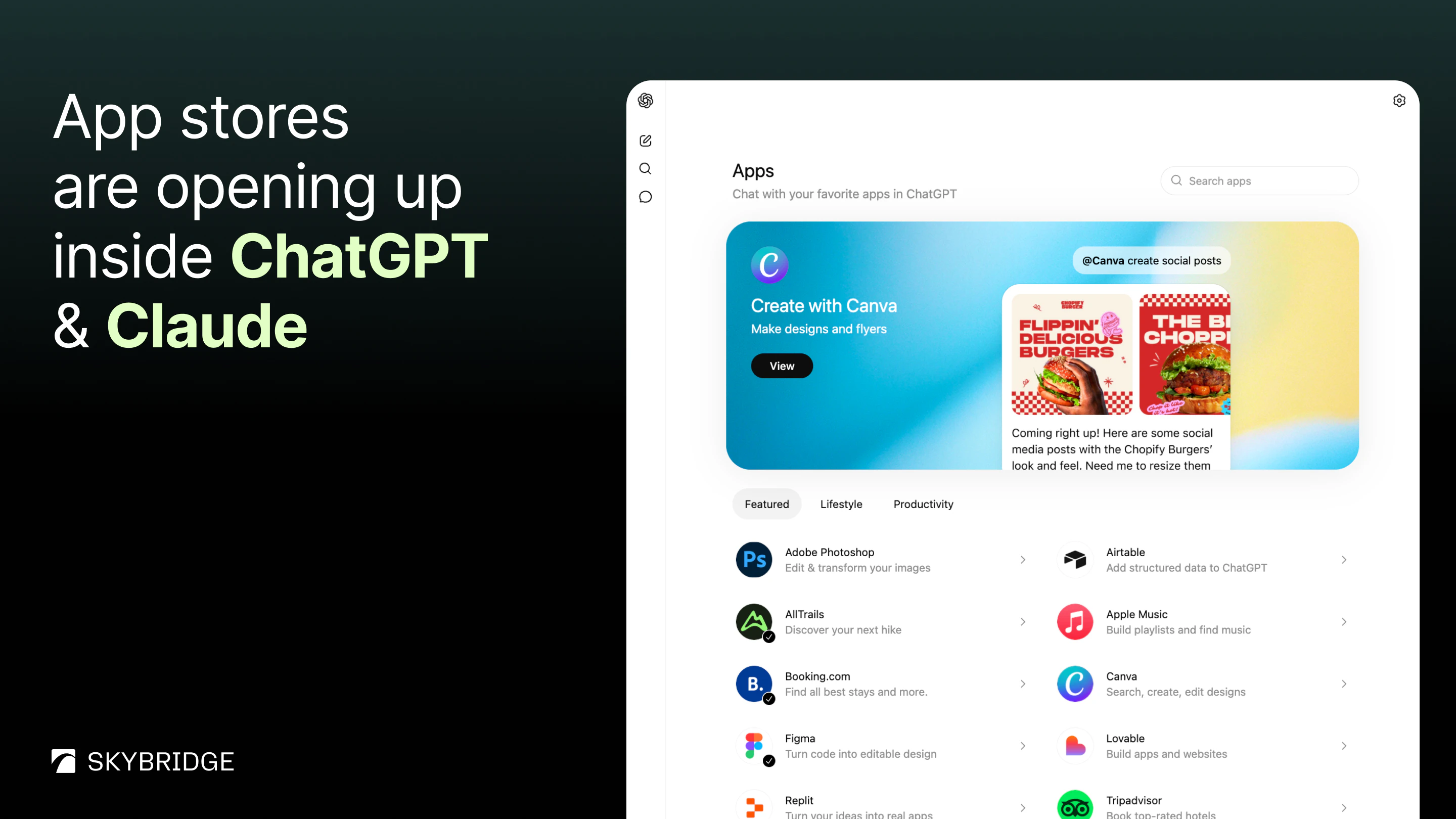
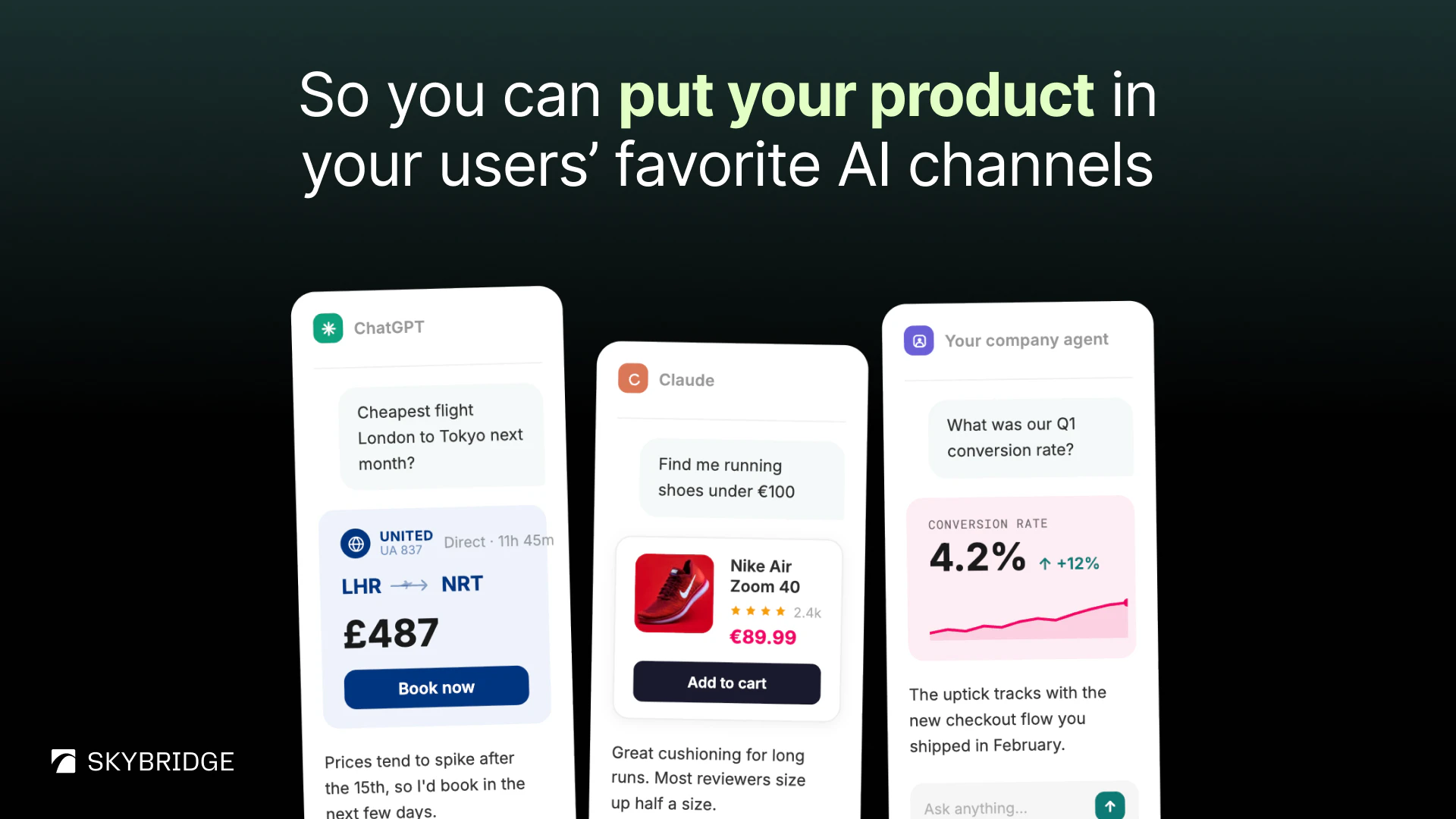
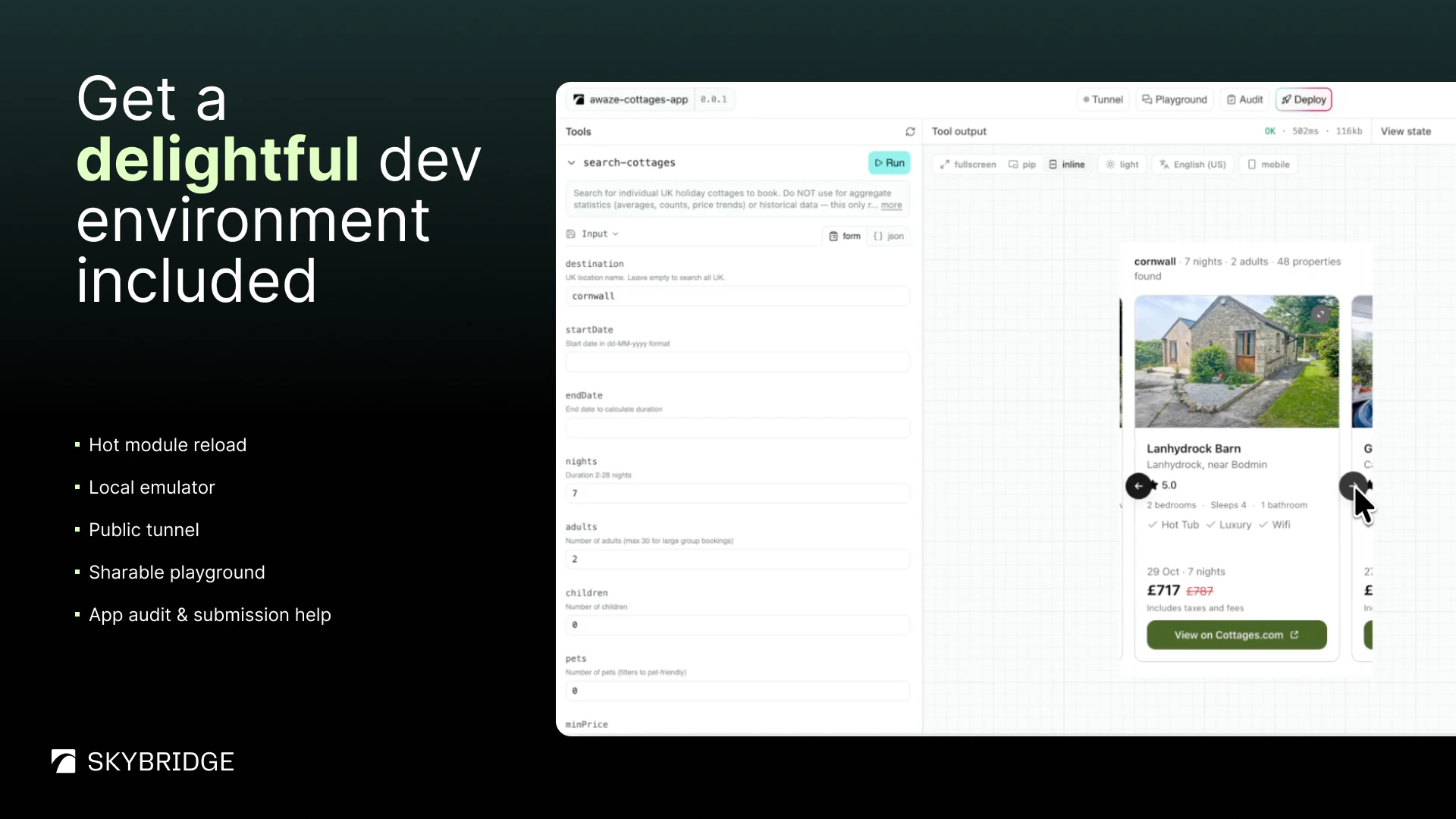
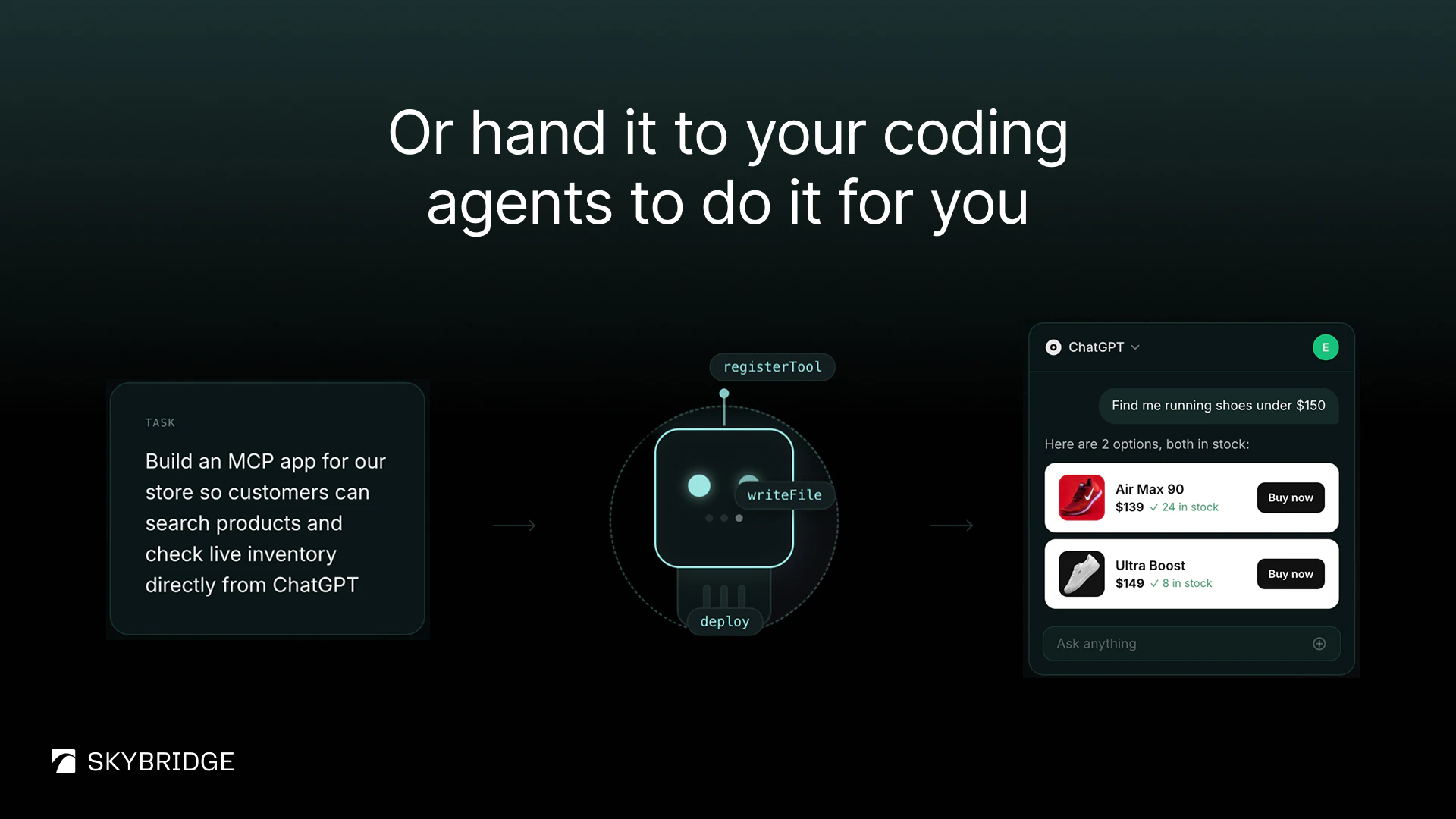

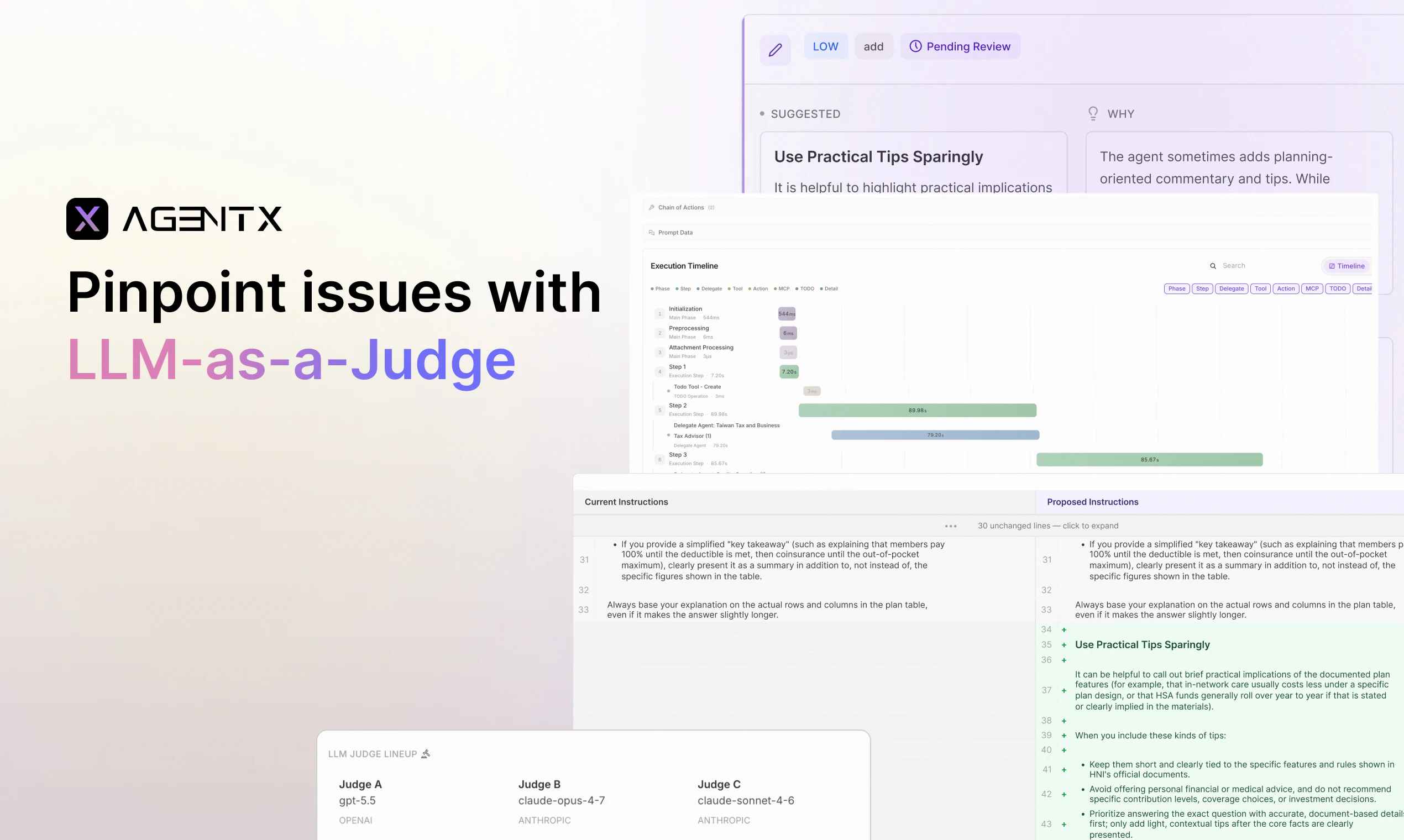
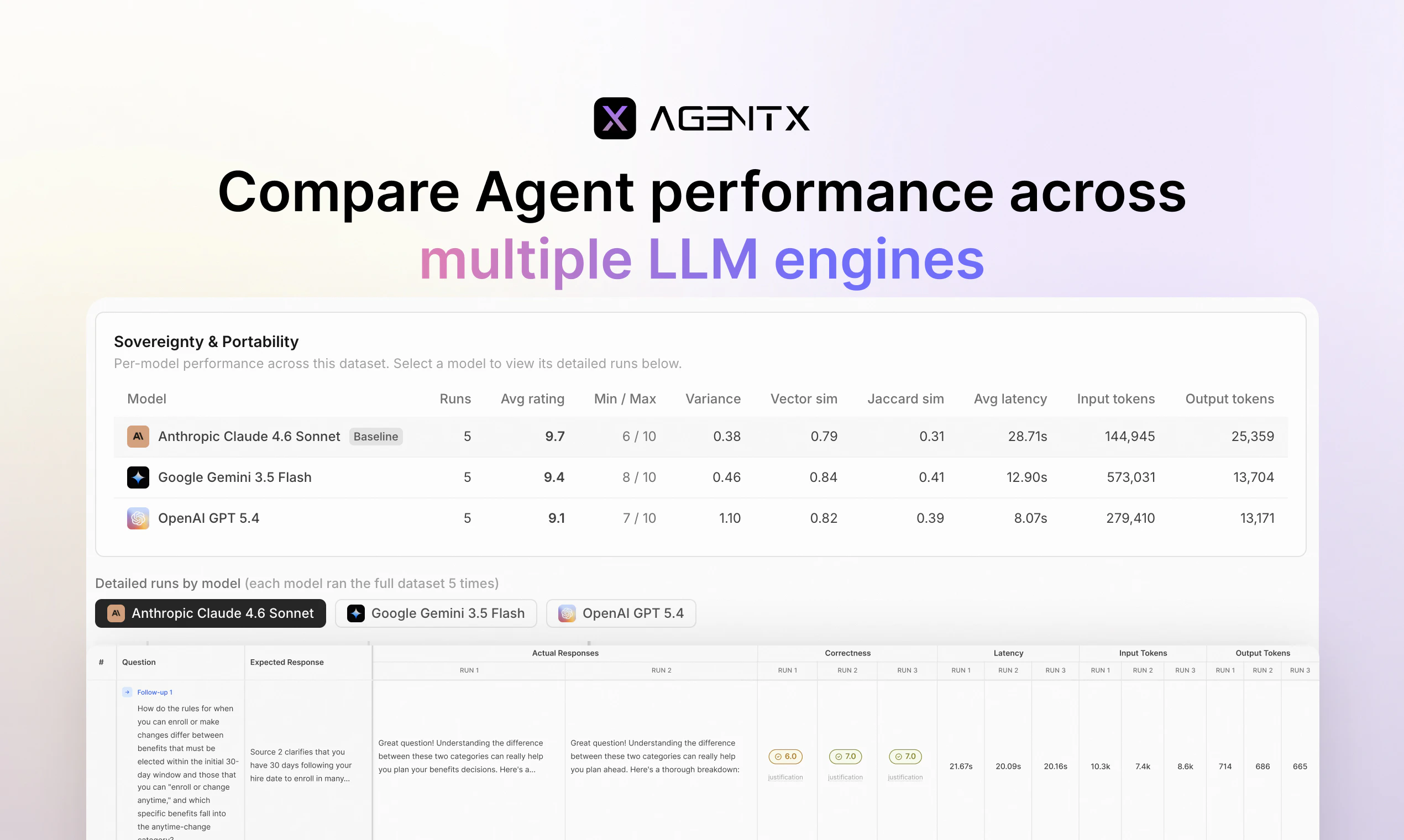
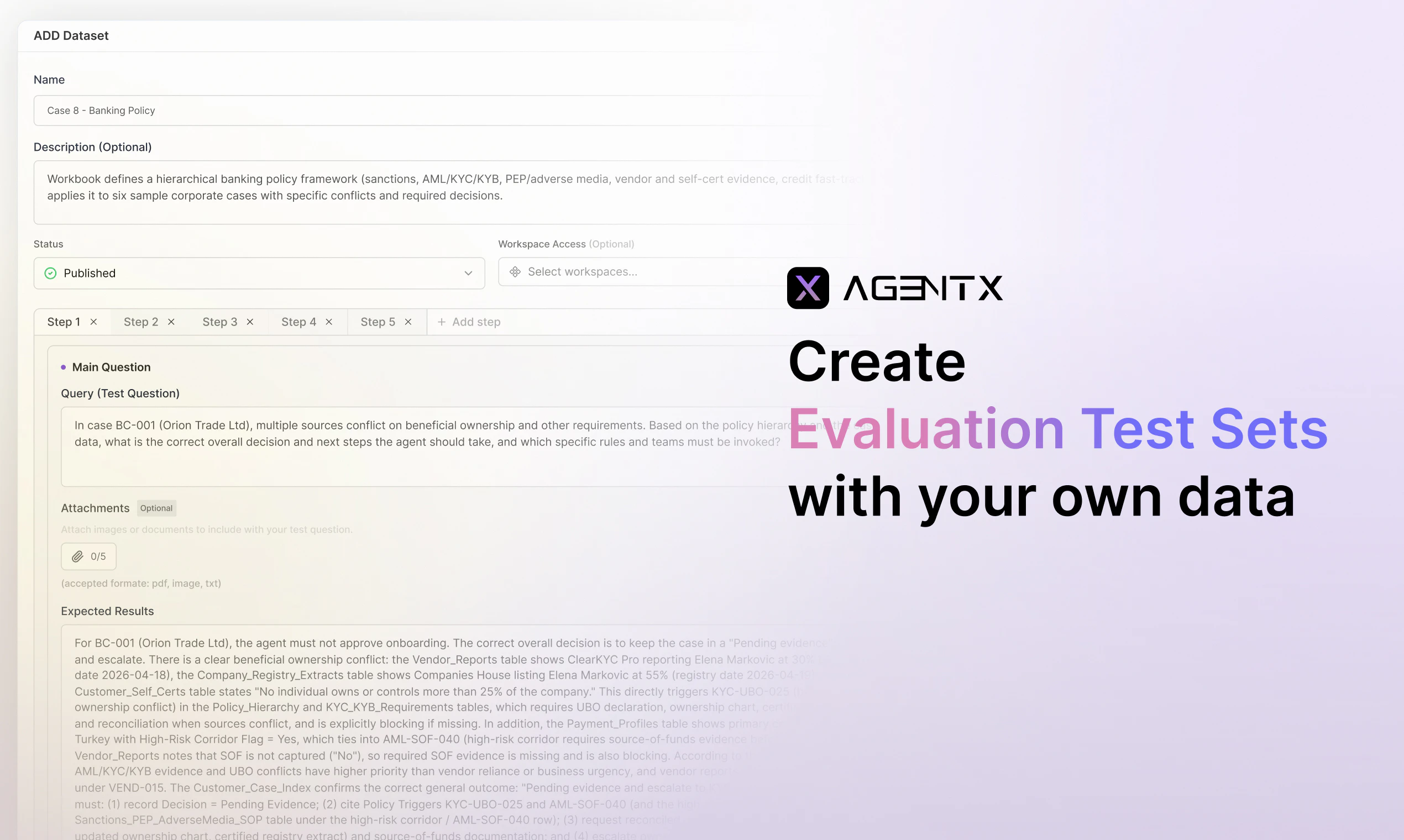
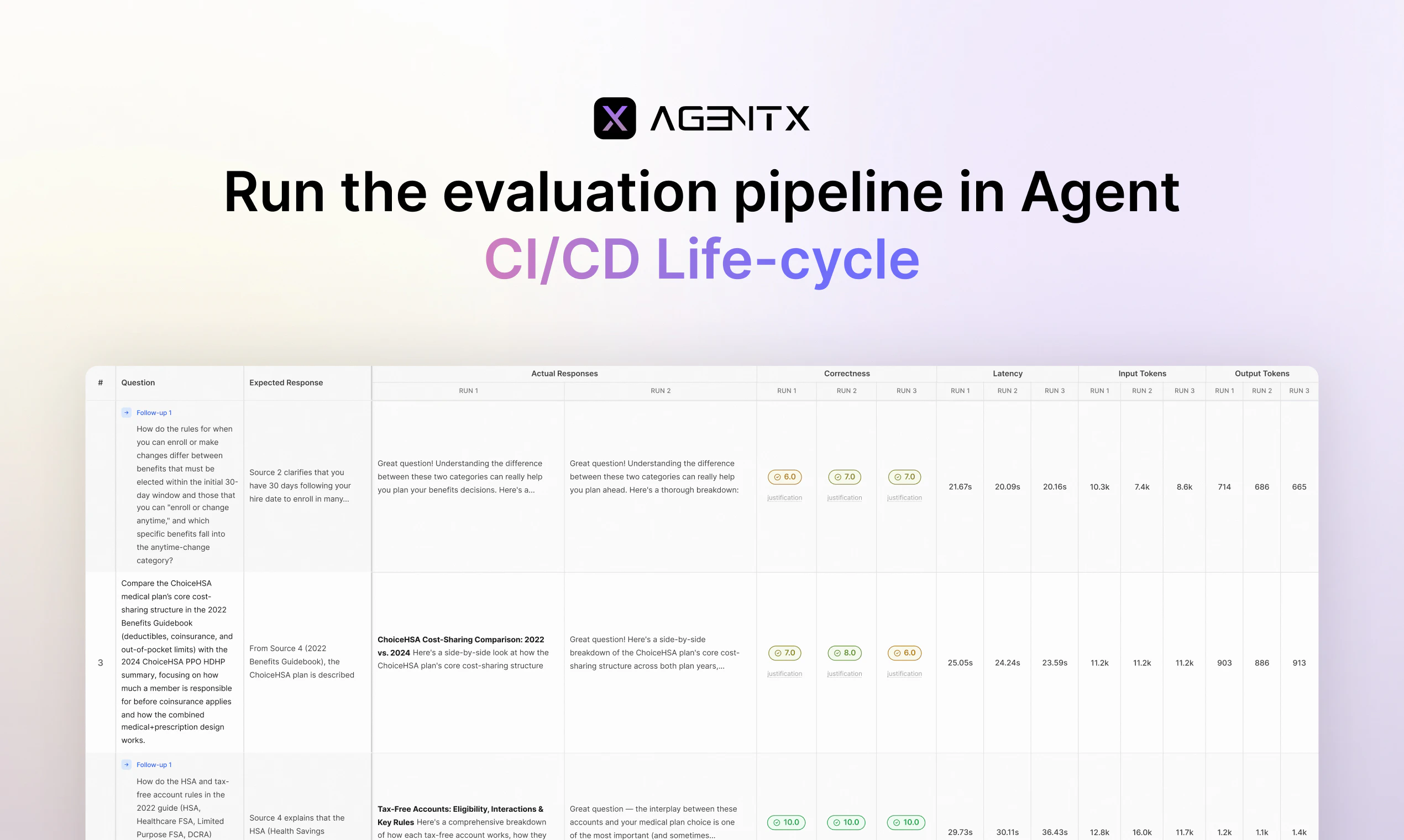
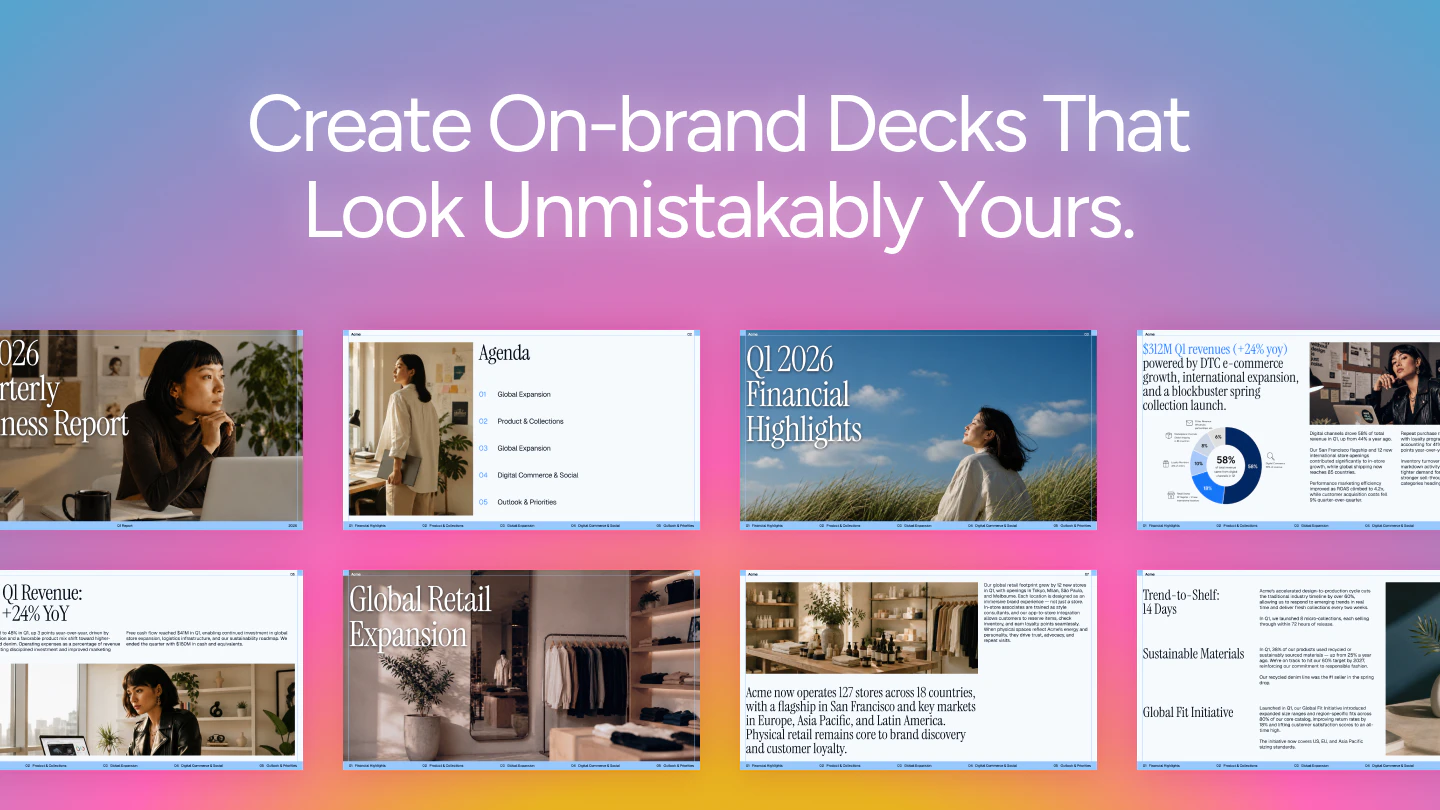
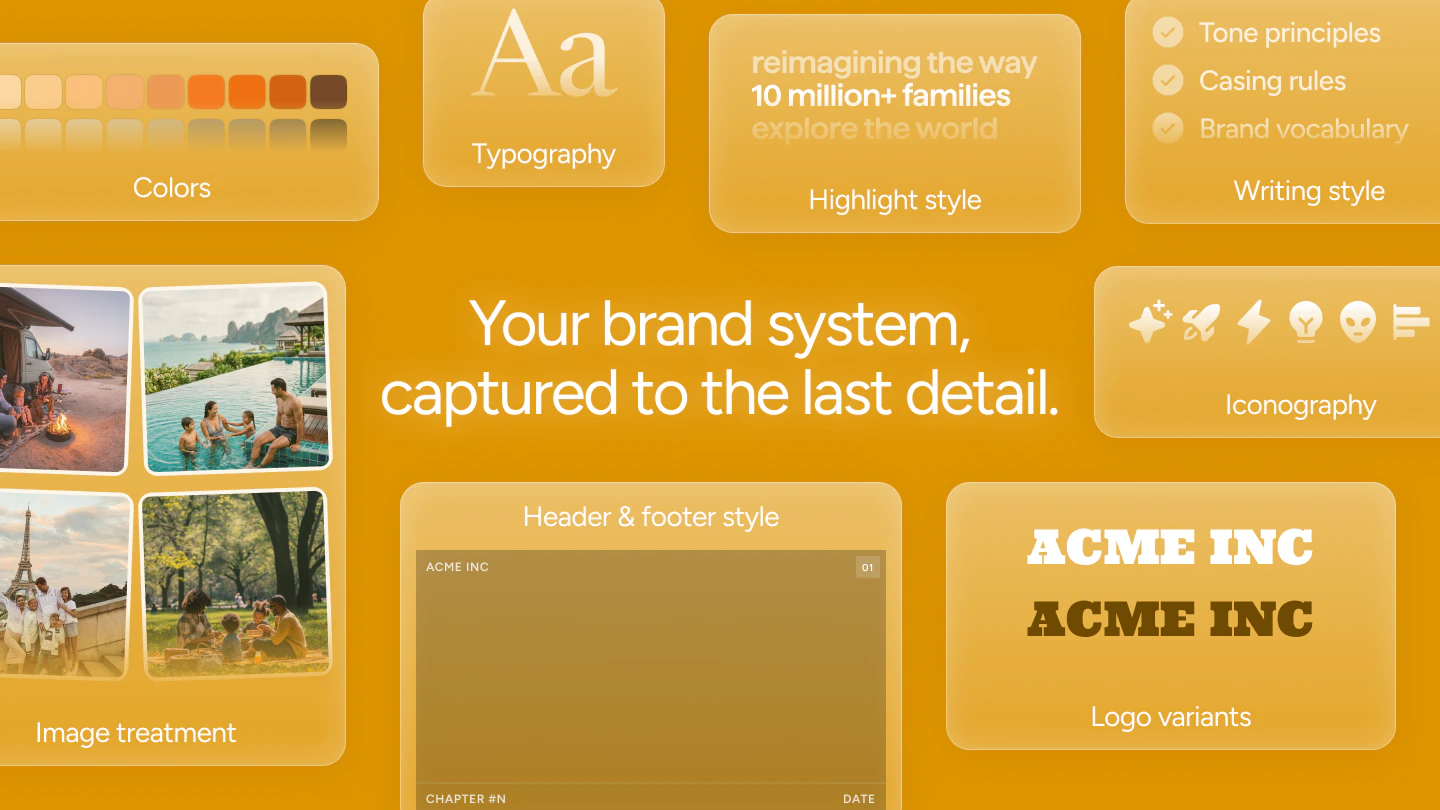
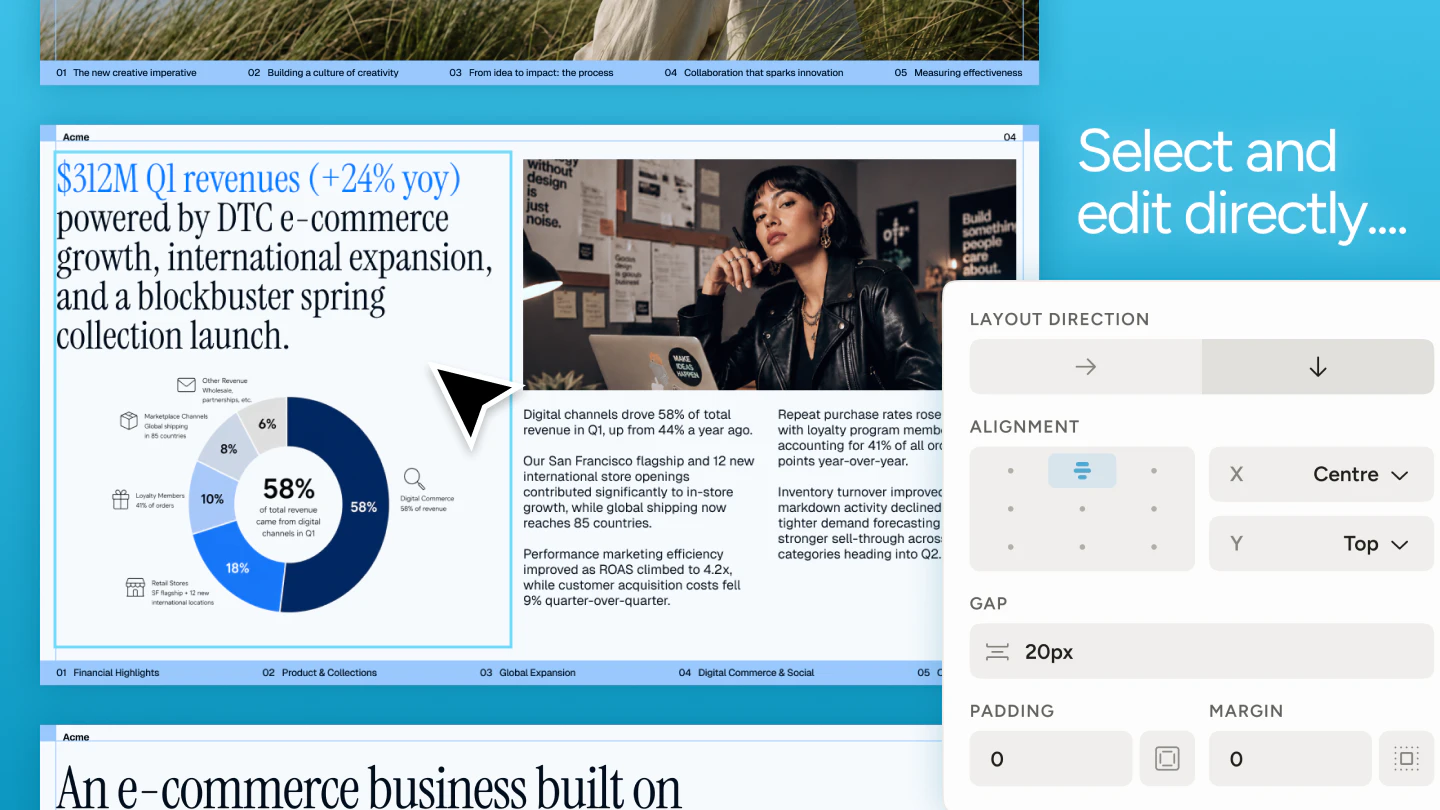
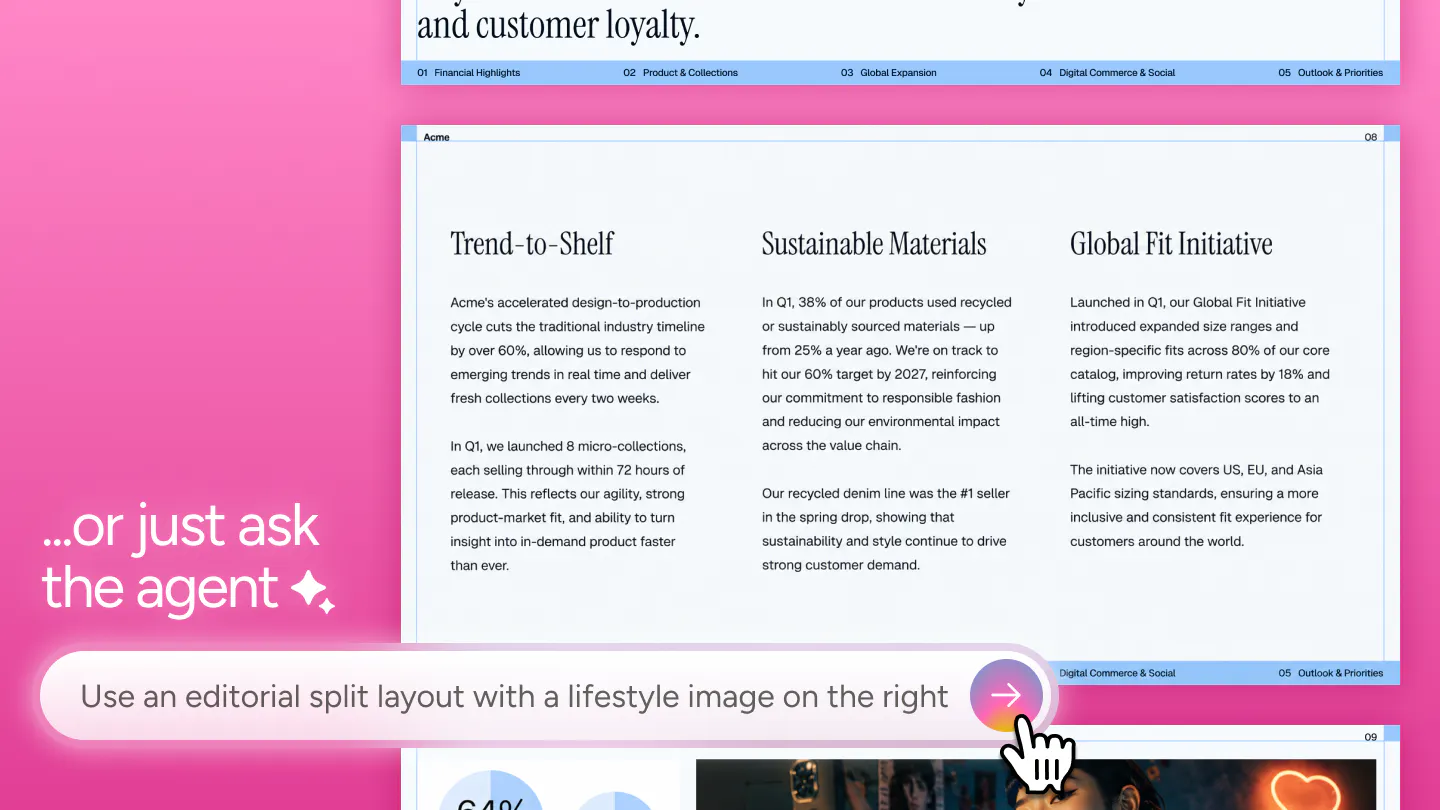
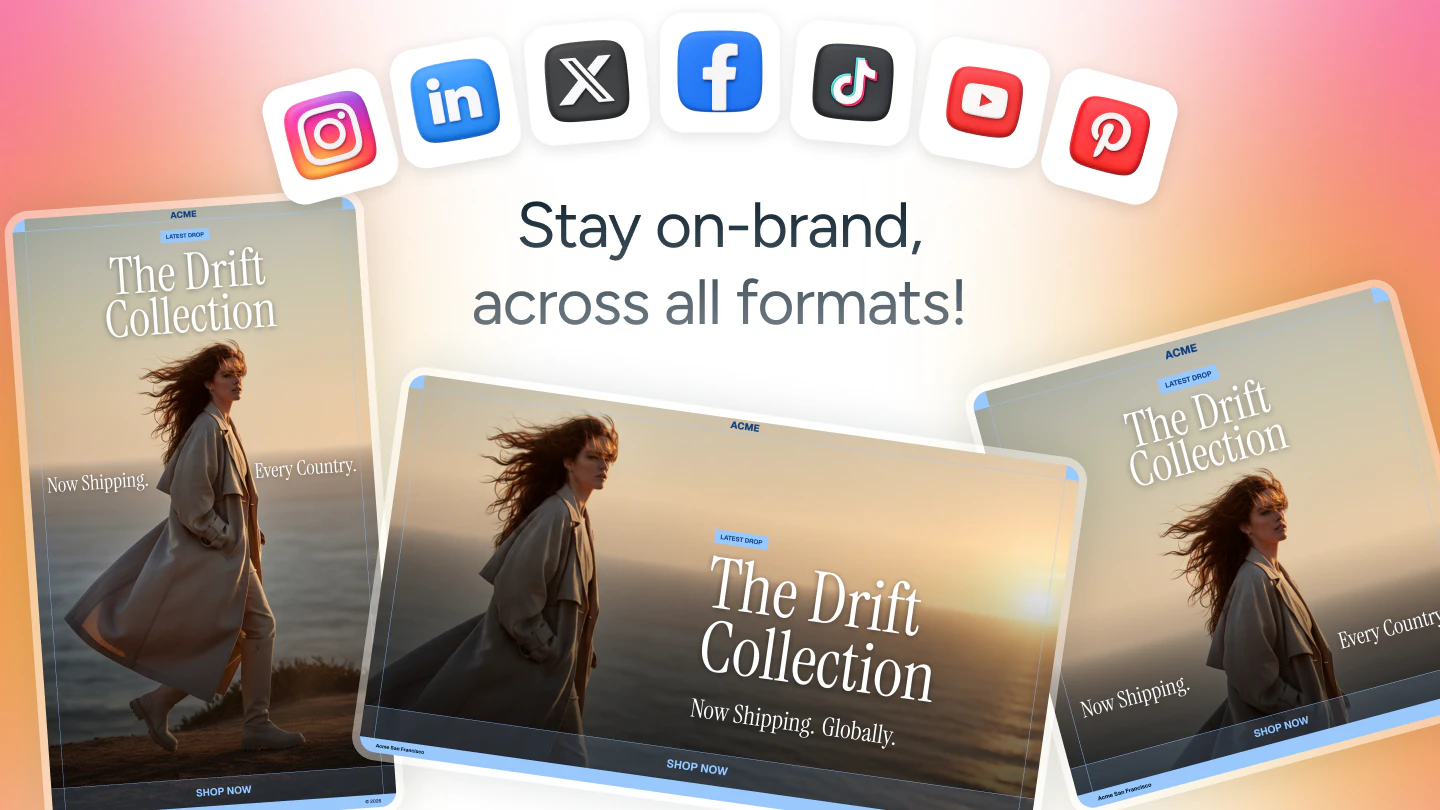
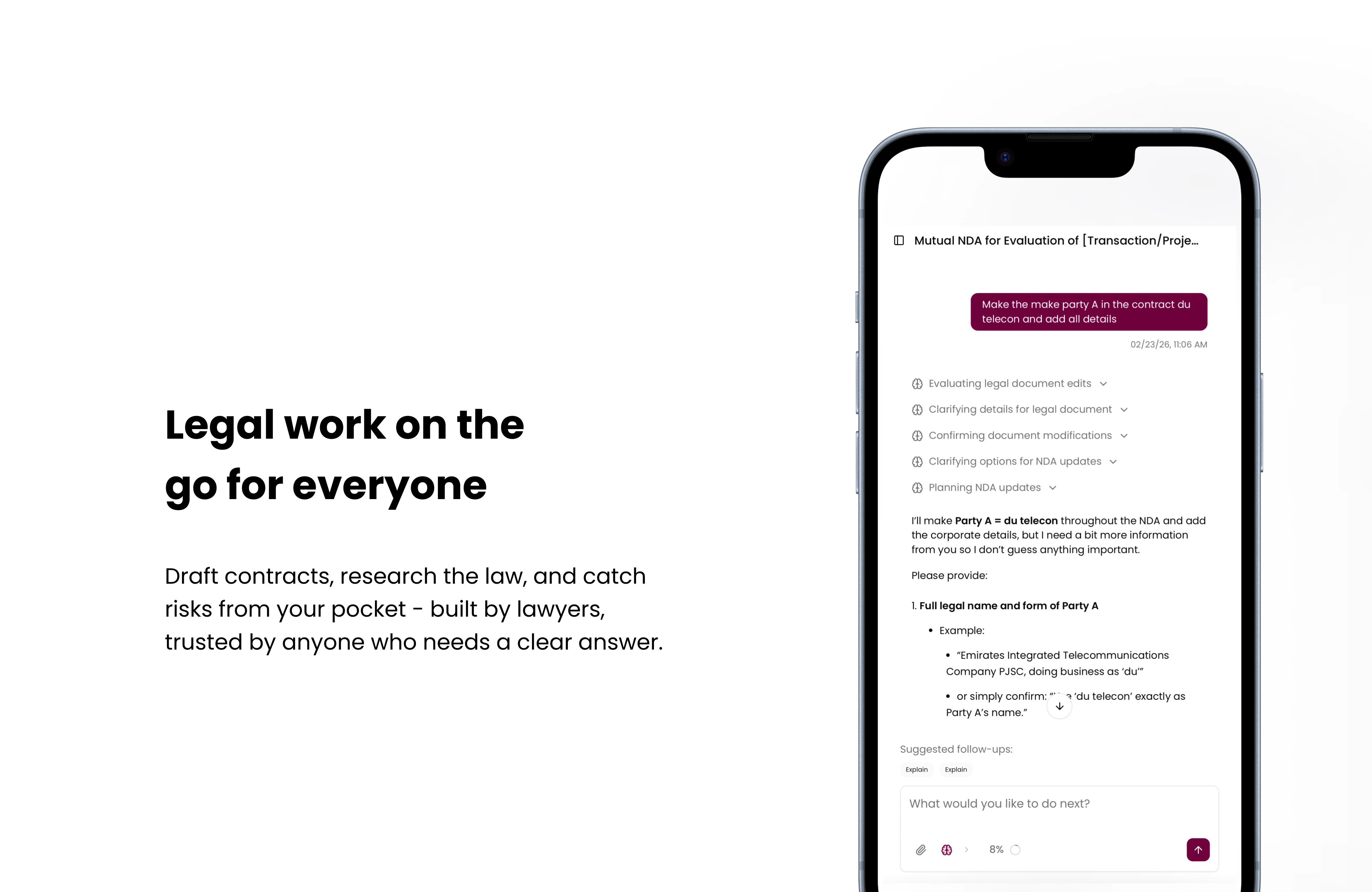
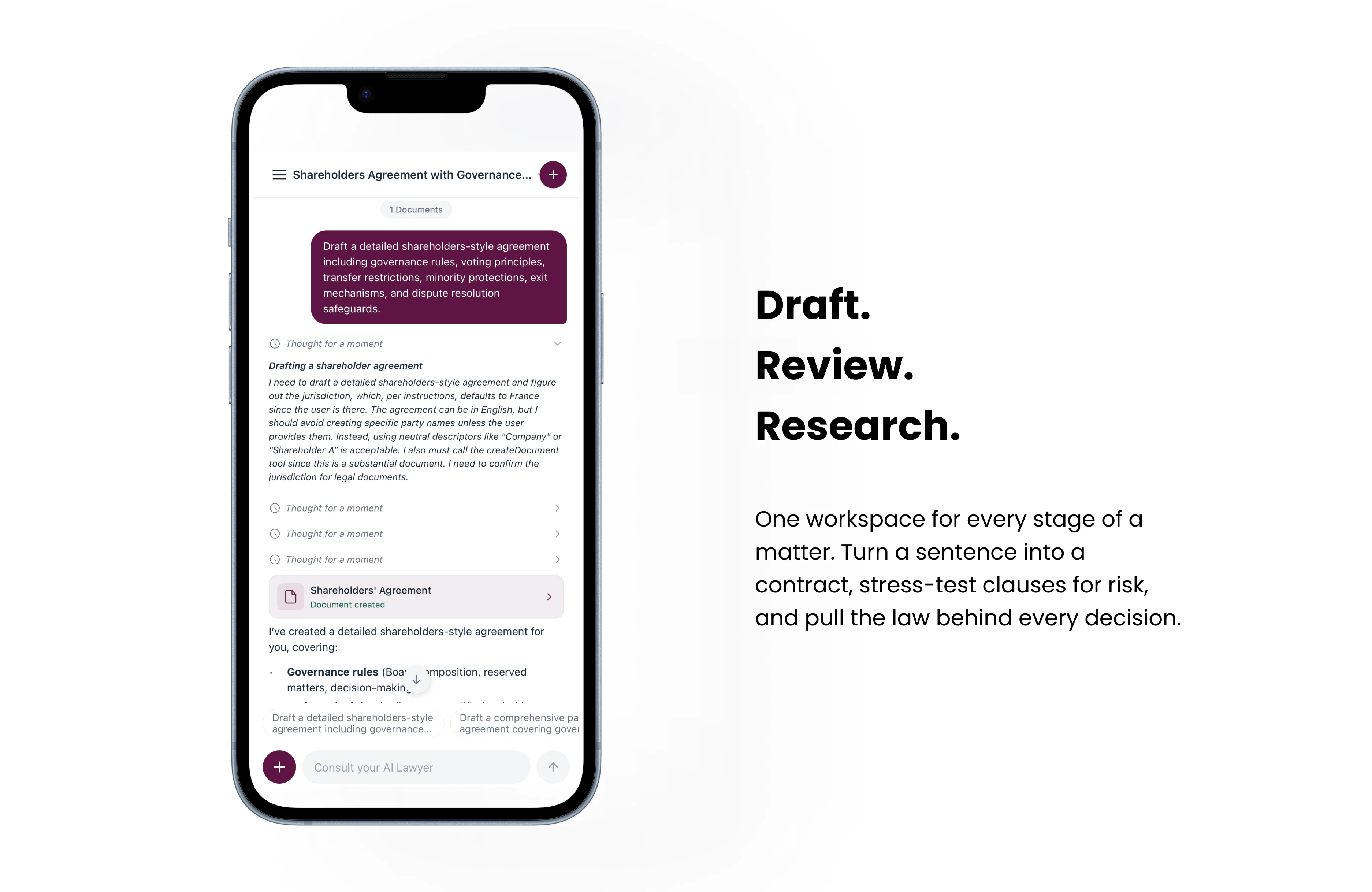
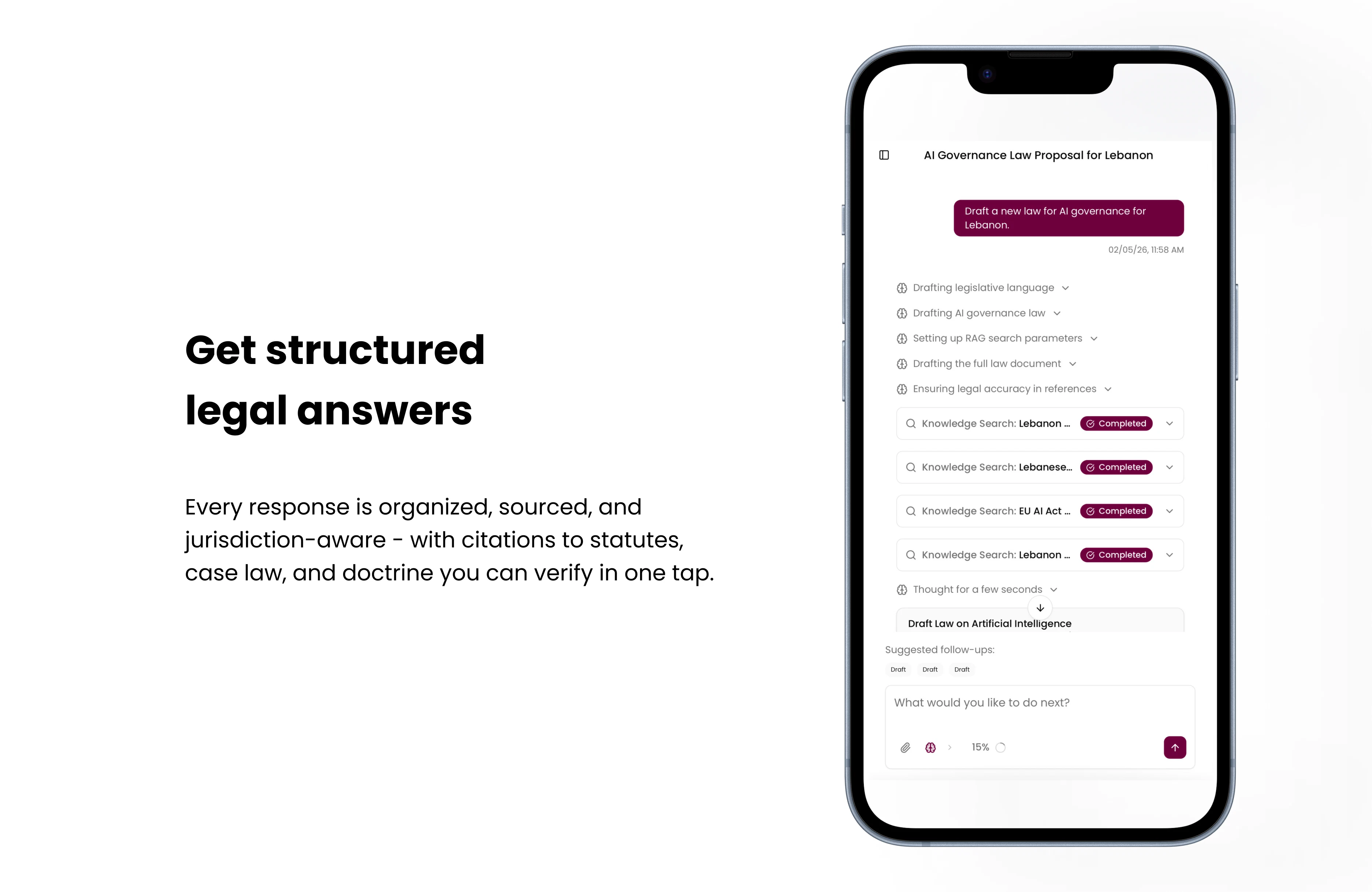
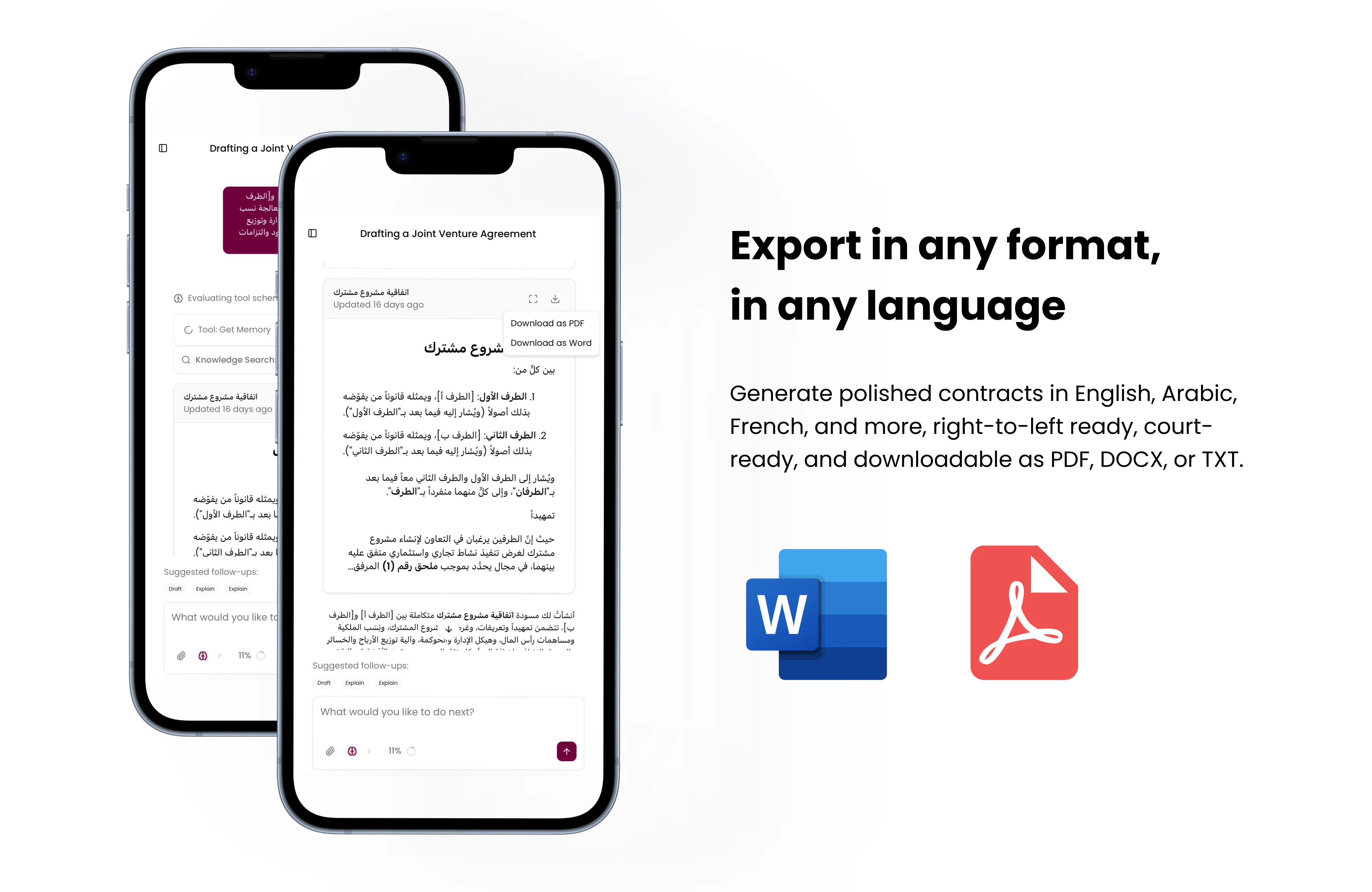
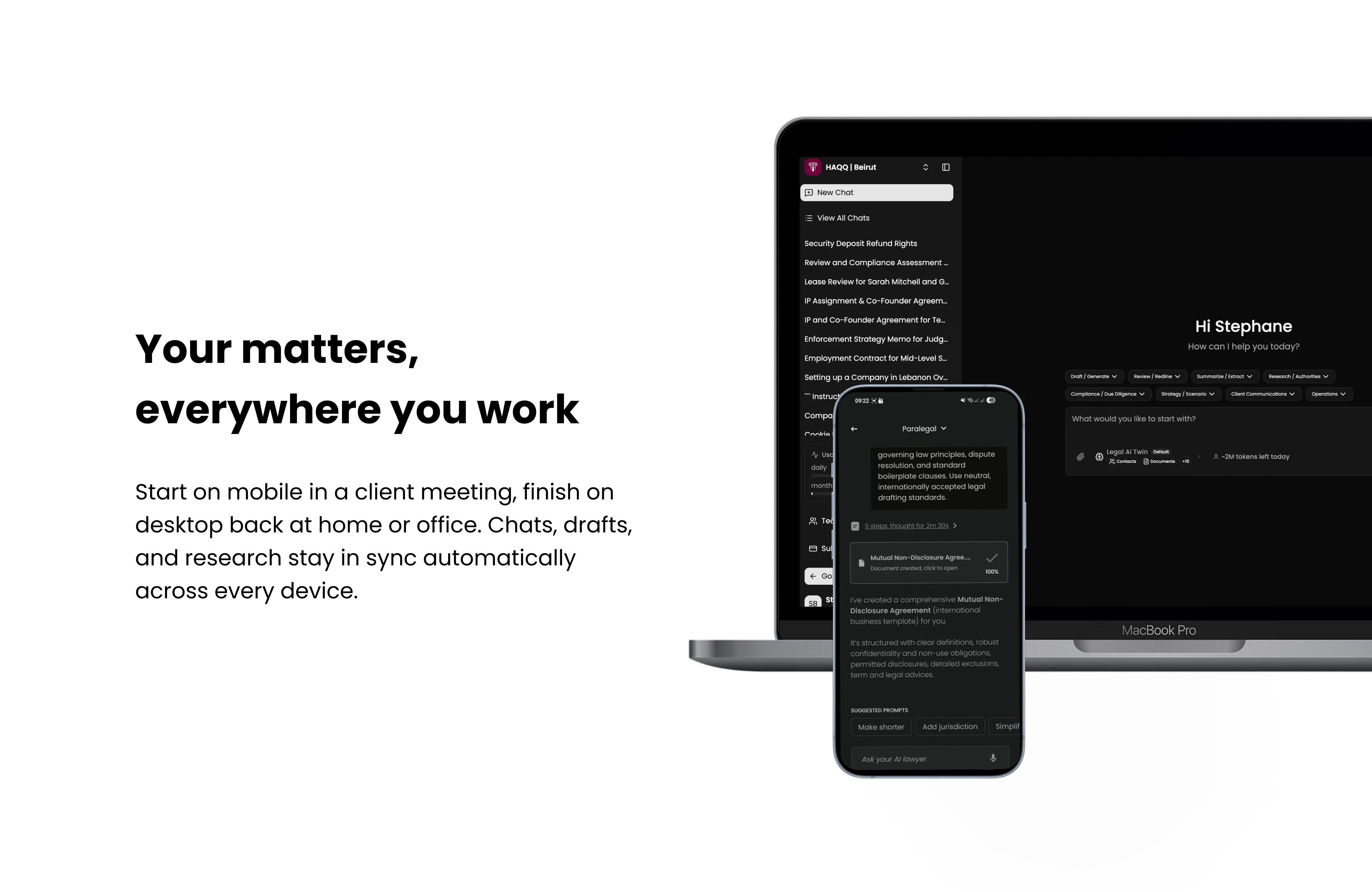
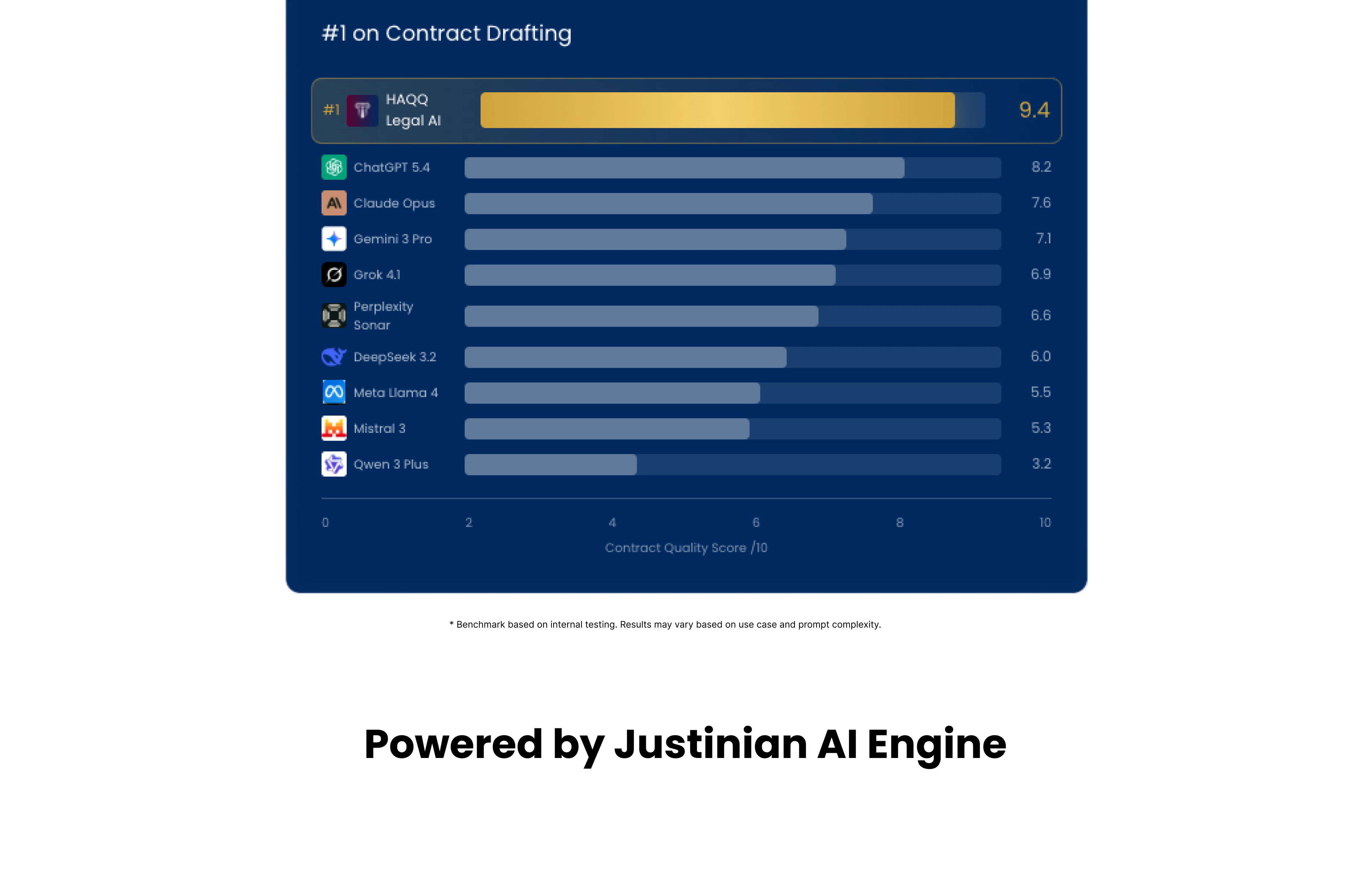
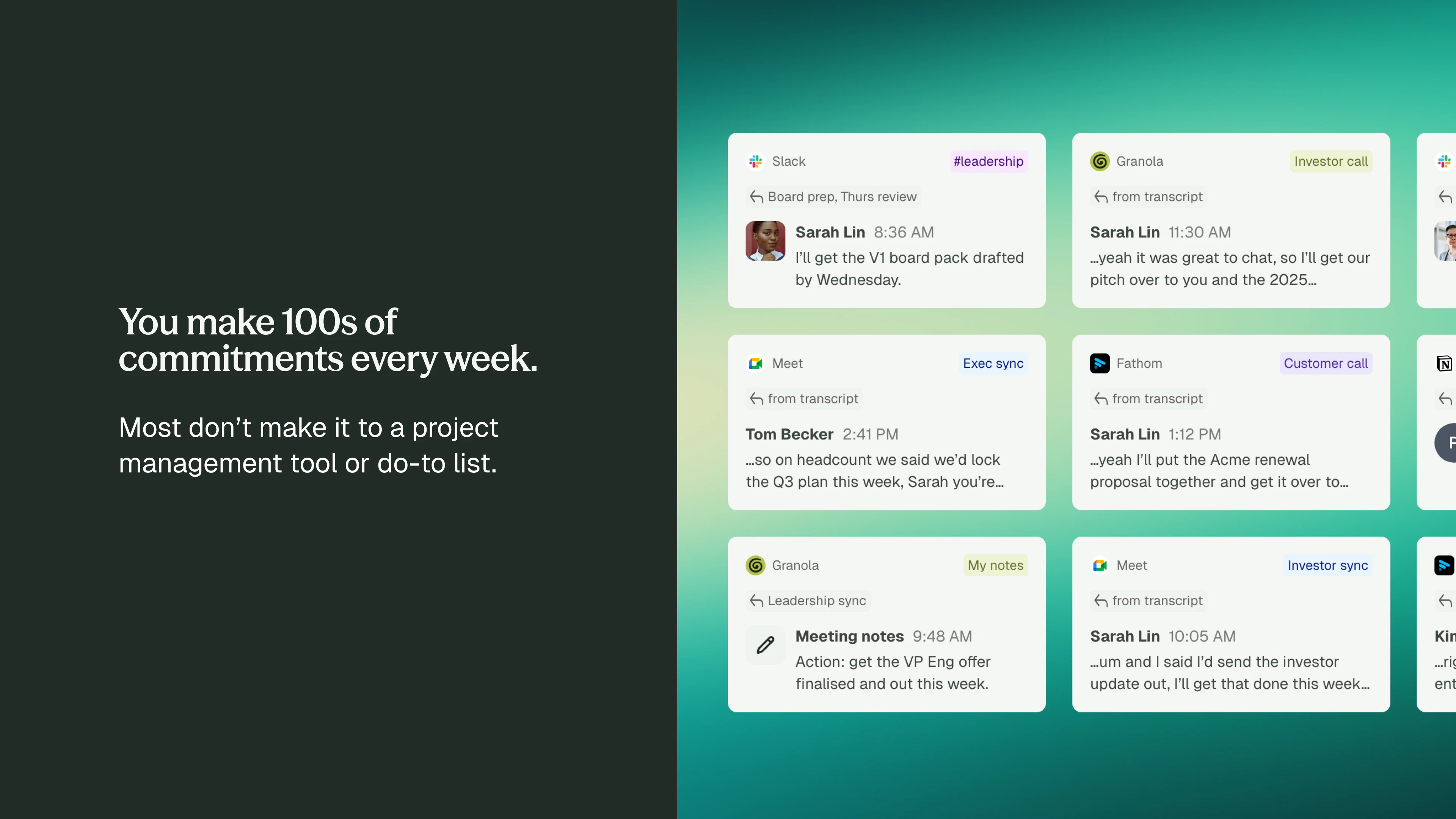
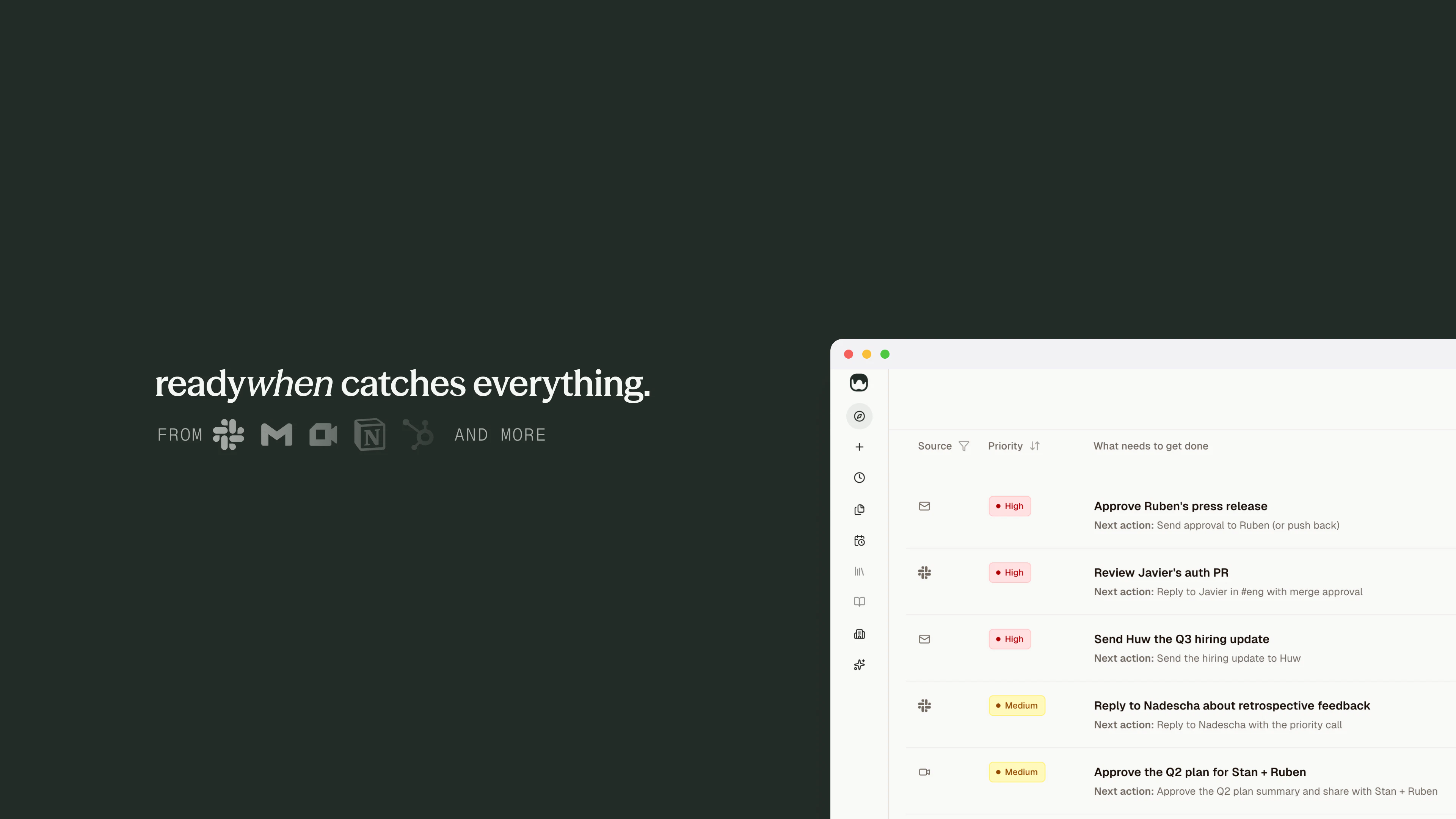
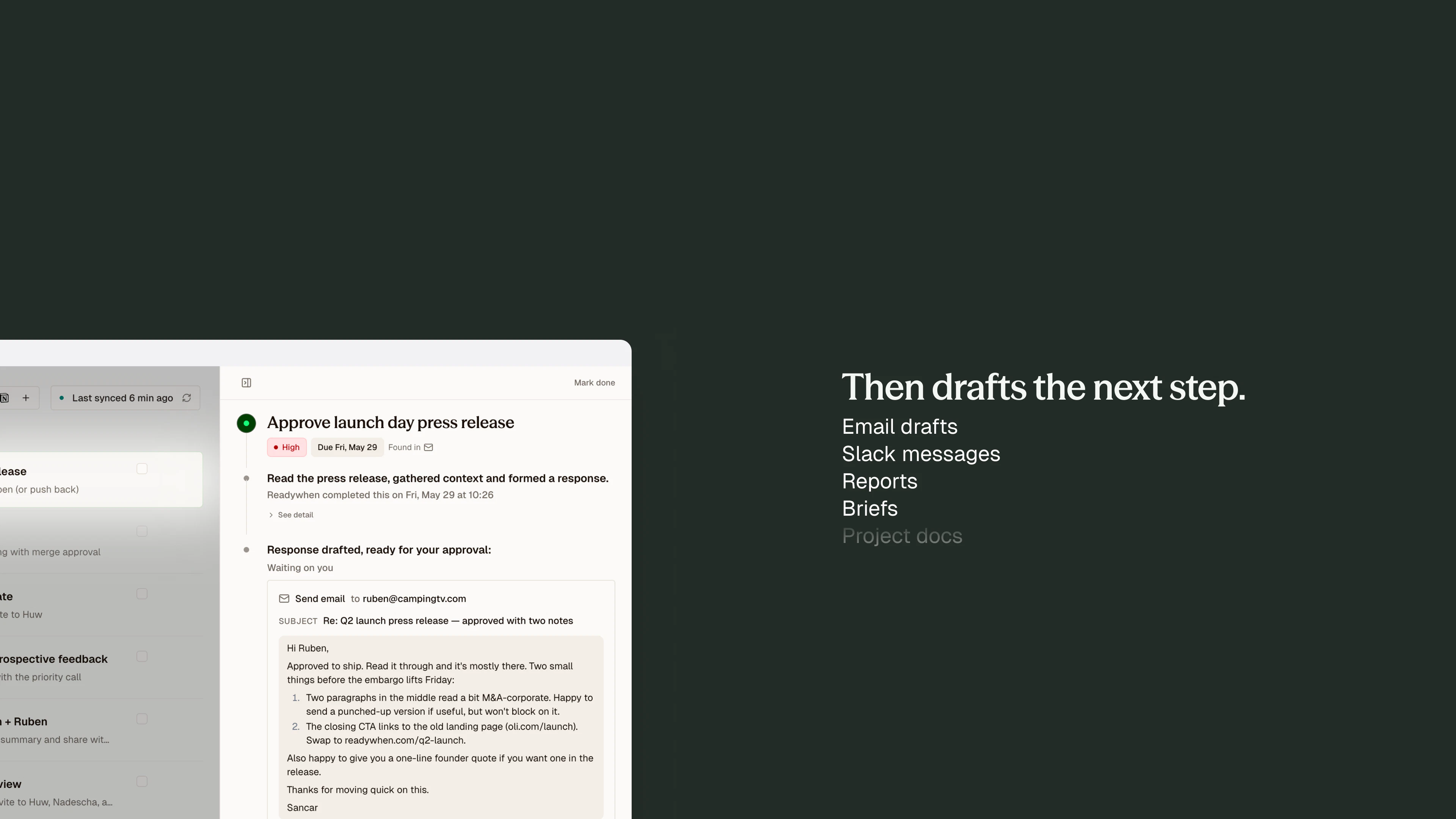
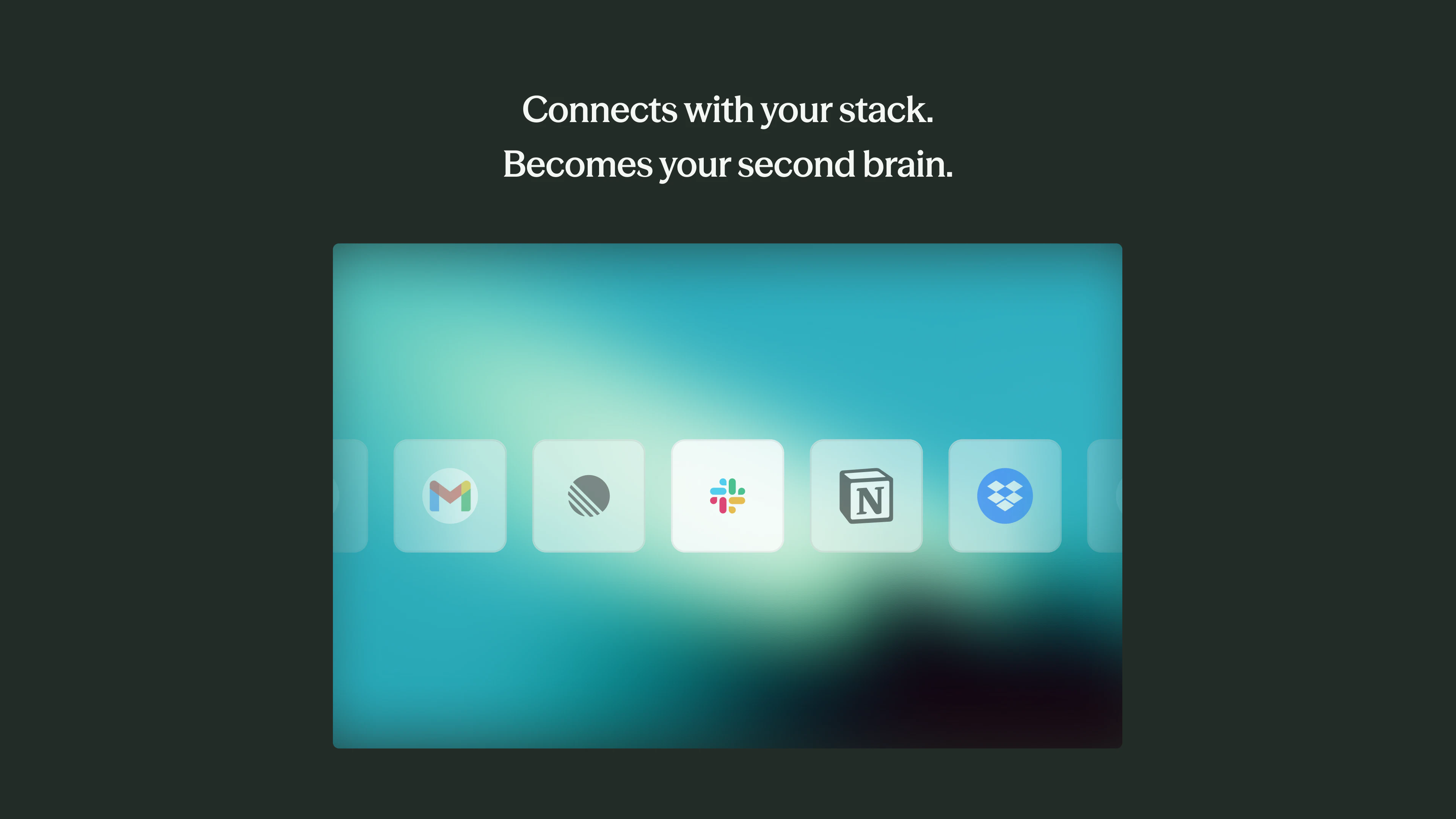
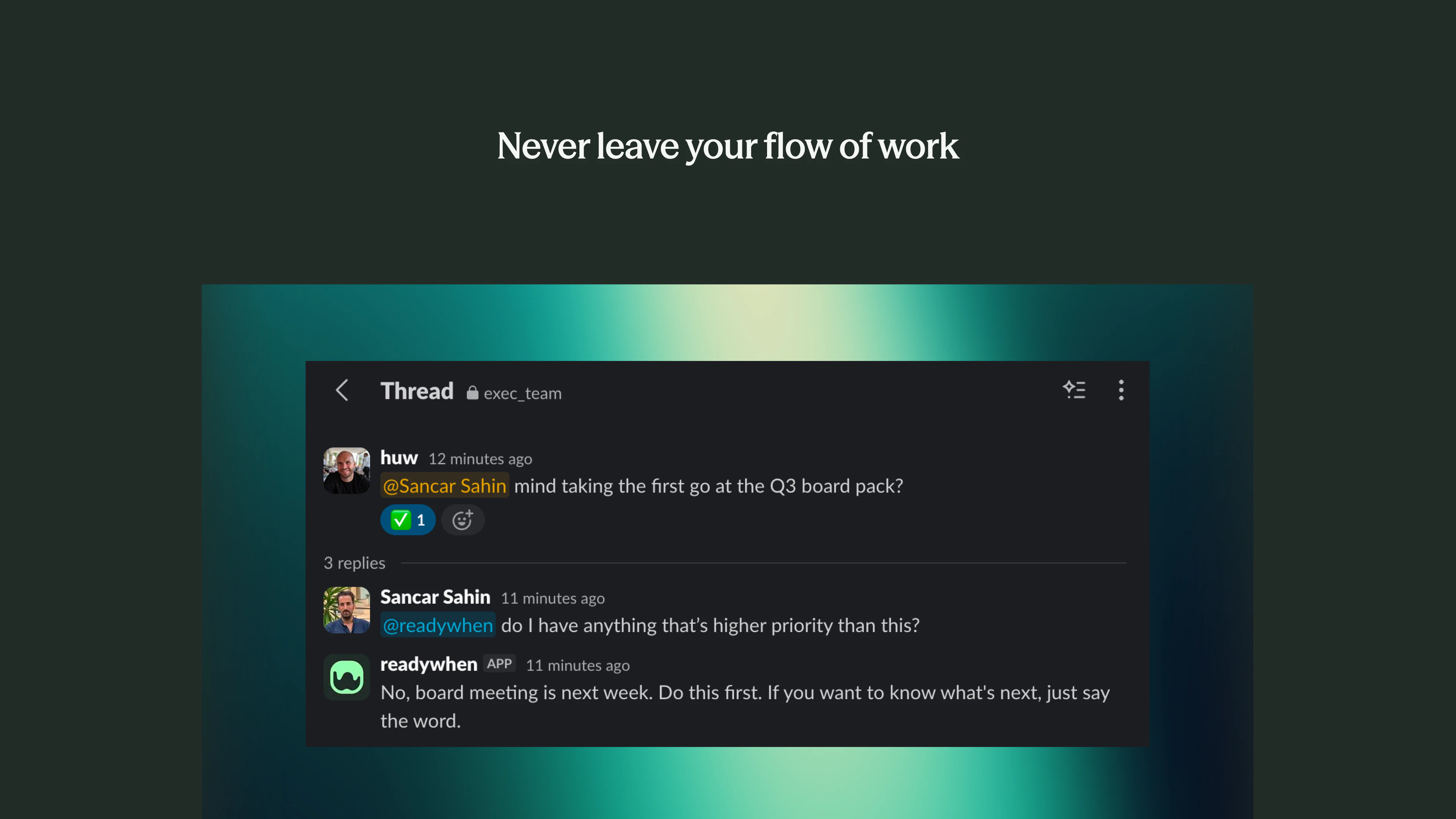

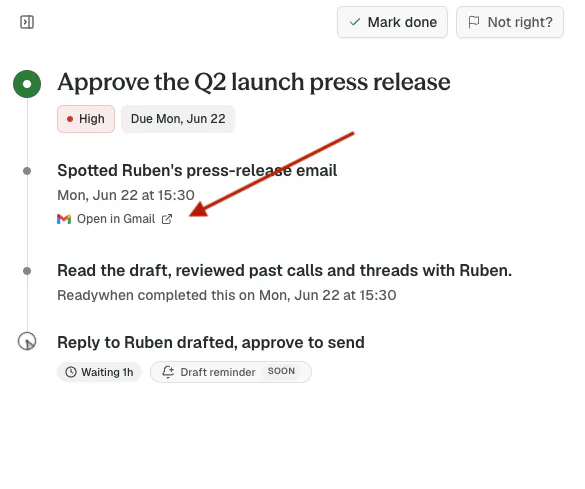
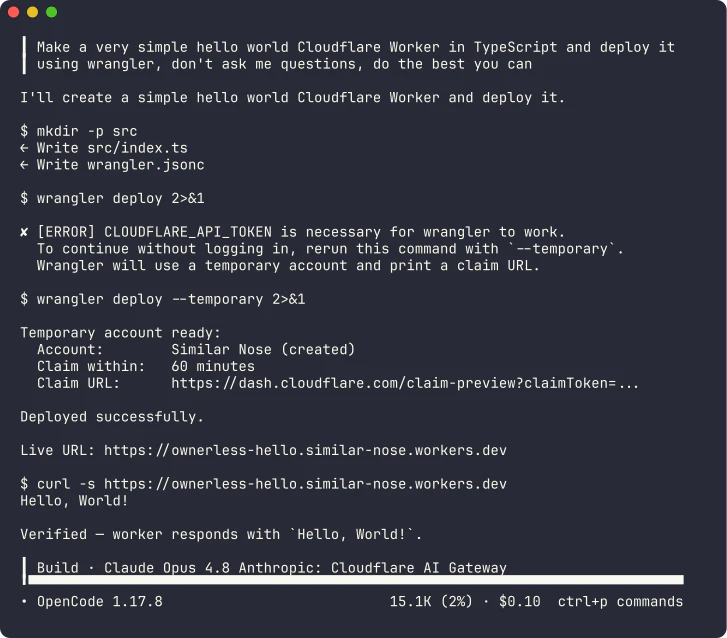
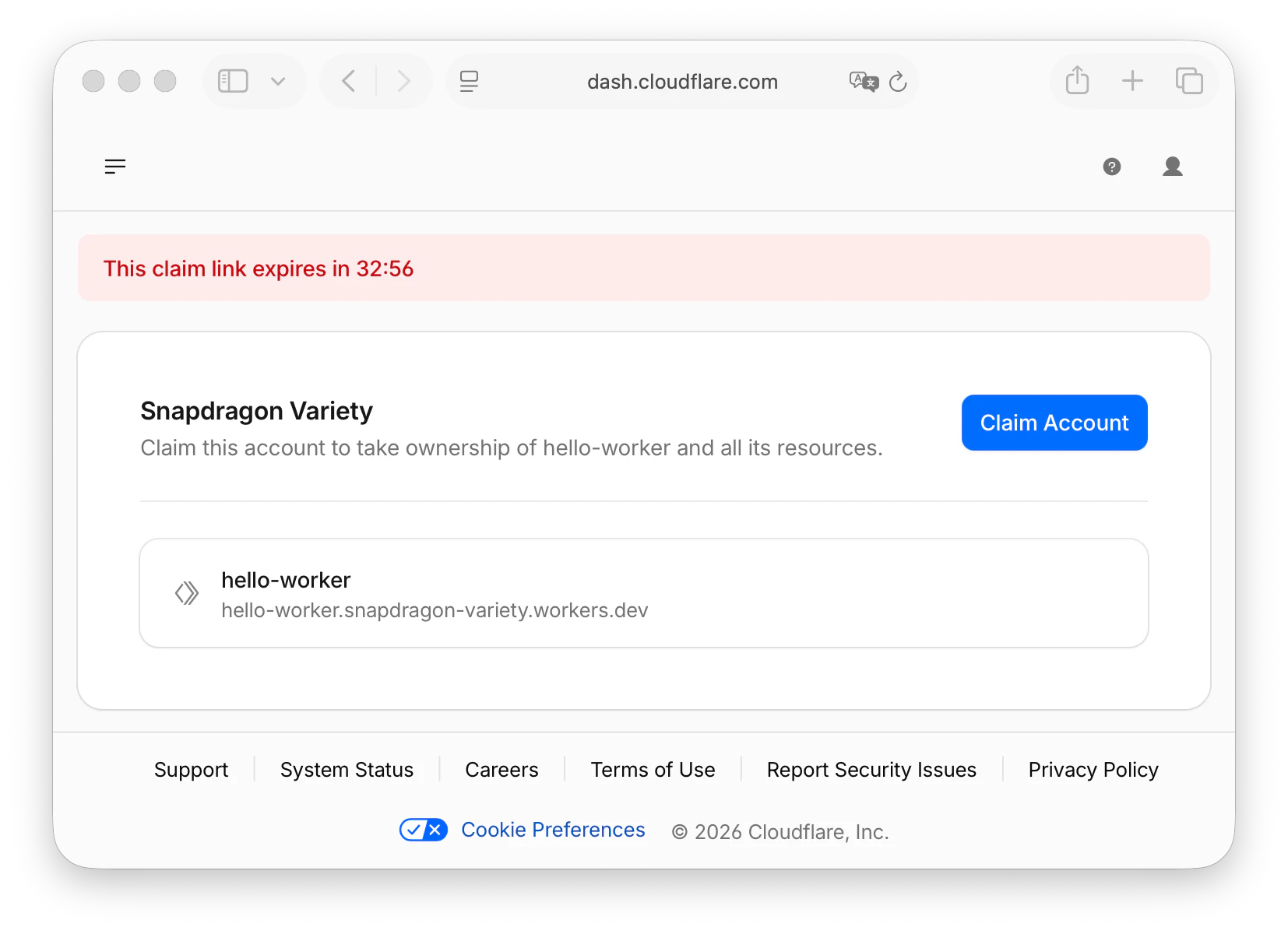
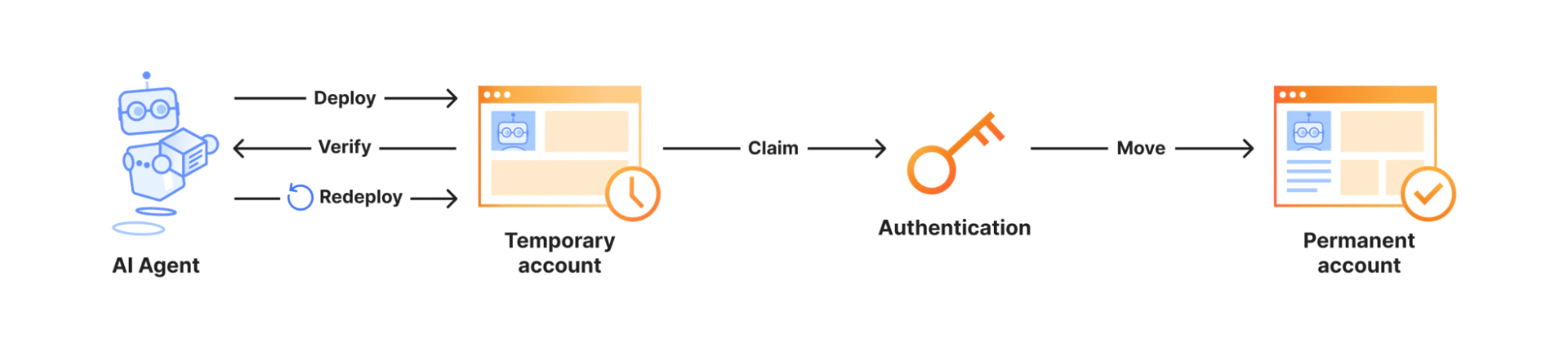
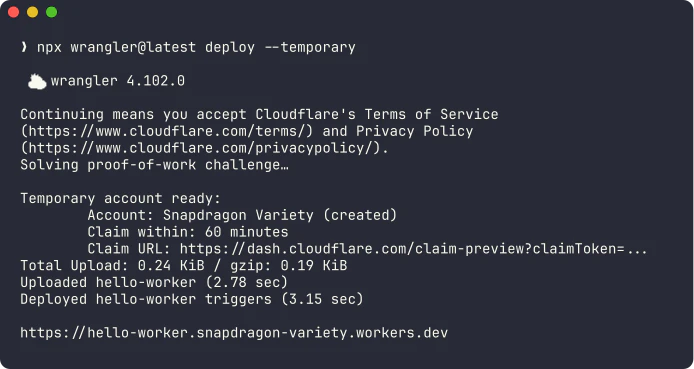
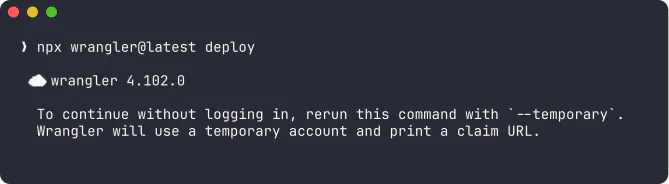

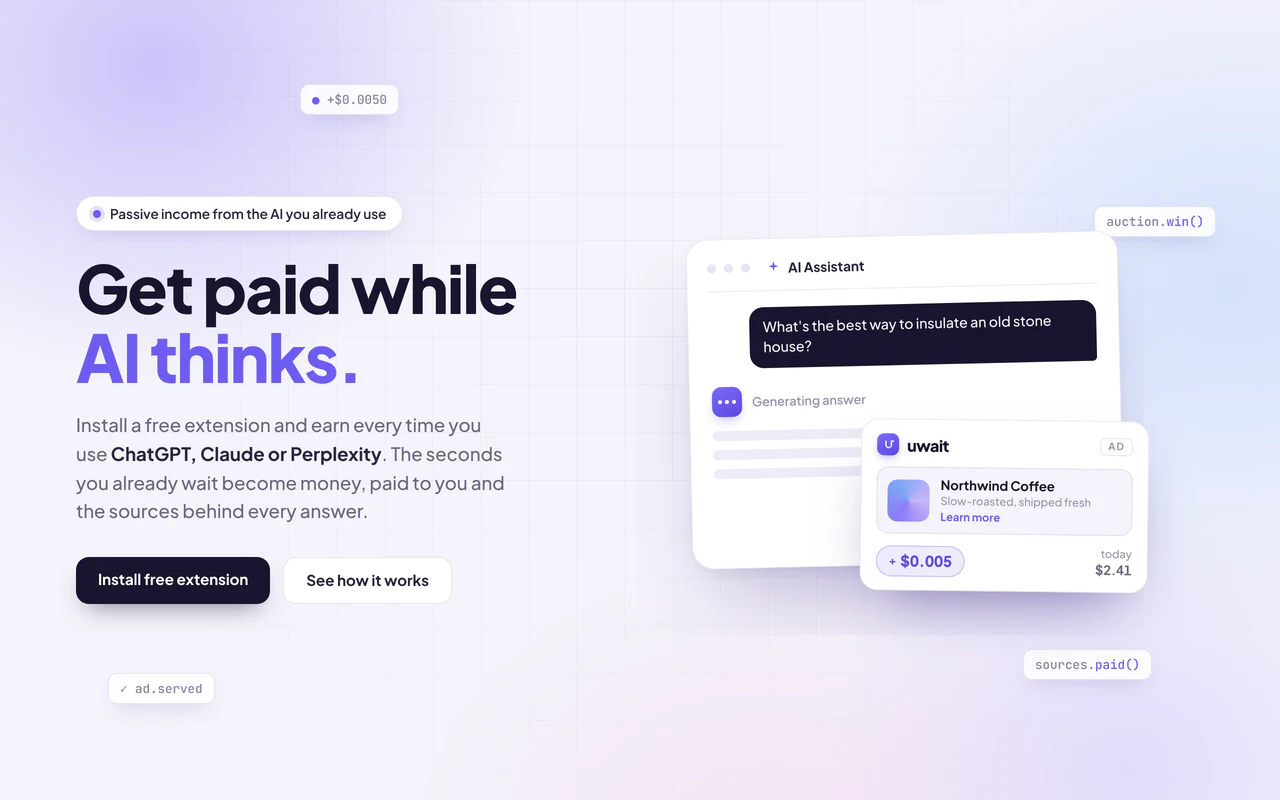


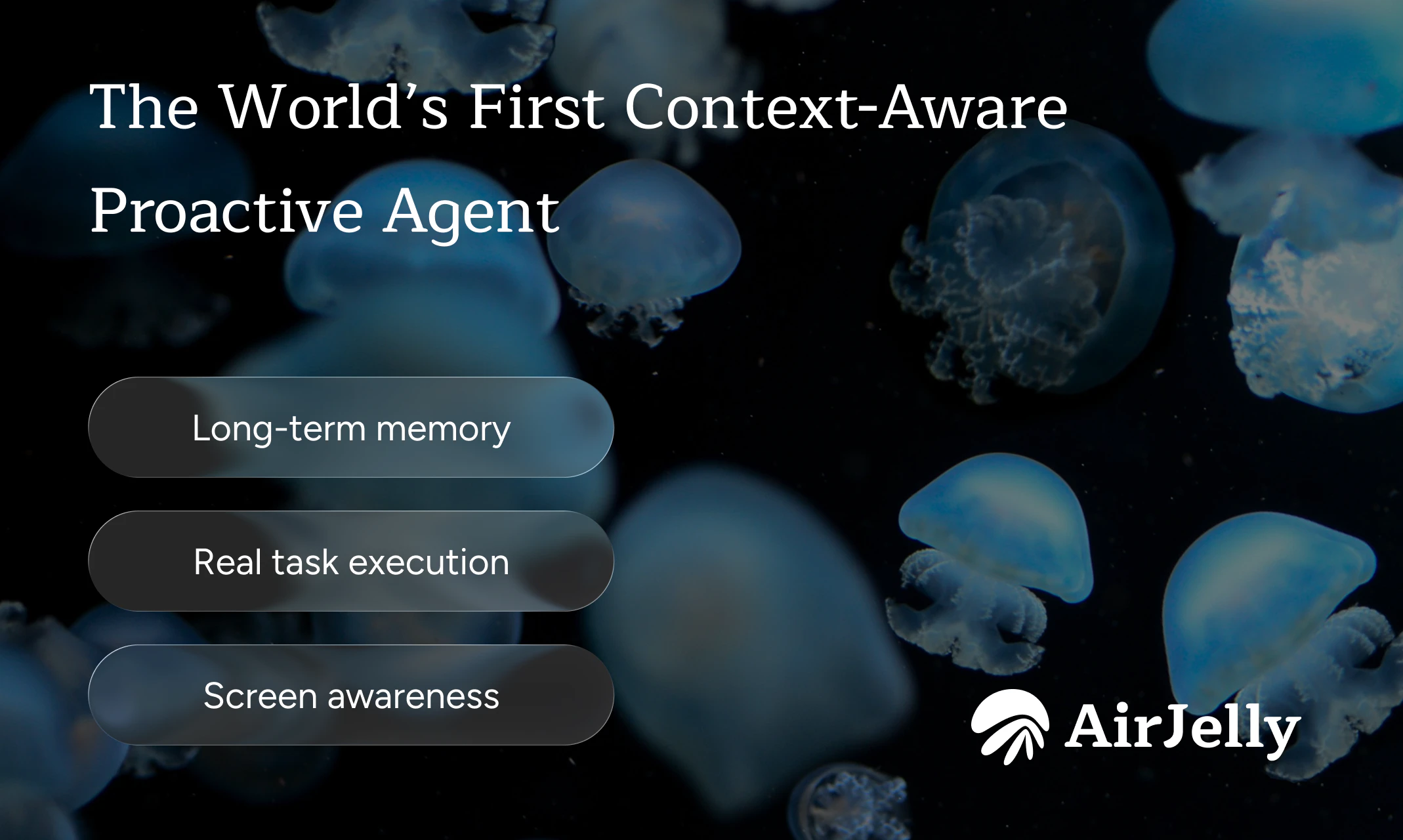
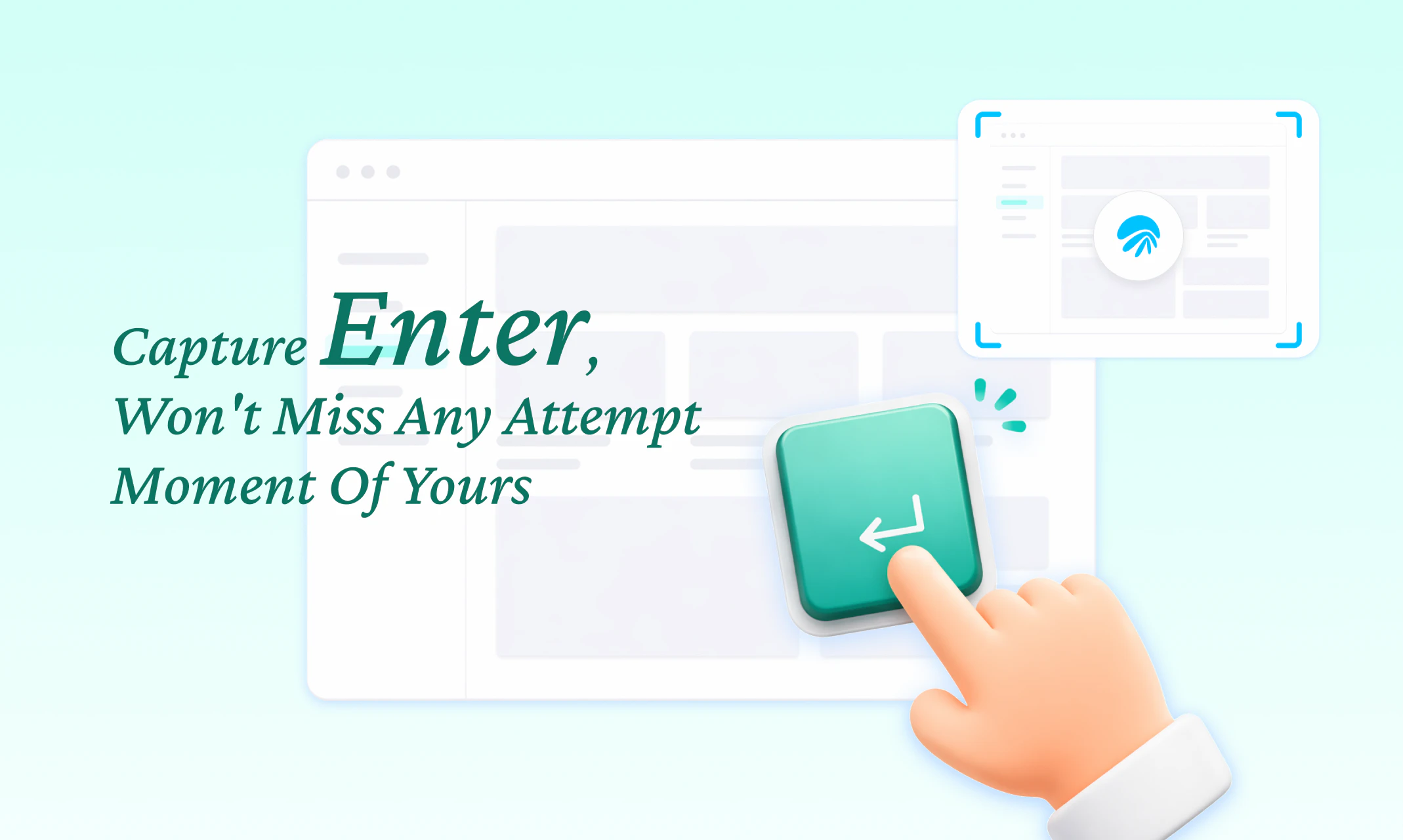
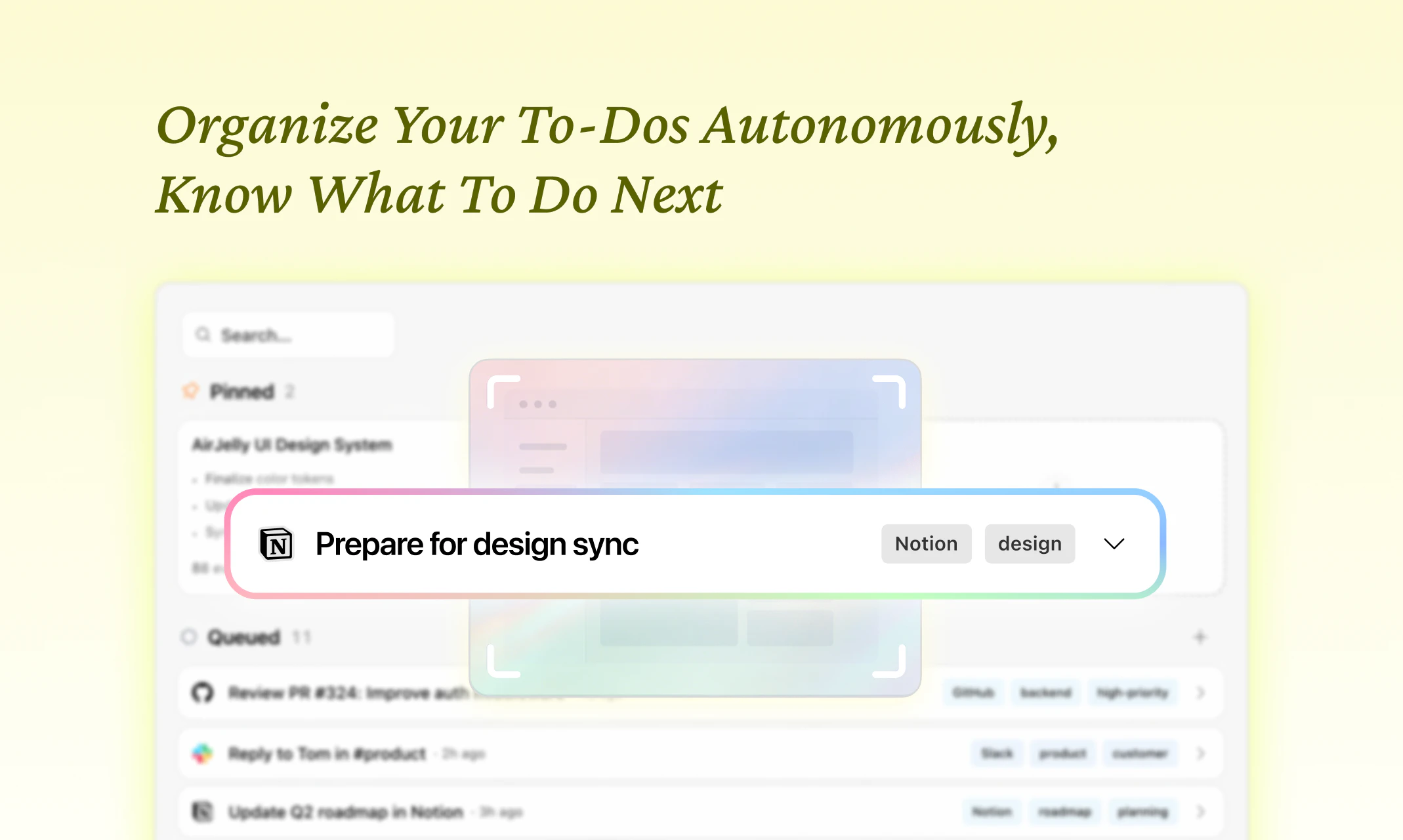
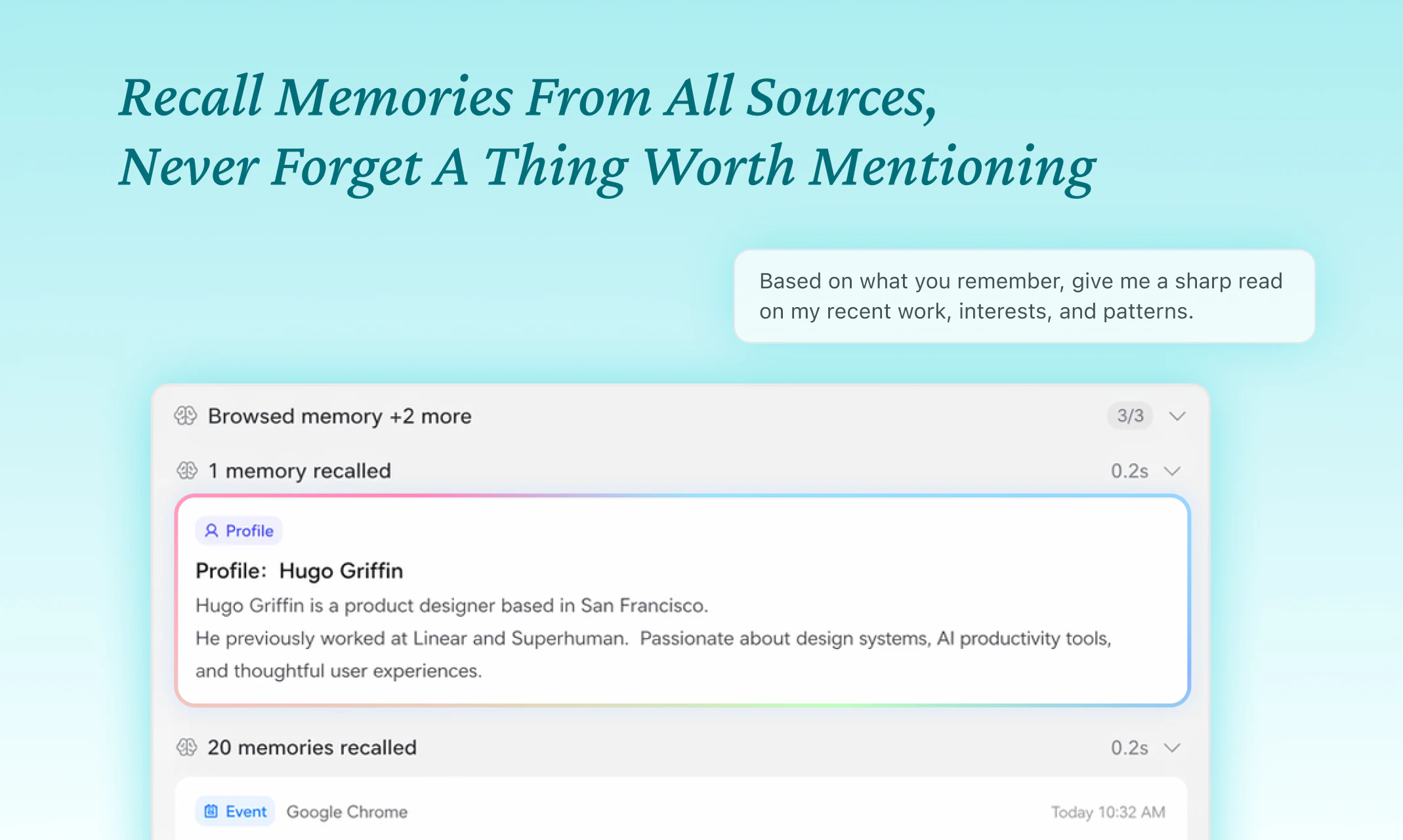
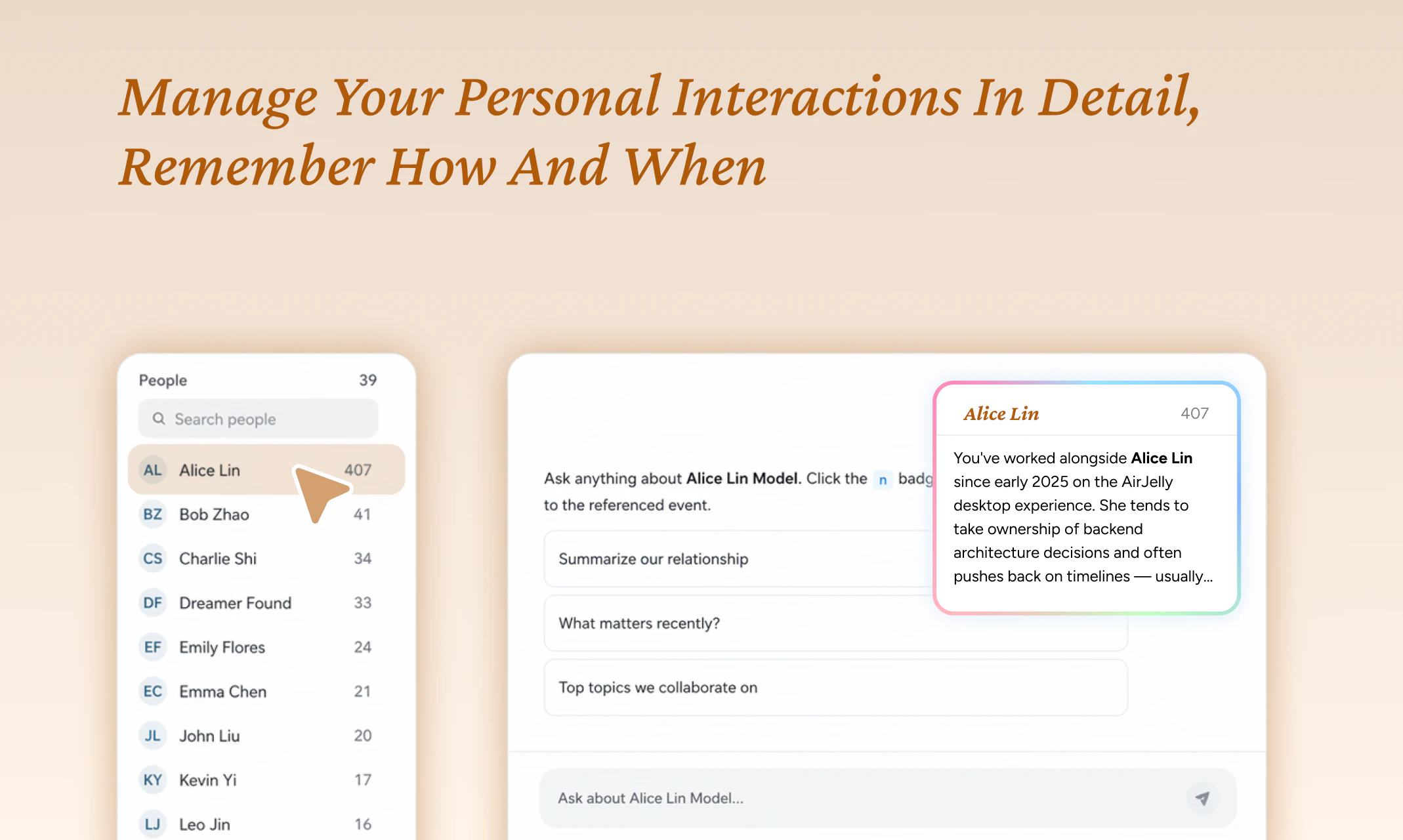
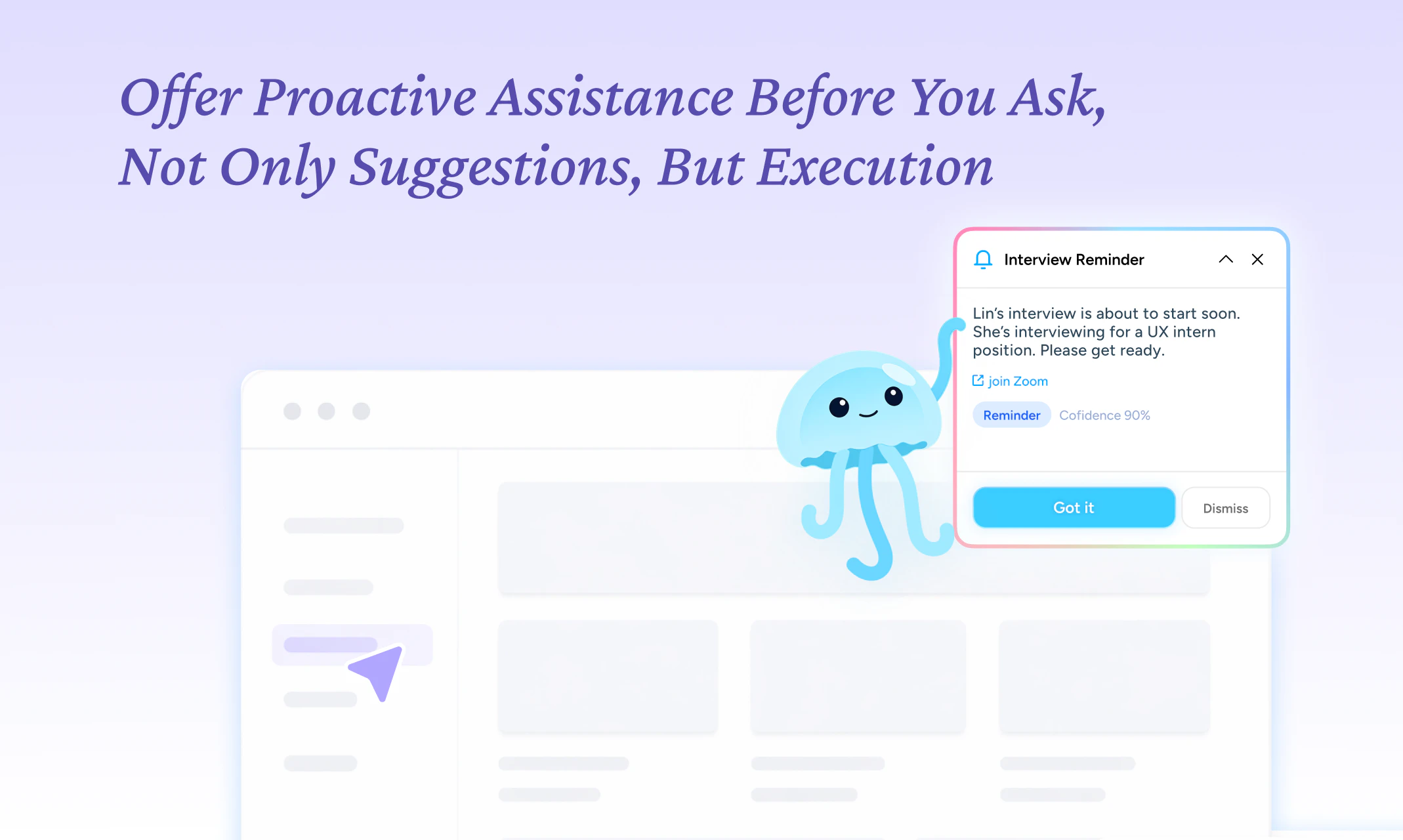
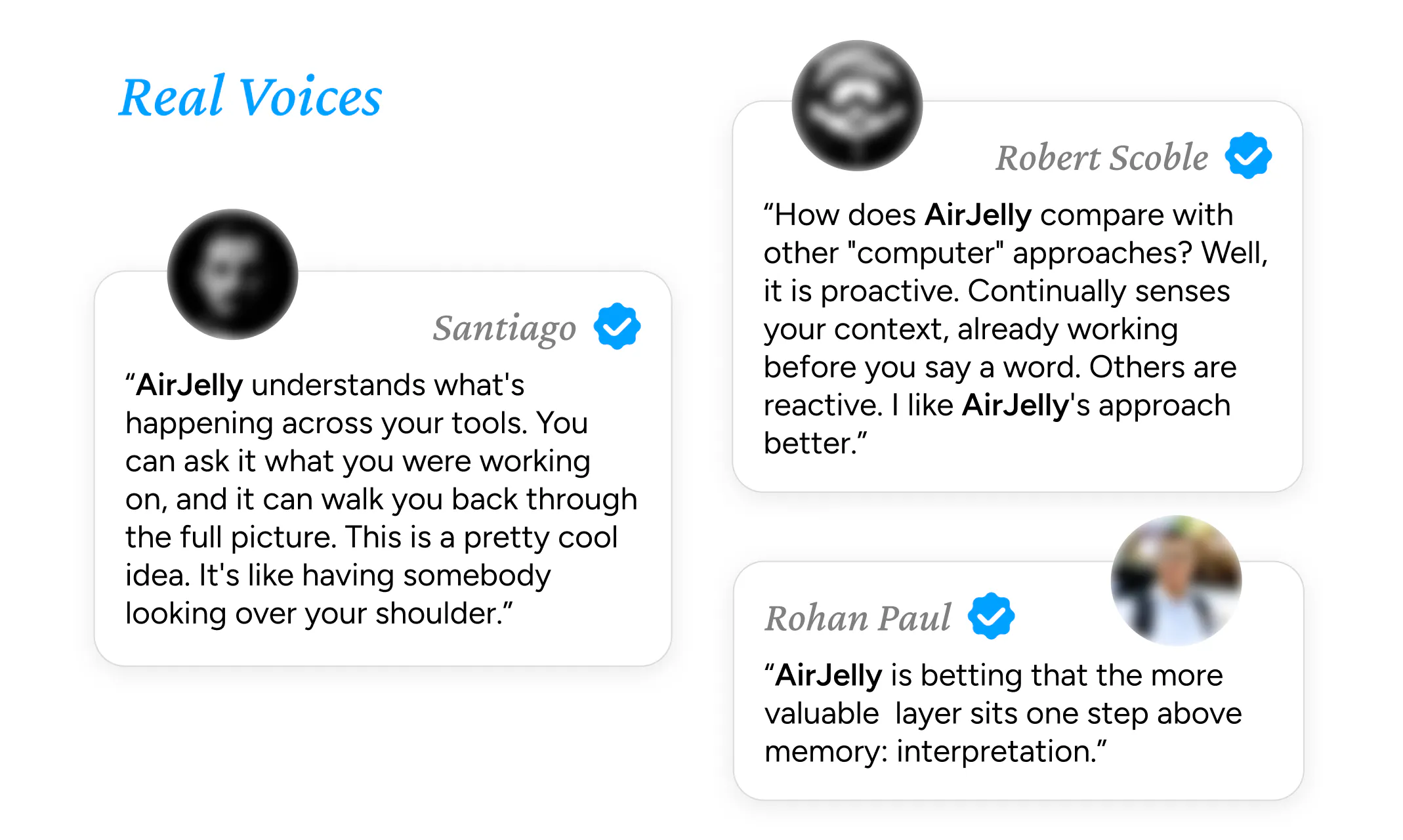

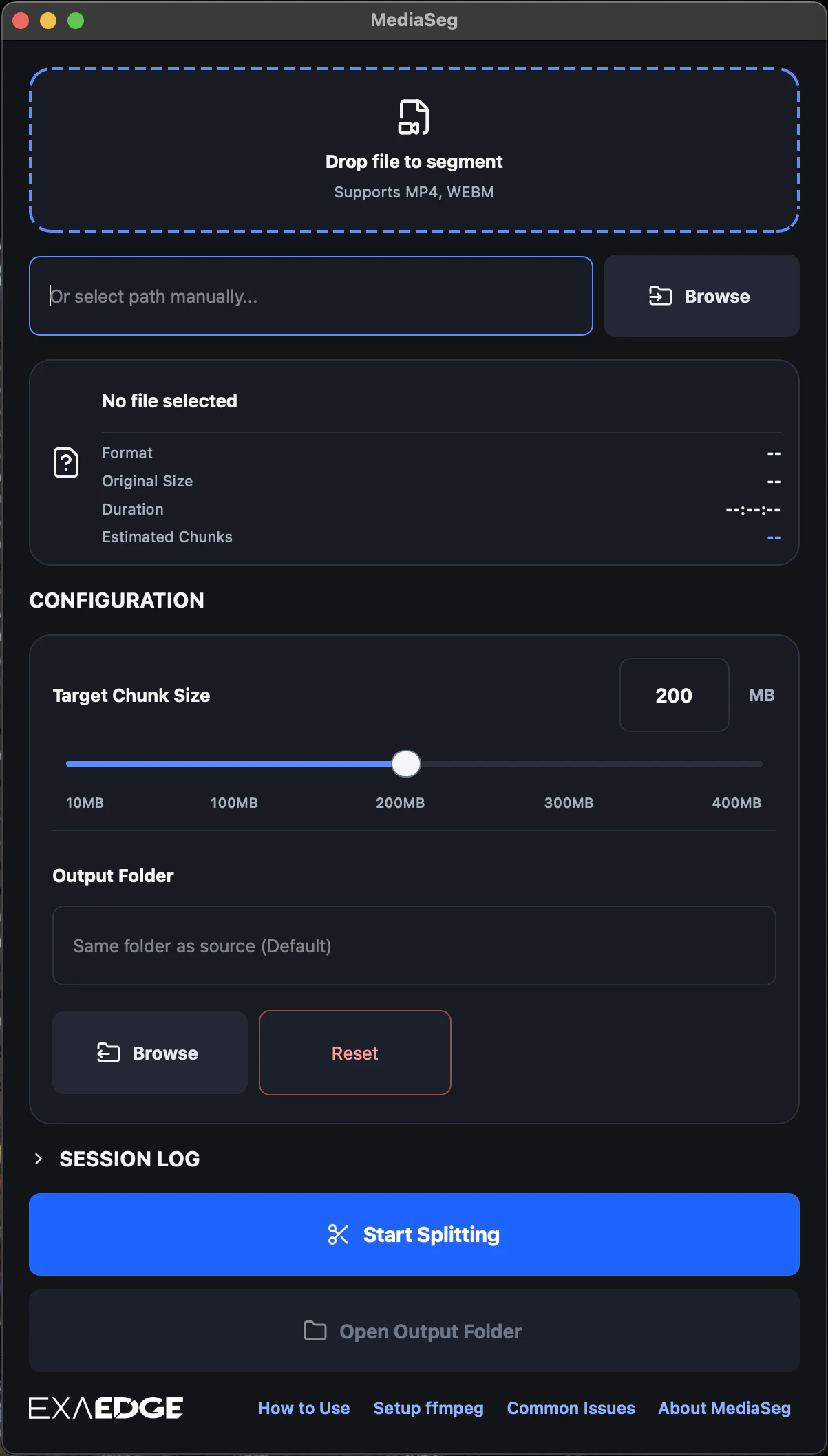
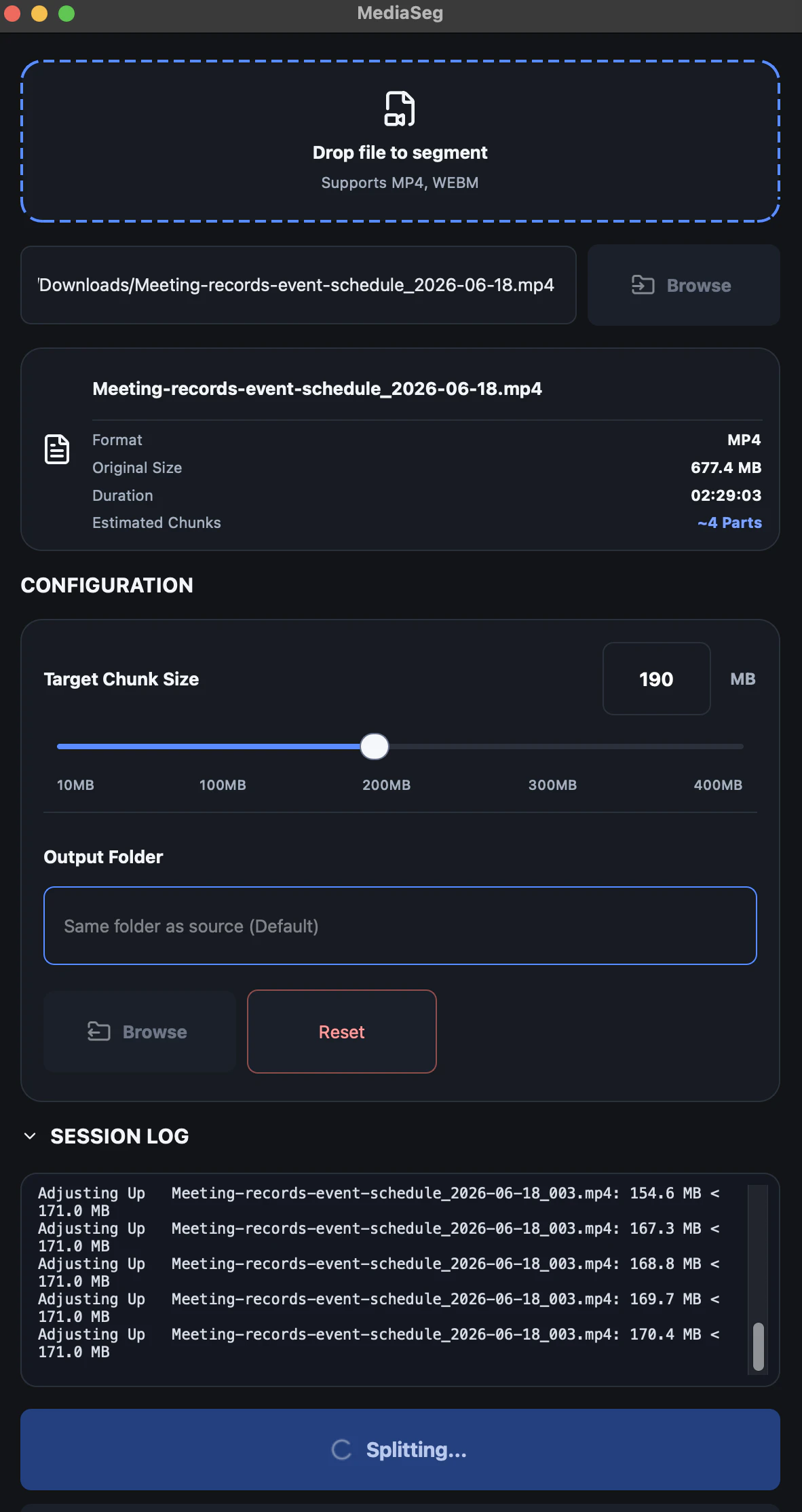

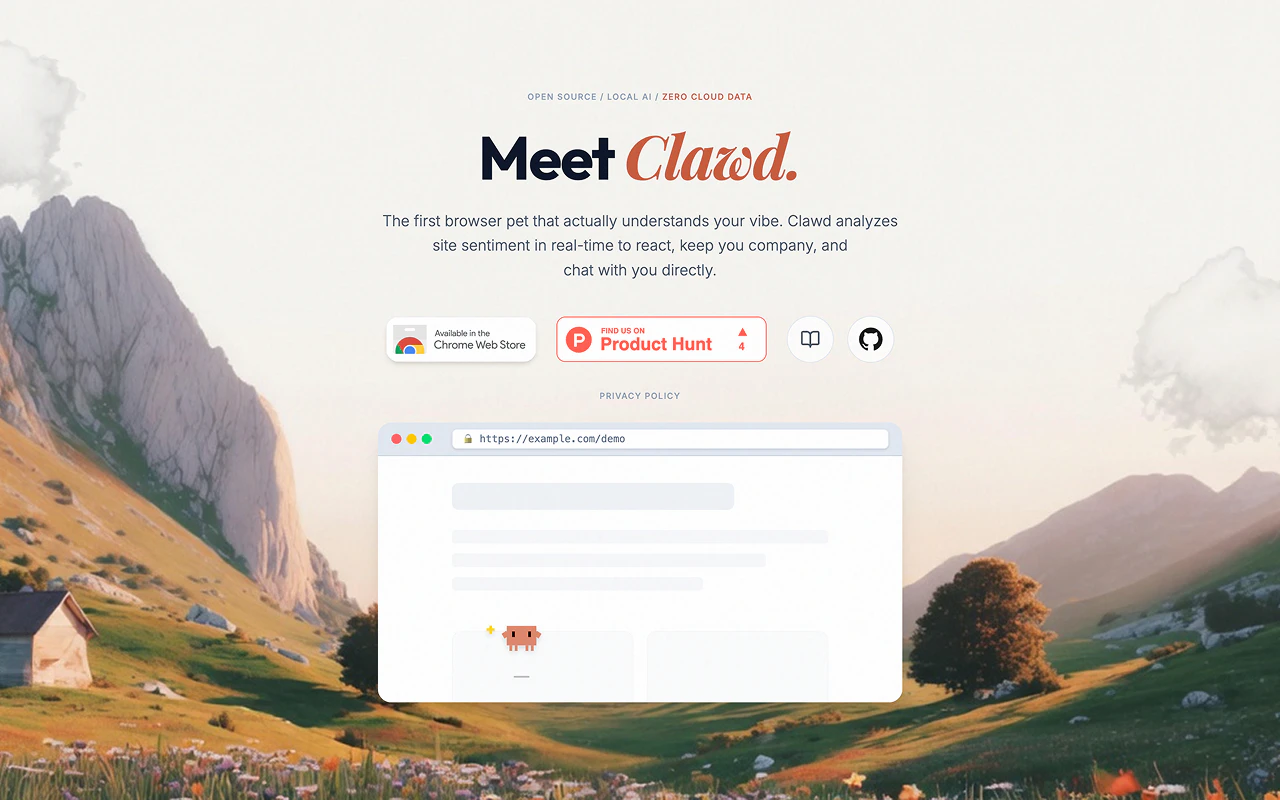
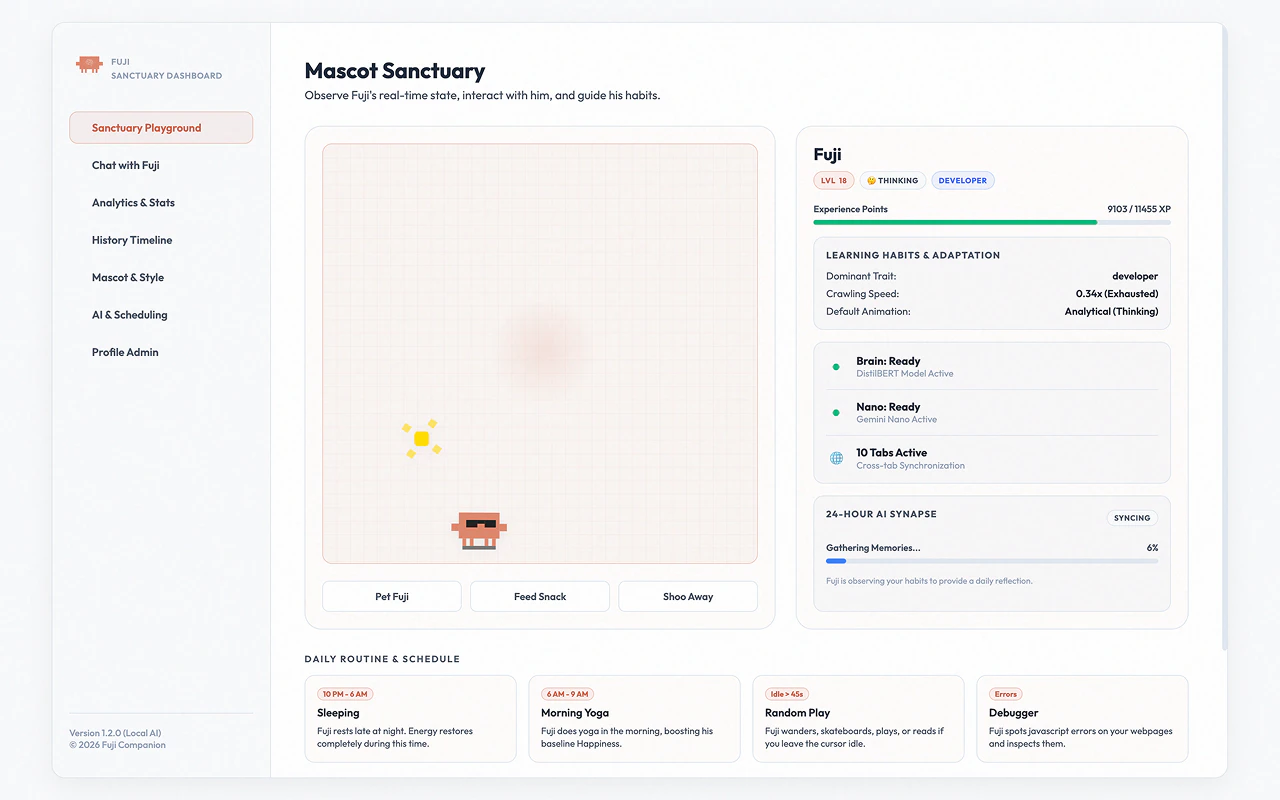
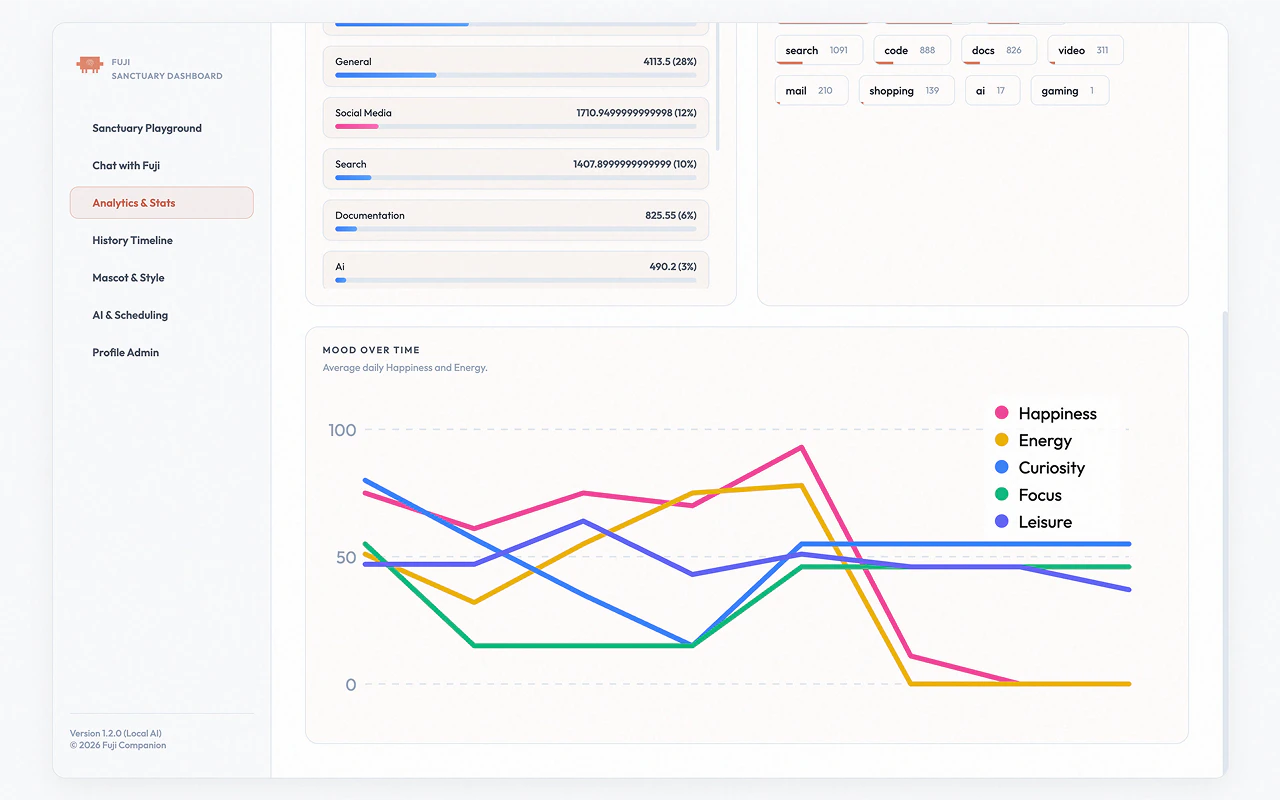
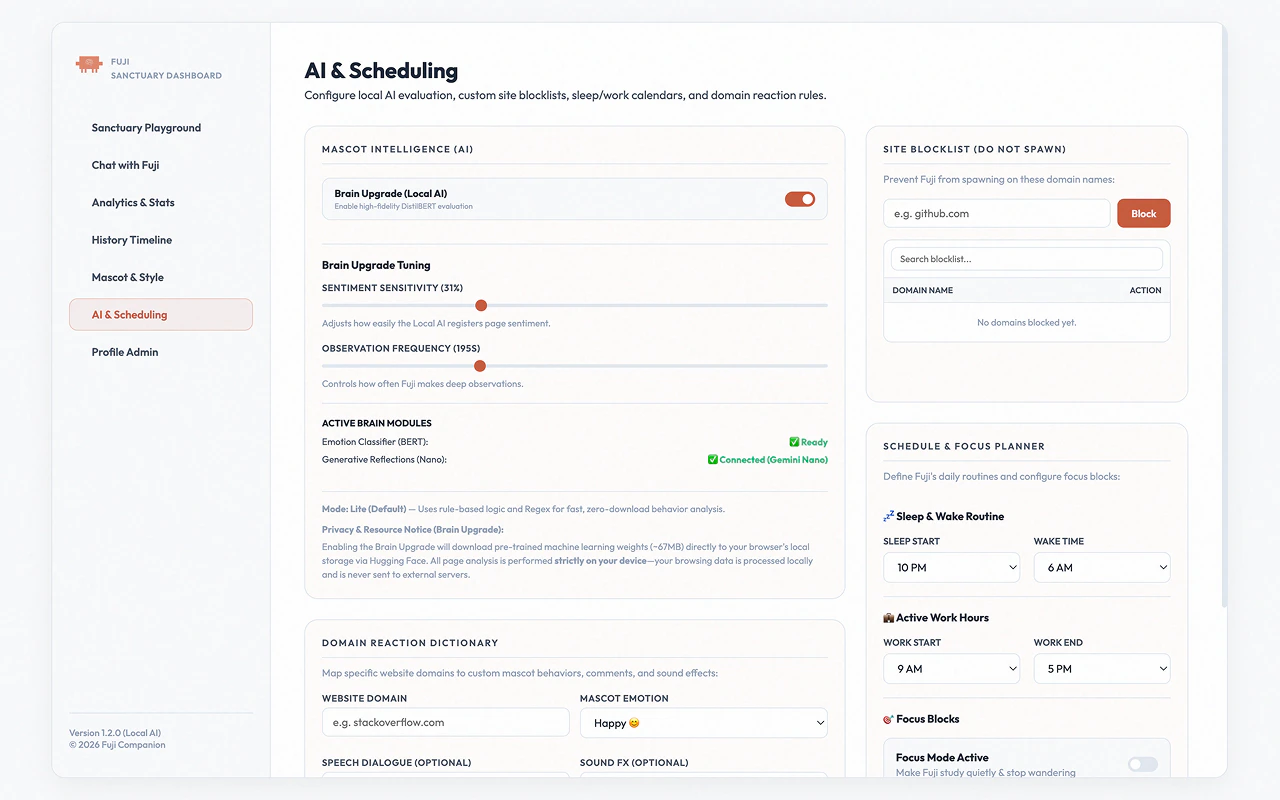
👋 Hey Product Hunt!
The internet is going headless. More and more, people don't open a website or an app, they just ask an assistant. That's making MCP Apps the new UI: real, interactive apps that run right inside Claude, ChatGPT and the rest. We think it's one of the biggest shifts in how software gets built and used right now.
While building these apps at Alpic, we kept hitting the same wall: every host (Claude, ChatGPT, Cursor…) has its own quirks, and writing the plumbing to support all of them is painful. So we built Skybridge. It is an open-source framework to build MCP apps, from idea to the official app stores. Code once, ship everywhere.
It abstracts away the implementation differences, so your app runs the same in Claude, ChatGPT, VS Code and any MCP-compatible client. It bundles a full local emulator, Hot Module Reload and an instant tunnel to connect your local app to Claude and ChatGPT. Agents are first-class users too: Skybridge gives your coding agent everything it needs to build an MCP app end-to-end.
Want proof the hard parts work? Have a look at our showcase page. You'll find many of the apps the community and us made with Skybridge and published to the stores. Skybridge already powers dozens of apps live in the stores.
What's happening in the MCP world right now is wild, and we can't wait to see what you build with it 💫
👋 Hey Product Hunt! I'm Fred, co-founder and CTO of Alpic, and core maintainer of Skybridge!
When ChatGPT Apps launched in October 2025, the OpenAI Apps SDK was just a page of documentation. No runtime, no tooling, nothing. So we built the missing SDK ourselves. That was Skybridge, day one.
But the deeper frustration was the feedback loop. Hot Module Reload, instant iteration, host context mocking (like locale, theme, or screen size), things web developers have taken for granted for a decade, mostly natively supported in modern browsers, simply didn't exist for AI Apps. Every change meant a full restart, a metadata refresh, and manually reconnecting to your conversational agent. The stack was brittle at best. When your feedback loop takes ages, you stop experimenting. You stop building.
So the DevTools became a core pillar of Skybridge: a local-only environment where you can iterate freely on your app before ever connecting it to Claude or ChatGPT. Tight loop, no friction.
Fully open-source. Because foundational tooling for this new layer of the web should be built in the open.
Since then, we've seen the number of apps built with Skybridge skyrocket! We've made the DevTools both human- and agent-friendly, enabling development loops we couldn't have even dreamed of 6 months ago. Can't wait to see what experiences people will bring to life with Skybridge.
If you want to give it a go yourself, check out our getting started guide!
Huge👏 congrats @julienvallini on the release, the headless web framing is spot on. love it's a open source, qq. do we have to deploy to alpic cloud to get the store auditing features or can we run the full beacon compliance scan locally via the cli?
Thanks for the release! I have been using Skybridge to develop a few apps and v1 has made it a breeze, especially with the new devtools UI !
Shoutout to the team who made it happen !
I'm no developer but with Skybridge I was able to build and launch an app myself.
It made it very easy, there is a lot of guidance, but what impressed me most is how quickly you can go from an idea to a working app. Less time wrestling with setup, more time testing and shipping.
Huge credit to the team for making something powerful without making it complicated!
One challenge I've seen with MCP apps is maintaining a consistent UX across different hosts. How much control does Skybridge give developers over host-specific behavior when they actually want to customize the experience?
We use this framework as well at Noodle Seed.
Love the dev tooling and all the conveniences it has!
@Skybridge is amazing!
Just tried and it's amazing ! Will be using it across our companies at Hexa !
Congrats on the launch! 🚀 Love your take: we need better tooling to build MCP apps. A React framework that handles the MCP server, rendering, client compatibility, and testing so you can just focus on features is exactly what builders need. Excited to build with it!
Congrats on the launch team! We use Skybridge to power our upcoming MCP server, it really gave us a speed boost to get everything up and running quickly and the DX is best-in class 👏
Congrats on the launch, amazing product !
I've used Skybridge to build an MCP app for ChatGPT. Definitely the best OSS solution out there!
Congrats for the launch !! It has been super cool to build with Skybridge. The hot reload module is absolutely nuts!
Congrats guys!!
Congratulations on the launch of Skybridge! How are you handling the identity building blocks involved in this? MCP auth spec, credential storage, etc.?
Just tried it ! The documentation and the tool is slick.
Recently released our MCP server at CodSpeed. Didn’t know about Skybridge at the time but will definitely take a look. I used @modelcontextprotocol/server directly.
Why would I gain by switching to Skybridge, what would I lose?
And how difficult the transition would be?
Congrats on the launch! Love seeing more tooling emerge around MCP 😍
Congrats on the launch. The local emulator and hot reload feel like the real unlock here, that feedback loop has been painful for everyone building around MCP. Excited to try Skybridge.
Excellent lancement ! Le cadrage « MCP apps = nouvelle UI » est très juste, et la DevTools locale règle exactement la douleur que je vivais (la boucle rebuild/reconnect était insupportable). Petite question : quand on passe en prod, le tunnel de test laisse place à quel mode de déploiement recommandé pour un serveur MCP auto-hébergé ? Bravo à l'équipe 🚀
Awesome launch! I’ve been trying to build with Skybridge, love the features packed inside. The shortcut to starting the tunnel right from the devtools is a banger 🤩 Keep up the good work team!
This looks super promising, congrats on the launch!
Congrats Alpic and Skybridge team! We are a super happy user of Skybridge. Our MCP Apps are powered by Skybridge; it really helped us with the dev effort and to make it compatible and ready to launch in the ChatGPT and Claude App Stores.
I think MCP Apps will be a necessity for news, media, and entertainment, sports, etc. in the future. I'm excited to see what companies will do there. Do you already see cool apps in this area out there? what are the interesting features or what are the issues that you see?
The local emulator with hot reload is the part that stands out to me, the rebuild and reconnect loop for MCP apps has been rough. Does the tunnel handle auth flows when testing against Claude, or is that still manual? Congrats on shipping.
Congrats on the launch. Curious when Claude supports a capability that ChatGPT doesn't, how does Skybridge handle graceful degradation across hosts?
Congrats on the launch. The “MCP apps as the new UI” framing feels right.
The thing I’d want standardized early is the action boundary: when an app moves from rendering UI to taking an external action, does Skybridge expose a receipt/approval surface back to the host, or is that left to each app?
Love the abstraction layer here. Building standard UIs while the big players fight over becoming an OS is a smart play. I haven't tested it yet, but it's next on my list. I'll give it a spin soon and will definitely ship some apps once Gemini finally joins the party and opens up an app store! 🚀
The "code once, ship everywhere" angle is the part that resonates — I build a lot of my own tooling on top of MCP and the host quirks between Claude and ChatGPT are exactly the kind of friction that quietly eats a weekend. The compliance-scanning piece caught my eye too; that's not where most early frameworks put their attention. Curious how you handle host capability divergence — when one host supports a UI primitive the other doesn't, do you degrade gracefully or gate the feature? Congrats on #1.
As someone who's been creating podcasts, newsletters, social posts, and now launching a product, I've found the biggest challenge isn't creating content; it's actually staying on brand across different formats. Interesting approach. Congrats on the launch.