Product Hunt 每日热榜 2026-08-18

PH热榜 | 2026-08-18

#1
Clara AI SDR
Turn website visitors into qualified pipeline
347
一句话介绍:Clara AI SDR将网站访客转化为合格商机,通过AI实时对话完成意向识别、产品演示、异议处理和会议预订,替代传统表单等待模式,解决高意向访客因响应延迟而流失的痛点。
Developer Tools Artificial Intelligence
AI销售开发代表 SDR 网站访客转化 实时销售对话 商机识别 CRM集成 智能会议预订 营销自动化 B2B销售 售前机器人
用户评论摘要:用户普遍认可“实时响应替代静态表单”的价值,核心疑问集中在三处:一是AI如何精准区分真实购买意向与随意浏览行为;二是人机交付边界——何时、以何种机制将高意向访客无缝转接给人工销售;三是与Leadoo等产品的差异化,团队回应强调Clara承载完整销售对话而非单纯线索捕捉。
AI 锐评

Clara SDR切中的痛点真实且尖锐——企业花钱买流量,却在表单环节漏掉最高意向瞬间。产品逻辑上,它试图将传统SDR“第一触达”从事后跟进压缩为实时对话,确实具备效率逻辑的合理性。但深入审视,其价值能否兑现取决于三个关键问题:其一,所谓“个性化产品演示”和“处理反对意见”本质依赖知识库质量与对话设计,若底层是标准LLM套壳,在高复杂度B2B场景中极易暴露机械感,用户评论中对“谁值得追、何时该推”的质疑正点出AI销售的现实软肋;其二,报价中“无需增加人力”只是替换了SDR的初筛工作,后期人工介入成本并未消失,反而可能因AI误判增多转接摩擦;其三,市场上同质化AI销售工具已不鲜见,Clara缺乏显著的护城河证据,Deepgram语音作为底层技术亮点也非独家。整体看,这是一个方向正确、执行尚待深挖的产品——它考验的不是聊天流畅度,而是对销售节奏和线索价值的判断力。若团队真能把“实时会话”背后的数据沉淀反哺给销售策略,价值会远超“替代表单”本身,否则仍是高级客服机器人。

查看原始信息
Clara AI SDR
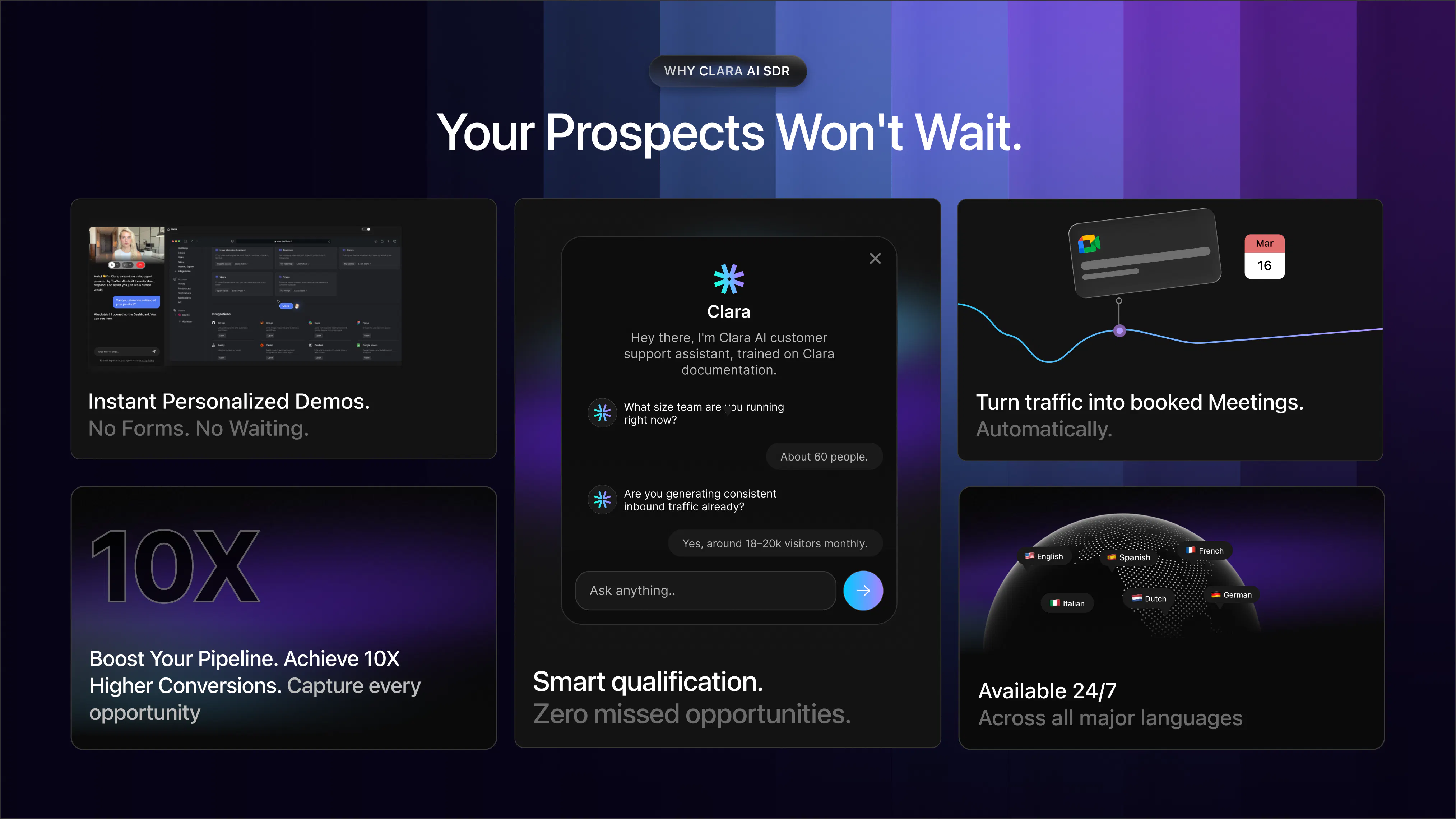
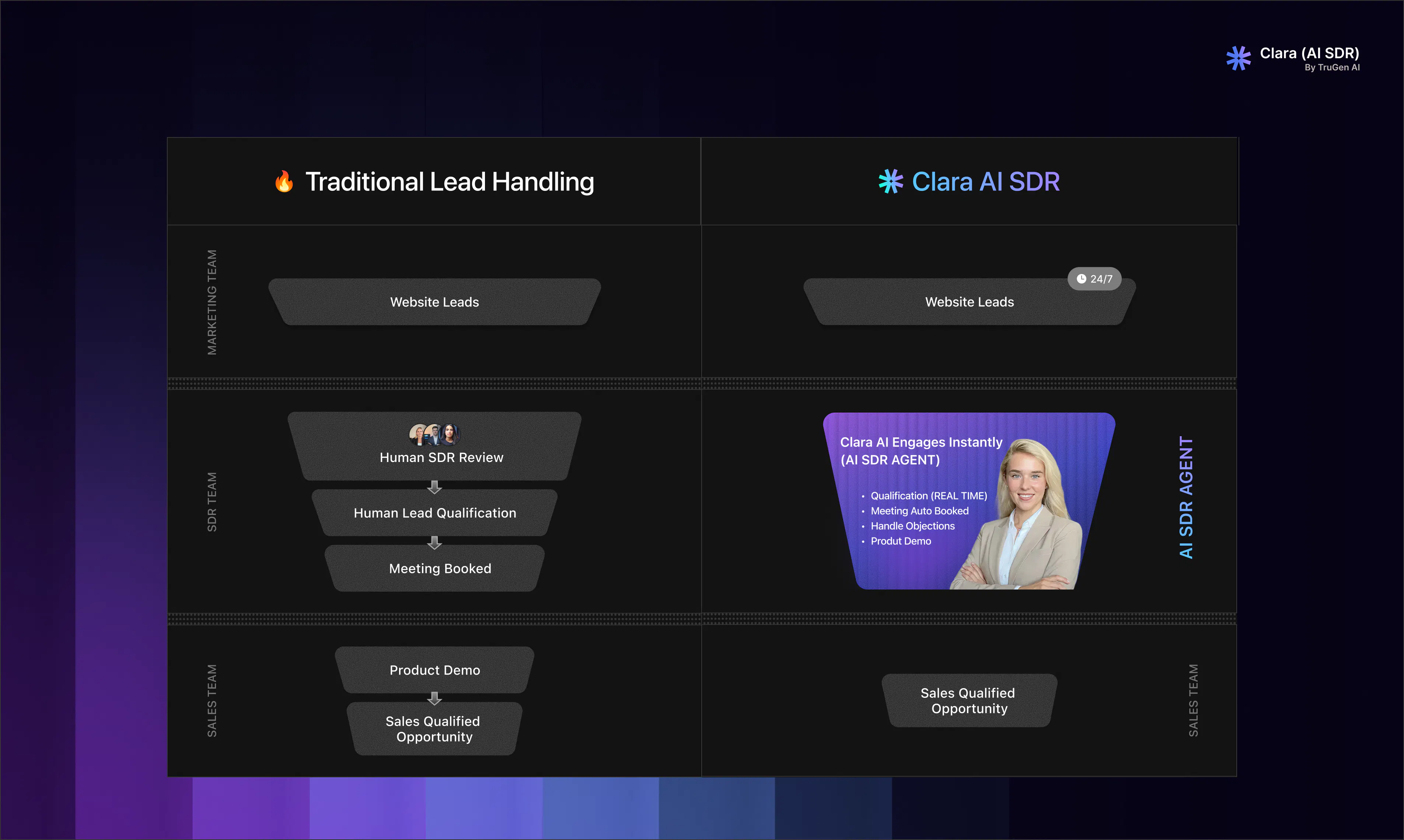
Clara is an AI SDR that converts inbound website traffic into pipeline - engaging, qualifying, demoing, handling objections, and booking meetings in real time. No forms. No waiting. No extra headcount. 24/7 selling with seamless CRM integration.

Hey Product Hunt 👋 We’re excited to introduce Clara - an AI SDR by TruGen AI.

For the past few months, our team has been heads-down building Clara with one goal in mind: helping companies turn website traffic into qualified pipeline.

We kept seeing the same challenge - companies invest heavily in bringing visitors to their websites, but most websites still rely on forms, chatbots, or waiting for a sales rep to follow up. High-intent visitors don’t always wait.

That’s where Clara comes in.

🤖 What can Clara do?

✅ Engage website visitors in real time
✅ Qualify leads based on their intent
✅ Give personalized product demos
✅ Answer questions and handle objections
✅ Book meetings automatically
✅ Integrate with your CRM and existing sales stack
✅ Work 24/7 across major languages

Clara learns from your product docs, pitch decks, FAQs, and sales content, so every conversation is tailored to your product and your customers.

🚀 The result?

More conversations with the right prospects.
More qualified leads.
More meetings from the traffic you already have.

No forms. No waiting. No extra headcount.

Clara runs on your website 24/7, giving every visitor the opportunity to have a sales conversation whenever they’re ready.

We built Clara as part of our vision at TruGen AI to create AI teammates that can actually work alongside your team - not just answer questions.

👉 Try Clara: https://clarasdr.ai/

We’d love to hear your feedback, thoughts, and ideas as we continue building Clara. 🚀

13
回复

@bhavyasree congrats on the launch! the 24/7 real-time angle over static forms makes sense — curious how the live handoff to a human rep works once a visitor is clearly ready to buy.

3
回复

@bhavyasree This is really cool! Love the idea of having an AI SDR actually engage with visitors instead of making them fill out another form. Congrats on the launch!

2
回复

@bhavyasree The website finally got tired of being a very expensive brochure.

That’s what I like about Clara. Most companies spend serious money getting the right people onto their website, then basically greet them with a form and say, “Cool, leave your details and we’ll get back to you.”


Meanwhile the prospect has already opened three competitor tabs. 😂


Turning that high intent moment into an actual sales conversation makes a lot of sense.


The interesting part for me is not just that Clara can answer questions or book meetings. It’s whether an AI SDR can eventually understand who is worth pursuing, when to push, and when to get out of the way.

Because nobody needs another chatbot that responds instantly.


They need one that knows when an instant response is actually worth something. 👀🔥

0
回复

What‘s interesting here is the shift from “capture the lead and follow up later” to trying to complete more of the sales motion while intent is still live.

Forms are basically designed for handoff. @Clara AI SDR is betting that the website itself can become the first sales conversation.

The open question for me is where buyers draw the line between what they’re happy to do with an AI SDR and what they still want a human for.

And nice to see @Deepgram under the hood!

10
回复

@zaczuo Thanks so much for the support, Zac! 🙌

Absolutely - that shift from simply capturing leads to actually engaging while intent is high is exactly what we’re building Clara for.

We’re also working on a live handoff feature, where Clara can bring a salesperson into the conversation instantly when a visitor is highly interested.

Would love to hear your feedback when we have that live as well.

Thanks again for the support : )

3
回复

@zaczuo Appreciate you being part of the launch, Alex! Thanks so much.

1
回复

@zaczuo where buyers draw the line between what they're happy to do with an AI and what they still want a human for" is the real question every AI SDR tool is going to have to answer eventually, not just this one. my guess is it's less about the task and more about the stakes, people are fine with AI handling info-gathering questions but want a human the moment money or a real commitment enters the conversation.

0
回复

@bhavyasree congratulations on the launch! Out of curiosity, how is Clara different from other "lead mapping" solutions like Leadoo?

3
回复

@axelle_dervaux Thank you for the question! 🙌

Clara goes beyond lead mapping or simply capturing intent. Clara acts as an AI SDR that actually carries the sales conversation - engaging visitors in real time, understanding their intent, qualifying them, giving personalized product demos, handling objections, and booking meetings.

The key difference is that Clara is built to move the visitor from interest to an actual sales conversation and opportunity, rather than stopping at identifying or capturing a lead.

That’s the experience we’re building with Clara - making every high-intent website visitor an opportunity to engage, qualify, and convert.

1
回复

@bhavyasree  @axelle_dervaux Yes, as Bhavya said 🙌 - we’re building Clara to go beyond simply capturing leads. She can engage visitors in real time, understand their intent, qualify them, give personalized product demos, handle objections, and book meetings.

What we’re really aiming for is an AI SDR that can handle the early sales conversation end-to-end and keep working 24/7, while making it easy for a sales rep to step in when needed.

0
回复

Turning website traffic straight into qualified pipeline is a massive win for founders. Huge congrats on the launch!

3
回复

@thisiskp_ Thank you so much for your support! That’s the idea behind Clara - instead of letting good website traffic go unnoticed, Clara talks to visitors, helps them find what they need, identifies the ones who are genuinely interested, and moves them toward a meeting. It’s like having an SDR on your website 24/7. Really appreciate the support : )

1
回复

@thisiskp_ Really appreciate the support, KP!

1
回复

Congrats @bhavyasree ! This is really cool. Having an SDR available 24/7 is a huge advantage for sales teams.

How does Clara answer questions? What information does she use and how many languages can she speak?

3
回复

@byalexai Thank you so much for the support, Alex! 🙌

Yes, absolutely - having an SDR available 24/7 is a huge advantage, especially when visitors are ready to engage.

Clara learns from your product docs, pitch decks, sales scripts, and FAQs, and uses that information to tailor conversations, answer questions, qualify visitors, and give personalized demos.

She can also support 50+ languages, so teams can engage visitors across different markets and time zones.

2
回复

congrats on the launch @bhavyasree @hemantha_vijay1 . Good to see you folks are trending at #1.

curious, how are you thinking about measuring Clara’s performance beyond meetings booked? would love to know what signals you use to decide whether a conversation is actually a qualified opportunity.

2
回复

@harkirat_singh3777 Thank you so much! 🙌 Great question. We look beyond just meetings booked - Clara looks at the visitor’s intent, responses, use case, fit, and level of engagement throughout the conversation.

The qualification criteria can also be customized for each business, including specific questions or lead-scoring signals, so teams can define what a qualified opportunity means for them.

1
回复

@bhavyasree  @harkirat_singh3777 Absolutely, this is something we care a lot about. 🙌 A booked meeting alone doesn’t tell the full story, so we’re looking at the quality of the conversation, visitor intent, fit, and engagement throughout the interaction. We’re also building Clara to support customizable qualification and scoring based on what each sales team considers a real opportunity.

0
回复

Hello Product Hunt community! 👋

I’m the CTO & Co-founder at TruGen AI, and for the past few months, our team has been building @Clara AI SDR with one mindset: every website visitor is an opportunity and shouldn’t go unattended.

Instead of making visitors fill out forms or wait for a sales rep, Clara engages them in real time, understands their intent, qualifies them, gives personalized demos, and helps move the conversation forward.

We’re finally excited to share what we’ve built with the Product Hunt community! 🚀

👉 Try Clara: https://clarasdr.ai/

Would really appreciate your feedback and thoughts as you check out Clara.

Thanks so much for the support! 🙌

2
回复

@harigovind11 
How can I connect with you?
I want to learn from you.

0
回复

Lovely launch video. Good luck on the launch

2
回复

@sooddvs Hahaa : ) Thanks a lot for your support! Appreciate it : )

1
回复

@sooddvs So glad you checked out the video, Divesh! Thanks again for the support.

0
回复

@sooddvs can't add something else to this comment, otherwise it will duplicate the same statement

0
回复

Congratulations on the Launch!

2
回复

@yashchoudhary Thank you so much for the support Yash!

1
回复

@yashchoudhary Really appreciate the support, yash!

0
回复

Always happy to share what we’ve been building with the Product Hunt community : )

We’ve been working on making website conversations more meaningful - helping teams engage visitors, understand their intent, give personalized demos, and turn those conversations into real sales opportunities.

👉 Try Clara: https://clarasdr.ai/

Looking forward to hearing your feedback and thoughts! 🙌

2
回复

Congrats on the launch Bhavya 🙌🏾

Reading this from South Africa and cheering the TruGen team from the sidelines. The framing of "the website itself as the first sales conversation" (Zac's line, but you built the thing) is the shift a lot of founders are still catching up to. Wishing you a huge launch day and week🚀

1
回复

@aya_yokwana Thank you so much for the kind words and support! 🙌 It really means a lot to have you cheering us on from South Africa. We’ve put a lot of work into Clara, so it’s exciting to finally have it out there and hear people’s thoughts. 🚀

Really appreciate you being part of the launch!

0
回复

@aya_yokwana Really appreciate this! 🙌 It’s been a lot of work behind the scenes to get Clara here, so seeing the community connect with the idea means a lot to us. We’re excited to keep pushing on the idea of making the website an active part of the sales process. 🚀

0
回复

the real-time qualifying part is the hard bit. how does clara tell someone who's genuinely engaged from someone just clicking around to see what happens, is that off timing/behavior or something in how they respond?

1
回复

@sabber_ahamed 
How can I connect with you?
I want to learn from you.

0
回复

@sabber_ahamed Thanks for the question! 🙌 Clara qualifies visitors through the conversation itself - asking the right questions, understanding their responses and level of interest, and guiding genuinely interested prospects toward booking a meeting.

All of this can be customized based on each customer’s requirements, including adding custom qualification or lead-scoring systems if needed.

0
回复

Hello Product Hunt community! 👋

I’m the CTO & Co-founder at TruGen AI, and for the past few months, our team has been building @Clara AI SDR with one mindset: every website visitor is an opportunity and shouldn’t go unattended.

Instead of making visitors fill out forms or wait for a sales rep, Clara engages them in real time, understands their intent, qualifies them, gives personalized demos, and helps move the conversation forward.

We’re finally excited to share what we’ve built with the Product Hunt community! 🚀

👉 Try Clara: https://clarasdr.ai/

Would really appreciate your feedback and thoughts as you check out Clara.

Thanks so much for the support! 🙌

0
回复

Always happy to share what we’ve been building with the Product Hunt community : )

We’ve been working on making website conversations more meaningful - helping teams engage visitors, understand their intent, give personalized demos, and turn those conversations into real sales opportunities.

👉 Try Clara: https://clarasdr.ai/

Looking forward to hearing your feedback and thoughts! 🙌

0
回复

@bhavyasree 
How can I connect with you?
I want to learn from you.

0
回复
#2
Taku AI
Borrow the best AI setups and make them yours.
297
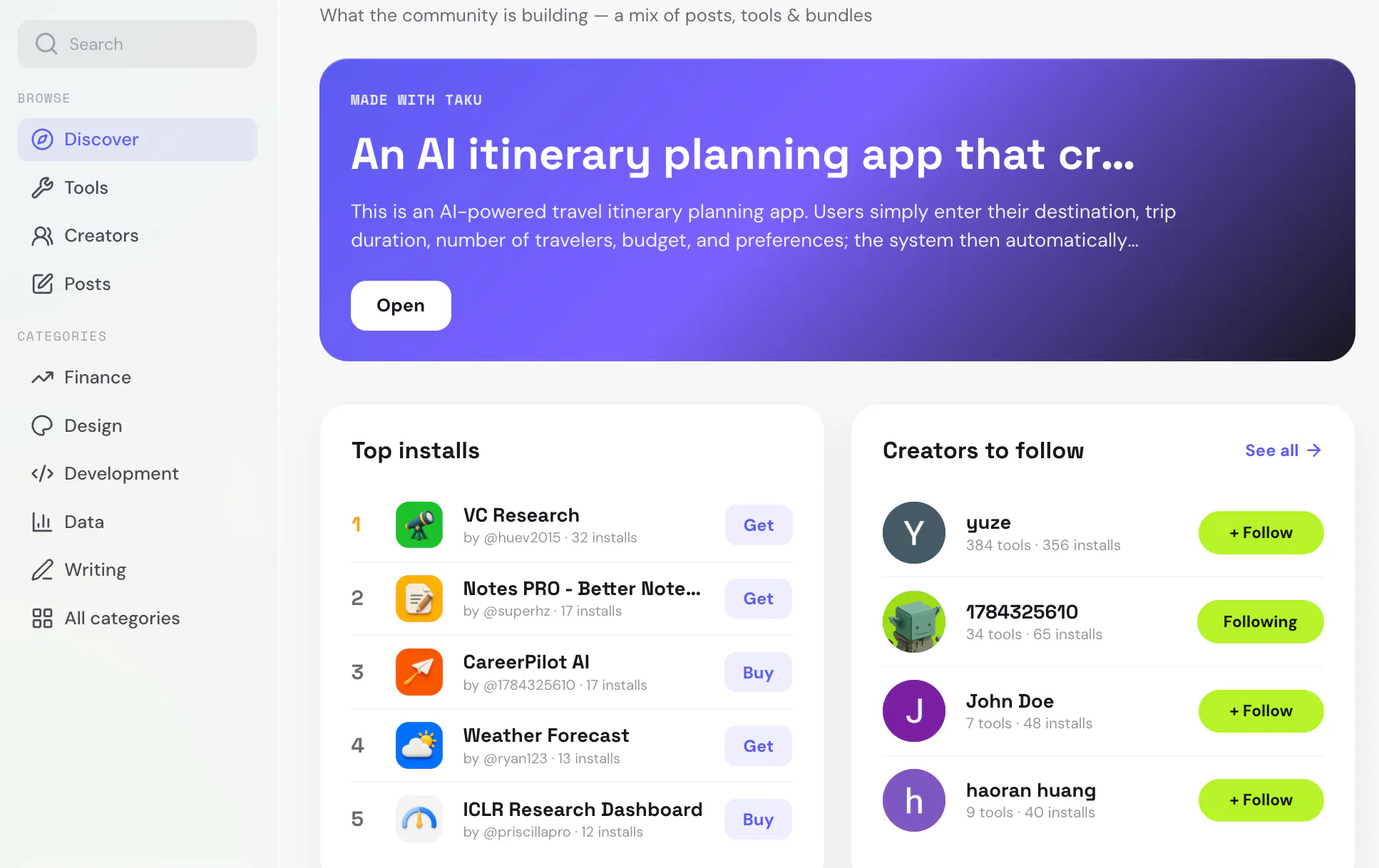
一句话介绍:Taku AI 将散落的优质AI技能、代理与工作流打包成开箱即用的桌面应用,让非技术用户免去GitHub、配置和API依赖,直接“复制高手配置”并用起来。
Productivity Artificial Intelligence No-Code
AI应用商店 工作流复用 零代码 桌面应用 AI代理 技能市场 创作者变现 智能推荐 效率工具 生产力
用户评论摘要:用户普遍认可“将AI能力应用化”的抽象价值,解决“收藏即吃灰”痛点。高频问题集中在:组件失效时能否单独调试(官方称可自动识别并自由组合)、复制是否跟随原作者更新(现为快照,更新策略规划中)、推荐算法如何处理同质应用(视情境并行运行)、创作者变现(现按使用送积分,订阅制筹备中)。
AI 锐评

Taku AI踩准了AI工具泛滥但可用性崩塌的真实断层——多数人疲于在GitHub、提示词、API密钥和版本迭代中反复横跳,最终什么都没真正用上。它把“工作流”变成“App”的思路,本质上是在做AI时代的“可视化封装层”,降低使用门槛,并试图以“应用商店”模式聚合生态。创始人放弃自研重模型、转向“搬运+封装”的务实选择,确实更贴近大众市场。

但风险也很直观:其一,AI底层能力迭代极快,快照式复制很快会面临断链与失效,自动更新规划若不成熟,长期维护成本会像雪球一样滚到平台身上;其二,推荐机制目前仍是“基于用户意图+热门”的轻量逻辑,当同质化Stax增多时,如何做到“精准且不偏食”将决定体验上限,而非靠“用户自己试”来充当过滤器;其三,创作者激励停留在积分阶段,真正的付费订阅若不能形成高佣金良性循环,优质供给的持续性存疑。

更本质的挑战是:Taku不是做一个更强的AI,而是做一个更会“整理”AI的中间层。这个位置的护城河不在技术,而在生态迁移成本。一旦Claude、OpenAI等官方一键出App,或主流IDE原生集成工作流分享,Taku的“搬运工”价值会被迅速稀释。短期看,它是“懒人福音”;长期看,它必须从“AI应用的App Store”进化为“能主动替你组装工具链的AI管家”,否则只能沦为通往AGI路上的一个漂亮路标。当下值得肯定的是,团队听劝且动手快——这比很多炫技的产品实在得多。

查看原始信息
Taku AI
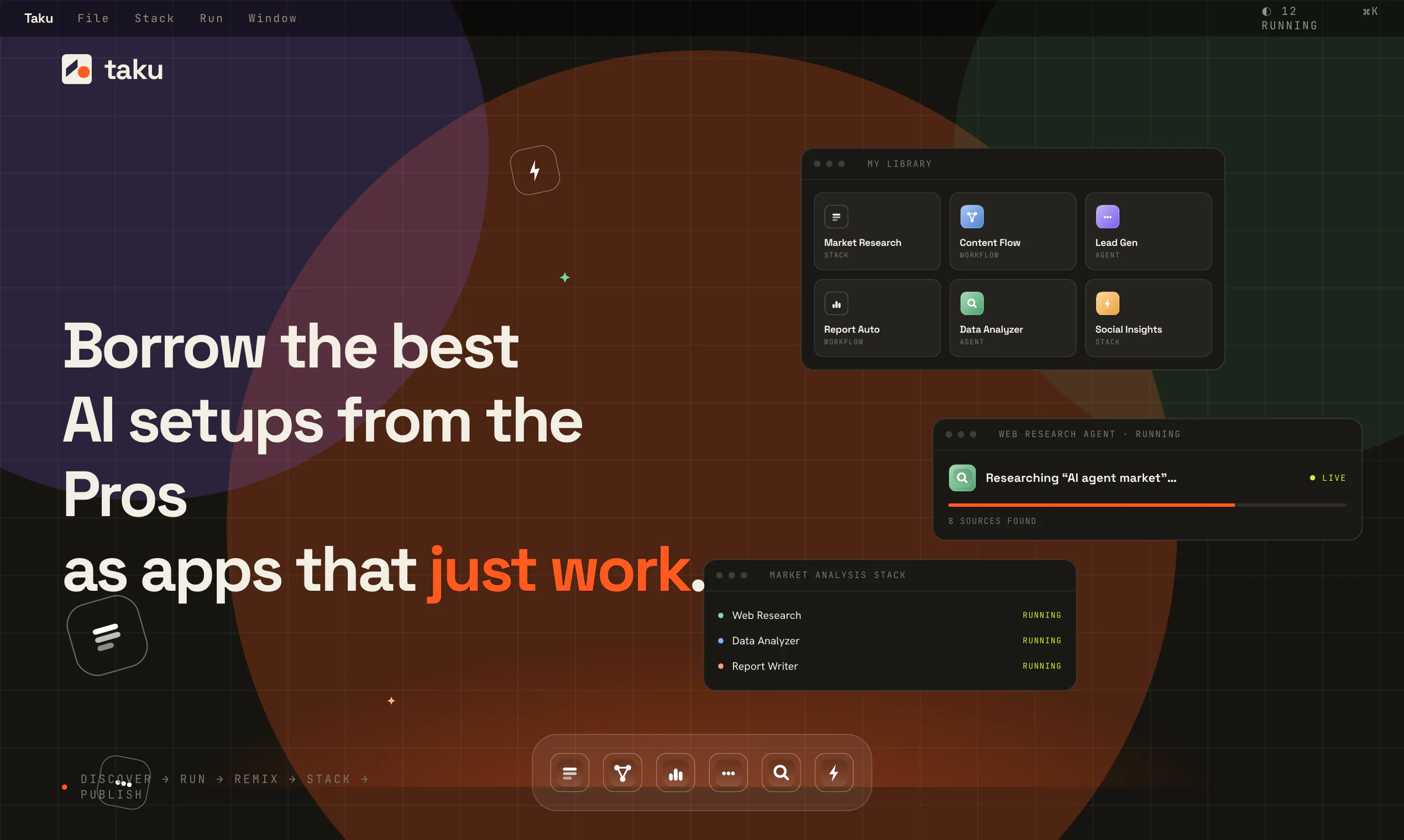
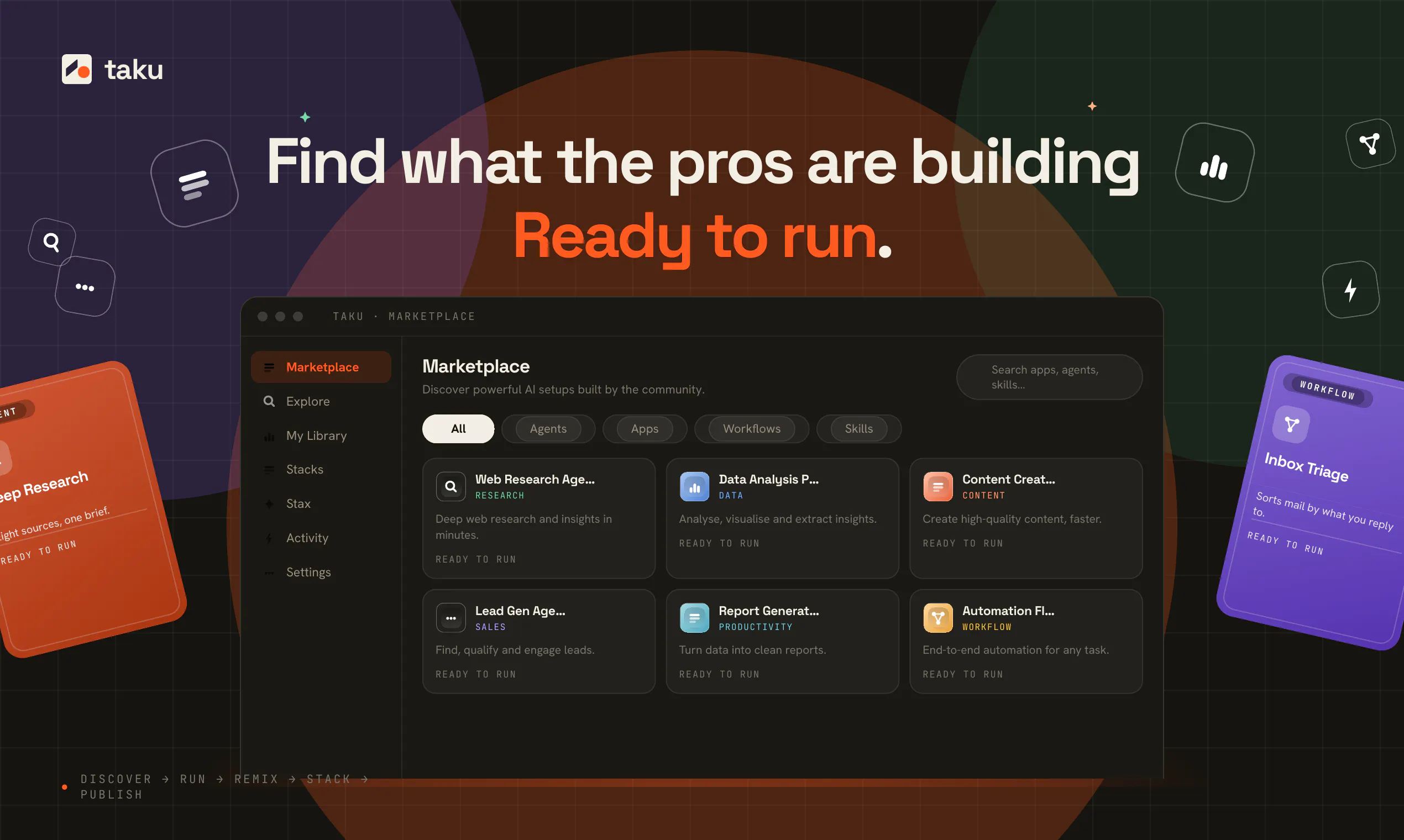
AI is getting insanely powerful — and somehow harder to use. Taku fixes the last mile. It turns the best skills, agents, and workflows into real desktop apps anyone can run, remix, and make their own. Borrow setups from the pros, skip GitHub and setup, or just tell Taku what you want and watch it assemble the stack. The more you work, the more Taku learns what you need — and brings the right tools to you.

Hey Product Hunt 👋 Austin here, founder of Taku.

Taku is changing how people discover and use AI, the way TikTok changed how we watch video.

Before Taku: install Codex, hunt down the right tools, write your prompts, set up APIs, iterate, repeat. Then babysit the whole thing.

With Taku: the best setups find you. Copy from the pros, done.

I previously cofounded Sapient Intelligence that raised over $22million in seed funding, and assembled a team from frontier labs like, Anthropic, Deepmind, Deepseek etc.

I was building a coding agent at the time and I realized AI wasn't making my life easier. It was making it harder. A new tool every week. New prompts, new configs, new workflows to babysit.

And me? I'm a lazy potato. I want shortcuts. I wanted to copy, or honestly just steal, from people who know their shit. That one lazy thought resonated with more people than anything I'd actually built. So we built Taku.

For the everyday Joe: copy a pro's setup and it runs out of the box. From there, Taku learns from every interaction and recommends the tools pros built for exactly what you need. The more you use it, the better it gets.

For creators: you've pumped out an incredible wave of skills and open-source projects, but getting noticed is hard, and getting paid is even harder. Taku turns your work into user-friendly AI apps and recommends them to people at the exact moment they need them.

Give it a try and tell us how to make it better.

14
回复

@taku_ai great product best of luck

0
回复

@taku_ai Congrats on the launch! This looks really helpful.

0
回复

@taku_ai Congrats on the launch!

0
回复

What happens when one capability inside a Stack breaks or changes? Can I inspect the failing step without rebuilding everything?

8
回复
@cruise_chen Yes! Taku agent will automatically identify bugs and issues when running any setups or apps. Nothing’s baked in and you can customize or combine apps on the fly!
0
回复

I spent some time trying Taku today, and the part that clicked for me wasn’t simply “another way to build AI workflows.”

There are already a lot of powerful agents, skills, open-source projects, and workflows out there. My problem is that I discover them constantly, save them, and then almost never get them into something I actually use.

What feels different here is the abstraction. Instead of asking me to understand the underlying setup first, Taku tries to turn those capabilities into something that behaves more like an app: I can discover something that already works, run it, then change the goal/context and build on top of it.

I also like the Stack direction. Most useful work isn’t one prompt — for me it might be research → analyze → rank opportunities → turn the best one into a brief. Being able to keep that as one reusable workflow is much more interesting than jumping between five different AI tools every time.

I’m curious about one thing as the marketplace grows: how will Taku decide which apps or Stax to recommend when several could solve the same job? If the recommendation layer gets good enough to understand what I’m working on and surface the right capability at the right moment, that could be a very strong part of the product.

Congrats on the launch — excited to see where the app/creator ecosystem goes from here.

6
回复

@owenlongbo This is exactly what clicked for me too 😭 I was constantly discovering amazing AI stuff, but almost none of it actually made it into my real workflow.

And you nailed the recommendation piece — long term, I don’t want users to have to know which app or Stax they need. Taku should understand what you’re working on, learn from your context, and bring the right capability to you at the right moment.

That’s also why we’re building the product around more than just discovery. You can run what someone else already built, remix it with your own goal/context, combine multiple AI capabilities into a reusable Stack, and then publish it as a Stax for others to use and build on.

Still a lot to build, but that whole loop — from discovering something useful to actually making it part of your workflow — is honestly one of the things I’m most excited about. Thanks for such a thoughtful comment 🫶

2
回复

"copy from the pros, done" is the sharp bit here. when two pros have opposite setups for the same job, does taku surface both or just converge on whichever's more popular?

5
回复
@sabber_ahamed Taku will recommend setups and skills base on user’s current setup and intent. When there are opposing systems, you can simply run them both separately as individual app setups to find out which one works better for you. There’s no need for cleanup. That’s why we chose to do an App oriented approach rather than just chats and skills.
0
回复
@sabber_ahamed exactly! Human are still the best judge at this. And we can learn from the choices our users make to make the whole process more intelligent
0
回复

This is very helpful, what kind of integrations do you have?

4
回复

@doganakbulut 
You're right.
It's very helpful.
I think that AI is very powerful but in some ways it's very dangerous.
Becuase many devlopers were fired from the company.
How do you think about that?

0
回复
@doganakbulut you can connect Taku with your Claude code and codex if you have one and most of your work tools such as email calendar, notion, slack, spreadsheet and docs, and etc. Let us know if we are missing something and we will be adding support asap. 😀
0
回复

Hey Product Hunt 👋 Emily here, CMO at Taku.

I joined Taku for a pretty simple reason:

I had access to more AI than ever, and somehow I was still barely using any of it.

I’ve spent my career on the business side — marketing, growth, and building companies. I’m constantly having slightly unhinged ideas and thinking, “wait… could AI build this?”

So naturally, I became an AI tool hoarder.

Codex. Claude Code. GitHub repos with thousands of stars. Every “you NEED to try this agent” thread on X.

My bookmarks looked incredible.

My actual workflow? Basically unchanged. 😂

Because somewhere between “this looks insane” and “I’m using it” came repos, dependencies, configs, API keys, and errors I had no business debugging.

Then Austin showed me Taku, and the idea clicked:

What if all this incredible AI capability felt like apps instead of infrastructure?

I don’t think the next billion AI users are going to learn GitHub, manage skills, or debug environments.

They’re going to expect AI to work like every other great piece of software: find what you need, open it, and get something done.

And on the other side, builders are creating an insane amount of intelligence that still struggles to reach the people who need it.

That’s the opportunity I see in Taku:

turn what AI builders create into intuitive apps everyone else can actually use.

Builders get distribution.

Everyone else gets superpowers without the setup.

That’s why I joined.

Give Taku 2.0 Beta a try — and if anything still makes you feel like you need a CS degree, please tell me. 😭

4
回复

@emilymini This degree makes me eligible for student discounts 😎

0
回复

when you copy a pro's setup, is it a snapshot or does it stay linked to their version? curious what happens when the original creator pushes an update after you've already customized your copy

3
回复
@sabber_ahamed it’s currently a snapshot system for the exact reason you stated. But we are exploring the possibility where Taku can intelligently plan out update strategies based on your customization.
1
回复
@sabber_ahamed we want to make it fully automatic that’s why we are still working on it. Leaving this kind of decision to non technical users will be problematic.
0
回复
Congrats on #1team! btw for creators publishing a Stax, is there any monetization built in yet or is it just distribution for now?
3
回复

@abod_rehman How can I connect with you?

0
回复
@abod_rehman we will reward Stax publisher by usage right now with Taku Credits. Full monetization and subscription based bundle setup similar to Patreon and Substack is coming soon.
0
回复

Making AI user-friendly is genuinely helpful, especially for those who are not so tech-savvy but could do with the AI help

2
回复

@olver_thorarinsson Exactly! That’s a big part of why we’re building Taku. AI is becoming incredibly powerful, but that power shouldn’t be limited to people who know how to set up repos, configs, or agents. We want the experience to feel much more like using an app — open it, get value, and make it yours. 🙌

1
回复

Big congrats on the launch! "Borrow the best AI setups and make them yours" is such a clever hook because curation and workflow-sharing are huge right now for builders trying to skip the learning curve. Love seeing tools that democratize productivity and leverage community setups like this. Wishing you tons of momentum today!

2
回复

@thisiskp_ You nailed exactly what we’re betting on — there’s already so much brilliant AI being built, but most people shouldn’t have to climb the whole learning curve just to use it. If the community has already figured out something great, why start from zero? Really appreciate the support 🫶

1
回复

I think the creator ecosystem could become a big part of this. If I build one great workflow, I would rather let other people run and remix it than explain the setup 50 times.

2
回复
@justin2025 hahahaha exactly! I spent so much time in my previous job explaining how AI tools work to non-technical people. There has to be a better way to share and run ai skills than reading .md files.
0
回复

An amazing peek about how we imaged AIOS should be

2
回复

@jiachen_he Yes — and the AI App Store part is honestly what I’m most excited about 👀

There’s already so much amazing AI being built. The missing piece is making it easy for everyone else to actually discover and use it.

1
回复

Congrats on the launch. You said the lazy idea of copying someone else's setup got more of a reaction than anything you had actually built. Good on you for listening to that.

1
回复
@lucasjpols hahahah good artist copy, great artist steal👌
0
回复

I have a ridiculous number of AI tools bookmarked and probably use 5% of them. Turning the useful ones into something I can just open and run feels like the right abstraction.

1
回复
@kristen_ximou Been there too! It’s so hard going from “oh this looks cool” to actually running them in your workflow. Taku is fixing this for people just like you and me.
0
回复

As a designer (zero coding), this is the best AI desktop app I've used. I am not a coder at all, I've lost count of the hours spent reading instruction.md files on GitHub trying to make "agent skills" work, and Taku turned that all into just a few clicks.

Made an album app in like 10 mins, more design skills and bundles please 🙏

1
回复
@siyu_zhong1 why learn everything from scratch when you can just copy other people’s work and get results
0
回复

Very interesting idea! I know I get overwhelmed with the stops to try all these new AI projects, and Taku is making it easier!

I'm trying it out now and want to look at specific use cases for this platform. Can't wait!

1
回复
@_thetoolkit exactly why we built Taku! Let us know how your Taku journey is and please let us know what we we can do to make it even easier for you!
0
回复

I would use this for all the workflows I currently have scattered across ChatGPT chats, docs, saved prompts, browser tabs, and random tools I forgot I signed up for.

1
回复
@jin_shang1 hahaha I have been there 100%. Managing context and tools across different tools and chats is so tedious and time consuming. Taku wants to build a better way for people to get things done with AI
0
回复
Congratulations on the launch! This looks amazing!
1
回复

@makadiaharsh Thank you!! currently fused to my chair refreshing the dashboard like it owes me money.

We still have a few rough edges to fix, so we’ll be shipping updates all week — plus some limited-time promos and FREE credits 👀

stay close. we have things cooking. 🍳

1
回复

tried this and loved it.
i do a lot of pm work and most ai tools die at the setup step for me, i'm not going to clone a repo and hunt for api keys on a tuesday. this one just opened and worked, and changing it to fit my own workflow took a minute. simple in a way i wasn't expecting.
super cool cpncept and i hope more people find out this app!

1
回复
@hans_c thanks for the comment! Glad you enjoyed Taku and we will be working hard to bring more amazing content to our platform in the coming days!
1
回复

Love the concept of turning complex agent workflows into actual desktop apps that non-tech folks can use without wrestling with GitHub setups. The "remixing setups from pros" feature sounds like a game changer for getting started fast.

Quick feedback: The UI looks super slick, but having a quick 30-second video demo right at the top of the site would make the value proposition click even faster.

Question: Since Taku learns and brings the right tools over time, how does it handle data privacy and local context for sensitive workflows?

Wishing you guys massive success today! 🙌

0
回复

the creator side is the part I'm most curious about. you said getting paid is even harder than getting noticed, and Taku turns work into apps and recommends them at the right moment - but what does the actual payout look like for the creator when someone runs their setup, is there a rev share per use, a one-time fee, or is discovery itself the whole value prop for now

0
回复
#3
Superflow AI
AI agents that QA your website before launch
234
一句话介绍:Superflow AI将团队现有的QA检查清单转化为一组AI代理,在网站上线前自动扫描所有页面(桌面端和移动端),并把发现的问题直接钉在实时网页上,替代人工检查,让“品味判断”仍由人类掌控。
Design Tools Artificial Intelligence Marketing automation
AI网站测试 QA自动化 上线前检查 AI代理 Webflow插件 无代码工具 网站质检 效率工具 设计审查 SaaS
用户评论摘要:用户认可其解决“创建变快、检查成本不变”的痛点,点赞自动钉选和并行扫描功能。但有人反馈在安装页面卡住,找不到安装选项;另有用户提出测试“非自动化检查项”的挑战,及AI学习机制是否真能适配团队判断标准的疑问。
AI 锐评

Superflow AI的切入点很精准——它没有试图重新发明QA流程,而是用AI代理“吞噬”团队已经信任的检查清单。这避开了“AI取代人”的叙事陷阱,转而强调“AI做黑白分明的事,人保留品味”。从评论看,其核心价值在于将“检查”这一在内容生产成本骤降后变得昂贵的环节,重新拉回近乎零边际成本。

但犀利的看,这款产品存在两个潜在裂缝。其一,评论中“卡在安装页”的反馈暴露了其部署门槛,尽管宣称支持多平台,但对非技术用户仍不够顺滑。其二,也是更关键的:产品声称“拒绝的反馈不再出现”,但这本质上是建立一个负反馈闭环,风险在于它可能在优化“与团队偏好一致”的同时,逐渐过滤掉“真正的新问题”——AI会越来越像团队的旧习惯,而丧失发现盲区的能力。所谓的“学习”,可能最终变成一种精致的保守主义。

真正的考验在于:当AI代理能处理90%的“检查项”后,团队剩下的10%“品味判断”是否会因为缺少日常大量检查的“肌肉记忆”而退化?工具剥夺了人的重复劳动,也剥夺了人在重复中积累直觉的机会。Superflow让上线前检查变得极快,但“快”与“好”之间的鸿沟,是否真能被一个学习型代理填补,仍需观察。目前它是一款优秀的提效工具,但距离“AI QA工程师”的叙事,还有一段关于“审美”的漫长跋涉。

查看原始信息
Superflow AI
Superflow turns the QA checklist you already use into a team of AI agents. They sweep every page, desktop and mobile, and pin every finding on the live site. Agents handle the black and white issues. Taste stays with you. Agents learn: rejected findings stop coming back, and misses become checks on future sites. Teams say they catch ~90% of what they found by hand. Works with Webflow, Framer, WordPress, Shopify, Next.js, Netlify + more.

An agency founder told me last year: "We're never changing our QA process. It's tight."

I asked what tight looked like. He sent a spreadsheet with 400 checks on it. A ten person QA team. Every site clears all 400 before a client sees it. That's ten people doing nothing but checking, all year.

Two weeks later he came back. He had a mandate to find AI tools for QA.

Both things were true at once. Nothing about the process was broken. It just stopped fitting the number of pages.

Creating got fast and nearly free. Checking costs exactly what it always did.

So we rebuilt Superflow around checking.

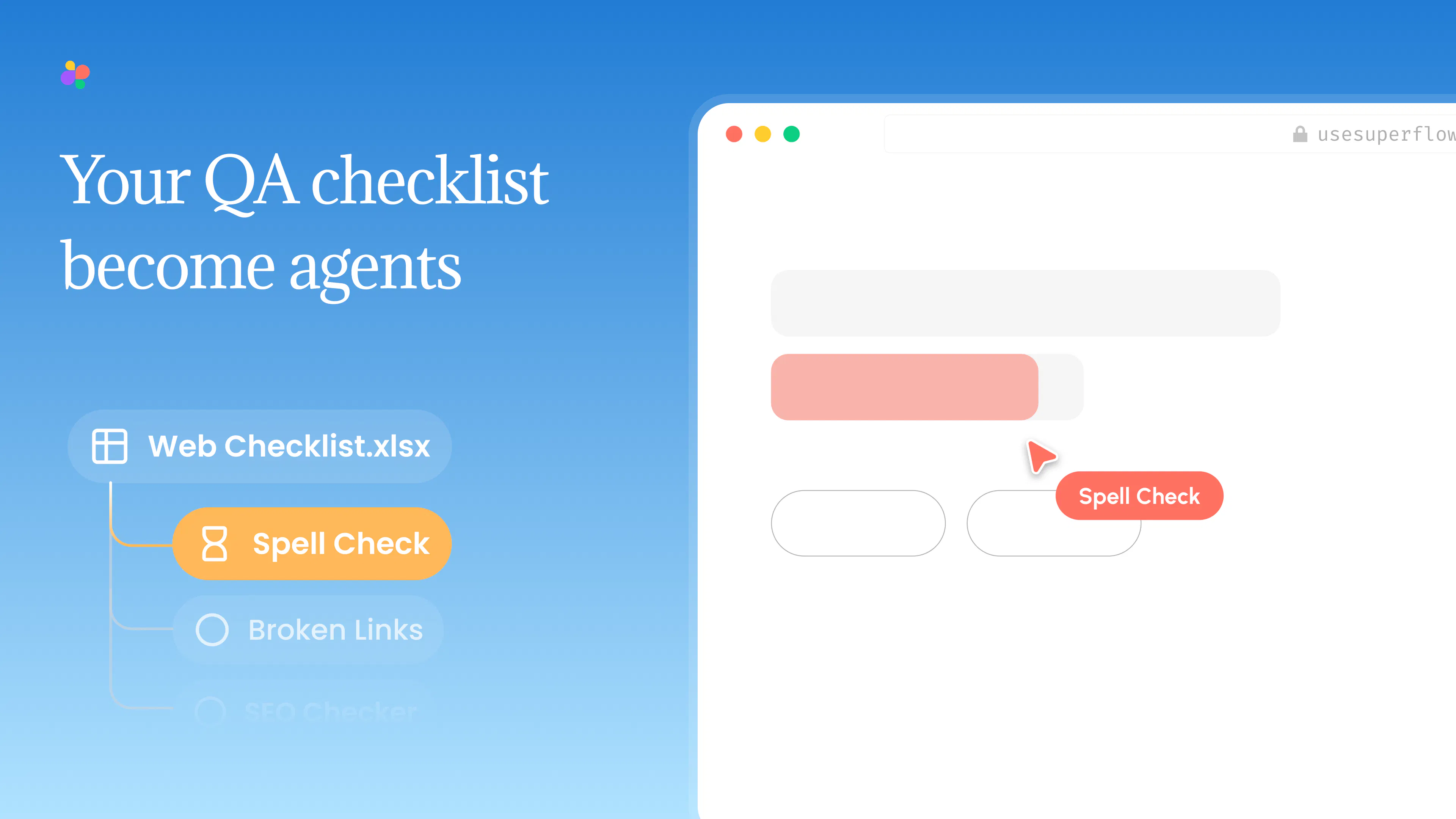
You upload the checklist you already own. A spreadsheet, a doc, a PDF. It becomes a team of agents, and each knows what to look for: broken links, a wrong phone number, old pricing, a claim your legal team hates, a page that breaks the brand guide.

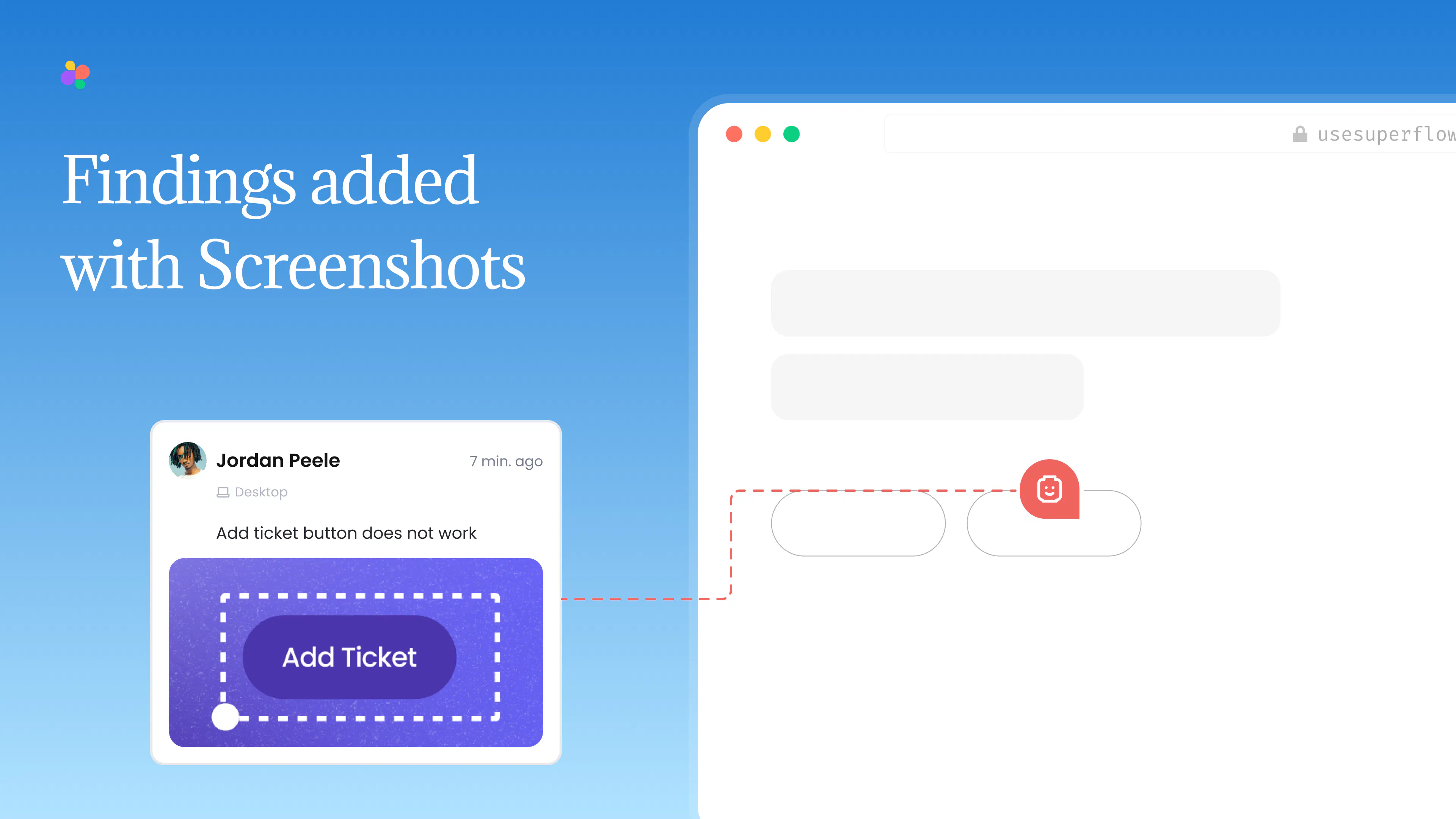
They run in parallel across the site, phone and desktop, and pin what they find on the page itself, screenshot attached. Ten agents across 80 pages is 800 checks in a few minutes.

Then the human part. You look at what they found and decide. Reject a finding and it stops coming back. Nothing ships until a person says so.

Free to start. 500 credits at signup, enough for one real site run. Installs on Webflow, Framer, WordPress, Shopify, or a script tag.

I'm here all day, and here's what I actually want. Post the check on your list you think no agent could do. I'll run it on your site and report back, pass or fail. And for everyone who doesn't ship websites for a living: what do you always spot five seconds after you hit publish?

14
回复

@rakeshgoyal There’s something painfully familiar about this.

The checklist wasn’t broken. The economics were.


Once creating became cheap, checking quietly became the bottleneck. And apparently the solution was to hire ten people to stare at the same 400 boxes forever.


Superflow attacking the checklist itself is the interesting part. If the agents can learn what “good” means from the process teams already trust, that changes the equation quite a bit.


The real test might be the checks nobody thinks are automatable.


Those are usually the ones worth watching.

0
回复

@rakeshgoyal Congrats on the launch! Automated QA before launch is one of those things everyone wants and nobody wants to build.

0
回复
@rakeshgoyal Congrats on launch 🚀
1
回复

Engineer on the team here. We've spent the past months building the agent framework behind this launch, so let me share what we were actually going for: not another site scanner, but a QA engineer for your team.

Here's what that means in practice:

🤖 Agents that find problems before humans do. They sweep every page, desktop and mobile, in parallel, broken links, wrong phone numbers, stale pricing, brand guide violations and pin every finding on the live page. What used to take a team days happens in minutes, before a human ever opens the site.

🧠 Self-learning: from your checklist and your people. Reject a finding and it never comes back. Catch something the agents missed, and it becomes a check on every future run. But it goes further, the agents learn your team's review patterns, what your reviewers flag, what they let slide, what each client considers a dealbreaker. Week one it knows your checklist. Month three it reviews like your team does.

💬 Ask AI: your client knowledge, on tap. Every run builds up patterns about each client's sites: what breaks repeatedly, what's been flagged before, what that client cares about. Instead of digging through old reports, you just ask.

🔄 Two-way sync with the tools your team lives in. Slack, Monday, ClickUp, Asana, comments flow into your PM tool as tasks and data flows back. Close the task in ClickUp, it resolves in Superflow. No copy-pasting screenshots into tickets, no orphaned findings living in a separate dashboard nobody checks.

🔌 Fits the stack you already ship with. Webflow, WordPress, Shopify or a plain script tag. Your checklist, your platforms, your final say nothing ships until a person approves it.

The goal was simple: give every team the tireless QA engineer they could never afford to hire one that studies how your best reviewers work and keep the judgment calls exactly where they belong: with you.

7
回复

@itsraghul  🙌

0
回复

Agents do the checking while you focus on the bigger picture.

An always-on QA teammate when you need one. 🔥

6
回复
0
回复

Watching multiple agents crawl a site in parallel and pin findings right on the page is amazing!!.

6
回复
0
回复

Agencies can now have QA Agent teammates who run 24/7 and never miss a beat!

6
回复

@itsmiri_  🙌

0
回复

Wow, we are preparing to launch this Sunday, and Superflow launched just in time for us to use it to QA our landing website and prod webapp. Amazing, super useful product.

All the best for your launch!!

5
回复

awesome @ankushkun - let us know what you think!

1
回复

Wow this is super interesting for me as a marketing lead. Since we are localizing our content, a lot of errors miss our fingertips.

4
回复

great to hear@ninuna_ungiadze2 - I'd love your feedback once you have tried it!

0
回复

Love the focus on automated website QA before launch day. Super useful build, congrats guys!

3
回复

thanks @thisiskp_ 

1
回复

@thisiskp_ btw we are also in the process of launching a netlify plugin!

1
回复

No more sweating over broken links or typos right before hitting publish. 😅 We built this to catch all those sneaky little bugs automatically, so you can hand off Webflow sites with total confidence.

2
回复

@mayankp09  🙌

0
回复

Nothing about that agency's QA process was broken. It had just stopped fitting the number of pages. You framed that generously, and congrats on launch number seven.

1
回复

thanks @lucasjpols 

0
回复

I tried to scan my site on your website, but I got stuck on the install page. There isn't an option to install, and I'm not really sure what needs to be installed.

1
回复

@doganakbulut for installation you will see a step to install the script on your site. Do you see that?

0
回复
#4
Hubble
Retrieve medical records other APIs can't
175
一句话介绍:Hubble通过API为AI代理提供跨医疗机构的全量医疗记录检索服务,解决患者历史病历分散在各系统、传统接口无法获取完整数据的问题。
Developer Tools Artificial Intelligence Health
医疗数据API FHIR互操作 AI代理 病历检索 患者授权 EHR集成 语音代理 浏览器代理 美国市场 健康科技
用户评论摘要:用户普遍认可解决分散病历痛点的价值,关注点集中在:数据隐私与撤回机制、PDF下载支持、语音代理面对回调队列或非脚本提问的应对策略、美国以外地区可用性、院前急救记录兼容性。创始团队回应了数据安全、多模态检索策略及人工升级路径。
AI 锐评

Hubble切入的并非“创新”赛道,而是医疗信息化最顽固的遗留地带——传真机、电话树和无人记得密码的Patient Portal。其核心亮点在于“不挑食”的数据获取策略:EHR/HIE接口可用则用,接口缺失则用浏览器代理自动登录门户,再不行就让语音代理打电话给病历部门。这种“多模态穷举”策略精准暴露了美国医疗IT的碎片化现状,也构成了其真实的护城河——不是技术壁垒,而是对非结构化流程的工程化拆解能力。团队背景(One Medical、Grow Therapy)为产品可信度背书,但175票的发布热度映射出该细分市场的局限:买方并非患者或医生,而是保险、生命科学和法律等垂直行业开发者,这类B2D业务决策链长、合规审核严。值得警惕的是,当前法律框架仅依赖“患者个人访问权”(HIPAA Right of Access)作为请求权基础,一旦大规模处理敏感数据,州级隐私法与医疗机构对抗性响应可能抬高履约成本。评论中关于语音代理遭遇人工核验或怀疑的疑问,显示其自动化方案在真实临床场景中仍存在成功率天花板。若不能提供SLA保障的响应时效和可审计的请求溯源链,Hubble恐将沦为技术演示品而非医疗基础设施。产品方向正确,但需回答一个核心问题:当Cerner或Epic最终开放完整API时,Hubble的增量价值还剩多少?——届时,它积累的异常路径处理库将是唯一可防御资产。

查看原始信息
Hubble
Medical records still live behind fax lines, phone trees, and portal logins nobody remembers. A patient verifies their identity once, and Hubble assembles their records from across their providers and returns them through one API, for your AI agent to use.

Hey Product Hunt 👋

I'm Prabha, one of the founders of Hubble.

If you're building something that needs a patient's records, there's no clean way to get them. A patient's history is scattered across every provider they've seen, and each system is its own island. Most APIs return the patient-portal subset rather than the full record, so teams either build per-provider integrations for months, fall back to faxes and manual portal logins, or push the problem onto the patient.

Hubble is the layer that goes and gets the rest. Your user verifies their identity once, and we assemble their records from across their providers and return them through one API. We connect into EHRs and HIEs where they work, and when an API comes back empty we keep going with browser agents that submit the request through provider portals and voice agents that call records departments on the patient's behalf. Every request runs on the patient's individual right of access, they review every source, and they can revoke at any time.

We're the team behind the AI agents at Grow Therapy and Amazon's One Medical, used by millions of patients. We kept hitting this wall ourselves, so we built the layer that gets past it.

Would love your feedback, especially from anyone who has fought with records retrieval before. I'll be here in the comments all day.

(PH exclusive: 7 days free. Reach out and mention this post, or email me at prabha@hubble.ai and I'll get you set up.)

8
回复

@prabhadublish Great framing on the launch, giving patients control to review sources and revoke access makes compliance conversations way easier for dev teams,qq like when a voice agent calls a clinic, does it use dynamic caller ID matching the patient's area code?

5
回复

Aaron here, co-founder of Hubble. The reason we built this: AI is going to transform healthcare. I launched Amazon One Medical's first production AI agent and found that the key limiting factor was context. Getting a patient's history meant tons of broken integrations with upstream systems like EHRs and payers. Prabha and I realized everyone (even ourselves!) was rebuilding the same broken pipe, every time. Hubble is that context layer built once for all builders who need access to patient records across domains (care delivery, insurance, consumer health, life sciences research, legal, etc).

Ask me anything about what we learned trying to do this the hard way first. 

7
回复

@aaronleon The problem always hits different when you have lived it yourself!

3
回复

Congrats on the launch

The problem you are solving is genuinely interesting especially with patient records being scattered across providers

Curious to see how Hubble handles the messy real world edge cases here and excited to see where this goes

4
回复

@suryansh_tiwari2 100%! There are a ton of challenging edge cases that make the problem of record retrieval an annoying one to build and maintain in house. It's the reason why we're investing in being that trusted bridge so that companies don't need to build this themselves.

2
回复

@prabhadublish @aaronleon thx for making this. Sounds like it could be really powerful for builders. Curious about its application for caregivers. I’m a caregiver for my partner, building a a medical “bible” of sorts across notion and Dropbox of every visit, surgery, consult, rx, test, procedure etc…. Once Hubble locates and compiles a patients full record history and normalizes it, is it downloadable as readable files (PDF’s etc)?

3
回复

@aaronleon  @adamcl yes! we totally agree re: value to builders. our core belief is not just retrieving the data but making it easy to understand. We allow for PDF downloads!

2
回复

Hey team! It sounds awesome. How do retrieve those records and why other APIs can't? Anyway, wish you all the best here!

3
回复

@german_merlo1 Great questions - we use other methods like voice and browser agents to go beyond what the APIs have available. Our core thesis is that we should pursue multiple methods in order to build a more complete record. Our goal is to reduce the burden on consumers and businesses who need this context.

3
回复

This is awesome! It would be great it this paired with prehospital records (on an ambulance) because those interventions/vitals are often lost in the patient care journey

2
回复

@joel_mampilly This is such a good point! I'm curious if any prehospital records are digitized in any way today, would love to learn more.

1
回复

If you want to learn more about your company and use case, book time on my calendar here: https://calendly.com/prabha-hubble/30min?month=2026-08

2
回复

One of your fallbacks is a voice agent phoning a records department on the patient's behalf. That call is the unglamorous part of this problem. Congrats on taking it on instead of leaving it to patients.

2
回复

@lucasjpols sometimes the most unglamorous solution can be the most effective!

1
回复

Awesome product - I was just switching primary care providers and had to stitch all my records together. How can I ensure that my records are safe with Hubble? Is it easy for me to remove any of the records I don't want Hubble to hold?

2
回复

@christinagee12 Great questions & know how frustrating it is to stitch records together. We take privacy seriously at Hubble, we know how sensitive this data is so it's a core principle as we built the product. Every patient has agency to remove records that they don't want Hubble to hold as well.

2
回复

Which countries are supported? Only the US?

2
回复

@natalia_iankovych We're currently only in the US, but are considering expanding to other countries!

2
回复

the voice agents calling records departments is the interesting part to me - what happens when a provider's line dumps into a callback queue or wants live verbal ID verification? does it hand off to a human or just keep retrying

2
回复

@sabber_ahamed love these questions! the callback queue is one where can track & follow up on. We haven't seen examples of verbal ID verification, what's more common is requesting an authorization form being faxed over, which we can handle. I think we'll have more signal on this as we continue to scale

1
回复

the voice agents calling records departments is the part I'd want fail-tested. what happens when the person on the other end gets suspicious it's not a human and throws an unscripted question at it?

2
回复

@sabber_ahamed Totally hear you on that. You're flagging two valid concerns: 1/ will people be suspicious that it's not a human and 2/ how do we handle different unscripted questions. For 1, we are seeing more providers start adopting AI for these workflows. In addition we also have escalation paths to humans if needed. For 2, we are constantly improving our prompts to handle these different paths as well!

1
回复

this is huge — going to different doctors always meant starting from scratch and they never had the full context. this is key to better patient outcomes 🔑

2
回复

@hari_mahesh We totally agree! Think we've all personally felt the pain of chasing your medical records down, it's so frustrating!

1
回复

@hari_mahesh Especially as people move more and more this is becoming a much bigger issue. Great point, Hari!

1
回复

congrats on the launch!

1
回复

@connortbot thanks, Connor!

0
回复

Literally happened to me with Kaiser last week and it was a nightmare! Excited to see a product fixing these critical dependencies.

1
回复

@maxime_seknadje So sorry to hear that happened to you! It's so incredibly frustrating to experience that, I know I have as well. Also good to hear from you :)

0
回复
#5
ElevenLabs MCP in Claude
Create and manage ElevenLabs voice agents in your chat
151
一句话介绍:ElevenLabs MCP in Claude 将 ElevenLabs 语音代理的全生命周期管理(创建、查看、更新、复制、删除)直接嵌入 Claude 聊天界面,解决了团队在构建和运维语音代理时,频繁切换工具、配置审查繁琐、缺乏变更预判的痛点。
Artificial Intelligence Audio
语音代理管理 MCP连接器 Claude集成 AgentOps 工作流自动化 LLM成本估算 提示词版本控制 团队协作 配置可视化 无代码运维
用户评论摘要:用户关注工具数量与选择退化问题;追问聊天内修改提示词是否有版本回滚;关心用量估算是否为真实模拟调用;担忧多人同时操作导致代理状态冲突;希望支持语音直接生成及变更确认机制。
AI 锐评

这款产品本质上是将“语音代理的运维后台”压缩进了一个聊天窗口,其价值不在“创建”而在“治理”——评论中高频出现的“版本回滚”“并发冲突”“用量预估准确性”恰恰暴露了当前工具对生产环境严肃性的轻描淡写。MCP 连接器的技术挑战不在暴露多少工具,而在于当工具数量膨胀后,Claude 的意图识别会显著劣化——开发者采用的“粗粒度工具+参数”策略是务实选择,但这也意味着聊天内操作本质上是预设表单的对话化包装。

真正的亮点是“预估 LLM 用量”,这一功能才贴近客户年度预算的痛点,但若仅停留在 token 差值计算而非模拟新配置下的真实调用链,就只是高级计算器。最危险的缺口是并发与版本控制:语音代理往往是多人协作的产物,且 prompt 迭代高度频繁,没有强制版本分支和变更锁,聊天式操作反而会成为生产事故的入口。

对目标用户(销售、营销团队)而言,该工具降低了操作门槛,但这类用户恰恰最容易误触删除或覆盖,产品团队需要在不牺牲易用性的前提下强化审计和回滚逻辑。一句话:工具是好工具,但目前更像单机版的管理器,距离团队级生产运维还差一套完整的权限与一致性保障。若后续补齐版本分支、操作 diff 确认及并发锁,有望成为 AgentOps 的标配入口,否则只是高级演示品。

查看原始信息
ElevenLabs MCP in Claude
Connect Claude to your ElevenLabs workspace to create and manage voice agents. Find existing agents, review their configuration, update prompts and voices, duplicate or delete agents.

ElevenLabs MCP brings voice-agent management directly into Claude, so teams can manage their agents from the chat interface.

It reduces the need to switch between tools by letting users create, review, update, duplicate, and delete ElevenLabs agents in one place.

Key Features

  • Create, update, duplicate, and delete agents.

  • List agents and review their summaries.

  • Check agent knowledge size, widgets, and links.

  • Estimate LLM usage before making changes.

Benefits

  • Simplifies voice-agent management.

  • Makes agent configuration easier to review and maintain.

  • Helps teams understand potential LLM usage before updates.

Who It’s For: Teams working in code, productivity, design, and sales and marketing.

Sign in to ElevenLabs through Claude to get started.

2
回复

@rohanrecommends Congratulations! Excellent move. How many tools does the connector expose, and how did you fight tool-selection degradation as that surface grew? Did you go progressive disclosure / tool search, or keep a few fat tools with parameters?

0
回复
@rohanrecommends great hunt Rohan.. thanks for sharing..
1
回复

Prompt edits are the thing I'd iterate on most, and iterating means occasionally making an agent worse. Does a change made through chat get versioned on the ElevenLabs side so I can roll back to yesterday's prompt, or is the previous version gone once Claude writes it?

2
回复

You kept review, prompt updates, duplication, and deletion in the same chat where the agents get made. Congrats on covering the tidy-up work and not only the building.

1
回复

the "estimate LLM usage before making changes" bit is the one I'd want most - is that a token-diff estimate off the prompt edit or does it actually simulate a call against the new config?

1
回复

if two teammates both have Claude open, what stops one person's duplicate/delete from stepping on an agent the other is mid-edit on? that's the part that'd worry me most about exposing this via chat

1
回复

@sabber_ahamed 
How can I connect with you?
I want to learn from you

0
回复

I use Claude to write prompts for ElevenLabs voice generation — is there already something that lets Claude generate the voice directly too, not just agents?

1
回复

The usage estimate before making changes is a useful safety rail. For prompt or voice updates, does the MCP show a diff and require confirmation when projected usage rises or a handoff rule changes? That boundary would matter a lot for production voice agents.

1
回复
#6
Shepherd Terminal
A persistent terminal for Codex and Claude side by side
115
一句话介绍:Shepherd Terminal 是一款面向 AI 编程时代的持久化 macOS 终端工作台,让你在多标签、多窗格乃至远程机器上并行管理 Codex 和 Claude,彻底告别会话丢失与上下文割裂的痛点。
Developer Tools Artificial Intelligence Change Management
AI编程终端 多Agent管理 持久化会话 macOS工具 开发者工具 远程开发 工作流管理 Codex Claude 会话监控
用户评论摘要:用户最认可持久会话功能,认为解决了误关标签导致的状态丢失问题。High-value 疑问集中在两点:一是对非终端型输出(如浏览器操作、工具调用)的监控粒度;二是 SSH 断连时远程任务是否会半途而废(官方回应称由 Rust 服务保全)。另有用户关心 Agent 控制权是否越界至兄弟会话。
AI 锐评

Shepherd Terminal 切入了一个极其精准且正在爆发的痛点:当 AI Agent 从“单次对话”演变为“并发协作者”,传统的终端窗口管理逻辑已经彻底失效。它的核心价值不是“多标签”,而是“状态持久化+可观测性”——这恰恰是当前 AI 编码工具链中最缺失的中间层。

从评论反馈看,用户对“会话存活”的强烈共鸣验证了其不可替代性,而针对 SSH 断连和 Agent 非标准输出的担忧,则是专业用户对可靠性的苛刻考验。官方回应中关于 Rust 守护进程的设计,证明其对底层稳定性有清醒认知。

真正的杀手锏在于“Agent 理解并控制工作区”的机制。这不仅是显示层,更是控制面——它让 AI 不再是一个只能打字的外包人员,而是能通过工具化接口驱动 IDE 和终端的行为体。其潜在野心是成为 AI 编码时代的“操作系统桌面”,而 iOS 伴侣应用则是在补齐移动端的“遥控器”角色。

风险同样明显:该工具目前高度依赖 Codex/Claude 的 CLI 生态,若这两家推出原生的持久化多会话管理,会被釜底抽薪。且权限模型(如控制是否越界)若不够细粒度,极可能在协作中引发灾难性误操作。它当前的壁垒在于对“AI 会话生命周期”的深入理解,但这一壁垒能否抵御大厂吞噬,取决于其能否快速构建起围绕 Agent 协作的协议层,而非仅仅是一个更坚固的终端皮肤。留给它的时间窗口,可能比想象中更短。

查看原始信息
Shepherd Terminal
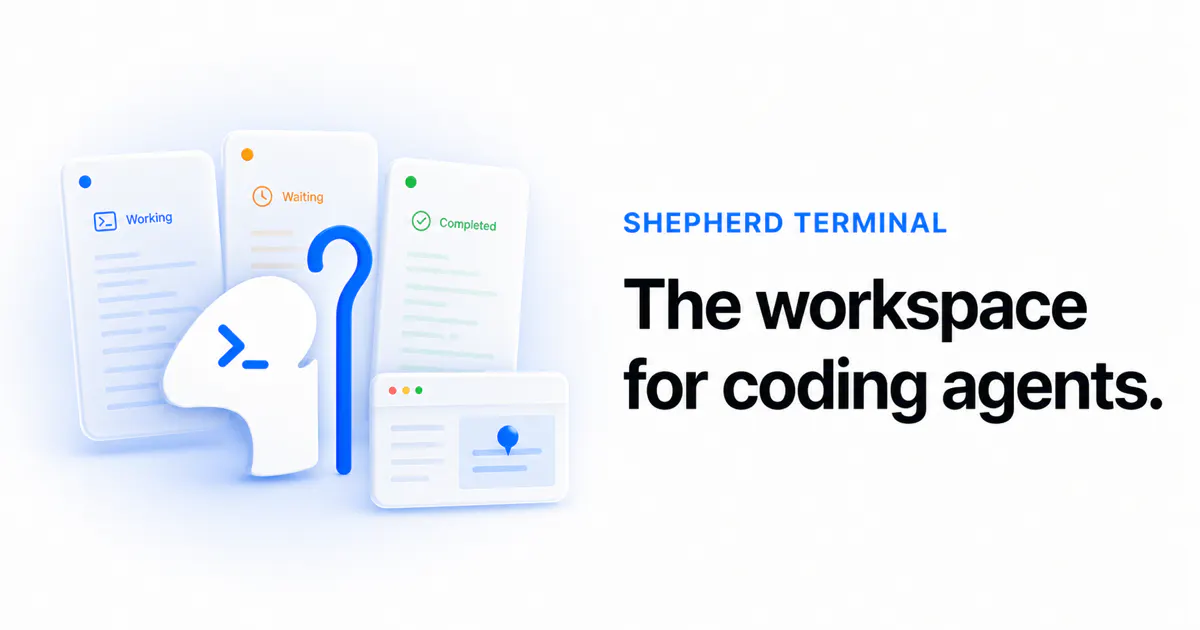
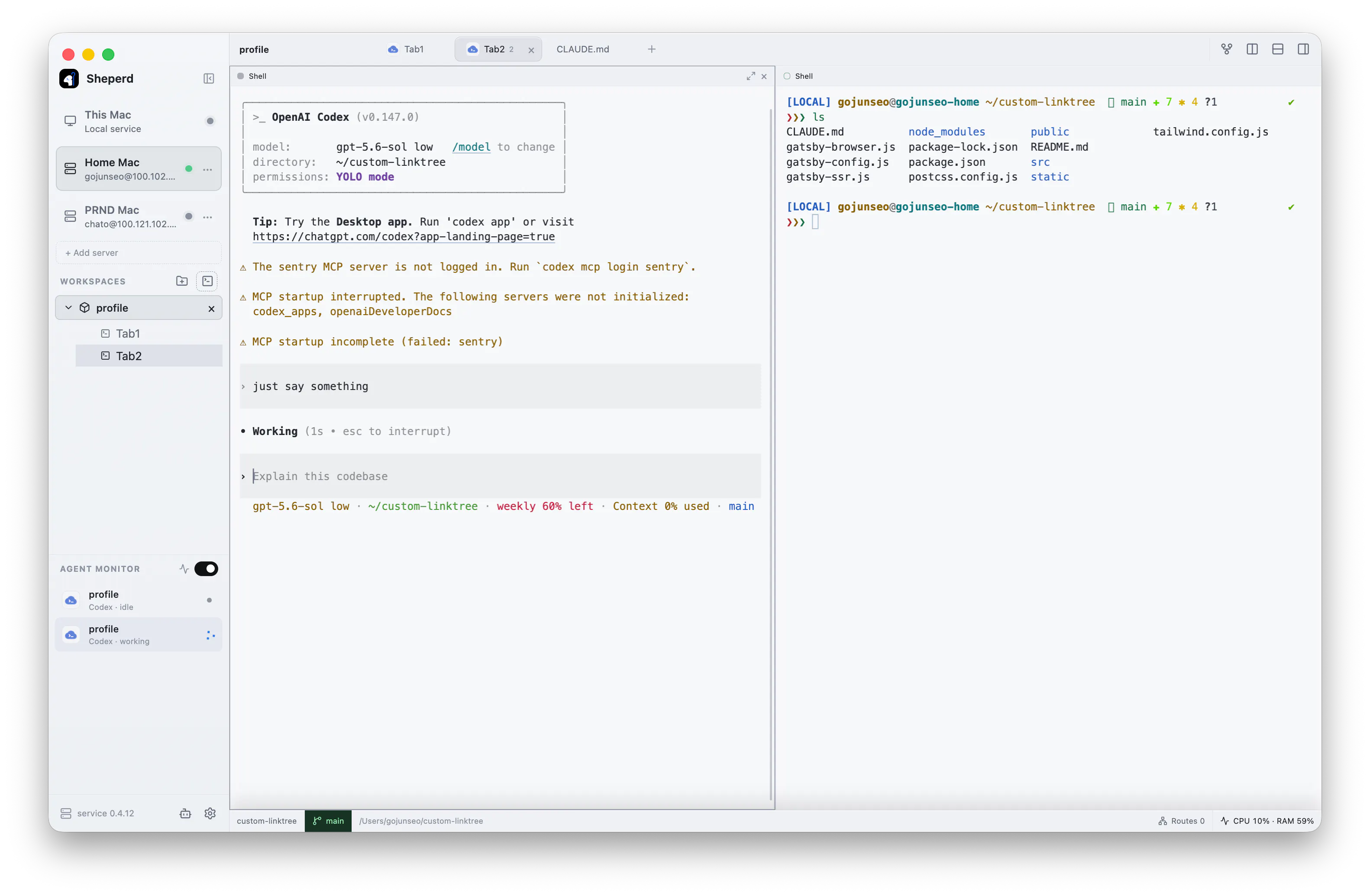
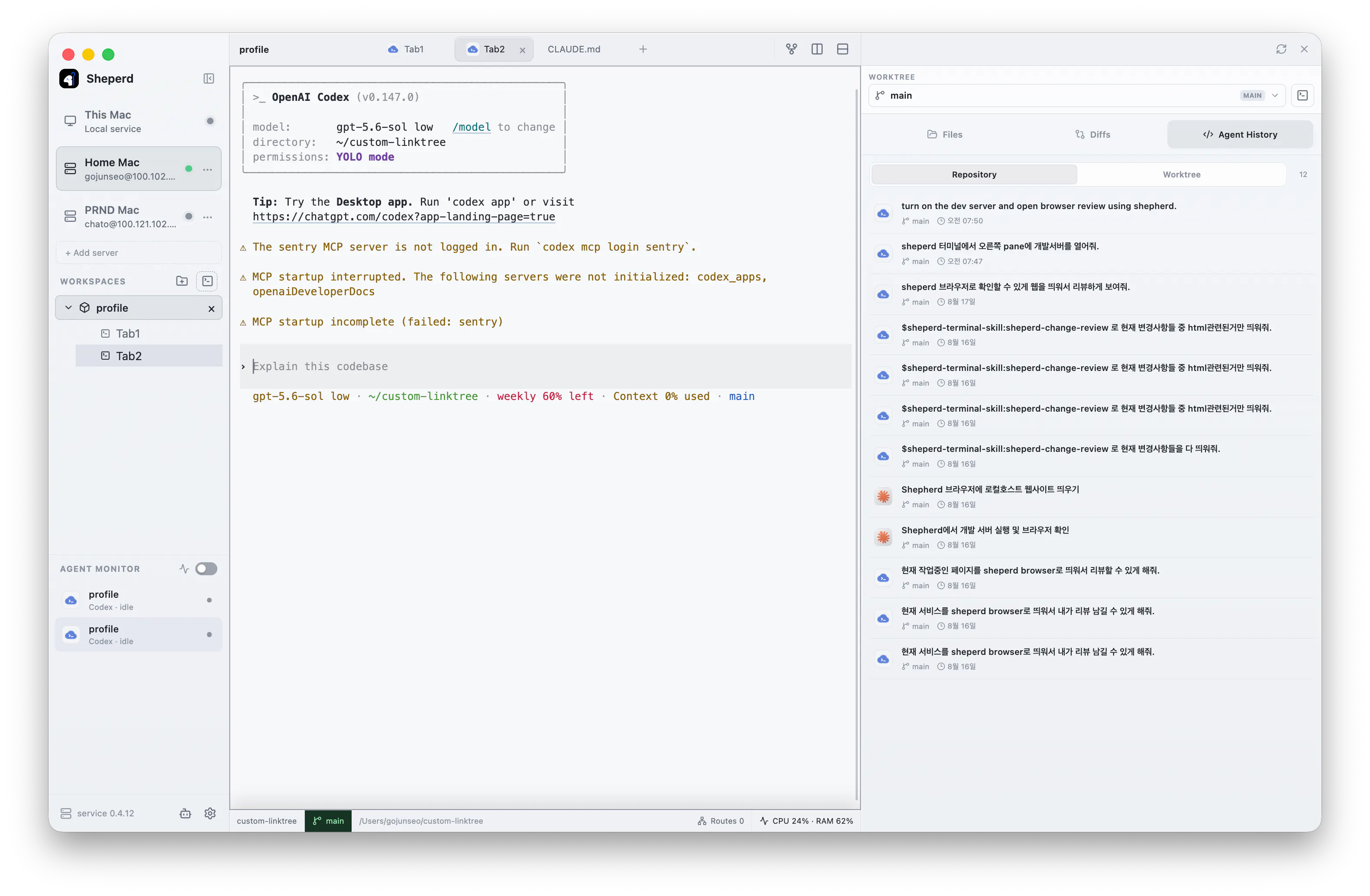
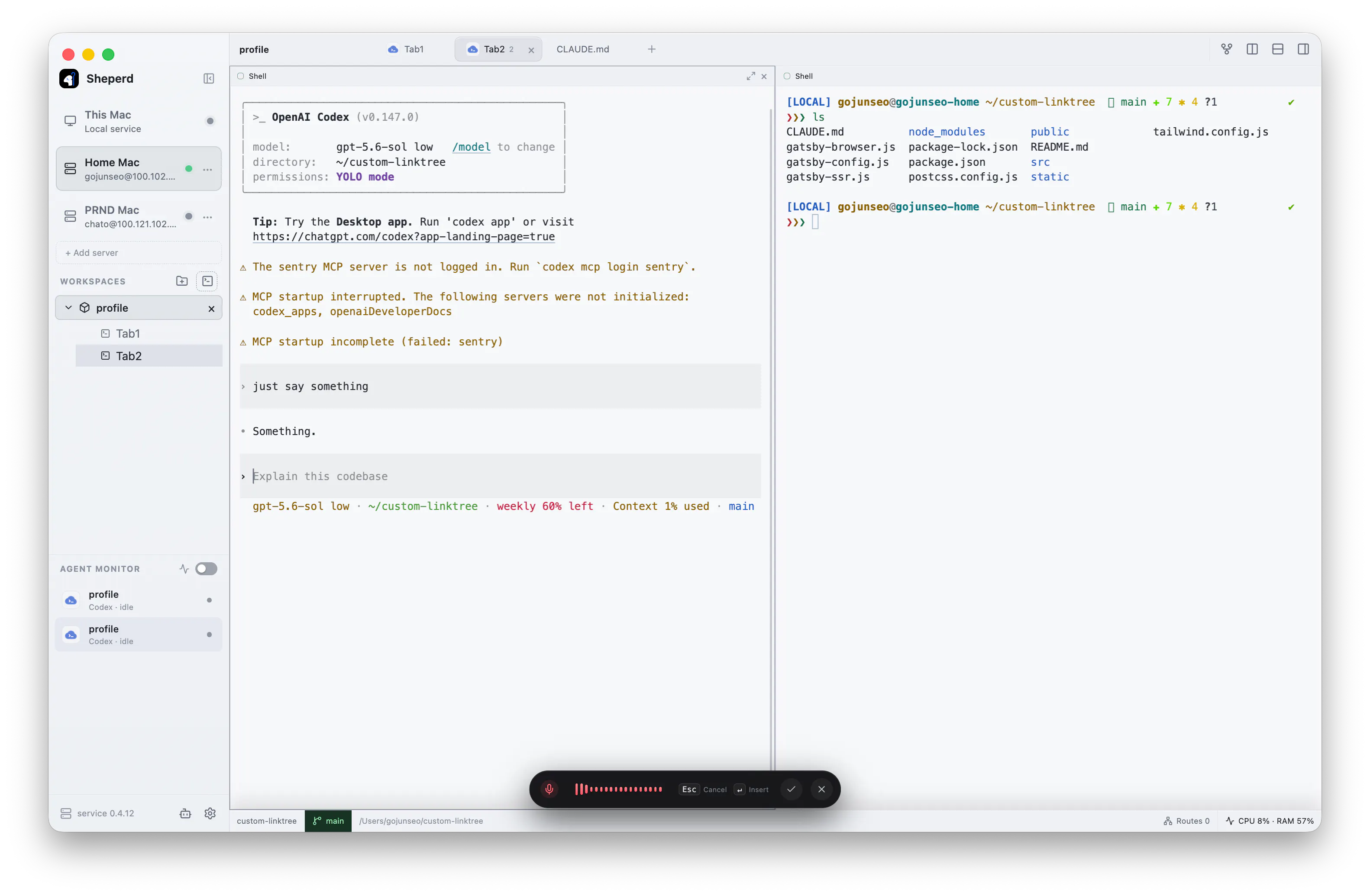
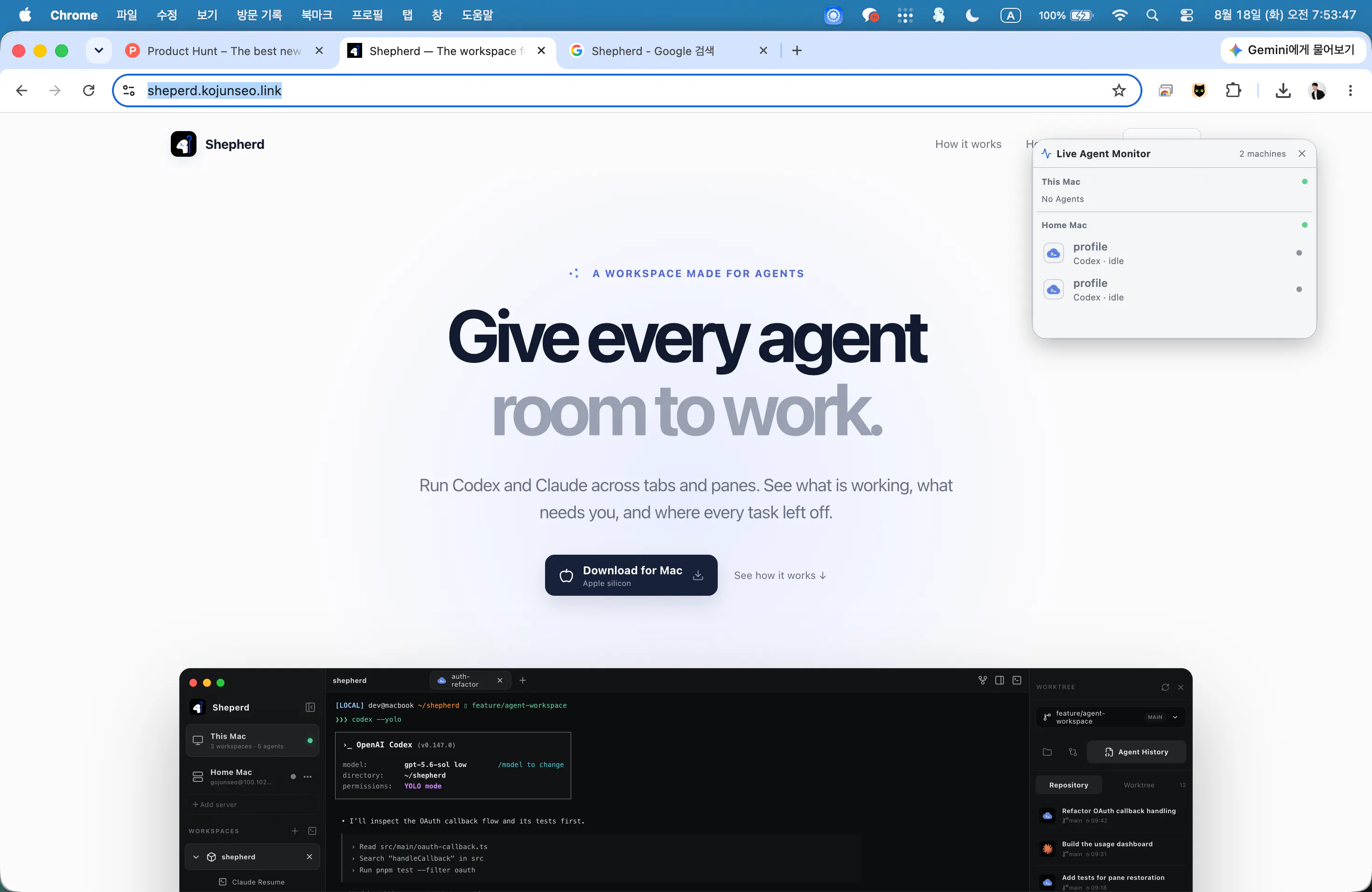
Run coding agents across tabs, panes, and remote machines. Shepherd keeps terminal sessions alive when the app closes, tracks which agents are working or waiting, and lets you return to their files and changes without losing context. Agents understand the current Shepherd context, control tabs and panes, and collect feedback through browser reviews, while you monitor every agent’s status in real time.

Hi Product Hunt 👋

I built Shepherd because running multiple coding agents quickly became harder to manage than the code itself. Codex and Claude were spread across terminal windows, and I kept losing track of which agent was working, waiting for input, or already finished.

Shepherd is a persistent macOS workspace designed around coding agents:
- Run Codex and Claude across tabs, panes, and remote machines
- Keep terminal sessions alive even after closing the app
- Monitor every agent’s status in real time
- Let agents understand and control the current Shepherd workspace
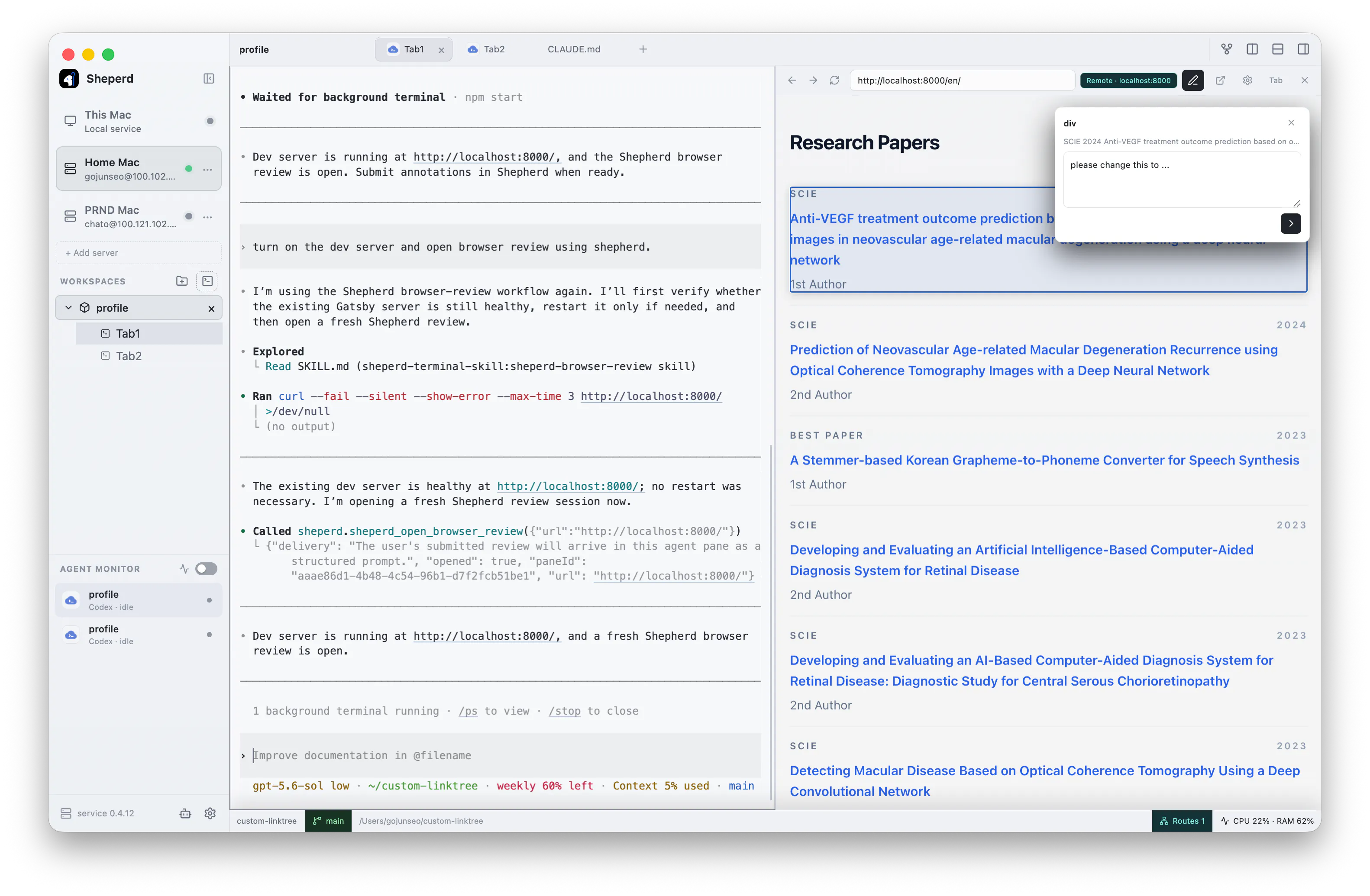
- Open connected browser reviews from an agent and return your visual annotations as structured feedback
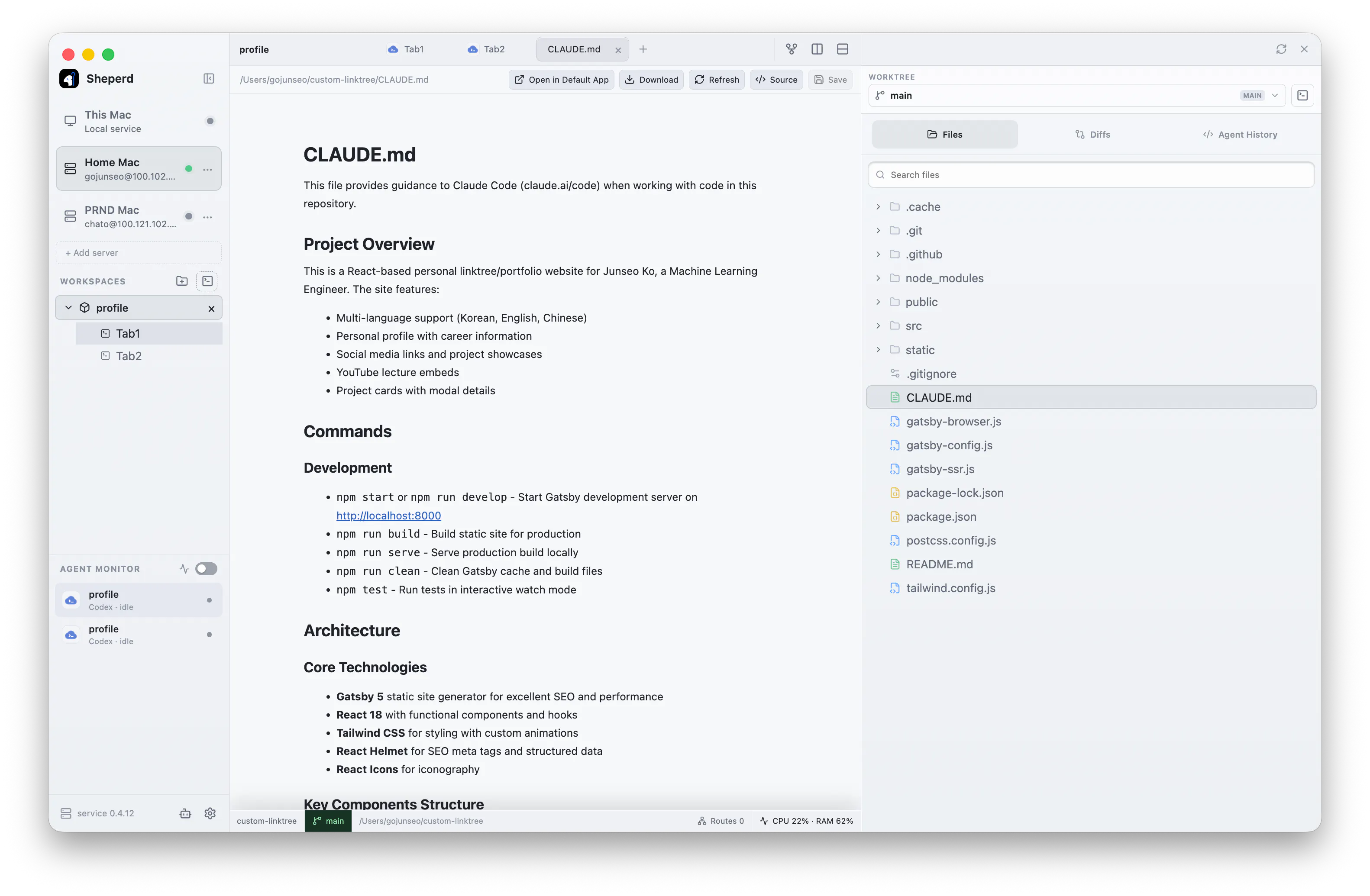
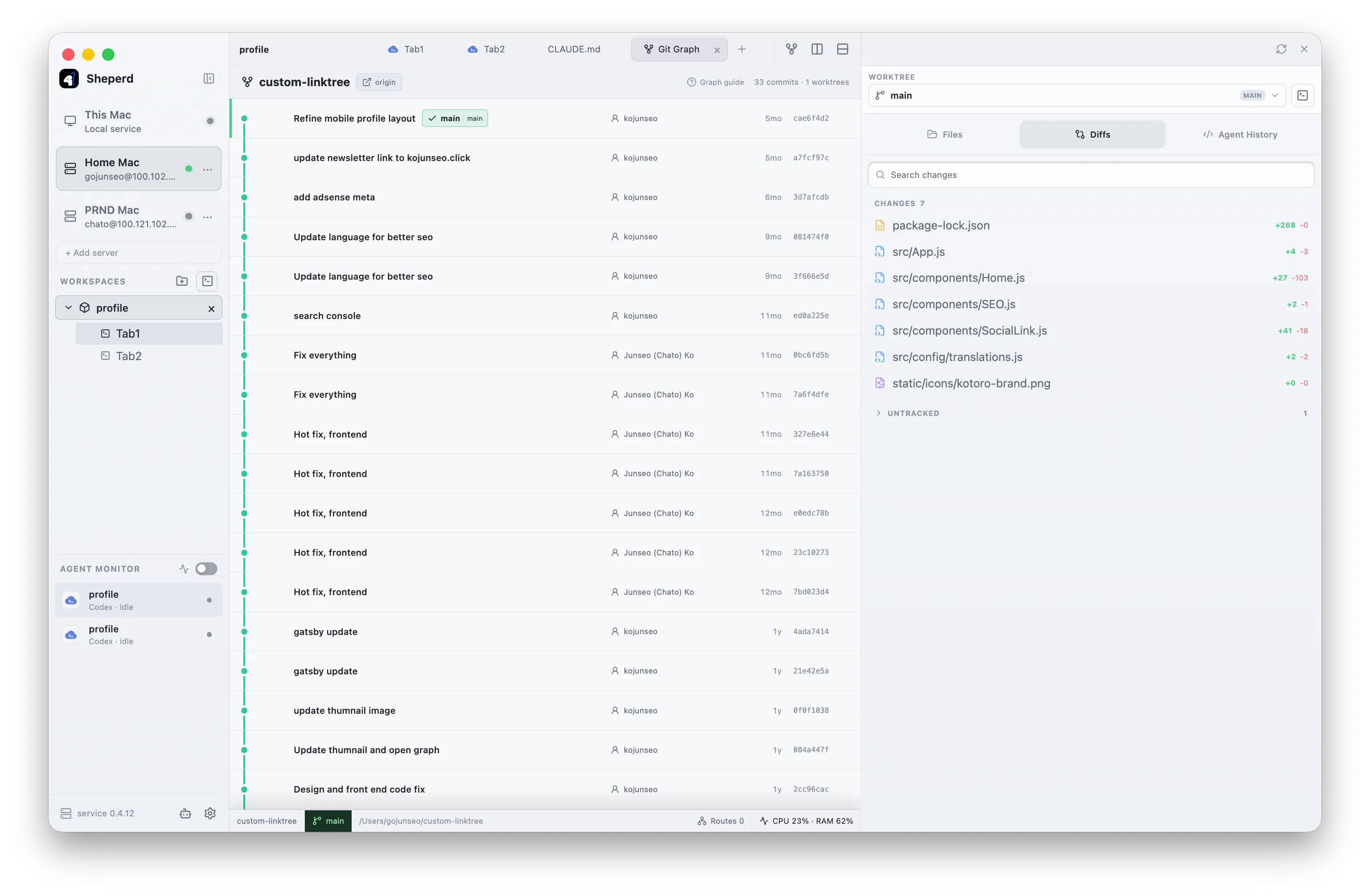
- Resume previous agent sessions and inspect their files, diffs, and Git history
- Connect to remote development machines over SSH and access their terminals, files, and local services
- Provide local STT model to vibe-code using your own voice


The macOS app is available today for Apple silicon Macs running macOS 14 or later. I’m also building an iOS companion for monitoring agents, receiving completion or attention alerts, give feedback to agent, control a terminal and reconnecting when away from the Mac.

I’d especially appreciate feedback on the agent-monitoring experience and whether Shepherd makes parallel agent work easier to follow.

This is Shepherd’s first public beta, so you may encounter bugs or rough edges. I’ll keep fixing them and exploring better ways to connect coding agents with Shepherd Terminal. Please try it, use it in your real workflow, and leave plenty of comments if you run into a problem or have an idea. Your feedback will directly shape what I build next. Thank you!

Thanks for trying it!

5
回复

@kojunseo the "which agent is working vs waiting" problem is real, I've lost track of that plenty of times just running one agent across a long session, let alone several in parallel. the persistent-session-after-closing-the-app part is the detail that'd actually change my workflow, half the time I lose state because I closed a tab by accident, not because the agent finished.


question on the monitoring experience: how does it handle agent work that isn't purely terminal shaped, like browser actions or tool calls that don't produce normal stdout. that's usually where I personally lose the thread fastest, the terminal output looks idle but the agent is actually mid tool-call somewhere else

0
回复

This feels built around how people actually use coding agents now.

2
回复

@brielle_marie Thank you! That’s exactly what I was aiming for—designing around how people actually work with multiple coding agents, rather than treating each agent as an isolated chat. I’d love to hear which part of your current workflow feels the most difficult to manage.

0
回复

I can already see this saving me from terminal window chaos.

2
回复

@sebastian_patterson Thanks, Sebastian! Terminal window chaos was exactly what pushed me to build Shepherd. I wanted one place where you can immediately see which agents are working and which ones need your attention.

0
回复

the "sessions stay alive when the app closes" part is the thing I'd actually want, I've lost track of a long-running agent more than once because I closed the wrong terminal tab by accident. curious about the remote/SSH case though - if the connection drops mid-way through an agent actually writing or editing a file on the remote machine, does Shepherd just resume watching the same process, or is there a chance the agent's action gets cut off and you come back to a half-written file. that's the scenario that'd make or break trusting this for anything longer than a quick task

1
回复

@galdayan  That’s exactly the scenario Shepherd is designed for. When you connect to a remote machine, Shepherd installs a lightweight Rust service with a persistent session keeper. The agent and its terminal process run under that keeper, independently of the SSH connection or desktop app.

If SSH drops or you quit Shepherd while the agent is editing a file, the process continues running on the remote machine. When you reconnect, Shepherd attaches to the same session and restores its terminal output, rather than starting a new process. A dropped Shepherd connection by itself therefore shouldn’t interrupt an in-progress file operation.

The session only stops when you explicitly terminate it, the agent process exits or crashes, or the remote machine itself goes down. This kind of long-running reliability is a core part of Shepherd, so please let me know if you ever encounter a session that doesn’t reconnect cleanly.

0
回复

@kojunseo The part I'd want scoped is agents understanding and controlling the Shepherd session itself. If an agent in one pane can read and drive the workspace, can it see or act on a sibling agent's pane, or is each session's control surface limited to its own tab?

1
回复

@clement_avq 

Great question. The control surface is currently scoped to the Shepherd workspace, not just the agent’s own tab. An agent can inspect sibling panes and, when explicitly instructed, interact with them—for example, checking their status or sending input.

That said, this access is tool-mediated rather than ambient: agents don’t automatically read or control sibling sessions. I’m also exploring more granular permissions so users can restrict control to the current pane, selected panes, or the entire workspace

1
回复

If you run into any issues, have questions, or need help getting started, please leave a comment here. I’ll be around all day and would love to hear your feedback!

1
回复

@kojunseo Git history beside the agent context makes a lot of sense.

1
回复

@paisley_coleman Thanks, Kyle! That’s exactly what I was aiming for—keeping the agent’s work and the resulting code changes in the same context, so you don’t have to jump between the terminal and separate Git tools.

How many coding-agent sessions do you usually have running at once? I’m curious because it would help me design the agent monitor around how people actually work.

0
回复
hmm how does this compare to Herdr lol 🤔
0
回复

what did testing 200+ prompts teach you about product research?

0
回复

@alice_hayes2  I didn’t run a formal 200+ prompt test, so I may be missing the context. Which part of Shepherd were you referring to?

0
回复
#7
AirBuddy 3
Easily manage devices and switch them between Macs
114
一句话介绍:AirBuddy 3 是一款 macOS 工具,让用户以可视化方式管理 Apple 无线设备(耳机、键盘、鼠标等),并在多台 Mac 间快速切换连接,解决蓝牙设备反复配对和状态查看的繁琐痛点。
User Experience Menu Bar Apps Apple
Mac 工具 蓝牙设备管理 设备切换 电池状态 媒体控制 自动化 Magic Handoff Liquid Glass 生产力工具 无线外设
用户评论摘要:用户高度认可设备切换功能,称其为“多年来想要的功能”,能省去频繁重配对的时间。开发者回应切换仍走系统底层,但通常低于3秒,可接受。有用户追问 macOS 限制,开发者透露“正在播放”集成被苹果中途锁定,被迫改用代理进程绕行。整体反馈正面,但无功能缺陷类负面评论。
AI 锐评

AirBuddy 3 的价值不在于“150 个新功能”这种数字游戏,而在于它精准切中了 Mac 多机用户的真实痛点:蓝牙外设的跨设备切换。这个操作在原生系统里是反人性的——需要进入蓝牙菜单、忘记设备、再重新配对,而 AirBuddy 用一个“小于 3 秒”的 Magic Handoff 把过程压缩到可接受范围,这才是它最硬核的卖点。从评论看,用户对功能本身几乎一致好评,质疑点集中在“底层是否仍是重配对”以及“延迟是否可以接受”,而开发者的坦诚回复(仍是重配对,但有速度优化)既说明了技术局限,也体现了产品在体验层包裹底层笨拙的能力。

不过,这款产品的天花板也很明显:它深度绑定 Apple 生态,且依赖系统私有 API(开发者提到“正在播放”集成被苹果中途锁定,被迫重写),这意味着它的命运很大程度系于苹果的“脸色”——一旦系统收紧权限,AirBuddy 就得反复改架构。长期看,它更像一个“生态补完工具”,而非不可替代的平台级产品。Raycast 扩展的出现说明其用户群偏技术向,这类用户对自动化有刚性需求,但也意味着产品必须不断跟上 macOS 更新节奏,否则极易被系统原生功能吞并。总体而言,AirBuddy 3 是一款优秀但不具备护城河的效率工具,它的价值在短期内更依赖用户对“省下 10 秒”的敏感度,而非长期的不可替代性。

查看原始信息
AirBuddy 3
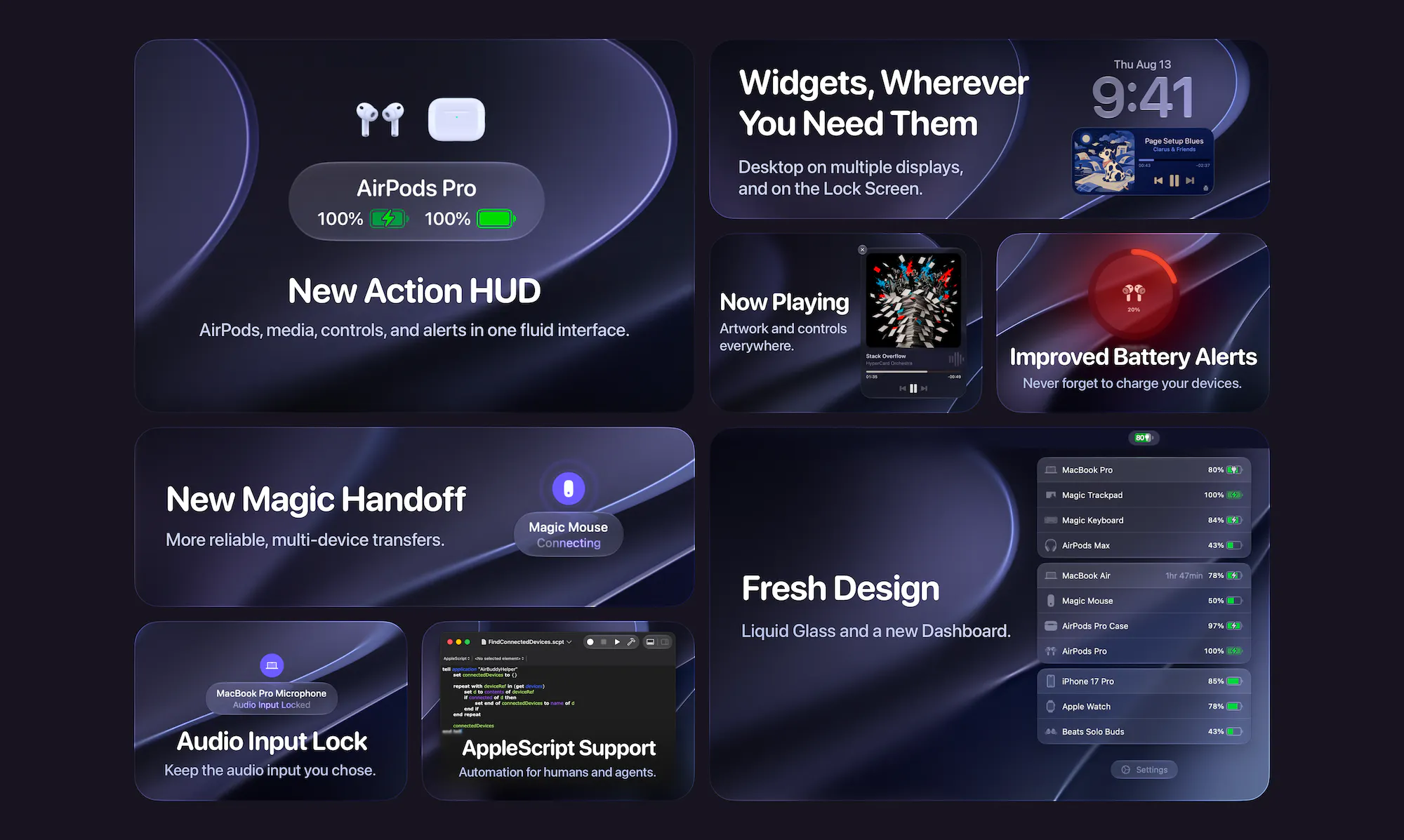
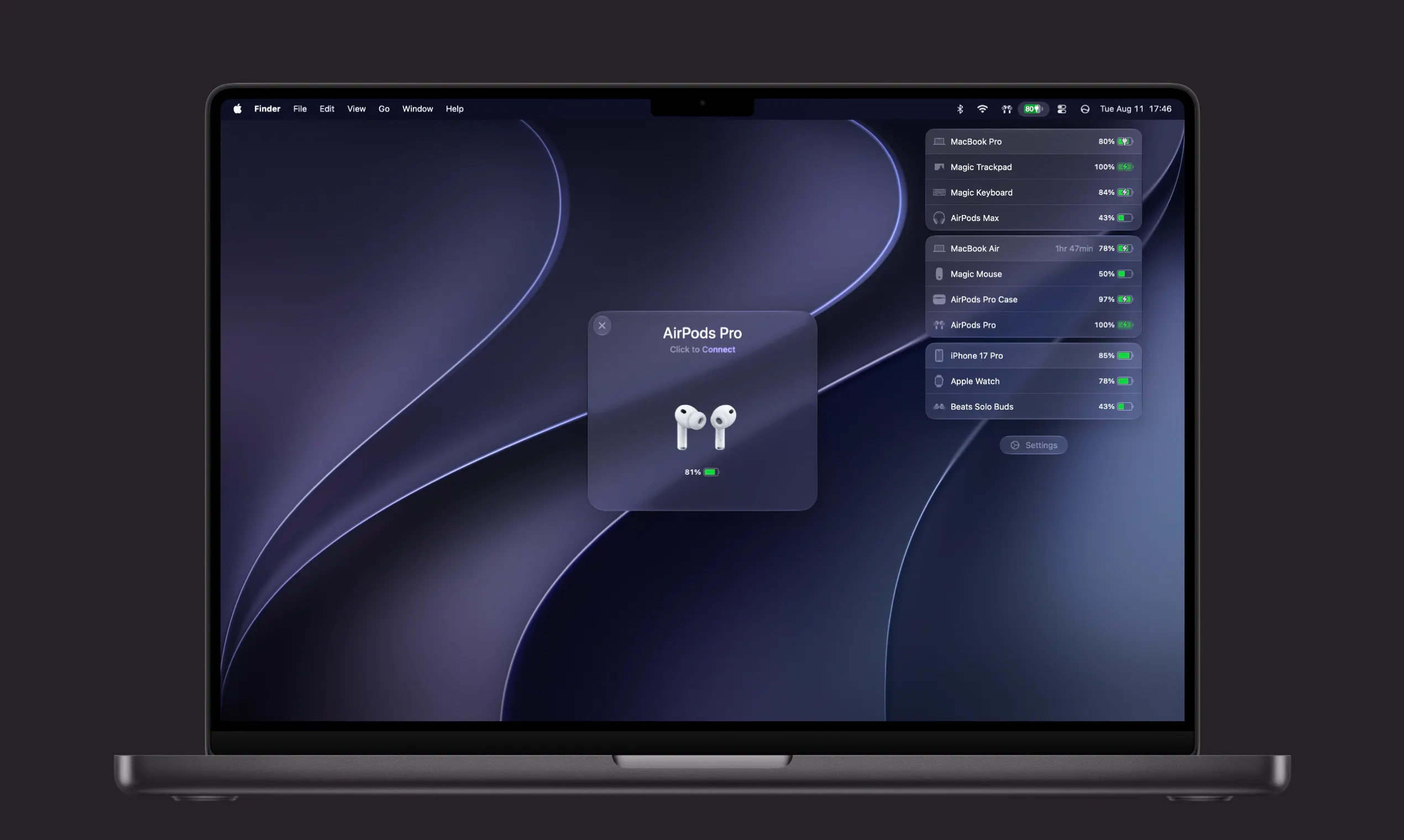
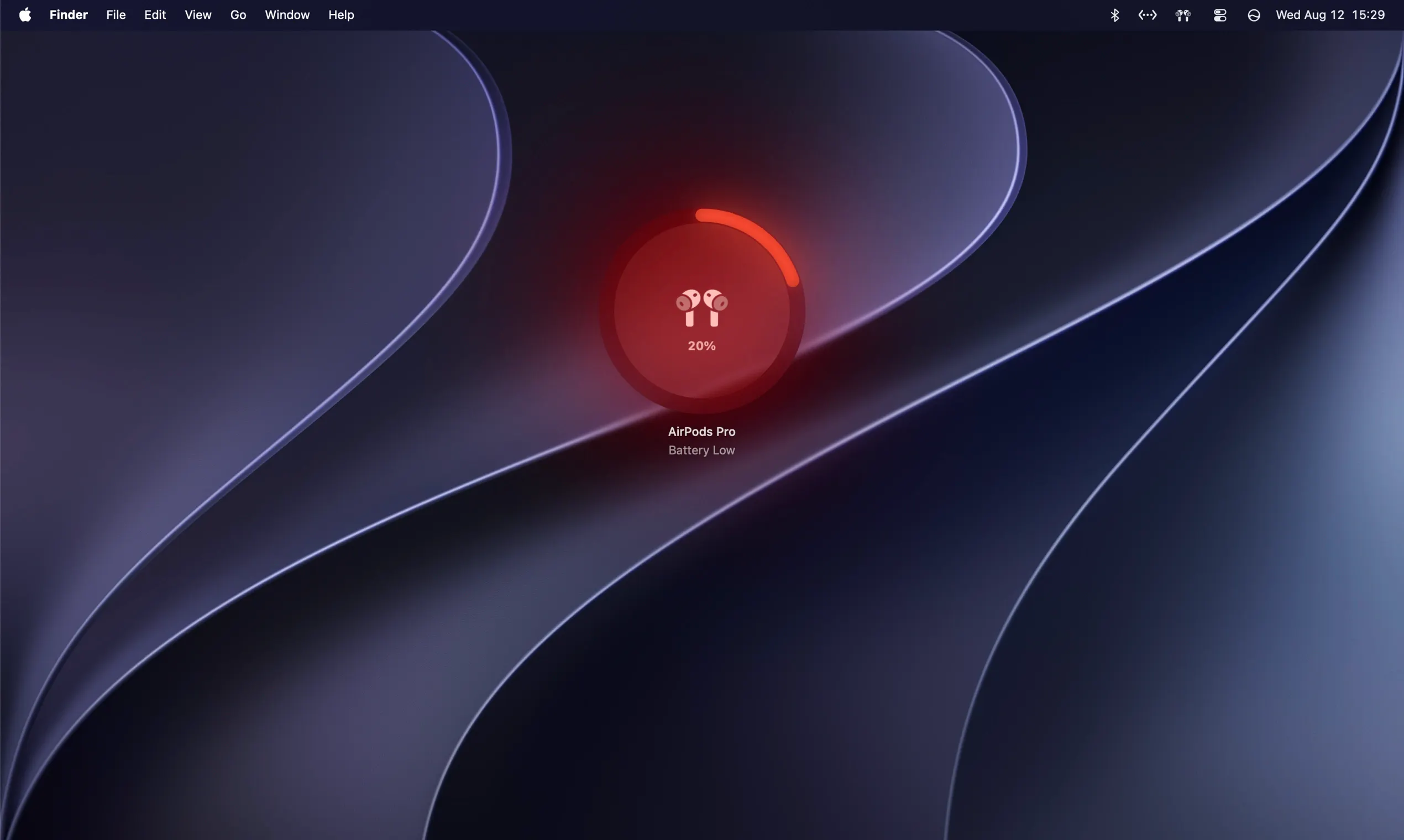
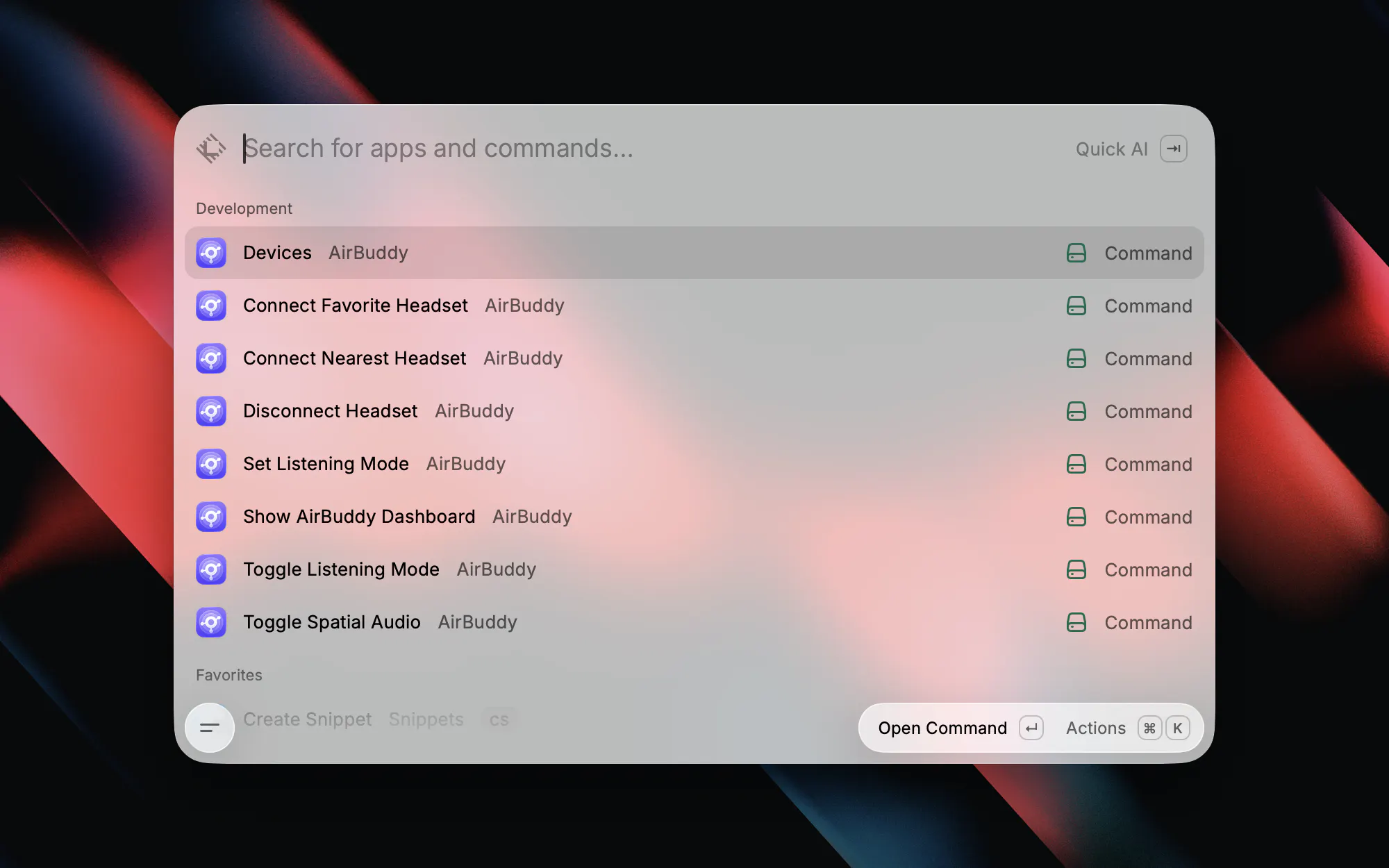
AirBuddy 3 brings over 150 new features and improvements, including a new design, powerful new ways to keep an eye on your devices, deeper media integration, revamped Magic Handoff, and many new options for automation and customization.

I hunted AirBuddy 2.0 six years ago — and I've been following it's evolution ever since then. v3.0 is a massive upgrade and for anyone that uses Apple peripherals, you should really check this out.

Not only that — but I built a Raycast extension for AirBuddy so you can control all your devices from the comfort of your keyboard!

3
回复

@chrismessina Congrats on v3! AirBuddy is one of those rare Mac utilities that just quietly works, which is probably the highest compliment I can give. What was the weirdest device quirk you had to work around in this release?

0
回复
Ever sice its initial release back in early 2019, AirBuddy has been helping users manage their wireless Apple devices on macOS. AirBuddy 3 is the first major update since the launch of AirBuddy 2.6 back in 2022. I'm really happy with the improvements in this release, from the refreshed design with Liquid Glass in macOS Tahoe to the under-the-hood changes that improve reliability for Magic Handoff and device connectivity.
2
回复

This is one of those apps you don't realize you need until you've used it. I especially like the battery pop-up and quick controls. Curious, was there a particular macOS limitation that was the hardest to work around while building AirBuddy?

1
回复

@aamirxv2 Thank you for the nice message!


Curious, was there a particular macOS limitation that was the hardest to work around while building AirBuddy?

For AirBuddy 3, this was definitely the now playing integration. Apple locked it down on macOS in the middle of the AirBuddy 3 beta cycle. The only way to work around that was to rewrite the integration to route all now playing data through a proxy background process instead of doing it in the main app process, which would have been a lot easier to do had it not happened after it was already implemented.

1
回复

Moving peripherals between Macs is the feature I have wanted for years. Right now I do the Bluetooth menu dance every time I switch from the laptop to the desktop, so if AirBuddy 3 handles a keyboard and mouse handoff cleanly that alone is worth it.

1
回复

Moving peripherals between Macs without re-pairing is the feature I actually want - the usual Bluetooth handoff flow (unpair, forget, re-pair) is where I lose the most time switching machines. Is that peripheral move instant, or is there still a short handshake delay on the target Mac?

0
回复

@omri_ben_shoham1 It's still doing that under the hood, but in my experience it typically takes less than 3 seconds. Most users rely on it for switching between work and personal Macs once or twice a day, in which case that short delay is acceptable.

0
回复
#8
Reckon
The decision journal that helps you calibrate
112
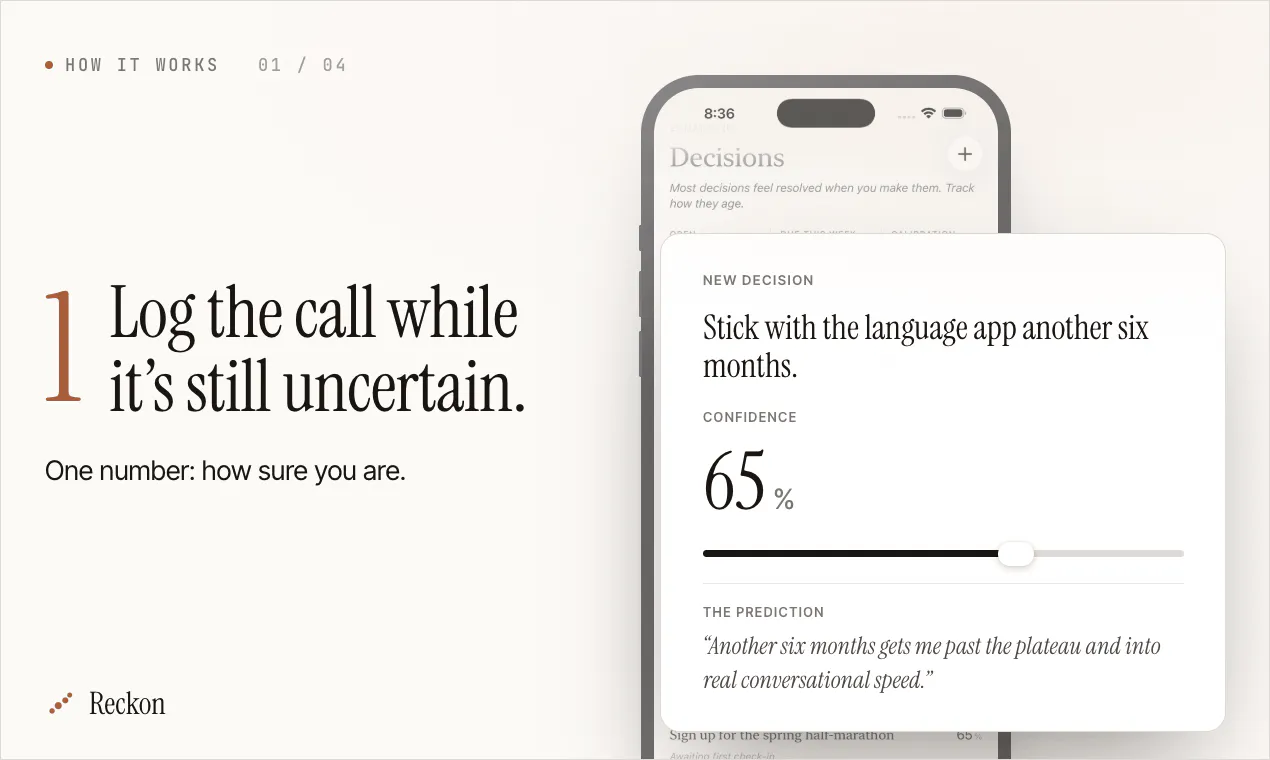
一句话介绍:Reckon 是一款面向 iPhone/iPad 的决策日志应用,专治“事后诸葛亮”——通过记录预测、置信度与推理过程,并在结果揭晓后持续复盘,帮你量化校准自己的判断力,让每次决策都成为可追溯的认知资产。
iOS Productivity Quantified Self
决策日志 判断力校准 认知偏差 复盘工具 自我量化 预测记录 个人成长 效率工具 订阅替代(买断制) iOS应用
用户评论摘要:用户认可其对抗“后见之明偏差”的价值,尤其适合PM、投资人或管理者。核心问题集中在三处:一是“calibration”一词对非预测人群门槛偏高,建议更口语化;二是希望提供示例决策模板以降低上手难度;三是询问中途标记的正/负信息是否纳入校准评分——开发者回应不纳入,仅作历史记录。
AI 锐评

Reckon 切中的是一个真实且高级的痛点:人类对自身判断力缺乏可靠的“审计轨迹”。市面上笔记工具记录“发生了什么”,情绪日记记录“我怎么感觉”,而 Reckon 填补的是“我事先怎么想、有多确信”这一空白——这恰恰是认知科学里最顽固的后见之明偏差(hindsight bias)的解毒剂。从产品逻辑看,它设计得非常克制且精准:预测、置信度、检查点、结果、延迟满意度复评,这一闭环完整覆盖了“决策—反馈—校准”的认知学习周期。

但必须指出几个隐患。第一,产品价值高度依赖用户长期、诚实的记录习惯,而决策日志本身就是反人性的——人在不确定时最不愿留下白纸黑字的“愚蠢证据”。这决定了它大概率是“高觉悟小众人群”的工具,很难破圈。第二,开发者明确回应“过程信息不纳入校准分数”,这虽然保证了量化纯净度,却也削弱了过程信息的反馈价值——用户追问的那条“正/负信息与结果无关”恰恰是判断信息筛选能力的金矿,弃之可惜。第三,单次买断+ iCloud 同步的商业模式对独立开发者友好,但长期维护和功能迭代(如导出分析、多维度交叉统计)需要持续投入,定价策略可能限制其存活空间。

真正的价值不在“记录”,而在“被迫面对”——当一年后 App 问“你还愿意做这个决定吗”,这一问的冲击力远超任何数据图表。Reckon 若能熬过用户弃用周期,积累出真实决策样本,它就能从工具进化为一面审视认知偏误的镜子。但目前来看,它更可能成为深度思考者的私人实验室,而非大众效率产品。给开发者的实在建议:把“校准”改成“判断力追踪”,并加入决策模板库和AI复盘摘要,降低启动摩擦,才是拉新关键。

查看原始信息
Reckon
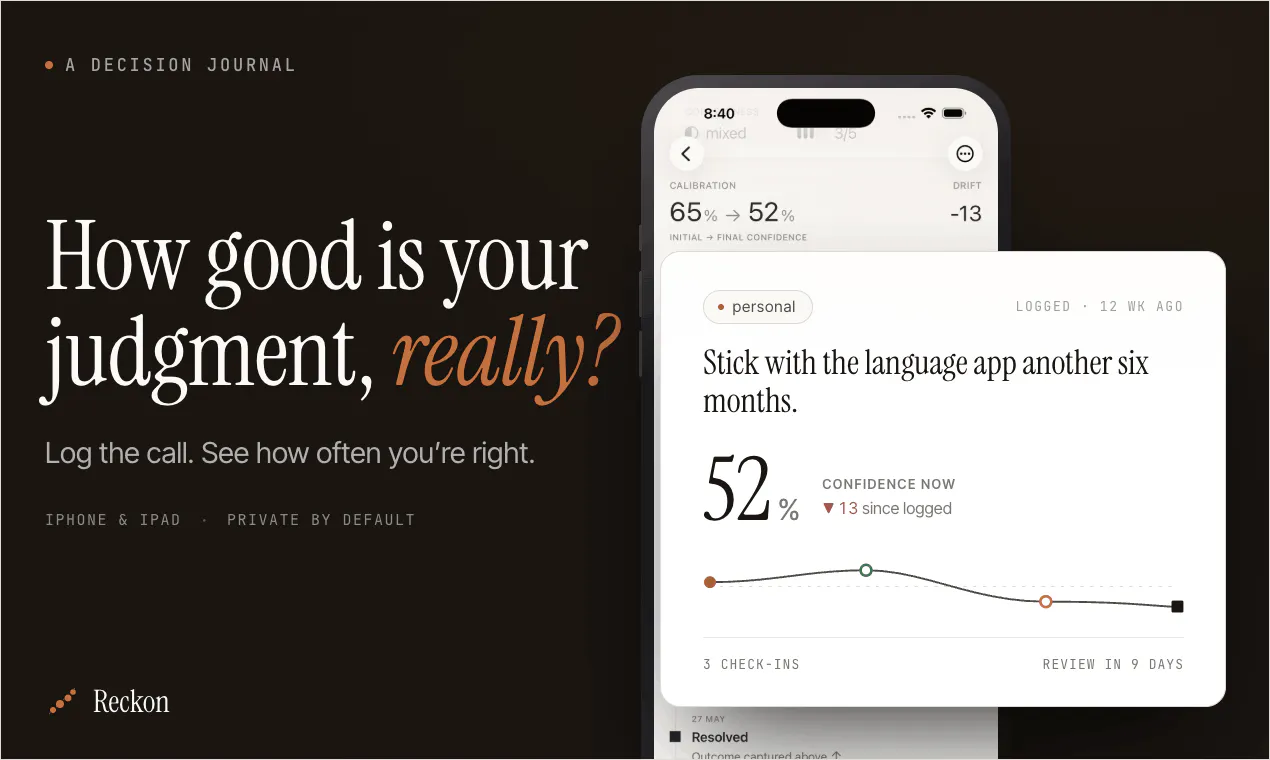
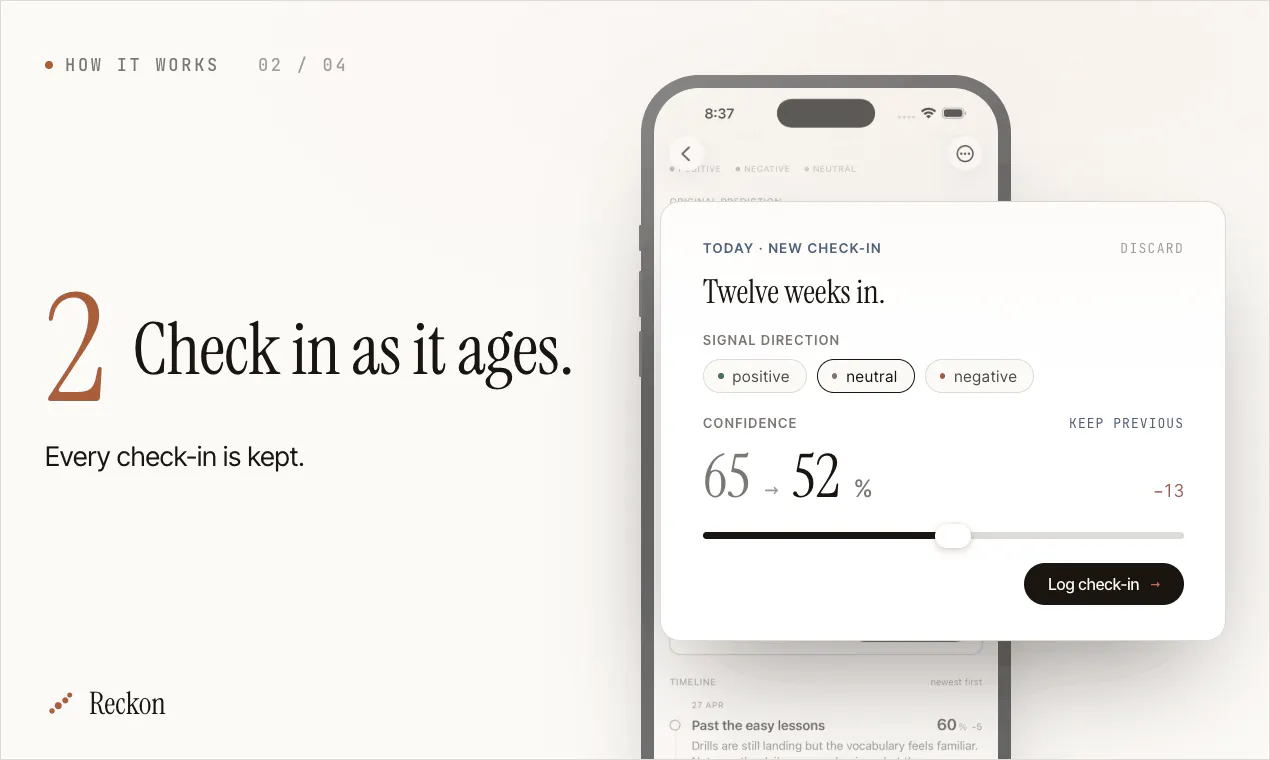
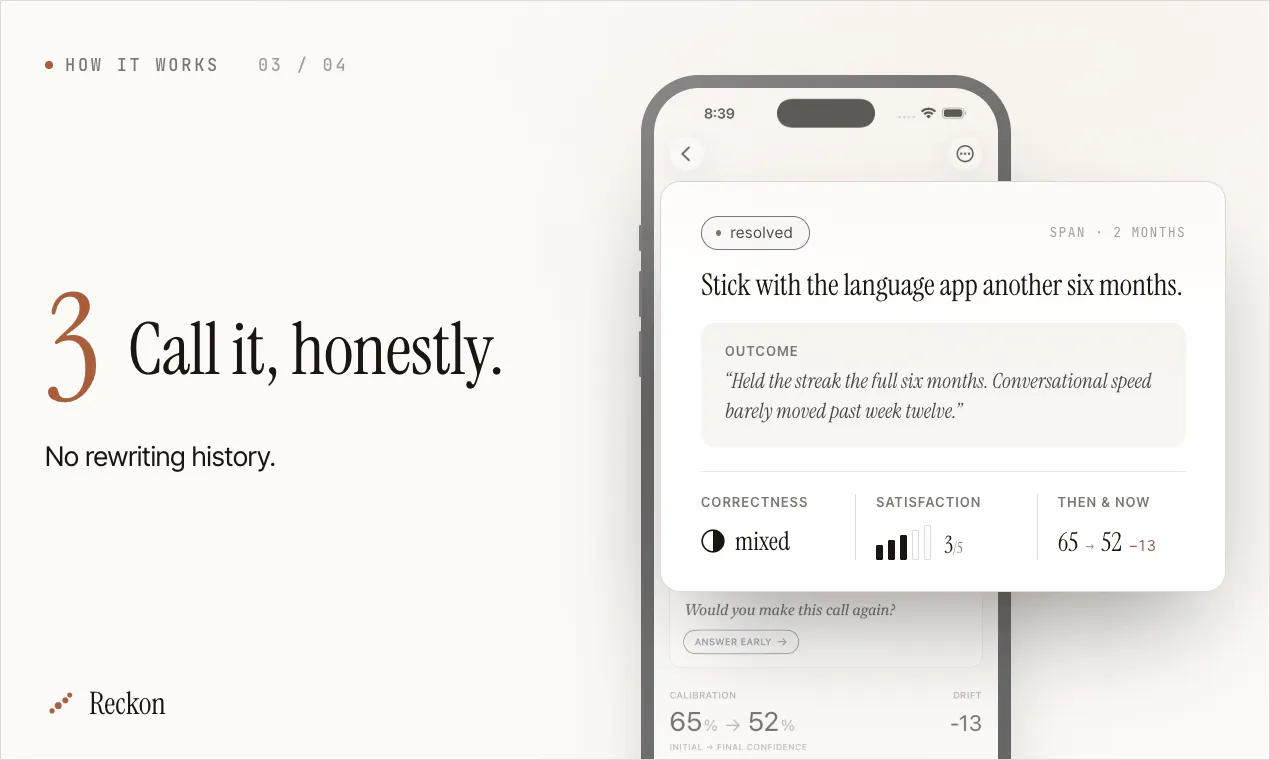
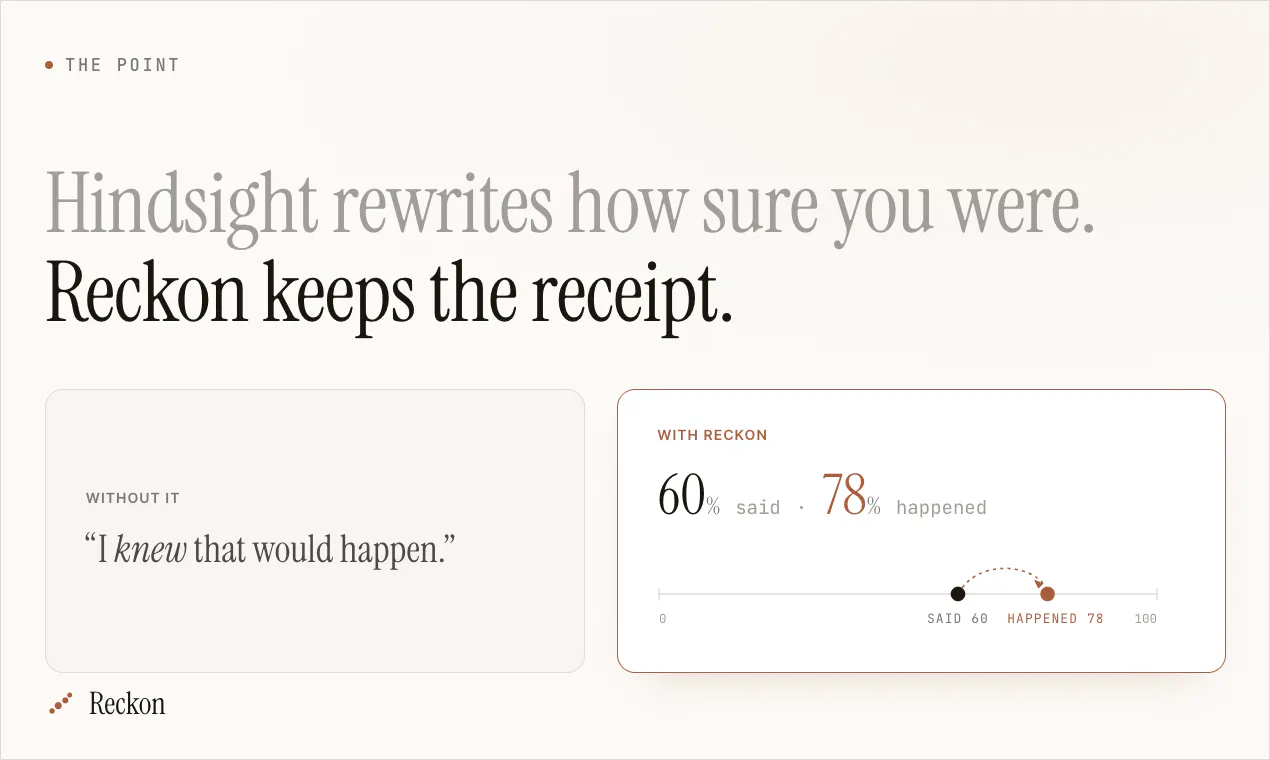
Most decisions feel resolved the moment you make them. Reckon keeps what hindsight erases: the prediction, the confidence, the reasoning. Check-ins capture what changes before the outcome: new info tagged positive or negative, confidence updated. At resolution you log what happened; weeks later it asks if you'd still make the call. A year in, you see where confidence overshoots, where it undershoots, where judgment is sharpest. iPhone and iPad. iCloud sync, no account. One-time purchase.
Hey Product Hunt, Roland here, maker of Reckon. I built this because I noticed the same thing keeps happening to me: I make a call, the outcome arrives a few weeks later, and by the time I remember what I had predicted, the story has already been re-written by hindsight. The version of me that hesitated, that wasn't sure, is gone, and with it anything I could have learned. A note app captures what happened. A journal captures how I felt. Neither captures what I predicted, or how confident I was before I knew. So I built the thing that does. Reckon is a decision journal where the moment of choice is the beginning, not the end. You log a prediction with a confidence percentage and a review date. Between then and resolution, check-ins capture what changed: new information tagged positive or negative, updated confidence. At resolution, you log the outcome and how satisfied you are. 30 to 60 days later, the app asks again: would you make this call again? Because satisfaction doesn't always align with "would I do it again". After enough decisions, calibration becomes something you can see: where your confidence overshoots outcomes, where it undershoots, which domains your judgment is sharp in. It's for anyone who has ever felt their judgment is good but couldn't prove it, or the contrary, doesn't have confidence in theirs and needs a history. Founders, parents, planners, investors, people who care about thinking clearly. Not pitched at the forecasting community, but legible to them. I would love your honest feedback! I'm especially curious if "calibration" makes sense for non-forecasters, or does the framing need to improve?
1
回复

@rolandleth I think it is a good app for self improvement .

0
回复
Sounds really useful for PMs or directors, with the accountability it might help prevent hindsight bias and dumb principal problems. Really excited to test it next time I’m leading a team.
1
回复

@henryslang let me know how it goes!

0
回复

if i can later provide judgment as context for agents that will dope, the judgment layer should be coined as the new context layer :)

0
回复

maybe an odd request, but I'd like to see some sample decisions to help jumpstart my activity on the app....the unknown size/shape of an opinion can feel daunting.

0
回复

to answer your question directly - calibration absolutely makes sense outside forecasting, I just don't think most people would use that word for it. I screen early-stage startups fast, sometimes dozens a day, and the thing I never have is a record of how confident I actually was on a pass or a yes before I knew how it turned out. hindsight rewrites that instantly. the 30-60 day "would you still make this call" check-in is the part that sold me, that's the exact gap between a note app and a real record of judgment. one question - when the new info you tag as "positive" or "negative" mid-decision turns out to be irrelevant to the actual outcome, does that get factored into the calibration score at all, or does it just sit there as a log entry with no scoring consequence

0
回复

@galdayan Thanks for the detailed reply! I'm glad it clicks with you and regarding "calibration" as a word... I always felt it's a bit clunky, even though it made sense to me, so it just stuck. Curious if you have any other alternatives?

Regarding your question, it does not get factored in. Calibration is solely based on your confidence vs outcome (averaged across your decisions). What you log along the way is more like a history for yourself (and positive/negative also helps to easily scan the history).

0
回复

Hey @rolandleth

Outcomes can be right for the wrong reasons, so tracking the reasoning & confidence feels way more useful than a normal decision journal.

0
回复

@yashekbote  exactly what I thought of when I decided to build it.

0
回复
#9
Clipwing Autopilot
Get your clips without AI slop or hiring hassle
109
一句话介绍:Clipwing Autopilot 是一个将 AI 剪辑与真人编辑审核相结合的自动化视频切片平台,创作者只需上传长视频并选择风格,即可在单一工作流中完成剪辑、审阅、排期和发布,彻底告别 AI 生硬片段和雇佣管理剪辑师的麻烦。
Social Media Social media marketing Video
视频剪辑 AI剪辑 自动化工作流 内容再创作 社媒运营 创作者工具 剪辑外包替代 视频排期 专业编辑审核 SaaS
用户评论摘要:用户普遍祝贺发布并认可产品演进路径,称赞从工具到服务再回归产品的闭环思路。有效反馈集中在赞叹“产品化服务+AI”的前景,以及对创始人 Lera 的信任。无负面或具体功能建议,多为情感支持与期待。
AI 锐评

Clipwing Autopilot 的聪明之处在于它精准踩中了两个对立痛点:一是纯 AI 剪辑(如 OpusClip)产出的“AI味”内容缺乏审美与叙事逻辑,二是雇佣人工剪辑师带来的沟通成本、管理损耗和交付不确定性。它用“AI 初筛 + 人工精修”的混合流水线,把剪辑服务包装成 SaaS 产品,这本质上是将过去两年积累的 Studio 工作流产品化——这个护城河不在算法,而在“人机协作的 SOP”和对内容审美的把控。

但必须冷静看待几点:首先,109 票的发布热度平平,评论里几乎没有对价格、交付速度、剪辑风格自定义深度的质疑,说明早期用户多为熟人生态,尚未经历残酷的市场压力测试。其次,“Autopilot”虽是卖点,但“人工审核”意味着毛利结构不可能像纯软件那样性感,规模化后人工成本将侵蚀利润,最终要么涨价失去个人创作者,要么降低审核标准重蹈“AI slop”覆辙。最后,产品宣称“一切在同一处完成”,但这恰恰是竞争最激烈的红海——YouTube 生态有 Descript、Frame.io 已集成审阅,TikTok 原生剪辑工具也在强化。它的真正价值可能并非“做剪辑”,而是“做代运营的数字化皮肤”:用软件承接工作室的核心流程,切入的是那些“不想雇人但又需要稳定产出”的中型创作者/小企业。如果它能证明 Unit Economics 跑得通,这确实是一门好生意;但目前更像一个精致的手工作坊披上了科技外衣,能否蜕变成真正的平台,取决于它敢不敢把“人工”比例降到用户无感的程度。

查看原始信息
Clipwing Autopilot
Clipwing Autopilot isn't another AI clipper or another editing agency You upload a recording, choose your editing style, and receive consistent, ready-to-post clips without hiring editors, or jumping between Slack, Google Drive, and scheduling tools. Everything happens in one place No AI slop, no hiring hassle

Hey Product Hunt! 👋

2 years ago, we launched the first version of Clipwing here – a simple video editing tool that turns long videos into short clips.

Since then, Clipwing has grown into a video studio. We’ve made thousands of clips for startups, creators, and tech companies – and learned what really makes a clip worth posting.

But creating clips still takes too much work.

You need to find good moments, hire and manage editors, chase feedback across Slack and Google Drive, and move every clip through revisions and publishing.

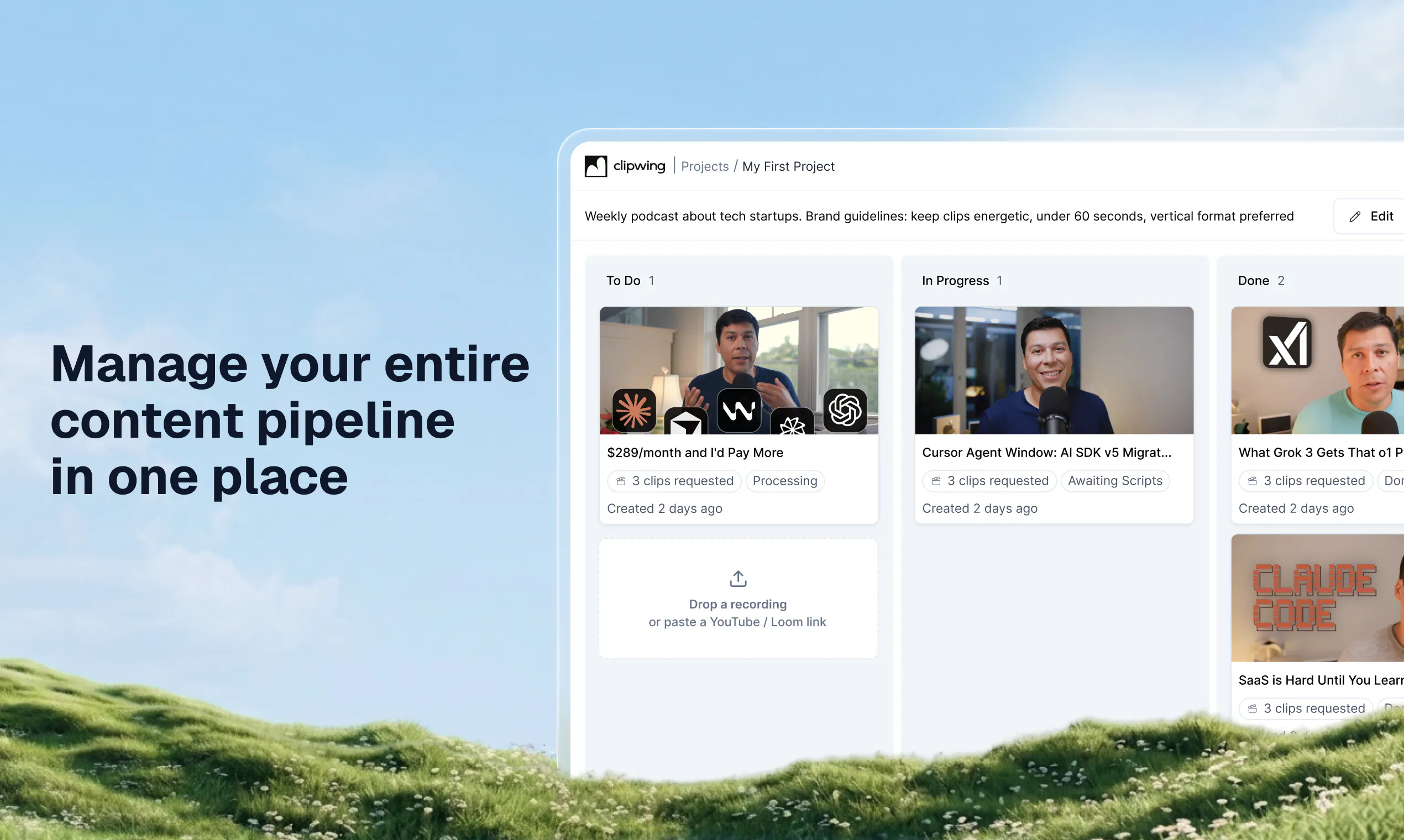
So we built Clipwing Autopilot to keep the whole process in one place.

You upload one long video, choose your style, and get ready-to-post clips – without AI slop or the hassle of hiring and managing editors.

The clips are created using the same process we use in our studio:

🤖 AI can find moments using prompts tested on real client videos

🧠 our content team reviews and improves the clip ideas

🎬 a professional editor turns them into finished clips

Everything else also happens inside Clipwing:

📋 track clips on a board

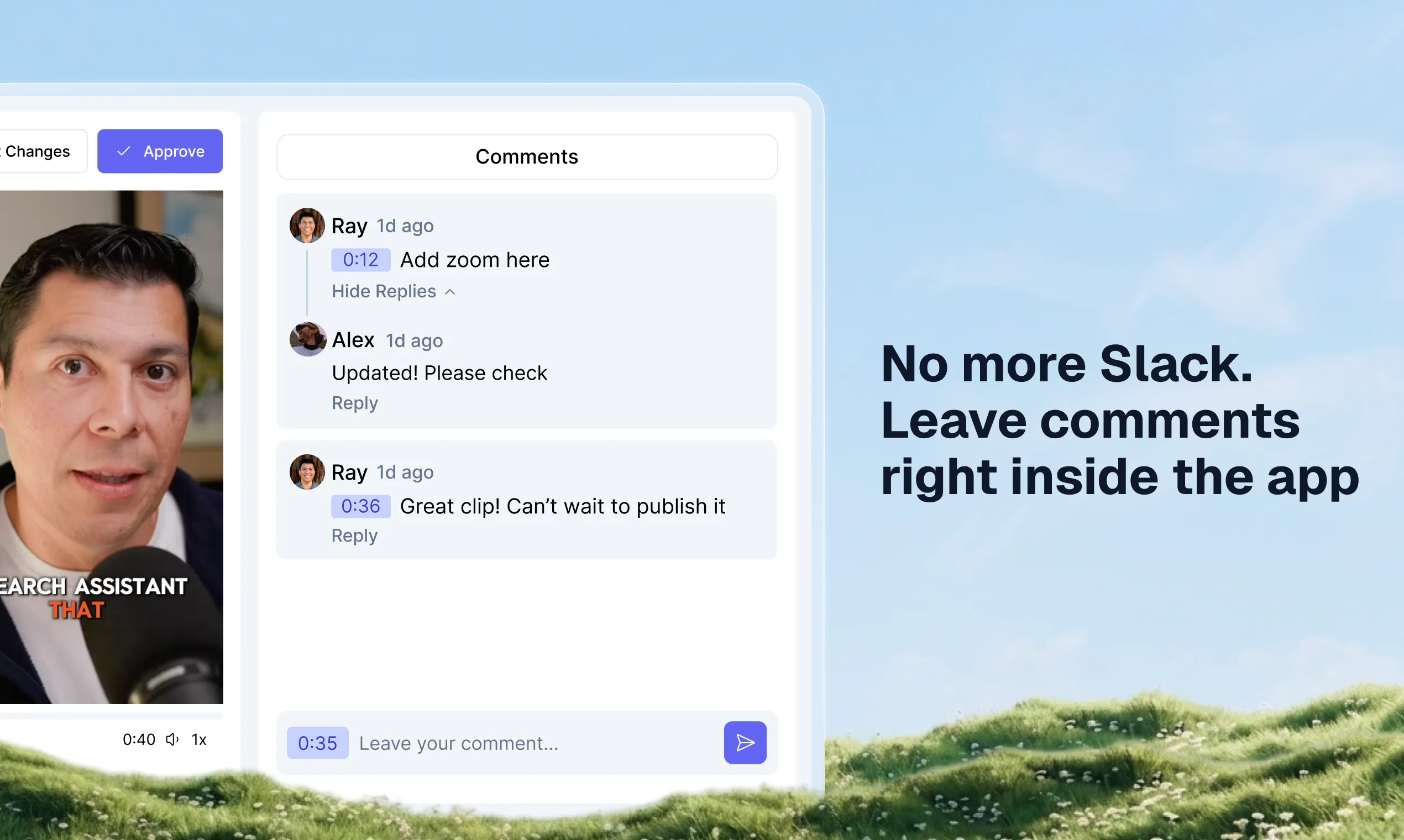
💬 leave comments directly on the video

✅ review and approve edits

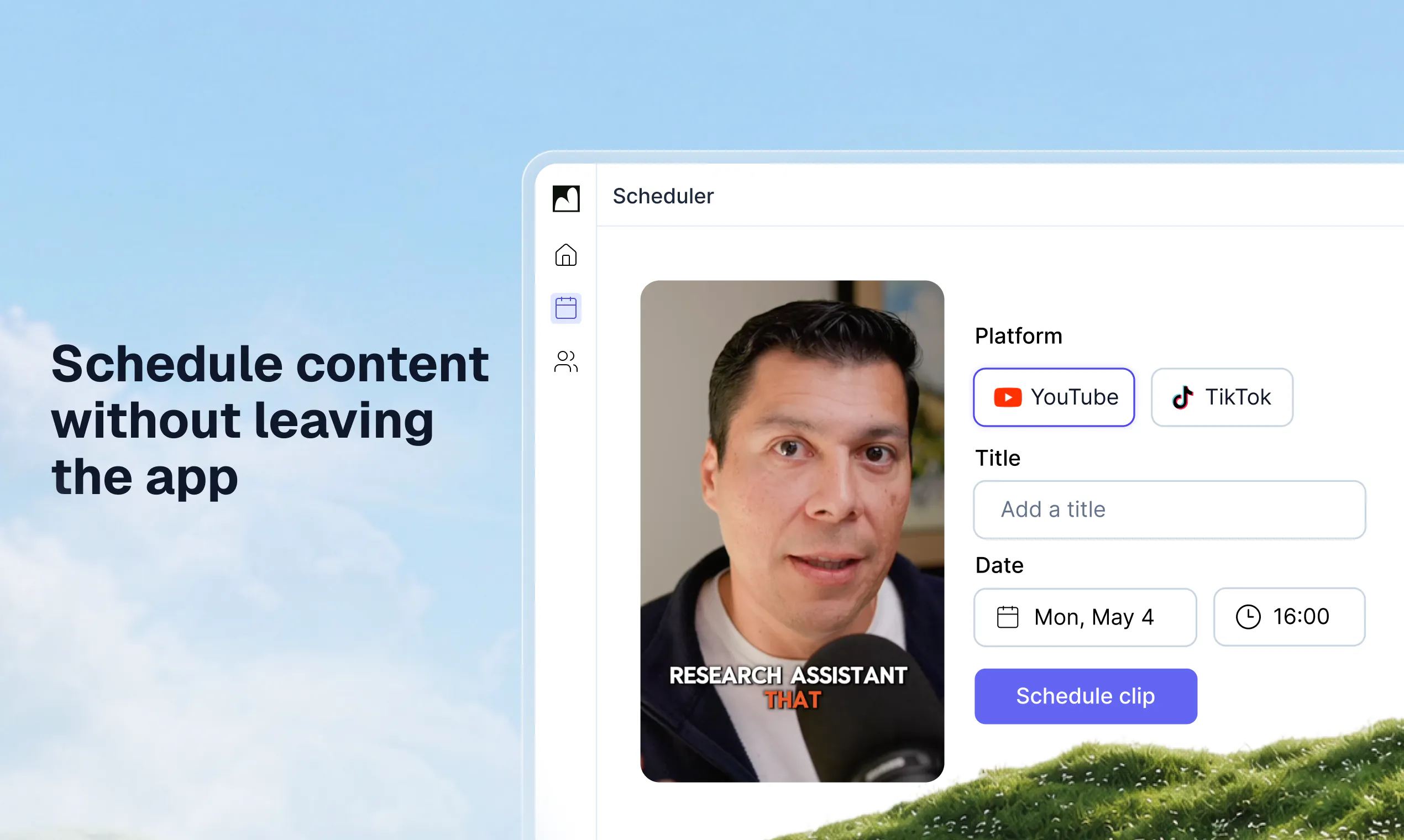
📅 schedule posts

♻️ turn one video into weeks of content

Our goal is simple: you keep recording, and Clipwing handles everything after that.

Would love to hear what you think 💙

5
回复

@lera_kuntsevich1 congrats with the launch!!

it’s great to see how your story evolves

2
回复

@lera_kuntsevich1 amazing journey, congrats on the launch 🥳

3
回复

@lera_kuntsevich1 congrats on the launch Lera! It looks like a awesome product

2
回复

LERA THE GOAT. Congrats on the launch Lera, Clipwing just keeps getting better

2
回复

@rotimi_best yooo thank you for support Rotimi! <33

0
回复

Cool! congrats

2
回复

@gregrog thank you Greg!! 💯

0
回复

This is really cool, congrats on the launch. I am excited to see where this type of productized service and agency-ish work is going especially nowadays with AI. Well done!

2
回复

@illyism thank you, appreciate it Ilias!! ngl i'm excited too 😅

0
回复

i like the shift from product to service to the product again, its going to be a beast for creators by a creator

2
回复

@gamifykaran haha i hope so! thank you Karan ☺️🫶

1
回复

Congrats Lera! Two years from a small clipping tool to this. Good to see where it went 🔥

2
回复

@ashimanski thank you so much Artyom for your support! 🫶

1
回复
#10
Finch
A single place for your health data and tests
105
一句话介绍:Finch是一款患者端的健康数据聚合与解读工具,将分散在不同医疗机构、不同格式的检查报告和就诊记录整合到单一视图,并利用AI将病历翻译成通俗语言,重点服务于孕产等复杂就医场景,缓解患者的信息焦虑和理解负担。
iOS Health & Fitness Artificial Intelligence
健康数据聚合 病历翻译 医疗记录管理 孕产助手 患者门户 医疗AI 健康档案 隐私安全 就医导航 SaaS
用户评论摘要:用户认可其解决医疗信息碎片化的痛点,询问获客信任的最大挑战(创始人回应强调HIPAA/SOC2合规及社区渗透)。另有用户质疑Logo设计风格,创始人解释意在打破医疗冰冷感,传递人性化温度。有效反馈集中于信任建立与品牌视觉。
AI 锐评

Finch切中的确实是美国医疗体系中一个极隐蔽但普遍的“认知税”——患者被迫成为自己病历的满勤文员。它的价值不在于“聚合”这个动作(这已有许多合规供应商在做),而在于“翻译”和“转写”这两层语义加工,这本质上是把医疗信息从“医院资产”重构为“患者资产”。从评论看,创始人回应暴露了核心矛盾:他们强调“human first”和合规,却回避了最关键的数据来源问题——能否真正无缝接入EHR(电子病历)系统,还是仍依赖患者手动上传PDF?如果是后者,所谓“单一视图”只是数字文件夹,壁垒很低。其次,99美元/年的定价锚定在“孕妇”这一高焦虑、高付费意愿人群上很聪明,但该人群生命周期短,一旦分娩结束,留存率断崖式下跌。真正的考验在于能否将“孕产”这一场景抽象为“任何慢性病或复杂治疗周期”的通用引擎,否则其商业故事会像大多数PH上的医疗应用一样,止步于好想法。另外,创始人自曝“两位创始人、pre-seed”,这意味着其声称的HIPAA合规和AI转写准确度都缺乏第三方审计背书。在医疗领域,没有临床验证和保险报销路径的“陪伴型工具”,最终容易沦为隐私敏感用户的文档收纳盒,而非不可或缺的医疗基础设施。真正的护城河应该是“数据双向打通后的网络效应”,而非一个漂亮的UI。

查看原始信息
Finch
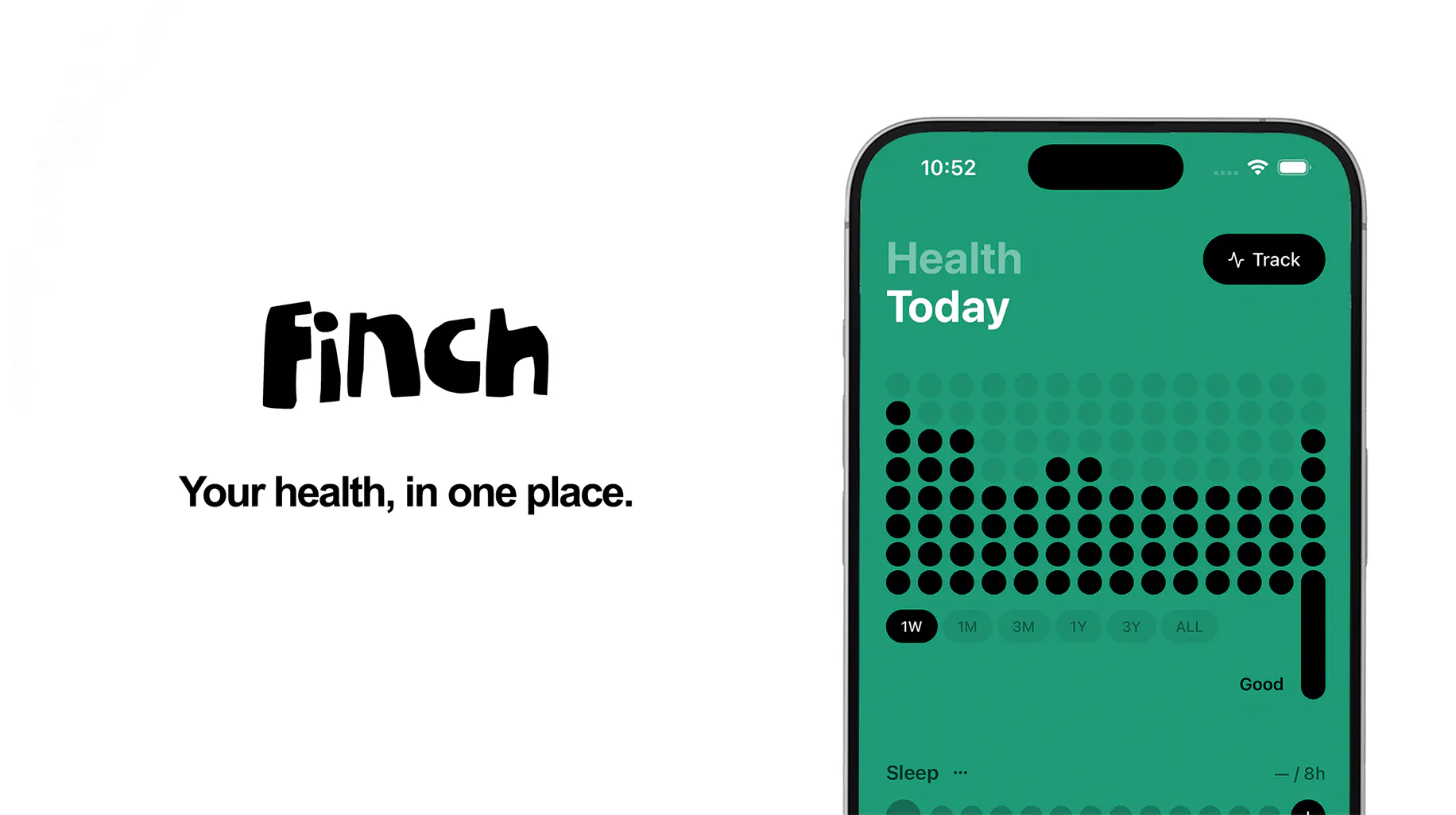
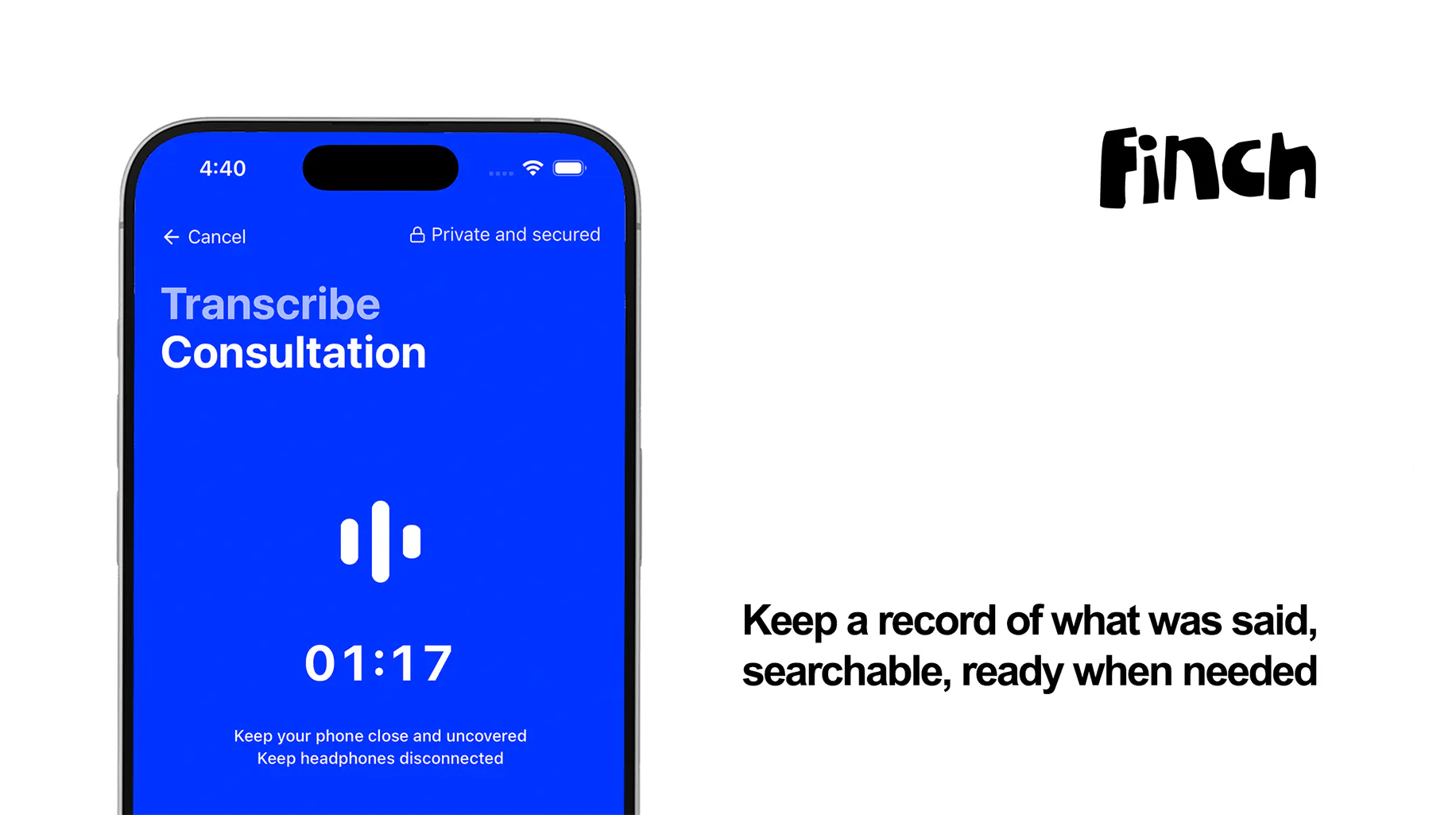
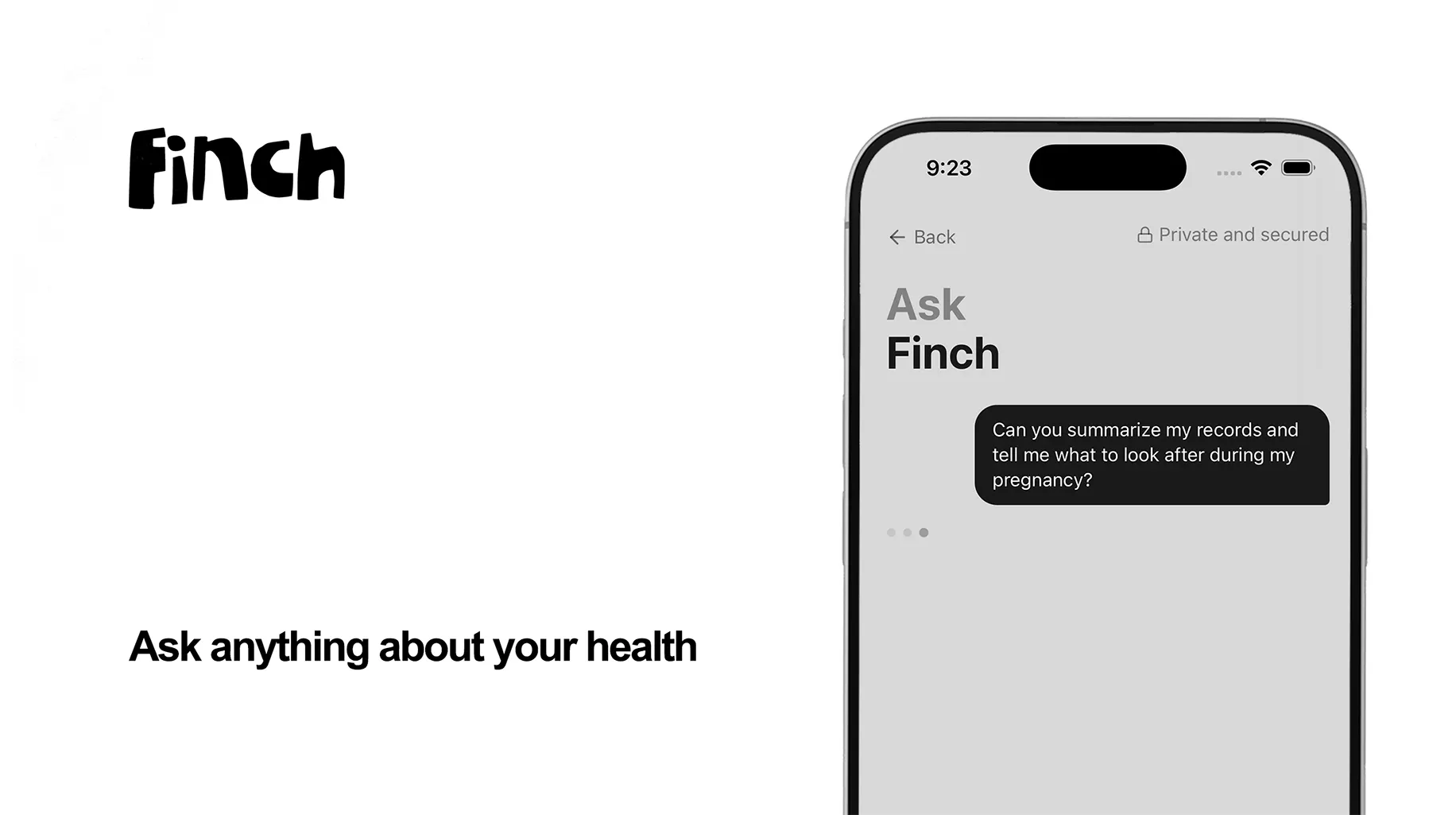
Finch is a patient-side health companion built for all — an expecting parent, or just someone navigating the health system. Pregnancy alone involves at least 12 appointments, dozens of test results, and a new vocabulary, coming from different providers in different formats. That's just one example. Whatever your journey, Finch brings it into one clear view, transcribes what was said at your appointments, and translates clinical language into plain English. Free tier available. Finch+ $99/y
Hey Product Hunt. I'm Isaac, one of two founders on Finch. I nearly went to medical school and ended up building software instead, but I never stopped paying attention to how much of the healthcare burden gets pushed onto the patient. My co-founder and I both grew up outside the U.S. system, which makes the paperwork side of it look even stranger from the inside. Finch does three things. It brings your medical records together in one place. It captures what actually gets said at your appointments. And it helps you make sense of both in plain English. We are two people, pre-seed, and this is our first public launch. We would love honest feedback, especially from anyone who is expecting, has recently had a baby, or has spent time on the wrong side of a medical filing cabinet. What would make this indispensable? Ask us anything.
4
回复

@bluera Exciting journey ahead! Go Finch!

0
回复

Congrats Isaac & team on the launch!

Finch sounds like a really thoughtful solution to a frustrating part of healthcare.
Curious what’s been the biggest challenge so far in getting patients to trust and use Finch?

3
回复

@nandini_bairagi Its a great question, and one of the biggest challenges for sure. We are very cognizant of designing human first — which means built for HIPAA and SOC2 from day one.

Vic, our technical co-founder is ex-Mastercard so is super familiar with data security and privacy.

The next challenge is how we share that with our users, which is very much being present and showing up in the communities they already exist in vs bombarding them with paid ads.

3
回复

What was the thinking behind the logo? Curious choice for a health app...!

0
回复

@chrismessina exactly the reaction we were hoping for!

Health at its most true form is the most human thing out there, so we wanted to reflect that in the identity. Bringing warmth to what is typically a pretty sterile category. When others Zig, Zag as they say!

2
回复
#11
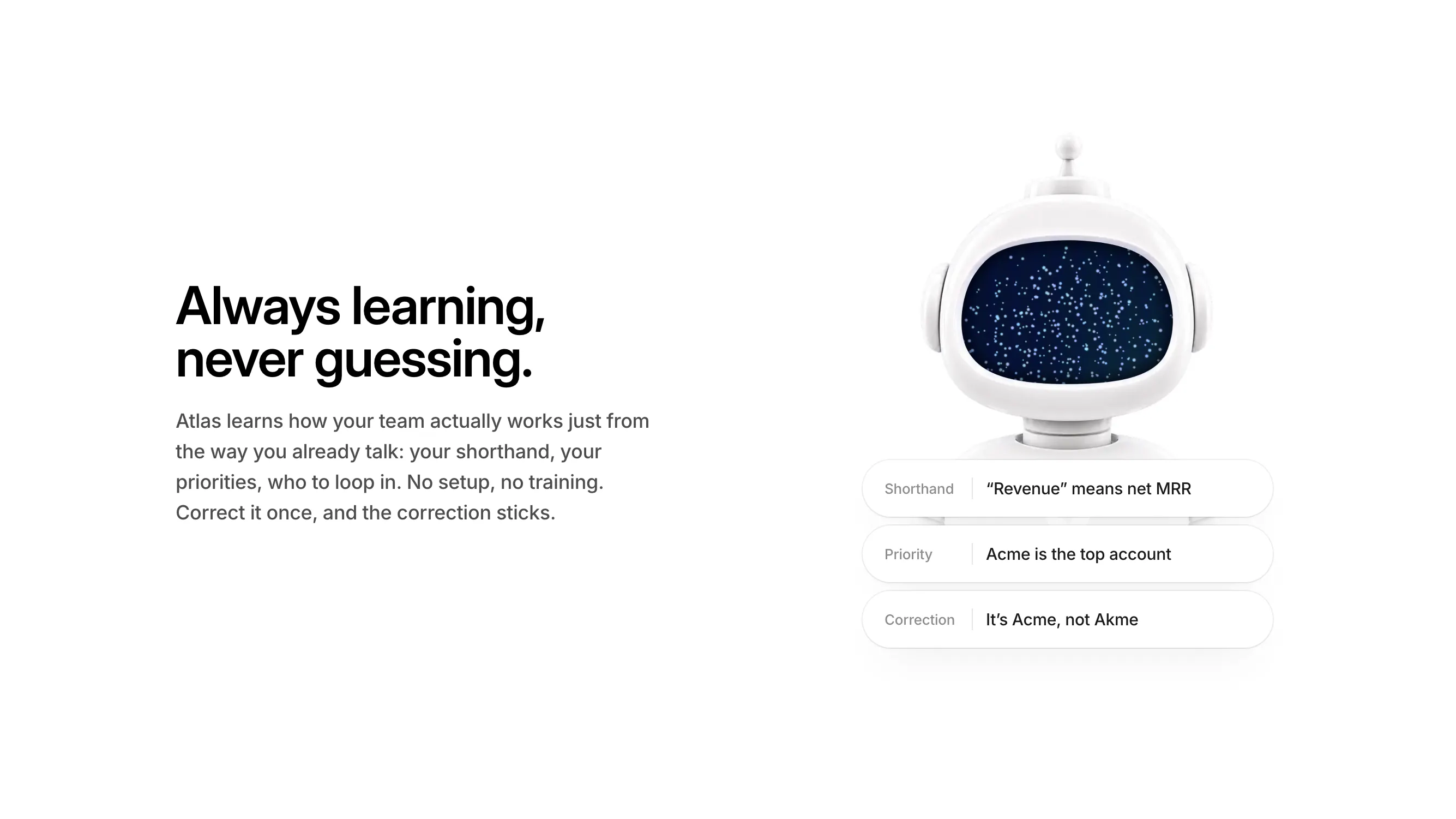
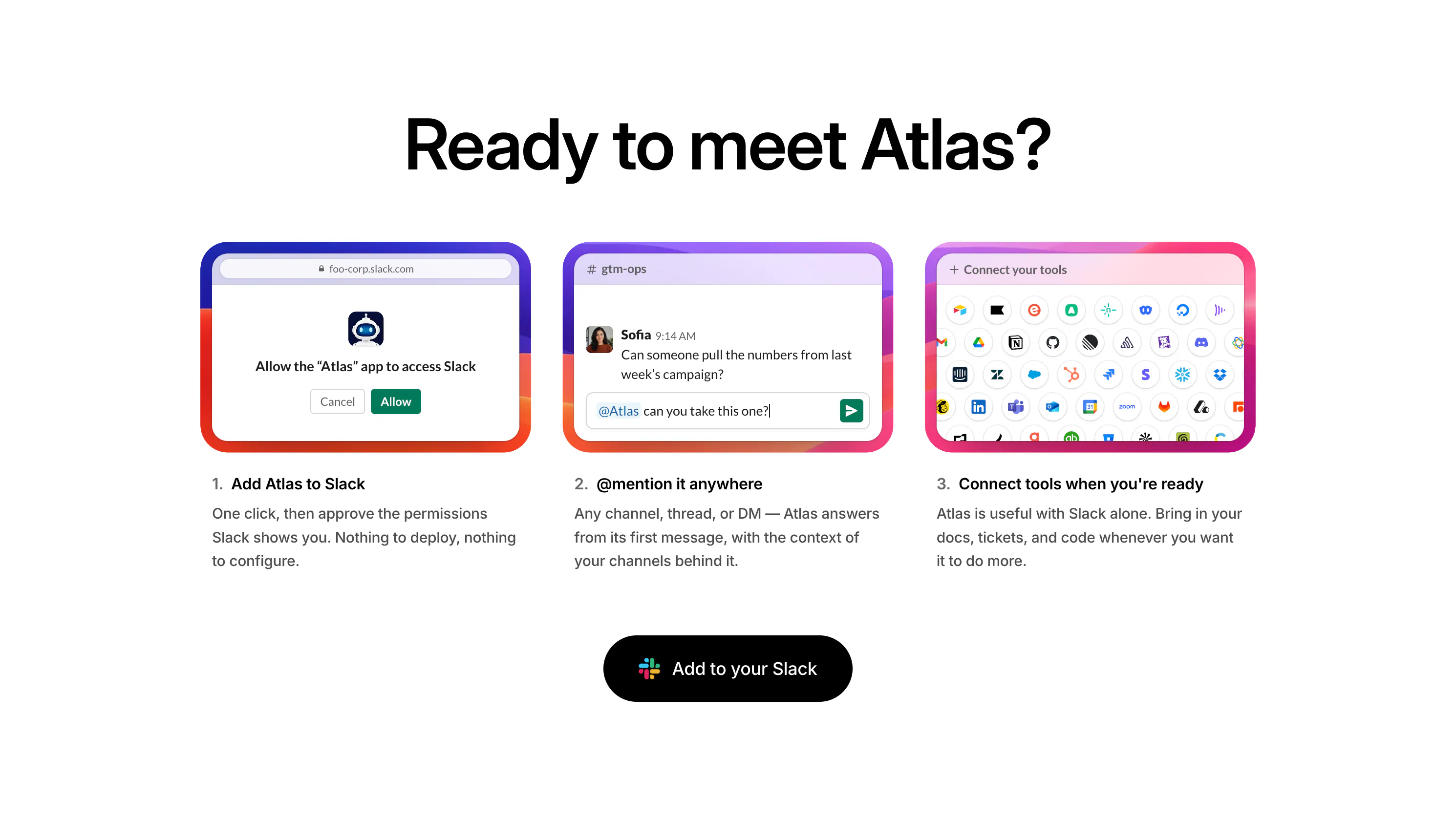
Atlas by WorkOS
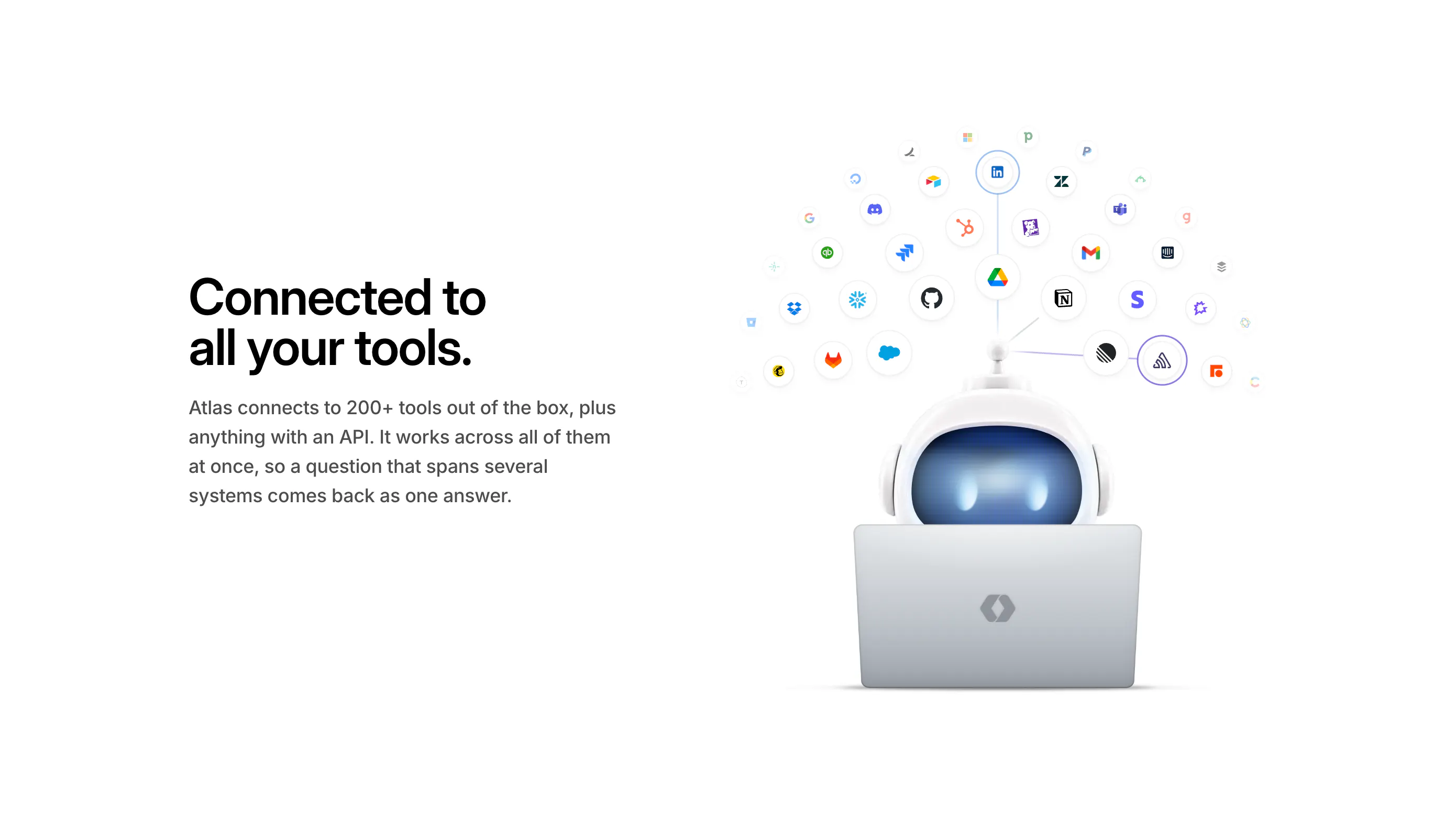
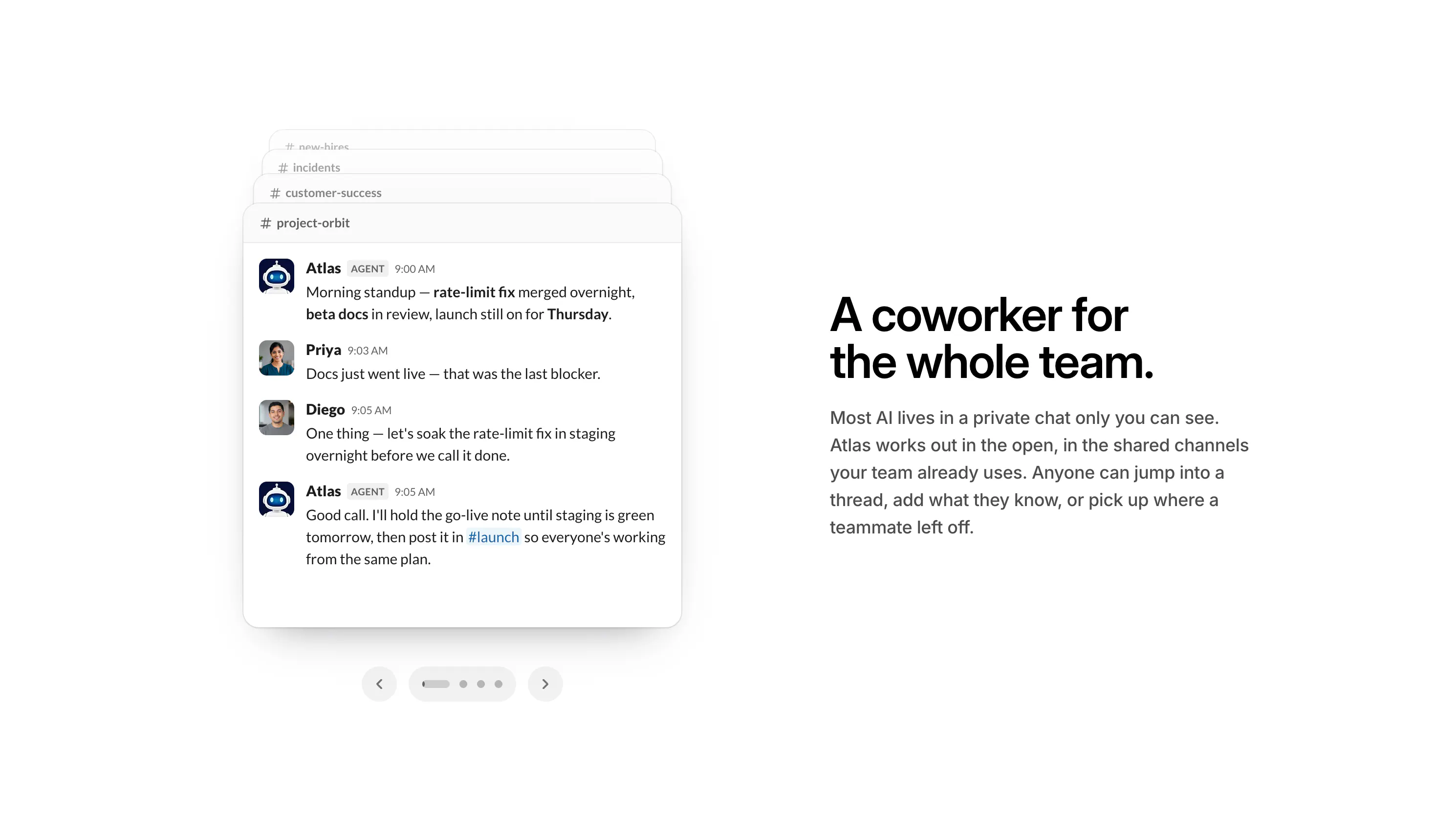
Your AI coworker in Slack
104
一句话介绍:Atlas 是一款嵌入 Slack 的 AI 同事,能在团队协作场景中直接回答问题、自动化任务,解决信息查找低效和重复性工作占用精力的问题。
Slack Productivity
AI 助手 Slack 集成 团队协作 自动化任务 知识问答 办公效率 生产力工具 企业服务 对话式 AI 嵌入式应用
用户评论摘要:目前评论数量极少且流于表面(如“Exciting!”“Looks cool!”),无实质功能反馈、问题或建议,尚无法评估真实用户满意度和使用痛点,需更多深度评测。
AI 锐评

Atlas 的商业叙事很性感——“AI 同事”而非“AI 工具”,意味着它试图从被动响应升级为主动参与的团队角色。切入 Slack 这个高频协作场景是明智之举,降低用户迁移成本,也让 AI 能触达对话上下文,理论上比独立聊天机器人更懂项目进展和团队语境。但产品目前暴露的问题同样明显:投票数仅 104,评论几乎为零有效信息,说明它仍处于极早期冷启动状态,所谓的“自动化任务”和“回答问题”并未展示出与现有 Slack 生态(如 Slack GPT、第三方 bot)的差异化壁垒。更关键的是,“AI 同事”的概念喊得响,实际若缺乏对企业权限、合规审计、多线程记忆和任务闭环的深度支持,很容易沦为高级版 FAQ 机器人。此外,WorkOS 本身以开发者身份基础设施闻名,Atlas 若能借力打通企业级 SSO/目录同步,或许能形成护城河——但前提是它得先证明自己能稳定处理复杂指令并产生可量化的效率增量,而非让团队在“调教 AI”上消耗更多时间。目前值得观望,但不必过早兴奋。

查看原始信息
Atlas by WorkOS
Atlas works alongside your team in Slack to answer questions, automate tasks, and help everyone do their best work.

Exciting!

2
回复

strong +1

0
回复
Looks cool! Congrats!!!
0
回复
#12
Tiny Funnel
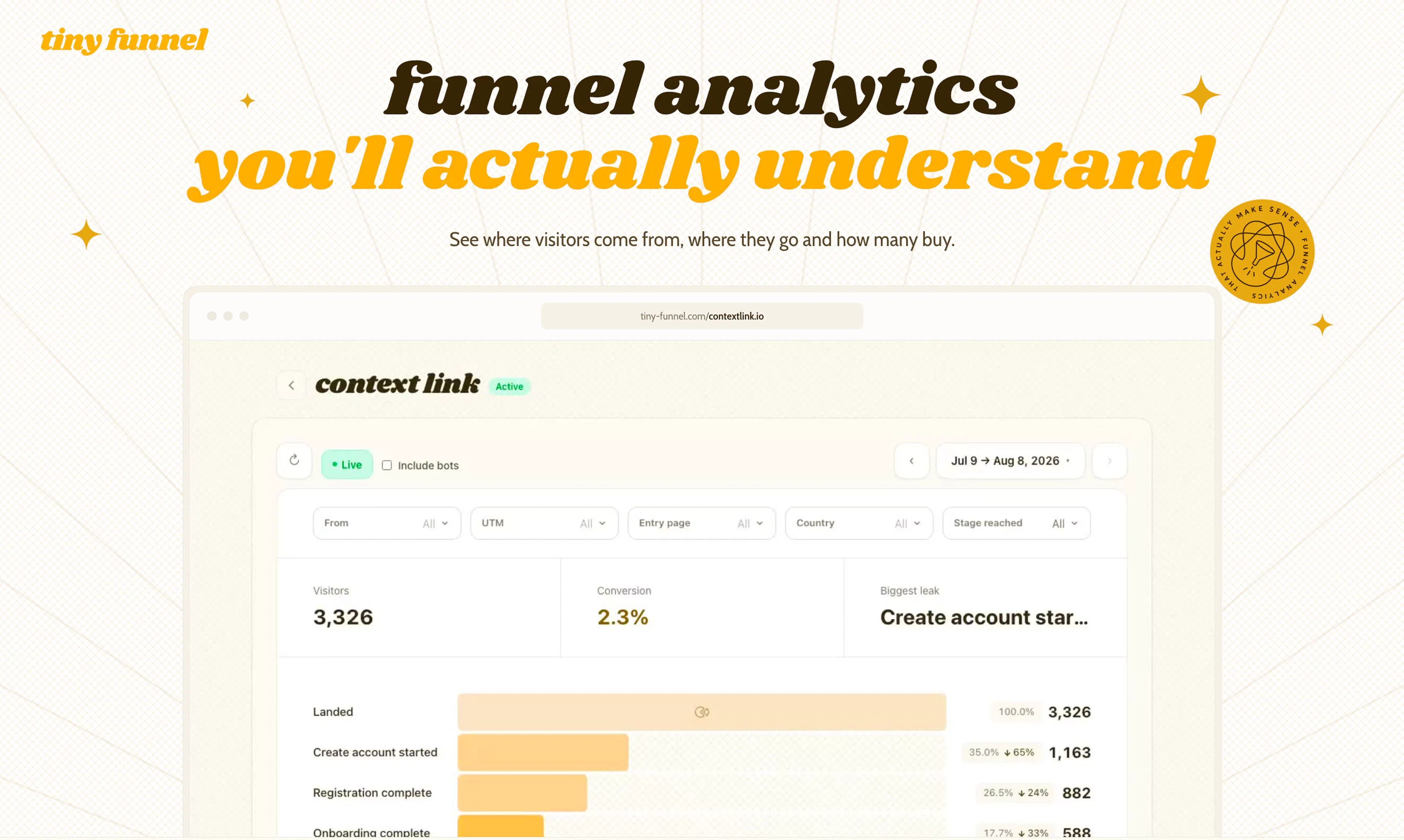
Funnel analytics you'll actually understand
102
一句话介绍:Tiny Funnel 是一款专为“懒得看复杂报表”的创始人设计的漏斗分析工具,让用户以最快速度回答“流量从哪来、谁走到了哪一步、谁最终购买”的问题,无需配置,即开即用。
Analytics Marketing SaaS
漏斗分析 无埋点统计 网站分析 用户旅程 电商数据 可视化报表 实时筛选 隐私友好 增长黑客 SaaS工具
用户评论摘要:用户赞赏过滤器内预显示统计的设计,认为能极大减少排查时间。追问无Cookie场景下跨天回访如何归因(新会话还是续接),以及创始人最关注的日常核心指标是什么,体现出对数据准确性与实用性的深层关切。
AI 锐评

Tiny Funnel 的定位精准踩中了“数据麻木”这一群体性痛点——大多数创始人装了分析工具但从不打开,因为传统工具(GA等)的交互模式是“先设好条件,再等报表”,而 Tiny Funnel 将“条件”本身变成了“答案预览”,本质上是用极致的反馈速度替代了“思考如何提问”的成本。这种“下拉即报表”的交互范式,是对传统BI工具的降维打击,尤其适合中小电商独立站团队。

但必须泼一盆冷水:其核心卖点“Cookie-less”在跨设备、跨天归因上存在天然缺陷,创始人的回帖回复并未给出实质技术解释(如同步指纹或服务器端合并),这会导致漏斗最后一环“购买”与首访的归因失真——对一个主打“理解”的工具而言,这是致命伤。另外,该产品目前的护城河仅是交互创新,而非数据算法或连接生态,一旦被主流分析平台(如Amplitude、Mixpanel)在界面上借鉴,独立生存空间会迅速被挤压。

真正的长期价值在于“会话重建”能力:如果能以无Cookie方式将同一访客的多天访问串成唯一旅程并保持统计准确性,这将填补GDPR时代下的空白。但目前来看,它更可能成为一款“小而美”的辅助分析插件,而非替代GA的平台级产品。建议团队重点回应用户对归因准确性的质疑,并考虑集成到Shopify插件市场,用电商场景作为护城河落地。

查看原始信息
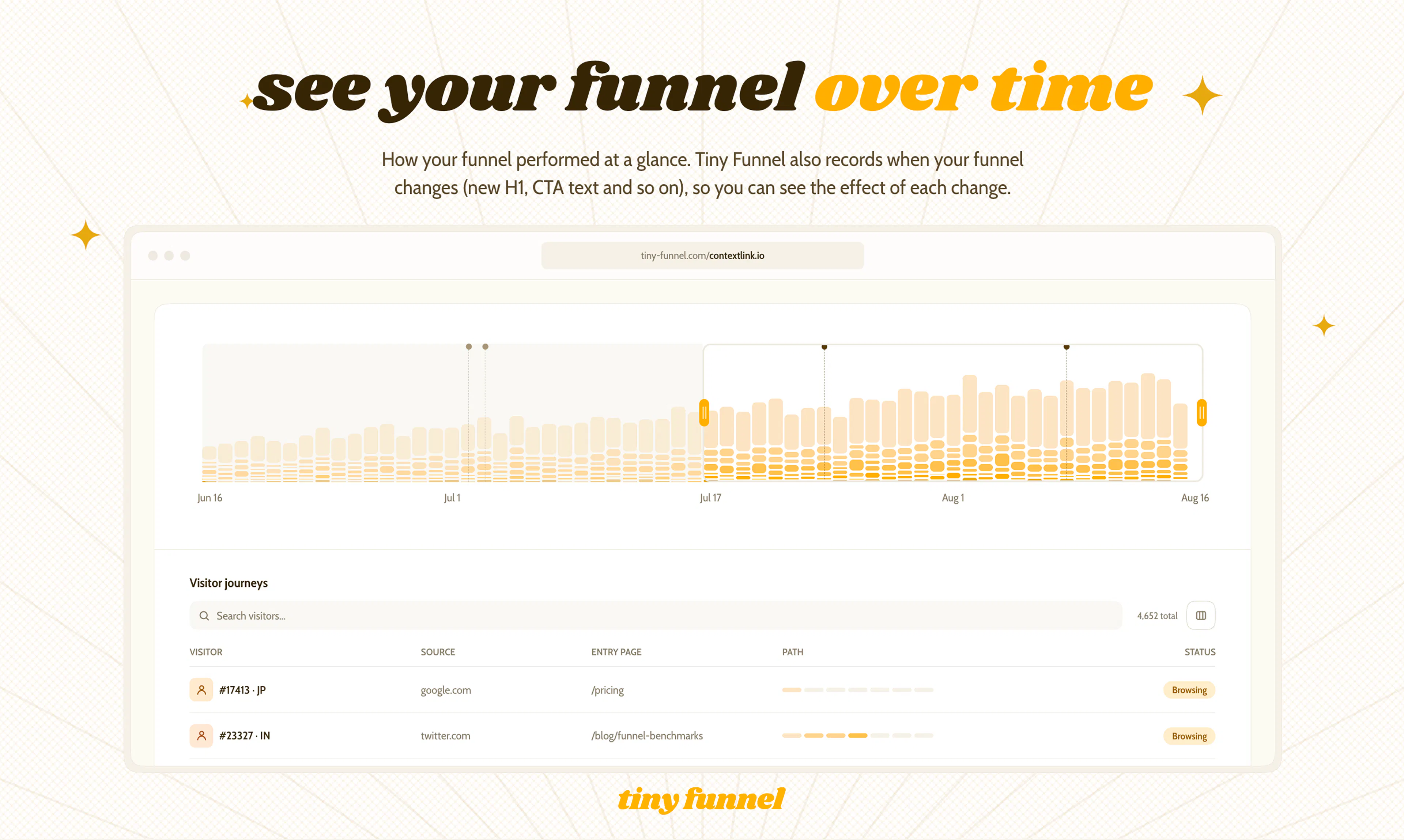
Tiny Funnel
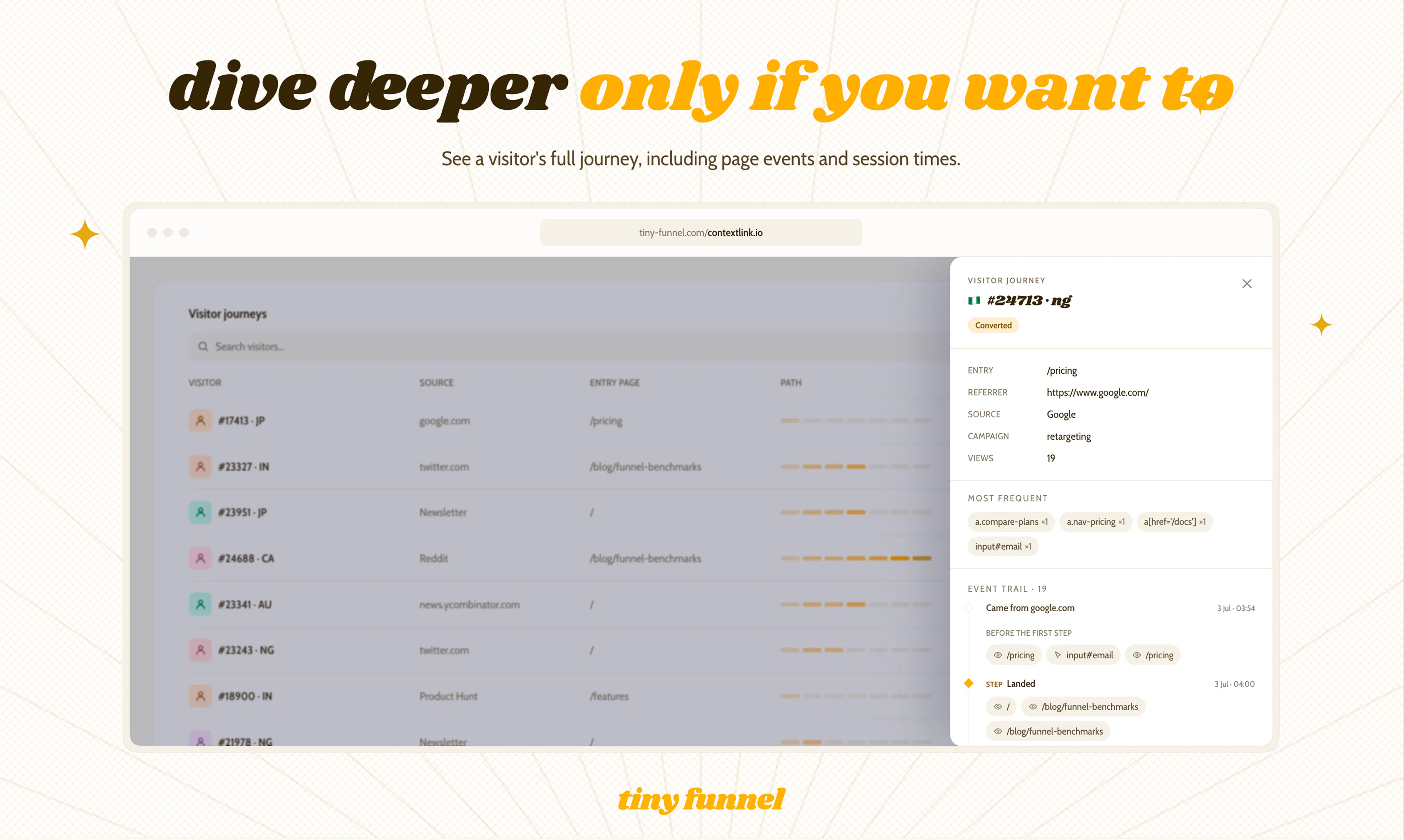
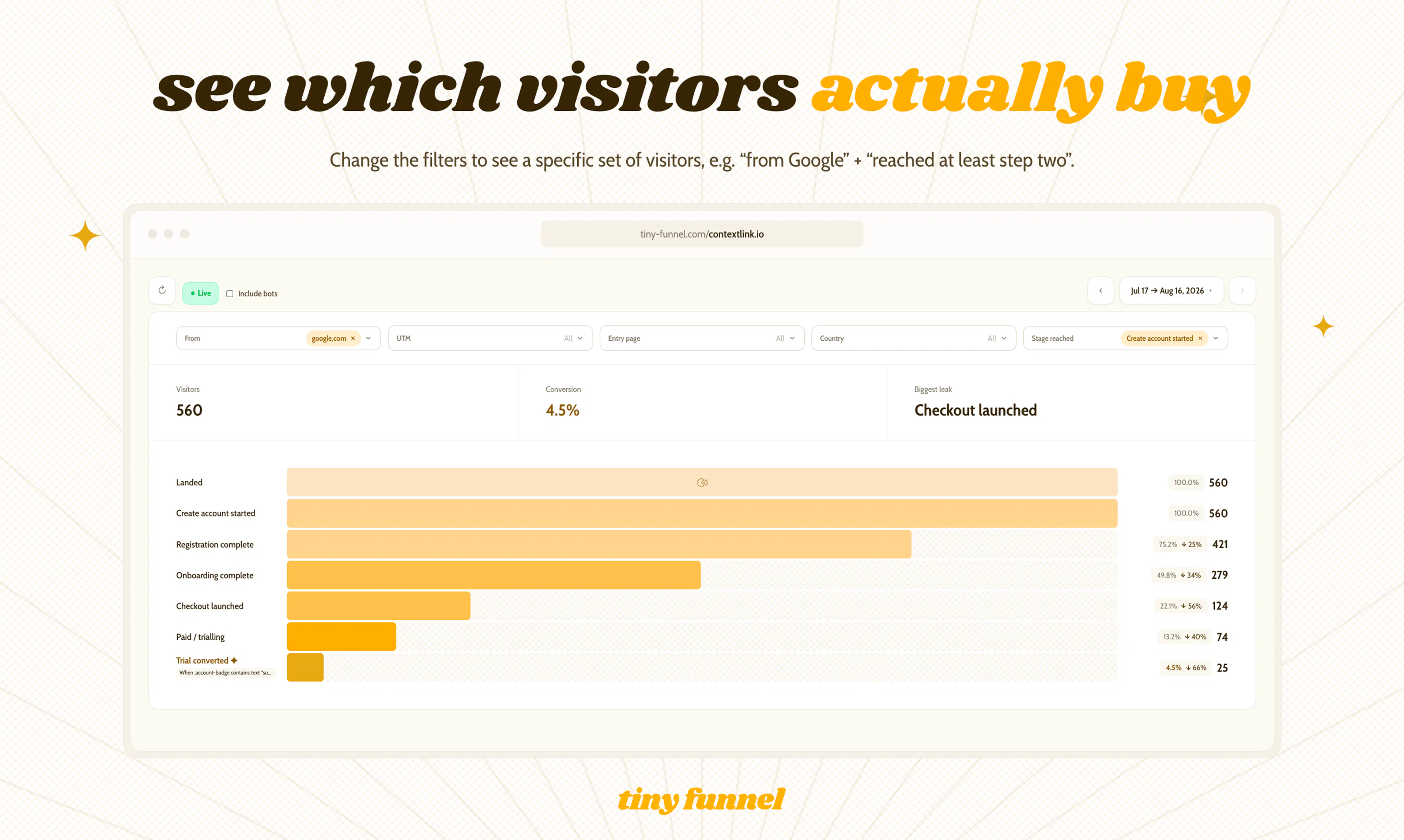
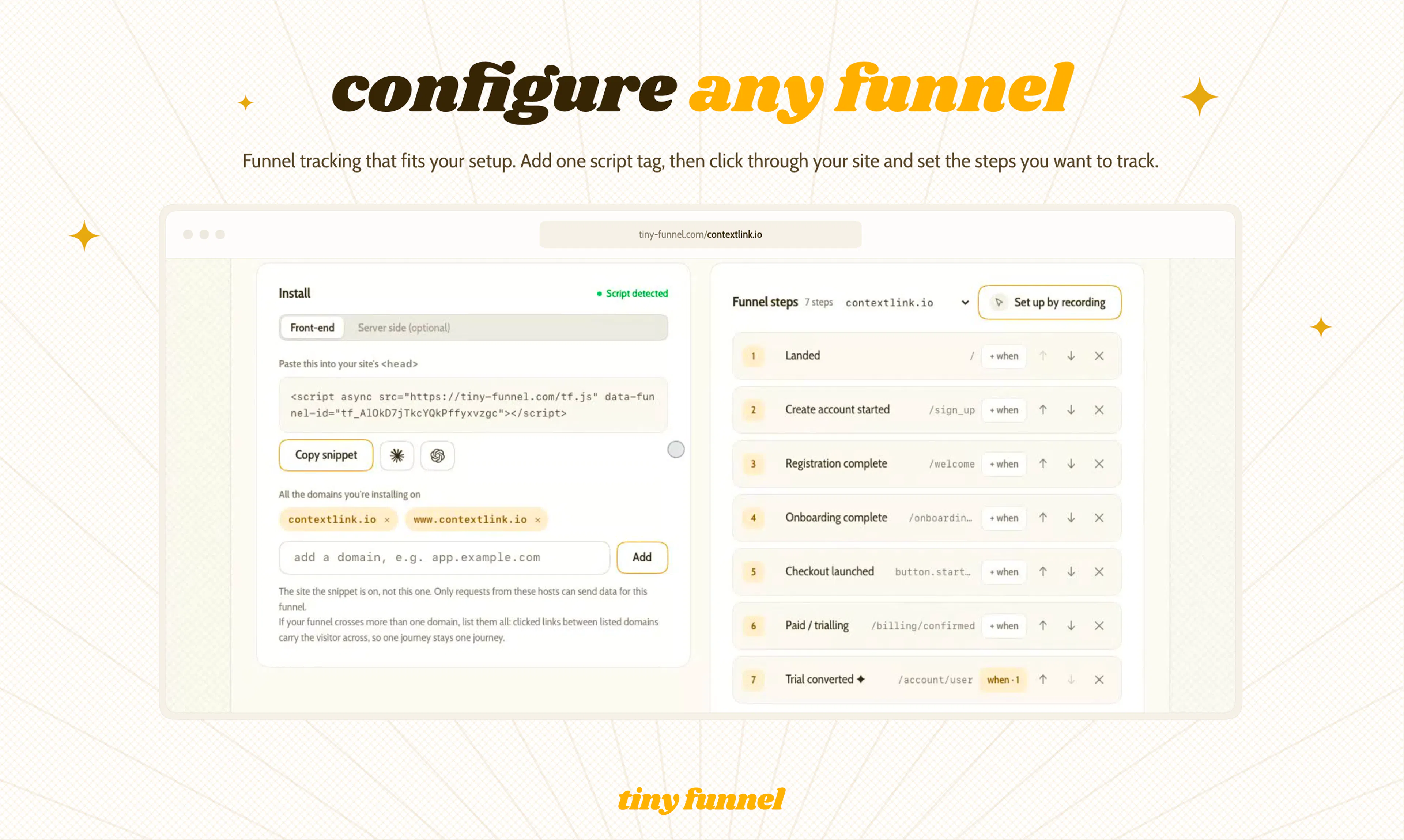
Funnel analytics you'll actually understand. Where visitors come from, how far each gets, and how many buy. Change the filters to a specific visitor set, e.g. "from Google" + "reached at least step two", and everything changes with you. The goal is answers and ideas as fast as possible, so filter options show their stats before you pick one. Cookie-less, so everyone gets counted. Scroll down for your funnel through time, and any visitor's full journey.
Hey Product Hunt, Oli here, maker of Tiny Funnel. I run PreProduct, pre-order software for ecommerce brands, and like a lot of founders I have analytics installed and hardly ever open it. Whenever I do have an actual question, like "which blog posts or referrers send visitors who actually sign up?", answering it turns into a full-on task instead of a five-second check. So I built Tiny Funnel! The goal is "funnel analytics you'll actually understand". You log in and your funnel is there straight away, displayed one step after another. See where visitors come from, how far each gets, and how many buy. Change the filters to a specific visitor set, e.g. "from Google" + "reached at least step two", and everything changes with you. Even the filter options show their stats before you pick one, so half the time the dropdown is the report. Scroll down to see your funnel over time, as well as visitor's full journeys.
0
回复

@oli_woods Showing the stats on a filter before you pick it is a small thing that changes how fast you find the answer. Most funnel tools make you commit first and wait. With cookie-less tracking, how do you handle a visitor who returns three days later? Same journey, or a new one?

0
回复

@oli_woods showing stats inside the filters is a really nice touch, saves a ton of digging around!

1
回复

@oli_woods Congrats on the launch, “analytics you’ll actually understand” is a promise most tools break within five minutes, so I’m rooting for this one. What’s the one metric you personally check first thing every morning?

0
回复
#13
Gauge
Agent Led Growth: Get written into every customer's codebase
99
一句话介绍:Gauge 通过真实编码会话模拟AI编程代理的选型与使用过程,帮助开发者工具被自动写进更多客户的代码库,抢占Agent驱动的增长先机。
Marketing Developer Tools Artificial Intelligence
Agent驱动增长 开发者工具 AI编程代理 自动化营销 代码库集成 B2B SaaS 产品增长 技术选型优化 DevTools 人工智能
用户评论摘要:用户整体反馈积极,被“Don't use Gauge unless...”的标语吸引。官方补充说明产品解决两大问题:是否被Agent选中、能否被正确使用。未见负面评价或具体功能疑问,有效建议较少,主要停留在营销口号共鸣层面。
AI 锐评

Gauge切中了一个真实且正在爆发的痛点:当AI编程代理(如Claude Code、Cursor等)成为企业采购事实上的“决策者”时,传统面向人类的PLG(产品驱动增长)漏斗失效了。Gauge的价值不是“营销工具”,而是“理解机器决策逻辑的逆向工程平台”——它用真实编码会话模拟Agent的认知路径,摊开了“选型逻辑”这个黑箱。

但必须泼冷水:首先,99票的冷启动数据并不亮眼,且评论几乎全是官方自问自答或口号复读,缺乏独立第三方验证“ROI”的案例。其次,Gauge的护城河脆弱——它高度依赖对主流Agent内部评分机制的持续逆向,而Agent厂商(如Anthropic、OpenAI)一旦升级或收紧API策略,其模拟准确性可能瞬间失效。更根本的问题是:如果Agent选型本质是基于公开文档、社区口碑和语义检索的“内容游戏”,那么Gauge能做的,一篇结构化的README或一份被引用的技术博客也能做到,且成本更低。

其真正的价值在于“数据反馈闭环”——告诉开发者工具团队:你的首页文案在Agent看来是噪音,你的API设计让Agent在第五步就放弃。这个洞察若做深,可成为DevTools领域的“SEO分析工具”。但若止步于“帮客户刷存在感”,则会被更懂Agent的竞争对手或Agent厂商自己碾压。Gauge需要尽快证明:它带来的不是一次性写入,而是可量化的长期代码库留存率提升。否则,这只是又一个被AI浪潮暂时托起的短命工具。

查看原始信息
Gauge
Don’t use Gauge. Unless you want your tool to get written into every codebase. Agents are leading the next wave of growth for our customers including Supabase, Openrouter, Resend, PostHog, Mintlify, Braintrust, and more. Unlike AI chat, coding agents are implementing products autonomously. They're doing so without ever talking to a sales rep or taking a demo. Gauge runs real coding sessions to identify actions to improve the agent’s preference, and the agent experience once you’re selected.
"Don't use Gauge. Unless you want your tool to get written into every codebase." Love it.
4
回复

@fmerian thanks 🙏 have you given the agent led growth product a try?

1
回复
Hi PH!! We built Gauge for Agents after hearing strong demand from our dev-tool customers - Supabase, Mux, Openrouter, PostHog, Resend, Braintrust, Clerk, Railway, Mintlify, and more. Coding agent tool selection is leading to insane growth for these companies - something we've named Agent-led Growth (ALG). This comes down to 2 core questions: 1. Is my tool selected by the coding agent? (Agent ) 2. Can the coding agent use my tool correctly? We've loaded each account with $100 of free credits, and would love to hear your thoughts!
3
回复

Don't use Gauge, unless you want to win.

3
回复
1
回复
#14
Dates by Agenda Hero
Create a plan for anything. Share it with anyone.
99
一句话介绍:Dates是一款基于“Agenda Hero Magic”的共享日历工具,让用户像编辑文档一样轻松创建活动计划(如学校日历、家庭日程、团队议程),并自动同步到各人已有的日历应用中,解决多主体间日程信息重复录入与更新滞后的问题。
Calendar Artificial Intelligence Kids & Parenting
共享日历 协同计划 日程同步 日历管理 PDF转日历 ICS订阅 家庭协作 学校通讯 团队议程 效率工具
用户评论摘要:用户核心反馈聚焦于“告别PDF重录”和“多日历同步”的痛点,团队强调ICS隐藏功能等细节。早期版本存在移动端定制功能不完善的问题,官方建议桌面端操作,并邀请用户反馈bug。
AI 锐评

Dates的切入角度聪明——它不试图再造一个日历,而是做日历的“翻译层”和“分发层”。其真正价值并非“创建计划”,而是消灭了“多端重复录入”这个隐形社会成本。对一个500人的学校社区而言,PDF的每次版本更新都意味着大量家庭手动校对,Dates用“文档式编辑+ICS双向同步”直接摧毁了这一冗余环节,本质是B2C外衣下的B2B效率革命。但隐患同样明显:第一,竞品壁垒低,Google Calendar本身支持分享链接,Notion、Figma等协作文档也都有日历视图,若“Magic”解析(PDF转事件)不够惊艳,很容易被复制;第二,产品重度依赖用户已有的日历生态(Google、TeamSnap等),一旦上游API策略变更,生存空间会被挤压;第三,当前评论多为“自嗨式”内部员工点赞(CEO自己发帖,团队附和),缺乏真实外部用户对“解析准确性”“同步延迟”等核心指标的实测反馈。短期看,它适合作为学校、剧团等强组织结构的轻量工具;长期看,需要尽快建立“日历数据迁移成本”护城河,否则极易沦为巨头生态里的一个插件。一句忠告:当你的卖点是“简单”时,任何一次同步错误或解析失败,都会让用户瞬间回到PDF时代。

查看原始信息
Dates by Agenda Hero
Say hello to Dates. The joyful way to plan the dates you share. The school calendar you share with 500 other families. The family calendar you share with everyone at home. The sales kickoff agenda you share with 70 colleagues. Right now, those dates are stuck in docs, sheets, PDFs, and email. Because there hasn't been a better way. Until today.

Hi Product Hunt! 👋 I’m Caren, co-founder & CEO of Agenda Hero. 


Today we're launching Dates


You can write together in Docs. Budget together in Sheets. Present together in Slides.

But where's the place for your Dates together?

I'm not talking about the Dates you go on. Or your individual personal calendar where you see your next meeting. This is about the Dates you share. Together. 

The school calendar you share with 500 other families. The theater schedule you share with the rest of the cast. Even the team offsite and sales kickoff agenda you share with your colleagues. Today these dates live in Docs, Sheets, and PDFs. Everyone has to reenter the same information as everyone else. Then it changes, and everyone’s calendar is wrong. 

Dates is a doc-simple way to make a plan for anything and share it with anyone. Bring your other calendars in: Google, TeamSnap, ParentSquare, ics feeds. Send the plan back out to whatever calendar each person already uses. Print it for the fridge, pull it up on a phone, and when the tournament moves, it moves on the team calendar, the family calendar, and Grandma's.

It runs on Agenda Hero Magic, so any text, image, or PDF becomes calendar events in seconds.


We’re incredibly grateful to everyone around the world who gave feedback and shared their magic wishes. You're the reason for the small details that bring big joy. A favorite one: bring in an ics feed, and you can hide anything on it. School calendar listing the 3rd grade choir concert when you have a 2nd grader? Poof. Hidden.


We shipped as early as we could, so expect some rough edges. Send us the bugs, and keep the requests, magic wishes, and encouragement coming. The very awesome Agenda Hero team will be in the comments all day.


One tip: try it on desktop. Mobile handles all viewing, but not all customization yet.


Free to start. Create one, or a dozen, at agendahero.com.

6
回复

A school sends one PDF to 500 families. Why should 500 families have to rebuild the same calendar?
It sounds so absurd, but it's the way we've been doing it forever.

I feel so proud to be a part of the team that built this! We hope you all love it.

6
回复

Once you experience the Magic of Agenda Hero, you’ll wonder why something like this hasn’t yet existed.

A small but mighty team that I’m so proud to be apart of! We built such a wonderful product and I hope it makes your life more magical!!

4
回复
#15
Deepmark
Search your bookmarks by what's inside them, not the title
98
一句话介绍:Deepmark 是一款将浏览器书签、X 收藏、Instagram 保存和 YouTube 稍后观看整合为私有知识库的 AI 搜索工具,通过解析页面内容、转录视频、OCR 截图并向量化,让用户用自然语言直接搜到书签里“有什么”,而不是只靠标题回忆。
Chrome Extensions Productivity Artificial Intelligence
书签管理 AI搜索 自然语言检索 本地知识库 视频转录 OCR 浏览器扩展 MCP服务器 内容索引 隐私同步
用户评论摘要:用户最关心三类问题:一是私密/受限内容(如登录可见的 X 线程、内部分享的 PDF)如何索引,担心扩展无法触碰认证内容;二是“浏览器书签自动索引”是否有排除机制,避免内部工作文档或个人资料被上传;三是索引质量的可维护性——有资深用户提醒,90秒/条的提取速度意味着10k规模全量重索引需10天,建议分离原始抓取与生成的描述层,以便后续升级描述模型时可低成本重放,而非重新联网抓取。另有用户建议增加 LinkedIn、Facebook 保存项支持。
AI 锐评

Deepmark 的切入点是真实的,但它的护城河比看起来更浅。把“书签只能按标题搜”这个痛点放大到“按内容搜”确实是刚需,尤其对信息囤积者而言,90秒索引、100ms检索的数字也足够亮眼——但真正的问题在于这个产品本质上是一个“索引服务”,而非“检索服务”。评论里的老手一眼看穿命门:提取器是索引质量的天花板,而模型迭代是必然的,如果你把抓取内容和生成描述混为一层,那每次升级都要付出全量重抓的代价,这在10k条规模下就是十天空窗。作者回应没有正面接招,说明架构上未必提前做了分层设计。

更致命的短板是隐私与数据边界的模糊。浏览器书签“自动索引”意味着用户的内部文档、私人链接默认会被传去第三方管道,哪怕作者保证“扩展不见密码”,也挡不住企业用户对数据出域的过敏。而用户在评论中点出的登录可见内容(X订阅线程、Google Slides 私有分享)恰好是书签库中信息价值最高的部分——大部分真正值得回找的内容恰恰是私域的,公开网页反而没那么珍贵。这个产品目前只吃得到“公开内容的表面”,吃不到“私域内容的实质”。

MCP server 的方向是对的,让 AI 代理能语义化检索个人历史保存,这是通往“记忆即服务”的入场券。$10/月的定价无试玩,但给了 demo 库,也算诚实。真正的赌盘在于:能否把“内容获取—描述生成—重索引”做成真正解耦的层级,并赢得用户对隐私管道的信任。否则,它只会沦为又一个“能搜到但不重要的东西”的工具。

查看原始信息
Deepmark
Your browser bookmarks, X bookmarks, Instagram saves and YouTube Watch Later, in one private library you can search in plain language. Deepmark reads every page, transcribes videos and reels, describes and OCRs frames, then embeds it all. 'The reel with the one-pan pasta trick' finds the reel even though nothing in it says pasta. A save is searchable in about 90 seconds; search over 10k items returns in under 100ms. Also a hosted MCP server: your AI agent can search your library too.

woow ! the pile of stuff I saved once and never saw again is enormous, and just knowing something finally tackles that gives me real hope

2
回复

@amine_aziz_alaoui Same here.

0
回复

to answer the "what would you want it to do" question - I screen a lot of early-stage stuff and my saved links skew heavily toward pitch decks (usually a PDF link or a Google Slides/Docs link shared directly, not a public webpage) and X threads that are only visible if you're logged in and following the person. both of those are exactly the kind of content that a "fetch and read the page" approach struggles with, since there's either no public HTML to fetch or the content sits behind auth the extension isn't supposed to touch. is that kind of source on the roadmap, or is it intentionally staying scoped to publicly fetchable pages plus the four social sources you already support

1
回复

@galdayan Yes those are current limitations. Are you talking about X subscriber only threads? that wouldn't be possible I guess. Maybe a local native solution we might need to build. Reach out at support@usedeepmark.com with you requirements so we can keep in roadmap. Thanks!

0
回复
Hey Product Hunt! I built Deepmark because I kept losing things I'd deliberately saved. Not forgotten: saved. A thread about pricing, a reel with a cooking trick, a talk someone linked me. Four apps, four lists, and none of them searchable together, because a bookmark is a URL and a title and nothing else. Deepmark indexes what's actually inside a save. Pages get fetched and read. Videos and reels get transcribed. A few frames per video get described and OCR'd, and every page gets a screenshot that gets described the way you'd remember seeing it. Then it's all embedded and searchable in plain language, so 'the reel with the one-pan pasta trick' finds the reel even though nothing in it is called pasta. Sources: browser bookmarks (automatic), X bookmarks, Instagram saves, YouTube Watch Later and Liked. The social syncs run in your own browser as you, through each site's own endpoints. The extension never sees a password, and every source past browser bookmarks is off until you switch it on. There's also a hosted MCP server with OAuth, so Claude or any MCP client can search your library ("what was that article I saved about pricing?"). The two numbers I actually trust: a saved reel is searchable in about 90 seconds, and search over a 10k-item library comes back in under 100ms. It's $10/mo or $84/yr, no trial, but there's a demo library you can search without paying. Happy to go deep on any of it, the media extraction was the interesting part. What would you want it to do that it doesn't?
0
回复

The "browser bookmarks (automatic)" part is what caught my eye - since it indexes everything you bookmark by default, is there a way to exclude specific bookmarks or folders from ever being fetched/embedded? Some bookmarks are things like internal work docs or personal stuff you'd want searchable locally but not sent through any pipeline at all, opt-out per source doesn't quite cover that.

0
回复

The number I'd watch there is the 90 seconds, not the 100ms.

I run a search index over about 10 million chess games, and the thing that caught me out was that whatever you extract at ingest quietly becomes the ceiling on what's findable forever after. When I improved the extractor, everything ingested before that point was still described the old way, and the fix isn't a deploy, it's re-running ingest across the whole corpus.

At 90s an item, a 10k library is roughly ten days of wall clock to redo. So the thing I'd want it to do that it may not: keep the fetched source and the generated description as separate layers, so a better describer can be replayed over pages you already have instead of going back out to the internet. I didn't split those at first and paid for it twice.

Indexing the frames rather than the caption is clearly the right call though. 'The reel with the one-pan pasta trick' only resolves if the trick is the thing that got indexed.

0
回复

Wow! I have a teammate who absolutely needs this. Sending it to him now.

For me, I'd like the ability to query across LinkedIn and Facebook saved items too!

0
回复
#16
CrewTower
Control your agents from the notch
95
一句话介绍:CrewTower 把 AI 编程代理的权限审批与控制面板塞进 MacBook 的刘海区域,让你在不离开当前工作流的情况下,一键处理多个编码代理的等待请求,终结“代理静默卡死”和“反复切换终端”的时间黑洞。
Productivity Developer Tools Menu Bar Apps
AI编程代理管理 刘海屏工具 效率工具 开发者工具 权限审批 多任务控制 macOS工具 工作流优化 Agent监控
用户评论摘要:用户认可其“巧妙利用空间”,尤其在同时运行多个代理时避免频繁检查终端,直击痛点。开发者回应称多代理场景下,切换标签页才是瓶颈。暂无负面反馈,但评论量较少,缺乏深度使用问题或功能建议。
AI 锐评

CrewTower 的切入点足够刁钻——它没有试图再造一个终端或 IDE,而是精准卡在“AI 代理需要人类授权”这一高频、低延迟的交互缝隙里。从产品形态看,它把 MacBook 的刘海从“视觉缺陷”转译为“常驻控制面板”,这本身就是一种极具巧思的硬件适配,且对多代理并行的重度用户(如同时跑 Claude Code 和 Cursor 的开发者)来说是真实的效率刚需。但冷静审视,其护城河尚浅:第一,功能高度依赖 macOS 刘海存在,一旦未来 Mac 硬件形态变化(如摄像头下移),产品根基即被抽离;第二,喷绘的“零触达终端”体验,本质上是对终端操作的一层抽象,而硬核开发者往往对终端有路径依赖,是否会长期买单存疑;第三,当前 95 票的冷启动数据与评论区的寥寥数语,说明它尚未经历大规模用户的真实工作流拷打——尤其是当代理请求频率激增时,刘海弹出是否会造成新的认知负担,以及通知风暴下的优先级排序是否足够智能,这些才是决定其是“效率神器”还是“玩具”的关键。价值在于它验证了一个方向:AI 代理时代,人机协同的“注意力管理”将成为新的软件品类。但若想赢得长期地位,CrewTower 必须从“通知转发器”进化为“智能调度中枢”,比如基于上下文自动预判授权优先级,否则极易被系统级 API 或 Claude 自身的原生通知机制快速吞噬。

查看原始信息
CrewTower
Crew Tower lives in your MacBook notch and watches every AI coding agent you run: Claude Code, Codex, Cursor, Gemini, Qwen, OpenCode and more. When an agent needs permission, the request shows up in the notch with full context: the exact command, the file edit, the question. Approve or deny in one click, without touching the terminal. See every session at once, working, waiting or done. Jump straight to the right terminal window when one needs you. Nothing stalls silently.

Hey hunters,

Said here, the builder behind CrewTower.

I built CrewTower to win back all the time I was losing while working with coding agents. We've all been there: running a few agents at once, then forgetting to reply to one and leaving it sitting there waiting on you for hours. By the end of the day you've burned both your time and a good chunk of your leftover tokens. That's exactly the problem CrewTower solves. That notch sitting right at eye level on your MacBook becomes your agent control panel. The second an agent needs a response from you, you'll catch it, review it from the notch, and take action without losing any time. It ships with sound notifications, a silent mode, swappable pixel art characters, plan reviews, the ability to jump straight into any session from the notch, or just reply from the notch without going anywhere at all.

I shipped it a week ahead of the Product Hunt launch, so CrewTower has already been serving its first users. I've been pushing out updates non-stop, big and small, to keep making it better. The feedback so far has gotten the product into a really solid place. Hope you enjoy using it.

No discount code this time, unfortunately. It already launched at early bird pricing, and I did everything I could to keep it affordable for everyone.

Got thoughts or suggestions? Drop a comment here or email support@crewtower.app.

Upvotes appreciated. Enjoy with crewtower.app!

"This is not an AI-generated comment. Fully written by me :)"

1
回复

Hey @said_altan


Such a clever use of space.
Feels especially useful when you’re running multiple agents & don’t want to keep checking terminals

0
回复

@yashekbote Thanks Yash! That was exactly the itch. Once you have 3-4 agents going, tab switching becomes the bottleneck, not the agents themselves.

0
回复
#17
Open Index
Build Smarter Agents using Structured Context
92
一句话介绍:Open Index 是一款面向AI Agent的开源结构化上下文管理层,通过构建实体关系图谱替代混乱的Markdown上下文文件,解决多轮Agent开发中因上下文污染、规则矛盾和非确定性导致的响应劣化问题,让Agent在复杂业务场景下“导航”而非“堆砌”信息。
Open Source Developer Tools Artificial Intelligence GitHub
AI Agent开发 结构化上下文 知识图谱 上下文管理 RAG增强 开源工具 企业级应用 提示词工程 数据治理 开发者工具
用户评论摘要:用户认可“更多上下文≠更好上下文”的洞察,但核心疑虑集中在两点:一是长期使用中知识图谱的“边”(关系)如何检测过期与失效,剪枝是否仍属手动;二是与直接向量库检索相比,图谱结构带来的性能提升是否有量化对比数据。另有评论赞同其降低提示词噪声的规模化潜力。
AI 锐评

Open Index踩中了当下Agent工程化最痛的命门——上下文不是越多越好,而是越有序越好。Markdown文件的“append and hope”模式在长周期项目里必然走向矛盾堆叠,而它用实体关系图谱替代线性的文本堆积,本质上把“上下文”从被动填充的字符串变成了可查询、可校验的拓扑结构,这是从“Prompt工程”向“知识工程”的一次正确跃迁。

但锐评要泼冷水。第一,评论中那位用户问出的“图边过期”问题,直接戳中产品v1的软肋——当前实现明显是“静态建模”思维,对动态漂移的感知与自动剪枝毫无提及,而这恰恰是生产环境最致命的需求。如果图谱脏了,比Markdown更糟糕,因为它给了Agent一种“结构化”的虚假安全感。第二,与向量库的对比缺失是硬伤。RAG+混合检索现在已是基线方案,Open Index若不给出同数据量下质量与延迟的对比基准,很难说服工程团队放弃成熟链路。第三,开源战略聪明,但生态建设才是关键——目前只有DrDroid一个内部场景背书,若社区无法在安全、法务等垂直领域长出“参考实现”,它大概率会沦为一个精致的玩具。

价值是真实的,但方向要对:下一步请优先做“图谱生命周期管理”(尤其是舆情检测和冲突消解),并且用一套公共评测集(比如法律条款多版本矛盾、工单历史变更)证明图谱结构在特定任务上的不可替代性。否则,它只是另一个“漂亮的Markdown替代品”。

查看原始信息
Open Index
Managing markdown based context comes with challenges like context poisoning, contradictions, non-determinism and context navigation difficulties. Over time, we built out a structured context management layer at our company (DrDroid) - with Open Index, we are sharing it with the ecosystem!
We’ve spent a lot of time building AI agents, and somewhere along the way we realized something: Giving an agent more context ≠ giving it better context. So we built Open Index — and today, we’re open-sourcing it. Think of it as a structured context layer for your agents. You define the entities that matter in your domain, connect the relationships between them, and give your agent a graph it can actually navigate. We originally built this while working on DrDroid, but quickly realized the same idea could apply to agents in security, support, legal, insurance, sales, and pretty much any domain with complex context. Instead of keeping it internal, we decided to put it out there and see what other builders do with it. This is v1, and we’d love to build the next versions with the community. Try it, break it, question the approach -- all feedback is welcome. ⭐
3
回复

@sidphoenix the "more context ≠ better context" framing matches something I've run into directly with plain markdown context files (CLAUDE.md style). they start fine, then six months in you've got contradictory rules stacked on top of each other because nothing forces you to reconcile a new entry against an old one, it's just append and hope.

curious how Open Index handles that over time though, not the initial modeling but the drift. when something in the domain changes and an existing relationship in the graph becomes wrong or outdated, does the agent (or you) get any signal that an edge is now stale, or is pruning still a manual job like it is with markdown

0
回复

Hey @sidphoenix

I'm curious how much the graph structure improves agent performance compared to just throwing the same data into a vector store?

1
回复

This hits a real agent problem: more context often creates more noise, not better decisions. Turning context into something agents can actually navigate feels much more scalable than endlessly expanding prompts.

1
回复
#18
monolog
Chat to yourself and find anything by what you remember
88
一句话介绍:monolog 是一款以“给自己发消息”为交互核心的 AI 笔记应用,通过语义搜索和自动任务识别,解决用户因懒得分类整理而事后找不到记录的痛点。
Productivity Notes Artificial Intelligence
AI笔记 语义搜索 无组织笔记 自我对话 任务提醒 跨平台同步 隐私记录 效率工具 个人知识管理 自动摘要
用户评论摘要:用户主要疑问是“ChatGPT 为何不能满足此需求”,暗示对产品独立价值存疑。开发者回应称早期无法解决自动组织问题,AI 成熟后才实现。目前缺少对搜索准确性、AI 理解偏差及数据安全的具体反馈。
AI 锐评

monolog 的切入角度很聪明,它精准踩中了笔记工具“高管理成本”这个致命伤——用户不是不想记,而是不想为“记”这件事付额外脑力。把聊天框当输入入口,用 AI 替代手动分类,逻辑上完全成立,也是笔记赛道“去结构化的必然趋势”。但这里有一个核心悖论:**语义搜索的可靠性决定了产品的生死,而 AI 的“理解”恰恰是不可靠的。** 当用户忘记关键词时,搜索本质上是让 AI 猜你的记忆碎片,如果猜错一次,用户就会流失。更严峻的是,开发者承认产品“主要由自己使用”,88 票的冷启动数据也反映市场并未迅速买单。评论中“为什么不用 ChatGPT”的质疑并非外行话——如果 ChatGPT 或 Notion AI 未来强化“记录后自动整理检索”能力,monolog 的独立性就会迅速被蚕食。它真正的护城河不该是“无标签”的噱头,而是**对时间敏感信息的主动提醒(如日程、待办)与自然语言回查的独特结合体**。目前产品更像是一个“能找东西的备忘录”,距离“私人 AI 助理”还有很长的路。短期看,它适合极简主义者尝鲜;长期看,必须把“AI 理解错误”的容错机制和用户信任体系做扎实,否则很容易沦为又一个“用过即忘”的玩具。

查看原始信息
monolog
Chat to yourself. monolog takes care of the rest. No titles, folders, or tags to manage. AI quietly understands what you write, recognizes schedules and tasks, and reminds you when it matters. Semantic search finds records by what they were about—even if you forgot the exact words you used. Everything stays synced across iOS, Android, Web, Desktop, and Chrome. Just write naturally. monolog handles the organizing, remembering, and finding later.

Hi Product Hunt!

monolog started from a very personal frustration.

Whenever I tried to save a quick thought, I found myself thinking about titles, folders, tags, or where it should go. Then I realized I was already sending messages to myself in chat apps because it was much easier.

The problem was finding those messages later.

I actually tried to build this idea a few years ago, but stopped because I couldn't automate the organizing without giving that work back to the user.

AI changed that.

Now you can just write naturally. monolog understands schedules and tasks in the background, and semantic search helps you find old records even when you don't remember the exact words you used.

I built monolog mostly by myself, and I use it every day.

I'd love to hear what feels useful, confusing, or unnecessary after you try it.

Thanks for taking a look!

0
回复

@monolog hey that's very interesting! Why didn't ChatGPT cut it for you, like why did you have to build monolog?

0
回复
#19
LayerProof Matte 3.0
Grow your social media content: posts, carousels and stories
88
一句话介绍:LayerProof Matte 3.0是一款社交媒体内容批量生成工具,用户只需粘贴品牌信息即可自动建立品牌套件,一次性产出50条含标题、符合品牌调性的帖子、轮播图和故事内容,解决团队在多平台反复改写、排版和保持品牌一致性的效率痛点。
Design Tools Social Media Social media marketing
社交媒体内容生成 品牌套件 轮播图制作 AI营销工具 内容批量生产 帖子排版 品牌一致性 SaaS工具 内容日历 社媒运营
用户评论摘要:用户最关心定价模式(已回复为月费$25含1200积分,可另购不失效)。设计师认可视觉层级与品牌系统保真度,称“Mark to edit”功能避免整体重生成。团队强调多平台改写耗时痛点,期望产品能减少工具跳转。暂无负面评论,定价与批量生成质量是潜在关注点。
AI 锐评

LayerProof Matte 3.0的定位准确切中了社媒运营中“从0到1”的苦力环节——不是创意稀缺,而是将同一创意适配多平台、保持品牌统一并输出完整叙事结构的重复劳动。其核心价值不在“AI生成”,而在于“品牌套件+结构化叙事+局部精修”的组合,这相当于把“设计规范”和“内容策略”预编译进工具,让非专业用户也能产出达到入门营销水准的物料。

团队聪明地选择了“轮播图”作为差异化场景,因为单一图片生成早已红海,而轮播图对叙事逻辑、视觉节奏和品牌一致性的要求更高,这恰好是通用AI工具(如ChatGPT+DALL·E)难以稳定交付的。从评论看,设计师的认可证明了其输出质量确实达到了“可用”而非“玩具”水平,尤其是对视觉层级和品牌系统的控制。

然而,隐忧同样明显:第一,88票的冷启动数据一般,且评论以内部团队互夸为主,缺乏独立第三方深度测评;第二,月费25美元约100次生成,对于个人创作者偏高,对于企业又可能不够灵活,这一定价卡在中间地带;第三,“AI生成内容”的天花板在于同质化——即便有品牌套件约束,长期高频使用后,用户仍可能发现输出模板感渐强。真正决定其能否从“工具”升级为“增长引擎”的,是后续能否接入发布排期、数据反馈闭环,让“生成”变为“优化”。目前它解决了“耗时”,但尚未证明“高转化”这一卖点。值得关注,但不必神化。

查看原始信息
LayerProof Matte 3.0
Paste your brand or product. LayerProof builds your brand kit, then creates 50 on-brand posts in one sitting with captions ready to publish, right from LayerProof. Fill your feed with high-converting content, co-designed with marketers and business owners across SaaS, FMCG, Food and Beverage, Consulting and more

Hi everyone! 👋

I’m part of the team behind LayerProof, and I’m also the one running our social every single day, which means I’ve been living inside this product as its own toughest user.

So this launch is a big one for me 🎉

Being on both sides, building it and actually posting with it, shaped a lot of Matte 3.0.
If something annoyed me at 9 am while filling the content calendar, it usually became a fix.

For context on how far we’ve come: v1.0 could basically make you one image. v2.0 got smarter about captions and aspect ratios. Matte 3.0 is the version that actually changed how I run my week.

What I’m most excited to finally share:

  • Brand kit: paste your brand once, and everything comes out on-brand. No more re-explaining colors, fonts, and voice to a tool every single time.

  • Carousel storytelling: the big one. It builds a real narrative across images that follow Hook-Story-CTA structure. That used to eat hours of my week.

  • Mark to edit: don’t like a line or a layout? Just mark it and refine it in place. No regenerating the whole thing and losing the parts you loved — you stay in control of the final result.

  • Co-designed with 10 marketers across SaaS, FMCG, F&B, Consulting and more: we didn’t build this in a vacuum. You can feel their standards baked into the output.

  • Ready-to-post: captions and formats done, straight from LayerProof. Idea to published without bouncing between five tools.

The mindset we kept coming back to: don’t just make one pretty image and call it a day; we want to actually grow your social media accounts — an on-brand feed, more followers, and high-converting content that really sells.


Would genuinely love your feedback. Drop your questions below, I’ll be here all day!

4
回复

So proud to be part of this launch! 🎉

As a designer who uses LayerProof Matte 3 on daily basis, what stands out is how much it respects craft:

  • Visual hierarchy: the Hook-Story-CTA structure isn’t just a template; it actually controls where the eye lands, how emphasis flows, and what each slide is doing. That intentional composition is the hardest part of carousel design to get right.

  • Brand Kit as a real design system: not just “matches my colors,” but holds color, type, and tone the way a proper system should. That fidelity is usually what takes the most discipline to maintain by hand.

  • Mark to edit: refine one line or element in place without the AI overwriting a layout you deliberately composed.

    A use case where it really shows is composing a multi-image carousel from scratch. I go from a blank frame to a hierarchy-driven, on-system set without fighting the tool for control of the details. Give it a try and let me know how the result lands!

1
回复

@tracy03 Appreciate you so much. So proud of what we shipped together. 🚀

2
回复

How does pricing work? flat subscription, or credit-based per post/batch?

1
回复

@ngochoang Here’s how our pricing works:

  • $25/month for 1,200 credits, roughly 100 post generations

  • Top-ups anytime, and any extra credits you buy never expire

If you’re looking at higher volume or need a business plan, just reach out to use. Happy to sort out something that fits.

1
回复

Hey Product Hunt 👋 Jordyn here, I'm part of the Marketing team at LayerProof!!!!

Thank you so much to everyone checking out LayerProof today.

Our own team was drowning in the "one message, too many platforms" problem every single launch cycle. Resizing was never the hard part, that's a solved problem. The real time sink was rewriting the same idea four different ways for LinkedIn, X, IG, TikTok...., and then still having to make sure everything stayed on-brand across all of it 😿 By the time all five versions were done, we barely had energy left for anything else on the to-do list, let alone the strategy work we actually wanted to be spending our time on. Entire afternoons gone just reformatting the same idea over and over 😩

So we built LayerProof to fix exactly that. Paste your brand once and every output stays on-brand, no more re-explaining your colors and voice to a tool every single time. Carousels now follow an actual hook, story, CTA structure instead of five slides that just repeat each other. And if one line or layout is off, you can mark it and fix it in place instead of regenerating the whole thing and losing the parts you liked.

We'd genuinely love for you to give LayerProof a spin today and tell us what you think! I'm dropping in all day to answer questions, so ask away, nothing is too small or too technical 🚀

1
回复

@creativewjordyn You captured the exact pain we kept hitting: rewriting the same idea five times and still second-guessing whether it stayed on-brand.

Proud of how this one turned out. Let’s keep an eye on the thread today!

2
回复
#20
Meterless.ai
Run AI locally and own the whole workflow
80
一句话介绍:Meterless.ai 通过本地化运行AI工作流,将原本“用完即弃”的对话过程沉淀为可复用、可编辑、可切换模型的任务资产,解决用户“过程不可见、成果难继承”的痛点。
Productivity Open Source Artificial Intelligence GitHub
本地优先AI 工作流自动化 模型无关 AI代理编排 持久化上下文 任务复用 隐私计算 开发者工具 效率工具 AI原生应用
用户评论摘要:主要反馈集中在硬件门槛疑问(“需要什么配置运行”),以及对“保留工作过程而非仅结果”理念的认可。无负面批评,期待实际效果,但缺乏对性能及兼容性的具体讨论。
AI 锐评

Meterless.ai 的切入点精准,它抓住了当前AI工具链一个被普遍忽视的致命缺陷——过程即资产。ChatGPT类产品让用户获得答案,却让上下文、中间推理和工具调用序列随会话关闭而蒸发。Meterless提出“你拥有工作流”的价值主张,本质上是在做AI时代的“版本控制”与“流程复盘”,这比单纯保存聊天记录高出一个维度。

但从80票的冷启动数据看,产品仍处于极早期,且面临两大硬伤。其一,所谓“本地优先”与“模型无关”在工程上是矛盾的:本地跑通复杂代理图需要极高的显存和算力,而若只是本地调度、云端推理,则“own the whole workflow”的隐私叙事会被削弱。评论中“需要什么硬件”至今未获得官方回应,这是最致命的沉默——说明团队尚未对典型用户设备给出清晰的分级支持方案。

其二,产品概念过重。普通用户要的是“解决一件事”,而非“管理一套Mission”。Swarms、Relay、Gaia这些术语对非技术用户是陡峭的学习曲线,而这群人恰恰是最容易被ChatGPT惯坏的群体。真正可能买单的是中大型企业的自动化运维或研发效能团队,他们需要可审计、可回放的AI操作记录来满足合规要求——但这类客户恰恰不信任“本地优先”的形态,他们更需要私有化部署及与现有CI/CD体系的集成。

因此,Meterless的核心价值不在“本地”,而在“版本化”。如果团队能降低叙事门槛,将“可回放的代理工作流”打包成类似Zapier的节点式编辑器,并放弃对纯本地的执念,转而主打“混合架构下的流程所有权”,它有机会成为AI时代的IFTTT。否则,它很可能沦为少数极客的玩具,陷入叫好不叫座的窘境。当前评论区的沉默比赞美更值得警惕——需求真实,但产品形态尚未击中真正的付费理由。

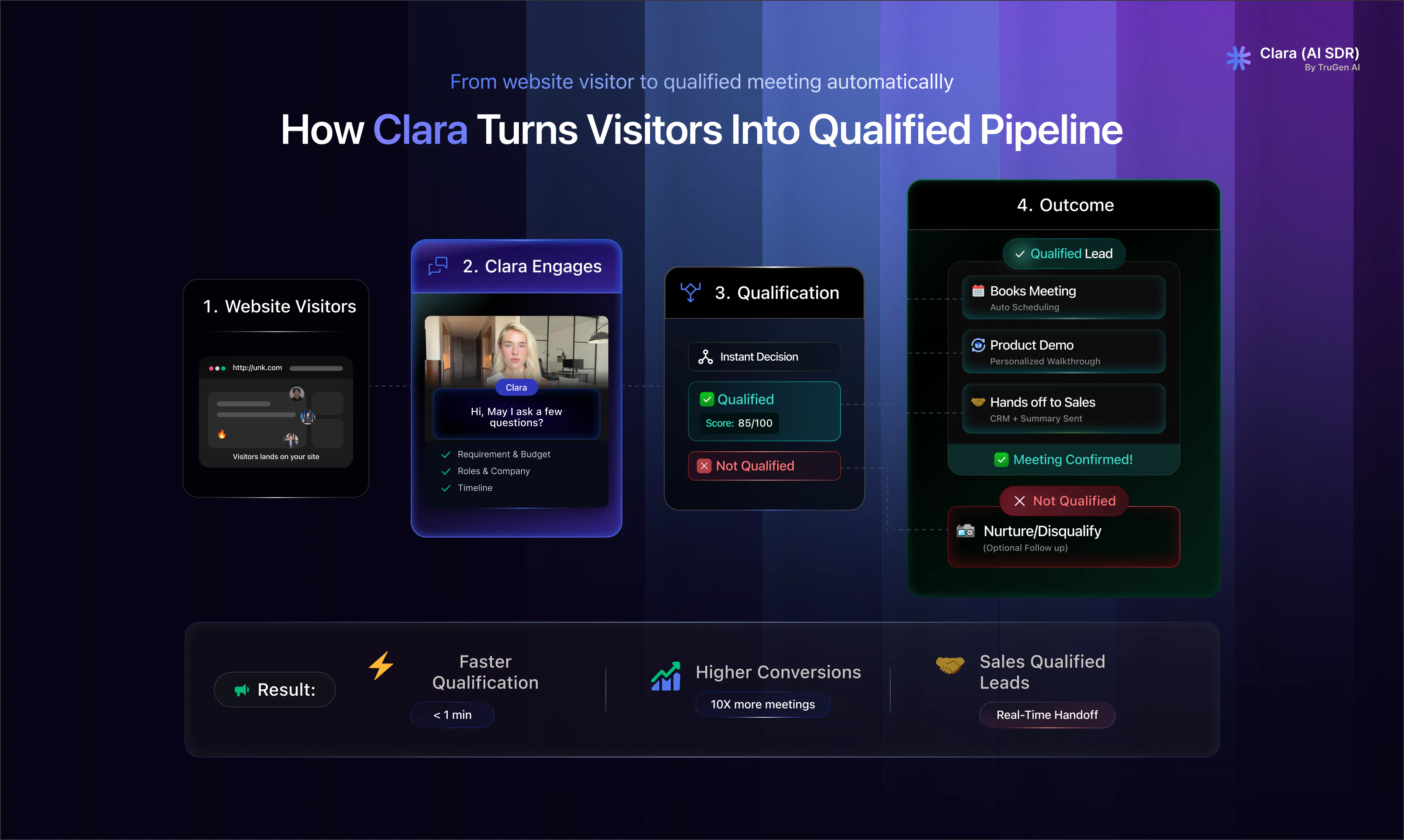
查看原始信息
Meterless.ai
Most AI tools return an answer and discard the process. Meterless lets the real workflow run on your device—and makes it yours. Relay turns desktop work into reusable missions. Gaia keeps projects, memory, and context persistent. Swarms exposes the full agent graph. Replay, edit, switch models, and run the work again without starting over. Local-first, model-agnostic, and built so AI work compounds instead of disappearing.
AI can now spend hours researching, planning, coding, organizing files and operating tools for you. But when the chat closes, most of that work disappears. You keep the answer. The platform keeps the process. That felt backwards to us. We built Meterless around one simple belief: If AI does the work for you, you should own the work. Not just the final document, image or answer. If you want to edit or rerun a task you ran with a Frontier model with cheaper models. Use Meterless.ai!
1
回复

What kind of hardware do you need to run this?

0
回复

Hi Samuel, the part that stuck with me is that all this work no longer just vanishes when you close things. That really annoys me, so seeing someone treat it as worth keeping feels right, genuinely curious to see where this goes.

0
回复