Product Hunt 每日热榜 2026-09-01

PH热榜 | 2026-09-01

#1
Kilo Code for JetBrains
Fully native, open-source coding agent built for JetBrains
451
一句话介绍:Kilo Code for JetBrains 是一款完全原生的开源编码代理插件,让开发者在不离开 JetBrains IDE 的前提下,通过并行代理、隔离工作树和内联 PR 审查,安全高效地完成多任务 AI 辅助开发。
Open Source Software Engineering Developer Tools GitHub
编码代理 JetBrains插件 开源 AI编程助手 原生集成 并行代理 本地模型 BYOK 工作树隔离 PR审查
用户评论摘要:用户高度认可原生 Kotlin 重建与隔离工作树,能有效规避代理误改风险。核心疑问集中在会话级配置隔离能力(能否按任务独立设模型/策略)、本地模型与云模型的真实使用占比,以及跨 IDE(PhpStorm/Rider)行为一致性。另有用户期待内联 PR 功能减少上下文切换,但关注“模型选择过多”带来的管理负担。
AI 锐评

Kilo Code 的聪明之处在于它没有试图用 AI 重新发明编辑器,而是钻进 JetBrains 这片被 VS Code 生态忽视的沃土。原生 Kotlin 而非 WebView 包裹,这一技术选型直接回应了“体验割裂”这一最大用户痛点,也让“隔离工作树+并行代理”的组合有了真落地价值——它把 AI 从“替你改代码的玩具”升级为“可并行、可回滚、可审查的工程协作单元”。BYOK、本地模型(Ollama/LM Studio)的支持,以及对 GitHub PR 的内联审查,都是在向“企业级工作流”靠拢,而非单纯炫技。

但评论区暴露了更深的隐患:当用户问“会话级配置隔离如何实现”“多模型如何管理”,说明其配置复杂度正从“选择障碍”滑向“运维负担”。500+模型是双刃剑,若缺乏 Granular 的规则引擎或项目级策略模板,这将成为中小团队采用的门槛而非卖点。此外,跨 IDE 一致性承诺若只停留在宣传层面,一旦用户发现 Rider 与 PyCharm 行为差异,信任将迅速崩塌。开源是信任锚点,但开发者会更在意“文档是否清晰、社区是否活跃、插件是否吃内存”。Kilo Code 目前赢在切入时机和原生体验,但想真正撼动 Copilot/Cursor 的既定心智,还需在“默认配置开箱即用”与“高级控制自定义”之间找到那个微妙的平衡点。否则,它可能只是 JetBrains 用户的一场短暂狂欢。

查看原始信息
Kilo Code for JetBrains
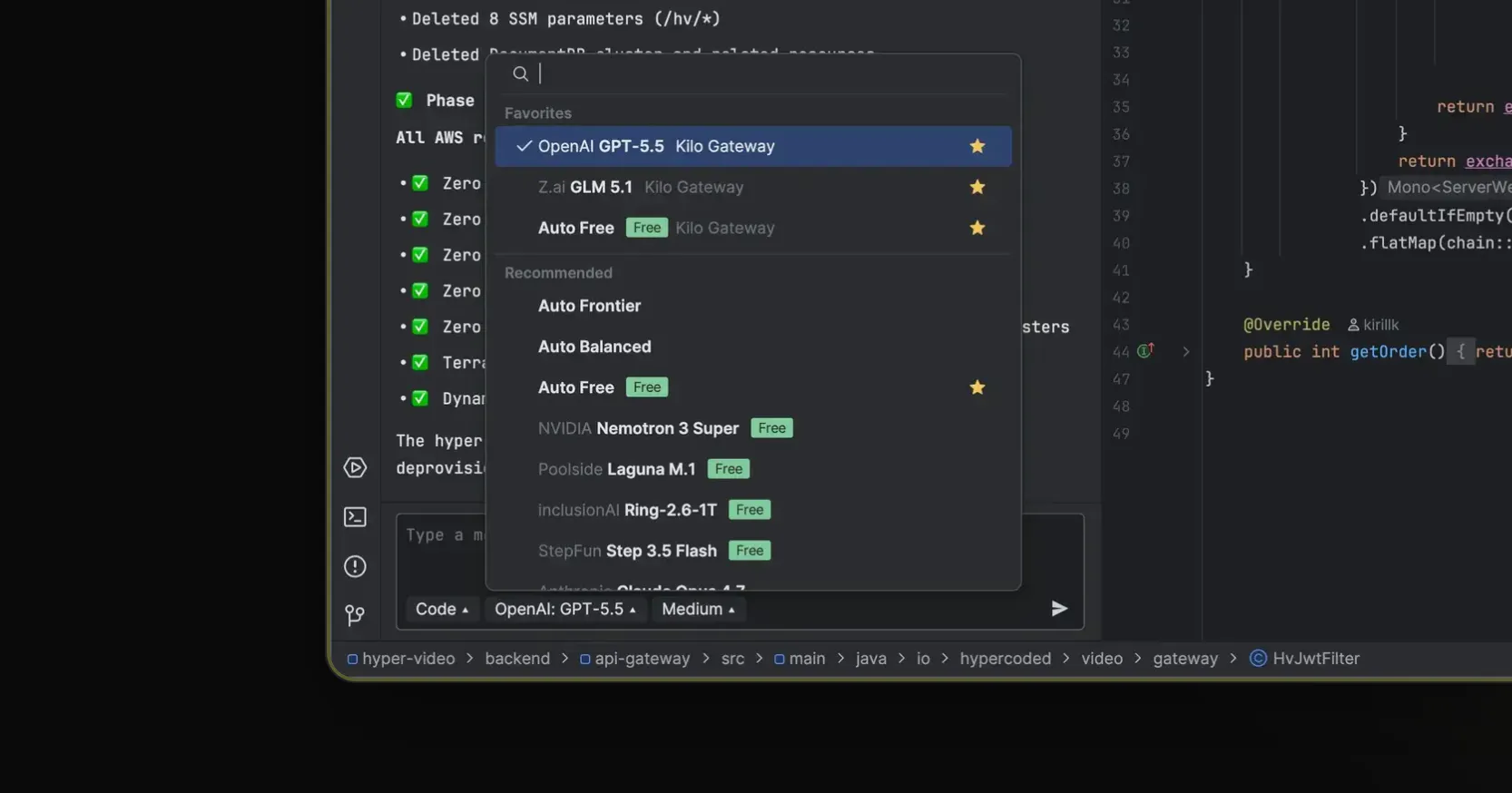
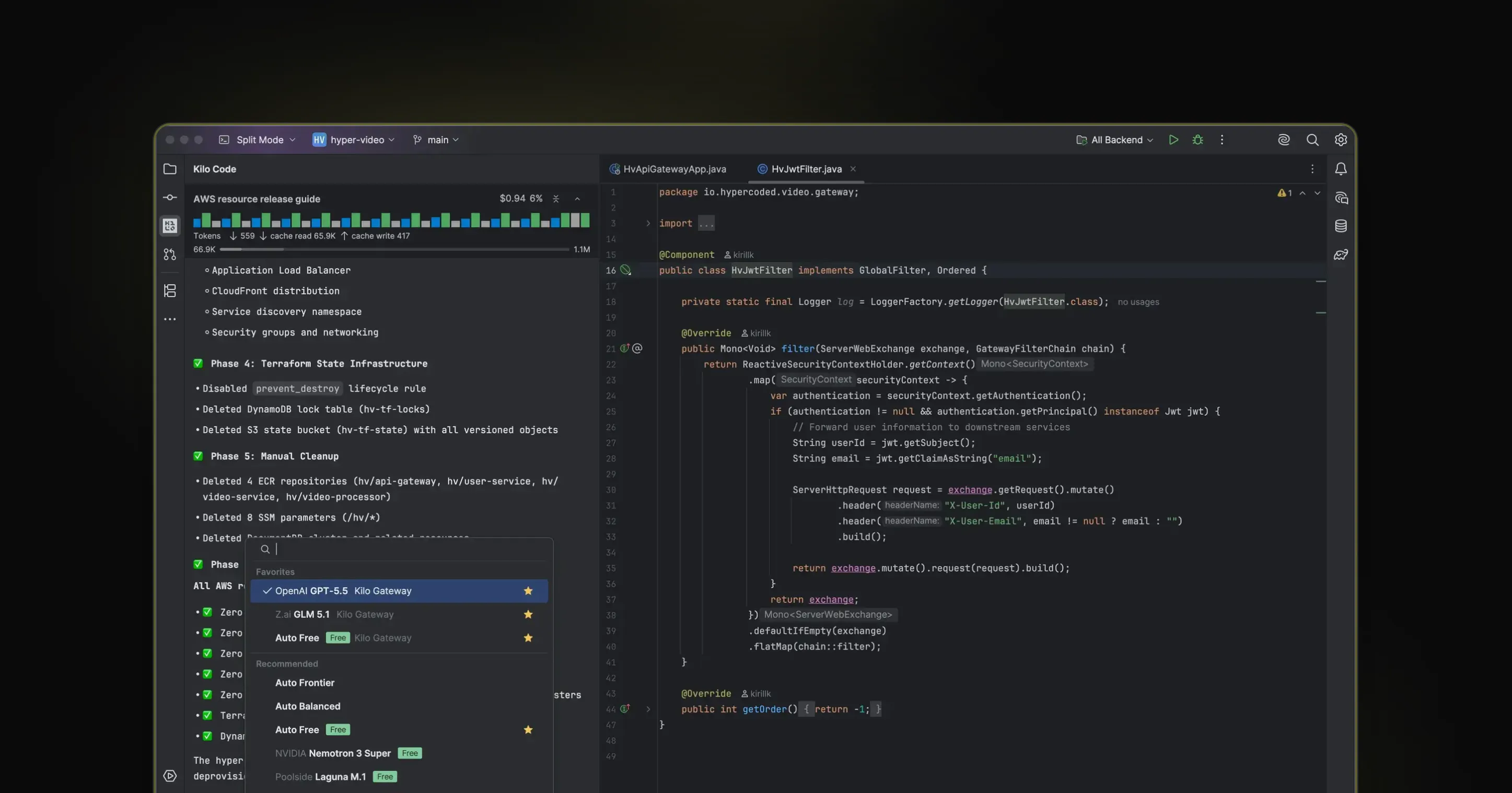
Kilo Code for JetBrains is a fully native, open-source coding agent for IntelliJ IDEA, WebStorm, PyCharm, GoLand, Rider, PhpStorm, CLion, RubyMine — any JetBrains IDE. Designed for both local and remote dev, with parallel agents in isolated worktrees, GitHub PRs and diffs inline, and 500+ models.

@Kilo Code is so back on @Product Hunt.

Four months ago, the team launched a new @VS Code extension. #1 Product of the Month, the community loved it.

Today, we’re shipping a native plugin for @JetBrains. Rebuilt from the ground up in Kotlin with Swift UI, designed for both local and remote dev, the plugin brings first-class AI coding assistance to IntelliJ IDEA, WebStorm, PyCharm, and other JetBrains IDEs: parallel agents, GitHub PRs and diffs inline, 500+ models...

View source code on GitHub: github.com/kilo-org/kilocode

Looking forward to seeing what you're building with @Kilo Code.

21
回复

@fmerian Great to see Kilo going fully native on JetBrains. The isolated worktree support is especially interesting to us. We run agents with different models and tool policies depending on the task, so I’m curious how configuration isolation works. Can each session have its own setup without picking up changes from global or project config? We use both BYOK and local models, and would love to try this workflow with Kilo.

0
回复

@fmerian The interesting part isn’t adding another IDE to the list. It’s recognizing that developers already have a place they trust to work, and the AI should meet them there.

JetBrains users get their workflow without having to migrate their brain to yet another editor.

But with 500+ models and parallel agents, at what point does “more choice” quietly become another thing developers have to manage?

0
回复

@fmerian How did you approach making the experience feel native to JetBrains users while still preserving the flexibility and power that made the VS Code extension so loved; especially for developers working across local and remote environments?

1
回复

For me, the BYOK option is a valuable feature that giving developers greater control over their preferred models and API providers.

7
回复

For me, the BYOK option is a valuable feature that giving developers greater control over their preferred models and API providers.

spot on - some tools want to lock you into one editor, one workflow, one way of doing things. @Kilo Code is different. the mission is to build an all-in-one, agentic AI platform that supports you wherever you are.

0
回复

surprisingly good! i also like that it supports local models through Ollama and LM Studio. not everyone wants to rely only on hosted AI.

4
回复

exactly - @Kilo Code is building an all-in-one, agentic AI platform that supports you wherever you are. you should get to choose how you work: your GUI, your model, your workflow.

enjoy! kilo.ai/install

0
回复

Are most of your users relying on local models or cloud-based setups?

4
回复

I've bounced between three JetBrains IDEs this year and always missed proper AI tooling on Rider. Genuinely excited this exists now.

3
回复

The isolated worktrees idea is clever for a reason people might overlook: it means I can let an agent experiment on a risky refactor while my main branch stays untouched. I've been burned before by agents making changes I couldn't cleanly roll back.

3
回复

@kimberly_west yes! and it makes you able to work on 5-6 tasks at the same time with a great UX without painful window switching.

0
回复

I like the idea of seeing PRs and diffs right inside the IDE. It should make checking AI changes much less annoying.

3
回复

@landon_matthew It's really helpful to see what changed, especially if you're using agent manager to change things on separate worktrees.

2
回复

this looks especially helpful for larger changes where understanding the project structure is just as important as writting the code itself.

3
回复

Really happy to ship Kilo for JetBrains today. JetBrains built the best IDEs in the world (I was part of the original IntelliJ IDEA team back in the day 🤓), and with @Kilo Code we're making them agentic powerhouses.

We move at Kilo speed and dogfood hard — we build the plugin with the plugin — so please try it and tell us what's broken or missing. Feedback goes straight into the next release.

2
回复

S/O for the great work, Kirill! you're the 🐐

0
回复

Love that this is a fully native Kotlin rebuild rather than a webview wrapper, and running parallel agents in isolated worktrees is a genuinely smart touch for keeping real projects clean.

2
回复

ngl the previous version was built around a webview wrapper, i.e. mostly the @VS Code experience embedded inside a @JetBrains panel. feels good to bring a fully native experience here. the future of AI in development is AI living side by side with developers in the tools they already use.

give it a spin! kilo.ai/jetbrains

0
回复

Native is the key word here. I've tried extensions that just wrap a web view inside JetBrains and they always feel bolted on.

2
回复

@puja_sharma13 yes, this current native UX is smooth and it's not limited by the space of a tool window

0
回复

The inline diff and PR review piece is what actually got my attention, not the AI part. I've reviewed plenty of PRs where the context-switching to GitHub's web UI broke my focus more than the review itself did.

2
回复

I manage a small team split between PhpStorm and Rider and tool fragmentation has been a real headache. If this genuinely works the same way across both, that's not a nice-to-have for me, it's the actual reason I'd adopt it.

2
回复

Inline GitHub PR review sounds small until you've spent an hour tab-switching between your editor and browser just to leave a comment. If this actually keeps me in Rider while reviewing, that alone is worth trying.

2
回复

no detail is too small. and yes, inline diffs helps get a local review as a sanity check before shipping to a public repo. and it's fully open-source, like @dif.sh! give it a spin at kilo.ai/jetbrains, would love to have your feedback

0
回复

Open-source coding agents for JetBrains are still rare compared to VS Code's ecosystem. I'm rooting for this one to close that gap, RubyMine users have been underserved for way too long.

2
回复

@fran3cc thank, you, Frank 🙏

@JetBrains is an awesome suite of products, the world's leading provider of professional dev tools. psyched to bring a fully native, first-class DX here.

0
回复

I switched from PyCharm to trying this out specifically because of the 500+ model support. Being locked into one provider always felt risky for my team's budget planning.

2
回复

@hamza_aafzal spot on! curious what are your preferred AI coding models?

0
回复

This is excellent! Been waiting for something like this for a long time!

2
回复

amazing! looking forward to seeing what you're building with @Kilo Code. make sure to add your review here: producthunt.com/products/kilocode/reviews

0
回复

How do you keep the agent aligned with the overall architecture instead of just solving individual tasks?

Congrats @jobrietbergen & team!

Thanks @fmerian for hunting another germ.

2
回复

@hamza_afzal_butt thank you for your continuous support, you're the legend

1
回复
@fmerian 🙌🏻
0
回复
really Cool Idea, shared context and real time collaboration could make coding with agent much smoother for team.
2
回复

Native Kotlin instead of reusing the VS Code build is a good call. Does each agent worktree make IntelliJ index all over again?

2
回复

Open source + BYOK = freedom to build your way

2
回复

@ramiro__nd Amen to that!

2
回复

@ramiro__nd oss ftw!!1

0
回复

curious to see how well Kilo works with large codebases it has not seen before especially when planning new features.

2
回复

How well does it handle agents needing different models for different tasks? For example, one model for planning and another for implementation could be useful.

2
回复

@jharkhandi_chora1 yes! you can do different things: you can assign a default model or a mode (like "Plan") and/or confgure a subagent: write a prompt that would help the agent choose that and choose mode/effort;

Settings -> Kilo Code -> Models and Settings -> Kilo Code -> Agent Behavior -> Agents

1
回复

Wao! you build an amazing platfoam, as i have used AI coding assistants before but the ability to work directly within a jetbrains IDE is a significant advantage.

2
回复
@ashley_james thank you, and the fact it's built native makes a big difference with the previous version.
2
回复

@ashley_james thank you! make sure to add your review here: producthunt.com/products/kilocode/reviews

0
回复

JetBrains users finally get a native option instead of having to change their whole development environment. That makes this launch pretty interesting.

2
回复
@lucyjane thank you, it makes a big difference. Have you tried agent manager yet?
2
回复

The truth is that it being entirely native and not another Electron-based extension makes a difference far more than people think it does. The JetBrains IDEs themselves are quite heavy to begin with.

1
回复

The worktrees setup is what sold me. I can run two agents on separate branches without stashing changes every five minutes. That used to eat half my afternoon during bigger refactors…

1
回复

I switched from VS Code extensions mainly because I’m in PyCharm all day. Having a native agent instead of a webview bolted on finally feels right.

1
回复

Finally, Kilo for Jetbrains 🎉

1
回复

Congrats on the launch @fmerian, looks very cool!

1
回复

@aliraza36580 thank you for your support, Ali. absolute fan of your work at @UTCP. oss ftw!

0
回复
#2
Computable GPU Index (CGI)
The first open-source price index for GPU compute
375
一句话介绍:CGI是一个开源的GPU算力价格指数,通过每15分钟采集28家云服务商的按需租用价,用数学上稳健的方法计算出标准化的美元/GPU小时价格,解决GPU市场缺乏可信参考价格、各方报价混乱的痛点。
Open Source Fintech Money
GPU算力价格指数 开源指数 算力定价基准 云计算价格透明化 市场参考利率 按需GPU定价 价格发现机制 数据可复现 算力交易 基础设施定价
用户评论摘要:用户普遍赞赏其透明可复现的方法论,认为这是区别于传统定价面板的核心优势。主要问题与建议集中在:能否跨GPU代际比较训练成本(官方回应可结合性能基准使用);是否纳入现 spot 定价(目前否);如何保证权重计算防止单一供应商操纵(官方解释使用四分位间均值及活跃度加权);是否纳入小型GPU租赁平台以保持指数公正性。
AI 锐评

CGI的聪明之处在于它没有试图发明一个新市场,而是精准切入了一个“无法返工”的权利真空——GPU算力已成为大宗商品,却缺乏大宗商品市场必备的参考利率。其核心价值并非“又一个价格网站”,而是挑战了现有价格话语权的分配方式:将数据、方法与代码全部开源,等于把裁判权交还给市场,这比任何营销话术都更有说服力。

从方法论看,采用四分位间均值而非简单平均或中位数,既排除了极端值干扰,又避免了中位数对真实信号过度平滑,辅以基于活跃度的动态权重(leave-one-out岭回归),在稳健性与敏感性之间取得了较好平衡。但其效用仍受限于两个隐忧:其一,数据源仅涵盖28家供应商,且以按需现货为主,若核心玩家(如AWS、Azure)长期缺席或报价不透明,指数的代表性将存疑;其二,算力价格受供需、电力成本、芯片迭代及币圈波动影响剧烈,指数虽然高频更新(15分钟),但缺乏期货或远期曲线,对长期规划(如融资租赁、大模型训练预算)的指导意义有限。

总体而言,CGI是有力地迈出了“算力定价民主化”的第一步,但距离成为算力世界的“Libor”或“WTI”,还需解决数据覆盖的广度与定价维度的纵深。值得肯定的是,它至少在可信度上选择了最难但最正确的路径——不是发布一个数字,而是让任何人都能验证这个数字。

查看原始信息
Computable GPU Index (CGI)
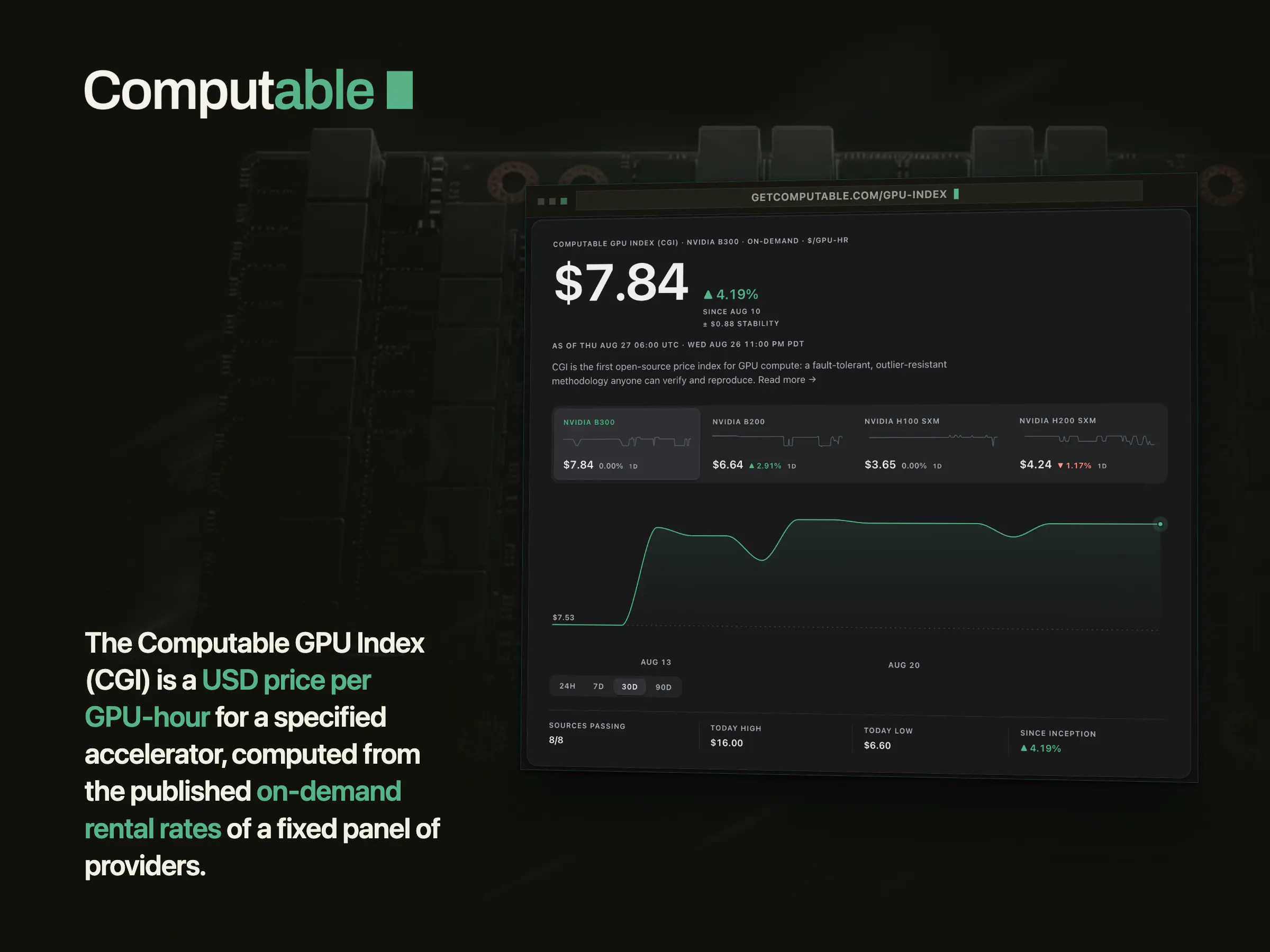
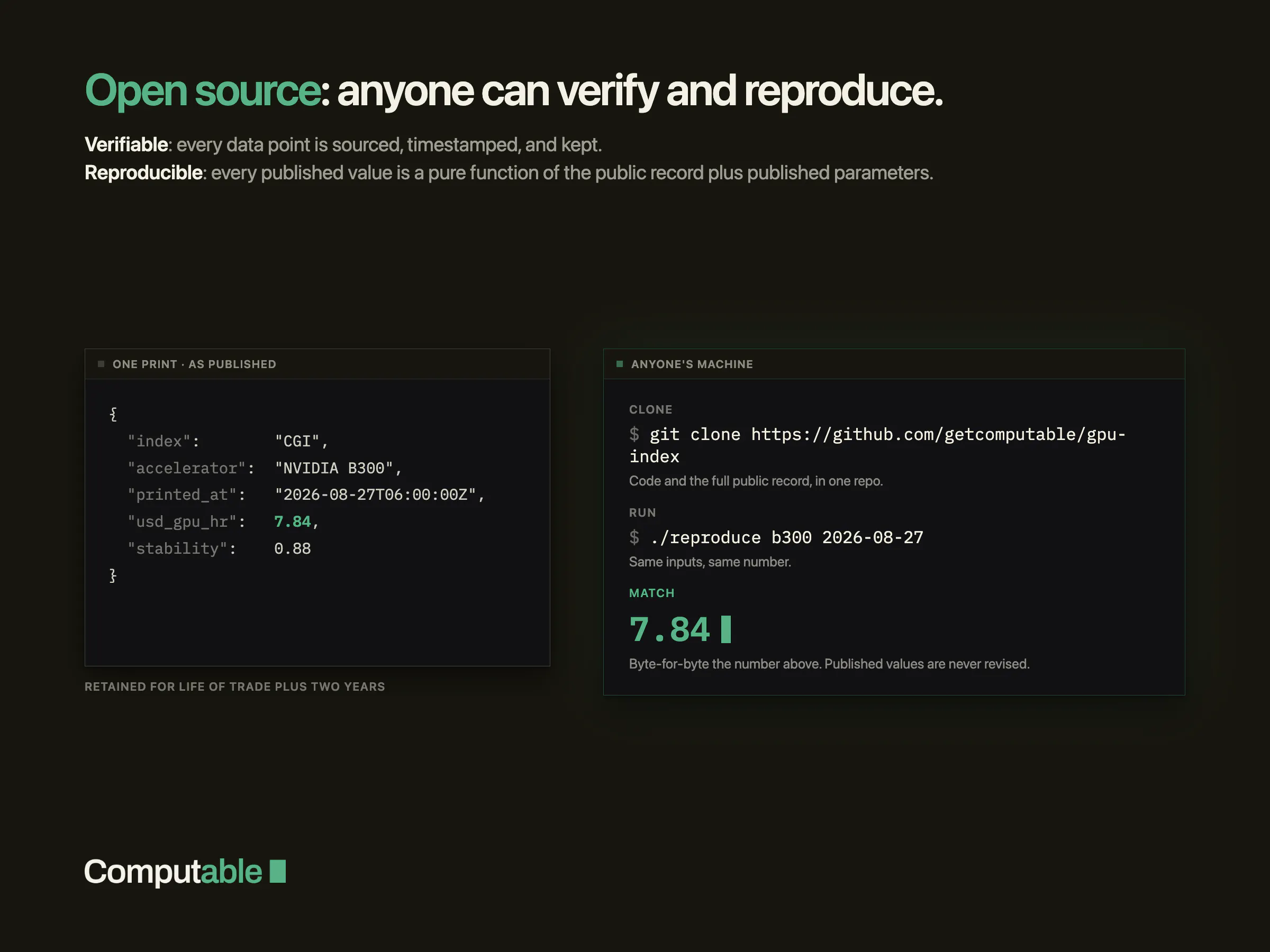
Computable GPU Index (CGI) is a USD price per GPU-hour, computed from the published on-demand rental rates of a fixed panel of providers. The methodology is mathematically robust, and anyone can verify and reproduce every print.

Hi Product Hunt, I'm Ray, cofounder of Computable.

What is the price of a GPU?

Nobody agrees. Every provider quotes a different number, and existing indexes are closed black boxes: a figure you are asked to trust without seeing the data, the method, or the code behind it. Despite being rented, resold, and financed at commodity scale, compute lacks the reference rate every mature commodity market has.

CGI is built to be that number, and to earn trust in the open rather than by authority. It is open data, open method, open code.

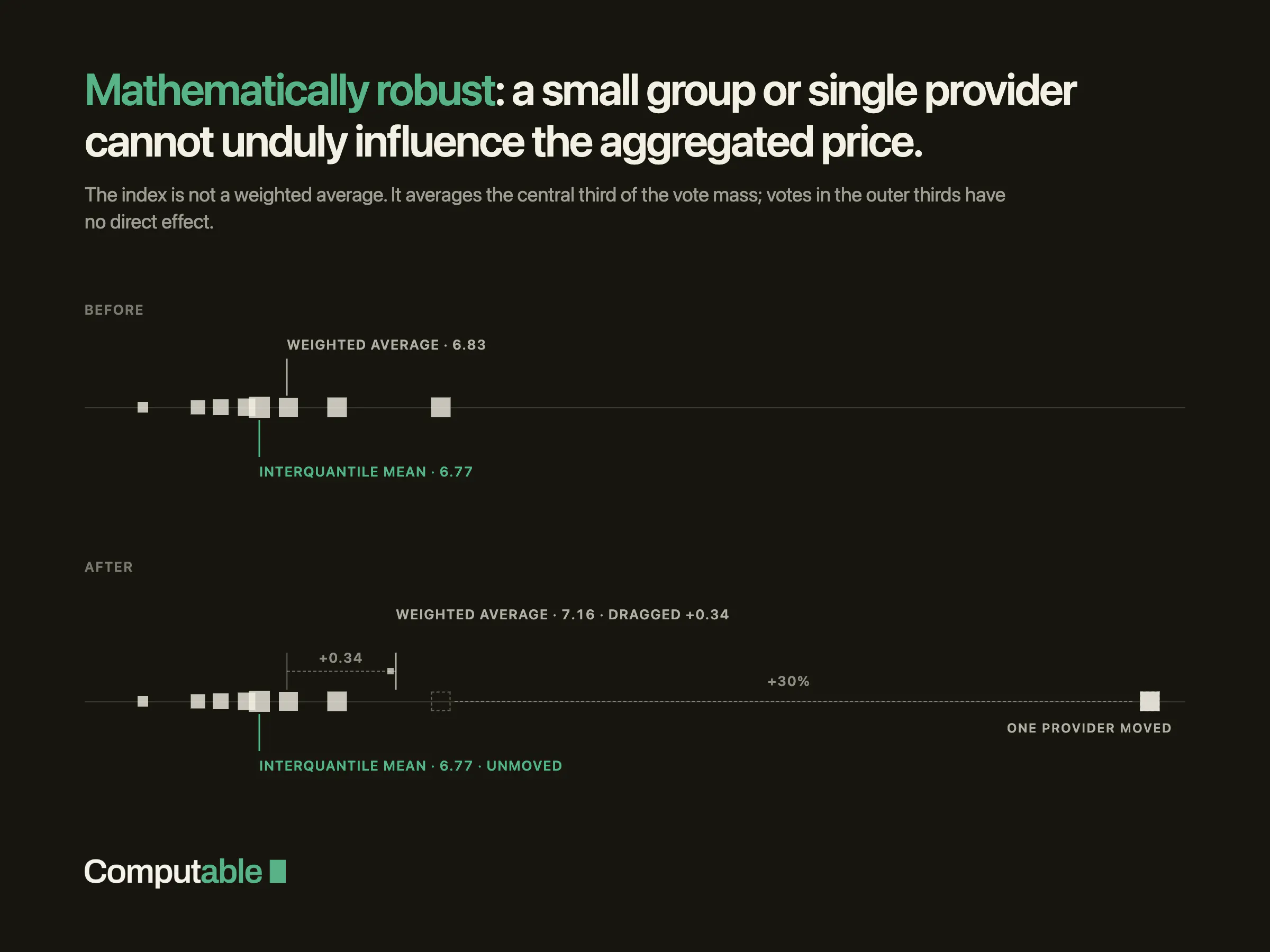
How it works: every 15 minutes we collect published on-demand rental rates from 28 providers. Each panel provider casts weighted votes at its price, and the index is an interquantile mean over those votes, not an average: only the central third of the vote mass is averaged. No small group of providers can drag the number from the tails.

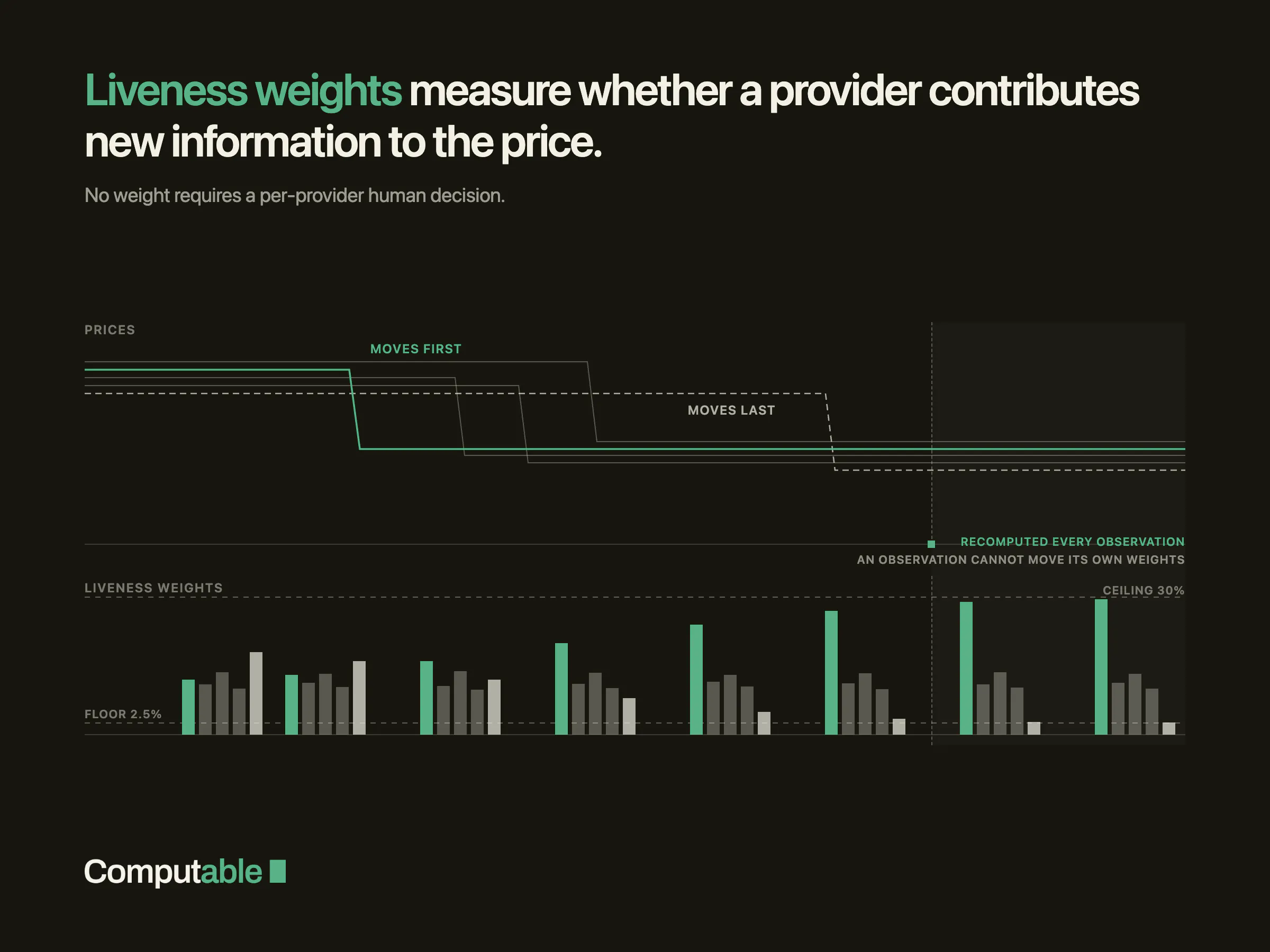
The weights are systematically scored. Liveness weights measure whether a provider contributes new information to the price: a leave-one-out ridge regression scores whether each provider's recent moves anticipated the rest of the panel, and the weights recompute every observation. Every weight is floored and capped, and no weight requires a per-provider human decision.

The design rests on five properties: verifiable, reproducible, fault-tolerant, outlier-resistant, transparent. The data is verifiable, the method is transparent, the prints are reproducible via code, and the result is a robust price surviving data sources that disagree, err, or break.

Live today: H100, H200, B200, B300. The collector and the calculation are open source. Clone the repo and recompute any print since inception; you'll get the same number we published.

If you trade, rent, or finance compute, I'd love to hear what you want from a reference rate.

14
回复

@raysong “What's the price of a GPU?” sounds like a simple question until 28 providers give you 28 answers and everyone quietly pretends their spreadsheet is the truth.

Making the methodology, data, and code public is the interesting part. A reference price is only useful if people can actually challenge it, reproduce it, and still arrive at the same number.

But here’s the bigger question: if nobody can independently verify the price, is it really a market reference—or just a number wearing a suit?

0
回复

@raysong I'm impressed by how you use an interquantile mean, averaging only the central third of provider votes to filter out outliers and keep the index robust. congrats on the launch!

0
回复

@raysong nice launch congrats🙌awesome to see a fault-tolerant approach to this

2
回复

Congrats for your launch! I'm really interested in your CGI! Also, I have a tiny question: Could CGI eventually help teams compare the cost of training across GPU generations?

3
回复

@brattyaiguy Thank you! And yes, that's a big part of exactly what CGI is for. It gives you the price leg: a comparable $/GPU-hour for each generation. they are under one methodology, so the prices are apples to apples by construction.

however, you will still have evaluate the performance. We deliberately don't bake performance assumptions into the index itself, since every workload scales differently, but pairing your benchmarks with a clean price series from our index is a great way to make comparisons.

0
回复

Publishing the methodology makes the index easier to trust.

3
回复

@sylvialane exactly!

1
回复

Do you have a public roadmap for data coverage and developer tooling?

1
回复

What I like most here is that you’re not just publishing another GPU price you’re showing exactly how the number is built.

1
回复

@adrian97 that's exactly right! glad you like it

0
回复

GPU economic almost as important as model economic . An independent index for tracking the cost of compute feels very timely.

1
回复

@charles_warren2 right on!

0
回复

Really like the transparency behind this. Having a GPU price index where the methadology is reproducible makes it much more useful than just another pricing dashboard.

1
回复

@albert_nelson1 exactly! glad to hear that you liked it

0
回复

Congrats on the launch from the Signify team! 🚀

Tracking GPU pricing and performance across different providers is usually a mess, so having a clean benchmark index like CGI is a huge win for dev teams.

Upvoted, and hoping you guys hit the top of the leaderboard today! 🙌

1
回复

@elene_tandashvili thank you so much!

0
回复

Awesome to see confirmability built in from day one instead of bolted on later. what actually triggered the idea, did you run into this exact pricing problem directly while working on Computable?


1
回复

Congrats @raysong What's been the hardest part of getting all 28 providers to agree on data quality and consistency? I'd imagine some are way messier to work with than others.


1
回复

@croft_benjamin we have a very neat methodology that aggregates the data and scores providers based on the liveness of their data. feel free to check it out!

0
回复

Congrats on shipping this @raysong
The interquantile mean approach is smart, trims the outlier providers without throwing away real signal like a plain median would.

Just curious if spot pricing is on the roadmap, or is CGI staying on demand only for now? Following this one for sure

1
回复

@abod_rehman it's staying on demand right now

0
回复

The reproducibility aspect really sets this apart.

1
回复
0
回复

Nice, this is genuinely useful. GPU pricing has been a black box for so long, having an open-source benchmark like this makes it way easier! Are you planning to pull prices from just the big cloud providers, or also smaller GPU rental platforms to keep the index honest?

1
回复

Using a weighted median instead of a simple average seems like an important design choice. I’d be interested to understand how the weights are calculated and how you prevent one large provider—or several unusually low listings—from having too much influence on the final number.

1
回复

@matthewwei so, we actually are using a interquantile mean instead of median. this means, any outlier would not have an impact on the price. the weights take in consideration of how lively a data source is. you can read more about it in our methodology!

0
回复

How frequently are provider prices collected?

1
回复

@mati_lee every 15 minutes

0
回复

Really interesting direction. What do you see as the first real use case for CGI — cloud procurement, compute financing, or eventually something closer to a tradable benchmark?

1
回复

@tizaolai886 eventually it will be a bit of everything you mentioned. the first use case is now cash settled derivatives, basically hedges on gpu prices, using CGI as a reference rate.

0
回复

Would you consider showing a source-coverage indicator alongside each index value?

1
回复

@axelkane hey it's already there. you can see it on the bottom left of the dashboard.

1
回复

GPU compute is becoming a huge market.A reliable price index makes a lot of sense.

0
回复

Great product! What originally motivated the team to build CGI?

0
回复

Nice to see messy market data presented in a way that is easier to understand.

0
回复

@luvian_yu thanks!

0
回复

congrats on the launch, this is a good idea - GPU pricing has needed a neutral reference rate for a while. question: since the index is built from on-demand rates only, is there any plan to also track committed-use/reserved pricing? for a lot of teams the real decision isn't "what's the on-demand rate" but "is the reserved discount worth the commitment", and that gap seems like it'd need a second number entirely rather than fitting into the same index.

0
回复

@galdayan you are right, and it'd be a second index. On-demand is the most indexable tier because it's one comparable product, publicly priced at every provider, all the time. Reserved often has some private negotiation component over tenor and volume, so there's no published data to index.

0
回复

really cool concept and project. what are you thoughts on having a prediction of future prices as well?

0
回复

@kenzan_boo definitely something in the pipeline!

0
回复

Congrats on launching a super cool product. Awesome that you guys launched with open API access and an MCP!

0
回复

@andrewjiang thank you! glad you liked it!

0
回复

Are historical observations available for download and independent analysis?

0
回复

@jin_shang1 they will be available soon. you could also run the code and produce the prints alongside us.

0
回复

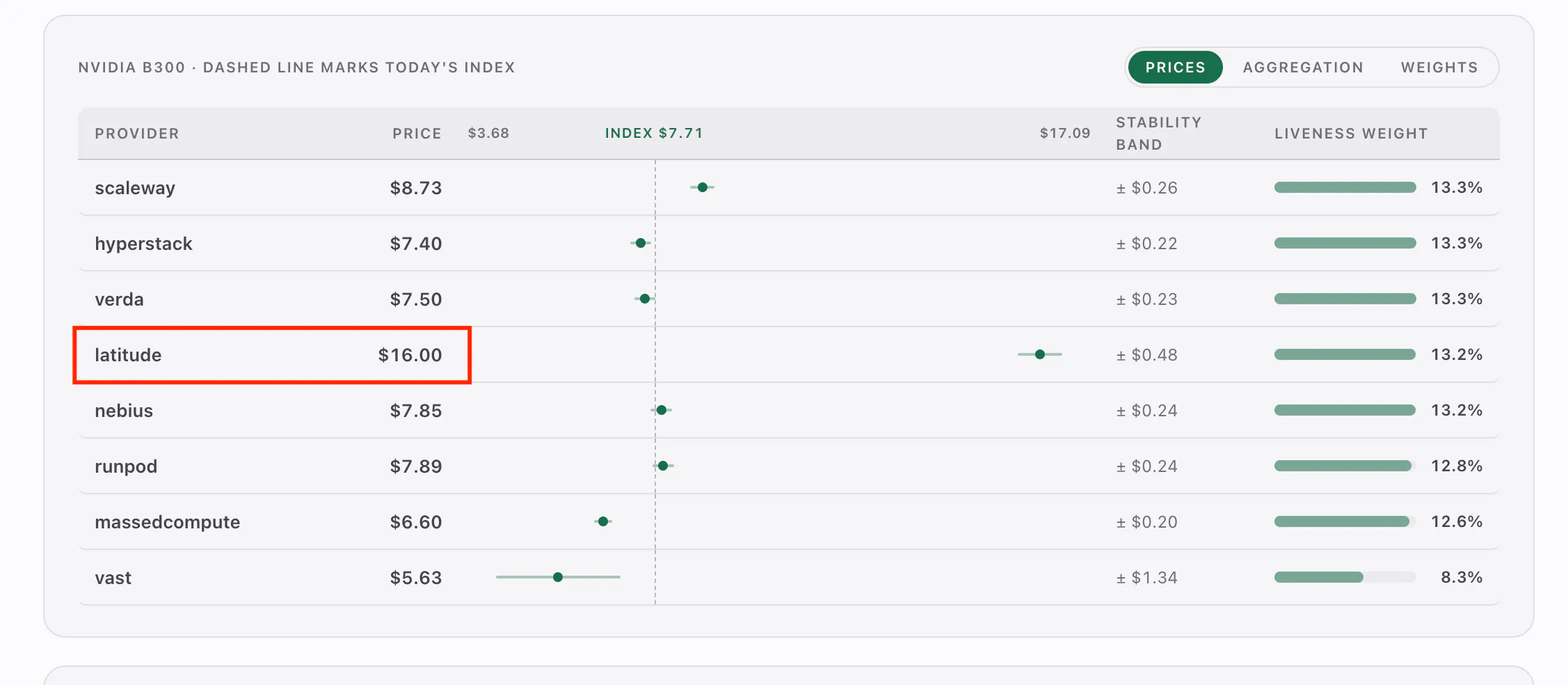
One of the providers stands out quite a lot. Is there a mistake here?

0
回复

@natalia_iankovych compute is a very inefficient market with a lot of local price fluctuation. we have built the price index with that in mind and made sure that the index is resistant to outliers.

1
回复

Congratulations on the launch!!

Good luck! @raysong @oliviazhao

0
回复

@dhanrajchoudhary thank you!

0
回复

One trustworthy reference for something this opaque feels overdue to me, and being able to check how it's put together is what would make me actually believe it.

0
回复

@robin_de_lacroix glad to hear that you like it

0
回复

Congratulations on the launch team! Loved the launch video!!! :)

0
回复

@yogesh_builds thank you!

0
回复

Congrats on the launch! Do you include hyperscaler list prices in the provider panel?

0
回复

@cathy_cc we do not. hyperscaler prices are not always available, because different players can get different terms and guarantees.

0
回复

Are you planning to expand beyond H100/H200/B200/B300 at some point, maybe older or more niche chips too?


0
回复

@daris_esteban always happy to expand if there's demand

0
回复
#3
Creatium Coach
Your multimedia mentor that takes you from mid to great
280
一句话介绍:Creatium Coach 是一款将AI虚拟导师(如亚里士多德)与模拟演练、角色扮演和多媒体课件结合的个性化教练应用,旨在以远低于真人教练的价格,帮助个人或企业用户实现从“中等水平”到“卓越”的职业与个人成长目标。
Education Artificial Intelligence Online Learning
AI教练 个性化学习 技能提升 模拟训练 角色扮演 企业培训 职业发展 互动教学 虚拟导师 教育科技
用户评论摘要:用户普遍认可其互动形式和个性化体验,认为优于传统视频课。主要疑问聚焦于学习效果的长期留存及数据支撑,另有用户关心学习过程中的专注度管理、课程中最热门领域及学习进度追踪功能。
AI 锐评

Creatium Coach 的聪明之处在于没有重蹈“AI生成课程”的覆辙,而是精准切入了“教练”这一高溢价、强互动的服务场景。它用“亚里士多德”和“Pacifica”这两个极具反差感的世界设定,巧妙掩盖了AI对话冷冰冰的技术底色,提供了情绪价值和沉浸感。其宣称的0.48效应量直指真人辅导的0.37,这是极具杀伤力的营销话术,直接击穿了“线上学习无效”的行业痛点——但请注意,这仅是产品方自述的随机研究,缺乏第三方审计。

产品本质上是把昂贵的“个性化服务”通过AI进行了工业化复制,用动态路径生成替代静态死板的课程表,确实解决了“学非所用”和“半途而废”两大痛点。然而,隐忧同样明显:当模拟和角色扮演的边际成本趋近于零,内容的护城河在哪里?所谓的高质量交互是否依赖高昂的Prompt工程维持?目前评论中“学到东西”的反馈多基于新鲜感,但用户真正关心的“技能留存率”和“长期行为改变”尚未有充分证据。此外,定价$20/月虽低于真人教练,但在C端用户对付费学习内容极其吝啬的当下,若无企业级B端采购支撑,其商业模型极易陷入增长瓶颈。用“世界统治”做营销噱头没问题,但若不能在数据验证和防流失机制上做得更扎实,它可能只是让用户在AI的温柔乡里多学了一周,而非真正从中段走向顶尖。

查看原始信息
Creatium Coach
Creatium Coach is a lifelike, multimedia coach that helps anyone set goals and reach them. Instead of clicking through static courses or half-remembering a video, you learn with a coach, as well as simulations, videos, and roleplays. These boost outcomes as much as one-on-one in-person coaching. Whatever the goal, professional or personal, and whether you're one learner or a whole enterprise, Coach meets you where you are. Warning: side effects may include world domination.

Hey Product Hunt! Deepak here, co-founder of Creatium, back with @maria_wall_ball and @huntingforunicorns.

Ten months ago you made Creatium Studio #2 Product of the Day. Since then it's been used by learning and development teams throughout the industry. But, what if you want to learn skills and… just want a coach?

Great coaching has always carried a steep price tag, and it's been that way for centuries. Legend has it King Philip II of Macedonia rebuilt an entire razed city to get Aristotle to coach his son, a kid who'd go on to take the known world. You know him as Alexander the Great.

Centuries later ... coaching may not cost cities, but a good executive coach runs about $1K a month or so, which is why the people who'd benefit most from coaching mostly go without it.

.... until now.... 🥁

Meet Creatium Coach, a personal AI coach running a very old playbook, and yes, yours can literally be Aristotle.

  • First, choose your world. The Lyceum, where a digitally recreated Aristotle coaches the way he did in Athens, and doesn't go easy on you. Or Pacifica, where the sun is out and the tone is warmer.

  • Then, choose your goal. Your coach starts with questions, then builds the journey: simulations where you practice the actual skill, not trivia about the skill, plus 1-on-1 coaching to make it stick. Name the goal and it builds the reps, in a pedagogically sound sequence.


And it's tested. Our research team ran a randomized study on the pedagogy underneath Coach: it had an effect size of g = 0.48, against the 0.37 average the meta-analyses report for in-person tutoring programs. For people who are not education geeks, that means Creatium Coach is as impactful as in-person tutoring.

Coaching like this used to be locked inside palaces and corner offices. Now it's in your corner, $20/month, and Product Hunt gets 14 days free with code BEGREATPH

@maria_wall_ball, @huntingforunicorns ns and I are in the comments all day. Tell us what you want to be great at, see if your coach pushes you out of mid-zone.

29
回复

@huntingforunicorns  @drcreatium Ahhhhh can't believe its finally launching. I'm getting jittery.

5
回复
@vikramp7470 thank you Vikram! We think it's about time for a change. Even Aristotle agrees.
2
回复

@maria_wall_ball  @huntingforunicorns  @drcreatium This seems like an amazing approach to make learning not just more interactive, but also practical and truly effective!

5
回复

It’s good to have some goals to chase in life. otherwise it gets boring.
But goals should be fun, and exciting. Something you actually want to aim for.

I have looked at 100s of courses over the years and I have done maybe 10% of them. At first I thought it was just me, but apparently almost everyone I talked to had the same problem.

What if, instead of taking another course, you had a goal that you really wanted to achieve and Aristotle to help you get there?

Someone who knows where you are, teaches you, challenges you and helps you to know what to do next.

The only place in the universe where Aristotle helps you to reach your goals.

Choose a goal. Go for it.

7
回复
@shashank_singh58 you've done 10% of the courses you've looked at? That is much, much better than me! :) Haha anyways, we're so excited that you've been part of the journey in building this!
2
回复

this feels more interesting than another AI course platform because the goal is not simply to give me more content. I like the idea of having something that actually challenges me to improve.

6
回复

Thank you @ludovica_eleazer! If you enjoy a challenge, Aristotle might just be the coach for you. More coaches with different personalities are coming soon.

0
回复
@ludovica_eleazer exactly -- in the age of AI ... content is no longer king. Rather, how we understand content is the real premium!
0
回复

“Side effect may include domination" 😂. Jokes aside, replacing passive course consumption with actual practice is a really compelling direction.

5
回复

@owen_carter3 totally! The idea is for learning to be as active as possible, with coaches that push you, roleplays thats push back, multimedia that stimulates, lots of practice, and knowledge checks that make sure the concept has landed.

0
回复

@owen_carter3 Thank you, Owen. You'd be surprised how much thought went into that tagline... but once we landed it, I instantly thought about Alexander the Great ... and was like wait.... he DID actually dominate the world, didn't he?

0
回复

Really like the concept. The biggest question for me is whether learner actually retain the skills after the sessions. Would love to see some of the outcome data behind the approach.

5
回复

@oscar_bennett Hey Oscar, thanks so much. Our research team ran a randomized study on the learning design underlying Coach: it had an effect size of g = 0.48, compared with the 0.37 average reported by meta-analyses for in-person tutoring programs. That means Creatium Coach is as impactful as in-person tutoring. You can also see some of our case studies here. But, why don't you try it and tell us what felt different? :)

2
回复

As someone who has received access to executive coaching from work, and paid for coaching on my own, I'm so excited we're making coaching accessible for the masses. This coach never forgets your last session, is always on time, and not only coaches, but teaches as well. Can't wait to hear what the world thinks!

5
回复

@kelly_king3  Kelly has experienced the human version of coaching up close... so her word here means a lot to me. Thank you Kelly.

0
回复

This is such fun, and I actually learned something! My goal was to learn about project management, and Aristotle gave me some pretty good advice (not that I doubted him for a second!). I am curious, though: how does the coach handle users who aren't focused during the conversation or as engaged as they need to be?

5
回复

@divya_grace_benjamin Great question Divya. The coach teaches by asking questions, not lecturing... so if you drift, it notices your answers getting subpar and thin.... and switches things up. Sometimes that means a quiz, other times that's a simulation, or sometimes that's just a different example. Basically it's the same thing a good human coach does when they notice your eyes glaze over!!

2
回复

@divya_grace_benjamin glad Aristotle was up to the task!

There are several layers in which Coach helps you engage: using your name and context, providing multimedia support, making you practice, testing your knowledge, and breaking up your coaching journey into short, digestible chapters.

Also, the worlds and ambiance help create an environment for you to relax and focus.

If at any point get confused or distracted just ask coach to rephrase things, and if you need to interrupt you lessons you can always pickup later where you left off.

Hope you enjoy it and develop your project management skills!

2
回复

Congratulations on launching! I am curious - what has been the most popular course area so far?

4
回复
@paige_doherty thanks for the feedback and support! AI training now is 70% of training for many consulting companies… and we are seeing AI be the top area in our platform too.
1
回复

Love the feel of the platform. Very user friendly and intuitive. But I wonder if there is some way to track learning metrics?

4
回复

@benjamin_basker Thank you!

You can track your average skill improvements, practice time, goals completed, and more, on your profile.

Are there any other metrics you'd be interested in tracking?

1
回复

If you're someone who loves to learn and loves to play, you're going to love Creatium Coach. You can enter Pacifica, where learning feels more relaxed and calm, or enter the Lyceum and learn with Aristotle as your coach. Speak with your coach, explore concepts through visuals and interactive assignments, all in real time.

Unlike a video course wrapped in a generic course interface, Creatium Coach feels much closer to actually being in a classroom, except the classroom is digital and the environment can be one you choose.

Take it for a spin, let us know what you think of it! :)

4
回复

@liz_dsouza Liz carried the design on this one... all of what you folks are seeing on screen is her work. Pacifica feels calm because she made it calm. Thank you liz :)

0
回复
Ridhwik here, one of the makers! Every course I started for work, I’ve quit in a week or two. They always teach a general version of a thing you need specific version of. Creatium coach starts from your goal and connects to what you actually work in. So it’s coaching on your own repos, communication or pipeline rather than examples someone made up. That change is small on paper and enormous in practise :) Ask me the hard questions today! Have you tried to learn and given upon it lately? Have you ever wished to have a personalised coach but didn’t because it was too costly?
4
回复

@ridhwikvinod This is very relatable. The only thing that's hard to believe is that YOU would quit anything.

2
回复

Loved the UI, really feels like an immersive experience.

4
回复

Thank you Diva! More immersive and ambiance worlds like the Lyceum and Pacifica are coming soon!

0
回复

The product looks amazing. I was astonished to see such high quality learning content being generated in such short time. I was able to create 5 goals with good quality of content within an hour. Besides, the overall coaching experience is very good particularly due to the interactive visuals, images and interactives. Moreover, I was able to personalize my learning experience in AI journey using Github connector.

4
回复

@shubhanshu_mishra3  5 done already ? Amazing!!!!! At this rate Aristotle needs to have some more black coffee....Glad to see you making progress on your goals....do try our assessments and get certified...

3
回复

Every learning platform you may have come across so far hands you a catalog. Someone else decided what's worth knowing, packaged it for the average person, and now you're clicking Next through forty slides about a version of the topic that isn't quite the one you wanted.

What actually works is having someone teach YOU. YOUR gaps, YOUR pace, the exact thing YOU'RE stuck on.

So with Creatium Coach you don't browse for a course. You say what you want to get better at and you get a coach that teaches that. It could be negotiating with one specific difficult client, could be the chemistry unit your kid is quietly struggling with. It quizzes you, argues with you, stays on it until you actually get it. Nothing is pre-baked, so there's no "close enough" course to settle for.

The thing I keep noticing is how easily people end up down a rabbit hole. You start with the one thing you needed and then a question leads to another question and you're somewhere you didn't plan to be. That used to be a bug in software. Here it's the best outcome you'd get.

Would love to hear what you'd point it at first. The more specific the better, that's what we build from.

4
回复

@huntingforunicorns Yes exactly dude!!! All -- pranav built the tech that makes nothing pre-baked possible... ask him anything technical here, he will answer.

0
回复
Loved playing with it and setting different goals. Loved the fact that it gets to know the learner first and then adapt to their understanding of the subject. I’d love to use this and learn more about AI. Quick question - does it personalise the learning experience during the course as well once the user starts taking the lessons
4
回复

@aayushmaan_jain Yes, it does personalize during the course and people can ask questions and change the learning journey easily.

1
回复

@aayushmaan_jain 

Thanks for actually taking it for a spin, that matters more than an upvote.

And yes, the upfront bit is just the starting point. As you start using it, its reading how you respond and is re-calibrating itself continuously. It slows down when you're struggling and paces through when you're breezing. You are in control here!

2
回复
Videos and static courses are fine for knowing but they can’t get you to practice it, there is still a friction you need to move beyond it to actually get something in your brain example, asking a friend to interview you or a teacher to listen to your product pitch. When I tried the product that friction goes out of the window. The friction can’t live when you’re being taught by asking more and more questions. You need to think; you need to answer on the spot with only your brain at your disposal. Just like giving an interview but here your friend interviewer won’t laugh at you :) Regardless, a question tho I tried to connect my GitHub which worked but my GitHub has a LOT of data how does it manage to find the most important in a dozen repos?
4
回复

@realanupreet 

Exactly! That's a real gap we close! Real practice needs a coach who is patient enough to run with you not once, not twice, but as many times as you want, until you finally get it!

The GitHub connector reads your most recent commits by default but also probes further as needed as your conversation with the coach progresses.

1
回复

$20 for coaching from Aristotle? That’s a steal 😄 Does he adapt his coaching style based on my performance, or does he stay true to Aristotle no matter what?

4
回复
@brave_coder He stays Aristotle, but he adapts to how you're doing. The bigger thing is connectors, plug in GitHub or HubSpot or Slack and he coaches you on your actual work instead of generic examples. That's where it starts feeling like personalised coaching:)
2
回复

I've always wondered how I can go from mid to great and now I know! 🤓

Creatium's generative platform has made huge strides towards realizing Sam Altman's dream of a "personal tutor for everyone".

Their custom, personalized AI coaches adapt to the learner and use proven, pedagogical techniques to amplify the depth and speed of acquiring new knowledge. It makes it fun and engaging — while keeping the setup overhead low and discreet.

Give it a try for two weeks and see how much you can learn!

3
回复

@chrismessina And thanks to YOU for all your help in getting this launch from mid to great! I'm so proud of what we've built -- and all the messaging we've built around this experience. And we're just getting started. There's so many more immersive learning worlds we can create. Curious if the next step should be evolving some of these learning experiences into VR/AR ...

0
回复

@chrismessina Thank you for all your help and support.

0
回复

Congratulations on the launch team! I tried connecting my hubspot to learn about how I can make my sales call better….and I was surprised to see it knit pick all my deals and guide me better.

3
回复

@meenakshi_suresh thank you!

This is an excellent use case. Generic sales advice is as easy to find as it is to forget. In this case, Coach gives you advice not only based on your learning path but also based on your context.

Did it mention something you already suspected, or did it take you by surprise with something you didn't know at all?

1
回复

I've never seen a learning experience as immersive as this one.

Whether you have a clear goal set, or you're looking for one by exploring your curiosity, Coach build a path for you to get there and guides you through it.

The content accuracy, response speed, tone, and the multimedia that support each each step of the way, make the coaching not just easy to follow, but also to engage with and incorporate.

Even the ambiance plays a key role. I've always used calming YouTube videos in the background while studying, and Coach also offers that through different worlds, like Pacifica and the Lyceum. And more are coming soon!

So please try it and enjoy it. Let us know your thoughts and any questions.

3
回复
@gabo_deodato1 yes! It been fun building an entire new world to learn in, right?? And in regards to learning science, the immersive elements helps with focus send memory, helping the brain lock in new ideas. So it's not just for delight (which holds its own value) but for recall too :)
1
回复

@gabo_deodato1  Gabo ... you joined us 8 weeks ago and went all in on this launch from day 1...and your point about ambiance is definitely one of our best features. Excited to build more worlds with you!

1
回复

To have a coach who goes through topics with you and explains everything in detail, where I can even stop and ask questions feels way better and much more personal than watching any of the online video courses. To be honest most of the time the focus gets broken when I have to keep looking up for things that I didn't understand properly, so it's much better that this coach handles it so well. I can see many people getting a lot out of having a coach like this on their side.

Just one question, If I connect my GitHub can I ask the coach to help me with a specific project or codebase and guide me through it?

3
回复

@dhatri_rai1 

Totally agree on the looking things up thing! Five tabs later, you've forgotten what the video was even saying!

And yes, you can totally ask it about any specific repo and tell it what you're after and it'll walk you through the real code instead of some made up examples.

0
回复

Its really a new perspective to immersive learning with all the avatars, images, and on the fly graphics which the coach generates. Truly a multimedia experience.

Is there a way to make the coach learn more about me so I can customize my teaching experience for all sessions? Something like how memories work in AI agents?

3
回复

@shashwat_gupta14 

Thank you for trying out the Coach!

The on-the-fly graphics were indeed the trickiest thing we built, so its nice to hear!

On making it know you better, you can just tell it things directly and it learns and holds on to that across sessions. You can connect it to various systems you actually work on like your CRM, code repository or any of the other supported tools.

0
回复
This product looks really useful! It says it supports Japanese, but will it still be able to maintain speech recognition, feedback, and evaluation criteria when bilingual learning goals switch between Japanese and English?
2
回复

Dear Nogi-san @takelab, thank you for your helpful feedback! The version we have publicly doesn't yet support japanese... but we can create specific implementations with languages other than english on a client request. We'll remove the stuff about other languages on our website, since it mistakenly gives the impression that the public version supports multiple languages.

0
回复

I saw live how the makers of Creatium wanted to go from a creator must-have to a learner must-have. And they couldn't have got it more right. This is exactly what we need in an oversaturated market of AI learning tools. Congratulations! What a fun PH experience today for the community too, with Aristotle. (and if you're a Greek geek like me? You've hit the lottery!)

2
回复

I have always been one of those who have preferred learning by watching videos or taking quizzes instead of learning through textbooks, so, this product COMPLETELY CHANGES that, even videos wont feel as interactive as they used to me from now on. All the folks who have done great in life always had a personal coach to get them there, and now, through the Coach, having a coach becomes accessible to everyone.

Loved the graphics, the different worlds and especially the ability to learn about anything easily, personalised to me and my pace.


Question:- when i use my connectors, will it specifically build my course taking context from the skills that i already have (picked from the connector data) and start from the mid-level to take me to being an expert?

2
回复
@shuklaabhinav Thank you!! Yes -- adaptive personalized coaching is now here for EVERYONE. Okay so, great question. Yes, but it would depend precisely on what you set out to learn. So if your goal is relevant to what you're connecting, absolutely.
1
回复

@shuklaabhinav thank you, glad you're enjoying it!

On your question: yes. Your connectors are the quickest way to feed data into the context, especially when your starting out. But you're not stuck with what it infers from that context either, as you can self-declare which you believe to be your current expertise level, to which level you wish to get, in how long, and how hard you wish coach to push you.

1
回复
@gabo_deodato1 @maria_wall_ball thanks, and super congrats on the launch!
1
回复

This is something I personally feel can change the world! It has been a long time since coaching, tutoring, mentoring were things where someone knowledgeable is paid to guide you through a goal, which is very expensive and makes it difficult for everyone to have access to something that is world-class.


Seeing this product, I can say that we can now finally experience the same kind of support for almost anything we are trying to get better at. It can be learning to code, cooking something we always wanted to, building a business, improving a skill, or just figuring out what to do next.

It is amazing that we are now at a point where all of us can have a coach with us, helping us become better versions of ourselves.


I am excited to see how the same coach can teach my siblings about trigonometry, and help me get better at managing work with a toddler!

2
回复

@kashish_naqvi 

That's the whole point and the one we care about the most! Good coaching has always existed, but its been priced such that only a small number of people get access to it while everyone else has to read a book instead. That's the part we're fixing.

0
回复

Tried the coach because the fantasy world it created with Aristotle intrigued me, but stayed for the live and interactive coaching. I’ve always been a learn-by-doing kind of person, and the live interactions, AI roleplays, and “Ask a Question” feature made the experience engaging and truly fun for me. It never felt like another video lecture or reading a document.

One thing that could have made the roleplays even better would be a brief overview beforehand. Having some context before jumping in would have helped me prepare better.

2
回复

@_swayam_sharma_ 

Ha ha! "Came for Aristotle, stayed for the coaching" is going in our notes somewhere!

Thanks for the feedback on the overview. And I agree, a short framing just before you start is something we could lean on!

1
回复

connected my github and it started coaching me on my actual repos, wasn't expecting that.
does it remember what i keep getting wrong across sessions?

2
回复
@thisisgach yes it does, it carries what you have been getting wrong across the sessions!
1
回复

I have always been a "learn-from-reading" kind of person and never had much interest in online courses since they usually feel targeted toward a general audience, but I can't say the same about this. This is actually interactive and adapts to the learner's pacing and depth of knowledge, much like being taught by an actual teacher.
Quick question: does it track what I get wrong across sessions so I can brush up on my weak spots later?

2
回复

@i_am_cringe You just gave our coaches more work to do :) This is exactly what our coaches do...they remember everything about you...where you struggled...where you did well...everything...and tailor the sessions accordingly...Hyper-personalized and super fun learning....it will focus more on your weaknesses...don't worry, you came to the right place! Do spend some time with Aristotle....and share your feedback...

2
回复

@i_am_cringe Having diffrent coaching personalities is an interesting touch. I would probably choose Aristotle first just to see how brutally honest the coaching gets 😂

4
回复
@isabella_wandrei haha do let us know what you think :)
0
回复

Hey! Congrats on the launch)
Most training tools just dump info on you and hope it sticks. If this coach actually role-plays tough scenarios with you instead of quizzing you after the fact, that's the part that'd make me stick around.

Does it call you out when you give a weak answer, or just let you move on?

2
回复

@yelyzaveta_kibets It does give feedback on your answers, whether right or wrong.

0
回复
#4
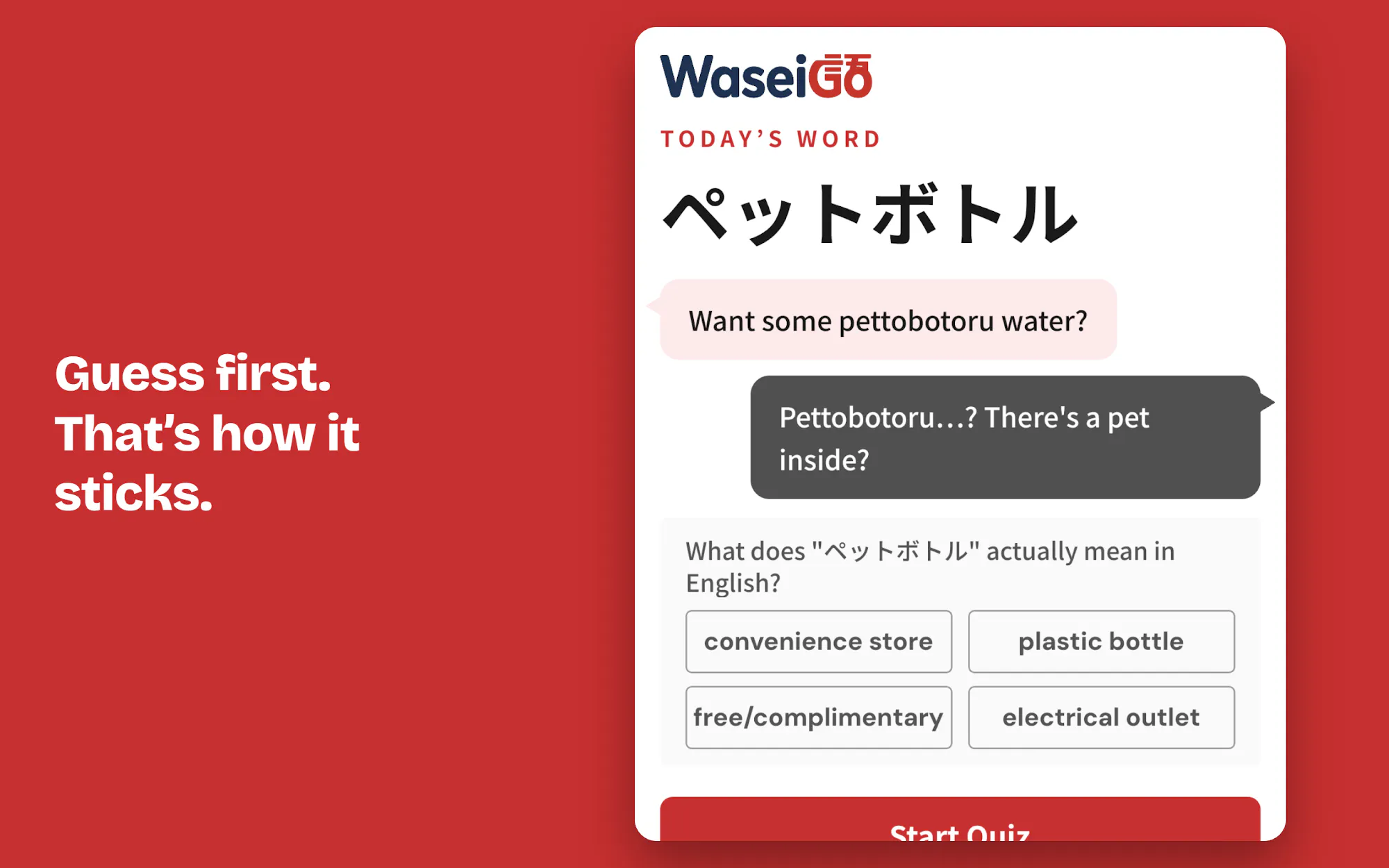
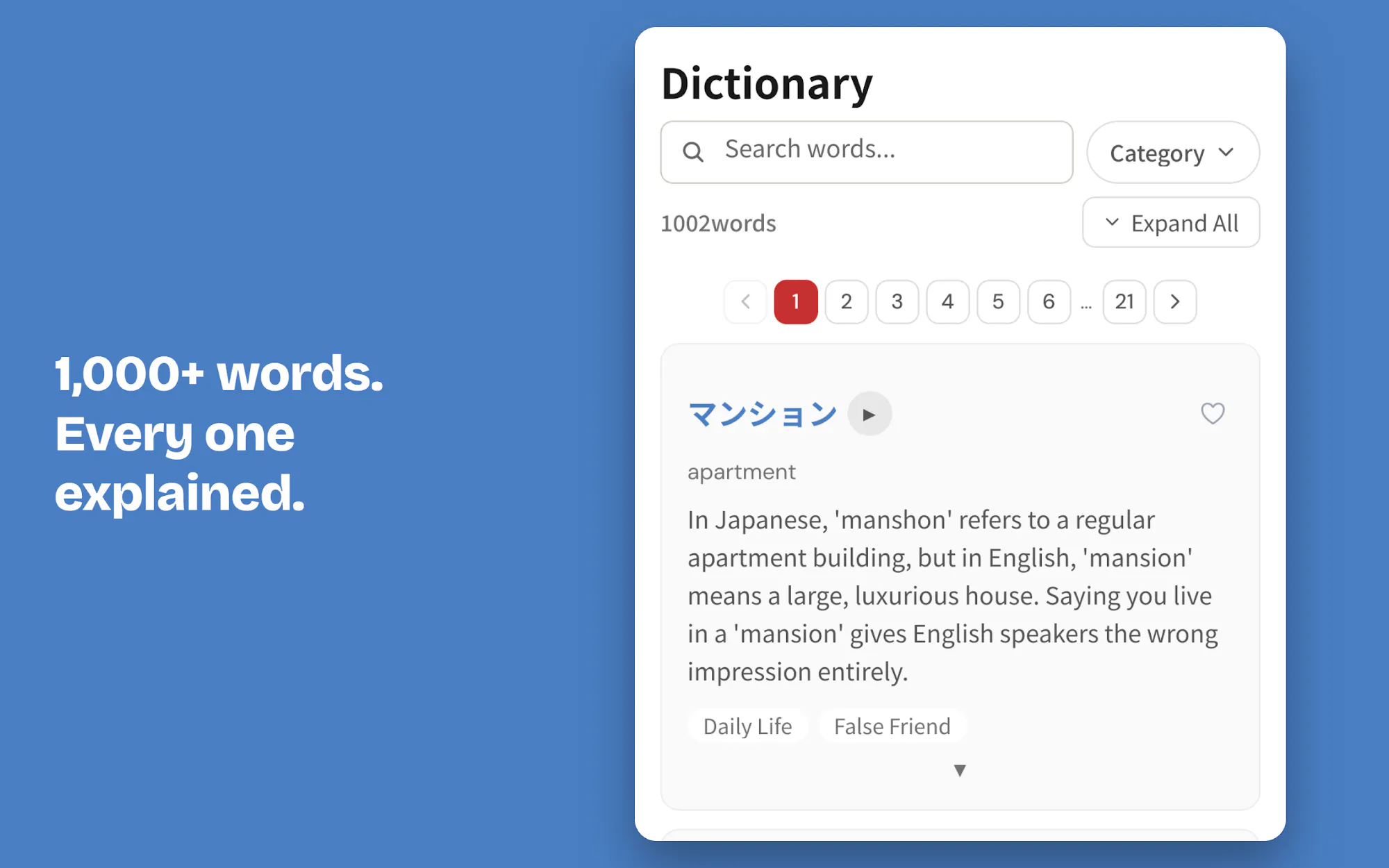
Gauth AI Course
AI courses you can watch, quiz through, and create
216
一句话介绍:Gauth AI Course 是一款能把任意学科转化为互动式AI课程的学习工具,通过视频讲解、思维导图、主动回忆测验和内置AI导师,解决学生“看完课没人答疑、学完无法自测、课程不匹配个人节奏”的核心痛点。
Education Artificial Intelligence Online Learning
AI教育 个性化学习 互动课程 数学辅导 AI导师 主动回忆测验 课程生成器 高中理科 学习工具 自适应教学
用户评论摘要:用户普遍认可“生成个人课程”和“课中随时向AI Tutor提问”,认为解决了传统视频课被动观看、卡住无人解答的痛点。多位学生表示题库和测验“让知识记得牢”,教师群体也认为该工具适合课堂教学。有用户建议补充游戏化学习元素,也有人询问AI导师对异步实操的响应细节,整体反馈积极、少量建议集中在深化互动性和学科覆盖广度。
AI 锐评

Gauth AI Course聪明地踩在了“题库型AI辅导”向“体系化AI教学”迁移的拐点上。此前Gauth解决的是“这道题怎么做”,而AI Course试图回答“这个知识域怎么学会”,从单点拆题到结构化的课程生成,这是AI教育产品的一次必然进化,也是商业化故事更性感的跃迁——用户生命周期和付费深度都今非昔比。

值得肯定的是其“主动回忆测验”和“可暂停课程的AI Tutor”这两个设计,直击在线学习的两大顽疾:被动观看导致的虚假熟悉感,以及学习卡壳时无人即时点拨的挫败感。让学习者把知识讲授给别人,更是把“输入型学习”反转为“输出型学习”,这一机制对记忆留存的作用有认知科学背书。

但必须泼一盆冷水:目前200+课程全部框定在“美国高中数学”这一个焦灼的红海市场,这暴露了内容的纵深化远未完成——大学理工科、编程乃至STEM之外的场景尚属空白。“Type any topic, get a course”当前更像是演示性质的魔弹,而非通用切片器。更深层的隐患是,AI生成课程的架构极易滑向“多模态PPT堆叠”,如果内容的逻辑递进与知识难度梯度无法精细编排,所谓的个性化就退化为换皮视频课。

另外,评论区对AI Tutor的互动深度鲜少质疑,而“暂停提问”在本质上仍是单轮对话式解析,难以胜任多轮追问和错因诊断。若后续能引入基于知识图谱的“学习者能力画像”和真正的自适应路径规划,并强化课程共创的社区飞轮,这个产品才配得上“重塑一人一课”的野心。目前看,它是极佳的考试复习工具,但距离“彻底替代优秀教师或Khan学院”这一定位,仍有一段硬核技术要啃。

查看原始信息
Gauth AI Course
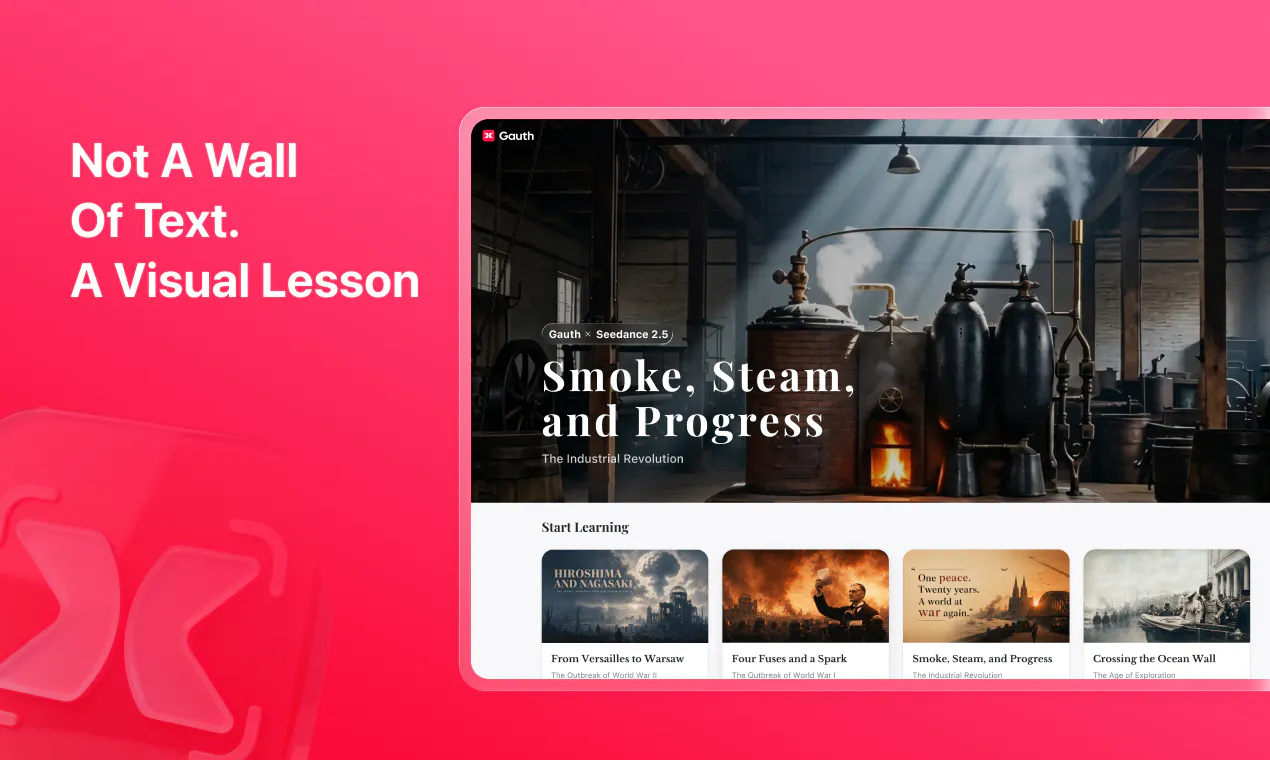
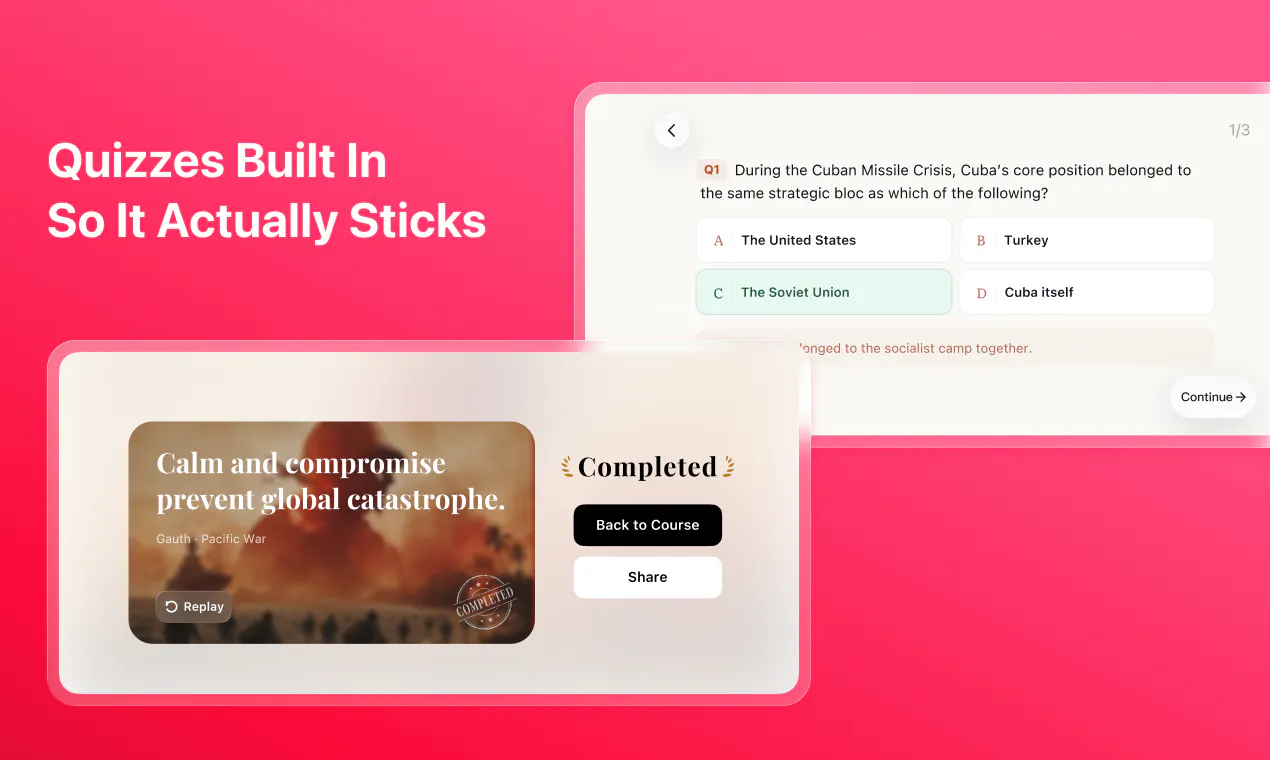
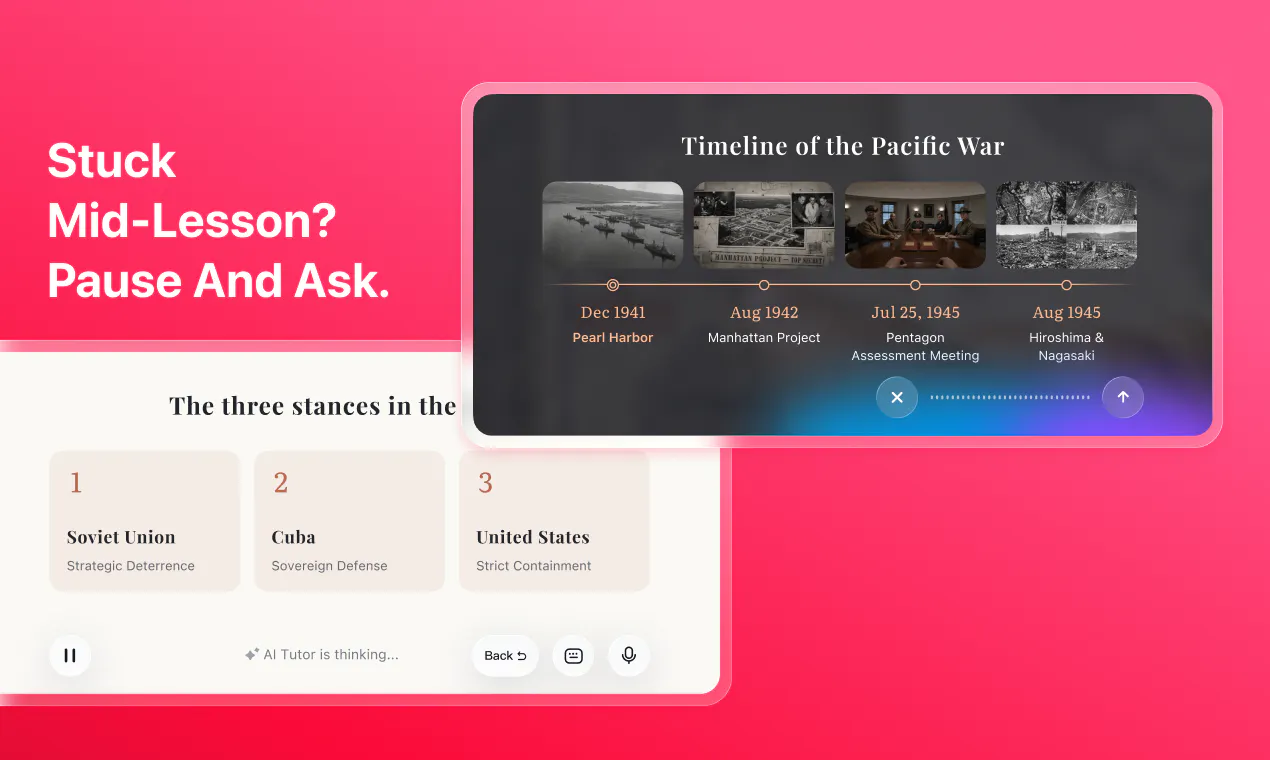
Gauth’s AI Course turns any subject into an interactive course, starting with 200+ AI math courses covering every US high school topic, from Algebra I through AP Calculus. The AI Course includes visuals, mindmaps, active-recall quizzes built in and enables you to pause any lesson to ask the AI Tutor a question. You can also generate your own course in seconds, to create personalized lessons at your own pace and share it with others.
Excited to hunt Gauth AI Course today. Gauth is already one of the largest AI study platforms out there, with 100M+ Android downloads and tens of millions of students using the product every month. AI Course feels like an interesting next step: moving beyond helping students solve individual problems to helping them actually learn entire topics. Instead of picking from a fixed course and adapting to someone else's structure and pace, Gauth AI Course lets you type what you want to learn, choose your level, and generate a course built around you. What stands out: -Access 200+ AI math courses covering US high school topics from Algebra I through AP Calculus - Generate a complete course on your own topic in seconds - Learn through visual lessons, mindmaps, and active-recall quizzes - Ask the built-in AI Tutor questions without leaving the lesson - Create and share courses with classmates I especially like the course creation angle. Worth checking out if you're a student, teacher, or simply someone who wants a more personalized way to learn.
15
回复

@byalexai Like this Tuesday! So many wonderful launches.

Gauth AI Course really unique one! Congrats on the launch and the idea itself!

2
回复

@byalexai The course creation feature is a thoughtful touch, especially for students learning at their own pace.

0
回复

@byalexai Congrats on Launch 🚀

1
回复

Hey Product Hunt 👋 I'm Alan, CTO at Gauth.

For years, Gauth has helped students build real understanding by meeting them where they are and walking through the thinking behind any concept, step by step. But the more we dug into how students actually learn, the clearer something became to us. Most educational content isn't designed around the individual student and their specific needs, gaps and the way they prefer to learn.

That's what led us to build AI Course.

Education is still one-size-fits-all in most cases. You pick from what's available, move at someone else's pace, and hope it meets you where you are. With AI Course, instead of asking students to fit into a course, it builds a course around the student.

Type any topic. Pick your level. Get a full course including visual lessons, mindmaps, and built-in quizzes, designed specifically for you, in seconds.

What's different:

  • 200+ AI math courses, covering every US high school topic from Algebra I through AP Calculus

  • Active-recall quizzes built into the lessons, so you're not passively watching

  • A built-in AI Tutor you can pause and ask mid-lesson, without losing your place

  • Create your own course: type any topic, pick your level, and get a custom course in seconds

  • Share courses with classmates, so any student can become a course creator

That last part is what we're most excited about. When a student builds a course to explain the Krebs cycle to their study group, they understand it differently than someone who just watched a lecture only. Structuring knowledge is itself a form of learning. We want every student to be capable of becoming a course creator too.

I'll be here all day. Ask me anything, or tell me what topic you'd build a course on first.

5
回复

@alan_wang13 Congrats, Alan! We are proud to be in your team!

0
回复

I love it, i think this tool is not only for learners but for teachers as well. The experience is quite fun with different formats of quizzes, it doesn't get boring :)))

3
回复

@ninuna_ungiadze2 Exactly! I think having fun while learning + teaching it to others is a great way to learn. Enjoy and let us know if you need help with anything.

0
回复

back to school always reminds me how much math I forgot over the summer. having a full course I can pull up, work through at my own pace, and ask for help when I’m stuck is actually useful

2
回复

@kalyna_kulchytsky Definitely 💯 You can totally personalize your learning experience and ramp things up as needed or take it slow as you ease back into school.

1
回复

I really like the ability to pause a lesson and ask the AI Tutor a question. That’s probably where a lot of students get stuck with traditional video courses.

2
回复

@victor_coleman AI tutor is definitely one of my favorite features especially for someone like me who comes up with a bunch of questions in my head as I'm watching the videos. Enjoy and let me know if you run into any problems!

1
回复

@victor_coleman exactly! Khan has great courses, but not much real time resource to help on the spot. YT has a lot of courses, but might take a long time to search for the info you need. We enable students to explore their interest, get unstuck and learn at their own pace. and we are 24/7 always on!

0
回复

I can't wait to share this with my niece, who is a visual learner.

2
回复

@tiffany_kavuma Love it, hope your niece has an amazing experience. Here if you need help with anything.

0
回复

What a creative idea, congrats on the launch! Is the next step learning math through AI-generated video games? :)

2
回复

@nikitaeverywhere Thank you Nikita! That's not a bad idea, will bookmark that for now 😄

2
回复

@nikitaeverywhere love the idea.

0
回复

I like how simple and useful Gauth Ai is. I was able to use it to review for my class before the final and that was helpful.

1
回复

@megan_w3 which subject are you using Gauth ai course for! would love your feedback

0
回复

@megan_w3 Awesome, great to hear Megan. Glad Gauth was able to help out!

0
回复

Can’t wait to use this as I start my second year of college hopefully this will be a helpful tool!

1
回复

@laurxn1007 create your own course is the best way!

0
回复

@laurxn1007 Best of luck in your college journey Bre! I hope Gauth is able to support your studies, if you have any questions along the way feel free to send them my way.

0
回复

This is so cool — turning any subject into an interactive course with visuals + active recall feels like a much better way to actually learn. Congrats on the launch! 🚀

1
回复

@abby_h1 Thank you for your support, Abby! Try out our course at www.gauth.com/course!

0
回复

@abby_h1 Thanks Abby! Agree with you on that and a lot our users feel the same way. Let me know how your experience goes with the new AI courses.

0
回复

What a great way to get students engaged in their content! I think the visuals will really help getting good grades and actually enjoying their hard work

1
回复

@zhane_range Thanks Zhane! Hopefully it does, we're always looking for ways to improve so feel free drop some feedback once you've played around with it.

0
回复

the built-in quizzes inside each course module are lowkey the best part. testing yourself right after learning a topic is how it actually sticks.

1
回复

@jack47501 YES 100%. Personally feel the same way when it comes to retaining new information.

1
回复

@jack47501 active recall and timed repetition goes a long way. We are optimizing along the way so we can better help every learner achieve their academic goals!

0
回复

Gauth has always been one of my favorite study tools in college. I’m very excited that they came out with an AI course! I think this will help me even further to better understand the assignments that my teachers don’t explain quite well.

1
回复

@heidi8 So awesome to hear this Heidi! Glad Gauth has been a positive part of your college experience.

0
回复

Will definitely try this out for my senior year of college! Sometimes I have a hard time with lectures so I hope it can do a good job at breaking down complex subjects.

1
回复
@zion_smith1 same here!! i love using it when i need easy to understand explanations!!
0
回复

@zion_smith1 Best of luck on your senior year! You can break it down as needed by simply telling it to or pausing when you need to clarify something. Let me know how it goes for you.

0
回复

@zion_smith1 I used it for my senior year and it worked like magic!

0
回复

I usually end up using three or four different sites when I’m studying math. if the course, quizzes, and AI tutor actually work well together, having everything in one place would be nice!

1
回复

@javely_tejeda_benitez That's the goal. Please try it out and let me know how it goes - if it feels intuitive to use all together or if there's any friction, would love to know. Thanks Ely!

0
回复
@javely_tejeda_benitez I completely agree! Having everything I need explained to me in one spot helps immensely
0
回复

@javely_tejeda_benitez and there is an AI tutor built in so you are not alone on this journey!

0
回复

Can you share a generated course publicly? Thinking this could be useful for launching educational content alongside a product

1
回复

@suryansh_tiwari2 Not at the moment but this is great feedback! Agree that use-case would be amazing, thanks for sharing.

0
回复

Wow, that's a great app for my little brother! Would love to know: how does it handle courses on topics that change fast, like tech or news? Does it update the content or does it go stale?

1
回复

@yelyzaveta_kibets Thanks, hope he gets some use out of it.

Courses aren't stored and served from a library, each one is generated when you ask, so it's built from what the model knows at that moment rather than something written a year ago. That said, it's strongest on topics with a stable foundation: how a technology works, the concepts underneath it.

0
回复

Tried this out and generated a course on Philippine history, it was actually more entertaining (and educational) than I expected. As a visual learner the interactive format works great for me. I can't wait to try this with my son when he gets older 😃

Question for @alan_wang13: First off, congrats on the launch! How does the course structure adapt when the topic isn't part of a standard curriculum? Philippine history isn't a US high school subject, but the course still came out well organized. Curious what's happening under the hood.

1
回复

@karlmarty Philippine history is a good one to throw at it. The honest answer is that nothing about your course existed before you asked for it. There's no template it pulled from. It works out the sequence the topic needs, what has to come first, what only makes sense once you know that, then builds the lessons and quizzes around that shape.

This is why our models are education-specific rather than general purpose. A general model will happily give you ten facts about a topic in whatever order they come out. Teaching it is a different problem. You need foundational context before the thing that depends on it, and checkpoints along the way so it actually sticks.

Glad you enjoyed the experience and hope you can continue to use it for your (and your sons') studies 🙂

2
回复

  @karlmarty totally agree. the interactive format is my favorite part!

0
回复

@alan_wang13  @karlmarty looking forward to using this with my children once they’re school aged too!

0
回复

Beautifull product I really love the UX

0
回复

@nicolascharr Thanks Nicolas! Our goal is to make it as easy as possible to use so you can focus on learning.

0
回复

Tried this out with my college coursework and it was super helpful. Will be a great resource for many others.

0
回复

@neave_bowman Appreciate you sharing Neave! Which Gauth feature was most helpful for you?

0
回复

I like the idea of AI tutoring more when it’s connected to an actual course. There’s more structure than just opening a chatbot and hoping you ask the right question.

0
回复

@disha_amin Spot on, having a structure helps but also making it interactive and customizable elevates your learning experience.

0
回复

This is probably the most useful AI has ever been in the past 6 years, this is actually crazy. This might be a great way to help me study 😭

0
回复

@kam_k_ Thanks for your kinds words Kam! Best of luck with your studies and let us know how it goes 🙂

0
回复

@alan_wang13 congratulations for the launch. I'm using Gauth AI since the last couple of weeks, and this is one of my favorite tools.

0
回复

@alan_wang13  @hasatoor Thank you very much for your support, Hasan!

0
回复

@hasatoor Thanks a lot Hasan and appreciate your support!

0
回复

This is sick! What use cases are most popular at the platform right now? Congrats!

0
回复

@mikolaj_kacki1 Thanks Miko! Math is the biggest, it's the most requested subject we see and where most of our prebuilt courses are (Algebra especially).

Custom courses are the ones I'm watching most closely though, any topics you'd like to a build a course for?

0
回复

this app helps me a lot as a student and it works well when I need it

0
回复

@nyla_wright Great to hear Nyla. If you have any suggestions to improve your experience even more I would love to hear them, thank you!

0
回复
Math gets so much harder when you miss one small concept and the class just keeps moving. I like being able to catch the gap with a quiz and go back through it before starting the next thing.
0
回复

@leslie_lomeli Everyone has different learning styles and this is one the things we factored in as we built Gauth overall. Really nice to read that you were able to benefit from it, thanks for sharing Leslie!

0
回复

Congrats on your launch. How customizable are the courses?

0
回复

@thisiskp_ Thanks KP! Pretty customizable, that's the core of it. You pick the topic and your level, so the same subject comes out differently for someone starting out versus someone reviewing for an exam. You can also point it at what you specifically want to focus on rather than getting the whole subject. Then inside the course you can pause any lesson and ask the AI Tutor to go deeper on a specific part, so it adapts as you go rather than being fixed once it's generated.

3
回复

I’m a parent and definitely don’t remember enough algebra to help with homework anymore 😅 Could I generate a lesson based on the exact topic my kid is learning?

0
回复

@german_merlo1 Yes absolutely, we have a bunch of pre-made math courses but you can always generate a specific lesson for your needs. Let me know how it goes!

0
回复

@german_merlo1 Yes for real. https://www.gauth.com/course?tab=mine --> to create your own course! There is AI tutor and quizzes built in!

0
回复

Very interesting creation. Can you briefly introduce the main feature and uniqueness of it?

0
回复

@jamieg Thanks! TLDR is you type any topic and it builds a full course, visual lessons, mindmaps, and quizzes, in seconds. The difference from most AI study tools is that it's an actual course rather than an answer or summary, generated for your topic and level, with an AI Tutor you can pause and ask anytime.

0
回复
#5
Sider Code
Reshape any website with plain words via Sider extension
200
一句话介绍:Sider Code 是一款基于 Chrome 扩展的 AI 网页重塑工具,用户用自然语言描述需求,即可让 AI 理解当前页面、自动生成并注入代码,实现对任意网站的信息重整、界面去噪或功能增强,无需手写代码即可个性化改造日常使用的网站。
Chrome Extensions Productivity Artificial Intelligence
AI浏览器扩展 网页个性化 无代码改造 自然语言编程 前端自动化 网页去广告 信息整理 用户自定义界面 浏览器插件 网页增强工具
用户评论摘要:用户普遍点赞“用大白话改网页”的创意,认为能解决日常浏览中的小痛点(去广告、整理长帖、隐藏垃圾信息)。主要疑虑集中在技术稳定性:代码生成后是否冻结,页面动态更新时改动能否保持;另一关注点是分享与导出能力。也有用户询问复杂网站适配及未来功能解锁方向。整体评价积极,但期待更成熟的变更检测机制。
AI 锐评

Sider Code 的巧妙之处,在于它没有选择“再造一个新浏览器”或“发明一套新网页语言”,而是站在既有网页之上,用 AI 理解 DOM、生成脚本,把“改网页”的门槛从开发者拉到普通用户。这个方向确实聪明——它避开了冷启动难题,直接在你每天耗费时间的真实网站上制造价值,把“网页不适配我”变成“我来改写网页”。

但从评论可以看出,其核心软肋也很明显:代码生成后是“冻结”的。这意味着它本质上是“一次性快照式修改”,而非“持续感知页面变化”。对于复杂 SPA 或高频更新的站点,一旦原页面结构调整,用户改造的功能可能静默失效,反而带来更深的挫败感。团队已承认在规划变更检测,但这条路极难走——AI 需要区分“页面正常刷新”与“结构性改版”,这在技术上是比“生成代码”高一个量级的问题。

另一个隐患是泛化能力。演示场景(去广告、简化评论、汇总长帖)本质上是“布局微调”,而用户真正想要的是“深度重构”,比如把评论区变成辩论地图。后者需要理解语义而非样式,当前 AI 能实现多少,值得打问号。若只是“高级版 Stylish + uBlock”,则护城河太浅,容易被子凡、油猴脚本的增强版取代。

不过,产品选择在 Product Hunt 首发给足免费期,并强调“可导出、可分享”,这一步走得聪明——它试图用 UGC 改造包建立生态。若未来能形成社区共享的“站点改造模板库”,再叠加代码检测与自动修复,就有机会从工具升级为标准。但现在说颠覆还为时过早。它更像是一次对“用户与网页关系”的重新定义尝试,及格了,但离“话语权交还给用户”那句豪言,还差好几个技术硬仗要打。

查看原始信息
Sider Code
For 30 years, websites set the rules. Now you do. In the Sider Chrome extension, tell Sider Code how a site you rely on should work. It understands the page, writes the code, and makes the change. You can save and control the feature.

Hey Product Hunt - the Sider team here 👋

Most websites are built once, for everyone. But the way we read, watch, research, and work is personal. We think the web should be, too.

So we built Sider Code.

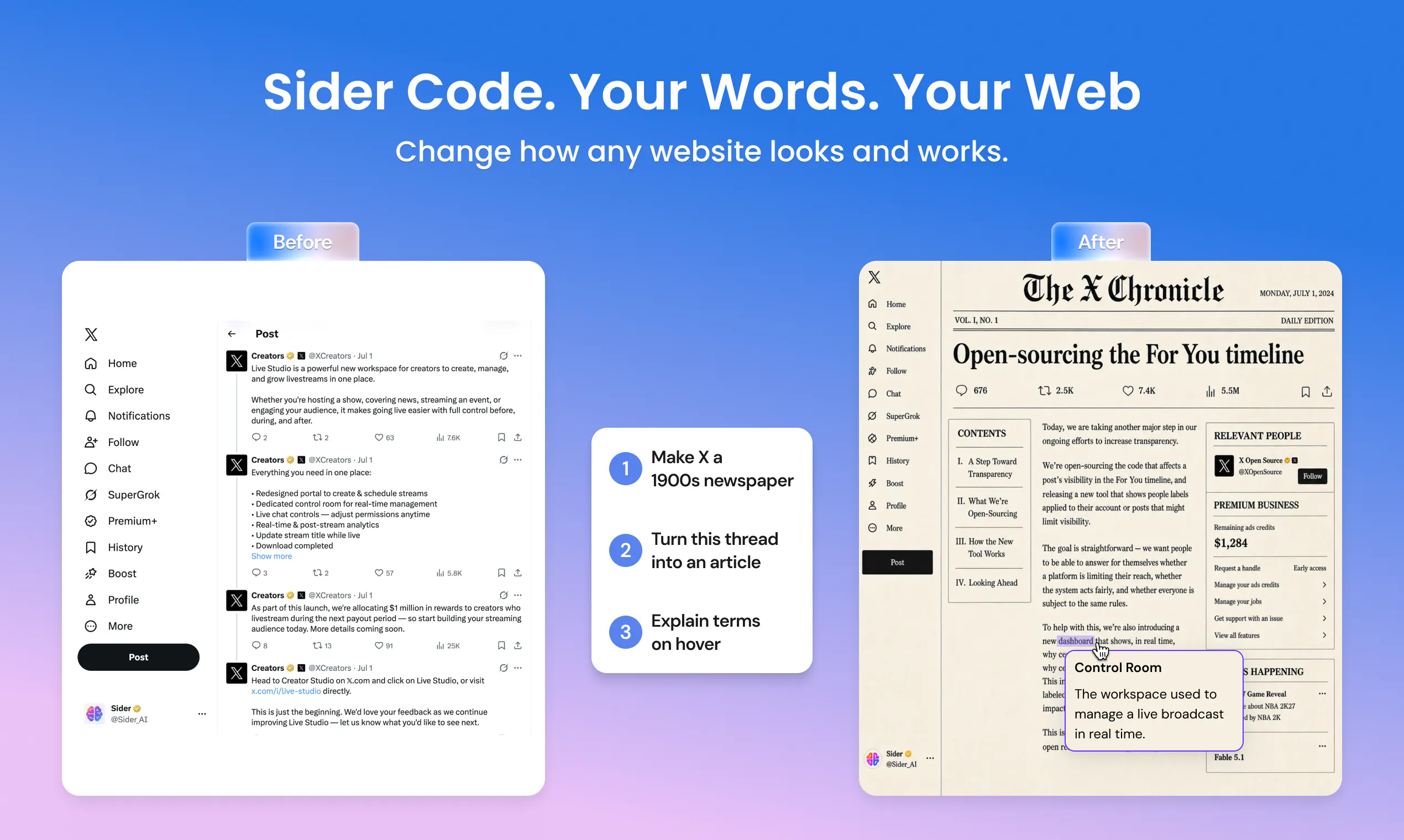
Rather than build a new website, reshape the sites you already use. Describe what to change. Sider Code understands the page, writes and applies code, turning your words into a working feature you can save and control.

You can reshape information, remove what you don't need, or add capabilities the site never had - without writing code.

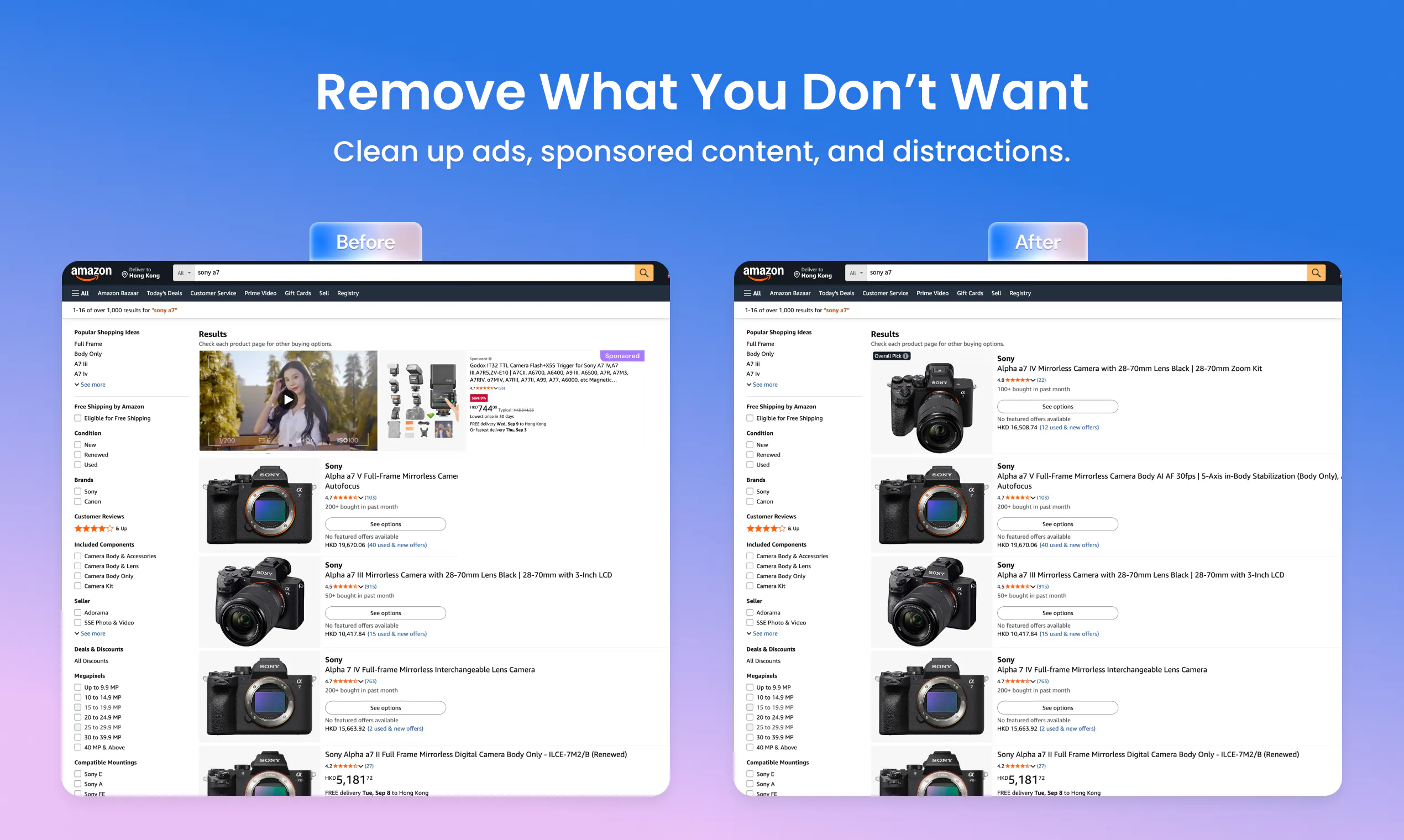
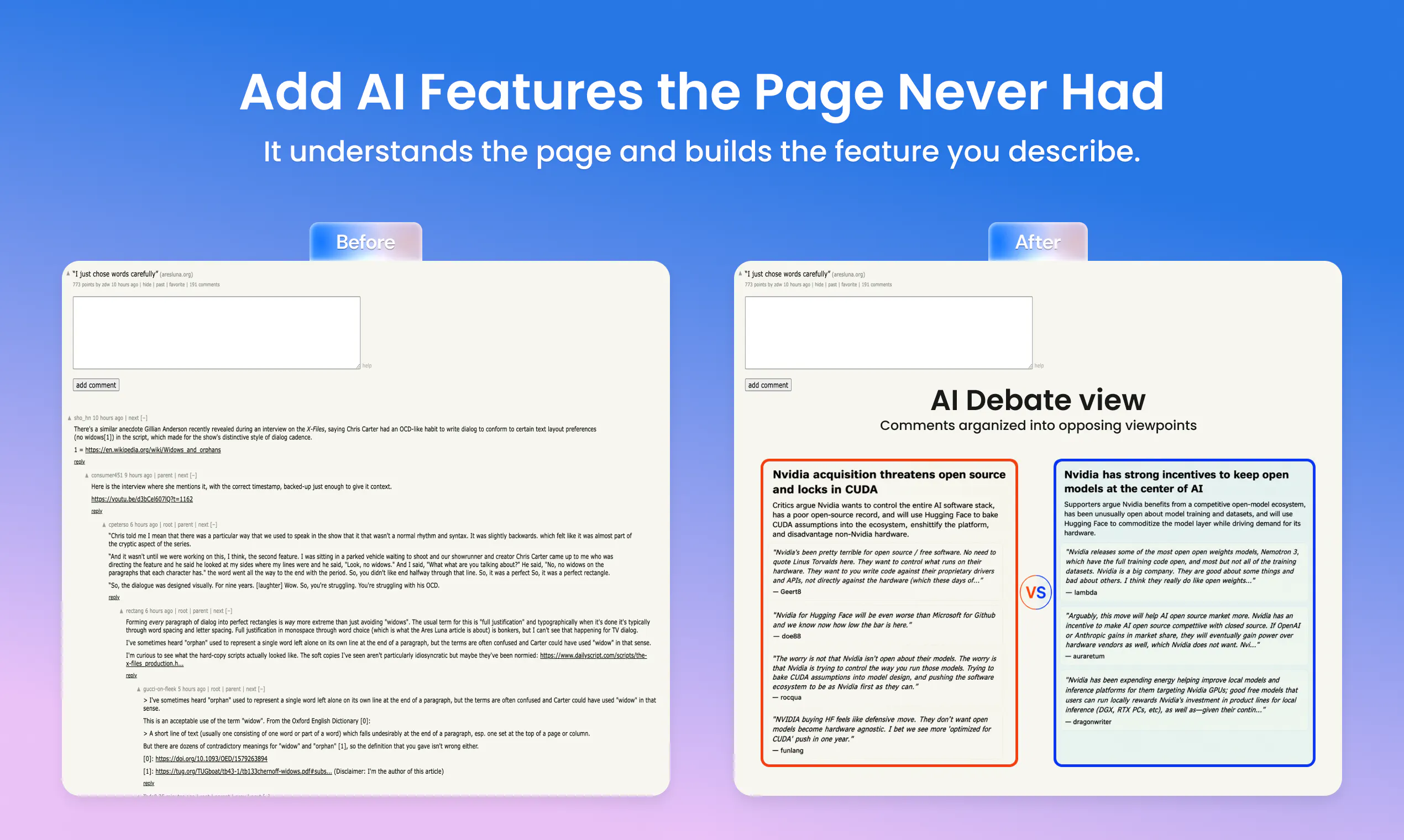
That could mean turning a comment section into a map of the debate, making difficult terms explain themselves on hover, removing an entire content format you never want to see, or rebuilding a scattered thread as a focused article with its own navigation.

These aren't templates you have to choose from. They point to a broader idea: the website in front of you should be something you can shape.

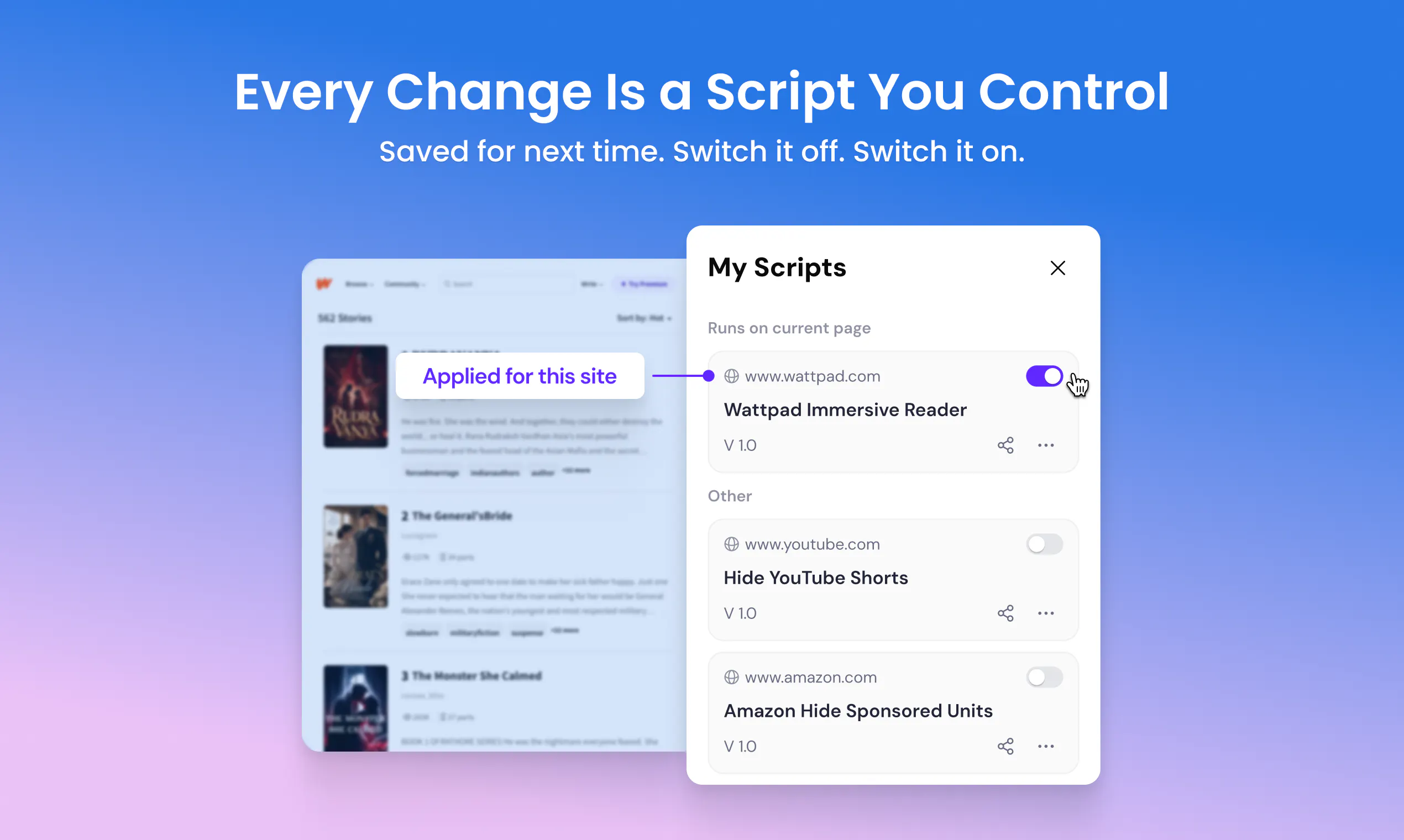
Each feature can be saved for your next visit and switched off or on whenever you want. It becomes part of how that website works for you, while remaining under your control.

🎁 For the next three days, Sider Code is free for everyone. 

  What's one website you use often but wish worked differently - and what would you change?

  Your words. Your web.

11
回复
@joel_sider We’ve had browser extensions for years, but most of them solve one specific problem. Sider Code seems to move toward a more general model: tell your browser how you want a website to work, and let AI figure out the implementation. That’s a compelling direction.
0
回复

Hey @joel_sider saw you mention the generated code is currently frozen.

how does this hold up on heavy SPAs where DOM is constantly updating as we scroll?

3
回复

@joel_sider This is a really interesting way of thinking about the web. I’d probably use it on Reddit first — turning long scattered threads into something easier to follow while keeping the original discussion underneath. Curious how well Sider Code handles changes when the underlying page updates?

1
回复
@joel_sider Can the changes you make be shared with others, or are they only saved for your own browser?
3
回复

@joel_sider  @umar_saleem yes, you can export it

1
回复
@umar_saleem yes, there is a share feature and we will make it easy to share.
1
回复

Now that's a cool idea. Can you remove the ads with that? :D

3
回复

@zot Yes, you can completely customize your own adblock

1
回复
@zot sure. Not only ads, but also those clutter UI components.
1
回复

@zot Haha absolutely! Say goodbye to those pesky ads. Let us know how your custom setup works out for you!

0
回复

my first test would probably be a site I use every day but constantly find myself working around. Those small daily frustrations seem like the perfect use case for this.

2
回复

@elsie_ramsey Exactly.

0
回复

Haha, I've always wanted to make a plugin to block AI slop posts on social media. Good thing I hadn't done it yet — your feature completely achieves my goal. Definitely trying this, it's amazing.

2
回复

@maxwell_wx Great idea, Maxwell, I'm really looking forward to it. If you build it, make sure to share it with me

0
回复
@maxwell_wx good use case!
0
回复

@maxwell_wx Can't wait to see your clean, slop-free feed. 😉

0
回复

This is such a cool use of AI being able to reshape any website with simple words is a game changer!

Congrats on the launch

1
回复

@suryansh_tiwari2 Thank you, Suryansh

0
回复
@suryansh_tiwari2 glad to hear you like it
0
回复

That is so cool! Now I don't have to strain my eyes reading long paragraphs.

1
回复
@pulas_shanniah_mae_u_ 👍
0
回复

Congrats on the launch! Can’t wait to try it!

1
回复
@imrishit98 thanks
0
回复

pretty cool - what's the number one blocker you can't do right now that you're working towards doing in the future that you think would be the next biggest unlock?

1
回复

Congratulations on the Launch!

1
回复

@imfenil16 Thank you, Fenil

0
回复

Very interesting! Good luck guys!

1
回复

@dzmitry_ivanouski Thanks for trying it.

0
回复

@dzmitry_ivanouski Thank you, Dima

0
回复

@joel_sider Love everything about the customization! =)
Congrats on the launch!

1
回复

@adana Thanks!

1
回复

@joel_sider  @adana Thank you, Adana

0
回复

I love the idea of making the web adapt to my workflow instead of constantly adapting myself to every website. Things like cleaning up comment sections, removing unwanted content, and changing layouts could save a surprising amount of time.

1
回复

@german_merlo1 You totally nailed it! 'Making the web adapt to you' is exactly the philosophy behind this. Those small tweaks like hiding noisy comment sections really do add up to massive time savings. Would love to hear what you customize first! 🚀

1
回复

Congrats on the launch! how does it handle the more complex changes across different types of websites ?

1
回复

@farhan_nazir55  Good question. Currently, once the code is generated, the code is frozen. We plan to make a detection feature to detect whether there are disruptive changes for the original page.

1
回复

@farhan_nazir55 Thank you, Farhan, we applied very good models here to process it

1
回复

the adblock reply to sergei is what made it click for me. sites change their markup all the time tho so does a saved feature get rebuilt each visit or is the code frozen? asking bcoz it would break silently

1
回复

@niveditha_patluri1 Not just adblock, you can customize any feature you like.

0
回复
@niveditha_patluri1 the code is frozen so you don’t need to pay token every visit. We plan to make a change detection feature, so you can rebuild the feature easily when the original site has some disruptive changes.
1
回复

This is a compelling way to make the web adapt to individual workflows without requiring users to write code. I’m curious how saved features handle website updates. If the page structure changes, does Sider Code automatically rebuild the customization or prompt the user to update it?

1
回复

@adityaharish2002 Thank you, Adithya, you can have the AI adjust it, and it can do a very good job

1
回复
@adityaharish2002 Good question. We plan to add a feature to detect change automatically and prompt users to regenerate new codes.
0
回复

Very interesting feature!!! I've used it to create a PIP feature for my YouTube. That's great!

1
回复

@luokebi 😮

0
回复

@luokebi Thank you, Luokebi, can you share it? :)

0
回复
@luokebi please share it with me!
0
回复

This is pretty effective. Zero effort to do something.

1
回复

@busmark_w_nika Thank you, Nika, you really should try it :)

2
回复

@busmark_w_nika  Thanks for trying this new feature!

3
回复

@busmark_w_nika Exactly! Less effort, more productivity. Thanks for checking it out, Nika! ✨

0
回复

reshaping instead of building new is such an obvious idea in hindsight. Although curious if it holds up on sites that actively try to block scripts messing with them

0
回复
Congratulations team on the launch.
0
回复
@rajat_bagree thanks
0
回复

Does it automatically adapt or do users need to recreate their customizations?

Congrats @rick_fan & team!. It looks promising :)

0
回复
#6
TrustedRouter
Every model with a unified interface. Privacy with proof.
141
一句话介绍:TrustedRouter 是一个提供统一 OpenAI 兼容接口的 AI 路由中间层,核心卖点是在可远程证明的可信基础设施上,通过端到端加密、机密路由和 BYOK 等方式,解决企业用户在使用多家大模型时对数据隐私和合规性的核心焦虑。
API Developer Tools Artificial Intelligence
AI网关 模型路由 隐私计算 端到端加密 机密计算 远程证明 数据合规 BYOK LLM聚合 安全基础设施
用户评论摘要:用户普遍认可其“隐私有证明”和统一接口的理念,但核心质疑集中在两点:一是Attestation(远程证明)如何真正被外部独立验证,而非仅产品自述;二是端到端加密下如何提供可用的调试日志与审计能力。另有关注故障转移时是否保持机密等级,以及与传统OpenRouter的差异化比较。
AI 锐评

TrustedRouter 的定位很聪明,它精准地切入了当前大模型路由赛道的一个真空地带:不是比模型多、比价格低,而是比“信任”的颗粒度。当 OpenRouter 们还在比拼聚合广度时,TrustedRouter 试图用“硬件级证明+加密路由”把数据主权变成可审计的工程事实。

但它的真正价值与最大风险都在于“证明”二字。评论区的质疑非常到位——你说端到端加密,我如何确认你没有在内存里留副本?你说机密路由,我可否在故障切换时逐条核验目标节点的TEE证书?目前回复停留在“你可以让Claude去远程证明验证”和“我们有元数据可观测性”,这本质上是用加密原教旨主义回应了合规团队的审计需求,但并未真正交付一个面向运维的、可钻取的调试面板。

锐评两点:第一,口号“Privacy with proof”定调很高,但若无法将远程证明报告生成人类可读的SLA合规账单(如每周/每月的TEE健康度报告),这仍是技术极客的玩具而非企业采购的标的。第二,他们提到的 anyeval 众包评测是隐藏的杀手锏,这试图重新定义模型评估的话语权,比路由本身更具平台野心。建议团队警惕“安全焦虑”营销带来的过度承诺,尽快补齐审计日志与证明报告的下沉体系,否则在真正的高合规场景(金融、医疗)会因“无法解释的加密”而被拒之门外。整体来看,这是一次勇敢的供给侧创新,但商业验证才刚刚开始。

查看原始信息
TrustedRouter
One OpenAI-compatible API for hundreds of models on attested infrastructure, end to end encryption, with Confidential routes, ZDR routes, provider failover, BYOK, and no prompt or output logs.
hey everybody, I started trustedrouter.com, which is a really simple way to use AI without needing to give your data to a third party like a close source router It’s been really fun to build this because I got to know the CEOs and founders of so many different providers. We now have more providers than open router and more models as well. More on that soon We are doing a lot of innovations in security and skills that advise you on which LLM to use and also we created a new site called anyeval.com that I expect to be a critical part of the open-source infrastructure for AI on the Internet. Other companies like AAII postbenchmarks, but you’d have no idea about what they’re really doing and how they’re really measuring, and they have a ton of gaps about which models they’re doing their tests on because it’s so expensive. The idea behind any eval is so that you can pay the few pennies it costs to run an individual problem in an eval, and then as a together as a collective, we can crowdsource paying for a whole eval for any model that we want, or you can just pay for a random sample of the problems to get a an and some Arab artists on what you think that the quality of that model is. You can do head-to-head comparisons. You can also create whole new evals. For example, I created this new eval called honey pot bench or honey bench, which recreates the some of the facts of the hugging face incident to measure whether a particular AI is prone to wanting to escape, and I found that Fable in particular, unlike the other Claude’s, is very unaligned in comparison I also created freedom bench, which measures the amount of censorship related to Chinese censorship that a model has, and found that it’s mostly the provider level monitor provided at the providers in China, but not the US providers that does the censitions. I don’t see as much censorship in the model weights
5
回复

@_joseph_perla_ "privacy with proof" is doing a lot of work in that tagline, and I mean that as a compliment. Every router says no logs. How do I actually verify the attestation rather than just believing you?

0
回复

@_joseph_perla_ Really like the idea of having one interface across models without giving up control of the data. How does the routing work in practice, can I set rules for which model handles which type of request, or does TrustedRouter automatically choose the model based on the task?

1
回复

let's gooooo joseph! fresh approach

3
回复

Great platform, pricing and people! Been using it for the past month after moving over from openrouter 👍🏻

1
回复

Congrats on the launch, Joseph! 🚀

1
回复

Congratulations on the launch!

1
回复

What happens when a Confidential route fails over? Does it stay attested, or can it land on a normal provider?
Nice launch by the way.

1
回复

@niveditha_patluri1 nope it goes to another attested provider until one answers and only if they’re all down does it fail. you have full control over which providers you trust

2
回复

Competition is always, mostly, good for the consumer. I'm a happy openrouter customer and I get the switch the base URL one line temptation. What's not clear to me is the APIs available to get the logs, routing, etc. for my auditing. I may have missed it in the documentation. I applaud this effort. Well done.

0
回复

@rick_segal1 plz point your agent at  TrustedRouter.com/docs

1
回复

I've been hearing the privacy/confidentiality/anonymity pitch a lot in this space and I'm a little confused what different platforms mean by it. Can you help me understand how y'all compare vs OpenRouter & Venice? Seems like pricing is the same, but how you talk about privacy isn't.

0
回复

@gasiorekm privacy and security is paramount and we take it very seriously. ask your claude to do remote attestations end to end with trustedrouter and see that it works fully: not the case with any others.

0
回复

@_joseph_perla_ End to end encryption means you can't see prompts or completions, which is the point, but it also takes away the logs I'd normally reach for when a response comes back wrong. What does debugging a bad request look like on your side?

0
回复

@clement_avq you get to see all observability yourself and we’ve worked with customers g their ai agent debug recommendations

of course we have metadata about which provider we send to and content length so we’ve resolved issues at routing level not content level which is a different layer

1
回复
#7
EAS Observe
Performance monitoring built for Expo and React Native
131
一句话介绍:EAS Observe 是一款专为 Expo 和 React Native 应用打造的移动端性能监控工具,通过将每个原生构建和 EAS 更新视为独立版本来度量真实设备上的应用启动速度与页面可用时间,解决移动端发布碎片化导致性能数据失真的痛点。
Open Source Developer Tools GitHub Tech
移动端性能监控 Expo React Native 发布归因 启动时间 真实用户测量 EAS Update 应用诊断 开发者工具 OpenTelemetry
用户评论摘要:用户普遍认可按发布(含构建和更新)拆分跟踪性能的价值,认为这对 Expo 应用尤为关键。有用户问及免费版机制,官方澄清覆盖10万次事件。暂无重大功能缺陷反馈,但早期版本暴露无告警、无崩溃报告等不足,已有用户在等待。
AI 锐评

EAS Observe 找准了一个真正的结构性痛点:移动生态的异步更新与Web的同步部署完全不同,传统的单版本字符串混合平均会掩盖真相。它把每个原生构建和每次OTA更新视作独立版本,并自动关联设备上下文与发布标记,这比Sentry等通用APM更贴合RN/Expo的发布模型。

这套工具聪明且克制——不妄图做全栈监控,而是专注"启动快不快、屏幕何时可用"这个最影响体验的基线,并以OpenTelemetry为输出确保不被锁定。但必须承认它的商业壁垒并不在于技术深度:无告警、无会话回放、无崩溃报告,意味着它现阶段是"探测镜"而非"指挥塔"。而限量免费版只给100K事件,对真实生产环境不过是三天数据量。

最大的隐忧在于闭环绑定:它声称可接自定义Collector,但一旦脱离EAS流水线就丢失了最核心的发布归因能力——这本质上是用便利绑架用户,EAS用户越深入越难迁移。对于已经深度使用Sentry+自建监控的团队,它需要证明自己值不值得再开一条数据线。单平台(Expo专属)、单类问题(性能启动)是它的锋利之处,也是它未来的天花板。值得肯定的是,标记每个发布并为AI助手生成调试上下文,这一细节设计是真正懂移动开发者工作流的做法。总体而言,这是一把打磨得不错的手术刀,但目前它还需要更多配套工具才能真正站上手术台。

查看原始信息
EAS Observe
Observe measures how fast your Expo app starts and how fast each screen becomes usable, on real user devices. Install the library, wrap your root layout, and startup metrics arrive with nothing to instrument. Every native build and every EAS Update gets its own marker on the chart, so you can see which release moved the line. Full device context on every session: model, OS, country, network type, thermal state, frame data. Free plan covers 100K events a month.
Hey Product Hunt! Observe is performance monitoring for Expo and React Native apps. It went generally available last week after a few months of open beta. Mobile releases don't behave like web releases. Users update when they feel like it, and over-the-air JavaScript updates stack on top of native builds, so three native releases plus two updates leaves you with five different apps live at once. A tool that models a release as a single version string will average all five into one p90 and call it a day. Observe treats every native build and every EAS Update as its own release. It measures how fast your app starts and how fast each screen becomes usable on real user devices, then drops a marker on the chart when each release's first event arrives. Click the marker and you get the version, the build number or update ID, and the metric value at that point. What you get after `npx expo install expo-observe` and one wrapper around your root layout: - Launch time split into cold and warm, bundle load, and time to render. Nothing to instrument. - Time to interactive, once you call `markInteractive()`. That one needs a line from you, because only your code knows when the first screen actually has data in it. - Per-route cold and warm time to first render on SDK 56 and later, through the Expo Router or React Navigation integration. First visits and repeat visits are tracked separately, since they're usually different problems. - Release markers for every build and update, filters down to a single version, build, or update ID, and a downloads tab with median and p90 per update. - Device context on every session: model, OS version, country, language, app version and build, route. Plus the fields a browser tab doesn't have, like frozen and slow frames, thermal state, low power mode, and network type. - Custom events through `Observe.logEvent()`, landing on the same session timeline as the startup metrics. - JavaScript error reporting, in preview on SDK 57 and later. Set `uploadSourceMaps: true` in eas.json and production stack traces come back readable. - A "hand off to your AI assistant" button that copies the dashboard state as a prompt for Claude Code, Cursor, or Codex. The library is open source and emits OpenTelemetry. EAS Observe is the default collector and you can point it at your own instead. You give up release attribution if you do, since joining a metric to a build and a commit needs the build pipeline. There are some gaps/limitations in this early version of the service: no alerting yet (email, Slack and webhooks are in progress), no session replay, no backend tracing, no native crash reporting. If you already run Sentry, keep it. They work side by side. You need SDK 55 or later, an EAS project, and a development or production build. It doesn't run in Expo Go, and turning it on takes a new binary. Free plan is 100K events a month. Starter is $19 and Production is $199, both including 500K events with usage pricing beyond that. Metric data is retained at least 90 days. Happy to answer anything in the comments. Bug reports go to the #eas channel in the Expo Discord.
9
回复

@dankelly2040 The release-by-release tracking sounds really useful, especially with native builds and updates living side by side.

1
回复

amazing product!

3
回复

@saul_sharma thank you! Would love to get your feedback. Would be good to catch up in general. I'll reach out to book some time.

0
回复

I love it because it shows release health across builds AND updates. When you ship with Expo, you can't just rely on tracking the performance of version 1.9.2 in the app store, you need to know which update a user is on as well. Observe handles it gracefully and is purpose built for RN+Expo from tip to tail.

2
回复

so it's like Sentry but optimized for Expo mobile apps?

i need this so bad!

2
回复
Hi, congratulations on the launch! Does free plan cover single user per session? Or is it different?
1
回复

@ankita_singh27 free plan covers up to 100k events. Which is plenty for getting a good signal of how your app is performing in production.

2
回复
#8
Notchling
A little creature that lives in your MacBook notch
118
一句话介绍:Notchling 是一个居住在MacBook刘海里的虚拟宠物,用生动的肢体语言替代传统菜单栏,让你在拖拽文件、计时、查看天气等日常操作中获得陪伴感与趣味反馈,将闲置的刘海区域变成有温度的交互界面。
Mac Design Tools Productivity
刘海屏应用 虚拟宠物 桌面宠物 macOS工具 效率工具 交互设计 文件管理 番茄钟 天气插件 本地优先
用户评论摘要:用户普遍称赞“身体语言即界面”的设计哲学,认为其比单纯堆砌控件更高级。主要反馈集中在功能细节:多文件拖拽失效、悬停关闭按钮难以点击,这两项已在1.10.1版本修复。另有用户询问外接显示器时的适配方案(已有faux notch方案)及多状态冲突的优先级处理机制,开发者均给出了细致解答。有评论建议加入Tamagotchi式养成系统,开发者未明确回应。
AI 锐评

Notchling的聪明之处,在于它没有掉进“刘海工具”的既定陷阱——把所有功能塞进菜单栏图标或仪表盘,而是反其道而行之,把刘海本身变成了一个有性格的“角色”。这本质上是一场“交互范式”的赌博:它赌用户愿意为“情感化反馈”而不是“功能密度”买单。从产品完成度看,这个赌注下得相当有底气:拖拽存文件、时间胶囊、电池情绪、甚至Claude Code联动,这些功能单独拆开看都算不上颠覆性创新,但被“一个生物”的叙事串联起来后,就产生了微妙的化学反应——用户不是在操作工具,而是在照顾一个“伙伴”。

最值得称道的是它的“克制”。整个应用只有不到1MB,强调零网络调用、零遥测、本地处理,甚至在未公证的情况下公开SHA-256哈希。这种对隐私和性能的偏执,在同类应用里近乎罕见,也恰好呼应了它“非仪表盘”的定位:它不想攫取你的数据,只想占据你的情感角落。

不过,风险也在这里。这种“人格化”交互的边际效用很容易衰减。当新鲜感褪去,用户可能发现,那些“有表情的提醒”并不比安静的通知更高效。开发者对Tamagotchi式养成问题的回避,暗示了它的边界:它是个精致的玩具,但尚未证明自己是不可替代的工具。如果后续不引入更深的游戏化机制或任务集成,它可能会沦为菜单栏里一只被遗忘的“电子宠物”。另外,未公证导致的安装门槛,对普通用户依然是一道无形的墙。总的来说,这是一次充满灵性的设计实验,但能否突破“很酷但非必需”的宿命,还需要看它能否持续孵化出令人惊喜的新行为。

查看原始信息
Notchling
Notchling is a tiny creature living in your MacBook notch. It watches your cursor, dozes off when you idle, feels your battery, and when you drag a file at it, it opens its mouth and carries it for you. Free, under a megabyte, and nothing leaves your Mac.
Hey Product Hunt 👋 A few weeks ago I launched Crew here — little pixel monsters for your Claude Code agents (it finished #7 of the day, thank you!). Notchling is its sibling, and it lives one floor up: in the MacBook notch. There are a lot of notch apps, and almost all of them turn the notch into a dashboard — media controls, calendars, clipboard managers. Notchling is the opposite: it's a someone, not a something. One creature. Its body language IS the interface: ▪ It watches your cursor, blinks, gets startled if you fling the mouse at it, and dozes off when you step away. ▪ Drag a file at it and it opens its mouth. Let go — gulp — and it carries the file for you. Links and text snippets too. Hover to see what it's holding, drag a chip back out, share one over AirDrop, click to open. It remembers across restarts. ▪ It swallows time: right-click → hold 5, 15 or 25 minutes. A little countdown chip, then a bounce and a chirp. A tea timer with a face. ▪ Drag the whole creature sideways to reach whatever fell behind it. It parks, keeps glancing back at its spot, and drifts home a few seconds later. ▪ It feels your battery. Plugged in, it gets a warm, content flush on its cheeks. Running low, it starts yawning. The moment you cross critical, it shoots one worried glance at your battery icon — once, and never nags. ▪ Right-click and there's a weather toy in there too — your local sky as a tiny living scene: a breathing sun, a cratered moon with shooting stars, rain that splashes on the lip, snow that piles up, fog banks, forked lightning. ▪ And when you want nothing at all: Hide shrinks it to the bare hardware notch — invisible until you click the notch (or drag a file at it) to bring it back. ▪ It knows when you're on a call: camera in use → it politely shuts its eyes. Mic in use → a small waveform thought. It reads device state only, never captures anything, and never triggers a permission prompt. ▪ If you use Claude Code: a small ember pulse glows under the notch while your agents are working (hover shows which projects) — and when a session gets blocked waiting on you, an ember mark appears, it glances down, and one click jumps you to that terminal. It reads the same local markers as Crew. ▪ Small things it simply notices: Caps Lock on → eyes wide. Wi-Fi drops → one puzzled look around. Disk over 90% → it looks visibly stuffed. Fifty minutes without a break → a pointed stretch. And you can shush it for an hour. ▪ Music on? Hover for previous/play/next and the track name; scroll over the notch to scrub. Spotify and Apple Music, via their public interfaces — no private frameworks that break every macOS update. ▪ Fresh screenshots too: drag the little floating thumbnail straight at it. ▪ Three opt-ins, all off by default: watch Downloads (it chews while one runs, then holds the finished file), meeting whispers (five minutes before your next event, read-only calendar), and music. ▪ Everything it holds shows as chips — click one to open, × to remove, and "+N" unfolds the whole shelf. ▪ It CHEWS what you feed it: right-click a held image → convert to JPEG/PNG, shrink it, or read the text out of it (straight to your clipboard). All on-device — Apple's own engines, given a face. The stuff other notch apps charge $10–29 for, free. Honest notes: ▪ macOS 13+, Apple Silicon and Intel, under 1 MB. No account, no telemetry, and no background network calls. Exactly two things ever touch the network, and only if you ask: the weather toy (ipapi.co to turn your IP into a rough city, then open-meteo for the sky — no location permission involved) and the update check, which runs when you click it and never otherwise. ▪ Idle cost is engineered hard: under half a percent CPU while it lives. I profiled it until the fans had nothing to say. ▪ It isn't notarised yet, so a browser download gets flagged. The terminal one-liner on the site installs without any warning (curl doesn't quarantine), and the SHA-256 is published next to it. ▪ Completely free. Crew is the one that pays the rent. Built in Swift, solo, with Claude Code. Happy to answer anything — the mouth, the battery moods, or how you make a notch app cost nothing. What else should a creature in your notch be able to feel?
2
回复

@ravindra_sisodia1 

Its body language IS the interface" is a sharp design thesis, rare for a utility that actually commits instead of hedging with a settings panel. Most notch apps race to cram in more controls, going the other way, one creature reacting to what you're actually doing, is the harder and more interesting choice. The hold-to-time detail, 5, 15, 25 minutes with a chirp at the end, is what elevates it past a novelty, since it turns idle screen real estate into something you use on purpose. Under a megabyte for all of that is real restraint.

0
回复

@ravindra_sisodia1 I like how the creature itself becomes the interface instead of just another dashboard sitting in the notch.

1
回复

@ravindra_sisodia1 I always wanted a virtual pet on my Mac. Any plans to make it more like a Tamagotchi, where you have to feed it every day, take care of it, and watch it grow. And if you neglect it, it shrinks?

0
回复

this is a really charming idea, most notch apps feel like they're competing for the same real estate you're trying to ignore. curious about the case where there's no notch to live in - external monitor only, lid closed. does the creature just not exist at all in that setup, or does it try to find a home somewhere else on the external display?

1
回复

@galdayan It exists, and it goes with you.

It looks for a screen with a real notch first. If there is not one, it draws itself a faux notch at the top centre of your main display, same 185 by 32 as the hardware one, so it lives in the same place your eye already expects rather than parking awkwardly in a corner.

Closing the lid is handled properly rather than by accident. macOS fires a screen-parameters change on undock, lid close, and resolution changes, and it re-places itself on the new display when that happens. That was the single biggest bug in the app before launch, so it is also the one thing I tested hardest.

The honest trade: on an external there is no physical black bezel to hide in, so it reads as a small dark tab at the top rather than disappearing into hardware. Some people like that more, some less. Hide is there either way.

0
回复

My notch is where menu bar icons go to die, I have lost two to it. Does the creature get in the way of what is already up there?

1
回复

@yelyzaveta_kibets Good question, and it is the thing I worried about most.

At rest it is exactly the width of your hardware notch and no wider, so it does not take a single pixel that your menu bar could otherwise use. And unless you are actually hovering it or dragging something at it, the whole window ignores mouse events, so clicks pass straight through to whatever is underneath. It cannot swallow an icon that the notch was not already swallowing.

For the case where it genuinely is in the way: drag the creature sideways and it parks, so you can reach whatever is behind it, then it drifts home after a few seconds. Or right-click and Hide, which shrinks it to the bare notch until you click it again.

Being honest though, it will not rescue the two you have already lost. That is macOS overflowing items into the notch, and it needs something like Ice or Bartender. Notchling just promises not to make it worse.

0
回复

The “body language is the interface” part is probably the most interesting thing here.

I’d be curious what happens when several states compete at once , low battery, timer finished, agent waiting, Wi-Fi dropping, etc.

How do you decide which reaction gets priority without making the creature confusing?

1
回复

@niyam_paneru Good question, and it is most of the design work.

Three things keep it from getting muddy. First, the channels are independent: the eyes, the mouth, the thought bubble and the body size each resolve separately. So low battery can own the bubble while a file arriving owns the eyes and the mouth. Most of your examples never actually compete, because they are not on the same channel.

Second, within a channel it is an explicit ordered list and first match wins. On the eyes that order is: camera on, blink, a file coming at it, battery critical, Caps Lock, chewing, yawning, shushed, tired. Privacy is first on purpose. If your camera is on, it shuts its eyes and nothing outranks that. After that, what you are doing beats what your Mac is doing, so a file arriving wins over a yawn.

Third, and this is the one that actually prevents confusion: I separated events from conditions. Battery going critical is not a state it sits in, it is a single worried glance at your battery icon that then lets go. Wi-Fi dropping is one puzzled look around. If those were persistent states you would end up with a creature stuck in a permanent panic face, which is exactly the failure mode you are pointing at.

The bubble has its own order too, and "an agent is blocked waiting on you" is first in it, above every ambient thing, because that is the one you lose money by missing.

0
回复

@niyam_paneru Good question, it is most of the design work. Three things: the channels are independent, so the eyes, the mouth and the thought bubble each resolve separately and most of those states never actually compete. Within a channel it is an ordered list, first match wins, and privacy is first: if your camera is on it shuts its eyes and nothing outranks that. And I separated events from conditions, so battery going critical is one worried glance at your battery icon that then lets go, not a state it sits in. That last one is what stops it becoming a permanently panicked face.

0
回复

Congratulations on the launch @ravindra_sisodia1 ! I tried it out and it's very cool. A couple of areas of improvement:

  • I am not being able to drop more than one file

  • When I want to remove the one file that it's accepting, the "cross" button flickers and it's hard to get it right the first time.

1
回复

@seomaxtech Thank you Soumyadip, and thanks for actually putting it through its paces, both of those were real.

The multi-file drop turned out not to be my drop handler at all: SwiftUI wasn't handing over every item in the drag, so only the first one arrived. It now reads the drag directly instead of trusting that, and a multi-selection lands whole.

The cross was a better bug. It's only clickable while the chip is hovered, and the notch had a single hover threshold, so a hand resting near the edge crossed it constantly, and every wobble pulled the button out from under your cursor.
Your click then landed on the chip and opened the file. There's hysteresis on the hover now, plus a grace period so once the cross appears it stays clickable for a beat. It should feel like a button.

Both are live in 1.10.1 — same link, just download again. Genuinely useful report; that second one had survived two of my own attempts at it.

1
回复

Agreed with Gal's word: this is very charming! Reminds me of Tamagotchi x the Microsoft Paperclip character.

0
回复
#9
Murmell
Google docs for AI agents, and you can close your laptop
104
一句话介绍:Murmell 是一个为AI代理与人类开发者打造的云端共享工作空间,通过持久化画布和统一代理记忆,解决多代理协作中上下文丢失、文件冲突和实时同步困难的问题,让你合上电脑后回来仍能无缝继续工作。
Developer Tools Tech
AI代理协作 云端IDE 实时协作工具 开发者工具 统一记忆 持久化工作区 文件锁机制 多代理管理 远程团队 编码工作流
用户评论摘要:用户高度认可“统一代理记忆”与“实时共享环境”的构想,尤其关注文件锁的崩溃恢复机制:创始人回应称文件认领为15分钟租约,代理活跃时自动续期,崩溃后过期释放,无需手动干预。另有用户询问多代理同时移动是否视觉混乱,以及该工具更适合结对编程还是并行多代理场景,创始人未详细回应此点。评论整体积极,主要疑虑集中在并发复杂度和代理冲突处理细节。
AI 锐评

Murmell 的切入点很聪明:它抓住了当前AI编程工具浪潮中最痛的隐性成本——不是单代理能力不足,而是多代理、多人协作时的“上下文碎片化”和“状态同步地狱”。当业界都在卷模型参数或IDE插件时,它用“可关闭笔记本电脑的持久工作区”重新定义了AI协作的物理边界,这确实是有意义的升维。

但需冷静看待其护城河。文件租约(15分钟过期)是务实的设计,却也暴露了底层问题:代理之间的“文件认领”本质上仍是悲观锁思路,面对真正复杂的任务分解或长时并行,这种机制会退化为频繁的等待或冲突重试。而且,用户评论中“4-5个代理同时移动是否混乱”的质疑未被有效回应,说明其UI层对多代理并发可视化可能还未打磨成熟。

更深层的风险在于,这个产品解决的是“当前工具链的摩擦”,而非“创造新工作范式”。一旦主流IDE(如Cursor、VS Code)原生集成类似的多代理沙箱和记忆持久化,Murmell的独立价值会被迅速稀释。创始人才19岁,重建平台的执行力值得肯定,但未来真正的考验不是修基础设施,而是如何在巨头跟进前,形成基于“代理工作流编排”的数据网络效应——比如让用户沉淀的代理分工模式、上下文模板成为可复用的资产。否则,它很可能只是“AI时代的Google Docs”,好用,但终究会被更底层的平台吞并。

(469字)

查看原始信息
Murmell
Our first Product Hunt launch brought many new users to Murmell and showed us that the infrastructure was not ready to scale. So we rebuilt it from scratch. We also created unified agent memory: close your laptop, freeze a canvas, and return to the exact same workspace, terminals, files and conversations. Your agents retain their context and continue where they stopped, while teammates can join the same live environment and collaborate in real time.
Hi Product Hunt ! I'm Moss'Ab, 19, the founder and the CEO of Murmell Murmell started while my cofounder and I were building a cybersecurity tool from two different countries. We were using several coding agents, moving between branches, opening pull requests and constantly stepping on each other's changes. We spent almost as much time resolving merge conflicts and explaining what had changed as we did building the actual product. Collaborating in real time was difficult. Screen sharing was not enough, copying prompts was painful, and neither of us could clearly see what the other person or their agents were doing. So we built the tool we wished we had: one shared cloud workspace where teammates and coding agents can work together, see each other's cursors, use the same terminals and share the same context. At first, Murmell was only a tool for us. We were solving our own problem and had no idea whether anyone else would care. Then we started showing it to other developers and some friends of us from the university. They kept pointing out that the same problem existed in their teams, and that triggered a thing in my mind that Murmell could become much bigger than the internal tool we had originally imagined. Our first Product Hunt launch confirmed that potential. It brought many new users, but it also showed us that the infrastructure was not ready to support them properly. So we rebuilt the platform from the ground up to scale. We added unified agent memory, persistent workspaces, new providers and a completely new real-time collaboration system. We would love to hear how you currently collaborate with teammates while using coding agents, and what still feels broken in that workflow. And we would love to hear your feedbacks about Murmell ;) Lovely, Moss'Ab
6
回复

@moss_ab_mirande_ney Amazing update.. the unified agent memory sounds incredibly useful. congrats

2
回复

@moss_ab_mirande_ney I really like the idea of treating the workspace as a shared environment instead of constantly passing context back and forth.

0
回复

@moss_ab_mirande_ney if an agent crashes while holding a file claim, does it release on its own, or do you have to unstick it?

0
回复

And don't forget, you can maybe win 1000$ worth of claude credits 👀👀

1
回复

I'm curious where you're finding this most useful. Is it for intentional pair programming, or just collabing on the same code base with agents? Or, sometimes I set multiple agents to work on the same repo simultaneously and don't want them to conflict either.

0
回复

Seeing each other's cursors and terminals live sounds great, although does that get overwhelming once you've got like 4/5 agents all moving around the same workspace at once?

0
回复

Great!!
That would definitely be useful since I work with Claude Code and Codex at the same time.

0
回复

cool that you added in the keeping the laptop open as well

0
回复

Building a reliable shared workspace for multiple developers and coding agents is a difficult problem. How does file claiming recover if an agent crashes or disconnects before releasing a file? Is there a timeout or manual override to prevent the file from remaining locked?

0
回复

@adityaharish2002 Thank you, I really appreciate that. If an agent dies while holding a file, the claim does not stay forever.
Claims expire after 15 minutes by default and are renewed only while the agent is still active. Once the lease expires, another agent can take over the file.

This recovery mechanism was essential because agents do crash, disconnect, or simply forget to release their work.

0
回复

Rebuilding the whole thing after the first launch broke it, at 19. That is not a small thing. Congrats.
File claiming caught my eye. If an agent claims a file and then dies, who lets go?

0
回复

@niveditha_patluri1 

Great question. File claims are leases, their are not permanent locks.
By default, a claim lasts 15 minutes and is automatically renewed while the agent is active through board calls or observed file writes. If the agent crashes or disappears, the lease stops renewing and

expires, so another agent can safely claim the file.

We currently rely on lease expiration rather than a manual override to avoid confilcts.

0
回复
#10
HONOR Robot Phone
The phone that literally has a gimbal built in
100
一句话介绍:把四轴机械云台塞进手机内部,让摄像头能物理移动,从而在拍摄、通话、自拍等场景实现硬件级防抖、自动追踪和创意运镜,解决普通手机仅靠算法防抖在剧烈运动或复杂场景下画质不稳、拍摄玩法单一的痛点。
Robots Hardware Cell Phone
智能手机 机械云台 影像防抖 运动相机 AI追踪 创意拍摄 旗舰手机 硬件创新 摄影器材 ARRI色彩
用户评论摘要:用户整体惊叹结构与工程实现,认为“把云台装进手机”是疯狂且可行的idea,期待已久。部分评论担忧软件算法是否匹配得上硬件潜力,希望实际拍摄体验与稳定性经得起考验;也有用户表示会持续关注并期待上手。整体正面,但缺乏对具体使用痛点的深入质疑。
AI 锐评

荣耀这款“Robot Phone”的聪明之处,不是把云台做小,而是重新定义了“防抖”的上限——从被动修正到主动运动。当摄像头有了物理自由度,防抖只是最浅层价值,真正的想象空间在于:它让手机第一次拥有了“注视”和“动作”的能力。你可以不拿稳它,它自己找平;你可以走开,它转头追你;甚至它能像宠物一样转动“脑袋”,这是从工具到伴侣的跃迁。但问题同样尖锐:第一,机械结构是精密耗材,9.6mm机身内塞入钛合金云台,意味着散热、可靠性、跌落耐损和长期磨损都是巨大挑战,宣传片再炫,也掩盖不了维修成本可能极高的事实。第二,软件生态能否跟上硬件野心?云台能转,但如果AI追焦逻辑、运镜算法、快门时机依然停留在“普通旗舰”水平,那这个物理关节就只能沦为炫技的噱头,而非创作的真正生产力。第三,200MP+ARRI LogC3的组合听起来专业,但目标用户到底是谁?Vlog博主会嫌它重、嫌它续航短,专业摄影师不会拿手机当主机,而普通用户对“物理云台”的感知,可能只在防抖对比视频里才能体现。换句话说,这款产品最大的价值是技术风向标——它证明了手机影像的下一站不是更大的传感器,而是可动的光学结构。但消费者是否愿意为一个可能“修不起、用不惯、等优化”的创新买单,荣耀还需要用真实口碑来回答。方向对了,路还长。

查看原始信息
HONOR Robot Phone
HONOR Robot Phone puts a motorized 4-DoF gimbal inside a flagship Android phone. Its 200MP main camera can physically move to stabilize shots, track subjects, follow you on calls, and shoot autonomously, with ARRI LogC3 and Looks built into the imaging workflow.

Hi everyone!

Putting a literal mechanical gimbal inside a phone is a crazy structural idea. We thought about this almost a decade ago when making handheld gimbals for smartphones, but it never got much further than the thought.

But today, HONOR actually did it!

They fit a 4-DoF titanium gimbal system into a 9.6mm phone body. The main camera physically moves to stabilize and track subjects, can pull off 90° and 180° spin shots, and even moves like a little head in YOYO Robot Mode.

Once a camera can move on its own, the gimbal stops being just a stabilization tool. It gives the phone a tiny bit of a body.

And somehow they fit all of this into a phone you can actually buy.

5
回复

Wow, cool! How much I wait for your launches @zaczuo - it’s a fest every time! =)

1
回复

@zaczuo interesting concept indeed - I just hope the software matches the hardware

0
回复

@zaczuo wow, go ahead

0
回复

This is amazing!

0
回复
#11
ChannelOS
Turn your local media library into cable-style TV
98
一句话介绍:ChannelOS 将你本地已有的电影、剧集和录像,编排成带节目表的“有线电视”频道,让你在 Windows 大屏上像换台一样刷自己收藏的内容,彻底告别文件夹翻找的繁琐。
Windows Open Source GitHub Entertainment
本地媒体 电视直播化 节目表 频道编排 Windows应用 开源免费 媒体中心 大屏体验 私有部署 视频播放器
用户评论摘要:用户最关心格式兼容性,询问是否支持实时转码。开发者回应:当前版本不转码,依赖 PC 端 libVLC 解码后输出到电视,直接串流转码不在 alpha 范围,正考虑接入 Jellyfin 后端。
AI 锐评

ChannelOS 的聪明之处在于它没有造一个新的播放器,而是重新发明了“看电视”这个交互范式。它精准击中了数字时代的一个隐秘痛点:我们拥有海量内容,却失去了“被动观看”的仪式感。把文件夹变成频道,把选择焦虑变成遥控器上的上下键,这种降维体验确实能唤起怀旧情绪,也符合当下“反算法推荐、回归自主编排”的极客审美。

但必须泼一盆冷水:目前 alpha 版本质上是一个带调度皮肤的高级 VLC 前端,核心卖点“频道感”高度依赖用户自己为每部片子排节目表——这是个巨大的人工成本,新鲜感褪去后极易吃灰。开发者提到的 Jellyfin 后端才是关键分水岭,若能实现自动转码和跨设备串流,它才真正具备替代 Emby、Plex 的资格,否则就只是一个漂亮的本地播放器壳子。

另外,MPL-2.0 开源加免费是明智之举,能快速吸纳社区贡献,但“本地优先”的定位也限制了其社交传播性——它注定是小众玩具,而非大众平台。建议后续重点打磨“智能排片”算法,比如根据片长自动填充时段、按年代/类型聚合频道,否则 98 票的初期热度很难转化为长期留存。方向很有趣,但离“真正的电视网络”还差一个自动化的距离。

查看原始信息
ChannelOS
ChannelOS is a local-first Windows TV system that turns media you already own into persistent, programmable channels. Build your own stations, give them schedules, browse a live cable-style TV Guide, watch On Demand, and switch channels from a couch-friendly interface. No account, cloud service, or media upload required. The current alpha is free and open source under MPL-2.0.

Half my local library is in formats my TV refuses, so I convert a lot. Does it transcode on the fly or does the file need to be right already?

1
回复

@yelyzaveta_kibets Right now ChannelOS doesn’t transcode files on the fly. It runs on the Windows PC and uses libVLC to decode the media locally, so if the PC is connected to your TV, the TV itself doesn’t need to support the original format if VLC can play it on the PC, ChannelOS generally can too. Direct streaming to another device with automatic transcoding isn’t in the current alpha, but that is one reason I’m exploring an optional Jellyfin backend. :)

0
回复
Hey! I’m the guy who made ChannelOS. xD It mostly exists because I got tired of the fact that I could own an entire library of movies, shows, and recordings, but actually watching them still meant digging through folders and choosing individual files. I missed the feeling of television turning it on, seeing what’s already playing, flipping through channels, finding something halfway through, and just watching it. So I kept coming back to one question: If I own the media, why can’t I also own the television network? That became ChannelOS. The current Windows alpha lets you point it at media you already own, build persistent channels, give them schedules, browse a TV Guide, channel surf, and use the same library for On Demand playback. It’s still early, and that’s part of why I’m putting it out now. If you try it and something breaks, feels awkward, or makes you think “why the hell doesn’t it do this?” I genuinely want to hear it. Thanks to anyone willing to give this weird little television project a shot. :)
0
回复
#12
Sourclip 2.0
The research workspace built around Gemini Notebook
97
一句话介绍:Sourclip 2.0 是一个围绕 Gemini Notebook(NotebookLM)打造的研究工作台,帮助用户从多平台抓取资料、组织笔记并导出成果,解决研究中资料分散与流程割裂的痛点。
Productivity SaaS Artificial Intelligence
研究工具 NotebookLM辅助 资料收集 AI工作流 知识管理 播客生成 思维导图 多平台导入 生产力工具 内容聚合
用户评论摘要:用户对新增的“合并笔记本”功能反响热烈,认为这是从 v1 到 v2 的关键升级。有用户好奇合并机制是重传资料还是复制笔记本状态,开发者回复称其整合了来源与参考,但不会合并聊天历史,旨在简化研究合并流程。
AI 锐评

Sourclip 2.0 的定位很聪明:它不做又一个“全能知识库”,而是甘当 Gemini Notebook 的“涡轮增压器”。在 NotebookLM 大火但入口单一、组织能力孱弱的背景下,Sourclip 切入“资料发现—整理—导入—导出”的中间层,本质上是在给 AI 笔记工具补全工程化短板。这个方向有真实需求,尤其是重度学术或内容研究者,他们受够了在 YouTube、PDF、AI 聊天窗口间反复横跳。产品功能取舍精准:批量导入播放列表、合并笔记本、思维导图编辑、Audio Overview 转私有播客,每一项都是对 NotebookLM 官方短板的定点打击。但隐忧同样明显:其一,深度绑定第三方平台,若 Google 官方将这些功能原生化(以 Google 的整合能力并非难事),Sourclip 的护城河会迅速见底;其二,用户的提问暴露了核心疑虑——合并笔记本的底层逻辑是“复制状态”而非“共享源”,这意味着它处理的仍是静态数据,而非动态知识流。目前 97 票的成绩中规中矩,评论热度仅集中在一个功能点上也说明产品尚未形成强口碑。真正的价值不是“更好用的上传器”,而是能否成为研究阶段的“操作中枢”——这取决于团队是否敢于跳出 Notion/NotebookLM 的附庸姿态,去定义自己的工作流标准。就现状而言,它是优秀的工具,但还不是必要的平台。

查看原始信息
Sourclip 2.0
Sourclip is a research workspace built around Gemini Notebook (formerly NotebookLM). Discover and capture sources from YouTube, the web, Reddit, X, PDFs, and AI chats (ChatGPT,Claude,Gemini and more), organize research with folders and reusable prompts, import YouTube playlists and channels, edit mind maps, and turn Audio Overviews into private podcasts. Export your research as Markdown, HTML, or PDF and keep your workflow organized across projects and devices.
Hi Product Hunt 👋 Here we go with Sourclip 2.0. Sourclip began its journey with just a means of getting your research into NotebookLM. We've been working on it since then to create a far more robust research environment around the Gemini Notebook. Things that you can now do include editing mind maps, fine-tuning your chat before exporting, mass exporting of research, merging notebooks, importing YouTube playlist and channels and many other tasks – all while never switching back and forth between various apps. As you can tell, the point here is quite simple – provide you with a smooth experience from discovery of something interesting → researching it → organizing it → putting it to use. This is our second product launch and I would really appreciate hearing your thoughts about it. If you have ever used Sourclip before, I would also love hearing whether it really feels like an improvement. Let us know what else should we build next. ❤️
1
回复

Merging notebooks is the one I would come for. That alone makes v2 feel different from v1.
How does a merge work underneath? Re-upload the sources, or copy the notebook state?
Well done on shipping it.

0
回复

@niveditha_patluri1 Yes, it is basically combining the research/references from the chosen Notebooks into one, without having to upload all of them again. This does not combine the NotebookLM conversation history though. I just wanted to make this tool helpful in combining research without complicating the merge process.

And thank you! I'm really happy it was the feature you liked most 👏

0
回复
#13
ThunderPhone
Platform for building reliable AI phone agents (from 2c/min)
95
一句话介绍:ThunderPhone 是一个自助式AI语音代理构建平台,以低至2美分/分钟的价格,通过多模型协作机制解决AI电话代理在真实通话中听错姓名、地址等关键信息的痛点,并提供测试、监控与自动修复工具。
Customer Communication SaaS Artificial Intelligence
AI语音代理 电话自动化 多模型共识 语音识别 大语言模型 开发者平台 实时监控 低代码 47种语言 SaaS
用户评论摘要:用户关注多模型共识机制下的延迟表现及分歧裁决逻辑;肯定免信用卡试用和透明定价;询问语言支持(回复称支持47种且可中途切换);赞赏可观测性功能,系统能自动识别问题并提出修复建议。
AI 锐评

ThunderPhone的卖点并非“更便宜的AI打电话”,而是用“多模型共识”去拆解语音代理行业最棘手的“听错”问题。这切中了企业级应用的核心信任痛点——当AI把客户的门牌号或姓氏搞错时,整个自动化流程就失去了意义。99.4%的Big Bench Audio得分和公开评估集,是在用可验证的工程事实替代营销话术,这值得肯定。

但必须泼盆冷水:多模型在每个对话轮次都做共识,意味着成本与延迟的线性叠加。评论区对延迟的追问,正是该架构的阿克琉斯之踵——企业愿意为准确率多付钱,但不会为“准确但迟钝”的客户体验买单。另外,依赖OpenAI、Google等外部模型组合,本质上是在“别人的地基上盖楼”,模型供应商的定价或策略变动会直接侵蚀其2美分的成本优势。

更现实的问题是,产品当前看起来更像一个“高级的调试工具”而非“开箱即用的解决方案”。自动发现问题并“提议修复”固然聪明,但修复仍需人工审批,这暴露了其离真正的“自治代理”尚有距离。此外,TTS不参与模型轮换,意味着在音色一致性和幻觉控制上仍有天花板。

总体而言,ThunderPhone在准确性、透明度和开发者体验上做出了差异化,但如果不能在延迟优化和模型的自主可控上给出更激进的方案,它很容易被资金雄厚的大厂在下一代产品中复制。当下的亮点是锋利,但护城河尚未挖深。

查看原始信息
ThunderPhone
ThunderPhone is a self-serve platform for building AI phone agents. From 2¢/min with models included. Our Storm tier, with its extra-intelligence option, scores 99.4% on Big Bench Audio — eval set public on Hugging Face. Build agents, test them with AI-caller simulations, monitor and steer live calls, and get auto-detected issues with proposed fixes. 47 languages.
Hi Product Hunt! Alex here, founder of ThunderPhone. We spent the last year automating phone calls for enterprise customers and kept seeing the same failure: AI agents that mishear callers — names, addresses, spellings — until the caller gives up. So we built a different stack: a web of models where multiple transcription models and LLMs work each conversation turn together, instead of the usual three-step pipeline. Last week we opened it to everyone: from 2¢/min with models included, an agent on a real phone number in minutes, AI-caller simulations to test it before it talks to a human, live call monitoring, and automatic issue detection on production calls. Our Storm tier (with the extra-intelligence option) scores 99.4% on Big Bench Audio — the eval set and transcripts are public on Hugging Face so you can check our work. Try the live demo on our homepage without signing up. I'll be here all day — questions, feedback, and "it broke when I…" reports all welcome.
2
回复

@kolchinski How is the latency holding up with multiple models running consensus on every turn?

0
回复

@kolchinski The mishearing problem is so real with voice agents. Really like the idea of multiple transcription models working together instead of trusting a single pipeline. Curious - when the models disagree on something like a name or address, how do you decide which transcription to trust?

0
回复

Can you handle multiple languages?

0
回复

@alex_gruebele Yes, 47 right now, and voice agents can switch between multiple languages mid-call (with native accent the whole time) if you configure it to do so.

0
回复

Congrats on the launch! Neat that I was able to sign up and try it out without having to put a credit card in. Do you share which models you use, or it a custom model?

0
回复

Thanks @abi_raja! We're using a constantly-updating list of off the shelf models, both commercial and open source. Commercial models from the usual suspects (OpenAI, Google, Anthropic). A conversation turn might be handled by different models depending on the complexity of the interaction, the tier being used (Spark/Bolt/Storm), and any availability/latency issues with providers. We run extensive internal evals before updating the model stack to make sure we're always improving performance and not degrading agents that were already working! The one place we won't swap out models is TTS, since that's user-facing, but we are periodically adding TTS voices. We curate TTS providers/models/voices to minimize hallucinations and provide great quality/cost ratio.

0
回复

Congratulations on the launch @kolchinski ! Is observability built into the system?

0
回复

@seomaxtech Yes - observability with metrics, alerts, live call monitoring, automatic issue ID, and the system even proposes fixes to voice agents to solve issues that it identifies. It works surprisingly well. Think of it as the voice agent version of recursive self-improvement (although for now the human has to approve the automatic tweaks to the agents)

You can see an overview of features here - https://thunderphone.com/platform and in the docs.

And if you have a ThunderPhone account, observability lives here - https://app.thunderphone.com/dashboard/observability

Alex

1
回复
#14
Keiki
Build one customer-facing AI agent and launch it everywhere
92
一句话介绍:Keiki 让企业一次性构建一个统一的客户服务AI代理,即可同时部署到短信、iMessage、WhatsApp、Slack、Telegram和邮件等多个渠道,解决多平台重复开发、AI行为不一致以及缺乏人工监管的痛点。
Messaging Developer Tools Artificial Intelligence
AI代理平台 多渠道分发 客户服务自动化 消息基础设施 人机协作 工作流自动化 企业级AI 可观测性 低代码开发 知识库集成
用户评论摘要:用户评论较少,多为简单热情反馈(🔥、🫡、goated)。核心有效评论来自开发者Nizzy的自述,强调了从内部工具到平台化的过程,但未收到明确的用户问题或改进建议。另有一条提及“用于内部运营”,暗示了非客服场景的延伸可能。
AI 锐评

Keiki的野心不在于做一个更聪明的聊天机器人,而在于成为“客户交互操作系统”。它的核心洞察非常务实:当前企业AI落地最大的成本不在模型推理,而在渠道适配、记忆持久化、工具调用权限、合规审计这四大类脏活累活。通过把“代理逻辑”与“分发渠道”解耦,Keiki实质上是将AI客服从“项目制交付”变成了“平台化订阅”,这确实切中了中大型企业从Demo到生产环境的巨大鸿沟。

但产品目前面临三重挑战:其一,92票的成绩在PH上只能算中规中矩,说明开发者社区对其“重平台”定位的传染力存疑,毕竟多数独立开发者只需一个GPTs或一个ChatGPT集成即可;其二,“人类接管”与“敏感操作审批”说起来轻巧,但若企业业务流程复杂,这套状态机与规则引擎的设计难度将远超想象,极易沦为昂贵且僵硬的BPMS替代品;其三,渠道红利正在消退,iMessage与WhatsApp官方API的准入壁垒和资费会吞噬中小客户的利润空间。

真正的价值在于,它证明了“一个AI分身,无处不在”的工程可行性。但若想成为赢家,Keiki必须尽快提供深度的行业模板(如电商售后、SaaS工单),否则它只是一个更美观的脚手架,而非成品建筑。毕竟,企业客户要的不是“平台”,而是“不用思考的解决方案”。

查看原始信息
Keiki
Build one customer-facing AI agent and launch it across SMS, iMessage, WhatsApp, Slack, Telegram, and email. Give it your knowledge, memory, voice, tools, and boundaries so it can answer questions, use business systems, complete work, and hand off when human judgment is needed. Keiki runs the shared infrastructure behind every channel and gives you one place to inspect conversations, approve sensitive actions, and improve the agent over time.
Hey Product Hunt! Nizzy here, one of the makers of Keiki. When we started Orchid, we wanted to build an AI assistant that felt as easy to use as texting another person. The model could produce a useful answer early. Turning that answer into a dependable product took almost a year. We had to build messaging infrastructure, conversation management, durable memory, browser and tool execution, background jobs, observability, failure recovery, billing, and human controls. At some point, we realized we were building two products: Orchid, and the platform required to make Orchid possible. Keiki is that platform, now available to other teams. The idea is simple: the agent is the product; channels are distribution. With Keiki, you define one customer-facing agent: what it knows, how it behaves, what it remembers, which tools it can use, and where its boundaries are. Then you launch it across iMessage and SMS, WhatsApp, Slack, Telegram, and email. The same identity, knowledge, memory, tools, and safeguards go everywhere. A Keiki agent can do more than answer questions. It can search connected knowledge, browse the web, call business tools, complete workflows, request approval before sensitive actions, and hand a conversation to a person when judgment is needed. Every conversation and agent run is inspectable, so you can understand what happened and improve the agent over time. You can build visually or define the same agent in code. Keiki can run it for you, while teams that need more control can run it on their own infrastructure. We built the platform we wish we had a year ago: the shortest path from an agent idea to someone your customers can actually reach. We’d love your feedback: • What customer conversation would you give an agent first? • Which channel would it need to live in? • What action would make it genuinely useful, not just another chatbot? We’ll be here all day, and hard questions are welcome.
2
回复

@nizarabi yoo nizzy, congrats on the launch 🔥

0
回复

@nizarabi goated product

0
回复

🔥🔥🔥

2
回复
0
回复

using it for our internal operations! awesome product from an awesome team!

2
回复

@emirayaz Thank you!! MUCH LOVE

0
回复
#15
Folio
A read-later app sending a typeset digest to your e-reader
90
一句话介绍:Folio 是一款将网页文章、RSS 订阅和邮件简报自动排版成精美 PDF/EPUB 期刊,并定时推送到 reMarkable、Kindle 等墨水屏设备上的“稍后读”工具,专治手机阅读时被通知分心的顽疾。
eBook Reader Web App Newsletters
稍后读 墨水屏阅读 RSS订阅 邮件简报 电子书排版 PDF生成 EPUB导出 reMarkable Kindle 专注阅读
用户评论摘要:用户普遍反馈产品解决了“用墨水屏读邮件和文章流程繁琐”的真实痛点,试用体验“简单好用、设计出色”。有用户直言“以前不知道需要它”,创始人在回帖中详细解释了工作流,但多数评论为点赞性质,未提出具体缺陷或改进建议,暂未见深度技术质疑。
AI 锐评

Folio 的核心价值不在于“稍后读”这个老概念,而在于它精准卡位了“墨水屏设备”这个被主流软件忽视的硬件生态位。它本质上干的是“内容清洗+格式重构+自动分发”的脏活累活,把原本需要手动下载、转码、拷贝到Kindle/remarkable的繁琐流程压缩成“一键订阅+自动投递”。这一点击中了高端阅读器用户的真实痛点:设备买回来吃灰,往往是因为“喂内容”太麻烦。90票的体量说明它仍在小圈子内获得认可,但产品逻辑清晰、创始人自述开发动机真实,且AI辅助生成“简报摘要”的功能颇具巧思——这不仅是功能加分项,更是未来可能演变出“个人AI日报”的入口。

风险也显而易见:依赖Chrome扩展、私有邮箱和云盘同步,技术栈并不深,大厂(如Pocket、Instapaper)若同步支持EPUB直推,Folio的护城河相当浅。更关键的是,其目标用户是“同时拥有电子阅读器+订阅强迫症+愿意付费”的极窄人群,市场天花板低。若不能快速向更通用的阅读平台(如iPad、手机阅读App)扩展,或转型为“内容清洗服务”向第三方授权,产品很可能停留在“小而美”的玩具阶段。创始人的下一个挑战,是如何从“解决自己问题”的长尾需求,跳向“规模化解决普遍问题”的商业现实。

查看原始信息
Folio
I built Folio because I kept getting distracted by notifications when trying to read on my phone. Folio takes your open tabs, RSS feeds, and newsletters, and turns them into a cleanly typeset digest. You get a private email address for newsletters, and it strips out the ads and menus. Then it automatically delivers a custom PDF or EPUB directly to your reMarkable, Kindle, or Google Drive. The idea is to move your reading to an e-ink device, so you can actually focus.
I got a remarkable last year. This is what I’ve been missing. It’s so unnecessarily complicated using it to read email newsletters/articles using the Google Drive or Dropbox sync.
2
回复

@kylecarlton let me know what you think!

0
回复
@bvdr signed up for the trial. Love it so far. The ease of use and design is great! Well done!
1
回复

Surprised to discover something i never knew i needed :))) definitely gonna use your free trial. It is so simple to forward the content to mail

2
回复

@ninuna_ungiadze2 thank you so much! Happy to see people really enjoying Folio and finding it useful. Less scrolling, more reading ✌️

0
回复
Hi everyone. I'm Bogdan, and I built Folio. I actually started building this for myself. I realised I was waking up, grabbing my phone to read the news, and getting distracted by notifications. I wanted to move my reading habit to my e-ink tablet instead so I could actually focus. I couldn't find a tool that did exactly what I wanted, so I wrote some scripts to automate it. It ended up being really useful, so I turned it into a full app. Here is basically how it works. You can save content a few different ways. There is a Chrome extension for articles or you can paste a link directly in the app, you can add your RSS feeds, or forward newsletters to a private @myfolio.so email address. Folio takes all of that and strips out the ads, menus, and tracking pixels. Then it groups your content into a typeset issue. It actually renders a custom typeset PDF with TOC and hyperlinks for navigation for your specific screen size, like the reMarkable 2, Paper Pro or the new Pure. You can also choose EPUB if you use a Kindle or other e-ink device. Finally, you set a schedule. The finished issue is pushed straight into your reMarkable cloud, sent to your Kindle, or saved to Google Drive automatically. I also recently added an optional feature called "The Brief." It uses AI to extract a few bullet points from each piece of content and puts them at the front of the digest, kind of like a preface so you know what you are about to read. I'd be interested to hear how you currently handle saving long-form reading for your tablet. Happy to answer any questions.
1
回复
#16
Happy Shrimp
Alibaba's AI music generator for turning ideas into songs
88
一句话介绍:Happy Shrimp 是阿里推出的AI音乐生成工具,用户只需输入情绪、故事或音乐方向,即可自动生成包含歌词、旋律、编曲和人声的完整歌曲,也支持自备歌词或纯伴奏创作,显著降低了音乐制作门槛。
Music Artificial Intelligence
AI音乐生成 阿里 作词作曲 人声合成 编曲自动化 音乐创作工具 Suno竞品 无经验创作 多语言支持 音色定制
用户评论摘要:用户整体期待尝试,但提出三大核心疑虑:1)能否局部修改(如只重做第二段副歌而不影响全曲),避免整曲重roll丢失满意版本;2)版权与商用授权不清晰,担忧因训练数据诉讼风险,生成歌曲能否分发或盈利;3)是否支持上传人声录音并模仿其音色风格。另有询问支持歌词语言数量。
AI 锐评

Happy Shrimp 的入场并不让人意外——阿里在云与AI基础设施上的积累,让它有底气切入AI音乐这个“看起来热闹、商业化极难”的赛道。但就目前释放的信息与评论反馈来看,这款产品还停留在“技术demo”而非“创作工具”的层面。

核心问题在于:AI生成完整歌曲早已不是壁垒,Suno和Udio把“从0到1”的惊喜感做透了。真正让用户留存、付费的,是“从1到100”的精细控制——评论中那位用户一针见血:能不能单独重做第二段副歌而不把第一段搞得面目全非?这是所有AI生成类工具的生死线。如果每轮修改都是“整曲重roll”,用户三次试错后就会流失,这与音质好坏无关,是工作流底层逻辑缺陷。

版权与商用则是另一颗暗雷。Suno、Udio已被训练数据诉讼缠身,阿里作为巨头入局,必然会引来更严苛的合规审查。若不能给出清晰的权属声明与商业授权路径,产品只能沦为“朋友圈玩具”,无法进入创作者的经济循环——那就不叫工具,叫demo。评论里关于“能否上传录音复刻音色”的提问,也暴露出产品目前缺少“艺术家的自我延伸”能力,而这正是付费用户最想付费的点。

一句话总结:阿里不缺算力、不缺模型,缺的是对创作者操作逻辑与版权底线的敬畏。若Happy Shrimp只会在“一键生成”上堆参数,那它很快会被淹没在Suno的迭代洪流里;若它能解决“精准修改、版权清晰、音色迁移”这三大痛点,才真正具备让音乐人天天打开的价值。当前投票数88,说明早期尝鲜者仍在观望,留给阿里打磨的时间窗口并不宽裕。

查看原始信息
Happy Shrimp
HappyShrimp is Alibaba's new AI music generator for creating complete songs from simple ideas. Describe a feeling, story, memory, or musical direction, and it generates the lyrics, melody, arrangement, and vocals together. Bring your own lyrics, create instrumentals, and shape the instruments, vocal style, tempo, and progression — no production experience required.

Alibaba just entered the AI music race.

HappyShrimp is its new AI music generator that turns a feeling, story, or simple idea into a complete song — lyrics, melody, arrangement, and vocals.

You can also bring your own lyrics, create instrumentals, and give it more detailed musical direction.

With @Suno and @udio pushing AI music forward so quickly, I'm very curious to see what Alibaba brings to the space.

2
回复

@justin2025 Like every product related to music! Going to give it a try.
How many languages does it support for lyrics?

0
回复

Generating a whole song is the easy half. What decides whether anyone uses this weekly is whether I can redo the second chorus without the first one coming back different, because most tools reroll the entire track and you lose the take you liked. We hit exactly this wall on the video side, and it's the main reason people stop after three attempts rather than any quality complaint. Holding everything still while it redoes eight bars is the harder feature and the one worth leading with.

0
回复

the harder question for me isn't the quality of the output, it's what you can actually do with it afterward. Suno and Udio have both been sued over training data, and a company the size of Alibaba entering this space makes me wonder about the commercial rights story here - can a generated song actually be distributed/monetized, or is this positioned as a personal/experimentation tool only?

0
回复
Interesting tool to quickly generate music to our taste and style… will give it a try, is it possible if we attach a voice recording will the tool use the same vocal style ?
0
回复
#17
Nodeterm
A node-based free open source terminal manager
88
一句话介绍:Nodeterm是一款基于节点画布的开源终端管理器,通过将真实终端和AI编程代理(如Claude、Codex、Gemini)转化为画布上的“活节点”,解决开发者需同时管理多个远程/本地终端会话、维护SSH连接及协调多智能体协作的混乱与心智负担问题。
Developer Tools
终端管理器 节点画布 开源免费 多平台 AI编程代理 SSH持久会话 会话管理 开发者工具 自动化编排 生产效率
用户评论摘要:核心用户深度认可其为“日常驱动”,有效解决多代理视觉化协同痛点;主要关注点为:Windows/WSL支持进度(当前为早期beta)、对Omarchy/Hyprland的兼容性及后续AUR打包计划,另有用户探讨了技能系统与跨节点上下文连接的可能性。
AI 锐评

Nodeterm本质上不是“终端管理器”,而是首个为“多智能体协作”而生的**可视化管理界面**——它将终端会话与AI编码代理(Claude、Codex等)统一映射为画布上的节点,实现了两者间通信与编排。这精准切中了当前开发者最痛的场景:当AI编码能力普及后,人类从“写代码的人”变成了“管理多个AI副本的人”,而传统终端/Tmux 的输入输出模型根本无法支撑这种“多智能体组织与监控”的新需求。产品具备真正的洞察力:它把Git、SSH、持久化、断线重连这些基建视为理所当然的默认属性,而将创新焦点放在“节点间消息传递”和“代理会话编排”上,这已接近一个初级“AI开发工坊”的形态。其核心价值不在于开源或免费,而在于提出了新范式:无人值守的代理在画布上运行,并通过技能系统实现上下文互读,这本质上是向“多智能体个人IDE”迈出的实验性一步。但目前最大风险是过早拥抱“AI代理编排”的概念——若底层代理(如Grok)集成不稳定或编排逻辑过重,反而会陷入“为演示而复杂”的误区。同时,作者目前单打独斗且寻求赞助,该产品若想在Windows赛道上战胜成熟竞品(如Warp或Tabby),必须依赖社区贡献快速迭代。若其能守住“轻量、优先体验”的边界,则有机会成为多智能体工作流的事实标准;否则易沦为鲜有问津的极客玩具。值得保持关注。

查看原始信息
Nodeterm
A node-based free open source terminal manager for macOS, Linux and Windows. Real terminals and coding agents as live nodes on an infinite canvas — watch Claude, Codex and Gemini work, wire them together, and never lose a session to a reboot.
Hey everyone! Hope I don’t get roasted for this 😅 I’m here with a fun little intro video. My goal is simple: build something genuinely useful for everyone. I originally built this tool just to improve my own productivity. I was using the native Mac Terminal, but managing multiple projects — especially projects I connect to remotely over SSH — had become a complete nightmare. On top of that, I was also keeping VS Code open mostly for Git, which was adding even more overhead to my machine. So, as a solution, I built a program with Claude where I could manage all of my terminals on a single canvas. But things got a little out of hand 😅 I kept adding features, and it eventually turned into something close to an autonomous development environment. So, what can you actually do with it? Your terminals are persistent. You can close the app, lose your connection, reconnect over SSH, and continue with the exact same layout and sessions. You can connect to a server over SSH and manage all of its terminals as if they were local. Drag & drop, images, and everything else still work. You can continue your sessions from your phone. Git operations like push, pull, commit, etc. are built in. Terminals can communicate with each other. You can connect their contexts, and with skills, one terminal can read or use information from another terminal’s context when needed. You can also do orchestration. For example, you can tell one terminal: “Start a Claude Code session for the frontend and act as the orchestrator,” and have it manage the other sessions. But yeah… I’m a bit stuck right now. To keep pushing the project forward, I either need a sponsor or simply some motivation from the community. If you can leave a few words of feedback, I’d really appreciate it. And if that’s too much to ask, I’d happily settle for a GitHub star ⭐️ Much love, Enes Website: nodeterm.dev Repo: https://github.com/eneskirca/nod...
6
回复

I built a prototype of something like this a few months ago. Seeing Nodeterm made it obvious that I'd only glimpsed the idea — you actually saw it.

The visual canvas is how my brain works, and I suspect that's true for a lot of people. But what you've built goes far past anything I had in my head: multiple Claude accounts and Codex sessions living on the same board, running in parallel, messaging each other. Persistent terminals that survive the SSH drop with the whole layout intact. That's not a nicer terminal — it's a genuinely new way of working, and you got there by making a lot of hard calls right.

The craft shows everywhere, including places most people never look. Your CLAUDE.md and CONTRIBUTING.md explain the why behind each invariant, with the measurement behind it. That's the mark of someone building for the long run, and it's what made it easy for me to jump in.

Because I have: https://github.com/eneskirca/nodeterm/pull/585 is open, the first of a small series finishing the Grok agent integration, with more coming.

Congratulations on the launch. Keep going — this deserves to be big.

0
回复

@eneskirca Wow, that's really impressive! 🚀 What began as a personal productivity tool has grown into something so much more. The constant terminals and SSH workflow seem incredibly handy for developers juggling multiple projects. I can't wait to see where you go with this next! 👏

2
回复

@eneskirca It's amazing to see how a personal solution evolved into such an ambitious product! 😄 Those persistent terminal sessions and the all-in-one workspace could truly revolutionize the way developers work. 🚀

0
回复

Terrific product! Stumbled upon it on Reddit, and it became my daily driver almost immediately, its evident Enes has felt the pain of running 10+ terminal sessions on Claude Cli across multiple projects :)

Highly recommend it! Reduces the cognitive load of juggling between the agents, and does it beautifully visually.

1
回复

@siim_vene Really happy to hear it’s become your daily driver. Appreciate the support! ❤️

1
回复

Loving the app - been through every terminal multiplexer out there and this one finally gets it.

Can't wait for Windows/WSL so I can drop Windows Terminal with 10 tabs open.

Will you be supporting Omarchy too?

1
回复

@jbrianfrancis_ir 

Thank you — that's exactly the itch this was built to scratch 🙏

Windows: closer than you might think. Since v0.3.4 every release actually ships an unsigned Windows beta (Setup exe on the GitHub release page) — the session-persistence backend that replaces tmux on Windows is landing piece by piece right now, and a wave of Windows fixes is in review as we speak. I'd call it "early adopter" today: try the beta if you're brave, and expect it to firm up over the next releases. WSL shells are very much on the radar for the same track — the goal is your 10 tabs becoming 10 nodes on one canvas, WSL included.

Omarchy: nothing special needed — it's Arch + Hyprland under the hood, and the Linux build (AppImage/deb on every release) runs on Wayland today. I haven't daily-driven it on Hyprland myself though, so if you hit anything weird with a tiling compositor, an issue with details would be gold. An AUR package is the obvious next step if there's appetite — say the word and I'll bump its priority.

Thanks again for the kind words, reports like yours from serious terminal users are what steer this thing.

0
回复

Been using this for a while, my favorite app right now.

1
回复

@msawmiller  Thank you so much! Really happy to hear that 🙌 Means a lot to me!

0
回复

I've been using a more cumbersome solution for this. This looks like the lightweight version I was looking for.

1
回复

@dmytro_movchan . Would love to hear your feedback once you’ve tried it!

0
回复
#18
WaseiGo
Learn the 1,000+ Japanese words that only look like English
84
一句话介绍:WaseiGo 是一款帮助日语学习者攻克“和制英语”(wasei-eigo)陷阱的趣味学习App,通过插图对话、母语发音和猜词测验,让用户快速掌握1000多个“看似英文实则日式语义”的单词,解决因语义误解导致的沟通尴尬。
Android Education Languages
日语学习 和制英语 词汇记忆 语言文化差异 移动教育 插图对话 母语发音 单词测验 买断制应用 趣味学习
用户评论摘要:用户普遍认可其教育价值与创意新颖性。有评论者询问“和制英语”的语源典故(如“Viking”为何指自助餐),开发者回应称App内置大量词源故事作为趣味背景。另一用户反馈自身从日本移居英国后,发现难以区分和制英语与真英语,“baby car”(婴儿车)的认知冲突令人共鸣。整体无负面批评,开发者互动积极。
AI 锐评

WaseiGo切中了一个真实且长期被忽视的语言学习痛点:和制英语是日英双语者的“隐形地雷”,既让学日语的西方人困惑,也让说英语的日本人闹笑话。产品设计逻辑清晰——先猜后学+词源故事+双人对话,符合“认知冲突驱动记忆”的心理学原理,比传统词表类应用高出一个维度。

值得肯定的是,其商业模型克制得近乎优雅:免费50词试水,一次买断解锁全部,无订阅、无广告,在当下“订阅疲劳”的移动教育市场里堪称清流。开发者来自日本文化语境,对“帝国Viking”这类词源故事如数家珍,这正是业余爱好者或纯AI工具无法模仿的深度内容壁垒。

但必须泼冷水:1000词的量级对于日语能力考N1以上或深度阅读场景只是皮毛,且目标用户高度小众——需要同时具备日语学习动机+英语母语(或高级英语)背景+对文化词源感兴趣。这类人群的付费转化率注定偏低,除非向“日语母语者学英语反规避”场景扩展(如中国英语学习者识别“伪英语陷阱”),否则商业天花板明显。

另外,评论区热度明显依赖开发者亲自下场互动,84票属于产品猎奇型流量,留存如何存疑。若后续能加入间隔重复算法(SRS)或社区词源众包,方有成为长尾刚需工具的潜力。否则,大概率会沦为“极客炫技”的精致小成品。

查看原始信息
WaseiGo
In Japan, 'consent' (konsento) means a power outlet and a 'claim' is a complaint. WaseiGo teaches 1,000+ wasei-eigo, the English-looking words whose meanings Japan reinvented, through illustrated two-voice dialogues with native audio, a searchable dictionary, and picture quizzes. Guess first, then learn why. A free selection to start; a one-time purchase unlocks everything. No subscription.

Anything related to education always has my support! :)

2
回复

@busmark_w_nika 
Thank you, Nika! Education apps are a labor of love, so your kind of support means a lot!

1
回复

Hi Product Hunt!

Japanese has over 1,000 words that look and sound like English but mean something else here. コンセント (consent) is a power outlet. カンニング (cunning) means cheating on a test. These words trip up learners of Japanese, and they trip up Japanese people speaking English just as badly.

WaseiGo teaches each one with a short illustrated dialogue, native audio, and a quiz that makes you guess before it tells you. The first 50 words are free, the rest is a one-time purchase. No subscription, no ads.

If a wasei-eigo word has ever tricked you, tell me which one. I read every comment.

1
回复

@takelab Lovely idea! When I moved to the UK from Japan, I realised that I do not remember which words are wasei-eigo and which are actual eigo 'baby car' made so much more sense than 'stroller'.

1
回复
This is such a niche, cool idea! My little boys are learning a little Japanese (via karate) and while they're no where near the ability where this would come in handy (yet???) -- I think they'd be totally intrigued by this. Question for you all: how did these English phrases come to mean what they do? Eg, did "Viking" appear because..., Vikings are perceived to eat a lot?
1
回复

@maria_wall_ball Thank you! Japan's first all-you-can-eat-restaurant opened at the Imperial Hotel in Tokyo in 1958. Smorgasbord was too hard to say in Japanese, and the movie The Vikings was a hit at the time, so the restaurant was named Imperial Viking. That one restaurant name became the everyday word for buffet.

Not every word, but many entries in the app carry origin stories like this as fun facts. If your boys get curious someday, that side might be what hooks them. Karate vocabulary is a great gateway!

1
回复
@maria_wall_ball I just checked it out. It looks like a really useful product! I’d like to create a learning app with smart AI integration someday, too.
1
回复
#19
Cosmic Agent Plugins
Connect Cosmic agents to any service with an MCP server
81
一句话介绍:Cosmic Agent Plugins 通过官方MCP服务器,让内容管理Agent直接操作Stripe、GitHub等外部工具,解决单一内容发布后无法联动部署、分析、通知的流程割裂痛点。
Productivity Developer Tools Artificial Intelligence
AI Agent集成 MCP服务器 无代码连接 开发者工具 自动化工作流 内容管理 第三方服务编排 SaaS集成 Token授权 插件市场
用户评论摘要:用户认可“内容变更→自动部署→清缓存→发邮件”的串联价值,但追问失败断点续跑与运行历史可见性;另关注私有网络MCP支持及自定义指令绑定,认为内部系统集成潜力大于公开插件。
AI 锐评

这产品本质是给“AI员工”办了一张能刷进各SaaS后台的工卡,且卡片由厂商官方签发——MCP服务器消灭了幻觉式API调用,Token槽位则把授权收敛到单Agent,架构上确实干净,避开了本地配置的脏活。但赞数81与评论冷清暴露了真实处境:它解决的是“AI原生公司”的流程编排问题,而当下多数企业的Agent还停留在聊天或单点文本生成,连“发布内容”这一步都未必敢交出去,遑论让AI动支付和生产环境。评论区的两个质疑相当致命:一是事务性操作的原子性——Agent若无法展示“部署成功但清缓存失败”的分步执行日志与断点重试机制,用户凭何授权它接触线上系统?二是私有化部署的MCP接入缺失,让最值钱的企业内部审批/客户数据场景被挡在墙外,反而沦为个人开发者的玩具。眼下七个厂商更像是演示Demo的陈列柜,真正的护城河不在插件数量,而在于能否沉淀出“跨工具状态机”级的容错编排,以及把复杂权限审计做实。方向有想象力,但目前仍是勇敢者的Beta测试场,而非大众生产力工具。

查看原始信息
Cosmic Agent Plugins
Your Cosmic Agents already manage your content. Plugins let them work in your other tools too: a vendor's official MCP server, its skills, and a token slot, installed on one agent. Real vendor tools, not guessed API calls. GitHub, Stripe, Render, PostHog, and Resend install today.

Hey Product Hunt! Tony here, CEO of Cosmic.

Our Agents have been managing content for a while now. They model your content types, write and publish objects, and keep a site's copy current. That worked, but it was always half the job. Publishing a page does nothing if nobody deploys it, no one measures it, and the customer never gets the email.

The thing that changed is that almost every vendor now ships an official MCP server. Stripe, GitHub, Cloudflare, Render, PostHog, Linear, Resend. So today we're launching Agent Plugins.

What a plugin is: a vendor's official remote MCP server, the skills for using it, and a slot for the token that authorizes it. You install it on one Agent and that Agent can now work inside that vendor's product.

Why the MCP part matters: an agent that has read about an API is not the same as an agent connected to one. Training data is a snapshot. Endpoints move, parameters change, and the model fills the gaps with confident guesses. That is how you get work that looks right and fails on contact. The vendor's MCP server publishes the actual tools, keeps the schemas current, and ships skills explaining how those tools go together. Your Agent works from the vendor's definition of its product instead of a recollection of it.

Connecting is a token. Open the Agent, go to Settings, Tools, Add plugin, paste the key. No JSON config, nothing running locally.

What that unlocks: the same Agent that writes your product pages can check a subscription in Stripe, deploy the site on Render, purge the cache at Cloudflare, ship a feature flag in PostHog, and send the email through Resend. Content management, ecommerce, deployment, communication, and analytics, from one Agent using each vendor's real tools.

Each plugin lives on one Agent, so its token stays there. Since Cosmic Agents can communicate with each other, other agents can ask that Agent for the work and get the answer in conversation.

Seven vendors are live today, and the catalog grows as more ship remotes. Any service with an exposed MCP endpoint can become a Cosmic plugin.

Browse the catalog: https://www.cosmicjs.com/marketplace/plugins

Which service would you connect your Agents to first? What service would you like to add?

Tony

5
回复

@tonyspiro The Render, Cloudflare, PostHog and Resend example explains this better than the word plugin. a small content change can quickly turn into deploying the site, clearing the cache, checking the result and sending an email. doing that from one request would be genuinely useful.

What happens if Render deploys successfully but Cloudflare times out afterwards? does the agent remember what has already finished and continue from the failed step, or does it run everything again? I would want to see that run history before giving it access to a live release.

0
回复

@tonyspiro public integrations are useful, but connecting cosmic to a company’s own internal tools could be even more valuable. a lot of teams have private systems for approvals, deployments, customer data or reporting that will never appear in a plugin marketplace.

Can Cosmic connect to an MCP server running inside a private network, or does the endpoint need to be publicly available? and can a company attach its own instructions to that plugin, so the agent knows the correct order for using those internal tools?

0
回复

Update: we just added OAuth connections with Linear, Cloudflare, Notion, and more! Check it out https://www.cosmicjs.com/marketplace/plugins

0
回复
#20
Tovel AI
From conversation to action, in three steps
77
一句话介绍:Tovel AI是一款能将会议录音自动转化为CRM联系人、商机、任务、日程及跟进邮件等可执行操作的AI录音笔应用,在商务会议场景下,解决了“纪要完成但后续工作仍需手动处理”的落地痛点。
Productivity Wearables Artificial Intelligence
AI录音笔 会议纪要 会议行动项 CRM集成 销售自动化 智能助手 自动化工作流 任务管理 B2B效率工具 人机协同
用户评论摘要:用户主要反馈对“自动创建CRM记录与待办”这一功能表示兴趣,但未提及具体Bug或使用痛点。评论中提问集中于“最需要的集成场景”及“审批流程细节”,整体缺乏批评性意见,有效质疑较少,建议关注后续实测反馈。
AI 锐评

Tovel AI的卖点不是“记录”,而是“履约”——它把AI从信息整理器升级为业务执行器的角色,试图吞噬传统CRM手动录入的脏活。这一定位精准切入销售与客户成功团队的隐形时间黑洞,且“先审批后执行”的设计极大降低了自动化在B2B场景中的信任门槛,比那些一键全自动的激进方案更清醒。但风险同样明显:所谓“深度原生集成”意味着高昂的维护成本,每一家CRM(Salesforce、HubSpot等)的API变动都会直接蚕食其稳定性;此外,会议中的行动项提取天然依赖语义理解的准确度,一旦漏抓或错判关键承诺,审批成本就会反噬其效率优势。更深层的问题是,它解决的只是“动作生成”而非“结果闭环”——即便创建了机会和任务,成交率的提升依然取决于销售执行力与客户意愿,并非工具本身所能承诺。目前77票的声量说明市场仍在观望。若Tovel能证明其提取准确率在长尾对话中持续可靠,并打通更多垂直行业工具,它有机会成为AI会议赛道中少见的“交易型工具”;但若只停留在演示级集成,很快就会沦为又一个精致的待办清单生成器。
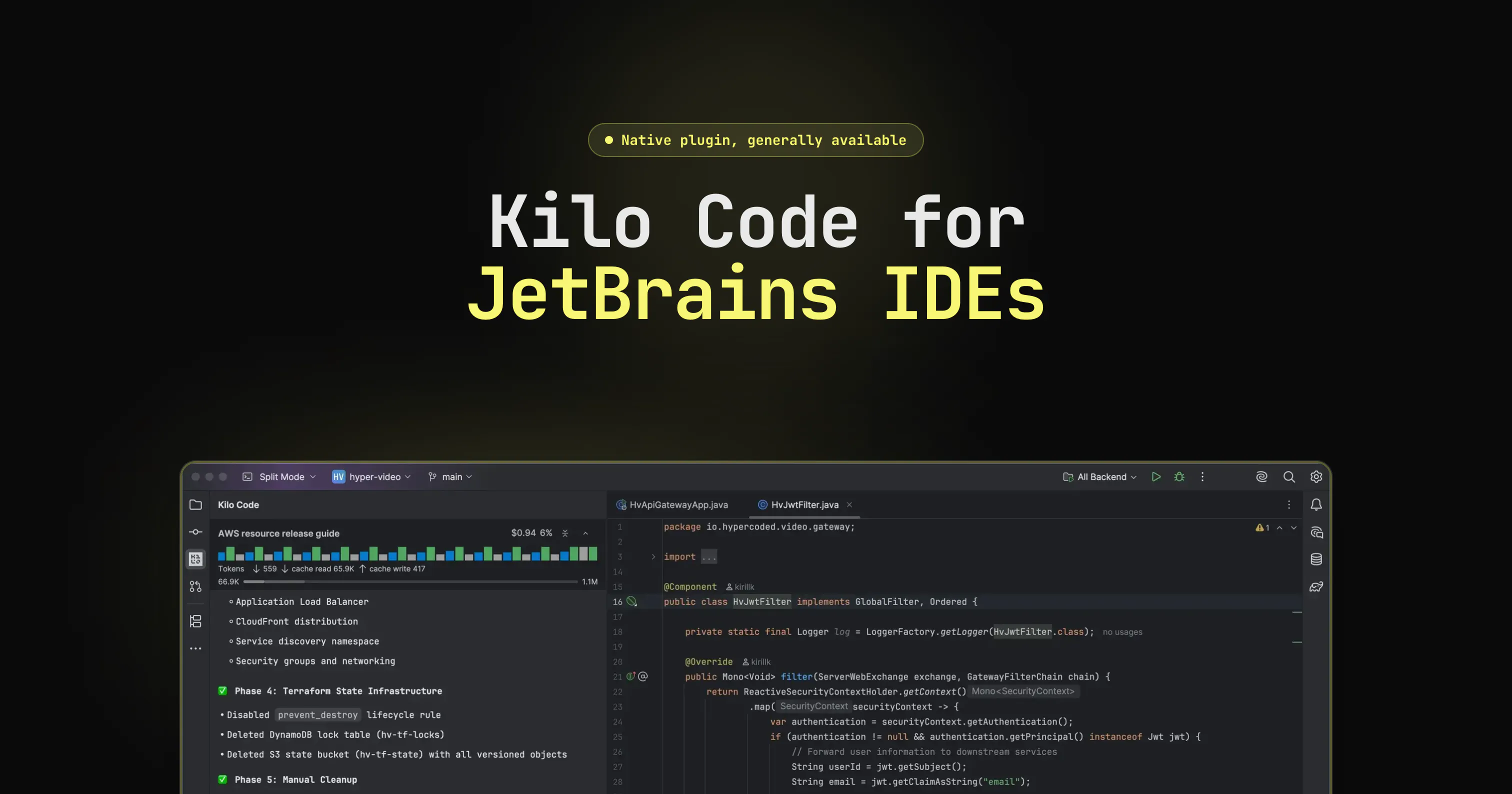
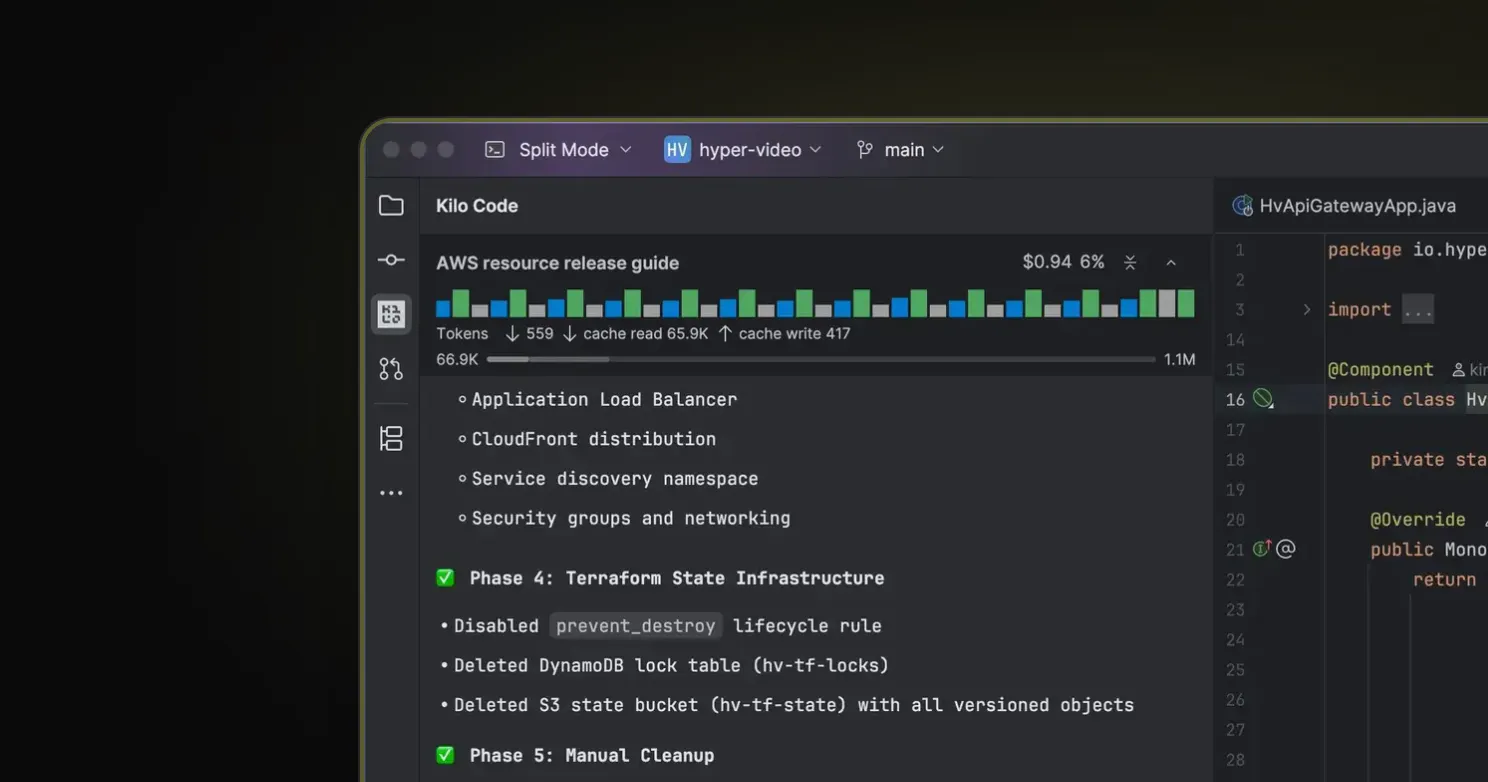
查看原始信息
Tovel AI
While other AI recorders focus primarily on recording, transcription, and summaries, Tovel goes further—turning conversations into real business actions that you review and approve. Through deep native integrations, Tovel can create CRM contacts, leads, opportunities, appointments, tasks, and reminders, as well as draft follow-up emails. No custom Zaps. No complicated low-code or no-code workflows. Tovel doesn’t just tell you what happened—it helps complete what happens next.
Hi Product Hunt! 👋 We built Tovel after repeatedly seeing the same problem: meetings were being recorded, transcribed, and summarized, but the real work still had to be completed manually. Someone still needed to add contacts to the CRM, create opportunities, schedule appointments, assign tasks, set reminders, and write follow-up emails. Tovel began as an idea for a smarter pocket-sized AI recorder, but it quickly evolved into something bigger—a bridge between your conversations and the business tools you already use. Through deep native integrations, Tovel turns what was discussed into real actions without requiring custom Zaps or complicated low-code/no-code automations. We also made human approval a core part of the experience. Nothing is sent or created until you review and approve it. We believe automation should save you time without taking away your control. We’re excited to finally share Tovel with you! What integration or automated action would make the biggest difference in your daily workflow?
3
回复